Author: Kartikey Dwivedi

  • Is Honeysuckle Poisonous to Dogs?

    Is Honeysuckle Poisonous to Dogs?

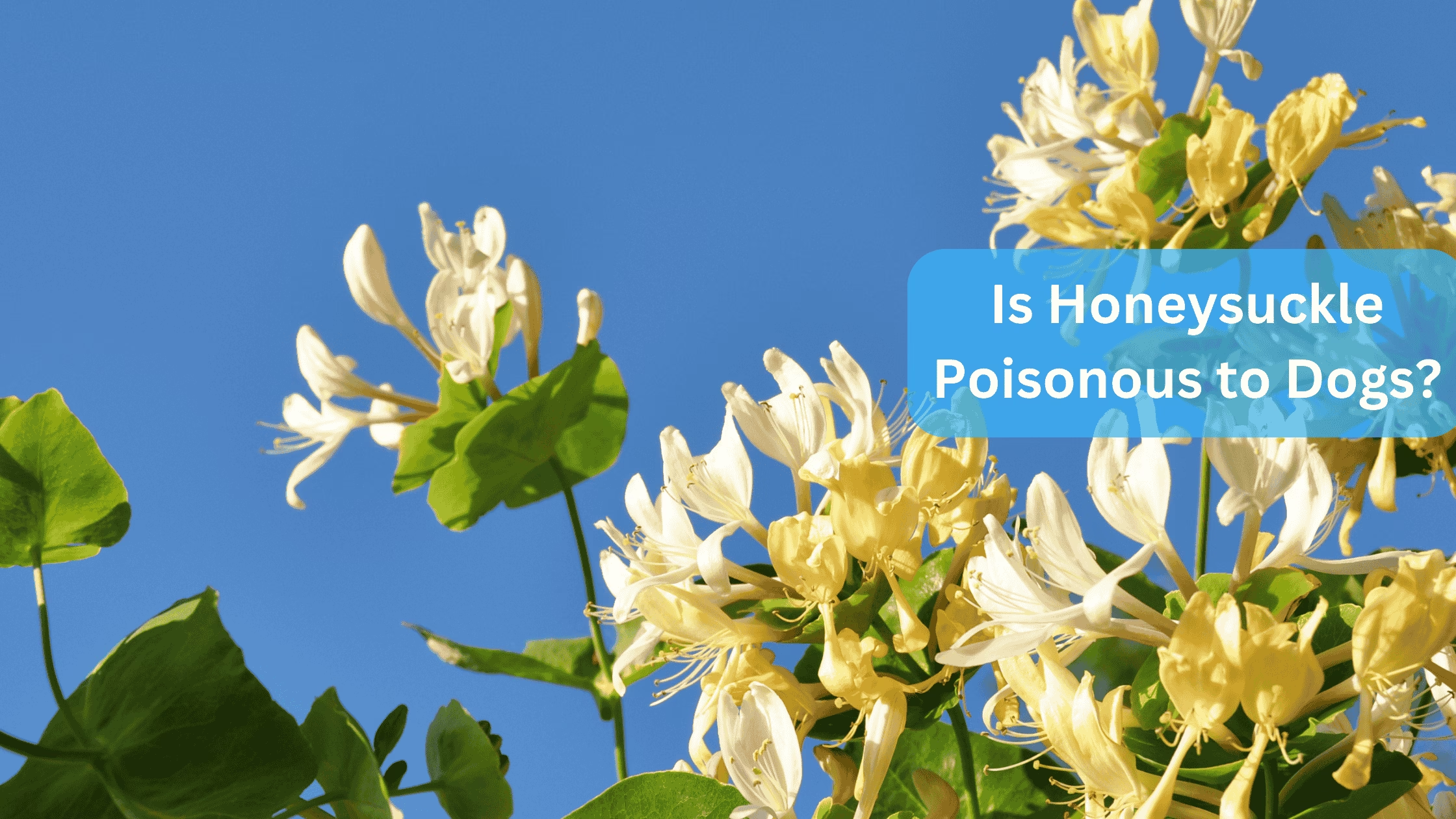
    Is Honeysuckle Poisonous to Dogs? Honeysuckle is a beautiful and fragrant plant that many gardeners love for its vibrant flowers and sweet scent. However, as with many plants, it’s crucial for dog owners to understand the potential risks associated with honeysuckle. This article will explore whether honeysuckle is poisonous to dogs, what symptoms to watch for if ingestion occurs, and how to keep your furry friends safe.

    What Happens If My Dog Eats Honeysuckle?

    If your dog decides to nibble on honeysuckle, the effects can vary depending on the amount consumed and the specific variety of honeysuckle. While not all honeysuckles are highly toxic, ingestion can lead to gastrointestinal upset.

    Common Symptoms of Honeysuckle Ingestion:

    • Vomiting
    • Diarrhea
    • Excessive drooling
    • Abdominal discomfort or pain
    • Lethargy

    In severe cases, particularly with more toxic varieties, symptoms can escalate to include irregular heartbeat or neurological issues. If you suspect your dog has eaten honeysuckle, it’s essential to monitor them closely for any signs of distress.

    How Poisonous Is Honeysuckle?

    The toxicity of honeysuckle varies by species. Some varieties contain compounds known as cyanogenic glycosides, which can release cyanide in the body and lead to serious health issues. For example:

    Coral Honeysuckle (Lonicera sempervirens): Low toxicity; while it may cause mild symptoms like vomiting or diarrhea, severe reactions are rare.

    Amur Honeysuckle (Lonicera maackii): Highly toxic and can cause severe symptoms like vomiting and seizures.

    Gold Flame Honeysuckle (Lonicera x heckrottii): Generally considered non-toxic but may still cause mild gastrointestinal upset if ingested.

    Is Honeysuckle Toxic to Dogs in the UK?

    In the UK, common varieties such as Lonicera periclymenum (common honeysuckle) and Lonicera japonica (Japanese honeysuckle) can pose risks.

    Both types can lead to gastrointestinal upset if ingested by dogs. Therefore, UK dog owners should remain vigilant around these plants.

    Is Honeysuckle Poisonous to Dogs and Humans?

    Yes, honeysuckle can be toxic to both dogs and humans. For humans, consuming certain parts of the plant may cause mild gastrointestinal discomfort.

    However, dogs are more sensitive to the toxins present in honeysuckle. Symptoms in dogs can range from mild digestive upset to more severe reactions depending on the amount consumed.

    Are Honeysuckles Poisonous to Humans?

    Honeysuckles are not typically poisonous to humans when consumed in moderation; however, some parts of the plant can cause mild stomach upset if eaten in large quantities. The flowers are often used for their nectar in teas or as garnishes but should be approached with caution.

    Is Honeysuckle Safe to Eat

    While some honeysuckles are edible—such as the flowers from certain species—it’s crucial to identify which ones are safe. Always verify the specific type of honeysuckle before consuming any part of it. For dogs, however, it’s best to avoid any honeysuckle altogether due to their sensitivity.

    Is Honeysuckle Toxic to Horses?

    Interestingly, honeysuckle toxicity extends beyond dogs; it can also affect horses. While horses may not show severe symptoms like dogs do, they can experience gastrointestinal upset if they consume significant amounts of honeysuckle.

    Bush Honeysuckle and Dogs

    Bush honeysuckle (Lonicera maackii) is particularly concerning due to its higher toxicity levels compared to other varieties.

    Symptoms of ingestion include vomiting, diarrhea, and lethargy. If you have bush honeysuckle in your yard, it’s best to keep your dog away from it entirely.

    Coral Honeysuckle

    Coral honeysuckle (Lonicera sempervirens) is often regarded as having low toxicity compared to other varieties.

    Mild symptoms like vomiting may occur if ingested; however, severe reactions are rare. It’s wise for pet owners to monitor their dogs around this plant but not panic if a small amount is consumed.

    Which honeysuckle is not poisonous to dogs?

    Non-Toxic Honeysuckle Varieties

    While many honeysuckles can be harmful, some varieties are considered non-toxic but may still cause gastrointestinal upset if consumed in large amounts:

    1. Gold Flame Honeysuckle (Lonicera x heckrottii):

        Description: A vibrant addition with beautiful blooms.

        Effects: Generally safe for dogs but may cause mild digestive issues if overconsumed.

        2. Coral Honeysuckle (Lonicera sempervirens):

        Description: Known for its tubular flowers that attract hummingbirds.

        Effects: Low toxicity; mild symptoms may occur with ingestion.

        3. American Honeysuckle (Lonicera canadensis):

        Description: Features delicate flowers and edible berries.

        Effects: Non-toxic but can cause mild gastrointestinal discomfort if eaten excessively.

        What to Do If My Dog Eats Honeysuckle

        If you suspect your dog has eaten honeysuckle:

        1. Remove any remaining plant material from their mouth.
        2. Offer water to help rinse out any leftover bits.
        3. Contact your veterinarian immediately for guidance.
        4. Monitor symptoms closely, especially if they show signs of distress.

        Time is of the essence when dealing with potential toxins!

        FAQs Section

        What are the signs of honeysuckle poisoning in dogs?

        Signs include vomiting, diarrhea, excessive drooling, and lethargy. In severe cases, watch for irregular heartbeat or coma.

        How can I keep my dog safe around honeysuckles?

        Supervise outdoor time and consider fencing off areas with honeysuckles or removing them entirely from your garden.

        Are there any treatments for honeysuckle poisoning?

        Immediate veterinary attention is crucial if you suspect poisoning; they may induce vomiting or provide supportive care based on your dog’s condition.

        Also Read: Are Tulips Poisonous to Dogs?

        Also Read: Are Conkers Poisonous to Dogs?

        Conclusion

        Being aware of the potential dangers associated with honeysuckles is crucial for dog owners who want a safe home and garden environment. By understanding which varieties pose risks and taking preventative measures, you can enjoy the beauty of these plants without compromising your pet’s health.


        Sources:
      1. Are Tulips Poisonous to Dogs?

        Are Tulips Poisonous to Dogs?

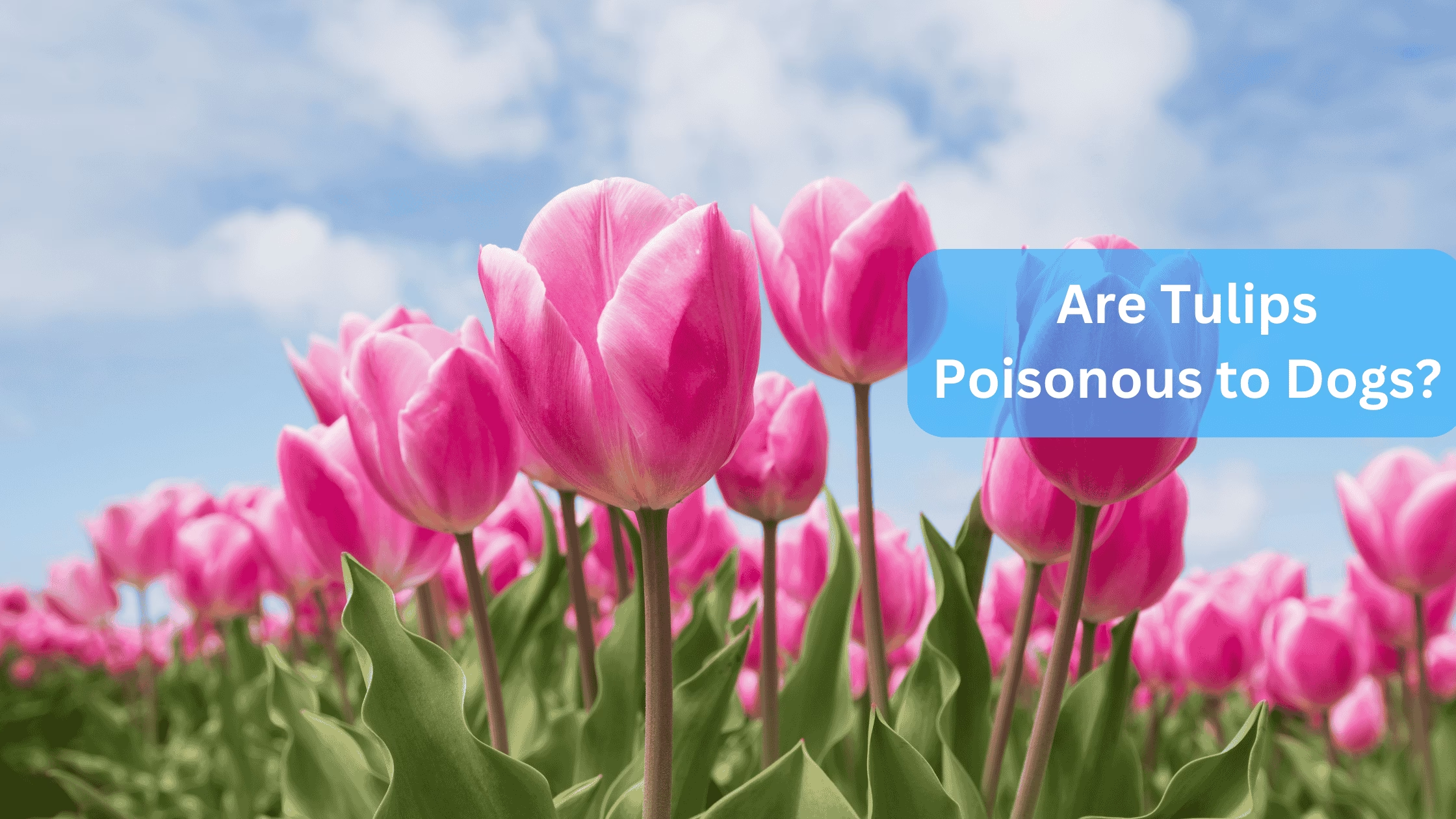
        Are Tulips Poisonous to Dogs? Tulips are a favorite among gardeners and flower enthusiasts, known for their vibrant colors and elegant shapes that herald the arrival of spring. However, while these blossoms may brighten up your home and garden, they come with a cautionary tale for dog owners. Understanding the risks that tulips pose to our furry friends is essential for creating a safe environment. So, let’s dig into the details!

        What Happens If My Dog Eats a Tulip?

        If your dog decides to sample a tulip, you might be in for a bit of a scare. Tulips contain toxic compounds known as Tulipalin A and Tulipalin B, which can lead to various symptoms depending on how much was consumed.

        Common Symptoms:

        • Vomiting
        • Excessive drooling
        • Diarrhea
        • Abdominal pain

        In more severe cases, especially if your pup has munched on a bulb, symptoms can escalate to:

        • Irregular heartbeat
        • Difficulty breathing
        • Lethargy
        • Seizures

        So, if you catch your canine companion nibbling on your tulips, don’t just stand there—act fast!

        Can Tulips Be in the Same Room as Dogs?

        While tulips can make a lovely addition to your home decor, it’s wise to consider their placement. Keeping tulips out of reach is crucial. If your dog is prone to curiosity (or mischief), it’s best to avoid placing tulips on low tables or counters where they can easily access them.

        Safety Tips:

        • Use high shelves or hanging arrangements.
        • Consider placing them in rooms where your dog isn’t allowed.

        Can Dogs Go Near Tulips?

        Letting your dog roam freely near tulip gardens may not be the best idea. Dogs are naturally curious creatures and might dig up bulbs or munch on leaves and flowers out of sheer curiosity.

        Guidelines:

        • Supervise your dog when they’re outside.
        • Use barriers or fencing around gardens with tulips.
        • Distract them with toys or treats if they seem too interested in the flowers.

        Are Tulips Poisonous to Dogs and Humans?

        Yes, tulips are toxic to both dogs and humans, but the effects vary between species. For dogs, ingestion can lead to gastrointestinal upset and more severe symptoms, especially if they consume the bulb. In humans, while tulip poisoning is rare, it can still cause skin irritation and gastrointestinal discomfort.

        Spring Bulbs Safe for Dogs

        If you’re looking to beautify your garden without risking your pup’s health, consider planting non-toxic spring bulbs. Here are some safe options:

        • Daffodils (toxic)
        • Crocuses (non-toxic)
        • Snowdrops (toxic)

        Always double-check before planting!

        What Bulbs Are Not Poisonous to Dogs?

        When selecting bulbs for your garden, it’s essential to know which ones are safe for dogs. Here’s a quick rundown:

        Non-Toxic Bulbs:

        • Crocus (spring blooming)
        • Allium (ornamental onion)

        Toxic Bulbs:

        • Tulips
        • Daffodils
        • Hyacinths

        Being aware of these distinctions will help you create a pet-friendly garden.

        What to Do If My Dog Eats a Tulip Bulb

        If you discover that your dog has eaten a tulip bulb, don’t wait around! Here’s what you should do:

        1. Contact Your Veterinarian: They can provide specific advice based on your dog’s size and the amount ingested.
        2. Monitor Symptoms: Watch for signs like vomiting or lethargy.
        3. Follow Vet Instructions: They may recommend inducing vomiting or bringing your dog in for treatment.

        FAQs Section

        What are the signs of tulip poisoning in dogs?

        Signs include vomiting, excessive drooling, diarrhea, and abdominal pain. Severe cases may lead to difficulty breathing or irregular heartbeats.

        How can I keep my dog safe in a garden with tulips?

        Supervise outdoor time, use barriers around gardens, and distract them with toys if they show interest in the flowers.

        Are there any treatments for tulip poisoning?

        Treatment typically involves contacting a veterinarian who may induce vomiting or provide supportive care depending on the severity of symptoms.

        Also Read: Are Conkers Poisonous to Dogs?

        Also Read: Are Slugs Poisonous to Dogs? A Friendly Guide.

        Conclusion

        Awareness is key when it comes to keeping our furry friends safe from potentially toxic plants like tulips. By understanding the risks associated with these beautiful blooms and taking preventative measures, you can ensure that both your garden and your pup remain happy and healthy.


        Sources:

      2. Are Conkers Poisonous to Dogs?

        Are Conkers Poisonous to Dogs?

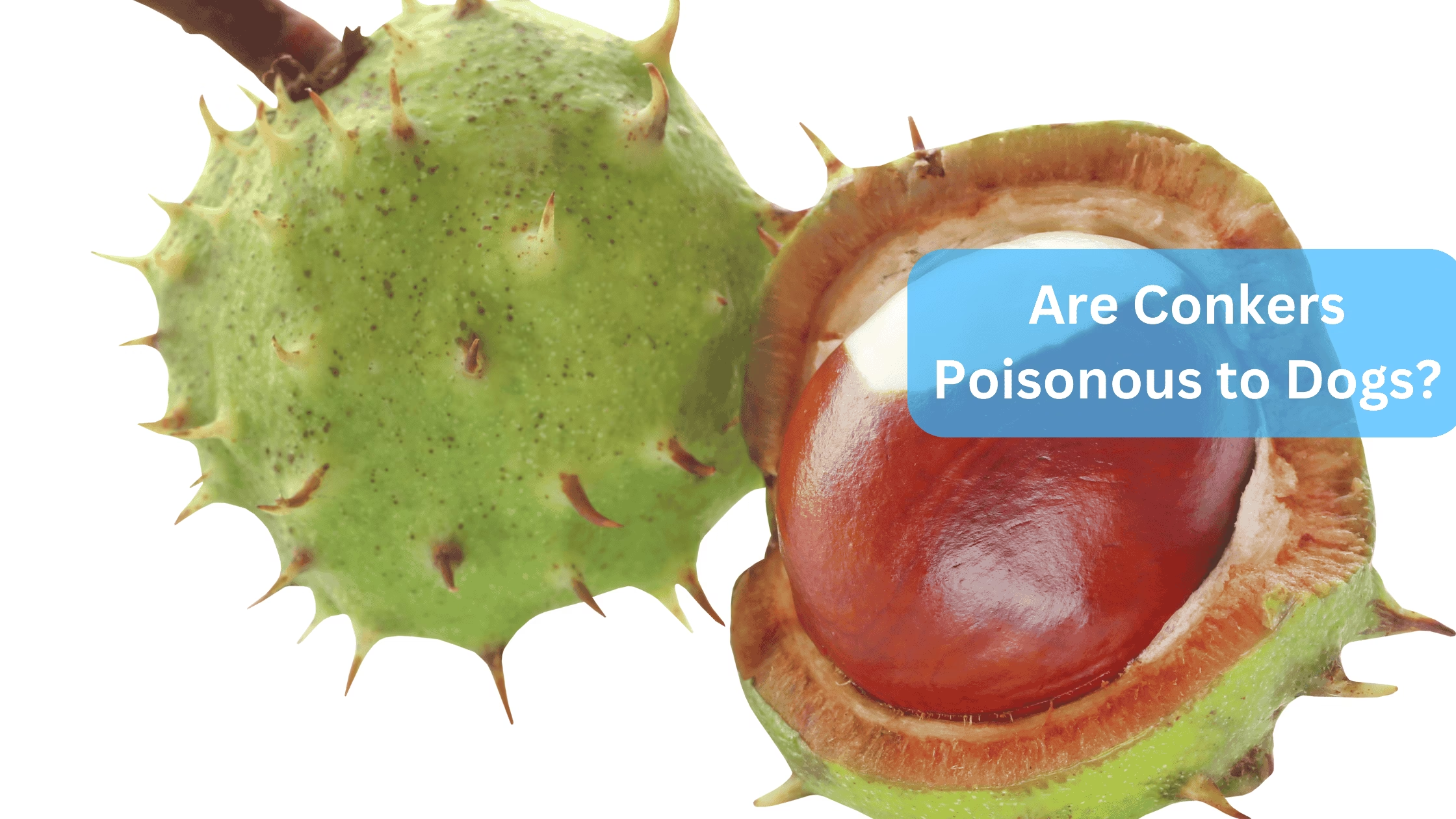
        Are Conkers Poisonous to Dogs? As autumn blankets the landscape in shades of orange and gold, conkers—those shiny, brown seeds from the horse chestnut tree—become a familiar sight.

        While they may be a nostalgic part of childhood games, it’s crucial for dog owners to understand the risks these seemingly harmless nuts pose to our furry friends.

        What Are Conkers?

        Conkers are the seeds of the horse chestnut tree (Aesculus hippocastanum), which is native to the Balkans but has become widespread across Europe and North America.

        These glossy brown seeds are encased in a spiky green shell and typically fall from trees in late summer and early autumn.

        While children may enjoy collecting them for games, dog owners need to be aware of their potential dangers.

        Are Conkers Poisonous to Dogs?

        Yes, conkers are indeed poisonous to dogs. The primary toxic substance found in conkers is aesculin, which can cause various health issues when ingested. Aesculin affects dogs by disrupting their digestive systems and can lead to more severe complications if not addressed promptly.

        In comparison to other common dog poisons, such as acorns, conkers are particularly concerning due to their widespread availability in parks and backyards during fall. It’s essential for dog owners to remain vigilant during this season.

        Symptoms of Conker Poisoning in Dogs

        If your dog happens to munch on a conker, symptoms can vary depending on the amount consumed.

        Mild Symptoms:

        • Vomiting
        • Diarrhea
        • Drooling
        • Lethargy

        Severe Symptoms:

        • Abdominal pain
        • Tremors and wobbliness
        • Shock and respiratory issues
        • Potential for fatality in extreme cases

        If you notice any of these signs after your dog has been around conkers, it’s time to take action!

        What Do I Do If My Dog Eats a Conker?

        First things first: don’t panic! Here’s what you should do:

        • Contact a veterinarian immediately. They can provide guidance based on your dog’s size and health history.
        • Note the time and quantity of conkers consumed. This information will help the vet assess the situation more accurately.
        • Monitor for symptoms closely. Keep an eye on your pup for any changes in behavior or health.

        How Much Conker Is Bad for a Dog?

        The toxicity of conkers can vary significantly based on several factors, including the amount consumed and your dog’s size.

        Generally, even a small amount can cause mild symptoms, while larger quantities may lead to severe reactions. Smaller dogs are particularly at risk due to their size.

        Aesculin Poisoning in Dogs

        Aesculin poisoning occurs when dogs ingest parts of the horse chestnut tree or its seeds. This toxin affects the gastrointestinal tract and can lead to serious health issues if not treated promptly.

        Symptoms may include vomiting, diarrhea, and abdominal discomfort, which can escalate quickly without intervention.

        Treatment Options for Conker Poisoning

        If your dog has ingested conkers, treatment options may include:

        • Inducing vomiting: Your vet may recommend this if ingestion was recent.
        • Intravenous fluids: To combat dehydration caused by vomiting or diarrhea.
        • Possible surgical intervention: In cases where there is a blockage in the digestive tract.

        Prompt veterinary care is crucial for a positive outcome.

        Preventative Measures for Dog Owners

        To keep your furry friend safe from conkers this autumn, consider these tips:

        • Keep a close watch during walks in areas where conkers are prevalent.
        • Use distractions like toys or treats to divert their attention away from fallen conkers.
        • Educate others about the dangers of conkers so they can help keep an eye out too.

        FAQs Section

        Can all dogs be affected by conkers?

        Yes, all dogs can be affected by conkers; however, individual reactions may vary based on size and health.

        What are alternative safe outdoor activities for dogs during autumn?

        Consider going for nature walks where there are fewer conkers or engaging in games like fetch with safe toys.

        How can I identify other plants that may be harmful to dogs?

        Familiarize yourself with local flora and consult your veterinarian or reliable resources for guidance on toxic plants.


        Also Read: Are lilies poisonous to dogs? A Blooming Concern

        Also Read: Are Slugs Poisonous to Dogs? A Friendly Guide.

        Conclusion

        As you enjoy the beauty of autumn with your four-legged companion, remember that vigilance is key when it comes to keeping them safe from potential hazards like conkers. If you suspect your dog has ingested any part of a horse chestnut tree, don’t hesitate—seek veterinary care immediately!


        Sources:

      3. Are Slugs Poisonous to Dogs? A Friendly Guide.

        Are Slugs Poisonous to Dogs? A Friendly Guide.

        Welcoming a new puppy into your home is one of life’s great joys, but it also means mastering the art of pet parenting—especially when it comes to keeping your little explorer safe. One question that might pop into your mind (and possibly your dog’s mouth) is whether those squishy slugs lurking in your garden pose any risk. So, are slugs poisonous to dogs? Let’s dive into the wormy world of slugs and find out!

        Are Slugs Poisonous to Dogs? Let’s Unravel the Mystery

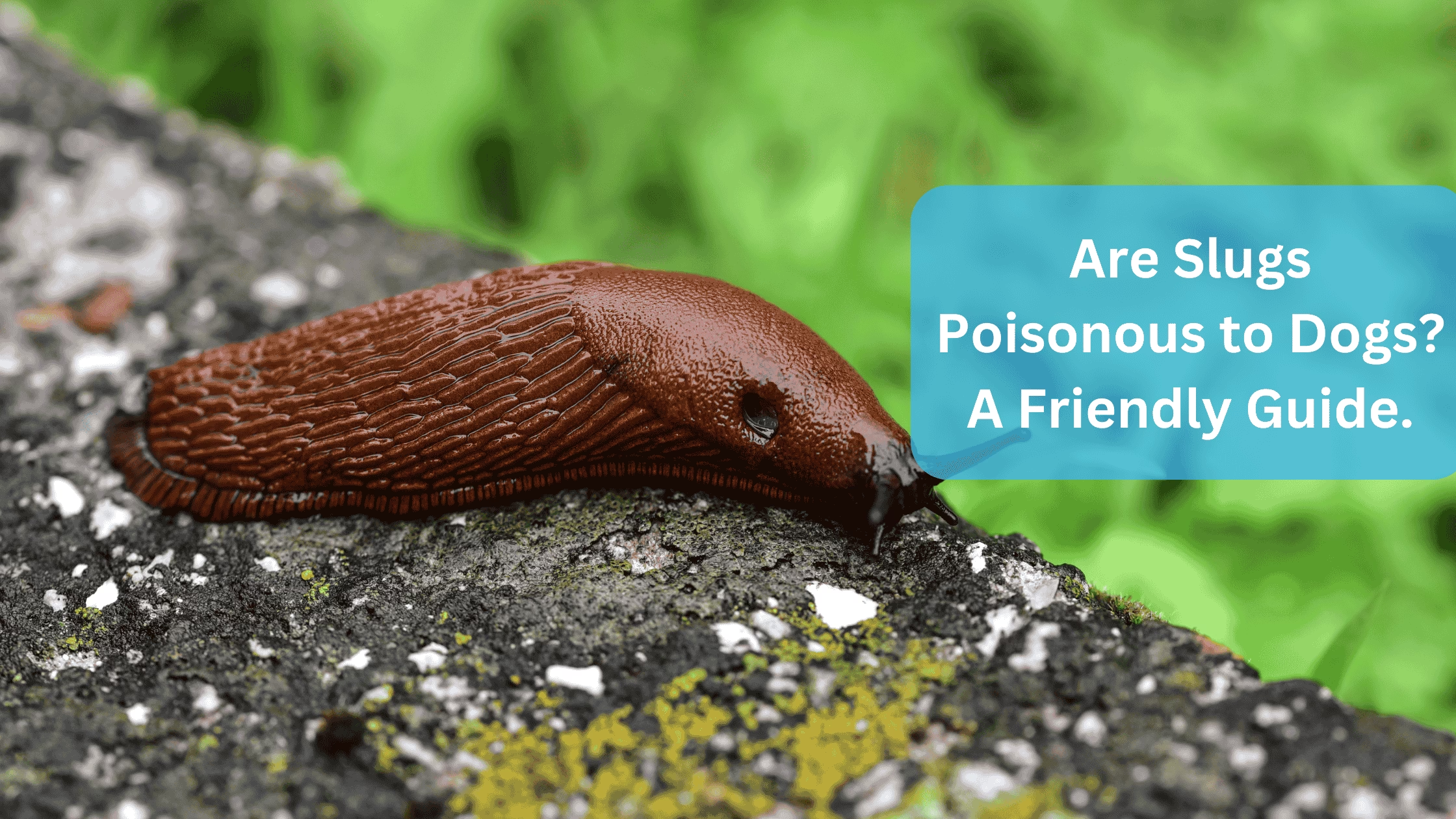
        The short answer is a bit of a head-scratcher: it depends! Slugs aren’t toxic in the same way that some creatures might bite or sting, but they can still cause a bit of trouble.

        The main concern is lungworm (Angiostrongylus vasorum), a parasite that can hitch a ride in slugs.

        If your pooch accidentally gobbles up an infected slug (or even just slurps up some of that gooey slime!), they could end up with lungworm and face some serious health challenges.

        Think coughing, lethargy, and in severe cases, it could even be life-threatening. Yikes!

        But wait, there’s more! Those sneaky slugs might also be hiding out in gardens treated with slug bait.

        Some of these products contain metaldehyde, which is no friend to our furry companions and can lead to some pretty scary symptoms, like tremors and seizures.

        So it’s best to avoid slug bait and embrace more dog-friendly gardening tactics.

        Why Are Slugs a Concern for Dogs? Let’s Break It Down

        Lungworm: The Party Crasher

        Lungworms are not your average garden pests. These larvae can settle into your dog’s heart and lungs, causing quite the ruckus. Keep an eye out for signs like:

        • Coughing: It’s not just a hairball.
        • Breathing Trouble: If Fido sounds like he ran a marathon, get him checked out.
        • Weight Loss: A dog that’s not eating? Alarm bells, please!
        • Unusual Bleeding: Not all bleeding is from a rough play session—this warrants a vet visit!

        Toxic Slug Bait: A No-Go Zone

        While we love a good garden, slug baits can turn into a dangerous trap if they contain metaldehyde. If your dog gets into this stuff, you might witness:

        • Tremors: Not the fun kind you see in a dance-off.
        • Seizures: Definitely not a part of the plan.
        • Drooling: And not just because they saw a squirrel!

        Gastrointestinal Upset: Slug Snacks Gone Wrong

        Even if a slug doesn’t have lungworms or poisons on its mind, munching on one might lead to a surprise party of digestive woes. Keep an eye out for:

        • Vomiting: Not the kind of excitement we want.
        • Diarrhea: Let’s hope that’s not on the carpet!

        What Draws Dogs to Slugs? The Curious Canine Mind

        Natural Curiosity

        Dogs are little adventurers at heart, and their mouths are like built-in exploration tools. A squirmy slug is basically a neon sign saying, “Check me out!”

        Irresistible Scent and Texture

        To a dog, slugs may smell like gourmet treats (though to us, they just smell slimy). Who can resist a good slug when it’s just lounging around in the garden?

        Boredom: The Enemy of All Things Serious

        Sometimes, a bored pup will turn to slugs out of sheer lack of entertainment. If left alone, they might just think, “Why not?”

        How to Keep Your Pooch Safe from Slug Snacking: Pro Tips

        Supervise Outdoor Adventures

        Keep an eye on your pup during garden playtime, especially after a rain where slugs come out to party.

        Nail the “Leave It” Command

        Training your dog to respond to “leave it” can save them from many garden mishaps. Positive reinforcement works wonders here!

        Keep Things Tidy

        A clean garden is a happy garden. Regularly clear out debris and anything that might attract slugs. Your garden will thank you!

        Choose Pet-Safe Solutions

        When it comes to dealing with slugs, opt for pet-friendly alternatives to harsh chemicals. Hand-picking slugs can be a surprisingly effective (and organic) method.

        Consult Your Vet

        Don’t hesitate to chat with your vet about lungworm prevention strategies. It’s always better to be safe than slimy!

        Slug Concerns: Your Burning Questions Answered

        What should I do if my dog eats a slug?

        First step: don’t panic! Reach out to your veterinarian for guidance. They’ll know what to do next.

        How can I prevent my dog from snacking on slugs?

        Supervise outdoor play, reinforce the “leave it” command, and keep your yard free of slug-friendly environments. Your vet can also offer advice on lungworm prevention.

        Are all slugs harmful to dogs?

        Not every slug is a villain, but many can carry parasites or chemicals. A safe bet is to discourage any slug munching!

        What signs should I watch for with lungworm infection?

        Keep an eye out for coughing, difficulty breathing, lethargy, weight loss, or any unusual bleeding. If you spot these, it’s time to call the vet.

        Could other animals pose similar risks?

        Absolutely! Snails and certain garden critters can also carry parasites or toxins. Always stay alert!

        Also Read: Are lilies poisonous to dogs? A Blooming Concern

        Also Read: Are Hibiscus Poisonous to Dogs? A Comprehensive Guide

        Keeping Your Dog Safe and Happy: A Team Effort

        By arming yourself with knowledge about slugs and their potential risks, you can be the superhero your dog needs. A little vigilance goes a long way in keeping your pup safe and healthy. After all, the journey of pet ownership is filled with wonderful experiences—make sure your furry friend has the best chance to enjoy every single one! 🐾✨


        Sources:

      4. Are lilies poisonous to dogs? A Blooming Concern

        Are lilies poisonous to dogs? A Blooming Concern

        Are lilies poisonous to dogs? Lilies: those elegant, fragrant blooms that add a touch of grace to any setting.

        But dog owners, take note! While these beauties are pleasing to the eye, certain types of lilies can pose a significant health risk to our furry friends.

        This comprehensive guide delves into the world of lilies and their potential toxicity, providing you with the information necessary to ensure your canine companion’s well-being.

        So, if you’ve ever wondered, “Are lilies poisonous to dogs?”, the straightforward answer is often YES – but the details are important, and understanding them could be vital for your dog’s health.

        The Lily Lowdown: Which Lilies Pose Risks to Dogs?

        Navigating the world of lilies can feel overwhelming for dog owners. Not all lilies are created equal when it comes to their potential effects on dogs.

        Here’s a detailed breakdown to help you distinguish the more concerning varieties:

        True Lilies: The Primary Concern

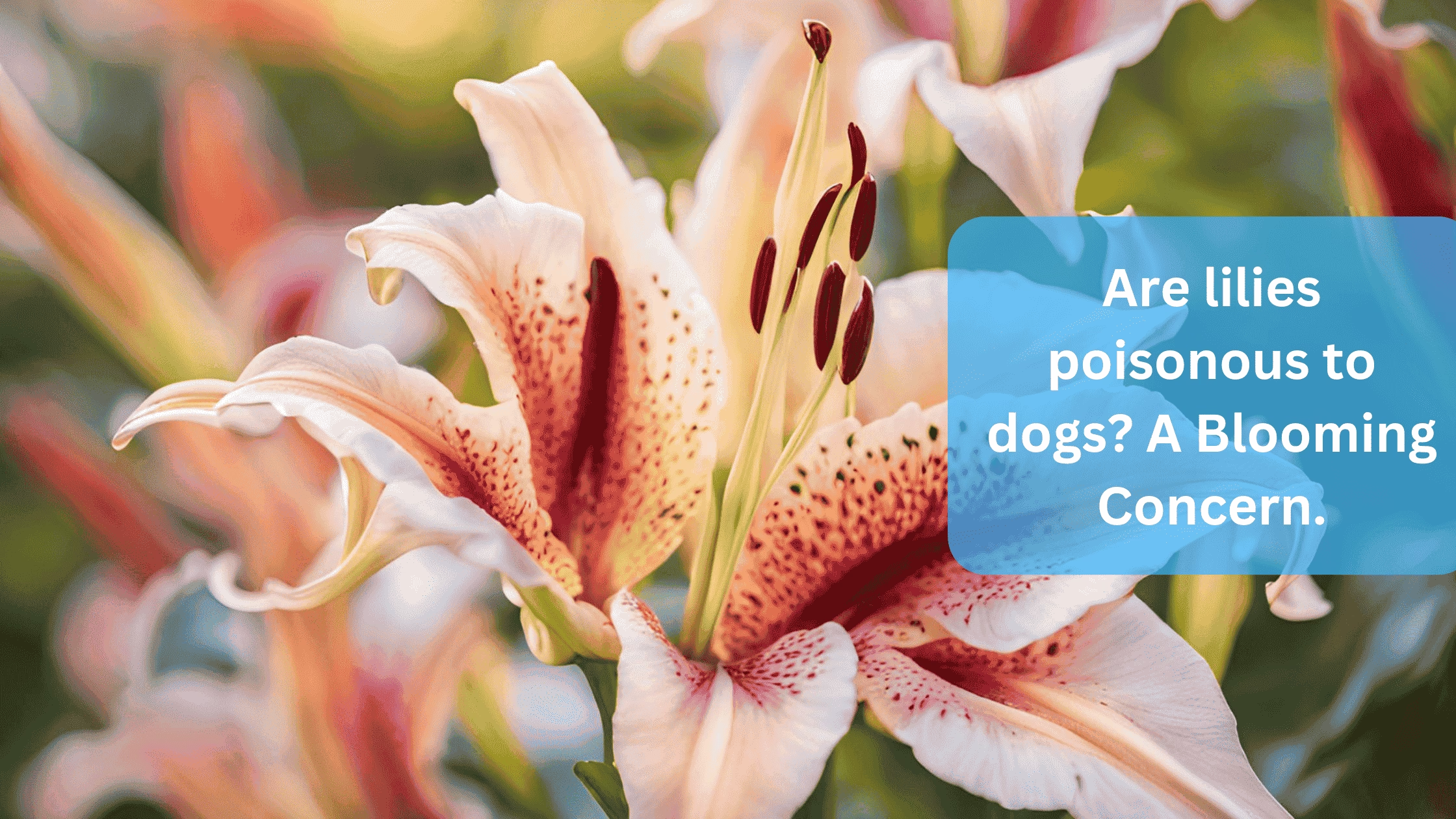
        True lilies, members of the Lilium and Hemerocallis (daylily) genera, are the most significant concern for dogs.

        This group includes common varieties like the Easter lily, Tiger lily, Asiatic lily, Stargazer lily, and Oriental lily.

        All parts of these plants – the leaves, stems, flowers, pollen, and even the water they sit in – can be problematic for dogs.

        Even a small amount of ingestion, or simply pollen brushed onto a dog’s fur that they later lick off, has been associated with kidney issues.

        So, if you’re asking, “Are Easter lilies poisonous to dogs?”, “Are Tiger lilies poisonous to dogs?”, “Are Asiatic lilies poisonous to dogs?”, “Are Stargazer lilies poisonous to dogs?”, or “Are Oriental lilies poisonous to dogs?”, the answer is a resounding yes.

        Other Lily-Like Plants: Assessing the Risks

        Many plants have “lily” in their common name but aren’t true lilies. Their potential effects on dogs vary considerably:

        1. Peace Lilies and Calla Lilies

        These popular houseplants, often gracing our homes with their elegant foliage, contain insoluble calcium oxalates.

        While not as dangerous as true lilies, these compounds can irritate a dog’s mouth, throat, and digestive system.

        If your dog nibbles on a peace lily or calla lily, you might see them pawing at their mouth, drooling excessively, vomiting, or having trouble swallowing.

        So, are calla lilies poisonous to dogs? Are peace lilies poisonous to dogs? Yes, they can cause discomfort, but they generally don’t pose the same life-threatening risk as true lilies.

        2. Canna Lilies, Spider Lilies, Toad Lilies, Surprise Lilies, and Peruvian Lilies

        These “lily-like” plants vary in their potential to cause trouble for dogs.

        While generally less concerning than true lilies, they can still cause an upset tummy. If ingested, symptoms might include vomiting, diarrhea, and a decreased appetite.

        So, while canna lilies, spider lilies, toad lilies, surprise lilies, and Peruvian lilies aren’t as toxic as true lilies, it’s still wise to keep them out of your dog’s reach. Are canna lilies poisonous to dogs? Are spider lilies, toad lilies, surprise lilies, or Peruvian lilies poisonous to dogs? Yes, to varying degrees, so it’s best to be cautious.

        3. Daylilies

        Here’s a tricky one. Daylilies, despite their name, are actually true lilies (Hemerocallis). While they present a serious danger to cats, causing kidney failure, their effect on dogs is different.

        Dogs are less likely to experience kidney problems from daylilies, but they can still suffer from gastrointestinal upset if they eat them. So, are day lilies poisonous to dogs? Yes, but the way they affect dogs is different than cats.

        4. Plantain Lilies (Hosta)

        These leafy shade-lovers contain saponins, which can be problematic if your dog decides they look tasty.

        If ingested, symptoms might include vomiting, diarrhea, and lethargy. So, are plantain lilies (Hosta) poisonous to dogs? Yes, it’s best to keep them out of reach.

        Lilies of the Valley: A Separate Concern

        These flowers are not true lilies, but are known to be potentially harmful to both dogs and humans. They contain cardiac glycosides, which can affect heart function. “Are lilies of the valley poisonous to dogs?” – Yes, and they require immediate veterinary attention.

        Understanding Potential Issues: How Some Lilies May Affect Dogs

        Why might some lilies be a concern for dogs?

        The exact mechanisms by which true lilies affect dogs are still being studied. However, they have been associated with kidney-related issues.

        How might dogs be exposed to potentially problematic substances in lilies?

        Ingestion is the most common route, but pollen contact can also be a concern. Even the water in a vase containing cut lilies could potentially be problematic if ingested.

        Are lilies a concern for dogs even if not eaten?

        Yes, even minimal contact with pollen from certain lilies can be a concern.

        Recognizing the Signs: Potential Symptoms Related to Lily Exposure in Dogs

        Early Signs (Within Hours)

        • Changes in appetite
        • Lethargy
        • Drooling
        • Vomiting

        Later Signs

        • Changes in urination patterns
        • Dehydration
        • More severe signs related to kidney function
        • Seizures

        Taking Action: What To Do If Your Dog Is Exposed to Lilies

        1. Immediate Steps – If you suspect exposure, contact your veterinarian or an animal poison control center immediately.
        2. At the Vet’s Office – Your veterinarian will conduct a thorough examination and may recommend diagnostic tests and appropriate treatment.

        Prevention: Keeping Your Dog Safe

        1. Creating Lily-Free Zones – Avoid having lilies in areas accessible to your dog.
        2. Alternative Blooms – Choose dog-safe flowers like roses, sunflowers, orchids, or snapdragons.
        3. Educating Friends and Family – Inform visitors about the potential risks of lilies to dogs.

        FAQs: Addressing Your Questions about Lilies and Dog Safety

        Are lilies poisonous to dogs UK?

        Yes, the toxicity of lilies is consistent regardless of location.

        Are all lilies poisonous to dogs?

        True lilies are the most dangerous, but other types of lilies and lily-like plants can also pose risks.

        Are lilies poisonous to dogs and cats?

        Yes, with varying levels of severity and different primary target organs. True lilies are a major concern for both.

        Are white lilies poisonous to dogs?

        If it’s a true lily, yes.

        Are water lilies poisonous to dogs?

        While generally less toxic than true lilies, they can still cause gastrointestinal upset.

        Are any lilies safe for dogs?

        While some “lily-like” plants pose less risk, it’s best to err on the side of caution and keep all lilies away from dogs.

        Why are lilies poisonous to dogs?

        The precise toxin in true lilies is still being researched, but its impact on kidneys is well-documented.

        How are lilies poisonous to dogs?

        Through ingestion primarily, but also through pollen contact and potentially contaminated water.

        Are lilies poisonous to dogs if not eaten?

        Yes, pollen contact can be enough to cause problems.

        Also Read: Are Hostas Poisonous to Dogs?

        Also Read: Are Hibiscus Poisonous to Dogs? A Comprehensive Guide

        Conclusion: Promoting a Safe Environment for Your Dog

        By being aware of the potential risks associated with lilies and taking proactive measures, you can help create a safer environment for your dog.

        Remember, when it comes to lilies and dogs, caution and prompt action are essential. By sharing this information, you can also help protect other dogs.


        Sources:

      5. Are Hibiscus Poisonous to Dogs? A Comprehensive Guide

        Are Hibiscus Poisonous to Dogs? A Comprehensive Guide

        Are Hibiscus Poisonous to Dogs? Hibiscus flowers, with their vibrant hues and tropical charm, can brighten any garden. But for dog owners, their beauty might also be tinged with concern: Are hibiscus plants safe for my canine companion? This comprehensive guide delves into the relationship between hibiscus and dogs, empowering you with the knowledge to create a safe and beautiful environment for both.

        Understanding the Hibiscus Family: More Than Just a Pretty Flower

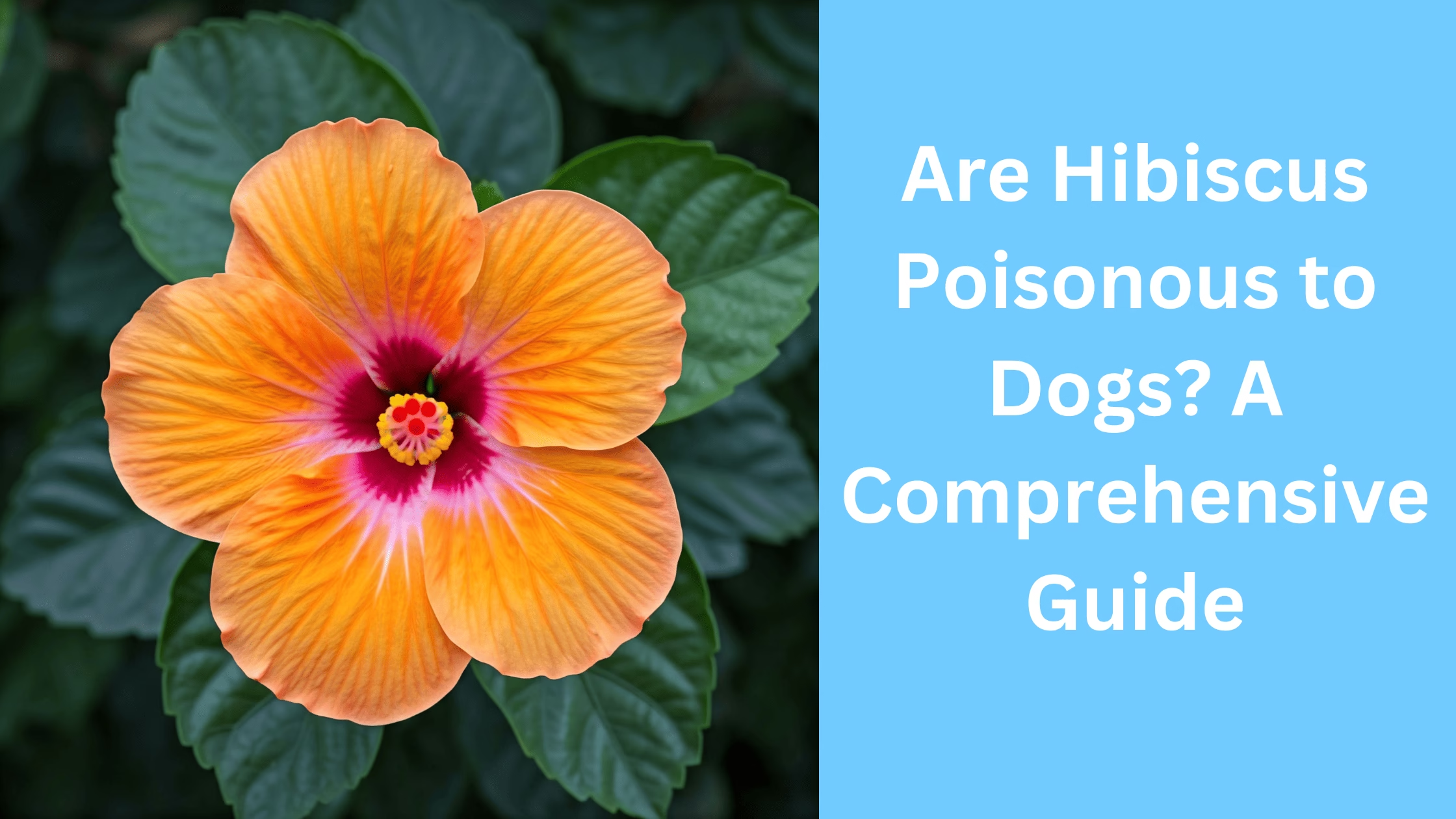
        “Hibiscus” refers not to a single plant, but a diverse genus within the Malvaceae family, encompassing hundreds of species. From the tropical Hibiscus rosa-sinensis to the hardy Hibiscus syriacus (Rose of Sharon), common in temperate gardens, the hibiscus family boasts remarkable variety. This diversity also means that toxicity levels can differ, although most hibiscus species are generally considered safe for dogs.

        Are Hibiscus Poisonous to Dogs? Separating Fact from Fiction

        The good news is that most hibiscus varieties, especially the popular Rose of Sharon, are not toxic to dogs. The ASPCA includes hibiscus on its list of non-toxic plants for both dogs and cats. So, if your dog happens to nibble a few fallen petals or leaves, serious poisoning is unlikely.

        Can Hibiscus Cause Side Effects in Dogs? What to Watch For

        While generally safe, hibiscus can sometimes cause mild gastrointestinal upset in certain dogs. This might manifest as vomiting, diarrhea, or a temporary decrease in appetite. These symptoms are usually mild and self-limiting, but it’s essential to monitor your dog and seek veterinary attention if symptoms persist or worsen.

        What Should I Do If My Dog Vomits After Eating Hibiscus?

        If your dog vomits once or twice after ingesting hibiscus, the first step is to remove any remaining plant material and ensure access to fresh water. If the vomiting continues, becomes more frequent, or your dog shows other signs of distress, it’s time to contact your veterinarian.

        Are There Specific Hibiscus Varieties That Are More Dangerous for Dogs?

        While the Rose of Sharon is generally considered safe, caution is warranted with some less common hibiscus varieties. Comprehensive research on the toxicity of all hibiscus species is ongoing. If you’re unsure about the specific type of hibiscus in your garden, it’s best to err on the side of caution and prevent your dog from accessing it. Consulting a local horticultural expert or your veterinarian can help identify the specific variety and assess its potential risk to your dog.

        When Should I Contact a Vet After My Dog Eats Hibiscus? Signs and Symptoms to Watch For

        While mild gastrointestinal upset is the most common reaction, it’s crucial to be vigilant for more serious symptoms. Contact your veterinarian immediately if your dog displays any of the following after interacting with a hibiscus plant:

        • Prolonged Vomiting or Diarrhea: More than a couple of episodes.
        • Loss of Appetite: Refusal to eat for 24 hours or more.
        • Lethargy: Unusual tiredness, weakness, or lack of interest in their usual activities.
        • Excessive Drooling: A significant increase in salivation.
        • Abdominal Pain: Whining, guarding their belly, restlessness, or other signs of discomfort.

        Preventing Hibiscus-Related Issues: Proactive Steps for a Safe Garden

        Prevention is always the best medicine. Here’s how to minimize the risk of hibiscus-related issues in your dog:

        • Teach a Strong “Leave It” Command: This command is invaluable for redirecting your dog away from potentially harmful plants and other temptations.
        • Supervise Garden Time: Especially if your dog is a puppy, a known plant-nibbler, or new to your garden, close supervision is key.
        • Strategic Planting: Place hibiscus plants in locations that are less accessible to your dog, such as hanging baskets, raised planters, or fenced-off areas.
        • Provide Alternative Chews: Offer a variety of safe and engaging chew toys to distract your dog from plants and satisfy their natural chewing instincts.

        My Dog Ate Hibiscus! A Step-by-Step Guide to What to Do Next

        1. Remove your dog from the area: This prevents further ingestion of the plant.
        2. Identify the plant (if possible): Note the specific hibiscus variety if you know it. This information can be helpful to your veterinarian.
        3. Contact your veterinarian or a pet poison hotline: The ASPCA Animal Poison Control Center (APCC) is an excellent resource and can provide expert guidance.
        4. What is the number for the ASPCA Animal Poison Control Center? (888) 426-4435 (A consultation fee may apply).
        5. Follow your veterinarian’s instructions: They may recommend monitoring your dog at home or bringing them in for a closer examination.

        Beyond Hibiscus: Other Toxic Plants to Keep Away from Your Dog

        Hibiscus may be generally safe, but many other common garden plants pose a significant risk to dogs. Be particularly vigilant about these:

        • Tulips (especially the bulbs)
        • Azaleas and Rhododendrons
        • Sago Palms
        • Oleander
        • Grapes and Raisins

        Creating a Dog-Friendly Garden: Tips and Tricks for a Safe and Beautiful Space

        Having a beautiful garden and a happy, healthy dog needn’t be mutually exclusive. With a bit of planning and foresight, you can create a space where both can thrive. Choose dog-safe plants, provide enriching alternatives for chewing, supervise your dog when they are in the garden, and be knowledgeable about the potential hazards of any plants you choose to include.

        Hibiscus and Dogs: Frequently Asked Questions (FAQs)

        Are all hibiscus toxic to dogs?

        No, most hibiscus varieties are considered non-toxic. However, some dogs may experience mild gastrointestinal upset after ingesting hibiscus.

        What part of the hibiscus plant is poisonous?

        While no specific part is definitively poisonous, the leaves and flowers can cause mild irritation if ingested in large amounts.

        Can dogs die from eating hibiscus?

        It is highly unlikely that a dog would die from eating hibiscus. Serious complications are extremely rare.

        Also Read: Are Hostas Poisonous to Dogs?

        Also Read: Are Petunias Poisonous to Dogs?

        Conclusion

        Hibiscus, a vibrant and beloved addition to many gardens, poses minimal risk to dogs. While most varieties are non-toxic, some can cause mild digestive upset if ingested.

        By understanding the potential effects of hibiscus on dogs, taking preventative measures, and being prepared for any unlikely reactions, you can create a safe and beautiful environment where both your canine companion and your hibiscus can thrive.

        Always consult your veterinarian for any concerns about your pet’s health, especially after ingestion of any plant material.


        Sources:

      6. Are Hostas Poisonous to Dogs?

        Are Hostas Poisonous to Dogs?

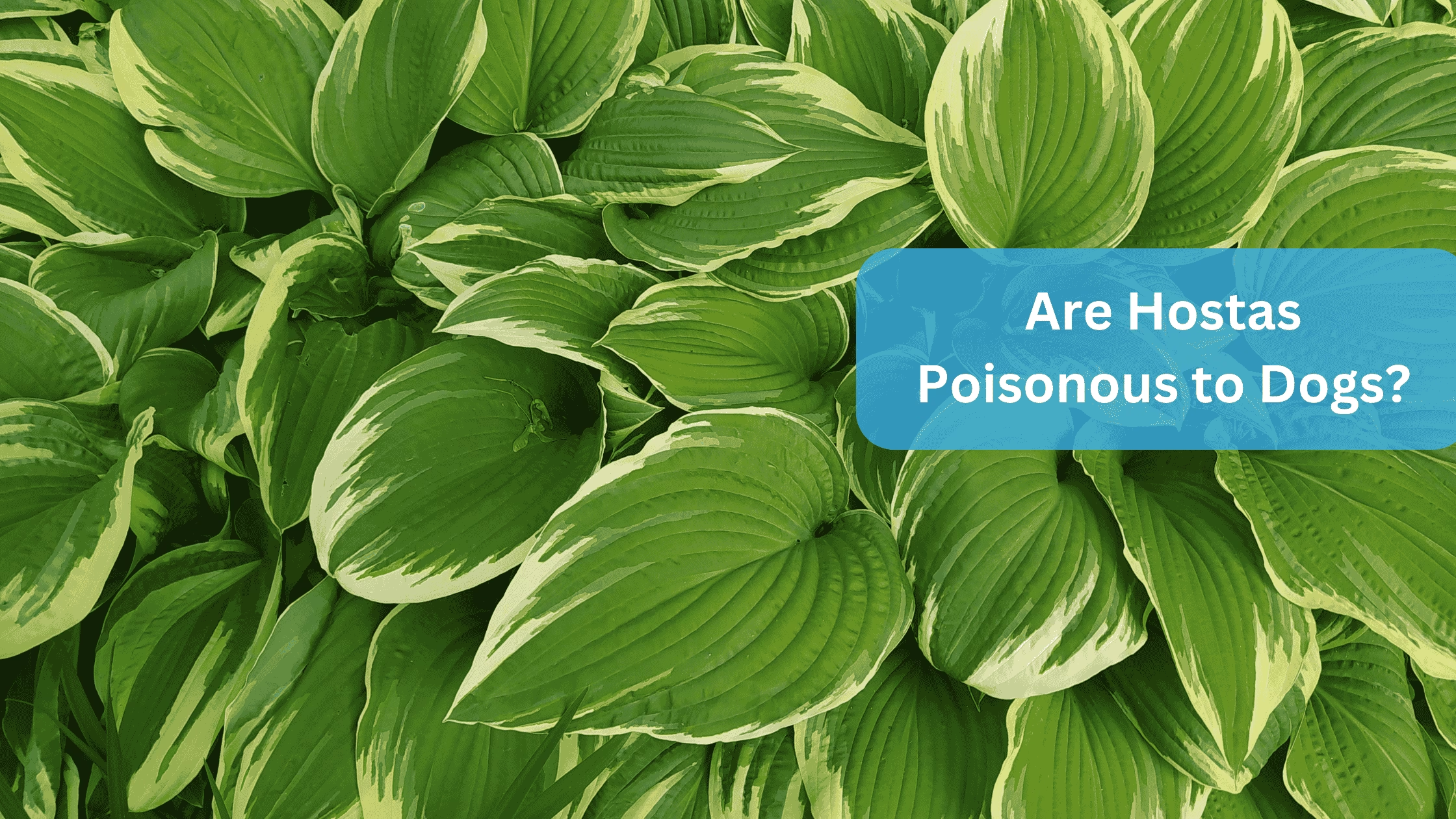
        Are Hostas Poisonous to Dogs? Welcome to the world of Hostas—a favorite among gardening enthusiasts for their lush foliage and resilience! However, as dog owners, we must tread carefully in our garden paradise.

        Did you know that while Hostas are gorgeous, parts of them may not be so friendly to our furry companions? Buckle up as we dive into the ins and outs of Hostas, their toxicity, and what dog owners should know!

        Overview of Hostas and Their Popularity

        Hostas are beloved for their stunning variety of shapes, sizes, and shades of green (and even blue!). These shade-loving perennials can add a touch of elegance to any garden. But with their beauty comes responsibility, especially for those of us with four-legged friends who might be inclined to snack on the greenery.

        Importance of Understanding Plant Toxicity for Dog Owners

        Understanding plant toxicity is crucial for dog owners. Many common garden plants can pose risks, and knowledge is power! After all, safeguarding our pets means we can all enjoy a lovely garden—without the fear of unwanted vet visits. So, let’s dig in!

        Are Hostas Poisonous to Dogs? Understanding the Risks

        General Toxicity of Hostas to Dogs

        So, are Hostas poisonous to dogs? The short answer is yes, though the degree of toxicity can vary. Hostas contain compounds called saponins, which can lead to gastrointestinal upset in our furry friends if ingested in significant quantities.

        Common Symptoms of Hostas Poisoning in Dogs

        If Fido indulges in a Hosta buffet, he might experience symptoms such as vomiting, diarrhea, and lethargy. Though a little nibble might not send him to the vet, it’s always best to keep an eye on your pup’s behavior!

        Are Hostas Plants Poisonous to Dogs? A Closer Look

        Let’s take a closer look: While Hostas are considered mildly toxic, the reactions can differ based on the breed and the amount ingested. Smaller dogs might be more sensitive than larger breeds, so it’s essential to monitor their munching habits.

        Specific Toxic Compounds Found in Hostas

        The primary culprits inside Hostas are saponins and alkaloids. These compounds can cause gastrointestinal distress but are generally not life-threatening. Still, it’s wise to keep your dog away from these plants to avoid any health hiccups.

        Comparison with Other Common Plants Toxic to Dogs

        Compared to other garden favorites like azaleas and lilies (which are highly toxic), Hostas rank lower on the toxicity scale. However, “lower” doesn’t mean “safe,” so always err on the side of caution!

        How Poisonous Are Hostas to Dogs? Assessing the Severity

        Severity of Symptoms and Health Risks

        Symptoms of Hosta poisoning can range from mild to moderate, with most dogs recovering quickly with appropriate care. However, it’s crucial to be vigilant, as some dogs might react more severely than others.

        Case Studies and Statistics on Hostas Poisoning in Dogs

        According to veterinary reports, cases of Hosta poisoning are relatively rare but do occur. Awareness is key! If you suspect your dog has eaten Hostas, it’s always better to be safe than sorry.

        What Part of Hostas Are Poisonous to Dogs? Identifying Toxicity

        Toxic Parts of the Hosta Plant for Dogs

        All parts of the Hosta plant are considered toxic to dogs, but the leaves tend to be the most commonly ingested. And let’s be real: they’re like a salad bar just sitting in the garden!

        Safe Parts of Hostas: What Dog Owners Should Know

        While all parts are harmful, it’s the amount consumed that typically determines the severity. A few nibbles from a curious dog may result in an upset stomach, but not a catastrophic incident.

        Are All Hostas Poisonous to Dogs? Exploring Variations

        Differences Among Various Hosta Species and Their Toxicity Levels

        Not all Hostas are created equal! Different species may have varying levels of toxicity, and while most are mildly toxic, it’s a good idea to research species if you’re considering adding them to your yard.

        Factors Influencing Toxicity in Hostas

        Factors such as the size of the dog and the specific variety of Hosta can influence how poisonous they are. Size matters when it comes to toxicity—just like choosing a comfy couch for your pet!

        Preventing Hostas Poisoning in Dogs: Tips for Pet Owners

        Practical Tips for Dog Owners with Hostas in Their Gardens

        Want to keep your garden and pup safe? Here are some handy tips:

        • Create a Barrier: Use fencing or strategically placed rocks to limit access to Hostas.
        • Use Training Techniques: Teach your dog “leave it” commands to discourage nibbling.
        • Offer Alternatives: Provide safe, dog-friendly plants as snacking options.

        Safe Gardening Practices to Protect Your Dog

        Opt for organic gardening methods and ensure that any pest control measures are pet-friendly. A garden is only as good as its safety measures!

        What to Do If Your Dog Ingests Hostas: Immediate Actions

        Steps to Take if Your Dog Consumes Hosta Plants

        If your dog has ingested Hostas, assess the situation:

        1. Stay Calm: Your pup will pick up on your vibes.
        2. Observe Symptoms: Note any symptoms and call your vet if needed.
        3. Keep It Light: A spoonful of pumpkin can help soothe an upset stomach!

        When to Seek Veterinary Assistance for Your Dog

        If your dog shows severe symptoms like persistent vomiting or lethargy, consult a veterinarian immediately. Don’t wait for the symptoms to escalate—your vet will be your best ally!

        FAQs About Hostas and Their Toxicity to Dogs

        Are all Hostas equally toxic?

        No, toxicity can vary by species.

        What should I do if my dog seems interested in eating Hostas?

        Redirect them to a safer plant and reinforce positive behavior.

        Also Read: Are Petunias Poisonous to Dogs?

        Also Read: Are Orchids Poisonous to Dogs?

        Conclusion: Key Takeaways on Hostas and Dog Safety

        In summary, Hostas can be toxic to dogs, but with a little awareness and proactive measures, you can enjoy your garden while keeping your furry friend safe.

        Always monitor your dog’s behavior in the garden, and don’t hesitate to consult your vet if you’re unsure about any plants. Keep the delicious snacking options strictly dog-friendly!


        Sources: