Category: Dog Breeds

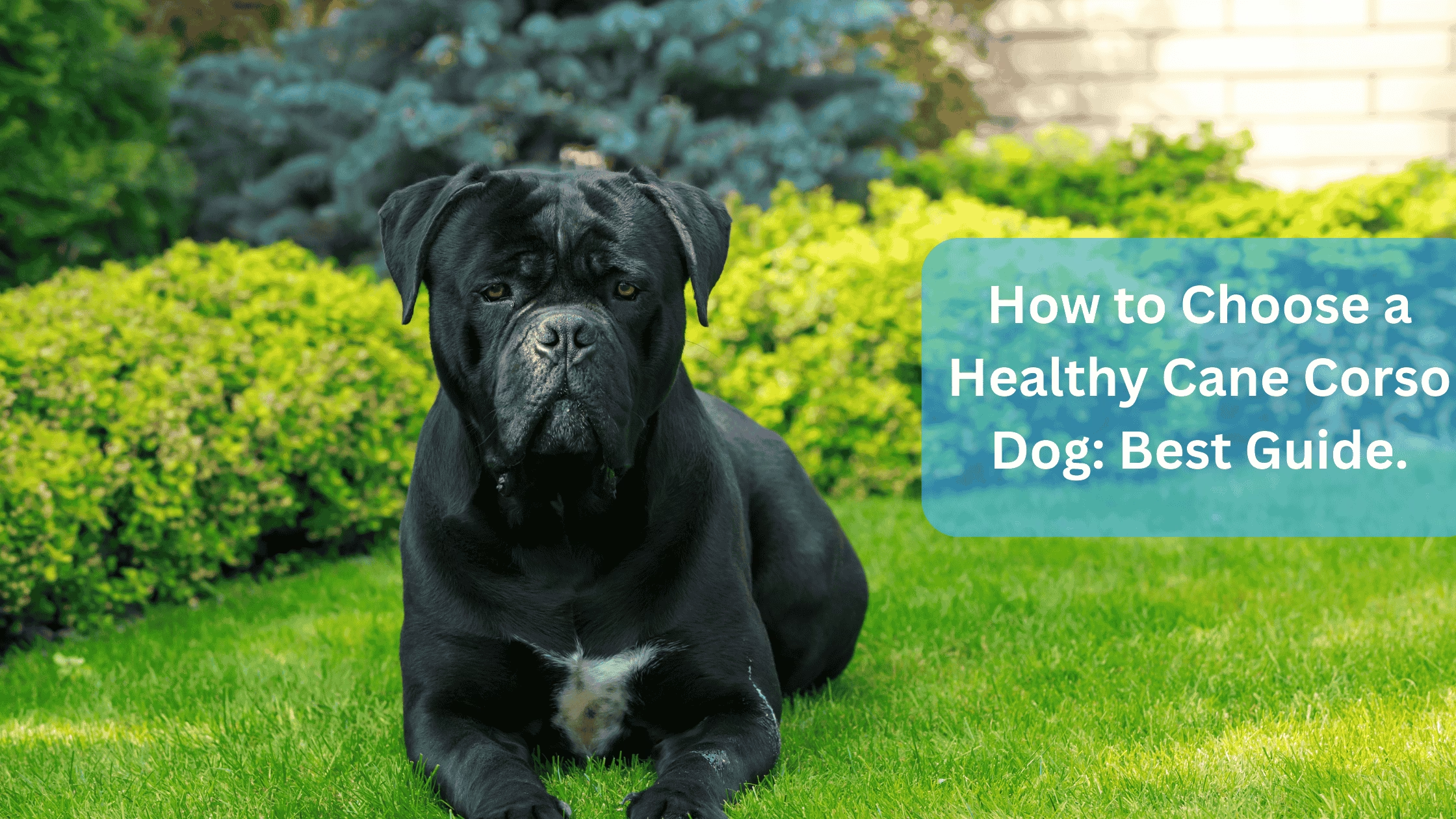
  • How to Choose a Healthy Cane Corso Dog: Best Guide.

    How to Choose a Healthy Cane Corso Dog: Best Guide.

    How to Choose a Healthy Cane Corso Dog: Choosing a healthy Cane Corso dog is an important decision that requires careful consideration and research.

    This breed, known for its strength, loyalty, and protective instincts, has unique health needs and characteristics that potential owners should understand.

    This guide will provide you with detailed information on how to select a healthy Cane Corso, covering everything from breed characteristics to health considerations, training, and care.

    Introduction To – Cane Corso Dog Breed

    The Cane Corso is a large and powerful breed that originated in Italy. Known for their imposing presence and protective nature, these dogs make excellent companions for families who can provide the necessary training, socialization, and exercise.

    However, like all breeds, Cane Corsos can be prone to specific health issues. Understanding how to choose a healthy Cane Corso is crucial for ensuring a long and happy life for your new pet.

    Understanding the Cane Corso Dog Breed

    Before diving into how to choose a healthy Cane Corso, it’s essential to understand the breed itself:

    • Physical Characteristics: Cane Corsos are muscular dogs with a strong build. Males typically weigh between 99-110 pounds, while females weigh between 88-99 pounds. They stand about 23.5 to 27.5 inches tall at the shoulder.
    • Temperament: These dogs are known for their loyalty and protective instincts. They are intelligent and eager to please but can also be stubborn if not properly trained.
    • Lifespan: The average lifespan of a Cane Corso is around 9 to 12 years. Proper care can help maximize their lifespan.

    How to Choose a Healthy Cane Corso Dog?

    Choosing a healthy Cane Corso involves several critical steps:

    A. Research Reputable Breeders

    1. Look for Registered Breeders:

      • Seek out breeders who are registered with recognized kennel clubs such as the American Kennel Club (AKC) or the Cane Corso Association of America (CCAA).

      3. Health Testing:

        • A responsible breeder conducts health tests on their breeding dogs for common conditions like hip dysplasia and eye diseases. Ask for documentation of these tests.

        3. Visit the Breeder:

          • A reputable breeder will allow you to visit their facility and meet the puppies’ parents. This visit can provide insights into the living conditions of the dogs and their temperament.

          4. Ask Questions:

            • Inquire about the breeder’s experience with the breed, their breeding practices, and any health issues in previous litters.

            B. Assessing Puppy Health

            Once you’ve found a reputable breeder, it’s time to assess the health of the puppies:

            1. Physical Examination:

              • Look for signs of good health in puppies, such as clear eyes, clean ears, and a shiny coat. Puppies should be active and playful.

              2. Weight and Growth:

                • Ensure that puppies are growing at an appropriate rate according to breed standards. Use the following weight chart as a reference for healthy growth:
                Age (Weeks)Weight Range (Pounds)
                812 – 18
                1225 – 35
                1640 – 55
                2060 – 80
                2470 – 90
                AdultMales: 99 – 110; Females: 88 – 99

                3. Vaccination Status:

                  • Confirm that puppies have received their initial vaccinations and deworming treatments before bringing them home.

                  C. Socialization and Temperament

                  Cane Corsos require proper socialization from an early age:

                  1. Early Exposure:

                    • Puppies should be exposed to various people, pets, and environments during their critical socialization period (up to 16 weeks). This exposure helps them grow into well-adjusted adults.

                    2.Temperament Assessment:

                      • Observe how puppies interact with littermates and humans. Look for signs of confidence without excessive fear or aggression.

                      Training Considerations for Cane Corsos

                      Training is essential for Cane Corsos due to their size and strength:

                      • Start Early: Begin training as soon as you bring your puppy home. Basic obedience commands such as sit, stay, and come are fundamental.
                      • Positive Reinforcement: Use positive reinforcement techniques like treats and praise rather than harsh corrections. This approach builds trust between you and your dog.
                      • Professional Help: Consider enrolling in puppy training classes or hiring a professional trainer experienced with large breeds if needed.

                      Nutrition for Health

                      Proper nutrition is vital for maintaining your Cane Corso’s health:

                      • High-Quality Diet: Choose a high-quality dog food formulated for large breeds that meets AAFCO standards. Look for foods rich in protein and healthy fats.
                      • Feeding Schedule: Feed your dog smaller meals throughout the day rather than one large meal to reduce the risk of bloat.
                      • Monitor Weight: Regularly check your dog’s weight using a body condition score chart to prevent obesity-related health issues.

                      Regular Veterinary Care

                      Routine veterinary care is essential for keeping your Cane Corso healthy:

                      • Regular Check-Ups: Schedule regular veterinary visits every six months to monitor your dog’s overall health and catch any potential issues early.
                      • Vaccinations: Keep your dog’s vaccinations up-to-date according to your veterinarian’s recommendations.
                      • Preventive Medications: Discuss preventive medications for parasites like fleas, ticks, and heartworms with your vet.

                      Exercise Requirements

                      Cane Corsos are active dogs that require regular exercise:

                      • Daily Activity: Aim for at least 60 minutes of exercise each day, which can include walks, playtime in a secure yard, or engaging in dog sports like agility training.
                      • Mental Stimulation: Incorporate activities that challenge your dog’s mind as well as their body—puzzle toys or obedience training sessions can be beneficial.

                      Grooming Needs

                      Maintaining proper grooming habits helps keep your Cane Corso healthy:

                      • Coat Care: Brush your dog’s coat at least once a week to remove loose hair and dander. During shedding seasons, more frequent brushing may be necessary.
                      • Nail Trimming: Regularly trim your dog’s nails; long nails can cause pain or difficulty walking.
                      • Dental Care: Brush your dog’s teeth regularly (ideally several times per week) using toothpaste specifically formulated for dogs to prevent dental issues.

                      Emotional Well-being

                      The emotional well-being of your Cane Corso is just as important as physical health:

                      • Bonding Time: Spend quality time with your dog through playtime or simply relaxing together; this strengthens your bond and helps reduce anxiety.
                      • Calm Environment: Provide a calm home environment free from excessive noise or stressors that could negatively impact your dog’s mental state.

                      Understanding Lifespan Expectations

                      Being aware of what affects lifespan can help you plan better care:

                      • Genetics: The genetic background of your dog plays a significant role in its overall health; responsible breeding practices can help minimize hereditary conditions.
                      • Lifestyle Factors: Proper nutrition, regular exercise, routine veterinary care, and mental stimulation all contribute significantly to extending your dog’s lifespan.

                      Common Misconceptions About Cane Corsos

                      Addressing misconceptions about this breed can help potential owners make informed decisions:

                      1. Aggression Misconception:

                        • Many people believe that all large breeds are aggressive; however, with proper training and socialization from an early age, Cane Corsos can be gentle family pets.

                        2. High Maintenance Misconception:

                          • While they do require regular exercise and training, many owners find them manageable with proper planning.

                          3. Size Equals Danger Misconception:

                            • The size of a Cane Corso does not inherently make them dangerous; responsible ownership is key in determining behavior.

                            Also Read: Why Is My Dog Bleeding After Giving Birth? A Comprehensive Guide

                            Also Read: Can Dogs Use Vaseline? A Comprehensive Guide

                            Conclusion

                            Choosing a healthy Cane Corso involves thorough research into breeders, understanding breed-specific health concerns, ensuring proper socialization and training from an early age, providing adequate nutrition and exercise, and committing to regular veterinary care.

                            By following these guidelines, you will not only enhance your chances of selecting a healthy dog but also ensure that you provide them with a loving home where they can thrive as loyal companions for many years to come.

                            By investing time in understanding this remarkable breed’s needs—both physical and emotional—you’ll be well-prepared to welcome a Cane Corso into your family successfully!


                            Sources:
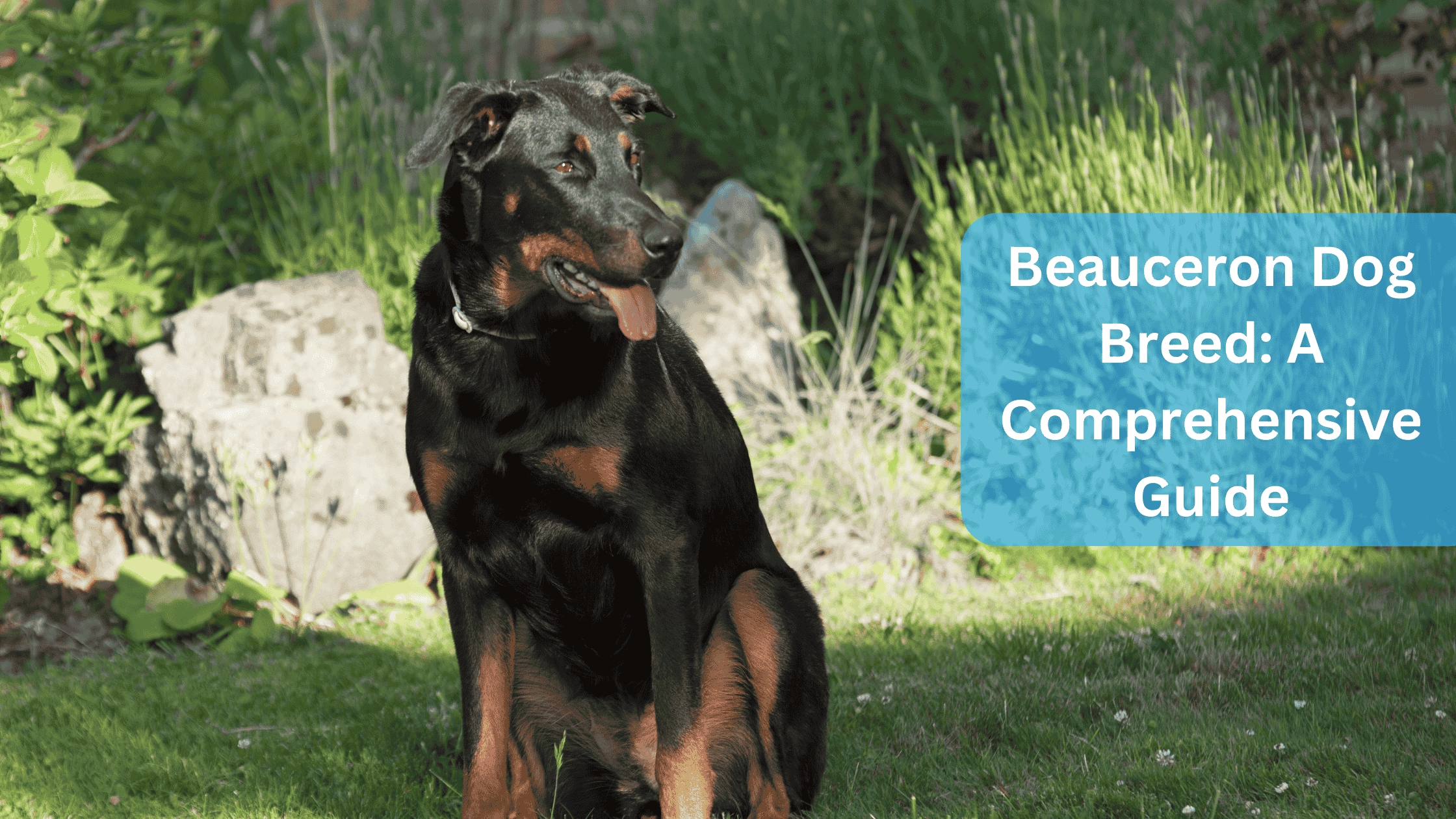
                          1. Beauceron Dog Breed: A Comprehensive Guide

                            Beauceron Dog Breed: A Comprehensive Guide

                            The Beauceron dog breed is a remarkable companion known for its intelligence, loyalty, and versatility.

                            Understanding the unique characteristics and needs of this breed is essential for potential owners who wish to provide a loving and suitable environment.

                            This guide aims to offer comprehensive insights into the Beauceron, covering its history, physical traits, temperament, care requirements, and more.

                            What is a Beauceron Dog?

                            The Beauceron, also referred to as the Berger de Beauce, is a large herding dog that originated in France.

                            This breed has a rich history, primarily developed for herding sheep and guarding livestock.

                            The Beauceron is recognized for its exceptional working abilities and has evolved into a versatile dog that excels in various roles, including police work and search and rescue operations.

                            Definition and Historical Background of Beauceron Dog breed

                            Historically, the Beauceron dog was bred to manage livestock effectively and protect them from predators.

                            Its lineage may include influences from various breeds, including the Doberman Pinscher. The breed’s name comes from the Beauce region in France, where it was first developed.

                            Distinctive Characteristics of Beauceron Dog breed

                            The Beauceron is known for its impressive size and athletic build. It possesses a strong, muscular frame that reflects its working dog heritage.

                            The breed’s intelligence and eagerness to please make it highly trainable, but it also requires consistent training and socialization from an early age.

                            Physical Characteristics of Beauceron Dog breed

                            Size of Beauceron Dog breed

                            Beaucerons are considered large dogs, with males typically weighing between 66-110 pounds and standing 25-28 inches tall at the shoulder.

                            Females are slightly smaller, weighing between 66-85 pounds and standing 24-27 inches tall.

                            As they mature, Beaucerons grow rapidly during their first year of life but will reach their full size by around 18 months to 2 years of age.

                            Coat Colors of Beauceron Dog breed

                            The coat of a Beauceron dog is short and dense, providing protection against various weather conditions. Common colors include:

                            • Black with tan markings: This is the most recognized color pattern.
                            • Harlequin: A striking combination of black patches on a gray background.
                            • Merle: A unique pattern that features mottled colors.

                            Grooming needs are moderate; regular brushing helps keep their coat healthy and reduces shedding.

                            Unique Features of Beauceron Dog breed

                            Beaucerons have distinctive physical traits such as rear dew claws, which are often retained in this breed. Their ears can be either cropped or left natural, giving them a unique appearance that varies among individual dogs.

                            Temperament and Behavior of Beauceron Dog breed

                            Beaucerons are known for their loyal and protective nature. They form strong bonds with their families and are naturally suspicious of strangers, making them excellent watchdogs.

                            General Temperament Traits of Beauceron Dog breed

                            • Loyalty: They are devoted companions who thrive on human interaction.
                            • Intelligence: Highly trainable due to their quick learning abilities.
                            • Protectiveness: They instinctively guard their home and family.

                            Socialization Needs of Beauceron Dog breed

                            Early socialization is crucial for Beaucerons to develop into well-rounded adults. Introducing them to various people, environments, and other animals helps prevent territorial behavior and ensures they are comfortable in different situations.

                            Training Requirements of Beauceron Dog breed

                            Training should begin early using positive reinforcement methods. Consistency is key; Beaucerons respond well to structured training sessions that engage their minds and bodies.

                            Health Considerations of Beauceron Dog breed

                            Common Health Issues of Beauceron Dog breed

                            Like all breeds, the Beauceron dog can be prone to specific health issues. Common concerns include:

                            • Hip Dysplasia: A genetic condition that affects joint development.
                            • Elbow Dysplasia: Similar to hip dysplasia but affects the elbow joint.
                            • Progressive Retinal Atrophy: An eye condition that can lead to blindness.

                            Regular veterinary check-ups are essential to monitor these conditions and ensure overall health.

                            Lifespan of Beauceron Dog breed

                            The average lifespan of a Beauceron is around 10 to 12 years. Factors such as genetics, diet, exercise, and healthcare significantly influence longevity.

                            Care Requirements of Beauceron Dog breed

                            Exercise Needs of Beauceron Dog breed

                            Beaucerons are energetic dogs that require ample exercise—at least one hour of vigorous activity daily. Activities such as running, playing fetch, or participating in agility courses help keep them physically fit and mentally stimulated.

                            Nutrition of Beauceron Dog breed

                            Proper nutrition is vital for maintaining a healthy weight and overall well-being.

                            Puppies have different dietary needs than adults; high-quality puppy food formulated for large breeds is recommended during their growth phase.

                            Adult Beaucerons benefit from balanced diets rich in protein and essential nutrients.

                            Grooming of Beauceron Dog breed

                            Grooming needs for a Beauceron dog are relatively low due to their short coat. Regular brushing helps remove loose hair and keeps their coat healthy.

                            Bathing should be done as needed but not too frequently to avoid stripping natural oils from their skin.

                            Beauceron Puppies of Beauceron Dog breed

                            Finding a Beauceron Puppy of Beauceron Dog breed

                            When looking for a Beauceron puppy, it’s essential to select a reputable breeder who prioritizes health testing and responsible breeding practices. Look for breeders who provide health clearances for common genetic issues.

                            Early Training and Socialization of Beauceron Dog breed

                            Starting training early is crucial for developing good behavior patterns. Socialization should include exposure to various environments, people, sounds, and other pets to foster confidence in your puppy.

                            Cost of Owning a Beauceron Dog

                            Beauceron Dog Price

                            The price of a Beauceron puppy typically ranges from $1,500 to $2,500. Factors influencing price include breeder reputation, location, lineage (show quality vs. pet quality), and demand for the breed.

                            Ongoing Expenses of Beauceron Dog breed

                            In addition to the initial purchase price, prospective owners should consider ongoing expenses such as:

                            • Food: High-quality dog food tailored for large breeds.
                            • Veterinary care: Regular check-ups and vaccinations.
                            • Grooming: Occasional grooming services if needed.
                            • Training: Professional training classes or obedience school fees.

                            Beauceron Variants and Mixes

                            Harlequin Beauceron Dog

                            The harlequin variant of the Beauceron dog features a striking coat pattern with black patches on a gray background. This unique coloration makes them stand out among other variants of the breed while retaining all typical traits of the Beauceron.

                            Merle Beauceron Dog

                            Merle coloration presents a mottled appearance that can include shades of gray or blue mixed with darker patches. While visually appealing, potential owners should be aware that merle dogs can sometimes be prone to certain health issues related to their coat color genetics.

                            Popular Mixes of Beauceron Dog breed

                            Common mixes involving the Beauceron include:

                            • Beauceron-Doberman Mix: Combining traits from both breeds creates an intelligent and protective companion.
                            • Beauceron-Labrador Mix: This mix often results in friendly dogs with great temperaments suitable for families.

                            Comparing the Beauceron with Doberman

                            FeatureBeauceronDoberman
                            SizeLarger (66-110 lbs)Medium to large (60-100 lbs)
                            TemperamentLoyal & protectiveIntelligent & alert
                            Exercise NeedsHigh (1 hour+)High (1 hour+)
                            TrainabilityHighly trainableHighly trainable

                            Both breeds share similar exercise needs and trainability but differ in size and temperament nuances.

                            Historical Uses of the Beauceron Dog

                            Traditional Roles of Beauceron Dog breed

                            Historically used as herding dogs in rural France, the primary role of the Beauceron dog involved managing sheep flocks while protecting them from predators like wolves or stray dogs. Their intelligence allowed them to excel in this demanding job effectively.

                            Modern Applications of Beauceron Dog breed

                            Today’s Beaucerons serve various roles beyond herding; they are commonly employed as police dogs due to their keen senses and protective nature.

                            Additionally, they participate in search-and-rescue missions thanks to their strong work ethic and ability to learn complex tasks quickly.

                            Also Read: How to train a dog not to bark with a shock collar: A Comprehensive Guide

                            Also Read: How to Train a Dog Not to Bark Out the Window: A Comprehensive Guide

                            Also Read: Training a Dog to Ring a Bell to Go Outside: Best Guide

                            Also Read: How to Train a Dog Not to Bark at Everything: A Comprehensive Guide

                            Also Read: How to Teach Your Dog to Bark on Command: A Step-by-Step Guide

                            Also Read: How to Train a Dog Not to Bark at Other Dogs: Important Steps.

                            Conclusion

                            In summary, the Beauceron dog breed offers an array of qualities that make it an excellent choice for active families or individuals looking for loyal companions or working dogs.

                            Their intelligence coupled with protective instincts requires dedicated training but rewards owners with a devoted friend who thrives on companionship.

                            Before adopting a Beauceron into your home, it’s essential to consider your lifestyle needs—ensuring you can provide adequate exercise, training opportunities, socialization experiences—and ultimately create a fulfilling environment for both you and your new furry family member.


                            Sources:

                          2. The Mudhol Hound: A Comprehensive Guide

                            The Mudhol Hound: A Comprehensive Guide

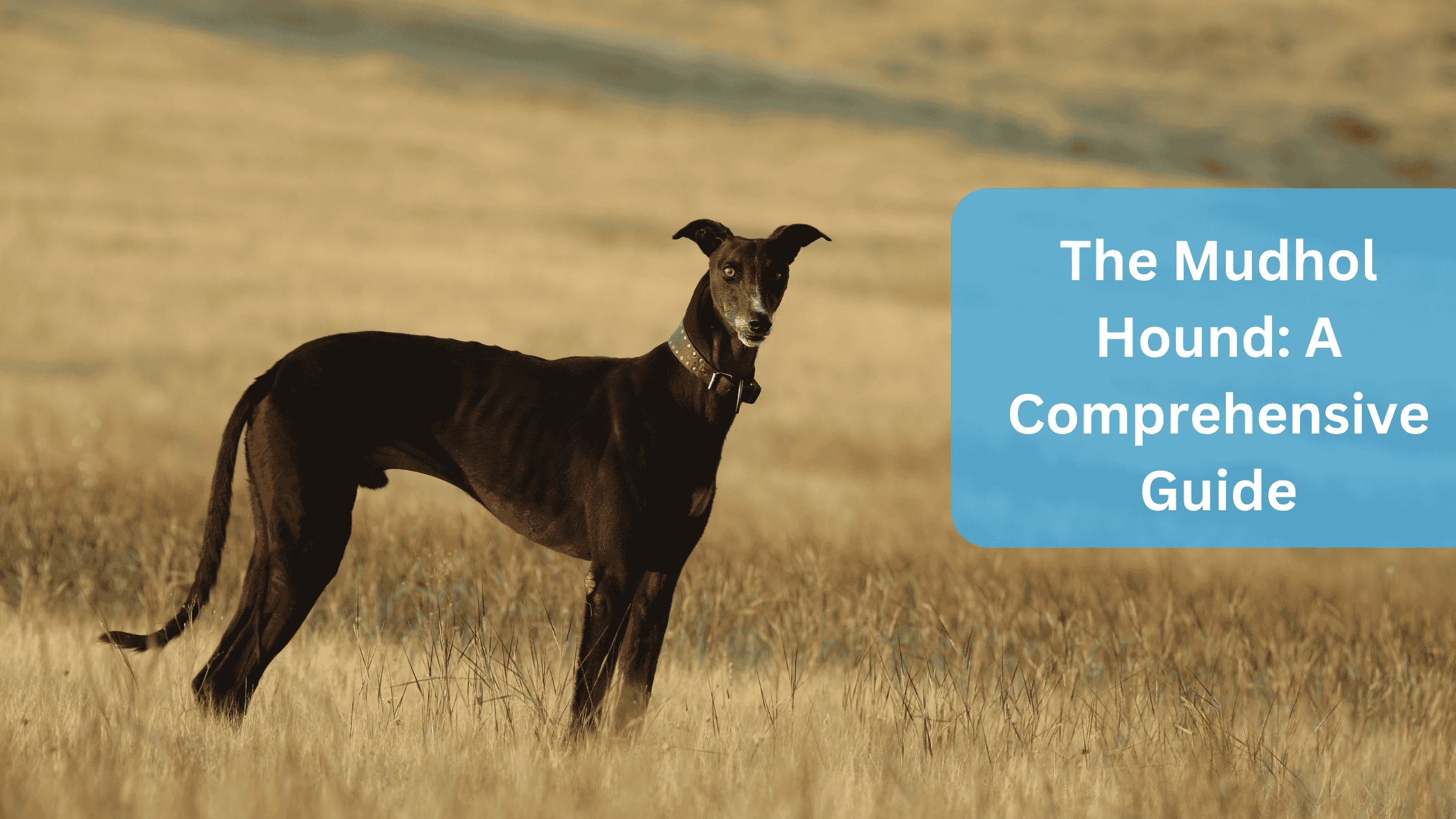
                            The Mudhol Hound, also known as the Caravan Hound, is a remarkable breed that originates from India. Known for its exceptional speed, loyalty, and unique appearance, this breed has garnered attention both in India and around the world.

                            In this comprehensive guide, we will explore various aspects of the Mudhol Hound, including its history, temperament, care requirements, and more.

                            Introduction to the Mudhol Hound

                            The Mudhol Hound is a sighthound breed that is well-regarded for its hunting abilities and keen eyesight.

                            This breed is known for its agility and speed, making it an excellent companion for hunters and active families alike.

                            With its graceful demeanor and loyal nature, the Mudhol Hound has become increasingly popular among dog enthusiasts.

                            History of the Mudhol Hound

                            The origins of the Mudhol Hound can be traced back to the Deccan Plateau in India, particularly in the region of Karnataka. This breed was historically used by local tribes for hunting game such as deer and wild boar due to its exceptional speed and keen eyesight.

                            The breed gained prominence under the patronage of Shrimant Rajesaheb Malojirao Ghorpade of Mudhol during the early 20th century.

                            He recognized the unique qualities of these dogs and began a selective breeding program to enhance their hunting capabilities.

                            The Mudhol Hound was later presented to King George V of England, which helped popularize the breed in Europe.

                            In recent years, the Indian Army has expressed interest in using Mudhol Hounds for surveillance and border protection duties due to their agility and keen sense of smell.

                            Physical Characteristics Mudhol Hound

                            Size and Weight of Mudhol Hound

                            Mudhol Hounds are medium to large-sized dogs with a lean and muscular build. Males typically weigh between 22–28 kg kilograms (48–61 pounds.), while females weigh slightly less at around 20-25 kilograms (44-55 pounds). Their height ranges from 24 to 30 inches at the shoulder.

                            Coat Colors of Mudhol Hound

                            The coat of a Mudhol Hound is short and smooth, providing protection against harsh weather conditions. Common colors include:

                            • Fawn
                            • Brindle
                            • Black
                            • White markings

                            The coat requires minimal grooming due to its short length.

                            Temperament and Behavior of Mudhol Hound

                            The Mudhol Hound is known for its loyal, protective, and fearless nature. While they can be reserved with strangers, they are generally gentle and affectionate with their families.

                            Key Temperament Traits:

                            • Loyal: They form strong bonds with their owners.
                            • Intelligent: Quick learners but may require consistent training.
                            • Energetic: High energy levels necessitate regular exercise.
                            • Independent: Can be aloof at times but are devoted companions.

                            Due to their hunting background, they may have a strong prey drive, so early socialization is essential.

                            Health and Lifespan of Mudhol Hound

                            Mudhol Hounds are generally healthy dogs but can be susceptible to certain health issues:

                            Common Health Concerns:

                            • Hip Dysplasia: A genetic condition that affects mobility.
                            • Bloat: A serious condition that can occur in deep-chested breeds.
                            • Skin Infections: Due to their short coat, they may be prone to skin issues.

                            Mudhol Hound Lifespan

                            The average lifespan of a Mudhol Hound ranges from 10 to 14 years with proper care.

                            Mudhol Hound Price

                            Mudhol Hound Price in India

                            The price of a Mudhol Hound can vary significantly based on factors such as breeder reputation, location, and lineage. On average, you can expect to pay between ₹15,000 to ₹20,000 for a quality puppy from a reputable breeder.

                            Mudhol Hound Price in Kerala

                            In Kerala specifically, prices may range from ₹18,000 to ₹25,000 depending on availability and demand.

                            Buying or Adopting a Mudhol Hound

                            When considering bringing a Mudhol Hound into your home, you have two primary options: buying from a breeder or adopting from a shelter or rescue organization.

                            Buying from Breeders

                            • Research reputable breeders who specialize in Mudhol Hounds.
                            • Visit the breeding facility if possible to assess conditions.
                            • Ask about health clearances for both parents.

                            Adopting from Shelters

                            • Check local animal shelters or rescue organizations that may have Mudhol Hounds available for adoption.
                            • Adoption fees are generally lower than purchasing from breeders.

                            Caring for a Mudhol Hound

                            Diet

                            A balanced diet is crucial for maintaining your Mudhol Hound’s health:

                            • Choose high-quality dog food formulated for active breeds.
                            • Include protein sources such as chicken or lamb.
                            • Incorporate vegetables like carrots or peas for added nutrition.

                            Exercise Requirements for Mudhol Hound

                            Mudhol Hounds are energetic dogs that require ample exercise:

                            • Daily walks: Aim for at least one hour of vigorous exercise each day.
                            • Playtime: Engage them in games like fetch or agility training.

                            Training the Mudhol Hound

                            Training is essential for this breed due to their intelligence and independent nature:

                            1. Start Early: Begin socialization and basic obedience training as early as possible.
                            2. Positive Reinforcement: Use treats and praise to encourage good behavior.
                            3. Consistency: Be consistent with commands and routines.

                            Common Commands to Teach:

                            • Sit
                            • Stay
                            • Come
                            • Heel

                            Mudhol Hound vs Rajapalayam Dog

                            When comparing the Mudhol Hound with the Rajapalayam dog:

                            FeatureMudhol HoundRajapalayam Dog
                            OriginKarnatakaTamil Nadu
                            SizeMedium to LargeMedium
                            TemperamentLoyal & EnergeticProtective & Affectionate
                            CoatShort & SmoothShort & Dense
                            PurposeHunting & CompanionGuarding & Hunting
                            Comparing the Mudhol Hound with the Rajapalayam dog

                            Both breeds have unique characteristics suited for different lifestyles.

                            Frequently Asked Questions (FAQs)

                            Is the Mudhol Hound Dangerous?

                            No, when properly trained and socialized, they are not considered dangerous but may be protective of their family.

                            What Does a Mudhol Hound Eat?

                            A balanced diet consisting of high-quality dog food supplemented with fresh fruits and vegetables is recommended.

                            How Do I Train a Mudhol Hound?

                            Use positive reinforcement techniques starting with basic commands; consistency is key!

                            Where Can I Get a Mudhol Hound?

                            You can find them through reputable breeders or local animal shelters that specialize in Indian breeds.

                            Also Read: Can Dogs Eat Squashies? A Comprehensive Guide

                            Also Read: Can Dogs Eat Hami Melon? A Comprehensive Guide

                            Conclusion

                            The Mudhol Hound is an exceptional breed with deep roots in Indian culture and history. Known for its loyalty, intelligence, and athleticism, this hound makes an excellent companion for active families or individuals who can provide ample space and exercise.

                            Whether you choose to buy or adopt a Mudhol Hound, understanding their needs will help ensure that you provide them with a loving home where they can thrive!

                            By following this comprehensive guide on caring for your new furry friend—alongside proper training—you’ll set yourself up for success as a responsible pet owner!


                            Sources:

                          3. Can Rottweilers Handle Cold Weather? A Comprehensive Guide

                            Can Rottweilers Handle Cold Weather? A Comprehensive Guide

                            Can Rottweilers Handle Cold Weather? Rottweilers are known for their strength, loyalty, and versatility.

                            Originally bred in Germany for herding and guarding, they possess certain characteristics that allow them to handle cold weather better than many other breeds.

                            However, it’s essential to understand the limits of their cold tolerance and how to care for them during winter months.

                            Understanding Their Coats

                            Rottweilers Dog
                            Rottweilers Dog

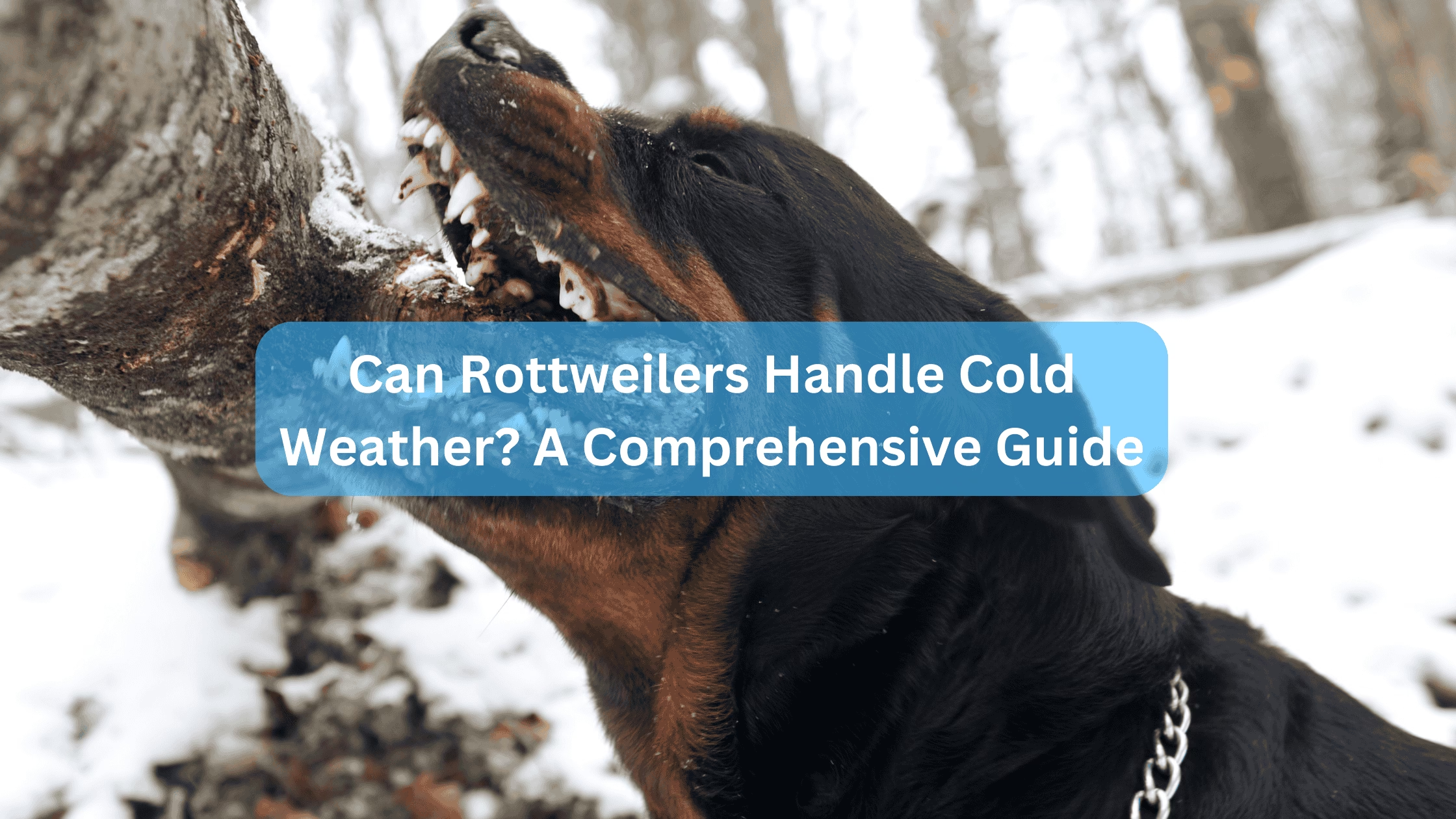
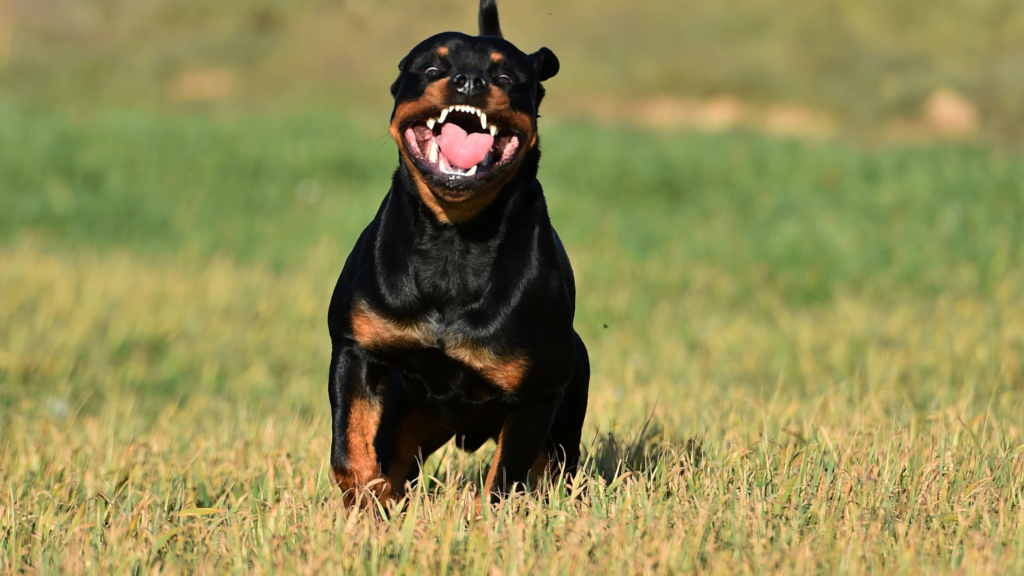
                            Rottweilers have a unique double coat that plays a crucial role in their ability to withstand cold temperatures. This coat consists of:

                            • Outer Coat: A dense, coarse layer that repels moisture and provides insulation.
                            • Undercoat: A softer, thicker layer that traps heat close to the body.

                            This combination allows Rottweilers to maintain body warmth even in chilly conditions. Their black fur also absorbs heat from sunlight, further aiding in temperature regulation.

                            Temperature Tolerance of Rottweilers

                            While Rottweilers can handle cold weather relatively well, there are specific temperature thresholds to consider:

                            • Above 40°F (4°C): Rottweilers generally feel comfortable and can enjoy outdoor activities without concern.
                            • Between 20°F (-6°C) and 40°F (4°C): Caution is advised. While many Rottweilers can tolerate these temperatures, it’s essential to monitor them closely for signs of discomfort or distress.
                            • Below 20°F (-6°C): Prolonged exposure can be dangerous. It’s advisable to limit outdoor time and provide adequate shelter if they must be outside.

                            Factors Affecting Cold Tolerance in Rottweilers

                            Several factors influence how well a Rottweiler can handle cold weather:

                            • Age: Younger dogs typically adapt better than older dogs. Senior Rottweilers may struggle with extreme temperatures due to decreased metabolic rates and health issues.
                            • Health: Dogs with underlying health conditions or those that are overweight may have a reduced ability to regulate body temperature.
                            • Acclimatization: Dogs that are accustomed to colder climates will generally fare better than those raised in warmer conditions.
                            • Moisture and Wind Chill: Wet or windy conditions can significantly lower a dog’s body temperature, making it important to provide shelter from rain or snow.

                            Keeping Your Rottweiler Warm in Cold Weather

                            To ensure your Rottweiler stays warm during colder months, consider the following tips:

                            • Shelter: If your Rottweiler spends time outdoors, ensure they have access to a well-insulated doghouse that protects against wind and moisture.
                            • Bedding: Provide warm bedding such as blankets or straw inside their shelter to help retain body heat.
                            • Diet: Consider slightly increasing their food intake during winter months as they may require more energy to maintain body heat.
                            • Clothing: For particularly cold days, consider using dog sweaters or coats designed for larger breeds. This can provide extra warmth without restricting movement.

                            Indoor Care for Rottweilers During Winter

                            If your Rottweiler primarily lives indoors, maintaining a comfortable environment is key:

                            • Ensure your home is adequately heated during winter months.
                            • Keep their sleeping area away from drafts and cold floors.
                            • Regularly check their paws for ice buildup between toes after walks in snowy conditions.

                            Also Read: Can Dogs Eat Apple Cinnamon Oatmeal? A Comprehensive Guide

                            Also Read: Are Skinks Poisonous to Dogs? What You Need to Know

                            Also Read: Frenchton Dog Breed: A Comprehensive Guide

                            Conclusion: Can Rottweilers Handle Cold Weather?

                            In summary, Rottweilers can handle cold weather better than many breeds due to their double coat and robust physique.

                            However, it’s essential for owners to be aware of temperature thresholds and individual factors affecting each dog’s comfort level.

                            By providing proper shelter, monitoring their behavior, and ensuring they have a warm living environment, you can help your Rottweiler thrive even in the colder months.

                            By understanding these aspects of your Rottweiler’s care during winter, you can ensure they remain happy and healthy throughout the season.


                            Sources:

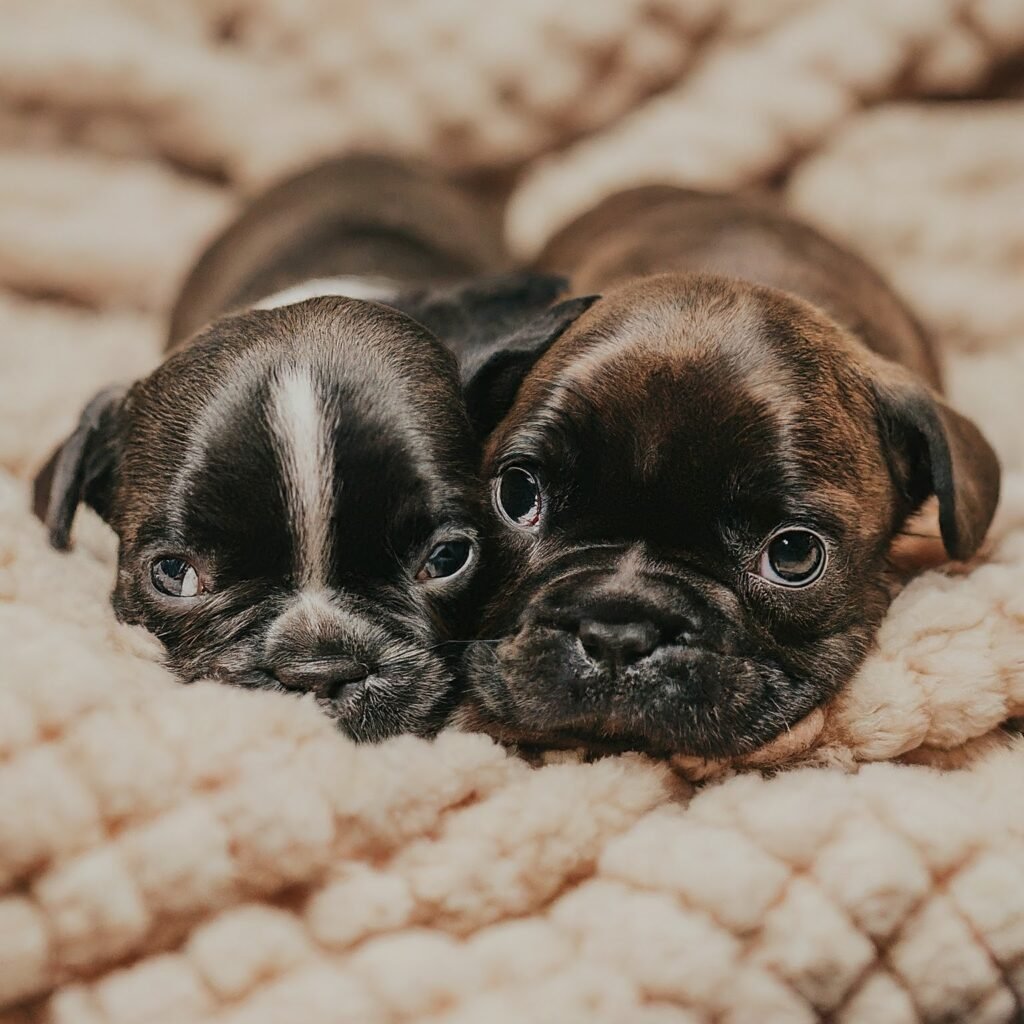
                          4. Frenchton Dog Breed: A Comprehensive Guide

                            Frenchton Dog Breed: A Comprehensive Guide

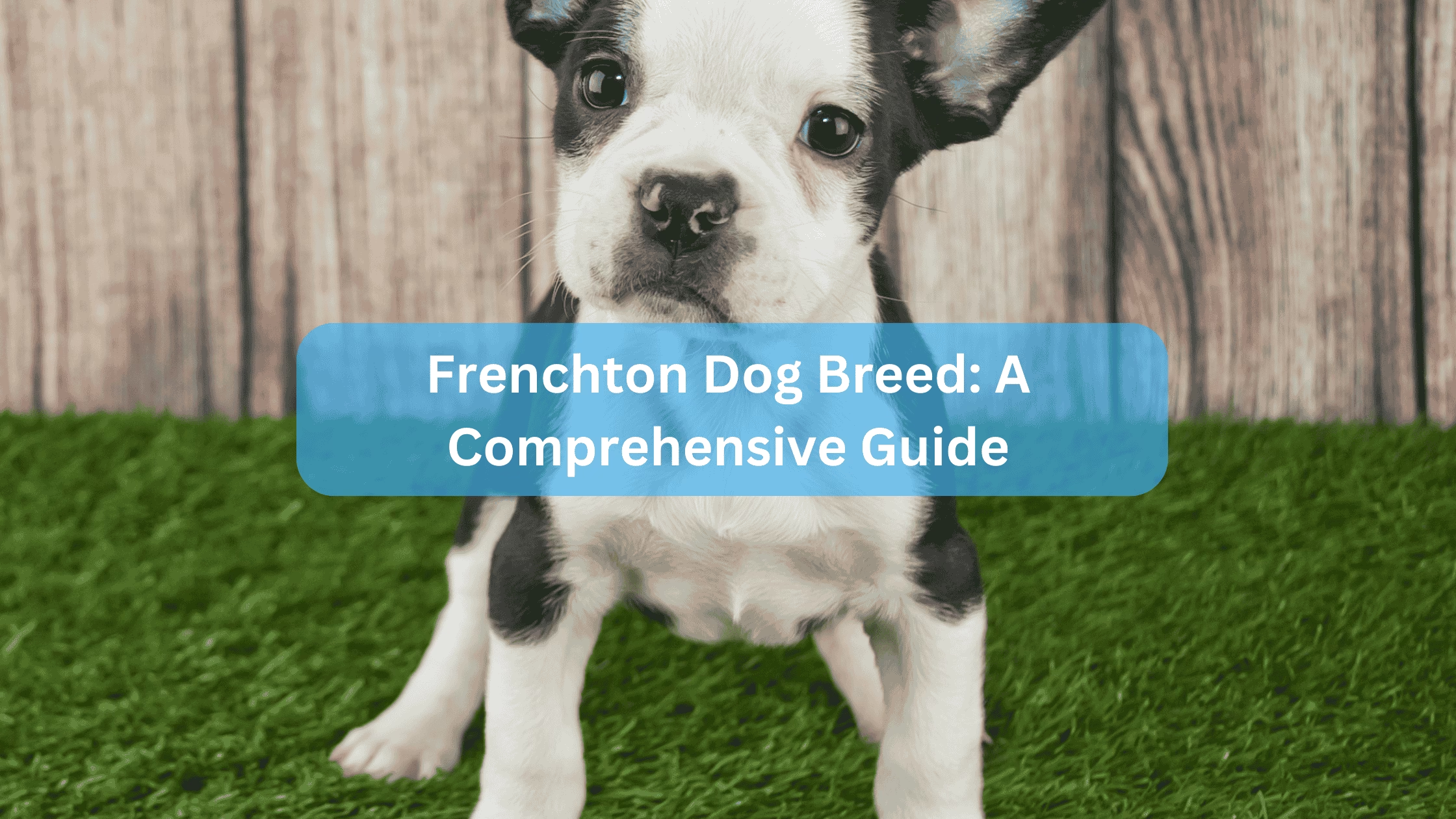
                            Frenchton Dog Breed: The Frenchton is a charming hybrid breed that results from crossing the French Bulldog and the Boston Terrier.

                            Known for their playful personalities and affectionate nature, Frenchtons have gained popularity as delightful companions for families and individuals alike.

                            This guide will explore the origins, characteristics, temperament, care needs, training, health, and other essential aspects of the Frenchton breed.

                            CategoryDetails
                            Breed NameFrenchton (also known as Boston Frenchie, Froston, or Faux French Bulldog)
                            Origins and BackgroundA hybrid created by crossing the French Bulldog and Boston Terrier, developed in the early 2000s in the United States.
                            Physical CharacteristicsHeight: 11 to 14 inches
                            Weight: 15 to 25 pounds
                            Coat: Short, smooth, and shiny; colors include brindle, fawn, black, and white.
                            Temperament and Personality– Friendly and sociable
                            – Playful and affectionate
                            – Intelligent and eager to please
                            – May experience separation anxiety if left alone for long periods.
                            Care and Exercise NeedsExercise: 30 minutes to 1 hour daily
                            Grooming: Minimal; regular brushing to manage shedding
                            Living Environment: Adaptable to apartments and homes with yards.
                            Training and Socialization– Responds well to positive reinforcement
                            – Early socialization is crucial
                            – Consistent training helps with their sometimes stubborn nature.
                            Health and LifespanCommon Health Issues: Brachycephalic syndrome, patellar luxation, skin allergies
                            Lifespan: 12 to 15 years.
                            Feeding and Nutrition– High-quality dog food suitable for small breeds
                            – Daily intake: 1 to 2 cups, divided into two meals
                            – Monitor weight to prevent obesity.
                            Family Pet Compatibility– Great with children and other pets
                            – Requires supervision with young kids due to their playful nature.
                            Price and Availability– Price ranges from $1,500 to $4,000 depending on breeder reputation and location
                            – Available through reputable breeders or rescue organizations.
                            Frenchton Dog Breed Info

                            The Frenchton is a delightful blend of two beloved breeds, making it an ideal choice for those seeking a loving and loyal companion. This guide provides essential information for potential owners to understand the unique traits and needs of the Frenchton breed.

                            Origins and Background of Frenchton Dog Breed

                            The Frenchton is a delightful hybrid breed that results from crossing the French Bulldog and the Boston Terrier.

                            This mix originated in the United States during the late 20th century as breeders aimed to create a dog that embodies the affectionate nature of the French Bulldog while incorporating the energetic spirit of the Boston Terrier.

                            The Frenchton was developed not only for its charming personality but also to mitigate some of the health issues commonly associated with its parent breeds.

                            Characteristics of Frenchton Dog Breed

                            • Size: Frenchtons typically weigh between 15 to 25 pounds and stand about 11 to 14 inches tall, making them a small to medium-sized breed.
                            • Coat: They have short, smooth coats that come in a variety of colors, including brindle, fawn, and pied. Their coat is low-maintenance, requiring minimal grooming.
                            • Build: The Frenchton has a compact, muscular build, characterized by a broad head, short muzzle, and expressive eyes that reflect their friendly disposition.

                            Temperament and Personality of Frenchton Dog Breed

                            Frenchtons are known for their playful and affectionate nature. They typically exhibit the following traits:

                            • Friendly: They are sociable and get along well with children and other pets, making them excellent family dogs.
                            • Loyal: Frenchtons form strong bonds with their families and thrive on human interaction.
                            • Intelligent: Their intelligence makes them quick learners, although they can sometimes show a stubborn streak.

                            Care and Exercise Needs of Frenchton Dog Breed

                            To keep a Frenchton healthy and happy, proper care and exercise are essential:

                            • Exercise: Frenchtons require daily exercise, including walks and playtime, totaling about 30 minutes to an hour of activity.
                            • Grooming: Their short coats require minimal grooming, but regular brushing can help reduce shedding.
                            • Living Environment: They adapt well to apartment living but should have access to outdoor spaces for play and exercise.

                            Training and Socialization for Frenchton Dog Breed

                            Training a Frenchton can be a rewarding experience if approached correctly:

                            • Positive Reinforcement: They respond best to reward-based training methods, including treats and praise.
                            • Early Socialization: Introducing them to various environments, people, and other animals from a young age is crucial for developing a well-rounded temperament.
                            • Consistency: Regular training sessions help reinforce good behavior and curb any stubborn tendencies.

                            Health and Lifespan of Frenchton Dog Breed

                            Frenchtons generally enjoy a lifespan of 12 to 15 years, but they may be prone to certain health issues:

                            • Common Health Concerns: Potential issues include brachycephalic obstructive airway syndrome (BOAS), skin allergies, and joint problems.
                            • Regular Vet Visits: Routine check-ups and vaccinations are essential to monitor their health and address any concerns early on.

                            Feeding and Nutrition for Frenchton Dog Breed

                            Proper nutrition is vital for a Frenchton’s health:

                            • Diet: A high-quality dog food formulated for small to medium breeds is recommended, focusing on balanced nutrition.
                            • Portion Control: It’s important to monitor their food intake to prevent obesity, which can exacerbate health issues.
                            • Feeding Schedule: Dividing their daily food into two meals can help manage their energy levels and digestion.

                            Frenchton Dog Breed as Family Pets

                            Frenchtons make excellent family pets due to their loving and playful nature:

                            • Compatibility with Children: They are generally good with kids, enjoying playtime and companionship.
                            • Adaptability: Frenchtons can adjust to various living situations, whether in apartments or homes with yards, as long as they receive adequate exercise.
                            • Social Nature: Their friendly disposition means they typically get along well with other pets, especially if socialized properly.

                            Price and Availability of Frenchton Dog Breed

                            The cost of a Frenchton puppy can vary significantly based on factors such as breeder reputation and location:

                            • Price Range: Expect to pay between $1,500 and $4,000 for a Frenchton puppy from a reputable breeder.
                            • Finding a Puppy: It’s advisable to seek out responsible breeders who prioritize health testing and socialization. Adoption from rescue organizations is also an option for those looking to provide a home to a Frenchton in need.

                            Frenchton Puppies

                            frenchton puppies |
                            Frenchton Puppies

                            Frenchton puppies are known for their playful and curious nature:

                            • Early Development: Like all puppies, they will require training and socialization to ensure they grow into well-adjusted adults.
                            • Finding a Breeder: Look for breeders who specialize in Frenchtons and have a good reputation for ethical breeding practices.
                            • Adoption Options: Local shelters and rescue groups may have Frenchton puppies or adults available for adoption.

                            Also Read: How to Groom a Toy Poodle: A Comprehensive Guide

                            Also Read: Why Do Dogs Pant in the Car? A Comprehensive Guide

                            Conclusion

                            The Frenchton is a delightful hybrid breed that combines the best traits of the French Bulldog and Boston Terrier.

                            With their affectionate nature, moderate exercise needs, and adaptability to various living situations, they make wonderful companions for families and individuals alike.

                            Prospective owners should be aware of potential health issues and commit to providing the necessary care, training, and socialization to ensure a happy and healthy life for their Frenchton.


                            Sources:

                            https://www.dogzone.com/crossbreeds/frenchton/
                            https://www.frenchtonpups.com/frenchton-lifespan/
                            https://premierpups.com/dog-breeds/frenchton
                            https://www.designerkennelclub.com/post/frenchton-bulldog-information
                            https://preeders.com/en/animals/breeds/dogs/frenchton.htm
                            https://a-z-animals.com/animals/frenchton/

                          5. What Is a Double Coated Dog? A Comprehensive Guide.

                            What Is a Double Coated Dog? A Comprehensive Guide.

                            Understanding your dog’s coat type is essential for proper care and grooming, especially when it comes to double-coated breeds. But what is a double coated dog? 

                            These dogs possess a unique fur structure that includes both a soft undercoat and a protective topcoat, providing insulation and shielding against the elements.

                            In this article, we will explore the characteristics of double-coated dogs, how to identify them, their grooming needs, and the benefits of their distinctive coats.

                            Whether you’re a seasoned dog owner or a new pet parent, this guide will equip you with the knowledge to care for your double-coated companion effectively.

                            What Is a Double Coated Dog?

                            A double-coated dog is a breed that has two layers of fur: a soft, insulating undercoat and a coarser, protective topcoat.

                            This unique coat structure serves essential purposes, such as temperature regulation and protection against environmental elements.

                            The undercoat is typically dense and fluffy, while the topcoat consists of longer, stiffer hairs that repel water and dirt.

                            Understanding what a double-coated dog is can help owners provide better care and grooming for their furry companions.

                            How Do You Know If a Dog Is Double-Coated?

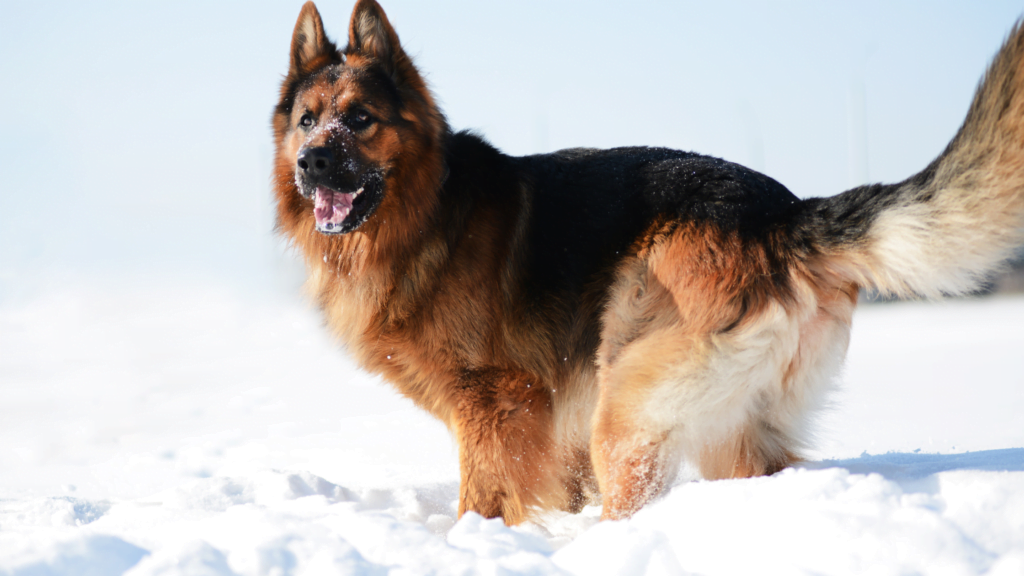
                            German-Shepherd-dog
                            How Do You Know If a Dog Is Double-Coated?

                            To identify if a dog is double-coated, you can perform a simple test:

                            • Part the Fur: Gently separate the fur to reveal the undercoat. If you notice a soft, dense layer beneath the longer outer hairs, your dog is likely double-coated.

                            Common breeds that possess a double coat include:

                            • Siberian Husky
                            • German Shepherd
                            • Golden Retriever
                            • Labrador Retriever
                            • Akita
                            • Chow Chow
                            • Pomeranian

                            What Is the Difference Between a Single Coat and a Double Coat Dog?

                            The main difference between single-coated and double-coated dogs lies in the number of fur layers:

                            • Single-Coated Dogs: These breeds have only one layer of fur, which is typically longer and may require more grooming to maintain. Examples include Chihuahuas and Poodles.
                            • Double-Coated Dogs: These breeds have both an undercoat and a topcoat, providing better insulation and protection against the elements. They tend to shed more, especially during seasonal changes, as they “blow” their undercoats.
                            FeatureSingle-Coated DogsDouble-Coated Dogs
                            Fur LayersOne layerTwo layers (undercoat and topcoat)
                            SheddingLess frequentMore frequent, especially seasonally
                            Temperature RegulationLess effectiveHighly effective
                            Difference Between a Single Coat and a Double Coat Dog

                            What Are the Main Benefits of a Double Coat in Dogs?

                            The main benefits of a double coat in dogs include:

                            1. Insulation: The double coat helps regulate body temperature, keeping dogs warm in cold weather and cool in hot weather.
                            2. Protection: The topcoat shields the skin from environmental hazards, such as dirt, debris, and UV radiation.
                            3. Water Resistance: The topcoat repels water, helping dogs stay dry and comfortable in wet conditions.
                            4. Shedding: Double-coated dogs naturally shed their undercoat, which helps regulate their body temperature and prevent overheating.

                            Which Dog Breeds Have the Thickest Double Coats?

                            Some dog breeds with the thickest double coats include:

                            • Chow Chow
                            • Samoyed
                            • Malamute
                            • Bernese Mountain Dog
                            • Great Pyrenees
                            • Newfoundland
                            • Keeshond

                            These breeds are particularly well-suited for cold climates due to their dense, insulating coats.

                            How Does the Undercoat Help Double-Coated Dogs in Winter?

                            The undercoat plays a crucial role in keeping double-coated dogs warm during the winter months. It acts as a natural insulator, trapping air close to the body and preventing heat loss.

                            The undercoat also helps to regulate body temperature, allowing dogs to stay comfortable in a wide range of cold conditions.

                            What Happens If You Clip a Double-Coated Dog?

                            Clipping a double-coated dog can lead to several issues:

                            • Overheating: The double coat helps regulate temperature; removing it can make dogs more susceptible to overheating.
                            • Skin Damage: Shaving exposes the skin to harmful UV rays, increasing the risk of sunburn and skin cancer.
                            • Coat Regrowth Issues: The topcoat and undercoat grow at different rates, which can result in an uneven or patchy coat. It may take up to two years for the coat to fully regrow, and it might not return to its original texture.
                            • Dermatological Problems: Shaved skin can lead to irritations, ingrown hairs, and increased vulnerability to parasites like fleas and ticks.

                            Why Can’t You Shave a Double-Coated Dog?

                            Shaving a double-coated dog is generally not recommended for several reasons:

                            • Temperature Regulation: A double coat helps keep dogs cool in summer and warm in winter. Shaving disrupts this natural insulation.
                            • Skin Protection: The coat protects the skin from sun exposure and environmental hazards. Without it, dogs are more prone to skin issues.
                            • Coat Damage: Shaving can permanently alter the coat’s growth cycle, leading to long-term grooming challenges and potential health issues.

                            What Are the Common Grooming Challenges for Double-Coated Dogs?

                            Double-coated dogs require regular grooming to maintain their coat health and prevent matting. Some common grooming challenges include:

                            1. Shedding: Double-coated dogs shed heavily, especially during seasonal changes, which can be time-consuming to manage.
                            2. Matting: The undercoat can easily mat, especially in areas where the coat rubs against the body, such as the armpits and behind the ears.
                            3. Tangles: The longer topcoat can tangle easily, particularly if not brushed regularly.
                            4. Bathing: Double-coated dogs require careful bathing to avoid stripping the coat of its natural oils and causing dryness.
                            5. Drying: Drying a double-coated dog after bathing can be time-consuming due to the thickness of the coat.

                            How Short Can You Cut a Double-Coated Dog?

                            If grooming is necessary, it is advisable to avoid cutting the fur too short. A light trim of the topcoat can be done, but it should not go below the line of the undercoat.

                            This method, known as a “silhouette trim,” allows for a neat appearance while preserving the coat’s protective qualities.

                            In cases of severe matting, clipping may be the only option, but it should be done with caution and ideally under the guidance of a professional groomer who understands the risks involved.

                            Also Read: How Often Should You Bathe a German Shepherd? Best Guide.

                            Also Read: The Best Low Maintenance Dog Breeds for Seniors

                            Conclusion

                            In conclusion, understanding what a double-coated dog is and how to care for them properly is crucial for their health and well-being.

                            Regular grooming and avoiding shaving can help maintain their natural coat structure and protect them from various health issues.


                            Sources:

                          6. The Best Low Maintenance Dog Breeds for Seniors

                            The Best Low Maintenance Dog Breeds for Seniors

                            Low Maintenance Dog Breeds for Seniors – As people age, the companionship of a dog can significantly enhance their quality of life. Dogs provide emotional support, encourage physical activity, and offer a sense of purpose.

                            However, for seniors, it’s essential to choose a dog breed that is low-maintenance, gentle, and adaptable to their lifestyle.

                            This article explores some of the best low-maintenance dog breeds for seniors, along with answers to common questions related to dog ownership for older adults.

                            Why Choose a Low Maintenance Dog?

                            Low maintenance dog breeds are ideal for seniors for several reasons:

                            • Less Physical Demand: These breeds typically require less exercise, making them suitable for seniors who may have mobility issues or prefer a more relaxed lifestyle.
                            • Minimal Grooming Needs: Low-maintenance dogs often have coats that require less grooming, which can be beneficial for those who may struggle with regular grooming tasks.
                            • Companionship: Many low-maintenance breeds are known for their affectionate nature, providing the companionship that seniors often seek.

                            Best Low Maintenance Dog Breeds for Seniors

                            Here are some of the best dog breeds that are low-maintenance and perfect for seniors:

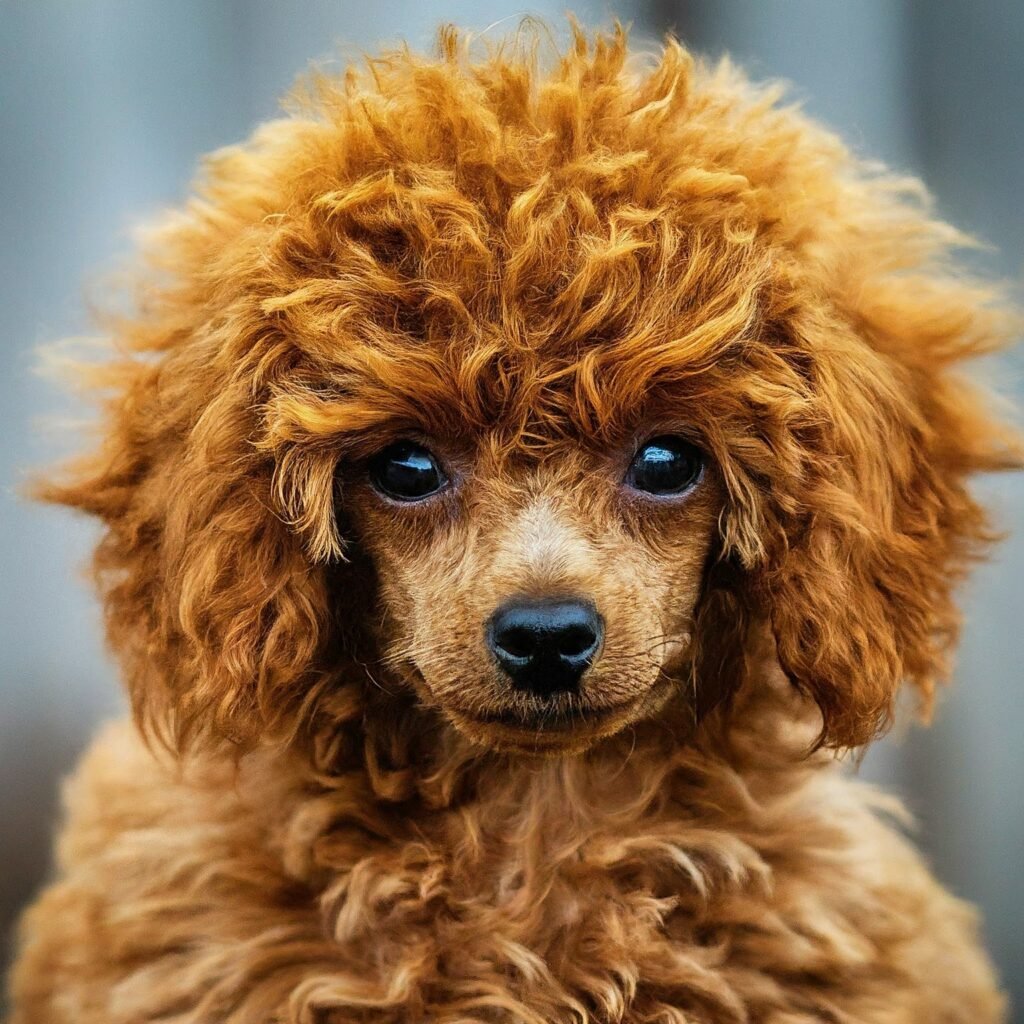
                            1. Poodle (Toy or Miniature)

                            poodle |
                            1. Poodle (Toy or Miniature)

                            Poodles are highly intelligent and come in three sizes: standard, miniature, and toy. The toy and miniature varieties are particularly suitable for seniors due to their manageable size.

                            They are hypoallergenic, making them a great choice for those with allergies. Poodles are eager to please and are relatively easy to train.

                            They enjoy moderate exercise, such as short walks and playtime in the yard.

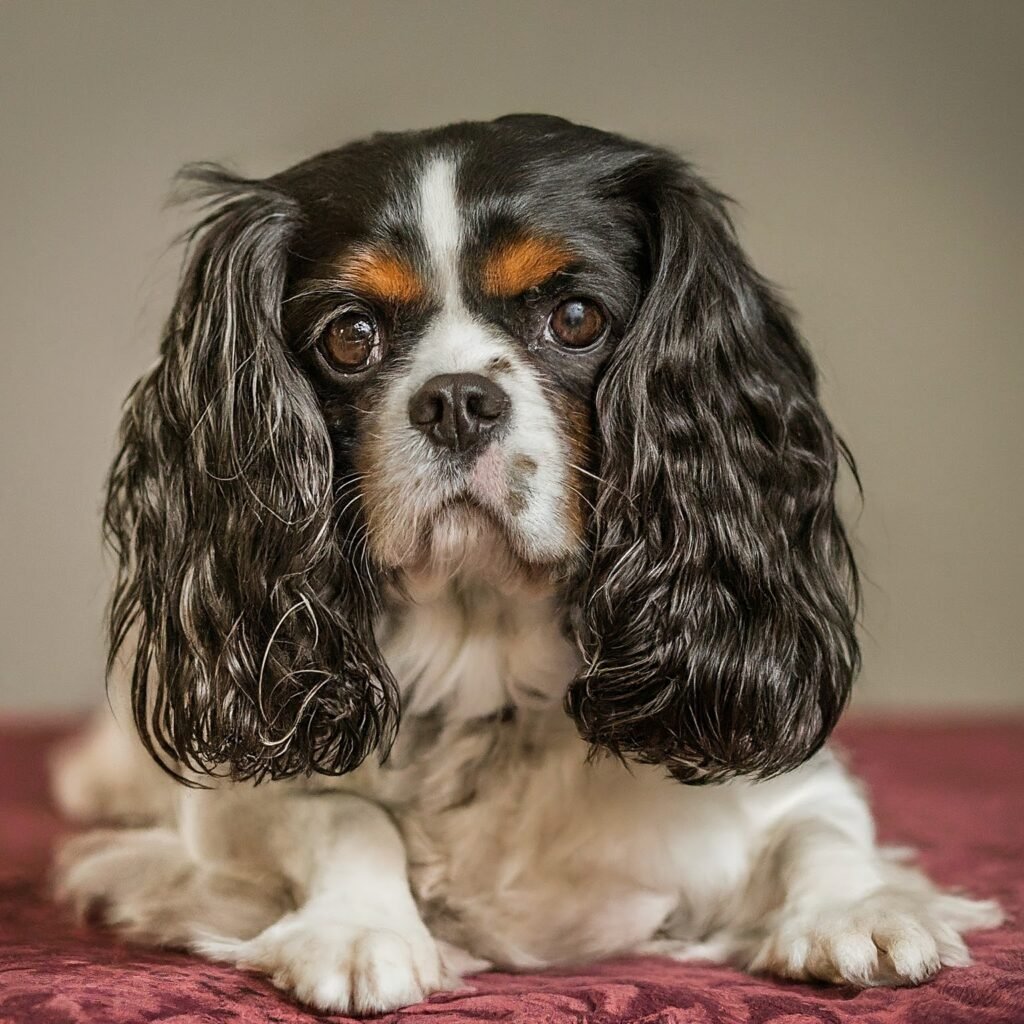
                            2. Cavalier King Charles Spaniel

                            2. Cavalier King Charles Spaniel |
                            2. Cavalier King Charles Spaniel

                            Cavalier King Charles Spaniels are gentle, affectionate dogs that thrive on companionship.

                            They adapt well to various living situations, making them ideal for seniors living in apartments or smaller homes.

                            Their grooming needs are minimal, requiring only occasional brushing. These dogs enjoy moderate exercise and are happy with short walks or play sessions.

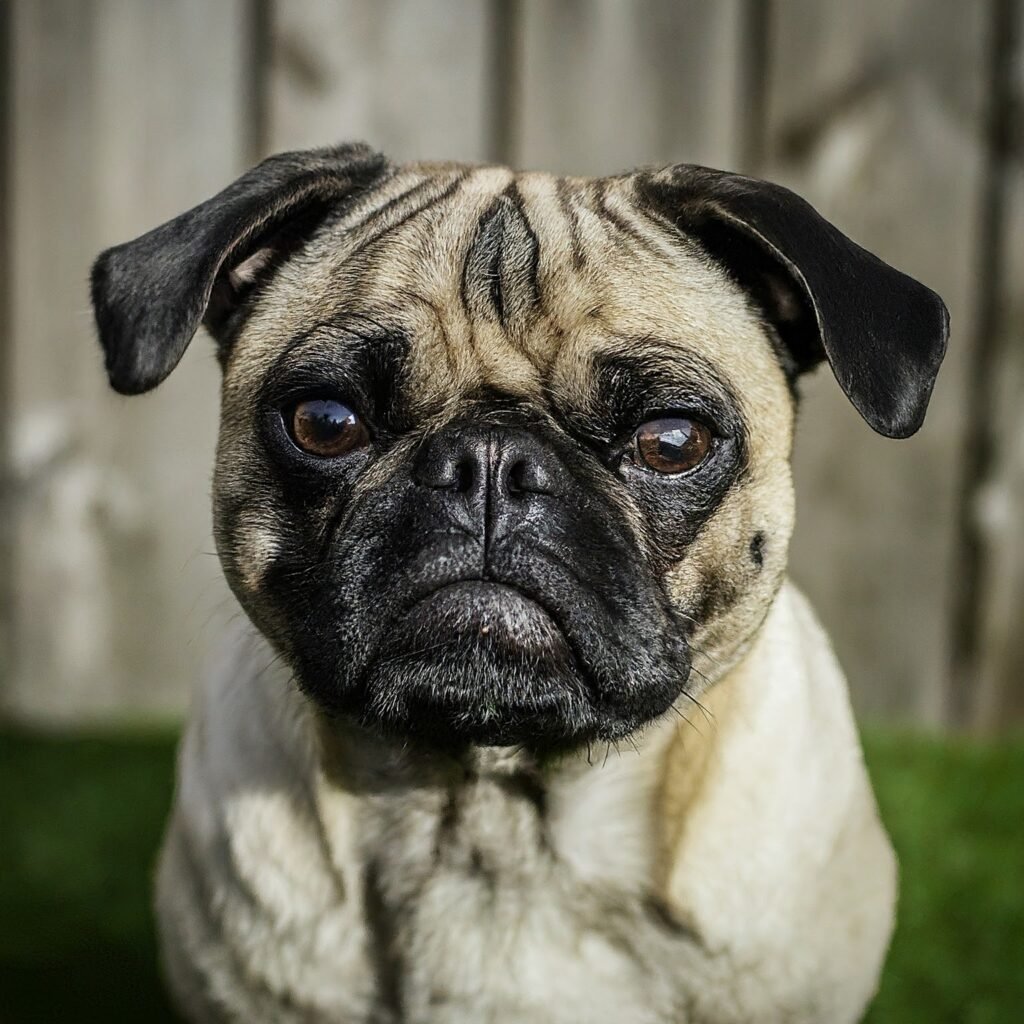
                            3. Pug

                            Pug |
                            3. Pug

                            Pugs are known for their playful and charming personalities. They are small, weighing between 14-18 pounds, and have a short coat that requires minimal grooming.

                            Pugs love to be around people and are content with light exercise, such as short walks or indoor play. Their friendly disposition makes them great companions for seniors.

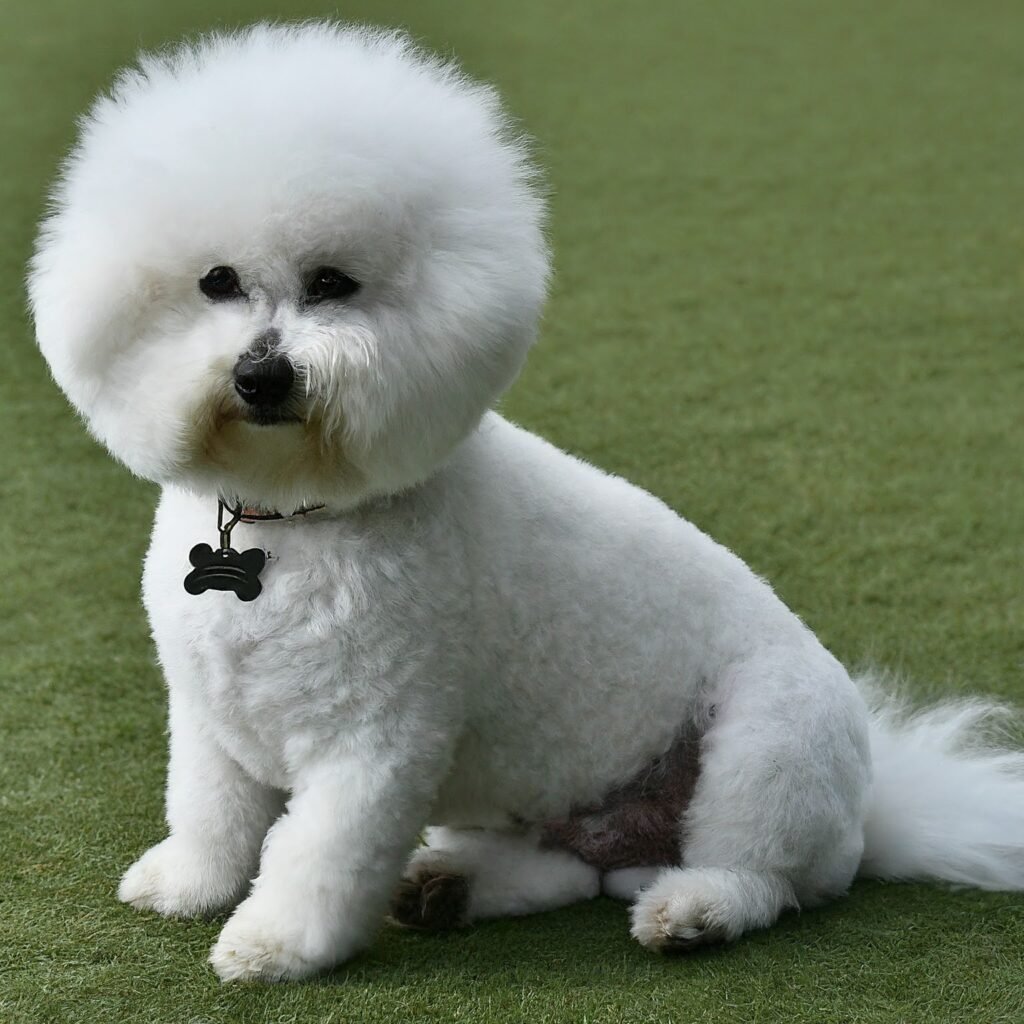
                            4. Bichon Frise

                            Bichon Frise |
                            4. Bichon Frise

                            Bichon Frises are small, cheerful dogs that are known for their hypoallergenic coats. They are easy to manage due to their small size, typically weighing between 7-12 pounds.

                            Bichons enjoy moderate exercise and are playful, making them great companions for seniors who enjoy short walks. Regular brushing is necessary to keep their coat looking its best.

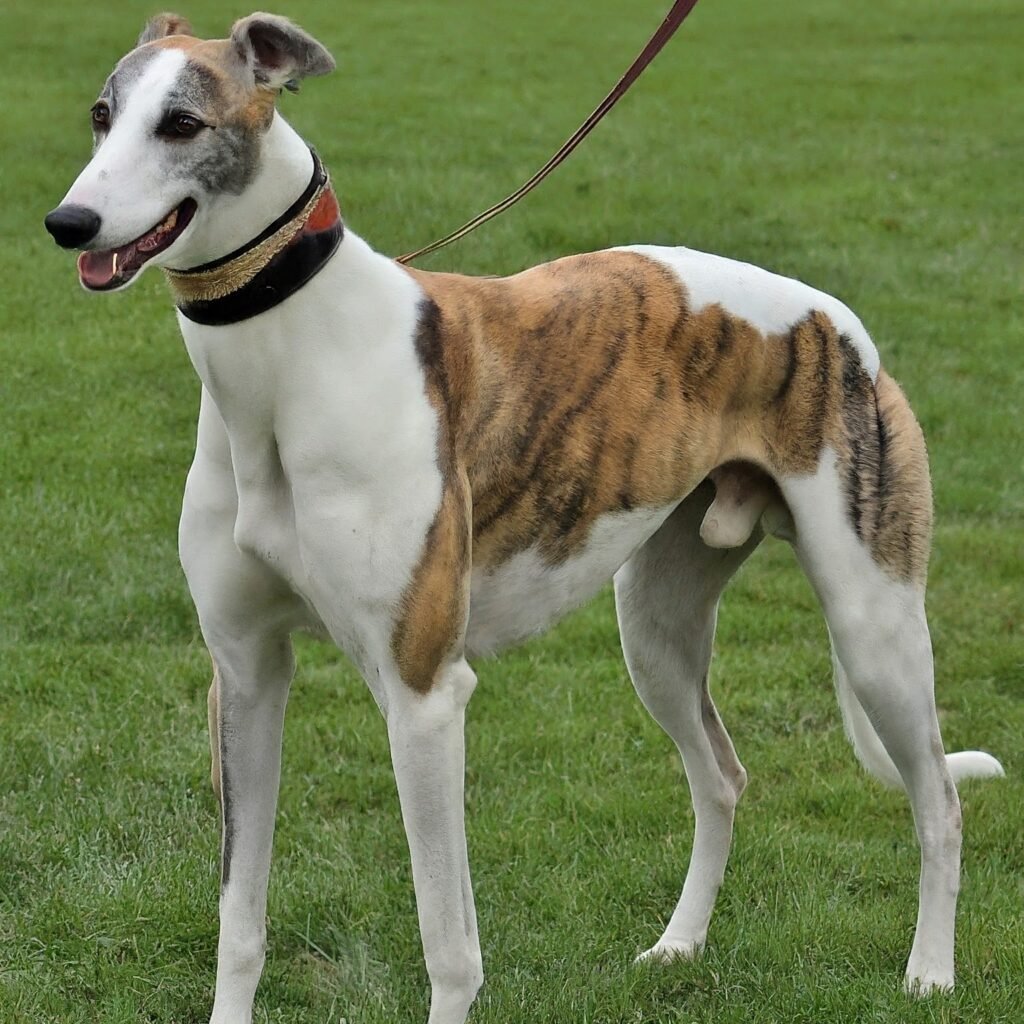
                            5. Greyhound

                            Greyhound |
                            5. Greyhound

                            Despite their reputation as racing dogs, Greyhounds are surprisingly low-maintenance when it comes to exercise.

                            They are gentle and calm, often referred to as “couch potatoes.” Greyhounds require daily walks but are content to relax at home for most of the day.

                            Their short coat requires minimal grooming, making them an excellent option for seniors.

                            6. Shih Tzu

                            Shih Tzu |
                            6. Shih Tzu

                            Shih Tzus are affectionate and playful dogs that adapt well to apartment living.

                            They are small, typically weighing between 9-16 pounds, and have a long, luxurious coat that requires regular grooming.

                            However, their exercise needs are low, and they enjoy short walks and plenty of cuddle time with their owners.

                            What factors should seniors consider when choosing a dog?

                            Seniors should consider several factors, including:

                            • Size of the Dog: Smaller breeds are often easier to manage and require less space.
                            • Energy Level: Look for breeds that have lower energy levels and exercise requirements.
                            • Grooming Needs: Choose breeds that require minimal grooming to reduce the burden of maintenance.

                            How much exercise do low-maintenance dog breeds need?

                            Most low-maintenance dog breeds require moderate exercise. This typically includes:

                            • Short Walks: 20-30 minutes of walking daily is usually sufficient.
                            • Playtime: Engaging in light play indoors or in a yard can help keep them active without overexertion.

                            Are there any health considerations for seniors owning dogs?

                            Yes, seniors should be aware of the following health considerations:

                            • Allergies: Some breeds are hypoallergenic, which can be beneficial for seniors with allergies.
                            • Mobility: Choose a dog that won’t require excessive physical activity that could strain the owner’s mobility.
                            • Veterinary Care: Regular vet visits are essential for maintaining the health of both the dog and the owner.

                            How can seniors ensure they can care for a dog?

                            Seniors can ensure they can care for a dog by:

                            • Assessing Their Lifestyle: Understanding their daily routine and how much time they can dedicate to a pet.
                            • Involving Family: Getting family members involved in the care of the dog can help ease the responsibility.
                            • Considering Adoption: Many shelters have senior dogs that are already trained and may require less energy and care.

                            Also Read: Can Dogs Eat Potatoes and Eggs? A Comprehensive Guide

                            Also Read: Are Great Pyrenees Good With Cats?

                            Conclusion

                            Choosing the right dog breed is crucial for seniors looking to add a furry companion to their lives.

                            Low-maintenance breeds like Poodles, Cavalier King Charles Spaniels, Pugs, Bichon Frises, Greyhounds, and Shih Tzus offer the perfect combination of companionship, affection, and manageable care.

                            By considering the factors outlined above and understanding their own needs, seniors can find the perfect canine companion to enhance their lives.


                            Sources: