Category: Dog Breeds

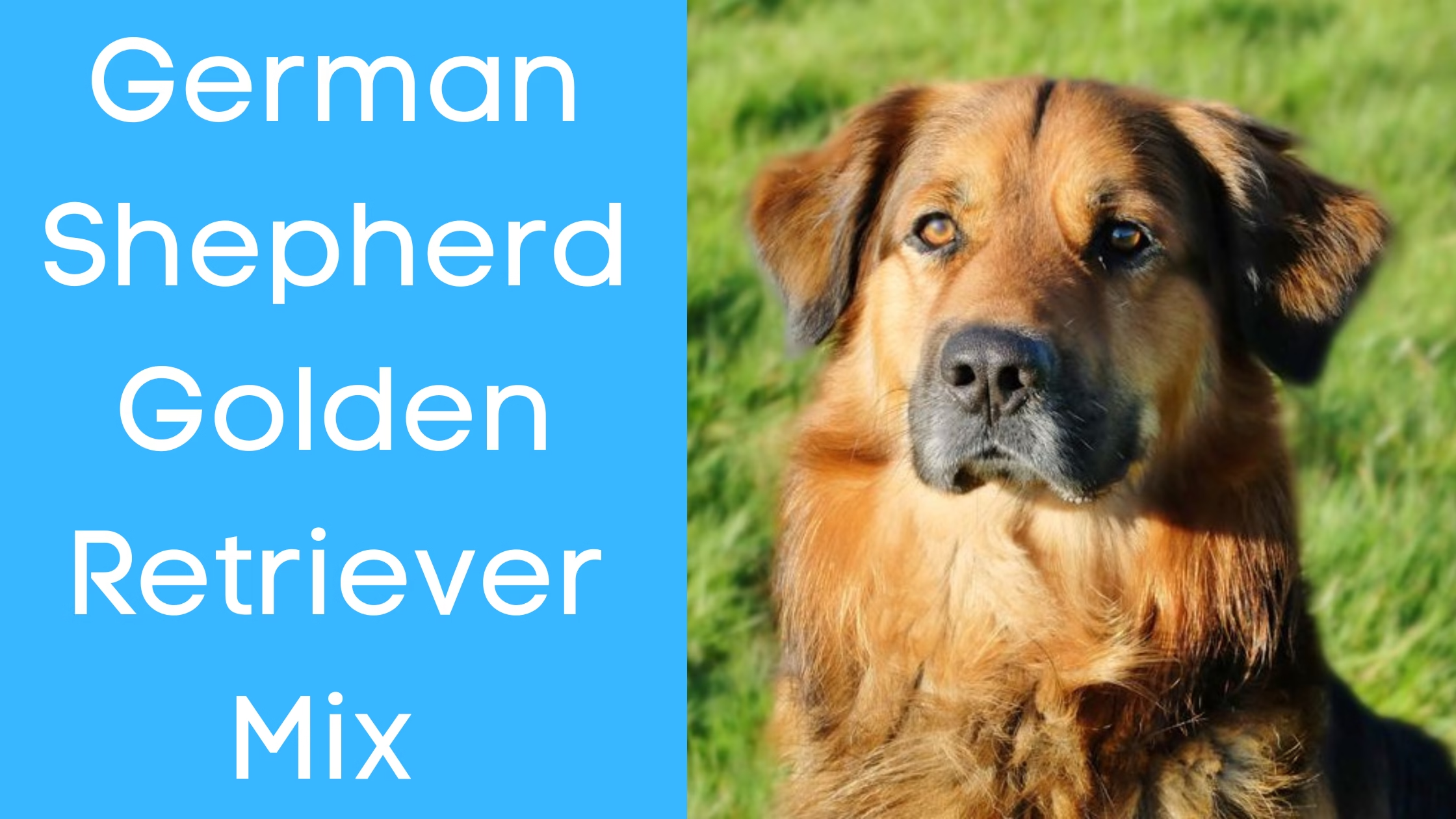
  • German Shepherd Golden Retriever Mix : Best Guide 2023

    German Shepherd Golden Retriever Mix : Best Guide 2023

    Are you seeking the perfect blend of loyalty, intelligence, and affection in a canine companion? Look no further than the German Shepherd Golden Retriever Mix!

    This hybrid breed has gained popularity among dog enthusiasts for its exceptional qualities.

    Whether you’re intrigued by their striking appearance or eager to learn more about their temperament and suitability as a pet, this article will provide valuable insights about the German Shepherd Golden Retriever Mix.

    From their origins to unique characteristics, we’ll explore everything you need about this beautiful hybrid breed. So let’s dive in and discover the best of both worlds in one remarkable canine companion.

    CharacteristicInformation
    Breed NameGerman Shepherd Golden Retriever Mix
    SizeLarge
    WeightVaries, typically between 55-85 pounds
    HeightVaries, typically between 20-26 inches at the shoulder
    Lifespan10-14 years
    TemperamentIntelligent, loyal, friendly
    Coat TypeMedium to long
    Coat Colors and PatternsVarious shades of gold, cream, black, and combinations
    Distinctive FeaturesAthletic build, expressive eyes
    Health ConcernsPotential hip dysplasia, elbow dysplasia, and certain genetic conditions
    Feeding RequirementsHigh-quality dog food, appropriate portion sizes, 2-3 meals per day
    Exercise NeedsModerate to high; regular exercise and mental stimulation are important
    Grooming NeedsRegular brushing, occasional bathing, and attention to oral hygiene
    TrainingPositive reinforcement training is effective; early socialization is important
    Living ConditionsCompatible with families and other pets; requires space and exercise
    Price Range$500 to $1500 (may vary based on breeder and location)
    German Shepherd Golden Retriever Mix

    Origins and History of German Shepherd Golden Retriever Mix

    To understand the German Shepherd Golden Retriever Mix, we must first explore the remarkable histories of its parent breeds. 
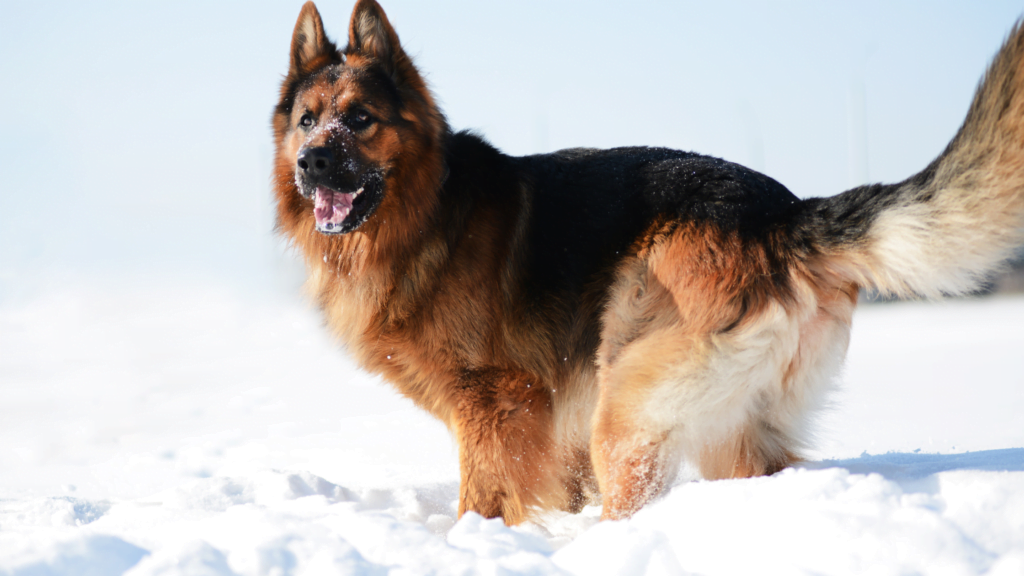
    German-Shepherd-dog
    German Shepherd dog

    The German Shepherd, known for its intelligence and versatility, originated in Germany in the late 19th century.

    Developed as a herding dog, it quickly gained recognition for its exceptional working abilities.

    With their strong work ethic, loyalty, and protective nature, German Shepherds soon became popular in various roles, including police and military work, search and rescue operations, and as beloved family pets.
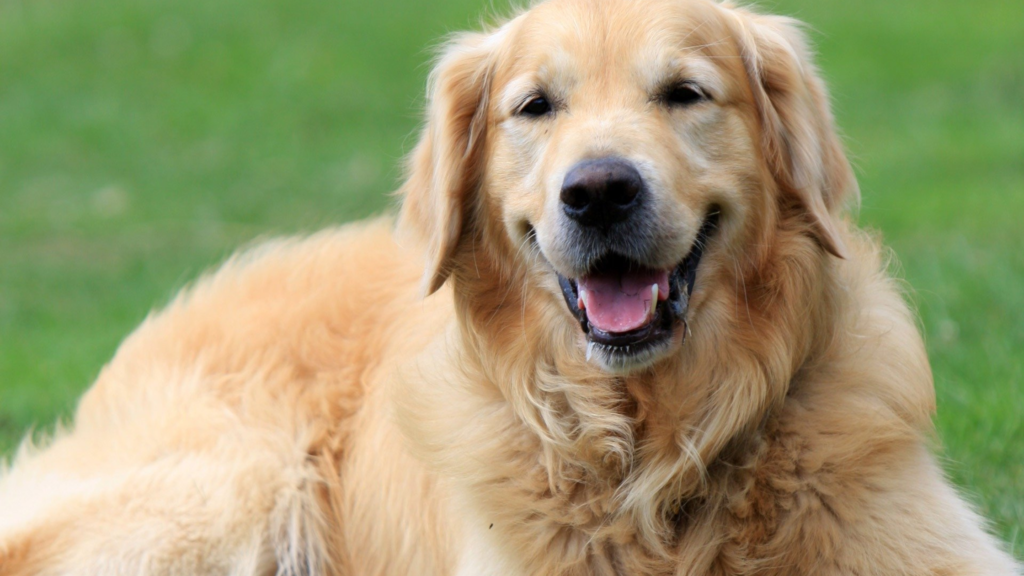
    Golden Retriever |
    Golden Retriever

    On the other hand, the Golden Retriever hailed from Scotland and was bred to be a reliable hunting companion.

    With their friendly and gentle nature and remarkable retrieving skills, Golden Retrievers quickly became sought-after for their ability to retrieve games from both land and water.

    In addition, their intelligence, trainability, and affectionate disposition endeared them to families worldwide.

    The emergence of the German Shepherd Golden Retriever Mix can be attributed to the desire for a canine companion that combines the best traits of both breeds.

    Crossbreeding these two remarkable breeds was an attempt to create a hybrid that possesses the German Shepherd’s intelligence, loyalty, and protective instincts, along with the friendly and affectionate nature of the Golden Retriever.

    This intentional crossbreeding aimed to produce a dog that would excel as a family pet and in various working roles.

    As a result, the German Shepherd Golden Retriever Mix inherits the genetic diversity and unique traits from both parent breeds, resulting in a hybrid that captivates the hearts of dog lovers worldwide.

    The origins and motivations behind crossbreeding these two exceptional breeds have given rise to the German Shepherd Golden Retriever Mix.

    This breed embodies the best qualities of its parents while bringing its distinctive charm to the table. Let’s explore the characteristics that make this hybrid so unique.

    terferes with their daily activities may warrant attention and should be monitored.

    Also Read : Bio Sponge for Dogs: Is Bio Sponge Safe for Dogs?

    Physical Characteristics and Appearance of German Shepherd Golden Retriever Mix
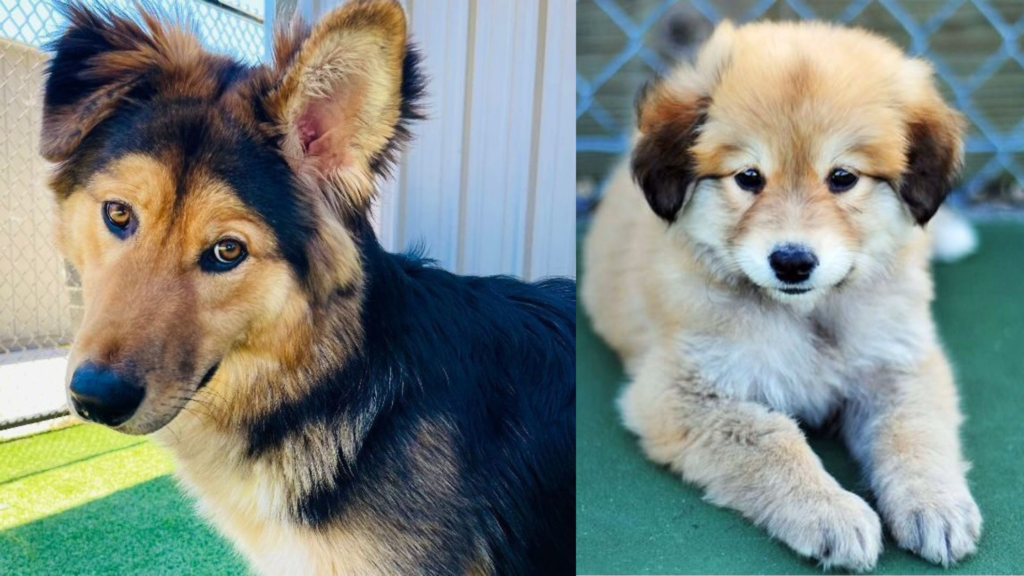
    Physical Characteristics and Appearance of German Shepherd Golden Retriever Mix puppies |
    Physical Characteristics and Appearance of German Shepherd Golden Retriever Mix puppies

    The German Shepherd Golden Retriever Mix boasts a captivating and unique appearance, blending the characteristics of its parent breeds into one remarkable companion.

    While individual dogs may vary, some typical traits are often observed in this hybrid breed.

    In terms of size, the German Shepherd Golden Retriever Mix falls into the medium to large category. They generally have a sturdy build and an athletic physique.

    Standing at the shoulder, their height can range between 20 to 26 inches (50 to 66 cm), and their weight typically falls between 55 to 85 pounds (25 to 39 kg).

    These dimensions contribute to their impressive presence, ability to carry out various tasks gracefully, and agility.

    Regarding their coat, the German Shepherd Golden Retriever Mix can display a range of variations.

    Their coat may be short to medium, offering them protection and adaptability in different climates.

    The coat colors can be diverse, including shades of gold, cream, brown, black, or a combination of these hues.

    In addition, some dogs may exhibit the iconic black mask commonly seen in German Shepherds, adding elegance to their appearance.

    Notable features of the German Shepherd Golden Retriever Mix include its expressive eyes and charming face.

    Their eyes are often warm, intelligent, and curious, reflecting their alertness and attentiveness.

    Their ears are typically medium and may be erect or semi-erect, enhancing their attentive and alert expression.

    Overall, the German Shepherd Golden Retriever Mix possesses a captivating physical presence.

    Their size, coat colors, and distinctive features create a visually appealing and charming canine companion.

    However, it’s important to note that individual dogs within this hybrid breed can have variations in their physical traits, making each one unique in its appearance.

    Temperament and Personality Traits of German Shepherd Golden Retriever Mix

    If you’re searching for a dog with a winning combination of intelligence, loyalty, and friendliness, look no further than the German Shepherd Golden Retriever Mix.

    This hybrid breed inherits some remarkable traits from its parent breeds, making it an exceptional companion for individuals and families.

    Intelligence is a standout characteristic of the German Shepherd Golden Retriever Mix.

    Both parent breeds are renowned for their smarts, and this hybrid follows suit.

    Their sharp minds make them highly trainable and adaptable to various tasks and environments.

    Whether learning new commands, participating in obedience training, or engaging in stimulating games, they excel in mental challenges and thrive when allowed to use their intellect.

    Loyalty is another trait deeply ingrained in the DNA of the German Shepherd Golden Retriever Mix.

    Known for their unwavering devotion, these dogs form strong bonds with their human companions.

    They are dedicated to protecting and caring for their loved ones.

    Their loyalty extends beyond the immediate family, as they are often friendly and welcoming to visitors, making them beautiful additions to households that value security and social interactions.

    Friendliness is a defining characteristic of the German Shepherd Golden Retriever Mix.

    They inherently desire to please and interact with others, including children and pets.

    Their friendly nature makes them approachable and adaptable to different social settings, making them excellent family pets and companions for active households.

    In addition, they often excel in roles such as therapy or assistance dogs, bringing joy and comfort to those around them.

    As a family companion, the German Shepherd Golden Retriever Mix truly shines.

    Their combination of intelligence, loyalty, and friendliness allows them to integrate seamlessly into the dynamics of a household.

    They are often gentle and patient with children, making them reliable playmates and protectors.

    Their friendly nature ensures that they thrive in families that provide ample love, attention, and opportunities for socialization.

    In summary, the German Shepherd Golden Retriever Mix encompasses traits that make them intelligent, loyal, and friendly companions.

    In addition, their ability to adapt to different situations, strong bonds with their human families, and amiable disposition makes them an excellent choice for individuals and families seeking a loving and engaging canine companion.

    Health Considerations for German Shepherd Golden Retriever Mix

    The German Shepherd Golden Retriever Mix is generally a robust and healthy breed.

    Still, it’s essential to be aware of potential health issues that may affect them.

    Like any other dog breed, they can inherit certain health conditions from their parent breeds.

    So let’s explore some common health concerns associated with the German Shepherd Golden Retriever Mix.

    Hip and Elbow Dysplasia

    The German Shepherd and Golden Retriever breeds are prone to hip and elbow dysplasia, which is the abnormal development of the hip and elbow joints.

    This can lead to discomfort, lameness, and arthritis. Regular exercise, maintaining a healthy weight, and providing joint supplements as recommended by a veterinarian can help manage these conditions.

    Allergies

    Allergies, including food allergies and environmental allergies, can affect the German Shepherd Golden Retriever Mix.

    Common signs include itching, redness, and skin irritations.

    Identifying and managing potential allergens, such as specific ingredients in their diet or environmental triggers, can help alleviate symptoms.

    Ear Infections

    With their floppy ears, the German Shepherd Golden Retriever Mix may be more prone to ear infections.

    Regular cleaning and drying of the ears and routine check-ups can help prevent and manage these infections.

    Gastric Dilatation-Volvulus (Bloat)

    This severe and potentially life-threatening condition can affect deep-chested breeds, including the German Shepherd Golden Retriever Mix.

    Bloat occurs when the stomach fills with gas and twists on itself.

    Feeding multiple small meals throughout the day, avoiding vigorous exercise after meals, and using elevated food bowls can help reduce the risk of bloat.

    Eye Issues

    The German Shepherd and Golden Retriever breeds are susceptible to certain eye conditions, such as cataracts, progressive retinal atrophy (PRA), and glaucoma.

    Regular eye examinations by a veterinarian can help detect and manage these conditions to ensure the long-term health of their vision.

    It’s important to note that not all German Shepherd Golden Retriever Mixes will develop these health issues.

    Responsible breeders perform health screenings on their breeding dogs to minimize the risk of passing on genetic conditions.

    Additionally, maintaining regular veterinary check-ups, providing a balanced diet, and ensuring proper exercise and grooming can contribute to your furry friend’s overall health and well-being.

    By proactively monitoring their health and promptly addressing any concerns, you can help ensure a long and happy life for your German Shepherd Golden Retriever Mix.

    In addition, regular veterinary care and open communication with your veterinarian are vital to providing the best possible care for your beloved companion.

    Diet and Nutrition for German Shepherd Golden Retriever Mix

    Feeding your German Shepherd Golden Retriever Mix a well-balanced and nutritious diet is crucial for their overall health and well-being.

    As a medium to large-sized breed, they have specific dietary needs that should be met to support their energy levels, growth, and overall vitality.

    Here are some guidelines to help you provide the appropriate diet and nutrition for your furry companion.

    1. Balanced Nutrition

    Ensure that your German Shepherd Golden Retriever Mix receives a balanced diet that includes high-quality protein, healthy fats, and a variety of carbohydrates, vitamins, and minerals.

    In addition, look for dog food formulated specifically for medium to large breeds or all-life stages, as they provide the essential nutrients in the proper proportions.

    2. Portion Control

    While these dogs have hearty appetites, it’s essential to maintain portion control to prevent obesity.

    First, follow the feeding guidelines on the dog food packaging and consult your veterinarian to determine the appropriate portion size based on your dog’s age, weight, and activity level.

    Then, adjust the portions as needed to maintain a healthy weight.

    3. Feeding Frequency

    Adult German Shepherd Golden Retriever Mixes typically do well with two meals per day.

    Splitting their daily food intake into two meals helps to prevent overeating and aids in digestion.

    Puppies may require more frequent meals initially, gradually transitioning to the adult feeding schedule as they grow.

    4. Protein-Rich Diet

    Protein is essential for muscle development and overall health.

    Look for dog foods that list high-quality protein sources, such as chicken, turkey, fish, or lamb, as the main ingredients.

    Aim for a protein content of around 20-30% in their diet.

    5. Dietary Restrictions

    Some German Shepherd Golden Retriever Mixes may have dietary restrictions or sensitivities.

    Monitor their response to certain ingredients and consult your veterinarian if you suspect any allergies or intolerances.

    They may recommend specialized diets or elimination trials to identify and manage these issues.

    6. Hydration

    Ensure your dog has access to fresh and clean water at all times. Proper hydration is vital for their health and helps regulate body temperature and digestion.

    Monitor their water intake and make sure they drink enough, especially during hot weather or after vigorous exercise.

    Remember, every dog is unique, and individual dietary needs may vary.

    Regular veterinary check-ups can help determine the optimal diet and ensure your German Shepherd Golden Retriever Mix receives the necessary nutrients for its specific requirements.

    You can help your furry friend maintain a healthy weight, promote proper growth, and support their overall well-being by providing a balanced diet, controlling portions, and addressing any dietary restrictions.

    A well-nourished dog is a happy and energetic companion ready to enjoy life by your side.

    Exercise and Activity Needs for German Shepherd Golden Retriever Mix
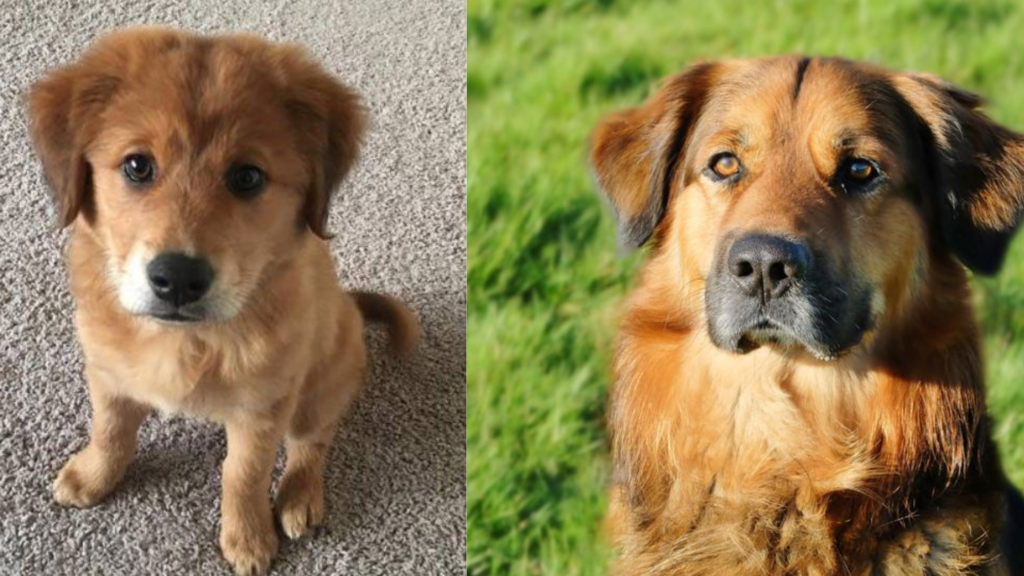
    Exercise and Activity Needs for German Shepherd Golden Retriever Mix |
    Exercise and Activity Needs for German Shepherd Golden Retriever Mix

    The German Shepherd Golden Retriever Mix is a dynamic and energetic breed that requires regular exercise and mental stimulation to thrive.

    These dogs have a combination of athleticism, intelligence, and a strong desire to be active.

    Here are some recommendations to meet their exercise and activity needs:

    1. High Energy Levels

    German Shepherd Golden Retriever Mixes have high energy levels and require daily exercise to burn off their energy.

    Engaging in physical activities keeps them physically fit and helps maintain their mental well-being.

    2. Daily Exercise

    Aim for at least 60-90 minutes of daily exercise, divided into multiple sessions.

    This includes brisk walks, jogging, running, playing fetch, or canine sports like agility or obedience training.

    Regular exercise helps prevent boredom and promotes a healthy weight.

    3. Outdoor Adventures

    These dogs thrive when given opportunities to explore the great outdoors.

    Take them on hikes, nature walks, or to dog-friendly parks where they can enjoy new sights, smells, and experiences.

    Ensure they are on a leash or in a secure, fenced area for their safety.

    4. Mental Stimulation

    The German Shepherd Golden Retriever Mix is brilliant and benefits from mental stimulation.

    Engage them in interactive puzzle toys, obedience training sessions, and scent games to challenge their problem-solving abilities and keep their minds sharp.

    5. Socialization

    Provide opportunities for your dog to interact with other dogs and people in a controlled and positive manner.

    Socialization helps them develop good behavior and enhances their overall temperament.

    6. Considerations

    Remember that these dogs are prone to joint issues, so avoid excessive high-impact activities during their growth period.

    Instead, gradually increase the intensity and duration of exercise as they mature to avoid strain or injury.

    Meeting their exercise and activity needs can help prevent behavioral issues arising from pent-up energy and boredom.

    A tired dog is a happy dog! However, always consider your dog’s needs and consult your veterinarian before starting any new exercise regimen.

    Make exercise and playtime enjoyable for you and your German Shepherd Golden Retriever Mix.

    Engage in activities that strengthen the bond between you and your furry friend while stimulating them physically and mentally.

    Grooming and Coat Care for German Shepherd Golden Retriever Mix

    The German Shepherd Golden Retriever Mix has a beautiful coat that requires regular grooming to keep it healthy and looking its best.

    Here are some tips to help you maintain their coat and overall grooming needs:

    1. Coat Type

    The German Shepherd Golden Retriever Mix typically has a medium to long double coat that can vary in texture.

    Their fur may be straight or wavy, providing good insulation in cold and warm weather.

    2. Brushing

    Regular brushing is essential to prevent matting, remove loose hair, and keep their coat looking shiny.

    Use a slicker brush or a grooming rake to gently brush their coat at least two to three times a week. Pay extra attention to areas prone to tangles, such as behind the ears and around the tail.

    3. Bathing

    Bathe your German Shepherd Golden Retriever Mix as needed or when they get dirty.

    Use a dog-specific shampoo and conditioner to maintain the natural oils in their coat and prevent dryness.

    However, be cautious not to over-bathe them, as they can strip the coat of natural oils and cause skin irritation.

    4. Coat Care

    Regular coat care goes beyond brushing and bathing.

    Check their ears regularly for signs of infection, redness, or wax buildup. Trim their nails every few weeks to prevent overgrowth and discomfort.

    Additionally, brush their teeth regularly or provide dental chews to maintain good oral hygiene.

    5. Grooming Challenges

    These dogs shed moderately throughout the year and more heavily during seasonal changes.

    Be prepared for regular vacuuming and invest in a quality de-shedding tool to manage the shedding.

    Additionally, consider professional grooming for more extensive coat maintenance, such as trimming and shaping.

    6. Recommended Tools

    To keep your German Shepherd Golden Retriever Mix looking their best, consider having the following grooming tools:

    a slicker brush, grooming rake, de-shedding tool, dog-specific shampoo and conditioner, ear cleaner, nail trimmer, and a toothbrush or dental chews.

    Maintaining a proper grooming routine keeps your dog looking handsome or beautiful and promotes their overall health and well-being.

    In addition, it allows you to bond with your furry companion and ensure their comfort.

    Remember to be gentle and patient during grooming sessions, using positive reinforcement to make it a positive experience for both of you.

    Training and Socialization for German Shepherd Golden Retriever Mix

    Early training and socialization are crucial for the German Shepherd Golden Retriever Mix to develop into a well-behaved and balanced dog.

    Here’s why it’s important and some tips to help you with their training:

    1. Importance of Early Training

    Starting training early allows you to establish a strong foundation and shape your dog’s behavior.

    It helps them understand boundaries, commands, and acceptable behavior, setting them up for a lifetime of good manners and obedience.

    2. Socialization Benefits

    Socializing your German Shepherd Golden Retriever Mix from a young age exposes them to various people, animals, and environments.

    This helps them become more confident, friendly, and adaptable. In addition, it reduces the likelihood of fear or aggression issues later in life.

    3. Positive Reinforcement

    Use positive reinforcement techniques like treats, praise, and rewards to motivate and encourage desired behaviors.

    This approach reinforces positive associations and helps your dog understand what you expect from them.

    4. Consistency and Patience

    Be consistent with your training methods, commands, and expectations.

    Patience is vital as your dog learns at their own pace. Keep training sessions short, fun, and engaging to maintain their interest and focus.

    5. Basic Obedience Training

    Teach essential commands like “sit,” “stay,” “come,” and “heel.” These commands provide safety and control in various situations.

    Gradually progress to more advanced commands and tricks once the basics are mastered.

    6. Mental Stimulation

    Engage your dog’s mind with puzzle toys, interactive games, and obedience training exercises.

    Mental stimulation is as essential as physical exercise and helps prevent boredom and destructive behavior.

    7. Breed Considerations

    Understand that German Shepherds and Golden Retrievers are both intelligent breeds with a willingness to please.

    However, each dog is unique, so adapt your training methods to suit their personality and learning style.

    8. Consistent Socialization

    Expose your German Shepherd Golden Retriever Mix to different environments, people, and animals in controlled and positive settings.

    Gradually increase the difficulty level of social interactions as they gain confidence.

    Challenges such as stubbornness or distractions can arise during training. Stay patient and persistent, and seek the assistance of a professional dog trainer if needed.

    Remember to make training sessions enjoyable, rewarding, and a bonding experience for both you and your dog.

    By investing time and effort into training and socialization, you will have a well-mannered, obedient, and happy German Shepherd Golden Retriever Mix that is a joy to be around and can confidently navigate the world.

    Living with a German Shepherd Golden Retriever Mix

    The German Shepherd Golden Retriever Mix is a fantastic companion for families, children, and pets. Here’s why they make a great addition to your household:

    1. Compatibility with Families

    These hybrid dogs are known for their friendly and loving nature, making them excellent family pets.

    They thrive in a home environment where they receive plenty of love, attention, and companionship from all family members.

    2. Interaction with Children

    German Shepherd Golden Retriever Mixes are typically patient, gentle, and protective of children.

    They often form strong bonds with kids, becoming loyal playmates and protectors.

    However, supervision and teaching children how to interact with dogs appropriately are essential, as with any dog.

    3. Compatibility with Other Pets

    With proper socialization, these mixes can get along well with other pets, including dogs and cats.

    Early introductions and gradual acclimation to new furry friends help establish positive relationships, fostering a harmonious environment.

    4. Protective Instincts

    Both German Shepherds and Golden Retrievers have protective instincts.

    This mix inherits those traits, making them naturally alert and responsive to potential threats.

    As a result, they can serve as excellent watchdogs, giving your family extra security.

    5. Loyalty and Companionship

    German Shepherd Golden Retriever Mixes are highly loyal and thrive on human companionship.

    They form deep bonds with their family members and enjoy being involved in all aspects of family life.

    In addition, their loving nature ensures they are devoted and faithful companions.

    6. Exercise and Mental Stimulation

    This mix has moderate to high exercise needs, requiring daily physical activity and mental stimulation to keep them happy and healthy.

    They enjoy various activities like walks, runs, playtime, and interactive games. In addition, their energy and enthusiasm make them great partners for outdoor adventures.

    7. Safety Measures

    Due to their protective instincts, it’s essential to properly introduce visitors to your German Shepherd Golden Retriever Mix and provide clear boundaries.

    In addition, training them to understand appropriate behavior and socializing them from an early age helps ensure a well-adjusted and well-behaved dog.

    8. Quality Time and Companionship

    These dogs thrive when they receive quality time, attention, and affection from their family members.

    They enjoy participating in family activities, such as hikes, trips to the beach, or simply lounging together at home.

    They appreciate being included in your daily routines and forming a solid bond.

    Remember, every dog is an individual, and while these general traits are commonly seen in German Shepherd Golden Retriever Mixes, there may be variations.

    Proper socialization, training, and a loving and stimulating environment are crucial to nurturing their beautiful qualities and ensuring a harmonious life together.

    Price and Adoption Considerations for a German Shepherd Golden Retriever Mix

    Suppose you’re considering adding a German Shepherd Golden Retriever Mix to your family. In that case, it’s essential to understand the cost and adoption considerations. Here’s what you need to know:

    1. Price Range

    The price of a German Shepherd Golden Retriever Mix can vary depending on factors such as the breeder’s reputation, the lineage of the parents, and the puppy’s characteristics.

    However, on average, you can expect to pay between $500 to $1500 for a puppy from a reputable breeder.

    2. Reputable Breeders 

    When searching for a breeder, it’s crucial to find a reputable one who prioritizes the health and well-being of their dogs.

    Look for breeders who conduct health screenings, provide proper care for the puppies, and are transparent about the breeding process.

    Consider visiting the breeder’s facility to see how the dogs are raised.

    3. Adoption Sources

    Another option is adopting a German Shepherd Golden Retriever Mix from a rescue or shelter.

    There are many mixed-breed dogs in need of loving homes.

    Adoption fees are generally more affordable, often including vaccinations, spaying/neutering, and microchipping.

    Check local shelters, rescue organizations, and online adoption platforms for available dogs.

    4. Responsible Ownership

    Owning a German Shepherd Golden Retriever Mix comes with responsibilities.

    Consider the following factors before bringing one home:

       a. Time Commitment: These mixes thrive on human interaction and require significant time and attention.

    Ensure you have enough time to dedicate to your exercise, training, and mental stimulation needs.

       b. Space and Exercise: These energetic dogs need ample space to roam and play. They should have access to a secure, fenced yard to exercise and burn off energy.

    Daily exercise, such as walks, runs, or playtime, is vital for their well-being.

       c. Training and Socialization: Proper training and socialization are crucial for a well-behaved and well-adjusted dog.

    Invest time in obedience training, basic commands, and positive reinforcement techniques. Early socialization with various people, animals, and environments is also essential.

       d. Financial Considerations: Owning a dog involves financial responsibilities, including food, veterinary care, grooming, toys, and supplies—budget for routine veterinary visits, vaccinations, preventative medications, and potential unforeseen medical expenses.

    5. Long-term Commitment

    Owning a German Shepherd Golden Retriever Mix is a long-term commitment.

    These dogs have an average lifespan of 10 to 14 years, so be prepared to provide care, love, and attention throughout their lives.

    Remember, acquiring a dog is a significant decision, and choosing a reputable source and being a responsible owner are essential.

    Whether you buy from a breeder or adopt from a shelter, providing a loving and caring home is the most critical aspect of welcoming a German Shepherd Golden Retriever Mix into your family.

    terferes with their daily activities may warrant attention and should be monitored.

    Also Read : Why Does My Dog Roll Around After Eating? Best Guide 2023

    Conclusion

    In conclusion, the German Shepherd Golden Retriever Mix is a captivating and versatile hybrid breed that combines the best traits of its parent breeds.

    This article has explored its origins, physical characteristics, temperament, health considerations, care needs, and more. 

    This mix is known for its intelligence, loyalty, and friendly nature, making it an excellent choice for families and individuals.

    Their energetic and playful personalities make them great outdoor activities and adventure companions.

    They can thrive in various living environments with proper training, socialization, and care.

    Suppose you seek a loving and devoted companion who will bring joy and excitement.

    In that case, the German Shepherd Golden Retriever Mix may be the perfect fit for you.

    First, however, evaluating your lifestyle and commitment is crucial to ensure that you can provide the time, resources, and attention this breed requires.

    Please share your experiences or ask further questions in the comments section below. Hearing from other owners and enthusiasts can provide valuable insights and support.

    Adopting or purchasing a dog is a significant decision, and responsible ownership is critical to providing a happy and fulfilling life for your furry friend.

    Consider the German Shepherd Golden Retriever Mix and embark on a rewarding journey filled with love, loyalty, and unforgettable moments.
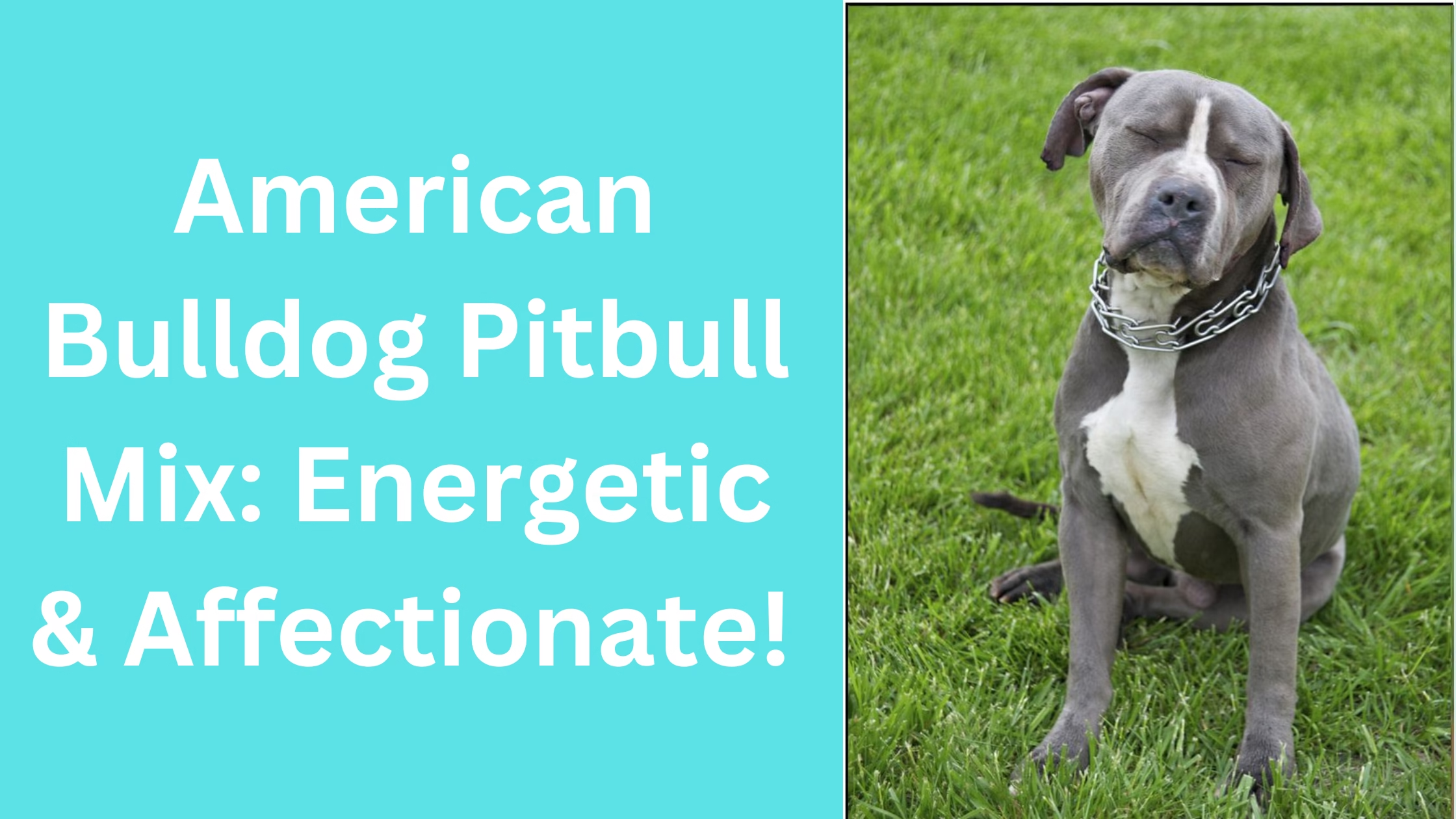
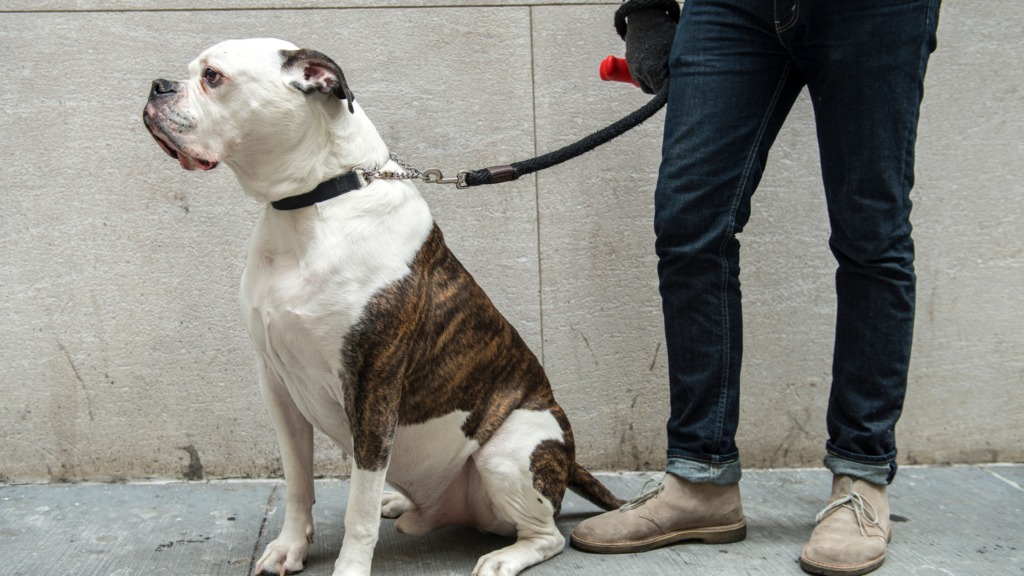
  • American Bulldog Pitbull Mix: Energetic & Affectionate!

    American Bulldog Pitbull Mix: Energetic & Affectionate!

    Are you curious about the American Bulldog Pitbull Mix? This delightful hybrid dog breed has been gaining popularity among dog enthusiasts and families looking for a loyal and affectionate companion.

    Whether you’re considering adopting one or simply intrigued by this unique blend, you’ve come to the right place.

    In this article, we’ll explore the American Bulldog Pitbull Mix’s fascinating world and provide valuable insights into their characteristics, care, and why they make fantastic pets.

    The American Bulldog Pitbull Mix, also known as the Bullypit or Pit Bulldog, is the result of crossbreeding the American Bulldog and the Pitbull.

    These two breeds combine to create a captivating mix of qualities that dog lovers find irresistible.

    People searching for information about this hybrid breed often seek answers about their temperament, appearance, health, and how they fit into a family setting.

    The allure of the American Bulldog Pitbull Mix lies not only in its physical characteristics but also in its endearing personality traits.

    This breed possesses a unique combination of loyalty, affection, and intelligence, making them exceptional companions and family pets.

    They have an innate ability to form strong bonds with their owners and are known for their protective instincts.

    Throughout this article, we’ll delve into the various aspects of the American Bulldog Pitbull Mix, providing you with easy-to-understand information that will help you better understand its unique qualities.

    We’ll explore their physical appearance, delve into their temperament and personality traits, discuss their health considerations, guide care and nutrition, and offer insights into training and socialization.

    So, whether you’re a dog lover looking for a new addition to your family or simply interested in learning more about this captivating breed, join us as we unravel the wonders of the American Bulldog Pitbull Mix.

    Get ready to discover why these energetic and affectionate hybrids have captured the hearts of many dog enthusiasts worldwide.

    CharacteristicInformation
    Breed NameAmerican Bulldog Pitbull Mix
    SizeMedium
    WeightVaries, typically between 60-120 pounds
    HeightVaries, typically between 20-28 inches at the shoulder
    Lifespan10-14 years
    TemperamentFriendly, loyal, playful
    Coat TypeCan vary, short to medium in length
    Coat Colors and PatternsVarious colors and patterns, including brindle, fawn, black, and more
    Distinctive FeaturesExpressive eyes, charming face
    Health ConcernsPotential genetic health issues from parent breeds; regular veterinary care is important
    Feeding RequirementsHigh-quality dog food, appropriate portion sizes, 2-3 meals per day
    Exercise NeedsModerate to high; regular exercise and mental stimulation are important
    Grooming NeedsRegular brushing, occasional bathing, and attention to oral hygiene
    TrainingPositive reinforcement training is effective; early socialization is important
    Living ConditionsRequires a safe and stimulating environment; a medium to large-sized fenced yard is beneficial
    American Bulldog Pitbull Mix

    Origins and History

    Let’s journey back to uncover the origins and captivating history of the American Bulldog Pitbull Mix.

    To truly understand this hybrid breed, we must first explore the rich backgrounds of its parent breeds, the American Bulldog and the Pitbull.

    American Bulldog
    American Bulldog

    The American Bulldog is a descendant of the English Bulldog, brought to America by European immigrants.

    Originally used for various farm tasks, such as herding cattle and guarding property, the American Bulldog became a versatile working dog.

    These sturdy and muscular canines possess an admirable combination of strength, agility, and loyalty.

    Pitbull dog
    Pitbull dog

    On the other hand, the Pitbull, also known as the American Pit Bull Terrier, traces its lineage back to the United Kingdom.

    Initially bred for bull-baiting and later for dog fighting, Pitbulls were known for their tenacity, courage, and high pain tolerance.

    However, it is important to note that modern Pitbulls have distanced themselves from their historical reputation and have become cherished family pets known for their affectionate nature.

    The American Bulldog and the Pitbull crossbreeding resulted in the American Bulldog Pitbull Mix. This hybrid combines the desirable traits of both parent breeds.

    The motivations behind this crossbreeding were diverse. Breeders aimed to create a loyal and protective companion with the Bulldog’s strength and the Pitbull’s athleticism.

    Additionally, the combination aimed to produce a dog with a gentle and affectionate temperament, making them suitable for families.

    By blending the genetic heritage of the American Bulldog and the Pitbull, breeders sought to create a versatile and well-rounded canine companion.

    The American Bulldog Pitbull Mix has quickly garnered attention and has become popular for individuals and families seeking a devoted and loving pet.

    As we move forward in this article, we will explore the unique characteristics and qualities this hybrid breed inherits from its parent breeds.

    Understanding the origins and motivations behind the American Bulldog Pitbull Mix allows us to appreciate the intriguing blend of traits that make them such remarkable companions.

    Also Read : The Unforgettable American Bulldog Border Collie Mix.

    Physical Characteristics and Appearance

    American Bulldog Pitbull Mix 2 |
    American Bulldog and the Pitbull

    Prepare to be captivated by the striking physical characteristics and unique appearance of the American Bulldog Pitbull Mix.

    As a crossbreed between the American Bulldog and the Pitbull, this hybrid exhibits a delightful blend of features that make them unique.

    American Bulldog Pitbull Mix Size

    The size of the American Bulldog Pitbull Mix can vary, influenced by the individual genetics of the parent breeds.

    On average, they fall into the medium to large size range. Males typically stand between 20 and 28 inches (51 to 71 cm) tall at the shoulder, while females are slightly shorter.

    In terms of weight, adult American Bulldog Pitbull Mixes typically range from 60 to 120 pounds (27 to 54 kg).

    American Bulldog Pitbull Mix Coat Color and Texture

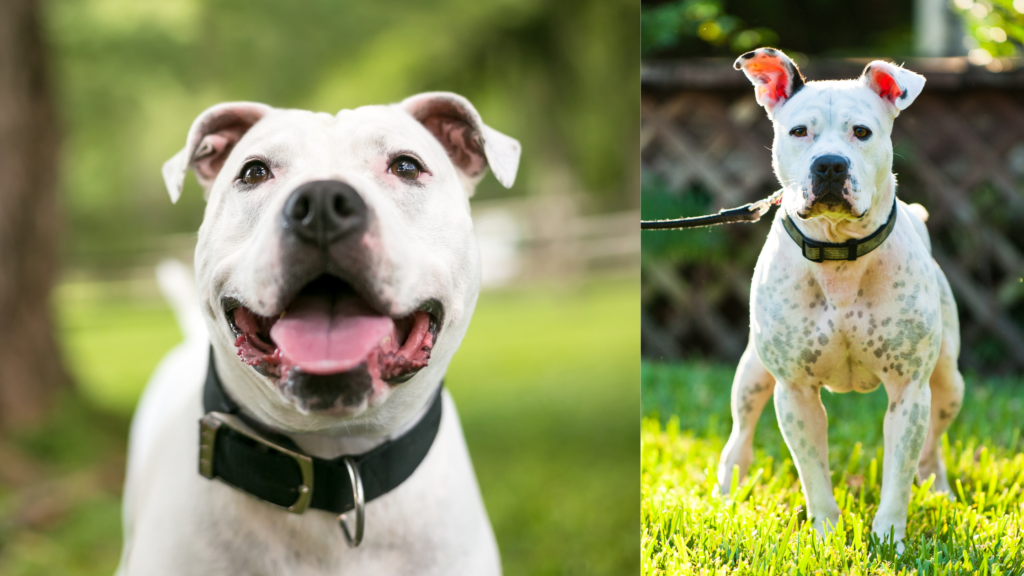
    Regarding coat color, the American Bulldog Pitbull Mix showcases many possibilities. Their coat can come in shades, including brindle, white, black, fawn, brown, or a combination of these colors.

    Some may even display unique markings, such as patches or spots. The coat is typically short and dense, providing protection and ease of grooming.

    American Bulldog Pitbull Mix Body Structure

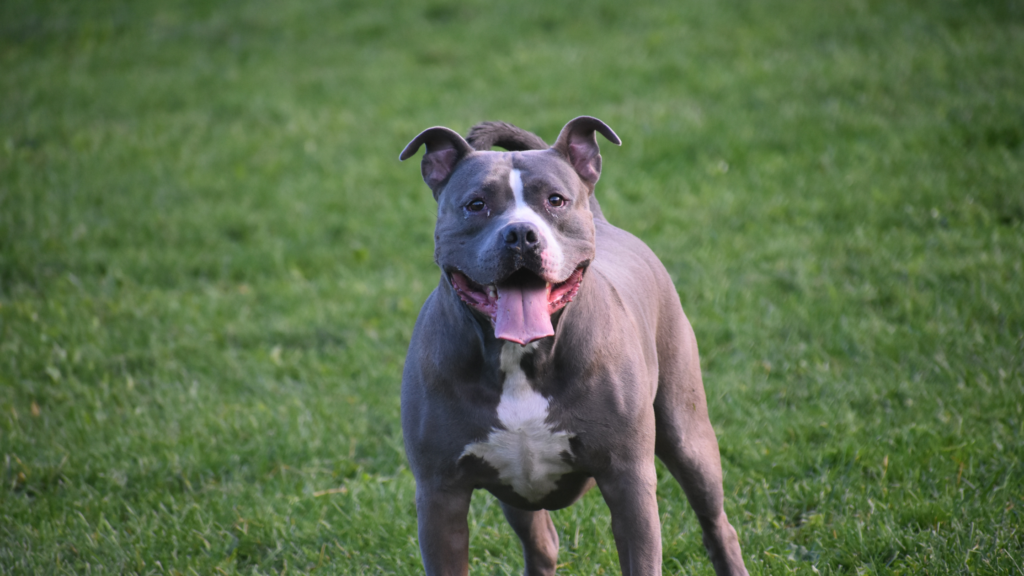
    The American Bulldog Pitbull Mix possesses a well-muscled and athletic body.

    They exhibit a strong and sturdy build inherited from their American Bulldog parent, with a deep chest, broad shoulders, and a muscular neck.

    Their head is broad, showcasing a powerful jawline, and may exhibit variations in shape, reflecting the characteristics of both parent breeds.

    Their eyes are generally expressive and round, while their ears can be medium-sized and may be floppy or semi-erect.

    Variations

    Due to the genetic diversity inherited from the parent breeds, there can be variations within the American Bulldog Pitbull Mix.

    Some individuals may lean more towards the Bulldog side, showcasing a larger head and a heavier frame.

    Others may display more Pitbull-like characteristics, with a more streamlined physique and a narrower head.

    These variations contribute to the uniqueness and charm of this hybrid breed.

    It’s important to remember that individual American Bulldog Pitbull Mixes can have a distinct appearance, combining traits from both parent breeds in varying degrees.

    This diversity adds to their visual appeal and makes each dog truly special.

    In the next sections, we will delve deeper into the temperament, health considerations, and care requirements of the American Bulldog Pitbull Mix.

    Stay with us to uncover more fascinating aspects of this remarkable hybrid breed.

    Temperament and Personality Traits of American Bulldog Pitbull Mix

    Get ready to meet a loyal, affectionate, and intelligent companion in the form of the American Bulldog Pitbull Mix.

    This hybrid breed possesses a delightful blend of temperament and personality traits, making them a treasured addition to many families.

    Loyalty and Affection

    One of the standout qualities of the American Bulldog Pitbull Mix is their unwavering loyalty to their owners.

    They form strong bonds with their family members and are known to be fiercely protective regarding their loved ones.

    Their devotion knows no bounds, and they thrive on being by your side, providing you with constant companionship and affection.

    Prepare to receive a never-ending supply of love and loyalty from your American Bulldog Pitbull Mix.

    Intelligence and Trainability

    The American Bulldog Pitbull Mix is known for its intelligence and trainability. These clever canines possess an eagerness to learn and please their owners.

    They can quickly grasp commands and obedience tasks with consistent and positive training methods.

    Early socialization and training are key to shaping their behavior and ensuring they grow into well-mannered and obedient companions.

    Family Companionship

    The American Bulldog Pitbull Mix thrives in a family environment and truly cherishes being part of the pack.

    They are known to be excellent family dogs, showing affection and gentle playfulness with children.

    Their protective nature often extends to the entire family, making them reliable and vigilant guardians.

    With proper socialization and training, they can adapt well to various family dynamics and become a source of joy and companionship.

    Energetic and Playful

    This hybrid breed possesses a lot of energy and loves engaging in activities and playtime. They enjoy interactive games, brisk walks, and outdoor adventures.

    Regular exercise keeps them mentally and physically stimulated, preventing boredom and destructive behavior.

    They make great companions for individuals or families who lead active lifestyles and can provide them with the exercise and stimulation they need.

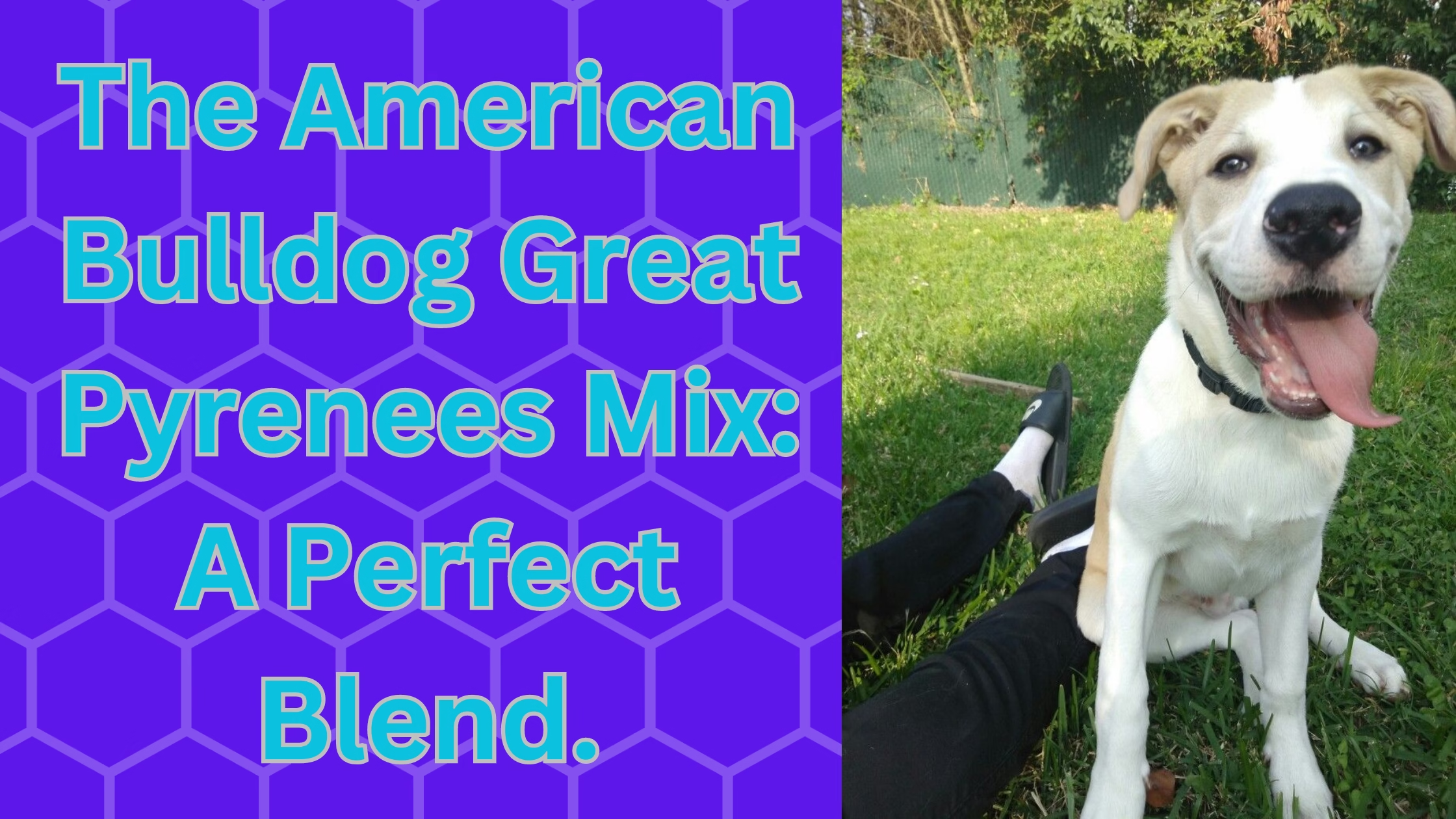
    Also Read : The American Bulldog Great Pyrenees Mix: A Perfect Blend.

    Socialization and Interaction

    Socialization is crucial for the American Bulldog Pitbull Mix to develop proper behavior and interact well with other animals and people.

    With early and consistent socialization, they can learn to be friendly and well-mannered in various social situations.

    They generally have a friendly and approachable demeanor.

    Still, monitoring their interactions and providing positive experiences is important to ensure their social skills are well-rounded.

    As you embark on a journey with an American Bulldog Pitbull Mix, be prepared for a loyal, affectionate, intelligent companion who will bring immense joy and love into your life.

    Their remarkable personality traits make them ideal family pets.

    They can become the furry best friend you’ve always dreamed of with proper training, care, and socialization.

    The following sections will explore health considerations, care requirements, and training tips to help you provide the best possible care for your American Bulldog Pitbull Mix.

    Stay tuned for more valuable insights!

    Common Health Issues in American Bulldog Pitbull Mix

    While the American Bulldog Pitbull Mix is generally a robust and healthy hybrid breed, it’s important to be aware of potential health issues that may affect them.

    By understanding the common health conditions that can arise, you can take proactive measures to ensure the well-being and longevity of your furry companion.

    The American Bulldog and the Pitbull have their own health concerns.

    The American Bulldog Pitbull Mix may inherit some of these conditions as a hybrid breed.

    Here are a few common health issues to be mindful of:

    1. Hip Dysplasia

    This condition involves abnormal hip joint development, leading to discomfort, lameness, and reduced mobility. Regular exercise, a healthy diet, and a healthy weight help minimize the risk.

    2. Brachycephalic Syndrome

    The American Bulldog Pitbull Mix may inherit a shortened snout and facial structure, contributing to breathing difficulties and overheating.

    Providing proper ventilation and avoiding excessive exercise in hot weather is important to prevent respiratory distress.

    3. Allergies

    Like their parent breeds, American Bulldog Pitbull Mixes can be prone to allergies, which may manifest as skin irritations, itchiness, or gastrointestinal issues.

    Identifying and avoiding allergens, such as certain foods or environmental triggers, can help manage these conditions.

    4. Joint Issues

    Joint problems like arthritis and elbow dysplasia can occur in the American Bulldog Pitbull Mix, particularly as they age.

    Regular exercise, maintaining a healthy weight, and providing joint-supporting supplements can help alleviate discomfort and improve mobility.

    5. Heart Conditions

    Some American Bulldogs and Pitbulls may be predisposed to certain heart conditions, such as aortic stenosis or dilated cardiomyopathy.

    Regular veterinary check-ups, including cardiac evaluations, can help detect any underlying issues early on.

    It’s important to note that not every American Bulldog Pitbull Mix will develop these health conditions, and many individuals enjoy a long and healthy life with proper care.

    Regular veterinary check-ups, a balanced diet, exercise, and a clean and safe living environment are essential for their well-being.

    When bringing an American Bulldog Pitbull Mix into your family, consider obtaining them from a reputable breeder who conducts health screenings and provides health guarantees.

    By being proactive and attentive to their health needs, you can ensure that your furry companion leads a happy and healthy life by your side.

    In the next sections, we will delve into the dietary and nutritional requirements, grooming needs, and training tips specific to the American Bulldog Pitbull Mix.

    Stay tuned for more valuable insights to help you care for your beloved hybrid companion!

    Also Read : The American Bulldog Great Pyrenees Mix: A Perfect Blend.

    Diet and Nutrition for American Bulldog Pitbull Mix

    Feeding your American Bulldog Pitbull Mix a well-balanced and nutritious diet is crucial for their overall health and well-being.

    By providing them with the right combination of nutrients, you can ensure they have the energy and vitality they need to thrive.

    Here are some guidelines to help you create a suitable diet plan for your hybrid companion:

    1. Balanced Diet

    A balanced diet for the American Bulldog Pitbull Mix should include high-quality commercial dog food specifically formulated for their size, age, and activity level.

    Look for a brand that lists meat as the main ingredient and avoids artificial additives or fillers.

    Consult with your veterinarian to determine your dog’s appropriate portion size and feeding frequency.

    2. Portion Control

    It’s essential to practice portion control to prevent overfeeding or underfeeding.

    Obesity can lead to various health issues, while underfeeding can result in malnutrition and energy deficiencies.

    Follow the recommended portion sizes the dog food manufacturer provides and make adjustments based on your dog’s individual needs, such as their activity level, metabolism, and body condition.

    3. Feeding Frequency

    Most adult American Bulldog Pitbull Mixes do well with two – three meals per day, while puppies may require more frequent feedings.

    Spacing out their meals helps with digestion and prevents stomach discomfort. Stick to a consistent feeding schedule to establish a routine and promote healthy eating habits.

    4. Protein-Rich Diet

    As active and muscular dogs, the American Bulldog Pitbull Mix benefits from a protein-rich diet. Protein is essential for muscle development, repair, and overall growth.

    Look for dog food formulas that contain high-quality animal proteins, such as chicken, turkey, or fish. Avoid foods with excessive fillers or low-quality protein sources.

    5. Dietary Restrictions

    Some American Bulldog Pitbull Mixes may have specific dietary restrictions or sensitivities.

    Monitor your dog for any signs of food allergies or intolerances, such as skin irritations, digestive issues, or excessive itching.

    If you suspect a specific ingredient is causing a reaction, consult your veterinarian to determine the best course of action, including potential dietary changes or elimination trials.

    6. Hydration

    Ensure that your American Bulldog Pitbull Mix always has access to fresh and clean water.

    Hydration is vital for their overall health and helps maintain proper organ function, temperature regulation, and digestion.

    Keep their water bowl filled throughout the day and check for any signs of dehydration, such as lethargy or dry gums.

    Remember, every dog is unique, and their dietary needs may vary. It’s essential to monitor their body condition, weight, and overall health regularly.

    Consult your veterinarian for personalized recommendations based on your dog’s requirements and underlying health considerations.

    In the next sections, we will explore the exercise and activity requirements, grooming needs, and training tips to help you provide comprehensive care for your American Bulldog Pitbull Mix.

    Stay tuned for more valuable insights to ensure your hybrid companion leads a happy and healthy life!

    Also Read : Wells Syndrome in Dogs: Comprehensive Treatment & Care Guide

    Exercise and Activity Needs for American Bulldog Pitbull Mix

    Prepare to embark on an exciting journey with exercise and adventures alongside your active and energetic American Bulldog Pitbull Mix.

    This hybrid breed thrives on physical activity and mental stimulation, making regular exercise essential to their routine.

    Here are some recommendations to keep your furry friend happy, healthy, and engaged:

    1. High Energy Levels

    The American Bulldog Pitbull Mix possesses high energy levels, thanks to their lineage from the American Bulldog and the Pitbull breeds.

    They require ample opportunities to burn off their energy to prevent boredom and behavioral issues. Regular exercise sessions are key to keeping them physically and mentally stimulated.

    2. Daily Exercise

    To meet the exercise needs of your American Bulldog Pitbull Mix, aim for at least 60 minutes of physical activity per day.

    This can include a combination of walks, jogs, playtime at the dog park, or interactive games in a secure backyard.

    Regular exercise helps keep their muscles toned, joints healthy, and minds engaged.

    3. Outdoor Adventures

    These hybrid dogs love outdoor adventures and exploring new environments. Take them on hikes, nature walks, or even swimming if they enjoy water activities.

    Provide them with opportunities to discover new scents, sights, and sounds to keep their curious nature satisfied.

    4. Mental Stimulation

    In addition to physical exercise, mental stimulation is vital for the American Bulldog Pitbull Mix.

    Engage their minds with puzzle toys, treat-dispensing toys, or interactive games that challenge their problem-solving skills.

    Training sessions incorporating obedience commands and fun tricks can also provide mental stimulation.

    5. Socialization

    Socialization is crucial for the American Bulldog Pitbull Mix to develop good manners and positive interactions with other animals and people.

    Expose them to various environments, sounds, and experiences from an early age.

    Encourage positive socialization with other dogs and introduce them to different individuals to promote friendly and confident behavior.

    6. Considerations

    While these hybrid dogs have great energy, it’s important to consider their individual needs. Some American Bulldog Pitbull Mixes may have lower energy levels than others.

    Be attentive to their cues and adapt your exercise routine accordingly. Consider factors such as age, health, and any specific limitations they may have.

    Exercise and activity should be enjoyable for you and your American Bulldog Pitbull Mix. Incorporate variety into their routine to keep them mentally engaged and prevent boredom.

    Always prioritize their safety by providing a secure environment, using appropriate leashes and harnesses, and monitoring their interactions with other dogs and people.

    The following sections will explore grooming and maintenance tips, training and socialization advice, and considerations for living with an American Bulldog Pitbull Mix.

    Stay tuned for more valuable insights to help you provide comprehensive care for your beloved hybrid companion!

    Also Read : Husky American Bulldog Mix – Unleashing the Energetic Charm

    Grooming and Coat Care for American Bulldog Pitbull Mix

    Keeping your American Bulldog Pitbull Mix looking and feeling its best involves regular grooming and coat care.

    While this hybrid breed typically has a short and low-maintenance coat, they still benefit from some essential grooming practices.

    Let’s explore how you can keep your furry companion looking sharp:

    1. Coat Type

    The American Bulldog Pitbull Mix usually has a short, dense coat requiring minimal grooming.

    Their coat provides natural protection against the elements but requires regular attention to keep it clean and healthy.

    2. Brushing

    Brush your American Bulldog Pitbull Mix’s coat once a week using a soft-bristle brush or a grooming mitt.

    This helps remove loose hair, dirt, and debris while stimulating the skin and promoting a healthy coat.

    Brushing also allows you to check for skin issues, such as irritations or signs of parasites.

    3. Bathing

    The American Bulldog Pitbull Mix generally does not require frequent bathing unless they get dirty or smelly.

    Aim to bathe them every 4-6 weeks or as needed. Use a gentle dog shampoo and conditioner to avoid stripping the natural oils from their coat.

    Be sure to rinse thoroughly to prevent any residue that could cause skin irritation.

    4. Nail Trimming

    Regular nail trims are essential for the American Bulldog Pitbull Mix. Trim their nails every 4-6 weeks or as needed to maintain a comfortable length.

    Use a dog nail trimmer or grinder designed for their size, and be cautious not to cut too close to the quick, which can cause bleeding.

    If you’re unsure, seek guidance from a professional groomer or veterinarian.

    5. Ear Cleaning

    Check your American Bulldog Pitbull Mix’s ears weekly and clean them as needed. Use a veterinarian-approved ear-cleaning solution and cotton balls or pads.

    Gently wipe the outer parts of the ears, avoiding inserting anything into the ear canal.

    Regular ear cleaning helps prevent ear infections and keeps their ears healthy.

    6. Recommended Tools

    Having the right tools can make grooming easier and more effective. Invest in a quality brush or grooming mitt suitable for short coats.

    Keep nail trimmers or a grinder specifically designed for dogs, and have an ear-cleaning solution and cotton balls on hand.

    Remember to make grooming sessions positive and enjoyable for your American Bulldog Pitbull Mix. Offer treats, praise, and plenty of affection to create a positive association with grooming.

    If your dog is uncomfortable with grooming tasks, gradually introduce them and seek professional help.

    In the next sections, we will explore training and socialization tips and considerations for living with an American Bulldog Pitbull Mix.

    Stay tuned for more valuable insights to help you provide comprehensive care for your beloved hybrid companion!

    Training and Socialization for American Bulldog Pitbull Mix

    Training and socialization are essential aspects of raising an American Bulldog Pitbull Mix to be a well-behaved and socially confident companion.

    By starting early and using positive reinforcement techniques, you can shape their behavior and build a strong bond with your furry friend.

    Here’s what you need to know:

    1. Importance of Early Training

    Early training is crucial for the American Bulldog Pitbull Mix to establish good habits, manners, and obedience.

    Start training as soon as you bring your puppy home.

    Consistency, patience, and positive reinforcement will go a long way in shaping their behavior and promoting a positive learning experience.

    2. Positive Reinforcement

    Positive reinforcement is the most effective and humane training approach for the American Bulldog Pitbull Mix.

    Use rewards such as treats, praise, and playtime to reinforce desired behaviors. Focus on rewarding good behavior rather than punishing undesirable behavior.

    This approach creates a positive association with training and helps build a strong bond between you and your dog.

    3. Early Socialization

    Socialization is key to ensuring that your American Bulldog Pitbull Mix grows into a well-rounded and friendly dog.

    Expose them to various environments, people, animals, and situations from a young age.

    Gradually introduce them to new experiences, and provide positive reinforcement for calm and confident behavior. This helps prevent fear or aggression issues later in life.

    4. Basic Obedience Training

    Teach your American Bulldog Pitbull Mix basic obedience commands such as “sit,” “stay,” “come,” and “leave it.”

    These commands are useful for day-to-day interactions and safety.

    Break down training into short and fun sessions, using positive reinforcement to reward the successful execution of commands.

    Consistency and repetition are key to solidifying their understanding.

    5. Mental Stimulation

    In addition to obedience training, provide mental stimulation for the American Bulldog Pitbull Mix.

    Engage them in puzzle toys, interactive games, and scent work to challenge their minds and prevent boredom.

    Mental stimulation helps to alleviate any excess energy and promotes a well-balanced and contented dog.

    6. Breed Considerations

    Remember that the American Bulldog Pitbull Mix may have some inherent breed-specific traits that can influence their training.

    They are intelligent and eager to please, but they can also have a strong-willed nature.

    Be patient, firm, and consistent in your training methods.

    Seek guidance from professional trainers if you encounter any specific challenges.

    Training your American Bulldog Pitbull Mix should be a positive and enjoyable experience for you and your dog.

    Celebrate their successes, be patient with their progress, and always maintain a loving and respectful relationship.

    Remember that training is an ongoing process that continues throughout their lives.

    In the next section, we will explore the compatibility of the American Bulldog Pitbull Mix with home and family life.

    Stay tuned for more valuable insights to help create a harmonious environment for your beloved hybrid companion!

    Living with an American Bulldog Pitbull Mix

    If you’re considering adding an American Bulldog Pitbull Mix to your family, you’re in for a loyal and protective companion.

    This hybrid breed can make a wonderful addition to the right household.

    Still, it’s important to understand their compatibility with families, children, and other pets.

    Let’s explore what living with an American Bulldog Pitbull Mix entails:

    1. Space and Exercise

    The American Bulldog Pitbull Mix is a medium to large-sized breed that requires ample space to move around and burn off its energy.

    They do best in homes with a securely fenced yard where they can play and explore. Regular exercise, including walks, playtime, and mental stimulation, keeps them happy and content.

    2. Compatibility with Children

    When properly socialized and raised with children, the American Bulldog Pitbull Mix can be an affectionate and protective companion.

    They often form strong bonds with children and are known for their patience and gentle nature.

    However, as with any dog, supervision and teaching children to interact respectfully with their furry friend is essential to ensure a harmonious relationship.

    3. Compatibility with Other Pets

    The American Bulldog Pitbull Mix can coexist well with other pets when introduced properly and given appropriate socialization.

    Their protective instincts may make them wary of unfamiliar animals, especially if they perceive a threat to their family.

    Early socialization and gradual introductions can help foster positive relationships with other pets in the household.

    4. Mental Stimulation

    These intelligent and loyal dogs thrive on human companionship.

    They enjoy being involved in family activities and may become anxious or develop behavioral issues if left alone for extended periods.

    Ensure that they receive plenty of mental stimulation, interaction, and quality time with their human family members to prevent boredom and separation anxiety.

    5. Safety Measures

    Due to their protective instincts, it’s important to establish boundaries and teach your American Bulldog Pitbull Mix appropriate behavior from an early age.

    Provide clear rules and boundaries, and avoid encouraging possessiveness or aggression.

    Supervise interactions with children and other pets to ensure everyone’s safety and well-being.

    6. Quality Time and Companionship

    The American Bulldog Pitbull Mix thrives on human companionship and wants to be an integral part of the family.

    They enjoy participating in activities such as walks, hikes, and playtime.

    Spending quality time together, providing mental stimulation, and showing them love and attention will strengthen your bond and contribute to their happiness.

    Remember, every American Bulldog Pitbull Mix is an individual with unique characteristics and needs.

    While they generally have a friendly and loyal nature, assessing their compatibility with your family dynamics and lifestyle is important.

    Proper training, socialization, and consistent care are vital to ensure a well-rounded and contented companion.

    The final section will address price and adoption considerations for the American Bulldog Pitbull Mix.

    Stay tuned for more valuable insights to help you make informed decisions and ensure the welfare of your beloved hybrid companion!

    Price and Adoption Considerations for American Bulldog Pitbull Mix

    When considering adding an American Bulldog Pitbull Mix to your family, it’s essential to understand the cost involved and make responsible choices for the well-being of your future companion.

    Let’s delve into the price and adoption considerations for this hybrid breed:

    1. Price Range

    The cost of acquiring an American Bulldog Pitbull Mix can vary depending on several factors, including the breeder’s reputation, location, lineage, and the demand for the breed in your area.

    On average, you can expect to pay between $500 to $1,500 or more for a well-bred American Bulldog Pitbull Mix puppy.

    2. Reputable Breeders

    If you decide to purchase a puppy, it’s crucial to find a reputable breeder who prioritizes the health and welfare of their dogs.

    Look for knowledgeable, transparent breeders who can provide health clearances for the parent dogs.

    They should be open to answering your questions, allowing you to meet the puppies and their parents, and providing proper documentation.

    3. Adoption Sources

    Another option is adopting an American Bulldog Pitbull Mix from a rescue or shelter. Many mixed-breed dogs need loving homes, and adopting can be a rewarding experience.

    Research local rescues or shelters specializing in a bully or mixed breeds and inquire about available American Bulldog Pitbull Mixes.

    Adoption fees typically range from $100 to $400, including vaccinations and spaying/neutering.

    4. Responsible Ownership

    Before bringing any dog into your home, consider the responsibilities that come with pet ownership.

    Ensure you have the time, resources, and commitment to provide a loving and nurturing environment.

    This includes proper nutrition, veterinary care, regular exercise, socialization, training, and companionship.

    Dogs are long-term commitments, often living 10 to 15 years or more, so be prepared for the lifelong responsibilities associated with their care.

    5. Research and Evaluation

    Whether you choose to purchase or adopt, it’s crucial to research. It evaluates both the breeder/rescue and the individual dog.

    Visit the breeder’s facility or the rescue/shelter to assess the conditions and ask questions about their breeding or rescue practices.

    When evaluating a specific dog, spend time interacting with them to understand their temperament, behavior, and compatibility with your lifestyle and family.

    6. Ensuring the Welfare of the Dog

    Always prioritize the welfare of the dog above all else. Avoid supporting irresponsible breeding practices or puppy mills that prioritize profit over the well-being of the animals.

    Choose breeders or rescues committed to responsible breeding and strive to produce healthy, well-socialized puppies.

    By doing thorough research, considering adoption, and making responsible choices, you can find an American Bulldog Pitbull Mix that brings joy and companionship to your life while contributing to the betterment of the breed.

    In conclusion, the American Bulldog Pitbull Mix is a loyal and affectionate companion.

    Whether you choose to purchase or adopt, remember to prioritize your furry friend’s health, welfare, and responsible ownership.

    With proper care and love, your American Bulldog Pitbull Mix will be a cherished family member for years.

    Also Read : Can Dogs Eat Babybel Cheese? Discover the Safety & Benefits

    Conclusion

    In conclusion, the American Bulldog Pitbull Mix is a captivating hybrid breed that combines the loyalty and protective instincts of the American Bulldog with the affectionate nature of the Pitbull.

    Throughout this article, we’ve explored various aspects of this breed, including its origins, physical characteristics, temperament, health considerations, dietary needs, exercise requirements, grooming, training, compatibility with families and other pets, and price and adoption considerations.

    The American Bulldog Pitbull Mix is known for its energetic and affectionate nature. It is a wonderful companion for those seeking a loyal and loving family pet.

    With proper care, training, and socialization, this hybrid breed can thrive in a family environment and bring joy and companionship to your life.

    If you’re considering adding an American Bulldog Pitbull Mix to your family, take the time to assess your lifestyle, resources, and commitment to responsible pet ownership.

    Research reputable breeders or consider adoption from a rescue or shelter to find the perfect match.

    Responsible ownership involves providing a safe and loving home, proper nutrition, regular exercise, veterinary care, and ongoing training and socialization.

    We hope this article has provided valuable insights into the American Bulldog Pitbull Mix and helped you make an informed decision.

    Suppose you’ve had experience with this breed or have any further questions. In that case, we encourage you to share your thoughts in the comments section below.

    We support and guide your journey with your beloved American Bulldog Pitbull Mix.

    Remember, every dog is unique, and individual personalities can vary.

    So, take the time to build a strong bond with your furry friend and enjoy the special moments and memories you’ll create together.

    Embrace the love, loyalty, and endless joy the American Bulldog Pitbull Mix can bring.

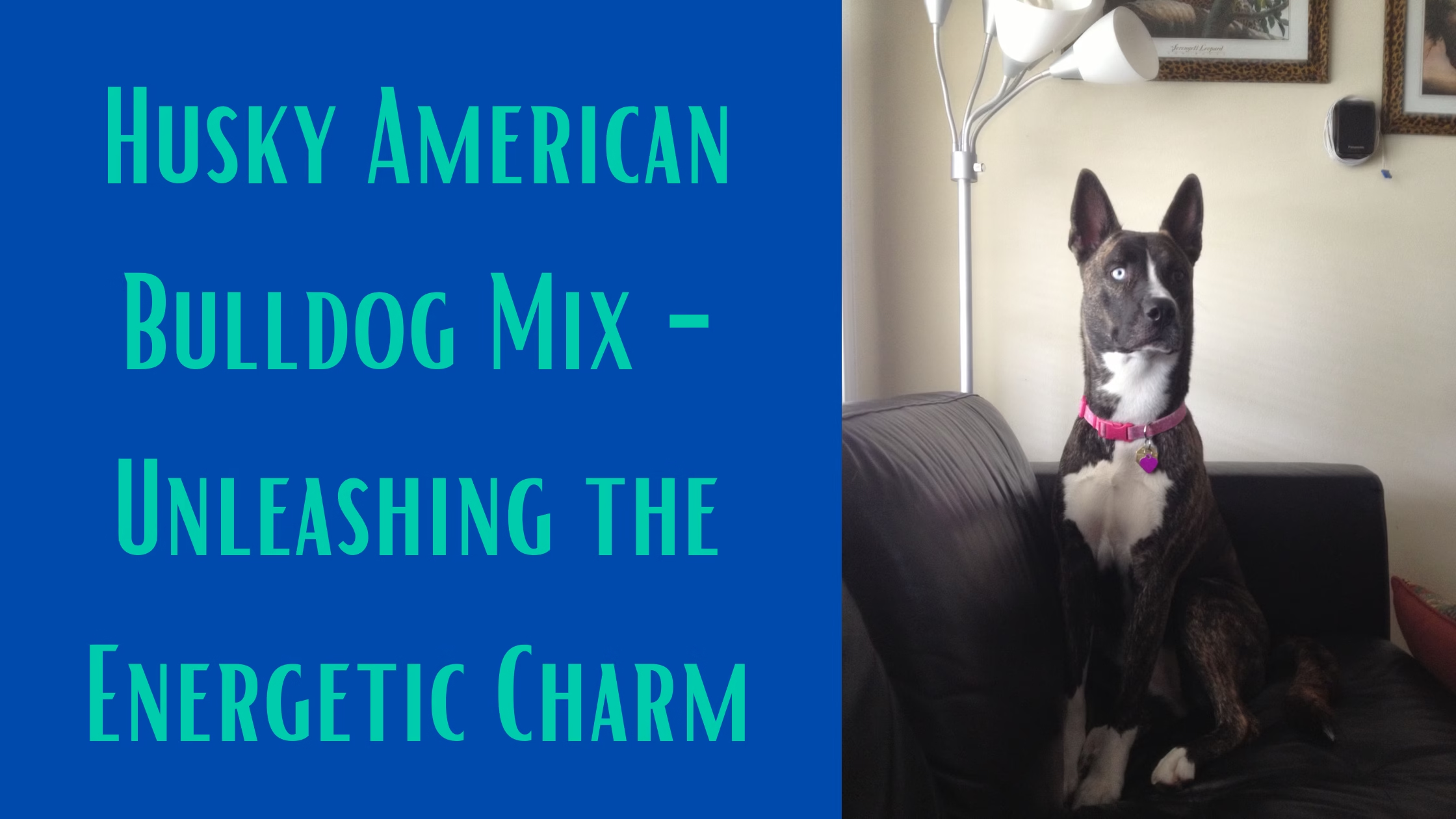
  • Husky American Bulldog Mix – Unleashing the Energetic Charm

    Husky American Bulldog Mix – Unleashing the Energetic Charm

    Are you ready to discover the extraordinary world of the Husky American Bulldog mix? Brace yourself for an exhilarating journey as we unravel the captivating traits of this one-of-a-kind hybrid breed.

    With their impressive combination of strength and beauty, these dogs have captured the hearts of many dog enthusiasts worldwide.

    This article explores the fascinating world of Husky American Bulldog mixes, their origins, physical characteristics, temperament, and much more.

    Whether you’re a dog lover or simply curious about unique breeds, join us as we delve into the enchanting world of the Husky-American Bulldog mix.

    CharacteristicInformation
    Breed NameHusky American Bulldog Mix
    SizeMedium to Large
    Weight30-80 pounds
    Height16-25 inches at the shoulder
    Lifespan10-14 years
    TemperamentEnergetic, loyal, intelligent
    Coat TypeMedium-length, dense, double coat
    Coat ColorsVarious combinations, including white, black, gray, and brown
    GroomingRegular brushing, occasional bathing
    TrainingPositive reinforcement, early socialization
    Exercise NeedsHigh exercise requirements
    Health ConcernsHip dysplasia, eye issues, allergies
    Feeding RequirementsHigh-quality dog food, portion control
    Living ConditionsAccess to a secure yard, active household
    Husky American Bulldog Mix

    Also Read : The Unforgettable American Bulldog Border Collie Mix.

    Origins and History of the Husky American Bulldog mix

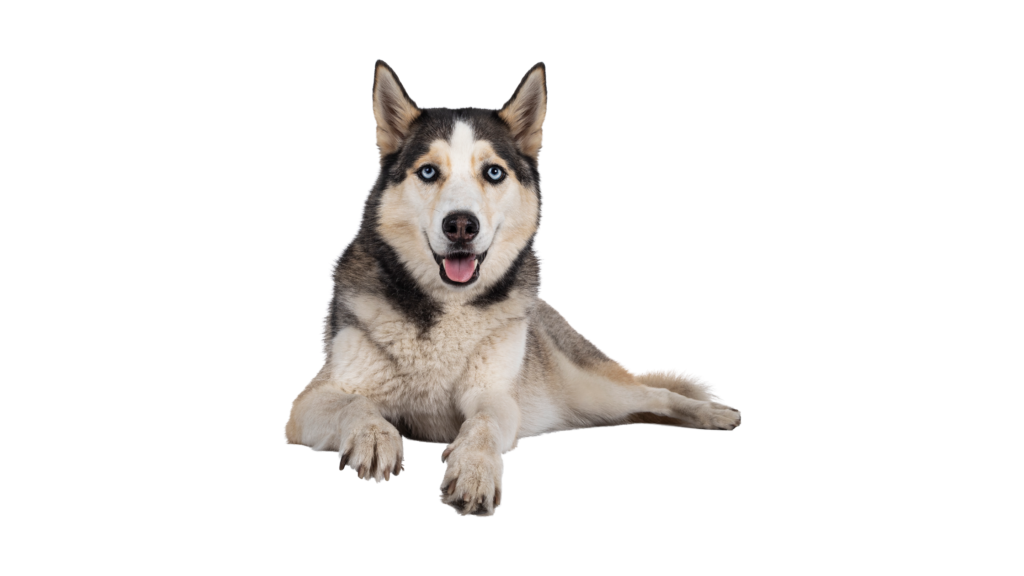
    Husky dog |
    Husky dog

    To truly understand the fascinating origins of the Husky American Bulldog mix, we must delve into the rich history of its parent breeds.

    The Siberian Husky, known for its endurance and striking appearance, originated in northeastern Siberia and was bred by the Chukchi people for sledding purposes.

    American Bulldog
    American Bulldog

    On the other hand, the American Bulldog boasts a storied past as a working dog, originally used for herding cattle and guarding property.

    The creation of the Husky American Bulldog mix was driven by the desire to combine the Husky’s athleticism and working abilities with the Bulldog’s strength and loyalty.

    This hybrid breed represents a unique blend of two distinct canine lineages, resulting in a dog inheriting diverse traits from its parent breeds.

    Notable characteristics inherited from the Husky include its striking blue or multicolored eyes, thick double coat for insulation, and high energy levels.

    The mix inherits a muscular and sturdy build, a strong protective instinct, and a loyal and affectionate nature from the American Bulldog.

    These traits make the Husky American Bulldog mix a truly remarkable and captivating companion.

    Physical Characteristics and Appearance of the Husky American Bulldog mix

    american bulldog husky mix puppies |
    American Bulldog Husky Mix Puppies

    The Husky American Bulldog mix displays a range of physical attributes that contribute to its unique appearance.

    In terms of height, these mixes typically stand at a medium to large size, with an average height ranging from 16 to 25 inches at the shoulder.

    Their weight varies depending on genetics and individual variations but generally falls between 30 and 80 pounds.

    Their build combines the muscular physique of the American Bulldog with the athletic frame of the Husky.

    They possess a strong and well-proportioned body, showcasing a balance of power and agility.

    The size and build of the Husky American Bulldog mix make them both physically impressive and capable of engaging in various activities.

    When encountering a Husky American Bulldog mix, one cannot overlook its striking coat.

    They can inherit the Husky’s thick double coat, which provides insulation and protection against cold weather, or have a shorter and smoother coat resembling the American Bulldog.

    The color variations can include combinations of black, white, gray, brown, and other eye-catching patterns, further enhancing their unique appearance.

    With their impressive height, well-built physique, and striking coat, the Husky American Bulldog mix is a visually captivating and physically impressive crossbreed.

    Temperament and Personality Traits of the Husky American Bulldog mix,

    The Husky-American Bulldog mix inherits temperament traits from the Husky and American Bulldog breeds, resulting in a unique and fascinating blend.

    These mixes are known for their intelligence and keen ability to learn and problem-solve. They thrive on mental stimulation and enjoy engaging in activities that challenge their minds.

    Regarding energy levels, Husky American Bulldog mixes are often highly energetic and require regular exercise to keep them happy and balanced.

    Their Husky lineage contributes to their endurance and love for physical activities like running, hiking, and playing fetch.

    However, it’s important to note that each dog’s energy levels may vary, and some mixes may lean more toward the moderate side.

    Loyalty is another prominent trait found in Husky American Bulldog mixes. They form strong bonds with their family members and are often protective of them.

    This makes them excellent companions and potential watchdogs. Their loyalty extends to their pack, and they generally get along well with other dogs when properly socialized.

    Potential owners should be aware of the independent nature of Husky American Bulldog mixes. This can sometimes result in a stubborn streak, requiring consistent and patient training techniques.

    Early socialization is crucial to ensure they become well-rounded dogs, comfortable in various social situations.

    Understanding and appreciating the intelligence, energy, loyalty, and independent nature of Husky American Bulldog mixes will help potential owners provide the right environment, training, and mental stimulation for these remarkable crossbreeds.

    Common Health Issues in Husky American Bulldog mix

    Husky American Bulldog mixes are generally considered healthy dogs, benefiting from the genetic diversity of being a crossbreed.

    However, it’s important to be aware of potential health issues that may affect them and provide appropriate preventive care.

    As with any dog, Husky American Bulldog mixes can inherit certain health conditions from their parent breeds.

    Common health concerns associated with Huskies include hip dysplasia, eye problems (such as cataracts and progressive retinal atrophy), and certain autoimmune disorders.

    American Bulldogs, on the other hand, are prone to conditions like hip and elbow dysplasia, heart problems, and skin allergies.

    Regular veterinary check-ups are essential to ensure the overall well-being of your Husky American Bulldog mix.

    These routine visits allow the vet to monitor their health, provide necessary vaccinations, and conduct preventive screenings for potential issues.

    Screening tests for hip and elbow dysplasia and eye examinations can help identify and manage these specific breed-related concerns.

    Preventive care is also crucial in maintaining the health of your Husky American Bulldog mix.

    This includes maintaining a balanced and nutritious diet, providing regular exercise to keep them fit, and ensuring they receive proper dental care.

    Regular grooming, such as brushing their coats and ears, can help prevent skin irritations and infections.

    By being proactive in their healthcare, understanding the potential health issues associated with their parent breeds, and providing regular veterinary care, you can help your Husky American Bulldog mix lead a healthy and happy life.

    Diet and Nutrition for Husky American Bulldog mix

    Proper nutrition plays a vital role in Husky American Bulldog mixes’ overall health and well-being.

    As a hybrid breed, their dietary needs may vary depending on age, size, activity level, and overall health.

    Here are some important considerations when it comes to their diet:

    1. Balanced Diet

    Husky American Bulldog mixes require a balanced diet that provides essential nutrients, including proteins, carbohydrates, fats, vitamins, and minerals.

    Look for high-quality dog food specifically formulated for their size and energy requirements.

    2. Portion Control

    It’s important to monitor portion sizes to prevent overeating and weight gain.

    Follow the feeding guidelines on the dog food packaging and adjust accordingly based on your dog’s needs.

    Avoid free-feeding and establish a regular feeding schedule to maintain consistency.

    3. Feeding Frequency

    Husky American Bulldog mixes typically do well with two meals a day.

    Dividing their daily portion into two meals helps better digestion and prevents excessive hunger or overeating.

    4. Protein-Rich Diet

    Both Huskies and American Bulldogs are active breeds, so it’s important to provide them with adequate protein.

    Look for dog food that lists a high-quality source of animal protein, such as chicken, beef, or fish, as the main ingredient.

    5. Dietary Restrictions

    Depending on your dog’s health and specific dietary restrictions, such as allergies or sensitivities, you may need to choose specialized dog food formulas.

    If your dog has dietary concerns, consult your veterinarian for appropriate recommendations.

    6. Hydration

    Always provide fresh and clean water for your Husky American Bulldog mix to ensure proper hydration, especially during exercise or hot weather.

    Remember, every dog is unique, and their dietary needs may vary. It’s important to consult your veterinarian to determine the best diet plan for your Husky American Bulldog mix based on their specific requirements and health considerations.

    Exercise and Activity Requirements for Husky American Bulldog mix

    Husky American Bulldog mixes are a dynamic blend of two active and energetic breeds, requiring regular exercise to keep them happy, healthy, and mentally stimulated. Here’s what you need to know about their exercise needs and recommended activities:

    1. High Energy Levels

    These mixes inherit the Husky’s high energy levels and the American Bulldog’s need for physical activity. Daily exercise is essential to prevent boredom and behavior problems.

    2. Daily Exercise

    Aim for at least 60-90 minutes of exercise every day. This can be divided into multiple sessions to accommodate their energy levels and stamina.

    Incorporate a mix of physical activities and mental stimulation to keep them engaged.

    3. Outdoor Adventures

    Take advantage of their instincts and love for the outdoors.

    Activities like brisk walks, jogging, hiking, or playing fetch in a securely fenced area will help them burn off excess energy.

    4. Mental Stimulation

    Engage their intelligent minds with interactive toys, puzzle games, or obedience training.

    This helps prevent boredom and provides mental exercise, keeping their minds sharp and focused.

    5. Socialization

    Encourage regular socialization with other dogs and people. This can include visits to dog parks, organized playdates, or enrolling them in training classes.

    Socialization helps develop good behavior and positive interactions.

    6. Considerations

    Be mindful of weather conditions. Husky American Bulldog mixes have a thick double coat, making them better suited for cooler climates.

    Exercise them during the cooler parts of the day to prevent overheating.

    Regular exercise helps keep them physically fit and promotes mental well-being. It reduces the risk of obesity, relieves stress and anxiety, and strengthens your bond with your furry companion.

    Remember, each dog is unique, and their exercise needs may vary based on age, health, and individual preferences.

    Pay attention to their cues and adjust the intensity and duration of exercise accordingly.

    Prioritize consistency and make exercise an enjoyable experience for both you and your Husky American Bulldog mix.

    Grooming and Maintenance for Husky American Bulldog mix

    Husky American Bulldog mixes have unique coats requiring regular grooming to keep them looking their best.

    Here’s what you need to know about their grooming needs and how to maintain their coat in good condition:

    1. Coat Type

    These mixes typically have a dense and medium-length coat that can vary in texture.

    Their coat may inherit the Husky’s double coat, which consists of a soft undercoat and a coarser outer coat.

    2. Brushing

    Regular brushing removes loose hair, prevents matting, and maintains a healthy coat.

    Use a slicker brush or a de-shedding tool to gently remove dead hair and keep their coat tangle-free. Brushing should be done at least two to three times a week.

    3. Bathing

    Bathe your Husky American Bulldog mix as needed, usually every 6-8 weeks or when they become dirty or smelly.

    Use a dog-specific shampoo and conditioner to keep their coat clean and moisturized. Be sure to rinse thoroughly to avoid any product residue.

    4. Coat Care

    Pay attention to their coat during shedding seasons, as they may experience heavier shedding. During these times, more frequent brushing may be required to keep their coat under control.

    Trim their nails regularly, clean their ears, and brush their teeth to maintain overall hygiene.

    5. Grooming Challenges

    Husky American Bulldog mixes with longer hair may be more prone to matting, especially around the ears, chest, and tail.

    Regular brushing and occasional trimming can help prevent mats from forming. Pay special attention to these areas and use a detangling spray or grooming comb to work through any tangles gently.

    6. Recommended Tools

    Invest in high-quality grooming tools such as a slicker brush, de-shedding tool, grooming comb, and nail clippers. These tools will help you effectively groom and maintain your dog’s coat.

    Remember to make grooming a positive and rewarding experience for your Husky American Bulldog mix.

    Use treats and praise to reward them during grooming, helping them associate it with a positive experience.

    Consult a professional groomer for guidance if you need clarification on specific grooming techniques or challenges.

    By establishing a regular grooming routine and providing proper care, you can keep your Husky American Bulldog mix looking and feeling its best, all while strengthening the bond between you and your furry companion.

    Training and Socialization Tips for Husky American Bulldog mix

    Positive reinforcement techniques are key to unlocking their full potential when training your Husky American Bulldog mix.

    Here are some tips to help you train and socialize your furry companion effectively:

    1. Positive Reinforcement

    Use positive reinforcement methods such as treats, praise, and rewards to motivate and encourage your dog during training sessions.

    This mix is known for being intelligent and responsive to positive reinforcement, so it consistently reinforces desired behaviors.

    2. Early Socialization

    Start socializing your Husky American Bulldog mix from a young age. Expose them to various environments, people, animals, and situations in a controlled and positive manner.

    This will help them develop confidence, good manners, and appropriate social skills.

    3. Basic Obedience Training

    Focus on teaching basic obedience commands like sit, stay, come, and leash walking.

    Be patient and consistent with your training sessions, keeping them short and engaging. Use positive reinforcement and reward-based techniques to reinforce desired behaviors.

    4. Mental Stimulation

    This mix combines intelligence and energy, so mental stimulation is as important as physical exercise.

    Engage them in puzzle toys, interactive games, and training exercises that challenge their problem-solving abilities.

    5. Breed Considerations

    Remember the individual characteristics of both the Husky and American Bulldog breeds. Huskies can have a strong prey drive and a tendency to wander, so a securely fenced yard is crucial.

    American Bulldogs are known for their strong protective instincts, so early socialization with people and other animals is essential to ensure they become well-rounded and friendly companions.

    6. Consistency and Patience

    Training takes time and consistency. Be patient with your Husky American Bulldog mix, as they may sometimes have a stubborn streak.

    Use positive reinforcement consistently and avoid harsh punishment or negative training methods, as they can hinder their progress and damage the trust between you and your dog.

    Remember, training and socialization are ongoing processes throughout your dog’s life. Enroll in obedience classes or seek guidance from a professional dog trainer.

    The more effort you invest in their training and socialization, the better equipped they will be to adapt to various situations and become a well-behaved and enjoyable member of your family.

    Living with a Husky American Bulldog Mix – Home and Family Compatibility

    Husky American Bulldog mixes are lively and energetic companions that require a suitable living environment to thrive.

    Here are some considerations to ensure a harmonious living arrangement with your furry friend:

    1. Space and Exercise

    Due to their medium to large size and high energy levels, Husky American Bulldog mixes benefit from living in a spacious home with access to a securely fenced yard.

    They need plenty of room to move and play. Regular exercise is crucial to prevent boredom and destructive behaviors, so provide daily opportunities for physical activities like brisk walks, jogging, and interactive play sessions.

    2. Compatibility with Children

    Husky American Bulldog mixes can be great companions for children when properly socialized and trained early.

    However, due to their energetic nature, it’s important to supervise interactions between your dog and young children to prevent unintentional knocks or injuries during play.

    Teach children how to interact respectfully with the dog and provide them with clear boundaries.

    3. Compatibility with Other Pets

    With proper socialization and introductions, Husky American Bulldog mixes can coexist well with other pets in the household.

    Early socialization and positive experiences with other animals can help foster positive relationships.

    Always monitor initial interactions between your dog and other pets and provide a gradual and supervised introduction process to ensure everyone feels comfortable and safe.

    4. Mental Stimulation

    In addition to physical exercise, Husky American Bulldog mixes require mental stimulation to prevent boredom and destructive behaviors.

    Provide them with puzzle toys, interactive games, and training sessions that challenge their intellect.

    Consider activities like scent work, obedience training, or agility courses to keep their minds engaged and their energy focused positively.

    5. Safety Measures

    Husky American Bulldog mixes are known to be curious and adventurous, so creating a safe environment for them is essential.

    Secure fences should be in place to prevent escape attempts, as Huskies tend to wander.

    Remove any hazards or toxic substances from their reach, and ensure that electrical cords, small objects, and potentially harmful plants are out of their access.

    6. Quality Time and Companionship

    Husky American Bulldog mixes thrive on human companionship and being included in family activities.

    Set aside time for bonding, training, and play sessions to strengthen your bond and meet their social needs.

    Engage in activities involving your dog, such as hiking, camping, or participating in dog sports, to ensure they feel like family members.

    By providing a stimulating and safe living environment, along with proper socialization and training, you can create a harmonious home for your Husky American Bulldog mix.

    With the right care and attention, they will bring joy, companionship, and endless entertainment to your family dynamic.

    Husky American Bulldog Mix Price and Adoption Considerations

    Acquiring a Husky American Bulldog mix can be an exciting and fulfilling experience.

    However, it’s essential to consider the financial aspects and adoption process to ensure a responsible and ethical acquisition.

    Here are some insights and considerations to keep in mind:

    1. Price Range

    The cost of a Husky American Bulldog mix can vary depending on the breeder’s reputation, lineage, location, and demand.

    On average, you can expect to pay between $500 to $1500 or more for a puppy from a reputable breeder.

    Adoption fees from shelters or rescue organizations may range from $100 to $500, depending on the organization and any additional services provided.

    2. Responsible Adoption

    Adopting a Husky American Bulldog mix from a reputable rescue organization or shelter is highly recommended rather than purchasing from a breeder.

    Adoption provides a loving home to a dog in need and promotes responsible pet ownership.

    Shelters often include essential veterinary care, vaccinations, and spaying/neutering in their adoption fees, making it a cost-effective option.

    3. Research and Evaluation

    If you decide to purchase from a breeder, thorough research is essential. Ensure the breeder is reputable, responsible, and follows ethical breeding practices.

    Visit the breeder’s facility if possible to assess the living conditions and the overall well-being of the dogs.

    Request health clearances for both parents’ breeds to ensure the puppies are less prone to genetic health issues.

    4. Understanding Contracts and Guarantees

    Reputable breeders often provide contracts that outline the terms of purchase, health guarantees, and responsibilities of both the breeder and the buyer.

    Carefully review and understand the contract before committing. It’s important to clarify any doubts or concerns and ensure that the breeder stands behind the health and well-being of their puppies.

    5. Ensuring the Welfare of the Dog

    Whether you adopt or purchase from a breeder, prioritize the dog’s welfare above all else. Responsible breeders and adoption organizations prioritize their dogs’ health, socialization, and temperament.

    They will ask questions, provide support, and even require a home visit to ensure the dog will go to a suitable and loving environment.

    Remember, the initial cost of acquiring a Husky American Bulldog mix is just the beginning. Dogs require ongoing expenses such as food, veterinary care, grooming, training, and supplies.

    By making a well-informed decision and considering responsible adoption or purchase practices, you can provide a loving and forever home to a Husky American Bulldog mix while promoting the well-being and welfare of these remarkable crossbreeds.

    Also Read : The American Bulldog Great Pyrenees Mix: A Perfect Blend.

    Conclusion

    In conclusion, the Husky American Bulldog mix combines the striking characteristics of both parent breeds, resulting in a remarkable and captivating crossbreed.

    Throughout this article, we have explored the origins, physical attributes, temperament, health considerations, grooming needs, training requirements, and compatibility of the Husky American Bulldog mix.

    With their unique blend of strength, beauty, intelligence, and loyalty, these crossbreeds have much to offer as family pets.

    Their energetic nature and playful demeanor make them ideal companions for active households that can provide ample exercise and mental stimulation.

    It’s important to remember that owning a Husky American Bulldog mix comes with responsibilities.

    Responsible ownership involves proper training, socialization, regular veterinary care, and a safe and stimulating environment for their physical and emotional well-being.

    Whether you choose to adopt from a reputable rescue organization or purchase from a responsible breeder, take the time to research and make an informed decision.

    By considering the individual needs and characteristics of the Husky American Bulldog mix, you can ensure a harmonious and fulfilling relationship with your new furry family member.

    So, if you’re seeking a loyal and energetic companion who will bring joy and adventure, consider the Husky American Bulldog mix; embrace the opportunity to provide a loving home while upholding the principles of responsible ownership.

    With proper care and attention, this extraordinary crossbreed can become an inseparable part of your family, enriching your life with their boundless love and companionship.

  • The American Bulldog Great Pyrenees Mix: A Perfect Blend.

    The American Bulldog Great Pyrenees Mix: A Perfect Blend.

    Prepare to be mesmerized by the enchanting allure of the American Bulldog Great Pyrenees mix. This magnificent crossbreed embodies the harmonious fusion of strength and gentle grace.

    Intriguing and captivating, these hybrid dogs possess a remarkable blend of characteristics that make them exceptional.

    Welcome to the American Bulldog Great Pyrenees mix world, where power meets elegance in a canine companion unlike any other.

    Get ready to delve into the fascinating realm of this captivating breed and discover why they have gained a special place in the hearts of dog enthusiasts.

    CharacteristicInformation
    Breed NameAmerican Bulldog Great Pyrenees Mix
    SizeLarge to Giant
    Weight70-150 pounds
    Height22-32 inches at the shoulder
    Lifespan10-12 years
    TemperamentLoyal, Protective, Gentle
    Coat TypeThick, Dense
    Coat ColorsVaries (commonly white, brindle, or a combination)
    Grooming NeedsRegular brushing, occasional bathing
    TrainingPositive reinforcement techniques
    Exercise NeedsModerate to high
    Health ConcernsHip dysplasia, bloat, joint issues
    Feeding RequirementsHigh-quality dog food, 2-3 meals per day
    Living ConditionsSpacious home with a fenced yard
    American Bulldog Great Pyrenees Mix

    Origins and History of American Bulldog Great Pyrenees Mix

    The American Bulldog Great Pyrenees mix combines two distinct and storied breeds—the American Bulldog and the Great Pyrenees.

    To truly appreciate the origins of this fascinating hybrid, let’s take a step back and explore the histories of its parent breeds.

    American Bulldog |
    American Bulldog

    The American Bulldog has a rich and colorful history dating back to the 17th century. Originally bred for various working purposes, including driving livestock and guarding property, the American Bulldog has evolved into a versatile and resilient breed known for its strength, courage, and loyalty.

    These dogs were prized for their ability to protect farms and work alongside their human counterparts, showcasing their robust nature and unwavering dedication.

    Great Pyrenees Dog |
    Great Pyrenees Dog

    On the other hand, the Great Pyrenees, also known as the Pyrenean Mountain Dog, has a heritage deeply rooted in the mountainous regions of Europe.

    For centuries, they served as guardians of flocks, protecting sheep from predators in the Pyrenees Mountains.

    Revered for their majestic appearance and gentle demeanor, Great Pyrenees dogs are renowned for their strong protective instincts and unwavering loyalty to their families.

    The motivation behind creating the American Bulldog Great Pyrenees mix lies in combining the best traits of both parent breeds.

    By crossing these breeds, breeders sought to create a companion that embodied the American Bulldog’s strength and tenacity while harnessing the Great Pyrenees’ gentle and protective nature.

    The result is a remarkable hybrid that showcases the perfect balance between power and grace.

    Notable characteristics are inherited from each parent breed, making the American Bulldog Great Pyrenees mix an exceptional companion.

    This mix may inherit a robust build, muscular physique, and fearless spirit from the American Bulldog.

    Meanwhile, the Great Pyrenees contributes its majestic appearance, calm temperament, and unwavering loyalty. Combining these traits results in a breed with confidence, reliability, and an undeniable allure.

    Intriguing and captivating, the American Bulldog Great Pyrenees mix showcases the best of both worlds, creating a companion that stands out in terms of both physical attributes and temperament.

    As we delve deeper into the world of this remarkable hybrid, we will uncover more of its extraordinary qualities and the joys of sharing life with such a remarkable canine companion.

    Physical Characteristics and Appearance of American Bulldog Great Pyrenees Mix

    American Bulldog Great Pyrenees Mix image |
    American Bulldog Great Pyrenees Mix

    The American Bulldog Great Pyrenees mix is a stunning crossbreed that exhibits a captivating blend of physical attributes inherited from its parent breeds.

    Let’s delve into the general characteristics that make these dogs unique and visually striking.

    Size, Build, and Proportions

    In terms of size, American Bulldog Great Pyrenees mixes typically fall into the large to giant category.

    They have a well-muscled and robust build, reflecting the strength inherited from the American Bulldog.

    Their proportions are balanced, showcasing a harmonious blend of power and elegance. 

    Standing at the shoulder, these dogs can reach heights ranging from 22 to 32 inches, and their weight can vary from 70 to 150 pounds, making them an imposing presence that commands attention.

    Coat Types, Colors, and Patterns

    One of the fascinating aspects of the American Bulldog Great Pyrenees mix is the wide variety of coat types, colors, and patterns they can inherit.

    Their coat can range from short and dense, reminiscent of the American Bulldog’s coat, to longer and more abundant, influenced by the Great Pyrenees’ luxurious double coats.

    This variability adds to their visual appeal and makes each unique.

    American Bulldog Great Pyrenees mixes can exhibit a broad spectrum regarding coat colors.

    Their coats often include shades of white, cream, gray, or black, sometimes with beautiful markings or patches.

    It’s common to find striking patterns like brindle or piebald, further enhancing their distinctiveness.

    Distinctive Features and Traits

    While each American Bulldog Great Pyrenees mix is unique, certain distinctive features and traits are commonly observed in this crossbreed.

    Their faces often blend the parent breeds’ characteristics, with a broad and strong muzzle reminiscent of the American Bulldog, complemented by expressive eyes and a gentle expression inherited from the Great Pyrenees.

    Additionally, their ears can vary, ranging from floppy like the American Bulldog to semi-floppy or erect like those of the Great Pyrenees.

    These variations contribute to their charm and give each dog a touch of individuality.

    The overall appearance of the American Bulldog Great Pyrenees mix is a harmonious combination of power, grace, and striking beauty.

    Whether they inherit the American Bulldog’s solid build or the Great Pyrenees’ majestic features, these dogs will surely captivate admirers with their unique blend of physical attributes.

    Temperament and Personality Traits of American Bulldog Great Pyrenees Mix

    The American Bulldog Great Pyrenees mix inherits temperament traits from both the American Bulldog and the Great Pyrenees, resulting in a fascinating combination of qualities that shape their behavior and personality.

    Let’s explore the typical temperament and personality of these remarkable crossbreeds.

    Loyalty and Devotion

    The American Bulldog and the Great Pyrenees are known for their unwavering loyalty and devotion to their families.

    This loyalty is a prominent trait in American Bulldog Great Pyrenees mixes.

    They form strong bonds with their human companions and are deeply dedicated to protecting and safeguarding their loved ones.

    Whether watching over the household or showering their family members affectionately, these dogs are fiercely loyal and devoted.

    Protectiveness

    Another notable trait inherited from both parent breeds is their protective nature. The American Bulldog Great Pyrenees mix is known for its instinct to guard and protect its family and territory.

    They have a keen sense of awareness and are quick to respond to potential threats.

    While their protectiveness is admirable, potential owners must provide proper socialization and training to ensure their protective instincts are channeled appropriately.

    Gentle and Affectionate

    Despite their protective nature, American Bulldog Great Pyrenees mixes possess a gentle and affectionate side.

    Influenced by the gentle temperament of the Great Pyrenees, these dogs are often gentle giants who enjoy spending quality time with their family members.

    They thrive on human companionship and are known for their loving and affectionate nature.

    Socialization Considerations

    While American Bulldog Great Pyrenees mixes make wonderful companions, potential owners must know their socialization needs.

    Early and ongoing socialization is crucial to ensure they are well-adjusted and comfortable in various environments and social situations.

    Proper socialization helps them develop into confident and well-mannered dogs, making managing their protective instincts easier and promoting positive interactions with other animals and people.

    Potential owners should invest time and effort in providing positive reinforcement training, socializing their American Bulldog Great Pyrenees mix from an early age, and exposing them to different experiences, sights, sounds, and individuals.

    This helps them develop into well-rounded dogs who can confidently navigate the world.

    In conclusion, the American Bulldog Great Pyrenees mix has a remarkable temperament combining loyalty, protectiveness, and gentle affection.

    Their unwavering devotion to their families and protective instincts make them reliable and dedicated companions.

    However, potential owners must provide proper socialization and training to ensure a harmonious relationship and help them become confident and well-behaved dogs.

    Common Health Issues of American Bulldog Great Pyrenees Mix

    When considering the health of American Bulldog Great Pyrenees mixes, it’s important to understand the overall health picture of both parent breeds.

    While crossbreeds can benefit from genetic diversity, they may still be prone to certain health issues.

    Let’s explore the general health and common health concerns associated with American Bulldog Great Pyrenees mixes and discuss preventive care measures.

    Overall Health

    American Bulldog Great Pyrenees mixes are generally considered robust and healthy dogs. Their mixed heritage often brings a level of vigor and resilience.

    However, owners must proactively maintain their health through regular check-ups, preventive care, and appropriate screenings.

    Genetic Conditions and Health Concerns

    As with any breed or mix, certain genetic conditions and health concerns can be associated with the parent breeds.

    Potential owners need to be aware of these conditions and take necessary precautions.

    Some common health issues that American Bulldog Great Pyrenees mixes may be prone to include:

    1. Hip Dysplasia: This is a condition where the hip joint doesn’t develop properly, leading to mobility issues and arthritis.

    The American Bulldog and the Great Pyrenees are known to have a higher risk of hip dysplasia, so it’s crucial to monitor their joint health and consider appropriate exercise and weight management.

    2. Joint and Bone Issues: Large breeds, such as the Great Pyrenees, can be susceptible to certain joint and bone problems, including elbow dysplasia and osteochondritis dissecans (OCD).

    If a veterinarian recommends regular exercise, maintaining a healthy weight, and providing joint supplements can help support their joint health.

    3. Eye Conditions: The Great Pyrenees can be prone to certain eye conditions, including progressive retinal atrophy (PRA) and cataracts.

    Regular eye examinations by a veterinarian can help detect and manage these issues.

    Preventive Care and Regular Check-ups

    Preventive care is key to ensuring the overall well-being of American Bulldog Great Pyrenees mixes. Here are some essential steps to take:

    1. Regular Veterinary Check-ups: Schedule regular visits to the veterinarian for comprehensive examinations, vaccinations, and preventive treatments. Your veterinarian can also guide you on appropriate health screenings for specific conditions.

    2. Balanced Diet and Weight Management: Provide a balanced and nutritious diet tailored to their size, age, and activity level. Avoid overfeeding and monitor their weight to prevent obesity, which can contribute to joint issues.

    3. Exercise and Mental Stimulation: Regular exercise is important for their physical and mental well-being. Engage them in activities that suit their energy levels and provide mental stimulation, such as puzzle toys or obedience training.

    4. Dental Care: Maintain good dental hygiene by regularly brushing their teeth and providing appropriate dental treats or toys to help prevent dental diseases.

    5. Grooming and Coat Care: Regular grooming, including brushing their coat, can help maintain their skin and coat health. It’s also an opportunity to check for any abnormalities or signs of skin issues.

    Following these preventive care measures and being vigilant about their health can give your American Bulldog Great Pyrenees mix the best chance at a long and healthy life.

    In conclusion, while American Bulldog Great Pyrenees mixes are generally healthy dogs, it’s important to be aware of potential health concerns associated with the parent breeds.

    Regular veterinary check-ups, preventive care, and appropriate screenings can help detect and manage any health issues, ensuring your furry companion’s happy and healthy life.

    Also Read : Can Dogs Eat Fortune Cookies? Are they Safe for Dogs?

    Diet and Nutrition

    Providing a well-balanced and nutritious diet is essential for the overall health and well-being of your American Bulldog Great Pyrenees mix.

    Understanding their dietary needs and making informed choices will help ensure they receive the proper nourishment.

    Let’s explore the dietary considerations, portion sizes, feeding frequency, and recommended types of food for these remarkable crossbreeds.

    Dietary Needs

    American Bulldog Great Pyrenees mixes are generally large to giant-sized dogs with varying energy levels.

    Their diet should consist of high-quality ingredients that provide essential nutrients, vitamins, and minerals to support their growth, development, and overall health.

    Here are some important considerations:

    1. Balanced Diet: Offer a balanced diet that combines high-quality proteins, healthy fats, carbohydrates, and fiber.

    Consult with your veterinarian to determine the specific nutritional requirements based on your dog’s age, size, and activity level.

    2. Protein: Protein is a crucial component of their diet, supporting muscle development and overall health.

    Look for dog foods that list a high-quality source of animal protein, such as chicken, turkey, or fish, as the main ingredient.

    3. Healthy Fats: Incorporate healthy fats into their diet, which provide essential fatty acids for a shiny coat, healthy skin, and overall well-being.

    Sources of healthy fats include fish oil, flaxseed, and chicken fat.

    4. Carbohydrates: Choose high-quality carbohydrate sources, such as whole grains, sweet potatoes, or legumes, to provide energy and dietary fiber.

    Portion Sizes and Feeding Frequency

    Portion sizes and feeding frequency can vary depending on age, size, activity level, and metabolism.

    Monitoring your dog’s weight and adjusting their food intake is important. Here are some general guidelines:

    1. Portion Sizes: Divide their daily food intake into two or three meals to help prevent digestive issues, especially for larger dogs prone to bloat.

    The specific portion size will depend on your dog’s age, weight, and activity level. Consult with your veterinarian for personalized recommendations.

    2. Feeding Schedule: Establish a consistent feeding schedule for your dog’s routine and lifestyle. Regular mealtimes help maintain a healthy digestion pattern and prevent overeating.

    Recommended Types of Food

    When selecting commercial dog food for your American Bulldog Great Pyrenees mix, consider the following:

    1. High-quality Dog Food: Choose a premium dog food brand that uses high-quality ingredients and meets the nutritional requirements for your dog’s life stage (puppy, adult, or senior).

    2. Size-specific Formulas: Some dog food brands offer formulas specifically designed for large or giant breed dogs, considering their unique nutritional needs and potential skeletal issues.

    3. Breed-specific Formulas: While not necessary, some brands offer breed-specific formulas that consider the needs and sensitivities of specific breeds.

    This can be an option to explore, but it’s important to focus on the quality and appropriateness of the ingredients.

    Individual Considerations

    Each American Bulldog Great Pyrenees mix is unique, and individual dogs may have specific dietary restrictions or considerations based on their health and activity levels.

    If your dog has health issues or allergies, consult your veterinarian to determine any necessary dietary adjustments or restrictions.

    In conclusion, providing a balanced and nutritious diet is vital for the health and well-being of your American Bulldog Great Pyrenees mix.

    Select a high-quality dog food that meets their specific nutritional needs, monitor portion sizes and feeding frequency, and consider any individual dietary restrictions or considerations.

    You’ll help ensure they lead a healthy, active, and vibrant life by giving them the right nutrition.

    Exercise and Activity Requirements for American Bulldog Great Pyrenees Mix

    American Bulldog Great Pyrenees mixes are energetic and active dogs that require regular exercise to keep them physically and mentally stimulated.

    Understanding their exercise needs and providing appropriate outlets for their energy is crucial for their overall well-being.

    Let’s explore their exercise requirements, recommended daily routines, and the importance of regular physical activity.

    Exercise Needs

    These crossbreeds have varying exercise needs, influenced by their parent breeds’ characteristics.

    While each dog is unique, American Bulldog Great Pyrenees mixes generally require moderate to high physical activity levels.

    Consider the following factors when determining their exercise routine:

    1. Energy Levels: These mixes are known for their energy and vitality, combining the American Bulldog’s playful nature with the Great Pyrenees’ working instincts. They benefit from activities that engage both their mind and body.

    2. Size and Build: American Bulldog Great Pyrenees mixes are generally large to giant-sized dogs, which means they have more muscle mass and require adequate exercise to prevent weight gain and maintain a healthy physique.

    3. Mental Stimulation: Along with physical exercise, mental stimulation is crucial for these intelligent and curious dogs. Incorporate activities challenging their problem-solving abilities, such as puzzle toys or obedience training.

    Recommended Daily Exercise Routines

    To ensure your American Bulldog Great Pyrenees mix gets the exercise they need, consider the following recommendations:

    1. Regular Physical Activity: Aim for at least 30-60 minutes of exercise daily. Break this up into multiple sessions to prevent fatigue and boredom.

    2. Leash Walks: Take your dog for regular leash walks to provide mental stimulation and physical exercise. Vary the routes to keep things interesting.

    3. Active Playtime: Engage in active play sessions with your dog, such as fetch, tug-of-war, or interactive games that encourage running and jumping.

    4. Dog Sports: Consider participating in dog sports like agility, obedience, or nose work. These activities provide both physical exercise and mental stimulation.

    5. Off-Leash Activities: If you can access a securely fenced area, allow your dog to enjoy off-leash playtime. This gives them the freedom to run, explore, and release their pent-up energy.

    Also Read : Boxer Weiner Dog Mix: A Playful and Loyal Canine Companion

    Importance of Regular Exercise

    Regular exercise is essential for the overall well-being of American Bulldog Great Pyrenees mixes. Here’s why it’s important:

    1. Physical Health: Exercise helps maintain a healthy weight, strengthens muscles and bones, and improves cardiovascular health. It can also reduce the risk of obesity-related health issues.

    2. Mental Stimulation: Physical activity stimulates their minds and helps prevent boredom, which can lead to destructive behavior. A mentally stimulated dog is more content and less likely to engage in undesirable behaviors.

    3. Bonding and Socialization: Engaging in activities strengthens the bond between you and your dog. It also provides opportunities for socialization with other dogs and humans, promoting positive interactions.

    4. Stress Relief: Regular exercise helps alleviate stress and anxiety, improving their overall emotional well-being. A tired dog is often a happy and relaxed dog.

    Remember, tailoring the exercise routine to your dog’s needs and abilities is important. Consider their age, health, and any specific recommendations from your veterinarian.

    You’ll help ensure a happy, healthy, and well-rounded American Bulldog Great Pyrenees mix by providing regular exercise and engaging in activities stimulating their body and mind.

    Grooming and Maintenance for American Bulldog Great Pyrenees Mix

    Proper grooming is essential to keep your American Bulldog Great Pyrenees mix looking and feeling their best.

    Regular grooming sessions not only help maintain their coat’s health but also provide an opportunity for bonding.

    Let’s explore their grooming needs, address specific challenges, and discuss recommended tools and techniques for keeping their coat in good condition.

    Grooming Needs

    The grooming requirements of American Bulldog Great Pyrenees mixes can vary depending on the coat type and length they inherit.

    Here are some general guidelines to keep in mind:

    1. Brushing: Regular brushing helps remove loose hair, prevents matting, and keeps the coat clean and shiny. Use a brush suitable for your dog’s coat type, such as a slicker brush or a de-shedding tool.

    Brushing should be done at least once weekly, but more frequent brushing may be necessary during shedding seasons.

    2. Bathing: Bathing should be done as needed, typically every 4-6 weeks or when they become dirty or smell.

    Use a dog-specific shampoo and conditioner to keep their skin and coat healthy. Be cautious not to over-bathe, as excessive bathing can strip the coat of natural oils.

    3. Coat Care: Pay attention to the specific needs of your dog’s coat. Regular brushing and occasional bathing may suffice if they have a shorter coat.

    However, additional care may be necessary if they have a longer or thicker coat. Long coats may require more frequent brushing to prevent tangles and matting.

    Specific Grooming Challenges

    Depending on the coat type and length of your American Bulldog Great Pyrenees mix, you may encounter some grooming challenges.

    Here are a few considerations:

    1. Shedding: These mixes can be moderate to heavy shedders, especially if they inherit the Great Pyrenees’ thick double coats.

    Be prepared for shedding throughout the year, and invest in a quality tool to help manage loose hair.

    2. Matting: Dogs with longer or thicker coats are prone to matting, especially behind the ears, in the armpits, and around the tail.

    Regular brushing and occasional trimming in these areas can help prevent matting and keep the coat tangle-free.

    Recommended Grooming Tools and Techniques

    To keep your American Bulldog Great Pyrenees mix’s coat in good condition, consider the following grooming tools and techniques:

    1. Brushes: Use a slicker brush or a de-shedding tool to remove loose hair and prevent matting. These tools are designed to reach the undercoat and remove dead hair effectively.

    2. Combs: A wide-toothed comb or a de-matting comb can be useful for gently detangling any knots or mats. Take your time and be gentle when combing through their coat.

    3. Trimming: If necessary, consider trimming the hair around their ears, paws, and sanitary areas. This helps keep these areas clean and reduces the risk of matting or dirt accumulation.

    4. Professional Grooming: If you need more clarification about handling the grooming needs yourself or if your dog has a particularly challenging coat, consider seeking the help of a professional groomer. They have the expertise and tools to ensure proper grooming and coat care.

    Remember to make grooming sessions positive and rewarding experiences for your dog. Offer treats, praise, and patience to help them feel comfortable and relaxed.

    By addressing their specific grooming needs, using appropriate tools, and establishing a grooming routine, you’ll keep your American Bulldog Great Pyrenees mix looking and feeling their best.

    Training and Socialization Tips for American Bulldog Great Pyrenees Mix

    Training and socialization are vital to raising an American Bulldog Great Pyrenees mix.

    With their unique blend of traits inherited from their parent breeds, these dogs require a tailored approach to training.

    You can shape their behavior and foster positive interactions by focusing on positive reinforcement techniques and early socialization.

    Let’s explore some training tips and address specific considerations based on their parent breeds’ characteristics.

    Positive Reinforcement Training

    American Bulldog Great Pyrenees mixes respond best to positive reinforcement training methods.

    These techniques involve rewarding desired behaviors with treats, praise, and play while avoiding punishment or harsh corrections.

    Here are some tips to keep in mind:

    1. Start Early: Begin training your mix as early as possible. Puppies are naturally curious and eager to learn, making it an ideal time to introduce basic commands and establish positive associations.

    2. Consistency and Patience: Consistency is key when training your dog. Use the same commands and reward system consistently to help them understand what is expected.

    Be patient and understanding; some dogs may take longer to grasp certain commands or behaviors.

    3. Short, Frequent Sessions: Keep training sessions focused on maintaining your dog’s attention and preventing them from getting overwhelmed. Five to ten-minute sessions several times daily are more effective than long, infrequent sessions.

    4. Reward-Based System: Use treats, verbal praise, and toys as rewards for desired behaviors. This positive reinforcement creates a strong bond between you and your dog and motivates them to repeat the behavior.

    Early Socialization

    Early socialization is crucial for American Bulldog Great Pyrenees mixes to ensure they become well-rounded and confident dogs.

    Here’s why it’s important and some socialization tips:

    1. Expose to Different Environments: Introduce your mix to various environments, including different indoor and outdoor settings, as well as different sounds, smells, and people.

    This helps them become comfortable and adaptable in different situations.

    2. Encourage Positive Interactions: Expose your dog to other dogs, animals, and people in a controlled and positive manner.

    Arrange playdates with well-behaved dogs and provide supervised interactions with other animals to help them develop appropriate social skills.

    3. Ongoing Socialization: Socialization is not a one-time event but an ongoing process. Continue exposing your dog to new experiences, people, and situations throughout life to ensure they remain well-socialized and adaptable.

    Considerations Based on Parent Breeds

    American Bulldog Great Pyrenees mixes inherit characteristics from both parent breeds, and it’s important to consider these factors during training:

    1. Independent Nature: Great Pyrenees have an independent streak, while American Bulldogs can be strong-willed.

    Be patient and use positive reinforcement techniques to motivate and engage your mix during training sessions.

    2. Strong Protective Instincts: Both parent breeds have protective instincts, which may manifest in your mix.

    Early socialization is essential to teach them appropriate behaviors and how to differentiate between real threats and harmless situations.

    3. Size and Strength: American Bulldogs are powerful dogs, and Great Pyrenees are large.

    Establishing yourself as the pack leader and providing consistent training to ensure they understand and respect your commands is crucial.

    Remember, training should be an enjoyable experience for both you and your American Bulldog Great Pyrenees mix.

    Seek the help of a professional trainer if needed, and always approach training with patience, consistency, and positive reinforcement techniques.

    You’ll have a well-behaved and well-adjusted companion by investing time and effort in training and socialization.

    Living with an American Bulldog Great Pyrenees Mix – Home and Family Compatibility

    American Bulldog Great Pyrenees mixes are wonderful companions and can thrive in various living arrangements.

    However, it’s important to consider their size, energy levels, and exercise needs when determining the most suitable living environment.

    Understanding their compatibility with children, other pets, and household dynamics is crucial for a harmonious family life.

    Here are some insights and tips to help create a safe and stimulating environment for your American Bulldog Great Pyrenees mix.

    Living Arrangements

    1. Space Requirements: American Bulldog Great Pyrenees mixes require ample space to move around comfortably due to their size.

    Ideally, a house with a large, securely fenced yard would be suitable for them to exercise and play.

    2. Exercise Needs: These mixes have moderate to high energy levels and benefit from regular exercise.

    Daily walks, play sessions, and access to a secure outdoor space are essential to meet their physical needs and prevent boredom.

    3. Climate Considerations: Great Pyrenees have a thick double coat that helps them tolerate colder climates, while American Bulldogs are more heat-sensitive.

    Consider your mix’s needs and provide appropriate shelter and climate control to ensure their comfort.

    Compatibility with Children and Pets

    1. Children: American Bulldog Great Pyrenees mixes can be great companions for children, but supervision and proper introductions are crucial.

    Teach children how to interact respectfully with the dog and set boundaries for both the children and the dog.

    2. Other Pets: Early socialization is key to ensure your mix gets along well with other pets.

    Proper introductions and gradual acclimation are important when introducing them to other dogs or pets. Monitor their interactions and provide positive reinforcement for calm and friendly behavior.

    Also Read : The Unforgettable American Bulldog Border Collie Mix.

    Creating a Safe and Stimulating Environment

    1. Mental Stimulation: These mixes are intelligent and benefit from mental stimulation to prevent boredom.

    Provide puzzle toys, interactive games, and training sessions to keep their minds engaged and prevent destructive behaviors.

    2. Secure Environment: American Bulldog Great Pyrenees mixes are known for their protective instincts. Ensure your home is secure and that your mix cannot escape.

    Regularly inspect fences and gates for any potential gaps or weaknesses.

    3. Training and Socialization: Ongoing training and socialization are vital for a well-rounded and obedient dog.

    Enroll your mix in obedience classes or work with a professional trainer to reinforce good behavior and manners.

    4. Quality Time and Affection: These mixes thrive on human companionship and appreciate quality time with their family—bond with your dog through walks, playtime, and cuddles.

    Show them love, affection, and praise for their good behavior.

    By considering the living arrangements, compatibility with children and other pets, and creating a safe and stimulating environment, you can ensure a harmonious and fulfilling life with your American Bulldog Great Pyrenees mix.

    Remember, providing them with the love, care, and attention they need will foster a strong bond and make them a cherished family members.

    American Bulldog Great Pyrenees Mix Price and Adoption Considerations

    Acquiring an American Bulldog Great Pyrenees mix is an exciting prospect. Still, it’s important to be aware of the potential costs and make responsible decisions regarding adoption or purchase.

    Here are some insights to help you understand the financial aspects and considerations of getting an American Bulldog Great Pyrenees mix.

    Costs Associated with Acquiring an American Bulldog Great Pyrenees Mix

    1. Adoption Fees: If you choose to adopt, the cost typically includes an adoption fee that covers the expenses incurred by the rescue organization or shelter. 

    These fees can vary, ranging from $50-$200, depending on the organization and the geographical location.

    2. Breeder Prices: If you decide to purchase an American Bulldog Great Pyrenees mix from a breeder, the price can vary significantly depending on factors such as the reputation of the breeder, the lineage and quality of the parents, and the demand for the specific mix. Prices can range from $500- $1000

    Responsible Adoption or Purchase Considerations

    1. Research Breeders: If you choose to purchase from a breeder, it’s crucial to research and select a reputable breeder who prioritizes the health and welfare of their dogs.

    Look for breeders who provide a clean and nurturing environment, conduct health screenings on their breeding dogs, and are transparent about the lineage and health history of the puppies.

    2. Visit the Breeder: Arrange a visit to the breeder’s facility or home to observe the living conditions and interact with the puppies and their parents.

    This will allow you to assess the breeder’s professionalism and the overall well-being of the dogs.

    3. Understand Contracts: Review any contracts or agreements the breeder or rescue organization provides.

    Ensure you understand the terms and conditions, including health guarantees, return policies, or spay/neuter requirements.

    4. Consider Adoption: Adoption is a compassionate choice providing a loving home for a needy dog. Research reputable rescue organizations or shelters specializing in American Bulldog Great Pyrenees mix and inquire about the adoption process.

    These organizations often have thorough screening procedures to ensure the compatibility and welfare of the dog and adoptive family.

    5. Additional Costs: Consider the ongoing costs of owning an American Bulldog Great Pyrenees mix apart from the initial adoption or purchase fee.

    These may include veterinary care, vaccinations, microchipping, spaying/neutering, grooming, training classes, food, toys, and other supplies.

    By being diligent in your research, selecting a reputable source, and considering the associated costs, you can make an informed decision when acquiring an American Bulldog Great Pyrenees mix.

    Whether you choose adoption or purchase, remember that responsible ownership includes providing your new companion with a loving and nurturing environment.

    Also Read : Can dogs eat nuts ?

    Conclusion

    In conclusion, the American Bulldog Great Pyrenees mix is an exceptional crossbreed that embodies the perfect blend of strength, loyalty, and gentle grace.

    Throughout this article, we have explored the origins, physical characteristics, temperament, health considerations, and various aspects of living with an American Bulldog Great Pyrenees mix.

    Let’s recap the key points that make this crossbreed so special.

    Firstly, the American Bulldog Great Pyrenees mix inherits traits from both parent breeds, resulting in a remarkable combination of strength, loyalty, and gentle nature.

    Their sturdy build, striking appearance, and distinctive coat make them eye-catching companions.

    When it comes to temperament, these mixes are known for their unwavering loyalty and protective instincts.

    They are devoted family dogs who excel at forming strong bonds with their human companions. Their gentle nature and patience make them excellent with children.

    At the same time, early socialization helps them get along well with other pets and adapt to various household dynamics.

    It’s important to note that, like any dog, the American Bulldog Great Pyrenees mix may be prone to certain health issues inherited from the parent breeds.

    Regular veterinary check-ups, preventive care, and proper nutrition are essential for their well-being.

    When considering adding an American Bulldog Great Pyrenees mix to your family, being a responsible owner is crucial.

    Whether you choose adoption or purchase, take the time to research reputable sources, such as rescue organizations or reputable breeders, to ensure the welfare of the dog.

    Remember to provide a safe, stimulating environment that meets their physical and emotional needs.

    In conclusion, the American Bulldog Great Pyrenees mix is a unique and captivating crossbreed that can bring joy, companionship, and a touch of elegance to your home.

    By embracing responsible ownership and providing a loving forever home, you can experience this extraordinary mix’s remarkable qualities and lifelong devotion.

    So, open your heart and consider the American Bulldog Great Pyrenees mix as a cherished companion who will bring endless love and happiness to your life.

    Great Pyrenees Mixes: 9 Large Pyrenees Hybrid Dogs
  • Boxer Weiner Dog Mix: A Playful and Loyal Canine Companion

    Boxer Weiner Dog Mix: A Playful and Loyal Canine Companion

    Have you ever imagined what happens when you combine the energy and playfulness of a Boxer with the loyalty and charm of a Weiner Dog?

    The result is the irresistible Boxer Weiner Dog mix! This crossbreed combines the best of both worlds, creating a unique and delightful canine companion.

    Whether you’re a dog enthusiast or simply intrigued by the idea of a hybrid breed, get ready to uncover the captivating world of the Boxer Weiner Dog mix.

    This article will explore their origins, physical characteristics, temperament, health considerations, and much more.

    So, fasten your seatbelt and embark on a journey to discover the charm and appeal of this lovable crossbreed.

    Get ready to be charmed by the Boxer Weiner Dog mix, a playful and loyal companion that will steal your heart.

    CharacteristicInformation
    Breed NameBoxer Weiner Dog mix
    SizeMedium
    WeightVaries, typically between 25-60 pounds
    HeightVaries, typically between 12-25 inches at the shoulder
    Lifespan10-14 years
    TemperamentFriendly, loyal, playful
    Coat TypeCan vary, short to medium in length
    Coat Colors and PatternsVarious colors and patterns, including brindle, fawn, black, and more
    Distinctive FeaturesExpressive eyes, charming face
    Health ConcernsPotential genetic health issues from parent breeds; regular veterinary care and check-ups are important
    Feeding RequirementsHigh-quality dog food, appropriate portion sizes, 2-3 meals per day
    Exercise NeedsModerate to high; regular exercise and mental stimulation are important for their well-being
    Grooming NeedsRegular brushing, occasional bathing, and attention to oral hygiene
    TrainingPositive reinforcement training is effective; early socialization is important
    Living ConditionsRequires a safe and stimulating environment; a medium to large-sized fenced yard is beneficial
    Remember that these characteristics can vary among individual Boxer Weiner Dog mixes, so it’s essential to consider the specific traits and needs of the dog you are interested in.

    Origins and History of Boxer Weiner Dog Mix

    To truly understand the Boxer Weiner Dog mix, we must delve into the fascinating histories of its parent breeds: the Boxer and the Dachshund.

    The Boxer originated in Germany and was initially bred for hunting large game and later gained popularity as a versatile working and family dog.

    Renowned for its strength and athleticism, the Boxer became a beloved companion and guardian.

    On the other hand, the Dachshund also hails from Germany, where it developed as a skilled hunting dog, primarily used for tracking and flushing out burrow-dwelling animals.

    With its distinctive elongated body and short legs, the Dachshund was purposefully bred to excel in chasing down prey in rugged terrain.

    The motivation behind creating the Boxer Weiner Dog mix was to combine the admirable traits of both parent breeds.

    Breeders sought to merge the Boxer’s playfulness, loyalty, and protective nature with the Dachshund’s intelligence, determination, and distinct physical characteristics.

    The result is a crossbreed that inherits a delightful blend of traits, making it an intriguing and captivating companion.

    Notable characteristics are passed down from each parent breed to the Boxer Weiner Dog mix.

    From the Boxer, this mix often inherits its muscular build, athletic prowess, and spirited personality that exudes endless energy and enthusiasm.

    On the other hand, the Dachshund contributes its intelligence, curiosity, and sometimes a unique body shape that combines the Boxer’s agility with a longer back and shorter legs.

    The Boxer Weiner Dog mix emerges as a breed with a strong instinct for guarding and an inherent love for human companionship.

    Their intelligence, loyalty, and playful nature make them excellent family pets and devoted friends to individuals or families seeking a loving and engaging canine companion.

    Blending these remarkable qualities from both parent breeds has created the Boxer Weiner Dog mix, a genuinely unique and captivating crossbreed.

    Physical Characteristics and Appearance of Boxer Dachshund Mix 

    boxer dachshund mix 1 1 |
    Boxer Dachshund Mix 

    The Boxer Weiner Dog mix inherits a unique blend of physical attributes from its Boxer and Dachshund parent breeds, resulting in a distinctive and eye-catching appearance.

    Let’s explore the general physical characteristics that make this crossbreed so intriguing.

    Size, Build, and Proportions

    Boxer Weiner Dog mixes typically display a medium-sized build, combining the Boxer’s muscular and sturdy frame with the Dachshund’s elongated body.

    They usually stand at a moderate height, showcasing a well-proportioned physique.

    Although individual variations may occur, most Boxer Weiner Dog mixes weigh between 25 to 60 pounds (11 to 27 kg) and stand around 12 to 25 inches (30 to 64 cm) tall at the shoulder.

    Coat Types, Colors, and Patterns

    One of the fascinating aspects of the Boxer Weiner Dog mix is the variety of coat types, colors, and patterns they can exhibit.

    Their coat can range from short and sleek like the Boxer to medium-length and dense like the Dachshund.

    Some individuals may even inherit a combination of both parent breeds, resulting in a unique textured coat.

    In terms of colors, Boxer Weiner Dog mixes come in a wide array of options.

    They can sport solid colors such as fawn, brindle, black, or white or display attractive combinations like black and tan or black and white.

    Additionally, some individuals may exhibit markings, including spots or patches, adding to their visual appeal.

    Distinctive Features and Traits

    While the physical appearance of Boxer Weiner Dog mixes can vary, a few distinctive features are commonly observed in this crossbreed.

    One notable trait is their expressive and soulful eyes, which often captivate and melt the hearts of those who meet them.

    Their ears can also vary, sometimes resembling the Boxer’s high-set, floppy ears or the Dachshund’s longer, pendant-shaped ears.

    Another distinct feature is their wagging tail, which tends to be expressive and lively, reflecting their enthusiastic and joyful nature.

    Their overall body structure combines the Boxer’s muscularity with the Dachshund’s elongated body shape, resulting in a unique and charming silhouette.

    These physical characteristics, combined with their playful and affectionate temperament, make Boxer Weiner Dog mixes visually appealing and endearing.

    Whether they inherit more traits from the Boxer or the Dachshund, their appearance will turn heads and bring a smile to everyone they encounter.

    Also Read: Thick Red Veins in Dogs’ Eye: What to Do? – Best Guide

    Temperament and Personality Traits of Boxer Weiner Dog mix.

    The Boxer Weiner Dog mix inherits a delightful blend of temperament traits from its Boxer and Dachshund parent breeds.

    Let’s explore the fascinating world of their behavior and personality and discover why they make such beloved companions.

    Friendliness and Playfulness

    Boxer Weiner Dog mixes’ standout characteristics are their friendly and outgoing nature. They are known for their love of people and eagerness to make new friends.

    This crossbreed thrives on social interactions and enjoys being a part of family activities.

    They are often described as joyful, enthusiastic, and ready for a play session or a good romp in the backyard.

    Their playful spirit brings endless entertainment and laughter to their human companions.

    Loyalty and Devotion

    The loyalty of Boxer Weiner Dog mixes knows no bounds.

    They form strong bonds with their families and are fiercely devoted to their loved ones. This crossbreed takes its role as a loyal companion seriously.

    It will go to great lengths to protect and care for its family members. They are known for their watchful nature, alerting their owners to potential intruders or unusual occurrences.

    With a Boxer Weiner Dog mix by your side, you can always count on their unwavering loyalty and dedication.

    Intelligence and Trainability

    Both the Boxer and Dachshund breeds are known for their intelligence, and the Boxer Weiner Dog mix is no exception.

    They possess a keen intellect and a willingness to learn, making them highly trainable.

    With positive reinforcement techniques and consistency, these crossbreeds can excel in obedience training and participate in dog sports.

    Mental stimulation is crucial for their overall well-being, as their intelligence craves challenges and puzzles to solve.

    Temperament Considerations

    While Boxer Weiner Dog mixes are generally friendly and pleasant, there are a few temperament considerations potential owners should be aware of.

    Due to their protective instincts inherited from the Boxer parent, they may exhibit cautiousness around strangers or be wary of unfamiliar situations. Early socialization is essential to help them develop confidence and feel comfortable in various environments.

    Additionally, their high energy levels and playful nature require regular exercise and mental stimulation.

    Without adequate outlets for their energy, they may become bored or restless, manifesting in destructive behaviors.

    A daily routine that includes physical exercise, interactive play, and mental challenges will help keep them happy, healthy, and well-behaved.

    In conclusion, the Boxer Weiner Dog mix combines both parent breeds’ friendliness, loyalty, and playfulness, resulting in a delightful and engaging companion.

    Their loving and devoted nature, intelligence, and trainability make them a perfect fit for families, individuals, and active households seeking a canine partner that will bring joy and companionship to their lives.

    Common Health Issues of Boxer Weiner Dog mix.

    Common Health Issues of Boxer Weiner Dog mix |
    Common Health Issues of Boxer Weiner Dog mix.

    When considering a Boxer Weiner Dog mix as a furry addition to your family, you must be aware of their overall health and potential health issues.

    Let’s explore the general health considerations and joint conditions that may affect this crossbreed.

    Overall Health

    Boxer Weiner Dog mixes are generally known for their robust health and vitality. However, like any dog breed, they can still be prone to specific health issues.

    By understanding the potential health concerns associated with the parent breeds, you can take proactive steps to ensure the well-being of your furry companion.

    Genetic Conditions and Health Concerns

    The Boxer Weiner Dog mix may inherit certain genetic conditions or health concerns from their Boxer and Dachshund parent breeds.

    Some of the conditions that may be more commonly observed in this crossbreed include:

    1. Hip Dysplasia: Both Boxers and Dachshunds are susceptible to hip dysplasia, a condition where the hip joint doesn’t develop properly.

    As a veterinarian recommends, regular exercise, maintaining a healthy weight, and providing joint supplements can help manage this condition.

    2. Intervertebral Disc Disease (IVDD): Dachshunds are prone to IVDD, which affects spinal discs.

    It’s essential to be mindful of activities that strain the back excessively and provide proper support to prevent injury.

    Prompt veterinary attention should be sought for any back pain or mobility issues.

    3. Bloat (Gastric Dilatation-Volvulus): Boxers have a higher risk of developing bloat, a severe condition where the stomach twists, causing a potentially life-threatening emergency.

    Feeding smaller meals throughout the day, avoiding vigorous exercise immediately after meals, and discussing preventive measures with a veterinarian can help reduce the risk.

    Preventive Care and Regular Check-ups

    To ensure the overall health and well-being of your Boxer Weiner Dog mix, it is essential to prioritize preventive care and regular veterinary check-ups.

    Here are some critical aspects of proactive healthcare:

    1. Balanced Diet and Weight Management: It is crucial to provide a nutritionally balanced diet tailored to their specific needs.

    Consult with a veterinarian to determine your mix’s appropriate diet and feeding regimen.

    Maintaining a healthy weight is essential to minimize the risk of specific health issues, such as joint problems.

    2. Exercise and Mental Stimulation: Regular exercise helps keep your Boxer Weiner Dog mix physically fit and mentally stimulated.

    Daily walks, interactive play sessions, and puzzle toys can help prevent obesity, promote muscle strength, and provide mental enrichment.

    3. Vaccinations and Parasite Prevention: Follow a vaccination schedule recommended by your veterinarian to protect your mix from common diseases.

    Implement a routine parasite prevention plan, including regular deworming and flea and tick control.

    4. Health Screenings: Discuss potential health screenings or genetic testing that may be relevant for your Boxer Weiner Dog mix with your veterinarian.

    These screenings can help identify underlying health conditions and allow for early detection and intervention.

    By prioritizing preventive care, regular veterinary check-ups, and addressing any health concerns proactively, you can help ensure that your Boxer Weiner Dog mix leads a healthy and happy life as your cherished companion.

    Diet and Nutrition for Boxer Weiner Dog mix.

    Proper nutrition plays a vital role in Boxer Weiner Dog mixes’ overall health and well-being.

    A balanced diet tailored to their needs is essential for their growth, energy levels, and overall vitality.

    Let’s explore the dietary considerations and guidelines for this crossbreed.

    Portion Sizes and Feeding Frequency

    Determining the appropriate portion sizes for your Boxer Weiner Dog mix is crucial to maintain a healthy weight and preventing overfeeding.

    The exact amount will depend on age, size, metabolism, and activity level. It’s recommended to consult with your veterinarian to determine the ideal portion sizes for your mix.

    Regarding feeding frequency, most adult Boxer Weiner Dog mixes do well with two meals per day, while puppies may require more frequent meals.

    Dividing their daily portion into two or three meals helps prevent digestive issues. It maintains a consistent energy level throughout the day.

    Recommended Types of Food

    Selecting high-quality dog food that meets the nutritional needs of your Boxer Weiner Dog mix is essential.

    Look for well-balanced commercial dog food specifically formulated for size, age, and activity level.

    Ensure the food contains adequate protein, healthy fats, vitamins, and minerals.

    You may choose between dry kibble, wet food, or both.

    Dry kibble helps maintain dental health by promoting chewing.

    At the same time, wet food provides moisture and can be more palatable for some dogs.

    Remember to follow the recommended feeding guidelines on the packaging, adjusting as necessary based on your mix’s needs.

    Dietary Restrictions and Considerations

    Individual Boxer Weiner Dog mixes may have specific dietary restrictions or considerations based on their health and activity levels. For example:

    1. Allergies or Sensitivities: Some dogs may have allergies or sensitivities to certain ingredients, such as grains or specific protein sources.

    Suppose your mix shows signs of allergies or intolerances.

    In that case, your veterinarian may recommend an elimination or specialized diet that avoids the offending ingredients.

    2. Weight Management: Obesity can lead to various health issues, so monitoring your mix’s weight and adjusting their diet is essential.

    If your dog needs to lose weight, your veterinarian can guide you in creating a balanced and calorie-controlled meal plan.

    3. Special Health Conditions: If your Boxer Weiner Dog mix has any specific health conditions, such as diabetes or kidney disease, their diet may need to be customized to accommodate their needs.

    Your veterinarian will guide appropriate dietary modifications to manage their condition effectively.

    Always provide fresh water for your mix to stay hydrated throughout the day.

    Regularly monitor their body condition and consult your veterinarian if you have any concerns about their diet or nutrition.

    You can ensure they receive the necessary nutrients to thrive and maintain optimal health by providing a well-balanced and appropriate diet tailored to your Boxer Weiner Dog mix’s needs.

    Also Read: Can Dogs Eat Fortune Cookies? Are they Safe for Dogs?

    Exercise and Activity Requirements for Boxer Weiner Dog mix.

    Boxer Weiner Dog mixes are energetic and active companions that thrive on regular exercise and mental stimulation.

    Meeting their exercise needs is not only essential for their physical well-being but also crucial for their mental and emotional health.

    Let’s explore their exercise requirements and discover ways to engage them happily.

    Exercise Needs and Energy Levels

    Boxer Weiner Dog mixes are known for their high energy levels and zest for life.

    They require regular physical activity to release their pent-up energy and prevent boredom-induced behaviors.

    A lack of exercise can lead to restlessness, destructive tendencies, and weight gain.

    As a general guideline, Boxer Weiner Dog mixes benefit from at least 30 to 60 minutes of daily exercise. However, remember that individual needs vary based on age, health, and overall energy levels.

    Some mixes may have a higher exercise requirement and thrive with even more vigorous activities.

    Recommended Daily Exercise Routines and Activities

    To keep your Boxer Weiner Dog mix physically and mentally stimulated, incorporate a variety of exercise routines and activities into their daily routine.

    Here are some attractive options to consider:

    1. Daily Walks: Regular walks are an excellent way to fulfill your mix’s exercise needs while providing mental stimulation.

    Aim for brisk walks of moderate length, allowing them to explore their surroundings and engage their senses.

    2. Active Play Sessions: Boxer Weiner Dog mixes love interactive play sessions. Engage them in games of fetch, tug-of-war, or hide-and-seek.

    These activities provide physical exercise and strengthen the bond between you and your furry friend.

    3. Agility Training: These crossbreeds often excel in agility activities. Set up an agility course in your backyard or enroll in agility classes.

    This not only challenges them physically but also stimulates their problem-solving skills.

    4. Puzzle Toys and Treat Dispensers: Mental exercise is as important as physical exercise.

    Use puzzle toys and treat dispensers to challenge their problem-solving abilities and keep them mentally engaged.

    5. Swimming: Many Boxer Weiner Dog mixes enjoy swimming, as it provides a low-impact, full-body workout.

    If access to a safe swimming area is available, introduce them to this activity and watch them have a splashing good time.

    Importance of Regular Exercise

    Regular exercise is vital for the overall well-being of Boxer Weiner Dog mixes.

    It helps them maintain a healthy weight, promotes cardiovascular health, strengthens muscles and joints, and prevents obesity-related health issues.

    Additionally, exercise provides mental stimulation, reduces anxiety, and helps prevent behavioral problems caused by pent-up energy.

    Remember to tailor the intensity and duration of exercise to your mix’s age, health, and physical abilities.

    Consult your veterinarian for professional guidance if you have any concerns about their exercise routine or limitations.

    In conclusion, providing regular exercise and engaging activities for your Boxer Weiner Dog mix is crucial to their happiness and well-being.

    You’ll have a content and fulfilled companion by incorporating daily exercise routines, active play, mental challenges, and exploring new activities together.

    Grooming and Maintenance for Boxer Weiner Dog mix.

    Boxer Weiner Dog mixes have coat types that may vary based on inherited traits from Boxer and Dachshund parent breeds.

    Proper grooming is crucial not only for maintaining their appearance but also for their overall cleanliness and skin health.

    Let’s delve into the grooming needs of this crossbreed and discover ways to keep their coat in excellent condition.

    Brushing and Coat Care

    Regular brushing is essential to keep your Boxer Weiner Dog mix’s coat healthy and free from mats or tangles.

    The frequency of brushing will depend on the length and type of their coat. Here are some guidelines to consider:

    1. Short Coat: If your mix has a shorter coat similar to the Boxer parent breed, brushing weekly with a soft-bristle brush or a grooming mitt will help remove loose hair and distribute natural oils.

    This type of coat is generally low-maintenance in terms of grooming.

    2. Medium or Long Coat: If your mix inherits a longer coat like the Dachshund parent breed, more frequent brushing may be required.

    Aim for brushing at least two to three times a week to prevent matting and tangling. Use a slicker brush or a comb with wide teeth to work through their fur gently.

    Bathing and Hygiene

    Boxer Weiner Dog mixes generally do not require frequent bathing unless they get filthy or develop an unpleasant odor.

    Bathing every two to three weeks or as needed is usually sufficient. Use a gentle dog-specific shampoo on their skin and follow it up with a thorough rinse to remove any residue.

    In addition to regular bathing, it’s essential to maintain their overall hygiene. Trim their nails regularly to prevent overgrowth and discomfort.

    Clean their ears gently with a damp cloth or a vet-recommended ear cleaner to prevent wax buildup and potential infections.

    Brush their teeth regularly with a dog-friendly toothbrush and toothpaste to maintain good oral health.

    Specific Grooming Considerations

    Depending on the coat type and length of your Boxer Weiner Dog mix, there may be some specific grooming challenges or considerations to keep in mind:

    1. Shedding: Boxer Weiner Dog mixes may shed moderately, especially during seasonal changes. Regular brushing helps to remove loose hair and minimize shedding around the house.

    Consider using a de-shedding tool or a rubber grooming glove to capture loose hair effectively.

    2. Coat Trimming: If your mix has a longer coat, occasional trimming may be necessary to keep their fur tidy and prevent excessive matting.

    Please consult with a professional groomer or learn basic trimming techniques to maintain their coat length.

    Recommended Grooming Tools and Techniques

    To keep your Boxer Weiner Dog mix’s coat in good condition, here are some recommended grooming tools:

    1. Soft-bristle brush or grooming mitt: Ideal for brushing short coats and distributing natural oils.

    2. Slicker brush or wide-toothed comb: Suitable for medium to long coats to remove tangles and prevent matting.

    3. Dog-specific shampoo and conditioner: Choose gentle products specifically formulated for dogs to maintain their skin health.

    4. Nail clippers or grinder: Essential for regular nail maintenance to prevent overgrowth.

    5. Ear cleaner and cotton pads: Use these to keep their ears clean and free from wax buildup.

    Remember to approach grooming sessions patiently and provide positive reinforcement to make it a pleasant experience for your mix.

    If you need clarification on specific grooming techniques or encounter any challenges, consider seeking guidance from a professional groomer.

    Following a regular grooming routine and utilizing the appropriate tools and techniques can help keep your Boxer Weiner Dog mix’s coat healthy, clean, and looking its best.

    Also Read: Can You Board a Dog in Heat? A Comprehensive Guide 2023

    Training and Socialization Tips for Boxer Weiner Dog mix.

    Training and socialization are critical factors in raising a well-behaved and socially adept Boxer Weiner Dog mix.

    With their intelligent nature and eager-to-please attitude, these crossbreeds respond well to positive reinforcement training methods.

    Let’s explore practical tips and considerations for training and socializing your Boxer Weiner Dog mix.

    1. Embrace Positive Reinforcement

    Boxer Weiner Dog mixes thrive on positive reinforcement techniques, which involve rewarding desired behaviors with treats, praise, and affection.

    Use verbal cues such as “good boy/girl” and incorporate small, tasty treats as rewards during training sessions.

    This approach encourages their cooperation and strengthens the bond between you and your mix.

    2. Start Early Socialization

    Early socialization is crucial for Boxer Weiner Dog mixes to develop appropriate behavior and positive interactions with people, animals, and various environments.

    Expose them to different situations, sounds, sights, and experiences from a young age.

    Gradually introduce them to new people, other dogs, and novel environments while providing positive reinforcement for calm and friendly behavior.

    3. Basic Obedience Training

    Begin with basic obedience commands such as sit, stay, come, and down. Keep training sessions short, fun, and engaging to maintain their interest and focus.

    Consistency and repetition are crucial to reinforcing their understanding of commands. Use treats and praise as rewards when they respond correctly to the cues.

    4. Leash Training

    Teach your Boxer Weiner Dog to mix to walk politely on a leash. Start by using a well-fitted harness and a sturdy leash.

    Please encourage them to walk by your side without pulling by using gentle corrections and rewards.

    Gradually increase the duration and difficulty of walks, exposing them to different environments and distractions while reinforcing good leash manners.

    5. Socialize with Other Dogs

    Arrange supervised playdates or take your mix to dog parks where they can interact and socialize with other dogs.

    This helps them develop appropriate social skills and learn to communicate effectively with their canine counterparts.

    Observe their interactions and intervene if necessary to ensure positive and respectful behavior.

    6. Be Patient and Consistent

    Training takes time and patience, especially with a crossbreed like the Boxer Weiner Dog mix.

    Stay consistent with your training methods and expectations.

    Keep training sessions short and frequent to prevent boredom and maintain their focus.

    Celebrate their progress and avoid punishment or harsh corrections, which can hinder their learning and damage their trust.

    7. Address Breed-Specific Traits

    Consider the characteristics of the Boxer and Dachshund parent breeds when training your mix.

    Boxers are known for their high energy and vitality, so providing ample physical and mental exercise is essential.

    Dachshunds can exhibit some stubbornness, so patience and positive reinforcement are crucial in overcoming training challenges.

    Tailor your training approach to accommodate these traits and work with their personality.

    Training is an ongoing process throughout your Boxer Weiner Dog mix’s life.

    Consistency, positive reinforcement, and early socialization are crucial to fostering a well-behaved and socially confident companion.

    If you encounter specific training challenges or need additional guidance, consider consulting with a professional dog trainer who can provide personalized advice and support.

    Investing time and effort in training and socialization helps your Boxer Weiner Dog mix develop into a well-mannered and balanced canine companion, ready to enjoy a harmonious life with you and your family.

    Also Read: Resolving Ingrown Dog Whisker: Effective Treatment Guide

    Living with a Boxer Weiner Dog Mix – Home and Family Compatibility

    Boxer Weiner Dog mixes are lively and social companions that can bring joy and excitement to your home.

    To ensure a harmonious living environment, one must consider their size, energy levels, exercise needs, compatibility with children, other pets, and various household dynamics.

    Let’s explore some tips for creating a happy and fulfilling home for your Boxer Weiner Dog mix.

    1. Living Arrangements and Exercise Space

    Boxer Weiner Dog mixes are generally medium-sized dogs with moderate energy levels.

    While they can adapt to different living situations, providing enough space to move and play is essential.

    A house with a securely fenced yard can allow them to exercise and explore safely.

    However, regular exercise through walks, interactive play, and mental stimulation can help meet their needs even in an apartment or smaller living space.

    2. Compatibility with Children

    Boxer Weiner Dog mixes can be excellent companions for children.

    They are often playful, friendly, and tolerant, making them well-suited for family environments.

    However, it’s crucial to teach children how to interact respectfully with dogs and supervise their interactions to ensure the safety and well-being of both the dog and the child.

    Teach children to approach the dog gently, avoid pulling on their ears or tail, and never disturb them during meals or sleep.

    3. Compatibility with Other Pets

    Boxer Weiner Dog mixes can get along well with other pets, including dogs and cats. Early socialization plays a vital role in fostering positive relationships.

    Introduce your mix to other pets gradually and under controlled circumstances, using positive reinforcement techniques to reward calm and friendly behavior.

    Supervise their interactions initially, and provide separate spaces and resources to prevent potential conflicts.

    4. Safe and Stimulating Environment

    To keep your Boxer Weiner Dog mix happy and well-adjusted:

    1. Please provide them with a safe and stimulating environment.
    2. Ensure your home is free from hazards such as toxic plants, small objects that can be swallowed, and accessible chemicals.
    3. Create designated spaces for rest and play, including comfortable bedding, interactive toys, and puzzle games to keep them mentally stimulated.
    4. Engage in regular exercise and play sessions to prevent boredom and positively channel their energy.

    5. Training and Mental Stimulation

    Boxer Weiner Dog mixes are intelligent and eager to please.

    Engaging them in regular training sessions and mental challenges can help keep their minds sharp and provide a sense of purpose.

    Incorporate obedience training, fun tricks, and interactive toys that stimulate their problem-solving abilities.

    This strengthens the bond between you and your mix and helps prevent boredom-related behaviors.

    6. Time and Attention

    Boxer Weiner Dog mixes thrive on human companionship and requires quality time and attention from their owners.

    They may experience separation anxiety if left alone for extended periods. Be prepared to devote time to exercise, socialization, training, and affectionate interactions.

    If you have a busy schedule, consider enlisting the help of a dog walker or engaging them in doggie daycare to ensure they receive the attention and stimulation they need.

    By considering the size, energy levels, exercise needs, and compatibility with children and other pets, you can create a loving and suitable home for your Boxer Weiner Dog mix.

    Providing a safe and stimulating environment, regular exercise, proper training, and quality time will contribute to their overall well-being and ensure a fulfilling companionship for you and your furry friend.

    Also Read: Fish Flakes for Dogs: Best Guide .

    Conclusion

    The Boxer Weiner Dog mix is a delightful crossbreed that brings together the best traits of the Boxer and Dachshund breeds.

    Throughout this article, we have explored various aspects of this unique mix, including its origins, physical characteristics, temperament, health considerations, care needs, and adoption considerations.

    Let’s recap the key points discussed and highlight why the Boxer Weiner Dog mix can be a fantastic addition to your family.

    Firstly, we discovered that the Boxer Weiner Dog mix combines the Boxer’s energetic and playful nature with the Dachshund’s intelligence and determination.

    This mix inherits various physical traits, including a medium-sized build, a mix of coat types, colors, and patterns, and often possess endearing features such as expressive eyes and a charming face.

    Regarding temperament and personality, we learned that Boxer Weiner Dog mixes are known for their friendliness, loyalty, and playfulness.

    They are affectionate towards their families, including children and other pets.

    Early socialization and positive reinforcement training are essential to help them develop into well-behaved and confident companions.

    Regarding their health, we discussed the potential genetic health issues associated with the parent breeds and the importance of regular veterinary care, preventive measures, and appropriate nutrition to ensure their overall well-being.

    In terms of care, we explored their exercise needs, grooming requirements, and the significance of creating a safe and stimulating environment.

    Regular exercise, mental stimulation, and proper grooming practices contribute to their happiness and overall health.

    Additionally, we touched upon the adoption considerations, including adoption fees, responsible breeding practices, and the importance of choosing reputable sources.

    Whether you adopt from a shelter or rescue organization or purchase from a responsible breeder, ensuring your Boxer Weiner Dog mix’s welfare and quality of life should always be a priority.

    In conclusion, the Boxer Weiner Dog mix is an exceptional and lovable companion.

    With their playful nature, loyalty, and affectionate temperament, they have the potential to bring immense joy and love to your family.

    However, it is essential to emphasize responsible ownership, including providing proper care, training, socialization, and a loving forever home.

    If you are ready to welcome a furry friend, consider the Boxer Weiner Dog mix an excellent addition to your family.

    Their unique blend of traits and unwavering loyalty will undoubtedly make them cherished companions for years.

    Responsible ownership and a loving environment are the keys to building a solid bond and ensuring a fulfilling and happy life for your Boxer Weiner Dog mix.

  • How to Train a Carolina Dog and Unleash Their Full Potential

    How to Train a Carolina Dog and Unleash Their Full Potential

    Welcome to our comprehensive guide on how to train a Carolina Dog! This article will delve into this fascinating breed’s world, providing valuable insights and expert tips to train your Carolina Dog successfully.

    Whether you’re a first-time dog owner or an experienced trainer, we’ve got you covered.

    So let’s dive in and discover the secrets to bringing out the best in your Carolina Dog through effective training methods.

    Understanding the Carolina Dog Breed

    Carolina Dog Breed
    Understanding the Carolina Dog Breed

    Origins and History of Carolina Dogs

    The origins and history of the Carolina Dog are fascinating and provide insight into this unique breed.

    The Carolina Dog, also known as the American Dingo or Carolina Dingo, is believed to have descended from ancient Asian pariah dogs that crossed the Bering Land Bridge with early human settlers around 9,000 years ago.

    These dogs eventually found their way to the southeastern region of the United States.

    Carolina Dogs were initially found in rural areas of South Carolina, Georgia, and North Carolina, where they lived as free-roaming dogs in the wilderness.

    They were known for their ability to survive in harsh environments, hunting small game, and adapting to their surroundings.

    In the 1970s, Dr. I. Lehr Brisbin, a biologist, began studying these dogs, leading to the recognition and preservation of the breed.

    Physical Characteristics and Temperament of Carolina Dogs

    Carolina Dogs possess distinct physical characteristics that set them apart.

    They are medium-sized dogs with strong and athletic build.

    Their short and dense coats protect them from various weather conditions.

    Carolina Dogs have erect ears and almond-shaped eyes that convey a sense of intelligence and alertness.

    Regarding temperament, Carolina Dogs are known for their keen senses and instincts.

    They have a strong prey drive and a natural inclination to explore their surroundings.

    However, they are also loyal and affectionate towards their human families.

    These dogs form deep bonds with their owners and are often described as independent yet highly trainable.

    Carolina Dogs are intelligent and adaptable, making them suitable for various lifestyles.

    They can be reserved with strangers but are generally friendly and social with familiar faces.

    Early socialization and positive training methods are essential to help them develop into well-rounded dogs.

    Understanding the origins, history, physical characteristics, and temperament of Carolina Dogs provides a solid foundation for effective training and caring for this unique breed.

    Unique Traits and Instincts of Carolina Dogs

    Carolina Dogs possess unique traits and instincts that make them a fascinating breed.

    One notable trait is their pack mentality.

    These dogs have a strong sense of hierarchy and thrive in a structured environment.

    They exhibit loyalty and form strong bonds with their human family members.

    Another distinctive trait is their keen sense of hearing and smell.

    Carolina Dogs have highly developed senses, which make them excellent watchdogs and hunters.

    Their ability to detect subtle sounds and scents allows them to excel in various activities, such as search and rescue or scent detection.

    In terms of instincts, Carolina Dogs retain their natural hunting instincts from their ancestral lineage.

    They have a strong prey drive and may exhibit chasing behaviors towards smaller animals.

    Providing appropriate outlets for their instincts through mental and physical stimulation is important to ensure a balanced and well-behaved companion.

    Size and Weight of Carolina Dogs

    Carolina Dogs fall into the medium-sized dog category.

    Males typically stand between 17 to 20 inches (43 to 50 cm) at the shoulder.

    Regarding weight, adult Carolina Dogs usually weigh between 30 to 55 pounds (14 to 25 kg), with males tending to be larger than females.

    Coat Type and Colors of Carolina Dogs

    Carolina Dogs have a short, dense double coat that helps protect them from various weather conditions.

    Their coat provides insulation, keeping them warm in colder climates and offering some protection against the sun in warmer environments.

    The coat is relatively low-maintenance, requiring occasional brushing to remove loose hair.

    When it comes to colors, Carolina Dogs display a range of variations.

    Common coat colors include Black, Black & Tan, Buff, Red, Tawny, White, and Yellow.

    Some individuals may exhibit a combination of these colors or have a solid coat color.

    Lifespan Expectancy of Carolina Dogs

    On average, Carolina Dogs have a lifespan of around 12 to 15 years.

    However, some individuals can live even longer with proper care, nutrition, and regular veterinary check-ups.

    Providing them with a balanced diet, regular exercise, and mental stimulation is important to promote their overall health and well-being.

    Understanding these unique traits, instincts, size, weight range, coat type and colors, and lifespan expectancy of Carolina Dogs will help you appreciate their individuality and tailor your training approach to their specific needs.

    Health Concerns and Care Needs for Carolina Dogs

    Carolina Dogs are generally healthy and hardy dogs with few breed-specific health issues.

    However, like all dogs, they can be prone to certain health concerns. Awareness of these potential issues is important to ensure their well-being.

    Some common health concerns in Carolina Dogs include hip dysplasia, progressive retinal atrophy (PRA), and allergies.

    Regular veterinary check-ups, a balanced diet, exercise, and preventive measures, such as vaccinations and parasite control, are essential for maintaining their health.

    Exercise and Activity Requirements for Carolina Dogs

    Carolina Dogs have a moderate to high energy level and require regular exercise and mental stimulation.

    Daily physical activity is crucial to keep them physically fit and mentally engaged.

    They enjoy long walks, jogging, hiking, and interactive play sessions.

    Providing them with opportunities for exploration and mental challenges, such as puzzle toys or obedience training, helps prevent boredom and promotes a well-balanced and contented Carolina Dog.

    Feeding and Nutrition Guidelines for Carolina Dogs

    Proper nutrition is vital for the overall health and well-being of your Carolina Dog.

    Providing them with a high-quality, balanced diet is essential.

    Feed them a diet formulated for their life stage (puppy, adult, or senior) and consider their size, age, activity level, and any specific dietary needs or sensitivities they may have.

    It’s recommended to divide their daily food portions into two or three meals to prevent overeating and promote digestion.

    Always ensure access to fresh water throughout the day.

    Regarding feeding guidelines, consult your veterinarian for personalized advice based on your Carolina Dog’s needs.

    Monitoring their body condition and adjusting their portion sizes is crucial to maintaining a healthy weight.

    By addressing the health concerns and care needs, understanding their exercise and activity requirements, and providing appropriate feeding and nutrition, you can ensure your Carolina Dog’s overall well-being and enhance its quality of life.

    Maintenance and Grooming Needs of Carolina Dogs

    Carolina Dogs have relatively low grooming needs, thanks to their short and dense coat.

    However, regular maintenance is necessary to keep them looking and feeling their best.

    Brushing their coat once or twice a week helps remove loose hair, distribute natural oils, and minimize shedding.

    During seasonal shedding periods, more frequent brushing may be required.

    Additionally, routine care includes:

    • Checking and cleaning their ears to prevent infections.
    • Trimming their nails to maintain a comfortable length.
    • Maintaining good dental hygiene by brushing their teeth regularly.

    It’s also important to look for skin issues or irritations and seek veterinary advice if necessary.

    Also Read: Dog Shivering After Bath- How to stop it?- Best Guide 2023

    Average Price of a Carolina Dog

    The average price of a Carolina Dog can vary depending on various factors such as location, breeder reputation, pedigree, and demand.

    On average, you can expect to find Carolina Dogs ranging from around $500 to $2,000.

    However, it’s crucial to ensure that you obtain a Carolina Dog from a reputable breeder who prioritizes the health and well-being of their dogs.

    Adoption or rescue options may also be available, offering a more affordable alternative while providing a loving home to a deserving Carolina Dog in need.

    When considering the price, it’s essential to remember that the cost of a Carolina Dog extends beyond the initial purchase.

    Ongoing expenses such as food, veterinary care, grooming, training, and supplies should be factored into your budget to provide the best care and quality of life for your Carolina Dog.

    By following a regular grooming routine and understanding the average price range of a Carolina Dog, you can ensure their coat remains healthy and well-maintained while being prepared for the financial responsibilities of owning a Carolina Dog.

    Tips and Tricks for Living with a Carolina Dog

    Living with a Carolina Dog can be a rewarding experience.

    Still, it’s important to consider their unique characteristics and provide them with the right environment and care.

    Here are some tips and tricks to enhance your life with a Carolina Dog:

    • Establish a Routine: Carolina Dogs thrive on routine and structure. Set a consistent schedule for feeding, exercise, training, and rest to create a sense of stability for your dog.
    • Socialize Early and Often: Early socialization is crucial for Carolina Dogs to develop good manners and positive interactions with other dogs and people. Expose them to various environments, sights, sounds, and experiences in a controlled and positive manner.
    • Provide Mental Stimulation: Carolina Dogs are intelligent and curious. Engage them in mental stimulation activities such as puzzle toys, obedience training, scent games, and interactive play sessions to keep their minds active and prevent boredom.
    • Positive Reinforcement Training: Carolina Dogs respond well to positive reinforcement training methods. Use rewards such as treats, praise, and play to motivate and reinforce desired behaviors. Avoid harsh punishment, which can negatively impact their trust and relationship with you.
    • Secure Fencing: Carolina Dogs have the instinct to roam and explore. Ensure your outdoor space is securely fenced to prevent them from wandering off. Supervise them during outdoor activities to ensure their safety.
    • Provide Exercise Opportunities: Carolina Dogs need regular exercise to channel their energy and prevent behavioral issues. Aim for daily walks, playtime, and opportunities for them to run and explore safely. A tired Carolina Dog is a happy and well-behaved companion.

    Choosing and Finding a Carolina Dog

    When choosing and finding a Carolina Dog, it’s essential to consider reputable sources and responsible breeding practices.

    Here are some guidelines to follow:

    • Research Breeders: Look for reputable breeders who prioritize their dogs’ health, temperament, and well-being. If possible, visit the breeder’s facilities and ask questions about their breeding practices, health testing, and socialization efforts.
    • Consider Adoption: An adoption is a wonderful option for welcoming a Carolina Dog into your family. Check local shelters, rescue organizations, and breed-specific rescues for Carolina Dogs needing a loving home.
    • Meet the Parents: If purchasing from a breeder, ask to meet the parent dogs to assess their temperament and confirm they are well-cared for. A responsible breeder will be open to such visits.
    • Health Checks and Documentation: Ensure the breeder provides health clearances and documentation for the parent dogs, including screenings for hip dysplasia, PRA, and other potential genetic health issues.
    • Follow Your Instincts: Trust your instincts when choosing a Carolina Dog. Ensure you have a good connection with the dog. Observe their behavior and temperament to see if they align with your lifestyle and expectations.

    Remember, welcoming a Carolina Dog into your life is a long-term commitment.

    Take the time to find the right match and provide a loving and nurturing home environment for your new furry companion.

    How to Train a Carolina Dog Step by Step.

    How to Train a Carolina Dog
    How to Train a Carolina Dog Step by Step

    A. Setting the Foundations for Training a Carolina Dog:

    Creating a Positive Training Environment for your Carolina Dog

    Creating a positive training environment is essential for successful training sessions with your Carolina Dog.

    Here are some tips for creating an environment conducive to learning:

    • Choose a quiet and distraction-free area for training sessions.
    • Use positive reinforcement techniques, such as treats, praise, and rewards, to motivate and encourage your dog.
    • Keep training sessions short and engaging to maintain your dog’s focus and prevent boredom.
    • Use clear and consistent cues and commands to communicate with your Carolina Dog.
    • Avoid harsh punishments or forceful training methods, as they can harm the trust and bond between you and your dog.

    Establishing Trust and Bonding with Your Carolina Dog

    Building trust and a strong bond with your Carolina Dog is the foundation for successful training.

    Here are some ways to establish trust and strengthen your bond:

    • Spend quality time together, engaging in activities your dog enjoys, such as playtime and walks.
    • Use positive reinforcement techniques to reward good behavior and build positive associations with training.
    • Practice patience and understanding, as each dog learns at their own pace.
    • Maintain consistency in your interactions and expectations to establish clear boundaries and routines.
    • Engage in activities that promote trust, such as gentle grooming, massages, and reassuring interactions.

    Selecting Appropriate Training Tools and Equipment for training your Carolina Dog

    When training your Carolina Dog, choosing the right tools and equipment is important.

    Here are some considerations:

    • Use a well-fitting collar or harness that provides control without causing discomfort or injury.
    • Use a sturdy, non-retractable leash to maintain control during training sessions.
    • Select appropriate training treats that are small, soft, and enticing for your dog.
    • Utilize interactive toys, clickers, or target sticks as additional tools for specific training exercises.
    • Consider using positive reinforcement-based training methods that focus on rewarding desired behaviors rather than relying on aversive techniques.

    By creating a positive training environment, establishing trust and bonding with your Carolina Dog, and selecting appropriate training tools and equipment, you’ll set a strong foundation for successful training sessions.

    Remember to be patient, consistent, and always prioritize the well-being and happiness of your furry companion.

    B. Basic Training Techniques for Carolina Dogs

    Teaching Essential Commands (Sit, Stay, Come, etc.): 

    Teaching essential commands is crucial for effective communication and control over your Carolina Dog.

    Here are some tips for teaching these commands:

    • Start with one command at a time, such as “sit.” Use a treat to lure your dog into the sitting position while saying the command.
    • When your dog sits, immediately reward them with the treat and praise. Repeat this process several times until they understand the association between the command and the action.
    • Gradually introduce other commands like “stay” and “come” using the same positive reinforcement technique.
    • Practice in different environments and gradually increase distractions to reinforce your dog’s ability to follow commands.

    Housebreaking and Crate Training your Carolina Dog

    Housebreaking your Carolina Dog is an important aspect of their training. Crate training can aid in housebreaking and provide a safe space for your dog.

    Here’s how to approach it:

    • Choose an appropriately sized crate for your dog, allowing them to stand, turn around, and lie down comfortably.
    • Introduce the crate gradually, making it a positive and comfortable space by placing bedding and toys inside.
    • Use positive reinforcement to encourage your dog to enter the crate and reward them for calm behavior inside.
    • Establish a consistent schedule for outdoor bathroom breaks, and take your dog outside immediately after crate time, meals, and naps.
    • When your dog eliminates outside, reward them with praise and treats to reinforce the desired behavior.

    Leash Training and Loose-Leash Walking with your Carolina Dog

    Leash training is essential to ensure controlled and enjoyable walks with your Carolina Dog.

    Here are some steps to leash train and achieve loose-leash walking:

    • Begin by introducing your dog to the leash in a positive and relaxed manner. Before attaching it to their collar or harness, allow them to sniff and explore the leash.
    • Start walking with your dog on a loose leash, encouraging them to walk beside you. Use treats and praise to reward them for staying by your side.
    • If your dog starts pulling on the leash, stop walking and wait for them to return to your side. Reward them for returning and walking calmly.
    • Practice turns and changes in direction to reinforce your dog’s focus on you and to discourage pulling.
    • Increase the duration and difficulty of walks, introducing distractions gradually to build your dog’s ability to maintain a loose leash.

    Remember, training takes time and patience.

    Consistency, positive reinforcement, and clear communication will help your Carolina Dog understand and respond to the basic commands, become housebroken, and learn to walk on a loose leash.

    Enjoy the training process and celebrate your dog’s progress along the way.

    C. Advanced Training Methods for Carolina Dogs:

    Socialization Skills and Avoiding Behavioral Issues for Carolina Dogs

    Socialization is crucial for Carolina Dogs to develop good behavior and interact positively with people, other animals, and various environments.

    Here’s how to focus on socialization

    • Expose your Carolina Dog to different environments, sounds, sights, and experiences from an early age.
    • Gradually introduce them to new people and animals, ensuring each interaction is positive and controlled.
    • Use positive reinforcement to reward calm and appropriate behavior during socialization experiences.
    • Continually reinforce socialization throughout their life to prevent behavioral issues and promote a well-rounded, confident dog.

    Teaching Tricks and Agility Training to your Carolina Dog

    Teaching tricks and engaging in agility training can provide mental stimulation and strengthen the bond between you and your Carolina Dog.

    Here are some tips:

    • Start with basic commands like “sit,” “stay,” and “lie down” before progressing to more complex tricks.
    • Use positive reinforcement, such as treats, praise, and play, to motivate and reward your dog for successfully performing tricks.
    • Break down each trick into smaller steps and gradually increase the difficulty level as your dog becomes more proficient.
    • Incorporate agility equipment, such as jumps, tunnels, and weave poles, to challenge your dog physically and mentally.

    Off-Leash and Recall Training for Carolina Dogs

    Off-leash training and reliable recall are important for Carolina Dogs to enjoy off-leash activities safely.

    Here’s how to work on off-leash training:

    • Start in a secure, enclosed area where distractions are minimal and gradually increase the level of distraction as your dog progresses.
    • Use a long training leash to provide some freedom while controlling your dog’s movements.
    • Practice recall exercises using a consistent cue, such as “come” or a whistle, and reward your dog with high-value treats and praise when they come to you.
    • Gradually increase the distance and distractions during off-leash sessions, reinforcing the importance of reliable recall.

    Remember, advanced training methods require patience, consistency, and clear communication.

    Always prioritize your Carolina Dog’s safety and well-being during training sessions.

    If you encounter any challenges or feel unsure, consider consulting with a professional dog trainer experienced in advanced training techniques for additional guidance and support.

    D. Addressing Specific Challenges in Carolina Dog Training

    Handling Separation Anxiety and Excessive Barking in Carolina Dogs

    Separation anxiety and excessive barking can be common challenges in Carolina Dogs.

    Here are some strategies to address these issues:

    • Gradual desensitization: Help your dog become more comfortable with being alone by gradually increasing your time away from them. Start with short periods and gradually extend the duration.
    • Create a positive association: Provide your dog with interactive toys or treat-dispensing puzzles to keep them occupied while you’re away. This can help alleviate boredom and anxiety.
    • Counter-conditioning: Teach your dog to associate your departure cues (such as picking up keys or putting on a coat) with positive experiences, such as receiving treats or engaging in a favorite activity.
    • Seek professional help: If the separation anxiety or excessive barking persists despite your efforts, consider consulting a professional dog trainer or behaviorist for specialized guidance.

    Dealing with Resource Guarding and Possessiveness in Carolina Dogs

    Resource guarding can be challenging when a dog exhibits possessive behavior over certain items or spaces.

    Here’s how to address it:

    • Prevention: Teach your Carolina Dog early on that having people near their resources is positive. Gradually introduce people near their food bowls, toys, or other items while rewarding them with treats and praise.
    • Trade and reward: Teach your dog to trade one item for another by offering a high-value treat or toy in exchange for the item they are guarding. This helps create positive associations and reduces possessive behavior.
    • Consult a professional: If the resource guarding behavior is severe or persists, consult a professional trainer or behaviorist who can provide guidance specific to your dog’s needs.

    Overcoming Fear and Shyness in Carolina Dogs

    Some Carolina Dogs may exhibit fear or shyness, impacting their training.

    Here are some tips to help them overcome these challenges:

    • Create a safe environment: Provide a calm and secure space for your dog, ensuring they have a comfortable retreat area where they can relax and feel secure.
    • Positive exposure: Gradually expose your Carolina Dog to new environments, people, and stimuli in a controlled and positive manner. Use treats, praise, and encouragement to build their confidence.
    • Patience and reassurance: Be patient with your dog’s progress and avoid forcing them into situations that may overwhelm them. Offer reassurance, gentle encouragement, and rewards for calm and confident behavior.
    • Professional assistance: If your Carolina Dog’s fear or shyness is severe or hindering their quality of life, consider seeking the help of a professional trainer or behaviorist experienced in working with fearful dogs.

    Each Carolina Dog is unique, so it’s important to tailor your training approach to address their specific challenges.

    Remember to be patient, use positive reinforcement, and seek professional help.

    With time, consistency, and understanding, you can help your Carolina Dog overcome these challenges and thrive.

    E. Training Tips for Carolina Dog Owners

    Consistency and Patience: Key Factors for Successful Training of your Carolina Dog.

    Consistency and patience are crucial when training your Carolina Dog.

    Here’s why they are important and how to implement them:

    • Consistency: Dogs thrive on routine and clear expectations. Use consistent cues, commands, and training methods to help your Carolina Dog understand what is expected of them. Establish a regular training schedule and stick to it.
    • Patience: Training takes time, and dogs learn at their own pace. Be patient with your Carolina Dog and avoid becoming frustrated or discouraged. Celebrate small victories and focus on positive progress.

    Positive Reinforcement vs. Punishment: Choosing the Right Approach to training Carolina Dogs

    Positive reinforcement is generally the most effective and humane approach to training Carolina Dogs. Here’s why it’s preferred and how to use it effectively:

    • Positive reinforcement involves rewarding desired behaviors with treats, praise, or play. It encourages your dog to repeat those behaviors in the future.
    • Avoid using punishment or aversive techniques. They can create fear and anxiety and damage the trust between you and your dog.
    • Instead of focusing on what your dog is doing wrong, redirect their attention to the desired behavior and reward them when they get it right.
    • Consistently reinforce positive behaviors and ignore or redirect unwanted behaviors.

    Seeking Professional Assistance: When to Consider Hiring a Trainer for your Carolina Dog.

    While you can accomplish a lot on your own, there are situations where seeking professional assistance can greatly benefit both you and your Carolina Dog.

    Here are some signs that it may be time to consider hiring a professional trainer:

    • Your dog displays severe behavioral problems, such as aggression or extreme anxiety.
    • You’re struggling to address specific training challenges despite your best efforts.
    • You’re unsure how to communicate with or train your Carolina Dog effectively.
    • You want to participate in advanced training or specialized activities with your dog.

    A professional trainer can provide guidance, expertise, and personalized training plans tailored to your Carolina Dog’s needs.

    They can help you overcome obstacles, enhance your training techniques, and ensure a positive and productive experience.

    Remember, training your Carolina Dog is a journey that requires time, dedication, and a strong bond.

    Stay consistent, patient, and positive throughout the process, and don’t hesitate to seek professional help when needed.

    With the right approach, you can foster a strong relationship with your Carolina Dog and enjoy the rewards of a well-trained and happy companion.

    Also Read: Calmer Collars for Dogs: Does it really works? – Best Guide 2023.

    Conclusion 

    Congratulations! You are now equipped with the knowledge and strategies to train your Carolina Dog effectively.

    Remember, training is an ongoing process that requires dedication, consistency, and a deep understanding of your dog’s unique needs.

    Following the techniques and tips outlined in this guide, you can foster a strong bond with your Carolina Dog and unlock its full potential.

    So start training today and witness the remarkable transformation of your beloved furry companion.

  • Yorkie Pomeranian Mix: The Adorable and Active Yoranians

    Yorkie Pomeranian Mix: The Adorable and Active Yoranians

    Yorkie Pomeranian mix may be the ideal breed for you if you’re searching for a petite, playful, and affectionate companion.

    These designer canines, sometimes known as “Yoranians,” are a hybrid between Yorkshire Terriers and Pomeranians, two of the most popular toy breeds.

    In this post, we’ll go over all you need to know about Yorkie Pomeranian mixes, from their appearance and disposition to their health and care requirements.

    Whether you’re a first-time dog owner or a seasoned pet parent, you’ll find useful information and advice to help you give your Yoranian the best life possible.

    CharacteristicDescription
    BreedYorkshire Terrier and Pomeranian mix
    SizeSmall (4-7 pounds, 6-12 inches tall)
    TemperamentAffectionate, playful, intelligent, sometimes stubborn
    CoatLow-shedding, requires regular grooming
    Lifespan12-15 years on average
    Health concernsDental problems, patellar luxation, hypoglycemia, collapsed trachea
    Exercise needsModerate exercise and mental stimulation required
    Training needsEarly socialization and basic obedience training recommended
    SuitabilityGood choice for families with older children and other pets, as well as individuals or couples who want a small and loyal companion
    Activity levelModerate
    Energy levelHigh
    Barking tendencyModerate
    TrainabilityModerate
    Apartment-friendlyYes
    Good for novice ownersYes
    Coat colorsBlack, brown, tan, cream, sable
    Life stage suitabilityAll life stages, but may be better suited for older individuals or couples
    Feeding requirementsSmall breed-specific diet with frequent meals to prevent hypoglycemia
    Grooming requirementsRegular brushing and trimming, occasional bathing, dental care, and ear cleaning
    Yorkie Pomeranian Mix: The Adorable and Active Yoranians

    Yorkie Pomeranian Mix History and Origin

    The Yorkie Pomeranian mix, commonly known as the Yoranian, is a relatively new breed that resulted from the crossbreeding of Yorkshire Terriers and Pomeranians in the early 2000s.

    While the breed’s actual beginnings are unknown, it is believed that breeders in the United States and Canada began purposely breeding these two toy breeds to develop a new designer dog with attractive qualities from both parent breeds.

    Yorkshire Terriers and Pomeranians both have a long and fascinating history.

    Yorkshire Terrier
    Yorkshire Terrier

    The Yorkshire Terrier, or “Yorkie,” was developed in the nineteenth century in England to trap rats and other tiny vermin in textile mills.

    Because of its small stature and lovely disposition, the breed quickly acquired popularity as a companion dog among aristocratic families.

    Pomeranian
    Pomeranian

    On the other hand, Pomeranians were developed in the 18th century in Germany as larger sled dogs. The breed was selectively bred down to a smaller size over time, and it became a favorite companion among European nobility.

    Pomeranians are now known for their energetic and friendly personality, as well as their characteristic fluffy coats.

    Yorkie Pomeranian mixes swiftly acquired popularity among dog lovers worldwide due to their adorable appearances and loving personalities.

    Various designer dog organizations now recognize Yoranians, and they remain a popular breed among people looking for a small, lively, and devoted companion.

    Also Read : Mini Walrus Dogs Breed Info: A Comprehensive Guide

    Yoranians’ Appearance and Size

    Yoranians are a petite, toy-sized breed that weighs between 4 and 7 pounds and stands between 6 and 12 inches at the shoulder.

    They are compact and strong, with a round head, short nose, and attentive, almond-shaped eyes that are usually dark in color.

    One of the most apparent characteristics of Yorkie Pomeranian mixes is their coat, which can vary based on the individual dog’s genetics.

    Yoranians might have a dense, fluffy double coat like their Pomeranian parent or a smooth, straight coat like their Yorkshire Terrier father.

    The coat colors can also vary, with black, tan, white, cream and various hues of brown being popular.

    Yoranians are also distinguished by their short, upright ears that stand up straight on their heads. They also have a curling tail that curls up behind them.

    Overall, Yoranians are a charming breed with many personalities, making them a popular choice for individuals looking for a lovely little companion.

    Personality and temperament traits

    Yoranians are known for their playful and caring nature, which makes them an excellent choice for families with children or anybody searching for a devoted and loving pet.

    They are bright dogs that are easy to train, making them an excellent choice for first-time dog owners.

    Yoranians are high-energy and love to play because they are a cross of two toy breeds. They enjoy fetch and tug-of-war games, walking, and exploring their surroundings.

    They are also friendly dogs who get along well with other pets and people; however, they can sometimes be suspicious of strangers.

    While Yoranians are generally amiable and good-natured, they can be stubborn sometimes, especially if they are not properly trained or socialized.

    They can also be noisy dogs, barking excessively when anxious or stressed. Early training and socialization can assist in reducing these behaviors and ensure that Yoranians grow up to be well-adjusted dogs.

    Overall, Yoranians are happy, amiable dogs who thrive on human company. Because of their modest size and exercise requirements, they make excellent family pets and are well-suited to apartment living.

    Yoranians can be great and devoted companions for many years if properly trained, socialized, and cared for.

    Exercise and Training Requirements

    All dogs, including Yoranians, require training and exercise for their health and well-being.

    Yoranians, being a high-energy breed, require regular exercise to keep them physically and psychologically occupied.

    Yoranians can stay active and involved by taking daily walks, playing in the garden, and playing interactive games like fetch and hide-and-seek.

    Training, in addition to exercise, is essential for Jordanians. Early socialization and obedience training can aid in developing excellent manners and preventing behavioral issues later in life.

    For Yoranians, positive reinforcement training approaches, such as excellent rewarding behavior with goodies or praise, are often the most effective.

    Yoranians can be difficult, but patience and persistence are essential in training. Training sessions should be kept short and enjoyable to avoid boredom and dissatisfaction.

    Yoranians can succeed in agility and obedience competitions, which can give them mental and physical stimulation while building their bond with their owners, in addition to basic obedience training.

    Yoranians generally require frequent exercise and training to stay happy and healthy. Training can be an enjoyable experience for both the dog and the owner if done correctly.

    Health Concerns and Care Needs

    Yoranians, like other dogs, are prone to several health concerns, some of which may be inherited from their parent breeds.

    It’s critical to be aware of these potential health issues and take efforts to prevent or manage them so that your Yoranian can have a happy and healthy life.

    Dental disorders, such as tooth decay and gum disease, are among the most common health difficulties that Yoranians encounter, and they can be avoided with regular teeth cleaning and dental examinations.

    Yoranians may have respiratory issues, especially if they have their Pomeranian parent’s short noses. They may also be susceptible to hypoglycemia, or low blood sugar, which can be avoided by providing them with small, frequent meals throughout the day.

    Yoranians require frequent grooming and preventative maintenance to maintain their coat healthy and free of tangles and mats.

    This may include daily brushing, bathing occasionally, and frequent nail and hair clipping around their eyes and ears.

    Yoranians must also have frequent veterinary examinations to evaluate their overall health and spot potential health problems early on.

    Yoranians can also benefit from regular exercise, a nutritious diet, and love and attention.

    To summarize, Yoranians require regular preventative care, such as dental checks, grooming, and veterinarian visits, to stay healthy and happy.

    Being aware of potential health issues and taking precautions to prevent or treat them will help your Yoranian live a long and happy life with you.

    Guidelines for Feeding and Nutrition

    Feeding and nutrition are critical components of Yoranian care. Yoranians, as a petite breed, have certain dietary requirements that should be considered while selecting a food.

    A high-quality dog food designed exclusively for little breeds is usually the best option for Yoranians. Look for food with a good balance of protein, fat, and carbohydrates, with high-quality protein sources such as chicken, fish, or lamb.

    Avoid foods with fillers or artificial substances, which can be difficult for little dogs to digest and may contribute to health problems in the long run.

    The amount of food required by your Yoranian will vary depending on their age, size, and activity level. Yoranians should be fed two to three small meals daily to avoid hypoglycemia, which is prevalent in small breeds.

    To avoid overfeeding and obesity, make sure to measure out their meals precisely.

    Yoranians may benefit from occasional indulgences such as little portions of cooked chicken or vegetables in addition to their regular diet.

    Treats, on the other hand, should be consumed in moderation to avoid overfeeding and weight gain.

    Ensuring that your Yoranian has constant access to fresh, clean water is also critical. Change their water bowl daily and keep track of their water intake to ensure they are getting enough.

    In conclusion, eating and nutrition are crucial factors when caring for your Yoranian.

    Choose a high-quality dog food developed exclusively for little breeds, feed them small meals throughout the day, and monitor their water consumption to keep them healthy and happy.

    Also Read : Can Dogs Eat Gushers? Are Gushers safe to feed to dogs?

    Maintenance and Grooming

    Grooming and maintenance are critical components in Yoranian care. This breed has a long, dense coat that needs to be groomed regularly to keep it healthy and free of tangles and mats. Here are some pointers to keep your Yoranian looking and feeling great:

    Brush their coat regularly.

    Yoranians’ coats should be brushed daily to prevent tangles and mats from forming. Gently remove any knots or dirt from their coat using a slicker brush or comb, paying special attention to their legs, ears, and tail, as these regions are prone to tangles.

    Bathe them as needed.

    Yoranians do not need to be bathed regularly, although they may benefit from occasional baths to maintain their coat clean and healthy.

    Bathe your Yoranian using a gentle dog shampoo and warm water, and rinse thoroughly to eliminate any soap residue.

    Trim their nails regularly.

    Yoranians have small, delicate paws that require frequent nail clipping to keep them from becoming too long and causing discomfort or harm.

    Trim their nails with dog nail clippers, being careful not to cut into the quickly. (the pink part of the nail that contains blood vessels).

    Clean their ears

    Yoranians are prone to ear infections. Therefore, cleaning their ears regularly is critical to eliminate any wax or debris.

    Gently clean the inside of their ear flap with a cotton ball or soft cloth, careful not to introduce anything into the ear canal.

    Check for dental problems.

    Yoranians are prone to dental problems, so it’s critical to periodically inspect their teeth and gums for symptoms of decay or inflammation.

    Brush their teeth daily with dog toothpaste, and consider giving them dental chews or toys to help keep their teeth clean.

    In conclusion, regular grooming and upkeep are required to maintain your Yoranian healthy and happy.

    To keep them looking and feeling their best, brush their coats regularly, cut their nails, clean their ears, and check for dental concerns.

    What Is the Price of a Yorkie Pomeranian Mix?

    The price of a Yorkie Pomeranian or Yoranian mix varies depending on various factors, including the breeder, location, and demand. A Yoranian can range in price from $500 to $2,500 on average.

    It is crucial to understand that purchasing a Yoranian is only the beginning of the expenses associated with dog ownership.

    You’ll also need to budget for food, grooming supplies, veterinarian care, and other essentials.

    When considering obtaining a Yoranian, it is critical to research and verifies that you are getting a healthy and well-socialized puppy.

    Purchases from puppy mills or backyard breeders should be avoided since these sources frequently prioritize profit over the health and well-being of the dogs.

    Consider adopting a Yoranian from a local animal shelter or rescue organization. While these dogs are not purebred, they can be excellent companions and frequently need loving homes.

    In conclusion, the price of a Yoranian varies, but it’s necessary to consider the additional costs of dog ownership and to investigate reputable breeders or consider adoption from a shelter or rescue organization.

    Tips and Tricks for Living with a Yorkie Pomeranian Mix

    Living with a Yoranian, or Yorkie Pomeranian mix, maybe a pleasant experience, but it’s critical to understand the breed’s distinct traits and characteristics to give them a happy and healthy home. Here are some pointers on how to live with a Jordanian:

    Provide plenty of exercises and mental stimulation: 

    Yoranians are lively and bright dogs that require frequent exercise and mental stimulation to stay happy and healthy.

    To keep them cognitively and physically busy, take them for daily walks, supply them with interesting toys, and involve them in training exercises.

    Create a routine

    Yoranians thrive on routine, so create one for feeding, exercise, and playtime. This will make children feel safer and lessen the risk of behavioral issues.

    Be patient with training.

    Yoranians can be stubborn so training may require patience and effort. Avoid harsh training methods and use positive reinforcement strategies such as treats and praise.

    Socialize them early

    Yoranians, if not properly socialized, might be suspicious of strangers and other dogs. Begin socializing children at a young age by exposing them to new people, places, and experiences in a pleasant and controlled environment.

    Consider their health requirements.

    Yoranians are prone to dental problems, skin allergies, and other health issues. Maintain frequent veterinary check-ups for them, feed them balanced food, and be aware of any changes in their behavior or health.

    Invest in good grooming tools.

    Yoranians have a long, dense coat that needs to be groomed regularly to keep it healthy and tangle-free. Invest in premium grooming products, including a slicker brush and comb, and groom them regularly to avoid mats and tangles.

    In conclusion, living with a Yoranian may be a delightful experience, but it is critical to provide them with enough exercise and mental stimulation, establish a schedule, be patient with training, socialize them early, be conscious of their health needs, and invest in quality grooming supplies.

    Your Yoranian can be a happy and loving companion for many years with the proper care and attention.

    Choosing and Finding a Yorkie Pomeranian Mix

    If you’re looking for and selecting a Yoranian, or Yorkie Pomeranian hybrid, there are a few steps you can take to ensure you discover a healthy and happy puppy:

    Research breeders

    Look for trustworthy breeders specializing in Yoranians and having a track record of producing healthy, well-socialized puppies.

    Avoid puppy mills and backyard breeders because they frequently prioritize profit over the health and well-being of the dogs.

    Visit the breeder

    Once you’ve found a possible breeder, visit their facility or house to see the puppies and observe their upbringing. Look for a clean, safe setting with plenty of socialization and human connection.

    Inquire about health clearances.

    A good breeder will give you health clearances for the litter’s dam and father.

    Screenings for genetic health issues, such as hip dysplasia, and certifications from organizations such as the Orthopedic Foundation for Animals (OFA) or the Canine Eye Registration Foundation (CERF).

    Meet the puppy’s parents.

    Request to meet them to understand their temperament and personality qualities. This will also give you an indication of how your puppy will look as an adult.

    Consider adoption

    If you want something other than a purebred Yoranian, consider adopting a mixed-breed dog from a local animal shelter or rescue organization.

    These dogs can make excellent companions and frequently need loving homes.

    When selecting a Yoranian, remember that temperament and personality qualities can differ based on the individual dog and its upbringing.

    To help your puppy become a happy and well-adjusted part of your family, give them plenty of love, socialization, and training.

    Frequently Asked Questions About Yoranians 

    How long does a Yorkie Pomeranian mix live?

    A Yoranian’s average lifetime is 12 to 15 years, which might vary based on heredity, nutrition, and overall health.

    Are Yoranians hypoallergenic?

    While no dog breed is entirely hypoallergenic, Yoranians are suitable for allergy sufferers due to their low-shedding coat. It’s important to note that other variables like dander and saliva can still cause allergies.

    Do Yorkie Pomeranian crossbreeds shed a lot?

    Yoranians have a low-shedding coat but must still be groomed and maintained regularly to keep it healthy and tangle-free.

    How big do Yorkie Pomeranian crossbreeds grow?

    Yoranians are little canines that weigh between 3 and 7 pounds and stand between 6 and 12 inches at the shoulder.

    Are there any health concerns that Yoranians should be aware of?

    Yoranians, like all dog breeds, are prone to various health difficulties, including dental disorders, patellar luxation, and hypoglycemia.Engaging with a reliable breeder who tests their dogs for these illnesses is critical, and taking your Yoranian to the vet regularly is critical.

    Is having a Yorkie Pomeranian mix around children and other pets safe?

    Yoranians make excellent family pets and are generally good with children and other pets; nevertheless, it is critical to socialize them early and manage interactions to avoid disputes.

    What kind of training does Yoranians require?

    Yoranians are smart dogs who react well to positive reinforcement training. Early socialization and basic obedience training are required to guarantee that they develop excellent behavior habits and grow into well-adjusted adult canines.It is also critical to offer regular exercise and mental stimulation to keep them from becoming bored and engaging in destructive behavior.

    Is a Yoranian the right person for you?

    A Yoranian may be the ideal companion dog for you if you want a small, affectionate, intelligent, playful, and low-shedding companion dog.

    These lovely mixed breed dogs are a cross between a Yorkshire Terrier and a Pomeranian and have grown in popularity in recent years due to their endearing personalities and adorable appearance.

    However, it’s crucial to remember that Yoranians, like all dogs, require care, attention, and training to thrive.

    They might not be ideal for families with very young children or those who cannot give them essential exercise and socialization.

    If you want to add a Yoranian to your family, do your homework and find a reliable breeder, or consider adopting from a local shelter or rescue organization.

    A Yoranian, with proper care and attention, maybe a devoted and loving companion for many years.