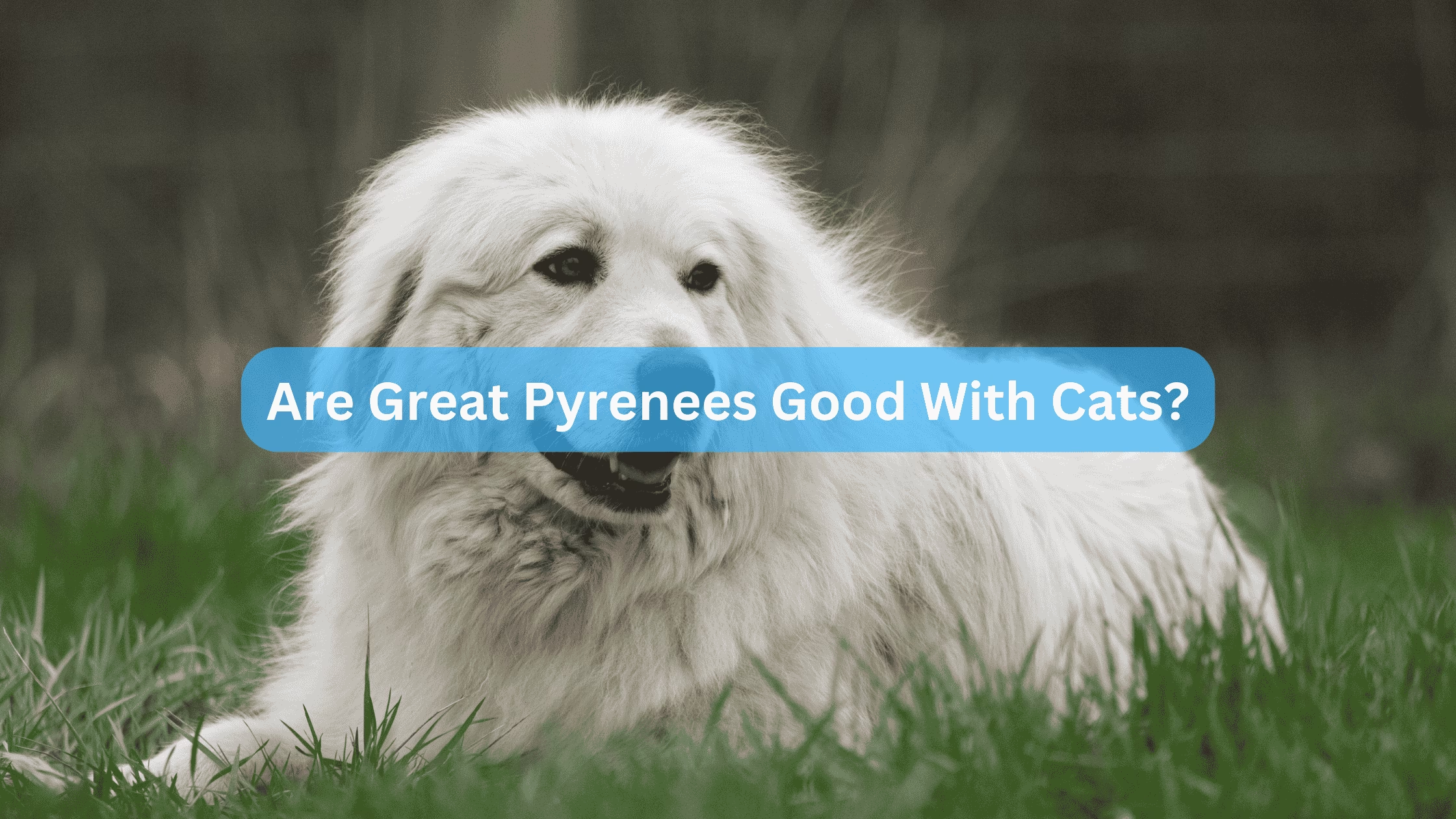
When considering adding a Great Pyrenees to your home, one of the most common questions is: Are Great Pyrenees good with cats?
The answer is generally yes, but there are several factors to consider to ensure a successful relationship between your Great Pyrenees and your feline friends.
This article will explore the temperament of Great Pyrenees, how to introduce them to cats, training tips, and signs of compatibility.
Are Great Pyrenees Good With Cats?
Understanding the Temperament of Great Pyrenees
Great Pyrenees are known for their gentle and nurturing nature. Here are some key traits that contribute to their compatibility with cats:
Gentle Giants: Despite their large size, Great Pyrenees are typically calm and gentle. Their demeanor makes them less likely to harm a cat, as they are more inclined to protect than to chase.
Low Prey Drive: Unlike many dog breeds, Great Pyrenees usually have a low prey drive. This means they are less likely to see cats as something to chase or hunt, making them more suitable companions for felines.
Protective Instincts: Bred as livestock guardians, Great Pyrenees have a strong protective instinct. They often view other pets in the household, including cats, as part of their “flock” to protect.
Social and Affectionate: Great Pyrenees are social animals that thrive on companionship. They can be affectionate and playful with other pets, including cats, which can lead to a positive relationship.
Introducing Great Pyrenees to Cats
To ensure a successful relationship between your Great Pyrenees and your cat, the introduction process is crucial. Here are some steps to follow:
1. Create a Safe Environment
Before introducing your Great Pyrenees to your cat, make sure both animals have safe spaces.
Cats should have access to high perches or separate rooms where they can retreat if they feel overwhelmed.
2. Gradual Introduction
Start by allowing your Great Pyrenees and cat to observe each other from a distance. Use a baby gate or keep the dog on a leash while the cat is free to roam.
This helps both animals get used to each other’s presence without direct interaction.
3. Short, Supervised Meetings
After a few days of observation, begin short, supervised meetings. Keep the Great Pyrenees on a leash during these interactions to prevent any sudden movements that might scare the cat.
Monitor their body language closely; if either animal shows signs of stress, separate them and try again later.
4. Positive Reinforcement
Use treats and praise to reward both the dog and cat for calm behavior during their interactions.
This helps create positive associations with each other’s presence. For example, if the Great Pyrenees remains calm while the cat is nearby, reward them with a treat.
5. Monitor Progress
Continue to monitor their interactions over time. Gradually increase the length of their meetings as they become more comfortable with each other.
Patience is key; it may take weeks or even months for them to fully accept one another.
Training and Behavior Management
Training your Great Pyrenees is essential for ensuring they behave appropriately around cats. Here are some effective training strategies:
1. Basic Obedience Training
Teach your Great Pyrenees basic commands such as “sit,” “stay,” “come,” and “leave it.” This training is crucial for managing their behavior, especially during introductions.
A well-trained dog is easier to control and less likely to act impulsively around a cat.
2. Addressing Prey Drive
If your Great Pyrenees shows any signs of a strong prey drive, consider seeking help from a professional dog trainer.
They can provide tailored strategies to help manage this instinct and ensure your dog understands that the cat is not prey.
3. Socialization
Early socialization is vital for any dog, especially for breeds like the Great Pyrenees. Expose your dog to various animals, including cats, during their formative months.
This exposure helps them learn appropriate behaviors and reduces anxiety around new animals.
4. Desensitization Techniques
If your Great Pyrenees is overly excited or reactive around cats, consider desensitization techniques.
Gradually expose them to the cat’s presence while rewarding calm behavior. Over time, this can help them learn to remain composed.
Signs of Compatibility
Once the introduction process is underway, watch for signs that indicate a positive relationship is developing:
Calm Behavior: If your Great Pyrenees remains calm and relaxed around the cat, this is a good sign. Look for loose body language, wagging tails, and relaxed ears.
Curiosity: Healthy curiosity is a positive indicator. If the dog shows interest in the cat without aggression, it suggests they are beginning to accept each other.
Playfulness: If both animals engage in playful behavior, it’s a strong sign of compatibility. Playful interactions can help strengthen their bond.
Mutual Grooming: If the Great Pyrenees and cat engage in mutual grooming or cuddling, this indicates a strong bond has formed.
So, are Great Pyrenees good with cats? The answer is generally yes, provided that proper introductions and training are implemented.
Their gentle nature, low prey drive, and protective instincts make them well-suited for multi-pet households.
By following the steps outlined in this article, you can foster a loving and harmonious relationship between your Great Pyrenees and your feline friends.
With patience and effort, you can create a peaceful home where both species can coexist and thrive together.
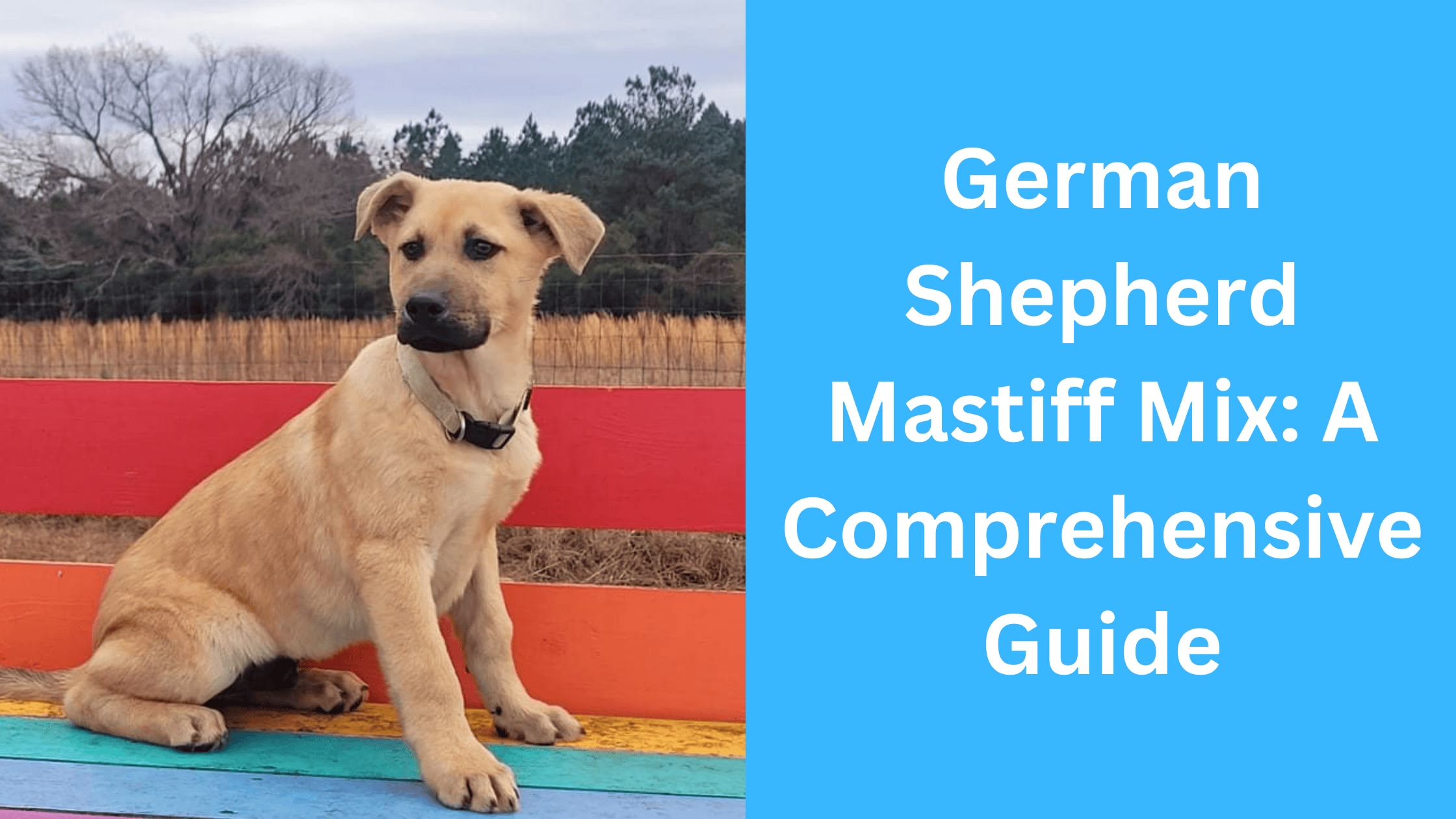
The German Shepherd Mastiff mix, also known as the Mastiff Shepherd Mix, is a hybrid breed that combines the intelligence and loyalty of the German Shepherd with the gentle, protective nature of the Mastiff.
This mix is becoming increasingly popular among dog lovers for its impressive characteristics and affectionate demeanor.
Category
Details
Breed Name
German Shepherd Mastiff Mix (also known as Mastiff Shepherd or Shep-a-Mastiff)
Origins and Background
A hybrid between the German Shepherd and Mastiff, combining the intelligence and loyalty of the former with the gentle nature of the latter.
Physical Characteristics
– Height: 22 to 36 inches – Weight: 65 to 200 pounds – Coat: Dense, short to medium length, colors include black, tan, brindle, fawn.
Temperament and Personality
– Generally gentle and affectionate – Protective and loyal – Good with children; may be wary of strangers – Requires early socialization.
Care and Exercise Needs
– Exercise: 1 to 2 hours daily – Grooming: Brush 2-3 times a week to manage shedding – Living Environment: Prefers homes with space.
Training and Socialization
– Responds well to positive reinforcement – Early obedience training is essential – Socialization with various people and pets is crucial.
Health and Lifespan
– Common Health Issues: Hip and elbow dysplasia, bloat, obesity, cherry eye – Lifespan: 6 to 14 years.
Feeding and Nutrition
– Requires high-quality dog food for large breeds – Daily intake: 3 to 4 cups, depending on size and activity level – Include joint supplements.
Family Pet Compatibility
– Good with children and can coexist with other pets – Adaptable to various lifestyles but needs regular exercise.
Price and Availability
– Price ranges from $350 to $1,100 depending on breeder reputation and location – Seek reputable breeders or rescue organizations.
German Shepherd Mastiff mix
Origins and Background of German Shepherd Mastiff mix
The German Shepherd Mastiff mix is a relatively recent hybrid, drawing from two distinct and well-established breeds.
German Shepherd: Developed in Germany in the late 19th century by Captain Max von Stephanitz, the German Shepherd was bred for herding and protection. This breed is known for its intelligence, versatility, and strong work ethic, making it a favorite in roles such as police and military work.
Mastiff: The Mastiff’s history dates back thousands of years, with origins in Central Asia. These dogs were used as companions for traders and nomads and were known for their protective instincts. The English Mastiff was refined in the 19th century and is recognized for its size and gentle disposition.
The combination of these two breeds results in a dog that inherits the best traits from both, making the German Shepherd Mastiff mix a loyal and affectionate companion.
Characteristics of German Shepherd Mastiff Mix
German Shepherd Mastiff Mix Size &Physical Appearance: This mix is typically a large to extra-large dog, standing between 22 to 36 inches tall and weighing between 65 to 260 pounds. The size can vary greatly depending on the genetics of the individual dog.
Coat Types and Colors: The coat can range from short to medium in length, often inheriting a dense texture from both parent breeds. Common colors include black, tan, brindle, fawn, and sable.
Strength and Build: The German Shepherd Mastiff mix has a strong, muscular build with a broad head and powerful limbs, reflecting the robust nature of both parent breeds.
Temperament and Personality of German Shepherd Mastiff Mix
General Disposition: Known for being gentle giants, German Shepherd Mastiff mixes are typically affectionate and loyal. They are protective of their families and can make excellent guard dogs.
Intelligence and Trainability: This mix is intelligent and eager to please, making training relatively straightforward. However, they may inherit some stubbornness from the Mastiff side, requiring consistent and patient training methods.
Socialization and Bonding: Early socialization is crucial for this breed to ensure they develop a well-rounded personality. They are generally good with children and can coexist peacefully with other pets when properly socialized.
German Shepherd Mastiff Mix Care and Exercise Needs
Exercise Requirements: This mix requires a moderate to high level of exercise, typically needing 1 to 2 hours of activity daily. Activities can include walks, playtime, and mental stimulation through training or interactive toys.
Grooming Needs: Regular grooming is necessary to manage shedding and maintain coat health. Brushing 2-3 times a week is recommended, with more frequent grooming during shedding seasons.
Living Environment: While they can adapt to apartment living, a home with a yard is ideal for this mix, allowing them space to roam and play.
Training and Socialization for German Shepherd Mastiff Mix
Training Approach: Positive reinforcement methods work best with this breed. They respond well to treats and praise, making training sessions enjoyable and effective.
Basic Obedience Training: Early obedience training is essential to establish good behavior and prevent any potential issues related to their size and strength.
Importance of Socialization: Exposing the dog to various environments, people, and other animals from a young age helps them develop confidence and reduces the likelihood of behavioral problems.
Health and Lifespan of German Shepherd Mastiff Mix
Potential Health Concerns: This mix may be prone to health issues common in both parent breeds, including hip and elbow dysplasia, bloat, and certain genetic conditions. Regular veterinary check-ups are essential.
Lifespan: The average lifespan of a German Shepherd Mastiff mix is typically between 10 to 12 years, influenced by genetics, care, and overall health.
Feeding and Nutrition for German Shepherd Mastiff Mix
Dietary Needs: A high-quality diet formulated for large breeds is crucial to support their growth and health. Puppies should be fed puppy-specific food until they reach one year of age.
Feeding Schedule: Due to their size, it’s advisable to feed smaller, more frequent meals to prevent issues like gastric dilation-volvulus (bloat).
Recommended Food Options: Owners should choose high-quality kibble or raw diets that meet the nutritional needs of large breeds, ensuring balanced nutrition.
German Shepherd Mastiff Mix as Family Pets
Compatibility with Children: Their gentle nature makes them suitable companions for children, but supervision is always recommended due to their size and strength.
Compatibility with Other Pets: With proper socialization, they can get along well with other pets, although their strong prey drive may require careful introductions.
Lifestyle Compatibility: This mix can adapt to various lifestyles, thriving in active households but also capable of relaxing at home if given adequate exercise.
German Shepherd Mastiff Mix Price and Availability
Price Range: The cost of a German Shepherd Mastiff mix can vary widely, typically ranging from $350 to $1,100, depending on factors such as breeder reputation and location.
Finding Reputable Sources: Prospective owners should seek reputable breeders or rescue organizations to ensure they are adopting a healthy puppy.
The German Shepherd Mastiff puppy is typically very playful, though they may exhibit some clumsiness as they adapt to their growing bodies.
Like all puppies, they will test their boundaries to understand what behaviors are acceptable.
It’s essential for owners to start socialization and training early to manage their development into large, powerful dogs.
Finding a breeder specializing in German Shepherd Mastiff mixes can be quite challenging, if not impossible.
However, this does not mean these mixed breeds are unavailable.
Prospective owners should explore local rescue organizations and animal shelters, as they may have German Shepherd Mastiff hybrids looking for loving homes.
The German Shepherd Mastiff mix is a remarkable breed that combines the best traits of its parent breeds.
With proper care, training, and love, they can be loyal and affectionate family members.
Their gentle disposition, protective instincts, and intelligence make them an excellent choice for families willing to invest time and effort into their upbringing.
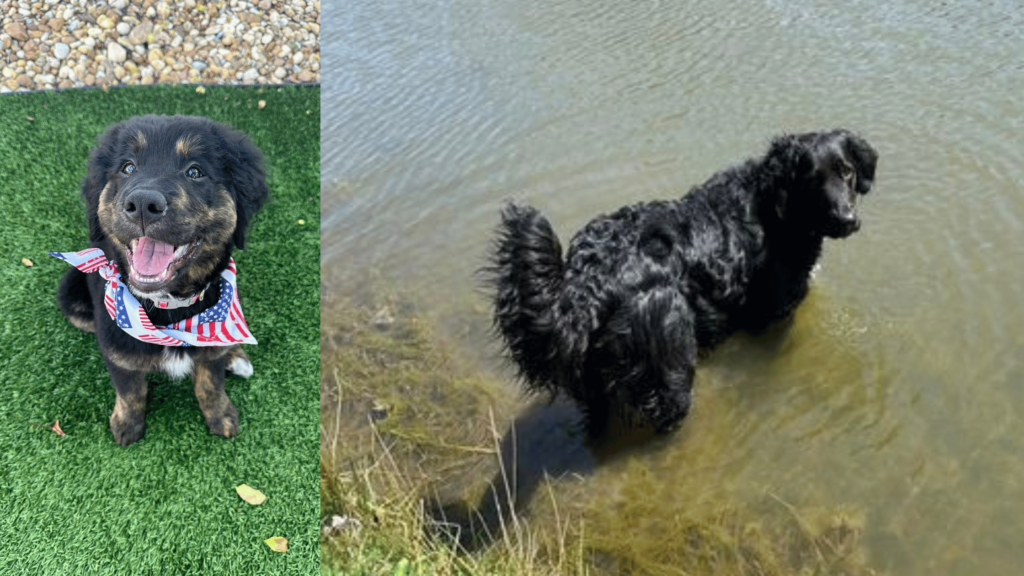
Do you desire a pet dog that merges the smarts and faithfulness of a Golden Retriever with a Bernese Mountain Dog’s calm might? Meet the Golden Mountain Dog!
This alluring mixed breed is quickly becoming trendy due to its special mix of qualities, presenting a golden heart in a superb form.
This detailed guide will take you on a journey into the universe of Golden Mountain Dogs.
We’ll uncover their impressive size, gorgeous fur, fun-loving character, and teachability in this exploration of this tender titan.
We’ll also talk about their care needs, like exercise routines, grooming needs, and possible health risks.
Lastly, we’ll direct you on how to discover a reliable breeder or a rescue group if you determine a Golden Mountain Dog is the ideal fluffy companion for your family.
So, hold tight and get set to delve into the world of the Golden Mountain Dog – a breed ready to fill your days with affection, merriment, and thrilling events for years to come!
Trait
Description
Origin
Mixed breed between Golden Retriever and Bernese Mountain Dog
Recognition
Not recognized by major kennel clubs
Size
Large
Height
24-28 inches
Weight
75-140 pounds (females typically smaller)
Lifespan
7-15 years
Temperament
Gentle, friendly, intelligent, loyal, playful
Activity Level
High (needs at least 2 hours of exercise daily)
Grooming Needs
Brushing several times a week, occasional baths
Common Health Concerns
Hip dysplasia, elbow dysplasia, bloat, eye problems, Hypothyroidism, Heart Problems, Von Willebrand’s Disease, Cancer.
Trainability
Moderately easy to train, responds well to positive reinforcement
Living with Children
Can be good with children with supervision due to large size
Living with Other Pets
Can thrive in multi-pet households with proper socialization
Ideal Living Situation
Active families with ample space
Origins and Background
While Golden Mountain Dogs may not have a pedigree, their lineage is impressive. Let’s delve into the fascinating origins and background of this gentle giant.
Not Your Average Dog: A Blend of Two Beloved Breeds
Golden Mountain Dogs are the product of combining two cherished canine companions: the Golden Retriever and the Bernese Mountain Dog.
Golden Retrievers: These Scottish superstars are renowned for their intelligence, loyalty, and eagerness to please. Originally bred to retrieve game, Golden Retrievers bring sunshine and playful energy wherever they go.
Bernese Mountain Dogs: Hailing from Switzerland, these powerful pups were originally working dogs known for their strength, gentleness, and ability to thrive in cold climates.
By bringing these two breeds together, breeders hope to create a dog that inherits the best of both worlds:
Intelligence and Trainability: Golden Retrievers are known for their quick wit, and Golden Mountain Dogs are expected to follow suit.
Loyalty and Affection: Both parent breeds are incredibly devoted companions, making Golden Mountain Dogs ideal family dogs.
Strength and Protectiveness: Bernese Mountain Dogs possess impressive strength, and Golden Mountain Dogs may inherit this trait, making them potentially good watchdogs.
Playful and Energetic: Golden Retrievers are known for their playful spirit, and Golden Mountain Dogs are likely to share this love for fun.
This blend of genetics creates a dog with the potential to be a well-rounded companion. However, it’s important to remember that Golden Mountain Dogs are mixed breed, so characteristics can vary.
Golden Mountain Dog Breed Characteristics
Golden Mountain Dog: A Gentle Giant with a Heart of Gold 5
The Golden Mountain Dog isn’t your average pup. This mix of Golden Retriever and Bernese Mountain Dog offers a unique blend of physical traits and personality quirks. Let’s explore what makes this gentle giant so special!
Physically Impressive
Golden Mountain Dogs are undeniably large.
Size: Its size ranges from 24 to 28 inches tall and weighs between 75 and 140 pounds
Coat: Prepare for a thick, double coat that can be long or medium in length. Regular brushing is a must, especially during shedding seasons, to prevent matting.
A Coat of Many Colors
The coat color of a Golden Mountain Dog is a fascinating lottery, thanks to the mix of parent breeds. Here’s what you might see:
Golden hues: A nod to the Golden Retriever heritage.
Black, white, and brown markings: These reflect the Bernese Mountain Dog influence.
Bi-color or tri-color combinations: A stunning blend of any of the above colors.
Beyond the Surface: Inherited Traits
The Golden Mountain Dog inherits not just physical characteristics but also personality traits from its parents. Some commonalities include:
Floppy ears: Adding to their endearingly goofy charm.
Drooping tail: A sign of relaxation and happiness.
These are just some of the physical characteristics you can expect from a Golden Mountain Dog.
Temperament and Personality
Now that we’ve explored the Golden Mountain Dog’s impressive physique, let’s dive into their heart of gold. This breed is known for its temperament and personality, making them ideal companions for many families.
A Gentle Soul
Golden Mountain Dogs are generally considered to be:
Gentle and friendly: Their calm demeanor makes them fantastic companions for children and adults alike.
Intelligent and trainable: With the right approach, Golden Mountain Dogs can learn commands and tricks with ease.
Loyal and affectionate: These pups crave attention and love spending time with their humans.
Energetic and playful: While not quite as energetic as Golden Retrievers, Golden Mountain Dogs still enjoy playtime and exercise.
A Blend of Personalities
The Golden Mountain Dog inherits traits from both parent breeds, influencing their personality.
Golden Retriever influence: You might see goofiness and eagerness to please, adding a touch of silliness to their interactions.
Bernese Mountain Dog influence: Their calmness and protectiveness might shine through, making them potentially good watchdogs.
Living in Harmony
With proper socialization, Golden Mountain Dogs can thrive in various environments:
Children: Their gentle nature makes them well-suited for families with kids, but supervision is always recommended, especially with younger children due to their large size.
Other pets: Early socialization can help Golden Mountain Dogs integrate well with other pets in the household.
Strangers: While not inherently suspicious, Golden Mountain Dogs might exhibit some protectiveness towards their family. Consistent socialization can help them approach strangers with confidence.
The Perfect Family Dog?
Golden Mountain Dogs possess many qualities that make them ideal family companions:
Loyalty and affection: They crave attention and love spending time with their loved ones.
Trainability: Their intelligence makes them receptive to training, ensuring a well-behaved companion.
Gentle nature: Their calm demeanor makes them fantastic companions for children of all ages (with supervision).
However, their large size and exercise needs require consideration. Golden Mountain Dogs are not suited for small apartments or inactive lifestyles.
Golden Mountain Dog Care and Exercise Needs
The Golden Mountain Dog’s impressive size and playful spirit come with specific care and exercise requirements. In this section, we’ll explore how to keep your furry friend happy and healthy.
Maintaining that Majestic Coat: Grooming Needs
Golden Mountain Dogs inherit a thick, double coat from both parent breeds. This luxurious fur demands regular grooming to prevent matting and maintain a healthy shine. Here’s what you need to know:
Brushing: Brushing your Golden Mountain Dog at least several times a week is crucial, especially during shedding seasons (typically spring and fall). A shedding comb, curry comb, and brush will be your best weapons against matting.
Bathing: While frequent baths aren’t necessary, occasional baths with a gentle dog shampoo can help remove dirt and allergens. Consult your veterinarian for the recommended bathing frequency.
Additional care: Ear cleaning and nail trimming should be done regularly to prevent infections and discomfort.
Fueling Adventure: Exercise Needs and Daily Activity Level
Golden Mountain Dogs are a mix of energetic breeds, and keeping them active is essential for their physical and mental well-being. Here’s what to expect:
Daily Activity Level: Aim for at least two hours of exercise per day. This can be broken down into walks, runs, playtime, or a combination of activities.
Exercise Needs: Golden Mountain Dogs enjoy activities that challenge their bodies and minds. Here are some ideas:
Walks and Hikes: Explore nature trails and parks, allowing your dog to sniff and explore new environments.
Fetch and Games: Engage their playful side with games of fetch, frisbee, or interactive toys.
Swimming (with supervision): This is a low-impact, yet effective way to exercise, especially for larger dogs.
Keeping it Fun: Recommended Exercises
Golden Mountain Dogs thrive on activities that combine physical exertion with mental stimulation. Here are some exercises you can incorporate into your routine:
Obstacle courses: Set up a backyard obstacle course with tunnels, jumps, and weaves to challenge their agility and problem-solving skills.
Scent work: Hide treats or toys around the house or yard and encourage your dog to use their nose to find them.
Training sessions: Positive reinforcement training sessions not only provide exercise but also strengthen your bond with your dog.
Remember, Golden Mountain Dogs are large dogs, so ensure proper warm-up and cool-down periods during exercise, especially on hot days.
Training and Socialization for Golden Mountain Dogs
Now that you understand the Golden Mountain Dog’s temperament, exercise needs, and grooming requirements, let’s explore training and socialization. These crucial aspects will shape your furry friend into a well-behaved and confident companion.
A Bright Mind: Intelligence and Trainability
Golden Retrievers are known for their intelligence and eagerness to please, traits likely passed on to Golden Mountain Dogs. This makes them generally receptive to training with the right approach.
Building a Foundation: Basic Obedience Training
Start training your Golden Mountain Dog early, ideally during puppyhood. Positive reinforcement methods work best, using rewards like praise, treats, or toys to encourage desired behaviors. Here are some basic obedience commands to focus on:
Sit: This is a foundational command that helps with overall control and focus.
Stay: Teach your dog to stay in place for short periods, gradually increasing the duration as they master it.
Come: A reliable recall is crucial for safety and enjoyment during walks and playtime.
Heel: Train your dog to walk beside you on a leash, preventing pulling and making walks more manageable.
The Importance of Socialization
Socialization involves exposing your Golden Mountain Dog to new people, animals, and environments during their critical developmental period (typically between 3 and 16 weeks). This helps them learn to interact confidently and calmly in various situations.
Here are some ways to socialize your Golden Mountain Dog:
Puppy socialization classes: These classes provide a safe and controlled environment for puppies to interact with other pups and people.
Dog parks (with caution): Once your dog is fully vaccinated, consider supervised visits to dog parks to allow them to interact with other dogs of all sizes.
Friendly visits: Invite friends and family over for your dog to meet new people in a familiar environment.
Outings and errands: Take your dog on short trips to pet stores, dog-friendly restaurants, or outdoor markets to expose them to new sights and sounds.
Challenges and Considerations
While Golden Mountain Dogs are generally intelligent and eager to please, their large size can present some challenges during training.
Puppyhood: Puppies tend to have boundless energy and can be difficult to control. Patience and consistent training are key during this stage.
Strength: Golden Mountain Dogs can be strong, especially as puppies. Using a harness and leash during walks will help you maintain control.
Time commitment: Training and socialization require consistent effort. Be prepared to dedicate time daily to these activities.
Remember, a well-trained and socialized Golden Mountain Dog is a joy to have around.
Health and Lifespan of Golden Mountain Dogs
Golden Mountain Dogs are generally healthy companions, but like any breed, they can be susceptible to certain health concerns. In this section, we’ll explore their health and lifespan, helping you ensure your furry friend enjoys a long and happy life.
Potential Health Concerns
As a mixed breed, Golden Mountain Dogs may inherit health issues common to both parent breeds. Here are some conditions to be aware of:
Hip dysplasia: This malformation of the hip joint can cause pain and lameness. Regular exercise and maintaining a healthy weight can help reduce the risk.
Elbow dysplasia: Similar to hip dysplasia, this condition affects the elbow joint.
Eye problems: Certain eye conditions, such as cataracts and glaucoma, can affect Golden Mountain Dogs.
Considering Genetics: Conditions from Parent Breeds
In addition to the above, Golden Mountain Dogs might inherit specific conditions from their parent breeds:
Golden Retrievers: Cancer is a concern in Golden Retrievers, and Golden Mountain Dogs may also be at risk.
Bernese Mountain Dogs: These dogs are unfortunately prone to various cancers and a blood clotting disorder called Von Willebrand’s disease.
Prevention is Key: Preventative Healthcare and Regular Vet Check-ups
Regular veterinary check-ups are vital for maintaining your Golden Mountain Dog’s health. These visits allow your vet to detect potential problems early and recommend appropriate treatment. Here’s what you can do:
Schedule annual check-ups: This allows for early detection and treatment of any potential health issues.
Maintain a healthy weight: Obesity can exacerbate joint problems. Consult your vet to determine the ideal weight for your dog.
Provide a balanced diet: A high-quality diet formulated for large dogs is crucial for overall health.
Keep vaccinations current: Vaccinations protect your dog from preventable diseases.
Lifespan and Influencing Factors
The average lifespan of a Golden Mountain Dog is estimated to be between 7 and 15 years. However, several factors can influence their lifespan, including:
Genetics: Inheriting good genes from healthy parents plays a significant role.
Diet and exercise: A healthy diet and regular exercise contribute to a longer lifespan.
Preventative healthcare: Regular vet check-ups and early intervention for health problems can extend a dog’s life.
Feeding and Nutrition for Golden Mountain Dogs
Golden Mountain Dogs are large and active companions with specific dietary needs. In this part , we’ll explore what to feed your furry friend to keep them healthy and energized.
Fueling for Adventure: Dietary Needs and Considerations
Golden Mountain Dogs are a mix of Golden Retrievers and Bernese Mountain Dogs, both known for their active lifestyles. Here’s what to consider when planning their diet:
Large breed formula: Choose a high-quality dog food specifically formulated for large breeds. These formulas provide the right balance of nutrients for growing and maintaining a large dog’s body.
Energy requirements: Golden Mountain Dogs have high energy needs. Look for food with high-quality protein sources to support their active lifestyle.
Joint health: Conditions like hip and elbow dysplasia are a concern. Some dog foods contain glucosamine and chondroitin to support joint health.
Finding the Right Balance: Portion Sizes and Feeding Schedule
Portion sizes and feeding schedules can vary depending on your Golden Mountain Dog’s age, activity level, and overall health. Here’s a general guideline:
Portion Sizes: Consult your veterinarian for specific recommendations based on your dog’s individual needs. A good rule of thumb is to start with 2-3 cups of dry food per day, divided into two meals. Adjust based on your dog’s weight and activity level.
Age
Cups of Dry Food (Divided into 2 Meals)
Note
Puppy (2-4 months)
1 – 1.5 cups
Consult veterinarian for specific recommendations
Puppy (4-6 months)
1.5 – 2 cups
Consult veterinarian and monitor weight
Puppy (6-8 months)
2 – 2.5 cups
Consult veterinarian and monitor weight
Junior (8-12 months)
2.5 – 3 cups
Consult veterinarian and monitor weight
Adult (1-2 years)
3 – 4 cups
Adjust based on activity level and consult veterinarian
Adult (2+ years)
2.5 – 4 cups
Adjust based on activity level and consult veterinarian
Senior (7+ years)
Adjust based on activity level and consult veterinarian
Senior dogs may have lower activity levels and require less food
Feeding Schedule: Feeding your dog twice a day helps regulate their blood sugar levels and prevents digestive upset.
Food Options: Types of Food
There are several types of dog food available, each with its own advantages and disadvantages. Here are some options to consider:
Kibble: A convenient and affordable option. Choose a high-quality kibble formulated for large breeds.
Wet food: Provides higher moisture content, which can be beneficial for some dogs. However, it’s typically more expensive than kibble.
Raw food: A natural diet option, but requires careful planning and research to ensure your dog receives all the necessary nutrients. Consult with a veterinarian before starting a raw food diet.
Keeping it Healthy: Avoiding Overfeeding
Overfeeding is a common problem with large dogs. It can lead to obesity, joint problems, and other health issues. Here are some tips to avoid overfeeding your Golden Mountain Dog:
Measure food carefully: Use measuring cups to ensure you’re feeding the recommended amount.
Monitor weight: Regularly weigh your dog and adjust portion sizes as needed.
Resist begging: Don’t give in to begging; stick to your dog’s feeding schedule.
Choosing Wisely: Recommended High-Quality Dog Food Brands
It’s important to note that recommending specific dog food brands can be tricky. A brand that works well for one dog might not be ideal for another. Here’s what you can do:
Research: Read reviews and compare ingredients of different dog food brands formulated for large breeds.
Consult your veterinarian: Discuss your dog’s specific needs with your veterinarian and get recommendations for suitable dog food brands.
Look for key ingredients: Focus on high-quality protein sources like chicken, beef, or fish, and whole grains like brown rice or oatmeal.
Golden Mountain Dogs as Family Pets
Now that we’ve explored various aspects of Golden Mountain Dogs, let’s delve into their suitability as family pets. Their gentle nature and playful spirit make them appealing companions, but there are factors to consider before welcoming one into your home.
A Friend for All Ages: Compatibility with Children
Golden Mountain Dogs are generally considered good with children due to their:
Gentle and friendly nature: Their calm demeanor makes them fantastic companions for well-supervised children of all ages.
Playfulness: They retain a puppy-like enthusiasm for playtime, which can be a joy for older children.
Loyalty and protectiveness: They may exhibit a natural protectiveness towards their family, including children.
However, a few things to keep in mind:
Size: Golden Mountain Dogs are large dogs. Supervision is crucial, especially with younger children, to prevent accidental bumps or knockdowns.
Training: Proper training is essential for any dog, but especially important for a large breed like the Golden Mountain Dog. Teach basic obedience commands and socialize your dog from a young age.
Furry Friends or Friendly Foes? Compatibility with Other Pets
Golden Mountain Dogs can thrive in multi-pet households with proper socialization. Here’s what to consider:
Early socialization: Exposing your Golden Mountain Dog to other pets during puppyhood helps them develop positive associations.
Supervision: Monitor interactions between your Golden Mountain Dog and other pets, especially smaller animals, to ensure their safety.
Cat compatibility: While some Golden Mountain Dogs get along well with cats, their playful nature might be overwhelming for some feline companions.
Active Lifestyle or Couch Potato? Compatibility with Different Lifestyles
Golden Mountain Dogs are not suited for every lifestyle. Here’s what to consider:
Active families: These dogs require plenty of exercise and outdoor playtime. They are ideal companions for active families who enjoy walks, hikes, or jogs.
Apartment living: Golden Mountain Dogs are large and require ample space. Apartment living might not be suitable unless you can provide them with enough exercise outdoors.
Low-activity households: These dogs are not couch potatoes, but they can adapt to a calmer lifestyle as long as their exercise needs are met.
A Bond Built on Trust: Loyalty, Affection, and Bonding
Golden Mountain Dogs are known for their:
Loyalty: They crave attention and love spending time with their families.
Affection: They enjoy cuddles and playtime, forming strong bonds with their humans.
Trainability: Their intelligence makes them receptive to positive reinforcement training, strengthening the bond with their owners.
Building a Strong Foundation: Training and Socialization
Training and socialization are crucial for Golden Mountain Dogs.
Training: Start training early and focus on basic obedience commands like sit, stay, come, and heel.
Socialization: Expose your dog to various people, animals, and environments during their critical developmental period to build confidence and prevent fearfulness.
Golden Mountain Dog Price and Availability
Golden Mountain Dogs are a captivating mix of intelligence, loyalty, and strength. However, due to their mixed breed status, finding and adopting one can be more challenging than adopting a purebred dog. Let’s explore the factors affecting their price and where to find reputable breeders.
A Range of Factors Affecting Price
Since Golden Mountain Dogs are not recognized by major kennel clubs, their price can vary depending on several factors:
Breeder reputation: Reputable breeders who prioritize health testing and proper breeding practices might charge more.
Location: Prices might differ depending on your geographical location.
Lineage: The specific breeds of the parent dogs (Golden Retriever vs. Bernese Mountain Dog with champion bloodlines) could influence the price.
Age and health: Puppies typically cost more than adult dogs.
Finding Reputable Sources
Finding reputable breeders is crucial when considering a Golden Mountain Dog. Here are some tips:
Research breeders: Look for breeders who prioritize health testing of parent dogs for genetic conditions common in Golden Retrievers and Bernese Mountain Dogs.
Ask questions: Don’t hesitate to ask breeders about their breeding practices, the health of the parents, and the temperament of the puppies.
Visit the breeder: If possible, visit the breeder’s facility to see the living conditions of the dogs.
Consider adoption: While less common, some rescue organizations might have Golden Mountain Dogs available for adoption.
Want to Connect with Other Golden Mountain Dog Lovers?
This group is a great resource for connecting with other enthusiasts, learning more about the breed, and sharing experiences.
Ethical Considerations
Mixed breed popularity: The rising popularity of mixed breeds can lead to unethical breeding practices. Be cautious of breeders who prioritize profit over the health and well-being of the dogs.
Alternatives: Consider adopting a Golden Retriever or Bernese Mountain Dog from a reputable shelter or rescue organization.
You must grasp the Golden Mountain Dog’s intellect, devotion, and friendly nature that make these dogs fitting pals for energetic families, who can shower them with lots of affection, activities, and room.
Nevertheless, their big stature and unique needs warrant thoughtful thinking. Peeking into this manual, you’ve gotten precious understanding into this captivating assortment of dogs, from personalities and wellness to care conditions and their accessibility.
Keep in mind, adopting a dog covers a long-term promise. If you’re up for giving the devotion, guidance, and active lifestyle a Golden Mountain Dog rightly earns, you’ll gain a staunch, loving partner adding immeasurable worth to your life.
If you’re on the hunt for a mild-hearted giant to become your adventures’ lively companion and a beloved part of your tribe, the Golden Mountain Dog could just be the ideal fit.
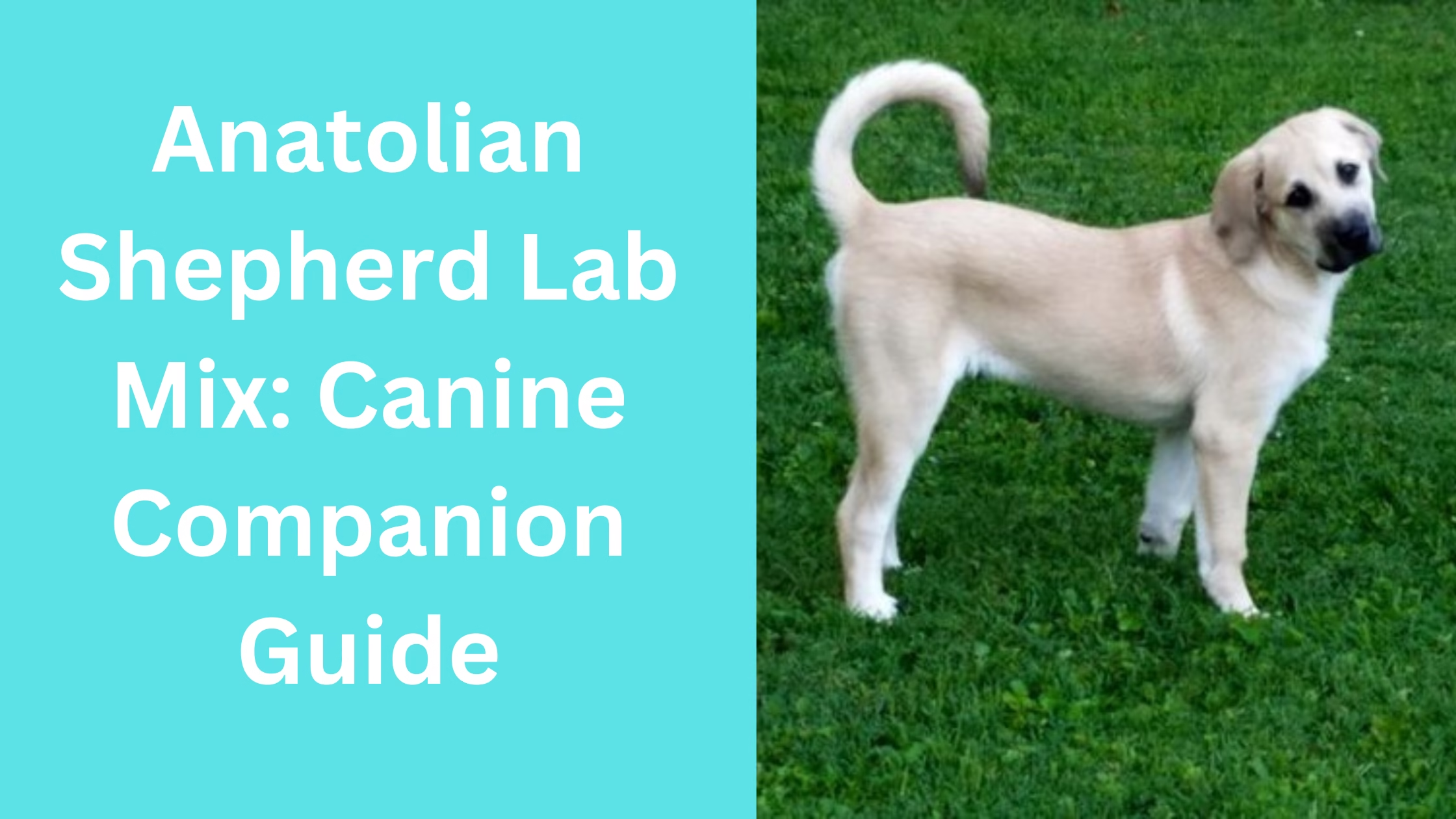
Unveiling the Anatolian Shepherd Lab Mix, a captivating blend of two distinctive breeds, this hybrid is a testament to the fusion of the Anatolian Shepherd’s vigilant nature and the Labrador Retriever’s amiable disposition.
Imagine a canine companion that embodies the Anatolian Shepherd’s innate protective instincts while exuding the Lab’s friendly and affectionate nature.
The Anatolian Shepherd Lab Mix combines these traits, creating a unique and versatile companion.
This article delves into the fascinating world of the Anatolian Shepherd Lab Mix, exploring their intriguing characteristics, temperament, health, and suitability as family pets.
Whether you’re a seasoned dog enthusiast or a curious newcomer to the world of hybrid breeds, this exploration of the Anatolian Shepherd Lab Mix promises to unveil a world of traits and behaviors that make this hybrid a standout in the realm of canine companionship.
Join us on this journey to discover the exceptional qualities of the Anatolian Shepherd Lab Mix, a harmonious blend of protective instincts and amiable charm.
Certainly, here’s an example of a table featuring information about the Anatolian Shepherd Lab Mix, including life expectancy:
Characteristic
Information
Breed Name
Anatolian Shepherd Lab Mix
Size
Medium to Large
Weight
50-150 pounds
Height
22-29 inches at the shoulder
Lifespan
10-14 years
Temperament
Protective, loyal, friendly
Coat Type
Short to medium, dense coat
Coat Colors
Various; commonly black, brown, cream
Grooming
Moderate grooming needs
Exercise Needs
Moderate to high
Health Concerns
Potential hip dysplasia, obesity
Feeding Requirements
High-quality diet, 2-3 meals/day
Living Conditions
Requires space, access to exercise
This table provides a concise overview of essential characteristics, including the Anatolian Shepherd Lab Mix
The Anatolian Shepherd and the Labrador Retriever, originating from diverse backgrounds, bring unique qualities that converge intriguingly in the Anatolian Shepherd Lab Mix.
Anatolian Shepherd
Anatolian Shepherd
Originating from Turkey, the Anatolian Shepherd has a rich history as a livestock guardian. Renowned for their loyalty and protective instincts, Anatolian Shepherds have been trusted guardians for centuries. Their imposing stature and unwavering dedication to protecting their flock are hallmark traits.
Labrador Retriever
Labrador Retriever
The Labrador Retriever, hailing from Newfoundland in Canada, is cherished for its friendly demeanor and versatile abilities.
Labradors excel as loving family pets, retrieving game for hunters, and serving as reliable therapy and service dogs due to their intelligence and trainability.
The fusion of these two breeds stemmed from the desire to combine the Anatolian Shepherd’s protective traits with the Lab’s friendly nature.
The Anatolian Shepherd Lab Mix emerged as a hybrid designed to possess the Anatolian Shepherd’s vigilant nature while integrating the Lab’s sociable and adaptable characteristics.
Notable Characteristics Inherited
This mix inherits a strong protective instinct and an innate sense of territoriality from the Anatolian Shepherd, making it an excellent guardian.
On the other hand, from the Labrador Retriever, the mix acquires a friendly and sociable demeanor, intelligence, and eagerness to please.
This crossbreeding aimed to create a companion that embodies the best of both worlds: a devoted protector and a genial companion, making the Anatolian Shepherd Lab Mix a remarkable blend of two distinctive lineages.
Physical Characteristics and Appearance
The Anatolian Shepherd Lab Mix boasts a striking appearance, blending features from its Anatolian Shepherd and Labrador Retriever heritage to create a distinctive, formidable, friendly look.
Size and Build
These hybrid dogs generally exhibit a medium to large size ( 50 – 150 pounds), inheriting a sturdy build from both parent breeds.
They often stand at a moderate height of 22-29 inches at the shoulder, showcasing a robust frame that embodies strength and agility.
Coat Type and Texture
The Anatolian Shepherd Lab Mix typically sports a dense double coat that provides ample protection against various weather conditions.
The coat may feature a medium-length to long fur with a dense and water-resistant outer layer, thanks to the Lab’s water-resistant coat and the Anatolian Shepherd’s weatherproofing.
Variations in Coat Colors and Patterns
This mix presents an array of captivating coat colors and patterns, blending the Anatolian Shepherd’s earthy and solid hues with the Lab’s diverse color palette.
Colors commonly observed in this mix include black, brown, cream, golden, and shades of brindle.
Their coats may exhibit solid colors or display striking combinations and patterns, adding to their visual allure.
Distinctive Physical Features
While the Anatolian Shepherd Lab Mix inherits a blend of physical traits from its parent breeds, it often showcases a well-defined muscular build, a broad chest, and an alert expression reminiscent of the Anatolian Shepherd’s guarding nature.
Their eyes, nose, and ears often blend the characteristics seen in Anatolian Shepherds and Labradors, contributing to their charming and expressive appearance.
In essence, the Anatolian Shepherd Lab Mix’s physical attributes harmoniously fuse the Anatolian Shepherd’s sturdy and protective appearance with the Labrador Retriever’s friendly and approachable demeanor, resulting in an eye-catching canine companion that’s both imposing and inviting.
Temperament and Personality Traits
The Anatolian Shepherd Lab Mix is a captivating blend of two distinct temperaments, seamlessly merging the Anatolian Shepherd’s protective instincts with the Labrador Retriever’s friendly and generous nature.
Inherited Temperament Traits
This mix inherits a strong sense of loyalty and protectiveness from the Anatolian Shepherd lineage.
Their instinct to guard and protect their family and territory is deeply ingrained, making them vigilant and reliable guardians.
This trait is complemented by the Labrador Retriever’s innate friendliness, making them approachable and adaptable in various social settings.
Typical Behavior and Personality
Anatolian Shepherd Lab Mixes exhibit a balanced and versatile personality well-suited for family life.
They are known for their unwavering loyalty to their loved ones and their alertness in protecting their home.
Their intelligence and discerning nature make them excellent watchdogs, ever-watchful of their surroundings.
Despite their protective instincts, these hybrids maintain the Lab’s friendly disposition, displaying a gentle and pleasant demeanor with family members and trusted individuals.
Their adaptability allows them to transition seamlessly from guardian mode to being affectionate and playful companions, especially with children, making them excellent family pets.
Their intelligence and eagerness to please make Anatolian Shepherd Lab Mixes highly trainable. They thrive on mental stimulation and enjoy engaging in activities that challenge their intellect.
Proper training and socialization from an early age can help positively channel their protective instincts, ensuring they become well-rounded and well-behaved companions.
In summary, the Anatolian Shepherd Lab Mix combines the best of both worlds in temperament, combining the Anatolian Shepherd’s vigilant and protective instincts with the Labrador Retriever’s amiable and affectionate nature.
This blend results in a devoted, intelligent, and versatile companion that excels both as a guardian and a loving family member.
Health and Common Health Issues
Like all dog breeds, the Anatolian Shepherd Lab Mix may inherit certain health issues from its parent breeds. Understanding these potential concerns and taking proactive steps toward preventive care is crucial for ensuring the well-being of these hybrid companions.
Overall Health Profile
While mixed-breed dogs like the Anatolian Shepherd Lab Mix often benefit from hybrid vigor, reducing the likelihood of inheriting certain genetic issues, they can still be susceptible to health conditions common in their parent breeds.
Potential Health Issues
Some health issues that Anatolian Shepherd Lab Mixes might inherit from their parent breeds include:
Hip Dysplasia: A condition that affects the hip joints, leading to discomfort and mobility issues.
Obesity: Labradors, in particular, are prone to weight gain; thus, managing a balanced diet and providing regular exercise is vital.
Bloat: This is a serious condition in larger breeds, potentially causing gastric torsion, and necessitates immediate veterinary attention.
Preventive Care and Health Screenings
Regular veterinary check-ups are essential to monitor the overall health of Anatolian Shepherd Lab Mixes.
Health screenings can help detect potential issues early. It’s recommended to discuss a tailored wellness plan with a vet, which might include:
Routine Vaccinations and Parasite Control: Keeping vaccinations up-to-date and implementing a parasite control regimen is crucial for disease prevention.
Healthy Diet and Exercise: A balanced diet and regular exercise routine tailored to the dog’s age, size, and activity level can prevent obesity and keep joints healthy.
Regular Dental Care: Dental hygiene is often overlooked but is essential for overall health. Regular brushing and dental check-ups can prevent dental issues.
Anatolian Shepherd Lab Mix owners can ensure their furry companions live long, healthy, and fulfilling lives by being proactive in their healthcare.
Regular vet visits, a well-balanced diet, proper exercise, and preventive measures can significantly improve their well-being.
Care, Training, and Exercise Requirements
Caring for an Anatolian Shepherd Lab Mix involves meeting their unique needs to ensure their physical and mental well-being. Here’s a comprehensive guide covering their care, training, exercise, and dietary requirements:
Grooming Needs
Coat Care: Regular brushing, at least a few times a week, helps manage shedding and keeps their coat in good condition. Occasional baths can be given when necessary.
Nail Trimming: Regular nail trimming prevents overgrowth and discomfort.
Ear and Dental Care: Regular ear cleaning and dental check-ups are essential for overall health.
Dietary Considerations
Balanced Diet: Feed a high-quality diet suitable for their size, age, and activity level. Monitor portion sizes to prevent obesity, a common issue in Labradors.
Healthy Treats: Use treats during training, but ensure they’re healthy and in moderation.
Exercise Requirements
Physical Exercise: Anatolian Shepherd Lab Mixes require regular exercise to stay healthy and mentally stimulated. Engage in daily walks, runs, or other activities like playing fetch or hiking to fulfill their energy needs.
Mental Stimulation: Offer puzzle toys, interactive games, or obedience training sessions to keep their minds active and prevent boredom.
Training Methods
Positive Reinforcement: Use rewards, praise, and encouragement during training sessions to reinforce good behavior.
Consistency: Be consistent in commands and training methods to avoid confusion.
Socialization: Early socialization with various people, animals, and environments is crucial to ensure they grow into well-adjusted adults.
Exercise Routine
Aim for at least 60-90 minutes of exercise daily to maintain their physical health and mental well-being.
Mix up exercise routines to prevent boredom and stimulate their intellect.
By adhering to a well-rounded care routine encompassing grooming, dietary considerations, exercise, and training tailored to their specific needs, Anatolian Shepherd Lab Mix owners can ensure their pets lead happy, healthy, and fulfilling lives as integral members of their families.
Living with an Anatolian Shepherd Lab Mix – Compatibility and Family Life
Living with an Anatolian Shepherd Lab Mix can be immensely rewarding, but it’s essential to understand their living requirements and compatibility with family dynamics to ensure a harmonious environment:
Living Arrangements
Space Needs: Given their moderate to large size and active nature, Anatolian Shepherd Lab Mixes thrive in homes with ample space, preferably with access to a fenced yard where they can play and exercise.
Exercise Area: An area conducive to exercise and playtime is crucial to meet their energy requirements. A yard or access to nearby parks is ideal for their daily exercise routines.
Compatibility with Children and Pets
Children: Anatolian Shepherd Lab Mixes can be excellent companions for families with children. They’re affectionate and protective, often forming strong bonds with kids. However, their size makes supervision essential to ensure interactions are safe for the dog and the child.
Other Pets: With proper socialization, these hybrids can get along well with other pets in the household. However, their Anatolian Shepherd lineage might manifest in a protective nature, so introductions and socialization with other pets should be gradual and supervised.
Household Dynamics
Training and Socialization: Early training and socialization play pivotal roles in shaping their behavior. Consistent training can help manage their protective instincts and ensure they remain well-mannered.
Family Inclusion: Anatolian Shepherd Lab Mixes thrive in environments where they are treated as part of the family. They’re known for their loyalty and devotion to their human companions, making them eager participants in family activities.
Ensuring the Anatolian Shepherd Lab Mix receives adequate mental stimulation, exercise, and attention within a suitable living space is vital for their well-being.
With proper training, socialization, and inclusion in family life, they can make wonderful, loyal, and loving additions to households with the right dynamics and living conditions.
Adoption and Acquisition
Certainly! When considering adopting or acquiring an Anatolian Shepherd Lab Mix, it’s essential to keep certain factors in mind to ensure a seamless and responsible process:
Adoption Considerations
Shelters and Rescue Centers: Check local animal shelters or rescue organizations for Anatolian Shepherd Lab Mixes needing a loving home. Adopting from shelters provides a home for a pet in need and saves costs compared to purchasing from breeders.
Breed-Specific Rescues: Look for breed-specific rescue groups specializing in Anatolian Shepherd Lab Mixes. These organizations often better understand the breed’s needs and temperament.
Cost Considerations
Adoption Fees: Adoption fees from shelters or rescue groups usually range from $50 to $300, depending on the organization, age, and medical history of the dog.
Breeder Costs: If acquired from a breeder, Anatolian Shepherd Lab Mix puppies may range from $500 to $1,500 or more, depending on the breeder’s reputation, lineage, and geographical location.
Responsible Adoption Practices
Research and Verification: Conduct thorough research on the source, whether adopting or purchasing. Ensure breeders adhere to ethical breeding standards and provide a safe and healthy dog environment.
Meet and Greet: Schedule a visit to meet the dog in person. This helps assess compatibility and ensure the dog’s temperament aligns with your household.
Registered Breeders: If choosing a breeder, opt for those registered with reputable kennel clubs. Ensure they prioritize the health and well-being of the dogs and offer transparency regarding the dog’s lineage, health records, and socialization.
Vet Recommendations: Seek recommendations from trusted veterinarians or dog trainers who might be familiar with your area’s reputable breeders or adoption centers.
Adopting or acquiring an Anatolian Shepherd Lab Mix should involve careful consideration, responsible sourcing, and a commitment to providing a loving forever home.
Following ethical adoption practices and supporting reputable sources can ensure a fulfilling and rewarding experience while providing a deserving dog with a loving family and a safe environment.
In Conclusion: Unveiling the Extraordinary Anatolian Shepherd Lab Mix
The Anatolian Shepherd Lab Mix embodies a harmonious blend of two remarkable breeds, combining the Anatolian Shepherd’s protective instincts with the Labrador Retriever’s friendly demeanor.
This unique hybrid offers a range of endearing qualities that make it an appealing addition to any family.
From their unwavering loyalty to their protective yet friendly nature, Anatolian Shepherd Lab Mixes exemplify versatility and dedication.
Their vigilant guardianship and gentle affection make them devoted companions and exceptional protectors of their loved ones.
Considered a perfect balance between vigilance and amiability, these mixes thrive in family environments that appreciate their protective instincts while nurturing their affectionate and friendly nature.
Their adaptability, intelligence, and loyalty make them a wonderful choice for families seeking a steadfast and loving companion.
However, the decision to welcome an Anatolian Shepherd Lab Mix into your home should be accompanied by a commitment to responsible ownership.
Consider adoption from reputable shelters or ethical breeders, prioritizing the well-being and welfare of these amazing dogs.
In conclusion, embracing an Anatolian Shepherd Lab Mix into your life offers an incredible opportunity to experience the best of both worlds in canine companionship.
With dedication, love, and responsible care, these remarkable hybrids promise you and your family a lifetime of unwavering loyalty, affection, and cherished memories.
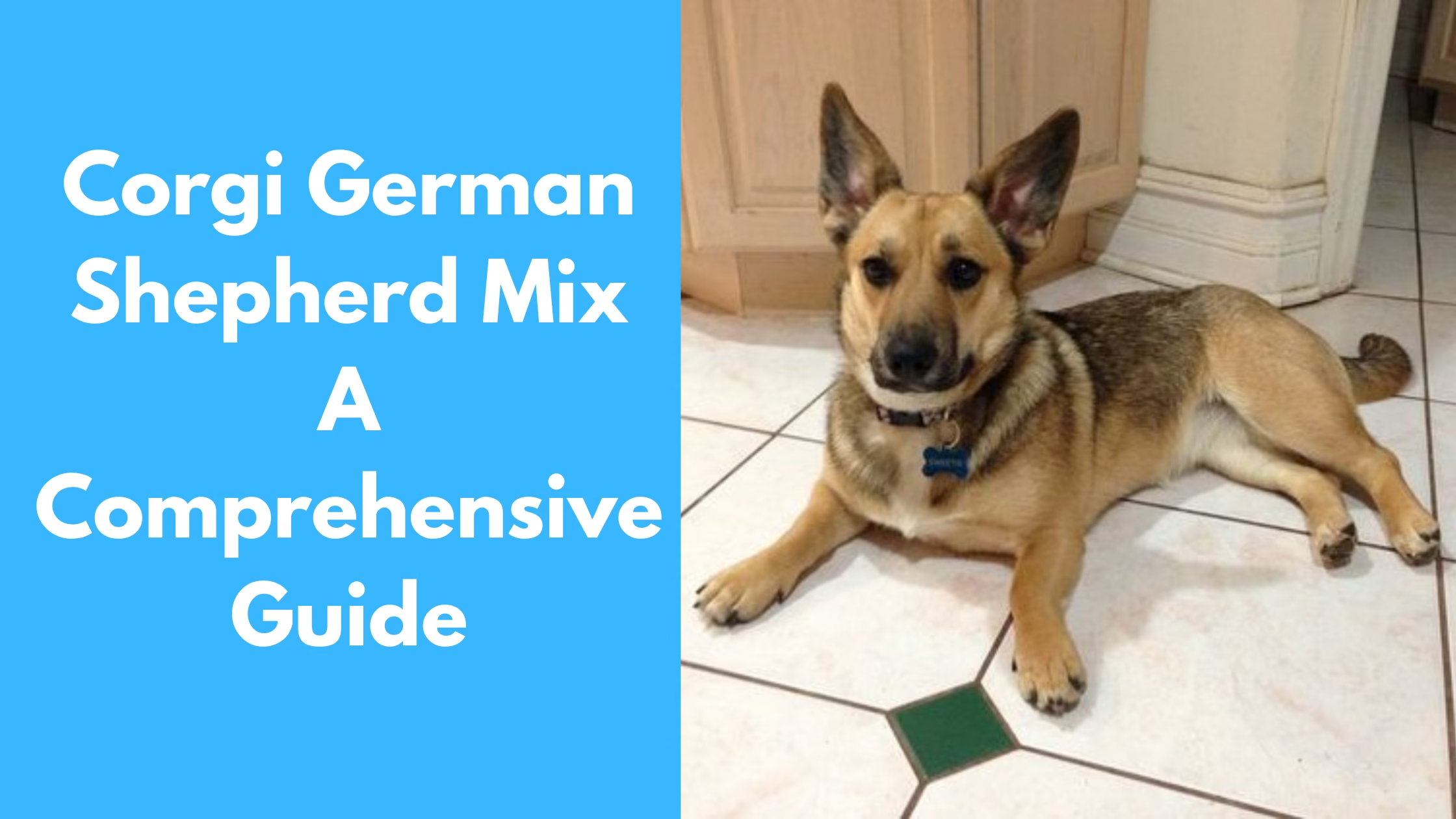
Welcome to the fascinating world of Corgi German Shepherd mixes! These adorable and unique dogs have recently gained considerable popularity among dog enthusiasts.
The Corgi German Shepherd mix, also known as a Corman Shepherdor a Corgi Shepherd, is a crossbreed between the Corgi and German Shepherd breeds.
This article intends to provide valuable information about Corgi German Shepherd mixes.
Whether you’re considering bringing one into your family or simply curious about this delightful hybrid, we’ve got you covered.
This article will delve into various aspects of the Corgi German Shepherd mix.
We’ll explore their appearance, temperament, health considerations, training needs, grooming requirements, activity levels, and more.
Additionally, we’ll address common questions and provide insights on the pros and cons of owning this mixed breed.
So, whether you’re seeking information about their unique appearance, compatibility with children and other pets, exercise needs, or where to find one, you’ve come to the right place.
Let’s embark on this exciting journey to discover the world of Corgi German Shepherd mixes and all the wonders they bring!
Topic
Information
Breed Name
Corgi German Shepherd Mix
Size
Medium to Large
Weight
25-70 pounds
Height
10-15 inches at the shoulder
Lifespan
12-15 years
Temperament
Affectionate, intelligent, loyal, protective
Coat Type
Can vary, typically medium-length, dense double coat
Coat Colors and Patterns
Various colors including black, sable, red, tan, or a combination of these
Health Concerns
Potential health issues include hip dysplasia, degenerative myelopathy, and eye problems
Feeding Requirements
High-quality dog food, portion control, and regular feeding schedule
Exercise Needs
Moderate to high exercise needs, including daily walks, active playtime, and mental stimulation
Grooming Needs
Regular brushing, occasional bathing, nail trimming, and dental care
Training
Intelligent and trainable, but may have independent streaks, so consistent training is important
Living Conditions
Can adapt to various living environments but need space and regular exercise
Cost
A Corgi German Shepherd mix can vary From $250 to $750 depending on breeder reputation, lineage, and location
They can possess protective instincts but may require proper training and socialization
Apartment Living Suitability
Possible with proper exercise and mental stimulation
Average Lifespan
12-15 years
Pros and Cons
Pros: Intelligent, loyal, good family companion. Cons: Potential health issues, moderate shedding
Please note that the information provided is a general overview and individual dogs may vary in their characteristics. It’s always important to consult with breeders or professionals for specific information about a particular Corgi German Shepherd mix.
Origins and Background of the Corgi German Shepherd Mix
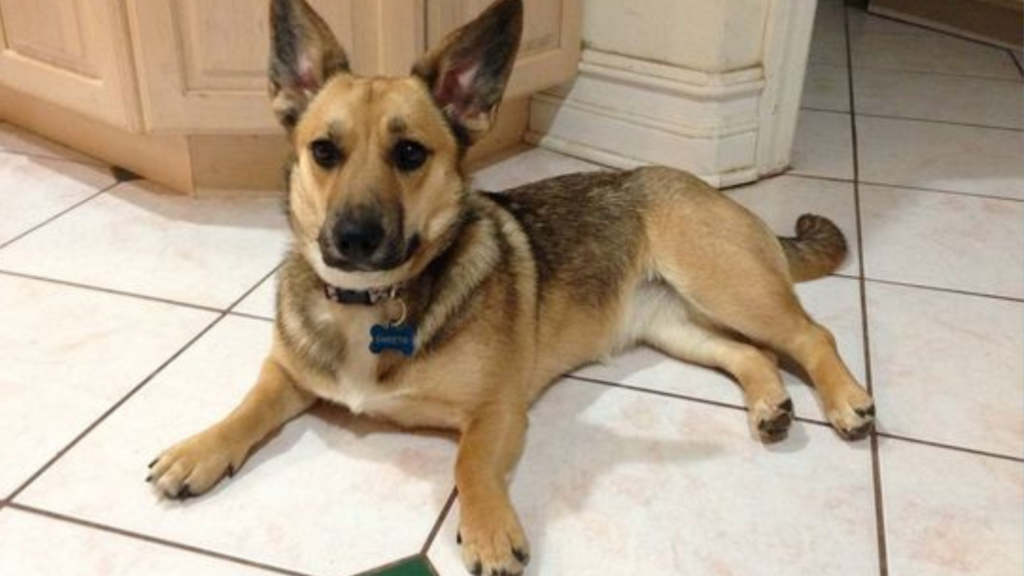
The Corgi German Shepherd mix, also known as a Corman Shepherd, is a hybrid breed that results from crossing a Corgi with a German Shepherd.
While the exact origins of this mix are unclear, it is believed to have emerged within the last few decades as the popularity of designer dog breeds increased.
The Corgi German Shepherd mix combines the traits of two distinct and well-known breeds.
Welsh Corgi
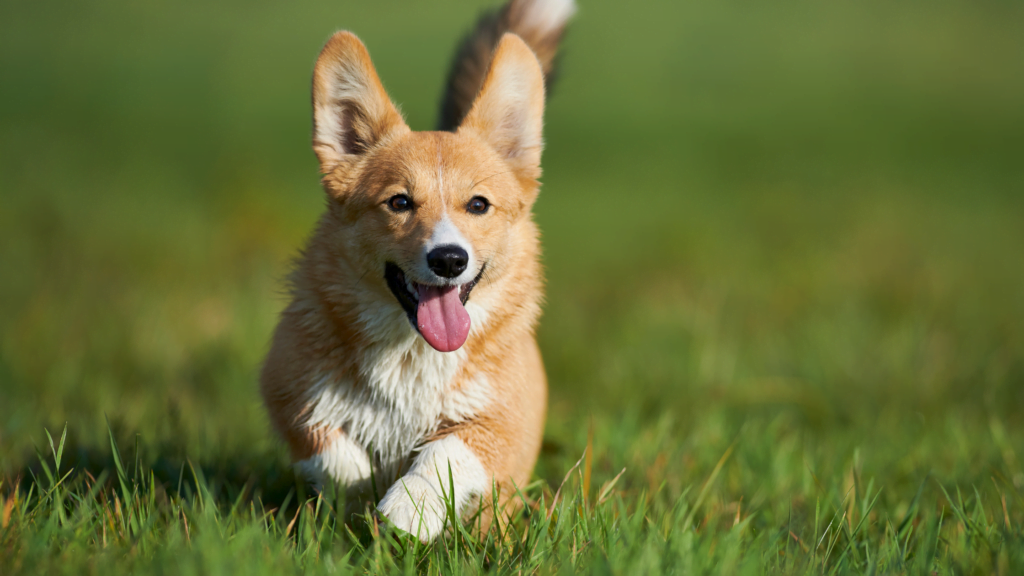
The Corgi, including the Pembroke Welsh Corgi and the Cardigan Welsh Corgi, is a small herding dog from Wales.
Renowned for their intelligence and herding abilities, Corgis have long been favored as loyal and active companions.
German Shepherd dog
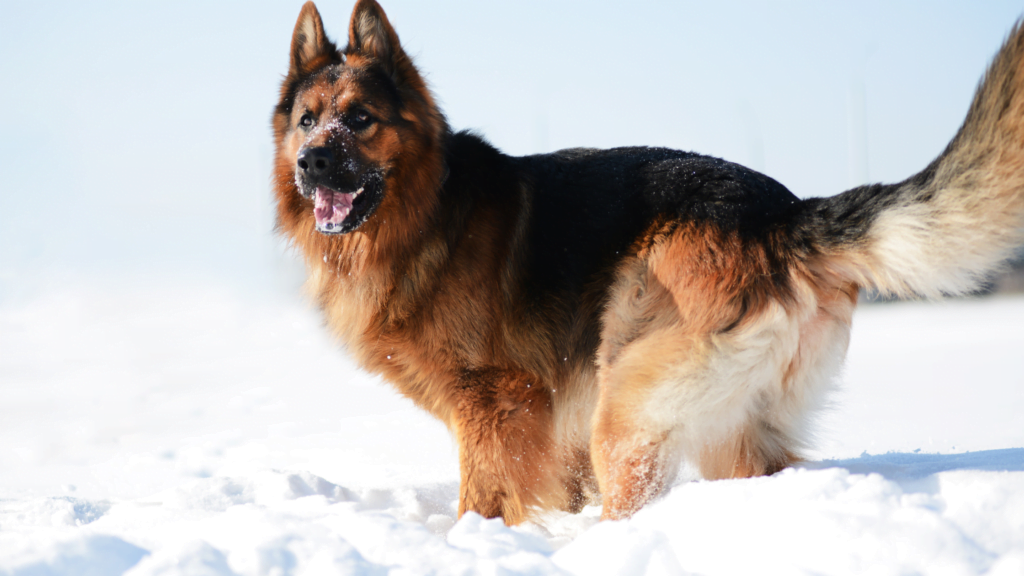
On the other hand, German Shepherds are larger working dogs bred in Germany.
They are highly versatile and known for their intelligence, strength, and protective instincts, making them popular choices for various roles, including police and military work, search and rescue, and as family pets.
Combining these two breeds, the Corgi German Shepherd mix aims to create a unique blend of characteristics from both parent breeds.
This mix can result in a range of physical and behavioral traits and variations in size, coat type, and temperament.
It’s important to note that as a mixed breed, individual Corgi German Shepherd mixes can inherit different traits from their parents, making each one unique.
While major kennel clubs or breed organizations do not recognize the Corgi German Shepherd mix, its popularity has grown due to the appeal of owning a crossbreed with the desirable traits of both parent breeds.
It’s worth mentioning that the Corgi German Shepherd mix is considered a designer dog or hybrid. As with any mixed breed, there can be variations in appearance and temperament.
As with any dog breed or mix, responsible breeding practices and proper care are essential to ensure the health and well-being of Corgi German Shepherd mixes.
Potential owners should research reputable breeders, ask questions about health testing and lineage, and spend time getting to know the individual dog’s temperament and needs before making a decision.
The appearance of Corgi German Shepherd Mix
The appearance of Corgi German Shepherd Mix
Corgi German Shepherd mixes have a distinctive and appealing physical appearance.
They exhibit a combination of features inherited from both parent breeds, resulting in a unique and charming look.
In terms of size, Corgi German Shepherd mixes are typically medium-sized dogs.
They have a sturdy and well-proportioned build, combining the muscular physique of the German Shepherd with the compact stature of the Corgi.
On average, they stand at a height of around 10 to 15 inches at the shoulder.
Regarding weight, Corgi German Shepherd mixes generally range from 25 to 70 pounds.
However, the weight can vary depending on the individual dog and the specific traits inherited from their parents.
Their coat is another notable aspect of their appearance. They often have a double coat that is either short or medium.
The texture can vary, with some dogs having a dense and plush coat similar to the German Shepherd.
In contrast, others, like the Corgi, may have a softer and more weather-resistant coat.
As for coat colors, Corgi German Shepherd mixes can come in various hues, including black, tan, ebony, and combinations of these colors.
In terms of facial features, they often inherit the alert and intelligent expression of the German Shepherd, along with the adorable and slightly elongated face of the Corgi.
Their ears may be erect or somewhat floppy, depending on inherited dominant traits.
Each Corgi German Shepherd mix is unique, with sizes, weight, height, and appearance variations.
Some may lean more towards the Corgi side regarding height and weight, while others may resemble the German Shepherd more closely.
Regardless, they all possess a captivating blend of traits that make them charming and irresistible to dog lovers.
The temperament of Corgi German Shepherd Mix
Corgi German Shepherd mixes are known for their delightful personalities and unique temperaments.
As with any mixed breed, their character can vary depending on individual traits inherited from their Corgi and German Shepherd parents.
However, some general characteristics are commonly observed in this hybrid.
These mixed dogs tend to be intelligent, loyal, and affectionate companions.
They often inherit the German Shepherd’s intelligence and the Corgi’s desire to please their owners.
This combination makes them quick learners and eager participants in training sessions.
Corgi German Shepherd mixes are generally good-natured and patient regarding their behavior with children.
They often form strong bonds with children and can be gentle and protective towards them.
However, as with any dog, it’s important to supervise interactions between dogs and children to ensure everyone’s safety and teach children how to interact with and respect their furry friends appropriately.
Regarding their behavior with other pets, Corgi German Shepherd mixes can be social and accepting if adequately socialized from a young age.
Early socialization is critical to help them develop positive relationships with other animals.
With the proper introductions and gradual acclimation, they can coexist harmoniously with other dogs and pets in the household.
It’s worth noting that Corgi German Shepherd mixes may exhibit herding instincts inherited from the Corgi side of their lineage.
This means they may tend to nip or try to herd small children or animals. Proper training and redirection can help minimize this behavior.
Remember that temperament can vary, so it’s essential to consider each dog’s unique personality and provide them with the proper socialization, training, and guidance they need to thrive in various environments.
With their loyal and affectionate nature, Corgi German Shepherd mixes can make excellent family pets and companions for children and other animals.
Their friendly disposition and adaptability often contribute to their popularity as loving household members.
Health Considerations for Corgi German Shepherd Mix
Regarding the health of Corgi German Shepherd mixes, it’s important to remember that they can inherit health conditions from both parent breeds.
While mixed-breed dogs often benefit from genetic diversity, it’s still essential to be aware of potential health concerns and take proactive steps to ensure their well-being.
One of the common health issues observed in Corgi German Shepherd mixes is hip dysplasia. This condition affects the hip joints.
Corgis and German Shepherds are susceptible to this condition, which can be passed on to their mixed offspring.
Regular vet check-ups, a balanced diet, and appropriate exercise can help manage and prevent hip dysplasia.
Another health concern to be mindful of is degenerative myelopathy, a progressive neurological disorder affecting the spinal cord.
While German Shepherds have a higher prevalence of this condition, it’s still essential to monitor Corgi German Shepherd mixes for any signs or symptoms and seek veterinary care if needed.
Additionally, like any dog, Corgi German Shepherd mixes can be prone to obesity if not provided with a well-balanced diet and regular exercise.
Maintaining a healthy weight is crucial to prevent strain on their joints and minimize the risk of other associated health problems.
Be mindful of portion control, choose high-quality dog food, and engage them in regular physical activity to keep them fit and active.
To ensure the overall health and well-being of your Corgi German Shepherd mix, it’s essential to schedule regular visits to the veterinarian for check-ups, vaccinations, and preventive care.
Your vet can guide you on appropriate vaccinations, flea and tick prevention, dental care, and any breed-specific health screenings that may be recommended.
By proactively monitoring your dog’s health and providing them with proper care, nutrition, and exercise, you can help promote their longevity and enhance their quality of life.
Remember to communicate openly with your veterinarian, who can offer personalized advice based on your Corgi German Shepherd mix’s specific needs and potential health considerations.
When training a Corgi German Shepherd mix, you’ll find that they are generally intelligent and eager to please, making them highly trainable.
However, it’s essential to consider their personality traits and adapt your training methods accordingly.
Positive reinforcement techniques work exceptionally well with this mixed breed.
Reward-based training, which involves treats, praise, and play, can motivate them and reinforce desired behaviors.
This approach helps establish a strong bond between you and your dog while creating a positive and enjoyable learning experience.
Start training your Corgi German Shepherd mix early to establish good habits and socialization.
Basic obedience commands such as “sit,” “stay,” “come,” and “down” should be the foundation of their training.
Focus on consistency, patience, and positive reinforcement to reinforce these commands.
Socialization is also an essential aspect of training for Corgi German Shepherd mixes.
Introduce them to various environments, people, and other animals to help them become well-rounded and confident individuals.
This exposure helps prevent potential shyness or fearfulness and encourages positive interactions with the world around them.
While Corgi German Shepherd mixes are generally trainable, they can sometimes exhibit a stubborn streak inherited from their Corgi parent.
It’s essential to remain patient and persistent during training sessions. Keep training sessions short, engaging, and fun to maintain their interest and focus.
It’s worth noting that this mixed breed may have herding instincts inherited from their Corgi lineage.
They may try to nip at heels or herd children, pets, or even objects.
Redirecting this behavior and providing appropriate outlets for their energy, such as puzzle toys or agility training, can help channel their instincts in a positive direction.
Consider enrolling your Corgi German Shepherd mix in puppy classes or obedience training courses.
These structured environments provide opportunities for socialization, reinforce training commands, and allow them to interact with other dogs and people under the guidance of a professional trainer.
Remember that training should be a positive and enjoyable experience for you and your dog.
Celebrate their successes, be patient with challenges, and always provide them with love, encouragement, and consistent guidance.
Your Corgi German Shepherd mix can become a well-behaved and obedient companion with the right approach and techniques.
Grooming Needs of Corgi German Shepherd Mix
Regarding grooming, Corgi German Shepherd mixes typically have moderate grooming requirements. Their coat type and shedding tendencies will influence the frequency and practices of grooming.
Corgi German Shepherd mixes usually have a medium to long double coat that requires regular brushing to keep it healthy and free from tangles.
Two to three times a week, a brushing session is generally sufficient to remove loose hair, prevent matting, and distribute natural oils for a shiny coat.
During shedding seasons, typically occurring twice a year, more frequent brushing may be necessary to manage the increased hair loss.
It’s important to note that Corgi German Shepherd mixes can be moderate to heavy shedders, especially during the shedding seasons.
Be prepared for some hair around your home, and consider using a de-shedding tool or a slicker brush to help minimize shedding.
Additionally, their ears should be checked regularly for cleanliness and signs of infection.
Clean the ears gently using a vet-approved ear cleaner and cotton balls.
Remember to avoid inserting anything into the ear canal to prevent injury.
Another important aspect of grooming is maintaining dental hygiene.
Brushing their teeth regularly with a dog-specific toothbrush and toothpaste helps prevent dental issues such as tartar buildup and gum disease.
Additionally, appropriate dental chews or toys can help promote good oral health.
Bathing requirements for Corgi German Shepherd mix depend on their activity level and overall cleanliness.
Generally, they only require bathing as needed or when they get noticeably dirty or smelly.
Use a mild dog shampoo and ensure thorough rinsing to prevent any residue that could cause skin irritation.
It’s worth noting that Corgi German Shepherd mixes have natural waterproofing oils in their coat, so frequent bathing can strip these oils and lead to dry skin.
Always use dog-specific grooming products to maintain their skin and coat pH balance.
Lastly, regular nail trims are essential to keep their nails at a manageable length.
Overgrown nails can be uncomfortable and cause issues with mobility. If you need more clarification about nail trimming, consult a professional groomer or veterinarian.
A consistent grooming routine, including regular brushing, ear cleaning, dental care, and nail trims, can help keep your Corgi German Shepherd mix looking and feeling its best.
Remember to make grooming sessions a positive experience by offering treats, praise, and plenty of affection to create a bond of trust and cooperation.
Activity Level and Exercise Requirements
Corgi German Shepherd mixes are generally energetic and active dogs that thrive on physical exercise and mental stimulation.
Understanding their activity level and providing appropriate outlets for their energy is crucial for their overall well-being.
These mixes inherit their energy levels from both parent breeds.
Corgis are known for their lively nature, while German Shepherds are renowned for their stamina and working abilities.
As a result, Corgi German Shepherd mixes are typically energetic and enjoy engaging in various activities.
It’s recommended to provide regular daily exercise to meet their exercise needs.
Aim for at least 30 minutes to an hour of physical activity to help them burn off energy and stay in good shape.
This can include brisk walks, jogging, hiking, or playing fetch in a secure area.
In addition to physical exercise, mental stimulation is essential for Corgi German Shepherd mixes.
These intelligent dogs enjoy mental challenges and engaging activities that keep their minds sharp.
Incorporate puzzle toys, interactive feeding toys, or obedience training sessions to provide mental stimulation.
Training sessions not only exercise their brains but also strengthen the bond between you and your dog.
Since Corgi German Shepherd mixes have herding instincts, they may also enjoy activities that allow them to use their natural abilities.
Consider enrolling them in agility classes or participating in dog sports such as herding trials or obedience competitions.
These activities provide physical and mental challenges, keeping them engaged and fulfilled.
It’s important to note that every dog is unique, and their exercise requirements may vary based on age, health, and individual temperament.
Be observant of your Corgi German Shepherd mix’s behavior and adjust their exercise routine accordingly.
If they seem restless or exhibit destructive behavior, it could be a sign that they need more physical or mental stimulation.
Remember to provide them with a safe and secure environment for exercise, whether it’s a securely fenced yard or supervised outdoor activities.
Always keep them on a leash during walks or outings to ensure their safety and prevent them from chasing after small animals or getting into potential hazards.
You can help keep your Corgi German Shepherd mix happy, healthy, and well-balanced by providing regular exercise and mental stimulation.
Enjoy their playful and energetic nature while strengthening your bond with them through shared activities and adventures.
Corgi German Shepherd Mix Price
When considering adding a Corgi German Shepherd mix to your family, you must know the cost considerations associated with acquiring this mixed breed.
A Corgi German Shepherd mix can vary From $250 to $750 depending on several factors.
One of the primary factors that can influence the cost is the reputation and credibility of the breeder.
Reputable breeders who prioritize the health and well-being of their dogs often invest time, effort, and resources into responsible breeding practices.
As a result, their puppies may be priced higher than those from less reputable sources.
Choosing a breeder who follows ethical breeding standards and properly cares for their dogs is essential.
The lineage and pedigree of the Corgi German Shepherd mix can also affect the price. If the parents of the blend have impressive pedigrees or come from champion bloodlines, the cost of the puppies may be higher.
However, the price may be more affordable if the mix comes from more standard or non-show lines.
Geographical location is another factor that can influence the price.
The cost of living can vary from region to region, which can impact the price of dogs as well.
In areas where the demand for Corgi German Shepherd mixes is higher than the supply, the price may be higher compared to areas where the breed is less prevalent.
It’s worth noting that the cost of acquiring a Corgi German Shepherd mix is not limited to the initial purchase price.
It would help if you considered ongoing expenses such as food, veterinary care, grooming, training, and supplies. These costs can vary depending on your location and your dog’s specific needs.
While purchasing a Corgi German Shepherd mix from a reputable breeder is one option, another option to consider is adoption.
There may be rescue organizations or shelters with Corgi German Shepherd mixes available for adoption at a more affordable cost.
Adoption provides a loving home for a dog in need. It can be a cost-effective way to bring a Corgi German Shepherd to mix into your family.
Regardless of whether you choose to purchase from a breeder or adopt, it’s crucial to conduct thorough research and ask the right questions to ensure the well-being and health of the dog.
Consider factors beyond the price alone, such as the breeder’s reputation or the dog’s compatibility with your lifestyle and family.
By understanding the cost considerations associated with acquiring a Corgi German Shepherd mix and making an informed decision, you can find an excellent companion that brings joy and happiness to your life.
Where to Buy a Corgi German Shepherd Mix
Suppose you have decided that a Corgi German Shepherd mix is the right companion for you.
In that case, finding a reputable source from which to acquire your new furry friend is essential.
Here are some suggestions on where to buy a Corgi German Shepherd mix:
1. Reputable Breeders
Look for breeders with a strong reputation for responsible breeding practices and the well-being of their dogs.
A reputable breeder will prioritize the health and temperament of their puppies and provide proper care and socialization from an early age.
Research online, ask for recommendations from local dog clubs or veterinarians, and visit the breeder to assess their facilities and interact with their dogs.
2. Breed-Specific Rescue Organizations
Consider contacting rescue organizations specializing in Corgi German Shepherd mixes or mixed breeds in general.
These organizations often have dogs needing loving homes, and adopting from them can be a rewarding experience.
Check their websites or contact them directly to inquire about any Corgi German Shepherd mixes available for adoption.
3. Local Shelters and Animal Adoption Centers
Visit local animal shelters or adoption centers, as they may occasionally have Corgi German Shepherd mixes looking for forever homes.
While the availability of specific mixed breeds may vary, it’s worth checking with these establishments regularly, as new dogs are always available for adoption.
When dealing with breeders or adoption centers, asking questions and gathering information is essential to ensure they follow ethical practices. Here are a few important considerations:
– Health Screening: Inquire about health testing performed on the parent breeds, such as hip and elbow evaluations, genetic testing, and evaluations for common breed-specific health issues. Responsible breeders will prioritize the overall health and well-being of their dogs.
– Socialization and Environment: Ask about the socialization and early life experiences provided to the puppies. A reputable breeder or adoption center will ensure the puppies have been exposed to various environments, sounds, and people, setting them up for success in their new homes.
– References and Reviews: Request references from previous customers or ask for testimonials and reviews from people who have acquired dogs from the breeder or adoption center. Positive feedback from satisfied customers is an indication of a reputable source.
Remember, acquiring a Corgi German Shepherd mix is a long-term commitment, and finding a trustworthy source is crucial to ensure the health and well-being of your new companion.
Take the time to research and choose a source that aligns with your values and provides the best possible start for your Corgi German Shepherd mix.
Additional Questions about Corgi German Shepherd Mixes
While we’ve covered the essential aspects of the Corgi German Shepherd mix, a few more questions often arise when considering this unique mixed breed.
Let’s address these questions to provide you with a more comprehensive understanding
Are Corgi German Shepherd Mixes Good Guard Dogs?
Corgi German Shepherds can possess an instinct to protect their families and territory.
With the German Shepherd lineage known for its guarding abilities, these mixes may exhibit protective tendencies.
However, it’s important to note that temperament and training also play significant roles.
Proper socialization and training from an early age are essential to encourage appropriate behavior and discernment.
Are Corgi German Shepherd Mixes Good for Apartments?
While Corgi German Shepherd mixes can adapt to apartment living, their activity level and exercise needs should be considered.
These mixes typically have moderate to high energy levels and require regular exercise to stimulate them physically and mentally.
Engaging them in daily walks, playtime, and mental enrichment activities can help meet their needs, even in apartment settings.
However, providing access to a secure outdoor area for play and exploration is beneficial.
How Long Do Corgi German Shepherd Mixes Live?
The average lifespan of a Corgi German Shepherd mix is typically around 12 to 15 years.
However, it’s important to note that the lifespan can vary depending on individual genetics, overall health, and the care provided.
A balanced diet, regular exercise, routine veterinary care, and a loving environment can contribute to your furry companion’s longer and healthier life.
What Are the Pros and Cons of Owning a Corgi German Shepherd Mix?
Like any mixed breed, owning a Corgi German Shepherd mix has advantages and considerations.
Let’s explore some of the pros and cons:
Pros:
– Loyal and devoted companions known for their strong bonds with their owners.
– Intelligent and trainable, making them suitable for various activities such as obedience training, agility, or therapy work.
– Potential for a unique blend of physical and personality traits from both parent breeds.
– Can be a good fit for families with children, as they often exhibit friendly and protective behavior.
Cons:
– Moderate to high exercise needs, requiring dedicated time and commitment to physical activities.
– Shedding can be moderate to heavy, necessitating regular grooming and cleaning.
– Potential for strong herding instincts inherited from the Corgi lineage, requiring proper training and management.
– May have a strong prey drive, needing supervision around small animals.
Considering these pros and cons can help you decide whether a Corgi German Shepherd mix is the right choice for you and your lifestyle.
Remember, each Corgi German Shepherd mix is unique, and individual characteristics may vary.
Understanding the breed’s traits and considering your preferences and capabilities will help ensure a fulfilling and harmonious companionship.
In conclusion, the Corgi German Shepherd mix is a fascinating hybrid breed that combines the traits of the Corgi and the German Shepherd.
We explored various aspects of this mixed breed, including their appearance, temperament, health considerations, training needs, grooming requirements, activity level, cost, and where to acquire one.
We learned that Corgi German Shepherd mixes can display a range of physical characteristics, including size, coat type, and coloration, which can vary based on their parentage.
Their temperament often combines the Corgi’s affectionate and intelligent nature with the German Shepherd’s protective instincts and loyalty.
While they generally get along well with children and pets, proper socialization and training are crucial.
It’s essential to be aware of potential health issues that Corgi German Shepherd mixes may inherit from their parent breeds.
Regular veterinary care, a balanced diet, and plenty of exercise can improve their well-being.
Training a Corgi German Shepherd mix can be an enjoyable experience due to their intelligence and willingness to please.
However, consistency and positive reinforcement techniques are critical to their success in learning commands and behaviors.
When it comes to grooming, Corgi German Shepherd mixes have moderate grooming needs, including regular brushing and occasional bathing to keep their coat healthy and clean.
Considering their moderate to high activity levels, providing ample exercise and mental stimulation is essential to keep them happy and healthy.
Daily walks, interactive play sessions, and engaging toys help meet their exercise requirements.
Regarding cost, acquiring a Corgi German Shepherd mix can vary depending on the breeder’s reputation, lineage, and location.
It’s essential to do thorough research and connect with reputable breeders or consider adoption from rescue centers.
In conclusion, owning a Corgi German Shepherd mix can be a rewarding experience for the right owner. However, responsible ownership is crucial.
Take the time to gather more information, seek professional advice, and consider your lifestyle and capabilities before deciding.
Doing so ensures a loving and fulfilling companionship with your Corgi German Shepherd mix for years.
The Snickerdoodle Dog has captured the hearts of dog enthusiasts with its irresistible charm and adorable appearance.
This unique breed has gained popularity for its delightful personality and lovable nature.
This article will delve into everything you need to know about Snickerdoodle Dogs (also know as Schnoodles, Poodle Schnauzer mix or Schnauzer Poodle mix) from their origins to their care requirements.
Whether you’re considering adding one to your family or simply curious about this delightful breed, this guide will provide engaging and easy-to-understand information.
Let’s embark on an exciting journey to discover the world of Snickerdoodle Dogs and unravel the secrets behind their endearing appeal.
Origins and Background of the Snickerdoodle Dog
Prepare to uncover the Snicker doodle Dog breed’s fascinating origins and captivating history.
While you may be tempted to associate this name with the delicious cinnamon cookie, the Snicker doodle Dog is not the result of a pastry experiment gone awry.
Instead, it is a delightful crossbreed that has won the hearts of dog lovers worldwide.
What is a Snickerdoodle dog?
The Snicker doodle Dog is considered a designer crossbreed, meaning kennel clubs do not officially recognize it as a breed.
It is the offspring of two beloved purebred dogs, and the combination of their traits results in an adorable and unique companion.
The parent breeds involved in creating the Schnoodles Dog are the Poodle and the Schnauzer. These breeds bring their distinct characteristics to the mix, resulting in an intelligent and affectionate dog.
Poodle Dog
The Poodle, known for its intelligence and hypoallergenic coat, lends its remarkable traits to the Snickerdoodle Dog.
With their curly or wavy fur, Schnoodles Dogs often inherit their Poodle parent’s low-shedding and allergy-friendly qualities.
SchnauzersDog
On the other hand, the Schnauzer brings its dynamic and lively nature to the mix.
Schnauzers are renowned for their loyalty and playful disposition, adding energy and enthusiasm to the Snickerdoodle Dog’s personality.
Combining these two great breeds, the Schnoodles Dog perfectly balances intelligence, affection, and liveliness.
These traits make them wonderful companions for families, singles, or anyone seeking a loyal and engaging furry friend.
Now that you have a glimpse into the Schnoodles Dog’s origins and parentage let’s dive deeper into their endearing characteristics, temperament, and care requirements.
Get ready to discover why Schnoodles Dogs are genuinely one-of-a-kind and why they are cherished by dog enthusiasts worldwide.
Snickerdoodle Dog Breed Characteristics
Snickerdoodle Dog
Get ready to marvel at the attractive physical characteristics that make Snickerdoodle Dogs so irresistibly charming.
These dogs will surely capture your heart with their unique appearance and delightful features.
1. Physical Characteristics
Schnoodles Dogs typically have a compact and sturdy build, combining traits from their Poodle and Schnauzer parents.
They have a well-proportioned bodies and a charming, expressive face that can melt even the coldest hearts.
Their eyes are bright and intelligent, reflecting their lively and curious nature.
2. Size Variations
Snickerdoodle Dogs come in a range of sizes, mainly depending on the size of their Poodle parent.
They can be found in toy, miniature, or standard sizes.
Toy Snickerdoodles usually weigh between 5 to 10 pounds (2.3 to 4.5 kg), while miniature Snickerdoodles can range from 10 to 20 pounds (4.5 to 9 kg). Standard Snickerdoodles weigh anywhere from 20 to 50 pounds (9 to 22.7 kg).
3. Coat Color and Texture
Brown Snickerdoodle DogGolden Snickerdoodle Dog
The Schnoodles Dog’s coat can vary in color, thanks to the genetic contributions of their Poodle and Schnauzer parents.
They may have a solid color or a combination of white, black, brown, or these shades.
Their fur can be curly, wavy, or even slightly straight, depending on the genetic dominance of each parent breed.
4. Common Traits Inherited
Schnoodles Dogs inherit excellent traits from their Poodle and Schnauzer parents.
They are often brilliant, making them quick learners and eager to please.
This intelligence also contributes to their ability to bond closely with their human companions.
Snickerdoodle Dogs typically possess a friendly and affectionate nature, making them excellent family pets and companions.
They have a playful and lively disposition, which adds joy and laughter to any household.
Their energetic nature also means they enjoy playtime and exercise, making them an excellent fit for active individuals or families.
Now that you understand the physical characteristics and traits of Schnoodles Dogs, let’s continue exploring their temperament, care needs, and the joys of welcoming them into your home.
Temperament and Personality of Snickerdoodle Dogs
Prepare to be enchanted by the delightful temperament and charming personality of Schnoodles Dogs.
These lovable companions are known for their endearing qualities, making them beautiful additions to any family.
1. Typical Temperament
Schnoodles Dogs possess a friendly and affectionate temperament that brings joy and warmth to their owners’ lives.
They thrive on human companionship and love to be in the midst of family activities.
Their playful nature and lively disposition give them constant entertainment and laughter.
2. Personality Traits
Intelligence is a prominent trait inherited from their Poodle and Schnauzer lineage.
Snickerdoodle Dogs are highly intelligent, which makes training them a rewarding experience.
They are quick learners and enjoy mental stimulation, so engaging in interactive games. Puzzles can keep their minds sharp and entertained.
In addition to their intelligence, Schnoodles Dogs are known for their adaptability.
They tend to adjust well to different environments and lifestyles, making them suitable for various living arrangements, whether a spacious house or a cozy apartment.
3. Behavior with Children, Other Pets, and Strangers
Snickerdoodle Dogs are generally known to be friendly and pleasant, making them great companions for children.
They often exhibit patience and gentleness towards younger family members, making them excellent playmates and protectors.
However, supervision and teaching children how to interact respectfully with dogs are essential, as with any dog.
When it comes to other pets, Schnoodles Dogs usually get along well with them, especially if they are properly socialized from a young age.
Their friendly nature allows them to form positive relationships with other animals in the household.
Snickerdoodle Dogs tend to be amiable towards strangers, displaying a welcoming and open demeanor.
However, proper socialization during their early stages of development is crucial to ensure they grow up to be well-rounded and confident in various social situations.
4. Family Dogs and Companions
Snickerdoodle Dogs excel in their role as family dogs and loyal companions.
Their friendly and affectionate nature often forms deep bonds with their human family members.
They are devoted and thrive on being part of a loving and nurturing environment.
Their adaptability and moderate exercise needs suit families with different activity levels.
Whether you enjoy long walks, outdoor adventures, or simply snuggling on the couch, Schnoodles Dogs are content to be by your side, providing endless love and companionship.
With their intelligence, affectionate nature, and compatibility with children and other pets, Snickerdoodle Dogs are the perfect choice for individuals or families seeking a devoted and engaging furry friend.
Now that you have a glimpse into the excellent temperament and personality of Snickerdoodle Dogs, let’s delve deeper into their care needs, exercise requirements, and training tips to ensure they thrive in your loving home.
Snickerdoodle Dog Care and Exercise Needs
Get ready to discover how to keep your Schnoodles Dog looking and feeling their best as we delve into their grooming requirements and exercise needs.
By providing proper care and regular exercise, you can ensure your furry friend remains healthy, happy, and energetic.
1. Grooming Requirements
Snickerdoodle Dogs have a coat that can vary in texture and length, depending on their parentage.
Their fur may be curly, wavy, or slightly straight, often inheriting the low-shedding quality of their Poodle parent.
Here are some grooming tips to keep your Snickerdoodle looking their finest:
– Brushing: Regular brushing helps prevent matting and keeps their coat clean and tangle-free. The frequency of brushing will depend on the length and texture of their fur.
– Bathing: Snickerdoodle Dogs typically require bathing every 4-6 weeks or as needed. Use a gentle dog shampoo to keep their coat clean and fresh.
– Ear Cleaning: Regularly check and clean their ears to prevent wax buildup and potential infections.
– Nail Trimming: Keep their nails trimmed to a comfortable length. Long nails can be uncomfortable and may cause issues while walking.
2. Exercise Needs and Daily Activity Level
Schnoodles Dogs have moderate exercise needs, and regular physical activity is essential to keep them happy and healthy.
Aim for approximately 30 minutes to 1 hour of exercise daily, depending on their age, size, and individual energy levels.
3. Recommended Exercises
– Daily Walks: Take your Snickerdoodle for enjoyable daily walks. This provides mental stimulation and socialization opportunities and helps them burn off energy.
– Playtime: Engage in interactive play sessions with toys, such as fetching or tug-of-war. This provides physical exercise and strengthens the bond between you and your furry friend.
– Puzzle Toys: Use puzzle or treat-dispensing toys to challenge their problem-solving skills and keep their minds engaged.
Remember, mental stimulation is as essential as physical exercise for Snickerdoodle Dogs.
Incorporate training sessions, obedience exercises, and fun activities that engage their intelligence.
By providing regular exercise and mental stimulation, you’ll help prevent boredom, which can lead to destructive behaviors.
An active and well-exercised Snickerdoodle Dog is a happy and content companion.
Now that you know how to keep your Snickerdoodle Dog looking and feeling their best, let’s move forward to explore their training and socialization needs, ensuring they develop into well-mannered and well-adjusted members of your family.
Training and Socialization for Snickerdoodle Dogs
Embark on an exciting journey of training and socialization with your Snickerdoodle Dog as we explore their intelligence, trainability, and eagerness to please.
You can mold your furry friend into a well-behaved and friendly companion with the proper techniques and patience.
1. Intelligence and Trainability
Snickerdoodle Dogs inherit the intelligence of their Poodle and Schnauzer parents, making them highly trainable and quick learners.
Their eagerness to please their owners adds extra motivation during training sessions.
Here are some tips to guide you through the training process:
2. Basic Obedience Training
– Start Early: Begin training your Schnoodles Dog as early as possible, ideally during puppyhood. This allows them to develop good habits and behaviors from the beginning.
– Positive Reinforcement: Use positive reinforcement techniques such as praise, treats, and rewards to encourage desired behaviors.
Snickerdoodle Dogs respond well to positive reinforcement and thrive on the praise and rewards they receive.
– Consistency: Maintain consistency in your training methods, commands, and expectations. This helps your Snickerdoodle Dog understand what is expected of them and reduces confusion.
– Basic Commands: Teach essential commands such as sit, stay, come, and leave. These commands lay the foundation for good behavior and enable better control in various situations.
3. Socialization
Socialization is crucial for Schnoodles Dogs to become well-rounded and comfortable in different environments and with various people and animals.
Here are some socialization tips:
– Expose them to different environments, sounds, sights, and smells from an early age. This helps them become accustomed to new experiences and reduces fear or anxiety.
– Introduce them to different people, including children, strangers, and individuals of varying ages and appearances.
– Arrange playdates with other well-behaved dogs to promote positive interactions and good social skills.
– Encourage positive experiences by rewarding calm and friendly behavior during socialization encounters.
4. Challenges and Considerations
While Snickerdoodle Dogs are generally eager to please and quick to learn, every dog is unique, and individual differences may arise.
Some considerations during training may include:
– Potential stubbornness: Snickerdoodle Dogs may display occasional stubbornness, so patience and positive reinforcement are key.
– Separation anxiety: They are known for their attachment to their owners, so gradual training for alone time and independence is essential to prevent separation anxiety.
– Barking tendencies: Snickerdoodle Dogs may tend to bark if not properly trained and managed. Consistent training and positive reinforcement can help address this behavior.
Training should be a positive and enjoyable experience for you and your Snickerdoodle Dog.
Keep sessions short, fun, and rewarding to maintain engagement and enthusiasm.
With their intelligence, trainability, and eagerness to please, Snickerdoodle Dogs are a delight to train.
Embrace the training process as an opportunity to strengthen your bond and establish a lifelong relationship based on trust and understanding.
Now that you’re equipped with training and socialization insights let’s explore the recommended diet and nutrition for your Snickerdoodle Dog to support their overall health and well-being.
Health and Lifespan of Snickerdoodle Dogs
When it comes to the health and well-being of your Snickerdoodle Dog, understanding common health issues, preventative care, and factors influencing their lifespan is essential.
By being proactive in their healthcare, you can ensure they lead a happy and healthy life by your side.
1. Common Health Issues
Schnoodles dogs may be prone to specific health issues like any other breed.
It’s essential to be aware of these potential concerns and take appropriate measures to mitigate risks.
Some common health issues seen in Snickerdoodle Dogs include:
– Hip dysplasia: This is a condition where the hip joint doesn’t develop properly, potentially leading to pain and mobility issues.
– Progressive retinal atrophy (PRA): PRA is an inherited eye condition that causes gradual vision loss and may lead to blindness.
– Von Willebrand’s disease: This blood clotting disorder can result in excessive bleeding or difficulty clotting.
2. Genetic Conditions from Parent Breeds
Snickerdoodle Dogs are crossbred and may inherit certain genetic conditions from their Poodle and Schnauzer parents.
It’s essential to be aware of any breed-specific health concerns associated with the parent breeds, such as:
– Poodles: Poodles may be prone to conditions like Addison’s disease, epilepsy, and gastric dilation volvulus (bloat).
– Schnauzers: Schnauzers may have an increased risk of developing pancreatitis, urinary stones, and certain cancers.
3. Preventative Healthcare and Regular Vet Check-ups
To ensure the overall well-being of your Snickerdoodle Dog, it’s crucial to follow a preventative healthcare routine. This includes:
– Vaccinations: Keep your Snickerdoodle Dog up to date with vaccinations as your veterinarian recommends. Vaccinations help protect against common infectious diseases.
– Parasite Control: Regularly administer preventive treatments for fleas, ticks, and intestinal parasites to keep your furry friend protected.
– Dental Care: Practice good dental hygiene by brushing your Schnoodles Dog’s teeth regularly and providing appropriate dental chews or treats.
– Regular Vet Check-ups: Schedule routine veterinary check-ups to monitor your dog’s health, discuss any concerns, and ensure they receive necessary screenings and preventive care.
4. Lifespan and Influencing Factors
On average, Snickerdoodle Dogs have a lifespan of around 10 to 15 years. However, several factors can influence their lifespan, including:
– Genetics: The parent breeds’ health can influence the Schnoodles Dog’s overall health.
– Diet and Exercise: A balanced diet and regular exercise can contribute to their overall health and longevity.
– Preventative Care: A proactive approach to healthcare, including regular vet check-ups and preventative measures, can help identify and address potential health issues early on.
You can maximize the quality and length of your Snickerdoodle Dog’s life by being attentive to their healthcare needs, practicing preventative care, and maintaining regular veterinary visits.
Now that you have a comprehensive understanding of their health and lifespan let’s conclude our journey with some final thoughts on the joy and rewards of having a Snickerdoodle Dog as your beloved companion.
Feeding and Nutrition for Snickerdoodle Dogs
When nourishing your Snickerdoodle Dog, a balanced diet is vital to their health and well-being.
Let’s explore the dietary needs and considerations specific to Snickerdoodle Dogs to ensure they receive the required nutrition.
1. Dietary Needs and Considerations
Schnoodles Dogs benefit from a diet appropriate for their size, age, activity level, and specific health concerns.
Here are some critical considerations for their nutritional needs:
– Protein: High-quality protein sources, such as lean meats or poultry, should be a significant component of their diet.
Protein supports muscle development and provides essential amino acids.
– Carbohydrates: Complex carbohydrates, such as whole grains or sweet potatoes, provide energy and fiber for digestive health.
– Fats: Healthy fats, like fish or plant-based oils, contribute to a shiny coat and provide necessary fatty acids.
– Vitamins and Minerals: Ensure their diet includes a balanced mix of essential vitamins and minerals for optimal health.
2. Portion Sizes and Feeding Schedule
Feeding your Snickerdoodle Dog the appropriate portion sizes and following a consistent feeding schedule is essential to maintain a healthy weight and prevent overfeeding.
Consider the following guidelines:
– Consult with your veterinarian to determine the ideal portions for your Snickerdoodle Dog based on age, weight, and activity level.
– Divide their daily food intake into two or three meals to help with digestion and prevent hunger pangs.
3. Types of Food
When choosing food for your Snickerdoodle Dog, opt for high-quality commercial dog food that meets its nutritional requirements. Consider the following options:
– Dry Dog Food: Dry kibble is a convenient and commonly chosen option. Look for brands that use quality ingredients and have a balance of proteins, carbohydrates, and fats.
– Wet Dog Food: Wet food can be palatable and may contain higher moisture content. It can be served alone or mixed with dry kibble for added variety.
– Homemade or Raw Diets: If you prefer to prepare homemade meals or feed a raw diet, consult a veterinarian or canine nutritionist to ensure proper balance and nutritional adequacy.
4. Avoiding Overfeeding
Snickerdoodle Dogs can be prone to overeating, leading to obesity and related health issues. Avoid overfeeding by:
– Following portion guidelines provided by your veterinarian or pet food manufacturer.
– Using measuring cups to measure their food accurately.
– Monitoring their body condition and adjusting portion sizes accordingly.
5. Recommended High-Quality Dog Food Brands
Several reputable dog food brands are available that provide balanced nutrition suitable for Snickerdoodle Dogs. Some recommended options include:
– Royal Canin
– Hill’s Science Diet
– Blue Buffalo
– Wellness
– Orijen
Remember to gradually introduce any changes to your Snickerdoodle Dog’s diet to avoid digestive upset.
Monitor their weight and overall health regularly, and consult with your veterinarian if you have any concerns or specific dietary requirements.
By providing your Snickerdoodle Dog with a nutritious and balanced diet, you’ll help them thrive and maintain optimal health throughout their life.
As we reach the end of our article, we hope you have gained valuable insights into the beautiful world of Snickerdoodle Dogs.
These lovable and charming companions will bring joy and happiness to your life, so embrace the adventure and cherish the special bond you’ll share with your furry friend.
Snickerdoodle Dogs make beautiful additions to any family, thanks to their lovable nature and adaptable temperament.
Let’s explore why they are well-suited as family pets and how they can bring joy and companionship to your household.
1. Compatibility with Children
Schnoodles Dogs are generally known for their friendly and gentle nature, making them great companions for children.
They often have a patient and tolerant attitude towards kids, making playtime and interactions enjoyable for both parties.
However, as with any dog, it’s important to supervise interactions between your Snickerdoodle Dog and children to ensure a safe and positive environment.
2. Compatibility with Other Pets
Snickerdoodle Dogs can also coexist harmoniously with other pets in the household.
Their social and adaptable nature allows them to form bonds with different animal companions, such as cats or other dogs.
Early socialization and proper introductions are crucial to establishing positive relationships between your Snickerdoodle Dog and existing pets.
3. Compatibility with Different Lifestyles
Whether you lead an active and adventurous lifestyle or prefer a more laid-back routine, Snickerdoodle Dogs can adapt to various lifestyles.
They are adaptable and can thrive in urban and rural environments if their exercise and mental stimulation needs are met.
Whether you enjoy outdoor activities or prefer cozy evenings at home, your Snickerdoodle Dog will happily join in on the fun or curl up by your side.
4. Loyalty, Affection, and Bonding
Snickerdoodle Dogs are known for their loyalty and affection towards their owners.
They form strong bonds with their family members and are often eager to please them.
Expect a warm, loving companion who will greet you with a wagging tail and show you, unconditional love.
Their devotion and affectionate nature make them excellent emotional support animals and provide a source of comfort and companionship.
5. Training and Socialization
With their intelligence and eagerness to please, Snickerdoodle Dogs generally respond well to training and socialization.
Engaging in positive reinforcement-based training methods and providing early socialization experiences will help shape them into well-behaved and well-adjusted family pets.
Remember that every dog, including Snickerdoodle Dogs, is an individual with a unique personality.
It’s essential to consider each dog’s specific needs and temperament when integrating them into your family.
Providing them love, attention, proper care, and training will ensure a solid and lasting bond between your Snickerdoodle Dog and your entire family.
With their compatibility with children and other pets, adaptability to different lifestyles, and their loyalty and affectionate nature, Snickerdoodle Dogs have all the qualities of a perfect family pet.
Embrace the joy and love they bring into your home, and enjoy the beautiful moments and memories you’ll create together.
Snickerdoodle Dog Price and Availability
When considering adding a Snickerdoodle Dog to your family, it’s essential to understand the cost considerations and where to find a reputable source.
Let’s explore the factors that may influence the price of a Snickerdoodle Dog and where you can find these delightful companions.
1. Factors Affecting Price
The price of a Snickerdoodle Dog can vary from $2000 to $3500 based on several factors, including:
– Breeder Reputation: Reputable breeders who prioritize the health and well-being of their dogs may charge higher prices for their puppies.
– Lineage and Pedigree: Snickerdoodle Dogs with a well-documented lineage and a history of desirable traits may have a higher price tag.
– Location: The cost of Snickerdoodle Dogs can vary depending on your location and the demand for this particular breed in your area.
– Health Testing and Vaccinations: Snickerdoodle Dogs that have undergone health testing and received necessary vaccinations may be priced higher due to the additional care provided.
2. Finding Reputable Sources
It’s crucial to find a reputable source when acquiring a Snickerdoodle Dog to ensure the health and quality of your new family member. Consider the following options:
– Reputable Breeders: Look for breeders who prioritize the well-being of their dogs, conduct health screenings, and provide a loving environment for their puppies.
Seek recommendations from local breed clubs or canine organizations and visit the breeder’s facilities.
– Rescue Organizations: Consider adopting a Snickerdoodle Dog from a rescue organization or shelter.
These organizations often have mixed-breed dogs available for adoption, including Snickerdoodle Dogs. Adoption fees are generally more affordable and provide a loving home for a needy dog.
3. Online Platforms
You can also find Snickerdoodle Dogs through reputable online platforms that connect potential buyers with responsible breeders or adoption centers.
When using these platforms, ensure they have strict screening processes and guidelines in place to ensure the well-being of the dogs.
Remember, acquiring a Snickerdoodle Dog is a long-term commitment, and it’s essential to choose a source that prioritizes the health and welfare of the dogs.
Take the time to research and find a reputable breeder or adoption center that aligns with your values and provides a positive environment for the dogs.
By considering the factors affecting price, finding reputable sources, and making an informed decision, you’ll be one step closer to welcoming a delightful Snickerdoodle Dog into your loving home.
As we near the end of our article, we hope the information provided has been helpful in your quest to find a Snickerdoodle Dog companion.
These charming and affectionate dogs have so much love to offer. You’ll find the perfect addition to your family with the right approach.
In conclusion, Schnoodles Dogs is a delightful and lovable breed that brings joy and companionship to any household.
Throughout this article, we’ve explored various aspects of Snickerdoodle Dogs, including their origin, characteristics, temperament, care needs, and more.
Let’s recap the key points and emphasize the importance of responsible ownership when considering a Snickerdoodle Dog as your new furry companion.
Schnoodles Dogs are designer crossbreeds known for their charming appearance and friendly nature.
They are not recognized as a distinct breed but are created by crossing different parent breeds.
The combination of their parent breeds, such as the Poodle and the Cocker Spaniel, contributes to their unique traits and characteristics.
We discussed their physical appearance, which can vary in size, coat color, and overall appearance.
Snickerdoodle Dogs often inherit the best qualities from their parent breeds, resulting in a winsome and distinctive look.
Their temperament and personality make them excellent family pets. They are known for being friendly, intelligent, and adaptable.
Snickerdoodle Dogs generally get along well with children and other pets, making them an ideal choice for families.
Their loyalty, affection, and ability to form strong bonds with their owners add to their charm.
We also covered essential aspects of Snickerdoodle Dog care, including grooming requirements, exercise needs, training, and nutrition.
Regular grooming and exercise are essential for their well-being. At the same time, positive reinforcement-based training methods can help them become well-behaved companions.
A balanced diet and appropriate portion sizes contribute to their overall health and longevity.
Researching and finding reputable sources is crucial when acquiring a Snickerdoodle Dog.
Consider factors such as breeder reputation, lineage, and location when determining the price.
Reputable breeders or adoption centers prioritize the health and well-being of their dogs and provide a loving environment.
In conclusion, owning a Snickerdoodle Dog can be a rewarding experience. However, responsible ownership is vital.
Take the time to thoroughly research the breed, their specific needs, and the responsibilities of dog ownership.
Consider factors such as your lifestyle, available time for exercise and training, and the financial commitment required to provide proper care for your new companion.
We encourage you to seek professional advice from veterinarians, breeders, or trainers for personalized guidance based on your circumstances.
By taking these steps, you’ll ensure a happy and fulfilling life for you and your Snickerdoodle Dog.
Remember, the decision to bring a Snickerdoodle Dog into your home is a long-term commitment.
With love, care, and responsible ownership, you’ll have a loyal and affectionate companion who will bring endless joy and happiness to your life.
Begin your journey by researching reputable sources and exploring the wonderful world of Snickerdoodle Dogs.
The Rottweiler Pitbull Mix is a captivating and sought-after crossbreed that combines the strength and power of the Rottweiler with the athleticism and energy of the Pitbull.
This hybrid breed captures the attention of dog enthusiasts curious about its distinct qualities and temperament.
This article will delve into the Rottweiler Pitbull Mix, exploring its fascinating origins, physical traits, and unique personality.
Whether you’re considering adding this mix to your family or want to learn more about this hybrid, we’ll provide valuable insights and information to satisfy your curiosity.
Get ready to discover the remarkable qualities that make the Rottweiler Pitbull Mix a genuinely intriguing and captivating breed.
Characteristic
Information
Breed Name
Rottweiler Pitbull Mix
Size
Large to Extra Large
Weight
50-100 pounds
Height
18-26 inches at the shoulder
Lifespan
10-13 years
Temperament
Protective, loyal, affectionate, intelligent
Coat Type
Short and dense coat
Coat Colors and Patterns
Can vary, including black, brown, brindle, or a combination
Distinctive Features
Muscular build, broad head, strong jaw
Health Concerns
Potential for joint issues, obesity, and certain genetic health conditions
Feeding Requirements
High-quality dog food, portion control, and regular feeding schedule
Exercise Needs
High exercise requirements, including daily walks, playtime, and mental stimulation
Firm and consistent training, early socialization, positive reinforcement techniques
Living Conditions
Needs a spacious living environment with access to a secure yard, requires companionship
Rottweiler Pitbull Mix
Origins and History of Rottweiler Pitbull Mix
The Rottweiler Pitbull Mix has a fascinating lineage from its parent breeds, the Rottweiler and the Pitbull. To understand the origins of this hybrid, let’s delve into the backgrounds of these two breeds.
Rottweilers Dog
The Rottweiler, known for its strength and versatility, has a long history that can be traced back to ancient Roman times.
Originally used as herding and guarding dogs, Rottweilers were later employed in tasks such as pulling carts and protecting livestock.
Their robust physique and protective instincts made them invaluable working companions.
Pitbull dog
On the other hand, the Pitbull, also known as the American Pit Bull Terrier, has a rich history rooted in early 19th-century England.
Initially bred for bull-baiting and later as farm dogs, Pitbulls possessed strength, agility, and loyalty. Over time, they transitioned into more versatile roles as working dogs.
Eventually, they gained recognition as loving and loyal family pets.
The crossbreeding of these two distinctive breeds resulted in the emergence of the Rottweiler Pitbull Mix.
The motivations behind such crossbreeding vary, but the intent often involves combining the desirable traits of both parent breeds to create a well-rounded and unique hybrid.
One of the notable traits inherited from the Rottweiler is its protective instinct and loyalty.
Rottweilers are known for their devotion to their families and natural guarding abilities.
The mix may inherit athleticism, energy, and a playful nature from the Pitbull side.
The blend of these characteristics makes the Rottweiler Pitbull Mix a captivating and dynamic hybrid that embodies the best of both parent breeds.
As we explore further, you will discover more about this remarkable crossbreed’s physical traits, temperament, and suitability.
Physical Characteristics and Appearance of Rottweiler Pitbull Mix
what does a pitbull and rottweiler mix look like?
Rottweiler Pitbull Mix Puppy and Full Grown
The Rottweiler Pitbull Mix inherits a blend of physical traits from both the Rottweiler and Pitbull breeds. Let’s delve into the typical characteristics that define this captivating crossbreed.
In terms of size, the Rottweiler Pitbull Mix is generally a medium to large-sized dog. However, it’s important to note that there can be some variation within the mix.
On average, they stand between 18 to 26 inches (45 to 66 cm) at the shoulder and weigh between 50 to 100 pounds (23 to 45 kg).
These measurements can vary depending on the individual mix and the proportion of each parent breed.
The coat color of the Rottweiler Pitbull Mix can also vary. Standard colors include black, brown, brindle, and a combination of these hues.
The coat is typically short, dense, and sleek, requiring minimal grooming maintenance.
Regarding body structure, this mixed breed often exhibits a muscular and well-built physique.
They have a strong and sturdy frame inherited from both parent breeds.
Their broad chest, powerful legs, and athletic build contribute to their agility and strength.
One of the distinctive features of the Rottweiler Pitbull Mix is its expressive facial appearance.
Their eyes are usually dark and soulful, reflecting their intelligence and alertness.
The mix may also inherit the broad and square-shaped head of the Rottweiler, combined with the strong jawline of the Pitbull.
Overall, the Rottweiler Pitbull Mix possesses a captivating and striking appearance, blending the
Rottweiler’s muscularity with the Pitbull’s athletic grace.
Their physical traits make them visually appealing and well-suited for various activities and tasks.
Temperament and Personality Traits of Rottweiler Pitbull Mix
The Rottweiler Pitbull Mix is known for its unique temperament, combining qualities inherited from the Rottweiler and Pitbull breeds.
Let’s explore the fascinating personality traits that make this mixed breed captivating.
One of the standout characteristics of the Rottweiler Pitbull Mix is its unwavering loyalty.
They form deep bonds with their family members and are highly devoted and protective.
This mix breed often goes to great lengths to ensure the safety and well-being of their loved ones, making them excellent guard dogs.
In addition to their loyalty, they also possess a strong sense of protectiveness.
With their keen instincts, they can be watchful and alert, always ready to defend their family and territory when needed.
This protective nature makes them excellent companions for those seeking security.
Despite their protective instincts, the Rottweiler Pitbull Mix is also known for its affectionate and loving nature.
They thrive on human companionship and enjoy being an integral part of the family.
With proper socialization and training, they can be gentle and loving towards children, making them potential playmates and loyal companions for families.
While this mix breed boasts many positive traits, addressing potential challenges associated with their temperament is essential.
Due to their protective instincts, early socialization and proper training are crucial.
This ensures they learn to distinguish between real threats and everyday situations, making them well-rounded and well-behaved pets.
Positive reinforcement training techniques, such as rewards and praise, work best with the Rottweiler Pitbull Mix.
Consistency, patience, and early training are essential to positively channel their energy and intelligence.
By providing them with proper guidance and socialization from an early age, the Rottweiler Pitbull Mix can thrive as a well-mannered, affectionate, and loyal companion, bringing joy and devotion to their families.
Health Considerations for Rottweiler Pitbull Mix
When considering the health of the Rottweiler Pitbull Mix, it’s essential to be aware of potential health issues that may affect this hybrid breed.
By understanding the common health conditions in both parent breeds, we can better care for our furry friends.
Both Rottweilers and Pitbulls can be prone to certain health conditions, and these concerns may also be present in their mix.
One such condition is hip dysplasia, which is the abnormal development of the hip joint. Regular exercise, a healthy diet, and weight management can help reduce the risk and severity of this condition.
Another health concern to be mindful of is progressive retinal atrophy (PRA), which can lead to vision loss over time.
Regular eye examinations by a veterinarian can help detect and manage any potential eye issues.
Like all dogs, the Rottweiler Pitbull Mix should receive routine veterinary care, including vaccinations, regular check-ups, and preventative measures against common parasites such as fleas, ticks, and heartworms.
Regular dental care, including brushing teeth, can improve their health and well-being.
To ensure the best possible health for your Rottweiler Pitbull Mix, providing them with a balanced diet, regular exercise, and mental stimulation is essential.
Quality nutrition, appropriate portion sizes, and access to fresh water are vital for their well-being.
Remember, responsible pet ownership involves being proactive about your dog’s health.
Regular veterinary visits and open communication with your veterinarian are vital in maintaining their health and catching any potential health issues early on.
By staying attentive to their health needs and providing them with the love and care they deserve, you can help ensure that your Rottweiler Pitbull Mix enjoys a happy, healthy, and fulfilling life by your side.
Diet and Nutrition for Rottweiler Pitbull Mix
Proper diet and nutrition play a crucial role in the health and well-being of the Rottweiler Pitbull Mix.
You can help them thrive and maintain a healthy weight by providing them with the right balance of nutrients.
Regarding their diet, it’s essential to choose a high-quality dog food that meets their nutritional needs.
Look for dog food specifically formulated for medium to large breeds and considers their activity level and age.
Consult with your veterinarian to determine the appropriate type of food and portion size for your Rottweiler Pitbull Mix.
Portion control is essential to prevent overeating and weight gain. Feeding them two to three measured meals per day is generally recommended.
Be mindful of their calorie intake and adjust their portions based on their activity level, age, and overall body condition.
A balanced diet should consist of a combination of protein, carbohydrates, and healthy fats.
Protein is essential for muscle development and should come from high-quality sources such as chicken, turkey, or fish.
Carbohydrates, like whole grains or vegetables, provide energy, while healthy fats, like fish or flaxseed, support their coat and skin health.
Remember that each dog is unique, and there may be specific dietary considerations or sensitivities to address.
Some Rottweiler Pitbull Mixes may have food allergies or sensitivities, so observing their reaction to different ingredients is essential.
If you notice any digestive issues or allergic reactions, consult your veterinarian to determine the best action.
Always ensure your Rottweiler Pitbull Mix has access to fresh, clean water throughout the day to stay hydrated.
Remember, a well-balanced diet, portion control, and regular exercise are critical to their overall health and longevity.
If you have any concerns or questions about their diet, don’t hesitate to consult your veterinarian, who can provide personalized recommendations based on your dog’s needs.
You can support their growth, energy levels, and overall well-being by providing them with a nutritious diet tailored to their needs, helping your Rottweiler Pitbull Mix lead a healthy and happy life.
Exercise and Activity Needs for Rottweiler Pitbull Mix
The Rottweiler Pitbull Mix is an active and energetic breed that requires regular exercise and mental stimulation to stay happy and healthy.
Providing them with plenty of physical and mental activities will help channel their energy and prevent boredom.
Daily exercise is essential for the Rottweiler Pitbull Mix to maintain physical and mental fitness.
Aim for at least 60 minutes of exercise each day, which can be divided into multiple sessions.
This can include brisk walks, jogging, hiking, or playing fetch in a secure area.
In addition to physical exercise, mental stimulation is equally important.
Engage your Rottweiler Pitbull Mix in interactive games, puzzle toys, and obedience training sessions.
This will tire them out mentally and strengthen the bond between you and your furry companion.
Consider participating in activities that cater to their instincts, such as agility training, obedience trials, or scent work.
These activities provide mental and physical challenges, allowing them to utilize their intelligence and skills.
It’s important to note that each dog is unique, and their exercise needs may vary based on age, health, and individual energy levels.
Please watch your dog’s cues and adapt their exercise routine accordingly.
Remember to prioritize safety during exercise sessions. Use a sturdy leash and harness when walking or jogging with your Rottweiler Pitbull Mix.
Ensure they can access fresh water and take breaks, especially in hot weather.
Regular exercise helps keep them physically fit and contributes to their overall mental well-being. A tired dog is a happy dog, as it helps prevent behavioral issues arising from pent-up energy.
Regular exercise and mental stimulation will keep your Rottweiler Pitbull Mix physically fit and strengthen the bond between you and your furry friend.
Enjoy the time spent together, and make each exercise session an opportunity for fun, learning, and adventure!
Grooming and Coat Care for Rottweiler Pitbull Mix
The Rottweiler Pitbull Mix has a short, dense coat that is relatively easy to maintain.
Regular grooming practices will help keep their coat healthy and shiny while promoting cleanliness and well-being.
Brushing your Rottweiler Pitbull Mix’s coat once or twice a week is usually sufficient to remove loose hair and prevent matting.
Use a bristle brush or a grooming mitt to gently brush through their fur, paying attention to areas where tangles may occur, such as behind the ears and under the collar.
Bathing your Rottweiler Pitbull Mix should be done on an as-needed basis. Generally, they only require frequent baths if they get filthy or develop an odor.
Use a dog-specific shampoo and conditioner to maintain their skin and coat health. Remember to rinse thoroughly to remove all product residue.
Nail trimming is an essential part of grooming. Regularly check your dog’s nails and trim them when necessary.
If you need help, trim your nails properly, consult a professional groomer or veterinarian for guidance.
Ears should be checked regularly for signs of infection, such as redness, swelling, or an unpleasant odor.
Clean their ears using a veterinarian-recommended ear cleaner and cotton balls, careful not to insert anything deep into the ear canal.
Dental hygiene is also essential for your Rottweiler Pitbull Mix’s overall health.
Establish a regular teeth-brushing routine using a dog-specific toothbrush and toothpaste.
Additionally, provide dental chews or toys to help maintain their oral hygiene.
Ensure your Rottweiler Pitbull Mix receives a balanced and nutritious diet to keep their coat shiny and healthy.
A healthy diet contributes to their skin and coat condition from the inside out.
Lastly, regular check-ups with a veterinarian are essential to monitor your dog’s overall health, including their coat and skin condition.
If you notice any changes in their coat, such as excessive shedding, dryness, or skin irritation, consult your veterinarian for proper diagnosis and treatment.
Following these grooming practices can help your Rottweiler Pitbull Mix maintain a clean and healthy coat while promoting their overall well-being.
Regular grooming sessions also allow bonding and showing your furry friend extra love and attention.
Training and Socialization for Rottweiler Pitbull Mix
Training and socialization are crucial for the Rottweiler Pitbull Mix to become a well-behaved and balanced companion.
Starting early and being consistent with their training will set them up for success and help them develop into confident and well-adjusted dogs.
Early socialization is essential to expose your Rottweiler Pitbull Mix to various people, animals, and environments.
This helps them become comfortable and confident in different situations. Introduce them to new experiences gradually and positively, using treats and praise to reinforce positive associations.
Enroll them in puppy socialization classes or organize playdates with other friendly dogs to enhance their social skills.
Positive reinforcement is the key to practical training for the Rottweiler Pitbull Mix.
Use rewards such as treats, praise, and playtime to reinforce desired behaviors. Avoid punishment or harsh training methods, leading to fear or aggression.
Start with basic obedience commands such as sit, stay, come, and down.
Break down each command into simple steps, and reward your dog for following through. Keep training sessions short and fun, ending positively to keep their enthusiasm high.
Consistency is crucial when training the Rottweiler Pitbull Mix.
Use the same cues and gestures for commands, and establish clear rules and boundaries from the beginning.
This helps them understand what is expected of them and creates a structured and harmonious environment.
Addressing potential challenges is also essential during training. The Rottweiler Pitbull Mix can sometimes be strong-willed or stubborn, so patience and persistence are key.
Use positive reinforcement techniques to redirect their behavior and focus their energy on desired activities. Seek professional help if you encounter any specific challenges or need additional guidance.
Remember, training is an ongoing process throughout your dog’s life. Regular practice and reinforcement of learned commands will help maintain their training and prevent regression.
Make training sessions engaging and enjoyable for your Rottweiler Pitbull Mix, incorporating playtime and mental stimulation activities to stimulate them mentally and physically.
By prioritizing early training and socialization, using positive reinforcement techniques, and maintaining consistency, you can shape your Rottweiler Pitbull Mix into a well-mannered and happy companion.
The time and effort invested in their training will result in a strong bond and a fulfilling relationship with your furry friend.
Living with a Rottweiler Pitbull Mix
The Rottweiler Pitbull Mix can be an excellent addition to your family, bringing loyalty, affection, and a protective nature.
Understanding their compatibility with families, children, and pets is essential for creating a harmonious living environment.
1. Compatibility with Families and Children
The Rottweiler Pitbull Mix is known for its strong bond with its family. They are loyal, loving, and protective, making them great family companions.
However, early socialization and training are crucial to ensure they interact well with children. Teach children to approach and interact with the dog gently and responsibly, always under adult supervision.
2. Compatibility with Other Pets
Proper socialization and early introduction to other pets can help the Rottweiler Pitbull Mix coexist peacefully with them.
However, their protective instincts can make them wary of unfamiliar animals. Monitor their interactions and provide positive experiences to promote harmony among all pets in the household.
3. Protective Instincts
The Rottweiler Pitbull Mix is naturally protective of its family and territory. This protective nature can make them excellent guard dogs.
However, it’s essential to channel their protective instincts through training and socialization to ensure they distinguish between actual threats and everyday situations.
4. Loyalty and Need for Human Companionship
The Rottweiler Pitbull Mix thrives on human companionship and loves being part of family activities.
They enjoy spending time with their loved ones, whether going for walks, playing in the yard, or just cuddling on the couch.
They are highly loyal and form strong bonds with their human family members.
5. Creating a Safe and Stimulating Environment
Provide your Rottweiler Pitbull Mix with a safe and secure living environment.
Ensure they have a comfortable and cozy spot in the house where they can retreat and relax.
Regular exercise and mental stimulation are essential to satisfy them physically and mentally.
Engage them in interactive play, provide puzzle toys, and incorporate training sessions to keep their minds active and prevent boredom.
Responsible ownership includes meeting their exercise needs, providing proper nutrition, and regular veterinary care.
Regularly assess their behavior and address any concerns promptly.
With love, training, and a stimulating environment, your Rottweiler Pitbull Mix will thrive and become a cherished family member.
Price and Adoption Considerations for Rottweiler Pitbull Mix
Bringing a Rottweiler Pitbull Mix into your life can be an exciting and fulfilling experience.
how much does a rottweiler pitbull mix cost?
However, it’s essential to consider the financial aspects and explore adoption options for this hybrid breed.
A. Cost of Acquiring a Rottweiler Pitbull Mix
The cost of a Rottweiler Pitbull Mix can vary depending on various factors such as the breeder’s reputation, lineage, and geographical location.
On average, you can expect to pay anywhere from $500 to $1500 or more for a well-bred Rottweiler Pitbull Mix puppy.
Remember that the price may include initial vaccinations, health checks, and other essential services.
B. Finding Reputable Breeders or Adoption Sources
When looking for a Rottweiler Pitbull Mix, finding reputable breeders or considering adoption sources is crucial.
Reputable breeders prioritize the health and well-being of their dogs, ensuring proper care, socialization, and genetic testing.
Look for transparent breeders who allow you to visit their facilities and provide health guarantees for their puppies.
Additionally, consider adopting from local shelters or rescue organizations, where you can provide a loving home to a deserving dog.
C. Responsible Ownership Considerations
Owning a Rottweiler Pitbull Mix comes with responsibilities.
Before deciding, assess if this breed fits your lifestyle, time commitment, and financial capacity.
They require proper training, socialization, regular exercise, and veterinary care.
Additionally, ensure that you have enough space for them to move around comfortably and a secure backyard or living environment that meets their safety needs.
D. Considering Adoption
Adoption is a compassionate and rewarding choice. Many Rottweiler Pitbull Mixes are in shelters or rescue organizations, waiting for their forever homes.
By adopting, you provide a second chance to a deserving dog and potentially save a life.
Adoption fees are generally more affordable than purchasing from a breeder, and many organizations ensure that the dogs are spayed/neutered, vaccinated, and microchipped before adoption.
Remember, regardless of whether you choose to adopt or purchase from a breeder, always prioritize the well-being and health of the dog.
Responsible ownership involves providing a loving and nurturing home, regular veterinary care, proper nutrition, and ongoing training and socialization.
By carefully considering your options and making an informed decision, you can welcome a Rottweiler Pitbull Mix into your life and experience the joy and companionship they bring.
Throughout this article, we have explored the fascinating world of the Rottweiler Pitbull Mix, a unique and captivating hybrid breed.
Let’s recap the key points we’ve discussed and encourage you to consider this remarkable companion if it resonates with your lifestyle and preferences.
The Rottweiler Pitbull Mix combines the strengths and traits of its parent breeds, showcasing intelligence, loyalty, and protective instincts.
They require consistent training, early socialization, and ample exercise to thrive and become well-rounded dogs. They can become loving and devoted family members with proper care and attention.
When considering a Rottweiler Pitbull Mix, it’s essential to be aware of the responsibilities that come with ownership.
Ensure you have the time, resources, and dedication to provide your new companion with a safe and nurturing environment.
Whether you choose to adopt from a shelter or purchase from a reputable breeder, always prioritize the well-being and health of the dog.
Please share your experiences or ask further questions in the comments section below.
Your insights can be valuable to others considering the Rottweiler Pitbull Mix as their furry friend.
Remember, bringing a Rottweiler Pitbull Mix into your life is a commitment filled with joy, companionship, and adventure.
With love, proper training, and care, you can forge a bond that will last a lifetime.