Category: Dog Breeds

  • Is a Maltese Husky Mix the Best Dog Breed for You? Find Out Here

    Is a Maltese Husky Mix the Best Dog Breed for You? Find Out Here

    You may have many questions if you’re considering getting a Maltese Husky mix, also known as a Maltsky. This mixed breed is relatively new, so there is limited information about them. However, we’ve got you covered. In this article, we’ll discuss everything you need to know about Maltese Husky mixes, from their appearance to their personality.

    CategoryInformation
    Breed NameMaltese Husky Mix
    Other NamesMaltsky, Siberian Maltese
    AppearanceSmall to medium-sized, fluffy coat, may have a curled tail
    Size10 to 35 pounds, 10 to 20 inches tall at the shoulder
    TemperamentLoyal, intelligent, energetic, affectionate
    Exercise RequirementsAt least 30-60 minutes of exercise per day, including both physical and mental stimulation
    Training RequirementsFirm, consistent training with positive reinforcement
    Grooming RequirementsRegular brushing and bathing, occasional professional grooming
    Health ConcernsEye and ear infections, hip dysplasia, dental issues, patellar luxation
    Lifespan10 to 15 years
    Best Suited ForActive families, experienced dog owners, those with a lot of time and energy to dedicate to a pet
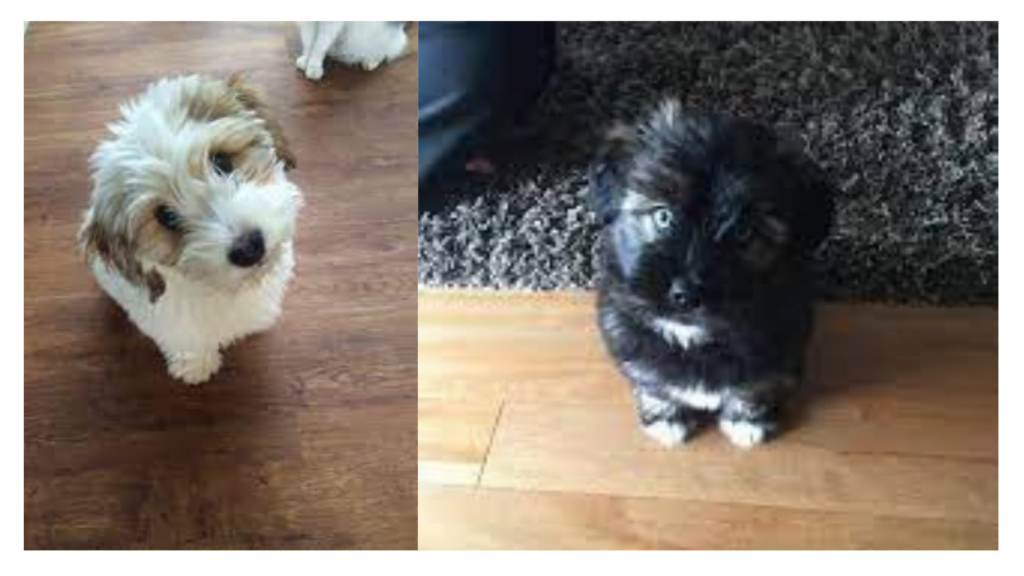
    Maltese Husky Mix

    What is a Maltese Husky mix?

    What is a Maltese Husky mix |
    What is a Maltese Husky mix?

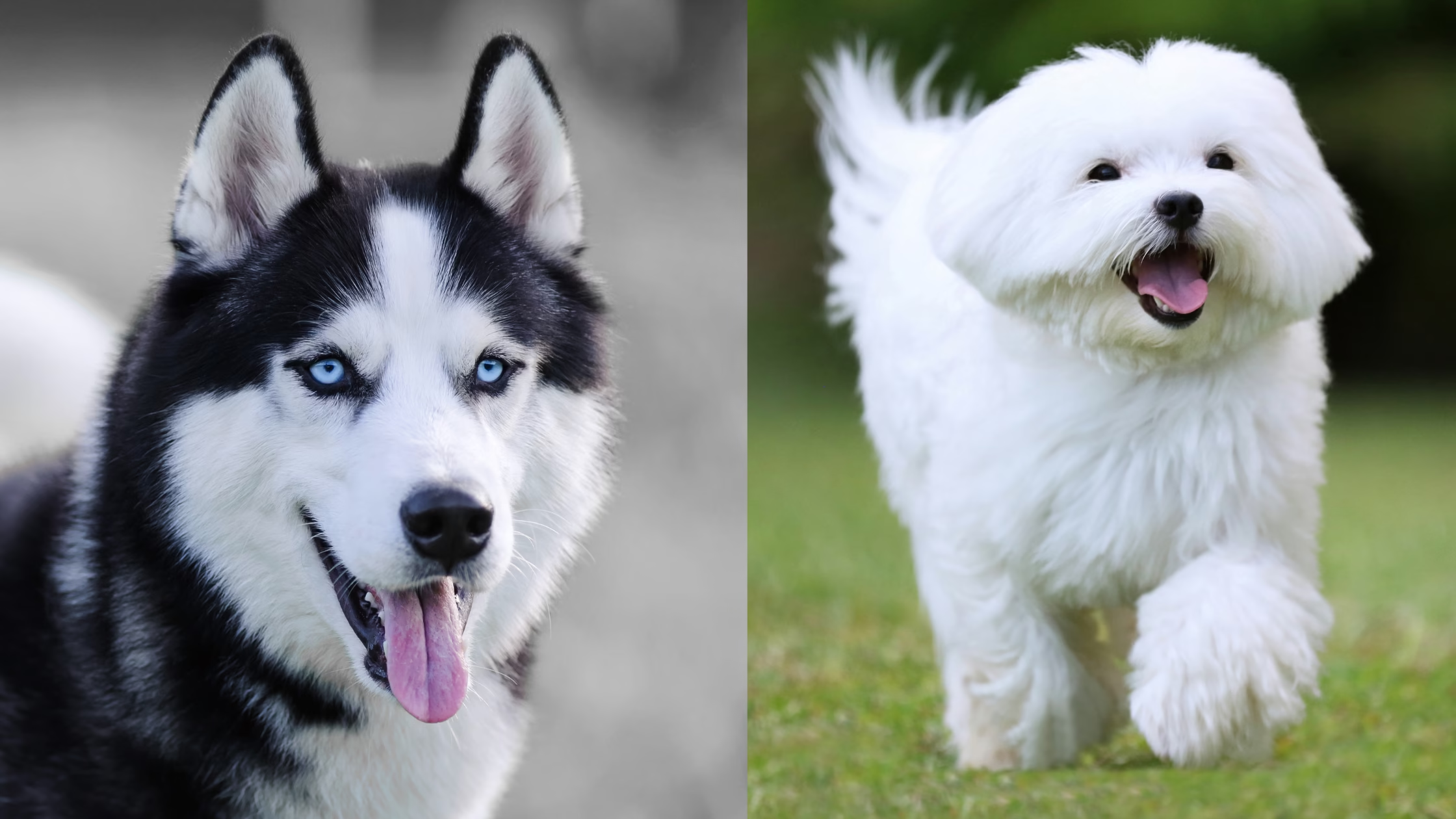
    A Maltese Husky mix, also known as a Maltsky, is a hybrid breed of dog that results from breeding a Maltese dog with a Siberian Husky. It is a relatively new breed, and not much is known about its history, but it is believed to have originated in the United States.

    Maltese Husky mixes are typically small to medium-sized dogs, with a Maltese Husky mix full grown, weighing between 10 to 35 pounds and standing 10 to 20 inches tall at the shoulder. They can have a variety of coat colors, including white, black, gray, and brown, and their coat may be fluffy like a Maltese’s or thick and double-coated like a Husky’s.

    The temperament and personality of a Maltsky can vary depending on which traits they inherit from their parents. They are typically friendly, affectionate, and loyal but may also be independent and stubborn. Maltese Husky mixes are intelligent and trainable but may have a high prey drive and require early socialization with other pets.

    Due to their mixed breed nature, Maltsky’s may have a combination of health issues common in Maltese and Husky breeds. It is essential to take them to regular veterinary checkups and to provide them with proper nutrition and exercise to maintain their health and well-being. Overall, a Maltsky can make a loving and energetic companion for the right owner.

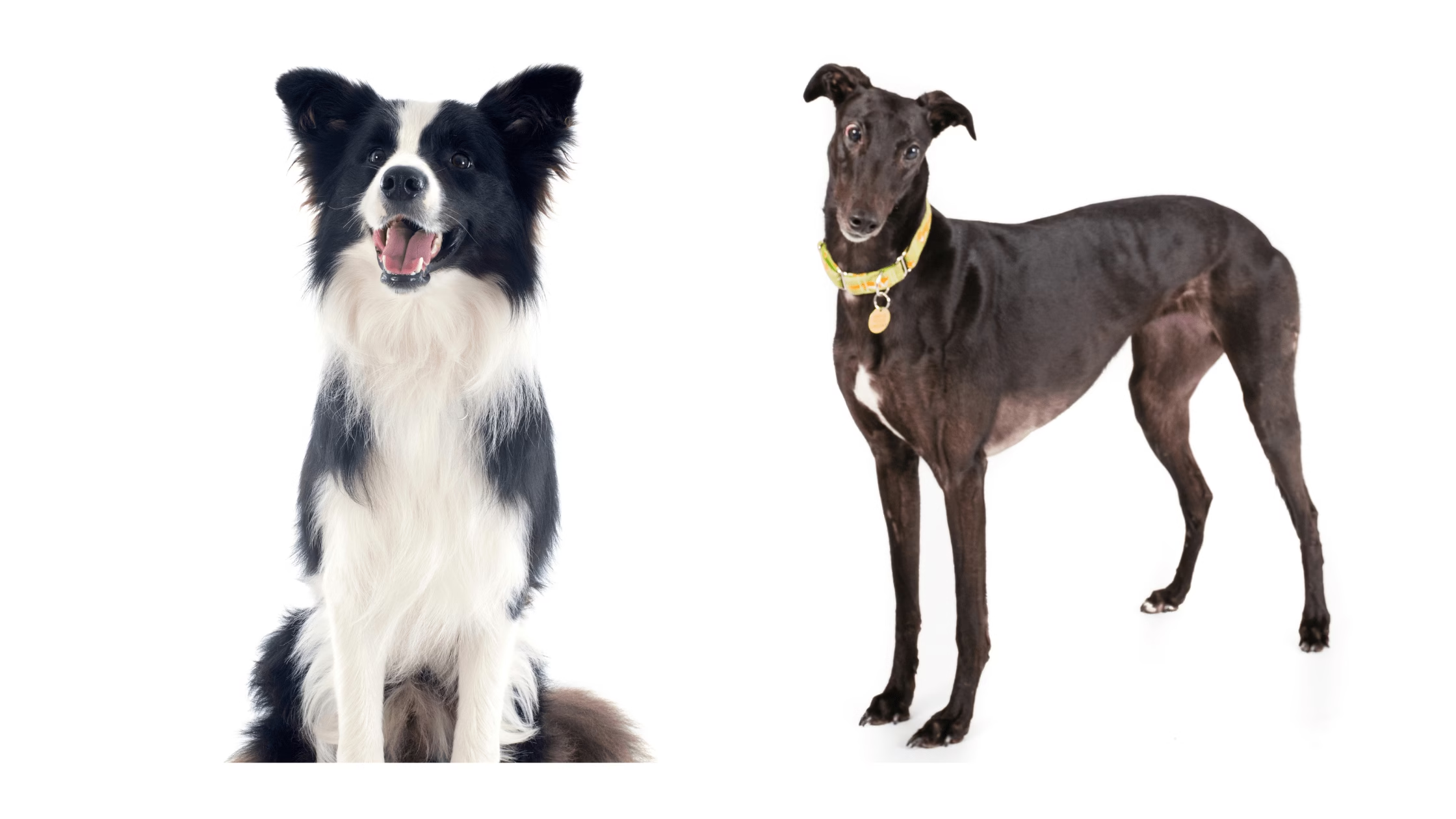
    Also Read : Rottweilers with cropped ears Deciding What’s Best for Your Dog

    Appearance and characteristics of Maltese Husky mixes

    The appearance and characteristics of a Maltsky can vary widely depending on which traits they inherit from each parent breed. However, here are some general characteristics that are common in most Maltese Husky mixes:

    • Size: Maltese Husky mixes are typically small to medium-sized dogs, with a Maltese Husky mix full grown, weighing between 10 to 35 pounds and standing 10 to 20 inches tall at the shoulder. 
    • Coat: They can have a variety of coat colors, including white, black, gray, and brown. Their coat may be fluffy like a Maltese’s or thick and double-coated like a Husky’s.
    • Face: The face of a Maltese Husky mix may have some characteristics of both breeds, with a more rounded and petite face like a Maltese or a more extended and sharper snout like a Husky.
    • Eyes: Their eyes may be blue or brown, or even one of each, with a range of shades in between.
    • Ears: Maltese Husky mixes may have pointy ears like a Husky, or floppy ears like a Maltese.
    • Tail: Their tail may be extended and fluffy, like a Husky’s, or short and curly, like a Maltese’s.

    In terms of their characteristics, Maltese Husky mixes are often energetic, playful, and friendly. They can be loyal and affectionate with their owners, but they may also be independent and stubborn. They are generally intelligent and trainable but may require early socialization and obedience training to prevent behavior problems later on. Due to their mixed-breed nature, they may have a combination of health issues common in Maltese and Husky breeds.

    Temperament and personality of Maltese Husky mixes

    The temperament and personality of a Maltsky can vary depending on which traits they inherit from each parent breed. However, here are some general characteristics that are common in most Maltese Husky mixes:

    • Friendly and outgoing: Maltese Husky mixes are often friendly with people and other animals. They enjoy being around people and are known to be social.
    • Energetic: Maltese Husky mixes are active and require plenty of exercises to stay healthy and happy. They enjoy playing and running around and may become destructive if they need more exercise.
    • Loyal and affectionate: Maltese Husky mixes are loyal to their owners and can be very affectionate. They enjoy spending time with their owners and may become anxious or depressed if left alone for long periods.
    • Intelligent and trainable: Maltese Husky mixes are intelligent and trainable but may also be independent and stubborn. They require consistent training and socialization to prevent behavior problems.
    • High prey drive: Maltese Husky mixes may have a high prey drive and chase after small animals such as cats or squirrels. Early socialization with other pets is essential to prevent aggressive or predatory behavior.

    Overall, Maltese Husky mixes are friendly and outgoing dogs that require plenty of exercise and socialization. They are loyal and affectionate with their owners but may sometimes be independent and stubborn. Training and socialization from a young age are essential to ensure they develop into well-behaved adult dogs.

    Exercise and training requirements for Maltese Husky mixes

    Maltese Husky mixes are active and energetic dogs that require regular exercise and training to maintain their physical and mental health. Here are some exercise and training requirements for Maltese Husky mixes:

    Exercise requirements:

    • Daily exercise: Maltese Husky mixes require at least 30-60 minutes daily, such as walks, runs, or playtime in a fenced yard.
    • Mental stimulation: Besides physical exercise, Maltese Husky mixes need mental stimulation to prevent boredom and destructive behavior. Games like fetch, hide-and-seek and puzzle toys can be great for mental stimulation.
    • Cold weather precautions: Huskies are bred for cold weather and may be comfortable in cold temperatures, but Maltese Husky mixes may not be. Please provide them a warm coat and limit outdoor playtime in cold weather.

    Training requirements:

    • Positive reinforcement training: Maltese Husky mixes respond well to positive reinforcement training methods, such as clicker training and treat rewards. Harsh or punitive training methods can be counterproductive and may lead to behavior problems.
    • Early socialization: Early socialization with other dogs, pets, and people is essential to prevent aggressive or fearful behavior. Introduce your Maltsky to a variety of people and environments from a young age.
    • Consistency and patience: Maltsky can sometimes be stubborn, so consistency and patience are key when training them. Short training sessions with breaks in between can be more effective than long sessions.
    • Basic obedience commands: Teach your Maltese Husky to mix basic obedience commands such as sit, stay, come, and down. These commands can help keep them safe and prevent behavior problems.

    Overall, Maltese Husky mixes require daily exercise, mental stimulation, and consistent and positive training. They are intelligent dogs that can excel at obedience training and other activities, but early socialization and patience are essential for success.

    Health concerns for Maltese Husky mixes

    Like all mixed breed dogs, Maltese Husky mixes may inherit health issues from both parent breeds. Here are some health concerns that Maltese Husky mixes may be prone to:

    • Dental problems: Small dog breeds like Maltese are prone to dental issues such as periodontal disease and may require regular dental cleanings or dental care at home.
    • Eye problems: Maltese and Huskies can be prone to eye problems such as cataracts and progressive retinal atrophy. Regular eye exams by a veterinarian can help catch these issues early.
    • Hip dysplasia: Huskies are prone to hip dysplasia, a condition where the hip joint doesn’t develop properly, and this condition can be passed on to their mixed-breed offspring.
    • Patellar luxation: Maltese are prone to patellar luxation, where the kneecap dislocates or moves out of place. This condition can cause limping and may require surgery to correct it.
    • Allergies: Maltese and Huskies can be prone to allergies, which can cause skin problems, itching, and ear infections.
    • Deafness: Huskies can be prone to deafness, and this condition can be passed on to their mixed-breed offspring.

    Not all Maltese Husky mixes will develop these health problems, but being aware of the potential health concerns can help you recognize symptoms early and get treatment for your dog. Regular vet checkups, a healthy diet, and exercise, can help keep your Maltese Husky mix healthy and happy.

    Feeding and grooming requirements for Maltese Husky mixes

    Feeding and grooming are essential aspects of caring for a Maltese Husky mix. Here are some feeding and grooming requirements for Maltese Husky mixes:

    Feeding requirements:

    • High-quality dog food: Feed your Maltsky a high-quality dog food that meets their nutritional needs. The amount and frequency of feeding will depend on your dog’s size, age, and activity level.
    • Avoid overfeeding: Maltsky can be prone to obesity, so it’s essential to avoid overfeeding and monitor their weight.
    • Freshwater: Always provide your Maltsky with fresh water to prevent dehydration.

    Grooming requirements:

    • Brushing: Maltese Husky mixes have a thick coat that requires regular brushing to prevent matting and tangles. Brush your dog at least once a week and often during shedding season.
    • Bathing: Bathe your Maltsky as needed, but be careful not to overdo it, as frequent bathing can strip their coat of natural oils.
    • Nail trimming: Trim your dog’s nails regularly to prevent them from getting too long and causing discomfort.
    • Dental care: Brush your dog’s teeth regularly to prevent dental problems.
    • Ear cleaning: Clean your dog’s ears regularly to prevent infections.

    Overall, feeding and grooming requirements for Maltese Husky mixes are similar to other dogs. A healthy diet, fresh water, regular brushing, and grooming can help keep your dog healthy and looking great. It’s also important to schedule regular vet checkups to monitor your dog’s health and address any concerns.

    How to find and choose a Maltese Husky mix breeder

    Finding and choosing a Maltsky breeder can be a challenging task, but there are several steps you can take to ensure that you find a reputable breeder who cares about the health and well-being of their dogs. Here are some tips on how to find and choose a Maltese Husky mix breeder:

    1. Do your research: Start by researching breeders in your area or online. Look for breeders specializing in Maltese Husky mixes and having a good reputation for producing healthy, well-socialized puppies.
    2. Check breeder reviews: Check breeder reviews and ratings on websites such as the American Kennel Club (AKC), the Better Business Bureau (BBB), or online forums. Look for breeders who have positive reviews and a good track record.
    3. Ask for referrals: Ask for referrals from other dog owners, your veterinarian, or local dog clubs. Word-of-mouth recommendations can be a valuable source of information regarding finding a reputable breeder.
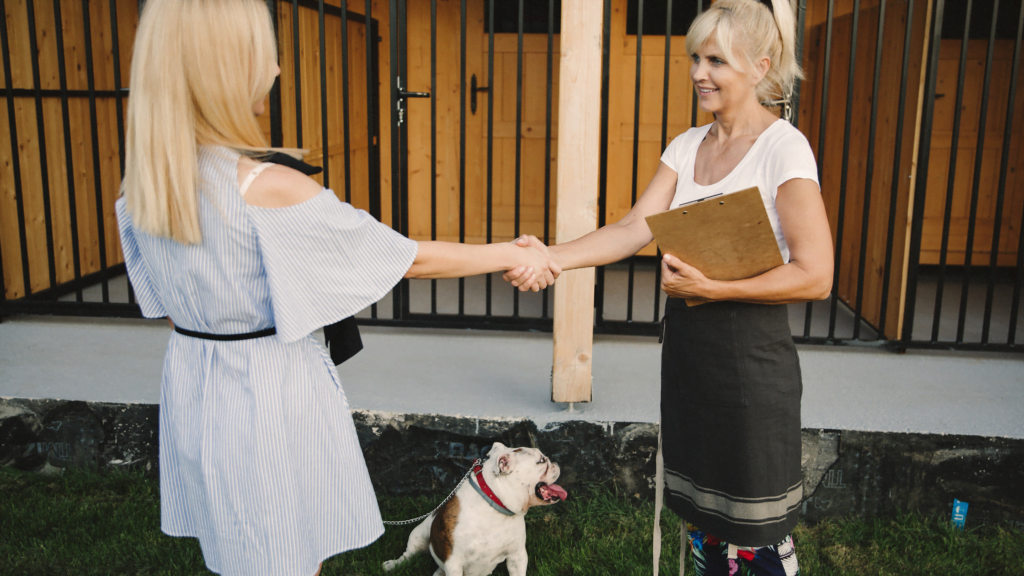
    4. Visit the breeder: Once you have a list of potential breeders, schedule a visit to their facility. This will allow you to see how the dogs are kept and treated. A reputable breeder will happily show you around and answer any questions.
    5. Ask questions: Ask the breeder about their breeding practices, health testing, and socialization methods. A responsible breeder will be happy to answer your questions and provide you with information about their dogs.
    6. Check paperwork: Ask to see the paperwork for the puppies, including vaccination records, health certificates, and registration papers. A reputable breeder can provide you with all the necessary paperwork and documentation.
    7. Trust your instincts: Finally, trust your instincts when choosing a breeder. If something feels wrong or you have concerns about the breeder, looking elsewhere is best.

    Finding a reputable breeder is essential for getting a healthy and well-socialized Maltsky puppy. Take your time, research, and choose a breeder committed to producing healthy and happy puppies.

    Also Read : Belgian Malinois Border Collie Mix: Is It the Best Dog for You? 2023

    Common questions and concerns about Maltese Husky mix.

    As the popularity of Maltese Husky mixes continues to rise, it’s natural to have questions and concerns about this unique crossbreed. Here are some common questions and concerns that people have about Maltese Husky mixes:

    Are Maltese Husky mixes good with children and other pets?

    Maltese Husky mixes can be great family dogs and are generally good with children and other pets when properly socialized. However, as with any breed, early socialization is critical to ensuring that your Maltsky gets along well with other animals and people.

    What is the energy level of a Maltese Husky mix?

    Maltese Husky mixes are known for their high energy levels and need for regular exercise. They require daily walks and playtime to stay healthy and happy. If you are looking for a more laid-back dog, a Maltsky may not fit you.

    What is the lifespan of a Maltese Husky mix?

    The lifespan of a Maltese Husky mix can vary depending on genetics and other factors, but they typically live between 10 and 15 years.

    What are health issues common in Maltese Husky mixes?

    Maltsky may be prone to specific health issues, such as eye, dental, and hip dysplasia. It’s essential to work with a reputable breeder and schedule regular vet checkups to ensure your dog stays healthy.

    Are Maltese Husky mixes easy to train?

    Maltese Husky mixes can be trainable, but they can also be stubborn and independent. They require consistent and patient training to learn basic commands and good behavior. Positive reinforcement methods such as treats and praise can effectively train your Maltese Husky mix.

    what is the size of a full grown Maltese husky mix?

    Maltsky’s are typically small to medium-sized dogs, with a Maltese Husky mix full grown, weighing between 10 to 35 pounds and standing 10 to 20 inches tall at the shoulder.

    By addressing these common questions and concerns, you can decide whether a Maltsky is the right dog for you and your family. Remember, as with any dog, proper care, training, and socialization are crucial to ensuring a happy and healthy life for your Maltsky.

    Conclusion

    In conclusion, Maltsky’s are a unique crossbreed that combines the small size and affectionate nature of the Maltese with the athleticism and energy of the Siberian Husky. They make great family pets for active households and can be loyal and loving companions when properly trained and socialized.

    It’s important to remember that Maltsky’s have specific care requirements, including regular exercise, grooming, training, and potential health concerns. By working with a reputable breeder, scheduling regular vet checkups, and providing consistent care, you can ensure your Maltese Husky mix stays healthy and happy for years.

    If you are considering adopting a Maltsky, take the time to research the breed and make sure that you have the time, resources, and energy to care for a high-energy dog. A Maltese Husky mix can be a loyal and loving companion for years with proper care and attention.
  • Belgian Malinois Border Collie Mix: Is It the Best Dog for You? 2023

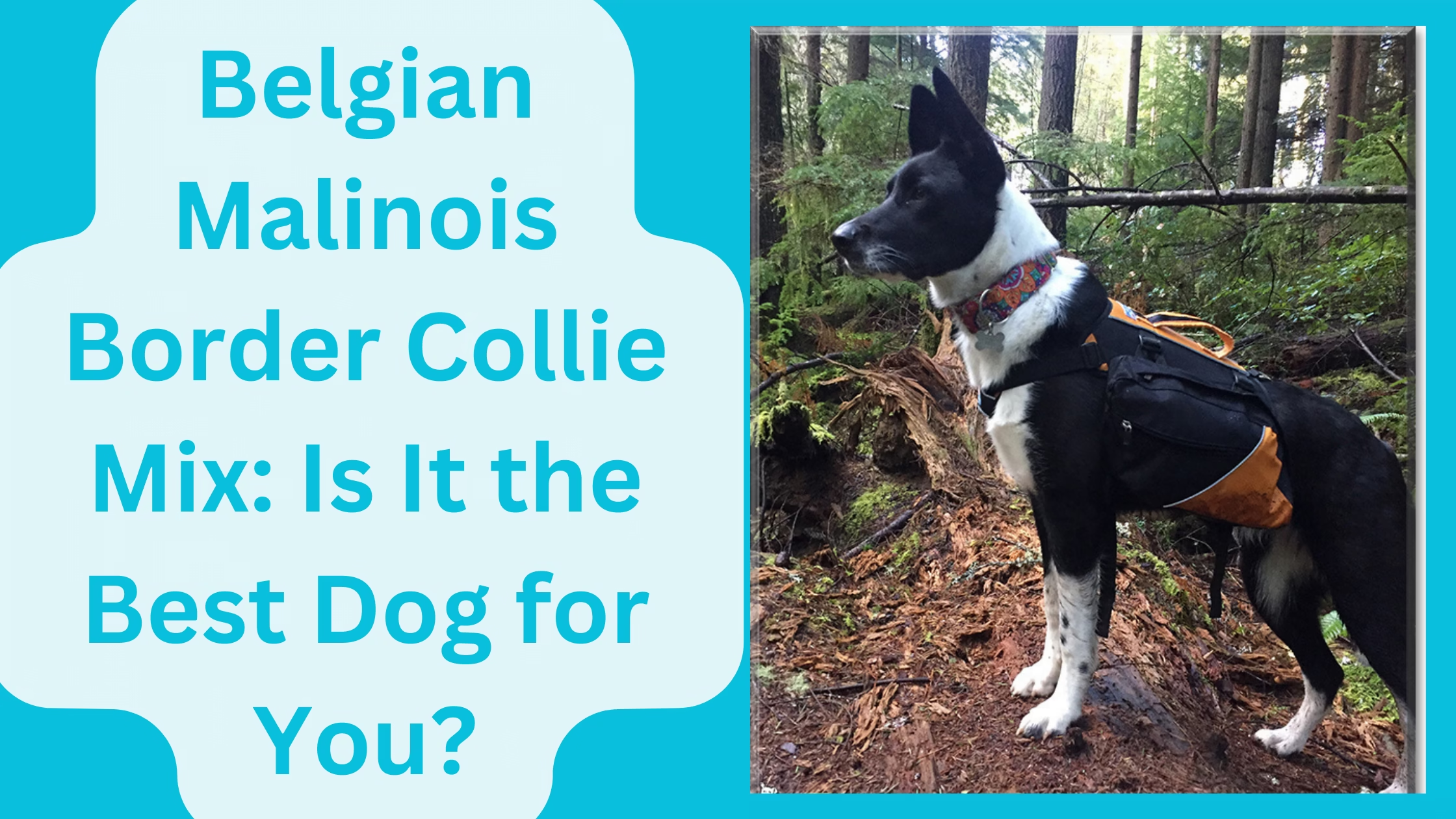
    Belgian Malinois Border Collie Mix: Is It the Best Dog for You? 2023

    If you are looking for an intelligent, energetic, and loyal companion, the Belgian Malinois Border Collie mix could be the perfect match for you. This breed mix combines the best qualities of two highly-regarded working dogs, the Belgian Malinois and the Border Collie. This article will provide you with a complete guide on this breed mix, including their characteristics, care, and training.

    CharacteristicDescription
    SizeMedium to Large, typically 18-26 inches tall and 40-75 pounds
    Life Span12-16 years
    CoatDouble-coated with medium to long hair, usually black, tan, or a combination
    TemperamentIntelligent, loyal, energetic, protective, trainable, and can be reserved with strangers
    Exercise RequirementsHigh – at least 1-2 hours of vigorous exercise per day
    Training RequirementsConsistent, positive training and socialization from a young age
    Grooming NeedsRegular brushing and occasional bathing, particularly during shedding seasons
    Health ConcernsHip dysplasia, elbow dysplasia, eye issues, and allergies are potential health concerns
    Behavioral ChallengesSeparation anxiety, excessive barking, aggression, and destructive behavior are possible
    Best ForActive individuals or families who have experience with high-energy breeds
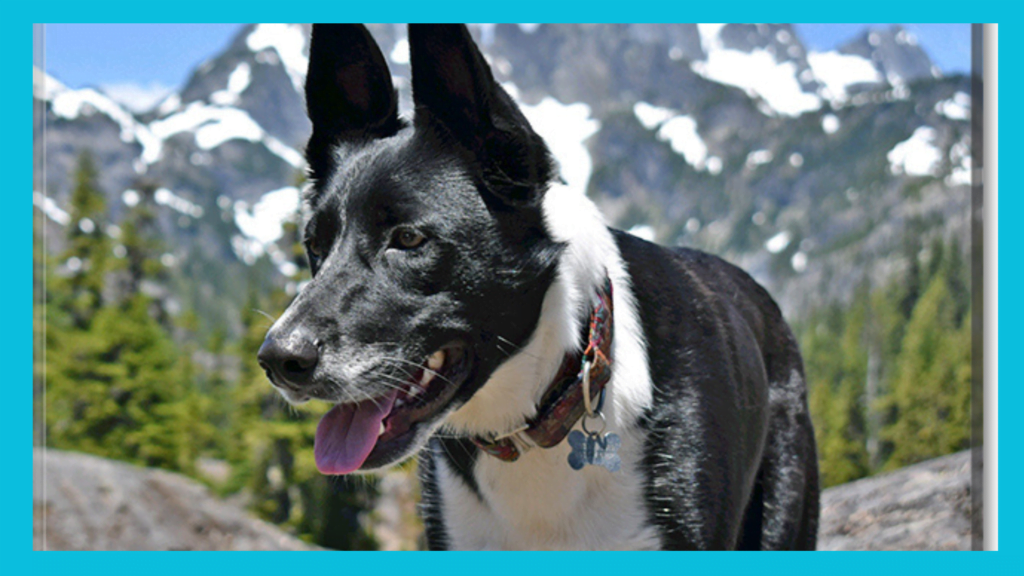
    Belgian Malinois Border Collie Mix

    Overview of the Belgian Malinois Border Collie Mix

    Overview of the Belgian Malinois Border Collie Mix |
    Overview of the Belgian Malinois Border Collie Mix { Piper}

    The Belgian Malinois Border Collie Mix is a hybrid breed gaining popularity among dog lovers due to their exceptional intelligence, energy, and loyalty. These dogs are a cross between the Belgian Malinois and the Border Collie, two highly regarded working dog breeds.

    The Belgian Malinois Border Collie Mix is a medium to large-sized dog, typically weighing 40 to 75 pounds and standing up to 24 inches tall at the shoulder. They have a lean, muscular body known for their striking appearance, piercing eyes and alert expressions.

    These dogs are highly active and require plenty of exercises and mental stimulation to keep them happy and healthy. They are highly trainable and excel in various activities, including obedience, agility, herding, and search and rescue.

    While they make great working dogs, they also make excellent family pets for those willing to provide them with the necessary care and attention. The following sections will cover their appearance, personality, care, and training requirements.

    Also Read : Canigest for Dogs: A Comprehensive Guide to Supporting Your Dog’s Digestive Health

    Appearance and Physical Characteristics

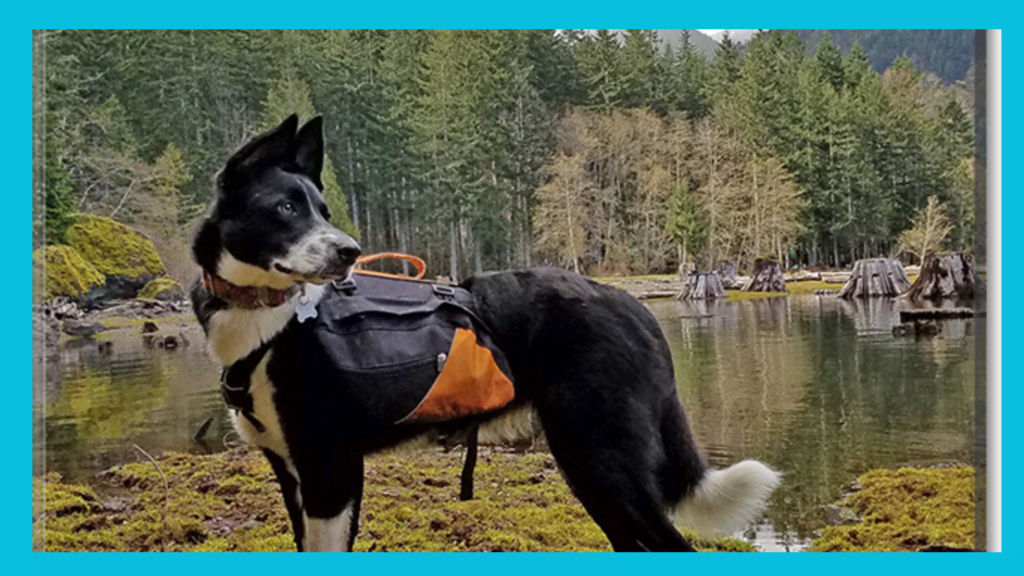
    The Belgian Malinois Border Collie Mix is a stunningly beautiful dog with a unique appearance. These dogs come in various colors, including black, brown, grey, and white, and may have a mix of these colors in their coat. They typically have a lean, athletic build with a muscular body that reflects their high energy and athleticism.

    One of the most distinctive features of this breed mix is their eyes, which are typically almond-shaped and come in a range of colors from amber to blue. They also have erect, triangular-shaped ears that add to their alert and intelligent expression.

    The Belgian Malinois Border Collie Mix coat is typically medium in length and dense, with a soft undercoat that protects against cold weather. They shed seasonally, so regular brushing and grooming are necessary to keep their coat looking healthy and shiny.

    These dogs can vary depending on the size of their parents, but generally, they stand between 18 to 26 inches tall at the shoulder and weigh between 40 to 75 pounds.

    Overall, the Belgian Malinois Border Collie Mix is a beautiful dog that combines the best physical traits of the Belgian Malinois and the Border Collie. They are sure to turn heads wherever they go.

    Personality and Temperament

    The Belgian Malinois Border Collie Mix is a highly intelligent, energetic, and loyal dog with a loving and affectionate personality. They are known for their strong work ethic and eagerness to please, which makes them highly trainable and responsive to commands.

    These dogs are also very active and require plenty of exercises and mental stimulation to prevent boredom and destructive behavior. They also excel in agility, obedience, and herding activities. They enjoy being part of an active family that can provide them with daily walks, runs, or hikes.

    The Belgian Malinois Border Collie Mix is typically very social and outgoing, getting along well with people and other animals when socialized properly. They tend to form strong bonds with their owners and can be protective of their families, making them great watchdogs.

    However, it is essential to note that this breed mix may have a high prey drive due to their herding instincts. This can result in chasing after smaller animals or young children. Therefore, it is crucial to supervise them around young children and other small pets.

    Overall, the Belgian Malinois Border Collie Mix is a brilliant, loyal, and active dog with a loving and affectionate personality. They make excellent family pets for those who can provide them with the necessary care, exercise, and training.

    Also Read : Exploring the Great Dane Blue Heeler Mix

    Exercise and Activity Requirements

    The Belgian Malinois Border Collie Mix is a highly active and energetic breed requiring plenty of exercises and mental stimulation to stay happy and healthy. They were bred to work and have an innate drive to be active and busy, making them unsuitable for couch potatoes.

    Daily exercise is a must for this breed mix, requiring a minimum of 60-90 minutes each day. This can include brisk walks, runs, hikes, agility, obedience, or herding.

    Mental stimulation is also essential for the Belgian Malinois Border Collie Mix to prevent boredom and destructive behavior. Providing them with puzzle toys, interactive games, and training activities can help keep their minds busy and prevent them from becoming restless.

    They require a home with a securely fenced yard where they can run and play safely. Supervising them is crucial when outsiders are there. They may try to chase after smaller animals due to their herding instincts. Because of their high energy levels, this breed mix could be better suited for apartment living.

    In summary, the Belgian Malinois Border Collie Mix requires a home with an active family that can provide them with plenty of exercises, mental stimulation, and a securely fenced yard. Failure to meet their exercise and activity requirements can lead to frustration, boredom, and destructive behavior.

    Nutrition and Feeding

    Proper nutrition and feeding are crucial for the health and well-being of the Belgian Malinois Border Collie Mix. As an active breed mix, they require a diet with energy and nutrients to support their high activity levels.

    High-quality dog food that is formulated for active breeds is recommended. The food should balance protein, fat, and carbohydrates, with the protein content around 25-30%.

    Additionally, the food should contain essential vitamins and minerals, such as calcium, phosphorus, and Omega-3 fatty acids, to support their overall health and well-being.

    The amount of food the Belgian Malinois Border Collie Mix requires depends on size, activity level, and age. It is important to follow the feeding guidelines on the dog food packaging and adjust the amount necessary to maintain a healthy weight.

    Feeding the Belgian Malinois Border Collie Mix smaller, frequent meals throughout the day, rather than one large meal, is also recommended. This can help prevent digestive issues and provide them with sustained energy throughout the day.

    Fresh water should always be available, and their water bowl should be refilled frequently to ensure that it is clean and fresh.

    In summary, the Belgian Malinois Border Collie Mix requires a high-quality dog food formulated for active breeds, balanced with protein, fat, carbohydrates, and essential vitamins and minerals. Feeding smaller, frequent meals throughout the day is recommended, along with fresh water available at all times.

    Grooming and Coat Care

    The Belgian Malinois Border Collie Mix has a thick, double coat that requires regular grooming and coat care to keep it healthy and shiny. They shed moderately throughout the year and heavily during shedding season, which occurs twice yearly.

    Brushing their coat at least twice a week is recommended to remove loose hair, dirt, and debris. This can also help prevent mats and tangles from forming in their fur. Daily brushing is necessary to manage excess hair during the shedding season.

    Bathing the Belgian Malinois Border Collie Mix should be done as needed, typically every two to three months. Overbathing can strip their coat of natural oils, leading to dry skin and a dull coat. When bathing, use a dog-specific shampoo that is mild and gentle on their skin.

    Their nails should be trimmed every few weeks to prevent them from becoming too long and causing discomfort. Regular teeth brushing and ear cleaning should also be included in their grooming routine to prevent dental issues and ear infections.

    Checking for any lumps, bumps, or skin irritations during grooming sessions is essential. If any issues are noticed, it is recommended to seek veterinary care promptly.

    Regular grooming and coat care are essential for the Belgian Malinois Border Collie Mix to keep their coat healthy and shiny. Brushing their coat at least twice a week, bathing as needed, and trimming their nails every few weeks are essential aspects of their grooming routine. Regular teeth brushing and ear cleaning should also be included in their care.

    Common Health Issues

    Like all dog breeds, the Belgian Malinois Border Collie Mix is prone to specific health issues. While not all dogs will experience these health issues, it is essential to be aware of them to provide appropriate care and catch any problems early on.

    Hip dysplasia is a common health issue in larger breeds, including the Belgian Malinois Border Collie Mix. It is a genetic condition where the hip joint does not develop properly, leading to pain and discomfort. Regular exercise, maintaining a healthy weight, and feeding a high-quality diet can help prevent hip dysplasia.

    Another common health issue in the Belgian Malinois Border Collie Mix is allergies. They can be allergic to certain foods, environmental factors, or flea bites, leading to itching, redness, and skin irritation. If allergies are suspected, it is recommended to consult with a veterinarian for proper diagnosis and treatment.

    Eye issues such as cataracts, progressive retinal atrophy, and glaucoma can also occur in this breed mix. Regular eye exams help catch any issues early on and prevent further complications.

    Additionally, this breed mix can be prone to digestive issues, such as bloating and gastrointestinal upset, if they eat too fast or consume too much food. Feeding smaller, frequent meals throughout the day and using slow-feed bowls can help prevent these issues.

    The Belgian Malinois Border Collie Mix is prone to specific health issues such as hip dysplasia, allergies, and eye and digestive problems. Regular exercise, maintaining a healthy weight, feeding a high-quality diet, and seeking veterinary care promptly can help prevent and manage these health issues.

    Training and Socialization

    Training and socialization are essential to caring for a Belgian Malinois Border Collie Mix. These dogs are brilliant, energetic, and eager to please, making them excellent training and obedience work candidates.

    Positive reinforcement training, which rewards good behavior with treats or praise, is recommended for this breed mix. They respond well to consistent, fun, engaging, and mentally stimulating training.

    Basic obedience training, such as sit, stay, come, and heel, should be taught early to establish a strong foundation for more advanced training. Crate training is also recommended for house training and to provide a safe and comfortable space for the dog.

    Socialization is equally important for this breed mix. They can only be wary of strangers and other dogs if adequately socialized from an early age. Introducing them to different people, places, and situations can help them become well-adjusted and confident.

    Regular exercise and mental stimulation are also essential for the Belgian Malinois Border Collie Mix. They thrive on activities that challenge them both physically and mentally, such as agility training, obedience competitions, and playing interactive games like fetch or hide-and-seek.

    Positive reinforcement training, basic obedience training, and socialization are essential aspects of caring for the Belgian Malinois Border Collie Mix. Regular exercise and mental stimulation are also essential to keep them happy and healthy.

    Behavioral Challenges and How to Address Them

    While the Belgian Malinois Border Collie Mix is generally a well-behaved and intelligent breed, it can exhibit specific behavioral challenges that may require attention and training. Here are some of the most common challenges and how to address them:

    1. Separation Anxiety: Belgian Malinois Border Collie Mix dogs are loyal and attached to their owners. They can experience separation anxiety when left alone. This can lead to destructive behavior such as chewing, digging, and barking. Gradual desensitization and counterconditioning, along with providing interactive toys and puzzles, can help alleviate separation anxiety.
    2. Excessive Barking: This breed mix is naturally protective and can bark excessively if they perceive a threat or feel bored. Providing regular exercise, training, and socialization can help reduce excessive barking. Teaching them a “quiet” command to redirect their attention is also recommended.
    3. Aggression: Like all dogs, Belgian Malinois Border Collie Mix dogs can exhibit aggression towards other dogs or people if they feel threatened or lack proper socialization and training. Early socialization, consistent training, and positive reinforcement can help prevent aggression. Consulting with a professional dog trainer or behaviorist may be necessary if aggression is an issue.
    4. Destructive Behavior: This breed mix is highly energetic and intelligent. They may engage in destructive behavior such as chewing or digging if not provided with enough physical and mental stimulation. Regular exercise, interactive toys, and mental stimulation can help alleviate destructive behavior.

    The Belgian Malinois Border Collie Mix may exhibit specific behavioral challenges such as separation anxiety, excessive barking, aggression, and destructive behavior. Regular exercise, training, socialization, and mental stimulation can help prevent and address these challenges. If the challenges persist, consulting with a professional dog trainer or behaviorist may be necessary.

    Finding a Belgian Malinois Border Collie Mix Puppy or Rescue Dog

    Suppose you are interested in getting a Belgian Malinois Border Collie Mix. In that case, there are a few ways to find a puppy or rescue dog:

    1. Breeders: You can search for reputable breeders specializing in breeding Belgian Malinois Border Collie Mix dogs. It is essential to do your research and find a breeder who follows ethical breeding practices and health testing.
    2. Rescue Organizations: You can also search for rescue organizations specializing in the breed mix. Adopting a rescue dog can provide a loving home for a needy dog. It may be more affordable than purchasing from a breeder.
    3. Shelters: Local animal shelters may also have Belgian Malinois Border Collie Mix dogs for adoption. Visiting your local animal shelter can be a great way to meet dogs and find a perfect match for your family.

    When choosing a breeder or rescue organization, it is essential to ask questions and do your research to ensure that the dog you are getting is healthy and well-socialized. It would be best to ask about the dog’s health history, behavior, and temperament to ensure they fit your lifestyle and family well.

    In summary, finding a Belgian Malinois Border Collie Mix puppy or rescue dog can be done through breeders, rescue organizations, and animal shelters. Researching and asking questions is essential to ensure that you are getting a healthy and well-socialized dog that fits your lifestyle and family well.

    Conclusion: Is the Belgian Malinois Border Collie Mix Right for You?

    Is the Belgian Malinois Border Collie Mix Right for You |
    Is the Belgian Malinois Border Collie Mix Right for You? { Piper}

    In conclusion, the Belgian Malinois Border Collie Mix is a highly intelligent, energetic, and loyal breed mix that can make an excellent companion for the right owner. They require a lot of exercises, mental stimulation, and training to keep them happy and healthy. While they can be great family dogs, there may be better choices for first-time dog owners or families with young children due to their high energy levels and need for consistent training and socialization.

    Before deciding to get a Belgian Malinois Border Collie Mix, it is essential to carefully consider your lifestyle, living situation, and ability to provide for your needs. Suppose you are an active person or family who enjoys spending time outdoors and is committed to providing the necessary exercise, training, and mental stimulation. In that case, this breed mix may be an excellent fit.

    Ultimately, choosing a dog is a personal decision that requires careful consideration and research. By understanding the needs and characteristics of the Belgian Malinois Border Collie Mix, you can make an informed decision and provide a loving and fulfilling home for your new companion.

  • Exploring the Great Dane Blue Heeler Mix

    Exploring the Great Dane Blue Heeler Mix

    The Great Dane Blue Heeler Mix, also known as the Great Heeler, is a unique hybrid dog resulting from the crossbreeding of a Great Dane and a Blue Heeler. With its large size and energetic personality, this mix has become increasingly popular among dog owners in recent years. This article will examine this fascinating breed’s characteristics, care, and training.

    CharacteristicDescription
    SizeLarge
    Height22-32 inches
    Weight60-110 pounds
    Life Span8-14 years
    CoatShort, dense, and shiny
    Coat ColorsBlue, black, brindle, or a combination of these colors
    Grooming NeedsModerate
    TemperamentAffectionate, loyal, intelligent, protective
    Training NeedsModerate
    Exercise NeedsHigh
    Health ConcernsHip dysplasia, bloat, deafness, eye problems
    Food/Diet Needs3-4 cups of high-quality dry dog food per day, divided into two meals
    Price$500-$1500
    Great Dane Blue Heeler Mix

    The Blue Heeler: A Overview

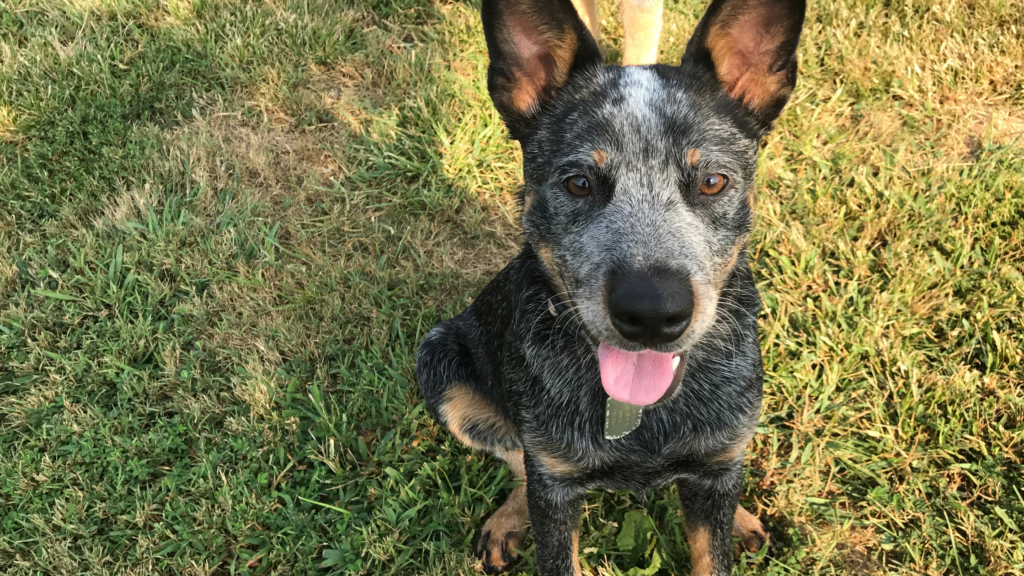
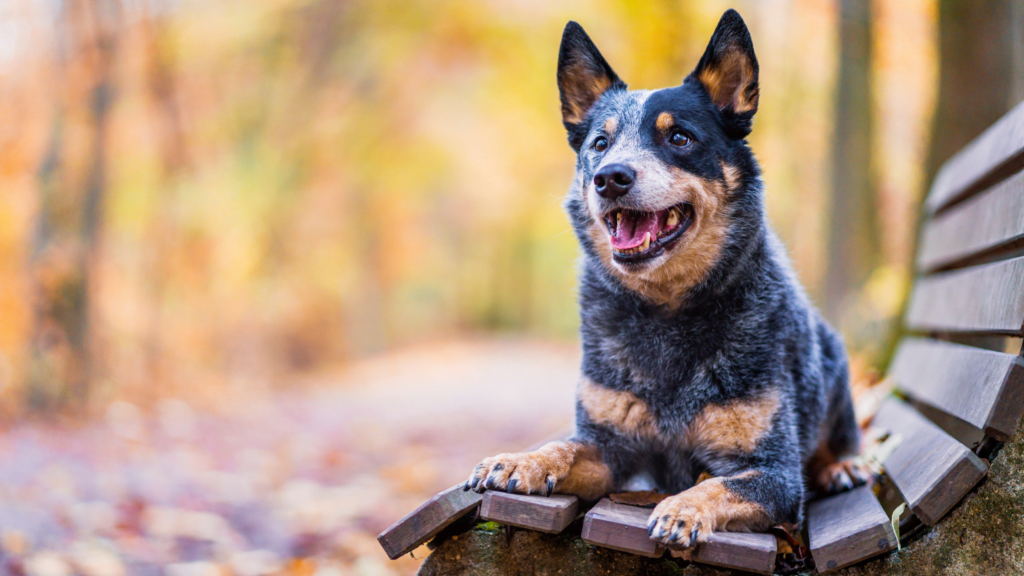
    The Blue Heeler |
    The Blue Heeler

    The Blue Heeler, or the Australian Cattle Dog, is a medium-sized breed originally bred for herding cattle in Australia. The breed was created in the 1800s by crossing various British herding breeds with the native Australian Dingo.

    The result was a hard-working, intelligent, and energetic dog capable of working long hours in harsh conditions. Today, Blue healers are still used for herding. Still, they are also popular as family pets due to their loyalty, trainability, and affectionate nature.

    They are known for their striking blue or red coat and their distinctive “heeler” trait, where they nip at the heels of cattle to herd them. Blue Heelers are a high-energy breed requiring plenty of exercises and mental stimulation to keep them happy and healthy.

    They are known for their intelligence and problem-solving abilities, which can sometimes get them into mischief if they need to be adequately trained and socialized.

    Also Read : Blue Heeler Corgi Mix: A Comprehensive Guide.

    The Great Dane: A Overview

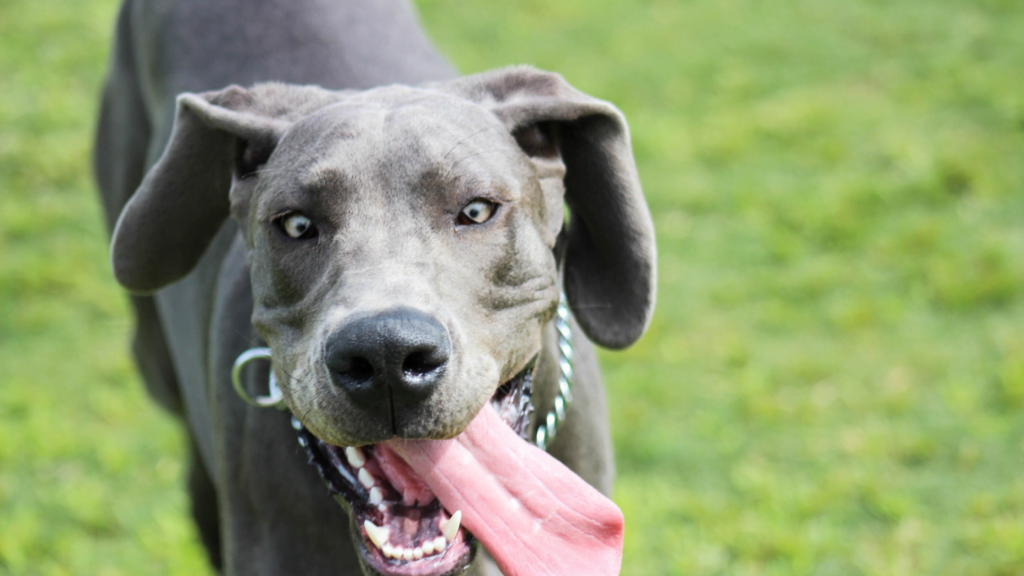
    The Great Dane |
    The Great Dane

    The Great Dane is a majestic, imposing breed often called the “Apollo of Dogs.” Originally from Germany, the Great Dane was bred as a hunting dog and later as a guard dog. Today, they are known for their gentle and affectionate nature, as well as their impressive size. Great Danes can grow up to 32 inches tall at the shoulder and weigh up to 175 pounds. They have a short, smooth coats in various colors, including fawn, brindle, and black. Great Danes are known for being great with children and other pets despite their size.

    Characteristics of the Great Dane Blue Heeler Mix

    The Great Dane Blue Heeler Mix is a hybrid breed that combines the traits of the Great Dane and the Blue Heeler. As a result, this breed can exhibit a wide range of physical and behavioral characteristics.

    In terms of appearance, the Great Dane Blue Heeler Mix can have a lean, muscular body. This is combined with the height of a Great Dane and the sturdy build of a Blue Heeler. The coat can be short or medium and typically comes in various colors, including black, blue, brindle, and white.

    In terms of temperament, the Great Dane Blue Heeler Mix can be a friendly breed, much like both parent breeds. They are typically intelligent, loyal, and protective of their family, making them excellent guard dogs. However, they can also be independent and strong-willed, which may require an experienced dog owner.

    The Great Dane Blue Heeler Mix is also known for its high energy levels. It requires regular exercise and mental stimulation to stay healthy and happy. This breed may need to be more suitable for apartment living due to its size and energy levels.

    Overall, the Great Dane Blue Heeler Mix can make an excellent addition to a loving and active family with the time and resources to provide them with the proper care and training they need.

    Great Dane Blue Heeler Mix Life span

    The life span of a Great Dane Blue Heeler Mix ranges from 8 to 14 years, depending on factors such as genetics, diet, exercise, and overall health care.

    While some may live longer, others may be affected by certain health issues that can shorten their life span.

    Therefore, it is important for potential owners to be aware of these health concerns and take preventative measures to ensure their pet lives a healthy and happy life.

    The physical appearance of the Great Dane Blue Heeler Mix

    The Great Dane Blue Heeler Mix is a large dog that typically grows between 22 and 32 inches (56 to 81 cm) tall at the shoulder and can weigh anywhere from 60 to 110 pounds (27 to 50 kg).

    As a mixed breed, the physical appearance of the Great Dane Blue Heeler Mix can vary widely depending on the traits inherited from each parent. They have a muscular build with a deep chest, broad head, and pointed ears that may stand erect or flop over.

    Their coat is usually short and dense, with various colors, including blue, black, brindle, or a combination of these. The Great Dane Blue Heeler Mix has a distinctive appearance, making it stand out from other dog breeds.

    Personality and Temperament of the Great Dane Blue Heeler Mix

    The Great Dane Blue Heeler Mix is known for its affectionate and loyal personality. They are brilliant and love to please their owners, making them easy to train. They are also protective of their family and make excellent watchdogs.

    Due to their Great Dane and Blue Heeler heritage, they may have a high prey drive and be inclined to chase smaller animals. Early socialization and training can help mitigate these tendencies.

    They are gentle with children and make great family pets. They are also highly active and require daily exercise to prevent boredom and destructive behaviors.

    Overall, the Great Dane Blue Heeler Mix is a devoted and energetic companion that requires a committed owner willing to meet their physical and mental needs.

    Training and exercise for the Great Dane Blue Heeler Mix

    Training and exercise are crucial for the Great Dane Blue Heeler Mix. They are a high-energy breed that requires mental and physical stimulation to stay happy and healthy. Positive reinforcement training methods work best for this mix, as they respond well to praise and treats.

    Socialization is also necessary for this breed, as they can be prone to separation anxiety and may become destructive if left alone for long periods. Taking your Great Dane Blue Heeler Mix to puppy classes and exposing them to various people and animals can help prevent these issues.

    As for exercise, this breed requires at least one hour of vigorous daily activity, such as running, playing fetch, or accompanying on long walks. Mental stimulation is also necessary, so incorporating puzzle toys, obedience training, and other mentally stimulating activities can help keep them occupied.

    It’s critical to note that while exercise is essential, it’s also important not to over-exercise this breed, especially during the first year of their life when their bones are still developing. Too much exercise can lead to joint problems later in life. A veterinarian or dog trainer can help determine the amount of activity for your Great Dane Blue Heeler Mix.

    Health Concerns for the Great Dane Blue Heeler Mix

    Like all mixed breed dogs, the Great Dane Blue Heeler mix can be prone to inheriting health issues from their parent breeds. Some health concerns to be aware of include the following:

    1. Hip Dysplasia: Both Great Danes and Blue Heelers are susceptible to hip dysplasia. The hip joint doesn’t develop properly in this condition, leading to discomfort and mobility issues.
    2. Bloat: Great Danes are also prone to bloat, where the stomach twists, trapping air and preventing normal digestion. This can be life-threatening if not treated quickly.
    3. Deafness: Blue Heelers can carry a gene that leads to deafness, so it’s essential to have their hearing tested as puppies.
    4. Eye issues: Great Danes can be prone to eye problems, such as cataracts, progressive retinal atrophy, and glaucoma.
    5. Joint Problems: Given the size of the Great Dane, they can be prone to common issues like arthritis, especially as they age.

    To prevent or manage these health issues, it’s essential to feed your Great Dane Blue Heeler mix a healthy diet, provide regular exercise, and take them to the vet for regular checkups. You should also watch for discomfort or illness and seek veterinary care promptly if you notice anything concerning.

    Also Read : German Shepherd Chihuahua Mix: The Perfect Blend

    Feeding and Grooming the Great Dane Blue Heeler Mix

    Feeding and grooming are essential aspects of caring for any dog, and the Great Dane Blue Heeler Mix is no exception.

    Feeding: 

    Feeding your Great Dane Blue Heeler Mix high-quality dog food appropriate for their age, size, and activity level is essential. They may have specific dietary needs based on their health concerns or allergies, so it’s always a good idea to consult a veterinarian about the best diet for your dog. It’s also essential to ensure that your dog has access to clean water.

    Grooming: 

    The Great Dane Blue Heeler Mix has a short, dense coat that is relatively easy to maintain. They require regular brushing to remove loose hair and prevent matting, but they must only be bathed occasionally.

    They may need more frequent baths if they spend much time outdoors or get dirty. It’s also essential to keep their nails trimmed and their ears clean to prevent infections.

    Additionally, dental hygiene is critical for all dogs, including the Great Dane Blue Heeler Mix. It would help if you brushed their teeth regularly or provided dental chews or toys to help keep their teeth clean and healthy.

    Regular grooming and feeding practices can help keep your Great Dane Blue Heeler Mix healthy and happy for years.

    Great Dane Blue Heeler Mix price

    The price of a Great Dane Blue Heeler Mix can vary depending on factors such as the location, the breed’s availability, and the breeder’s reputation. It is essential to be wary of breeders who offer puppies at meager prices or without proper health clearances.

    Great Dane Blue Heeler Mix puppies can cost anywhere from a few hundred to a few thousand dollars. Adopting a Great Dane Blue Heeler Mix from a rescue or shelter is also possible, which is often a more affordable option.

    Is a Great Dane Blue Heeler Mix Right for You?

    If you are considering adding a Great Dane Blue Heeler mix to your family, it’s important to ponder whether this breed is the right fit for you. This crossbreed can be a great companion for the right owner, but there may be better fits for some.

    One crucial factor to consider is the size of the Great Dane Blue Heeler mix. This breed can be quite large and may only be suitable for those living in smaller homes or apartments with ample space for exercise and play.

    Additionally, the Great Dane Blue Heeler mix may not be a good fit for those who cannot dedicate time and effort to training and socialization. These dogs can be energetic and require regular exercise, mental stimulation, and proper training to manage their strong personalities.

    Overall, the Great Dane Blue Heeler mix can be a loyal and affectionate companion for those who will provide them with the proper care and attention they need. Researching and carefully considering whether this breed fits your lifestyle is essential before deciding.

    Where to Find a Great Dane Blue Heeler Mix

    Suppose you’re interested in getting a Great Dane Blue Heeler Mix. In that case, finding a reputable breeder or adoption agency is essential. One option is to search for breeders online or on social media platforms.

    Still, it’s necessary to thoroughly research the breeder and ask for references and health clearances for the parents. You can also check with local animal shelters or rescue groups to see if they have any Great Dane Blue Heeler Mixes available for adoption.

    Some organizations also specialize in rescuing specific breeds, so it’s worth checking with breed-specific rescue groups. Additionally, attending dog shows or events can be a great way to meet breeders and other owners of Great Dane Blue Heeler Mixes and learn more about the breed.

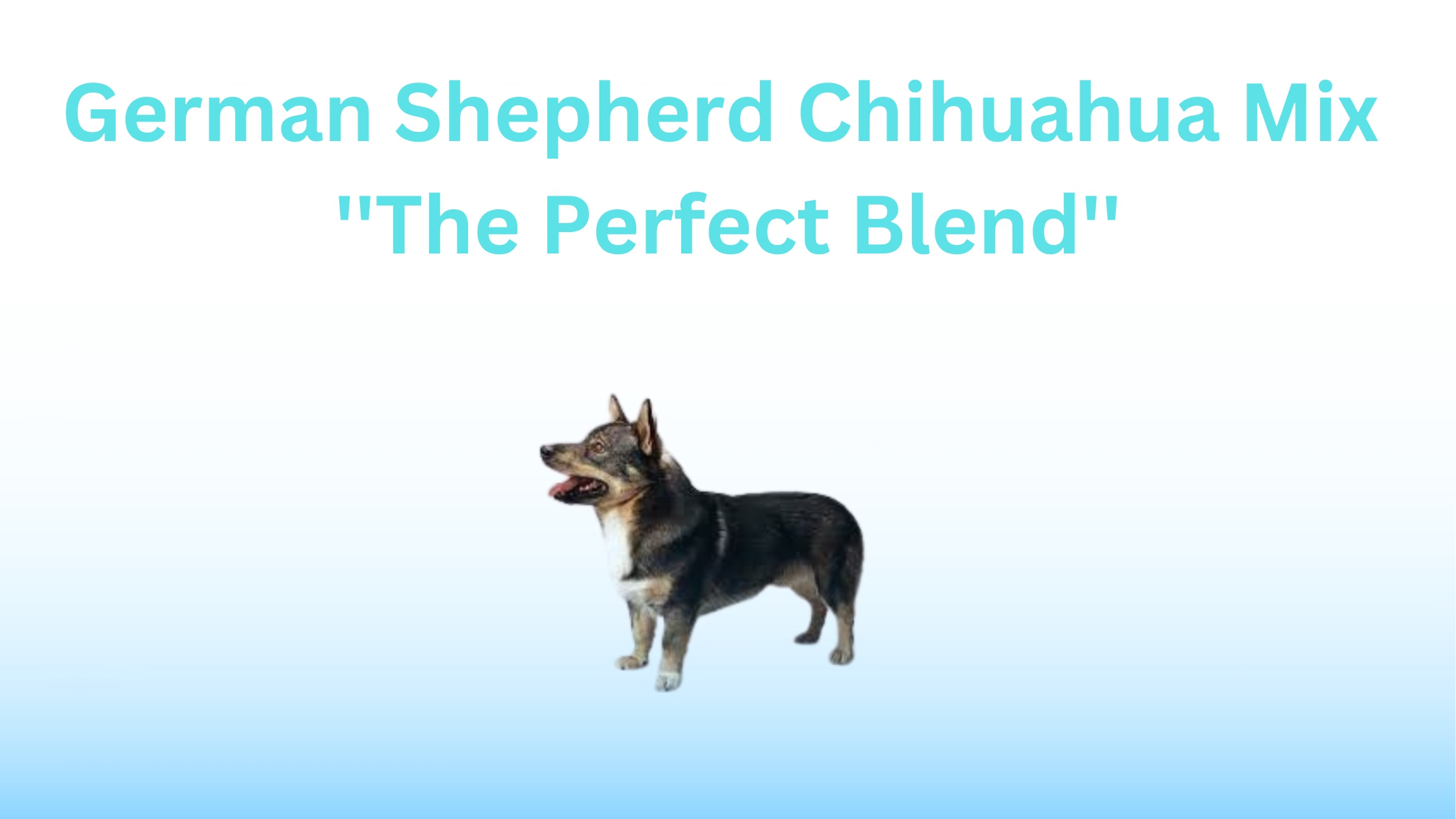
  • German Shepherd Chihuahua Mix: The Perfect Blend

    German Shepherd Chihuahua Mix: The Perfect Blend

    The German Shepherd Chihuahua Mix is a crossbreed between a purebred German Shepherd and a purebred Chihuahua. This unique breed has grown in popularity in recent years as more and more dog lovers discover their lovable and loyal nature.

    This article will explore the origins and history of the German Shepherd Chihuahua Mix and their physical and personality traits, health issues, and care requirements. We will also provide tips for training, exercise, finding a reputable breeder or adopting from a rescue or shelter. Whether you’re already a proud owner of a German Shepherd Chihuahua Mix or are considering adding one to your family, this article will provide valuable insights and information to help you make informed decisions about your furry companion.

    Breed NameGerman Shepherd Chihuahua Mix
    SizeSmall to medium-sized
    Weight10-70 pounds (depending on breeding)
    Height7-26 inches (depending on breeding)
    CoatShort to medium length, may be double-coated
    Coat ColorsBlack, brown, cream, white, gray, and various combinations
    Lifespan10-14 years
    TemperamentIntelligent, loyal, affectionate, can be protective and high-energy
    TrainabilityHigh
    Exercise NeedsModerate to high
    Grooming NeedsModerate
    Common Health IssuesHip dysplasia, dental problems, allergies, patellar luxation
    Price Range$500-$2000 (depending on breeder and lineage)
    German Shepherd Chihuahua Mix

    Origins and History of German Shepherd Chihuahua Mix

    The German Shepherd Chihuahua Mix is a relatively new breed created by crossing a purebred German Shepherd with a purebred Chihuahua. While the exact origin of the species is unknown, it is believed to have originated in the United States during the 1990s, when designer dog breeding became popular.

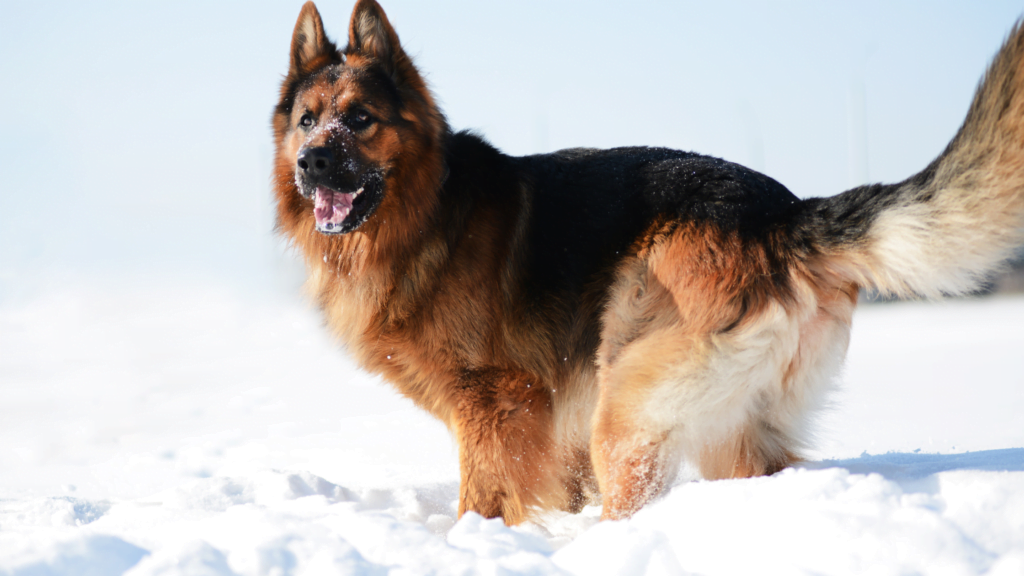
    German Shepherd dog |
    German Shepherd Dog

    The German Shepherd is a breed that originated in Germany in the late 19th century, initially bred as a herding dog. They have since become famous as police, military dogs, and family pets. They are known for their intelligence, loyalty, and protective instincts.

    Chihuahua |
    Chihuahua Dog

    The Chihuahua, on the other hand, is a breed that originated in Mexico and is believed to have descended from a small, ancient species called the Techichi. They are known for their small size and prominent personalities and are often seen as lap dogs and companion pets.

    By crossing these two breeds, breeders aimed to create a new species that combined the size and protective instincts of the German Shepherd with the personality and compact size of the Chihuahua. While the breed is still relatively rare, it has gained a dedicated following among dog lovers who appreciate its unique blend of characteristics.

    Physical Traits of German Shepherd Chihuahua Mix

    The German Shepherd Chihuahua Mix is a small to medium-sized breed that can weigh anywhere from 10 to 70 pounds, depending on the size of their parents. They can also vary in height, ranging from 7 to 26 inches tall at the shoulder.

    In terms of appearance, the German Shepherd Chihuahua Mix can take on a variety of physical traits from both parent breeds. They typically have a muscular body and a broad chest, and their coat can be either short and smooth like a Chihuahua or more extended and thicker like a German Shepherd.

    Their coat colors vary widely, from black and tan to white, brown, or a combination of colors. They may also have erect ears like a German Shepherd or floppy ears like a Chihuahua.

    One consistent thing among German Shepherd Chihuahua Mixes is their expressive and lively facial features. They have large, bright eyes and cute button noses that give them a distinctive look.

    Overall, the physical appearance of a German Shepherd Chihuahua Mix can be unique and varies greatly depending on the specific mix of their parents.

    Personality Traits of German Shepherd Chihuahua Mix

    The German Shepherd Chihuahua Mix is known for its unique blend of personality traits from both parent breeds. They are generally affectionate and loyal dogs devoted to their owners, but they can also be stubborn and sometimes independent.

    One of the most notable traits of the German Shepherd Chihuahua Mix is their protective nature. Like their German Shepherd parent, they have a strong instinct to protect their family and can be wary of strangers. However, they can also have a friendly and playful personality like their Chihuahua parent, making them excellent companions for families with children.

    The German Shepherd Chihuahua Mix is also an intelligent breed eager to learn and please their owners. They respond well to positive reinforcement training methods and can excel in obedience training and agility competitions.

    While they can be energetic and playful, they do not require as much exercise as larger breeds like purebred German Shepherds. Daily walks and playtime in the backyard are typically sufficient to keep them healthy and happy.

    The German Shepherd Chihuahua Mix is a friendly and loyal breed that can make a great addition to any family.

    Health Issues of German Shepherd Chihuahua Mix

    Like all dog breeds, the German Shepherd Chihuahua Mix is susceptible to specific health issues that potential owners should be aware of. Here are some of the most common health concerns for this breed:

    1. Dental Problems – Due to their small size, the German Shepherd Chihuahua Mix can be prone to dental issues such as periodontal disease, tooth decay, and tooth loss. It is important to brush their teeth regularly and provide them with dental chews to help prevent these problems.
    2. Hip Dysplasia – is common in larger breeds like the German Shepherd parent. It can be inherited by the German Shepherd Chihuahua Mix. It occurs when the hip joint does not form correctly, leading to pain and mobility issues. Regular exercise and a healthy diet can help reduce the risk of hip dysplasia.
    3. Allergies – The Chihuahua parent breed is known to have allergies, and the German Shepherd Chihuahua Mix can inherit this trait. Common allergies include food, flea, and environmental allergies like pollen and dust.
    4. Patellar Luxation – This is a condition where the kneecap slides in and out of place, causing pain and lameness. It is more common in smaller breeds like the Chihuahua parent. The German Shepherd Chihuahua Mix can inherit this condition.
    5. Eye Problems – The German Shepherd Chihuahua Mix can be prone to eye problems like cataracts, glaucoma, and progressive retinal atrophy. Regular eye exams can help detect these problems early and prevent further damage.

    Not all German Shepherd Chihuahua Mixes will develop these health issues, and responsible breeding practices can help reduce the risk of inherited conditions. Regular veterinary check-ups and a healthy diet and exercise routine can also help keep your German Shepherd Chihuahua Mix healthy and happy.

    Also Read : Grooming a Dog that Bites – Best Tips and Tricks

    Feeding and Nutrition of German Shepherd Chihuahua Mix

    Feeding and nutrition are essential to caring for your German Shepherd Chihuahua Mix. As a mixed breed, their dietary needs may vary depending on their size and activity level, but here are some general guidelines to follow:

    1. Choose a High-Quality Dog Food – Look for dog foods specifically formulated for small to medium-sized breeds that contain high-quality protein sources like chicken or beef. Avoid foods that contain fillers like corn or wheat.
    2. Consider Wet vs. Dry Food – Wet food can be a good option for picky eaters or dogs with dental issues. Still, dry food is typically more affordable and easier to store. Some owners prefer to feed a combination of wet and dry food for variety.
    3. Monitor Portion Sizes – It is essential to feed your German Shepherd Chihuahua Mix the appropriate amount of food for their size and activity level. Overfeeding can lead to obesity, increasing the risk of health issues like hip dysplasia and diabetes.
    4. Provide Fresh Water – Ensure your dog can access clean, fresh water. This is especially important for dogs that eat primarily dry food, as they may need more water to stay hydrated.
    5. Consider Supplements – Some owners provide supplements like glucosamine and omega-3 fatty acids to support joint and coat health, respectively. Talk to your veterinarian before starting any supplements.

    It is also important to note that some German Shepherd Chihuahua Mixes may have food allergies or sensitivities. If your dog experiences digestive issues or skin problems, talk to your veterinarian about switching to a different type of food or doing an elimination diet to identify the problem ingredient.

    Grooming and Care of German Shepherd Chihuahua Mix

    Grooming and care are essential for keeping your German Shepherd Chihuahua Mix healthy and happy. Here are some tips to help you maintain your dog’s coat, skin, nails, and teeth:

    1. Brushing – Depending on your dog’s coat, they may require daily brushing to prevent matting and tangles. Use a slicker brush or comb to gently remove loose fur and dirt.
    2. Bathing – Your German Shepherd Chihuahua Mix may not need frequent bathing, but if they get dirty or smelly, use a mild dog shampoo and warm water to clean them. Avoid getting moisture in their ears and eyes.
    3. Nail Trimming – Trim your dog’s nails every few weeks to prevent them from getting too long and causing discomfort or injury. Use sharp nail clippers and avoid cutting the quick, pink part of the nail that contains blood vessels.
    4. Ear Cleaning – Check your dog’s ears regularly for signs of infection or irritation. Use a gentle ear cleaner and a cotton ball to clean any dirt or debris from the ear canal.
    5. Teeth Cleaning – Dental health is vital for dogs, so consider brushing your German Shepherd Chihuahua Mix’s teeth regularly with a dog-specific toothbrush and toothpaste. You can also provide dental chews or toys to help clean their teeth.
    6. Regular Check-Ups – Regular visits to the veterinarian can help you identify any health issues early on and address them before they become serious. Your vet can also advise on grooming and care specific to your dog’s needs.

    Grooming and care are about maintaining your dog’s appearance and promoting overall health and well-being.

    Training German Shepherd Chihuahua Mix

    Training is essential for any dog, and the German Shepherd Chihuahua Mix is no exception. Here are some tips for training your dog:

    1. Start Early – Begin training your German Shepherd Chihuahua Mix as soon as possible. Puppies are more receptive to learning; early training can help prevent behavioural issues from developing later.
    2. Positive Reinforcement – Use positive reinforcement methods, such as treats, praise, and play, to encourage good behaviour. Avoid using punishment or physical force, as this can damage your dog’s trust and lead to aggression.
    3. Consistency – Be consistent in your training methods and commands. Use the same controls and reward system every time to avoid confusing your dog.
    4. Socialization – Socialization is essential for German Shepherd Chihuahua Mix to learn how to interact with other dogs and people. Introduce your dog to new situations, people, and animals from an early age.
    5. Basic Commands – Teach your dog basic commands like sit, stay, come, and down. These commands can help keep your dog safe and well-behaved.
    6. Leash Training – Train your dog to walk on a leash, using positive reinforcement to reward good behavior. This can help prevent pulling and other leash-related issues.
    7. Advanced Training – Consider advanced training, such as agility or obedience classes, to challenge your dog and improve their skills.

    Remember, training is an ongoing process that requires patience, consistency, and positive reinforcement. You can train your German Shepherd Chihuahua Mix to be a well-behaved and happy companion with time and effort.

    Exercise and Activity Requirements of German Shepherd Chihuahua Mix

    German Shepherd Chihuahua Mix is an energetic and active breed that requires regular exercise and activity to stay healthy and happy. Here are some guidelines to help you meet your dog’s exercise needs:

    1. Daily Walks – Aim for at least 30 minutes of daily exercises, such as brisk walks, jogging, or hiking. This can help burn off energy and prevent behavioral issues.
    2. Playtime – Set aside time for play and interactive activities, such as fetch, tug-of-war, or training sessions. These can provide mental stimulation and strengthen your bond with your dog.
    3. Dog Parks – Visit dog parks or other off-leash areas to allow your dog to socialize and play with other dogs. This can also help improve their social skills and reduce boredom.
    4. Exercise Toys – Provide your dog with exercise toys like chewing, puzzle, or agility equipment. These can provide mental stimulation and prevent destructive behavior.
    5. Swimming – If your German Shepherd Chihuahua Mix enjoys swimming, consider taking them to a dog-friendly beach or pool. Swimming is a low-impact exercise that can help improve cardiovascular health and strengthen muscles.

    Every dog is different, and their exercise needs may vary depending on age, health, and activity level. Consult with your veterinarian to develop an exercise plan suitable for your dog.

    Living with German Shepherd Chihuahua Mix

    Living with a German Shepherd Chihuahua Mix can be a rewarding experience. Still, it’s essential to understand their needs and temperament to ensure a happy and healthy relationship. Here are some things to consider when living with a German Shepherd Chihuahua Mix:

    1. Space – German Shepherd Chihuahua Mix can adapt well to different living situations, including apartments or tiny homes, as long as they have enough space to move around and exercise.
    2. Socialization – Early socialization is essential to ensure your dog is comfortable around people and other animals. This can prevent aggression or anxiety in social situations.
    3. Training – Consistent and positive training is essential for a well-behaved German Shepherd Chihuahua Mix. They are intelligent and can learn quickly, but they can also be stubborn, so be patient and consistent in your training methods.
    4. Children and Other Pets – German Shepherd Chihuahua Mix can get along well with children and other pets if socialized early and appropriately trained. However, they may have a strong prey drive, so supervision is recommended when introducing them to smaller pets.
    5. Health Care – Regular veterinary check-ups, vaccinations, and parasite prevention are essential to maintain the health of your German Shepherd Chihuahua Mix. They may be prone to specific health issues, such as hip dysplasia and dental problems, so be aware of potential health concerns.

    By understanding the needs and characteristics of your German Shepherd Chihuahua Mix, you can create a happy and harmonious living environment for you and your furry friend.

    German shepherd chihuahua mix price

    The price of a German Shepherd Chihuahua Mix can vary depending on several factors, including the dog’s location, breeder, and lineage. Generally, you can expect to pay anywhere from a few hundred dollars up to a couple thousand dollars for a German Shepherd Chihuahua Mix.

    It is essential to do your research and choose a reputable breeder who follows ethical breeding practices to ensure that you are getting a healthy and well-adjusted puppy.

    Additionally, consider adopting a German Shepherd Chihuahua Mix from a local shelter or rescue organization, which can be a more affordable option and help provide a loving home for a needy dog.

    Finding and Adopting a German Shepherd Chihuahua Mix

    Finding and adopting a German Shepherd Chihuahua Mix can be a great way to provide a loving home for a needy dog. Here are some tips for finding and adopting a German Shepherd Chihuahua Mix:

    1. Research – Start by researching breeders or rescue organizations in your area that specialize in German Shepherd Chihuahua Mix. Look for reviews or recommendations from other pet owners to find a reputable source.
    2. Visit Shelters and Rescues – Check local animal shelters and rescue organizations for available German Shepherd Chihuahua Mix. These organizations can provide information about the dog’s background, temperament, and any special needs they may have.
    3. Meet the Dog – When considering a specific dog, schedule a visit to meet them in person. Spend time interacting with the dog to understand its personality and behavior.
    4. Ask Questions – Ask the breeder or rescue organization about the dog’s history, health, and behavior. This can help you determine if the dog fits your family and lifestyle well.
    5. Prepare for Adoption – Before bringing your new German Shepherd Chihuahua Mix home, ensure you have everything you need to provide a safe and comfortable environment. This includes food and water bowls, a leash and collar, toys, and a comfortable bed.

    By following these tips, you can find and adopt a German Shepherd Chihuahua Mix that will become a beloved member of your family.

    Also Read : How to Tell if a Dog Fight is Serious: Understanding the Signs and What to Do

    Frequently Asked Questions about German Shepherd Chihuahua Mix

    What is a German Shepherd Chihuahua Mix?

    A German Shepherd Chihuahua Mix is a crossbreed between a German Shepherd and a Chihuahua. This mix can result in various physical and behavioral traits, as both breeds have very different characteristics.

    What is the temperament of a German Shepherd Chihuahua Mix?

    The temperament of a German Shepherd Chihuahua Mix can vary depending on the individual dog. Still, they are typically loyal, protective, and energetic. They can also be stubborn and challenging to train, so early socialization and training are essential.

    What is the average lifespan of a German Shepherd Chihuahua Mix?

    The average lifespan of a German Shepherd Chihuahua Mix is between 10 to 13 years.

    What is the size of a German Shepherd Chihuahua Mix?

    The size of a German Shepherd Chihuahua Mix can vary, as both breeds have very different sizes. Generally, they can range from small to medium-sized dogs, weighing 10 to 60 pounds.

    What kind of exercise does a German Shepherd Chihuahua Mix need?

    German Shepherd Chihuahua Mix is an energetic breed that requires daily exercise to keep them healthy and happy. This can include walks, runs, playtime, and other physical activities. It is crucial to provide them with enough exercise to prevent destructive behavior and to keep them mentally stimulated.

    Is German Shepherd Chihuahua Mix good with children?

    German Shepherd Chihuahua Mix can be good with children if they are appropriately socialized and trained to interact with kids. However, due to their protective nature, they may be wary of strangers and need to be introduced to new people and situations gradually.

    What are some common health issues of German Shepherd Chihuahua Mix?

    German Shepherd Chihuahua Mix can be prone to specific health issues such as hip dysplasia, patellar luxation, dental problems, and eye diseases. It is essential to have regular check-ups with a veterinarian to monitor and address any health concerns.

  • Blue Heeler Corgi Mix: A Comprehensive Guide.

    Blue Heeler Corgi Mix: A Comprehensive Guide.

    Suppose you’re looking for a fun-loving, intelligent, and loyal companion. In that case, consider getting a Blue Heeler Corgi Mix. Also known as a Cowboy Corgi, this hybrid breed crosses the Australian Cattle Dog (Blue Heeler) and the Welsh Corgi. This mixed breed is gaining popularity for its unique characteristics and distinctive looks. Still, before you bring one home, it’s important to know what to expect.

    What is a Blue Heeler Corgi Mix?

    A Blue Heeler Corgi Mix, also known as a Cowboy Corgi, is a hybrid breed that crosses an Australian Cattle Dog (also called a Blue Heeler) and a Welsh Corgi. This mixed breed is gaining popularity for its unique combination of physical and personality traits from its parent breeds. Blue Heeler Corgi Mixes typically have a compact, muscular build. They can have various coat colours and patterns, including black, blue, and red. They are known for their high energy level, intelligence, and loyalty to their owners.

    CharacteristicDescription
    Breed NameBlue Heeler Corgi Mix
    Other NamesCowboy Corgi,  Corgi Heeler Mix, Queensland Heeler Corgi Mix, Corgi Cattle dog Mix,
    SizeMedium
    Weight25-50 pounds
    Height10-18 inches
    Coat TypeShort, double coat
    Coat ColorBlue, red, black, white, cream
    TemperamentIntelligent, loyal, energetic, independent
    Life Span12-16 years
    Breed GroupHerding
    Energy LevelHigh
    Exercise Needs60-90 minutes of exercise per day
    TrainabilityHighly trainable
    SheddingModerate shedding
    Grooming NeedsWeekly brushing and occasional bathing
    Good with KidsYes, with socialization and supervision
    Good with PetsYes, with socialization and training
    Health IssuesHip dysplasia, progressive retinal atrophy, deafness
    General overview of Blue Heeler Corgi Mix.

    Blue Heeler Corgi Mix Price: How Much Does a Blue Heeler Corgi Mix Cost?

    The price of a Blue Heeler Corgi Mix can vary depending on various factors, such as the breeder’s location, the puppy’s age and lineage, and the demand for the breed in that particular area. On average, a Blue Heeler Corgi Mix can range from $500 to $1500. It’s important to do your research and only purchase a puppy from a reputable breeder who takes proper care of their dogs and follows ethical breeding practices. Alternatively, consider adopting a Blue Heeler Corgi Mix from a local animal shelter or rescue organization, which typically costs less and provides a loving home to a needy dog.

    Also Read : The Ultimate Guide to Skull Dog Fursuits: A Comprehensive Guide for Pet Owners

    History and Origin of the Blue Heeler Corgi Mix

    The Blue Heeler Corgi Mix is a relatively new hybrid breed. Its history and origin can be traced back to its parent breeds, the Australian Cattle Dog and the Welsh Corgi.

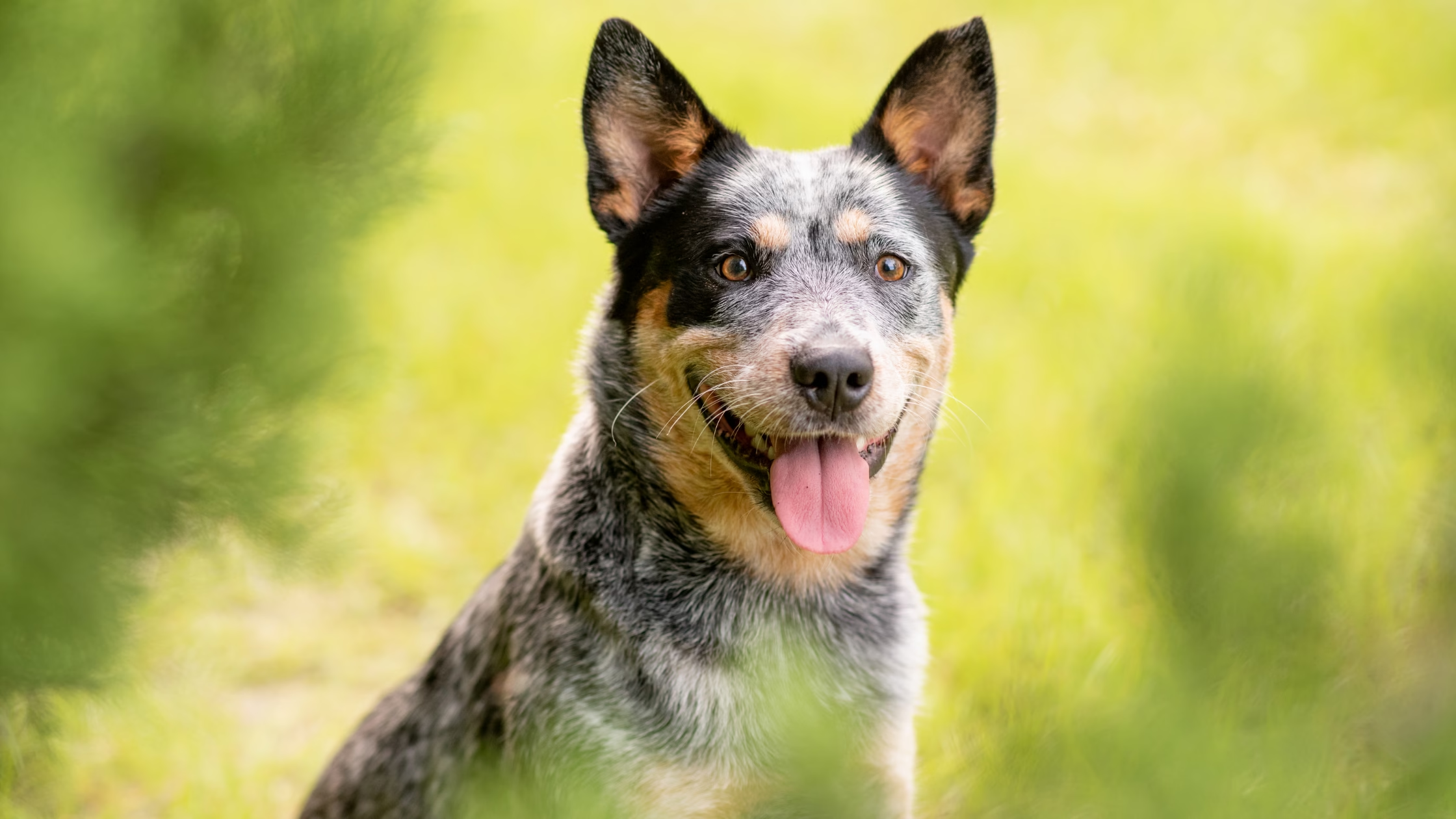
    Australian Cattle Dog |
    Australian Cattle Dog

    The Australian Cattle Dog, also known as the Blue Heeler, was first developed in the 19th century in Australia as a working dog to help farmers manage their cattle herds. The breed was created by crossing various British herding breeds with the native Australian dingo, resulting in a dog with high energy, intelligence, and a strong work ethic.

    Welsh Corgi |
    Welsh Corgi

    The Welsh Corgi, on the other hand, has been around for centuries and was originally bred in Wales to help herd cattle and sheep. The breed is known for its short legs, long body, and affectionate personality.

    The Cowboy Corgi is a result of crossbreeding these two breeds to create a dog with the intelligence and work ethic of the Australian Cattle Dog and the affectionate personality and unique physical features of the Welsh Corgi. While the exact time and place of the first Cowboy Corgi is unknown, the breed has recently gained popularity as a unique and energetic family companion.

    Physical Characteristics of the Blue Heeler Corgi Mix

    The physical characteristics of a Cowboy Corgi can vary depending on the individual dog and which parent breed it takes after more. However, here are some general physical characteristics of the breed:

    Blue Heeler Corgi Mix Size

    The Blue Heeler Corgi Mix is a medium-sized dog, typically weighing 25 to 40 pounds and around 12 to 15 inches tall at the shoulder.

    Build

    The Blue Heeler Corgi Mix is a muscular and compact breed with a sturdy frame.

    Coat

    The Cowboy Corgi can have a coat that is short to medium in length and can come in a range of colours, including blue, black, red, and brindle. Some Blue Heeler Corgi Mixes may have white markings on their face, chest, and legs.

    Face and Body Features

    Cowboy Corgi can inherit various physical features from their parent breeds, such as the Welsh Corgi’s short legs and long body or the Australian Cattle Dog’s pointy ears and alert expression.

    Weight

    As with any dog, the weight of a Blue Heeler Corgi Mix can vary depending on its diet, exercise, and overall health.

    Overall, Blue Heeler Corgi Mixes are a unique-looking breed with distinctive physical traits that can make them stand-out companions.

    Also Read : Can Dogs Eat Rice Safely? Expert Insights

    Personality and Temperament of the Blue Heeler Corgi Mix

    The Cowboy Corgi is known for its unique and lively personality, which can vary depending on the individual dog and its upbringing. Here are some general traits that are often associated with the breed:

    Energetic

    Both the Australian Cattle Dog and the Welsh Corgi are high-energy breeds, and the Blue Heeler Corgi Mix inherits this trait. Active dogs require daily exercise and mental stimulation to stay happy and healthy.

    Intelligent

    The Cowboy Corgi is an intelligent breed that is quick to learn and eager to please its owner. They enjoy learning new tricks and commands and thrive on mental challenges.

    Affectionate

    While they have a lot of energy, the Cowboy Corgi is also known for its affectionate personality. They bond closely with their owners and are known to be loyal and protective of their families.

    Alert

    The Australian Cattle Dog and the Welsh Corgi were bred for herding, and the Cowboy Corgi inherits their alert and watchful nature. They can be wary of strangers and make excellent watchdogs.

    Independent

    Both the Australian Cattle Dog and the Welsh Corgi are known for their independent streaks, and the Cowboy Corgi can also exhibit this trait. They may be stubborn at times and require firm and consistent training.

    Overall, the Cowboy Corgi is a lively and intelligent breed that requires an active and engaged owner who can provide them with plenty of physical and mental stimulation. They make excellent family companions and can thrive in various living situations.

    Training a Blue Heeler Corgi Mix

    Training a Cowboy Corgi requires patience, consistency, and positive reinforcement. Here are some tips to help you train your Cowboy Corgi.

    Start training early

    It’s important to start training your Cowboy Corgi as early as possible. Puppies are like sponges and can learn quickly, so take advantage of this time to teach them basic obedience commands and house manners.

    Use positive reinforcement

    Blue Heeler Corgi Mixes respond well to positive reinforcement training, such as treats, toys, and praise. Reward good behavior and ignore bad behavior to encourage your dog to repeat the positive behavior.

    Be consistent

    Consistency is key in training a Cowboy Corgi. Use the same commands and routines every time, and ensure everyone in the family is on the same page with training.

    Socialize your dog

    Blue Heeler Corgi Mixes can be wary of strangers and other dogs. Hence, it’s important to socialize with them early on. Introduce them to new people, places, and animals in a positive and controlled manner to help them develop confidence and good social skills.

    Provide plenty of exercises and mental stimulation

    Blue Heeler Corgi Mixes have a lot of energy and require daily exercise and mental stimulation to prevent boredom and destructive behavior. Take your dog on daily walks, provide them with interactive toys, and engage in training sessions to keep their minds and bodies active.

    Seek professional help if needed

    If you are having difficulty training your Cowboy Corgi, don’t hesitate to seek help from a professional dog trainer. They can provide personalized training advice and techniques to help you and your dog succeed.

    Using these training tips, you can help your Blue Heeler Corgi Mix become a well-behaved and happy companion.

    Exercise and Activity Requirements of the Blue Heeler Corgi Mix

    The Cowboy Corgi is an active and energetic breed that requires daily exercise and mental stimulation to stay healthy and happy. Here are some guidelines for their exercise and activity requirements:

    Daily exercise: Blue Heeler Corgi Mixes need at least 30-60 minutes daily. This can include brisk walks, jogs, hikes, or playtime in a securely fenced yard.

    Mental stimulation: In addition to physical exercise, the Cowboy Corgi also requires mental stimulation to keep their minds engaged. This can include training sessions, puzzle toys, and interactive games.

    Agility training: Many Blue Heeler Corgi Mixes excel in agility and obedience training. These activities provide physical and mental stimulation and can be a fun way to bond with your dog.

    Herding or work: Blue Heeler Corgi Mixes are known for herding instincts; some enjoy participating in herding trials or other working activities.

    Adapt to living conditions: While the Cowboy Corgi is an active breed, they can adapt to living in smaller spaces, such as apartments, as long as their exercise needs are met.

    It’s important to note that each Cowboy Corgi is an individual. Their exercise needs may vary depending on age, health, and overall activity level. As a responsible owner, providing your dog with enough exercise and stimulation is important to prevent boredom and destructive behavior.

    Grooming and Coat Care for a Blue Heeler Corgi Mix

    The Blue Heeler Corgi Mix has a short and dense coat that is relatively easy to maintain. Here are some tips for grooming and coat care:

    Brushing: Brush your Blue Heeler Corgi Mix once or twice weekly to remove loose hair and keep the coat looking healthy. A rubber curry brush or a slicker brush is best for this breed.

    Bathing: Bathe your dog as needed, but not too frequently, as it can strip the natural oils from their coat. Use a dog-specific shampoo and conditioner, and rinse thoroughly to avoid irritation.

    Nail trimming: Trim your dog’s nails every few weeks to prevent them from becoming too long and causing discomfort. If you’re uncomfortable doing this yourself, take your dog to a professional groomer or veterinarian.

    Teeth cleaning: Regular dental care is important for your dog’s overall health. Brush their teeth daily or use dental chews to prevent tartar buildup and promote healthy gums.

    Ear cleaning: Check your dog’s ears regularly for signs of infection or debris, and clean them with a gentle ear cleaner if needed.

    Blue Heeler Corgi Mix Shed: The Blue Heeler Corgi Mix is a moderate shedder, so expect to find some hair around the house. Regular brushing and occasional bathing can help control shedding.

    Following these grooming and coat care tips can help keep your Cowboy Corgi looking and feeling its best.

    Also Read : How Does Cerenia Kill a Dog? Understanding the Risks and Side Effects

    Health Issues to Look Out for in Blue Heeler Corgi Mix

    The Blue Heeler Corgi Mix is generally a healthy breed, but like all dogs, they can be prone to certain health issues. Here are some of the most common health issues to look out for in this breed:

    • Hip dysplasia: This genetic condition can cause pain and lameness in the hips. It’s important to have your Blue Heeler Corgi Mix screened for hip dysplasia before breeding or purchasing.
    • Progressive retinal atrophy (PRA): This inherited eye disease can lead to blindness. It’s important to have your dog’s eyes checked regularly by a veterinarian.
    • Deafness: Blue Heeler Corgi Mixes can be prone to congenital deafness, which is often hereditary.
    • Epilepsy: This is a neurological condition that can cause seizures. If your dog experiences seizures, it’s important to consult a veterinarian for proper diagnosis and treatment.
    • Allergies: Some Blue Heeler Corgi Mixes can be prone to skin allergies or food allergies, which can cause itching, redness, and other symptoms.
    • Obesity: Due to their love of food, Blue Heeler Corgi Mixes can be prone to obesity if their diet and exercise routine are not properly managed.

    As a responsible owner, having your Cowboy Corgi regularly checked by a veterinarian and following a proper diet and exercise routine to help prevent these health issues is important.

    Feeding and Nutrition for Blue Heeler Corgi Mix

    The Blue Heeler Corgi Mix is an active breed that requires a balanced diet to maintain its energy and overall health. Here are some feeding and nutrition guidelines for this breed:

    • High-quality dog food: Choose a high-quality dog food appropriate for your dog’s age, activity level, and health status. Look for dog food that contains high-quality protein sources, such as meat or fish, and is free from fillers, artificial preservatives, and artificial colours.
    • Portion control: It’s important to monitor your dog’s food intake and provide them with appropriate portions based on their weight and activity level. Overfeeding can lead to obesity, putting extra stress on their joints and causing other health issues.
    • Treats and snacks: Treats and snacks should be given in moderation and should not make up more than 10% of your dog’s daily calorie intake.
    • Water: Make sure your Blue Heeler Corgi Mix has access to clean water.
    • Special dietary needs: Some Blue Heeler Corgi Mixes may have special needs due to health issues, such as allergies or gastrointestinal problems. If your dog has special dietary needs, it’s important to consult a veterinarian or veterinary nutritionist to develop an appropriate feeding plan.

    As with all dogs, it’s important to provide your Cowboy Corgi with a balanced and nutritious diet to help keep them healthy and happy. Regularly monitor your dog’s weight and adjust their feeding plan to maintain a healthy weight.

    Socializing a Blue Heeler Corgi Mix

    Socialization is an important part of raising a Blue Heeler Corgi Mix. Proper socialization from a young age can help your puppy become a well-adjusted and confident adult dog. Here are some tips for socializing your Blue Heeler Corgi Mix:

    • Start early: Begin socializing your puppy as early as possible. The critical socialization period for puppies is between 3 and 14 weeks of age. During this time, expose your puppy to various people, animals, and environments to help them become comfortable with new experiences.
    • Introduce gradually: Introduce your puppy to new people, animals, and environments gradually and positively. Start with calm and familiar environments and gradually work up to more challenging ones.
    • Positive reinforcement: Use techniques such as treats and praise to help your puppy associate new experiences with positive feelings.
    • Socialization classes: Consider enrolling your puppy in a socialization class with a reputable trainer. This can provide a safe and controlled environment for your puppy to interact with other dogs and people.
    • Exposure to different types of people: Introduce your puppy to people of different ages, genders, and ethnicities. This can help them become comfortable with various people and prevent them from becoming wary or fearful of certain types of people.
    • Exposure to different types of animals: Introduce your puppy to other dogs, cats, and other animals in a controlled and supervised environment. This can help prevent them from developing aggressive or fearful behaviour towards other animals.

    Remember that socialization is an ongoing process throughout your dog’s life. Regular exposure to new experiences, people, and animals can help your Cowboy Corgi become a well-adjusted and confident adult dog.

    Choosing and Raising a Blue Heeler Corgi Mix Puppy

    Suppose you’re considering getting a Blue Heeler Corgi Mix puppy. In that case, there are several things to remember to ensure that you choose a healthy and well-adjusted puppy and raise it into a happy and well-behaved adult dog. Here are some tips:

    Find a reputable breeder: Look for a breeder with a good reputation who can provide you with health certificates for the puppy’s parents. A reputable breeder will also allow you to visit the litter and meet the puppy’s parents.

    Socialization: Start socializing your Blue Heeler Corgi Mix puppy as early as possible. Introduce them to various people, animals, and environments to help them become well-adjusted adults.

    Training: Begin training your puppy as soon as you bring them home. Use positive reinforcement techniques, such as treats and praise, to teach them basic commands like “sit,” “stay,” and “come.”

    Exercise: Blue Heeler Corgi Mix puppies are energetic and require daily exercise and playtime. Make sure your puppy gets plenty of opportunities to run, play, and explore.

    Grooming: Start grooming your puppy from a young age to get them used to handling and brush. This will help make grooming a more pleasant experience as they grow older.

    Health care: Make sure your puppy receives all of their vaccinations and is dewormed, as your veterinarian recommends. Schedule regular checkups to ensure that your puppy is healthy and growing properly.

    Following these tips can help ensure that your Blue Heeler Corgi Mix puppy grows into a happy and healthy adult dog. Remember, puppies require a lot of time, attention, and patience. Still, the effort is well worth it for a lifetime of companionship and love.

    Blue Heeler Corgi Mix as a Family Dog

    The Blue Heeler Corgi Mix can make a wonderful family dog. Still, it’s important to consider their temperament, energy levels, and exercise requirements before bringing one into your home. Here are some things to keep in mind:

    • Temperament: The Blue Heeler Corgi Mix is a loyal and intelligent breed that can make a great family dog. They are known for being protective of their families and can be wary of strangers. Proper socialization and training from a young age can help ensure that your Blue Heeler Corgi Mix is well-behaved and friendly around other people and animals.
    • Energy levels: The Blue Heeler Corgi Mix is an active breed that requires daily exercise and mental stimulation. They enjoy activities such as hiking, running, and playing fetch. If you’re an active family that enjoys spending time outdoors, a Blue Heeler Corgi Mix could be a great fit for your family.
    • Training: The Blue Heeler Corgi Mix is intelligent and responds well to positive reinforcement training methods. They are eager to please their owners and enjoy learning new things. Consistent and patient training can help your Blue Heeler Corgi Mix become a well-behaved and obedient companion.
    • Children and other pets: The Blue Heeler Corgi Mix can do well with children and other pets if properly socialized from a young age. They are protective of their families, which can make them good watchdogs. However, like any breed, they should always be supervised when around young children or unfamiliar animals.
    • Grooming: The Blue Heeler Corgi Mix has a short, dense coat that requires regular brushing to remove loose hair and keep its coat healthy and shiny. They also need regular nail trims, ear cleanings, and dental care to maintain good overall health.

    Overall, the Cowboy Corgi can make a wonderful family dog for those willing to provide them with the necessary exercise, training, and attention. They are loyal, affectionate, and intelligent and can form strong bonds with their families. If you’re considering getting a Cowboy Corgi, be sure to do your research and make sure this breed is a good fit for your family’s lifestyle and needs.

    Common FAQs About the Blue Heeler Corgi Mix.

    Here are some common FAQs about the Blue Heeler Corgi Mix and their answers:

    How big do full grown Blue Heeler Corgi Mix get?

    Blue Heeler Corgi Mix full grown typically weigh between 25 to 50 pounds and stand around 12 to 15 inches tall at the shoulder.

    Do Blue Heeler Corgi Mixes shed a lot?

    Blue Heeler Corgi Mixes have a double coat and shed moderately throughout the year. Regular brushing can help control shedding and keep their coat healthy.

    How much exercise does a Blue Heeler Corgi Mix need?

    Blue Heeler Corgi Mixes are an active breed requiring at least 30 to 60 minutes of exercise daily. They enjoy activities such as hiking, running, and playing fetch.

    Are Blue Heeler Corgi Mixes good with children?

    Blue Heeler Corgi Mixes can do well with children if properly socialized and trained from a young age. However, as with any breed, they should always be supervised around young children.

    Do Blue Heeler Corgi Mixes have any health issues to watch out for?

    Blue Heeler Corgi Mixes may be prone to health issues such as hip dysplasia, deafness, and eye problems. It’s important to choose a reputable breeder and schedule regular veterinary checkups to monitor your dog’s health.

    Can Blue Heeler Corgi Mixes be trained for herding?

    Blue Heelers and Corgis are known for their herding abilities, and a Blue Heeler Corgi Mix may be trained for herding. However, it’s important to provide proper training and supervision to ensure the safety of both the dog and the livestock.

    Are Blue Heeler Corgi Mixes good apartment dogs?

    Blue Heeler Corgi Mixes are an active breed. They are best suited for homes with a yard or access to outdoor space. They may not do well in small apartments without adequate exercise and mental stimulation.

  • German Shepherd Border Collie Mix: The Ultimate Guide to the Perfect Breed

    German Shepherd Border Collie Mix: The Ultimate Guide to the Perfect Breed

    German Shepherd Border Collie Mix, also known as a Shollie, is a crossbreed of the German Shepherd and the Border Collie breed.

    These two breeds are known for their intelligence, trainability, and loyalty, which makes the German Shepherd Border Collie Mix a highly sought-after breed.

    In this guide, we will explore the history and origins of the breed, its appearance, temperament, health, and care, and what it takes to own one of these amazing dogs.

    Whether you’re considering adding a German Shepherd Border Collie Mix to your family or want to learn more about the breed,

    This guide will equip you with all the necessary knowledge to make a well-informed decision about owning a German Shepherd Border Collie Mix.

    CharacteristicDescription
    SizeMedium to large, 50-90 pounds, height up to 26 inches
    CoatShort, medium or long, thick and dense, can come in a variety of colors
    IntelligenceHighly intelligent and trainable
    TemperamentLoyal, affectionate and protective
    Energy LevelActive and energetic
    Exercise NeedsRequires regular exercise and mental stimulation
    Socialization NeedsRequires early socialization and training
    Suitability as a Family PetGood with children and protective of loved ones
    Health ConcernsProne to certain health issues such as hip dysplasia, elbow dysplasia, bloat, and certain eye conditions
    Grooming NeedsRequires regular grooming to maintain coat appearance and prevent matting
    Life Span10-14 years
    It’s important to note that this table is a general guide and that individual dogs can vary in their characteristics and needs.

    History and Origins of the German Shepherd Border Collie Mix

    The German Shepherd Border Collie Mix is a relatively new hybrid breed created by crossing a German Shepherd with a Border Collie. The German Shepherd is a versatile and intelligent breed developed in Germany in the late 19th century.

    Originally used for herding and working purposes, this breed is known for its trainability, loyalty and ability to assist in search and rescue operations, protect properties and herd livestock. The breed was known for its strength, intelligence and trainability.

    Similarly, the Border Collie breed originated in the Anglo-Scottish border region in the 19th century, where it was bred for herding and cattle driving.

    The breed is known for its intelligence, trainability, and work ethic. Breeding the German Shepherd Border Collie Mix was to combine the best traits of both breeds and create a versatile, intelligent and trainable dog.

    Appearance of the German Shepherd Border Collie Mix

    Appearance of the German Shepherd Border Collie Mix |
    Appearance of the German Shepherd Border Collie Mix

    The German Shepherd Border Collie Mix is a crossbreed resulting from the breeding a German Shepherd and a Border Collie. This breed is known for its intelligence, trainability and work ethic.

    In terms of appearance, the Shollie can have a combination of physical characteristics from both parent breeds and can vary in size, coat type and color.

    Physical Characteristics of the German Shepherd Border Collie Mix

    The German Shepherd Border Collie Mix is a medium to a large-sized dog with a strong and athletic build.

    They have a well-proportioned body and slightly elongated head. Their ears can be erect like a German Shepherd’s or semi-erect like a Border Collie.

    Their tail can be long and bushy like a Border Collie or straight like a German Shepherd. They have strong and muscular necks and deep chests.

    Coat Types and Colors

    The Shollie’s coat can be short, medium or long and come in various colors such as black, white, brown, and sable. Their coat is thick and dense, which helps them to stay warm in cold weather.

    The coat may have a combination of patterns and colors from both parent breeds. They have moderate shedding throughout the year, but regular grooming can help to keep it under control.

    Size and Weight 

    The German Shepherd Border Collie Mix can weigh between 50-90 pounds and reach a height of up to 26 inches.

    They are considered medium to large breeds. Their size can vary depending on the proportion of genes inherited from each parent breed.

    Comparison to Purebred German Shepherds and Border Collies

    The German Shepherd Border Collie Mix can combine physical characteristics from its parent breeds.

    They may have a similar build and coat type as a German Shepherd, with a slightly elongated head, strong and muscular neck and a deep chest.

    They may have similar coat colors and patterns as a Border Collie, with a thick and dense coat that comes in various colors.

    In terms of size, the Shollie may be slightly larger than a Border Collie and slightly smaller than a German Shepherd.

    Temperament of the German Shepherd Border Collie Mix 

    The German Shepherd Border Collie Mix is a highly intelligent and trainable breed known for its loyalty and affection towards its family. They are protective of their family and can be great watchdogs, making them an ideal choice for families who want a loyal and protective companion. However, their temperament can vary depending on their inherited traits from both parent breeds.

    Characteristics of the German Shepherd Border Collie Mix 

    The German Shepherd Border Collie Mix is a highly intelligent and trainable breed known for its strong work ethic. They are highly active, energetic and friendly dogs that thrive on mental and physical stimulation.

    They have a strong desire to please their owners and are eager to learn new things. They are protective of their loved ones, and they can make great watchdogs.

    However, they may have some herding instincts, which can manifest as a tendency to nip at the heels of people or other animals.

    Intelligence and Trainability

    The Shollie is a highly intelligent and trainable breed. They are quick learners and can excel in various training programs such as obedience, agility and advanced tricks.

    They need consistent and positive training methods, and they respond well to rewards-based training.

    They are also highly adaptable and can excel in various roles, such as service dogs, therapy dogs, and search and rescue dogs.

    Suitability as a Family Pet

    The German Shepherd Border Collie Mix is a loving and affectionate breed that can make a great family pet.

    They are good with children and are known for their loyalty and protective nature. They need a lot of physical and mental stimulation and require a lot of exercises.

    They can be a good match for families with an active lifestyle and the time and energy to devote to training and socialization.

    Also read : The Allure of the Great Pyrenees Border Collie Mix

    Training and Socialization Needs 

    The Shollie requires early socialization and training to help them to become well-adjusted and well-behaved adults.

    They should be exposed to different people, animals, and environments early. Positive reinforcement training methods are recommended to encourage good behavior.

    They also require regular exercise and mental stimulation to keep them happy and healthy.

    Health and Care for German Shepherd Border Collie Mix

    The German Shepherd Border Collie Mix is a generally healthy and hardy breed. However, they can be prone to certain common health issues in both German Shepherds and Border Collies.

    It’s crucial to be informed of these potential health concerns and provide proper care to maintain good health. Regular vet checkups and a well-balanced diet can also help to prevent potential health problems.

    Health Concerns to be aware of

    Like all breeds, the German Shepherd Border Collie Mix can be prone to certain health issues. These include hip dysplasia, elbow dysplasia, bloat, and certain eye conditions.

    Regular vet checkups and screenings can help to detect and manage these issues. Choosing a reputable breeder that screens their breeding dogs for genetic health issues is also important.

    Genetic Dispositions and Inherited Traits

    The German Shepherd Border Collie Mix can inherit certain genetic dispositions and inherited traits from both parent breeds.

    They may be prone to certain health issues such as hip dysplasia, elbow dysplasia, bloat, and eye conditions.

    Regular vet checkups and screenings can help to detect and manage these issues. Choosing a reputable breeder that screens their breeding dogs for genetic health issues is also important.

    Grooming and Exercise Needs

    The Shollie has a thick and dense coat that requires regular grooming to maintain its appearance and prevent matting.

    They should be brushed at least once weekly and often during shedding season. They also require regular exercise to keep them physically and mentally healthy.

    They need plenty of physical activity, such as long walks, runs or hikes. They also enjoy playing fetch and other interactive games.

    Feeding and Nutrition Requirements: 

    The German Shepherd Border Collie Mix requires a well-balanced diet that provides them with all the necessary nutrients to stay healthy.

    They should be fed high-quality food appropriate for their age, size, and activity level. They should be fed two to three small meals daily rather than one large meal.

    They may also require supplements to support their joint health and prevent potential health issues.

    Training and Activities for German Shepherd Border Collie Mix

    Training and Activities for German Shepherd Border Collie Mix |
    Training and Activities for German Shepherd Border Collie Mix

    The German Shepherd Border Collie Mix is a highly intelligent and trainable breed that thrives on mental and physical stimulation.

    They require consistent and positive training methods and respond well to rewards-based training.

    They are also highly adaptable and can excel in various roles, such as service dogs, therapy dogs, and search and rescue dogs. They also need regular exercise and mental stimulation to keep them happy and healthy.

    Training and Behavioral Needs

    The German Shepherd Border Collie Mix is a highly intelligent and trainable breed that requires consistent and positive training methods. They respond well to rewards-based training and are eager to learn new things.

    They require early socialization and training to help them become well-adjusted and well-behaved adults.

    They should be exposed to different people, animals, and environments from an early age. Basic obedience training and advanced tricks can keep their minds stimulated and occupied.

    Activities and Exercise Recommendations

    The Shollie is an active and energetic breed that requires plenty of physical and mental stimulation. They require regular exercise to keep them physically and mentally healthy.

    They need long walks, runs or hikes and enjoy playing fetch and other interactive games. They also enjoy agility, obedience and advanced tricks training, which can help keep their minds stimulated and occupied.

    Suitability for Working and Performance Sports

    They are a highly intelligent and trainable breed that can excel in various roles, such as service dogs, therapy dogs, and search and rescue dogs.

    They can also excel in working and performance sports such as obedience, agility, flyball, and herding.

    They have the natural instincts, intelligence and trainability to excel in these activities, but they require proper training and socialization to develop their full potential.

    Finding a Reputable Breeder and Adopting a German Shepherd Border Collie Mix.

    Finding a Reputable Breeder and Adopting a German Shepherd Border Collie Mix. |
    Finding a Reputable Breeder and Adopting a German Shepherd Border Collie Mix.

    When looking for a German Shepherd Border Collie Mix puppy, it’s important to find a reputable breeder. A reputable breeder should be able to provide information about the health, temperament and lineage of the puppy’s parents.

    They should also be willing to answer any questions you have about the breed and provide support throughout the puppy’s life. You can also check if the breeder is a reputable breeding club or organization member.

    Adopting a German Shepherd Border Collie Mix from a rescue organization or shelter is another option. Adopting a rescue dog can give a loving and deserving dog a second chance at a happy life.

    You can find a rescue organization specializing in the German Shepherd Border Collie Mix or any other breed. Rescue organizations can also provide information about the dog’s history, personality, and health issues.

    It’s important to remember that finding a German Shepherd Border Collie Mix puppy or adult dog should not be a quick decision.

    It’s important to do your research, ask questions and be prepared to commit to the responsibility of owning a dog. By doing so, you will find the perfect companion that will fit your lifestyle and bring joy to your family for many years.

    Pros and Cons of Owning a German Shepherd Border Collie Mix

    Pros of Owning a German Shepherd Border Collie Mix

    • They are a highly intelligent and trainable breed eager to learn and please their owner.
    • These dogs are protective of their loved ones and can make great watchdogs.
    • They are good with children and are known for their loyalty and affection towards their family.
    • Their adaptability makes them excel in various roles, including service dogs, therapy dogs, and search and rescue dogs.
    • They have a thick and dense coat that helps them to stay warm in cold weather.

    Cons of Owning a German Shepherd Border Collie Mix

    • They are a highly active and energetic breed that demands regular exercise and mental stimulation to keep them physically and mentally healthy.
    • They may have herding instincts, which can manifest as a tendency to nip at the heels of people or other animals.
    • They may be prone to certain health issues such as hip dysplasia, elbow dysplasia, bloat, and eye conditions.
    • They require regular grooming to maintain their coat appearance and prevent matting.
    • They may be prone to certain inherited traits common in German Shepherds and Border Collies.

    Also read : Meet the Border Collie Greyhound Mix: The Perfect Combination of Intelligence and Speed

    Owning a German Shepherd Border Collie Mix can be a rewarding experience for the right family or individual.

    However, it’s important to remember that they require a lot of time, energy and commitment in training, exercise and grooming.

    It’s also essential to consider their potential health issues and the expenses that may come with them.

    Conclusion

    In conclusion, the German Shepherd Border Collie Mix, also known as the Shollie, is a highly intelligent and trainable breed that can make a great family pet for the right family or individual.

    They require a lot of exercises and mental stimulation, consistent training, and regular grooming. They may be prone to certain health issues and inherited traits common in German Shepherds and Border Collies.

    It’s important to research, choose a reputable breeder or rescue organization and be prepared for the commitment before bringing a German Shepherd Border Collie Mix into your home.

  • Meet the Border Collie Greyhound Mix: The Perfect Combination of Intelligence and Speed

    Meet the Border Collie Greyhound Mix: The Perfect Combination of Intelligence and Speed

    The Border Collie Greyhound mix is a unique and beautiful breed that combines the intelligence, trainability, and herding instincts of the Border Collie with the speed, grace, and independent nature of the Greyhound. This breed is highly active and requires a lot of physical and mental stimulation. They make excellent pets for busy families or individuals with the time and energy to provide them with the necessary exercise and training. This article will explore the background, physical characteristics, temperament, and Care of the Border Collie Greyhound mix breed, helping you decide if this is the right breed for you and your family.

    CharacteristicsDescription
    SizeMedium to large, males typically weigh between 35-70 pounds and stand at 20-28 inches tall.
    WeightVaries, but typically ranges between 35-70 pounds.
    HeightVaries, but typically ranges between 20-28 inches.
    CoatVaries, can be short or long, straight or wavy.
    Coat ColorsVaries, but can include black, white, brown, and gray.
    Eye ColorsVaries, can be brown, blue, or hazel.
    Life Expectancy10-15 years.
    Activity LevelHigh, requires regular exercise and mental stimulation.
    IntelligenceHigh, highly trainable and excels in mentally stimulating activities.
    TrainabilityHigh, but requires patience and positive reinforcement.
    TemperamentAffectionate, loyal, and independent.
    Exercise NeedsHigh, requires regular exercise and mental stimulation.
    SociabilityGood with proper socialization.
    Good with ChildrenYes, with proper socialization and training.
    Good with PetsYes, with proper socialization and training.
    Potential Health IssuesHip dysplasia, bloat, certain types of cancer.
    Grooming NeedsModerate, requires regular brushing and occasional trimming or clipping.
    Please note that this table is only a general information and actual characteristics may vary depending on the individual dog. It’s always recommended to consult a veterinarian or a professional breeder for more detailed information.

    Background on Border Collies and Greyhounds

    Background on Border Collies and Greyhounds |
    Background on Border Collies and Greyhounds

    Border Collies are a breed of dog originating in the Anglo-Scottish border region. They are known for their high intelligence, trainability, and herding instincts. 

    Background on Border Collies and Greyhounds2 |
    Background on Border Collies and Greyhounds

    On the other hand, greyhounds are a breed of sighthound that has been bred for hunting and racing. They are known for their speed, grace, and independent nature. Both species have a strong work ethic and are highly active.

    Explanation of the Border Collie Greyhound mix breed 

    A Border Collie Greyhound mix is a cross between a Border Collie and a Greyhound. This breed is a combination of the intelligence, trainability, and herding instincts of the Border Collie and the speed, grace, and independent nature of the Greyhound. 

    This breed is highly active and requires a lot of physical and mental stimulation. They make excellent pets for busy families or individuals with the time and energy to provide them with the necessary exercise and training. They are also known for their unique appearance and beautiful coat.

    Physical Characteristics of a Border Collie Greyhound mix

    Physical Characteristics of a Border Collie Greyhound mix |
    Physical Characteristics of a Border Collie Greyhound mix

    The physical characteristics of a Border Collie Greyhound mix are a combination of traits inherited from both parent breeds. These characteristics include size, weight, coat, color, and unique features.

    Size and weight 

    On average, the Border Collie Greyhound mix is a medium to large-sized dog, with males weighing between 35-70 pounds and standing at 20-28 inches tall. Females may be slightly smaller.

    Coat and color

    The coat of a Border Collie Greyhound mix can vary in length and texture, depending on the dominant genes inherited from their parents. The coat color can also vary, including black, white, brown, and gray combinations.

    Unique features

    The Border Collie Greyhound mix may have unique features such as a slim and athletic build, a long and narrow head, and pointed ears. They may also have a distinctive coat pattern or marking, such as a white blaze on the face.

    Temperament and Personality of a Border Collie Greyhound mix

    The temperament and Personality of a Border Collie Greyhound mix is a combination of traits inherited from both parent breeds. These characteristics include energy level, exercise needs, trainability and intelligence, and affection towards family and strangers.

    The energy level and exercise needs

     Border Collie Greyhound mix is a highly active and energetic breed. They have a high need for physical and mental stimulation and require regular exercise to maintain their fitness and well-being. They have a strong work ethic and excel at agility, flyball, and obedience training.

    Trainability and intelligence 

    Border Collies are known for their high intelligence and trainability, and Greyhounds are known for their independent nature. This breed is highly trainable but may require patience and positive reinforcement. They are quick learners and thrive on mental challenges and activities.

    Affection toward family and strangers 

    Border Collie Greyhound mix is known for being affectionate and loyal to their family. They may be reserved towards strangers, but with proper Socialization, they can become friendly and outgoing. They make excellent pets for active families or individuals with the time and energy to provide them with the necessary exercise and training.

    Also read : The Allure of the Great Pyrenees Border Collie Mix

    Health and Care of a Border Collie Greyhound mix

    The health and Care of a Border Collie Greyhound mix are essential to ensure they live a long and happy life. This includes understanding potential health issues, grooming requirements, and feeding and nutrition needs.

    Potential health issues

    Like all breeds, the Border Collie Greyhound mix may be prone to specific health issues such as hip dysplasia, bloat, and certain types of cancer. It’s essential to be aware of these potential health issues and to have regular vet checkups to catch any early signs of any problems.

    Grooming requirements

    The grooming requirements of a Border Collie Greyhound mix can vary depending on their coat type. Still, they will generally require regular brushing to remove loose fur. They may also require occasional trimming or clipping.

    Feeding and nutrition needs: 

    The Border Collie Greyhound mix has a high energy level, so providing them with a high-quality diet high in protein and essential nutrients is crucial. They may require more food per pound of body weight than other breeds, so monitoring their weight and adjusting their food accordingly is necessary.

    Training and Socialization for the Border Collie Greyhound mix

    Training and Socialization are essential for the Border Collie Greyhound to mix to develop a well-rounded and balanced temperament. This includes understanding training tips and techniques, Socialization with other animals and people, and practical activities and games.

    Training tips and techniques

    Border Collie Greyhound mixes are highly trainable but may require patience and positive reinforcement. They thrive on mental challenges and activities, so it is essential to use various training methods to keep them engaged and motivated.

    Socialization with other animals and people

    Socializing the Border Collie Greyhound mix with other animals and people is essential to help them become well-adjusted and well-behaved. This includes exposing them to different environments, people, and other animals at a young age.

    Suitable activities and games

    The Border Collie Greyhound mix is a highly active breed that excels at agility, flyball, and obedience training. They also enjoy games like fetch and tug-of-war. Providing them with various activities is essential to keep them mentally and physically stimulated.

    Also read : The Adorable Husky Border Collie Mix

    Conclusion

    This article discusses the background, physical characteristics, temperament, and Care of the Border Collie Greyhound mix. This unique and beautiful breed combines the intelligence, trainability, and herding instincts of the Border Collie and the Greyhound’s speed, grace, and independent nature.

    The Border Collie Greyhound mix is an excellent pet for active families or individuals with the time and energy to provide them with the necessary exercise and training. They make loyal and affectionate pets and excel at agility, flyball, and obedience training.

    Before getting a Border Collie Greyhound mix, it is essential to research and understands the breed’s characteristics and needs. This breed is highly active and requires a lot of physical and mental stimulation. They also have specific health issues that need to be considered. Proper training, Socialization, and exercise are the key to having a well-behaved and well-adjusted pet.