Author: Kartikey Dwivedi

  • Are Petunias Poisonous to Dogs?

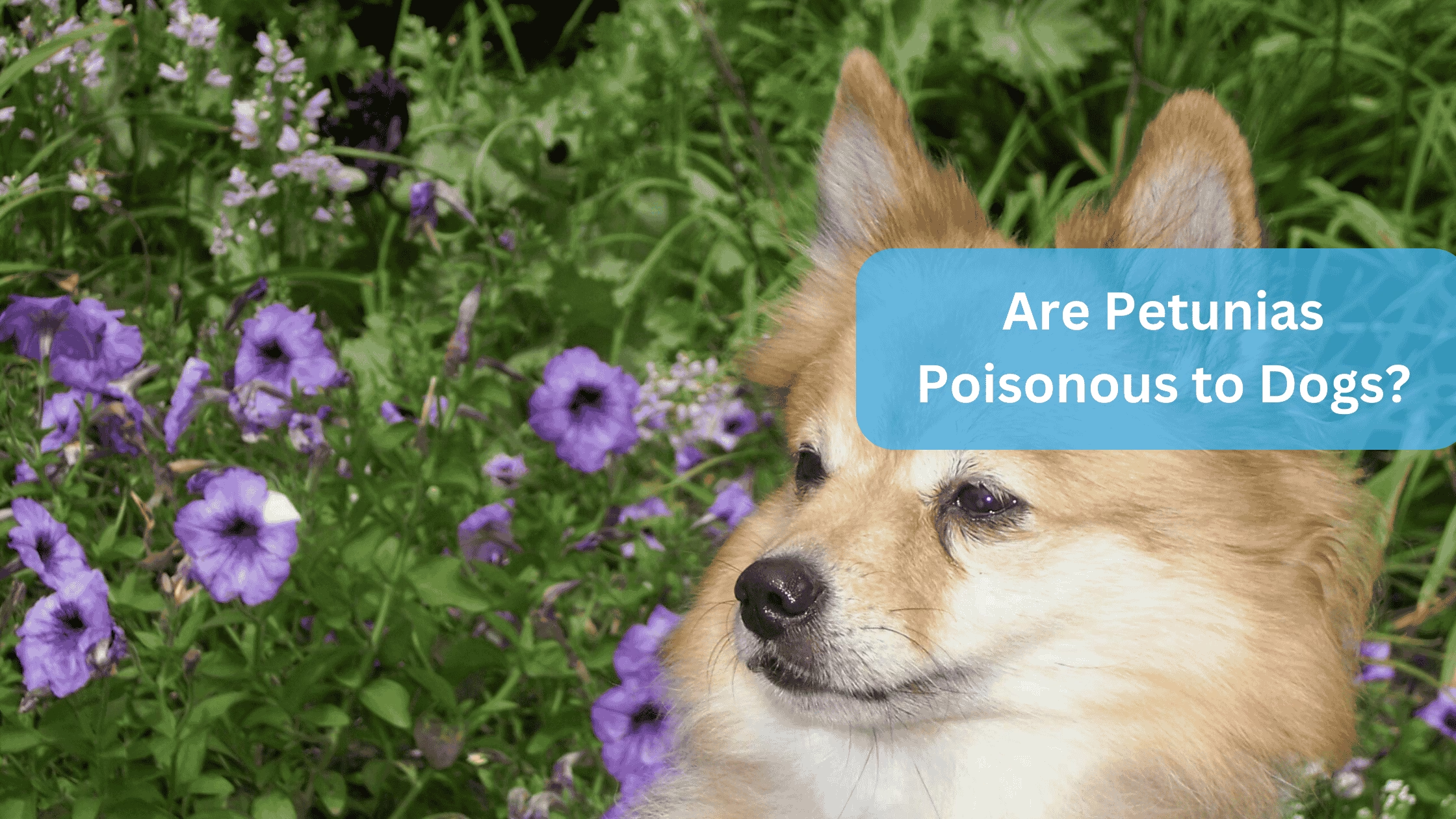
    Are Petunias Poisonous to Dogs?

    Are Petunias Poisonous to Dogs? As a proud pet parent, you might find yourself scouring your home and garden for potential hazards to ensure your furry friend stays safe. With so many plants around, it’s natural to wonder, “Are petunias poisonous to dogs?” 🌼 Good news ahead! This article will dive into everything you need to know about petunias and their safety for our beloved canines.

    What Are Petunias?

    Petunias are those cheerful flowering plants that seem to sprout in every garden and hanging basket around. Known for their vibrant colors and delightful fragrance, these beauties belong to the Solanaceae family—yes, the same family as tomatoes and potatoes! They can bloom in a wide spectrum of colors, including purple, pink, white, and red, making them a favorite among gardeners looking to add some pizzazz to their outdoor spaces.

    But before you decide to plant a petunia jungle, let’s get to the crux of the matter—are these lovely blossoms safe for your four-legged family members?

    Are Petunias Poisonous to Dogs?

    Here’s the scoop: petunias are generally considered non-toxic to dogs! That’s right—most reputable sources, including the American Society for the Prevention of Cruelty to Animals (ASPCA), list petunias as safe for our furry friends. This means that if your curious pup takes a nibble, they’re unlikely to suffer any serious health issues. Phew! 😅

    Key Factors to Consider

    While petunias are non-toxic, it’s always wise to keep an eye on your dog. Some dogs have surprisingly sensitive stomachs and might experience mild gastrointestinal upset if they munch on plant material. Symptoms like vomiting or diarrhea could occur, but don’t panic! Just keep an eye out for any unusual behavior after they’ve had their plant snack.

    Are Mexican Petunias Poisonous to Dogs?

    Now, let’s talk about Mexican petunias (Ruellia simplex). Similar to their common petunia relatives, Mexican petunias are also considered non-toxic to dogs. So, whether you’re planting the classic petunia or its Mexican counterpart, you can rest easy knowing you’re not putting your pup in harm’s way.

    Signs of Poisoning in Dogs After Ingesting Petunias

    Even though petunias are usually harmless, it’s always good to be aware of the signs of potential poisoning. Here are some common symptoms to watch for if your dog has indulged in a little flower-fest:

    • Vomiting: If Fido is suddenly spitting up, take note.
    • Diarrhea: Not the kind of surprise you want to find on the carpet!
    • Lethargy: If your pup seems more like a couch potato than his usual energetic self, it could be a sign.
    • Abdominal Pain: Watch for signs of discomfort like whining or a tender belly.
    • Loss of Appetite: If your dog suddenly turns up his nose at dinner, something might be amiss.

    If you observe any of these symptoms after your dog has nibbled on a petunia, keep a close watch on them. Most dogs recover just fine, but don’t hesitate to reach out to your veterinarian for advice, especially if symptoms persist.

    Which Parts of Petunias Are Toxic to Dogs?

    Toxicity of Petunia Leaves to Dogs

    Good news again! Petunia leaves are not toxic to dogs. However, let’s be real—dogs and their insatiable curiosity can lead them to chew on anything that catches their eye. While it’s generally safe, ingesting too much plant material could still upset their stomachs, so it’s best to keep an eye on their snacking habits.

    Toxicity of Petunia Flowers to Dogs

    Wondering about the flowers? Fear not! The colorful blooms of petunias are also considered safe for dogs. However, just because they’re safe doesn’t mean you should let your pup turn your garden into an all-you-can-eat buffet. Encourage them to stick to their dog food instead!

    Toxicity of Petunia Stems to Dogs

    Like the leaves and flowers, the stems of petunias are also non-toxic to dogs. But again, while they’re safe, excessive chewing on any plant material can lead to a less-than-happy tummy.

    Understanding How Petunias Affect Dogs

    Explanation of Toxic Compounds in Petunias

    Here’s where it gets a bit nerdy—but don’t worry, it’s all good news! Petunias do not contain harmful toxins that can adversely affect dogs. While some plants in the nightshade family can be toxic, petunias are not on that list. Feel free to breathe a sigh of relief!

    How These Compounds Impact Canine Health

    Since petunias lack toxic compounds, they generally do not adversely impact canine health. Most dogs will find these plants mildly irritating at worst if they ingest too much. But remember, every dog is unique! Some might react strangely to any new food or plant material, so it’s important to monitor their behavior.

    What to Do If Your Dog Ingests Petunias

    Immediate Steps to Take

    So, your pup decided to sample some petunias? First off, don’t hit the panic button! If it was just a few petals, chances are they’ll be just fine. Monitor your dog closely for any signs of distress.

    Importance of Contacting a Veterinarian

    If your dog starts acting uncharacteristically lethargic or develops gastrointestinal issues, it’s time to reach for that phone and call your veterinarian. They can provide guidance tailored to your dog’s individual needs and may even suggest bringing your pup in for a check-up.

    Possible Treatments for Ingestion

    In most cases, treatment may involve supportive care to help your furry friend recover. This can include medications for nausea or simply ensuring they stay hydrated. Most dogs bounce back quickly, especially with a little veterinary assistance!

    Preventing Petunia Poisoning in Dogs

    Strategies for Keeping Dogs Away from Petunias

    You don’t want your garden to turn into a doggy buffet! Here are a few strategies to keep your pet away from petunias:

    • Plant Placement: Put petunias in areas that are difficult for your dog to reach, like hanging baskets or elevated planters.
    • Physical Barriers: Consider using fences or hedges to keep curious noses at bay.

    Dog-Proofing Your Garden and Home

    Dog-proofing your garden doesn’t have to be a chore. Here are some fun tips:

    • Create designated areas filled with safe plants for your dog to enjoy.
    • Use fencing or gates to restrict access to potential hazards.
    • Regularly inspect your garden to see if new plants have entered the scene.

    Educating Family and Friends About Risks

    Incorporating a pet-friendly mindset into family and friends’ visits can make a huge difference. Educate everyone about which plants could pose a risk to your dog. A little knowledge can go a long way in ensuring safety!

    Safe Plant Alternatives for Dog Owners

    Non-Toxic Plants and Flowers That Are Safe for Dogs

    If you’re looking to fill your garden with beauty while keeping your pup safe, consider these non-toxic plants:

    • Marigolds: These cheerful blooms are also effective in keeping pests away!
    • Zinnias: Vibrant and durable, zinnias are a dog-friendly choice.
    • Sunflowers: Tall and sunny, sunflowers add a bright splash of color without causing harm.

    Tips for Creating a Dog-Friendly Garden

    Creating a dog-friendly garden doesn’t mean sacrificing beauty! Here are some tips:

    • Choose non-toxic plants that can withstand a bit of chewing.
    • Designate fun play areas for your dog away from delicate flowers.
    • Mix in hardier plants that can survive a little roughhousing.

    Frequently Asked Questions About Petunias and Dogs

    Are Petunias Poisonous to Cats and Dogs?

    Petunias are safe for both cats and dogs, making them a great choice for multi-pet households.

    How Much Petunia Ingestion Is Dangerous for Dogs?

    Generally, petunias are not dangerous. However, ingesting large amounts may cause mild stomach upset.

    What Should I Do If I’m Unsure If My Dog Ate Petunias?

    If you’re unsure, contacting your veterinarian for guidance is the best course of action.

    Can Petunias Lead to Long-Term Health Issues in Dogs?

    No, petunias typically do not lead to long-term health issues in dogs when ingested in small amounts.

    Also Read: Are Hydrangeas Poisonous to Dogs?

    Also Read: Are Orchids Poisonous to Dogs?

    Conclusion

    Petunias can brighten up your garden without posing a threat to your dog. While they are generally safe, it’s always best to keep an eye on your pup and discourage any munching on unfamiliar plants.

    Being a dog owner is a full-time job, and keeping your furball safe is a top priority! With some knowledge about the plants you grow and a little vigilance, you can enjoy the beauty of petunias while ensuring your pup stays healthy and happy. Now, go ahead and plant those petunias—with a smile, of course! 🌼🐾


    Sources:
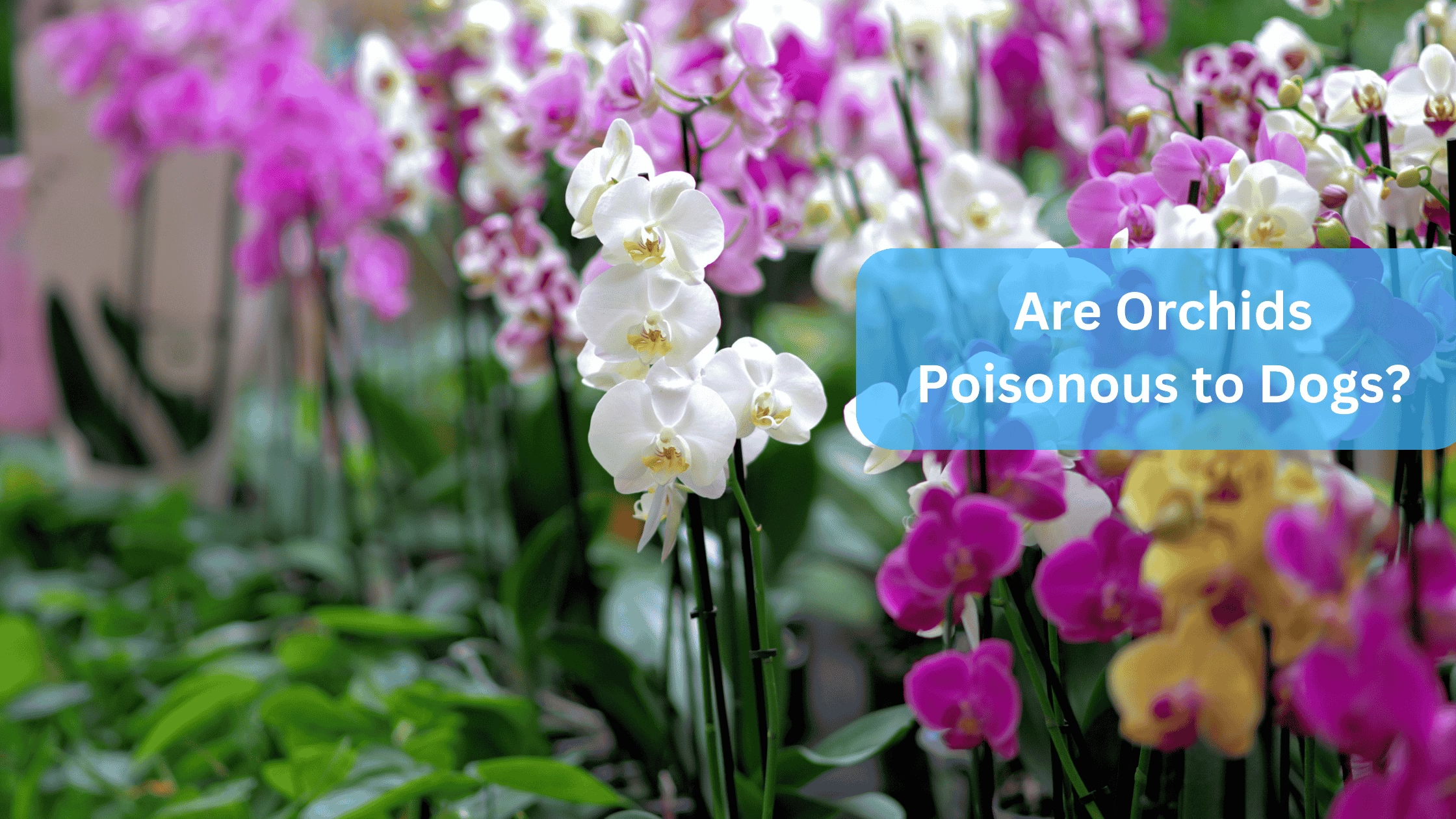
  • Are Orchids Poisonous to Dogs?

    Are Orchids Poisonous to Dogs?

    If you’re a dog owner contemplating the beauty of orchids in your home or garden, you might be wondering, “Are orchids poisonous to dogs?” 🌸 Well, you’re in the right place! This guide will take you through everything you need to know about the safety of orchids for your canine companions.

    What Are Orchids?

    Orchids are a diverse group of flowering plants that come in a dazzling array of shapes, sizes, and colors. These exotic beauties can brighten any space and add a touch of elegance. But behind their stunning appearances, it’s vital to understand their potential risks to our furry friends.

    Why Pet Owners Should Be Concerned About Orchids and Dogs

    Dogs are naturally curious creatures who love to explore their environments by sniffing (and sometimes tasting) everything in sight. This curiosity can lead to trouble if they encounter plants that could harm them. As a responsible pet parent, knowing which plants are safe or toxic is crucial!

    Are Orchids Poisonous to Dogs?

    Explanation of Orchid Toxicity

    Good news! Generally speaking, most orchids are not considered toxic to dogs. This means that if your pup takes a curious nibble, he likely won’t face dire consequences. However, while many orchid varieties are safe, it’s always best to keep an eye on your dog’s behavior around plants.

    Common Misconceptions About Orchids and Dogs

    Some people may assume that all flowering plants are dangerous for pets. While it’s true that many popular houseplants can be toxic, orchids are typically not on that list. Keep in mind, though, that every dog is different, and what might be harmless for one could still upset another’s tummy!

    Specific Orchid Types and Their Effects on Dogs

    Most common orchids, such as Phalaenopsis and Dendrobium, are generally safe for dogs. However, it’s always wise to be aware of specific types that may have varying effects.

    For instance, lady’s slipper orchids (Cypripedium spp.) are known to cause mild skin irritation in humans, so the same may be true for dogs. If your dog tends to have sensitive skin, it might be best to keep them away from these particular orchids.

    It’s important to remember that while many orchids are safe, every dog is unique, and individual reactions can vary.

    Always keep a watchful eye on your pup when they’re around new plants, and consult your veterinarian if you have any concerns. If you have any additional changes or further requests, feel free to ask!

    Are Phalaenopsis Orchids Poisonous to Dogs?

    Overview of Phalaenopsis Orchids

    Phalaenopsis orchids, also known as moth orchids, are among the most popular types of orchids due to their stunning blooms and relatively easy care.

    Effects on Dogs if Ingested

    If your dog decides to munch on a Phalaenopsis orchid, there’s no need to panic. They are considered non-toxic and should not cause serious harm. However, some dogs may experience mild gastrointestinal upset, like vomiting or diarrhea.

    Comparisons with Other Orchid Types

    Most orchids that you encounter, including Phalaenopsis, are safe for dogs, but the key is to monitor what your dog eats. Stick to known safe varieties to reduce any risks.

    Signs of Orchid Poisoning in Dogs

    Symptoms to Watch For

    While orchids are generally non-toxic, it’s important to be vigilant. If your dog has eaten a substantial amount of any plant material, watch for symptoms like:

    • Vomiting
    • Diarrhea
    • Lethargy
    • Loss of appetite

    Severity of Symptoms and When to Seek Help

    If your dog shows any concerning symptoms after eating an orchid, it’s best to consult your veterinarian. Even if orchids are typically safe, it’s always better to be safe than sorry!

    Which Parts of Orchids Are Toxic to Dogs?

    Toxicity of Orchid Leaves to Dogs

    Most orchid leaves are non-toxic, but some dogs may have sensitivity to certain plants. It’s always a good practice to discourage your dog from chewing on any plant leaves, just to be on the safe side.

    Toxicity of Orchid Flowers to Dogs

    Orchid flowers are generally non-toxic to dogs. They are beautiful, but it’s best to keep them out of reach to prevent any potentially mischievous nibbling!

    Toxicity of Orchid Stems and Roots to Dogs

    Just like the leaves and flowers, the stems and roots of orchids are typically safe for dogs. However, ingestion of large amounts can still lead to gastrointestinal upset.

    Understanding How Orchids Affect Dogs

    Explanation of Toxic Compounds in Orchids

    While most common orchids do not contain harmful toxins for dogs, it’s essential to know that every plant can affect pets differently. Orchids might contain mild irritants that could upset some dogs’ stomachs, but they are not known for serious toxicity.

    How These Compounds Specifically Impact Dogs

    Ingestion of small amounts usually results in mild symptoms; however, if a large quantity is consumed or if the plant type is uncertain, it’s wise to contact a vet.

    Are Orchids Poisonous to Cats and Dogs?

    Discussion of Cross-Pet Toxicity

    While many orchids are safe for dogs, the same applies to cats. Most orchids are non-toxic to both species, but if you have multiple pets, it’s always a good idea to ensure they don’t share the same curious habits!

    Risks for Cats in Relation to Dogs

    There are no known severe risks associated with orchids for either dogs or cats, making them a more pet-friendly option compared to other common houseplants.

    What to Do If Your Dog Ingests Orchids

    Initial Steps to Take If Ingestion Occurs

    If you suspect that your dog has eaten an orchid, don’t panic! Start by evaluating the situation. If they only licked a petal, they’re likely fine.

    Importance of Contacting a Veterinarian

    If your dog shows any signs of distress or has consumed a significant amount of plant material, contacting your veterinarian is essential. They can provide guidance tailored to your dog’s situation.

    Potential Treatments and Outcomes for Dogs

    Treatment often includes monitoring your dog’s condition and, in some cases, providing supportive care. Most dogs recover well, especially when treated promptly and appropriately.

    Preventing Orchid Poisoning in Dogs

    Keeping Dogs Away from Orchids

    To avoid any potential mishaps, place your orchids out of reach of your furry friends. High shelves or hanging planters are great options for orchid display!

    Tips for Dog-Proofing Your Home and Garden

    Here are a few tips:

    • Use barriers or baby gates.
    • Provide designated dog-safe areas in your garden.
    • Regularly supervise your dog when they’re outdoors.

    Educating Family and Visitors About the Risks

    Make sure everyone in your household—and your guests—understands which plants are safe for dogs and which are not. Sharing knowledge is a simple way to keep your pup safe!

    Safe Plant Alternatives for Dog Owners

    Non-Toxic Plants and Flowers Suitable for Dogs

    If you love flowers but want to keep your dog safe, consider these non-toxic options:

    • Marigolds
    • Sunflowers
    • Snapdragons

    Recommendations for Creating a Dog-Friendly Indoor and Outdoor Space

    Creating a pet-friendly environment doesn’t mean sacrificing beauty! Choose plants that are both stunning and safe for your four-legged friend.

    Frequently Asked Questions About Orchids and Dogs

    Are Orchids Poisonous to Dogs?

    No, most orchids are non-toxic to dogs.

    Are Orchids Poisonous to Cats and Dogs?

    Most orchids are safe for both cats and dogs.

    How Much Orchid Ingestion Is Considered Dangerous for Dogs?

    In general, orchids are not considered dangerous, but significant ingestion may cause mild symptoms.

    What Should I Do If I’m Unsure If My Dog Ate Orchids?

    If you’re uncertain, it’s best to consult a veterinarian for advice.

    Can Orchids Lead to Long-Term Health Issues for Dogs?

    Typically, no. Most dogs recover without lasting effects, but prompt veterinary care is advisable.

    Are There Any Safe Orchid Varieties for Homes with Dogs?

    Most common orchids are safe, but it’s always good to check the specific variety.

    Also Read: Can My Dog Eat Popcorn? The Best Guide for Pet Owners.

    Also Read: Are Hydrangeas Poisonous to Dogs?

    Conclusion

    While orchids can make a fantastic addition to your home, they are generally safe for dogs. Nonetheless, vigilance is key—monitor your dog’s interactions with plants.

    Remember, keeping your dog safe is a top priority! By educating yourself and others about potential plant hazards, you can enjoy a beautiful, pet-friendly home. With a bit of planning, you can have stunning orchids around—just keep them out of your pup’s reach! 🌱🐾


    Sources:

  • Are Hydrangeas Poisonous to Dogs?

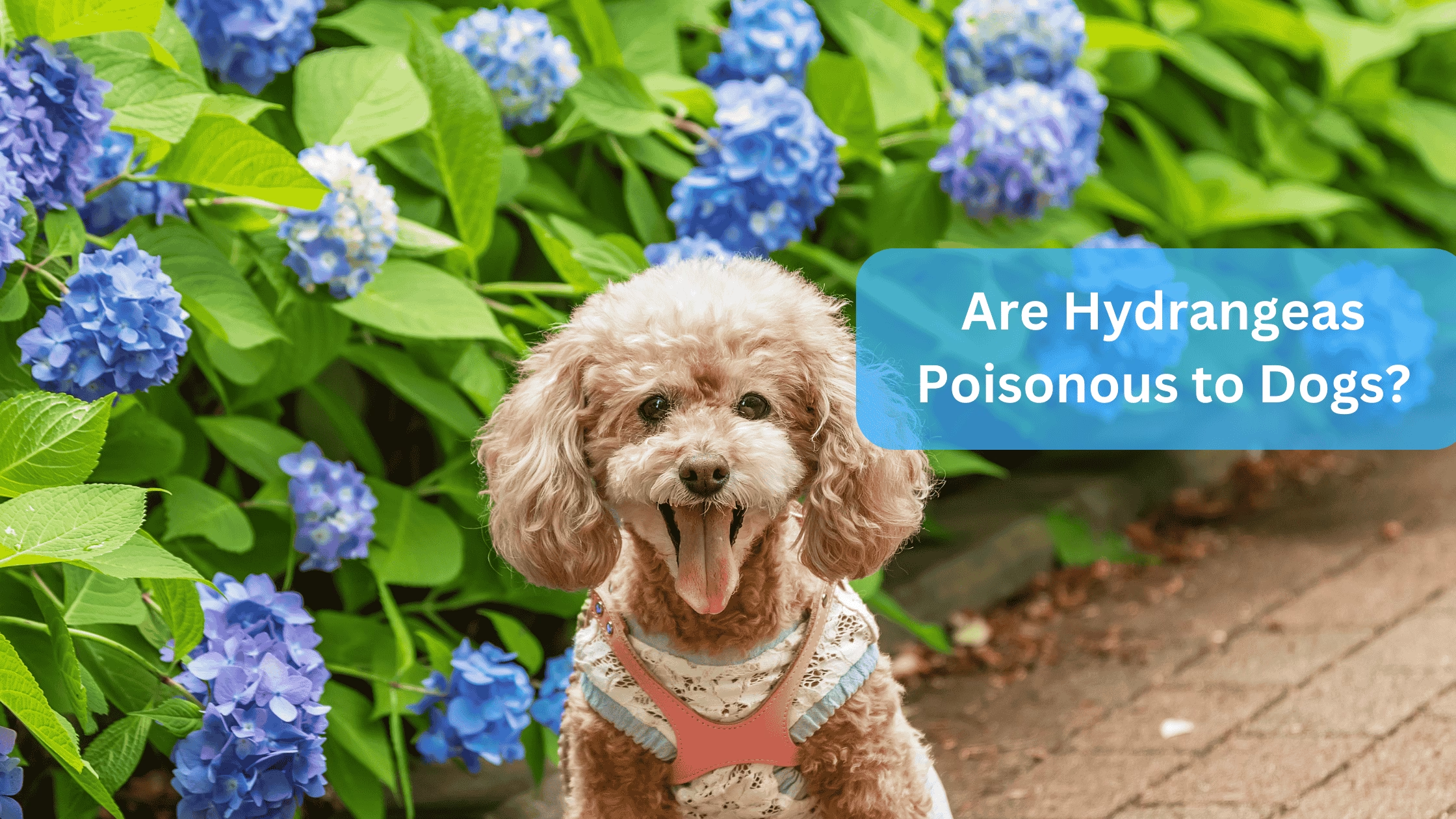
    Are Hydrangeas Poisonous to Dogs?

    Are Hydrangeas Poisonous to Dogs? – As a loving dog owner, you might already be aware of common household hazards—chocolate, grapes, and onions are among the most notorious no-nos. But how about hydrangeas? 🌸 While beautiful in bloom, these vibrant shrubs may not be as harmless as they seem when it comes to our canine companions. Let’s dig into the question: Are hydrangeas poisonous to dogs?

    What Are Hydrangeas?

    Hydrangeas are popular ornamental shrubs known for their stunning clusters of flowers and lush green foliage. They thrive in gardens and landscapes, offering a splash of color from spring through fall. However, their beauty can come with hidden dangers for our pets.

    Why Pet Owners Should Be Concerned About Hydrangeas and Dogs

    Pet parents need to be vigilant about the plants in their homes and yards. Dogs are naturally curious creatures, and that curiosity can lead them to nibble on anything from grass to flowers.

    Unfortunately, while hydrangeas may enhance your garden’s aesthetic appeal, they can pose serious risks to our furry friends.

    Are Hydrangeas Poisonous to Dogs?

    Explanation of Hydrangea Toxicity

    Yes, hydrangeas are considered toxic to dogs. The leaves, flowers, and stems contain substances harmful to our pups. Hydrangeas contain cyanogenic glycosides, which can convert to cyanide when ingested. As the name suggests, cyanide is no laughing matter—it’s a potent toxin!

    Common Misconceptions About Hydrangeas and Dogs

    Some pet owners might think, “My dog has eaten a few leaves before, and he was fine.” Just because a dog doesn’t show immediate effects doesn’t mean it’s safe. The level of toxicity can vary based on the amount ingested and the individual dog’s sensitivity. It’s better to be safe than sorry!

    Signs of Hydrangea Poisoning in Dogs

    Symptoms to Watch For

    If your dog has managed to munch on some hydrangeas, keep an eye out for symptoms, including:

    • Vomiting
    • Diarrhea
    • Lethargy
    • Loss of appetite
    • Stomach pain

    Severity of Symptoms and When to Seek Help

    If you notice any of these signs after your dog has nibbled on hydrangeas, it’s time to call your vet. The severity of symptoms can vary depending on several factors, including the amount consumed and the dog’s overall health.

    Which Parts of Hydrangeas Are Toxic to Dogs?

    Toxicity of Hydrangea Leaves to Dogs

    The leaves of hydrangeas are toxic and can cause gastrointestinal distress if ingested. Just think of them as the “green villains” in your garden!

    Toxicity of Hydrangea Flowers to Dogs

    The flowers, while lovely to look at, also contain harmful compounds. If your pup decides to engage in a flower-tasting session, you might find yourself at the vet’s office.

    Toxicity of Hydrangea Stems and Seeds to Dogs

    Don’t let the stems and seeds fool you; they’re equally dangerous. All parts of the hydrangea plant have the potential to harm your dog.

    Understanding How Hydrangeas Affect Dogs

    Explanation of Cyanogenic Glycosides

    Cyanogenic glycosides are chemical compounds found in some plants, including hydrangeas. When ingested, they can release cyanide, which affects cellular respiration and can lead to serious health issues.

    How These Compounds Specifically Impact Dogs

    In dogs, ingestion of cyanogenic glycosides can disrupt oxygen delivery in the body. This can lead to symptoms such as difficulty breathing, increased heart rate, and, in severe cases, even death. Yikes! So, keeping hydrangeas out of reach is a smart move.

    How Poisonous Are Hydrangeas to Dogs?

    The toxicity of hydrangeas can vary, but it’s wise to treat them as potentially dangerous. Even a small amount can cause gastrointestinal upset, while larger amounts could lead to serious health complications. The bottom line? Hydrangeas and dogs do not mix well!

    Are Dried Hydrangeas Poisonous to Dogs?

    Analysis of Toxicity in Dried Versus Fresh Hydrangeas

    Dried hydrangeas still contain some of the same toxic compounds as their fresh counterparts. While the concentration may decrease over time, it’s best to avoid letting your dog chew on dried bouquets or arrangements. Remember, just because they look decorative doesn’t mean they’re safe!

    What to Do If Your Dog Ingests Hydrangeas

    Initial Steps to Take If Ingestion Occurs

    If you suspect your dog has eaten hydrangeas, don’t panic. Remove any remaining plant material if it’s safe to do so, and keep an eye on your pup.

    Importance of Contacting a Veterinarian

    It’s crucial to contact your veterinarian immediately. They can advise you on the best course of action and whether your dog requires treatment.

    Potential Treatments and Outcomes for Dogs

    Treatment may include inducing vomiting, administering activated charcoal, or providing supportive care like IV fluids, depending on the severity of ingestion. The sooner you act, the better the outcome for your furry friend!

    Preventing Hydrangea Poisoning in Dogs

    Keeping Dogs Away from Hydrangeas

    The best prevention is to keep hydrangeas out of reach! If you have them in your yard, consider fencing them off or planting them in an area that’s inaccessible to your dog.

    Tips for Dog-Proofing Your Garden

    • Choose non-toxic plants that are safe for dogs.
    • Regularly inspect your garden for any new hazards.
    • Teach your dog the “leave it” command to discourage them from nosing around potentially harmful plants.

    Educating Family and Visitors About the Risks

    Make sure everyone in your household and your guests are aware of the dangers hydrangeas pose to dogs. Awareness is the first step in prevention!

    Safe Garden Alternatives for Dog Owners

    Non-Toxic Plants and Flowers Suitable for Dogs

    Consider planting dog-friendly alternatives like:

    • Marigolds
    • Sunflowers
    • Snapdragons
      These beautiful options won’t harm your pup while still brightening your garden!

    Recommendations for Creating a Dog-Friendly Outdoor Space

    Design your garden with your dog in mind. Provide plenty of space for them to run, play, and explore safely without the risk of encountering toxic plants.

    Frequently Asked Questions About Hydrangeas and Dogs

    Can All Types of Hydrangeas Be Toxic to Dogs?

    Yes, all types of hydrangeas are considered toxic, but the degree of toxicity can vary between species.

    How Much Hydrangea Ingestion Is Considered Dangerous for Dogs?

    Even small amounts can be harmful, but symptoms may depend on the specific dog and amount ingested.

    Are There Any Hydrangea Varieties That Are Safe for Dogs?

    Unfortunately, there are no hydrangea varieties that are considered safe for dogs. It’s best to avoid them altogether.

    What Should I Do If I’m Unsure If My Dog Ate Hydrangeas?

    If you’re unsure whether your dog has ingested hydrangeas, it’s better to be cautious and consult your veterinarian.

    Can Hydrangeas Lead to Long-Term Health Issues for Dogs?

    After exposure to hydrangeas, most dogs recover well with prompt treatment. However, severe cases can lead to more serious health complications, so immediate veterinary attention is crucial.

    Also Read: Can My Dog Eat Popcorn? The Best Guide for Pet Owners.

    Also Read: Can Dogs Eat Quinoa? Is it Safe for your Dog?

    Conclusion

    Hydrangeas may be lovely to look at, but they can be toxic to our beloved dogs. Always keep these plants out of reach and be aware of the symptoms of poisoning.

    As responsible pet owners, it’s our job to ensure our dogs stay safe and healthy. By understanding the risks associated with hydrangeas and taking preventive measures, you can protect your furry friend while enjoying a beautiful garden. Remember, a safe dog is a happy dog! 🐾💚


    Sources:

  • Can My Dog Eat Popcorn? The Best Guide for Pet Owners.

    Can My Dog Eat Popcorn? The Best Guide for Pet Owners.

    Can My Dog Eat Popcorn? – As dog owners, we often share our lives—and sometimes our snacks—with our furry pals. One snack that may tempt both you and your pup is popcorn! 🍿 But can our canine companions safely enjoy this popular treat? In this guide, we will explore everything you need to know about feeding popcorn to dogs, including its benefits, risks, preparation tips, and more.

    Why Popcorn is a Popular Snack

    Popcorn is beloved for movie nights, game days, and casual gatherings. Its light, crunchy texture and versatility make it an irresistible snack. Plus, popcorn is a whole grain, which can make it seem like a healthier choice compared to other processed snacks. But while it’s a staple in human diets, we need to inspect its suitability for our four-legged friends.

    Can My Dog Eat Popcorn?

    Basic Safety Considerations

    When determining if your dog can enjoy popcorn, the first consideration is preparation. Plain, air-popped popcorn without any additives is safe for dogs in moderation. Always keep an eye on portion sizes and supervise your dog while they enjoy their snack to prevent any choking hazards.

    Nutritional Benefits and Drawbacks of Popcorn for dogs

    Popcorn has nutritional perks, but it also comes with some drawbacks that pet owners should consider:

    • Benefits: Popcorn is low in calories and can be a source of fiber. When prepared without added oil or butter, it can be a guilt-free treat for your furry friend.
    • Drawbacks: While plain popcorn itself isn’t harmful, flavored or excessively salted varieties can pose serious risks. Furthermore, too much popcorn can lead to gastrointestinal upset due to its high fiber content.

    Understanding Saponins and Their Effects

    Saponins are natural compounds found in various plants, including quinoa and certain legumes. While they aren’t directly related to popcorn, they remind us that some grains can carry different risks. Always ensure that the popcorn you serve your dog is thoroughly cooked and free from harmful substances.

    Health Benefits of Popcorn for Dogs

    Source of Fiber

    Popcorn can provide a source of dietary fiber, which helps promote healthy digestion in dogs. Fiber aids in regulating bowel movements and can assist in alleviating certain digestive issues. Just think of it as a crunchy little helper for your pup’s tummy! 🐶

    Low-Calorie Treat When Prepared Correctly

    When prepared with minimal or no oil and salt, popcorn becomes a low-calorie snack option for dogs. This is especially beneficial for pet owners searching for healthier treat alternatives without sacrificing their dog’s joy during snack time.

    Antioxidant Properties

    Popcorn, particularly when unprocessed and lacking heavy salt or flavor, contains antioxidants. These little warriors help combat oxidative stress in dogs, just like they do for us humans!

    Potential Risks of Feeding Popcorn to Dogs

    Choking Hazards

    Popcorn can pose a choking risk, particularly for smaller dogs or those who tend to gulp their food down like it’s a race. Always supervise your dog while they munch, and consider breaking the popcorn into smaller pieces if needed.

    Potential for Gastrointestinal Upset

    Feeding too much popcorn can lead to bloating, gas, or diarrhea—certainly not a fun day for your pup! Moderation is key, and you should treat popcorn as an occasional snack rather than a regular part of their diet.

    Importance of Moderation

    While popcorn can be a healthy snack, keep in mind that it shouldn’t replace balanced dog food. Treats—including popcorn—should make up no more than 10% of your dog’s daily caloric intake. Think of it as a special bonus, not a meal substitute!

    Allergies and Sensitivities

    Some dogs may have allergies or sensitivities to certain grains. Introducing any new food should be done gradually, keeping a watchful eye for reactions like itching, swelling, or digestive upset. Remember, not all dogs are as tolerant as others!

    How to Prepare Popcorn for Your Dog

    Best Methods: Air-Popped vs. Stovetop

    The healthiest way to prepare popcorn for your dog is to air-pop it. This method doesn’t require oil, making it a lower-calorie option. Stovetop popcorn can also work, but avoid adding oils, butter, or seasonings.

    Avoiding Harmful Additives (Salt, Butter, etc.)

    Never feed your dog buttered or salted popcorn. These ingredients can lead to health issues such as pancreatitis or excessive weight gain. Always keep it simple with plain popcorn—after all, less is often more!

    Cool Down and Serving Tips

    Let the popcorn cool before serving it to your dog. Hot popcorn can burn their mouths, and it’s essential to serve the snack at a safe temperature. Think of it as sharing, but with safer snacks!

    Safe Popcorn Toppings and Additions

    Plain Popcorn: The Safest Option

    Plain, air-popped popcorn is the safest choice for dogs. It’s low in calories and free from harmful additives. Always ensure it’s freshly popped and not stale; nobody wants a stale snack, least of all your pup!

    Peanut Butter: A Tasty Addition (Ensure It’s Dog-Safe)

    Adding a small amount of unsweetened, xylitol-free peanut butter can enhance popcorn’s appeal! Peanut butter is often a favorite among dogs and can add flavor and nutrition.

    • Benefits and Serving Suggestions: Peanut butter is a source of protein and healthy fats. Just be sure to use it sparingly!

    Pumpkin Spice: An Occasional Treat (Without Harmful Ingredients)

    Canned pumpkin (not the spiced pie filling) can be a delightful addition to plain popcorn. It’s high in fiber and can help with digestion—who knew popcorn could be so fancy?

    • Health Benefits and Preparation Tips: Mix a small amount of pure pumpkin with popcorn for a seasonal treat. Avoid adding sugar or spices; we want to keep it dog-friendly!

    Cheese: For a Limited Experience

    Cheese can be sprinkled lightly on popcorn as a treat. Opt for low-fat cheese, as moderation is always key when it comes to dairy.

    • Safe Serving Sizes and Types of Cheese: Cheddar, mozzarella, and cream cheese can be safe, but don’t go overboard. A little cheese goes a long way!

    Coconut Oil: Benefits and How to Use It Safely

    Coconut oil can be drizzled over popcorn for added flavor. It contains medium-chain triglycerides (MCTs), which can provide health benefits.

    • Dosage Recommendations and Potential Health Benefits: Use a teaspoon for larger dogs and a half-teaspoon for smaller dogs. Your dog will thank you with extra tail wags!

    Honey: An Occasional Sweetener (Ensure It’s Pure)

    Pure honey can be a delightful drizzle atop popcorn for a sweet treat. It contains antioxidants and can be beneficial for dogs when given in moderation.

    • Benefits and Precautions: Always ensure the honey is pure and organic. Avoid honey for puppies under one year due to the risk of botulism.

    Different Ways to Serve Popcorn to Dogs

    As a Treat During Movie Night

    Popcorn can make movie night even more special for both you and your pup! Just ensure your dog gets a plain portion while you enjoy yours with all the fixings.

    • Ideas for Creating a Dog-Friendly Movie Experience: Set up a cozy spot with their favorite blanket and let them munch away while you enjoy your film. After all, popcorn is best when shared!

    Mixed with Dog Food for Extra Texture

    Mixing a small amount of popcorn into your dog’s regular food can add some fun texture and variety. This can be particularly helpful for picky eaters.

    • Benefits of Texture Variety in Dog Meals: Variety can stimulate your dog’s appetite and encourage them to enjoy their meals more. Just like humans, dogs love a little change every now and then!

    In Homemade Dog Treats and Recipes

    Popcorn can be incorporated into homemade dog treats. A simple yet tasty recipe can include popcorn, oat flour, and mashed bananas.

    • Simple Recipes Incorporating Popcorn (e.g., Popcorn Dog Biscuits): Mix one cup of plain air-popped popcorn with two cups of oat flour and one mashed banana. Bake until golden—Yum!

    As a Reward During Training

    Using popcorn as a training reward can be effective in reinforcing good behavior. Dogs often appreciate the crunchy texture and flavor.

    • Using Popcorn as Positive Reinforcement: Keep the pieces small to avoid filling them up too much during training sessions. Positive reinforcement is key to successful training!

    International Variations of Popcorn Dog Treats

    United States: Movie Snack Culture

    In the U.S., popcorn is a quintessential movie snack. While it’s often buttered and salted, for dogs, only plain versions should be offered.

    • Popular Recipes and Methods of Preparation: Air-popped popcorn has become a healthier option among pet owners—hurray for health-conscious pups!

    Mexico: Popcorn with Chili and Lime (Not Safe for Dogs)

    In Mexico, popcorn is sometimes served with chili powder and lime juice. While it’s delicious for humans, these spices can be harmful to dogs.

    • Cultural Significance and Why Spices Are Harmful: Spicy foods can irritate a dog’s stomach and lead to digestive issues, so stick to the plain stuff for your furry friends!

    India: Masala Popcorn (Spices to Avoid)

    Masala popcorn is popular for its spiced flavor, but spices like garlic and onion are harmful to dogs.

    • Common Spices and Their Potential Effects on Dogs: Avoid giving your dog any flavored popcorn that contains garlic, onion, or excessive salt. Keep it simple, like your dog would prefer!

    Japan: Traditional Caramel Popcorn (How It Translates to Dogs)

    Caramel popcorn is a popular treat in Japan, but the sugar can lead to health issues in dogs.

    • Discussing Sweetness and Health Risks: Sugar can contribute to obesity and dental problems, making it unsuitable for dogs. Save the caramel corn for the humans!

    Australia: Popcorn as a Fun Pet Snack

    In Australia, popcorn is sometimes given to dogs as a snack during holidays or special occasions.

    • Popular Variations and Their Safety: Ensure it is plain and devoid of additives, just like everywhere else! (Safety first!)

    Frequently Asked Questions About Dogs and Popcorn

    Can my dog eat popcorn?

    Yes, dogs can eat popcorn, but it should be plain and air-popped, without any additives.

    What types of popcorn can dogs eat?

    Only plain, air-popped popcorn is recommended. Avoid buttered, salted, or flavored varieties.

    Can dogs eat flavored or buttered popcorn?

    No, flavored and buttered popcorn can be harmful to dogs due to unhealthy additives.

    Can puppies eat popcorn?

    Puppies can have popcorn in moderation, but ensure it’s plain and avoid any choking hazards.

    What if my dog eats too much popcorn?

    Monitor for signs of digestive distress, such as vomiting or diarrhea. If symptoms persist, consult your veterinarian.

    How much popcorn can I safely give my dog?

    A few plain popped kernels as an occasional treat based on your dog’s size is generally safe.

    Is microwave popcorn safe for dogs?

    No, microwave popcorn often contains unhealthy additives that can be harmful to dogs.

    Can dogs eat popcorn every day?

    No, popcorn should be an occasional treat and should not replace a balanced diet.

    Are there any health benefits to feeding popcorn to dogs?

    Yes, it can be a low-calorie snack and a source of fiber when prepared correctly.

    What are the risks of feeding popcorn to dogs?

    Risks include choking hazards, gastrointestinal upset, and allergies.

    Can I add toppings to popcorn for my dog?

    You can add safe toppings like peanut butter or coconut oil, but avoid harmful ones.

    Can dogs eat kettle corn or caramel popcorn?

    No, kettle corn and caramel popcorn contain too much sugar and additives that can harm dogs.

    What if my dog has digestive issues? Can they still eat popcorn?

    It’s best to avoid popcorn if your dog has digestive issues and consult your vet for suitable treats.

    Is popcorn a good treat for overweight dogs?

    Yes, when prepared plain and offered in moderation, it can be a low-calorie option.

    Can I make homemade popcorn treats for my dog?

    Yes! You can make treats using plain popcorn mixed with dog-safe ingredients.

    What to do if my dog has a popcorn kernel stuck in their throat?

    Monitor your dog for choking signs; if they show distress, seek veterinary assistance immediately.

    Can dogs with allergies eat popcorn?

    It depends on the specific allergies. Always consult your veterinarian before introducing new foods.

    Do all dogs like popcorn?

    Not all dogs will enjoy it, as preferences can vary.

    How should I introduce popcorn to my dog?

    Start with a small amount to see how they react and monitor for any adverse effects.

    What are some alternatives to popcorn for my dog?

    Consider dog-safe fruits, vegetables, or commercial dog treats as alternatives.

    Also Read: Can Dogs Eat Quinoa? Is it Safe for your Dog?

    Also Read: Can Dogs Eat a Ham Bone? Discover the Shocking Dangers!

    Conclusion

    In summary, popcorn can be a safe and enjoyable snack for dogs when prepared correctly and offered in moderation. Always opt for plain, air-popped popcorn and avoid harmful additives. Your furry friend deserves the best, after all! 🐾

    While popcorn can be a fun treat, it should not replace a balanced diet. As with introducing any new food, proceed with caution and keep your pup’s health in mind. By following the guidelines in this article, you can ensure that your dog enjoys popcorn safely as an occasional snack.

    Now, grab that popcorn—and maybe share a few pieces with your four-legged friend. After all, movie nights are better when they include everyone, right? 🎬🍿


    Sources:

  • Can Dogs Eat Quinoa? Is it Safe for your Dog?

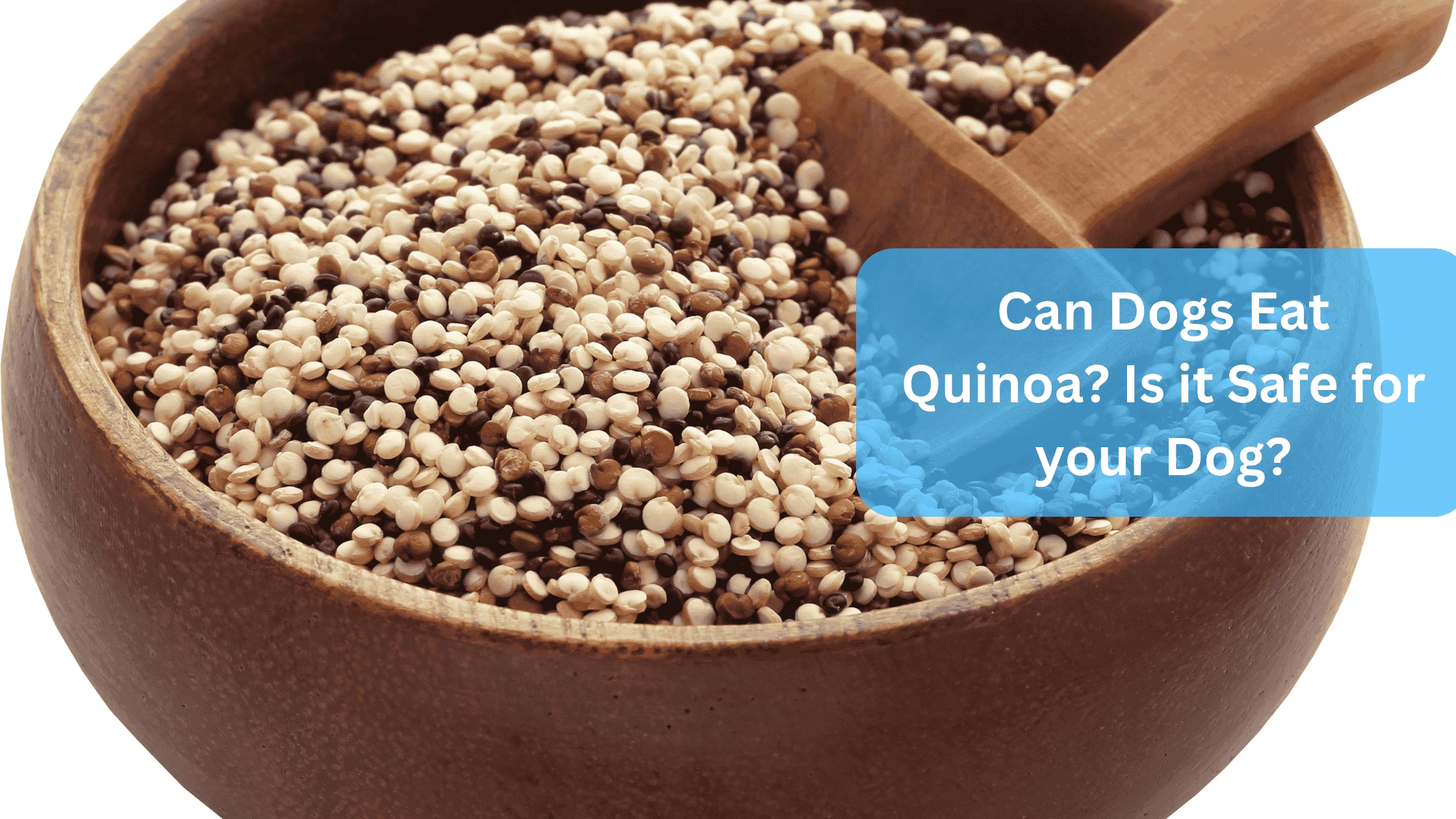
    Can Dogs Eat Quinoa? Is it Safe for your Dog?

    As a dedicated dog parent, you might find yourself asking, can dogs eat quinoa? This trendy grain has gained popularity in human diets for its nutritional benefits, but what about our furry friends? Let’s dig into the details and uncover the truths about feeding quinoa to your canine companion!

    What is Quinoa?

    Quinoa (pronounced keen-wah) is a gluten-free grain that’s packed with protein, fiber, and essential vitamins and minerals. Originating from the Andean region of South America, it has become a beloved food for both humans and pets. But can dogs enjoy this superfood too?

    The Benefits of Quinoa for Dogs

    Feeding quinoa to dogs can provide various health benefits when prepared properly. Here’s why you might consider adding it to your dog’s diet:

    1. Rich in Nutrients

    Quinoa is loaded with essential nutrients, including:

    • Protein: Contains all nine essential amino acids, making it a complete protein source.
    • Fiber: Aids digestion and promotes gut health.
    • Vitamins & Minerals: High in B vitamins, magnesium, and iron.

    2. Gluten-Free

    For dogs with sensitivities to gluten, quinoa can be an excellent alternative to wheat-based products.

    Can Dogs Eat Quinoa Safely?

    The answer is yes—but with some important considerations. When introducing quinoa to your dog’s diet, keep the following tips in mind:

    1. Serve Cooked Quinoa

    Always feed cooked quinoa to your dog. Raw quinoa contains saponins, which can be toxic and cause gastrointestinal irritation. Cooked quinoa is safe and easy for dogs to digest.

    2. Moderation is Key

    While quinoa is nutritious, it should be treated as an occasional treat rather than a daily staple. Too much can lead to digestive upset or an imbalance in your dog’s diet.

    How Much Quinoa Can Dogs Eat?

    When determining how much quinoa to feed your dog, consider their size and dietary needs. A small dog might only need a tablespoon or two, while larger breeds can enjoy a quarter cup or more. Always introduce new foods gradually to monitor for any adverse reactions.

    Can Dogs Eat Quinoa Every Day?

    Although quinoa has numerous health benefits, feeding quinoa every day isn’t recommended. Variety in your dog’s diet is essential for providing a balanced mix of nutrients. Instead, consider offering quinoa once or twice a week as a healthy addition to their meals.

    Can Dogs Eat Quinoa Instead of Rice?

    You may be wondering, can dogs eat quinoa instead of rice? Absolutely! Quinoa is a great alternative to rice and offers more protein and nutrients. Just remember to cook it thoroughly and serve it in moderation.

    Can Dogs Eat Quinoa for Diarrhea?

    If your dog is experiencing diarrhea, a small portion of cooked quinoa can help. The fiber content may aid digestion and help firm up stool. However, always consult your veterinarian if diarrhea persists or is severe.

    How to Prepare Quinoa for Your Dog

    Here’s a simple step-by-step guide for preparing quinoa safely for your pet:

    1. Rinse the Quinoa: Before cooking, rinse quinoa under cold water to remove saponins, which can taste bitter.
    2. Cook Thoroughly: Boil in water or broth (ensure it’s low-sodium and dog-safe) until fluffy. The typical ratio is 1 part quinoa to 2 parts water.
    3. Cool Down: Allow the quinoa to cool before serving to prevent burns.
    4. Serve in Moderation: Mix a small amount into your dog’s regular food, or serve it as a treat on its own.

    Can Dogs Eat Different Types of Quinoa?

    Quinoa comes in several varieties, including red, white, and tri-color. can dogs eat red quinoa?, can dogs eat white quinoa?, OR can dogs eat tri-color quinoa? Yes! All types of quinoa are safe for dogs, but they may have slightly different textures and flavors. Feel free to mix it up and see which your dog enjoys most!

    FAQ’S – Related Questions

    Can Dogs Eat Quinoa Flour?

    Quinoa flour is safe for dogs in moderation. It can be used to make dog treats, but check for any other ingredients that may be harmful.

    Can Dogs Eat Quinoa Chips?

    Quinoa chips can be a fun treat, but be cautious of added salt or spices. Always check the ingredient label and consult your vet if unsure.

    Can Dogs Eat Quinoa Pasta?

    Yes, quinoa pasta is safe for dogs. Just ensure it is plain and free from additives that could be harmful.

    Also Read: Can Dogs Eat a Ham Bone? Discover the Shocking Dangers!

    Also Read: Can Dogs Eat Pear? Best Guide

    Conclusion: Is Quinoa a Good Choice for Dogs?

    In summary, can dogs eat quinoa? The answer is a resounding yes! Quinoa can be a healthy, nutritious addition to your dog’s diet when prepared and served correctly. Just remember to keep it balanced and offer it in moderation.


    Sources:

  • Can Dogs Eat a Ham Bone? Discover the Shocking Dangers!

    Can Dogs Eat a Ham Bone? Discover the Shocking Dangers!

    As a loving pet parent, you might wonder, can dogs eat a ham bone? While it might seem like a tasty treat for your furry friend, it’s essential to understand the potential risks involved. This guide will break down the facts, providing you with reliable information to keep your dog safe and healthy.

    The Appeal of Ham Bones

    For many, the holidays are synonymous with delicious ham dinners. The delightful aroma of a glazed ham fresh from the oven can make your mouth water—and it may make your dog’s tail wag furiously! 🐶 It’s tempting to want to share that joy with your canine companion. However, let’s delve into whether sharing a ham bone is truly safe.

    The Risks of Feeding Your Dog a Ham Bone

    Feeding your dog a ham bone may seem like a good idea, but it comes with various health risks. Here’s what you need to know:

    1. Choking Hazards

    One of the primary risks associated with ham bones is the potential for choking. If the bone splinters, sharp fragments can get lodged in your dog’s throat or digestive tract. This can lead to severe pain and distress for your pet.

    2. Digestive Issues

    Cooked bones, including ham bones, can cause significant digestive problems. They can splinter and cause blockages or tears in the intestines. These injuries may require emergency surgery, which can be costly and traumatic for both you and your dog.

    3. Nutritional Imbalance

    Ham can be high in sodium and unhealthy fats. Regular consumption can lead to obesity, pancreatitis, and other health issues. Dogs thrive on a balanced diet, and indulging them with high-fat foods like ham can throw their nutrition out of whack.

    4. Bone Splintering

    Cooked ham bones can splinter easily, leading to sharp shards that can cut your dog’s mouth, throat, or intestines. This can result in severe injury or even be fatal if not addressed quickly.

    Signs to Watch For

    If your dog does get a hold of a ham bone, it’s imperative to monitor them closely. Here are some signs that your dog might be experiencing distress after consuming a bone:

    • Choking: Look for signs such as gagging, coughing, or difficulty breathing. If your dog is pawing at their mouth or seems distressed, this could indicate a choking hazard.
    • Lethargy: If your dog is unusually quiet or inactive after eating the bone, it could be a sign of discomfort.
    • Vomiting: Frequent vomit, especially if it’s mixed with blood or appears abnormal, is a red flag.
    • Abdominal Pain: If your dog exhibits signs of pain, such as whining, panting, or changes in posture, this may indicate internal issues.

    If you notice any of these signs, seek veterinary advice immediately.

    What to Do If Your Dog Eats a Ham Bone?

    Don’t panic if your dog manages to grab a ham bone. Here are steps you can take:

    • Assess the Situation: Determine how much of the bone your dog has eaten and whether it was raw or cooked. If it was cooked, take precautions as described above.
    • Monitor Symptoms: Keep an eye out for any symptoms of distress as outlined.
    • Contact Your Vet: If your dog shows any signs of choking or digestive problems, contact your veterinarian for guidance. They may recommend bringing your dog in for an examination.

    Safer Alternatives to Ham Bones for Dogs

    Instead of ham bones, consider these alternatives that are safer and healthier for your dog:

    1. Raw Bones

    Raw bones can be a safer option, as they are less likely to splinter. Choose large, meaty bones that your dog can gnaw on, such as beef femurs or lamb shanks. Always supervise your dog while they’re enjoying a raw bone to prevent choking hazards.

    2. Commercial Dog Chews

    There are many vet-approved dog chews available that are designed to be safe and enjoyable for your pet. These chews come in various types, such as bully sticks, dental chews, and rawhide alternatives.

    3. Fruits and Vegetables

    Many dogs enjoy fruits and veggies as treats! Here are some safe options:

    • Apples: Remove seeds and cores before sharing. They are crunchy and packed with vitamins.
    • Carrots: A low-calorie snack that can help clean your dog’s teeth.
    • Pumpkin: Cooked pumpkin can be soothing for your dog’s digestive tract. Make sure it’s plain and free of additives.

    4. Stuffed Toys

    Stuffed toys that you can fill with peanut butter or other dog-safe ingredients can keep your dog entertained and satisfied without the risks associated with bones.

    The Right Way to Offer Chews and Bones

    When it comes to providing treats, certain guidelines should be followed to ensure your dog remains safe and healthy:

    1. Size Matters

    Choose treats that are appropriate for your dog’s size. A small dog should not be offered large bones that could pose a choking hazard or that they might have difficulty handling.

    2. Supervise Your Dog

    Always supervise your dog when they are enjoying a chew or bone. This allows you to intervene if any problems occur.

    3. Limit Time with Chews

    Don’t let your dog chew on bones or treats for extended periods. This can lead to aggressive chewing, which can increase the risk of breakage or splintering.

    4. Regular Vet Visits

    Regular check-ups will help you monitor your dog’s overall health. Your vet can provide advice on the best treats and chews to fit your dog’s specific needs.

    Frequently Asked Questions (FAQs)

    Can dogs eat raw ham bones?

    Raw bones are generally safer than cooked ones due to their lower risk of splintering. However, always ensure they are large enough to prevent choking.

    What about ham hocks or ham shanks?

    Like ham bones, ham hocks and shanks also pose similar risks and should be avoided. If you want to give your dog a bone, opt for raw or specifically designed dog chews.

    What if my dog loves the taste of ham?

    If your dog enjoys ham, you can give them small amounts as a rare treat. Just ensure it’s unseasoned, without additives, and only in moderation.

    How do I know if my dog has eaten too much fat?

    Signs of excessive fat consumption can include vomiting, diarrhea, and signs of lethargy. If you notice any of these symptoms, consult your veterinarian.

    Also Read: Can Dogs Eat Pear? Best Guide

    Also Read: How to Prevent IVDD in Dogs: A Comprehensive Guide

    Conclusion: Can Dogs Eat a Ham Bone?

    In conclusion, can dogs eat a ham bone? It’s best to avoid it altogether. While it may seem tempting to share your holiday dinner leftovers, providing your dog with safer alternatives is crucial for their health and well-being.


    Sources:

  • Can Dogs Eat Pear? Best Guide

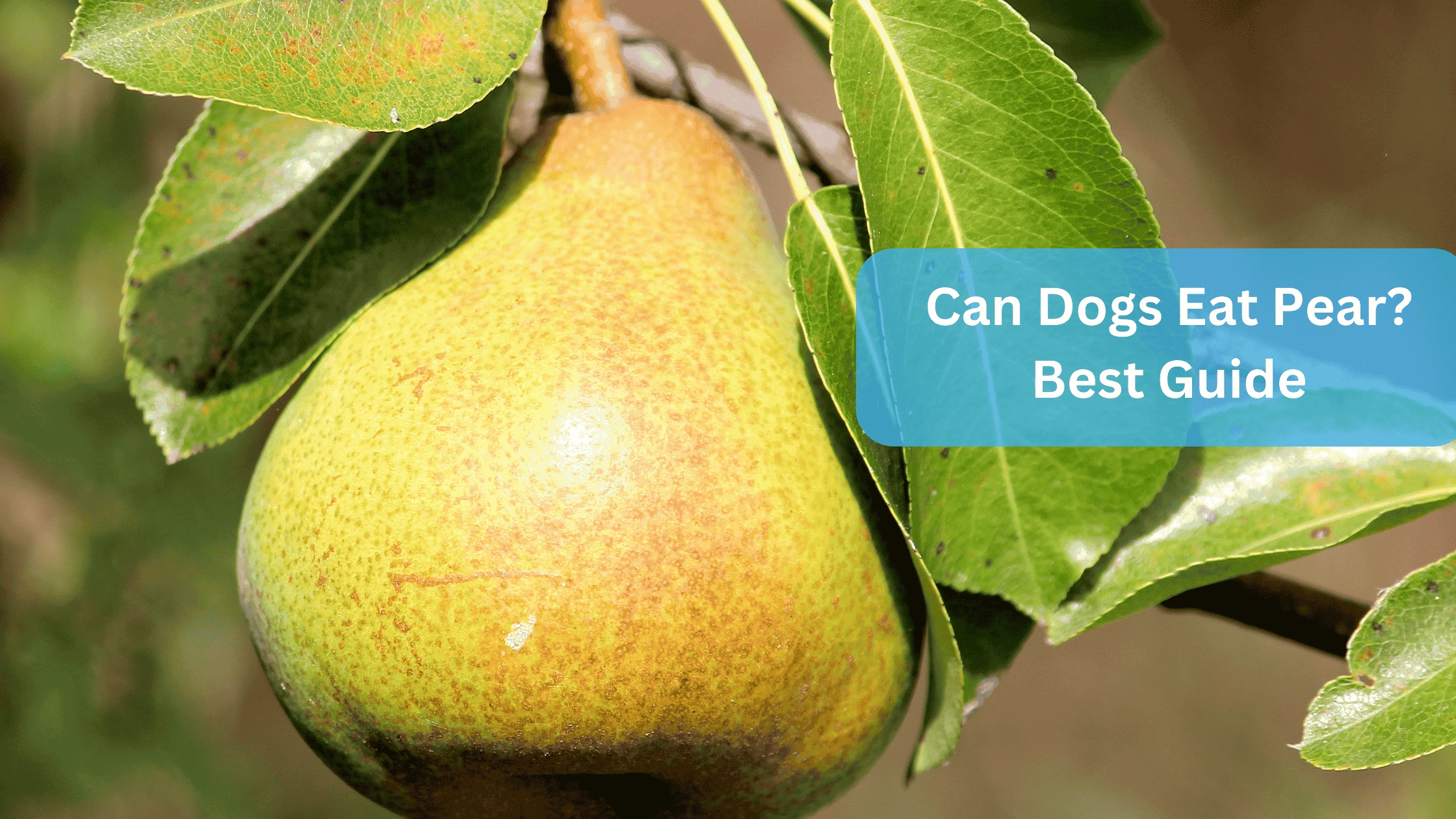
    Can Dogs Eat Pear? Best Guide

    Can Dogs Eat Pear? So, your furry friend is eyeing your pear? 🍐 Well, let’s dive into whether this juicy fruit is a friend or foe for your canine companion! As a dog owner, it’s only natural to wonder about the safety of sharing your snacks with your pet.

    This comprehensive guide will answer the burning question: Can dogs eat pear? And if so, how can you safely treat your dog to this delicious fruit?

    The Basics: Can Dogs Eat Pears?

    The short answer is yes, dogs can eat pears! 🎉 This sweet fruit can be a healthy addition to your dog’s diet when served properly. Pears are nutritious and low in calories, making them a great option for occasional treats. They pack a punch with vitamins, fiber, and essential nutrients that can support your dog’s overall health.

    The Good Stuff: Benefits of Pears for Dogs

    Pears come loaded with benefits for your furry friend. Here’s what makes this fruit so appealing:

    • Fiber-Rich: Pears are an excellent source of dietary fiber, which helps maintain healthy digestion in dogs. A happy tummy equals a happy pup!
    • Vitamins and Minerals: They are rich in vitamin C, which can boost your dog’s immune system, and vitamin K, essential for proper blood clotting.
    • Antioxidants: Pears contain antioxidants that may help reduce inflammation and support overall health.

    So, while your dog might not be able to appreciate the subtle nuances of a perfectly ripe pear, they can certainly enjoy the health benefits (and the taste, let’s be honest).

    The Not-So-Good Stuff: Potential Risks

    While pears are generally safe, there are a few cautionary notes to keep in mind. Not all parts of the pear are dog-friendly:

    Pear Parts to Avoid

    • Pear Seeds: These little gems contain cyanogenic compounds, which can be toxic in large amounts. So, it’s best to remove them before sharing.
    • Pear Cores: The core can pose a choking hazard. Make sure to discard the core to keep your dog safe.
    • Pears in Excess: Like any treat, moderation is key. Introducing any new food into your dog’s diet should be done gradually to avoid digestive upset.

    🐾 Pro Tip: If your dog has a sensitive stomach, start with a small amount and observe how they react before making pears a regular part of their diet.

    Pear Varieties: Which Ones Are Safe?

    Now that we know pears can be a delightful treat, let’s explore the different varieties and their safety for dogs.

    Can Dogs Eat Asian Pears?

    Asian pears are safe for dogs, just like their Western counterparts. They are crisp and juicy, making them an enticing option!

    Can Dogs Eat Korean Pears?

    Korean pears also fall into the safe category for dogs. They’re similar to Asian pears and can be shared as long as you prepare them correctly.

    Can Dogs Eat Prickly Pears?

    Yes, dogs can eat prickly pears, but with a catch! 🐶 The skin must be removed, and any spines need to be carefully handled. The fruit itself is fine, just ensure it’s served without the prickly bits.

    Can Dogs Eat Cactus Pear?

    Cactus pears are essentially the same as prickly pears and are safe for dogs when properly prepared. Just ensure to avoid the spikes!

    Can Dogs Eat Apple Pears?

    Also known as “Asian pears,” apple pears are safe for dogs, presenting a sweet option for your pup. They can be enjoyed in moderation, just like other pear varieties.

    How to Prepare Pears for Your Dog

    If you’re excited to treat your pup to some pear, here’s how to prepare it safely:

    Steps to Serve Pears to Your Dog

    1. Wash the Pear: Thoroughly rinse to remove any dirt or pesticides. We want our pups enjoying the fresh, untainted goodness!
    2. Remove the Skin (Optional): While pear skin is generally safe, it can be tough for some dogs to digest. Start without the skin if your dog is new to pears.
    3. Cut into Small Pieces: Chop the pear into bite-sized pieces to prevent choking hazards—safety first!
    4. Discard the Core and Seeds: Always remove the core and seeds before giving pears to your furry friend.

    🐕 Portion Control: A small slice or two is sufficient, especially when introducing pears to your dog’s diet.

    What to Do If Your Dog Eats a Pear Core or Seeds

    Oops! If your dog accidentally munches on a pear core or seeds, don’t panic. Here’s what to do:

    • Observe Your Dog: Keep an eye on your pup for any signs of distress, such as vomiting, lethargy, or unusual behavior.
    • Contact Your Vet: If you notice any concerning symptoms, reach out to your veterinarian for advice.
    • Prevention: Always store pears out of reach to prevent accidental snacking on risky parts in the future.

    Alternative Fruits for Dogs

    If you’re looking for other dog-safe fruits to share, here are some scrumptious options:

    • Apples: Remove seeds and core before sharing.
    • Blueberries: A superfood packed with antioxidants and easy to serve!
    • Bananas: A potassium-rich treat that most dogs go bananas for! 🍌
    • Watermelon: Make sure to remove seeds and rind.

    Also Read: How to Prevent IVDD in Dogs: A Comprehensive Guide

    Also Read: Can Dogs See in the Dark? The Ultimate Guide

    FAQ’s

    Can dogs eat pear?

    Yes, dogs can eat pears in moderation and when prepared safely.

    Can dogs eat pear skin?

    Yes, but it might be tough for some dogs to digest. It’s best to peel it first, especially for newcomers to this fruit.

    Can dogs eat pear cores or seeds?

    No, pear cores and seeds should be avoided as they can pose a choking hazard and contain toxins.

    Can dogs eat prickly pears?

    Yes, as long as the skin and spines are removed.

    Can dogs eat baby food with pear?

    Yes, as long as it does not contain any additional sugars or harmful ingredients.

    Conclusion

    In summary, dogs can eat pears safely when prepared correctly. These delightful fruits offer health benefits and can be a tasty addition to your dog’s diet. Just remember to remove any seeds and cores and serve in moderation.

    So, the next time you enjoy a juicy pear, share a little slice with your pup—just know that they will thank you for it with the cutest tail wags! 🐾


    Sources: