Author: Kartikey Dwivedi

  • Why Does My Dog Pee on My Bed? A Comprehensive Guide.

    Why Does My Dog Pee on My Bed? A Comprehensive Guide.

    Why Does My Dog Pee on My Bed? Picture this: you’re snuggled up in bed, enjoying a peaceful night’s sleep, when suddenly you discover an unwelcome surprise. Yep, your beloved canine companion decided to use your bed as their personal restroom. 🐶💧 So, why does my dog pee on my bed? You might find yourself asking this question with a mix of confusion, frustration, and maybe just a pinch of humor. Rest assured, you’re not alone in this puzzling predicament, and we’re here to help you understand the “why” behind this canine behavior.

    In this comprehensive guide, we will explore various reasons dogs exhibit this behavior, how to address it, and tips to prevent it in the future. From medical issues to emotional factors, let’s dive into the actionable insights you need to decode your furry friend’s actions.

    Understanding the Canine Mindset

    Why Dogs Pee: The Basics

    Dogs, like humans, communicate not just through barks and whines, but also through their actions—yes, even when it comes to bathroom habits. When a dog pees in an inappropriate place, it can be due to various reasons including:

    • Marking Territory: Dogs are territorial creatures. Peeing on your bed can be a way of marking their scent in a space they consider shared or important.
    • Stress and Anxiety: Just like us, dogs can experience stress, leading them to exhibit unusual behaviors, including urinating.
    • Submissive Behavior: In some cases, dogs may urinate as a way to show submission, especially if they feel intimidated.
    • Medical Issues: Always consider the possibility of an underlying medical condition that could force your pup’s behavior.

    The Emotional Connection

    Did you know that dogs are incredibly intuitive? They pick up on our emotions and can mirror them! If you’re stressed, anxious, or upset, your dog might respond in kind—not necessarily by behaving badly, but sometimes by acting out. This emotional bond can lead to misunderstandings and mishaps.

    Why Does My Dog Pee on My Bed?

    Reasons Your Dog Might Be Peeing on Your Bed –

    1. Territorial Marking

    Dogs have scent glands in their urine, making their pee a powerful way to assert ownership. If your dog feels that their territory is being encroached upon—be it by new pets, family members, or even new furniture—they might mark your bed as their territory. Think of it as their way of saying, “This is MY space!”

    2. Stress and Anxiety

    Changes in the household—like moving to a new home, introducing a new pet, or even a change in your routine—can stress your dog out. When stressed, some dogs may resort to inappropriate urination as a coping mechanism. So, if your dog had a rough day at the dog park, they might choose your bed as their emotional support zone (albeit in a not-so-ideal way).

    3. Submissive Urination

    Some dogs, particularly younger ones or those that have been previously abused, might pee as a display of submission. If your dog gets overly excited when you come home or is nervous during interactions, they may urinate as a way to appease you. If this is the case, gentle training and reassuring cues can help them build confidence.

    4. Medical Issues

    Never underestimate the possibility of an underlying health concern! Urinary tract infections (UTIs), bladder stones, and even diabetes can lead to inappropriate urination. If your dog’s behavior seems out of the ordinary, a trip to the vet is in order to rule out any medical issues.

    5. Incomplete House Training

    If your dog is still learning the ropes of house training, they may not fully grasp where it’s appropriate to pee. Young pups or newly adopted dogs might not yet understand that your bed is off-limits when nature calls.

    Diagnosing the Problem

    Observational Techniques

    To determine the cause of your dog’s behavior, take note of the following:

    1. Frequency: Is this a one-time incident or a recurring issue? Noting patterns can help you understand what triggers the behavior.
    2. Context: What was happening before the accident? Were there visitors, loud noises, or changes in routine?
    3. Physical Condition: Is your dog showing signs of discomfort or distress? Look for any visual cues such as whining, pacing, or excessive licking of the area.

    Consulting with Professionals

    If you’re scratching your head and still can’t figure it out, don’t hesitate to consult a professional. A veterinarian can rule out medical concerns, while a dog trainer or animal behaviorist can provide insights and strategies tailored to your specific situation.

    Addressing the Issue

    1. Reacting Calmly

    As frustrating as it may be to find a puddle on your bed, reacting with anger will only serve to confuse your dog. Instead, clean up the mess calmly and without fuss. Dogs thrive on positive reinforcement, so a calm demeanor can lead to better outcomes.

    2. Reinforce Training

    If your dog is still in the process of being house-trained, focus on reinforcing positive behaviors. Use treats and praise when they go outside. Consistency is key; take them out regularly and reward them for doing their business in the right spot.

    3. Establish Boundaries

    If your bed has become a favored potty spot, it’s time to set some boundaries. Consider keeping your bedroom door closed when you’re not around, or using baby gates to reinforce that certain areas are off-limits.

    4. Create a Safe Space

    If your dog seems to be anxious or stressed, provide them with a safe space where they can retreat when feeling overwhelmed. This could be a cozy dog bed in a quiet corner or a designated crate.

    5. Consult a Veterinarian

    If you suspect a medical problem may be causing your dog’s accidents, don’t wait. Schedule a visit to the vet to rule out any health issues that could be impacting your dog’s ability to control their bladder.

    Prevention Strategies

    1. Regular Bathroom Breaks

    Consistency is crucial for your pup’s bathroom routine. Take your dog outside at regular intervals—after meals, playtime, and before bed—to establish a predictable schedule.

    2. Clean Up Thoroughly

    Use enzymatic cleaners to remove the smell of urine from your bed and surrounding areas. Dogs have an incredible sense of smell and may return to the same spot if they can still detect their scent!

    3. Increase Exercise and Mental Stimulation

    A tired dog is a happy dog! Regular exercise and mental stimulation through puzzles, games, and training sessions can help reduce anxiety and stress, making them less likely to have accidents.

    4. Consider Professional Help

    If the behavior persists despite your efforts, don’t hesitate to reach out for professional help. A qualified dog trainer or animal behaviorist can tailor a training plan to your dog’s specific needs and help address underlying issues.

    Understanding Certain Breeds

    1. Small Dog Syndrome

    Some small breeds, such as Chihuahuas and Dachshunds, are known for exhibiting small dog syndrome. This can lead to more frequent marking behaviors, as they might feel the need to assert themselves in a big world.

    2. Senior Dogs

    Older dogs may experience incontinence due to weakened bladder muscles or medical conditions, making it crucial to adjust their bathroom schedule according to their needs.

    3. Rescue Dogs

    Dogs that have been rescued may have history-related stress or trauma that can manifest in accidents. Patience and understanding are essential in these cases.

    Additional Tips for Dog Owners

    1. Use Positive Reinforcement

    Always reward your dog for positive behavior, such as going potty outside. Positive reinforcement builds trust and encourages them to continue the desired behavior.

    2. Maintain a Routine

    Dogs thrive on routine. Establishing a regular schedule for feeding, bathroom breaks, and exercise can help your pup feel secure and reduce anxiety.

    3. Monitor Changes

    Stay aware of any changes in your dog’s environment or health. This can help you catch potential issues before they escalate into behavioral problems.

    4. Stay Patient

    Every dog is unique, and behavioral issues can take time to resolve. Patience is key as you work with your dog to find solutions.

    Specific Situations and Questions

    Why Does My Dog Pee on His Bed?

    If your dog pees on their own bed, it could be related to anxiety, marking behavior, or even a medical issue. Like human beds, dogs may feel this space is safe enough to express themselves, even if it means making a mess.

    Why Does My Dog Pee on His Bed on Purpose?

    When a dog appears to pee on their bed intentionally, it is often a signal of stress or an attempt to mark territory. Understanding the underlying triggers, whether it’s anxiety or an environmental change, can help ease their behavior.

    Why Does My Dog Pee on Her Bed?

    Similar to male dogs, female dogs might pee on their bed for reasons including marking territory, anxiety, or incomplete house training. Each case requires attention to their specific needs and behaviors.

    Why Does My Dog Pee on My Bed When I Leave?

    If your dog pees on your bed when you leave, it’s likely linked to separation anxiety. They feel your absence intensely and may urinate as a coping mechanism or as a form of marking your bed as theirs in your absence.

    Why Does My Dog Pee on the Bed While Sleeping?

    If your dog pees while sleeping, it could indicate a lack of bladder control due to age, medical issues, or deep sleep phases. It’s important to consult your veterinarian if this happens frequently to rule out health concerns.

    Why Does My Female Dog Pee on My Bed?

    Female dogs, like their male counterparts, might pee on the bed for territorial reasons, stress, or submission. It’s important to assess their environment and emotional state to determine the cause.

    Why Does My Dog Only Pee on My Bed?

    If your dog seems to target your bed specifically, it may indicate a preference for that location due to your scent or comfort level. To correct this behavior, reinforce training and redirect them to appropriate areas.

    Why Does My Dog Pee on His New Bed?

    Adjusting to a new bed can cause confusion or excitement for dogs. If they pee on their new bed, they might be marking it or transitioning to it. Monitor their behavior and maintain a consistent training approach.

    Why Does My Cat Pee on the Dog Bed?

    If your cat is peeing on the dog bed, it may be asserting dominance or marking territory. This behavior could stem from stress, territorial disputes between pets, or medical issues in the cat. Consulting a vet can clarify the situation.

    Why Does My Male Dog Pee on My Bed?

    Male dogs often exhibit marking behaviors, especially if they feel the need to establish dominance or are anxious. Addressing their emotional state and providing proper training can help mitigate this behavior.

    Why Does My Dog Randomly Pee on My Bed?

    Random urination could be linked to excitement, stress, or a medical issue. It’s essential to observe any patterns before taking action or consulting a vet.

    Why Does My Dog Pee on His Bed at Night?

    Nighttime peeing could be a sign of a weak bladder, anxiety, or simply a puppy’s inability to hold it longer. Maintaining a consistent bathroom schedule can help.

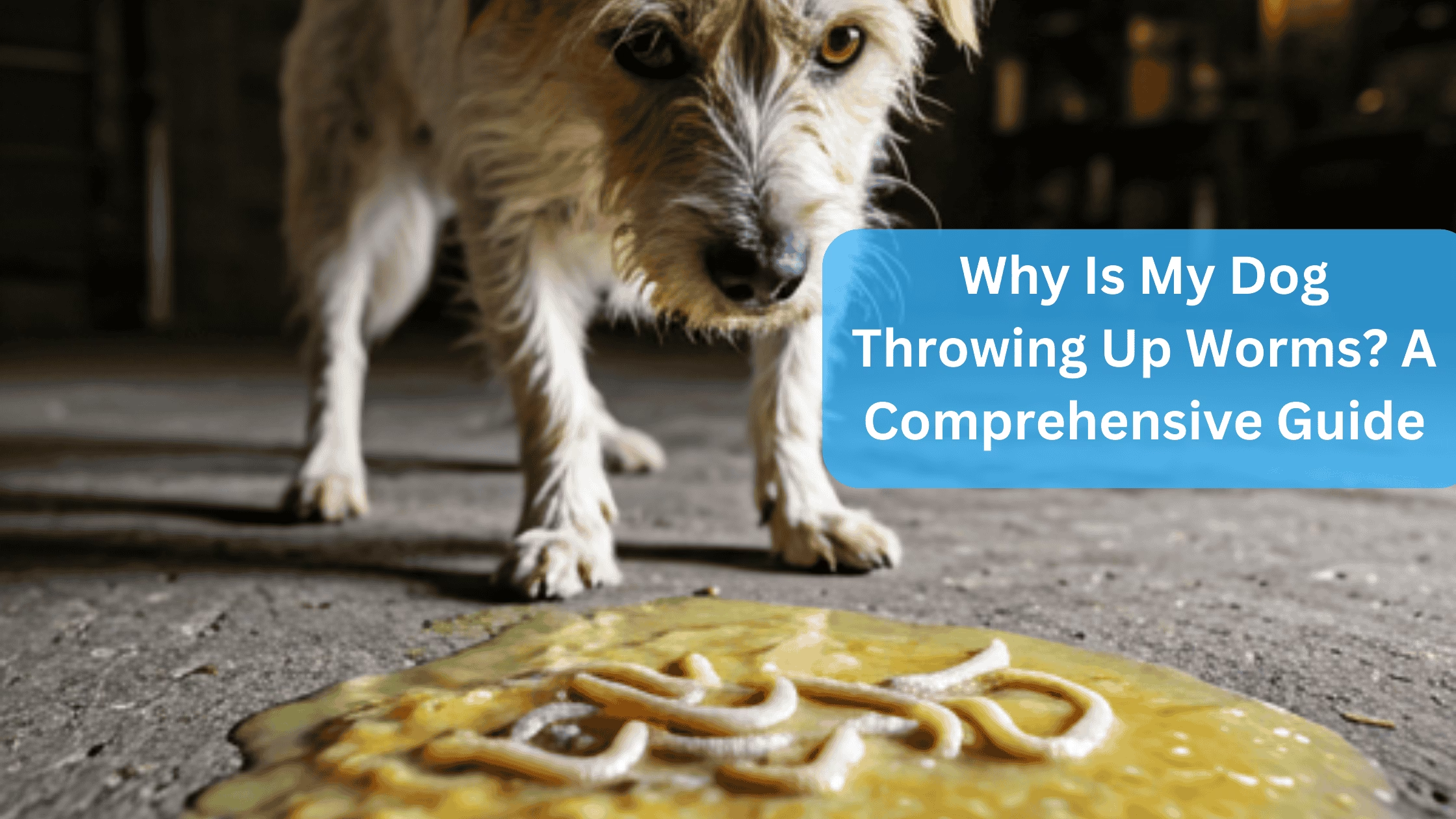
    Also Read: Why Is My Dog Throwing Up Worms? A Comprehensive Guide

    Also Read: Can Dogs Get Sick from Humans? A Comprehensive Guide

    Conclusion

    While it might seem baffling when your dog decides to pee on your bed, understanding the underlying reasons can help you address the behavior effectively. Whether it’s marking territory, expressing anxiety, or a sign of an underlying medical issue, you have the tools to tackle this situation head-on.

    So, when you find yourself exclaiming, “Why does my dog pee on my bed?” remember that you’re not alone. Together, with a little patience and understanding, you can create a happier and healthier environment for both you and your furry friend.

    The road to a pee-free bed may be bumpy, but your bond with your dog will only grow stronger along the way. Cheers to many more years of cuddles—without the surprises! 🐾❤️


    Sources:

  • Can Dogs Get Sick from Humans? A Comprehensive Guide

    Can Dogs Get Sick from Humans? A Comprehensive Guide

    Can Dogs Get Sick from Humans? – As pet owners, we often wonder about the health of our furry companions, especially when it comes to the potential for illness transmission between humans and dogs.

    The question, “Can dogs get sick from humans?” is not just a matter of curiosity; it’s essential for ensuring the health and safety of both you and your pet.

    In this comprehensive guide, we will explore the various ways diseases can be transmitted from humans to dogs, debunk common myths, and provide tips on how to keep your canine friend healthy. So, let’s dive in—because knowledge is the best medicine! 🐾

    Can Dogs Get Sick from Humans? – Reverse Zoonosis in Dogs

    Reverse zoonosis refers to the transmission of diseases from humans to animals.

    While most people are familiar with zoonotic diseases (those that pass from animals to humans), reverse zoonosis is less commonly discussed.

    However, it’s crucial for pet owners to understand this phenomenon, especially in light of recent health events.

    How Does Disease Transmission Occur in ?

    Transmission can happen through several routes:

    • Direct Contact: Physical interactions such as petting or cuddling can facilitate the transfer of pathogens.
    • Contaminated Surfaces: Touching surfaces that harbor germs (like doorknobs or countertops) and then petting your dog can spread bacteria or viruses.
    • Respiratory Droplets: Coughing or sneezing near your dog can release viruses into the air.

    Common Illnesses That Dogs Can Catch from Humans

    While the risk of transmitting diseases from humans to dogs is relatively low, there are notable illnesses that can make the leap. Here are some key examples:

    1. Can Dogs Get COVID from Humans?

    Yes, dogs can catch COVID-19! Research has shown that the SARS-CoV-2 virus can be transmitted from humans to dogs. Symptoms in infected dogs may include:

    • Coughing
    • Difficulty breathing
    • Fever
    • Lethargy
    • Loss of appetite

    Fortunately, cases in dogs are rare and typically mild. If you have COVID-19, it’s advisable to avoid close contact with your dog until you recover.

    2. Can Dogs Get Influenza from Humans?

    Although dogs cannot catch human flu viruses directly, they can contract canine influenza (H3N2 and H3N8). However, there have been instances where strains of human influenza have infected dogs. Symptoms include:

    • Coughing
    • Sneezing
    • Lethargy
    • Loss of appetite

    If your dog shows signs of respiratory illness after you’ve been sick, consult your veterinarian.

    3. Can Dogs Get Salmonella from Humans?

    Salmonella is a bacteria that can cause food poisoning in both humans and dogs. You can transmit it to your dog through:

    • Contaminated food or surfaces
    • Direct contact after handling raw meat

    Symptoms in dogs may include:

    • Diarrhea
    • Vomiting
    • Fever

    To prevent transmission, practice good hygiene by washing your hands after handling food.

    4. Can Dogs Get Mumps from Humans?

    Though rare, mumps can be transmitted from humans to dogs. Symptoms in dogs may include:

    • Fever
    • Lack of appetite
    • Swelling behind the ears

    If someone in your household has mumps, it’s wise to keep your dog away from them until they recover.

    5. Can Dogs Get MRSA from Humans?

    Methicillin-resistant Staphylococcus aureus (MRSA) is a type of staph infection resistant to many antibiotics. It can be transmitted between humans and dogs through direct contact or contaminated surfaces. Symptoms in dogs may include:

    • Skin infections
    • Abscesses

    If you have an active MRSA infection, avoid close contact with your dog until it’s treated.

    Can Dogs Catch Colds from Humans?

    The common cold in humans is typically caused by rhinoviruses, which cannot be transmitted to dogs. However, similar respiratory infections can affect both species independently.

    Dogs can suffer from kennel cough (Bordetella bronchiseptica), which presents similar symptoms like coughing and sneezing.

    What About Other Transmissible Diseases?

    While we’ve focused on illnesses that can be transmitted from humans to dogs, it’s essential also to consider diseases that may go the other way—those that can be passed from dogs to humans (zoonotic diseases). Some examples include rabies, ringworm, and certain bacterial infections like Campylobacter.

    Common Myths About Dogs Getting Sick from Humans

    There are several myths surrounding the idea of disease transmission between humans and dogs. Let’s debunk some common misconceptions:

    Myth 1: Dogs Can Catch Human Colds

    Fact: While both humans and dogs may experience cold-like symptoms, the viruses that cause colds in people are generally species-specific and cannot be transmitted to dogs.

    Myth 2: You Can Get Sick from Your Dog

    Fact: While there are some diseases that can be transmitted from dogs to humans (like rabies or ringworm), most common illnesses do not cross over between species.

    Myth 3: All Pets Can Catch Human Illnesses

    Fact: Not all pets are susceptible to human illnesses. For example, cats are more likely than dogs to catch colds from their owners due to their different immune systems.

    Myth 4: If You’re Sick, It’s Safe to Cuddle Your Dog

    Fact: While most common colds won’t affect your dog, if you have a contagious illness like COVID-19 or flu-like symptoms, it’s best to limit close contact until you recover.

    Preventing Illness Transmission Between Humans and Dogs

    Now that we know some illnesses that can pass from humans to dogs, let’s discuss how to minimize these risks:

    1. Practice Good Hygiene: Wash your hands regularly after handling food or being around sick individuals.
    2. Avoid Close Contact When Sick: If you’re feeling under the weather, limit physical interactions with your dog until you recover.
    3. Keep Your Dog Healthy: Ensure your dog is up-to-date on vaccinations and regular veterinary check-ups.
    4. Clean Surfaces Regularly: Disinfect areas where you and your dog spend time together to reduce contamination risk.
    5. Monitor Your Dog’s Health: Keep an eye on any changes in behavior or health after you’ve been sick and consult your veterinarian if needed.

    Frequently Asked Questions (FAQs)

    Can I give my dog my leftover medication?

    No! Human medications can be harmful or even fatal for dogs. Always consult your veterinarian before giving any medications intended for humans.

    What should I do if my dog shows symptoms after I’ve been sick?

    If your dog shows signs of illness after you’ve been unwell—such as lethargy, vomiting, or loss of appetite—contact your veterinarian for advice on how to proceed.

    Are there any specific precautions I should take during flu season?

    During flu season or if you’re ill with a contagious disease like COVID-19, it’s wise to limit close contact with your dog as much as possible until you’re better.

    Also Read: Why Is My Dog Throwing Up Worms? A Comprehensive Guide

    Also Read: Dog Car Sickness – A Comprehensive Guide

    Also Read: Can Dogs Eat Fish Eggs? A Comprehensive Guide

    Conclusion

    In conclusion, while it is possible for dogs to get sick from humans through various pathogens, the overall risk is relatively low compared to the reverse scenario where pets transmit illnesses to their owners.

    By practicing good hygiene and being mindful of health conditions within your household, you can help keep both yourself and your furry friend healthy.

    So next time you’re feeling under the weather, remember: a little extra caution goes a long way in keeping those puppy eyes bright and healthy! And who knows? Maybe all they need is some extra cuddles (from a safe distance) while you recover! 🐕❤️


    Sources:

  • Why Is My Dog Throwing Up Worms? A Comprehensive Guide

    Why Is My Dog Throwing Up Worms? A Comprehensive Guide

    Why Is My Dog Throwing Up Worms? Seeing your beloved canine companion throw up can be a distressing experience, especially when the contents include worms.

    While this may seem alarming, understanding the reasons behind this occurrence can help you take appropriate action to protect your dog’s health.

    In this guide, we will delve into the various types of worms that can affect dogs, the symptoms of worm infestations, and what steps you should take if you find your dog throwing up worms.

    Understanding Worms in Dogs

    Worms are a common issue for dogs, and they can lead to serious health problems if left untreated. The most prevalent types of worms that affect dogs include:

    • Roundworms: These are long, spaghetti-like parasites that can grow up to 7 inches in length. They are especially common in puppies and can be transmitted through their mother’s milk or feces.
    • Tapeworms: These flat, segmented worms resemble grains of rice and attach themselves to the intestinal wall. Dogs typically acquire tapeworms by ingesting fleas or rodents that carry the larvae.
    • Hookworms: Small but dangerous, hookworms latch onto the intestinal wall and feed on blood. They can cause severe anemia, particularly in puppies.
    • Whipworms: Less common than other types, whipworms reside in the large intestine and can lead to diarrhea and weight loss.

    Understanding these types of worms is crucial for recognizing symptoms and seeking timely treatment.

    Why Is My Dog Throwing Up Worms?

    When your dog vomits worms, it often indicates a significant infestation. Here are the primary reasons why this may occur:

    1. Heavy Intestinal Parasite Load

    A high number of intestinal parasites can overwhelm your dog’s digestive system, leading to vomiting.

    This is particularly common in puppies or dogs with compromised immune systems.

    When the worms multiply excessively, they disrupt normal digestion, resulting in vomiting as the body attempts to expel the invaders.

    2. Gastrointestinal Obstruction

    In some cases, a large number of worms can obstruct the gastrointestinal (GI) tract.

    This blockage can cause severe discomfort and lead to vomiting as the body tries to clear the obstruction.

    If you notice persistent vomiting along with signs of distress (like pacing or whining), it’s crucial to seek veterinary assistance immediately.

    3. Reaction to Worm Treatment

    If your dog has recently been treated for worms, they may vomit as a reaction to the medication or as a result of dying parasites being expelled from their system.

    This is often temporary but should still be monitored closely.

    Common Symptoms of Worm Infestation in Dogs

    In addition to vomiting worms, other symptoms may indicate your dog has a worm infestation:

    • Diarrhea: Dogs with worms often experience diarrhea, which may be bloody in cases of hookworm infection.
    • Potbellied Appearance: Particularly in puppies, a bloated belly can signal a heavy roundworm infestation.
    • Weight Loss: Despite having a good appetite, dogs with worms often lose weight due to nutrient absorption issues.
    • Dull Coat: A shiny coat is a sign of good health; if your dog’s coat appears dull or dry, it could indicate an underlying problem like worms.
    • Lethargy: If your dog is more tired than usual or less active, it might be due to worm-related health issues.
    • Scooting: Dogs may scoot their bottoms on the ground if they have anal irritation from worms.

    What Should I Do If My Dog Is Throwing Up Worms?

    If you observe your dog vomiting worms, follow these steps:

    1. Stay Calm: While it’s natural to feel anxious, staying calm will help you think clearly about what needs to be done next.
    2. Examine the Vomit: If possible, take note of what type of worms you see (roundworms look like spaghetti; tapeworm segments resemble grains of rice). This information will be helpful for your veterinarian.
    3. Contact Your Veterinarian: Schedule an appointment as soon as possible. Your vet will likely perform a physical examination and may request a fecal sample to identify the type of worm present.
    4. Follow Treatment Protocols: Depending on the type of worm diagnosed, your veterinarian will prescribe appropriate deworming medications. It’s essential to follow their instructions carefully for effective treatment.
    5. Monitor Your Dog’s Recovery: Keep an eye on your dog’s behavior after treatment. If vomiting persists or other symptoms worsen, return to the vet for further evaluation.

    Preventing Worm Infestations in Dogs

    Prevention is always better than cure! Here are some tips to help keep your dog worm-free:

    • Regular Deworming: Follow your veterinarian’s recommendations for deworming schedules based on your dog’s age and lifestyle.
    • Flea Control: Since tapeworms are spread through fleas, maintaining a strict flea control regimen is vital.
    • Good Hygiene Practices: Clean up after your dog promptly and avoid letting them sniff or eat feces from other animals.
    • Healthy Diet: Feed your dog a balanced diet that supports their immune system and overall health.
    • Limit Exposure: Keep your dog away from areas where they might encounter infected animals or contaminated soil.

    Frequently Asked Questions (FAQs)

    What should I do if I see worms in my dog’s vomit?

    If you see worms in your dog’s vomit, it’s important to contact your veterinarian immediately for advice and potential treatment options. They may recommend bringing in a sample for examination and will likely want to perform tests on your dog.

    Can humans get worms from dogs?

    Yes, some types of worms can be transmitted from dogs to humans (zoonotic transmission). For instance, roundworms pose a risk especially for young children and pregnant women. Good hygiene practices are essential in preventing transmission.

    How often should I deworm my dog?

    The frequency of deworming depends on several factors including age, lifestyle (e.g., if they spend time outdoors), and exposure risks. Puppies typically require more frequent deworming than adult dogs; consult with your veterinarian for personalized recommendations.

    Are there any home remedies for treating worm infestations?

    While some home remedies are suggested online (like pumpkin seeds or garlic), they are not scientifically proven or reliable treatments for worm infestations. It’s best to seek veterinary care for effective treatment options.

    How can I tell if my dog has worms without seeing them?

    Signs that may indicate a worm infestation include changes in appetite (increased hunger or loss of appetite), unexplained weight loss, lethargy, diarrhea (possibly with blood), and changes in coat condition (dullness or excessive shedding).

    Also Read: Can Dogs Eat Fish Eggs? A Comprehensive Guide

    Also Read: Can Dogs Eat Raw Chicken Breast? A Comprehensive Guide

    Conclusion

    Seeing your dog throw up worms can be distressing for any pet owner.

    However, understanding why it happens and knowing how to respond can make all the difference in ensuring your dog’s health and well-being.

    Regular veterinary check-ups and preventive measures are key components in keeping those pesky parasites at bay!


    Sources:

  • Can Dogs Eat Fish Eggs? A Comprehensive Guide

    Can Dogs Eat Fish Eggs? A Comprehensive Guide

    As a dog owner, you may find yourself wondering about the variety of foods that can be safely shared with your furry friend. One intriguing question that often arises is: Can dogs eat fish eggs? Whether you’re considering caviar or roe, this guide will dive into everything you need to know about feeding fish eggs to dogs, including the benefits, risks, and how to do it safely. So, let’s get started—your pup is in for a treat! 🐾

    Fish Eggs

    Fish eggs, commonly known as roe, come in various forms, including caviar (the salted roe of sturgeon) and other types of fish eggs like salmon roe or trout roe. These tiny pearls of goodness are not just a delicacy for humans; they also offer several nutritional benefits that can be beneficial for dogs.

    Nutritional Benefits of Fish Eggs

    Fish eggs are packed with nutrients that can contribute positively to your dog’s health:

    • High in Protein: Fish eggs are an excellent source of protein, which is essential for maintaining muscle mass and overall health.
    • Rich in Omega-3 Fatty Acids: These healthy fats are known for their anti-inflammatory properties and can promote a shiny coat, healthy skin, and overall cardiovascular health.
    • Vitamins and Minerals: Fish eggs contain essential vitamins such as B12, vitamin A, and vitamin D, as well as minerals like iron and selenium, which support various bodily functions.

    Can Dogs Eat Fish Eggs? Are Fish Eggs Safe for Dogs?

    The short answer is yes—fish eggs can be safe for dogs to eat in moderation. However, there are important considerations to keep in mind:

    • Moderation is Key: Due to their high sodium content (especially in caviar), fish eggs should only be given as an occasional treat rather than a regular part of your dog’s diet. Too much sodium can lead to dehydration and other health issues.
    • Allergies: Just like humans, dogs can have food allergies. If you’re introducing fish eggs for the first time, start with a small amount and monitor your dog for any adverse reactions such as itching or gastrointestinal upset.
    • Quality Matters: Ensure that the fish eggs you offer are fresh and sourced from reputable suppliers. Avoid any products that contain additives or preservatives that may be harmful to your dog.

    Benefits of Feeding Fish Eggs to Dogs

    Feeding fish eggs to your dog can provide several benefits:

    • Enhanced Skin and Coat Health: The omega-3 fatty acids found in fish eggs help maintain healthy skin and a shiny coat. They can also reduce inflammation associated with skin conditions.
    • Improved Joint Health: Omega-3s are known for their anti-inflammatory properties, which can benefit dogs suffering from joint issues or arthritis.
    • Cognitive Function: Some studies suggest that omega-3 fatty acids may support cognitive function in dogs, helping them stay sharp as they age.

    Risks of Feeding Fish Eggs to Dogs

    While fish eggs have their benefits, there are also risks involved:

    • High Sodium Content: Many types of fish eggs are salted during processing. High sodium intake can lead to excessive thirst and even sodium ion poisoning in severe cases.
    • Bacterial Contamination: Raw fish eggs may carry harmful bacteria such as Salmonella or Listeria, which can pose health risks to both dogs and humans. Always ensure that any fish product is properly handled and cooked if necessary.
    • Potential Allergies: As mentioned earlier, some dogs may have allergies to fish or seafood. Always watch for signs of an allergic reaction when introducing new foods.

    How to Safely Introduce Fish Eggs into Your Dog’s Diet

    If you decide to give your dog fish eggs, here’s how to do it safely:

    1. Start Small: Introduce fish eggs gradually into your dog’s diet. Begin with a small amount mixed into their regular food.
    2. Monitor Reactions: Keep an eye on your dog for any signs of allergies or gastrointestinal upset after consuming fish eggs. If you notice any adverse reactions, discontinue feeding them immediately.
    3. Choose Quality Products: Opt for high-quality fish eggs without additives or preservatives. Freshness is crucial—avoid expired products.
    4. Consult Your Veterinarian: Before making any significant changes to your dog’s diet or introducing new foods like fish eggs, consult with your veterinarian to ensure it’s appropriate for your dog’s specific health needs.

    How Many Fish Eggs Can I Feed My Dog?

    When it comes to portion sizes, moderation is essential:

    • For small dogs (under 20 pounds), consider giving no more than 1 teaspoon of fish eggs once or twice a week.
    • For medium-sized dogs (20-50 pounds), you can offer up to 1 tablespoon once or twice a week.
    • Larger dogs (over 50 pounds) may tolerate up to 2 tablespoons occasionally.

    Always remember that treats should not exceed 10% of your dog’s daily caloric intake!

    FAQ’S – Common Questions About Feeding Fish Eggs to Dogs

    Can all types of fish eggs be fed to dogs?

    Yes! Most types of fish roe (like salmon roe or trout roe) are safe for dogs in moderation. However, avoid feeding them processed products with added salts or preservatives.

    Is caviar safe for dogs?

    Caviar can be safe for dogs when given in moderation. Just remember its high sodium content—it’s best treated as an occasional indulgence rather than a staple food item.

    What should I do if my dog eats too many fish eggs?

    If you suspect your dog has consumed too many fish eggs and shows signs of distress (like vomiting or diarrhea), contact your veterinarian for advice on how to proceed.

    Also Read: Can Dogs Eat Raw Chicken Breast? A Comprehensive Guide

    Also Read: How to cook Sweet Potatoes for Dogs: Best Guide

    Also Read: Why Is My Dog Not Eating His Food but Will Eat Treats? Best Tips!

    Conclusion

    In conclusion, feeding fish eggs to dogs can be a delightful treat when done correctly! Packed with nutrients like protein and omega-3 fatty acids, these little gems can contribute positively to your pup’s overall health—just remember moderation is key!

    As always, consult with your veterinarian before introducing new foods into your dog’s diet. They’ll help ensure that any changes align with your dog’s specific dietary needs.

    So next time you’re enjoying some sushi or indulging in caviar at a fancy dinner party, don’t forget about those puppy eyes looking up at you! With the right precautions and knowledge in hand, you can share the joy of delicious fish eggs with your furry friend—just make sure they don’t try rolling them around like toys! 🐕✨


    Sources:

  • Can Dogs Eat Raw Chicken Breast? A Comprehensive Guide

    Can Dogs Eat Raw Chicken Breast? A Comprehensive Guide

    Can Dogs Eat Raw Chicken Breast? As a dog owner, you might be wondering about the safety and benefits of incorporating raw chicken breast into your furry friend’s diet. The topic of feeding dogs raw food, particularly raw chicken, is often surrounded by myths and misconceptions.

    In this guide, we’ll explore whether dogs can eat raw chicken breast, the potential benefits and risks, and how to do it safely if you choose to go this route. So, let’s dig in—just like your dog would with a tasty treat! 🐾

    Raw Chicken Breast in a Dog’s Diet

    Raw chicken breast is a popular choice among advocates of raw feeding diets for dogs. It is known for being low in fat and high in protein, which can contribute to a balanced diet when combined with other food sources. However, before you start tossing raw chicken into your dog’s bowl, it’s essential to understand the implications.

    Nutritional Benefits of Raw Chicken Breast for Dogs

    • High Protein Content: Raw chicken breast is an excellent source of lean protein, which is crucial for muscle development and overall health.
    • Low Fat: With its low-fat content, chicken breast is suitable for maintaining a healthy weight in dogs.
    • Rich in Nutrients: It contains essential vitamins and minerals such as niacin (Vitamin B3) and phosphorus, which support various bodily functions.

    Despite these benefits, it’s important to note that raw chicken breast should not be the only component of your dog’s diet. A well-rounded diet includes various proteins and nutrients to ensure your pet receives all the necessary dietary components.

    The Risks of Feeding Raw Chicken Breast to Dogs

    While many dogs can consume raw chicken without issues, there are significant risks associated with feeding them raw meat:

    • Bacterial Contamination: Raw chicken can carry harmful bacteria like Salmonella and Campylobacter. These bacteria can cause serious health problems not only for dogs but also for humans handling the meat. Symptoms of food poisoning in dogs include vomiting, diarrhea, and lethargy.
    • Nutritional Imbalance: Relying solely on raw chicken breast may lead to nutritional deficiencies. Dogs require a variety of proteins and nutrients for optimal health.
    • Allergic Reactions: Some dogs may be allergic to chicken. If you notice any signs of allergies (like itching or gastrointestinal upset), consult your veterinarian immediately.

    Can Dogs Eat Raw Chicken Breast?

    Most healthy dogs can eat raw chicken breast. Their digestive systems are designed to handle bacteria better than humans. However, certain groups may be at higher risk:

    • Puppies: Their immune systems are still developing.
    • Older Dogs: They may have compromised immune systems.
    • Dogs with Health Issues: Any dog with existing health problems should avoid raw diets unless advised by a veterinarian.

    How to Safely Introduce Raw Chicken Breast into Your Dog’s Diet

    If you’re considering adding raw chicken breast to your dog’s diet, here are some tips for doing so safely:

    1. Start Slow: Introduce raw chicken gradually into your dog’s diet to monitor how they react. Start with small amounts mixed with their regular food.
    2. Ensure Freshness: Always use fresh chicken from reputable sources. Check expiration dates and avoid any signs of spoilage.
    3. Practice Good Hygiene: Wash your hands thoroughly after handling raw chicken and clean any surfaces or utensils used during preparation to prevent cross-contamination.
    4. Consult Your Vet: Before making any significant changes to your dog’s diet, consult with your veterinarian to ensure it’s appropriate for your dog’s specific health needs.

    How Much Raw Chicken Breast Should You Feed?

    Determining the right amount of raw chicken breast for your dog depends on several factors including their size, age, activity level, and overall health. A general guideline is:

    • For adult dogs: Approximately 2% to 3% of their body weight per day in total food (including all components of their diet).

    For example:

    • A 50-pound dog would need about 1 to 1.5 pounds of food daily.

    Different Parts of the Chicken and Their Benefits

    When considering feeding raw chicken breast, it’s helpful to know which parts are safe and beneficial for dogs:

    Chicken PartBenefits
    Raw Chicken BreastLean protein source; low in fat
    Raw Chicken ThighsHigher fat content; good for active dogs
    Raw Chicken WingsGood ratio of meat to bone; helps clean teeth
    Raw Chicken NecksExcellent for teeth cleaning; watch for small bones
    Raw Chicken LiversPacked with vitamins; should be fed in moderation

    FAQ’S – Common Questions About Feeding Dogs Raw Chicken Breast

    Is it safe to feed my dog raw chicken bones?

    Yes! Dogs can safely consume raw chicken bones as long as the pieces are large enough that your dog can’t swallow them whole. However, always supervise your dog while they’re eating bones to prevent choking hazards.

    What if my dog eats cooked chicken?

    Cooked chicken is generally safe for dogs as long as it’s unseasoned and free from bones. Cooked bones can splinter and cause serious internal injuries, so always remove them before serving.

    Can I feed my dog raw chicken breast every day?

    While many advocates support feeding raw diets daily, it’s essential to ensure that your dog’s overall diet remains balanced with various protein sources and nutrients.

    Also Read: Why Is My Dog Not Eating His Food but Will Eat Treats? Best Tips!

    Also Read: Why Do Dogs Wag Their Tails When Sleeping? Best Guide

    Conclusion

    So there you have it! Feeding your dog raw chicken breast can be a healthy addition to their diet when done correctly. Just remember the importance of balance and safety—after all, we want our furry friends happy and healthy!

    If you’re ever in doubt about what’s best for your pup’s diet or if they show any adverse reactions after eating raw chicken (or any new food), don’t hesitate to reach out to your veterinarian. They’re there to help you navigate the sometimes murky waters of pet nutrition!

    Now go ahead—give that pup a treat (maybe not just yet with the raw chicken though)! 🐾


    Sources:


  • Why Is My Dog Not Eating His Food but Will Eat Treats? Best Tips!

    Why Is My Dog Not Eating His Food but Will Eat Treats? Best Tips!

    As a devoted dog owner, few things are as concerning as watching your furry friend turn up their nose at their regular food while eagerly gobbling up treats. If you’ve found yourself asking, “Why is my dog not eating his food but will eat treats?” you’re not alone!

    This behavior, often referred to as partial anorexia, can stem from a variety of reasons ranging from health issues to behavioral quirks.

    In this comprehensive guide, we’ll explore the possible causes, solutions, and when to seek veterinary advice—all while keeping it informative, friendly, and just a tad witty. Let’s dive in!

    Understanding the Basics: What Is Partial Anorexia?

    Before we delve into the reasons behind your dog’s selective eating habits, it’s essential to understand what partial anorexia means.

    • Partial Anorexia: This term refers to a condition where your dog refuses to eat their regular food but will still consume treats or table scraps. It’s not just about being picky; it often indicates that something is amiss with their health or environment.
    • Full Anorexia: This is a more severe condition where a dog refuses to eat anything at all, including treats. If you suspect your dog is experiencing full anorexia, it’s crucial to consult a veterinarian immediately.

    Why Is My Dog Not Eating His Food but Will Eat Treats?

    If your dog is avoiding their regular meals but still enjoying treats, it’s a sign that something needs attention—whether it’s their diet, health, or emotional well-being.

    Common Reasons Why My Dog Is Not Eating His Food But Will Eat Treats

    Let’s explore some of the most common reasons why your pup might be snubbing their kibble but happily accepting those tasty morsels.

    1. Boredom with Regular Food

    Just like humans can get tired of eating the same meal every day (who wants plain oatmeal for breakfast every morning?), dogs can also become bored with their regular food.

    • Signs: If your dog seems uninterested in their food but perks up at the sight of treats or table scraps, boredom might be the culprit.
    • Solution: Try rotating different flavors or brands of dog food to keep mealtime exciting. You could also mix in some wet food or add safe toppings like pumpkin or plain yogurt for variety.

    2. Stress and Anxiety

    Dogs are sensitive creatures, and changes in their environment can lead to stress and anxiety. Whether it’s moving to a new home, the arrival of a new pet or baby, or even loud noises like thunderstorms, stress can significantly impact a dog’s appetite.

    • Signs: Look for signs of anxiety such as pacing, excessive barking, or hiding. If your dog seems anxious during mealtimes, they may associate feeding with stress.
    • Solution: Create a calm feeding environment by minimizing distractions and providing a safe space for your dog to eat. Consider using calming aids such as anxiety wraps or pheromone diffusers if necessary.

    3. Disruptions in Routine

    Dogs thrive on routine. Sudden changes in feeding times or schedules can confuse them and lead to temporary appetite loss.

    • Signs: If you’ve recently changed your dog’s feeding schedule or moved their food bowl to a different location, they might be hesitant to eat.
    • Solution: Try to stick to a consistent feeding schedule and keep their feeding area familiar and comfortable.

    4. Treat Overload

    Let’s face it—treats are delicious! If you’ve been generous with treats lately (who can resist those puppy eyes?), your dog might simply be too full to bother with their regular meals.

    • Signs: If your dog is refusing meals but eagerly accepting treats throughout the day, they may be filling up on goodies instead of their balanced diet.
    • Solution: Limit treat intake and ensure that they are only given during training sessions or as rewards for good behavior. This will help reinforce that meals are the primary source of nutrition.

    5. Power Dynamics with Other Pets

    In multi-pet households, competition for food can create stress for some dogs. If one pet is more dominant or aggressive during mealtime, it could discourage another pet from eating.

    • Signs: If you notice one pet guarding food while another avoids eating altogether, this could be an issue.
    • Solution: Feed pets separately in different rooms to reduce competition and stress during mealtime.

    6. Food Preferences

    Just like humans have favorite foods (hello pizza!), dogs also develop preferences based on taste and texture. If you’ve switched brands or types of food recently, your dog may simply prefer what they used to eat.

    • Signs: If your dog turns up their nose at new kibble but devours treats enthusiastically, they might have developed a preference for specific flavors or textures.
    • Solution: Experiment with different types of food (dry vs. wet) or brands until you find one that excites your pup’s palate!

    7. Health Issues

    Sometimes the reason behind a dog’s refusal to eat is more serious than mere pickiness—it could indicate an underlying health problem such as dental issues, gastrointestinal problems, or other medical conditions.

    • Signs: Look for additional symptoms such as lethargy, vomiting, diarrhea, or changes in behavior. If your dog seems unwell in any way alongside refusing food, it’s time for a vet visit.
    • Solution: Schedule an appointment with your veterinarian for a thorough examination and diagnostic tests if necessary.

    How to Encourage Your Dog to Eat

    If you’ve identified why your dog isn’t eating their regular meals but will happily munch on treats, here are some strategies you can implement:

    1. Make Mealtime Exciting

    Try adding some excitement back into mealtime by:

    • Mixing in wet food with dry kibble.
    • Adding tasty toppers like low-sodium chicken broth or pureed vegetables.
    • Offering different flavors of kibble to see if they show interest in any particular type.

    2. Stick to Scheduled Feeding Times

    Set specific times for meals and avoid leaving food out all day:

    • Place the food bowl down for about 15–20 minutes.
    • If they don’t eat within that time frame, take the bowl away until the next scheduled feeding time.

    This approach helps establish routine and encourages them to eat when food is available.

    3. Limit Treats Between Meals

    To ensure that treats don’t spoil your dog’s appetite:

    • Cut back on treats significantly until they start eating their regular meals again.
    • Use smaller pieces of treats during training sessions rather than full-sized ones.

    4. Create a Calm Environment

    Make mealtime peaceful by:

    • Reducing noise levels around feeding times.
    • Providing a quiet space where your dog feels safe while eating.

    This can help alleviate any anxiety associated with eating.

    5. Consult Your Veterinarian

    If you’ve tried various strategies without success:

    • Schedule an appointment with your vet.

    They can evaluate potential health issues affecting appetite and provide tailored advice based on your dog’s specific needs.

    Frequently Asked Questions (FAQs)

    Why is my dog eating everything but his food?

    Some dogs may engage in pica, an eating disorder where they consume non-food items due to nutritional deficiencies or behavioral reasons. Always consult with a vet if you suspect this behavior!

    How can I get my dog to eat instead of treats?

    Start by cutting out all non-meal snacks and ensuring that the food you provide is appealing and nutritionally balanced. Stick with one type of food consistently until they develop an appetite for it again.

    Can stress cause my dog not to eat?

    Absolutely! Just like humans can lose their appetite due to stressors like moving homes or changes in routine, dogs can also experience similar reactions that affect their desire to eat.

    Should I worry if my dog won’t eat?

    If your dog refuses food for more than 24 hours or shows signs of illness (like vomiting or lethargy), it’s best to consult with your veterinarian promptly!

    Also Read: Why Do Dogs Wag Their Tails When Sleeping? Best Guide

    Also Read: Why does my dog smell like maple syrup? Best Guide

    Conclusion

    Seeing your beloved pup refuse their regular meals while happily accepting treats can be concerning—but understanding the reasons behind this behavior is essential for addressing it effectively.

    Whether it’s boredom with their diet, stress from environmental changes, or potential health issues at play, being proactive about identifying the cause will help ensure your furry friend remains happy and healthy!

    Remember that patience is key; sometimes it takes time for dogs to adjust back into healthy eating habits after disruptions. With love and attention—and maybe a sprinkle of humor—you’ll have them wagging their tails at mealtime once again! 🐾💖


    Sources:

  • Why Do Dogs Wag Their Tails When Sleeping? Best Guide

    Why Do Dogs Wag Their Tails When Sleeping? Best Guide

    Why Do Dogs Wag Their Tails When Sleeping? If you’ve ever found yourself watching your dog sleep, you might have noticed their tail wagging or twitching. This adorable behavior can leave pet owners both curious and entertained.

    But why do dogs wag their tails while they sleep? In this comprehensive guide, we’ll explore the reasons behind this tail-wagging phenomenon, what it might indicate about your dog’s dreams and emotions, and when to consider consulting a veterinarian.

    So, grab a cozy blanket and settle in as we dive into the fascinating world of canine sleep behaviors!

    Understanding Canine Sleep Cycles

    Before we can fully appreciate why dogs wag their tails while sleeping, it’s important to understand how dogs sleep. Just like humans, dogs experience different stages of sleep, primarily categorized into light sleep and REM (Rapid Eye Movement) sleep.

    The Stages of Dog Sleep

    • Light Sleep: This is the initial stage where your dog may appear to be resting but is still somewhat aware of their surroundings. They might twitch slightly or move their paws as if dreaming.
    • REM Sleep: This is the stage where dreaming occurs. During REM sleep, your dog’s brain is highly active, and their body may exhibit various movements, including tail wagging, twitching, or even vocalizations like barking or whining.

    Interestingly, a dog’s sleep cycle is much shorter than that of humans—typically around 20 minutes compared to our 90-minute cycles. This means that dogs enter REM sleep more quickly and often take multiple naps throughout the day.

    Why Do Dogs Wag Their Tails When Sleeping?

    Now that we have a grasp on canine sleep cycles, let’s explore the primary reasons why dogs wag their tails while they snooze.

    1. Dreaming

    The most common reason for tail wagging during sleep is that your dog is dreaming! Just like humans, dogs go through REM sleep where they can dream about their daily experiences. This could include chasing squirrels in the park or playing fetch with you.

    • What It Looks Like: You might notice gentle tail wagging or even more vigorous movements if they’re particularly excited in their dream.
    • Fun Fact: Some studies suggest that dogs may dream similarly to humans, reliving experiences from their day!

    2. Emotional Responses

    Dogs are emotional creatures, and their tails are a key part of how they express feelings. Even in sleep, they may react to positive memories or comforting feelings associated with their owners or experiences.

    • What It Looks Like: A soft wagging tail while sleeping often indicates contentment and happiness.
    • Witty Insight: Think of it as your dog having a “tail party” in their dreams—everyone’s invited!

    3. Physical Reflexes

    Sometimes, tail movements during sleep can be involuntary reflexes. Just as humans might twitch or move their legs when dreaming, dogs can exhibit similar physical reactions without any specific emotional context.

    • What It Looks Like: You might see quick twitches or sporadic wagging that doesn’t seem tied to any particular dream scenario.

    4. Contentment While Asleep

    When your dog is deeply relaxed and comfortable in their sleeping environment, they may wag their tail simply out of sheer contentment.

    • What It Looks Like: A slow wagging motion can indicate that your dog feels safe and happy in their resting place.

    Identifying Normal Tail Wagging During Sleep

    To assess whether your dog’s tail wagging during sleep is normal, consider these indicators:

    1. Frequency of Wagging

    • Occasional Wagging: Generally normal and indicates dreaming or relaxation.
    • Constant or Erratic Movements: May warrant closer observation.

    2. Accompanying Sounds

    • Happy Sounds: If your dog seems relaxed and makes soft noises like whimpering or gentle barking, they are likely having a pleasant dream.
    • Distress Sounds: If you hear whining or barking that seems anxious while they are wagging their tail, it could indicate a bad dream.

    3. Overall Body Language

    • Relaxed Posture: Soft facial features and a comfortable posture usually mean they’re enjoying pleasant dreams.
    • Tense Appearance: If they look anxious even while sleeping, it may be worth investigating further.

    Common Conditions Associated with Tail Wagging

    While tail wagging during sleep is typically harmless, there are certain conditions that might cause unusual movements requiring attention:

    1. Sleep Disorders

    Some dogs may experience sleep disorders affecting their quality of rest and behavior. If you notice excessive movement during sleep that disrupts their rest regularly, consulting with a veterinarian may be necessary.

    • What to Do: Keep a record of your dog’s sleeping patterns and behaviors for discussion with your vet for proper evaluation.

    2. Neurological Issues

    In rare cases, abnormal tail movements during sleep could indicate neurological problems. If you observe any other concerning symptoms such as seizures or loss of coordination when awake, seek veterinary advice promptly.

    • What to Do: Monitor for additional symptoms and schedule an appointment with your veterinarian for thorough examination if necessary.

    When Should You Be Concerned?

    While most tail wagging during sleep is perfectly normal, there are certain signs that should prompt you to consult a veterinarian:

    • Sudden Changes in Sleep Patterns: If your dog’s sleeping habits change dramatically—such as increased restlessness or excessive movement—it could indicate an underlying issue.
    • Signs of Distress During Sleep: If your dog appears distressed (e.g., whining excessively or showing signs of pain), it’s important to investigate further.
    • Physical Injuries from Tail Wagging: Vigorous tail movements can lead to injuries if they hit nearby objects like furniture or walls. Be cautious about waking them if they seem to be having a nightmare but monitor them for safety.

    Creating a Comfortable Sleeping Environment for Your Dog

    To ensure your furry friend gets quality rest (and perhaps some delightful dreams), consider these tips for creating an ideal sleeping environment:

    1. Choose the Right Bed

    Invest in a comfortable bed that suits your dog’s size and sleeping style. Orthopedic beds are great for older dogs needing extra support for joints.

    2. Maintain a Consistent Sleep Schedule

    Establishing a routine can help regulate your dog’s internal clock. Aim for consistent bedtimes and wake-up times to promote better sleep quality.

    3. Ensure a Calm Sleeping Space

    Create a quiet area free from distractions where your dog can feel safe and secure while sleeping. Consider using calming scents like lavender or playing soft music designed for pets to enhance relaxation.

    Also Read: Why does my dog smell like maple syrup? Best Guide

    Also Read: Why Does My Dog Smell Like Metal? A Comprehensive Guide

    Conclusion

    Understanding why dogs wag their tails when sleeping involves considering factors such as dreaming, emotional responses, and physical reflexes.

    While occasional tail wagging during sleep is typically harmless and often indicates happy dreams, persistent unusual movements should be monitored closely.

    Always consult with your veterinarian if you have concerns about your dog’s health or behavior—your furry friend relies on you for care and attention!

    By addressing these questions comprehensively, we hope you feel more informed about your pet’s health and well-being! Remember that being proactive about your dog’s health will help ensure they live a long and happy life by your side! 🐶💤


    Sources: