Is It OK to Switch Dog Food Flavors? Switching dog food flavors is a topic of interest for many pet owners. Whether you’re considering a change due to dietary needs, preferences, or simply wanting to provide variety for your dog, it’s important to understand the potential impacts and best practices for making the switch.
In this article, we’ll address common questions and concerns regarding changing dog food flavors and provide a step-by-step guide for making the transition.
Is It OK to Switch Dog Food Flavors?
Yes, it is generally okay to switch dog food flavors, but it should be done gradually to avoid upsetting your dog’s digestive system. Introducing new flavors can provide dietary variety and prevent your dog from becoming bored with their food.
Common Concerns About Switching Dog Food Flavors
Reddit Perspectives
Many pet owners on platforms like Reddit share their experiences and concerns about switching dog food flavors. The consensus is that while it is possible, it must be done correctly to avoid health issues.
Will Changing Dog Food Flavor Cause Diarrhea?
Changing dog food flavors can cause diarrhea if not done gradually. A sudden change in diet can disrupt the digestive system, leading to gastrointestinal issues like diarrhea.
Changing Dog Food Within the Same Brand
Switching flavors within the same brand is usually less problematic than switching brands entirely. Many brands maintain a consistent nutrient profile across different flavors, which can ease the transition.
Changing Dog Food Too Quickly: Symptoms
Rapid changes in dog food can lead to symptoms such as diarrhea, vomiting, and decreased appetite. Gradual transitions help mitigate these issues by allowing the digestive system to adjust.
Switching Dog Food Without Mixing
Switching dog food without mixing the new flavor with the old one can increase the risk of digestive upset. A gradual blend over a week or so is recommended to allow your dog’s system to adapt.
Can Changing Dog Food Kill a Dog?
While it’s highly unlikely that changing dog food flavors would be fatal, sudden changes can lead to severe digestive distress. It’s crucial to monitor your dog for adverse reactions and consult a vet if necessary.
Can You Switch Between Purina Pro Plan Flavors?
Yes, you can switch between Purina Pro Plan flavors. However, it’s still advisable to do so gradually to ensure your dog’s digestive system adjusts smoothly.
Switching Dog Food Without Mixing Reddit
Discussions on Reddit highlight that some dog owners switch dog food without mixing and report no issues, while others experience digestive problems. It’s generally safer to transition slowly.
Best Practices for Changing Dog Food Flavors
How Often Should I Change Dog Food Flavor?
There is no fixed rule on how often you should change dog food flavors. Some experts suggest rotating every few months to maintain dietary variety, while others recommend sticking to a flavor that your dog enjoys and digests well.
Is It Okay to Mix Different Flavors of Dog Food?
Yes, mixing different flavors of dog food can provide variety and maintain interest in meals. Ensure the mixed foods are nutritionally balanced and compatible.
Should I Rotate Dog Food Flavors?
Rotating dog food flavors can prevent food boredom and may benefit some dogs by offering a broader range of nutrients. However, frequent changes should be done carefully to avoid digestive upset.
How to Gradually Change Dog Food Flavors
To avoid digestive issues and ensure a smooth transition when changing your dog’s food flavor, follow these steps:
Week 1: 75% Old Food, 25% New Food
Start by mixing 75% of the old food with 25% of the new food. This initial blend allows your dog’s digestive system to begin adapting to the new flavor without a significant shock.
Week 2: 50% Old Food, 50% New Food
After a week, mix equal parts old and new food. This balanced mix helps your dog adjust further to the new flavor while still retaining the familiar food.
Week 3: 25% Old Food, 75% New Food
Increase the new food to 75% while decreasing the old food to 25%. By this stage, your dog should be more accustomed to the new flavor.
Week 4: 100% New Food
Finally, transition to 100% new food. By now, your dog’s digestive system should be fully adjusted to the new flavor.
Keeping your dog’s food safe from ants is crucial for maintaining your pet’s health and ensuring their food remains fresh and nutritious. Here’s a detailed guide on how to get ants out of a dog food bag and prevent future infestations.
Why do ants get in dog food? – Understanding the Problem
Ants are attracted to dog food because it is a rich source of protein and carbohydrates. Even a small hole or an improperly sealed bag can invite an ant infestation.
Understanding the behavior of ants can help in effectively dealing with the problem.
Key Points:
Ants are drawn to food sources.
They can infiltrate through tiny openings.
Keeping food areas clean is essential.
How to Get Ants Out of a Dog Food Bag?
When you discover ants in your dog food bag, act quickly to prevent them from spreading. Here are the steps you should follow to get ants out of a dog food bag:
Steps:
Remove the Bag: Take the dog food bag outside to prevent ants from spreading inside your home. Place it on a surface where you can easily clean up any ants that escape.
Inspect the Food: Pour the dog food onto a clean, flat surface, such as a large tray or baking sheet, to check the extent of the infestation. Look for ants and their eggs.
Separate Ant-Free Food: If you find any portion of the food that is ant-free, set it aside in a clean, airtight container. Make sure the container is sealed properly to prevent any remaining ants from getting in.
Sift and Clean: Use a colander or sieve to sift through the dog food. This can help remove ants and their debris. Shake the colander gently to let ants fall through while retaining the food.
Dispose of Infested Food: Properly dispose of the contaminated dog food. Seal it in a plastic bag before throwing it in the trash to prevent ants from spreading.
Dealing with Mild Infestations:
If the ant infestation is mild, you can use natural, pet-safe methods to eliminate the ants:
Cornstarch: Spread the dog food out in a large container and sprinkle it with cornstarch. The ants will ingest the cornstarch, which dehydrates them and eventually kills them. Leave it for a couple of hours, then sift the dog food to remove dead ants and cornstarch.
Diatomaceous Earth (DE): Use food-grade DE, which is a powder made from fossilized algae that desiccates ants. Sprinkle it on the dog food, leave it for a few hours, and then sift to remove dead ants and DE.
For both methods, after cleaning the dog food, transfer it to an airtight container with a secure lid to prevent future ant invasions.
Dealing with Heavy Infestations:
If the ant infestation is heavy, it’s best to discard the dog food. Ants may leave behind pheromones that will continue to attract them, and the food may be contaminated with ant eggs or body parts.
Cleaning and Disinfecting the Dog Food Bag
Thoroughly clean the area where the dog food was stored to remove any ant trails and scent markers.
Steps:
Vacuum: Use a vacuum to remove any remaining ants and food particles.
Disinfect: Wipe down surfaces with a solution of vinegar and water (1:1 ratio) or an all-purpose cleaner.
Dispose of Infested Food: Properly dispose of the contaminated dog food.
Proper Storage Solutions for Dog Food
Proper storage of dog food is crucial to prevent ant infestations.
Storage Tips:
Airtight Containers: Use airtight containers to store dog food. This not only keeps ants out but also maintains freshness.
Elevated Storage: Keep the food container off the ground.
Cool and Dry Place: Store food in a cool, dry place to deter pests.
How do I keep ants away from my dog’s food?
Implementing preventative measures can help keep ants away from dog food in the future.
Tips:
Regular Cleaning: Clean the food storage area regularly to remove crumbs and spills.
Pet Feeding Area: Clean your pet’s feeding area daily.
Food Rotation: Avoid overstocking and rotate the food to keep it fresh.
Natural Ant Repellents for Dog Food Storage
Using natural repellents can be an effective way to keep ants away without using harmful chemicals.
Natural Repellents:
Diatomaceous Earth: Sprinkle food-grade diatomaceous earth around the food storage area.
Essential Oils: Use essential oils like peppermint, tea tree, or citrus as repellents by applying them around the storage area.
Chalk: Draw a line of chalk around the base of the storage container. Ants typically avoid crossing chalk lines.
Ants in your dog food can be a nuisance, but with immediate action, proper storage, and preventative measures, you can keep your dog’s food safe and ant-free.
By understanding what attracts ants and how to repel them naturally, you can maintain a clean and healthy environment for your pet.
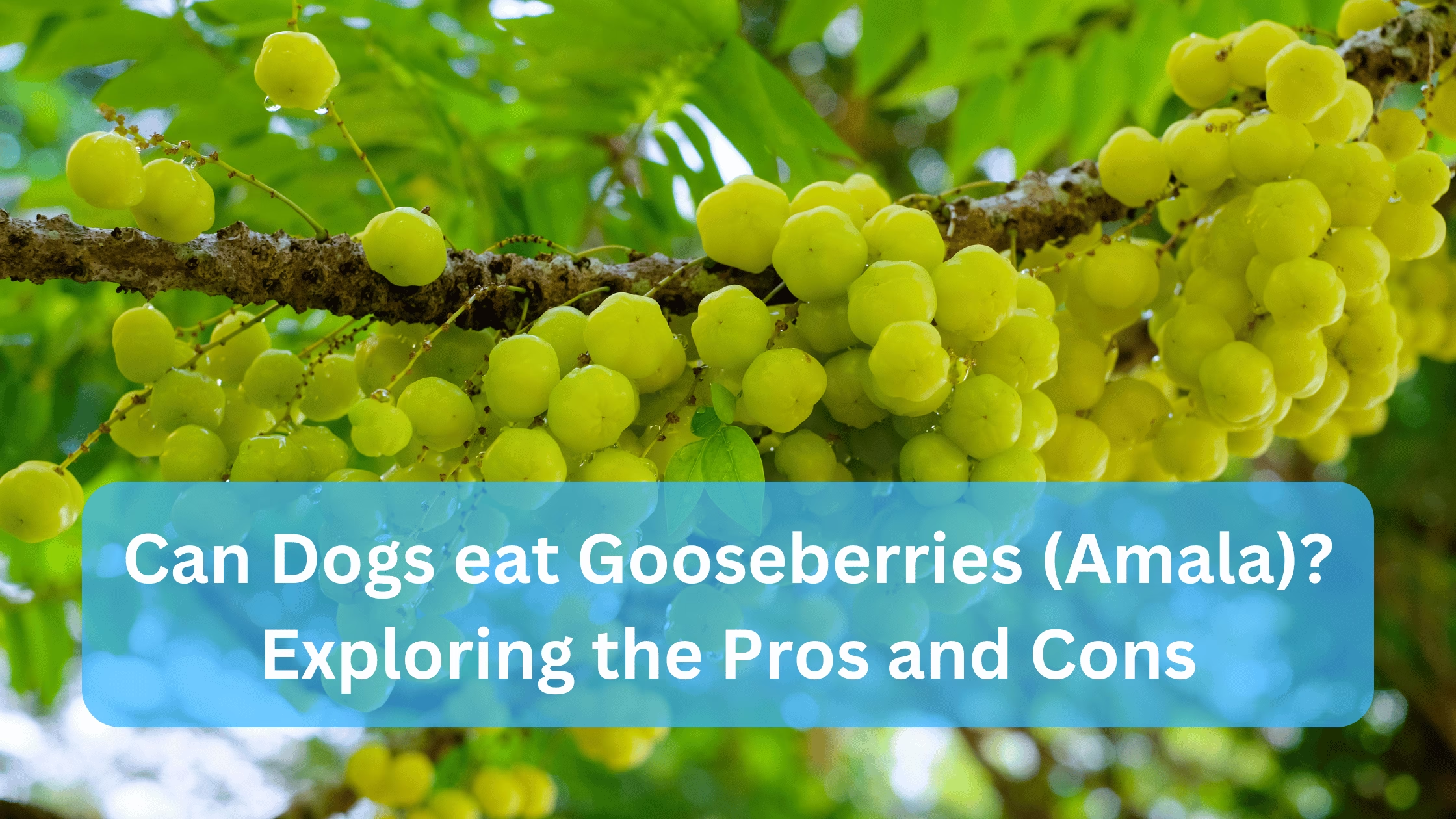
It’s important for us to know which foods are okay and which aren’t for our canine pals. You may wonder about gooseberries, tart little fruits we humans delight in. Can Dogs eat Gooseberries? Let’s dive in to gauge the pros and cons of dogs consuming gooseberries.
Starting Point: The Gooseberry Question Among Dog Owners
Dog owners are often seeking healthful snacks to broaden their dogs’ menu. Enter gooseberries, known for their tartness and health benefits to us humans.
But do they pass the test as a safe fruit for our dogs? Let’s check out if gooseberries are good news for dogs.
How Nutritious Are Gooseberries?
Gooseberries pack a punch of vitamin C and A, fiber, and antioxidants. Add beneficial minerals like potassium, calcium, and magnesium.
These nurture people’s health – enhancing immunity, aiding digestion, and boosting skin health.
But when considering gooseberries for dogs, it’s imperative to weigh potential risks too.
Could Gooseberries Harm Dogs?
Gooseberries are not labeled as highly toxic for dogs, yet they can be risky. Their seeds and stems hold tiny amounts of cyanogenic glycosides.
These can release cyanide when eaten. If a dog eats lots of them, it could get cyanide poisoning. Signs to watch for include:
Vomiting
Diarrhea
Abdominal pain
Lethargy
Difficulty breathing
If your pet shows these signs after eating gooseberries, you must get them vet care ASAP.
To curb risks, always remove seeds and stems before giving your dog gooseberries and give only a little at a time.
Also, the tartness of gooseberries might upset some dogs’ stomachs, causing pain and discomfort. Always start with a small quantity to see your dog’s response.
Can Dogs eat Gooseberries ?
Given sparingly and properly prepared, gooseberries could benefit dogs. Thanks to their high vitamin C content, they could strengthen immunity.
Their fiber could assist digestion. Yet, the fruit should always be served rightly—minus seeds and stems—and as a rare treat, not a regular food item.
Safe substitutes to gooseberries are blueberries, strawberries, and apples, which deliver similar health benefits minus high risk.
As always, you need to introduce any new food options gradually into your dog’s diet and monitor for any negative reactions.
Quick FAQs for Dog Owners
Could gooseberries be fatal to a dog?
While not highly poisonous, eating lots of them, especially seeds and stems, can cause cyanide poisoning. If symptoms show, a vet check is vital ASAP.
Are any parts of the gooseberry safe for dogs?
Yes, after you get rid of seeds and stems, dogs can have moderate amounts of gooseberry flesh.
What other fruits are safe for dogs?
Safer choices include blueberries, strawberries, apples (sans seeds), and bananas. These fruits deliver health benefits minus considerable risks.
How should I start giving gooseberries to my dog?
Begin by giving a small amount and always keep an eye on your dog for any bad reactions. Always vet-check before changing the diet.
In closing, not disregarding their possible benefits, the risks of dogs eating gooseberries must not be underestimated.
It’s fundamental to serve the fruit rightly and sparingly. If you’re seeking to vary your dog’s meal plan, safer choices like blueberries or apples are advised.
Always check with your vet before you introduce any new foods to ensure your dog’s well-being.
Recall training, or teaching your dog to come when called, is one of the most important commands you can teach your canine companion. It not only ensures their safety but also strengthens the bond between you and your dog. In this article, we will delve into the importance of recall training, how to choose the best recall words for dogs, effective training techniques, and tips for maintaining a reliable recall response. By the end, you’ll have a clear understanding of how to successfully train your dog and enjoy the benefits of a well-trained, happy pet.
Why Recall Training is Essential
Safety Benefits
A reliable recall can be a lifesaver. It can prevent your dog from running into dangerous situations, such as traffic or approaching harmful animals. By having a strong recall, you can quickly regain control in unexpected circumstances, ensuring your dog’s safety.
Enhancing Dog-Owner Relationship
Recall training enhances communication and trust between you and your dog. It fosters a deeper connection, as your dog learns to look to you for guidance and rewards. This improved relationship translates to better overall behavior and cooperation.
Freedom for the Dog
A well-trained dog with a reliable recall can enjoy more off-leash freedom. Whether it’s at the park, on hiking trails, or in your backyard, knowing your dog will come when called allows them to explore and play safely.
Choosing the Best Recall Words for Dogs
Criteria for Selection
When choosing recall words, simplicity and consistency are key. The word should be easy for your dog to understand and distinct from other commands.
It’s also important to choose a word that you can use consistently in various situations.
Examples of Effective Recall Words
Come
Here
To Me
Come Here
These words are short, clear, and easily distinguishable, making them effective for recall training.
Words to Avoid
Avoid using common words or phrases that your dog might hear frequently in everyday conversation.
Words that sound similar to other commands or have negative associations should also be avoided to prevent confusion.
How to Train Your Dog to Respond to Recall Words
Step-by-Step Training Guide
Start Indoors: Begin training in a quiet, distraction-free environment. This helps your dog focus on learning the new command without outside interference.
Use High-Value Rewards: Identify a treat or toy your dog loves. High-value rewards are crucial for motivating your dog to respond to the recall word.
Call Your Dog: Say the recall word clearly and enthusiastically. Ensure you have your dog’s attention before giving the command.
Reward Immediately: As soon as your dog responds and comes to you, reward them promptly with praise and the high-value treat.
Repeat: Practice in short, frequent sessions to build reliability. Consistency is key to reinforcing the behavior.
Positive Reinforcement Techniques
Positive reinforcement is the most effective training method for recall. Use treats, praise, and play to create a positive association with the recall word.
Avoid using punishment, as it can create fear and reluctance, undermining your training efforts.
Common Mistakes to Avoid
Repeating the Recall Word: Avoid repeating the recall word multiple times. This can teach your dog that they don’t need to respond immediately.
Using the Recall Word in Negative Situations: Never use the recall word to call your dog for something they find unpleasant, like a bath or vet visit. This can create a negative association with the command.
Tips for Successful Recall Training
Consistency and Patience
Consistency is crucial for successful recall training. Use the same word and reward system every time. Be patient, as some dogs may take longer to learn than others. Celebrate small successes to keep both you and your dog motivated.
Using High-Value Rewards
High-value rewards, such as favorite treats or toys, are essential for recall training. These rewards make the recall command more enticing and reinforce the positive behavior. Experiment with different rewards to find what your dog responds to best.
Practicing in Different Environments
Once your dog reliably responds to the recall command indoors, gradually introduce them to different environments.
Start with low-distraction areas like your backyard, then move to parks and other outdoor spaces.
Increasing the level of distractions helps generalize the command, ensuring your dog responds reliably in various situations.
Maintaining Reliable Recall
Regular Practice
Regular practice is essential for maintaining a reliable recall. Incorporate recall training into your daily routine to keep the behavior fresh in your dog’s mind. Consistent reinforcement ensures that your dog remembers and responds to the command.
Gradual Increase in Distractions
As your dog becomes more reliable with the recall command, gradually increase the level of distractions. This might include practicing in busier parks, around other dogs, or in new environments. Gradual exposure helps your dog learn to focus and respond regardless of distractions.
Refreshing Training Periodically
Periodically refreshing recall training helps maintain your dog’s responsiveness. Revisit the basics occasionally and practice in new situations to reinforce the behavior. This ongoing practice prevents regression and keeps the command strong.
Recall training is an essential skill for every dog, offering safety, freedom, and a stronger bond with their owner.
By choosing the right recall words, using positive reinforcement, and practicing consistently, you can ensure your dog responds reliably every time.
Start your recall training journey today and enjoy the peace of mind that comes with a well-trained, happy dog.
Final Tips for Success
Keep training sessions short, fun, and engaging.
Be patient and celebrate small victories.
Always end training on a positive note to keep your dog motivated and eager to learn.
With dedication and consistent practice, you’ll soon have a dog that comes running joyfully whenever you call, ensuring their safety and your peace of mind.
Discover essential home remedies for dogs who ate chicken bones. Learn immediate actions, monitoring tips, dietary adjustments, and when to seek veterinary help to ensure your dog’s safety and health.
Chicken bones pose a significant threat to dogs due to their brittle nature, which can cause them to splinter and lead to choking or internal injuries. If your dog has ingested chicken bones, it’s crucial to act quickly and monitor their condition closely.
Effective Home Remedies for Dogs Who Ate Chicken Bones – Safety Tips and Care
Immediate Actions
Stay Calm: Panicking can cause your dog to become more stressed. Stay calm and assess the situation.
Remove Any Remaining Bones: Ensure no more bones are accessible. Safely remove any bones your dog hasn’t eaten.
Check for Signs of Distress: Watch for immediate signs of choking, such as:
Coughing or gagging
Excessive drooling
Difficulty breathing
Monitoring and Initial Care
Observe for Symptoms: Over the next 24-48 hours, monitor your dog for symptoms such as:
Vomiting
Diarrhea
Lethargy
Signs of abdominal pain (e.g., whining, pacing, restlessness)
Hydration: Encourage your dog to drink plenty of water to stay hydrated and help the bones pass through the digestive system.
Feeding Bread: Offer small pieces of bread, which can help to cushion the bones and ease their passage through the digestive tract.
Avoid Inducing Vomiting: Do not induce vomiting, as this can cause the bones to come back up and potentially cause further damage.
Dietary Adjustments
Soft Food Diet: Switch your dog to a soft food diet for a few days to make digestion easier. Offer bland foods like boiled rice and chicken (boneless).
Pumpkin Puree: Add pumpkin puree to your dog’s diet. It’s high in fiber and can help with digestion and the safe passage of bones.
Fiber-Rich Foods: Incorporate other fiber-rich foods to aid digestion. These can include:
Cooked sweet potatoes
Green beans
When to Seek Veterinary Help
Persistent Symptoms: If your dog exhibits persistent or severe symptoms, seek veterinary help immediately. Symptoms to watch for include:
Severe abdominal pain
Persistent vomiting or diarrhea
Blood in stool
Lethargy or weakness
Professional Examination: A vet may perform an X-ray or physical examination to determine if there are any blockages or injuries.
Possible Treatments: Depending on the situation, your vet may recommend treatments such as:
Dogs, just like humans, can suffer from itchy skin due to various reasons such as allergies, dry skin, or parasites. While there are many commercial products available, homemade dog shampoos can be a natural, cost-effective, and gentle alternative. In this article, we will explore the benefits of homemade dog shampoo for itchy skin, provide step-by-step recipes tailored for specific conditions, and offer tips on how to use them effectively.
Why Use Homemade Dog Shampoo?
1. Natural Ingredients
Homemade shampoos use natural ingredients that are safe for your dog’s skin. Many commercial shampoos contain chemicals and artificial fragrances that can irritate sensitive skin.
2. Cost-Effective
Making your own dog shampoo can save money in the long run, especially if you have multiple dogs or frequently need to bathe your pet.
3. Customizable
You can tailor the ingredients to suit your dog’s specific needs, adding or omitting components based on what works best for their skin condition.
Key Ingredients for Homemade Dog Shampoo
1. Oatmeal
Oatmeal is known for its soothing properties. It helps to relieve itchiness and moisturize dry skin. Use finely ground oatmeal for the best results.
2. Aloe Vera
Aloe vera has anti-inflammatory and healing properties, making it ideal for calming irritated skin.
3. Coconut Oil
Coconut oil moisturizes the skin and has antibacterial properties that can help with any minor skin infections.
4. Apple Cider Vinegar
Apple cider vinegar balances the skin’s pH and has antimicrobial properties. It’s particularly effective in dealing with dandruff and yeast infections.
5. Essential Oils (Optional)
Essential oils like lavender and chamomile can have calming effects, but should be used sparingly and with caution as they can be potent.
6. Neem Oil
Neem oil is a natural insect repellent and can help kill fleas and ticks on your dog’s coat.
Homemade Dog Shampoo for Itchy Skin Recipes
1. Basic Oatmeal Shampoo for dogs
Best for: General itchiness and dry skin.
Ingredients:
1 cup finely ground oatmeal
1 cup baking soda
4 cups warm water
Instructions:
Grind oatmeal into a fine powder using a blender or food processor.
Mix the oatmeal powder with baking soda and warm water.
Stir until well blended.
Apply the mixture to your dog’s wet coat and massage gently.
In a large bowl, combine aloe vera gel and castile soap.
Add melted coconut oil and vegetable glycerin.
Stir until all ingredients are well mixed.
Pour into a bottle for storage.
Apply a small amount to your dog’s coat, lather, and rinse thoroughly.
3. Apple Cider Vinegar and Essential Oil Shampoofor dogs
Best for: Dandruff and yeast infections.
Ingredients:
2 cups warm water
1/2 cup apple cider vinegar
1/4 cup liquid castile soap
2-3 drops lavender essential oil (optional)
Instructions:
Mix water and apple cider vinegar in a bowl.
Add liquid castile soap and essential oil if using.
Stir well and pour into a bottle.
Apply to your dog’s wet coat, lather, and rinse well.
4.Neem Oil Shampoofor dogs
Best for: Repelling and killing fleas and ticks.
Ingredients:
1/2 cup neem oil
1 cup liquid castile soap
1/2 cup apple cider vinegar
1 cup water
Instructions:
Mix neem oil, liquid castile soap, apple cider vinegar, and water in a bowl.
Stir until well blended.
Pour into a bottle for storage.
Apply a small amount to your dog’s coat, lather, and rinse thoroughly.
Choosing the Right Recipe for Your Dog
General Itchiness and Dry Skin: Use the Basic Oatmeal Shampoo. Oatmeal is a natural moisturizer that soothes and relieves dry, itchy skin.
Irritated Skin and Minor Infections: Aloe Vera and Coconut Oil Shampoo is ideal due to the healing properties of aloe vera and the antibacterial benefits of coconut oil.
Dandruff and Yeast Infections: Apple Cider Vinegar and Essential Oil Shampoo works best. Apple cider vinegar helps balance the skin’s pH and combats dandruff and yeast overgrowth.
Fleas and Ticks: Neem Oil Shampoo is the most effective for repelling and killing fleas and ticks. Neem oil is a natural insecticide and is safe for dogs.
Tips for Bathing Your Dog
1. Brush Before Bathing
Brush your dog’s coat thoroughly before bathing to remove loose fur and detangle any knots.
2. Use Lukewarm Water
Ensure the water is lukewarm to avoid shocking your dog’s skin or causing further irritation.
3. Rinse Thoroughly
Make sure to rinse all the shampoo out of your dog’s coat to prevent any residue that could cause further itching.
4. Dry Properly
Dry your dog with a clean towel and ensure they are completely dry to avoid dampness that can lead to skin infections.
Homemade dog shampoos can be an excellent alternative for dogs with itchy skin, providing natural relief without the harsh chemicals found in some commercial products.
By using ingredients like oatmeal, aloe vera, and coconut oil, you can create a soothing and effective shampoo right at home.
For dogs dealing with fleas and ticks, neem oil offers a natural and safe solution. Remember to always test a small area first and consult with your vet if your dog’s skin condition persists.
By opting for homemade solutions, you can ensure your furry friend stays comfortable and itch-free.
This comprehensive guide will cover everything you need to know about How to Teach Your Dog Tricks? From understanding your dog’s temperament and preparing for training to mastering basic commands and advancing to complex tricks, we will provide step-by-step instructions and expert tips to help you succeed. Whether you’re a beginner or an experienced dog owner, this guide will offer valuable insights and practical advice to enhance your training efforts.
Importance of Training Dogs
Training your dog is an essential part of responsible pet ownership.
It not only helps establish a harmonious relationship between you and your furry friend but also ensures the safety and well-being of both the dog and the people around it.
Proper training can prevent behavioral problems, reduce anxiety, and enhance the bond between you and your pet.
Benefits of Teaching Tricks
Teaching your dog tricks goes beyond simple commands like “sit” and “stay.” Tricks can provide mental stimulation, exercise, and a sense of accomplishment for your dog.
They can also be a fun way to entertain friends and family, and even help your dog become more sociable and confident.
Moreover, trick training can be a great way for you to spend quality time with your dog, strengthening your bond and creating lasting memories.
Basic Dog Training Principles
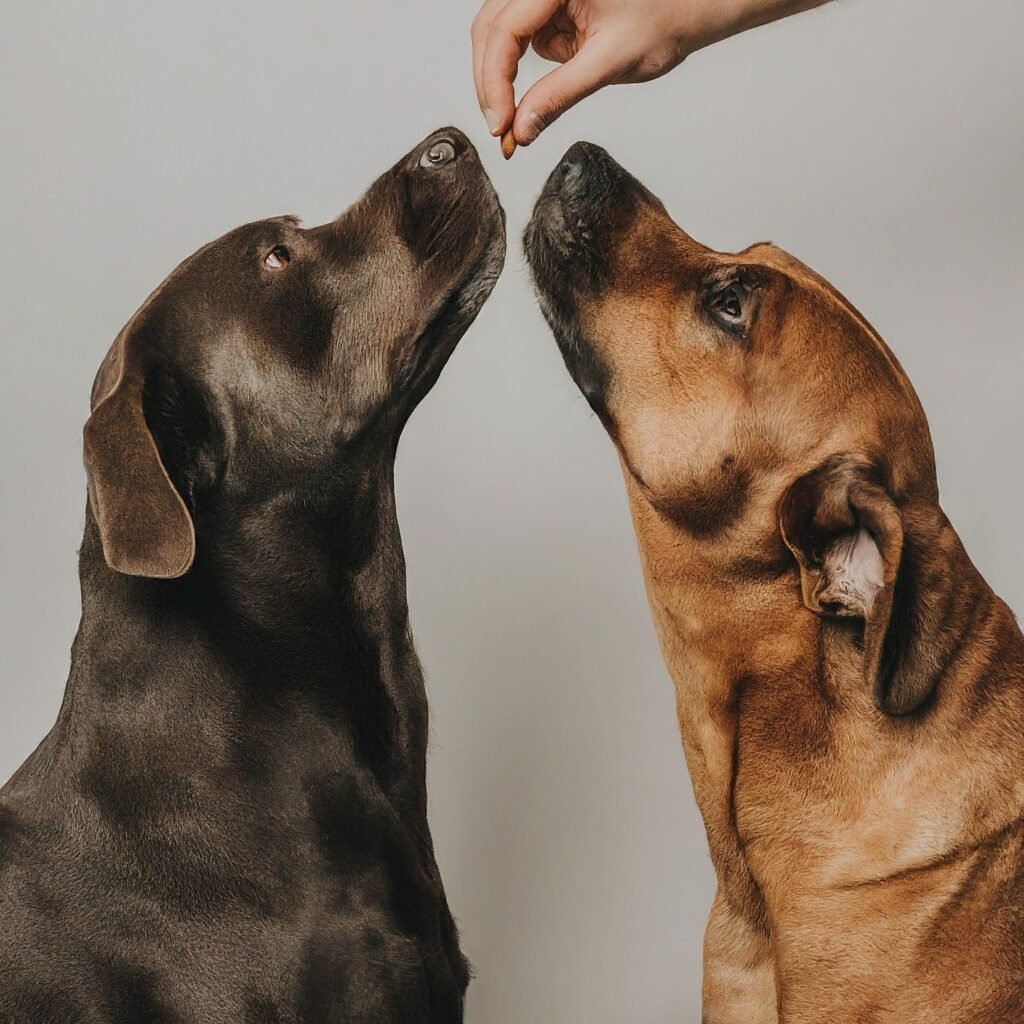
giving treats to two dogs sniffing each other
Positive Reinforcement
Positive reinforcement involves rewarding your dog for performing desired behaviors, which increases the likelihood of those behaviors being repeated. This method is highly effective and fosters a trusting and respectful relationship between you and your dog.
Steps:
Identify the Behavior: Clearly define the behavior you want to encourage, such as sitting, staying, or fetching.
Choose a Reward: Select a high-value reward that your dog loves, such as treats, praise, or playtime.
Mark the Behavior: Use a clicker or a verbal marker like “Yes!” to indicate the exact moment your dog performs the desired behavior.
Immediate Reward: Give the reward immediately after the marker to reinforce the behavior.
Repeat: Consistently reward the behavior each time it occurs to build a strong association.
Tips:
Keep rewards varied to maintain your dog’s interest.
Use small treats to avoid overfeeding during training sessions.
Gradually phase out treats and rely more on praise and affection as your dog masters the behavior.
Consistency and Patience
Consistency and patience are crucial for effective dog training. Consistent commands, rewards, and routines help your dog understand expectations and learn more quickly.
Steps:
Consistent Commands: Use the same words and gestures for each command. Ensure everyone in the household uses the same commands.
Regular Practice: Schedule regular training sessions, ideally at the same time each day, to create a routine.
Repeat and Reinforce: Repeat commands and reinforce behaviors consistently to help your dog understand and remember.
Patient Attitude: Maintain a calm and patient demeanor during training. Avoid showing frustration or anger, as this can confuse and stress your dog.
Short Sessions: Keep training sessions short (5-10 minutes) to maintain your dog’s attention and prevent fatigue.
Tips:
End each session on a positive note to keep your dog motivated.
Be patient with progress, especially with more complex behaviors.
Use consistent body language and tone of voice to avoid confusion.
Understanding Dog Body Language
Understanding your dog’s body language is essential for effective training. Dogs communicate their feelings and intentions through their posture, facial expressions, and movements.
Key Signals:
Relaxed Body: A relaxed dog will have a loose, wagging tail, relaxed ears, and an open mouth.
Alertness: An alert dog may stand tall, with ears perked up, mouth closed, and tail held high.
Stress Signals: Signs of stress or anxiety include yawning, lip licking, panting, and avoiding eye contact. A tucked tail and flattened ears are also indicators.
Playfulness: Playful dogs often display a “play bow,” with their front legs stretched out, rear end up, and a wagging tail.
Aggression: Aggressive signals include a stiff body, raised hackles, bared teeth, growling, and direct staring.
Tips:
Observe your dog’s body language regularly to understand their mood and comfort level.
Adjust training sessions based on your dog’s signals. If they appear stressed or tired, take a break.
Use positive body language yourself, such as relaxed posture and gentle movements, to create a calm training environment.
Timing and Rewards
Timing is critical in dog training. The reward must be given immediately after the desired behavior to create a clear association in your dog’s mind.
Steps:
Immediate Marking: Use a clicker or a verbal marker (like “Yes!”) at the exact moment your dog performs the desired behavior.
Quick Reward: Follow the marker with a reward within 1-2 seconds to reinforce the behavior.
Gradual Delays: As your dog becomes proficient, you can gradually delay the reward by a few seconds to build self-control.
Tips:
Practice your timing to ensure rewards are given promptly.
Keep treats easily accessible during training sessions.
Use a variety of rewards, including treats, toys, and verbal praise, to maintain interest.
Setting Realistic Goals
Setting realistic and achievable training goals helps ensure steady progress and prevents frustration for both you and your dog.
Steps:
Assess Your Dog: Consider your dog’s age, breed, temperament, and previous training experience.
Start Small: Begin with simple commands and gradually increase the difficulty.
Break Down Behaviors: Divide complex behaviors into smaller, manageable steps.
Celebrate Progress: Acknowledge and reward small successes to keep your dog motivated.
Adjust Goals: Be flexible and adjust your training goals based on your dog’s progress and response.
Tips:
Keep a training journal to track progress and adjust goals as needed.
Celebrate every small achievement to build confidence and motivation.
Avoid comparing your dog’s progress to others; each dog learns at their own pace.
Creating a Positive Training Environment
A positive training environment is essential for successful dog training. A calm, distraction-free space helps your dog focus and feel comfortable.
Steps:
Choose a Quiet Area: Select a training area with minimal distractions, such as a quiet room or a fenced yard.
Remove Distractions: Ensure the area is free from toys, other pets, and loud noises.
Use Positive Energy: Approach training with a positive attitude and calm energy.
Short Sessions: Keep training sessions short and engaging to maintain your dog’s attention.
Regular Breaks: Allow regular breaks to prevent fatigue and stress.
Tips:
Use calming aids, such as soothing music or pheromone sprays, if needed.
Ensure the training area is safe and comfortable for your dog.
Gradually introduce distractions as your dog becomes more proficient.
Socialization and Exposure
Socialization and exposure to various environments, people, and other animals are crucial for a well-rounded, confident dog.
Steps:
Early Socialization: Begin socializing your dog as early as possible, ideally during puppyhood.
Controlled Exposure: Introduce your dog to new experiences gradually and in a controlled manner.
Positive Associations: Create positive associations with new experiences using treats and praise.
Regular Outings: Take your dog on regular outings to different environments, such as parks, stores, and neighborhoods.
Monitor Reactions: Observe your dog’s reactions and adjust the exposure based on their comfort level.
Tips:
Avoid overwhelming your dog with too many new experiences at once.
Use positive reinforcement to build confidence in new situations.
Be patient and supportive, allowing your dog to explore at their own pace.
Dog Training Techniques and Tips
How to Teach Your Dog Tricks – The Best Guide 12
Clicker Training
Clicker training is a method that uses a small mechanical device that makes a clicking sound to mark the desired behavior at the precise moment it occurs.
This clear signal helps your dog understand exactly what action is being rewarded.
Steps:
Charge the Clicker: Start by associating the clicker with a reward. Click the device, then immediately give your dog a treat. Repeat this several times until your dog anticipates a treat upon hearing the click.
Marking Behavior: When your dog performs the desired action, click immediately and then give a treat. The timing of the click is crucial; it must happen exactly when the behavior occurs.
Repetition: Repeat the process until your dog consistently performs the behavior in response to the command.
Fading the Clicker: Once your dog reliably performs the behavior, gradually reduce the use of the clicker, replacing it with verbal praise or other rewards.
Advantages:
Clear and precise communication with your dog.
Effective for shaping complex behaviors.
Enhances learning speed.
Lure and Reward
Lure and reward training involves using a treat or toy to guide your dog into performing the desired behavior, then rewarding them once they succeed.
Steps:
Lure: Hold a treat close to your dog’s nose to get their attention.
Guide: Move the treat to lead your dog into the desired position or action. For example, to teach “sit,” move the treat upward and slightly back over their head.
Reward: As soon as your dog follows the lure and performs the behavior, give them the treat and praise.
Repetition: Practice the behavior several times, gradually reducing the use of the lure as your dog learns the command.
Advantages:
Simple and intuitive for both dog and trainer.
Effective for teaching basic commands.
Can be adapted for more complex tricks.
Shaping Behavior
Shaping involves rewarding successive approximations of the desired behavior. This technique is particularly useful for teaching complex tricks by breaking them down into smaller, manageable steps.
Steps:
Identify the Goal: Clearly define the final behavior you want to achieve.
Break Down the Behavior: Divide the final behavior into smaller steps.
Reward Approximations: Start by rewarding any behavior that resembles the first step toward the goal. Gradually require closer approximations of the final behavior before giving a reward.
Build Up: Continue rewarding closer approximations until your dog performs the entire behavior.
Advantages:
Encourages problem-solving and creativity in your dog.
Ideal for complex or multi-step tricks.
Strengthens the bond through cooperative learning.
Capturing Natural Behaviors
Capturing involves waiting for your dog to naturally perform a desired behavior and then marking and rewarding it. This method leverages your dog’s spontaneous actions to teach tricks.
Steps:
Observe: Watch your dog for instances when they naturally perform the desired behavior.
Mark the Behavior: Use a clicker or verbal marker (like “Yes!”) the moment the behavior occurs.
Reward: Immediately follow the marker with a treat or praise.
Add a Command: Once your dog consistently performs the behavior, introduce a verbal cue or hand signal.
Advantages:
Utilizes natural behavior, making it easy for the dog to understand.
Reduces frustration since the dog is performing a behavior they already know.
Can be used for a wide range of tricks and commands.
Using Hand Signals
Hand signals provide a visual cue to accompany verbal commands, enhancing communication between you and your dog. Many dogs respond well to visual signals, especially in noisy environments.
Steps:
Pair Signals with Commands: Start by pairing a hand signal with a verbal command. For example, use a raised hand for “sit.”
Practice Together: Consistently use the hand signal and verbal command together until your dog understands the association.
Fade Verbal Commands: Gradually reduce the use of the verbal command, relying more on the hand signal.
Reinforce: Continue practicing and reinforcing with treats or praise when your dog responds correctly to the hand signal.
Advantages:
Effective for dogs with hearing impairments.
Useful in noisy environments where verbal commands may be lost.
Enhances overall communication and responsiveness.
Preparing for Training
How to Teach Your Dog Tricks – The Best Guide 13
Understanding Your Dog’s Temperament
Before you start training, it’s crucial to understand your dog’s temperament and personality.
Some dogs are naturally eager to learn and quick to pick up new tricks, while others may be more independent or easily distracted.
Assessing your dog’s breed, age, energy level, and temperament will help you tailor your training approach to suit their individual needs.
Essential Training Supplies
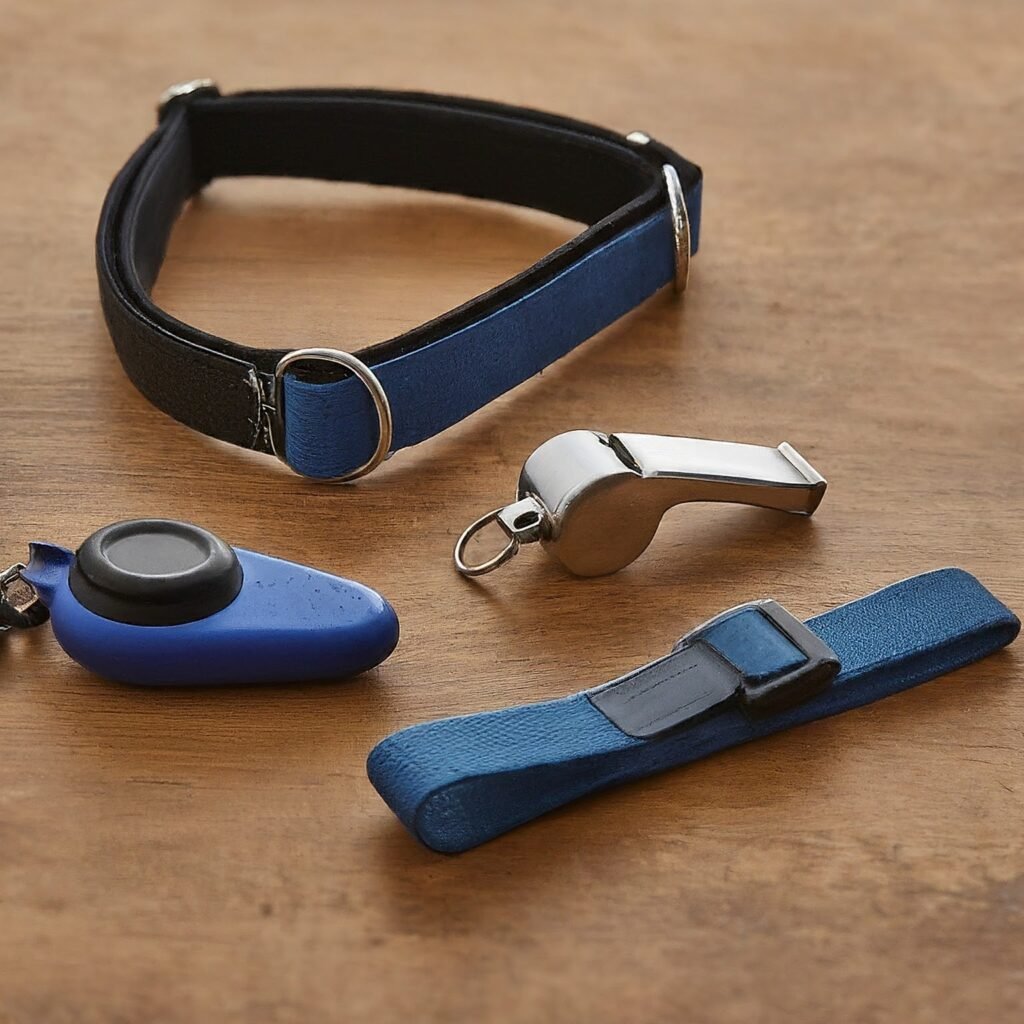
To begin training, you’ll need some basic supplies:
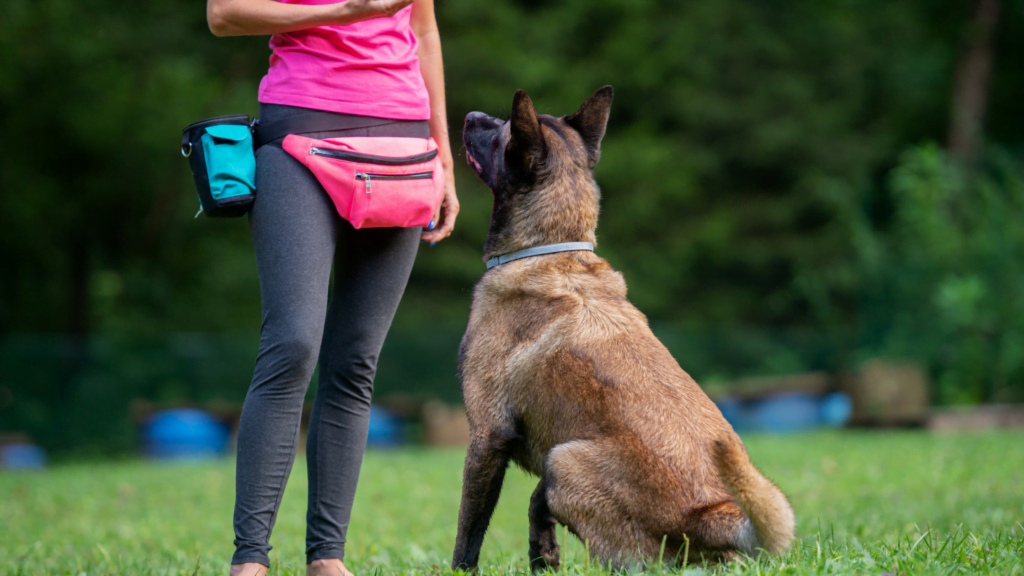
Treats: High-value treats are a must for rewarding your dog during training. Choose small, soft treats that your dog loves.
Clicker: A clicker can be a useful tool for marking desired behaviors and reinforcing positive actions.
Leash and Collar: A sturdy leash and collar are essential for maintaining control during training sessions.
Training Mats: A designated training area with a non-slip mat can help your dog focus and feel secure.
Toys: Toys can be used as rewards or distractions, depending on the trick you’re teaching.
Setting Up a Training Schedule
Consistency is key to successful training. Set up a regular training schedule that fits into your daily routine (Printable Dog Training Plan Template).
Short, frequent sessions (5-10 minutes each) are more effective than long, sporadic ones.
Aim for 2-3 sessions per day, and always end on a positive note to keep your dog motivated and engaged.
How to Teach Your Dog Tricks?
How to Teach Your Dog Tricks – The Best Guide 14
Here’s a step-by-step guide on how to teach your dog tricks –
Foundational Commands
Sit
The “Sit” command is one of the most fundamental and essential commands to teach your dog. It is the foundation for many other commands and helps in managing your dog’s behavior in various situations.
Steps:
Get Your Dog’s Attention: Hold a treat close to your dog’s nose.
Lure the Sit: Move your hand upward, allowing your dog’s head to follow the treat. This will naturally cause their bottom to lower to the ground.
Command and Reward: As soon as your dog’s bottom touches the ground, say “Sit,” give them the treat, and offer praise.
Repetition: Practice this multiple times until your dog responds to the “Sit” command without needing the lure.
Tips:
Be consistent with the verbal command and hand signal.
Practice in various environments to reinforce the behavior.
Gradually phase out the use of treats, relying on praise and petting instead.
Stay
The “Stay” command helps in teaching your dog impulse control and can prevent them from running into dangerous situations.
Steps:
Start with Sit: Ask your dog to sit.
Command Stay: Open your palm in front of you and say “Stay.”
Increase Distance: Take a few steps back while maintaining eye contact. If your dog stays, return and reward them.
Gradual Progression: Gradually increase the distance and duration of the stay before giving the reward.
Release Command: Introduce a release word like “Okay” or “Free” to let your dog know when the stay command has ended.
Tips:
Begin training in a distraction-free environment.
Reward your dog frequently during the initial stages.
If your dog breaks the stay, calmly reset them in the original position and try again.
Come
The “Come” command is vital for your dog’s safety, ensuring they return to you when called, especially in potentially dangerous situations.
Steps:
Leash Practice: Start with your dog on a leash in a quiet area.
Call and Reward: Crouch down, open your arms, and say “Come” in an enthusiastic tone. Gently pull the leash to guide your dog towards you.
Reward: When your dog reaches you, reward them with a treat and praise.
Practice Off-Leash: Gradually practice in a safe, enclosed area without the leash.
Tips:
Always reward your dog for coming to you, even if they took their time.
Avoid using the “Come” command for negative experiences, like ending playtime.
Make the recall rewarding and fun for your dog.
Heel
The “Heel” command teaches your dog to walk beside you, maintaining control and preventing pulling on the leash.
Steps:
Start with Leash: Attach a leash and hold it in your right hand, keeping treats in your left hand.
Command and Lure: Say “Heel” and start walking. Use a treat to lure your dog to walk beside your left leg.
Reward: Reward your dog frequently while they maintain the heel position.
Increase Duration: Gradually increase the distance and duration of the walk while rewarding less frequently.
Tips:
Keep training sessions short and positive.
Use a happy, encouraging tone.
Practice in different environments to generalize the behavior.
Down
The “Down” command helps in managing your dog’s behavior by encouraging them to relax and stay in one place.
Steps:
Start with Sit: Ask your dog to sit.
Lure the Down: Hold a treat near your dog’s nose, then slowly lower it to the ground. Your dog should follow the treat and lie down.
Command and Reward: As soon as your dog’s elbows touch the ground, say “Down,” give them the treat, and offer praise.
Repetition: Practice repeatedly until your dog responds to the “Down” command without the lure.
Tips:
Be patient, as some dogs may take longer to learn this command.
Avoid pushing your dog into position, as this can cause discomfort and resistance.
Practice in different settings to reinforce the command.
Intermediate Tricks
Shake Hands/Paw
Teaching your dog to shake hands or give paw is a simple yet impressive trick that also builds trust and communication.
Steps:
Sit Position: Start with your dog in a sitting position.
Lift Paw: Gently lift one of their paws while saying “Shake” or “Paw.”
Reward: Reward your dog with a treat and praise immediately.
Repetition: Repeat the process until your dog lifts their paw on their own when you give the command.
Tips:
Use a calm, encouraging tone.
Be consistent with the command and hand gesture.
Practice with both paws for variety.
Roll Over
The “Roll Over” trick is a fun and engaging way to challenge your dog’s agility and coordination.
Steps:
Down Position: Start with your dog in a lying down position.
Lure the Roll: Hold a treat near their nose and move it towards their shoulder. Say “Roll Over” as they follow the treat and roll onto their back.
Reward: Give them the treat and praise once they complete the roll.
Repetition: Practice until your dog rolls over on command without the treat lure.
Tips:
Break the trick into smaller steps if needed.
Use enthusiastic praise to keep your dog motivated.
Practice on a soft surface to ensure comfort.
Play Dead
The “Play Dead” trick, often paired with the cue “Bang,” is an entertaining and theatrical command that showcases your dog’s ability to follow detailed instructions.
Steps:
Down Position: Ask your dog to lie down.
Lure the Side: Hold a treat near their nose and move it towards their shoulder. Say “Bang” or “Play Dead” as they roll onto their side.
Reward: Reward them when they’re lying still on their side.
Repetition: Practice until your dog responds to the command without the treat lure.
Tips:
Use a distinct hand signal, like a finger pointing like a gun, for added flair.
Keep sessions fun and light-hearted.
Gradually increase the duration your dog stays in the “dead” position.
Fetch
“Fetch” is a classic game that provides both physical exercise and mental stimulation for your dog.
Steps:
Interest in Toy: Use a toy or ball your dog likes.
Throw and Command: Throw the toy a short distance and say “Fetch.”
Encourage Return: Encourage your dog to bring the toy back. When they do, reward them with a treat and praise.
Repetition: Gradually increase the distance and reinforce the command.
Tips:
Start with short distances to keep your dog engaged.
Use a consistent command for retrieving and returning the toy.
Ensure the fetch toy is safe and appropriate for your dog’s size and breed.
Spin
“Spin” is a fun trick that showcases your dog’s agility and ability to follow directional cues.
Steps:
Lure the Spin: Hold a treat near your dog’s nose and move it in a circle. Say “Spin” as they follow the treat.
Reward: Give them the treat and praise once they complete the circle.
Repetition: Practice until your dog spins on command without the treat lure.
Tips:
Practice spinning in both directions for balance.
Use clear and consistent hand signals.
Keep sessions short and engaging.
Advanced Tricks
Speak
The “Speak” command teaches your dog to bark on cue, which can be a fun party trick and also useful for alerting you.
Steps:
Find the Trigger: Identify what naturally makes your dog bark, like the doorbell or a specific toy.
Command and Reward: When your dog barks, say “Speak,” then immediately reward them with a treat and praise.
Repetition: Repeat until your dog barks on command.
Tips:
Avoid encouraging excessive barking.
Use the command sparingly to prevent nuisance barking.
Pair with a “Quiet” command to control barking.
Whisper
“Whisper” is a softer version of the “Speak” command, teaching your dog to make quieter vocalizations.
Steps:
Start with Speak: Teach your dog to “Speak” first.
Encourage Softer Bark: Gradually reward softer barks. Say “Whisper” and reward quieter vocalizations.
Repetition: Practice until your dog responds to the “Whisper” command.
Tips:
Use a calm and quiet tone.
Be patient, as this trick may take time to perfect.
Reward progressively quieter barks.
Back Up
The “Back Up” command teaches your dog to walk backward on cue, enhancing their spatial awareness and control.
Steps:
Stand in Front: Stand in front of your dog with a treat in your hand.
Move Toward Dog: Step toward your dog while saying “Back Up.” Use the treat to guide them backward.
Reward: Reward your dog as soon as they take steps backward.
Repetition: Practice until your dog backs up on command.
Tips:
Use clear hand signals.
Practice in a confined space to make it easier.
Be consistent with the verbal command.
Balance a Treat
Balancing a treat on your dog’s nose is a great way to improve their patience and self-control.
Steps:
Sit or Down Position: Ask your dog to sit or lie down.
Place Treat: Gently place a treat on your dog’s nose. Say “Wait” to keep them still.
Reward: After a few seconds, give the command to catch the treat and reward them.
Increase Duration: Gradually increase the duration your dog balances the treat.
Tips:
Start with short durations to build confidence.
Use a small, lightweight treat to begin with.
Reward heavily to make the exercise fun.
Open/Close Doors
Teaching your dog to open and close doors is a useful and impressive trick that showcases their intelligence and problem-solving skills.
Steps:
Attach a Tug Toy: Attach a cloth or rope to the door handle.
Encourage Tugging: Encourage your dog to tug on the toy by saying “Open” or “Close” and rewarding them when they pull the door.
Reward: Reward your dog when they successfully open or close the door.
Repetition: Practice until your dog performs the task on command.
Tips:
Ensure the door is easy for your dog to move.
Use positive reinforcement and patience.
Avoid using this trick on heavy or potentially dangerous doors.
Creative and Fun Tricks
High Five
“High Five” is a simple, engaging trick that strengthens your bond with your dog and impresses onlookers.
Steps:
Sit Position: Start with your dog in a sitting position.
Raise Paw: Hold a treat at your dog’s nose level. As they lift their paw to touch your hand, say “High Five.”
Reward: Reward immediately with a treat and praise.
Repetition: Practice until your dog raises their paw on command.
Tips:
Use a clear hand signal.
Practice with both paws for variety.
Keep sessions positive and fun.
Take a Bow
“Take a Bow” is a charming trick where your dog lowers their front legs while keeping their rear up, as if taking a bow.
Steps:
Lure the Bow: Hold a treat near the ground and move it backward between your dog’s front legs. Say “Bow” as they follow the treat.
Reward: Reward your dog when they lower their front legs while keeping their rear up.
Repetition: Practice until your dog bows on command.
Tips:
Use a clear hand signal for the bow.
Keep sessions light-hearted and enjoyable.
Gradually phase out the lure.
Dance
“Dance” involves your dog standing on their hind legs and moving in a circle, showcasing their balance and coordination.
Steps:
Stand on Hind Legs: Hold a treat above your dog’s head to encourage them to stand on their hind legs.
Command and Spin: Say “Dance” and move the treat in a circle to guide them.
Reward: Reward your dog once they complete the spin.
Repetition: Practice until your dog dances on command.
Tips:
Use a treat your dog loves to keep them motivated.
Practice on a soft surface to prevent injury.
Keep sessions short to avoid strain.
Wave
“Waving” is an extension of the “Shake” command, teaching your dog to lift their paw without making contact.
Steps:
Sit Position: Start with your dog in a sitting position.
Command and Gesture: Use the “Shake” command and then move your hand away before they touch it, saying “Wave.”
Reward: Reward your dog when they lift their paw in the air.
Repetition: Practice until your dog waves on command.
Tips:
Use a clear and distinct hand gesture.
Be consistent with rewards and praise.
Practice in various environments to generalize the behavior.
Find It
“Find It” is a fun scent game where your dog uses their nose to locate a hidden treat or toy.
Steps:
Show the Treat: Let your dog sniff a treat or toy.
Hide the Treat: Hide the treat in an easy-to-find location while your dog watches.
Command and Search: Say “Find it” and encourage your dog to search for the treat.
Reward: Reward your dog when they find the treat.
Increase Difficulty: Gradually increase the difficulty of hiding spots.
Tips:
Use high-value treats to maintain interest.
Start with simple hiding spots and gradually increase the challenge.
Incorporate this game into daily activities for mental stimulation.
Dealing with Common Challenges
Overcoming Distractions
Distractions can significantly impact training sessions, especially in environments with lots of stimuli. Training your dog to focus despite distractions is crucial for effective learning.
Steps:
Start Small: Begin training in a quiet, familiar environment with minimal distractions.
Gradual Exposure: Slowly introduce mild distractions, such as background noise or moving objects.
Use High-Value Rewards: Offer more enticing treats or toys to maintain your dog’s focus.
Practice Focus Exercises: Teach commands like “watch me” or “focus” to help your dog learn to concentrate on you.
Increase Distractions Gradually: Gradually increase the level of distraction as your dog becomes more proficient at focusing.
Tips:
Keep training sessions short and engaging.
Use a leash or long line to maintain control in distracting environments.
Be patient and consistent.
Addressing Fear and Anxiety
Fear and anxiety can hinder your dog’s ability to learn. Identifying and addressing these emotions is essential for creating a positive training experience.
Steps:
Identify Triggers: Observe your dog to identify what causes fear or anxiety.
Desensitization: Gradually expose your dog to the trigger at a low intensity, rewarding calm behavior.
Counter-Conditioning: Pair the trigger with positive experiences, such as treats or play, to change your dog’s emotional response.
Provide a Safe Space: Ensure your dog has a safe, quiet place to retreat when feeling overwhelmed.
Consult a Professional: If fear or anxiety persists, consider consulting a professional trainer or behaviorist.
Tips:
Avoid forcing your dog into fearful situations.
Use calming aids like pheromone diffusers or anxiety wraps.
Maintain a calm and reassuring demeanor.
Managing Hyperactivity
Hyperactive dogs can struggle with impulse control, making training challenging. Strategies to manage energy levels and improve focus are essential.
Steps:
Exercise: Ensure your dog receives adequate physical exercise before training sessions.
Mental Stimulation: Provide mental challenges, such as puzzle toys or scent work, to tire your dog mentally.
Structured Training: Use structured training sessions to teach impulse control and focus.
Teach Calm Behaviors: Train your dog to settle on a mat or bed using commands like “place” or “settle.”
Short Sessions: Keep training sessions short to match your dog’s attention span.
Tips:
Use a variety of rewards to maintain interest.
Practice impulse control exercises, such as “wait” and “leave it.”
Be consistent with rules and boundaries.
Correcting Unwanted Behavior
Unwanted behaviors can interfere with training and daily life. Correcting these behaviors involves consistent training and positive reinforcement.
Steps:
Identify the Behavior: Clearly identify the unwanted behavior and its triggers.
Redirect: Redirect your dog’s attention to an appropriate behavior, rewarding them for complying.
Teach Alternative Behaviors: Train your dog to perform an alternative, desired behavior instead of the unwanted one.
Consistency: Be consistent in addressing the behavior every time it occurs.
Positive Reinforcement: Reinforce desired behaviors with treats, praise, or play.
Tips:
Avoid using punishment, as it can increase fear and anxiety.
Be patient and persistent.
Provide ample opportunities for your dog to engage in acceptable behaviors.
By understanding your dog’s temperament, using positive reinforcement, and practicing consistency and patience, you can successfully teach a wide range of tricks.
Training is an ongoing process that requires dedication and creativity. Keep exploring new tricks and techniques to keep your dog engaged and challenged.
Remember, the journey of training is just as important as the end result.
With the right approach and a positive attitude, you can turn training sessions into enjoyable and productive experiences for both you and your dog.
Celebrate each small victory and enjoy the time spent together, knowing that you are helping your dog become a happier, healthier, and more well-behaved companion.