Author: Kartikey Dwivedi

  • Can Dogs Eat Celery Sticks Raw? A Comprehensive Guide

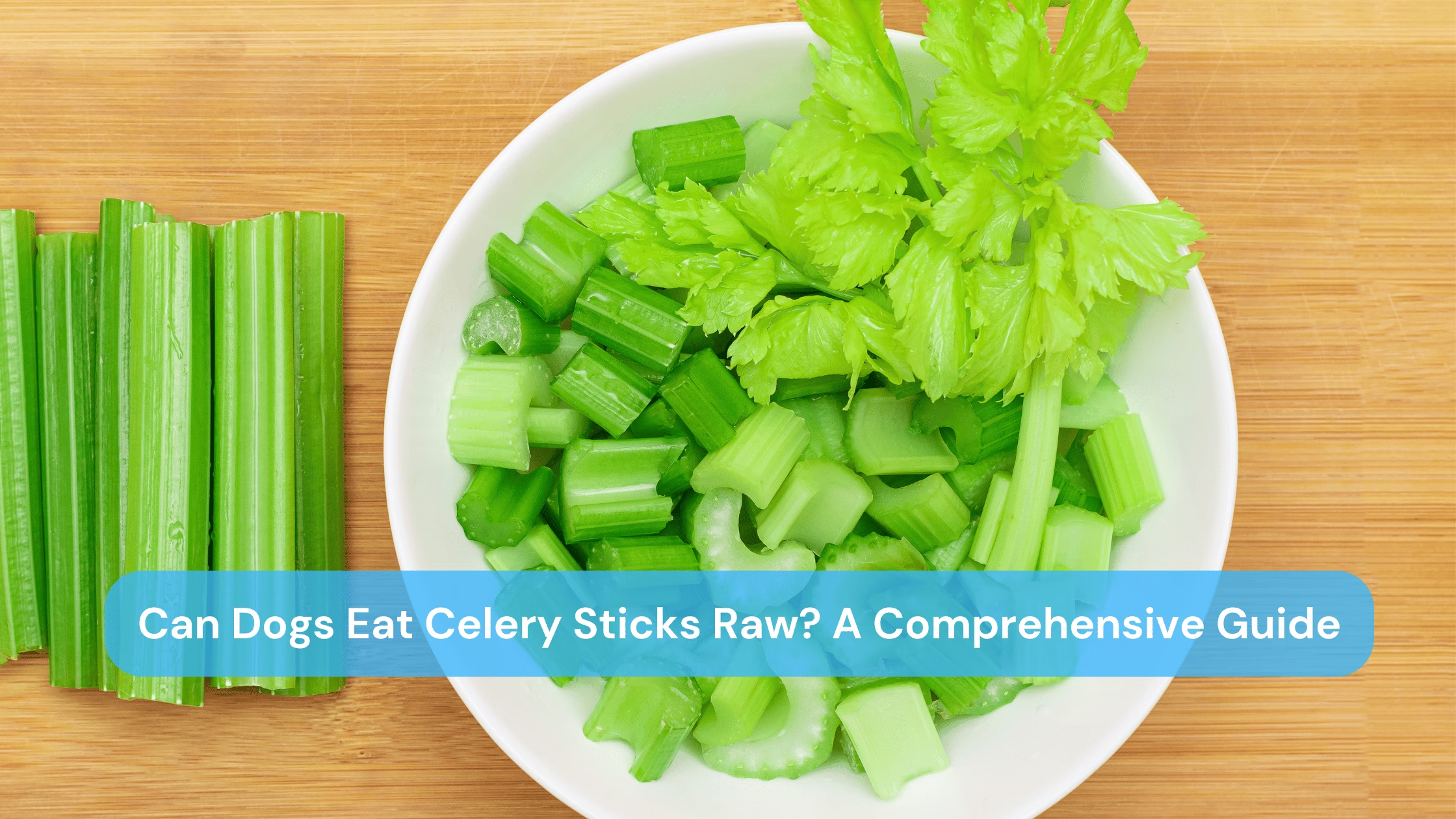
    Can Dogs Eat Celery Sticks Raw? A Comprehensive Guide

    When it comes to feeding our furry friends, dog owners often wonder which human foods are safe and healthy for their pets. One such food is celery. So, can dogs eat celery sticks Raw? The answer is yes! Dogs can eat celery, and it can even be a healthy, low-calorie treat for them. Let’s delve into the benefits, precautions, and tips for feeding celery to dogs.

    Can dogs eat Celery Sticks Raw?

    Yes, dogs can eat raw celery sticks. Raw celery can be a healthy and crunchy treat for dogs when given in moderation. Here are some important points to consider

    Benefits of Celery for Dogs

    Nutritional Value

    Celery is packed with essential nutrients that can benefit dogs, including:

    • Vitamins A, C, and K: These vitamins support overall health, boost the immune system, and aid in bone health.
    • Fiber: Helps with digestion and can assist in maintaining a healthy weight.
    • Low in Fat and Cholesterol: Ideal for dogs that need to lose weight or maintain a healthy weight.
    • Hydration: With high water content, celery can help keep your dog hydrated.

    Dental Health

    Chewing on celery sticks can help clean your dog’s teeth and freshen their breath. The fibrous texture acts like a natural toothbrush, reducing plaque buildup.

    How to Safely Feed Celery to Dogs

    While celery is safe for dogs, it’s important to follow these guidelines to ensure your pet enjoys this treat safely:

    Moderation is Key

    Too much of any new food can cause digestive issues. Introduce celery slowly and in small amounts to see how your dog reacts.

    Cut into Small Pieces

    Always cut celery into small, bite-sized pieces to prevent choking hazards, especially for small dogs.

    Monitor for Allergies

    Keep an eye on your dog for any signs of an allergic reaction, such as itching, swelling, or digestive upset. If you notice any adverse reactions, stop feeding celery and consult your veterinarian.

    Avoid Seasonings

    Feed your dog plain celery. Avoid adding salt, spices, or any dips that could be harmful to your dog.

    Ideas for Serving Celery Sticks to Dogs

    Here are some creative and safe ways to serve celery to your dog:

    • Plain Celery Sticks: Simply wash, cut into small pieces, and serve.
    • Mixed with Other Vegetables: Combine small celery pieces with other dog-safe vegetables like carrots or cucumbers for a crunchy salad.
    • Frozen Celery: Freeze small pieces of celery for a refreshing summer treat.
    • Celery with Peanut Butter: Spread a thin layer of xylitol-free peanut butter on celery for an extra tasty treat.

    FAQs

    Can puppies eat celery?

    Yes, but in very small amounts and always cut into tiny pieces to avoid choking.

    How often can I give celery to my dog?

    Celery should be an occasional treat, not a regular part of your dog’s diet. A few pieces once or twice a week are sufficient.

    What other vegetables are safe for dogs?

    Other safe vegetables include carrots, cucumbers, green beans, and peas. Always introduce new foods gradually and in moderation.

    Also Read: Can Dogs Eat Jalapenos? A Comprehensive guide.

    Also Read: Can Dogs Eat Lanzones Without Seeds? – Best Guide

    Conclusion

    Celery can be a nutritious and safe treat for dogs when given properly. It offers numerous health benefits, from essential vitamins to dental health.

    Remember to introduce celery gradually, cut it into small pieces, and keep it plain.

    Always monitor your dog for any signs of allergic reactions and consult your veterinarian if you have any concerns.

    By following these guidelines, you can safely incorporate celery into your dog’s diet as a healthy, low-calorie snack.

  • Can Dogs Eat Lanzones Without Seeds? – Best Guide

    Can Dogs Eat Lanzones Without Seeds? – Best Guide

    Lanzones, also known as langsat, is a tropical fruit native to Southeast Asia. With its sweet and slightly tangy flavor, it’s a popular treat among humans. But if you’re a dog owner, you might be wondering if it’s safe to share this delicious fruit with your canine companion. In this article, we’ll explore Can Dogs Eat Lanzones Without Seeds?, the potential benefits and risks, and the precautions you should take.

    What Are Lanzones?

    Lanzones are small, round fruits that grow in clusters on the Lansium parasiticum tree.

    The fruit has a thin, leathery skin that is easily peeled to reveal the translucent, juicy flesh inside.

    Lanzones are rich in vitamins and minerals, including vitamin C, vitamin A, thiamine, riboflavin, and niacin. They also contain dietary fiber, which can aid in digestion.

    Can Dogs Eat Lanzones Without Seeds?

    The Flesh of the Fruit

    Yes, dogs can eat lanzones, but with caution. The flesh of the lanzones fruit is generally safe for dogs to consume in small amounts.

    It can be a refreshing and hydrating treat, especially on a hot day. However, like any fruit, it should be given in moderation to avoid any digestive issues.

    The Seeds

    One critical point to note is that the seeds of the lanzones fruit are toxic to dogs. The seeds contain toxic compounds that can cause serious health problems if ingested.

    Therefore, it is crucial to ensure that the seeds are completely removed before offering the flesh of the fruit to your dog.

    Nutritional Benefits of Lanzones for Dogs

    When given in moderation and without seeds, lanzones can offer some nutritional benefits to dogs:

    1. Hydration: Lanzones have a high water content, which can help keep your dog hydrated, especially during the hot summer months.
    2. Vitamins and Minerals: The fruit is rich in essential vitamins and minerals that can contribute to your dog’s overall health. For instance, vitamin C can help boost the immune system, while vitamin A is essential for maintaining healthy skin and vision.
    3. Dietary Fiber: The fiber in lanzones can aid in digestion and help prevent constipation.

    Potential Risks of Feeding Lanzones to Dogs

    While the flesh of the lanzones fruit can be beneficial, there are some potential risks to consider:

    1. Toxic Seeds: As mentioned earlier, the seeds are toxic to dogs and must be completely removed before feeding the fruit to your pet.
    2. Digestive Issues: Feeding too much lanzones can lead to digestive issues such as diarrhea or an upset stomach. It’s essential to introduce any new food gradually and in small amounts.
    3. Allergic Reactions: Some dogs may be allergic to certain fruits, including lanzones. Watch for any signs of an allergic reaction, such as itching, swelling, or difficulty breathing, and consult your veterinarian if you notice any adverse effects.

    How to Safely Prepare Lanzones for Your Dog

    If you decide to give lanzones to your dog, follow these steps to ensure it is safe:

    1. Peel the Fruit: Remove the skin of the lanzones to reveal the flesh inside.
    2. Remove the Seeds: Carefully remove all the seeds from the fruit. Make sure there are no remnants of the seeds left.
    3. Cut into Small Pieces: Cut the flesh into small, bite-sized pieces that are easy for your dog to eat and digest.
    4. Serve in Moderation: Offer the fruit to your dog in small amounts to prevent any digestive issues.

    Alternatives to Lanzones

    If you’re concerned about the potential risks of feeding lanzones to your dog, there are plenty of other safe and healthy fruit options to consider:

    1. Apples: Remove the core and seeds, and slice the apple into small pieces. Apples are a good source of vitamins A and C, as well as fiber.
    2. Blueberries: These small, antioxidant-rich fruits are great for dogs and can be given as a treat or mixed into their food.
    3. Bananas: Peel the banana and cut it into small pieces. Bananas are high in potassium and other essential nutrients.
    4. Watermelon: Remove the seeds and rind before giving small chunks of watermelon to your dog. It’s a hydrating and refreshing treat.

    Also Read: Can Dogs Eat Salami? Is Salami Safe for Dogs?

    Also Read: Can Dogs Eat Jalapenos? A Comprehensive guide.

    Conclusion

    In conclusion, dogs can eat the flesh of lanzones in moderation and without seeds. The fruit can provide hydration and some nutritional benefits, but it is crucial to remove the toxic seeds and monitor your dog for any adverse reactions.

    Always introduce new foods gradually and consult with your veterinarian if you have any concerns about your dog’s diet.

    By following these guidelines, you can safely offer lanzones as an occasional treat and enjoy sharing the delicious taste of this tropical fruit with your furry friend.

    Remember, the key is moderation and ensuring that all potential hazards, such as seeds, are carefully removed.

  • Can Dogs Eat Jalapenos? A Comprehensive guide.

    Can Dogs Eat Jalapenos? A Comprehensive guide.

    When it comes to our pets’ diets, ensuring their safety and well-being is paramount. Jalapenos, a common ingredient in many human dishes, are often questioned for their suitability for dogs. This comprehensive guide will help you understand whether Can dogs eat jalapenos? Is it safe for dogs and what to do if your dog consumes them.

    What are Jalapenos?

    Jalapenos are medium-sized chili peppers known for their spicy flavor. Originating from Mexico, these peppers are often used in a variety of cuisines worldwide.

    Jalapenos are rich in vitamins A and C, potassium, and capsaicin, the compound responsible for their heat.

    While they offer several health benefits for humans, their impact on dogs can be quite different.

    Can Dogs Eat Jalapenos?

    The short answer is no, dogs should not eat jalapenos. Unlike humans, dogs have a different tolerance for spicy foods.

    Jalapenos can cause significant discomfort and health issues in dogs. Here’s a closer look at why jalapenos are not suitable for dogs.

    Potential Risks of Jalapenos for Dogs

    Gastrointestinal Distress

    Dogs have a much more sensitive digestive system compared to humans. Consuming jalapenos can lead to:

    • Vomiting: The spiciness of jalapenos can irritate a dog’s stomach lining, causing them to vomit.
    • Diarrhea: Spicy foods like jalapenos can disrupt a dog’s digestive system, leading to diarrhea.
    • Abdominal Pain: The irritation caused by the spice can result in significant abdominal discomfort.

    Toxicity Concerns

    While jalapenos are not toxic to dogs, the capsaicin they contain can be problematic. Capsaicin can lead to:

    • Mouth and Throat Irritation: The spice can cause a burning sensation in the mouth and throat, leading to excessive drooling and discomfort.
    • Increased Heart Rate: Capsaicin can stimulate the nervous system, potentially leading to an increased heart rate and anxiety in dogs.
    • Respiratory Issues: In some cases, the irritation caused by capsaicin can lead to respiratory difficulties.

    Behavioral Effects

    The discomfort caused by eating jalapenos can also affect a dog’s behavior. Dogs may become:

    • Anxious: The pain and discomfort can lead to increased anxiety and restlessness.
    • Lethargic: The energy expended dealing with the distress can result in lethargy and reduced activity levels.

    Healthier Alternatives to Jalapenos

    Instead of feeding your dog jalapenos, consider these healthier and safer alternatives:

    Vegetables

    • Carrots: Low in calories and high in fiber and vitamins, carrots make a great crunchy snack.
    • Cucumbers: Hydrating and low in fat, cucumbers are a refreshing treat for dogs.
    • Bell Peppers: These peppers are rich in vitamins and antioxidants, without the spiciness of jalapenos.

    Fruits

    • Apples: Remove the seeds and core, and apples can be a sweet and crunchy treat.
    • Blueberries: Packed with antioxidants, blueberries are a nutritious snack for dogs.
    • Bananas: In moderation, bananas offer potassium and vitamins.

    Commercial Dog Treats

    Opt for treats specifically formulated for dogs, ensuring they provide balanced nutrition and are free from harmful ingredients.

    What to Do If Your Dog Eats a Jalapeno

    If your dog accidentally consumes a jalapeno, take the following steps:

    1. Monitor for Symptoms: Keep an eye on your dog for any signs of distress, including vomiting, diarrhea, excessive drooling, or restlessness.
    2. Provide Water: Ensure your dog has access to plenty of fresh water to help soothe any mouth irritation and stay hydrated.
    3. Avoid Inducing Vomiting: Unless advised by a veterinarian, do not induce vomiting as it can cause further distress.
    4. Consult a Veterinarian: If your dog shows severe symptoms or you are concerned about their health, contact your veterinarian for advice.

    Also Read: Can Dogs Eat Banana Peels? A Comprehensive Guide.

    Also Read: Can Dogs Eat Salami? Is Salami Safe for Dogs?

    Conclusion

    While jalapenos are a flavorful addition to human cuisine, they are not suitable for dogs. The risks associated with feeding jalapenos to dogs far outweigh any potential benefits.

    Instead, opt for dog-friendly treats and foods that provide the necessary nutrition without causing harm.

    Always prioritize your dog’s health and well-being by choosing safe and appropriate snacks.

    By understanding the potential dangers of jalapenos and offering healthier alternatives, you can ensure your furry friend remains happy and healthy.

    If in doubt, always consult with your veterinarian before introducing any new food into your dog’s diet.

  • Can Dogs Eat Salami? Is Salami Safe for Dogs?

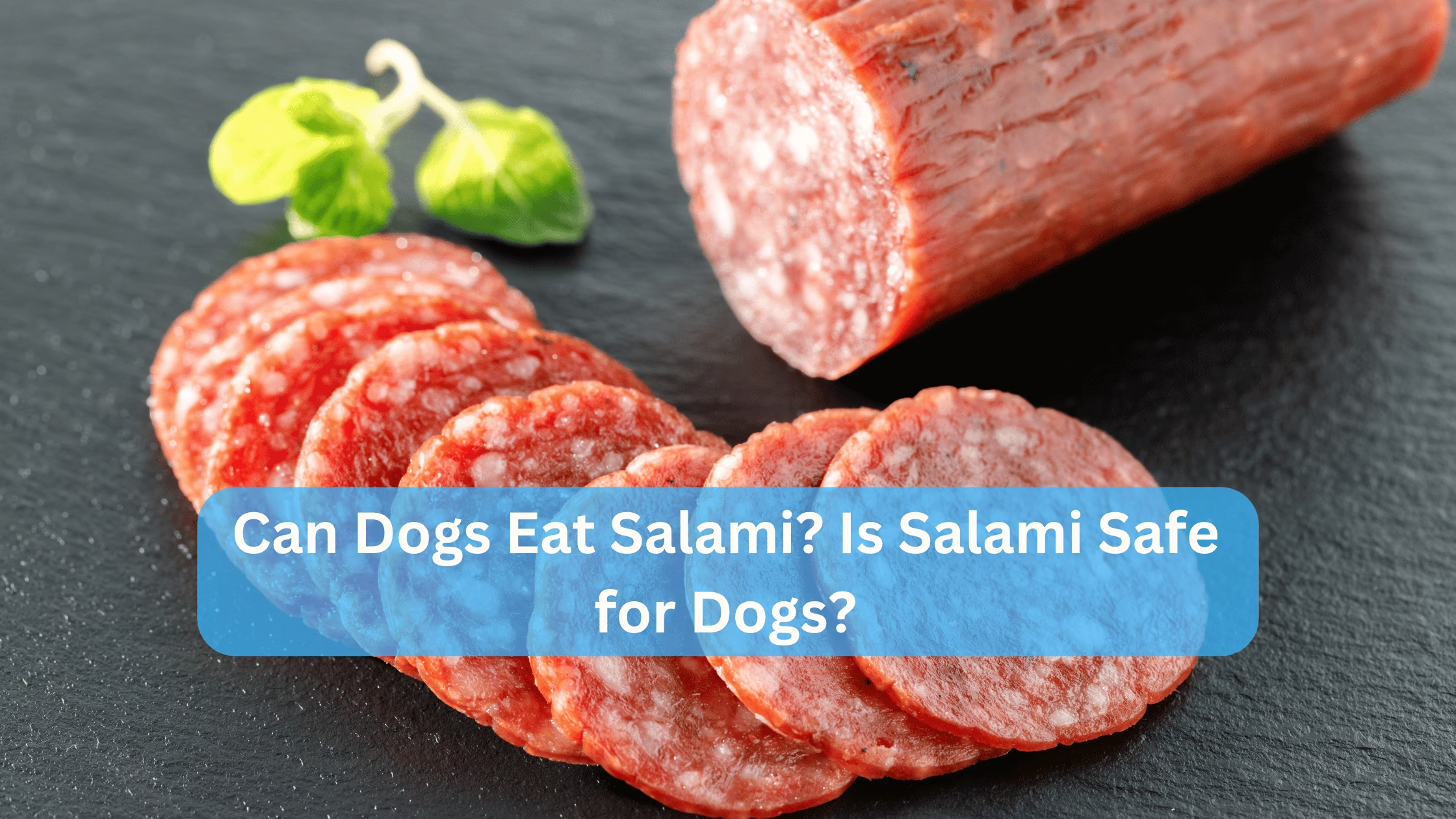
    Can Dogs Eat Salami? Is Salami Safe for Dogs?

    Can Dogs Eat Salami? – Dog owners want to ensure their pets stay healthy and happy. When it comes to feeding them, it’s important to know which human foods are safe. A common query is whether dogs can eat salami. This article provides an in-depth look at the potential risks and benefits of feeding salami to dogs.

    What is Salami?

    Salami is a type of cured sausage that is made from fermented and air-dried meat, usually pork. It is seasoned with various spices and additives to enhance flavor.

    Salami is a popular food item for humans, often enjoyed in sandwiches, pizzas, and antipasto platters.

    Can Dogs Eat Salami? Is Salami Safe for Dogs?

    No, While salami might be a tasty treat for humans, it is not an ideal food for dogs. Here are some reasons why:

    High Sodium Content

    Salami contains a high level of sodium, which can be harmful to dogs. Excessive sodium intake can lead to:

    • Dehydration: Dogs need a balanced amount of sodium in their diet, and too much can disrupt their hydration levels.
    • Salt Poisoning: Symptoms include vomiting, diarrhea, tremors, and seizures.

    Fat and Calories

    Salami is rich in fat and calories, which can contribute to:

    • Obesity: High-fat foods can lead to weight gain and obesity in dogs.
    • Pancreatitis: Excessive fat consumption can cause inflammation of the pancreas, leading to serious health issues.

    Spices and Additives

    Salami is often seasoned with garlic, onion powder, and other spices that are toxic to dogs. These additives can cause gastrointestinal upset and other health problems.

    Potential Health Risks of Salami for dogs

    Feeding your dog salami can result in several health risks, including:

    • Gastrointestinal Upset: Vomiting, diarrhea, and abdominal pain.
    • High Blood Pressure: Due to excessive sodium.
    • Kidney Damage: Long-term consumption of high-sodium foods can strain the kidneys.

    Healthier Alternatives

    Instead of salami, consider these healthier alternatives for your dog:

    • Lean Meats: Chicken, turkey, and lean beef are safer options.
    • Dog-Specific Treats: There are many commercially available treats designed specifically for dogs.
    • Fruits and Vegetables: Apples (without seeds), carrots, and blueberries make excellent snacks.

    What to Do if Your Dog Eats Salami

    If your dog accidentally eats salami, monitor them closely for any signs of distress. Symptoms to watch for include:

    • Vomiting
    • Diarrhea
    • Lethargy
    • Excessive thirst or urination

    If any of these symptoms occur, contact your veterinarian immediately.

    Also Read: Can Dogs Eat Banana Peels? A Comprehensive Guide.

    Also Read: Can Dogs Eat Granny Smith Apples? Is it toxic to dogs?

    Conclusion

    While dogs may enjoy the taste of salami, it is not a safe or healthy treat for them. The high sodium content, fat, and potentially harmful spices make salami a risky choice.

    Opt for healthier alternatives to keep your dog happy and healthy. Always consult with your veterinarian before introducing new foods to your dog’s diet.

  • Can Dogs Eat Banana Peels? A Comprehensive Guide.

    Can Dogs Eat Banana Peels? A Comprehensive Guide.

    Dogs are known for their curious nature and tendency to explore the world with their mouths. As a responsible pet owner, it’s crucial to know what foods are safe and healthy for your dog to consume. While bananas are a healthy treat for dogs, the question arises: can dogs eat banana peels? This blog aims to provide comprehensive information on this topic to help you make informed decisions about your dog’s diet.

    Nutritional Benefits of Bananas for Dogs

    Bananas are packed with essential nutrients that can be beneficial for dogs when fed in moderation. Here are some key benefits:

    • Potassium: Supports heart and muscle function.
    • Vitamin B6: Promotes brain health and produces essential neurotransmitters.
    • Vitamin C: Acts as an antioxidant, supporting the immune system.
    • Dietary Fiber: Aids in digestion and promotes a healthy gut.
    • Magnesium: Supports bone growth and helps the body absorb vitamins and proteins.

    These nutrients make bananas a great occasional treat for your dog, contributing to overall health and well-being.

    Can Dogs Eat Banana Peels?

    The short answer is no; it’s not recommended to feed your dog banana peels. While the banana itself is safe and nutritious, the peel presents several potential issues:

    • Digestive Difficulty: Banana peels are tough, fibrous, and difficult to digest, which can lead to gastrointestinal issues in dogs.
    • Choking Hazard: The peel can pose a choking risk, especially for smaller dogs or those that tend to gulp their food without chewing properly.
    • Chemical Residue: Many bananas are treated with pesticides and chemicals that can remain on the peel even after washing, posing a risk to your dog’s health.

    Potential Risks of Banana Peels for Dogs

    Feeding banana peels to your dog can result in various health issues, including:

    • Gastrointestinal Blockage: The fibrous nature of the peel can cause blockages in the digestive tract, leading to severe discomfort and the need for veterinary intervention.
    • Vomiting and Diarrhea: Ingesting banana peels can cause vomiting and diarrhea due to their indigestible fibers.
    • Chemical Poisoning: Residues from pesticides and other chemicals can lead to toxicity, resulting in symptoms like lethargy, tremors, or more severe health issues.

    Signs of Banana Peel Ingestion in Dogs

    If your dog accidentally eats a banana peel, watch for these signs of distress:

    • Vomiting: Frequent or severe vomiting can indicate an upset stomach or blockage.
    • Diarrhea: Loose stools or diarrhea are common signs of digestive issues.
    • Abdominal Pain: Whining, restlessness, or sensitivity when touched may indicate abdominal discomfort.
    • Lack of Appetite: A sudden loss of interest in food can be a red flag.
    • Lethargy: Unusual tiredness or lack of energy might indicate a more serious issue.

    If you notice any of these symptoms, contact your veterinarian immediately.

    Safe Ways to Feed Bananas to Your Dog

    While banana peels are not safe for dogs, the fruit itself can be a delightful and nutritious treat. Here are some safe ways to feed bananas to your dog:

    • Fresh Banana Slices: Cut the banana into small, bite-sized pieces to prevent choking and make it easier for your dog to eat.
    • Frozen Banana Bites: Freeze banana slices for a refreshing and healthy summer treat.
    • Banana and Peanut Butter: Spread a thin layer of dog-safe peanut butter on banana slices for an extra special treat.
    • Mashed Banana: Mash a banana and mix it with your dog’s regular food for added flavor and nutrition.

    Remember to feed bananas in moderation. Too much banana can lead to an upset stomach or contribute to weight gain due to their natural sugar content.

    How banana peels can be used for dogs?

    While banana peels are not safe for dogs to eat, they can have potential uses in other ways that may benefit your dog’s health and hygiene, much like some human uses.

    Below are a few ideas on how banana peels can be used for dogs, emphasizing safety and indirect benefits:

    1. Banana Peel as a Natural Skin Remedy

    Banana peels have been known for their anti-inflammatory and antioxidant properties. You can use the inside of the banana peel to help soothe skin irritations or minor wounds on your dog. Here’s how:

    • For Itchy or Irritated Skin: Rub the inside of a banana peel gently on your dog’s itchy or irritated skin. This can provide temporary relief due to the peel’s moisturizing properties.
    • Minor Scratches and Bug Bites: The banana peel’s antioxidants can help soothe minor scratches or insect bites.

    2. Banana Peel for Paw Care

    The moisturizing properties of banana peels can also be beneficial for your dog’s paws, especially if they are dry or cracked:

    • Paw Moisturizer: Rub the inside of a banana peel on your dog’s paw pads to help moisturize and soften them. This can be particularly helpful during winter months when their paws can become dry and cracked due to the cold weather and salt on the sidewalks.

    3. Banana Peel for Coat Shine

    Banana peels can help improve the shine of your dog’s coat due to the natural oils and nutrients they contain:

    • Coat Shine Treatment: Rub the inside of a banana peel on your dog’s coat, then wipe it off with a damp cloth. This can help add a natural shine to their fur.

    4. Banana Peel for Dental Care

    While dogs should not eat banana peels, the inside of the peel can potentially be used for dental care similarly to some human practices:

    • Teeth Cleaning: You can gently rub the inside of a banana peel on your dog’s teeth. The minerals in the peel, such as potassium and magnesium, can help reduce plaque. However, this should be done sparingly and should not replace regular dental care practices such as brushing with dog-safe toothpaste.

    5. Repellent and Deodorizer

    Banana peels can be used to repel insects and as a natural deodorizer:

    • Insect Repellent: Placing banana peels in areas where your dog sleeps or spends time outdoors can help repel insects due to the peel’s natural properties.
    • Deodorizer: Rubbing a banana peel on smelly areas (e.g., collars or beds) can help neutralize odors.

    Important Safety Tips

    While these alternative uses of banana peels can be beneficial, it’s crucial to follow some safety guidelines:

    • Supervision: Always supervise your dog when using banana peels to ensure they do not attempt to eat them.
    • Cleanliness: Use fresh, clean banana peels to avoid introducing any bacteria or contaminants to your dog’s skin or coat.
    • Moderation: Do not overuse banana peels on your dog’s skin or teeth, as overuse could lead to irritation.

    Alternative Dog-Friendly Fruits and Snacks

    If you’re looking for other healthy snacks to add variety to your dog’s diet, consider these dog-friendly fruits and treats:

    • Apples: Remove the seeds and core before feeding. Apples are a great source of vitamins A and C, as well as fiber.
    • Blueberries: Rich in antioxidants, blueberries make a fantastic low-calorie treat.
    • Carrots: High in fiber and beta-carotene, carrots are excellent for dental health and overall nutrition.
    • Watermelon: Ensure it’s seedless and remove the rind. Watermelon is hydrating and packed with vitamins A, B6, and C.
    • Sweet Potatoes: Cooked and sliced, sweet potatoes are a nutritious snack high in vitamins and fiber.

    Also Read: Can Dogs Eat Granny Smith Apples? Is it toxic to dogs?

    Also Read: Is Jackfruit Toxic to Dogs? Can Dogs Eat Jackfruit?

    Conclusion

    In conclusion, while bananas are a healthy and tasty treat for dogs, it’s best to avoid feeding them banana peels.

    The peels can cause digestive issues, pose a choking hazard, and may contain harmful chemicals.

    By sticking to the fruit itself and other dog-friendly snacks, you can ensure your dog enjoys a varied and nutritious diet without unnecessary risks.

    Always introduce new foods gradually and monitor your dog for any adverse reactions. If you have any concerns about your dog’s diet or health, consult your veterinarian for personalized advice.

    By making informed choices, you can keep your furry friend happy, healthy, and well-nourished.


    Sources:

    WebMD

  • Can Dogs Eat Granny Smith Apples? Is it toxic to dogs?

    Can Dogs Eat Granny Smith Apples? Is it toxic to dogs?

    Dogs are known for their love of food, often showing interest in what their owners are eating. As responsible pet owners, it is crucial to know which human foods are safe for our canine companions. One common question that arises is whether Can Dogs Eat Granny Smith Apples. This article explores the safety, benefits, and potential risks of feeding Granny Smith apples to dogs, offering a comprehensive guide for dog owners.

    Can Dogs Eat Granny Smith Apples?

    Granny Smith apples are generally safe for dogs to eat in moderation. However, there are some important considerations to keep in mind:

    • Remove Seeds and Core: Apple seeds contain cyanogenic glycosides, which can release cyanide when chewed and ingested. While a few seeds are unlikely to cause harm, it is best to avoid any risk by removing the seeds and core before giving apples to your dog.
    • Moderation is Key: Like any treat, apples should be given in moderation. Excessive consumption can lead to digestive issues such as diarrhea or upset stomach due to the high fiber content.
    • Monitor for Allergies: Although rare, some dogs may be allergic to apples. Start with a small piece and monitor your dog for any adverse reactions.

    Nutritional Benefits of Granny Smith Apples for Dogs

    Granny Smith apples offer several nutritional benefits for dogs when given as an occasional treat:

    • Rich in Fiber: Apples are a good source of dietary fiber, which can aid in digestion and promote healthy bowel movements.
    • Low in Calories: They are low in calories, making them a suitable treat for dogs that need to manage their weight.
    • Vitamins and Antioxidants: Apples provide essential vitamins such as Vitamin A and Vitamin C, which support overall health and the immune system. They also contain antioxidants that help combat free radicals.
    • Hydration: Apples have high water content, which can help keep your dog hydrated.

    How to Serve Granny Smith Apples to Your Dog

    To safely serve Granny Smith apples to your dog, follow these steps:

    1. Wash the Apple: Thoroughly wash the apple to remove any pesticides or chemicals on the skin.
    2. Remove Seeds and Core: Cut the apple into slices or small cubes, ensuring all seeds and the core are removed.
    3. Monitor Portion Size: Offer small amounts to start with, particularly if your dog has never had apples before. A few slices or cubes are sufficient as a treat.

    Potential Risks and Precautions

    While Granny Smith apples can be a healthy treat, there are potential risks and precautions to consider:

    • Choking Hazard: Large pieces of apple can pose a choking hazard, especially for small dogs. Always cut apples into manageable sizes.
    • High Sugar Content: Although apples have natural sugars, excessive consumption can contribute to weight gain and dental issues. Brush your dog’s teeth regularly to maintain oral health.
    • Pesticide Exposure: Non-organic apples can contain pesticide residues. Washing the apple thoroughly or opting for organic apples can reduce this risk.

    Alternative Fruits for Dogs

    If your dog doesn’t enjoy Granny Smith apples, or if you’re looking for variety, consider these dog-friendly fruits:

    • Blueberries: Rich in antioxidants and low in calories.
    • Bananas: High in potassium and easy to digest, but should be given in moderation due to high sugar content.
    • Watermelon: Hydrating and low in calories; remove seeds and rind before serving.
    • Strawberries: Packed with vitamins and antioxidants, but like bananas, should be given in moderation.

    Also Read: Is Jackfruit Toxic to Dogs? Can Dogs Eat Jackfruit?

    Also Read: Are Crape Myrtles Poisonous to Dogs?

    Conclusion

    In conclusion, Granny Smith apples can be a safe and nutritious treat for dogs when prepared properly.

    By removing the seeds and core, serving in moderation, and monitoring your dog for any adverse reactions, you can offer this fruit as a healthy snack.

    Always consult with your veterinarian before introducing new foods into your dog’s diet to ensure they meet your pet’s specific health needs.

    Remember, while Granny Smith apples can provide beneficial nutrients, they should complement a balanced diet tailored to your dog’s age, size, and health condition.

    By being informed and cautious, you can keep your furry friend happy, healthy, and well-nourished.


    Sources:

    PetMD

  • Is Jackfruit Toxic to Dogs? Can Dogs Eat Jackfruit?

    Is Jackfruit Toxic to Dogs? Can Dogs Eat Jackfruit?

    Is Jackfruit Toxic to Dogs? – Jackfruit, known for its unique texture and sweet taste, is a popular fruit in many parts of the world. With the rise of interest in exotic fruits, pet owners often wonder if their canine companions can safely consume them. This article delves into whether dogs can eat jackfruit, examining its potential benefits and risks.

    What is Jackfruit?

    Jackfruit (Artocarpus heterophyllus) is a tropical fruit native to South Asia. It belongs to the Moraceae family, which also includes figs and mulberries.

    Jackfruit is known for its large size, spiky green exterior, and bright yellow, fleshy pods inside. It is rich in vitamins, minerals, and fiber, making it a nutritious addition to the human diet.

    Nutritional Profile of Jackfruit

    Jackfruit is packed with nutrients, including:

    • Vitamins: Vitamin C, Vitamin A, and several B vitamins.
    • Minerals: Potassium, magnesium, and manganese.
    • Fiber: A good source of dietary fiber.
    • Antioxidants: High in phytonutrients and antioxidants that can benefit overall health.

    Can Dogs Eat Jackfruit?

    While jackfruit is safe for human consumption, its suitability for dogs is less clear. Here are some key considerations:

    Edible Parts

    • Flesh: The fleshy pods of the jackfruit are generally safe for dogs to eat in moderation. They are non-toxic and can provide some nutritional benefits.
    • Seeds: Jackfruit seeds should be avoided. They can be a choking hazard and contain compounds that might be harmful if ingested raw.

    Health Benefits

    • Vitamins and Minerals: The vitamins and minerals in jackfruit can support a dog’s immune system, skin health, and overall well-being.
    • Fiber: The fiber content can aid in digestion, though too much can lead to gastrointestinal upset.

    Potential Risks

    Despite its benefits, there are some risks associated with feeding jackfruit to dogs:

    Digestive Issues

    • High Fiber Content: While beneficial in small amounts, the high fiber content can cause digestive problems such as diarrhea or constipation if consumed in large quantities.
    • Sugar Content: Jackfruit is high in natural sugars, which can contribute to weight gain and dental problems if fed in excess.

    Allergic Reactions

    • Individual Sensitivities: Some dogs might have allergic reactions to jackfruit, leading to symptoms like itching, swelling, or gastrointestinal distress.

    Is Jackfruit Toxic to Dogs?

    Jackfruit is not inherently toxic to dogs. However, certain parts of the fruit and overconsumption can pose health risks:

    Seeds

    As mentioned, the seeds are a choking hazard and should never be given to dogs. If ingested, they could cause intestinal blockages or toxicity due to the presence of certain natural compounds.

    Overripe or Unripe Jackfruit

    Feeding dogs unripe or overripe jackfruit can lead to stomach upset. It is best to offer ripe, fresh jackfruit in small amounts.

    How to Safely Feed Jackfruit to Your Dog

    If you decide to introduce jackfruit to your dog’s diet, follow these guidelines:

    1. Moderation: Offer jackfruit as an occasional treat rather than a regular part of their diet.
    2. Preparation: Remove the seeds and cut the flesh into small, manageable pieces.
    3. Observation: Monitor your dog for any adverse reactions after eating jackfruit.

    Can Dogs Eat Jackfruit Chips?

    Jackfruit chips are a popular snack made by dehydrating or frying jackfruit slices. While they can be a tasty treat for humans, their suitability for dogs is less certain.

    Considerations for Jackfruit Chips

    • Ingredients: Check the ingredients list. Some jackfruit chips contain added sugars, salts, and preservatives that are not healthy for dogs.
    • Texture: The crispy texture of chips can be a choking hazard, especially for small dogs.
    • Oil and Fat Content: Fried jackfruit chips can be high in unhealthy fats, which are not good for a dog’s diet.

    Recommendation

    It’s best to avoid giving jackfruit chips to dogs due to the potential for added unhealthy ingredients and the risk of choking.

    If you want to offer jackfruit in chip form, make sure they are plain, unsweetened, and unseasoned.

    Can Dogs Eat Cooked Jackfruit?

    Cooked jackfruit is often used in savory dishes and can be an alternative to meat due to its texture. Here’s what you need to know about feeding cooked jackfruit to dogs:

    Benefits

    • Digestibility: Cooking jackfruit can make it easier for dogs to digest.
    • Nutritional Value: Cooked jackfruit retains most of its nutrients, such as vitamins and minerals.

    Risks

    • Added Ingredients: Many cooked jackfruit recipes include seasonings, spices, and other ingredients that can be harmful to dogs, such as onions and garlic.
    • Portion Size: As with fresh jackfruit, cooked jackfruit should be given in moderation to avoid digestive issues.

    Recommendation

    Dogs can eat plain, cooked jackfruit in small amounts. Ensure there are no added ingredients that could be harmful to your pet.

    Can Shih Tzus Eat Jackfruit?

    Shih Tzus are small dogs with specific dietary needs. Here’s how jackfruit fits into their diet:

    Size and Portion Control

    • Small Size: Due to their small size, Shih Tzus are more susceptible to choking hazards and overconsumption.
    • Moderation: Only a few small pieces of jackfruit should be given to Shih Tzus to prevent digestive upset.

    Allergies and Sensitivities

    • Individual Sensitivities: Shih Tzus, like other breeds, can have individual sensitivities or allergies to certain foods. Monitor for any signs of allergic reactions.

    Nutritional Needs

    • Balanced Diet: Shih Tzus require a balanced diet. Jackfruit can be an occasional treat but should not replace their regular dog food.

    Recommendation

    Shih Tzus can eat jackfruit in small, controlled amounts. Avoid giving them seeds and ensure the jackfruit is ripe and properly prepared.

    FAQs

    Can jackfruit be a regular part of my dog’s diet?

    Jackfruit should be given as an occasional treat rather than a staple in your dog’s diet.

    What should I do if my dog eats jackfruit seeds?

    Contact your veterinarian immediately, as jackfruit seeds can cause choking or intestinal blockages.

    How much jackfruit can I give my dog?

    A few small pieces are sufficient. Too much jackfruit can cause digestive problems due to its high fiber and sugar content.

    Can puppies eat jackfruit?

    Puppies have more sensitive digestive systems, so it is best to avoid giving them jackfruit until they are older.

    What other fruits are safe for dogs?

    Safe fruits for dogs include apples (without seeds), blueberries, and bananas. Always introduce new fruits gradually and in moderation.

    What should I do if my dog accidentally eats a lot of jackfruit?

    Monitor your dog for any signs of digestive distress and contact your veterinarian if you notice any adverse symptoms.

    Can jackfruit cause allergies in dogs?

    While not common, some dogs may have allergic reactions to jackfruit. Monitor for any signs of itching, swelling, or digestive issues.

    Are there any fruits that are better for dogs than jackfruit?

    Yes, fruits like apples (without seeds), blueberries, and bananas are generally safer and more suitable for dogs.

    Also Read: Are Crape Myrtles Poisonous to Dogs?

    Also Read: Can Dogs Eat Truffle Oil? A Comprehensive Guide.

    Conclusion

    In conclusion, dogs can eat jackfruit in moderation, provided it is prepared properly.

    The flesh of the fruit can offer some nutritional benefits, but the seeds and excessive consumption should be avoided due to potential health risks.

    As with any new food, it is important to introduce jackfruit gradually and watch for any signs of digestive issues or allergies.