Author: Kartikey Dwivedi

  • Are Crape Myrtles Poisonous to Dogs?

    Are Crape Myrtles Poisonous to Dogs?

    Are Crape Myrtles Poisonous to Dogs? – Crape myrtles (Lagerstroemia indica) are a beloved choice for many gardeners due to their vibrant blooms and low maintenance.

    However, for dog owners, it’s essential to know whether these beautiful plants pose any risk to their pets.

    In this article, we will explore the safety of crape myrtles around dogs, providing comprehensive information to help you make informed decisions for your garden.

    Understanding Crape Myrtles

    Crape myrtles are deciduous trees or shrubs that are known for their long-lasting, colorful flowers, which can range from pink and red to white and purple.

    They are hardy plants that can thrive in various climates, making them a popular addition to many landscapes.

    Are Crape Myrtles Poisonous to Dogs?

    The Answer: No, Crape Myrtles Are Not Poisonous to Dogs

    One of the most common concerns for dog owners is whether crape myrtles are poisonous to dogs.

    The good news is that crape myrtles are not toxic to dogs.

    This means that if your dog happens to chew on the leaves, flowers, or bark of a crape myrtle, they are unlikely to suffer from any severe health issues.

    Why Some Plants Are Toxic to Dogs

    While crape myrtles are safe, it’s essential to understand why some plants can be harmful.

    Toxic plants contain various compounds that can affect a dog’s digestive, nervous, or cardiovascular systems.

    Symptoms of plant toxicity in dogs can include vomiting, diarrhea, drooling, lethargy, and in severe cases, seizures or heart problems.

    Potential Mild Reactions to Crape Myrtles

    Even though crape myrtles are not poisonous to dogs, ingesting any plant material can sometimes cause mild gastrointestinal upset.

    Symptoms such as mild vomiting or diarrhea may occur if a dog consumes a large amount of any plant.

    These symptoms are typically short-lived and resolve without medical intervention.

    Creating a Pet-Safe Garden

    To ensure your garden is a safe and enjoyable space for your dog, consider the following tips:

    1. Research Plants: Always verify whether a plant is toxic to dogs before adding it to your garden.
    2. Designate Safe Zones: Create areas in your garden where your dog can roam freely without access to potentially harmful plants.
    3. Training: Teach your dog to avoid eating plants using positive reinforcement techniques.
    4. Regular Vet Visits: Keep up with regular veterinary check-ups to monitor your dog’s health and address any concerns.

    Other Non-Toxic Plants for Dog-Friendly Gardens

    In addition to crape myrtles, there are many other beautiful, non-toxic plants you can consider for your garden:

    • Marigolds: Bright and cheerful, these flowers are safe for dogs.
    • Roses: These classic flowers are non-toxic (watch out for thorns).
    • Sunflowers: Tall and striking, sunflowers are safe for pets.
    • Snapdragons: Colorful and pet-friendly.

    Seasonal Care for Crape Myrtles

    Understanding how to care for crape myrtles throughout the year can help you maintain a beautiful, safe garden for your dog:

    Spring:

    • Pruning: Prune in late winter or early spring to encourage healthy blooms.
    • Fertilizing: Use a balanced, pet-safe fertilizer.

    Summer:

    • Watering: Ensure consistent watering, especially during dry spells.
    • Pest Control: Use pet-friendly pest control methods to manage aphids and other pests.

    Autumn:

    • Leaf Management: Regularly rake and dispose of fallen leaves.
    • Preparation for Dormancy: Reduce watering as the plant prepares for winter.

    Winter:

    • Protection: In colder climates, mulch around the base to protect roots.

    What to Do if Your Dog Eats Plant Material

    Even with precautions, dogs can sometimes ingest plants. If your dog eats part of a crape myrtle or any other plant, observe them for any signs of distress:

    1. Identify the Plant: Make sure you know which plant your dog has ingested.
    2. Remove Access: Prevent further ingestion by moving your dog away from the area.
    3. Offer Water: Provide fresh water to help flush out the ingested material.
    4. Monitor Symptoms: Watch for vomiting, diarrhea, or other symptoms.
    5. Consult a Vet: If symptoms persist or worsen, contact your veterinarian.

    Also Read: Home Remedies for Dog Cellulitis: Natural Solutions

    Also Read: Can Dogs Eat Truffle Oil? A Comprehensive Guide.

    Conclusion

    Crape myrtles are a safe and beautiful addition to any garden, even for households with dogs.

    By understanding the non-toxic nature of crape myrtles and following best practices for a pet-safe garden, you can enjoy a stunning landscape without worrying about your dog’s health.

    Always be vigilant about the plants in your environment and proactive in training and monitoring your pets.

    With careful planning, both you and your furry friends can enjoy the beauty and serenity of your garden safely.


    Sources:

    Plantaddicts

  • Can Dogs Eat Truffle Oil? A Comprehensive Guide.

    Can Dogs Eat Truffle Oil? A Comprehensive Guide.

    Truffle oil, a luxurious culinary ingredient known for its distinct aroma and flavor, is often used to enhance various dishes. However, for dog owners who love to cook, an important question arises: can dogs eat truffle oil?

    Understanding what is safe for your pet to consume is crucial for their health and well-being. In this article, we will explore whether truffle oil is safe for dogs, potential health benefits and risks, and how to incorporate it into their diet safely.

    What is Truffle Oil?

    Truffle oil is made by infusing oil, typically olive or grapeseed, with the essence of truffles, which are a type of fungi.

    Truffles are highly prized in the culinary world for their intense and unique flavor.

    There are different types of truffle oil, including white truffle oil and black truffle oil, each offering distinct flavor profiles.

    Can Dogs Eat Truffle Oil?

    The Answer: It Depends

    The safety of truffle oil for dogs largely depends on the ingredients used and how it’s processed.

    Pure truffle oil, made from natural truffle essence and a safe carrier oil, can be consumed by dogs in very small amounts.

    However, many commercial truffle oils contain artificial flavorings and additives, which can be harmful to dogs.

    Health Benefits of Truffle Oil

    When considering adding any new ingredient to your dog’s diet, it’s essential to weigh the potential benefits and risks:

    Potential Benefits:

    • Antioxidants: Truffles are rich in antioxidants, which can help reduce inflammation and support overall health.
    • Flavor Enhancement: A small amount of natural truffle oil can make bland dog food more palatable.
    • Healthy Fats: If made with high-quality oil, truffle oil can provide healthy fats beneficial for your dog’s coat and skin.

    Risks of Truffle Oil for Dogs

    Potential Risks:

    • Artificial Additives: Many truffle oils contain artificial ingredients that can be toxic to dogs.
    • High Fat Content: Oils are high in fat and calories, which can lead to obesity and pancreatitis if consumed in large amounts.
    • Digestive Upset: Introducing any new food, especially rich oils, can cause gastrointestinal issues like diarrhea or vomiting.

    Safe Use of Truffle Oil for Dogs

    If you decide to introduce truffle oil to your dog’s diet, follow these guidelines to ensure their safety:

    1. Choose Natural Truffle Oil: Ensure the truffle oil is made from natural ingredients without artificial flavorings or additives.
    2. Use Sparingly: Only use a very small amount, as too much oil can lead to digestive upset.
    3. Monitor Your Dog: Observe your dog for any adverse reactions after consuming truffle oil.
    4. Consult Your Vet: Before adding truffle oil or any new food to your dog’s diet, consult your veterinarian.

    Alternatives to Truffle Oil for Dogs

    If you are concerned about the potential risks of truffle oil, consider these safer alternatives to enhance your dog’s meals:

    • Olive Oil: Rich in healthy fats and antioxidants, olive oil is a safe option for most dogs.
    • Coconut Oil: Known for its health benefits, coconut oil can improve skin and coat health.
    • Fish Oil: High in omega-3 fatty acids, fish oil supports joint health and reduces inflammation.

    Also Read: Home Remedies for Dog Cellulitis: Natural Solutions

    Also Read: Home Remedies for Dog Drooling: A Comprehensive Guide

    Conclusion

    While dogs can eat truffle oil, it should be used with caution. Opt for natural truffle oil free from artificial additives and use it sparingly to avoid potential health risks.

    Always monitor your dog for any adverse reactions and consult your vet before making any significant changes to their diet.

    By following these guidelines, you can safely incorporate truffle oil into your dog’s meals, enhancing their culinary experience without compromising their health.


    Sources:

    Britannica

  • Home Remedies for Dog Cellulitis: Natural Solutions

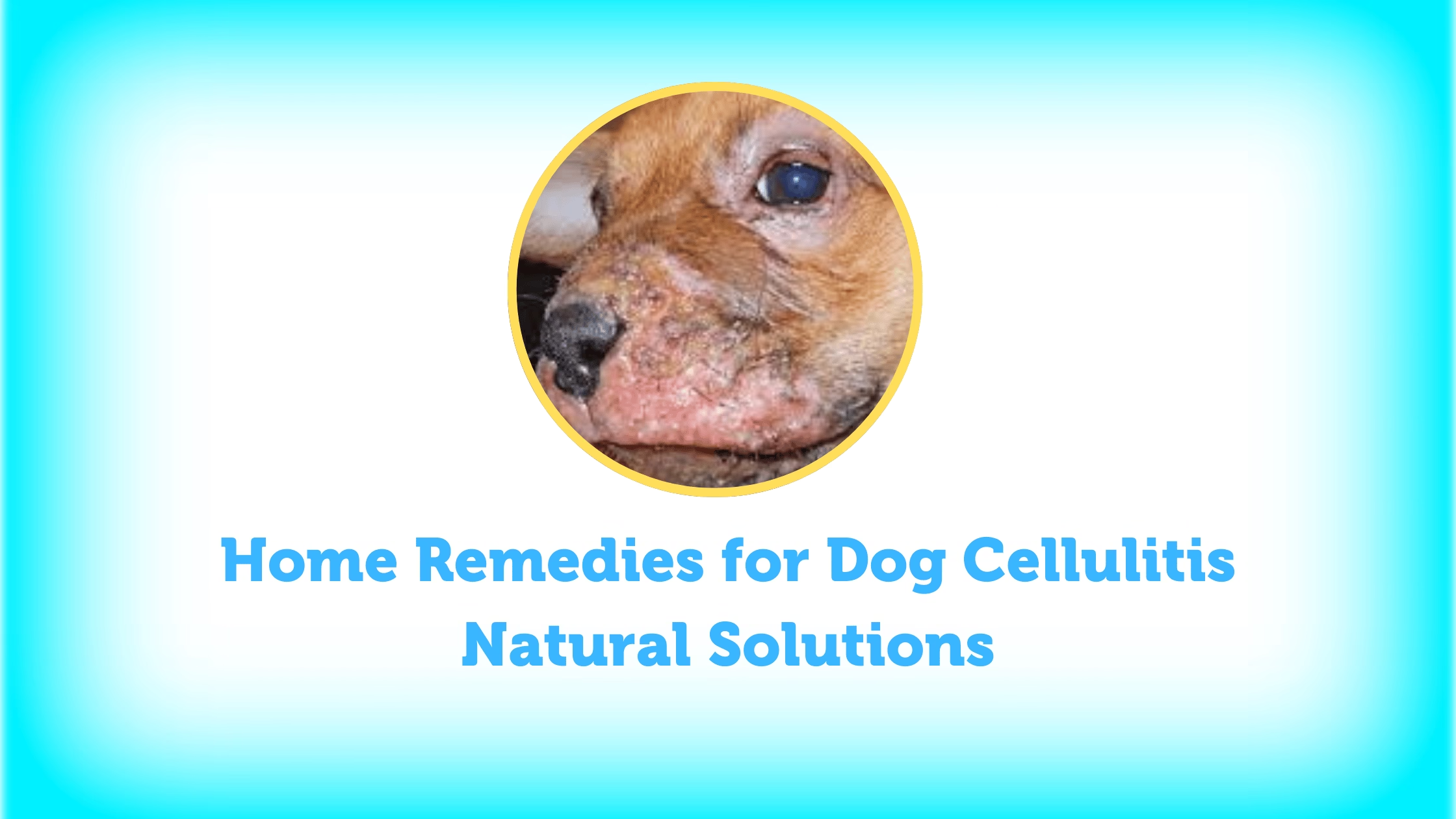
    Home Remedies for Dog Cellulitis: Natural Solutions

    Home Remedies for Dog Cellulitis: Cellulitis in dogs is a bacterial infection that causes inflammation of the skin and underlying tissues. It can be painful and lead to severe complications if not treated promptly. While veterinary care is essential, there are home remedies that can support the healing process and provide relief for your furry friend. This article will guide you through effective home remedies for dog cellulitis, ensuring your pet’s swift recovery.

    Understanding Dog Cellulitis

    Cellulitis occurs when bacteria, usually Staphylococcus or Streptococcus, enter the skin through cuts, abrasions, or other injuries. Symptoms include:

    • Swelling and redness
    • Pain and tenderness
    • Warmth in the affected area
    • Fever and lethargy in severe cases

    Home Remedies for Dog Cellulitis

    Before trying any home remedy, consult with your veterinarian to ensure it’s safe for your dog’s specific condition. Home remedies should complement, not replace, professional veterinary care.

    1. Warm Compress

    Purpose: Reduces swelling and discomfort.

    How to Use:

    • Soak a clean cloth in warm (not hot) water.
    • Wring out excess water.
    • Apply the warm compress to the affected area for 10-15 minutes, 2-3 times daily.

    2. Epsom Salt Bath

    Purpose: Draws out infection and soothes inflammation.

    How to Use:

    • Dissolve 1-2 cups of Epsom salt in a warm bath.
    • Allow your dog to soak for 10-15 minutes.
    • Ensure the dog does not ingest the water.
    • Rinse your dog thoroughly after the bath to remove any salt residue.

    3. Manuka Honey

    Purpose: Natural antibacterial properties help fight infection.

    How to Use:

    • Apply a thin layer of medical-grade Manuka honey to the affected area.
    • Cover with a sterile bandage if necessary to prevent licking.
    • Change the bandage and reapply honey daily.

    4. Coconut Oil

    Purpose: Moisturizes the skin and has antimicrobial properties.

    How to Use:

    • Apply a small amount of virgin coconut oil to the inflamed skin.
    • Massage gently to ensure it is absorbed.
    • Repeat 2-3 times daily.

    5. Turmeric Paste

    Purpose: Anti-inflammatory and antibacterial properties.

    How to Use:

    • Mix turmeric powder with water to form a paste.
    • Apply the paste to the affected area.
    • Leave it on for 10-15 minutes before rinsing off.
    • Use once daily.

    6. Aloe Vera Gel

    Purpose: Soothes and heals the skin.

    How to Use:

    • Use pure aloe vera gel (free from additives).
    • Apply directly to the inflamed area.
    • Repeat 2-3 times daily.

    Additional Care Tips

    • Keep the Affected Area Clean: Regularly clean the wound with mild soap and water to prevent further infection.
    • Maintain Good Hygiene: Ensure your dog’s living area is clean and dry.
    • Boost Immune System: Provide a balanced diet rich in vitamins and minerals to support your dog’s immune system.
    • Monitor Progress: Keep an eye on the affected area. If the condition worsens or does not improve within a few days, consult your veterinarian.

    When to See a Veterinarian

    While home remedies can be effective, they are not substitutes for professional veterinary care. Seek immediate veterinary attention if your dog shows signs of severe infection, such as:

    • Increased swelling and redness
    • Persistent fever
    • Pus or unusual discharge
    • Significant pain or discomfort
    • Lethargy or loss of appetite

    Also Read: Home Remedies for Dog Wheezing: A comprehensive Guide

    Also Read: Home Remedies for Dog Drooling: A Comprehensive Guide

    Conclusion

    Home remedies can provide significant relief for dogs suffering from cellulitis, promoting faster healing and comfort. Always consult with your veterinarian before starting any home treatment to ensure it’s appropriate for your dog’s condition. With proper care and attention, your furry friend will be on the road to recovery in no time.

  • Home Remedies for Dog Drooling: A Comprehensive Guide

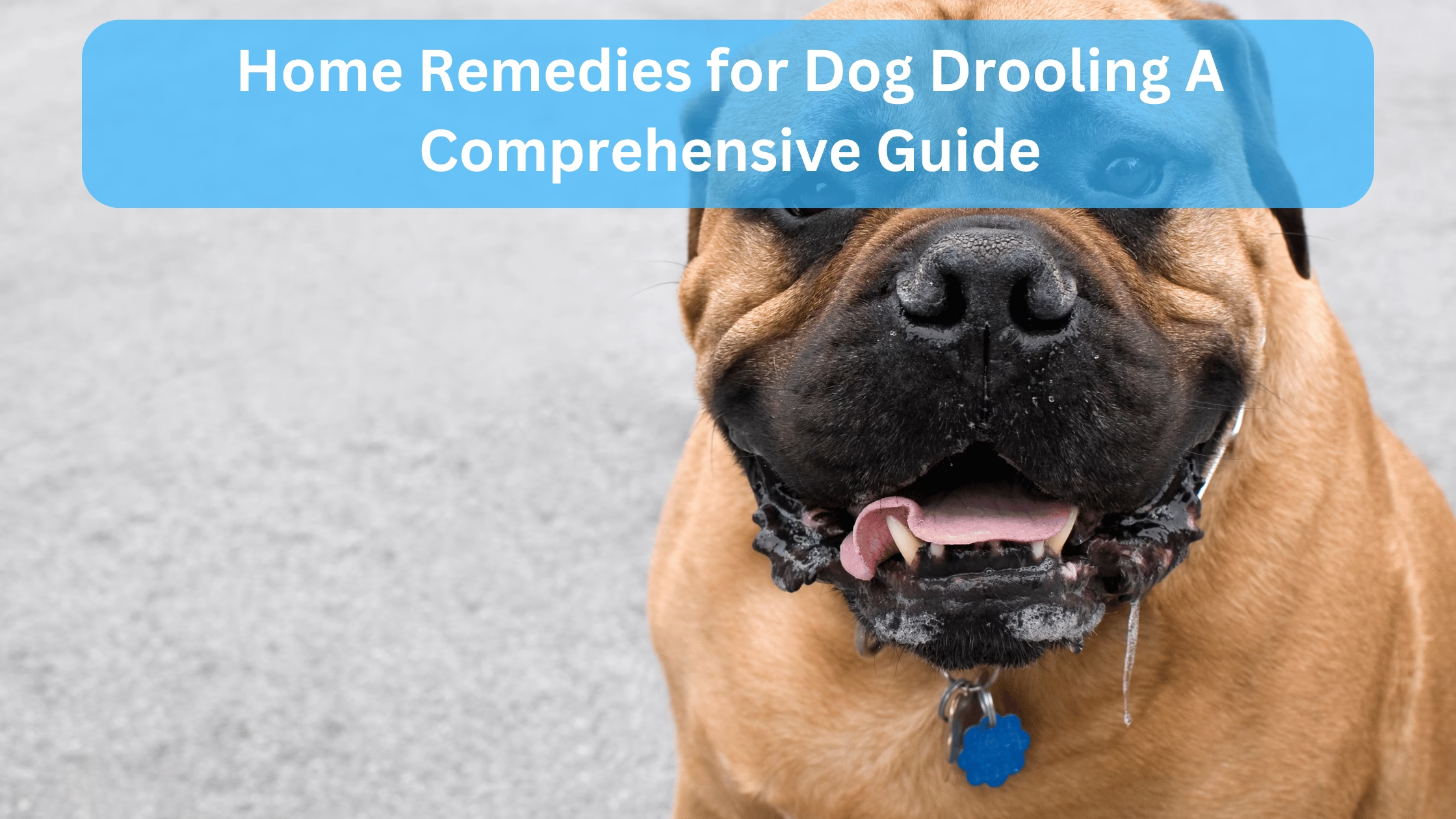
    Home Remedies for Dog Drooling: A Comprehensive Guide

    Dogs drool for many reasons, ranging from natural and benign to indications of more serious health issues. While drooling is a normal part of canine physiology, excessive drooling can be a concern for pet owners. This comprehensive guide will explore the common causes of dog drooling and provide effective Home Remedies for Dog Drooling to manage and reduce excessive salivation.

    Understanding Dog Drooling

    Normal vs. Excessive Drooling

    Drooling, or salivation, is a natural process in dogs. Some breeds, like Saint Bernards and Bulldogs, are known for their propensity to drool due to their facial anatomy.

    However, excessive drooling, known as ptyalism, can indicate underlying health issues.

    Normal Drooling

    • Occurs during mealtime or when anticipating food
    • Seen during exercise or when overheated
    • Common in certain breeds due to anatomical features

    Excessive Drooling

    • Persistent and not related to eating or physical activity
    • Accompanied by other symptoms like vomiting, lethargy, or behavioral changes

    Common Causes of Excessive Drooling

    • Oral Health Issues: Dental problems, gum disease, or oral injuries can increase saliva production.
    • Foreign Objects: Sticks, toys, or other objects stuck in the mouth or throat.
    • Digestive Issues: Nausea, poisoning, or gastrointestinal problems.
    • Heat Stroke: Overheating can cause excessive drooling.
    • Anxiety or Stress: Nervousness can lead to increased salivation.
    • Allergies: Reactions to certain foods or environmental factors.

    Home Remedies for Managing Dog Drooling

    1. Dietary Changes

    Balanced Diet

      • Ensure your dog receives a well-balanced diet rich in essential nutrients. Poor nutrition can lead to health problems that might manifest as excessive drooling.
      • Incorporate high-quality, vet-recommended dog food to maintain overall health.

      Hydration

        • Keep your dog hydrated. Dehydration can cause dry mouth and trigger excessive drooling when the body compensates.
        • Offer clean, fresh water at all times and consider using a pet fountain to encourage drinking.

        Avoiding Allergens

          • Identify and eliminate potential food allergens from your dog’s diet. Common allergens include certain proteins, grains, and artificial additives.
          • Consult your vet for an elimination diet to pinpoint specific allergens.

          2. Herbal Remedies

          Ginger

            • Ginger can help soothe an upset stomach, reducing nausea-induced drooling.
            • Offer a small amount of ginger powder mixed with your dog’s food or provide ginger treats specifically made for dogs.

            Chamomile

              • Known for its calming properties, chamomile can reduce anxiety-related drooling.
              • Brew chamomile tea, let it cool, and add a small amount to your dog’s water or food.

              Peppermint

                • Peppermint can aid digestion and freshen breath, potentially reducing drooling caused by gastrointestinal discomfort.
                • Add a few drops of peppermint oil to water (ensure it’s properly diluted) or use dog-safe peppermint treats.

                3. Hydration and Hygiene

                Regular Water Intake

                  • Encourage your dog to drink water regularly. Proper hydration is crucial for maintaining a healthy balance of bodily fluids.
                  • Use multiple water bowls around the house to make access easy.

                  Clean Mouth

                    • Maintain oral hygiene by regularly brushing your dog’s teeth with canine toothpaste.
                    • Use dental chews or toys designed to clean teeth and gums, preventing oral health issues.

                    Cool Environment

                      • Ensure your dog has a cool place to rest, especially during hot weather. Overheating can lead to excessive drooling.
                      • Use fans, air conditioning, or cooling mats to keep your dog comfortable.

                      Preventive Measures

                      Regular Veterinary Check-Ups

                      • Schedule regular vet visits to monitor your dog’s overall health. Early detection of potential issues can prevent excessive drooling.
                      • Regular dental check-ups are essential for maintaining oral health and preventing conditions that cause drooling.

                      Maintaining Oral Health

                      • Brush your dog’s teeth regularly to prevent plaque and tartar buildup.
                      • Provide dental chews and toys that promote oral hygiene.
                      • Inspect your dog’s mouth for signs of dental problems or foreign objects.

                      Safe Chewing Options

                      • Offer safe, appropriate chewing toys to prevent oral injuries.
                      • Avoid giving your dog small or sharp objects that could get lodged in their mouth or throat.

                      When to See a Veterinarian

                      Identifying Signs of Serious Issues

                      • Persistent drooling that doesn’t improve with home remedies.
                      • Drooling accompanied by other symptoms like vomiting, diarrhea, lethargy, or behavioral changes.
                      • Signs of oral health problems such as bad breath, swollen gums, or difficulty eating.

                      Emergency Situations

                      • Ingesting toxic substances or plants.
                      • Foreign objects lodged in the throat causing choking.
                      • Severe heatstroke with symptoms like heavy panting, confusion, or collapse.

                      FAQ’s for Dog Drooling

                      What can I give my dog to stop drooling?

                      To help manage your dog’s drooling, you can offer:

                      Ginger: Helps with nausea. Mix a small amount of ginger powder into their food.

                      Chamomile: Reduces anxiety-induced drooling. Add a small amount of chamomile tea (cooled) to their water or food.

                      Peppermint: Aids digestion and freshens breath. Use properly diluted peppermint oil in water or give dog-safe peppermint treats.

                      Hydration: Ensure they have access to fresh water at all times.

                      Dental Chews: Promotes oral hygiene and reduces drooling from dental issues.

                      What is the best way to remove dog drool?

                      Soft Cloth: Use a damp, soft cloth to wipe away drool from your dog’s face.

                      Dog Wipes: Specially formulated wipes are available for cleaning drool.

                      Towel: Keep a towel handy for larger dogs that drool frequently.

                      Regular Cleaning: Ensure you clean areas where drool accumulates, such as furniture or floors, to prevent build-up.

                      How to stop a dog from drooling water?

                      Monitor Water Intake: Ensure your dog is not drinking excessively due to heat or after exercise.

                      Cool Environment: Provide a cool resting area to prevent overheating.

                      Oral Hygiene: Maintain your dog’s oral health to prevent excessive drooling due to dental issues.

                      What causes excessive drooling in dogs?

                      Oral Health Issues: Dental problems, gum disease, or oral injuries.

                      Foreign Objects: Sticks, toys, or other objects stuck in the mouth or throat.

                      Digestive Issues: Nausea, poisoning, or gastrointestinal problems.

                      Heat Stroke: Overheating can cause excessive drooling.

                      Anxiety or Stress: Nervousness can lead to increased salivation.

                      Allergies: Reactions to certain foods or environmental factors.

                      How to stop excessive drooling in dogs

                      Regular Oral Care: Brush teeth and provide dental chews.

                      Diet and Hydration: Maintain a balanced diet and ensure proper hydration.

                      Monitor Environment: Keep your dog in a cool, stress-free environment.

                      Herbal Remedies: Use calming and digestive aids like chamomile and ginger.

                      What helps to stop drooling?

                      Balanced Diet: Ensure proper nutrition.

                      Hydration: Keep your dog well-hydrated.

                      Herbal Remedies: Use ginger, chamomile, and peppermint as needed.

                      Oral Hygiene: Regular teeth brushing and dental check-ups.

                      Cool Environment: Prevent overheating with fans, AC, or cooling mats.

                      Home remedies for dog drooling while sleeping?

                      Comfortable Bed: Provide a clean, comfortable bed that supports your dog’s head.

                      Herbal Calming Agents: Chamomile or valerian root can help if anxiety is the cause.

                      Monitor Sleep Position: Adjust their sleeping position to reduce drooling.

                      Home remedies for dog drooling and diarrhea

                      Dietary Adjustments: Bland diet with boiled chicken and rice.

                      Pumpkin: Canned pumpkin can help regulate digestion.

                      Probiotics: Provide probiotics to support gut health.

                      Hydration: Ensure they stay hydrated with fresh water.

                      Sudden excessive salivation in dogs?

                      Identify Triggers: Check for ingestion of toxins or foreign objects.

                      Remove Hazards: Ensure the environment is safe and free of harmful substances.

                      Vet Consultation: Seek immediate veterinary attention if sudden excessive salivation occurs.

                      Home remedies for dog drooling and vomiting?

                      Ginger: Helps with nausea and vomiting.

                      Bland Diet: Feed boiled chicken and rice until vomiting subsides.

                      Hydration: Ensure they stay hydrated.

                      Vet Consultation: Consult your vet if symptoms persist.

                      Dog drooling thick saliva?

                      Oral Examination: Check for signs of dental issues or foreign objects.

                      Hydration: Ensure proper hydration.

                      Vet Check-Up: Consult a vet for underlying health problems.

                      Is excessive drooling in dogs an emergency?

                      Yes, if accompanied by:
                      Vomiting
                      Diarrhea
                      Lethargy
                      Difficulty breathing
                      Swelling or pain in the mouth1

                      Immediate vet attention is necessary in these cases.

                      How to stop a dog from drooling over food?

                      Training: Train your dog to wait calmly for their food.

                      Feeding Schedule: Stick to a consistent feeding schedule to reduce anxiety.

                      Food Puzzle Toys: Use puzzle feeders to slow down eating and reduce excitement-related drooling.

                      Behavioral Techniques: Reward calm behavior with treats and praise.

                      Also Read: Home Remedies for Dog Ear Infections: A Comprehensive Guide

                      Also Read: Home Remedies for Dog Wheezing: A comprehensive Guide

                      Conclusion

                      Excessive drooling in dogs can be a sign of underlying health issues or simply a reaction to environmental factors.

                      Understanding the cause of your dog’s drooling is crucial for determining the best course of action.

                      While home remedies can effectively manage and reduce drooling, it’s important to monitor your dog closely and consult a veterinarian if symptoms persist or worsen.

                      By maintaining a balanced diet, proper hydration, good oral hygiene, and regular vet check-ups, you can ensure your furry friend stays healthy and happy.

                      Remember, every dog is unique, and what works for one might not work for another. Always tailor your approach to your dog’s specific needs and health conditions.

                    1. Home Remedies for Dog Wheezing: A comprehensive Guide

                      Home Remedies for Dog Wheezing: A comprehensive Guide

                      Dog wheezing can be a concerning symptom for any pet owner. It is characterized by a high-pitched whistling sound that occurs when your dog breathes. Wheezing can be caused by various factors, including allergies, infections, or even foreign objects lodged in the airway. While it’s crucial to consult a veterinarian to rule out serious conditions, there are several home remedies that can help alleviate your dog’s discomfort and improve their breathing. This article will explore effective Home remedies for dog wheezing, along with answers to frequently asked questions about this condition.

                      Understanding Dog Wheezing

                      Wheezing in dogs is typically caused by an obstruction or narrowing of the airways. This can result from allergic reactions, infections, asthma, or the presence of foreign objects. Understanding the underlying cause of your dog’s wheezing is crucial for effective treatment.

                      Is my dog wheezing or snoring?

                      It’s essential to distinguish between wheezing and other respiratory sounds such as snoring or reverse sneezing.

                      Wheezing is a continuous, high-pitched sound usually heard during exhalation, whereas snoring is more common during sleep and results from the vibration of relaxed tissues in the throat.

                      Reverse sneezing, on the other hand, involves rapid inhalations and can sound alarming but is generally harmless.

                      Immediate Actions to Take

                      If you notice your dog wheezing, it’s essential to assess the severity of the situation. Here are some immediate steps you can take:

                      1. Stay Calm and Observe: Ensure your dog is in a calm environment and observe their behavior. Take note of any other symptoms such as coughing, lethargy, or difficulty breathing.
                      2. Check for Obstructions: Gently inspect your dog’s mouth and throat for any visible foreign objects. Do not attempt to remove anything deeply lodged, as this could cause further harm.
                      3. Monitor Breathing: If your dog’s breathing seems labored or they appear distressed, it’s crucial to seek veterinary assistance immediately.
                      4. Contact Your Vet: If the wheezing persists or is accompanied by other concerning symptoms, contact your veterinarian for guidance. They may recommend bringing your dog in for an examination.

                      Home Remedies for Dog Wheezing

                      When dealing with mild wheezing, certain home remedies can provide relief and support your dog’s respiratory health. Here are some effective options:

                      Creating a Humid Environment

                      Dry air can exacerbate wheezing, so maintaining a humid environment can help soothe your dog’s airways.

                      • Humidifier: Use a humidifier in the room where your dog spends most of their time. This can help keep their respiratory passages moist and reduce irritation.
                      • Steam Therapy: Allow your dog to breathe in steam from a hot shower. Ensure the bathroom is not too hot and never leave your dog unattended.

                      Herbal Remedies and Supplements

                      Certain natural remedies can be beneficial for easing your dog’s wheezing.

                      • Honey: Honey has natural anti-inflammatory properties and can help soothe the throat. Mix a teaspoon of honey with warm water and offer it to your dog. Ensure the honey is dog-safe and not raw.
                      • Eucalyptus Oil: Inhaling eucalyptus oil can help open up the airways. Add a few drops to a diffuser, but ensure the room is well-ventilated and your dog cannot ingest the oil.
                      • Chamomile Tea: Chamomile has calming effects and can help reduce respiratory inflammation. Brew a mild chamomile tea and let it cool before offering it to your dog.

                      Ensuring Clean Air and Minimizing Allergens

                      Reducing allergens in your home can significantly improve your dog’s respiratory health.

                      • Clean Environment: Regularly clean your home to reduce dust, pollen, and other allergens. Vacuum carpets and upholstery frequently.
                      • Air Purifier: An air purifier can help remove airborne allergens and improve indoor air quality.

                      Proper Hydration and Diet

                      Ensuring your dog is well-hydrated and on a healthy diet can support their overall health, including their respiratory system.

                      • Water Intake: Encourage your dog to drink plenty of water. Proper hydration helps maintain mucus membranes and ease breathing.
                      • Nutritious Diet: Provide a balanced diet rich in essential nutrients to boost your dog’s immune system.

                      Managing Fluid in Dog’s Lungs Naturally

                      Fluid in the lungs, or pulmonary edema, can be a serious condition requiring veterinary attention. However, for mild cases or as supportive care, here are some natural ways to manage it:

                      • Gentle Exercise: Encourage light exercise to help improve lung function and reduce fluid buildup. Avoid strenuous activities that could worsen the condition.
                      • Natural Diuretics: With your vet’s approval, consider natural diuretics like dandelion or parsley. These can help reduce fluid retention but should be used cautiously.
                      • Elevate Sleeping Position: Elevate your dog’s head and chest slightly while they sleep to help ease breathing and reduce fluid accumulation.

                      Prevention and Long-term Care

                      Preventing wheezing and ensuring your dog’s long-term respiratory health involves regular care and vigilance.

                      • Regular Vet Check-ups: Schedule routine veterinary check-ups to monitor your dog’s health and catch any issues early.
                      • Maintain Clean Environment: Keep your home clean and free of dust and allergens. Regularly wash your dog’s bedding and toys.
                      • Avoid Known Allergens: Identify and minimize exposure to allergens that trigger your dog’s wheezing. This may include certain foods, plants, or environmental factors.

                      FAQs on Dog Wheezing

                      Can Dog Wheezing Go Away on Its Own?

                      In some cases, mild wheezing can resolve on its own, especially if it’s caused by temporary irritants like dust or mild allergies. However, persistent or severe wheezing requires veterinary attention to rule out underlying health issues.

                      What Can I Give My Dog to Stop Wheezing?

                      Several home remedies can help alleviate wheezing in dogs, such as using a humidifier, offering honey, and maintaining a clean environment. It’s important to consult your vet before trying new remedies, especially if your dog has pre-existing conditions.

                      Also Read: Home Remedies for Dog Ear Infections: A Comprehensive Guide

                      Also Read: How to Cook Salmon for Dogs: A Comprehensive Guide

                      Conclusion

                      Addressing dog wheezing with home remedies can provide relief and support your pet’s respiratory health.

                      Always monitor your dog’s condition closely and consult a veterinarian for persistent or severe symptoms.

                      By maintaining a clean environment, ensuring proper hydration, and using natural remedies, you can help your dog breathe easier and live a healthier life.

                      Share your experiences and questions in the comments below, and let’s work together to keep our furry friends happy and healthy.


                      Sources

                      PetMD

                    2. Home Remedies for Dog Ear Infections: A Comprehensive Guide

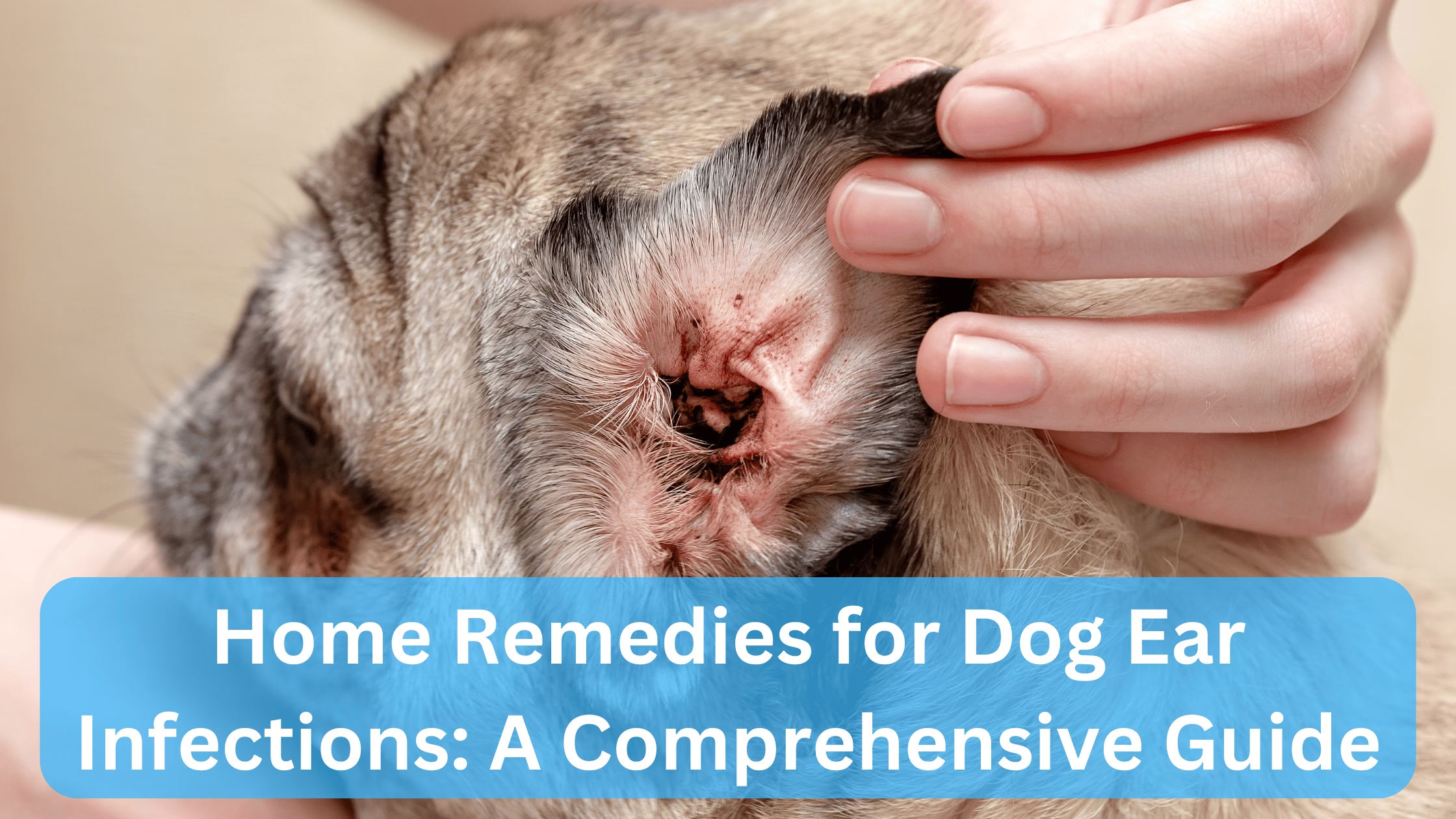
                      Home Remedies for Dog Ear Infections: A Comprehensive Guide

                      Home Remedies for Dog Ear Infections: Does your dog seem like they’re constantly shaking their head and scratching their ears with a vengeance? They might be suffering from a dog ear infection. These infections, caused by bacteria, yeast, or allergies, can make your furry friend incredibly uncomfortable.

                      While a trip to the vet is always the golden standard for proper diagnosis and treatment, there are some home remedies that can offer some relief for your dog’s itchy ears in mild cases. But remember, this is only with your vet’s green light!

                      It’s important to remember that some ear infections require professional attention. Here’s how to know when a vet visit is essential:

                      When to Consider Home Remedies for Dog Ear Infections

                      Before diving into home remedies, it’s crucial to understand when your pup needs professional help. Here are some signs that indicate your dog requires a vet visit:

                      • Severe pain or discomfort in the ear (whimpering, flinching when touched)
                      • Fever (check your dog’s temperature rectally with a digital thermometer)
                      • Thick, bloody, or pus-filled discharge coming from the ear
                      • Redness, swelling, or heat around the ear (a sign of significant inflammation)
                      • A ruptured eardrum (symptoms include head tilting, loss of balance, and unusual eye movements)

                      If you notice any of these signs, don’t hesitate to schedule an appointment with your veterinarian. Early diagnosis and treatment can prevent further complications for your dog’s ear health.

                      However, if your dog’s ear infection seems mild, with just some head shaking and scratching, keep reading! We’ll explore some safe and gentle home remedies to soothe their discomfort.

                      Safe and Effective Home Care Techniques

                      Cleaning the Ears: A Foundation for Healing

                      Just like cleaning a wound promotes healing, cleaning your dog’s ears can help create a better environment for recovery during an ear infection. Removing dirt, wax, and debris trapped in the ear canal allows medication (if prescribed by your vet) to reach the affected area more effectively.

                      Dog Ear Cleaners: Your Gentle Choice

                      When it comes to cleaning your dog’s ears, resist the urge to use human products or homemade solutions. These can irritate your dog’s delicate ear canal and worsen the infection. Instead, opt for a veterinarian-approved dog ear cleaner. These cleaners are formulated specifically for dogs, with a gentle pH balance that won’t cause discomfort.

                      Cleaning Your Dog’s Ears: A Step-by-Step Guide

                      Here’s how to gently clean your dog’s ears:

                      1. Gather your supplies: You’ll need a veterinarian-approved dog ear cleaner, gauze or soft wipes, and a reward for your furry friend!
                      2. Secure your pup: Gently but firmly restrain your dog in a comfortable position.
                      3. Apply the cleaner: Hold the ear flap and squirt a recommended amount of ear cleaner into the ear canal.
                      4. Massage the base of the ear: Gently massage the base of the ear for a few seconds to loosen debris.
                      5. Let your dog shake: Allow your dog to shake their head freely. This helps dislodge loosened debris and solution.
                      6. Wipe away excess: Carefully wipe away any excess moisture and debris from the outer ear with gauze or a soft wipe. Never insert anything like a cotton swab into the ear canal, as this can push debris deeper and damage the eardrum.
                      7. Repeat for the other ear: Repeat the process for the other ear.
                      8. Shower your dog with praise! Reward your dog with a treat or praise for their good behavior during the cleaning process.

                      Frequency

                      The appropriate cleaning frequency depends on the severity of the infection and your vet’s recommendations.

                      Generally, for mild cases, cleaning once or twice a week might be sufficient. However, for more persistent infections, your vet might advise more frequent cleaning.

                      Soothing Home Remedies for Dog Ear Infections

                      While cleaning is crucial, there are some additional home remedies that can offer some comfort to your dog during a mild ear infection.

                      Remember, always consult your veterinarian before using any of these remedies:

                      • Diluted Apple Cider Vinegar Solution: Apple cider vinegar has potential antifungal properties. However, it’s important to dilute it properly with water (consult your vet for the appropriate ratio) to avoid irritation. Apply a small amount of the diluted solution to a cotton ball and wipe the outer ear only, never going inside the ear canal.
                      • Warm Compress: A warm compress can help soothe inflammation around the ear. Soak a clean washcloth in warm water (not hot!), wring it out to remove excess moisture, and then hold it gently against the outside of the affected ear for short intervals.
                      • Coconut Oil: Coconut oil has potential anti-inflammatory and antimicrobial properties. However, use it with caution. Some dogs might be allergic to coconut oil. Consult your vet for safe usage instructions and dosage if you decide to try this remedy.

                      Important Note: Remember, never use harsh chemicals, alcohol, or cotton swabs in the ear canal. These can damage the delicate ear tissue and worsen the infection.

                      Addressing Underlying Issues

                      Sometimes, ear infections can be a sign of underlying allergies.

                      Allergies to food, pollen, or dust mites can irritate the skin and ear canal, creating an environment where bacteria or yeast can thrive.

                      If you suspect your dog might have allergies, consult your veterinarian about allergy testing and management strategies.

                      These strategies can help prevent future ear infections and keep your furry friend feeling comfortable.

                      Prevention is Key

                      The good news is that there are steps you can take to help prevent ear infections in your dog:

                      • Regular Cleaning: As mentioned earlier, regular cleaning with a veterinarian-approved ear cleaner helps remove debris and create a healthy environment for your dog’s ears.
                      • Drying Ears After Swimming: Moisture trapped in the ear canal can be a breeding ground for bacteria and yeast. After swimming or bathing, gently dry your dog’s ears with a soft cloth.
                      • Managing Allergies: If your dog has allergies, working with your veterinarian to develop a management plan can significantly reduce the risk of ear infections.
                      • Healthy Diet: A healthy diet rich in omega-3 fatty acids can contribute to overall skin and ear health, potentially reducing the risk of infections.

                      Also Read: How to Cook Oatmeal for Dogs: A Comprehensive Guide

                      Also Read: How to Cook Salmon for Dogs: A Comprehensive Guide

                      Conclusion

                      While these home remedies can provide some relief for mild ear infections, it’s important to remember that they are not a substitute for veterinary care. For proper diagnosis and treatment, a visit to your veterinarian is always the best course of action.

                      By combining safe home remedies with preventative measures, you can help keep your dog’s ears healthy and comfortable.

                      If your dog is showing any signs of an ear infection, such as head shaking, scratching, redness, or odor, don’t hesitate to schedule a vet visit. Early diagnosis and treatment can prevent complications and ensure your furry friend gets the relief they need.


                      Sources:

                      American Kennel Club (AKC)

                      PetMD

                    3. How to Cook Salmon for Dogs: A Comprehensive Guide

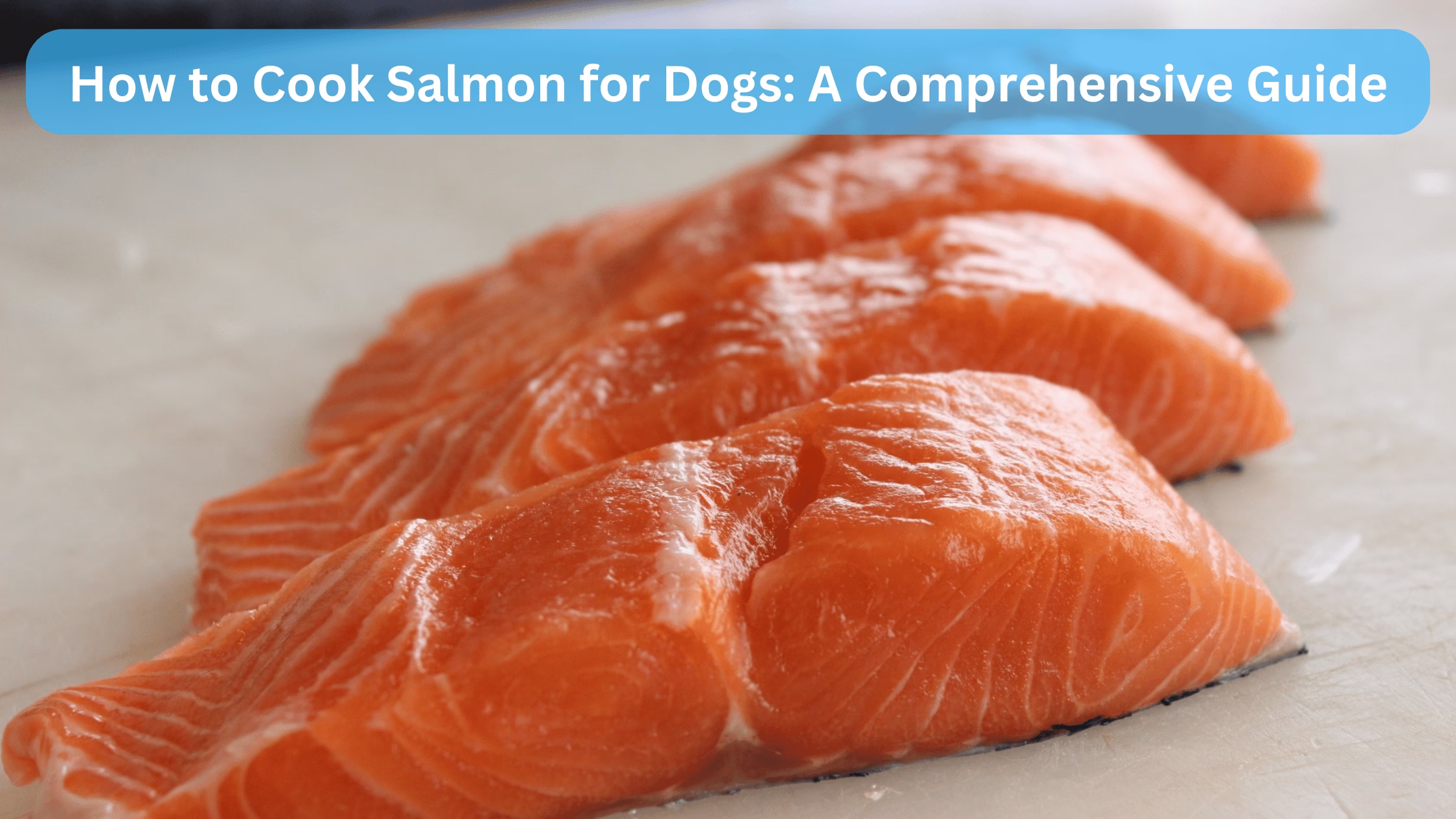
                      How to Cook Salmon for Dogs: A Comprehensive Guide

                      Salmon is not just a delicious and nutritious option for humans, but it can also be a healthy treat for your furry friend. Rich in omega-3 fatty acids, protein, and essential vitamins, salmon can contribute to your dog’s overall well-being. However, it’s important to prepare and cook salmon properly to ensure it’s safe and beneficial for your pet. Here’s a comprehensive guide on how to cook salmon for dogs.

                      Can dogs eat salmon?

                      Yes, dogs can eat salmon, but with some precautions[1]. Cooked, boneless salmon is a great source of omega-3 fatty acids, protein, and vitamins for your dog.

                      However, it’s important to avoid raw salmon and salmon with bones or seasonings. Always consult your veterinarian before introducing new foods to your dog’s diet.

                      Benefits of Salmon for Dogs

                      Before diving into the cooking process, let’s understand why salmon is a great choice for your dog’s diet:

                      1. Omega-3 Fatty Acids: These help reduce inflammation, support healthy skin and coat, and improve joint health.
                      2. High-Quality Protein: Essential for muscle development and maintenance.
                      3. Vitamins and Minerals: Including B vitamins, potassium, and selenium, which are crucial for overall health.

                      How to Cook Salmon for Dogs?

                      Craving to treat your canine companion to a restaurant-worthy meal?

                      But before you whip out the frying pan, there are key differences between cooking salmon for yourself and your furry friend.

                      Here’s a quick guide to ensure your pup enjoys a safe and delicious salmon feast!

                      Selecting the Right Salmon

                      When choosing salmon for your dog, opt for wild-caught salmon rather than farmed, as it usually contains fewer contaminants.

                      Always buy fresh or frozen salmon fillets and avoid those with added seasonings or preservatives.

                      Preparation Steps

                      1. Thawing: If using frozen salmon, thaw it in the refrigerator overnight. Never thaw at room temperature to avoid bacterial growth.
                      2. Deboning: Ensure the salmon fillet is free of bones. Even tiny bones can pose a choking hazard or cause internal injury.
                      3. Skin: While salmon skin is safe for dogs to eat, some dogs might have trouble digesting it. You can either leave the skin on or remove it based on your dog’s preference and digestive tolerance.

                      Cooking Methods

                      Here are three safe and simple ways to cook salmon for your dog:

                      1. Baking

                      • Preheat the oven to 350°F (175°C).
                      • Place the salmon on a baking sheet lined with parchment paper.
                      • Bake for 20-25 minutes or until the salmon flakes easily with a fork.
                      • Cool down the salmon to room temperature before serving.

                      2. Poaching

                      • Fill a large pot with enough water to cover the salmon completely.
                      • Bring the water to a boil, then reduce to a simmer.
                      • Add the salmon to the pot.
                      • Simmer for 10-15 minutes or until the salmon is cooked through.
                      • Remove from the water and allow it to cool before serving.

                      3. Grilling

                      • Preheat the grill to medium heat.
                      • Place the salmon on the grill.
                      • Cook for 5-7 minutes per side, depending on the thickness of the fillet.
                      • Ensure the salmon is fully cooked and flaky before removing from the grill.
                      • Let it cool completely before serving.

                      Bonus Tip: Looking for a way to add a touch of moisture and extra flavor to your dog’s salmon dish? Try adding a spoonful of plain, low-fat yogurt or mashed sweet potato!

                      Serving Suggestions

                      • Portion Control: Serve the salmon in appropriate portions based on your dog’s size. A general guideline is to provide salmon as a treat, not exceeding 10% of their daily caloric intake.
                      • Mix with Regular Food: You can mix flaked salmon with your dog’s regular food to add flavor and nutritional benefits.
                      • Avoid Seasonings: Do not add salt, pepper, or any other seasonings to the salmon. Plain, cooked salmon is the safest option.

                      Storage Tips

                      • Refrigerate: Store leftover cooked salmon in an airtight container in the refrigerator for up to three days.
                      • Freeze: You can freeze cooked salmon portions for up to three months. Thaw in the refrigerator before serving.

                      Important Considerations

                      • Avoid Raw Salmon: Never feed your dog raw salmon due to the risk of parasites, which can cause salmon poisoning disease.
                      • Check for Allergies: Introduce salmon gradually to ensure your dog doesn’t have any adverse reactions or allergies.
                      • Consult Your Vet: Always consult your veterinarian before adding new foods to your dog’s diet to ensure it fits their specific health needs.

                      Salmon for Dogs FAQs

                      Can I give my dog salmon skin?

                      Cooked salmon skin can be safe for dogs in moderation, but remove any excess fat. Some dogs might have trouble digesting it, so start with a small amount and monitor their reaction.

                      Is farmed or wild-caught salmon better for dogs?

                      Wild-caught salmon is generally considered preferable as it may contain fewer contaminants than farmed salmon.

                      What if my dog accidentally eats raw salmon?

                      If your dog eats raw salmon, monitor them closely for signs of salmon poisoning disease, such as vomiting, diarrhea, lethargy, and loss of appetite. Contact your veterinarian immediately if you suspect they are ill.

                      Can I cook salmon with other ingredients for my dog?

                      It’s best to avoid adding any seasonings, onions, garlic, or other ingredients that can be harmful to dogs. Stick to plain, cooked salmon.

                      Are there any alternative ways to give my dog omega-3s?

                      If your dog doesn’t tolerate salmon, you can discuss alternative sources of omega-3 fatty acids with your veterinarian. These might include fish oil supplements, flaxseed oil, or certain types of dog food formulated with omega-3s.

                      Also Read: How to Cook Oatmeal for Dogs: A Comprehensive Guide

                      Also Read: How to cook Sweet Potatoes for Dogs: Best Guide

                      Conclusion

                      In conclusion, salmon can be a fantastic addition to your dog’s diet, offering a delicious source of omega-3 fatty acids, protein, and essential vitamins.

                      By following these simple preparation and cooking guidelines, you can ensure your furry friend enjoys the benefits of salmon safely.

                      Remember to consult your veterinarian before introducing any new food to your dog’s diet, especially if they have any pre-existing health conditions.