Author: Kartikey Dwivedi

  • Can Dogs Eat Green Apple? A Comprehensive Guide

    Can Dogs Eat Green Apple? A Comprehensive Guide

    As a dog owner, you’re probably always on the lookout for healthy and safe treats for your furry friend. Fruits often come to mind as a natural choice, but not all fruits are safe for dogs. Green apples are commonly found in many households, leading to the question: Can dogs eat green apples?

    In this comprehensive guide, we’ll explore every aspect of feeding green apples to your dog, from the nutritional benefits to potential risks and the best ways to serve them.

    Can Dogs Eat Green Apples with Skin?

    Can Dogs Eat Green Apples with Skin
    Can Dogs Eat Green Apples with Skin

    Yes, dogs can eat green apples with the skin on. The skin contains additional fiber and nutrients. However, it’s essential to wash the apple thoroughly to remove any pesticides or contaminants. Some dogs might have trouble digesting the skin, so it’s best to start with small amounts to see how your dog reacts.

    Nutritional Benefits of Green Apples for Dogs

    Green apples are packed with essential nutrients that can be beneficial for your dog’s health. Here are some of the key nutrients found in green apples:

    1. Vitamins: Green apples are rich in vitamins A and C, which are important for maintaining your dog’s skin, coat, and immune system.
    2. Fiber: The fiber content in green apples can help regulate your dog’s digestion and prevent constipation.
    3. Antioxidants: These fruits contain antioxidants that can help reduce inflammation and combat free radicals in your dog’s body.
    4. Low in Fat: Green apples are low in fat, making them a healthy treat option for dogs, especially those prone to weight gain.

    Potential Risks of Feeding Green Apples to Dogs

    While green apples can be a healthy treat, there are some potential risks to be aware of:

    1. Seeds: Apple seeds contain cyanogenic glycosides, which can release cyanide when chewed and ingested. Always remove the seeds before offering apple slices to your dog.
    2. Core: The apple core can be a choking hazard and should be removed.
    3. Sugar Content: While the sugar content in apples is natural, too much can lead to weight gain or dental issues. Moderation is key.
    4. Allergies: Some dogs might have allergies to apples, although this is rare. Watch for signs of an allergic reaction, such as itching, swelling, or gastrointestinal upset.

    How to Safely Serve Green Apples to Your Dog

    To ensure your dog enjoys green apples safely, follow these guidelines:

    1. Wash Thoroughly: Rinse the apple to remove any pesticides or contaminants.
    2. Remove Seeds and Core: Cut the apple into slices and remove the seeds and core to prevent any choking hazards or cyanide poisoning.
    3. Serve in Moderation: Offer small slices as an occasional treat rather than a regular part of your dog’s diet.
    4. Monitor Your Dog: Watch your dog for any signs of discomfort or allergic reactions after consuming apples.

    Green Apples vs. Red Apples: Which Is Better for Dogs?

    Both green and red apples can be safe for dogs when served properly. The main differences lie in the taste and sugar content. Green apples tend to be less sweet and have a slightly tart flavor, while red apples are sweeter. If your dog prefers a less sweet treat, green apples might be the better choice. However, both types offer similar nutritional benefits and should be given in moderation.

    Creative Ways to Incorporate Green Apples into Your Dog’s Diet

    If you’re looking for fun and healthy ways to treat your dog with green apples, consider these ideas:

    1. Apple Slices: Simply cut the apple into small, manageable slices.
    2. Apple Puree: Blend apple slices into a puree and mix with your dog’s regular food.
    3. Frozen Apple Treats: Freeze apple slices or puree for a refreshing summer treat.
    4. Homemade Apple Treats: Combine apple puree with dog-friendly ingredients like oats and peanut butter to make homemade treats.

    How Much Green Apple Can a Dog Have?

    Moderation is crucial when feeding green apples to dogs. A few slices (2-3) are enough for most dogs, depending on their size. Larger dogs can handle a bit more, while smaller dogs should have less. Too much apple can lead to gastrointestinal upset or diarrhea.

    Are Any Apples Poisonous to Dogs?

    No apples are inherently poisonous to dogs, but certain parts of the apple can be harmful. Apple seeds contain cyanogenic glycosides, which can release cyanide. The core is also a choking hazard. Always remove the seeds and core before feeding apples to your dog.

    Are Red or Green Apples Better for Dogs?

    Both green and red apples can be safe for dogs when served properly. The main differences lie in the taste and sugar content. Green apples tend to be less sweet and have a slightly tart flavor, while red apples are sweeter. If your dog prefers a less sweet treat, green apples might be the better choice. However, both types offer similar nutritional benefits and should be given in moderation.

    Can Dogs Lick Green Apples?

    Yes, dogs can lick green apples. This can be a way for them to enjoy the flavor without consuming large amounts. However, it’s still important to ensure the apple is clean and free from pesticides.

    Can Dogs Eat Unripe Green Apples?

    Feeding unripe green apples to dogs is not recommended. Unripe apples can be harder to digest and might cause stomach upset. It’s best to wait until the apple is fully ripe before offering it to your dog.

    Can Dogs Eat Green Apple Juice?

    It’s not advisable to give dogs green apple juice. Juice can contain high levels of sugar and may lack the fiber found in whole apples. Moreover, many commercial apple juices contain added sugars or preservatives that are not healthy for dogs.

    Can Dogs Eat Green Apples Raw or Cooked?

    Dogs can eat green apples both raw and cooked. Raw apples retain more of their nutrients and fiber, while cooked apples can be softer and easier to digest. Avoid adding any sugar or spices when cooking apples for your dog.

    Can Dogs Eat Green Apple Seeds?

    No, dogs should not eat green apple seeds. The seeds contain cyanogenic glycosides, which can release cyanide when chewed and ingested, posing a risk of poisoning.

    Can Dogs Eat Apple Cores?

    No, dogs should not eat apple cores. The core can be a choking hazard and may also contain seeds that are harmful if ingested.

    Can Dogs Eat Apples?

    Yes, dogs can eat apples. Apples are a healthy treat when served in moderation and prepared correctly by removing the seeds and core.

    Also Read : Can Dogs Eat Parle-G Biscuits? Best Guide

    Also Read : How to Teach Your Dog to Bark on Command: A Step-by-Step Guide

    Also Read : Understanding Nerveon for Dogs: A Comprehensive Guide

    Conclusion

    Green apples can be a nutritious and tasty treat for your dog when served properly. They offer numerous health benefits, including vitamins, fiber, and antioxidants. However, it’s crucial to remove the seeds and core, serve in moderation, and monitor your dog for any adverse reactions.

    By following these guidelines, you can safely share the occasional green apple slice with your furry friend, adding variety and nutrition to their diet. Always consult with your veterinarian before introducing any new food into your dog’s diet to ensure it aligns with their specific health needs.

  • Can Dogs Eat Parle-G Biscuits? Best Guide

    Can Dogs Eat Parle-G Biscuits? Best Guide

    When it comes to feeding our beloved dogs, it’s essential to know what foods are safe and healthy for them. Parle-G biscuits are a popular snack among humans, but many pet owners wonder, “Can dogs eat Parle-G biscuits?” Let’s dive into this topic and explore whether Parle-G and other human biscuits are safe for dogs.

    Are Parle-G Biscuits Safe for Dogs?

    Parle-G biscuits are not toxic to dogs, but they are not the best choice either. These biscuits contain sugar, refined wheat flour (maida), and other ingredients that are not beneficial for dogs. While an occasional Parle-G biscuit might not cause immediate harm, regular feeding can lead to health issues such as obesity, dental problems, and diabetes in dogs.

    What Biscuits Can Dogs Eat?

    Instead of Parle-G, consider giving your dog specially formulated dog biscuits available in pet stores. These treats are designed to meet the nutritional needs of dogs and are free from harmful ingredients like sugar and refined flour.

    Can Dogs Eat Maida Biscuits?

    Biscuits made with maida (refined wheat flour) are not recommended for dogs. Maida lacks nutritional value and can contribute to weight gain and digestive issues in dogs. It’s best to avoid feeding your dog any biscuits that contain maida.

    Can Cats Eat Parle-G Biscuits?

    Similar to dogs, Parle-G biscuits are not suitable for cats. Cats have specific dietary requirements, and foods high in sugar and refined flour can lead to obesity and diabetes in cats. Stick to cat-specific treats for your feline friends.

    Can I Feed Marie Biscuits to Dogs?

    Marie biscuits are lower in sugar compared to Parle-G, but they still contain maida and other ingredients that are not ideal for dogs. It’s better to avoid feeding Marie biscuits to dogs and opt for healthier alternatives.

    Which Human Biscuits Are Good for Dogs?

    Generally, human biscuits are not recommended for dogs due to their sugar content and lack of nutritional value. However, plain, unsweetened biscuits with minimal ingredients can be given occasionally. Always check the ingredient list to ensure there are no harmful additives.

    Can Dogs Eat Parle-G in India?

    Whether you’re in India or elsewhere, the advice regarding Parle-G biscuits for dogs remains the same. It’s best to avoid giving Parle-G to dogs and opt for dog-specific treats to ensure their health and well-being.

    Which Human Biscuits Are Good for Street Dogs?

    Street dogs, like pet dogs, should ideally not be fed human biscuits. If necessary, opt for plain, unsweetened, and minimally processed biscuits. However, providing street dogs with dog food or homemade dog-friendly treats is a better option.

    Feeding Biscuits to Dogs: An Astrological Perspective

    While astrology might offer various insights into pet care, it’s important to rely on scientific and veterinary advice for your dog’s diet. Biscuits high in sugar and maida are not suitable for dogs, regardless of astrological beliefs.

    Can Dogs Eat Milk Bikis?

    Milk Bikis, like other sweet biscuits, contain sugar and refined flour, making them unsuitable for dogs. It’s better to choose healthier alternatives designed for canine consumption.

    Which Human Biscuits Are Good for Dogs in India?

    In India, the best biscuits for dogs are those specifically made for them. Human biscuits should generally be avoided, but if necessary, plain, unsweetened, and simple ingredient biscuits can be given sparingly.

    Can We Feed Good Day Biscuits to Dogs?

    Good Day biscuits, with their high sugar and fat content, are not advisable for dogs. Sticking to dog-specific treats is the best way to ensure your dog’s health.

    Also Read : Understanding Nerveon for Dogs: A Comprehensive Guide

    Also Read : Can Dogs Eat Korean Corn Dogs? The Shocking Truth

    Also Read : How to Teach Your Dog to Bark on Command: A Step-by-Step Guide

    Conclusion

    While Parle-G and other human biscuits might be tempting treats for your dog, they are not the healthiest option. Always prioritize dog-specific treats and consult your veterinarian for dietary advice to keep your furry friend healthy and happy.

    By following these guidelines, you can ensure that your dog receives the best nutrition and care possible.

  • How to Teach Your Dog to Bark on Command: A Step-by-Step Guide

    How to Teach Your Dog to Bark on Command: A Step-by-Step Guide

    How to teach your dog to bark on command is not just a fun trick; it can also be useful for alerting you to potential dangers or intruders. This blog post will guide you through the process, ensuring that your furry friend learns this command in a way that is effective and permanent.

    Why Teach Your Dog to Bark on Command?

    Before diving into the training steps, it’s important to understand why this skill can be beneficial:

    1. Alertness: Your dog can alert you to strangers or unusual activity.
    2. Communication: It enhances communication between you and your dog.
    3. Mental Stimulation: Learning new commands provides mental stimulation for your dog.
    4. Control: Teaching to bark on command can help manage excessive barking.

    Step-by-Step Guide to How to Teach Your Dog to Bark on Command

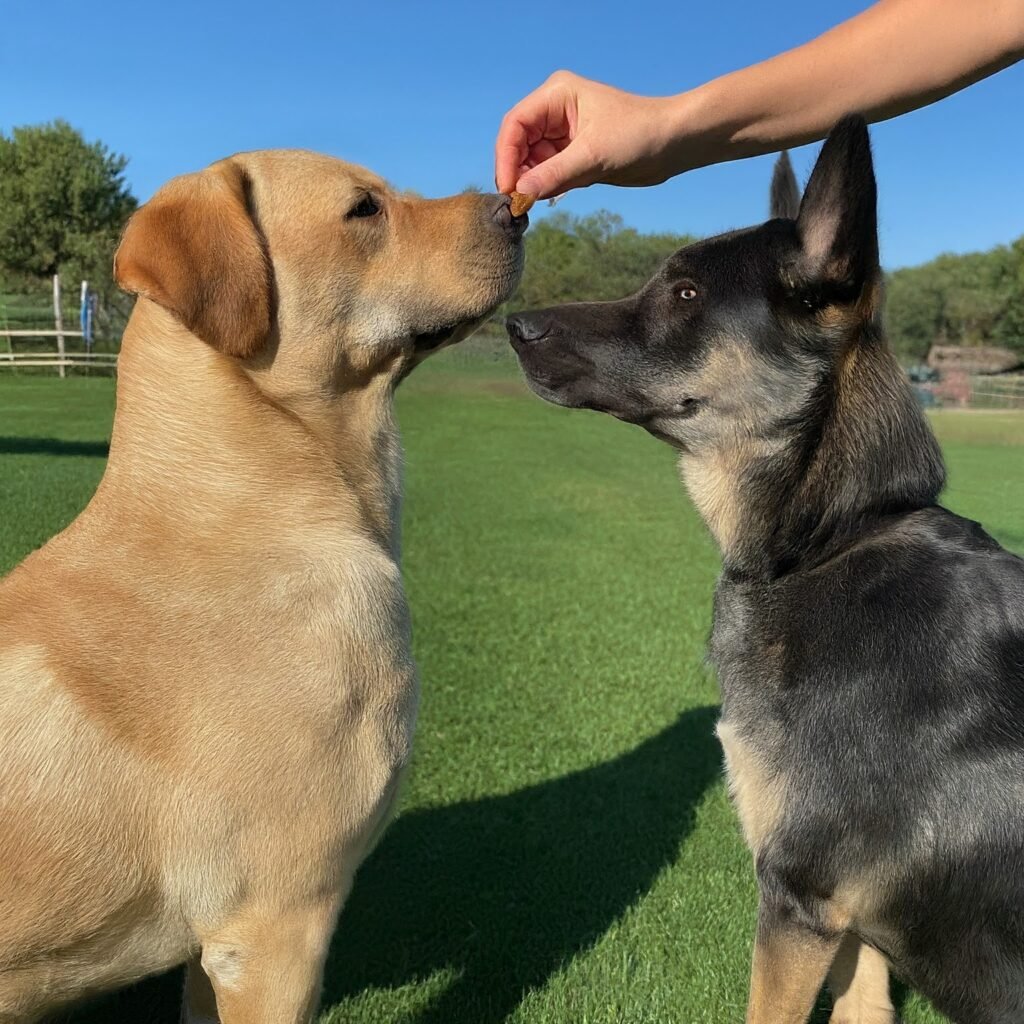
    giving treats to two dogs sniffing each other coming close.png
    Giving treats to two dogs sniffing each other coming close.

    Step 1: Choose the Right Command and Reward

    Select a command word like “speak” or “bark”. Consistency is key, so stick with one command. Also, choose a reward that your dog loves, such as treats, toys, or praise.

    Step 2: Find the Right Setting

    Start in a quiet, distraction-free environment to help your dog focus on the training session.

    Step 3: Trigger the Bark

    To teach your dog to bark, you need to find a trigger. This could be the sound of a doorbell, a knock, or even you barking (yes, you read that right!). Once you find what makes your dog bark, you’re ready to move on to the next step.

    Step 4: Pair the Command with the Action

    When your dog barks due to the trigger, immediately say your command word “speak” and then give a treat. The sequence should be:

    1. Trigger the bark.
    2. Say the command (“speak”).
    3. Reward the bark.

    Step 5: Practice and Repeat

    Consistency is essential. Practice this multiple times a day, but keep sessions short (5-10 minutes) to avoid frustrating your dog. Repetition will help your dog associate the command with the action.

    Step 6: Remove the Trigger

    Once your dog starts barking on command consistently with the trigger, begin to remove the trigger. Say the command word “speak” without using the trigger and reward the dog if they bark.

    Step 7: Reinforce the Behavior

    Continue to reinforce the behavior by practicing regularly. Gradually increase the difficulty by introducing distractions and practicing in different environments.

    Step 8: Add a “Quiet” Command

    To maintain control over the barking, teach your dog a “quiet” command. After your dog barks on command, say “quiet” and wait for them to stop barking. Reward them when they do. This teaches your dog to stop barking when told.

    Troubleshooting Common Issues

    Dog Doesn’t Bark

    Some dogs are naturally quieter. If your dog doesn’t respond to typical triggers, try to find what excites or startles them. Patience is key, and using high-value rewards can also help.

    Inconsistent Barking

    If your dog is inconsistent, revisit the training steps. Ensure you’re using the same command and reward every time. Consistency and repetition are crucial.

    Over-Barking

    If your dog starts barking excessively, reinforce the “quiet” command and only reward controlled barking. Do not reward if they bark excessively.

    Frequently Asked Questions (FAQs)

    How long does it take to teach a dog to bark on command?

    It varies depending on the dog, but with consistent training, many dogs learn within a few weeks.

    Can all dogs learn to bark on command?

    Yes, most dogs can learn this command, although some might take longer depending on their temperament and breed.

    Should I use a clicker for training?

    A clicker can be a helpful tool for marking the exact moment your dog performs the desired behavior, making the training process clearer for them.

    How To Teach Your Dog To Be Quiet On Command

    If your dog starts barking excessively, reinforce the “quiet” command and only reward controlled barking. Do not reward if they bark excessively.

    Conclusion

    Teaching your dog to bark on command is a rewarding experience that strengthens your bond. With patience, consistency, and positive reinforcement, your dog will master this command. Remember to practice regularly and reinforce the behavior to ensure it becomes a permanent skill.

    For more tips on dog training and behavior, subscribe to our newsletter and follow us on social media!

    By following these steps, you’ll be well on your way to having a dog that can bark on command, providing both entertainment and practical benefits. Happy training!

  • Understanding Nerveon for Dogs: A Comprehensive Guide

    Understanding Nerveon for Dogs: A Comprehensive Guide

    As pet owners, it’s our responsibility to ensure our dogs live happy, healthy lives. One common issue that affects many dogs is nerve pain, and it’s essential to understand the various treatment options available. In this blog post, we will explore Nerveon for dogs, a popular medication used to manage nerve pain. We will also address some frequently asked questions about nerve pain treatments for dogs.

    Introduction to Nerve Pain in Dogs

    Nerve pain, also known as neuropathic pain, can result from various conditions such as injuries, infections, or chronic diseases. Dogs experiencing nerve pain may show signs of discomfort, sensitivity to touch, limping, or changes in behavior.

    What is Nerveon for Dogs?

    Nerveon is a medication specifically formulated to help manage nerve pain in dogs. It is often prescribed by veterinarians to alleviate symptoms associated with nerve damage or inflammation.

    How Does Nerveon Work?

    Nerveon works by supporting the nervous system and reducing inflammation. It contains ingredients that help in the regeneration of nerve cells and improve overall nerve function, providing relief from pain and discomfort.

    Uses of Nerveon Tablets

    Nerveon tablets are primarily used for:

    • Managing chronic nerve pain
    • Reducing inflammation in the nervous system
    • Supporting nerve cell regeneration
    • Improving overall nerve function

    Dosage and Administration

    The dosage of Nerveon tablets depends on the dog’s weight, age, and the severity of the condition. It’s crucial to follow the veterinarian’s prescription to ensure the medication is effective and to avoid potential side effects.

    Side Effects of Nerveon Tablets

    While Nerveon is generally safe, some dogs may experience side effects such as:

    • Gastrointestinal upset
    • Lethargy
    • Allergic reactions
      If any of these side effects occur, contact your veterinarian immediately.

    Alternatives to Nerveon

    There are several alternatives to Nerveon for managing nerve pain in dogs, including:

    • Gabapentin: A common medication used to treat nerve pain in dogs.
    • Vitamin B supplements: These can support nerve health and reduce pain.
    • Physical therapy: Exercises and therapies that help strengthen muscles and improve mobility.

    Frequently Asked Questions (FAQs)

    What can I give my dog for nerve pain?

    There are various options available, including Nerveon tablets, Gabapentin, and Vitamin B supplements. Always consult your veterinarian before starting any treatment.

    What is a nervon medicine for dogs?

    Nervon is a medication used to manage nerve pain in dogs. It supports nerve cell regeneration and reduces inflammation.

    What is the use of nerve B tablet for dogs?

    Nerve B tablets are used to support nerve health and manage pain associated with nerve damage in dogs.

    मैं अपने कुत्ते को तंत्रिका दर्द के लिए क्या दे सकता हूं?

    आप अपने पशु चिकित्सक से परामर्श करके Nerveon, Gabapentin, या विटामिन B सप्लीमेंट्स दे सकते हैं।

    What is the use of Nerveon tablet?

    Nerveon tablets are used to manage nerve pain, reduce inflammation, and support nerve cell regeneration in dogs.

    What does nerve do in dogs?

    Nerves in dogs transmit signals between the brain and various parts of the body, allowing for movement, sensation, and coordination.

    What is Neurobion for dogs?

    Neurobion is a vitamin supplement that supports nerve health and is sometimes used to manage nerve pain in dogs.

    Can vitamin B cure nerve pain?

    Vitamin B can support nerve health and reduce pain, but it may not cure the underlying condition causing nerve pain.

    Conclusion

    Managing nerve pain in dogs requires a comprehensive approach that includes proper medication, supportive care, and regular veterinary check-ups. Nerveon tablets are a valuable option for many dogs suffering from nerve pain, but it’s essential to consult with your veterinarian to determine the best treatment plan for your pet. By staying informed and proactive, you can help your dog live a comfortable and pain-free life.

    For more information and personalized advice, always consult your veterinarian.

  • Can Dogs Eat Korean Corn Dogs? The Shocking Truth

    Can Dogs Eat Korean Corn Dogs? The Shocking Truth

    Korean corn dogs, with their delicious crispy coating and melty cheese filling, have taken the world by storm. If you’re a dog owner enjoying this delightful treat, you might wonder, “Can dogs eat Korean corn dogs?

    This blog post will explore the safety and nutritional considerations of feeding your dog Korean corn dogs and provide insights into why they might not be the best snack for your furry friend.

    What is a Korean Corn Dog?

    Korean corn dogs are a popular street food in South Korea, made from hot dogs, rice cakes, fish cakes, or mozzarella cheese coated in a batter (sometimes panko, French fry pieces, or ramen) and deep-fried.

    They’re finished with sugar and a signature squirt of your condiment of choice: ketchup, mayo, mustard, or all three.

    These treats are sweet, salty, and completely delicious. Some Korean corn dogs use a yeasted batter, while others use a rice flour batter, leading to a variety of textures and flavors.

    Ingredients in Korean Corn Dogs

    Understanding the ingredients in Korean corn dogs is crucial when considering them for your dog. Typical components include:

    • Hot Dog, Rice Cake, Fish Cake, or Cheese: These fillings vary but are generally high in fat and sodium.
    • Batter: Often made from flour, rice flour, or yeast, and can include sugar.
    • Coatings: Panko, French fry pieces, or ramen for extra crunch.
    • Condiments: Ketchup, mayo, mustard, or a combination, adding to the salt and sugar content.

    Korean Corn Dogs Recipe

    Korean Corn Dogs Recipe

    Can Dogs Eat Korean Corn Dogs?

    High Fat Content

    Korean corn dogs are deep-fried, making them extremely high in fat. Dogs have different dietary requirements than humans, and high-fat foods can lead to obesity, pancreatitis, and other health issues in dogs.

    Sodium Levels

    The various fillings, such as hot dogs and cheese, are typically high in sodium. Excessive sodium can cause dehydration, high blood pressure, and in severe cases, sodium ion poisoning in dogs.

    Batter and Toppings

    The batter often contains sugar, which is not suitable for dogs. Additional coatings and condiments add unnecessary carbohydrates and potential choking hazards.

    Potential Health Risks of Korean corn dogs

    Feeding your dog Korean corn dogs can pose several health risks:

    1. Obesity: The high-fat content can lead to weight gain and associated health problems.
    2. Pancreatitis: Dogs consuming high-fat foods are at risk of developing pancreatitis, a painful and potentially life-threatening condition.
    3. Sodium Toxicity: Excessive sodium intake can cause serious health issues, including vomiting, diarrhea, and seizures.
    4. Choking Hazard: The crispy coating and toppings can be choking hazards, especially for smaller dogs.

    Alternatives to Korean Corn Dogs

    If you want to treat your dog, consider healthier alternatives:

    • Homemade Dog Treats: Using dog-safe ingredients like peanut butter, pumpkin, and oats.
    • Vegetable Snacks: Carrots, green beans, and cucumber slices are great low-calorie treats.
    • Commercial Dog Treats: Specifically formulated to meet your dog’s nutritional needs.

    FAQs

    Can a dog eat a corndog?

    It’s best to avoid giving your dog corndogs due to the high fat, sodium content, and potential choking hazards.

    Are there any safe parts of a Korean corn dog for dogs?

    While small amounts of plain, cooked hot dogs may be safe, the batter and frying process make Korean corn dogs unsuitable for dogs.

    What should I do if my dog accidentally eats a Korean corn dog?

    Monitor your dog for any signs of distress and contact your veterinarian for advice.

    Conclusion

    While Korean corn dogs are a tasty treat for humans, they are not suitable for dogs. The high fat and sodium content, along with potential choking hazards, make them a poor choice for your canine companion. Instead, opt for dog-safe treats that provide nutritional benefits without the health risks.

    Remember, your dog’s health should always be a priority. When in doubt, consult your veterinarian before introducing any new food into your dog’s diet. Enjoy your Korean corn dog, but keep it away from your furry friend to ensure they stay happy and healthy.

    Also Read : Can Dogs Eat Tajin? The Shocking Truth Revealed

    Also Read : How to Correct Splayed Feet in Dogs: A Comprehensive Guide

    Also Read : Can Dogs Eat Guava? A Comprehensive Guide for Dog Owners

  • Can Dogs Eat Tajin? The Shocking Truth Revealed

    Can Dogs Eat Tajin? The Shocking Truth Revealed

    As pet owners, we often wonder if our furry friends can enjoy the same foods we do. One common question is, “Can dogs eat Tajin?” Tajin is a popular Mexican seasoning made from chili peppers, lime, and salt.

    While it adds a zesty kick to our dishes, it’s important to consider whether it’s safe for dogs. In this blog post, we’ll explore the ingredients of Tajin, its potential effects on dogs, and offer some safe alternatives for seasoning your dog’s food.

    What is Tajin?

    Tajin is a tangy and spicy seasoning commonly used to enhance the flavor of fruits, vegetables, and snacks. Its main ingredients include:

    • Chili Peppers: Adds spice and heat.
    • Lime: Provides a tangy flavor.
    • Salt: Enhances overall taste.

    While these ingredients are delicious for humans, they may not be suitable for our canine companions.

    Is Tajin Safe for Dogs?

    Chili Peppers

    Chili peppers contain capsaicin, which can cause irritation and discomfort in dogs. Symptoms of chili pepper ingestion may include:

    • Drooling
    • Panting
    • Vomiting
    • Diarrhea

    Dogs have a more sensitive digestive system compared to humans, and spicy foods can lead to gastrointestinal upset.

    Lime

    Lime, while not toxic in small amounts, can cause stomach upset in dogs. The acidity of lime can lead to symptoms such as:

    • Nausea
    • Vomiting
    • Diarrhea

    Additionally, the peel and seeds of limes contain compounds that can be harmful to dogs if ingested in large quantities.

    Salt

    Excessive salt intake is harmful to dogs. High salt consumption can lead to:

    • Increased thirst
    • Vomiting
    • Diarrhea
    • Sodium ion poisoning in severe cases

    Salt poisoning can cause symptoms like seizures, tremors, and even death if not treated promptly.

    What to Do if Your Dog Eats Tajin

    If your dog accidentally ingests a small amount of Tajin, monitor them for any signs of discomfort or illness. Provide plenty of fresh water to help flush out their system. If you notice any severe symptoms such as vomiting, diarrhea, or lethargy, contact your veterinarian immediately.

    Safe Alternatives for Seasoning Your Dog’s Food

    While Tajin is not safe for dogs, there are plenty of dog-friendly seasonings you can use to add flavor to their meals. Here are some healthy alternatives:

    1. Parsley

    Parsley is safe for dogs and can help freshen their breath. It’s also rich in vitamins and minerals.

    2. Turmeric

    Turmeric has anti-inflammatory properties and can be beneficial for dogs with arthritis or joint pain. Use it sparingly.

    3. Cinnamon

    Cinnamon is safe for dogs in small amounts and can help regulate blood sugar levels. It’s a tasty addition to dog treats.

    4. Basil

    Basil is rich in antioxidants and can boost your dog’s immune system. It’s a great addition to homemade dog food.

    FAQs: Can Dogs Eat Tajin?

    Are dogs allergic to Tajín?

    While dogs are not necessarily allergic to Tajín, the ingredients in Tajín can cause irritation and gastrointestinal distress. Chili peppers, lime, and salt can all be problematic for dogs, leading to symptoms such as drooling, vomiting, and diarrhea.

    Can dogs eat cucumbers with Tajín?

    No, dogs should not eat cucumbers with Tajín. While cucumbers are safe for dogs, the Tajín seasoning contains ingredients like chili peppers, lime, and salt, which can cause gastrointestinal issues and other health problems in dogs.

    Is it safe to eat Tajín?

    Yes, Tajín is safe for human consumption. It is a popular seasoning used to add flavor to a variety of foods. However, it is not suitable for dogs due to the potential adverse effects of its ingredients on their health.

    Can dogs eat Tajín powder?

    No, dogs should not eat Tajín powder. The ingredients in Tajín powder, such as chili peppers, lime, and salt, can cause gastrointestinal distress and other health issues in dogs.

    What happens if my dog eats Tajin?

    If your dog eats Tajin, they may experience symptoms such as drooling, panting, vomiting, and diarrhea. In severe cases, excessive salt intake can lead to sodium ion poisoning, which requires immediate veterinary attention.

    Conclusion

    While the tangy and spicy flavor of Tajin might be tempting to share with your dog, it’s best to avoid giving it to them. The ingredients in Tajin can cause gastrointestinal distress and other health issues in dogs. Instead, opt for dog-friendly seasonings that are safe and beneficial for your furry friend.

    By understanding what foods are safe for your dog, you can ensure they stay healthy and happy. Always consult your veterinarian if you’re unsure about introducing new foods to your dog’s diet. Keep your pets safe and enjoy your flavorful meals without worry!

  • How to Correct Splayed Feet in Dogs: A Comprehensive Guide

    How to Correct Splayed Feet in Dogs: A Comprehensive Guide

    Splayed feet, also known as “open feet,” is a common condition in dogs characterized by toes that spread apart more than usual.

    This can lead to discomfort, reduced mobility, and long-term health issues.

    Fortunately, there are several effective methods to correct splayed feet in dogs. In this article, we will explore the causes, prevention strategies, and How to Correct Splayed Feet in Dogs.

    Understanding Splayed Feet in Dogs

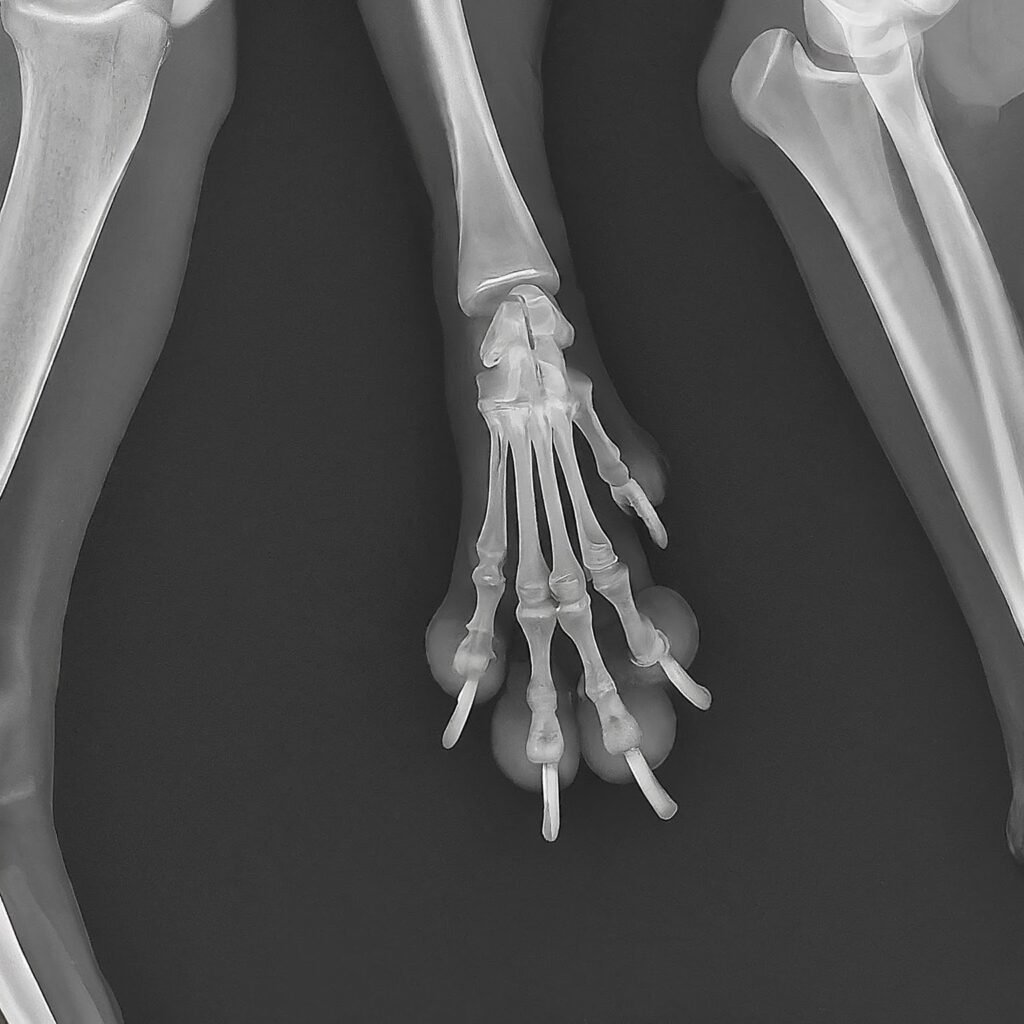
    understanding splayed feet in dogs |
    Understanding Splayed Feet in Dogs

    Splayed feet can result from various factors, including genetics, improper nutrition, lack of exercise, and environmental conditions. Recognizing the signs early and taking appropriate action can significantly improve your dog’s quality of life.

    Causes of Splayed Feet in Dogs

    1. Genetics: Some dog breeds are predisposed to splayed feet due to their genetic makeup. Breeds such as Dachshunds and Basset Hounds are more likely to develop this condition.
    2. Nutritional Deficiencies: A lack of essential nutrients, particularly proteins, vitamins, and minerals, can weaken a dog’s ligaments and bones, leading to splayed feet.
    3. Inadequate Exercise: Dogs that do not receive sufficient exercise may develop weak muscles and ligaments, contributing to splayed feet.
    4. Environmental Factors: Constantly walking on hard, slippery surfaces can cause a dog’s feet to splay.
    5. Poor nail care: Overgrown nails can cause your dog to slip and put undue pressure on their feet and legs.

    Signs and Symptoms of Splayed Feet

    • Visible Spreading of Toes: The most obvious sign is the toes spreading apart more than normal.
    • Flat Footedness: The dog’s feet may appear flatter than usual.
    • Difficulty Walking: Dogs with splayed feet may have trouble walking or show signs of discomfort.
    • Frequent Injuries: Splayed feet can make dogs more prone to injuries, such as cuts or abrasions on their feet.

    Preventive Measures for Splayed Feet

    1. Proper Nutrition: Ensure your dog receives a balanced diet rich in essential nutrients. High-quality dog food formulated for their breed and age can help maintain strong bones and ligaments.
    2. Regular Exercise: Daily exercise routines that include walking, running, and playing can strengthen your dog’s muscles and ligaments, preventing splayed feet.
    3. Suitable Surfaces: Provide your dog with a variety of surfaces to walk on. Avoid prolonged exposure to hard, slippery floors.

    How to Correct Splayed Feet in Dogs

    How to Correct Splayed Feet in Dogs
    How to Correct Splayed Feet in Dogs

    Addressing splayed feet in dogs involves a multifaceted approach that includes professional guidance, targeted exercises, and lifestyle adjustments. Here, we delve deeper into each corrective measure to provide you with detailed insights on how to effectively manage and improve this condition.

    Consult a Veterinarian

    The first and most crucial step in correcting splayed feet is to consult a veterinarian. A professional assessment is essential for several reasons:

    • Accurate Diagnosis: A veterinarian can accurately diagnose the condition, ruling out other potential issues such as arthritis, fractures, or neurological disorders.
    • Tailored Treatment Plans: Based on the diagnosis, the vet can develop a treatment plan tailored specifically to your dog’s needs. This plan may include dietary changes, supplements, or medications to address underlying causes.
    • Monitoring and Follow-Up: Regular check-ups with the vet will ensure that the treatment is effective and allow for adjustments as needed. Continuous monitoring is vital for long-term management and prevention of recurrence.

    Foot Exercises

    Incorporating specific foot exercises into your dog’s routine can significantly improve the strength and flexibility of their feet. Here are some effective exercises:

    • Toe Tucks: Gently tuck your dog’s toes under their feet while they are standing. Hold for a few seconds and release. This exercise helps to strengthen the muscles and ligaments in the feet.
    • Paw Lifts: Encourage your dog to lift each paw individually while standing. You can do this by gently lifting each paw and holding it for a few seconds before placing it back down.
    • Balance Exercises: Use balance boards or wobble cushions to improve your dog’s overall foot strength and stability. Start with short sessions and gradually increase the duration as your dog becomes more comfortable.
    • Walking on Different Surfaces: Encourage your dog to walk on a variety of surfaces such as grass, sand, and gravel. This can help strengthen the muscles in their feet and improve overall foot health.

    Orthopedic Supports

    Orthopedic supports such as paw pads and boots can provide significant relief and support for dogs with splayed feet:

    • Paw Pads: These are soft, cushioned pads that can be placed inside your dog’s regular footwear. They provide extra support and reduce the strain on the feet.
    • Boots: Specially designed orthopedic boots can offer protection and support, especially during walks or outdoor activities. Ensure the boots fit well and are comfortable for your dog to wear.
    • Splints and Braces: In some cases, veterinarians may recommend splints or braces to correct the alignment of the feet and provide additional support. These should be used under professional guidance to avoid causing further issues.

    Physical Therapy

    Physical therapy can be highly beneficial for dogs with splayed feet. A professional therapist can guide you through a series of exercises and treatments designed to strengthen and support your dog’s feet:

    • Hydrotherapy: Water-based exercises, such as swimming or walking on an underwater treadmill, can help improve muscle strength and flexibility without putting excessive strain on the joints.
    • Massage Therapy: Regular massages can help improve blood circulation and relieve tension in the muscles and ligaments of the feet.
    • Laser Therapy: Low-level laser therapy can promote healing and reduce inflammation in affected areas.
    • Range of Motion Exercises: These exercises are designed to improve flexibility and mobility in your dog’s feet, helping to correct splayed feet over time.

    Weight Management

    Maintaining a healthy weight is crucial for dogs with splayed feet. Excess weight can exacerbate the condition by putting additional pressure on the feet:

    • Balanced Diet: Ensure your dog is on a balanced diet that meets their nutritional needs. Consult your veterinarian for recommendations on the best food for your dog’s breed, age, and activity level.
    • Portion Control: Monitor your dog’s food intake to prevent overeating. Use a measuring cup to ensure you are providing the right amount of food each day.
    • Regular Exercise: Encourage regular physical activity to help your dog maintain a healthy weight. Adjust the type and intensity of exercise based on your dog’s condition and overall health.
    • Healthy Treats: Opt for low-calorie, nutrient-dense treats to avoid unnecessary weight gain. Fruits and vegetables like carrots and apples can be good options.

    By following these detailed corrective measures, you can effectively manage and improve splayed feet in your dog. Always consult with your veterinarian before starting any new treatment or exercise regimen to ensure it is safe and appropriate for your pet’s specific condition.

    Home Care Tips for Dogs with Splayed Feet

    • Regular Nail Trimming: Keep your dog’s nails trimmed to prevent additional strain on their toes.
    • Paw Inspections: Regularly inspect your dog’s paws for any signs of injury or discomfort.
    • Comfortable Bedding: Provide soft and supportive bedding to reduce pressure on your dog’s feet while resting.

    Also Read : How to Fix East-West Feet in Dogs: A Comprehensive Guide

    Also Read : Why Is My Dog Licking the Floor? Insights from a Dog Expert

    Also Read : Can Dogs Eat Guava? A Comprehensive Guide for Dog Owners

    Conclusion

    Splayed feet in dogs can be a manageable condition with the right approach. By understanding the causes, recognizing the symptoms early, and implementing preventive and corrective measures, you can help your dog lead a healthy and comfortable life. Always consult with a veterinarian for professional advice and tailored treatment plans.

    For more tips on dog health and care, visit our blog regularly and ensure your furry friend stays happy and healthy!