Have you ever watched your dog curiously sniffing around a seemingly empty spot, leaving you wondering what hidden treasure they might have discovered?
Well, buckle up, dog lovers, because their incredible sense of smell extends far beyond the realm of forgotten kibble under the couch.
Prepare to be amazed as we explore the wet and wild world of canine olfaction – can dogs really smell underwater? Dive in with us as we sniff out the science behind this fascinating superpower!
Can Dogs Smell Underwater?
Can Dogs Smell Underwater
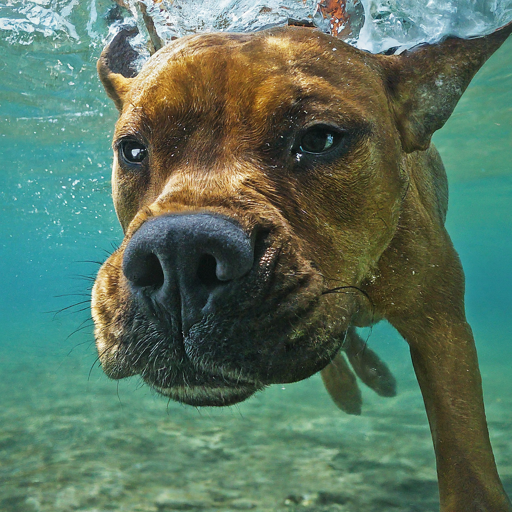
Imagine this: your playful pup takes a joyful plunge into the lake, but instead of chasing after a ball, they start circling a specific spot.
Could they be smelling something…underwater? Believe it or not, the answer is yes! Dogs possess an incredible sense of smell that goes beyond sniffing out treats – they can even detect scents beneath the water’s surface.
Superpower Sniffer: Unpacking a Dog’s Keen Sense of Smell
Dogs are renowned for their impressive olfactory abilities. Compared to humans with a measly 6 million olfactory receptors, a dog boasts a staggering 220 million!
This translates to a world of scents humans can’t even imagine. But how does this translate to underwater detection?
Sniffing Secrets: Unveiling the Science Behind Underwater Smells
Here’s the secret weapon in a dog’s olfactory arsenal:
The Vomeronasal Organ (Jacobson’s Organ): This specialized organ located behind the roof of a dog’s mouth plays a key role. It can trap and analyze scent particles dissolved in water, allowing them to “taste” the water in a way.
Surface Scents: While dogs can’t directly smell underwater, they excel at detecting odors emanating from the water’s surface. These scent molecules rise to the top, and a dog’s super sniffer can pick up on even faint traces.
Underwater Heroes: How Dogs Utilize Their Aquatic Olfaction
So, how do these underwater sniffing skills translate to real-world applications? Here are a few examples:
Search and Rescue: Trained dogs can locate missing people or objects submerged underwater, aiding rescue efforts.
Detection Dogs: Specially trained dogs can sniff out pollutants or illegal substances present in water sources.
Beyond the Hype: Limitations of Underwater Dog Detection
While impressive, it’s important to understand the limitations:
Depth and Current: Strong currents and deeper depths can significantly reduce a dog’s ability to detect underwater scents.
Training and Specificity: Dogs require extensive training to identify specific scents underwater effectively.
The Final Splash: Canine Companions – Masters of Multi-Sensory Detection
A dog’s ability to smell underwater is just one facet of their incredible sensory capabilities. Combined with their sharp vision and hearing, dogs become invaluable partners in various fields.
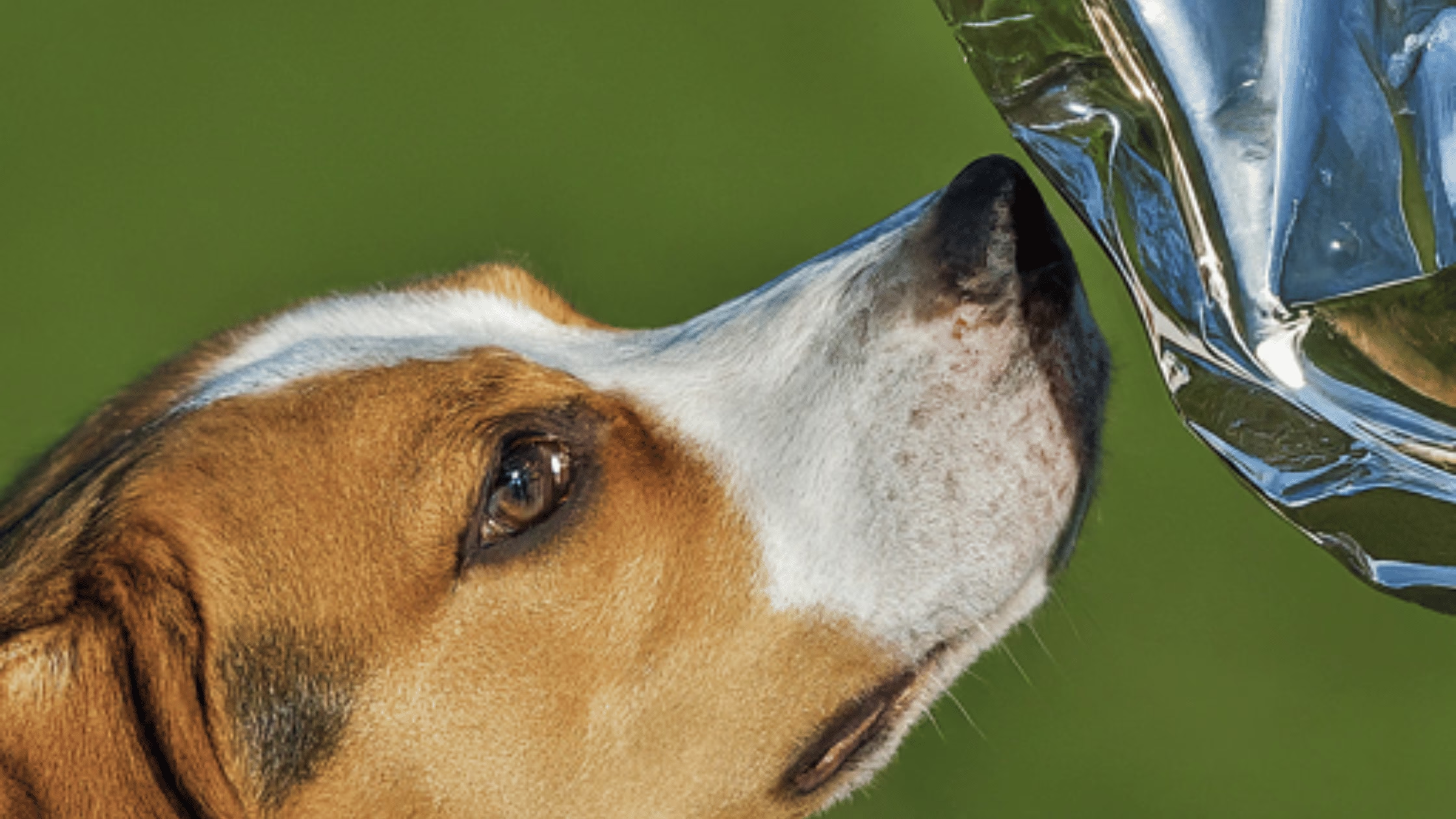
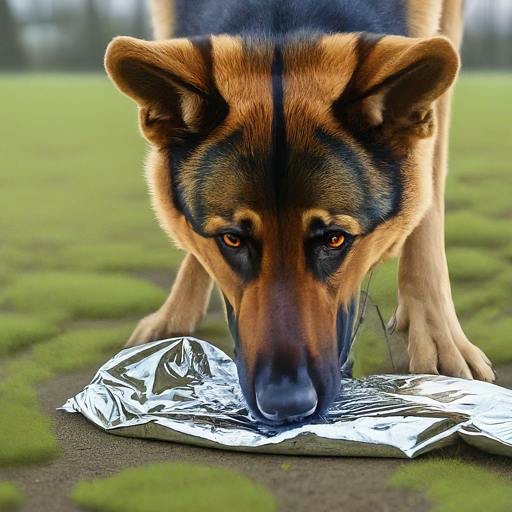
So you’ve heard rumors about Mylar bags being the ultimate shield against canine sniffers. But is it true? Can dogs really smell through these popular bags? In this blog post, we’ll unveil the truth behind the myth and explore the effectiveness of Mylar bags for odor control.
Can Dogs Smell Through Mylar Bags?
dog sniffing a bag or a Mylar bag
The Mylar Myth: Does it Really Block Scent?
Have you ever wondered if Mylar bags are the ultimate secret weapon against a dog’s keen sense of smell? These popular bags are known for their odor-blocking properties, but can they truly outsmart a trained canine companion? Let’s sniff out the truth behind the myth!
How Dogs Detect: Beyond the Bag Itself
can dogs smell through mylar bags
Mylar bags are effective at trapping odors inside. But a dog’s nose is a powerful tool, and their detection abilities go beyond simply smelling the air. Here’s why Mylar bags might not be a foolproof solution:
Transfer of Scent: Even with excellent odor control, the outside of the bag can become contaminated during handling. This residual scent, faint as it may be, can be enough for a well-trained dog to alert its handler.
Source Recognition: Canine detection training focuses on recognizing the source of a particular scent. Mylar bags are often associated with certain items, and a dog might alert based on this connection, even if the odor itself is minimal.
Sealing Matters: Mylar bags rely on proper sealing to maximize odor control. An improperly sealed bag can leave a gap for odors to escape, potentially leading to detection.
Sealing Matters: Maximizing Odor Control
While Mylar bags have limitations, there are ways to optimize their effectiveness:
Heat Sealing: Using a heat sealer to create a complete closure ensures a tighter seal and minimizes the chance of odor leakage.
Proper Handling: Minimize contact with the outside of the bag after filling it. If handling is necessary, wear gloves and wash your hands thoroughly afterwards.
Mylar Bags: A Step in the Right Direction (but Not a Guarantee)
Mylar bags can be a valuable tool for odor control, but it’s important to remember they are not an absolute guarantee. Here’s a key takeaway:
Limited Research: There’s a lack of comprehensive scientific research on the effectiveness of Mylar bags against canine detection.
While high-quality, heat-sealed Mylar bags with proper handling can improve the chances of avoiding detection, it’s not a surefire method.
This blog post is for informational purposes only and does not endorse illegal activities. Laws concerning proper storage of items vary by location. Always consult with local authorities to ensure you are following the regulations in your area.
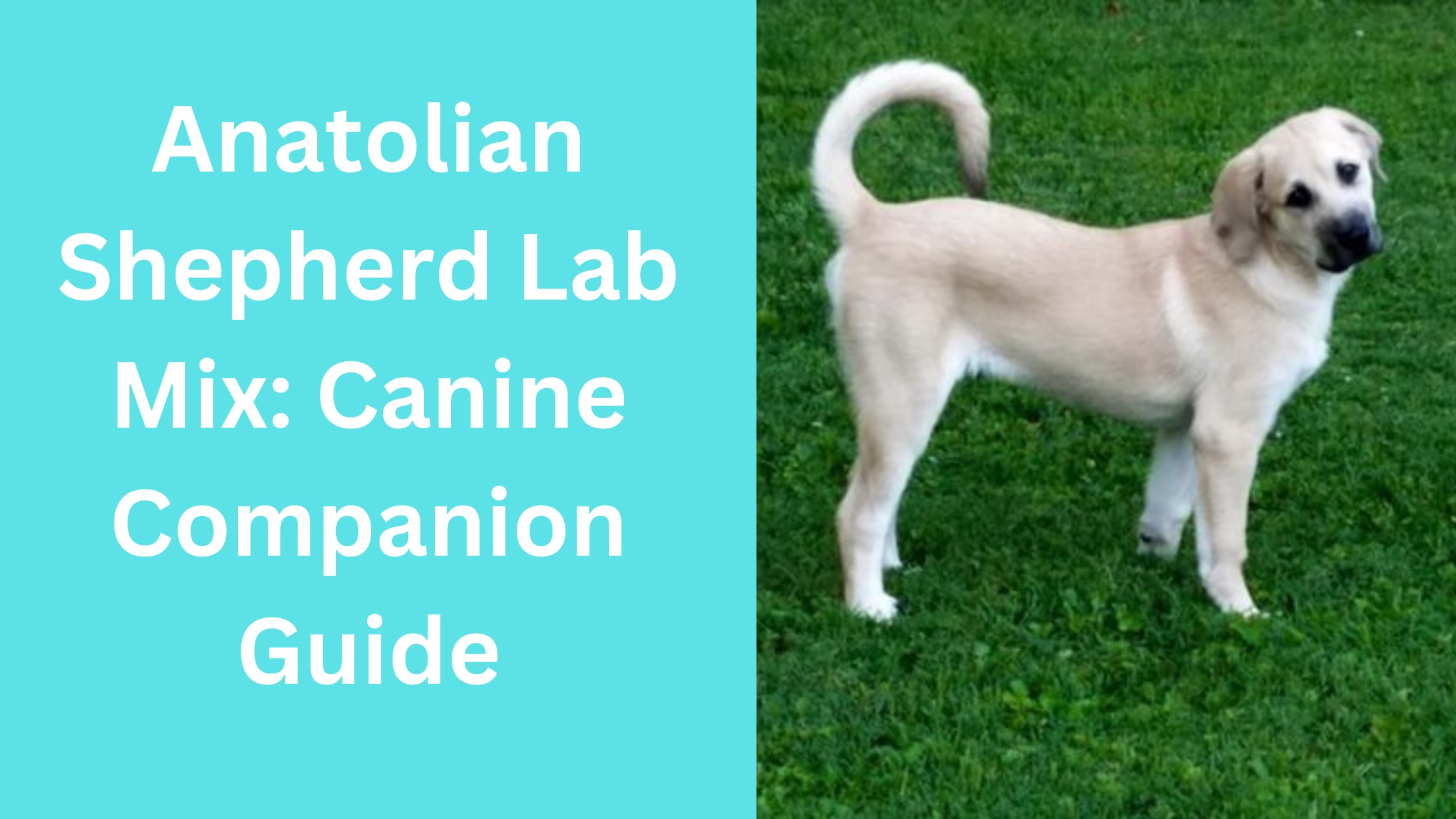
Unveiling the Anatolian Shepherd Lab Mix, a captivating blend of two distinctive breeds, this hybrid is a testament to the fusion of the Anatolian Shepherd’s vigilant nature and the Labrador Retriever’s amiable disposition.
Imagine a canine companion that embodies the Anatolian Shepherd’s innate protective instincts while exuding the Lab’s friendly and affectionate nature.
The Anatolian Shepherd Lab Mix combines these traits, creating a unique and versatile companion.
This article delves into the fascinating world of the Anatolian Shepherd Lab Mix, exploring their intriguing characteristics, temperament, health, and suitability as family pets.
Whether you’re a seasoned dog enthusiast or a curious newcomer to the world of hybrid breeds, this exploration of the Anatolian Shepherd Lab Mix promises to unveil a world of traits and behaviors that make this hybrid a standout in the realm of canine companionship.
Join us on this journey to discover the exceptional qualities of the Anatolian Shepherd Lab Mix, a harmonious blend of protective instincts and amiable charm.
Certainly, here’s an example of a table featuring information about the Anatolian Shepherd Lab Mix, including life expectancy:
Characteristic
Information
Breed Name
Anatolian Shepherd Lab Mix
Size
Medium to Large
Weight
50-150 pounds
Height
22-29 inches at the shoulder
Lifespan
10-14 years
Temperament
Protective, loyal, friendly
Coat Type
Short to medium, dense coat
Coat Colors
Various; commonly black, brown, cream
Grooming
Moderate grooming needs
Exercise Needs
Moderate to high
Health Concerns
Potential hip dysplasia, obesity
Feeding Requirements
High-quality diet, 2-3 meals/day
Living Conditions
Requires space, access to exercise
This table provides a concise overview of essential characteristics, including the Anatolian Shepherd Lab Mix
The Anatolian Shepherd and the Labrador Retriever, originating from diverse backgrounds, bring unique qualities that converge intriguingly in the Anatolian Shepherd Lab Mix.
Anatolian Shepherd
Anatolian Shepherd
Originating from Turkey, the Anatolian Shepherd has a rich history as a livestock guardian. Renowned for their loyalty and protective instincts, Anatolian Shepherds have been trusted guardians for centuries. Their imposing stature and unwavering dedication to protecting their flock are hallmark traits.
Labrador Retriever
Labrador Retriever
The Labrador Retriever, hailing from Newfoundland in Canada, is cherished for its friendly demeanor and versatile abilities.
Labradors excel as loving family pets, retrieving game for hunters, and serving as reliable therapy and service dogs due to their intelligence and trainability.
The fusion of these two breeds stemmed from the desire to combine the Anatolian Shepherd’s protective traits with the Lab’s friendly nature.
The Anatolian Shepherd Lab Mix emerged as a hybrid designed to possess the Anatolian Shepherd’s vigilant nature while integrating the Lab’s sociable and adaptable characteristics.
Notable Characteristics Inherited
This mix inherits a strong protective instinct and an innate sense of territoriality from the Anatolian Shepherd, making it an excellent guardian.
On the other hand, from the Labrador Retriever, the mix acquires a friendly and sociable demeanor, intelligence, and eagerness to please.
This crossbreeding aimed to create a companion that embodies the best of both worlds: a devoted protector and a genial companion, making the Anatolian Shepherd Lab Mix a remarkable blend of two distinctive lineages.
Physical Characteristics and Appearance
The Anatolian Shepherd Lab Mix boasts a striking appearance, blending features from its Anatolian Shepherd and Labrador Retriever heritage to create a distinctive, formidable, friendly look.
Size and Build
These hybrid dogs generally exhibit a medium to large size ( 50 – 150 pounds), inheriting a sturdy build from both parent breeds.
They often stand at a moderate height of 22-29 inches at the shoulder, showcasing a robust frame that embodies strength and agility.
Coat Type and Texture
The Anatolian Shepherd Lab Mix typically sports a dense double coat that provides ample protection against various weather conditions.
The coat may feature a medium-length to long fur with a dense and water-resistant outer layer, thanks to the Lab’s water-resistant coat and the Anatolian Shepherd’s weatherproofing.
Variations in Coat Colors and Patterns
This mix presents an array of captivating coat colors and patterns, blending the Anatolian Shepherd’s earthy and solid hues with the Lab’s diverse color palette.
Colors commonly observed in this mix include black, brown, cream, golden, and shades of brindle.
Their coats may exhibit solid colors or display striking combinations and patterns, adding to their visual allure.
Distinctive Physical Features
While the Anatolian Shepherd Lab Mix inherits a blend of physical traits from its parent breeds, it often showcases a well-defined muscular build, a broad chest, and an alert expression reminiscent of the Anatolian Shepherd’s guarding nature.
Their eyes, nose, and ears often blend the characteristics seen in Anatolian Shepherds and Labradors, contributing to their charming and expressive appearance.
In essence, the Anatolian Shepherd Lab Mix’s physical attributes harmoniously fuse the Anatolian Shepherd’s sturdy and protective appearance with the Labrador Retriever’s friendly and approachable demeanor, resulting in an eye-catching canine companion that’s both imposing and inviting.
Temperament and Personality Traits
The Anatolian Shepherd Lab Mix is a captivating blend of two distinct temperaments, seamlessly merging the Anatolian Shepherd’s protective instincts with the Labrador Retriever’s friendly and generous nature.
Inherited Temperament Traits
This mix inherits a strong sense of loyalty and protectiveness from the Anatolian Shepherd lineage.
Their instinct to guard and protect their family and territory is deeply ingrained, making them vigilant and reliable guardians.
This trait is complemented by the Labrador Retriever’s innate friendliness, making them approachable and adaptable in various social settings.
Typical Behavior and Personality
Anatolian Shepherd Lab Mixes exhibit a balanced and versatile personality well-suited for family life.
They are known for their unwavering loyalty to their loved ones and their alertness in protecting their home.
Their intelligence and discerning nature make them excellent watchdogs, ever-watchful of their surroundings.
Despite their protective instincts, these hybrids maintain the Lab’s friendly disposition, displaying a gentle and pleasant demeanor with family members and trusted individuals.
Their adaptability allows them to transition seamlessly from guardian mode to being affectionate and playful companions, especially with children, making them excellent family pets.
Their intelligence and eagerness to please make Anatolian Shepherd Lab Mixes highly trainable. They thrive on mental stimulation and enjoy engaging in activities that challenge their intellect.
Proper training and socialization from an early age can help positively channel their protective instincts, ensuring they become well-rounded and well-behaved companions.
In summary, the Anatolian Shepherd Lab Mix combines the best of both worlds in temperament, combining the Anatolian Shepherd’s vigilant and protective instincts with the Labrador Retriever’s amiable and affectionate nature.
This blend results in a devoted, intelligent, and versatile companion that excels both as a guardian and a loving family member.
Health and Common Health Issues
Like all dog breeds, the Anatolian Shepherd Lab Mix may inherit certain health issues from its parent breeds. Understanding these potential concerns and taking proactive steps toward preventive care is crucial for ensuring the well-being of these hybrid companions.
Overall Health Profile
While mixed-breed dogs like the Anatolian Shepherd Lab Mix often benefit from hybrid vigor, reducing the likelihood of inheriting certain genetic issues, they can still be susceptible to health conditions common in their parent breeds.
Potential Health Issues
Some health issues that Anatolian Shepherd Lab Mixes might inherit from their parent breeds include:
Hip Dysplasia: A condition that affects the hip joints, leading to discomfort and mobility issues.
Obesity: Labradors, in particular, are prone to weight gain; thus, managing a balanced diet and providing regular exercise is vital.
Bloat: This is a serious condition in larger breeds, potentially causing gastric torsion, and necessitates immediate veterinary attention.
Preventive Care and Health Screenings
Regular veterinary check-ups are essential to monitor the overall health of Anatolian Shepherd Lab Mixes.
Health screenings can help detect potential issues early. It’s recommended to discuss a tailored wellness plan with a vet, which might include:
Routine Vaccinations and Parasite Control: Keeping vaccinations up-to-date and implementing a parasite control regimen is crucial for disease prevention.
Healthy Diet and Exercise: A balanced diet and regular exercise routine tailored to the dog’s age, size, and activity level can prevent obesity and keep joints healthy.
Regular Dental Care: Dental hygiene is often overlooked but is essential for overall health. Regular brushing and dental check-ups can prevent dental issues.
Anatolian Shepherd Lab Mix owners can ensure their furry companions live long, healthy, and fulfilling lives by being proactive in their healthcare.
Regular vet visits, a well-balanced diet, proper exercise, and preventive measures can significantly improve their well-being.
Care, Training, and Exercise Requirements
Caring for an Anatolian Shepherd Lab Mix involves meeting their unique needs to ensure their physical and mental well-being. Here’s a comprehensive guide covering their care, training, exercise, and dietary requirements:
Grooming Needs
Coat Care: Regular brushing, at least a few times a week, helps manage shedding and keeps their coat in good condition. Occasional baths can be given when necessary.
Nail Trimming: Regular nail trimming prevents overgrowth and discomfort.
Ear and Dental Care: Regular ear cleaning and dental check-ups are essential for overall health.
Dietary Considerations
Balanced Diet: Feed a high-quality diet suitable for their size, age, and activity level. Monitor portion sizes to prevent obesity, a common issue in Labradors.
Healthy Treats: Use treats during training, but ensure they’re healthy and in moderation.
Exercise Requirements
Physical Exercise: Anatolian Shepherd Lab Mixes require regular exercise to stay healthy and mentally stimulated. Engage in daily walks, runs, or other activities like playing fetch or hiking to fulfill their energy needs.
Mental Stimulation: Offer puzzle toys, interactive games, or obedience training sessions to keep their minds active and prevent boredom.
Training Methods
Positive Reinforcement: Use rewards, praise, and encouragement during training sessions to reinforce good behavior.
Consistency: Be consistent in commands and training methods to avoid confusion.
Socialization: Early socialization with various people, animals, and environments is crucial to ensure they grow into well-adjusted adults.
Exercise Routine
Aim for at least 60-90 minutes of exercise daily to maintain their physical health and mental well-being.
Mix up exercise routines to prevent boredom and stimulate their intellect.
By adhering to a well-rounded care routine encompassing grooming, dietary considerations, exercise, and training tailored to their specific needs, Anatolian Shepherd Lab Mix owners can ensure their pets lead happy, healthy, and fulfilling lives as integral members of their families.
Living with an Anatolian Shepherd Lab Mix – Compatibility and Family Life
Living with an Anatolian Shepherd Lab Mix can be immensely rewarding, but it’s essential to understand their living requirements and compatibility with family dynamics to ensure a harmonious environment:
Living Arrangements
Space Needs: Given their moderate to large size and active nature, Anatolian Shepherd Lab Mixes thrive in homes with ample space, preferably with access to a fenced yard where they can play and exercise.
Exercise Area: An area conducive to exercise and playtime is crucial to meet their energy requirements. A yard or access to nearby parks is ideal for their daily exercise routines.
Compatibility with Children and Pets
Children: Anatolian Shepherd Lab Mixes can be excellent companions for families with children. They’re affectionate and protective, often forming strong bonds with kids. However, their size makes supervision essential to ensure interactions are safe for the dog and the child.
Other Pets: With proper socialization, these hybrids can get along well with other pets in the household. However, their Anatolian Shepherd lineage might manifest in a protective nature, so introductions and socialization with other pets should be gradual and supervised.
Household Dynamics
Training and Socialization: Early training and socialization play pivotal roles in shaping their behavior. Consistent training can help manage their protective instincts and ensure they remain well-mannered.
Family Inclusion: Anatolian Shepherd Lab Mixes thrive in environments where they are treated as part of the family. They’re known for their loyalty and devotion to their human companions, making them eager participants in family activities.
Ensuring the Anatolian Shepherd Lab Mix receives adequate mental stimulation, exercise, and attention within a suitable living space is vital for their well-being.
With proper training, socialization, and inclusion in family life, they can make wonderful, loyal, and loving additions to households with the right dynamics and living conditions.
Adoption and Acquisition
Certainly! When considering adopting or acquiring an Anatolian Shepherd Lab Mix, it’s essential to keep certain factors in mind to ensure a seamless and responsible process:
Adoption Considerations
Shelters and Rescue Centers: Check local animal shelters or rescue organizations for Anatolian Shepherd Lab Mixes needing a loving home. Adopting from shelters provides a home for a pet in need and saves costs compared to purchasing from breeders.
Breed-Specific Rescues: Look for breed-specific rescue groups specializing in Anatolian Shepherd Lab Mixes. These organizations often better understand the breed’s needs and temperament.
Cost Considerations
Adoption Fees: Adoption fees from shelters or rescue groups usually range from $50 to $300, depending on the organization, age, and medical history of the dog.
Breeder Costs: If acquired from a breeder, Anatolian Shepherd Lab Mix puppies may range from $500 to $1,500 or more, depending on the breeder’s reputation, lineage, and geographical location.
Responsible Adoption Practices
Research and Verification: Conduct thorough research on the source, whether adopting or purchasing. Ensure breeders adhere to ethical breeding standards and provide a safe and healthy dog environment.
Meet and Greet: Schedule a visit to meet the dog in person. This helps assess compatibility and ensure the dog’s temperament aligns with your household.
Registered Breeders: If choosing a breeder, opt for those registered with reputable kennel clubs. Ensure they prioritize the health and well-being of the dogs and offer transparency regarding the dog’s lineage, health records, and socialization.
Vet Recommendations: Seek recommendations from trusted veterinarians or dog trainers who might be familiar with your area’s reputable breeders or adoption centers.
Adopting or acquiring an Anatolian Shepherd Lab Mix should involve careful consideration, responsible sourcing, and a commitment to providing a loving forever home.
Following ethical adoption practices and supporting reputable sources can ensure a fulfilling and rewarding experience while providing a deserving dog with a loving family and a safe environment.
In Conclusion: Unveiling the Extraordinary Anatolian Shepherd Lab Mix
The Anatolian Shepherd Lab Mix embodies a harmonious blend of two remarkable breeds, combining the Anatolian Shepherd’s protective instincts with the Labrador Retriever’s friendly demeanor.
This unique hybrid offers a range of endearing qualities that make it an appealing addition to any family.
From their unwavering loyalty to their protective yet friendly nature, Anatolian Shepherd Lab Mixes exemplify versatility and dedication.
Their vigilant guardianship and gentle affection make them devoted companions and exceptional protectors of their loved ones.
Considered a perfect balance between vigilance and amiability, these mixes thrive in family environments that appreciate their protective instincts while nurturing their affectionate and friendly nature.
Their adaptability, intelligence, and loyalty make them a wonderful choice for families seeking a steadfast and loving companion.
However, the decision to welcome an Anatolian Shepherd Lab Mix into your home should be accompanied by a commitment to responsible ownership.
Consider adoption from reputable shelters or ethical breeders, prioritizing the well-being and welfare of these amazing dogs.
In conclusion, embracing an Anatolian Shepherd Lab Mix into your life offers an incredible opportunity to experience the best of both worlds in canine companionship.
With dedication, love, and responsible care, these remarkable hybrids promise you and your family a lifetime of unwavering loyalty, affection, and cherished memories.
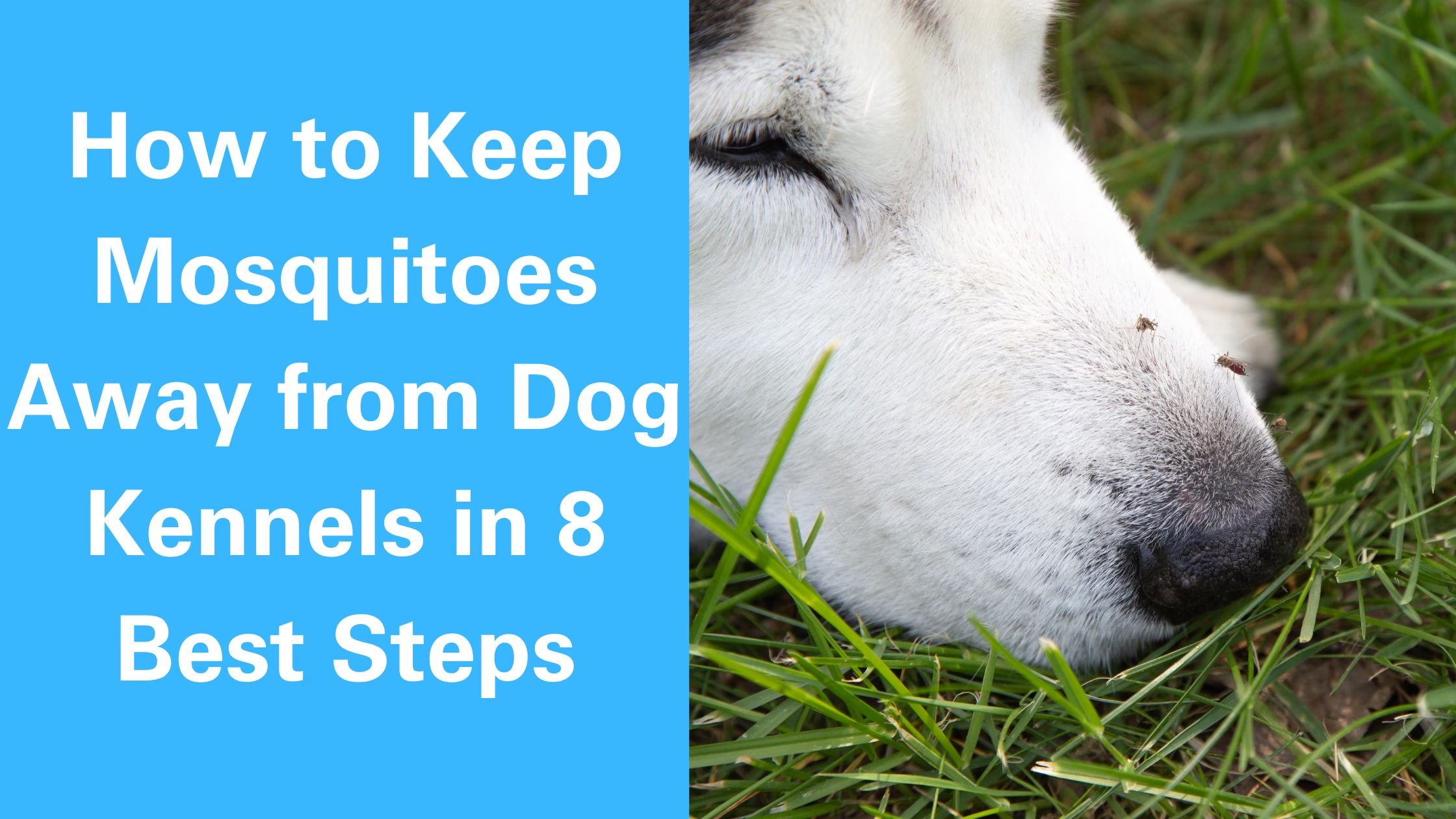
Welcome to our comprehensive guide on how to keep mosquitoes away from dog kennels. As pet owners, we understand the importance of providing our furry friends with a safe and comfortable environment.
Mosquitoes can be annoying and pose potential health risks to dogs due to their bites and the transmission of diseases.
Therefore, it’s essential to take proactive measures to keep mosquitoes at bay and ensure the well-being of our canine companions.
This article will explore practical strategies and natural solutions to protect your dog from mosquito bites and minimize the risk of mosquito-borne diseases.
From simple steps you can take to advanced repellent options, we’ll provide you with the knowledge and tools to create a mosquito-free zone around your dog’s kennel.
Remember, prevention is vital when it comes to mosquito control. Implementing these strategies can enhance your dog’s comfort and safeguard their health.
Let’s dive in and discover how to keep those pesky mosquitoes away from your dog’s kennel!
How to Keep Mosquitoes Away from Dog Kennels Step-by-Step Guide
Learn how to effectively keep mosquitoes away from your dog kennel with this comprehensive step-by-step guide. Discover essential techniques such as removing standing water, maintaining cleanliness, using mosquito netting or screens, employing fans, considering mosquito repellents for dogs, utilizing natural mosquito repellents, providing outdoor shelter, and timing outdoor activities. Implement these strategies to create a safe and comfortable environment for your furry friend, free from pesky mosquito bites. Follow this expert advice to ensure your dog’s well-being and enjoy a mosquito-free dog kennel experience.
1. Remove Standing Water
Mosquitoes breed in stagnant water, so it’s crucial to eliminate any potential breeding grounds. Regularly check the area around the dog kennel and remove any standing water. Empty and clean water bowls daily to prevent mosquitoes from laying eggs.
2. Maintain Cleanliness
A clean environment reduces mosquito attraction. Clean the dog kennel area regularly, removing debris, fallen leaves, and potential mosquito hiding spots. Dispose of waste promptly and keep the surroundings tidy. Additionally, trim vegetation and grass around the kennel to minimize resting areas for mosquitoes.
3. Use Mosquito Netting or Screens
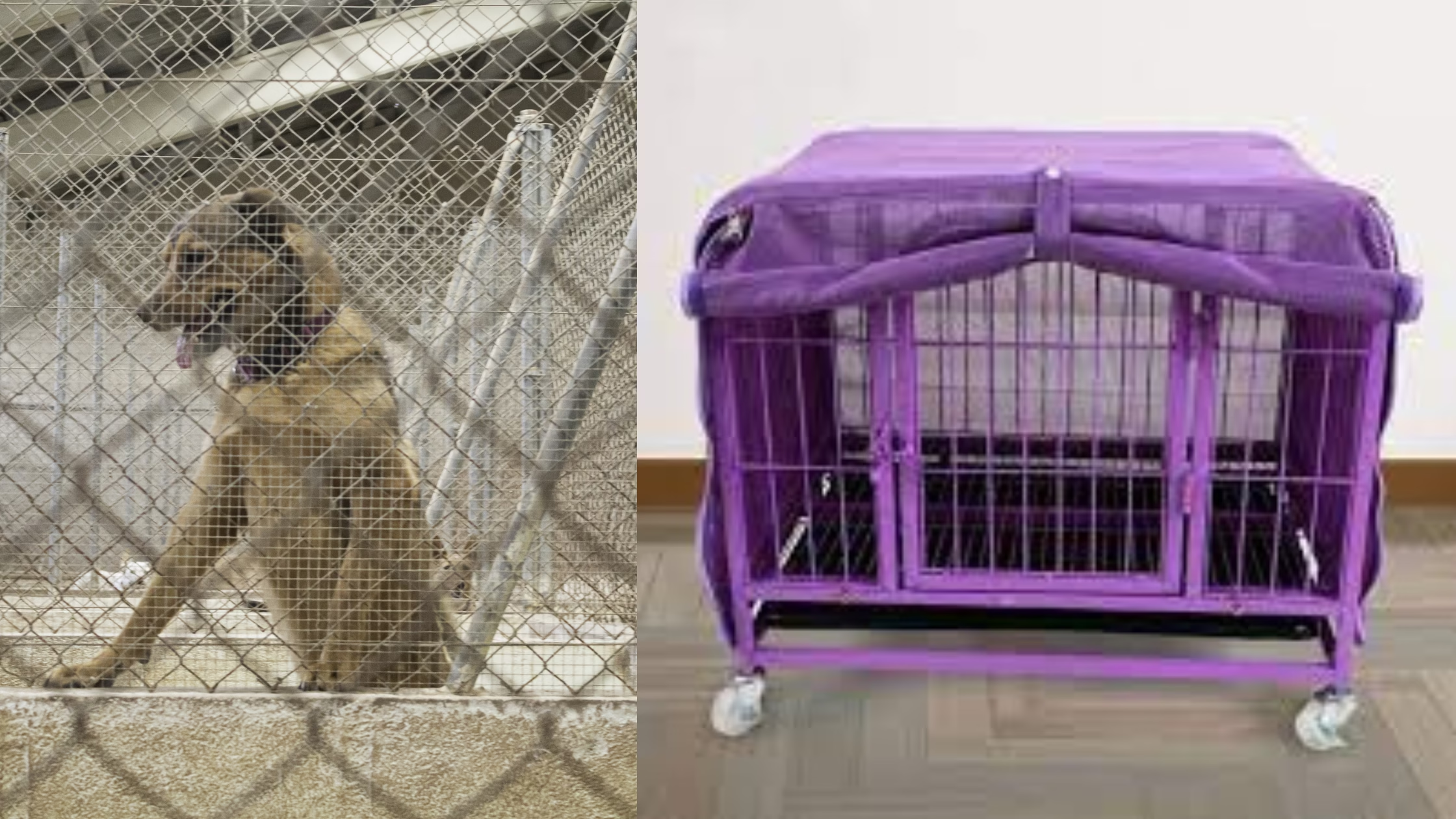
Install fine mesh mosquito netting or screens on windows, doors, and other openings of the dog kennel. This creates a physical barrier preventing mosquitoes from entering the kennel while allowing airflow. Ensure the netting is secure and in good condition.
4. Employ Fans
Mosquitoes are weak fliers, so using fans can help deter them. Place fans strategically around the dog kennel to create a continuous airflow. The breeze created by the fans makes it difficult for mosquitoes to land on your dog, reducing the chances of bites.
5. Consider Mosquito Repellents for Dogs
There are various mosquito repellent products available specifically designed for dogs. These include spot-on treatments, collars, or sprays. Follow the instructions provided by the manufacturer for proper application and reapplication. These repellents can provide an additional layer of protection against mosquitoes.
6. Utilize Natural Mosquito Repellents
If you prefer natural alternatives, consider using essential oils known for their mosquito-repellent properties. Citronella and lemongrass are commonly used essential oils that are safe for dogs. Dilute the essential oils according to guidelines and apply them to your dog’s collar or bedding. Avoid direct contact with your dog’s skin, and consult a veterinarian if you have any concerns.
7. Provide Outdoor Shelter
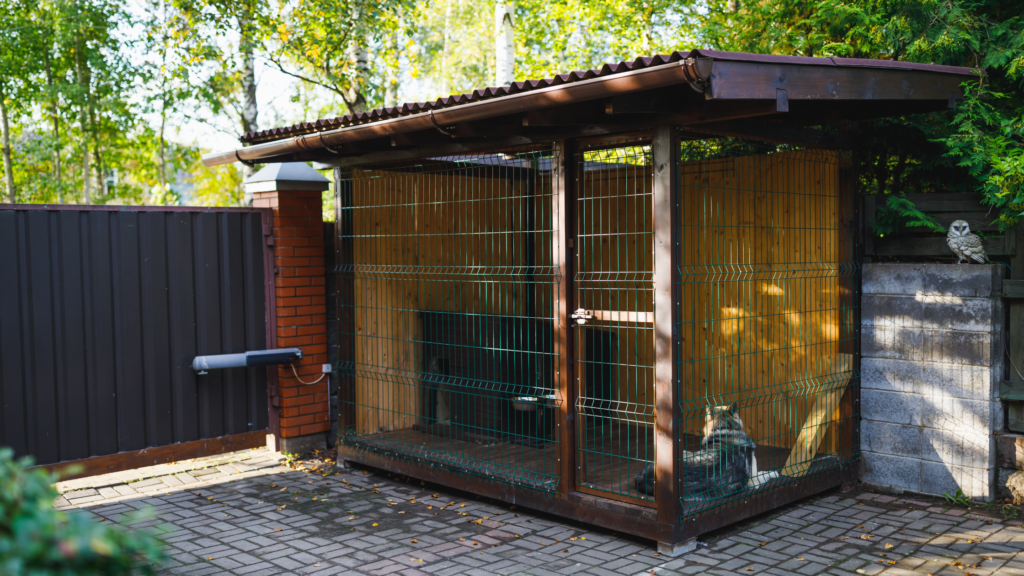
Offer shaded areas or dog houses with screened openings to protect from mosquitoes. This gives your dog a comfortable, relaxing space while minimizing mosquito exposure. The screens on the openings act as a barrier, preventing mosquitoes from entering the shelter.
8. Time Outdoor Activities
Schedule outdoor activities with your dog outside of peak mosquito activity times. Mosquitoes are most active during dawn and dusk, so plan your walks or playtime accordingly. By avoiding these times, you can significantly reduce the risk of mosquito bites.
Supply:
Mosquito netting or screens
Essential oils (e.g., citronella, lemongrass)
Mosquito repellent products for dogs (spot-on treatments, collars, sprays)
Water bowls
Cleaning supplies (e.g., broom, mop)
Mosquito traps
Larvicides or mosquito dunks
Dog shelters or houses with screened openings
Fans
Tools:
Screwdriver or similar tool for installing mosquito netting or screens
Sprayer or dropper for applying essential oils
Cleaning tools (e.g., broom, mop, bucket)
Materials:Fine mesh mosquito netting or screens
Essential oils (citronella, lemongrass, lavender, etc.)
Mosquito repellent products for dogs
Cleaning solutions or disinfectants
Mosquito traps
Larvicides or mosquito dunks
Dog shelters or houses with screened openings
Fans
Following these step-by-step guidelines, you can effectively keep mosquitoes away from your dog’s kennel and create a more pleasant and safe environment for your furry friend.
Remember, consistent implementation of preventive measures is vital to long-term mosquito control.
Mosquito Repellents for Dogs: What is the best mosquito repellent for dogs?
When it comes to protecting your dog from mosquitoes, several effective mosquito repellent options are available.
Let’s explore the different mosquito repellents suitable for dogs and their effectiveness in keeping those pesky insects at bay.
1. Topical Treatments
Topical mosquito repellents for dogs are applied directly to the skin or coat. These products usually come in the form of spot-on treatments or ointments.
They contain active ingredients that repel mosquitoes and other biting insects. Common active ingredients include permethrin, pyrethroids, or natural plant extracts.
Topical treatments provide long-lasting protection, typically lasting for several weeks before reapplication is needed.
2. Sprays
Mosquito repellent sprays for dogs are applied by spraying the product onto the dog’s coat. These sprays create a barrier that repels mosquitoes and other pests.
Look for sprays specifically formulated for dogs, as they have been designed to be safe for canine use. Follow the instructions provided by the manufacturer for application and reapplication intervals.
3. Collars
Mosquito-repellent collars around the dog’s neck release active ingredients that repel mosquitoes. These collars often contain insecticides like permethrin.
They provide continuous protection against mosquitoes and can be effective for several months.
Ensure you choose a collar specifically designed for dogs and follow the manufacturer’s instructions regarding sizing and usage.
4. Spot-on Treatments
Spot-on treatments are applied directly to a specific area on your dog’s back, typically between the shoulder blades.
These treatments contain insecticides that repel mosquitoes. They are convenient to use and provide long-lasting protection.
Follow the instructions provided by the manufacturer for application and reapplication intervals.
When selecting a mosquito repellent for your dog, it’s essential to consider their age, size, and any existing health conditions.
Some products may not be suitable for puppies or dogs with specific sensitivities. Consult your veterinarian to choose the most appropriate mosquito repellent for your dog.
Remember, no mosquito repellent is 100% foolproof, and its effectiveness may vary depending on the region and mosquito species.
It’s essential to follow the instructions provided by the manufacturer regarding application and reapplication intervals to ensure optimal protection.
In addition to using mosquito repellents, implementing preventive measures such as removing standing water and maintaining Cleanliness around the dog kennel will enhance the effectiveness of the repellents in creating a mosquito-free environment for your furry friend.
By utilizing suitable mosquito repellents, you can provide your dog with an extra layer of protection against mosquito bites and reduce the risk of mosquito-borne diseases.
Natural Mosquito Repellents for Dogs: Are essential oils safe for dogs as mosquito repellents?
Natural Mosquito Repellents for Dogs
Suppose you prefer a natural approach to repelling mosquitoes from your dog. In that case, essential oils can be a safe and effective option.
However, it’s important to understand which essential oils are safe for dogs and how to use them properly.
Let’s explore the world of natural mosquito repellents for dogs and address whether essential oils are safe for our furry friends.
1. Safety of Essential Oils for Dogs
Not all essential oils are safe for dogs, as some can be toxic or irritating to their sensitive systems. However, several essential oils are considered safe when used correctly.
Before using any essential oil on your dog, it’s essential to do your research, consult with a veterinarian, and ensure that the oil is specifically safe for canine use.
2. Recommended Essential Oils
Certain essential oils have mosquito-repellent properties and are safe for dogs. Some popular choices include:
– Citronella: Known for its mosquito-repellent properties, citronella oil can effectively ward off mosquitoes. It has a pleasant scent and is generally safe for dogs.
– Lemongrass: Lemongrass oil is another natural mosquito repellent that can be used on dogs. It has a refreshing citrus aroma and is considered safe when properly diluted.
– Lavender: Lavender oil has a calming scent and can help repel mosquitoes. It is safe for dogs and also provides a soothing effect.
3. Proper Dilution and Application
Essential oils should always be properly diluted before applying them to your dog.
A general guideline for dilution is to mix 1-2 drops of essential oil with 1 tablespoon of carrier oil, such as coconut or jojoba oil.
Avoid applying essential oils directly to your dog’s skin, as they irritate. Instead, apply the diluted mixture to your dog’s collar, bandana, or bedding.
This allows them to benefit from the mosquito-repellent properties of the essential oils without direct contact.
4. Caution and Individual Sensitivities
Just like humans, dogs can have individual sensitivities to certain essential oils. Observing your dog’s behavior and any signs of irritation or discomfort when using essential oils.
It is important if you notice any adverse reactions, discontinue use immediately and consult with your veterinarian.
5. Alternatives and Variations
While essential oils can be effective natural mosquito repellents for dogs, it’s also worth exploring other alternatives.
Some herbs like rosemary, neem, and catnip have mosquito-repellent properties. You can create a natural repellent spray by steeping these herbs in water and using the infused liquid as a spray.
Remember to test new repellents on a small area of your dog’s fur and monitor for adverse reactions.
Natural mosquito repellents can provide an eco-friendly and safer option for repelling mosquitoes from your dog.
However, it’s crucial to exercise caution, proper dilution, and consider your dog’s sensitivities. If you have any concerns or questions, consult with your veterinarian to ensure the safety and well-being of your furry friend.
Using natural mosquito repellents properly can provide your dog with added protection against mosquitoes while minimizing exposure to potentially harmful chemicals.
Removing Mosquitoes from a Dog Kennel: How to remove mosquitoes from a dog kennel?
How to remove mosquitoes from a dog kennel?
Having mosquitoes buzzing around your dog’s kennel can be a nuisance and potentially pose health risks.
To ensure a mosquito-free environment for your furry friend, it’s essential to take proactive measures to remove mosquitoes from the dog kennel.
Let’s explore some effective methods to keep those pesky insects at bay.
1. Regular Cleaning and Maintenance
Keeping the dog kennel clean and well-maintained is essential in minimizing mosquito populations. Here are some critical steps to follow:
– Remove debris, such as leaves or grass clippings, from the kennel area regularly. Mosquitoes often seek shelter in these areas.
– Clean the dog kennel thoroughly to eliminate any potential mosquito breeding sites. Scrub the floors and walls to remove any organic matter in which mosquitoes may lay their eggs.
– Empty and clean water bowls daily to prevent stagnant water, as it attracts mosquitoes for breeding. Provide fresh water to your dog regularly.
2. Eliminate Standing Water
Mosquitoes breed in stagnant water, so removing or treating any standing water around the dog kennel is crucial. Follow these steps:
– Check for any containers, buckets, or toys that collect water. Empty them or turn them upside down to prevent water accumulation.
– Fix any leaking faucets or pipes to avoid water pooling.
– If you have a water source, such as a pond or birdbath near the kennel, consider using mosquito dunks or larvicides that target mosquito larvae. These products are safe for pets but deadly to mosquito larvae.
3. Employ Mosquito Traps
Mosquito traps can be an effective tool in reducing the mosquito population around the dog kennel. Consider using traps specifically designed for outdoor use.
These traps emit attractants that lure mosquitoes and capture them, helping to control the mosquito population in the area.
4. Utilize Mosquito Netting or Screens
Installing fine mesh mosquito netting or screens on windows, doors, and openings of the dog kennel can create a physical barrier, preventing mosquitoes from entering.
Ensure the netting or screens are appropriately secured and free from tears or gaps.
5. Consider Natural Mosquito Control
In addition to the above methods, you can explore natural mosquito control options.
Planting mosquito-repellent plants like citronella, marigold, or lavender around the kennel area can help deter mosquitoes.
However, remember that plants alone may not provide complete protection and should be used with other measures.
Following these steps can significantly reduce the mosquito population in and around the dog kennel, creating a more comfortable and safer environment for your furry friend.
Regular cleaning, eliminating standing water, employing mosquito traps, and utilizing mosquito netting or screens will help keep mosquitoes at bay and minimize the risk of mosquito-borne diseases.
Remember, mosquitoes can be persistent, so it’s important to consistently implement these measures to ensure ongoing protection for your dog.
Your diligent efforts will go a long way in providing a mosquito-free zone for your beloved canine companion.
Preventing Mosquitoes from Breeding in a Dog Kennel: How to prevent mosquitoes from breeding in a dog kennel?
Prevention is vital for keeping mosquitoes away from your dog’s kennel. Taking proactive measures to prevent mosquitoes from breeding can create a safer and more enjoyable environment for your furry companion.
Here are some effective techniques to prevent mosquitoes from breeding in a dog kennel:
1. Ensure Proper Drainage
Proper drainage is essential to prevent standing water, which serves as a breeding ground for mosquitoes. Here’s what you can do:
– Inspect the kennel area for any areas where water may collect, such as low-lying spots or uneven surfaces. Level out the ground or create channels to redirect water flow away from the kennel.
– Clear clogged gutters or downspouts to prevent water from pooling around the kennel area.
– Improve soil drainage by adding gravel or creating slopes encouraging water runoff.
2. Treat Standing Water with Larvicides
Suppose you have unavoidable sources of standing water near the dog kennel, such as ponds or birdbaths.
In that case, it’s essential to treat them with larvicides. Larvicides are products designed to kill mosquito larvae before they become adult mosquitoes. Follow these steps:
– Use larvicides that are safe for pets and labeled for mosquito control. Consult with your local pet store or veterinary professional for suitable options.
– Apply the larvicide according to the instructions provided by the manufacturer. Treat the standing water at regular intervals to prevent mosquito larvae from maturing.
3. Utilize Mosquito Dunks or Biological Controls
Mosquito dunks effectively control mosquito populations and prevent breeding in stagnant water.
These small, donut-shaped discs contain a biological larvicide called Bacillus thuringiensis israelensis (BTI), explicitly targeting mosquito larvae. Here’s how you can use them:
– Place mosquito dunks where standing water is present, such as ponds, birdbaths, or rain barrels. The dunks will slowly release BTI, which kills mosquito larvae without harming other organisms.
– Follow the instructions provided on the mosquito dunk packaging for proper usage and application.
4. Maintain a Clean and Dry Environment
A clean and dry environment is crucial to prevent mosquitoes from finding suitable breeding sites. Follow these guidelines:
– Regularly remove debris, leaves, and any organic matter that may accumulate in and around the kennel area. These materials can collect water and become breeding grounds for mosquitoes.
– Keep the dog kennel clean and dry. Wipe away any moisture or spills promptly.
Implementing these preventive measures can significantly reduce the risk of mosquitoes breeding in and around the dog kennel.
Proper drainage, treating standing water with larvicides, using mosquito dunks, and maintaining a clean and dry environment will help create an inhospitable environment for mosquitoes and protect your dog from their annoying bites.
Remember, mosquitoes can breed in even the smallest amount of stagnant water, so it’s essential to remain vigilant and consistently implement these prevention techniques.
Doing so will ensure a more comfortable and mosquito-free space for your beloved four-legged friend.
Protecting Dogs from Mosquito Bites: How can I protect my dog from mosquito bites?
How can I protect my dog from mosquito bites?
As responsible dog owners, it’s essential to take steps to protect our furry friends from mosquito bites.
Mosquitoes cause irritation and discomfort and can transmit harmful diseases to our beloved dogs.
Here are some practical measures you can take to protect your dog from mosquito bites:
1. Provide Proper Outdoor Shelter
Offering your dog proper outdoor shelter is essential for its protection against mosquitoes. Consider the following:
– Provide a shaded area or a dog house with screened openings. This will create a physical barrier, preventing mosquitoes from reaching your dog.
– Ensure the shelter is well-ventilated to promote air circulation and minimize the likelihood of mosquitoes congregating.
2. Use Fans for Air Circulation
Mosquitoes are weak fliers and are deterred by air currents. By strategically placing fans around your dog’s outdoor area, you can create airflow that discourages mosquitoes from landing on your dog.
The breeze generated by the fans can make it difficult for mosquitoes to fly and bite.
3. Avoid Peak Mosquito Activity Times
Mosquitoes are most active during dawn and dusk when environmental conditions favor their activity.
Plan outdoor activities with your dog outside of these peak mosquito times to reduce the risk of mosquito bites.
Consider early morning walks or evening play sessions after sunset when mosquito activity is lower.
4. Regular Veterinary Check-ups and Vaccinations
Regular veterinary check-ups are essential for your dog’s overall health and well-being.
Discuss mosquito-borne diseases prevalent in your area during these visits and inquire about appropriate vaccinations.
Vaccinations, such as those against heartworm disease, can protect your dog from the potentially devastating effects of mosquito-transmitted illnesses.
Follow your veterinarian’s recommended vaccination schedule to protect your dog’s immune system.
Additionally, discuss with your veterinarian the use of preventive treatments specifically targeting mosquitoes.
These treatments may include oral or topical medications that repel mosquitoes or prevent the development of mosquito larvae.
Protecting your dog from mosquito bites goes beyond personal comfort—it’s about safeguarding their health.
Mosquitoes can transmit diseases like heartworm, West Nile virus, and other severe conditions that can have long-lasting effects on your dog’s well-being.
You can significantly reduce the risk of mosquito bites and the associated health complications by providing proper outdoor shelter, utilizing fans for air circulation, avoiding peak mosquito activity times, and staying up-to-date with veterinary check-ups and vaccinations.
Take the necessary precautions, be vigilant, and prioritize your dog’s well-being. With your proactive efforts, you can ensure a safer and more enjoyable outdoor experience for your dog, free from mosquito bites’ annoyance and potential dangers.
Frequently Asked Questions
1. Can I use DEET on my dog?
DEET, which stands for N, N-Diethyl-meta-toluamide, is a common ingredient in many insect repellents designed for humans. However, using DEET-based products directly on your dog is not recommended. DEET can be toxic to dogs if ingested or absorbed through their skin. It’s best to opt for mosquito repellents specifically formulated for dogs, which are safer and more suitable for their unique physiology.
2. How often should I reapply mosquito repellent to my dog?
The frequency of reapplication will depend on the specific product you are using and its instructions. Follow the manufacturer’s guidelines regarding reapplication intervals. Some repellents may protect for several hours, while others require more frequent reapplication. If your dog gets wet or swims, you may need to reapply the repellent afterward, as water can reduce its effectiveness. Always read and follow the instructions on the product label to ensure proper usage.
3. How do I know if a mosquito has bitten my dog?
Mosquito bites on dogs can appear as small, red, itchy bumps on the skin. However, remember that dogs may react differently to mosquito bites than humans. Some dogs may experience mild irritation and scratching, while others may be more sensitive and develop more severe reactions. If you notice your dog scratching or biting in certain areas, inspect the skin for any signs of mosquito bites. If you suspect your dog has been bitten and exhibits discomfort or an allergic reaction, consult your veterinarian for appropriate treatment.
4. What are the symptoms of mosquito-borne diseases in dogs?
Mosquitoes can transmit dog diseases, including heartworm disease and West Nile virus. Symptoms may vary depending on the specific disease. Still, common signs can include lethargy, coughing, difficulty breathing, weight loss, fever, and changes in appetite. If you observe any abnormal symptoms or suspect your dog may have contracted a mosquito-borne disease, seek veterinary care promptly for accurate diagnosis and appropriate treatment.
5. What can I do to prevent mosquito-borne diseases in my dog?
Prevention is vital when it comes to protecting your dog from mosquito-borne diseases. Here are some preventive measures you can take:
– Ensure your dog is on regular heartworm preventive medication your veterinarian prescribes.
– Minimize your dog’s exposure to mosquitoes by following the earlier tips, such as using mosquito repellents, providing proper outdoor shelter, and avoiding peak mosquito activity times.
– Keep your yard well-maintained and free of standing water, as it can serve as a breeding ground for mosquitoes.
– Consult with your veterinarian about additional preventive measures, such as vaccines or specific treatments, to reduce the risk of mosquito-borne diseases based on location and prevalent diseases in your area.
Prevention and proactive measures are crucial in safeguarding your dog’s health. By staying informed, using appropriate mosquito repellents, and working closely with your veterinarian, you can help minimize the risks of mosquito bites and mosquito-borne diseases for your beloved canine companion.
Keeping mosquitoes away from dog kennels is essential for the health and well-being of our furry friends.
Following a few simple steps, we can create a safer environment that minimizes the risk of mosquito bites and mosquito-borne diseases.
First and foremost, remove any standing water in and around the dog kennel to eliminate potential mosquito breeding sites.
Regular cleaning and maintenance of the kennel area and proper drainage play a crucial role in preventing mosquito infestations.
Using mosquito netting or screens on windows, doors, and openings of the kennel provides an effective barrier against mosquitoes.
Additionally, employing fans strategically helps create airflow and discourages mosquitoes from landing on dogs.
When it comes to mosquito repellents for dogs, there are various options available. Topical treatments, sprays, collars, and spot-on treatments can protect against mosquitoes adequately.
Always choose products specifically designed for dogs and follow the instructions provided by the manufacturer for safe and optimal use.
For those who prefer natural alternatives, essential oils such as citronella, lemongrass, and lavender can be used as mosquito repellents for dogs.
Dilute the oils properly and apply them to the dog’s collar or bedding, ensuring they do not come into direct contact with the dog’s skin.
Removing mosquitoes from the dog kennel is essential to enhance mosquito control further.
Regular cleaning, proper waste disposal, and using mosquito traps can help reduce mosquito populations within the kennel area.
Lastly, protecting dogs from mosquito bites involves the following:
Providing adequate outdoor shelter.
Using fans for air circulation.
Avoiding peak mosquito activity times, such as dawn and dusk.
Regular veterinary check-ups and vaccinations against mosquito-borne diseases are also vital preventive measures.
By implementing these strategies and taking proactive measures, we can create a safe and mosquito-free environment for our canine companions.
Remember, keeping mosquitoes away from dog kennels is not only about their comfort but also about safeguarding their health.
So, let’s prioritize mosquito control and ensure our furry friends can enjoy a mosquito-free and happy life.
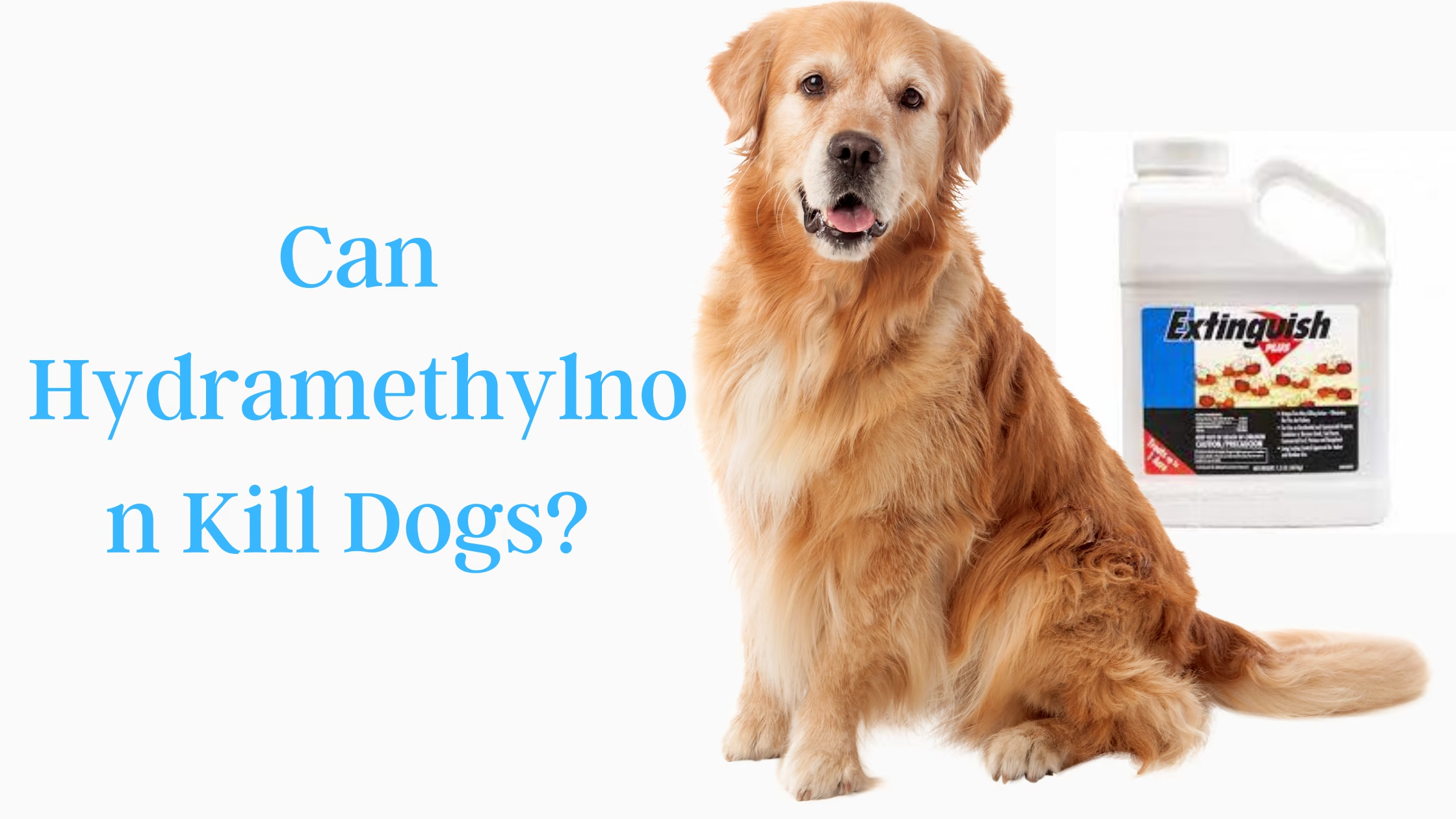
Have you ever wondered, “Can Hydramethylnon Kill Dogs?” Our furry friends bring us joy and companionship, so it’s crucial to prioritize their safety, especially when it comes to pest control.
This article delves into the fascinating world of hydramethylnon and its potential toxicity in dogs.
We’ll explore the symptoms of hydramethylnon poisoning, discuss treatment options, and provide practical tips to prevent mishaps.
So, let’s embark on this journey to understand hydramethylnon better and safeguard our beloved canine companions. After all, knowledge is the key to keeping our furry friends safe and sound.
Hydramethylnon Toxicity in Dogs
Hydramethylnon Toxicity in Dogs
Picture this: your adorable pup is curious and might be tempted to investigate anything they come across, including pest control baits.
But what happens if your furry friend accidentally ingests hydramethylnon? Are they in immediate danger?
While hydramethylnon can indeed be toxic to dogs, the good news is that fatalities are rare if swift action is taken. It’s essential to remember that the dose makes the poison.
Ingesting small amounts of hydramethylnon may cause mild symptoms, while larger quantities can be more concerning.
Can hydramethylnon kill dogs?
While it’s possible in extreme cases, most instances can be effectively managed with proper care. The key lies in recognizing the signs early on and seeking prompt veterinary assistance.
Remember, our four-legged friends are resilient, and the chances of a positive outcome are significantly increased with timely intervention.
So, keep a close eye on your furry companion and take action swiftly if you suspect they’ve encountered hydramethylnon. Your quick response can make all the difference in their well-being.
Understanding Hydramethylnon
Imagine a secret weapon against pesky pests like ants and roaches.
Enter hydramethylnon, a powerful ingredient in ant baits and roach baits.
But what exactly is hydramethylnon? Well, think of it as a superhero for pest control.
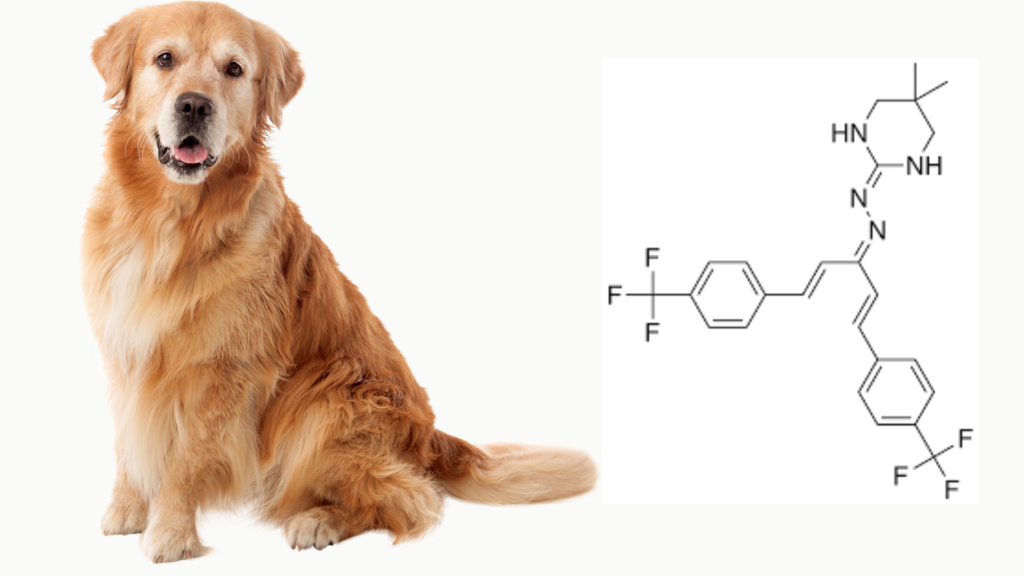
Hydramethylnon is a chemical compound specifically designed to target and eliminate unwanted insects.
It’s like a tiny bug assassin that disrupts their nervous systems, ultimately leading to their demise.
This remarkable substance has gained popularity for its effectiveness in dealing with stubborn infestations.
When battling pests, hydramethylnon is a force to be reckoned with. It’s like having a trusted ally in the fight against unwanted intruders.
So, next time you spot an army of ants or an unwelcome roach, remember that hydramethylnon is here to save the day!
We know that prevention is better than cure, but sometimes accidents happen.
If your furry friend has ingested hydramethylnon, knowing the telltale signs of poisoning is crucial.
By recognizing these symptoms early on, you can take swift action and ensure your pup’s well-being.
Here are some common symptoms of hydramethylnon poisoning in dogs to watch out for:
1. Gastrointestinal Distress: Watch out for vomiting, diarrhea, or excessive drooling. These symptoms may indicate that your pup has encountered hydramethylnon.
2. Lethargy and Weakness: If your usually energetic companion suddenly becomes passive, weak, or disoriented, it could indicate hydramethylnon toxicity.
3. Loss of Appetite: A sudden decrease in appetite, refusal to eat, or unexplained weight loss may indicate a problem.
4. Tremors or Seizures: In severe cases, dogs may experience muscle tremors, convulsions, or seizures. These symptoms require immediate attention.
Remember, the importance of recognizing these symptoms cannot be overstated. The sooner you identify the signs, the sooner you can seek veterinary assistance. Time is of the essence when it comes to protecting your furry friend’s health.
So, what are the symptoms of hydramethylnon poisoning in dogs? Watch for gastrointestinal distress, lethargy, loss of appetite, and tremors or seizures.
Being vigilant can help your pup get the care they need and increase their chances of a speedy recovery.
Treatment for Hydramethylnon Poisoning in Dogs
Treatment for Hydramethylnon Poisoning in Dogs
Regarding hydramethylnon poisoning in dogs, time is of the essence. If you suspect your pup has ingested hydramethylnon, acting swiftly to ensure, their well-being is crucial.
Here are the immediate steps to take:
1. Contact a Veterinarian: Reach out to your trusted veterinarian immediately. They are the experts who can provide professional guidance tailored to your dog’s situation.
2. Provide Information: Be prepared to provide details about the incident, including the amount of hydramethylnon ingested (if known) and the time of ingestion. This information will assist the veterinarian in determining the appropriate course of action.
3. Follow Veterinary Advice: Your veterinarian may recommend various treatment options based on the severity of the poisoning. These options can include:
a. Decontamination: In some cases, inducing vomiting or administering activated charcoal may be necessary to prevent further absorption of hydramethylnon.
b. Supportive Care: Depending on your dog’s symptoms, supportive care may address gastrointestinal distress, dehydration, or other complications. This can include intravenous fluids, anti-nausea medications, and monitoring vital signs.
c. Specific Antidotes: In certain situations, your veterinarian may administer specific antidotes to counteract the effects of hydramethylnon poisoning.
4. Follow Instructions Carefully: To ensure a successful recovery, following your veterinarian’s instructions diligently is vital. This may include administering prescribed medications, monitoring your dog’s progress, and scheduling follow-up visits.
Remember, every case of hydramethylnon poisoning is unique, and professional veterinary guidance is crucial for the best outcome.
By acting promptly and adhering to your veterinarian’s advice, you can give your furry friend the best chance to recover fully.
Preventing Hydramethylnon Poisoning in Dogs
Preventing Hydramethylnon Poisoning in Dogs
They say prevention is the best medicine, and when it comes to hydramethylnon poisoning in dogs, a proactive approach can save you and your furry friend from unnecessary worries.
Here are some practical tips to help you prevent incidents of hydramethylnon poisoning:
1. Secure Storage: Store pest control products, including hydramethylnon-based baits, in a secure location inaccessible to your dog. Consider using locked cabinets or high shelves to prevent curious paws from reaching them.
2. Read and Follow Product Labels: Take the time to carefully read the labels and instructions of pest control products. Understand the potential risks associated with hydramethylnon and follow the recommended precautions.
3. Pet-Safe Alternatives: Explore alternative pest control methods specifically designed to be safe for pets. Numerous pet-friendly options are available, such as natural repellents, pet-safe traps, and baits that don’t contain hydramethylnon.
4. Consult a Professional: If you’re dealing with a persistent pest problem, consult a professional pest control expert with experience in pet-safe methods. They can assess your situation and recommend effective solutions that won’t put your furry friend at risk.
5. Vigilance and Supervision: Keep a watchful eye on your dog during walks or visits to outdoor areas. Be aware of your surroundings and avoid areas treated with hydramethylnon or other pest control products.
By implementing these preventive measures, you can create a safer environment for your dog and minimize the risk of hydramethylnon poisoning.
Remember, protecting your furry friend is about being proactive, informed, and making conscious choices regarding pest control methods.
FAQ’s
How much hydramethylnon is poisonous to dogs?
The toxicity of hydramethylnon in dogs is dose-dependent. The specific amount of hydramethylnon that can be poisonous to a dog is generally considered above 28,000 milligrams per kilogram (mg/kg) of body weight.
However, it’s important to note that even smaller amounts of hydramethylnon can adversely affect a dog’s health, and individual sensitivities can vary. It’s always best to prevent exposure to hydramethylnon and ensure your dog’s safety by storing pest control products securely and out of their reach.
If you suspect your dog has ingested hydramethylnon, regardless of the amount, it’s crucial to seek immediate veterinary care. Only a veterinarian can adequately assess your dog’s condition and provide the necessary treatment and care to ensure their well-being.
What should I do if my dog eats hydramethylnon?
If you suspect or know that your dog has ingested hydramethylnon, it’s crucial to take the following steps:
Contact a Veterinarian: Call your veterinarian immediately and provide them with details about the situation, including the quantity of hydramethylnon ingested and the time of ingestion.
Follow Veterinary Guidance: Follow the instructions given by your veterinarian. They may recommend inducing vomiting, administering activated charcoal, or other necessary measures to minimize absorption and address the poisoning.
Seek Professional Care: Let a veterinary professional evaluate your dog’s condition and provide appropriate treatment. Only attempt to treat hydramethylnon poisoning at home with professional guidance.
Remember, prompt veterinary care is vital in cases of hydramethylnon ingestion. The veterinarian can assess your dog’s specific situation and provide the necessary care and treatment for a better chance at a successful recovery.
As we wrap up our exploration of hydramethylnon and its potential toxicity in dogs, let’s recap the essential points we’ve covered.
We addressed the burning question, “Can Hydramethylnon Kill Dogs?” While hydramethylnon can be toxic to dogs, fatalities are rare when prompt action is taken.
The key lies in recognizing the symptoms and seeking veterinary assistance without delay.
We then discussed the common symptoms of hydramethylnon poisoning in dogs, emphasizing the importance of early recognition.
By staying vigilant, dog owners can ensure that their furry companions receive the necessary care promptly.
Regarding treatment, we stressed the need to contact a veterinarian immediately if hydramethylnon ingestion is suspected.
We outlined potential treatment options, including decontamination, supportive care, and specific antidotes.
We highlighted the importance of following the veterinarian’s instructions for a successful recovery.
Prevention took center stage as we shared practical tips to avoid hydramethylnon poisoning incidents.
Securing pest control products, reading labels, and exploring pet-safe alternatives were recommended strategies to safeguard our four-legged friends from harm.
In conclusion, pet safety and responsible pest control practices are paramount.
If you suspect your dog has been exposed to hydramethylnon, don’t hesitate to seek veterinary care.
With timely intervention, the chances of a positive outcome are significantly increased.
Remember, as dog owners; we have the power to protect our furry companions from potential dangers.
Being informed, proactive, and attentive can create a safe and loving environment where our beloved dogs can thrive.
Maggot infestation in dogs is a distressing and potentially dangerous situation that requires immediate attention.
These tiny, wriggling larvae can cause discomfort and harm our furry friends.
If you’re facing this issue, you might wonder if Dettol, a commonly used antiseptic, can effectively kill maggots on dogs.
Can Dettol Kill Maggots in Dogs?
Can Dettol Kill Maggots in Dogs?
Yes, Dettol can be effective in killing maggots in dogs. While Dettol is a popular antiseptic and disinfectant used for various purposes, its effectiveness against maggots requires careful consideration.
Dettol is primarily designed for external use on human skin and surfaces. Although it possesses antibacterial and antifungal properties, its specific effectiveness against maggots may vary.
Additionally, the safety of using Dettol on dogs and its direct application to maggot-infested wounds should be thoroughly understood to prevent adverse reactions.
Throughout this article, we will provide valuable insights and alternative methods to treat maggot infestation in dogs, considering the potential use of Dettol as a solution.
However, it is essential to consult with a veterinarian before using any products or attempting home remedies to ensure the best possible care for your furry companion.
So, let’s dive into the world of maggot infestation, explore different treatment options, and evaluate the role of Dettol in combating this issue.
By the end of this article, you will understand how to effectively deal with maggot infestation in dogs, ensuring their well-being and comfort.
I. Understanding Maggot Infestation in Dogs
Understanding Maggot Infestation in Dogs
A. What are maggots?
When it comes to maggot infestation in dogs, it’s important to understand what maggots are.
Maggots are the larval stage of flies, specifically the common green bottle fly or blowfly.
These tiny, legless creatures hatch from fly eggs and can quickly multiply in numbers.
Larvae are attracted to moist and decaying organic matter, such as wounds, feces, or rotting food.
They thrive in warm and humid environments, making dogs susceptible to infestation, especially if they have open wounds or poor hygiene.
B. Causes of maggot infestation in dogs
Maggot infestation in dogs typically occurs when flies lay eggs on or near a dog’s body.
The eggs hatch into maggots, feeding on the dog’s tissue or organic matter in wounds.
Common causes of maggot infestation in dogs include untreated wounds, excessive skin folds or creases, filthy fur, urine or feces-soaked fur, and poor hygiene practices.
Dogs with mobility issues or underlying health conditions are also more susceptible to maggot infestations.
C. Signs and symptoms of maggot infestation
Identifying maggot infestation in dogs early is crucial for prompt treatment. Look out for the following signs and symptoms:
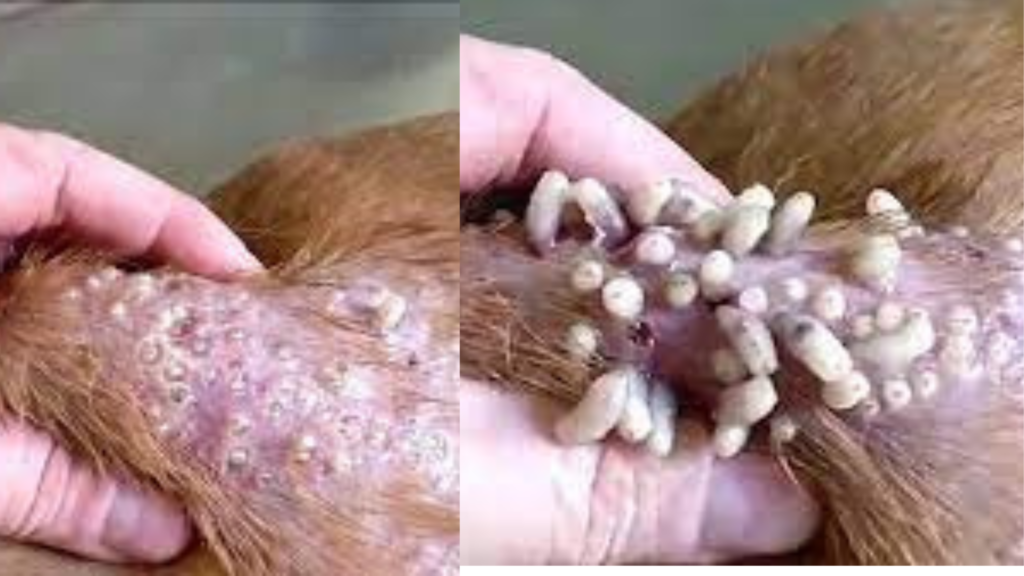
1. Presence of maggots: You may observe tiny white larvae moving on or near the dog’s body, particularly around wounds, filthy fur, or areas with excessive moisture.
2. Discomfort and itching: Infested dogs may exhibit discomfort, constant scratching, licking, or biting at the affected area.
3. Foul odor: Maggots produce a distinctive smell that can be unpleasant and noticeable.
4. Swelling and inflammation: The infested area may show redness, swelling, or inflammation.
5. Behavioral changes: Dogs may become lethargic, lose their appetite, or display signs of pain or distress.
It’s important to remember that maggot infestation can seriously require immediate veterinary attention.
If you notice any signs or suspect your dog has maggots, consult your veterinarian for an accurate diagnosis and appropriate treatment.
In the following sections, we will explore various treatment options, including using Dettol, to address maggot infestation in dogs effectively. Stay tuned for valuable insights and recommendations.
II. Treating Maggot Infestation in Dogs
Treating Maggot Infestation in Dogs
A. Importance of prompt action
When it comes to treating maggot infestation in dogs, prompt action is essential.
Maggot infestations can cause significant discomfort, pain, and potential complications for your furry friend.
Delaying treatment can worsen the condition and increase the risk of infection. Therefore, acting swiftly and effectively is crucial to alleviate your dog’s suffering and prevent further harm.
B. Step-by-step guide to treating maggots on dogs
1. Preparing the necessary supplies:
Before starting the treatment, gather the required supplies to ensure a smooth and efficient process.
These may include gloves, tweezers, saline solution, clean towels, antiseptic solution (such as diluted povidone-iodine or chlorhexidine), and a topical wound treatment prescribed by your veterinarian.
2. Safely removing the maggots:
Carefully inspect the affected area to locate and remove the larvae.
It’s crucial to handle this process to minimize your dog’s discomfort gently.
Using gloved hands or tweezers, pick up each maggot and place them in a container filled with soapy water or rubbing alcohol to ensure they are properly disposed of.
3. Cleaning and disinfecting the wound:
Thoroughly clean the wound using a mild saline solution or as advised by your veterinarian.
Gently flush the area to remove any remaining debris or maggots’ remnants.
After cleaning, apply an antiseptic solution to disinfect the wound and promote healing.
Avoid using Dettol directly on the wound, which may cause skin irritation.
4. Applying topical treatments:
Follow your veterinarian’s instructions regarding the application of topical treatments.
They may recommend specific ointments or creams to aid in wound healing and prevent infection.
These topical treatments can help soothe the affected area and provide additional protection.
5. Monitoring and aftercare:
Keep a close eye on your dog’s progress during the healing process.
Watch for signs of infection, such as increased redness, swelling, discharge, or worsening symptoms.
Administer any prescribed medications as directed.
Provide a clean and comfortable environment for your dog to rest and recover.
If you notice any concerning changes or the infestation persists, consult your veterinarian for further guidance.
Remember, while the outlined steps can assist in treating maggot infestation in dogs, it’s crucial to involve your veterinarian for proper diagnosis and treatment recommendations.
They can provide personalized advice based on your dog’s condition and ensure the best care.
Dettol is a widely recognized brand known for its antiseptic properties.
It contains various active ingredients, including chloroxylenol, which exhibits antibacterial and antifungal properties.
Dettol is commonly used for wound cleansing and disinfection in humans and is a potential solution for addressing dog maggot infestation.
B. Can Dettol effectively kill maggots on dogs?
While Dettol has antimicrobial properties, its effectiveness in killing maggots in dogs may vary.
It is important to note that maggot infestations can be complex and require comprehensive treatment.
While Dettol may help disinfect wounds and prevent infection, it may not be sufficient as a standalone treatment for killing maggots.
C. Safe usage of Dettol for maggot infestation
Suppose you decide to use Dettol to address maggot infestation in dogs. In that case, it is crucial to do so cautiously and follow safe usage guidelines.
Here are a few considerations to keep in mind:
– Dilute Dettol properly: Use Dettol in its diluted form as per the instructions provided on the packaging. Avoid undiluted, as it may cause skin irritation or other adverse effects.
– Avoid sensitive areas: Avoid applying Dettol near your dog’s eyes, ears, or sensitive mucous membranes. If contact occurs, rinse the area thoroughly with clean water.
– Consult your veterinarian: Before using Dettol or any other product on your dog, consult your veterinarian. They can guide you on its suitability for your dog’s specific condition and offer alternative solutions if necessary.
D. Risks and considerations of using Dettol
It’s important to be aware of the potential risks associated with using Dettol for maggot infestation in dogs:
– Skin sensitivity: Some dogs may be more sensitive to the ingredients in Dettol, which could cause skin irritation or allergic reactions. If you notice any adverse reactions, discontinue use immediately and consult your veterinarian.
– Incomplete maggot removal: Dettol alone may not completely eradicate maggot infestations. Ensuring thorough maggot removal through careful inspection and proper wound cleansing is crucial.
– Professional guidance: Maggot infestations can vary in severity, and professional veterinary care is often necessary for proper diagnosis and treatment. Always consult your veterinarian for expert advice.
Combining appropriate maggot removal techniques, wound cleansing, and consultation with your veterinarian can ensure a comprehensive approach to addressing maggot infestation in dogs.
IV. Alternative Methods to Kill Maggots on Dogs
A. Natural remedies and home solutions
While Dettol is one potential solution, there are also natural remedies and home solutions that can help address dog maggot infestations. These options are often preferred by pet owners who prefer more holistic approaches. Here are a few natural remedies to consider:
– Warm saline solution: A warm saline solution can flush maggots from the affected area. Dissolve salt in clean, warm water and gently rinse the wound.
– Neem oil: Neem oil has natural antibacterial and antifungal properties. Applying a small amount of diluted neem oil to the wound can help deter maggots and promote healing.
– Turmeric paste: Turmeric possesses antimicrobial properties and can heal wounds. Create a paste using turmeric powder and water, and apply it to the wound after a thorough cleaning.
B. Seeking professional veterinary care
In cases of severe maggot infestations or if you are unsure about handling the situation yourself, it is recommended to seek professional veterinary care.
Veterinarians have the expertise and resources to provide proper diagnosis and treatment.
They can perform maggot removal, administer appropriate medications, and ensure your dog’s overall well-being.
C. Other recommended products or treatments
Apart from Dettol, several other products and treatments can effectively address maggot infestations in dogs. Some of these options include:
– Veterinary-approved insecticides: Your veterinarian may recommend specific insecticides that are safe for dogs to kill Maggots.
– Topical ointments or creams: There are various topical treatments available that can help in eliminating maggots and promoting wound healing. These may contain ingredients such as antibiotics or antiparasitic agents.
– Systemic medications: In severe cases, oral or injectable medications may be prescribed by a veterinarian to address underlying infections and kill Maggots.
Remember, it is essential to consult with your veterinarian before trying any alternative methods or using new products.
They can provide guidance based on your dog’s individual needs and recommend the most suitable course of action.
V. First Aid for Maggot Wounds in Dogs
A. Recognizing and Assessing Maggot-Infested Wounds
It’s important to be able to identify maggot-infested wounds on your dog.
Look for signs such as an unpleasant odor, visible maggots, excessive licking or scratching, swelling, redness, or discharge from the affected area.
Once you spot these indications, it’s crucial to take immediate action.
B. Immediate Actions to Take
When faced with a maggot-infested wound on your dog, here are some essential steps to follow for immediate first aid:
1. Stay calm: It’s natural to feel concerned, but staying calm will help you handle the situation better.
2. Restrain your dog: Ensure your dog remains still and comfortable to prevent further aggravation of the wound or accidental injury.
3. Protect yourself: Wear gloves to protect your hands from direct contact with the maggots or the wound.
4. Remove visible maggots: Use blunt-tipped tweezers or forceps to remove visible maggots from the wound. Be gentle and avoid causing any additional harm to your dog.
5. Clean the wound: Gently clean the wound with a mild antiseptic solution or warm saline water. This will help remove debris and reduce the risk of infection.
6. antiseptic cream or ointment: Once the wound is clean and dry, apply a veterinary-approved antiseptic cream or ointment to prevent further infection and promote healing.
C. How to Provide Temporary Relief and Prevent Further Infestation
While waiting for professional veterinary care or before you can administer additional treatments, here are some measures you can take to provide temporary relief and prevent further infestation:
1. Cover the wound: Use a clean, non-stick dressing or bandage to cover the wound. This will protect it from further contamination and reduce the likelihood of fly eggs laying in the area.
2. Prevent your dog from licking or scratching: Ensure your dog does not have access to the wound, as excessive licking or scratching can worsen the condition. An Elizabethan collar can prevent your dog from reaching the affected area.
3. Keep your dog clean and dry: Maintaining good hygiene is crucial during healing. Regularly clean your dog’s fur, especially in the surrounding wound area, to prevent additional infections.
4. Monitor for signs of infection: Keep a close eye on the wound for any signs of infection, such as increased redness, swelling, or discharge. If you notice any concerning changes, consult with a veterinarian promptly.
Remember, while providing first aid can help alleviate immediate discomfort and prevent further infestation, seeking professional veterinary care for a comprehensive evaluation and proper treatment of maggot-infested wounds in dogs is essential.
In the next section, we will discuss preventive measures to minimize the risk of maggot infestations and ensure your dog’s well-being.
VI. Prevention and Best Practices
A. Tips to Prevent Maggot Infestation in Dogs
Taking proactive measures can significantly reduce the risk of maggot infestation in your beloved furry friend. Here are some essential tips to keep in mind:
1. Regular grooming: Maintain a routine grooming schedule to keep your dog’s coat clean and free from debris that can attract flies.
2. Clean living environment: Ensure your dog’s living area, bedding, and surroundings are clean and free from waste or decaying matter that may attract flies.
3. Prevent access to carcasses: Avoid letting your dog come into contact with dead animals, as they can harbor maggots and other harmful parasites.
4. Eliminate food sources for flies: Properly dispose of leftover food and close trash bins to discourage fly activity near your dog’s living area.
B. Proper Wound Care and Hygiene
Maintaining good wound care and hygiene practices can go a long way in preventing maggot infestations. Here’s what you should do:
1. Promptly address wounds: Clean and treat any wounds your dog sustains immediately to minimize the risk of flies laying eggs in the open wound.
2. Regularly inspect your dog for wounds: Conduct routine checks for any injuries or sores, paying particular attention to areas prone to friction, moisture, or skin folds.
3. Keep wounds clean and dry: Cleanse wounds with a veterinarian-recommended antiseptic solution and ensure they remain dry to discourage fly attraction.
C. Regular Inspections and Parasite Control
Regular inspections and effective parasite control measures are crucial in preventing maggot infestations. Follow these guidelines:
1. Conduct thorough inspections: Regularly examine your dog’s body, especially sensitive areas such as ears, anus, and genital region, for any signs of irritation, wounds, or parasites.
2. Use preventive treatments: Consult with your veterinarian about appropriate preventive treatments, such as topical medications or collars, to protect your dog against fleas, ticks, and other parasites that can cause wounds and attract flies.
3. Stay up to date with vaccinations: Ensure your dog is current on vaccinations to reduce the risk of diseases that can weaken their immune system and make them more susceptible to maggot infestations.
Following these preventive measures and best practices can significantly reduce the chances of your dog experiencing maggot infestation.
Remember, regular veterinary check-ups and open communication with your veterinarian are essential for maintaining your dog’s overall health and well-being.
In conclusion, being proactive in preventing maggot infestations, practicing proper wound care, and prioritizing your dog’s hygiene and parasite control will help keep your furry companion happy, healthy, and free from the discomfort of maggot-related issues.
Frequently Asked Questions
Is Dettol safe for dogs?
When used properly and in moderation, Dettol can be safe for dogs. However, it is important to follow the guidelines provided by the manufacturer and consult with your veterinarian before using any product on your furry friend. Dogs may have different sensitivities, so it’s crucial to watch for any signs of adverse reactions and discontinue use if necessary.
What other methods can be used to kill maggots on dogs?
In addition to using Dettol, several other methods can effectively eliminate maggots in dogs:
1. Warm water and mild soap: Gently washing the affected area with warm water and mild soap can help remove maggots.
2. Veterinary-recommended insecticides: Your veterinarian may prescribe or recommend specific insecticides or medications to kill maggots.
3. Natural remedies: Some natural solutions, such as diluted vinegar or essential oils, may help repel or kill maggots. However, it’s important to consult your veterinarian before using home remedies to ensure they are safe and effective for your dog.
How can one determine if the maggots are dead?
Determining if maggots are dead can be challenging. However, you can look for signs such as immobility, lack of touch response, or changes in coloration. It’s best to consult your veterinarian for an accurate assessment and guidance on further treatment.
Strategies for preventing maggots from coming back
Preventing a recurrence of maggot infestation is essential to ensure your dog’s well-being. Here are some strategies to consider:
1. Thorough wound care: Properly clean and care for any wounds your dog may have to minimize the risk of attracting flies and subsequent maggot infestation.
2. Regular inspections: Conduct routine inspections to promptly identify any wounds or signs of irritation that may attract flies.
3. Maintain a clean environment: Keep your dog’s living area clean, free from waste or decaying matter, and dispose of trash properly to deter fly activity.
4. Use preventive measures: Use veterinarian-recommended measures, such as flea and tick control products, to minimize the risk of wounds and subsequent maggot infestations.
Following these guidelines and seeking professional advice can help prevent maggot infestations, ensure your dog’s well-being, and promote a healthy and happy life for your furry companion.
Remember, when dealing with health concerns or infestations, it’s always best to consult your veterinarian for personalized advice and appropriate treatment options tailored to your dog’s specific needs.
Maggot infestation in dogs can be a distressing and potentially harmful condition.
In this article, we have explored various aspects of treating and preventing maggot infestations in dogs, specifically focusing on the potential use of Dettol as a solution.
We started by understanding what maggots are and the common causes of dog infestation.
We discussed the signs and symptoms to watch out for, emphasizing the Importance of prompt action in addressing this issue.
We provided a step-by-step guide on how to treat maggots on dogs, including preparing the necessary supplies, safely removing the maggots, cleaning and disinfecting the wound, applying topical treatments, and monitoring the healing process.
It’s crucial to follow these steps carefully to ensure effective treatment.
While exploring Dettol as a potential solution, we discussed its properties and whether it can effectively kill maggots on dogs.
However, it’s important to exercise caution and consult with a veterinarian before using any product on your dog.
Your veterinarian can provide personalized guidance based on your dog’s needs and health condition.
We also highlighted alternative methods for killing maggots on dogs, including natural remedies and seeking professional veterinary care.
Additionally, we emphasized the Importance of first aid for maggot-infested wounds. We provided temporary relief techniques to prevent further infestation.
We discussed important preventive measures such as wound care, regular inspections, and maintaining a clean environment to prevent future maggot infestations.
We also emphasized veterinarian-recommended preventive measures like flea and tick control.
In conclusion, it is vital to prioritize your dog’s well-being by promptly addressing maggot infestations.
While Dettol may be a potential solution, consulting with a veterinarian for proper diagnosis and treatment is crucial.
Each dog is unique; professional advice can ensure the most effective and safe approach.
Remember, your veterinarian is your trusted partner in your dog’s health journey. By seeking their guidance, you can provide the best care for your furry friend, ensuring their comfort and happiness.
Welcome to the world of Essiac tea for dogs! You may have heard about this herbal remedy and its potential benefits, but what exactly is Essiac tea?
Essiac tea is a blend of herbs that has gained popularity for its perceived health benefits in humans and furry friends.
This article will delve into the fascinating world of Essiac tea for dogs and explore its potential benefits, usage, and safety.
Whether you’re curious about how Essiac tea works or considering incorporating it into your dog’s routine, this article provides valuable information to make informed decisions about your dog’s well-being.
So, let’s embark on this journey and uncover the wonders of Essiac tea for dogs!
What is Essiac tea?
What is Essiac tea?
Are you ready to dive into the world of Essiac tea for dogs? Let’s start by understanding what exactly Essiac tea is.
Essiac tea is a herbal infusion that originated from a Canadian nurse named Rene Caisse (spell her last name backward, and you’ll see where the name Essiac comes from!).
She believed the blend of herbs she used in the tea had powerful health benefits.
Essiac tea typically comprises four main herbs: burdock root, sheep sorrel, slippery elm bark, and Indian rhubarb root. Each of these herbs brings unique properties to the tea, creating a potent combination.
How does Essiac tea work for dogs?
Now, how Essiac tea works for dogs, while the exact mechanisms of action are not fully understood, it is believed that the herbal blend in Essiac tea may help support the immune system, reduce inflammation, and provide antioxidant effects.
These properties contribute to the potential benefits that Essiac tea may offer for dogs.
It’s important to note that while there are anecdotal reports and testimonials about the positive effects of Essiac tea in dogs, scientific research on its efficacy is limited.
So, let’s continue exploring the benefits and considerations of using Essiac tea for our furry friends!
Benefits of Essiac Tea for Dogs
Are you curious about the potential benefits of Essiac tea for dogs? Well, you’re in for a treat! Essiac tea has gained attention for its potential positive effects on dogs’ health.
One key benefit of Essiac tea is its potential to support the immune system. A robust immune system is vital for dogs to maintain optimal health and fight off infections.
The blend of herbs in Essiac tea is believed to contain compounds that can help stimulate and enhance the immune response in dogs.
In addition to immune support, Essiac tea may also have anti-inflammatory properties. Inflammation can occur in dogs for various reasons, such as injury, arthritis, or certain health conditions.
By potentially reducing inflammation, Essiac tea may improve dogs’ mobility, comfort, and overall well-being.
While individual experiences may vary, some dog owners have reported positive outcomes after incorporating Essiac tea into their pets’ wellness routines.
However, it’s essential to remember that scientific research on the specific effects of Essiac tea in dogs is limited.
As with any natural remedy, it’s always a good idea to consult your veterinarian before introducing Essiac tea or any new supplement to your dog’s regimen.
Your vet can provide guidance based on your dog’s specific health needs and help you make informed decisions.
So, if you’re interested in exploring Essiac tea for your furry companion, let’s move forward and learn more about its safe usage and potential side effects!
Regarding the safety of Essiac tea for dogs, it’s essential to proceed cautiously and prioritize your furry friend’s well-being. While Essiac tea is generally considered safe, there are a few factors to consider.
First and foremost, it’s crucial to source high-quality Essiac tea specifically formulated for dogs.
Not all Essiac teas on the market are suitable for canine consumption, as they may contain ingredients that can be harmful to dogs.
Therefore, purchasing Essiac tea from reputable sources is recommended, or consult your veterinarian for trusted recommendations.
As for potential side effects, they are generally rare but can occur in some cases. These side effects may include gastrointestinal upset, such as diarrhea or vomiting.
It’s essential to start with a low dosage and closely monitor your dog’s response. Suppose you notice any adverse reactions or persistent discomfort.
In that case, it’s best to discontinue using Essiac tea and consult your veterinarian for further guidance.
Additionally, it’s crucial to consider your dog’s specific health condition and any underlying medical issues.
Certain dogs, such as those with pre-existing liver or kidney problems, may be more susceptible to adverse effects.
Always consult your veterinarian before giving Essiac tea to your dog, especially if your dog has any underlying health concerns or is taking other medications.
To ensure your dog’s safety:
Closely observe their response to Essiac tea.
Watch for any changes in behavior, appetite, or bowel movements.
If you have any concerns or questions, don’t hesitate to contact your veterinarian for guidance and support.
Remember, every dog is unique, and what works for one may not work for another. It’s always best to prioritize your dog’s well-being and decide based on their needs and health status.
How to Give Essiac Tea to Dogs
How to Give Essiac Tea to Dogs
When giving Essiac tea to your furry companion, a few essential factors must be considered to ensure a smooth and effective administration.
1. Method of Administration
Essiac tea for dogs can be given orally. You can administer it directly into your dog’s mouth using a syringe or mix it with their food.
Mixing it with a small amount of wet food or low-sodium broth can help entice your dog to consume it.
2. Dosage and Frequency
The dosage of Essiac tea for dogs can vary based on size, health condition, and the specific product’s instructions.
It’s crucial to consult your veterinarian for the appropriate dosage tailored to your dog’s individual needs.
Start with a low dosage and gradually increase it as recommended.
3. Introducing Essiac Tea
Some dogs may be hesitant to try new tastes or textures.
To make the introduction more manageable, mix a small amount of Essiac tea with a highly palatable treat or use positive reinforcement to encourage your dog to accept it.
Patience and a gradual approach can go a long way in helping your dog become accustomed to the taste and routine of receiving Essiac tea.
4. Consistency and Monitoring
To achieve the desired benefits, it’s essential to be consistent with the administration of Essiac tea.
Follow the recommended dosage and frequency guidelines provided by your veterinarian.
Record your dog’s response, including any positive changes or concerns, and share this information with your veterinarian during check-ups.
Remember, while Essiac tea may offer potential dog benefits, it’s not a substitute for professional veterinary care.
Always consult your veterinarian before introducing new supplements or treatments, especially if your dog has underlying health conditions or is taking other medications.
Your veterinarian can guide you on the appropriate dosage, frequency, and overall suitability of Essiac tea for your dog’s needs.
By following these guidelines and working closely with your veterinarian, you can help ensure a safe and effective administration of Essiac tea to support your dog’s well-being.
Usage Guidelines and Precautions for giving essiac tea to dogs
When using Essiac tea for dogs, you must know specific guidelines and precautions to ensure your furry friend’s safety and well-being.
1. Pregnant or Nursing Dogs
If your dog is pregnant or nursing, it’s essential to exercise caution when considering using Essiac tea.
The effects of Essiac tea on pregnant or nursing dogs have not been extensively studied, so it’s best to consult your veterinarian before introducing it.
They can provide personalized guidance based on your dog’s specific situation.
2. Interactions with Other Medications
Essiac tea, like any herbal supplement, has the potential to interact with other medications your dog may be taking.
Certain medications, such as blood thinners or immunosuppressants, may interact with Essiac tea.
Therefore, it is crucial to inform your veterinarian about all the medications your dog is receiving to ensure no potential interactions or adverse effects.
3. Veterinary Consultation
Before starting your dog on Essiac tea, it’s always recommended to consult with your veterinarian.
They will have a comprehensive understanding of your dog’s health history.
They can advise on the appropriate usage, dosage, and potential interactions.
Your veterinarian will consider your dog’s specific needs and help you make an informed decision regarding using Essiac tea.
4. Monitoring and Observation
Once your dog starts using Essiac tea, closely monitoring their response and overall well-being is essential.
Watch for any unusual symptoms, changes in behavior, or adverse reactions. If you notice anything concerning, discontinue using Essiac tea and consult your veterinarian promptly.
Remember, Essiac tea is not a substitute for proper veterinary care. It is intended to be used as a complementary approach to supporting your dog’s health.
Your veterinarian is your best resource for guidance on using Essiac tea. It can provide the most accurate and personalized information based on your dog’s needs.
Following these usage guidelines and taking necessary precautions can ensure a safe and responsible approach to incorporating Essiac tea into your dog’s wellness routine.
Where to Buy Essiac Tea for Dogs
When purchasing Essiac tea for your beloved dog, choosing a reliable and reputable source is essential. Here are some tips to help you find high-quality Essiac tea for dogs:
1. Veterinary Recommendations
Start by consulting your veterinarian. They can provide valuable guidance on where to purchase Essiac tea for dogs. Veterinarians often know trusted suppliers or may even carry Essiac tea themselves.
2. Reputable Pet Supply Stores
Check with your local pet supply stores specializing in natural and holistic products. These stores may carry Essiac tea specifically formulated for dogs or have recommendations on trusted brands.
3. Online Retailers
Numerous online retailers specialize in pet products, including herbal supplements like Essiac tea.
Look for well-established and reputable websites that have positive customer reviews and offer detailed product information.
4. Manufacturer’s Websites
Some manufacturers of Essiac tea for dogs have websites you can purchase directly from. This lets you learn more about their product, manufacturing process, and quality control measures.
When selecting Essiac tea for your dog, prioritize high-quality, organic products.
Organic Essiac tea is made from herbs that have been grown without the use of pesticides or synthetic fertilizers, ensuring a purer and more natural formulation.
This can be particularly important when giving herbal supplements to your furry friend.
Before purchasing, carefully read product descriptions, reviews, and ingredient lists.
Look for Essiac tea specifically formulated for dogs, as it may have variations in dosage or additional ingredients that cater to their unique needs.
Remember, the quality of the Essiac tea you choose can impact its effectiveness and safety. Always opt for trusted sources and consult your veterinarian for any concerns or questions.
By diligently searching for reputable suppliers and selecting high-quality Essiac tea, you can provide your dog with a reliable and safe product that may support its overall well-being.
Frequently asked questions about Essiac tea for dogs.
Is Essiac tea safe for dogs?
Essiac tea is generally considered safe for dogs when used as directed. However, it’s essential to consult your veterinarian before giving any herbal supplement to your dog. They can assess your dog’s specific health needs and provide personalized advice.
Can Essiac tea cure cancer in dogs?
Essiac tea is not a cure for cancer in dogs. While some believe it may have potential health benefits, including supporting the immune system, it is not a substitute for proper veterinary care. Suppose your dog has cancer or any other serious health condition. In that case, working closely with your veterinarian to develop a comprehensive treatment plan is crucial.
What are the side effects of Essiac tea for dogs?
Essiac tea is generally well-tolerated by dogs, but like any herbal supplement, it may cause individual reactions. Some dogs may experience mild digestive upset, such as diarrhea or vomiting. If you notice any adverse effects after giving Essiac tea to your dog, discontinue use and consult your veterinarian.
How long does it take for Essiac tea to work for dogs?
The effectiveness of Essiac tea can vary depending on the individual dog and the health condition being addressed. Having realistic expectations and understanding that herbal remedies may take time to show noticeable effects is essential. If you’re considering using Essiac tea for your dog, consult your veterinarian for the expected timeline and monitoring progress.
Can I give Essiac tea to my dog if she is pregnant or nursing?
Giving Essiac tea to pregnant or nursing dogs without consulting your veterinarian is not recommended. Certain herbs in Essiac tea may affect hormonal balance or fetal development. Your veterinarian can provide the best advice based on your dog’s situation.
Can I give my dog Essiac tea if she takes other medications?
It’s essential to inform your veterinarian about all the medications, supplements, or herbal remedies your dog is taking. Some herbs in Essiac tea may interact with certain medications, affecting their efficacy or causing adverse effects. Your veterinarian can help determine if Essiac tea is safe to use alongside other medications, your dog may be taking.
What is burdock root good for in dogs?
Burdock root is a natural ingredient that offers several potential benefits for dogs. This root is known for its ability to support skin health and promote a shiny coat in our furry friends. It may help soothe dry, itchy skin and alleviate symptoms of allergies or dermatitis. Additionally, burdock root is believed to have anti-inflammatory properties that can aid in joint health and mobility. However, it’s essential to consult with your veterinarian before introducing burdock root or any new supplement to your dog’s diet. They can provide guidance based on your dog’s specific needs and ensure it is safe and appropriate for them.
In conclusion, Essiac tea can be an intriguing herbal option for supporting your dog’s health. We explored its potential benefits, such as immune system support and addressing inflammation.
However, it’s important to remember that Essiac tea does not cure cancer or any other serious health condition in dogs.
Before incorporating Essiac tea into your dog’s routine, it’s crucial to consult with your veterinarian.
They can provide personalized guidance based on your dog’s specific health needs and any existing medical conditions.
Your vet can also help determine the appropriate dosage and frequency of administration.
While Essiac tea is generally considered safe for dogs, it’s essential to be aware of potential side effects, such as mild digestive upset.
Monitoring your dog closely for any adverse reactions is crucial, and if you notice any concerning symptoms, discontinue use and consult your veterinarian.
When purchasing Essiac tea for your dog, choose reputable sources offering high-quality, organic products.
This ensures you provide your dog with a reliable and safe supplement.
Remember, the information provided here is meant to guide you, but it’s always best to consult with your veterinarian.
They are the experts in your dog’s health and can provide the most accurate and personalized advice.
By working with your veterinarian and making informed decisions, you can provide the best care for your beloved canine companion.