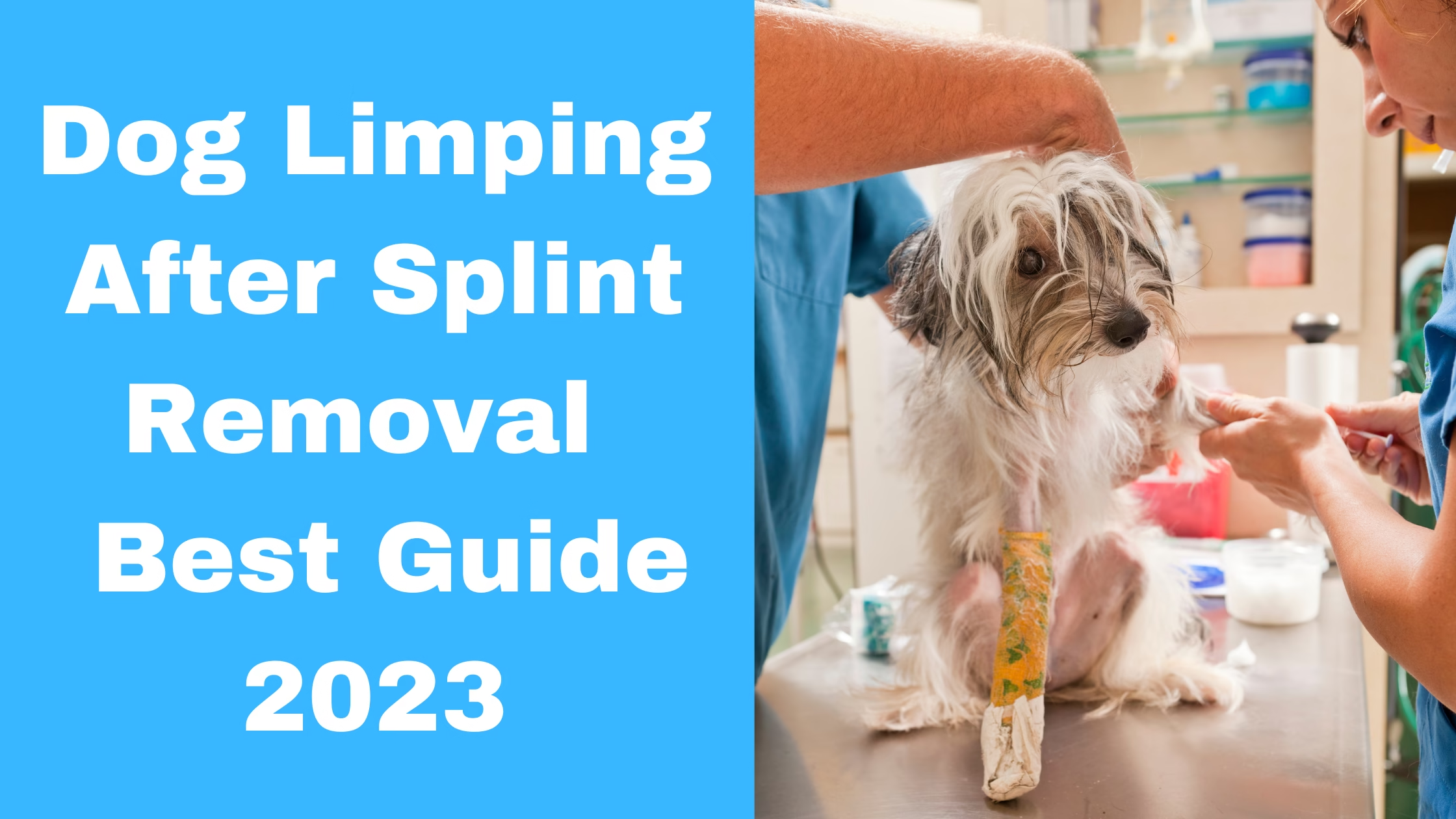
Author: Kartikey Dwivedi

  • Dog Limping After Splint Removal – Best Guide 2023

    Dog Limping After Splint Removal – Best Guide 2023

    Welcome to the world of doggy recovery! Seeing your Dog limping after splint removal can be concerning.

    But fret not because we’re here to guide you through the process and provide valuable insights on how to help your dog during this phase.

    This article delves into dogs limping after splint removal, focusing on recovery and post-splinting care.

    We’ll address common questions and concerns that pet owners often have when their dog’s leg is no longer immobilized.

    We aim to equip you with the knowledge and understanding needed to support your dog’s healing journey effectively.

    We’ll explore various aspects, including the duration of limping, post-splinting care guidelines, reasons why dogs may continue to limp, signs of infection to watch out for, and when to seek veterinary care.

    Additionally, we’ll provide insights into promoting healing and muscle building, as well as potential complications and risks.

    By the end of this article, you’ll have a comprehensive understanding of the recovery process and the necessary steps to ensure your dog’s well-being.

    So, let’s embark on this informative and exciting journey together, helping our furry friends bounce back on their paws with confidence and comfort!

    Understanding the Recovery Process
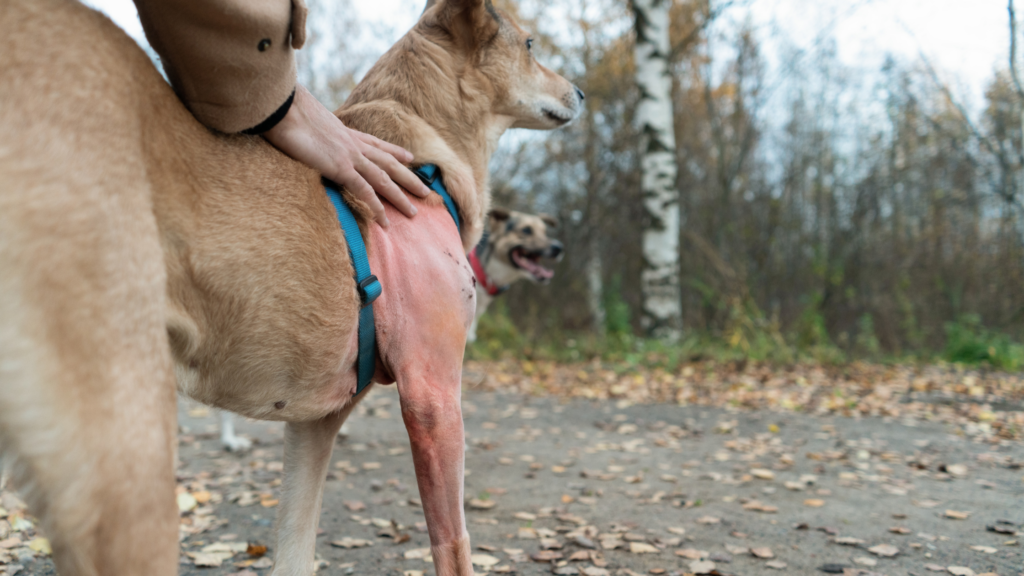
    Understanding the Recovery Process
    Understanding the Recovery Process

    Have you ever wondered how long your beloved pup might continue to limp after a broken leg and the subsequent splint removal?

    Let’s dive into the fascinating world of doggy recovery and explore the ins and outs of the healing process.

    How long will my dog limp after a broken leg?

    First and foremost, it’s important to note that the duration of limping can vary from dog to dog.

    The recovery timeline depends on several factors, such as the fracture’s severity, the break’s location, and your dog’s individual healing capabilities.

    While some dogs may stop limping relatively quickly, others require more time and patience.

    On average, it’s common for dogs to experience some degree of limping for a few weeks to a couple of months after a broken leg and splint removal.

    However, it’s essential to remember that each case is unique, and your veterinarian will provide you with more specific information based on your dog’s condition.

    During recovery, you might notice that your dog’s limping gradually improves over time.

    Your furry friend will restore mobility and confidence as the bone heals and the muscles regain strength.

    Patience and consistent post-splinting care are critical factors in supporting your dog’s recovery journey.

    Remember, if you have any concerns about the duration or progress of your dog’s limping, don’t hesitate to contact your veterinarian.

    They can provide personalized guidance and address any additional questions you may have.

    Together, we’ll help your furry friend get back on all four paws and enjoy their adventurous life to the fullest!

    Post-Splinting Care for dogs

    Congratulations on reaching the post-splinting phase of your dog’s recovery! Now, it’s time to focus on the essential steps and precautions that will aid your furry friend in fully regaining their strength and mobility.

    How long should a dog wear a splint?

    First and foremost, the duration of time your dog needs to wear a splint will depend on the advice and guidance of your veterinarian.

    Generally, dogs wear splints for several weeks to a few months. However, following your vet’s instructions diligently is crucial to ensure optimal healing and minimize the risk of re-injury.

    Once the splint is removed, providing your dog with a safe and comfortable environment is essential. Limit their physical activity and avoid strenuous exercise that could strain the healing leg.

    Additionally, prevent them from jumping or engaging in rough play that might compromise recovery.

    Your veterinarian may recommend specific exercises or activities to support your dog’s rehabilitation.

    These can include controlled walks, gentle stretching, and low-impact exercises to strengthen the muscles surrounding the previously injured leg gradually.

    Always consult your vet before implementing any exercise regimen to ensure it suits your dog’s unique situation.

    Keep a close eye on your furry companion during the recovery period. Watch for any discomfort, excessive swelling, or redness around the leg.

    These could indicate a potential problem, such as infection or improper healing. If you notice any concerning symptoms, don’t hesitate to contact your veterinarian for further guidance.

    Remember, the road to recovery requires patience and consistency. Provide your dog with plenty of love, care, and encouragement throughout the process.

    With proper post-splinting care and rehabilitation, your four-legged friend will soon be back on their feet, ready to embark on new adventures together!

    Dog Limping After Splint Removal

    Ah, the curious case of the limping dog after splint removal! It’s common for our furry companions to continue limping even once the splint has been removed.

    But fear not, for there are several reasons why this might occur.

    Why is my dog limping after splint removal?

    Firstly, it’s important to remember that the healing process takes time.

    After a broken leg, the affected muscles, tendons, and ligaments may have weakened or become stiff due to inactivity during splinting.

    This can lead to a temporary imbalance in your dog’s gait, causing them to limp as they readjust to using the leg again.

    Additionally, residual pain and discomfort can contribute to continued limping.

    While the splint may have provided support and stability, some pain persists. Just like humans, dogs may instinctively favor the injured leg to alleviate any lingering discomfort.

    Muscle weakness is another factor to consider. When a leg is immobilized for an extended period, the muscles surrounding it may undergo atrophy or become weaker.

    As a result, your dog may experience difficulty fully bearing weight on the previously injured limb, leading to a noticeable limp.

    Fortunately, in most cases, these post-splinting limps resolve gradually over time as your dog regains strength, flexibility, and confidence in their recovering leg.

    However, if the limping persists or worsens, or you notice any concerning signs such as swelling or increased pain, you must consult your veterinarian for a thorough evaluation.

    Remember, each dog’s recovery is unique, and the duration and intensity of limping can vary.

    Patience, gentle exercise, and consistent post-splinting care will go a long way in helping your furry friend regain full mobility.

    Before you know it, they’ll be bounding around with their trademark enthusiasm, leaving that post-splinting limp far behind!

    Also Read : Can Dogs Eat Plantain Chips? The Benefits & Risks – 2023

    Average Recovery Time and Signs of Infection

    Ah, the eagerly awaited recovery period after splint removal! While every dog’s healing journey is unique, there are some general guidelines and signs to remember.

    What is the average recovery time for a dog after splint removal?

    Firstly, let’s talk about the average recovery time. After the splint is removed, your furry friend usually takes a few weeks to regain their full strength and mobility.

    However, please note that this can vary depending on the severity of the initial injury, your dog’s overall health, and its healing process.

    Patience is critical during this phase, as it takes time for the muscles, tendons, and ligaments to regain strength and flexibility.

    What are the signs of infection after splint removal?

    Now, let’s turn our attention to signs of infection. It’s essential to closely monitor your dog’s leg for any red flags indicating an infection.

    These can include swelling, redness, discharge, or excessive licking of the area. If you notice any of these symptoms, it’s crucial to consult your veterinarian promptly.

    Infections can impede healing and lead to further complications if left untreated.

    Your vet will be able to examine the leg, provide appropriate treatment, and help ensure a smooth recovery for your furry friend.

    Remember, open communication with your veterinarian is essential during this phase.

    They can provide specific guidance tailored to your dog’s needs and monitor their progress closely.

    With proper care, attention, and a watchful eye for signs of infection, your loyal companion will return to their paws quickly!

    Seeking Veterinary Care

    Ah, the role of the vigilant pet parent continues even after the splint is removed! While most dogs recover smoothly, there are instances where seeking veterinary care is crucial to ensure your furry friend’s well-being.

    When should I take my dog back to the vet?

    So, when should you take your dog back to the vet? Well, there are a few situations that warrant immediate veterinary attention.

    If your dog experiences sudden and severe pain or excessive swelling or limping worsens significantly, it’s time to pick up the phone and schedule a visit to the vet.

    These could be signs of complications or underlying issues that require professional evaluation.

    Additionally, if you notice any concerning changes in your dog’s behavior, such as decreased appetite, lethargy, or unusual discharge from the leg, you must consult your veterinarian promptly.

    Our four-legged companions can’t vocalize their discomfort, so we must be their advocates and address potential problems.

    Remember, your veterinarian is your trusted partner in your dog’s recovery journey.

    They have the knowledge and expertise to assess your dog’s condition, conduct necessary tests or examinations, and provide appropriate treatment or interventions.

    It’s always better to err on the side of caution regarding your precious pup’s health. If you have any doubts or concerns during recovery, don’t hesitate to contact your veterinarian.

    They’ll be able to guide you and ensure your dog receives the best care possible, bringing them one step closer to a happy and healthy life on all four paws.

    Promoting Healing and Muscle Building
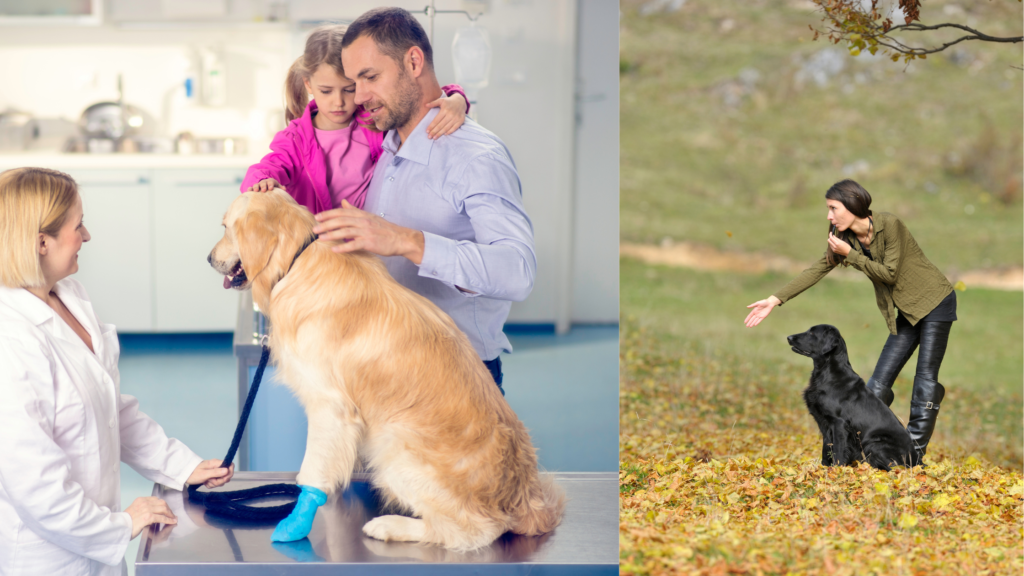
    Promoting Healing and Muscle Building |
    Promoting Healing and Muscle Building

    Promoting healing and muscle building in the splinted leg becomes crucial as your dog continues on their road to recovery.

    But how can you assist your furry friend in regaining strength and mobility? Let’s explore some tips and exercises to aid in their rehabilitation journey.

    How can I help my dog build up muscle in his splinted leg? 

    First and foremost, it’s essential to consult your veterinarian or a veterinary rehabilitation specialist before initiating any exercises.

    They can provide specific guidance tailored to your dog’s condition and recovery progress.

    What exercises can I do to help him recover?

    Controlled physical activity is critical to helping your dog build muscle in the splinted leg.

    Start with gentle exercises such as controlled leash walks or short, supervised sessions of low-impact movements.

    These activities encourage your dog to use the leg, gradually promoting muscle strength without causing undue stress or strain.

    Another beneficial exercise is range-of-motion exercises, which involve gently flexing and extending the joints of the splinted leg.

    Your veterinarian or a professional rehabilitation therapist can demonstrate these exercises and guide you in performing them safely. These exercises help maintain joint flexibility and prevent stiffness.

    Additionally, rehabilitation tools such as balance boards or physiotherapy balls can strengthen muscles.

    These tools challenge your dog’s balance and engage the powers of the splinted leg as they maintain stability.

    However, using these tools under professional guidance is crucial to ensure proper technique and prevent injury.

    Remember, consistency and patience are key during your dog’s recovery process.

    Gradually increase the duration and intensity of exercises as guided by your veterinarian. Constantly monitor your dog’s comfort level and adjust the activities accordingly.

    Remember that every dog’s recovery journey is unique, and the rehabilitation process may vary.

    Your veterinarian or a rehabilitation specialist can provide personalized recommendations based on your dog’s condition, age, and overall health.

    By providing targeted exercises and promoting gradual muscle building, you’ll be helping your canine companion regain strength and mobility in their splinted leg.

    Together, you’ll work towards a successful recovery and a wagging tail that signals your restored zest for life!

    Complications and Risks

    While we hope for a smooth and uneventful recovery after splint removal, there can be instances where complications arise.

    It’s essential to be aware of the signs that indicate a dog’s leg may not be healing properly and the potential risks involved.

    By staying vigilant, you can take the necessary steps to address any issues that may arise.

    What are the signs of a dog’s leg not healing correctly?

    Signs that a dog’s leg may not heal correctly include persistent or worsening limping, swelling, or discomfort.

    If you notice your dog favoring the previously splinted leg, experiencing persistent lameness, or showing signs of pain, it could indicate an issue with the healing process.

    Other symptoms to watch for include open wounds, discharge, or a noticeable change in the appearance of the leg.

    If you observe any of these signs, it’s essential to consult your veterinarian promptly.

    What are the risks of complications after splint removal?

    Complications after splint removal can vary depending on the nature of the original injury, the effectiveness of the treatment, and individual factors.

    Some common complications may include delayed or incomplete bone healing, infection, or the development of abnormal bone formations.

    These complications can prolong the recovery process and may require additional medical intervention.

    The risks associated with complications after splint removal emphasize the importance of post-splinting care and regular monitoring.

    If left untreated, complications can lead to chronic pain, further damage to the affected leg, and potentially impact your dog’s overall quality of life.

    Timely intervention and veterinary guidance are essential to address complications and ensure proper healing.

    If you have concerns about your dog’s recovery or suspect that the leg may not be healing as expected, it’s crucial to contact your veterinarian.

    They can assess the situation, perform diagnostic tests if necessary, and recommend appropriate treatment options to promote proper healing and address any complications.

    Remember, each dog’s healing process is unique, and complications are not inevitable.

    By closely monitoring your dog’s recovery, following post-splinting care guidelines, and seeking veterinary attention when needed, you can increase the chances of a successful and uneventful recovery.

    Your proactive approach will contribute to your furry friend’s well-being and their return to a happy, active life.

    Also Read : Can You Burn Dog Poop? Exploring Safe Disposal Methods

    Conclusion

    In conclusion, a dog’s recovery journey after splint removal requires patience, diligence, and proper post-splinting care.

    We’ve explored various aspects of this process, from understanding the duration of limping to promoting muscle strength and monitoring for signs of infection or complications.

    Remember, each dog’s recovery timeline may vary, and patience’s essential as they regain their strength and mobility.

    Adhering to the guidelines provided by your veterinarian and following a gradual approach to physical activity will contribute to a smoother recovery.

    Vigilance is vital when it comes to post-splinting care. Keep a close eye on your dog for any signs of infection, such as swelling, redness, discharge, or excessive licking.

    If you notice these signs, promptly consult your veterinarian for appropriate treatment.

    We’ve also discussed the importance of seeking veterinary care when needed.

    Don’t hesitate to contact your veterinarian if you have concerns or observe any abnormalities during your dog’s recovery.

    They can provide personalized guidance and support based on your dog’s situation.

    Your role as a responsible and attentive pet owner is crucial in this process.

    By providing the necessary care, monitoring for any changes, and working closely with your veterinarian, you can help ensure a successful recovery for your furry friend.

    Remember, your veterinarian is your trusted partner throughout this journey. They have the expertise and knowledge to address any concerns, provide tailored advice, and offer reassurance during recovery.

    So, stay proactive, be patient, and remember to celebrate each milestone your dog achieves. With proper care and support, they will soon be back on their feet, ready to enjoy life’s adventures again.


  • Can You Burn Dog Poop? Exploring Safe Disposal Methods

    Can You Burn Dog Poop? Exploring Safe Disposal Methods

    Welcome to the world of dog waste disposal! Today, we’ll address the question: Can you burn dog poop?

    Before we delve into the fiery details, it’s essential to understand the significance of proper waste management.

    Improper disposal can harm the environment and pose health risks. So, let’s explore the legality, health risks, and environmental impacts of burning dog poop.

    We’ll discover alternative methods for handling this organic waste along the way.

    Join us on this enlightening journey toward responsible and eco-friendly dog waste management.

    Let’s make informed choices together!

    Can You Burn Dog Poop?

    Can You Burn Dog Poop?
    Can You Burn Dog Poop?

    Ah, the burning question: Can you unleash the fiery power on your dog’s poop?

    No, burning dog poop is not recommended. Burning dog poop can release harmful toxins and contribute to air pollution. It can also create unpleasant odors and pose health risks when inhaled. Additionally, the chemicals present in dog waste can damage burning equipment such as fire pits.

    Instead of burning, it is best to consider safe and eco-friendly alternatives for disposing of dog poop, such as bagging it and placing it in designated waste bins.

    Responsible waste management practices help protect our health and the environment.

    Is it Safe and Legal to Burn Dog Poop?

    We’re here to shed some light on whether it’s safe and legal to set dog poop ablaze. Before you gather your matches and lighter fluid, let’s explore the ins and outs of this fiery matter.

    Regarding the legality of burning dog poop, it’s crucial to understand that regulations vary depending on where you live.

    Some areas have strict laws prohibiting open burning, including burning organic waste like dog poop.

    These regulations aim to protect the environment, prevent air pollution, and maintain community health and cleanliness.

    To avoid any legal issues, it’s essential to familiarize yourself with the local laws and regulations regarding waste disposal.

    Now, let’s talk about safety concerns. Burning dog poop can pose potential health risks and hazards, so it’s essential to consider them.

    When organic waste burns, it releases toxic fumes and particles.

    Inhaling these fumes can irritate the respiratory system and cause discomfort, especially for individuals with pre-existing respiratory conditions.

    The smoke produced during the burning process can also carry unpleasant odors that can linger in the surrounding area.

    Furthermore, burning dog poop may not eliminate all the pathogens present in the waste.

    Some bacteria and parasites can withstand the combustion process and survive, potentially leading to the spread of diseases and contamination of the environment.

    This can pose risks not only to humans but also to other animals and wildlife in the vicinity.

    Proper waste management is of utmost importance when handling dog poop.

    We must prioritize the health and well-being of ourselves, our pets, and the environment. Instead of burning, there are safer and more responsible methods for disposing of dog waste.

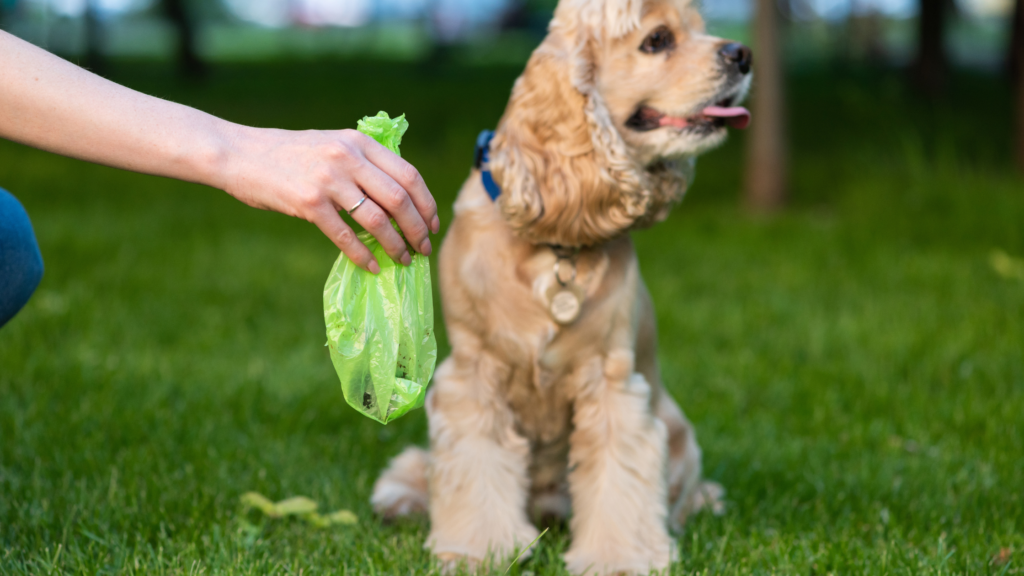
    By bagging the waste and disposing of it in designated waste bins, we can prevent the release of harmful substances into the air and minimize the risk of contamination.

    Some areas may have specific guidelines for dog waste disposal, such as using biodegradable bags or separate waste collection systems.

    Following these guidelines ensures we do our part to maintain cleanliness and protect the environment.

    So, is it safe and legal to burn dog poop? The answer may vary depending on your location and local regulations.

    However, considering the potential health risks and the importance of responsible waste management, exploring alternative disposal methods that prioritize safety and environmental sustainability is recommended.

    Let’s keep our surroundings clean, our air fresh, and our communities healthy by making informed choices when handling dog waste.

    Burning Dog Poop in a Burn Barrel

    Burning dog poop in a burn barrel is a method that some people consider for waste disposal. Let’s examine this practice, its advantages and disadvantages, and whether it suits burning dog poop.

    1. The Burn Barrel Method

    A burn barrel is a metal container designed explicitly for burning waste. It typically has small ventilation holes or slots to facilitate air circulation. Here’s what you need to know about burning dog poop in a burn barrel:

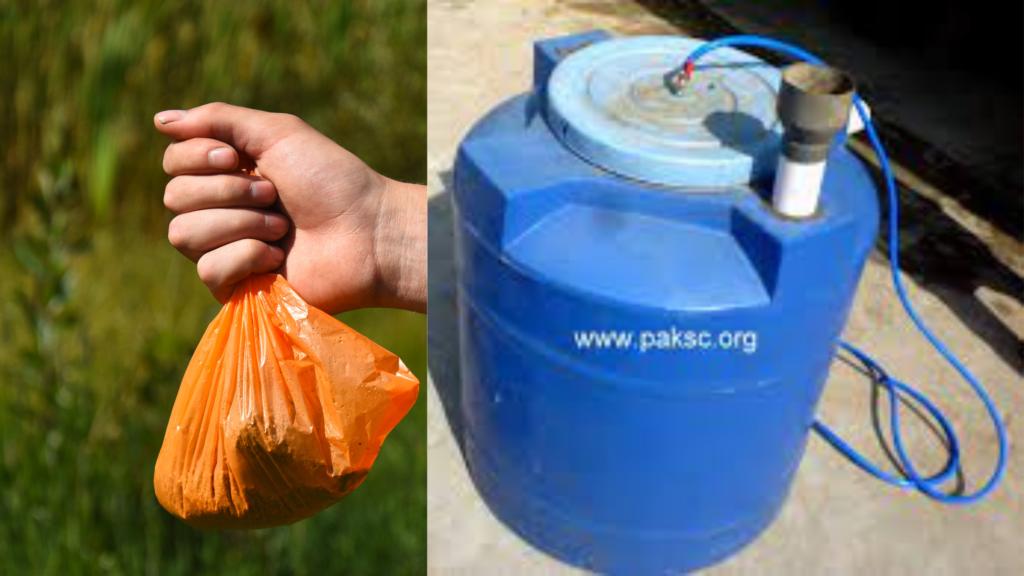
       a. Waste Incineration: Burning dog poop in a burn barrel involves placing the waste inside the barrel and igniting it. As the waste burns, it becomes ash, reducing its volume and mass.

       b. Efficient Combustion: The design of a burn barrel promotes efficient combustion by allowing sufficient airflow to support the burning process. This helps minimize the amount of smoke and unburned waste produced.

       c. Waste Reduction: Burning dog poop in a burn barrel can significantly reduce the amount of waste that would otherwise end up in landfills or other disposal methods.

    2. Advantages of Using a Burn Barrel

       a. Waste Volume Reduction: Burning dog poop in a burn barrel can effectively reduce the volume of waste, making it more manageable and potentially reducing the frequency of waste disposal.

       b. Convenient and Accessible: Burn barrels are relatively easy to obtain, and burning waste is straightforward.

       c. Potential Pest Control: Burning dog waste may help eliminate or deter pests attracted to the odor or waste materials.

    3. Disadvantages and Considerations

       a. Air Pollution: Burning any type of waste, including dog poop, releases pollutants into the air. The combustion process produces smoke, particulate matter, and potentially harmful gases, which can contribute to air pollution and have adverse health effects.

       b. Odor and Nuisance: Burning dog poop can generate strong odors, which may cause discomfort for you and your neighbors. Considering the impact on the surrounding environment and nearby households is essential.

       c. Legal Restrictions: Using burn barrels for waste disposal may be subject to local regulations and restrictions. Before burning dog poop in a burn barrel, comply with applicable laws or ordinances.

    4. Can You Burn Dog Poop in a Burn Barrel?

    The permissibility of burning dog poop in a burn barrel varies depending on your location and local regulations.

    You must check with your local authorities to determine if burning dog waste in a burn barrel is allowed in your area.

    However, even if it’s permissible, it’s crucial to consider the potential environmental and health impacts associated with burning waste.

    Exploring alternative waste disposal methods that are more environmentally friendly and reduce air pollution should be encouraged.

    Remember, responsible waste management is critical to protecting our environment and ensuring the well-being of our communities.

    While burning dog poop in a burn barrel may seem like a quick solution, weighing the advantages and disadvantages and making an informed decision that aligns with local regulations and promotes sustainable waste management practices is essential.

    Burning Dog Poop in a Fire Pit

    The idea of burning dog poop in a fire pit might have crossed your mind as a possible waste disposal method.

    However, it’s essential to consider the appropriateness and potential issues associated with this approach.

    Let’s delve into the topic and address the question: Can you burn dog poop in a fire pit?

    1. Appropriateness of Burning Dog Poop in a Fire Pit

    Fire pits are typically designed for recreational purposes, such as enjoying warmth and ambiance.

    While they can effectively burn organic materials like firewood, burning dog poop in a fire pit presents different considerations.

    2. Potential Issues and Concerns

       a. Odor and Smoke: Dog waste emits strong odors when burned, which can be unpleasant and potentially disruptive to the surrounding environment. Burning dog poop can also release smoke that may irritate your eyes and respiratory system.

       b. Air Quality and Pollution: Burning dog poop in a fire pit can contribute to air pollution. The combustion process releases pollutants into the air, including particulate matter and potentially harmful gases, which can have adverse health and environmental effects.

       c. Fire Pit Damage: Dog waste contains various substances that can be harmful when burned. The release of certain chemicals and compounds can cause damage to the fire pit itself, affecting its performance and longevity.

    3. Health and Safety Considerations

    Burning dog poop can pose health risks due to releasing toxic substances and pathogens.

    Inhaling the smoke or being exposed to the fumes can harm your health.

    When considering waste disposal methods, it’s essential to prioritize the well-being and safety of yourself and others.

    4. Alternative Waste Disposal Methods

    Instead of burning dog poop in a fire pit, exploring safer and more environmentally friendly options is recommended. These alternatives include:

       a. Bagging and Bin Disposal: Use biodegradable bags to collect dog waste and dispose of it in designated bins. This helps prevent the spread of pathogens and minimizes environmental impact.

       b. Pet Waste Composting: Consider composting dog poop using specific systems designed to handle animal waste. This process promotes natural decomposition and can produce nutrient-rich compost for non-edible plants.

       c. Professional Waste Removal Services: Specialized pet waste removal services are available in some areas. These services handle the collection and responsible disposal of dog waste, ensuring proper sanitation and environmental practices.

    While a fire pit may seem convenient for burning dog poop, it’s essential to consider the appropriateness, potential issues, and health risks involved.

    Protecting air quality, minimizing environmental impact, and ensuring the safety of yourself and others should be paramount.

    By adopting alternative waste disposals methods such as bagging and bin disposal or pet waste composting, you can contribute to a cleaner environment and prioritize the health and well-being of your community.

    Responsible waste management is crucial for maintaining a healthy and sustainable living environment for humans and animals.

    Health Risks of Burning Dog Poop

    Let’s dive into the fiery world of burning dog poop and uncover the potential health risks that lurk in the smoke.

    While it may seem like a quick and convenient way to dispose of your furry friend’s waste, there are some hazards you need to be aware of.

    One primary health risk of burning dog poop is inhaling smoke.

    When organic waste burns, it releases toxic fumes and particles into the air.

    These airborne pollutants can irritate the respiratory system, leading to coughing, wheezing, and shortness of breath.

    Exposure to these pollutants can exacerbate their symptoms and pose a significant health threat for individuals with underlying respiratory conditions like asthma or chronic obstructive pulmonary disease (COPD).

    But that’s not all. The smoke from burning dog poop can contain various harmful substances and toxins.

    These toxins can include volatile organic compounds (VOCs), chemicals that vaporize at room temperature and can adversely affect human health.

    Prolonged exposure to VOCs can lead to headaches, dizziness, nausea, and even more severe respiratory and neurological problems.

    Additionally, burning dog poop may not eliminate all the pathogens present in the waste.

    Some bacteria and parasites can withstand the heat of combustion and survive, posing a risk of spreading diseases to humans and animals.

    These pathogens can contaminate the air, soil, and water, potentially leading to infections and other health complications.

    To safeguard your health and the well-being of those around you, avoiding inhaling the smoke produced by burning dog poop is crucial.

    If you find yourself in a situation where burning is the only option, take necessary precautions, such as wearing a protective mask and ensuring proper ventilation to minimize exposure to the smoke.

    However, it’s important to note that burning dog poop is not the recommended method for waste disposal due to these health risks.

    There are safer and more environmentally friendly alternatives that can help protect your health and preserve our air quality.

    By bagging dog waste and disposing of it in designated waste bins, you can prevent the release of harmful pollutants and minimize the risk of respiratory irritation and infections.

    Additionally, some communities provide specific waste collection services for pet waste, allowing for proper treatment and disposal.

    So, when it comes to burning dog poop, it’s essential to weigh the potential health risks and opt for safer disposal methods that prioritize your well-being and the environment’s health.

    Let’s make responsible choices that keep us and our surroundings healthy and thriving.

    Environmental Impacts of Burning Dog Poop

    Let’s venture into the world of environmental consequences and shed light on the impact of burning dog poop.

    While it may seem convenient to dispose of waste, this fiery act can harm our precious environment.

    One of the primary environmental concerns associated with burning dog poop is air pollution.

    When dog waste is set ablaze, it releases a plume of smoke filled with harmful pollutants into our air.

    These pollutants include particulate matter, nitrogen oxides, and volatile organic compounds (VOCs). When these substances mingle with the atmosphere, they contribute to smog formation and harmful ground-level ozone.

    The release of particulate matter during burning can lead to reduced air quality.

    These tiny particles can be inhaled deep into our lungs, causing respiratory issues and aggravating conditions like asthma and allergies.

    Moreover, they can also settle on plants, bodies of water, and soil, disrupting ecosystems and impacting the overall health of our environment.

    Burning dog poop also contributes to the emission of greenhouse gases, such as carbon dioxide and methane.

    These gases trap heat in the atmosphere, leading to global warming and climate change.

    As responsible inhabitants of this beautiful planet, we must take steps to minimize our carbon footprint and reduce the release of greenhouse gases.

    Furthermore, burning dog poop does not ensure the destruction of pathogens and parasites in the waste.

    Some harmful microorganisms can survive combustion and find their way into the environment.

    This poses a risk to water bodies, soil quality, and the health of other animals that come into contact with contaminated areas.

    To mitigate the environmental impacts of dog poop disposal, exploring alternative methods that prioritize sustainability is essential.

    Bagging the waste and disposing it in designated waste bins is a responsible choice that prevents air pollution, protects water sources from contamination, and reduces the release of greenhouse gases.

    Another eco-friendly option is composting. Composting dog poop using proper techniques can transform it into nutrient-rich fertilizer for non-edible plants.

    However, it’s crucial to note that composting dog waste requires specific precautions and should not be mixed with regular household compost.

    Ultimately, by choosing environmentally friendly disposal methods, we can minimize the adverse impacts on air quality, reduce greenhouse gas emissions, and protect the health and vitality of our ecosystems.

    Let’s be mindful stewards of the environment and make conscious choices that leave a positive and lasting impact on our planet.

    Also Read : Corgi German Shepherd Mix – A Comprehensive Guide

    Best Ways to Dispose of Dog Poop

    Regarding the responsible and eco-conscious disposal of dog poop, there are several safe and environmentally friendly alternatives to burning.

    Let’s explore the best ways to bid farewell to your furry friend’s waste while keeping our surroundings clean and healthy.

    1. Bagging and Binning

    One of the simplest and most widely practiced methods is bagging dog poop and disposing it in designated waste bins.

    Use biodegradable or compostable bags to minimize environmental impact.

    By sealing the waste in a bag, you prevent potential contamination and ensure proper containment until it reaches a suitable waste management facility.

    2. Pet Waste Stations

    Many parks, trails, and public areas have pet waste stations.

    These stations typically provide bags and waste bins designed for dog poop disposal.

    Be sure to utilize these facilities whenever they are available to maintain cleanliness and prevent pollution.

    3. Pet Waste Composting

    Composting dog poop is an eco-friendly option to turn waste into nutrient-rich fertilizer.

    However, it is essential to approach this method with caution.

    Dog waste contains pathogens that may not be eliminated through regular composting.

    To safely compost dog poop, use a dedicated composting system designed specifically for pet waste.

    This helps ensure that the composting process reaches high enough temperatures to kill off harmful bacteria and parasites.

    4. Professional Pet Waste Removal Services

    You can hire professional pet waste removal services if you prefer a hassle-free approach.

    These companies specialize in regularly cleaning and disposing dog waste from your yard.

    They have the expertise and equipment to handle the waste responsibly and ensure environmental regulations dispose of it.

    5. Flushable Dog Poop Bags

    Another option gaining popularity is the use of flushable dog poop bags.

    These innovative bags are designed to dissolve and disintegrate in water, allowing you to flush the waste down the toilet.

    However, it’s essential to check local regulations and ensure your plumbing system can handle the flushing of pet waste before opting for this method.

    Remember, it’s crucial to prioritize proper disposal of dog poop to prevent contamination of water sources, maintain clean public spaces, and minimize the spread of diseases.

    By adopting these best practices, you contribute to a healthier environment and promote responsible pet ownership.

    Be aware of local regulations and guidelines regarding dog waste disposal, as they may vary in different regions.

    Let’s show our furry friends and the planet some love by choosing the best and most sustainable ways to dispose of dog poop.

    Composting Dog Poop

    Composting Dog Poop
    Composting Dog Poop

    Composting dog poop is not only an environmentally friendly method of disposal but also a way to harness its potential as a valuable resource.

    Understanding the process and taking necessary precautions can turn dog waste into nutrient-rich compost for your plants or gardens.

    Let’s explore how you can compost dog poop effectively and responsibly.

    1. The Composting Process

    Composting is a natural decomposition process that converts organic waste into nutrient-rich soil amendments.

    When composting dog poop, creating a separate composting system specifically for pet waste is essential to ensure safety and prevent contamination.

    Here’s how the composting process typically works:

       a. Choose a Dedicated Composting Area: Select a well-ventilated and secluded area in your yard for composting. Ensure it is away from edible plants and water sources to avoid contamination.

       b. Collect Dog Poop: Collect the dog poop in a dedicated composting container or bin. Only use compostable bags if they are specifically designed for pet waste composting.

       c. Layering: Alternate layers of dog waste with carbon-rich materials such as dry leaves, straws, or wood chips. This helps create the right balance of nitrogen and carbon in the compost pile.

       d. Moisture and Aeration: Maintain the moisture level in the compost pile by occasionally watering it. Additionally, turning or aerating the pile helps promote decomposition and prevents unpleasant odors.

       e. Time and Temperature: Composting dog poop requires time and patience. The process typically takes several months to a year to complete. It’s essential to ensure the compost reaches a temperature of at least 140°F (60°C) to kill potential pathogens.

       f. Mature Compost: Once the composting process is complete, the dog poop transforms into a dark, crumbly, and earthy-smelling material. This mature compost can be used as a soil amendment for non-edible plants or as a top lawn dressing.

    2. Considerations and Precautions

    While composting dog poop can be a sustainable practice, it’s crucial to consider some essential factors and take necessary precautions:

       a. Avoid Using Compost on Edible Plants: Due to the potential presence of harmful bacteria and pathogens, it is not recommended to use compost derived from dog waste on plants intended for human consumption.

       b. Use the Compost Appropriately: Apply the compost only to non-edible plants and avoid direct contact with fruits, vegetables, or herbs. Keeping the compost away from children’s play areas is also advisable.

       c. Pet Medication and Chemicals: If your dog is on medication or has been treated with chemicals, it’s best to avoid composting its waste. These substances can persist in the compost, adversely affecting plants and soil health.

       d. Regular Monitoring: Regularly monitor the compost pile to ensure it maintains the correct moisture level, proper aeration, and Temperature. This helps promote efficient decomposition and reduces the risk of odors or pests.

    Following these considerations and precautions, you can safely and effectively compost dog poop, turning it into a beneficial soil amendment while minimizing environmental impact.

    Remember, composting dog waste is only suitable for some, and it may not be allowed in certain areas due to local regulations or limitations.

    If composting is not viable, consider alternative waste disposal methods such as bagging and binning or using professional pet waste removal services.

    Composting dog poop offers a sustainable way to reduce waste, enrich soil, and contribute to a healthier environment. Join the movement and explore the potential of composting as a responsible dog owner!

    Producing Biogas from Dog Poop

    Producing Biogas from Dog Poop
    Producing Biogas from Dog Poop

    Did you know that dog poop can be a potential renewable energy source?

    It’s true! By harnessing the power of bacteria and decomposition, you can transform dog waste into biogas—a valuable energy resource.

    Let’s delve into the fascinating world of biogas production from dog poop and learn how you can contribute to a greener future.

    1. The Biogas Production Process

    Biogas is a mixture of methane and carbon dioxide generated through the anaerobic digestion of organic materials.

    This process occurs in a controlled environment called a biogas digester.

    Here’s how you can produce biogas from dog poop:

       a. Biogas Digester Setup: Start by setting up a small-scale biogas digester in your backyard or garden. It can be a dedicated container or a specially designed system promoting anaerobic digestion.

       b. Collect Dog Poop: Collect the dog poop and add it to the biogas digester. It’s important to remember that only dog waste should be used in this process to ensure the right balance of organic matter.

       c. Additional Feedstock: To enhance biogas production, add other organic materials such as kitchen scraps, grass clippings, or agricultural waste to the digester. This helps create a diverse mix of organic matter and boosts biogas yield.

       d. Anaerobic Digestion: The microorganisms present in the digester break down the organic matter, including dog poop, in the absence of oxygen. This process produces methane gas, which is the main component of biogas.

       e. Gas Collection and Utilization: Capture the biogas produced in the digester using a gas collection system. This can be a simple setup with pipes and valves directing the gas to a storage tank, gas stove, heater, or other gas-powered appliances.

    2. Requirements and Limitations

    While producing biogas from dog poop may sound exciting, it’s essential to consider the following requirements and limitations:

       a. Digester Design and Size: The size and design of the biogas digester should be appropriate for the amount of dog waste generated. Smaller systems may be sufficient for a single dog, while larger systems are required for multiple dogs or higher waste volumes.

       b. Temperature and pH: The anaerobic digestion process is temperature-sensitive, typically requiring temperatures between 90°F (32°C) and 120°F (49°C). Maintaining the optimal pH range of 6.5 to 8.5 is crucial for efficient biogas production.

       c. Waste-to-Biogas Ratio: A proper waste-to-biogas ratio is essential for optimal performance. Too much or too little dog waste about other feedstock can affect gas production and overall efficiency.

       d. Maintenance and Monitoring: Regular maintenance and monitoring of the biogas digester are necessary to ensure proper functioning. This includes monitoring gas production, Temperature, and pH levels and managing potential issues, such as clogging or imbalances.

       e. Scale and Local Regulations: Remember that biogas production from dog poop is typically suitable for small-scale setups. Before starting a biogas project, check local regulations, permits, and any restrictions that may apply to biogas production in your area.

    While producing biogas from dog poop offers a sustainable energy solution, it requires careful planning, knowledge, and commitment to maintenance.

    It may only be suitable or feasible for some, particularly in urban or regulated environments.

    If you’re passionate about renewable energy and want to explore alternative ways to reduce waste, producing biogas from dog poop can be an intriguing option.

    Also Read : Can Dogs Eat Plantain Chips? The Benefits & Risks – 2023

    Conclusion

    In conclusion, burning dog poop as a disposal method poses various risks and concerns.

    Throughout this article, we have explored this practice’s potential environmental and health impacts.

    It is essential to prioritize responsible waste management to ensure the well-being of both ourselves and the environment.

    Burning dog poop can release harmful toxins and contribute to air pollution, affecting our health and the ecosystem.

    The odors and smoke produced can be unpleasant and disruptive, while the chemicals in dog waste can damage fire pits and other burning equipment.

    Instead of burning, we should consider safer and more eco-friendly alternatives.

    Bagging dog poop and disposing of it in designated waste bins is a simple and effective solution that helps prevent the spread of pathogens and keeps our surroundings clean.

    Composting dog poop using specialized systems can also promote natural decomposition and yield nutrient-rich compost for non-edible plants.

    By adopting responsible waste management practices, we protect our health and contribute to a cleaner and more sustainable environment.

    Our collective responsibility is to prioritize the well-being of our communities and the ecosystems we inhabit.

    Remember that our choices in disposing of dog waste can significantly impact.

    By embracing safe and environmentally friendly alternatives, we can ensure a healthier future for ourselves, our furry friends, and the planet we call home.

    Together, let’s make a positive difference through responsible waste management practices.

  • Can Dogs Eat Plantain Chips? The Benefits & Risks – 2023

    Can Dogs Eat Plantain Chips? The Benefits & Risks – 2023

    Can Dogs Eat Plantain Chips? – Have you ever wondered if sharing your delicious plantain chips with your furry companion is safe? Plantain chips are a popular snack enjoyed by many.

    Still, when it comes to our canine friends, it’s essential to consider their unique dietary needs.

    Understanding the potential risks and benefits of feeding plantain chips to dogs is crucial for their overall health and well-being.

    In this article, we will explore whether dogs can eat plantain chips, the potential advantages and disadvantages, and provide you with helpful insights to make informed decisions when treating your furry friend.

    So, let’s dive in and discover if plantain chips are a suitable snack for your beloved canine companion!

    Can dogs eat plantains? Are plantains safe for dogs to eat?

    Can dogs eat plantains? Are plantains safe for dogs to eat?
    Can dogs eat plantains? Are plantains safe for dogs to eat?

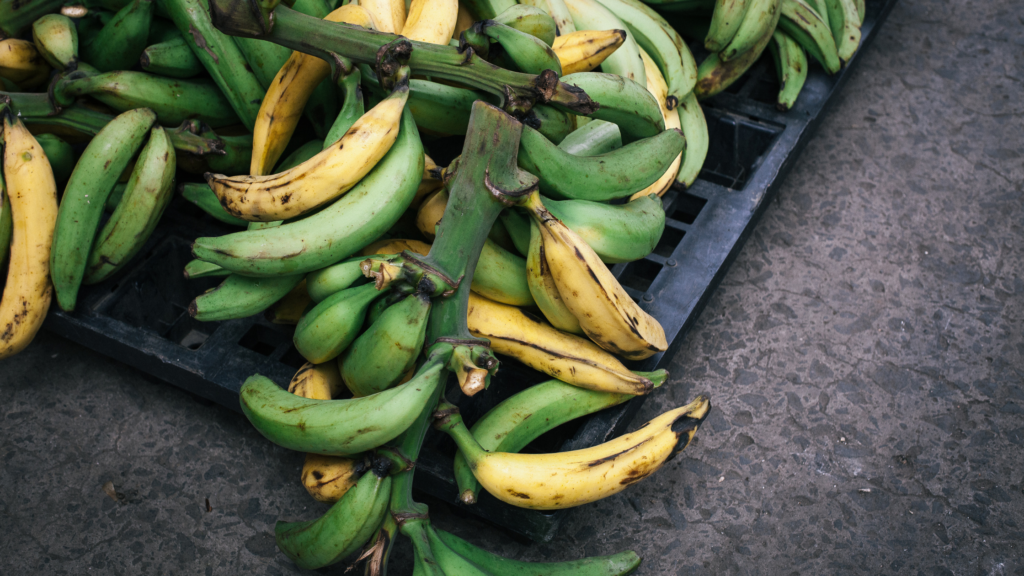
    Plantains are a type of fruit that is closely related to bananas.

    They are a popular ingredient in various cuisines and can be enjoyed in different forms, including chips.

    But can dogs safely eat plantains? Let’s find out!

    The good news is that plantains themselves are not toxic to dogs.

    They are a good source of dietary fiber, vitamins A and C, and minerals such as potassium.

    These nutrients can offer some health benefits to dogs when incorporated into their diet in moderation.

    However, it’s important to note that often fried and seasoned plantain chips may not be the best choice for our canine companions.

    The added ingredients, such as salt, oils, and seasonings, can harm dogs’ health.

    Excessive salt intake can lead to electrolyte imbalances and may strain the dog’s kidneys.

    Additionally, the high-fat content in fried plantain chips can be challenging for dogs to digest.

    It may contribute to weight gain or digestive issues.

    To ensure your dog’s safety, it is best to avoid feeding them commercially available plantain chips or those prepared with added ingredients.

    Instead, consider offering your dog fresh, ripe plantains cooked without any seasonings or additives.

    Always remember that moderation is vital.

    While plantains can provide some nutritional benefits to dogs, they should be offered as an occasional treat, not as a staple of their diet.

    It’s always a good idea to consult your veterinarian before introducing new foods into your dog’s diet.

    So, while plain and properly prepared plantains can be a safe and healthy addition to your dog’s snack repertoire, avoiding plantain chips high in salt, oils, and seasonings is essential.

    By making mindful choices, you can ensure that your furry friend enjoys the goodness of plantains without any adverse effects on their health.

    Can Dogs Eat Plantain Chips? Are plantain chips safe for dogs?

    Can Dogs Eat Plantain Chips Are plantain chips safe for dogs |
    Can Dogs Eat Plantain Chips? Are plantain chips safe for dogs?

    Regarding plantain chips, dogs’ safety can be a bit more complicated.

    While plantains are not harmful to dogs, plantain chips often undergo processing that can introduce additional ingredients and seasonings that may not be suitable for our furry friends.

    Plantain chips in stores or those prepared at home are typically fried or baked and may contain added oils, salt, or various seasonings. These additional ingredients can pose potential risks to dogs.

    High levels of sodium, commonly found in salted plantain chips, can be detrimental to dogs’ health.

    Excessive salt intake can lead to electrolyte imbalances, dehydration, and even kidney damage.

    Dogs have different sodium requirements than humans, and their bodies may not be able to handle the same levels of salt.

    In addition to the salt content, the oils used in frying or baking plantain chips can be rich in fats.

    Dogs have more difficulty digesting large amounts of fat than humans, and a high-fat diet can lead to weight gain, gastrointestinal upset, and pancreatitis.

    Furthermore, the seasonings and additives in flavored plantain chips can introduce potential allergens or irritants to dogs.

    Ingredients like garlic, onion, or certain spices commonly found in seasoned chips can be toxic to dogs and should be avoided.

    To ensure the safety of your furry friend, it is best to avoid giving them commercially available plantain chips or those prepared with added oils, salt, seasonings, or potentially harmful ingredients.

    Instead, focus on providing your dog with fresh, ripe plantains cooked without additives or seasonings.

    Suppose you’re keen on offering your dog a chip-like snack. In that case, dog-friendly alternatives available in pet stores are formulated explicitly with their health in mind.

    These treats are designed to be safe and suitable for canine consumption.

    Always remember that treats, including plantain chips, should only make up a small portion of your dog’s diet.

    Their main meals should consist of nutritionally balanced dog food your veterinarian recommends.

    When in doubt, it’s best to consult your veterinarian before introducing new food into your dog’s diet.

    They can provide personalized advice based on your dog’s specific needs, taking into account any dietary restrictions, allergies, or health concerns.

    By being mindful of the ingredients, preparation methods, and potential additives in plantain chips, you can help ensure the safety and well-being of your beloved canine companion.

    Benefits of Feeding Plantains to Dogs – Are plantain chips healthy?

    Plantains can offer some nutritional benefits for dogs in their natural and unprocessed form.

    These tropical fruits contain essential nutrients for your dog’s health and well-being.

    1. Fiber

    Plantains are a great source of dietary fiber. Fiber is crucial in maintaining healthy digestion and bowel movements in dogs.

    It can help regulate bowel movements, prevent constipation, and promote a healthy gastrointestinal system.

    2. Vitamins

    Plantains are rich in various vitamins that are beneficial for dogs.

    They contain vitamins A, C, and K, contributing to immune system function, vision health, collagen production, and blood clotting.

    These vitamins support your dog’s overall health and contribute to its vitality.

    3. Minerals

    Plantains also provide important minerals that are essential for dogs.

    They contain potassium, magnesium, and iron.

    Potassium helps maintain proper muscle and nerve function, while magnesium is involved in energy production and bone health.

    Iron is necessary for the formation of healthy red blood cells.

    When feeding plantains to your dog, it’s essential to prepare them appropriately.

    Plantains should be ripe, as unripe ones can be difficult to digest and may cause digestive upset.

    They can be cooked by boiling, steaming, or baking without any added oils, salt, or seasonings.

    It’s essential to remember that while plantains offer nutritional benefits, they should be given in moderation as part of a well-balanced diet.

    Treats, including plantains, should be at most 10% of your dog’s daily calorie intake to prevent nutritional imbalances and weight gain.

    If you need more clarification about incorporating plantains into your dog’s diet or have concerns about their specific dietary needs, consult your veterinarian.

    They can provide guidance tailored to your dog’s requirements and health conditions.

    Always observe your dog for any adverse reactions when introducing new foods.

    If you notice any signs of digestive upset, such as vomiting or diarrhea, discontinue feeding plantains and consult your veterinarian.

    By understanding plantain’s nutritional benefits and providing them safely and appropriately, you can offer your dog a tasty and nutritious treat that supports its overall health and well-being.

    Risks of Feeding Plantain Chips to Dogs

    While plantains can offer some nutritional benefits to dogs, it’s essential to be aware of the potential risks associated with feeding them plantain chips.

    Here are some factors to consider:

    1. High Sodium Content

    Plantain chips often contain added salt, which can harm dogs’ health.

    Dogs have different sodium requirements than humans, and excessive sodium intake can lead to health problems like increased thirst, dehydration, and even kidney issues.

    The high sodium content in plantain chips can be particularly problematic for dogs with pre-existing health conditions such as heart disease or hypertension.

    2. Added Oils

    Plantain chips are typically fried in oils, which can increase their fat content.

    While dogs need some healthy fats in their diet, excessive consumption of fatty foods can lead to weight gain, pancreatitis, and other digestive issues.

    The added oils used in preparing plantain chips may not be suitable for dogs, as they can be high in saturated or unhealthy fats.

    3. Digestive Issues

    Plantain chips, especially if heavily processed and seasoned, may contain ingredients that can upset a dog’s sensitive digestive system.

    Dogs may experience diarrhea, vomiting, or gastrointestinal discomfort due to the high-fat content, artificial additives, or potential food sensitivities.

    To mitigate these risks, it is best to avoid feeding plantain chips to dogs. Instead, consider offering fresh, ripe plantains cooked in a dog-safe manner.

    Baked or steamed plain plantain slices can be a healthier alternative.

    Remove the skin and seeds before serving, as they can pose a choking hazard or cause digestive issues.

    As always, it’s crucial to consult with your veterinarian before introducing any new food into your dog’s diet.

    They can provide specific guidance based on your dog’s needs, health conditions, and dietary restrictions.

    By prioritizing your dog’s health and making informed choices about their diet, you can help ensure they receive safe and nutritionally balanced meals and treats.

    How Much Plantain Chips Can Dogs Eat?

    When it comes to feeding plantain chips to your dog, moderation is key.

    While plantain chips may not be the healthiest option for dogs, if you still offer them as an occasional treat, it’s essential to do so in a controlled manner.

    Here are some guidelines to consider:

    1. Portion Control

    Limit the amount of plantain chips you give to your dog.

    Remember that plantain chips are typically high in calories, sodium, and fats.

    A few small pieces may be sufficient for small dogs, while larger dogs can handle slightly larger portions.

    Avoid giving your dog an entire bag or excessive amounts in one sitting.

    2. Consider the Dog’s Size and Weight

    Consider your dog’s size and weight when determining the appropriate portion.

    Smaller dogs have smaller stomachs and may not tolerate large quantities of plantain chips as well as larger dogs.

    Adjust the portion size accordingly to avoid overfeeding.

    3. Overall Diet

    It’s crucial to consider your dog’s overall diet and nutritional needs.

    Plantain chips should not replace balanced meals or essential nutrients from complete and balanced dog food.

    Treats, including plantain chips, should only make up a small percentage of your dog’s daily caloric intake.

    4. Monitor the Dog’s Reaction

    Watch for adverse reactions or digestive issues after your dog consumes plantain chips.

    If you notice any signs of gastrointestinal upset, such as vomiting, diarrhea, or discomfort, discontinue feeding plantain chips immediately.

    Remember, plantain chips should not be a regular part of your dog’s diet.

    They should be given sparingly and in small quantities.

    It’s always best to prioritize healthier alternatives like safe, fresh fruits and vegetables and provide more nutritional benefits to your furry friend.

    Consult with your veterinarian if you have concerns or questions about your dog’s diet or specific dietary restrictions.

    They can offer personalized advice based on your dog’s needs, health conditions, and nutritional requirements.

    By being mindful of portion sizes and considering your dog’s overall well-being, you can ensure that any treats, including plantain chips, are enjoyed in moderation and as part of a balanced diet.

    Also Read : Can Dogs Eat Kebab Meat? Exploring the Safety & Alternatives

    How Should I Feed Plantains to My Dog?

    How Should I Feed Plantains to My Dog |
    How Should I Feed Plantains to My Dog?

    If you’re considering adding plantains to your dog’s diet, it’s essential to prepare them safely and dog-friendly. Here are some suggestions for incorporating plantains into your dog’s meals:

    1. Cooked and Plain

    Opt for cooked plantains instead of raw ones.

    Raw plantains can be difficult for dogs to digest and may cause gastrointestinal issues.

    You can steam or bake plantains until they are soft and easily mashed with a fork. Avoid using oils, seasonings, or additional ingredients that could harm your dog.

    2. Mashed or Cubed

    Once the plantains are cooked, you can mash them or cut them into small, bite-sized cubes.

    Mashed plantains can be mixed with your dog’s food to add variety and nutrition.

    Cubed plantains can be used as a tasty and healthy training treat.

    3. Frozen Treats

    Another option is to freeze tiny pieces of cooked plantains and offer them as a refreshing treat on a hot day.

    Frozen plantain bites can provide some relief during warm weather while offering a different texture for your dog to enjoy.

    4. Limited Quantities

    Remember to feed plantains in moderation. They should not make up a significant portion of your dog’s diet.

    Treats, including plantains, should only be occasionally added to your dog’s regular meals.

    5. Monitoring for Allergies

    Keep an eye out for any signs of allergies or sensitivities when introducing plantains to your dog’s diet for the first time.

    Watch for symptoms such as itching, skin irritation, or gastrointestinal upset. If you notice any adverse reactions, discontinue feeding plantains and consult with your veterinarian.

    It’s important to note that while plantains can be a healthy addition to a dog’s diet when appropriately prepared, they should not replace a balanced and nutritionally complete dog food.

    Plantains should always be given as a supplement or treat alongside a well-rounded diet that meets your dog’s nutritional needs.

    As with any dietary changes, it’s advisable to consult with your veterinarian before introducing plantains or any new food to your dog’s diet.

    They can provide guidance based on your dog’s specific needs, health conditions, and dietary requirements.

    By following these tips and preparing plantains in a safe and dog-friendly manner, you can offer your canine companion a tasty and nutritious treat while ensuring their overall well-being.

    FAQ’s

    Can I Give My Dog a Plantain Chip as a Treat?

    While plantain chips may seem tempting to share with your furry friend, it’s essential to approach this with caution.

    Plantain chips can be given to dogs as an occasional treat, but there are a few things to keep in mind:

    1. Ingredient Check
    Before offering your dog a plantain chip, carefully examine the ingredients.

    Some commercially available plantain chips may contain added seasonings, oils, or salt, which can harm dogs.

    Opt for plain, unsalted plantain chips without any additional additives.

    2. Portion Control
    Moderation is vital when giving your dog a plantain chip as a treat.

    Plantain chips are typically higher in calories and carbohydrates, so limiting the quantity is essential.

    Depending on their size and dietary needs, one or two small pieces can be sufficient for most dogs.

    Be mindful not to overindulge your pup with too many chips, as it can lead to digestive upset or weight gain.

    3. Healthier Alternatives
    If you’re concerned about the potential risks associated with commercial plantain chips, consider preparing your homemade version.

    You can slice plantains into thin pieces and bake them in the oven without oils or seasonings.

    Homemade plantain chips can be a healthier and safer alternative for your dog.

    4. Individual Sensitivities
    Every dog is unique; some may have sensitivities or allergies to certain foods.

    When offering plantain chips for the first time, closely monitor your dog for any adverse reactions.

    Watch for signs of digestive upset, allergic reactions, or changes in behavior.

    If you notice any adverse symptoms, it’s best to avoid giving plantain chips to your dog in the future.

    Treats should always be the same as a well-balanced and nutritious diet for your dog.

    Plantain chips should be considered an occasional treat.

    They should only make up a little of your dog’s daily food intake.

    It’s always a good idea to consult with your veterinarian before introducing new treats or foods into your dog’s diet, especially if your dog has any pre-existing health conditions or dietary restrictions.

    By practicing portion control and being mindful of the ingredients, you can occasionally offer your dog a plantain chip as a treat.

    However, it’s crucial to prioritize their overall health and well-being by providing a balanced diet and choosing other healthy treat options that are specifically formulated for canine consumption.

    Can I Make My Own Plantain Chips for My Dog?

    Absolutely! Making homemade plantain chips for your dog is a great way to provide them with a healthy and dog-friendly treat.

    By preparing them yourself, you can ensure they are free from harmful additives and seasonings.

    Here’s a simple recipe to make homemade, dog-friendly plantain chips:
    Ingredients:

    – Ripe plantains (choose ones that are yellow with black spots)
    – Olive oil (optional)

    Instructions:
    1. Preheat your oven to 350°F (175°C) and line a baking sheet with parchment paper.

    2. Peel the plantains and slice them into thin, uniform rounds. You can use a knife or a mandoline slicer for even slices. Aim for a thickness of about 1/8 inch.

    3. If desired, you can lightly brush the plantain slices with a small amount of olive oil. This step is optional and can add some extra flavor, but the chips don’t need to turn out crispy.

    4. Arrange the plantain slices on the prepared baking sheet in a single layer. Make sure they are distinct to ensure even cooking.

    5. Place the baking sheet in the oven and bake for approximately 15-20 minutes. Keep a close eye on them, as baking times may vary. Flip the slices halfway through the baking time to ensure even crispiness.

    6. Remove the baking sheet from the oven and let the plantain chips cool. They will continue to crisp up as they cool.

    7. Once the chips have cooled down, you can store them in an airtight container for future snacking. They should stay fresh for several days.

    It’s important to note that homemade plantain chips should still be given to your dog in moderation.

    Even though they are homemade and free from harmful additives, they are still higher in calories and carbohydrates.

    Offer them as an occasional treat and adjust the portion size based on your dog’s size, weight, and dietary needs.

    By making your plantain chips, you have control over the ingredients.

    You can provide your dog with a healthier alternative to store-bought options.

    Remember, if your dog has any allergies or sensitivities, it’s always a good idea to consult your veterinarian before introducing new foods into their diet.

    Enjoy making these homemade plantain chips for your furry friend and watching them enjoy this tasty and nutritious treat!

    What Are the Best Ways to Cook Plantains for My Dog?

    You can use several cooking methods to prepare plantains for your dog, each offering unique textures and flavors.

    Here are some of the best ways to cook plantains while preserving their nutritional value for your furry friend:

    1. Boiling
    Boiling is a simple and effective method of cooking plantains for dogs.

    Start by peeling the plantains and cutting them into chunks.

    Place the plantain chunks in boiling water and cook until they become soft and tender.

    Once cooked, you can mash them or serve them as is.

    Boiled plantains retain most of their nutrients and are easily digestible for dogs.

    2. Steaming
    Steaming is another healthy cooking method that helps retain the natural goodness of plantains.

    Peel the plantains and cut them into slices or chunks.

    Please place them in a steamer basket or steaming tray and steam until they become soft and easily mashable.

    Steamed plantains are gentle on your dog’s stomach and provide a smooth texture suitable for dogs with dental issues or older dogs.

    3. Baking
    Baking plantains can create a slightly crispy texture that some dogs enjoy.
    Preheat your oven to 400°F (200°C).

    Cut the plantains into desired shapes, such as slices or wedges.

    Place them on a baking sheet lined with parchment paper and bake for approximately 15-20 minutes or until golden brown.

    Baked plantains are a healthier alternative to fried options and retain their nutritional value.

    4. Dehydrating
    Dehydrating plantains is a fantastic way to create chewy treats for your dog.
    Slice the plantains into thin rounds or strips.

    Lay them on a dehydrator tray or a baking sheet lined with parchment paper.

    Set your dehydrator or oven to a low temperature (around 130°F or 55°C) and let the plantains dry for several hours until they become chewy and crisp.

    Dehydrated plantains make excellent long-lasting treats for dogs to enjoy.

    Remember, when cooking plantains for your dog, avoiding adding additional ingredients or seasonings, such as salt, sugar, or spices, is essential.

    Dogs have sensitive digestive systems, and certain seasonings can harm them.

    Stick to plain and natural plantains to ensure your furry companion’s safety and nutritional benefits.

    As with any new food, introduce plantains gradually into your dog’s diet and observe for any adverse reactions.

    If you have any concerns or your dog has specific dietary needs or health conditions, consult your veterinarian before introducing plantains or any new food into their diet.

    Cooking plantains using these methods will give your dog a tasty and nutritious addition to their meals or as a special treat.

    Enjoy exploring different cooking techniques and finding the one that suits your dog’s preferences!

    What Are Some Other Fruits and Vegetables That Are Safe for Dogs to Eat?

    Adding fruits and vegetables to your dog’s diet can be a healthy way to provide them with essential vitamins, minerals, and fiber.

    Here is a list of dog-friendly fruits and vegetables that can serve as nutritious alternatives to plantains:

    1. Apples: Remove the seeds and core, then slice or chop the apple into bite-sized pieces. Apples are a good source of fiber and vitamin C.

    2. Carrots: Wash and peel them, then slice them into small, easy-to-chew pieces. Carrots are rich in beta-carotene and provide a crunchy texture that can help clean your dog’s teeth.

    3. Blueberries: These small berries are packed with antioxidants and can be served fresh or frozen. Give your dog a handful of blueberries as a tasty and nutritious treat.

    4. Green Beans: Fresh or lightly steamed green beans make a low-calorie and high-fiber dog snack. They are also a great source of vitamins K and C.

    5. Pumpkin: Cooked and plain pureed pumpkin (not pumpkin pie filling) can benefit your dog’s diet. It is rich in fiber and can help with digestive health.

    6. Strawberries: Remove the green stems and cut strawberries into small pieces. Strawberries are a good source of vitamin C and can be a sweet and refreshing treat for your dog.

    7. Sweet Potatoes: Cooked and mashed sweet potatoes are nutritious for dogs. They are rich in vitamins A and C and provide dietary fiber.

    8. Watermelon: Remove the seeds and rind, then cut the watermelon into bite-sized chunks. Watermelon is hydrating and contains vitamins A and C.

    When introducing new fruits and vegetables to your dog’s diet, start with small amounts and observe how they respond.

    Some dogs may have individual sensitivities or allergies, so monitoring their reactions is essential.

    Always wash and prepare the fruits and vegetables properly, and avoid seasoning or adding additional ingredients that may harm dogs.

    While fruits and vegetables can be a healthy addition to your dog’s diet, they should not replace balanced dog food.

    Consult with your veterinarian to ensure you provide a suitable variety and amount of fruits and vegetables based on your dog’s nutritional needs.

    Offering a range of dog-friendly fruits and vegetables in moderation can add variety, flavor, and nutritional benefits to your dog’s meals and snacks.

    Enjoy exploring these healthy alternatives and finding what your dog enjoys!

    Can dogs eat garlic plantain chips?

    No, dogs should not eat garlic plantain chips.

    Garlic is toxic to dogs and can cause a range of health issues, including damage to red blood cells and gastrointestinal upset.

    Therefore, it is crucial to avoid giving your dog any food that contains garlic, including garlic plantain chips.

    Always prioritize your dog’s safety and consult with your veterinarian for guidance on appropriate and safe foods for your furry friend.

    Can dogs eat banana chips?

    Yes, dogs can eat banana chips in moderation.

    Banana chips are dehydrated or dried slices of bananas and can be a tasty and healthy treat for dogs.

    However, it’s important to choose banana chips that are specifically made for dogs or those without added sugars, oils, or seasonings.

    Plain, unsweetened banana chips are the best option for dogs as they contain natural sugars and nutrients from the fruit.

    Remember to offer banana chips as an occasional treat and to consider your dog’s overall diet and health.

    If your dog has any underlying health conditions or specific dietary restrictions, it’s always a good idea to consult with your veterinarian before introducing new treats into their diet.

    What are plantain chips made of?

    Plantain chips are typically made from sliced plantains that are deep-fried or baked until crispy.

    Plantains are a starchy fruit similar to bananas but with a firmer texture and less sweetness.

    They are commonly used in various cuisines and can be enjoyed in both savory and sweet dishes.

    Is plantain chips a junk food?

    Whether plantain chips are considered junk food depends on the specific ingredients and preparation methods used.

    Some plantain chips available in the market may contain additives like excessive salt, oils, or artificial flavors, which can make them less healthy.

    It’s important to read the ingredient list and choose plantain chips that are made with minimal ingredients and without unnecessary additives.

    Are plantain chips easy to digest?

    In terms of digestibility, plantain chips can vary depending on how they are prepared.

    Baked plantain chips may be easier to digest compared to deep-fried ones, as they contain less oil.

    Additionally, plantains themselves are generally easy to digest for most dogs, especially when they are ripe and cooked.

    However, individual dogs may have different sensitivities or digestive issues, so it’s best to introduce plantain chips gradually and monitor your dog’s response.

    If you notice any digestive upset or discomfort, it’s advisable to discontinue feeding them to your dog.

    Also Read : Corgi German Shepherd Mix – A Comprehensive Guide

    Conclusion

    In conclusion, when it comes to feeding your dog, it’s crucial to make informed decisions about their diet.

    While plantain chips may be tempting, it’s essential to consider their potential risks and benefits.

    We’ve learned that while plantains are generally safe for dogs and offer nutritional benefits, plantain chips can pose risks due to added ingredients, such as oils and seasonings.

    To ensure your dog’s well-being, opting for fresh, plain plantains prepared in a dog-friendly manner is recommended.

    Additionally, moderation is essential when feeding any treat, including plantain chips.

    Portion control is necessary to prevent digestive issues and maintain a balanced diet for your furry friend.

    Moreover, we’ve explored alternative fruits and vegetables that are safe and beneficial for dogs, including apples, carrots, blueberries, green beans, pumpkin, strawberries, sweet potatoes, and watermelon.

    These options provide various nutrients and flavors that can add variety to your dog’s diet.

    Remember, before introducing any new food into your dog’s diet, it’s best to consult with a veterinarian.

    They can provide personalized guidance based on your dog’s nutritional needs, allergies, and sensitivities.

    By working closely with your veterinarian, you can ensure your dog receives a well-balanced diet supporting their overall health and happiness.

    Ultimately, prioritizing your dog’s health and well-being means making informed choices and considering their needs.

    Offering a nutritious and varied diet gives them the best chance for a long and healthy life.

    So, be mindful of what you feed your dog, and enjoy exploring safe and healthy options together!

  • Corgi German Shepherd Mix – A Comprehensive Guide

    Corgi German Shepherd Mix – A Comprehensive Guide

    Welcome to the fascinating world of Corgi German Shepherd mixes! These adorable and unique dogs have recently gained considerable popularity among dog enthusiasts.

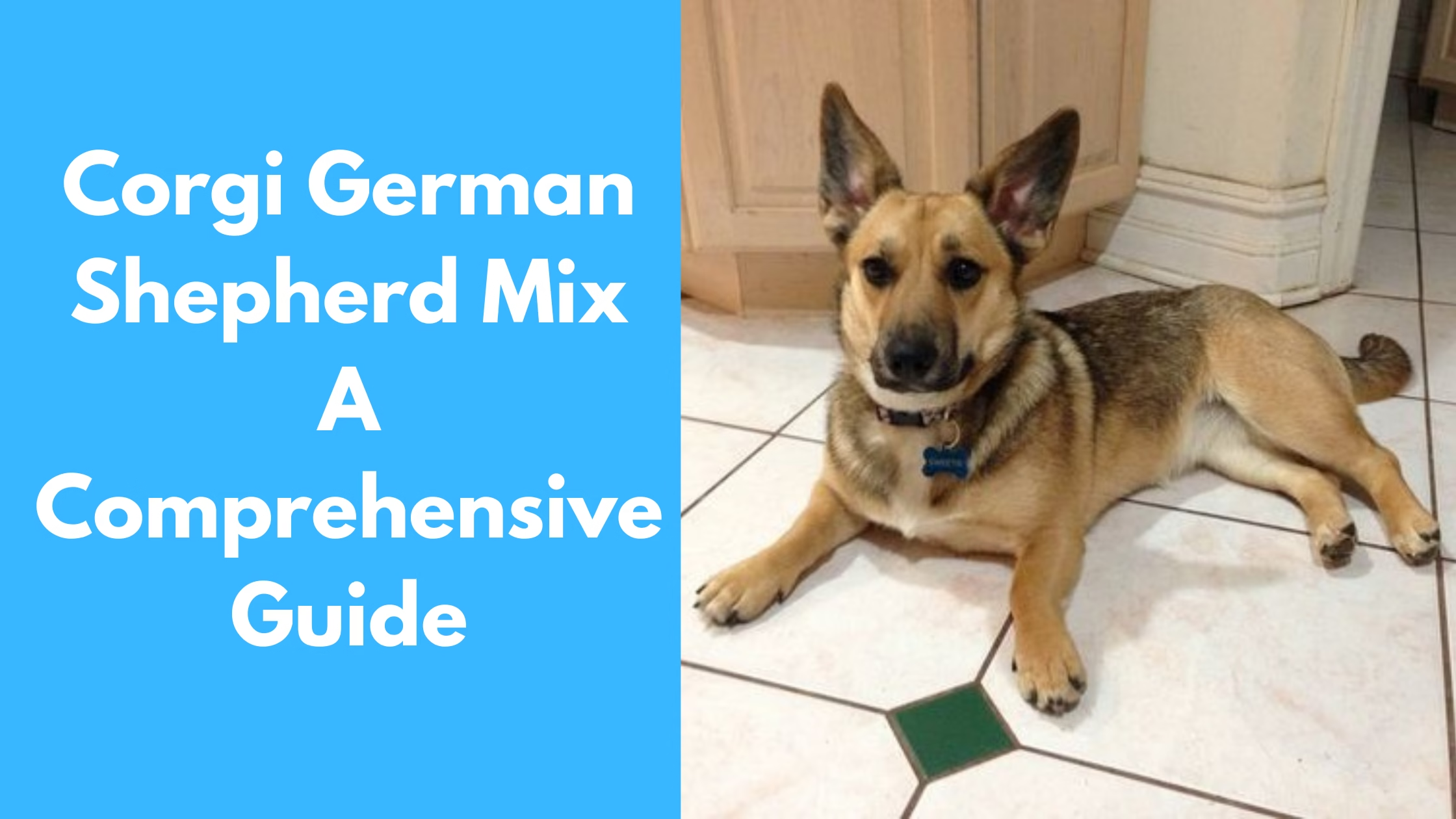
    The Corgi German Shepherd mix, also known as a Corman Shepherd or a Corgi Shepherd, is a crossbreed between the Corgi and German Shepherd breeds.

    This article intends to provide valuable information about Corgi German Shepherd mixes.

    Whether you’re considering bringing one into your family or simply curious about this delightful hybrid, we’ve got you covered.

    This article will delve into various aspects of the Corgi German Shepherd mix.

    We’ll explore their appearance, temperament, health considerations, training needs, grooming requirements, activity levels, and more.

    Additionally, we’ll address common questions and provide insights on the pros and cons of owning this mixed breed.

    So, whether you’re seeking information about their unique appearance, compatibility with children and other pets, exercise needs, or where to find one, you’ve come to the right place.

    Let’s embark on this exciting journey to discover the world of Corgi German Shepherd mixes and all the wonders they bring!

    TopicInformation
    Breed NameCorgi German Shepherd Mix
    SizeMedium to Large
    Weight25-70 pounds
    Height10-15 inches at the shoulder
    Lifespan12-15 years
    TemperamentAffectionate, intelligent, loyal, protective
    Coat TypeCan vary, typically medium-length, dense double coat
    Coat Colors and PatternsVarious colors including black, sable, red, tan, or a combination of these
    Health ConcernsPotential health issues include hip dysplasia, degenerative myelopathy, and eye problems
    Feeding RequirementsHigh-quality dog food, portion control, and regular feeding schedule
    Exercise NeedsModerate to high exercise needs, including daily walks, active playtime, and mental stimulation
    Grooming NeedsRegular brushing, occasional bathing, nail trimming, and dental care
    TrainingIntelligent and trainable, but may have independent streaks, so consistent training is important
    Living ConditionsCan adapt to various living environments but need space and regular exercise
    CostA Corgi German Shepherd mix can vary From $250 to $750 depending on breeder reputation, lineage, and location
    Where to BuyReputable breeders, rescue centers, adoption agencies
    Guard Dog SuitabilityThey can possess protective instincts but may require proper training and socialization
    Apartment Living SuitabilityPossible with proper exercise and mental stimulation
    Average Lifespan12-15 years
    Pros and ConsPros: Intelligent, loyal, good family companion. Cons: Potential health issues, moderate shedding
    Please note that the information provided is a general overview and individual dogs may vary in their characteristics. It’s always important to consult with breeders or professionals for specific information about a particular Corgi German Shepherd mix.

    Origins and Background of the Corgi German Shepherd Mix

    The Corgi German Shepherd mix, also known as a Corman Shepherd, is a hybrid breed that results from crossing a Corgi with a German Shepherd.

    While the exact origins of this mix are unclear, it is believed to have emerged within the last few decades as the popularity of designer dog breeds increased.

    The Corgi German Shepherd mix combines the traits of two distinct and well-known breeds.

    Welsh Corgi
    Welsh Corgi

    The Corgi, including the Pembroke Welsh Corgi and the Cardigan Welsh Corgi, is a small herding dog from Wales.

    Renowned for their intelligence and herding abilities, Corgis have long been favored as loyal and active companions.

    German-Shepherd-dog
    German Shepherd dog

    On the other hand, German Shepherds are larger working dogs bred in Germany.

    They are highly versatile and known for their intelligence, strength, and protective instincts, making them popular choices for various roles, including police and military work, search and rescue, and as family pets.

    Combining these two breeds, the Corgi German Shepherd mix aims to create a unique blend of characteristics from both parent breeds.

    This mix can result in a range of physical and behavioral traits and variations in size, coat type, and temperament.

    It’s important to note that as a mixed breed, individual Corgi German Shepherd mixes can inherit different traits from their parents, making each one unique.

    While major kennel clubs or breed organizations do not recognize the Corgi German Shepherd mix, its popularity has grown due to the appeal of owning a crossbreed with the desirable traits of both parent breeds.

    It’s worth mentioning that the Corgi German Shepherd mix is considered a designer dog or hybrid. As with any mixed breed, there can be variations in appearance and temperament.

    As with any dog breed or mix, responsible breeding practices and proper care are essential to ensure the health and well-being of Corgi German Shepherd mixes.

    Potential owners should research reputable breeders, ask questions about health testing and lineage, and spend time getting to know the individual dog’s temperament and needs before making a decision.

    The appearance of Corgi German Shepherd Mix

    The appearance of Corgi German Shepherd Mix
    The appearance of Corgi German Shepherd Mix

    Corgi German Shepherd mixes have a distinctive and appealing physical appearance.

    They exhibit a combination of features inherited from both parent breeds, resulting in a unique and charming look.

    In terms of size, Corgi German Shepherd mixes are typically medium-sized dogs.

    They have a sturdy and well-proportioned build, combining the muscular physique of the German Shepherd with the compact stature of the Corgi.

    On average, they stand at a height of around 10 to 15 inches at the shoulder.

    Regarding weight, Corgi German Shepherd mixes generally range from 25 to 70 pounds.

    However, the weight can vary depending on the individual dog and the specific traits inherited from their parents.

    Their coat is another notable aspect of their appearance. They often have a double coat that is either short or medium.

    The texture can vary, with some dogs having a dense and plush coat similar to the German Shepherd.

    In contrast, others, like the Corgi, may have a softer and more weather-resistant coat.

    As for coat colors, Corgi German Shepherd mixes can come in various hues, including black, tan, ebony, and combinations of these colors.

    In terms of facial features, they often inherit the alert and intelligent expression of the German Shepherd, along with the adorable and slightly elongated face of the Corgi.

    Their ears may be erect or somewhat floppy, depending on inherited dominant traits.

    Each Corgi German Shepherd mix is unique, with sizes, weight, height, and appearance variations.

    Some may lean more towards the Corgi side regarding height and weight, while others may resemble the German Shepherd more closely.

    Regardless, they all possess a captivating blend of traits that make them charming and irresistible to dog lovers.

    The temperament of Corgi German Shepherd Mix

    Corgi German Shepherd mixes are known for their delightful personalities and unique temperaments.

    As with any mixed breed, their character can vary depending on individual traits inherited from their Corgi and German Shepherd parents.

    However, some general characteristics are commonly observed in this hybrid.

    These mixed dogs tend to be intelligent, loyal, and affectionate companions.

    They often inherit the German Shepherd’s intelligence and the Corgi’s desire to please their owners.

    This combination makes them quick learners and eager participants in training sessions.

    Corgi German Shepherd mixes are generally good-natured and patient regarding their behavior with children.

    They often form strong bonds with children and can be gentle and protective towards them.

    However, as with any dog, it’s important to supervise interactions between dogs and children to ensure everyone’s safety and teach children how to interact with and respect their furry friends appropriately.

    Regarding their behavior with other pets, Corgi German Shepherd mixes can be social and accepting if adequately socialized from a young age.

    Early socialization is critical to help them develop positive relationships with other animals.

    With the proper introductions and gradual acclimation, they can coexist harmoniously with other dogs and pets in the household.

    It’s worth noting that Corgi German Shepherd mixes may exhibit herding instincts inherited from the Corgi side of their lineage.

    This means they may tend to nip or try to herd small children or animals. Proper training and redirection can help minimize this behavior.

    Remember that temperament can vary, so it’s essential to consider each dog’s unique personality and provide them with the proper socialization, training, and guidance they need to thrive in various environments.

    With their loyal and affectionate nature, Corgi German Shepherd mixes can make excellent family pets and companions for children and other animals.

    Their friendly disposition and adaptability often contribute to their popularity as loving household members.

    Health Considerations for Corgi German Shepherd Mix

    Regarding the health of Corgi German Shepherd mixes, it’s important to remember that they can inherit health conditions from both parent breeds.

    While mixed-breed dogs often benefit from genetic diversity, it’s still essential to be aware of potential health concerns and take proactive steps to ensure their well-being.

    One of the common health issues observed in Corgi German Shepherd mixes is hip dysplasia. This condition affects the hip joints.

    Corgis and German Shepherds are susceptible to this condition, which can be passed on to their mixed offspring.

    Regular vet check-ups, a balanced diet, and appropriate exercise can help manage and prevent hip dysplasia.

    Another health concern to be mindful of is degenerative myelopathy, a progressive neurological disorder affecting the spinal cord.

    While German Shepherds have a higher prevalence of this condition, it’s still essential to monitor Corgi German Shepherd mixes for any signs or symptoms and seek veterinary care if needed.

    Additionally, like any dog, Corgi German Shepherd mixes can be prone to obesity if not provided with a well-balanced diet and regular exercise.

    Maintaining a healthy weight is crucial to prevent strain on their joints and minimize the risk of other associated health problems.

    Be mindful of portion control, choose high-quality dog food, and engage them in regular physical activity to keep them fit and active.

    To ensure the overall health and well-being of your Corgi German Shepherd mix, it’s essential to schedule regular visits to the veterinarian for check-ups, vaccinations, and preventive care.

    Your vet can guide you on appropriate vaccinations, flea and tick prevention, dental care, and any breed-specific health screenings that may be recommended.

    By proactively monitoring your dog’s health and providing them with proper care, nutrition, and exercise, you can help promote their longevity and enhance their quality of life.

    Remember to communicate openly with your veterinarian, who can offer personalized advice based on your Corgi German Shepherd mix’s specific needs and potential health considerations.

    Also Read : Can Dogs Eat Ricotta Cheese? Best Guide – Risks and Benefits

    Training a Corgi German Shepherd Mix

    When training a Corgi German Shepherd mix, you’ll find that they are generally intelligent and eager to please, making them highly trainable.

    However, it’s essential to consider their personality traits and adapt your training methods accordingly.

    Positive reinforcement techniques work exceptionally well with this mixed breed.

    Reward-based training, which involves treats, praise, and play, can motivate them and reinforce desired behaviors.

    This approach helps establish a strong bond between you and your dog while creating a positive and enjoyable learning experience.

    Start training your Corgi German Shepherd mix early to establish good habits and socialization.

    Basic obedience commands such as “sit,” “stay,” “come,” and “down” should be the foundation of their training.

    Focus on consistency, patience, and positive reinforcement to reinforce these commands.

    Socialization is also an essential aspect of training for Corgi German Shepherd mixes.

    Introduce them to various environments, people, and other animals to help them become well-rounded and confident individuals.

    This exposure helps prevent potential shyness or fearfulness and encourages positive interactions with the world around them.

    While Corgi German Shepherd mixes are generally trainable, they can sometimes exhibit a stubborn streak inherited from their Corgi parent.

    It’s essential to remain patient and persistent during training sessions. Keep training sessions short, engaging, and fun to maintain their interest and focus.

    It’s worth noting that this mixed breed may have herding instincts inherited from their Corgi lineage.

    They may try to nip at heels or herd children, pets, or even objects.

    Redirecting this behavior and providing appropriate outlets for their energy, such as puzzle toys or agility training, can help channel their instincts in a positive direction.

    Consider enrolling your Corgi German Shepherd mix in puppy classes or obedience training courses.

    These structured environments provide opportunities for socialization, reinforce training commands, and allow them to interact with other dogs and people under the guidance of a professional trainer.

    Remember that training should be a positive and enjoyable experience for you and your dog.

    Celebrate their successes, be patient with challenges, and always provide them with love, encouragement, and consistent guidance.

    Your Corgi German Shepherd mix can become a well-behaved and obedient companion with the right approach and techniques.

    Grooming Needs of Corgi German Shepherd Mix

    Regarding grooming, Corgi German Shepherd mixes typically have moderate grooming requirements. Their coat type and shedding tendencies will influence the frequency and practices of grooming.

    Corgi German Shepherd mixes usually have a medium to long double coat that requires regular brushing to keep it healthy and free from tangles.

    Two to three times a week, a brushing session is generally sufficient to remove loose hair, prevent matting, and distribute natural oils for a shiny coat.

    During shedding seasons, typically occurring twice a year, more frequent brushing may be necessary to manage the increased hair loss.

    It’s important to note that Corgi German Shepherd mixes can be moderate to heavy shedders, especially during the shedding seasons.

    Be prepared for some hair around your home, and consider using a de-shedding tool or a slicker brush to help minimize shedding.

    Additionally, their ears should be checked regularly for cleanliness and signs of infection.

    Clean the ears gently using a vet-approved ear cleaner and cotton balls.

    Remember to avoid inserting anything into the ear canal to prevent injury.

    Another important aspect of grooming is maintaining dental hygiene.

    Brushing their teeth regularly with a dog-specific toothbrush and toothpaste helps prevent dental issues such as tartar buildup and gum disease.

    Additionally, appropriate dental chews or toys can help promote good oral health.

    Bathing requirements for Corgi German Shepherd mix depend on their activity level and overall cleanliness.

    Generally, they only require bathing as needed or when they get noticeably dirty or smelly.

    Use a mild dog shampoo and ensure thorough rinsing to prevent any residue that could cause skin irritation.

    It’s worth noting that Corgi German Shepherd mixes have natural waterproofing oils in their coat, so frequent bathing can strip these oils and lead to dry skin.

    Always use dog-specific grooming products to maintain their skin and coat pH balance.

    Lastly, regular nail trims are essential to keep their nails at a manageable length.

    Overgrown nails can be uncomfortable and cause issues with mobility. If you need more clarification about nail trimming, consult a professional groomer or veterinarian.

    A consistent grooming routine, including regular brushing, ear cleaning, dental care, and nail trims, can help keep your Corgi German Shepherd mix looking and feeling its best.

    Remember to make grooming sessions a positive experience by offering treats, praise, and plenty of affection to create a bond of trust and cooperation.

    Activity Level and Exercise Requirements

    Corgi German Shepherd mixes are generally energetic and active dogs that thrive on physical exercise and mental stimulation.

    Understanding their activity level and providing appropriate outlets for their energy is crucial for their overall well-being.

    These mixes inherit their energy levels from both parent breeds.

    Corgis are known for their lively nature, while German Shepherds are renowned for their stamina and working abilities.

    As a result, Corgi German Shepherd mixes are typically energetic and enjoy engaging in various activities.

    It’s recommended to provide regular daily exercise to meet their exercise needs.

    Aim for at least 30 minutes to an hour of physical activity to help them burn off energy and stay in good shape.

    This can include brisk walks, jogging, hiking, or playing fetch in a secure area.

    In addition to physical exercise, mental stimulation is essential for Corgi German Shepherd mixes.

    These intelligent dogs enjoy mental challenges and engaging activities that keep their minds sharp.

    Incorporate puzzle toys, interactive feeding toys, or obedience training sessions to provide mental stimulation.

    Training sessions not only exercise their brains but also strengthen the bond between you and your dog.

    Since Corgi German Shepherd mixes have herding instincts, they may also enjoy activities that allow them to use their natural abilities.

    Consider enrolling them in agility classes or participating in dog sports such as herding trials or obedience competitions.

    These activities provide physical and mental challenges, keeping them engaged and fulfilled.

    It’s important to note that every dog is unique, and their exercise requirements may vary based on age, health, and individual temperament.

    Be observant of your Corgi German Shepherd mix’s behavior and adjust their exercise routine accordingly.

    If they seem restless or exhibit destructive behavior, it could be a sign that they need more physical or mental stimulation.

    Remember to provide them with a safe and secure environment for exercise, whether it’s a securely fenced yard or supervised outdoor activities.

    Always keep them on a leash during walks or outings to ensure their safety and prevent them from chasing after small animals or getting into potential hazards.

    You can help keep your Corgi German Shepherd mix happy, healthy, and well-balanced by providing regular exercise and mental stimulation.

    Enjoy their playful and energetic nature while strengthening your bond with them through shared activities and adventures.

    Corgi German Shepherd Mix Price

    When considering adding a Corgi German Shepherd mix to your family, you must know the cost considerations associated with acquiring this mixed breed. 

    A Corgi German Shepherd mix can vary From $250 to $750 depending on several factors.

    One of the primary factors that can influence the cost is the reputation and credibility of the breeder.

    Reputable breeders who prioritize the health and well-being of their dogs often invest time, effort, and resources into responsible breeding practices.

    As a result, their puppies may be priced higher than those from less reputable sources.

    Choosing a breeder who follows ethical breeding standards and properly cares for their dogs is essential.

    The lineage and pedigree of the Corgi German Shepherd mix can also affect the price. If the parents of the blend have impressive pedigrees or come from champion bloodlines, the cost of the puppies may be higher.

    However, the price may be more affordable if the mix comes from more standard or non-show lines.

    Geographical location is another factor that can influence the price.

    The cost of living can vary from region to region, which can impact the price of dogs as well.

    In areas where the demand for Corgi German Shepherd mixes is higher than the supply, the price may be higher compared to areas where the breed is less prevalent.

    It’s worth noting that the cost of acquiring a Corgi German Shepherd mix is not limited to the initial purchase price.

    It would help if you considered ongoing expenses such as food, veterinary care, grooming, training, and supplies. These costs can vary depending on your location and your dog’s specific needs.

    While purchasing a Corgi German Shepherd mix from a reputable breeder is one option, another option to consider is adoption.

    There may be rescue organizations or shelters with Corgi German Shepherd mixes available for adoption at a more affordable cost.

    Adoption provides a loving home for a dog in need. It can be a cost-effective way to bring a Corgi German Shepherd to mix into your family.

    Regardless of whether you choose to purchase from a breeder or adopt, it’s crucial to conduct thorough research and ask the right questions to ensure the well-being and health of the dog.

    Consider factors beyond the price alone, such as the breeder’s reputation or the dog’s compatibility with your lifestyle and family.

    By understanding the cost considerations associated with acquiring a Corgi German Shepherd mix and making an informed decision, you can find an excellent companion that brings joy and happiness to your life.

    Where to Buy a Corgi German Shepherd Mix

    Suppose you have decided that a Corgi German Shepherd mix is the right companion for you.

    In that case, finding a reputable source from which to acquire your new furry friend is essential.

    Here are some suggestions on where to buy a Corgi German Shepherd mix:

    1. Reputable Breeders

    Look for breeders with a strong reputation for responsible breeding practices and the well-being of their dogs.

    A reputable breeder will prioritize the health and temperament of their puppies and provide proper care and socialization from an early age.

    Research online, ask for recommendations from local dog clubs or veterinarians, and visit the breeder to assess their facilities and interact with their dogs.

    2. Breed-Specific Rescue Organizations

    Consider contacting rescue organizations specializing in Corgi German Shepherd mixes or mixed breeds in general.

    These organizations often have dogs needing loving homes, and adopting from them can be a rewarding experience.

    Check their websites or contact them directly to inquire about any Corgi German Shepherd mixes available for adoption.

    3. Local Shelters and Animal Adoption Centers

    Visit local animal shelters or adoption centers, as they may occasionally have Corgi German Shepherd mixes looking for forever homes.

    While the availability of specific mixed breeds may vary, it’s worth checking with these establishments regularly, as new dogs are always available for adoption.

    When dealing with breeders or adoption centers, asking questions and gathering information is essential to ensure they follow ethical practices. Here are a few important considerations:

    – Health Screening: Inquire about health testing performed on the parent breeds, such as hip and elbow evaluations, genetic testing, and evaluations for common breed-specific health issues. Responsible breeders will prioritize the overall health and well-being of their dogs.

    – Socialization and Environment: Ask about the socialization and early life experiences provided to the puppies. A reputable breeder or adoption center will ensure the puppies have been exposed to various environments, sounds, and people, setting them up for success in their new homes.

    – References and Reviews: Request references from previous customers or ask for testimonials and reviews from people who have acquired dogs from the breeder or adoption center. Positive feedback from satisfied customers is an indication of a reputable source.

    Remember, acquiring a Corgi German Shepherd mix is a long-term commitment, and finding a trustworthy source is crucial to ensure the health and well-being of your new companion.

    Take the time to research and choose a source that aligns with your values and provides the best possible start for your Corgi German Shepherd mix.

    Additional Questions about Corgi German Shepherd Mixes

    While we’ve covered the essential aspects of the Corgi German Shepherd mix, a few more questions often arise when considering this unique mixed breed.

    Let’s address these questions to provide you with a more comprehensive understanding

    Are Corgi German Shepherd Mixes Good Guard Dogs?

    Corgi German Shepherds can possess an instinct to protect their families and territory.

    With the German Shepherd lineage known for its guarding abilities, these mixes may exhibit protective tendencies.

    However, it’s important to note that temperament and training also play significant roles.

    Proper socialization and training from an early age are essential to encourage appropriate behavior and discernment.

    Are Corgi German Shepherd Mixes Good for Apartments?

    While Corgi German Shepherd mixes can adapt to apartment living, their activity level and exercise needs should be considered.

    These mixes typically have moderate to high energy levels and require regular exercise to stimulate them physically and mentally.

    Engaging them in daily walks, playtime, and mental enrichment activities can help meet their needs, even in apartment settings.

    However, providing access to a secure outdoor area for play and exploration is beneficial.

    How Long Do Corgi German Shepherd Mixes Live?

    The average lifespan of a Corgi German Shepherd mix is typically around 12 to 15 years.

    However, it’s important to note that the lifespan can vary depending on individual genetics, overall health, and the care provided.

    A balanced diet, regular exercise, routine veterinary care, and a loving environment can contribute to your furry companion’s longer and healthier life.

    What Are the Pros and Cons of Owning a Corgi German Shepherd Mix?

    Like any mixed breed, owning a Corgi German Shepherd mix has advantages and considerations.

    Let’s explore some of the pros and cons:

    Pros:

    – Loyal and devoted companions known for their strong bonds with their owners.

    – Intelligent and trainable, making them suitable for various activities such as obedience training, agility, or therapy work.

    – Potential for a unique blend of physical and personality traits from both parent breeds.

    – Can be a good fit for families with children, as they often exhibit friendly and protective behavior.

    Cons:

    – Moderate to high exercise needs, requiring dedicated time and commitment to physical activities.

    – Shedding can be moderate to heavy, necessitating regular grooming and cleaning.

    – Potential for strong herding instincts inherited from the Corgi lineage, requiring proper training and management.

    – May have a strong prey drive, needing supervision around small animals.

    Considering these pros and cons can help you decide whether a Corgi German Shepherd mix is the right choice for you and your lifestyle.

    Remember, each Corgi German Shepherd mix is unique, and individual characteristics may vary.

    Understanding the breed’s traits and considering your preferences and capabilities will help ensure a fulfilling and harmonious companionship.

    Also Read : Can Dogs Eat Kebab Meat? Exploring the Safety & Alternatives

    Conclusion

    In conclusion, the Corgi German Shepherd mix is a fascinating hybrid breed that combines the traits of the Corgi and the German Shepherd.

    We explored various aspects of this mixed breed, including their appearance, temperament, health considerations, training needs, grooming requirements, activity level, cost, and where to acquire one.

    We learned that Corgi German Shepherd mixes can display a range of physical characteristics, including size, coat type, and coloration, which can vary based on their parentage.

    Their temperament often combines the Corgi’s affectionate and intelligent nature with the German Shepherd’s protective instincts and loyalty.

    While they generally get along well with children and pets, proper socialization and training are crucial.

    It’s essential to be aware of potential health issues that Corgi German Shepherd mixes may inherit from their parent breeds.

    Regular veterinary care, a balanced diet, and plenty of exercise can improve their well-being.

    Training a Corgi German Shepherd mix can be an enjoyable experience due to their intelligence and willingness to please.

    However, consistency and positive reinforcement techniques are critical to their success in learning commands and behaviors.

    When it comes to grooming, Corgi German Shepherd mixes have moderate grooming needs, including regular brushing and occasional bathing to keep their coat healthy and clean.

    Considering their moderate to high activity levels, providing ample exercise and mental stimulation is essential to keep them happy and healthy.

    Daily walks, interactive play sessions, and engaging toys help meet their exercise requirements.

    Regarding cost, acquiring a Corgi German Shepherd mix can vary depending on the breeder’s reputation, lineage, and location.

    It’s essential to do thorough research and connect with reputable breeders or consider adoption from rescue centers.

    In conclusion, owning a Corgi German Shepherd mix can be a rewarding experience for the right owner. However, responsible ownership is crucial.

    Take the time to gather more information, seek professional advice, and consider your lifestyle and capabilities before deciding.

    Doing so ensures a loving and fulfilling companionship with your Corgi German Shepherd mix for years.

  • Can Dogs Eat Kebab Meat? Exploring the Safety & Alternatives

    Can Dogs Eat Kebab Meat? Exploring the Safety & Alternatives

    When it comes to our furry friends, we want to make sure they’re eating a safe and healthy diet.

    As dog owners, we may sometimes be tempted to share a tasty treat like kebab meat with our canine companions.

    However, knowing the potential dangers lurking in these savoury delights is essential. In this article, we’ll explore the question: Can dogs eat kebab meat? 

    We’ll delve into the risks associated with feeding kebab meat to dogs and provide safe alternatives to ensure our four-legged friends stay happy and healthy.

    So, let’s dive in and uncover the truth about kebab meat and our beloved canines.

    Can dogs eat kebab meat? 

    Can Dogs Eat Kebab Meat2 |
    Can Dogs Eat Kebab Meat? Is Kebab Meat Safe for Dogs?

    The short answer is no; dogs should not eat kebab meat. While sharing our favourite foods with our furry companions may be tempting, it’s essential to understand the potential risks involved.

    Is Kebab Meat Safe for Dogs?

    Regarding the safety of kebab meat for our furry friends, we must exercise caution.

    While dogs are omnivores and can enjoy a variety of foods, there are specific concerns to keep in mind when it comes to kebab meat.

    One of the primary concerns is the ingredients and seasonings used in kebab meat.

    Many kebab meats contain spices, marinades, or sauces that may not be suitable for canine consumption.

    Ingredients like onions, garlic, or certain herbs can harm dogs.

    They may cause gastrointestinal distress or even more severe health issues.

    Another consideration is how the kebab meat is cooked.

    Grilled or barbecued kebab meat often contains charred or fatty parts, which can be difficult for dogs to digest and may lead to pancreatitis or other digestive problems.

    Therefore, it’s crucial to consider these factors before feeding your dog kebab meat.

    Even if your dog gazes at you with those adorable eyes, it’s best to resist the temptation and opt for safer alternatives.

    Remember, the health and well-being of our furry friends should always be our top priority.

    By being mindful of the ingredients and cooking methods used in kebab meat, we can help ensure the safety and happiness of our beloved companions.

    Dangers of Feeding Kebab Meat to Dogs

    Dangers of Feeding Kebab Meat to Dogs |
    Dangers of Feeding Kebab Meat to Dogs

    While kebab meat may be a delicious treat, it can pose several dangers to our canine companions.

    Awareness of the specific ingredients commonly found in kebab meat that can harm dogs is essential.

    One such ingredient is onions.

    Onions, whether raw or cooked, contain compounds that can cause damage to a dog’s red blood cells, leading to hemolytic anaemia.

    Similarly, garlic, often used in kebab meat seasonings, can also be toxic to dogs and may cause gastrointestinal irritation and potential damage to their red blood cells.

    Certain spices commonly used in kebab preparations can also be problematic for dogs.

    Spices like chilli powder, paprika, or cayenne pepper can irritate their digestive system and cause discomfort, diarrhoea, or vomiting.

    Another concern is the high-fat content often present in kebab meat.

    Excessive fat intake can lead to pancreatitis, a condition characterized by pancreas inflammation.

    Dogs with pancreatitis can experience symptoms such as abdominal pain, loss of appetite, vomiting, and lethargy.

    Therefore, it’s vital to recognize the potential risks associated with feeding kebab meat to dogs.

    The ingredients and seasonings used in kebab meat can adversely affect their health and well-being.

    To ensure the safety of your furry friend, it’s best to avoid giving them kebab meat altogether.

    Instead, focus on providing them with dog-friendly, nutritionally balanced meals specifically formulated for their needs.

    By being mindful of the dangers of certain ingredients and the high-fat content in kebab meat, we can protect our four-legged friends from potential health issues and ensure they enjoy a happy and healthy life.

    Also Read : Can Hydroxyzine Kill Dogs? What You Should Know

    Safe Alternatives to Kebab Meat for Dogs

    While kebab meat may not be suitable for our furry friends, plenty of safe and delicious alternatives can satisfy their taste buds.

    Let’s explore some dog-friendly options you can offer as a substitute for kebab meat.

    1. Plain Cooked Chicken or Turkey

    Lean meats like chicken or turkey can be a healthy and protein-rich choice for your dog.

    Ensure the meat is thoroughly cooked, free from any seasonings, and without skin or bones, which can pose choking hazards.

    2. Fish

    Salmon or whitefish can be a nutritious alternative to kebab meat.

    It’s essential to remove any bones and cook the fish thoroughly to ensure it is safe for your dog to consume.

    Fish is an excellent source of omega-3 fatty acids, which promote healthy skin and coat.

    3. Lean Beef or Pork

    If you offer beef or pork, opt for lean cuts and ensure they are cooked thoroughly.

    Trim away any visible fat before serving it to your dog.

    Moderation is vital regarding fatty meats, as excessive fat intake can lead to health issues.

    4. Vegetables

    Dogs can also enjoy a variety of vegetables as part of their diet.

    Carrots, green beans, and sweet potatoes are excellent choices.

    However, ensure they are cooked or steamed to aid digestion and enhance nutrient absorption.

    5. Dog-Friendly Treats

    Explore the range of commercially available dog treats specifically formulated for their nutritional needs.

    Look for treats made with wholesome ingredients, free from harmful additives, and tailored to meet your dog’s dietary requirements.

    You can provide your dog with a balanced and nutritious diet by choosing these safe and healthy alternatives.

    Remember to introduce new foods gradually, monitor their response, and consult with your veterinarian if your furry friend has any concerns or specific dietary requirements.

    With these alternatives, you can offer your dog a flavorful and enjoyable meal while keeping their health and well-being in mind.

    Preventing Dogs from Eating Kebab Meat

    Preventing dogs from eating kebab meat
    Preventing dogs from eating kebab meat

    Keeping our dogs safe means taking proactive measures to prevent them from accessing or consuming kebab meat. Here are some practical tips and strategies to help you protect your furry friend:

    1. Proper Supervision

    Keep a close eye on your dog, especially during outdoor gatherings or picnics where kebab meat might be present.

    Dogs are curious creatures whose noses can lead them to tempting treats. By actively supervising them, you can intervene if they try to snatch a bite.

    2. Training and Recall

    Teach your dog basic commands like “leave it” or “drop it.”

    These commands can be invaluable in redirecting their attention away from potentially harmful food.

    Practice these commands regularly in a controlled environment and reinforce positive behaviour with rewards.

    3. Secure Food Storage

    Store kebab meat and other potentially dangerous foods in secure containers or coolers out of your dog’s reach.

    Dogs are skilled at finding ways to get to tasty morsels, so taking precautions with proper food storage is essential.

    4. Create a Safe Space

    Designate a safe and comfortable area for your dog during outdoor gatherings.

    Please set up a crate or a designated space with their bed, toys, and water.

    This will keep them away from potential food temptations and provide them with a familiar and secure area.

    5. Educate Others

    Inform your family, friends, and guests about your dog’s dietary restrictions and the potential dangers of feeding them kebab meat.

    Request their cooperation in not offering any food without your permission. A little awareness goes a long way in keeping your dog safe.

    Remember, dogs rely on us to make the right choices for their well-being.

    By implementing these preventive measures, you can create a safer environment for your dog and enjoy outdoor gatherings without worrying about their access to kebab meat or other potentially harmful foods.

    By prioritizing training, supervision, and proper food storage, you can help ensure your dog remains safe and healthy.

    Enjoy your time together and provide them with alternative, dog-friendly treats to enjoy alongside you.

    Also Read : Can Dogs Eat Ricotta Cheese? Best Guide – Risks and Benefits

    Conclusion

    Feeding kebab meat to dogs can pose significant risks to their health and well-being.

    Throughout this article, we have explored the potential dangers and provided safe alternatives and preventive measures to keep our furry friends safe.

    It is crucial to remember that kebab meat often contains ingredients like onions, garlic, spices, and high-fat content, which can harm dogs.

    These ingredients can lead to digestive upset, pancreatitis, and even toxic effects.

    As responsible dog owners, we must prioritize our pet’s health by avoiding the temptation to share kebab meat with them.

    Instead, choose safe and dog-friendly alternatives, such as plain-cooked chicken or turkey.

    These lean meats provide protein without the harmful seasonings and excessive fats found in kebab meat.

    By choosing healthier options, we can ensure our dogs receive a balanced diet that meets their nutritional needs.

    Preventing dogs from eating kebab meat requires proactive measures. Proper supervision, training, and secure food storage are essential.

    Additionally, educating others about your dog’s dietary restrictions and enlisting their cooperation can help create a safer environment for your furry friend.

    Always consult with your veterinarian regarding your dog’s specific dietary concerns.

    They can provide guidance tailored to your dog’s needs and help you make informed decisions about their diet.

    We can prioritize our dog’s health and well-being by making informed and safe choices.

    Remember that our dogs rely on us to make the right decisions for their dietary needs.

    Together, we can provide them with a balanced and dog-friendly diet, ensuring their happiness and longevity as cherished members of our families.

  • Can Dogs Eat Ricotta Cheese? Best Guide – Risks and Benefits

    Can Dogs Eat Ricotta Cheese? Best Guide – Risks and Benefits

    Can Dogs Eat Ricotta Cheese? – Many dog owners enjoy sharing food with their furry companions, and it’s natural to wonder if certain human foods, like ricotta cheese, are safe for dogs.

    Ricotta cheese is a creamy and delicious treat that we often use in our recipes, but is it suitable for our canine friends?

    It’s essential to be aware of the potential risks and benefits of feeding dogs ricotta cheese.

    While dogs have different dietary needs than humans, there are instances where ricotta cheese can be incorporated into their diet in moderation.

    This article will explore whether dogs can have ricotta cheese, the safety considerations involved, and provide insights into other safe and healthy treats for our four-legged companions.

    By understanding the facts, you can make informed decisions about your dog’s diet and ensure their health and well-being.

    Can dogs eat ricotta cheese? Is ricotta cheese good for dogs?

    Can dogs eat ricotta cheese Is ricotta cheese good for dogs |
    Can dogs eat ricotta cheese? Is ricotta cheese good for dogs?

    As a dog owner, it’s natural to wonder if your furry friend can indulge in the creamy delight of ricotta cheese.

    The good news is that, in moderation, dogs can safely enjoy ricotta cheese. However, a few essential factors must be considered before sharing this treat with your canine companion.

    First and foremost, it’s crucial to address the misconception that all dairy products harm dogs.

    While it’s true that some dairy items can cause digestive issues in dogs due to lactose intolerance, ricotta cheese contains lower levels of lactose compared to other cheeses.

    This means that dogs with mild lactose intolerance may be able to tolerate ricotta cheese without experiencing discomfort.

    Despite being a relatively safe option, moderation is key.

    Ricotta cheese is high in fat, leading to weight gain and digestive upset if consumed excessively.

    Therefore, it’s best to offer ricotta cheese as an occasional treat rather than a regular part of your dog’s diet.

    Furthermore, it’s essential to consider any specific dietary restrictions or allergies your dog may have.

    Some dogs may be allergic to dairy products or have sensitivities to certain ingredients in ricotta cheese.

    Constantly monitor your dog’s response after introducing a portion of new food to its diet, and consult with your veterinarian if you have any concerns.

    In summary, while ricotta cheese can be enjoyed by dogs in moderation, it’s essential to consider your dog’s individual needs and potential allergies and maintain a balanced diet.

    As with any new food, it’s best to introduce ricotta cheese gradually and observe how your dog reacts. By being mindful of portion sizes and monitoring your dog’s well-being, you can safely treat them to the occasional taste of ricotta cheese.

    Is ricotta cheese safe for dogs? can dogs have ricotta cheese?

    Is ricotta cheese safe for dogs can dogs have ricotta cheese |
    Is ricotta cheese safe for dogs? can dogs have ricotta cheese?

    Regarding the safety of ricotta cheese for dogs, it’s essential to consider individual factors and exercise caution.

    While ricotta cheese is generally safe for dogs in moderation, there are a few key points to remember.

    Firstly, some dogs may have allergies or sensitivities to dairy products, including ricotta cheese. Suppose you suspect that your dog may have an allergy or intolerance.

    In that case, it’s best to consult your veterinarian before introducing ricotta cheese into your dog’s diet.

    Your vet can provide guidance based on your dog’s specific needs and help you determine if ricotta cheese is a suitable choice.

    Another factor to consider is lactose intolerance.

    Dogs, like humans, can be lactose intolerant, meaning they have difficulty digesting lactose, a sugar found in milk and dairy products.

    However, the good news is that ricotta cheese contains lower lactose levels than other cheese types.

    This makes it more tolerable for dogs with mild lactose intolerance.

    Still, monitoring your dog for any signs of digestive discomfort or upset after consuming ricotta cheese is essential.

    Portion control is crucial when feeding ricotta cheese to your furry friend.

    While it can be a delicious treat, ricotta cheese is high in fat, leading to weight gain and digestive issues if consumed excessively.

    As with any food, it’s essential to maintain a balanced diet for your dog and ensure that ricotta cheese is given in moderation as an occasional treat.

    In conclusion, ricotta cheese can be safe for dogs.

    Still, individual factors such as allergies and lactose intolerance should be considered.

    Always consult your veterinarian before introducing ricotta cheese or any new food into your dog’s diet.

    By being mindful of portion sizes, monitoring your dog’s response, and considering their specific needs, you can make informed decisions regarding the safety of ricotta cheese for your furry companion.

    Also Read : Why Your Dog Threw Up Yellow Liquid and Died – Best Guide

    The benefits and risks of giving ricotta cheese to dogs

    The benefits and risks of giving ricotta cheese to dogs |
    The benefits and risks of giving ricotta cheese to dogs

    Regarding the benefits of ricotta cheese for dogs, there are a few positive aspects to consider.

    Ricotta cheese is a good protein source, essential for building and repairing tissues, supporting a healthy immune system, and promoting muscle development in dogs.

    Additionally, ricotta cheese contains calcium essential for strong bones and teeth.

    However, it’s also essential to be aware of the potential risks associated with ricotta cheese.

    One of the main concerns is its high-fat content.

    While dogs need some fat in their diet, excessive consumption can lead to weight gain and associated health issues such as obesity and pancreatitis.

    Therefore, it’s crucial to offer ricotta cheese to your dog in moderation and as part of a balanced diet.

    Furthermore, dogs with sensitive stomachs or those prone to digestive upset may experience discomfort after consuming ricotta cheese.

    Some dogs may have difficulty digesting dairy products, leading to diarrhea, gas, or bloating symptoms.

    Suppose your dog experiences any of these symptoms after eating ricotta cheese.

    In that case, it’s best to discontinue feeding it and consult your veterinarian for guidance.

    To mitigate the risks and reap the potential benefits of ricotta cheese, it’s recommended to use it as an occasional treat rather than a regular part of your dog’s diet.

    When offering ricotta cheese, consider using small amounts and ensure it is plain without added sugars, flavorings, or seasonings that could harm your dog.

    Remember, every dog is different, and individual factors such as age, breed, and overall health should be considered when considering ricotta cheese as a treat.

    It’s always a good idea to consult with your veterinarian to determine whether ricotta cheese is suitable for your specific dog and get personalized advice on portion sizes and feeding frequency.

    By being mindful of the risks and benefits and using ricotta cheese as an occasional treat in moderation, you can provide your dog with a tasty and potentially nutritious addition to its diet while keeping its overall health and well-being in mind.

    How much ricotta cheese can dogs eat?

    When it comes to feeding ricotta cheese to dogs, moderation is key. The appropriate amount of ricotta cheese for your dog depends on size, weight, and overall diet.

    Here are some general guidelines to keep in mind:

    1. Portion size: It’s best to offer ricotta cheese to your dog in small portions. A tablespoon or two can be a suitable serving size for most dogs.

    Remember, ricotta cheese should be considered an occasional treat rather than a staple food in their diet.

    2. Consider your dog’s size: Smaller dogs require smaller portions of ricotta cheese than larger dogs.

    Adjust the portion size accordingly to ensure you’re adequately feeding them.

    3. Weight management: If your dog is overweight or prone to weight gain, it’s essential to be even more mindful of portion sizes.

    Ricotta cheese is calorie-dense and can contribute to excessive calorie intake.

    Be sure to factor in the calories from ricotta cheese when considering your dog’s overall calorie intake for the day.

    4. Balance with their regular diet: Ricotta cheese should always maintain the nutritional balance of your dog’s diet.

    It should be an occasional addition rather than a primary source of nutrition.

    Ensure your dog’s primary diet consists of high-quality, balanced food that meets its nutritional needs.

    5. Individual considerations: Some dogs may have specific dietary restrictions or sensitivities.

    If your dog has a known allergy to dairy products or is lactose intolerant, ricotta cheese should be avoided altogether.

    Consult with your veterinarian if you have any concerns or questions about feeding ricotta cheese to your dog.

    Always observe your dog’s response to ricotta cheese.

    If you notice any signs of digestive upset, such as diarrhea or vomiting, discontinue feeding ricotta cheese and consult your veterinarian for guidance.

    Remember, while ricotta cheese can be enjoyed by dogs in moderation, it should never become a significant portion of their diet.

    The focus should be on providing a balanced, nutritious diet that meets your dog’s dietary requirements.

    When in doubt, consult your veterinarian to determine the appropriate amount of ricotta cheese to include in your dog’s diet based on their needs.

    Other safe and healthy treats for dogs

    While ricotta cheese can be a tasty treat for dogs in moderation, there are plenty of other safe and healthy options to consider.

    Here are some alternative treats that you can offer your furry friend:

    1. Fruits: Many fruits are safe and enjoyable for dogs. Apples, bananas, blueberries, and watermelons are excellent choices.

    Remove any seeds, pits, or inedible parts before serving, and offer them in bite-sized pieces.

    2. Vegetables: Dogs can benefit from the vitamins and minerals found in vegetables.

    Nutritious options include carrots, green beans, cucumber slices, and cooked sweet potatoes.

    Make sure to cook or steam vegetables to aid digestion and cut them into appropriate sizes for your dog.

    3. Commercial dog treats: A wide variety of dog treats are available in pet stores and online.

    Look for treats made from high-quality ingredients specifically formulated for dogs.

    These treats come in various flavors, sizes, and textures to cater to different preferences and dietary needs.

    4. Frozen treats: Frozen treats can be a refreshing option for your dog on a hot day.

    You can make your own by freezing small portions of yogurt or blending fruits and vegetables with water to create frozen popsicles.

    5. Dental treats: Dental treats provide a tasty snack and help maintain your dog’s oral health.

    Look for dental treats to promote dental hygiene and reduce plaque and tartar buildup.

    When selecting treats for your dog, it’s essential to consider their nutritional needs, any allergies or sensitivities, and consult with your veterinarian if you have any concerns.

    Treats should only make up a small portion of your dog’s overall diet and not exceed 10% of its daily calorie intake.

    Avoid giving your dog treats high in sugar, salt, or artificial additives, as these can harm their health.

    Additionally, some human foods, such as chocolate, grapes, and onions, are toxic to dogs, so it’s crucial to familiarize yourself with foods unsafe for canine consumption.

    By choosing safe and healthy treats for your dog, you can provide them with various flavors and textures while ensuring their overall well-being.

    Always remember to offer treats in moderation and maintain a balanced diet that meets your dog’s nutritional requirements.

    FAQ

    What are the nutritional benefits of ricotta cheese for dogs?

    Ricotta cheese offers several potential nutritional benefits for dogs.
    While it should be given in moderation, it can provide them with specific nutrients that support their overall health.

    Here are some key nutritional benefits of ricotta cheese for dogs:
    1. Protein: Ricotta cheese is a good source of protein, essential for building and repairing tissues, supporting the immune system, and promoting healthy growth and development in dogs.

    2. Calcium: Ricotta cheese contains calcium, crucial in maintaining strong bones and teeth.
    Appropriate calcium intake is significant for puppies and seniors to support bone development and prevent bone-related issues.

    3. Vitamins: Ricotta cheese contains various vitamins, including vitamin A, vitamin B12, and riboflavin (vitamin B2).
    These vitamins are essential for maintaining healthy skin and coat, supporting proper nerve function, and promoting overall dog well-being.

    4. Phosphorus: Ricotta cheese also provides phosphorus, which works with calcium to maintain healthy bones and teeth. It also plays a role in energy metabolism and helps with cell function.

    While ricotta cheese offers nutritional benefits, it’s important to remember that it should be given in moderation and as part of a balanced diet.

    Excessive consumption can lead to weight gain and digestive upset due to its high-fat content.

    What are the risks of giving ricotta cheese to lactose-intolerant dogs?

    Lactose intolerance is common in dogs, where they lack the necessary enzymes to digest lactose, the sugar found in milk and dairy products.

    For lactose-intolerant dogs, consuming ricotta cheese can lead to digestive issues. Some potential risks include:

    1. Upset Stomach: Lactose intolerant dogs may experience diarrhea, gas, bloating, and abdominal discomfort when they consume ricotta cheese or other dairy products.

    2. Digestive Disturbances: Lactose intolerance can interfere with the proper digestion of lactose-containing foods, leading to incomplete breakdown and fermentation in the gut.

    This can result in gastrointestinal discomfort and irregular bowel movements.
    Suppose your dog is lactose intolerant or shows signs of digestive distress after consuming ricotta cheese.

    In that case, it’s best to avoid feeding them dairy products altogether.
    Instead, focus on lactose-free or dairy-free alternatives that are safe and suitable for their digestion.

    What are some other dairy products that are safe for dogs to eat?

    While some dogs may be able to tolerate small amounts of certain dairy products, it’s important to note that not all dairy is safe for dogs.

    Here are some dairy products that are generally safe for dogs to eat in moderation:

    1. Plain Yogurt: Plain, unsweetened yogurt that doesn’t contain added sugars or artificial sweeteners can be a safe option for dogs.

    It’s a good source of probiotics, calcium, and protein.
    However, always check the label to ensure it doesn’t contain any ingredients that may be harmful to dogs, such as xylitol.

    2. Cottage Cheese: Cottage cheese is another dairy product that can be given to dogs in small quantities.

    Opt for low-fat or non-fat varieties and feed it plain without any added seasonings or flavorings.

    Remember that every dog is different, and some may have individual sensitivities or allergies to dairy products.

    It’s always best to introduce new foods gradually and monitor your dog for any adverse reactions.

    What are some other healthy snacks that I can give my dog?

    In addition to ricotta cheese and other dairy products, there are many healthy snack options you can offer your dog.

    Here are a few ideas:
    1. Fresh Fruits and Vegetables: Many fruits and vegetables are safe and beneficial for dogs. Some examples include apple slices, carrot sticks, blueberries, and green beans.

    Ensure that any fruits or vegetables you offer are safe for canine consumption. Cut them into appropriate sizes to prevent choking hazards.

    2. Lean Meat: Cooked, lean meats such as chicken, turkey, or beef can be offered as occasional treats. Remove any bones, skin, and excess fat, and avoid using seasonings or spices that may harm dogs.

    3. Dental Chews: Dental chews designed explicitly for dogs provide a tasty treat and help promote dental health by reducing plaque and tartar buildup.

    4. Frozen Treats: You can make refreshing frozen treats for your dog on hot days. Freeze low-sodium chicken or beef broth in ice cube trays, or use silicone molds to create frozen delights to help cool your dog down.

    5. Commercial Dog Treats: Plenty of commercially available dog treats are made with quality ingredients and formulated to meet your dog’s nutritional needs.
    Look for treats specifically designed for dogs, considering their size, age, and any dietary restrictions they may have.

    When choosing snacks for your dog, consider their nutritional needs, any allergies or sensitivities they may have, and consult with your veterinarian if you have any concerns.

    Remember to offer treats in moderation and maintain a balanced diet to keep your dog healthy and happy.

    Also Read : Can Hydroxyzine Kill Dogs? What You Should Know

    Conclusion

    In conclusion, it’s essential to consider both the potential benefits and risks when feeding ricotta cheese to dogs.

    Ricotta cheese can provide some nutritional benefits, such as protein and calcium.

    Still, it should be given in moderation and as part of a balanced diet.

    It’s essential to be aware of any factors affecting your dog’s ability to tolerate dairy products, such as lactose intolerance or allergies.

    If your dog is lactose intolerant, giving them ricotta cheese or other dairy products can lead to digestive issues and discomfort.

    Opting for lactose- or dairy-free alternatives is best to ensure their well-being.

    Always pay attention to your dog’s response to new food, and consult your veterinarian if you have any concerns or questions.

    Remember, ricotta cheese should never substitute for a complete and balanced diet formulated for dogs.

    Plenty of other safe and healthy snack options are available for your furry friend, including fresh fruits and vegetables, lean meats, dental chews, and commercially available dog treats.

    These alternatives can provide a variety of nutrients while minimizing potential risks.

    Ultimately, the well-being of your dog should be the top priority.

    By understanding their needs, consulting with your veterinarian, and making informed choices about their diet, you can ensure your canine companion stays happy, healthy, and nourished.

  • Can Hydroxyzine Kill Dogs? What You Should Know

    Can Hydroxyzine Kill Dogs? What You Should Know

    Can Hydroxyzine Kill Dogs? Probably No. – Welcome to our article on hydroxyzine and its potential risks for dogs.

    Hydroxyzine is a medication used in humans and animals to manage various conditions.

    However, pet owners must be aware of the possible dangers of this medication when used on dogs.

    By understanding the potential risks and taking appropriate precautions, we can ensure the well-being and safety of our furry friends.

    In this article, we will explore the topic of hydroxyzine toxicity in dogs, addressing key questions and providing valuable information to help you make informed decisions about your dog’s health.

    So, let’s delve into this critical subject and learn more about hydroxyzine and its potential effects on our canine companions.

    Is hydroxyzine safe for dogs?

    Is hydroxyzine safe for dogs?
    Is hydroxyzine safe for dogs?

    Hydroxyzine, when used appropriately and under the guidance of a veterinarian, can be safe for dogs.

    It is a medication commonly prescribed to dogs for various conditions, such as allergies, itching, anxiety, and motion sickness.

    However, it is crucial to emphasize that proper veterinary supervision is essential when administering hydroxyzine to your furry companion.

    The safety of hydroxyzine lies in using it as prescribed by a veterinarian.

    This means following the recommended dosage and duration of treatment specific to your dog’s condition.

    Veterinarians consider the dog’s size, age, overall health, and any existing medical conditions before prescribing hydroxyzine.

    It’s important to note that using hydroxyzine without veterinary guidance or exceeding the recommended dosage can harm your dog’s health.

    A veterinarian will consider your dog’s needs and tailor the treatment plan to ensure safety and effectiveness.

    Always consult your veterinarian before giving any medication to your dog, including hydroxyzine.

    They will provide proper guidance, evaluate your dog’s specific situation, and determine the appropriate dosage and duration of treatment based on their professional expertise.

    Remember, the safety of your furry friend should always be a top priority, and seeking veterinary advice is crucial when it comes to medication use.

    Working closely with your veterinarian ensures hydroxyzine is used safely and effectively for your dog’s needs.

    Also Read : Snickerdoodle Dog: Breed Information, and Best Care Guide

    Hydroxyzine toxicity in dogs

    A. Hydroxyzine poisoning and overdose

    Hydroxyzine poisoning occurs when a dog ingests an excessive amount of the medication, either accidentally or intentionally.

    An overdose happens when the dosage administered exceeds the recommended amount. Both situations can lead to adverse effects and potential toxicity.

    It’s crucial to prevent accidental ingestion or overdosing of hydroxyzine in dogs.

    Keep medications securely stored in a place inaccessible to pets, and never leave them within reach.

    Accidental ingestion can occur when curious dogs find unattended medication bottles or improperly disposed of pills.

    In case of suspected ingestion or overdose, immediate veterinary attention is necessary.

    B. Factors influencing hydroxyzine toxicity in dogs

    Several factors can influence a dog’s susceptibility to hydroxyzine toxicity. These include age, breed, size, and underlying health conditions.

    1. Age: Young puppies and elderly dogs may be more sensitive to the effects of hydroxyzine. Their bodies may metabolize the medication differently, potentially increasing the risk of toxicity.

    2. Breed: Certain breeds, including hydroxyzine, may be more sensitive to medications. It’s essential to be aware of any breed-specific sensitivities and discuss them with your veterinarian.

    3. Size: Dogs of different sizes may require different dosages of hydroxyzine. Smaller dogs may be more susceptible to the effects of the medication, so it’s crucial to follow the recommended dosage based on your dog’s size.

    4. Underlying health conditions: Dogs with pre-existing medical conditions, such as liver or kidney disease, may be at a higher risk of experiencing adverse effects or complications from hydroxyzine.

    In such cases, a veterinarian will carefully consider the appropriate dosage and closely monitor the dog’s response.

    Understanding these factors can help pet owners, and veterinarians make informed decisions regarding the use of hydroxyzine in dogs.

    By considering these factors, veterinary professionals can tailor the treatment plan to minimize the risk of toxicity and ensure the dog’s well-being.

    Always consult a veterinarian before administering hydroxyzine to your dog, and follow their instructions carefully.

    Veterinary guidance is crucial in determining the appropriate dosage and monitoring your dog’s response to the medication, thereby minimizing the risk of hydroxyzine toxicity.

    How much hydroxyzine is toxic to dogs?

    Determining the exact dosage of hydroxyzine that is considered toxic to dogs can be challenging, as it can vary depending on individual factors.

    A veterinarian should always determine the recommended dosage and toxicity threshold of hydroxyzine in dogs.

    Generally, veterinarians prescribe hydroxyzine at specific dosages based on a dog’s weight, medical condition, and other relevant factors.

    The typical dosage range for dogs is 0.5 to 1 mg per pound of body weight, administered orally two to three times a day.

    However, it’s important to note that these are general guidelines and may vary depending on the specific circumstances.

    The toxicity level of hydroxyzine can be influenced by various factors, including a dog’s overall health, age, breed, and any underlying medical conditions.

    Certain dogs may be more sensitive to the medication and experience lower-dose adverse effects. In comparison, others may tolerate higher doses without complications.

    To determine the appropriate dosage and ensure your dog’s safety, it is essential to consult with a veterinarian.

    They will consider your dog’s individual characteristics, medical history, and the specific condition being treated to prescribe the most suitable hydroxyzine dosage.

    Never attempt to determine the dosage or experiment with the medication on your own, as this can pose a risk to your dog’s health.

    Only a veterinarian has the expertise to assess your dog’s needs and prescribe the appropriate hydroxyzine dosage.

    Remember, the goal is to achieve the desired therapeutic effect while minimizing the risk of toxicity.

    By working closely with your veterinarian and following their instructions, you can ensure your dog receives the correct hydroxyzine dosage, maximizing the benefits and minimizing potential risks.

    Symptoms of hydroxyzine toxicity in dogs

    When a dog experiences hydroxyzine toxicity, there are several common signs and symptoms to watch out for. These indicators can vary in severity and may include:

    1. Sedation: Dogs may appear excessively tired, lethargic, or have difficulty staying awake. They may seem unresponsive or have a decreased awareness of their surroundings.

    2. Lethargy: A dog affected by hydroxyzine toxicity may lack energy and enthusiasm. They may be less interested in activities or show decreased mobility.

    3. Tremors: Uncontrolled shaking or trembling of the muscles can be a noticeable sign of hydroxyzine toxicity. Dogs may have tremors in their limbs, head, or entire body.

    4. Rapid breathing: Increased respiratory rate, or tachypnea, can be observed in dogs experiencing hydroxyzine toxicity. This may be accompanied by shallow or labored breathing.

    5. Changes in heart rate: Dogs may exhibit an irregular or rapid heartbeat (tachycardia) or a slower-than-normal heart rate (bradycardia) when affected by hydroxyzine toxicity.

    It is important to remember that these symptoms can indicate a potential problem. Still, they are not exclusive to hydroxyzine toxicity.

    Other underlying conditions or concurrent medications may also contribute to similar symptoms.

    Suppose you notice any of these signs in your dog and suspect hydroxyzine toxicity. In that case, it is crucial to seek immediate veterinary attention.

    If your dog displays signs of hydroxyzine toxicity, do not delay contacting your veterinarian or an emergency veterinary clinic.

    They can assess your dog’s condition, perform necessary diagnostic tests, and provide the appropriate treatment.

    Prompt veterinary intervention is essential to manage hydroxyzine toxicity and minimize potential complications effectively.

    Remember, your veterinarian is the best resource for evaluating your dog’s symptoms and determining the appropriate action.

    By being vigilant and proactive in seeking veterinary care, you can ensure the well-being and safety of your furry friend if hydroxyzine toxicity is suspected.

    What to do if my dog has ingested hydroxyzine?

    If you suspect your dog has ingested hydroxyzine, taking immediate action is essential to ensure their safety. Here are some steps to consider if the ingestion is recent:

    1. Assess the situation: Determine the quantity of hydroxyzine your dog may have consumed and the timeframe of the ingestion. This information will be helpful when consulting with a veterinarian.

    2. Contact a veterinarian: Reach out to your veterinarian immediately. Please describe the situation and provide them with all relevant details.

    They will guide you on the next steps based on your dog’s size, weight, and hydroxyzine ingested.

    3. Follow veterinary advice: Your veterinarian may recommend different courses of action depending on the specific circumstances.

    They may advise you to induce vomiting, but only if it is deemed safe and effective for your dog’s condition.

    Inducing vomiting should only be done under veterinary guidance, as it may not be appropriate in some instances.

    4. Veterinary poison control helpline: If you cannot reach your veterinarian or need immediate assistance, consider contacting a veterinary poison control helpline.

    They have professionals trained in handling cases of toxic ingestions and can provide guidance tailored to your dog’s situation.

    Keep in mind that there may be a fee associated with their services.

    5. Do not administer any treatments without veterinary guidance: It is essential to refrain from giving your dog any medications or treatments without consulting a veterinarian first.

    Unsupervised administration of substances can lead to unintended consequences and may worsen the situation.

    Remember, each case is unique, and the appropriate steps may vary based on individual factors.

    By promptly contacting a veterinarian or a veterinary poison control helpline, you can ensure that your dog receives the necessary care and attention to address hydroxyzine ingestion.

    Do not delay seeking professional guidance, as early intervention can significantly improve the outcome and help minimize any potential risks or complications.

    Your veterinarian is the best resource for providing the appropriate advice and treatment recommendations for your dog’s needs.

    Can hydroxyzine kill dogs?

    Can hydroxyzine kill dogs?
    Can hydroxyzine kill dogs?

    Hydroxyzine, like any medication, can have potential risks and adverse effects if not used properly.

    In cases of extreme overdose or when certain dogs have specific sensitivities, severe hydroxyzine toxicity can occur.

    However, it’s important to note that fatal outcomes from hydroxyzine toxicity are rare when immediate veterinary care is sought.

    Hydroxyzine is primarily used as an antihistamine and anxiolytic in veterinary medicine.

    While it can be beneficial in managing specific conditions, it must be used under the guidance and supervision of a veterinarian.

    They will determine the appropriate dosage based on your dog’s needs, considering size, weight, and medical history.

    Extreme overdose or accidental ingestion of large amounts of hydroxyzine can lead to severe complications.

    These may include profound sedation, respiratory depression, changes in blood pressure, and cardiac abnormalities.

    However, it’s important to remember that such cases are relatively rare, especially when dogs receive timely veterinary attention.

    Suppose you suspect your dog has ingested excessive hydroxyzine or is showing signs of severe toxicity.

    In that case, it is crucial to seek immediate veterinary care.

    Veterinarians have the knowledge and resources to manage these situations effectively and provide the necessary treatment.

    Prompt veterinary intervention can significantly reduce the risk of severe consequences.

    Remember, responsible medication use and prompt veterinary attention when needed is the key to ensuring your dog’s safety.

    Following your veterinarian’s instructions and promptly seeking their guidance can minimize the risks associated with hydroxyzine use and protect your beloved canine companion.

    While it’s essential to be aware of the potential risks, it’s also important to understand that fatal outcomes from hydroxyzine toxicity are rare when veterinary care is sought promptly.

    Trust in the expertise of your veterinarian, as they are best equipped to evaluate your dog’s condition and provide appropriate care.

    Also Read : Why Your Dog Threw Up Yellow Liquid and Died – Best Guide

    Conclusion

    In conclusion, responsible use and veterinary guidance are crucial when it comes to using hydroxyzine in dogs.

    While hydroxyzine can be beneficial in managing specific conditions, it’s essential to follow your veterinarian’s instructions and only administer the medication as prescribed.

    Hydroxyzine toxicity can occur in cases of extreme overdose or dogs with specific sensitivities.

    However, it’s important to remember that fatal outcomes from hydroxyzine toxicity are rare when immediate veterinary care is sought.

    Suppose you suspect that your dog has ingested an excessive amount of hydroxyzine or is experiencing severe symptoms. In that case, it’s vital to seek immediate veterinary attention.

    Remember, your veterinarian is the best source of guidance regarding medication use in your dog.

    They will determine the appropriate dosage based on your dog’s specific needs and provide instructions for proper administration.

    If you have any concerns or suspect hydroxyzine toxicity in your pet, do not hesitate to contact your veterinarian for advice and assistance.

    By using hydroxyzine responsibly and seeking veterinary guidance, you can minimize the potential risks and ensure the well-being of your furry friend.

    Let’s prioritize our dogs’ health and safety by working with our trusted veterinarians and reporting any suspected cases of hydroxyzine toxicity.

    Always remember that the well-being of our beloved pets is a collective effort, and your veterinarian is there to provide the expertise and care needed to keep them happy and healthy.