Author: Kartikey Dwivedi

  • How to Cook Oatmeal for Dogs: A Comprehensive Guide

    How to Cook Oatmeal for Dogs: A Comprehensive Guide

    How to Cook Oatmeal for Dogs: Oatmeal is a nutritious and wholesome addition to your dog’s diet, offering a range of health benefits from improved digestion to a shinier coat.

    However, it’s essential to prepare and serve oatmeal correctly to ensure it is safe and beneficial for your furry friend.

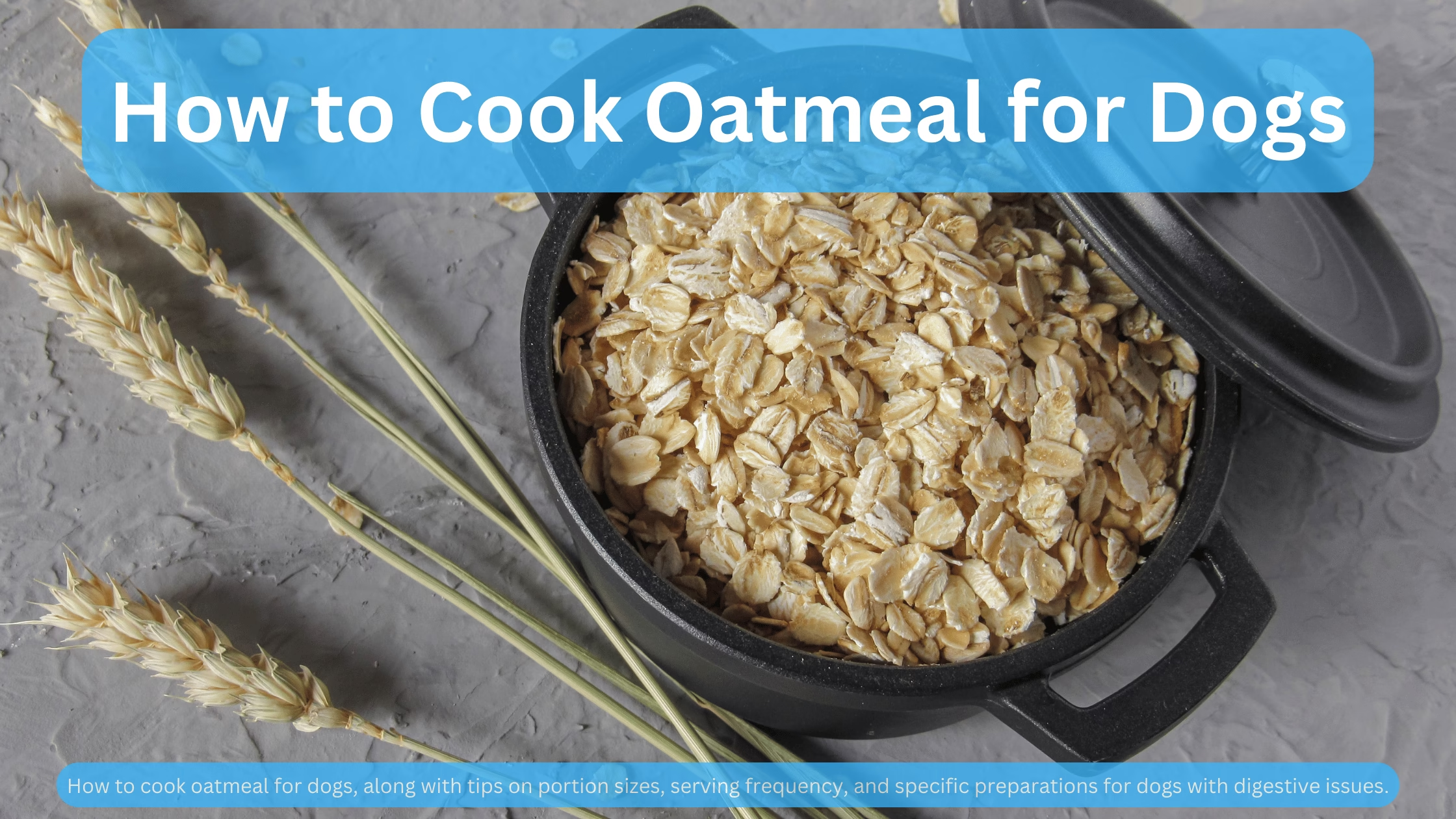
    This guide will provide detailed instructions on how to cook oatmeal for dogs, along with tips on portion sizes, serving frequency, and specific preparations for dogs with digestive issues.

    Can Dogs Eat Oats?

    Yes, dogs can eat oats. Oats are a great source of vitamins, minerals, and dietary fiber. They can help support your dog’s digestion, skin health, and overall well-being.

    However, it is crucial to prepare oats correctly and serve them in moderation to avoid any adverse effects.

    Benefits of Oats for Dogs

    Oats offer several benefits for dogs, including:

    • High Fiber Content: Helps with digestion and regular bowel movements.
    • Rich in Vitamins and Minerals: Provides essential nutrients like iron, vitamin B, and zinc.
    • Good for Skin and Coat: Oats can help soothe itchy and dry skin when consumed or used in baths.
    • Low in Gluten: A suitable alternative for dogs with grain sensitivities.

    How to Cook Oats for Dogs

    1. Choose Plain Oatmeal: Use plain, unflavored oatmeal. Avoid instant oatmeal with added sugars or artificial flavors.
    2. Cook the Oatmeal: Cook the oatmeal in water, not milk, to avoid digestive issues.
    3. Cool the Oatmeal: Allow the oatmeal to cool to room temperature before serving.
    4. Serve Plain or Mixed: Serve the oatmeal plain or mix it with dog-friendly fruits or vegetables like pumpkin or blueberries. Do not add sugar, salt, or any seasonings.

    How to Cook Oatmeal for Dogs in the Microwave

    1. Measure Oats: Measure the appropriate amount of oats.
    2. Add Water: Combine the oats with water in a microwave-safe bowl.
    3. Microwave: Cook on high for 2-3 minutes, stirring halfway through.
    4. Cool and Serve: Allow the oatmeal to cool before giving it to your dog.

    Oats for Dogs with Upset Stomach

    Yes, oatmeal can be a good option for dogs with an upset stomach. Here’s why:

    • Easy to digest: Plain, cooked oatmeal is bland and gentle on a dog’s digestive system.
    • Fiber source: Oatmeal is a good source of soluble fiber, which helps to bulk up stool and regulate digestion. This can be helpful for dogs with diarrhea.
    • Hydration: Cooked oatmeal has a high water content, which can help to keep your dog hydrated if they’re vomiting or having diarrhea.

    How to Cook Oatmeal for Dogs with Diarrhea

    Here are some things to keep in mind when feeding oatmeal to your dog with an upset stomach:

    • Make sure it’s plain: Don’t add any sugar, salt, milk, butter, or other toppings to the oatmeal. These can irritate your dog’s stomach further.
    • Cook it in water: Don’t use milk or broth to cook the oatmeal. Many dogs are lactose intolerant, and broth can be too salty for dogs with upset stomachs.
    • Start with a small amount: Start by giving your dog a small amount of oatmeal, about a tablespoon for every 10 pounds of body weight. You can gradually increase the amount as your dog tolerates it.
    • Monitor your dog: If your dog’s vomiting or diarrhea worsens after eating oatmeal, stop giving it to them and consult with your veterinarian.

    If your dog’s upset stomach is accompanied by other symptoms, such as lethargy, loss of appetite, or blood in the stool, it’s important to see your veterinarian to rule out any underlying medical conditions.

    How Much Cooked Oatmeal for dog?

    General Guidelines

    • Small Dogs and Puppies: 1 tablespoon of cooked oatmeal
    • Medium Dogs: 1/8 to 1/4 cup of cooked oatmeal
    • Large Dogs: 1/2 cup of cooked oatmeal

    For Dogs with Diarrhea

    • Small Dogs and Puppies: 1/2 tablespoon to 1 tablespoon
    • Medium Dogs: 1/8 cup of cooked oatmeal
    • Large Dogs: 1/4 cup of cooked oatmeal

    Always start with small portions and consult your veterinarian if you are unsure about the appropriate amount.

    Other Considerations

    Can I Use Human Oatmeal for Dogs?

    Yes, you can use human oatmeal for dogs as long as it is plain and unflavored. Avoid oatmeal with added sugars, artificial flavors, or other harmful ingredients.

    Best Oatmeal for Dogs

    The best oatmeal for dogs is plain, unflavored oatmeal. Opt for whole grain or old-fashioned oats without any added ingredients.

    Uncooked Oats for Dogs

    Uncooked oats are hard for dogs to digest. It’s best to cook the oats to make them easier on your dog’s digestive system.

    Also Read: How to cook Sweet Potatoes for Dogs: Best Guide

    Also Read: How to Cook Chicken Liver for Dogs: Best Recipes & FAQs

    Conclusion

    In summary, oatmeal can be a healthy and beneficial treat for your dog when prepared correctly. Always use plain, unflavored oats, cook them thoroughly with water, and serve them in moderation. Consult your veterinarian if you have any concerns or questions about adding oatmeal to your dog’s diet.

  • How to cook Sweet Potatoes for Dogs: Best Guide

    How to cook Sweet Potatoes for Dogs: Best Guide

    Sweet potatoes are a nutritious and tasty treat for dogs. Packed with vitamins, minerals, and fiber, they offer numerous health benefits. In this article, we will explore why sweet potatoes are good for dogs, How to cook Sweet Potatoes for Dogs safely, and some delicious recipes your furry friend will love.

    Can Dogs Eat Sweet Potatoes?

    Yes, dogs can eat sweet potatoes. They are a safe and nutritious treat when prepared properly.

    Sweet potatoes should always be cooked before being served to dogs, as raw sweet potatoes can be hard to digest and may cause an upset stomach or intestinal blockage.

    Benefits of Sweet Potatoes for Dogs

    1. Rich in Nutrients: Sweet potatoes are an excellent source of vitamins A, C, and B6. They also contain manganese, potassium, and fiber, which contribute to a dog’s overall health.
    2. Digestive Health: The high fiber content in sweet potatoes aids in digestion and can help with issues like constipation and diarrhea.
    3. Immune Support: The antioxidants in sweet potatoes, particularly beta-carotene, support the immune system and can improve skin and coat health.
    4. Energy Boost: Carbohydrates in sweet potatoes provide a natural energy boost, making them an ideal snack for active dogs.

    How to Cook Sweet Potatoes for Dogs

    Before preparing sweet potatoes for your dog, it’s important to know how to do it safely to avoid any potential health risks. Here are some methods to cook sweet potatoes for dogs:

    1. Boiling

      • Peel and cut the sweet potatoes into small cubes.
      • Place the cubes in a pot of boiling water.
      • Boil for about 15-20 minutes until the potatoes are tender.
      • Drain and let them cool before serving to your dog.

      2. Baking

        • Preheat the oven to 375°F (190°C).
        • Wash and peel the sweet potatoes.
        • Slice them into thin rounds or sticks.
        • Place the slices on a baking sheet lined with parchment paper.
        • Bake for 25-30 minutes until they are soft and slightly crispy.
        • Allow them to cool before serving.

        3. Steaming

          • Peel and cut the sweet potatoes into chunks.
          • Place the chunks in a steamer basket over boiling water.
          • Cover and steam for about 15-20 minutes until tender.
          • Let them cool before giving them to your dog.

          4. Microwaving

            • Wash and poke holes in the sweet potato with a fork.
            • Microwave on high for 5-8 minutes, turning halfway through.
            • Let it cool, then remove the skin and cut into pieces.

            Sweet Potato Recipes for Dogs

            Here are a few simple recipes to add some variety to your dog’s diet:

            1. Sweet Potato and Chicken Mash

              • Ingredients: 1 cup boiled sweet potatoes, 1 cup cooked chicken (shredded), 1 tablespoon olive oil.
              • Mash the sweet potatoes in a bowl.
              • Mix in the shredded chicken and olive oil.
              • Serve in small portions.

              2. Sweet Potato Dog Treats

                • Ingredients: 1 large sweet potato, 1 egg, 1/2 cup oat flour, 1/2 cup rolled oats.
                • Preheat oven to 350°F (175°C).
                • Mash the boiled sweet potato in a bowl.
                • Add the egg, oat flour, and rolled oats, mixing until well combined.
                • Roll the mixture into small balls and place them on a baking sheet.
                • Bake for 25-30 minutes until firm.
                • Let cool before serving.

                3. Sweet Potato and Apple Dog Biscuits

                  • Ingredients: 1 cup mashed sweet potatoes, 1/2 cup applesauce (unsweetened), 1 1/2 cups whole wheat flour.
                  • Preheat oven to 350°F (175°C).
                  • Mix all ingredients in a bowl until a dough forms.
                  • Roll out the dough and cut into shapes using a cookie cutter.
                  • Place on a baking sheet and bake for 20-25 minutes until crispy.
                  • Allow to cool before offering to your dog.

                  4. Sweet Potato and Peanut Butter Balls

                    • Ingredients: 1 cup mashed sweet potatoes, 1/4 cup peanut butter (ensure it’s xylitol-free), 1/2 cup rolled oats.
                    • Mix all ingredients in a bowl until well combined.
                    • Roll into small balls and refrigerate for a firmer texture.
                    • Serve as a treat in moderation.

                    5. Sweet Potato and Pumpkin Puree

                      • Ingredients: 1 cup boiled sweet potatoes, 1 cup canned pumpkin (unsweetened), 1 tablespoon flaxseed meal.
                      • Blend all ingredients until smooth.
                      • Serve small spoonfuls as a treat or mix with regular food.

                      How Much Sweet Potato to Give to Your Dog

                      Puppies:

                      • Introduce sweet potatoes gradually and in small amounts.
                      • Start with a teaspoon-sized portion to ensure it doesn’t upset their stomach.
                      • If there are no adverse reactions, you can slowly increase the portion size to a tablespoon.

                      Adult Dogs

                      • For small breeds, 1-2 tablespoons of cooked sweet potato can be given as a treat.
                      • Medium-sized dogs can have 1/4 cup.
                      • Large breeds can be given 1/2 cup.
                      • Always adjust the quantity based on your dog’s size, activity level, and overall diet to avoid overfeeding.

                      Other Considerations

                      Consult Your Vet

                      Always check with your veterinarian before introducing new foods into your dog’s diet, especially if your dog has any preexisting health conditions.

                      Potential Allergies

                      While rare, some dogs may be allergic to sweet potatoes. Monitor for signs of allergies such as itching, swelling, or gastrointestinal issues.

                      Nutritional Balance

                          Sweet potatoes should be an occasional treat, not a staple in the diet.

                          Ensure the rest of your dog’s diet is balanced with appropriate amounts of protein, fat, and other nutrients.

                          Introduce Gradually

                          If your dog is trying sweet potatoes for the first time, introduce them gradually to avoid any digestive issues.

                          Portion Control

                            Overfeeding sweet potatoes can lead to obesity and other health problems due to their high carbohydrate content.

                            Variety

                              Mix sweet potatoes with other dog-safe vegetables like carrots, green beans, and peas for variety and added nutrients.

                              Avoid Additives

                              Do not add salt, sugar, butter, or other seasonings when preparing sweet potatoes for your dog.

                              How to Store Sweet Potatoes

                              • Refrigeration: Store cooked sweet potatoes in an airtight container in the refrigerator for up to 5 days.
                              • Freezing: For longer storage, freeze cooked sweet potatoes in portions. They can be kept in the freezer for up to 3 months. Thaw in the refrigerator before serving.

                              Also Read: How to Cook Chicken Liver for Dogs: Best Recipes & FAQs

                              Also Read: How to Detox a Dog from Poison

                              Conclusion

                              Sweet potatoes can be a healthy and enjoyable addition to your dog’s diet when served in moderation and prepared properly.

                              They offer numerous health benefits, from improving digestive health to providing essential vitamins and minerals.

                              Always ensure the sweet potatoes are cooked and free from any harmful additives. Monitor your dog for any adverse reactions when introducing sweet potatoes and consult your veterinarian if you have any concerns.

                              By following these guidelines and incorporating the recipes provided, you can treat your dog to delicious and nutritious sweet potato snacks safely.

                            1. How to Cook Chicken Liver for Dogs: Best Recipes & FAQs

                              How to Cook Chicken Liver for Dogs: Best Recipes & FAQs

                              Chicken liver is a fantastic addition to your dog’s diet, offering a host of nutritional benefits. Whether served as a simple treat or incorporated into tasty recipes, chicken liver can enhance your dog’s health and make their meals more enjoyable. Here’s a comprehensive guide on how to cook chicken liver for dogs, complete with vet-approved recipes and essential tips.

                              Nutritional Benefits of Chicken Liver

                              Why Include Chicken Liver in Your Dog’s Diet?

                              High in Protein: Chicken liver is an excellent source of protein, essential for muscle growth and repair.

                              Rich in Vitamin A: Vital for maintaining healthy skin, a shiny coat, good vision, and a strong immune system.

                              B Vitamins: Includes essential B vitamins like B6, B12, and folate, which support metabolism and energy production.

                              Iron: Important for red blood cell production and overall cellular health.

                              Additional Nutrients: Also contains vitamins D, E, K, and minerals such as copper, phosphorus, and zinc.

                              How to Cook Chicken Liver for Dogs

                              When preparing chicken liver for your dog, simplicity is key. Avoid adding any seasoning, butter, or oils that could harm your pet. Here are a few easy methods to cook chicken liver:

                              Basic Cooking Methods

                              1. Boiled Chicken Liver

                              1. Ingredients: Fresh chicken liver, water.
                              2. Instructions:
                              • Rinse the chicken liver under cold water.
                              • Place the liver in a pot and cover with water.
                              • Bring the water to a boil, then reduce to a simmer.
                              • Cook for about 15 minutes or until fully cooked.
                              • Allow to cool, then chop into bite-sized pieces before serving.

                              2. Baked Chicken Liver

                              1. Ingredients: Fresh chicken liver, parchment paper.
                              2. Instructions:
                              • Preheat your oven to 375°F (190°C).
                              • Line a baking sheet with parchment paper.
                              • Spread the chicken liver on the sheet in a single layer.
                              • Bake for 20-25 minutes until fully cooked.
                              • Let cool before cutting into smaller pieces for your dog.

                              3. Pan-Fried Chicken Liver

                              1. Ingredients: Fresh chicken liver.
                              2. Instructions:
                              • Rinse and pat dry the chicken liver.
                              • Heat a non-stick pan over medium heat.
                              • Add the liver and cook for about 5-7 minutes on each side until thoroughly cooked.
                              • Cool before serving to your dog.

                              Delicious Chicken Liver Treat Recipes

                              Chicken Liver and Oat Treats

                              Ingredients:

                              • 1 cup rolled oats
                              • 1/2 pound chicken liver, rinsed and trimmed
                              • 1 large egg

                              Instructions:

                              1. Preheat your oven to 325°F (160°C).
                              2. Pulse the oats in a food processor until finely ground.
                              3. Add the chicken liver and egg to the food processor and blend until smooth.
                              4. Spread the mixture evenly in a greased baking dish.
                              5. Bake for 20-25 minutes or until firm.
                              6. Cool completely, then cut into bite-sized pieces.

                              Chicken Liver Meatballs

                              Ingredients:

                              • 1 pound chicken liver, rinsed and trimmed
                              • 1 egg
                              • 1/2 cup oat flour
                              • 1 tablespoon olive oil

                              Instructions:

                              1. Preheat your oven to 350°F (175°C).
                              2. In a food processor, blend the chicken liver until smooth.
                              3. Add the egg, oat flour, and olive oil, and mix well.
                              4. Form the mixture into small meatballs.
                              5. Place on a baking sheet lined with parchment paper.
                              6. Bake for 20-25 minutes or until golden brown.
                              7. Allow to cool before serving.

                              Important Considerations

                              Moderation: While chicken liver is nutritious, it should be fed in moderation. Overconsumption can lead to vitamin A toxicity and iron overload, which can cause serious health issues.

                              Allergies: Monitor your dog for any signs of allergic reactions when introducing chicken liver into their diet.

                              Consult Your Vet: Always consult with your veterinarian before making significant changes to your dog’s diet, especially if your dog has any pre-existing health conditions.

                              FAQs

                              Can I feed my dog raw chicken liver?

                              Feeding raw chicken liver can pose a risk of bacterial infection. It’s best to cook the liver thoroughly to kill any harmful pathogens.

                              How often should I give my dog chicken liver?

                              Chicken liver should be an occasional treat rather than a regular part of your dog’s daily diet. A small portion once or twice a week is usually sufficient.

                              Can puppies eat chicken liver?

                              Yes, but in smaller quantities and always cooked. Consult your vet for specific advice based on your puppy’s breed and health.

                              How should I cook chicken liver for my dog?

                              You should cook chicken liver for your dog using simple methods that avoid adding any seasonings, oils, or spices. Common methods include boiling, baking, or pan-frying. This ensures that the liver remains healthy and free from harmful additives.

                              Is boiled chicken liver good for dogs?

                              Yes, boiled chicken liver is a healthy treat for dogs in moderation. It’s packed with nutrients like protein, vitamins, and minerals.

                              Can my dog eat chicken liver every day?

                              No, chicken liver is a treat, best offered 1-2 times a week depending on your dog’s size.

                              What is the healthiest way to cook liver for dogs?

                              The healthiest way to cook liver for dogs is by boiling it. Here’s why:
                              Simple and gentle: Boiling uses minimal heat and doesn’t require adding fats or oils, which keeps the liver leaner.
                              Nutrient retention: Boiling helps retain most of the liver’s valuable nutrients like protein, vitamins, and minerals.
                              Safe for digestion: Cooked liver is easier for dogs to digest compared to raw liver, which might harbor bacteria or parasites.

                              Is Chicken Liver good for Dogs with Pancreatitis

                              Pancreatitis in dogs requires a carefully managed diet that is low in fat. While chicken liver is lower in fat compared to other meats, it is still moderately rich and might not be suitable for dogs with pancreatitis, especially during acute episodes or in chronic cases where fat intake must be strictly controlled. The focus for dogs with pancreatitis is typically on lean proteins and low-fat diets prescribed by a veterinarian to manage the condition effectively.


                              Is
                               chicken liver good for dogs with Diarrhea

                              Chicken liver is a nutrient-dense food that can sometimes be rich for dogs with sensitive stomachs or ongoing diarrhea. It’s advisable to avoid feeding chicken liver to a dog experiencing diarrhea until their digestive system has settled. Introducing bland, easily digestible foods like boiled chicken and rice under veterinary guidance is typically recommended until the diarrhea resolves. Once the dog’s stool has normalized, small amounts of cooked chicken liver could be reintroduced gradually to assess tolerance.

                              Also Read: How to Detox a Dog from Poison

                              Also Read: Helping Your Dog with Separation Anxiety from Another Dog

                              Conclusion

                              Chicken liver is a nutrient-dense, beneficial addition to your dog’s diet when prepared and served correctly. Whether you choose to boil, bake, or pan-fry it, your dog is sure to enjoy this tasty treat. Remember to introduce it gradually and consult with your vet to ensure it fits well into your dog’s overall nutrition plan.

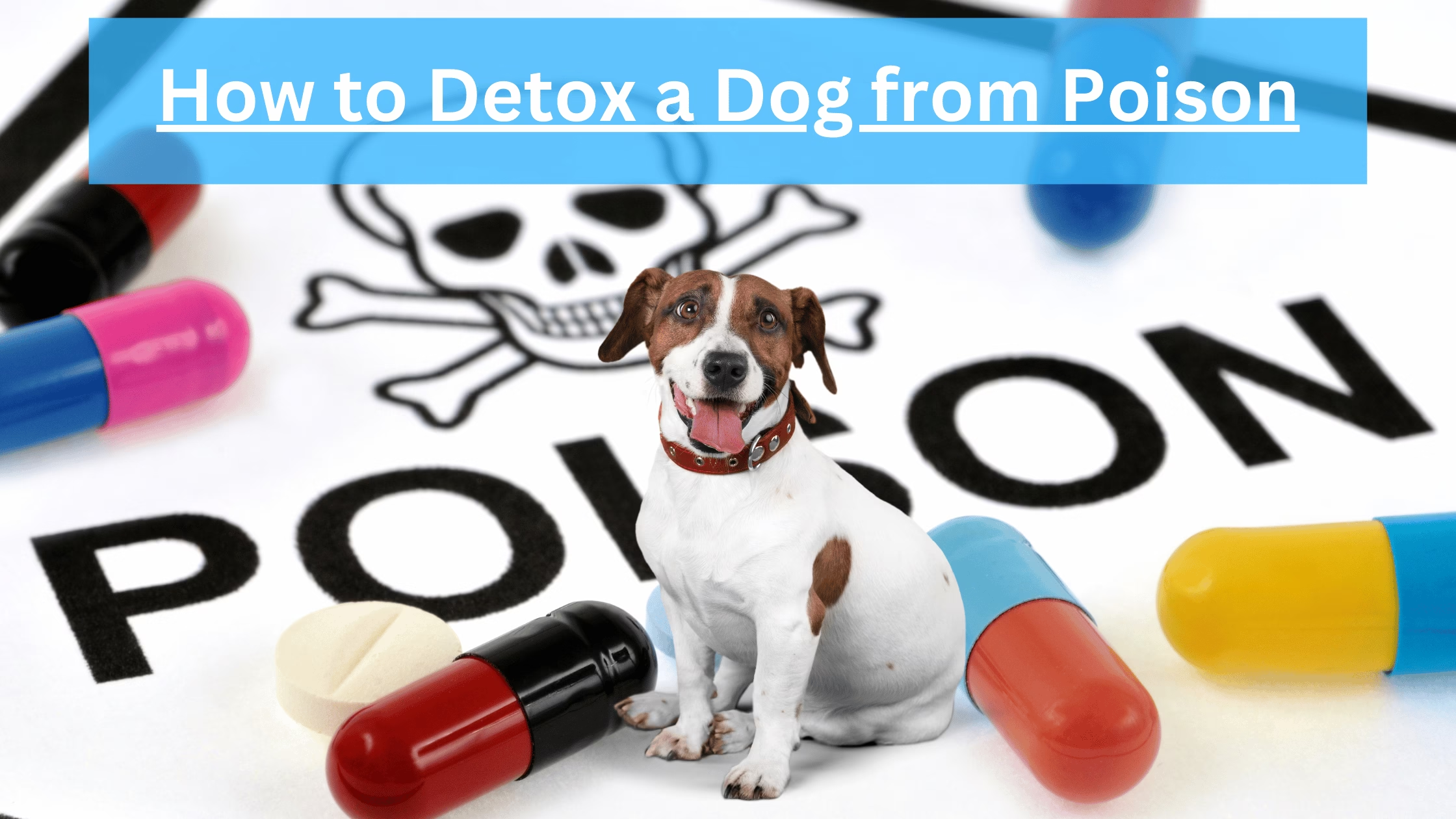
                            2. How to Detox a Dog from Poison

                              How to Detox a Dog from Poison

                              How to Detox a Dog from Poison? – When a dog is poisoned, every moment counts. Quick action can make the difference between life and death, significantly improving the chances of a full recovery.

                              Understanding how to respond immediately to a poisoning incident is crucial for every dog owner.

                              However, it’s important to recognize that while initial steps can help mitigate the effects of poison, veterinary assistance is essential in any poisoning case.

                              A veterinarian has the expertise and tools necessary to provide the appropriate treatment and ensure the best outcome for your pet.

                              The purpose of this blog is to provide a general guide on the initial steps you should take if your dog is poisoned.

                              This guide will help you recognize the signs of poisoning, understand the immediate actions to take, and emphasize the importance of professional veterinary care.

                              Recognizing the Signs of Poisoning in dogs

                              Identifying the symptoms of poisoning early can help you act swiftly and seek the necessary help. Common symptoms of poisoning in dogs include:

                              • Vomiting and diarrhea: Frequent and severe, sometimes with blood.
                              • Excessive drooling: Increased salivation often indicates the ingestion of something harmful.
                              • Lethargy or weakness: A sudden drop in energy levels and reluctance to move.
                              • Seizures or tremors: Uncontrolled shaking or convulsions.
                              • Difficulty breathing: Labored or rapid breathing, indicating respiratory distress.
                              • Uncoordinated movements: Stumbling, staggering, or inability to walk properly.
                              • Pale or blue gums: Discoloration of the gums can indicate poor oxygenation or blood flow.

                              Recognizing these symptoms is the first step in providing the necessary care for your poisoned dog.

                              Equally important is identifying the source of the poison, which could range from household plants and chemicals to human food.

                              Knowing what your dog has ingested can help the veterinarian determine the most effective treatment.

                              Common Poison List

                              How to Detox a Dog from Poison – What should I do if someone poisoned my dog?

                              Stay Calm and Act Quickly

                              When you suspect your dog has been poisoned, it is crucial to remain calm. Panicking can cloud your judgment and slow your response time, which can be detrimental to your dog’s health. Here are the immediate steps you should take to help your dog:

                              1. Remove the Poison Source: If possible, take the poison away from your dog’s reach to prevent further exposure. This could involve removing your dog from the area where the poison is, picking up the toxic substance, or isolating your dog from the contaminated environment.
                              2. Gather Information: Try to identify what the poison is. This can include looking at the packaging of a chemical or medication, noting the type of plant, or identifying the food item. This information will be critical for the veterinarian.

                              Call the Veterinarian or Pet Poison Helpline

                              The next crucial step is to seek professional help immediately. Contact your veterinarian or a pet poison helpline as soon as possible. Time is of the essence, and professionals can provide you with the necessary guidance on what to do next.

                              1. Provide Key Information: When you call, be ready to give detailed information about your dog, including their size, age, symptoms they are exhibiting, and the suspected poison. This will help the veterinarian or helpline expert give you the most accurate advice.
                              2. Follow Instructions: Listen carefully to the instructions given by the professional. They may ask you to bring your dog in immediately, administer first aid at home, or monitor your dog’s condition closely.

                              Follow Professional Advice

                              Adhering strictly to the instructions given by the veterinarian or helpline is crucial for your dog’s recovery.

                              1. Avoid Home Remedies: Do not attempt home remedies unless specifically instructed by a professional. Some common remedies can do more harm than good and may exacerbate the situation.
                              2. Implement Given Advice: Whether it involves inducing vomiting, administering activated charcoal, or simply monitoring your dog, make sure to follow the guidance to the letter. This ensures that your dog receives the best possible care in the critical moments following poisoning.

                              By staying calm, acting quickly, and seeking professional help, you can significantly improve your dog’s chances of recovering from poisoning.

                              At-Home First Aid for Poisoned Dog (Before Veterinary Help Arrives)

                              Inducing Vomiting (Only If Recommended)

                              In some cases, inducing vomiting can help remove the poison from your dog’s stomach before it is absorbed into the bloodstream.

                              However, this should only be done if recommended by a veterinarian or a pet poison helpline professional.

                              1. Situations Where Inducing Vomiting Is Appropriate:
                              • When your dog has ingested a non-caustic substance within the last two hours.
                              • If the substance is not petroleum-based or corrosive.
                              • When your dog is conscious, alert, and able to swallow.
                              1. Methods to Induce Vomiting:
                              • Hydrogen Peroxide: Use a 3% hydrogen peroxide solution. The recommended dosage is 1 teaspoon (5 ml) per 10 pounds (4.5 kg) of the dog’s body weight, administered orally. If your dog does not vomit within 15 minutes, a second dose can be given. Do not exceed two doses.
                              1. When Not to Induce Vomiting:
                              • If your dog has ingested caustic substances such as bleach, drain cleaner, or petroleum products.
                              • If your dog is unconscious, having seizures, or showing signs of severe distress.
                              • If more than two hours have passed since ingestion, as the substance may have already moved beyond the stomach.

                              Activated Charcoal

                              Activated charcoal can be used to absorb toxins in the stomach and intestines, preventing them from entering the bloodstream. This should only be administered if recommended by a veterinarian.

                              1. How Activated Charcoal Works:
                              • Activated charcoal binds to toxins in the gastrointestinal tract, reducing their absorption and facilitating their excretion through feces.
                              1. Correct Dosage and Administration:
                              • The typical dosage is 1 gram of activated charcoal per kilogram of body weight. This can be mixed with water to create a slurry that can be administered orally using a syringe or mixed with food.
                              1. When to Use Activated Charcoal:
                              • Use only if advised by a veterinarian, as it is not effective for all types of toxins and inappropriate use can lead to complications.

                              Providing Fresh Water

                              Keeping your dog hydrated is important, especially if they are experiencing vomiting or diarrhea. However, certain substances may require withholding water until advised otherwise by a veterinarian.

                              1. Importance of Keeping the Dog Hydrated:
                              • Dehydration can exacerbate the effects of poisoning, so ensure your dog has access to fresh water.
                              1. Avoiding Milk and Other Home Remedies:
                              • Do not give your dog milk, oils, or other home remedies unless specifically instructed by a veterinarian. These can sometimes worsen the situation or interfere with proper treatment.

                              By following these at-home first aid steps, you can provide initial care for your dog before professional help arrives.

                              Remember, always consult with a veterinarian before administering any treatments, as they can provide the most accurate guidance based on the specific situation.

                              Veterinary Treatment Options

                              Diagnostic Procedures

                              When you bring your dog to the veterinarian after a suspected poisoning, the first step typically involves diagnostic tests to identify the toxin and assess the extent of the damage. These tests help the vet determine the best course of treatment.

                              1. Blood Tests: Blood samples are taken to check for abnormalities in blood cells, kidney and liver function, and electrolyte levels. These tests can reveal the presence of toxins and how they are affecting your dog’s organs.
                              2. Urine Tests: Urine analysis helps detect toxins that may not show up in blood tests and assesses kidney function, which can be crucial in cases of poisoning.
                              3. Other Diagnostics: Depending on the suspected toxin, the vet might also perform imaging studies (like X-rays or ultrasounds) to check for internal damage or to locate ingested foreign objects.

                              Medical Interventions

                              Once the toxin is identified, the veterinarian will proceed with specific medical interventions to treat the poisoning and mitigate its effects.

                              1. IV Fluids: Intravenous (IV) fluids are administered to help flush out toxins from the bloodstream, maintain hydration, and support kidney function. IV fluids can also help correct electrolyte imbalances caused by vomiting or diarrhea.
                              2. Antidotes: If the specific toxin has an antidote, it will be administered to counteract the poison’s effects. For example, vitamin K1 is an antidote for anticoagulant rodenticide poisoning.
                              3. Medication to Manage Symptoms:
                              • Anti-Seizure Medications: These are given if the dog is experiencing seizures due to the toxin.
                              • Pain Relief: Pain management medications are provided to ensure the dog is comfortable during recovery.
                              • Gastroprotectants: These medications protect the stomach lining and prevent further gastrointestinal damage.

                              Supportive Care

                              After the immediate threat is managed, supportive care is crucial for your dog’s recovery.

                              1. Monitoring Vital Signs: Continuous monitoring of heart rate, blood pressure, respiration, and temperature helps ensure that the dog remains stable and any complications are promptly addressed.
                              2. Providing Supportive Care:
                              • Nutritional Support: Ensuring the dog receives adequate nutrition, which may involve special diets or feeding tubes if necessary.
                              • Rest and Recovery: Creating a quiet, comfortable environment for the dog to rest and recover, minimizing stress and exertion.
                              • Follow-Up Care: Regular follow-up appointments to monitor the dog’s recovery progress and adjust treatment as needed.

                              Veterinary care is essential in managing poisoning cases effectively. By performing thorough diagnostic procedures, administering targeted medical interventions, and providing comprehensive supportive care, veterinarians can significantly improve the chances of a full recovery for your poisoned dog.

                              Preventing Poisoning – How to prevent poisoning in dogs?

                              Pet-Proof Your Home

                              One of the most effective ways to prevent poisoning is to make your home safe for your dog. This involves keeping toxic substances out of reach and ensuring that all potential hazards are properly stored.

                              1. Keeping Toxic Substances Out of Reach:
                              • Store household cleaners, pesticides, and other chemicals in cabinets or areas that are inaccessible to your dog. Use child-proof locks if necessary.
                              • Ensure that human medications are kept in secure places, such as high shelves or locked cabinets.
                              1. Safe Storage of Chemicals, Medications, and Foods:
                              • Keep all medications, both prescription and over-the-counter, in containers with secure lids and store them away from areas where your dog can access them.
                              • Store foods that are toxic to dogs, such as chocolate, grapes, and onions, in high cabinets or the refrigerator, and ensure that trash cans are dog-proof to prevent access to discarded food.

                              Awareness of Toxic Plants and Foods

                              Educating yourself about the plants and foods that are toxic to dogs is essential for preventing accidental poisoning.

                              1. Common Household Plants That Are Toxic to Dogs:
                              • Lilies: Extremely toxic and can cause kidney failure.
                              • Azaleas and Rhododendrons: Can cause vomiting, diarrhea, and potentially fatal cardiovascular collapse.
                              • Sago Palm: Ingesting even small amounts can cause severe liver damage and death.
                              • Tulips and Daffodils: Bulbs are particularly toxic, causing serious stomach issues, convulsions, and heart problems.
                              1. Foods That Can Poison Dogs:
                              • Chocolate: Contains theobromine, which is toxic to dogs.
                              • Grapes and Raisins: Can cause kidney failure.
                              • Onions and Garlic: Can damage red blood cells, leading to anemia.
                              • Alcohol: Can cause intoxication, metabolic acidosis, and even death.

                              Educate Family and Friends

                              Ensuring that everyone in your household is aware of the dangers and knows how to keep your dog safe is crucial.

                              1. Ensuring Everyone in the Household Knows What Substances Are Dangerous:
                              • Discuss and create a list of toxic substances, including plants, foods, and chemicals, and post it in a common area such as the kitchen.
                              • Ensure that everyone, including children, understands the importance of keeping these items away from your dog.
                              1. Importance of Supervision During Walks and Playtime:
                              • Always supervise your dog during walks and playtime, especially in areas where they might encounter toxic plants or discarded food.
                              • Be vigilant in parks or public spaces where other people may leave behind dangerous items.

                              By taking these preventative measures, you can create a safer environment for your dog and significantly reduce the risk of poisoning.

                              Educating yourself and those around you about the potential hazards will help ensure that your dog stays healthy and happy.

                              Conclusion

                              In the unfortunate event of poisoning, immediate action and seeking professional help are critical to your dog’s survival and recovery.

                              Recognizing the signs of poisoning and knowing the first steps to take can make a significant difference.

                              Always contact a veterinarian or a pet poison helpline at the first sign of poisoning to ensure your dog receives the best possible care.

                              Staying informed about potential hazards in your home and environment is essential.

                              Pet-proofing your home, being aware of toxic plants and foods, and educating family and friends are proactive measures that can prevent accidental poisonings.

                              Final Reminders

                              1. Contact a Vet at the First Sign of Poisoning:
                              • Do not hesitate to seek professional help. Immediate consultation with a veterinarian can save your dog’s life.
                              1. Bookmark Pet Poison Helpline Numbers:
                              1. Regular Vet Check-Ups and Emergency Supplies:
                              • Schedule regular veterinary check-ups to monitor your dog’s health and address any potential risks.
                              • Keep a stock of emergency supplies such as hydrogen peroxide, activated charcoal, and your veterinarian’s contact information.
                              1. Spread Awareness:
                              • Share this information with other dog owners to help them protect their pets from poisoning. Raising awareness can prevent incidents and ensure more dogs receive timely help.

                              By taking these steps, you can create a safer environment for your dog and be prepared to act swiftly in case of an emergency. Your vigilance and preparedness are key to ensuring your dog’s health and well-being.

                              Also Read – Helping Your Dog with Separation Anxiety from Another Dog

                              Also Read – Can Dogs Smell Through Vacuum Sealed Bags? Unpacking the Truth

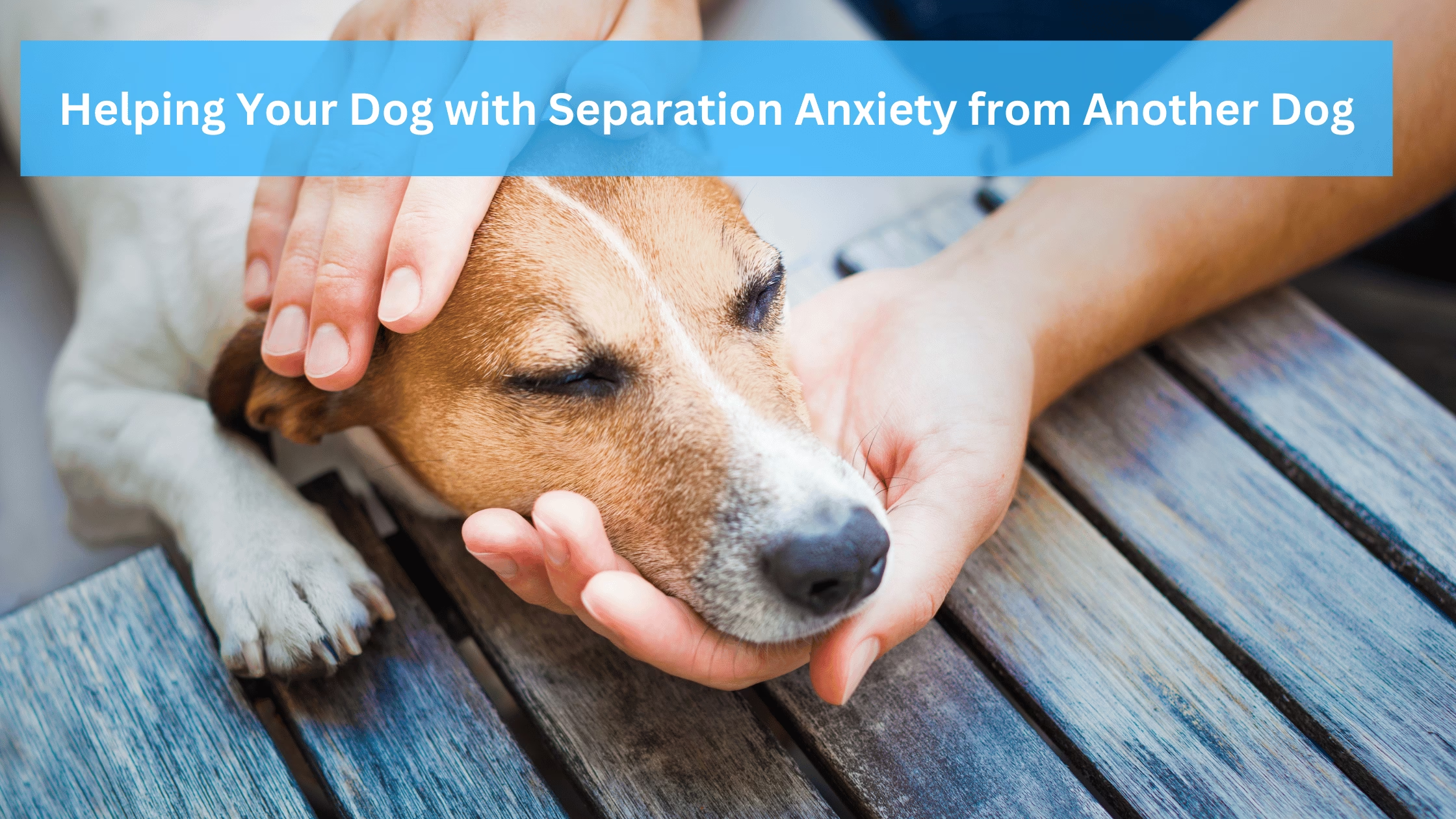
                            3. Helping Your Dog with Separation Anxiety from Another Dog

                              Helping Your Dog with Separation Anxiety from Another Dog

                              Separation anxiety isn’t just a problem between dogs and their human companions. Sometimes, dogs can experience intense distress when separated from their fellow canine buddies. If your dog shows signs of anxiety when separated from another dog, there are steps you can take to ease their distress and help them adjust.

                              Understanding Separation Anxiety in Dogs

                              Separation anxiety manifests in various ways. Common signs include:

                              • Excessive barking or whining
                              • Destructive behavior, such as chewing furniture
                              • Pacing or restlessness
                              • Drooling or panting
                              • Attempting to escape from the home

                              These behaviors indicate that your dog is feeling stressed and insecure without their canine companion. Addressing this issue requires patience, consistency, and a mix of behavioral techniques and environmental changes.

                              Steps to Help Your Dog with Separation Anxiety from Another Dog

                              1. Gradual Desensitization Gradual desensitization involves slowly acclimating your dog to being separated from their buddy. Start by separating them for short periods and gradually increase the time apart. Ensure the separated dog is occupied with toys, treats, or puzzles to distract them from their anxiety.
                              2. Create a Safe Space Designate a comfortable and secure area for your dog when they are alone. This space should include their favorite toys, bedding, and perhaps a piece of clothing with the other dog’s scent. Familiar items can help soothe their anxiety.
                              3. Exercise and Mental Stimulation Ensure your dog gets plenty of physical exercise and mental stimulation. A tired dog is less likely to feel anxious. Engage them in activities such as fetch, tug-of-war, and training exercises to keep their mind occupied and their energy levels balanced.
                              4. Positive Reinforcement Use positive reinforcement to reward your dog for calm behavior during separation. Treats, praise, and affection can reinforce the idea that being alone is a positive experience. Avoid making a fuss when leaving or returning home, as this can heighten anxiety.
                              5. Comfort Items Provide comfort items like a soft toy or a piece of the other dog’s bedding. The familiar scent can have a calming effect and provide a sense of security.
                              6. Consistency and Routine Dogs thrive on routine. Establish consistent times for feeding, walking, and playtime. A predictable schedule can help reduce anxiety and create a sense of stability.
                              7. Professional Help If your dog’s separation anxiety is severe, consider consulting a professional dog trainer or a veterinarian. They can offer specialized training techniques and, if necessary, discuss medical options such as anti-anxiety medication.
                              8. Use Technology Technology can be a great ally in managing separation anxiety. Pet cameras allow you to monitor your dog while you’re away, and some even let you talk to them or dispense treats remotely. This can provide reassurance and reduce their anxiety.
                              9. Slow Transitions If the separation is due to one dog moving to a new home, make the transition as gradual as possible. Arrange for playdates or short visits to help your dog adjust to the absence of their friend over time.
                              10. Interactive Toys Invest in interactive toys that can keep your dog engaged for long periods. Puzzle feeders, treat-dispensing toys, and durable chew toys can provide mental stimulation and distraction.

                              Also Read: How to Teach Your Dog to Roll Over: Best Guide

                              Also Read : Can Dogs Smell Through Vacuum Sealed Bags? Unpacking the Truth
                              Conclusion

                              Helping your dog cope with separation anxiety from another dog requires understanding, patience, and a proactive approach.

                              By gradually desensitizing them to separation, creating a comforting environment, and using positive reinforcement, you can ease their anxiety and help them become more independent.

                              Remember, every dog is different, so it’s important to tailor these strategies to your dog’s specific needs. With time and consistency, your dog can learn to feel secure and calm even when their canine companion isn’t around.

                            4. Can Dogs Smell Through Vacuum Sealed Bags? Unpacking the Truth

                              Can Dogs Smell Through Vacuum Sealed Bags? Unpacking the Truth

                              Can dogs smell through vacuum sealed bags? When it comes to the incredible abilities of dogs, their sense of smell is often the most astonishing.

                              With up to 300 million olfactory receptors compared to the 6 million in humans, dogs can detect scents at incredibly low concentrations.

                              This powerful sense of smell has led to various applications, from search and rescue operations to detecting contraband. Let’s explore this fascinating topic in detail.

                              Understanding a Dog’s Olfactory Abilities

                              Dogs possess an extraordinary olfactory system. Their noses are equipped with a large surface area for scent detection, and the olfactory bulb in their brains, dedicated to processing smells, is 40 times larger than that of humans.

                              This allows dogs to detect even the faintest of odors, which makes them valuable in various roles, including law enforcement and medical detection.

                              The Science Behind Vacuum Sealed Bags

                              Vacuum-sealed bags are designed to keep air and moisture out, thereby preserving the contents inside.

                              These bags remove the air from within and create a tight seal that is intended to protect items from spoilage, contamination, and odor leakage.

                              The materials used are typically thick and impermeable, but do they stand up to a dog’s keen sense of smell?

                              Can dogs smell through Vacuum Sealed Bags?

                              Despite the advanced design of vacuum-sealed bags, they are not entirely foolproof against a dog’s sense of smell. Here’s why:

                              1. Molecular Leakage: While vacuum-sealed bags significantly reduce the escape of odors, they are not perfect. Small amounts of scent molecules can still permeate through the material or the seals over time. Dogs can detect these minuscule amounts of scent that escape.

                              2. Cross-Contamination: When handling substances before vacuum sealing, trace amounts can remain on the outside of the bag. These residual scents can be detected by dogs, leading them to alert to the presence of an odor even if it’s not directly coming through the sealed bag.

                              3. Persistence of Odor: Certain substances have particularly potent odors that can linger and be detected despite multiple layers of barriers. For instance, narcotics and explosives have strong scents that dogs are specifically trained to identify.

                              Also Read : Can Dogs smell through mylar bags?

                              Real-World Applications and Limitations

                              In practical scenarios, such as airport security and law enforcement, dogs are often employed to detect contraband, including drugs and explosives.

                              While vacuum-sealed bags can make detection more challenging, trained detection dogs have shown remarkable success in identifying hidden items.

                              It’s important to note, however, that no method is entirely foolproof, and there are instances where sophisticated sealing techniques might temporarily evade detection.

                              Best Practices for Using Vacuum-Sealed Bags

                              While vacuum-sealed bags offer a high level of protection and odor containment, they should not be solely relied upon for complete scent elimination. Here are some best practices:

                              – Minimize Handling: Avoid excessive handling of the items to be sealed to reduce the risk of cross-contamination.

                              – Multiple Layers: Consider using multiple layers of sealing materials for added protection.

                              – Storage Environment: Store vacuum-sealed bags in environments where the presence of strong odors is minimized to prevent external contamination.

                              Also Read: How to Teach Your Dog to Roll Over: Best Guide

                              Also Read : Can Dogs Eat Green Apple? A Comprehensive Guide

                              Conclusion

                              Dogs possess an extraordinary sense of smell that can penetrate even the most sophisticated odor barriers, including vacuum-sealed bags.

                              While these bags are effective in reducing odor escape, they are not entirely scent-proof against a dog’s powerful olfactory system.

                              Understanding the limitations and best practices can help maximize the effectiveness of vacuum-sealed bags, but it’s crucial to recognize that trained detection dogs can often detect what might seem undetectable to humans.

                              For more insights into the incredible abilities of dogs and the science behind their senses, stay tuned to our blog.

                              Whether you’re a dog owner, a professional handler, or simply a canine enthusiast, the world of a dog’s nose is truly fascinating and worth exploring.

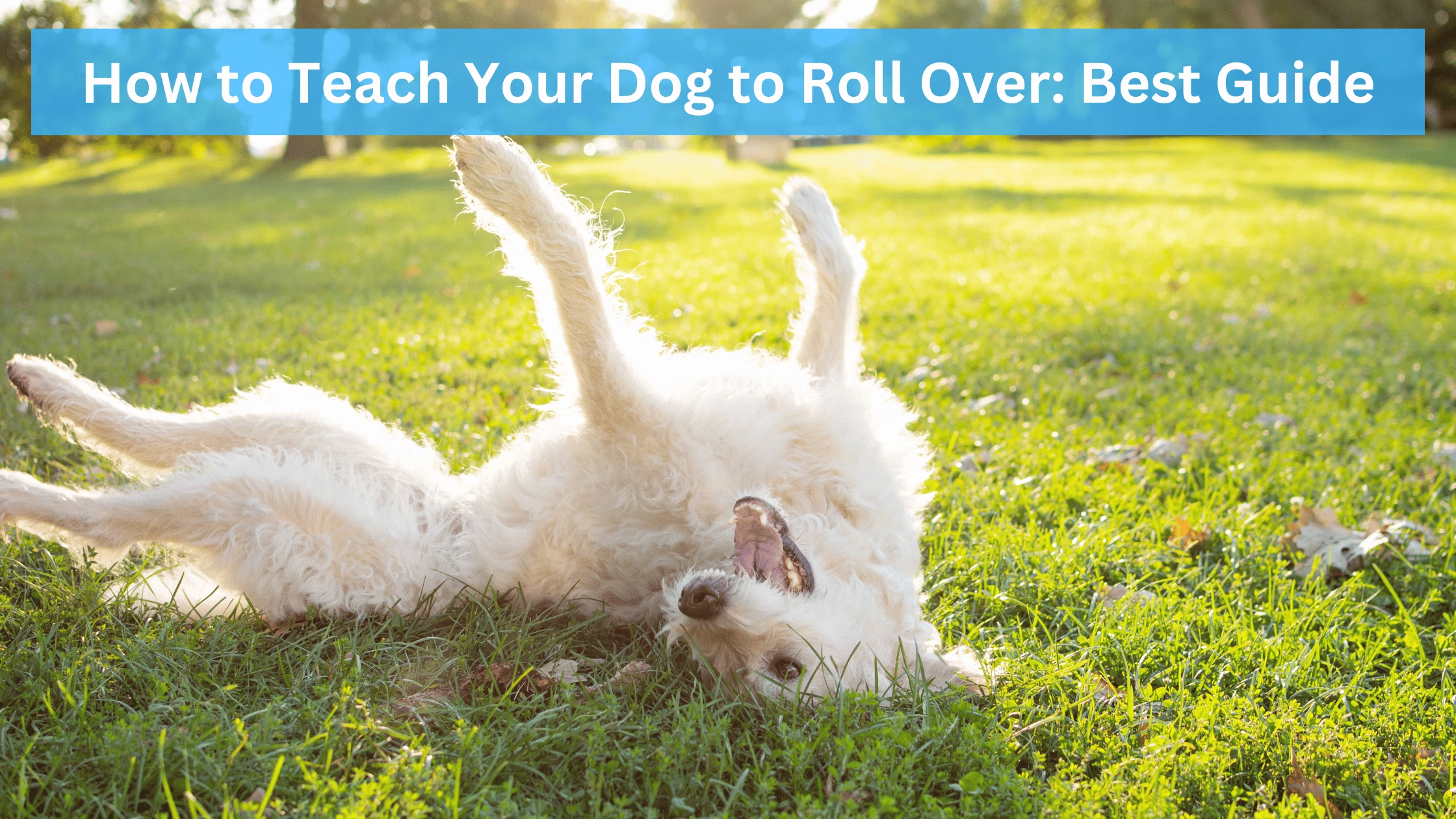
                            5. How to Teach Your Dog to Roll Over: Best Guide

                              How to Teach Your Dog to Roll Over: Best Guide

                              Teaching your dog to roll over is not only a fun trick but also a great way to bond with your furry friend and provide them with mental stimulation. This step-by-step guide will help you teach your dog to roll over using positive reinforcement techniques. Whether you’re a seasoned dog owner or a beginner, these tips will make the process enjoyable for both you and your dog.

                              Why Teach Your Dog to Roll Over?

                              dog
                              How to Teach Your Dog to Roll Over: Best Guide 9

                              Before diving into the steps, it’s essential to understand the benefits of teaching your dog to roll over:

                              • Mental Stimulation: Engages your dog’s mind and helps prevent boredom.
                              • Physical Exercise: Encourages movement and flexibility.
                              • Bonding: Strengthens the relationship between you and your dog.
                              • Impress Your Friends: It’s a fun trick that will surely impress your friends and family.

                              Step-by-Step Guide to Teaching Your Dog to Roll Over

                              Step 1: Gather Your Supplies

                              You’ll need the following supplies:

                              • Treats: Choose small, high-value treats that your dog loves.
                              • Clicker (optional): A clicker can help mark the exact moment your dog performs the desired behavior.
                              • Patience and Positivity: Training should be a fun and positive experience for your dog.

                              Step 2: Find a Quiet Training Space

                              Choose a quiet, distraction-free area where you and your dog can focus. This could be a room in your house or a fenced backyard.

                              Step 3: Start with the Basic Commands

                              Before teaching your dog to roll over, ensure they are comfortable with the basic commands like “sit” and “lie down.” These commands are the foundation for the roll-over trick.

                              Step 4: Get Your Dog to Lie Down

                              Command your dog to lie down. You can do this by holding a treat close to their nose and slowly moving it to the ground. As they follow the treat, their body will naturally lower into a lying position. Once they’re lying down, reward them with a treat and praise.

                              Step 5: Guide Them into a Roll Over

                              With your dog lying down, hold a treat near their nose. Slowly move the treat towards their shoulder, causing them to turn their head and body to follow the treat. As they start to roll onto their side, continue moving the treat in a circular motion to encourage them to complete the roll.

                              Step 6: Use a Verbal Cue

                              As your dog begins to understand the motion, introduce a verbal cue like “roll over.” Say the cue just before they start to roll, and reward them with a treat and praise once they complete the roll.

                              Step 7: Practice and Reinforce

                              Practice the roll-over trick several times a day in short sessions. Consistency is key to reinforcing the behavior. Always use positive reinforcement, rewarding your dog with treats and praise for their efforts.

                              Step 8: Gradually Fade the Treat

                              As your dog becomes more proficient at rolling over, start to phase out the use of treats. Use the verbal cue and hand signal without showing the treat, rewarding your dog after they complete the roll.

                              Troubleshooting Tips

                              • Be Patient: Every dog learns at their own pace. If your dog seems confused or frustrated, take a break and try again later.
                              • Keep Sessions Short: Training sessions should be fun and engaging. Keep them short, around 5-10 minutes, to maintain your dog’s interest.
                              • Use High-Value Treats: Use treats that your dog finds irresistible to keep them motivated.

                              Conclusion

                              Teaching your dog to roll over is a fun and rewarding experience that enhances your bond and provides mental and physical stimulation for your furry friend. With patience, consistency, and positive reinforcement, your dog will be rolling over in no time. Happy training!