Author: Kartikey Dwivedi

  • Boxer Weiner Dog Mix: A Playful and Loyal Canine Companion

    Boxer Weiner Dog Mix: A Playful and Loyal Canine Companion

    Have you ever imagined what happens when you combine the energy and playfulness of a Boxer with the loyalty and charm of a Weiner Dog?

    The result is the irresistible Boxer Weiner Dog mix! This crossbreed combines the best of both worlds, creating a unique and delightful canine companion.

    Whether you’re a dog enthusiast or simply intrigued by the idea of a hybrid breed, get ready to uncover the captivating world of the Boxer Weiner Dog mix.

    This article will explore their origins, physical characteristics, temperament, health considerations, and much more.

    So, fasten your seatbelt and embark on a journey to discover the charm and appeal of this lovable crossbreed.

    Get ready to be charmed by the Boxer Weiner Dog mix, a playful and loyal companion that will steal your heart.

    CharacteristicInformation
    Breed NameBoxer Weiner Dog mix
    SizeMedium
    WeightVaries, typically between 25-60 pounds
    HeightVaries, typically between 12-25 inches at the shoulder
    Lifespan10-14 years
    TemperamentFriendly, loyal, playful
    Coat TypeCan vary, short to medium in length
    Coat Colors and PatternsVarious colors and patterns, including brindle, fawn, black, and more
    Distinctive FeaturesExpressive eyes, charming face
    Health ConcernsPotential genetic health issues from parent breeds; regular veterinary care and check-ups are important
    Feeding RequirementsHigh-quality dog food, appropriate portion sizes, 2-3 meals per day
    Exercise NeedsModerate to high; regular exercise and mental stimulation are important for their well-being
    Grooming NeedsRegular brushing, occasional bathing, and attention to oral hygiene
    TrainingPositive reinforcement training is effective; early socialization is important
    Living ConditionsRequires a safe and stimulating environment; a medium to large-sized fenced yard is beneficial
    Remember that these characteristics can vary among individual Boxer Weiner Dog mixes, so it’s essential to consider the specific traits and needs of the dog you are interested in.

    Origins and History of Boxer Weiner Dog Mix

    To truly understand the Boxer Weiner Dog mix, we must delve into the fascinating histories of its parent breeds: the Boxer and the Dachshund.

    The Boxer originated in Germany and was initially bred for hunting large game and later gained popularity as a versatile working and family dog.

    Renowned for its strength and athleticism, the Boxer became a beloved companion and guardian.

    On the other hand, the Dachshund also hails from Germany, where it developed as a skilled hunting dog, primarily used for tracking and flushing out burrow-dwelling animals.

    With its distinctive elongated body and short legs, the Dachshund was purposefully bred to excel in chasing down prey in rugged terrain.

    The motivation behind creating the Boxer Weiner Dog mix was to combine the admirable traits of both parent breeds.

    Breeders sought to merge the Boxer’s playfulness, loyalty, and protective nature with the Dachshund’s intelligence, determination, and distinct physical characteristics.

    The result is a crossbreed that inherits a delightful blend of traits, making it an intriguing and captivating companion.

    Notable characteristics are passed down from each parent breed to the Boxer Weiner Dog mix.

    From the Boxer, this mix often inherits its muscular build, athletic prowess, and spirited personality that exudes endless energy and enthusiasm.

    On the other hand, the Dachshund contributes its intelligence, curiosity, and sometimes a unique body shape that combines the Boxer’s agility with a longer back and shorter legs.

    The Boxer Weiner Dog mix emerges as a breed with a strong instinct for guarding and an inherent love for human companionship.

    Their intelligence, loyalty, and playful nature make them excellent family pets and devoted friends to individuals or families seeking a loving and engaging canine companion.

    Blending these remarkable qualities from both parent breeds has created the Boxer Weiner Dog mix, a genuinely unique and captivating crossbreed.

    Physical Characteristics and Appearance of Boxer Dachshund Mix 
    boxer dachshund mix 1 1 |
    Boxer Dachshund Mix 

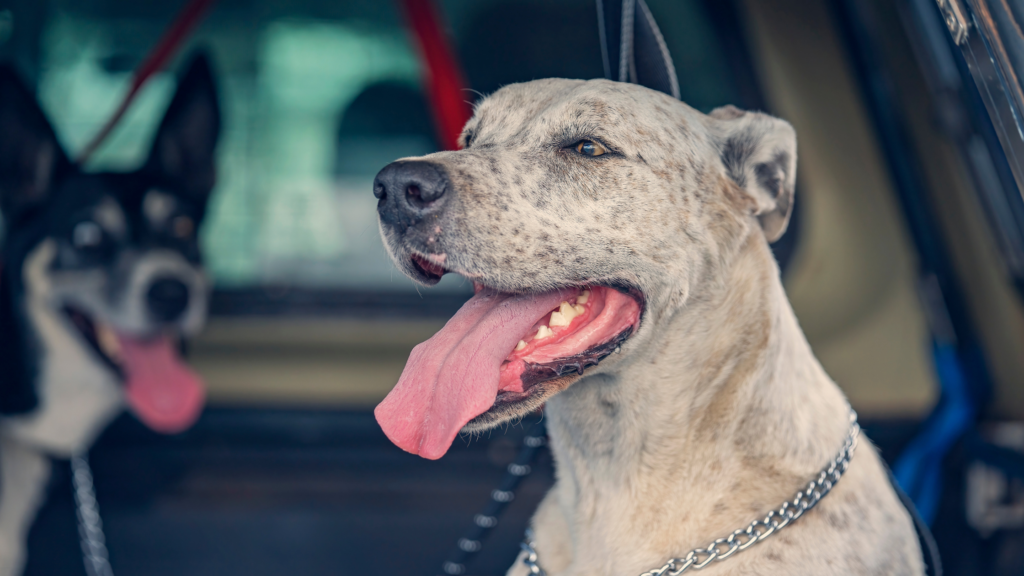
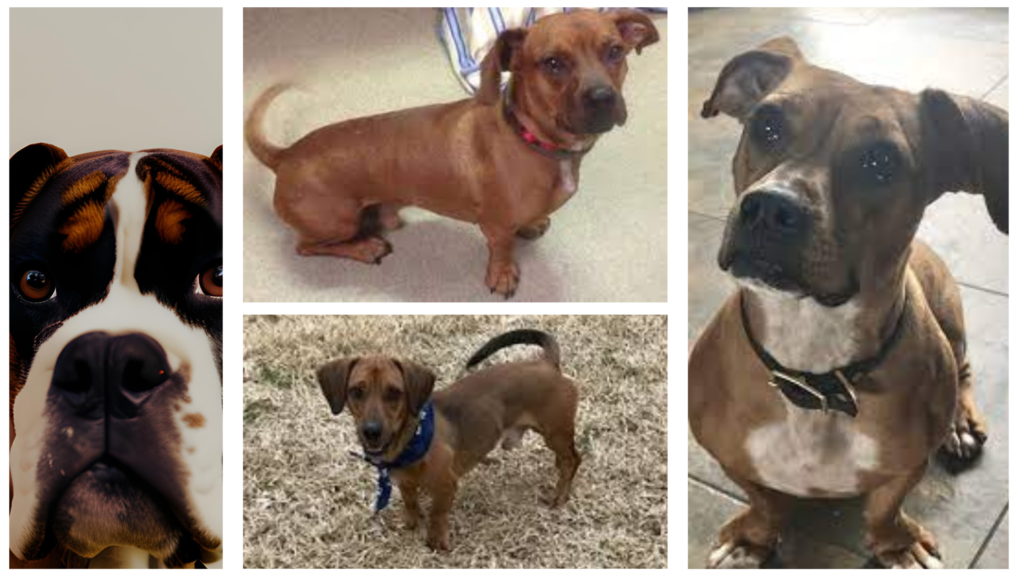
    The Boxer Weiner Dog mix inherits a unique blend of physical attributes from its Boxer and Dachshund parent breeds, resulting in a distinctive and eye-catching appearance.

    Let’s explore the general physical characteristics that make this crossbreed so intriguing.

    Size, Build, and Proportions

    Boxer Weiner Dog mixes typically display a medium-sized build, combining the Boxer’s muscular and sturdy frame with the Dachshund’s elongated body.

    They usually stand at a moderate height, showcasing a well-proportioned physique.

    Although individual variations may occur, most Boxer Weiner Dog mixes weigh between 25 to 60 pounds (11 to 27 kg) and stand around 12 to 25 inches (30 to 64 cm) tall at the shoulder.

    Coat Types, Colors, and Patterns

    One of the fascinating aspects of the Boxer Weiner Dog mix is the variety of coat types, colors, and patterns they can exhibit.

    Their coat can range from short and sleek like the Boxer to medium-length and dense like the Dachshund.

    Some individuals may even inherit a combination of both parent breeds, resulting in a unique textured coat.

    In terms of colors, Boxer Weiner Dog mixes come in a wide array of options.

    They can sport solid colors such as fawn, brindle, black, or white or display attractive combinations like black and tan or black and white.

    Additionally, some individuals may exhibit markings, including spots or patches, adding to their visual appeal.

    Distinctive Features and Traits

    While the physical appearance of Boxer Weiner Dog mixes can vary, a few distinctive features are commonly observed in this crossbreed.

    One notable trait is their expressive and soulful eyes, which often captivate and melt the hearts of those who meet them.

    Their ears can also vary, sometimes resembling the Boxer’s high-set, floppy ears or the Dachshund’s longer, pendant-shaped ears.

    Another distinct feature is their wagging tail, which tends to be expressive and lively, reflecting their enthusiastic and joyful nature.

    Their overall body structure combines the Boxer’s muscularity with the Dachshund’s elongated body shape, resulting in a unique and charming silhouette.

    These physical characteristics, combined with their playful and affectionate temperament, make Boxer Weiner Dog mixes visually appealing and endearing.

    Whether they inherit more traits from the Boxer or the Dachshund, their appearance will turn heads and bring a smile to everyone they encounter.

    Also Read: Thick Red Veins in Dogs’ Eye: What to Do? – Best Guide

    Temperament and Personality Traits of Boxer Weiner Dog mix.

    The Boxer Weiner Dog mix inherits a delightful blend of temperament traits from its Boxer and Dachshund parent breeds.

    Let’s explore the fascinating world of their behavior and personality and discover why they make such beloved companions.

    Friendliness and Playfulness

    Boxer Weiner Dog mixes’ standout characteristics are their friendly and outgoing nature. They are known for their love of people and eagerness to make new friends.

    This crossbreed thrives on social interactions and enjoys being a part of family activities.

    They are often described as joyful, enthusiastic, and ready for a play session or a good romp in the backyard.

    Their playful spirit brings endless entertainment and laughter to their human companions.

    Loyalty and Devotion

    The loyalty of Boxer Weiner Dog mixes knows no bounds.

    They form strong bonds with their families and are fiercely devoted to their loved ones. This crossbreed takes its role as a loyal companion seriously.

    It will go to great lengths to protect and care for its family members. They are known for their watchful nature, alerting their owners to potential intruders or unusual occurrences.

    With a Boxer Weiner Dog mix by your side, you can always count on their unwavering loyalty and dedication.

    Intelligence and Trainability

    Both the Boxer and Dachshund breeds are known for their intelligence, and the Boxer Weiner Dog mix is no exception.

    They possess a keen intellect and a willingness to learn, making them highly trainable.

    With positive reinforcement techniques and consistency, these crossbreeds can excel in obedience training and participate in dog sports.

    Mental stimulation is crucial for their overall well-being, as their intelligence craves challenges and puzzles to solve.

    Temperament Considerations

    While Boxer Weiner Dog mixes are generally friendly and pleasant, there are a few temperament considerations potential owners should be aware of.

    Due to their protective instincts inherited from the Boxer parent, they may exhibit cautiousness around strangers or be wary of unfamiliar situations. Early socialization is essential to help them develop confidence and feel comfortable in various environments.

    Additionally, their high energy levels and playful nature require regular exercise and mental stimulation.

    Without adequate outlets for their energy, they may become bored or restless, manifesting in destructive behaviors.

    A daily routine that includes physical exercise, interactive play, and mental challenges will help keep them happy, healthy, and well-behaved.

    In conclusion, the Boxer Weiner Dog mix combines both parent breeds’ friendliness, loyalty, and playfulness, resulting in a delightful and engaging companion.

    Their loving and devoted nature, intelligence, and trainability make them a perfect fit for families, individuals, and active households seeking a canine partner that will bring joy and companionship to their lives.

    Common Health Issues of Boxer Weiner Dog mix.

    Common Health Issues of Boxer Weiner Dog mix |
    Common Health Issues of Boxer Weiner Dog mix.

    When considering a Boxer Weiner Dog mix as a furry addition to your family, you must be aware of their overall health and potential health issues.

    Let’s explore the general health considerations and joint conditions that may affect this crossbreed.

    Overall Health

    Boxer Weiner Dog mixes are generally known for their robust health and vitality. However, like any dog breed, they can still be prone to specific health issues.

    By understanding the potential health concerns associated with the parent breeds, you can take proactive steps to ensure the well-being of your furry companion.

    Genetic Conditions and Health Concerns

    The Boxer Weiner Dog mix may inherit certain genetic conditions or health concerns from their Boxer and Dachshund parent breeds.

    Some of the conditions that may be more commonly observed in this crossbreed include:

    1. Hip Dysplasia: Both Boxers and Dachshunds are susceptible to hip dysplasia, a condition where the hip joint doesn’t develop properly.

    As a veterinarian recommends, regular exercise, maintaining a healthy weight, and providing joint supplements can help manage this condition.

    2. Intervertebral Disc Disease (IVDD): Dachshunds are prone to IVDD, which affects spinal discs.

    It’s essential to be mindful of activities that strain the back excessively and provide proper support to prevent injury.

    Prompt veterinary attention should be sought for any back pain or mobility issues.

    3. Bloat (Gastric Dilatation-Volvulus): Boxers have a higher risk of developing bloat, a severe condition where the stomach twists, causing a potentially life-threatening emergency.

    Feeding smaller meals throughout the day, avoiding vigorous exercise immediately after meals, and discussing preventive measures with a veterinarian can help reduce the risk.

    Preventive Care and Regular Check-ups

    To ensure the overall health and well-being of your Boxer Weiner Dog mix, it is essential to prioritize preventive care and regular veterinary check-ups.

    Here are some critical aspects of proactive healthcare:

    1. Balanced Diet and Weight Management: It is crucial to provide a nutritionally balanced diet tailored to their specific needs.

    Consult with a veterinarian to determine your mix’s appropriate diet and feeding regimen.

    Maintaining a healthy weight is essential to minimize the risk of specific health issues, such as joint problems.

    2. Exercise and Mental Stimulation: Regular exercise helps keep your Boxer Weiner Dog mix physically fit and mentally stimulated.

    Daily walks, interactive play sessions, and puzzle toys can help prevent obesity, promote muscle strength, and provide mental enrichment.

    3. Vaccinations and Parasite Prevention: Follow a vaccination schedule recommended by your veterinarian to protect your mix from common diseases.

    Implement a routine parasite prevention plan, including regular deworming and flea and tick control.

    4. Health Screenings: Discuss potential health screenings or genetic testing that may be relevant for your Boxer Weiner Dog mix with your veterinarian.

    These screenings can help identify underlying health conditions and allow for early detection and intervention.

    By prioritizing preventive care, regular veterinary check-ups, and addressing any health concerns proactively, you can help ensure that your Boxer Weiner Dog mix leads a healthy and happy life as your cherished companion.

    Diet and Nutrition for Boxer Weiner Dog mix.

    Proper nutrition plays a vital role in Boxer Weiner Dog mixes’ overall health and well-being.

    A balanced diet tailored to their needs is essential for their growth, energy levels, and overall vitality.

    Let’s explore the dietary considerations and guidelines for this crossbreed.

    Portion Sizes and Feeding Frequency

    Determining the appropriate portion sizes for your Boxer Weiner Dog mix is crucial to maintain a healthy weight and preventing overfeeding.

    The exact amount will depend on age, size, metabolism, and activity level. It’s recommended to consult with your veterinarian to determine the ideal portion sizes for your mix.

    Regarding feeding frequency, most adult Boxer Weiner Dog mixes do well with two meals per day, while puppies may require more frequent meals.

    Dividing their daily portion into two or three meals helps prevent digestive issues. It maintains a consistent energy level throughout the day.

    Recommended Types of Food

    Selecting high-quality dog food that meets the nutritional needs of your Boxer Weiner Dog mix is essential.

    Look for well-balanced commercial dog food specifically formulated for size, age, and activity level.

    Ensure the food contains adequate protein, healthy fats, vitamins, and minerals.

    You may choose between dry kibble, wet food, or both.

    Dry kibble helps maintain dental health by promoting chewing.

    At the same time, wet food provides moisture and can be more palatable for some dogs.

    Remember to follow the recommended feeding guidelines on the packaging, adjusting as necessary based on your mix’s needs.

    Dietary Restrictions and Considerations

    Individual Boxer Weiner Dog mixes may have specific dietary restrictions or considerations based on their health and activity levels. For example:

    1. Allergies or Sensitivities: Some dogs may have allergies or sensitivities to certain ingredients, such as grains or specific protein sources.

    Suppose your mix shows signs of allergies or intolerances.

    In that case, your veterinarian may recommend an elimination or specialized diet that avoids the offending ingredients.

    2. Weight Management: Obesity can lead to various health issues, so monitoring your mix’s weight and adjusting their diet is essential.

    If your dog needs to lose weight, your veterinarian can guide you in creating a balanced and calorie-controlled meal plan.

    3. Special Health Conditions: If your Boxer Weiner Dog mix has any specific health conditions, such as diabetes or kidney disease, their diet may need to be customized to accommodate their needs.

    Your veterinarian will guide appropriate dietary modifications to manage their condition effectively.

    Always provide fresh water for your mix to stay hydrated throughout the day.

    Regularly monitor their body condition and consult your veterinarian if you have any concerns about their diet or nutrition.

    You can ensure they receive the necessary nutrients to thrive and maintain optimal health by providing a well-balanced and appropriate diet tailored to your Boxer Weiner Dog mix’s needs.

    Also Read: Can Dogs Eat Fortune Cookies? Are they Safe for Dogs?

    Exercise and Activity Requirements for Boxer Weiner Dog mix.

    Boxer Weiner Dog mixes are energetic and active companions that thrive on regular exercise and mental stimulation.

    Meeting their exercise needs is not only essential for their physical well-being but also crucial for their mental and emotional health.

    Let’s explore their exercise requirements and discover ways to engage them happily.

    Exercise Needs and Energy Levels

    Boxer Weiner Dog mixes are known for their high energy levels and zest for life.

    They require regular physical activity to release their pent-up energy and prevent boredom-induced behaviors.

    A lack of exercise can lead to restlessness, destructive tendencies, and weight gain.

    As a general guideline, Boxer Weiner Dog mixes benefit from at least 30 to 60 minutes of daily exercise. However, remember that individual needs vary based on age, health, and overall energy levels.

    Some mixes may have a higher exercise requirement and thrive with even more vigorous activities.

    Recommended Daily Exercise Routines and Activities

    To keep your Boxer Weiner Dog mix physically and mentally stimulated, incorporate a variety of exercise routines and activities into their daily routine.

    Here are some attractive options to consider:

    1. Daily Walks: Regular walks are an excellent way to fulfill your mix’s exercise needs while providing mental stimulation.

    Aim for brisk walks of moderate length, allowing them to explore their surroundings and engage their senses.

    2. Active Play Sessions: Boxer Weiner Dog mixes love interactive play sessions. Engage them in games of fetch, tug-of-war, or hide-and-seek.

    These activities provide physical exercise and strengthen the bond between you and your furry friend.

    3. Agility Training: These crossbreeds often excel in agility activities. Set up an agility course in your backyard or enroll in agility classes.

    This not only challenges them physically but also stimulates their problem-solving skills.

    4. Puzzle Toys and Treat Dispensers: Mental exercise is as important as physical exercise.

    Use puzzle toys and treat dispensers to challenge their problem-solving abilities and keep them mentally engaged.

    5. Swimming: Many Boxer Weiner Dog mixes enjoy swimming, as it provides a low-impact, full-body workout.

    If access to a safe swimming area is available, introduce them to this activity and watch them have a splashing good time.

    Importance of Regular Exercise

    Regular exercise is vital for the overall well-being of Boxer Weiner Dog mixes.

    It helps them maintain a healthy weight, promotes cardiovascular health, strengthens muscles and joints, and prevents obesity-related health issues.

    Additionally, exercise provides mental stimulation, reduces anxiety, and helps prevent behavioral problems caused by pent-up energy.

    Remember to tailor the intensity and duration of exercise to your mix’s age, health, and physical abilities.

    Consult your veterinarian for professional guidance if you have any concerns about their exercise routine or limitations.

    In conclusion, providing regular exercise and engaging activities for your Boxer Weiner Dog mix is crucial to their happiness and well-being.

    You’ll have a content and fulfilled companion by incorporating daily exercise routines, active play, mental challenges, and exploring new activities together.

    Grooming and Maintenance for Boxer Weiner Dog mix.

    Boxer Weiner Dog mixes have coat types that may vary based on inherited traits from Boxer and Dachshund parent breeds.

    Proper grooming is crucial not only for maintaining their appearance but also for their overall cleanliness and skin health.

    Let’s delve into the grooming needs of this crossbreed and discover ways to keep their coat in excellent condition.

    Brushing and Coat Care

    Regular brushing is essential to keep your Boxer Weiner Dog mix’s coat healthy and free from mats or tangles.

    The frequency of brushing will depend on the length and type of their coat. Here are some guidelines to consider:

    1. Short Coat: If your mix has a shorter coat similar to the Boxer parent breed, brushing weekly with a soft-bristle brush or a grooming mitt will help remove loose hair and distribute natural oils.

    This type of coat is generally low-maintenance in terms of grooming.

    2. Medium or Long Coat: If your mix inherits a longer coat like the Dachshund parent breed, more frequent brushing may be required.

    Aim for brushing at least two to three times a week to prevent matting and tangling. Use a slicker brush or a comb with wide teeth to work through their fur gently.

    Bathing and Hygiene

    Boxer Weiner Dog mixes generally do not require frequent bathing unless they get filthy or develop an unpleasant odor.

    Bathing every two to three weeks or as needed is usually sufficient. Use a gentle dog-specific shampoo on their skin and follow it up with a thorough rinse to remove any residue.

    In addition to regular bathing, it’s essential to maintain their overall hygiene. Trim their nails regularly to prevent overgrowth and discomfort.

    Clean their ears gently with a damp cloth or a vet-recommended ear cleaner to prevent wax buildup and potential infections.

    Brush their teeth regularly with a dog-friendly toothbrush and toothpaste to maintain good oral health.

    Specific Grooming Considerations

    Depending on the coat type and length of your Boxer Weiner Dog mix, there may be some specific grooming challenges or considerations to keep in mind:

    1. Shedding: Boxer Weiner Dog mixes may shed moderately, especially during seasonal changes. Regular brushing helps to remove loose hair and minimize shedding around the house.

    Consider using a de-shedding tool or a rubber grooming glove to capture loose hair effectively.

    2. Coat Trimming: If your mix has a longer coat, occasional trimming may be necessary to keep their fur tidy and prevent excessive matting.

    Please consult with a professional groomer or learn basic trimming techniques to maintain their coat length.

    Recommended Grooming Tools and Techniques

    To keep your Boxer Weiner Dog mix’s coat in good condition, here are some recommended grooming tools:

    1. Soft-bristle brush or grooming mitt: Ideal for brushing short coats and distributing natural oils.

    2. Slicker brush or wide-toothed comb: Suitable for medium to long coats to remove tangles and prevent matting.

    3. Dog-specific shampoo and conditioner: Choose gentle products specifically formulated for dogs to maintain their skin health.

    4. Nail clippers or grinder: Essential for regular nail maintenance to prevent overgrowth.

    5. Ear cleaner and cotton pads: Use these to keep their ears clean and free from wax buildup.

    Remember to approach grooming sessions patiently and provide positive reinforcement to make it a pleasant experience for your mix.

    If you need clarification on specific grooming techniques or encounter any challenges, consider seeking guidance from a professional groomer.

    Following a regular grooming routine and utilizing the appropriate tools and techniques can help keep your Boxer Weiner Dog mix’s coat healthy, clean, and looking its best.

    Also Read: Can You Board a Dog in Heat? A Comprehensive Guide 2023

    Training and Socialization Tips for Boxer Weiner Dog mix.

    Training and socialization are critical factors in raising a well-behaved and socially adept Boxer Weiner Dog mix.

    With their intelligent nature and eager-to-please attitude, these crossbreeds respond well to positive reinforcement training methods.

    Let’s explore practical tips and considerations for training and socializing your Boxer Weiner Dog mix.

    1. Embrace Positive Reinforcement

    Boxer Weiner Dog mixes thrive on positive reinforcement techniques, which involve rewarding desired behaviors with treats, praise, and affection.

    Use verbal cues such as “good boy/girl” and incorporate small, tasty treats as rewards during training sessions.

    This approach encourages their cooperation and strengthens the bond between you and your mix.

    2. Start Early Socialization

    Early socialization is crucial for Boxer Weiner Dog mixes to develop appropriate behavior and positive interactions with people, animals, and various environments.

    Expose them to different situations, sounds, sights, and experiences from a young age.

    Gradually introduce them to new people, other dogs, and novel environments while providing positive reinforcement for calm and friendly behavior.

    3. Basic Obedience Training

    Begin with basic obedience commands such as sit, stay, come, and down. Keep training sessions short, fun, and engaging to maintain their interest and focus.

    Consistency and repetition are crucial to reinforcing their understanding of commands. Use treats and praise as rewards when they respond correctly to the cues.

    4. Leash Training

    Teach your Boxer Weiner Dog to mix to walk politely on a leash. Start by using a well-fitted harness and a sturdy leash.

    Please encourage them to walk by your side without pulling by using gentle corrections and rewards.

    Gradually increase the duration and difficulty of walks, exposing them to different environments and distractions while reinforcing good leash manners.

    5. Socialize with Other Dogs

    Arrange supervised playdates or take your mix to dog parks where they can interact and socialize with other dogs.

    This helps them develop appropriate social skills and learn to communicate effectively with their canine counterparts.

    Observe their interactions and intervene if necessary to ensure positive and respectful behavior.

    6. Be Patient and Consistent

    Training takes time and patience, especially with a crossbreed like the Boxer Weiner Dog mix.

    Stay consistent with your training methods and expectations.

    Keep training sessions short and frequent to prevent boredom and maintain their focus.

    Celebrate their progress and avoid punishment or harsh corrections, which can hinder their learning and damage their trust.

    7. Address Breed-Specific Traits

    Consider the characteristics of the Boxer and Dachshund parent breeds when training your mix.

    Boxers are known for their high energy and vitality, so providing ample physical and mental exercise is essential.

    Dachshunds can exhibit some stubbornness, so patience and positive reinforcement are crucial in overcoming training challenges.

    Tailor your training approach to accommodate these traits and work with their personality.

    Training is an ongoing process throughout your Boxer Weiner Dog mix’s life.

    Consistency, positive reinforcement, and early socialization are crucial to fostering a well-behaved and socially confident companion.

    If you encounter specific training challenges or need additional guidance, consider consulting with a professional dog trainer who can provide personalized advice and support.

    Investing time and effort in training and socialization helps your Boxer Weiner Dog mix develop into a well-mannered and balanced canine companion, ready to enjoy a harmonious life with you and your family.

    Also Read: Resolving Ingrown Dog Whisker: Effective Treatment Guide

    Living with a Boxer Weiner Dog Mix – Home and Family Compatibility

    Boxer Weiner Dog mixes are lively and social companions that can bring joy and excitement to your home.

    To ensure a harmonious living environment, one must consider their size, energy levels, exercise needs, compatibility with children, other pets, and various household dynamics.

    Let’s explore some tips for creating a happy and fulfilling home for your Boxer Weiner Dog mix.

    1. Living Arrangements and Exercise Space

    Boxer Weiner Dog mixes are generally medium-sized dogs with moderate energy levels.

    While they can adapt to different living situations, providing enough space to move and play is essential.

    A house with a securely fenced yard can allow them to exercise and explore safely.

    However, regular exercise through walks, interactive play, and mental stimulation can help meet their needs even in an apartment or smaller living space.

    2. Compatibility with Children

    Boxer Weiner Dog mixes can be excellent companions for children.

    They are often playful, friendly, and tolerant, making them well-suited for family environments.

    However, it’s crucial to teach children how to interact respectfully with dogs and supervise their interactions to ensure the safety and well-being of both the dog and the child.

    Teach children to approach the dog gently, avoid pulling on their ears or tail, and never disturb them during meals or sleep.

    3. Compatibility with Other Pets

    Boxer Weiner Dog mixes can get along well with other pets, including dogs and cats. Early socialization plays a vital role in fostering positive relationships.

    Introduce your mix to other pets gradually and under controlled circumstances, using positive reinforcement techniques to reward calm and friendly behavior.

    Supervise their interactions initially, and provide separate spaces and resources to prevent potential conflicts.

    4. Safe and Stimulating Environment

    To keep your Boxer Weiner Dog mix happy and well-adjusted:

    1. Please provide them with a safe and stimulating environment.
    2. Ensure your home is free from hazards such as toxic plants, small objects that can be swallowed, and accessible chemicals.
    3. Create designated spaces for rest and play, including comfortable bedding, interactive toys, and puzzle games to keep them mentally stimulated.
    4. Engage in regular exercise and play sessions to prevent boredom and positively channel their energy.

    5. Training and Mental Stimulation

    Boxer Weiner Dog mixes are intelligent and eager to please.

    Engaging them in regular training sessions and mental challenges can help keep their minds sharp and provide a sense of purpose.

    Incorporate obedience training, fun tricks, and interactive toys that stimulate their problem-solving abilities.

    This strengthens the bond between you and your mix and helps prevent boredom-related behaviors.

    6. Time and Attention

    Boxer Weiner Dog mixes thrive on human companionship and requires quality time and attention from their owners.

    They may experience separation anxiety if left alone for extended periods. Be prepared to devote time to exercise, socialization, training, and affectionate interactions.

    If you have a busy schedule, consider enlisting the help of a dog walker or engaging them in doggie daycare to ensure they receive the attention and stimulation they need.

    By considering the size, energy levels, exercise needs, and compatibility with children and other pets, you can create a loving and suitable home for your Boxer Weiner Dog mix.

    Providing a safe and stimulating environment, regular exercise, proper training, and quality time will contribute to their overall well-being and ensure a fulfilling companionship for you and your furry friend.

    Also Read: Fish Flakes for Dogs: Best Guide .

    Conclusion

    The Boxer Weiner Dog mix is a delightful crossbreed that brings together the best traits of the Boxer and Dachshund breeds.

    Throughout this article, we have explored various aspects of this unique mix, including its origins, physical characteristics, temperament, health considerations, care needs, and adoption considerations.

    Let’s recap the key points discussed and highlight why the Boxer Weiner Dog mix can be a fantastic addition to your family.

    Firstly, we discovered that the Boxer Weiner Dog mix combines the Boxer’s energetic and playful nature with the Dachshund’s intelligence and determination.

    This mix inherits various physical traits, including a medium-sized build, a mix of coat types, colors, and patterns, and often possess endearing features such as expressive eyes and a charming face.

    Regarding temperament and personality, we learned that Boxer Weiner Dog mixes are known for their friendliness, loyalty, and playfulness.

    They are affectionate towards their families, including children and other pets.

    Early socialization and positive reinforcement training are essential to help them develop into well-behaved and confident companions.

    Regarding their health, we discussed the potential genetic health issues associated with the parent breeds and the importance of regular veterinary care, preventive measures, and appropriate nutrition to ensure their overall well-being.

    In terms of care, we explored their exercise needs, grooming requirements, and the significance of creating a safe and stimulating environment.

    Regular exercise, mental stimulation, and proper grooming practices contribute to their happiness and overall health.

    Additionally, we touched upon the adoption considerations, including adoption fees, responsible breeding practices, and the importance of choosing reputable sources.

    Whether you adopt from a shelter or rescue organization or purchase from a responsible breeder, ensuring your Boxer Weiner Dog mix’s welfare and quality of life should always be a priority.

    In conclusion, the Boxer Weiner Dog mix is an exceptional and lovable companion.

    With their playful nature, loyalty, and affectionate temperament, they have the potential to bring immense joy and love to your family.

    However, it is essential to emphasize responsible ownership, including providing proper care, training, socialization, and a loving forever home.

    If you are ready to welcome a furry friend, consider the Boxer Weiner Dog mix an excellent addition to your family.

    Their unique blend of traits and unwavering loyalty will undoubtedly make them cherished companions for years.

    Responsible ownership and a loving environment are the keys to building a solid bond and ensuring a fulfilling and happy life for your Boxer Weiner Dog mix.


  • Can Dogs Eat Fortune Cookies? Are they Safe for Dogs?

    Can Dogs Eat Fortune Cookies? Are they Safe for Dogs?

    Can Dogs Eat Fortune Cookies? – Welcome to the intriguing world of dogs and fortune cookies!

    Many pet owners, with their furry friends by their side, often wonder if fortune cookies are a safe indulgence for their canine companions.

    After all, sharing food is a bonding experience, and who wouldn’t want to share the excitement of cracking open a fortune cookie with their four-legged friend?

    But before diving into this culinary puzzle, it’s crucial to recognize the significance of being well-informed about what foods are safe for our beloved dogs.

    Our furry companions rely on us to make responsible choices regarding their diet, ensuring their health and happiness remain paramount.

    While fortune cookies may pique the curiosity of both humans and canines alike, the question remains: Can dogs safely consume fortune cookies?

    Let’s journey to discover the answer while unraveling the mysteries behind these delectable treats.

    Join us as we delve into the depths of fortune cookies, exploring their ingredients, potential risks, and safer alternatives.

    By the end of this article, you’ll be equipped with the knowledge to make informed decisions about sharing treats with your canine companion, ensuring their well-being remains the top priority.

    So, fasten your seatbelts, grab a cup of tea, and explore the fascinating world of fortune cookies and how they relate to our furry friends.

    Remember, a little knowledge can go a long way in keeping our loyal companions healthy, happy, and wagging their tails in delight!

    Can Dogs Eat Fortune Cookies?

    Can Dogs Eat Fortune Cookies
    Can Dogs Eat Fortune Cookies? Are they Safe for Dogs?

    Are you curious whether fortune cookies can be a safe indulgence for your canine companion?

    Let’s dig deeper into the safety aspect of fortune cookies and find out if they are a treat to be shared or best kept as a human delight.

    When it comes to our furry friends, it’s essential to prioritize their well-being above all else.

    While fortune cookies may seem harmless at first glance, there are potential risks and concerns associated with feeding them to dogs.

    These delectable treats, adorned with intriguing messages tucked inside, can be tempting for humans and their canine pals.

    However, it’s essential to exercise caution and consider the following factors before sharing these cookies with your furry friend.

    One primary concern lies in the ingredients commonly found in fortune cookies. While the outer shell is typically made of flour, sugar, and eggs, the precise composition may vary between brands and recipes.

    Some fortune cookies may contain additives, artificial flavors, or even potentially harmful substances for dogs.

    It’s crucial to carefully examine the ingredient list and ensure no harmful additives or allergens are present.

    Furthermore, the high sugar content of fortune cookies can be a cause for concern.

    Dogs have different dietary needs than humans, and excessive sugar intake can lead to weight gain and dental issues and even contribute to diabetes in some cases.

    Additionally, fortune cookies often contain elevated levels of sodium, which can negatively impact a dog’s health, particularly if they have pre-existing conditions such as heart or kidney problems.

    Digestive issues can also arise from feeding fortune cookies to dogs.

    The combination of unfamiliar ingredients, high sugar content, and potential additives may not sit well with their sensitive digestive systems.

    This can result in stomach upset, diarrhea, or other discomforting symptoms.

    While fortune cookies may seem harmless on the surface, it’s crucial to prioritize your dog’s health and well-being.

    Instead of taking unnecessary risks, it’s wise to explore alternative treatment options specifically designed to meet their nutritional needs and formulated with dog-friendly ingredients.

    So, while fortune cookies may be a delightful treat for humans, it’s best to resist the temptation to share them with your furry companion.

    Instead, let’s turn our attention to finding dog-friendly treats that satisfy their taste buds and contribute to their overall health and vitality.

    Join us as we delve into the world of safe pet snacks and explore alternative treat options that cater to your dog’s nutritional needs.

    By making informed choices, you can ensure that your beloved furry friend receives the best care possible while indulging in treats designed with their well-being in mind.

    Also Read: Can You Board a Dog in Heat? A Comprehensive Guide 2023

    The Risks of Feeding Fortune Cookies to Dogs

    While fortune cookies may hold the allure of a delicious treat, it’s essential to be aware of their potential risks to our furry friends.

    Feeding fortune cookies to dogs can lead to various health concerns, ranging from minor digestive upset to more severe issues.

    Let’s explore these risks and ensure the well-being of our beloved canine companions.

    1. Digestive Upset

    Fortune cookies are not part of a dog’s natural diet, and their digestive systems may struggle to process certain ingredients found in these treats.

    The combination of flour, sugar, and oil can be heavy on a dog’s stomach, leading to digestive discomfort, including vomiting, diarrhea, or an upset tummy.

    2. Weight Gain

    Fortune cookies tend to be high in sugar and calories, which can contribute to weight gain in dogs.

    Just like humans, excessive consumption of sugary treats can lead to obesity, which can harm your dog’s overall health and well-being.

    3. Allergic Reactions

    Some fortune cookies contain artificial flavorings, such as almond or vanilla extracts.

    Dogs can be sensitive or allergic to certain flavorings, and consuming these cookies may trigger allergic reactions.

    Symptoms can vary from mild itching and skin irritations to more severe allergic responses, including swelling or difficulty breathing.

    4. Chocolate Toxicity

    It’s crucial to note that certain fortune cookies may contain chocolate, either in the form of chips or coatings.

    Chocolate is highly toxic to dogs and can lead to symptoms such as increased heart rate, tremors, seizures, and even life-threatening complications.

    Always double-check the ingredients and ensure that fortune cookies do not contain any chocolate before offering them to your furry friend.

    To keep your dog safe and healthy, avoiding feeding fortune cookies altogether is best. Instead, consider exploring alternative treats that are specifically formulated for dogs.

    Many pet stores offer a wide range of dog-friendly biscuits, cookies, or homemade treats made with ingredients safe for canine consumption.

    Remember, as a responsible pet owner, it’s essential to prioritize your dog’s health and well-being.

    By being mindful of the potential risks associated with fortune cookies and opting for safer alternatives, you can ensure your four-legged friend remains in tip-top shape and enjoy treats without any adverse effects.

    Signs of an Adverse Reaction

    While fortune cookies may hold a sense of intrigue and delight, keeping a watchful eye on our furry friends after they indulge in any unfamiliar treats is crucial.

    Dogs, like humans, can experience adverse reactions to certain foods, including fortune cookies.

    Let’s uncover the signs that may indicate your dog has an adverse reaction and explore the necessary steps to ensure their well-being.

    1. Gastrointestinal Distress

    One of the dogs’ most common signs of an adverse reaction is gastrointestinal upset.

    If your dog experiences vomiting or diarrhea shortly after consuming fortune cookies, it could indicate that its digestive system is struggling to process the ingredients.

    Keep an eye out for changes in the frequency or consistency of their bowel movements.

    2. Lethargy and Weakness

    Suppose your ordinarily energetic and lively dog suddenly becomes lethargic or weak after consuming fortune cookies. In that case, it may be a cause for concern.

    Excessive sugar or certain ingredients can lead to fluctuations in blood sugar levels, resulting in a temporary energy crash.

    Observe your dog’s behavior and note any unusual fatigue or lack of enthusiasm.

    3. Changes in Behavior

    Dogs may exhibit changes in behavior when they are experiencing discomfort or adverse reactions. Look for signs such as restlessness, agitation, excessive panting, pacing, or reluctance to move.

    These behavioral changes can indicate that something is wrong and should not be ignored.

    Suppose you notice any of these signs or suspect that your dog is having an adverse reaction to fortune cookies. In that case, it is crucial to seek immediate veterinary attention.

    Your veterinarian is the best resource for assessing your dog’s condition and providing appropriate guidance.

    Be prepared to provide details about the ingredients in the fortune cookies and the timing and severity of the observed symptoms.

    Remember, our dogs rely on us to be their advocates and protectors of their well-being. If you suspect any adverse reactions, it’s always better to err on the side of caution and consult a professional.

    Swift veterinary attention can help prevent potential complications and ensure your furry friend receives the necessary care.

    By staying vigilant and attuned to changes in your dog’s behavior or physical condition, you can provide them with the necessary care and attention, ensuring their happiness and health remain at the forefront of your pet-parenting journey.

    Alternatives to Fortune Cookies for dogs

    While fortune cookies may not be the best choice for our furry friends, fear not! Plenty of tasty alternatives will have your dog’s tail wagging with excitement. Let’s explore healthier, dog-friendly options that will satisfy their taste buds and keep them safe and happy.

    1. Homemade Treats

    Creating homemade treats gives you complete control over the ingredients and ensures they are safe for your dog.

    Countless recipes are available online for dog-friendly biscuits, cookies, and even pupcakes! Experiment with wholesome ingredients like pumpkin, sweet potato, peanut butter, and oats to whip up a batch of delicious and nutritious treats tailored specifically for your canine companion.

    2. Store-Bought Dog Treats

    Pet stores offer a wide array of treats specifically formulated for dogs. These treats often undergo rigorous quality control and use safe and beneficial ingredients for canine consumption.

    Look for treats made with high-quality proteins, such as chicken or salmon, and natural ingredients. Opt for treats free from artificial flavors, colors, and preservatives.

    Remember that different dogs have different dietary needs, so choose treats that align with your dog’s age, size, and any specific dietary restrictions they may have.

    3. Natural Chews

    For dogs who love to chew, natural chews can be a fantastic alternative to fortune cookies.

    Rawhide-free options like bully sticks, antlers, or dental chews made from natural ingredients can provide a satisfying and healthy outlet for your dog’s chewing instincts.

    These chews promote dental health and provide entertainment while being free from the risks associated with fortune cookies.

    When choosing treats for your dog, always check the ingredient labels carefully.

    Avoid treats that contain excessive sugar, artificial additives, or ingredients that are toxic to dogs, such as chocolate, onions, or xylitol.

    Consulting with your veterinarian is also a great idea, as they can offer guidance based on your dog’s specific needs and health conditions.

    Treats should be given in moderation and as part of a balanced diet. They should not replace regular meals or contribute to excessive calorie intake.

    Treat time can be an opportunity for training, bonding, or rewarding good behavior. Still, it’s essential to maintain a healthy balance.

    By exploring homemade options, selecting high-quality store-bought treats, and considering natural chews, you can provide your dog with delicious and safe alternatives.

    Tailor your choices to suit your furry friend’s preferences and dietary requirements, ensuring their snack time is filled with joy and wellness.

    Safety Tips for Treating Your Dog

    Regarding treating our beloved canine companions, safety should always be the top priority.

    While sharing snacks and treats with our dogs is a joyful experience, following some guidelines is essential to ensure their well-being.

    Let’s explore some safety tips to remember when treating your dog and ensure their snack time remains delightful and healthy.

    1. Moderation is Key

    Treats should be given in moderation (not more than 10% of daily diet) to maintain a balanced diet for your dog.

    While treats can be a valuable tool for training, rewards, or simply showing love, overindulgence can lead to weight gain, digestive issues, and an imbalance in nutritional intake.

    Keep treat portions small, and be mindful of the overall calorie intake from treats about your dog’s daily dietary needs.

    2. Portion Control

    Just like humans, portion control is essential for our furry friends. Treats should be appropriately sized to avoid overfeeding.

    Consider the size of your dog and adjust treat portions accordingly. Smaller breeds may require smaller treats, while larger breeds can handle slightly larger portions.

    Remember, it’s the gesture of giving a treat that matters most to your dog, not the quantity.

    3. Consider Age, Health Conditions, and Dietary Requirements

    Dogs have varying nutritional needs at different stages of life.

    Puppies have different dietary requirements than adult dogs and senior dogs may have specific health conditions that require special diets.

    Consider your dog’s age and any health conditions they may have, and consult with your veterinarian to ensure the treats you offer are suitable and safe for their specific needs.

    4. Allergies and Food Sensitivities

    Just like humans, dogs can have allergies or food sensitivities.

    When introducing new treats, pay attention to any adverse reactions or signs of discomfort, such as itching, gastrointestinal upset, or changes in behavior.

    If you suspect an allergy or sensitivity, consult your veterinarian for guidance and consider specialized hypoallergenic treats.

    5. Variety and Novelty

    Dogs, like us, appreciate variety in their diet. While it’s essential to maintain consistency in their main meals, incorporating different treats can provide mental stimulation and prevent boredom.

    However, avoid sudden changes or introducing too many new treats at once, as it can lead to digestive upset. Gradually introduce new treats and observe your dog’s response.

    6. Safe and Supervised Snacking

    Always offer treats in a safe and supervised environment. Avoid leaving treats out for extended periods, as they can spoil or attract pests.

    Watch your dog while they enjoy their treat to ensure they’re not at risk of choking or experiencing any difficulties.

    Also, create a calm and controlled environment during treat time to prevent resource guarding or food aggression.

    By following these safety tips, you can ensure that treating your dog becomes a positive experience that contributes to their overall well-being.

    Treats should enhance their enjoyment of life while supporting their health and happiness.

    Remember, a well-balanced and thoughtful approach to treating your dog will foster a strong bond and create many wagging tails of appreciation.

    Also Read: Thick Red Veins in Dogs’ Eye: What to Do? – Best Guide

    Conclusion

    In conclusion, whether dogs can safely consume fortune cookies leads us on a journey of discovery.

    We’ve explored the ingredients, risks, and alternatives, shedding light on making informed choices regarding our furry friends’ diets and treats.

    With their alluring messages and delectable crunch, Fortune cookies may tempt us to share them with our dogs.

    However, we must exercise caution and prioritize their well-being above all else.

    The potential risks associated with fortune cookies, such as digestive upset, weight gain, allergic reactions, and the toxicity of chocolate, highlight the need for vigilance.

    But fret not! A world of healthier alternatives is waiting to delight our dogs’ taste buds.

    From homemade treats crafted with love and wholesome ingredients to store-bought options formulated specifically for dogs, we have the power to offer our furry friends delicious and safe treats that will keep them happy and healthy.

    Throughout this journey, we’ve learned that moderation, portion control, and considering factors like age, health conditions, and dietary requirements are crucial.

    It’s essential to be mindful of allergies and sensitivities and consult with a veterinarian when introducing new treats into our dogs’ diets.

    Ultimately, being a responsible pet owner means putting our dogs’ well-being first. By making informed choices about their diet and treats, we can preserve their health, happiness, and longevity.

    Our furry companions rely on us to make the best decisions on their behalf, and by doing so, we strengthen the bond we share with them.

    So, remember the insights gained from this exploration the next time you reach for a fortune cookie.

    Choose treats that are safe, nourishing, and tailored to your dog’s needs. Celebrate the joy of treating your furry friend, knowing you’ve consciously prioritized their well-being.

    Let’s continue to delight in the companionship and love our dogs bring into our lives, showering them with treats that reflect our dedication to their health and happiness.

  • Thick Red Veins in Dogs’ Eye: What to Do? – Best Guide

    Thick Red Veins in Dogs’ Eye: What to Do? – Best Guide

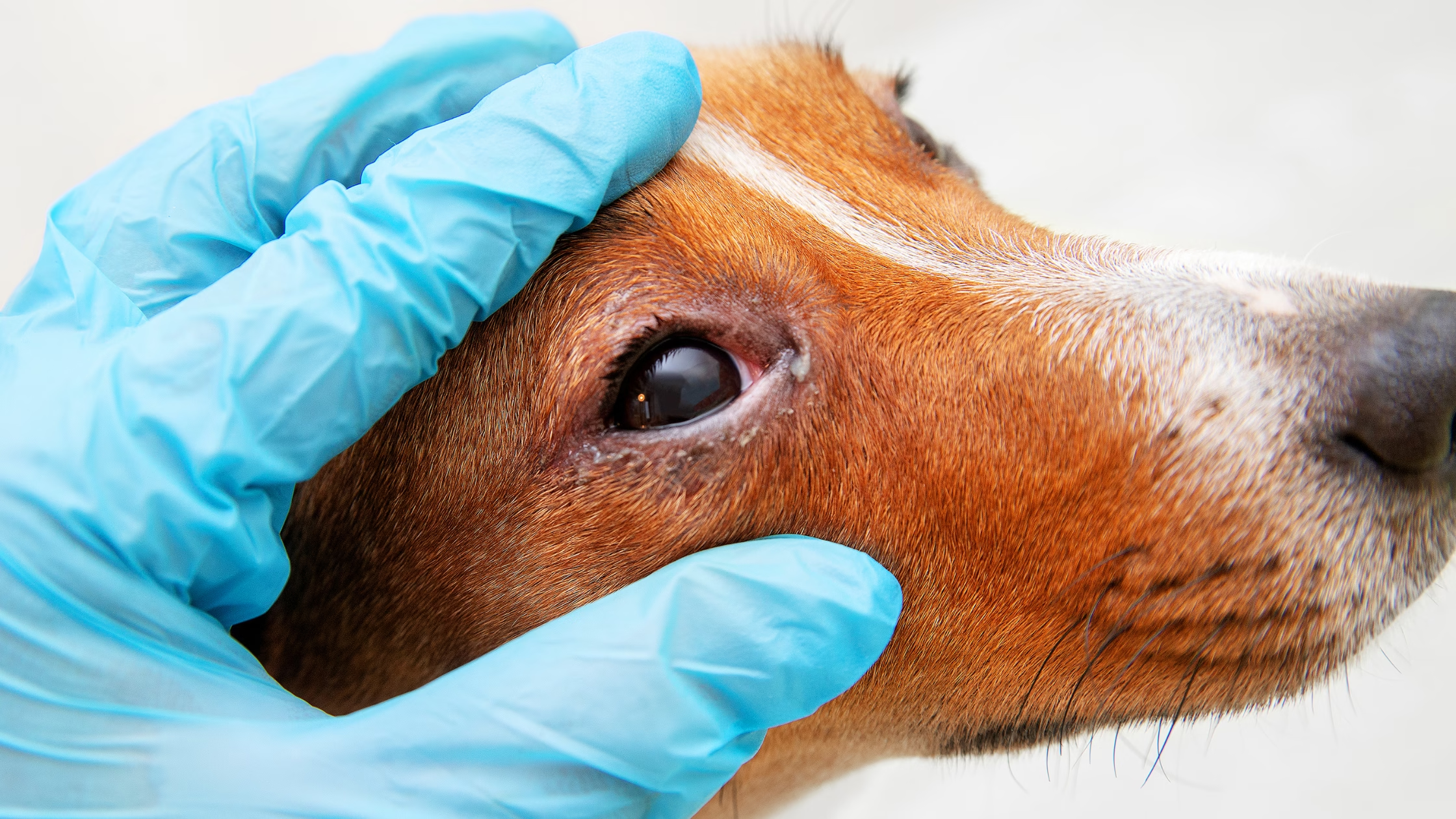
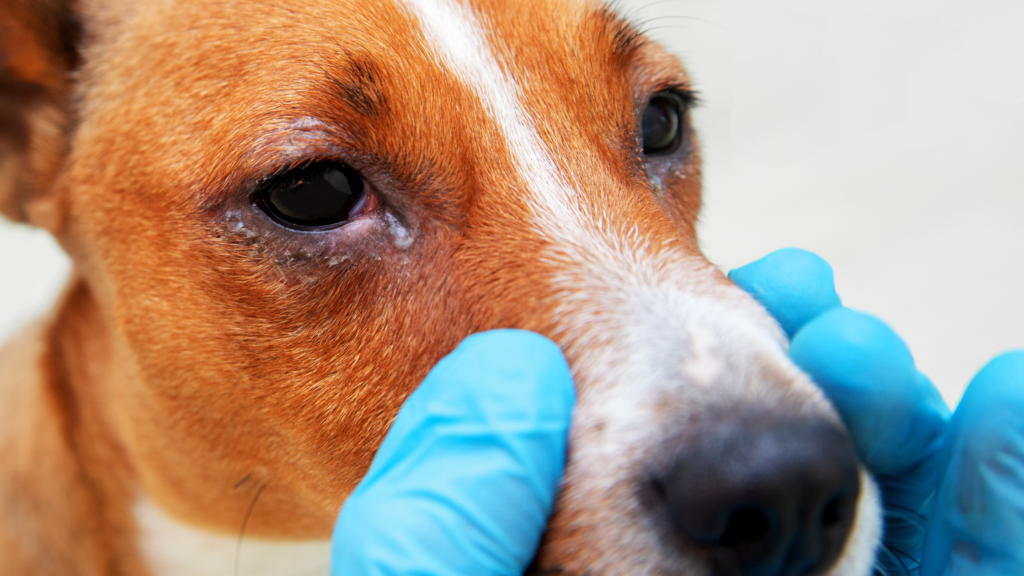
    Thick Red Veins in Dogs’ Eye – The saying goes, “Eyes are the windows to the soul,” this holds true for our beloved canine companions. As responsible dog owners, we must keep our furry friends’ eyes healthy and vibrant.

    However, sometimes we may notice unusual signs, such as thick red veins in our dogs’ eyes.

    This peculiar occurrence can be concerning, but fear not, as we delve into understanding the causes, treatments, and preventive measures associated with these veins.

    When we observe thick red veins in a dog’s eye, it often indicates an underlying issue that needs attention.

    Like humans, dogs can experience various eye conditions that may manifest as these visible veins.

    These conditions range from common problems like conjunctivitis to more severe issues like glaucoma.

    Understanding and addressing the causes promptly is crucial for maintaining your furry friend’s ocular well-being.

    This informative guide will explore the significance of maintaining optimal eye health in dogs and shed light on the topic “thick red veins in dog eyes.”

    By grasping the relevance of this keyword, we can better comprehend the potential implications and take the necessary steps to ensure our pets’ eyes stay clear, bright, and healthy.

    So, let’s embark on this enlightening journey together as we uncover the secrets behind thick red veins in dogs’ eyes and discover how we can keep those captivating eyes as captivating as ever!

    Causes of Thick Red Veins in Dogs’ Eyes

    Causes of Thick Red Veins in Dogs Eyes |
    Causes of Thick Red Veins in Dogs’ Eyes

    Conjunctivitis in Dogs

    One common cause of thick red veins in dogs’ eyes is conjunctivitis, also known as pink eye.

    Conjunctivitis occurs when the conjunctiva, the thin membrane covering the eye’s front surface, becomes inflamed.

    This inflammation can be triggered by various factors, including allergies, infections, or irritants.

    Allergies to pollen, dust mites, or certain chemicals can lead to dog conjunctivitis. Infections like bacterial or viral conjunctivitis can also cause the condition.

    Additionally, irritants like smoke, chemicals, or foreign objects can result in conjunctivitis.

    When dogs have conjunctivitis, the blood vessels in the conjunctiva become dilated and more visible, making thick red veins appear.

    Other symptoms may include redness, excessive tearing, discharge, squinting, or pawing at the eye.

    Subconjunctival Hemorrhage in Dogs

    Another possible cause of thick red veins in dogs’ eyes is a subconjunctival hemorrhage.

    This occurs when a blood vessel in the conjunctiva ruptures, causing blood to accumulate beneath the conjunctival tissue.

    Subconjunctival hemorrhages can result from various factors, such as trauma to the eye, vigorous rubbing, high blood pressure, or blood clotting disorders.

    Even activities like excessive coughing or sneezing can contribute to a subconjunctival hemorrhage.

    When subconjunctival bleeding occurs, the affected area appears as a patch or streak of blood on the white part of the eye, surrounded by dilated red blood vessels.

    However, there is typically no associated pain or discharge.

    Glaucoma in Dogs

    Glaucoma, a severe eye condition, can also cause the appearance of thick red veins in dogs’ eyes. Glaucoma occurs when increased pressure within the eye damages the optic nerve.

    The increased intraocular pressure in glaucoma causes the veins in the eye to become engorged and more visible.

    If left untreated, glaucoma can result in permanent vision loss and even blindness.

    Glaucoma can develop due to various factors, including a malfunction in the eye’s drainage system, underlying health conditions, or genetic predisposition.

    Early detection and treatment are crucial to managing glaucoma and preserving a dog’s vision.

    Understanding the causes of thick red veins in dogs’ eyes, such as conjunctivitis, subconjunctival hemorrhage, and glaucoma, can help pet owners recognize potential reasons behind this condition.

    Seeking prompt veterinary attention and appropriate treatment are vital for ensuring our beloved canine companions’ eye health and overall well-being.

    Also Read: Fish Flakes for Dogs: Best Guide

    Diagnosis and Examination of Thick Red Veins in Dogs’ Eye

    Veterinary Evaluation

    Regarding the health of our canine companions’ eyes, it is crucial to consult a veterinarian for a proper diagnosis.

    While we may observe the presence of thick red veins in our dog’s eyes, a veterinarian’s expertise is necessary to determine the underlying cause accurately. 

    During a veterinary eye examination, your veterinarian will carefully examine your dog’s eyes using specialized tools and techniques.

    They will assess the overall eye condition, look for any signs of inflammation, check the cornea’s clarity, and observe the size and responsiveness of the pupils. 

    In addition to a visual examination, your veterinarian may perform specific diagnostic tests to gather more information.

    For instance, the Schirmer tear test can help assess tear production, crucial for detecting certain types of conjunctivitis or dry eye syndrome.

    They may also measure the intraocular pressure using a tonometer to evaluate the possibility of glaucoma.

    Differentiating Causes

    Identifying the specific cause of thick red veins in your dog’s eyes is essential for determining the appropriate treatment plan.

    Veterinarians employ their expertise to differentiate between conditions that can lead to this symptom, such as conjunctivitis, subconjunctival hemorrhage, and glaucoma.

    To differentiate between these causes, veterinarians consider several factors. They carefully examine the appearance of the eye, assessing the presence of discharge, redness, or swelling.

    By evaluating the history of the condition, they can gather information about potential triggers, such as recent trauma or exposure to allergens.

    Additional diagnostic procedures may be necessary to reach a definitive diagnosis.

    Blood tests can help identify any underlying systemic issues contributing to eye problems, such as autoimmune or blood clotting disorders.

    In some cases, advanced imaging techniques like ultrasound or specialized ocular imaging may be used to visualize the internal structures of the eye and detect any abnormalities.

    By conducting a comprehensive examination and employing diagnostic tools, veterinarians can differentiate between the causes of thick red veins in a dog’s eyes.

    This accurate diagnosis sets the foundation for targeted treatment strategies, ensuring your furry friend receives the most appropriate care for their specific condition.

    Remember, the expertise of a veterinarian is invaluable in diagnosing and understanding the complex nature of eye conditions.

    Seeking professional help is always the best course for your dog’s eye health, as it ensures accurate diagnoses and appropriate treatment plans tailored to your pet’s needs.

    Treatment Options for Thick Red Veins in Dogs’ Eye

    Medication and Topical Treatments

    When treating conditions like conjunctivitis or subconjunctival hemorrhage, veterinarians often prescribe medications to alleviate symptoms and promote healing.

    Antibiotic or antiviral eye drops or ointments may be prescribed for conjunctivitis to combat bacterial or viral infections.

    Anti-inflammatory medications can help reduce the inflammation associated with conjunctivitis.

    Following your veterinarian’s instructions regarding the dosage and application of the prescribed medications is crucial.

    Administering the medication as directed ensures optimal effectiveness and promotes faster recovery.

    Pay attention to the frequency and duration of treatment, as some medications may require multiple daily applications for a specific period.

    While medications can be highly beneficial, being aware of potential side effects or complications is essential.

    Some dogs may experience temporary stinging or discomfort upon applying eye drops or ointments. Rarely, an allergic reaction to certain medications may occur.

    Contact your veterinarian promptly if you notice any unusual or concerning side effects.

    Surgical Interventions

    In some instances, surgical intervention may be necessary to treat thick red veins in the eye, mainly when dealing with conditions like glaucoma or underlying structural abnormalities.

    Glaucoma, characterized by increased intraocular pressure, often requires surgical management to alleviate pressure and prevent further damage to the optic nerve.

    Surgical procedures for glaucoma may include laser therapy to improve fluid drainage or the surgical implantation of a shunt to redirect excess fluid from the eye.

    These procedures aim to regulate intraocular pressure and preserve vision.

    When considering surgical interventions, weighing the risks and benefits is essential. While surgery can be highly effective in managing specific conditions, it has risks.

    Potential complications may include infection, bleeding, or adverse reactions to anesthesia.

    Your veterinarian will thoroughly assess your dog’s overall health and discuss the potential benefits and risks of the specific surgical procedure.

    It is crucial to have open and honest communication with your veterinarian when discussing treatment options.

    They will guide you in making informed decisions regarding the best action for your dog’s eye condition.

    By carefully considering the available treatments and their potential outcomes, you can ensure that your furry companion receives the most appropriate and effective care.

    Early intervention and proactive treatment significantly promote your dog’s eye health and prevent complications.

    Regular follow-up appointments and close monitoring of your pet’s progress are essential to gauge the effectiveness of the chosen treatment plan.

    Always consult your veterinarian for any concerns or questions throughout the treatment process.

    Prevention and General Dog Eye Care

    Maintaining Eye Health in dogs

    Just as we prioritize our own eye health, it is equally essential to establish a regular eye care routine for our furry friends.

    By implementing a few simple practices, we can help prevent eye infections and conditions in dogs.

    First and foremost, practicing good hygiene is crucial. Please keep your dog’s face clean by gently wiping away any discharge or debris that may accumulate around their eyes.

    Use a clean, soft cloth or pet-safe wipes designed explicitly for eye cleaning. Be careful not to touch the eye directly, and avoid using harsh chemicals or soaps.

    Additionally, it’s essential to prevent irritants from entering your dog’s eyes.

    Protect your dog’s eyes from dust, debris, and UV rays outdoors using dog-friendly sunglasses or goggles.

    Suppose you notice your dog excessively rubbing or pawing at their eyes. In that case, it may indicate discomfort or an underlying issue, so seek veterinary attention promptly.

    Maintaining your dog’s overall health also contributes to their eye health. Provide a balanced diet rich in essential nutrients, as proper nutrition supports ocular health.

    Regular exercise helps promote good blood circulation, which also benefits the eyes. Consult your veterinarian for specific dietary recommendations tailored to your dog’s needs.

    Regular Veterinary Check-ups

    Routine visits to the veterinarian are crucial for overall wellness and play a vital role in maintaining your dog’s eye health.

    Regular eye examinations by a veterinarian can help identify potential issues before they worsen, ensuring timely intervention and treatment.

    During these check-ups, your veterinarian will thoroughly examine your dog’s eyes, assessing their clarity, checking for any signs of inflammation or abnormalities, and measuring intraocular pressure if necessary.

    By monitoring the health of your dog’s eyes regularly, your veterinarian can detect any subtle changes or early signs of eye conditions.

    The frequency of veterinary check-ups may vary depending on your dog’s age, breed, and pre-existing eye conditions.

    Puppies and senior dogs may require more frequent visits to monitor their eye health. Your veterinarian can guide the appropriate scheduling of check-ups based on your dog’s needs.

    In addition to regular veterinary visits, be vigilant for changes in your dog’s eye appearance or behavior.

    If you notice persistent redness, excessive tearing, cloudiness, discharge, or other concerning signs, seek veterinary attention promptly.

    Early detection and intervention are crucial in managing eye conditions and preserving your dog’s vision.

    You can minimize the risk of eye infections and conditions by prioritizing regular eye care and proactively approaching your dog’s overall health.

    Prevention and early intervention are vital to ensuring the long-term well-being of your furry friend’s precious eyes.

    Also Read: Can You Board a Dog in Heat? A Comprehensive Guide 2023

    Conclusion

    In conclusion, thick red veins in dogs’ eyes can indicate various underlying conditions, such as conjunctivitis, subconjunctival hemorrhage, or glaucoma.

    Prompt veterinary attention is crucial in accurately diagnosing the cause and providing appropriate treatment options.

    We discussed the importance of maintaining optimal eye health in dogs and highlighted the keyword’s relevance.

    Conjunctivitis, a common condition in dogs, can lead to thick red veins, and treatment may involve topical medications and addressing the underlying cause.

    Subconjunctival hemorrhage, often caused by trauma or underlying blood clotting disorders, may require monitoring and, in some cases, identifying and managing the root cause.

    Glaucoma, a severe eye condition, can result in the appearance of thick red veins. Timely diagnosis and treatment, which may involve medication or surgical interventions, are essential for preserving vision.

    We emphasized the significance of regular veterinary check-ups and proper eye care routines to prevent and detect eye conditions early on.

    Maintaining good hygiene, protecting against irritants, and ensuring a balanced diet contribute to overall eye health in dogs.

    In conclusion, seeking professional advice from a veterinarian is crucial if you notice thick red veins in your dog’s eyes.

    Each case is unique, and accurate diagnosis and appropriate treatment are essential for your dog’s well-being.

    Remember, your veterinarian is the best resource for tailored advice and treatment options for your dog’s needs.

    By staying proactive and attentive to your dog’s eye health, you can help ensure a lifetime of clear vision and emotional ocular well-being for your beloved furry companion.

  • Can You Board a Dog in Heat? A Comprehensive Guide 2023

    Can You Board a Dog in Heat? A Comprehensive Guide 2023

    Can You Board a Dog in Heat? Are you a concerned dog owner wondering if it’s possible to board your furry friend while she’s in heat?

    You’re not alone! Many dog owners face this dilemma and want to ensure their pet’s well-being and comfort.

    Understanding the guidelines and considerations for boarding a dog in heat is essential to make an informed decision that aligns with your dog’s needs.

    In this article, we’ll delve into the fascinating world of a dog’s heat cycle and provide valuable insights and tips to help you navigate the boarding process during this sensitive time.

    By the end, you’ll better understand whether boarding your dog in heat is the right choice and how to ensure her safety, health, and happiness throughout the process.

    We’ll explore a range of factors, including boarding facility policies, health considerations, and behavioral aspects, to give you a comprehensive overview.

    So, whether you’re planning a vacation, facing a work trip, or dealing with any other situation that requires temporary care for your beloved pet, this article will equip you with the knowledge you need to make the best decision for your dog.

    Remember, your dog’s well-being is of utmost importance, and by understanding the intricacies of boarding a dog in heat, you can confidently approach the situation and ensure that your furry companion receives the care she deserves.

    So, let’s embark on this journey together and unravel the mysteries of boarding a dog in heat!

    Also Read: Resolving Ingrown Dog Whisker: Effective Treatment Guide

    Understanding the Heat Cycle in Dogs

    Understanding the Heat Cycle in Dogs |
    Understanding the Heat Cycle in Dogs

    Imagine stepping into the magical world of a dog’s heat cycle, a fascinating process female dogs undergo.

    It’s like nature’s symphony, orchestrated with precision and purpose. So, let’s dive into this fascinating phenomenon and unravel the secrets of a dog’s heat cycle.

    The heat cycle, or estrus, is a natural reproductive cycle in female dogs. It’s their body’s way of preparing for potential mating and reproduction.

    Just like humans have menstrual cycles, dogs have heat cycles, although they function quite differently.

    The heat cycle is divided into stages: proestrus, estrus, diestrus, and anestrus, each characterized by unique physiological and behavioral changes and varying durations.

    1. Proestrus

    This is the initial stage of the heat cycle, often accompanied by a symphony of hormonal changes.

    Proestrus typically lasts for about 9 to 10 days. During this stage, a female dog’s body prepares for potential mating.

    You might notice some subtle signs, such as swelling of the vulva and a small amount of bloody discharge.

    However, it’s important to note that the dog is not ready to mate at this stage. She may also exhibit changes in behavior, becoming more restless or seeking attention from male dogs.

    2. Estrus

    Ah, the grand stage of the heat cycle! This is the time when the female dog is receptive to mating. Estrus usually lasts for approximately 5 to 9 days.

    During this phase, the bloody discharge reduces and may even change to a straw-like color.

    The swelling of the vulva persists, and the dog becomes more flirtatious and friendly towards male dogs.

    She may lift her tail to the side, inviting potential suitors to approach. Keeping a close eye on her is crucial to prevent unwanted or unplanned encounters.

    3. Diestrus

    As the curtains close on the grand spectacle, the final stage of the heat cycle, diestrus, takes center stage.

    Diestrus typically lasts 60 to 90 days, regardless of whether mating occurred. If the female dog has not mated, her reproductive system gradually returns to its normal state.

    The swelling of the vulva subsides, and the hormonal levels stabilize. Diestrus marks the end of the heat cycle, and the dog returns to her usual self, patiently waiting for the next cycle to arrive.

    4. Anestrus

    After the culmination of diestrus, anestrus takes the spotlight. Anestrus is a period of reproductive inactivity and serves as a resting phase before the start of the next heat cycle.

    It can last several months, providing a break for the reproductive system and allowing the dog to regain her energy.

    No noticeable physical or behavioral changes occur during anestrus, as it’s a time of rest and preparation for the upcoming heat cycle.

    Understanding the heat cycle and its stages allows us to better appreciate and care for our canine companions during this sensitive time.

    So, let’s move forward and explore the considerations when boarding a dog in heat, ensuring their safety, health, and happiness.

    Factors to Consider When Boarding a Dog in Heat

    Now that we have delved into the enchanting world of a dog’s heat cycle let’s focus on the critical considerations when boarding a dog in heat. It’s crucial to ensure your furry friend’s safety, comfort, and well-being during their stay. Here are some factors to keep in mind:

    1. Communication with the Boarding Facility

    Before boarding your dog in heat, it’s essential to communicate openly with the boarding facility. Please make sure they are experienced and knowledgeable about handling dogs in heat.

    Discuss your dog’s specific needs and provide detailed information about the stage of her heat cycle. This will allow the facility to make appropriate arrangements and provide the necessary care.

    2. Separate Accommodations

    To prevent any unwanted mating attempts or potential conflicts with other dogs, it’s crucial to ensure that your dog is kept separate from intact males during her stay.

    Ask the boarding facility if they have separate accommodations or designated areas for dogs in heat.

    This will provide your dog with a safe and secure environment and alleviate any concerns about unwanted pregnancies or aggressive interactions.

    3. Increased Supervision and Security

    While boarding a dog in heat, it’s important to have increased supervision and security measures in place.

    Ensure the facility has a secure fencing system and a reliable monitoring system to prevent escape attempts.

    Additionally, consider requesting additional staff attention to keep a close eye on your dog, especially during peak times when there might be more activity and excitement.

    4. Regular Exercise and Mental Stimulation

    During boarding, you must provide your dog with regular exercise and mental stimulation.

    Activities such as interactive toys or puzzle games can help keep her mind occupied and reduce potential frustration or restlessness.

    Ask the boarding facility if they offer supervised playtime or individual exercise sessions to cater to your dog’s needs.

    5. Comfort and Familiarity

    To ease your dog’s anxiety and make her feel more comfortable, consider bringing along familiar items from home, such as her bedding or a favorite toy.

    The scent of familiar objects can provide security and familiarity, making the boarding experience less stressful for your dog.

    6. Health and Hygiene

    Ensure that your dog’s health and hygiene needs are met during her stay at the boarding facility.

    Provide clear instructions regarding her feeding schedule, any required medications, and specific grooming requirements.

    If your dog is prone to frequent accidents during the heat cycle, discuss the possibility of more frequent cleaning and hygiene routines with the facility.

    7. Emergency Contact and Updates

    Before boarding your dog, provide the boarding facility with your emergency contact information, phone number, and backup contact.

    Additionally, request regular updates on your dog’s well-being and behavior. This will give you peace of mind and keep you informed about any developments or concerns that may arise.

    Considering these factors when boarding a dog in heat, you can ensure a positive and secure experience for your furry companion.

    Remember, open communication, careful planning, and selecting a reputable boarding facility are vital to providing the best care for your dog during this unique phase of her reproductive cycle.

    Alternatives to Traditional Boarding for dogs in heat.

    Traditional boarding facilities may only sometimes be the ideal choice for some dog owners when boarding a dog in heat.

    Fortunately, alternative options can provide a more tailored and comfortable experience for your furry friend.

    Let’s explore some alternatives to traditional boarding during a dog’s heat cycle:

    1. Trusted Pet Sitter for Dogs in Heat

    Consider hiring a trusted pet sitter who is experienced and comfortable handling dogs in heat.

    A professional pet sitter can provide one-on-one care in the familiar surroundings of your own home.

    This option offers several benefits, including personalized attention, minimized stress from an unfamiliar environment, and the ability to maintain your dog’s routine and daily activities.

    Ensure the pet sitter is well-versed in the specific needs and behaviors associated with dogs in heat.

    This way, they can provide the necessary care and prevent potential risks or complications during this sensitive time.

    2. Specialized Boarding Facilities for Dogs in Heat.

    Another alternative is to search for specialized boarding facilities that cater specifically to dogs in heat.

    These facilities understand the unique requirements and challenges associated with a dog’s heat cycle.

    They provide separate accommodations and designated areas to ensure the safety and well-being of dogs in heat.

    Specialized boarding facilities often have experienced staff knowledgeable about the different stages of the heat cycle and can provide appropriate care and supervision.

    They may also have additional security measures to prevent interactions with intact males and create a stress-free environment for your dog.

    When considering this option, conducting thorough research and visiting the facility beforehand is essential to ensure it meets your expectations and aligns with your dog’s specific needs.

    3. Home Boarding with Responsible Dog Owners for Dogs in Heat

    For dog owners who prefer a more personal touch, home boarding with responsible dog owners can be a viable option.

    This involves finding trustworthy individuals with experience with dogs in heat and willing to provide temporary accommodation for your dog in their home.

    This arrangement allows your dog to receive individual attention and care in a home environment, reducing the stress associated with traditional boarding facilities.

    It’s essential to thoroughly vet the individuals and ensure they have a safe and suitable home environment for your dog.

    When exploring this option, consider factors such as the compatibility between your dog and the resident dogs, any specific requirements your dog may have, and the trustworthiness and reliability of the individuals offering the home boarding services.

    By exploring these alternative options to traditional boarding, you can find a solution that best suits your dog’s needs during her heat cycle.

    Whether hiring a trusted pet sitter, finding specialized boarding facilities, or opting for home boarding, the goal is to provide your dog with a safe and comfortable environment while you’re away.

    Also Read: Fish Flakes for Dogs: Best Guide

    Conclusion – Can You Board a Dog in Heat?

    In conclusion, whether you can board a dog in heat depends on the policies and practices of the boarding facility you choose.

    Some boarding facilities may have specific guidelines and accommodations to board dogs in heat safely. In contrast, others may have restrictions or prefer not to accept them. 

    To make the best decision for your dog, it’s essential to research and communicates with potential boarding facilities thoroughly.

    Discuss your dog’s specific needs, the stage of the heat cycle, and any concerns you may have.

    This open dialogue will allow you to find a boarding facility that understands the unique requirements of dogs in heat and can provide the necessary care and accommodations.

    Remember, your dog’s health, safety, and well-being should always be the top priority.

    If you cannot find a suitable boarding facility or are uncomfortable with the available options, consider alternative arrangements such as hiring a trusted pet sitter or exploring specialized boarding facilities catering to dogs in heat.

    By prioritizing your dog’s needs and making informed decisions, you can ensure a positive and stress-free experience for you and your furry friend during the heat cycle.

  • Fish Flakes for Dogs: Best Guide .

    Fish Flakes for Dogs: Best Guide .

    Fish Flakes for Dogs: Are you considering adding fish flakes to your dog’s diet? Fish flakes, traditionally used as a food source for Fish, have gained popularity as a dietary supplement for dogs.

    These flakes are packed with essential nutrients and potential health benefits for our furry friends.

    In this article, we’ll explore the world of fish flakes for dogs, delving into their advantages, safety considerations, and how to incorporate fish flakes into your dog’s diet.

    By the end, you’ll better understand whether fish flakes are a suitable addition to your dog’s nutritional regimen.

    So, let’s dive in and uncover the secrets of fish flakes for dogs!

    What are Fish Flakes?

    What are Fish Flakes?
    What are Fish Flakes?

    Fish flakes are a food commonly used in the aquarium industry as a dietary staple for Fish.

    These flakes are made from various types of Fish, including salmon, tuna, or whitefish, which are carefully processed and dried to create thin, lightweight flakes.

    While fish flakes are primarily designed for fish consumption, many pet owners have started exploring their potential benefits for dogs.

    Fish flakes are rich in essential nutrients, including omega-3 fatty acids, protein, vitamins, and minerals.

    These nutrients are crucial for maintaining a dog’s overall health and well-being.

    When properly incorporated into a dog’s diet, fish flakes can boost nutritional goodness that supports their immune system, promotes healthy skin and coat, and contributes to optimal growth and development.

    However, it’s important to note that not all fish flakes are suitable for dogs. Some commercially available fish flakes may contain additives or preservatives that can harm dogs.

    Therefore, selecting fish flakes specifically formulated for canine consumption is crucial or consulting with a veterinarian to ensure you choose the right product for your furry friend.

    In the following sections, we’ll delve deeper into the safety considerations, health benefits, and proper usage of fish flakes for dogs, helping you make an informed decision about incorporating this supplement into your dog’s diet.

    Health Benefits of Fish Flakes for Dogs

    Health Benefits of Fish Flakes for Dogs
    Health Benefits of Fish Flakes for Dogs

    Fish flakes offer a wide range of health benefits for dogs, thanks to their nutrient-rich composition. Here are some of the key advantages of incorporating fish flakes into your dog’s diet:

    1. High Protein Content

    Fish flakes are an excellent source of high-quality protein essential for muscle development, repair, and overall growth.

    Protein is particularly important for active dogs or those recovering from illness or injury.

    2. Essential Fatty Acids

    Fish flakes are rich in omega-3 fatty acids, including EPA (eicosapentaenoic acid) and DHA (docosahexaenoic acid).

    These fatty acids promote healthy skin and coat, reduce inflammation, support brain function, and boost cardiovascular health.

    3. Vitamins and Minerals

    Fish flakes contain various vitamins and minerals contributing to a dog’s well-being.

    These include vitamin D, B12, selenium, iodine, and magnesium, which are vital for maintaining healthy bones, teeth, and immune function.

    4. Healthy Coat

    The omega-3 fatty acids in fish flakes help nourish the skin and coat, promoting a glossy, lustrous appearance.

    They can alleviate dryness, itchiness, and irritation, making fish flakes a great option for dogs with skin conditions or allergies.

    5. Joint Health

    The anti-inflammatory properties of omega-3 fatty acids in fish flakes can benefit dogs with joint issues, such as arthritis.

    These fatty acids help reduce joint inflammation, alleviate pain, and improve mobility.

    6. Boosted Immune System

    The nutrients in fish flakes, including vitamins and antioxidants, support a strong immune system in dogs.

    A robust immune system helps protect against infections, diseases, and other health challenges.

    It’s important to note that while fish flakes offer many health benefits, they should be used to supplement a balanced and complete diet.

    Always consult your veterinarian before introducing fish flakes or any new dietary changes to ensure they are appropriate for your dog’s needs.

    In the next sections, we’ll explore the proper usage and considerations when incorporating fish flakes into your dog’s diet, helping you provide the best nutrition for your furry friend.

    Also Read: Can Dogs Eat Yellow Rice? Unveiling the Truth & Benefits

    Safety Considerations for feeding fish flakes to dogs

    While fish flakes can offer numerous health benefits for dogs, it’s crucial to consider certain safety aspects before incorporating them into your furry friend’s diet. Here are some key points to keep in mind:

    1. Allergies and Sensitivities

    Like humans, dogs can have allergies or sensitivities to certain types of Fish.

    Before introducing fish flakes, observe your dog for any signs of adverse reactions such as itching, vomiting, diarrhea, or skin irritations.

    If you suspect an allergy or sensitivity, consult with your veterinarian for guidance and consider alternative protein sources.

    2. Selecting High-Quality Fish Flakes

    When choosing fish flakes for your dog, choose those specifically formulated for canine consumption.

    These products are usually free from additives, preservatives, and harmful ingredients that may be present in fish flakes intended for other animals.

    Look for reputable brands that prioritize the quality and sourcing of their ingredients.

    3. Moderation and Portion Control

    While fish flakes can be beneficial, they should be incorporated into your dog’s diet in moderation.

    Too much Fish can lead to an imbalance in nutrients, particularly fatty acids.

    Follow the recommended guidelines the manufacturer provides or consult with your veterinarian to determine the appropriate portion size based on your dog’s Size, age, and specific nutritional needs.

    4. Cooked vs. Raw Fish

    It’s important to note that fish flakes are typically made from cooked and processed Fish.

    Raw Fish, on the other hand, may carry potential risks such as parasites or bacterial contamination.

    Avoid feeding raw Fish to your dog, as it can pose health hazards.

    Stick to commercially available fish flakes that have undergone proper processing and quality control.

    5. Introduce Gradually

    If you’re introducing fish flakes to your dog’s diet for the first time, it’s advisable to do so gradually.

    Start with a small amount mixed into their regular food and monitor their response. Slowly increase the quantity over time while watching for any adverse reactions.

    Remember, every dog is unique, and what works well for one may not work for another.

    If you have any concerns or questions regarding feeding your dog fish flakes, consult your veterinarian for personalized advice based on your dog’s specific needs and health conditions.

    By considering these safety considerations and making informed decisions, you can confidently provide the potential benefits of fish flakes to your canine companion while ensuring their safety and well-being.

    Introducing Fish Flakes to Your Dog’s Diet

    Fish Flakes for dogs
    Introducing Fish Flakes to Your Dog’s Diet

    If you’ve decided to incorporate fish flakes into your dog’s diet, it’s essential to introduce them gradually and thoughtfully. Here are some tips to ensure a smooth transition:

    1. Start Slowly

    Add a small amount of fish flakes to your dog’s regular meals.

    This allows their digestive system to adjust and reduces the chances of any digestive upset.

    Gradually increase the number of fish flakes over several days or weeks, depending on your dog’s tolerance and response.

    2. Mixing with Meals

    Fish flakes can be easily mixed into your dog’s existing food.

    Whether you feed them commercial dog food or homemade meals, sprinkle the desired amount of fish flakes over the food and gently mix it in.

    This helps to distribute the flavor and aroma of the fish flakes throughout the meal.

    3. Homemade Meals

    Fish flakes can be nutritious if you prepare homemade meals for your dog.

    Incorporate them into recipes with other dog-friendly ingredients such as lean meats, vegetables, and grains.

    Ensure that the overall meal is nutritionally balanced, and consult with a veterinarian or canine nutritionist to ensure your dog’s specific dietary needs are met.

    4. Commercial Dog Food

    Many commercial dog food brands offer options that include Fish as a primary ingredient.

    If you prefer the convenience of commercial dog food, look for high-quality options that list Fish as a main protein source.

    Read the product labels carefully to ensure that fish flakes or fish meals are listed among the ingredients.

    5. Veterinary Consultation

    Before making any significant changes to your dog’s diet, it’s always wise to consult with your veterinarian.

    They can provide personalized guidance based on your dog’s individual health needs, dietary restrictions, and any existing medical conditions.

    They may also recommend specific brands or types of fish flakes that are suitable for your dog.

    Remember, a gradual and balanced approach is key when introducing new food to your dog’s diet.

    Monitor your dog’s response to the fish flakes, including their digestion, coat condition, and overall well-being.

    Consult your veterinarian for further evaluation and guidance if you notice any negative reactions or concerns.

    By following these steps and collaborating with your veterinarian, you can safely and effectively incorporate fish flakes into your dog’s diet, providing them with potential health benefits and a delicious addition to their meals.

    Proper Usage of fish flakes and Serving Suggestions for dogs

    When it comes to using fish flakes as a dietary supplement for your dog, here are some tips to ensure proper usage and make it an enjoyable experience:

    1. Serving Size

    The appropriate serving size of fish flakes depends on factors such as your dog’s Size, age, and nutritional needs.

    As a general guideline, start with a small amount and adjust accordingly.

    Larger dogs may require a slightly larger serving, while smaller dogs may need a more modest portion.

    It’s always best to consult your veterinarian to determine your dog’s ideal serving size.

    2. Mixing with Food

    One of the simplest ways to serve fish flakes is by mixing them with your dog’s regular food.

    Sprinkle the desired fish flakes over their meal and gently mix them in.

    This allows the flavors and aromas of the fish flakes to blend with the food, making it more enticing for your dog.

    3. Training Treats

    Fish flakes can also be used as a tasty and nutritious training treat.

    During training sessions, break them into smaller pieces or crush them into a powder-like consistency.

    This provides a delicious reward for your dog and adds a healthy element to their training routine.

    4. Homemade Dog Treats

    Get creative in the kitchen by incorporating fish flakes into homemade dog treats. There are numerous recipes available that include Fish as an ingredient.

    From fish-flavored biscuits to savory Fish jerky, these treats can be a fun and nutritious way to add variety to your dog’s snack time.

    5. Proper Storage

    To maintain the freshness and nutritional value of fish flakes, storing them properly is important. Keep them in an airtight container in a cool, dry place away from direct sunlight.

    This helps prevent moisture and exposure to air, which can degrade the quality of the flakes. Always check the expiration date and discard any expired or rancid fish flakes.

    Remember to monitor your dog’s overall health, including weight and digestion, when incorporating fish flakes into their diet.

    Observe changes in their coat condition, energy levels, and overall well-being. Consult your veterinarian for guidance if you have any concerns or notice any adverse reactions.

    Incorporating fish flakes into your dog’s diet can be a nutritious and enjoyable addition.

    By following the appropriate serving size, exploring different suggestions, and storing them correctly, you can provide your dog with a flavorful and beneficial dietary supplement that contributes to overall health and happiness.

    Also Read: Resolving Ingrown Dog Whisker: Effective Treatment Guide

    Conclusion

    Incorporating fish flakes into your dog’s diet can be a fantastic way to enhance their nutrition and overall well-being.

    Throughout this article, we’ve explored the benefits, safety considerations, proper usage, and serving suggestions for fish flakes. Let’s recap the key points:

    Fish flakes offer numerous health benefits for dogs, thanks to their high protein content, essential fatty acids, and vitamins.

    From promoting a healthy coat and supporting joint health to boosting immune function, these nutritional powerhouses can contribute to your dog’s vitality.

    However, it’s important to consider safety when introducing fish flakes to your dog’s diet.

    Some dogs may have allergies or sensitivities to fish, so it’s crucial to monitor their reactions and consult your veterinarian if needed.

    Selecting high-quality fish flakes specifically made for dogs, free from additives or preservatives, ensures the best possible experience.

    There are various options when it comes to incorporating fish flakes into your dog’s meals.

    Mixing them with regular food allows for easy integration while using them as training treats adds a nutritious element to reward-based training.

    You can even get creative and include fish flakes in homemade dog treats, opening up a world of culinary possibilities for your furry friend.

    Remember to store fish flakes properly in an airtight container, away from moisture and sunlight, to maintain their freshness and nutritional value.

    As with any dietary changes, it’s essential to consult with your veterinarian before incorporating fish flakes into your dog’s diet.

    They can provide personalized guidance based on your dog’s specific needs, ensuring their overall dietary requirements are met.

    By considering the information in this article and working with your veterinarian, you can make informed decisions about using fish flakes as a dietary supplement for your beloved canine companion.

    Enjoy exploring the benefits and discovering new ways to enhance your dog’s nutrition with the addition of fish flakes. Here’s to your dog’s health and happiness!

  • Resolving Ingrown Dog Whisker: Effective Treatment Guide

    Resolving Ingrown Dog Whisker: Effective Treatment Guide

    Did you know that dog whiskers are more than just attractive features on your furry friend’s face? They play a crucial role in their sensory perception and overall well-being.

    From detecting changes in their surroundings to communicating with other animals, dog whiskers are fascinating and essential.

    However, what happens when these delicate sensory tools become ingrown?

    This comprehensive guide will delve into the intriguing world of ingrown dog whiskers and provide valuable insights into their causes, prevention, and treatment.

    Whether you’re a dedicated dog owner or simply curious about our four-legged companions, this article will illuminate an often-overlooked aspect of canine care.

    Picture this: your adorable canine companion exploring the world around them with their inquisitive snout and those adorable whiskers.

    Scientifically known as vibrissae, these whiskers are not just a charming addition to your dog’s appearance.

    They serve a vital purpose, acting as sensitive receptors that provide essential information about their environment.

    Like our senses of touch and sight, dog whiskers are intricately connected to their ability to navigate and perceive the world.

    Now, let’s address the topic at hand – ingrown dog whiskers.

    While dog whiskers typically grow straight outwards, they can occasionally become trapped or embedded, leading to discomfort and potential complications for your furry friend.

    Ingrown dog whiskers are an inconvenience and can indicate underlying issues that require attention.

    This article explores the causes behind ingrown whiskers, identifies the telltale signs of trouble, and discusses effective preventive measures to keep your dog’s whiskers healthy and unobstructed.

    Whether you’re a proud owner of a whiskered canine companion or simply fascinated by the intricacies of our furry friends, this guide will equip you with the knowledge to ensure your dog’s whiskers stay in optimal shape.

    From practical grooming tips to understanding the importance of a stress-free environment, we’ll cover everything you need to know about dealing with ingrown dog whiskers.

    So, let’s embark on this enlightening journey and learn how to keep those whiskers wagging happily!

    Understanding Dog Whiskers and Their Function

    Understanding Dog Whiskers and Their Function
    Understanding Dog Whiskers and Their Function

    A. Explanation of Dog Whiskers

    Technically known as vibrissae, whiskers are specialized hairs that protrude from specific areas on a dog’s face, primarily around the muzzle, eyebrows, and cheeks.

    These whiskers are more than just adorable facial features—they are essential tools for our canine companions.

    Dog whiskers have distinctive characteristics that set them apart from regular fur. They are longer, stiffer, and more deeply rooted in the skin.

    Whiskers are typically thicker at the base and taper to a finer point, providing dogs with increased sensitivity and perception.

    B. Importance of Intact and Healthy Whiskers

    1. Sensory Perception and Environmental Awareness

    Dog whiskers are remarkably sensitive to even the slightest changes in their surroundings.

    They function as sensory receptors, enabling dogs to gather information about their environment, objects, and even the movements of other animals.

    Whiskers detect air currents, vibrations, and changes in air pressure, helping dogs navigate and make sense of their surroundings.

    Imagine your dog exploring a dimly lit room. Their whiskers act as built-in radar; alerting them to potential obstacles or narrow spaces they may need to squeeze through.

    They can also sense the presence of nearby objects or detect the subtle movement of prey. It’s a unique system that allows dogs to navigate with precision and confidence.

    2. Communication and Social Interactions

    Beyond their environmental awareness, dog whiskers are crucial in communication and social interactions.

    Dogs are adept at reading subtle body language cues; their whiskers contribute to this ability.

    During social interactions with other dogs or humans, whiskers provide valuable information about the emotions and intentions of those around them.

    When a dog is relaxed and at ease, their whiskers are typically neutral.

    However, when they become alert, excited, or anxious, the whiskers may move forward or slightly fan out, indicating their emotional state.

    Similarly, dogs may use their whiskers to gauge proximity and establish boundaries during play or greetings.

    If their whiskers are touched or bent back, it can signal discomfort or a need to adjust the interaction.

    In summary, intact and healthy whiskers are vital for a dog’s sensory perception, environmental awareness, and social communication.

    Understanding the significance of these specialized hairs allows us to appreciate the intricate world our dogs experience daily.

    Now that we’ve explored the fascinating role of dog whiskers let’s delve deeper into the topic of ingrown dog whiskers – a condition that can disrupt these crucial functions.

    By better understanding ingrown whiskers, we can proactively address any issues that may arise and ensure our canine companions continue to thrive.

    Causes and Symptoms of Ingrown Dog Whiskers

    Causes and Symptoms of Ingrown Dog Whiskers
    Causes and Symptoms of Ingrown Dog Whiskers

    A. Common Causes of Ingrown Whiskers

    1. Curvature or Improper Growth Direction:

    Sometimes, a dog’s whiskers may grow in a curved or irregular pattern, causing them to bend and potentially become ingrown.

    This can occur naturally due to genetics or be influenced by external factors such as repeated contact with tight-fitting collars or rubbing against surfaces that put pressure on the whiskers.

    2. Damage or Trauma to Whiskers:

    Accidental damage or trauma to a dog’s whiskers can also lead to ingrown whiskers.

    Dogs are curious creatures, and their whiskers can get caught, pulled, or bent during exploratory adventures, playful encounters, or even grooming mishaps.

    Trauma to the whiskers can cause them to become misaligned or embedded in the surrounding tissue.

    B. Identifying Signs of Ingrown Whiskers

    1. Behavioral Changes

    Dogs with ingrown whiskers may exhibit specific behavioral changes as they experience discomfort or irritation.

    They might excessively scratch or paw at their face, focusing on where the ingrown whisker is.

    You may notice your furry friend rubbing their face against furniture, scratching their snout with their paws, or even pawing at their whiskers to alleviate the discomfort.

    2. Visible Inflammation or Redness:

    Another telltale sign of ingrown whiskers is inflammation or redness around the affected area.

    The skin surrounding the ingrown whisker may appear swollen, irritated, or even slightly infected.

    Please pay attention to any changes in your dog’s facial appearance and closely examine the area around its whiskers to detect signs of inflammation or redness.

    As a responsible pet owner, being attentive to these signs can help you promptly identify and address ingrown whiskers, ensuring your dog’s comfort and well-being.

    Now that we’ve uncovered the causes and symptoms of ingrown dog whiskers, we’ll move on to the next section, exploring effective prevention methods and treatments.

    By understanding how to prevent and manage ingrown whiskers, you can help your canine companion maintain their vibrant and healthy whiskers while avoiding potential complications.

    So, let’s continue our journey towards keeping those precious whiskers wagging happily!

    Prevention and Maintenance of Dog Whiskers

    A. Proper Grooming Practices

    When it comes to maintaining your dog’s whiskers, there are essential grooming practices to keep in mind:

    1. Avoidance of Excessive Trimming or Plucking of Whiskers

    Resist the temptation to trim or pluck your dog’s whiskers.

    While it may seem harmless to tidy up their appearance, excessive trimming or removal of whiskers can disrupt their natural sensory abilities and compromise their overall well-being.

    Whiskers play a vital role in how your dog experiences the world, so let those great whiskers grow and flourish!

    2. Gentle Brushing to Remove Debris and Prevent Tangling

    Regular and gentle brushing around your dog’s whisker area is essential for maintenance.

    This helps remove any debris or tangles that might accumulate, ensuring the whiskers remain clean and unobstructed.

    Choose a soft-bristled brush or a grooming tool designed explicitly for whisker care to gently comb through the fur around the muzzle, cheeks, and eyebrows.

    B. Environmental Considerations

    Creating a whisker-friendly environment is crucial to prevent damage or bending of your dog’s whiskers. Here are a few key considerations:

    1. Provide Adequate Space for Dogs to Navigate Without Whisker Interference

    Dogs use their whiskers to gauge spatial awareness, especially in tight or confined spaces.

    Ensure your living environment allows for ample room for your dog to move around without their whiskers getting unnecessarily compressed or bent.

    This includes providing enough space between furniture, doorways, and any potential obstacles obstructing their whisker movements.

    2. Minimize Potential Hazards that Could Damage or Bend Whiskers

    Take a moment to assess your surroundings from a dog’s perspective.

    Are there sharp edges, objects, or structures that could damage or bend your dog’s whiskers?

    Remove or modify any potential hazards that may pose a risk to your dog’s special sensory tools.

    This could include securing loose wires, padding sharp corners, or rearranging furniture to create a safer environment.

    Adopting these preventative measures and practicing proper maintenance ensures that your dog’s whiskers remain healthy, intact, and fully functional.

    Now that we’ve covered the importance of prevention and maintenance, we’ll explore the next crucial aspect of dealing with ingrown dog whiskers – treatment options.

    Stay tuned as we uncover effective strategies to address ingrown whiskers and restore your dog’s comfort and well-being!

    Treatment Options for Ingrown Dog Whiskers

    Treatment Options for Ingrown Dog Whiskers |
    Treatment Options for Ingrown Dog Whiskers

    A. Home Care Remedies for Ingrown Dog Whiskers

    When faced with ingrown dog whiskers, there are a few home care remedies you can try:

    1. Soothing Irritated Skin with Warm Compresses

    If your dog is experiencing discomfort or inflammation due to an ingrown whisker, applying a warm compress can provide soothing relief.

    Dampen a clean cloth with warm water (not too hot) and gently press it against the affected area for a few minutes.

    The warmth helps alleviate swelling and promotes blood circulation, aiding in natural healing.

    2. Gentle Trimming of the Affected Whisker (If Necessary)

    In some cases, if an ingrown whisker is causing excessive discomfort or posing a risk of further complications, you may consider gentle trimming.

    However, it is crucial to exercise extreme caution and trim the affected whisker with precise, sharp, clean scissors.

    If you’re uncertain or uncomfortable doing this yourself, it’s best to consult a professional groomer or veterinarian for assistance.

    B. Veterinary Intervention for Ingrown Dog Whiskers

    For severe or recurring cases of ingrown dog whiskers, it’s advisable to seek veterinary intervention:

    1. Consulting a Veterinarian for Severe or Recurring Cases

    If home care remedies do not provide adequate relief or the ingrown whiskers persist, it’s essential to consult a veterinarian.

    They can examine the affected area more thoroughly, assess the severity of the condition, and recommend appropriate treatment options.

    2. Possible Medical Treatments or Procedures

    Your veterinarian may prescribe or recommend specific medical treatments based on the severity and underlying cause of the ingrown whiskers.

    This could include the application of antibiotic ointments to prevent infection, anti-inflammatory medications to reduce swelling, or other targeted therapies to address the issue.

    The veterinarian might sometimes suggest removing the ingrown whiskers through a simple procedure.

    This ensures potential complications are resolved, and your dog’s whiskers can grow back correctly.

    Remember, each dog and situation is unique, so it’s essential to consult a professional who can provide tailored advice and treatment options for your furry friend.

    Combining home care remedies with veterinary guidance can effectively address ingrown dog whiskers and restore your dog’s comfort and well-being.

    Now that we’ve explored the various treatment options, let’s move on to the final section, where we’ll share practical tips for managing ingrown whiskers and promoting the overall well-being of your beloved canine companion.

    Stay tuned for valuable insights that will help you keep those whiskers wagging happily!

    Also Read: Can Dogs Eat Pierogies? Are pierogies safe for dogs

    Tips for Managing Ingrown Dog Whiskers and Promoting Overall Well-being

    A. Regular Veterinary Check-ups

    1. Routine Examinations to Detect Potential Whisker-Related Issues

    Schedule regular veterinary check-ups for your dog to ensure their overall health and well-being, including the condition of their whiskers.

    During these examinations, the veterinarian can carefully examine your dog’s whiskers, looking for any signs of ingrown whiskers or other related problems.

    Early detection and intervention can prevent complications and ensure prompt treatment if needed.

    2. Addressing Any Underlying Health Conditions that May Contribute to Ingrown Whiskers

    Some health conditions, such as allergies or skin irritations, can contribute to developing ingrown whiskers in dogs.

    It’s important to discuss any concerns or symptoms with your veterinarian, as they can help identify and manage these underlying conditions.

    Addressing the root causes can minimize the risk of ingrown whiskers and promote overall whisker health.

    B. Maintaining a Stress-Free Environment

    1. Minimizing Stressors that May Cause Excessive Scratching or Self-grooming

    Stress can lead to excessive scratching or self-grooming, increasing the chances of ingrown whiskers.

    Create a calm and stress-free environment for your dog by minimizing triggers that may induce anxiety or discomfort.

    Provide a quiet space where your dog can relax, offer plenty of mental and physical stimulation through interactive play, and ensure they have a comfortable bed or resting area.

    2. Ensuring a Balanced Diet and Proper Hydration for Overall Skin and Coat Health

    A balanced diet and proper hydration are vital for maintaining healthy skin and coat, including your dog’s whiskers.

    Provide a nutritionally balanced diet that meets their specific needs, including essential fatty acids and vitamins promoting skin and coat health.

    Additionally, always ensure your dog has access to fresh water to maintain proper hydration.

    By prioritizing regular veterinary check-ups and maintaining a stress-free environment with a well-balanced diet, you can support your dog’s overall well-being and minimize the occurrence of ingrown whiskers.

    Remember, as a pet owner, your attentiveness and care play a crucial role in promoting your dog’s whisker health.

    Monitor their behavior, observe changes in their whiskers or facial area, and seek veterinary advice when needed.

    By implementing these tips and being proactive in their care, you can keep those precious whiskers healthy and your furry friend happy.

    We hope this comprehensive guide has provided valuable insights into ingrown dog whiskers and how to manage them effectively.

    Armed with knowledge and a deep understanding of your dog’s needs, you can ensure their whiskers continue to fulfill their vital role in their sensory perception and overall well-being.

    Also Read: Can Dogs Eat Yellow Rice? Unveiling the Truth & Benefits

    Conclusion

    In this comprehensive article, we’ve delved into the intriguing world of dog whiskers and explored the topic of ingrown dog whiskers.

    We learned the importance of intact and healthy whiskers for sensory perception, environmental awareness, communication, and social interactions.

    We discussed the common causes and identified signs of ingrown whiskers, emphasizing the behavioral changes and visible inflammation that may indicate this condition.

    Understanding the causes and symptoms allows us to address ingrown whiskers promptly and proactively.

    We then explored prevention and maintenance tips to keep our dog’s whiskers in optimal condition.

    Highlighted were the significance of proper grooming practices, including avoiding excessive trimming or plucking of whiskers, as well as the importance of environmental considerations such as providing ample space and reducing potential hazards.

    Regarding treatment options, we covered home care remedies and the importance of veterinary intervention.

    Soothing irritated skin with warm compresses and gentle trimming was recommended for home care.

    In more severe or recurring cases, consulting a veterinarian and considering medical treatments or procedures, such as antibiotic ointments or removing ingrown whiskers, were advised.

    To ensure overall well-being, we provided tips for managing ingrown dog whiskers and promoting a healthy lifestyle.

    Regular veterinary check-ups were emphasized for early detection and addressing underlying health conditions.

    Maintaining a stress-free environment and ensuring a balanced diet and proper hydration were also highlighted.

    In conclusion, prioritizing the safety and health of our furry friends is paramount.

    When selecting beef hide chews or other products for our dogs, we must consider their potential risks and consult a veterinarian.

    A balanced approach, exploring alternatives, and making informed choices are critical.

    Lastly, we reinforced the importance of supervision and responsible dog ownership.

    By being attentive, proactive, and seeking professional advice, we can give our dogs the love, care, and attention they deserve.

    Remember, our dogs rely on us to be their advocates and caretakers.

    By nurturing their whiskers and overall well-being, we deepen our bond with our canine companions and ensure they lead happy and fulfilling lives.

  • Can Dogs Eat Yellow Rice? Unveiling the Truth & Benefits

    Can Dogs Eat Yellow Rice? Unveiling the Truth & Benefits

    Can Dogs Eat Yellow Rice? When it comes to our furry companions, it’s only natural to question what foods are safe and suitable for them.

    One such query that often arises is whether dogs can enjoy the delightful flavors of yellow rice. After all, who wouldn’t want to share a tasty meal with their four-legged friend?

    In this article, we aim to shed light on the topic and provide you with valuable information about the safety of feeding yellow rice to dogs.

    So, let’s delve into the world of canine cuisine and discover whether our canine friends can partake in this vibrant and flavorful dish.

    Understanding Yellow Rice

    Understanding Yellow Rice
    Understanding Yellow Rice

    Yellow rice, also known as saffron rice or golden rice, is a delectable and aromatic dish that has gained popularity in diverse culinary traditions.

    It is a rice dish with vibrant yellow color from adding various spices and seasonings. The primary ingredient in yellow rice is, of course, rice itself, typically long-grain rice.

    However, the unique blend of spices and seasonings sets yellow rice apart, giving it its distinctive flavor and appearance.

    The key ingredients in yellow rice may include fragrant spices such as turmeric, which contributes to its bright yellow hue, cumin, paprika, and sometimes saffron.

    These spices lend a rich flavor profile and add a visually appealing touch to the dish.

    Other ingredients commonly found in yellow rice include onions, garlic, and vegetable or chicken broth, which enhance the overall taste.

    Yellow rice has found its place in various cuisines, including Indian, Latin American, Middle Eastern, and Asian.

    It is a flavorful accompaniment to many dishes, from curries and stews to grilled meats and vegetables.

    The enticing aroma and vibrant color of yellow rice make it a favorite among food enthusiasts worldwide.

    Now that we have a basic understanding of yellow rice and its enticing ingredients let’s delve deeper into whether it is a suitable choice for our canine companions.

    Safety Considerations: Can Dogs Eat Yellow Rice?

    Safety Considerations Can Dogs Eat Yellow Rice?
    Can Dogs Eat Yellow Rice?

    When feeding our furry friends, it’s crucial to be mindful of their dietary needs and potential health risks.

    While yellow rice may be a flavorful and tempting dish for humans, there are certain safety considerations to remember before sharing it with our canine companions.

    One primary concern regarding dogs and yellow rice is the inclusion of spices and seasonings.

    Many yellow rice recipes contain ingredients like turmeric, cumin, and paprika, which can add robust flavors.

    However, some spices may not be suitable for dogs in large quantities or under certain circumstances.

    Turmeric, a key ingredient in yellow rice, contains curcumin, which is associated with potential health benefits.

    However, it’s important to note that the curcumin in yellow rice is typically minimal.

    While small amounts of turmeric may be safe for dogs, excessive consumption could lead to digestive upset or other adverse effects.

    Additionally, certain spices and seasonings commonly used in yellow rice recipes, such as onions or garlic, can be toxic to dogs and should be avoided altogether.

    To ensure the safety of our furry friends, it’s recommended to err on the side of caution and avoid feeding yellow rice to dogs, particularly if it contains any potentially harmful ingredients.

    While a small taste of plain yellow rice without seasonings may not cause harm, it’s always best to prioritize their well-being and choose dog-specific food options to meet their nutritional needs.

    Now that we’ve addressed the safety considerations associated with yellow rice and dogs, let’s explore alternative food choices that are safe and nutritious for our four-legged companions.

    Also Read: Can Dogs Eat Pierogies? Are pierogies safe for dogs

    Nutritional Value of Yellow Rice for Dogs

    Yellow rice is known for its vibrant color and delightful flavor, but what about its nutritional value for our canine friends? Let’s look closer at the potential benefits of yellow rice and its key component, turmeric.

    Yellow rice typically consists of long-grain rice infused with turmeric, which gives it the characteristic yellow hue.

    Turmeric contains curcumin, which is known for its anti-inflammatory and antioxidant properties. These properties have been studied for their potential health benefits in humans.

    While dogs may not necessarily reap the same benefits from turmeric as humans, it’s worth noting that small amounts of turmeric can still offer some advantages.

    Curcumin has been associated with aiding digestion, promoting a healthy immune system, and supporting joint health, among other potential benefits.

    However, it’s important to remember that turmeric in yellow rice is generally minimal, and its impact on dogs’ overall health is not fully understood.

    When it comes to the nutritional content of yellow rice, it primarily consists of carbohydrates, providing energy for our furry friends.

    However, it lacks essential nutrients, such as proteins, vitamins, and minerals, vital for a well-rounded dog diet.

    Therefore, while yellow rice may be tasty, it should not be relied upon as a primary source of nutrition for dogs.

    To ensure that your dog receives a well-balanced diet, it’s essential to offer a variety of specially formulated dog food that meets its nutritional needs.

    These foods are carefully crafted to balance proteins, fats, carbohydrates, vitamins, and minerals necessary for their overall health and well-being.

    While a taste of plain yellow rice without seasonings may not pose a significant risk to dogs, it’s essential to prioritize their nutritional requirements and consult with a veterinarian regarding any potential dietary changes.

    Now that we’ve explored yellow rice’s nutritional value let’s delve into the importance of moderation and portion control when introducing new foods to our furry friends’ diets.

    Feeding Yellow Rice to Dogs: Guidelines and Moderation

    Suppose you’ve consulted with your veterinarian, who has given the green light to incorporate yellow rice into your dog’s diet.

    In that case, following some guidelines and practicing moderation is important to ensure their well-being.

    Here are a few tips to help you introduce yellow rice to your furry friend’s meals:

    1. Start Slowly: Start by offering your dog a small amount of cooked plain yellow rice. Observe their reaction and any signs of digestive distress. If everything goes well, you can gradually increase the portion size over time.

    2. Plain and Simple: It’s crucial to serve yellow rice without adding spices, seasonings, or ingredients that may harm dogs. Stick to plain cooked rice to avoid any potential digestive upset.

    3. Portion Control: Yellow rice should only make up a small portion of your dog’s overall meal. It should never replace their regular balanced dog food, specially formulated to meet their nutritional needs. Use yellow rice as an occasional treat or mix it in with their regular food as an occasional addition.

    4. Monitor Digestive Health: Keep a close eye on your dog’s digestion after introducing yellow rice. Watch for signs of upset stomach, diarrhea, or other digestive issues. If you notice any adverse reactions, discontinue feeding yellow rice and consult your veterinarian.

    5. Balance and Variety: Remember that dogs thrive on a balanced diet that includes a variety of nutrients. While yellow rice can add flavor and variety to their meals, it should not become the mainstay of their diet. Ensure they receive a well-rounded diet with high-quality dog food formulated for their needs.

    Moderation is key when it comes to feeding yellow rice to dogs.

    While it can occasionally add to their meals, it should never replace their regular diet or compromise their nutritional requirements.

    Always consult your veterinarian before making significant changes to your dog’s diet.

    Considerations for Dogs with Specific Health Conditions

    While yellow rice may be safe for some dogs, it’s essential to consider any specific health conditions or dietary restrictions your furry companion may have. Here are a few considerations to keep in mind:

    1. Allergies and Sensitivities: If your dog has known allergies or sensitivities to certain ingredients, it’s crucial to evaluate whether yellow rice contains any potential allergens.

    Some dogs may be allergic to grains or spices commonly found in yellow rice, such as turmeric. It’s best to consult your veterinarian to determine if yellow rice suits your dog’s allergies or sensitivities.

    2. Digestive Disorders: Dogs with pre-existing digestive disorders, such as pancreatitis or inflammatory bowel disease (IBD), may have sensitivities to certain foods, including rice.

    The high carbohydrate content in rice can sometimes exacerbate these conditions. Your veterinarian can guide whether yellow rice is appropriate for your dog’s digestive health needs.

    3. Restricted Diets: If your dog is on a restricted or specialized diet due to a medical condition, such as kidney disease or diabetes, introducing yellow rice may not align with their dietary requirements.

    These conditions often require precise control over the nutrients and ingredients in your dog’s meals. It’s crucial to consult with your veterinarian to ensure that yellow rice fits within their dietary restrictions.

    4. Veterinary Guidance: Regardless of your dog’s health condition, it’s always recommended to seek professional advice from your veterinarian before making any significant changes to their diet.

    Your veterinarian knows your dog’s specific health history and can provide personalized recommendations based on their needs.

    Remember, every dog is unique, and what works for one may not work for another.

    Your veterinarian is the best resource to guide you on whether yellow rice suits your dog’s health conditions and dietary requirements.

    They can help you make informed decisions and create a diet plan promoting your dog’s well-being.

    Also Read: 4 Best Dog Training Apron Guide: Mastering Dog Training

    Conclusion – Can dogs eat yellow rice?

    In conclusion, whether dogs can eat yellow rice requires careful consideration. While yellow rice may be safe for some dogs, it’s crucial to understand the potential risks and consider individual circumstances. Let’s recap the key points we’ve discussed:

    Yellow rice is a flavorful dish with various ingredients, such as rice, spices, and seasonings.

    Feeding yellow rice to dogs poses safety considerations due to the potential presence of spices, seasonings, or ingredients that may be harmful or problematic for dogs.

    The nutritional value of yellow rice for dogs may vary, but it typically contains carbohydrates and some trace nutrients. Turmeric, a common ingredient in yellow rice, is known for its potential health properties.

    When introducing yellow rice to your dog’s diet, following guidelines and practicing moderation to avoid digestive issues is essential.

    Considerations for dogs with specific health conditions, allergies, sensitivities, or restricted diets are crucial. Consulting with a veterinarian is paramount to ensure the safety and well-being of your dog.

    Ultimately, prioritizing your dog’s well-being is of utmost importance. Consultation with a veterinarian is recommended to determine whether yellow rice suits your dog’s needs.

    Remember, plenty of safe and suitable alternatives are available to provide a balanced and nutritious diet for your canine companion. Your veterinarian can help you explore these options and create a customized diet plan for your dog’s optimal health.

    By staying informed, seeking professional advice, and considering your dog’s unique circumstances, you can make responsible choices to provide the best nutrition and care. Your furry friend will thank you for it with their vibrant health and boundless energy.