Author: Kartikey Dwivedi

  • The Power of Aggressive Dog Board and Train Programs

    The Power of Aggressive Dog Board and Train Programs

    The Power of Aggressive Dog Board and Train Programs – In dog training, aggressive behavior can be a significant challenge for dog owners and their furry companions.

    However, there is hope! Board and train programs have emerged as a highly effective solution for addressing and rehabilitating aggressive dogs.

    In this article, we will delve into the concept of aggressive dog board and train programs, exploring their benefits, methodologies, and much more.

    Whether you’re a concerned dog owner or a professional in the field, this content will provide valuable insights into how aggressive dogs can find their path to a happier, more balanced life.

    Understanding Aggression in Dogs
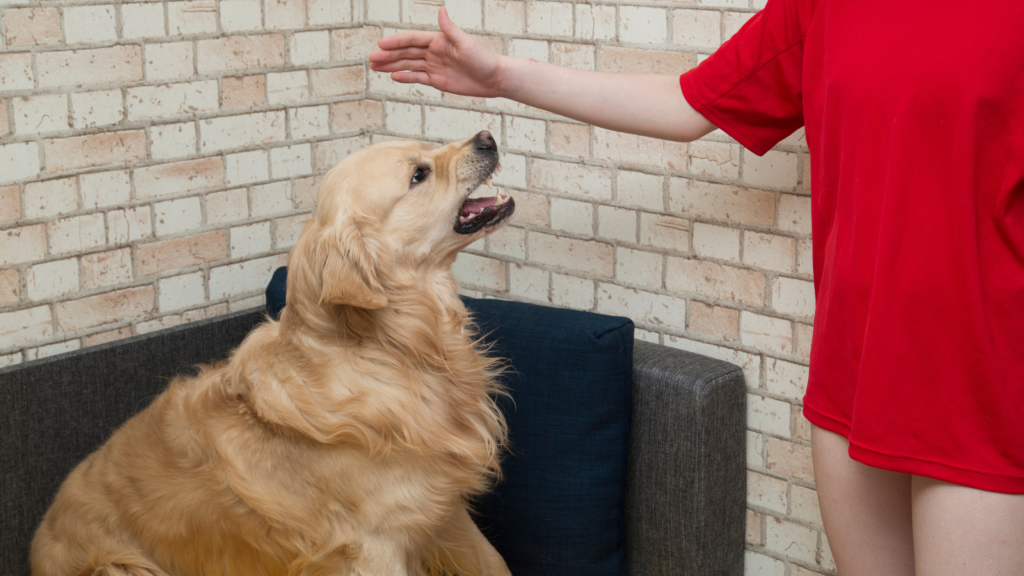
    Understanding Aggression in Dogs |
    Understanding Aggression in Dogs

    Aggression in dogs can be a complex behavior that stems from various factors.

    Dog owners and enthusiasts need to thoroughly understand aggression to ensure the well-being of their pets and those around them.

    Differentiating between Types of Aggression

    Regarding aggression, dogs can exhibit different types with underlying causes.

    Recognizing and differentiating between these types is crucial to address the issue effectively.

    Some common types of aggression in dogs include:

    • Fear Aggression: Dogs may display aggression when they feel threatened or afraid. This type of aggression often stems from past traumatic experiences or lack of socialization.
    • Territorial Aggression: Dogs may become protective of their territory, showing aggression towards unfamiliar people or animals that enter their perceived space.
    • Resource Guarding Aggression: Some dogs may display aggression when they need to protect their resources, such as food, toys, or sleeping areas.
    • Dog-to-Dog Aggression: This type of aggression occurs when dogs show hostility towards other dogs. It can be rooted in competition, fear, or a lack of social skills.

    Identifying Signs and Triggers of Aggression

    To effectively manage and address aggression in dogs, it’s crucial to identify the signs and triggers that lead to aggressive behavior. 

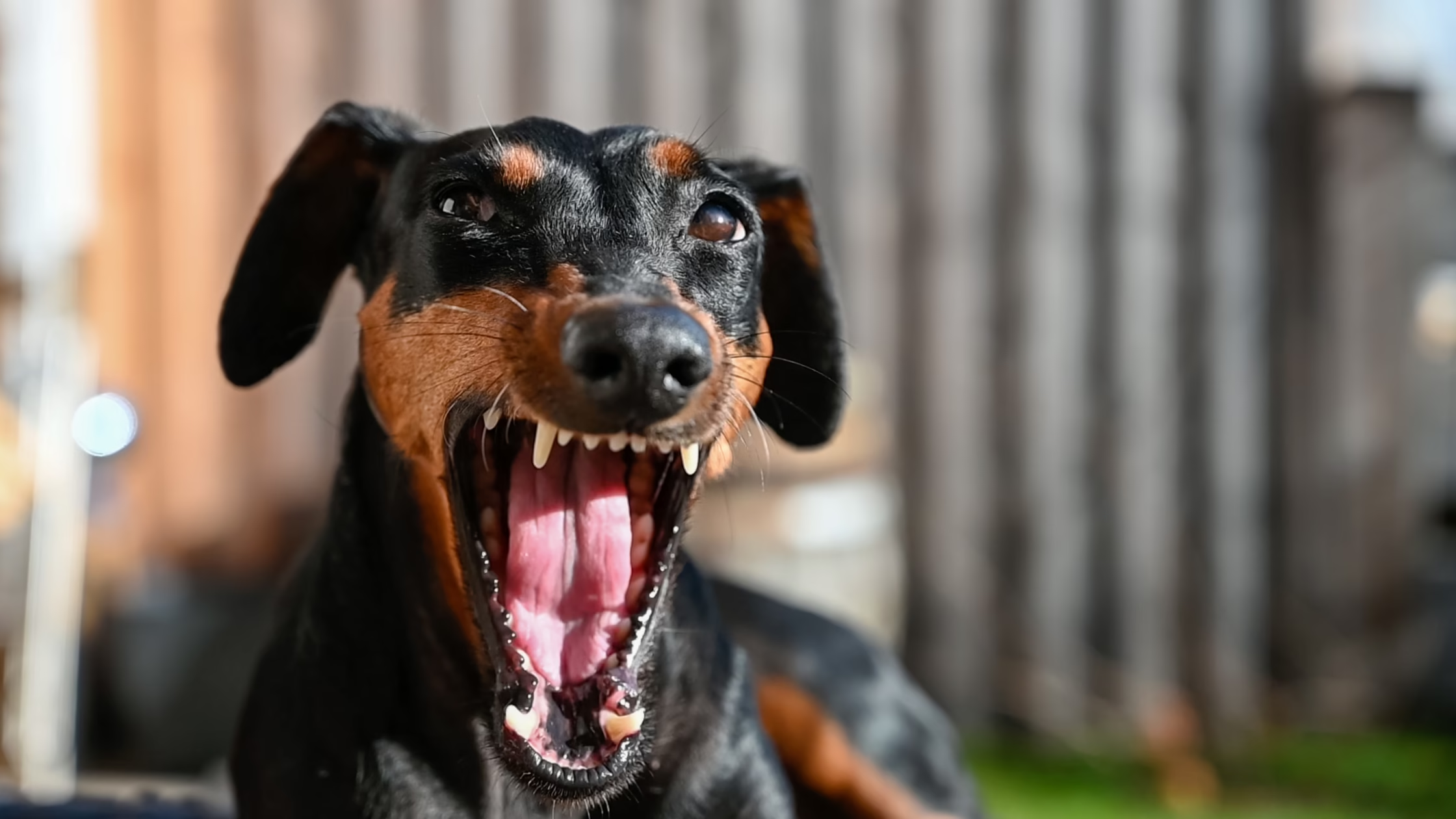
    These signs may include:

    1. Growling or snarling
    2. Barking excessively
    3. Lunging or snapping
    4. Raised fur and rigid body posture
    5. A stiff tail or wagging tail held high.

    Triggers for aggression can vary among dogs, but common ones include:

    1. Fear or anxiety-inducing situations
    2. Threats to their territory or resources
    3. Lack of socialization or improper training
    4. Pain or discomfort
    5. Previous traumatic experiences

    By recognizing these signs and triggers, dog owners can take proactive steps to manage aggression and create a safe environment for their pets and those around them.

    Seeking professional help from a qualified dog behaviorist or trainer is often recommended to address aggression issues effectively and safely.

    Remember, understanding and addressing aggression in dogs requires patience, consistency, and a commitment to providing appropriate training and socialization.

    Aggressive behavior can be managed with the right approach, allowing dogs to live happy and balanced lives.

    The Aggressive Dog Board and Train Approach
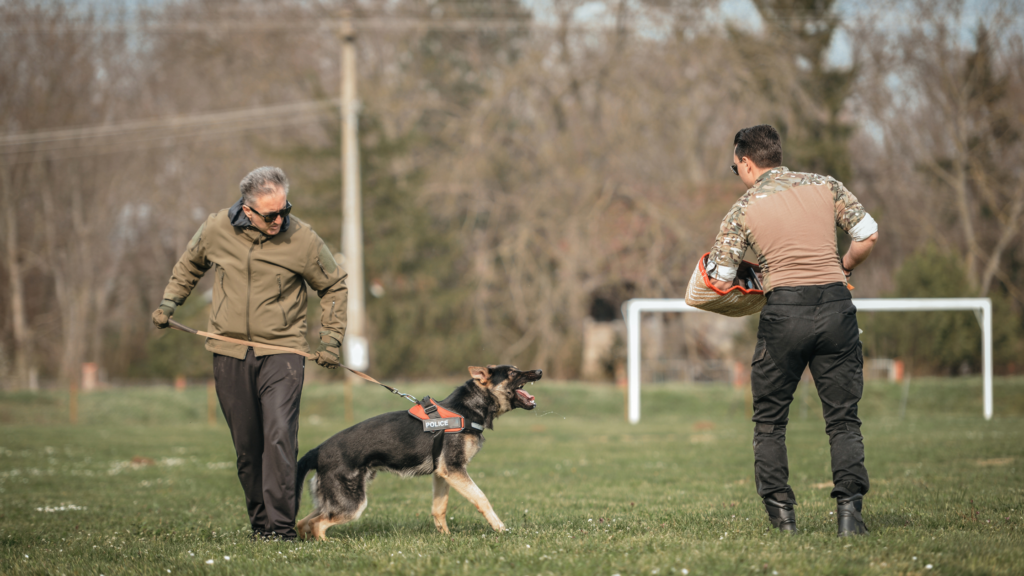
    The Aggressive Dog Board and Train Approach |
    The Aggressive Dog Board and Train Approach

    When addressing the specific needs of aggressive dogs, the board-and-train approach has gained popularity as an effective training method.

    This approach involves sending the dog to a specialized facility or trainer for an intensive training program, where they receive dedicated attention and guidance.

    What is Board and Train?

    Board and train, also known as “doggie boot camp,” is a comprehensive training program that provides a structured environment for dogs to learn and modify their behavior.

    During the program, the dog resides at the training facility for a set duration, typically ranging from a few weeks to a few months, depending on the severity of the aggression.

    How it Differs from Traditional Training Methods

    Board and train differs from traditional training methods in several ways.

    While traditional training often involves regular classes or sessions with the owner and dog, board and train offers a more immersive and intensive approach.

    Trainers work closely with the dog daily, providing consistent training, socialization, and behavior modification.

    In a board and train program, trainers can observe the dog’s behavior in various situations and environments, allowing for a more thorough understanding of the underlying causes of aggression.

    This comprehensive approach enables them to address the dog’s specific needs and implement tailored training techniques accordingly.

    Why It’s Effective for Aggressive Dogs

    Board and train programs are particularly effective for aggressive dogs due to the structured and controlled environment they provide.

    Aggressive behaviors can be deeply ingrained and challenging to address, requiring dedicated time, expertise, and consistency.

    By immersing the dog in a focused training program, trainers can work closely with the dog to modify their behavior and teach them alternative, more appropriate responses.

    Furthermore, board and train programs often incorporate controlled socialization with other dogs and humans, gradually exposing the dog to different stimuli and helping them learn proper social skills.

    This exposure, combined with consistent training, helps to reshape the dog’s behavior and reduce aggressive tendencies over time.

    It’s important to note that board and train is not a quick fix or a substitute for ongoing owner involvement.

    After completing the program, owners must continue reinforcing the training techniques and strategies learned during the board and train program to maintain the dog’s progress.

    Overall, the board and train approach provides a focused, intensive, and controlled training environment that can effectively address the specific needs of aggressive dogs.

    Combined with ongoing owner involvement and reinforcement, it can help these dogs learn new behaviors, reduce aggression, and improve their overall well-being.

    Choosing the Right Board and Train Program

    When selecting a board and train program for your aggressive dog, it’s important to make an informed decision that suits your dog’s needs and expectations. 

    Here are some key factors to consider when choosing the right program:

    Program Structure and Approach

    Different board and train programs may have varying structures and training methodologies.

    It’s important to understand the specific approach used by each program and ensure that it aligns with your goals and training philosophy.

    Some programs focus on positive reinforcement techniques, while others employ more balanced training methods.

    Consider what training approach you feel comfortable with and what you believe will be most effective for your dog.

    Qualifications and Expertise of Trainers

    The qualifications and expertise of the trainers should be a crucial consideration.

    Look for trainers with experience working with aggressive dogs and a solid understanding of behavior modification techniques.

    Ask about their certifications, education, and any specialized training they have received.

    A reputable program will have knowledgeable and skilled trainers who can address the unique needs of your aggressive dog.

    Facility and Environment

    Take the time to visit the facility where the board and train program is conducted.

    Assess the cleanliness, safety, and overall environment of the facility.

    A well-maintained facility with adequate space and proper equipment can provide a positive training experience for your dog.

    Success Stories and Testimonials

    Look for reviews, testimonials, or success stories from previous clients who have enrolled their aggressive dogs in the board and train program.

    Positive feedback and success stories can provide insights into the program’s effectiveness and the trainers’ abilities to handle aggressive behavior.

    Don’t hesitate to contact past clients or ask for references to understand their experiences better.

    Follow-up Support and Continued Training

    Inquire about the post-program support provided by the trainers.

    A reputable board and train program will offer guidance and resources for owners to continue reinforcing the training once the dog returns home.

    Ongoing support is crucial for maintaining the progress achieved during the program and ensuring a smooth transition back into the home environment.

    Remember, each dog is unique, and what works for one dog may not work for another.

    Take the time to research and evaluate different board and train programs, ask questions, and consider your dog’s specific needs before making a decision.

    By selecting a program with qualified trainers, a tailored approach, and positive reviews, you increase the likelihood of finding a board and train program that will help address your dog’s aggression and set them on the path to behavioral improvement.

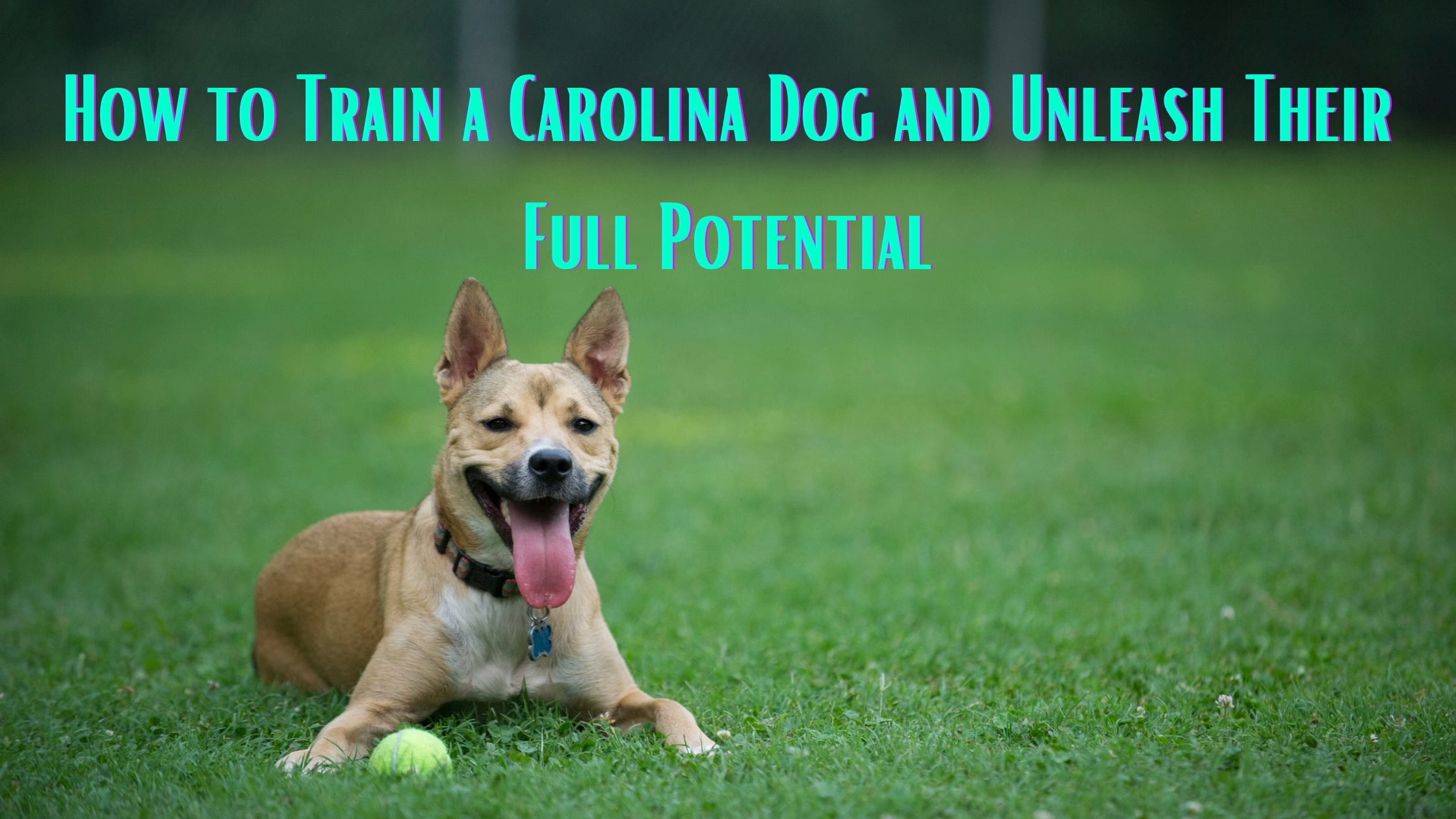
    Also Read: How to Train a Carolina Dog and Unleash Their Full Potential

    Aggressive Dog Board and Train – The Training Process

    When enrolling your aggressive dog in a board and train program, you can expect a structured training process designed to address their specific behavioral issues. 

    Here are the key components of the training process:

    Assessment and Evaluation

    The first step is to assess and evaluate your dog’s aggressive behavior thoroughly.

    This helps the trainers understand the root causes of the aggression, identify triggers, and assess the severity of the issue.

    Through this evaluation, they can develop a customized training plan tailored to your dog’s needs.

    Tailored Training Techniques

    Each aggressive dog requires a unique approach to training.

    Trainers will employ specialized techniques that are specifically designed to address aggression.

    These techniques may include desensitization and counterconditioning, impulse control exercises, and obedience training.

    The trainers will adapt the training methods to suit your dog’s temperament, learning style, and specific behavioral challenges.

    Positive Reinforcement

    Positive reinforcement is a key aspect of training aggressive dogs.

    Trainers will utilize rewards such as treats, praise, and play to reinforce desired behaviors and create positive associations.

    This approach focuses on rewarding good behavior rather than punishing or correcting negative behavior.

    Using positive reinforcement, trainers can encourage your dog to respond appropriately and reduce aggressive tendencies.

    Behavior Modification Strategies

    Behavior modification strategies aim to change your dog’s emotional response to triggers that elicit aggression.

    Trainers will gradually expose your dog to controlled situations where they encounter these triggers, helping them learn new, more positive behaviors.

    This process may involve gradual exposure, desensitization, and counterconditioning to replace negative reactions with calm and appropriate responses.

    Throughout the training process, trainers will closely monitor your dog’s progress and make necessary adjustments to the training plan.

    They will provide consistent guidance and support to ensure your dog makes positive progress in behavior improvement.

    It’s important to note that training aggressive dogs requires patience, consistency, and commitment from both the trainers and the dog owners.

    The training process may take several weeks or even months, depending on the severity of the aggression and the individual dog’s progress.

    However, with a tailored approach, positive reinforcement, and behavior modification strategies, the goal is to help your dog overcome aggression and develop more desirable behaviors.

    By enrolling your aggressive dog in a board and train program that focuses on assessment, tailored techniques, positive reinforcement, and behavior modification, you are allowing them to learn new behaviors, gain self-control, and improve their overall quality of life.

    Aggressive Dog Board and Train – Aftercare and Continued Support

    Once your aggressive dog completes the board and train program and returns home, it’s crucial to ensure a smooth transition and maintain its progress in the long term. 

    Here are some key aspects of aftercare and continued support:

    Transitioning Back Home

    Returning home after the board and train program can be an exciting but potentially challenging time.

    Trainers will guide how to create a structured and supportive environment for your dog.

    They may recommend gradual reintroduction to familiar surroundings, family members, and other pets to help your dog adjust comfortably.

    Following the trainers’ instructions during this transition period is essential to reinforce the newly learned behaviors.

    Maintenance Exercises

    To maintain the progress achieved during the board and train program, trainers will provide you with specific exercises and techniques to practice with your dog at home.

    These exercises are designed to reinforce the training, strengthen the bond between you and your dog, and help them continue to exhibit desired behaviors.

    Regularly practicing these exercises will ensure that your dog retains their training and continues to improve over time.

    Importance of Ongoing Training and Reinforcement

    Continued training and reinforcement are vital for the long-term success of your dog’s behavior improvement.

    This may involve attending follow-up sessions with the trainers or enrolling in additional training classes.

    Ongoing training helps solidify your dog’s training foundation, address any new challenges, and reinforce positive behaviors.

    It also allows you to strengthen the bond with your dog further and enhance their overall obedience and social skills.

    Professional Support

    Even after the board and train program, it’s beneficial to have access to professional support and guidance.

    Trainers can offer advice, answer questions, and provide assistance when needed.

    They understand your dog’s unique needs and can offer valuable insights into managing their behavior and ensuring long-term success.

    Remember, each dog is unique, and the duration of aftercare and continued support may vary.

    It’s important to follow the trainers’ recommendations and communicate openly with them to address any concerns or challenges.

    By prioritizing aftercare and continued support, you can maximize the benefits of the board and train program and help your dog maintain their improved behavior.

    Consistency, ongoing training, and reinforcement significantly ensure your dog’s long-term success and create a harmonious and balanced relationship between you and your furry friend.

    Also Read: Can Bird Seed Kill a Dog? Exploring the Risks and Safety Measures

    Conclusion

    Aggressive dog board and train programs offer hope for dog owners facing aggression challenges.

    With the right program and professional guidance, aggressive dogs can transform remarkably, finding a new lease on a life filled with love, trust, and harmony.

    By exploring the topics covered in this article, we aim to empower dog owners and professionals alike to make informed decisions and provide the best possible care for their furry friends.

    Let’s pave the way for a brighter future for aggressive dogs through effective board and train programs.
  • Can Bird Seed Kill a Dog? Exploring the Risks and Safety Measures

    Can Bird Seed Kill a Dog? Exploring the Risks and Safety Measures

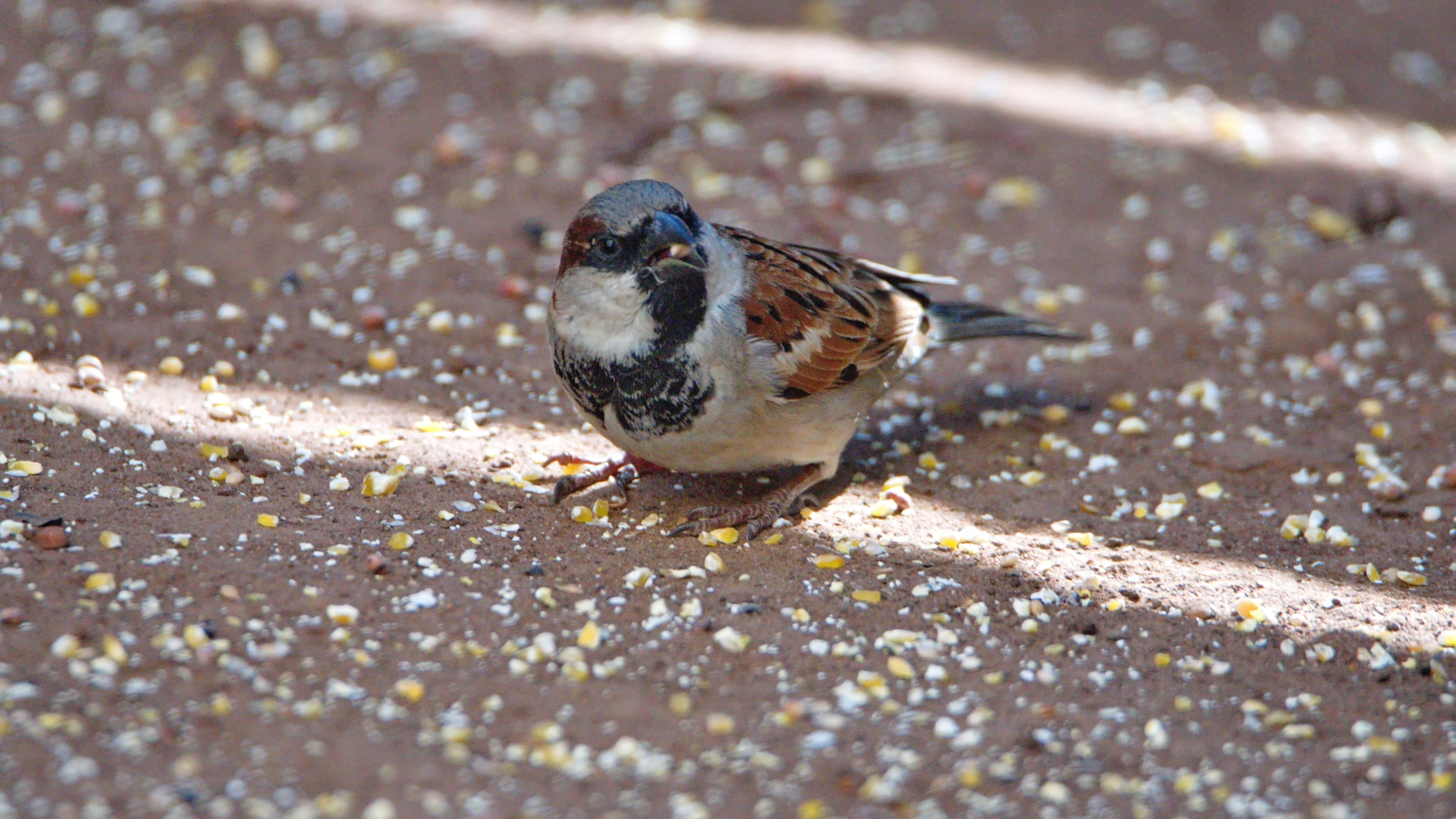
    Can Bird Seed Kill a Dog? Bird seed is a common household item that many people use to attract birds to their gardens or feed their pet birds.

    However, pet owners often wonder if bird seed poses any risks to their dogs.

    In this article, we will delve into dog bird seed ingestion, exploring the potential dangers and providing safety measures to keep your canine companion out of harm’s way.

    Can Bird Seed Kill a Dog? Are bird seed bad for dogs?

    Bird seed itself is not inherently toxic to dogs, but there are several factors to consider that could pose risks to their health.

    Understanding these dangers is crucial for responsible pet ownership.

    Understanding the Composition and Ingredients of Bird Seed

    To comprehend the potential hazards associated with bird seed ingestion, it’s important to examine its composition and ingredients.

    Bird seed typically contains seeds, grains, and sometimes dried fruits.

    High-Fat Content and Obesity Risks

    One concern with bird seed is its high-fat content, which can contribute to obesity in dogs.

    Excessive weight gain can lead to various health issues such as joint problems, diabetes, and heart conditions.

    Allergies and Sensitivities in Dogs

    Some dogs may have allergies or sensitivities to specific ingredients found in bird seed.

    Awareness of any adverse reactions or symptoms your dog may experience after consuming bird seed is essential.

    Contamination with Harmful Substances

    Bird seed can sometimes be contaminated with harmful substances such as pesticides or fungal toxins.

    This contamination can occur during the production process or due to improper storage.

    Also Read: Dog Shivering After Bath- How to stop it?- Best Guide 2023

    What Happens if Your Dog Ate Bird Seed?

    If your dog accidentally consumes bird seed, it’s important to understand the potential consequences and take appropriate action to ensure their well-being.

    Identifying Symptoms of Bird Seed Ingestion in Dogs

    Watch for common symptoms that may indicate your dog has ingested bird seed.

    These symptoms can include vomiting, diarrhea, abdominal discomfort, or changes in behavior.

    Addressing Vomiting and Digestive Issues

    In some cases, dogs may experience vomiting or other digestive issues after consuming bird seed.

    It is important to provide them with appropriate care and monitor their condition closely.

    What to Do if Your Dog Eats Bird Seed

    What to Do if Your Dog Eats Bird Seed
    What to Do if Your Dog Eats Bird Seed

    Suppose you discover that your dog has eaten bird seed.

    In that case, you can take several immediate steps to ensure their safety and well-being.

    Immediate Actions to Take for Your Dog’s Safety

    Start by assessing the situation and determining the quantity of bird seed your dog has ingested.

    Contact your veterinarian for guidance and follow their instructions based on your dog’s circumstances.

    Contacting a Veterinarian for Guidance

    It’s crucial to reach out to your veterinarian if your dog has consumed bird seed, especially if they exhibit concerning symptoms or if you’re uncertain about the potential risks.

    Your vet will provide the best course of action based on their expertise.

    How to Prevent Dogs from Eating Bird Seed

    Taking preventive measures is key to ensuring your dog doesn’t have access to bird seed and reducing the risks associated with ingestion.

    Training Techniques to Discourage Consumption

    Implement training techniques to discourage your dog from eating bird seed.

    Use positive reinforcement, redirect their attention to appropriate toys or treats, and reinforce boundaries and commands.

    Proper Storage and Disposal of Bird Seed

    Store bird seeds in secure containers that are inaccessible to your dog. Ensure the storage area is dry and free from pests.

    Properly dispose of any spoiled or moldy bird seed to prevent accidental ingestion.

    Exploring Dog-Friendly Snack Alternatives

    Provide your dog with safe and healthy alternatives to bird seed.

    Opt for dog-specific treats or snacks formulated to meet their nutritional needs.

    Handling Moldy Bird Seed and Dogs

    Handling Moldy Bird Seed and Dogs
    Handling Moldy Bird Seed and Dogs

    Moldy bird seed can be particularly dangerous for dogs, as it may contain harmful toxins that can cause serious health issues and even death.

    Risks and Health Concerns Associated with Moldy Bird Seed

    Moldy bird seeds can contain mycotoxins, leading to digestive problems, neurological issues, or even organ damage in dogs. Prompt action is necessary if your dog consumes moldy bird seed.

    Symptoms and Steps for Seeking Veterinary Assistance

    If you suspect your dog has eaten moldy bird seed or if they exhibit symptoms such as vomiting, diarrhea, or lethargy, contact your veterinarian immediately for guidance and proper treatment.

    Can Dogs Eat Bird Seed?

    While bird seed is not toxic to dogs in moderate amounts, it’s important to consider its overall safety and nutritional value as part of their diet.

    Safe Alternatives to Bird Seed for Dogs

    Explore safe alternatives that you can incorporate into your dog’s diet, considering their nutritional requirements.

    Consult your veterinarian to determine the best options for your specific dog breed and health conditions.

    Moderation and Guidelines for Offering Bird Seed

    If you offer bird seed to your dog occasionally, do so in moderation and ensure it doesn’t become a significant portion of their diet. Monitor their overall health and well-being closely.

    Also Read: How to Train a Carolina Dog and Unleash Their Full Potential

    Conclusion: Keeping Your Dog Safe and Healthy

    In conclusion, while bird seed is not inherently toxic to dogs, pet owners must be aware of its potential risks.

    The high-fat content in bird seed can contribute to obesity and various health issues in dogs, and some dogs may have allergies or sensitivities to specific ingredients.

    Additionally, contamination of birdseed with pesticides or fungal toxins can occur, posing potential health hazards.

    To keep your dog safe, it’s essential to take preventive measures.

    This includes training techniques to discourage ingestion, proper storage and disposal of bird seed to prevent accidental access, and offering dog-friendly snack alternatives that meet their nutritional needs.

    If your dog consumes bird seed, monitoring their symptoms closely and seeking immediate veterinary assistance if any concerning signs arise is important.

    Your veterinarian can provide tailored guidance based on your dog’s situation and advise on appropriate actions.

    Being proactive and informed is key to ensuring your dog’s well-being.

    Understanding the risks associated with bird seed ingestion and implementing necessary safety measures can keep your furry friend safe, healthy, and happy for years.

  • How to Train a Carolina Dog and Unleash Their Full Potential

    How to Train a Carolina Dog and Unleash Their Full Potential

    Welcome to our comprehensive guide on how to train a Carolina Dog! This article will delve into this fascinating breed’s world, providing valuable insights and expert tips to train your Carolina Dog successfully.

    Whether you’re a first-time dog owner or an experienced trainer, we’ve got you covered.

    So let’s dive in and discover the secrets to bringing out the best in your Carolina Dog through effective training methods.

    Understanding the Carolina Dog Breed

    Carolina Dog Breed
    Understanding the Carolina Dog Breed

    Origins and History of Carolina Dogs

    The origins and history of the Carolina Dog are fascinating and provide insight into this unique breed.

    The Carolina Dog, also known as the American Dingo or Carolina Dingo, is believed to have descended from ancient Asian pariah dogs that crossed the Bering Land Bridge with early human settlers around 9,000 years ago.

    These dogs eventually found their way to the southeastern region of the United States.

    Carolina Dogs were initially found in rural areas of South Carolina, Georgia, and North Carolina, where they lived as free-roaming dogs in the wilderness.

    They were known for their ability to survive in harsh environments, hunting small game, and adapting to their surroundings.

    In the 1970s, Dr. I. Lehr Brisbin, a biologist, began studying these dogs, leading to the recognition and preservation of the breed.

    Physical Characteristics and Temperament of Carolina Dogs

    Carolina Dogs possess distinct physical characteristics that set them apart.

    They are medium-sized dogs with strong and athletic build.

    Their short and dense coats protect them from various weather conditions.

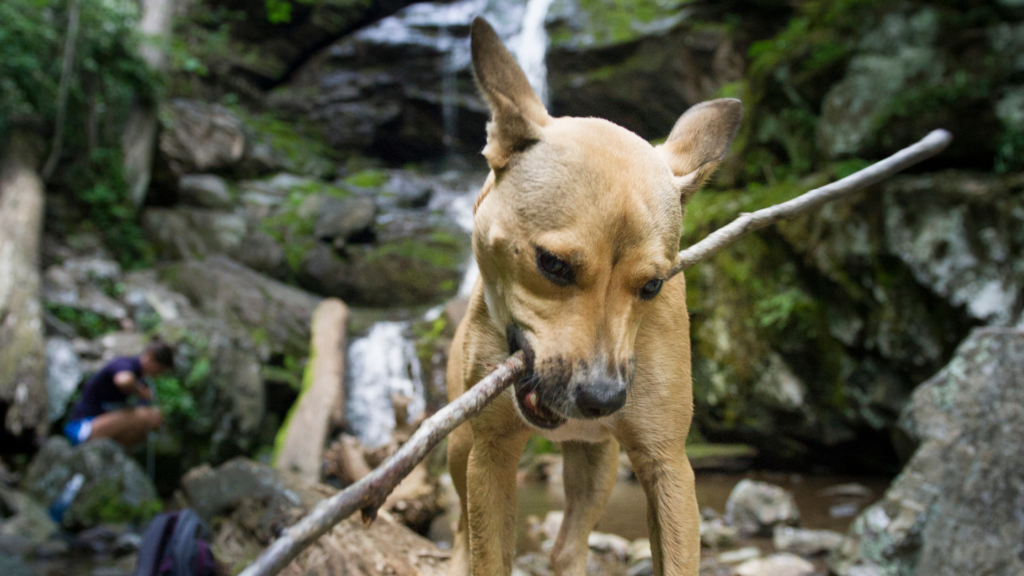
    Carolina Dogs have erect ears and almond-shaped eyes that convey a sense of intelligence and alertness.

    Regarding temperament, Carolina Dogs are known for their keen senses and instincts.

    They have a strong prey drive and a natural inclination to explore their surroundings.

    However, they are also loyal and affectionate towards their human families.

    These dogs form deep bonds with their owners and are often described as independent yet highly trainable.

    Carolina Dogs are intelligent and adaptable, making them suitable for various lifestyles.

    They can be reserved with strangers but are generally friendly and social with familiar faces.

    Early socialization and positive training methods are essential to help them develop into well-rounded dogs.

    Understanding the origins, history, physical characteristics, and temperament of Carolina Dogs provides a solid foundation for effective training and caring for this unique breed.

    Unique Traits and Instincts of Carolina Dogs

    Carolina Dogs possess unique traits and instincts that make them a fascinating breed.

    One notable trait is their pack mentality.

    These dogs have a strong sense of hierarchy and thrive in a structured environment.

    They exhibit loyalty and form strong bonds with their human family members.

    Another distinctive trait is their keen sense of hearing and smell.

    Carolina Dogs have highly developed senses, which make them excellent watchdogs and hunters.

    Their ability to detect subtle sounds and scents allows them to excel in various activities, such as search and rescue or scent detection.

    In terms of instincts, Carolina Dogs retain their natural hunting instincts from their ancestral lineage.

    They have a strong prey drive and may exhibit chasing behaviors towards smaller animals.

    Providing appropriate outlets for their instincts through mental and physical stimulation is important to ensure a balanced and well-behaved companion.

    Size and Weight of Carolina Dogs

    Carolina Dogs fall into the medium-sized dog category.

    Males typically stand between 17 to 20 inches (43 to 50 cm) at the shoulder.

    Regarding weight, adult Carolina Dogs usually weigh between 30 to 55 pounds (14 to 25 kg), with males tending to be larger than females.

    Coat Type and Colors of Carolina Dogs

    Carolina Dogs have a short, dense double coat that helps protect them from various weather conditions.

    Their coat provides insulation, keeping them warm in colder climates and offering some protection against the sun in warmer environments.

    The coat is relatively low-maintenance, requiring occasional brushing to remove loose hair.

    When it comes to colors, Carolina Dogs display a range of variations.

    Common coat colors include Black, Black & Tan, Buff, Red, Tawny, White, and Yellow.

    Some individuals may exhibit a combination of these colors or have a solid coat color.

    Lifespan Expectancy of Carolina Dogs

    On average, Carolina Dogs have a lifespan of around 12 to 15 years.

    However, some individuals can live even longer with proper care, nutrition, and regular veterinary check-ups.

    Providing them with a balanced diet, regular exercise, and mental stimulation is important to promote their overall health and well-being.

    Understanding these unique traits, instincts, size, weight range, coat type and colors, and lifespan expectancy of Carolina Dogs will help you appreciate their individuality and tailor your training approach to their specific needs.

    Health Concerns and Care Needs for Carolina Dogs

    Carolina Dogs are generally healthy and hardy dogs with few breed-specific health issues.

    However, like all dogs, they can be prone to certain health concerns. Awareness of these potential issues is important to ensure their well-being.

    Some common health concerns in Carolina Dogs include hip dysplasia, progressive retinal atrophy (PRA), and allergies.

    Regular veterinary check-ups, a balanced diet, exercise, and preventive measures, such as vaccinations and parasite control, are essential for maintaining their health.

    Exercise and Activity Requirements for Carolina Dogs

    Carolina Dogs have a moderate to high energy level and require regular exercise and mental stimulation.

    Daily physical activity is crucial to keep them physically fit and mentally engaged.

    They enjoy long walks, jogging, hiking, and interactive play sessions.

    Providing them with opportunities for exploration and mental challenges, such as puzzle toys or obedience training, helps prevent boredom and promotes a well-balanced and contented Carolina Dog.

    Feeding and Nutrition Guidelines for Carolina Dogs

    Proper nutrition is vital for the overall health and well-being of your Carolina Dog.

    Providing them with a high-quality, balanced diet is essential.

    Feed them a diet formulated for their life stage (puppy, adult, or senior) and consider their size, age, activity level, and any specific dietary needs or sensitivities they may have.

    It’s recommended to divide their daily food portions into two or three meals to prevent overeating and promote digestion.

    Always ensure access to fresh water throughout the day.

    Regarding feeding guidelines, consult your veterinarian for personalized advice based on your Carolina Dog’s needs.

    Monitoring their body condition and adjusting their portion sizes is crucial to maintaining a healthy weight.

    By addressing the health concerns and care needs, understanding their exercise and activity requirements, and providing appropriate feeding and nutrition, you can ensure your Carolina Dog’s overall well-being and enhance its quality of life.

    Maintenance and Grooming Needs of Carolina Dogs

    Carolina Dogs have relatively low grooming needs, thanks to their short and dense coat.

    However, regular maintenance is necessary to keep them looking and feeling their best.

    Brushing their coat once or twice a week helps remove loose hair, distribute natural oils, and minimize shedding.

    During seasonal shedding periods, more frequent brushing may be required.

    Additionally, routine care includes:

    • Checking and cleaning their ears to prevent infections.
    • Trimming their nails to maintain a comfortable length.
    • Maintaining good dental hygiene by brushing their teeth regularly.

    It’s also important to look for skin issues or irritations and seek veterinary advice if necessary.

    Also Read: Dog Shivering After Bath- How to stop it?- Best Guide 2023

    Average Price of a Carolina Dog

    The average price of a Carolina Dog can vary depending on various factors such as location, breeder reputation, pedigree, and demand.

    On average, you can expect to find Carolina Dogs ranging from around $500 to $2,000.

    However, it’s crucial to ensure that you obtain a Carolina Dog from a reputable breeder who prioritizes the health and well-being of their dogs.

    Adoption or rescue options may also be available, offering a more affordable alternative while providing a loving home to a deserving Carolina Dog in need.

    When considering the price, it’s essential to remember that the cost of a Carolina Dog extends beyond the initial purchase.

    Ongoing expenses such as food, veterinary care, grooming, training, and supplies should be factored into your budget to provide the best care and quality of life for your Carolina Dog.

    By following a regular grooming routine and understanding the average price range of a Carolina Dog, you can ensure their coat remains healthy and well-maintained while being prepared for the financial responsibilities of owning a Carolina Dog.

    Tips and Tricks for Living with a Carolina Dog

    Living with a Carolina Dog can be a rewarding experience.

    Still, it’s important to consider their unique characteristics and provide them with the right environment and care.

    Here are some tips and tricks to enhance your life with a Carolina Dog:

    • Establish a Routine: Carolina Dogs thrive on routine and structure. Set a consistent schedule for feeding, exercise, training, and rest to create a sense of stability for your dog.
    • Socialize Early and Often: Early socialization is crucial for Carolina Dogs to develop good manners and positive interactions with other dogs and people. Expose them to various environments, sights, sounds, and experiences in a controlled and positive manner.
    • Provide Mental Stimulation: Carolina Dogs are intelligent and curious. Engage them in mental stimulation activities such as puzzle toys, obedience training, scent games, and interactive play sessions to keep their minds active and prevent boredom.
    • Positive Reinforcement Training: Carolina Dogs respond well to positive reinforcement training methods. Use rewards such as treats, praise, and play to motivate and reinforce desired behaviors. Avoid harsh punishment, which can negatively impact their trust and relationship with you.
    • Secure Fencing: Carolina Dogs have the instinct to roam and explore. Ensure your outdoor space is securely fenced to prevent them from wandering off. Supervise them during outdoor activities to ensure their safety.
    • Provide Exercise Opportunities: Carolina Dogs need regular exercise to channel their energy and prevent behavioral issues. Aim for daily walks, playtime, and opportunities for them to run and explore safely. A tired Carolina Dog is a happy and well-behaved companion.

    Choosing and Finding a Carolina Dog

    When choosing and finding a Carolina Dog, it’s essential to consider reputable sources and responsible breeding practices.

    Here are some guidelines to follow:

    • Research Breeders: Look for reputable breeders who prioritize their dogs’ health, temperament, and well-being. If possible, visit the breeder’s facilities and ask questions about their breeding practices, health testing, and socialization efforts.
    • Consider Adoption: An adoption is a wonderful option for welcoming a Carolina Dog into your family. Check local shelters, rescue organizations, and breed-specific rescues for Carolina Dogs needing a loving home.
    • Meet the Parents: If purchasing from a breeder, ask to meet the parent dogs to assess their temperament and confirm they are well-cared for. A responsible breeder will be open to such visits.
    • Health Checks and Documentation: Ensure the breeder provides health clearances and documentation for the parent dogs, including screenings for hip dysplasia, PRA, and other potential genetic health issues.
    • Follow Your Instincts: Trust your instincts when choosing a Carolina Dog. Ensure you have a good connection with the dog. Observe their behavior and temperament to see if they align with your lifestyle and expectations.

    Remember, welcoming a Carolina Dog into your life is a long-term commitment.

    Take the time to find the right match and provide a loving and nurturing home environment for your new furry companion.

    How to Train a Carolina Dog Step by Step.

    How to Train a Carolina Dog
    How to Train a Carolina Dog Step by Step

    A. Setting the Foundations for Training a Carolina Dog:

    Creating a Positive Training Environment for your Carolina Dog

    Creating a positive training environment is essential for successful training sessions with your Carolina Dog.

    Here are some tips for creating an environment conducive to learning:

    • Choose a quiet and distraction-free area for training sessions.
    • Use positive reinforcement techniques, such as treats, praise, and rewards, to motivate and encourage your dog.
    • Keep training sessions short and engaging to maintain your dog’s focus and prevent boredom.
    • Use clear and consistent cues and commands to communicate with your Carolina Dog.
    • Avoid harsh punishments or forceful training methods, as they can harm the trust and bond between you and your dog.

    Establishing Trust and Bonding with Your Carolina Dog

    Building trust and a strong bond with your Carolina Dog is the foundation for successful training.

    Here are some ways to establish trust and strengthen your bond:

    • Spend quality time together, engaging in activities your dog enjoys, such as playtime and walks.
    • Use positive reinforcement techniques to reward good behavior and build positive associations with training.
    • Practice patience and understanding, as each dog learns at their own pace.
    • Maintain consistency in your interactions and expectations to establish clear boundaries and routines.
    • Engage in activities that promote trust, such as gentle grooming, massages, and reassuring interactions.

    Selecting Appropriate Training Tools and Equipment for training your Carolina Dog

    When training your Carolina Dog, choosing the right tools and equipment is important.

    Here are some considerations:

    • Use a well-fitting collar or harness that provides control without causing discomfort or injury.
    • Use a sturdy, non-retractable leash to maintain control during training sessions.
    • Select appropriate training treats that are small, soft, and enticing for your dog.
    • Utilize interactive toys, clickers, or target sticks as additional tools for specific training exercises.
    • Consider using positive reinforcement-based training methods that focus on rewarding desired behaviors rather than relying on aversive techniques.

    By creating a positive training environment, establishing trust and bonding with your Carolina Dog, and selecting appropriate training tools and equipment, you’ll set a strong foundation for successful training sessions.

    Remember to be patient, consistent, and always prioritize the well-being and happiness of your furry companion.

    B. Basic Training Techniques for Carolina Dogs

    Teaching Essential Commands (Sit, Stay, Come, etc.): 

    Teaching essential commands is crucial for effective communication and control over your Carolina Dog.

    Here are some tips for teaching these commands:

    • Start with one command at a time, such as “sit.” Use a treat to lure your dog into the sitting position while saying the command.
    • When your dog sits, immediately reward them with the treat and praise. Repeat this process several times until they understand the association between the command and the action.
    • Gradually introduce other commands like “stay” and “come” using the same positive reinforcement technique.
    • Practice in different environments and gradually increase distractions to reinforce your dog’s ability to follow commands.

    Housebreaking and Crate Training your Carolina Dog

    Housebreaking your Carolina Dog is an important aspect of their training. Crate training can aid in housebreaking and provide a safe space for your dog.

    Here’s how to approach it:

    • Choose an appropriately sized crate for your dog, allowing them to stand, turn around, and lie down comfortably.
    • Introduce the crate gradually, making it a positive and comfortable space by placing bedding and toys inside.
    • Use positive reinforcement to encourage your dog to enter the crate and reward them for calm behavior inside.
    • Establish a consistent schedule for outdoor bathroom breaks, and take your dog outside immediately after crate time, meals, and naps.
    • When your dog eliminates outside, reward them with praise and treats to reinforce the desired behavior.

    Leash Training and Loose-Leash Walking with your Carolina Dog

    Leash training is essential to ensure controlled and enjoyable walks with your Carolina Dog.

    Here are some steps to leash train and achieve loose-leash walking:

    • Begin by introducing your dog to the leash in a positive and relaxed manner. Before attaching it to their collar or harness, allow them to sniff and explore the leash.
    • Start walking with your dog on a loose leash, encouraging them to walk beside you. Use treats and praise to reward them for staying by your side.
    • If your dog starts pulling on the leash, stop walking and wait for them to return to your side. Reward them for returning and walking calmly.
    • Practice turns and changes in direction to reinforce your dog’s focus on you and to discourage pulling.
    • Increase the duration and difficulty of walks, introducing distractions gradually to build your dog’s ability to maintain a loose leash.

    Remember, training takes time and patience.

    Consistency, positive reinforcement, and clear communication will help your Carolina Dog understand and respond to the basic commands, become housebroken, and learn to walk on a loose leash.

    Enjoy the training process and celebrate your dog’s progress along the way.

    C. Advanced Training Methods for Carolina Dogs:

    Socialization Skills and Avoiding Behavioral Issues for Carolina Dogs

    Socialization is crucial for Carolina Dogs to develop good behavior and interact positively with people, other animals, and various environments.

    Here’s how to focus on socialization

    • Expose your Carolina Dog to different environments, sounds, sights, and experiences from an early age.
    • Gradually introduce them to new people and animals, ensuring each interaction is positive and controlled.
    • Use positive reinforcement to reward calm and appropriate behavior during socialization experiences.
    • Continually reinforce socialization throughout their life to prevent behavioral issues and promote a well-rounded, confident dog.

    Teaching Tricks and Agility Training to your Carolina Dog

    Teaching tricks and engaging in agility training can provide mental stimulation and strengthen the bond between you and your Carolina Dog.

    Here are some tips:

    • Start with basic commands like “sit,” “stay,” and “lie down” before progressing to more complex tricks.
    • Use positive reinforcement, such as treats, praise, and play, to motivate and reward your dog for successfully performing tricks.
    • Break down each trick into smaller steps and gradually increase the difficulty level as your dog becomes more proficient.
    • Incorporate agility equipment, such as jumps, tunnels, and weave poles, to challenge your dog physically and mentally.

    Off-Leash and Recall Training for Carolina Dogs

    Off-leash training and reliable recall are important for Carolina Dogs to enjoy off-leash activities safely.

    Here’s how to work on off-leash training:

    • Start in a secure, enclosed area where distractions are minimal and gradually increase the level of distraction as your dog progresses.
    • Use a long training leash to provide some freedom while controlling your dog’s movements.
    • Practice recall exercises using a consistent cue, such as “come” or a whistle, and reward your dog with high-value treats and praise when they come to you.
    • Gradually increase the distance and distractions during off-leash sessions, reinforcing the importance of reliable recall.

    Remember, advanced training methods require patience, consistency, and clear communication.

    Always prioritize your Carolina Dog’s safety and well-being during training sessions.

    If you encounter any challenges or feel unsure, consider consulting with a professional dog trainer experienced in advanced training techniques for additional guidance and support.

    D. Addressing Specific Challenges in Carolina Dog Training

    Handling Separation Anxiety and Excessive Barking in Carolina Dogs

    Separation anxiety and excessive barking can be common challenges in Carolina Dogs.

    Here are some strategies to address these issues:

    • Gradual desensitization: Help your dog become more comfortable with being alone by gradually increasing your time away from them. Start with short periods and gradually extend the duration.
    • Create a positive association: Provide your dog with interactive toys or treat-dispensing puzzles to keep them occupied while you’re away. This can help alleviate boredom and anxiety.
    • Counter-conditioning: Teach your dog to associate your departure cues (such as picking up keys or putting on a coat) with positive experiences, such as receiving treats or engaging in a favorite activity.
    • Seek professional help: If the separation anxiety or excessive barking persists despite your efforts, consider consulting a professional dog trainer or behaviorist for specialized guidance.

    Dealing with Resource Guarding and Possessiveness in Carolina Dogs

    Resource guarding can be challenging when a dog exhibits possessive behavior over certain items or spaces.

    Here’s how to address it:

    • Prevention: Teach your Carolina Dog early on that having people near their resources is positive. Gradually introduce people near their food bowls, toys, or other items while rewarding them with treats and praise.
    • Trade and reward: Teach your dog to trade one item for another by offering a high-value treat or toy in exchange for the item they are guarding. This helps create positive associations and reduces possessive behavior.
    • Consult a professional: If the resource guarding behavior is severe or persists, consult a professional trainer or behaviorist who can provide guidance specific to your dog’s needs.

    Overcoming Fear and Shyness in Carolina Dogs

    Some Carolina Dogs may exhibit fear or shyness, impacting their training.

    Here are some tips to help them overcome these challenges:

    • Create a safe environment: Provide a calm and secure space for your dog, ensuring they have a comfortable retreat area where they can relax and feel secure.
    • Positive exposure: Gradually expose your Carolina Dog to new environments, people, and stimuli in a controlled and positive manner. Use treats, praise, and encouragement to build their confidence.
    • Patience and reassurance: Be patient with your dog’s progress and avoid forcing them into situations that may overwhelm them. Offer reassurance, gentle encouragement, and rewards for calm and confident behavior.
    • Professional assistance: If your Carolina Dog’s fear or shyness is severe or hindering their quality of life, consider seeking the help of a professional trainer or behaviorist experienced in working with fearful dogs.

    Each Carolina Dog is unique, so it’s important to tailor your training approach to address their specific challenges.

    Remember to be patient, use positive reinforcement, and seek professional help.

    With time, consistency, and understanding, you can help your Carolina Dog overcome these challenges and thrive.

    E. Training Tips for Carolina Dog Owners

    Consistency and Patience: Key Factors for Successful Training of your Carolina Dog.

    Consistency and patience are crucial when training your Carolina Dog.

    Here’s why they are important and how to implement them:

    • Consistency: Dogs thrive on routine and clear expectations. Use consistent cues, commands, and training methods to help your Carolina Dog understand what is expected of them. Establish a regular training schedule and stick to it.
    • Patience: Training takes time, and dogs learn at their own pace. Be patient with your Carolina Dog and avoid becoming frustrated or discouraged. Celebrate small victories and focus on positive progress.

    Positive Reinforcement vs. Punishment: Choosing the Right Approach to training Carolina Dogs

    Positive reinforcement is generally the most effective and humane approach to training Carolina Dogs. Here’s why it’s preferred and how to use it effectively:

    • Positive reinforcement involves rewarding desired behaviors with treats, praise, or play. It encourages your dog to repeat those behaviors in the future.
    • Avoid using punishment or aversive techniques. They can create fear and anxiety and damage the trust between you and your dog.
    • Instead of focusing on what your dog is doing wrong, redirect their attention to the desired behavior and reward them when they get it right.
    • Consistently reinforce positive behaviors and ignore or redirect unwanted behaviors.

    Seeking Professional Assistance: When to Consider Hiring a Trainer for your Carolina Dog.

    While you can accomplish a lot on your own, there are situations where seeking professional assistance can greatly benefit both you and your Carolina Dog.

    Here are some signs that it may be time to consider hiring a professional trainer:

    • Your dog displays severe behavioral problems, such as aggression or extreme anxiety.
    • You’re struggling to address specific training challenges despite your best efforts.
    • You’re unsure how to communicate with or train your Carolina Dog effectively.
    • You want to participate in advanced training or specialized activities with your dog.

    A professional trainer can provide guidance, expertise, and personalized training plans tailored to your Carolina Dog’s needs.

    They can help you overcome obstacles, enhance your training techniques, and ensure a positive and productive experience.

    Remember, training your Carolina Dog is a journey that requires time, dedication, and a strong bond.

    Stay consistent, patient, and positive throughout the process, and don’t hesitate to seek professional help when needed.

    With the right approach, you can foster a strong relationship with your Carolina Dog and enjoy the rewards of a well-trained and happy companion.

    Also Read: Calmer Collars for Dogs: Does it really works? – Best Guide 2023.

    Conclusion 

    Congratulations! You are now equipped with the knowledge and strategies to train your Carolina Dog effectively.

    Remember, training is an ongoing process that requires dedication, consistency, and a deep understanding of your dog’s unique needs.

    Following the techniques and tips outlined in this guide, you can foster a strong bond with your Carolina Dog and unlock its full potential.

    So start training today and witness the remarkable transformation of your beloved furry companion.

  • Dog Shivering After Bath- How to stop it?- Best Guide 2023

    Dog Shivering After Bath- How to stop it?- Best Guide 2023

    Dog Shivering After Bath – Shivering is a common behavior observed in dogs after Bathing, and it can raise concerns for dog owners.

    This comprehensive guide aims to provide valuable insights into why dogs shiver after a bath, the importance of understanding dog behavior, and an overview of dogs shivering after bathing.

    Purpose of the Guide

    This guide aims to educate dog owners about the reasons behind their dogs’ shivering behavior after Bathing.

    By understanding the potential causes and implications of shivering, dog owners can take appropriate measures to ensure their pets’ well-being and comfort.

    This guide will offer practical tips and strategies to prevent and address shivering episodes and guidance on when to seek veterinary care.

    Importance of Understanding Dog Behavior

    To effectively address any behavioral changes in dogs, including shivering after bathing, it is crucial to have a comprehensive understanding of dog behavior.

    By recognizing normal behavior patterns, identifying signs of distress or anxiety, and interpreting canine body language, dog owners can better assess their pets’ well-being and respond appropriately to their needs.

    Overview of Dog Shivering After Bathing

    Shivering is a natural response exhibited by dogs following a bath, serving various purposes.

    This section will explore the general phenomenon of dogs shivering after Bathing.

    We will explore the potential causes, including cold temperature, wet fur, fear or anxiety, and underlying medical conditions.

    By gaining a broad overview of the topic, readers will be better equipped to comprehend the subsequent sections, which will delve deeper into each case and provide practical solutions.

    Please note that the subsequent sections will provide more detailed information on each topic discussed in the introduction, covering dog behavior, shivering causes, prevention strategies, and when to seek veterinary care.

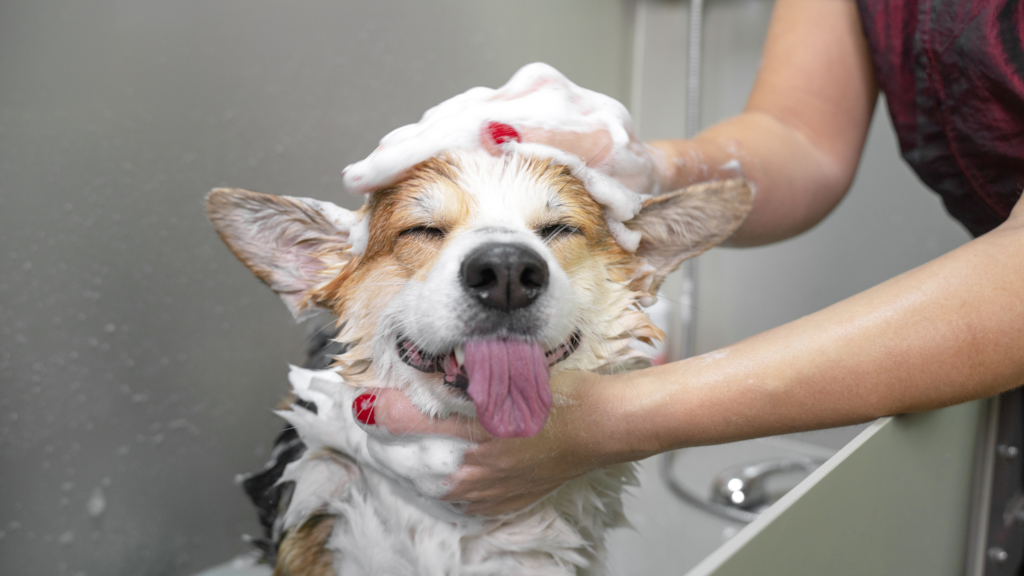
    Understanding Dog Behavior giving him a bath

    Understanding Dog Behavior giving him a bath |
    Understanding Dog Behavior giving him a bath

    Understanding dog behavior is essential for comprehending why dogs exhibit certain behaviors, such as shivering after bathing.

    In this section, we will explore normal dog behavior after Bathing and signs of distress or anxiety in dogs.

    Normal Dog Behavior After Bathing

    After a bath, dogs often engage in behaviors considered normal.

    Understanding these behaviors can help differentiate between normal reactions and potential signs of distress.

    The following are common behaviors observed in dogs after Bathing:

    Grooming Behavior

    Dogs have an innate instinct to groom themselves, similar to cats’.

    After a bath, dogs may lick themselves, bite at their fur, or rub against objects to dry off and restore their fur’s natural oils.

    Grooming behavior is a way for dogs to maintain cleanliness and comfort.

    Shake-Off Behavior

    Shaking off excess water is a natural behavior dogs exhibit after being wet.

    Dogs vigorously shake their bodies, starting from their head and working their way to the tail to remove water from their fur.

    This shake-off behavior helps dogs dry faster and regain their comfort.

    Seeking Warmth and Comfort

    Dogs often seek warmth and comfort after Bathing, especially when feeling chilly.

    They may look for cozy spots, blankets, or their owners’ laps to snuggle into.

    Seeking warmth is a natural response for dogs to regulate their body temperature and feel secure.

    Signs of Distress or Anxiety in Dogs

    While some shivering after a bath can be normal, it’s essential to recognize signs of distress or anxiety in dogs.

    Understanding these signs can help determine if the shivering is due to underlying stress or discomfort.

    The following are common signs of distress or anxiety in dogs:

    Body Language Cues

    Dogs communicate their emotions through body language.

    Signs of distress or anxiety may include flattened ears, a tucked tail, tense body posture, excessive panting, pacing, or cowering.

    These cues indicate that the dog is not comfortable or at ease.

    Vocalizations and Whining

    Dogs may vocalize their distress or anxiety through whining, whimpering, or excessive barking.

    These vocalizations serve as communication, expressing their discomfort or seeking attention and reassurance.

    Changes in Appetite or Sleep Patterns

    A dog experiencing distress or anxiety may exhibit appetite or sleep patterns changes.

    They may refuse food, eat less than usual, or have difficulty settling down and sleeping.

    These changes in behavior can be indicative of underlying emotional or physical discomfort.

    Understanding normal dog behavior after bathing and recognizing signs of distress or anxiety will enable dog owners to accurately assess their pets’ well-being.

    Owners can provide appropriate care and address any issues by differentiating between normal behaviors and potential stress indicators.

    Why is my dog Shivering after Bath? – Possible Causes of Shivering

    Why is my dog Shivering after Bath |
    Why is my dog Shivering after Bath?

    Shivering in dogs after Bathing can be attributed to various factors. This section will explore the possible causes of shivering and their implications for dogs’ well-being.

    1. Cold Temperature

    Hypothermia and its Symptoms

    Exposure to cold water or a chilly environment can lead to hypothermia in dogs.

    Hypothermia occurs when a dog’s body temperature drops below normal levels, causing shivering as a physiological response to generate heat.

    Recognizing the symptoms of hypothermia, such as intense shivering, pale gums, lethargy, and decreased heart rate, is crucial for prompt intervention.

    Ways to Keep Dogs Warm After Bathing

    It is important to provide dogs with adequate warmth to prevent shivering due to cold temperatures.

    This can be achieved by adjusting the room temperature, using warm towels or blankets, and providing heated pads or beds specifically designed for dogs.

    These measures help maintain a comfortable body temperature and prevent excessive shivering.

    2. Wet Fur

    Effects of Wet Fur on Body Temperature

    When a dog’s fur remains wet after Bathing, it can lead to a drop in body temperature.

    Wet fur is less effective at insulating the body, making dogs more susceptible to the cold.

    As a result, shivering may occur as a mechanism to generate heat and restore the dog’s normal body temperature.

    Towel Drying Techniques

    Proper towel-drying techniques are essential to remove excess moisture from a dog’s fur.

    Gently rubbing the dog’s body with absorbent towels helps absorb the water and speeds up the drying process.

    Paying extra attention to areas with thick furs, such as the chest and abdomen, ensures thorough drying and reduces the likelihood of shivering.

    Importance of Proper Air Drying

    After towel drying, allowing the dog to air dry completely is crucial.

    Proper air drying ensures the dog’s fur is fully dry, minimizing the risk of continued shivering due to residual moisture.

    It is important to provide a warm, draft-free environment during air-drying.

    3. Fear or Anxiety

    Bathing as a Stressor for Some Dogs

    For some dogs, Bathing can be a stressful experience.

    Fear or anxiety triggered by the bathing process may manifest as shivering.

    Factors such as water-related phobias, past traumatic experiences, or unfamiliar environments can develop bathing anxiety in dogs.

    Recognizing Fearful Behaviors

    Observing a dog’s body language and behavior can help identify signs of fear or anxiety during Bathing.

    These may include trembling, panting, attempts to escape, avoidance behaviors, or displaying a lowered body posture.

    Recognizing these fearful behaviors is essential for addressing the underlying anxiety and reducing shivering.

    Techniques for Reducing Bathing Anxiety

    Various techniques can be employed to alleviate bathing anxiety and subsequently reduce shivering. These include:

    • Gradually desensitizing the dog to the bathing process.
    • Providing positive reinforcement.
    • Using calming techniques such as gentle massage or aromatherapy.
    • Seeking professional assistance from a qualified dog trainer or behaviorist.

    4. Medical Conditions

    Shivering after Bathing can also be associated with underlying medical conditions. Awareness of these conditions and their potential impact on a dog’s well-being is important.

    5. Pain or Discomfort

    Dogs experiencing pain or discomfort, such as muscle soreness or joint issues, may exhibit shivering as a response.

    Pain-related shivering is a protective mechanism and may require veterinary attention to diagnose and address the underlying cause.

    A thorough examination by a veterinarian can help identify any musculoskeletal issues or sources of pain, and appropriate treatment options can be pursued to alleviate the discomfort and reduce shivering.

    6. Neurological Issues

    Certain neurological conditions can contribute to shivering after bathing.

    Neurological disorders affecting the central nervous system can disrupt normal motor control and coordination, leading to shivering or tremors.

    If shivering persists or is accompanied by other neurological symptoms such as weakness, difficulty walking, or seizures, it is crucial to consult a veterinarian for a comprehensive evaluation and potential diagnostic tests.

    7. Endocrine Disorders

    Endocrine disorders like Hypothyroidism can impact a dog’s body temperature regulation and metabolism.

    Dogs with Hypothyroidism may have a lower basal body temperature, making them more susceptible to feeling cold and shivering after bathing.

    Blood tests and hormonal evaluations can help diagnose endocrine disorders, and appropriate treatment under veterinary guidance can help manage the condition and alleviate shivering.

    8. Allergic Reactions

    In some cases, shivering after Bathing can be associated with allergic reactions.

    Dogs may develop skin allergies or sensitivities to specific grooming products, shampoos, or conditioners used during Bathing.

    Allergic reactions can cause discomfort and trigger shivering as a response.

    Identifying and avoiding allergens and seeking veterinary advice for suitable hypoallergenic grooming products can help prevent allergic reactions and minimize shivering.

    It is essential to note that while this guide provides an overview of the possible causes of shivering after bathing, each dog is unique, and multiple factors can contribute to their individual response.

    Monitoring the dog’s behavior, consulting with a veterinarian when necessary, and addressing any underlying issues are crucial steps in ensuring the well-being and comfort of dogs after bathing.

    Preventing Shivering After Bathing

    Taking preventive measures can help minimize shivering episodes in dogs after bathing.

    This section will explore strategies to provide warmth, properly dry the dog, and reduce stress and anxiety associated with Bathing.

    Providing Warmth

    Adjusting the Room Temperature

    Maintaining a warm environment prevents dogs from feeling cold after Bathing.

    Ensure that the room where the Bathing takes place is comfortably warm.

    Close windows or doors to minimize drafts, and consider using space heaters or radiators to maintain a consistent temperature.

    Using Warm Towels or Blankets

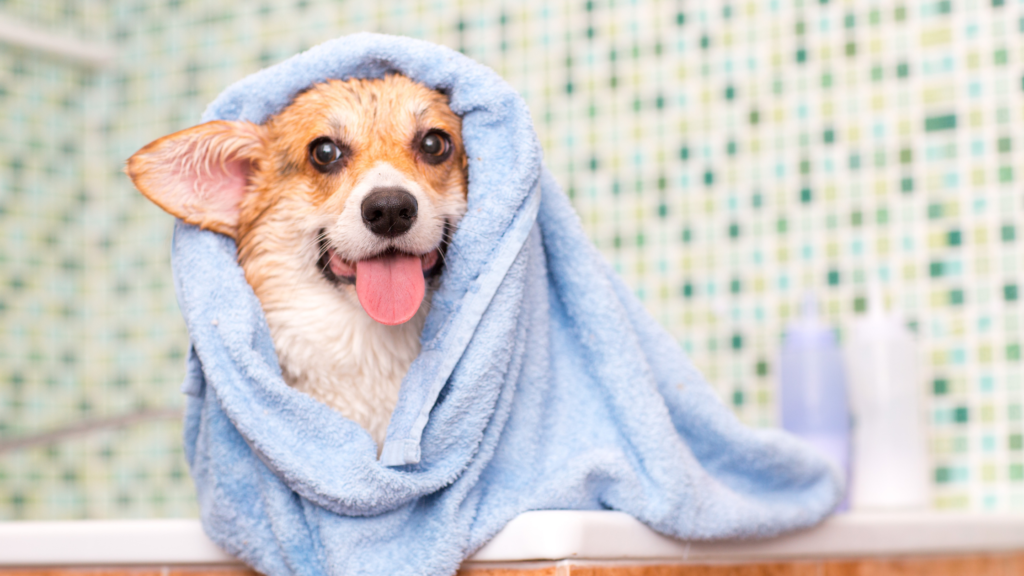
    Immediately after Bathing, wrap the dog in warm towels or blankets.

    Place the towels in a dryer for a few minutes beforehand to ensure they are warm.

    This will help retain the dog’s body heat, prevent shivering, and provide comfort and security.

    Utilizing Heated Pads or Beds

    Consider using heated pads or beds specifically designed for dogs.

    These products provide a consistent and controlled source of warmth, ensuring that the dog remains cozy and comfortable after bathing.

    Follow the manufacturer’s instructions for safe use and monitor the dog’s behavior while utilizing such products.

    Drying the Dog Properly

    Proper drying techniques are essential to remove excess moisture from the dog’s fur, minimizing the risk of shivering from wetness and cold temperatures.

    Towel Drying Techniques

    After rinsing, gently towel dry the dog by patting and rubbing its fur.

    Use absorbent towels to remove as much moisture as possible.

    Pay extra attention to areas with thick fur or skin folds, ensuring thorough drying to prevent prolonged wetness and subsequent shivering.

    Blow Drying Tips and Cautionary Measures

    If using a blow dryer, set it to a low heat setting and maintain a safe distance from the dog’s skin to avoid burns or discomfort.

    Keep the airflow moving continuously and avoid focusing on one area for too long.

    Regularly check the dryer’s temperature to ensure it remains at a safe and comfortable level for the dog.

    Considerations for Different Coat Types

    Different coat types may require specific drying approaches.

    Dogs with short coats may benefit from quick towel drying.

    In contrast, those with long or dense coats may need additional blow drying to reach the underlying layers of fur.

    Consult a professional groomer or veterinarian for the appropriate drying techniques for your dog’s specific coat type.

    Minimizing Stress and Anxiety

    Reducing stress and anxiety associated with Bathing can help alleviate shivering episodes.

    Creating a positive bathing environment and implementing desensitization and counterconditioning techniques are effective strategies.

    Creating a Positive Bathing Environment

    Make the bathing experience pleasant and positive for the dog.

    Use treats, praise, and rewards to associate bath time with positive experiences. Play calming music or use aromatherapy to create a soothing atmosphere.

    A non-slip mat in the bathing area can also help the dog feel secure and minimize anxiety.

    Desensitization and Counterconditioning

    Gradually acclimate the dog to the bathing process through desensitization and counterconditioning.

    Start with short and positive bathing sessions, gradually increasing the duration.

    Pair each step of the bathing process with rewards and positive reinforcement.

    This helps the dog associate bath time with positive experiences, reducing stress and potential shivering.

    Professional Grooming and Handling

    Consider seeking professional grooming services, especially if your dog experiences significant stress or anxiety during Bathing.

    Professional groomers are experienced in handling anxious dogs and can provide a calm and controlled environment for the bathing process.

    They can use techniques to help relax the dog, ensuring a safer and more comfortable experience.

    Additionally, professional groomers have the expertise to properly dry the dog’s coat and minimize the risk of shivering.

    Remember, each dog is unique, and finding the most effective preventive measures for your furry friend may take time.

    Pay attention to your dog’s reactions and adjust the bathing routine and preventive strategies accordingly.

    By providing warmth, thorough drying, and minimizing stress and anxiety, you can help reduce shivering after Bathing and ensure a more comfortable experience for your dog.

    Also Read: Why Is My Dog Pooping Clear Liquid? Best Guide 2023

    What to Do If Your Dog Shivers after bathing?

    What to do if your dog is shivering after a bath? If your dog is shivering after bathing, responding appropriately to ensure their well-being and address any underlying concerns is essential.

    This section will discuss steps you can take when your dog experiences shivering after bathing.

    Observing the Dog’s Behavior

    Assessing the Severity of Shivering

    Observe the intensity and duration of your dog’s shivering.

    Mild shivering may be a normal response to the bathing process and can subside independently.

    However, suppose the shivering is severe, persistent, or accompanied by other concerning symptoms. In that case, it may indicate an underlying issue that requires attention.

    Noticing Other Distress Signals

    Pay attention to other distress signals your dog may exhibit.

    These could include signs of pain, discomfort, anxiety, or changes in behavior.

    Restlessness, excessive panting, whining, loss of appetite, or lethargy may indicate that the shivering results from an underlying problem.

    Providing Comfort and Reassurance

    Creating a Warm and Cozy Space

    Ensure your dog has access to a warm and cozy space where it can feel comfortable and secure.

    Provide a soft bed or blankets and adjust the room temperature if needed.

    A warm environment can help alleviate shivering and provide comfort to your dog.

    Gentle Physical Contact and Soothing Voice

    Offer gentle physical contact, such as petting or cuddling, to reassure and comfort your dog.

    Speak to them in a soothing and calm voice, which can help relax and reassure them during this stressful time.

    Your presence and affection can have a calming effect and reduce anxiety-related shivering.

    Monitoring the Dog’s Health

    Tracking Shivering Episodes

    Record the frequency, duration, and intensity of your dog’s shivering episodes.

    Note any patterns or triggers that may be contributing to the shivering.

    This information can be helpful when discussing the issue with a veterinarian if necessary.

    Noting Any Other Abnormal Symptoms

    Monitor your dog for any additional abnormal symptoms or changes in behavior.

    These may include difficulty walking, excessive thirst or urination, vomiting, diarrhea, or any other signs that indicate something more than just post-bathing shivering.

    Document these symptoms and share them with your veterinarian for a comprehensive evaluation.

    When to Seek Veterinary Assistance

    If the shivering is severe, persistent, or accompanied by other concerning symptoms, it is recommended to consult with a veterinarian.

    They can conduct a thorough examination, consider your dog’s medical history, and perform any necessary diagnostic tests to identify the underlying cause of the shivering.

    Prompt veterinary care is essential to address any potential health issues and provide appropriate treatment.

    Remember, as a responsible dog owner, your attentiveness and care are crucial in ensuring your dog’s well-being.

    By observing their behavior, providing comfort, and monitoring their health, you can take appropriate actions and seek veterinary assistance to address shivering after bathing.

    Seeking Veterinary Care

    In some cases, shivering after Bathing may indicate an underlying health issue that requires veterinary attention.

    This section will outline when to consult a veterinarian and discuss potential underlying health issues associated with shivering after bathing.

    When to Consult a Veterinarian

    Persistent or Worsening Shivering

    Suppose your dog’s shivering persists or worsens over time, despite implementing preventive measures and providing comfort.

    In that case, it is important to consult a veterinarian.

    Persistent or severe shivering may indicate an underlying medical condition that needs to be addressed.

    Unexplained Physical Changes

    Suppose you notice any unexplained physical changes in your dog, such as weight loss, changes in appetite, excessive thirst or urination, lethargy, or other abnormal symptoms.

    In that case, it is recommended to seek veterinary care.

    When combined with shivering after Bathing, these changes may indicate an underlying health issue that requires professional evaluation.

    Potential Underlying Health Issues

    Hypothyroidism

    Hypothyroidism, a condition where the thyroid gland does not produce enough thyroid hormone, can cause dogs to feel cold and shiver more easily, even after Bathing.

    Other symptoms of Hypothyroidism may include weight gain, lethargy, hair loss, and changes in skin texture.

    If Hypothyroidism is suspected, a veterinarian can perform blood tests to assess thyroid function and provide appropriate treatment.

    It is important to remember that this guide provides general information, and the advice of a qualified veterinarian should always be sought for an accurate diagnosis and treatment plan tailored to your dog’s specific needs.

    Veterinary professionals have the expertise to perform thorough examinations, conduct diagnostic tests, and provide appropriate medical interventions to address any underlying health issues contributing to shivering after bathing.

    By seeking veterinary care when necessary, you can ensure your dog’s overall health and well-being and address any underlying conditions that may be causing the shivering.

    Frequently Asked Questions (FAQs)

    Here are some common questions and answers related to dog bathing and shivering:

    Why is my dog shaking before taking a bath?

    Shaking or trembling before a bath can indicate anxiety or fear in dogs.

    Bathing may be perceived as a stressful or uncomfortable experience for some dogs, causing them to shake or tremble in anticipation.

    It is important to create a calm and positive bathing environment, gradually acclimate your dog to the process, and provide reassurance to help reduce their anxiety.

    How often should a dog have a bath?

    The frequency of Bathing depends on several factors, such as the dog’s breed, coat type, activity level, and overall health.

    In general, most dogs benefit from bathing every 4-8 weeks.

    However, some dogs with specific coat types or skin conditions may require more frequent Bathing.

    In contrast, others may need less frequent baths to maintain their coat’s natural oils.

    Consult with your veterinarian or a professional groomer to determine the appropriate bathing schedule for your dog.

    Is it safe to use a blow dryer on my puppy?

    Using a blow dryer on a puppy can be safe if done properly.

    However, using a low heat setting and keeping the dryer safe from the puppy’s skin is essential to prevent burns or discomfort.

    Ensure the airflow continuously moves and avoid focusing on one area too long.

    Always monitor the puppy’s behavior and body temperature during the drying process.

    If unsure or concerned, consult a professional groomer or veterinarian for guidance.

    Can puppies become ill after Bathing?

    While puppies are generally resilient, they can become chilled or ill if they are not properly dried and kept warm after Bathing.

    Puppies cannot regulate their body temperature, and wet fur can contribute to rapid heat loss.

    It is important to thoroughly dry your puppy after Bathing and provide a warm and comfortable environment to prevent chilling.

    Additionally, avoid very young bathing puppies with a weakened immune system or unwell, as their bodies may be more susceptible to potentially adverse effects.

    Consult your veterinarian for specific guidance on bathing puppies and ensuring their well-being.

    Also Read: Calmer Collars for Dogs: Does it really works? – Best Guide 2023.

    Conclusion

    Shivering after Bathing can be a common occurrence in dogs.

    Still, it’s important to understand the potential causes and take appropriate measures to ensure the comfort and well-being of your furry companion.

    By understanding normal dog behavior after bathing, recognizing signs of distress or anxiety, and addressing the underlying factors contributing to shivering, you can help alleviate this issue.

    We explored various factors that can lead to shivering after bathing, including cold temperature, wet fur, fear or anxiety, and underlying medical conditions.

    Preventive measures such as providing warmth, proper drying techniques, and minimizing stress during Bathing can significantly reduce shivering episodes.

    In cases where shivering persists, worsens, or is accompanied by other abnormal symptoms, it is advisable to seek veterinary care.

    A veterinarian can thoroughly examine, diagnose any underlying health issues, and recommend appropriate treatment options.

    Remember, each dog is unique, and their response to Bathing can vary.

    Paying attention to your dog’s behavior, providing comfort and reassurance, and seeking veterinary assistance when necessary is essential to ensure their well-being.

    By taking a proactive approach and understanding your dog’s needs, you can create a positive bathing experience and minimize shivering, allowing your dog to enjoy the benefits of cleanliness and grooming without unnecessary discomfort.

  • Calmer Collars for Dogs: Does it really works? – Best Guide 2023.

    Calmer Collars for Dogs: Does it really works? – Best Guide 2023.

    Calmer Collars for Dogs? Does it really works? – It’s only natural for pet owners to want to provide their beloved friends with the best care.

    Like people, dogs can experience anxiety and stress, which can show itself in various ways, such as increased barking, mischief-making, or even physical signs like trembling or panting.

    One solution that has gained popularity in recent years is using Calmer Collars for dogs.

    This article will explain How Calmer Collars for Dogs Can Help Reduce Anxiety and Stress and why pet owners could find them to be useful tool.

    What are Calmer Collars for Dogs? How it works

    Calmer collars are dog collars designed to help manage stress and anxiety in dogs.

    Calmer collars can be helpful for dogs that have separation anxiety, travel anxiety, noise phobias, or fear of other dogs or people.

    Calmer collars can be combined with other management techniques, such as behavior modification or medication, to help dogs with anxiety.

    Calmer collars are available in various sizes and styles to suit breeds and preferences.

    Calmer collars work by stimulating the parasympathetic nervous system, which can help to reduce the “fight or flight” response that dogs may experience in stressful situations.

    Some calmer collars use a combination of pressure and pheromones to help dogs feel calm and relaxed.

    Calmer collars can be effective for both short-term and long-term use.

    There are two primary types of calmer collars available: 

    Pheromone collars 

    Pheromone collars emit pheromones, natural substances that dogs produce to communicate with each other.

    These pheromones can help to create a sense of calm and well-being in your dog.

    Pheromone collars typically contain synthetic versions of these pheromones, designed to mimic your dog’s natural pheromones.

    Compression collars

    Compression collars, on the other hand, work by applying gentle pressure to specific points on your dog’s neck.

    This pressure can help create a sense of calm and security in your dog, similar to how a swaddled baby feels secure.

    Compression collars are often used to help dogs with separation anxiety, fear of loud noises, or general anxiety.

    Calmer collars can be a great tool to help your dog cope with stress and anxiety, and they are generally safe and easy to use.

    However, following the instructions carefully when using a calmer collar is important to ensure it is used properly and effectively.

    If you have any concerns about your dog’s behavior or anxiety levels, it’s always a good idea to consult your veterinarian.

    Benefits of Using a Calmer Collar for Your Dog

    There are many benefits to using a calmer collar for your dog! Calmer collars are designed to help your furry friend cope with anxiety and stress.

    They can be especially helpful for dogs who experience separation anxiety, fear of loud noises, or get anxious during car rides or visits to the vet. 

    Here are some of the key benefits of using a calmer collar for your dog:

    • Reducing Anxiety: Calmer collars can help reduce your dog’s anxiety levels, leading to a happier and healthier pup. By providing a sense of security and comfort, calmer collars can help to soothe your dog’s nerves and create a more relaxed atmosphere.
    • Easing Separation Anxiety: Many dogs experience separation anxiety when left alone, and calmer collars can be a great tool to help ease this anxiety. By providing a sense of security and comfort, calmer collars can help your dog feel more relaxed and at ease when you’re not around.
    • Managing Fear of Loud Noises: If your dog is afraid of loud noises like thunderstorms or fireworks, a calmer collar can help to ease its fear and anxiety. By providing a sense of security and comfort, calmer collars can help to create a more relaxed environment for your dog during these stressful situations.
    • Promoting Better Sleep: Anxious or stressed dogs may have trouble sleeping, which can lead to other health problems. Calmer collars can help to promote better sleep by creating a more relaxed and comfortable environment for your dog.

    Overall, calmer collars are a safe and effective way to help your dog cope with anxiety and stress.

    By providing a sense of security and comfort, calmer collars can help to create a happier and healthier pup.

    If you’re considering using a calmer collar for your dog, choose a high-quality product and follow the instructions carefully to ensure it is used properly and effectively.

    Also Read: Can Dogs Eat Boxelder Bugs? Are They Safe to Eat?

    Who Can Benefit from Using a Calmer Collar?

    Who Can Benefit from Using a Calmer Collar |
    Who Can Benefit from Using a Calmer Collar

    Many different types of dogs can benefit from using a calmer collar! Calmer collars are designed to help dogs who experience anxiety or stress in various situations, including separation anxiety, fear of loud noises, car rides, vet visits, and more.

    Here are some specific examples of dogs who may benefit from using a calmer collar:

    • Dogs with Separation Anxiety: Dogs who become anxious when left alone may benefit from wearing a calmer collar. The collar can help provide a sense of security and comfort, easing their anxiety and making them feel more at ease when you’re not around.
    • Dogs with Noise Phobias: If your dog is afraid of loud noises like thunderstorms or fireworks, a calmer collar can help to ease its fear and anxiety. The collar can help to create a more relaxed and comfortable environment for your dog during these stressful situations.
    • Dogs with Travel Anxiety: If your dog gets anxious during car rides or other types of travel, a calmer collar can help ease their anxiety and make the experience more enjoyable. The collar can help to create a sense of security and comfort, which can help to soothe their nerves.
    • Dogs with General Anxiety: If your dog experiences anxiety in various situations, a calmer collar may be a good option to help them feel more at ease. The collar can provide a sense of security and comfort, which can help to soothe their nerves and create a more relaxed atmosphere.

    It’s important to note that while calmer collars can be a helpful tool for many dogs, they may not be suitable for every dog.

    If you’re considering using a calmer collar for your dog, it’s always a good idea to speak with your veterinarian first to determine whether it’s the right choice for your furry friend.

    Tips for Choosing and Using a Calmer Collar for dogs.

    Choosing and using a calmer collar can be a great way to help your dog feel more relaxed and comfortable in stressful situations.

    Here are some tips to keep in mind when selecting and using a calmer collar:

    • Consider the Type of Collar: Calmer collars come in various styles, including adjustable, buckle, and slip-on. Consider which type of collar will be most comfortable for your dog and provide the most effective calming benefits.
    • Choose the Right Size: Choosing a calmer collar that fits your dog properly is important. Make sure to measure your dog’s neck before selecting a collar, and choose a size that fits snugly but isn’t too tight.
    • Look for Comfortable Materials: The material of the calmer collar can affect how comfortable it is for your dog to wear. Look for collars made from soft, breathable materials that won’t irritate your dog’s skin.
    • Follow the Manufacturer’s Instructions: Each calmer collar will come with specific instructions on how to use it. Follow these instructions carefully to ensure the collar is used correctly and effectively.
    • Pair with Other Calming Techniques: While a calmer collar can be helpful, it’s important to remember that it may not be a cure-all solution. Pairing the collar with other calming techniques like exercise, relaxation training, and positive reinforcement can help to create a more comprehensive approach to managing your dog’s anxiety.
    • Monitor Your Dog’s Behavior: As with any new product or technique, it’s important to monitor your dog’s behavior and reactions when using a calmer collar. If you notice negative reactions or behaviors, discontinue use and speak with your veterinarian.

    Choosing and using a calmer collar can be a great way to help your dog feel more relaxed and comfortable in stressful situations.

    Following these tips can help ensure your dog gets the most benefit from their calmer collar.

    Also Read: Why Is My Dog Pooping Clear Liquid? Best Guide 2023

    Conclusion: Calmer Collars for dogs – A Simple Solution for a Happier, Healthier Dog

    In conclusion, calmer collars are a simple and effective solution for dog owners looking to help their furry friends manage stress and anxiety.

    By using a calmer collar, dogs can feel more relaxed and comfortable in various situations, from loud noises to car rides to visits to the vet.

    Calmer collars work by applying gentle pressure to specific points on a dog’s neck, which can help to activate the body’s natural calming response.

    They are easy to use and come in various styles and sizes to suit different breeds and individual dogs.

    The benefits of using a calmer collar are numerous.

    Dogs who wear calmer collars may experience reduced stress, improved behavior, and better overall health.

    Calmer collars can also be combined with other calming techniques to create a comprehensive approach to managing anxiety.

    When choosing and using a calmer collar, it’s important to consider factors like size, style, and material and to follow the manufacturer’s instructions carefully.

    Dog owners can help their furry friends lead happier, healthier lives with the right collar and proper use.

  • Why Is My Dog Pooping Clear Liquid? Best Guide 2023

    Why Is My Dog Pooping Clear Liquid? Best Guide 2023

    As a pet owner, seeing your dog pooping clear liquid instead of normal feces can be concerning. This can indicate an underlying health issue that needs attention. This article will discuss the possible causes of clear liquid in dog poop and what you can do to help your furry friend.

    Normal dog poop: What does it look like?

    Normal dog poop |
    Normal dog poop: What does it look like?

    Normal dog poop should be firm, moist, and easy to pick up. The color of the poop should be brown, and it should be well-formed, with a consistency similar to Play-Doh.

    When your dog defecates, it should come out in one long piece or several shorter pieces. The poop should hold its shape and not crumble or fall apart. It should also not be too hard or too soft.

    If your dog’s poop looks like small, hard pellets or is too runny, this could be a sign of a health issue. Changes in your dog’s poop may indicate a digestive problem or a change in diet.

    It’s important to regularly check your dog’s poop for any abnormalities, such as a change in color, consistency, or frequency.

    These changes could indicate an underlying health issue, and you should consult your veterinarian if you notice any significant changes in your dog’s poop.

    Why is my dog pooping clear liquid?

    Why is my dog pooping clear liquid |
    Why is my dog pooping clear liquid?

    If you notice clear liquid in your dog’s poop, it can indicate several underlying issues. Some of the possible causes of clear liquid in dog poop include:

    • Dietary changes: Abrupt changes in your dog’s diet can cause digestive upset, leading to clear liquid in the poop. This can happen if you switch to a new brand of dog food, introduce new treats, or allow your dog to eat table scraps.
    • Parasites: Parasites like giardia and coccidia can cause clear liquid in dog poop. These parasites are usually contracted from contaminated food or water and can cause symptoms like diarrhea, vomiting, and loss of appetite.
    • Inflammatory bowel disease (IBD): IBD is a condition that causes chronic inflammation in the digestive tract. It can result in diarrhea, vomiting, and weight loss. In some cases, clear liquid may be present in the stool.
    • Intestinal infections: Infections of the small or large intestine can cause clear liquid in the stool. Viruses, bacteria, or parasites can cause these infections.
    • Pancreatitis is a condition in which the pancreas becomes inflamed and cannot produce enough digestive enzymes. This can lead to diarrhea, vomiting, and clear liquid in the stool.

    If you notice clear liquid in your dog’s poop, it’s important to consult your veterinarian. They can help determine the underlying cause and provide appropriate treatment. Sometimes, a diet or medication change may be necessary to alleviate the symptoms and help your dog feel better.

    Other symptoms to look out for

    When your dog is pooping clear liquid, you should also look out for other symptoms, which can give you an idea of what might be causing the issue. Some of the symptoms to look out for include:

    • Diarrhea: Clear liquid in dog poop often indicates diarrhea, a common symptom of gastrointestinal problems.
    • Vomiting: If your dog is vomiting and pooping clear liquid, it could indicate a more serious condition.
    • Loss of appetite: Dogs with gastrointestinal issues may lose or refuse to eat.
    • Lethargy: If your dog is acting lethargic or seems weak, it could indicate that they are dehydrated or suffering from an underlying health issue.
    • Abdominal pain: Dogs experiencing gastrointestinal issues may also show signs of abdominal pain, such as whining or panting.

    It’s important to monitor your dog’s symptoms and behavior closely and contact your veterinarian if you notice any of these signs. Sometimes, pooping clear liquid can be a sign of a serious health condition requiring immediate medical attention.

    Also Read: Can Dogs Eat Boxelder Bugs? Are They Safe to Eat?

    When to see a vet

    If your dog is pooping clear liquid and displaying other concerning symptoms, it’s important to seek veterinary care as soon as possible.

    This is especially important if your dog is also experiencing diarrhea, vomiting, lethargy, loss of appetite, or other signs of illness.

    Additionally, if your dog is a young puppy, a senior dog, or has an underlying health condition, it’s important to consult with a veterinarian immediately.

    Clear liquid in the stool can be a sign of serious health problems that require prompt medical attention.

    Your veterinarian will perform a physical exam and may recommend diagnostic tests, such as blood work or fecal analysis, to determine the underlying cause of your dog’s symptoms.

    They can then recommend the appropriate treatment plan to address the issue and help your dog feel better.

    Treatment options for dog pooping clear liquid

    Treating a dog pooping clear liquid will depend on the underlying cause. Therefore, having your dog evaluated by a veterinarian to determine the appropriate course of action is important.

    If the cause is due to diet, the vet may recommend changing your dog’s food or putting them on a temporary bland diet to help resolve digestive issues.

    The vet may suggest administering probiotics to help restore the gut’s balance for mild cases.

    In cases where the cause is related to a viral or bacterial infection, antibiotics or antiviral medications may be prescribed.

    It’s important to administer the medication as directed and finish the full course of treatment to prevent the infection from returning.

    Suppose the clear liquid in your dog’s poop is due to a more serious underlying condition, such as inflammatory bowel disease or cancer.

    To diagnose and treat the issue, the vet may suggest additional testing or procedures, such as biopsies or endoscopies.

    Suppose you notice your dog pooping clear liquid or any other unusual symptoms. In that case, scheduling an appointment with a vet as soon as possible is essential to identify the root cause and provide appropriate treatment.

    Home remedies for dog diarrhea

    If your dog is experiencing diarrhea, there are a few home remedies that you can try before seeking veterinary care. Here are some options:

    • Fasting: One of the first things you can do is to withhold food from your dog for 12 to 24 hours. This gives their digestive system a chance to rest and recover.
    • Bland diet: Once your dog’s diarrhea has improved, you can start feeding them a bland diet of boiled chicken and rice. This is easy on their stomach and helps to regulate their digestion.
    • Probiotics: Adding probiotics to your dog’s diet can help to improve their gut health and restore the balance of good bacteria in their intestines.
    • Pumpkin: Adding a small amount of canned pumpkin to your dog’s food can help to firm up their stool and ease diarrhea.
    • Fluids: It’s important to keep your dog hydrated during a bout of diarrhea, so ensure they have access to plenty of fresh water. You can also offer them unflavored Pedialyte or chicken broth to help replace lost electrolytes.

    It’s important to note that if your dog’s diarrhea persists or is accompanied by other symptoms, such as vomiting or lethargy, you should seek veterinary care as soon as possible.

    How to prevent clear liquid in dog poop

    Preventing clear liquid in dog poop requires keeping your dog healthy and providing a balanced diet. Here are some tips to help prevent this issue:

    • Proper Nutrition: Feed your dog a high-quality, balanced diet appropriate for their age, breed, and activity level. Ensure to avoid giving them table scraps and other foods high in fat and spices.
    • Adequate Hydration: Ensure your dog has access to clean and fresh water to prevent dehydration, which can lead to diarrhea.
    • Regular exercise: can help your dog maintain a healthy digestive system and prevent constipation and diarrhea.
    • Parasite Control: Regularly deworm your dog to prevent intestinal parasites that can cause diarrhea.
    • Proper Food Storage: Store your dog’s food in a cool, dry place to prevent bacterial growth that can cause diarrhea.
    • Avoid Sudden Diet Changes: Sudden changes in diet can upset your dog’s digestive system and lead to diarrhea. If you need to change their food, do it gradually over a week or so.

    If your dog is prone to digestive issues or has a history of diarrhea, it’s important to discuss preventative measures with your veterinarian. They can provide additional recommendations based on your dog’s needs and health status.

    Also Read: Deer Legs for Dogs: Are Deer Legs Good for Dogs? – Best Guide

    Conclusion: Taking care of your dog’s health

    In conclusion, paying close attention to your dog’s bowel movements and overall health is essential.

    While clear liquid in your dog’s poop may be a sign of a minor issue, it’s crucial to monitor any additional symptoms and seek veterinary care if necessary.

    Ensuring your dog is on a balanced diet, properly hydrated, and getting enough exercise can go a long way in preventing gastrointestinal issues.

    Maintaining a clean living environment, keeping up with routine vet visits, and practicing good hygiene can also help keep your dog healthy.

    Taking these steps and being proactive in your dog’s health care can help ensure a long and happy life for your furry friend.

  • Can Dogs Eat Boxelder Bugs? Are They Safe to Eat?

    Can Dogs Eat Boxelder Bugs? Are They Safe to Eat?

    Can Dogs Eat Boxelder Bugs? – If you’re a responsible pet owner, it’s natural to be concerned about the safety and health of your furry companion.

    You’ve come to the right place if you have ever wondered if it’s safe for dogs to consume boxelder bugs.

    This article provides thorough information on the topic, including the potential benefits and risks of allowing dogs to eat these insects.

    Additionally, we offer tips on how to prevent your dog from consuming boxelder bugs if necessary.

    Keep reading to learn everything you need to know about the safety of boxelder bugs for dogs.

    What are boxelder bugs?

    Boxelder bugs are tiny insects that are commonly found in North America.

    They are about 1/2 inch long and have distinct markings on their wings and body, usually black and red.

    These bugs feed on the seeds, leaves, and flowers of boxelder trees and other trees such as maple and ash.

    They are primarily seen in the fall when they gather in large numbers on the sides of buildings seeking shelter from the colder weather.

    While they are generally harmless to humans, they may pose a potential risk to pets like dogs if ingested.

    Are boxelder bugs poisonous?

    Boxelder bugs are not generally considered poisonous to humans or animals.

    However, they can secrete a substance that may cause a mild allergic reaction in some individuals, including dogs.

    Additionally, consuming large quantities of boxelder bugs may lead to digestive issues in dogs, which can be uncomfortable and potentially harmful.

    Therefore, it is always best to err on the side of caution and avoid feeding boxelder bugs to your dog altogether.

    Can Dogs Eat Boxelder Bugs?

    Can Dogs Eat Boxelder Bugs?
    Can Dogs Eat Boxelder Bugs?

    While boxelder bugs are not toxic to dogs, it is not recommended to feed them to your pet intentionally.

    These bugs may carry parasites or bacteria that can make your dog sick if consumed in large amounts.

    Additionally, their hard exoskeleton may be complex for your dog to digest, leading to digestive issues.

    If your dog accidentally eats a few boxelder bugs, it is unlikely to cause severe harm.

    However, suppose you notice signs of illness or discomfort, such as vomiting, diarrhea, or lethargy.

    In that case, it’s best to consult your veterinarian right away.

    What are the Potential Risks and Benefits of Feeding Boxelder Bugs to Dogs?

    Suppose you’re wondering about the potential benefits and risks of dogs consuming boxelder bugs. In that case, there are a few things to consider.

    On the one hand, some people believe that eating bugs can be a good source of protein and other nutrients for dogs.

    However, it’s important to note that boxelder bugs aren’t necessarily safe or healthy food choices for dogs.

    Ingesting these bugs can lead to digestive issues, such as vomiting or diarrhea.

    Additionally, some boxelder bugs may contain toxins or other harmful substances that could make your dog sick.

    Ultimately, it’s best to err on the side of caution and avoid letting your dog consume boxelder bugs or any other insects without consulting with a veterinarian first.

    Also Read: Champagne for Dogs: Is Champagne safe for Dogs

    What happens if a dog eats boxelder bugs?

    If your dog eats a few boxelder bugs, they are unlikely to experience serious health problems. However, if they eat many bugs, they may experience gastrointestinal upset. In rare cases, they may also develop an allergic reaction.

    What to Do if Your Dog Eats Boxelder Bugs

    Suppose your dog has accidentally eaten boxelder bugs.

    In that case, monitoring them for any signs of illness or adverse reactions is essential.

    The symptoms of boxelder bug ingestion may include vomiting, diarrhea, abdominal discomfort, or lethargy.

    If you notice any of these symptoms, it is best to consult with your veterinarian immediately.

    Your veterinarian may recommend some tests and procedures to determine the reaction’s severity and provide appropriate treatment to your furry friend.

    In most cases, the symptoms are mild and will subside independently.

    However, seeking professional advice regarding your pet’s health is always best.

    Remember, prevention is always better than cure, so keep an eye on your dog and discourage them from consuming bugs or insects.

    How to prevent your dog from eating boxelder bugs?

    The best way to prevent your dog from eating boxelder bugs is to keep them away from areas where the bugs are commonly found.

    This may include limiting their access to certain parts of your yard or using a natural insect repellent to keep the bugs away.

    You can also provide your dog with plenty of alternative protein sources to discourage them from eating bugs.

    How to Get Rid of Boxelder Bugs

    How to Get Rid of Boxelder Bugs |
    How to Get Rid of Boxelder Bugs?

    If you’re dealing with a boxelder bug infestation, here are some steps you can take to get rid of them:

    • Seal any cracks or gaps: Start by inspecting your home and sealing any cracks or gaps in windows, doors, or walls. Boxelder bugs can quickly enter your home through these openings, so sealing them can help prevent an infestation.
    • Vacuum them up: If you already have boxelder bugs in your home, you can use a vacuum to remove them. Make sure to dispose of the vacuum bag immediately to prevent the bugs from escaping.
    • Use insecticidal soap: Insecticidal soap can be an effective way to get rid of boxelder bugs. Spray the soap directly on the bugs, and it will break down their outer layer, causing them to dehydrate and die.
    • Use diatomaceous earth: Diatomaceous earth is a natural powder that can kill boxelder bugs. Sprinkle it around the areas where you have seen the bugs, and it will dehydrate them, causing them to die.
    • Hire a professional exterminator: If you have a severe infestation or are uncomfortable using pesticides or other methods, hiring a professional exterminator is best. They can help you get rid of the bugs safely and effectively.

    What are some alternative sources of protein for dogs?

    Suppose you want to provide your dog with a healthy and balanced diet.

    In that case, there are plenty of alternative sources of protein that you can consider.

    Some of the best options include lean meats such as chicken or turkey, fish, eggs, and plant-based sources such as lentils and chickpeas.

    Consult with your veterinarian to determine the best diet for your furry friend.

    Also Read: Deer Legs for Dogs: Are Deer Legs Good for Dogs? – Best Guide

    Conclusion: Making Safe and Informed Choices for Your Dog’s Health

    In conclusion, making safe and informed choices regarding your dog’s diet and overall health is essential.

    While boxelder bugs may benefit your furry friend, there are potential risks to consider as well.

    It is best to consult your veterinarian before adding new food to your dog’s diet.

    If you decide to feed your dog boxelder bugs, take the necessary precautions, such as removing the wings and legs and ensuring they are adequately cooked.

    Additionally, monitoring your dog for any adverse reactions or symptoms of illness is essential.

    Ultimately, there are many safe and healthy alternatives to boxelder bugs for your dog’s diet.

    By staying informed and taking the necessary steps to keep your dog healthy, you can ensure your beloved pet’s happy and long life.