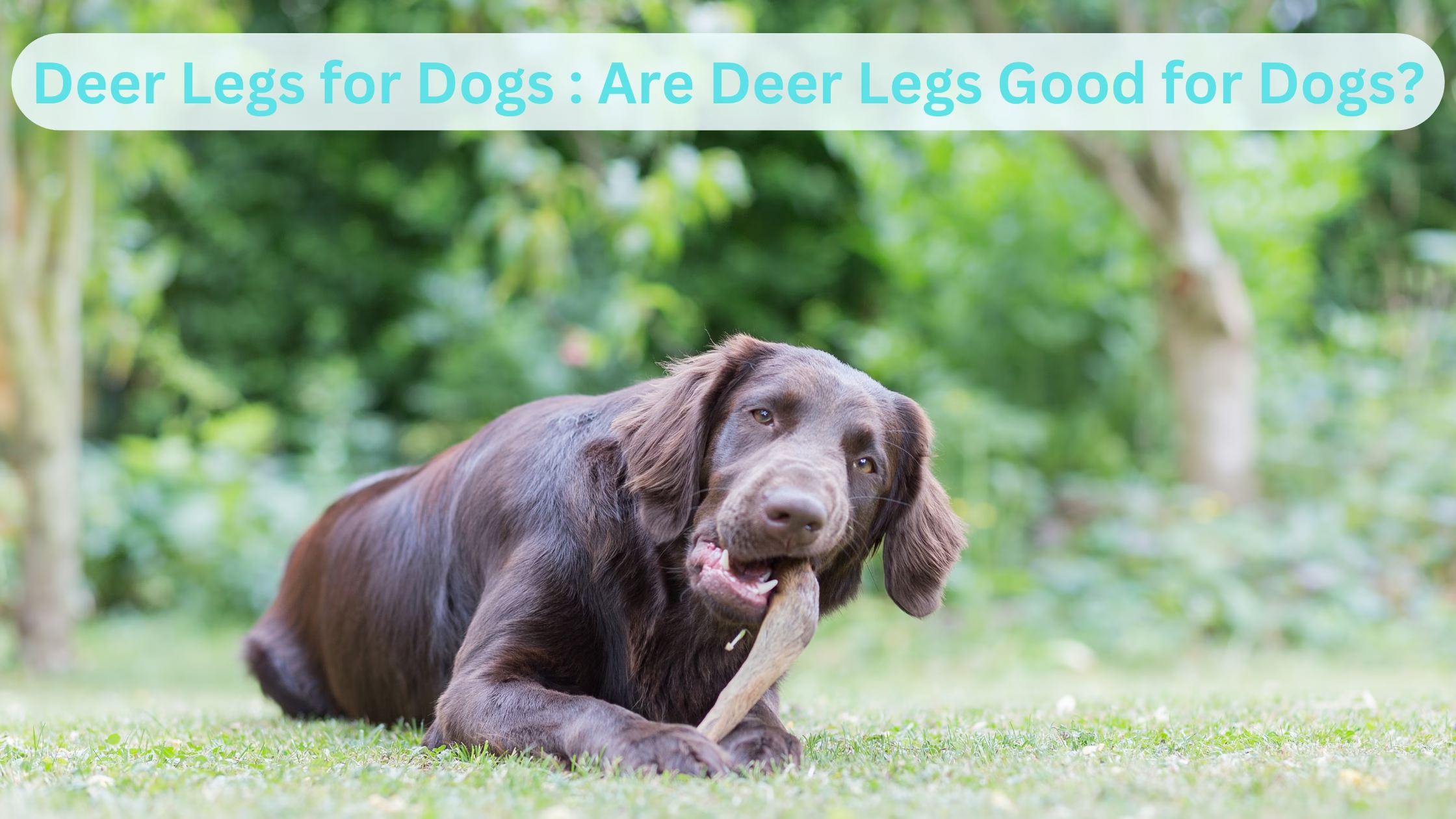
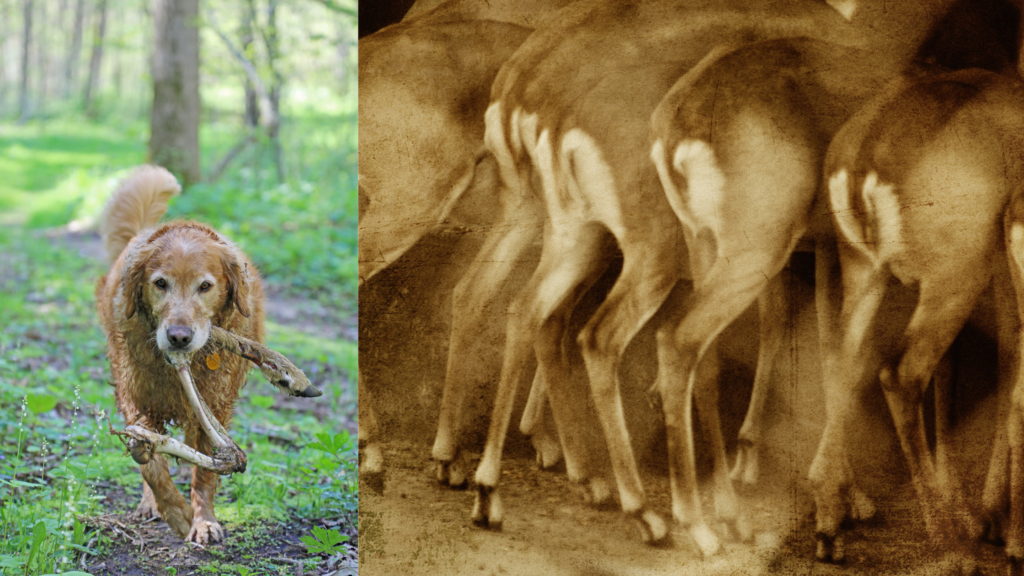
Deer Legs for Dogs – You want to provide your furry friend the best nutrition as a pet owner. And deer legs may seem tempting when adding variety to your dog’s diet.
But are they safe and healthy for dogs to eat? In this article, we’ll explore the nutritional benefits and potential risks of feeding deer legs to your dog.
We’ll also answer common questions, including whether hairy deer legs are safe for dogs, what age dogs can have deer legs, and which parts of the deer are best for canine consumption.
Deer Legs for Dogs
Nutritional Benefits of Deer Legs for Dogs
Deer legs can provide a variety of nutritional benefits for dogs.
Here are some of the key Benefits of Deer Legs for Dogs
Protein and Amino Acids
Deer legs are a great source of protein, which is essential for building and maintaining muscle mass.
They also contain a range of amino acids, which are the building blocks of protein.
These include lysine, which helps with calcium absorption and collagen production, and arginine, which plays a role in heart health and immune function.
Vitamins and Minerals
Deer legs are rich in vitamins and minerals essential for overall health.
These include iron, which helps with oxygen transport and energy production, and zinc, which supports immune function and skin health.
They also contain vitamins B6 and B12, necessary for brain and nervous system function.
Joint Health
Deer legs can also be beneficial for dogs with joint issues.
They contain glucosamine and chondroitin, which support joint health and may help with arthritis and other joint-related conditions.
Additionally, the collagen in deer legs can help regenerate cartilage and connective tissue.
While deer legs can provide many nutritional benefits, feeding them in moderation and in the right way is essential to avoid potential risks and health issues.
Always consult your veterinarian before introducing new treats or supplements to your dog’s diet.
Are Deer Legs Good for Dogs? The Potential Risks of Feeding Deer Legs to Dogs
While deer legs can provide nutritional benefits for dogs, there are also potential risks associated with feeding them. Here are some of the critical risks to be aware of
Choking Hazard
Deer legs can be challenging and pose a choking hazard, especially for small dogs or aggressive chewers.
If your dog is prone to swallowing large pieces of food or treats, it’s best to avoid giving them deer legs or to supervise them closely while they chew.
Digestive Issues
Deer legs can also cause digestive issues in some dogs, mainly if they consume too much or if the legs are not appropriately prepared.
Overeating deer meat can cause upset stomach, vomiting, and diarrhoea.
Additionally, uncooked or undercooked meat can contain harmful bacteria like Salmonella or E. coli, which can cause serious illness in dogs.
Contamination and Bacteria
Deer legs can also be contaminated with harmful bacteria or other toxins, mainly if they are sourced from areas with high pollution levels or pesticide use.
It’s essential to ensure that the deer legs you feed your dog are from a reputable source and have been adequately processed and stored to minimize the risk of contamination.
To minimize these risks, preparing and feeding your dog deer legs safely and in moderation is essential.
Always supervise your dog while chewing on deer legs, and ensure that the legs are thoroughly cooked and cleaned before feeding.
Additionally, if you notice any signs of digestive upset or illness after feeding deer legs, contact your veterinarian immediately.
Are Hairy Deer Legs Good for Dogs?
Are Hairy Deer Legs Good for Dogs?
Regarding feeding deer legs to dogs, one question often arises whether hairy deer legs are safe and nutritious for canine consumption.
The answer is that it depends on the individual dog and the specific type of deer leg.
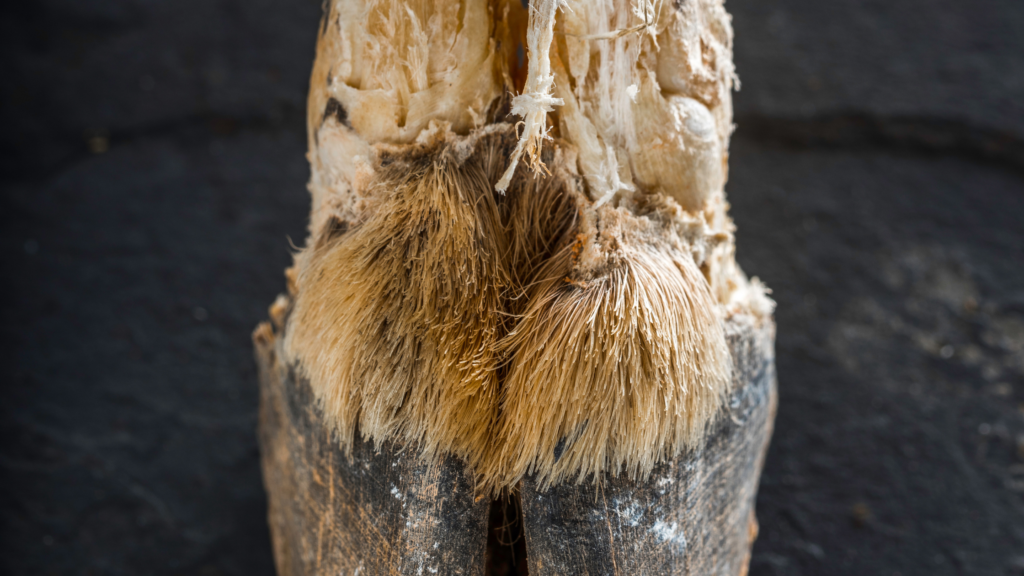
Hairy deer legs, which may be covered in fur or hair, can pose a choking hazard or digestive issue for some dogs.
Additionally, the fur on the deer’s leg may be contaminated with dirt, bacteria, or parasites, which can make your dog sick.
That being said, some dogs may be able to tolerate and digest hairy deer legs without issue. Suppose you decide to feed your dog a hairy deer leg.
In that case, monitoring them closely for any signs of choking, vomiting, or diarrhoea is essential.
Suppose you’re concerned about the safety of feeding your dog a hairy deer leg.
In that case, it may be best to stick to deer legs that have been skinned and cleaned or consult your veterinarian for personalized advice.
Ultimately, it’s essential to prioritize your dog’s safety and well-being above any potential nutritional benefits that a deer leg may provide.
The appropriate age for a dog to have deer legs largely depends on the individual dog’s size, breed, and overall health.
Generally, it’s recommended that you wait until your dog is at least 6 months old before introducing deer legs into their diet.
This is because younger dogs may have difficulty digesting certain types of bones or may be more prone to choking on larger pieces.
Additionally, their digestive systems may still need to be fully developed, making it more difficult for them to extract nutrients from the deer leg.
Before introducing your dog to deer legs, it’s essential to consult with your veterinarian to ensure that your dog is healthy and ready for this type of food.
Your vet may recommend a gradual introduction to help your dog acclimate to the new food and minimize potential digestive issues.
Overall, it’s essential to prioritize your dog’s safety and well-being when introducing new foods into their diet, including deer legs.
By consulting with your vet and monitoring your dog’s response, you can help ensure your furry friend gets the nutrition they need while staying healthy and happy.
What Part of Deer is Best for Dogs?
Regarding feeding your dog deer, each part of the animal has potential benefits and drawbacks. Here are some things to consider when deciding which part of the deer is best for your dog:
Antlers
Deer antlers are a favoured chew toy for dogs due to their durability and natural source of minerals.
Antlers are high in protein and calcium, which can help support your dog’s dental and bone health.
However, it’s important to choose appropriately sized antlers for your dog to avoid choking hazards.
Additionally, some dogs are more aggressive chewers and could break a tooth or injure their mouth on antlers.
Bones
Deer bones are another option for dogs, as they can provide a natural source of calcium and phosphorus.
However, giving your dog raw, uncooked bones is essential, as cooked bones can become brittle and splinter, potentially causing digestive issues or injury.
Additionally, some bones may be too small or sharp for your dog, so it’s important to supervise them while chewing and remove any small or broken pieces.
Meat
Deer meat can be a good source of protein and other essential nutrients for dogs.
However, ensuring the meat is cooked thoroughly is vital to avoid any potential bacterial contamination.
Additionally, some dogs may have difficulty digesting certain types of meats, so monitoring their response and introducing new foods gradually is essential.
Ultimately, the best part of the deer for your dog will depend on their individual needs and preferences.
Consult with your veterinarian to determine which part of the deer would be most appropriate for your dog’s health and well-being.
How to Safely Feed Your Dog Deer Legs
If you’re interested in feeding deer legs to your dog, it’s essential to do so safely and responsibly. Here are some critical steps to take:
Preparing and Cooking Deer Legs for dogs
Before feeding deer legs to your dog, it’s essential to properly prepare and cook them to reduce the risk of contamination and digestive issues.
Start washing the legs thoroughly with clean water, then remove excess fat or connective tissue.
Next, cook the legs by boiling, grilling, or roasting them until fully cooked.
Avoid giving your dog raw or undercooked meat, as this can increase the risk of bacterial infection.
Portion Control and Frequency
Deer legs can be high in fat and calories, so feeding your dog in moderation is essential.
Please limit the number of deer legs your dog consumes and ensure they get a balanced diet that meets their nutritional needs.
Feeding deer legs too frequently or in large quantities can lead to digestive upset, weight gain, and other health issues.
Supervision and Monitoring
When feeding deer legs to your dog, it’s important to supervise them closely and monitor their behaviour and health. Watch for signs of choking, such as gagging, coughing, or difficulty breathing.
Remove the leg immediately if your dog shows any of these symptoms.
Additionally, watch for signs of digestive upset or illness, such as vomiting, diarrhoea, or lethargy. If you notice any of these symptoms, contact your veterinarian right away.
Overall, feeding deer legs to your dog can provide nutritional benefits, but it’s essential to do so safely and responsibly.
Always consult your veterinarian before introducing new treats or supplements to your dog’s diet. Follow these guidelines to minimize the risk of health issues or complications.
Conclusion: Should You Feed Deer Legs to Your Dog?
Feeding your dog deer legs can provide them various nutritional benefits, such as protein, vitamins, and minerals.
However, it’s essential to consider the risks and drawbacks of feeding your dog deer legs, such as choking, digestive issues, and bacterial contamination.
Before introducing deer legs or any new food to your dog’s diet, it’s always best to consult with your veterinarian.
They can help you determine if deer legs are an appropriate and safe addition to your dog’s diet and can provide guidance on portion control and preparation methods.
Overall, if you decide to feed your dog deer legs, it’s essential to do so safely and responsibly.
Choose high-quality, fresh deer legs, and prepare them in a safe and easy way for your dog to digest.
With the proper precautions and supervision, feeding your dog deer legs can be a healthy and enjoyable addition to their diet.
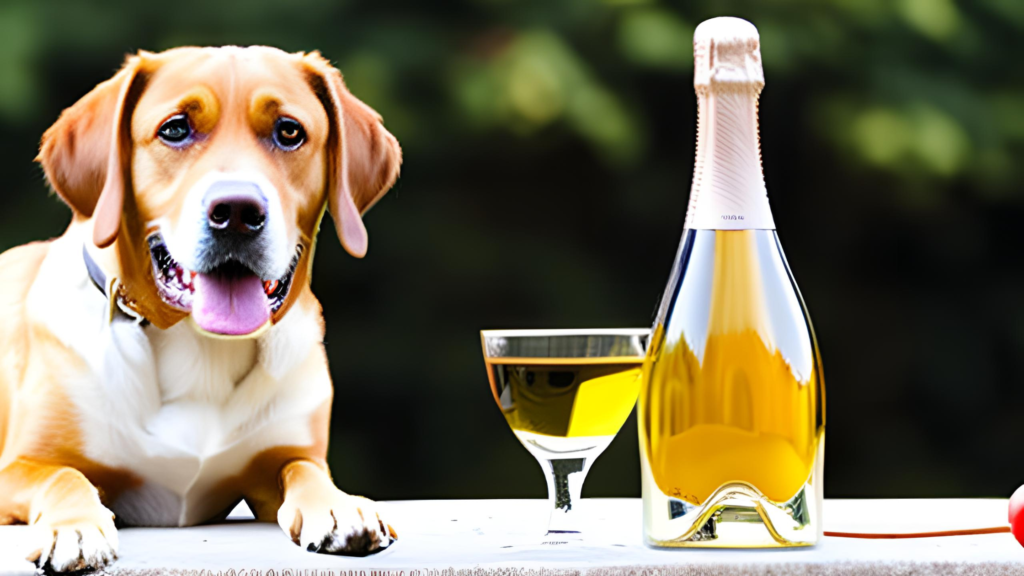
Champagne for Dogs – If you’re a dog owner who enjoys the finer things in life, you may be wondering if you can share a glass of champagne with your beloved pet.
While dogs are often treated like family members, it’s important to remember that they have different dietary needs and sensitivities.
This guide will explore whether champagne is safe for dogs and provide tips for celebrating with your furry friend.
Can Dogs Drink Champagne? Is Champagne safe for Dogs
Can Dogs Drink Champagne?
Yes, dogs can drink champagne, but it is not recommended. There are several risks associated with dogs consuming champagne, as it contains alcohol, sugar, and carbonation.
Alcohol can have a toxic effect on dogs, causing symptoms such as vomiting, diarrhea, difficulty breathing, and even coma or death in severe cases.
Sugar, often added to champagne, can also harm dogs, contributing to obesity, dental problems, and other health issues.
Additionally, carbonation can lead to bloating, gas, and discomfort in dogs.
While a small amount of champagne may not cause immediate harm to your dog, it is not worth taking the risk.
It’s important to always prioritize your dog’s health and safety and to avoid exposing them to potentially harmful substances.
Suppose you want to celebrate a special occasion with your furry friend. In that case, there are plenty of safe and delicious alternatives to champagne that you can share together.
Consider offering your dog a non-alcoholic, dog-friendly “beer” or “wine” or even a tasty treat that you can both enjoy.
With a little creativity and care, you can make any celebration a memorable and enjoyable experience for both you and your four-legged companion.
The Dangers of Alcohol for Dogs: Symptoms and Side Effects
The Dangers of Alcohol for Dogs
Alcohol can be extremely dangerous for dogs, even in small amounts. Dogs have a much lower tolerance for alcohol than humans, and even a small amount of alcohol can have serious consequences.
Symptoms of alcohol poisoning in dogs can include:
Vomiting
Diarrhea
Loss of coordination
Difficulty breathing
Depression
Tremors
Seizures
Coma
In severe cases, alcohol poisoning can even lead to death.
It’s important to remember that alcohol can be present in many unexpected places, such as mouthwash, perfume, and even some types of food.
Always be aware of the ingredients in any products your dog may come into contact with, and keep them out of your pet’s reach.
If you suspect that your dog has consumed alcohol, it’s important to seek veterinary care immediately.
Time is of the essence when it comes to treating alcohol poisoning in dogs, and prompt medical attention can be life-saving.
Prevention is always the best approach to keeping your dog safe from the dangers of alcohol.
Never intentionally give your dog alcohol; always keep alcoholic beverages out of your pet’s reach.
By taking these simple steps, you can help ensure that your furry friend stays happy and healthy.
Alternatives to Champagne for Dogs: Safe and Delicious Options
Suppose you want to celebrate a special occasion with your furry friend. In that case, you can offer your dog plenty of safe and delicious alternatives to champagne. Here are a few options:
Dog-friendly “beer” or “wine.”
Several companies make non-alcoholic dog-friendly drinks that mimic the taste and appearance of beer and wine.
These beverages are typically made with dog-safe ingredients such as beef or chicken broth and can be a fun way to toast with your furry friend.
Homemade dog treats
Instead of offering your dog alcohol, why not make them a special treat they’ll love?
Plenty of easy recipes are available online for homemade dog treats, such as peanut butter biscuits or frozen yogurt pops.
These treats are delicious but also safe and healthy for your pet.
Special toys or accessories
Celebrating with your dog doesn’t have to involve food or drink.
Consider getting your furry friend a special toy or accessory, such as a new collar or a plush toy.
This can be a great way to show your dog how much you care and make them feel special.
Whatever alternative you choose, always prioritize your dog’s health and safety.
Avoid any ingredients that may be harmful to your pet, and remember that moderation is key.
With creativity and care, you can make any celebration a fun and memorable experience for you and your four-legged companion.
Tips for Celebrating with Your Dog: Keeping Them Happy and Healthy
Suppose you’re planning to celebrate a special occasion with your furry friend. In that case, keeping their health and happiness in mind is important.
Here are a few tips for celebrating with your dog:
Stick to dog-friendly treats and drinks.
As we mentioned earlier, alcohol and other human foods can be harmful or even toxic to dogs. Stick to dog-friendly treats and drinks, and avoid anything harmful to your pet.
Watch your dog’s weight.
Celebrations often involve food and treats, which can contribute to dog weight gain.
Make sure to monitor your dog’s weight and adjust their diet accordingly.
You can also offer healthy, low-calorie treats or toys as an alternative to food-based rewards.
Avoid loud noises and crowds.
Some dogs can become anxious or overwhelmed in loud or crowded environments.
If you plan to celebrate in a public space, ensure your dog is comfortable and secure, and avoid any situations that may cause undue stress.
Get some exercise
Celebrating doesn’t have to be all about food and drinks.
Take your dog for a walk or play a game of fetch to burn off some energy and spend quality time together.
Be aware of your dog’s limits.
Dogs have different personalities and energy levels; some enjoy different activities or environments.
Pay attention to your dog’s body language and behavior, and adjust your plans accordingly.
By following these tips, you can ensure your furry friend stays happy and healthy while celebrating with you.
Remember to always prioritize your dog’s needs and well-being and celebrate in a safe and enjoyable way for both you and your four-legged companion.
Champagne for Dogs – Frequently asked questions (FAQs)
Can dogs drink champagne?
Dogs should not consume alcohol, including champagne. Alcohol can cause various health problems in dogs, including vomiting, diarrhea, difficulty breathing, and even death in severe cases. Instead, opt for dog-friendly “wine” or other non-alcoholic drinks safe for dogs.
What foods can dogs eat during celebrations?
Sticking to dog-friendly foods during celebrations is important, as many human foods can be harmful or even toxic to dogs. Some safe options include cooked lean meats, fruits like apples or blueberries, and vegetables like carrots or green beans. Avoid foods like chocolate, onions, and garlic, which can be toxic to dogs.
How can I celebrate safely with my dog in public spaces?
Celebrating with your dog in public spaces can be fun, but ensuring it is comfortable and safe is important. Always keep your dog on a leash, and avoid areas with large crowds or loud noises if your dog is anxious or easily overwhelmed. Bring plenty of water, treats, or toys to keep your dog occupied and happy.
Can dogs eat cake or other baked goods?
It’s important to avoid giving your dog baked goods that contain ingredients like sugar, chocolate, or raisins, which can be toxic to dogs. However, plenty of dog-friendly cake and treat recipes are available online that use safe ingredients like peanut butter, pumpkin, and oatmeal.
How can I include my dog in a celebration without food or drinks?
Celebrating with your dog doesn’t have to revolve around food or drinks. Instead, consider taking your dog for a special walk or hike, playing a game of fetch, or even organizing a dog-friendly photo shoot. You can also spoil your dog with a new toy or extra cuddles.
What should I do if my dog shows discomfort or illness during a celebration?
Suppose your dog shows discomfort or illness, such as vomiting, diarrhea, or difficulty breathing. In that case, it’s important to seek veterinary care immediately. You should also have a plan in case of emergencies, such as knowing the location and phone number of the nearest animal hospital.
How can I keep my dog calm during celebrations?
Celebrations can be overwhelming for some dogs, especially in new or noisy environments. To keep your dog calm, ensure they have a quiet space to retreat if they feel stressed or anxious. You can also consider using calming aids like a Thundershirt, pheromone spray, or calming music to help soothe your dog.
Conclusion: Celebrate Safely with Your Furry Friend
When celebrating with your furry friend, it’s important to prioritize their health and safety.
Whether you’re toasting a special occasion with dog-friendly “wine” or homemade treats or getting some exercise together, there are plenty of ways to include your dog in your celebrations.
However, being mindful of your dog’s limits and needs is important.
Avoid any foods or drinks that may harm your pet, and be aware of any stressors that may cause anxiety or discomfort.
Paying attention to your dog’s behavior and body language can ensure your furry friend stays happy and healthy while celebrating with you.
Remember, your dog is an important family member, and their well-being should always be a top priority.
By celebrating safely and responsibly, you can create lasting memories with your four-legged companion and strengthen your bond even further.
Aztec culture has long been admired for its art, architecture, and spiritual beliefs. But did you know that Aztecs also revered dogs deeply and often adorned them with decorative collars?
Today, the tradition continues with Aztec-inspired dog collars incorporating ancient design and modern safety features.
In this article, we’ll explore the history of Aztec dog collars, the different design elements to look for, and how to ensure your pet stays safe while wearing one.
The History of Aztec Dog Collars
The History of Aztec Dog Collars
Dogs played an important role in Aztec culture, serving as companions, hunters, and even sacrificial offerings in religious ceremonies.
The Aztecs believed that dogs could guide souls through the afterlife, and they often depicted them in artwork and sculptures.
To show their appreciation for these loyal animals, the Aztecs adorned their dogs with collars made from various materials, including leather, feathers, and precious metals.
These collars were often embellished with intricate designs, such as geometric patterns and symbols of Aztec cultures, such as the sun, moon, and serpent.
The materials and design of Aztec dog collars varied depending on the status and purpose of the dog.
For example, hunting dogs might wear collars adorned with feathers or fur, while the collars of a noble’s pet might be made of gold or silver.
Today, the tradition of Aztec dog collars is carried on through modern interpretations incorporating traditional Aztec design elements and contemporary safety features.
These collars are popular among pet owners who want to honor the rich cultural history of the Aztecs while also providing a stylish accessory for their furry friends.
Design Elements of Aztec Dog Collars
Aztec dog collars are known for their unique design elements, often incorporating traditional patterns, shapes, and symbols. Here are some of the most common design elements found in Aztec dog collars:
Geometric patterns and shapes
Aztec art is known for its use of geometric patterns and shapes, such as triangles, circles, and squares. These shapes are often arranged in intricate designs that create a sense of movement and balance.
Bright colors and natural materials
Aztec dog collars typically feature bright, bold colors inspired by the natural world, such as red, orange, and green. These colors are often paired with natural leather or cotton to create a rustic, earthy feel.
Symbols of Aztec culture
Aztec dog collars may also feature important symbols in Aztec culture, such as the sun, moon, and serpent. These symbols often represent different aspects of nature and the spiritual world.
The specific design elements of Aztec dog collars can vary depending on the individual artist or designer.
Some may incorporate more traditional Aztec motifs, while others may take a more modern approach to the design.
Regardless of the specific design, Aztec dog collars are a unique and eye-catching accessory that can add a touch of culture and style to any pet’s wardrobe.
Benefits of Using Aztec Dog Collars
Aztec dog collars are more than just a stylish accessory for your furry friend – they can also benefit your pet. Here are some of the main benefits of using Aztec dog collars:
Increased visibility
Aztec dog collars are often brightly colored and feature eye-catching designs, which can help make your dog more visible when walking or playing outside.
This can be especially important if you live in an area with heavy foot or vehicle traffic or like to take your dog on hikes or outdoor adventures.
Comfortable materials
Many Aztec dog collars are made from natural materials like leather or cotton, which can be more comfortable for your dog to wear than collars made from synthetic materials.
Additionally, natural materials may be less likely to cause irritation or allergic reactions in your pet.
Unique style
Aztec dog collars are a unique and meaningful way to add style to your pet’s wardrobe.
With their bold colors and intricate designs, these collars will turn heads and make your furry friend stand out.
Connection to Aztec Culture
For pet owners interested in history and culture, Aztec dog collars can be a meaningful way to connect with the traditions of the Aztec people.
By choosing a collar incorporating traditional Aztec patterns and symbols, you can honor this rich cultural heritage and add depth and meaning to your pet’s accessories.
By using an Aztec dog collar, you can add some style to your pet’s wardrobe and provide practical benefits like increased visibility and comfort.
Plus, choosing a collar that honors Aztec culture can add a meaningful connection to history and tradition to your pet’s life.
While Aztec dog collars are a beautiful and unique accessory for your furry friend, it’s important to ensure they are safe and comfortable to wear.
Here are some important safety considerations to keep in mind when choosing an Aztec dog collar:
Choosing the right size and fit
Choosing the right size and fit for their collar is one of the most important factors in keeping your dog safe and comfortable.
A too-tight collar can cause discomfort and breathing problems, while a too-loose collar can slip off or get caught on objects.
Measure your dog’s neck and choose a collar that fits snugly but comfortably.
Checking for durability and materials
Another important consideration is the durability and materials of the collar.
Aztec dog collars may be made from various materials, including leather, cotton, and synthetic materials.
Make sure to choose a collar made from durable materials that can withstand wear and tear.
Additionally, check to ensure that the collar has no sharp or rough edges that could irritate your dog’s skin.
Avoiding collars that can be easily snagged or caught on objects
Aztec dog collars with embellishments or decorations can be particularly prone to get caught on objects, which can be dangerous for your dog.
Choose a collar with no dangling or loose parts that could get snagged on furniture, fences, or other objects.
Considering these safety considerations, you can ensure your pet stays safe and comfortable while wearing its Aztec dog collar.
With the right size, materials, and design, an Aztec dog collar can be a stylish and meaningful accessory that honors the rich cultural traditions of the Aztecs.
Where to Buy Aztec Dog Collars
If you’re interested in buying an Aztec dog collar for your furry friend, there are several places you can look. Here are some options:
Online retailers
Many online retailers offer a wide variety of Aztec dog collars. Some popular options include Amazon, Etsy, and Chewy.
Local pet stores
If you prefer to shop in person, check with your local pet store to see if they carry Aztec dog collars. They may have a selection of collars available or be able to special order one for you.
Artisan markets
If you’re looking for a one-of-a-kind collar handmade by a local artisan, check out your local artisan markets or craft fairs. These events often feature a variety of handmade pet accessories, including Aztec dog collars.
Aztec cultural centers or museums
You may want to check with Aztec cultural centers or museums in your area for a truly authentic Aztec dog collar. These organizations may have collars available for purchase or be able to direct you to local artisans who specialize in making them.
When shopping for an Aztec dog collar, consider factors like size, material, and design to ensure that you choose a stylish and functional collar. By exploring various shopping options, you can find the perfect collar to suit your pet’s needs and your personal style preferences.
How to Care for Your Aztec Dog Collar
To keep your Aztec dog collar looking its best, it’s important to care for it properly.
Depending on the materials used to make the collar, you may need to follow specific care instructions.
Here are some general tips on how to care for your Aztec dog collar:
Clean the collar regularly
To prevent dirt and grime from building up on your dog’s collar, it’s important to clean it regularly.
If the collar is made from leather, you can use a damp cloth to wipe it down and a leather conditioner to keep it supple.
If the collar is made from cotton or other fabric, you can machine wash it gently and air dry it.
Avoid exposure to water.
Suppose your Aztec dog collar is made from natural materials like leather or cotton.
In that case, you should avoid exposing it to water as much as possible.
Water can damage these materials and cause them to become stiff or discolored.
If the collar does get wet, make sure to dry it thoroughly before using it again.
Store the collar properly.
When not in use, storing your Aztec dog collar in a cool, dry place away from direct sunlight is important. This can help prevent fading and discoloration over time.
Check for signs of wear and tear.
Regularly inspect your dog’s collar for signs of wear and tear, such as frayed edges or broken hardware. If you notice any damage, replacing the collar is important to ensure your pet’s safety.
In conclusion, Aztec dog collars are a unique and beautiful way to express your pet’s style and appreciation for Aztec culture.
With their bold geometric designs and bright colors, these collars will turn heads and make your furry friend stand out.
Whether you buy a collar online, from a local pet store, or from a local artisan, it’s important to take the time to care for your collar properly to ensure that it lasts for years to come.
By following the tips outlined in this article, you can enjoy the beauty and functionality of your Aztec dog collar for many walks and adventures.
Have you ever noticed that your furry friend’s nipples appear inverted or retracted inward instead of protruding outward?
If so, your dog may be experiencing an interesting condition known as an inverted nipple.
While it may seem like a mere cosmetic concern, understanding and addressing this condition is crucial for the overall well-being of your canine companion.
In this article, we will dive deep into the world of inverted nipples in dogs.
We will explore the causes behind this condition, discuss the potential symptoms to look out for and provide valuable insights into the available treatment options.
By shedding light on this topic, we aim to equip you with the knowledge to better care for your dog’s health and ensure its happiness.
Just like in humans, inverted nipples in dogs can occur in both males and females.
Although it may not directly affect their day-to-day activities, leaving this condition unattended can lead to complications such as inflammation, infection, or discomfort for your furry friend.
Therefore, it is essential to understand the underlying causes, recognize the symptoms, and explore the appropriate treatment options.
So, whether you’ve just discovered your dog’s inverted nipples or are simply curious about this intriguing phenomenon, join us as we embark on a fascinating journey to unravel the mysteries of inverted nipples in dogs.
By the end of this article, you will have a comprehensive understanding of this condition, enabling you to provide the best possible care for your beloved canine companion.
Let’s dive in and discover what lies beneath the surface of inverted nipples in dogs!
What is an Inverted Nipple in Dogs? What does an inverted nipple look like on a dog?
Inverted Dog Nipple: Inverted Nipple in dogs
In the realm of canine anatomy, nipples play an important role. They are a defining characteristic and serve a vital purpose in the reproductive system.
Normally, a dog’s nipples are positioned to protrude outward from the mammary glands.
However, an unusual phenomenon occurs in some cases, causing the nipple to be inverted or retracted inward.
An inverted nipple in dogs refers to a condition where the nipple is tucked inward or hidden within the surrounding tissue instead of being outwardly visible.
This can occur in male and female dogs, regardless of age or breed.
To understand how an inverted nipple occurs, it’s important to grasp the normal anatomical position of a dog’s nipple.
Typically, a dog’s nipple is structured so that it is firmly attached to the underlying mammary tissue and extends outward. This allows easy access for nursing puppies and aids in the lactation process.
However, in the case of an inverted nipple, the tissue and ligaments that support the nipple become tighter or shorter, causing it to retract inward.
This results in the nipple appearing flat or inverted rather than the usual outward protrusion.
It’s interesting to note that inverted nipples in dogs can occur without any underlying health issues.
Sometimes, it may be a natural variation within the individual dog’s anatomy.
However, it’s important to monitor the condition closely, as there are instances where inverted nipples can be associated with other health concerns.
By understanding what an inverted nipple is and that it can affect both male and female dogs, we can delve deeper into the causes, symptoms, and potential treatment options.
Let’s continue our exploration to unravel the mysteries surrounding inverted nipples in dogs.
Causes of Inverted Nipple in Dogs
While the exact cause of inverted nipples in dogs may vary, several factors can contribute to this condition.
Understanding these causes can explain why some dogs experience inverted nipples and help identify appropriate treatment options.
1. Hormonal factors
Hormonal imbalances during critical stages of development, pregnancy, or lactation can play a role in developing inverted nipples.
Fluctuations in hormone levels can affect the growth and development of mammary tissue, potentially leading to nipple inversion.
2. Genetics
Genetics can also influence the occurrence of inverted nipples in dogs. Certain breeds may have a predisposition to inverted nipples due to their genetic makeup.
Breeds with more pronounced mammary development or specific anatomical variations may be more susceptible to this condition.
3. Trauma or injury
In some cases, trauma or injury to the mammary area can result in nipple inversion.
Any direct impact or damage to the mammary glands can disrupt the normal structure and support of the nipple, causing it to retract inward.
It’s important to note that while these factors can contribute to inverted nipples in dogs, the exact cause may not always be easily identified.
Sometimes, the condition may be present from birth or develop gradually without a specific trigger.
By understanding the potential causes of inverted nipples, dog owners and veterinarians can better evaluate the underlying factors contributing to the condition.
This knowledge forms a solid foundation for exploring treatment options and ensuring the overall well-being of the affected dog.
Symptoms of Inverted Nipple in Dogs
Identifying the symptoms of inverted nipples in dogs is crucial for timely intervention and appropriate treatment. While the condition may be visually apparent, additional signs to watch out for can indicate complications or discomfort in your furry friend.
1. Retracted nipple
The most obvious symptom of an inverted nipple is its inward position or retraction.
Instead of protruding outward as a normal nipple, the inverted nipple is tucked inward into the mammary tissue. This can create a dimpled or flattened appearance.
2. Inflammation and redness
In some cases, inverted nipples can become inflamed or reddened.
The constant retraction and friction against the mammary tissue can irritate the area, leading to localized inflammation.
Look for redness, swelling, or tenderness around the inverted nipple.
3. Increased sensitivity or pain
Dogs with inverted nipples may experience discomfort or sensitivity in the affected area.
They may exhibit signs of pain, such as licking or biting at the inverted nipple, or show signs of general discomfort during activities that involve the mammary area, such as nursing or physical contact.
4. Risk of complications
Inverted nipples can potentially lead to complications if left untreated.
The retracted position of the nipple makes it more susceptible to trapping moisture, debris, or bacteria, increasing the risk of infection.
It’s essential to monitor the area for any signs of discharge, unusual odor, or the development of a localized infection.
5. Behavioral changes
In some cases, dogs with inverted nipples may exhibit behavioral changes.
They may become more protective or sensitive around their mammary area or display signs of discomfort or irritability.
These behavioral changes can indicate that the inverted nipple is causing discomfort or pain.
Suppose you notice any of these symptoms in your dog. It’s important to consult a veterinarian for a proper diagnosis and guidance on the best course of action.
Early detection and intervention can help prevent potential complications and ensure the well-being of your canine companion.
Diagnosis and Veterinary Examination for Inverted Nipple in Dogs
When diagnosing an inverted nipple in dogs, a veterinarian plays a crucial role in conducting a comprehensive examination to assess the condition and determine the appropriate course of action.
Here’s what you can expect during a veterinary examination:
1. Physical examination
The first step in diagnosing an inverted nipple is a thorough physical examination.
The veterinarian will carefully inspect the mammary area, paying close attention to the position and appearance of the nipples.
They may gently palpate the area to assess any signs of discomfort or abnormalities.
2. Medical history review
The veterinarian will inquire about your dog’s medical history, including previous pregnancies, lactation, or hormonal conditions.
This information helps provide insights into potential underlying causes or contributing factors.
3. Additional tests or imaging
Sometimes, the veterinarian may recommend additional tests or imaging to rule out underlying conditions or complications.
This may include blood tests to assess hormonal levels, ultrasound to examine the mammary glands and surrounding tissue, or cytology to analyze cells from the mammary area.
It’s important to remember that the diagnosis of an inverted nipple is primarily based on physical examination.
However, additional tests may be necessary to ensure no underlying medical issues, such as mammary gland tumors or infections.
Seeking veterinary advice is essential as they have the expertise to accurately diagnose the condition and provide appropriate recommendations for treatment.
If you suspect your dog has an inverted nipple or notice any related symptoms, don’t hesitate to schedule a veterinary examination.
Prompt diagnosis and treatment can help ensure your dog’s health and well-being.
Treatment Options for Inverted Nipple in Dogs
Treatment Options for Inverted Nipple in Dogs
How to treat inverted nipples on a dog? When it comes to addressing an inverted nipple in dogs, there are several treatment options available, ranging from conservative management techniques to surgical intervention. Let’s explore these options in more detail:
1. Conservative management
In some cases, conservative management techniques can be employed to encourage nipple protrusion.
This may involve applying warm compresses to the mammary area to promote blood flow and relaxation of the surrounding tissues.
Gentle massage or stimulation of the nipple area can also be beneficial.
These methods encourage the nipple to regain its normal position over time.
However, it’s important to note that the success of conservative management may vary depending on the individual dog and the underlying cause of the inversion.
2. Surgical intervention
If conservative management fails or if the inverted nipple causes discomfort or potential complications, surgical intervention may be recommended.
The specific surgical procedure will depend on the severity of the inversion and the dog’s overall health.
In some cases, corrective surgery can be performed to reposition the nipple to its normal outward position.
In more severe cases or if other mammary gland issues are present, the veterinarian may suggest removing the inverted nipple altogether.
It’s crucial to consult with a veterinarian to determine the most appropriate surgical approach for your dog.
Remember, each case is unique, and the treatment approach should be tailored to your dog’s needs.
Consulting with a veterinarian specializing in veterinary surgery or dermatology is essential to determine the best action.
They will consider factors such as the dog’s overall health, the severity of the inverted nipple, and any underlying conditions contributing to the problem.
In conclusion, treatment options for inverted nipples in dogs include conservative management techniques and surgical intervention.
Working closely with a veterinarian will ensure that the most suitable treatment plan is selected for your furry friend.
Addressing the issue promptly and appropriately can help improve your dog’s comfort and well-being.
Aftercare and Monitoring for Inverted Nipple in Dogs
After undergoing treatment for an inverted nipple, whether through conservative management or surgical intervention, it is crucial to provide proper aftercare and closely monitor your dog’s progress. Here are some important considerations:
1. Post-surgical care
Suppose your dog has undergone surgery to correct the inverted nipple.
In that case, following the veterinarian’s instructions for post-operative care is essential.
This may involve keeping the surgical site clean and dry, administering any prescribed medications, and monitoring for any signs of complications such as excessive swelling, bleeding, or discharge.
Follow-up appointments may be scheduled to assess the healing process and remove any sutures if necessary.
2. Wound management
If your dog has had surgery, it’s important to maintain good wound management practices.
This may include keeping the area clean and free from debris, applying any recommended wound care products, and preventing your dog from licking or scratching the surgical site.
Your veterinarian may provide specific instructions on how to care for the wound during the healing process.
3. Pain management
If your dog experiences discomfort after surgery, your veterinarian may prescribe pain medications or recommend suitable pain management strategies.
It’s important to follow the prescribed dosage and administration instructions to ensure your dog’s comfort during recovery.
4. Monitoring for complications
Keep a close eye on your dog for any signs of infection, such as redness, swelling, warmth, or discharge at the surgical site.
Additionally, monitor your dog’s behavior and overall well-being.
Any changes in appetite, energy levels, or signs of pain should be promptly reported to your veterinarian.
5. Regular veterinary check-ups
Regular follow-up visits with your veterinarian are essential to monitor your dog’s progress and overall health.
These check-ups allow the veterinarian to assess the healing process, address any concerns or complications that may arise, and provide further guidance on the aftercare regimen.
By providing diligent aftercare and closely monitoring your dog’s recovery, you can help ensure a successful outcome and minimize the risk of complications.
Remember to maintain open communication with your veterinarian throughout the process, as they are your best resource for guidance and support.
In conclusion, aftercare and monitoring are vital aspects of the treatment process for inverted nipples in dogs.
Following the recommended aftercare instructions, practicing good wound management, monitoring for complications, and attending regular veterinary check-ups can help your furry companion recover comfortably and ensure their overall well-being.
Prevention and Breeding Considerations for Inverted Nipple in Dogs
When it comes to preventing inverted nipples in dogs, responsible breeding practices and timely interventions play a crucial role. Here are some important points to consider:
1. Responsible breeding practices
Breeders are responsible for reducing the likelihood of genetic predisposition to inverted nipples.
By selecting breeding pairs carefully and considering both parents’ health and genetic history, breeders can minimize the chances of passing on traits that may contribute to nipple inversion.
Consulting with veterinary professionals and breed-specific organizations can provide valuable guidance in making informed breeding decisions.
2. Spaying or neutering
For dogs that already have inverted nipples, spaying or neutering can be an effective preventive measure.
This eliminates the potential complications associated with breeding or lactation in dogs with inverted nipples.
Spaying a female dog before her first heat cycle significantly reduces the risk of certain reproductive health issues, including mammary gland-related conditions.
Neutering male dogs can also prevent the transmission of genetic traits associated with inverted nipples.
3. Regular veterinary check-ups
Routine veterinary check-ups are essential for all dogs, regardless of their nipple condition.
During these visits, veterinarians can assess the dog’s overall health, including the mammary glands.
They can detect early signs of nipple inversion or other related concerns, allowing for timely intervention and appropriate preventive measures.
4. Early intervention
If you notice abnormalities in your dog’s nipples, including signs of inversion, consult a veterinarian promptly.
Early intervention can help address the issue before it progresses or causes further complications.
Veterinarians can conduct thorough examinations, provide accurate diagnoses, and recommend appropriate treatment options tailored to your dog’s needs.
By prioritizing responsible breeding practices, spaying or neutering dogs with inverted nipples, regular veterinary check-ups, and early intervention, dog owners can actively contribute to preventing and managing inverted nipples in their furry companions.
Remember, a proactive approach to your dog’s health and well-being is key to ensuring your beloved pet’s happy and healthy life.
Frequently Asked Questions (FAQ) about Inverted Nipples in Dogs
Are inverted nipples in dogs a cause for concern?
In most cases, inverted nipples in dogs are not a cause for concern. However, it’s important to take proper care of your dog’s nipples to prevent any potential health issues.
Can inverted nipples in dogs cause health issues?
Inverted nipples usually do not cause health issues but can indicate an underlying health issue. It’s important to monitor your dog’s nipples for any signs of infection or inflammation and seek veterinary care if necessary.
Can inverted nipples affect a female dog’s ability to nurse her puppies?
Inverted nipples can sometimes make it more difficult for a female dog to nurse her puppies. If your dog has inverted nipples and is having difficulty with lactation, it’s important to seek veterinary care.
Can inverted nipples in male dogs cause any health issues?
Inverted nipples in male dogs are rare and usually not a cause for concern. However, if you notice any changes or signs of infection or inflammation, it’s important to contact your veterinarian.
How are inverted nipples in dogs treated?
Treatment for inverted nipples in dogs depends on the underlying cause and associated health issues. Your veterinarian may recommend a combination of physical examination, imaging tests, surgical options, and medications to treat the inverted nipples.
Can inverted nipples in dogs be corrected?
Inverted nipples in dogs can sometimes be corrected through surgical options or medications, depending on the underlying cause.
Are some dog breeds more prone to inverted nipples than others?
No evidence suggests that any particular dog breed is more prone to inverted nipples than others. However, certain congenital conditions may be more common in certain breeds.
Can inverted nipples in dogs lead to cancer?
Inverted nipples are not a risk factor for cancer, but they can make it more difficult to detect any potential lumps or masses that may indicate cancer. It’s important to monitor your dog’s nipples for any changes or abnormalities and seek veterinary care if necessary.
Can inverted nipples in dogs be a sign of pregnancy?
Inverted nipples can sometimes be a sign of pregnancy in female dogs. However, other symptoms, such as weight gain and changes in appetite, are typically more reliable indicators of pregnancy.
Are there any home remedies for inverted nipples in dogs?
There are no proven home remedies for inverted nipples in dogs. It’s important to seek veterinary care to determine the underlying cause and receive appropriate treatment.
Can inverted nipples in dogs cause pain or discomfort?
Inverted nipples themselves usually do not cause pain or discomfort in dogs. However, any associated health issues, such as infection or inflammation, can be painful and may require treatment.
Can inverted nipples in dogs affect their ability to mate?
Inverted nipples in dogs do not typically affect their ability to mate. However, any underlying health issues that may be associated with inverted nipples could potentially impact fertility.
Is it common for male dogs to have inverted nipples?
Inverted nipples are more commonly seen in female dogs than male dogs but can also occur in males. However, any changes or signs of infection should be addressed by a veterinarian.
Can inverted nipples in dogs cause problems during spaying or neutering?
Inverted nipples in dogs should not cause problems during spaying or neutering. However, any associated health issues should be addressed before surgery.
Can inverted nipples in dogs be prevented?
Inverted nipples in dogs are usually congenital or acquired and cannot be prevented. However, proper care and management can help prevent any associated health issues.
Inverted nipples in dogs can be a concerning condition, but with proper understanding and proactive care, it can be effectively managed.
Throughout this article, we have explored the causes, symptoms, diagnosis, and treatment options for inverted nipples in dogs. Here’s a recap of the key points:
1. Inverted nipples occur when the nipple retracts inward instead of protruding outward. This condition can affect both male and female dogs.
2. Hormonal factors, genetics, and trauma or injury can contribute to the development of inverted nipples in dogs.
3. Recognizing the symptoms, such as retracted nipples and potential complications like inflammation or discomfort, is crucial for early intervention.
4. Veterinary examination and diagnosis are essential to confirm the condition and rule out any underlying issues.
5. Treatment options range from conservative management techniques like warm compresses and massages to surgical interventions, depending on the severity and individual needs of the dog.
6. Aftercare and monitoring are crucial aspects of the treatment process, ensuring proper healing and minimizing the risk of complications.
7. Responsible breeding practices and spaying or neutering dogs with inverted nipples can contribute to the prevention and reduce the chances of passing on genetic predisposition.
In conclusion, if you suspect that your dog has inverted nipples or notice any abnormalities, it is important to consult with a veterinarian.
They can provide accurate diagnoses, recommend suitable treatment options, and guide you in ensuring your furry friend’s overall health and well-being.
Remember, the information provided in this article is for educational purposes only and should not replace professional veterinary advice.
You can give them the best chance at a happy and healthy life by being attentive to your dog’s health and seeking proper veterinary care.
How to Fix East-West Feet in Dogs – East-west feet in dogs, also known as “pigeon toes,” can lead to discomfort, joint issues, and decreased mobility. Fortunately, with the right approach, this condition can be corrected. In this article, we’ll discuss the causes of east-west feet in dogs, the potential health implications, and, most importantly, effective methods to fix this issue.
What is East West Feet in Dogs?
What is East West Feet in Dogs?
East-west feet in dogs, also known as “pigeon toes,” is a term used to describe a condition where a dog’s front or hind paws turn outwards, away from the body’s centerline. This condition can affect dogs of all breeds and sizes and may cause the dog to walk with an awkward gait.
East-west feet in dogs can occur for various reasons, including genetic predisposition, developmental abnormalities, injury, or underlying medical conditions such as carpal valgus, hip dysplasia or arthritis. Some dogs are born with this condition, while others may develop it later.
Dogs with east-west feet may experience discomfort or pain, leading to decreased mobility and reduced quality of life. It’s important to address this issue promptly to prevent further complications.
If you suspect your dog has east-west feet, it’s essential to consult with a veterinarian or a qualified canine physical therapist.
They can perform a thorough examination, take X-rays if necessary, and develop an appropriate treatment plan based on the condition’s underlying cause.
You can help your furry friend move comfortably and confidently again with the right care and attention.
Causes of East-West Feet in Dogs
There are several potential causes of east-west feet in dogs, including genetic predisposition, developmental abnormalities, injury, or underlying medical conditions.
Genetic Predisposition
Some breeds are more prone to developing east-west feet than others. For example, breeds with short legs or broad chests, such as Bulldogs or Pugs, may be more likely to have this condition.
Developmental Abnormalities
East-west feet can also occur due to developmental abnormalities, such as abnormal bone growth or poor muscle development. In some cases, puppies may develop east-west feet as they grow, and their bones develop at different rates.
Injury
Trauma to a dog’s limbs, such as fractures or dislocations, can cause them to walk abnormally and develop east-west feet. This is especially common in puppies, which may be more susceptible to injury due to their energetic nature and still-developing skeletal system.
Medical Conditions
Certain medical conditions, such as carpal valgus, hip dysplasia, or arthritis, can cause dogs to shift their weight and develop east-west feet. These conditions can be painful and debilitating if left untreated.
Identifying the underlying cause of your dog’s east-west feet is important to determine the most effective treatment plan.
A veterinary professional can perform a physical exam, take x-rays, and recommend further testing if necessary to identify the cause of this condition.
Once the cause is identified, appropriate treatment can be recommended to help improve your dog’s mobility and quality of life.
The Impact of East-West Feet on a Dog’s Health
The Impact of East-West Feet on a Dog’s Health
East-west feet in dogs can significantly impact their health and well-being. When a dog’s feet turn outwards, its gait becomes unbalanced, and it may have difficulty walking, running, and jumping. This can cause discomfort, pain, and even injury to their joints, muscles, and ligaments.
Over time, the abnormal positioning of the limbs can lead to abnormal wear and tear on the joints, increasing the risk of developing arthritis or other degenerative joint diseases.
In severe cases, dogs may also experience hip dysplasia or other skeletal abnormalities, leading to decreased mobility and chronic pain.
The impact of east-west feet on a dog’s health can be especially severe in working or performance dogs, such as police dogs or agility competitors, who rely on their mobility to perform their jobs.
In these cases, east-west feet can limit a dog’s ability to perform its duties effectively, potentially putting themselves or others at risk.
Moreover, the impact of east-west feet on a dog’s mental health cannot be overlooked. Dogs in pain or discomfort may experience stress, anxiety, or depression, affecting their behavior, mood, and overall quality of life.
If your dog has east-west feet, it’s crucial to address the condition promptly to prevent further complications.
A qualified veterinarian or canine physical therapist can recommend appropriate treatment options, such as physical therapy, corrective braces, or surgery, to help your dog regain mobility and improve their quality of life.
How to Fix East-West Feet in Dogs: Step-by-Step Guide
If your dog has been diagnosed with east-west feet, several treatment options are available to help improve their mobility and quality of life. Here is a step-by-step guide on how to fix east-west feet in dogs
Physical Therapy Exercises
Physical therapy exercises can be an effective way to help improve your dog’s mobility and strength if they have east-west feet.
A qualified canine physical therapist can recommend specific exercises tailored to your dog’s needs and abilities.
These may include balance training, resistance training, and other exercises designed to improve coordination and range of motion.
Balance training exercises may include standing on an unstable surface or walking on a balance beam. These exercises can help your dog develop better coordination and balance, improving their gait and overall mobility.
Resistance training exercises may include walking uphill or using resistance bands. These exercises can help strengthen your dog’s muscles, improving joint stability and reducing the risk of injury.
Physical therapy exercises should be performed under the guidance of a trained professional to ensure that they are safe and effective for your dog.
With consistent practice, physical therapy exercises can help your dog regain mobility and improve their overall quality of life.
Stretching Techniques
Stretching can be an effective way to help improve your dog’s flexibility and range of motion if they have east-west feet. Here are some stretching techniques that can be beneficial for dogs with this condition:
Hip stretch: Sit your dog on its haunches and gently pull their rear legs forward, stretching its hip muscles. Hold the stretch for 10-15 seconds, then release and repeat on the other side.
Shoulder stretch: Stand behind your dog and gently pull its front legs back, stretching its shoulder muscles. Hold the stretch for 10-15 seconds, then release and repeat on the other side.
Calf stretch: Gently pull your dog’s rear legs back, stretching their calf muscles. Hold the stretch for 10-15 seconds, then release and repeat on the other side.
Neck stretch: Gently tilt your dog’s head to one side, stretching its neck muscles. Hold the stretch for 10-15 seconds, then release and repeat on the other side.
It’s important to stretch your dog gently and gradually to avoid causing injury. If your dog shows discomfort or pain during stretching, stop immediately and consult your veterinarian or a qualified canine physical therapist.
Stretching can be a beneficial component of a comprehensive treatment plan for dogs with east-west feet. However, it should always be performed under the guidance of a trained professional to ensure that it is safe and effective for your dog.
Dietary Adjustments
Dietary adjustments can also play a role in helping to address east-west feet in dogs. Here are some dietary changes that may be recommended:
Weight management: If your dog is overweight, losing weight can help reduce the stress on their joints and improve their mobility. Your veterinarian can recommend a healthy weight loss plan for your dog, which may include changes to their diet and exercise routine.
Joint supplements: Many joint supplements can help support your dog’s joint health and reduce inflammation. Some examples include glucosamine and chondroitin, omega-3 fatty acids, and green-lipped mussel extract. Consult with your veterinarian before starting your dog on any supplements.
Anti-inflammatory diet: Certain foods can trigger inflammation in the body, exacerbating joint pain and mobility issues. An anti-inflammatory diet, including fish, leafy greens, and berries, can help reduce inflammation and support overall health.
Food sensitivities: Some dogs may have food sensitivities that can cause inflammation and joint pain. If your dog has a history of digestive issues or skin problems, talk to your veterinarian about the possibility of food sensitivities and whether a special diet may be beneficial.
Dietary adjustments can be a helpful component of a comprehensive treatment plan for dogs with east-west feet. Consult your veterinarian to determine the most appropriate dietary changes for your dog’s needs and health status.
Use of Orthotics
Orthotics, or supportive devices worn on the feet or legs, can also help address east-west feet in dogs. Here are some examples of orthotics that may be used:
Toe grips: Toe grips are small rubber devices that fit over the nails on a dog’s toes. They can provide better traction and help to correct a dog’s gait.
Splints: Splints can stabilize the ankle joint and support the affected limb. They can also help to reduce pain and inflammation.
Custom braces: Custom braces can be designed specifically for your dog’s needs and support the affected limb. They can help to improve gait and reduce the risk of injury.
Booties: Booties can provide additional support and traction to the affected limb, helping to improve gait and reduce the risk of injury.
Orthotics should be prescribed and fitted by a trained professional to ensure they are safe and effective for your dog. Your veterinarian or a qualified canine physical therapist can recommend the most appropriate orthotic devices for your dog’s specific needs and monitor their progress over time.
When to Seek Professional Help for East-West Feet in Dogs
If you suspect your dog has east-west feet or is exhibiting any signs of joint pain or mobility issues, it’s important to seek professional help. Here are some signs that may indicate that your dog needs professional treatment:
Lameness or limping: If your dog is limping or favoring one limb over the others, this may be a sign of joint pain or mobility issues.
Stiffness: If your dog is having difficulty moving around, seems stiff or has trouble getting up and down, this may be a sign of joint pain or stiffness.
Discomfort when touched: If your dog seems uncomfortable or reacts negatively when touched on a particular joint or limb, this may indicate pain or inflammation.
Changes in gait: If your dog’s gait has changed, such as walking with a wider stance or turning their paws outward, this may be a sign of east-west feet or other joint issues.
Suppose you notice these signs or have concerns about your dog’s mobility or joint health. In that case, seeking professional help from a veterinarian or qualified canine physical therapist is important.
They can help diagnose the underlying issue and recommend appropriate treatment options, which may include a combination of physical therapy exercises, stretching techniques, dietary adjustments, and orthotics.
With proper treatment and management, dogs with east-west feet can live happy and healthy lives.
Preventing East-West Feet in Dogs: Tips and Strategies
Preventing east-west feet in dogs can be challenging, but there are several things you can do to promote good joint health and reduce the risk of developing this condition. Here are some tips and strategies for preventing east-west feet in dogs:
Proper nutrition
Feeding your dog a well-balanced diet rich in nutrients can help support good joint health. Look for dog foods formulated with high-quality protein sources, healthy fats, and essential vitamins and minerals.
Maintain a healthy weight.
Carrying excess weight puts extra strain on a dog’s joints, increasing the risk of developing joint problems. Help your dog maintain a healthy weight through regular exercise and portion control.
Regular exercise
Regular exercise is essential for promoting good joint health and maintaining strong muscles. Choose low-impact activities that are easy on your dog’s joints, such as walking, swimming, or gentle play.
Joint supplements
There are several joint supplements available that can help to support good joint health in dogs. Look for supplements that contain ingredients such as glucosamine, chondroitin, and omega-3 fatty acids, which are known to promote joint health and reduce inflammation.
Regular check-ups
Regular check-ups with a veterinarian can help to identify any potential joint problems early on and allow for prompt treatment. Schedule regular appointments with your veterinarian and watch for any signs of joint pain or mobility issues.
Frequently asked questions related to east-west feet in dogs
How can I tell if my dog has east-west feet?
You may tell if your dog has east-west feet by observing how they walk and stand. If their feet turn outward, this may be a sign of the condition. Other symptoms may include limping, reduced mobility, and swelling or pain in the affected joints.
Can east-west feet in dogs be passed down through genetics?
Yes, east-west feet in dogs can be passed down through genetics. If a dog’s parents have the condition, there is a higher likelihood that their offspring will develop it as well. However, other factors, such as injury and developmental issues, can also contribute to developing east-west feet in dogs.
Can east-west feet in dogs be painful?
Yes, east-west feet in dogs can be painful, especially if left untreated. The misalignment of the joints can cause discomfort and inflammation, leading to pain and reduced mobility.
Can east-west feet in dogs cause long-term health problems?
If left untreated, east-west feet in dogs can cause long-term health problems such as arthritis and other joint-related issues. However, these risks can be minimized with the right treatment and management strategies.
Can east-west feet in dogs be managed without medication?
Yes, many cases of east-west feet in dogs can be managed without medication. Non-surgical approaches such as physical therapy exercises, stretching techniques, and the use of orthotics can effectively improve the condition and reduce the need for medication. However, in some cases, medication may be necessary to manage pain and inflammation.
Is surgery always necessary to correct east-west feet in dogs?
Surgery is not always necessary to correct east-west feet in dogs. In many cases, non-surgical approaches such as physical therapy exercises and orthotics can effectively improve the condition.
Can a dog with east-west feet still participate in physical activities?
Depending on the severity of the condition, a dog with east-west feet may still be able to participate in physical activities such as running and playing. However, consulting with a veterinarian or canine physical therapist is important to develop a treatment plan that considers the dog’s needs and abilities.
Are certain dog breeds more prone to developing east-west feet?
Yes, some dog breeds are more prone to developing east-west feet than others. These may include Labrador Retrievers, German Shepherds, and Rottweilers. However, any dog can develop east-west feet, regardless of breed.
Can lifestyle changes help prevent the development of east-west feet in dogs?
Yes, lifestyle changes can help prevent the development of east-west feet in dogs. Maintaining a healthy weight, regular exercise and proper training techniques can all help reduce the risk of joint-related issues in dogs.
Conclusion: Helping Your Dog Move Comfortably and Confidently Again
East-west feet in dogs can be challenging, but with the right treatment and management strategies, your dog can move comfortably and confidently again.
By working with a veterinarian or qualified canine physical therapist, you can develop a comprehensive treatment plan that may include physical therapy exercises, stretching techniques, dietary adjustments, and orthotics.
In addition to these treatment options, there are also steps you can take to prevent east-west feet and other joint problems from developing in the first place.
Providing your dog with a healthy diet, regular exercise, joint supplements, and regular check-ups can promote good joint health and reduce the risk of joint problems.
With proper care and attention, dogs with east-west feet can live happy and healthy lives. By helping your dog move comfortably and confidently again, you can enjoy many years of joy and companionship with your furry friend.
Can Dogs Eat Chicken Pot Pies? Chicken pot pies are a classic comfort food that many people love, but as a dog owner, you may wonder whether this dish is safe for your furry friend.
While chicken is a common ingredient in many dog foods, it’s important to know whether chicken pot pies are a healthy and safe option for dogs.
This article will explore the question, “Can dogs eat chicken pot pies?” We will examine the ingredients typically found in chicken pot pies, discuss the potential risks and benefits of feeding them to dogs, and provide some healthy and safe alternatives for dogs to enjoy.
What Are Chicken Pot Pies?
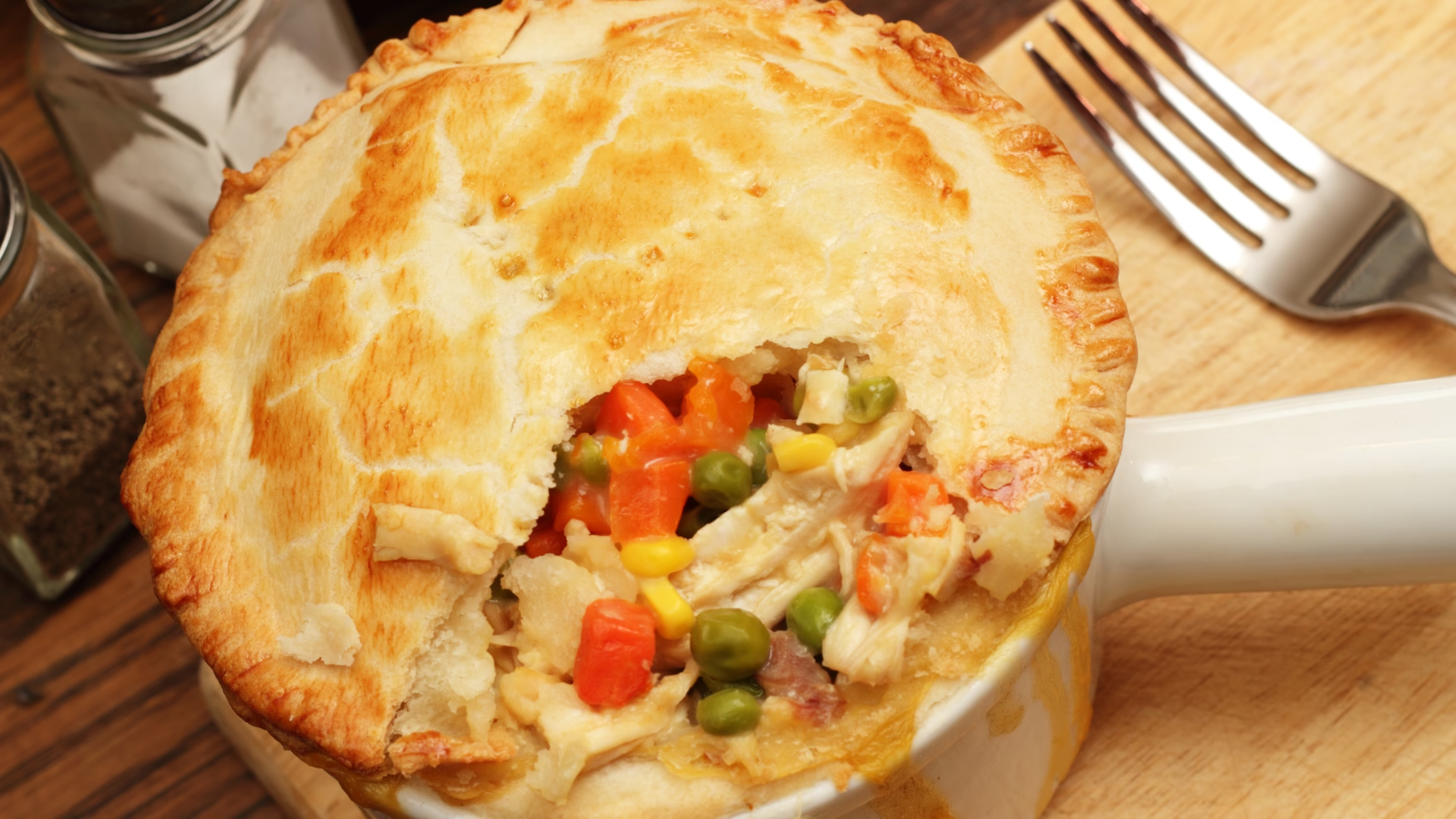
Chicken pot pies are a savory dish consisting of a flaky crust filled with a mixture of chicken, vegetables, and often a creamy sauce.
The filling typically includes chicken meat, potatoes, carrots, peas, celery, and onions.
Chicken pot pies are commonly found in frozen food sections of grocery stores and can be cooked in the oven or microwave.
While chicken pot pies are a popular human food, it’s important to consider whether dogs are safe and healthy for dogs to eat before sharing this dish with your furry friend.
Can Dogs Eat Chicken Pot Pies? Can you feed dogs chicken pot pie?
Can you feed dogs chicken pot pie?
No, While dogs can eat chicken, there are better choices of food than chicken pot pies to feed them. Chicken pot pies often contain added ingredients like onion and garlic, which can harm dogs.
Onions and garlic contain compounds that can damage a dog’s red blood cells and cause anemia, leading to weakness, lethargy, and other serious health problems.
In addition, chicken pot pies are typically high in fat and salt, which can cause digestive upset, obesity, and other health issues in dogs.
Suppose you want to give your dog chicken. In that case, it’s best to prepare it plain, without added ingredients or seasoning, and ensure it is fully cooked to avoid the risk of salmonella or other harmful bacteria.
If you want to share a treat with your dog, many healthy and safe options are available, such as small pieces of cooked chicken breast or carrots, green beans, or blueberries as a healthy snack.
It’s always a good idea to consult with your veterinarian before introducing new foods to your dog’s diet to ensure they are safe and appropriate for your furry friend.
Potential Risks of Feeding Chicken Pot Pies to Dogs
Feeding chicken pot pies to dogs can pose several potential risks to their health. Here are some of the main risks associated with feeding chicken pot pies to dogs:
Onion and garlic toxicity: Chicken pot pies often contain onions and garlic, which can be toxic to dogs. These ingredients can damage a dog’s red blood cells and cause anemia, leading to weakness, lethargy, and other serious health problems.
High in fat: Chicken pot pies are often high in fat, which can cause digestive upset, obesity, and other health issues in dogs. High-fat foods can also trigger pancreatitis in dogs, a potentially life-threatening condition.
High salt: Chicken pot pies are also typically high in salt, which can harm dogs in large amounts. Excess salt can cause dehydration, electrolyte imbalances, and other health problems.
Other harmful ingredients: Some chicken pot pies may contain other harmful ingredients like preservatives, artificial flavors, and colors, which can harm a dog’s health.
Healthy Alternatives to Chicken Pot Pies for Dogs
If you’re looking for healthy alternatives to chicken pot pies for your dog, here are some options to consider:
Plain, cooked chicken: Plain, cooked chicken is a great source of protein for dogs and can be a healthy and tasty treat. Remove any bones and skin, and avoid adding seasonings or sauces.
Vegetables: Many dogs enjoy vegetables and can provide a healthy alternative to high-fat, high-sodium treats. Carrots, green beans, and peas are all great options with low calories and nutrients.
Homemade dog treats: If you enjoy cooking, you can make healthy dog treats using ingredients like oatmeal, peanut butter, and pumpkin. Many dog treat recipes are available online that are easy to make and use wholesome ingredients.
Store-bought dog treats: If you prefer pre-made treats, look for brands that use high-quality ingredients and avoid artificial flavors, colors, and preservatives. You can also find many treats specifically formulated for dogs with dietary restrictions or health issues.
Always consult with your veterinarian before introducing new foods or treats to your dog’s diet to ensure they are safe and appropriate for your furry friend.
Conclusion: Should You Give Your Dog Chicken Pot Pies?
In conclusion, chicken pot pies are not a healthy or safe food for dogs. They often contain ingredients like onions, garlic, and high levels of fat and salt, which can harm dogs and cause serious health issues like anaemia, pancreatitis, and dehydration.
Instead, it’s best to stick to feeding your dog plain, cooked chicken without any added ingredients or seasoning, or consider healthy alternatives like vegetables, homemade treats, or store-bought treats made with high-quality ingredients.
As always, it’s important to consult with your veterinarian before introducing new foods or treats to your dog’s diet to ensure they are safe and appropriate for your furry friend.
By making informed choices and providing your dog with a balanced and healthy diet, you can help keep them happy and healthy for years.
Can Dogs Sesame Sticks? Sesame sticks are a popular snack food that many people enjoy, but what about our furry friends? As a dog owner, you may wonder whether sesame sticks are a safe and healthy treat option for your four-legged companion.
While sesame sticks can be a tasty snack for humans, they may not be the best choice for dogs. This article will explore the question, “Can dogs eat sesame sticks?”
We will examine the nutritional value of sesame sticks, discuss the potential risks of feeding them to dogs, and provide some healthy and safe alternatives for dogs to enjoy.
What are Sesame Sticks?
What are Sesame Sticks?
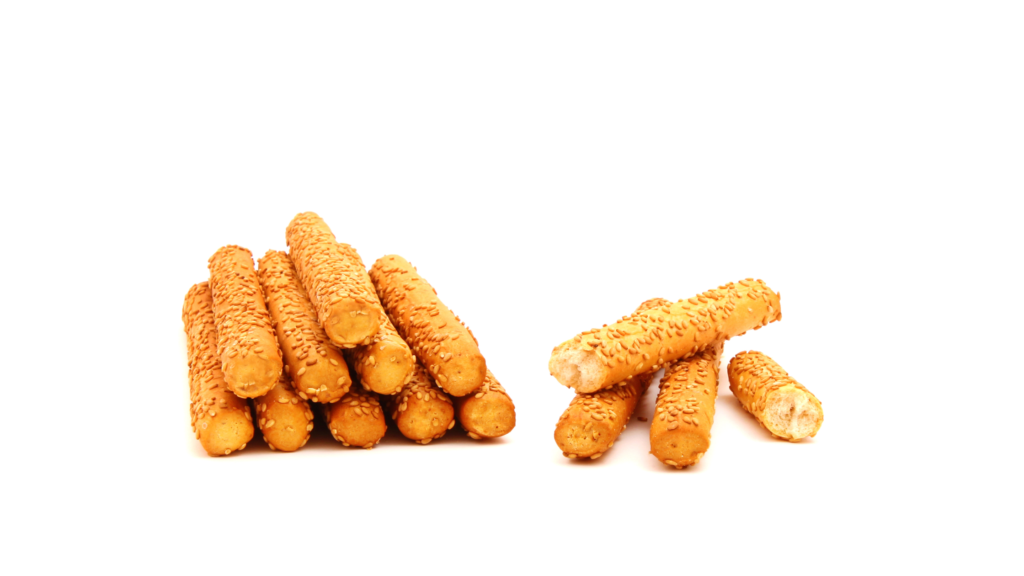
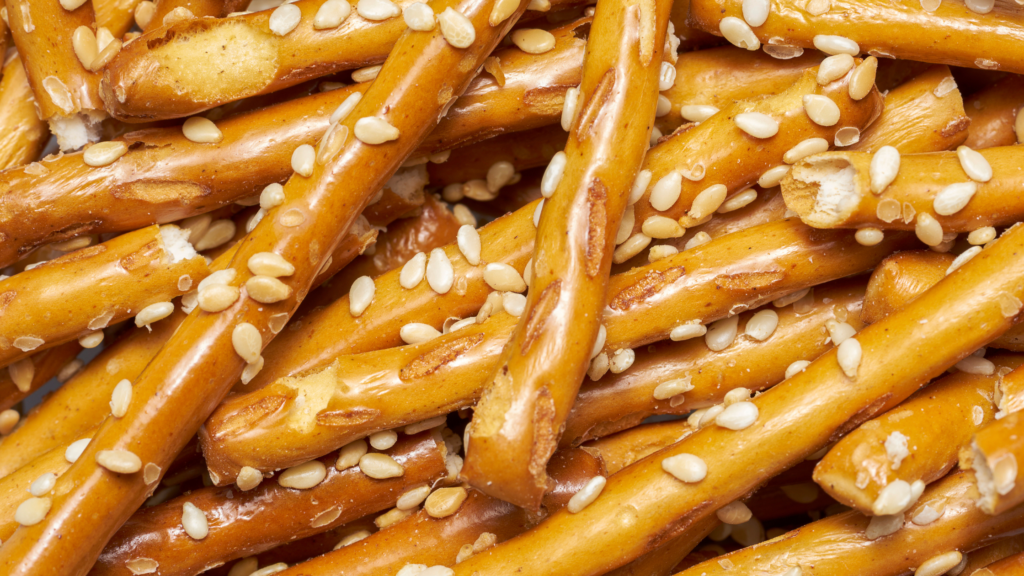
Sesame sticks are a crunchy snack made from wheat flour, sesame seeds, and various seasonings. They are typically long, thin, and rod-shaped, with a crunchy texture and a savory taste.
Sesame sticks are often enjoyed as a snack or topping for salads and other dishes. They are a popular snack food among humans found in many grocery stores and online retailers.
However, when it comes to feeding sesame sticks to dogs, it’s important to know if they are safe and healthy for our furry friends.
Are Sesame sticks a healthy snack for dogs?
Sesame sticks are a tasty snack that is enjoyed by many, but what is their nutritional value? Let’s take a closer look.
Sesame sticks are typically made from wheat flour, sesame seeds, and a blend of seasonings, such as salt and spices. As a result, they are relatively high in carbohydrates and fat, with moderate protein levels.
A 1-ounce serving of sesame sticks (about 28 grams) contains approximately:
Calories: 150
Fat: 10 grams
Carbohydrates: 14 grams
Fiber: 2 grams
Protein: 4 grams
Sesame sticks contain vitamins and minerals, including calcium, iron, and magnesium.
However, they are not considered a particularly nutritious snack, as they are often high in sodium and lack many essential nutrients.
It’s important to remember that while sesame sticks may be an enjoyable treat for humans, they may not provide significant nutritional value for dogs.
Additionally, dogs have different dietary needs than humans, so it’s essential to ensure that any treats you give your furry friend are safe and healthy.
Can Dogs Sesame Sticks? Are sesame seed sticks okay for dogs?
Are sesame seed sticks okay for dogs?
While sesame sticks may not be toxic to dogs, they are not an ideal treat option for our furry friends.
Sesame sticks’ high salt, fat, and carbohydrate levels can be problematic for dogs and may lead to health issues if consumed regularly or in large quantities.
Additionally, some of the seasonings used in sesame sticks, such as garlic or onion powder, can harm dogs and cause gastrointestinal upset, anemia, or even more severe health issues.
Therefore, it’s best to avoid feeding your dog sesame sticks altogether to prevent potential health problems.
If you’re looking for a tasty and safe treat for your dog, many healthy alternatives are available, such as fresh fruits and vegetables or specially formulated dog treats.
Always read the ingredients list and check with your veterinarian before introducing new foods to your dog’s diet.
Feeding sesame sticks to dogs may pose several potential risks to their health, including:
Gastrointestinal Upset: Sesame sticks are high in salt and fat, which can lead to gastrointestinal upset in dogs, such as diarrhea or vomiting.
Weight Gain: Due to their high calorie and fat content, feeding sesame sticks to dogs regularly or in large quantities can lead to weight gain and obesity, increasing the risk of other health issues.
Seasoning Ingredients: Some sesame sticks may contain ingredients harmful to dogs, such as garlic or onion powder. These ingredients can cause gastrointestinal upset or even more severe health issues.
Dental Problems: The hard and crunchy texture of sesame sticks can also cause dental problems in dogs, such as broken or chipped teeth, or contribute to the formation of dental plaque and tartar.
Allergic Reactions: Dogs can be allergic to sesame seeds or other ingredients used in sesame sticks, which can cause allergic reactions such as itching, swelling, or difficulty breathing.
Overall, it’s best to avoid feeding sesame sticks to dogs and choose healthier and safer treat options instead.
If you notice any signs of gastrointestinal upset or other health issues after feeding your dog sesame sticks or other treats, consult your veterinarian immediately.
Healthy Alternatives to Sesame Sticks for Dogs
If you’re looking for healthy and safe treat options for your furry friend, here are some great alternatives to sesame sticks for dogs:
Carrots: Carrots are a crunchy, low-calorie snack rich in fiber and vitamins, such as vitamin A and beta-carotene. They are also great for your dog’s dental health, as they help clean their teeth and prevent plaque buildup.
Apples: Apples are another healthy and low-calorie snack option for dogs, as they are high in fiber, vitamins, and antioxidants. However, make sure to remove the seeds and core, as they can be harmful to dogs.
Green Beans: Green beans are a nutritious and low-calorie snack high in fiber and vitamins, such as vitamins C and K. They are also a good source of protein and can help with weight management in dogs.
Blueberries: Blueberries are a tasty and nutritious snack rich in antioxidants and vitamins, such as vitamins C and K. They are also low in calories and can help support your dog’s immune system and brain function.
Dog-Specific Treats: There are many dog-specific treats available that are formulated with your furry friend’s health in mind. Look for treats made with natural ingredients, and avoid those containing artificial preservatives or flavors.
Always introduce new treats to your dog’s diet gradually and in moderation. It’s also important to check with your veterinarian before introducing any new foods or treats to ensure they are safe and appropriate for your dog’s needs.
Frequently Asked Questions
Can dogs eat sesame leaves?
Sesame leaves are not toxic to dogs but are not recommended as a regular treat option. While they are a good source of vitamins and minerals, they are high in fiber, which can cause gastrointestinal upset in dogs if consumed in large quantities.
Can dogs eat sesame oil?
Sesame oil is not toxic to dogs but is not recommended to give to them regularly. While small amounts of sesame oil are unlikely to cause harm, it is high in fat and can cause digestive upset if consumed in large quantities.
Can dogs eat black sesame seeds?
Black sesame seeds are not toxic to dogs but are not recommended as a regular treat option. While they are a good source of vitamins and minerals, they are high in fat and can cause digestive upset if consumed in large quantities.
Can dogs eat white sesame seeds?
White sesame seeds are not toxic to dogs but are not recommended as a regular treat option. While they are a good source of vitamins and minerals, they are high in fat and can cause digestive upset if consumed in large quantities.
Can dogs eat black sesame oil?
Black sesame oil is not toxic to dogs but is not recommended to give to them regularly. While small amounts of black sesame oil are unlikely to cause harm, it is high in fat and can cause digestive upset if consumed in large quantities.
Can dogs eat white sesame oil?
White sesame oil is not toxic to dogs but is not recommended to give to them regularly. While small amounts of white sesame oil are unlikely to cause harm, it is high in fat and can cause digestive upset if consumed in large quantities.
How do sesame seeds and sesame oil affect dogs?
Sesame seeds and sesame oil are not toxic to dogs but are high in fat and can cause digestive upset if consumed in large quantities. Additionally, some dogs may be allergic to sesame seeds or sesame oil, which can cause allergic reactions such as itching, swelling, or difficulty breathing.
Can puppies eat sesame seeds or sesame oil?
Puppies have delicate digestive systems and should not be given sesame seeds or oil without consulting a veterinarian. Small amounts of sesame seeds or sesame oil may be okay for puppies, but it’s best to err on the side of caution and avoid giving them sesame-based products altogether.
Conclusion: Should You Give Your Dog Sesame Sticks?
In conclusion, while sesame sticks may not be toxic to dogs, they are not recommended as a treat option due to their high salt and fat content, the potential inclusion of harmful ingredients such as garlic or onion powder, and the risk of dental problems and allergic reactions.
Instead, many healthy and safe alternatives are available, such as fresh fruits and vegetables or specially formulated dog treats.
Always check with your veterinarian before introducing new treats to your dog’s diet, and monitor your dog’s reaction to new foods.
You can ensure that your furry friend stays healthy, happy, and well-fed with proper care and attention.