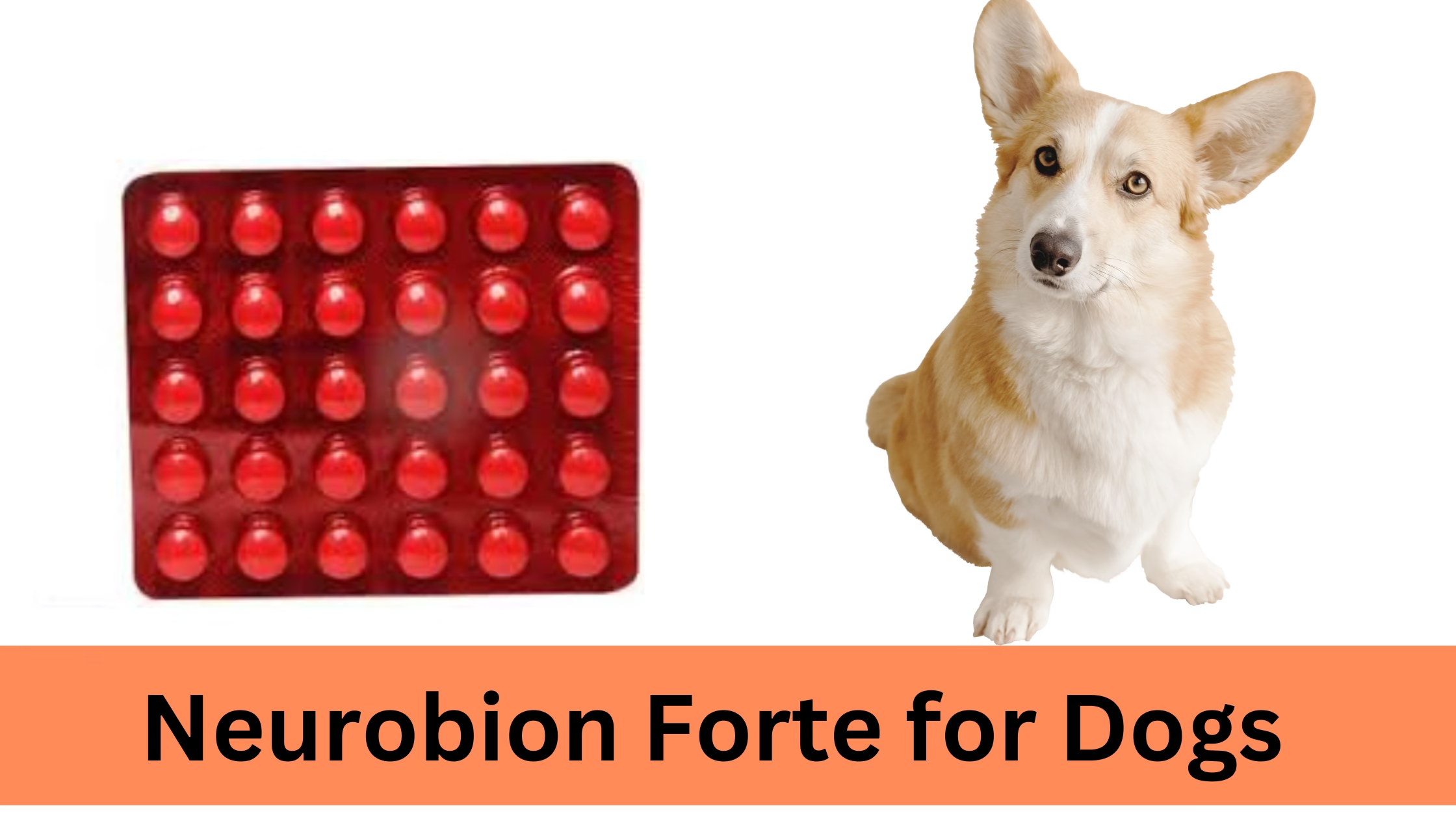
Neurobion Forte for Dogs? – Neurobion Forte is a popular vitamin supplement commonly used to treat human deficiencies. But can it be used for dogs? In this article, we will explore the use of Neurobion Forte in dogs, its potential benefits, risks, and dosage information.
What is Neurobion Forte and How Does it Work?
What is Neurobion Forte and How Does it Work?
Neurobion Forte is a combination of vitamins that includes vitamin B1 (thiamine), vitamin B6 (pyridoxine), and vitamin B12 (cyanocobalamin). These vitamins play important roles in the nervous system and are essential for maintaining healthy nerves and muscles.
Vitamin B1 helps the body convert food into vitality and supports the proper functioning of the nervous system.
Vitamin B6 is important for synthesizing neurotransmitters, which are chemicals that transmit signals in the brain. Vitamin B12 is necessary to form red blood cells and properly function the nervous system.
When given as a supplement, Neurobion Forte can help address deficiencies of these important vitamins, leading to improved nerve and muscle function.
It may also provide additional benefits such as improved energy levels and overall health.
Can we give Neurobion to dogs?
Neurobion Forte is a vitamin supplement designed for humans and is not specifically formulated for dogs.
While it is not recommended to give Neurobion Forte or any other human vitamin supplement to dogs without the guidance of a veterinarian, some veterinarians may recommend using certain human supplements for dogs in certain situations.
It is important to consult with a veterinarian before giving your dog any supplements, including Neurobion Forte.
Your veterinarian can evaluate your dog’s nutritional needs and recommend the most appropriate supplement regimen for your dog’s health and well-being.
They may also recommend a specific canine-specific vitamin supplement formulated specifically for dogs and contains the appropriate amounts and ratios of vitamins and minerals that dogs need.
It is important to note that over-supplementation with vitamins can harm dogs and lead to toxicity.
Signs of vitamin toxicity may include diarrhea, vomiting, loss of appetite, muscle weakness, and neurological symptoms such as depression or seizures.
If you suspect your dog has ingested too much Neurobion Forte or any other supplement, immediately contact your veterinarian for advice.
Is Neurobion Forte Safe for Dogs?
While Neurobion Forte is generally safe for humans, it is not specifically formulated for dogs. It has yet to be extensively studied in veterinary medicine.
Giving Neurobion Forte to dogs without veterinary guidance can be risky, as the dosage and safety profile may differ from that in humans.
Dogs have different nutritional requirements than humans, and their bodies may not process vitamins similarly. Additionally, excessive intake of certain vitamins can be harmful to dogs.
Therefore, it is important to consult a veterinarian before giving your dog Neurobion Forte or any other vitamin supplement.
Your veterinarian can help determine if your dog has a vitamin deficiency that warrants supplementation and can recommend the appropriate dosage and type of supplement for your dog’s individual needs.
What Are the Benefits of Neurobion Forte for Dogs?
The potential benefits of Neurobion Forte for dogs depend on their nutritional needs and health status. The vitamins in Neurobion Forte can help support nerve and muscle function, which may benefit dogs with certain health conditions or nutritional deficiencies.
For example, dogs with nerve damage or neurological disorders may benefit from vitamin B supplementation. Vitamin B6, in particular, has been shown to positively affect nerve function in dogs.
Additionally, dogs recovering from illness or injury may benefit from a boost of vitamins to support overall health and healing.
However, it is important to note that supplementing with Neurobion Forte or any other vitamin should be done under the guidance of a veterinarian.
Over-supplementation of vitamins can harm dogs and lead to adverse effects. Your veterinarian can help determine if Neurobion Forte is appropriate for your dog’s needs and recommend a safe and effective dosage.
Risks and Side Effects of Using Neurobion Forte in Dogs
As with any supplement, there are potential risks and side effects associated with using Neurobion Forte in dogs.
Excessive intake of certain vitamins can harm dogs. It may cause a range of side effects, including diarrhea, vomiting, loss of appetite, and muscle weakness.
Vitamin B6 toxicity can also cause neurological symptoms such as depression, ataxia (lack of coordination), and seizures.
Additionally, dogs with certain underlying medical conditions or taking certain medications may be at increased risk of adverse effects from Neurobion Forte or other vitamin supplements.
For example, dogs with liver or kidney disease may not be able to properly metabolize and eliminate excess vitamins, which can lead to toxicity.
It is important to always consult with a veterinarian before giving any supplement, including Neurobion Forte, to your dog.
Your veterinarian can evaluate your dog’s health status and recommend a safe and effective supplement regimen.
Dosage Information for Neurobion Forte in Dogs
The appropriate dosage of Neurobion Forte for dogs can vary depending on the dog’s size, age, and individual health needs.
As with any supplement, following your veterinarian’s recommendations for dosage and administration is important.
Your veterinarian may recommend a specific dose based on your dog’s nutritional needs and underlying health conditions.
It is important to note that vitamin supplements should only be given to dogs with a specific indication or recommendation from a veterinarian.
Over-supplementation with vitamins can be harmful to dogs and may lead to toxicity.
If you suspect your dog has ingested too much Neurobion Forte or any other supplement, immediately contact your veterinarian for advice.
Signs of vitamin toxicity may include diarrhea, vomiting, loss of appetite, muscle weakness, and neurological symptoms such as depression or seizures.
Alternatives to Neurobion Forte for Dogs
Several alternatives to Neurobion Forte may be safer and more appropriate for dogs.
One option is to feed your dog a well-balanced diet that meets all their nutritional needs. This can help ensure your dog gets all the necessary vitamins and minerals in the correct amounts.
Commercial dog foods are formulated to meet the nutritional needs of dogs, and your veterinarian can recommend a specific brand or type of food based on your dog’s needs.
Another option is to use a canine-specific vitamin supplement formulated specifically for dogs.
These supplements are typically formulated with the appropriate amounts and ratios of vitamins and minerals that dogs need. They may be safer and more effective than human supplements.
Before starting any supplement regimen, it is important to consult with a veterinarian.
Your veterinarian can evaluate your dog’s nutritional needs and recommend the most appropriate supplement regimen for your dog’s health and well-being.
It is important to consult with your veterinarian before giving your dog any supplements, including Neurobion Forte or any other vitamin supplement.
Your veterinarian can evaluate your dog’s health status and nutritional needs and recommend the most appropriate supplement regimen.
You should also consult your veterinarian if you notice any adverse effects or changes in your dog’s behavior or health after starting a supplement regimen.
Signs of vitamin toxicity or overdose may include vomiting, diarrhea, loss of appetite, muscle weakness, and neurological symptoms such as depression or seizures.
Additionally, suppose your dog has an underlying medical condition or is taking any medications. In that case, it is important to consult your veterinarian before starting a supplement regimen.
Some medical conditions and medications can interact with certain supplements, harming your dog’s health.
If you suspect your dog has ingested too much Neurobion Forte or any other supplement, immediately contact your veterinarian for advice.
They can guide how to proceed and may recommend bringing your dog in for an evaluation.
Can Dogs Eat Marzipan? As a dog owner, being mindful of what your furry friend eats is important. While sharing your favorite sweet treats with your pup may be tempting, certain foods can be dangerous or even deadly for dogs.
One such food is marzipan, a sweet almond paste often used in desserts. In this article, we’ll explore whether dogs can safely eat marzipan and what you should do if your dog accidentally ingests this confection.
What is marzipan, and why is it popular in desserts?
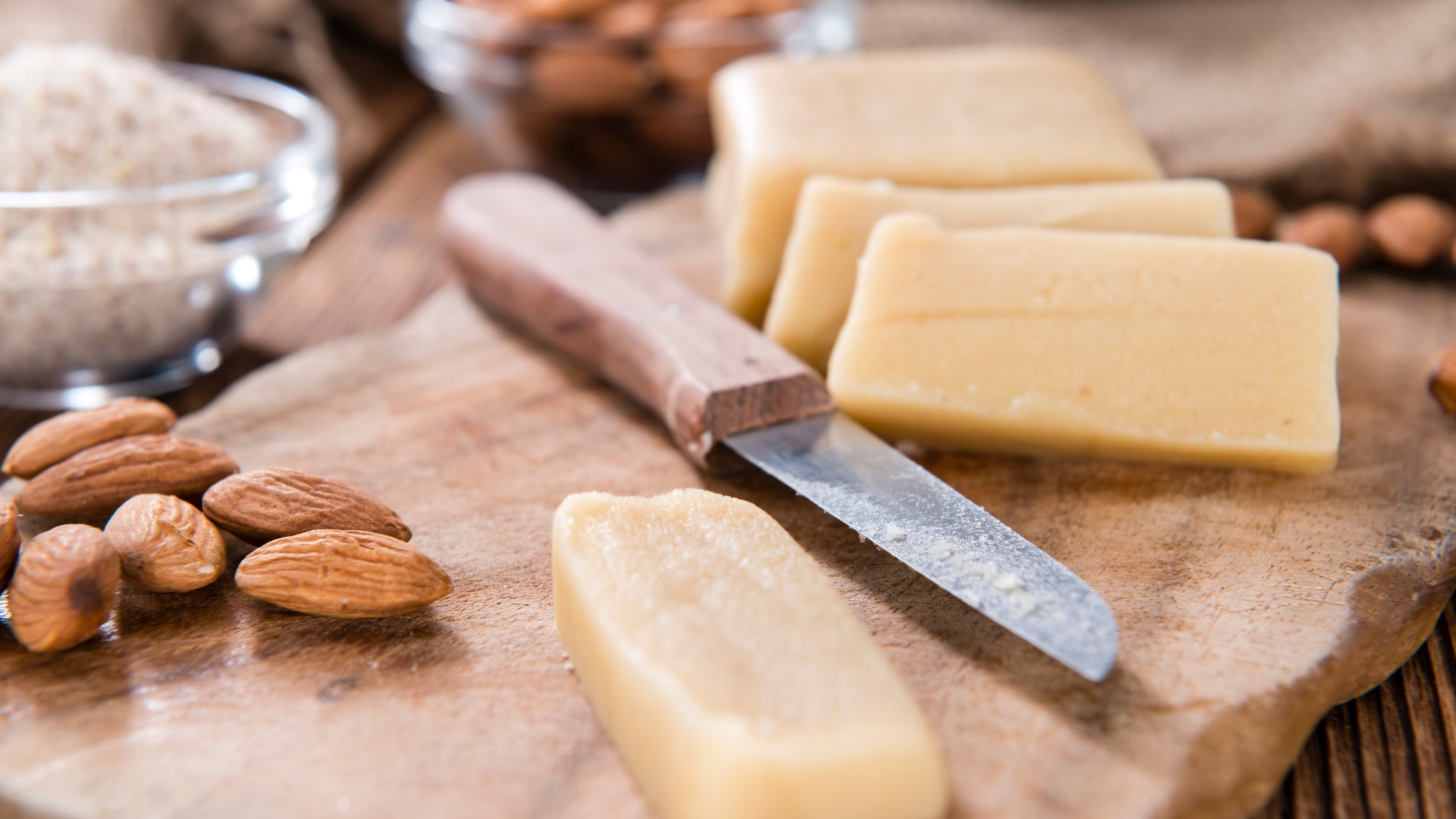
What is marzipan
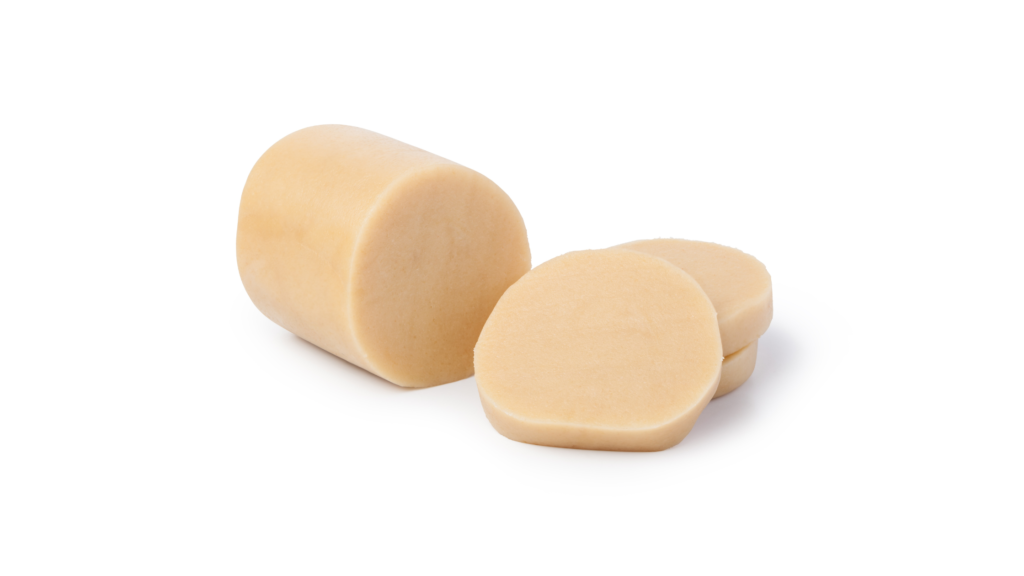
Marzipan is a sweet almond paste commonly used in various desserts, such as cakes, pastries, and candy.
It is made by blending ground almonds with sugar or honey to create a thick, malleable paste that can be shaped into various forms.
Marzipan has been used in European desserts for centuries. It is popular in traditional holiday treats like stollen, panettone, and yule logs.
Marzipan is popular in desserts for several reasons:
It has a sweet and nutty flavor that complements various other ingredients, including chocolate, fruit, and spices.
Marzipan is easy to work with and can be molded into various shapes and designs, making it a versatile ingredient for bakers and pastry chefs.
Marzipan is often used as a decorative element in desserts, adding visual appeal and a unique texture to the finished product.
However, while marzipan is a beloved ingredient in many desserts, it is important to know that it can be toxic to dogs if ingested in large quantities.
Therefore, it’s important to keep marzipan and other human sweets out of reach of pets to avoid any potential health problems.
Can dogs eat marzipan? Is Marzipan safe for dogs?
Can dogs eat marzipan? Is Marzipan safe for dogs?
While marzipan is not considered toxic to dogs, it is not recommended to feed it to them.
Marzipan is a high-sugar and high-fat food that can cause digestive problems and weight gain in dogs.
Additionally, some marzipan products may contain other ingredients that are harmful to dogs, such as chocolate or xylitol.
It will likely be okay if your dog accidentally eats a small amount of marzipan.
However, if they consume a larger quantity, they may experience symptoms such as vomiting, diarrhea, lethargy, and loss of appetite.
In rare cases, marzipan toxicity can lead to serious health problems like pancreatitis.
Therefore, it is best to avoid giving marzipan to dogs altogether and to keep all sweets and desserts out of reach of your furry friends.
Suppose you suspect your dog has eaten marzipan or any other potentially harmful food.
In that case, it’s important to contact your veterinarian immediately for advice on how to proceed.
The dangers of marzipan for dogs
While marzipan is not inherently toxic to dogs, it can still pose several health risks if consumed in large amounts. Here are some of the most common risks associated with feeding marzipan to dogs:
Digestive Problems: Marzipan is high in sugar and fat, which can cause digestive upset in dogs. Consuming large amounts of marzipan can lead to symptoms such as vomiting, diarrhea, and abdominal pain.
Weight Gain: Like most sweets, marzipan is calorie-dense and can contribute to weight gain in dogs if consumed regularly or in large amounts.
Xylitol Poisoning: Some marzipan products may contain xylitol, a sugar substitute that is highly toxic to dogs. Even small amounts of xylitol can cause a rapid release of insulin in dogs, leading to dangerously low blood sugar levels and potential liver failure.
Chocolate Toxicity: Some marzipan products may be coated in chocolate, which is highly toxic to dogs. Chocolate contains theobromine, which can cause symptoms such as vomiting, diarrhea, tremors, seizures, and even death in dogs if consumed in large amounts.
Pancreatitis: Consuming large amounts of fatty foods like marzipan can increase the risk of pancreatitis in dogs. Pancreatitis is when the pancreas becomes inflamed, leading to symptoms such as abdominal pain, vomiting, diarrhea, and lethargy.
Overall, it is best to avoid feeding dogs marzipan and keep all sweets and desserts out of reach of pets.
Suppose you suspect your dog has eaten marzipan or any other potentially harmful food.
In that case, it’s important to contact your veterinarian immediately for advice on how to proceed.
Symptoms of marzipan toxicity in dogs
Marzipan itself is not toxic to dogs, but if your dog consumes a large amount of marzipan or marzipan-containing products, it may experience symptoms of toxicity. Here are some of the signs to look out for:
Digestive upset: Consuming a large amount of marzipan can cause digestive upset in dogs, leading to vomiting, diarrhea, and abdominal pain.
Lethargy: Dogs who have consumed a lot of marzipan may become sluggish or unresponsive.
Loss of appetite: Marzipan toxicity can cause dogs to lose their appetite and refuse to eat.
Increased thirst and urination: Dogs who consume much marzipan may drink more water and urinate more frequently.
Pancreatitis: Marzipan is high in fat and can increase the risk of pancreatitis in dogs. Symptoms of pancreatitis include vomiting, diarrhea, abdominal pain, and lethargy.
Suppose you suspect your dog has consumed a large amount of marzipan or any other potentially toxic substance.
In that case, it’s important to contact your veterinarian immediately. They can advise on managing your dog’s symptoms and preventing further complications.
Sometimes, your vet may recommend hospitalization and supportive care to manage your dog’s condition.
What to do if your dog eats marzipan
It will likely be okay if your dog has eaten a small amount of marzipan.
However, suppose they have consumed a large amount or are showing symptoms of marzipan toxicity.
In that case, it’s important to take action quickly. Here are the steps you should take if your dog eats marzipan:
Monitor your dog’s symptoms: Monitor your dog for signs of digestive upset, lethargy, loss of appetite, increased thirst and urination, or other symptoms of marzipan toxicity.
Contact your veterinarian: If your dog has consumed a large amount of marzipan or is showing symptoms of toxicity, contact your veterinarian immediately. They can advise on managing your dog’s symptoms and whether further treatment is necessary.
Supportive care: Depending on your veterinarian’s recommendations, you may need to provide supportive care for your dog. This may include offering small amounts of water to prevent dehydration or withholding food until your dog’s digestive system has had a chance to recover.
Follow your veterinarian’s recommendations: Your veterinarian may recommend additional treatment or monitoring for your dog, depending on the severity of their symptoms. Follow their recommendations closely to ensure your dog receives the care they need.
In general, it’s best to keep all sweets and desserts out of reach of your pets to prevent accidental ingestion.
If you suspect your dog has consumed a potentially harmful substance, don’t hesitate to contact your veterinarian for advice on how to proceed.
In conclusion, while marzipan is not inherently toxic to dogs, it can pose several health risks if consumed in large amounts.
Marzipan is high in sugar and fat, which can cause digestive upset and weight gain in dogs.
Some marzipan products may also contain xylitol, a sugar substitute that is highly toxic to dogs, or be coated in chocolate, which is also toxic.
Ingestion of large amounts of marzipan can increase the risk of pancreatitis, a serious condition that requires veterinary treatment.
Suppose you suspect your dog has consumed marzipan or any other potentially harmful substance.
In that case, it’s important to contact your veterinarian immediately for advice on how to proceed.
By taking prompt action, you can help minimize your pet’s health risks and ensure they receive the care they need.
As a responsible pet owner, it’s important to keep all sweets and desserts out of reach of your pets to prevent accidental ingestion and potential health complications.
Can Dogs Eat Barbacoa? As a dog owner, you may wonder if sharing your love for Mexican cuisine with your furry friend is safe.
One dish in particular that may have caught your eye is barbacoa. But can dogs safely consume this flavorful meat?
In this guide, we’ll explore the potential risks and benefits of feeding your dog barbacoa and some tips for incorporating Mexican cuisine into your dog’s diet.
What is Barbacoa?
what is Barbacoa?
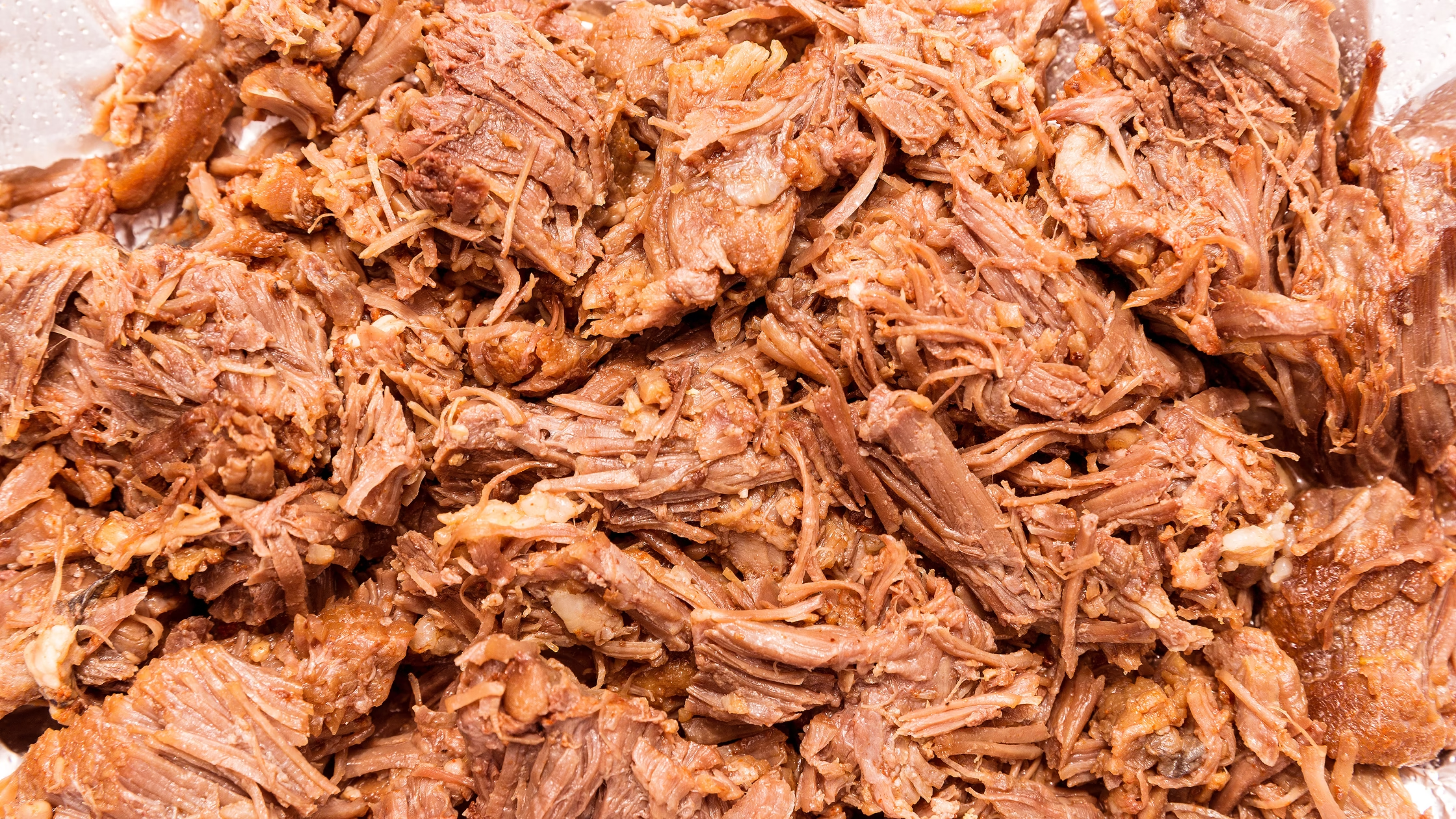
Barbacoa is a traditional Mexican dish that typically consists of slow-cooked meat, such as beef, lamb, or goat, seasoned with a blend of spices, chillies, and other ingredients.
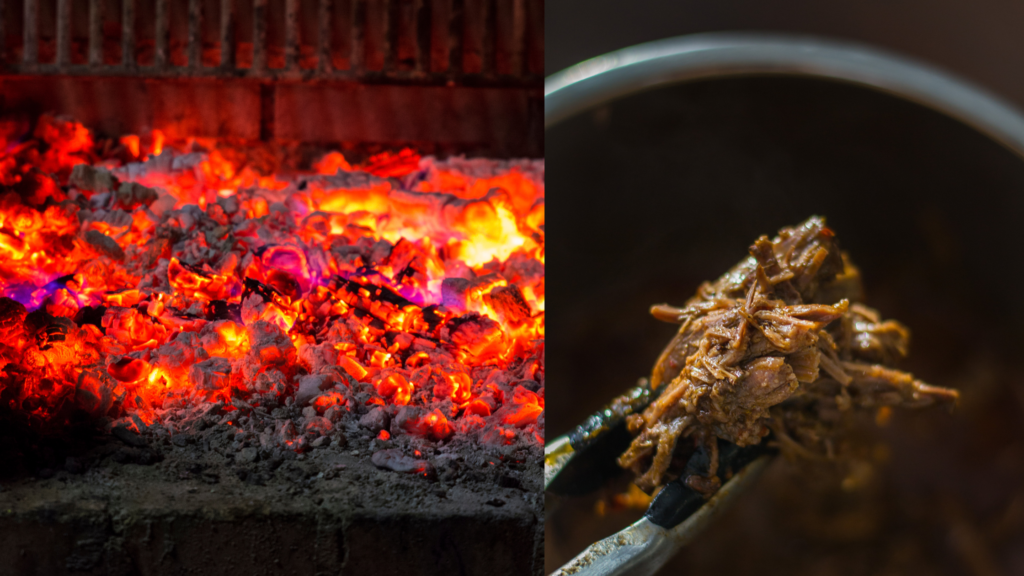
The meat is traditionally cooked over an open flame or in a pit, which gives it a smoky and slightly charred flavour.
Barbacoa is often served with various accompaniments, such as tortillas, salsa, guacamole, and lime wedges.
It is a popular dish in many parts of Mexico and is enjoyed by people worldwide who appreciate the bold and complex flavours of traditional Mexican cuisine.
Can Dogs Eat Barbacoa?
Whether or not dogs can safely eat barbacoa depends on a variety of factors, such as the ingredients used in the recipe, the method of preparation, and the individual dog’s dietary needs and sensitivities.
In general, feeding dogs spicy or heavily seasoned food is not recommended, as it can upset their stomach and cause digestive issues.
Barbacoa often contains spices and seasonings such as cumin, garlic, and chilli peppers, which can be too intense for a dog’s digestive system.
Additionally, some recipes may contain onions or garlic, which can be toxic to dogs if consumed in large quantities.
Suppose you do decide to share some barbacoa with your dog. In that case, it’s important to make sure that it is free from any potentially harmful ingredients and has been thoroughly cooked.
Any bones or gristle should be removed before feeding it to your dog to avoid choking hazards.
Suppose you need to figure out what to feed your dog. In that case, it’s always a good idea to consult a veterinarian who can provide tailored advice based on your dog’s needs.
Ultimately, while dogs can eat small amounts of barbacoa, it’s generally best to stick to a balanced and nutritionally complete diet specifically designed for dogs.
Can puppies eat barbacoa?
Puppies have delicate digestive systems that are still developing, and they may not be able to handle barbacoa’s high fat and sodium content.
Additionally, some ingredients used in barbacoa, such as onions and garlic, can be toxic to dogs in large quantities. As a general rule, it’s best to avoid feeding puppies barbacoa or any heavily seasoned foods.
Suppose you need help with what to feed your puppy or have questions about its nutritional needs.
In that case, it’s best to consult a veterinarian who can provide personalized guidance based on your puppy’s needs and health status.
It’s important to feed puppies a balanced and nutritionally complete diet specifically formulated for their age, size, and activity level.
In short, while sharing your barbacoa with your furry friend may be tempting, it’s best to stick to dog-friendly foods that are safe and appropriate for their age and stage of development.
The nutritional value of barbacoa for dogs can vary depending on the type of meat used and the recipe’s specific ingredients.
In general, barbacoa can be a good source of protein for dogs. Protein is essential for building and repairing muscle tissue and helps support a healthy immune system.
Additionally, barbacoa may contain other important nutrients such as iron, zinc, and vitamin B12.
However, it’s important to note that barbacoa can also be high in fat and sodium, which are not ideal for dogs in large amounts.
Consuming too much fat can lead to weight gain and other health issues. In contrast, excessive sodium intake can lead to dehydration and other health problems.
As with any human food, it’s important to feed barbacoa to your dog in moderation and as part of a balanced and nutritionally complete diet specifically designed for dogs.
Suppose you need clarification about the nutritional content of your dog’s diet or whether barbacoa is an appropriate addition.
In that case, it’s best to consult a veterinarian who can provide personalized guidance based on your dog’s needs and health status.
Safe Alternatives to Barbacoa for Dogs
Suppose you’re looking for safe alternatives to barbacoa that your dog can enjoy. In that case, there are plenty of dog-friendly Mexican dishes. Here are a few ideas:
Plain, cooked meat: Instead of feeding your dog heavily seasoned barbacoa, you can offer them plain, cooked meat such as chicken or beef. Remove any bones or gristle before feeding them to your dog.
Rice and beans: Many Mexican dishes feature rice and beans as a side dish. These ingredients are safe and nutritious for dogs and can be a great addition to their diet. Just cook the beans thoroughly and avoid using spices or seasonings that could upset your dog’s stomach.
Homemade dog-friendly versions of Mexican dishes: You can also make homemade versions tailored to your dog’s dietary needs. For example, you can make a dog-friendly version of tacos using plain, cooked meat, lettuce, and diced tomatoes, all wrapped up in a dog-friendly tortilla.
Dog food with Mexican-inspired flavours: Many dog food brands offer recipes with Mexican-inspired flavours, such as chicken and rice or beef and beans. These recipes are specifically formulated to meet your dog’s nutritional needs, and they can be a convenient option if you need more time to cook your dog’s food from scratch.
Always check with your veterinarian before introducing new foods to your dog’s diet, even if they seem safe and healthy.
Tips for Introducing Mexican Cuisine to Your Dog’s Diet
Introducing Mexican cuisine to your dog’s diet can be a fun way to add variety to their meals. Still, it’s important to do so safely and gradually.
Here are some tips to help you introduce Mexican cuisine to your dog’s diet:
Start with small amounts: When introducing new foods to your dog’s diet, start with small amounts and gradually increase the portion size over time. This will give your dog’s digestive system time to adjust and reduce the risk of digestive upset.
Avoid spicy or heavily seasoned dishes: Many Mexican dishes are spicy or heavily seasoned, which can be too intense for your dog’s digestive system. Stick to mild dishes or make homemade versions of Mexican dishes tailored to your dog’s dietary needs.
Be mindful of ingredients: Mexican ingredients, such as onions, garlic, and avocados, can be toxic to dogs in large quantities. Avoid using these ingredients or limit your dog’s intake of them.
Check with your veterinarian: Before introducing any new foods to your dog’s diet, it’s always a good idea to consult with your veterinarian. They can provide personalized guidance based on your dog’s needs and health status.
Stick to a balanced and nutritionally complete diet: While it’s okay to add some Mexican-inspired dishes to your dog’s diet, it’s important to ensure that their overall diet is balanced and nutritionally complete. Make sure to feed your dog a diet that is specifically formulated for their age, size, and activity level.
By following these tips, you can safely introduce Mexican cuisine to your dog’s diet and provide them with various healthy and delicious meals.
In conclusion, while barbacoa may be a tasty dish for humans, it’s important to be cautious when feeding it to your dog.
While it can provide some nutritional benefits, it can also be high in fat and sodium, leading to health issues if consumed in excess.
However, your dog can enjoy plenty of safe alternatives to barbacoa, such as plain, cooked meat and rice and beans.
When introducing Mexican cuisine to your dog’s diet, make sure to do so gradually, avoid spicy or heavily seasoned dishes, be mindful of ingredients, check with your veterinarian, and stick to a balanced and nutritionally complete diet.
Doing so can provide your furry friend with various healthy and delicious meals that will keep them happy and healthy.
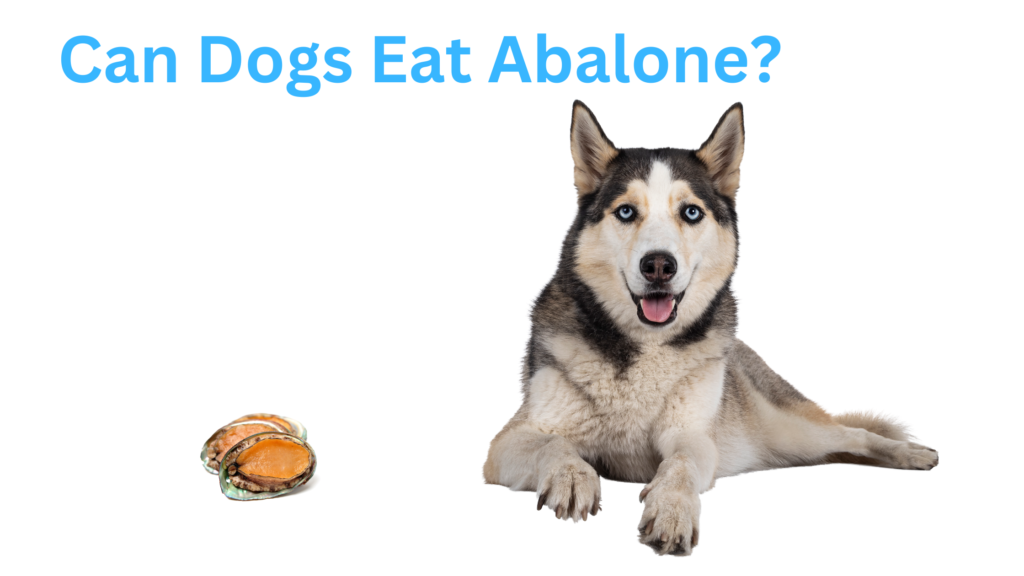
Can Dogs Eat Abalone? As a responsible pet owner, you may have wondered if your furry friend can indulge in the delicious delicacy of abalone.
Humans often enjoy these succulent shellfish, but it’s important to exercise caution when it comes to dogs.
This article will explore whether dogs can eat abalone and provide valuable tips for safely incorporating this seafood into your dog’s diet.
Read on to learn more about feeding abalone to your canine companion and how to ensure their health and well-being are kept a top priority.
What is abalone?
What is abalone?
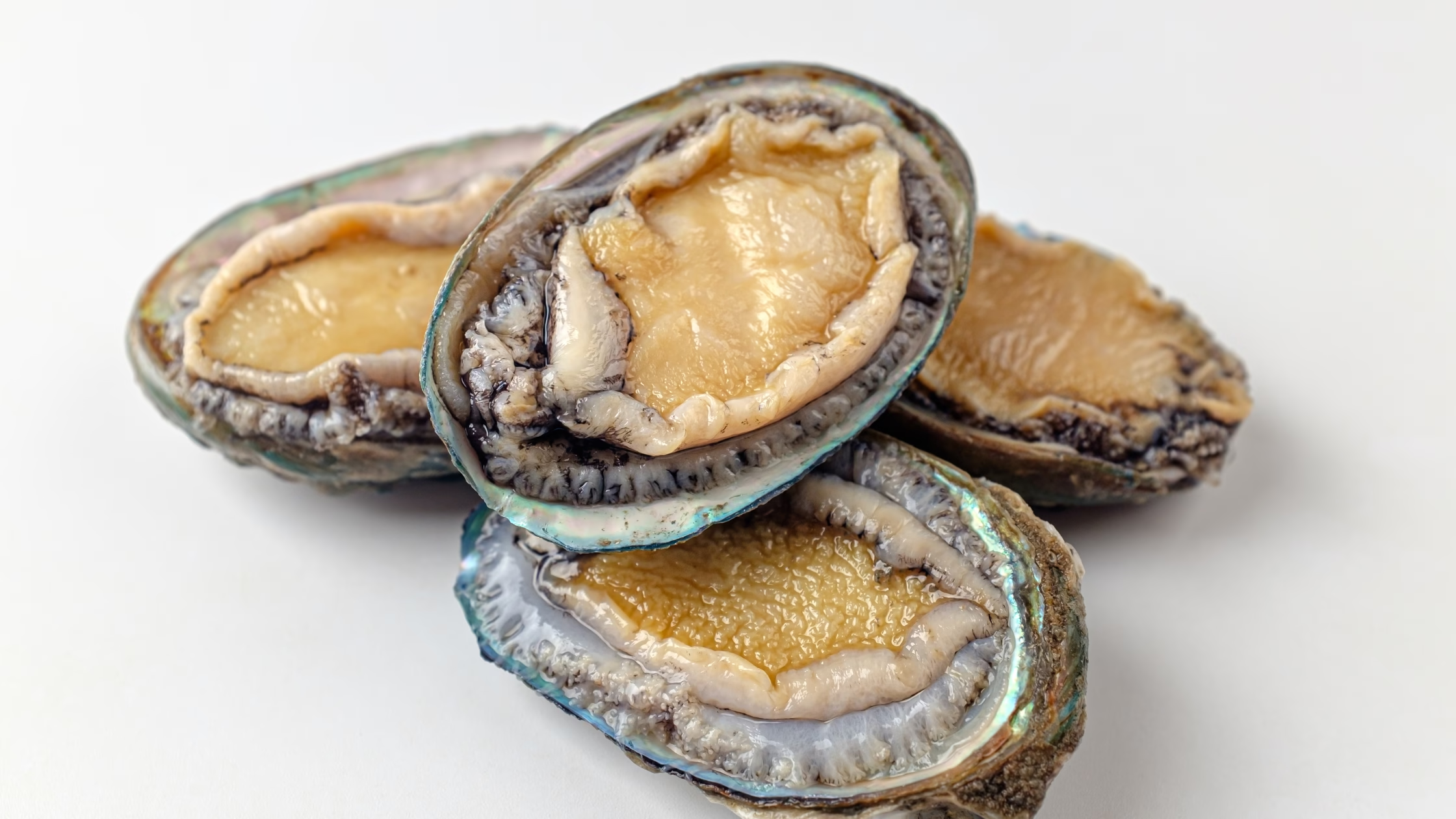
Abalone is a type of shellfish considered a delicacy in many culinary traditions. It is a marine gastropod mollusk with a unique, spiral-shaped shell that is often iridescent and visually stunning.
Abalone is known for its tender and flavorful meat, which is highly prized in various cuisines around the world.
Abalone is typically found in coastal waters and rocky shorelines; different names in different regions know it.
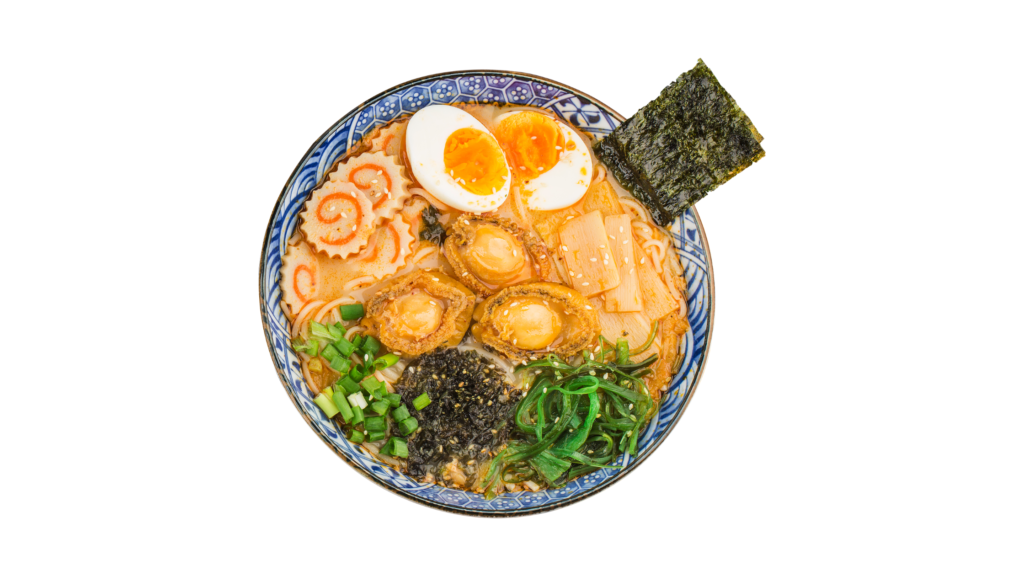
Abalone is often used in soups, stir-fries, stews, and sushi dishes. It is considered a luxury ingredient in many cuisines, including Chinese, Japanese, Korean, and Mediterranean.
In addition to its culinary uses, abalone is also valued for its ornamental purposes. Abalone shells are known for their unique patterns, including shades of blue, green, and pink, making them highly prized for their beauty and aesthetics. Its colorful shell is often used in jewelry, decorative items, and crafts.
Abalone is a unique and special type of shellfish that is cherished for its culinary and ornamental value. However, it’s important to note that overfishing and environmental factors have threatened abalone populations in some areas.
Therefore, it’s crucial to always make sure that any abalone you consume is sourced sustainably and harvested legally.
Yes, dogs can eat abalone, but it should be given to them in moderation and caution. Abalone is a type of shellfish high in protein, minerals, and vitamins, making it a healthy dog treat.
However, before feeding abalone to your furry friend, it’s essential to ensure it is properly cooked and prepared. Raw or undercooked abalone may contain harmful bacteria and parasites that can cause digestive issues and illness in dogs.
It’s also important to consider potential allergic reactions, as some dogs may be sensitive to seafood. As with any new food, it’s recommended to introduce abalone gradually and consult with a veterinarian beforehand.
Additionally, pet owners may consider alternative seafood options, such as fish or shrimp, that are safer and more suitable for dogs. While abalone can be a tasty and nutritious treat for dogs, taking the necessary precautions to ensure their health and safety is crucial.
Tips for Feeding Abalone to Dogs
When it comes to feeding abalone to your furry companion, it’s important to follow some key tips to ensure their safety and well-being:
Cook it thoroughly: Raw or undercooked abalone can contain harmful bacteria and parasites that can cause digestive issues in dogs. Always fully cook the abalone before feeding it to your pet.
Remove shells and other hazards: Abalone shells can pose a choking hazard to dogs, so be sure to remove all shells and any other potential hazards, such as sharp edges or pieces, before offering abalone to your dog.
Start small and monitor for reactions: Introduce abalone to your dog’s diet gradually and in small amounts to see how they react. Look for signs of allergies or digestive issues, such as vomiting, diarrhea, or itching. If any adverse reactions occur, discontinue feeding abalone and consult with your veterinarian.
Consider portion sizes: Abalone can be high in protein and minerals, so be mindful of the portion sizes you offer to your dog. Too much abalone can lead to an upset stomach or digestive issues. Consult with your veterinarian to determine the appropriate portion size based on your dog’s size, breed, and overall health.
Please consult with your veterinarian: Before introducing abalone or any new food to your dog’s diet, it’s always best to consult your veterinarian. They can provide personalized advice based on your dog’s health needs and dietary requirements.
Choose alternative seafood options: If you’re unsure about feeding abalone to your dog or if your dog has allergies or sensitivities, consider alternative seafood options that may be safer and more suitable, such as fish or shrimp.
By following these tips, you can safely incorporate abalone into your dog’s diet and ensure its health and well-being are prioritized. Always consult with your veterinarian for personalized advice and guidance.
Pros and Cons of Abalone for Dogs
Pros:
Nutritious: Abalone is a good source of protein, vitamins, and minerals, including iron, selenium, and omega-3 fatty acids, which can benefit a dog’s overall health.
Novel protein: Abalone is considered a novel protein source for dogs, which means it may be suitable for dogs with food allergies or sensitivities to more common protein sources like chicken, beef, or lamb.
Palatability: Some dogs may find the tender meat of abalone appealing due to its unique texture and flavor, making it an enticing treat.
Cons:
Potential hazards: Abalone shells can be sharp and pose a choking hazard or risk of dog injury if consumed, especially if the shells are not cleaned properly or cooked thoroughly.
High cost: Abalone is considered a luxury ingredient and can be expensive, making it less practical as a regular or staple food item for dogs.
Environmental concerns: Abalone populations in some regions are at risk due to overfishing and environmental degradation, which raises concerns about sustainability and ethical sourcing.
Allergenic potential: As with any new food, there is a risk of allergic reactions in some dogs, including symptoms such as vomiting, diarrhea, or skin irritations. It’s important to monitor your dog for adverse reactions when introducing abalone or new food into its diet.
Nutritional balance: Abalone should be one of many sources of nutrition for dogs, as it may lack certain essential nutrients required for a balanced diet. It’s important to ensure a dog’s overall diet is well-rounded and meets its specific nutritional needs.
What shellfish can dogs eat?
As a responsible pet owner, you may be curious about which types of shellfish are safe for your furry friend to enjoy.
While dogs are primarily meat-eaters, and their main diet should consist of high-quality commercial dog food, some shellfish options can be safely incorporated into their diet with proper precautions.
Here are a few examples:
Shrimp: Shrimp is a common shellfish that can be fed to dogs in moderation. It is a good source of protein, vitamins, and minerals and can be cooked and served without shells, tails, or any seasoning or sauces. Avoid feeding them shrimp with added flavors or seasonings. Remove the shells and clean the shrimp thoroughly before offering them to your dog.
Crab: Crab meat can also be fed to dogs in moderation. It is a good protein and omega-3 fatty acids source, which can benefit your dog’s skin and coat health. However, remove the shells and avoid feeding your dog any seasoned or spiced crab, which can contain harmful ingredients like salt or garlic.
Lobster: Lobster meat can be fed to dogs but should be cautiously given. Lobster shells can be sharp and pose a choking hazard, so removing all shells and offering only the meat in small amounts is important. Additionally, lobster meat can be high in fat, so it should be given sparingly to avoid digestive issues or weight gain.
Mussels: Mussels are another type of shellfish that can be fed to dogs in moderation. They are a good source of protein, omega-3 fatty acids, and other essential nutrients. However, mussels should always be cooked, and the shells should be removed before feeding them to your dog to prevent choking hazards.
Clams: Clams are generally safe for dogs to eat, but they should be thoroughly cooked, and the shells should be removed before feeding them to your pet. Clams are a good protein, iron, and other essential nutrients source.
It’s important to remember that every dog is unique, and their dietary needs may vary.
Before incorporating any new food, including shellfish, into your dog’s diet, it’s best to consult with your veterinarian for personalized advice.
They can help determine the appropriate portion sizes and ensure that the shellfish is safe for your dog based on their health needs, age, size, and breed.
Always prioritize your dog’s health and well-being when feeding them new food.
While seafood can be a good source of protein, vitamins, and minerals for humans, some varieties can be harmful or toxic to dogs. As a responsible pet owner, it’s crucial to be aware of the types of seafood that are unsafe for dogs to consume. Here are some examples of seafood that dogs should not eat:
Raw or undercooked fish: Raw or undercooked fish, including varieties such as salmon, trout, and tuna, can contain harmful bacteria, parasites, or pathogens that can cause digestive issues, such as vomiting, diarrhea, or food poisoning in dogs. It’s essential to always cook fish fully before feeding it to your dog.
Shellfish with shells: Shellfish with shells, such as crabs, lobsters, and clams, can pose a choking hazard to dogs. The shells can be sharp and cause damage to the digestive tract if ingested. It’s important always to remove shells, offers only the meat to your dog, and avoid feeding them any seasoned or spiced shellfish.
Shrimp with shells: Shrimp shells can also pose a choking hazard to dogs and can be difficult to digest. Always remove the shells and clean the shrimp thoroughly before offering them to your dog.
High-mercury fish: Certain fish, such as sharks, swordfish, king mackerel, and tilefish, are known to contain high levels of mercury, which can be toxic to dogs when consumed in large quantities. Mercury can accumulate in a dog’s body and cause neurological issues. It’s best to avoid feeding these types of fish to your dog.
Fish with small bones: Fish with small bones, such as sardines, anchovies, and herring, can pose a choking hazard to dogs and cause damage to their digestive tract. Always remove any small bones before feeding fish to your dog.
Fish with added flavors or seasonings: Fish seasoned or flavored with ingredients like salt, garlic, or other spices can harm dogs. These added flavors or seasonings can cause digestive issues or even toxicity in dogs. Feeding your dog plain, unseasoned fish without any added ingredients is important.
It’s crucial always to be cautious and mindful of the seafood you offer to your dog.
Before incorporating any new food, including seafood, into your dog’s diet, it’s best to consult with your veterinarian for personalized advice.
They can help determine which seafood is safe for your dog based on their health needs, age, size, and breed. Always prioritize your dog’s health and well-being regarding their diet.
Conclusion
In conclusion, while seafood can be a tasty and nutritious treat for humans, not all types of seafood are safe for dogs to consume.
Raw or undercooked fish, shellfish with shells, shrimp with shells, high-mercury fish with small bones, and fish with added flavors or seasonings are examples of seafood dogs should not eat.
Always be vigilant and consult with your veterinarian before introducing any new food, including seafood, into your dog’s diet.
It is essential to prioritize your dog’s health and well-being by providing them with a balanced and appropriate diet.
Always err on caution and ensure that the food you offer your furry friend is safe and suitable for their consumption.
Your veterinarian can provide personalized guidance and recommendations based on your dog’s needs. By being informed and responsible, you can help ensure your beloved pet stays happy and healthy for years.
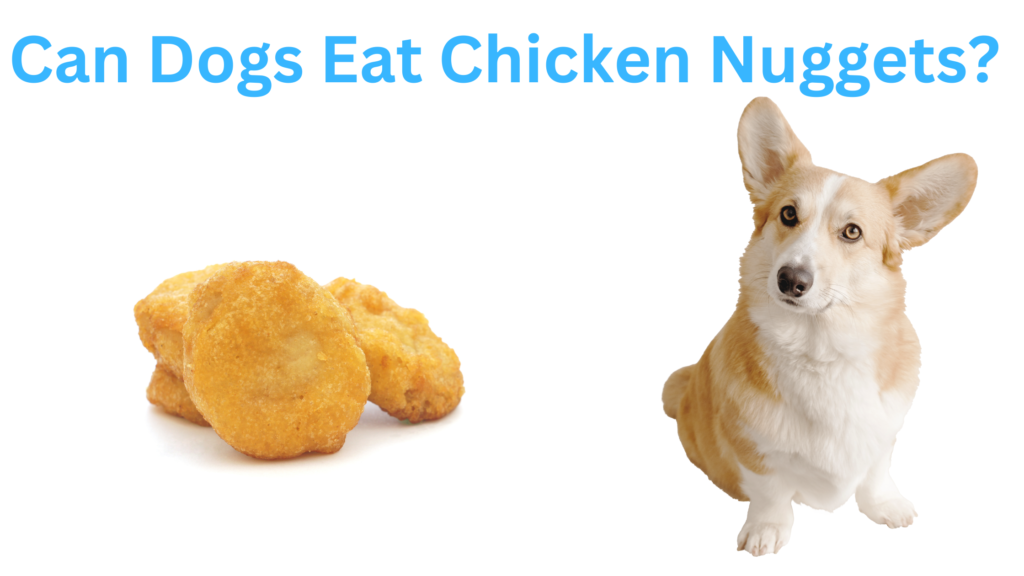
As a pet owner, you may wonder Can Dogs Eat Chicken Nuggets? After all, dogs are known to have curious taste buds and may beg for a share of your fast food treat.
However, it’s essential to understand that not all human foods are safe for dogs, including chicken nuggets.
This article will explore whether dogs can eat chicken nuggets, discuss the potential risks, and provide important information for responsible pet ownership.
Are Chicken Nuggets Bad for Dogs?
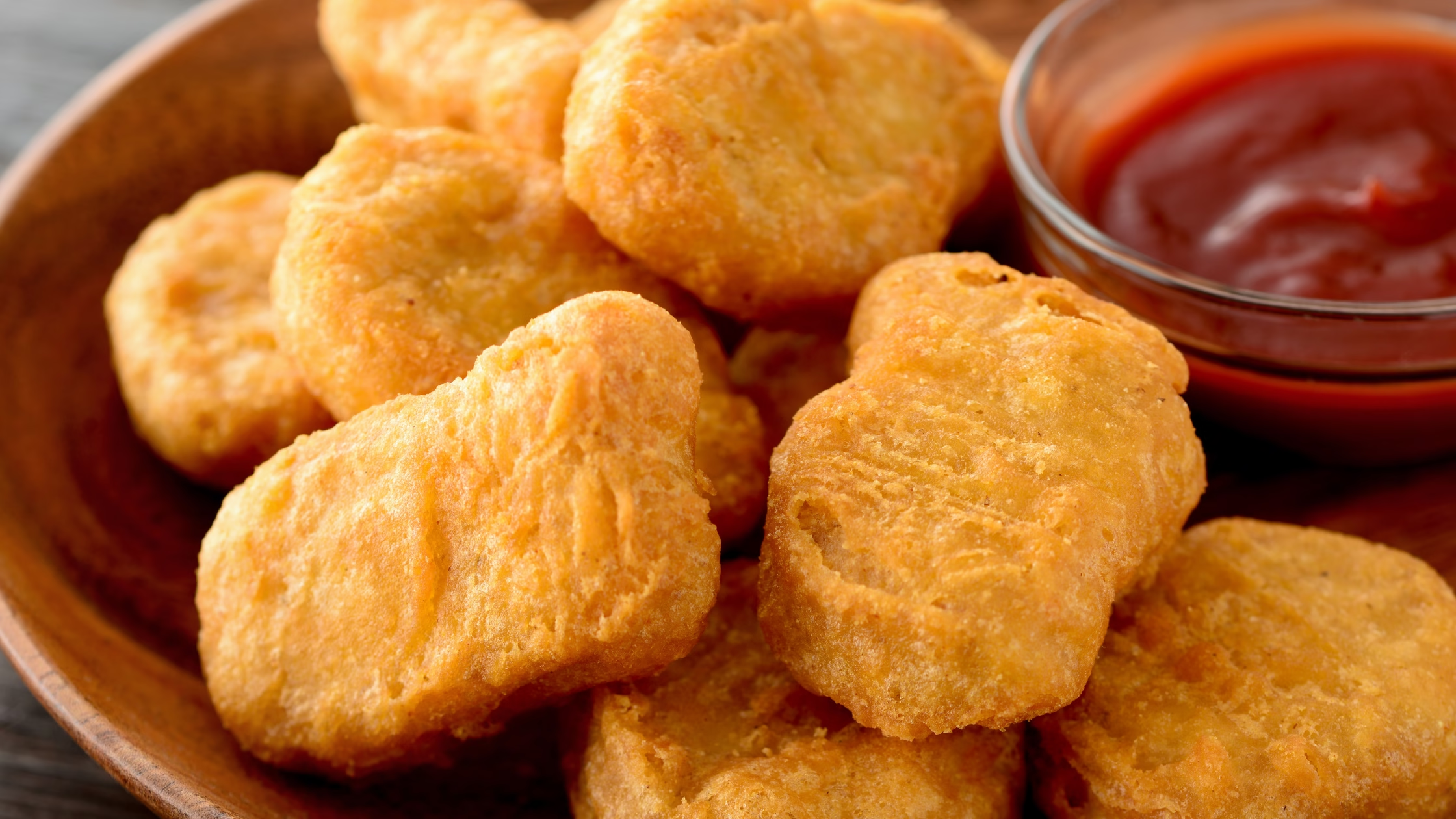
Yes, chicken nuggets can be bad for dogs. While they may be a popular human food, chicken nuggets can harm your furry friend’s health.
Chicken nuggets from fast food chains or homemade ones are often high in sodium, unhealthy fats, preservatives, and artificial additives, which are not suitable for dogs.
These ingredients can lead to digestive issues, obesity, and other health problems in dogs.
Additionally, chicken nuggets’ breading and frying process can make them high in calories and difficult for dogs to digest properly.
It’s best to avoid feeding chicken nuggets to your dog and choose healthier treat options specifically formulated for their nutritional needs.
Always prioritize your dog’s health and consult your veterinarian if you have any concerns about your dog’s diet.
Can dogs Eat Chicken Nuggets? Understanding the Risks
Can Dogs Eat Chicken Nuggets?
As much as dogs may be tempted by the taste of chicken nuggets, it’s important to understand the risks involved.
Chicken nuggets are not recommended for dogs due to several reasons.
First, they are often high in sodium, unhealthy fats, preservatives, and artificial additives, which can harm your dog’s health. These ingredients can cause digestive issues, obesity, and other health problems in dogs.
Moreover, chicken nuggets’ breading and frying process can make them difficult for dogs to digest properly.
The high-calorie content of chicken nuggets can also contribute to weight gain in dogs, leading to obesity and related health issues such as joint problems and heart disease.
In addition to the nutritional concerns, there are potential hazards associated with feeding dogs chicken nuggets.
The breading can pose a choking hazard or cause gastrointestinal blockages if consumed in large quantities.
Furthermore, suppose the chicken nuggets are seasoned with spices or herbs. In that case, they can potentially be toxic to dogs, as certain seasonings may harm or irritate their digestive system.
It’s crucial to prioritize your dog’s health and well-being by providing them with a balanced and appropriate diet that meets their nutritional needs.
It’s best to avoid feeding chicken nuggets to your dog and opt for healthier treat options specifically formulated for dogs.
Suppose you have any concerns or questions about your dog’s diet. In that case, it’s always best to consult your veterinarian for professional advice.
Chicken Nuggets and Your Dog’s Health: What You Should Know
Knowing the potential risks of feeding your dog chicken nuggets is important for your dog’s health. While chicken nuggets may be a popular fast food treat for humans, they are unsuitable for dogs.
Chicken nuggets can be high in sodium, unhealthy fats, preservatives, and artificial additives, leading to various health problems in dogs.
Unhealthy fats, such as trans fats and excessive saturated fats, found in chicken nuggets can lead to weight gain, obesity, and related health issues in dogs, such as joint problems and heart disease.
The high sodium content in chicken nuggets can harm dogs, contributing to dehydration, increased thirst, and elevated blood pressure.
Preservatives and artificial additives used in processed foods like chicken nuggets may also cause digestive issues in dogs, including upset stomach, diarrhea, and vomiting.
Furthermore, chicken nuggets’ breading and frying process can make them difficult for dogs to digest properly. The high-calorie content of chicken nuggets can also lead to weight gain, a common health concern in dogs.
It’s important to remember that dogs have different nutritional requirements than humans. Feeding them human foods, such as chicken nuggets, can disrupt their balanced diet and potentially harm their health.
To keep your dog healthy, it’s best to avoid feeding them chicken nuggets and opt for dog-specific treats formulated to meet their nutritional needs.
Always consult your veterinarian for guidance on your dog’s diet and to ensure they receive the appropriate nutrition for their overall health and well-being.
Puppy-Specific Considerations: Can Puppies Eat Chicken Nuggets?
Puppies have specific dietary requirements that differ from adult dogs, and it’s important to be cautious about feeding them chicken nuggets.
While puppies may be curious and eager to sample human foods, including chicken nuggets, feeding them this type of food is generally not recommended.
Puppies have delicate stomachs that are still developing. Feeding them foods not specifically formulated for their nutritional needs can cause digestive upset, diarrhea, and other health issues.
Chicken nuggets can be high in sodium, unhealthy fats, preservatives, and artificial additives, which can harm the developing digestive system of puppies.
In addition, the breading and frying process used in chicken nuggets can make them difficult for puppies to digest properly.
The high-calorie content of chicken nuggets can also contribute to rapid weight gain in puppies, leading to skeletal issues and other health problems later in life.
It’s crucial to provide puppies with a well-balanced and appropriate diet for their age, size, and breed. Prioritizing their health and nutrition during their early stages of life is vital for their overall well-being as they grow into adult dogs.
Please consult your veterinarian to determine the best diet plan for your puppy and avoid feeding them chicken nuggets or other human foods that may not be suitable for their developing bodies.
Can dogs eat McDonald’s chicken nuggets?
Feeding dogs McDonald’s chicken nuggets or other human fast food is not recommended. While dogs may show interest in these foods due to their appealing smell and taste, they are inappropriate for a dog’s diet.
Like many fast food items, McDonald’s chicken nuggets are typically high in sodium, unhealthy fats, preservatives, and artificial additives.
These ingredients can cause digestive upset, dehydration, weight gain, and other health issues in dogs. Additionally, the breading and frying process used in fast food chicken nuggets can make them difficult for dogs to digest properly.
Feeding your dog McDonald’s chicken nuggets or other fast food items can disrupt their balanced diet, potentially leading to nutritional imbalances and health problems.
It’s important to prioritize your dog’s health and provide them with a well-balanced and nutritionally appropriate diet that meets their needs.
Responsible pet ownership includes making informed choices about your dog’s diet and providing them with a healthy and balanced diet tailored to their needs.
Instead of fast food, choose dog-specific treats to meet your dog’s nutritional requirements.
Always consult your veterinarian for guidance on your dog’s diet and to ensure they receive the appropriate nutrition for their overall health and well-being.
Can dogs eat KFC nuggets?
Feeding dogs KFC (Kentucky Fried Chicken) nuggets or other human fast food, including those from KFC, is not recommended.
While dogs may be tempted by the smell and taste of these foods, they are not suitable for a dog’s diet.
Like many fast food items, KFC nuggets are typically high in sodium, unhealthy fats, preservatives, and artificial additives.
These ingredients can cause digestive upset, dehydration, weight gain, and other health issues in dogs. Additionally, the breading and frying process used in fast food nuggets can make them difficult for dogs to digest properly.
Feeding your dog KFC nuggets or other fast food items can disrupt their balanced diet, potentially leading to nutritional imbalances and health problems.
It’s important to prioritize your dog’s health and provide them with a well-balanced and nutritionally appropriate diet that meets their needs.
Responsible pet ownership includes making informed choices about your dog’s diet and providing them with a healthy and balanced diet tailored to their needs. Instead of fast food, choose dog-specific treats to meet your dog’s nutritional requirements.
Always consult your veterinarian for guidance on your dog’s diet and to ensure they receive the appropriate nutrition for their overall health and well-being.
Can dogs eat McDonald’s fries?
While it’s best to avoid feeding dogs human fast food, including McDonald’s fries, as they are not nutritionally appropriate for dogs. McDonald’s fries are high in sodium, unhealthy fats, and other artificial additives, which can cause digestive upset, dehydration, weight gain, and other health issues in dogs.
Additionally, McDonald’s fries are often deep-fried in oil, which can be difficult for dogs to digest properly and may lead to gastrointestinal problems. The high salt content in these fries can also harm dogs, disrupting their electrolyte balance and leading to health issues such as excessive thirst, urination, and even sodium toxicity.
It’s important to prioritize your dog’s health and provide them with a well-balanced and nutritionally appropriate diet that meets their needs.
Instead of McDonald’s fries or other fast food items, choose dog-specific treats to meet your dog’s nutritional requirements.
Always consult your veterinarian for guidance on your dog’s diet and to ensure they receive the appropriate nutrition for their overall health and well-being.
Responsible pet ownership includes making informed choices about your dog’s diet and providing them with a healthy and balanced diet tailored to their needs.
What to Do If Your Dog Eats Chicken Nuggets: Signs of Illness
Suppose your dog has accidentally consumed chicken nuggets or any other human food. In that case, monitoring them closely for any signs of illness is important. Here are some signs that may indicate your dog is experiencing an adverse reaction to chicken nuggets or other human foods:
Digestive Upset: Chicken nuggets are often high in fat and may cause gastrointestinal upset in dogs. Watch for symptoms such as vomiting, diarrhea, abdominal discomfort, excessive gas, or changes in bowel movements.
Lethargy: It could indicate an adverse reaction if your dog becomes unusually lethargic or lacks energy after consuming chicken nuggets.
Loss of Appetite: A sudden loss of appetite or refusal to eat their regular food may also indicate that your dog is experiencing digestive discomfort or an adverse reaction.
Increased Thirst or Urination: High sodium content in chicken nuggets can lead to increased thirst and urination in dogs. If you notice your dog drinking more water than usual or having more frequent urination, it may be a sign of an issue.
Behavioral Changes: Changes in behavior, such as restlessness, discomfort, or agitation, may also indicate that your dog is not feeling well after consuming chicken nuggets.
Suppose you notice any of these signs or have concerns about your dog’s health after consuming chicken nuggets or other human food. In that case, it’s important to contact your veterinarian for advice. They can provide guidance on potential risks, recommend appropriate treatment, and help you monitor your dog’s condition.
Prevention is key to avoiding potential health risks associated with feeding dogs human foods. It’s important to keep all human foods, including chicken nuggets, out of your dog’s reach and provide them with a well-balanced and nutritionally appropriate diet that meets their needs. Remember that responsible pet ownership includes being mindful of your dog’s diet and seeking veterinary advice if you have concerns about their health.
Alternatives to Chicken Nuggets for Dogs: Healthy Treat Options
Suppose you’re looking for healthy treat options for your dog that are safer and more suitable for their dietary needs. In that case, there are plenty of alternatives to chicken nuggets. Here are some healthy treat options that you can consider:
Dog-Specific Treats: Numerous commercially available dog treats with balanced nutrition and appropriate ingredients are specifically formulated for dogs. You can find dog treats in pet stores or online made from lean meats, fruits, vegetables, and whole grains. Look for treats made with high-quality, natural ingredients without artificial additives or excessive salt, sugar, or unhealthy fats.
Homemade Treats: Making homemade dog treats allows you to control the ingredients and ensures your dog gets a healthy and safe treat. You can make treats using dog-friendly ingredients such as lean meats (cooked and unseasoned), fresh fruits and vegetables, and whole grains like brown rice or oats. Always avoid using any ingredients that are toxic to dogs, such as chocolate, onions, or garlic.
Fresh Fruits and Vegetables: Many dogs enjoy fresh fruits and vegetables as treats. You can offer your dog small amounts of dog-safe fruits and vegetables such as carrots, cucumbers, apples (without seeds), blueberries, and strawberries. These can be a healthy and low-calorie alternative to processed treats. However, always wash and remove any seeds, pits, or parts that may pose a choking hazard or be toxic to dogs.
Dental Chews: Dental chews are tasty and beneficial for your dog’s health. These treats help clean your dog’s teeth, reduce plaque buildup, and freshen their breath. Look for dental chews specifically for dogs, and choose an appropriate size for your dog’s breed and age.
Always feed treats in moderation and consider your dog’s overall dietary needs when offering them. Treats should not exceed 10% of your dog’s daily caloric intake to prevent overfeeding and weight gain. Always consult your veterinarian for healthy treat options and appropriate portion sizes for your dog’s needs.
Risks of Breaded and Fried Foods for Dogs: Chicken Nuggets and Beyond
Breaded and fried foods, including chicken nuggets, can pose risks to dogs due to their high fat, salt, and calorie content and the potential for harmful additives and seasonings. Here are some risks associated with feeding breaded and fried foods to dogs:
High Fat Content: Breaded and fried foods are typically high in unhealthy fats, which can lead to weight gain and obesity in dogs. Consuming excessive amounts of fat can also cause digestive issues, such as upset stomach, diarrhea, or pancreatitis, a serious condition that inflames the pancreas.
High Sodium Content: Fast and processed foods, including chicken nuggets, are often loaded with salt and other sodium-containing additives. Dogs have much lower sodium requirements than humans. Excessive sodium can lead to dehydration, increased thirst, and potentially harmful effects on their hearts and kidneys.
Additives and Seasonings: Breaded and fried foods may contain additives, seasonings, or preservatives that can be harmful or toxic to dogs. For example, some chicken nuggets may contain onion or garlic powder, which is toxic to dogs and can cause digestive issues, anemia, or other health problems.
Risk of Choking or Obstruction: Chicken nuggets’ breading and crispy coating can pose a choking hazard for dogs, especially small breeds or dogs that gulp their food quickly without properly chewing. The fried coating can also increase the risk of gastrointestinal obstruction if ingested in large amounts, which may require surgical intervention to remove.
Poor Nutritional Value: Breaded and fried foods are generally low in nutritional value and do not provide the necessary nutrients that dogs need for their overall health and well-being. Regular consumption of these foods can lead to imbalanced nutrition and potential health issues in the long run.
It’s important to remember that dogs have different nutritional requirements than humans. Feeding them breaded and fried foods, including chicken nuggets, can be risky for their health.
It’s best to avoid feeding these types of foods to your dog and instead opt for healthier and more appropriate treat options specifically formulated for dogs.
Always consult your veterinarian for suitable foods for your dog’s diet and overall health.
As a responsible pet owner, it’s crucial to prioritize your dog’s health and safety when it comes to its diet.
While sharing human foods like chicken nuggets with your furry friend may be tempting, it’s important to understand the risks associated with feeding them these foods.
Breaded and fried foods, including chicken nuggets, can be high in fat, salt, and additives that can harm your dog’s health, leading to obesity, digestive problems, choking hazards, and poor nutrition.
To keep your dog safe and healthy, it’s best to stick to a balanced and nutritionally appropriate diet specifically formulated for dogs.
Plenty of healthy and dog-friendly treat options on the market are made with safe and beneficial ingredients for dogs.
Suppose you need to figure out the safety of any human food for your dog. In that case, it’s always best to consult your veterinarian for professional advice.
In conclusion, while chicken nuggets may be a tasty treat for humans, they are unsuitable for dogs due to their potential risks.
By being mindful of your dog’s dietary needs and avoiding feeding them breaded and fried foods, you can help ensure your furry friend stays safe, healthy, and happy for years.
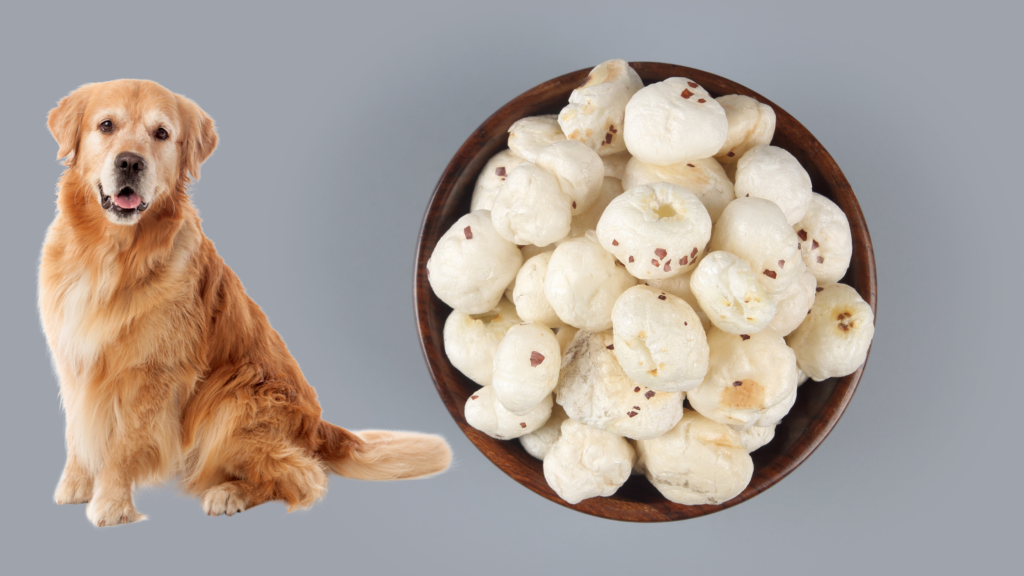
Can dogs eat makhana (Lotus Seeds)? Are you keen on munching on makhana, the famous Indian snack recognized for its crunchiness and nutty flavour?
If you are a dog owner, you will be curious whether you can share this delicious deal with your bushy buddy.
In this article, we’re going to discover the topic of whether or not puppies can properly eat makhana, additionally known as fox nuts or lotus seeds.
We’ll dive into its nutritional cost, ability risks and advantages and offer hints on how to feed makhana to your beloved dog accomplice competently.
So, let’s dig into this exciting query: Can dogs consume Lotus Seeds?
What is Makhana?
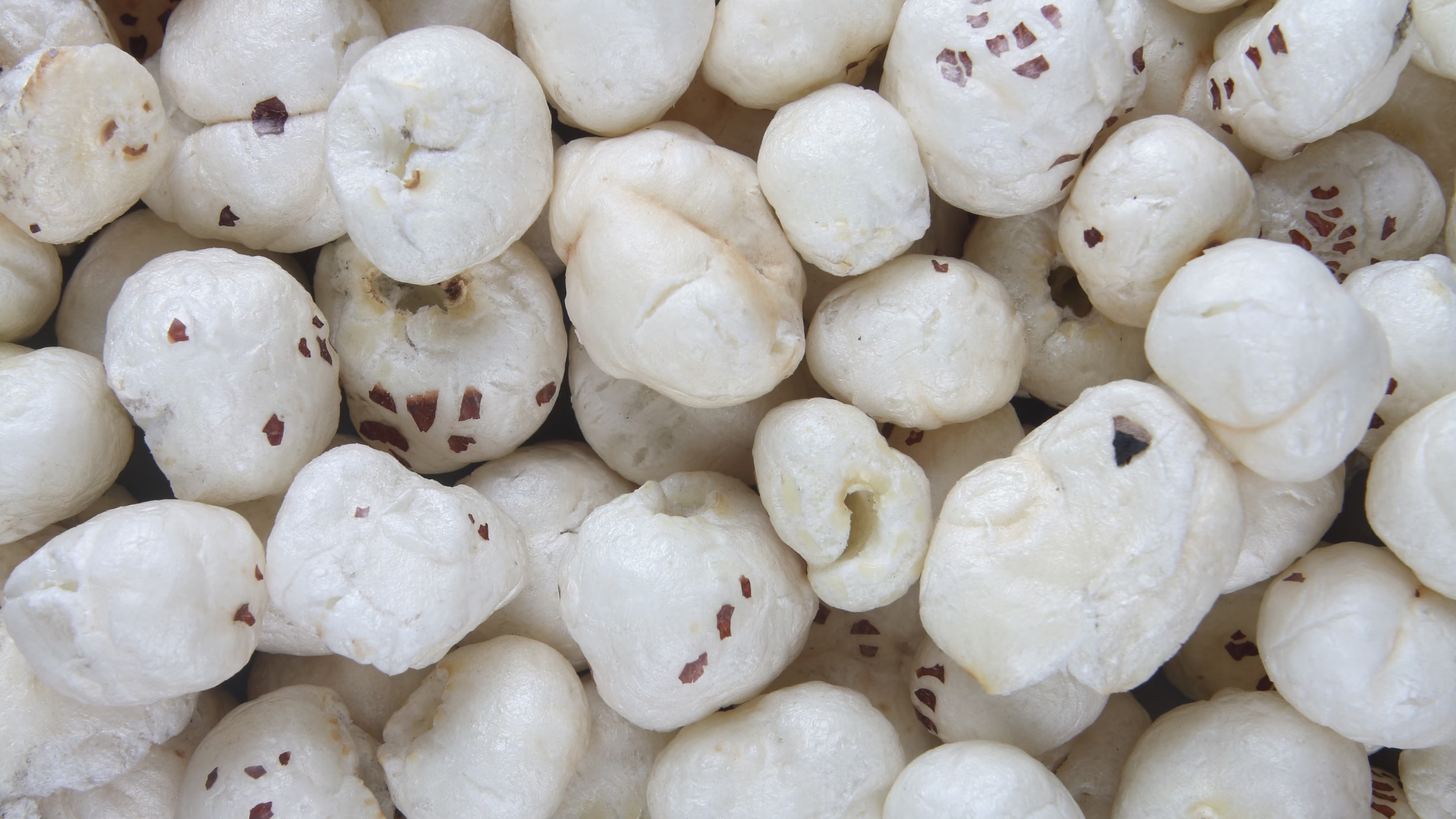
Makhana, called fox nuts or lotus seeds, is a popular snack in Indian cuisine.
It is derived from the seeds of the lotus flower, which can be harvested from the water lily flora that grows in stagnant water bodies, including ponds and lakes.
Makhana has been eaten up in India for centuries and is understood for its crunchy texture and nutty taste.
It is regularly utilized in diverse culinary preparations, along with sweets, puddings, curries, and snacks. Makhana is a healthy snack because of its low-calorie, high-protein, and high-fibre content.
It is also rich in minerals like magnesium, potassium, and phosphorus. It is regularly utilized in Ayurvedic medicinal drugs for its medicinal properties.
However, about feeding makhana to puppies, it is important to recall their nutritional needs, digestive device, and capacity for allergic reactions to ensure their safety.
Let’s discover, in addition, whether or not dogs can adequately eat makhana as a treat.
The safety of feeding makhana to puppies relies upon several factors. While makhana is typically considered safe for human consumption, it may not suit all dogs.
Remembering your dog’s character, nutritional desires, digestive system, and capacity for allergic reactions before feeding them makhana is crucial.
Here are some factors to recollect when determining whether dogs can consume makhana:
Digestive System: Dogs have unique digestive systems compared to people, and some meals which can be secure for us might not be appropriate for puppies. Makhana is a high-fibre food, and feeding it to dogs in excess may also purpose digestive issues together with diarrhoea, bloating, or upset belly.
Allergies: Dogs can have allergic reactions to certain ingredients, inclusive of makhana. Suppose your dog has not been exposed to makhana earlier. In that case, it’s pleasant to introduce it in small portions and screen for any signs and symptoms of allergic reactions, including itching, pores and skin rashes, vomiting, or diarrhoea.
Choking Hazard: Makhana is a hard and crunchy snack, and puppies may not chew it well, posing a choking threat. If you decide to feed your dog makhana, break it into small portions or overwhelm it to reduce the danger of choking.
High Sodium Content: Some commercially to-be-had makhana snacks can be flavoured or pro with high amounts of salt or different seasonings that may be dangerous to dogs. Excessive sodium intake can cause health troubles, including dehydration, electrolyte imbalance, and excessive blood pressure in dogs.
Nutritional Balance: Dogs have unique nutritional necessities, and makhana should no longer be a substitute for their simple, balanced food plan. It must only be considered an occasional deal with and fed in moderation.
Before feeding your dog makhana or any new meals, it’s essential to talk it over with your veterinarian. They can provide personal recommendations based on your canine’s needs, fitness condition, and dietary regulations.
In conclusion, while makhana can be a healthful and nutritious snack for people, it is critical to work out a warning while feeding it to puppies.
It’s best to talk with your veterinarian and recall your canine’s unique needs, potential hypersensitive reactions, and digestive system before treating makhana. Always introduce new foods regularly and display your dog for any damaging reactions.
Nutritional Value of Makhana for Dogs
When it involves the nutritional value of makhana for dogs, it is crucial to notice that makhana is an excessive-fibre food that is low in fat and cholesterol.
It also contains important minerals, like magnesium, potassium, and phosphorus, essential for typical fitness.
However, the specific nutritional value of makhana for dogs may vary depending on the shape in which it is fed, consisting of uncooked, roasted, or flavoured.
Here are a few ability nutritional benefits of makhana for puppies:
High Fiber: Makhana is rich in nutritional fibre that can aid digestion and sell healthy bowel moves in dogs. Fibre can also help modify blood sugar tiers and guide weight management.
Low in Fat and Cholesterol: Makhana is a low-fat and occasional-LDL cholesterol snack, which can be beneficial for dogs, particularly those on a restricted weight loss plan or with certain health situations, including weight problems or high cholesterol levels.
Essential Minerals: Makhana is a good source of crucial minerals like magnesium, potassium, and phosphorus that keep wholesome bones, muscle groups, and ordinary body functions in dogs.
Antioxidants: Makhana carries antioxidants, which can help neutralize dangerous free radicals in the frame and support common immune fitness in dogs.
It’s crucial to be aware that even as makhana can offer a few dietary blessings to dogs, it should no longer be considered an alternative to their ordinary balanced food plan.
Dogs have specific nutritional necessities, and makhana should most effectively be fed as an occasional deal and moderately.
As with any new meal or deal with, it’s crucial to visit your veterinarian earlier than feeding makhana on your canine.
They can offer customized advice based on your canine’s character desires, fitness situation, and dietary restrictions.
It’s additionally vital to monitor your dog for any signs and symptoms of allergic reactions, digestive problems, or negative reactions while introducing makhana or any new food into their weight-reduction plan.
In conclusion, makhana can be a source of dietary fibre, vital minerals, and antioxidants for puppies.
However, it needs to be fed moderately and as a part of a balanced diet, considering your dog’s precise dietary requirements and capacity health conditions.
Always seek advice from your veterinarian earlier than introducing any new food or treat in your canine’s weight loss program.
How to Safely Feed Makhana to Dogs
Feeding makhana to dogs may be performed properly using the following those tips:
Introduce Gradually: If your dog has never had makhana before, begin utilizing introducing it in small quantities. Monitor your dog for any signs of allergies, digestive troubles, or adverse reactions.
Choose Plain Makhana: Opt for undeniable, unsalted, and unflavored makhana on your canine. Avoid makhana snacks flavoured with excessive salt, seasonings, or additives, as those may be dangerous to puppies.
Roast or Dry Makhana: Roasting or drying makhana can make it less difficult for dogs to digest. Raw makhana can be hard and might pose a choking hazard. Roast or dry the makhana without introducing oils or seasonings, and ensure it is cooled before providing it to your dog.
Break into Small Pieces: Makhana can be tough and crunchy, so it’s essential to interrupt it into small portions or weigh it down to lessen the danger of choking. Avoid feeding complete makhana in your dog.
Monitor for Allergic Reactions: Keep an eye fixed out for any signs of allergies, consisting of itching, pores and skin rashes, vomiting, or diarrhoea, after feeding makhana on your canine. If negative reactions arise, discontinue feeding makhana and discuss with your veterinarian.
Moderation is Key: Makhana must be fed to dogs carefully as an occasional treat and no longer instead for their normal balanced food regimen. Too a lot makhana can purpose digestive issues or disrupt the nutritional balance of your dog’s weight-reduction plan.
Consult with Your Veterinarian: It’s continually great to visit your veterinarian before feeding makhana or any new meals on your canine. Your vet can provide personalized advice based on your canine’s needs, fitness situation, and nutritional regulations.
In conclusion, feeding makhana to puppies may be executed properly by introducing it step by step, choosing simple makhana, roasting or drying it, breaking it into small pieces, tracking for allergic reactions, feeding sparsely, and consulting together with your veterinarian.
As with any new meal or deal, prioritize your dog’s fitness and nicely-being and try to find professional advice while doubtful.
If you’re seeking out alternative treats or snacks for your dog rather than makhana, right here are a few options:
Carrot Sticks: Carrots are low in calories, high in fibre, and filled with critical nutrients and minerals. They make a crunchy and healthful opportunity to makhana for dogs, and many dogs revel in the herbal sweetness of carrots.
Apple Slices: Apples are every other healthful and coffee-calorie alternative for dogs. However, remove the seeds and middle, as they may be poisonous to dogs. Also, feed apples in moderation, as they incorporate natural sugars.
Blueberries: Blueberries are an excellent source of antioxidants, fibre, and nutrients for puppies. They make a tasty and nutritious alternative to makhana and can be fed clean or frozen as a refreshing treat.
Green Beans: Green beans are low in energy and high in fibre, making them a wholesome alternative for puppies. They may be fed cooked or raw, making a crunchy and pleasing dog treat.
Pumpkin: Pumpkin is a great supply of fibre, vitamins, and minerals for puppies. You can treat your dog with plain, cooked pumpkin or pumpkin puree (without added sugar or spices) or blend it with their normal meals for added vitamins.
Sweet Potato: Sweet potatoes are nutrient-rich and occasional in fat, making them a wholesome alternative to makhana. You can offer your dog cooked and mashed sweet potato as a treat or mix it with their food for delivered flavour and nutrition.
Plain Yogurt: Plain, unsweetened yoghurt may be an amazing source of probiotics and calcium for dogs. You can provide your canine with a small quantity of simple yoghurt as a deal or blend it with their meals for added digestive health advantages.
Always introduce new ingredients steadily and moderately, and visit your veterinarian before adjusting your canine’s weight-reduction plan.
Every dog has specific dietary desires, so it is vital to remember your canine’s particular health circumstance, age, and size while deciding on opportunity treats or snacks.
Conclusion
In conclusion, even as makhana may be a wholesome and safe deal for dogs while fed sparsely and prepared well, there also are numerous opportunity options that you could bear in mind.
Carrot sticks, apple slices, blueberries, inexperienced beans, pumpkin, sweet potato, and plain yoghurt are some examples of healthful and nutritious treats that can be presented to dogs as alternatives to makhana.
However, it is crucial to consider your canine’s Nutritional needs, health condition, and size. Prioritizing your canine’s fitness and well-being is key while selecting treats or snacks for your furry friend.
Consult your veterinarian before changing your dog’s weight-reduction plan or feeding new ingredients.
It makes sense for a dog owner to ponder whether human meals suit their four-legged buddy. Many households love gouda cheese, renowned for its distinctive flavor and creamy texture. So Can Dogs Eat Gouda Cheese?
The pros and cons of feeding gouda cheese to dogs will be discussed in this article, along with the cheese’s nutritional worth, potential health hazards, and the best ways to include it in your dog’s diet. Continue reading to find out if gouda cheese is safe for your dog.
The Nutritional Value of Gouda Cheese: What Does It Offer for Dogs?
Gouda Cheese
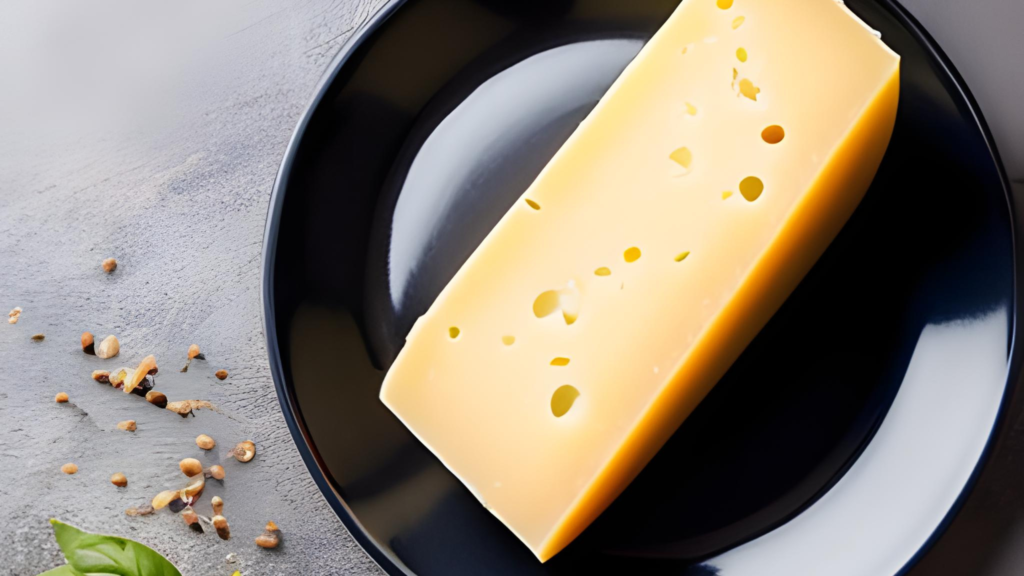
The famous cheese variation known as “Gouda” was first produced in the Netherlands and is renowned for having a particular flavor that is creamy and slightly sweet.
It is created from cow’s milk and has a semi-hard texture due to pressing and maturing.
But what nutritional benefits can gouda cheese provide for canines?
A good source of protein, a necessary ingredient for dogs, may be found in Gouda cheese. Protein is essential for overall growth and development in dogs and for constructing and maintaining their muscles, tissues, and organs.
Calcium, essential for healthy canine bones and teeth, is also included in gouda cheese. In addition, it contains vitamins A and B12, which are crucial for canines’ healthy nerves, metabolism, and vision.
In addition, gouda cheese has a high-calorie content compared to other foods, making it a calorie-dense food.
This may be advantageous for dogs who need more energy, such as working dogs or those with high levels of exercise.
But, it’s crucial to be aware of the calories in gouda cheese and ensure that it doesn’t cause dogs to gain weight excessively, as obesity can result in several health problems.
It’s important to remember that while gouda cheese has certain nutritional advantages for dogs, it shouldn’t be their primary food source.
Dogs have unique dietary needs best satisfied by balanced, complete dog foods specially developed for them.
Like all human foods, gouda cheese should be given to dogs sparingly and only as a special treat while keeping their general diet and state of health in mind.
In conclusion, gouda cheese can offer dogs certain nutritional benefits, especially protein, calcium, and vitamins.
However, it shouldn’t replace a balanced and complete dog food and should only be given to dogs in moderation.
Before adding any new food, including gouda cheese, to your dog’s diet, always speak with your veterinarian to be sure it is secure and appropriate for your pet.
Can Dogs Eat Gouda Cheese? Understanding the Risks and Hazards
It’s crucial to comprehend the possible dangers and risks of giving your dog gouda cheese as a responsible dog owner.
Although gouda cheese has certain nutritional advantages, it can also harm dogs. The high-fat content of Gouda cheese is one of the primary issues with feeding it to dogs.
Dogs may have trouble digesting gouda cheese since it contains a lot of fat, especially if they have a history of pancreatitis or other digestive problems.
Gouda cheese and other high-fat foods should not be consumed excessively as they may cause nausea, vomiting, diarrhea, and other gastrointestinal distress.
Gouda cheese can make lactose-intolerant dogs experience gastric distress, bloating, diarrhea, and abdominal pain.
Moreover, lactose, a form of sugar in milk, is present in gouda cheese, just like in all dairy products. Since many dogs lack the enzymes to break down lactose, eating lactose might upset their stomachs.
Gouda cheese is also heavy in sodium, which is bad for dogs, especially those with diseases like kidney or cardiac problems.
Dogs who consume too much sodium risk dehydration, elevated blood pressure, and other health issues.
It’s also critical to remember that gouda cheese, like different varieties of cheese, presents a risk of choking in dogs.
Due to its semi-hard texture, dogs may find it challenging to properly chew and swallow it, increasing their risk of choking or digestive tract obstruction.
In conclusion, gouda cheese has potential risks and hazards for dogs and some nutritional benefits. Gouda cheese should be fed to dogs with prudence, considering each animal’s unique dietary requirements, medical issues, and dairy product tolerance.
Before giving your dog gouda cheese or any other human food, it is always advisable to contact your veterinarian to make sure it is secure and suitable for their health and well-being.
Benefits of Feeding Gouda Cheese to Dogs: Protein, Calcium, and Other Nutrients
Gouda cheese can provide nutritional benefits when fed to dogs sparingly and carefully. Gouda cheese contains several essential components, some advantageous for dogs.
Protein
Protein is essential for developing and repairing tissues, supporting immune systems, and maintaining healthy skin and fur.
Protein may be found in Gouda cheese, crucial for dogs’ general health and well-being.
On the other hand, dogs have different protein requirements from humans, so it’s vital to ensure that their food offers a balanced and suitable amount of protein for their particular demands.
Calcium
Like other dairy products, gouda cheese is an excellent source of calcium, which is vital for the development of canine teeth and healthy bones.
Moreover, calcium is essential for blood clotting, muscle contraction, and neuron function.
It’s crucial to remember that certain dogs may experience health problems from an excessive calcium intake, and not all dogs can accept dairy products due to lactose intolerance.
Always consult your vet for advice on the proper calcium intake for your dog’s diet.
Other nutrients
Other necessary minerals in gouda cheese include phosphorous, vitamin B12, and vitamin A, which are crucial for several biological processes in dogs.
Phosphorus is required for maintaining strong bones and teeth, vitamin B12 is necessary for producing red blood cells and nerve function, and vitamin A is essential for maintaining good vision, the immune system, and skin.
It’s crucial to remember that while gouda cheese can have some nutritional advantages, dogs shouldn’t rely on it as their primary source of nutrients.
Dogs have unique dietary needs. Therefore, their diet should include balanced and complete dog food that satisfies those needs.
Gouda cheese and other human foods should be given to dogs with caution, in moderation, and after consulting your veterinarian to ensure it is secure and suitable for your dog’s specific dietary requirements.
How to Safely Feed Gouda Cheese to Your Dog: Best Practices and Moderation
It’s crucial to adhere to some best practices if you’re considering giving your dog gouda cheese to protect their health and well-being. The following advice will help you securely feed gouda cheese to your dog:
Moderation is key.
Like other cheeses, gouda can contain a lot of calories and fat.
Overfeeding your dog gouda cheese can result in weight gain, intestinal problems, and other health issues.
It’s crucial to remember that gouda cheese should only be given to your dog sometimes as a treat and a portion of a balanced and complete diet.
Watch for lactose intolerance.
Certain dogs could have trouble digesting lactose, the sugar present in milk, and dairy products like gouda cheese if they have lactose intolerance.
This may cause symptoms like gas, diarrhea, and stomach distress.
It is advised to refrain from giving your dog gouda cheese or any other dairy product if they have previously displayed symptoms of lactose intolerance or are known to be sensitive to dairy products.
Avoid additives and seasonings.
Several gouda cheese products sold commercially could have flavors, preservatives, and unsafe canine additives.
Check the ingredient label before giving your dog any cheese; stay with basic, unsalted gouda.
Avoid giving your dog gouda cheese that has been flavored, spiced, or has additional additives because they might be bad for their health.
Cut into small, bite-sized pieces.
To avoid choking dangers, if you give your dog gouda cheese, make sure it is chopped into little, bite-sized pieces.
Dogs might not thoroughly chew cheese, which increases the chance that they’ll swallow big chunks and suffocate.
To avoid any instances of choking, always keep an eye on your dog when they are eating gouda cheese.
Consult with your veterinarian.
Consult your veterinarian before introducing gouda cheese or other human food to your dog’s diet.
They can offer tailored guidance based on your dog’s individual health needs, age, size, and dietary preferences.
Your veterinarian can advise you on safe feeding procedures and the proper gouda cheese to feed your dog.
You can safely include gouda cheese in your dog’s diet as an occasional treat by following these best practices, feeding it to them sparingly, and feeding it with prudence.
Always put your dog’s health and well-being first, and ask your vet for individualized guidance.
Signs of Gouda Cheese Intolerance in Dogs: What to Look Out For
Understanding the symptoms of canine gouda cheese sensitivity is critical if you’re considering giving your dog gouda cheese.
While some dogs might be able to consume gouda cheese without any problems, others might react poorly.
Observe the following signs if you think your dog may be intolerant to gouda cheese:
Digestive issues
Dogs intolerant to gouda cheese may have digestive problems such as gas, bloating, diarrhea, or upset stomach.
These signs may appear immediately after consuming gouda cheese and may be an indication that lactose, the sugar present in dairy products like gouda cheese, is being tough for your dog’s digestive system to break down.
Vomiting
If they are lactose intolerant or allergic to other cheese ingredients, some dogs may vomit after eating gouda cheese.
Vomiting is a symptom of digestive distress and could mean your dog has trouble breaking down the gouda cheese.
Changes in behavior or appetite
Gouda cheese sensitivity in dogs can cause alterations in behavior or appetite.
They can feel lethargic, lose interest in meals, or refuse to eat.
These modifications might be brought on by digestive pain or other responses to the Gouda cheese.
Skin issues
Dogs intolerant to gouda cheese can develop skin conditions like rashes, itching, or redness. These signs could point to an allergy to one or more gouda cheese ingredients.
Increased thirst or urination
Due to the high salt content of gouda cheese, dogs may experience increased thirst and urination.
Your dog may be intolerant to gouda cheese if you observe that they drink more water than usual or urinate more frequently after eating it.
It’s crucial to stop feeding gouda cheese to your dog and seek advice from your veterinarian if you observe any of these symptoms or think your dog could be intolerant to it.
Your Vet can advise you on other treats or diet plans that suit your dog’s needs and help you establish whether gouda cheese is safe.
Always put your dog’s health and well-being first, and keep a close eye out for any indications that gouda cheese or other human food is causing your dog any discomfort or adverse reactions.
Conclusion: Making Informed Choices for Your Dog’s Diet
It’s essential to make educated decisions about your dog’s nutrition as a conscientious pet owner.
Although gouda cheese can be a wonderful treat for people, it’s critical to be aware of the dangers and risks involved with giving it to dogs.
Dogs, especially those lactose intolerant, may experience stomach problems or other adverse effects from eating gouda cheese because it contains lactose.
But gouda cheese may be safely tolerated in moderation by some dogs.
Understanding your dog’s specific nutritional requirements, medical issues, and food tolerance is critical when thinking about giving your dog gouda cheese or any other human food.
To find out if gouda cheese is safe for your dog and to receive individualized dietary advice, it is always advised to speak with your veterinarian.
Suppose you do want to give your dog gouda cheese. In that case, it’s crucial to do so sparingly and watch for any symptoms of intolerance or negative responses in your dog.
In general, it’s better to prioritize a balanced and complete diet designed for dogs and only occasionally, if ever, utilize human foods as rewards.
A variety of safe and wholesome dog treat options are available that can deliver the required nutrients without the potential hazards connected with human meals.
Always be cautious and knowledgeable when making dietary decisions for your dog, and put their health and well-being first.