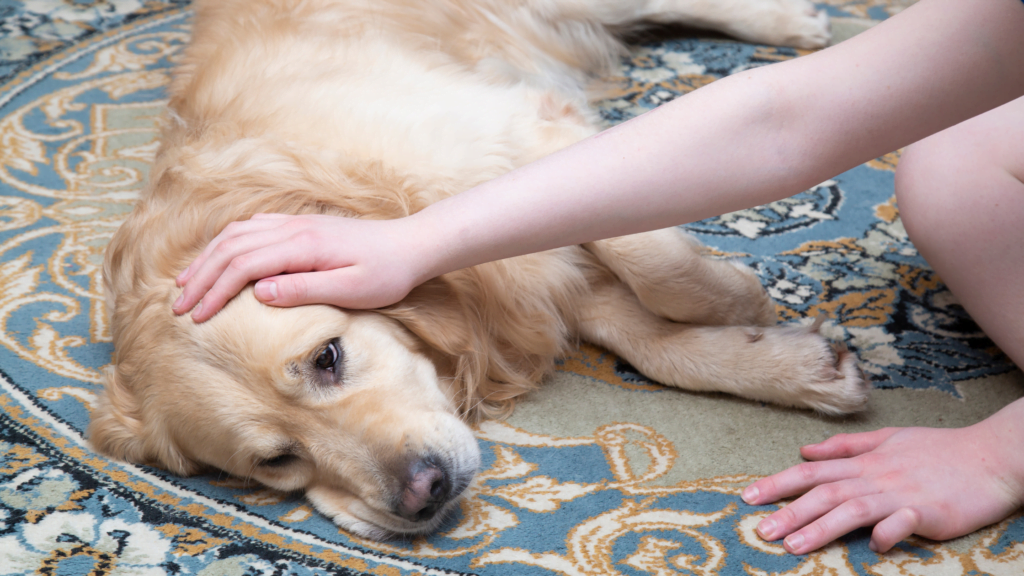
Canigest for Dogs Canigest is a supplement designed to support digestive health in dogs. This powerful formula is packed with natural ingredients that promote healthy digestion, reduce gas and bloating and support a healthy gut microbiome. In this article, we will discuss the benefits of Canigest for dogs and how it can help your furry friend stay healthy and happy.
Understanding Digestive Issues in Dogs
Digestive issues are common among dogs and can be caused by various factors, including poor diet, stress, and underlying health conditions. Some common signs of digestive issues in dogs include vomiting, diarrhea, constipation, and loss of appetite. These issues can be uncomfortable and even dangerous for dogs, so take steps to manage and prevent them. One tool many dog owners use to support their pet’s digestive health is Canigest, a supplement designed to promote healthy digestion in dogs. In this article, we’ll explore the benefits of Canigest for dogs and how it works to support digestive health.
What is Canigest paste for dogs?
What is Canigest paste for dogs
Canigest is a supplement designed to support digestive health in dogs. It contains a blend of probiotics, prebiotics, and digestive enzymes that work together to improve nutrient absorption, promote healthy gut flora, and aid digestion.
How Canigest for dogs Works
Canigest is a supplement formulated to support the digestive health of dogs. It contains a blend of natural ingredients such as probiotics, prebiotics, and digestive enzymes, which work together to maintain a healthy balance of gut flora, aid in digestion, and promote nutrient absorption. The probiotics in Canigest help to increase the population of beneficial bacteria in the gut, which can be beneficial in cases of digestive upset, while the prebiotics serves as a food source for these beneficial bacteria. Additionally, the digestive enzymes in Canigest break down food in the stomach and small intestine, making it easier for nutrients to be absorbed by the body.
Canigest is a digestive supplement designed to support digestive health in dogs. The supplement contains natural ingredients, including probiotics, prebiotics, and digestive enzymes, which work together to support healthy digestion.
One of the critical benefits of Canigest is that it helps to improve the breakdown and absorption of nutrients from food, which can be particularly beneficial for dogs with sensitive stomachs or digestive issues. It can also help to alleviate symptoms such as bloating, flatulence, and diarrhea.
Another benefit of Canigest is that it helps promote a healthy balance of gut bacteria, which is essential for maintaining overall digestive health. This is achieved by including prebiotics, which acts as food for beneficial bacteria in the gut, and probiotics, which introduce beneficial bacteria to the gut.
Overall, Canigest is a natural and effective way to support your dog’s digestive health and help them feel its best.
How to Use Canigest for dogs
To use Canigest for dogs, follow the instructions on the package carefully. The dosage will depend on the size and weight of your dog, as well as the severity of its digestive issues. In general, Canigest is given orally with food and should be administered once or twice a day.
It’s important to note that Canigest is not a substitute for veterinary care. Suppose your dog is experiencing severe digestive issues or other symptoms. It’s essential to consult with your veterinarian to determine the underlying cause and appropriate treatment. Canigest is meant to be used as a supplement to support digestive health and may not be effective in treating more severe conditions.
Suppose you need clarification on whether Canigest is suitable for your dog. It’s always best to consult your veterinarian before starting new supplements or treatments. They can help you determine the best action for your dog’s needs.
Canigest is generally considered safe for use in dogs when used as directed. However, as with any supplement or medication, there is a risk of side effects or allergic reactions.
Some dogs may experience digestive upset, such as vomiting or diarrhea when taking Canigest. If these symptoms persist or are severe, it is important to discontinue use and consult a veterinarian.
It is also essential to carefully follow the recommended dosage instructions, as giving too much Canigest can lead to potential health problems. Additionally, Canigest is not recommended in pregnant or lactating dogs without veterinary supervision.
Suppose you have any concerns about using Canigest for your dog. In that case, it is always best to consult your veterinarian first. They can help you determine if Canigest is appropriate for your dog and advise how to use it to ensure your dog’s safety and health.
The Great Dane Blue Heeler Mix, also known as the Great Heeler, is a unique hybrid dog resulting from the crossbreeding of a Great Dane and a Blue Heeler. With its large size and energetic personality, this mix has become increasingly popular among dog owners in recent years. This article will examine this fascinating breed’s characteristics, care, and training.
Characteristic
Description
Size
Large
Height
22-32 inches
Weight
60-110 pounds
Life Span
8-14 years
Coat
Short, dense, and shiny
Coat Colors
Blue, black, brindle, or a combination of these colors
Grooming Needs
Moderate
Temperament
Affectionate, loyal, intelligent, protective
Training Needs
Moderate
Exercise Needs
High
Health Concerns
Hip dysplasia, bloat, deafness, eye problems
Food/Diet Needs
3-4 cups of high-quality dry dog food per day, divided into two meals
Price
$500-$1500
Great Dane Blue Heeler Mix
The Blue Heeler: A Overview
The Blue Heeler
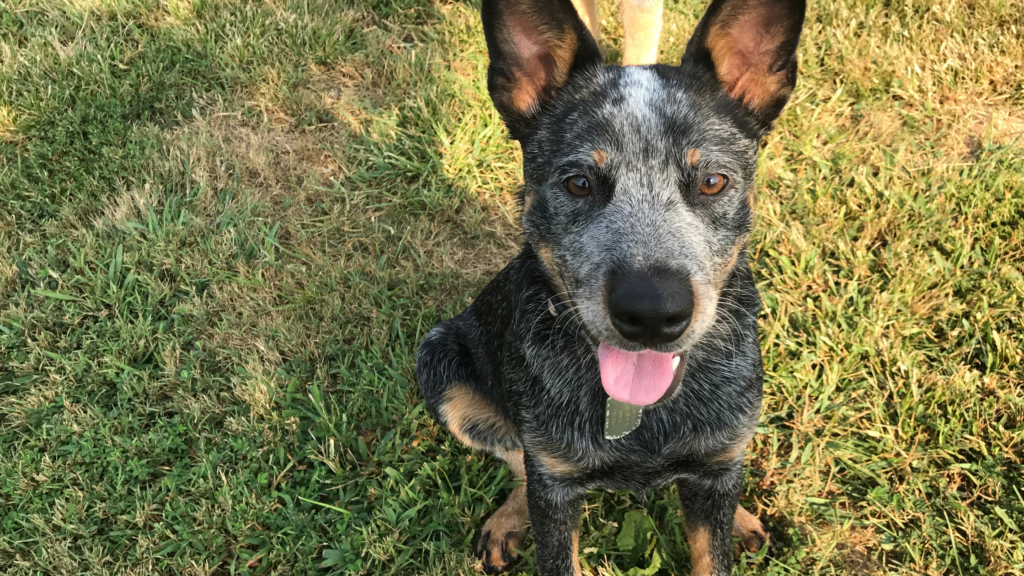
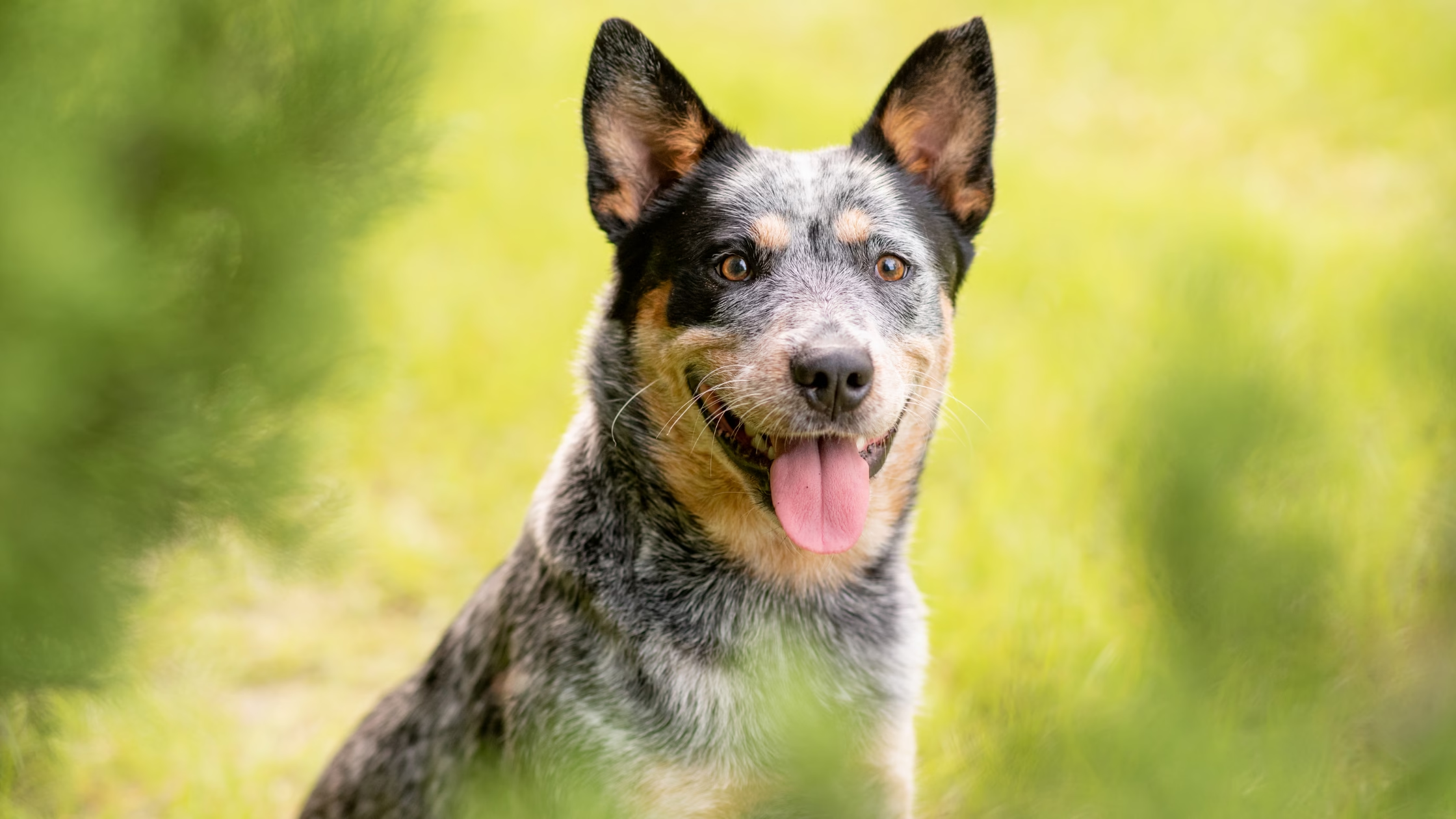
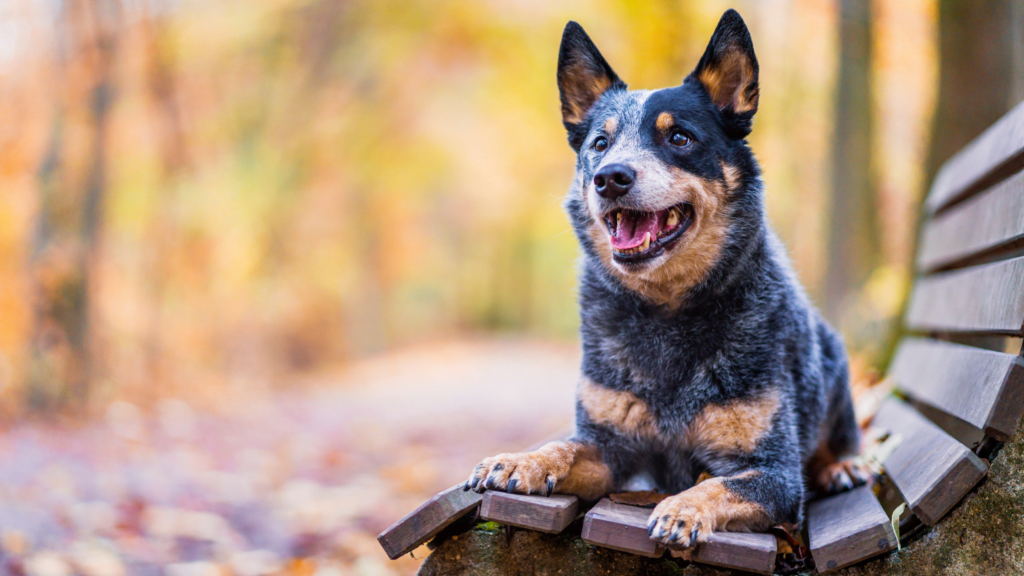
The Blue Heeler, or the Australian Cattle Dog, is a medium-sized breed originally bred for herding cattle in Australia. The breed was created in the 1800s by crossing various British herding breeds with the native Australian Dingo.
The result was a hard-working, intelligent, and energetic dog capable of working long hours in harsh conditions. Today, Blue healers are still used for herding. Still, they are also popular as family pets due to their loyalty, trainability, and affectionate nature.
They are known for their striking blue or red coat and their distinctive “heeler” trait, where they nip at the heels of cattle to herd them. Blue Heelers are a high-energy breed requiring plenty of exercises and mental stimulation to keep them happy and healthy.
They are known for their intelligence and problem-solving abilities, which can sometimes get them into mischief if they need to be adequately trained and socialized.
The Great Dane is a majestic, imposing breed often called the “Apollo of Dogs.” Originally from Germany, the Great Dane was bred as a hunting dog and later as a guard dog. Today, they are known for their gentle and affectionate nature, as well as their impressive size. Great Danes can grow up to 32 inches tall at the shoulder and weigh up to 175 pounds. They have a short, smooth coats in various colors, including fawn, brindle, and black. Great Danes are known for being great with children and other pets despite their size.
Characteristics of the Great Dane Blue Heeler Mix
The Great Dane Blue Heeler Mix is a hybrid breed that combines the traits of the Great Dane and the Blue Heeler. As a result, this breed can exhibit a wide range of physical and behavioral characteristics.
In terms of appearance, the Great Dane Blue Heeler Mix can have a lean, muscular body. This is combined with the height of a Great Dane and the sturdy build of a Blue Heeler. The coat can be short or medium and typically comes in various colors, including black, blue, brindle, and white.
In terms of temperament, the Great Dane Blue Heeler Mix can be a friendly breed, much like both parent breeds. They are typically intelligent, loyal, and protective of their family, making them excellent guard dogs. However, they can also be independent and strong-willed, which may require an experienced dog owner.
The Great Dane Blue Heeler Mix is also known for its high energy levels. It requires regular exercise and mental stimulation to stay healthy and happy. This breed may need to be more suitable for apartment living due to its size and energy levels.
Overall, the Great Dane Blue Heeler Mix can make an excellent addition to a loving and active family with the time and resources to provide them with the proper care and training they need.
Great Dane Blue Heeler Mix Life span
The life span of a Great Dane Blue Heeler Mix ranges from 8 to 14 years, depending on factors such as genetics, diet, exercise, and overall health care.
While some may live longer, others may be affected by certain health issues that can shorten their life span.
Therefore, it is important for potential owners to be aware of these health concerns and take preventative measures to ensure their pet lives a healthy and happy life.
The physical appearance of the Great Dane Blue Heeler Mix
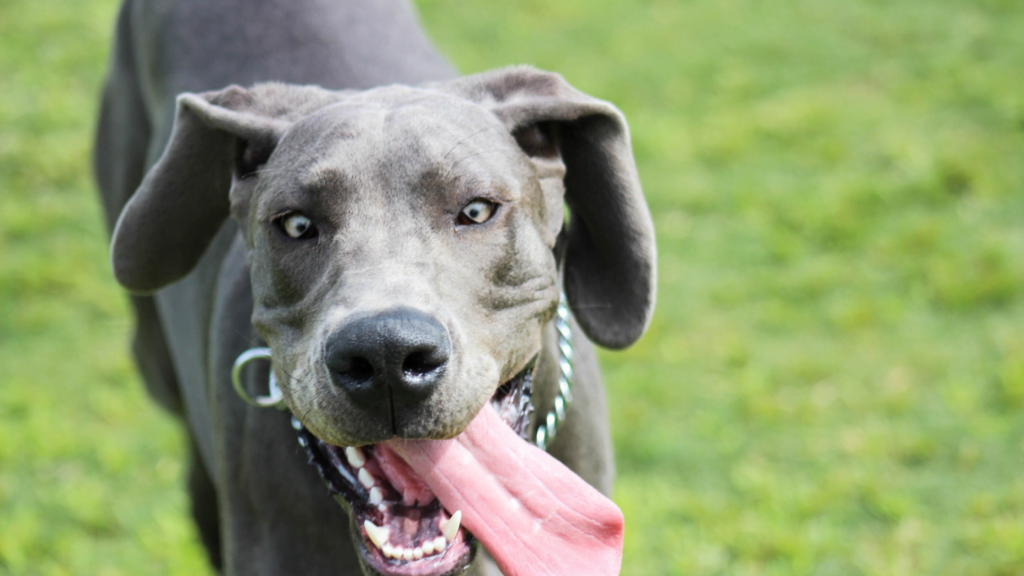
The Great Dane Blue Heeler Mix is a large dog that typically grows between 22 and 32 inches (56 to 81 cm) tall at the shoulder and can weigh anywhere from 60 to 110 pounds (27 to 50 kg).
As a mixed breed, the physical appearance of the Great Dane Blue Heeler Mix can vary widely depending on the traits inherited from each parent. They have a muscular build with a deep chest, broad head, and pointed ears that may stand erect or flop over.
Their coat is usually short and dense, with various colors, including blue, black, brindle, or a combination of these. The Great Dane Blue Heeler Mix has a distinctive appearance, making it stand out from other dog breeds.
Personality and Temperament of the Great Dane Blue Heeler Mix
The Great Dane Blue Heeler Mix is known for its affectionate and loyal personality. They are brilliant and love to please their owners, making them easy to train. They are also protective of their family and make excellent watchdogs.
Due to their Great Dane and Blue Heeler heritage, they may have a high prey drive and be inclined to chase smaller animals. Early socialization and training can help mitigate these tendencies.
They are gentle with children and make great family pets. They are also highly active and require daily exercise to prevent boredom and destructive behaviors.
Overall, the Great Dane Blue Heeler Mix is a devoted and energetic companion that requires a committed owner willing to meet their physical and mental needs.
Training and exercise for the Great Dane Blue Heeler Mix
Training and exercise are crucial for the Great Dane Blue Heeler Mix. They are a high-energy breed that requires mental and physical stimulation to stay happy and healthy. Positive reinforcement training methods work best for this mix, as they respond well to praise and treats.
Socialization is also necessary for this breed, as they can be prone to separation anxiety and may become destructive if left alone for long periods. Taking your Great Dane Blue Heeler Mix to puppy classes and exposing them to various people and animals can help prevent these issues.
As for exercise, this breed requires at least one hour of vigorous daily activity, such as running, playing fetch, or accompanying on long walks. Mental stimulation is also necessary, so incorporating puzzle toys, obedience training, and other mentally stimulating activities can help keep them occupied.
It’s critical to note that while exercise is essential, it’s also important not to over-exercise this breed, especially during the first year of their life when their bones are still developing. Too much exercise can lead to joint problems later in life. A veterinarian or dog trainer can help determine the amount of activity for your Great Dane Blue Heeler Mix.
Health Concerns for the Great Dane Blue Heeler Mix
Like all mixed breed dogs, the Great Dane Blue Heeler mix can be prone to inheriting health issues from their parent breeds. Some health concerns to be aware of include the following:
Hip Dysplasia: Both Great Danes and Blue Heelers are susceptible to hip dysplasia. The hip joint doesn’t develop properly in this condition, leading to discomfort and mobility issues.
Bloat: Great Danes are also prone to bloat, where the stomach twists, trapping air and preventing normal digestion. This can be life-threatening if not treated quickly.
Deafness: Blue Heelers can carry a gene that leads to deafness, so it’s essential to have their hearing tested as puppies.
Eye issues: Great Danes can be prone to eye problems, such as cataracts, progressive retinal atrophy, and glaucoma.
Joint Problems: Given the size of the Great Dane, they can be prone to common issues like arthritis, especially as they age.
To prevent or manage these health issues, it’s essential to feed your Great Dane Blue Heeler mix a healthy diet, provide regular exercise, and take them to the vet for regular checkups. You should also watch for discomfort or illness and seek veterinary care promptly if you notice anything concerning.
Feeding and Grooming the Great Dane Blue Heeler Mix
Feeding and grooming are essential aspects of caring for any dog, and the Great Dane Blue Heeler Mix is no exception.
Feeding:
Feeding your Great Dane Blue Heeler Mix high-quality dog food appropriate for their age, size, and activity level is essential. They may have specific dietary needs based on their health concerns or allergies, so it’s always a good idea to consult a veterinarian about the best diet for your dog. It’s also essential to ensure that your dog has access to clean water.
Grooming:
The Great Dane Blue Heeler Mix has a short, dense coat that is relatively easy to maintain. They require regular brushing to remove loose hair and prevent matting, but they must only be bathed occasionally.
They may need more frequent baths if they spend much time outdoors or get dirty. It’s also essential to keep their nails trimmed and their ears clean to prevent infections.
Additionally, dental hygiene is critical for all dogs, including the Great Dane Blue Heeler Mix. It would help if you brushed their teeth regularly or provided dental chews or toys to help keep their teeth clean and healthy.
Regular grooming and feeding practices can help keep your Great Dane Blue Heeler Mix healthy and happy for years.
Great Dane Blue Heeler Mix price
The price of a Great Dane Blue Heeler Mix can vary depending on factors such as the location, the breed’s availability, and the breeder’s reputation. It is essential to be wary of breeders who offer puppies at meager prices or without proper health clearances.
Great Dane Blue Heeler Mix puppies can cost anywhere from a few hundred to a few thousand dollars. Adopting a Great Dane Blue Heeler Mix from a rescue or shelter is also possible, which is often a more affordable option.
Is a Great Dane Blue Heeler Mix Right for You?
If you are considering adding a Great Dane Blue Heeler mix to your family, it’s important to ponder whether this breed is the right fit for you. This crossbreed can be a great companion for the right owner, but there may be better fits for some.
One crucial factor to consider is the size of the Great Dane Blue Heeler mix. This breed can be quite large and may only be suitable for those living in smaller homes or apartments with ample space for exercise and play.
Additionally, the Great Dane Blue Heeler mix may not be a good fit for those who cannot dedicate time and effort to training and socialization. These dogs can be energetic and require regular exercise, mental stimulation, and proper training to manage their strong personalities.
Overall, the Great Dane Blue Heeler mix can be a loyal and affectionate companion for those who will provide them with the proper care and attention they need. Researching and carefully considering whether this breed fits your lifestyle is essential before deciding.
Where to Find a Great Dane Blue Heeler Mix
Suppose you’re interested in getting a Great Dane Blue Heeler Mix. In that case, finding a reputable breeder or adoption agency is essential. One option is to search for breeders online or on social media platforms.
Still, it’s necessary to thoroughly research the breeder and ask for references and health clearances for the parents. You can also check with local animal shelters or rescue groups to see if they have any Great Dane Blue Heeler Mixes available for adoption.
Some organizations also specialize in rescuing specific breeds, so it’s worth checking with breed-specific rescue groups. Additionally, attending dog shows or events can be a great way to meet breeders and other owners of Great Dane Blue Heeler Mixes and learn more about the breed.
The German Shepherd Chihuahua Mix is a crossbreed between a purebred German Shepherd and a purebred Chihuahua. This unique breed has grown in popularity in recent years as more and more dog lovers discover their lovable and loyal nature.
This article will explore the origins and history of the German Shepherd Chihuahua Mix and their physical and personality traits, health issues, and care requirements. We will also provide tips for training, exercise, finding a reputable breeder or adopting from a rescue or shelter. Whether you’re already a proud owner of a German Shepherd Chihuahua Mix or are considering adding one to your family, this article will provide valuable insights and information to help you make informed decisions about your furry companion.
Breed Name
German Shepherd Chihuahua Mix
Size
Small to medium-sized
Weight
10-70 pounds (depending on breeding)
Height
7-26 inches (depending on breeding)
Coat
Short to medium length, may be double-coated
Coat Colors
Black, brown, cream, white, gray, and various combinations
Lifespan
10-14 years
Temperament
Intelligent, loyal, affectionate, can be protective and high-energy
Trainability
High
Exercise Needs
Moderate to high
Grooming Needs
Moderate
Common Health Issues
Hip dysplasia, dental problems, allergies, patellar luxation
Price Range
$500-$2000 (depending on breeder and lineage)
German Shepherd Chihuahua Mix
Origins and History of German Shepherd Chihuahua Mix
The German Shepherd Chihuahua Mix is a relatively new breed created by crossing a purebred German Shepherd with a purebred Chihuahua. While the exact origin of the species is unknown, it is believed to have originated in the United States during the 1990s, when designer dog breeding became popular.
German ShepherdDog
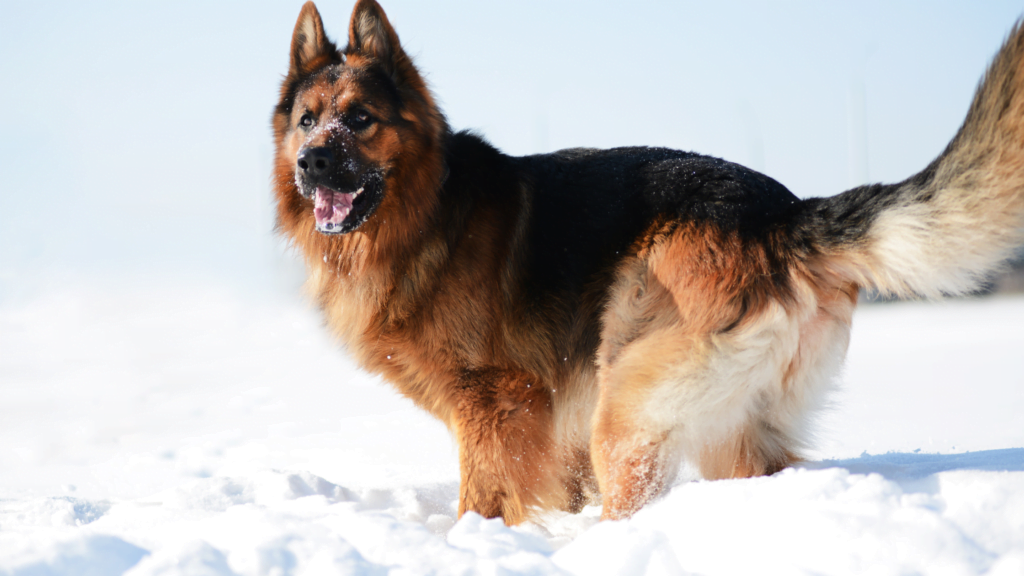
The German Shepherd is a breed that originated in Germany in the late 19th century, initially bred as a herding dog. They have since become famous as police, military dogs, and family pets. They are known for their intelligence, loyalty, and protective instincts.
ChihuahuaDog
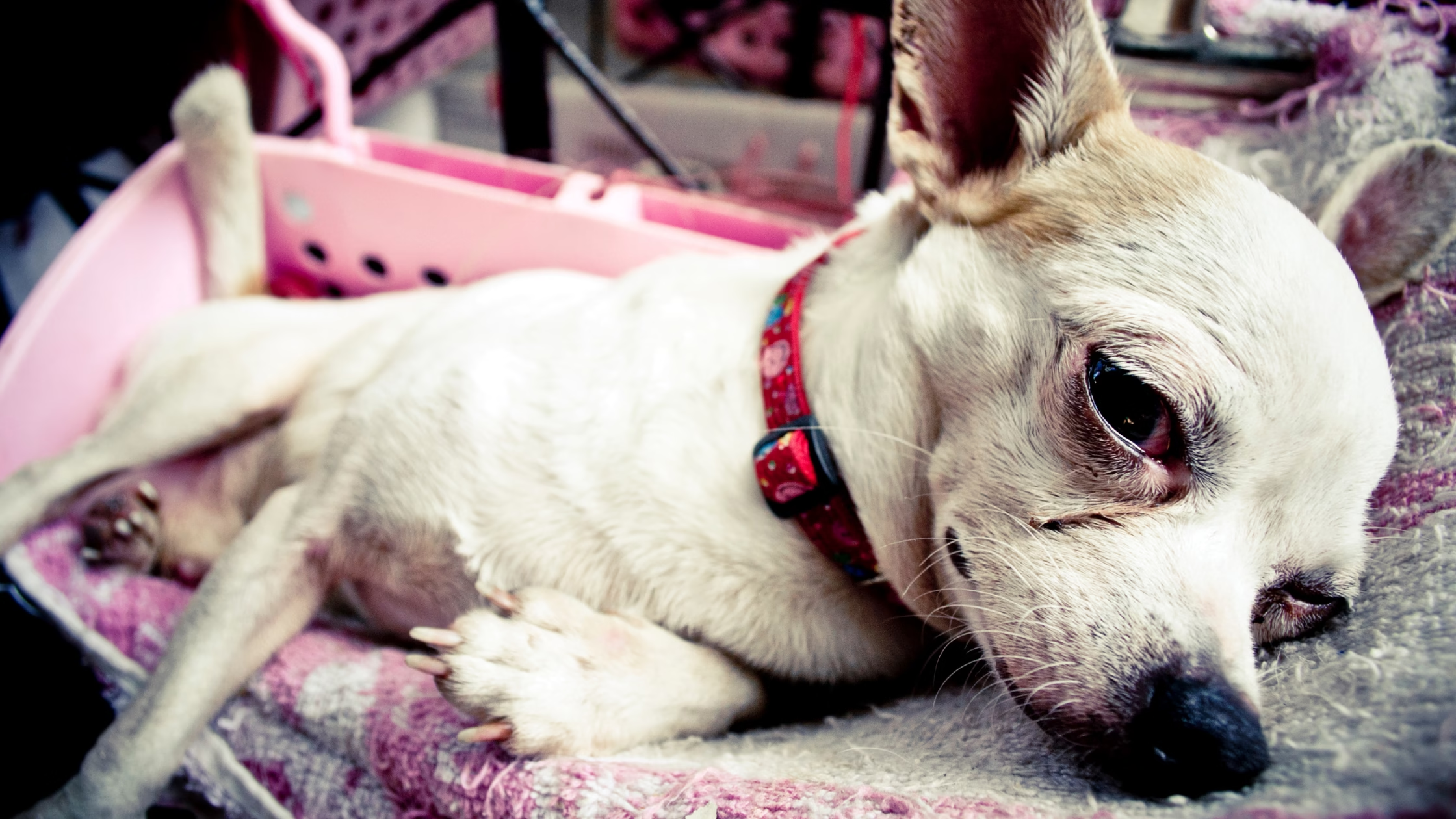
The Chihuahua, on the other hand, is a breed that originated in Mexico and is believed to have descended from a small, ancient species called the Techichi. They are known for their small size and prominent personalities and are often seen as lap dogs and companion pets.
By crossing these two breeds, breeders aimed to create a new species that combined the size and protective instincts of the German Shepherd with the personality and compact size of the Chihuahua. While the breed is still relatively rare, it has gained a dedicated following among dog lovers who appreciate its unique blend of characteristics.
Physical Traits of German Shepherd Chihuahua Mix
The German Shepherd Chihuahua Mix is a small to medium-sized breed that can weigh anywhere from 10 to 70 pounds, depending on the size of their parents. They can also vary in height, ranging from 7 to 26 inches tall at the shoulder.
In terms of appearance, the German Shepherd Chihuahua Mix can take on a variety of physical traits from both parent breeds. They typically have a muscular body and a broad chest, and their coat can be either short and smooth like a Chihuahua or more extended and thicker like a German Shepherd.
Their coat colors vary widely, from black and tan to white, brown, or a combination of colors. They may also have erect ears like a German Shepherd or floppy ears like a Chihuahua.
One consistent thing among German Shepherd Chihuahua Mixes is their expressive and lively facial features. They have large, bright eyes and cute button noses that give them a distinctive look.
Overall, the physical appearance of a German Shepherd Chihuahua Mix can be unique and varies greatly depending on the specific mix of their parents.
Personality Traits of German Shepherd Chihuahua Mix
The German Shepherd Chihuahua Mix is known for its unique blend of personality traits from both parent breeds. They are generally affectionate and loyal dogs devoted to their owners, but they can also be stubborn and sometimes independent.
One of the most notable traits of the German Shepherd Chihuahua Mix is their protective nature. Like their German Shepherd parent, they have a strong instinct to protect their family and can be wary of strangers. However, they can also have a friendly and playful personality like their Chihuahua parent, making them excellent companions for families with children.
The German Shepherd Chihuahua Mix is also an intelligent breed eager to learn and please their owners. They respond well to positive reinforcement training methods and can excel in obedience training and agility competitions.
While they can be energetic and playful, they do not require as much exercise as larger breeds like purebred German Shepherds. Daily walks and playtime in the backyard are typically sufficient to keep them healthy and happy.
The German Shepherd Chihuahua Mix is a friendly and loyal breed that can make a great addition to any family.
Health Issues of German Shepherd Chihuahua Mix
Like all dog breeds, the German Shepherd Chihuahua Mix is susceptible to specific health issues that potential owners should be aware of. Here are some of the most common health concerns for this breed:
Dental Problems – Due to their small size, the German Shepherd Chihuahua Mix can be prone to dental issues such as periodontal disease, tooth decay, and tooth loss. It is important to brush their teeth regularly and provide them with dental chews to help prevent these problems.
Hip Dysplasia – is common in larger breeds like the German Shepherd parent. It can be inherited by the German Shepherd Chihuahua Mix. It occurs when the hip joint does not form correctly, leading to pain and mobility issues. Regular exercise and a healthy diet can help reduce the risk of hip dysplasia.
Allergies – The Chihuahua parent breed is known to have allergies, and the German Shepherd Chihuahua Mix can inherit this trait. Common allergies include food, flea, and environmental allergies like pollen and dust.
Patellar Luxation – This is a condition where the kneecap slides in and out of place, causing pain and lameness. It is more common in smaller breeds like the Chihuahua parent. The German Shepherd Chihuahua Mix can inherit this condition.
Eye Problems – The German Shepherd Chihuahua Mix can be prone to eye problems like cataracts, glaucoma, and progressive retinal atrophy. Regular eye exams can help detect these problems early and prevent further damage.
Not all German Shepherd Chihuahua Mixes will develop these health issues, and responsible breeding practices can help reduce the risk of inherited conditions. Regular veterinary check-ups and a healthy diet and exercise routine can also help keep your German Shepherd Chihuahua Mix healthy and happy.
Feeding and Nutrition of German Shepherd Chihuahua Mix
Feeding and nutrition are essential to caring for your German Shepherd Chihuahua Mix. As a mixed breed, their dietary needs may vary depending on their size and activity level, but here are some general guidelines to follow:
Choose a High-Quality Dog Food – Look for dog foods specifically formulated for small to medium-sized breeds that contain high-quality protein sources like chicken or beef. Avoid foods that contain fillers like corn or wheat.
Consider Wet vs. Dry Food – Wet food can be a good option for picky eaters or dogs with dental issues. Still, dry food is typically more affordable and easier to store. Some owners prefer to feed a combination of wet and dry food for variety.
Monitor Portion Sizes – It is essential to feed your German Shepherd Chihuahua Mix the appropriate amount of food for their size and activity level. Overfeeding can lead to obesity, increasing the risk of health issues like hip dysplasia and diabetes.
Provide Fresh Water – Ensure your dog can access clean, fresh water. This is especially important for dogs that eat primarily dry food, as they may need more water to stay hydrated.
Consider Supplements – Some owners provide supplements like glucosamine and omega-3 fatty acids to support joint and coat health, respectively. Talk to your veterinarian before starting any supplements.
It is also important to note that some German Shepherd Chihuahua Mixes may have food allergies or sensitivities. If your dog experiences digestive issues or skin problems, talk to your veterinarian about switching to a different type of food or doing an elimination diet to identify the problem ingredient.
Grooming and Care of German Shepherd Chihuahua Mix
Grooming and care are essential for keeping your German Shepherd Chihuahua Mix healthy and happy. Here are some tips to help you maintain your dog’s coat, skin, nails, and teeth:
Brushing – Depending on your dog’s coat, they may require daily brushing to prevent matting and tangles. Use a slicker brush or comb to gently remove loose fur and dirt.
Bathing – Your German Shepherd Chihuahua Mix may not need frequent bathing, but if they get dirty or smelly, use a mild dog shampoo and warm water to clean them. Avoid getting moisture in their ears and eyes.
Nail Trimming – Trim your dog’s nails every few weeks to prevent them from getting too long and causing discomfort or injury. Use sharp nail clippers and avoid cutting the quick, pink part of the nail that contains blood vessels.
Ear Cleaning – Check your dog’s ears regularly for signs of infection or irritation. Use a gentle ear cleaner and a cotton ball to clean any dirt or debris from the ear canal.
Teeth Cleaning – Dental health is vital for dogs, so consider brushing your German Shepherd Chihuahua Mix’s teeth regularly with a dog-specific toothbrush and toothpaste. You can also provide dental chews or toys to help clean their teeth.
Regular Check-Ups – Regular visits to the veterinarian can help you identify any health issues early on and address them before they become serious. Your vet can also advise on grooming and care specific to your dog’s needs.
Grooming and care are about maintaining your dog’s appearance and promoting overall health and well-being.
Training German Shepherd Chihuahua Mix
Training is essential for any dog, and the German Shepherd Chihuahua Mix is no exception. Here are some tips for training your dog:
Start Early – Begin training your German Shepherd Chihuahua Mix as soon as possible. Puppies are more receptive to learning; early training can help prevent behavioural issues from developing later.
Positive Reinforcement – Use positive reinforcement methods, such as treats, praise, and play, to encourage good behaviour. Avoid using punishment or physical force, as this can damage your dog’s trust and lead to aggression.
Consistency – Be consistent in your training methods and commands. Use the same controls and reward system every time to avoid confusing your dog.
Socialization – Socialization is essential for German Shepherd Chihuahua Mix to learn how to interact with other dogs and people. Introduce your dog to new situations, people, and animals from an early age.
Basic Commands – Teach your dog basic commands like sit, stay, come, and down. These commands can help keep your dog safe and well-behaved.
Leash Training – Train your dog to walk on a leash, using positive reinforcement to reward good behavior. This can help prevent pulling and other leash-related issues.
Advanced Training – Consider advanced training, such as agility or obedience classes, to challenge your dog and improve their skills.
Remember, training is an ongoing process that requires patience, consistency, and positive reinforcement. You can train your German Shepherd Chihuahua Mix to be a well-behaved and happy companion with time and effort.
Exercise and Activity Requirements of German Shepherd Chihuahua Mix
German Shepherd Chihuahua Mix is an energetic and active breed that requires regular exercise and activity to stay healthy and happy. Here are some guidelines to help you meet your dog’s exercise needs:
Daily Walks – Aim for at least 30 minutes of daily exercises, such as brisk walks, jogging, or hiking. This can help burn off energy and prevent behavioral issues.
Playtime – Set aside time for play and interactive activities, such as fetch, tug-of-war, or training sessions. These can provide mental stimulation and strengthen your bond with your dog.
Dog Parks – Visit dog parks or other off-leash areas to allow your dog to socialize and play with other dogs. This can also help improve their social skills and reduce boredom.
Exercise Toys – Provide your dog with exercise toys like chewing, puzzle, or agility equipment. These can provide mental stimulation and prevent destructive behavior.
Swimming – If your German Shepherd Chihuahua Mix enjoys swimming, consider taking them to a dog-friendly beach or pool. Swimming is a low-impact exercise that can help improve cardiovascular health and strengthen muscles.
Every dog is different, and their exercise needs may vary depending on age, health, and activity level. Consult with your veterinarian to develop an exercise plan suitable for your dog.
Living with German Shepherd Chihuahua Mix
Living with a German Shepherd Chihuahua Mix can be a rewarding experience. Still, it’s essential to understand their needs and temperament to ensure a happy and healthy relationship. Here are some things to consider when living with a German Shepherd Chihuahua Mix:
Space – German Shepherd Chihuahua Mix can adapt well to different living situations, including apartments or tiny homes, as long as they have enough space to move around and exercise.
Socialization – Early socialization is essential to ensure your dog is comfortable around people and other animals. This can prevent aggression or anxiety in social situations.
Training – Consistent and positive training is essential for a well-behaved German Shepherd Chihuahua Mix. They are intelligent and can learn quickly, but they can also be stubborn, so be patient and consistent in your training methods.
Children and Other Pets – German Shepherd Chihuahua Mix can get along well with children and other pets if socialized early and appropriately trained. However, they may have a strong prey drive, so supervision is recommended when introducing them to smaller pets.
Health Care – Regular veterinary check-ups, vaccinations, and parasite prevention are essential to maintain the health of your German Shepherd Chihuahua Mix. They may be prone to specific health issues, such as hip dysplasia and dental problems, so be aware of potential health concerns.
By understanding the needs and characteristics of your German Shepherd Chihuahua Mix, you can create a happy and harmonious living environment for you and your furry friend.
German shepherd chihuahua mix price
The price of a German Shepherd Chihuahua Mix can vary depending on several factors, including the dog’s location, breeder, and lineage. Generally, you can expect to pay anywhere from a few hundred dollars up to a couple thousand dollars for a German Shepherd Chihuahua Mix.
It is essential to do your research and choose a reputable breeder who follows ethical breeding practices to ensure that you are getting a healthy and well-adjusted puppy.
Additionally, consider adopting a German Shepherd Chihuahua Mix from a local shelter or rescue organization, which can be a more affordable option and help provide a loving home for a needy dog.
Finding and Adopting a German Shepherd Chihuahua Mix
Finding and adopting a German Shepherd Chihuahua Mix can be a great way to provide a loving home for a needy dog. Here are some tips for finding and adopting a German Shepherd Chihuahua Mix:
Research – Start by researching breeders or rescue organizations in your area that specialize in German Shepherd Chihuahua Mix. Look for reviews or recommendations from other pet owners to find a reputable source.
Visit Shelters and Rescues – Check local animal shelters and rescue organizations for available German Shepherd Chihuahua Mix. These organizations can provide information about the dog’s background, temperament, and any special needs they may have.
Meet the Dog – When considering a specific dog, schedule a visit to meet them in person. Spend time interacting with the dog to understand its personality and behavior.
Ask Questions – Ask the breeder or rescue organization about the dog’s history, health, and behavior. This can help you determine if the dog fits your family and lifestyle well.
Prepare for Adoption – Before bringing your new German Shepherd Chihuahua Mix home, ensure you have everything you need to provide a safe and comfortable environment. This includes food and water bowls, a leash and collar, toys, and a comfortable bed.
By following these tips, you can find and adopt a German Shepherd Chihuahua Mix that will become a beloved member of your family.
Frequently Asked Questions about German Shepherd Chihuahua Mix
What is a German Shepherd Chihuahua Mix?
A German Shepherd Chihuahua Mix is a crossbreed between a German Shepherd and a Chihuahua. This mix can result in various physical and behavioral traits, as both breeds have very different characteristics.
What is the temperament of a German Shepherd Chihuahua Mix?
The temperament of a German Shepherd Chihuahua Mix can vary depending on the individual dog. Still, they are typically loyal, protective, and energetic. They can also be stubborn and challenging to train, so early socialization and training are essential.
What is the average lifespan of a German Shepherd Chihuahua Mix?
The average lifespan of a German Shepherd Chihuahua Mix is between 10 to 13 years.
What is the size of a German Shepherd Chihuahua Mix?
The size of a German Shepherd Chihuahua Mix can vary, as both breeds have very different sizes. Generally, they can range from small to medium-sized dogs, weighing 10 to 60 pounds.
What kind of exercise does a German Shepherd Chihuahua Mix need?
German Shepherd Chihuahua Mix is an energetic breed that requires daily exercise to keep them healthy and happy. This can include walks, runs, playtime, and other physical activities. It is crucial to provide them with enough exercise to prevent destructive behavior and to keep them mentally stimulated.
Is German Shepherd Chihuahua Mix good with children?
German Shepherd Chihuahua Mix can be good with children if they are appropriately socialized and trained to interact with kids. However, due to their protective nature, they may be wary of strangers and need to be introduced to new people and situations gradually.
What are some common health issues of German Shepherd Chihuahua Mix?
German Shepherd Chihuahua Mix can be prone to specific health issues such as hip dysplasia, patellar luxation, dental problems, and eye diseases. It is essential to have regular check-ups with a veterinarian to monitor and address any health concerns.
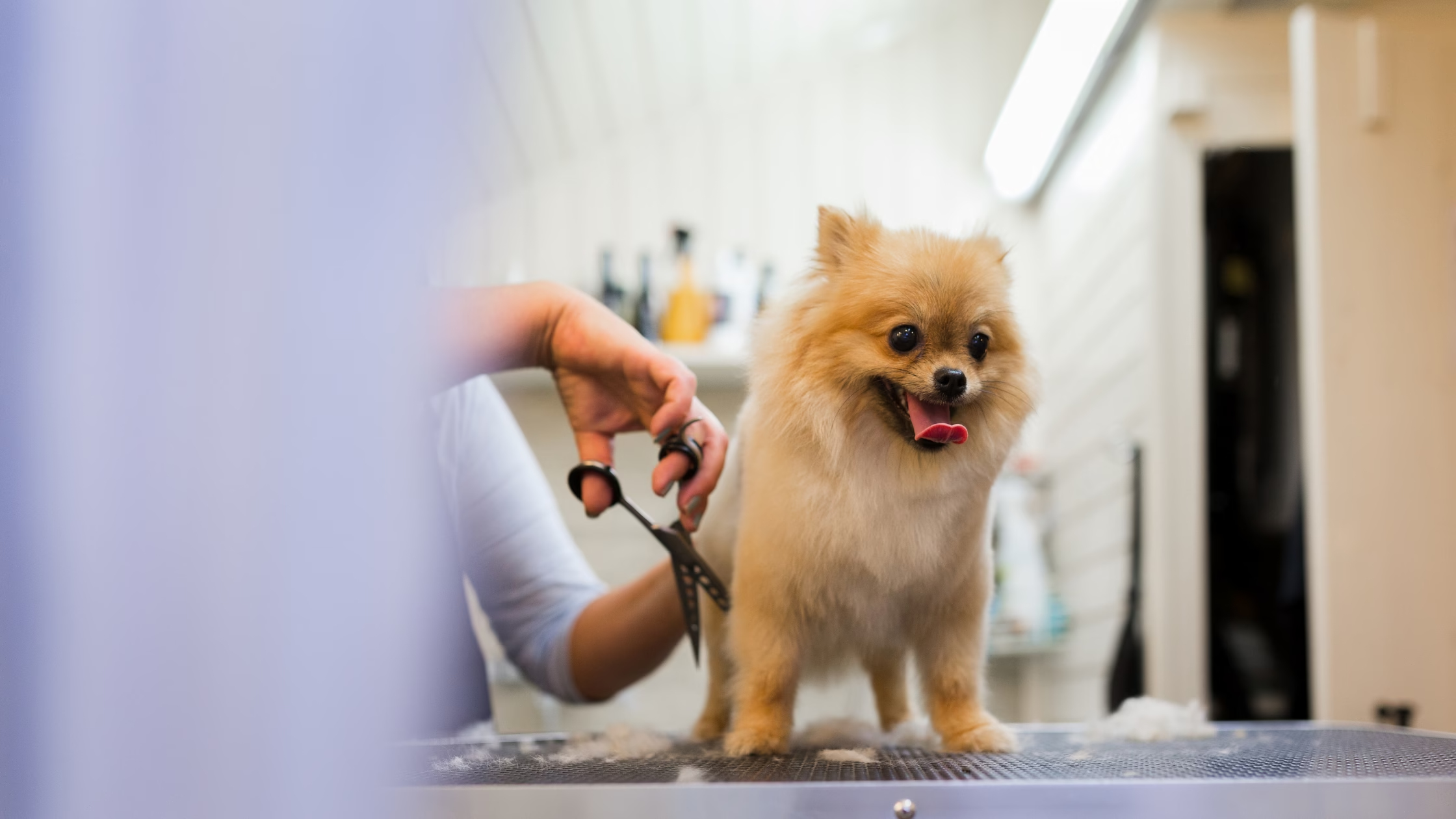
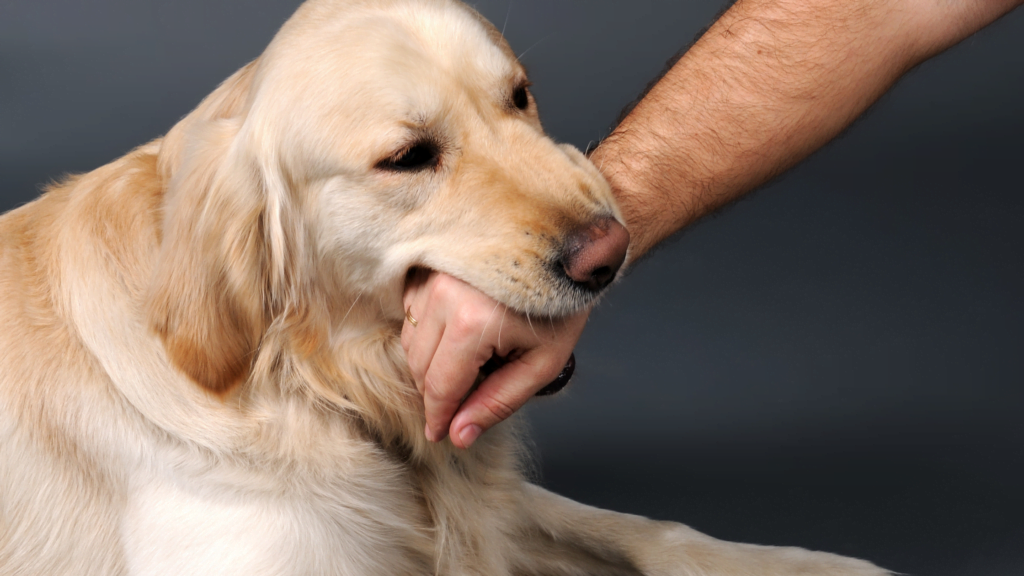
Grooming your dog is an essential part of their overall health and well-being. However, grooming a dog that bites can be challenging and potentially dangerous. In this article, we’ll discuss tips and tricks for safely grooming a dog that tends to bite.
Understanding Why Your Dog Bites During Grooming
Grooming your dog is an important part of their overall health and well-being. However, some dogs may become anxious or even aggressive during grooming, making it difficult and dangerous to groom them. If your dog bites during grooming, it’s important to understand why so that you can take the necessary steps to help them feel more comfortable and safe.
Fear or Anxiety
Grooming can be a stressful experience for some dogs, especially if they have had a bad experience in the past or if they are sensitive to being touched in certain areas. One reason why dogs may bite during grooming is that they feel afraid or anxious. Signs that your dog feels fearful or anxious during grooming may include trembling, panting, whining, or growling.
To help your dog feel more comfortable during grooming:
Introduce them to tools and techniques slowly and gradually.
Use positive reinforcement techniques, such as giving your dog treats or praise, to help them associate grooming with positive experiences.
Suppose your dog is still exhibiting signs of fear or anxiety during grooming.
In that case, it may be helpful to seek the assistance of a professional dog trainer or behaviorist.
Pain or Discomfort
Another reason why dogs may bite during grooming is that they are experiencing pain or discomfort. This could be due to a medical condition, such as arthritis or an injury, or a grooming tool or technique causing pain or irritation. Signs that your dog is experiencing pain or discomfort during grooming may include whimpering, yelping, or flinching.
Be sure to use gentle and appropriate grooming techniques to help your dog feel more comfortable during grooming. Additionally, it’s important to regularly inspect your dog’s skin and coat for signs of irritation or injury. If you suspect your dog is experiencing pain or discomfort due to a medical condition, take them to a veterinarian for an evaluation.
Lack of Trust or Respect
A third reason dogs may bite during grooming is that they don’t trust or respect their owner or groomer. Dogs are packed animals and rely on clear social cues and boundaries to understand their place in the pack. If a dog doesn’t trust or respect their owner or groomer, it may see grooming challenging to its authority.
To help your dog feel more comfortable and establish trust and respect, it’s important to use positive reinforcement training techniques to establish clear boundaries and communication. This includes using consistent commands and body language, rewarding good behavior, and ignoring or correcting bad behavior. Additionally, avoiding physical punishment or aggression is important, as this can further erode trust and respect between you and your dog.
Grooming your dog can be challenging, especially if your furry friend is anxious or fearful about the process. However, there are several steps you can take to make grooming a more positive experience for both you and your dog. By preparing yourself and your dog ahead of time, you can reduce the likelihood of your dog biting during grooming.
Desensitization Training
One effective way to prepare your dog for grooming is through desensitization training. This involves gradually exposing your dog to the different tools and equipment used during grooming in a non-threatening way. Start by introducing your dog to the tools one at a time, and give treats and praise for calm and relaxed behavior. Over time, gradually increase the duration and intensity of the exposure until your dog is comfortable with the entire grooming process.
Muzzling
In some cases, muzzling may be necessary to prevent your dog from biting during grooming. A properly-fitted muzzle can help keep both you and your dog safe. However, it is important to introduce the muzzle gradually and positively, using treats and praise to build your dog’s comfort and confidence with the device.
Choosing the Right Tools
Using the right tools for grooming can also help reduce the likelihood of your dog biting. Look for comfortable tools for your dog, such as brushes with soft bristles or grooming gloves. Avoid using tools that cause discomfort or pain. Use positive reinforcement to reward your dog for calm and relaxed behavior during grooming.
By taking these steps to prepare yourself and your dog for grooming, you can help make the process a more positive and stress-free experience for both of you.
A Step-by-Step Guide to Grooming a Dog that Bites
A Step-by-Step Guide to Grooming a Dog that Bites
Grooming a dog that bites can be challenging. Still, with patience and the right techniques, it is possible to make the experience more comfortable and stress-free for you and your dog. The following steps provide a guide to help you groom your dog safely and effectively:
Starting with Basic Touches
Start by getting your dog used to basic touches, such as petting and gentle stroking. This will help your dog get used to being touched and will also help to build trust between you and your pet.
Gradually Introducing Grooming Tools
Once your dog is comfortable with basic touches, gradually introduce grooming tools such as combs and brushes. Start by letting your dog sniff the tools, get used to their presence, and then gradually use them for grooming your dog.
Using Positive Reinforcement
Positive reinforcement is key to ensuring that your dog has a positive association with grooming. Reward your dog with treats, praise, and affection when they behave well during grooming and take breaks when needed to prevent your dog from getting overwhelmed.
Remember, always prioritize safety when grooming a dog that bites. If your dog is extremely aggressive or difficult to handle, consider seeking professional help from a qualified dog trainer or groomer.
Safety Tips for Grooming a Dog That Bites
Safety is of utmost importance when grooming a dog that bites. Here are some safety tips to keep in mind:
Knowing When to Stop
Pay attention to your dog’s body language and behavior during grooming. If your dog seems stressed or anxious, take a break or stop the grooming session altogether.
Enlisting Professional Help
If your dog’s biting behavior persists or becomes more aggressive, consider enlisting the help of a professional dog groomer or trainer who has experience working with dogs that bite.
Staying Calm and Focused
Dogs are sensitive to their owners’ emotions, so staying calm and focused during the grooming process is important. This can help keep your dog calm and prevent any escalation of biting behavior.
Following these safety tips can help ensure a positive and safe grooming experience for you and your dog.
To prevent biting during future grooming sessions, there are several steps you can take:
Consistency in Training
It’s important to be consistent with your dog’s training, using the same techniques and commands each time. This will help your dog understand what is expected of them and reduce their anxiety during grooming.
Regular Grooming to Build Trust
Regular grooming can help your dog become more comfortable with the process and build trust with you. Start with shorter sessions and gradually increase your time grooming your dog. This will help your dog become more accustomed to grooming and less likely to bite.
Positive Reinforcement Techniques
Positive reinforcement techniques, such as giving your dog treats or praise during grooming, can help reinforce good behavior and make the experience more enjoyable for your dog. This can also help to create a positive association with grooming and reduce the likelihood of biting.
Following these tips and techniques can help prevent biting during future grooming sessions and create a more positive and stress-free experience for you and your dog.
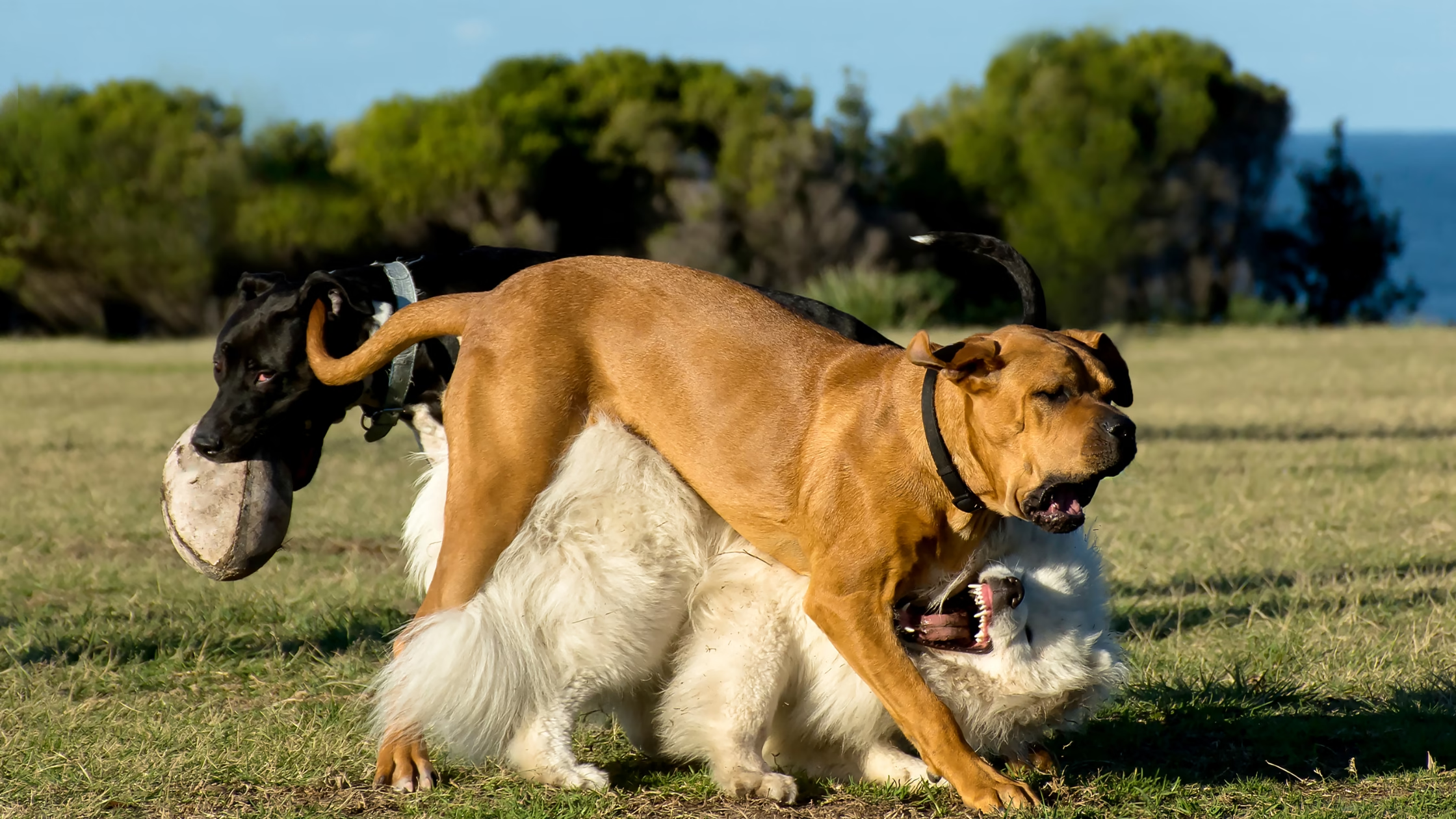
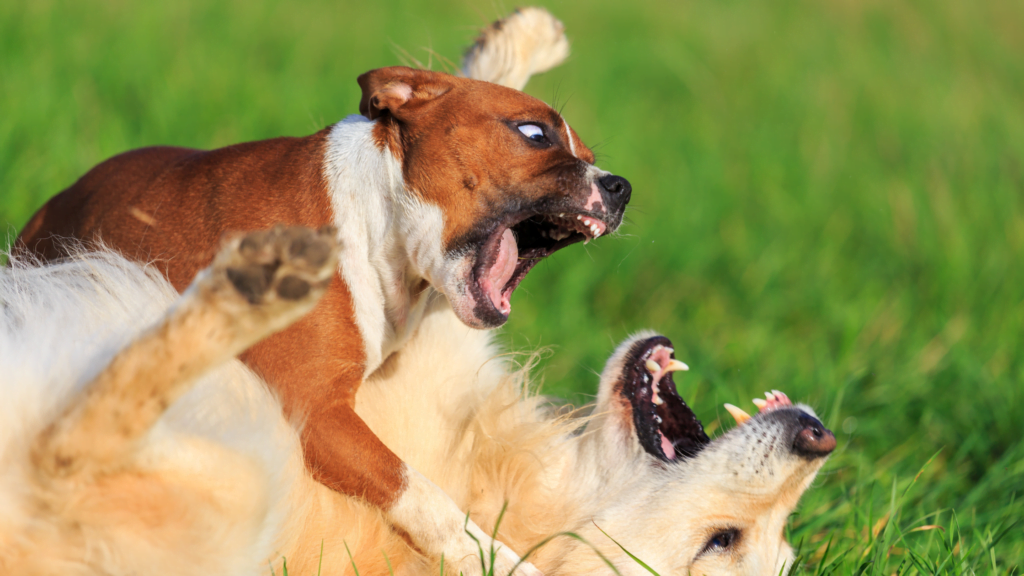
Dogs are social animals, but sometimes they can fight each other. Dog fights can be dangerous for the dogs involved and any people or animals in the vicinity. While a certain amount of rough play between dogs is normal, it’s important to know how to tell if a dog fight is serious and what steps to take to keep everyone safe. This comprehensive article will discuss how to tell if a dog fight is serious and what to do about it.
Understanding Dog Behavior During Fights
Dog fights can be alarming and dangerous for both dogs and their owners. To help prevent dog fights and intervene effectively if they do occur, it’s important to understand dog behavior during fights.
Dog Body Language: Dogs communicate their feelings through body language, including during a fight. Signs of aggression or discomfort may include raised hackles, stiff posture, and intense eye contact. In contrast, a dog feeling submissive or fearful may crouch down, avoid eye contact, and tuck their tail between their legs.
Triggering Factors: Dogs may be triggered to fight due to various factors, such as resource guarding, territorial behavior, fear, or frustration. Identifying and addressing these triggers can help prevent fights from occurring.
Pack Mentality: Dogs are packed animals and may act differently in a group. In some cases, dogs may band together to attack another dog. It’s important to keep an eye on the dynamics of a group of dogs to prevent fights from escalating.
The severity of the Fight: Not all dog fights are the same. Some fights may be minor scuffles that resolve quickly, while others may be serious and result in injuries. The severity of a fight can depend on factors such as the dogs’ size, breed, and temperament.
By understanding these factors, you can learn to recognize the signs of a potential fight and take steps to prevent it from escalating. It’s important to intervene in a calm and controlled manner to avoid further agitating the dogs. In some cases, seeking professional help from a veterinarian or animal behaviorist may be necessary to address underlying behavioral issues.
Signs of a Serious Dog Fight : How to Tell if a Dog Fight is Serious
Signs of a Serious Dog Fight
Dog fights can be dangerous, and it’s important to recognize the signs of a serious fight to take appropriate action to protect the dogs and any people nearby. Here are some signs of a serious dog fight:
Aggressive behavior
The dogs exhibit intense, aggressive behavior such as biting, lunging, and growling.
Locked jaws
The dogs are locked in a bite hold and cannot separate themselves from one another.
Injuries
The dogs have inflicted serious injuries on each other such as puncture wounds, lacerations, or broken bones.
Blood
A significant amount of blood is present, indicating that the fight is more severe.
Growling and Biting
The dogs are growling, biting, and holding onto each other with intense force and show no signs of releasing or calming down.
High-pitched screams or cries
One or both dogs are screaming or crying out in a high-pitched tone, indicating significant pain or fear.
Loss of consciousness
One or both dogs have lost consciousness, which indicates that the fight is severe and immediate medical attention is needed.
It’s important to intervene in a serious dog fight as soon as possible. Never try to physically separate the dogs, as this can result in serious injuries to yourself or the dogs. Instead, try to distract them by making loud noises or spraying water. It’s best to seek professional help from a veterinarian or animal behaviorist to help diffuse the situation and address any underlying behavioral issues that may have led to the fight.
Factors That Determine the Severity of a Dog Fight
The severity of a dog fight can vary depending on several factors, including:
Breed and size of the dogs: The size and breed of the dogs involved in the fight can significantly impact the severity of the fight. Larger breeds and dogs with a history of aggression may cause more damage than smaller breeds or more docile dogs.
Age of the dogs: Puppies and older dogs may be less aggressive and more likely to try to avoid conflict. Conversely, adult dogs may be more aggressive and prone to fighting.
Triggering factors: The triggering factors that led to the fight can also determine the severity of the fight. If the dogs were fighting over food or toys, the fight might not be as serious as a fight due to territorial aggression or fear.
Previous history of aggression: If the dogs involved have a history of aggression or have been involved in previous fights, the fight may be more severe as the dogs may be more prone to violence.
Socialization and training: Dogs that have been socialized and trained to interact with other dogs and people are less likely to engage in aggressive behavior. Dogs that have not been properly socialized or trained may be more prone to aggressive behavior and serious fights.
Environment: The environment in which the fight occurs can also impact the severity of the fight. The dogs may be more prone to intense, serious fights if they are in a small, enclosed space. Dogs fighting in a more open, spacious area may be less likely to seriously injure one another.
Understanding these factors can help you take steps to prevent dog fights from occurring and intervene effectively if a fight does occur. It’s important to keep a close eye on your dogs and to seek professional help if you are concerned about their behavior.
What to Do When Dogs are Fighting: Do’s and Don’ts
What to Do When Dogs are Fighting: Dos and Don’ts
When dogs are fighting, it can be stressful and dangerous for both the dogs and any nearby people. Here are some dos and don’ts to keep in mind if you find yourself in this situation:
DO’s:
Stay calm: Dogs can sense fear and anxiety, so it’s important to remain calm and composed to avoid further agitating them.
Make a loud noise: A loud noise such as clapping, yelling, or banging on a nearby object can sometimes startle the dogs and break their focus on the fight.
Use a distraction: A distraction such as throwing a blanket over the dogs or spraying water at them can help break up the fight.
Seek professional help: If you are unable to intervene or the situation seems dangerous, it’s important to seek professional help from a veterinarian, animal control officer, or experienced dog trainer.
Separate the dogs once it is safe to do so: Once the fight has ended, it is important to separate the dogs to prevent any further aggression.
DON’T:
Physically intervene: Attempting to physically separate the dogs can be extremely dangerous and can result in serious injuries to yourself or the dogs.
Punish the dogs: Punishing them after a fight can increase their aggression and worsen the situation.
Blame or scold one dog: It’s important to avoid blaming or scolding one dog, as both dogs may have contributed to the fight.
Leave the dogs unsupervised: After a fight, it’s important to separate them and keep them in separate areas to prevent further aggression.
Remember, prevention is key when it comes to dog fights. Keeping a close eye on your dogs and addressing any behavioural issues can help prevent fights from occurring in the first place.
How to Prevent Dog Fights from Happening
Preventing dog fights is important in keeping your dogs and other animals or people safe. Here are some steps you can take to help prevent dog fights from happening:
Proper socialization: Socializing your dogs from a young age can help them feel comfortable around other dogs and people, reducing the likelihood of aggression and fights.
Supervision: Keeping a close eye on your dogs, especially around other dogs, can help you identify any potential signs of aggression and intervene before a fight occurs.
Training: Basic obedience training can help your dogs respond to your commands and stay calm in new or stressful situations.
Avoiding trigger situations: Identifying situations that may trigger aggressive behavior in your dogs, such as food or toy guarding, and avoiding those situations can help prevent fights.
Spaying/neutering: Spaying or neutering your dogs can reduce aggression and territorial behavior, making them less likely to fight.
Separate feeding areas: Providing separate feeding areas for your dogs can help reduce the likelihood of fights over food.
Avoiding unfamiliar dogs: Avoiding interactions with unfamiliar dogs or dogs with aggressive behavior can reduce the risk of your dogs getting into fights.
Regular exercise and playtime: Regular exercise and playtime can help reduce your dogs’ stress and energy levels, making them less prone to aggression and fights.
Remember, it’s important to always be aware of your dogs’ behavior and take action to prevent fights from occurring. Seek professional help from a veterinarian or animal behaviorist if you have any concerns about your dogs’ behavior.
Importance of Training and Socializing Dogs
Importance of Training and Socializing Dogs
Training and socializing your dog are important steps in helping your pet become a well-behaved and well-adjusted member of your family. Here are some reasons why training and socializing are so important:
Promotes Good Behavior: Proper training and socialization can help prevent problem behaviors such as aggression, excessive barking, and destructive chewing. It can also help teach your dog to follow basic commands, such as “sit,” “stay,” and “come,” which can be crucial in keeping them safe in potentially dangerous situations.
Strengthens Bond with Your Dog: Training and socializing can help you build a stronger bond with your dog. Teaching your dog to listen and respond to you can establish a sense of trust and respect between you and your pet.
Encourages Positive Interactions with People and Other Dogs: Socializing your dog from a young age can help them become comfortable and well-behaved around people and other dogs. This can make it easier to take them out in public and introduce them to new people and animals.
Reduces Risk of Dog Bites and Aggression: Proper training and socialization can help reduce the risk of your dog becoming aggressive or biting people or other animals. Dogs not properly socialized and trained may become fearful or territorial, leading to dangerous situations.
Helps Your Dog Stay Safe: A well-trained and socialized dog is likelier to listen to your commands and avoid dangerous situations. For example, a dog trained to come when called is less likely to run into traffic or become lost.
In summary, training and socializing your dog are essential for promoting good behavior, strengthening the bond between you and your pet, and reducing the risk of dangerous situations. It is important to start training and socializing your dog from a young age and to seek professional help if you have any concerns about your pet’s behavior.
If your dog displays aggression, seeking professional help from a veterinarian or animal behaviorist is important. Here are some reasons why seeking professional help for aggressive dogs is important:
Safety: Aggressive dogs can risk the safety of people and other animals. Hence, addressing any aggressive behavior as soon as possible is important to prevent injuries and harm.
Understanding the Root of the Behavior: A professional can help identify the underlying cause of your dog’s aggression, which can be due to fear, anxiety, or territorial behavior, among other reasons. Understanding the root cause can help you manage the behavior and prevent future incidents.
Developing a Treatment Plan: A professional can help develop a treatment plan tailored to your dog’s specific needs, including behavior modification techniques, medication, and training.
Reducing Stress and Anxiety: Aggressive behavior in dogs can result from stress and anxiety. A professional can help identify ways to reduce stress in your dog’s environment, which can help improve their behavior.
Improving Quality of Life: Addressing aggressive behavior can improve your dog’s quality of life by reducing fear, anxiety, and stress and promoting positive behaviors.
Aggressive behavior can be managed and improved with proper treatment. Still, it requires patience, commitment, and a willingness to work with your dog. Remember, aggressive behavior in dogs should not be ignored, and it’s important to seek professional help as soon as possible.
Legal Consequences of Dog Fighting
Dog fighting is illegal in most countries and can have severe legal consequences for those involved. Here are some examples of the legal consequences of dog fighting:
Criminal Charges:Participating in dog fighting can result in criminal charges, including animal cruelty, animal fighting, and organized crime. Depending on the jurisdiction and the severity of the offence, penalties may include fines, imprisonment, and probation.
Property Seizure: In many cases, law enforcement can seize property, including dogs, vehicles, and equipment, that are used in dog fighting operations. This can result in significant financial losses for those involved.
Professional Consequences: Individuals involved in dog fighting may face professional consequences, including loss of employment, license revocation, and damage to their professional reputation.
Social Consequences: Being involved in dog fighting can also lead to social consequences, including public outcry and ostracization from the community.
Impact on Animals: In addition to the legal consequences for those involved, dog fighting can seriously harm the animals involved. In many cases, dogs used for fighting are subjected to brutal training and conditioning methods and may be killed or seriously injured during fights.
In summary, dog fighting is a serious crime with severe legal consequences. It harms animals and negatively affects those involved, including criminal charges, property seizures, and professional and social consequences. It’s important to report any suspected cases of dog fighting to the appropriate authorities, such as law enforcement or animal welfare organizations, to help prevent these illegal activities and protect animals from harm.
Suppose you’re looking for a fun-loving, intelligent, and loyal companion. In that case, consider getting a Blue Heeler Corgi Mix. Also known as a Cowboy Corgi, this hybrid breed crosses the Australian Cattle Dog (Blue Heeler) and the Welsh Corgi. This mixed breed is gaining popularity for its unique characteristics and distinctive looks. Still, before you bring one home, it’s important to know what to expect.
What is a Blue Heeler Corgi Mix?
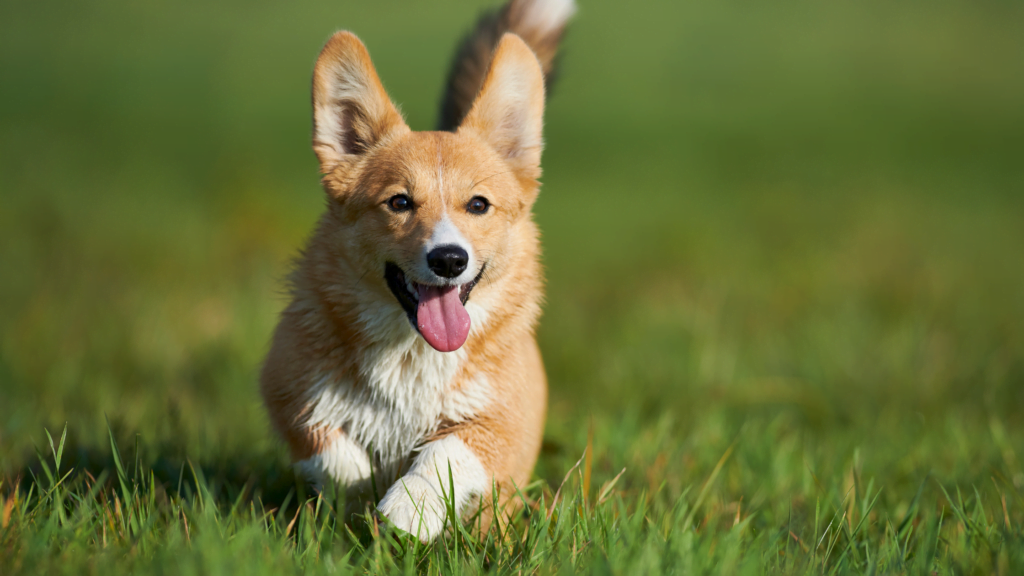
A Blue Heeler Corgi Mix, also known as a Cowboy Corgi, is a hybrid breed that crosses an Australian Cattle Dog (also called a Blue Heeler) and a Welsh Corgi. This mixed breed is gaining popularity for its unique combination of physical and personality traits from its parent breeds. Blue Heeler Corgi Mixes typically have a compact, muscular build. They can have various coat colours and patterns, including black, blue, and red. They are known for their high energy level, intelligence, and loyalty to their owners.
Hip dysplasia, progressive retinal atrophy, deafness
General overview of Blue Heeler Corgi Mix.
Blue Heeler Corgi Mix Price: How Much Does a Blue Heeler Corgi Mix Cost?
The price of a Blue Heeler Corgi Mix can vary depending on various factors, such as the breeder’s location, the puppy’s age and lineage, and the demand for the breed in that particular area. On average, a Blue Heeler Corgi Mix can range from $500 to $1500. It’s important to do your research and only purchase a puppy from a reputable breeder who takes proper care of their dogs and follows ethical breeding practices. Alternatively, consider adopting a Blue Heeler Corgi Mix from a local animal shelter or rescue organization, which typically costs less and provides a loving home to a needy dog.
The Blue Heeler Corgi Mix is a relatively new hybrid breed. Its history and origin can be traced back to its parent breeds, the Australian Cattle Dog and the Welsh Corgi.
Australian Cattle Dog
The Australian Cattle Dog, also known as the Blue Heeler, was first developed in the 19th century in Australia as a working dog to help farmers manage their cattle herds. The breed was created by crossing various British herding breeds with the native Australian dingo, resulting in a dog with high energy, intelligence, and a strong work ethic.
Welsh Corgi
The Welsh Corgi, on the other hand, has been around for centuries and was originally bred in Wales to help herd cattle and sheep. The breed is known for its short legs, long body, and affectionate personality.
The Cowboy Corgi is a result of crossbreeding these two breeds to create a dog with the intelligence and work ethic of the Australian Cattle Dog and the affectionate personality and unique physical features of the Welsh Corgi. While the exact time and place of the first Cowboy Corgi is unknown, the breed has recently gained popularity as a unique and energetic family companion.
Physical Characteristics of the Blue Heeler Corgi Mix
The physical characteristics of a Cowboy Corgi can vary depending on the individual dog and which parent breed it takes after more. However, here are some general physical characteristics of the breed:
Blue Heeler Corgi Mix Size
The Blue Heeler Corgi Mix is a medium-sized dog, typically weighing 25 to 40 pounds and around 12 to 15 inches tall at the shoulder.
Build
The Blue Heeler Corgi Mix is a muscular and compact breed with a sturdy frame.
Coat
The Cowboy Corgi can have a coat that is short to medium in length and can come in a range of colours, including blue, black, red, and brindle. Some Blue Heeler Corgi Mixes may have white markings on their face, chest, and legs.
Face and Body Features
Cowboy Corgi can inherit various physical features from their parent breeds, such as the Welsh Corgi’s short legs and long body or the Australian Cattle Dog’s pointy ears and alert expression.
Weight
As with any dog, the weight of a Blue Heeler Corgi Mix can vary depending on its diet, exercise, and overall health.
Overall, Blue Heeler Corgi Mixes are a unique-looking breed with distinctive physical traits that can make them stand-out companions.
Personality and Temperament of the Blue Heeler Corgi Mix
The Cowboy Corgi is known for its unique and lively personality, which can vary depending on the individual dog and its upbringing. Here are some general traits that are often associated with the breed:
Energetic
Both the Australian Cattle Dog and the Welsh Corgi are high-energy breeds, and the Blue Heeler Corgi Mix inherits this trait. Active dogs require daily exercise and mental stimulation to stay happy and healthy.
Intelligent
The Cowboy Corgi is an intelligent breed that is quick to learn and eager to please its owner. They enjoy learning new tricks and commands and thrive on mental challenges.
Affectionate
While they have a lot of energy, the Cowboy Corgi is also known for its affectionate personality. They bond closely with their owners and are known to be loyal and protective of their families.
Alert
The Australian Cattle Dog and the Welsh Corgi were bred for herding, and the Cowboy Corgi inherits their alert and watchful nature. They can be wary of strangers and make excellent watchdogs.
Independent
Both the Australian Cattle Dog and the Welsh Corgi are known for their independent streaks, and the Cowboy Corgi can also exhibit this trait. They may be stubborn at times and require firm and consistent training.
Overall, the Cowboy Corgi is a lively and intelligent breed that requires an active and engaged owner who can provide them with plenty of physical and mental stimulation. They make excellent family companions and can thrive in various living situations.
Training a Blue Heeler Corgi Mix
Training a Cowboy Corgi requires patience, consistency, and positive reinforcement. Here are some tips to help you train your Cowboy Corgi.
Start training early
It’s important to start training your Cowboy Corgi as early as possible. Puppies are like sponges and can learn quickly, so take advantage of this time to teach them basic obedience commands and house manners.
Use positive reinforcement
Blue Heeler Corgi Mixes respond well to positive reinforcement training, such as treats, toys, and praise. Reward good behavior and ignore bad behavior to encourage your dog to repeat the positive behavior.
Be consistent
Consistency is key in training a Cowboy Corgi. Use the same commands and routines every time, and ensure everyone in the family is on the same page with training.
Socialize your dog
Blue Heeler Corgi Mixes can be wary of strangers and other dogs. Hence, it’s important to socialize with them early on. Introduce them to new people, places, and animals in a positive and controlled manner to help them develop confidence and good social skills.
Provide plenty of exercises and mental stimulation
Blue Heeler Corgi Mixes have a lot of energy and require daily exercise and mental stimulation to prevent boredom and destructive behavior. Take your dog on daily walks, provide them with interactive toys, and engage in training sessions to keep their minds and bodies active.
Seek professional help if needed
If you are having difficulty training your Cowboy Corgi, don’t hesitate to seek help from a professional dog trainer. They can provide personalized training advice and techniques to help you and your dog succeed.
Using these training tips, you can help your Blue Heeler Corgi Mix become a well-behaved and happy companion.
Exercise and Activity Requirements of the Blue Heeler Corgi Mix
The Cowboy Corgi is an active and energetic breed that requires daily exercise and mental stimulation to stay healthy and happy. Here are some guidelines for their exercise and activity requirements:
Daily exercise: Blue Heeler Corgi Mixes need at least 30-60 minutes daily. This can include brisk walks, jogs, hikes, or playtime in a securely fenced yard.
Mental stimulation: In addition to physical exercise, the Cowboy Corgi also requires mental stimulation to keep their minds engaged. This can include training sessions, puzzle toys, and interactive games.
Agility training: Many Blue Heeler Corgi Mixes excel in agility and obedience training. These activities provide physical and mental stimulation and can be a fun way to bond with your dog.
Herding or work: Blue Heeler Corgi Mixes are known for herding instincts; some enjoy participating in herding trials or other working activities.
Adapt to living conditions: While the Cowboy Corgi is an active breed, they can adapt to living in smaller spaces, such as apartments, as long as their exercise needs are met.
It’s important to note that each Cowboy Corgi is an individual. Their exercise needs may vary depending on age, health, and overall activity level. As a responsible owner, providing your dog with enough exercise and stimulation is important to prevent boredom and destructive behavior.
Grooming and Coat Care for a Blue Heeler Corgi Mix
The Blue Heeler Corgi Mix has a short and dense coat that is relatively easy to maintain. Here are some tips for grooming and coat care:
Brushing: Brush your Blue Heeler Corgi Mix once or twice weekly to remove loose hair and keep the coat looking healthy. A rubber curry brush or a slicker brush is best for this breed.
Bathing: Bathe your dog as needed, but not too frequently, as it can strip the natural oils from their coat. Use a dog-specific shampoo and conditioner, and rinse thoroughly to avoid irritation.
Nail trimming: Trim your dog’s nails every few weeks to prevent them from becoming too long and causing discomfort. If you’re uncomfortable doing this yourself, take your dog to a professional groomer or veterinarian.
Teeth cleaning: Regular dental care is important for your dog’s overall health. Brush their teeth daily or use dental chews to prevent tartar buildup and promote healthy gums.
Ear cleaning: Check your dog’s ears regularly for signs of infection or debris, and clean them with a gentle ear cleaner if needed.
Blue Heeler Corgi Mix Shed: The Blue Heeler Corgi Mix is a moderate shedder, so expect to find some hair around the house. Regular brushing and occasional bathing can help control shedding.
Following these grooming and coat care tips can help keep your Cowboy Corgi looking and feeling its best.
Health Issues to Look Out for in Blue Heeler Corgi Mix
The Blue Heeler Corgi Mix is generally a healthy breed, but like all dogs, they can be prone to certain health issues. Here are some of the most common health issues to look out for in this breed:
Hip dysplasia: This genetic condition can cause pain and lameness in the hips. It’s important to have your Blue Heeler Corgi Mix screened for hip dysplasia before breeding or purchasing.
Progressive retinal atrophy (PRA): This inherited eye disease can lead to blindness. It’s important to have your dog’s eyes checked regularly by a veterinarian.
Deafness: Blue Heeler Corgi Mixes can be prone to congenital deafness, which is often hereditary.
Epilepsy: This is a neurological condition that can cause seizures. If your dog experiences seizures, it’s important to consult a veterinarian for proper diagnosis and treatment.
Allergies: Some Blue Heeler Corgi Mixes can be prone to skin allergies or food allergies, which can cause itching, redness, and other symptoms.
Obesity: Due to their love of food, Blue Heeler Corgi Mixes can be prone to obesity if their diet and exercise routine are not properly managed.
As a responsible owner, having your Cowboy Corgi regularly checked by a veterinarian and following a proper diet and exercise routine to help prevent these health issues is important.
Feeding and Nutrition for Blue Heeler Corgi Mix
The Blue Heeler Corgi Mix is an active breed that requires a balanced diet to maintain its energy and overall health. Here are some feeding and nutrition guidelines for this breed:
High-quality dog food: Choose a high-quality dog food appropriate for your dog’s age, activity level, and health status. Look for dog food that contains high-quality protein sources, such as meat or fish, and is free from fillers, artificial preservatives, and artificial colours.
Portion control: It’s important to monitor your dog’s food intake and provide them with appropriate portions based on their weight and activity level. Overfeeding can lead to obesity, putting extra stress on their joints and causing other health issues.
Treats and snacks: Treats and snacks should be given in moderation and should not make up more than 10% of your dog’s daily calorie intake.
Water: Make sure your Blue Heeler Corgi Mix has access to clean water.
Special dietary needs: Some Blue Heeler Corgi Mixes may have special needs due to health issues, such as allergies or gastrointestinal problems. If your dog has special dietary needs, it’s important to consult a veterinarian or veterinary nutritionist to develop an appropriate feeding plan.
As with all dogs, it’s important to provide your Cowboy Corgi with a balanced and nutritious diet to help keep them healthy and happy. Regularly monitor your dog’s weight and adjust their feeding plan to maintain a healthy weight.
Socializing a Blue Heeler Corgi Mix
Socialization is an important part of raising a Blue Heeler Corgi Mix. Proper socialization from a young age can help your puppy become a well-adjusted and confident adult dog. Here are some tips for socializing your Blue Heeler Corgi Mix:
Start early: Begin socializing your puppy as early as possible. The critical socialization period for puppies is between 3 and 14 weeks of age. During this time, expose your puppy to various people, animals, and environments to help them become comfortable with new experiences.
Introduce gradually: Introduce your puppy to new people, animals, and environments gradually and positively. Start with calm and familiar environments and gradually work up to more challenging ones.
Positive reinforcement: Use techniques such as treats and praise to help your puppy associate new experiences with positive feelings.
Socialization classes: Consider enrolling your puppy in a socialization class with a reputable trainer. This can provide a safe and controlled environment for your puppy to interact with other dogs and people.
Exposure to different types of people: Introduce your puppy to people of different ages, genders, and ethnicities. This can help them become comfortable with various people and prevent them from becoming wary or fearful of certain types of people.
Exposure to different types of animals: Introduce your puppy to other dogs, cats, and other animals in a controlled and supervised environment. This can help prevent them from developing aggressive or fearful behaviour towards other animals.
Remember that socialization is an ongoing process throughout your dog’s life. Regular exposure to new experiences, people, and animals can help your Cowboy Corgi become a well-adjusted and confident adult dog.
Choosing and Raising a Blue Heeler Corgi Mix Puppy
Suppose you’re considering getting a Blue Heeler Corgi Mix puppy. In that case, there are several things to remember to ensure that you choose a healthy and well-adjusted puppy and raise it into a happy and well-behaved adult dog. Here are some tips:
Find a reputable breeder: Look for a breeder with a good reputation who can provide you with health certificates for the puppy’s parents. A reputable breeder will also allow you to visit the litter and meet the puppy’s parents.
Socialization: Start socializing your Blue Heeler Corgi Mix puppy as early as possible. Introduce them to various people, animals, and environments to help them become well-adjusted adults.
Training: Begin training your puppy as soon as you bring them home. Use positive reinforcement techniques, such as treats and praise, to teach them basic commands like “sit,” “stay,” and “come.”
Exercise: Blue Heeler Corgi Mix puppies are energetic and require daily exercise and playtime. Make sure your puppy gets plenty of opportunities to run, play, and explore.
Grooming: Start grooming your puppy from a young age to get them used to handling and brush. This will help make grooming a more pleasant experience as they grow older.
Health care: Make sure your puppy receives all of their vaccinations and is dewormed, as your veterinarian recommends. Schedule regular checkups to ensure that your puppy is healthy and growing properly.
Following these tips can help ensure that your Blue Heeler Corgi Mix puppy grows into a happy and healthy adult dog. Remember, puppies require a lot of time, attention, and patience. Still, the effort is well worth it for a lifetime of companionship and love.
Blue Heeler Corgi Mix as a Family Dog
The Blue Heeler Corgi Mix can make a wonderful family dog. Still, it’s important to consider their temperament, energy levels, and exercise requirements before bringing one into your home. Here are some things to keep in mind:
Temperament: The Blue Heeler Corgi Mix is a loyal and intelligent breed that can make a great family dog. They are known for being protective of their families and can be wary of strangers. Proper socialization and training from a young age can help ensure that your Blue Heeler Corgi Mix is well-behaved and friendly around other people and animals.
Energy levels: The Blue Heeler Corgi Mix is an active breed that requires daily exercise and mental stimulation. They enjoy activities such as hiking, running, and playing fetch. If you’re an active family that enjoys spending time outdoors, a Blue Heeler Corgi Mix could be a great fit for your family.
Training: The Blue Heeler Corgi Mix is intelligent and responds well to positive reinforcement training methods. They are eager to please their owners and enjoy learning new things. Consistent and patient training can help your Blue Heeler Corgi Mix become a well-behaved and obedient companion.
Children and other pets: The Blue Heeler Corgi Mix can do well with children and other pets if properly socialized from a young age. They are protective of their families, which can make them good watchdogs. However, like any breed, they should always be supervised when around young children or unfamiliar animals.
Grooming: The Blue Heeler Corgi Mix has a short, dense coat that requires regular brushing to remove loose hair and keep its coat healthy and shiny. They also need regular nail trims, ear cleanings, and dental care to maintain good overall health.
Overall, the Cowboy Corgi can make a wonderful family dog for those willing to provide them with the necessary exercise, training, and attention. They are loyal, affectionate, and intelligent and can form strong bonds with their families. If you’re considering getting a Cowboy Corgi, be sure to do your research and make sure this breed is a good fit for your family’s lifestyle and needs.
Common FAQs About the Blue Heeler Corgi Mix.
Here are some common FAQs about the Blue Heeler Corgi Mix and their answers:
How big do full grown Blue Heeler Corgi Mix get?
Blue Heeler Corgi Mix full grown typically weigh between 25 to 50 pounds and stand around 12 to 15 inches tall at the shoulder.
Do Blue Heeler Corgi Mixes shed a lot?
Blue Heeler Corgi Mixes have a double coat and shed moderately throughout the year. Regular brushing can help control shedding and keep their coat healthy.
How much exercise does a Blue Heeler Corgi Mix need?
Blue Heeler Corgi Mixes are an active breed requiring at least 30 to 60 minutes of exercise daily. They enjoy activities such as hiking, running, and playing fetch.
Are Blue Heeler Corgi Mixes good with children?
Blue Heeler Corgi Mixes can do well with children if properly socialized and trained from a young age. However, as with any breed, they should always be supervised around young children.
Do Blue Heeler Corgi Mixes have any health issues to watch out for?
Blue Heeler Corgi Mixes may be prone to health issues such as hip dysplasia, deafness, and eye problems. It’s important to choose a reputable breeder and schedule regular veterinary checkups to monitor your dog’s health.
Can Blue Heeler Corgi Mixes be trained for herding?
Blue Heelers and Corgis are known for their herding abilities, and a Blue Heeler Corgi Mix may be trained for herding. However, it’s important to provide proper training and supervision to ensure the safety of both the dog and the livestock.
Are Blue Heeler Corgi Mixes good apartment dogs?
Blue Heeler Corgi Mixes are an active breed. They are best suited for homes with a yard or access to outdoor space. They may not do well in small apartments without adequate exercise and mental stimulation.
Cerenia is a commonly prescribed medication used to treat vomiting in dogs. While it is generally considered safe and effective when used as directed, there are concerns about its potential risks and side effects. One question that dog owners may have is whether Cerenia can cause death or fatalities in dogs. In this article, we will explore the answer to the question “How Does Cerenia Kill a Dog?” and discuss the potential risks and side effects of Cerenia use in dogs.
What is Cerenia and How Does it Work?
Cerenia is a medication used in dogs to prevent vomiting and treat motion sickness. Its active ingredient is maropitant citrate, which works by blocking certain receptors in the brain that are responsible for inducing vomiting. This helps prevent nausea and vomiting in dogs and can be particularly useful for those who experience motion sickness or undergo chemotherapy. Cerenia is available in tablet form or as an injection and is typically prescribed by a veterinarian.
Why is Cerenia Prescribed for Dogs?
Cerenia is prescribed for dogs to prevent vomiting and treat motion sickness. It is commonly used in dogs who experience nausea and vomiting for various reasons, such as motion sickness during car rides or flights, gastrointestinal disorders, or postoperative nausea and vomiting. Additionally, Cerenia is sometimes used in dogs undergoing chemotherapy to prevent chemotherapy-induced vomiting. Cerenia is considered safe and effective when used as directed by a veterinarian.
How Does Cerenia Kill a Dog?
Cerenia is a medication used to treat vomiting and nausea in dogs. While it is generally considered safe, it can cause death in rare cases. The two possible causes of a dog’s death due to Cerenia are an allergic reaction to the drug and underlying disease that the prescription drug hid.
An allergic reaction to Cerenia can cause death in dogs, just like in people. It is important to watch for any signs of an allergic reaction, such as difficulty breathing, swelling of the face or tongue, or hives, and seek veterinary care immediately if these symptoms occur.
Another way that Cerenia can cause death in dogs is when pet owners fail to address or treat the underlying cause of vomiting. When a dog vomits, it is the body’s way of getting rid of harmful substances such as toxins, viruses, and bacteria. Cerenia inhibits vomiting and gets rid of toxins, making it seem like the dog is feeling better. Still, it does not address the underlying cause of the vomiting. Pet owners must only use Cerenia after their veterinarian has already ruled out other health issues.
Cerenia is a potent drug that should only be used as directed by a veterinarian. Overdose and incorrect dosing are the main causes of death related to Cerenia. To avoid any adverse reactions, it is crucial to follow your vet’s instructions and never exceed the recommended dose. If you notice any unusual symptoms or suspect your dog may have ingested too much Cerenia, seek veterinary attention immediately. Remember, an ounce of prevention is worth a pound of cure.
Potential Risks and Side Effects of Cerenia Use in Dogs
Cerenia is considered safe for use in dogs when used as directed by a veterinarian. However, like any medication, it can cause side effects and potential risks in some dogs. Some of the potential side effects of Cerenia use in dogs may include:
Diarrhea
Lethargy
Loss of appetite
Vomiting
Drooling
Constipation
Difficulty breathing
Swelling of the face, lips, tongue, or throat
Hives or rash
In rare cases, Cerenia can cause an allergic reaction, which can be life-threatening. Signs of an allergic reaction may include difficulty breathing, swelling of the face, lips, tongue, or throat, and hives. It is important to follow your veterinarian’s instructions when giving Cerenia to your dog and to contact them immediately if you notice any unusual symptoms or signs of an allergic reaction.
Understanding the Long-Term Effects of Cerenia Use on Dogs
Limited information is available about the long-term effects of Cerenia use in dogs. However, as with any medication, prolonged or excessive use of Cerenia may lead to potential risks and adverse effects. Long-term use of Cerenia may result in liver or kidney damage, although rare. Additionally, prolonged use of Cerenia may increase the risk of infection, as it may suppress the immune system. It is important to follow your veterinarian’s instructions when giving Cerenia to your dog and to only use it as prescribed. Suppose your dog requires long-term use of Cerenia. In that case, it is important to monitor them closely for any signs of side effects or adverse reactions and to discuss any concerns with your veterinarian.
What to Do If Your Dog is Prescribed Cerenia
What to Do If Your Dog is Prescribed Cerenia
If your dog is prescribed Cerenia, it is important to follow your veterinarian’s instructions. Cerenia is available in tablet form or as an injection and is typically prescribed based on your dog’s weight and the condition being treated. To ensure the safety and effectiveness of Cerenia, you should:
Administer the medication as directed by your veterinarian.
Monitor your dog for any signs of side effects or adverse reactions, and report them to your veterinarian.
Do not give your dog more medication than prescribed, nor give Cerenia to other pets without consulting your veterinarian.
Store Cerenia in a cool, dry place, away from direct sunlight and out of reach of children and pets.
Do not crush or break Cerenia tablets, which can affect the medication’s efficacy.
It is important to keep all appointments with your veterinarian. At the same time, your dog takes Cerenia to monitor their progress and ensure the medication works as intended. Additionally, you should contact your veterinarian if you have any concerns or questions about Cerenia.
What to do if your dog experiences vomiting or diarrhea after taking Cerenia, and when to contact your veterinarian.
If your dog experiences vomiting or diarrhea after taking Cerenia, you should contact your veterinarian as soon as possible. They may advise you to temporarily stop the medication or adjust the dosage. Sometimes, your vet may recommend additional treatment, such as administering fluids or other medications. It’s important to closely monitor your dog’s condition and report any changes to your vet. If your dog shows signs of severe or persistent vomiting or diarrhea or appears to be in distress or discomfort, seek veterinary care immediately.
How to properly dispose of Cerenia or any other medication that is no longer needed or has expired.
Properly disposing of medication, including Cerenia, is important to prevent harm to people, animals, and the environment. To dispose of Cerenia, follow these steps:
Check the medication’s label or package insert for specific disposal instructions.
If no instructions are available, mix the medication with an unappealing substance such as used coffee grounds, dirt, or kitty litter in a sealed plastic bag or container.
Place the sealed bag or container in your household trash.
Remove or scratch any identifying personal information on the medication container before recycling or throwing it away.
Do not flush medication down the toilet or drain, as this can contaminate water supplies.
If you are unsure how to properly dispose of Cerenia or any other medication, contact your local pharmacy or waste management facility for guidance.
How to prevent vomiting and nausea in dogs without medication.
How to prevent vomiting and nausea in dogs without medication.
There are several ways to prevent vomiting and nausea in dogs without medication. Here are a few:
Change their diet: Switch to a bland diet of boiled chicken and rice or a prescription gastrointestinal diet, which can be easier to digest and less likely to cause upset.
Feed smaller, more frequent meals: Feeding smaller meals more frequently throughout the day can help prevent nausea and vomiting by keeping the dog’s stomach from becoming too empty or too full.
Avoid feeding right before or after exercise: Wait at least an hour before or after exercise before feeding your dog. This can help prevent nausea and vomiting when a dog’s stomach is too full or too empty during physical activity.
Use natural remedies: Ginger, chamomile, and peppermint are all-natural remedies that help prevent nausea and vomiting in dogs. You can add these herbs to your dog’s food or give them as tea.
Reduce stress: Stress can contribute to nausea and vomiting in dogs, so reducing stress levels can help prevent these symptoms. Ensure that your dog has a comfortable and quiet place to rest, and try to minimize stress-inducing factors in their environment.
It’s important to note that if your dog is experiencing frequent vomiting and nausea, it’s best to consult a veterinarian to rule out any underlying medical conditions.
How to recognize if your dog is experiencing motion sickness and what you can do to help them.
How to recognize if your dog is experiencing motion sickness and what you can do to help them.
Some signs that your dog may be experiencing motion sickness include:
Excessive drooling
Yawning
Whining or whimpering
Licking their lips
Vomiting or retching
Inactivity or listlessness
To help your dog, you can try the following:
Take shorter car rides more frequently to help your dog acclimate to being in the car.
Ensure your dog has plenty of fresh air by cracking a window or turning on the air conditioning.
Avoid feeding your dog right before a car ride, but also don’t let them go without food for too long.
Consider using a dog car harness or crate to help your dog feel more secure during the ride.
If necessary, talk to your veterinarian about using anti-nausea medication or natural remedies such as ginger or lavender oil.
Frequently asked questions
Here are some frequently asked questions about Cerenia use in dogs:
How long does Cerenia take to work?
Cerenia begins to work within 1 to 2 hours of administration and lasts 24 hours.
Can Cerenia be given with food?
Cerenia can be given with or without food.
Is Cerenia safe for puppies?
Cerenia is generally safe for puppies as long as it is used as directed by a veterinarian.
Can Cerenia be given to pregnant or nursing dogs?
The safety of Cerenia use in pregnant or nursing dogs has not been established, so it should be used with caution and only under the guidance of a veterinarian.
Can Cerenia be given to dogs with liver or kidney disease?
Cerenia should be used with caution in dogs with liver or kidney disease, as it is metabolized by the liver and excreted by the kidneys. Your veterinarian may adjust the dose or frequency of Cerenia administration based on your dog’s condition.
Can Cerenia be given with other medications?
Cerenia can interact with some medications, so it is important to inform your veterinarian of any other medications your dog takes before giving Cerenia.
Is Cerenia effective for all types of vomiting in dogs?
Cerenia is most effective for vomiting caused by motion sickness or certain gastrointestinal disorders. It may not be effective for vomiting caused by other conditions or diseases. Your veterinarian can help determine if Cerenia is appropriate for your dog’s specific condition.
Conclusion: Is Cerenia Safe for Dogs?
Cerenia is generally considered safe for use in dogs when used as directed by a veterinarian. It is an effective medication for treating vomiting caused by motion sickness or certain gastrointestinal disorders. However, like any medication, there are potential risks and side effects associated with Cerenia use, and it may not be appropriate for all dogs. It is important to follow your veterinarian’s instructions when administering Cerenia to your dog, monitor them for any signs of side effects or adverse reactions, and contact your veterinarian immediately if you have any concerns or notice any unusual symptoms. With proper use and monitoring, Cerenia can be a safe and effective treatment option for vomiting in dogs.