Author: Kartikey Dwivedi

  • Are Peonies Toxic to Dogs? What You Need to Know

    Are Peonies Toxic to Dogs? What You Need to Know

    As a pet owner, one of your top priorities is keeping your furry friend safe and healthy. While most of us know to keep harmful substances like cleaning products and medications out of reach, many may not be aware that certain plants and flowers can be toxic to dogs. Peonies, for example, are a popular and beautiful addition to many gardens and floral arrangements. Still, they can be dangerous if ingested by dogs. In this article, we’ll explore Are Peonies Toxic to Dogs? The potential risks of peony ingestion for dogs, the symptoms of peony poisoning, and how to keep your dog safe.

    What are peonies? Are Peonies Toxic to Dogs?

    What are peonies |
    What are peonies?

    Peonies are a widespread flowering plant native to Asia, Europe, and Western North America. They are known for their large, colorful, and fragrant blooms and are often used in gardens and as cut flowers in floral arrangements. Peonies come in various colors, including white, pink, red, and yellow. They are a popular choice for weddings and other special events. While peonies are generally considered safe for humans, they can pose a potential dog risk if ingested.

    What part of the peony is poisonous to dogs?

    All parts of the peony plant contain substances that can be toxic to dogs if ingested, including flowers, stems, leaves, and roots. The toxic compounds in peonies are called Paeonol and paeoniflorin, which can cause a range of symptoms in dogs if consumed in sufficient quantities. These symptoms can range from mild gastrointestinal upset, such as vomiting and diarrhea, to more severe reactions, such as seizures and coma. Ingesting large amounts of peonies can also lead to heart and respiratory failure, which can be life-threatening. It’s essential to keep your dog away from peonies and other potentially toxic plants to prevent accidental ingestion.

    Also Read: Can Dogs Eat Lemon Pepper? Is lemon pepper safe for dogs?

    What are the symptoms of peony poisoning in dogs?

    The symptoms of peony poisoning in dogs can vary depending on the amount of plant material ingested and the size and health of the dog. Some of the most common symptoms of peony poisoning in dogs include:

    • Vomiting and diarrhea
    • Abdominal pain and cramping
    • Loss of appetite
    • Lethargy and weakness
    • Dehydration
    • Pale gums
    • Excessive drooling and panting
    • Rapid heart rate
    • Tremors and seizures
    • Coma

    Suppose your dog exhibits these symptoms after ingesting peonies or any other potentially toxic plant. In that case, it’s essential to seek veterinary attention immediately. Prompt treatment can help prevent serious complications and improve your dog’s chances of full recovery.

    My dog just ate a peony – What to do if your dog ingests peonies?

    Suppose you suspect that your dog has ingested peonies or any other potentially toxic plant. In that case, it’s essential to seek veterinary attention right away. Here’s what you should do:

    1. Remove your dog from the area and any remaining plant material.
    2. Call your veterinarian or a pet poison control hotline immediately. They can provide guidance on what to do next and advise whether you need to bring your dog in for treatment.
    3. If your veterinarian advises you to induce vomiting, follow their instructions carefully. Do not induce vomiting unless instructed to do so by a veterinary professional.
    4. If you’re instructed to bring your dog to the vet, bring a sample of the plant or any remaining plant material with you for identification purposes.
    5. Follow your veterinarian’s treatment plan carefully and monitor your dog closely for any changes in behavior or symptoms.

    Remember, prompt action is the key to successfully treating plant poisoning in dogs. Don’t hesitate to contact your veterinarian if your dog has ingested a toxic plant like peonies.

    How to prevent your dog from ingesting peonies?

    How to prevent your dog from ingesting peonies |
    How to prevent your dog from ingesting peonies?

    Here are some tips to help prevent your dog from ingesting peonies:

    1. Keep peonies and other potentially toxic plants out of your dog’s reach. If you have peonies in your garden or home, ensure they are securely fenced off or placed in an area your dog cannot access.
    2. Supervise your dog when outside. Keep an eye on your dog in the yard or on walks to ensure they don’t come into contact with any toxic plants.
    3. Train your dog to leave plants alone. Teaching your dog the “leave it” command can help prevent them from eating things they shouldn’t, including plants.
    4. Use deterrents. Some dogs may be deterred by taste or smell deterrents that can be sprayed on plants. Also, placing barriers like chicken wire around plants to prevent access.
    5. Be aware of other plants that are toxic to dogs. Make sure you know which plants are toxic to dogs and take steps to prevent your dog from coming into contact with them.

    Following these tips can help keep your dog safe from peony poisoning and other plant-related illnesses. If you need clarification on whether a plant is safe for your dog, consult your veterinarian or a veterinary toxicologist for guidance.

    Safe alternatives to peonies for your home and garden

    Suppose you’re concerned about the potential risks of peonies and other toxic plants. In that case, you can consider many safe and dog-friendly alternatives for your home and garden. Here are a few options to consider:

    • Marigolds – These colorful flowers are an excellent choice for adding color to your garden. They’re non-toxic to dogs and other pets, making them a safe option for any pet owner.
    • Petunias – Petunias are another dog-friendly option that comes in various colors. They can be used as ground cover or in pots and hanging baskets.
    • Snapdragons – These pretty flowers are popular for adding height to garden beds and come in various colors. They’re also non-toxic to dogs, making them a safe option for pet owners.
    • Sunflowers – Sunflowers are an excellent option for adding height and color to your garden. They’re non-toxic to dogs and can be a fun addition to your dog’s outdoor play area.
    • Herbs – Herbs like basil, parsley, and thyme are safe for dogs and can also be used to add flavor to your cooking. They can be grown in pots or garden beds and are easy to care for.

    Always do your research and consult a veterinary professional if you need clarification on whether a plant is safe for your dog. By choosing dog-friendly plants for your home and garden, you can keep your pet safe and healthy while enjoying the beauty of nature.

    Other common flowers and plants toxic to dogs

    Many flowers and plants can be toxic to dogs; you must be aware of them if you’re a pet owner. Here are a few other common flowers and plants that can be toxic to dogs:

    • Lilies – are highly toxic to dogs; even small amounts can cause severe illness or death. This includes Easter lilies, tiger lilies, and daylilies.
    • Daffodils – Daffodils contain toxic alkaloids that can cause vomiting, diarrhea, abdominal pain, and even convulsions in dogs.
    • Tulips – Tulips contain toxic alkaloids that can cause gastrointestinal upset, loss of appetite, and depression in dogs.
    • Azaleas and Rhododendrons – These plants contain toxins called grayanotoxins that can cause vomiting, diarrhea, and even coma or death in dogs.
    • Sago Palms – Sago’s palms contain cycasin. This toxin can cause vomiting, diarrhea, seizures, liver failure, and even death in dogs.

    It’s important to note that this is not a comprehensive list, and many other flowers and plants can be toxic to dogs. Before introducing new plants to your home or garden, consult a veterinarian if you suspect your dog has ingested a poisonous plant.

    Frequently Asked Question

    Are all parts of the peony plant toxic to dogs?

    Yes, all parts of the peony plant, including the flowers, leaves, and roots, contain substances that can be toxic to dogs.

    How quickly do symptoms of peony poisoning appear in dogs?

    Symptoms can appear within a few hours of ingestion but may take up to a few days to develop.

    What should I do if I suspect my dog has ingested peonies?

    Contact your veterinarian immediately, even if your dog is not showing symptoms yet. Your vet can help you determine the best action based on your dog’s situation.

    Can peony poisoning be fatal for dogs?

    In severe cases, peony poisoning can be fatal. You must seek veterinary care immediately if you suspect your dog has ingested peonies.

    Are there any safe alternatives to peonies for my garden or floral arrangements?

    Yes, there are many safe options for adding beauty to your home or garden. Some secure plant options for dogs include marigolds, petunias, and sunflowers.

    Also Read: Are Orbeez Toxic to Dogs? A Comprehensive Guide

    Conclusion: Protecting your dog from potential hazards

    As a pet owner, you must know the potential hazards that can harm your furry friend. This includes being informed about the toxicity of certain plants and flowers, such as peonies, and taking steps to protect your dog from ingesting them.

    By being aware of the symptoms of poisoning, you can act quickly to seek veterinary care and potentially save your dog’s life. In addition, knowing about safe alternatives and preventing access to toxic plants can help keep your dog healthy and happy.

    Ultimately, being a responsible pet owner means staying informed about potential hazards and taking steps to protect your furry friend from harm. Doing so allows you to enjoy a happy and healthy relationship with your beloved dog for years to come.
  • Can Dogs Eat Lemon Pepper? Is lemon pepper safe for dogs?

    Can Dogs Eat Lemon Pepper? Is lemon pepper safe for dogs?

    As a dog owner, you must be mindful of what you feed your furry friend. While some human foods are safe for dogs, others can be harmful or toxic. If you’re wondering whether Can Dogs Eat Lemon Pepper? Is lemon pepper safe for dogs? Read on to learn more about the potential risks and benefits.

    What is lemon pepper?

    What is lemon pepper |
    What is lemon pepper?

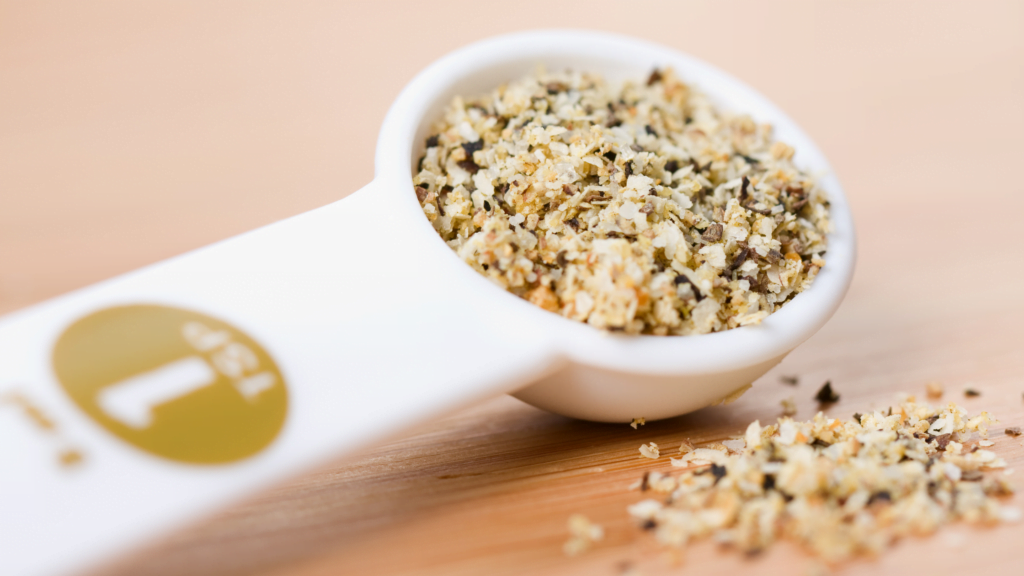
    Lemon pepper is a seasoning blend commonly used in cooking to add flavor to various dishes. It is typically made by combining dried and ground lemon zest with black pepper and sometimes other spices such as garlic or onion powder. Lemon pepper has a tangy and slightly sweet flavor, with mild heat from the black pepper. It is often used to season poultry, seafood, vegetables, and salads. While it is popular in human cuisine, it’s important to understand whether lemon pepper is safe for dogs.

    Can Dogs Eat Lemon Pepper? Is lemon pepper safe for dogs?

    Lemon pepper seasoning contains ingredients that may be unsafe for dogs, including black pepper and potentially high amounts of sodium. While a small amount of lemon pepper seasoning is unlikely to cause harm to your dog, it is generally recommended to avoid feeding your dog any human food that contains spices or herbs. This is because dogs have different digestive systems and nutritional requirements than humans, and some foods that are safe for us can be harmful or toxic to dogs.

    Also, due to the high sodium content, lemon pepper may not be suitable for dogs with certain health conditions, such as kidney disease or hypertension. It’s always best to consult your veterinarian before introducing new foods or seasonings into your dog’s diet to ensure it is safe and appropriate for your furry friend.

    Also Read: Are Orbeez Toxic to Dogs? A Comprehensive Guide

    Potential risks of feeding lemon pepper to dogs

    Feeding lemon pepper seasoning to dogs can potentially cause several risks and health concerns, including:

    • Digestive upset: After consuming lemon pepper seasoning, dogs may experience digestive upset, including vomiting or diarrhea. This can be due to the high levels of salt and spices in the herb.
    • Sodium toxicity: Lemon pepper seasoning often contains high sodium levels, which can harm dogs in large quantities. Dogs with preexisting health conditions, such as kidney or heart disease, are particularly susceptible to sodium toxicity.
    • Allergic reactions: Dogs may be allergic to one or more of the ingredients in lemon pepper seasoning, such as black pepper or garlic. Allergic reactions can cause symptoms such as itching, hives, and swelling.
    • Pancreatitis: The high-fat content of some lemon pepper seasoning blends can increase the risk of pancreatitis in dogs. This serious condition can cause abdominal pain, vomiting, and loss of appetite.
    • Obesity: Feeding your dog foods high in salt, spices, and fat, like lemon pepper seasoning, can contribute to weight gain and obesity, leading to other health problems such as diabetes, joint issues, and heart disease.

    It’s always best to avoid feeding your dog lemon pepper seasoning and other human foods that contain spices and herbs. If you suspect your dog has consumed lemon pepper or any other harmful food, seek veterinary attention immediately.

    Health benefits of lemon pepper for dogs

    While lemon pepper seasoning may not be safe for dogs to consume in large quantities, some potential health benefits are associated with the individual ingredients in the seasoning. Here are a few examples:

    • Lemon zest: Lemon zest contains high levels of vitamin C and antioxidants, which can support your dog’s immune system and help protect against free radical damage.
    • Black pepper: Black pepper has antibacterial properties and can help improve digestion and nutrient absorption. In small amounts, it may also help relieve inflammation and pain.
    • Garlic: While garlic is not recommended in large amounts, small amounts can provide some health benefits for dogs, such as supporting the immune system and preventing heart disease.

    It’s important to note that these health benefits can be obtained from other, safer foods and supplements specifically formulated for dogs. Please speak with your veterinarian about incorporating safe, nutritious foods and supplements into your dog’s diet to promote their health and well-being.

    Alternatives to lemon pepper for adding flavor to your dog’s food

    If you want to add some flavor to your dog’s food, many safe and healthy options exist. Here are a few alternatives to lemon pepper seasoning:

    • Low-sodium broth: Adding a small amount of chicken or beef broth to your dog’s food can provide a tasty flavor boost without the added sodium and spices.
    • Fresh herbs: Adding fresh herbs like parsley, basil, or cilantro can provide flavor and beneficial nutrients for your dog. Just be sure to chop them finely and only add a small amount.
    • Natural spices: Some natural spices, such as turmeric, ginger, and cinnamon, can be added to your dog’s food in small amounts for flavor and potential health benefits.
    • Fresh fruits and vegetables: Adding fresh fruits and vegetables to your dog’s diet can provide a range of vitamins, minerals, and antioxidants while adding natural sweetness and flavor to their meals.

    Always introduce new foods and flavors to your dog’s diet slowly and in small amounts, and consult your veterinarian before making any significant changes.

    Tips for feeding your dog a healthy and balanced diet

    Tips for feeding your dog a healthy and balanced diet |
    Tips for feeding your dog a healthy and balanced diet

    Feeding your dog a healthy and balanced diet is essential for their health and well-being. Here are some tips to help ensure your dog is getting the nutrients they need:

    • Choose high-quality dog food: Look for food made with high-quality ingredients, including real meat, vegetables, and fruits. Avoid dog food that contains fillers, artificial preservatives, and colors.
    • Consider your dog’s age and health: Dogs have different nutritional needs depending on their age, size, and health conditions. Consider these factors when choosing dog food, and talk to your veterinarian if you have any concerns.
    • Avoid feeding your dog human food: While some human foods are safe for dogs in small amounts, it’s generally best to avoid feeding your dog from your plate. Human food can be high in calories, sodium, and unhealthy fats.
    • Provide fresh, clean water: Ensure your dog has access to fresh, clean water.
    • Measure your dog’s food: Feeding your dog too much can lead to obesity and other health problems. Use a measuring cup to provide the right food for your dog’s size and activity level.
    • Incorporate healthy snacks: Treats should comprise at most 10% of your dog’s diet. Choose nutritious snacks like fresh fruits and vegetables or dog-specific treats with high-quality ingredients.
    • Consider adding supplements: Certain supplements, such as omega-3 fatty acids or joint support supplements, may benefit your dog’s health. Talk to your veterinarian about which accessories may be appropriate for your dog.

    Always consult your veterinarian before making any significant changes to your dog’s diet, and regularly monitor your dog’s weight and overall health.

    What to do if your dog accidentally eats lemon pepper

    If you suspect your dog has accidentally eaten lemon pepper seasoning, monitoring them closely for any signs of illness or discomfort is important. Here are some steps you can take:

    • Remove any remaining lemon pepper seasoning: If your dog has access to the lemon pepper seasoning, remove it from their reach to prevent them from consuming any more.
    • Observe your dog’s behavior: Watch for any signs of illness or discomfort, such as vomiting, diarrhea, or lethargy.
    • Contact your veterinarian: If you notice any concerning symptoms or are unsure whether the lemon pepper seasoning could harm your dog, contact your veterinarian immediately. They can advise you on the best course of action based on your dog’s circumstances.
    • Provide water: Ensure your dog can access fresh, clean water to stay hydrated.
    • Be prepared for a vet visit: If your dog has consumed a lot of lemon pepper seasoning or is showing severe symptoms, your veterinarian may recommend bringing them in for an evaluation and potential treatment.

    Remember that prevention is always the best approach to keeping your dog safe and healthy. Keep harmful foods and substances out of your dog’s reach, and monitor them closely to prevent accidental ingestion.

    Also Read: Are Dogs Allowed in Kroger? Can You Bring Your best Friend to the Store?

    Conclusion: Making informed choices about what to feed your dog

    As dog owners, it’s our responsibility to make informed choices about what to feed our furry friends. While some foods, like lemon pepper seasoning, may be safe in small amounts, it’s important to be aware of the potential risks and always avoid caution. When feeding your dog, focus on providing a high-quality, balanced diet that meets its nutritional needs. Incorporate healthy snacks and supplements as appropriate, and always consult your veterinarian before making any significant changes to your dog’s diet. By taking these steps, you can help ensure your dog stays healthy and happy for years.

  • Are Orbeez Toxic to Dogs? A Comprehensive Guide

    Are Orbeez Toxic to Dogs? A Comprehensive Guide

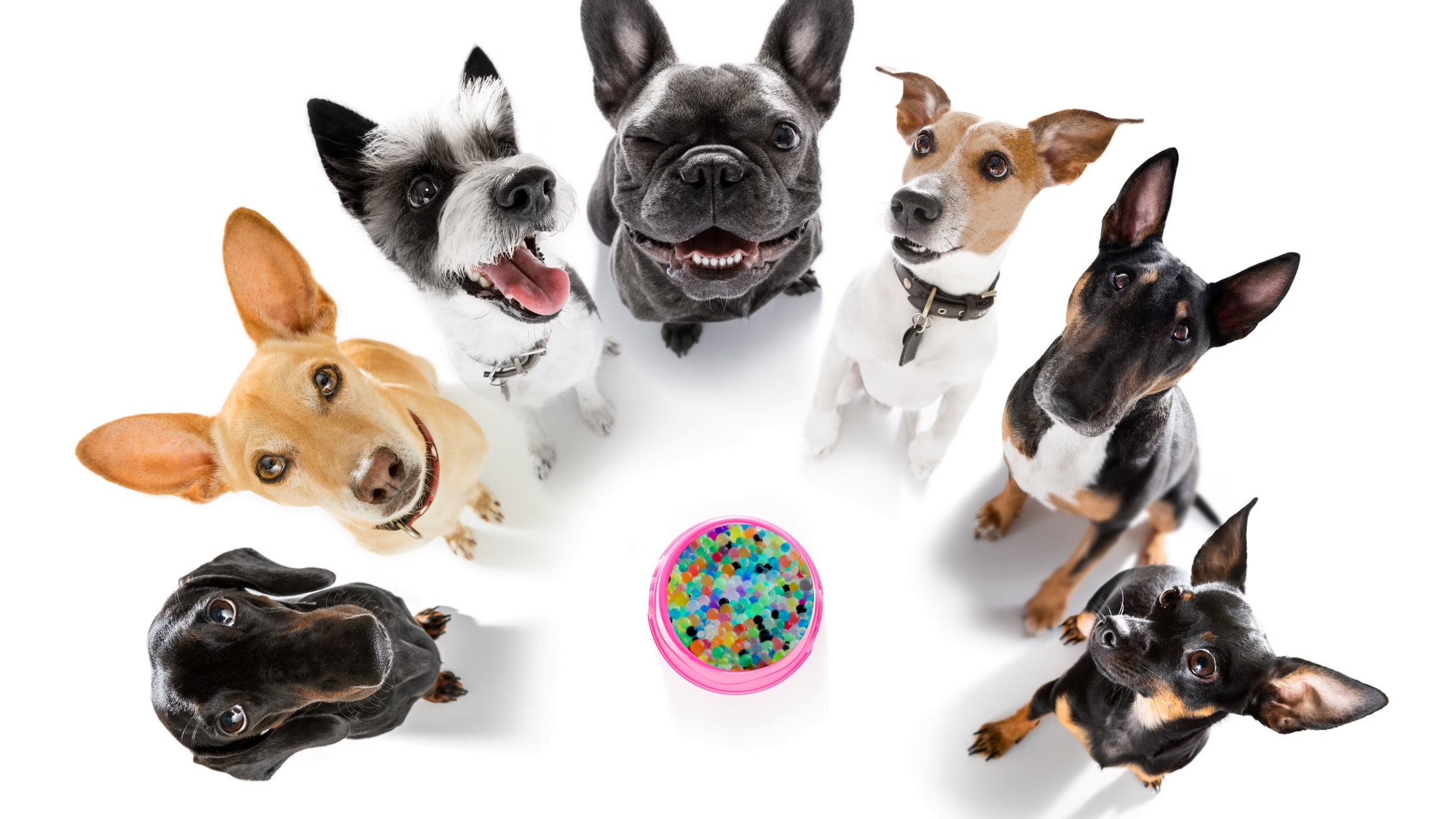
    Orbeez is a popular toy among children and adults alike. When soaked in water, these tiny, colorful beads can expand to hundreds of times their original size. But, as a responsible pet owner, you might wonder whether they are safe for your furry friend. This article will explore Are Orbeez Toxic to Dogs? and how to keep your pet safe.

    What are Orbeez, and how do they work?

    What are Orbeez |
    What are Orbeez, and how do they work?

    Orbeez is tiny, round beads made of a superabsorbent polymer. They are commonly used as a sensory toys or for decoration in crafts and floral arrangements. When Orbeez is dry, they are hard and small, but when you soak them in water, they can expand up to 100-300 times their original size, becoming soft, squishy, and bouncy.

    The science behind Orbeez is fascinating. The beads are made of sodium polyacrylate, a polymer that can absorb and hold water. When you add water, the sodium polyacrylate molecules swell and drink the water, causing the beads to expand. The more water they absorb, the larger they become, which makes them entertaining sensory toys for children and adults alike.

    It is important to note that while Orbeez is safe for human use, it can pose a danger to dogs if ingested. Dogs can mistake the colorful beads for food or toys, and the superabsorbent nature of Orbeez can lead to serious health issues if consumed in large amounts. Keeping Orbeez out of reach of pets is crucial to prevent accidental ingestion.

    Is Orbeez safe for humans?

    Is Orbeez safe for humans |
    Is Orbeez safe for humans?

    Orbeez is considered safe for human use as long as they are used as intended. They are often used as sensory toys, decorations, or for gardening purposes. However, it is essential to note that Orbeez is not edible and should not be ingested. If accidentally swallowed, they can cause choking, and if inhaled, they can cause respiratory problems.

    In addition, it is crucial to follow the instructions the manufacturer provides when using Orbeez. They should be soaked in water for the recommended amount of time. They should not be left unattended in water for extended periods. Over time, Orbeez can break down; if they are not disposed of properly, they can create a mess and clog drains.

    Overall, Orbeez is safe for human use as long as they are used as intended and with proper care and supervision.

    What happens if a dog eats Orbeez?

    If a dog ingests Orbeez, it can pose a severe health risk. The super absorbent nature of Orbeez means that they can expand to many times their original size when they come in contact with water, and this can lead to blockages or obstructions in the digestive tract.

    If a dog eats Orbeez, the beads can expand in the stomach or intestines, causing a blockage. This can lead to a range of symptoms, including vomiting, diarrhea, abdominal pain, and loss of appetite. In severe cases, an intestinal blockage can cause dehydration, sepsis, or even death if left untreated.

    It is important to note that the risk of harm to a dog depends on the amount of Orbeez ingested and the dog’s size. Smaller dogs are at a higher risk of developing an intestinal blockage from eating Orbeez.

    If you suspect that your dog has ingested Orbeez, it is crucial to seek veterinary care immediately. A vet may recommend monitoring the dog’s symptoms or performing imaging tests, such as X-rays or ultrasounds, to check for any blockages or obstructions in the digestive tract. In some cases, surgery may be required to remove the blockage.

    Also Read: Are Dogs Allowed in Kroger? Can You Bring Your best Friend to the Store?

    Are water beads toxic to dogs? Or Are Orbeez toxic to dogs?

    Orbeez is not necessarily toxic to dogs but can cause serious health problems if ingested. The super absorbent nature of Orbeez means that they can expand to many times their original size when they come in contact with water, and this can lead to blockages or obstructions in the digestive tract.

    If a dog ingests Orbeez, it can expand in the stomach or intestines, causing a blockage that can lead to a range of symptoms, including vomiting, diarrhea, abdominal pain, and loss of appetite. In severe cases, an intestinal blockage can cause dehydration, sepsis, or even death if left untreated.

    It is important to note that the risk of harm to a dog depends on the amount of Orbeez ingested and the dog’s size. Smaller dogs are at a higher risk of developing an intestinal blockage from eating Orbeez.

    To prevent your dog from ingesting Orbeez, it is essential to keep them out of reach and dispose of them properly. If you suspect that your dog has ingested Orbeez, it is necessary to seek veterinary care immediately. A vet may recommend monitoring the dog’s symptoms or performing imaging tests, such as X-rays or ultrasounds, to check for any blockages or obstructions in the digestive tract. In some cases, surgery may be required to remove the blockage.

    Symptoms of Orbeez ingestion in dogs

    If a dog ingests Orbeez, it can cause a blockage or obstruction in the digestive tract, leading to a range of symptoms. The symptoms may vary depending on the amount of Orbeez ingested and the dog’s size. Some of the common symptoms of Orbeez ingestion in dogs include:

    • Vomiting: A dog may repeatedly vomit if they have eaten Orbeez. The vomiting may be accompanied by retching or dry heaving.
    • Diarrhea: Orbeez ingestion can also cause diarrhea in dogs, which may be watery, bloody, or mucous.
    • Abdominal pain: A dog may experience abdominal pain, discomfort, or bloating if they have eaten Orbeez. They may also show signs of distress, such as whining or pacing.
    • Loss of appetite: Orbeez ingestion can cause a loss of appetite in dogs. They may need more interest in food or treats.
    • Lethargy: A dog may become lethargic or show signs of weakness if they have eaten Orbeez.
    • Dehydration: If dogs cannot keep fluids down due to vomiting or diarrhea caused by Orbeez ingestion, they may become dehydrated.

    If your dog shows any of these symptoms, it is essential to seek veterinary care immediately. A vet may recommend monitoring the dog’s symptoms or performing imaging tests, such as X-rays or ultrasounds, to check for any blockages or obstructions in the digestive tract. In some cases, surgery may be required to remove the blockage.

    What to do if your dog eats Orbeez?

    Suppose you suspect that your dog has eaten Orbeez. In that case, it is essential to take immediate action to minimize the risk of harm. Here are the steps you can take:

    • Stay calm: It is essential to stay calm and assess the situation. Do not panic or try to induce vomiting unless instructed by a veterinarian.
    • Contact your veterinarian: Call your veterinarian or local animal emergency clinic immediately for advice. They can guide you on the next steps and whether you must bring your dog in for treatment.
    • Observe your dog’s symptoms: Watch your dog closely for signs of distress or discomfort, such as vomiting, diarrhea, abdominal pain, or loss of appetite.
    • Do not give your dog anything to eat or drink: Do not give your dog any food or water unless instructed by a veterinarian. This can help prevent further complications if the Orbeez has already started to expand in the stomach.
    • Provide your vet with all necessary information: Be sure to provide your veterinarian with as much information as possible, including the quantity of Orbeez ingested, the time of ingestion, and your dog’s current symptoms.
    • Follow your veterinarian’s advice: Follow the advice given by your veterinarian, including any medication or treatment recommended.

    Prevention is critical to keeping your dog safe from ingesting harmful objects. Keep Orbeez and other small objects out of reach, and supervise your dog when playing with toys or chewing on things.

    How to prevent your dog from eating Orbeez

    Preventing your dog from eating Orbeez is essential to protect them from potential harm. Here are some ways to prevent your dog from eating Orbeez:

    • Keep Orbeez out of reach: Store Orbeez and other small objects securely outside your dog’s reach. Please keep them in a sealed container or cupboard.
    • Supervise your dog: Supervise your dog when they are playing with toys or chewing on things. If you notice they are trying to eat something, they shouldn’t redirect their attention to a toy or treat.
    • Train your dog: Train your dog to leave things alone that they shouldn’t eat. Use positive reinforcement techniques to encourage good behavior.
    • Use pet-friendly toys: Choose pet-friendly toys that are durable and designed for your dog’s size and chewing habits. Avoid toys that can easily break apart, exposing small parts your dog may try to eat.
    • Dispose of Orbeez properly: When you are finished using Orbeez, dispose of them properly. Please do not leave them lying around where your dog can access them.

    By following these tips, you can help keep your dog safe and prevent them from ingesting Orbeez or other small objects that could be harmful. If you suspect your dog has ingested Orbeez or something dangerous, seek veterinary care immediately.

    Also Read: Can Dogs Eat Venison? Best Guide

    Alternatives to Orbeez for your dog’s entertainment

    Alternatives to Orbeez for your dogs entertainment |
    Alternatives to Orbeez for your dog’s entertainment

    There are many safe alternatives to Orbeez that you can provide to your dog for their entertainment. Here are some options:

    • Kong toys: Kong toys are durable and can be filled with treats, peanut butter, or other goodies to keep your dog entertained.
    • Puzzle toys: Puzzle toys challenge your dog’s mind and keep them engaged. Many different types of puzzle toys are available, including treat-dispensing toys and interactive games.
    • Chew toys: Chew toys are great for dogs who love to chew. Look for durable chew toys from safe materials, such as rubber or nylon.
    • Squeaky toys: Squeaky toys are fun for dogs who love to play and chase after things. Just be sure to supervise your dog when playing with squeaky toys to ensure they do not swallow any small parts.
    • Rope toys: Rope toys are great for playing tug-of-war with your dog. They are durable and can help clean your dog’s teeth as they chew on them.

    Remember, always supervise your dog when they are playing with toys to ensure their safety. If you are still determining whether a toy is safe for your dog, consult your veterinarian or a pet expert. You can help keep your dog entertained and happy by providing safe and engaging toys.

    Conclusion: Orbeez and your dog’s safety.

    In conclusion, while Orbeez may seem like a fun and harmless toy, they can be dangerous for dogs if ingested. If your dog has ingested Orbeez, it is crucial to take immediate action to minimize the risk of harm. Contact your veterinarian or local animal emergency clinic immediately for advice and guidance on the next steps.

    Prevention is vital to protecting your dog from ingesting harmful objects like Orbeez. Keep small objects out of reach and supervise your dog when playing with toys or chewing on things. Choose safe and durable toys for your dog’s size and chewing habits.

    Taking these steps can help keep your dog safe and prevent them from ingesting Orbeez or other harmful objects. Remember, the safety and well-being of your dog should always be a top priority.

  • Are Dogs Allowed in Kroger? Can You Bring Your best Friend to the Store?

    Are Dogs Allowed in Kroger? Can You Bring Your best Friend to the Store?

    Many pet owners love taking their dogs with them wherever they go, including on trips to the grocery store. But is it okay to bring your furry friend along when shopping at Kroger? Are Dogs Allowed in Kroger stores? In this article, we’ll explore the rules and regulations regarding dogs in Kroger stores and some tips for keeping your pup safe and happy while shopping.

    Are Dogs Allowed in Kroger – Kroger’s policy on dogs in stores

    Kroger’s policy on dogs in stores is quite clear – they only allow service animals. According to the Americans with Disabilities Act (ADA), service animals are dogs (or miniature horses) trained to do work or perform tasks for people with disabilities. These tasks can include anything from guiding the blind to alerting the deaf to retrieving items for someone with limited mobility.

    Kroger’s policy aligns with the ADA regulations, which require businesses to allow service animals inside their premises. However, the policy does not extend to emotional support animals or pets, not considered service animals under the ADA. Therefore, if your dog is not a trained service animal, it will not be allowed inside Kroger stores.

    It’s worth noting that even if your dog is a service animal, Kroger does require them to be under control and on a leash at all times. This ensures the safety of other customers, employees, and the service animal. In addition, if the dog’s behavior becomes disruptive, Kroger reserves the right to ask the customer to remove the animal from the store.

    While Kroger does not allow pets or emotional support animals inside their stores, they follow the ADA regulations and allow trained service animals inside. If you have a service animal, following Kroger’s guidelines is essential to ensure a safe and joyous shopping experience for everyone involved.

    Also Read: Can Dogs Eat Venison? Best Guide

    Health and safety concerns for dogs in grocery stores

    Allowing dogs in grocery stores like Kroger can pose health and safety concerns for both dogs and humans. Dogs may carry and spread harmful bacteria or parasites, and their presence can also trigger allergic reactions in some individuals. Moreover, dogs can be a distraction to other shoppers or employees. They may cause accidents, such as tripping or knocking over items.

    In addition, grocery stores often have strict regulations regarding food safety and sanitation, and allowing dogs in the store may compromise these regulations. For example, dogs may accidentally contaminate food or surfaces with their saliva, urine, or feces. This can lead to foodborne illnesses or other health hazards for humans.

    For these reasons, many grocery stores, including Kroger, do not allow dogs in their stores unless they are service animals. Service animals are trained to perform specific tasks for people with disabilities and are protected by law under the Americans with Disabilities Act (ADA). However, service animals must follow specific guidelines and be well-behaved while in the store.

    Tips for bringing your dog to Kroger

    If you’re planning to bring your dog to Kroger, here are some tips to make the experience safe and enjoyable for everyone:

    • Check with your local store: While Kroger’s policy allows dogs in stores, individual store managers may have different rules. Before bringing your dog to the store, it’s a good idea to call ahead and confirm that dogs are allowed.
    • Keep your dog on a leash: Even if your dog is well-behaved and friendly, keeping them on a leash to prevent potential accidents or incidents is essential.
    • Bring supplies: Bring water, a bowl, and waste bags for your dog. While Kroger may allow dogs, they don’t provide any pet supplies.
    • Be mindful of other shoppers: Not everyone is comfortable around dogs, so it’s essential to be respectful of other shoppers. Please keep your dog close to you and avoid letting them interact with other customers or their pets.
    • Know your dog: If your dog is easily stressed or anxious in busy or unfamiliar environments, it may be best to leave them at home. Only bring your dog to Kroger if you’re confident they can handle the experience without causing any issues.

    By following these tips, you can ensure that you and your furry friend have a positive experience while shopping at Kroger.

    Also Read: Can Dogs Eat Falafel? Is Falafel Safe for Dogs?

    Alternatives to bringing your dog to Kroger

    If you’re unable to bring your dog to Kroger or prefer not to, there are several alternatives you can consider.

    • Leave your dog at home: If you’re only going to Kroger for a short period, leave it at home. This ensures that they’re safe and comfortable while you’re out running errands.
    • Take advantage of curbside pickup or delivery: Many Kroger stores offer curbside pickup or delivery services, a great option to avoid bringing your dog inside. You can order online and get your groceries to your car or delivered to your home.
    • Use a dog daycare or pet sitter: If you need to do a big grocery run or will be at Kroger for an extended period, consider using a dog daycare or pet sitter. This ensures your dog is cared for and entertained while you’re out and about.
    • Shop at a pet-friendly grocery store: If you’re set on bringing your dog along for the shopping trip, consider shopping at a pet-friendly grocery store. Some stores, such as Petco, allow dogs inside if they’re on a leash and well-behaved.

    Conclusion: Can You Bring Your Dog to Kroger?

    In conclusion, Kroger’s policy on dogs in stores varies depending on the location and local laws. Some Kroger stores allow dogs as long as they are well-behaved and on a leash, while others do not. It is essential to respect the store’s policy and consider the health and safety of your dog and the other customers and employees. If you decide to bring your dog to Kroger, follow the store’s rules and regulations, keep your dog on a leash, and clean up after them. Alternatively, consider leaving your dog at home or finding alternative pet-friendly stores.

  • Can Dogs Eat Venison? Best Guide

    Can Dogs Eat Venison? Best Guide

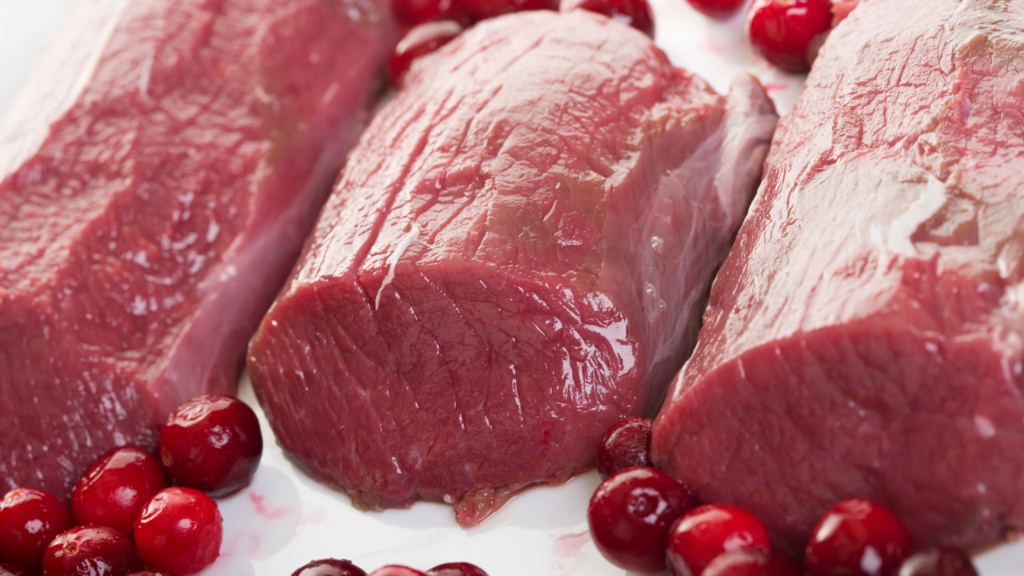
    Venison is meat from deer and is often considered a human delicacy. But what about dogs? As a pet owner, you may wonder if it’s safe for your furry friend to eat venison. This article will explore the topic of dogs and venison, including whether can dogs eat venison?, the nutritional benefits and risks, and how to safely incorporate it into their diet.

    Can Dogs Eat Venison?

    Venison is meat from deer, and many dog owners wonder if it’s safe for their furry friends to eat. The good news is that venison is generally safe for dogs to eat, and it’s a common ingredient in many high-quality dog foods. However, some important things to remember if you consider feeding your dog venison.

    Firstly, ensuring the venison is cooked thoroughly before feeding it to your dog is important. Raw or undercooked venison can contain harmful bacteria that can make your dog sick. Additionally, suppose you’re providing your dog with venison bones. In that case, you should always supervise them to ensure they’re not splintering and potentially causing harm.

    When it comes to venison sausage, jerky, liver, or burgers, it’s best to avoid feeding these to your dog. These products often contain added ingredients such as spices, preservatives, and other additives that can harm dogs. Stick to providing your dog with plain, cooked venison meat to ensure their safety and health.

    When prepared and fed correctly, venison can be a healthy and tasty addition to your dog’s diet. However, it’s always a good idea to consult your veterinarian before making any major changes to your dog’s diet to ensure they get all the nutrients they need.

    Also Read: Can Dogs Eat Falafel? Is Falafel Safe for Dogs?

    Potential health benefits of venison for dogs

    Potential health benefits of venison for dogs |
    Potential health benefits of venison for dogs

    Here are some potential health benefits of venison for dogs:

    • High in protein: Venison is a great source of protein, which is essential for building and repairing your dog’s muscles, skin, and other tissues.
    • Low in fat: Venison is typically leaner than beef, pork, and other types of meat, which can benefit dogs that need to lose weight or have digestive issues.
    • Rich in vitamins and minerals: Venison is a good source of B vitamins, zinc, iron, and other essential nutrients supporting your dog’s overall health and well-being.
    • Hypoallergenic: Some dogs are allergic to common proteins like beef or chicken, but venison can be a good alternative as it is less likely to cause allergic reactions.
    • Supports joint health: Venison contains glucosamine and chondroitin, which can help maintain your dog’s joint health and mobility.

    It’s important to note that while venison can provide health benefits, it should always be fed in moderation and as part of a balanced diet. Additionally, suppose your dog has any medical conditions or dietary restrictions. In that case, it’s always a good idea to consult your veterinarian before introducing new foods.

    Potential health risks of venison for dogs

    Potential health risks of venison for dogs |
    Potential health risks of venison for dogs

    While venison can provide some health benefits for dogs, there are also some potential risks to be aware of:

    • Bone fragments: If dogs eat venison bones, they can break and splinter, causing injury to the mouth, throat, or intestines.
    • Digestive issues: Dogs who eat large amounts of venison or who have sensitive stomachs may experience digestive issues such as vomiting, diarrhea, or constipation.
    • Parasites: Wild venison can potentially carry parasites such as E. coli, salmonella, or toxoplasma gondii, which can cause illness in dogs.
    • Game meat intolerance: Some dogs may have an intolerance to game meats such as venison, causing an allergic reaction or other symptoms such as itching, skin irritation, or respiratory distress.
    • High-fat content: Venison can be high in fat, which can lead to weight gain and associated health problems such as pancreatitis or heart disease if consumed in excess.
    • Mercury contamination: If the venison comes from an area with high levels of environmental pollution, it may contain high levels of mercury, which can be harmful to dogs.

    It is important to consult with a veterinarian before adding venison or any other new food to your dog’s diet to ensure that it is safe and appropriate for your dog’s individual needs and health status.

    Can Dogs Eat Venison Bones?

    While venison bones may seem like a tempting treat for your dog, they can pose several risks. Bones can splinter and break apart, which can cause choking, blockages in the digestive tract, or even puncture the digestive system.

    In addition, venison bones are harder than the bones of other animals, which can cause dental problems or even break your dog’s teeth. It’s generally recommended to avoid feeding your dog any type of bone, including venison bones, as the risks outweigh the potential benefits.

    If you decide to give your dog a bone, it’s important to choose a large, raw bone that has not been cooked, as cooked bones are more likely to splinter. Even then, it’s important to supervise your dog carefully and remove the bone if it becomes too small or seems to be having difficulty chewing or swallowing it. It’s always better to err on the side of caution and choose a safer treat for your furry friend.

    Can Dogs Eat Venison Sausage?

    Venison sausage can be a tasty treat for dogs. Still, feeding it in moderation and with some precautions is important. While venison is a lean meat high in protein, it’s often mixed with other ingredients such as spices, salt, and fat to make sausage. These additives can cause stomach upset or pancreatitis in dogs if consumed in large quantities or over a prolonged period.

    If you want to feed your dog venison sausage, choose a high-quality brand that doesn’t contain harmful ingredients, such as onions or garlic. It’s also a good idea to cut the sausage into small pieces and feed it as an occasional treat rather than a regular part of their diet. As with any new food, monitor your dog’s reaction after feeding them venison sausage for the first time. Contact your veterinarian if you notice any signs of digestive upset or other adverse reactions.

    Also Read: Can A Pregnant Dog Jump Around? Best Guide Everything You Need To Know

    Can Dogs Eat Venison Jerky?

    While venison meat is generally safe for dogs, venison jerky is not recommended. This is because most store-bought jerky products, including venison jerky, are heavily processed and contain high amounts of sodium and other preservatives that can harm dogs. Additionally, many jerky products are made with spices and flavorings that can upset a dog’s stomach or cause an allergic reaction.

    If you want to feed your dog venison as a treat, it’s best to give them a small piece of plain, cooked venison meat rather than jerky. This way, you can ensure your dog gets a healthy, nutritious snack without any harmful additives.

    Can Dogs Eat Venison Meat?

    Yes, dogs can eat venison meat. In fact, venison is a common ingredient in many high-quality dog foods. Venison is a lean protein source that is low in fat and high in essential vitamins and minerals, making it a healthy choice for dogs. It is also a good source of iron, which helps dogs maintain healthy red blood cells. However, ensuring the venison is cooked thoroughly and served without any seasoning or added ingredients that may harm dogs is important. Additionally, it’s always a good idea to consult with your veterinarian before introducing any new food into your dog’s diet, especially if your dog has any pre-existing health conditions.

    Can Dogs Eat Venison Liver?

    While venison liver is safe for dogs to eat in moderation, it should not be a regular part of their diet. The liver is a rich source of nutrients, including protein, iron, and vitamins A and B. However, it also contains high levels of vitamin A, which can be toxic if consumed in large amounts. As with any liver, it’s best to feed it to your dog in small quantities as an occasional treat rather than a mainstay of their diet. If you need help with how much liver to feed your dog or how often, consult your veterinarian for guidance.

    Can Dogs Eat Venison Burger or Hamburger?

    While plain venison meat can be a healthy protein source for dogs, it’s important to be cautious about processed venison products like burgers or hamburgers. These products can contain added seasonings, spices, and other ingredients that may harm dogs. Additionally, the high-fat content in these products can upset a dog’s stomach and lead to pancreatitis.

    Suppose you want to feed your dog a venison burger or hamburger. In that case, it’s best to cook it plain without any added ingredients or seasonings. You should also limit the amount you give to your dog and ensure it’s not a regular part of their diet. As with any new food, monitoring your dog for any signs of an upset stomach or allergic reaction after eating a venison burger or hamburger is important.

    Generally, it’s always best to consult with your veterinarian before introducing new foods to your dog’s diet, especially if your dog has any pre-existing health conditions or dietary restrictions.

    Can Dogs Eat Venison Raw?

    Can Dogs Eat Venison Raw |
    Can Dogs Eat Venison Raw

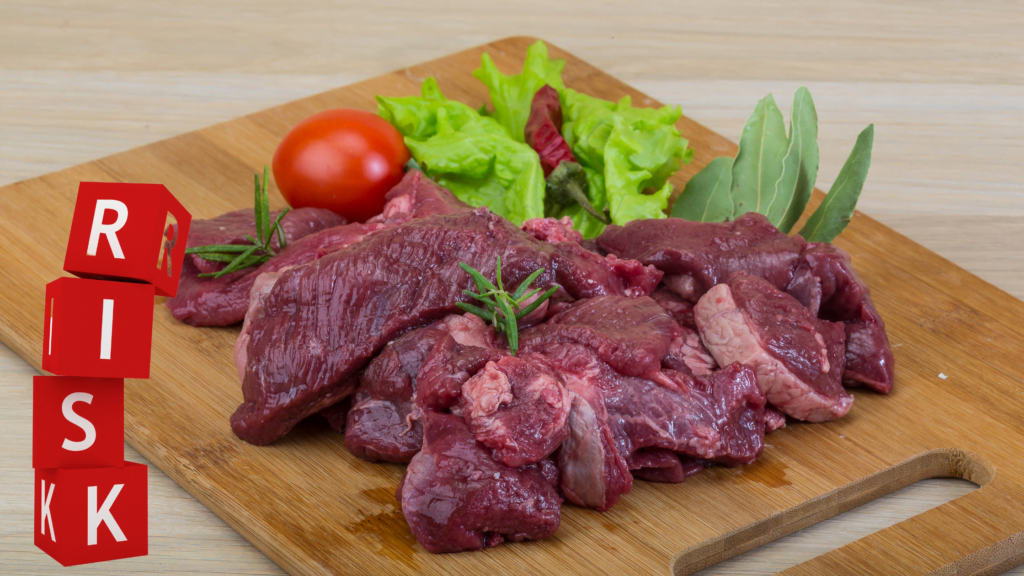
    Feeding your dog raw meat, including venison, comes with potential risks. While some people advocate for a raw food diet for dogs, certain precautions must be taken to ensure your pet’s safety. Raw meat can contain harmful bacteria like Salmonella and E. coli, which can cause severe illness in dogs and humans. Additionally, feeding your dog a diet solely of raw meat can lead to nutritional imbalances and deficiencies.

    Suppose you choose to feed your dog venison or other raw meat. In that case, it’s important to take precautions to minimize the risk of bacterial infection. This includes handling the meat carefully, storing it at the appropriate temperature, and washing your hands and surfaces that come into contact with the raw meat. It’s also a good idea to consult with a veterinarian or animal nutritionist to ensure your dog receives a balanced and nutritionally complete diet.

    While dogs can technically eat venison raw, it is generally not recommended due to the potential risks involved. It’s important to always prioritize your dog’s health and safety when deciding its diet.

    Conclusion: Can Dogs Eat Venison?

    In conclusion, dogs can eat venison if cooked thoroughly, served bonelessly, and provided in moderation. It is important to consult with your veterinarian before introducing venison or any new food into your dog’s diet. While venison can be a healthy addition to your dog’s diet, it is crucial to ensure that it is sourced from a reputable supplier and is properly prepared to avoid any health risks. By following these guidelines and monitoring your dog’s reactions, you can safely incorporate venison into your dog’s diet and provide them with a nutritious and delicious meal.

  • Can Dogs Eat Falafel? Is Falafel Safe for Dogs?

    Can Dogs Eat Falafel? Is Falafel Safe for Dogs?

    Falafel is a tasty Middle Eastern dish that is becoming increasingly popular worldwide. But for dog owners, the question arises: can dogs eat falafel? While it may seem like a harmless treat to share with your furry friend, it’s essential to know that some ingredients commonly found in falafel can be dangerous to dogs. In this article, we will explore the topic in-depth and answer all your questions about whether or not dogs can safely enjoy falafel.

    What is Falafel and its Nutritional Value for Dogs?

    Falafel is a Middle Eastern dish made from ground chickpeas, herbs, and spices. The mixture is shaped into small balls or patties and deep-fried or baked. Falafel is usually served on pita bread with vegetables, tahini sauce, and hummus.

    Regarding the nutritional value of falafel for dogs, it is essential to note that while chickpeas are a good source of protein, fiber, and vitamins, some other ingredients found in falafel can harm dogs.

    For example, garlic and onions are commonly used in falafel recipes. Still, they contain compounds that can damage a dog’s red blood cells, leading to anemia. Additionally, falafel is often seasoned with spices like cumin and coriander, which can cause digestive upset in some dogs.

    In moderation, chickpeas can be a healthy addition to a dog’s diet, as they provide protein and fiber. Still, it’s essential to be cautious about giving your dog falafel or any food that contains potentially harmful ingredients. As always, it’s best to consult with a veterinarian before introducing new foods into your dog’s diet to ensure they are safe and appropriate for your pet.

    Chickpeas in Falafel – Safe or Harmful for Dogs?

    Chickpeas in Falafel Safe or Harmful for Dogs |
    Chickpeas in Falafel – Safe or Harmful for Dogs?

    Chickpeas are a common ingredient in falafel and can be safe for dogs in moderation. Chickpeas are a good source of protein, fiber, and vitamins, which can help support a dog’s overall health.

    However, it’s important to note that while chickpeas are generally safe for dogs to eat, they can cause digestive upset if consumed in large quantities. Dogs may sometimes experience bloating, gas, or diarrhea after eating chickpeas or other legumes.

    It’s also important to be mindful of how the chickpeas are prepared. Falafel is often deep-fried or baked, which can add extra fat and calories to the dish. If you’re planning to give your dog chickpeas, serving them plain, cooked, and in small quantities is best.

    Additionally, some falafel recipes may contain other ingredients that are harmful to dogs, such as garlic and onions. These ingredients should be avoided as they can cause anemia and other health problems.

    Chickpeas can be a healthy addition to a dog’s diet when given in moderation and prepared correctly. However, it’s essential to be aware of potential digestive issues and to avoid any other harmful ingredients that may be present in falafel or other dishes. Always consult a veterinarian before introducing new foods to your dog’s diet.

    Can Dogs Eat Falafel Seasonings and Spices?

    It depends on the specific seasonings and spices used in the falafel recipe. Some spices commonly used in falafel, such as cumin and coriander, are generally safe for dogs in small quantities. These spices can provide flavor and offer some health benefits, such as aiding digestion.

    However, other spices commonly used in falafel, such as garlic and onion powder, can be toxic to dogs and should be avoided. These ingredients contain compounds that can damage a dog’s red blood cells, leading to anemia.

    Suppose you need clarification on whether a particular seasoning or spice is safe for your dog to eat. In that case, it’s best to err on the side of caution and avoid it. As always, it’s essential to consult with a veterinarian before introducing new foods or spices to your dog’s diet.

    In summary, some falafel seasonings and spices can be safe for dogs in small quantities, while others can be harmful. It’s essential to be aware of the potential risks and to avoid any ingredients that may be toxic to your dog.

    Also Read: Can A Pregnant Dog Jump Around? Best Guide Everything You Need To Know

    Risks of Giving Falafel to Dogs: Digestive and Allergic Reactions

    Several risks are associated with giving falafel to dogs, including digestive and allergic reactions.

    Digestive issues: Falafel contains various ingredients that can cause digestive upset in dogs, including spices, herbs, and oils used in the recipe. Additionally, falafel is often deep-fried or baked, making it high in fat and calories. Consuming too much falafel can lead to symptoms such as vomiting, diarrhea, and stomach discomfort.

    Allergic reactions: Some dogs may be allergic to ingredients in falafel, such as chickpeas, sesame seeds (often used in tahini sauce), or other components in the falafel recipe. Symptoms of an allergic reaction in dogs may include itching, hives, swelling, difficulty breathing, and even anaphylactic shock.

    Toxic ingredients: Falafel may contain harmful ingredients such as garlic and onions, which can damage a dog’s red blood cells, leading to anemia. These ingredients can cause various symptoms in dogs, including lethargy, weakness, pale gums, and loss of appetite.

    In summary, giving falafel to dogs can pose several risks, including digestive upset, allergic reactions, and exposure to toxic ingredients. It’s best to avoid feeding falafel to dogs and stick to dog-safe foods recommended by veterinarians. Suppose you suspect your dog has ingested falafel or any other potentially harmful food. In that case, contacting a veterinarian immediately is essential for advice.

    Safe Foods for Dogs: Falafel Alternatives to Try

    If you’re looking for safe and healthy alternatives to falafel to give your dog, consider several options. Here are a few ideas:

    1. Plain-cooked chickpeas: Chickpeas are a healthy and protein-packed alternative to falafel. You can serve them plain and cooked, in small quantities, as a treat or mixed into your dog’s regular food.
    2. Carrots: Carrots are a great low-calorie snack for dogs, providing a good source of vitamins and fiber. You can serve them raw or cooked but cut them into small pieces to prevent choking.
    3. Green beans: Green beans are another low-calorie option that dogs tend to enjoy. They’re high in fiber and help keep your dog full between meals.
    4. Sweet potatoes: Sweet potatoes are a good source of vitamins, fiber, and antioxidants, and they’re also low in fat. You can serve them cooked and mashed or cut into small pieces and baked as a healthy alternative to potato chips.
    5. Cooked chicken or turkey: Cooked chicken or turkey is a lean source of protein that most dogs enjoy. Just be sure to remove any bones and skin before serving.

    Always consult a veterinarian before introducing new foods to your dog’s diet to ensure they are safe and appropriate for your pet.

    Tips for Sharing Food with Your Dog: Dos and Don’ts

    Tips for Sharing Food with Your Dog Dos and Donts |
    Tips for Sharing Food with Your Dog: Dos and Don’ts

    Sharing food with your dog can be a great way to bond with your furry friend and give them a special treat. However, it’s essential to do so safely and healthily. Here are some dos and don’ts to keep in mind when sharing food with your dog:

    Dos:

    1. Choose dog-safe foods: Stick to dog-safe foods that are recommended by veterinarians, and avoid feeding your dog any human foods that are toxic to dogs.
    2. Offer small amounts: When introducing new foods to your dog’s diet, start with small quantities to see how they react. Too much fresh food can cause digestive upset.
    3. Monitor your dog: Always supervise your dog while eating, and watch for any signs of discomfort or distress.
    4. Use food as a reward: Use small pieces of dog-safe food during training sessions or reinforce good behavior.
    5. Offer variety: Variety is vital to a healthy diet. So, consider rotating different dog-safe foods to keep your dog interested and engaged.

    Don’ts:

    1. Feed your dog table scraps: Feeding your dog table scraps can contribute to weight gain and cause digestive issues. It can also reinforce destructive behaviors, such as begging.
    2. Give your dog bones: Bones can be a choking hazard and cause digestive issues or intestinal blockages.
    3. Offer food high in fat, salt, or sugar: These foods can contribute to obesity and other health problems in dogs.
    4. Share spicy or seasoned food: Spicy or seasoned food can cause digestive upset in dogs, and some spices can even be toxic to dogs.
    5. Feed your dog chocolate, grapes, raisins, onions, or garlic: These foods are toxic to dogs and can cause serious health problems.

    In summary, sharing food with your dog can be a fun and healthy way to bond with your furry friend, as long as you do so safely and responsibly. Always consult a veterinarian before introducing new foods to your dog’s diet. Monitor your dog closely for any signs of discomfort or distress.

    Also Read: Can Takis Kill Dogs? What You Need to Know

    Conclusion: Is Falafel Safe for Dogs? What You Need to Consider.

    In conclusion, while falafel is a popular and delicious food for humans, it is not considered safe for dogs. The risk of digestive upset, allergic reactions, and exposure to toxic ingredients such as garlic and onions make falafel a wrong food choice for dogs.

    Instead, dog owners should stick to dog-safe foods recommended by veterinarians, such as cooked chicken or turkey, plain cooked chickpeas, green beans, sweet potatoes, and carrots. Suppose you suspect your dog has ingested falafel or any other potentially harmful food.

    In that case, contacting a veterinarian immediately is essential for advice. Always consult a veterinarian before introducing new foods to your dog’s diet to ensure they are safe and appropriate for your pet.

  • Can A Pregnant Dog Jump Around? Best Guide Everything You Need To Know

    Can A Pregnant Dog Jump Around? Best Guide Everything You Need To Know

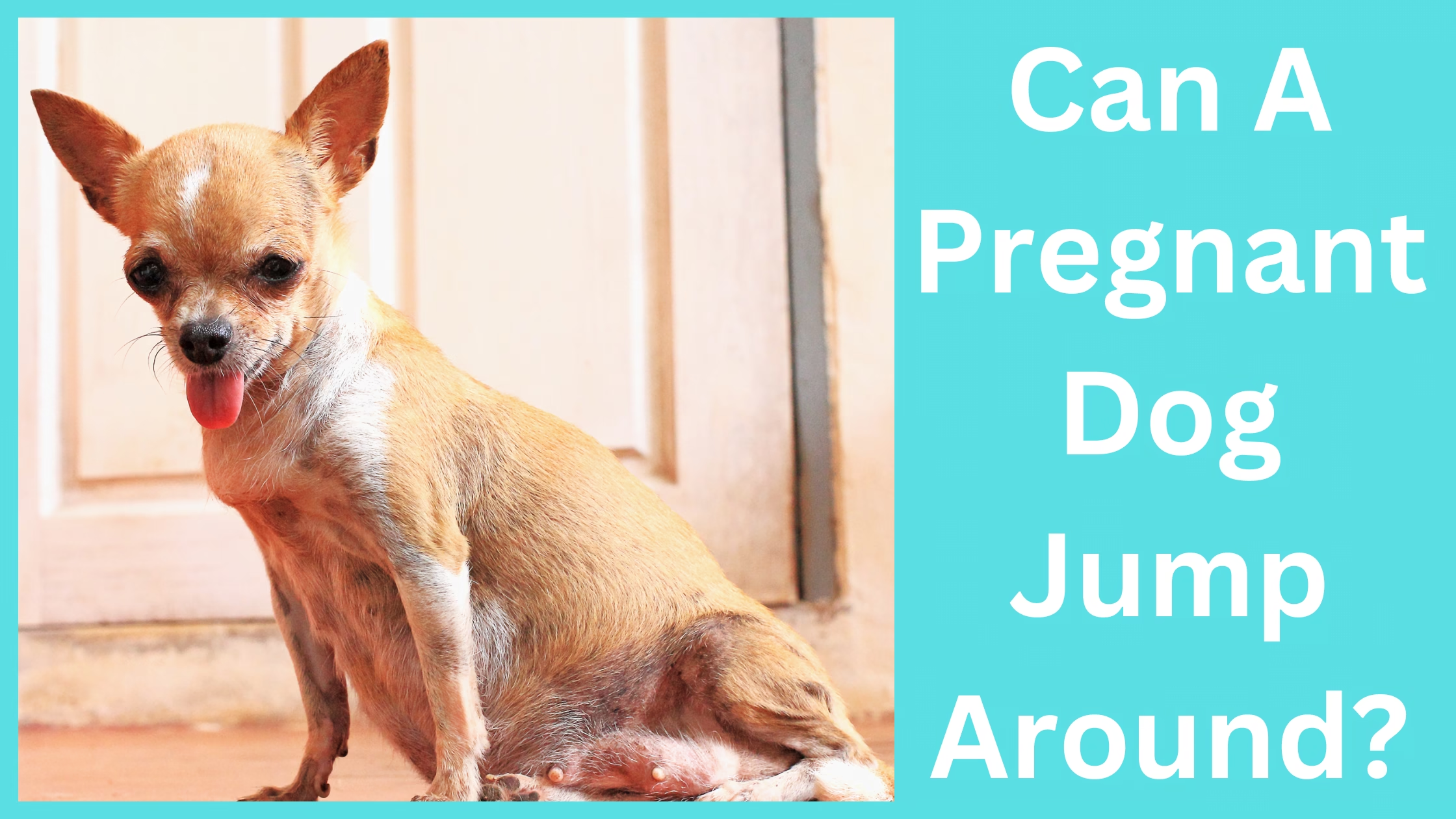
    Can A Pregnant Dog Jump Around? While it’s natural for dogs to be active, pregnancy can be delicate. If you are a dog owner, you may wonder whether your pregnant dog should be allowed to jump around. This article will discuss everything you need to know about pregnant dogs jumping around, including what to expect and how to keep your dog safe.

    Introduction to Pregnancy in Dogs

    Pregnancy is a natural and exciting process in the life of a dog. Like humans, dogs undergo a gestational period during which they carry and nurture their unborn puppies.

    Pregnancy in dogs typically lasts for around 63 days, during which time the mother dog’s body undergoes significant changes.

    These changes can be physical and emotional, and dog owners must understand how to provide their pregnant pets with the best possible care.

    This article will explore one specific aspect of pregnancy in dogs – whether pregnant dogs can jump around.

    We hope to help dog owners ensure a safe and healthy pregnancy for their furry friends by providing comprehensive information and guidance.

    Also Read: Can Takis Kill Dogs? What You Need to Know

    Understanding a Dog’s Joints and Muscles

    A dog’s musculoskeletal system comprises muscles, bones, joints, ligaments, and tendons. These structures work together to support the dog’s weight, enable movement, and provide stability to the body.

    A dog’s joints, mainly, are crucial for mobility and allow for various movements such as running, walking, jumping, and playing.

    A dog’s muscles also play a vital role in the movement, providing the power and force required for various activities.

    The muscles of the legs, for example, are responsible for propelling the dog forward when running. In contrast, the abdominal muscles help to stabilize the body during activity.

    However, a dog’s joints and muscles are not invincible. They can be susceptible to injury and damage, especially during increased physical activity or stress.

    For this reason, it is essential to understand the limits of a pregnant dog’s body and avoid activities that may strain its joints and muscles excessively.

    When jumping during pregnancy, it is essential to consider the potential risks and take appropriate precautions to ensure the health and safety of the dog and her unborn puppies.

    Can A Pregnant Dog Jump Around? 

    Many pregnant dogs can run and jump during the early stages of pregnancy without any issues.

    However, as the pregnancy progresses, it is essential to monitor the dog closely and avoid letting her engage in activities that could put her at risk of injury or harm.

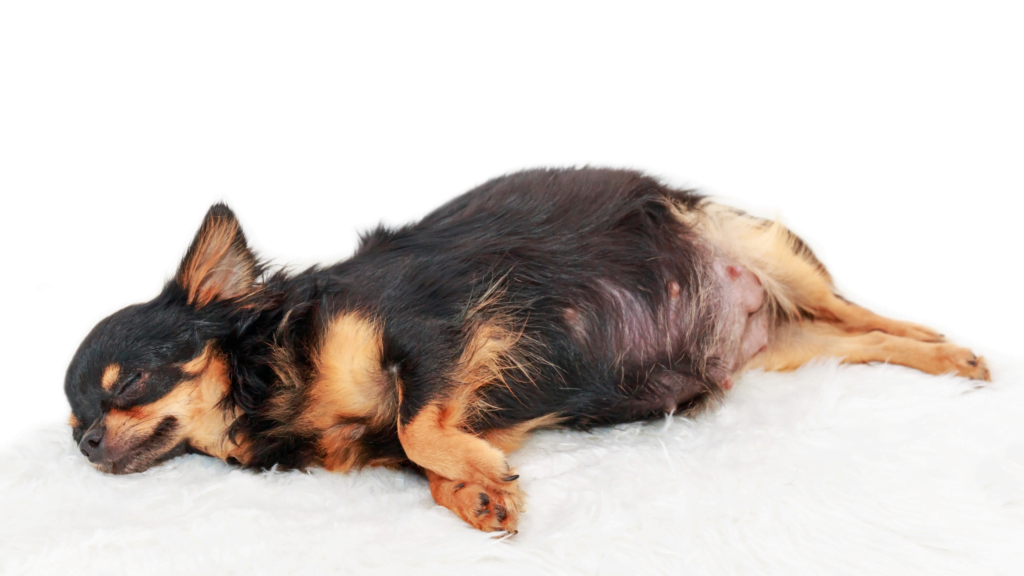
    As the dog’s belly grows, she may become more uncomfortable, and activities like jumping and running can strain her joints and muscles unnecessarily.

    Additionally, pregnant dogs are at an increased risk of complications like abdominal hernias, pyometra, and miscarriage, so it is essential to consult with a veterinarian before allowing your dog to engage in any physical activity during pregnancy.

    The veterinarian can assess the dog’s health and advise you on the best action to keep the mother and her puppies safe.

    Risks of Jumping During Pregnancy

    While pregnant dogs are generally active and mobile, jumping can pose a risk during pregnancy. The risks of jumping during pregnancy include:

    • Injury to the Mother Dog: Jumping can cause physical strain on the joints and muscles of the mother dog, leading to injury and discomfort. This can result in pain, inflammation, and potentially more severe conditions such as joint dislocation or fractures.
    • Injury to Unborn Puppies: Jumping can also pose a risk to the developing puppies inside the mother’s womb. The jarring impact of jumping can cause trauma to the developing fetuses, potentially resulting in serious health problems or even miscarriages.
    • Complications During Delivery: Jumping during pregnancy can also increase the risk of complications during delivery. Injuries sustained during jumping can make it more difficult for the mother to give birth naturally, potentially leading to the need for a cesarean section.

    While jumping is generally discouraged during pregnancy, every dog is unique, and some may be more physically capable than others.

    It is essential to monitor your pregnant dog’s activity levels closely and consult a veterinarian to determine what types of physical activity are appropriate for your dog’s specific condition.

    By taking appropriate precautions, you can help to minimize the risks of jumping and promote a safe and healthy pregnancy for your furry friend.

    Also Read: Can dogs eat Honey Buns? Is Honey toxic for dogs

    Safe Ways for Pregnant Dogs to Stay Active

    While jumping and other high-impact activities should be avoided during pregnancy, there are still many safe and healthy ways for pregnant dogs to stay active. Here are some suggestions:

    • Walking: Regular walks are an excellent way for pregnant dogs to stay active while minimizing the risk of injury. Walking provides a low-impact exercise that can help maintain cardiovascular health, improve muscle tone, and stimulate mental and physical activity.
    • Swimming: Swimming is an excellent way for pregnant dogs to stay active without putting any strain on their joints or muscles. Water provides a low-impact environment that can help relieve body pressure while providing an excellent form of exercise.
    • Gentle Playtime: While high-impact activities such as jumping should be avoided, pregnant dogs can still enjoy gentle playtime. Playing with soft toys or engaging in gentle games such as fetch or tug-of-war can provide mental and physical stimulation without causing any harm.
    • Controlled Exercise: Controlled exercise can effectively provide pregnant dogs with safe and healthy physical activity. This may include activities such as agility training, obedience training, or other controlled exercise that can help improve coordination, balance, and strength.

    It is essential to monitor your pregnant dog’s activity levels and adjust the intensity and duration of exercise as needed to ensure their comfort and safety.

    Consult with your veterinarian to determine what types of activities are appropriate for your dog’s specific condition, and make sure to provide plenty of opportunities for rest and relaxation.

    How much exercise is too much for a pregnant dog? 

    How much exercise is too much for a pregnant dog |
    How much exercise is too much for a pregnant dog

    While exercise is vital for pregnant dogs, it is essential to avoid over-exertion. Too much exercise can lead to problems such as dehydration, overheating, and even miscarriage.

    It is best to keep your dog’s exercise moderate during pregnancy and consult your veterinarian regarding your dog’s specific exercise needs.

    What are the signs that a pregnant dog needs to rest? 

    As your dog’s due date approaches, she will start to exhibit signs of nesting, such as looking for a place to have her puppies.

    She may also gain weight, and her mammary glands will swell in preparation for lactation. These are all typical signs that your dog is getting ready to give birth.

    However, suppose your dog is panting excessively, having trouble walking, refusing to eat or drink, or exhibiting other signs of exhaustion or distress.

    In that case, taking her to the vet is crucial to ensure she is healthy and not in danger.

    Tips for Managing a Pregnant Dog’s Activity

    Managing a pregnant dog’s activity is essential to ensuring a safe and healthy pregnancy. Here are some tips to help manage your pregnant dog’s activity:

    • Consult with a Veterinarian: Before starting any exercise program or changing your dog’s activity level, consult a veterinarian. They can assess your dog’s overall health and recommend safe and appropriate physical activity.
    • Monitor Activity Levels: Keep track of your dog’s activity level and adjust accordingly. Suppose your dog shows signs of fatigue or discomfort. In that case, it may be time to reduce the intensity or duration of exercise.
    • Provide Adequate Rest: Make sure your pregnant dog has plenty of opportunities for rest and relaxation. Provide a comfortable bed or quiet space where they can rest undisturbed.
    • Avoid High-impact Activities: High-impact activities such as jumping or running should be avoided during pregnancy. Instead, focus on low-impact activities such as walking, swimming, and gentle play.
    • Adjust Nutrition: Pregnant dogs require additional nutrition to support the growth and development of their puppies. Talk to your veterinarian about adjusting your dog’s diet to ensure they receive nutrients.
    • Monitor Weight: Monitoring your pregnant dog’s weight is essential to ensure a healthy pregnancy. Excessive weight gain can strain joints and increase the risk of complications during delivery.

    By following these tips and closely monitoring your pregnant dog’s activity levels, you can help ensure a safe and healthy pregnancy for your furry friend.

    What a pregnant dog should not do?

    What a pregnant dog should not do |
    What a pregnant dog should not do?

    There are several things that pregnant dogs should not do to ensure the safety and health of both the mother and her puppies:

    • Pregnant dogs should not be spayed: While spaying is a common practice to prevent unwanted litters, it is dangerous for pregnant dogs. The surgery puts the mother at risk for infection, bleeding, and death. It also increases the risk of stillbirth and early neonatal death.
    • Pregnant dogs should not be given vaccinations: Vaccinations are designed to stimulate the immune system, but a pregnant dog’s immune system is already suppressed. This can lead to the development of autoimmune diseases in the puppies.
    • Pregnant dogs should not be fed a commercial diet: Commercial diets may lack the necessary nutrients for a pregnant dog and her puppies, leading to malnutrition.
    • Pregnant dogs should not be exercised excessively: While exercise is essential for a pregnant dog, too much exercise can be dangerous. It can lead to dehydration, overheating, and even abortion.
    • Pregnant dogs should not be left alone for long periods: A pregnant dog must be with her owner or a trusted caretaker. She may need assistance with birthing, and she may also experience anxiety or depression during pregnancy.

    It is essential to provide proper care and attention to pregnant dogs to ensure the health and safety of both the mother and her puppies.

    Consulting with a veterinarian is also recommended to address any concerns and to ensure a healthy pregnancy.

    Can a pregnant dog climb stairs?

    Yes, a pregnant dog can climb stairs, but it’s essential to limit the amount of stair climbing as the pregnancy progresses.

    It’s best to avoid high-impact activities, like jumping or running up and down the stairs. This is because the weight and size of the growing puppies can put pressure on the mother’s joints and ligaments, increasing the risk of injury or complications.

    As a general rule, it’s best to limit stair climbing to a minimum and provide a comfortable and easily accessible resting area for the pregnant dog.

    Additionally, it’s always a good idea to consult a veterinarian regarding any specific concerns or recommendations for your dog’s pregnancy.

    When should you stop walking a pregnant dog?

    As the pregnancy progresses, monitoring the pregnant dog’s behavior and adjusting its exercise routine is essential.

    Generally, a pregnant dog can continue their regular exercise routine, such as walking, until around the sixth week of pregnancy.

    At this point, it’s recommended to gradually reduce their exercise to prevent any complications during delivery.

    It’s important to note that each dog’s pregnancy is unique, and it’s always best to consult a veterinarian to determine the appropriate exercise routine for the pregnant dog based on their needs and health status.

    Suppose the dog shows any signs of discomfort or exhaustion during exercise. In that case, it’s best to stop and rest and seek advice from a veterinarian if necessary.

    Consult Your Vet

    Consulting with a veterinarian is essential when managing a pregnant dog’s activity. A veterinarian can assess your dog’s overall health and recommend safe and appropriate physical activity.

    They can also monitor your dog’s pregnancy, provide nutritional guidance, and detect and address any potential health concerns or complications that may arise.

    It is essential to consult with your veterinarian throughout your dog’s pregnancy, from the early stages of gestation to the delivery of the puppies.

    This can help ensure your dog receives the care and attention she needs to stay healthy and safe throughout the process.

    In addition to monitoring your dog’s physical activity, a veterinarian can also provide guidance on other aspects of pregnancy care, such as nutrition, vaccinations, and parasite prevention.

    By working closely with your veterinarian, you can help to ensure a safe and healthy pregnancy for your furry friend and her puppies.

    Remember, every dog is unique; what works for one dog may not work for another. Consulting with a veterinarian can provide individualized guidance and help you make informed decisions about managing your pregnant dog’s activity and overall care.

    Conclusion

    In conclusion, managing a pregnant dog’s activity is essential to ensuring a safe and healthy pregnancy.

    While high-impact activities such as jumping should be avoided, there are still many safe and healthy ways for pregnant dogs to stay active, including walking, swimming, gentle play, and controlled exercise.

    It is essential to monitor your pregnant dog’s activity levels and adjust as needed to ensure their comfort and safety.

    Consulting with a veterinarian is essential when it comes to managing a pregnant dog’s activity, as they can provide recommendations for safe and appropriate physical activity, monitor your dog’s pregnancy, and address any potential health concerns or complications.

    By following these tips and working closely with your veterinarian, you can help to ensure a safe and healthy pregnancy for your furry friend and her puppies.