Author: Kartikey Dwivedi

  • How to train a dog to shed hunt – The Best Ultimate Guide

    How to train a dog to shed hunt – The Best Ultimate Guide

    How to train a dog to shed hunt? Shed hunting is a popular hobby that involves searching for antlers shed by deer or other animals in the wild.

    While shed hunting can be fun and exciting, it requires a well-trained dog to help find the antlers.

    In this article, we’ll provide you with a comprehensive guide on how to train your dog for shed hunting, covering all the essential topics from start to finish.

    What is Shed Hunting and Why Train Your Dog to shed hunt?
    What is Shed Hunting
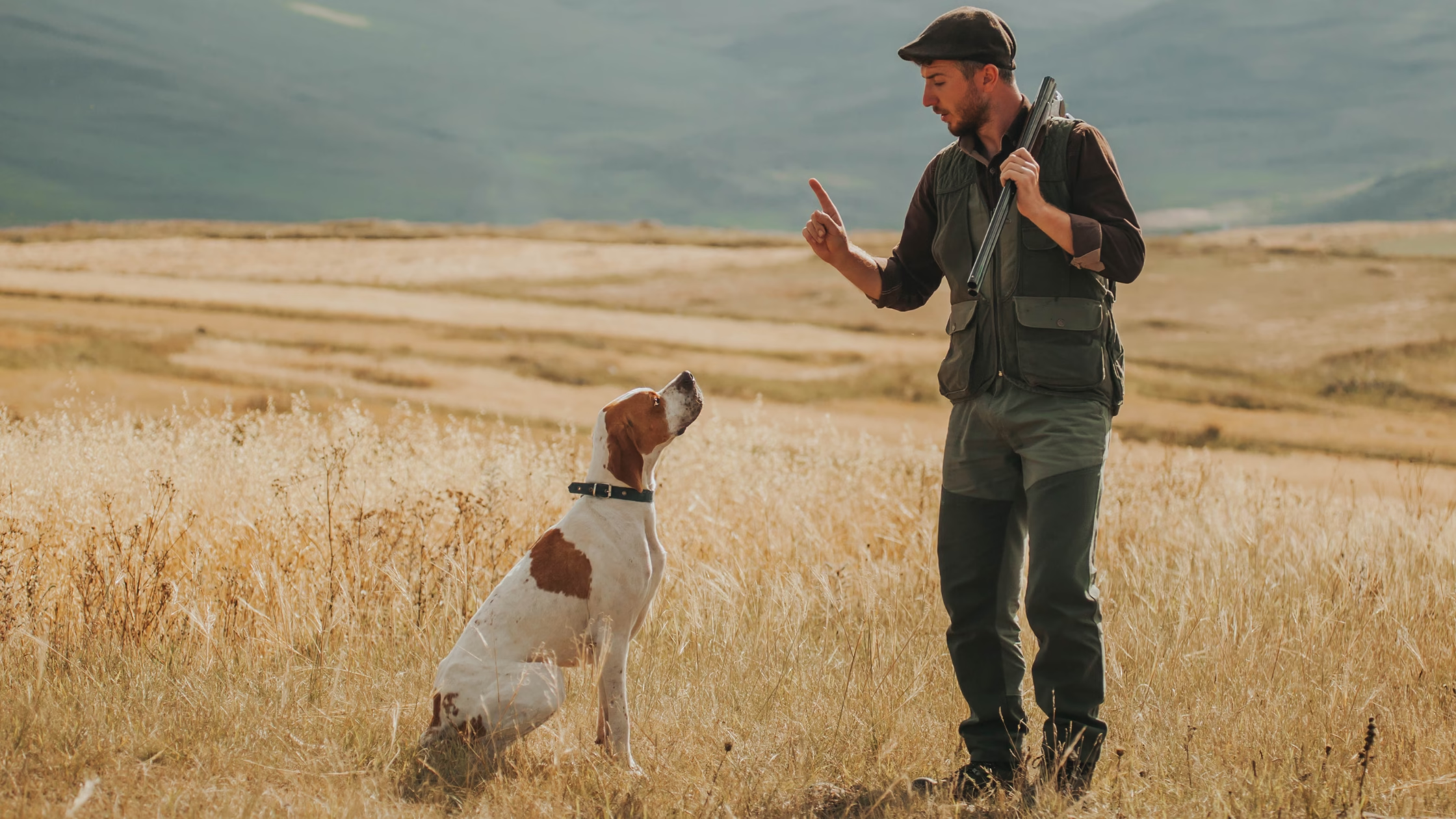
    What is Shed Hunting?

    Shed hunting is an exciting activity that involves searching for the antlers that deer and other animals naturally shed in the wild.

    Shed hunting can be an enjoyable hobby on its own. Still, many people also enjoy the benefits of training their dogs to help them find antlers.

    Training your dog to hunt for shed antlers can be a fun and rewarding experience for you and your furry friend.

    It provides an opportunity to bond with your dog, gives them a sense of purpose, and allows them to use their natural instincts.

    You can also improve your dog’s physical fitness and mental stimulation by training your dog to find shed antlers.

    Shed hunting requires a lot of running, sniffing, and searching, which can be a great way to keep your dog active and engaged.

    Moreover, shed hunting can be a great way to help manage the population of deer and other wildlife in your area.

    Finding and removing antlers can help reduce the risk of overpopulation and other potential environmental issues.

    Overall, shed hunting and training your dog to participate in it can be a fun and rewarding activity for you and your furry friend.

    Not only does it provide a great bonding experience, but it also offers a unique opportunity to enjoy the great outdoors and positively impact the environment.

    The Benefits of Shed Hunting with Your Dog

    Shed hunting with your dog can be an enriching experience, offering a range of benefits for you and your furry companion.

    First and foremost, shed hunting is a great way to spend quality time with your dog in the great outdoors.

    It offers a chance to bond with your furry friend and enjoy fresh air and exercise.

    Additionally, shed hunting allows your dog to use their natural instincts and skills, such as their sense of smell and tracking abilities.

    Participating in shed hunting can also be an effective way to keep your dog physically fit and mentally stimulated.

    The activity requires a lot of running, searching, and sniffing, which can help keep your dog in the top physical condition and prevent boredom and destructive behavior.

    Moreover, shed hunting can be a great way to contribute to environmental conservation efforts.

    Removing shed antlers from the wild can help reduce the risk of overpopulation and other environmental issues caused by unchecked wildlife populations.

    Finally, participating in shed hunting with your dog can be fun. It offers a unique and exciting challenge that can be enjoyed by both you and your furry companion.

    The thrill of the hunt, the satisfaction of finding a shed antler, and the joy of sharing the experience with your dog can make for a truly memorable and rewarding experience.

    Overall, shed hunting with your dog is a fun, healthy, and rewarding activity that can benefit you and your furry friend. So grab your gear, hit the trail, and enjoy the adventure!

    Choosing the Right Breed for Shed Hunting
    Choosing the Right Breed for Shed Hunting |
    Choosing the Right Breed for Shed Hunting

    Choosing the right breed is essential for anyone looking to train their dog for shed hunting.

    Some species are naturally better suited for the activity than others, so it’s necessary to research and choose a breed that fits your specific needs and preferences.

    One of the most important considerations is the breed’s natural instincts and abilities.

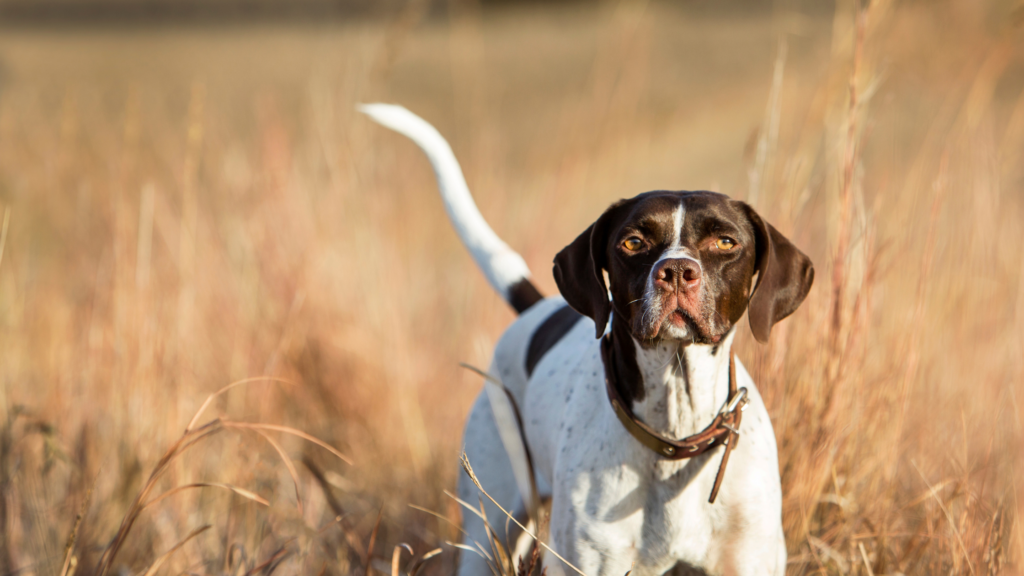
    Breeds initially bred for hunting, such as retrievers, pointers, and hounds, are often good candidates for shed hunting due to their natural tracking and scenting abilities.

    Another factor to consider is the breed’s size and physical ability.

    Shed hunting requires a lot of running, jumping, and maneuvering through rough terrain, so it’s essential to choose a breed that is physically capable of handling the demands of the activity.

    It’s also important to consider the breed’s temperament and trainability. A dog easily distracted or uninterested in training may not be the best choice for shed hunting.

    Species eager to please and enjoy learning new skills are often the most successful at shed hunting.

    Ultimately, the best breed for shed hunting fits your individual needs and preferences.

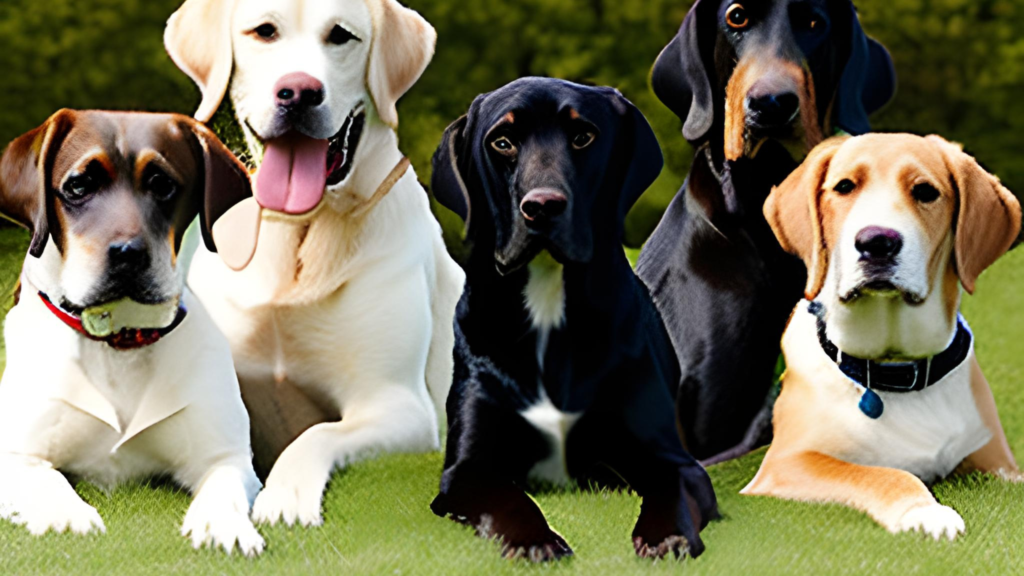
    Some popular species for shed hunting include Labrador Retrievers, German Shorthaired Pointers, and Beagles. Still, many other breeds can be successful at the activity as well.

    When choosing a breed, it’s essential to research breed characteristics, speaks with breeders, and consider your lifestyle and preferences to ensure that you find the right fit for your shed hunting needs.

    With the right breed, you and your furry companion can enjoy the adventure and excitement of shed hunting together.

    Understanding the Traits of a Good Shed Hunting Dog

    A good shed-hunting dog possesses certain traits and qualities that make them well-suited for the activity.

    Understanding these traits can help you choose the right dog for shed hunting and develop their skills for success.

    A strong sense of smell is one of the most essential traits for a shed-hunting dog.

    Dogs with a highly developed sense of smell can better detect the scent of shed antlers and track them down.

    Breeds like Bloodhounds, Beagles, and Labradors are known for their excellent sense of smell and are popular choices for shed hunting.

    Another important trait is trainability. A good shed-hunting dog should be easy to train and eager to please.

    This makes them more responsive to commands and helps them learn the skills needed for shed hunting, such as tracking and retrieving.

    Physical fitness is also crucial for a shed-hunting dog.

    They should be in good shape and able to handle the demands of running, jumping, and navigating rough terrain.

    Breeds like German Shorthaired Pointers and English Springer Spaniels are known for their athleticism and endurance, making them popular choices for shed hunting.

    Finally, an excellent shed-hunting dog should possess a strong work ethic and a willingness to work for extended periods.

    They should be persistent and dedicated to the task, even in challenging conditions.

    By understanding these traits and qualities, you can choose a dog well-suited for shed hunting and develop its skills to succeed in the field.

    With the proper training and a good work ethic, your furry companion can become an excellent shed-hunting dog and your trusted partner on the hunt for shed antlers.

    Also Read: Why Is My Dog Shaking After Vaccination? Best Guide

    How to train a dog to shed hunt
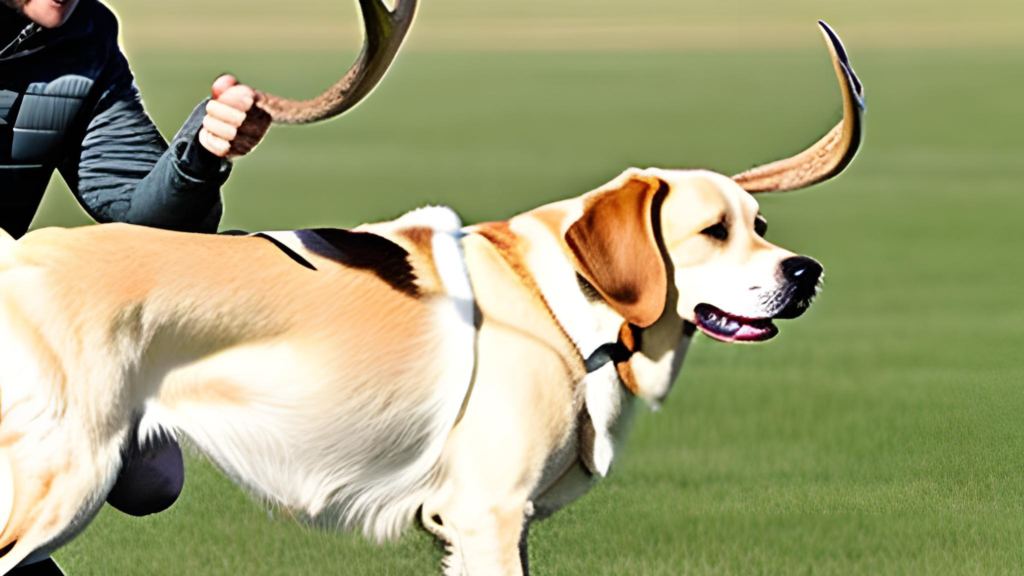
    How to train a dog to shed hunt 2 |
    How to train a dog to shed hunt

    Socialization and Exposure to the Outdoors

    Socialization and outdoor exposure are essential factors in developing a successful shed-hunting dog.

    Socialization helps ensure your dog is comfortable around people, other animals, and different environments.

    In contrast, exposure to the outdoors helps them become familiar with the sights and sounds. It smells they will encounter while shed hunting.

    Socialization involves exposing your dog to various people, places, and situations in a positive and controlled manner. This helps them develop confidence, learn to handle new experiences and become well-behaved and well-adjusted. Socialization can include:

    • Taking your dog to the park.
    • Introducing them to new people and animals.
    • Enrolling them in obedience classes.

    Exposure to the outdoors is also essential for developing a successful shed-hunting dog. Dogs need to become familiar with the sights, sounds, and smells of the wilderness to more easily track and locate shed antlers. Exposure can include:

    • Hiking in different environments.
    • Visiting new locations.
    • Gradually exposing your dog to various terrain and weather conditions.

    It’s important to note that socialization and exposure should be done gradually and controlled.

    This helps prevent overwhelming your dog and ensures they are comfortable and confident in new situations.

    It’s also essential to use positive reinforcement techniques, such as praise and treats, to encourage your dog to explore and learn.

    By prioritizing socialization and outdoor exposure, you can help your dog become a confident and booming shed-hunting dog.

    With a solid foundation of socialization and experience in the outdoors, your dog will be better equipped to handle the challenges of shed hunting and become your trusted companion on the hunt for shed antlers.

    Developing Scenting and Tracking Skills

    Developing scenting and tracking skills is crucial for a successful shed-hunting dog. Dogs with a well-developed sense of smell can better detect the scent of shed antlers and track them down, making them more effective in the field.

    One way to develop scenting and tracking skills is through training exercises focusing on scent detection and tracking.

    These exercises include using scent-detection games and teaching your dog to follow a scent trail.

    You can also use scent markers, like antlers or scent-detection sprays, to help your dog learn to recognize and track the scent of shed antlers.

    Another critical aspect of developing scenting and tracking skills is providing your dog with ample practice opportunities.

    This means taking your dog out into the field and allowing them to explore and search for shed antlers independently.

    As they become more comfortable with the process, you can gradually increase the difficulty of the search by hiding antlers in more challenging locations or using multiple antlers in a single search.

    It’s important to note that developing scenting and tracking skills requires patience and consistency.

    It may take several training sessions before your dog picks up on the scent of shed antlers and effectively tracks them down.

    Additionally, it’s essential to use positive reinforcement techniques, such as praise and treats, to encourage your dog and reinforce their behaviors.

    By developing your dog’s scenting and tracking skills, you can help them become a more effective shed-hunting dog.

    With regular training and practice, your furry companion will become a skilled tracker and reliable partner on the hunt for shed antlers.

    Introducing Your Dog to Shed Hunting

    Introducing your dog to shed hunting is essential in developing their skills and creating a successful shed-hunting team.

    However, it’s necessary to approach this process thoughtfully and gradually to ensure that your dog feels comfortable and confident in their new role.

    One effective way to introduce your dog to shed hunting is by incorporating antlers into their playtime.

    This can include playing fetch with antlers or hiding them for your dog to find during a game of hide-and-seek.

    As your dog becomes more comfortable with antlers, you can begin to introduce them to searching for shed antlers in the field.

    When introducing your dog to shed hunting in the field, starting in a familiar and comfortable location is essential.

    This could be a backyard or a local park with which your dog is already friendly.

    Gradually increase the difficulty of the search by hiding antlers in more challenging locations or using multiple antlers in a single search.

    It’s essential to approach introducing your dog to shed hunting with patience and positivity.

    Some dogs may take longer to adjust to the process, while others may take it quickly. Positive reinforcement techniques, such as praise and treats, can help encourage your dog and reinforce their behaviors.

    It’s also essential to prioritize safety when introducing your dog to shed hunting.

    This includes ensuring your dog is adequately trained and equipped for the terrain and weather conditions it will encounter in the field.

    Additionally, ensure that your dog is up-to-date on their vaccinations and that you are familiar with any potential hazards in the area.

    By introducing your dog to shed hunting gradually and positively, you can help them become a confident and effective shed-hunting dog.

    You and your furry companion can become a successful shed-hunting team with patience, practice, and consistency.

    Positive Reinforcement and Training Tools

    Positive reinforcement is a crucial aspect of training a successful shed-hunting dog. This training technique involves rewarding desired behaviors, such as finding and retrieving shed antlers, with praise and treats.

    Using positive reinforcement, you can encourage your dog to repeat these behaviors and develop its skills as a shed-hunting dog.

    In addition to positive reinforcement, various training tools can be used to enhance your dog’s shed-hunting skills.

    These can include scent-detection sprays, antler-shaped training dummies, and tracking collars.

    These tools can help improve your dog’s abilities in the field and make the training process more efficient and effective.

    Scent-detection sprays are one example of a training tool that can help your dog learn to detect the scent of shed antlers.

    These sprays can be applied to training dummies or antlers to enhance their aroma and make them more detectable to your dog.

    Using these sprays during training exercises can help your dog to develop its sense of smell and become more skilled at detecting shed antlers in the field.

    Antler-shaped training dummies are another valuable tool for training shed-hunting dogs.

    These dummies are designed to mimic the shape and size of shed antlers, allowing your dog to become familiar with the texture and feel of antlers.

    Using these dummies during training exercises can help your dog become more confident in their ability to retrieve shed antlers and develop their retrieving skills.

    Tracking collars are another tool that can be used to enhance your dog’s shed-hunting abilities.

    These collars use GPS technology to track your dog’s movements in the field, allowing you to monitor their progress and locate them quickly and easily.

    This can be particularly useful when training your dog to search for shed antlers in challenging or remote locations.

    By using positive reinforcement and training tools like scent-detection sprays, antler-shaped training dummies, and tracking collars, you can help your dog develop their skills as a successful shed-hunting dog.

    These tools can make the training process more efficient and effective and help to create a stronger bond between you and your furry companion.

    Training Techniques for Shed Hunting

    Training your dog for shed hunting requires various techniques that can help them develop the skills they need to succeed in the field.

    Here are some of the most effective training techniques for shed hunting:

    • Basic obedience training: Before you begin shed hunting training, it’s essential to ensure that your dog has a solid foundation in basic obedience commands such as “sit,” “stay,” and “come.” This will make it easier to communicate with your dog and keep them under control while they’re searching for shed antlers.
    • Scent detection training: Dogs have an incredible sense of smell, and training them to detect the scent of shed antlers is crucial to shed hunting training. You can use scent-detection sprays or antlers to help your dog become familiar with the smell of antlers and gradually increase the difficulty of the training exercises as they become more skilled at detecting the scent.
    • Retrieval training: Retrieval training is another vital aspect of shed hunting training. You can use antler-shaped training dummies to help your dog become comfortable with retrieving antlers and gradually increase the difficulty of the retrieves to help them develop their skills.
    • Tracking training: Shed hunting dogs must also be skilled at tracking, as they may need to follow the scent of a shed antler over long distances. You can use tracking collars or other tools to help your dog develop their tracking abilities and gradually increase the difficulty of the training exercises as they become more skilled.
    • Positive reinforcement: Positive reinforcement is critical to any training program and can be particularly effective when training shed-hunting dogs. Rewarding your dog with treats, praise, and playtime when they successfully complete a training exercise can reinforce desired behaviors and encourage them to continue learning and improving.

    By using these training techniques, you can help your dog become a skilled shed-hunting companion capable of finding and retrieving shed antlers in various environments and conditions.

    With patience, consistency, and positive reinforcement, you can help your dog develop the skills they need to be successful in the field.

    Also Read: Can Dogs Eat Jaggery? Is Jaggery good for Dogs – Best Guide.

    Using Deer Antler Scent for Training Your Dog
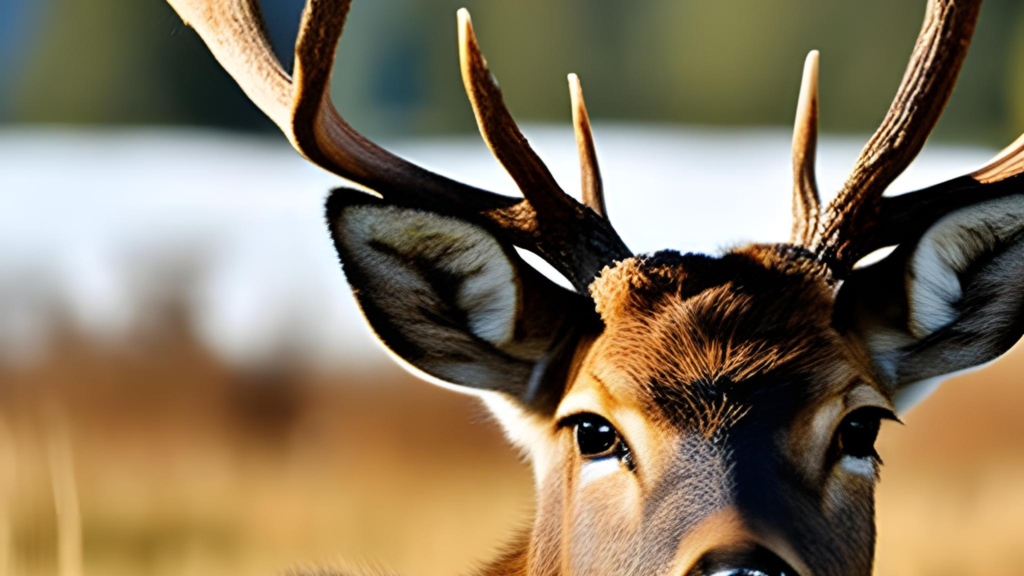
    Using Deer Antler Scent for Training Your Dog |
    Using Deer Antler Scent for Training Your Dog

    Deer antler scent is a powerful tool for training your dog to become a skilled shed-hunting companion.

    Using scent-based training techniques, you can help your dog become familiar with the scent of shed antlers and develop their ability to detect and locate them in the field.

    To begin using deer antler scent for training, you can apply a small amount of the smell to a training dummy or antler-shaped object.

    Allow your dog to sniff and investigate the thing, and reward them with treats and praise for showing interest.

    As your dog becomes more familiar with the scent, you can gradually increase the difficulty of the training exercises.

    For example, you can hide the antler in a pile of leaves or brush and encourage your dog to search for it using its nose.

    When they successfully locate the antler, be sure to reward them with treats and praise.

    You can also use deer antler scent to train your dog to follow a scent trail.

    Apply the perfume to a piece of cloth or rope, and drag it along the ground in a zigzag pattern.

    Encourage your dog to follow the scent trail, rewarding them with treats and praise when they successfully locate the source of the scent.

    When using deer antler scent for training, starting with a small amount of fragrance is essential, and gradually increasing the intensity as your dog becomes more skilled at detecting the smell.

    It’s also necessary to use high-quality, natural scent products free from harmful chemicals or additives.

    Incorporating deer antler scent into your dog’s training program can help them develop the skills they need to become a successful shed hunting companion.

    With patience, consistency, and positive reinforcement, your dog can learn to detect and locate shed antlers with ease.

    Can You Train an Older Dog for Shed Hunting? Tips and Advice

    Yes, it is possible to train an older dog for shed hunting. However, preparing a younger dog may require more patience and persistence.

    Here are some tips and advice for teaching an older dog about shed hunting:

    • Start with basic obedience training: Before you can train your dog to hunt for shed antlers, they must have a solid foundation in basic obedience skills. This includes commands like sit, stay, come, and heel.
    • Gradually introduce them to shed hunting: Start by teaching your dog the scent of antlers and progressively work up to more complex training exercises.
    • Be patient and consistent: Older dogs may take longer to learn new skills, so your training must be patient and consistent. Use positive reinforcement techniques like treats and praise to encourage your dog’s progress.
    • Consider your dog’s physical limitations: Older dogs may not have the same level of physical stamina or endurance as younger dogs, so it’s essential to consider this when planning your training sessions. Give your dog plenty of breaks, and don’t push them beyond their physical limits.
    • Focus on scent training: Scent training is critical to shedding hunting. Older dogs may be exceptionally skilled at using their sense of smell. You can help your dog develop their natural hunting instincts by focusing on scent training.
    • Use training aids: There are a variety of training aids available for shed hunting, such as antler-shaped dummies and scents. These can be particularly useful when training an older dog, as they help keep your dog engaged and motivated.

    Training an older dog for shed hunting may take more time and effort than training a younger dog. However, it can still be a rewarding and enjoyable experience.

    You can help your older dog develop the skills they need to become a successful shed-hunting companion using patience, persistence, and positive reinforcement techniques.

    Shed Hunting Dogs for Sale: Where to Find Them

    If you’re interested in purchasing a shed hunting dog, there are several options for finding a reputable breeder or seller:

    • Online marketplaces: Websites such as PuppyFind, NextDayPets, and Greenfield Puppies list available puppies from breeders nationwide. While these sites can be a convenient way to find a puppy, it’s essential to research the breeder and ensure they have a good reputation before purchasing.
    • Local breeders: You can also search for breeders who specialize in shed-hunting dogs in your area. This can be an excellent way to meet the breeder in person and see the puppies before purchasing.
    • Rescue organizations: Several rescue organizations specialize in specific breeds, including shed-hunting breeds. Adopting a dog from a rescue organization can be a rewarding way to give a dog a second chance while finding a great hunting companion.
    • Dog shows and events: Attending dog shows and events can be a great way to meet breeders and see their dogs in action. This can be particularly helpful if you’re interested in a specific breed or bloodline.

    Regardless of where you find your shed hunting dog, it’s essential to research and chooses a reputable breeder or seller.

    Look for breeders who prioritize health and temperament in their breeding programs and are willing to answer your questions and provide references.

    By finding the right dog, you can ensure that you have a loyal and skilled hunting companion for years to come.

    The Best Shed Hunting Dogs: Top Breeds and Characteristics

    While any dog breed can be trained for shed hunting, some species are better suited to the task than others.

    Here are some of the top shed-hunting dog breeds and their key characteristics:

    • Labrador Retriever: One of the most popular hunting breeds, Labradors are known for their excellent retrieving skills and trainability. They are often used for waterfowl hunting but also make fantastic shed-hunting dogs due to their high energy and a strong sense of smell.
    • Golden Retriever: Similar to the Labrador, Golden Retrievers are intelligent, obedient, and love to retrieve. They also have a great sense of smell and excel at tracking.
    • German Shorthaired Pointer: A versatile hunting breed, German Shorthaired Pointers are highly trainable and have an excellent sense of smell. They are often used for upland game hunting but make great shed-hunting dogs.
    • Boykin Spaniel: Originally bred for waterfowl hunting in South Carolina, Boykin Spaniels have a keen sense of smell and are excellent at retrieving. They are also highly trainable and make great shed-hunting dogs.
    • American Foxhounds: Known for their exceptional sense of smell, American Foxhounds are often used for tracking games. They are highly energetic and require a lot of exercises. Still, they make excellent shed hunting dogs for those who can provide them with the necessary activity.
    • Bloodhound: With a sense of smell that is second to none, Bloodhounds are excellent tracking dogs. They require a lot of patience and training but make great shed-hunting dogs for those up for the challenge.

    When choosing a shed hunting dog breed, you must consider your specific needs and hunting style. Some species are better suited for upland hunting, while others are better for waterfowl hunting.

    Additionally, some breeds may be better suited for hunting in certain terrains or climates.

    By selecting a breed that matches your hunting needs, you can increase your chances of success and enjoy a rewarding hunting experience with your dog.

    Safety Precautions and Proper Gear for Shed Hunting

    Shed hunting can be a fun and rewarding activity. Still, safety precautions and having the right gear are essential to ensure a safe and enjoyable experience. Here are some safety tips and gear recommendations for shed hunting:

    • Dress appropriately: Wear weather-appropriate clothing, including sturdy boots with good traction, and dress in layers to stay warm in cooler temperatures.
    • Bring a first aid kit: Accidents can happen, so it’s always a good idea to bring a first aid kit. Include items such as bandages, antiseptic, and any necessary medication.
    • Use safety equipment: Consider wearing safety glasses to protect your eyes from branches and other debris. A hat or helmet can also provide protection from falling objects.
    • Bring a map and compass: Shed hunting often takes place in remote areas, so it’s essential to have a map and compass to avoid getting lost.
    • Stay hydrated: Bring plenty of water to stay hydrated throughout the day. Consider bringing snacks or a small meal to keep your energy up.
    • Use a leash or GPS collar: Keep your dog under control by using a leash or GPS collar. This will prevent them from running off and getting lost or injured.
    • Pack a backpack: Bring a bag to carry your gear, such as binoculars, a camera, and extra layers of clothing.
    • Use a headlamp or flashlight: Shed hunting can occur early in the morning or late in the evening, so it’s essential to have a headlamp or flashlight to navigate in low-light conditions.

    By taking these safety precautions and having the right gear, you can enjoy a safe and rewarding shed hunting experience.

    Remember to always follow local hunting regulations and respect the environment to ensure this activity remains enjoyable for years.

    Where to Find Shed Antlers and How to Identify Them

    Shed antlers can be found in various places, but certain areas are more likely to yield results. Here are some tips on where to find hut antlers and how to identify them:

    • Look in feeding areas: Deers feed in the same places daily, so look for shed antlers in or around these areas.
    • Search bedding areas: Deers often bed down in the same places, so check these areas for shed antlers.
    • Check travel corridors: Deers follow the same travel routes between feeding and bedding areas, so check along these corridors for shed antlers.
    • Look near water sources: Deers need water to survive, so check near streams, ponds, and other water sources for shed antlers.
    • Check fence crossings: Deers often cross fences at the exact locations, so look for shed antlers near these crossings.

    Once you’ve found a shed antler, it’s essential to identify it. Here are some characteristics to look for:

    • Shape: Shed antlers are typically curved and symmetrical, with a main beam and several lines branching off it.
    • Size: The size of a shed antler can vary depending on the age and health of the deer, but they are generally between 3 and 4 feet long.
    • Texture: Shed antlers have a rough texture, with visible veins and ridges running along the surface.
    • Color: Shed antlers are typically brown or gray, with a lighter color on the tips of the tines.

    Knowing where to look and how to identify shed antlers can increase your chances of finding these prized possessions during your shed-hunting adventures.

    Always obtain the proper permits and follow local hunting regulations when searching for shed antlers.

    Shed Hunting Training Kits and Tools: What You Need to Know

    Suppose you’re interested in training your dog for shed hunting. In that case, there are several training kits and tools available that can help you get started. Here are some of the most popular options:

    • Shed antlers: The most essential tool for shed hunting training is a shed antler. You can purchase these online or at hunting and outdoor stores.
    • Scent training kits: These kits come with deer antler scent and training aids to help your dog learn to recognize the scent of shed antlers.
    • Retrieval training dummies: These dummies are designed to look and feel like real antlers and are used to help your dog learn how to pick up and retrieve shed antlers.
    • Training bumpers: Similar to retrieval training dummies, training bumpers teach your dog how to pick up and retrieve shed antlers. They are typically made from durable materials like rubber or canvas.
    • Training videos and books: Various instructional videos and books are available that can provide guidance and tips on how to train your dog for shed hunting.

    When selecting training kits and tools, it’s essential to choose products that are high quality and designed specifically for shed hunting training.

    Always follow the manufacturer’s instructions and use caution when introducing new tools and equipment to your dog.

    Remember, training your dog for shed hunting is a gradual process that requires patience, consistency, and positive reinforcement.

    You can help your dog develop the skills and instincts necessary to become a successful shed-hunting partner with the right training tools and techniques.

    Common Misconceptions and Myths about Shed Hunting Dogs

    Shed hunting is a popular outdoor activity that involves searching for antlers naturally shed by deer or other antlered animals.

    While many people enjoy participating in shed hunting with their dogs, there are also several misconceptions and myths surrounding this activity.

    Here are some of the most common:

    • All dogs are natural shed hunters: While some dog breeds are more predisposed to shed hunting than others, not all dogs are naturally inclined to search for shed antlers. Proper training and conditioning are necessary to develop the skills and instincts needed for successful shed hunting.
    • Shed hunting is just a hobby: While shed hunting can be fun, it also has practical applications. Shed antlers can be used for various purposes, including crafting, decoration, and dog training aids.
    • Shed hunting is easy: Shed hunting can be physically demanding and requires significant time and effort. Finding shed antlers can also be challenging, as they are often well-camouflaged and difficult to spot.
    • It would help if you had a specific breed of dog for shed hunting: While some dog breeds are better suited to shed hunting than others, any breed can be trained to search for shed antlers. The key is to select a dog that is eager to learn and has a good work ethic.
    • Shed hunting harms wildlife: Shed hunting is a non-invasive activity that does not harm nature. In fact, it can help conservation efforts by providing valuable data on deer populations and migration patterns.

    By understanding the truth behind these common misconceptions and myths, shed hunting enthusiasts can better appreciate the benefits and challenges of this popular outdoor activity.

    Shed Hunting as a Bonding Experience with Your Dog

    Shed hunting is not only a fun and rewarding activity but can also be a great way to strengthen the bond between you and your dog.

    When you train your dog to search for shed antlers, you provide them with a sense of purpose and a job.

    This can help to boost their confidence and enhance their understanding of loyalty and obedience towards you.

    During shed hunting, you and your dog work together to locate antlers.

    This requires trust and communication between you and your dog, as you must be aware of each other’s movements and signals.

    Over time, you will learn to anticipate each other’s actions and work together seamlessly.

    In addition to the physical exercise and mental stimulation that shed hunting provides, it also offers an opportunity to spend quality time with your dog in the great outdoors.

    This can be a refreshing change of pace from the daily routine of city life and can help to strengthen the bond between you and your dog in a natural setting.

    Overall, shed hunting can be a rewarding and bonding experience for you and your dog.

    It allows you to work together as a team, build trust and communication, and enjoy the great outdoors together.

    Whether you are a seasoned shed hunter or just starting out, the experience of hunting for shed antlers with your furry friend is one that you will cherish for years to come.

    Shed Dog Associations and Events: Joining the Community

    If you’re interested in getting involved in the shed hunting community, joining a shed dog association or attending a shed hunting event can be a great way to meet like-minded individuals and learn more about the sport.

    Shed dog associations promote and support the training and hunting of shed antlers with dogs.

    These associations often hold events, competitions, and seminars that allow you to connect with other shed hunters and improve your skills.

    Attending a shed hunting event is another excellent way to meet other hunters and learn more about the sport.

    These events can include seminars, training sessions, competitions, and opportunities to shop for gear and supplies from vendors.

    Some popular shed-hunting events include the National Shed Hunting Dog Association World Championship and the Midwest Antler Dog Challenge.

    In addition to meeting new people and improving your skills, joining a shed dog association or attending a shed hunting event can provide access to valuable resources and information.

    You can learn about the latest gear and training techniques and connect with experts in the field.

    To find a shed dog association or event near you, search online or ask for recommendations from other shed hunters.

    Joining a community of shed hunters can be a fun and rewarding way to share your passion for shed hunting with others and continue learning and growing as a hunter and dog owner.

    Frequently Asked Questions about Shed Hunting Dogs

    Shed hunting with dogs is becoming increasingly popular among outdoor enthusiasts. Still, it can also raise a lot of questions for those who are new to the sport. Here are some frequently asked questions about shed-hunting dogs:

    What breeds make good shed-hunting dogs?

    Species known for their sense of smell and tracking abilities, such as Labradors, German Shorthaired Pointers, and Chesapeake Bay Retrievers, tend to make good shed-hunting dogs.

    Can any dog be trained for shed hunting?

    While certain breeds may have a natural inclination for shed hunting, any dog can be prepared with patience and consistency.

    At what age should I start training my dog for shed hunting?

    It’s best to start basic obedience training as early as possible. Still, you can start introducing your dog to shed hunting around 6-8 months of age.

    How do I train my dog to find shed antlers?

    Training techniques for shed hunting include using scent training, positive reinforcement, and gradually increasing the difficulty of searches.

    What kind of gear do I need for shed hunting with my dog?

    You will need a quality shed antler dog training kit, a harness, and a long lead or check cord to keep your dog safe and under control while hunting.

    Are there any safety concerns when shed hunting with dogs?

    It’s essential to keep your dog safe by watching for potential hazards such as poisonous plants, wildlife, and steep terrain. Be sure to also dress appropriately for the weather and terrain.

    Can I sell the shed antlers my dog finds?

    Yes, you can sell shed antlers, but it’s essential to check your state and local laws regarding the sale of shed antlers.

    Can I use deer antler scent to train my dog for shed hunting?

    Yes, deer antler scent can be valuable for training your dog to find shed antlers.

    How do I introduce my dog to shed hunting?

    Introduce your dog to shed hunting by letting them explore shed antlers in a controlled and positive environment. Gradually increase the difficulty of the searches as your dog becomes more comfortable and confident.

    Is shed hunting with dogs legal?

    Shed hunting is legal in most states, but checking your local regulations before heading out is essential.

    Conclusion: Enjoying the Rewards of Shed Hunting with Your Best Friend

    Shed hunting is more than just an activity for finding deer antlers. It is also a rewarding bonding experience with your furry best friend.

    By properly training your dog for shed hunting, you not only get to enjoy the great outdoors but also witness your dog’s natural instincts and abilities.

    Also Read: Can Dogs Sense Negative Energy? Hidden Power of Canine Intuition

    With the right breed, training, tools, and safety precautions, shed hunting can become a fun and fulfilling activity for you and your dog.

    Remember to start with basic obedience training and gradually introduce your dog to shed hunting.

    Positive reinforcement and appropriate training tools can make the training process more enjoyable and effective. Proper safety gear is also essential to keep you and your dog safe during the hunt.

    Remember to join the shed hunting community by attending events and joining associations. You can also find shed-hunting dogs for sale through reputable breeders or adoption centers.

    In conclusion, shed hunting can be exciting and rewarding for you and your dog. Enjoy the great outdoors, bond with your furry best friend, and bring home some antlers as a trophy for your hard work and teamwork.

  • Can Dogs Eat Jaggery? Is Jaggery good for Dogs – Best Guide.

    Can Dogs Eat Jaggery? Is Jaggery good for Dogs – Best Guide.

    You want to provide your furry friend with a healthy and balanced diet as a dog owner. However, with so many human foods, knowing what’s safe and what’s not for your four-legged companion cannot be easy. One food that you may be wondering about is jaggery. Jaggery is a popular sweetener in many traditional cuisines, but is it safe for dogs to eat? This article will explore whether can dogs eat jaggery?, Is Jaggery Good for Dogs to eat?, the potential benefits and risks, and some alternative treats you can offer your pup.

    What is Jaggery?

    What is Jaggery?
    What is Jaggery?

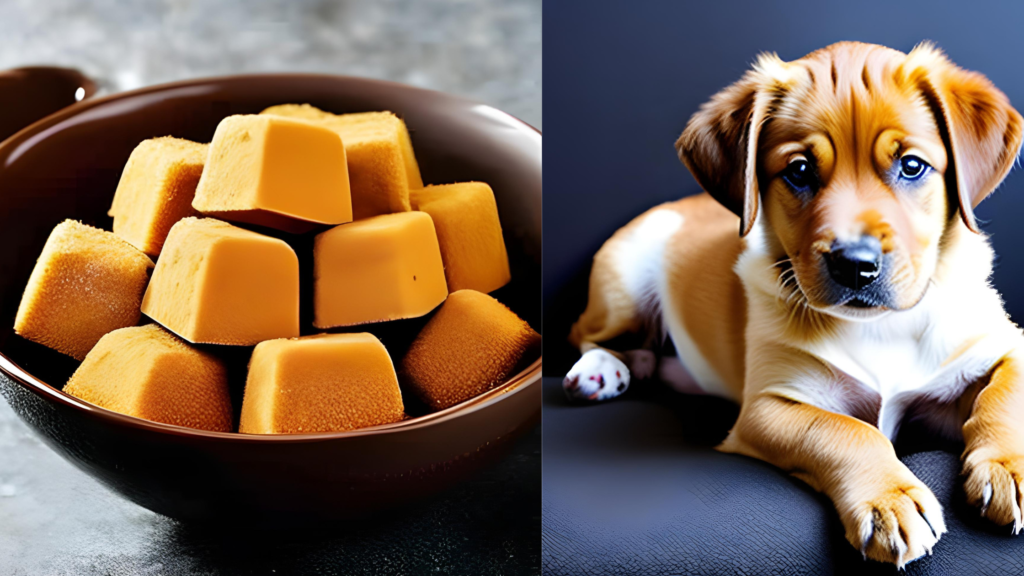
    Jaggery is a traditional sweetener made from sugarcane juice or palm sap. It is widely used in many parts of the world, particularly in South and Southeast Asia, Africa, and Latin America.

    Jaggery is often used as a substitute for sugar and is known for its distinct flavor and caramel-like taste. It is also commonly used in Ayurvedic medicine as a natural remedy for various ailments.

    Jaggery is typically sold in blocks or cones. It can range in color from light golden to dark brown, depending on the production method and the type of raw material used.

    While jaggery is a popular ingredient in many human foods, you may wonder if it is safe for dogs to eat.

    Can Dogs Eat Jaggery? Is Jaggery Good for Dogs?

    Can we give jaggery to dogs?
    Can we give jaggery to dogs?

    Can we give jaggery to dogs? While jaggery is generally safe for dogs to consume in small amounts, it should be in moderation. Jaggery is a natural sweetener and contains many essential minerals and vitamins, including iron, calcium, and magnesium.

    However, it is also high in calories and can lead to weight gain and obesity if consumed in large quantities.

    Additionally, jaggery can cause a spike in blood sugar levels. It may not be suitable for dogs with diabetes or other health conditions requiring careful blood sugar management.

    Suppose you plan to feed your dog jaggery. In that case, it’s important to do so in moderation and consult your veterinarian first, especially if your dog has any underlying health conditions.

    Also Read: Why Is My Dog Shaking After Vaccination? Best Guide

    Benefits of Jaggery for Dogs

    Jaggery can provide several potential benefits for dogs when consumed in moderation.

    One of the main benefits of jaggery is that it contains many essential minerals and vitamins, including iron, calcium, and magnesium, which are important for maintaining good health.

    Jaggery is also a natural sweetener and can be used as a healthier alternative to processed sugar in homemade dog treats or as a flavor enhancer for your dog’s food.

    Additionally, jaggery may help with digestion by promoting the growth of healthy gut bacteria, which can aid in nutrient absorption and reduce the risk of digestive issues like constipation and diarrhea.

    However, it’s important to note that the benefits of jaggery for dogs have yet to be extensively studied, and feeding jaggery to your dog should be done in moderation and under the guidance of a veterinarian.

    Risks of Feeding Jaggery to Dogs

    While jaggery can offer some potential benefits for dogs when consumed in moderation, it can also pose some risks if fed excessively.

    One of the main risks of feeding jaggery to dogs is that it is high in calories and can contribute to weight gain and obesity, leading to various health issues.

    Additionally, jaggery is a natural sweetener and can cause a spike in blood sugar levels, which can be problematic for dogs with diabetes or other health conditions that require careful management of blood sugar levels.

    Furthermore, if your dog consumes large amounts of jaggery, it can lead to gastrointestinal upset, including diarrhea and vomiting.

    As with any new food or treat, it’s important to introduce jaggery gradually and in small amounts to monitor your dog’s reaction and prevent any adverse effects.

    Suppose you have any concerns or questions about feeding jaggery to your dog. In that case, it’s always best to consult your veterinarian first.

    Can Jaggery be Given to Puppies?

    Can Jaggery be Given to Puppies |
    Can Jaggery be Given to Puppies?

    Giving jaggery or any sweet treats to puppies is generally not recommended.

    Puppies have sensitive digestive systems, and their dietary needs differ from those of adult dogs.

    Feeding puppies sugary treats like jaggery can upset their stomach and cause diarrhea or other digestive issues.

    Additionally, puppies are more likely to develop dental problems, and sugary treats can contribute to tooth decay and gum disease.

    It’s important to provide puppies with a balanced diet that meets their nutritional needs and consult your veterinarian about any dietary changes or treats you plan to offer your puppy.

    Can Jaggery Cause Diabetes in Dogs?

    No direct evidence suggests that jaggery can cause diabetes in dogs. However, as a natural sweetener, jaggery is high in calories.

    It can contribute to weight gain and obesity, risk factors for developing diabetes.

    Additionally, consuming excessive amounts of jaggery can cause a spike in blood sugar levels, which can be problematic for dogs with diabetes or other health conditions requiring careful blood sugar management.

    Therefore, it’s important to feed jaggery to your dog in moderation and consult with your veterinarian if you have any concerns about your dog’s blood sugar levels.

    It’s also important to note that if your dog is already diagnosed with diabetes, jaggery should be avoided or given only under the guidance of a veterinarian.

    What to Do if Your Dog Eats Jaggery?

    If your dog accidentally eats jaggery, there is generally no need to panic. In most cases, a small amount of jaggery is unlikely to cause any harm to your dog.

    However, suppose your dog has consumed much jaggery or exhibits signs of distress or illness. In that case, it’s important to contact your veterinarian right away.

    Signs of jaggery toxicity in dogs may include vomiting, diarrhea, abdominal pain, lethargy, and loss of appetite.

    Your veterinarian may recommend monitoring your dog’s condition at home or bringing them in for an evaluation, depending on the severity of the symptoms.

    In any case, it’s always best to avoid caution and seek veterinary care if you have any concerns about your dog’s health after consuming jaggery.

    Is Palm Jaggery Good for Dogs?

    Is Palm Jaggery Good for Dogs?
    Is Palm Jaggery Good for Dogs?

    Palm jaggery, like regular jaggery, can offer some potential benefits for dogs when consumed in moderation.

    Palm jaggery is made from the sap of palm trees. It is a healthier alternative to regular jaggery as it contains more nutrients and minerals.

    It is a rich source of iron, calcium, and magnesium, which can help support your dog’s bone health and overall well-being.

    Palm jaggery is also known to have anti-inflammatory properties and can help alleviate pain and inflammation in dogs.

    However, as with any new food or treat, it’s important to introduce palm jaggery gradually and in small amounts to monitor your dog’s reaction and prevent any adverse effects.

    Suppose you have any concerns or questions about feeding palm jaggery to your dog. In that case, it’s always best to consult your veterinarian first.

    Alternatives to Jaggery for Dogs

    If you’re looking for healthy and safe alternatives to jaggery for your dog, there are several options. Here are some alternatives to consider:

    • Fresh Fruits: Fresh fruits are a great source of natural sugars and can be healthy and tasty dog treats. Some safe and healthy fruits for dogs include bananas, blueberries, apples, and strawberries.
    • Carrots: Carrots are a low-calorie treat high in fiber, vitamin A, and other essential nutrients. They can help improve your dog’s digestion and promote healthy teeth and gums.
    • Peanut Butter: Peanut butter is a good protein and healthy fats source and can be a tasty and nutritious dog treats. Just make sure to choose a brand that does not contain xylitol, which is toxic to dogs.
    • Homemade Treats: You can also make healthy treats for your dog using sweet potatoes, oats, and lean proteins like chicken or turkey.

    Remember to introduce or treat any new food gradually and in moderation to avoid digestive issues or other adverse effects. Always consult your veterinarian before making significant changes to your dog’s diet.

    How to Safely Introduce New Foods to Your Dog

    Introducing new foods to your dog’s diet can be a fun and healthy way to offer variety and nutrients.

    However, it’s essential to introduce fresh foods safely to avoid digestive upset or other adverse reactions. Here are some tips for safely introducing new foods to your dog:

    • Start Slowly: When introducing new foods, start with a small amount and gradually increase the quantity over several days. This helps your dog’s digestive system adjust to the fresh food slowly.
    • Monitor Your Dog’s Reaction: Keep a close eye on your dog’s reaction to the new food. Look for signs of digestive upset, such as vomiting, diarrhea, or other unusual behavior or symptoms.
    • Keep It Simple: Avoid feeding your dog multiple new ingredients at once when introducing fresh foods. Stick to one new food at a time to identify potential allergies or intolerances.
    • Choose Healthy Foods: Make sure to choose healthy foods that are safe and appropriate foods for dogs. Avoid feeding your dog foods that are toxic or high in fat, sugar, or salt.
    • Consult Your Veterinarian: It’s always a good idea to consult your veterinarian before introducing new foods to your dog, especially if your dog has any underlying health issues or dietary restrictions.

    Following these tips, you can safely introduce new foods to your dog and offer a varied and nutritious diet.

    Also Read: Can Dogs Sense Negative Energy? Hidden Power of Canine Intuition

    Final Thoughts on Feeding Jaggery to Dogs

    While jaggery is not toxic to dogs, it’s not a necessary or recommended part of their diet.

    Feeding your dog too much jaggery can lead to digestive upset, obesity, and dental issues.

    Many healthy and safe alternatives to jaggery can give your dog the necessary nutrients and treats without any potential risks.

    Remember, when introducing new foods or treats to your dog, always do so gradually and in moderation to avoid any adverse effects.

    Consult with your veterinarian if you have any concerns about your dog’s diet or suspect it has eaten something it shouldn’t have.

  • Why Is My Dog Shaking After Vaccination? Best Guide

    Why Is My Dog Shaking After Vaccination? Best Guide

    Vaccinations are crucial to keeping your dog healthy and protected against disease. While vaccines are generally safe and effective, some dogs may experience side effects, including shaking or trembling, after receiving their shots. If you’ve noticed your dog shaking after vaccination, you may wonder if this is a cause for concern and how you can help your furry friend feel better. In this article, we’ll explore why dogs may shake after vaccination, when to seek veterinary attention and tips for preventing side effects in the future.

    The Importance of Vaccinating Your Dog: Why Vaccinations are Essential

    Vaccinating your dog is one of the most important things you can do as a pet owner. Vaccinations help protect your dog from various infectious diseases that can be fatal or cause severe illness. They also cover other dogs your pet may come into contact with and people in your community.

    Vaccines can protect against several diseases, including distemper, parvovirus, hepatitis, and rabies. These diseases are highly contagious and can be contracted through contact with infected animals, contaminated objects, or the environment.

    Vaccines stimulate your dog’s immune system to produce antibodies that can fight off the disease. This way, if your dog is exposed to the condition in the future, their body will be able to recognize and fight it off more effectively.

    In addition to protecting your dog’s health, vaccinations are also required by law in many areas. For example, rabies vaccinations are mandatory in most states, and failure to comply can result in legal penalties.

    Vaccines are essential to responsible pet ownership and help keep your dog healthy and safe.

    Common Side Effects of Vaccination in Dogs: What to Expect

    Like any medical treatment, vaccinations can cause side effects in some dogs. While most side effects are mild and temporary, knowing what to expect after your dog has been vaccinated is important.

    The most common side effects of vaccination in dogs include the following:

    • Mild fever: It’s common for dogs to have a slight fever after vaccination. This is usually a sign that their immune system responds to the vaccine.
    • Reduced appetite: Some dogs may experience a loss of appetite or decreased interest in food for a day or two after vaccination.
    • Lethargy: Your dog may be more tired or sleepy after vaccination. This is normal and should resolve within a day or two.
    • Swelling or soreness at the injection site: It’s not uncommon for the area where the vaccine was injected to be sore or swollen for a few days after vaccination.
    • Allergic reactions: Although rare, some dogs may have an allergic reaction to a vaccine. Signs of an allergic reaction include swelling of the face or extremities, difficulty breathing, vomiting, diarrhea, and collapse. If you notice any of these symptoms, seek veterinary attention immediately.

    It’s important to remember that these side effects are generally mild and should resolve within a day or two. If you’re concerned about your dog’s symptoms or they persist for more than a few days, contact your veterinarian for advice.

    Also Read: Can Dogs Sense Negative Energy? Hidden Power of Canine Intuition

    Why is My Dog Shaking After Vaccination? Understanding the Causes

    Dog Shaking After Vaccination
    Why is My Dog Shaking After Vaccination

    There can be several reasons why your dog is shaking after vaccination. Some of the most common causes include:

    Pain or discomfort at the injection site 

    The injection site can be sore or tender after vaccination, which may cause your dog to shake or shiver.

    Fever

    As mentioned earlier, a mild fever is a common side effect of dog vaccination. A fever can cause your dog to feel cold and shiver.

    Anxiety or fear

    Some dogs may feel anxious or afraid during the vaccination process, which can cause them to shake or tremble.

    Hypoglycemia

    Low blood sugar levels can cause your dog to shake or tremble. This can occur if your dog has not eaten before the vaccination appointment.

    Allergic reaction 

    As mentioned earlier, while rare, an allergic reaction to a vaccine can cause shaking or tremors in your dog.

    It’s important to monitor your dog after vaccination to ensure they are not experiencing any severe symptoms.

    If your dog’s shaking persists or is accompanied by other concerning symptoms, such as vomiting or diarrhea, contact your veterinarian for advice.

    In most cases, shaking after vaccination is a mild and temporary side effect that will resolve independently.

    Is Shaking After Vaccination Normal? When to Call Your Vet

    Shaking after vaccination can be a normal side effect, especially if it’s mild and only lasts for a short period. However, monitoring your dog and being aware of other symptoms that may indicate a more serious problem is important.

    Suppose your dog’s shaking persists for more than a day or is accompanied by other concerning symptoms, such as vomiting, diarrhea, or difficulty breathing. These symptoms may indicate a more severe allergic reaction or other underlying medical conditions. In that case, it’s important to contact your veterinarian right away.

    It’s also important to seek veterinary attention if your dog’s shaking is severe, your dog seems lethargic, or if they are not eating or drinking normally. These symptoms could signify a more serious reaction to the vaccine or an underlying health issue.

    Suppose you are concerned about your dog’s shaking after vaccination. In that case, it’s always best to avoid caution and contact your veterinarian for advice. Your veterinarian can provide guidance on what to do and help determine if your dog needs to be seen.

    Remedies for Shaking After Vaccination: How to Help Your Dog Feel Better

    If your dog is shaking after vaccination, there are a few things you can do to help them feel more comfortable:

    • Keep them warm: Shaking can signify your dog feels cold or uncomfortable. Ensure they have a warm, comfortable resting place, such as a cozy bed or blanket.
    • Offer them water: Ensure your dog has access to fresh water, as shaking can sometimes be a sign of dehydration.
    • Monitor their symptoms: Keep an eye on your dog’s shaking and any other symptoms they may be experiencing. If their symptoms worsen or persist, contact your veterinarian for advice.
    • Provide comfort: Spend time with your dog and provide comfort through cuddling or gentle petting. This can help reduce stress and anxiety.
    • Offer a treat: If your dog is willing to eat, offering them a small charm or snack can help distract them and may make them feel better.

    It is important to be patient and understanding with your dog if they are shaking after vaccination. This is usually a mild and temporary side effect that will resolve within a day or two. However, if your dog’s symptoms are severe or persist, it’s important to seek veterinary attention.

    Preventing Side Effects in the Future: Tips for Preparing Your Dog for Vaccination

    Preventing Side Effects in the Future: Tips for Preparing Your Dog for Vaccination
    Preventing Side Effects in the Future: Tips for Preparing Your Dog for Vaccination

    Preventing side effects in the future begins with properly preparing your dog for vaccination. Here are some tips to help prepare your dog for their next vaccination appointment:

    • Please schedule an appointment at the right time: It’s important to schedule your dog’s vaccination appointment when they are healthy and not experiencing other health issues. This can reduce the risk of side effects and ensure the vaccine is effective.
    • Talk to your veterinarian: Discuss any concerns before your dog’s vaccination appointment. They can advise what to expect and how to best prepare your dog.
    • Ensure your dog is well-nourished: Low blood sugar levels can increase the risk of side effects after vaccination. Make sure your dog has eaten a meal before their appointment.
    • Keep your dog calm: Anxiety or fear can increase the risk of side effects. Keeping your dog calm and relaxed before and during their appointment can help reduce stress and anxiety.
    • Monitor your dog after vaccination: Keep an eye on your dog after vaccination and monitor for any side effects. If you notice any concerning symptoms, contact your veterinarian right away.

    By following these tips and working closely with your veterinarian, you can help reduce the risk of side effects and ensure your dog stays healthy and protected against disease.

    Also Read: Mothers Pudding for dogs: A Nutritious and Delicious Treat

    The Bottom Line: Understanding Shaking After Vaccination and How to Help Your Dog.

    In conclusion, dogs’ shaking after vaccination is a common side effect. It’s usually mild and temporary and resolves independently within a day or two. However, in rare cases, shaking can signify a more severe allergic reaction or underlying medical condition.

    If your dog is shaking after vaccination, keep them warm and comfortable, offer them water, and monitor their symptoms. If their symptoms worsen or persist, contact your veterinarian for advice.

    To prevent side effects in the future, schedule vaccination appointments at the right time, talk to your veterinarian, make sure your dog is well-nourished, keep them calm, and monitor them after vaccination.

    Overall, vaccinations are essential for your dog’s health and well-being, and it’s important to work closely with your veterinarian to ensure your dog stays protected against disease.

    Frequently Asked Questions (FAQs) related to shaking after vaccination in dogs:

    Is shaking after vaccination in dogs normal?

    Yes, shaking after immunization can be a normal side effect in dogs. It’s usually mild and temporary and resolves independently within a day or two.

    When should I be concerned about my dog shaking after vaccination?

    If your dog’s shaking persists for more than a day or is accompanied by other concerning symptoms, such as vomiting, diarrhea, or difficulty breathing, it’s important to contact your veterinarian right away.

    How can I help my dog feel better if they are shaking after vaccination?

    You can keep your dog warm and comfortable, offer them water, monitor their symptoms, provide comfort, and offer a treat if they are willing to eat.

    Can I prevent side effects in my dog after vaccination?

    You can help avoid side effects by scheduling vaccination appointments at the right time, ensuring your dog is well-nourished, keeping them calm, and monitoring them after vaccination.

    How often should my dog be vaccinated?

    The frequency of vaccination depends on various factors, such as your dog’s age, breed, lifestyle, and health status. Your veterinarian can provide guidance on when and how often your dog should be vaccinated.

  • Can Dogs Sense Negative Energy? Hidden Power of Canine Intuition

    Can Dogs Sense Negative Energy? Hidden Power of Canine Intuition

    Dogs have been known for their exceptional senses and remarkable abilities. They can detect drugs, track missing persons, and even predict epileptic seizures. But can dogs sense negative energy? This question has been debated among dog owners and animal behaviour experts for years. In this article, we’ll explore the fascinating topic of canine perception and behavior and investigate whether dogs can truly sense negative energy through their sixth sense.

    Understanding the Canine Sixth Sense: How Dogs Perceive the World Differently

    How Dogs Perceive the World Differently |
    How Dogs Perceive the World Differently

    Dogs perceive the world differently than humans, and their senses are sharper than ours. The sixth canine sense refers to a dog’s ability to detect and respond to stimuli humans cannot see.

    This sixth sense is based on the dog’s incredible sense of smell, acute hearing, and ability to read human body language and facial expressions.

    A dog’s sense of smell is their primary sensory tool, and it’s estimated that they have around 300 million olfactory receptors in their nose, compared to our mere six million.

    This means that dogs can detect scents beyond our sensory range, including the faintest smells, like a drop of blood in a large body of water.

    In addition to their sense of smell, dogs have exceptional hearing that allows them to detect sounds beyond human range.

    They can see it sounds up to four times quieter than humans can hear. This heightened sense of hearing is especially useful for dogs in detecting predators or prey in their environment.

    Lastly, dogs can read human body language and facial expressions to understand our emotions and intentions.

    They are skilled at detecting changes in our posture, tone of voice, and facial expressions, which can help them predict our behavior and respond accordingly.

    Overall, dogs perceive the world through their senses in a vastly different way from humans.

    Their incredible sensory abilities enable them to detect and respond to stimuli beyond our sensory range, making them valuable companions and helpers in many areas of human life.

    What is Negative Energy? Defining the Concept and Its Impact on Humans and Dogs

    Negative energy refers to emotions and feelings that are unpleasant, uncomfortable, or disruptive. It can be caused by stress, anxiety, fear, anger, or other negative emotions that humans and dogs may experience.

    Negative energy can impact a person’s physical and mental health, as well as their overall well-being. It can also have an impact on the behavior and health of dogs.

    For humans, negative energy can manifest as physical symptoms like headaches, fatigue, and muscle tension or emotional symptoms like irritability, anxiety, and depression.

    Chronic exposure to negative energy can lead to more serious health problems like cardiovascular disease, diabetes, and other chronic illnesses.

    For dogs, negative energy can cause behavioral changes such as increased aggression, fear, or avoidance of certain situations or people.

    Dogs may also experience physical symptoms like restlessness, excessive barking, and digestive issues.

    The impact of negative energy on dogs is closely linked to their relationship with their owners. Dogs are highly attuned to their owner’s emotional state.

    They can pick up on negative energy, affecting their behavior and overall health. Dogs that are exposed to chronic negative energy may develop anxiety, depression, and other behavior problems.

    It’s important for pet owners to be aware of their own emotional state and how it may affect their dogs.

    By managing their own negative energy, pet owners can help create a positive and healthy environment for their dogs to thrive in.

    How Can Dogs Sense Negative Energy? Exploring the Different Senses and Signals Involved

    How Can Dogs Sense Negative Energy?
    How Can Dogs Sense Negative Energy?

    Dogs have a keen sense of intuition and are highly attuned to their environment, including the emotions and feelings of those around them.

    They use their minds to detect negative energy in their surroundings and respond accordingly.

    One of the main ways that dogs sense negative energy is through their sense of smell.

    Dogs have an incredibly keen sense of smell, which allows them to detect subtle changes in the chemical composition of the air around them.

    When a person is experiencing negative emotions, their body chemistry changes and this change can be detected by a dog’s sensitive nose.

    In addition to their sense of smell, dogs also use their sense of hearing to detect negative energy.

    They can pick up on changes in a person’s tone of voice and the cadence of their speech, which can indicate negative emotions like anger, fear, or sadness.

    Dogs are also able to read human body language and facial expressions, which can give them clues about a person’s emotional state.

    For example, a tense person may have a stiff posture or frown on their face, which can be read by a dog as a sign of negative energy.

    Finally, dogs can sense negative energy through their intuition. Dogs are highly attuned to their owner’s emotions and can pick up on subtle changes in their behavior or mood.

    They can sense when something is wrong, even if their owner is not aware of it themselves.

    Overall, dogs use a combination of their senses, including smell, hearing, and intuition, to detect negative energy in their surroundings.

    By paying attention to their dog’s behavior and body language, pet owners can gain insight into their own emotional state and take steps to create a positive and healthy environment for their furry friends.

    Also Read: Mothers Pudding for dogs: A Nutritious and Delicious Treat

    Signs that Your Dog is Sensing Negative Energy: Behavioral and Physiological Indicators

    Dogs are highly sensitive animals capable of catching subtle environmental changes, including negative energy.

    When a dog senses negative energy, it may exhibit a variety of behavioral and physiological indicators. These signs can vary from dog to dog, but some of the most common indicators include:

    Changes in Behavior

    One of the most noticeable signs that your dog is sensing negative energy is a change in their behavior. Some dogs may become more vocal, barking or whining excessively, while others may become quieter.

    They may become more anxious, agitated, or nervous, or they may become more withdrawn or avoidant.

    Changes in Body Language

    Dogs communicate a lot through their body language, and their posture or movement changes can indicate that they are sensing negative energy.

    For example, they may have their tail tucked between their legs and their ears back or avoid eye contact.

    Changes in Eating and Sleeping Habits

    Negative energy can also affect a dog’s eating and sleeping habits. They may lose their appetite or become pickier about their food. They may also have trouble sleeping or become more restless at night.

    Physiological Changes

    Negative energy can also cause physiological changes in a dog’s body. They may have an elevated heart rate, increased respiration, or even digestive issues like vomiting or diarrhea.

    Sensing Negative Energy from Others

    Dogs are highly attuned to their owners’ emotions and can sense negative energy from them. If you are experiencing negative emotions, your dog may become more clingy or follow you around more than usual.

    Overall, suppose you notice any of these signs in your dog. In that case, it’s important to pay attention and identify the source of the negative energy.

    Addressing the underlying cause can help create a positive and healthy environment for your furry friend.

    The Science Behind Dogs’ Ability to Sense Negative Energy: Research and Experiments

    Dogs can sense human emotions and pick up on subtle changes in our behavior, vocalizations, and body language.

    While “negative energy” is difficult to measure or quantify, studies have shown that dogs are highly attuned to our emotional states.

    For example, a study conducted by researchers at the University of Lincoln found that dogs could distinguish between positive and negative emotional expressions on human faces.

    Another study by researchers at the University of Naples found that dogs could detect differences in the scent of sweat produced by humans experiencing fear or anxiety.

    Additionally, research has shown that dogs can pick up on changes in human vocalizations, including recognizing the emotional tone of our voices.

    These studies suggest that dogs are highly perceptive to our emotional cues and can sense changes in our energy and behavior.

    It’s important to note that a dog’s ability to sense negative energy may be influenced by various factors, including genetics, training, and environment.

    Understanding and respecting our dogs’ ability to feel our emotions can create a positive and healthy environment for our furry friends and ourselves.

    Factors That Can Influence Your Dog’s Ability to Sense Negative Energy: Genetics, Training, and Environment

    While all dogs have the innate ability to sense human emotions and energy, several factors can influence how well they can do so. These factors include genetics, training, and environment.

    Genetics plays a role in a dog’s ability to sense negative energy. Some breeds, such as German Shepherds and Labrador Retrievers, are known for their exceptional abilities to sense changes in human emotions.

    This is partly due to their genetics, as these breeds were originally bred for specific tasks such as tracking and hunting, which required a high level of sensitivity to environmental changes.

    Training can also affect a dog’s ability to sense negative energy. Dogs trained to work with humans, such as therapy dogs or service dogs, are often highly attuned to their owners’ emotions and can sense when upset or stressed.

    Training can help dogs learn how to respond appropriately to their owners’ emotions and provide comfort and support when needed.

    The environment is another factor that can influence a dog’s ability to sense negative energy. Dogs that live in a chaotic or stressful environment may become desensitized to changes in human emotions and may need to be more responsive to their owners’ needs.

    On the other hand, dogs that live in a calm and stable environment are more likely to be attuned to their owners’ emotions and able to provide support when needed.

    It’s important to remember that each dog is unique and may respond differently to different factors influencing their ability to sense negative energy.

    Understanding and respecting our dogs’ individual skills and needs can create a positive and healthy environment for our furry friends and ourselves.

    How to Help Your Dog Cope with Negative Energy: Training, Therapy, and Support

    If you suspect that your dog is sensing negative energy or if you are going through a difficult time and want to provide your dog with additional support, there are several steps you can take to help your furry friend cope with their emotions.

    Training is one of the most effective ways to help your dog cope with negative energy. By teaching your dog basic obedience commands such as “sit,” “stay,” and “come,” you can help them feel more secure and confident in their environment.

    Positive reinforcement training, where you reward your dog for good behavior, can also help build a stronger bond between you and your dog and improve their overall sense of well-being.

    Therapy can also be beneficial for dogs that are struggling to cope with negative energy. Animal-assisted treatment, where dogs provide comfort and support to people in hospitals, nursing homes, and other settings, effectively reduces stress and anxiety in both dogs and humans.

    Additionally, specialized therapy dogs are trained to work with people with specific conditions, such as post-traumatic stress disorder (PTSD) or anxiety disorders.

    Support is another important factor in helping your dog cope with negative energy.

    This can come in the form of social support from family and friends and professional support from veterinarians, dog trainers, and behaviorists.

    Talking to your veterinarian or a professional dog trainer can help you identify strategies to help your dog cope with negative energy and provide the support they need to thrive.

    Overall, by providing your dog with the right training, therapy, and support, you can help them cope with negative energy and improve their overall well-being.

    By working closely with your veterinarian and other professionals, you can develop a personalized plan that meets your dog’s needs and helps them live a happy and healthy life.

    It’s important to remember that every dog is unique, and what works for one dog may not work for another.

    Case Studies: Real-Life Examples of Dogs Sensing Negative Energy in Humans

    Real Life Examples of Dogs Sensing Negative Energy in Humans |
    Real-Life Examples of Dogs Sensing Negative Energy in Humans

    Countless anecdotal reports of dogs sensing negative energy in their owners and other humans.

    While these reports are not scientifically proven, they offer intriguing insights into the bond between dogs and humans and their potential to sense emotions that humans may not be aware of.

    One famous example of a dog sensing negative energy occurred after the 9/11 attacks in New York City. Therapy dogs were brought in to comfort rescue workers and others affected by the tragedy.

    Many of these dogs demonstrated an ability to detect stress and anxiety in humans and provide them with a calming presence.

    Similarly, during the COVID-19 pandemic, dogs have been used to detect the virus in humans and provide emotional support to healthcare workers and patients.

    In another example, a therapy dog named Gander was able to sense a patient’s impending seizure and alert their owner to the situation.

    The dog had not been specifically trained to detect attacks but could pick up on the subtle changes in the patient’s behavior and provide an early warning.

    There are also many stories of dogs sensing negative energy in their owners and acting to comfort them.

    For example, some dogs have been known to place a paw on their owner’s hand or arm when feeling sad or anxious.

    Other dogs may become more protective of their owners when they sense they are in danger or under stress.

    While these examples are not conclusive proof that dogs can sense negative energy, they offer compelling evidence that dogs have an innate ability to pick up on human emotional cues.

    Further research is needed to fully understand the science behind this phenomenon.

    Still, these real-life examples demonstrate the unique bond between dogs and humans and the potential for dogs to provide emotional support in times of need.

    Also Read: Can Ramen Noodles Kill Dogs? What Pet Owners Need to Know

    Conclusion: Do Dogs Really Sense Negative Energy? The Complexities of Canine Perception and Behavior.

    The question of whether dogs can sense negative energy is a complex one that is still being explored by scientists and animal behavior experts.

    While there is anecdotal evidence to suggest that dogs can pick up on emotional cues from humans and respond to them in various ways, there is still much we still need to learn about the precise mechanisms involved.

    We know that dogs are highly attuned to their environment and have remarkable sensory abilities that allow them to detect subtle changes in sound, scent, and behavior.

    They are also highly responsive to human emotions. They can become anxious or agitated when their owners are upset or stressed.

    The ability of dogs to sense negative energy may be related to their heightened sensitivity to these environmental and emotional cues.

    It may also be influenced by genetics, training, and socialization, which can shape their perception and behavior.

    Despite the uncertainties surrounding the science of canine perception, the bond between dogs and humans is undeniable.

    Whether dogs truly sense negative energy or not, there is no denying that they can provide emotional support and comfort to their owners in times of need.

    As we continue to explore the mysteries of canine behavior and perception, it is clear that the human-dog relationship is complex and fascinating and deserves further study and appreciation.

  • Mothers Pudding for dogs: A Nutritious and Delicious Treat

    Mothers Pudding for dogs: A Nutritious and Delicious Treat

    Mothers Pudding for dogs? Mother’s pudding is a classic dessert that has been enjoyed for generations. It is a simple, comforting dish that is easy to make and can be customized with various flavors and toppings. But have you ever considered making mother’s pudding for your furry best friend? With a few simple tweaks, this beloved dessert can be transformed into a nutritious and delicious treat that your dog will love!

    What is Mother’s Pudding?

    Mother’s pudding is a classic dessert that originated in the United Kingdom. It is a simple, comforting, and creamy dish with basic ingredients, including milk, sugar, and cornstarch. The pudding is typically flavored with vanilla, although other flavorings, such as chocolate or fruit, can also be added. Mother’s pudding is typically served warm or chilled and can be topped with whipped cream, fruit, or other garnishes.

    The exact origin of the mother’s pudding is still being determined. Still, it is believed to have been a staple dessert in households across the UK since the early 20th century. The pudding has also gained popularity in other parts of the world, particularly in the United States, where it is often called “cornstarch pudding” or “custard pudding.

    Why Make Mother’s Pudding for Your Dog?

    Why Make Mother's Pudding for Your Dog?
    Why Make Mother’s Pudding for Your Dog?

    You might wonder why you should make mother’s pudding for your dog. After all, it is a dessert that is traditionally enjoyed by humans. However, with a few modifications, mother’s pudding can be a healthy and delicious treat for your furry friend. Here are a few reasons why:

    • Nutritious: Mother’s pudding can be made with wholesome dog ingredients, such as low-fat milk, eggs, and natural sweeteners like honey or maple syrup. This makes it a nutritious treat that can provide your dog with important nutrients like protein and calcium.
    • Easy to Digest: Mother’s pudding is a soft and creamy dessert that dogs can digest. This makes it a great option for older dogs or those with sensitive stomachs.
    • Variety of Flavors: Mother’s pudding can be customized with various flavors your dog will love, such as peanut butter, banana, pumpkin, or blueberries.
    • Homemade: By making a mother’s pudding at home, you can ensure your dog is not consuming any artificial preservatives or additives that can harm its health.
    • Bonding Experience: Making mother’s pudding for your dog can be a fun and bonding experience for both of you. Your dog will love the attention and the chance to try something new. You will enjoy the satisfaction of giving them a healthy and delicious treat.

    Also Read: Can Ramen Noodles Kill Dogs? What Pet Owners Need to Know

    Ingredients for Homemade Mothers Pudding for Dogs

    Making homemade mother’s pudding for dogs requires a few modifications to the traditional recipe to make it safe and healthy. Here are the ingredients you will need:

    1. Low-fat milk: 2 cups
    2. Egg: 1 large
    3. Cornstarch: 1/4 cup
    4. Natural sweetener: 2 tablespoons (such as honey or maple syrup)
    5. Vanilla extract: 1/2 teaspoon (optional)
    6. Dog-friendly toppings: chopped bananas, blueberries, or peanut butter (optional)

    Note: It’s important to avoid using any ingredients that are toxic to dogs, such as chocolate, raisins, grapes, macadamia nuts, and xylitol. Also, suppose your dog is lactose intolerant or has a sensitive stomach. In that case, you can use lactose-free milk or a milk alternative, such as almond milk.

    How to Make Mothers Pudding for Dog

    How to Make Mothers Pudding for Dog
    How to Make Mothers Pudding for Dog

    Making a mother’s pudding for your dog is a straightforward process. Here are the steps to follow:

    1. Whisk together the cornstarch and milk in a medium saucepan until well combined.
    2. Add the egg to the mixture and whisk until smooth.
    3. Place the saucepan over medium heat and stir the mixture with a wooden spoon until it thickens about 8-10 minutes.
    4. Remove the saucepan from heat and stir in the natural sweetener and vanilla extract.
    5. Let the mixture cool for a few minutes, then pour it into small ramekins or a single bowl.
    6. Top the pudding with dog-friendly toppings like chopped bananas, blueberries, or peanut butter.
    7. Chill the pudding in the refrigerator for at least 30 minutes before serving to allow it to set.
    8. Serve the pudding to your dog in small portions as a treat or reward. You can also use it as a food topper to add flavor and nutrition to your dog’s regular meals.

    Note: Cool the pudding completely before serving it to your dog. Additionally, monitor your dog’s reaction to the new treat and discontinue use if there are any adverse effects. Finally, please do not use this treat as a substitute for your dog’s regular meals. It does not provide all the necessary nutrients for a balanced diet.

    Serving and Storing Mother’s Pudding for Dogs

    Once you have made mother’s pudding for your dog, you’ll want to serve it in a way that is safe and enjoyable for them. Here are some tips for serving and storing the pudding:

    • Serving: You can serve mother’s pudding to your dog in a small portion as a treat or reward. Alternatively, you can use it as a food topper to add flavor and nutrition to your dog’s regular meals. Monitor your dog’s portion size and adjust based on their size and dietary needs.
    • Storing: Store leftover mother’s pudding in an airtight container in the refrigerator for up to three days. Be sure to label the container with the date you made the pudding so you can keep track of its freshness. If the pudding becomes discolored or develops an off smell, discard it.
    • Reheating: If you need to reheat the pudding slowly and over low heat. Microwaving the pudding can cause it to become too hot and may burn your dog’s mouth. You can also serve the pudding cold or at room temperature.
    • Toppings: When adding toppings to the pudding, choose dog-friendly options that are safe for your dog to eat. Avoid toppings high in sugar or fat, which can contribute to weight gain and other health problems.
    • Supervision: Always supervise your dog while eating your mother’s pudding or other treats. This will help prevent choking and ensure your dog enjoys the pleasure safely.

    Additional Tips and Precautions for Making Mother’s Pudding for Dogs

    Here are some additional tips and precautions to keep in mind when making mother’s pudding for your dog:

    • Please consult with your veterinarian: Before introducing any new food or treat to your dog’s diet, it’s always a good idea to consult with your veterinarian. They can advise you on the appropriate portion size and whether mother’s pudding is suitable for your dog based on their health needs.
    • Use safe ingredients: As mentioned earlier, it’s important to avoid using any ingredients that are toxic to dogs, such as chocolate, raisins, grapes, macadamia nuts, and xylitol. Also, avoid using artificial sweeteners or flavorings, which can harm your dog’s health.
    • Adjust the recipe as needed: You may need to adjust the recipe based on your dog’s needs or preferences. For example, if your dog has a sensitive stomach, you may need lactose-free milk or a milk alternative. Similarly, you can experiment with different toppings to find out what your dog likes best.
    • Don’t overfeed: While mother’s pudding can be a healthy treat for your dog, it’s important not to overfeed them. Treats should make up at most 10% of your dog’s daily calorie intake, so monitor your dog’s portion size and adjust their meals accordingly.
    • Use moderation: While mother’s pudding is a tasty treat for your dog, it should be given in moderation. Giving your dog too many treats can contribute to weight gain and other health problems.

    By following these tips and precautions, you can ensure that the mother’s pudding is a safe and enjoyable treat for your furry friend.

    Conclusion: Treat Your Pup to a Homemade Mother’s Pudding Today!

    Treat Your Pup to a Homemade Mother's Pudding Today!
    Treat Your Pup to a Homemade Mother’s Pudding Today!

    Mother’s pudding is a delicious and healthy treat you can make at home for your furry friend. You can create a tasty and nutritious dessert that your dog will love with just a few simple ingredients and basic kitchen skills.

    When making mother’s pudding for your dog, use safe ingredients and adjust the recipe based on your dog’s needs and preferences. Always supervise your dog while eating the pudding, and avoid overfeeding them or giving them too many treats.

    By following these tips and precautions, you can ensure that mother’s pudding is a safe and enjoyable treat for your dog. So why not treat your pup to a homemade mother’s pudding today? They’ll love the taste, and you’ll love the peace of mind that comes with knowing you’re giving them a healthy and delicious treat.

    Also Read: The Akita Samoyed Mix: Crossbreed with Endearing Qualities

    Frequently asked questions related to mothers pudding for dogs

    Is mother’s pudding safe for dogs?

    Mother’s pudding can be safe for dogs if it is made with dog-friendly ingredients and in moderation. It’s always a good idea to consult your veterinarian before introducing any new food or treat to your dog’s diet.

    Can puppies eat their mother’s pudding?

    Puppies can eat mother’s pudding as long as it is made with safe ingredients and given in moderation. However, it’s important to consult with your veterinarian to ensure that mother’s pudding is an appropriate treat for your puppy based on its health needs.

    Can mother’s pudding be frozen for later use?

    Mother’s pudding can be frozen for later use, but be sure to store it in an airtight container and label it with the date you made it. When ready to use it, thaw it in the refrigerator and serve it as you normally would.

    Can mother’s pudding be used as a meal replacement for dogs?

    Mother’s pudding should not be used as a meal replacement for dogs, as it does not provide all the essential nutrients that dogs need to maintain good health. It should be given as a treat or food topper in addition to your dog’s regular meals.

    Can mother’s pudding cause diarrhea in dogs?

    Suppose your dog is allergic or intolerant to ingredients in its mother’s pudding. In that case, it could cause digestive upset or diarrhea. Additionally, giving your dog too many treats or overfeeding them can contribute to diarrhea. Monitor your dog’s portion size and adjust their meals accordingly.

  • Can Ramen Noodles Kill Dogs? What Pet Owners Need to Know

    Can Ramen Noodles Kill Dogs? What Pet Owners Need to Know

    Can Ramen Noodles Kill Dogs?

    Ramen noodles are famous among college students and busy individuals who need a quick meal. While they may be a cheap and convenient option for humans, pet owners may wonder if these instant noodles can harm or even kill their furry friends. In this article, we will explore the question, “Can ramen noodles kill dogs?” and provide you with important information you need to know to keep your pets safe.

    What are ramen noodles and their ingredients?

    Ramen noodles are a type of thin, wheat-based noodle that originated in Japan. They are a staple food in many Asian countries. They have gained popularity worldwide due to their convenience, affordability, and versatility.

    The essential ingredients of ramen noodles include wheat flour, salt, water, and kansui, a type of alkaline mineral water that gives the noodles a distinct texture and flavor. Some manufacturers may also add other ingredients to enhance the taste or appearance of the noodles, such as egg white powder or food coloring.

    While ramen noodles are generally safe for human consumption when prepared according to package instructions, it is essential to note that they may contain high levels of sodium and unhealthy additives, such as monosodium glutamate (MSG). As for dogs, consuming large quantities of ramen noodles could harm their health and well-being.

    Can dogs eat ramen noodles?

    Can dogs eat ramen noodles |
    Can dogs eat ramen noodles?

    While ramen noodles are not toxic to dogs, they are not recommended for consumption. Ramen noodles are high in sodium and carbohydrates, which can harm a dog’s health if consumed in large amounts.

    Dogs have different nutritional requirements than humans. A diet high in carbohydrates and sodium can lead to various health problems, such as obesity, dehydration, and heart disease. Additionally, the flavorings and spices used in ramen noodles, such as garlic and onion powder, can harm dogs in large amounts.

    It’s best to avoid feeding ramen noodles to your dog and stick to a well-balanced diet formulated specifically for their nutritional needs. If you suspect your dog has consumed ramen noodles or other human food, monitor them for any signs of gastrointestinal distress or other symptoms and consult your veterinarian if necessary.

    Also Read: The Akita Samoyed Mix: Crossbreed with Endearing Qualities

    Why are ramen noodles not recommended for dogs?

    Ramen noodles are not recommended for dogs because they lack the essential nutrients required for their diet. While they may seem like a quick and easy meal option, they are not a balanced diet for dogs.

    Additionally, ramen noodles are high in sodium, leading to dehydration and other health issues in dogs. Consuming high sodium levels can also lead to salt poisoning, which can be fatal for dogs.

    Furthermore, ramen noodles often contain preservatives and additives that can harm dogs. For example, some ramen noodles contain MSG (monosodium glutamate), which can cause adverse reactions in dogs, including vomiting and diarrhea.

    Lastly, ramen noodles are also high in carbohydrates, which can cause weight gain and other health issues in dogs, especially if they consume them frequently or in large quantities.

    Therefore, it’s best to avoid feeding ramen noodles to dogs and opt for a balanced and nutrient-rich diet that meets their specific dietary needs.

    What are the potential dangers of feeding ramen noodles to dogs?

    Feeding ramen noodles to dogs can pose several potential dangers, including:

    • High sodium content: Ramen noodles are typically high in sodium, which can lead to dehydration, vomiting, and diarrhea in dogs. Excessive consumption of sodium can also cause more severe health problems, such as high blood pressure and kidney damage.
    • Flavor enhancers: Many ramen noodle brands contain flavor enhancers, such as monosodium glutamate (MSG), which can be toxic to dogs. Consuming these ingredients can lead to various health issues, including digestive problems, seizures, and even death.
    • Lack of nutrients: Ramen noodles do not contain the essential nutrients that dogs need to maintain good health. Feeding dogs a diet high in ramen noodles can lead to malnutrition, which can cause a host of health problems, including weakened immune systems, stunted growth, and even death.
    • Potential for blockages: The high starch content in ramen noodles can cause digestive blockages in dogs, mainly if fed in large amounts. This can lead to vomiting, diarrhea, and other digestive issues that can be dangerous or even life-threatening if left untreated.
    • Unhealthy additives: Many ramen noodle brands contain harmful additives, such as preservatives and artificial flavors, which can harm dogs. These additives can cause various health issues, including allergies, digestive problems, and cancer.

    In summary, while ramen noodles may be a convenient and tasty meal for humans, they are not recommended for dogs due to the potential health risks associated with their consumption.

    Symptoms of ramen noodle ingestion in dogs

    Symptoms of ramen noodle ingestion in dogs
    Symptoms of ramen noodle ingestion in dogs

    It is not recommended to feed ramen noodles or any other human food to dogs as their digestive system differs from ours, and specific ingredients and spices can harm them.

    If your dog has ingested ramen noodles, the symptoms may vary depending on the amount consumed, size, and health condition. Some possible signs of ramen noodle ingestion in dogs may include the following:

    • Upset stomach: Your dog may vomit, have diarrhea or constipation, or experience abdominal pain.
    • Dehydration: Ramen noodles are high in sodium, which can lead to dehydration in dogs.
    • Lethargy: Your dog may be tired and have a lack of energy.
    • Restlessness: Your dog may show signs of restlessness or agitation.
    • Loss of appetite: Your dog may want to avoid eating or drinking.
    • Increased thirst: Your dog may drink more water than usual.

    Suppose you suspect your dog has ingested ramen noodles or any other human food and is showing any of these symptoms. In that case, it is essential to contact your veterinarian immediately.

    What to do if your dog eats ramen noodles

    If your dog has eaten ramen noodles, monitoring them closely for any signs of discomfort or illness is essential. Here are some steps you can take:

    • Call your veterinarian: Contact your veterinarian and let them know what your dog has eaten and how much. They can advise you on the next steps based on your dog’s size and health condition.
    • Observe your dog: Watch your dog closely for any symptoms of illness or discomfort, such as vomiting, diarrhea, or lethargy. If you notice any of these symptoms, contact your veterinarian right away.
    • Provide water: Make sure your dog has access to plenty of fresh water to prevent dehydration.
    • Don’t induce vomiting: Do not try to induce vomiting in your dog without consulting your veterinarian. Some ingredients in ramen noodles can harm dogs, and inducing vomiting could cause more harm.
    • Monitor your dog’s behavior: Keep an eye on your dog’s behavior for the next few days. If you notice any unusual symptoms or behaviors, contact your veterinarian immediately.

    Remember, it is always best to keep human food away from pets as their digestive systems differ from ours, and specific ingredients and spices can harm them.

    Safe and healthy alternatives to ramen noodles for dogs

    Safe and healthy alternatives to ramen noodles for dogs |
    Safe and healthy alternatives to ramen noodles for dogs

    It’s important to note that dogs have different nutritional needs than humans. Their diet should consist mainly of high-quality dog food that is nutritionally balanced and appropriate for their age, size, and activity level. However, there are some safe and healthy alternatives to ramen noodles that you can give your dog as a treat or supplement to their regular diet:

    • Cooked plain pasta: You can give your dog cooked simple pasta such as whole wheat pasta, rice noodles, or even spaghetti as a treat. Just cook it without any spices, oil, or sauces.
    • Cooked lean meats: Cooked lean meats such as chicken, turkey, or beef (without any bones, fat, or seasoning) can be a healthy dog treat.
    • Steamed vegetables: Vegetables such as green beans, carrots, and peas can be a healthy snack for dogs, but make sure to simmer or cook them until they are soft and easy to digest.
    • Plain cooked rice: Plain cooked rice (white or brown) can be a healthy addition to your dog’s diet, especially if they have an upset stomach or diarrhea.
    • Commercial dog treats: You can also give your dog commercial dog treats specifically designed for their nutritional needs. Look for treats that are low in calories and made with natural ingredients.

    Always give treats in moderation and consult your veterinarian before changing your dog’s diet.

    Also Read: The Border Collie Samoyed Mix: A Guide to This Playful and Intelligent Crossbreed

    Conclusion: Can ramen noodles kill dogs? The takeaway message for pet owners

    While a small amount of ramen noodles may not necessarily kill a dog, they are not a safe or healthy food option for dogs. Ramen noodles are high in sodium and can cause digestive issues and dehydration in dogs. In addition, some ingredients in ramen noodles, such as onion and garlic, can be toxic to dogs.

    The takeaway message for pet owners is to always feed their dogs a nutritionally balanced diet that is appropriate for their age, size, and activity level. Human food, including ramen noodles, should only be given to dogs in moderation after consulting with a veterinarian. If you suspect your dog has ingested ramen noodles or any other human food and is showing signs of illness or discomfort, contact your veterinarian immediately. The best way to keep your dog healthy and happy is by providing them with a balanced diet, regular exercise, and proper veterinary care.

  • The Akita Samoyed Mix: Crossbreed with Endearing Qualities

    The Akita Samoyed Mix: Crossbreed with Endearing Qualities

    The Akita Samoyed Mix, also known as the Samkita, is a beautiful dog with a mix of characteristics from its two parent breeds. Akitas are known for their loyalty and protectiveness, while Samoyeds are friendly and playful. This combination makes for a unique and excellent addition to any household. This guide will discuss the history, physical characteristics, temperament, health, and care of the Akita Samoyed Mix.

    CharacteristicDescription
    Breed NameAkita Samoyed Mix
    SizeMedium to Large
    Height19-28 inches
    Weight45-130 pounds
    Lifespan10-14 years
    CoatThick and Dense
    Coat ColorsWhite, Cream, Black, Brown, Gray
    TemperamentLoyal, Protective, Intelligent, Independent
    Health IssuesHip Dysplasia, Progressive Retinal Atrophy, Bloat
    DietHigh-quality protein, Moderate fat, and carbohydrates
    Exercise NeedsModerate to High
    Grooming NeedsBrushing twice a week, Daily during shedding season
    Training NeedsConsistent and Firm Training
    Family CompatibilityGood with Children, Early Socialization Required
    Adoption Cost$500-$1500
    Please note that the information provided is a generalization, and individual dogs may vary. It is important to research and consult with a veterinarian before adopting any dog breed.

    Origins and History of the Akita Samoyed Mix

    The Akita Samoyed Mix, also known as the Samkita, is a relatively new designer breed that has emerged recently. As with most designer dogs, little is known about the breed’s origins, but we can better understand the Akita Samoyed Mix by examining the histories of its parent breeds.

    Akita dog |
    Akita dog

    The Akita breed is native to Japan and dates back to the 17th century. The breed was initially developed for hunting but became famous as a watchdog and guarded dog over time. The breed nearly went extinct during World War II. Still, a group of dedicated breeders worked to revive the breed. It eventually became recognized by the American Kennel Club in 1972.

    Samoyed dog
    Samoyed dog

    On the other hand, Samoyeds have a long history as sled dogs and were initially bred by the nomadic Samoyed people in Siberia. The breed was brought to Europe in the late 19th century and became popular in the United States in the early 1900s. They were used for herding reindeer, hunting, and pulling sleds across long distances.

    The Akita Samoyed Mix is a cross between these two unique breeds, resulting in a dog with an exciting blend of traits and characteristics. While the breed is not yet recognized by the American Kennel Club, it is gaining popularity as a companion and family pet.

    Physical Characteristics and Appearance of the Akita Samoyed Mix

    The Akita Samoyed Mix is a medium to large-sized dog, typically weighing 45 to 130 pounds and standing 19 to 28 inches tall at the shoulder. The breed’s physical appearance can vary depending on the traits inherited from each parent breed.

    One of the most notable features of the Akita Samoyed Mix is its thick and fluffy coat, usually a combination of the Samoyed’s white, soft, and dense fur and the Akita’s thick and coarse coat. The breed’s coat requires regular grooming to prevent matting and tangling, and shedding can be heavy, especially during seasonal changes.

    The breed has a broad head, a sturdy and muscular body, a straight back, and strong legs. They have dark, almond-shaped eyes and triangular ears that stand erect. The Akita Samoyed Mix’s muzzle is typically short and wide, and its nose can range from black to brown.

    Overall, the Akita Samoyed Mix is a beautiful dog with a distinctive appearance, combining the Samoyed’s elegance and the Akita’s strength.

    Also Read: The Border Collie Samoyed Mix: A Guide to This Playful and Intelligent Crossbreed

    Temperament and Personality Traits of the Akita Samoyed Mix

    The Samkita is known to be an affectionate and loyal companion with a calm and gentle demeanor. They are brilliant dogs and are eager to please their owners. They are generally friendly and outgoing with their family members and are also quite protective of them.

    The Akita Samoyed Mix is also known for its independent nature. The breed is usually reserved and aloof around strangers. It may need proper socialization to become more comfortable around new people. It may require consistent and patient training to develop a strong bond and trust with their owners.

    Due to the breed’s high intelligence and trainability, the Samkita excels in obedience and agility training, and they enjoy learning new tricks and commands. However, they can sometimes become stubborn, so it is essential to establish yourself as a firm and consistent leader.

    Overall, the Akita Samoyed Mix is a loyal and affectionate companion that requires early socialization and consistent training to thrive in a family environment.

    Health Issues Common in Akita Samoyed Mixes

    Like all mixed breeds, the Samkita may inherit specific health issues from their parent breeds. While they are generally healthy dogs, a few common health issues are seen in this breed.

    Hip dysplasia is one of the most common health issues affecting the Akita Samoyed Mix. This is a genetic condition in which the hip joint doesn’t develop properly, causing pain and discomfort in the dog’s hind legs. Other common health issues include eye problems such as cataracts and progressive retinal atrophy (PRA), which can lead to blindness, skin allergies, and hypothyroidism.

    To ensure the health of your Akita Samoyed Mix, it is essential to have them regularly checked by a veterinarian and to keep up with their vaccinations and preventative care. Maintaining a healthy diet and exercise routine is essential, as obesity can increase the risk of specific health issues.

    When adopting an Samkita, it is recommended to ask the breeder about any health issues that may be prevalent in the parent breeds and to ask for health clearances from both parents. Additionally, it is essential to provide your dog with regular exercise and preventative care to ensure they live a healthy and happy life.

    Diet and Nutrition Requirements for Akita Samoyed Mixes

    Proper nutrition, including Akita Samoyed mixes, is vital for any dog’s overall health. As a large breed, Akitas requires a diet high in protein and fat but low in carbohydrates. At the same time, Samoyeds need a well-balanced diet that supports their energy levels and immune system.

    When feeding your Akita Samoyed mix, it’s best to consult your veterinarian for advice on the best type of food, feeding schedule, and portion sizes. Generally, high-quality dog food specifically formulated for large breeds is recommended. It should also contain essential nutrients like omega-3 fatty acids and glucosamine to promote healthy skin, coat, and joint health.

    It’s essential to monitor your dog’s weight and adjust their feeding accordingly to prevent obesity, which can lead to various health problems. Fresh water should always be available to keep your dog hydrated.

    Additionally, treats should be in moderation, and human food should be avoided as it can harm dogs. If you need help with what to feed your Akita Samoyed mix, consult your veterinarian for guidance.

    Exercise and Activity Requirements for Akita Samoyed Mixes

    Samkita’s are energetic dogs that require plenty of exercise and activity to stay happy and healthy. A daily walk or jog and playtime in a secure, fenced area are essential to keep them physically and mentally stimulated. As a mix of two working breeds, they are naturally active and enjoy having a job to do.

    It’s important to note that Samkita can be strong-willed and stubborn. Hence, early training and socialization are crucial for teaching them proper behavior and obedience. Additionally, providing them with opportunities for mental stimulation through training, puzzle toys, and games can help keep them content and prevent boredom.

    It’s also important to keep in mind that, like all dogs, Akita Samoyed mixes should not be over-exercised or pushed beyond their physical limits, significantly when they are still growing. It’s best to consult a veterinarian or professional dog trainer to determine an appropriate exercise routine for your Akita Samoyed mix based on age, size, and overall health.

    Grooming and Shedding in Akita Samoyed Mixes

    The Samkita has a thick, fluffy coat that needs regular grooming. They have a double coat with a soft undercoat and a longer, coarser topcoat. They shed moderately throughout the year, with more substantial shedding during seasonal changes. Regular brushing can help to manage the shedding and keep their coat healthy and shiny.

    During the shedding season, more frequent brushing is recommended to prevent matting and tangling of the fur. A slicker or pin brush is an excellent choice for daily grooming, as it can remove tangles, dirt, and loose fur. Additionally, a wide-tooth comb can work through any mats and prevent the formation of new ones.

    Regular grooming helps keep their coat in good condition, provides an opportunity for bonding, and reinforces positive behaviors. It is also essential to bathe an Akita Samoyed mix when necessary. Overbathing can strip their coat of natural oils, leading to dry skin and coat. Use a gentle dog shampoo and conditioner to keep their fur healthy and clean.

    Training and Socialization Tips for Akita Samoyed Mixes

    Training and socialization are essential for an Samkita as they can be strong-willed and independent dogs. Early training and socialization will help to shape their behavior and make them well-behaved, obedient dogs. Here are some tips for training and socializing your Akita Samoyed mix:

    • Start Early: Start training and socializing your Akita Samoyed mix as early as possible. The earlier you start, the easier it will be to shape their behavior.
    • Positive Reinforcement: Use positive reinforcement techniques such as treats, praise, and rewards to encourage good behavior. This will help to build a positive association with training and make it more enjoyable for your dog.
    • Consistency: Be consistent with your training and socialization efforts. Use the same commands and techniques every time you train or socialize your dog to help them learn faster.
    • Socialization: Socialize your Akita Samoyed mix with other dogs and people from an early age. This will help to prevent them from becoming overly protective or aggressive towards strangers.
    • Firm but Gentle: Be firm but gentle with your Akita Samoyed mix. They are sensitive dogs and respond well to positive reinforcement and gentle guidance.
    • Use a Professional Trainer: If you’re having difficulty training your Akita Samoyed mix, consider hiring a professional trainer with experience working with these breeds.

    Remember that training and socialization are ongoing processes and require patience and consistency. Your Samkita can become a well-behaved and obedient companion with the right approach.

    Living with an Akita Samoyed Mix: Home and Family Compatibility

    Living with an Akita Samoyed Mix Home and Family Compatibility 1 |
    Living with an Akita Samoyed Mix: Home and Family Compatibility

    Suppose you are considering adopting an Akita Samoyed mix. In that case, it is essential to understand their temperament and energy levels to ensure they are a good fit for your lifestyle and living situation.

    Samkita’s are known for their loyalty and affectionate nature towards their family members, but they can be reserved around strangers. Early socialization and training are essential to ensure they are comfortable around new people and animals.

    They are also energetic, requiring daily exercise and mental stimulation to prevent boredom and destructive behavior. A home with a fenced yard and access to regular walks and hikes would be best suited for an Akita Samoyed mix.

    Due to their protective nature, it is crucial to supervise them around children and other pets. Proper training and socialization from a young age can help prevent potential aggression towards other animals or humans.

    Overall, suppose you have an active lifestyle and are willing to put in the time and effort for training and exercise. In that case, an Akita Samoyed mix can make you a loving and loyal companion for your family.

    Akita Samoyed Mix Price and Adoption Options

    The price of an Akita Samoyed mix can vary widely depending on factors such as the breeder, location, and demand. On average, the cost of an Akita Samoyed mix puppy can range from $500 to $1500.

    Several options are available if you’re considering adopting an Akita Samoyed mix. You can search for reputable breeders who specialize in this mix, but be sure to research and ensure that the breeder is ethical and follows proper breeding practices.

    Another option is to check with local animal shelters and rescue organizations to see if they have any Akita Samoyed mixes available for adoption.

    Adopting a dog from a shelter or rescue organization not only helps to give a loving home to a dog in need, but it also typically comes at a lower cost than purchasing a dog from a breeder.

    Plus, many of these organizations will provide you with information about the dog’s temperament and behavior, which can help you decide whether the Samkita is the right fit for you and your family.

    Also Read: The Ultimate Guide to Great Pyrenees Samoyed Mix

    Frequently Asked Questions about Akita Samoyed Mixes

    What is a Samkita?

    Samkita is a term used to refer to a crossbreed dog that is a mix of a Samoyed and an Akita. It is a relatively rare hybrid breed, and there is not much information available about its history or characteristics. However, since both parent breeds have distinctive traits, it is likely that a Samkita would inherit some of those traits, both in terms of physical appearance and temperament.

    Are Akita Samoyed Mixes good with children?

    Akita Samoyed Mixes can make great family pets and are generally good with children. However, as with any breed, it is essential to supervise interactions between dogs and children and teach children how to appropriately interact with dogs.

    Do Akita Samoyed Mixes require a lot of exercises?

    Yes, Akita Samoyed Mixes require a lot of exercises and daily activity to stay healthy and happy. They need plenty of outdoor time and opportunities to run and play.

    Are Akita Samoyed Mixes good guard dogs?

    Akita Samoyed Mixes can make good guard dogs due to their protective nature and tendency to bond closely with their families. However, early socialization and training are essential to prevent aggression toward strangers.

    Do Akita Samoyed Mixes shed a lot?

    Akita Samoyed Mixes have a thick double coat and can shed heavily, especially during shedding season. Regular grooming and brushing can help minimize shedding.

    How long do Akita Samoyed Mixes typically live?

    Akita Samoyed Mixes typically have a lifespan of 10-14 years.