Author: Kartikey Dwivedi

  • The Border Collie Samoyed Mix: A Guide to This Playful and Intelligent Crossbreed

    The Border Collie Samoyed Mix: A Guide to This Playful and Intelligent Crossbreed

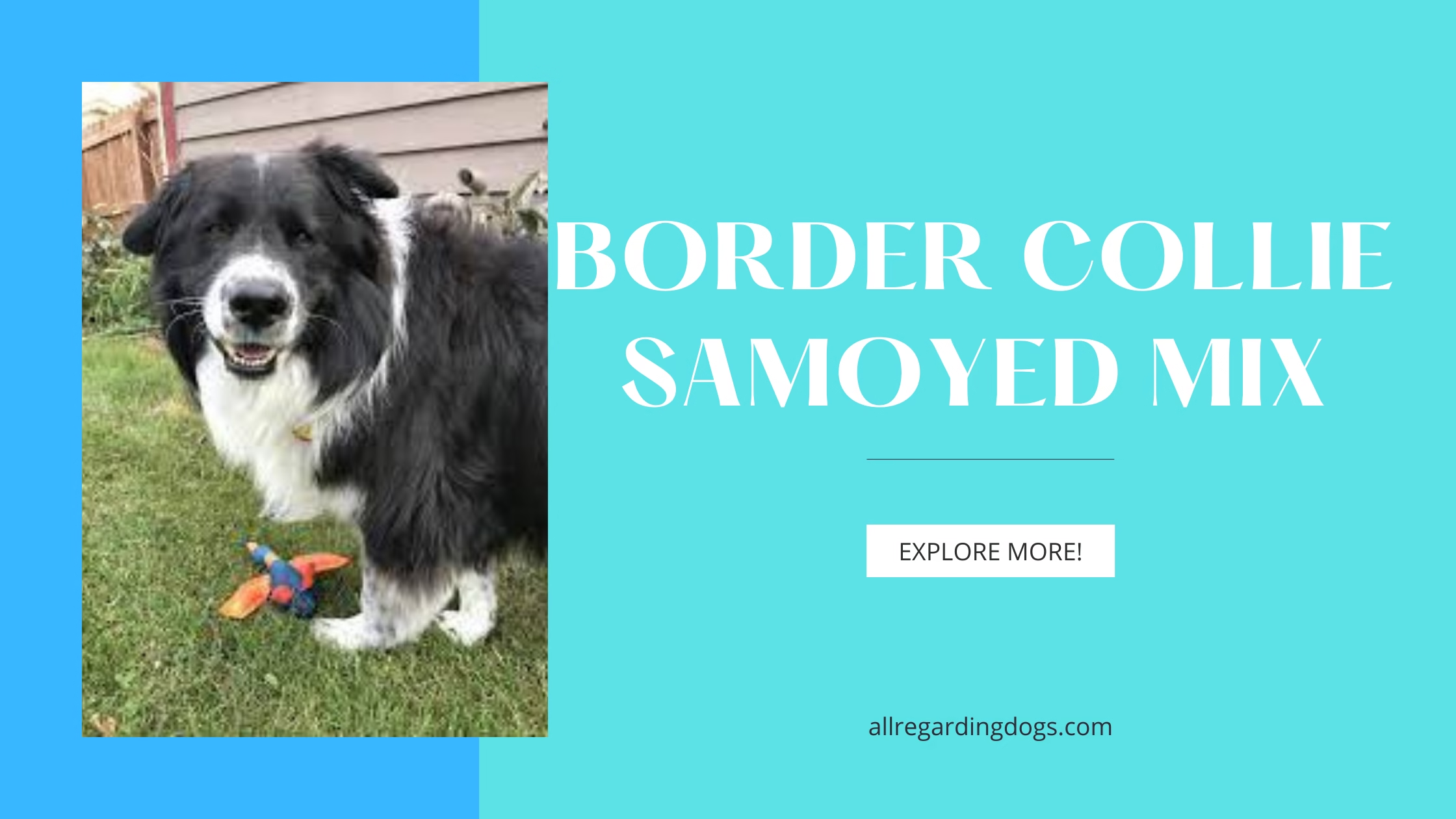
    The Border Collie Samoyed mix, also known as Samollie, is a unique crossbreed that combines the herding and working abilities of the Border Collie with the friendly and playful nature of the Samoyed. This mix is known for its intelligence, loyalty, and high energy, making it an excellent choice for an active family. In this article, we will provide everything you need to know about the Border Collie Samoyed mix, from its origins and appearance to its temperament and health issues.

    CharacteristicDescription
    SizeMedium to large, typically weighing between 40 and 70 pounds
    Height18 to 24 inches at the shoulder
    Lifespan12 to 15 years
    CoatThick and double-layered, with a range of colors including white, black, brown, and gray
    TemperamentIntelligent, friendly, and active
    Exercise NeedsHigh-energy breed that requires daily exercise and access to a large yard or open space
    Grooming NeedsRegular grooming to keep their coat healthy and minimize shedding
    Health IssuesCan be prone to hip dysplasia, eye problems, and dental issues
    Diet and NutritionHigh-quality, protein-rich diet that is appropriate for their age, size, and activity level
    Training and SocializationPositive reinforcement training and early socialization are important for this breed
    Home and Family CompatibilityCan make great companions for active families
    Price$500 to $1,500+ depending on age, breed, and location
    Keep in mind that these are general characteristics, and individual dogs may vary in temperament, health, and other traits. It’s important to do your research and find a reputable breeder or rescue organization to ensure that you’re getting a healthy and well-adjusted dog.

    Origins and History of the Border Collie Samoyed Mix

    The Border Collie Samoyed mix is a relatively new hybrid breed developed by crossing a purebred Border Collie with a purebred Samoyed. Like many hybrid breeds, the origins of the Border Collie Samoyed mix are unknown. However, we can learn more about the breed by examining the histories of its parent breeds.
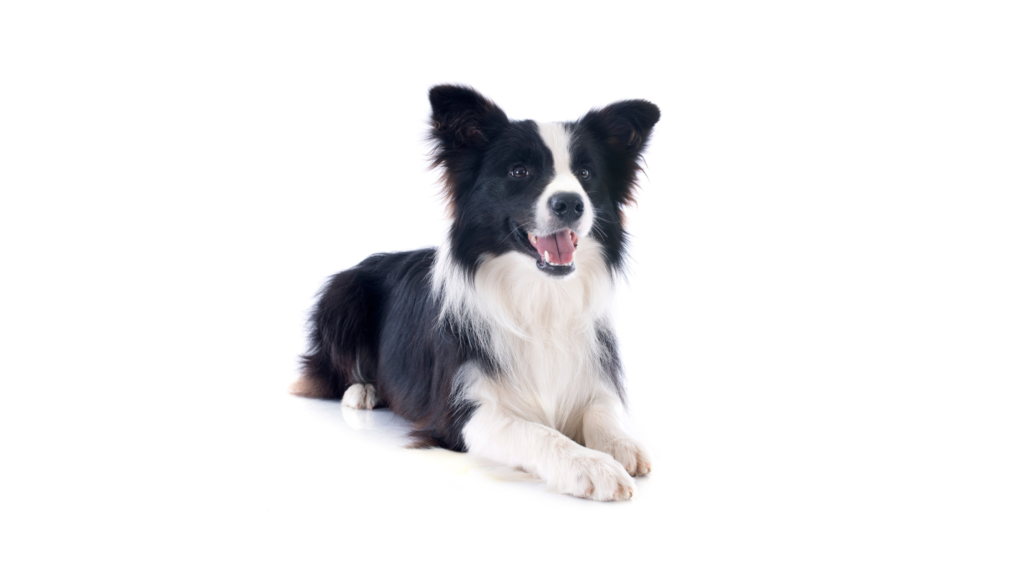
    Border Collie |
    Border Collie

    The Border Collie is a herding breed that originated in the border region between England and Scotland. The breed’s name comes from being bred to work on the border between the two countries. These dogs were developed to work in rough terrain and harsh weather conditions.

    Samoyed |
    Samoyed Dog

    On the other hand, the Samoyed is a spitz-type breed developed in Siberia. These dogs were bred to work as sled dogs and to herd reindeer. The Samoyed is named after the Samoyede people, believed to have bred the dogs initially.

    When these two breeds were crossed, the result was a mix that combined the intelligence and herding abilities of the Border Collie with the friendly and playful personality of the Samoyed. The Border Collie Samoyed mix is still a relatively rare breed. Still, its popularity is growing as more people become familiar with its unique characteristics.

    Also Read: The Ultimate Guide to Great Pyrenees Samoyed Mix

    Physical Characteristics and Appearance of the Samollie

    The physical characteristics of the Border Collie Samoyed mix can vary widely, as with any mixed breed. However, they usually have a medium to large size, with an average height ranging from 18 to 24 inches and a weight of 40 to 70 pounds.

    The Border Collie Samoyed mix often has a double-layered fluffy, thick coat that can be white, black, gray, or a combination of these colors. Their coat can also have a range of patterns, including solid colors, spots, and sable.

    One of the most distinctive features of the Border Collie Samoyed mix is its eyes, which can be a mix of brown, blue, and/or green. This trait is inherited from the Samoyed breed, which is known for its bright and expressive eyes.

    The Border Collie Samoyed mix also has a wedge-shaped head and erect ears that stand upright. Their muscular and agile bodies allow them to move quickly and easily.

    Overall, the Border Collie Samoyed mix is a beautiful and unique breed that will turn heads with its striking appearance.

    Temperament and Personality Traits of the Samollie

    The Border Collie Samoyed mix is a friendly and intelligent breed that typically has a happy and outgoing personality. They are known for being affectionate and loyal to their families. They get along well with children and other pets.

    Due to their herding background, the Border Collie Samoyed mix may display some herding instincts, such as nipping at ankles or attempting to herd people or animals. However, with proper training and socialization, these behaviors can be curbed and directed toward more appropriate activities.

    Border Collie Samoyed mixes are highly trainable and enjoy learning new things. They thrive on mental stimulation and physical exercise and are happiest when they have a job. This makes them great candidates for obedience training, agility, and flyball activities.

    While the Border Collie Samoyed mix is generally a happy and outgoing breed, they may be prone to separation anxiety if left alone for long periods. This can lead to destructive behaviors, so providing them with mental and physical stimulation is essential. Avoiding them alone for extended periods is essential.

    Overall, the Border Collie Samoyed mix is an intelligent and loving breed that can make a great companion for an active and loving family.

    Health Issues Common in Samollie

    As with any mixed breed, the Border Collie Samoyed mix may be prone to specific health issues. It’s essential to be aware of these potential health problems so that you can take steps to prevent or manage them.

    One common health issue in the Border Collie Samoyed mix is hip dysplasia. This is a condition where the hip joint doesn’t form properly, leading to joint pain and stiffness. To reduce the risk of hip dysplasia, choosing a breeder who performs health screenings on their breeding dogs is essential.

    Another health issue that may affect the Border Collie Samoyed mix is progressive retinal atrophy (PRA). This is a degenerative eye disease that can lead to blindness. While there is no cure for PRA, it can be managed with regular veterinary care and by providing a safe and comfortable environment for the dog.

    Other potential Border Collie Samoyed mix health issues include allergies, epilepsy, and thyroid problems. Regular visits to the vet and a healthy diet and exercise regimen can help prevent or manage these health issues.

    The Border Collie Samoyed mix is a relatively healthy breed. Still, it’s essential to be aware of potential health issues and take steps to prevent or manage them. The Border Collie Samoyed mix can live a long and happy life with proper care and attention.

    Diet and Nutrition Requirements for Samollie

    The Border Collie Samoyed mix is an active breed that requires a balanced and nutritious diet to maintain optimal health and energy levels. A high-quality commercial dog food formulated for active breeds is usually the best choice for this mix.

    When choosing a commercial dog food, look for one that lists a meat protein as the first ingredient. Avoid foods that contain fillers such as corn, wheat, and soy, as these can be difficult for some dogs to digest.

    The amount of food your Border Collie Samoyed mix needs will depend on size, age, activity level, and overall health. Generally, feeding adult dogs 1-2 meals per day is recommended, while puppies may require more frequent feedings. It’s important not to overfeed your dog, as obesity can lead to various health problems.

    In addition to commercial dog food, you may also want to supplement your Border Collie Samoyed mix’s diet with fresh fruits and vegetables. Carrots, green beans, and sweet potatoes are all great choices that can provide your dog with essential vitamins and minerals.

    Always provide plenty of fresh, clean water for your dog, especially during increased activity. Dehydration can be a severe issue for active dogs, so it’s essential to ensure they have access to water at all times.

    Talk to your veterinarian if you have any concerns about your Border Collie Samoyed mix’s diet or nutrition. They can help you develop a feeding plan tailored to your dog’s needs and health requirements.

    Exercise and Activity Requirements for Border Collie Samoyed Mixes

    The Border Collie Samoyed mix is a high-energy breed requiring plenty of exercises and mental stimulation to stay happy and healthy. Daily exercise is essential for this breed, and it’s crucial to provide a variety of activities to keep them engaged and stimulated.

    Regular walks or runs are among the best forms of exercise for the Border Collie Samoyed mix. These dogs enjoy long walks or jogs with their owners and love to explore new environments. You can also provide mental stimulation by taking your dog on different walking routes or allowing them to sniff and explore its surroundings.

    In addition to walks, the Border Collie Samoyed mix also enjoys playing games such as fetch, tug-of-war, and hide-and-seek. These activities provide physical exercise and help stimulate the dog’s mind and keep them engaged.

    Agility training is also an excellent option for the Border Collie Samoyed mix. This breed is brilliant and thrives on mental challenges, so agility training can be a great way to provide both physical exercise and mental stimulation.

    It’s important to note that the Border Collie Samoyed mix can become bored and destructive if they don’t receive enough exercise and mental stimulation. It’s essential to provide plenty of opportunities for play and exercise, as well as regular training and obedience sessions.

    Overall, the Border Collie Samoyed mix is a highly active and energetic breed requiring plenty of exercises and mental stimulation to stay happy and healthy. By providing regular walks, games, and training sessions, you can ensure that your dog stays engaged and stimulated, both physically and mentally.

    Grooming and Shedding in Border Collie Samoyed Mixes

    The Border Collie Samoyed mix has a thick, double coat that sheds moderately year-round and heavily twice a year during shedding seasons. Regular grooming is essential to keep their coat healthy and reduce shedding.

    A slicker brush and a metal comb are the best tools for grooming a Border Collie Samoyed mix. They can effectively remove loose fur and prevent tangles. Weekly brushing is recommended for this breed, and daily brushing during shedding seasons can help to remove loose fur and prevent matting.

    Bathing should only be done as needed, as frequent bathing can strip the natural oils from the dog’s coat and lead to dry, itchy skin. Use a mild dog shampoo and rinse thoroughly to avoid skin irritation when bathing.

    In addition to regular grooming, keeping up with the dog’s dental hygiene is essential. Brushing their teeth regularly can help to prevent dental issues such as tartar buildup and gum disease.

    Finally, it’s essential to trim your Border Collie Samoyed mix’s nails regularly. Long nails can cause discomfort and even lead to joint problems, so it’s essential to trim them every few weeks to keep them at a healthy length.

    Overall, grooming a Border Collie Samoyed mix requires regular brushing, occasional bathing, dental care, and nail trimming. By keeping up with these grooming tasks, you can keep your dog’s coat healthy and reduce shedding while promoting overall health and well-being.

    Training and Socialization Tips for Samollie

    Border Collie Samoyed mixes are brilliant dogs eager to please their owners. As such, they are generally easy to train and respond well to positive reinforcement training methods.

    When training a Border Collie Samoyed mix, it’s essential to start early and be consistent with your training. Early socialization is also essential to help your dog become comfortable around people and other animals.

    Positive reinforcement training methods, such as treats, praise, and rewards, are the most effective way to train a Border Collie Samoyed mix. They respond well to positive reinforcement and are more likely to repeat rewarded behaviors.

    When training your Border Collie Samoyed mix, keep training sessions short and frequent. Avoid using punishment or negative reinforcement, as this can cause your dog fear and anxiety and ultimately lead to behavior problems.

    In addition to training, providing your Border Collie Samoyed mix with plenty of physical and mental stimulation is essential to prevent boredom and destructive behavior. Daily walks, runs, and interactive toys can help to keep your dog physically and mentally stimulated.

    Training and socialization are vital to raising a well-behaved and well-adjusted Border Collie Samoyed mix. By using positive reinforcement training methods, providing plenty of stimulation, and starting early with socialization, you can help your dog become a happy and obedient companion.

    Living with a Border Collie Samoyed Mix: Home and Family Compatibility
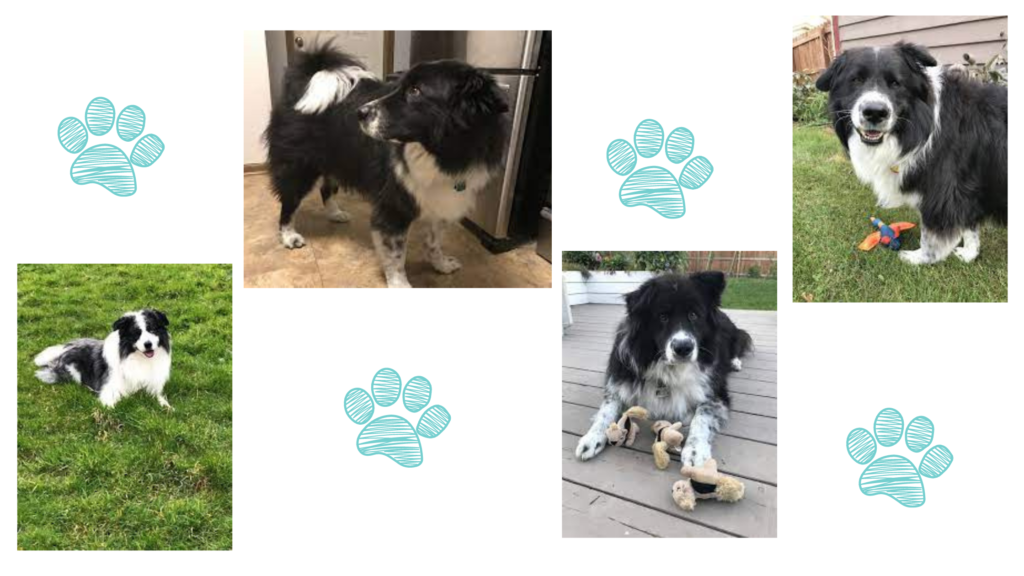
    Living with a Border Collie Samoyed Mix Home and Family Compatibility |
    Living with a Border Collie Samoyed Mix: Home and Family Compatibility

    Border Collie Samoyed mixes are intelligent and active dogs that require a lot of exercises and mental stimulation. As such, they are best suited to homes with an active lifestyle and owners who can provide them with plenty of attention, exercise, and training.

    These dogs do well in homes with a large yard or access to outdoor space, as they need plenty of room to run and play. They also do best in homes with owners who can provide them daily walks, runs, or other physical activities.

    Border Collie Samoyed mixes are generally good with children and other pets if socialized properly from an early age. However, they have a strong herding instinct and may try to herd smaller animals or children.

    Regarding living arrangements, Border Collie Samoyed mixes can do well in various homes, including apartments or smaller living spaces. However, they do require plenty of exercises and mental stimulation, so owners who live in smaller spaces will need to be able to provide their dogs with regular outdoor exercise and playtime.

    Border Collie Samoyed mixes are loyal and affectionate dogs that can make great companions for active families or individuals. They can thrive in various living situations with proper training, socialization, and plenty of exercise and attention.

    Border Collie Samoyed Mix Price and Adoption Options

    The price of a Border Collie Samoyed mix can vary depending on several factors, including the dog’s age, breed, and location. On average, you can expect to pay between $500 and $1,500 for a Border Collie Samoyed mix.

    If you’re interested in adopting a Border Collie Samoyed mix, there are several adoption options to consider. Many animal shelters and rescue organizations have these dogs available for adoption. Adopting a dog from a shelter or rescue can be a great way to save a life and give a deserving dog a second chance.

    When adopting a dog, it’s essential to research. Consider working with a breed-specific rescue organization specializing in Border Collie or Samoyed mixes. It finds a reputable rescue organization with a good track record of matching dogs with loving families.

    Adopting a dog from a rescue organization typically costs less than buying a puppy from a breeder. It often comes with the added benefit of knowing you’re giving a dog in need a loving home. Additionally, many rescue organizations provide dogs with basic training and socialization, making the transition to a new home easier for both the dog and the owner.

    Whether you choose to adopt or buy a Border Collie Samoyed mix, it’s essential to research. It finds a dog that fits your lifestyle and living situation well. These dogs can make loyal and loving companions for years with proper care and attention.

    Also Read: The Australian Shepherd Samoyed Mix: A Complete Guide to this Loyal and Energetic Crossbreed

    Frequently Asked Questions about Samollie

    Do Border Collie Samoyed mixes require early socialization?

    Early socialization is crucial for Border Collie Samoyed mixes to help them develop good behavior and social skills. They should be exposed to different people, animals, and environments from a young age to help prevent anxiety and aggression.

    Can Border Collie Samoyed mix live in apartments?

    Border Collie Samoyed mixes are active dogs that require a lot of exercise and space to run around. While they can adapt to apartment living, it’s essential to ensure they get enough exercise and playtime to avoid boredom and destructive behavior.

    Are Border Collie Samoyed mixes good guard dogs?

    Border Collie Samoyed mixes are friendly and social dogs that are not typically aggressive towards strangers. While they may bark to alert their owners of potential intruders, they are not generally considered good guard dogs.

    How often should Border Collie Samoyed mixes be bathed?

    Border Collie Samoyed mixes should be bathed every few months or as needed, depending on how dirty they get. Overbathing can strip their coat of natural oils, so using a gentle, dog-specific shampoo and thoroughly rinsing is essential.

    Does Border Collie Samoyed mixes shed a lot?

    Yes, Border Collie Samoyed mixes have a thick double coat that sheds moderately to heavily throughout the year. Regular grooming can help minimize shedding and keep their coat healthy and shiny.

    Can Border Collie Samoyed mixes be trained for agility and other dog sports?

    Border Collie Samoyed mixes are intelligent and athletic dogs that can excel in various dog sports, including agility, obedience, and herding trials. Training and regular exercise can help them develop their natural abilities and bond with their owners.
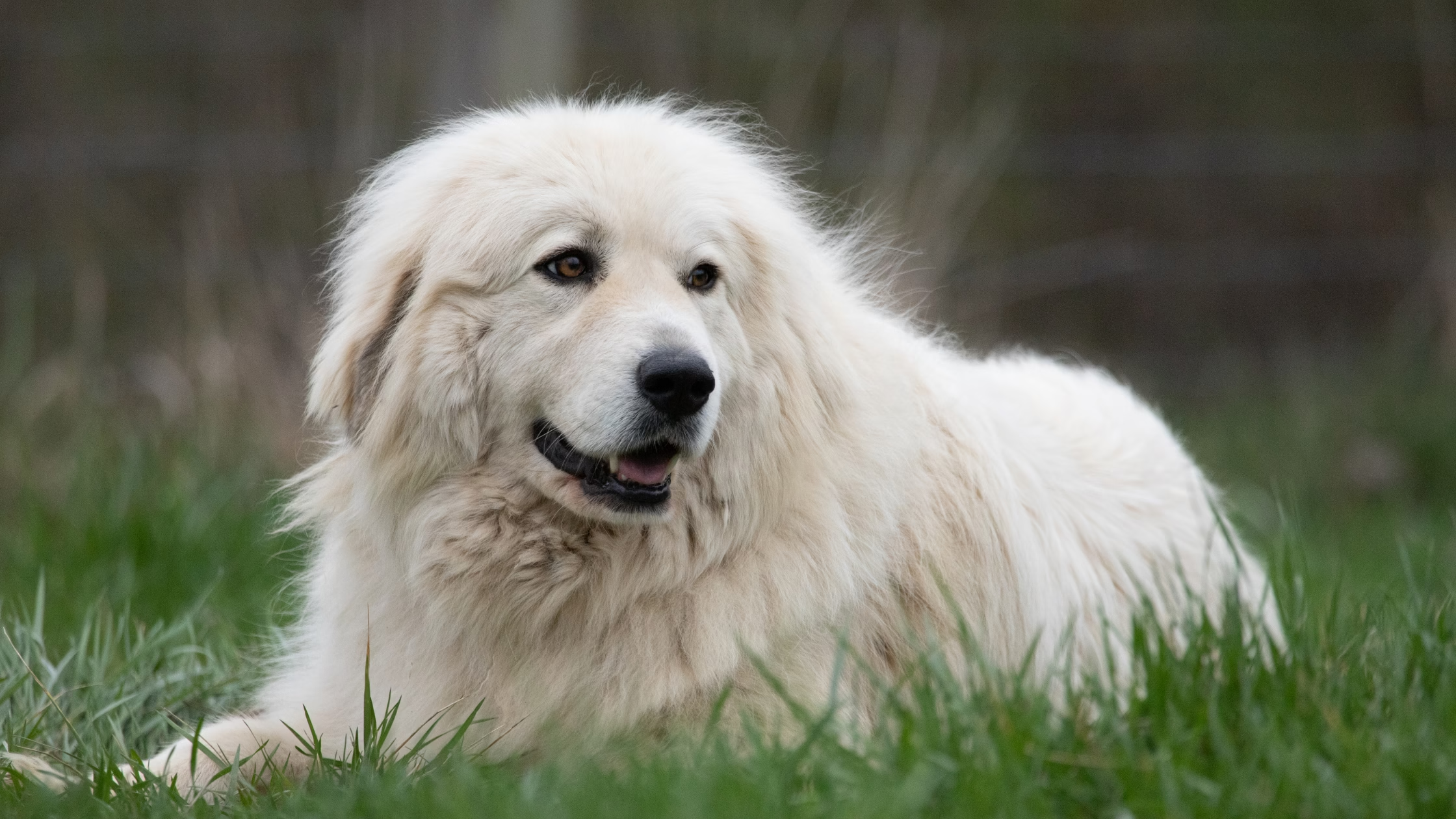
  • The Ultimate Guide to Great Pyrenees Samoyed Mix

    The Ultimate Guide to Great Pyrenees Samoyed Mix

    Are you looking for a loyal and affectionate companion with a fluffy and adorable appearance? Look no further than the Great Pyrenees Samoyed mix, a crossbreed between the gentle Great Pyrenees and the playful Samoyed. In this guide, we’ll dive into everything you need to know about this lovable breed, including their characteristics, care requirements, and training tips.

    CharacteristicInformation
    Breed NameGreat Pyrenees Samoyed mix
    Other NamesNone
    SizeLarge to giant
    Weight50-120 pounds
    Height19-30 inches at the shoulder
    Lifespan10-12 years
    TemperamentFriendly, loyal, protective, and gentle
    Coat TypeThick, double coat
    Coat ColorsWhite, cream, gray, or black
    GroomingRegular brushing and occasional bathing
    TrainingPositive reinforcement training
    Exercise NeedsModerate to high
    Health ConcernsHip dysplasia, ear infections, allergies
    Feeding RequirementsHigh-quality dog food, 2-3 meals per day
    Living ConditionsLarge fenced yard, indoors with family
    Note: Lifespan can vary depending on several factors, such as overall health, genetics, and quality of care.

    Great Pyrenees Samoyed Mix: Origins and History

    Great Pyrenees Samoyed Mix 2 |
    Great Pyrenees Samoyed Mix

    The Great Pyrenees Samoyed mix, also known as the Great Samoyed, is a relatively new breed that has recently gained popularity. The breed originated in the United States, where breeders crossed Great Pyrenees and Samoyed dogs to create a unique and adorable hybrid.

    The Great Pyrenees is a large breed originating in the Pyrenees Mountains of France and Spain. They were used as guard dogs for sheep and other livestock. On the other hand, the Samoyed is a smaller breed that originated in Siberia, where they were used as sled dogs. The two breeds share many similarities, including loyalty, intelligence, and affectionate nature, despite their different origins and purposes.

    When breeding Great Pyrenees and Samoyed dogs, breeders aim to create a mix that combines the best traits of both breeds. The resulting Great Pyrenees Samoyed mix is known for its friendly and gentle nature, as well as its loyalty and protective instincts.

    Overall, the Great Pyrenees Samoyed mix is a fascinating breed with a unique history and background. Whether you’re looking for a loyal and affectionate companion or a protective guard dog, the Great Pyrenees Samoyed mix is worth considering.

    Physical Characteristics and Appearance

    The Great Pyrenees Samoyed mix is a large and fluffy breed with a striking appearance that makes them stand out from other breeds. This hybrid typically inherits the long, thick, white coat of the Great Pyrenees and the Samoyed’s fluffy and dense coat. Their coat is a defining feature of the breed, requiring regular grooming to keep it healthy and looking its best.

    In terms of size, the Great Pyrenees Samoyed mix is a large breed, weighing between 50 to 120 pounds and standing 19 to 30 inches tall at the shoulder. They have a sturdy and muscular build, with a broad chest and powerful legs that allow them to move with grace and agility.

    Their face is often described as friendly and welcoming, with bright and expressive eyes ranging from brown to blue. They have black noses and floppy ears, often standing erect when alert or excited.

    Overall, the Great Pyrenees Samoyed mix is a stunning and majestic breed that will turn heads wherever they go. Their impressive size, fluffy coat, and friendly disposition make them beloved companions for families and individuals alike.

    Temperament and Personality Traits

    The Great Pyrenees Samoyed mix is a friendly, gentle, and loyal breed that makes an excellent family companion. They inherit the best traits of both parent breeds, combining the Great Pyrenees’ calm and protective nature with the Samoyed’s playful and outgoing personality.

    These dogs are known for their affectionate and loving disposition and thrive on human companionship and attention. They are loyal to their family and always eager to please, making it easy to train and teach new tricks.

    Due to their protective instincts, the Great Pyrenees Samoyed mix can be wary of strangers, especially if they feel their family is in danger. However, they are not aggressive and are usually calm and composed, even in stressful situations.

    Regarding other pets, the Great Pyrenees Samoyed mix gets along well with other dogs and animals, especially if they are socialized early on. They are patient and gentle with children and make excellent playmates for kids.

    Overall, the Great Pyrenees Samoyed mix is a loving and loyal breed devoted to its family. They have friendly and outgoing personalities and are great with kids and other pets, making them an excellent choice for families and individuals looking for a loyal and affectionate companion.

    Also Read: The Australian Shepherd Samoyed Mix: A Complete Guide to this Loyal and Energetic Crossbreed

    Health and Common Health Issues

    Like all breeds, the Great Pyrenees Samoyed mix is prone to specific health issues. However, with proper care and attention, many health problems can be prevented or managed effectively.

    One of the most common health issues seen in the Great Pyrenees Samoyed mix is hip dysplasia, a genetic condition affecting the hip joint. This can cause pain and difficulty in movement, and severe cases may require surgery. To prevent hip dysplasia, it is recommended to ensure that the parents of any puppy you are considering have been screened and cleared for this condition.

    Another common health issue in this breed is obesity, which can stress their joints and increase their risk of other health problems. To prevent obesity, providing your Great Pyrenees Samoyed mix with a healthy diet and plenty of exercises is essential.

    The Great Pyrenees Samoyed mix may also be prone to eye problems such as cataracts, progressive retinal atrophy, and glaucoma. Regular eye exams can detect and manage these issues before they progress.

    Other health issues affecting the Great Pyrenees Samoyed mix include skin allergies, ear infections, and bloat. Regular checkups with a veterinarian, proper grooming, and a healthy diet and exercise routine can help to prevent many of these health problems.

    Overall, the Great Pyrenees Samoyed mix is a healthy and robust breed that can live a long and happy life with proper care and attention. By being aware of potential health issues and taking preventative measures, you can help ensure that your furry friend stays healthy and happy for years.

    Diet and Nutrition

    The Great Pyrenees Samoyed mix is a large breed that requires a nutritious and balanced diet to maintain optimal health and energy levels. Providing them with high-quality dog food specifically formulated for large breeds is essential, as they have different nutritional requirements than smaller dogs.

    When selecting dog food for your Great Pyrenees Samoyed mix, look for one that contains high-quality proteins, such as chicken, beef, or fish, as well as carbohydrates, such as brown rice, sweet potatoes, or oatmeal. These ingredients will give your dog the energy to stay active and healthy.

    It’s also important to pay attention to the fat content of your dog’s food, as excess fat can lead to weight gain and other health problems. Look for dog food that contains healthy fats, such as those found in fish or flaxseed oil, which can help to support your dog’s coat and skin health.

    In addition to providing your Great Pyrenees Samoyed mix with a nutritious diet, monitoring their portion sizes and providing plenty of fresh water is essential. Overfeeding can lead to obesity, which can stress their joints and increase their risk of other health problems.

    If you have concerns about your Great Pyrenees Samoyed mix’s diet or nutrition, it’s always best to consult your veterinarian. They can help you develop a personalized feeding plan that considers your dog’s individual needs and preferences and any health issues they may be experiencing.

    Exercise and Activity Requirements

    The Great Pyrenees Samoyed mix is a large and active breed requiring plenty of exercises and mental stimulation to stay healthy and happy. They combine two active breeds, so they have a lot of energy to burn!

    To keep your Great Pyrenees Samoyed mix in good shape, providing them with at least 60 minutes of exercise each day is recommended. This can include brisk walks, runs, or playtime in a secure yard or park.

    These dogs also benefit from mental stimulation, such as training sessions, interactive toys, or puzzle games. This can help keep their minds active and prevent boredom, leading to destructive behavior.

    It’s important to note that Great Pyrenees Samoyed mixes can be prone to joint problems, so avoiding high-impact activities such as jumping or running on hard surfaces is essential. Swimming is a great low-impact activity that can give your dog plenty of exercise without putting stress on their joints.

    Overall, the Great Pyrenees Samoyed mix is a high-energy breed requiring plenty of exercises and mental stimulation to stay healthy and happy. By providing them with daily exercise and a variety of mental stimulation, you can help to ensure that they remain active and content.

    Grooming and Shedding

    The Great Pyrenees Samoyed mix has a thick and fluffy double coat that requires regular grooming to maintain its health and appearance. While these dogs are known for their beautiful coat, it’s important to note that they are heavy shedders, especially during shedding season.

    To keep your Great Pyrenees Samoyed mix’s coat in good condition, it’s recommended to brush them at least once a week with a slicker brush or comb. This will help to remove loose hair and prevent matting or tangles in their coat. During shedding season, which typically occurs twice a year, you may need to brush your dog more frequently to keep up with the shedding.

    Bathing should be done only when necessary, as frequent bathing can strip the natural oils from your dog’s coat and lead to dry skin. It’s essential to use a dog-specific shampoo and conditioner to avoid skin irritation.

    In addition to regular brushing and bathing, it’s essential to trim your Great Pyrenees Samoyed mix’s nails regularly to prevent them from becoming too long and causing discomfort or pain. It would help if you also cleaned their ears regularly to prevent infections.

    Overall, the Great Pyrenees Samoyed mix requires regular grooming to maintain its coat’s health and appearance. While they are heavy shedders, regular brushing and bathing can help to keep their coats under control and prevent matting or tangles. Proper grooming allows your furry friend to remain healthy and happy for years.

    Training and Socialization Tips

    The Great Pyrenees Samoyed mix is an intelligent and independent breed, which can sometimes make them challenging to train. However, they can be trained to be well-behaved and obedient companions with patience and consistency.

    Early socialization is critical to preventing your Great Pyrenees Samoyed mix from becoming shy or aggressive toward strangers. Exposing your puppy to a variety of people, dogs, and environments at a young age is recommended to help them develop into confident and well-adjusted adults.

    Positive reinforcement training is the most effective training method for this breed. They respond well to treats, praise, and playtime as rewards for good behavior. Harsh training methods, such as yelling or physical punishment, can cause fear and aggression in these sensitive dogs.

    Training should be done in short sessions, preferably in a quiet, distraction-free environment. Consistency and repetition are crucial to ensuring that your Great Pyrenees Samoyed mix understands what is expected of them.

    It’s also important to note that this breed can be stubborn sometimes. Hence, it’s essential to remain patient and calm during training sessions. Your Great Pyrenees Samoyed mix can become a well-behaved and obedient companion with persistence and positive reinforcement.

    Early socialization and positive reinforcement training ensure that your Great Pyrenees Samoyed mix becomes a confident and well-behaved companion. Consistency and patience are crucial to success, and harsh training methods should be avoided.

    Living with a Great Pyrenees Samoyed Mix – Home and Family Compatibility

    The Great Pyrenees Samoyed mix is a friendly and loyal breed that makes a beautiful family pet. They are known for their gentle and affectionate nature, which makes them great companions for children and adults alike.

    While these dogs are adaptable and can live in various homes, they require a decent amount of space to move around in. They should have access to a secure yard to play and exercise.

    Due to their protective nature, Great Pyrenees Samoyed mixes can make excellent watchdogs. However, they can also be wary of strangers. They may require socialization to prevent them from becoming overly protective or aggressive toward visitors.

    This breed is known for its love of people and enjoys being around its family members. They can become anxious or lonely if left alone for long periods, so they are best suited for families where someone is home most of the day.

    Overall, the Great Pyrenees Samoyed mix is a friendly and loyal breed that makes a beautiful family pet. They can make a great addition to any family with proper care and attention. They require plenty of space to move around. They may require socialization to prevent them from becoming overly protective or aggressive toward visitors.

    Great Pyrenees Samoyed mix price

    The price of a Great Pyrenees Samoyed mix can vary depending on several factors, such as the breeder, location, and demand for the breed. On average, you can expect to pay anywhere from $500 to $1,000 for a Great Pyrenees Samoyed mix puppy.

    It’s important to note that purchasing a puppy from a reputable breeder can come with additional costs, such as health screenings and vaccinations, which can further increase the overall price. However, buying from a reputable breeder is essential to ensure your new puppy is healthy and has been bred responsibly.

    You may also find Great Pyrenees Samoyed mixes available for adoption at a local animal shelter or rescue organization. Adoption fees are typically lower than the cost of purchasing a puppy, and you’ll give a loving home to a needy dog.

    Regardless of how you acquire your Great Pyrenees Samoyed mix, it’s essential to budget for ongoing expenses such as food, grooming, and veterinary care. These costs can add up over time, so be prepared for the financial responsibilities of owning a dog is essential.

    Also Read: The Chow Samoyed Mix: Discovering the Delightful Traits of the Chow Samoyed Mix

    Frequently Asked Questions about Great Pyrenees Samoyed Mixes

    Are any specific training techniques that work well for Great Pyrenees Samoyed mixes?

    No specific training techniques work best for Great Pyrenees Samoyed mixes, as each dog is unique and may respond differently to different training methods. However, positive reinforcement training is generally recommended as these dogs are sensitive and respond well to praise and rewards.

    What kind of exercise is best for Great Pyrenees Samoyed mixes?

    Great Pyrenees Samoyed mixes need daily exercises, such as walks or playtime in a fenced-in yard. They also enjoy activities like hiking and swimming, providing plenty of physical and mental stimulation.

    How often should I groom my Great Pyrenees Samoyed mix?

    Great Pyrenees Samoyed mixes require regular grooming to keep their coats looking healthy and free of tangles and matting. Brushing their coat at least once a week is recommended. They may need to be trimmed occasionally to keep their fur from becoming too long and unruly.

    What are some common behavioral issues that Great Pyrenees Samoyed mixes may experience?

    Great Pyrenees Samoyed mixes may experience behavioral issues such as separation anxiety, aggression towards other dogs, and excessive barking. Proper training and socialization can help prevent these issues from developing.

    Are there any specific dietary requirements for Great Pyrenees Samoyed mixes?

    Great Pyrenees Samoyed mixes have no specific dietary requirements. Still, they need a well-balanced diet with protein, fat, and carbohydrates. Consult with your veterinarian to determine the best diet for your dog.

    How much exercise does Great Pyrenees Samoyed mixes need each day?

    Great Pyrenees Samoyed mixes require at least 30-60 minutes of daily exercise. Still, they can handle more if they have the opportunity. They are active dogs that need regular physical and mental stimulation.

    Are Great Pyrenees Samoyed mixes prone to any specific genetic health issues?

    Great Pyrenees Samoyed mixes can be prone to genetic health issues such as hip dysplasia, ear infections, and skin allergies. Regular veterinary checkups and proper care can help prevent these issues from developing or becoming more severe.

    How can I ensure my Great Pyrenees Samoyed mix gets along well with other dogs?

    Proper socialization and training can help ensure that Great Pyrenees Samoyed mixes get along well with other dogs. It’s essential to introduce them to other dogs at a young age and monitor their behavior to prevent aggressive or dominant behavior.

    Can Great Pyrenees Samoyed mixes be left alone for extended periods?

    Great Pyrenees Samoyed mixes are social dogs that thrive on human companionship, so they should not be left alone for extended periods. If you need to leave your dog alone for an extended period, consider hiring a dog sitter or taking them to a dog daycare.

    What kind of home environment is best for Great Pyrenees Samoyed mixes?

    Great Pyrenees Samoyed mixes do well in homes with large, fenced-in yards where they can play and exercise. They also do well in homes with families with plenty of time to spend with them and provide them with regular socialization and training.

  • The Australian Shepherd Samoyed Mix: A Complete Guide to this Loyal and Energetic Crossbreed

    The Australian Shepherd Samoyed Mix: A Complete Guide to this Loyal and Energetic Crossbreed

    Suppose you’re looking for a loving, intelligent dog with plenty of energy. In that case, the Australian Shepherd Samoyed mix may be just what you need. This crossbreed combines the loyalty and work ethic of the Australian Shepherd with the friendly and playful nature of the Samoyed. This article will look at this fascinating hybrid, exploring everything from their physical appearance and temperament to their exercise and training needs.

    CategoryInformation
    SizeMedium
    Height20-24 inches
    Weight45-80 pounds
    Lifespan10-13 years
    CoatThick and fluffy with varying colors and patterns
    TemperamentFriendly, loyal, and protective
    Exercise RequirementsHigh – at least 1 hour of exercise per day
    Training RequirementsIntelligent and trainable, but may be stubborn
    Grooming NeedsRegular brushing and occasional baths
    Health IssuesHip dysplasia, eye problems, and other genetic conditions
    Feeding NeedsBalanced diet that meets their nutritional needs
    Price Range$500-$1,500 depending on breeder and puppy’s lineage
    It’s important to note that the lifespan of an Australian Shepherd Samoyed Mix can vary depending on factors such as genetics, diet, and overall health. With proper care and attention, they can live a happy and healthy life of 10-13 years.

    History and Origins of the Australian Shepherd Samoyed Mix

    The Australian Shepherd Samoyed Mix, is a relatively new crossbreed. As with most designer breeds, the exact origins of this hybrid are unknown, but it’s believed to have originated in the United States in the late 20th century.

    Both the Australian Shepherd and Samoyed breeds have long and storied histories.

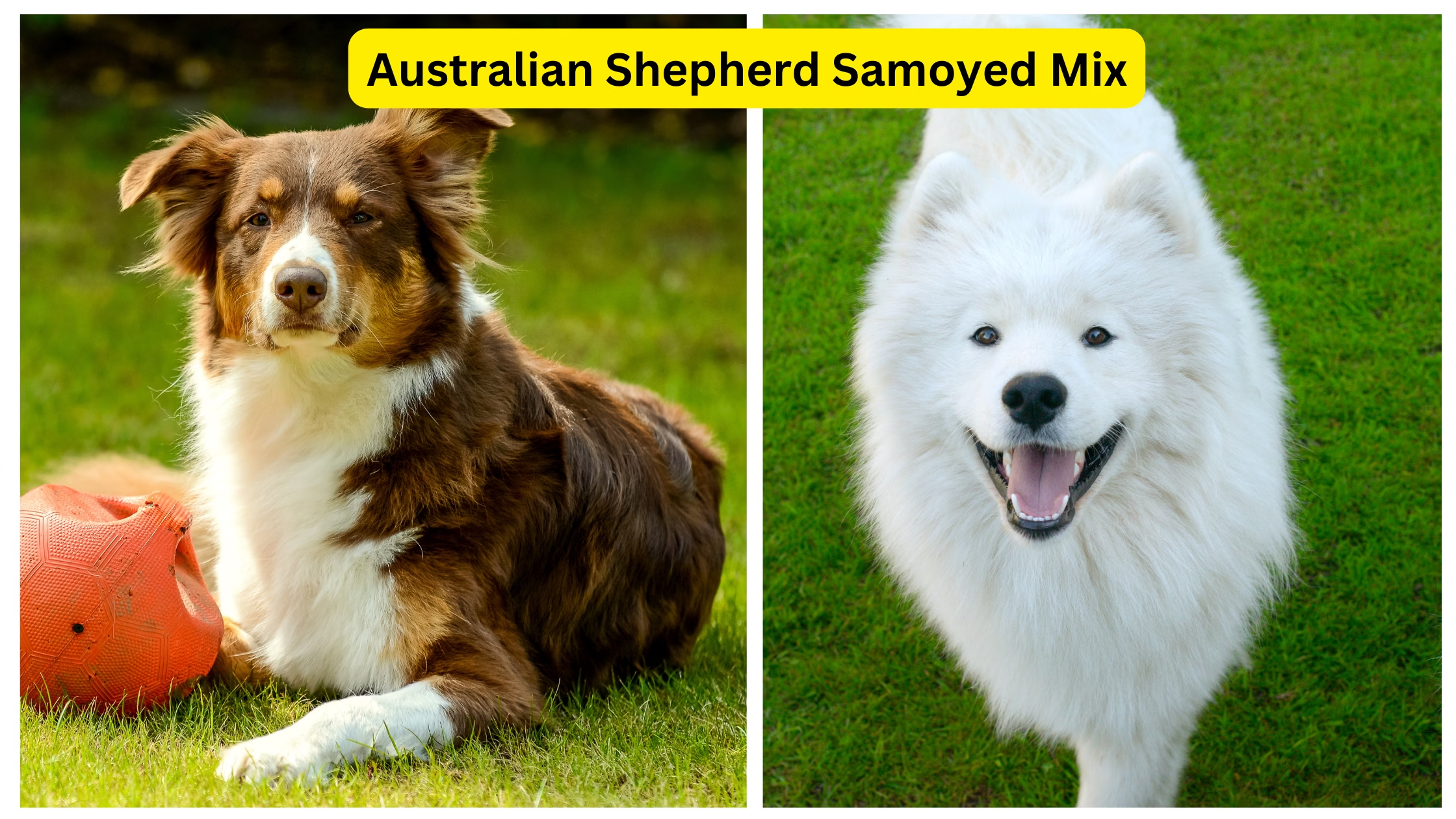
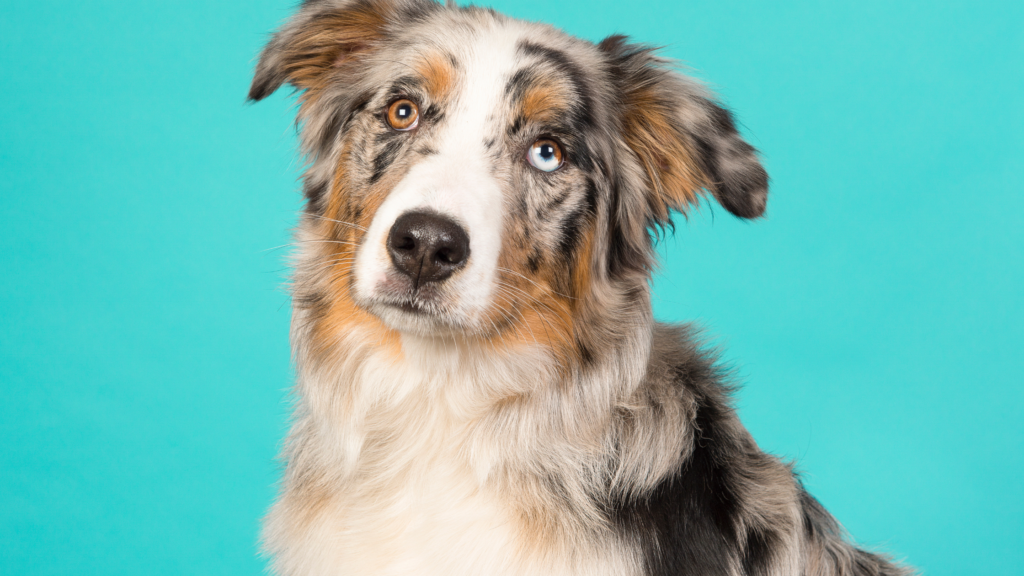
    Australian Shepherd dog |
    Australian Shepherd

    The Australian Shepherd was developed in the Western United States in the 19th century as a working dog on ranches and farms. These intelligent and agile dogs were used to herd and protect livestock. Their popularity grew as they demonstrated their ability to perform various tasks.

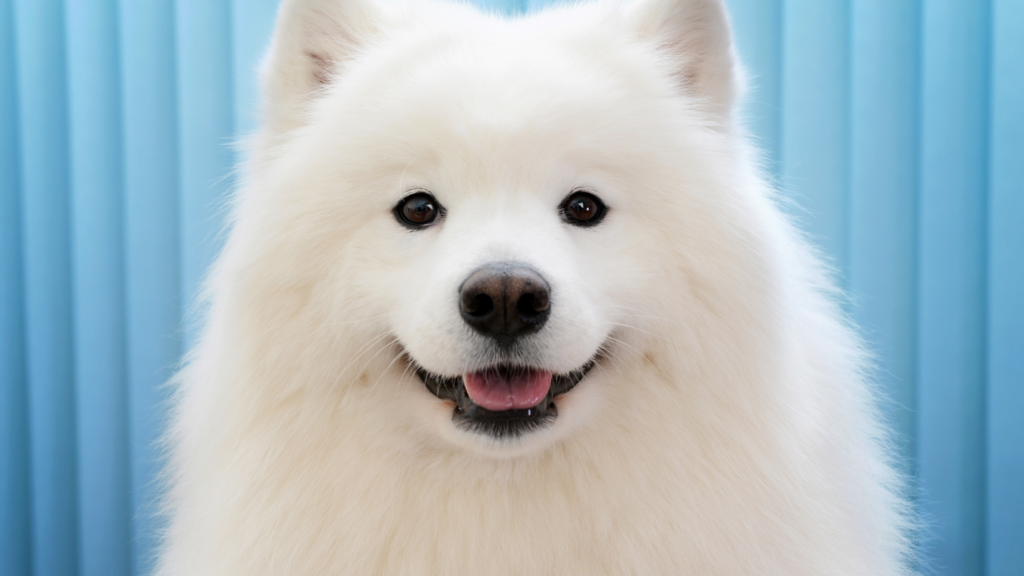
    Samoyed dog |
    Samoyed dog

    On the other hand, the Samoyed is a breed that originated in Siberia and was bred by the nomadic Samoyed people as a herding and sled dog. These dogs were highly valued for their ability to work in harsh conditions. They were also used as family pets due to their affectionate nature.

    When these two breeds are crossed, the resulting offspring can inherit a range of traits from each parent. Some Aussiedors may have a strong herding instinct, while others may focus more on sled dog work. The Samoyed’s friendly and outgoing personality can also balance the Australian Shepherd’s reserved and cautious nature.

    Overall, the Australian Shepherd Samoyed Mix is a fascinating crossbreed that combines two working dog breeds with rich histories and unique traits. As this hybrid continues to gain popularity, we’ll learn more about its origins and development in the future.

    Also Read: The Chow Samoyed Mix: Discovering the Delightful Traits of the Chow Samoyed Mix

    Physical Characteristics and Appearance of the Australian Shepherd Samoyed Mix

    The Australian Shepherd Samoyed Mix can inherit physical characteristics from the Australian Shepherd and the Samoyed breeds, resulting in various appearances. However, some general traits are commonly seen in this crossbreed.

    Size: The Australian Shepherd Samoyed Mix is a medium to large-sized dog. They can weigh anywhere from 45 to 80 pounds and stand between 20 to 24 inches tall at the shoulder.

    Coat: This crossbreed can have a dense, double-layered, typically medium to long coat. The skin can come in a range of colors, including black, blue merle, red merle, and white, with some dogs having patches of two or more colors.

    Eyes: The Australian Shepherd Samoyed Mix typically has bright, expressive eyes that can be blue, brown, or a combination of both.

    Body: This crossbreed is muscular, athletic, solid, and agile. They have a deep chest, muscular necks, and broad heads.

    Tail: The tail of the Australian Shepherd Samoyed Mix is typically lengthy and bushy, often carried in a curl over the dog’s back.

    Overall, the Australian Shepherd Samoyed Mix is a striking dog with a unique and beautiful appearance. Their combination of physical traits from both parents’ breeds results in an athletic and elegant dog, making them a popular choice for many dog lovers.

    Temperament and Personality Traits of the Australian Shepherd Samoyed Mix

    The Australian Shepherd Samoyed Mix is known for being a friendly, loyal, and energetic dog. This crossbreed can inherit a range of personality traits from both the Australian Shepherd and Samoyed breeds. Their temperament can vary depending on individual factors such as genetics, socialization, and training.

    Friendly: This crossbreed is typically warm and outgoing, and they enjoy spending time with their family and meeting new people. They may be more reserved around strangers but are generally not aggressive.

    Loyal: The Australian Shepherd Samoyed Mix is a trustworthy and devoted dog that enjoys spending time with its family. They thrive on attention and affection and may become anxious or destructive if left alone for long periods.

    Energetic: This crossbreed is highly active and requires plenty of exercises and mental stimulation to stay healthy and happy. They enjoy activities such as hiking, running, and playing fetch and require at least an hour of exercise every day.

    Intelligent: The Australian Shepherd Samoyed Mix is a brilliant and trainable dog that enjoys learning new things. They are quick learners and respond well to positive reinforcement training methods.

    Protective: This crossbreed may have a protective instinct inherited from both parent breeds. They may bark or become territorial if they sense a threat to their family.

    Overall, the Australian Shepherd Samoyed Mix is a loving and loyal companion that enjoys being active and spending time with its family. They are intelligent and trainable dogs that can make excellent pets for the right family. However, they require a lot of exercise and attention, so potential owners should be prepared to provide plenty of mental and physical stimulation.

    Health Issues and Potential Genetic Conditions to Watch for

    Like all dog breeds, the Australian Shepherd Samoyed Mix can be prone to specific health issues and genetic conditions. When considering this crossbreed as a pet, it’s essential to be aware of these potential health issues and take steps to prevent or manage them.

    Hip Dysplasia: Both the Australian Shepherd and Samoyed breeds are prone to hip dysplasia. In this condition, the hip joint does not develop properly. This can cause pain, lameness, and arthritis in affected dogs. Potential owners should ensure that both parent breeds have been screened for hip dysplasia and choose a breeder who takes steps to prevent the condition.

    Eye Problems: The Australian Shepherd Samoyed Mix may be prone to various eye problems inherited from both parent breeds, including cataracts, progressive retinal atrophy, and glaucoma. Regular eye exams and screening by a veterinarian can help detect and manage these conditions early.

    Allergies: The Australian Shepherd and Samoyed breeds are prone to allergies, and the crossbreed may also be susceptible to skin and food intolerances. Owners should know the signs of allergies, including itching, redness, and ear infections, and work with their veterinarian to manage the condition.

    Epilepsy: Some Australian Shepherds and Samoyeds are prone to epilepsy, which can cause seizures. While it’s not always possible to prevent epilepsy, working with a veterinarian to manage the condition can help affected dogs lead happy and healthy life.

    Overall, the Australian Shepherd Samoyed Mix is a relatively healthy crossbreed. Potential owners should choose a reputable breeder that screens both parent breeds for common health issues and is willing to provide health certificates and genetic testing. Additionally, regular veterinary care and preventative measures such as a healthy diet and exercise can help keep this crossbreed healthy and happy.

    Exercise and Training Requirements for the Crossbreed

    The Australian Shepherd Samoyed Mix is a highly active and intelligent crossbreed requiring plenty of exercises and mental stimulation to stay healthy and happy. They can become bored and destructive without proper conditioning and training, so potential owners should be prepared to provide plenty of physical and mental stimulation.

    Exercise: The Australian Shepherd Samoyed Mix requires at least an hour of exercise every day, and they enjoy activities such as hiking, running, and playing fetch. They are also excellent candidates for canine sports such as agility, obedience, and flyball. Owners should provide their crossbreed with a safe and secure space to exercise, such as a fenced backyard or dog park.

    Training: The Australian Shepherd Samoyed Mix is an intelligent and trainable crossbreed that enjoys learning new things. They respond well to positive reinforcement training methods such as clicker training, and they want training sessions that are engaging and challenging. Early socialization is also vital to help prevent potential behavior issues such as separation anxiety and aggression toward other dogs.

    Mental Stimulation: In addition to physical exercise, the Australian Shepherd Samoyed Mix also requires plenty of mental stimulation. They enjoy puzzle toys, interactive games, and obedience training, which help keep their minds active and prevent boredom.

    Overall, the Australian Shepherd Samoyed Mix requires an active and engaged owner who can provide plenty of exercises, training, and mental stimulation. They thrive on attention and affection; with proper care and training, they can make excellent pets for the right family.

    Also Read: Does Beer Kill Worms in Dogs? Separating Myth from Reality

    Grooming and Maintenance Tips for Owners of the Australian Shepherd Samoyed Mix

    The Australian Shepherd Samoyed Mix has a thick, double coat that requires regular grooming and maintenance to keep them healthy and comfortable. Here are some grooming tips for owners of this crossbreed:

    Brushing: The Australian Shepherd Samoyed Mix requires daily brushing to prevent matting and tangles. A slicker brush or comb can help remove loose fur and prevent shedding. They also require regular grooming during shedding season, which occurs twice a year.

    Bathing: The Australian Shepherd Samoyed Mix does not require frequent bathing, as their coat is naturally self-cleaning. Bathing them once every few months or as needed can help keep their skin clean and healthy.

    Nail Trimming: Regular nail trimming is essential for all dogs, including the Australian Shepherd Samoyed Mix. Owners should trim their dog’s nails every 4-6 weeks or as needed. Overgrown nails can cause discomfort and even lead to injuries.

    Ear Cleaning: This crossbreed can be prone to ear infections, so owners should regularly clean their ears to prevent the buildup of wax and debris. A gentle ear cleaner and cotton balls can help keep their ears clean and healthy.

    Teeth Cleaning: Good dental hygiene is essential for all dogs. Owners should regularly brush their teeth to prevent dental problems. Owners can use dog-specific toothpaste and a toothbrush or dental chews to help clean their dog’s teeth.

    The Australian Shepherd Samoyed Mix requires regular grooming and maintenance to keep them healthy and comfortable. This crossbreed can make an excellent pet for the right family with proper care.

    Feeding and Nutrition Guidelines for this Crossbreed

    Feeding the Australian Shepherd Samoyed Mix requires careful consideration of their nutritional needs based on their size, age, activity level, and health status. Here are some general feeding and nutrition guidelines for this crossbreed:

    • High-Quality Dog Food: The Australian Shepherd Samoyed Mix should be fed high-quality dog food appropriate for their age and size. The food should be balanced with the right amount of protein, fat, and carbohydrates. It should not contain any artificial additives or preservatives.
    • Feeding Schedule: Owners should feed their crossbreed on a regular schedule to maintain their digestion and prevent obesity. Adult dogs should be fed twice daily, while puppies may require three to four meals daily.
    • Portion Control: Owners should monitor their crossbreed portion sizes to prevent overfeeding, which can lead to obesity and related health problems. The food required depends on the dog’s age, activity level, and overall health status.
    • Treats: Treats should be given in moderation and should not exceed more than 10% of the dog’s daily caloric intake. Treats can be used as a reward during training or as a special treat.
    • Water: Fresh, clean water should always be available to the Australian Shepherd Samoyed Mix. Owners should regularly check and refill their dog’s water bowls to ensure they are correctly hydrated.
    • Special Dietary Needs: Some Australian Shepherd Samoyed Mixes may have special dietary needs or allergies requiring a specific food type. Owners should consult their veterinarian if they suspect their dog has unique nutritional requirements.

    Overall, the Australian Shepherd Samoyed Mix requires a well-balanced and nutritious diet that meets their individual nutritional needs. With proper feeding and nutrition, this crossbreed can maintain a healthy weight and live a happy and healthy life.

    Finding and Choosing the Right Australian Shepherd Samoyed Mix Puppy for Your Family

    Finding and choosing the right Australian Shepherd Samoyed Mix puppy for your family can be an exciting but essential decision. Here are some tips to help you make the best choice:

    • Research: Before adopting a puppy, research the breed’s characteristics and needs to ensure they fit your family’s lifestyle and living situation well. The Australian Shepherd Samoyed Mix is a high-energy dog that requires regular exercise and mental stimulation. It is best suited for active families with plenty of outdoor space.
    • Reputable Breeder: Find a reputable breeder who knows about the breed and follows responsible breeding practices. A reputable breeder will also provide health certificates and genetic testing to ensure the health and well-being of their puppies.
    • Meet the Parents: Meet the puppy’s parents or the mother to understand their temperament and personality traits. This can also give you an idea of what the puppy may look like as an adult.
    • Observe the Puppies: Observe the litter of puppies to see how they interact with each other and with humans. Look for a curious, friendly, and confident puppy, and avoid puppies that are shy or aggressive.
    • Health Checks: Check the puppy’s health records and ensure they have received all necessary vaccinations and deworming treatments. Additionally, check the puppy for any signs of illness or health issues.
    • Bonding: Spend time bonding with the puppy before bringing them home to ensure a good connection. This can also help with socialization and training.
    • Patience: Bringing a new puppy home can be a big adjustment for the puppy and your family. Be patient and consistent with training and socialization to help the puppy adjust to their new environment.

    Finding and choosing the right Australian Shepherd Samoyed Mix puppy requires research, patience, and careful consideration. By following these tips, you can find a healthy and happy puppy that will be a great addition to your family.

    Australian Shepherd Samoyed Mix price

    The price of an Australian Shepherd Samoyed Mix can vary depending on several factors, such as the breeder’s location, reputation, breeding practices, and the puppy’s age, health, and lineage.

    On average, you can expect to pay anywhere between $500 to $1,500 or more for an Australian Shepherd Samoyed Mix puppy.

    However, it’s important to note that purchasing a puppy is just one of the many expenses of owning a dog.

    Additional costs such as food, grooming, veterinary care, and training should also be considered before deciding to adopt a dog.

    It’s also worth considering adopting from a rescue organization or shelter, as these dogs often need a loving home and can be a more affordable option.

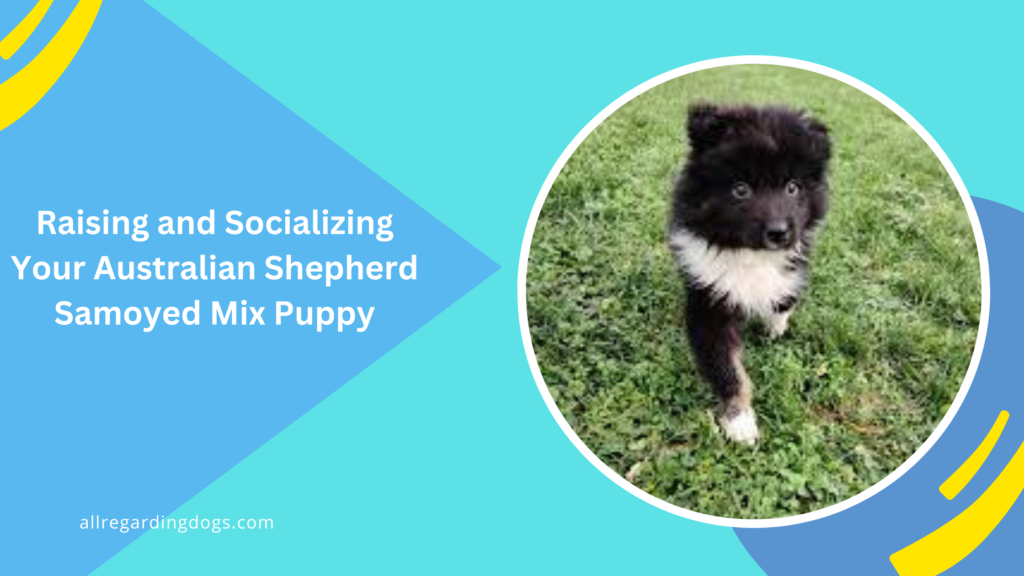
    Raising and Socializing Your Australian Shepherd Samoyed Mix Puppy

    Raising and Socializing Your Australian Shepherd Samoyed Mix Puppy |
    Raising and Socializing Your Australian Shepherd Samoyed Mix Puppy

    Raising and socializing your Australian Shepherd Samoyed Mix puppy is essential to their development and can help them grow into a well-adjusted and happy adult dog. Here are some tips to help you raise and socialize your Australian Shepherd Samoyed Mix puppy:

    • Socialization: Start socializing your puppy from a young age by exposing them to various people, animals, sights, and sounds. This can include taking them on walks, visits to the park, or attending puppy classes. Socialization can help your puppy build confidence, reduce fear and anxiety, and develop appropriate behavior around other dogs and humans.
    • Positive Reinforcement: Use positive reinforcement training techniques to help your puppy learn good behavior. This includes good rewarding behavior with treats, praise, and playtime. Avoid using punishment or negative reinforcement, as this can damage your puppy’s trust in you and lead to negative behavior.
    • Exercise: Provide your puppy plenty of exercise and playtime to help them burn off excess energy and stay healthy. This can include walks, hikes, or playing fetch in the backyard.
    • Crate Training: Consider crate training your puppy to provide them with a safe and comfortable space to retreat to when they need a break or when you are away from home. This can also help with potty training and reduce destructive behavior.
    • Consistency: Be consistent with your training and routines to help your puppy learn what is expected of them. Consistency can help your puppy feel secure and confident in their environment.
    • Health Care: Ensure your puppy receives regular veterinary care, including vaccinations, deworming, and check-ups. Routine health care can help detect and prevent any health issues before they become serious.

    Raising and socializing your Australian Shepherd Samoyed Mix puppy requires patience, consistency, and a commitment to their health and well-being. Following these tips can help your puppy grow into a happy, healthy, and well-behaved adult dog.

    Frequently Asked Questions About the Australian Shepherd Samoyed Mix

    How does the temperament of an Australian Shepherd Samoyed Mix differ from its parent breeds?

    The temperament of an Australian Shepherd Samoyed Mix can vary depending on its parentage. Still, they generally share the friendly, affectionate nature of both breeds. They can be protective of their families and can be good with children and other pets.

    Are Australian Shepherd Samoyed Mix dogs good with other pets, such as cats?

    Australian Shepherd Samoyed Mix dogs can be good with other pets, including cats, if they are adequately socialized from a young age. However, they have a high prey drive and may be inclined to chase smaller animals, so it’s important to supervise them during interactions.

    What training challenges might you expect with an Australian Shepherd Samoyed Mix, and how can they be addressed?

    Australian Shepherd Samoyed Mix dogs are intelligent and eager to please, but they can also be stubborn sometimes. Training challenges may include housebreaking, leash training, and socialization with other dogs. Consistent and positive training methods, patience, and persistence can help overcome these challenges.

    Do Australian Shepherd Samoyed Mix dogs have any dietary restrictions or needs based on their breed?

    Australian Shepherd Samoyed Mix dogs do not have any specific dietary restrictions or needs based on their breed. Still, it is essential to feed them a balanced diet that meets their nutritional needs based on age, weight, and activity level.

    How much daily exercise does an Australian Shepherd Samoyed Mix need, and what activities do they enjoy?

    Australian Shepherd Samoyed Mix dogs have high energy levels and require at least an hour of daily exercises, such as brisk walks, runs, or hikes. They enjoy playing fetch, agility training, or other interactive games.

    How much does an Australian Shepherd Samoyed Mix puppy typically cost, and what factors might influence the price?

    The cost of an Australian Shepherd Samoyed Mix puppy can vary depending on the breeder, location, and the puppy’s lineage. On average, they can cost anywhere between $500 to $1,500.

    What kind of living environment is best suited for an Australian Shepherd Samoyed Mix, such as a house with a yard or an apartment?

    Australian Shepherd Samoyed Mix dogs can do well in various living environments if they receive enough exercise and mental stimulation. A house with a fenced yard is ideal, but they can also adapt to apartment living as long as their exercise needs are met.

    How can you ensure that the breeder you’re getting an Australian Shepherd Samoyed Mix puppy from is reputable and responsible?

    To ensure that the breeder you’re getting an Australian Shepherd Samoyed Mix puppy from is reputable and responsible, you must research and ask for references. A responsible breeder will provide health clearances for the parent dogs and will be willing to answer any questions you have about the breed and their breeding practices.

  • The Chow Samoyed Mix: Discovering the Delightful Traits of the Chow Samoyed Mix

    The Chow Samoyed Mix: Discovering the Delightful Traits of the Chow Samoyed Mix

    The Chow Samoyed Mix, also known as the Samoyed Chow or the Chow-Sam, is a crossbreed between the Chow Chow and the Samoyed. These dogs are known for their striking appearance, thick fur, and loyal, affectionate personality. Consider bringing a Chow Samoyed mix into your home. In that case, there are several things you should know to ensure that you can provide the best possible care for your new furry friend.

    CharacteristicsDescription
    Breed TypeMixed breed (Chow Chow and Samoyed)
    SizeMedium to large
    Height20-26 inches
    Weight40-70 pounds
    Coat TypeThick, fluffy double coat
    Coat ColorsVarious shades of brown, black, white, and cream
    TemperamentLoyal, protective, intelligent, and affectionate
    Lifespan10-15 years
    Exercise NeedsModerate to high
    Grooming NeedsHigh
    Health ConcernsHip dysplasia, eye problems, allergies
    Feeding NeedsHigh-quality diet with protein-rich foods
    Suitable ForExperienced dog owners, families with children, homes with a yard
    Not Suitable ForFirst-time dog owners, apartments or small living spaces, people with allergies
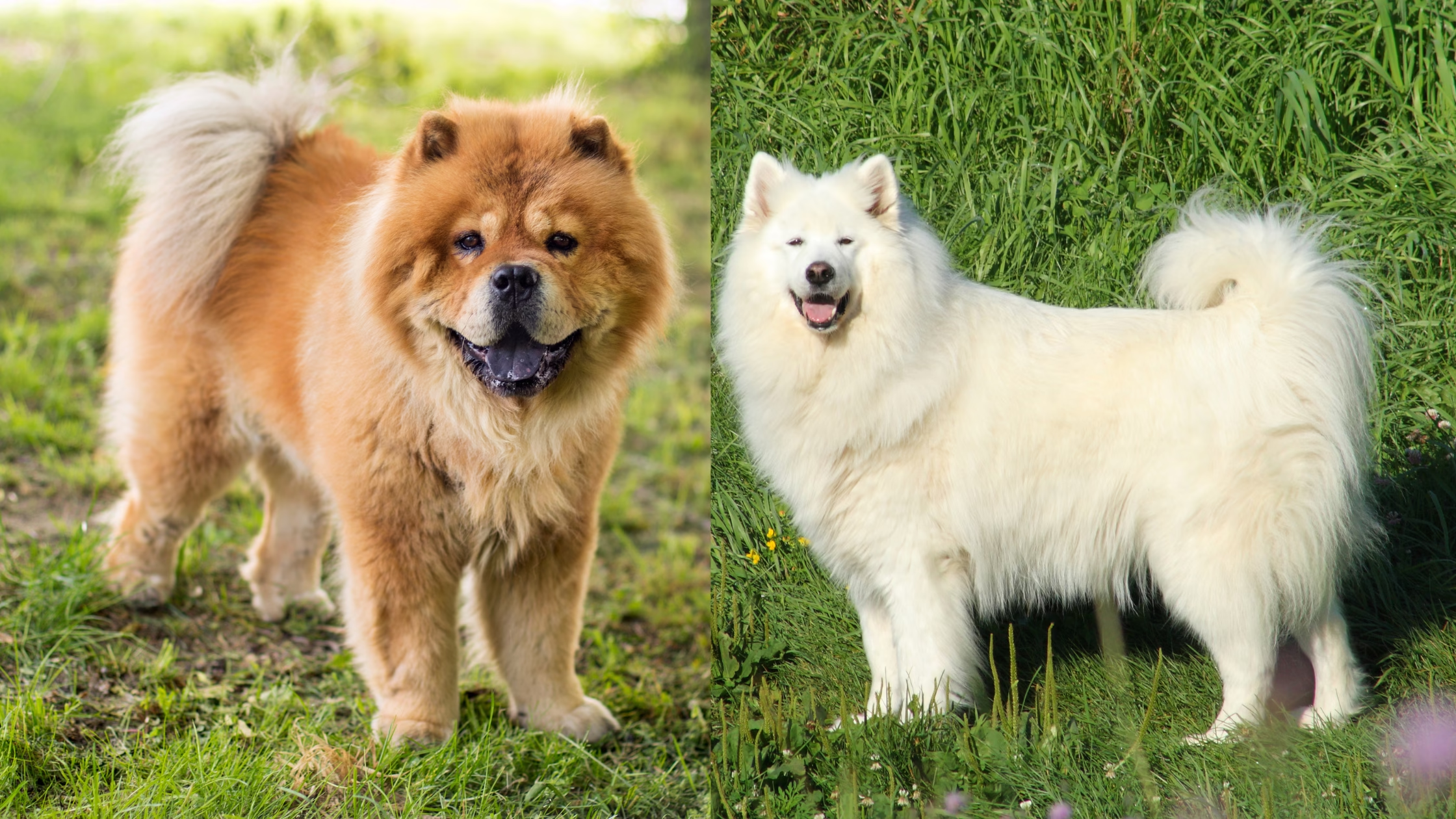
    Chow Samoyed Mix

    History and Origin of the Chow Samoyed Mix

    The Chow Samoyed mix is a relatively new hybrid breed, and its origin needs to be more documented in history.

    However, we can trace the history of its parent breeds, the Chow Chow and Samoyed, to understand the mix’s history.

    The Chow Chow originated in China and was used for various purposes, including hunting, herding, and guarding.

    On the other hand, the Samoyed originated in Siberia and was bred for sledding, herding, and hunting.

    The Chow Chow was brought to Europe in the 18th century, and the Samoyed was brought to England in the late 1800s.

    It is believed that the Chow Samoyed mix was first bred in the United States in the 20th century to create a hybrid that combined the best traits of both breeds.

    The Chow Samoyed mix is gaining popularity as a loyal and affectionate companion dog.

    Also Read: Does Beer Kill Worms in Dogs? Separating Myth from Reality

    Physical Characteristics of the Chow Samoyed Mix

    Chow Samoyed Mix2 |
    Chow Samoyed Mix

    The Chow Samoyed Mix is a medium to large dog breed ranging from 20 to 26 inches tall and weighs between 40 to 70 pounds.

    Their physical appearance can vary depending on the characteristics they inherit from their parent breeds.

    However, they typically have thick, fluffy coats in various colors, including black, brown, cream, and white.

    They have a sturdy and muscular build with a broad chest and straight back, which gives them a strong and balanced posture.

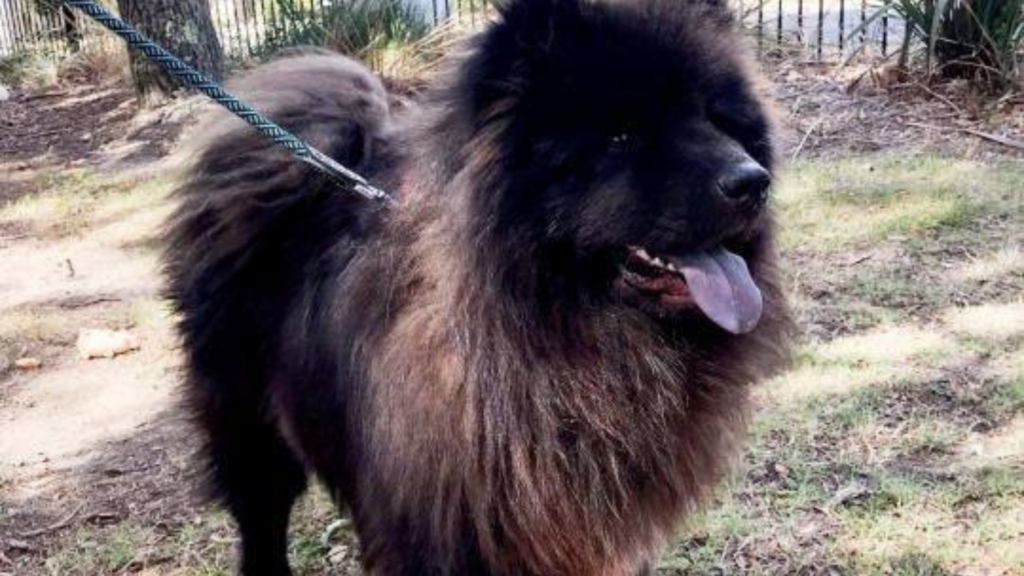
    Their eyes are usually almond-shaped and dark in color, and their ears are triangular and erect. This breed also has a distinctive black tongue inherited from the Chow Chow parent.

    Overall, the Chow Samoyed Mix is a stunning and unique-looking dog that is sure to turn heads wherever they go.

    Temperament and Personality of the Chow Samoyed Mix

    The Chow Samoyed mix is known for being an affectionate and loyal companion. They are knowledgeable, adaptable, and eager to please their owners.

    This mix inherits their friendly nature from their Samoyed parent and their independent streak from their Chow Chow parent.

    Due to their protective instincts, they can be wary of strangers and make excellent watchdogs. They may be reserved with new people but will quickly warm up to those they know and trust.

    It is important to socialize this mix early to ensure they are comfortable in various situations and with different people and animals.

    The Chow Samoyed mix is a loving and devoted companion that thrives on attention and human interaction.

    Training and Exercise for the Chow Samoyed Mix

    The Chow Samoyed mix is an active breed that requires regular exercise to stimulate them physically and mentally.

    This breed is intelligent and eager to please its owners, making them relatively easy to train. Positive reinforcement techniques, such as rewards and praise, work best for this breed.

    It is essential to start preparing early on to ensure that they learn good behavior habits.

    In addition to regular training, the Chow Samoyed mix requires daily exercise to maintain physical health.

    This breed enjoys long walks, runs, and outdoor activities. They also do well with mental stimulation, such as puzzle toys and games.

    A lack of exercise and mental stimulation can lead to destructive behavior, such as chewing and digging.

    Socialization is also essential for this breed. Early socialization helps them to interact positively with other animals and people.

    Exposing them to new situations and experiences can help prevent any potential behavior problems in the future.

    Training and exercise are essential for a happy and well-behaved Chow Samoyed mix. They thrive on positive reinforcement and physical activity.

    They can be an excellent addition to any household with proper training and socialization.

    Grooming Needs of the Chow Samoyed Mix

    The Chow Samoyed mix has a thick and fluffy coat that requires regular grooming to keep it in good condition.

    These dogs shed moderately throughout the year and heavily twice yearly during shedding season.

    Therefore, regular brushing is essential to remove loose hair and prevent matting. You can use a slicker brush, a de-shedding tool, or a comb to groom your Chow Samoyed mix.

    In addition to brushing, you should also bathe your dog as needed, usually every 6-8 weeks. It’s essential to use a dog-specific shampoo that won’t irritate your dog’s skin or coat.

    You should also trim your dog’s nails regularly and clean their ears to prevent infections.

    Following a regular grooming routine can keep your Chow Samoyed mix looking and feeling great.

    You can use a dog-specific toothbrush, toothpaste, or dental chews to keep your dog’s teeth clean and healthy.

    Finally, brush your Chow Samoyed mix’s teeth at least twice weekly to prevent dental problems.

    Health Concerns of the Chow Samoyed Mix

    As with any breed or mix, the Chow Samoyed mix may be prone to specific health issues. Some common health concerns of this breed mix include hip dysplasia, patellar luxation, eye problems, and allergies.

    Hip dysplasia is common for many larger breeds and can lead to arthritis and mobility problems.

    Patellar luxation is when the knee joint slides out of place and can cause pain and lameness. Eye problems such as cataracts, glaucoma, and progressive retinal atrophy are also common in Chow Samoyed mixes.

    Additionally, some Chow Samoyed mixes may suffer from allergies, which can cause skin irritation, itching, and other discomforts.

    Regular vet check-ups, proper nutrition, and exercise, can all help prevent or manage these health concerns.

    Researching and choosing a reputable breeder who health tests their breeding dogs is essential to minimize the risk of genetic health problems.

    Feeding and Nutrition for the Chow Samoyed Mix

    The Chow Samoyed mix requires a well-balanced diet to maintain optimal health and prevent health issues.

    The food should properly balance protein, carbohydrates, fats, vitamins, and minerals to support their active lifestyle.

    The amount and frequency of feeding will depend on age, weight, and activity level.

    It is essential to choose high-quality dog food appropriate for their age, size, and energy levels.

    Many Chow Samoyed mixes thrive on a diet rich in animal-based protein, such as chicken, fish, or beef.

    Providing them with fresh fruits and vegetables for added vitamins and minerals is also a good idea.

    When feeding your Chow Samoyed mix, be mindful of their weight and avoid overfeeding them.

    Obesity can lead to various health issues and be especially problematic for this breed, as they are prone to joint problems.

    Be sure to follow the feeding guidelines on the dog food package or consult a veterinarian to determine the appropriate amount of food for your dog’s specific needs.

    Owning a Chow Samoyed Mix: Pros and Cons

    Owning a Chow Samoyed Mix Pros and Cons |
    Owning a Chow Samoyed Mix: Pros and Cons

    Owning a Chow Samoyed Mix can be a wonderful experience. Still, it’s essential to consider both the pros and cons before bringing one into your home.

    One of the pros of owning a Chow Samoyed Mix is their loyalty and affectionate nature. They are known for being devoted to their owners and enjoy being close to them.

    They can make great companions for families with children as they are usually gentle and patient.

    Another pro is their intelligence and trainability. They can learn quickly and be well-behaved pets with proper training and socialization.

    They also enjoy physical activities like running, hiking, and playing, making them an excellent match for active owners.

    However, there are also some cons to owning a Chow Samoyed Mix. One is their high grooming needs.

    Their thick fur requires regular brushing and grooming to prevent matting and tangling, and they shed heavily twice a year.

    They also require regular exercise, which may be a challenge for owners with a sedentary lifestyle.

    Another potential con is their tendency towards specific health issues, such as hip dysplasia and eye problems.

    Purchasing a Chow Samoyed Mix from a reputable breeder who conducts health screenings to minimize the risk of genetic health problems is essential.

    Overall, owning a Chow Samoyed Mix can be a rewarding experience. Still, it’s essential to carefully consider their needs and potential challenges before committing to bringing one into your home.

    How to Find a Chow Samoyed Mix: Breeder or Rescue?

    Suppose you’re considering adding a Chow Samoyed Mix to your family. In that case, one of the first decisions you’ll need to make is getting your dog from a breeder or a rescue organization.

    Both options have pros and cons, and it’s essential to carefully consider which is right for you.

    A reputable breeder will ensure that your Chow Samoyed Mix comes from healthy and well-cared-for parents and will likely provide you with important information about the dog’s history and genetics.

    However, purchasing a puppy from a breeder can be expensive, and there is always the risk of supporting unethical breeding practices.

    Adopting a Chow Samoyed Mix from a rescue organization can be a more affordable option, and you’ll be giving a loving home to a dog in need.

    Rescue organizations also typically provide support and resources to help you and your new dog adjust to life together.

    However, rescue dogs may come with unknown health or behavioral issues. The adoption process can sometimes be lengthy and time-consuming.

    Whether you choose to get your Chow Samoyed Mix from a breeder or a rescue organization, it’s essential to do your research and make an informed decision.

    Ask for references, visit the facility or organization in person, and be prepared to ask plenty of questions about the dog’s history and care.

    Chow Samoyed Mix price

    The price of a Chow Samoyed Mix can vary widely depending on factors such as location, breeder reputation, and lineage.

    Generally, you can expect to pay anywhere from $500 to $2,000 for a Chow Samoyed Mix puppy.

    However, it is essential to remember that the initial cost of a dog is only a tiny part of the overall cost of ownership.

    Additional expenses such as food, grooming, and veterinary care can add up quickly throughout your dog’s lifetime.

    It is also important to note that purchasing a dog from a reputable breeder or adopting from a rescue organization may come with additional costs but may also offer benefits such as health guarantees and support throughout the dog’s life.

    Adopting a dog from a rescue organization may be more affordable than purchasing from a breeder.

    Also Read: Can Dogs Eat Chicken Salad? A Guide to Safe Feeding

    Conclusion: Is the Chow Samoyed Mix Right for You?

    In conclusion, the Chow Samoyed Mix is a beautiful and loving breed that can make an excellent addition to the right family.

    With their unique physical characteristics, friendly temperament, and intelligence, they have a lot to offer as companion animals.

    However, they also have specific needs that require careful consideration before bringing one home.

    Suppose you are an experienced dog owner with the time and energy to devote to training and exercise and are willing to invest in proper grooming and veterinary care.

    In that case, a Chow Samoyed Mix could be an excellent choice for you. On the other hand, if you are looking for a low-maintenance or apartment-friendly dog or have limited experience with dogs, consider a different breed.

    Ultimately, whether you choose to adopt from a rescue or purchase from a breeder, it is essential to do your research and make an informed decision.

    With the proper care and attention, a Chow Samoyed Mix can be a loyal and loving companion for many years.

  • Does Beer Kill Worms in Dogs? Separating Myth from Reality

    Does Beer Kill Worms in Dogs? Separating Myth from Reality

    As a dog owner, you may have heard about the supposed benefits of using beer to treat worms in dogs. However, there is a lot of misinformation out there. In this article, we will explore Does beer kills worms in dogs? And provide accurate information to help you make informed decisions about your furry friend’s health.

    Does Beer Kill Worms in Dogs? Separating Myth from Reality

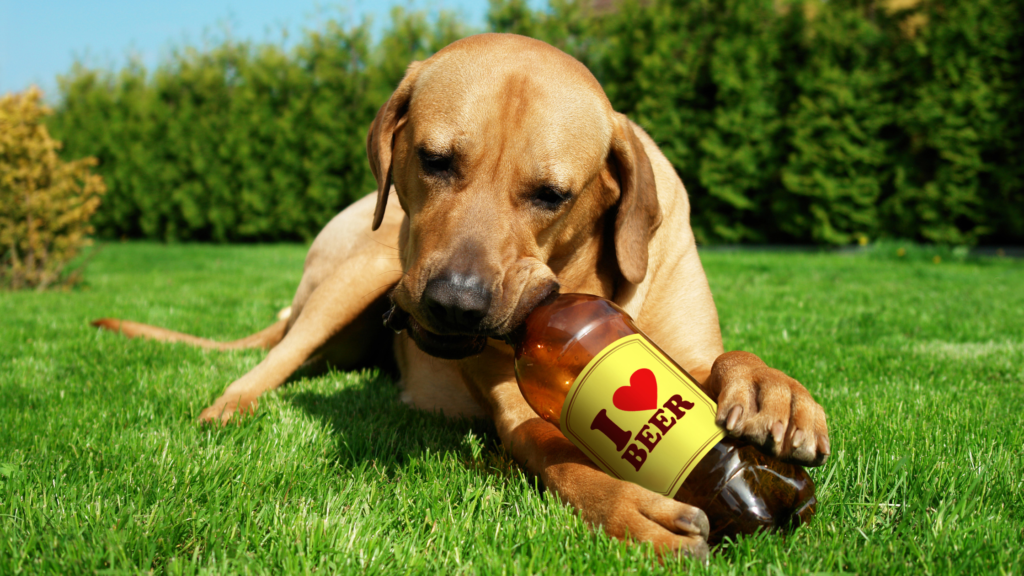
    Does Beer Kill Worms in Dogs2 |
    Does Beer Kill Worms in Dogs?

    Beer is a popular beverage that many people enjoy, but can it be used to treat worms in dogs? The answer is no. Despite what some people may believe, beer is not an effective treatment for worms in dogs. In fact, giving beer to your dog can be harmful and lead to serious health problems.

    Worms can cause various health issues in dogs, such as vomiting, diarrhea, and weight loss. Different types of worms can affect dogs, including roundworms, tapeworms, and hookworms, and each type requires specific treatment. When treating worms in dogs, relying on scientifically proven methods is essential.

    If you suspect your dog has worms, taking them to a veterinarian for a proper diagnosis and treatment plan is crucial. Your vet may recommend deworming medication or other treatments, such as dietary changes. It’s also important to follow preventive measures, such as keeping your dog’s living area clean, regularly deworming them, and maintaining good hygiene.

    In conclusion, while beer may be a popular beverage for humans, it’s not a safe or effective treatment for worms in dogs. If you suspect that your dog has worms, it’s essential to consult with a veterinarian and follow their recommended treatment plan.

    Also Read: Can Dogs Eat Chicken Salad? A Guide to Safe Feeding

    The Harmful Effects of Beer on Dogs

    While beer is a popular beverage for humans, it can harm dogs. Dogs have a different metabolism than humans, so alcohol can have a more severe impact on them.

    Even small amounts of beer can harm dogs and lead to serious health problems. Some harmful effects of beer on dogs include vomiting, diarrhea, difficulty breathing, and even coma.

    Alcohol can also cause dehydration, which can be particularly dangerous for dogs, especially during hot weather.

    In addition, beer contains hops, which can be toxic to dogs and cause hyperthermia, a condition that can lead to high body temperature and other serious health issues.

    It’s also important to note that giving beer to your dog is not recommended to treat worms or other health conditions.

    Beer has no medicinal properties and can harm your dog’s health. Instead, following a veterinarian’s recommended treatment plan and relying on scientifically proven methods to address any health issues your dog may have is crucial.

    In conclusion, beer can have harmful effects on dogs, and it’s essential to avoid giving it to them. If you suspect that your dog has worms or any other health issue, it’s crucial to consult with a veterinarian and follow their recommended treatment plan.

    Symptoms and Treatment of Worms in Dogs

    Worms in Dogs |
    Worms in Dogs

    Worms are a common health issue in dogs, and they can cause a range of symptoms that can vary depending on the type of worm and the severity of the infection.

    Some common symptoms of worms in dogs include vomiting, diarrhea, weight loss, and a lack of energy.

    In some cases, worms may also cause visible signs such as coughing or visible worms in the dog’s stool.

    If you suspect your dog has worms, you must take them to a veterinarian for a proper diagnosis and treatment plan.

    The type of worm your dog has will determine the best course of treatment. For example, roundworms and hookworms are typically treated with deworming medication, while tapeworms may require a different type of medication.

    Your vet may also recommend additional treatments, such as dietary changes or supplements, to support your dog’s recovery.

    Prevention is also vital in managing worms in dogs. Keeping your dog’s living area clean and free from feces can help reduce the risk of infection.

    Regular deworming, based on your veterinarian’s recommendations, is also essential for keeping your dog healthy.

    In conclusion, if you suspect that your dog has worms, it’s essential to consult with a veterinarian for a proper diagnosis and treatment plan.

    You can help your dog recover and stay healthy with the appropriate treatment and preventive measures.

    Natural Remedies for Worms in Dogs

    While medication is typically the most effective way to treat worms in dogs, some natural remedies may also help support your dog’s recovery. Here are a few natural remedies that you may consider:

    • Pumpkin seeds: Pumpkin seeds contain an amino acid called cucurbitin, which can help to paralyze and eliminate worms from the digestive tract. You can grind pumpkin seeds and add them to your dog’s food.
    • Garlic: Garlic has antiparasitic properties and can help to eliminate worms from the digestive tract. However, it’s important to note that garlic can be toxic to dogs in large quantities, so it should only be used in small amounts under the guidance of a veterinarian.
    • Diatomaceous earth: Diatomaceous earth is a fine powder made from the fossilized remains of diatoms. It can help to eliminate worms by damaging their exoskeletons. Be sure to use food-grade diatomaceous earth and follow the recommended dosage.
    • Coconut oil: Coconut oil contains medium-chain fatty acids that can help to eliminate worms from the digestive tract. You can add a small amount of coconut oil to your dog’s food.

    It’s important to note that while natural remedies may help support your dog’s recovery, they should never be used as a substitute for proper veterinary care. If you suspect that your dog has worms, it’s crucial to consult with a veterinarian for an accurate diagnosis and treatment plan.

    Prevention Tips to Keep Your Dog Worm-Free

    Preventing worms in dogs is critical to keeping them healthy and happy. Here are some tips for keeping your dog worm-free:

    • Regular deworming: Regular deworming is essential for preventing worms in dogs. Your veterinarian can recommend a deworming schedule based on your dog’s age, health, and lifestyle.
    • Clean living area: Keeping your dog’s living space clean and free from feces can help reduce infection risk. Regularly clean and disinfect your dog’s food and water bowls, bedding, and toys.
    • Good hygiene: Practicing good hygiene can also help to prevent worms in dogs. Teach children to wash their hands after playing with the dog. Please wash your hands after handling your dog or cleaning up after them.
    • Control fleas: Fleas can transmit tapeworms to dogs, so controlling fleas is essential. Use a flea preventative medication and regularly groom your dog to check for fleas.
    • Avoiding contaminated soil: Dogs can pick up worms from contaminated soil, so avoid letting your dog roam in areas where other animals may have defecated.

    By following these prevention tips, you can help to keep your dog worm-free and healthy. If you suspect that your dog has worms, it’s essential to consult with a veterinarian for a proper diagnosis and treatment plan.

    The role of nutrition in keeping your dog’s digestive system healthy

    Good nutrition is essential for maintaining a healthy digestive system in dogs. Providing your dog with a balanced and nutritious diet can help ensure its digestive system functions correctly and reduce the risk of digestive problems, including those caused by worms.

    Here are some essential nutrients and dietary factors that are important for maintaining digestive health in dogs:

    • Fiber: A diet high in fiber can help regulate digestion and prevent constipation. It can also help promote the growth of beneficial gut bacteria, aiding digestion and boosting the immune system.
    • Protein: Protein is essential for building and repairing body tissues, including those in the digestive system. High-quality protein sources, such as meat, fish, and eggs, are critical for maintaining good digestive health.
    • Probiotics: are beneficial bacteria that can help improve digestion and boost the immune system. Feeding your dog a diet that includes probiotics or providing probiotic supplements can help promote a healthy gut microbiome.
    • Water: Adequate hydration is essential for maintaining good digestion. Ensure your dog has access to plenty of fresh water at all times.
    • Avoiding certain foods: Certain foods, such as those high in fat or sugar, can be problematic for dogs to digest and may lead to digestive problems. Avoid feeding your dog table scraps, and stick to a balanced diet formulated specifically for dogs.

    By ensuring that your dog’s diet includes these essential nutrients and dietary factors, you can help to promote good digestive health and reduce the risk of digestive problems, including those caused by worms.

    The Importance of Regular Veterinary Check-ups

    Regular veterinary check-ups are crucial for maintaining your dog’s health and detecting potential health issues early on. Here are some reasons why regular veterinary check-ups are so important:

    • Early detection of health problems: During a veterinary check-up, your veterinarian will perform a thorough physical exam and may recommend additional tests, such as bloodwork or fecal exams. This helps detect health problems early on when they are easier to treat.
    • Preventive care: Regular veterinary check-ups also allow for preventative care measures to be taken, such as vaccinations, deworming, and flea and tick prevention.
    • Nutrition and weight management: Your veterinarian can also provide advice on your dog’s diet and weight management. This can help to prevent obesity and other health problems associated with poor nutrition.
    • Behavior and Training: Your veterinarian can also offer guidance on behavior and training, improving your dog’s quality of life and strengthening your bond with them.
    • Emergency care: Regular veterinary check-ups can also help ensure you know what to do in an emergency. Your veterinarian can advise on first aid and emergency care, which can save your dog’s life.

    By scheduling regular veterinary check-ups for your dog, you can help keep them healthy and happy for years. If you have any concerns about your dog’s health, you must consult with a veterinarian immediately.

    Also Read: The Best Guide to Salmon and Pollock Oil for Dogs

    Frequently asked questions

    What kills worms in dogs fast?

    There are a few natural remedies that may help to kill worms in dogs quickly. Two of the most effective options are dry coconut and turmeric.

    How do you kill worms in dogs?

    The most common way to kill worms in dogs is by using a commercial dewormer prescribed by a veterinarian. There are also some natural remedies that can be effective.

    Does cigarettes get rid of worms in dogs?

    No, cigarettes are not an effective way to get rid of worms in dogs. In fact, smoking can be harmful to dogs and should be avoided.

    Does apple cider vinegar deworm dogs?

    There is limited scientific evidence to suggest that apple cider vinegar may help to deworm dogs. However, it is not considered a reliable or effective method of treatment.

    What is a natural wormer for dogs?

    There are several natural wormers for dogs, including pumpkin seeds, garlic, and diatomaceous earth. However, it’s important to note that natural remedies may not be as effective as commercial dewormers.

    Can I treat my dog for worms without going to the vet?

    While there are some natural remedies that may help to treat worms in dogs, it’s important to consult with a veterinarian to ensure that your dog receives the appropriate treatment.

    How long does it take for worms to leave a dog?

    The length of time it takes for worms to leave a dog’s system can vary depending on the type of worm and the severity of the infestation. In general, it can take anywhere from a few days to several weeks.

    Can I touch my puppy if he has worms?

    While it’s important to take precautions when dealing with a dog that has worms, there is no need to avoid physical contact altogether. However, it’s important to wash your hands thoroughly after handling your dog.

    How long after deworming will my dog pass worms?

    It’s not uncommon for dogs to pass worms in their feces for several days after being dewormed. However, if your dog continues to pass worms after a week or two, it’s important to contact your veterinarian.

    How do I know if my dogs worms are gone?

    The only way to know for sure if your dog’s worms are gone is by having a veterinarian perform a fecal exam. However, some signs that your dog’s worms may be gone include a decrease in symptoms and a general improvement in overall health.

    Are worms still alive after deworming?

    In some cases, it is possible for worms to still be alive after deworming. However, in most cases, the dewormer will be effective at killing the majority of worms.

    When you deworm a dog, do the worms come out alive?

    It’s not uncommon for worms to be passed in a dog’s feces after being dewormed. However, it’s important to note that not all worms will be visible to the naked eye.

    Do dogs poop more after deworming?

    It’s not uncommon for dogs to have slightly more frequent bowel movements after being dewormed. However, if your dog is experiencing diarrhea or other abnormal symptoms, it’s important to contact your veterinarian.

    What is white worms in dogs poop?

    White worms in a dog’s poop could be a sign of tapeworms, which are a common type of worm in dogs. It’s important to contact your veterinarian for treatment.

    What happens if you don’t deworm your dog?

    If you don’t deworm your dog, they can suffer from a range of health problems, including weight loss, weakness in the muscles and bones, and diarrhea (which can lead to more serious health problems like vomiting and anemia).

    How quickly does dewormer work?

    The effectiveness and speed of dewormer can vary depending on the type of dewormer and the type of worms being treated. Some dewormers may work within hours, while others may take several days to take effect.

    How did my dog get worms?

    Dogs can get worms from a variety of sources, including ingesting contaminated soil, feces, or other materials that contain worm eggs or larvae. They can also contract worms from other infected animals.

    How can I deworm my dog at home?

    While there are over-the-counter dewormers available, it is important to talk to your veterinarian before administering any medications to your dog. Your veterinarian can recommend the best course of treatment based on the type of worms your dog has and their overall health.

    What is the best dewormer for dogs?

    The best dewormer for your dog depends on their specific needs and the type of worms they have. Your veterinarian can recommend the best course of treatment and prescribe medication if necessary. Some common dewormers for dogs include fenbendazole, praziquantel, and pyrantel pamoate.

    How often should I deworm my dog?

    It is generally recommended to deworm your dog every 3 to 6 months, depending on your dog’s lifestyle and risk of exposure to worms.

    Can humans get worms from dogs?

    Yes, it is possible for humans to get certain types of worms from dogs, such as roundworms and hookworms. It is important to practice good hygiene, such as washing your hands after handling your dog’s feces, to minimize the risk of transmission.

    Can dogs get worms from eating raw meat?

    Yes, dogs can get worms from eating raw meat that is contaminated with parasites. It is important to properly handle and prepare raw meat if you choose to feed it to your dog.

    Can I give my dog garlic to prevent worms?

    Garlic is sometimes recommended as a natural remedy for preventing worms in dogs, but its effectiveness is not scientifically proven. It is important to talk to your veterinarian before giving your dog any new supplements or remedies.

    Can I see worms in my dog’s poop?

    Yes, it is possible to see worms in your dog’s poop if they have a heavy infestation. However, not all types of worms are visible to the naked eye.

    Can I use over-the-counter dewormers for my dog?

    There are over-the-counter dewormers available, but it is important to talk to your veterinarian before using them. Your veterinarian can recommend the best dewormer for your dog based on their specific needs.

    How can I prevent my dog from getting worms?

    You can prevent your dog from getting worms by practicing good hygiene, such as picking up and disposing of their feces promptly, and by deworming them regularly. It is also important to keep your dog away from areas where they may be exposed to parasites, such as areas with high amounts of wildlife feces.

  • Can Dogs Eat Chicken Salad? A Guide to Safe Feeding

    Can Dogs Eat Chicken Salad? A Guide to Safe Feeding

    Chicken salad is a delicious and nutritious meal for humans, but can dogs eat chicken salad too? As a responsible pet owner, knowing what human foods are safe for your furry friend to consume is essential.

    In this article, we’ll discuss the nutritional value of chicken salad for dogs, potential health benefits and risks, and safe feeding practices to ensure your pup stays healthy and happy.

    Nutritional Value of Chicken Salad

    Chicken salad is a popular dish typically made by mixing cooked, chopped chicken with other ingredients such as Mayonnaise, celery, and onions.

    While it can be a tasty and satisfying meal for humans, it’s essential to consider the nutritional value of chicken salad before sharing it with your furry friend.

    The Ingredients Typically Found in Chicken Salad

    Chicken salad’s nutritional value depends on the ingredients used in the recipe.

    Some common elements in a chicken salad include chicken breast, Mayonnaise, celery, onions, grapes, apples, and nuts.

    These ingredients can provide a range of macronutrients such as protein, fat, and carbohydrates, as well as micronutrients like vitamins and minerals.

    Macronutrients and Micronutrients in Chicken Salad

    Chicken is a good protein source and an essential nutrient for dogs. However, some dogs may have difficulty digesting large amounts of fat or be sensitive to specific ingredients such as onions or grapes.

    While high in fat, Mayonnaise can also be a source of calories and essential fatty acids. Vegetables like celery and apples can provide fiber and micronutrients.

    At the same time, nuts like almonds or walnuts can offer healthy fats and additional protein.

    It’s important to note that while chicken salad can offer some nutritional value to dogs, it should not be a regular part of their diet.

    Additionally, it’s important to avoid using ingredients like garlic, onions, grapes, or raisins, as they can be toxic to dogs in specific amounts.

    Overall, if you want to treat your dog to chicken salad, use a recipe specifically designed for dogs and avoid any ingredients that may be harmful to their health.

    Can Dogs Eat Chicken Salad?

    Can Dogs Eat Chicken Salad2 |
    Can Dogs Eat Chicken Salad?

    Chicken is a common protein source in many commercial dog foods, and many dogs love the taste of this versatile meat.

    However, when it comes to chicken salad, the answer is a bit more complicated.

    Chicken salad often contains other ingredients, such as Mayonnaise, onions, grapes, or nuts, which may be unsafe for dogs to consume in large quantities.

    Potential Health Benefits of Chicken for Dogs

    Chicken is an excellent protein source for dogs, essential for building and maintaining strong muscles.

    It also contains vital vitamins and minerals, such as vitamin B6, phosphorus, and selenium, that can help support your dog’s overall health.

    Potential Risks of Feeding Chicken Salad to Dogs

    While chicken can be a healthy addition to your dog’s diet, many ingredients commonly found in chicken salad can be dangerous.

    For example, onions and grapes are toxic to dogs and can cause serious health problems if consumed in large quantities.

    Conversely, Mayonnaise is high in fat and can cause digestive issues or even pancreatitis if your dog overeats.

    Factors to Consider When Deciding Whether to Feed Your Dog Chicken Salad

    When deciding whether to feed your dog chicken salad, it’s essential to consider the ingredients and your dog’s individual health needs.

    Suppose the chicken salad contains only chicken and other safe ingredients, and your dog has no health issues that would be exacerbated by eating chicken.

    In that case, feeding in small quantities as an occasional treat may be safe.

    However, suppose the chicken salad contains toxic ingredients, or your dog has a sensitive stomach.

    In that case, it’s best to avoid feeding it altogether. As always, it’s essential to consult with your veterinarian before changing your dog’s diet.

    Also Read: The Best Guide to Salmon and Pollock Oil for Dogs

    How to properly introduce new foods to your dog

    When introducing new foods to your dog, it is essential to do so gradually. This allows their digestive system to adjust and reduces the risk of gastrointestinal upset.

    Start by adding a small amount of chicken salad to your dog’s regular food and gradually increase the amount over several days.

    Monitor your dog’s behavior and digestion during this process.

    How much chicken salad can dogs eat?

    While chicken salad can be a tasty treat for your dog, it should only make up a portion of their diet. Limiting treats to 10% of your dog’s daily caloric intake is a good rule of thumb.

    Additionally, the serving size of chicken salad should be appropriate for your dog’s size and weight. Consult your veterinarian to determine your dog’s proper portion size and frequency.

    Can dogs eat chicken salad with Mayonnaise?

    Can dogs eat chicken salad with Mayonnaise |
    Can dogs eat chicken salad with Mayonnaise?

    Dogs can technically eat a chicken salad with Mayonnaise, but it’s not recommended. Mayonnaise contains a lot of fat and calories, which can lead to weight gain and other health issues in dogs if consumed in excess.

    Additionally, many commercial Mayonnaise brands contain additives and preservatives that can harm dogs.

    If you want to feed your dog chicken salad, it’s best to use plain, cooked chicken and other dog-friendly ingredients.

    You can also use a small amount of plain yogurt or cottage cheese instead of Mayonnaise as a healthier alternative.

    Suppose you have concerns about feeding your dog chicken salad or other human food. In that case, it’s best to consult with your veterinarian.

    It’s always important to remember that even if an ingredient is safe for dogs to eat, it should be given in moderation and as part of a balanced diet.

    Can dogs eat chicken salad sandwiches?

    Can dogs eat chicken salad sandwiches |
    Can dogs eat chicken salad sandwiches?

    While it’s generally not recommended to feed dogs human foods like chicken salad sandwiches, the answer depends on the specific ingredients used in the sandwich.

    Suppose the sandwich contains only chicken, bread, and perhaps some vegetables like lettuce or tomato. In that case, it may be safe for dogs to eat in moderation.

    However, chicken salad sandwiches typically contain additional ingredients like Mayonnaise, onions, and celery, which are unsafe for dogs to consume.

    Mayonnaise, in particular, contains a high amount of fat, which can cause gastrointestinal issues for dogs and potentially lead to pancreatitis.

    Onions and garlic, often used as flavoring agents in chicken salad sandwiches, can be toxic to dogs in large amounts and cause damage to their red blood cells.

    Therefore, while small amounts of the plain chicken sandwich may be okay for dogs to consume, it’s best to avoid giving them chicken salad sandwiches or any human foods that contain potentially harmful ingredients.

    Instead, stick to a well-balanced and nutritionally complete diet specifically formulated for dogs.

    Homemade chicken salad recipes for dogs

    While chicken salad can be a tasty treat for dogs, it’s essential to remember that not all ingredients in human chicken salad recipes may be safe for dogs. Here are two simple homemade chicken salad recipes that are both safe and nutritious for your furry friend:

    Simple Chicken Salad

    Ingredients:

    • 2 cups cooked and shredded chicken
    • 1/2 cup cooked and mashed sweet potato
    • 1/2 cup cooked and mashed green beans
    • 1 tablespoon olive oil

    Instructions:

    1. Combine all ingredients in a bowl and mix well.
    2. Serve in small portions as a treat or a meal topper.

    Chicken and Rice Salad

    Ingredients:

    • 2 cups cooked and shredded chicken
    • 1/2 cup cooked brown rice
    • 1/2 cup cooked and diced carrots
    • 1/2 cup cooked and chopped green beans
    • 1 tablespoon olive oil

    Instructions:

    1. Combine all ingredients in a bowl and mix well.
    2. Serve in small portions as a treat or a meal topper.

    Both recipes provide your dog a healthy balance of protein, fiber, and healthy fats. However, it’s always essential to consult your veterinarian before changing your dog’s diet, including introducing new foods or treats.

    Alternatives to chicken salad for dogs

     If you’re looking for an alternative to chicken salad for your dog, there are plenty of options. Cooked, plain chicken is a healthy and tasty treat that can be added to your dog’s regular food.

    Other options include vegetables such as green beans or carrots and fruits such as apples or bananas. It’s always a good idea to check with your veterinarian before introducing new foods to your dog’s diet.

    Also Read: Are Peonies Toxic to Dogs? What You Need to Know

    Conclusion

    In conclusion, while chicken can be a healthy addition to your dog’s diet, chicken salad is not recommended.

    Chicken salad often contains ingredients harmful to dogs, such as onions, garlic, grapes, and raisins.

    Additionally, chicken salad is usually high in fat and sodium, which can lead to obesity and other health problems in dogs.

    It is essential to always be mindful of what you are feeding your dog and avoid feeding them potentially harmful human foods.

    If you want to give your dog chicken, it is best to stick with plain, cooked chicken without any added seasonings or sauces.

    Suppose you have any concerns about your dog’s diet or health. In that case, it is always best to consult your veterinarian for personalized advice.

    Remember that your dog’s diet should primarily consist of high-quality, balanced food that meets its nutritional needs.

  • The Best Guide to Salmon and Pollock Oil for Dogs

    The Best Guide to Salmon and Pollock Oil for Dogs

    If you’re looking for a natural way to boost your dog’s health, consider adding salmon and pollock oil to their diet. These oils are packed with omega-3 fatty acids, which can provide a range of benefits for your furry friend. This comprehensive guide will explore everything you need to know about salmon and pollock oil for dogs, including the benefits, dosage guidelines, and more.

    What are salmon and pollock oil?

    What are salmon and pollock oil |
    What are salmon and pollock oil?

    Salmon and pollock oil are two fish oil types commonly used as supplements for dogs. These oils are rich in omega-3 fatty acids, which have a range of health benefits for dogs. Salmon oil is made from the fatty tissues of salmon. In contrast, pollock oil is made from the fatty tissues of pollock, a whitefish commonly found in the northern Pacific Ocean. Both types of oil are often used interchangeably as sources of omega-3s for dogs. Still, there are some differences in their nutritional profiles and how they are sourced and processed.

    Is salmon and pollock oil good for dogs?

    Yes, salmon and pollock oil can be very beneficial for dogs. Both of these oils are rich in omega-3 fatty acids, essential for maintaining good health in dogs.

    Omega-3s can help support a dog’s cognitive function, joint health, and immune system and improve their skin and coat.

    In addition, salmon and pollock oil contain vitamin E, a powerful antioxidant that can help protect against free radical damage.

    It’s important to note that not all salmon and pollock oils are created equal, and choosing a high-quality product that is free from contaminants and sustainably sourced is essential.

    Additionally, following dosage guidelines and monitoring your dog for adverse reactions is necessary.

    Suppose you have any concerns about giving your dog salmon or pollock oil. In that case, you should consult your veterinarian to determine if it’s appropriate for your dog’s needs.

    Understanding the differences between salmon and pollock oil for dogs

    Understanding the differences between salmon and pollock oil is essential when deciding which is best for your dog. While both oils are rich in omega-3 fatty acids, they differ in their nutritional profiles and in how they are sourced and processed.

    The nutritional profile of salmon oil

    Salmon oil is known for its high levels of EPA (eicosapentaenoic acid) and DHA (docosahexaenoic acid), two types of omega-3 fatty acids that are essential for dogs.

    These fatty acids have been shown to have a range of health benefits, including reducing inflammation, improving cognitive function, and supporting heart health.

    Salmon oil also contains vitamin D and astaxanthin, a powerful antioxidant that can help protect cells from damage.

    The nutritional profile of pollock oil

    Pollock oil is also high in EPA and DHA. However, it typically contains slightly lower levels of these fatty acids than salmon oil. However, pollock oil is a good source of vitamin E. This antioxidant can help support immune function and protect cells from damage.

    Which oil is best for your dog? 

    Both salmon and pollock oil can be good sources of omega-3s for dogs, and the choice between the two may depend on a variety of factors, such as availability, cost, and personal preference.

    Some dogs may also have specific health needs that may make one oil a better choice than the other.

    It’s always a good idea to consult with your veterinarian before starting your dog on any new supplement, including salmon or pollock oil, to ensure it’s the right choice for your dog’s specific needs.

    Also Read: Are Peonies Toxic to Dogs? What You Need to Know

    The benefits of omega-3 fatty acids for dogs

    The benefits of omega-3 fatty acids for dogs are numerous. Omega-3s are essential fatty acids that cannot be produced by the body and must be obtained through diet or supplements.

    Omega-3s have been shown to have anti-inflammatory effects, which can help to reduce inflammation throughout the body, including in the joints.

    This makes omega-3s popular for dogs with joint issues, such as arthritis. In addition, omega-3s have been linked to improved brain health and cognitive function in dogs and support a healthy immune system.

    Common health issues that salmon and pollock oil can help with

    Common health issues that salmon and pollock oil can help with include allergies, dry skin, and coat problems.

    Omega-3s have anti-inflammatory effects that can help reduce itching and inflammation associated with allergies.

    They can also help improve the skin and coat, making it healthier and shinier. Omega-3s have also been shown to benefit dogs with kidney and heart disease.

    The impact of omega-3s on cognitive function and brain health

    The impact of omega-3s on cognitive function and brain health is an essential consideration for dog owners.

    Omega-3s are important for developing and maintaining the nervous system, and they can help improve memory, learning, and problem-solving skills in dogs.

    Additionally, omega-3s have been shown to have protective effects on the brain, reducing the risk of age-related cognitive decline.

    How omega-3s can support your dog’s immune system

    Omega-3s can support your dog’s immune system by helping to reduce inflammation and boost the production of immune cells.

    This can help to protect your dog against infections and other diseases. Omega-3s have also been shown to have anti-cancer effects, reducing the risk of some types of cancer in dogs.

    The role of omega-3s in joint health and mobility

    The role of omega-3s in joint health and mobility is another important consideration for dog owners.

    Omega-3s have been shown to have anti-inflammatory effects that can help to reduce joint pain and stiffness, making it easier for dogs to move around and stay active.

    This can benefit older dogs or dogs with arthritis or other common issues.

    How salmon and pollock oil can improve your dog’s skin and coat

    Omega-3s have been shown to help reduce dryness and itching associated with skin allergies and improve the overall health and shine of your dog’s coat.

    Finally, salmon and pollock oil can improve your dog’s skin and coat. This can help your dog look and feel better and reduce the risk of skin infections and other issues.

    Dosage guidelines for salmon and pollock oil for dogs

    Dosage guidelines for salmon and pollock oil for dogs |
    Dosage guidelines for salmon and pollock oil for dogs

    Dosage guidelines for salmon and pollock oil are essential when supplementing your dog’s diet with these oils. While both oils are generally considered safe for dogs, it’s vital to ensure that you give your dog the appropriate amount for its size, weight, and specific health needs.

    How much salmon and pollock oil should you give your dog? 

    The recommended dosage for salmon and pollock oil will depend on your dog’s size, weight, and individual health needs. Generally, a good starting point is to give your dog about 1 teaspoon of oil per 10 pounds of body weight per day. However, it’s important to note that this is just a general guideline. You should consult your veterinarian before starting your dog on any new supplement.

    Factors to consider when determining the proper dosage

    Factors to consider when determining the correct dosage include your dog’s age, activity level, and overall health status. Dogs that are more active or have specific health issues may require higher doses of omega-3s than dogs that are less active or healthy. It’s also important to consider any other supplements or medications your dog may take. These can interact with omega-3s and affect the dosage requirements.

    How often should you give your dog salmon or pollock oil? 

    The frequency of supplementation will depend on the specific product you’re using and your dog’s individual needs. Some products recommend daily supplementation, while others suggest less frequent use. It’s essential to follow the manufacturer’s instructions and consult with your veterinarian to determine the appropriate frequency of service for your dog.

    In summary, when supplementing your dog’s diet with salmon or pollock oil, it’s essential to consider the appropriate dosage guidelines. Consult with your veterinarian to determine the right amount and frequency of use based on your dog’s needs and health status.

    Other sources of omega-3 fatty acids for dogs

    While salmon and pollock oil are excellent omega-3 fatty acids for dogs, other essential fatty acids can also benefit your furry friend.

    Flaxseed oil is a plant-based source of omega-3s and can be a good alternative for dogs that are allergic to fish or have other dietary restrictions. However, it’s important to note that the type of omega-3s found in flaxseed oil (alpha-linolenic acid or ALA) is not as easily absorbed by dogs as the EPA and DHA found in fish-based sources.

    Chia seeds are another plant-based source of omega-3s that can be added to your dog’s diet. These tiny seeds are high in fiber and also provide other nutrients like protein and calcium.

    Fish meal is a dried and ground-up form of fish commonly used in pet food as a source of protein and omega-3s. However, it’s important to note that the quality and type of fish used in the meal can vary and may not always be a reliable source of omega-3s.

    Fish-based dog food is another option for providing your dog with omega-3s. These dog foods typically contain fish as the primary protein source. They can provide a well-balanced diet with the essential fatty acids your dog needs.

    In summary, while salmon and pollock oil are excellent sources of omega-3s for dogs, other options are available for dogs with dietary restrictions or preferences. Consult with your veterinarian to determine the best sources of omega-3s for your dog’s needs.

    Tips for introducing salmon or pollock oil to your dog’s diet 

    Introducing salmon or pollock oil to your dog’s diet can significantly boost their omega-3 intake and support their overall health. However, it’s essential to present the oil gradually and correctly to ensure that your dog accepts it and doesn’t experience any digestive upset. Here are some tips for introducing salmon or pollock oil to your dog’s diet:

    • Gradually increase the amount of oil: Start with a small amount (e.g., 1/4 teaspoon) and gradually increase the amount over several days to avoid any digestive upset.
    • Mix the oil with your dog’s food: Mix it with your dog’s regular food to make it more palatable and easier to consume. This can also help mask any fishy taste or smell your dog may find unappealing.
    • Choose a flavored oil that your dog will enjoy: Some salmon or pollock oils come in flavored varieties, such as salmon or beef, making them more appealing. Alternatively, add a small amount of low-sodium chicken or beef broth to the oil to enhance the flavor.
    • Consider using a dropper or syringe: If your dog hesitates to eat the oil mixed with their food, you can try using a dropper or syringe to administer it directly into their mouth. This can be especially helpful for dogs that are picky eaters or have trouble consuming liquids.

    Introducing salmon or pollock oil to your dog’s diet can significantly support their health. By following these tips, you can help ensure that your dog accepts the oil and benefits from its many nutritional properties.

    Risks and side effects of giving your dog salmon or pollock oil

    While salmon and pollock oil can offer numerous health benefits for dogs, there are also some potential risks and side effects to be aware of. Here are some potential risks and side effects of giving your dog salmon or pollock oil:

    • Potential interactions with medications: Omega-3 fatty acids can have blood-thinning effects and may interact with certain medications, such as blood thinners. If your dog is taking medication, consult your veterinarian before adding salmon or pollock oil to their diet.
    • Digestive issues: Some dogs may experience digestive problems, such as diarrhea or vomiting, when first introduced to salmon or pollock oil. To minimize the risk of digestive upset, gradually and in small amounts, introduce the oil and constantly monitor your dog for adverse reactions.
    • Allergic reactions: While rare, some dogs may be allergic to salmon or pollock oil. Signs of an allergic reaction may include itching, hives, swelling, or difficulty breathing. If your dog shows any of these signs, discontinue the use of the oil and consult with your veterinarian.

    In summary, while the risks and side effects of salmon and pollock oil for dogs are generally minimal, it’s essential to be aware of potential interactions with medications and the possibility of digestive issues or allergic reactions. Monitor your dog for any adverse reactions. Always consult your veterinarian before adding new supplements or dietary changes to your dog’s routine.

    Choosing a high-quality salmon or pollock oil for your dog

    When choosing a salmon or pollock oil for your dog, selecting a high-quality product that is safe, nutritious, and sustainably sourced is essential. Here are some tips for choosing a high-quality salmon or pollock oil for your dog:

    • Choose a reputable brand: Look for a brand with a good reputation and positive reviews from other dog owners. Avoid products that have a lot of negative feedback or that are produced by companies with a history of poor quality control.
    • Avoid oils treated with chemicals: Some oils may be treated with chemicals to increase their shelf life or improve their appearance. However, these chemicals can be harmful to your dog’s health. Look for oils free from additives or chemicals and processed using gentle, natural methods.
    • Ensure that the oil is sourced from sustainable fisheries: It’s essential to choose a sustainably sourced product to minimize the impact on the environment and ensure that fish populations are not depleted. Look for products certified by organizations such as the Marine Stewardship Council (MSC) or the Aquaculture Stewardship Council (ASC), ensuring that the fish is sourced from sustainable fisheries.
    • Check the nutritional profile: Look for salmon or pollock oil rich in omega-3 fatty acids, particularly EPA and DHA. The oil should also be high in protein and low in saturated fat. Some oils may also be fortified with additional vitamins and minerals to provide nutritional benefits.

    In summary, choosing a high-quality salmon or pollock oil for your dog is essential in ensuring that they receive the maximum health benefits from this nutritious supplement. By selecting a reputable brand, avoiding fats treated with chemicals, and ensuring that the oil is sourced from sustainable fisheries, you can help support your dog’s overall health and well-being.

    Also Read: Can Dogs Eat Lemon Pepper? Is lemon pepper safe for dogs?

    Conclusion

    Salmon and pollock oil can be a great addition to your dog’s diet, providing numerous health benefits that can help keep your furry friend happy and healthy. By following the guidelines outlined in this guide, you can ensure that your dog receives the optimal dosage of these beneficial oils and enjoys all their benefits. You can help your dog live a long, healthy, and happy life with some care and attention.