Author: Kartikey Dwivedi

  • Why Do Dogs Howl at Night? A Comprehensive Guide

    Why Do Dogs Howl at Night? A Comprehensive Guide

    Why Do Dogs Howl at Night? Dogs are known for their vocalizations, and one of the most intriguing sounds they make is howling.

    While howling can occur at any time of day, many dog owners notice their pets howling more frequently at night.

    This behavior can be puzzling and concerning for pet parents.

    In this comprehensive guide, we will explore the reasons behind why dogs howl at night, address common questions related to this behavior, and provide insights into how to manage it effectively.

    Understanding Dog Howling

    Howling is a natural form of communication for dogs, rooted in their ancestry as wolves.

    In the wild, wolves howl to communicate with their pack members, signal their location, and establish territory.

    Although domesticated dogs have adapted to living with humans, many of these instinctual behaviors remain.

    Why Do Dogs Howl?

    Before diving into the specifics of nighttime howling, let’s look at some general reasons why dogs howl:

    • Communication: Dogs use howling to communicate with other dogs and humans. It can serve as a way to express emotions or alert others to something happening nearby.
    • Attention-Seeking: Some dogs howl to get attention from their owners. If they feel ignored or want something, they may resort to howling as a way to prompt a response.
    • Anxiety or Distress: Dogs may howl when they are feeling anxious or distressed, especially if they are left alone or separated from their owners.
    • Response to Sounds: Many dogs howl in response to high-pitched noises such as sirens or musical instruments. This behavior is often instinctual and can be traced back to their wolf ancestors.

    Why Do Dogs Howl at Night?

    Now that we understand the general reasons behind howling, let’s focus on why dogs specifically howl at night. Several factors can contribute to this behavior:

    1. Increased Sensory Awareness

    At night, the world becomes quieter and darker. Dogs may become more aware of their surroundings and sensitive to sounds that go unnoticed during the day. This heightened awareness can lead them to howl in response to noises such as:

    • Sirens
    • Other dogs howling
    • Nocturnal animals moving outside

    2. Territorial Behavior

    Dogs are naturally territorial animals. At night, they may feel more protective of their home and family. Howling can serve as a way for them to assert their presence and warn other animals (or perceived intruders) that they are on guard.

    3. Separation Anxiety

    If your dog has developed separation anxiety, it may howl at night when it feels alone or isolated. This is particularly common in dogs that are used to sleeping close to their owners but have recently been moved to a different sleeping area.

    4. Hunger or Thirst

    Dogs may howl at night if they are hungry or thirsty. If you notice your dog howling consistently during the night, it might be worth checking their food and water supply before bed.

    5. Discomfort or Pain

    Howling can also indicate discomfort or pain in your dog. If your dog is feeling unwell or has an injury, it may vocalize its distress through howling. If you suspect this is the case, consult your veterinarian for advice.

    6. Social Interaction

    Dogs are social animals that thrive on interaction with their pack (humans included). If they hear other dogs howling in the neighborhood, they might join in as a form of social bonding or communication.

    7. Dreams and Sleep Behavior

    Just like humans, dogs experience dreams during sleep. Some dogs may howl while dreaming—this could be due to excitement or distress in their dream state.

    Managing Your Dog’s Nighttime Howling

    If your dog’s nighttime howling becomes disruptive for you or your neighbors, here are some strategies you can implement:

    1. Establish a Routine

    Create a consistent bedtime routine for your dog that includes playtime and bathroom breaks before settling down for the night. A tired dog is less likely to howl out of boredom or restlessness.

    2. Provide Comfort

    Ensure your dog has a comfortable sleeping environment with appropriate bedding and minimal distractions (like loud noises). Consider using calming products like pheromone diffusers or anxiety wraps if needed.

    3. Address Separation Anxiety

    If your dog suffers from separation anxiety, gradually acclimate them to being alone by practicing short separations during the day before transitioning them into nighttime alone time.

    4. Use Positive Reinforcement

    Reward quiet behavior with treats and praise when your dog remains calm during the night instead of howling for attention.

    5. Consult Your Veterinarian

    If excessive howling persists despite trying various strategies, consult your veterinarian for advice on potential underlying health issues or behavioral concerns that need addressing.

    Common Questions About Dog Howling at Night

    To further clarify the topic of nighttime howling, let’s address some common questions pet owners often have:

    Why Do My Dogs Howl at Night?

    If you have multiple dogs and notice them howling together at night, it could be due to several reasons:

    • Social Bonding: Dogs are social animals, and howling can serve as a way for them to communicate and bond with each other. When one dog starts howling, others may join in as a form of social interaction.
    • Response to External Stimuli: Dogs have heightened senses compared to humans, particularly their hearing. At night, when the world is quieter, they may hear sounds that go unnoticed by us—such as sirens or wildlife noises.
    • Communication: Dogs may also howl to communicate with you or other dogs in the area about perceived threats or simply express curiosity about what’s happening around them.

    Why Do Dogs Bark and Howl at Night?

    Barking combined with howling can indicate that your dog is trying to alert you to something unusual happening outside:

    • Alerting to Intruders: Many dogs have protective instincts and will bark or howl if they sense something unusual near their territory.
    • Expressing Excitement or Anxiety: Barking and howling can also be a response to excitement or anxiety caused by noises outside.
    • Seeking Attention: If your dog feels ignored during the night, it might resort to barking and howling as a way to prompt you into action.

    Why Do Dogs Randomly Howl at Night?

    Random howling could stem from various triggers:

    • Sudden Noises: Thunderstorms, fireworks, or loud music can trigger howling as a response to sudden noises that startle them.
    • Boredom: If your dog has not had enough physical or mental stimulation during the day, it may resort to howling out of boredom.
    • Attention-Seeking Behavior: Sometimes dogs howl randomly because they want attention from their owners.

    Why Do Dogs Howl at Night for No Reason?

    Sometimes it may seem like your dog is howling without any apparent reason; however:

    • Anxiety or Stress: Changes in routine or environment can lead to anxiety-induced howling.
    • Hunger or Thirst: If your dog is hungry or thirsty during the night, it may howl as a way of signaling its need for food or water.
    • Health Issues: Frequent howling without an obvious cause could indicate discomfort due to health issues; consult your veterinarian if concerned.

    What Is the Spiritual Meaning of Dogs Howling at Night?

    In various cultures and folklore:

    • Cultural Interpretations: Some believe that dogs howling at night signals impending danger or warns of supernatural occurrences.
    • Focus on Health and Well-being: While these interpretations vary widely across cultures, it’s essential for pet owners to prioritize their dog’s health first.

    Why Do Dogs Howl Like Wolves at Night?

    Since domestic dogs share ancestry with wolves:

    • Instinctual Behavior: Howling serves as an important form of communication among wolves within a pack; domestic dogs retain some of these instinctual behaviors.
    • Pack Dynamics: Domestic dogs may howl at night as part of social interactions with other dogs nearby or even with their human families.

    Why Do Dogs Howl Together at Night?

    When one dog starts howling:

    • Social Behavior: This is particularly common among packs of dogs who enjoy vocalizing together; if one dog initiates a howl in response to an external stimulus (like another dog’s bark), others may join in simply for fun.
    • Communication Among Pack Members: Howling together reinforces social bonds within a group of dogs and allows them to communicate effectively about their environment.

    Why Do Wild Dogs Howl at Night?

    Wild dogs primarily use howling for communication purposes:

    • Locating Pack Members: In the wild, wolves use howling as a means of locating each other during nighttime activities when visibility is low.
    • Territorial Announcements: Howling serves as a way for wild dogs to announce territory boundaries; this vocalization helps prevent conflicts over territory by signaling presence without direct confrontation.

    Also Read: How to Make a Constipated Dog Poop Quickly: A Comprehensive Guide

    Also Read: Is Nature’s Recipe Good for Dogs? A Comprehensive Guide

    Conclusion

    Understanding why dogs howl at night involves recognizing both instinctual behaviors inherited from their wild ancestors and responses triggered by environmental factors.

    By addressing any underlying issues such as anxiety, boredom, or health concerns—and providing proper training—you can help manage excessive nighttime vocalizations effectively while ensuring your furry friend remains happy and healthy!


    Sources:

  • Is Nature’s Recipe Good for Dogs? A Comprehensive Guide

    Is Nature’s Recipe Good for Dogs? A Comprehensive Guide

    Is Nature’s Recipe Good for Dogs? When it comes to choosing the right food for our furry companions, pet owners often find themselves overwhelmed by the myriad of options available on the market.

    One brand that frequently comes up in discussions is Nature’s Recipe. But is Nature’s Recipe good for dogs?

    In this comprehensive guide, we will delve into the ingredients, nutritional value, benefits, and potential drawbacks of Nature’s Recipe dog food.

    We’ll also explore common questions pet owners have about this brand and provide insights to help you make an informed decision for your canine friend.

    Understanding Nature’s Recipe

    Nature’s Recipe has been a prominent player in the pet food industry for over 40 years.

    The brand prides itself on using high-quality, natural ingredients designed to meet the nutritional needs of dogs at various life stages.

    Their products include both dry and wet food options, catering to different dietary preferences and requirements.

    Key Features of Nature’s Recipe

    • Natural Ingredients: Nature’s Recipe emphasizes using natural ingredients without artificial preservatives, colors, or flavors.
    • Variety of Formulas: The brand offers a range of formulas, including grain-free options, easy-to-digest recipes, and those formulated for specific life stages (puppy, adult, senior).
    • Veterinary Guidance: Many of their recipes are developed in consultation with veterinarians and pet nutritionists to ensure they meet AAFCO (Association of American Feed Control Officials) standards.

    Nutritional Analysis of Nature’s Recipe

    To determine if Nature’s Recipe is good for dogs, we need to analyze its nutritional content. Here are some key components found in their dog food:

    Protein Sources

    Nature’s Recipe dog food typically includes high-quality protein sources such as:

    • Chicken Meal: A concentrated source of protein that is easily digestible.
    • Lamb Meal: Provides essential amino acids for muscle maintenance.
    • Salmon: Rich in omega-3 fatty acids that support skin health and coat shine.

    Carbohydrates

    The brand uses wholesome carbohydrates like:

    • Brown Rice: A good source of energy and fiber.
    • Sweet Potatoes: Packed with vitamins and minerals, they also provide dietary fiber.
    • Oats: Another excellent source of fiber that aids digestion.

    Fats

    Healthy fats are crucial for your dog’s overall health. Nature’s Recipe includes:

    • Flaxseed: Rich in omega-3 fatty acids, promoting healthy skin and coat.
    • Chicken Fat: Provides essential fatty acids necessary for energy.

    Vitamins and Minerals

    Nature’s Recipe formulations are fortified with essential vitamins and minerals to support overall health:

    • Vitamin E: An antioxidant that supports immune function.
    • Calcium and Phosphorus: Important for bone health.

    Benefits of Feeding Nature’s Recipe to Dogs

    1. High-Quality Ingredients

    Nature’s Recipe focuses on using high-quality ingredients without fillers like corn or soy. This can be beneficial for dogs with food sensitivities or allergies.

    2. Variety of Options

    With a wide range of formulas available, pet owners can select the best option tailored to their dog’s specific needs—whether they require grain-free diets or have sensitive stomachs.

    3. Digestive Health Support

    Many recipes include prebiotics and fiber sources that promote healthy digestion and bowel movements. This is particularly important for dogs prone to gastrointestinal issues.

    4. Nutritionally Balanced

    Nature’s Recipe dog foods are formulated to meet AAFCO standards, ensuring that they provide complete and balanced nutrition for your dog’s life stage.

    Potential Drawbacks of Nature’s Recipe

    While there are many benefits to feeding your dog Nature’s Recipe, there are also some potential drawbacks to consider:

    1. Price Point

    Some pet owners find Nature’s Recipe products to be on the pricier side compared to other brands. However, many believe that the quality justifies the cost.

    2. Protein Content

    While many recipes contain adequate protein levels (typically around 20-25%), some active or working dogs may require higher protein content for optimal energy levels.

    3. Digestibility Concerns

    A few reviews have mentioned that certain formulas may be difficult for some dogs to digest, particularly those with sensitive stomachs. It’s essential to monitor your dog’s reaction when introducing any new food.

    Common Questions About Nature’s Recipe Dog Food

    To further assist you in understanding whether Nature’s Recipe is suitable for your dog, here are some frequently asked questions:

    Is Nature’s Recipe grain-free?

    Yes! Nature’s Recipe offers grain-free options made with alternative carbohydrate sources like sweet potatoes and peas. These formulas cater to dogs with grain sensitivities or allergies.

    Can puppies eat Nature’s Recipe?

    Yes! There are specific formulations designed for puppies that provide the necessary nutrients for growth and development. Always check the packaging for age-specific recommendations.

    How do I transition my dog to Nature’s Recipe?

    When switching your dog’s food, it’s best to do so gradually over a week or so. Start by mixing a small amount of the new food with their current food and gradually increase the proportion of the new food while decreasing the old food.

    Are there any recalls associated with Nature’s Recipe?

    As with any pet food brand, it’s important to stay informed about recalls. While there have been occasional recalls in the past, it’s advisable to check the official website or reliable sources for any updates regarding product safety.

    What if my dog doesn’t like Nature’s Recipe?

    If your dog refuses to eat Nature’s Recipe after transitioning, consider trying different flavors or formulas within the brand. Dogs can be picky eaters; finding a flavor they enjoy may take some experimentation.

    Also Read: How to Make a Constipated Dog Poop Quickly: A Comprehensive Guide

    Also Read: Vet-Approved Homemade Dog Toothpaste: A Comprehensive Guide.

    User Reviews and Experiences

    To gain further insight into how well dogs respond to Nature’s Recipe, let’s look at some user reviews:

    • Positive Feedback: Many pet owners report that their dogs love the taste of Nature’s Recipe and have seen improvements in their coat condition and overall health after switching.
    • Negative Feedback: Some users have mentioned issues with digestibility or that their dogs did not enjoy certain flavors as much as others.

    Conclusion: Is Nature’s Recipe Good for Dogs?

    In summary, Nature’s Recipe offers a variety of high-quality dog foods made from natural ingredients designed to meet different dietary needs.

    With its focus on balanced nutrition and digestibility, many dogs thrive on this brand.

    However, as with any pet food choice, it is essential to consider your dog’s individual needs, preferences, and any specific health concerns they may have.

    Ultimately, consulting with your veterinarian can help you determine if Nature’s Recipe is the right fit for your furry friend.

    With proper guidance and consideration of your dog’s unique requirements, you can make an informed decision that supports their health and happiness.

    By choosing a reputable brand like Nature’s Recipe that prioritizes quality ingredients and nutritional balance, you’re taking a significant step towards ensuring your canine companion leads a healthy and vibrant life!


    Sources:

  • How to Make a Constipated Dog Poop Quickly: A Comprehensive Guide

    How to Make a Constipated Dog Poop Quickly: A Comprehensive Guide

    How to Make a Constipated Dog Poop Quickly? Constipation in dogs can be a concerning issue for pet owners.

    When your furry friend is struggling to relieve itself, it can lead to discomfort and anxiety for both the dog and its owner.

    Fortunately, there are various home remedies and natural solutions that can help get your dog back on track.

    This guide will explore effective methods for making a constipated dog poop quickly, including home remedies, dietary adjustments, and lifestyle changes.

    Understanding Dog Constipation

    Before diving into solutions, it’s essential to understand what constipation is and what causes it in dogs. Constipation occurs when a dog has difficulty passing stool or has infrequent bowel movements. Common signs of constipation include:

    • Straining to poop
    • Producing hard, dry stools
    • Frequent attempts to defecate without success
    • Abdominal discomfort or bloating
    • Reduced appetite

    Causes of Constipation in Dogs

    Several factors can contribute to constipation in dogs, including:

    • Dietary Issues: Low fiber intake or dehydration can lead to hard stools.
    • Lack of Exercise: Inactive dogs may have slower digestive systems.
    • Medical Conditions: Certain health issues, such as hip dysplasia or neurological disorders, can affect a dog’s ability to defecate.
    • Medications: Some medications may have constipation as a side effect.
    • Foreign Objects: Ingestion of non-food items can cause blockages.

    If your dog shows signs of severe constipation or if the condition persists for more than a day, it’s crucial to consult your veterinarian.

    How to Make a Constipated Dog Poop Quickly

    Now that we understand the basics of dog constipation, let’s explore effective methods for encouraging your dog to poop quickly.

    1. Increase Water Intake

    One of the simplest and most effective ways to help relieve constipation is by ensuring your dog stays hydrated. Dehydration can lead to hard stools, making it difficult for your dog to defecate.

    • Provide Fresh Water: Always have clean water available. Consider using a pet fountain, as many dogs prefer drinking flowing water.
    • Add Broth: Mixing low-sodium chicken or beef broth with your dog’s food can encourage them to drink more fluids.

    2. Dietary Adjustments

    Adjusting your dog’s diet can significantly impact their bowel movements. Here are some dietary changes you can make:

    • Increase Fiber Intake: Adding fiber-rich foods can help soften stools. Consider incorporating:
    • Canned Pumpkin: Pure pumpkin (not pie filling) is high in fiber and moisture. Add about one teaspoon per 10 pounds of body weight to their food.
    • Sweet Potatoes: Cooked sweet potatoes are another excellent source of fiber.
    • Green Beans: These are low in calories and high in fiber; they can be mixed into your dog’s meals.
    • Switch to Canned Food: If your dog eats dry kibble, consider mixing in wet canned food. The added moisture can help with digestion.

    3. Exercise Regularly

    Regular physical activity promotes healthy digestion and helps stimulate bowel movements. Here are some tips:

    • Daily Walks: Aim for at least one walk per day. The movement helps stimulate the digestive tract.
    • Playtime: Engage in active play sessions with your dog. Games like fetch or tug-of-war can get their blood pumping and aid digestion.

    4. Natural Remedies

    Several natural remedies may help relieve constipation quickly:

    • Coconut Oil: This natural laxative can be added to your dog’s food (about one teaspoon). Most dogs enjoy the taste.
    • Olive Oil: A small amount mixed into their food can also help lubricate the intestines.
    • Probiotics: Adding probiotics designed for dogs can help balance gut bacteria and improve digestive health.

    5. Belly Massage

    A gentle belly massage can stimulate your dog’s digestive system:

    • Use circular motions around your dog’s abdomen for about five minutes before walks or feeding times.
    • This method not only helps with bowel movements but also provides comfort and bonding time between you and your pet.

    6. Use Pet Wipes

    If you’re in a hurry and need immediate results, consider using pet-safe wipes:

    • Gently wipe around your dog’s rear end; this mimics the natural behavior of mother dogs stimulating their puppies to poop.
    • Be cautious not to irritate the skin; use eco-friendly wipes specifically designed for pets.

    7. Create a Routine

    Establishing a consistent routine can help regulate your dog’s bathroom habits:

    • Take your dog out at the same times each day, especially after meals when they are more likely to need to go.
    • Reward them with praise or treats when they successfully go outside; this reinforces positive behavior.

    Home Remedies for Constipation in Dogs

    In addition to the methods mentioned above, here are some effective home remedies you can try:

    1. Canned Pumpkin Puree

    As previously mentioned, canned pumpkin is an excellent natural remedy for constipation due to its high fiber content. It adds moisture and bulk to stools, making them easier to pass.

    2. Apple Cider Vinegar

    In small amounts (about one teaspoon mixed into food), apple cider vinegar may help stimulate digestion and relieve constipation.

    3. Greek Yogurt

    Plain, unsweetened Greek yogurt contains probiotics that promote healthy gut flora, which can aid digestion and relieve constipation.

    4. Psyllium Husk

    This soluble fiber supplement can be mixed into food (check with your vet for proper dosage). It absorbs water and helps create softer stools.

    Frequently Asked Questions (FAQs)

    To further assist you in addressing any concerns regarding your constipated dog, here are some common questions and answers:

    How long can a dog go without pooping?

    Most dogs should poop at least once a day. If your dog hasn’t pooped in over two days, it’s time to take action or consult a veterinarian.

    What should I do if my dog is straining but not producing stool?

    If your dog is straining without producing stool and seems distressed, consider trying some of the home remedies mentioned above or consult with your veterinarian immediately.

    Can I use human laxatives on my dog?

    No! Many human laxatives are toxic to dogs or may cause serious side effects. Always consult with a veterinarian before giving any medication intended for humans.

    Is it normal for my dog’s stool to be hard?

    While occasional hard stools might not be concerning, consistently hard stools indicate that something is wrong—usually related to diet or hydration levels.

    Can certain foods cause constipation?

    Yes! Foods low in fiber or those that are difficult for dogs to digest (like dairy products) may contribute to constipation. Always monitor what you feed your dog and adjust accordingly if issues arise.

    Also Read: Vet-Approved Homemade Dog Toothpaste: A Comprehensive Guide.

    Also Read: Can Dogs Use Human Toothpaste? A Comprehensive Guide.

    When to See a Veterinarian in Case of Constipation

    While many cases of mild constipation can be managed at home, it’s essential to know when professional help is needed:

    • If your dog has not pooped for more than two days
    • If they show signs of severe discomfort or pain
    • If there is blood in their stool or vomit
    • If they exhibit lethargy or a loss of appetite

    Your veterinarian may perform a physical examination and recommend treatments such as medication or dietary changes tailored specifically for your dog’s needs.

    Conclusion

    Constipation in dogs is a common issue that can often be resolved with simple home remedies and lifestyle adjustments. By ensuring proper hydration, increasing fiber intake, encouraging regular exercise, and employing natural remedies, you can help your constipated dog poop quickly and comfortably.

    Remember that each dog is unique; what works for one may not work for another. Always monitor your dog’s condition closely and consult with a veterinarian if you have concerns about their health or if constipation persists despite home treatment efforts.

    With patience and care, you’ll have your furry friend feeling better in no time!


    Sources:

  • Vet-Approved Homemade Dog Toothpaste: A Comprehensive Guide.

    Vet-Approved Homemade Dog Toothpaste: A Comprehensive Guide.

    Homemade Dog Toothpaste – When it comes to our furry friends, we want nothing but the best. Just like us, dogs need proper dental care to maintain their health and happiness.

    But did you know that you can whip up a batch of homemade dog toothpaste right in your kitchen?

    Not only is it easy and cost-effective, but it also allows you to control the ingredients, ensuring your pup gets a safe and effective product.

    In this comprehensive guide, we’ll dive into everything you need to know about making vet-approved homemade dog toothpaste, including recipes, tips for bad breath, and how to tackle tartar build-up.

    Why Is Dental Care Important for Dogs?

    Before we get into the nitty-gritty of homemade toothpaste, let’s talk about why dental care is crucial for your dog.

    Just like humans, dogs can suffer from dental issues such as plaque buildup, gum disease, and bad breath. Regular brushing helps prevent these problems and keeps your dog’s mouth healthy.

    • Prevents Bad Breath: Nobody likes a smelly dog! Regular brushing with homemade dog toothpaste for bad breath can help keep your pup’s breath fresh.
    • Reduces Tartar Buildup: Tartar can lead to more serious dental issues. Using a homemade dog toothpaste to remove tartar can help keep those pearly whites in check.
    • Promotes Overall Health: Poor dental hygiene can lead to infections that affect your dog’s overall health. Keeping their teeth clean can help prevent these issues.

    What Makes a Good Dog Toothpaste?

    When choosing or making dog toothpaste, it’s essential to ensure that it is safe and effective. Here are some key characteristics of a good vet-approved homemade dog toothpaste:

    • Non-toxic Ingredients: Dogs often swallow toothpaste, so it’s vital to use ingredients that are safe for them.
    • Effective Cleaning Agents: Look for ingredients that help break down plaque and tartar.
    • Pleasant Taste: Your dog is more likely to tolerate brushing if the toothpaste tastes good!

    How to Make Homemade Dog Toothpaste

    Now that we understand the importance of dental care and what makes a good toothpaste, let’s get into the fun part—how to make it! Here are several recipes for different needs.

    Basic Homemade Dog Toothpaste Recipe

    Ingredients:

    • 1/2 cup baking soda
    • 1/4 cup coconut oil
    • 1 tablespoon chicken or beef broth (low sodium)

    Instructions:

    1. In a bowl, mix the baking soda and coconut oil until you achieve a paste-like consistency.
    2. Add the broth and mix well.
    3. Store in an airtight container in the refrigerator.

    Homemade Dog Toothpaste Without Baking Soda

    Homemade Dog Toothpaste With Peanut Butter

    Ingredients:

    • 1/4 cup coconut oil
    • 1/4 cup unsweetened peanut butter (make sure it doesn’t contain xylitol)
    • 1 tablespoon apple cider vinegar

    Instructions:

    1. Mix all ingredients in a bowl until smooth.
    2. Store in an airtight container in the refrigerator.

    Homemade Dog Toothpaste Without Coconut Oil

    Ingredients:

    • 1/2 cup plain yogurt (unsweetened)
    • 1 tablespoon peanut butter
    • 1 tablespoon honey (optional)

    Instructions:

    1. Combine all ingredients in a bowl until well mixed.
    2. Store in an airtight container in the refrigerator.

    Homemade Dog Toothpaste for Bad Breath

    Homemade Dog Toothpaste with Essential Oils for Bad Breath

    Ingredients:

    • 1/4 cup coconut oil
    • 1/4 cup baking soda
    • 2 drops of peppermint essential oil (ensure it’s safe for pets)

    Instructions:

    1. Mix all ingredients until smooth.
    2. Store in an airtight container.

    Tips for Dealing with Bad Breath

    If your furry friend has persistent bad breath despite regular brushing with homemade dog toothpaste for bad breath, consider these tips:

    • Ensure regular vet check-ups to rule out underlying health issues.
    • Incorporate dental chews into their routine.
    • Provide fresh water at all times.

    Best Practices for Brushing Your Dog’s Teeth

    Now that you have your homemade dog toothpaste, let’s talk about how to brush those teeth effectively:

    1. Choose the Right Time: Pick a time when your dog is calm and relaxed.
    2. Use a Soft-Bristled Brush: A toothbrush designed for dogs or even a finger brush works well.
    3. Introduce Slowly: Let your dog sniff the toothpaste before applying it to the brush.
    4. Be Gentle: Brush in circular motions on each tooth and along the gum line.
    5. Make It Fun: Reward your pup with praise or treats afterward!

    Natural Homemade Dog Toothpaste Options

    If you prefer all-natural options, consider using ingredients like:

    • Coconut Oil: Known for its antibacterial properties.
    • Turmeric: Has anti-inflammatory benefits and may help with plaque control.
    • Parsley: Freshens breath naturally.

    The Best Homemade Dog Toothpaste Recipes

    While there are many recipes available, here are some favorites among pet owners:

    • Basic Homemade Dog Toothpaste: This recipe is simple and effective for all dogs.
    • Homemade Dog Toothpaste with Peanut Butter: A crowd favorite that makes brushing enjoyable!
    • Homemade Dog Toothpaste with Essential Oils for Bad Breath: Focuses on preventing bad breath with natural ingredients.

    Frequently Asked Questions

    How do you make homemade dog toothpaste?

    Making homemade dog toothpaste is simple! Choose from various recipes based on your dog’s preferences and dietary needs.

    How to make homemade dog toothpaste without coconut oil?

    You can substitute coconut oil with yogurt or peanut butter in your recipe.

    How do I know if my homemade dog toothpaste is safe?

    Ensure all ingredients are non-toxic and suitable for canine consumption; avoid harmful additives like xylitol.

    Also Read: Can Dogs Use Human Toothpaste? A Comprehensive Guide.

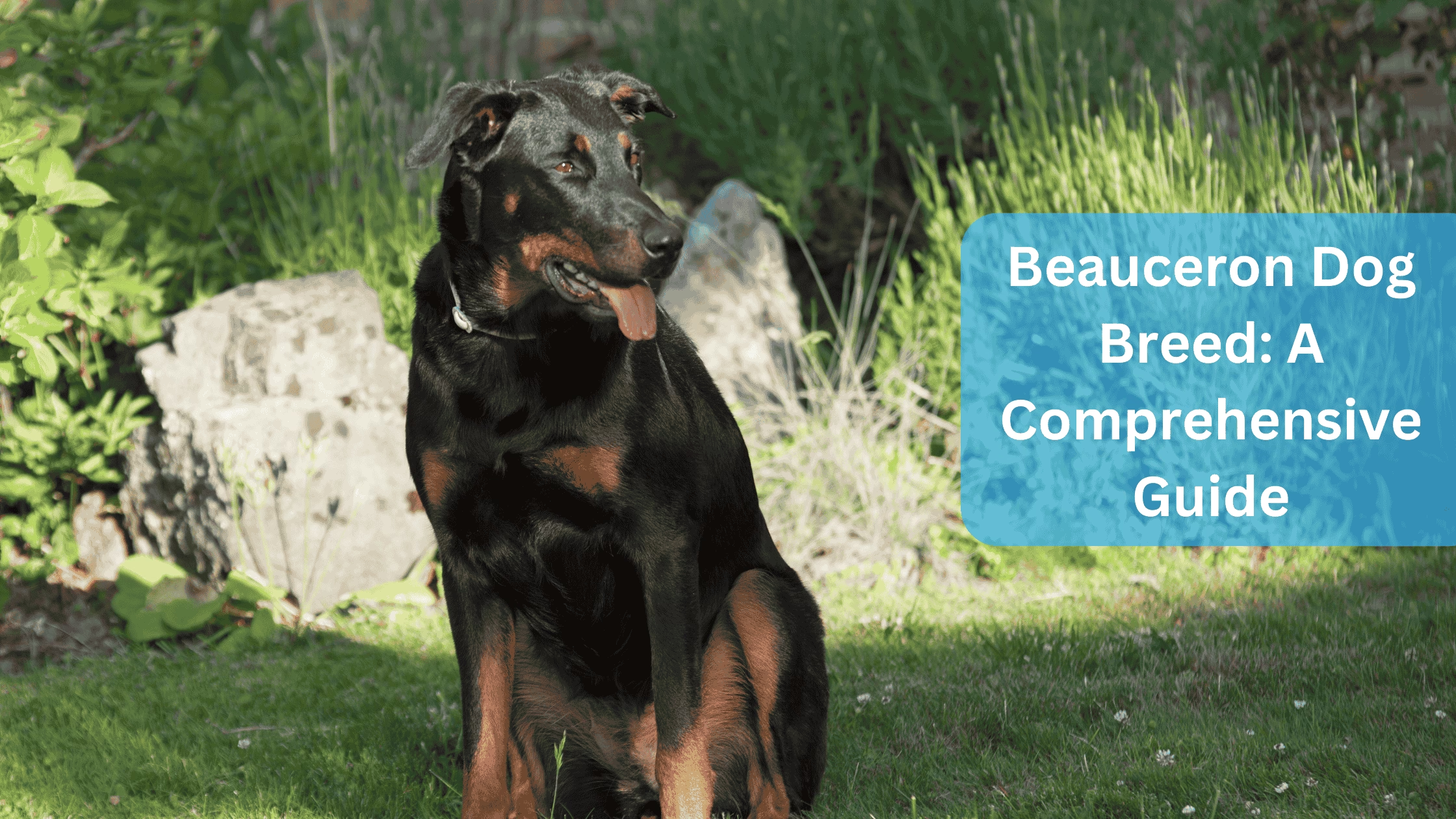
    Also Read: Beauceron Dog Breed: A Comprehensive Guide

    Also Read: How to train a dog not to bark with a shock collar: A Comprehensive Guide

    Also Read: How to Train a Dog Not to Bark Out the Window: A Comprehensive Guide

    Also Read: Training a Dog to Ring a Bell to Go Outside: Best Guide

    Also Read: How to Teach Your Dog to Bark on Command: A Step-by-Step Guide

    Also Read: How to Train a Dog Not to Bark at Other Dogs: Important Steps.

    Conclusion

    Creating your own homemade dog toothpaste is not only easy but also allows you to tailor it specifically for your dog’s needs. Whether you’re using coconut oil or opting for a peanut butter base, you can feel confident knowing exactly what goes into their dental care routine. Remember, regular brushing combined with vet check-ups will keep those tails wagging and smiles shining bright!

    With this guide at hand, you’re now equipped with all the knowledge needed to maintain your dog’s oral health effectively. So grab those ingredients and start mixing up some love—your pup will thank you!


    Sources:

  • Can Dogs Use Human Toothpaste? A Comprehensive Guide.

    Can Dogs Use Human Toothpaste? A Comprehensive Guide.

    When it comes to our furry companions, dental health is often an overlooked aspect of their overall well-being. As pet owners, we want to provide the best care for our dogs, which raises a common question: Can dogs use human toothpaste? Spoiler alert: the answer is a firm no. In this comprehensive guide, we will explore why human toothpaste is harmful to dogs, what alternatives are safe, and how to maintain your dog’s dental hygiene effectively.

    Why Human Toothpaste is Dangerous for Dogs?

    Human toothpaste contains several ingredients that can pose serious health risks to dogs. Understanding these components is crucial for any pet owner.

    1. Fluoride

    Fluoride is a common ingredient in many human toothpastes and is known for its ability to prevent cavities in humans. However, it is toxic to dogs. Here’s how fluoride affects our canine friends:

    • Acute Toxicity: If a dog ingests a large amount of fluoride at once, it can lead to immediate symptoms such as vomiting, diarrhea, and lethargy.
    • Chronic Toxicity: Repeated exposure to small amounts of fluoride over time can accumulate in a dog’s system, leading to more severe health issues like kidney damage or bone problems.

    2. Xylitol

    Xylitol is another ingredient found in many human toothpastes. While it’s safe for humans and even beneficial for preventing tooth decay, it’s extremely toxic to dogs. Just a small amount can cause:

    • A rapid release of insulin
    • Hypoglycemia (low blood sugar)
    • Symptoms such as weakness, disorientation, and seizures

    In severe cases, xylitol ingestion can be fatal.

    3. Sodium Lauryl Sulfate (SLS)

    SLS is a foaming agent used in many toothpastes to create that familiar lather. While it helps with cleaning in humans, it can cause gastrointestinal upset in dogs if ingested.

    Dogs typically don’t spit out toothpaste after brushing, which increases their risk of swallowing harmful ingredients like SLS.

    The Bottom Line: Can Dogs Use Human Toothpaste?

    The answer is unequivocally no. Using human toothpaste on dogs can lead to serious health complications ranging from gastrointestinal distress to life-threatening conditions due to toxic ingredients.

    Safe Alternatives for Dog Dental Care

    So what should you use instead? Here are some safe alternatives specifically designed for canine dental care:

    1. Dog Toothpaste

    Pet-specific toothpastes are formulated without harmful ingredients and come in flavors that appeal to dogs (think chicken or peanut butter). Look for products endorsed by the Veterinary Oral Health Council (VOHC) to ensure they meet safety standards.

    2. Water Additives

    These products can be added to your dog’s water bowl and help reduce plaque and tartar buildup without the need for brushing.

    3. Dental Chews

    Dental chews are designed to promote oral health by mechanically cleaning teeth as your dog chews them. These treats can help reduce plaque and freshen breath while providing a tasty reward.

    4. Regular Vet Check-ups

    Routine dental cleanings by a veterinarian are essential for maintaining your dog’s oral health. Your vet can provide professional cleanings and check for any potential dental issues.

    How to Brush Your Dog’s Teeth Effectively

    Brushing your dog’s teeth may sound daunting, but with the right approach, it can be a simple part of your grooming routine. Here’s how:

    1. Choose the Right Tools: Use a toothbrush designed for dogs and dog-specific toothpaste.
    2. Introduce Gradually: Allow your dog to sniff the toothbrush and paste before starting the brushing process.
    3. Get Comfortable: Find a comfortable position for both you and your dog—some prefer sitting on the floor while others may like being on a table.
    4. Lift the Lips: Gently raise your dog’s lips to expose their teeth.
    5. Brush Gently: Focus on the large cheek teeth and canines first, using gentle circular motions.
    6. Reward Your Dog: After brushing, reward your dog with praise or a treat to create a positive association with the experience.
    7. Establish a Routine: Aim for regular brushing sessions—ideally daily or at least several times a week—to keep your dog’s teeth healthy.

    Frequently Asked Questions

    What should I do if my dog ingests human toothpaste?

    If you suspect that your dog has ingested human toothpaste, contact your veterinarian immediately or call an animal poison control hotline. They can provide guidance based on the specific ingredients ingested and your dog’s weight.

    How often should I brush my dog’s teeth?

    Ideally, you should brush your dog’s teeth daily; however, if that’s not feasible, aim for at least two or three times a week.

    Can I use baking soda as an alternative for dog toothpaste?

    While baking soda is safe in small amounts, it should not be used regularly as a substitute because it does not provide the same benefits as dog-specific toothpastes and could upset your dog’s stomach if ingested in larger quantities.

    Also Read: Beauceron Dog Breed: A Comprehensive Guide

    Also Read: How to train a dog not to bark with a shock collar: A Comprehensive Guide

    Also Read: How to Train a Dog Not to Bark Out the Window: A Comprehensive Guide

    Also Read: Training a Dog to Ring a Bell to Go Outside: Best Guide

    Also Read: How to Teach Your Dog to Bark on Command: A Step-by-Step Guide

    Also Read: How to Train a Dog Not to Bark at Other Dogs: Important Steps.

    Tips for Maintaining Your Dog’s Dental Health

    • Wear Gloves: Protect yourself from bacteria by wearing gloves while brushing your dog’s teeth.
    • Hand Hygiene: Wash your hands thoroughly after brushing and rinse the toothbrush before storage.
    • Toothbrush Replacement: Replace the toothbrush every three months and use separate ones for each dog if you have multiple pets.

    Conclusion

    Maintaining your dog’s dental health is crucial for their overall well-being. While it may be tempting to use human toothpaste due to convenience or perceived effectiveness, it’s essential to prioritize safety by using products specifically formulated for pets.

    By understanding the risks associated with human toothpaste and implementing safe dental care practices, you can help ensure that your furry friend has a healthy smile and a happy life!

    By following these guidelines and incorporating regular dental care into your routine, you’ll not only keep your dog’s teeth clean but also contribute positively to their overall health. Remember—when it comes to canine dental care, always choose products made specifically for dogs!


    Sources:

  • Beauceron Dog Breed: A Comprehensive Guide

    Beauceron Dog Breed: A Comprehensive Guide

    The Beauceron dog breed is a remarkable companion known for its intelligence, loyalty, and versatility.

    Understanding the unique characteristics and needs of this breed is essential for potential owners who wish to provide a loving and suitable environment.

    This guide aims to offer comprehensive insights into the Beauceron, covering its history, physical traits, temperament, care requirements, and more.

    What is a Beauceron Dog?

    The Beauceron, also referred to as the Berger de Beauce, is a large herding dog that originated in France.

    This breed has a rich history, primarily developed for herding sheep and guarding livestock.

    The Beauceron is recognized for its exceptional working abilities and has evolved into a versatile dog that excels in various roles, including police work and search and rescue operations.

    Definition and Historical Background of Beauceron Dog breed

    Historically, the Beauceron dog was bred to manage livestock effectively and protect them from predators.

    Its lineage may include influences from various breeds, including the Doberman Pinscher. The breed’s name comes from the Beauce region in France, where it was first developed.

    Distinctive Characteristics of Beauceron Dog breed

    The Beauceron is known for its impressive size and athletic build. It possesses a strong, muscular frame that reflects its working dog heritage.

    The breed’s intelligence and eagerness to please make it highly trainable, but it also requires consistent training and socialization from an early age.

    Physical Characteristics of Beauceron Dog breed

    Size of Beauceron Dog breed

    Beaucerons are considered large dogs, with males typically weighing between 66-110 pounds and standing 25-28 inches tall at the shoulder.

    Females are slightly smaller, weighing between 66-85 pounds and standing 24-27 inches tall.

    As they mature, Beaucerons grow rapidly during their first year of life but will reach their full size by around 18 months to 2 years of age.

    Coat Colors of Beauceron Dog breed

    The coat of a Beauceron dog is short and dense, providing protection against various weather conditions. Common colors include:

    • Black with tan markings: This is the most recognized color pattern.
    • Harlequin: A striking combination of black patches on a gray background.
    • Merle: A unique pattern that features mottled colors.

    Grooming needs are moderate; regular brushing helps keep their coat healthy and reduces shedding.

    Unique Features of Beauceron Dog breed

    Beaucerons have distinctive physical traits such as rear dew claws, which are often retained in this breed. Their ears can be either cropped or left natural, giving them a unique appearance that varies among individual dogs.

    Temperament and Behavior of Beauceron Dog breed

    Beaucerons are known for their loyal and protective nature. They form strong bonds with their families and are naturally suspicious of strangers, making them excellent watchdogs.

    General Temperament Traits of Beauceron Dog breed

    • Loyalty: They are devoted companions who thrive on human interaction.
    • Intelligence: Highly trainable due to their quick learning abilities.
    • Protectiveness: They instinctively guard their home and family.

    Socialization Needs of Beauceron Dog breed

    Early socialization is crucial for Beaucerons to develop into well-rounded adults. Introducing them to various people, environments, and other animals helps prevent territorial behavior and ensures they are comfortable in different situations.

    Training Requirements of Beauceron Dog breed

    Training should begin early using positive reinforcement methods. Consistency is key; Beaucerons respond well to structured training sessions that engage their minds and bodies.

    Health Considerations of Beauceron Dog breed

    Common Health Issues of Beauceron Dog breed

    Like all breeds, the Beauceron dog can be prone to specific health issues. Common concerns include:

    • Hip Dysplasia: A genetic condition that affects joint development.
    • Elbow Dysplasia: Similar to hip dysplasia but affects the elbow joint.
    • Progressive Retinal Atrophy: An eye condition that can lead to blindness.

    Regular veterinary check-ups are essential to monitor these conditions and ensure overall health.

    Lifespan of Beauceron Dog breed

    The average lifespan of a Beauceron is around 10 to 12 years. Factors such as genetics, diet, exercise, and healthcare significantly influence longevity.

    Care Requirements of Beauceron Dog breed

    Exercise Needs of Beauceron Dog breed

    Beaucerons are energetic dogs that require ample exercise—at least one hour of vigorous activity daily. Activities such as running, playing fetch, or participating in agility courses help keep them physically fit and mentally stimulated.

    Nutrition of Beauceron Dog breed

    Proper nutrition is vital for maintaining a healthy weight and overall well-being.

    Puppies have different dietary needs than adults; high-quality puppy food formulated for large breeds is recommended during their growth phase.

    Adult Beaucerons benefit from balanced diets rich in protein and essential nutrients.

    Grooming of Beauceron Dog breed

    Grooming needs for a Beauceron dog are relatively low due to their short coat. Regular brushing helps remove loose hair and keeps their coat healthy.

    Bathing should be done as needed but not too frequently to avoid stripping natural oils from their skin.

    Beauceron Puppies of Beauceron Dog breed

    Finding a Beauceron Puppy of Beauceron Dog breed

    When looking for a Beauceron puppy, it’s essential to select a reputable breeder who prioritizes health testing and responsible breeding practices. Look for breeders who provide health clearances for common genetic issues.

    Early Training and Socialization of Beauceron Dog breed

    Starting training early is crucial for developing good behavior patterns. Socialization should include exposure to various environments, people, sounds, and other pets to foster confidence in your puppy.

    Cost of Owning a Beauceron Dog

    Beauceron Dog Price

    The price of a Beauceron puppy typically ranges from $1,500 to $2,500. Factors influencing price include breeder reputation, location, lineage (show quality vs. pet quality), and demand for the breed.

    Ongoing Expenses of Beauceron Dog breed

    In addition to the initial purchase price, prospective owners should consider ongoing expenses such as:

    • Food: High-quality dog food tailored for large breeds.
    • Veterinary care: Regular check-ups and vaccinations.
    • Grooming: Occasional grooming services if needed.
    • Training: Professional training classes or obedience school fees.

    Beauceron Variants and Mixes

    Harlequin Beauceron Dog

    The harlequin variant of the Beauceron dog features a striking coat pattern with black patches on a gray background. This unique coloration makes them stand out among other variants of the breed while retaining all typical traits of the Beauceron.

    Merle Beauceron Dog

    Merle coloration presents a mottled appearance that can include shades of gray or blue mixed with darker patches. While visually appealing, potential owners should be aware that merle dogs can sometimes be prone to certain health issues related to their coat color genetics.

    Popular Mixes of Beauceron Dog breed

    Common mixes involving the Beauceron include:

    • Beauceron-Doberman Mix: Combining traits from both breeds creates an intelligent and protective companion.
    • Beauceron-Labrador Mix: This mix often results in friendly dogs with great temperaments suitable for families.

    Comparing the Beauceron with Doberman

    FeatureBeauceronDoberman
    SizeLarger (66-110 lbs)Medium to large (60-100 lbs)
    TemperamentLoyal & protectiveIntelligent & alert
    Exercise NeedsHigh (1 hour+)High (1 hour+)
    TrainabilityHighly trainableHighly trainable

    Both breeds share similar exercise needs and trainability but differ in size and temperament nuances.

    Historical Uses of the Beauceron Dog

    Traditional Roles of Beauceron Dog breed

    Historically used as herding dogs in rural France, the primary role of the Beauceron dog involved managing sheep flocks while protecting them from predators like wolves or stray dogs. Their intelligence allowed them to excel in this demanding job effectively.

    Modern Applications of Beauceron Dog breed

    Today’s Beaucerons serve various roles beyond herding; they are commonly employed as police dogs due to their keen senses and protective nature.

    Additionally, they participate in search-and-rescue missions thanks to their strong work ethic and ability to learn complex tasks quickly.

    Also Read: How to train a dog not to bark with a shock collar: A Comprehensive Guide

    Also Read: How to Train a Dog Not to Bark Out the Window: A Comprehensive Guide

    Also Read: Training a Dog to Ring a Bell to Go Outside: Best Guide

    Also Read: How to Train a Dog Not to Bark at Everything: A Comprehensive Guide

    Also Read: How to Teach Your Dog to Bark on Command: A Step-by-Step Guide

    Also Read: How to Train a Dog Not to Bark at Other Dogs: Important Steps.

    Conclusion

    In summary, the Beauceron dog breed offers an array of qualities that make it an excellent choice for active families or individuals looking for loyal companions or working dogs.

    Their intelligence coupled with protective instincts requires dedicated training but rewards owners with a devoted friend who thrives on companionship.

    Before adopting a Beauceron into your home, it’s essential to consider your lifestyle needs—ensuring you can provide adequate exercise, training opportunities, socialization experiences—and ultimately create a fulfilling environment for both you and your new furry family member.


    Sources:

  • Training a Dog to Ring a Bell to Go Outside: Best Guide

    Training a Dog to Ring a Bell to Go Outside: Best Guide

    Training a Dog to Ring a Bell to Go Outside – Training your dog to ring a bell to signal when it needs to go outside can be a game-changer for both you and your furry friend.

    Not only does it provide a clear communication method, but it can also reduce accidents in the house and save you from the dreaded silent stare that often precedes a potty mishap.

    In this guide, we’ll explore everything you need to know about teaching your dog this useful skill, from the initial setup to troubleshooting common issues. So grab some treats, and let’s get started!

    Why Train Your Dog to Ring a Bell?

    Before diving into the training process, let’s discuss why teaching your dog to ring a bell is beneficial:

    • Clear Communication: Dogs have their own ways of communicating their needs, but these signals can often be subtle or easily missed. A bell provides a clear and unmistakable way for your dog to let you know when it needs to go outside.
    • Reduces Accidents: By giving your dog a reliable method to signal its needs, you can significantly reduce the number of indoor accidents, making both your life and your dog’s life more pleasant.
    • Engagement and Enrichment: Training sessions are an excellent way for you and your dog to bond. Teaching new skills keeps your dog’s mind active and engaged.
    • Convenience for Guests: If you have visitors or pet sitters, having a bell-trained dog means they can easily understand how to respond to your pet’s needs without needing extensive training themselves.

    Getting Started: What You’ll Need

    Before you begin training, gather the following supplies:

    • A Bell: You can use any type of bell that suits your home. Options include jingle bells hung from the doorknob, electronic doorbells, or even recordable buttons that allow your dog to “speak” when pressed.
    • Treats: Have plenty of high-value treats on hand. These should be something your dog loves and doesn’t get regularly—think chicken, cheese, or commercial dog treats.
    • Patience and Consistency: Training takes time, so be prepared for some trial and error along the way.

    Training a Dog to Ring a Bell to Go Outside: Step-by-Step Training Process

    Step 1: Introduce the Bell

    Start by letting your dog become familiar with the bell:

    1. Show the Bell: Hold the bell in front of your dog and let it sniff and investigate. This will help alleviate any fear or hesitation about the new object.
    2. Reward Curiosity: When your dog shows interest—whether by sniffing or touching the bell—reward it with a treat. This helps create positive associations with the bell.
    3. Hang the Bell: Once your dog is comfortable with the bell, hang it near the door you typically use for potty breaks. Make sure it’s at nose level so your dog can easily reach it.

    Step 2: Teach Your Dog to Ring the Bell

    Now that your dog is familiar with the bell, it’s time to teach it how to ring it:

    1. Encourage Interaction: Use treats to encourage your dog to touch or nudge the bell with its nose. You might need to hold it in front of them initially or place it on the ground.
    2. Mark and Reward: The moment your dog touches or rings the bell, say “Yes!” or click if you’re using a clicker, then immediately reward with a treat. This reinforces the behavior.
    3. Repeat: Practice this several times until your dog consistently touches the bell when prompted. Keep training sessions short (about 5-10 minutes) to maintain engagement.

    Step 3: Associate Bell Ringing with Going Outside

    Once your dog is ringing the bell on command, it’s time to link this action with going outside:

    1. Ring Before Going Out: Every time you take your dog outside for potty breaks, ring the bell yourself before opening the door. This helps establish a connection between ringing the bell and going outside.
    2. Encourage Independent Ringing: After several repetitions of ringing the bell yourself before going out, wait for your dog to ring it on its own. When they do, praise enthusiastically and take them outside immediately.
    3. Reinforce Outside Behavior: Once outside, reward them again after they relieve themselves. This further solidifies their understanding that ringing the bell leads to going outside for potty breaks.

    Pro Tip: To teach your dog to ring a bell for different purposes, assign a specific number of rings for each action. For example, have your dog ring the bell once to go outside, twice for food, three times for potty breaks, and four times for training sessions. This clear system helps your dog understand what each number of rings means, enhancing communication and making it easier for you to respond to their needs effectively!

    Step 4: Consistency is Key

    Consistency is crucial in any training process:

    • Always respond immediately when your dog rings the bell by taking them outside.
    • Never open the door unless they ring the bell first; this reinforces their understanding that ringing equals access outdoors.
    • If they ring the bell without needing to go out (which may happen occasionally), still take them out briefly but don’t reward them with treats afterward unless they relieve themselves.

    Troubleshooting Common Issues

    Even with consistent training, you may encounter some hiccups along the way. Here are solutions for common problems:

    Problem 1: Dog Is Afraid of the Bell

    If your dog seems scared of ringing the bell:

    • Start by rewarding them just for being near it without any pressure.
    • Gradually encourage them closer until they’re comfortable touching it without fear.

    Problem 2: Dog Rings Bell Too Often

    If your pup starts ringing the bell excessively:

    • Ignore unnecessary rings; only respond when they ring with intent (i.e., when they genuinely need to go out).
    • Reinforce calm behavior instead of rewarding every ring.

    Problem 3: Dog Does not Understand What To Do

    If progress seems slow:

    • Go back a step! Ensure they understand how to touch or nudge before expecting them to ring independently.
    • Use higher-value treats or more enticing rewards during training sessions.

    Frequently Asked Questions (FAQs)

    How long does it take for a dog to learn this?

    Most dogs can learn to ring a bell within one to two weeks if trained consistently and positively.

    Can I use any type of bell?

    Yes! Choose one that suits your home environment—jingle bells are popular but electronic options work well too!

    Is this method suitable for all dogs?

    Absolutely! Dogs of all ages and sizes can learn this skill as long as they’re physically capable of reaching and ringing the bell.

    What if my dog doesn’t need frequent potty breaks?

    If you have an older or less active dog that doesn’t need frequent trips outside, you can still teach them this skill as a way of communicating their needs more clearly during walks or playtime breaks.

    Also Read: How to train a dog not to bark with a shock collar: A Comprehensive Guide

    Also Read: How to Train a Dog Not to Bark Out the Window: A Comprehensive Guide

    Also Read: How to Train a Dog Not to Bark at Everything: A Comprehensive Guide

    Also Read: How to Teach Your Dog to Bark on Command: A Step-by-Step Guide

    Also Read: How to Train a Dog Not to Bark at Other Dogs: Important Steps.

    Conclusion

    Training a dog to ring a bell to go outside is not only practical but also strengthens communication between you and your furry friend.

    By following these steps with patience and consistency, you’ll create an effective system that benefits both of you—no more silent stares or accidents!

    Remember, every dog’s learning pace is different; celebrate small victories along the way, and keep those treats handy!

    So grab that bell and start ringing in some success! Your pup will thank you (and so will your floors). Happy training!


    Sources: