Author: Kartikey Dwivedi

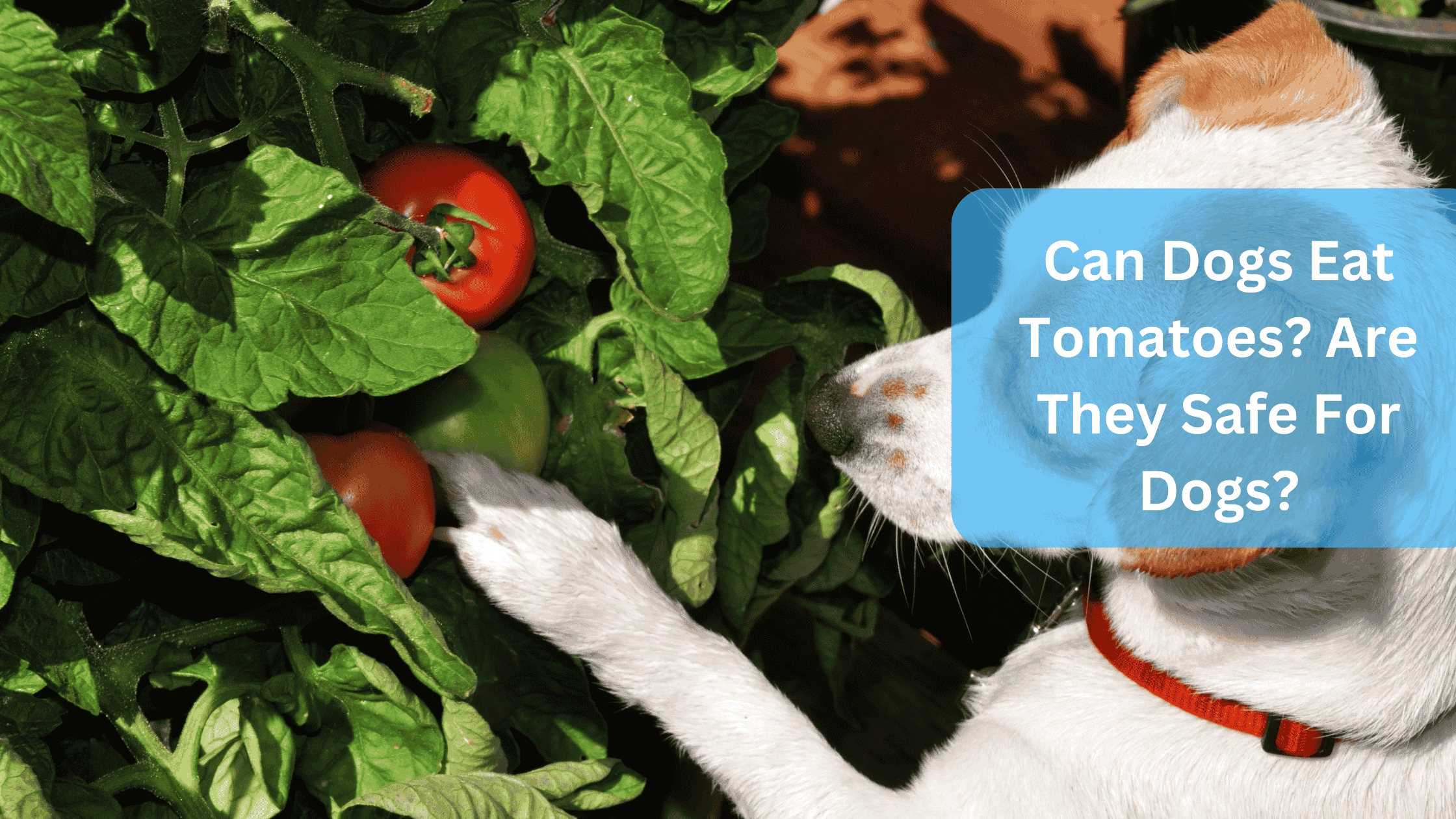
  • How to train a dog not to bark with a shock collar: A Comprehensive Guide

    How to train a dog not to bark with a shock collar: A Comprehensive Guide

    Training a dog not to bark can be a challenging task, especially when the barking becomes excessive or disruptive. While many dog owners prefer positive reinforcement methods, there are situations where using a shock collar may be considered as an option. This guide will explore how to train a dog not to bark with a shock collar, while also emphasizing the importance of using this tool responsibly and as a last resort.

    Understanding Barking Behavior of Dog

    Before we delve into training techniques, it’s essential to understand why dogs bark in the first place. Dogs bark for various reasons, including:

    1. Territorial Instincts: Dogs often bark to protect their territory. When they see someone approaching their home, they may bark as a warning.
    2. Fear or Anxiety: Some dogs bark out of fear or anxiety when they encounter unfamiliar people or situations.
    3. Excitement: Dogs may bark out of excitement when they see something moving outside or when they’re anticipating playtime.
    4. Attention-Seeking: If barking gets them attention from their owners, dogs may continue this behavior whenever they want something.
    5. Boredom: Dogs that lack mental stimulation may bark simply to entertain themselves.

    Understanding these motivations is crucial for developing an effective training plan tailored to your dog’s specific needs.

    When to Consider Using a Shock Collar for Dogs

    While positive reinforcement is often the preferred method for training dogs, there are scenarios where how to train a dog not to bark with a shock collar may be appropriate:

    • Severe Behavioral Issues: If your dog exhibits aggressive barking that poses a danger to others or themselves, a shock collar may be used in conjunction with professional training.
    • Lack of Response to Other Methods: If your dog has not responded to traditional training techniques after consistent efforts over time, a shock collar might be considered as part of a comprehensive training approach.
    • Controlled Environment: Using a shock collar in a controlled environment where you can monitor your dog’s reactions is essential for ensuring safety and effectiveness.

    Important Note

    Using a shock collar should always be done under the guidance of a professional trainer who can provide support and ensure that it’s used correctly and humanely.

    How to train a dog not to bark with a shock collar

    Step 1: Choose the Right Shock Collar

    If you decide that using a shock collar is necessary, choosing the right one is crucial:

    1. Adjustable Levels: Look for collars that offer adjustable levels of stimulation so you can find the appropriate level for your dog without causing distress.
    2. Humane Options: Some collars come with features such as vibration or sound warnings before delivering a shock, which can help train your dog without relying solely on shocks.
    3. Fit and Comfort: Ensure the collar fits your dog comfortably without causing irritation or discomfort.

    Step 2: Introduce the Shock Collar Gradually

    Once you have selected an appropriate collar, it’s essential to introduce it gradually:

    1. Familiarization: Allow your dog to sniff and explore the collar before putting it on. This helps them associate it with positive experiences rather than fear.
    2. Short Sessions: Start by having your dog wear the collar for short periods while engaging in regular activities at home. This helps them get used to the sensation without associating it with barking yet.
    3. Monitor Behavior: Observe how your dog reacts while wearing the collar. Ensure they are comfortable and not showing signs of stress or anxiety.

    Step 3: Set Clear Training Goals

    Before beginning training, set clear goals for what you want to achieve:

    • Identify Triggers: Determine what specific situations cause your dog to bark excessively (e.g., strangers walking by, delivery drivers).
    • Establish Commands: Decide on commands you will use during training sessions (e.g., “quiet” or “enough”).
    • Consistency is Key: Ensure everyone in your household is on board with the training plan and uses the same commands and techniques.

    Step 4: Combine Positive Reinforcement with Shock Collar Training

    To maximize effectiveness and minimize stress for your dog, combine positive reinforcement with shock collar training:

    1. Use Commands: When your dog starts barking at a trigger (like someone at the door), give the command “quiet.”
    2. Apply Stimulation if Necessary: If your dog continues barking after giving the command, apply stimulation from the shock collar at the lowest effective level just enough to get their attention—not enough to cause pain or fear.
    3. Reward Calm Behavior: Once your dog stops barking, immediately reward them with praise and treats. This reinforces that being quiet leads to positive outcomes.
    4. Repeat Consistently: Consistency is vital; repeat this process until your dog learns that barking leads to an unpleasant sensation while being quiet leads to rewards.

    Example Shock Collar Training Scenario:

    Imagine you’re sitting in your living room when someone approaches your front door:

    • Your dog starts barking.
    • Calmly say “quiet.”
    • If they continue barking after 5 seconds, apply stimulation from the collar at the lowest setting.
    • As soon as they stop barking, reward them with treats and praise.
    • Repeat this process consistently over several sessions until they learn that being quiet earns them rewards.

    Step 5: Monitor Your Dog’s Progress

    As you continue training, monitor your dog’s progress closely:

    1. Adjust Stimulation Levels: If your dog seems unresponsive to lower levels of stimulation, gradually increase it until you find what works best without causing distress.
    2. Observe Behavioral Changes: Take note of any changes in behavior—both positive (less barking) and negative (increased anxiety). Adjust your approach accordingly.
    3. Be Patient: Remember that learning takes time; don’t expect immediate results. Celebrate small victories along the way!

    Step 6: Know When to Seek Professional Help

    If you find that using a shock collar does not yield positive results or if your dog’s behavior worsens, it may be time to seek professional help:

    • Professional Trainers: A certified dog trainer can provide personalized guidance tailored to your dog’s specific needs and behaviors.
    • Veterinary Behaviorists: If fear or anxiety seems to be driving excessive barking, consulting with a veterinary behaviorist may be beneficial for addressing underlying issues.

    Troubleshooting Common Issues

    Even with consistent training efforts, you may encounter challenges along the way. Here are some common issues and how to address them:

    Issue 1: Reactivity Increases During Training

    If you notice that your dog’s reactivity increases during training sessions:

    • Increase Distance from Triggers: Go back to observing from a greater distance where your dog feels safe.
    • Shorter Sessions: Keep training sessions shorter but more frequent to prevent overwhelming your pup.

    Issue 2: Your Dog Only Barks When You’re Not Looking

    If your dog barks only when you’re distracted:

    • Practice “Leave It” Command: Teach them this command so they learn not only what not to do but also what they should do instead (like focusing on you).

    Issue 3: Lack of Interest in Treats

    If treats don’t seem enticing enough during training:

    • Try Different Treats: Experiment with various high-value treats until you find something that excites them.

    Creating Lasting Change in your Dog

    Training takes time and patience; remember that consistency is key! Here are some additional tips for creating lasting change:

    1. Be Patient: Understand that changing behavior takes time—don’t expect overnight success.
    2. Celebrate Small Wins: Acknowledge progress along the way; even minor improvements are steps toward success!
    3. Involve Family Members: Ensure everyone in your household is on board with the training plan so that commands and expectations remain consistent across all interactions with your dog.
    4. Stay Positive: Maintain a positive attitude throughout the training process; dogs are sensitive creatures who pick up on their owners’ emotions!

    Also Read: How to Train a Dog Not to Bark at Everything: A Comprehensive Guide

    Also Read: How to Teach Your Dog to Bark on Command: A Step-by-Step Guide

    Also Read: How to Train a Dog Not to Bark at Other Dogs: Important Steps.

    Also Read: How to Train a Dog Not to Bark Out the Window: A Comprehensive Guide

    Conclusion

    Training your dog not to bark using a shock collar requires dedication, understanding, and consistency—but it can be done responsibly!

    By identifying triggers, combining positive reinforcement techniques with controlled use of a shock collar, providing mental stimulation, and ensuring proper socialization, you’ll help create a calmer environment for both you and your furry friend.

    Remember that every dog is unique; what works for one may not work for another. Stay committed and keep things fun—training should be an enjoyable experience for both of you! With love and persistence, you’ll see progress over time.

    As always, if you’re facing challenges along the way or need additional support, don’t hesitate to reach out for professional help. Happy training!


    Sources:

  • How to Train a Dog Not to Bark Out the Window: A Comprehensive Guide

    How to Train a Dog Not to Bark Out the Window: A Comprehensive Guide

    How to Train a Dog Not to Bark Out the Window? If you’ve ever been startled by your dog barking at passersby, delivery drivers, or even squirrels outside the window, you know how frustrating it can be.

    Dogs often bark out the window as a way to express their excitement, alertness, or territorial instincts. While barking is a natural behavior for dogs, excessive barking can become a nuisance and disrupt your home life. Fortunately, with the right training techniques and a little patience, you can teach your dog to stop barking out the window.

    This comprehensive guide will provide you with effective strategies to help your furry friend learn to be calm and quiet when faced with distractions outside.

    Understanding Why Dogs Bark Out the Window

    Before we dive into training techniques, it’s essential to understand why dogs bark out the window in the first place. Here are some common reasons:

    1. Territorial Instincts: Many dogs perceive their home as their territory and feel compelled to protect it. When they see someone approaching, they may bark to alert you and assert their dominance.
    2. Fear or Anxiety: Some dogs bark out of fear or anxiety when they encounter unfamiliar sights or sounds. This is especially common in dogs that haven’t been adequately socialized.
    3. Excitement: Dogs may also bark out of sheer excitement when they see something moving outside—be it a person, another dog, or even a car.
    4. Attention-Seeking: If your dog learns that barking gets them attention (even if it’s negative), they may continue this behavior whenever they want something.
    5. Boredom: Dogs that lack mental stimulation may bark out of boredom when looking for something to engage with.

    Understanding these motivations is crucial for developing an effective training plan tailored to your dog’s specific needs.

    How to Train a Dog Not to Bark Out the Window

    Step 1: Identify Your Dog’s Triggers

    The first step in addressing excessive barking is identifying what specifically triggers your dog’s vocalizations when they’re near a window. To do this:

    • Observe Your Dog: Spend time watching your dog in different environments. Take notes on what causes them to bark—whether it’s people walking by, delivery drivers approaching, or other animals outside.
    • Keep a Barking Diary: Document instances of barking, noting the time of day, location, and what triggered the barking. This will help you identify patterns and specific triggers.

    By pinpointing these triggers, you can tailor your training approach more effectively.

    Step 2: Create a Calm Environment

    Creating a calm environment can significantly reduce your dog’s need to bark out the window:

    • Limit Exposure to Triggers: If certain stimuli cause barking (like passersby), consider using curtains or blinds to block their view when you’re home.
    • Use White Noise: Playing soft music or white noise can help mask outside sounds that might trigger barking.
    • Designate Quiet Zones: Create areas in your home where your dog can retreat when feeling overwhelmed by external stimuli.

    Practical Tips:

    • Install privacy film on windows to obscure visibility without blocking light.
    • Use baby gates to limit access to rooms with windows that overlook busy streets.

    Step 3: Implement Positive Reinforcement Training

    Positive reinforcement is one of the most effective ways to train your dog not to bark excessively:

    1. Choose High-Value Treats: Use treats that are particularly enticing for your dog—small pieces of chicken, cheese, or any favorite snack work well.
    2. Reward Calm Behavior: When your dog remains calm in the presence of a trigger (like someone walking by), immediately reward them with praise and treats. This reinforces the idea that staying quiet leads to positive outcomes.
    3. Practice “Quiet” Command: Teach your dog a command like “quiet.” When they start barking at someone approaching, calmly say “quiet,” and if they stop barking—even for just a moment—reward them immediately.
    4. Gradually Increase Exposure: As your dog becomes more comfortable with their triggers while remaining calm, gradually decrease the distance between them and the trigger while continuing to reward calm behavior.

    Example Training Scenario:

    Imagine you’re sitting in your living room when a neighbor walks past your window. As soon as your dog starts barking:

    • Say “quiet” in a calm voice.
    • Wait for them to stop barking.
    • Immediately reward them with a treat when they do.
    • Repeat this process consistently until they learn that being quiet earns them rewards.

    Step 4: Teach an Alternate Behavior

    Teaching an alternate behavior can help redirect your dog’s focus away from barking:

    1. Choose an Alternate Command: Select a command such as “look” or “focus.” When you see a stranger approaching, use this command to get your dog’s attention on you instead of whatever is causing them to bark.
    2. Practice in Low-Stress Situations: Start practicing this command in low-distraction environments before introducing distractions gradually.
    3. Reward Success: When your dog successfully focuses on you instead of barking at the stranger, reward them with treats and praise.

    Pro Tip:

    Use hand signals along with verbal commands for better communication with your dog!

    Step 5: Socialization is Essential

    Socializing your dog with various people and situations can help reduce fear-based barking:

    1. Controlled Socialization Sessions: Arrange playdates with calm people who can help expose your dog to new experiences without overwhelming them.
    2. Training Classes: Enroll in obedience classes where socialization is part of the curriculum. Professional trainers can provide valuable guidance on managing barking behaviors in group settings.
    3. Gradual Exposure to New Experiences: Expose your dog gradually to new experiences (like visiting busy parks) while rewarding calm behavior during these outings.

    Socialization Activities:

    • Take short trips where you encounter different people.
    • Invite friends over frequently so your dog gets used to new faces.

    Step 6: Provide Mental Stimulation

    A mentally stimulated dog is less likely to engage in excessive barking due to boredom:

    • Interactive Toys: Invest in puzzle toys that challenge your dog mentally and keep them engaged during quiet times.
    • Regular Exercise: Ensure your dog receives plenty of physical exercise through daily walks, playtime, and activities like fetch or agility training.
    • Training Sessions: Incorporate short training sessions into your daily routine—teaching new tricks can be mentally stimulating for dogs!

    Fun Activities:

    • Hide treats around the house for a scavenger hunt.
    • Teach new commands or tricks regularly for mental engagement.

    Step 7: Know When to Seek Professional Help

    If you’ve tried various techniques without success, it might be time to seek professional help:

    • Professional Trainers: A certified dog trainer can provide personalized guidance tailored to your dog’s specific needs and behaviors.
    • Veterinary Behaviorists: If fear or anxiety seems to be driving the barking, consulting with a veterinary behaviorist may be beneficial for addressing underlying issues.

    Troubleshooting Common Issues

    Even with consistent training efforts, you may encounter challenges along the way. Here are some common issues and how to address them:

    Issue 1: Reactivity Increases During Training

    If you notice that your dog’s reactivity increases during training sessions:

    • Increase Distance: Go back to observing from a greater distance where your dog feels safe.
    • Shorter Sessions: Keep training sessions shorter but more frequent to prevent overwhelming your pup.

    Issue 2: Your Dog Only Barks When You’re Not Looking

    If your dog barks only when you’re distracted:

    • Practice “Leave It” Command: Teach them this command so they learn not only what not to do but also what they should do instead (like focusing on you).

    Issue 3: Lack of Interest in Treats

    If treats don’t seem enticing enough during training:

    • Try Different Treats: Experiment with various high-value treats until you find something that excites them.

    Creating Lasting Change

    Training takes time and patience; remember that consistency is key! Here are some additional tips for creating lasting change:

    1. Be Patient: Understand that changing behavior takes time—don’t expect overnight success.
    2. Celebrate Small Wins: Acknowledge progress along the way; even minor improvements are steps toward success!
    3. Involve Family Members: Ensure everyone in your household is on board with the training plan so that commands and expectations remain consistent across all interactions with your dog.
    4. Stay Positive: Maintain a positive attitude throughout the training process; dogs are sensitive creatures who pick up on their owners’ emotions!

    Also Read: How to Train a Dog Not to Bark at Everything: A Comprehensive Guide

    Also Read: How to Teach Your Dog to Bark on Command: A Step-by-Step Guide

    Also Read: How to Train a Dog Not to Bark at Other Dogs: Important Steps.

    Conclusion

    Training your dog not to bark out the window requires dedication, understanding, and consistency—but it’s entirely achievable! By identifying triggers, using positive reinforcement techniques, providing mental stimulation, and ensuring proper socialization, you’ll help create a calmer environment for both you and your furry friend.

    Remember that every dog is unique; what works for one may not work for another. Stay committed and keep things fun—training should be an enjoyable experience for both of you! With love and persistence, you’ll see progress over time.

    As always, if you’re facing challenges along the way or need additional support, don’t hesitate to reach out for professional help. Happy training!


    Sources:
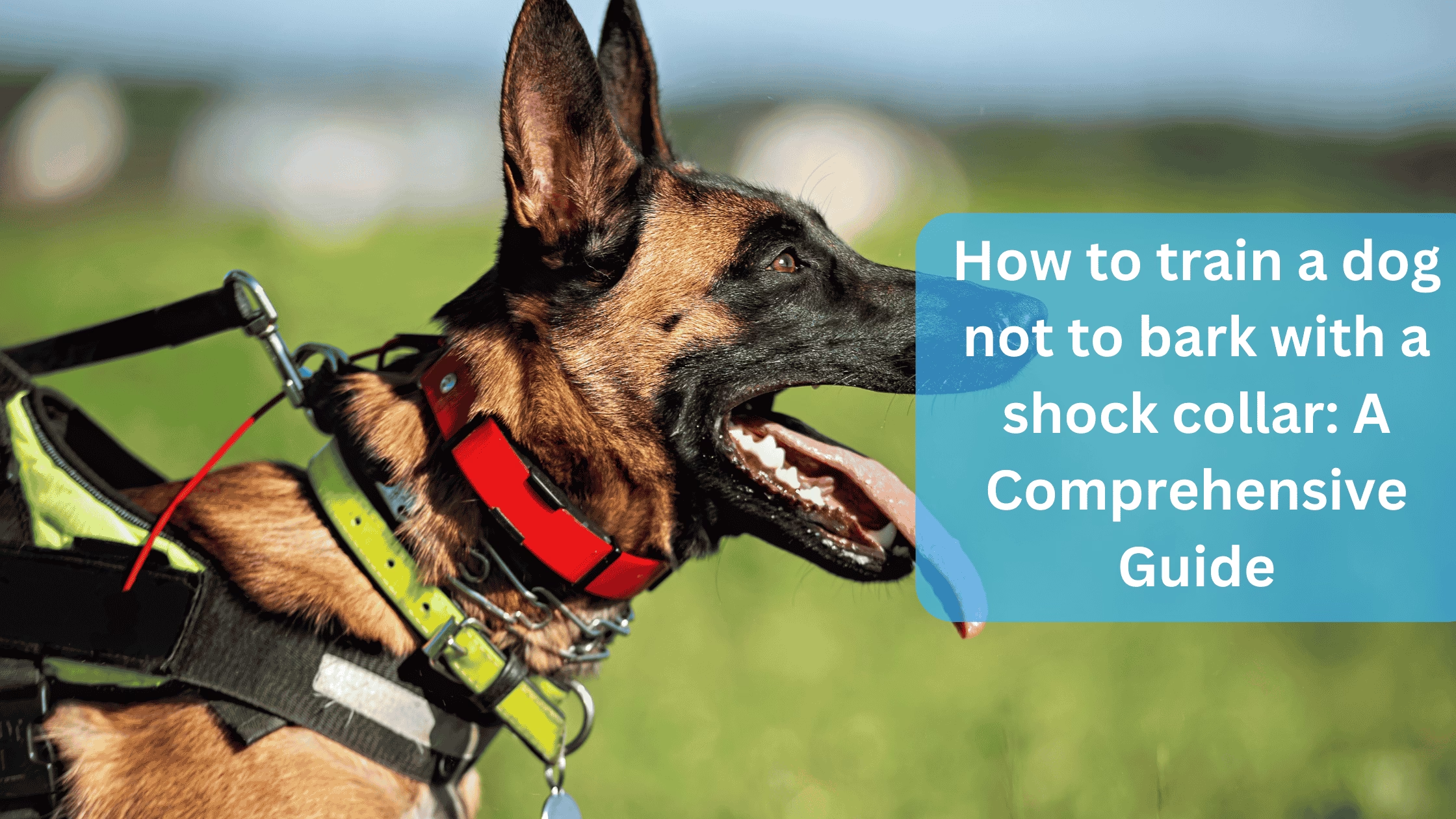
  • How to Train a Dog Not to Bark at Everything: A Comprehensive Guide

    How to Train a Dog Not to Bark at Everything: A Comprehensive Guide

    How to Train a Dog Not to Bark at Everything? Barking is one of the most quintessential characteristics of dogs, but when it turns into a constant chorus, it can drive even the most patient pet owner to the brink.

    If your dog seems to bark at everything—be it the mailman, a passing car, or even a shadow on the wall—you’re not alone! Many dog owners face this challenge, and fortunately, there are effective strategies to help you train your dog to be more selective about their vocalizations.

    In this comprehensive guide, we will explore the reasons behind excessive barking, practical training techniques, and tips for creating a peaceful environment for both you and your furry friend. Let’s dive in!

    Understanding Why Dogs Bark at Everything

    Before we tackle how to train your dog not to bark at everything, it’s essential to understand why dogs bark in the first place. Dogs communicate through barking for various reasons:

    1. Alerting: Dogs often bark to alert their owners of something unusual happening in their environment. This could be anything from a stranger approaching to an unexpected noise.
    2. Fear or Anxiety: Some dogs bark at unfamiliar sights or sounds because they are scared or anxious. This is particularly common in dogs that haven’t been adequately socialized.
    3. Boredom: A lack of mental and physical stimulation can lead dogs to bark out of boredom. If they don’t have enough outlets for their energy, barking can become a way to entertain themselves.
    4. Attention-Seeking: If your dog learns that barking gets them attention (even if it’s negative), they may continue this behavior whenever they want something.
    5. Territorial Behavior: Dogs may bark to assert their territory when they see or hear something they perceive as an intruder.

    Understanding these motivations is crucial for developing an effective training plan tailored to your dog’s specific needs.

    How to Train a Dog Not to Bark at Everything?

    Step 1: Identify Your Dog’s Triggers

    The first step in addressing excessive barking is identifying what specifically triggers your dog’s vocalizations. To do this:

    • Observe Your Dog: Spend time watching your dog in different environments. Take notes on what causes them to bark—be it people walking by, other animals, or sudden noises.
    • Keep a Barking Diary: Document instances of barking, noting the time of day, location, and what triggered the barking. This will help you identify patterns and specific triggers.

    By pinpointing these triggers, you can tailor your training approach more effectively.

    Step 2: Create a Calm Environment

    Creating a calm environment can significantly reduce your dog’s need to bark at everything:

    • Limit Exposure to Triggers: If you know certain stimuli cause barking (like passersby), consider using curtains or blinds to block their view when you’re home.
    • Use White Noise: Playing soft music or white noise can help mask outside sounds that might trigger barking.
    • Designate Quiet Zones: Create areas in your home where your dog can retreat when feeling overwhelmed by external stimuli.

    Step 3: Implement Positive Reinforcement Training

    Positive reinforcement is one of the most effective ways to train your dog not to bark excessively:

    1. Choose High-Value Treats: Use treats that are particularly enticing for your dog—this could be small pieces of chicken, cheese, or any favorite snack.
    2. Reward Calm Behavior: When your dog remains calm in the presence of a trigger (like another dog walking by), immediately reward them with praise and treats. This reinforces the idea that staying quiet leads to positive outcomes.
    3. Practice “Quiet” Command: Teach your dog a command like “quiet.” When they start barking at something, calmly say “quiet,” and if they stop barking—even for just a moment—reward them immediately.
    4. Gradually Increase Exposure: As your dog becomes more comfortable with their triggers while remaining calm, gradually decrease the distance between them and the trigger while continuing to reward calm behavior.

    Step 4: Teach an Alternate Behavior

    Teaching an alternate behavior can help redirect your dog’s focus away from barking:

    1. Choose an Alternate Command: Select a command such as “look” or “focus.” When you see a trigger approaching, use this command to get your dog’s attention on you instead of whatever is causing them to bark.
    2. Practice in Low-Stress Situations: Start practicing this command in low-distraction environments before introducing distractions gradually.
    3. Reward Success: When your dog successfully focuses on you instead of barking at the trigger, reward them with treats and praise.

    Step 5: Socialization is Essential

    Socializing your dog with various people and situations can help reduce fear-based barking:

    1. Controlled Socialization Sessions: Arrange playdates with calm dogs in controlled environments where both dogs can interact positively without overwhelming each other.
    2. Training Classes: Enroll in obedience classes where socialization is part of the curriculum. Professional trainers can provide valuable guidance on managing barking behaviors in group settings.
    3. Gradual Exposure to New Experiences: Expose your dog gradually to new experiences (like visiting busy parks) while rewarding calm behavior during these outings.

    Step 6: Provide Mental Stimulation

    A mentally stimulated dog is less likely to engage in excessive barking due to boredom:

    • Interactive Toys: Invest in puzzle toys that challenge your dog mentally and keep them engaged during quiet times.
    • Regular Exercise: Ensure your dog receives plenty of physical exercise through daily walks, playtime, and activities like fetch or agility training.
    • Training Sessions: Incorporate short training sessions into your daily routine—teaching new tricks can be mentally stimulating for dogs!

    Step 7: Know When to Seek Professional Help

    If you’ve tried various techniques without success, it might be time to seek professional help:

    • Professional Trainers: A certified dog trainer can provide personalized guidance tailored to your dog’s specific needs and behaviors.
    • Veterinary Behaviorists: If fear or anxiety seems to be driving the barking, consulting with a veterinary behaviorist may be beneficial for addressing underlying issues.

    Troubleshooting Common Issues

    Even with consistent training efforts, you may encounter challenges along the way. Here are some common issues and how to address them:

    Issue 1: Reactivity Increases During Training

    If you notice that your dog’s reactivity increases during training sessions:

    • Increase Distance: Go back to observing from a greater distance where your dog feels safe.
    • Shorter Sessions: Keep training sessions shorter but more frequent to prevent overwhelming your pup.

    Issue 2: Your Dog Only Barks When You’re Not Looking

    If your dog barks only when you’re distracted:

    • Practice “Leave It” Command: Teach them this command so they learn not only what not to do but also what they should do instead (like focusing on you).

    Issue 3: Lack of Interest in Treats

    If treats don’t seem enticing enough during training:

    • Try Different Treats: Experiment with various high-value treats until you find something that excites them.

    Creating Lasting Change

    Training takes time and patience; remember that consistency is key! Here are some additional tips for creating lasting change:

    1. Be Patient: Understand that changing behavior takes time—don’t expect overnight success.
    2. Celebrate Small Wins: Acknowledge progress along the way; even minor improvements are steps toward success!
    3. Involve Family Members: Ensure everyone in your household is on board with the training plan so that commands and expectations remain consistent across all interactions with your dog.
    4. Stay Positive: Maintain a positive attitude throughout the training process; dogs are sensitive creatures who pick up on their owners’ emotions!

    Also Read: Can Dogs Eat Tomatoes? Are They Safe For Dogs?

    Also Read: How to Teach Your Dog to Bark on Command: A Step-by-Step Guide

    Also Read: How to Train a Dog Not to Bark at Other Dogs: Important Steps.

    Conclusion

    Training your dog not to bark at everything requires dedication, understanding, and consistency—but it’s entirely achievable!

    By identifying triggers, using positive reinforcement techniques, providing mental stimulation, and ensuring proper socialization, you’ll help create a calmer environment for both you and your furry friend.

    Remember that every dog is unique; what works for one may not work for another.

    Stay committed and keep things fun—training should be an enjoyable experience for both of you! With love and persistence, you’ll see progress over time.


    Sources:

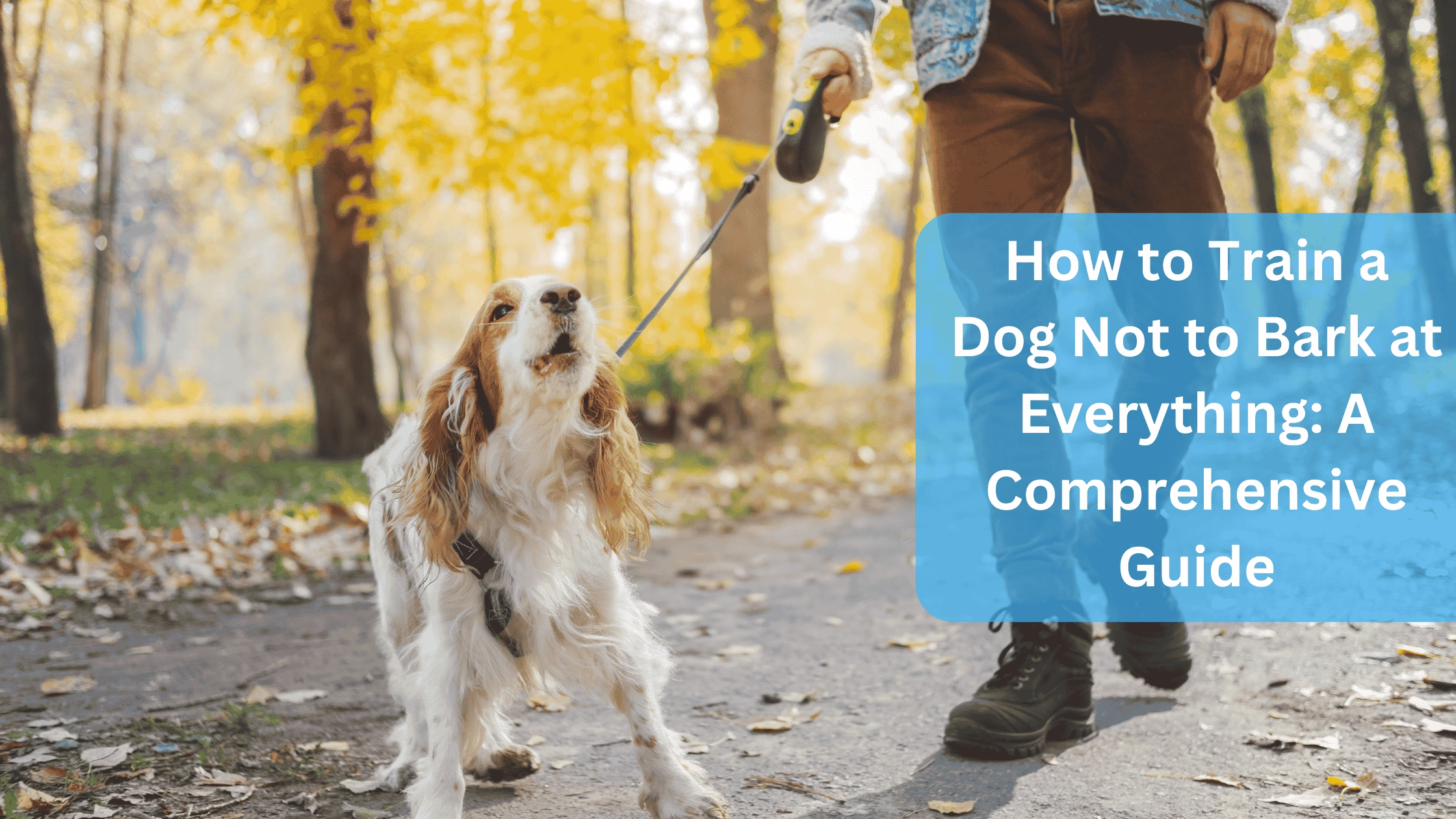
  • How to Train a Dog Not to Bark at Other Dogs: Important Steps.

    How to Train a Dog Not to Bark at Other Dogs: Important Steps.

    How to Train a Dog Not to Bark at Other Dogs? Training your dog not to bark at other dogs can feel like an uphill battle, especially if you have a particularly vocal pup.

    Barking is a natural form of communication for dogs, but excessive barking can lead to unwanted attention and stress for both you and your furry friend.

    In this guide, we’ll explore effective strategies to help you manage and reduce your dog’s barking behavior when encountering other dogs.

    Understanding Why Dogs Bark

    Before diving into training techniques, it’s essential to understand why dogs bark in the first place. Barking serves various purposes, including:

    • Communication: Dogs bark to express their needs or alert their owners to something unusual.
    • Excitement: A dog may bark out of sheer excitement when they see another dog.
    • Fear or Anxiety: Some dogs bark at other dogs due to fear or anxiety, especially if they feel threatened.
    • Territorial Behavior: Dogs may bark to assert their territory when they see another dog approaching.

    Understanding the motivation behind your dog’s barking is crucial in addressing the behavior effectively.

    How to Train a Dog Not to Bark at Other Dogs?

    Step 1: Assess the Situation

    Before you begin training, take some time to observe your dog’s behavior. Ask yourself the following questions:

    • When does your dog bark at other dogs? Is it during walks, at the park, or when they see dogs through a window?
    • What is the intensity of the barking? Is it a friendly bark, a warning bark, or a fearful bark?
    • How does your dog behave before and after barking? Do they seem relaxed or agitated?

    By assessing these factors, you can tailor your training approach to address your dog’s specific triggers and motivations.

    Step 2: Choose the Right Training Environment

    Select a suitable environment for training sessions. Ideally, choose a location where your dog can encounter other dogs but at a distance that doesn’t provoke barking. This could be:

    • A quiet park during off-peak hours
    • A less crowded street for walks
    • Your backyard if you have neighbors with dogs

    The goal is to start training in a low-stress environment where your dog feels safe and secure.

    Step 3: Use Positive Reinforcement

    Positive reinforcement is one of the most effective training methods for modifying behavior. Here’s how to implement it:

    1. Gather Treats: Use high-value treats that your dog loves—think chicken, cheese, or special dog treats.
    2. Observe from a Distance: When another dog approaches, keep your distance so that your dog remains calm and doesn’t feel threatened.
    3. Reward Calm Behavior: As soon as your dog notices the other dog without barking, praise them enthusiastically and offer a treat. This reinforces the idea that calm behavior leads to positive outcomes.
    4. Gradually Decrease Distance: Once your dog consistently remains calm at a distance, gradually decrease the space between them and other dogs while continuing to reward calm behavior.

    Step 4: Teach an Alternate Behavior

    Teaching an alternate behavior can help redirect your dog’s focus away from barking. Here’s how:

    1. Choose a Command: Select a simple command such as “look” or “focus.” This command will signal your dog to pay attention to you instead of the other dog.
    2. Practice in Low-Stress Situations: Start practicing this command in low-distraction environments. Use treats to encourage them to look at you when you say the command.
    3. Introduce Distractions Gradually: Once your dog understands the command, introduce distractions gradually by having another person walk their dog nearby while you practice.
    4. Reward Success: When your dog successfully focuses on you instead of barking at the other dog, reward them with treats and praise.

    Step 5: Manage Your Dog’s Environment

    Sometimes managing your dog’s environment can prevent unwanted barking situations altogether:

    • Avoid Triggers: If you know certain areas or times are likely to trigger barking (like busy parks), try adjusting your walking route or schedule.
    • Use Barriers: If your dog barks at other dogs through windows or fences, consider using frosted window film or privacy fencing to block their view.

    Step 6: Socialization is Key

    Socializing your dog with other dogs can help reduce fear-based barking:

    1. Controlled Playdates: Arrange controlled playdates with calm, well-behaved dogs that won’t provoke excessive barking.
    2. Training Classes: Consider enrolling in obedience classes where socialization is part of the curriculum. Professional trainers can provide guidance on managing barking behaviors in group settings.
    3. Dog Parks: Once your dog is more comfortable around other dogs, visit local dog parks during off-peak hours for gradual exposure.

    Step 7: Stay Calm and Consistent

    Your demeanor plays an important role in how effectively you train your dog:

    • Stay Calm: Dogs are highly attuned to their owners’ emotions. If you’re anxious or frustrated about their barking, they may become more agitated.
    • Be Consistent: Consistency is key in any training program. Ensure everyone in your household follows the same training methods and commands so that your dog receives clear signals about what behaviors are expected.

    Step 8: Know When to Seek Help

    If you’ve tried various techniques without success, it might be time to seek professional help:

    • Professional Trainers: A certified dog trainer can provide personalized guidance tailored to your dog’s specific needs and behaviors.
    • Veterinary Behaviorists: If fear or anxiety seems to be driving the barking, consulting with a veterinary behaviorist may be beneficial for addressing underlying issues.

    Troubleshooting Common Issues

    Even with consistent training efforts, you may encounter challenges along the way. Here are some common issues and how to address them:

    Issue 1: Reactivity Increases During Training

    If you notice that your dog’s reactivity increases during training sessions:

    • Increase Distance: Go back to observing from a greater distance where your dog feels safe.
    • Shorter Sessions: Keep training sessions shorter but more frequent to prevent overwhelming your pup.

    Issue 2: Your Dog Only Barks When You’re Not Looking

    If your dog barks only when you’re distracted:

    • Practice “Leave It” Command: Teach them this command so they learn not only what not to do but also what they should do instead (like focusing on you).

    Issue 3: Lack of Interest in Treats

    If treats don’t seem enticing enough during training:

    • Try Different Treats: Experiment with various high-value treats until you find something that excites them.

    Also Read: Can Dogs Eat Tomatoes? Are They Safe For Dogs?

    Also Read: The Mudhol Hound: A Comprehensive Guide

    Also Read: How to Teach Your Dog to Bark on Command: A Step-by-Step Guide

    Conclusion

    Training your dog not to bark at other dogs requires patience, consistency, and understanding of canine behavior.

    By using positive reinforcement techniques and gradually exposing them to their triggers in controlled environments, you can help them learn appropriate behaviors over time.

    Remember that every dog is unique; what works for one may not work for another. Stay committed and keep things fun—training should be an enjoyable experience for both of you! With dedication and love, you’ll see progress in no time.

    As always, if you’re facing challenges along the way or need additional support, don’t hesitate to reach out for professional help. Happy training!


    Sources:
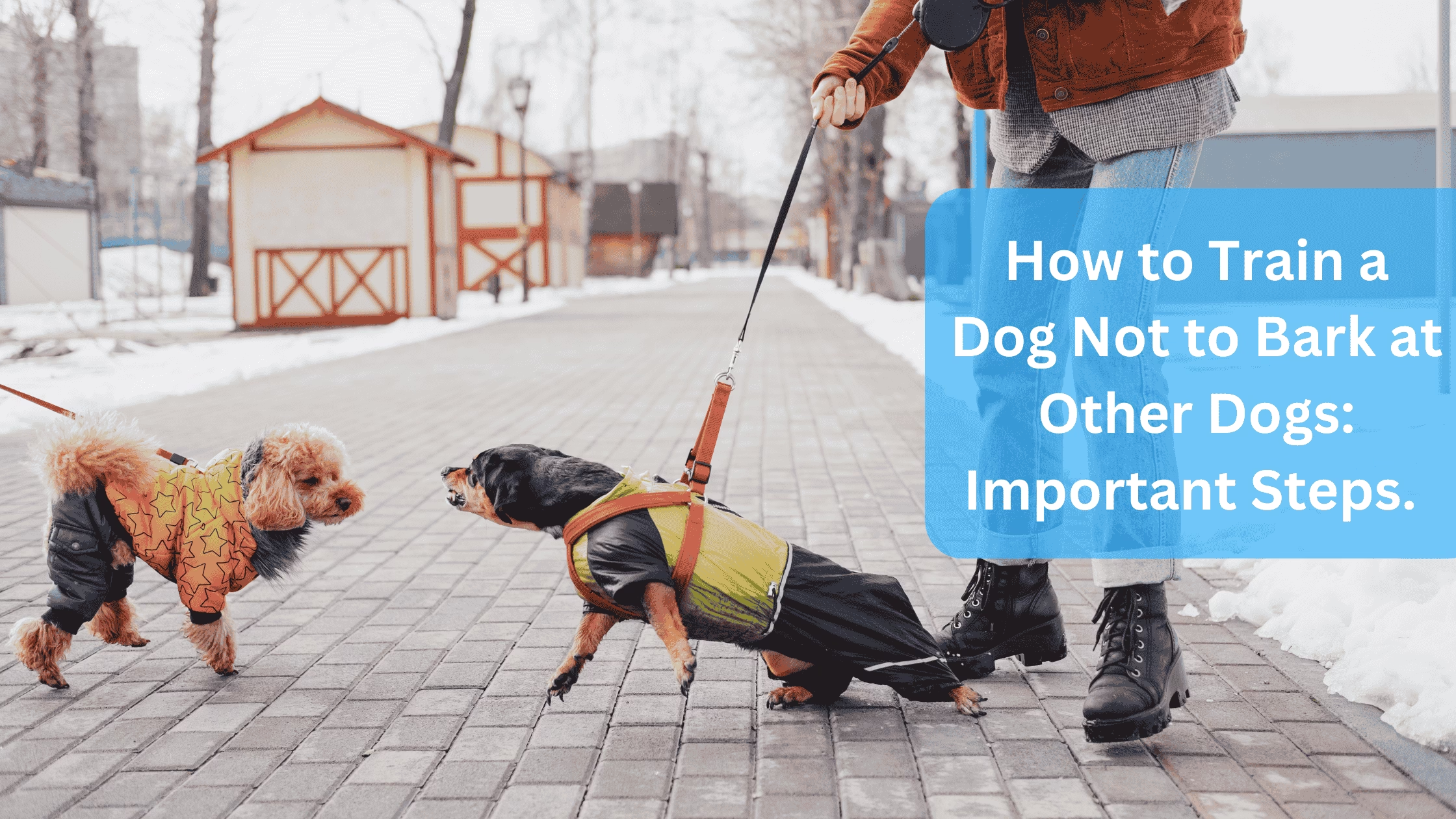
  • Can Dogs Eat Tomatoes? Are They Safe For Dogs?

    Can Dogs Eat Tomatoes? Are They Safe For Dogs?

    When it comes to our furry friends, we often find ourselves wondering about their diets. One question that frequently pops up is: Can dogs eat tomatoes? The answer isn’t as straightforward as you might think.

    In this comprehensive guide, we’ll explore everything you need to know about dogs and tomatoes, including raw, cooked, tomato sauce, and the benefits and risks associated with feeding tomatoes to your dog.

    We’ll also touch on related questions like whether dogs can eat tomatoes with cucumbers or onions. So grab a snack (maybe not tomatoes) and let’s dive in!

    Can Dogs Eat Tomatoes?

    Let’s get right to the point: yes, dogs can eat tomatoes, but with some important caveats. Tomatoes belong to the nightshade family, which includes several plants that can be harmful to dogs if consumed in large quantities or when unripe. The key here is moderation and preparation.

    The Risks of Tomatoes For Dogs

    • Solanine: Unripe tomatoes and the green parts of the tomato plant contain solanine, a toxic compound that can cause gastrointestinal upset in dogs. Symptoms may include vomiting, diarrhea, and lethargy.
    • Acidity: Tomatoes are acidic, which can lead to stomach upset in some dogs, especially those with sensitive stomachs.

    Safe Consumption

    • Ripe Tomatoes: Fully ripe tomatoes are generally safe for dogs to consume in small amounts. They can even provide some health benefits due to their vitamins and antioxidants.
    • Cooking: Cooking tomatoes can reduce their acidity and eliminate solanine. Thus, cooked tomatoes are often easier for dogs to digest.

    Benefits of Feeding Tomatoes to Dogs

    While there are risks associated with feeding tomatoes to dogs, there are also several benefits when given in moderation:

    • Nutritional Value: Ripe tomatoes are rich in vitamins A, C, and K, as well as several B vitamins. These nutrients contribute to overall health and support immune function.
    • Antioxidants: Tomatoes contain lycopene, an antioxidant linked to various health benefits, including reduced inflammation and improved heart health.
    • Hydration: With a high water content (about 95%), ripe tomatoes can help keep your dog hydrated.
    • Digestive Health: The fiber in tomatoes can aid digestion when given in appropriate amounts.

    Can Dogs Eat Raw Tomatoes?

    Raw tomatoes are a bit of a mixed bag. While ripe raw tomatoes are not toxic, they should be given sparingly due to the potential presence of solanine in any green parts. If you decide to offer your dog raw tomatoes:

    • Remove Green Parts: Always remove any stems or leaves before giving your dog a slice of tomato.
    • Moderation is Key: A small piece as an occasional treat is fine, but don’t overdo it.

    Can Dogs Eat Cooked Tomatoes?

    Yes! Cooked tomatoes are generally safer for dogs than raw ones. Cooking eliminates much of the solanine and makes them easier to digest. Here are some tips for serving cooked tomatoes:

    • No Additives: Avoid adding spices, garlic, or onions when cooking tomatoes for your dog, as these can be harmful.
    • Serve Plain: You can mash or puree cooked tomatoes and mix them into your dog’s food for added flavor and nutrients.

    Can Dogs Eat Tomato Sauce?

    Tomato sauce is a common ingredient in many dishes, but it often contains additives that aren’t suitable for dogs:

    • Check Ingredients: Many commercial tomato sauces contain garlic, onion, sugar, and other seasonings that can be toxic or unhealthy for dogs.
    • Homemade Sauce: If you want to share tomato sauce with your dog, consider making a simple version using only ripe tomatoes without any harmful ingredients.

    Can Dogs Eat Tomato Soup?

    Similar to tomato sauce, tomato soup often contains ingredients that may not be safe for dogs:

    • Avoid Creamy Soups: Cream-based soups can upset your dog’s stomach due to lactose intolerance.
    • Plain Tomato Soup: If you make homemade tomato soup without any harmful additives, it can be a tasty treat for your pup in moderation.

    Can Dogs Eat Tomato Seeds?

    Tomato seeds themselves are not toxic; however, they can pose a choking hazard or cause digestive issues if consumed in large amounts. It’s best to remove seeds before offering any tomato product to your dog.

    Can Dogs Eat Tomatoes and Cucumbers?

    Yes! Both tomatoes and cucumbers are safe for dogs when prepared correctly. Cucumbers provide hydration and are low in calories, making them an excellent snack alongside ripe tomatoes. Just ensure both vegetables are served fresh and without any harmful additives.

    Can Dogs Eat Tomatoes and Lettuce?

    Absolutely! Both tomatoes and lettuce are safe for dogs when given in moderation. Lettuce is low in calories and provides hydration. Just remember to chop everything into small pieces to prevent choking hazards.

    Can Dogs Eat Tomatoes in the UK?

    Yes! The guidelines regarding feeding tomatoes to dogs apply universally; however, always consult with your veterinarian if you have specific concerns related to your dog’s health or diet.

    Can Dogs Eat Tomatoes and Onions?

    No! Onions are toxic to dogs and should never be fed under any circumstances. Even small amounts can lead to serious health issues such as hemolytic anemia.

    Always ensure that any dish containing tomatoes does not include onions before sharing with your furry friend.

    Can Dogs Eat Cherry Tomatoes?

    Cherry tomatoes are similar to regular tomatoes regarding safety; however, they should still be given in moderation. Ensure they are ripe and remove any green parts before offering them to your dog.

    How Many Tomatoes Can Dogs Eat?

    When it comes to feeding your dog tomatoes:

    • Moderation is Key: A few small pieces occasionally is sufficient.
    • Watch for Reactions: Always monitor your dog after introducing new foods into their diet.

    What To Do If Your Dog Eats Too Many Tomatoes

    If you suspect that your dog has consumed an excessive amount of tomatoes or any part of the tomato plant:

    1. Monitor Symptoms: Look out for signs of tomato poisoning such as vomiting, diarrhea, lethargy, or confusion.
    2. Contact Your Veterinarian: If symptoms appear or if you know your dog has ingested unripe tomatoes or green parts of the plant, contact your vet immediately for advice on what steps to take next.
    3. Provide Water: Ensure that your dog has access to fresh water at all times while monitoring their condition.
    4. Emergency Care: In severe cases where symptoms worsen or if ingestion was significant (especially of unripe parts), seek emergency veterinary care right away.

    Also Read: Can Dogs Eat Hami Melon? A Comprehensive Guide

    Also Read: The Mudhol Hound: A Comprehensive Guide

    Conclusion

    In conclusion, while dogs can eat ripe tomatoes in moderation, it’s essential to be aware of the risks associated with unripe tomatoes and green parts of the plant.

    Cooked tomatoes are generally safer than raw ones and can provide health benefits when prepared correctly.

    Always prioritize safety by avoiding toxic ingredients like onions and garlic when cooking for your furry friend.

    As with any dietary change or introduction of new foods, consulting with your veterinarian is always a good idea—especially if your dog has pre-existing health conditions or dietary restrictions.

    By following these guidelines on how dogs can enjoy this juicy fruit safely (yes, it’s a fruit!), you can share delicious moments with your canine companion while keeping their health at the forefront!


    Sources:

  • The Mudhol Hound: A Comprehensive Guide

    The Mudhol Hound: A Comprehensive Guide

    The Mudhol Hound, also known as the Caravan Hound, is a remarkable breed that originates from India. Known for its exceptional speed, loyalty, and unique appearance, this breed has garnered attention both in India and around the world.

    In this comprehensive guide, we will explore various aspects of the Mudhol Hound, including its history, temperament, care requirements, and more.

    Introduction to the Mudhol Hound

    The Mudhol Hound is a sighthound breed that is well-regarded for its hunting abilities and keen eyesight.

    This breed is known for its agility and speed, making it an excellent companion for hunters and active families alike.

    With its graceful demeanor and loyal nature, the Mudhol Hound has become increasingly popular among dog enthusiasts.

    History of the Mudhol Hound

    The origins of the Mudhol Hound can be traced back to the Deccan Plateau in India, particularly in the region of Karnataka. This breed was historically used by local tribes for hunting game such as deer and wild boar due to its exceptional speed and keen eyesight.

    The breed gained prominence under the patronage of Shrimant Rajesaheb Malojirao Ghorpade of Mudhol during the early 20th century.

    He recognized the unique qualities of these dogs and began a selective breeding program to enhance their hunting capabilities.

    The Mudhol Hound was later presented to King George V of England, which helped popularize the breed in Europe.

    In recent years, the Indian Army has expressed interest in using Mudhol Hounds for surveillance and border protection duties due to their agility and keen sense of smell.

    Physical Characteristics Mudhol Hound

    Size and Weight of Mudhol Hound

    Mudhol Hounds are medium to large-sized dogs with a lean and muscular build. Males typically weigh between 22–28 kg kilograms (48–61 pounds.), while females weigh slightly less at around 20-25 kilograms (44-55 pounds). Their height ranges from 24 to 30 inches at the shoulder.

    Coat Colors of Mudhol Hound

    The coat of a Mudhol Hound is short and smooth, providing protection against harsh weather conditions. Common colors include:

    • Fawn
    • Brindle
    • Black
    • White markings

    The coat requires minimal grooming due to its short length.

    Temperament and Behavior of Mudhol Hound

    The Mudhol Hound is known for its loyal, protective, and fearless nature. While they can be reserved with strangers, they are generally gentle and affectionate with their families.

    Key Temperament Traits:

    • Loyal: They form strong bonds with their owners.
    • Intelligent: Quick learners but may require consistent training.
    • Energetic: High energy levels necessitate regular exercise.
    • Independent: Can be aloof at times but are devoted companions.

    Due to their hunting background, they may have a strong prey drive, so early socialization is essential.

    Health and Lifespan of Mudhol Hound

    Mudhol Hounds are generally healthy dogs but can be susceptible to certain health issues:

    Common Health Concerns:

    • Hip Dysplasia: A genetic condition that affects mobility.
    • Bloat: A serious condition that can occur in deep-chested breeds.
    • Skin Infections: Due to their short coat, they may be prone to skin issues.

    Mudhol Hound Lifespan

    The average lifespan of a Mudhol Hound ranges from 10 to 14 years with proper care.

    Mudhol Hound Price

    Mudhol Hound Price in India

    The price of a Mudhol Hound can vary significantly based on factors such as breeder reputation, location, and lineage. On average, you can expect to pay between ₹15,000 to ₹20,000 for a quality puppy from a reputable breeder.

    Mudhol Hound Price in Kerala

    In Kerala specifically, prices may range from ₹18,000 to ₹25,000 depending on availability and demand.

    Buying or Adopting a Mudhol Hound

    When considering bringing a Mudhol Hound into your home, you have two primary options: buying from a breeder or adopting from a shelter or rescue organization.

    Buying from Breeders

    • Research reputable breeders who specialize in Mudhol Hounds.
    • Visit the breeding facility if possible to assess conditions.
    • Ask about health clearances for both parents.

    Adopting from Shelters

    • Check local animal shelters or rescue organizations that may have Mudhol Hounds available for adoption.
    • Adoption fees are generally lower than purchasing from breeders.

    Caring for a Mudhol Hound

    Diet

    A balanced diet is crucial for maintaining your Mudhol Hound’s health:

    • Choose high-quality dog food formulated for active breeds.
    • Include protein sources such as chicken or lamb.
    • Incorporate vegetables like carrots or peas for added nutrition.

    Exercise Requirements for Mudhol Hound

    Mudhol Hounds are energetic dogs that require ample exercise:

    • Daily walks: Aim for at least one hour of vigorous exercise each day.
    • Playtime: Engage them in games like fetch or agility training.

    Training the Mudhol Hound

    Training is essential for this breed due to their intelligence and independent nature:

    1. Start Early: Begin socialization and basic obedience training as early as possible.
    2. Positive Reinforcement: Use treats and praise to encourage good behavior.
    3. Consistency: Be consistent with commands and routines.

    Common Commands to Teach:

    • Sit
    • Stay
    • Come
    • Heel

    Mudhol Hound vs Rajapalayam Dog

    When comparing the Mudhol Hound with the Rajapalayam dog:

    FeatureMudhol HoundRajapalayam Dog
    OriginKarnatakaTamil Nadu
    SizeMedium to LargeMedium
    TemperamentLoyal & EnergeticProtective & Affectionate
    CoatShort & SmoothShort & Dense
    PurposeHunting & CompanionGuarding & Hunting
    Comparing the Mudhol Hound with the Rajapalayam dog

    Both breeds have unique characteristics suited for different lifestyles.

    Frequently Asked Questions (FAQs)

    Is the Mudhol Hound Dangerous?

    No, when properly trained and socialized, they are not considered dangerous but may be protective of their family.

    What Does a Mudhol Hound Eat?

    A balanced diet consisting of high-quality dog food supplemented with fresh fruits and vegetables is recommended.

    How Do I Train a Mudhol Hound?

    Use positive reinforcement techniques starting with basic commands; consistency is key!

    Where Can I Get a Mudhol Hound?

    You can find them through reputable breeders or local animal shelters that specialize in Indian breeds.

    Also Read: Can Dogs Eat Squashies? A Comprehensive Guide

    Also Read: Can Dogs Eat Hami Melon? A Comprehensive Guide

    Conclusion

    The Mudhol Hound is an exceptional breed with deep roots in Indian culture and history. Known for its loyalty, intelligence, and athleticism, this hound makes an excellent companion for active families or individuals who can provide ample space and exercise.

    Whether you choose to buy or adopt a Mudhol Hound, understanding their needs will help ensure that you provide them with a loving home where they can thrive!

    By following this comprehensive guide on caring for your new furry friend—alongside proper training—you’ll set yourself up for success as a responsible pet owner!


    Sources:

  • Can Dogs Eat Hami Melon? A Comprehensive Guide

    Can Dogs Eat Hami Melon? A Comprehensive Guide

    Can dogs eat Hami melon? – As pet owners, we often want to share our favorite foods with our furry companions. One fruit that has gained popularity in recent years is the Hami melon, a sweet and juicy variety of melon known for its delicious taste and refreshing qualities.

    However, many dog owners wonder, “Can dogs eat Hami melon?” This comprehensive guide will explore the safety of Hami melon for dogs, its nutritional benefits, potential risks, and how to incorporate it into your dog’s diet safely.

    What is Hami Melon?

    Hami melon is a type of cantaloupe that originates from the Hami region in Xinjiang, China. It is characterized by its sweet flavor, crisp texture, and pale yellow to greenish skin.

    Hami melons are often enjoyed fresh and are popular in fruit salads, smoothies, and desserts. They are rich in vitamins and minerals, making them a nutritious option for humans.

    Nutritional Profile of Hami Melon

    Before determining whether Hami melon is safe for dogs, it’s essential to understand its nutritional content:

    • Calories: Hami melon is low in calories, making it a great snack option.
    • Water Content: Comprising about 90% water, it helps keep dogs hydrated.
    • Vitamins: It contains essential vitamins such as vitamin A (beta-carotene), vitamin C, and several B vitamins.
    • Minerals: Hami melon provides potassium and magnesium.

    Can Dogs Eat Hami Melon?

    Safety of Hami Melon for Dogs

    Yes, dogs can eat Hami melon in moderation. The flesh of the melon is non-toxic to dogs and can provide several health benefits. However, there are important considerations to keep in mind.

    Key Points:

    • Non-toxic: The flesh of the Hami melon is safe for dogs to consume.
    • Moderation is Key: While it is safe, it should be given in moderation to avoid digestive upset.
    • Remove Seeds and Rind: Always remove the seeds and rind before offering Hami melon to your dog.

    Potential Benefits of Hami Melon for Dogs

    1. Hydration: Due to its high water content, Hami melon can help keep your dog hydrated, especially during hot weather.
    2. Low Calorie: This melon is low in calories, making it a great treat for dogs that need to maintain or lose weight.
    3. Vitamins and Antioxidants: The vitamins present in Hami melon can contribute to your dog’s overall health. Vitamin A supports eye health and immune function, while vitamin C acts as an antioxidant.
    4. Digestive Health: The fiber content in melons can aid digestion and promote regular bowel movements.

    How to Safely Introduce Hami Melon to Your Dog’s Diet

    If you decide to give your dog Hami melon or foods containing it, consider the following guidelines:

    1. Consult Your Veterinarian: Before introducing any new food into your dog’s diet, it’s best to consult with your veterinarian.
    2. Start Small: If you’re giving your dog Hami melon for the first time, start with a small amount to see how they react.
    3. Prepare Properly: Always remove the seeds and rind before feeding the flesh of the fruit to your dog.
    4. Monitor Your Dog: After introducing Hami melon or any new food item, monitor your dog for any signs of gastrointestinal upset or allergic reactions.
    5. Use as a Treat: Treats should make up only about 10% of your dog’s daily caloric intake. Use Hami melon as an occasional treat rather than a regular part of their diet.

    Health Risks Associated with Feeding Dogs Hami Melon

    While Hami melon is generally safe for dogs, there are some risks associated with feeding them this fruit:

    1. Digestive Upset: Overconsumption of any new food can lead to gastrointestinal issues such as diarrhea or vomiting. Always introduce new foods gradually.
    2. Choking Hazard: Ensure that you cut the melon into small, manageable pieces to prevent choking.
    3. Allergic Reactions: Though rare, some dogs may have allergies or sensitivities to certain fruits. Watch for signs of an allergic reaction after introducing Hami melon.
    4. High Sugar Content: While not excessively high compared to some other fruits, the natural sugars in melons can add up if given in large quantities—especially concerning for diabetic dogs.

    Frequently Asked Questions (FAQs)

    Can Dogs Have a Small Amount of Hami Melon?

    Yes! A small amount of Hami melon is safe for dogs as long as it’s properly prepared (seeds and rind removed) and given in moderation.

    What Should I Do If My Dog Eats Too Much Hami Melon?

    If your dog consumes too much Hami melon and shows signs of gastrointestinal upset (like vomiting or diarrhea), monitor their condition closely. If symptoms persist or worsen, consult your veterinarian.

    Are There Any Other Types of Melons Safe for Dogs?

    Yes! Other melons like cantaloupe and watermelon are also safe for dogs when prepared properly (seeds removed).

    Can I Use Hami Melon in Homemade Dog Treats?

    Absolutely! You can incorporate pureed or diced Hami melon into homemade dog treats for added flavor and nutrition—just ensure that no harmful ingredients are included.

    What Are Some Signs That My Dog Might Be Allergic to Melons?

    Signs of an allergic reaction may include itching, swelling, hives, gastrointestinal upset (vomiting or diarrhea), or difficulty breathing after consuming melons or other new foods.

    Also Read: Can Dogs Eat Squashies? A Comprehensive Guide

    Also Read: Can Dogs Eat Besan? A Comprehensive Guide

    Alternative Ways to Prepare Melon for Dogs

    While serving fresh pieces of Hami melon is a great way to treat your dog, there are other creative ways to prepare this fruit:

    1. Frozen Treats: Freeze small pieces of Hami melon for a refreshing summer treat that helps keep your dog cool.
    2. Smoothies: Blend pureed Hami melon with yogurt (xylitol-free) for a delicious smoothie that can be served as a special treat on hot days.
    3. Melon Popsicles: Combine pureed watermelon or cantaloupe with water and freeze them into popsicles using ice cube trays—these make fun summer snacks!
    4. Dog-Friendly Fruit Salad: Mix diced pieces of various dog-safe fruits (including Hami melon) together for a colorful fruit salad that provides hydration and nutrients.

    Conclusion

    In summary, dogs can safely eat Hami melon in moderation when prepared correctly by removing seeds and rind. This delicious fruit offers hydration and essential vitamins while being low in calories—a great alternative treat for your furry friend!

    As always, consult with your veterinarian before introducing new foods into your dog’s diet to ensure they remain healthy and happy! By understanding the benefits and potential risks associated with feeding your dog melons like the Hami variety, you can make informed choices that contribute positively to their overall well-being!

    This guide has covered everything you need to know about whether dogs can eat Hami melons while providing practical tips on how best to serve them safely—so go ahead and let your pup enjoy this tasty treat!


    Sources: