Author: Kartikey Dwivedi

  • How to Train a Great Pyrenees to Guard Livestock?

    How to Train a Great Pyrenees to Guard Livestock?

    How to Train a Great Pyrenees to Guard Livestock? – Training a Great Pyrenees to guard livestock is a rewarding endeavor that requires patience, understanding of the breed’s unique characteristics, and a structured approach.

    Known for their protective instincts and gentle demeanor, Great Pyrenees are one of the most effective breeds for guarding sheep, goats, and other livestock.

    This comprehensive guide will cover everything you need to know about training your Great Pyrenees to be an effective livestock guardian.

    Understanding the Great Pyrenees

    The Great Pyrenees is a large breed with a strong instinct to protect their flock. They are known for their:

    • Gentle Nature: Despite their size, they are typically gentle with livestock and children.
    • Strong Guarding Instincts: They have a natural tendency to guard against predators such as coyotes and wolves.
    • Independence: This breed is known for being independent thinkers, which can be both an asset and a challenge in training.

    Understanding these traits is crucial in developing an effective training strategy.

    Preparing for Training the Great Pyrenees

    Before you begin training your Great Pyrenees, consider the following preparations:

    • Establish Your Goals: Define what you want your dog to achieve. This could include protecting specific types of livestock or responding to certain commands.
    • Create a Safe Environment: Ensure that your training area is safe for both your dog and the livestock. This includes secure fencing and supervision during initial interactions.
    • Gather Training Tools: You may need treats, leashes, and toys to facilitate training sessions.

    How to Train a Great Pyrenees to Guard Livestock – Step-by-Step Training Process

    1. Socialization with Livestock

    Introducing your Great Pyrenees to livestock is the first step in training. Follow these guidelines:

    • Start Young: Ideally, begin socialization when your dog is a puppy (8-12 weeks old). This allows them to bond with the livestock early on.
    • Controlled Introductions: Start by introducing your puppy to calm, mature animals in a controlled environment. Use a leash initially to maintain control.
    • Supervised Interaction: Allow your puppy to observe and interact with the livestock while you supervise closely. Encourage gentle behavior and discourage any chasing or rough play.

    2. Building Trust

    Trust between your Great Pyrenees and the livestock is essential for effective guarding:

    • Positive Reinforcement: Reward your dog with treats and praise for calm behavior around the livestock.
    • Modeling Behavior: If possible, introduce your puppy to an older, trained Great Pyrenees who can model appropriate behavior around the livestock.

    3. Establishing Territory

    Great Pyrenees need to understand their territory:

    • Define Boundaries: Walk your dog around the perimeter of the area where they will be guarding livestock. This helps them understand their space.
    • Regular Patrols: Encourage your dog to patrol this area regularly. Use commands like “patrol” or “check” to reinforce this behavior.

    4. Teaching Commands

    Commands are crucial for effective communication during training:

    • Basic Commands: Teach basic commands such as “sit,” “stay,” and “come.” These commands form the foundation of more advanced training.
    • Specific Guarding Commands: Develop specific commands related to guarding behaviors, such as “leave it” for distracting them from chasing non-threatening animals or “alert” for notifying you of potential threats.

    5. Gradual Independence

    Once your dog is comfortable around livestock, begin allowing them more independence:

    • Short Alone Time: Start by leaving your puppy alone with the livestock for short periods (a few minutes) while you observe from a distance.
    • Increase Duration Gradually: As your dog becomes more confident, gradually increase the time they spend alone with the livestock.

    6. Addressing Behavioral Issues

    Behavioral issues may arise during training:

    • Discourage Chasing: If your puppy chases livestock or other animals, use commands like “no” or “leave it” immediately followed by redirection towards appropriate behavior.
    • Correct Aggression Towards Other Animals: If aggression towards other animals occurs, ensure proper socialization with those animals outside of guarding duties.

    Common Challenges in Training a Great Pyrenees

    Training a Great Pyrenees can come with its challenges:

    • Independence: Their independent nature may lead them to make decisions without waiting for commands. Consistent reinforcement of commands is key.
    • Distraction by Wildlife: They may be distracted by wildlife or other animals. Reinforcing recall commands can help manage this behavior.

    Maintenance of Training a Great Pyrenees

    Once basic training is established, ongoing maintenance is essential:

    • Regular Practice Sessions: Continue practicing commands and reinforcing positive behaviors regularly throughout their lives.
    • Exposure to Different Situations: Expose your dog to various environments and situations involving livestock to ensure they remain adaptable and responsive.

    Frequently Asked Questions (FAQs)

    What age should I start training my Great Pyrenees?

    Start socialization as early as 8 weeks old. Early exposure helps them bond with livestock effectively.

    Can I train an adult Great Pyrenees?

    While it’s more challenging, adult dogs can still learn if they have not been exposed to livestock before. Patience and consistent training are essential.

    How long does it take to train a Great Pyrenees?

    Training duration varies but expect several months of consistent effort before achieving reliable guarding behavior.

    What if my dog shows anxiety around livestock?

    If your dog appears anxious, take it slow. Gradually increase exposure while providing reassurance and positive reinforcement.

    Also Read: Dinuguan for Dogs: A Comprehensive Guide

    Also Read: Premack Principle in Dog Training – Best Guide

    Conclusion

    Training a Great Pyrenees to guard livestock requires dedication, patience, and an understanding of their unique traits.

    By following these structured steps—from socialization and trust-building to teaching commands and addressing behavioral challenges—you can develop a reliable guardian for your farm or homestead.

    Remember that consistency is key; regular practice will help reinforce good behaviors and ensure that your Great Pyrenees remains an effective protector of your livestock for years to come.


    Sources:
  • Dinuguan for Dogs: A Comprehensive Guide

    Dinuguan for Dogs: A Comprehensive Guide

    Dinuguan for Dogs – Dinuguan, a traditional Filipino dish made from pork and blood, is a culinary delight for many humans.

    However, when it comes to our canine companions, the question arises: is dinuguan safe for dogs?

    This guide will explore the nutritional aspects, potential risks, and considerations for feeding dinuguan to dogs.

    We will also address common questions and concerns from dog owners regarding this unique dish.

    What is Dinuguan?

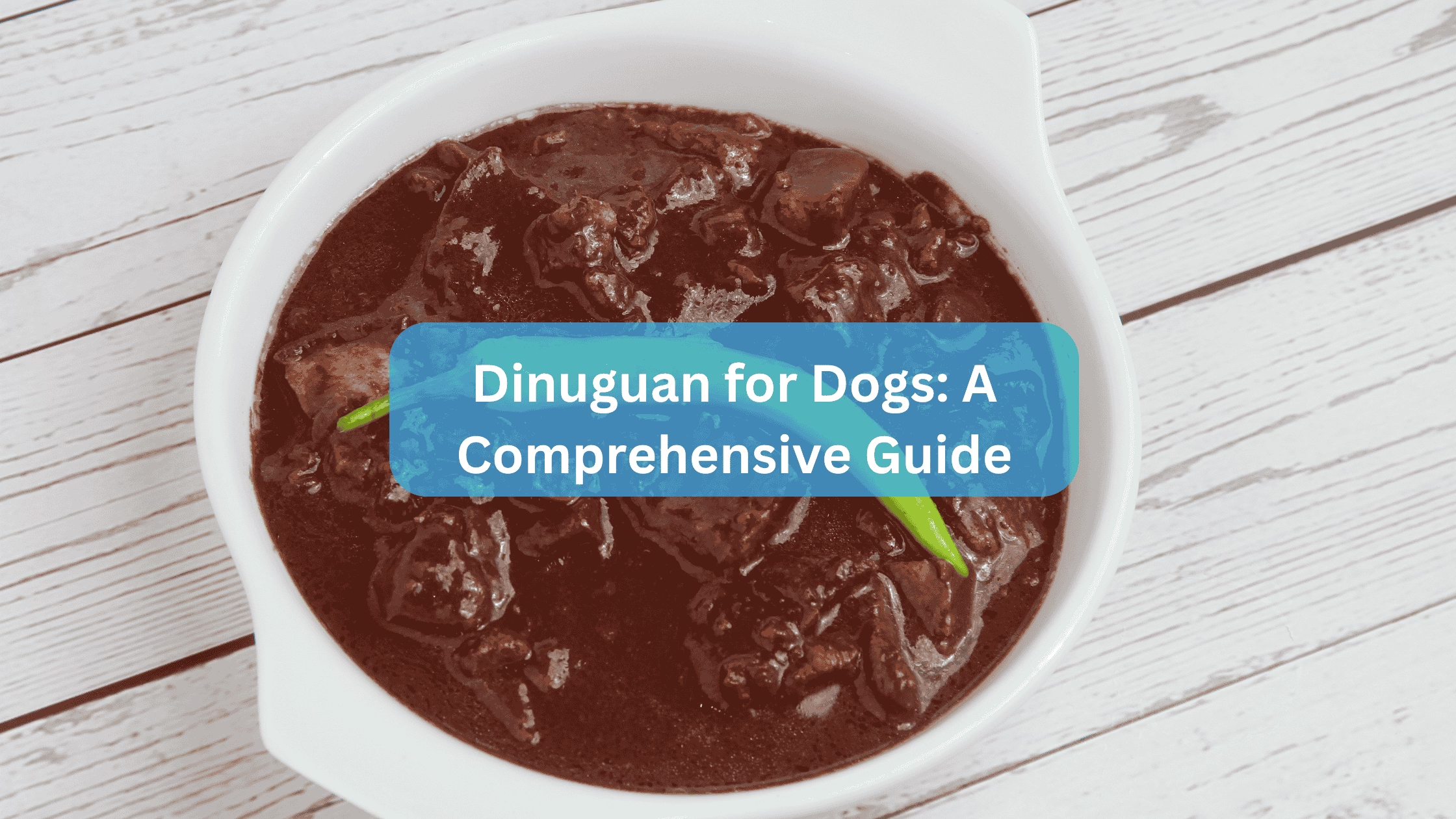
    Dinuguan is a savory stew made from pork offal (such as intestines, liver, and heart) simmered in a rich sauce of pig’s blood, vinegar, garlic, and spices.

    It is often served with rice or puto (steamed rice cakes) and is known for its distinct flavor profile that combines salty, sour, and umami tastes.

    Nutritional Profile of Dinuguan

    Before considering dinuguan for dogs, it’s essential to understand its nutritional content:

    • Protein: The primary ingredient in dinuguan is pork, which is a good source of protein necessary for muscle development and overall health in dogs.
    • Iron: The pig’s blood used in dinuguan is rich in iron, which can be beneficial for dogs that may have anemia or low iron levels.
    • Fat: Depending on the cut of meat used, dinuguan can be high in fat. While some fat is necessary for a dog’s diet, excessive fat can lead to obesity and pancreatitis.
    • Vitamins and Minerals: Pork contains various vitamins (like B vitamins) and minerals (such as zinc), which are important for a dog’s immune system and overall health.

    Is Dinuguan Safe for Dogs?

    While dinuguan contains several beneficial nutrients, there are significant risks associated with feeding it to dogs:

    • Salt Content: Dinuguan can be high in sodium due to added salt and other seasonings. Excessive salt intake can lead to health issues in dogs, including sodium ion poisoning.
    • Spices: Ingredients such as garlic and onion are toxic to dogs. Even small amounts can lead to gastrointestinal upset or more severe health issues like hemolytic anemia.
    • Fat Content: If dinuguan is made with fatty cuts of meat or excess oil, it can pose risks of obesity and pancreatitis in dogs.
    • Bacterial Contamination: If not cooked properly, dishes containing blood can harbor bacteria that may be harmful to both humans and dogs.

    Should You Feed Dinuguan to Your Dog?

    Given the potential risks associated with feeding dinuguan to dogs, it is generally not advisable to include this dish in their diet. If you wish to provide your dog with a taste of something similar, consider preparing a dog-friendly version that excludes harmful ingredients.

    Alternatives to Dinuguan For Dogs

    If you’re looking for ways to incorporate similar flavors or ingredients into your dog’s diet safely, consider the following alternatives:

    • Cooked Pork: Plain boiled or grilled pork without seasoning can be a healthy treat for your dog. Ensure it’s lean and free from bones.
    • Blood Meal Supplements: If you want to provide iron-rich nutrition similar to what pig’s blood offers without the risks associated with dinuguan, consider using commercially available blood meal supplements designed for pets.
    • Homemade Stews: Create a dog-friendly stew using safe ingredients like lean meats (chicken or turkey), vegetables (carrots, peas), and low-sodium broth.

    Frequently Asked Questions

    Can Dogs Eat Blood?

    Yes, dogs can consume blood if it is cooked properly. Raw blood may contain harmful bacteria; hence it’s crucial to ensure it’s cooked thoroughly before serving.

    What Foods Should Dogs Avoid?

    Certain foods should never be fed to dogs due to toxicity or health risks:
    1. Onions and garlic
    2. Chocolate
    3. Grapes and raisins
    4. Xylitol (found in sugar-free products)
    5. Avocado

    How Can I Make My Dog’s Diet More Nutritious?

    To enhance your dog’s diet:
    1. Incorporate lean meats.
    2. Add vegetables like carrots or green beans.
    3. Use high-quality commercial dog food that meets AAFCO standards.

    Also Read: Can Dogs Eat Seaweed? A Comprehensive Guide

    Also Read: Premack Principle in Dog Training – Best Guide

    Conclusion

    While dinuguan may be a beloved dish among humans, it poses several risks when considered for canine consumption.

    Instead of feeding your dog this traditional dish directly, opt for safer alternatives that provide similar flavors without compromising their health.

    Always consult with your veterinarian before introducing new foods into your dog’s diet to ensure their safety and well-being.


    Sources:

  • Premack Principle in Dog Training – Best Guide

    Premack Principle in Dog Training – Best Guide

    What is the Premack Principle in Dog Training? – The Premack Principle, named after psychologist David Premack, is a fundamental concept in behavioral psychology that has significant applications in dog training.

    This principle states that more probable behaviors can reinforce less probable behaviors. In simpler terms, if a dog is more likely to engage in a certain behavior (like playing or sniffing) than another (like sitting or coming when called), the former can be used as a reward to encourage the latter.

    This guide will explore the Premack Principle in depth, its application in dog training, and how to effectively implement it to improve your dog’s behavior.

    What is the Premack Principle in Dog Training?

    The essence of the Premack Principle lies in its reinforcement strategy.

    It suggests that you can motivate your dog to perform less desirable tasks by allowing them to engage in activities they find highly rewarding afterward.

    This principle can be summarized as follows:

    • High-Probability Behavior: A behavior your dog is likely to do (e.g., playing fetch).
    • Low-Probability Behavior: A behavior your dog is less likely to do (e.g., sitting patiently).

    By linking these behaviors, trainers can effectively encourage dogs to comply with commands or tasks they might otherwise resist.

    Historical Context

    David Premack introduced this principle in the 1960s while studying animal behavior.

    His research indicated that animals would perform less preferred tasks if it meant they could engage in more preferred ones afterward.

    This concept has since been adopted widely in various fields, including education and animal training.

    The Science Behind the Premack Principle

    The underlying mechanism of the Premack Principle is rooted in operant conditioning, a learning process through which behaviors are modified by their consequences.

    When a high-probability behavior follows a low-probability one, it creates an association that encourages the dog to repeat the low-probability behavior in hopes of receiving the reward.

    For example, if a dog enjoys playing fetch but dislikes sitting on command, you can use fetch as a reward for sitting. Over time, your dog learns that sitting leads to playtime, making them more likely to sit when asked.

    Practical Applications of the Premack Principle In Dog Training

    The Premack Principle is a great tool for dog training because it helps you teach your dog to do things they might not want to do by using something they love as a reward.

    Here are some simple ways to use this principle in your training:

    1. Training Commands

    You can use the Premack Principle to teach your dog commands like “sit” or “stay.”

    Here’s how:

    • Sit for Fetch: If your dog loves to play fetch, you can ask them to sit before you throw the ball. For example, say “sit” and wait until they sit down. Once they do, throw the ball! This way, they learn that sitting means they get to play.
    • Stay for Playtime: If your dog gets excited when it’s time to play, you can teach them to stay in one spot first. Tell them to “stay,” and once they do it well, let them have some fun playing afterward. This teaches them that staying calm leads to playtime.

    2. Addressing Behavioral Issues

    The Premack Principle can also help fix behaviors that you might not like:

    • Calmness at Doorways: If your dog jumps up when guests arrive, you can wait for them to calm down before letting them greet anyone. For example, when someone knocks on the door, if your dog starts barking and jumping, don’t open the door until they sit quietly. Once they are calm, open the door and let them say hello.
    • Leash Training: If your dog pulls on the leash during walks, teach them to walk nicely beside you first. You can let them explore (which they love) only after they walk calmly next to you without pulling. This way, they learn that walking nicely means more fun during walks.

    3. Enhancing Recall Training

    Recall training is all about teaching your dog to come back when you call them.

    The Premack Principle can make Recall Training easier:

    • When you’re outside and your dog is having fun chasing a squirrel or playing with other dogs, call them back. If they come when called, immediately let them go back to playing afterward. This teaches them that coming back leads to even more fun!

    Implementing the Premack Principle In Dog Training Effectively

    To use the Premack Principle in training your dog successfully, follow these simple steps:

    1. Identify High-Probability Behaviors

    First, figure out what activities your dog loves most. These are called high-probability behaviors.

    Some examples could be:

    • Playing with their favorite toy
    • Going for a walk
    • Getting treats
    • Playing with other dogs

    2. Establish Low-Probability Behaviors

    Next, think about what commands or actions your dog doesn’t like as much or finds hard to do. These are low-probability behaviors.

    For example:

    • Sitting on command
    • Staying in one place
    • Coming when called

    3. Create Associations

    Now it’s time to link these behaviors together! Start by asking your dog to do a low-probability behavior and then reward them with a high-probability behavior afterward.

    Here’s how:

    • Ask your dog to “sit” before throwing their favorite toy.
    • Tell your dog to “stay” before letting them go outside for a walk.

    4. Use Timing and Consistency

    Make sure you give rewards right after your dog does what you asked for! This helps them understand what behavior is being rewarded.

    For example:

    • If your dog sits and you throw the ball right away, they will learn that sitting gets them playtime.

    Be consistent! Always reward the same low-probability behavior with the same high-probability reward so that your dog knows what’s expected.

    5. Gradually Increase Difficulty

    As your dog gets better at following commands, gradually make things a little harder for them.

    For instance:

    • Once your dog reliably sits before fetching the ball, try asking them to “stay” for a few seconds before throwing it.

    This helps challenge them while still using rewards they enjoy!

    Common Mistakes In Premack Principle Dog Training

    While using the Premack Principle can be very effective, there are some common mistakes people make that you should avoid:

    1. Inconsistent Rewards

    One mistake is not giving rewards consistently or immediately after the desired behavior occurs. If you sometimes reward your dog for sitting and sometimes don’t, they may get confused about what behavior is being reinforced.

    For example, if you ask your dog to sit but only throw the ball sometimes when they do it, they might stop sitting altogether because they’re unsure if it will lead to playtime.

    2. Overusing High-Probability Behaviors

    Another mistake is relying too much on one type of reward. If you always use the same toy or game as a reward, your dog might get bored with it over time.

    To keep things exciting for your dog, mix up their rewards! Sometimes use treats; other times use playtime or different toys.

    3. Neglecting Low-Probability Behaviors

    Some trainers focus only on high-probability behaviors and forget about reinforcing low-probability ones. This can lead to frustration for both you and your dog.

    For instance, if you only reward your dog when they fetch but never reinforce their sitting or staying commands, they might not learn those important skills well.

    By avoiding these common mistakes and understanding how to apply the Premack Principle effectively, you’ll be well on your way to training a happy and well-behaved dog!

    Frequently Asked Questions

    What types of rewards work best with the Premack Principle?

    Rewards can vary widely based on what motivates your dog most effectively.
    Common rewards include:
    1. Playing fetch
    2. Going for walks
    3. Social interactions with other dogs
    4. Treats or food
    5. Engaging in favorite activities (e.g., swimming)

    Can I use this principle for all dogs?

    Yes! The Premack Principle applies universally across different breeds and temperaments. However, understanding each dog’s unique preferences is crucial for effective implementation.

    How long does it take for my dog to learn through this method?

    The time it takes for a dog to learn varies based on individual learning speeds and consistency in training practices. Generally, with regular practice and positive reinforcement, noticeable improvements can occur within weeks.

    Are there any behaviors that should not be reinforced using this principle?

    While most behaviors can be linked through this principle, caution should be exercised with highly stimulating or arousing behaviors that could lead to anxiety or aggression (e.g., chasing small animals). Always prioritize safety and well-being when choosing rewards.

    Also Read: Can Dogs Eat Seaweed? A Comprehensive Guide

    Also Read: Can Dogs Eat Kimbap? A Comprehensive Guide

    Conclusion

    The Premack Principle offers an innovative approach to dog training that leverages natural instincts and preferences.

    By understanding how high-probability behaviors can reinforce low-probability ones, trainers can create effective strategies that encourage desired behaviors while making training enjoyable for both dogs and their owners.

    Implementing this principle requires careful observation of your dog’s preferences and consistent application of rewards tied to specific commands or actions.

    With patience and creativity, you can transform challenging training scenarios into engaging experiences that foster learning and strengthen your bond with your canine companion.

    By mastering the Premack Principle, you’ll not only enhance obedience but also enrich your dog’s overall quality of life through positive reinforcement strategies that celebrate their natural inclinations and desires.


    Sources:

  • Can Dogs Eat Seaweed? A Comprehensive Guide

    Can Dogs Eat Seaweed? A Comprehensive Guide

    Can Dogs Eat Seaweed? As pet owners increasingly seek out nutritious and natural food options for their furry companions, the question of whether dogs can eat seaweed has gained popularity.

    Seaweed, often lauded for its health benefits in human diets, is now being considered as a potential addition to canine nutrition.

    This guide will explore the safety, benefits, risks, and best practices for incorporating seaweed into your dog’s diet.

    Understanding Seaweed

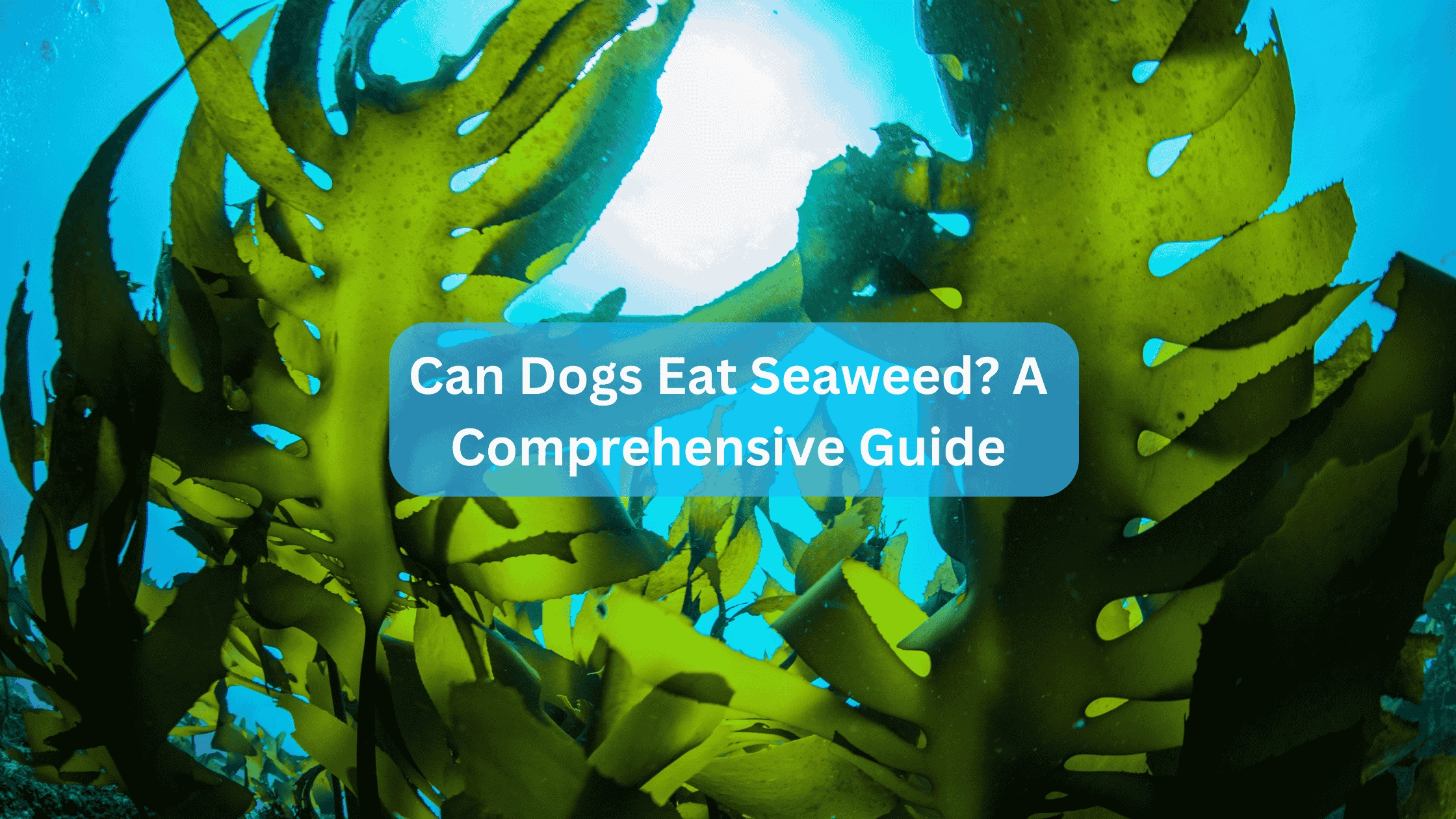
    Seaweed refers to various species of marine plants and algae that thrive in oceans worldwide. They are typically categorized into three main types:

    • Brown seaweed: Includes kelp and wakame, rich in vitamins and minerals.
    • Green seaweed: Includes varieties like sea lettuce, known for its nutritional value.
    • Red seaweed: Includes nori and dulse, often used in culinary applications.

    Each type of seaweed has a unique nutrient profile, making it important to understand which varieties are safe for dogs.

    Nutritional Benefits of Seaweed for Dogs

    Seaweed is a nutrient-dense food that offers several health benefits for dogs when consumed in moderation:

    • Rich in vitamins and minerals: Seaweed contains essential nutrients such as iodine, calcium, iron, magnesium, and potassium. These nutrients support various bodily functions, including metabolism and bone health.
    • Source of omega-3 fatty acids: Certain types of seaweed provide omega-3s, which are beneficial for skin health, coat condition, and reducing inflammation.
    • High in fiber: The fiber content in seaweed can aid digestion and promote gut health.
    • Antioxidant properties: Seaweed is rich in antioxidants that can help combat oxidative stress in dogs.

    Can Dogs Eat Seaweed?

    The short answer is yes; dogs can eat certain types of seaweed. However, there are important considerations to keep in mind:

    Safe Types of Seaweed for Dogs

    1. Nori: Commonly used in sushi rolls, nori is safe for dogs when unseasoned.
    2. Kelp: Often found in supplements, kelp is beneficial but should be given in moderation due to its high iodine content.
    3. Dulse: Another safe option that can be added to dog food for extra nutrients.

    Unsafe Types of Seaweed for Dogs

    • Wild seaweed: Avoid letting your dog eat seaweed found on beaches. It may contain harmful pollutants or parasites and can expand in the digestive system, leading to blockages.
    • Seasoned or processed snacks: Seaweed snacks that contain added salt, garlic, or onion should be avoided as they can be toxic to dogs.

    How to Introduce Seaweed into Your Dog’s Diet

    When considering adding seaweed to your dog’s diet, follow these guidelines:

    1. Start small: Introduce seaweed gradually by offering small amounts mixed into their regular food.
    2. Monitor reactions: Keep an eye on your dog for any signs of digestive upset or allergies after introducing seaweed.
    3. Choose quality products: Opt for human-grade or pet-specific seaweed products that do not contain harmful additives.

    Recommended Serving Sizes of Seaweed You Can Safely Feed Your Dog

    The amount of seaweed you can safely feed your dog varies based on their size:

    • Small dogs: A few flakes or a sprinkle per meal.
    • Medium dogs: Up to a teaspoon per meal.
    • Large dogs: Up to a tablespoon per meal.

    As a general rule, treats (including seaweed) should make up no more than 10% of your dog’s daily caloric intake.

    Potential Risks of Feeding Seaweed to Dogs

    While seaweed can be beneficial, there are risks associated with its consumption:

    • Iodine toxicity: Excessive iodine intake from seaweed can lead to thyroid issues. Dogs with pre-existing thyroid conditions should avoid it altogether.
    • Digestive issues: Too much seaweed can cause gastrointestinal upset, including diarrhea or constipation.
    • Sodium content: Some types of seaweed may have high sodium levels, which can be harmful to dogs with heart issues or those on sodium-restricted diets.

    What Does Dried Seaweed Do for Dogs?

    Dried seaweed can offer several health benefits for dogs.

    It is rich in essential nutrients, including vitamins and minerals such as iodine, iron, magnesium, and omega-3 fatty acids.

    These nutrients can help support various bodily functions in dogs, including:

    • Digestive Health: Dried seaweed contains soluble fiber, which can aid digestion and promote gut health by acting as a prebiotic, fostering the growth of beneficial gut bacteria.
    • Oral Health: Some studies suggest that seaweed can help reduce plaque and tartar buildup on dogs’ teeth due to its unique bioactive compounds.
    • Immune Support: The antioxidants found in seaweed may help bolster the immune system and combat oxidative stress.
    • Skin and Coat Health: Omega-3 fatty acids present in seaweed can improve skin condition and contribute to a shiny coat.

    However, it is essential to feed dried seaweed in moderation to avoid potential issues related to excessive iodine intake or digestive upset.

    Can Dogs Eat Seaweed with Salt?

    Dogs should not eat seaweed that has been seasoned with salt or other additives.

    While plain seaweed varieties like nori are safe for dogs, those that contain added salt can lead to sodium toxicity.

    High sodium levels can cause symptoms such as excessive thirst, urination, vomiting, diarrhea, and in severe cases, seizures or death.

    Always check the ingredient list before offering any seaweed snacks to your dog, ensuring they are free from harmful additives.

    Dog Ate Seaweed on Beach

    If your dog eats seaweed found on the beach, it is crucial to monitor them closely.

    Beach seaweed can be dangerous for several reasons:

    • Pollutants: Wild seaweed may absorb toxins and pollutants from the ocean, which can harm your dog.
    • Digestive Blockage: Dried seaweed can expand in your dog’s stomach once ingested, potentially leading to intestinal blockages that require veterinary intervention.

    If you suspect your dog has eaten beach seaweed, contact your veterinarian immediately for guidance.

    They may recommend monitoring for symptoms such as vomiting, diarrhea, lethargy, or signs of abdominal pain.

    Can Dogs Eat Seaweed Sheets?

    Yes, dogs can eat plain, unseasoned seaweed sheets like nori. These sheets are often used in sushi and are safe for dogs when offered in moderation.

    They provide nutritional benefits without harmful additives.

    However, avoid giving your dog seasoned varieties that may contain salt or ingredients like garlic or onion, which are toxic to dogs. Always introduce new foods gradually and monitor your dog’s reaction.

    Can Dogs Have Seaweed with Sesame Oil?

    It is not advisable to give dogs seaweed prepared with sesame oil or any other oils that may be high in fat or additives.

    While sesame oil itself is not toxic to dogs in small amounts, it may cause digestive upset if consumed excessively.

    If you want to offer your dog seaweed as a treat, it’s best to stick with plain varieties without any oils or seasonings.

    Can Seaweed Kill Dogs?

    While seaweed itself is not inherently toxic to dogs, certain conditions related to its consumption can pose serious risks:

    • Wild Seaweed: Eating wild seaweed from beaches can lead to poisoning due to pollutants or cause intestinal blockages due to expansion after ingestion.
    • Excessive Iodine: Overconsumption of iodine from seaweed can lead to thyroid issues over time.

    If a dog consumes a large quantity of wild or improperly prepared seaweed, it could result in severe health complications that may be life-threatening.

    If you suspect your dog has ingested a dangerous amount of seaweed or shows symptoms of distress after eating it, seek veterinary care immediately.

    Can Dogs Eat Seaweed Seeds?

    Dogs should not eat seaweed seeds or any seeds that are not specifically formulated for canine consumption.

    While some seeds might be safe in small amounts (like flaxseeds), others could pose risks of choking or digestive issues.

    Always consult your veterinarian before introducing any new food items into your dog’s diet to ensure they are safe and appropriate for your pet’s health needs.

    Frequently Asked Questions (FAQs)

    Can all dogs eat seaweed?

    Not all dogs should eat seaweed. Dogs with specific health conditions (especially thyroid issues) or those on certain medications should avoid it. Always consult your veterinarian before introducing new foods into your dog’s diet.

    What happens if my dog eats beach seaweed?

    If your dog consumes wild seaweed from the beach, it may experience gastrointestinal distress or blockages due to the expansion of dried seaweed in the stomach. If this occurs, contact your veterinarian immediately.

    Are there any health benefits associated with feeding my dog seaweed?

    Yes! When fed appropriately, seaweed can provide vitamins and minerals that support overall health. It may also help improve skin and coat condition due to its omega-3 fatty acid content.

    How often can I give my dog seaweed?

    Seaweed should be treated as an occasional supplement rather than a regular part of your dog’s diet. Moderation is key—limit it to small amounts mixed into their regular food a few times a week.

    What should I do if my dog shows signs of an allergic reaction after eating seaweed?

    If you notice symptoms such as vomiting, diarrhea, or unusual behavior after feeding your dog seaweed, discontinue use immediately and consult your veterinarian for advice.

    Also Read: Why Is My Dog Throwing Up White Foam? A Comprehensive Guide

    Also Read: Can Dogs Eat Kimbap? A Comprehensive Guide

    Conclusion

    In summary, while dogs can safely consume certain types of seaweed as a nutritious supplement to their diet, it’s crucial to do so with caution.

    Always choose safe varieties like nori or kelp without added seasonings and monitor your dog’s reaction closely.

    Consulting with a veterinarian before making dietary changes is always advisable to ensure the well-being of your furry friend.

    By understanding the benefits and risks associated with feeding your dog seaweed, you can make informed choices that contribute positively to their overall health and happiness.


    Sources:

  • Can Dogs Eat Kimbap? A Comprehensive Guide

    Can Dogs Eat Kimbap? A Comprehensive Guide

    Can Dogs Eat Kimbap? Kimbap, a popular Korean dish made of rice, vegetables, and various fillings wrapped in seaweed, is a delightful treat for humans.

    However, many dog owners often wonder if this savory snack is safe for their furry friends.

    In this article, we will explore whether dogs can eat kimbap, the ingredients involved, and what you should consider before sharing this dish with your pet.

    Understanding Kimbap

    Kimbap consists of rice (bap) seasoned with sesame oil and salt, wrapped in dried seaweed (gim). It typically includes a variety of fillings such as:

    • Pickled radish
    • Cooked meats (like bulgogi or spam)
    • Vegetables (spinach, carrots)
    • Egg strips
    • Imitation crab or tuna

    While kimbap is delicious for humans and packed with flavors, it’s essential to evaluate its components to determine if they are safe for dogs.

    Can Dogs Eat Kimbap?

    The short answer is yes, dogs can eat kimbap in moderation. However, there are several factors to consider regarding its ingredients:

    1. Rice

    Rice is generally safe for dogs and can be beneficial for their digestive health. It provides carbohydrates and energy.

    Plain white or brown rice is often recommended for dogs with stomach issues.

    2. Seaweed

    Seaweed is not toxic to dogs and can provide some nutritional benefits. It contains vitamins and minerals such as iodine, calcium, and iron.

    However, it should be given in moderation due to its sodium content. Always choose food-grade seaweed and avoid seasoned varieties that may contain harmful additives like salt or garlic.

    3. Fillings

    The safety of kimbap largely depends on the fillings used:

    • Vegetables: Most vegetables included in kimbap (like carrots and spinach) are safe for dogs.
    • Meats: Cooked meats are generally safe but avoid processed meats like spam or imitation crab due to high fat and sodium content.
    • Condiments: Avoid any kimbap that includes sauces or seasonings that may be harmful to dogs.

    Benefits of Kimbap For Dogs

    While kimbap is not a complete meal for dogs, some ingredients can offer significant health benefits when chosen wisely.

    1. Rice

    Rice is generally safe for dogs and can be highly beneficial for their digestive health. Here are some reasons why:

    • Carbohydrate Source: Rice provides essential carbohydrates, acting as a readily available energy source for dogs.
    • Easy to Digest: Plain white or brown rice is often recommended for dogs with stomach issues because it is relatively easy to digest compared to other grains.
    • Prebiotics: Rice contains prebiotic fibers that help support the growth of beneficial gut bacteria, contributing to a healthier microbiome.

    2. Seaweed

    Seaweed is not toxic to dogs and offers several nutritional benefits when consumed properly:

    • Vitamins and Minerals: Seaweed contains vitamins B12, E, and K, along with minerals like iodine, calcium, and iron. These nutrients support overall health and can help maintain a robust immune system.
    • Omega Fatty Acids: Some types of seaweed contain omega fatty acids that promote healthy skin and coats in dogs.
    • Thyroid Support: Iodine in seaweed aids in thyroid function, which is critical for metabolic regulation.

    However, it’s crucial to handle seaweed carefully:

    • Sodium Content: High sodium levels in seaweed necessitate moderation. Choose food-grade seaweed devoid of added salts or seasonings.
    • Type Selection: Stick to commonly available types like nori, kelp, or dulse found in health food aisles rather than wild seaweed from beaches.

    3. Fillings

    The safety of kimbap largely depends on the fillings used:

    Vegetables Included in Kimbap

    Most vegetables included in kimbap are safe for dogs and offer substantial nutritional benefits:

    • Carrots: Rich in vitamins A and C, carrots support eye health and bolster the immune system.
    • Spinach: Containing iron and antioxidants, spinach enhances blood circulation and reduces oxidative stress within cells. However, it should be provided in moderation due to its oxalate content, which can affect calcium absorption.

    Meat Options For Kimbap

    Cooked meats are generally safe but require caution based on their preparation:

    • Bulgogi & Chicken: Marinated beef (bulgogi) or plain chicken are acceptable choices since they provide necessary proteins without excessive fats or preservatives.
    • Processed Meats: Processed items like Spam should be avoided due to their high sodium content and presence of artificial preservatives that can harm canine health.

    Condiments & Sauces

    Always avoid any sauces or seasonings that may contain harmful ingredients such as onions, garlic, salt, or soy sauce, which are toxic to dogs when consumed excessively.

    Alternative Ingredients in Kimbap: What to Consider For your Dog

    When it comes to kimbap, the various fillings play a crucial role in determining whether this dish is suitable for dogs.

    While some ingredients are safe, others can pose health risks. Here’s a breakdown of common kimbap ingredients and their implications for canine consumption.

    1. Pickled Radish

    Pickled radish, often used in kimbap, is typically safe for dogs in small amounts.

    However, the pickling process usually involves salt and sugar, which can be harmful if consumed in excess.

    It’s best to avoid giving your dog pickled radish or any pickled foods regularly.

    2. Cooked Meats

    Kimbap often contains cooked meats like bulgogi (marinated beef) or chicken. Plain, cooked meats are generally safe for dogs and can provide protein.

    However, processed meats like spam should be avoided due to their high sodium and fat content, which can lead to obesity and other health issues in dogs.

    3. Vegetables

    Most vegetables found in kimbap, such as carrots and spinach, are safe for dogs and can even provide nutritional benefits.

    Carrots are rich in vitamins A and C, which support eye health and immune function. Spinach contains iron and antioxidants but should be given in moderation due to its oxalate content, which can affect calcium absorption.

    4. Egg Strips

    Eggs are a great source of protein and essential fatty acids for dogs.

    If the kimbap contains plain cooked egg strips without any added seasonings or oils, it’s generally safe for canine consumption. Eggs can also help improve your dog’s coat health.

    5. Imitation Crab or Tuna

    Imitation crab meat is often high in sodium and preservatives, making it unsuitable for dogs. If kimbap contains tuna, ensure it is plain and canned in water without added salt or spices. Tuna should only be given occasionally due to potential mercury content.

    Conclusion on Kimbap Ingredients

    When considering whether to share kimbap with your dog, focus on the individual ingredients rather than the dish as a whole.

    While some components can provide nutritional benefits, others may pose risks due to high sodium levels or harmful additives.

    Always prioritize your dog’s health by opting for simple, unseasoned versions of ingredients when introducing new foods into their diet.

    If you’re unsure about any specific ingredient’s safety, consult your veterinarian for personalized advice tailored to your dog’s dietary needs.

    Risks of Feeding Kimbap to Dogs

    Despite some benefits, there are risks associated with feeding kimbap to dogs:

    • High Sodium: Excessive salt can lead to sodium ion poisoning in dogs, causing symptoms like vomiting, diarrhea, and seizures.
    • Digestive Issues: Some dogs may find it difficult to digest certain ingredients in kimbap, leading to diarrhea or constipation.

    How to Safely Introduce Kimbap to Your Dog

    If you decide to share kimbap with your dog, follow these guidelines:

    1. Start Small: Introduce kimbap gradually by offering a small piece first. Monitor your dog’s reaction for any adverse effects.
    2. Choose Simple Ingredients: Opt for kimbap made with plain rice and safe vegetables without added sauces or seasonings.
    3. Consult Your Vet: Before introducing any new food into your dog’s diet, it’s always best to consult with your veterinarian.

    Also Read: Why Is My Dog Throwing Up White Foam? A Comprehensive Guide

    Also Read: Can Dogs Eat Tomatillos? A Comprehensive Guide

    Conclusion

    In moderation, kimbap can be a safe treat for dogs if prepared correctly. Always ensure that the ingredients are dog-friendly and free from harmful additives.

    As with any new food introduction, monitoring your dog’s reaction is crucial.

    If you have any concerns about your dog’s diet or specific health conditions, consulting a veterinarian will provide tailored advice for your pet’s needs.


    Sources:

  • Why Is My Dog Throwing Up White Foam? A Comprehensive Guide

    Why Is My Dog Throwing Up White Foam? A Comprehensive Guide

    Why Is My Dog Throwing Up White Foam? Seeing your dog throw up white foam can be alarming and distressing.

    While occasional vomiting can be a normal occurrence in dogs, persistent vomiting of white foam may indicate an underlying health issue that requires attention.

    This article will explore the potential causes, symptoms, treatment options, and preventive measures for dogs that vomit white foam.

    Why Is My Dog Throwing Up White Foam?

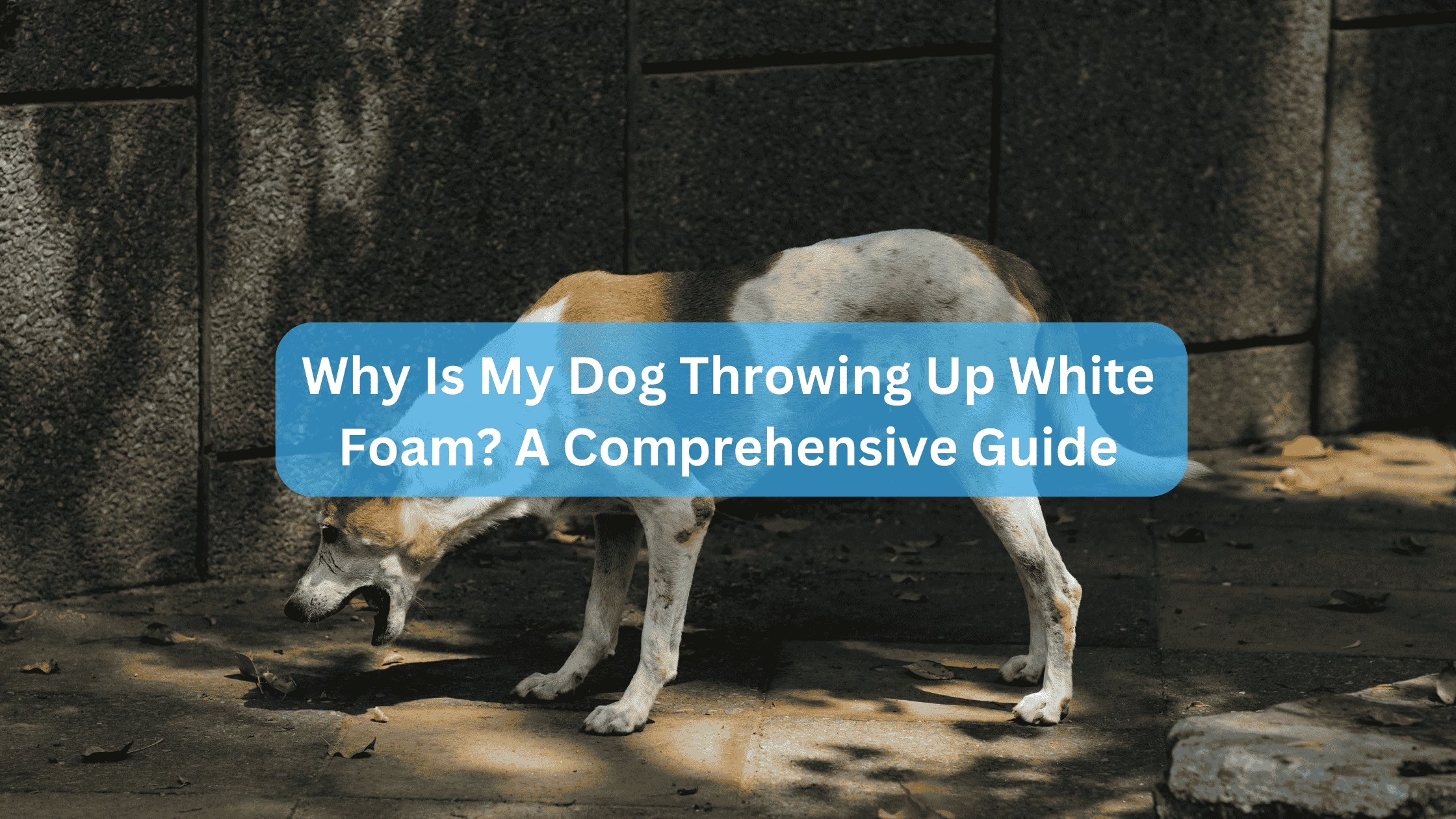
    When a dog vomits white foam, it typically indicates that their stomach is empty. The white foam is often a mixture of stomach acid and saliva. This can happen for several reasons:

    • Empty Stomach: If a dog has not eaten for an extended period, the stomach may produce excess acid, leading to vomiting of white foam.
    • Dietary Indiscretion: Eating something that doesn’t agree with them—like spoiled food or non-food items—can irritate the stomach lining and result in vomiting.
    • Gastritis: Inflammation of the stomach lining can occur due to various factors, including allergies, infections, or ingestion of irritants.

    Common Causes of White Foam Vomiting in Dogs

    1. Acid Reflux: When stomach acid flows back into the esophagus, it can cause irritation and lead to vomiting white foam.
    2. Gastritis: This condition involves inflammation of the stomach lining and can result from dietary indiscretion, stress, or infections.
    3. Pancreatitis: Inflammation of the pancreas can cause severe abdominal pain and vomiting. Dogs with pancreatitis often vomit white foam and may show signs of lethargy or decreased appetite.
    4. Bloat (Gastric Dilatation Volvulus): A life-threatening condition where the stomach fills with gas and twists on itself. Bloat can cause retching and vomiting of white foam and requires immediate veterinary care.
    5. Bilious Vomiting Syndrome: This occurs when bile irritates the stomach lining, typically in dogs that go too long without eating.
    6. Internal Blockage: If a dog ingests foreign objects (like toys or clothing), it can cause a blockage in the intestines, leading to vomiting.
    7. Infections: Viral infections like parvovirus or bacterial infections can cause gastrointestinal upset and vomiting.
    8. Intestinal Parasites: Worms such as roundworms or hookworms can irritate the digestive tract, leading to vomiting.
    9. Toxic Ingestion: Consuming toxic substances—such as certain plants or chemicals—can result in gastrointestinal distress and vomiting.

    Symptoms Accompanying White Foam Vomiting in Dogs

    While occasional vomiting may not be a cause for concern, you should monitor your dog for additional symptoms that could indicate a more serious problem:

    • Persistent Vomiting: If your dog continues to vomit white foam repeatedly.
    • Lethargy: A noticeable decrease in energy levels or enthusiasm.
    • Loss of Appetite: Refusal to eat for more than 24 hours.
    • Diarrhea: Particularly if it is bloody or watery.
    • Signs of Pain: Whining, pacing, or sensitivity when touching their abdomen.
    • Dehydration Signs: Such as dry gums, sunken eyes, or excessive panting.

    When to Seek Veterinary Care If your dog is throwing up white foam

    If your dog is throwing up white foam along with any of the following symptoms, you should seek veterinary care immediately:

    • Persistent vomiting lasting more than a few hours
    • Blood in vomit or feces
    • Severe lethargy
    • Signs of dehydration
    • Abdominal pain or bloating

    Early intervention is critical for conditions like bloat or parvovirus, which can be life-threatening if not treated promptly.

    Diagnosis Options For Dog Throwing Up White Foam

    When you take your dog to the veterinarian for vomiting white foam, they will likely perform several diagnostic tests:

    1. Physical Examination: The vet will assess your dog’s overall health and check for signs of dehydration or abdominal pain.
    2. Fecal Examination: A stool sample may be tested for parasites or bacterial infections.
    3. Blood Tests: These tests help evaluate organ function and detect underlying health issues.
    4. Imaging Studies: X-rays or ultrasounds may be performed to check for blockages or other abnormalities in the digestive tract.

    Treatment Options For Dog Throwing Up White Foam

    Treatment will depend on the underlying cause identified by your veterinarian:

    • Dietary Changes: For mild cases like dietary indiscretion or gastritis, your vet may recommend a bland diet (e.g., boiled chicken and rice) after a period of fasting.
    • Medications: Anti-nausea medications (like Cerenia) may be prescribed to help control vomiting. If parasites are present, dewormers will be administered.
    • Intravenous Fluids: In cases of dehydration or severe illness, IV fluids may be necessary to restore hydration levels.
    • Surgery: If there is an obstruction in the intestines (such as a foreign object), surgical intervention may be required.

    Preventive Measures For Dog Throwing Up White Foam

    To reduce the risk of your dog throwing up white foam in the future:

    1. Regular Feeding Schedule: Feed your dog smaller meals more frequently throughout the day to prevent an empty stomach.
    2. Monitor Diet: Avoid giving your dog table scraps or access to garbage that could upset their stomach.
    3. Keep Toxic Substances Away: Ensure that harmful plants and chemicals are out of reach of your pets.
    4. Routine Veterinary Check-ups: Regular visits to the vet can help catch potential health issues early on.
    5. Parasite Prevention: Use veterinarian-recommended preventatives for heartworms and intestinal parasites.

    Also Read: Can Dogs Eat Egg Beaters? A Comprehensive Guide

    Also Read: Can Dogs Eat Tomatillos? A Comprehensive Guide

    Conclusion

    If your dog is throwing up white foam, it’s essential to pay attention to their overall behavior and any accompanying symptoms.

    While it can sometimes indicate minor issues like an upset stomach, persistent vomiting could signal more serious health conditions requiring veterinary intervention.

    Always consult with your veterinarian if you have concerns about your dog’s health—early diagnosis and treatment can make all the difference in ensuring your furry friend stays happy and healthy!


    Sources:

  • Can Dogs Eat Tomatillos? A Comprehensive Guide

    Can Dogs Eat Tomatillos? A Comprehensive Guide

    As a dog owner, you may often find yourself questioning what foods are safe for your furry friend. One such curiosity might be about tomatillos, a vibrant green fruit commonly used in Mexican cuisine. The question arises: Can dogs eat tomatillos?

    This article aims to provide a comprehensive overview of tomatillos, their nutritional benefits, potential risks, and guidelines for safely incorporating them into your dog’s diet.

    What Are Tomatillos?

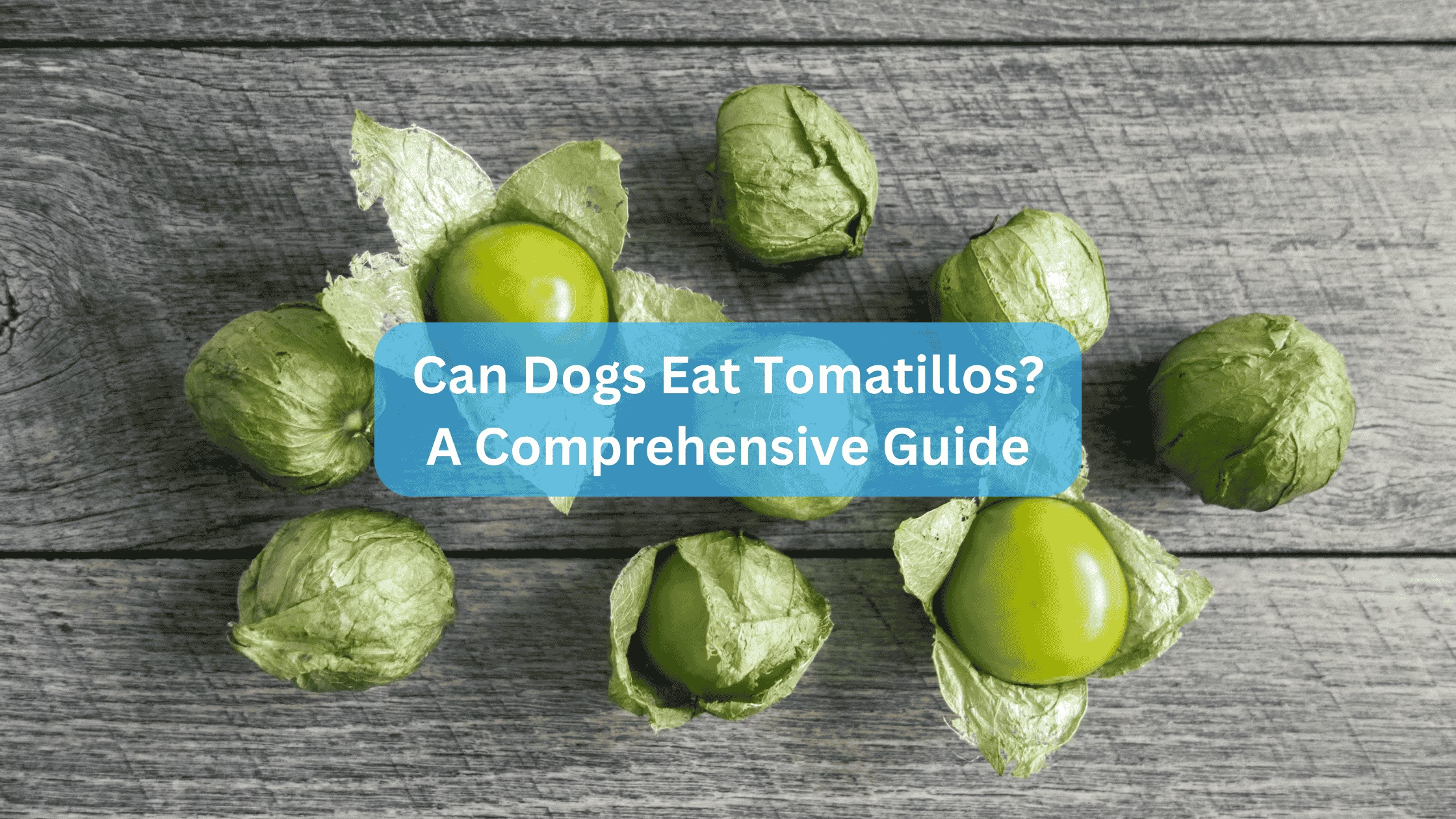
    Tomatillos, scientifically known as Physalis philadelphica, belong to the nightshade family, which includes other well-known vegetables like tomatoes, eggplants, and peppers.

    Often referred to as Mexican husk tomatoes, tomatillos have a distinctive light brown husk that encases the fruit.

    When ripe, they typically exhibit a bright green color but can also be found in yellow or purple varieties.

    Native to Mexico, tomatillos are a staple in many traditional dishes, particularly salsas and sauces.

    Their unique flavor profile is tangy and slightly citrusy, making them a delicious addition to various recipes. But how does this translate to our canine companions?

    Nutritional Benefits of Tomatillos for dogs

    Tomatillos are not only flavorful but also packed with nutrients that can be beneficial for both humans and dogs. Here’s a breakdown of their nutritional content:

    • Low in Calories: A 100-gram serving contains only about 32 calories, making it a low-calorie option for treats.
    • Rich in Vitamins: Tomatillos are an excellent source of vitamin C, vitamin A, and vitamin K. These vitamins contribute to immune function, skin health, and overall vitality.
    • Dietary Fiber: With approximately 1.9 grams of dietary fiber per 100 grams, tomatillos can aid in digestion for dogs.
    • Minerals: They contain essential minerals like potassium and magnesium, which support heart health and regulate blood pressure.
    • Antioxidants: Tomatillos also have antioxidants such as flavonoids and withanolides that may help combat oxidative stress in the body.

    These nutritional properties suggest that tomatillos could offer some health benefits when fed to dogs in moderation.

    Risks Associated with Feeding Tomatillos to Dogs

    While tomatillos have several health benefits, it’s crucial to be aware of the potential risks associated with feeding them to dogs.

    The primary concern lies in the presence of solanine—a toxic compound found in nightshade plants.

    Solanine is primarily concentrated in the green parts of the plant (leaves and stems) as well as unripe fruits.

    If ingested in large quantities, it can lead to symptoms such as vomiting, diarrhea, lethargy, and even more severe neurological issues.

    Although ripe tomatillos can be safe for dogs when cooked properly (which reduces solanine levels), they should still be offered in moderation. Overconsumption can lead to gastrointestinal upset due to their acidity.

    Some dogs may have allergies or sensitivities to certain foods, including tomatillos.

    Signs of an allergic reaction may include itching, swelling (especially around the face), or gastrointestinal distress.

    Additionally, avoid feeding your dog any processed tomatillo products that may contain harmful ingredients like onions or garlic—both of which are toxic to dogs.

    Common Questions About Dogs and Tomatillos

    Are Tomatillos Safe for Dogs?

    Yes, ripe tomatillos can be safe for dogs when prepared correctly and given in moderation. However, ensure that all green parts are removed before serving.

    What Should I Do If My Dog Eats Tomatillos?

    If your dog accidentally consumes raw tomatillo leaves or stems or shows signs of distress after eating tomatillos (like vomiting or diarrhea), contact your veterinarian immediately for guidance.

    Can I Feed My Dog Cooked Tomatillos?

    Yes! Cooking tomatillos can help reduce the levels of solanine and make them easier for dogs to digest. Steaming or boiling is recommended over frying or adding spices.

    How Should I Prepare Tomatillos for My Dog?

    To prepare tomatillos for your dog:
    1. Remove the husk.
    2. Wash thoroughly.
    3. Cook by steaming or boiling without any added seasonings.
    4. Cut into small pieces appropriate for your dog’s size.

    What Are the Signs of Solanine Poisoning in Dogs?

    Symptoms of solanine poisoning may include vomiting, diarrhea, lethargy, confusion, and abdominal pain. If you notice any of these symptoms after your dog eats tomatillos or any part of the plant, seek veterinary care immediately.

    Recommendations for Feeding Dogs Tomatillos

    If you decide to introduce tomatillos into your dog’s diet, consider the following guidelines:

    Start small by offering small amounts initially to see how your dog reacts. Monitor for any adverse effects before gradually increasing the quantity.

    Cooking tomatillos can neutralize some harmful compounds while making them easier for dogs to digest; steaming or boiling is recommended over frying or adding spices.

    Ensure that all green parts (leaves and stems) are removed before serving tomatillos to your dog.

    Offer plain cooked tomatillos without any added seasonings or sauces that could harm your dog.

    If you’re unsure whether it’s safe to introduce new foods into your dog’s diet—especially if they have pre-existing health conditions—consult your veterinarian for personalized advice.

    Dog Eating Tomatillos – Anecdotes from Dog Owners

    While scientific data provides valuable insights into the safety of feeding tomatillos to dogs, anecdotal evidence from fellow dog owners can also shed light on real-life experiences:

    One dog owner reported introducing cooked tomatillo salsa into their dog’s diet as an occasional treat without any adverse reactions. Their dog enjoyed the taste and showed no signs of digestive upset.

    Another pet parent mentioned that after giving their dog small amounts of raw tomatillo as a snack, they observed mild gastrointestinal discomfort but nothing severe. This prompted them to switch to cooked tomatillos instead.

    These stories highlight the importance of monitoring individual responses when introducing new foods into a dog’s diet.

    Also Read: Can Dogs Eat Egg Beaters? A Comprehensive Guide

    Also Read: Can Dogs Eat Hash Browns? A Comprehensive Guide

    Conclusion: Can Dogs Eat Tomatillos?

    In conclusion, while dogs can eat tomatillos safely when prepared correctly and offered in moderation, it’s essential for pet owners to remain vigilant about potential risks associated with this nightshade fruit.

    The nutritional benefits of tomatillos—such as vitamins C and A, dietary fiber, and antioxidants—can contribute positively to your dog’s health when served appropriately.

    As always, consult with your veterinarian before making significant changes to your dog’s diet or introducing new foods.

    By doing so, you can ensure that your furry friend remains happy and healthy while enjoying a diverse array of tasty treats!


    Sources: