Author: Kartikey Dwivedi

  • Can Dogs Eat Egg Beaters? A Comprehensive Guide

    Can Dogs Eat Egg Beaters? A Comprehensive Guide

    Can Dogs Eat Egg Beaters? When it comes to feeding our furry friends, many pet owners wonder about the safety of various human foods.

    One such food that often raises questions is Egg Beaters, a popular egg substitute made from egg whites and other ingredients.

    In this article, we will explore whether dogs can eat Egg Beaters, their nutritional value, potential risks, and safer alternatives.

    What Are Egg Beaters?

    Egg Beaters are a brand of liquid egg substitute made primarily from egg whites, with added vitamins and minerals.

    They are marketed as a healthier alternative to whole eggs due to their lower fat content and fewer calories.

    However, the specific ingredients can vary by brand, so it’s essential to check the label.

    Can Dogs Eat Egg Beaters?

    The Short Answer: It Depends.

    While Egg Beaters are generally safe for dogs in small amounts, there are important considerations to keep in mind:

    • Ingredients Matter: The primary ingredient in Egg Beaters is egg whites, which are safe for dogs when cooked. However, some brands may contain additives or preservatives that could be harmful to dogs.
    • Moderation is Key: Like any treat, Egg Beaters should only be given in moderation. They should not replace a balanced diet or be used as a primary source of nutrition.

    Nutritional Benefits of Egg Beaters for Dogs

    Egg Beaters offer several nutritional benefits that can be advantageous for dogs:

    • High in Protein: Egg whites are an excellent source of protein, which is essential for muscle development and overall health.
    • Low in Fat: Compared to whole eggs, Egg Beaters have lower fat content, making them a lighter option for dogs that need to watch their weight.
    • Vitamins and Minerals: Many brands fortify their products with vitamins such as B12 and D, which can contribute to your dog’s overall well-being.

    Potential Risks of Feeding Dogs Egg Beaters

    While Egg Beaters can be a safe addition to your dog’s diet, there are some risks to consider:

    • Additives and Preservatives: Always check the ingredient list for any additives that may not be suitable for dogs. Ingredients like salt or artificial flavors can cause digestive upset.
    • Allergies: Some dogs may have allergies or sensitivities to eggs. If you’re introducing Egg Beaters for the first time, start with a small amount and monitor your dog for any adverse reactions.
    • Biotin Deficiency: While cooked egg whites are safe, feeding raw egg whites (including those in some substitutes) can lead to biotin deficiency over time due to avidin, a protein that inhibits biotin absorption.

    Comparative Analysis: Egg Beaters vs. Whole Eggs

    When considering whether to feed your dog Egg Beaters or whole eggs, here’s a quick comparison:

    FeatureEgg BeatersWhole Eggs
    Protein ContentHigh (from egg whites)High (from both yolk and white)
    Fat ContentLowModerate (higher in yolk)
    Nutritional AdditivesMay contain added vitaminsNaturally occurring nutrients
    SafetyCheck for additivesCooked eggs are safe
    Comparative Analysis: Egg Beaters vs. Whole Eggs

    DIY Dog-Friendly Egg Dishes

    If you’re looking for ways to incorporate eggs into your dog’s diet safely, consider these simple recipes:

    Scrambled Eggs

    1. Ingredients: 1 whole egg (cooked without oil or seasoning).
    2. Instructions: Scramble the egg in a non-stick pan until fully cooked. Allow it to cool before serving.

    Egg Muffins

    1. Ingredients: 2 eggs, diced vegetables (like spinach or carrots).
    2. Instructions: Beat the eggs and mix in the vegetables. Pour into muffin tins and bake at 350°F (175°C) until set.

    Consult Your Vet

    Before making any significant changes to your dog’s diet or introducing new foods like Egg Beaters, it’s always best to consult with your veterinarian.

    They can provide personalized dietary advice based on your dog’s specific health needs and conditions.

    Also Read: Can Dogs Eat Bottle Gourd? A Comprehensive Guide

    Also Read: Can Dogs Eat Hash Browns? A Comprehensive Guide

    Conclusion

    In summary, dogs can eat Egg Beaters in moderation as long as you check the ingredients for any harmful additives.

    While they offer some nutritional benefits, whole cooked eggs may provide more comprehensive nutrition without the risk of additives.

    Always prioritize your dog’s health by consulting with a veterinarian before introducing new foods into their diet.

    If you found this article helpful, please share it on social media or leave a comment below!


    Sources:

  • Can Dogs Eat Hash Browns? A Comprehensive Guide

    Can Dogs Eat Hash Browns? A Comprehensive Guide

    Can Dogs Eat Hash Browns? If you’ve ever wondered whether you can share your breakfast hash browns with your furry friend, you’re not alone.

    Many pet owners are curious about the safety of feeding their dogs human foods.

    In this article, we’ll explore whether dogs can eat hash browns, the potential risks involved, and what healthier alternatives you can offer.

    Can Dogs Eat Hash Browns?

    The Short Answer: No, Dogs Should Not Eat Hash Browns

    While it might be tempting to share your crispy hash browns with your dog, it’s best to avoid doing so. Here’s why:

    Why Hash Browns Are Harmful to Dogs

    • High in Fat and Oil: Hash browns are typically fried in oil, making them high in fat. Feeding your dog fatty foods can lead to obesity and increase the risk of pancreatitis, a serious condition that can cause severe abdominal pain and other health issues.
    • Excess Sodium: Most hash browns contain high levels of sodium. Too much salt can lead to health problems in dogs, including high blood pressure and heart disease. In extreme cases, excessive sodium intake can result in salt poisoning, which can be fatal.
    • Choking Hazard: The small pieces of hash browns can pose a choking risk, especially for smaller dog breeds that may not chew their food thoroughly.
    • Toxic Additives: Many commercially prepared hash browns contain preservatives and additives that are not safe for dogs. Ingredients like onion or garlic powder, often found in seasoned hash browns, are toxic to dogs.

    What Should You Do If Your Dog Eats Hash Browns?

    If your dog manages to sneak a bite or two of hash browns, don’t panic. Here’s what you should do:

    • Monitor for Symptoms: Keep an eye on your dog for any signs of distress such as vomiting, diarrhea, or lethargy.
    • Consult Your Veterinarian: If your dog consumes a significant amount of hash browns or shows any concerning symptoms, it’s best to contact your veterinarian for advice.

    Safe Alternatives to Hash Brown for Dogs

    Instead of hash browns, consider offering your dog healthier options that are safe and nutritious:

    • Cooked Sweet Potatoes: Rich in vitamins and fiber, sweet potatoes make a great treat for dogs when cooked without any added sugars or spices.
    • Carrots: Raw or cooked carrots are low-calorie snacks that many dogs enjoy. They also help promote dental health.
    • Green Beans: These are another healthy option that is low in calories and high in fiber.
    • Pumpkin: Plain canned pumpkin (not the spiced pie filling) is excellent for digestion and can be served as a treat or mixed into meals.

    Can dogs eat hash browns in moderation?

    No, dogs should not eat hash browns in moderation. While a small piece may not cause immediate harm, hash browns are high in fat and sodium, which can lead to health issues over time. It’s best to avoid them altogether.

    Are there any safe potato products for dogs?

    Yes, dogs can safely eat cooked plain potatoes without added fats or seasonings. Mashed potatoes made without butter or salt can also be a safe treat in small amounts. Always ensure any potato is fully cooked and served plain.

    Can hash browns cause pancreatitis in dogs?

    Yes, feeding hash browns to dogs can increase the risk of pancreatitis due to their high fat content. This condition can cause severe abdominal pain and requires immediate veterinary attention.

    Are frozen or fast-food hash browns safe for dogs?

    No, frozen or fast-food hash browns are not safe for dogs. They often contain preservatives, high levels of salt, and unhealthy fats that can be harmful to your pet’s health.

    How can I tell if my dog has eaten something harmful?

    Signs that your dog may have ingested something harmful include vomiting, diarrhea, excessive thirst, lethargy, or changes in behavior. If you notice any of these symptoms after your dog eats human food like hash browns, consult your veterinarian immediately.

    Also Read: Can Dogs Eat Bottle Gourd? A Comprehensive Guide

    Also Read: Can Dogs Eat Activia Yogurt? A Comprehensive Guide

    Conclusion

    In summary, hash browns are not safe for dogs due to their high fat content, excess sodium, choking hazards, and potential toxic additives.

    Instead of sharing your breakfast with your furry friend, opt for healthier alternatives that can provide nutritional benefits without the risks associated with human food.

    Always consult your veterinarian if you have concerns about your dog’s diet or if they accidentally consume something harmful.

    Feel free to share this article with fellow pet owners who may be wondering about feeding their dogs human foods!


    Sources:

  • Can Dogs Eat Bottle Gourd? A Comprehensive Guide

    Can Dogs Eat Bottle Gourd? A Comprehensive Guide

    Can Dogs Eat Bottle Gourd? When it comes to our furry friends, ensuring they have a healthy diet is paramount.

    As pet owners, we often find ourselves wondering about the safety of various human foods for dogs. One such food that has gained attention is bottle gourd, also known as calabash or lauki.

    This article will explore whether dogs can eat bottle gourd, its benefits, potential risks, and how to prepare it safely for your pet.

    What is Bottle Gourd?

    Bottle gourd is a tropical vegetable that belongs to the gourd family.

    It has a pear-like shape and is commonly used in various cuisines around the world due to its versatility and nutritional value.

    It is low in calories and rich in vitamins and minerals, making it a popular choice for health-conscious individuals.

    Can Dogs Eat Bottle Gourd?

    The short answer is yes, dogs can eat bottle gourd! This vegetable is generally safe for canine consumption and can even offer several health benefits when prepared correctly.

    However, it’s essential to consult your veterinarian before introducing any new food into your dog’s diet.

    Nutritional Benefits of Bottle Gourd for Dogs

    Bottle gourd is packed with nutrients that can be beneficial for dogs:

    • Low in Calories: Ideal for dogs that need to lose weight or maintain a healthy weight.
    • High in Fiber: Aids digestion and can help alleviate issues such as constipation or diarrhea.
    • Rich in Vitamin C: Supports the immune system and overall health.
    • Hydrating Properties: Contains a significant amount of water, which helps keep your dog hydrated.

    How to Safely Prepare Bottle Gourd for Dogs

    While bottle gourd is safe for dogs, it must be cooked before consumption. Raw bottle gourd can be tough on a dog’s digestive system. Here’s how to prepare it safely:

    1. Wash Thoroughly: Clean the bottle gourd under running water to remove any dirt or pesticides.
    2. Cook Properly: You can boil, steam, or roast the bottle gourd until it’s soft. Avoid using oils, spices, or seasonings as these can upset your dog’s stomach.
    3. Cut into Small Pieces: Slice the cooked gourd into small, manageable pieces to prevent choking hazards.
    4. Serve as a Treat or Meal Topper: You can mix cooked bottle gourd into your dog’s regular food or serve it as an occasional treat.

    Potential Risks of Feeding Bottle Gourd to Dogs

    While bottle gourd is generally safe, there are some precautions to consider:

    • Digestive Upset: Some dogs may experience mild digestive upset if they are not used to high-fiber foods.
    • Allergic Reactions: Although rare, some dogs may have allergies to certain vegetables. Monitor your dog for any signs of an allergic reaction after introducing bottle gourd.
    • Choking Hazard: Always ensure that the pieces are small enough to prevent choking, especially for smaller breeds.

    Can Dogs Eat Raw Bottle Gourd?

    No, dogs should not eat raw bottle gourd. Here are the reasons:

    • Digestive Issues: Raw bottle gourd is tough and can lead to gastrointestinal upset in dogs.
    • Cooking Requirement: Cooking softens the texture and makes it easier for dogs to digest while retaining its nutritional benefits.
    • Preparation Tips: Always cook bottle gourd thoroughly and cut it into small pieces before offering it to your dog.

    Can Dogs Eat Bottle Gourd Seeds?

    Dogs should not eat bottle gourd seeds. While the flesh of the bottle gourd is safe when cooked, the seeds can pose several risks:

    • Choking Hazard: The seeds can be small and difficult for dogs to chew, leading to choking.
    • Digestive Issues: Seeds may be hard to digest and could cause gastrointestinal problems.
    • Potential Toxicity: If the seeds come from an overripe gourd, they might contain harmful compounds.

    Always ensure that any part of the gourd you offer your dog is well-prepared and free from seeds.

    Can Dogs Eat Ridge Gourd?

    Yes, dogs can eat ridge gourd (also known as ribbed gourd or turai). Here are some important points to consider:

    • Preparation: Ridge gourd should be cooked before feeding it to dogs. Raw ridge gourd may be tough and hard to digest.
    • Nutritional Benefits: It is low in calories and high in water content, making it a hydrating snack. Ridge gourd also contains vitamins and minerals beneficial for your dog’s health.
    • Consult Your Vet: As with any new food, consult your veterinarian before introducing ridge gourd into your dog’s diet and start with small amounts to monitor for any adverse reactions.

    Can Dogs Eat Snake Gourd?

    Dogs can eat snake gourd, but only when it is cooked. Here’s what you should know:

    • Digestibility: Raw snake gourd can be hard for dogs to digest, so cooking it is essential.
    • Nutritional Value: Snake gourd is low in calories and offers some nutrients that can be beneficial for dogs.
    • Serving Suggestions: Chop the cooked snake gourd into small pieces and serve it without any oils or spices.

    Can Dogs Eat Bitter Gourd (Bitter Melon)?

    • Safety: Bitter gourd is safe for dogs, both raw and cooked. However, moderation is key.
    • Benefits: This gourd is high in fiber, which can aid digestion and promote gut health. It also contains antioxidants that may support overall wellness.
    • Precaution: Avoid giving bitter gourd to pregnant dogs, as it may cause health issues or complications.

    Can Dogs Eat Ivy Gourd?

    • Safety: Ivy gourd should only be fed to dogs when cooked. Raw ivy gourd can be tough and hard to digest.
    • Risks: Consuming raw ivy gourd in large amounts can be toxic due to sulfonylurea compounds, which may lead to hypoglycemia (low blood sugar) in dogs.

    Can Dogs Eat Ash Gourd (Winter Melon)?

    • Safety: Lightly cooked ash gourd is safe for dogs.
    • Benefits: It provides essential vitamins and minerals that can help boost your dog’s metabolism and support overall health. Ash gourd is also low in calories, making it a great option for weight management.
    • Serving Suggestions: Offer ash gourd in moderation to ensure it complements your dog’s diet without overwhelming their digestive system.

    Can Dogs Eat Luffa Gourd?

    Luffa gourd is poisonous to dogs in any form and should be kept away from pets. It contains compounds that can cause serious health issues, including gastrointestinal distress and toxicity.

    Can Dogs Eat Decorative Gourds?

    Decorative gourds are not safe for dogs. They are often treated with shellac or other substances that can be toxic.

    Additionally, these gourds do not provide any nutritional value and should never be given to dogs. 

    By being informed about the different types of gourds and their safety for dogs, you can make better dietary choices for your furry friend.

    Always consult your veterinarian before introducing new foods into your dog’s diet!

    Frequently Asked Questions

    Can puppies eat bottle gourd?

    Yes, puppies can eat cooked bottle gourd in moderation. However, it’s best to introduce new foods gradually and consult with a veterinarian.

    How much bottle gourd can I give my dog?

    Start with small amounts—about one tablespoon of cooked bottle gourd mixed into their regular food—and observe how your dog reacts before increasing the quantity.

    Are there any other gourds that are safe for dogs?

    In addition to bottle gourd, other gourds like pumpkin and zucchini are also safe for dogs when cooked properly. Always avoid feeding them raw gourds.

    Also Read: Can Dogs Eat Activia Yogurt? A Comprehensive Guide

    Also Read: Can Dogs Eat Corned Beef? A Comprehensive Guide

    Conclusion

    In summary, bottle gourd can be a nutritious addition to your dog’s diet when prepared correctly.

    Its health benefits make it an excellent option for pet owners looking to diversify their dog’s meals with healthy snacks.

    Always consult with your veterinarian before making significant changes to your dog’s diet and monitor their reactions when introducing new foods.

    By following these guidelines and ensuring proper preparation, you can safely enjoy sharing this nutritious vegetable with your furry friend!


    Sources:

  • Can Dogs Eat Activia Yogurt? A Comprehensive Guide

    Can Dogs Eat Activia Yogurt? A Comprehensive Guide

    Can Dogs Eat Activia Yogurt? In recent years, pet owners have increasingly turned to human foods as treats for their furry companions.

    Among these foods, yogurt has gained popularity due to its perceived health benefits. But can dogs safely consume Activia yogurt?

    This article will explore the safety and nutritional value of Activia yogurt for dogs, emphasizing the importance of understanding what foods are safe for our canine friends.

    What is Activia Yogurt?

    Activia is a well-known brand of probiotic yogurt that claims to support digestive health in humans.

    It contains live bacterial cultures, specifically Bifidobacterium lactis, which are said to promote gut health and improve digestion.

    The yogurt is often marketed with various health claims, including its ability to help regulate bowel movements and enhance overall digestive function.

    For dog owners considering adding yogurt to their pets’ diets, it’s essential to understand what Activia contains and how it may affect dogs.

    Can Dogs Eat Activia Yogurt?

    The general consensus among veterinarians is that many dogs can safely consume yogurt in moderation. Yogurt can provide beneficial nutrients and probiotics that may aid digestion.

    However, when it comes to specific brands like Activia, there are some important considerations to keep in mind:

    • Ingredients: Always check the ingredient list. While plain yogurt is generally safe, flavored varieties may contain added sugars or artificial sweeteners that can be harmful to dogs.
    • Probiotics: The probiotics in Activia may offer some digestive benefits for dogs, similar to those they provide for humans. However, not all probiotics are created equal, and the specific strains in Activia may not have the same effects on dogs as they do on humans.

    Health Benefits of Yogurt for Dogs

    Yogurt can be a nutritious addition to a dog’s diet when offered appropriately. Here are some potential health benefits:

    • Nutritional Advantages:
    • Protein: Yogurt is a good source of protein, which is essential for muscle development and overall health.
    • Calcium: This mineral is crucial for maintaining healthy bones and teeth.
    • Probiotics: These beneficial bacteria can help support gut health and improve digestion.
    • Digestive Support: The probiotics found in yogurt may help balance the gut microbiome in dogs, potentially alleviating issues like diarrhea or constipation. Some studies suggest that probiotics can enhance the immune system and reduce gastrointestinal disorders.

    Potential Risks of Feeding Dogs Activia Yogurt

    While there are benefits to feeding dogs yogurt, there are also potential risks associated with specific brands like Activia:

    Harmful Ingredients:

    Xylitol: Some flavored yogurts contain xylitol, a sugar substitute that is toxic to dogs. Even small amounts can lead to serious health issues, including hypoglycemia (low blood sugar) and liver failure.

    Additives: Many flavored yogurts contain artificial flavors, colors, or preservatives that may not be suitable for dogs. Always read labels carefully before offering any product.

    Lactose Intolerance:

    Many dogs are lactose intolerant, meaning they lack the enzyme lactase needed to digest lactose (the sugar found in milk). Feeding lactose-containing products like yogurt can lead to gastrointestinal upset.

    Symptoms of lactose intolerance in dogs may include:

    • Diarrhea
    • Vomiting
    • Bloating
    • Gas

    If you notice any of these symptoms after your dog consumes yogurt, it’s best to discontinue feeding it and consult your veterinarian.

    Moderation is Key

    When introducing any new food into your dog’s diet, moderation is crucial. Here are some guidelines:

    • Serving Sizes: A small amount of yogurt—such as a teaspoon for small dogs or a tablespoon for larger breeds—is usually sufficient as an occasional treat.
    • The “10% Rule”: Treats should make up no more than 10% of your dog’s daily caloric intake. This rule helps ensure that your dog maintains a balanced diet while enjoying occasional treats like yogurt.

    Alternatives to Activia Yogurt For Dogs

    If you’re concerned about feeding your dog Activia yogurt or any other commercial brand, consider these alternatives:

    • Plain Greek Yogurt: This type of yogurt typically has lower sugar content and fewer additives than flavored varieties. It’s also higher in protein and can be a safer option for dogs.
    • Dog-Specific Probiotic Supplements: There are many probiotic products formulated specifically for dogs that can provide similar digestive benefits without the risks associated with human food.

    FAQs

    Is all yogurt safe for dogs?

    Not all yogurts are safe for dogs. Plain yogurts without added sugars or artificial sweeteners are generally safe, while flavored varieties may contain harmful ingredients like xylitol.

    What should I do if my dog experiences a negative reaction after eating yogurt?

    If your dog shows signs of gastrointestinal distress—such as vomiting or diarrhea—after consuming yogurt, discontinue feeding it immediately and consult your veterinarian for guidance.

    Also Read: Can Dogs Eat Corned Beef? A Comprehensive Guide

    Also Read: Can Dogs Eat Pastrami? A Comprehensive Guide

    Conclusion

    In conclusion, while many dogs can enjoy yogurt as an occasional treat, caution should be exercised when considering products like Activia.

    Always check labels for harmful ingredients such as xylitol and be aware of your dog’s tolerance for lactose.

    Moderation is key; small servings can provide nutritional benefits without overwhelming your dog’s digestive system.

    Before introducing any new food into your dog’s diet—including yogurt—it’s always wise to consult with your veterinarian.

    They can provide personalized advice based on your dog’s specific health needs and dietary requirements.


    Sources:

  • Can Dogs Eat Corned Beef? A Comprehensive Guide

    Can Dogs Eat Corned Beef? A Comprehensive Guide

    Can Dogs Eat Corned Beef? As a dog owner, you may often wonder what foods are safe to share with your furry friend.

    While it can be tempting to give your dog a taste of your meal, not all human foods are suitable for canine consumption.

    One food that raises questions is corned beef. In this article, we will explore whether dogs can eat corned beef, the risks involved, and what alternatives you can offer instead.

    Understanding Corned Beef

    Before diving into the specifics of feeding corned beef to dogs, it’s essential to understand what corned beef is and how it is typically prepared.

    • Definition: Corned beef is a type of salt-cured beef product, traditionally made from brisket or round cuts of meat. The term “corned” comes from the large grains of salt, known as “corns,” used in the curing process.
    • Common Preparation Methods: Corned beef is often boiled or slow-cooked and served with various sides, such as cabbage or potatoes. It’s a popular dish during holidays like St. Patrick’s Day.
    • Nutritional Content: Corned beef is rich in protein and provides essential vitamins and minerals such as iron and zinc. However, it also contains high levels of sodium and fat, which can be detrimental to a dog’s health.

    Can Dogs Eat Corned Beef?

    Short Answer: No, dogs should not eat corned beef.

    While corned beef may seem like a tasty treat for your dog, the high sodium content poses significant health risks.

    Here’s why you should avoid giving corned beef to your canine companion:

    • High Sodium Content: Corned beef is heavily salted during the curing process. Excessive sodium intake can lead to serious health issues in dogs, including:
    • Dehydration
    • Vomiting and diarrhea
    • Increased thirst
    • Potentially life-threatening conditions like sodium ion poisoning

    Specific Types of Corned Beef and Their Safety for Dogs

    When considering whether to share corned beef with your dog, it’s crucial to understand the different forms it can take and their safety implications.

    Corned Beef Hash For Dogs

    Description: Corned beef hash typically consists of diced corned beef mixed with potatoes and onions, often fried until crispy.

    Risks

    • High sodium content from the corned beef.
    • Onions are toxic to dogs and can cause gastrointestinal upset and damage to red blood cells.

    Corned Beef and Cabbage For Dogs

    Overview: This traditional dish combines corned beef with cabbage and sometimes carrots or potatoes.

    Safety Considerations:

    • While cabbage is safe for dogs in moderation, the high sodium content from the corned beef makes this dish unsuitable.
    • Other ingredients may also pose risks if they include onions or garlic.

    Corned Beef Brisket For Dogs

    • Nutritional Profile: Similar to regular corned beef but may have varying fat content depending on the cut.
    • Risks: Like standard corned beef, brisket is high in sodium and fat, making it unhealthy for dogs.

    Corned Beef Slices For Dogs

    Discussion: Processed slices of corned beef are often found in deli meats.

    Risks:

    • High sodium levels.
    • Potential preservatives that could be harmful to dogs.

    Canned Corned Beef For Dogs

    Risks:

    • Canned versions typically contain even higher sodium levels than fresh corned beef.
    • Preservatives and additives may also pose health risks.

    Corned Beef Silverside For Dogs

    Explanation: Silverside is another cut of meat that can be cured like corned beef.

    Safety for Dogs: Similar risks apply due to high sodium content.

    Corned Beef and Potatoes For Dogs

    Considerations:

    • Cooked potatoes (without seasoning) are safe for dogs in moderation.
    • However, combining them with salted corned beef makes this dish unsuitable for canine consumption.

    Health Risks of Feeding Corned Beef to Dogs

    Feeding your dog corned beef can lead to several health issues due to its high sodium and fat content. Here are some potential health risks:

    • Dehydration: Excessive sodium can cause your dog to become dehydrated as they drink more water to compensate for the salt intake.
    • Vomiting and Diarrhea: High-fat foods can upset a dog’s stomach, leading to vomiting or diarrhea.
    • Long-term Risks:
    • High blood pressure from excessive salt intake.
    • Heart disease due to prolonged consumption of fatty foods.

    It’s crucial to monitor your dog’s diet closely and avoid foods that could jeopardize their health.

    What to Do If Your Dog Eats Corned Beef

    If you suspect that your dog has consumed corned beef, here are some steps you should take:

    • Monitor Symptoms: Watch for signs such as vomiting, diarrhea, excessive thirst, or lethargy.
    • Contact Your Veterinarian: If your dog shows any adverse symptoms or if they have consumed a significant amount of corned beef, consult your veterinarian immediately for advice.
    • Provide Fresh Water: Ensure your dog has access to fresh water at all times to help flush out excess sodium.

      Safe Alternatives to Corned Beef for Dogs

      If you’re looking for safe treats or meals for your dog, consider these healthier alternatives:

      Lean Meats Without Seasoning:

      • Chicken
      • Turkey
      • Lean cuts of pork

      These options provide protein without the added salt or harmful ingredients found in processed meats.

      Dog-Specific Treats: Look for commercially available treats formulated specifically for dogs that offer balanced nutrition without harmful additives.

      FAQs

      Can dogs eat small amounts of corned beef?

      It’s best not to give any amount of corned beef due to its high sodium content. Even small amounts could lead to health issues over time.

      What should I do if my dog accidentally eats corned beef?

      Monitor them closely for any signs of distress (vomiting, diarrhea) and contact your veterinarian if symptoms appear or if they consume a large quantity.

      Are there any safe ways to prepare meat for dogs?

      Yes! You can safely prepare plain cooked meats such as chicken or turkey without added seasonings or sauces. Always ensure that bones are removed before serving.

      Also Read: Can Dogs Eat Pastrami? A Comprehensive Guide

      Also Read: Can Dogs Eat Coconut? A Comprehensive Guide

      Conclusion

      In summary, while sharing food with our pets can be tempting, it’s essential to prioritize their health by avoiding potentially harmful foods like corned beef.

      The high sodium content poses significant risks that outweigh any benefits from its nutritional profile.

      Always opt for lean meats without seasoning or commercially prepared dog treats designed for canine consumption.

      By being mindful of what you feed your dog, you can help ensure they live a long and healthy life.


      Sources:

    1. Can Dogs Eat Pastrami? A Comprehensive Guide

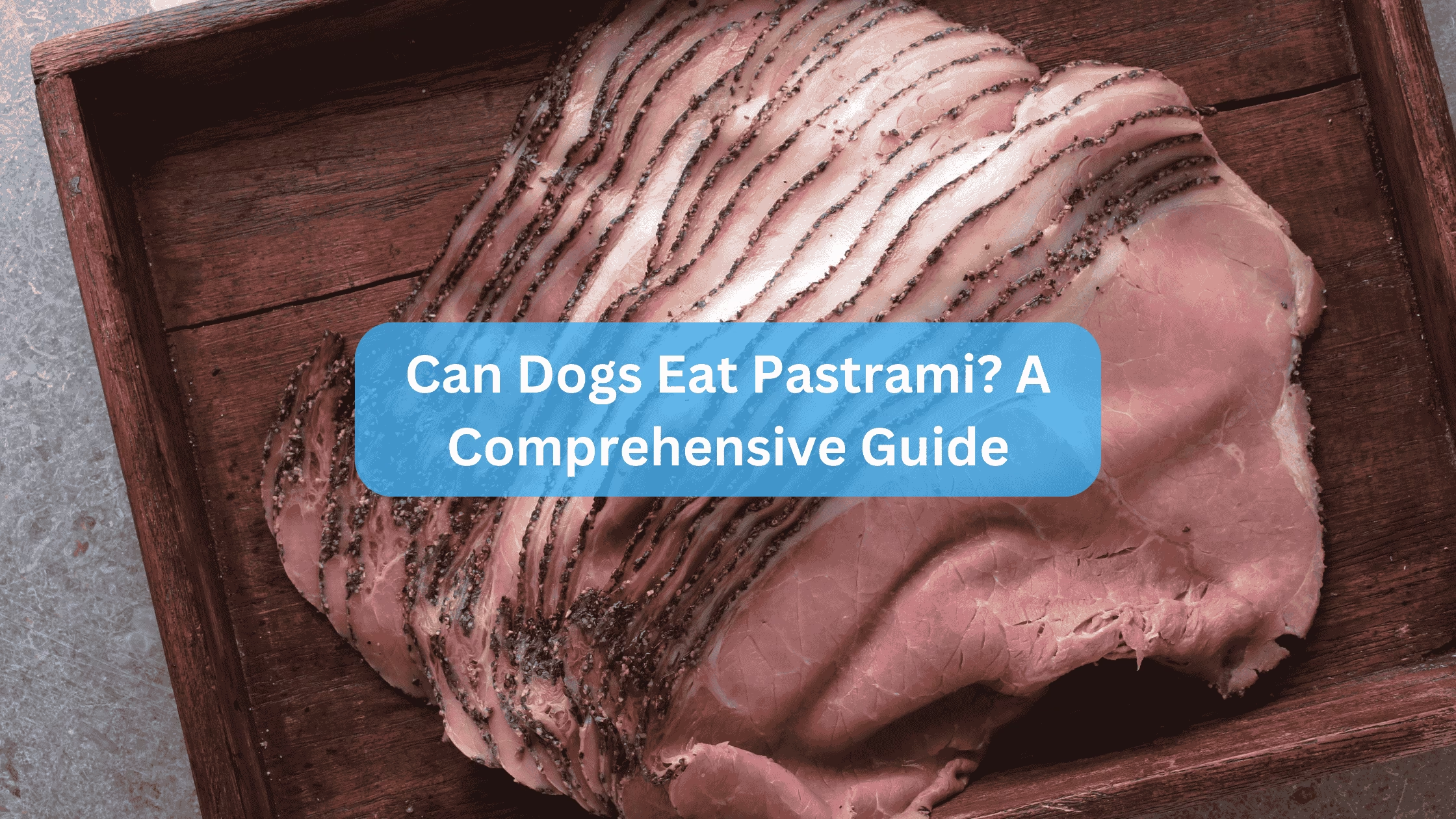
      Can Dogs Eat Pastrami? A Comprehensive Guide

      When it comes to sharing our meals with our furry friends, many dog owners find themselves asking, “Can dogs eat pastrami?”

      This question is not just about whether it’s safe; it encompasses understanding the nutritional implications, potential health risks, and best practices for feeding our pets.

      In this guide, we will explore everything you need to know about pastrami and its suitability for dogs.

      Understanding Pastrami

      Pastrami is a type of cured meat, typically made from beef that has been brined, seasoned with various spices, and then smoked.

      While it is a popular deli meat enjoyed by many humans, it contains several ingredients that can pose health risks to dogs.

      Nutritional Composition of Pastrami

      Pastrami is rich in protein but also high in sodium and fat. Here’s a breakdown of its key components:

      • Protein: Essential for muscle development and overall health.
      • Sodium: High levels can lead to dehydration and other health issues.
      • Fat: Excessive fat can cause gastrointestinal upset and contribute to obesity.

      Why Pastrami Is Not Ideal for Dogs

      While the protein content may seem appealing, the risks associated with pastrami far outweigh the benefits when it comes to canine consumption.

      High Salt Content

      Pastrami is brined in a saltwater solution, making it extremely high in sodium. Dogs are particularly sensitive to salt; excessive intake can lead to:

      • Dehydration: Dogs may drink more water than usual to compensate for the salt.
      • Sodium Ion Poisoning: Symptoms include vomiting, diarrhea, tremors, and seizures in severe cases.

      Toxic Ingredients

      Many commercial pastrami products contain garlic and onion powder—both of which are toxic to dogs. These ingredients can cause:

      • Gastrointestinal Upset: Symptoms may include vomiting and diarrhea.
      • Anemia: Garlic and onions can damage red blood cells over time.

      High Fat Content

      The fat content in pastrami can be problematic as well. Issues include:

      • Pancreatitis: Inflammation of the pancreas caused by high-fat foods can lead to severe abdominal pain and other complications.
      • Obesity: Regular consumption of high-fat foods can contribute to weight gain, which poses additional health risks.

      What Are the Long-Term Health Risks of Dogs Eating Pastrami Regularly?

      Feeding your dog pastrami regularly can lead to several long-term health issues:

      • Obesity: Due to its high-fat content, regular consumption can lead to weight gain and associated health problems like diabetes and joint issues.
      • Pancreatitis: Chronic inflammation of the pancreas can occur from frequent intake of fatty foods, leading to severe digestive problems.
      • Heart Disease: High sodium levels can contribute to hypertension (high blood pressure) and other cardiovascular issues.

      What Should You Do If Your Dog Accidentally Eats Pastrami?

      If your dog has consumed a small amount of pastrami, there’s no need for immediate panic. However, monitoring their condition is crucial. Here’s what you should do:

      1. Observe for Symptoms: Watch for signs such as vomiting, diarrhea, lethargy, or excessive thirst.
      2. Consult Your Veterinarian: If your dog shows any concerning symptoms or if they have consumed a large quantity of pastrami, contact your vet for guidance.
      3. Hydration: Ensure your dog has access to fresh water to help flush out excess sodium.

      How Can I Tell If My Dog Has Eaten Pastrami?

      Identifying if your dog has consumed pastrami involves observing their behavior and physical condition. Look for:

      • Changes in Behavior: Increased thirst or unusual lethargy may indicate salt poisoning.
      • Gastrointestinal Symptoms: Vomiting or diarrhea could suggest an upset stomach due to the fat or sodium content.

      If you suspect your dog has eaten pastrami, especially in larger amounts, it’s best to consult with your veterinarian promptly.

      Are There Any Safe Alternatives to Pastrami That Dogs Can Eat?

      Instead of sharing processed meats like pastrami with your dog, consider healthier options that are safe and nutritious:

      • Plain Cooked Chicken or Turkey: Skinless and unseasoned meats are excellent protein sources.
      • Lean Cuts of Beef: Small amounts of unseasoned beef can be a tasty treat.
      • Vegetables: Carrots, green beans, and sweet potatoes are healthy snacks that many dogs enjoy.

      These alternatives provide essential nutrients without the harmful effects associated with processed meats like pastrami.

      How Does the Fat Content in Pastrami Affect Dogs Differently Than Humans?

      Dogs metabolize fats differently than humans do. While humans can often handle higher fat diets without immediate consequences, dogs are more susceptible to the negative effects of high-fat foods. Here’s how:

      • Digestive Issues: Dogs may experience gastrointestinal upset more readily than humans when consuming fatty foods like pastrami.
      • Risk of Pancreatitis: The risk of pancreatitis is significantly higher in dogs due to their unique digestive systems. Even small amounts of high-fat foods can trigger this painful condition.

      Also Read: Can Dogs Eat Coconut? A Comprehensive Guide

      Also Read: Can Dogs Eat Dill? A Comprehensive Guide

      Conclusion: Can Dogs Eat Pastrami?

      In summary, while dogs may occasionally eat small amounts of pastrami without immediate harm, it is not advisable due to its high salt content, potential toxic ingredients like garlic and onion, and excessive fat levels.

      Instead, focus on providing healthier alternatives that meet your dog’s dietary needs without compromising their health.

      By being mindful of what you share with your furry friend, you can ensure they live a happy and healthy life.

      Always consult with your veterinarian if you have any concerns about your dog’s diet or health conditions.


      Sources:

    2. Can Dogs Eat Coconut? A Comprehensive Guide

      Can Dogs Eat Coconut? A Comprehensive Guide

      Can Dogs Eat Coconut? Coconut has gained popularity as a health food for humans, but many dog owners wonder if it’s safe and beneficial for their furry friends.

      This guide will explore the various forms of coconut—such as coconut oil, milk, and meat—and their implications for canine health.

      We’ll also address common questions about how to safely incorporate coconut into your dog’s diet.

      Understanding Coconut and Its Components

      Coconut is a tropical fruit that comes in various forms, each with its own nutritional profile and potential health benefits.

      Here are the primary components of coconut that are often considered for canine consumption:

      • Coconut Meat: The white flesh of the coconut is rich in fiber and healthy fats.
      • Coconut Oil: Extracted from the meat, this oil is high in medium-chain triglycerides (MCTs), which are believed to have several health benefits.
      • Coconut Milk: Made by blending coconut meat with water, this creamy liquid is often used in cooking.
      • Coconut Water: The clear liquid found inside young coconuts, it is hydrating and contains electrolytes.
      • Coconut Flour: A gluten-free flour made from dried coconut meat, often used in baking.

      Can Dogs Eat Coconut?

      Yes, dogs can eat coconut in moderation. The flesh of the coconut is not toxic to dogs, but it should be given in small amounts due to its high fat and calorie content. Overconsumption can lead to digestive issues and weight gain.

      Benefits of Coconut for Dogs

      • Nutritional Value: Coconut meat contains vitamins, minerals, and fiber that can be beneficial in small amounts.
      • Energy Source: The MCTs in coconut oil can provide a quick source of energy.
      • Skin Health: Coconut oil may help improve skin conditions when applied topically.

      Risks of Coconut for Dogs

      • High Caloric Content: Coconut is calorie-dense, which can lead to obesity if fed excessively.
      • Digestive Issues: Too much coconut can cause diarrhea or upset stomach.
      • Pancreatitis Risk: The high fat content poses a risk of pancreatitis, particularly in dogs with pre-existing conditions.

      Can Dogs Eat Coconut Oil?

      Coconut oil is often touted for its potential health benefits for dogs. It is non-toxic but should be introduced gradually and used sparingly.

      Benefits of Coconut Oil for Dogs

      • Skin and Coat Health: It may help moisturize dry skin and give a shiny coat.
      • Digestive Aid: Some dog owners report improvements in digestion when adding small amounts of coconut oil to their dog’s diet.
      • Antimicrobial Properties: The lauric acid found in coconut oil has been shown to have antimicrobial effects.

      How Often Can Dogs Eat Coconut Oil?

      Dogs can consume coconut oil occasionally as a supplement. However, it should not be a daily staple without veterinary guidance.

      What Kind of Coconut Oil Can Dogs Eat?

      • Unrefined (Virgin) Coconut Oil: This type retains more nutrients and is generally recommended over refined versions.

      How Much Coconut Oil Can Dogs Eat?

      A general guideline is to start with 1 teaspoon per 10 pounds of body weight per day. Monitor your dog’s response and consult your veterinarian for personalized advice.

      Can Dogs Eat Coconut Milk?

      Coconut milk can be offered to dogs in moderation, but it’s essential to choose unsweetened varieties without additives like stabilizers or preservatives that could upset their stomachs.

      Nutritional Considerations

      Coconut milk is rich in fats and calories, so it should be treated as a treat rather than a regular part of your dog’s diet.

      Can Dogs Eat Coconut Ice Cream?

      Homemade coconut ice cream without added sugars or artificial ingredients can be a refreshing treat for dogs on hot days.

      Ingredients to Avoid

      When making coconut ice cream for dogs, ensure it does not contain:

      • Added sugars
      • Artificial sweeteners (like xylitol, which is toxic to dogs)
      • Dairy products that could cause lactose intolerance issues

      Can Dogs Eat Coconut Flakes?

      Unsweetened coconut flakes can be given as an occasional treat but should be limited due to their high fat content.

      Serving Suggestions

      • Use them as a topping for homemade dog treats.
      • Mix them into your dog’s regular food in small quantities.

      Can Dogs Eat Coconut Flour?

      Coconut flour can be used in homemade dog treats as a gluten-free alternative but should be introduced gradually to avoid digestive upset.

      Baking Tips

      When using coconut flour:

      • Combine it with other dog-safe flours for better texture.
      • Monitor your dog’s reaction when introducing any new ingredient.

      Can Dogs Eat Coconut Yogurt?

      Plain, unsweetened coconut yogurt may be safe for dogs; however, always check for added sugars or artificial ingredients.

      Benefits of Coconut Yogurt

      • Probiotics found in yogurt can aid digestion.
      • It can serve as a tasty treat or a mix-in for regular food.

      Can Dogs Eat Coconut Water?

      In moderation, coconut water can be hydrating for dogs due to its electrolyte content. Ensure it’s free from added sugars or flavors.

      Hydration Benefits

      Coconut water can be an excellent alternative to plain water on hot days but should not replace regular hydration sources.

      Can Dogs Eat Coconut Shrimp?

      Avoid feeding your dog shrimp cooked with coconut if it contains spices or sauces that could be harmful. Plain shrimp may be acceptable in small quantities.

      Cooking Tips

      If you choose to give your dog shrimp:

      • Cook it without seasoning.
      • Remove the shell and tail before serving.

      Can Dogs Eat Coconut Meat?

      Fresh coconut meat can be offered as a treat but should be limited due to its high fat content.

      Serving Size

      Introduce coconut meat gradually and monitor your dog’s reaction. A small piece occasionally is sufficient.

      Can Dogs Eat Sweetened or Processed Coconut Products?

      Feeding dogs sweetened products like coconut cookies or desserts is not recommended due to high sugar content, which can lead to obesity and other health issues.

      Always opt for natural forms of coconut without added sugars or unhealthy ingredients.

      Also Read: Can Dogs Eat Dill? A Comprehensive Guide

      Also Read: How to Train a Dog to Use a Pee Pad: A Comprehensive Guide

      Conclusion

      While dogs can safely consume certain forms of coconut, moderation is key.

      Always consult your veterinarian before introducing new foods into your dog’s diet, especially those high in fat like coconut products.

      By understanding the benefits and risks associated with different forms of coconut, you can make informed decisions that contribute positively to your dog’s health and well-being.


      Sources: