Author: Kartikey Dwivedi

  • Can You Use Human Ear Drops on Dogs? A Comprehensive Guide

    Can You Use Human Ear Drops on Dogs? A Comprehensive Guide

    When it comes to caring for our pets, particularly dogs, many pet owners often find themselves in a dilemma when they notice their furry friend exhibiting signs of ear discomfort. One common question that arises is: Can you use human ear drops on dogs? This guide will delve into the implications of using human ear drops on dogs, the risks involved, and what pet owners should consider when addressing their dog’s ear health.

    Understanding Canine Ear Health

    Anatomy of a Dog’s Ear

    To appreciate why human ear drops may not be suitable for dogs, it’s essential to understand the unique anatomy of a dog’s ear:

    • Ear Canal Structure: A dog’s ear canal is L-shaped, which can trap moisture and debris, making it more susceptible to infections compared to the straight ear canal of humans.
    • Types of Ears: Different breeds have different ear types (floppy vs. erect), which can influence their vulnerability to infections. Breeds with floppy ears, like Basset Hounds and Cocker Spaniels, are particularly prone to ear problems.

    Common Ear Problems in Dogs

    Dogs can experience various ear issues, including:

    • Ear Infections: Often caused by bacteria or yeast, these infections can lead to inflammation and discomfort.
    • Ear Mites: Tiny parasites that can cause severe itching and irritation.
    • Allergic Reactions: Allergies to food or environmental factors can lead to itchy ears and subsequent infections.
    • Wax Buildup: Excessive wax can trap moisture and lead to infections.

    Can You Use Human Ear Drops on Dogs?

    The short answer is no, you should not use human ear drops on your dog unless specifically prescribed by a veterinarian. Here’s why:

    Differences in Medication Formulation

    Human medications are formulated specifically for human physiology and may contain ingredients that are harmful or ineffective for dogs.

    • Lidocaine: Commonly found in human ear drops for pain relief, lidocaine can be toxic to dogs if used improperly.
    • Essential Oils: Many human products contain essential oils that can be irritating or toxic to pets.

    Risks of Using Human Ear Drops on dogs

    Using human ear drops on dogs can lead to several complications:

    • Worsening Condition: Human drops may not address the underlying cause of the problem (e.g., bacterial or fungal infection).
    • Delayed Treatment: Relying on inappropriate treatments can exacerbate an existing condition, leading to more severe health issues.
    • Toxic Reactions: Ingredients that are harmless to humans can be toxic to dogs, causing symptoms such as vomiting, lethargy, or even seizures.

    Types of Human Ear Drops and Their Risks

    Over-the-Counter (OTC) Ear Drops

    OTC human ear drops often target specific issues like wax buildup or pain relief but are not designed for canine anatomy.

    • Wax Removal Drops: These may contain chemicals that irritate a dog’s sensitive skin or mucous membranes.
    • Pain Relief Drops: While they might provide temporary relief for humans, they do nothing to treat the underlying infection in dogs.

    Prescription Ear Drops

    Even prescription medications intended for humans should not be used on dogs without veterinary guidance.

    • Antibiotic Drops: These may be effective for humans but could be ineffective or harmful when given to dogs due to differences in metabolism.

    Recognizing Ear Problems in Dogs

    Symptoms of Ear Issues in dogs

    Being able to identify symptoms early can help prevent more serious conditions. Common signs include:

    • Head Shaking: Frequent shaking of the head may indicate discomfort.
    • Scratching at Ears: Persistent scratching can signal irritation or infection.
    • Odor from Ears: A foul smell often indicates an infection.
    • Discharge: Any discharge from the ears should be evaluated by a veterinarian.

    When to Consult a Veterinarian

    If you notice any of the above symptoms persisting for more than a day or two, it’s crucial to consult a veterinarian. They will perform a thorough examination and determine the appropriate treatment based on the specific issue affecting your dog.

    Safe Alternatives for Treating Dog Ear Problems

    Veterinary-Prescribed Treatments

    The safest approach is always consulting your veterinarian for any ear-related issues. They may prescribe:

    • Medicated Ear Drops: Specifically formulated for canine use, these drops target bacterial or fungal infections effectively.
    • Ear Cleaners: Gentle cleaning solutions designed for dogs can help maintain ear hygiene without causing harm.

    Home Remedies (Under Vet Guidance)

    While it’s essential to rely on veterinary advice, some home remedies may help maintain ear health:

    1. Regular Cleaning: Use vet-approved cleaning solutions regularly to prevent wax buildup.
    2. Drying After Baths: Always dry your dog’s ears after swimming or bathing to prevent moisture accumulation.
    3. Dietary Adjustments: Sometimes allergies contribute to ear problems; consult your vet about dietary changes that may help reduce allergic reactions.

    Preventing Ear Problems in Dogs

    Regular Grooming

    Regular grooming helps prevent excess hair from trapping moisture in the ears.

    1. Trim Hair Around Ears: For breeds with long hair around their ears, regular trimming can reduce moisture retention.
    2. Routine Cleaning: Incorporate regular cleaning into your dog’s grooming routine using vet-approved products.

    Monitoring Environment

    Be aware of environmental factors that could contribute to ear problems:

    1. Moisture Exposure: Limit exposure to water during playtime if your dog is prone to infections.
    2. Allergen Control: Keep your home clean and free from dust and pollen that could trigger allergies in sensitive dogs.

    Frequently Asked Questions (FAQs)

    Can I use leftover prescription ear drops from my last vet visit?

    No! Never use leftover medications without consulting your veterinarian first. The underlying issue may be different this time, requiring a different treatment approach.

    What should I do if my dog has an ear infection?

    Consult your veterinarian immediately. They will conduct an examination and prescribe appropriate treatment based on the specific type of infection.

    Are there any home remedies I can use?

    While some home remedies exist, they should only be used under veterinary guidance. Always consult your vet before trying anything new.

    How often should I clean my dog’s ears?

    This depends on your dog’s breed and susceptibility to infections; consult your vet for personalized recommendations based on your dog’s needs.

    What are signs my dog might need their ears cleaned?

    Signs include excessive head shaking, scratching at ears, foul odor from ears, or visible wax buildup.

    Also Read: Home Remedies for Dog Ear Infections: A Comprehensive Guide

    Also Read: Are Geraniums Toxic to Dogs? A Comprehensive Guide

    Conclusion

    In conclusion, using human ear drops on dogs is not advisable due to significant differences in physiology and medication formulation.

    Instead, always consult with a veterinarian for any ear-related concerns regarding your dog.

    By understanding how to recognize symptoms early and knowing when to seek professional help, you can ensure that your furry friend receives the appropriate care they need for optimal health.

    Taking proactive steps in managing your dog’s ear health—such as regular cleaning and monitoring—can make all the difference in preventing future issues.

    Remember that while it might seem convenient to reach for human medications, they are not designed with our pets’ unique needs in mind and could do more harm than good.

    Always prioritize veterinary advice when it comes to treating your beloved companion’s health concerns.


    Sources:

  • Can a Dog Get a Cat Pregnant? A Comprehensive Guide

    Can a Dog Get a Cat Pregnant? A Comprehensive Guide

    The question “Can a dog get a cat pregnant?” is one that may arise in the minds of pet owners, particularly those who have both dogs and cats living under the same roof.

    This guide will explore the biological, anatomical, and behavioral aspects of this topic, providing clarity on why interbreeding between these two popular pets is not possible.

    Biological Differences Between Dogs and Cats

    Chromosomal Differences

    One of the primary reasons a dog cannot impregnate a cat lies in their genetic makeup.

    • Dogs have 78 chromosomes (39 pairs).
    • Cats have 38 chromosomes (19 pairs).

    This significant difference in chromosome number creates a barrier to successful reproduction. For hybrid offspring to occur, the parent species must be genetically similar enough to produce viable embryos, which is not the case for dogs and cats.

    Genetic Compatibility

    The DNA of dogs and cats is vastly different. The sperm from a dog cannot fertilize a cat’s egg due to these genetic disparities. This incompatibility means that even if mating were to occur, there would be no possibility of producing offspring.

    Reproductive Anatomy

    The reproductive organs of dogs and cats are also fundamentally different:

    • Male Cats: Have barbed penises designed to stimulate ovulation in females during mating.
    • Male Dogs: Have a bulbus glandis that locks into place during mating, ensuring successful fertilization.

    These anatomical differences further complicate any potential for interbreeding.

    Can Dogs and Cats Mate?

    While dogs and cats can exhibit friendly behaviors towards one another, mating is not one of them.

    Mounting Behavior

    It’s common for dogs to display mounting behavior towards other animals, including cats. However, this does not indicate a desire to mate. Here are some reasons why dogs may mount:

    • Playfulness: Dogs often mount as part of play behavior.
    • Dominance: Mounting can be a display of dominance or assertiveness.
    • Excitement or Anxiety: Dogs may mount when they are overly excited or anxious.

    Signs of Mating Behavior

    Dogs and cats have different mating signals that they do not recognize in each other. For example:

    • Cats: Female cats exhibit specific behaviors when in heat, such as vocalizations and increased affection towards male cats.
    • Dogs: Male dogs will respond to female dogs in heat but will not recognize the signals from female cats.

    Misconceptions About Dog-Cat Interbreeding

    Despite the clear biological barriers, misconceptions about interbreeding persist. Here are some common myths:

    Myth 1: Dogs Can Impregnate Cats

    This myth likely stems from misunderstandings about animal behavior. As discussed earlier, dogs cannot impregnate cats due to genetic incompatibility.

    Myth 2: There Are Hybrid Offspring

    While hybrids exist in nature (like ligers or mules), these occur between closely related species. There are no documented cases of viable dog-cat hybrids.

    Myth 3: Mounting Equals Mating

    Mounting behavior can easily be mistaken for mating; however, it is often non-sexual behavior related to play or dominance.

    What Happens If a Dog Mounts a Cat?

    If your dog mounts your cat, it’s essential to understand that this behavior does not lead to pregnancy. However, it can lead to stress or discomfort for the cat. Here are some steps you can take:

    1. Supervise Interactions: Keep an eye on how your pets interact to prevent stress or injury.
    2. Redirect Behavior: If your dog frequently mounts your cat, redirect their attention with toys or commands.
    3. Consult Professionals: If mounting becomes excessive or problematic, consider consulting an animal trainer or behaviorist.

    Related Questions

    Can Dogs and Cats Be Friends?

    Yes! Dogs and cats can coexist peacefully and even develop strong bonds with proper socialization and training.

    What Should I Do If My Dog Is Aggressive Towards My Cat?

    If your dog displays aggression towards your cat, consult with a professional trainer or behaviorist to address the issue safely.

    Are There Any Cases of Cats Becoming Pregnant by Dogs?

    There are anecdotal reports of female cats becoming pregnant after mating with male dogs; however, none have resulted in live births due to chromosomal incompatibilities leading to embryo reabsorption.

    Can Other Animals Mate with Dogs or Cats?

    Some animals can interbreed if they are closely related species (e.g., wolves and domestic dogs), but this does not apply to cats and dogs.

    How Can I Prevent My Dog from Mounting My Cat?

    Training techniques such as positive reinforcement for good behavior can help discourage unwanted mounting behaviors.

    Also Read: Are Monsteras Toxic to Dogs? A Comprehensive Guide

    Also Read: Are Geraniums Toxic to Dogs? A Comprehensive Guide

    Conclusion: Can a Dog Get a Cat Pregnant?

    In summary, it is biologically impossible for a dog to get a cat pregnant due to significant genetic differences and reproductive incompatibilities.

    Understanding these facts helps dispel myths surrounding interspecies breeding and promotes responsible pet ownership.

    If you notice concerning behaviors between your pets, such as excessive mounting or aggression, consider consulting with professionals who can provide guidance tailored to your situation.

    Always prioritize the well-being of both your dog and cat by fostering an environment where they can coexist happily and healthily together.


    Sources:

  • Are Geraniums Toxic to Dogs? A Comprehensive Guide

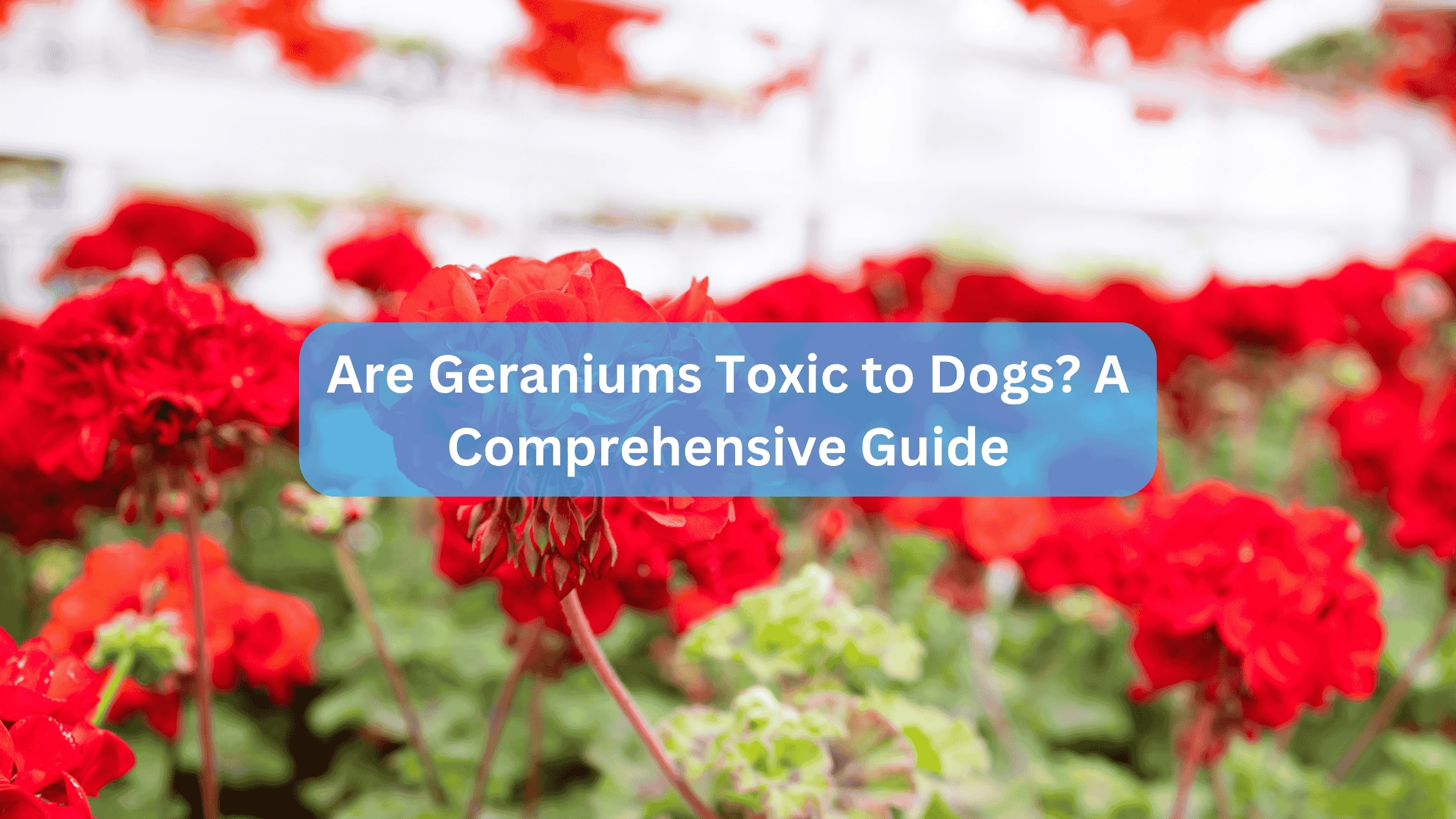
    Are Geraniums Toxic to Dogs? A Comprehensive Guide

    Geraniums are popular plants known for their vibrant colors and pleasant fragrances, often gracing gardens and homes alike. However, if you’re a dog owner, you might be wondering: Are geraniums toxic to dogs? This guide will delve into the toxicity of geraniums, the symptoms to watch for, treatment options, and preventive measures to keep your furry friends safe.

    What Are Geraniums?

    Geraniums belong to the Geraniaceae family and are commonly found in two main genera: Pelargonium and Geranium. While both types are often referred to as geraniums, they have different characteristics and toxicity levels.

    Types of Geraniums

    • Pelargonium: This genus includes most common garden geraniums. They are often fragrant and colorful but can pose risks to dogs.
    • Geranium: Known as cranesbills, these plants are generally considered non-toxic to dogs and can be a safer choice for pet owners.

    Toxicity Overview

    All parts of the Pelargonium species are considered mildly toxic to dogs. The primary toxic compounds found in these plants are geraniol and linalool, which can cause various health issues if ingested or if they come into contact with a dog’s skin.

    Are Geraniums Toxic to Dogs?

    Yes, geraniums, specifically those belonging to the Pelargonium genus, are toxic to dogs. The toxicity is classified as mild; however, it can still lead to uncomfortable symptoms and potential health risks.

    Symptoms of Geranium Poisoning in Dogs

    If your dog has ingested any part of a geranium plant, you may observe the following symptoms:

    • Vomiting: This is often the first sign that something is wrong. Dogs may vomit shortly after ingestion.
    • Lethargy: A noticeable decrease in energy levels or enthusiasm for activities.
    • Loss of Appetite: Your dog may refuse food or show disinterest in eating.
    • Skin Irritation: Contact with the plant can cause redness or irritation around the mouth or other areas that touched the plant.
    • Depression: A general sense of malaise or sadness can occur.

    In severe cases, ingestion of large amounts may lead to more serious health complications, although fatalities from geranium poisoning are rare.

    Immediate Actions if Your Dog Ingests Geraniums

    If you suspect that your dog has eaten geraniums, it’s important to act quickly:

    1. Remove Access: Ensure your dog cannot access any more of the plant.
    2. Rinse Mouth: If safe to do so, rinse your dog’s mouth with water to remove any plant material.
    3. Monitor Symptoms: Keep an eye on your dog for any signs of distress or worsening symptoms.
    4. Contact Your Vet: If symptoms persist or worsen, contact your veterinarian immediately for advice. Be prepared to provide details about the type of plant ingested and how much.

    When to See a Vet

    You should seek veterinary attention if:

    • Your dog exhibits severe symptoms such as continuous vomiting or lethargy.
    • You know your dog has consumed a significant amount of the plant.
    • You are uncertain about the severity of exposure.

    Treatment Options for Geranium Poisoning

    Most cases of geranium poisoning do not require extensive treatment. However, here’s what you can expect:

    • Veterinary Assessment: The vet will assess the situation based on symptoms and history of exposure.
    • Inducing Vomiting: If ingestion was recent and significant, the vet may induce vomiting to prevent further absorption of toxins.
    • Activated Charcoal: This may be administered to absorb toxins in the gastrointestinal tract.
    • Supportive Care: IV fluids may be provided if dehydration occurs due to vomiting.

    Preventive Measures to keep your dog safe from Geranium poisoning

    • Choose Non-Toxic Plants: Opt for non-toxic varieties like Geranium (cranesbill) instead of Pelargonium.
    • Garden Layout: Plant potentially harmful plants out of reach or in hanging baskets.
    • Training: Teach your dog not to chew on plants by redirecting their attention when they show interest in them.
    • Regular Checks: Routinely check your garden and home for any signs that your dog might have ingested something harmful.

    Related Questions

    Can Dogs Eat Geraniums?

    No, dogs should not eat geraniums from the Pelargonium genus as they are mildly toxic.

    What Happens If a Dog Eats Geranium?

    Dogs may experience mild stomach upset, vomiting, lethargy, and skin irritation after ingesting geraniums.

    Can Geranium Oil Be Harmful?

    Yes, essential oils derived from geraniums are more concentrated and can be highly toxic to dogs. It’s crucial to keep such oils out of reach.

    Are All Geranium Varieties Toxic?

    Not all varieties are toxic; those from the Geranium genus (cranesbill) are generally considered safe for dogs.

    How Can I Tell If My Dog Has Ingested Geraniums?

    Watch for symptoms like vomiting, lethargy, loss of appetite, and skin irritation around contact areas.

    Also Read: Can Dogs Eat Sourdough Bread? A Comprehensive Guide

    Also Read: Are Monsteras Toxic to Dogs? A Comprehensive Guide

    Conclusion

    While geraniums add beauty to gardens and homes, it’s essential for dog owners to understand their potential toxicity.

    By being informed about which types of geraniums pose risks and recognizing symptoms of poisoning early on, you can take proactive steps to keep your furry friends safe.

    If you suspect that your dog has ingested any part of a geranium plant or is showing concerning symptoms, don’t hesitate—contact your veterinarian right away.

    Keeping poisonous plants out of reach is vital for ensuring a safe environment for your pets while still enjoying the beauty that gardening brings.


    Sources:

  • Are Monsteras Toxic to Dogs? A Comprehensive Guide

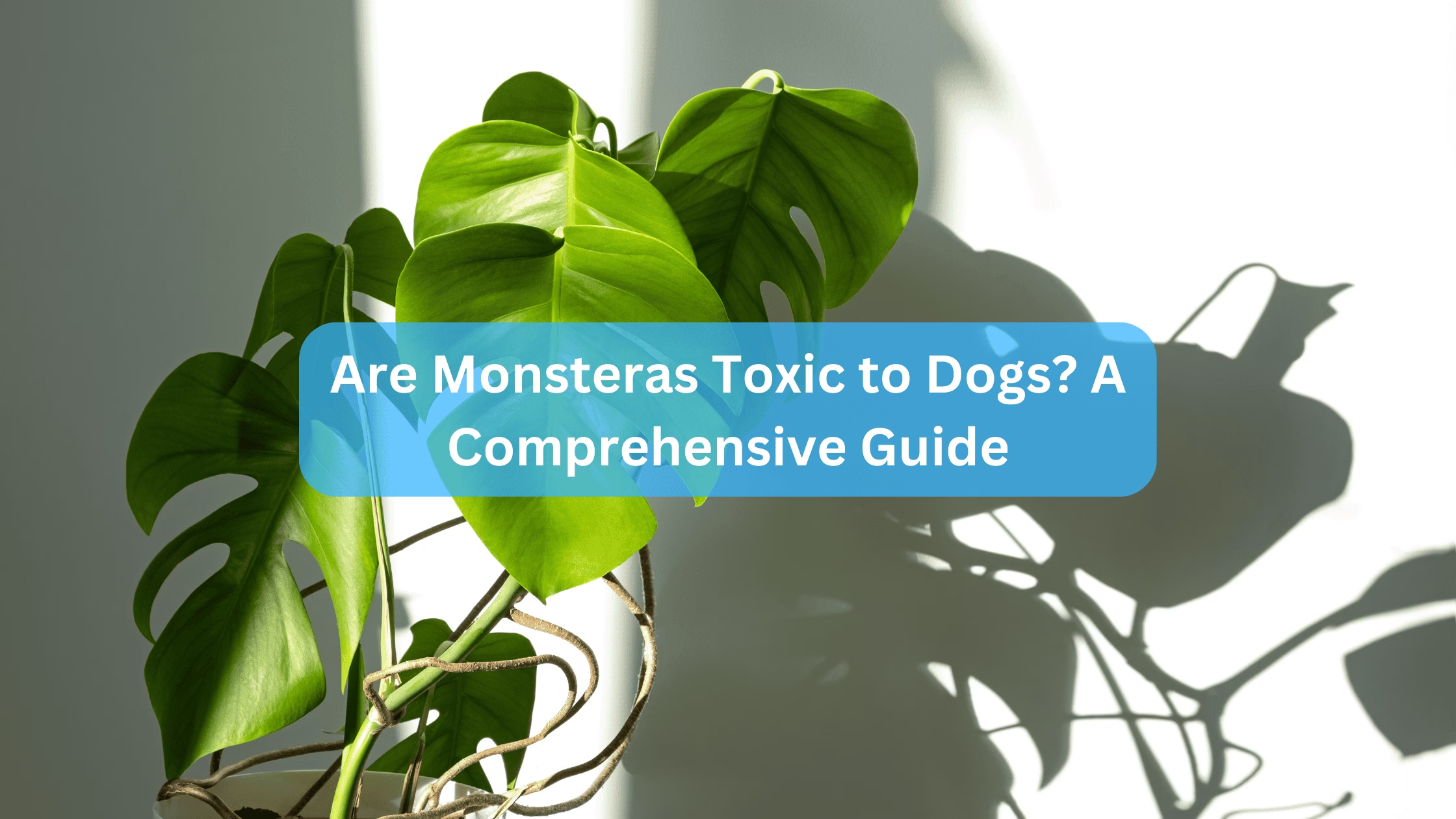
    Are Monsteras Toxic to Dogs? A Comprehensive Guide

    As a pet owner, ensuring the safety of your furry friend while enjoying houseplants is crucial. One common concern among dog owners is whether monsteras are toxic to dogs. This comprehensive guide will explore the implications of “Are Monsteras toxic to dogs?” and provide valuable information regarding symptoms, treatment options, and preventive measures.

    Understanding Monstera Plants

    Monstera, particularly Monstera deliciosa, is a popular houseplant known for its striking foliage and ease of care. However, it contains compounds that can be harmful to dogs.

    Toxic Components

    • Calcium Oxalate Crystals: The primary toxins in monstera plants are insoluble calcium oxalate crystals. When ingested, these crystals can cause irritation in the mouth and gastrointestinal tract.

    Identifying Symptoms of Monstera Toxicity in Dogs

    If your dog has ingested any part of a monstera plant, it’s essential to recognize the symptoms of toxicity:

    • Oral Irritation: Excessive drooling, pawing at the mouth, or difficulty swallowing may indicate oral irritation.
    • Gastrointestinal Upset: Signs include vomiting, diarrhea, and loss of appetite.
    • Swelling: In severe cases, swelling in the mouth or throat can occur, leading to difficulty breathing.

    Immediate Steps to Take if Your Dog Ingests Monstera

    If you suspect your dog has eaten a monstera plant, follow these steps:

    1. Stay Calm: While it’s natural to panic, staying calm will help you think clearly.
    2. Remove Plant Material: If possible, remove any remaining plant material from your dog’s mouth.
    3. Rinse the Mouth: Rinse your dog’s mouth with clean water to help dislodge any crystals.
    4. Encourage Drinking Water: Offer fresh water to dilute any toxins ingested.
    5. Contact Your Veterinarian: It’s crucial to consult your vet for advice tailored to your dog’s situation.

    Treatment Options for Monstera Toxicity

    Treatment for a dog that has ingested monstera will depend on the severity of the symptoms:

    • Mild Symptoms: For mild cases, your veterinarian may recommend monitoring your dog at home and providing supportive care.
    • Severe Symptoms: If your dog exhibits severe symptoms such as difficulty breathing or excessive swelling, immediate veterinary attention is necessary. Your vet may induce vomiting or administer activated charcoal to absorb toxins.

    When to Seek Professional Care

    It’s essential to seek veterinary care if you notice any of the following:

    • Persistent vomiting or diarrhea
    • Difficulty breathing
    • Swelling around the mouth or throat
    • Lethargy or unusual behavior

    Preventive Measures for Keeping Dogs Safe from Monsteras

    To prevent accidental ingestion of monstera plants by your dog, consider these strategies:

    1. Spatial Arrangement

    • Elevate Plants: Place monsteras on high shelves or use hanging planters that are out of reach of curious dogs.
    • Designate Off-Limits Areas: Keep plants in rooms that are off-limits to pets.

    2. Barriers and Training

    • Use Baby Gates: Install barriers to restrict access to areas with plants.
    • Positive Reinforcement Training: Train your dog using positive reinforcement techniques to avoid plants. Reward them for obeying commands like “leave it.”

    3. Natural Deterrents

    • Citrus Scents: Dogs often dislike citrus scents; using citrus peels or sprays can deter them from approaching plants.
    • Commercial Pet Deterrents: Apply pet-safe deterrent sprays around the plant area (never directly on the plant).

    Related Questions About Monstera Toxicity in Dogs

    Are all parts of the monstera plant toxic?

    Yes, all parts of the monstera plant contain calcium oxalate crystals and can be harmful if ingested by dogs.

    What should I do if my dog shows signs of toxicity?

    Contact your veterinarian immediately if you notice symptoms such as excessive drooling, vomiting, or difficulty breathing after ingestion.

    Can small amounts of monstera harm my dog?

    Even small amounts can cause discomfort; however, severe reactions depend on factors like the size of your dog and the amount consumed.

    How can I keep my dog away from my monstera plant?

    Use barriers like baby gates, elevate plants out of reach, and train your dog with commands like “leave it.”

    Also Read: Can Dogs Eat Sourdough Bread? A Comprehensive Guide

    Also Read: Can Dogs Have String Beans? A Comprehensive Guide

    Conclusion: Are Monsteras Toxic to Dogs

    In conclusion, while monsteras are beautiful additions to any home, they are indeed toxic to dogs due to their calcium oxalate content.

    Understanding how to identify symptoms of toxicity and knowing what steps to take if ingestion occurs is crucial for every pet owner.

    By implementing preventive measures and being vigilant about your dog’s behavior around houseplants, you can create a safe environment for both your pets and your beloved plants.

    Always consult with a veterinarian if you have concerns about your dog’s health following exposure to a monstera plant!


    Sources:

  • Can Dogs Eat Sourdough Bread? A Comprehensive Guide

    Can Dogs Eat Sourdough Bread? A Comprehensive Guide

    Can Dogs Eat Sourdough Bread? As a dog owner, you may often wonder what human foods are safe for your furry friend.

    One of the foods that frequently comes up in discussions is sourdough bread.

    This guide will explore everything you need to know about sourdough bread, its ingredients, and whether it is safe for dogs to consume.

    What Is Sourdough Bread?

    Sourdough bread is a type of bread made through a natural fermentation process involving wild yeast and lactic acid bacteria.

    This fermentation gives sourdough its characteristic tangy flavor and chewy texture.

    The process begins with a sourdough starter, which is a mixture of flour and water that ferments over time, cultivating the necessary microorganisms for leavening the dough.

    Key Characteristics of Sourdough Bread

    • Fermentation: The wild yeast and bacteria present in the starter break down sugars in the flour, producing carbon dioxide gas, which helps the dough rise.
    • Flavor and Texture: The fermentation process not only leavens the bread but also contributes to its unique flavor profile and chewy texture.
    • Nutritional Benefits: Some studies suggest that sourdough bread may be easier to digest than other types of bread due to the fermentation process, which breaks down gluten and phytic acid.

    Food Made With Sourdough

    Sourdough is versatile and can be used in various recipes beyond traditional loaves. Here are some common foods made with sourdough:

    • Sourdough Pancakes: A delicious breakfast option that incorporates sourdough starter for added flavor.
    • Sourdough Pizza Crust: Using sourdough as a base for pizza can enhance its taste and texture.
    • Sourdough Pretzels: A popular snack that benefits from the unique properties of sourdough.
    • Sourdough Discard Recipes: Many bakers use leftover starter (discard) to make pancakes, crackers, or muffins, minimizing waste.

    Can Dogs Have Sourdough Bread?

    The question remains: Can dogs eat sourdough bread? The answer is somewhat nuanced. While dogs can eat cooked sourdough bread in moderation, there are significant risks associated with feeding them raw or uncooked dough.

    Is Sourdough Bread Bad For Dogs?

    Feeding dogs sourdough bread poses both risks and benefits:

    • Moderation is Key: A small amount of plain, cooked sourdough bread is generally safe for dogs. However, it should not be a regular part of their diet due to its high carbohydrate content and low nutritional value.
    • Potential Risks:
    • Raw Dough Dangers: Unbaked sourdough dough can expand in a dog’s stomach, leading to gastric dilation-volvulus (GDV), a life-threatening condition.
    • Alcohol Poisoning: The fermentation process produces alcohol, which can be toxic to dogs if ingested in significant amounts.
    • Wheat Allergies: Some dogs may have allergies or sensitivities to wheat, leading to gastrointestinal upset or skin issues.

    Dogs and Wheat Allergies

    Wheat allergies in dogs can manifest through various symptoms:

    • Itchy skin
    • Vomiting
    • Diarrhea
    • Gas
    • Ear infections

    If you suspect your dog has a wheat allergy, consult your veterinarian for proper diagnosis and dietary recommendations.

    Alcohol Toxicosis

    When dogs consume raw or undercooked sourdough dough, they risk alcohol toxicosis due to the ethanol produced during fermentation. Symptoms include:

    • Vomiting
    • Lethargy
    • Staggering or unsteady gait
    • Hypothermia
    • Seizures

    If you suspect your dog has ingested raw dough, contact your veterinarian immediately.

    Gastric Dilation

    Gastric dilation-volvulus (GDV) occurs when a dog’s stomach fills with gas and twists on itself. This condition is particularly dangerous and requires immediate veterinary attention. Symptoms include:

    • Retching or unproductive vomiting
    • Abdominal distension
    • Restlessness
    • Excessive drooling

    Can Dogs Eat Sourdough Bread with Butter?

    While dogs can eat cooked sourdough bread, adding butter complicates the situation:

    • Butter’s Nutritional Value: Butter is high in fat and calories, which may lead to weight gain or pancreatitis in dogs if consumed in large amounts. While a small amount of butter may not be harmful, it does not provide any nutritional benefits for your dog.
    • Potential Allergies: Some dogs may be lactose intolerant or allergic to dairy products. If your dog shows signs of digestive upset after consuming butter (such as diarrhea or vomiting), it’s best to avoid giving them butter altogether.

    Is Sourdough Bread OK For Dogs?

    In summary, plain cooked sourdough bread can be given to dogs as an occasional treat. However, it should not replace their regular diet or be offered frequently. Always monitor your dog for any adverse reactions after introducing new foods.

    Is Sourdough Bread Good For Dogs?

    While sourdough bread does not provide significant nutritional benefits for dogs, it can be enjoyed in moderation as an occasional treat. Ensure that it is plain and free from harmful ingredients like garlic or onion.

    Can Dogs Eat Cooked Sourdough Bread?

    Yes, dogs can safely eat cooked sourdough bread in small amounts. It’s essential to avoid giving them raw dough or large quantities of cooked bread due to potential health risks.

    Can Dogs Eat Sourdough Pretzels?

    Sourdough pretzels are typically safe for dogs if they are plain and do not contain harmful toppings like salt or garlic. However, moderation is crucial due to their carbohydrate content.

    Can Dogs Eat Sourdough Starter?

    No, dogs should not eat sourdough starter. The raw mixture contains live yeast that can lead to bloating and alcohol poisoning if ingested. If your dog consumes any amount of starter, seek veterinary assistance immediately.

    Can Dogs Eat Sourdough Discard?

    Sourdough discard refers to the portion of starter removed before feeding the remaining starter. While small amounts may be safe for dogs if cooked into treats, it’s best to avoid giving them raw discard due to potential health risks associated with fermentation.

    Sourdough Bread Toppings

    When considering toppings for sourdough bread intended for dogs, keep it simple:

    • Plain peanut butter (without xylitol)
    • Unsweetened pumpkin puree
    • Cooked chicken or beef (without seasoning)

    Avoid toppings that contain sugar, salt, or other harmful ingredients.

    My Dog Ate Sourdough Bread

    If your dog has eaten sourdough bread:

    1. Assess whether it was cooked or raw.
    2. Monitor for any signs of distress such as vomiting or lethargy.
    3. If they consumed raw dough or exhibit concerning symptoms, contact your veterinarian immediately for guidance.

    Other Types Of Bread and Dogs

    While some breads are safe in moderation (like whole wheat or white bread), others should be avoided entirely:

    • Avoid:
    • Breads with raisins or grapes (toxic)
    • Breads containing garlic or onion (toxic)
    • Safe Options:
    • Plain whole grain bread
    • Oatmeal bread (in moderation)

    Also Read: Can Dogs Eat Baked Beans? A Comprehensive Guide

    Also Read: Can Dogs Have String Beans? A Comprehensive Guide

    Final Thoughts

    In conclusion, while sourdough bread can be shared with your dog in small amounts as an occasional treat, caution must be exercised regarding raw dough and potential allergens.

    Always prioritize your dog’s health by monitoring their reactions and consulting with your veterinarian if you have concerns about their diet or health after consuming human food like sourdough bread.

    By understanding what is safe for your pet and providing appropriate treats, you can ensure a happy and healthy life for your furry friend!


    Sources:

  • Can Dogs Have String Beans? A Comprehensive Guide

    Can Dogs Have String Beans? A Comprehensive Guide

    As a dog owner, you may find yourself sharing your meals with your furry companion, leading to the question: Can dogs have string beans?

    This guide will provide a thorough understanding of string beans (also known as green beans) and their suitability for dogs.

    We will explore the nutritional benefits, potential risks, and best practices for feeding string beans to your dog.

    Are Green Beans Safe for Dogs?

    Are Green Beans Safe for Dogs?
    Are Green Beans Safe for Dogs?

    Chopped, steamed, raw, or canned—all types of green beans are safe for dogs to eat as long as they are plain.

    Veterinarians often recommend green beans as a healthy treat because they are low-calorie and packed with essential nutrients.

    Most dogs enjoy their crunchy texture and mild flavor.However, there are some important considerations to keep in mind:

    • Canned Green Beans: Avoid canned varieties with added salt.
    • Cooking Methods: Green beans cooked with oils or spices should be avoided. Always serve them plain.
    • Toxic Ingredients: Never serve green beans cooked with harmful ingredients like garlic or onions.
    • Choking Hazards: Whole or large pieces of green beans can pose a choking risk. Always cut them into manageable sizes.

    What Are String Beans?

    String beans, commonly referred to as green beans, are a popular vegetable consumed by many people around the world.

    They belong to the legume family and are known for their crisp texture and vibrant green color.

    Typically served steamed or sautéed, they can also be enjoyed raw in salads or as a snack.

    Are Green Beans Healthy for Dogs?

    String beans are not only delicious but also packed with essential nutrients that can benefit dogs:

    • Low in Calories: String beans are low in calories, making them an excellent treat for dogs that need to maintain or lose weight.
    • High in Fiber: The fiber content helps promote healthy digestion and can aid in weight management by keeping dogs feeling full longer.
    • Vitamins and Minerals: String beans are rich in vitamins A, C, K, and several B vitamins, along with minerals like iron, calcium, and potassium.

    Can Dogs Have String Beans?

    The short answer is yes; dogs can safely eat string beans! However, there are important considerations to keep in mind when introducing this vegetable into your dog’s diet.

    Benefits of Feeding String Beans to Dogs

    1. Weight Management: Due to their low-calorie content, string beans can be an effective substitute for high-calorie treats. They can help control your dog’s weight while still providing a satisfying snack.
    2. Digestive Health: The fiber in string beans aids digestion and can help regulate bowel movements, reducing the risk of constipation.
    3. Nutritional Boost: The vitamins and minerals found in string beans contribute to overall health, supporting immune function and promoting healthy skin and coat.
    4. Hydration: String beans have a high water content, which can help keep your dog hydrated.

    Can Green Beans Help Dogs Lose Weight?

    More than half of American dogs are overweight, often without their owners realizing it.

    This oversight can lead to serious health problems such as Type 2 diabetes, osteoarthritis, high blood pressure, heart disease, kidney disease, and some cancers.

    Carrying extra weight can even decrease a dog’s life expectancy by up to two years.

    Incorporating green beans as a treat instead of conventional biscuits can assist in weight loss efforts.

    However, it’s essential to combine this with increased exercise and moderation in their regular diet.

    Simply adding green beans will not lead to weight loss if the dog isn’t getting enough exercise or is consuming inappropriate calories for their age, breed, and lifestyle.

    What Is the Green Bean Diet?

    You may have heard about the “green bean diet” as a method for helping dogs lose weight. This diet involves gradually substituting a portion of a dog’s regular food with green beans.

    For example:

    • Start by replacing 10% of the volume of your dog’s regular meal with green beans.
    • Gradually increase this percentage over time up to 50%, until the dog reaches its target weight.
    • Once the target weight is achieved, you can slowly reintroduce regular food back into their diet.

    While this diet plan sounds promising in theory, it is crucial to consult with your veterinarian before implementing it.

    Sudden weight gain or difficulty losing weight despite exercise could indicate serious health conditions such as hypothyroidism or Cushing’s disease.

    Even if excess weight stems from too many treats or scraps, Dr. Ken Tudor from PetMD emphasizes that “regular food is inappropriate for weight-loss patients.”

    Dogs need amino acids, fats, vitamins, and minerals appropriate for their current weight to avoid nutritional imbalances or deficiencies.

    Without proper guidance, dogs on the green bean diet may regain lost weight due to metabolic changes.

    Dr. Tudor concludes that while green beans can be an effective part of a weight-loss plan for dogs, it’s vital to consult with your veterinarian about the best dog food and overall wellness strategy tailored specifically for your dog’s needs.

    Are Green Beans Good for Dogs’ Teeth?

    Green beans can be a beneficial addition to your dog’s diet, particularly when it comes to their dental health. Here’s how they contribute positively:

    1. Natural Crunch

    The crunchy texture of raw or lightly steamed green beans can help reduce plaque buildup on your dog’s teeth as they chew. Chewing on crunchy vegetables can mechanically scrub the teeth, promoting better oral hygiene.

    2. Low-Calorie Treat

    By replacing high-calorie treats with green beans, you can help prevent obesity-related dental issues. Maintaining a healthy weight is crucial for overall health, including dental health.

    3. Nutrient-Rich

    Green beans are rich in vitamins and minerals that support overall health, including oral health. Vitamins like A, C, and K contribute to healthy gums and teeth.

    4. Hydration

    With their high water content, green beans can help keep your dog hydrated, which is essential for maintaining healthy gums.

    How to Safely Feed String Beans to Your Dog

    While string beans are safe for dogs, it’s essential to prepare them correctly:

    • Choose Fresh or Frozen: Opt for fresh or frozen string beans without any added ingredients. Avoid canned varieties that may contain salt or preservatives.
    • Cook Them Plain: If cooking string beans for your dog, steam or boil them without any seasoning or oils. Cooking makes them easier to digest while retaining most of their nutrients.
    • Cut into Small Pieces: Always cut string beans into bite-sized pieces to prevent choking hazards, especially for small dogs.
    • Introduce Gradually: When introducing any new food into your dog’s diet, start with small amounts to see how they react. Monitor for any signs of digestive upset.

    How Much Green Beans to Give Dog?

    The amount of string beans you can feed your dog depends on their size:

    • Small Dogs (under 20 lbs): 1-2 pieces per day.
    • Medium Dogs (20-50 lbs): 3-5 pieces per day.
    • Large Dogs (50+ lbs): 5-10 pieces per day.

    Remember that treats should not make up more than 10% of your dog’s daily caloric intake.

    Related Questions

    Can Dogs Eat Canned String Beans?

    Canned string beans can be fed to dogs only if they do not contain added salt or preservatives. Always check the label before serving.

    Can Dogs Eat Raw String Beans?

    Yes! Dogs can eat raw string beans; however, some may find them difficult to digest compared to cooked ones. Start with small amounts if introducing them raw.

    Can Dogs Eat String Bean Juice?

    String bean juice is generally safe but may contain added salt if from canned sources. It’s best to avoid giving it to your dog unless it’s freshly made without additives.

    Can Dogs Eat String Beans in Tomato Sauce?

    No! String beans prepared in tomato sauce often contain ingredients like onions and garlic that are toxic to dogs. Always serve plain string beans without sauces or seasonings.

    Can Dogs Eat String Beans Every Day?

    While string beans are healthy, they should not be fed every day. Treats should only make up about 10% of your dog’s diet; variety is key!

    Can Puppies Eat String Beans?

    Yes! Puppies can eat string beans as long as they’re prepared properly (plain and cut into small pieces). Monitor for any digestive issues when introducing new foods.

    Also Read: Can Dogs Eat Baked Beans? A Comprehensive Guide

    Also Read: Can Dogs Eat Mackerel? A Comprehensive Guide

    Creative Ways to Serve String Beans to Dogs

    If you’re looking for fun ways to incorporate string beans into your dog’s diet:

    • As a Snack: Serve plain steamed or raw string beans as a crunchy snack.
    • Food Topper: Chop cooked string beans and mix them into your dog’s regular food for added nutrition.
    • Frozen Treats: Freeze small pieces of cooked string beans for a refreshing treat on hot days.
    • In Homemade Dog Food: Include chopped string beans in homemade dog food recipes for added nutrition and texture.

    Homemade Green Bean Treats for Dogs | RECIPE

    Homemade Green Bean Treats for Dogs | RECIPE

    Conclusion

    In conclusion—yes—dogs can have string beans! These nutritious vegetables offer numerous health benefits when prepared correctly and served in moderation.

    They make an excellent low-calorie treat option that can help manage weight while providing essential vitamins and minerals.

    As more than half of American dogs struggle with obesity-related health issues, incorporating green beans into their diet could be beneficial when combined with proper exercise and dietary management strategies like the green bean diet (under veterinary guidance).

    Always remember that moderation is key; treats should not exceed 10% of your dog’s daily caloric intake.

    By following the guidelines outlined in this comprehensive guide, you can safely introduce string beans into your dog’s diet while ensuring their health and well-being remain a top priority.

    If you have any concerns about feeding new foods to your dog or if they have specific health issues, consult with your veterinarian for personalized advice tailored to your pet’s needs. Enjoy sharing healthy snacks with your furry friend!


    Sources:

  • Can Dogs Eat Baked Beans? A Comprehensive Guide

    Can Dogs Eat Baked Beans? A Comprehensive Guide

    Baked beans are a staple in many households, often served as a side dish or part of a hearty breakfast. However, if you’re a dog owner, you may find yourself wondering: Can dogs eat baked beans?

    This guide will delve into the nutritional aspects of baked beans, the potential risks they pose to dogs, and safe alternatives to consider.

    Understanding Baked Beans

    Baked beans are typically made from white beans (like navy or haricot beans) that are cooked in a sauce, often containing ingredients like tomatoes, sugar, salt, and various spices.

    While these ingredients make for a delicious dish for humans, they can be problematic for dogs.

    Nutritional Content of Baked Beans

    Before we explore whether baked beans are safe for dogs, let’s take a closer look at their nutritional profile:

    • Protein: Beans are a good source of plant-based protein.
    • Fiber: They are high in fiber, which can aid digestion.
    • Vitamins and Minerals: Baked beans contain various vitamins and minerals, including iron and potassium.

    However, the health benefits of baked beans for humans do not necessarily translate to dogs due to the additional ingredients used in their preparation.

    Can Dogs Eat Baked Beans?

    The simple answer is no; dogs should not eat baked beans. Here’s why:

    1. High Sugar Content

    Most canned baked beans contain added sugars. For instance, a standard can may have around 18 grams of sugar. Excessive sugar can lead to:

    • Obesity: Weight gain can lead to various health problems.
    • Dental Issues: Sugar contributes to dental decay.
    • Diabetes: Long-term consumption of sugary foods can increase the risk of diabetes in dogs.

    2. High Salt Levels

    Baked beans often contain high levels of sodium. A single can may have about 2.5 grams of salt. High sodium intake can result in:

    • Dehydration: Excessive salt can lead to increased thirst and urination.
    • Kidney Damage: Long-term high sodium consumption can affect kidney function.
    • Heart Problems: Dogs with pre-existing conditions may be at higher risk.

    3. Toxic Ingredients

    Many baked bean recipes include harmful ingredients such as:

    • Onions and Garlic: Both contain compounds that are toxic to dogs and can damage red blood cells, leading to anemia.
    • Tomato Sauce: While tomatoes aren’t inherently toxic, they can cause gastrointestinal upset due to their acidity.

    4. Preservatives

    Canned baked beans often contain preservatives that may not be safe for dogs. These additives can lead to digestive issues or allergic reactions.

    What Should You Do If Your Dog Eats Baked Beans?

    If your dog manages to sneak a few bites of baked beans, don’t panic. Here’s what you should do:

    1. Monitor for Symptoms: Watch for signs of gastrointestinal distress such as vomiting, diarrhea, or lethargy.
    2. Contact Your Veterinarian: If your dog shows any concerning symptoms or if they consumed a large quantity, consult your vet immediately.
    3. Keep Packaging Handy: If possible, keep the packaging or list of ingredients for your vet’s reference.

    Related Questions

    Can Dogs Eat Baked Beans Juice?

    No, the juice from baked beans is also not safe for dogs due to high sugar and salt content. It may also contain other harmful ingredients.

    Can Dogs Eat Baked Beans in Tomato Sauce?

    Baked beans in tomato sauce are particularly risky because the sauce often contains added sugars and spices that could harm your dog.

    Can Dogs Eat Baked Beans Once?

    While a small amount might not cause immediate harm, it’s best to avoid giving your dog baked beans altogether due to the cumulative risks associated with their ingredients.

    Can Dogs Eat Baked Beans Every Day?

    No, feeding baked beans daily is not advisable due to their high sugar and salt content along with potentially toxic ingredients.

    Can Dogs Eat Baked Beans Reddit?

    Many pet owners on forums like Reddit advise against feeding dogs baked beans due to the associated health risks.

    Can Dogs Eat Baked Beans with Brown Sugar?

    No, adding brown sugar only increases the sugar content and potential health risks associated with feeding baked beans to dogs.

    Also Read: Can Dogs Eat Cream of Mushroom Soup? A Comprehensive Guide

    Also Read: Can Dogs Eat Mackerel? A Comprehensive Guide

    Safe Alternatives to Baked Beans

    If you’re looking for healthy treats or meal additions for your dog, consider these alternatives:

    • Plain Cooked Beans: Certain types of plain cooked beans (like black or kidney beans) can be safe when prepared without additives.
    • Green Beans: Fresh or steamed green beans are low in calories and high in fiber—great for dogs!
    • Peas: Plain peas (fresh or frozen) are also nutritious and safe for canine consumption.

    Conclusion

    While baked beans may be a beloved comfort food for humans, they pose several risks when it comes to our canine companions.

    The high sugar and salt content, along with potentially toxic ingredients like onions and garlic, make them unsuitable for dogs.

    If your furry friend accidentally consumes some baked beans, monitor them closely and consult your veterinarian if necessary.

    For healthier options that provide similar nutritional benefits without the risks associated with baked beans, consider incorporating plain cooked legumes or vegetables into your dog’s diet instead. Always prioritize your dog’s health by being mindful of what they eat!

    By understanding what foods are safe and beneficial for dogs versus those that could cause harm, you can ensure that your pet enjoys a balanced diet tailored specifically for their needs.


    Sources: