Author: Kartikey Dwivedi

  • Can Dogs Eat Basil Leaves? A Comprehensive Guide

    Can Dogs Eat Basil Leaves? A Comprehensive Guide

    Can dogs eat basil leaves? This question often arises among pet owners who are curious about incorporating fresh herbs into their dog’s diet.

    Basil, a popular culinary herb, is known for its aromatic flavor and numerous health benefits for humans. But what about our canine companions?

    In this comprehensive guide, we will explore whether basil is safe for dogs, its potential health benefits, how to incorporate it into your dog’s meals, and any precautions you should take.

    Understanding Basil

    Basil (Ocimum basilicum) is a member of the mint family and is native to tropical regions. It is widely used in various cuisines, particularly Mediterranean and Asian dishes.

    Basil is rich in vitamins and antioxidants, making it a popular choice not just for flavoring food but also for its potential health benefits.

    Nutritional Profile of Basil

    Basil contains several essential nutrients that can be beneficial for dogs:

    • Vitamins: High in vitamins A, K, C, and B6.
    • Minerals: Good source of calcium, iron, magnesium, and potassium.
    • Antioxidants: Contains compounds that help combat oxidative stress and inflammation.

    These nutrients contribute to overall health and may offer specific benefits for dogs.

    Health Benefits of Basil for Dogs

    1. Anti-Inflammatory Properties

    Basil has anti-inflammatory properties that may help alleviate conditions like arthritis in dogs. Regular consumption can reduce pain and discomfort associated with inflammation.

    2. Antioxidant Effects

    The antioxidants found in basil can help protect your dog’s cells from damage caused by free radicals. This protection may reduce the risk of chronic diseases, including cancer.

    3. Digestive Health

    Basil contains compounds that may aid digestion and relieve gastrointestinal upset. It can be particularly beneficial for dogs experiencing digestive issues.

    4. Stress Relief

    Some studies suggest that basil may have calming effects due to its adaptogenic properties. This can be useful for dogs that experience anxiety or stress.

    5. Blood Sugar Regulation

    Preliminary research indicates that basil might help regulate blood sugar levels in dogs, making it a potential dietary addition for diabetic pets.

    Is Basil Safe for Dogs?

    The short answer is yes—basil is safe for dogs when offered in moderation. Both fresh and dried basil are non-toxic to canines. However, there are some important considerations:

    • Moderation is Key: While basil offers health benefits, it should not constitute a large part of your dog’s diet. A small amount as a supplement or treat is sufficient.
    • Watch for Allergies: Some dogs may have allergies or sensitivities to herbs. Introduce basil gradually and monitor for any adverse reactions.
    • Avoid Processed Foods: While basil itself is safe, many basil-based foods (like pesto) contain ingredients such as garlic or onions that are harmful to dogs.

    How to Safely Give Basil to Your Dog

    If you’re considering adding basil to your dog’s diet, here are some practical tips:

    1. Fresh vs. Dried Basil

    Both forms are safe; however, fresh basil may retain more nutrients than dried varieties. You can sprinkle dried basil on top of your dog’s food or mix fresh chopped basil into their meals.

    2. Portion Size

    For a medium-sized dog, about one teaspoon of chopped fresh basil or a pinch of dried basil mixed into their food is generally sufficient. Adjust the amount based on your dog’s size.

    3. Monitor Reactions

    After introducing basil into your dog’s diet, watch for any signs of digestive upset or allergic reactions such as itching or gastrointestinal issues.

    Common Questions About Basil and Dogs

    Can Dogs Eat Basil Leaves?

    Yes! Dogs can eat both fresh and dried basil leaves safely in moderation.

    What Are the Benefits of Feeding Basil to Dogs?

    Basil offers anti-inflammatory properties, antioxidants, digestive support, stress relief, and potential blood sugar regulation.

    How Should I Prepare Basil for My Dog?

    You can serve fresh or dried basil by mixing it into your dog’s regular food or offering it as a treat.

    Are There Any Risks Associated with Feeding Basil to Dogs?

    While generally safe, excessive amounts may cause digestive upset; also avoid processed foods containing harmful ingredients like garlic or onions.

    Can Puppies Eat Basil?

    Yes! Puppies can also enjoy small amounts of basil as long as they do not have any allergies or sensitivities.

    Also Read: Can Dogs Eat Poppy Seeds? A Comprehensive Guide.

    Also Read: Are Fruits Good for Dogs? A Comprehensive Guide.

    Conclusion

    In conclusion, the answer to “Can dogs eat basil leaves?” is a resounding yes! When introduced appropriately into your dog’s diet, basil can offer various health benefits without posing any significant risks.

    Always keep moderation in mind and consult with your veterinarian before making any significant changes to your dog’s diet.

    By understanding the nutritional value of herbs like basil alongside other safe fruits and vegetables, you can enhance your dog’s diet while ensuring they remain healthy and happy.

    Remember that just because something is safe for humans doesn’t mean it’s suitable for dogs; always double-check before sharing food!


    Sources:

  • Are Fruits Good for Dogs? A Comprehensive Guide.

    Are Fruits Good for Dogs? A Comprehensive Guide.

    Are fruits good for dogs? This question is crucial for pet owners who want to provide their furry friends with a balanced diet.

    While fruits can offer numerous health benefits, not all fruits are safe for canine consumption.

    This comprehensive guide will explore the nutritional advantages of fruits, list safe and unsafe options, and provide practical advice on incorporating fruits into your dog’s diet.

    The Nutritional Benefits of Fruits for Dogs

    Fruits can be a valuable addition to a dog’s diet, providing various essential nutrients and health benefits:

    • Vitamins and Minerals: Fruits are rich in vitamins A, C, E, and K, as well as minerals like potassium and magnesium. These nutrients support immune function, skin health, and overall vitality.
    • Antioxidants: Many fruits contain antioxidants that help combat oxidative stress and inflammation in dogs. Antioxidants play a crucial role in preventing cellular damage and promoting longevity.
    • Fiber: The fiber found in fruits aids digestion and helps maintain a healthy weight by promoting a feeling of fullness. Fiber can also help regulate blood sugar levels.
    • Hydration: Fruits with high water content, such as watermelon and cucumber, can help keep dogs hydrated, especially during hot weather.

    Safe Fruits for Dogs

    When considering whether fruits are good for dogs, it’s essential to know which fruits are safe and beneficial for canine consumption.

    Here’s a detailed list of fruits that are generally safe for dogs, along with their nutritional benefits and preparation tips:

    1. Apples

    Nutritional Benefits: Apples are an excellent source of vitamins A and C, as well as fiber. They are low in protein and fat, making them the perfect snack for senior dogs.

    Preparation Tips: Always remove the seeds and core before feeding apples to your dog. You can serve them fresh, sliced, or even frozen for an icy treat.

    2. Bananas

    Nutritional Benefits: Rich in potassium, vitamin C, and vitamin B6, bananas provide a quick energy boost. They are low in cholesterol and sodium.

    Preparation Tips: Due to their high sugar content, bananas should be given in moderation. You can offer them fresh or find banana-flavored dog treats.

    3. Blueberries

    Nutritional Benefits: Blueberries are packed with antioxidants, fiber, and vitamins C and K. They can improve immune function and support brain health.

    Preparation Tips: Their small size makes them perfect for training treats. You can also freeze them for a cool snack.

    4. Watermelon

    Nutritional Benefits: Watermelon is hydrating and low in calories. It contains vitamins A and C but must be served without seeds or rind to avoid choking hazards.

    Preparation Tips: Always remove the seeds and rind before offering watermelon to your dog.

    5. Strawberries

    Nutritional Benefits: Strawberries are loaded with antioxidants and fiber but should be given in moderation due to their sugar content.

    Preparation Tips: You can serve them fresh or frozen. Strawberries also contain an enzyme that helps whiten your dog’s teeth.

    6. Pineapple

    Nutritional Benefits: Pineapple is rich in vitamins C and B6. It also contains bromelain, an enzyme that aids protein absorption.

    Preparation Tips: Serve pineapple without the tough outer skin or crown. Fresh pineapple is best; avoid canned varieties in syrup.

    7. Mango

    Nutritional Benefits: Mangoes provide vitamins A, B6, C, and E. They are sweet and juicy but high in sugar.

    Preparation Tips: Always remove the pit before offering mango to your dog to avoid choking hazards.

    8. Cantaloupe

    Nutritional Benefits: Cantaloupe is low in calories and high in nutrients like vitamins A and C.

    Preparation Tips: Serve cantaloupe in moderation due to its sugar content. Frozen balls or cubes make a great summertime snack.

    9. Raspberries

    Nutritional Benefits: Raspberries contain antioxidants that are beneficial for dogs, especially senior dogs due to their anti-inflammatory properties.

    Preparation Tips: Limit raspberries to avoid gastrointestinal upset; no more than eight ounces at one time is recommended.

    10. Pears

    Nutritional Benefits: Pears offer vitamins C and K as well as fiber.

    Preparation Tips: Remove the seeds and pit before giving pears to your dog; the seeds contain traces of cyanide.

    11. Cucumbers

    Nutritional Benefits: Cucumbers are especially good for overweight dogs since they hold little to no carbohydrates or fat while being full of hydration. They’re loaded with vitamins K, C, B1, potassium, copper, magnesium, and biotin.

    Preparation Tips: Cool cucumbers make an excellent hot-weather treat if your dog enjoys them; you can even freeze slices for a fun enrichment snack!

    Fruits to Avoid For Dogs

    While many fruits are safe for dogs, some can be toxic or harmful:

    1. Grapes and Raisins

    Grapes (and raisins) have been found to cause acute kidney failure in dogs even in small amounts. The exact mechanism of toxicity is still unclear; however, it’s crucial to keep these fruits away from your pet entirely.

    2. Avocado

    Avocado contains persin—a toxin that can cause vomiting and diarrhea in dogs. While the flesh has lower levels of persin than other parts of the plant (like the pit), it’s best to avoid avocados altogether due to their high-fat content which can lead to gastrointestinal upset or pancreatitis if consumed excessively.

    3. Cherries

    The pits of cherries contain cyanide—a toxic substance that disrupts oxygen transport in the blood cells of dogs. Symptoms of cyanide poisoning include difficulty breathing, dilated pupils, and red gums; if you suspect your dog has ingested cherries or cherry pits, seek veterinary assistance immediately.

    4. Citrus Fruits (Lemons, Limes, Oranges)

    While small amounts of orange flesh may be safe for some dogs, citrus fruits can upset a dog’s stomach due to their acidity. The peels present choking hazards as well as potential gastrointestinal issues if ingested.

    5. Figs

    Figs can lead to digestive problems due to their high sugar content; they may also cause allergic reactions in some dogs.

    6. Tomatoes

    While ripe tomatoes may be safe for dogs in small amounts, unripe tomatoes or green parts contain solanine—a toxic compound that can cause gastrointestinal distress or more severe symptoms if consumed in large quantities.

    7. Cranberries (in Excess)

    Although cranberries themselves are safe for dogs when given occasionally, excessive consumption can lead to stomach upset due to their acidity—always monitor portion sizes carefully!

    8. Asparagus

    Asparagus should be avoided as it can cause gastrointestinal upset in dogs due to its tough texture which makes it difficult for them to digest properly.

    How to Introduce Fruits into Your Dog’s Diet

    When introducing fruits into your dog’s diet:

    1. Start Slowly: Introduce one fruit at a time to monitor for any adverse reactions.
    2. Portion Control: Serve fruits in moderation; too much can lead to digestive upset.
    3. Preparation Matters: Wash fruits thoroughly, remove any seeds or pits, and cut them into manageable pieces to prevent choking hazards.
    4. Observe Reactions: Watch for any signs of allergies or sensitivities after introducing new fruits; discontinue immediately if you notice any adverse effects like vomiting or diarrhea.

    The 90/10 Rule For Dog Treats

    When it comes to feeding your dog treats—including fruits—consider following the 90/10 Rule, which suggests that:

    • 90% of your dog’s diet should come from balanced dog food formulated specifically for their nutritional needs, ensuring they receive all essential nutrients.
    • 10% can come from treats, including fruits! This approach helps maintain a healthy weight while allowing your dog some tasty rewards without compromising their overall nutrition.

    Common Questions About Fruits for Dogs

    Are Fruits Good for Dogs?

    Yes! Many fruits provide essential nutrients that benefit your dog’s health when offered appropriately as part of a balanced diet.

    Can Dogs Eat Bananas?

    Yes! Bananas are safe but should be fed sparingly due to their high sugar content—consider them an occasional treat rather than a staple food item!

    What Fruits Should Dogs Avoid?

    Dogs should avoid grapes/raisins (toxic), avocados (persin), cherries (cyanide), citrus fruits (upset stomach), figs (digestive issues), tomatoes (solanine), cranberries (in excess), asparagus (gastrointestinal upset).

    How Much Fruit Can I Give My Dog?

    Fruits should only make up about 10% of your dog’s daily diet—monitor portion sizes based on your dog’s size!

    Can Puppies Eat Fruits?

    Yes! Puppies can eat certain fruits as long as they’re introduced gradually—always consult with your veterinarian if unsure about specific foods!

    The Importance of Moderation in Dog’s Diet

    While fruits can be beneficial for dogs when introduced appropriately into their diets—moderation is key! Overfeeding fruit can lead to:

    • Digestive Upset: Too much fiber or sugar may cause diarrhea or stomach cramps.
    • Weight Gain: High-calorie fruits contribute towards obesity if not monitored carefully.
    • Allergic Reactions: Some dogs may develop allergies/sensitivities towards specific fruit varieties; always observe closely after introducing new foods!

    How to Prepare Fruits for Dogs

    Proper preparation is essential when feeding fruits:

    1. Wash Thoroughly: Always wash fruits thoroughly before serving—this removes pesticides/chemicals.
    2. Remove Seeds/Pits: Ensure all seeds/pits are removed before offering any fruit.
    3. Cut into Small Pieces: Slice fruits into bite-sized pieces—this prevents choking hazards!
    4. Cook if Necessary: Some fruits may need cooking (like pears) for easier digestion—always check first!

    Also Read: Can Dogs Eat Sea Bass? A Comprehensive Guide.

    Also Read: Can Dogs Eat Poppy Seeds? A Comprehensive Guide.

    Conclusion: Are Fruits Good for Dogs?

    In conclusion, the answer to “Are fruits good for dogs?” is generally yes—many fruits provide valuable nutrients contributing positively towards canine health when offered appropriately!

    However—it’s crucial pet owners remain informed about which ones are safe versus those posing risks! Always consult with a veterinarian if unsure about incorporating new foods into your pup’s diet!

    By understanding benefits associated with various types while being cautious about what you share with furry friends—you enhance their diets while keeping them safe/healthy!

    Remember just because something is safe humans doesn’t mean it’s necessarily suitable canine companions; always double-check before sharing food!


    Sources:

  • Can Dogs Eat Poppy Seeds? A Comprehensive Guide.

    Can Dogs Eat Poppy Seeds? A Comprehensive Guide.

    Can dogs eat poppy seeds? This is a common question among pet owners who want to ensure the safety and well-being of their furry friends.

    While poppy seeds are often used in various culinary dishes for humans, they pose significant risks to dogs.

    In this comprehensive guide, we will explore the potential dangers associated with poppy seeds for dogs, the symptoms of toxicity, and what steps to take if your dog accidentally ingests them.

    Additionally, we will address related questions and provide tips for keeping your dog safe from harmful foods.

    Can Dogs Eat Poppy Seeds?

    Poppy seeds come from the opium poppy plant, scientifically known as Papaver somniferum.

    These tiny seeds are often used in various culinary dishes, including baked goods like muffins and bagels.

    While they may be safe for human consumption in moderation, they pose significant risks to dogs.

    Why Are Poppy Seeds Dangerous for Dogs?

    Poppy seeds can be dangerous for dogs primarily due to their potential contamination with opiates during harvesting.

    The opium poppy contains narcotic substances such as morphine and codeine, which can severely affect a dog’s central nervous system.

    Although the seeds themselves contain low levels of these substances, even trace amounts can lead to serious health issues in dogs.

    • Toxic Compounds: Poppy seeds may contain harmful opiates like morphine and codeine, which are toxic to dogs.
    • Contamination Risk: During harvesting, poppy seeds can become contaminated with the milky sap of the poppy plant, which contains higher concentrations of these narcotics.
    • Individual Sensitivity: Dogs vary in their sensitivity to toxins. Smaller breeds or those with existing health conditions may experience severe reactions even from small amounts.

    Symptoms of Poppy Seed Toxicity in Dogs

    If a dog ingests poppy seeds, symptoms of toxicity can manifest within hours. The severity of symptoms often depends on the amount consumed and the size of the dog. Common signs include:

    Early Symptoms:

    • Changes in appetite
    • Behavioral changes (e.g., lethargy or hyperactivity)
    • Altered pupil size

    Severe Symptoms:

    • Sedation or excessive drowsiness
    • Lack of coordination
    • Slowed heart rate
    • Respiratory distress
    • Coma or death in extreme cases

    If you suspect your dog has eaten poppy seeds and exhibits any of these symptoms, it is crucial to seek veterinary assistance immediately.

    What to Do If Your Dog Eats Poppy Seeds?

    If your dog accidentally consumes poppy seeds, follow these steps:

    1. Assess the Situation: Determine how many seeds were ingested and your dog’s size and breed. This information will be helpful for your veterinarian.
    2. Monitor for Symptoms: Keep a close eye on your dog for any signs of distress or unusual behavior.
    3. Contact Your Veterinarian: If you notice any concerning symptoms or if you are unsure about the amount ingested, call your veterinarian or an emergency animal clinic immediately.
    4. Possible Treatments:
    • Inducing Vomiting: Your vet may suggest inducing vomiting if ingestion occurred recently.
    • Activated Charcoal: This may be administered to help absorb toxins from the gastrointestinal tract.
    • Supportive Care: In severe cases, your dog may require hospitalization for intravenous fluids and monitoring.

    Preventing Poppy Seed Ingestion in Dogs

    To protect your dog from potential poisoning, consider these preventive measures:

    • Educate Yourself: Familiarize yourself with foods that are toxic or potentially harmful to dogs.
    • Keep Food Out of Reach: Store baked goods containing poppy seeds out of your dog’s reach.
    • Inform Family and Friends: Make sure everyone in your household understands that sharing human food with dogs can be dangerous.

    Frequently Asked Questions

    Can Dogs Eat Poppy Seed Muffins?

    No, dogs should not eat poppy seed muffins. These baked goods not only contain potentially toxic ingredients but also high levels of sugar and fat that can lead to obesity and other health issues in dogs.

    How Long After Eating Poppy Seeds Would a Dog Show Signs?

    Symptoms can appear within a few hours after ingestion; however, this may vary based on individual factors such as the dog’s size and health condition.

    Is There a Specific Treatment for Poppy Seed Toxicity in Dogs?

    Treatment typically involves supportive care tailored to the severity of symptoms. Your veterinarian will determine the best course of action based on your dog’s condition.

    What Are Some Other Foods That Are Toxic to Dogs?

    In addition to poppy seeds, there are several other common foods that are toxic to dogs:
    1. Grapes and raisins
    2. Onions and garlic
    3. Chocolate
    4. Avocado
    5. Macadamia nuts

    Also Read: Can Dogs Eat Sea Bass? A Comprehensive Guide.

    Also Read: Can Dogs Eat Sorghum? A Comprehensive Guide

    Conclusion

    In summary, dogs should not eat poppy seeds due to the potential toxicity associated with them.

    While small quantities might not cause immediate harm, it is always best to err on the side of caution and avoid feeding them to your pet altogether.

    Always consult with a veterinarian if you have concerns about your dog’s diet or if they accidentally consume something potentially harmful.

    By staying informed about what foods are safe for dogs and taking preventive measures, you can help ensure that your furry friend remains healthy and happy.

    Remember that just because something is safe for humans does not mean it is safe for dogs; always double-check before sharing food with your canine companion.


    Sources:

  • Can Dogs Eat Sea Bass? A Comprehensive Guide.

    Can Dogs Eat Sea Bass? A Comprehensive Guide.

    If you’re a dog owner who enjoys seafood, you might be wondering, “Can dogs eat sea bass?” The answer is yes, dogs can eat sea bass, but there are important considerations to keep in mind.

    This guide will explore the nutritional benefits, potential risks, and how to safely incorporate sea bass into your dog’s diet.

    Nutritional Benefits of Sea Bass for Dogs

    Sea bass is not just a tasty treat for humans; it can also offer several health benefits for dogs.

    Here’s a closer look at what makes sea bass a good choice:

    • High-Quality Protein: Sea bass is an excellent source of protein, which is essential for your dog’s growth, maintenance, and overall health. Protein helps build and repair tissues and supports a healthy immune system.
    • Omega-3 Fatty Acids: This fish is rich in omega-3 fatty acids, which are known for their anti-inflammatory properties. These healthy fats can contribute to better skin and coat health, as well as support brain and heart function.
    • Vitamins and Minerals: Sea bass contains important vitamins and minerals, including vitamin B6, phosphorus, and selenium. These nutrients play various roles in your dog’s health, from energy metabolism to bone strength.

    Potential Risks of Feeding Sea Bass to Dogs

    While sea bass can be nutritious for dogs, there are some risks involved that every pet owner should be aware of:

    • Mercury Levels: Certain types of sea bass, particularly Chilean sea bass, can have high mercury levels. Mercury is toxic and can accumulate in your dog’s system over time. It’s best to opt for lower-mercury varieties like European sea bass or striped sea bass.
    • Bones: One of the biggest dangers of feeding fish to dogs is the presence of bones. Sea bass may have small bones that can pose a choking hazard or cause injury to your dog’s digestive tract. Always ensure that all bones are removed before serving.
    • Allergic Reactions: Just like humans, dogs can have allergies. Some dogs may be allergic to fish or specific types of seafood. If you notice symptoms like itching, vomiting, or diarrhea after introducing sea bass into your dog’s diet, consult your veterinarian immediately.
    • Portion Control: While sea bass is healthy, it should only be given in moderation. Overfeeding any type of food can lead to digestive issues or weight gain. A small portion mixed with their regular food is usually sufficient.

    How to Prepare Sea Bass for Your Dog

    Preparing sea bass for your furry friend doesn’t have to be complicated. Here’s a simple guide:

    1. Choose Fresh Fish: Always select fresh sea bass from a reputable source. Avoid any fish that looks discolored or has an off smell.
    2. Cook Thoroughly: Cooking the fish is crucial to eliminate harmful bacteria and parasites. You can bake, steam, or grill the fish without any seasonings or oils.
    3. Remove Skin and Bones: Before serving, make sure to remove the skin and all bones from the fish. The skin can be tough on your dog’s digestive system, while bones can cause serious harm.
    4. Serve in Small Portions: Start with a small amount mixed into your dog’s regular food to see how they react before increasing the portion size.

    Incorporating Sea Bass into Your Dog’s Diet

    There are various ways you can include sea bass in your dog’s meals:

    • Mix with Regular Food: Flake cooked sea bass into your dog’s kibble or wet food for added flavor and nutrition.
    • Healthy Treats: Use small pieces of cooked sea bass as a training treat or reward during playtime.
    • Homemade Dog Food Recipes: If you prepare homemade dog food, consider adding cooked sea bass as one of the protein sources.
    • Commercial Dog Foods: Some high-quality commercial dog foods include fish as an ingredient. Check the label to ensure it meets your dog’s nutritional needs.

    Frequently Asked Question

    Can Dogs Eat Raw Sea Bass?

    Feeding raw fish poses risks due to potential parasites and bacteria that can harm your dog. Always cook sea bass thoroughly before serving it to your pet.

    How Much Sea Bass Can a Dog Eat?

    The amount of sea bass depends on your dog’s size and dietary needs. A general guideline is about 1 ounce of cooked sea bass per 30 pounds of body weight per day as part of a balanced diet. Always consult with your veterinarian for personalized advice.

    Is Sea Bass Good for Dogs with Allergies?

    Sea bass might be suitable for some dogs with allergies since it is less common for dogs to have fish allergies compared to other proteins like chicken or beef. However, always introduce new foods carefully and consult with a vet if allergies are a concern.

    Can Puppies Eat Sea Bass?

    Puppies can eat cooked sea bass once they start eating solid foods (around 4-6 weeks old). However, introduce it gradually and ensure it’s properly cooked and deboned.

    What Other Types of Fish Can Dogs Eat?

    Dogs can also enjoy other types of fish such as salmon, cod, trout, herring, sardines, and whitefish. Each type has its own nutritional benefits but should always be cooked thoroughly without added seasonings.

    Can dogs eat Chilean sea bass?

    While technically safe in small amounts, it’s advisable to avoid Chilean sea bass due to its high mercury content; opt for safer varieties instead.

    Is sea bass good for dogs with kidney disease?

    Because it is lower in phosphorus than many other protein sources, sea bass may be beneficial for dogs with kidney issues. Consult your veterinarian for tailored dietary advice.

    Can dogs eat sea bass skin?

    No, it’s best not to feed dogs fish skin due to its potential difficulty in digestion and higher fat content.

    Can dogs eat sea bass bones?

    No! Always remove bones from fish before feeding it to your dog as they pose choking hazards and risk injury to the digestive tract.

    Is sea bass good for dogs with arthritis?

    The omega-3 fatty acids found in sea bass may help reduce inflammation associated with arthritis; however, always consult with your vet regarding dietary changes related to medical conditions.

    Also Read: 15 Tips on How to Make a Dog with Lymphoma Comfortable.

    Also Read: Can Dogs Eat Sorghum? A Comprehensive Guide

    Conclusion: Can Dogs Eat Sea Bass?

    In summary, feeding your dog sea bass can be a nutritious choice when done correctly.

    With its high protein content and beneficial omega-3 fatty acids, it offers several health advantages that can enhance your dog’s diet.

    However, always prioritize safety by choosing low-mercury varieties, cooking the fish thoroughly, removing all bones and skin, and serving appropriate portions.

    By taking these precautions and consulting with your veterinarian when necessary, you can safely share this delicious seafood treat with your furry companion!


    Sources:

  • Can Dogs Eat Sorghum? A Comprehensive Guide

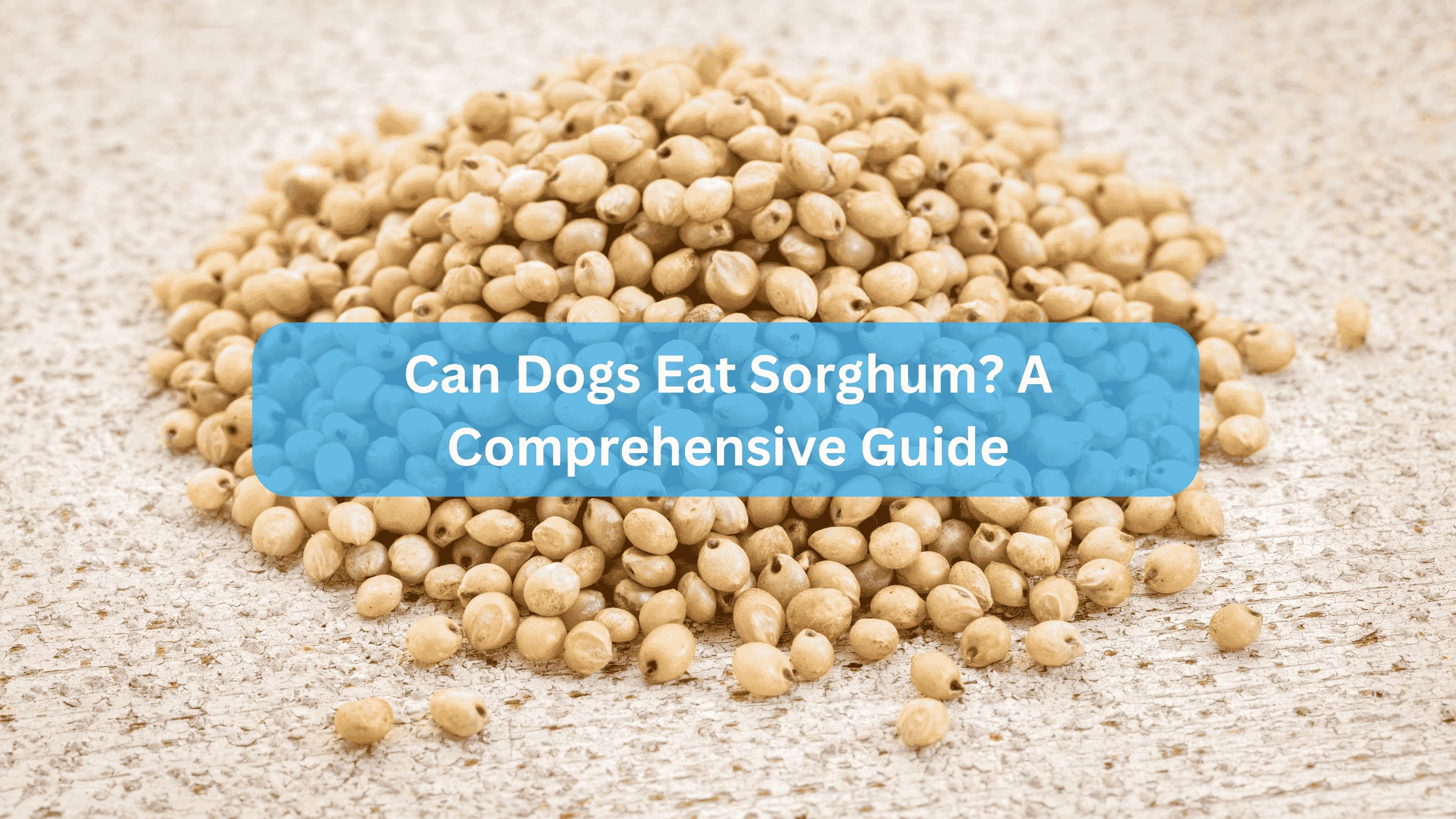
    Can Dogs Eat Sorghum? A Comprehensive Guide

    As dog owners increasingly seek high-quality, nutritious ingredients for their pets, the question arises: Can dogs eat sorghum? 

    This guide will explore the benefits, potential risks, and nutritional value of sorghum for dogs while providing insights into its role in pet food.

    Can Dogs Eat Sorghum?

    Yes, dogs can safely eat sorghum in moderation as part of a balanced diet.

    Sorghum is a gluten-free grain that provides fiber, protein, antioxidants, and various vitamins and minerals beneficial for dogs

    When introducing sorghum to your dog’s diet, soak it in water first to remove harmful tannins

    Consult your veterinarian about the appropriate amount to feed based on your dog’s individual nutritional needs and health conditions

    Many commercial dog foods already contain sorghum as a main ingredient, providing a convenient way to incorporate this nutritious grain into your pet’s meals

    Understanding Sorghum

    Sorghum is a cereal grain that originated in Africa and has been cultivated for thousands of years.

    It is known for its resilience in arid conditions and is a staple food in many parts of the world.

    In recent years, sorghum has made its way into pet food formulations due to its numerous health benefits.

    Nutritional Profile of Sorghum

    Sorghum is packed with essential nutrients that can contribute positively to a dog’s diet:

    • High Fiber Content: Sorghum is an excellent source of dietary fiber, which aids in digestion and helps maintain healthy bowel movements.
    • Gluten-Free: This grain is naturally gluten-free, making it suitable for dogs with gluten sensitivities or allergies.
    • Rich in Antioxidants: Sorghum contains various antioxidants that can help combat oxidative stress and promote overall health.
    • Source of Protein: While not as protein-rich as some other grains, sorghum does provide a moderate amount of protein essential for muscle development and maintenance.
    • Vitamins and Minerals: Sorghum is rich in B vitamins (such as niacin and thiamin), minerals (like magnesium, phosphorus, and potassium), and omega fatty acids, all of which are important for maintaining overall health.

    Benefits of Feeding Sorghum to Dogs

    Incorporating sorghum into your dog’s diet can offer several health benefits:

    1. Digestive Health: The high fiber content in sorghum promotes healthy digestion by facilitating regular bowel movements and preventing constipation.
    2. Weight Management: Sorghum’s fiber helps dogs feel full longer, which can aid in weight management by reducing the urge to overeat.
    3. Blood Sugar Control: With a lower glycemic index compared to grains like rice, sorghum releases glucose slowly into the bloodstream. This property can be beneficial for diabetic dogs or those prone to obesity.
    4. Nutrient-Rich Alternative: As a gluten-free grain, sorghum serves as a nutritious alternative to traditional grains that may cause digestive issues in some dogs.
    5. Antioxidant Properties: The antioxidants found in sorghum can help reduce inflammation and support overall immune function.
    6. Versatility: Sorghum can be cooked and served on its own or used as an ingredient in commercial dog foods, making it easy to incorporate into your dog’s diet.

    How to Prepare Sorghum for Dogs

    If you decide to introduce sorghum into your dog’s diet, it’s essential to prepare it properly:

    • Soaking: Soak sorghum grains overnight before cooking to help remove harmful tannins that can be present in raw sorghum.
    • Cooking: Boil the soaked grains until they are soft (about 30-40 minutes). Ensure they are thoroughly cooked before serving them to your dog.
    • Serving Size: Start with small amounts mixed into your dog’s regular food to monitor how they react before increasing the quantity.

    Tasty Sorghum Recipe for Dogs: Sorghum and Peanut Butter Treat

    Sorghum is a nutritious grain that can be a fantastic addition to your dog’s diet.

    Not only is it packed with fiber, protein, and essential nutrients, but it also serves as a great base for homemade dog treats.

    This recipe combines sorghum with peanut butter, creating a delicious and healthy snack that your furry friend will love.

    Ingredients

    • 1 cup sorghum flour (you can find this at health food stores or online)
    • 1/2 cup rolled oats
    • 1/2 cup natural peanut butter (make sure it does not contain xylitol, which is toxic to dogs)
    • 1/4 cup water (adjust as needed)
    • 1 egg (optional, for added protein and binding)
    • 1 tablespoon honey (optional, for sweetness; ensure your dog is not allergic)

    Instructions

    1. Preheat the Oven: Start by preheating your oven to 350°F (175°C).
    2. Mix Dry Ingredients: In a large mixing bowl, combine the sorghum flour and rolled oats. Stir well to ensure they are evenly mixed.
    3. Add Wet Ingredients: In another bowl, mix the peanut butter, water, egg (if using), and honey (if using). Stir until smooth and well combined.
    4. Combine Mixtures: Pour the wet mixture into the dry ingredients. Mix thoroughly until you have a dough-like consistency. If the dough is too dry, add a little more water; if it’s too wet, add a bit more sorghum flour.
    5. Roll Out the Dough: On a floured surface (use sorghum flour), roll out the dough to about 1/4 inch thick.
    6. Cut Out Treats: Use cookie cutters to cut out shapes from the dough. You can use bone-shaped cutters or any fun shapes you have on hand.
    7. Bake: Place the cut-out treats on a baking sheet lined with parchment paper. Bake in the preheated oven for about 20-25 minutes or until they are golden brown and firm to the touch.
    8. Cool Down: Remove from the oven and let them cool completely on a wire rack before serving them to your dog.
    9. Store Properly: Store the treats in an airtight container at room temperature for up to one week or in the refrigerator for up to two weeks.

    Nutritional Benefits

    These sorghum and peanut butter treats are not only tasty but also provide several health benefits:

    • High in Fiber: Sorghum flour is rich in dietary fiber, promoting healthy digestion in dogs.
    • Protein Source: The addition of peanut butter and egg provides essential proteins that support muscle health.
    • Gluten-Free: Sorghum is naturally gluten-free, making these treats suitable for dogs with gluten sensitivities.

    Potential Risks of Feeding Sorghum to Dogs

    While sorghum is generally safe for dogs, there are some considerations to keep in mind:

    • Allergic Reactions: Although rare, some dogs may have allergies or sensitivities to sorghum. Monitor your dog for any signs of allergic reactions such as itching, gastrointestinal upset, or changes in behavior after introducing this grain.
    • Digestive Issues: Some dogs may have difficulty digesting grains. If you notice any signs of discomfort or digestive upset after feeding sorghum, consult your veterinarian.

    Related Questions About Dogs and Sorghum

    Can all dogs eat sorghum?

    Most dogs can safely consume sorghum; however, it’s crucial to introduce it gradually and monitor for any adverse reactions. Dogs with specific dietary restrictions or allergies should consult their veterinarian before trying new foods.

    Is sorghum better than rice for dogs?

    Sorghum typically has a lower glycemic index than rice, making it a potentially better option for dogs that are overweight or diabetic. It also offers more fiber and antioxidants compared to white rice.

    How much sorghum can I feed my dog?

    The appropriate serving size will depend on your dog’s size, age, and dietary needs. Start with small amounts (a tablespoon or two) mixed into their regular food and adjust based on their tolerance and overall health.

    Can I feed my dog raw sorghum?

    Raw sorghum should not be fed to dogs without proper preparation. Always soak and cook the grains thoroughly before serving them.

    Also Read: Can Dogs Drink Soy Milk? A Comprehensive Guide

    Also Read: 15 Tips on How to Make a Dog with Lymphoma Comfortable.

    Conclusion

    In summary, sorghum can be a nutritious addition to your dog’s diet, offering various health benefits such as improved digestion, weight management support, and antioxidant properties.

    As with any dietary change, it’s essential to introduce sorghum gradually while monitoring your dog’s response. Consult with your veterinarian if you have concerns about allergies or specific dietary needs.

    By understanding the advantages of incorporating sorghum into your dog’s meals, you can make informed decisions that contribute positively to their health and well-being.

    Whether you’re considering homemade meals or exploring commercial pet foods containing this ancient grain, sorghum presents a viable option worth considering for your furry friend.


    Sources:

  • 15 Tips on How to Make a Dog with Lymphoma Comfortable.

    15 Tips on How to Make a Dog with Lymphoma Comfortable.

    How to Make a Dog with Lymphoma Comfortable? Receiving a lymphoma diagnosis for your beloved canine companion can be a devastating and overwhelming experience.

    Lymphoma is a common type of cancer in dogs that affects the lymphatic system, often causing enlarged lymph nodes, lethargy, and weight loss.

    While treatment options like chemotherapy can help put the cancer into remission, it’s crucial to focus on your dog’s quality of life and comfort throughout their journey.

    As a pet owner, your primary goal should be to ensure your dog with lymphoma remains as comfortable as possible, minimizing pain and discomfort while maintaining their dignity and well-being.

    This comprehensive guide will provide you with practical tips and strategies to help make your dog with lymphoma comfortable, from creating a soothing environment to managing pain and optimizing nutrition.

    Understanding Lymphoma in Dogs

    Before delving into the specifics of making your dog comfortable, it’s essential to have a basic understanding of lymphoma and its impact on your dog’s health.

    What is Lymphoma?

    Lymphoma is a type of cancer that originates in the lymphocytes, a type of white blood cell that is part of the immune system.

    In dogs, lymphoma most commonly affects the lymph nodes, spleen, liver, and bone marrow. The disease can spread quickly throughout the body, affecting multiple organs and systems.

    Types of Lymphoma in Dogs

    There are several types of lymphoma in dogs, each with its own characteristics and treatment approach:

    1. Multicentric lymphoma: This is the most common type, affecting multiple lymph nodes throughout the body.
    2. Alimentary lymphoma: This type affects the gastrointestinal tract, often causing vomiting, diarrhea, and weight loss.
    3. Mediastinal lymphoma: This type affects the lymph nodes in the chest, sometimes causing difficulty breathing.
    4. Extranodal lymphoma: This type affects organs outside the lymphatic system, such as the skin, eyes, or central nervous system.

    Symptoms of Lymphoma in Dogs

    The symptoms of lymphoma in dogs can vary depending on the type and stage of the disease. Some common symptoms include:

    • Swollen lymph nodes
    • Lethargy and fatigue
    • Decreased appetite and weight loss
    • Vomiting and diarrhea
    • Increased thirst and urination
    • Difficulty breathing

    Diagnosis and Treatment of Lymphoma in Dogs

    Lymphoma in dogs is typically diagnosed through a combination of physical examinations, blood tests, imaging studies (such as X-rays or ultrasounds), and biopsies of affected lymph nodes or organs.

    Treatment options may include chemotherapy, radiation therapy, immunotherapy, or a combination of these approaches, depending on the type and stage of the disease.

    How to Make a Dog with Lymphoma Comfortable?

    How to Give the Perfect Belly Rub |
    15 Tips on How to Make a Dog with Lymphoma Comfortable. 8

    Caring for a dog diagnosed with lymphoma can be a challenging journey, but there are many ways you can help make your furry friend more comfortable.

    Here’s a guide to assist you in providing the best care for your dog during this difficult time:

    1. Creating a Comfortable Environment

    • Provide Soft Bedding: Ensure your dog has a soft, supportive bed to rest on. Orthopedic mattresses or memory foam pads can offer extra support for their joints and muscles.
    • Use Mobility Aids: Consider using ramps or harnesses to help your dog move around more easily, especially if they are experiencing weakness or pain.

    2. Designate a Safe Space

    • Quiet Area: Set aside a quiet, comfortable area in your home where your dog can retreat and rest undisturbed.
    • Stress-Free Zone: This space should be free from loud noises, excessive activity, and potential stressors.

    3. Minimize Stress

    • Limit Visitors: Reduce the number of visitors and loud activities in your home to create a calmer environment.
    • Gentle Interactions: Keep interactions with your dog calm and gentle. Speak in a soothing voice and avoid sudden movements that could startle them.

    4. Maintain a Consistent Routine

    • Regular Schedule: Keeping a consistent daily routine can help reduce anxiety and provide a sense of normalcy for your dog.
    • Adjust Activities: Stick to regular feeding times, walks, and playtime as much as possible, adjusting the intensity and duration based on your dog’s energy levels and comfort.

    5. Create a Calming Environment

    • Calming Aids: Consider using calming aids like pheromone diffusers or anxiety wraps to soothe your dog’s nerves.
    • Soothing Sounds: Play soft, calming music or use white noise to mask disruptive sounds from outside the home.

    6. Managing Pain and Discomfort

    • Consult Your Veterinarian: Regular consultations with your veterinarian are essential for monitoring pain levels and adjusting medications as needed.
    • Pain Relief Medications: Your vet may prescribe pain relief medications such as non-steroidal anti-inflammatory drugs (NSAIDs) or opioids to manage discomfort.

    7. Monitor for Signs of Pain

    • Be Observant: Watch for signs of pain or discomfort, such as decreased appetite, lethargy, reluctance to move, or changes in behavior.
    • Contact Your Vet: If you notice any concerning symptoms, contact your veterinarian immediately for guidance.

    8. Consider Alternative Therapies

    • Explore Options: In addition to traditional pain medications, consider alternative therapies like acupuncture, massage therapy, or cold laser therapy.
    • Consult Specialists: Work with your veterinarian or a certified veterinary rehabilitation specialist to explore these options.

    9. Optimizing Nutrition

    • Work with Your Vet: Consult your veterinarian to develop a nutritional plan that meets your dog’s specific needs during their battle with lymphoma.
    • Dietary Recommendations:
    • Focus on high-quality commercial dog food or homemade diets tailored to your dog’s needs.
    • If appetite decreases, offer small, frequent meals of their favorite foods or high-calorie supplements.

    10. Provide Nutritious Foods

    • Balanced Diet: Provide a diet that is high in protein (lean meats like chicken or turkey), moderate in fat (fish oil or coconut oil), and low in carbohydrates.
    • Avoid Harmful Foods: Steer clear of table scraps or foods high in sugar or salt that can exacerbate digestive issues or contribute to weight gain.

    11. Consider Supplements

    • Health Support: Your veterinarian may recommend supplements like omega-3 fatty acids for reducing inflammation or antioxidants for boosting the immune system.
    • Vet Approval: Always consult with your vet before starting any new supplements to ensure they are appropriate for your dog’s condition.

    12. Encouraging Gentle Exercise

    • Short Walks: Take your dog for short, leisurely walks around the block or in the backyard, adjusting based on their energy levels and comfort.
    • Gentle Playtime: Engage in light play activities such as fetch with soft toys while avoiding strenuous activities that require running or jumping.

    13. Provide Mental Stimulation

    • Interactive Toys: Offer puzzle toys filled with treats to keep their mind active and prevent boredom.
    • Training Sessions: Engage in training sessions using positive reinforcement techniques to teach new tricks tailored to their abilities.

    14. Providing Emotional Support

    • Spend Quality Time Together: Make an effort to spend quality time with your dog every day through gentle petting, cuddling, and reassurance.
    • Positive Attitude: Maintain a positive attitude; dogs can sense their owner’s emotions. Staying calm can create a more relaxed environment for both you and your dog.

    15. Seek Support

    • Reach Out for Help: Don’t hesitate to contact your veterinarian, pet cancer support groups, or mental health professionals if you’re feeling overwhelmed or need someone to talk to.

    By following these tips how to make a dog with lymphoma comfortable, you can provide compassionate care that enhances their quality of life during this difficult time.

    Remember that each dog’s experience is unique; working closely with your veterinarian will ensure that you meet their specific needs effectively.

    Palliative Care and End-of-Life Decisions for Dogs

    As your dog’s disease progresses, you may need to make difficult decisions about their care and quality of life.

    Work closely with your veterinarian to develop a palliative care plan that prioritizes your dog’s comfort and well-being.

    Palliative Care

    Palliative care focuses on managing your dog’s symptoms and maintaining their quality of life, even if a cure is no longer possible.

    This may involve adjusting medications, providing supportive care, and making modifications to your dog’s environment to ensure their comfort.

    End-of-Life Decisions

    As your dog’s condition worsens, you may need to consider end-of-life decisions, such as euthanasia.

    This is a deeply personal decision that should be made in consultation with your veterinarian, taking into account your dog’s quality of life, pain levels, and overall well-being.

    Remember that euthanasia is a compassionate option that can help end your dog’s suffering and allow them to pass peacefully.

    What are the most common symptoms of lymphoma in dogs?

    The most common symptoms of lymphoma in dogs include swollen lymph nodes, lethargy, decreased appetite, weight loss, vomiting, diarrhea, increased thirst and urination, and difficulty breathing.

    How is lymphoma diagnosed in dogs?

    Lymphoma in dogs is typically diagnosed through a combination of physical examinations, blood tests, imaging studies (such as X-rays or ultrasounds), and biopsies of affected lymph nodes or organs.

    What are the treatment options for dogs with lymphoma?

    Treatment options for dogs with lymphoma may include chemotherapy, radiation therapy, immunotherapy, or a combination of these approaches, depending on the type and stage of the disease.

    How long can a dog live with lymphoma?

    The prognosis for dogs with lymphoma varies depending on the type and stage of the disease, as well as the dog’s response to treatment. With treatment, many dogs can live several months to over a year, but individual outcomes may vary.

    What can I do at home to support my dog with lymphoma?

    At home, you can support your dog with lymphoma by creating a calm, comfortable environment, managing pain and discomfort through veterinary guidance, providing a nutritious diet, encouraging gentle exercise, using mobility aids if needed, and offering emotional support through companionship and a positive attitude.

    Also Read: Can Bacteria Cause Cancer in Dogs? A Simple Guide.

    Also Read: Can Dogs Drink Soy Milk? A Comprehensive Guide

    Conclusion

    Caring for a dog with lymphoma can be a challenging and emotional experience, but with the right support and strategies, you can help make your dog as comfortable as possible throughout their journey.

    By creating a calm environment, managing pain and discomfort, optimizing nutrition, encouraging gentle exercise, and providing emotional support, you can help ensure your dog with lymphoma maintains the best possible quality of life.

    Remember, every dog’s experience with lymphoma is unique, and it’s important to work closely with your veterinarian to develop a care plan that meets your dog’s specific needs.

    With compassionate care and support, you can help your dog with lymphoma feel loved, comforted, and as comfortable as possible during this difficult time.


    Sources:

  • Can Dogs Drink Soy Milk? A Comprehensive Guide

    Can Dogs Drink Soy Milk? A Comprehensive Guide

    As more pet owners explore plant-based alternatives for their furry friends, a common question arises: can dogs drink soy milk?

    This detailed guide examines the safety, nutritional benefits, potential risks, and best practices for incorporating soy milk into your dog’s diet.

    We will also answer frequently asked questions related to this topic.

    What is Soy Milk?

    Soy milk is a non-dairy beverage made from whole soybeans or soy protein isolate blended with water.

    It is often fortified with vitamins and minerals, making it a popular alternative to cow’s milk.

    Unlike other soy products such as soy sauce or tofu, soy milk is primarily used as a milk substitute due to its creamy texture and nutritional profile.

    Nutritional Profile of Soy Milk

    When considering whether dogs can drink soy milk, it’s essential to understand its nutritional content:

    • Protein: Soy milk is rich in high-quality plant-based protein, which is vital for muscle development and repair.
    • Vitamins and Minerals: Many brands are fortified with essential nutrients like vitamin B12, vitamin D, and calcium, contributing to overall health.
    • Low Lactose: Soy milk contains very little lactose, making it a suitable option for lactose-intolerant dogs.

    However, there are components in soy milk that may not be ideal for all dogs:

    • Fat Content: While some fat is necessary for a dog’s diet, excessive fat can lead to obesity or pancreatitis.
    • Phytoestrogens: These naturally occurring compounds mimic estrogen; their effects on dogs are not fully understood.

    Potential Benefits of Soy Milk for Dogs

    If you’re considering whether can dogs drink soy milk, here are some potential benefits:

    • Digestive Health: For dogs that are lactose intolerant, soy milk can be easier to digest than cow’s milk.
    • Protein Source: It provides a good source of protein without the saturated fats found in some animal products.
    • Weight Management: Unsweetened soy milk can be lower in calories than whole milk, making it a better option for overweight dogs.

    Potential Risks of Soy Milk for Dogs

    While there are benefits to feeding your dog soy milk, there are also risks to consider:

    • Allergic Reactions: Some dogs may be allergic to soy, leading to symptoms like itching, gastrointestinal upset, or respiratory issues.
    • Pancreatitis Risk: The high-fat content could trigger pancreatitis in susceptible dogs.
    • Endocrine Disruption: The phytoestrogens in soy may affect hormone levels if consumed in large quantities.

    Serving Sizes and Precautions of Soy Milk for Dogs

    If you decide to give your dog soy milk, follow these guidelines:

    • Start Small: Begin with a small amount (1-2 tablespoons) to see how your dog reacts.
    • Choose Unsweetened Varieties: Avoid flavored or sweetened soy milks that contain added sugars or artificial ingredients.
    • Monitor Your Dog: Watch for any signs of allergies or digestive upset after introducing soy milk.

    Frequently Asked Questions About Dogs and Soy Milk

    Can all dogs drink soy milk?

    Not all dogs can safely consume soy milk. Dogs with soy allergies or certain health conditions should avoid it. Always consult your veterinarian before introducing new foods.

    Is soy milk better than cow’s milk for dogs?

    For lactose-intolerant dogs, soy milk may be a better option than cow’s milk. However, it should not replace a balanced diet specifically formulated for dogs.

    How often can I give my dog soy milk?

    Soy milk should be treated as an occasional treat rather than a regular part of your dog’s diet. Limit servings to avoid potential digestive issues.

    What are the signs of an allergic reaction in dogs?

    Signs include itching, swelling, vomiting, diarrhea, or difficulty breathing. If you notice any of these symptoms after giving your dog soy milk, discontinue use immediately and consult your veterinarian.

    Can puppies drink soy milk?

    Puppies have specific dietary needs that are best met through their mother’s milk or specially formulated puppy food. It’s best to avoid giving puppies soy milk without veterinary guidance.

    Also Read: Can Dogs Eat Soy Butter? A Comprehensive Guide.

    Also Read: Can Bacteria Cause Cancer in Dogs? A Simple Guide.

    Conclusion

    In moderation and with proper precautions, the answer to the question “can dogs drink soy milk” is generally yes for most dogs.

    It offers nutritional benefits while serving as an alternative for those who cannot tolerate dairy.

    However, due diligence is essential—monitoring your dog’s reaction and consulting with a veterinarian are crucial steps before incorporating any new food into their diet.

    By understanding the nutritional aspects of soy milk and being aware of potential risks, you can make informed decisions about your dog’s diet while ensuring their health and happiness.


    Sources: