Author: Kartikey Dwivedi

  • Are Skinks Poisonous to Dogs? What You Need to Know

    Are Skinks Poisonous to Dogs? What You Need to Know

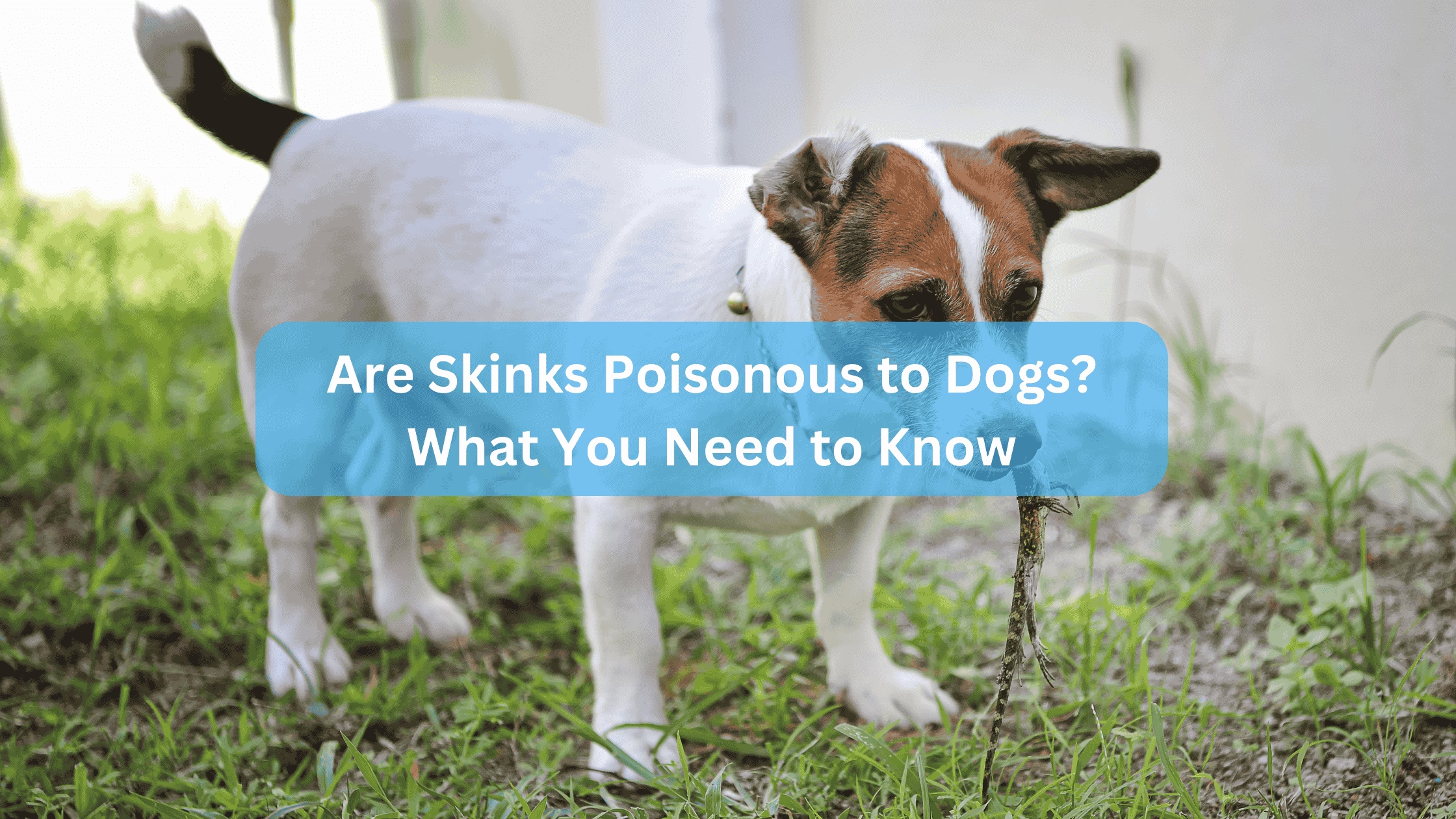
    Are Skinks Poisonous to Dogs? As a dog owner, you may wonder about the safety of your furry friend when it comes to skinks.

    This comprehensive guide will explore the potential risks associated with skinks and provide essential information to keep your pup safe.

    What are Skinks?

    Skinks are smooth-bodied lizards known for their short limbs or, in some cases, no limbs at all. These reptiles are often found in tropical regions and are recognized for their burrowing behavior.

    Can Dogs Live with Skinks?

    While it’s technically possible for dogs and skinks to coexist in the same household, it’s not advisable.

    Skinks thrive in quiet environments, and dogs—especially those with a strong prey drive—may cause them significant stress.

    Prey Drive and Dogs Living with Skinks

    Dogs possess a natural prey drive that can lead them to mistake small reptiles like skinks for prey. This instinctual behavior can put skinks at risk, even if your dog is typically friendly.

    Signs Your Dog Has Contracted Something from a Skink

    If your dog has ingested a skink or come into contact with one, watch for symptoms of illness, which may include:

    • Vomiting
    • Loss of appetite
    • Weight loss
    • Diarrhea
    • Severe dehydration
    • Shock (in severe cases)

    Are Skinks Poisonous to Dogs?

    Contrary to common misconceptions, skinks are neither poisonous nor venomous.

    However, they can carry harmful bacteria such as salmonella, botulism, campylobacteriosis, and leptospirosis. If ingested, these bacteria can lead to serious health issues in dogs.

    What happens if your dog eats a skink?

    Generally, if your dog merely touches or licks a skink, there shouldn’t be any immediate issues.

    But If a dog consumes a skink, they may be exposed to bacteria such as salmonella, which can cause gastrointestinal issues, including vomiting, diarrhea, and abdominal pain.

    If you suspect your dog has eaten a skink, it’s important to consult your veterinarian.

    What should I do if my dog eats a skink?

    If your dog eats a skink, monitor them closely for any signs of illness.

    Contact your veterinarian to discuss the situation, as they may recommend a stool culture to check for salmonella infection.

    Depending on the severity of symptoms, treatment may include supportive care or antibiotics.

    Salmonella Infection in Dogs – How do I know if my dog has salmonella from a skink?

    Salmonella is a common concern for dogs that consume lizards. Symptoms of a salmonella infection may include:

    • Fever
    • Nausea
    • Vomiting
    • Diarrhea (which may be bloody)
    • Abdominal pain
    • Dehydration

    If left untreated, salmonella can progress to severe complications, including sepsis.

    Diagnosis and Treatment

    If you suspect your dog has eaten a skink, it’s essential to consult your veterinarian. They may recommend a stool culture to check for salmonella infection. Treatment options depend on the severity of the case:

    • Mild cases may only require supportive care.
    • Severe cases may necessitate antibiotics and more intensive treatment.

    Preventing Salmonella Infection

    To minimize the risk of salmonella infection, maintain proper hygiene around your home. Here are some tips:

    • Wash your hands after handling your dog.
    • Restrict your dog’s access to furniture and areas where skinks may be present.
    • Separate your dog from other pets until they fully recover from any illness.

    Can skinks transmit diseases to dogs?

    Yes, skinks can transmit diseases to dogs, primarily through the bacteria they carry, such as salmonella, botulism, and leptospirosis.

    These bacteria can cause various health issues in dogs, making it important for pet owners to be aware of the potential risks associated with skinks.

    Also Read: Frenchton Dog Breed: A Comprehensive Guide

    Also Read: Can Dogs Eat Apple Cinnamon Oatmeal? A Comprehensive Guide

      Conclusion

      While skinks are not poisonous or venomous, they can carry harmful bacteria that pose health risks to dogs.

      It’s best to keep your dog away from skinks and seek veterinary care if you suspect your dog has contracted an illness from one.

      By staying informed and proactive, you can help ensure the health and safety of your beloved pet.


      Sources:

    1. Can Dogs Eat Apple Cinnamon Oatmeal? A Comprehensive Guide

      Can Dogs Eat Apple Cinnamon Oatmeal? A Comprehensive Guide

      Can Dogs Eat Apple Cinnamon Oatmeal? As a dog owner, it’s natural to want to share your favorite foods with your furry friend.

      One popular breakfast item, apple cinnamon oatmeal, often raises questions about its safety for dogs.

      In this article, we will explore whether dogs can eat apple cinnamon oatmeal, the potential risks involved, and what you should know before offering it to your pet.

      Can Dogs Eat Apple Cinnamon Oatmeal?

      The short answer is that commercial apple cinnamon oatmeal products are not safe for dogs due to the presence of harmful additives, sugars, and artificial sweeteners.

      However, homemade apple cinnamon oatmeal can be a healthy and safe treat for your furry friend when prepared with dog-friendly ingredients.

      By making it yourself, you can control what goes into the oatmeal and ensure it is free from harmful substances.

      Risks of Apple Cinnamon Oatmeal for Dogs

      1. Added Sugars and Sweeteners

      Many commercial apple cinnamon oatmeal products contain added sugars and sweeteners, which can be harmful to dogs.

      Excessive sugar intake can lead to obesity, diabetes, and dental problems in dogs.

      Even small amounts of sugar can upset their stomachs and lead to gastrointestinal issues.

      2. Cinnamon Concerns

      Cinnamon is often included in apple cinnamon oatmeal, and while it is not toxic to dogs in small amounts, it can cause health issues if consumed in larger quantities. Potential problems include:

      • Gastrointestinal Upset: Dogs may experience vomiting or diarrhea if they consume too much cinnamon.
      • Low Blood Sugar: High amounts of cinnamon can lead to a drop in blood sugar levels, causing weakness or lethargy.
      • Liver Damage: In extreme cases, large quantities of cinnamon can lead to liver damage.

      3. Apples and Their Seeds

      Apples are generally safe for dogs, but the seeds and core contain cyanide, which is toxic.

      If you were to make homemade apple cinnamon oatmeal, you’d need to ensure that all seeds and cores are removed.

      However, the risk of feeding your dog apple cinnamon oatmeal still outweighs the benefits.

      Can Dogs Eat Homemade Apple Cinnamon Oatmeal?

      Yes, dogs can eat homemade apple cinnamon oatmeal, provided it is made with dog-safe ingredients.

      Unlike store-bought versions that may contain sugars, artificial sweeteners, and other harmful additives, homemade oatmeal allows you to control what your dog consumes.

      Recipe for Homemade Apple Cinnamon Oatmeal for Dogs

      Ingredients:

      • 1 cup rolled oats (old-fashioned or quick-cooking)
      • 2 cups water
      • 1 medium apple (peeled, cored, and chopped)
      • 1/2 teaspoon ground cinnamon (optional; use in moderation)
      • 1 tablespoon honey (optional; for added sweetness, but not necessary)

      Instructions:

      1. Prepare the Apples: Start by peeling, coring, and chopping the apple into small pieces. Make sure to remove all seeds, as they are toxic to dogs.
      2. Cook the Oats: In a medium saucepan, bring the water to a boil. Once boiling, add the rolled oats and stir well. Reduce the heat to low and let it simmer for about 5 minutes, stirring occasionally until the oats are soft and have absorbed most of the water.
      3. Add the Apples and Cinnamon: Stir in the chopped apples and ground cinnamon. Cook for an additional 2-3 minutes until the apples are tender.
      4. Cool Before Serving: Remove the saucepan from the heat and allow the oatmeal to cool completely before serving it to your dog.
      5. Serve: Once cooled, serve a small portion to your dog. You can store any leftovers in an airtight container in the refrigerator for up to three days.

      Nutritional Benefits

      • Oats: A good source of fiber, which can help with digestion and keep your dog feeling full.
      • Apples: Rich in vitamins A and C, as well as fiber. They can help freshen your dog’s breath and provide antioxidants.
      • Cinnamon: In small amounts, cinnamon can have anti-inflammatory properties and may help regulate blood sugar levels. However, it should be used sparingly.

      Important Considerations

      • Moderation is Key: Even though the ingredients are safe, it’s important to serve this treat in moderation. Too much oatmeal can lead to digestive issues.
      • Consult Your Vet: Always check with your veterinarian before introducing new foods into your dog’s diet, especially if your dog has any health issues or dietary restrictions.
      • Avoid Additives: Ensure that no sugar, salt, or other harmful ingredients are added to the oatmeal. Stick to the basic recipe to keep it safe for your dog.

      Alternatives to Apple Cinnamon Oatmeal

      If you want to treat your dog to oatmeal, consider these alternatives:

      • Plain Oatmeal: Cook plain, rolled, or steel-cut oats in water without any additives. This is a safe option that provides fiber and nutrients without the risks associated with flavored varieties.
      • Dog-Friendly Toppings: If you want to add flavor, consider mixing in dog-safe fruits like blueberries or bananas. Always ensure that any added ingredients are safe for dogs.

      Frequently Asked Questions

      Can Dogs Eat Oatmeal Every Day?

      While plain oatmeal can be a healthy treat for dogs, it should not be a daily staple. Moderation is key to prevent digestive issues.

      What Are the Signs of Food Allergies in Dogs?

      Symptoms of food allergies may include itching, swelling, gastrointestinal upset, and skin irritations. If you notice these signs after introducing any new food, consult your veterinarian.

      What Should I Do If My Dog Eats Apple Cinnamon Oatmeal?

      If your dog consumes apple cinnamon oatmeal, monitor them for any signs of distress, such as vomiting or diarrhea. If symptoms occur, contact your veterinarian for advice.

      Can I use instant oats for recepie?

      Yes, you can use instant oats, but they may cook faster. Adjust the cooking time accordingly.

      What if my dog is allergic to apples?

      If your dog has a known allergy to apples, do not use them in this recipe. You can substitute with another dog-safe fruit like mashed bananas.

      Can I freeze leftover oatmeal?

      Yes, you can freeze portions of the oatmeal in ice cube trays for easy serving later. Just thaw before serving.

      Also Read: How to Groom a Toy Poodle: A Comprehensive Guide

      Also Read: Frenchton Dog Breed: A Comprehensive Guide

      Conclusion

      In conclusion, while oatmeal can be a healthy treat for dogs, apple cinnamon oatmeal is not recommended due to the potential risks from added sugars, cinnamon, and other ingredients found in commercial products.

      However, if you want to treat your dog to a homemade version of apple cinnamon oatmeal, our recipe provides a safe and nutritious alternative.

      By making it yourself, you can control the ingredients and ensure that your dog enjoys the flavors without any harmful additives.

      Remember, even homemade apple cinnamon oatmeal should be served in moderation as part of a balanced diet.

      Always consult your veterinarian before introducing new foods into your dog’s diet to ensure their health and safety, especially if they have any existing health conditions or dietary restrictions.

      By understanding the risks associated with store-bought apple cinnamon oatmeal and the benefits of homemade versions, you can make informed decisions about your dog’s diet and keep them healthy and happy.

      Stick to plain, cooked oats or our homemade recipe for a safe and delicious treat that your furry friend will love.


      Sources:

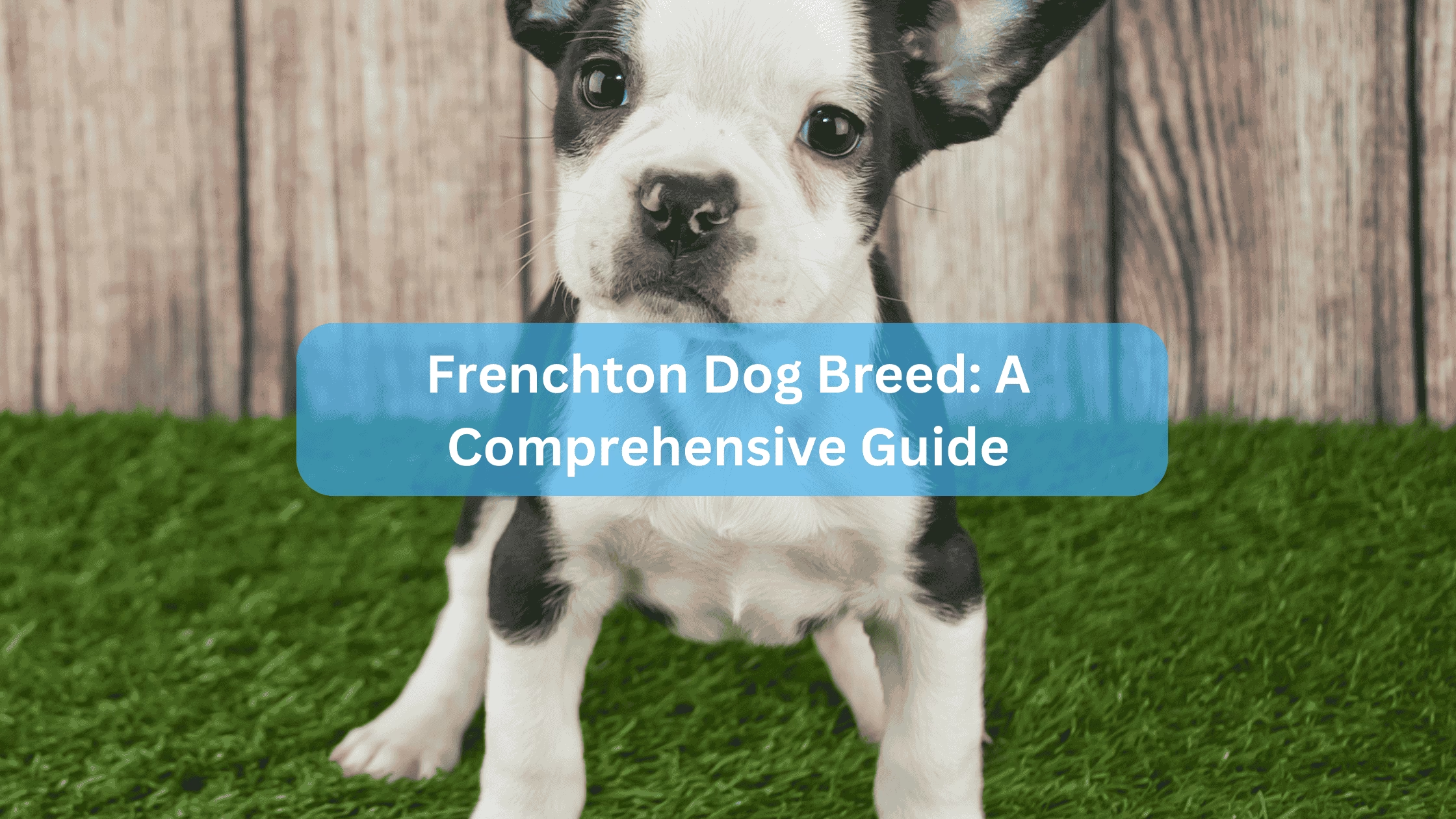
    2. Frenchton Dog Breed: A Comprehensive Guide

      Frenchton Dog Breed: A Comprehensive Guide

      Frenchton Dog Breed: The Frenchton is a charming hybrid breed that results from crossing the French Bulldog and the Boston Terrier.

      Known for their playful personalities and affectionate nature, Frenchtons have gained popularity as delightful companions for families and individuals alike.

      This guide will explore the origins, characteristics, temperament, care needs, training, health, and other essential aspects of the Frenchton breed.

      CategoryDetails
      Breed NameFrenchton (also known as Boston Frenchie, Froston, or Faux French Bulldog)
      Origins and BackgroundA hybrid created by crossing the French Bulldog and Boston Terrier, developed in the early 2000s in the United States.
      Physical CharacteristicsHeight: 11 to 14 inches
      Weight: 15 to 25 pounds
      Coat: Short, smooth, and shiny; colors include brindle, fawn, black, and white.
      Temperament and Personality– Friendly and sociable
      – Playful and affectionate
      – Intelligent and eager to please
      – May experience separation anxiety if left alone for long periods.
      Care and Exercise NeedsExercise: 30 minutes to 1 hour daily
      Grooming: Minimal; regular brushing to manage shedding
      Living Environment: Adaptable to apartments and homes with yards.
      Training and Socialization– Responds well to positive reinforcement
      – Early socialization is crucial
      – Consistent training helps with their sometimes stubborn nature.
      Health and LifespanCommon Health Issues: Brachycephalic syndrome, patellar luxation, skin allergies
      Lifespan: 12 to 15 years.
      Feeding and Nutrition– High-quality dog food suitable for small breeds
      – Daily intake: 1 to 2 cups, divided into two meals
      – Monitor weight to prevent obesity.
      Family Pet Compatibility– Great with children and other pets
      – Requires supervision with young kids due to their playful nature.
      Price and Availability– Price ranges from $1,500 to $4,000 depending on breeder reputation and location
      – Available through reputable breeders or rescue organizations.
      Frenchton Dog Breed Info

      The Frenchton is a delightful blend of two beloved breeds, making it an ideal choice for those seeking a loving and loyal companion. This guide provides essential information for potential owners to understand the unique traits and needs of the Frenchton breed.

      Origins and Background of Frenchton Dog Breed

      The Frenchton is a delightful hybrid breed that results from crossing the French Bulldog and the Boston Terrier.

      This mix originated in the United States during the late 20th century as breeders aimed to create a dog that embodies the affectionate nature of the French Bulldog while incorporating the energetic spirit of the Boston Terrier.

      The Frenchton was developed not only for its charming personality but also to mitigate some of the health issues commonly associated with its parent breeds.

      Characteristics of Frenchton Dog Breed

      • Size: Frenchtons typically weigh between 15 to 25 pounds and stand about 11 to 14 inches tall, making them a small to medium-sized breed.
      • Coat: They have short, smooth coats that come in a variety of colors, including brindle, fawn, and pied. Their coat is low-maintenance, requiring minimal grooming.
      • Build: The Frenchton has a compact, muscular build, characterized by a broad head, short muzzle, and expressive eyes that reflect their friendly disposition.

      Temperament and Personality of Frenchton Dog Breed

      Frenchtons are known for their playful and affectionate nature. They typically exhibit the following traits:

      • Friendly: They are sociable and get along well with children and other pets, making them excellent family dogs.
      • Loyal: Frenchtons form strong bonds with their families and thrive on human interaction.
      • Intelligent: Their intelligence makes them quick learners, although they can sometimes show a stubborn streak.

      Care and Exercise Needs of Frenchton Dog Breed

      To keep a Frenchton healthy and happy, proper care and exercise are essential:

      • Exercise: Frenchtons require daily exercise, including walks and playtime, totaling about 30 minutes to an hour of activity.
      • Grooming: Their short coats require minimal grooming, but regular brushing can help reduce shedding.
      • Living Environment: They adapt well to apartment living but should have access to outdoor spaces for play and exercise.

      Training and Socialization for Frenchton Dog Breed

      Training a Frenchton can be a rewarding experience if approached correctly:

      • Positive Reinforcement: They respond best to reward-based training methods, including treats and praise.
      • Early Socialization: Introducing them to various environments, people, and other animals from a young age is crucial for developing a well-rounded temperament.
      • Consistency: Regular training sessions help reinforce good behavior and curb any stubborn tendencies.

      Health and Lifespan of Frenchton Dog Breed

      Frenchtons generally enjoy a lifespan of 12 to 15 years, but they may be prone to certain health issues:

      • Common Health Concerns: Potential issues include brachycephalic obstructive airway syndrome (BOAS), skin allergies, and joint problems.
      • Regular Vet Visits: Routine check-ups and vaccinations are essential to monitor their health and address any concerns early on.

      Feeding and Nutrition for Frenchton Dog Breed

      Proper nutrition is vital for a Frenchton’s health:

      • Diet: A high-quality dog food formulated for small to medium breeds is recommended, focusing on balanced nutrition.
      • Portion Control: It’s important to monitor their food intake to prevent obesity, which can exacerbate health issues.
      • Feeding Schedule: Dividing their daily food into two meals can help manage their energy levels and digestion.

      Frenchton Dog Breed as Family Pets

      Frenchtons make excellent family pets due to their loving and playful nature:

      • Compatibility with Children: They are generally good with kids, enjoying playtime and companionship.
      • Adaptability: Frenchtons can adjust to various living situations, whether in apartments or homes with yards, as long as they receive adequate exercise.
      • Social Nature: Their friendly disposition means they typically get along well with other pets, especially if socialized properly.

      Price and Availability of Frenchton Dog Breed

      The cost of a Frenchton puppy can vary significantly based on factors such as breeder reputation and location:

      • Price Range: Expect to pay between $1,500 and $4,000 for a Frenchton puppy from a reputable breeder.
      • Finding a Puppy: It’s advisable to seek out responsible breeders who prioritize health testing and socialization. Adoption from rescue organizations is also an option for those looking to provide a home to a Frenchton in need.

      Frenchton Puppies

      frenchton puppies |
      Frenchton Puppies

      Frenchton puppies are known for their playful and curious nature:

      • Early Development: Like all puppies, they will require training and socialization to ensure they grow into well-adjusted adults.
      • Finding a Breeder: Look for breeders who specialize in Frenchtons and have a good reputation for ethical breeding practices.
      • Adoption Options: Local shelters and rescue groups may have Frenchton puppies or adults available for adoption.

      Also Read: How to Groom a Toy Poodle: A Comprehensive Guide

      Also Read: Why Do Dogs Pant in the Car? A Comprehensive Guide

      Conclusion

      The Frenchton is a delightful hybrid breed that combines the best traits of the French Bulldog and Boston Terrier.

      With their affectionate nature, moderate exercise needs, and adaptability to various living situations, they make wonderful companions for families and individuals alike.

      Prospective owners should be aware of potential health issues and commit to providing the necessary care, training, and socialization to ensure a happy and healthy life for their Frenchton.


      Sources:

      https://www.dogzone.com/crossbreeds/frenchton/
      https://www.frenchtonpups.com/frenchton-lifespan/
      https://premierpups.com/dog-breeds/frenchton
      https://www.designerkennelclub.com/post/frenchton-bulldog-information
      https://preeders.com/en/animals/breeds/dogs/frenchton.htm
      https://a-z-animals.com/animals/frenchton/

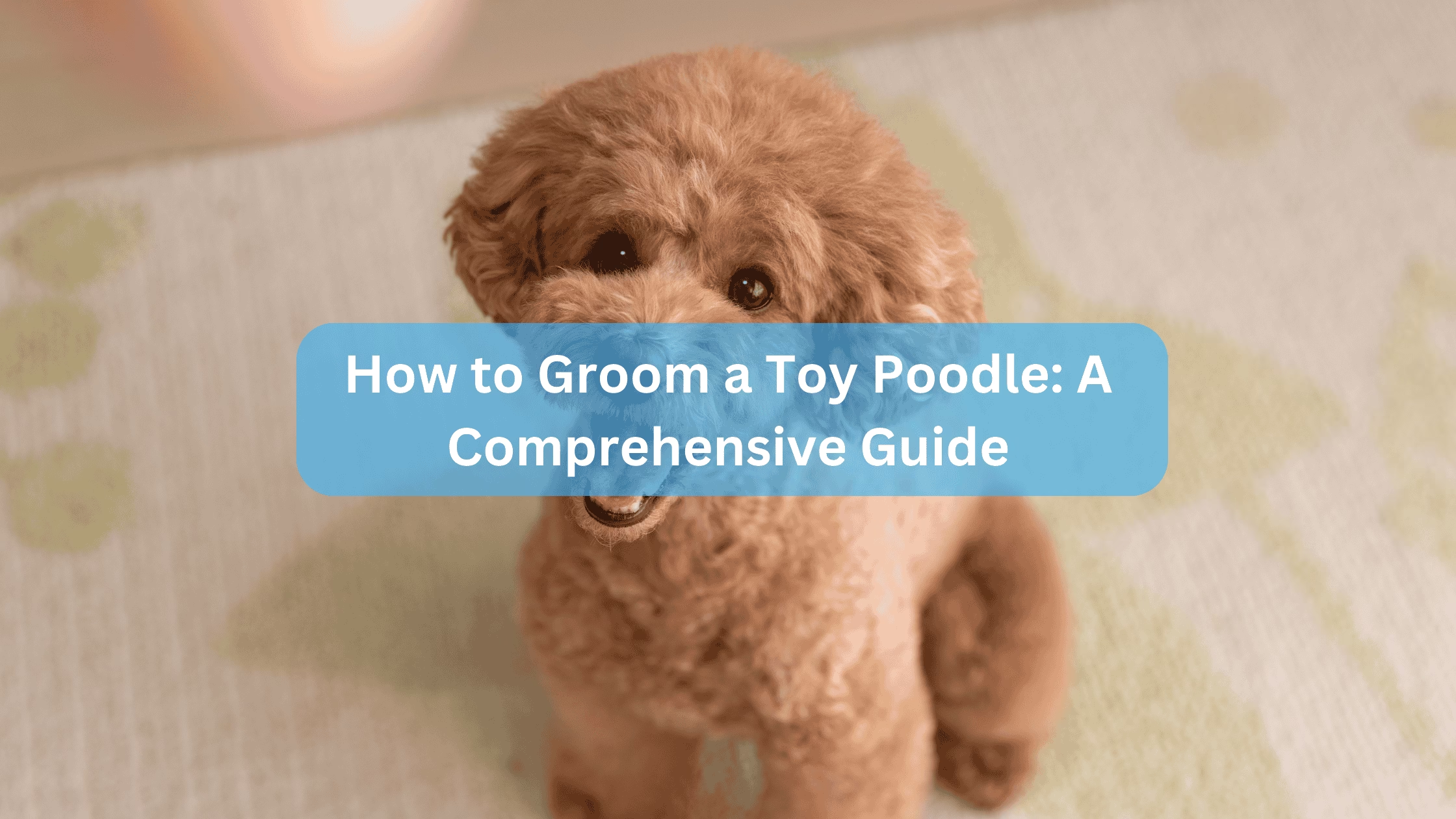
    3. How to Groom a Toy Poodle: A Comprehensive Guide

      How to Groom a Toy Poodle: A Comprehensive Guide

      How to Groom a Toy Poodle? Grooming a Toy Poodle is essential for maintaining their health and appearance. Their unique curly coat requires regular attention to prevent matting and tangling.

      This guide will cover the steps for grooming a Toy Poodle, including the popular teddy bear cut, grooming at home, and tips for grooming puppies.

      Understanding Toy Poodle Grooming Needs

      Toy Poodles have a dense, curly coat that can trap dirt and debris, making regular grooming necessary. Here are the key aspects of grooming:

      • Brushing: Regular brushing is crucial to prevent mats and tangles. Use a slicker brush and a fine-toothed comb to detangle the fur.
      • Bathing: Bathing should be done every 4-6 weeks with a gentle dog shampoo to avoid stripping natural oils from their skin.
      • Trimming: Regular haircuts are necessary to maintain their coat. The teddy bear cut is a popular choice, giving them a soft, rounded appearance.

      How to Groom a Toy Poodle Teddy Bear Cut

      The teddy bear cut is a style where the hair is kept at a uniform length, typically 1-2 inches, giving the dog a cute, cuddly look. Here’s how to achieve this cut:

      1. Preparation: Start by brushing your Poodle thoroughly to remove any tangles. Bathe them using a dog-specific shampoo and conditioner, and dry them completely with a blow dryer set on low heat.
      2. Tools Needed:
      • Slicker brush
      • Stainless steel comb
      • Dog clippers with guard combs
      • Grooming scissors
      • Dog-safe shampoo and conditioner

      3. Grooming Steps:

        • Body: Use clippers with a guard to trim the body, starting from the neck and moving down to the tail. Maintain a consistent length.
        • Face: Carefully trim around the eyes and mouth, ensuring to leave some length for that teddy bear look. Use scissors for precise shaping.
        • Paws: Trim the hair between the paw pads and around the feet to keep them neat.

        4. Finishing Touches: After trimming, give your Poodle a final brush to ensure the coat is even and free of tangles.

          How to Groom a Toy Poodle at Home

          Grooming your Toy Poodle at home can save time and money. Here are some tips:

          • Create a Comfortable Space: Set up a grooming area with a non-slip surface and good lighting. A grooming table is ideal but any stable surface will work.
          • Daily Routine: Brush your Poodle daily to keep their coat tangle-free. This also helps them get accustomed to the grooming process.
          • Bathing and Drying: Bathe your Poodle when necessary, ensuring to dry them thoroughly afterward to prevent skin issues.
          • Regular Trims: Schedule regular trims every 4-6 weeks to maintain the coat length and style.

          How to Groom a Toy Poodle Puppy

          Grooming a puppy is slightly different from grooming an adult dog. Here are some tips for grooming a Toy Poodle puppy:

          • Introduce Grooming Early: Start grooming your puppy as early as possible to help them get used to the process. Use gentle handling and positive reinforcement.
          • Short Sessions: Keep grooming sessions short and positive. Gradually increase the duration as your puppy becomes more comfortable.
          • Focus on the Basics: Begin with brushing and gradually introduce bathing and trimming as your puppy grows.

          Video Resources for Grooming

          Visual aids can be incredibly helpful for learning grooming techniques. Here are some recommended videos:

          • How to Groom a Toy Poodle: A detailed guide demonstrating the grooming process, including brushing, bathing, and trimming. Watch here.
          • Teddy Bear Cut Tutorial: Step-by-step instructions on achieving the teddy bear cut, including tips for maintaining the look.
          • Puppy’s First Groom: A tutorial showing how to groom a Toy Poodle puppy for the first time, focusing on comfort and positive experiences.

          Also Read: Dog Car Sickness – A Comprehensive Guide

          Also Read: Why Do Dogs Pant in the Car? A Comprehensive Guide

          Conclusion

          Grooming a Toy Poodle is a vital part of their care, ensuring they remain healthy and looking their best.

          Regular grooming not only enhances their appearance but also strengthens the bond between you and your furry friend.

          By following the outlined steps and utilizing available resources, you can confidently groom your Toy Poodle at home.

          Whether you choose to maintain the teddy bear cut or explore other styles, consistent grooming will contribute to your dog’s overall well-being.


          Sources:

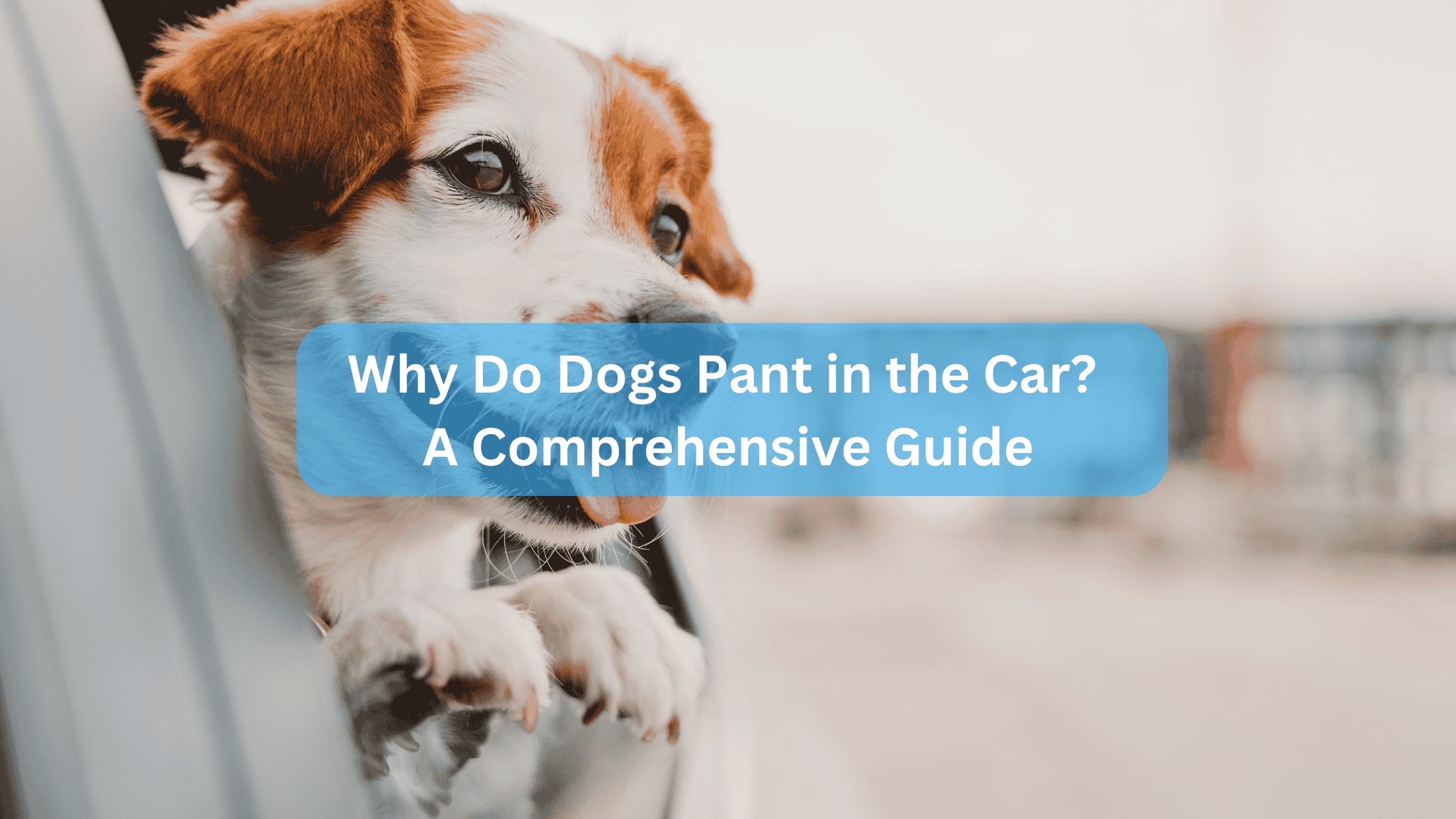
        1. Why Do Dogs Pant in the Car? A Comprehensive Guide

          Why Do Dogs Pant in the Car? A Comprehensive Guide

          Why Do Dogs Pant in the Car? Dogs are beloved companions, and many of us enjoy taking them along for car rides.

          However, if you’ve ever noticed your dog panting while in the car, you may have wondered why this behavior occurs.

          Understanding the reasons behind panting can help you ensure your dog is comfortable and safe during travel.

          This article will delve into the various causes of panting in dogs, particularly in the context of car rides, and provide tips for managing this behavior effectively.

          What is Panting?

          Panting is a natural behavior in dogs that involves rapid, shallow breathing.

          It serves several purposes, primarily regulating body temperature, but can also indicate emotional states such as excitement, anxiety, or distress.

          Unlike humans, dogs do not sweat to cool down; instead, they rely on panting to help evaporate moisture from their lungs and mouth, which cools their body.

          Reasons Why Do Dogs Pant in the Car?

          Understanding why your dog pants in the car can help you address the issue effectively. Here are the primary reasons:

          1. Heat Regulation

          One of the most common reasons dogs pant is to regulate their body temperature. Dogs have a limited number of sweat glands, primarily located in their paw pads.

          When they get hot, panting allows them to cool down by increasing airflow over their moist surfaces.

          • Car Temperature: Cars can heat up quickly, even on mild days. If your dog is panting in the car, it may simply be too hot. Make sure the air conditioning is working, or open the windows to provide ventilation.
          • Signs of Overheating: Be vigilant for signs of heatstroke, which can include excessive panting, drooling, and lethargy. If your dog shows these signs, it’s crucial to cool them down immediately and seek veterinary assistance if necessary.

          2. Anxiety and Stress

          For some dogs, car rides can be a source of anxiety. This is especially true if they associate the car with negative experiences, such as trips to the vet or being confined in a small space.

          • Signs of Anxiety: Panting due to anxiety may be accompanied by other behaviors such as whining, excessive yawning, lip licking, or pacing. If your dog seems distressed, it’s essential to address their anxiety.
          • Creating Positive Associations: To help alleviate anxiety, work on creating positive associations with car rides. Start with short trips and reward your dog with treats or praise when they remain calm.

          3. Excitement

          Conversely, some dogs pant when they are excited. If your dog is panting in anticipation of an adventure, such as a trip to the park, this is generally a normal response.

          • Excitement vs. Anxiety: Excited panting tends to be lighter and more rapid compared to panting caused by stress. Observe your dog’s body language to differentiate between excitement and anxiety.

          4. Pain or Discomfort

          Excessive panting can also indicate pain or discomfort. If your dog is panting heavily and seems restless or unable to settle, it may be experiencing pain from an injury or underlying health issue.

          • When to Seek Help: If your dog’s panting is accompanied by other symptoms such as vomiting, lethargy, or difficulty breathing, consult your veterinarian immediately.

          5. Medical Conditions

          Certain medical conditions can cause increased panting in dogs. These may include respiratory issues, heart problems, or hormonal disorders like Cushing’s disease.

          • Regular Vet Check-ups: Regular veterinary check-ups can help identify any underlying health issues that may contribute to abnormal panting.

          How to Manage Dog Panting in the Car

          While panting can be a normal behavior, excessive panting in the car can be concerning. Here are some strategies to help manage your dog’s panting:

          1. Keep the Car Comfortable

          • Temperature Control: Ensure the car is at a comfortable temperature. Use air conditioning or open windows to provide adequate ventilation. Avoid leaving your dog in a parked car, as temperatures can rise rapidly and become dangerous.
          • Comfort Items: Bring along your dog’s favorite blanket or toy to provide comfort during the ride. Familiar scents can help reduce anxiety.

          2. Hydration

          • Water Breaks: Make sure your dog stays hydrated during long car trips. Stop regularly to offer water and allow your dog to stretch their legs.
          • Cooling Products: Consider using cooling mats or vests designed for dogs to help regulate their body temperature during travel.

          3. Training and Desensitization

          • Positive Reinforcement: Train your dog to associate car rides with positive experiences. Start with short trips and gradually increase the distance while rewarding calm behavior.
          • Desensitization Techniques: Allow your dog to explore the car while it is parked. Gradually introduce them to the sounds and movements of the car by starting the engine and taking short drives.

          4. Calming Aids

          • Calming Supplements: Consult your veterinarian about calming supplements that can help reduce anxiety during car rides. These may include natural remedies or prescription medications.
          • Anti-Anxiety Products: Consider using anxiety wraps or jackets designed to provide comfort and security to anxious dogs.

          5. Monitor and Assess

          • Observe Behavior: Pay close attention to your dog’s behavior during car rides. If you notice excessive panting or signs of distress, take action to address the underlying cause.
          • Consult a Veterinarian: If your dog continues to pant excessively despite your efforts, consult your veterinarian for further evaluation and guidance.

          Understanding the Context of Panting

          To effectively address your dog’s panting, it’s essential to consider the context in which it occurs. Here are some factors to keep in mind:

          1. Duration and Intensity

          • Normal vs. Excessive Panting: Short bouts of panting during car rides are usually normal. However, if your dog is panting heavily for an extended period, it may indicate a problem that needs attention.

          2. Environmental Factors

          • Temperature and Humidity: High temperatures and humidity can exacerbate panting. Always ensure your dog is comfortable and cool during travel.

          3. Individual Differences

          • Breed Considerations: Certain breeds, particularly brachycephalic breeds (e.g., pugs, bulldogs), are more prone to panting due to their anatomical structure. Be mindful of their specific needs during car rides.

          Also Read: What Is a Double Coated Dog? A Comprehensive Guide.

          Also Read: Dog Car Sickness – A Comprehensive Guide

          Conclusion

          Panting is a natural behavior in dogs, serving various purposes from temperature regulation to emotional expression.

          Understanding why your dog pants in the car is crucial for ensuring their comfort and safety during travel.

          By addressing the underlying causes of panting and implementing effective management strategies, you can help your dog enjoy car rides without unnecessary stress or discomfort.

          Whether your dog is panting due to heat, anxiety, excitement, or a medical condition, being proactive and attentive can make all the difference.

          Always consult your veterinarian if you have concerns about your dog’s health or behavior, and remember to create a positive and comfortable environment for your furry friend during car journeys.

          With the right approach, you and your dog can enjoy many happy adventures together on the road.


          Sources:

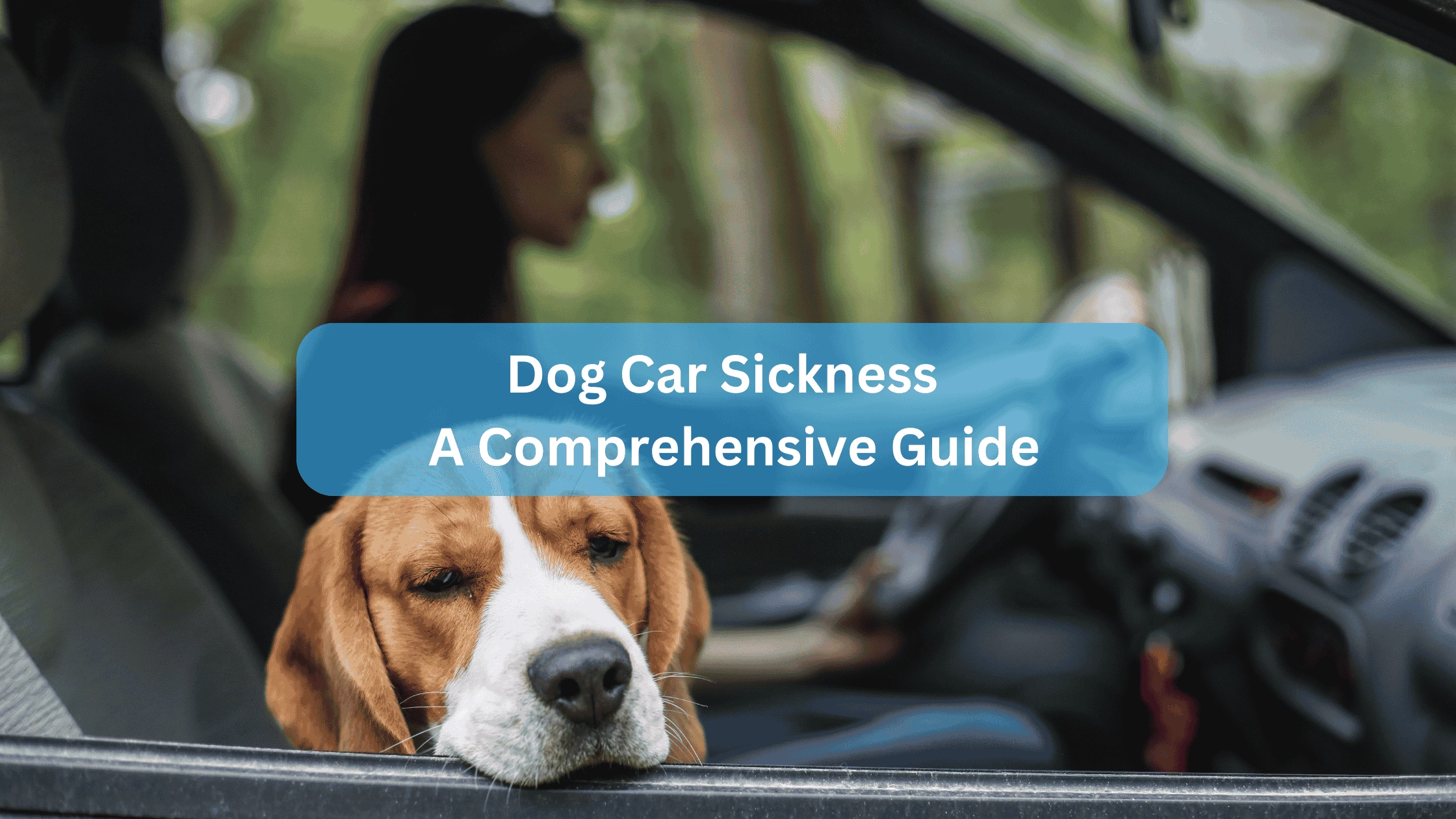
        2. Dog Car Sickness – A Comprehensive Guide

          Dog Car Sickness – A Comprehensive Guide

          Dog Car Sickness – Traveling with your dog can be a delightful experience, but for many pet owners, car sickness is a common hurdle.

          This article will explore the causes, symptoms, and effective remedies for dog car sickness, ensuring your furry friend enjoys the ride as much as you do.

          What Causes Dog Car Sickness?

          Dog car sickness, or motion sickness, often occurs due to a combination of physiological and psychological factors. Here are some key reasons:

          • Inner Ear Development: Puppies, especially those under six months, may experience car sickness because their inner ear, which helps with balance, is still developing.
          • Anxiety and Stress: Dogs can become anxious in a moving vehicle, leading to nausea and vomiting.
          • Unfamiliar Environments: New surroundings or changes in routine can trigger stress responses in dogs, contributing to car sickness.

          Understanding these factors can help you address the issue effectively.

          Recognizing Symptoms of Dog Car Sickness

          Identifying the symptoms of car sickness early can help you take action before the situation worsens. Common signs include:

          • Excessive drooling
          • Whining or restlessness
          • Vomiting
          • Lethargy or reluctance to move

          If you notice these symptoms, it’s crucial to take steps to alleviate your dog’s discomfort.

          How to Help a Dog with Car Sickness

          There are several strategies you can employ to help your dog cope with car sickness:

          • Desensitization Training: Gradually acclimate your dog to car rides. Start with short trips and gradually increase the duration as your dog becomes more comfortable.
          • Comfortable Environment: Ensure your dog has a comfortable space in the car. Use a pet seatbelt or carrier to help them feel secure.
          • Natural Remedies: Consider natural remedies such as ginger, which can help soothe nausea. Always consult your veterinarian before introducing new treatments.
          • Medication: If natural remedies are ineffective, consult your veterinarian about suitable medications for dog car sickness. Options include over-the-counter antihistamines or prescription medications.

          Additional Tips for Managing Dog Car Sickness

          To further enhance your approach to managing dog car sickness, consider the following preventative measures and preparation strategies:

          • Gradual Acclimatization: Start by getting your dog used to the car environment without actually driving. Spend time in the parked car, rewarding your dog with treats and praise to create positive associations.
          • Short Trips: Begin with very short trips around the block, gradually increasing the distance as your dog becomes more comfortable. This helps build their tolerance to motion.
          • Comfort Items: Bring along your dog’s favorite blanket or toy. Familiar scents can provide comfort and reduce anxiety during the ride.
          • Hydration and Food Management: Withhold food for a few hours before travel to minimize the chance of nausea. However, ensure your dog has access to fresh water during the trip to stay hydrated.
          • Ventilation and Temperature Control: Keep the car well-ventilated and at a comfortable temperature. Lowering windows slightly can help balance air pressure and provide fresh air, which may alleviate nausea.
          • Use of Safety Gear: Invest in a good-quality pet seatbelt or carrier to keep your dog secure and facing forward during the ride. This position can help reduce conflicting sensory signals that contribute to motion sickness.
          • Regular Breaks: For longer trips, plan to take breaks every 30-60 minutes. Allow your dog to stretch, relieve themselves, and get some fresh air.
          • Consulting a Veterinarian: If your dog continues to experience car sickness despite these measures, consult your veterinarian. They can provide tailored advice and may recommend specific medications or supplements to help manage anxiety and nausea.

          By implementing these strategies and preventative measures, you can help ensure that your dog has a more comfortable and enjoyable experience during car rides.

          Types of Dog Car Sickness Medicine

          When it comes to treating dog car sickness, several types of medications can be effective:

          • Over-the-Counter Dog Car Sickness Pills: Medications like dimenhydrinate (Dramamine) can help reduce nausea. Always check with your vet for the correct dosage.
          • Prescription Medications: Your veterinarian may prescribe medications specifically formulated for dogs, such as Cerenia, designed to prevent vomiting.
          • Natural Supplements: Products containing ginger or other herbal ingredients can provide relief without the side effects of traditional medications.

          Natural Remedies for Dog Car Sickness

          For pet owners who prefer a holistic approach, several natural remedies can help ease car sickness:

          • Ginger: Known for its anti-nausea properties, ginger can be given in small amounts before travel.
          • Calm Environment: Create a calm atmosphere in the car by playing soft music or using calming sprays designed for pets.
          • Frequent Breaks: Take regular breaks during long trips to allow your dog to stretch and relieve stress.

          Also Read: How Often Should You Bathe a German Shepherd? Best Guide.

          Also Read: What Is a Double Coated Dog? A Comprehensive Guide.

          Conclusion

          Dog car sickness can be a challenging issue, but with the right strategies and remedies, you can help your furry friend feel more comfortable during car rides.

          Whether you opt for medication or natural remedies, understanding your dog’s needs is key to ensuring enjoyable travel experiences.

          By implementing these tips, you can transform car trips from a source of anxiety into a fun adventure for both you and your dog.


          Sources:

        3. What Is a Double Coated Dog? A Comprehensive Guide.

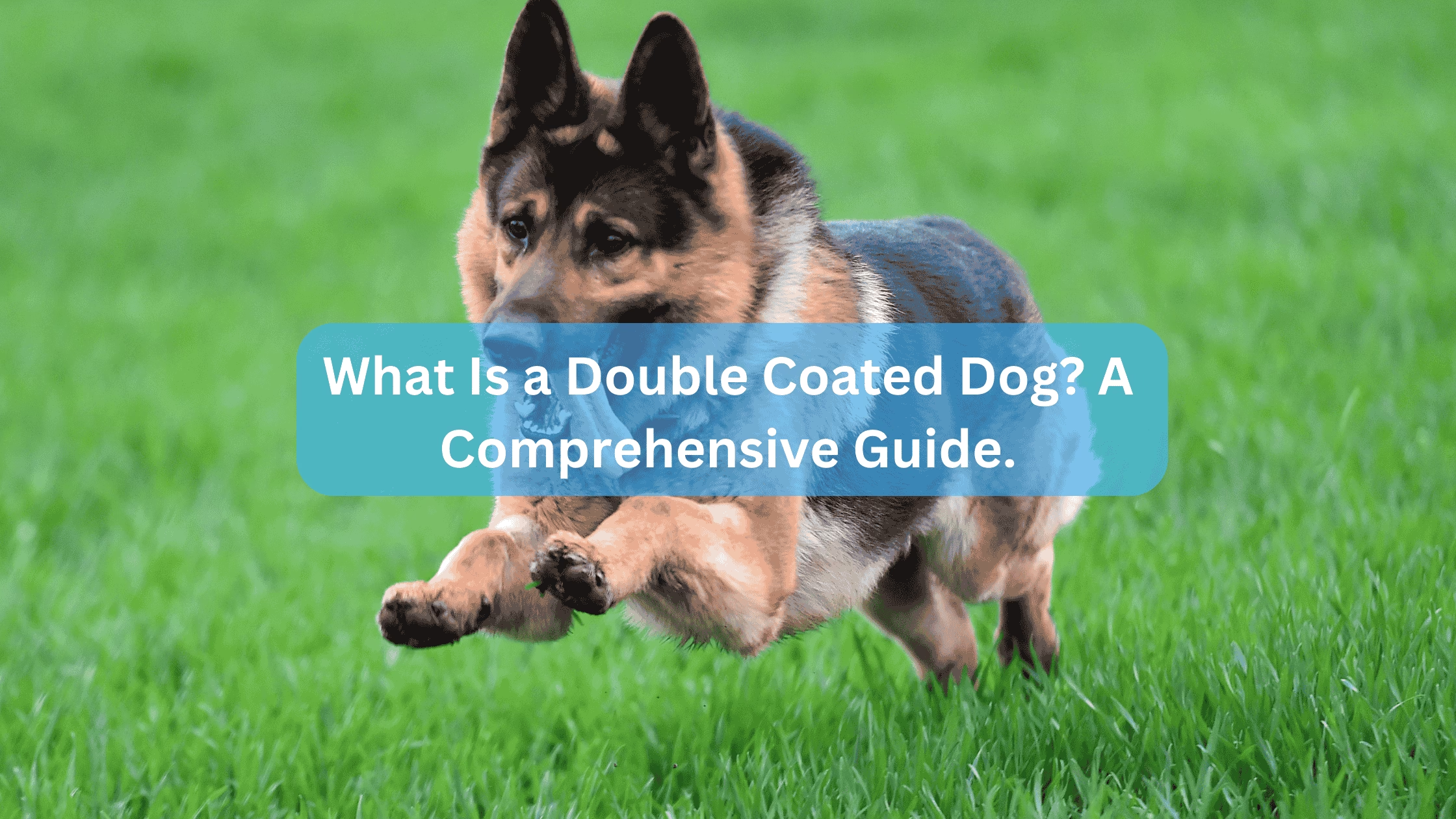
          What Is a Double Coated Dog? A Comprehensive Guide.

          Understanding your dog’s coat type is essential for proper care and grooming, especially when it comes to double-coated breeds. But what is a double coated dog? 

          These dogs possess a unique fur structure that includes both a soft undercoat and a protective topcoat, providing insulation and shielding against the elements.

          In this article, we will explore the characteristics of double-coated dogs, how to identify them, their grooming needs, and the benefits of their distinctive coats.

          Whether you’re a seasoned dog owner or a new pet parent, this guide will equip you with the knowledge to care for your double-coated companion effectively.

          What Is a Double Coated Dog?

          A double-coated dog is a breed that has two layers of fur: a soft, insulating undercoat and a coarser, protective topcoat.

          This unique coat structure serves essential purposes, such as temperature regulation and protection against environmental elements.

          The undercoat is typically dense and fluffy, while the topcoat consists of longer, stiffer hairs that repel water and dirt.

          Understanding what a double-coated dog is can help owners provide better care and grooming for their furry companions.

          How Do You Know If a Dog Is Double-Coated?

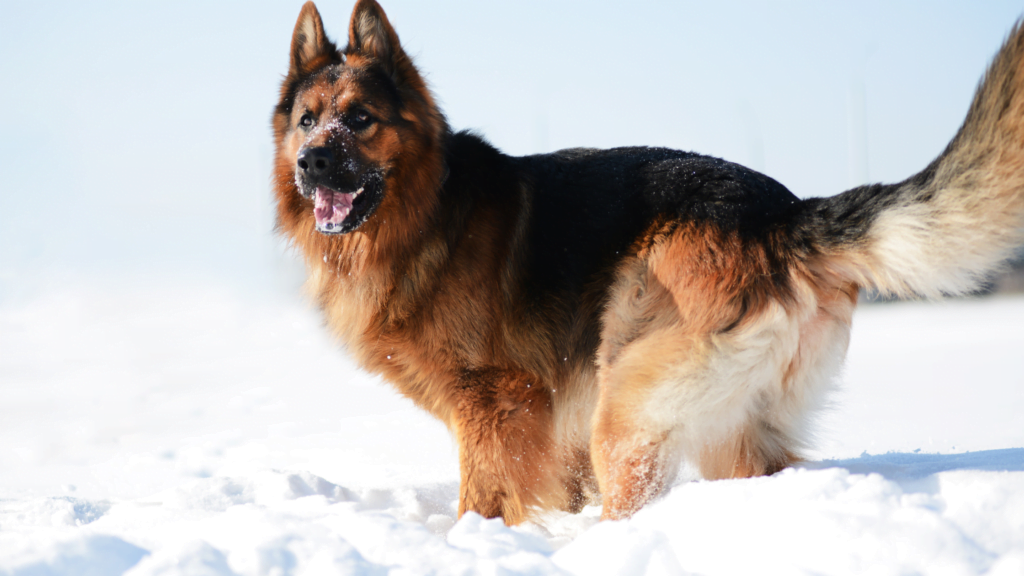
          German-Shepherd-dog
          How Do You Know If a Dog Is Double-Coated?

          To identify if a dog is double-coated, you can perform a simple test:

          • Part the Fur: Gently separate the fur to reveal the undercoat. If you notice a soft, dense layer beneath the longer outer hairs, your dog is likely double-coated.

          Common breeds that possess a double coat include:

          • Siberian Husky
          • German Shepherd
          • Golden Retriever
          • Labrador Retriever
          • Akita
          • Chow Chow
          • Pomeranian

          What Is the Difference Between a Single Coat and a Double Coat Dog?

          The main difference between single-coated and double-coated dogs lies in the number of fur layers:

          • Single-Coated Dogs: These breeds have only one layer of fur, which is typically longer and may require more grooming to maintain. Examples include Chihuahuas and Poodles.
          • Double-Coated Dogs: These breeds have both an undercoat and a topcoat, providing better insulation and protection against the elements. They tend to shed more, especially during seasonal changes, as they “blow” their undercoats.
          FeatureSingle-Coated DogsDouble-Coated Dogs
          Fur LayersOne layerTwo layers (undercoat and topcoat)
          SheddingLess frequentMore frequent, especially seasonally
          Temperature RegulationLess effectiveHighly effective
          Difference Between a Single Coat and a Double Coat Dog

          What Are the Main Benefits of a Double Coat in Dogs?

          The main benefits of a double coat in dogs include:

          1. Insulation: The double coat helps regulate body temperature, keeping dogs warm in cold weather and cool in hot weather.
          2. Protection: The topcoat shields the skin from environmental hazards, such as dirt, debris, and UV radiation.
          3. Water Resistance: The topcoat repels water, helping dogs stay dry and comfortable in wet conditions.
          4. Shedding: Double-coated dogs naturally shed their undercoat, which helps regulate their body temperature and prevent overheating.

          Which Dog Breeds Have the Thickest Double Coats?

          Some dog breeds with the thickest double coats include:

          • Chow Chow
          • Samoyed
          • Malamute
          • Bernese Mountain Dog
          • Great Pyrenees
          • Newfoundland
          • Keeshond

          These breeds are particularly well-suited for cold climates due to their dense, insulating coats.

          How Does the Undercoat Help Double-Coated Dogs in Winter?

          The undercoat plays a crucial role in keeping double-coated dogs warm during the winter months. It acts as a natural insulator, trapping air close to the body and preventing heat loss.

          The undercoat also helps to regulate body temperature, allowing dogs to stay comfortable in a wide range of cold conditions.

          What Happens If You Clip a Double-Coated Dog?

          Clipping a double-coated dog can lead to several issues:

          • Overheating: The double coat helps regulate temperature; removing it can make dogs more susceptible to overheating.
          • Skin Damage: Shaving exposes the skin to harmful UV rays, increasing the risk of sunburn and skin cancer.
          • Coat Regrowth Issues: The topcoat and undercoat grow at different rates, which can result in an uneven or patchy coat. It may take up to two years for the coat to fully regrow, and it might not return to its original texture.
          • Dermatological Problems: Shaved skin can lead to irritations, ingrown hairs, and increased vulnerability to parasites like fleas and ticks.

          Why Can’t You Shave a Double-Coated Dog?

          Shaving a double-coated dog is generally not recommended for several reasons:

          • Temperature Regulation: A double coat helps keep dogs cool in summer and warm in winter. Shaving disrupts this natural insulation.
          • Skin Protection: The coat protects the skin from sun exposure and environmental hazards. Without it, dogs are more prone to skin issues.
          • Coat Damage: Shaving can permanently alter the coat’s growth cycle, leading to long-term grooming challenges and potential health issues.

          What Are the Common Grooming Challenges for Double-Coated Dogs?

          Double-coated dogs require regular grooming to maintain their coat health and prevent matting. Some common grooming challenges include:

          1. Shedding: Double-coated dogs shed heavily, especially during seasonal changes, which can be time-consuming to manage.
          2. Matting: The undercoat can easily mat, especially in areas where the coat rubs against the body, such as the armpits and behind the ears.
          3. Tangles: The longer topcoat can tangle easily, particularly if not brushed regularly.
          4. Bathing: Double-coated dogs require careful bathing to avoid stripping the coat of its natural oils and causing dryness.
          5. Drying: Drying a double-coated dog after bathing can be time-consuming due to the thickness of the coat.

          How Short Can You Cut a Double-Coated Dog?

          If grooming is necessary, it is advisable to avoid cutting the fur too short. A light trim of the topcoat can be done, but it should not go below the line of the undercoat.

          This method, known as a “silhouette trim,” allows for a neat appearance while preserving the coat’s protective qualities.

          In cases of severe matting, clipping may be the only option, but it should be done with caution and ideally under the guidance of a professional groomer who understands the risks involved.

          Also Read: How Often Should You Bathe a German Shepherd? Best Guide.

          Also Read: The Best Low Maintenance Dog Breeds for Seniors

          Conclusion

          In conclusion, understanding what a double-coated dog is and how to care for them properly is crucial for their health and well-being.

          Regular grooming and avoiding shaving can help maintain their natural coat structure and protect them from various health issues.


          Sources: