Author: Kartikey Dwivedi

  • Why Does My Dog Lay On Me? A Comprehensive Guide

    Why Does My Dog Lay On Me? A Comprehensive Guide

    As a devoted dog owner, you may often find your furry friend snuggling up to you, laying on your lap, or even taking over your bed.

    This behavior can be both endearing and puzzling, prompting the question, “Why does my dog lay on me?”

    In this article, we will explore the various reasons behind this behavior, addressing common scenarios such as laying on you at night, in the morning, or when you’re feeling emotional.

    The Emotional Connection
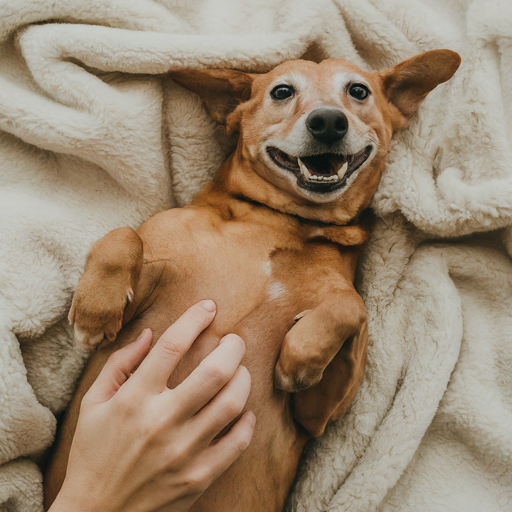
    How to Give the Perfect Belly Rub |
    The Emotional Connection

    Dogs are inherently social creatures that thrive on companionship. When your dog lays on you, it is often a reflection of their need for closeness, comfort, and security.

    This behavior is not merely about physical proximity; it signifies a deep emotional bond between you and your canine companion.

    9 Reasons Why Does My Dog Lay On Me

    1. Affection and Love

    At the heart of this behavior is affection. Dogs crave closeness and emotional connection. When your dog lays on you, it is their way of expressing love and trust.

    This physical closeness fosters a sense of security and comfort for both you and your pet.

    The act of laying on you is not just about seeking physical comfort; it’s a profound expression of their love and trust in you.

    The gentle strokes and pets they receive while being close are reassuring and comforting for them, creating a mutually beneficial interaction.

    2. Channeling Pack Mentality

    The concept of pack mentality plays a crucial role in understanding why dogs like to lay on their human parents.

    Dogs are descendants of wolves, animals known for their strong pack hierarchies.

    In a pack, physical closeness is not just about warmth or comfort; it’s a means of reinforcing social bonds and hierarchy.

    When your dog chooses to lay on you, they are echoing this ancestral behavior. It’s their way of acknowledging your ‘family’ unit and your role within it.

    By laying on you, your dog reinforces your social bond, showing their acceptance and trust in you as a pack member and leader.

    3. Hyper-Attachment

    Hyper-attachment is a behavior seen in some dogs who become overly dependent or attached to their owners.

    This can be particularly noticeable in breeds known for their loyalty and protective nature.

    If your dog seems anxious or unsettled when you’re not around and prefers to stay physically close when you are, it might indicate hyper-attachment.

    While it’s flattering to be the focus of such devotion, it’s important to ensure that this attachment doesn’t evolve into separation anxiety or other behavioral issues.

    4. Seeking Attention

    Sometimes, the reason is as simple as seeking attention. Dogs are intelligent creatures and quickly learn which behaviors get them what they want.

    If laying on you has historically resulted in extra pets, cuddles, or playful interaction, your dog will likely repeat this behavior to get your attention.

    It’s their way of saying, “Hey, I’m here, and I’d love some love and attention right now.”

    For dogs with high energy and a strong desire for interaction, laying on you can be an effective method to ensure they’re not ignored.

    5. Separation Anxiety

    While some dogs may not express separation anxiety by laying on you, this behavior can be a sign of separation anxiety in others.

    This condition manifests as stress and fear when a dog is separated from their owner.

    For dogs experiencing this, laying on their owner can be a way of coping with their anxiety and finding comfort in physical closeness.

    This behavior is often accompanied by other signs of distress, such as pacing, whining, or destructive behavior when left alone.

    Understanding and addressing separation anxiety is crucial for your dog’s overall well-being.

    6. Resource Guarding and Jealousy

    Resource guarding is a behavior where a dog protects their resources, which could be food, toys, or even people.

    If your dog lays on you and shows signs of aggression or discomfort when others approach, they might be resource-guarding you.

    This behavior can also be linked to jealousy. It’s important to address resource guarding and jealousy through proper training and socialization, as these behaviors can lead to problematic aggression if left unchecked.

    7. They’re Trying to Communicate

    Some dogs lay on their owners as a form of communication. This behavior can be their way of expressing a need or desire.

    If your dog lays on you and whines or cries, they might be trying to tell you something.

    It could be a sign of discomfort, a request for attention, or an indication of an underlying health issue.

    Paying attention to these cues is crucial for understanding your dog’s needs and ensuring their well-being.

    Learning to interpret these signals can strengthen the bond between you and your dog.

    8. Warmth and Comfort

    The desire for warmth and comfort is a basic instinct in dogs. Just like us, they seek cozy, warm places to relax.

    Laying on you provides them with a comfortable and warm spot, especially during colder months.

    Dogs, being naturally heat-seeking creatures, are drawn to the warmth of their owner’s body, making it a perfect resting place.

    9. You’re Sick, and They Know It

    Dogs have an incredible ability to detect changes in their owner’s physical and emotional state.

    They can pick up on subtle cues, such as changes in scent, behavior, and even body language, which might indicate that you’re not feeling well.

    This behavior is a sign of their empathy and their innate desire to provide comfort and companionship during times of distress.

    It’s one of the many ways dogs show their deep connection and attunement to their human companions.

      Frequently Asked Questions (FAQs)

      Why does my dog lie on top of me?

      Your dog lying on top of you is often a sign of affection and trust. This behavior can also indicate a desire for comfort, warmth, or attention. By laying on you, your dog reinforces the bond between you and feels secure in your presence. It’s a way for them to connect emotionally and physically, ensuring they are close to their beloved human.

      Why does my dog lie between my legs?

      When your dog lies between your legs, it’s a way for them to seek a safe and secure spot. This position allows them to feel protected and close to you, reinforcing the bond and trust between you. It’s a comforting gesture that signifies their need for closeness and security, often seen in dogs that are particularly affectionate or anxious.

      How do dogs know when you are sick?

      Dogs possess an acute sense of smell and can detect changes in your body chemistry that may signal illness. They are also highly observant and notice changes in your behavior and routine, which alerts them to the fact that something is different. This sensitivity allows them to respond empathetically, often seeking to provide comfort and companionship when they sense you are unwell.

      Do dogs think of their owners as dogs?

      Dogs do not necessarily think of their owners as other dogs. However, they recognize their owners as part of their social group or ‘pack’ and form strong emotional bonds with them. This bond is built on trust, affection, and mutual understanding, allowing dogs to see their owners as integral members of their family unit.

      Why does my dog lay on me in bed?

      Your dog may lay on you in bed for comfort, warmth, and security. This behavior reinforces their bond with you and allows them to feel close while sleeping. Dogs often seek out their owners during rest periods, as it provides them with a sense of safety and companionship throughout the night.

      Why does my dog lay on me every morning?

      This behavior could be a routine your dog has developed to start the day feeling close and connected to you. It may also signal that it’s time to wake up and begin the day together. Dogs thrive on routine, and this morning ritual can be a comforting way for them to greet the day.

      Why is my dog laying on me all of a sudden?

      A sudden change in behavior like this could be due to various reasons, such as seeking comfort during stress, feeling unwell, or changes in their environment that make them seek more reassurance from you. It’s essential to pay attention to these changes, as they may indicate that your dog needs extra support or comfort.

      Why does my dog lay on me and lick me?

      Laying on you and licking can be signs of affection. Licking is a soothing behavior that signifies respect and trust in the dog-human relationship. This behavior often indicates that your dog feels comfortable and secure with you, and they may be trying to communicate their love and bond.

      Why does my dog lay his head on me?

      When your dog lays his head on you, it’s a sign of trust, affection, and a desire for closeness. This comforting gesture shows that they feel safe and content with you, reinforcing the emotional connection between you and your pet.

      Why does my dog lay on my chest and stare at me?

      Laying on your chest and staring at you can be a deep expression of love and trust. It’s also a way for them to bond and communicate, seeking your attention and engagement. This behavior indicates that your dog is comfortable and wants to strengthen the connection with you.

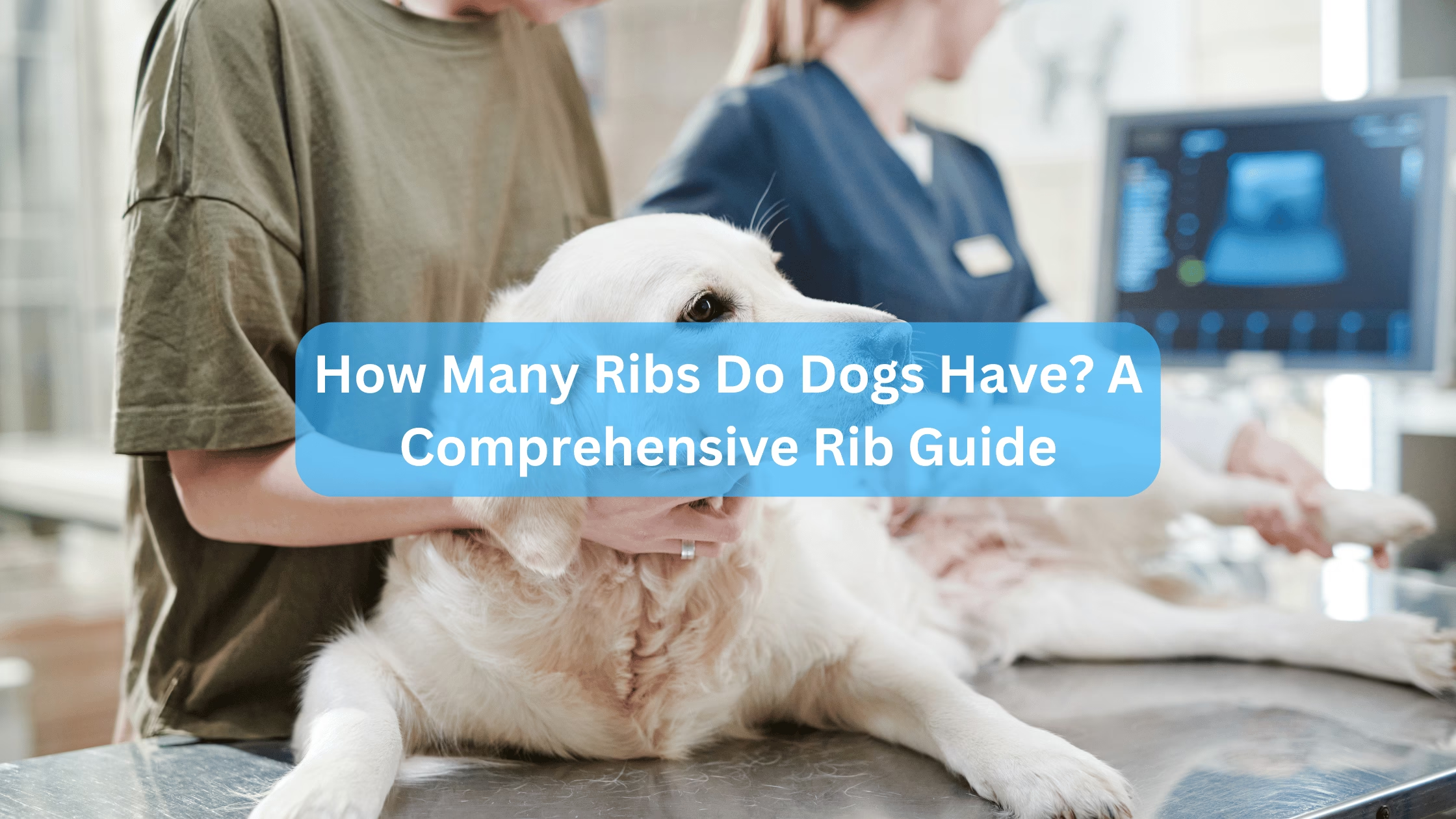
      Also Read: How Many Ribs Do Dogs Have? A Comprehensive Rib Guide

      Also Read: High Cholesterol in Dogs: A Comprehensive Guide

      Conclusion

      Understanding why your dog lays on you can enhance the bond you share and enrich your relationship.

      This behavior often reflects affection, instinct, and communication, highlighting your dog’s emotional needs.

      Embrace these moments of closeness, as they signify trust and love from your canine companion.

      By recognizing and responding to these behaviors, you can create a nurturing environment that meets both your needs and those of your beloved pet.


      Sources:

    1. How Many Ribs Do Dogs Have? A Comprehensive Rib Guide

      How Many Ribs Do Dogs Have? A Comprehensive Rib Guide

      How Many Ribs Do Dogs Have? – Dogs, like humans, have a ribcage that protects their internal organs.

      This bony structure plays a crucial role in safeguarding the heart, lungs, and other vital organs.

      Understanding the anatomy of a dog’s ribcage can help pet owners take better care of their furry friends.

      How Many Ribs Do Dogs Have? – The Number of Ribs in Dogs

      Dogs typically have 13 pairs of ribs, making a total of 26 individual bones. These ribs serve as a protective barrier, shielding the dog’s chest cavity and vital organs.

      While the number of ribs may vary slightly across different dog breeds, the general count remains consistent.

      The Anatomy of Canine Ribs

      Vet examining a dog
      The Anatomy of Canine Ribs

      Canine ribs (costae) consist of a head, neck, and body.

      The first nine ribs are called true ribs because they attach directly to the sternum, while the next three pairs are known as false ribs, which are connected to each other via cartilage.

      The last pair of ribs is referred to as floating ribs because they do not connect to the sternum at all; instead, they are only attached to the spine.

      Differences Between True Ribs and False Ribs in Dogs

      • True Ribs: These are the first nine pairs of ribs that connect directly to the sternum. They provide essential protection to the heart and lungs.
      • False Ribs: The next three pairs do not attach directly to the sternum but are connected to each other via cartilage. They offer some protection but are less rigid than true ribs.

      Floating Ribs in Dogs

      Floating ribs are the last pair of ribs in a dog’s ribcage. Unlike other ribs, they are only attached to the spine and do not extend to the sternum.

      This anatomical feature allows for greater flexibility and movement in the ribcage, which can be beneficial for a dog’s respiratory function.

      Floating ribs can sometimes be more visible in lean dogs, leading to misconceptions about their health.

      How Do Dog Ribs Compare to Human Ribs?

      In terms of structure, dog ribs and human ribs share similarities, including the number of rib pairs and their protective function.

      However, dog ribs are generally more flexible, allowing for a greater range of motion and lung capacity, which is essential for their active lifestyles.

      Additionally, the arrangement of ribs in dogs is adapted to their unique body shapes and sizes, which can vary significantly across breeds.

      Checking Your Dog’s Ribcage Health

      To ensure your dog’s ribcage is healthy, consider the following:

      • Visual Inspection: Stand back and observe your dog’s body shape. You should not see prominent ribs unless your dog is underweight.
      • Physical Examination: Feel along the ribcage with your hands. You should be able to feel the ribs without excessive pressure, indicating a healthy layer of muscle and fat.
      • Watch for Signs: Look for any signs of discomfort, swelling, or unusual behavior, such as difficulty breathing or lethargy, which may indicate health issues.

      Common Health Issues Related to Dog Ribs

      Several health issues can affect a dog’s ribs, including:

      • Fractures: Injuries to the ribs can occur due to trauma, leading to pain and difficulty breathing.
      • Tumors: Conditions such as osteosarcoma and chondrosarcoma can develop in the rib area, causing localized swelling and discomfort.
      • Respiratory Illnesses: Infections or diseases affecting the lungs can also impact the ribcage, leading to abnormal breathing patterns.

      How Can I Tell if My Dog’s Floating Rib is Causing Any Health Issues?

      Floating ribs can sometimes lead to discomfort or pain if they are dislocated or if there is trauma to the area. Signs to watch for include:

      • Difficulty breathing or rapid breathing
      • Signs of pain when touching the ribcage
      • Changes in behavior, such as increased aggression or withdrawal

      If you notice any of these symptoms, consult your veterinarian for a thorough examination.

      Are There Specific Breeds More Prone to Rib-Related Health Problems?

      Certain breeds may be more susceptible to rib-related health issues, particularly those with unique body structures.

      Breeds like Greyhounds and Whippets, which have a lean physique, may be more prone to visible floating ribs and related discomfort.

      Additionally, breeds with a history of skeletal issues, such as Dachshunds, may also experience rib-related health problems.

      What Are the Signs of Rib Fractures in Dogs?

      Signs of rib fractures can include:

      • Sudden onset of pain or sensitivity around the ribcage
      • Difficulty breathing or rapid breathing
      • Swelling or bruising in the chest area
      • Reluctance to move or play
      • Changes in appetite or behavior

      If you suspect a rib fracture, it is crucial to seek veterinary care immediately.

      How Do I Properly Palpate My Dog’s Ribcage?

      To palpate your dog’s ribcage:

      1. Calm Your Dog: Ensure your dog is relaxed and comfortable.
      2. Use Gentle Pressure: With your fingers, gently press along the sides of the ribcage to feel for any abnormalities.
      3. Check for Pain: Observe your dog’s reaction. If they flinch or show signs of pain, stop and consult a veterinarian.
      4. Feel for Symmetry: Ensure both sides of the ribcage feel similar in terms of shape and firmness.

      Can Diet Affect the Health of a Dog’s Ribcage?

      Yes, diet plays a significant role in the overall health of a dog’s ribcage.

      A balanced diet that includes the right nutrients helps maintain a healthy weight and muscle mass, which supports the ribcage.

      Obesity can lead to excess fat around the ribcage, making it difficult to assess rib health.

      Additionally, a diet deficient in essential vitamins and minerals can affect bone health, potentially leading to issues such as fractures or deformities.

      What Are the Best Practices for Maintaining My Dog’s Rib Health?

      To maintain your dog’s rib health, consider these best practices:

      • Regular Veterinary Check-ups: Routine check-ups can help catch any potential issues early.
      • Balanced Diet: Ensure your dog receives a diet rich in essential nutrients to support bone and muscle health.
      • Regular Exercise: Engage your dog in regular physical activity to maintain a healthy weight and muscle tone.
      • Weight Management: Keep your dog at a healthy weight to reduce stress on the ribcage.

      How Can I Prevent Rib-Related Injuries in My Dog?

      Preventing rib-related injuries involves:

      • Supervised Play: Always supervise your dog during playtime to prevent roughhousing that could lead to injury.
      • Safe Environment: Remove hazards in your home and yard that could cause your dog to trip or fall.
      • Gradual Exercise: Introduce new activities gradually to avoid overexertion or strain.

      Are There Any Exercises That Can Help Strengthen My Dog’s Ribcage?

      Exercises that promote overall core strength can help support the ribcage. Some beneficial activities include:

      • Swimming: A low-impact exercise that strengthens muscles without putting stress on the joints.
      • Walking or Jogging: Regular walks can improve cardiovascular health and strengthen the core muscles.
      • Agility Training: Engaging in agility exercises can enhance coordination and strengthen the muscles surrounding the ribcage.

      What Are the Symptoms of Chronic Rib Pain in Dogs?

      Chronic rib pain in dogs can manifest through various symptoms, including:

      • Persistent whining or vocalization when touched near the ribcage
      • Reluctance to engage in physical activity
      • Changes in posture, such as hunching or guarding the rib area
      • Difficulty breathing or shallow breathing

      If you observe any of these signs, it is essential to consult your veterinarian for a proper diagnosis and treatment plan.

      How Do Veterinarians Diagnose Rib Issues in Dogs?

      Veterinarians typically diagnose rib issues through:

      • Physical Examination: A thorough examination of the ribcage for signs of pain, swelling, or abnormal movement.
      • Imaging: X-rays or ultrasounds may be used to visualize the ribcage and identify fractures, tumors, or other abnormalities.
      • Medical History: Discussing your dog’s medical history and any observed symptoms can help the veterinarian make an accurate diagnosis.

      Also Read: Can Dogs Eat Brown Sugar? Is brown sugar toxic for dogs?

      Also Read: High Cholesterol in Dogs: A Comprehensive Guide

      Conclusion

      Understanding the anatomy of your dog’s ribcage, including the differences between true ribs, false ribs, and floating ribs, is essential for responsible pet ownership.

      Regular check-ups and being aware of your dog’s physical condition can help ensure their overall health and well-being.

      By knowing how to assess your dog’s ribcage and recognizing potential health issues, you can provide better care and keep your furry friend happy and healthy.


      Sources:

    2. High Cholesterol in Dogs: A Comprehensive Guide

      High Cholesterol in Dogs: A Comprehensive Guide

      High cholesterol in dogs, medically known as hyperlipidemia, is a condition characterized by elevated levels of lipids (fats) in the bloodstream, specifically cholesterol and triglycerides.

      While it may not always indicate a serious health issue, understanding its implications, causes, symptoms, diagnosis, and treatment is crucial for maintaining your dog’s health.

      What is High Cholesterol?

      Hyperlipidemia occurs when there is an excess of lipids in the blood. This condition can manifest as elevated cholesterol, triglycerides, or both.

      Cholesterol is a fat-like substance essential for various bodily functions, including hormone production and cell membrane integrity.

      However, when cholesterol levels exceed the normal range (120-270 mg/dL for dogs), it can lead to health complications.

      Symptoms of High Cholesterol in Dogs

      Many dogs with high cholesterol may not exhibit noticeable symptoms, especially with mild to moderate elevations. However, in some cases, the following symptoms may occur:

      • Decreased appetite
      • Vomiting
      • Diarrhea
      • Abdominal pain or bloating
      • Fatty deposits under the skin
      • Cloudy eyes (lipid deposits in the cornea)
      • Hair loss and itching
      • Seizures (in severe cases)

      If you notice any of these symptoms, it is essential to consult a veterinarian for a proper diagnosis.

      What Causes High Cholesterol in Dogs

      High cholesterol can arise from various factors, including:

      • Dietary Factors: A high-fat diet, particularly from table scraps or certain commercial dog foods, can lead to elevated cholesterol levels. Foods that are high in fat, such as fatty meats and dairy products, can contribute to this condition.
      • Underlying Health Conditions: Hyperlipidemia is often secondary to other diseases, such as:
      • Diabetes mellitus
      • Hypothyroidism
      • Cushing’s disease (hyperadrenocorticism)
      • Pancreatitis
      • Protein-losing nephropathy
      • Genetic Predisposition: Certain dog breeds are more prone to hyperlipidemia, including Miniature Schnauzers, Beagles, Shetland Sheepdogs, Briards, Rough Collies, and Poodles.

      How to Tell if Your Dog’s High Cholesterol is Caused by a Specific Disease

      To determine if high cholesterol is linked to a specific disease, veterinarians will typically conduct comprehensive blood tests and physical examinations.

      They may look for signs of underlying conditions such as diabetes or hypothyroidism.

      If your dog shows symptoms consistent with these diseases, further testing may be warranted to establish a definitive diagnosis.

      Diagnosis of High Cholesterol in Dogs

      Vet examining a dog
      Diagnosis of High Cholesterol in Dogs

      Diagnosing high cholesterol typically involves:

      1. Physical Examination: A veterinarian will assess your dog’s overall health and look for any visible symptoms.
      2. Blood Tests: A blood sample is taken to measure lipid levels. It’s crucial to fast your dog for at least 12 hours before testing to avoid temporary spikes in cholesterol due to recent meals.
      3. Urinalysis: This may be conducted to check for underlying conditions that could be contributing to hyperlipidemia.

      If initial tests indicate high lipid levels, further diagnostics may be necessary to identify any underlying health issues.

      Treatment of High Cholesterol in Dogs

      While high cholesterol cannot be “cured,” it can be effectively managed through lifestyle and dietary changes. Treatment options include:

      • Dietary Changes: A low-fat, high-fiber diet is often recommended. Specially formulated dog foods are available, and it’s essential to avoid high-fat treats and table scraps. Gradual dietary changes are advised to prevent gastrointestinal upset.
      • Best Low-Fat Dog Foods: Some of the best low-fat dog foods for managing high cholesterol include:
      • Hill’s Prescription Diet Metabolic
      • Royal Canin Veterinary Diet Satiety Support
      • Blue Buffalo Life Protection Formula Healthy Weight
      • Wellness CORE Reduced Fat
      • Medications: In cases where dietary changes are insufficient, medications may be prescribed. Drugs like Gemfibrozil can help lower triglyceride levels, while statins may be considered in rare cases of high cholesterol without elevated triglycerides. However, human medications should never be given to dogs without veterinary guidance.
      • Management of Underlying Conditions: If hyperlipidemia is secondary to another health issue, treating that condition is crucial for resolving elevated lipid levels.

      Natural Remedies for Reducing Cholesterol in Dogs

      While dietary changes and medications are the primary methods for managing high cholesterol, some natural remedies may help reduce cholesterol levels:

      • Fish Oil: Omega-3 fatty acids found in fish oil can help lower triglyceride levels and improve overall heart health.
      • Fiber Supplements: Adding fiber to your dog’s diet can help reduce cholesterol absorption.
      • Regular Exercise: Encouraging regular physical activity can help maintain a healthy weight and improve lipid profiles.

      Monitoring Cholesterol Levels in Dogs.

      After treatment, it is essential to monitor your dog’s cholesterol levels regularly. Generally, cholesterol levels should be checked:

      • Every 3-6 months: Initially after starting treatment or dietary changes.
      • Annually: Once stable levels are achieved.

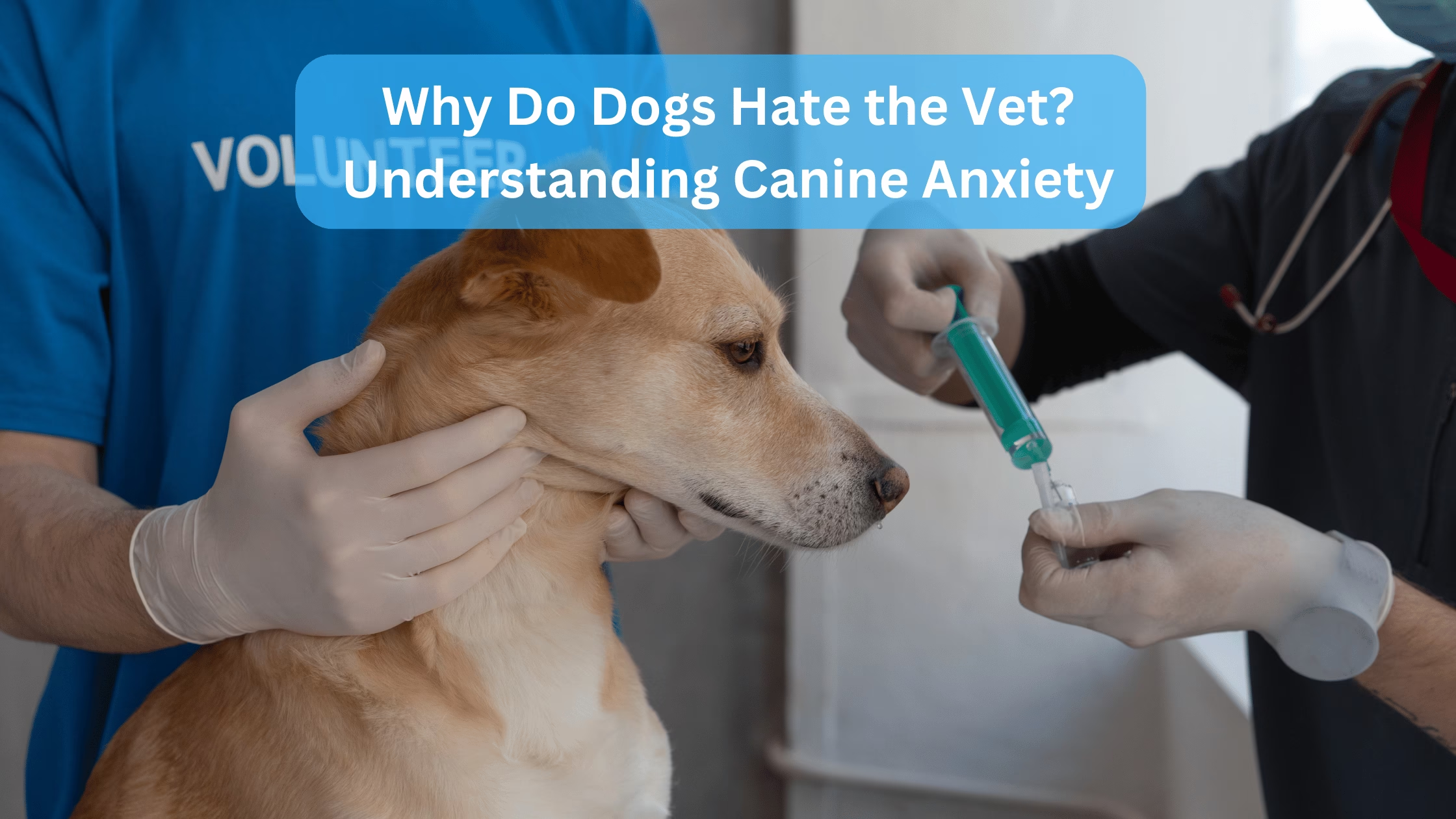
      Also Read: Why Do Dogs Hate the Vet? Understanding Canine Anxiety

      Also Read: Can Dogs Eat Brown Sugar? Is brown sugar toxic for dogs?

      Conclusion

      High cholesterol in dogs, while not always a critical health threat, requires attention to prevent potential complications.

      By understanding the causes, symptoms, and treatment options, dog owners can take proactive steps to manage their pet’s health.

      Regular veterinary visits, a balanced diet, and appropriate monitoring are key components in ensuring that your furry friend remains healthy and happy.

      If you suspect your dog may have high cholesterol, consult your veterinarian for a thorough evaluation and tailored treatment plan.


      Sources:

    3. Can Dogs Eat Brown Sugar? Is brown sugar toxic for dogs?

      Can Dogs Eat Brown Sugar? Is brown sugar toxic for dogs?

      Understanding what human foods are safe for dogs is crucial for pet owners. One common question that arises is, Can dogs eat brown sugar? The simple answer is no—dogs should not consume brown sugar. Although it is not toxic, it can lead to various health issues over time.

      What is Brown Sugar?

      Brown sugar is a type of sugar that contains molasses, which gives it its characteristic color and flavor.

      It is commonly used in baking and cooking. However, both brown and white sugars are high in sucrose and provide no nutritional benefits for dogs.

      Health Risks of Brown Sugar for Dogs

      Feeding your dog brown sugar can lead to several health risks:

      • Obesity: Excessive sugar consumption can contribute to weight gain, leading to obesity and related health problems.
      • Diabetes: A diet high in sugar may increase the likelihood of developing diabetes in dogs.
      • Dental Problems: Sugars can lead to cavities and gum disease, increasing the risk of dental issues.
      • Digestive Upset: Dogs may experience diarrhea, vomiting, and other digestive disturbances after consuming sugary foods.
      • Pancreatitis: High sugar intake can trigger inflammation of the pancreas, especially in predisposed dogs.

      Can Dogs Eat Brown Sugar Oatmeal?

      When it comes to oatmeal, plain, cooked oatmeal can be a healthy treat for dogs. However, oatmeal mixed with brown sugar is not suitable.

      The added sugar negates the health benefits of oatmeal and can lead to the same risks mentioned above.

      If you want to share oatmeal with your dog, ensure it is plain and free from any sweeteners or additives.

      Can Dogs Eat Brown Sugar Cinnamon Pop Tarts?

      No, dogs should not eat brown sugar cinnamon Pop Tarts or any similar processed snacks.

      These treats often contain high levels of sugar, unhealthy fats, and other ingredients that can be harmful to dogs.

      Instead, opt for dog-friendly treats that are specifically formulated for canine consumption.

      Can Dogs Eat Brown Sugar and Cinnamon?

      While cinnamon itself is generally safe for dogs in small amounts, combining it with brown sugar is not advisable.

      The sugar content can lead to health issues, and it’s best to avoid giving dogs any sugary foods.

      How Much Brown Sugar is Toxic to Dogs?

      While a small amount of brown sugar is unlikely to cause issues, large quantities can lead to health problems like weight gain, digestive upset, and pancreatitis. The exact amount that is considered toxic varies depending on the dog’s size, age, and overall health.

      Dog’s WeightToxic Amount of Brown Sugar
      10 lbs2-3 tablespoons
      20 lbs4-6 tablespoons
      30 lbs6-9 tablespoons
      40 lbs8-12 tablespoons
      50 lbs10-15 tablespoons
      How Much Brown Sugar is Toxic to Dogs?

      It’s important to note that these are rough estimates, and even smaller amounts can cause problems in some dogs. If you suspect your dog has consumed a large quantity of brown sugar, contact your veterinarian immediately for guidance and potential treatment.

      Safer Alternatives to Brown Sugar for Dogs

      Instead of brown sugar, consider these healthier alternatives for treating your dog:

      • Fresh fruits: Apples, blueberries, and bananas are great options when given in moderation.
      • Dog-safe treats: Look for treats specifically designed for dogs that do not contain added sugars.
      • Homemade dog treats: You can make your own treats using dog-friendly ingredients like pumpkin, peanut butter, and oats.

      Also Read: Can Dogs Have Parsnips? A Comprehensive Guide

      Also Read: Why Do Dogs Hate the Vet? Understanding Canine Anxiety

      Conclusion

      In summary, while brown sugar is not toxic to dogs, it poses several health risks that make it unsuitable for canine diets.

      Always prioritize your dog’s health by avoiding sugary foods and opting for healthier alternatives.

      If you’re ever unsure about what foods are safe for your dog, consult your veterinarian for guidance. Keeping your furry friend healthy and happy should always be the top priority!


      Sources:

    4. Why Do Dogs Hate the Vet? Understanding Canine Anxiety

      Why Do Dogs Hate the Vet? Understanding Canine Anxiety

      Why Do Dogs Hate the Vet? – Taking your dog to the veterinarian is a necessary part of pet ownership, yet many dogs display signs of anxiety or fear during these visits.

      Understanding the reasons behind this aversion can help pet owners create a more positive experience for their furry companions.

      Why Do Dogs Hate the Vet? – Common Reasons for Vet Anxiety in Dogs

      Treatment for Hydramethylnon Poisoning in Dogs |
      Why Do Dogs Hate the Vet?

      Dogs may develop a strong dislike for vet visits due to several interconnected factors:

      • Traumatic Experiences: Many dogs only visit the vet when they are sick or need vaccinations, which can lead to negative associations. If a dog has had painful procedures or stressful experiences in the past, they may remember these events and react with fear during future visits.
      • Fear of the Unknown: The vet’s office is often filled with unfamiliar sights, sounds, and smells. Dogs may feel insecure in this new environment, leading to anxiety. Their acute sense of smell can pick up on various odors that may be overwhelming, further heightening their stress.
      • Unfamiliar Handling: Being restrained or handled by unfamiliar people can be distressing for dogs. Many dogs are not accustomed to being touched in certain areas or being held still for examinations, which can trigger fear responses.
      • Owner’s Anxiety: Dogs are sensitive to their owners’ emotions. If an owner is anxious or stressed about the vet visit, their dog may pick up on these feelings and mirror that anxiety.
      • Separation Anxiety: Some dogs experience separation anxiety when away from their owners. Being left in a vet’s office, even for a short time, can trigger feelings of panic and distress.
      • Socialization Issues: Dogs that have not been properly socialized may feel overwhelmed in the presence of other animals and people at the vet’s office. This can lead to fear and anxiety during visits.
      • Health Issues: Dogs that are already feeling unwell may be more sensitive to the stress of a vet visit. Pain or discomfort can amplify their anxiety, making the experience even more challenging.

      Signs of Vet Anxiety in Dogs

      Recognizing signs of anxiety is crucial for pet owners and veterinary staff. Common behaviors indicating distress include:

      • Excessive panting or whining
      • Trembling or shaking
      • Cowering or hiding
      • Attempting to escape or refusing to enter the clinic
      • Sniffing excessively or licking their lips
      • Tucking their tail or flattening their ears

      Being attuned to these signals allows for timely interventions to mitigate stress during veterinary appointments.

      Strategies to Reduce Vet Anxiety in Dogs

      To help alleviate anxiety and create a more positive experience for dogs at the vet, consider the following strategies:

      1. Desensitization

      What It Is: Desensitization involves gradually exposing your dog to the vet environment in a controlled manner.

      How to Implement:

      • Frequent Visits: Schedule regular, non-medical visits to the vet. Bring your dog in just to say hello to the staff and get treats. This helps them associate the clinic with positive experiences rather than fear.
      • Familiarization: Allow your dog to explore the waiting area and examination rooms. Let them sniff around and get comfortable with the environment.

      2. Positive Reinforcement

      What It Is: Positive reinforcement involves rewarding your dog for calm behavior, helping them associate the vet visit with good experiences.

      How to Implement:

      • Treats and Praise: Bring high-value treats that your dog loves. Reward them for calm behavior during the visit, such as sitting quietly or allowing the vet to examine them.
      • Clicker Training: Use a clicker to mark desired behaviors. Click and treat when your dog remains calm, reinforcing the behavior you want to see.

      3. Calming Aids

      What It Is: Calming aids can help reduce anxiety levels in dogs during vet visits.

      How to Implement:

      • Pheromone Products: Consider using calming pheromone sprays or diffusers designed for dogs. These products can help create a more relaxed environment.
      • Anxiety-Relief Supplements: Consult your veterinarian about natural supplements or medications that may help reduce anxiety, especially for dogs with severe fears.
      • Thundershirt: A Thundershirt or similar anxiety wrap can provide gentle pressure that may help calm anxious dogs.

      4. Owner Preparation

      What It Is: Preparing your dog for the visit can significantly reduce anxiety.

      How to Implement:

      • Handling Exercises: Practice handling your dog at home. Get them used to being touched in areas that will be examined, such as their ears, paws, and mouth. This can help them feel more comfortable during the actual visit.
      • Practice Crate Training: If your dog will be transported in a crate, ensure they are comfortable in it. Make the crate a safe space by associating it with positive experiences, such as treats and playtime.

      5. Calm Environment

      What It Is: Creating a calm environment during the vet visit can help reduce stress for both dogs and owners.

      How to Implement:

      • Quiet Appointment Times: Request a quieter time for your appointment if possible. Early morning or late afternoon appointments may be less busy.
      • Inform Staff: Let the veterinary staff know about your dog’s anxiety. They can take extra steps to ensure a more comfortable experience, such as minimizing waiting time or using a quieter examination room.

      6. Training Techniques

      What It Is: Training techniques can help manage your dog’s behavior during vet visits.

      How to Implement:

      • Muzzle Training: If your dog has shown aggressive tendencies when anxious, consider training them to wear a muzzle. This can keep everyone safe and help your dog feel more secure, knowing they are not in a position to bite.
      • Basic Obedience Training: Reinforce basic commands such as “sit,” “stay,” and “come.” A well-trained dog is easier to manage in stressful situations.

      Also Read: Operant Conditioning in Dog Training – A Comprehensive Guide

      Also Read: Can Dogs Have Parsnips? A Comprehensive Guide

      Conclusion

      Understanding why dogs hate the vet can empower pet owners to take proactive steps in managing their pets’ anxiety.

      By recognizing the contributing factors and implementing effective strategies, owners can transform vet visits into a more positive experience.

      This not only benefits the dog’s well-being but also helps maintain peace of mind for their owners.

      Creating a supportive environment and fostering positive associations can lead to less stressful veterinary visits, ultimately improving the overall health and happiness of our canine companions.


      Sources:

    5. Can Dogs Have Parsnips? A Comprehensive Guide

      Can Dogs Have Parsnips? A Comprehensive Guide

      Can Dogs Have Parsnips? Parsnips are a nutritious root vegetable that can be a healthy addition to your dog’s diet when prepared correctly.

      This article explores whether dogs can eat parsnips, their benefits, how to prepare them, potential risks, and considerations for puppies and dogs with diabetes.

      Additionally, we will address how often parsnips can be fed to dogs, symptoms of overconsumption, and how they compare to other vegetables.

      Can Dogs Have Parsnips?

      Yes, dogs can eat parsnips! These root vegetables are safe and provide various health benefits.

      Parsnips are rich in vitamins and minerals, including vitamin C, B6, and potassium, and are high in both soluble and insoluble fiber, which promotes healthy digestion.

      What Are the Benefits of Parsnips for Dogs?

      Parsnips offer several health advantages for dogs:

      • Nutritional Powerhouse: Parsnips are packed with essential vitamins and minerals, including vitamins B1, B2, B3, B5, B6, C, E, and K, as well as calcium, iron, magnesium, and potassium.
      • Digestive Health: The fiber content in parsnips aids digestion, promoting regular bowel movements and overall gut health.
      • Antioxidant Properties: Parsnips contain antioxidants that can help combat oxidative stress, potentially reducing the risk of diseases such as cancer.
      • Low in Calories: They are low in calories, making them a healthy treat option for dogs, especially those that need to maintain a healthy weight.
      • Heart and Kidney Health: The potassium in parsnips supports heart function and may be beneficial for dogs with kidney issues, as it helps stimulate kidney function.

      Can Puppies Eat Parsnips Safely?

      Puppies can eat parsnips, but caution is advised. Raw parsnips can be tough and may pose a choking hazard, especially for small or brachycephalic breeds.

      It’s best to serve them cooked and in small, manageable pieces to ensure safe consumption. Always monitor your puppy for any adverse reactions when introducing new foods.

      How Should Parsnips Be Prepared for Dogs?

      How Should Parsnips Be Prepared for Dogs?
      How Should Parsnips Be Prepared for Dogs?

      Proper preparation is key to safely feeding parsnips to your dog:

      • Raw Parsnips: If serving raw, finely chop or grate them to avoid choking hazards. Ensure they are washed thoroughly to remove any dirt or chemicals.
      • Cooked Parsnips: Cooking makes parsnips easier to digest. You can boil, steam, or mash them. Avoid adding any seasonings, oils, or fats, as these can upset your dog’s stomach.
      • Serving Size: Limit the amount to a few small chunks (around half a cup) per day to prevent digestive issues.

      How Often Can I Safely Feed My Dog Parsnips?

      Parsnips should be offered as an occasional treat rather than a regular part of your dog’s diet.

      It’s generally recommended to limit their consumption to once a week or less.

      Feeding parsnips every 7 to 10 days allows your dog to enjoy their nutritional benefits without overloading their system with a food that is not a primary part of their diet.

      Are There Any Risks of Feeding Parsnips to Dogs?

      While parsnips are generally safe, there are some risks to consider:

      • Digestive Upset: Feeding too many parsnips can lead to diarrhea, bloating, or stomach cramps due to their high fiber content.
      • Allergic Reactions: Although rare, some dogs may have an intolerance to parsnips. Watch for symptoms like itching, vomiting, or diarrhea after consumption.
      • Diabetes Considerations: Dogs with diabetes should be cautious with parsnips, as they have a high glycemic index, which can cause spikes in blood sugar levels. Always consult your veterinarian before introducing parsnips to a diabetic dog’s diet.

      What Symptoms Should I Watch For If My Dog Eats Too Many Parsnips?

      If your dog consumes too many parsnips, you may observe symptoms such as:

      • Diarrhea
      • Bloating
      • Stomach cramps
      • Vomiting

      If any of these symptoms occur, it’s best to consult your veterinarian for advice.

      Can Parsnips Help with My Dog’s Digestive Issues?

      Yes, parsnips can aid in digestion due to their high fiber content. The soluble fiber helps regulate bowel movements, making them beneficial for dogs experiencing both constipation and diarrhea. However, moderation is crucial to avoid digestive upset.

      Are There Any Other Vegetables That Are Safe for Dogs to Eat?

      Many vegetables are safe and nutritious for dogs, including:

      • Carrots: High in beta-carotene and fiber, they are great for dental health.
      • Pumpkin: Excellent for digestive health, particularly for dogs with diarrhea or constipation.
      • Green Beans: Low in calories and high in fiber, they can be a healthy snack.
      • Broccoli: High in vitamins C and K, but should be given in moderation to avoid gas.

      How Do Parsnips Compare to Other Root Vegetables in Terms of Nutritional Benefits for Dogs?

      Parsnips are comparable to other root vegetables like carrots and sweet potatoes in terms of nutritional benefits.

      They are high in fiber and vitamins, but parsnips contain more potassium and certain B vitamins. Here’s a brief comparison:

      VegetableFiberVitaminsPotassiumCalories
      ParsnipsHighB1, B2, B6, C, KHighLow
      CarrotsModerateA, B6, KModerateLow
      Sweet PotatoesHighA, C, B6HighModerate
      Parsnips Compare to Other Root Vegetables in Terms of Nutritional Benefits

      Also Read: Can Dogs Eat Dosa? Myths, Facts, and the Reassuring Truth

      Also Read: Operant Conditioning in Dog Training – A Comprehensive Guide

      Conclusion

      In summary, parsnips can be a healthy and tasty treat for dogs when prepared correctly. They are packed with nutrients and can contribute to your dog’s overall health.

      Whether served raw or cooked, moderation is crucial, and it’s always best to consult with your veterinarian, especially if your dog has specific health concerns or conditions.

      By following these guidelines, you can safely incorporate parsnips into your dog’s diet and enjoy the benefits they offer.


      Sources:

    6. Operant Conditioning in Dog Training – A Comprehensive Guide

      Operant Conditioning in Dog Training – A Comprehensive Guide

      Operant Conditioning in Dog Training – Operant conditioning is a fundamental principle in dog training that helps shape a dog’s behavior through the use of rewards and consequences.

      Developed by psychologist B.F. Skinner, this method emphasizes the relationship between behavior and its outcomes, making it a cornerstone of effective training techniques.

      This guide explores the intricacies of operant conditioning, its applications in dog training, and how to implement it effectively.

      What is Operant Conditioning?

      dog
      What is Operant Conditioning?

      Operant conditioning is a learning process where behaviors are modified based on the consequences that follow them.

      It operates on the premise that behaviors followed by positive outcomes are likely to be repeated, while those followed by negative outcomes are less likely to recur.

      This framework allows trainers to effectively communicate expectations to dogs and encourage desirable behaviors.

      For example, if a dog sits when you say “sit” and you reward them with a treat, they are more likely to repeat the sitting behavior in the future when given the same cue.

      On the other hand, if a dog jumps up on people and is ignored or scolded, they are less likely to jump up again, as the behavior was not followed by a positive outcome.

      The Four Quadrants of Operant Conditioning

      Understanding the four quadrants of operant conditioning is crucial for effective dog training:

      • Positive Reinforcement: Adding a pleasant stimulus to encourage a behavior. For example, giving a treat when a dog sits on command.
      • Negative Reinforcement: Removing an unpleasant stimulus to increase a behavior. For instance, stopping a gentle pressure on a harness when the dog stops pulling on the leash.
      • Positive Punishment: Adding an unpleasant stimulus to decrease a behavior. An example would be using a loud noise to interrupt a dog that is chewing on furniture.
      • Negative Punishment: Removing a pleasant stimulus to reduce a behavior. For example, taking away a toy when a dog jumps up for attention.

      Each quadrant has its purpose and can be used effectively depending on the training goals.

      How to Apply Operant Conditioning in Dog Training

      Positive Reinforcement Techniques

      Positive reinforcement is the most widely accepted and effective method for training dogs. It fosters a trusting relationship between the dog and the trainer. Here’s how to implement it:

      1. Identify Desired Behaviors: Determine which behaviors you want to encourage, such as sitting, staying, or coming when called.
      2. Use High-Value Rewards: Choose treats or toys that your dog finds particularly motivating. This could be their favorite snack or a beloved toy.
      3. Immediate Reinforcement: Provide the reward immediately after the desired behavior occurs. This helps the dog make the connection between the behavior and the reward.
      4. Consistency is Key: Be consistent with your cues and rewards. This helps reinforce learning and builds the dog’s confidence.

      Negative Reinforcement Techniques

      While less common than positive reinforcement, negative reinforcement can be effective when used appropriately:

      1. Identify the Unpleasant Stimulus: This could be pressure on a leash or harness when the dog pulls.
      2. Apply and Remove Pressure: For example, apply gentle pressure when the dog pulls and release it as soon as the dog stops pulling. This teaches the dog that walking calmly results in a more comfortable experience.

      Using Punishment Wisely

      Punishment can be a controversial topic in dog training. It’s essential to approach it with caution:

      1. Immediate and Clear: If using positive punishment, ensure it is immediate and clearly linked to the undesired behavior. For instance, a firm “no” when the dog chews on furniture.
      2. Redirect Attention: After punishing, redirect the dog to an appropriate behavior or toy. This helps them learn what is acceptable.
      3. Avoid Harsh Methods: Punishment should never involve physical harm or intimidation. The goal is to discourage behavior, not to instill fear.

      Combining Techniques

      Many trainers find success by combining various techniques.

      For example, using positive reinforcement to encourage good behavior while applying negative punishment to discourage unwanted actions can create a balanced training approach.

      Additionally, integrating operant conditioning with classical conditioning can enhance training effectiveness.

      Example: When teaching a dog to sit, you can use a clicker (operant conditioning) to mark the behavior as it happens.

      Simultaneously, you can pair the clicker sound with a treat (classical conditioning), so the dog learns to associate the sound with a reward.

      Over time, the clicker itself becomes a cue that elicits a positive response, reinforcing the behavior more effectively.

      Common Misconceptions About Operant Conditioning

      Understanding operant conditioning also involves debunking common myths:

      • Myth 1: Treats are Bribery: Using treats is not bribery; it’s a motivational tool. Over time, the reliance on treats can be reduced as behaviors become habitual.
      • Myth 2: Only Punishment Works: Many believe that punishment is the most effective way to train dogs. However, studies show that positive reinforcement builds trust and strengthens the bond between dog and owner.
      • Myth 3: Some Dogs Can’t Be Trained: All dogs can learn; the key is understanding their unique motivators and adapting training methods accordingly.

      In addition, many people wonder how positive reinforcement differs from negative reinforcement in operant conditioning.

      Positive reinforcement adds a pleasant stimulus to encourage a behavior, while negative reinforcement removes an unpleasant stimulus to increase a behavior.

      Best Practices for Using Operant Conditioning with a Reactive Dog

      When working with a reactive dog, it’s crucial to apply operant conditioning techniques thoughtfully:

      • Use High-Value Rewards: Reactive dogs may need more motivation to focus, so use treats or toys that they find particularly enticing.
      • Gradual Exposure: Slowly introduce the dog to triggers while reinforcing calm behavior, ensuring they do not become overwhelmed.
      • Seek Professional Guidance: If you’re unsure how to proceed, consider working with a qualified trainer who specializes in reactive dogs.

      Tailoring Operant Conditioning Techniques to Your Dog’s Personality

      Every dog is unique, and tailoring operant conditioning techniques to your dog’s individual personality is essential for success.

      • Identify Motivators: Observe what excites your dog—food, play, or praise—and use that as a reward.
      • Adjust Your Approach: Some dogs may respond better to gentle encouragement, while others may thrive with more enthusiastic praise.
      • Be Patient: Understand that every dog learns at their own pace, and be prepared to adapt your methods as needed.

      Also Read: Can Dogs Eat Dragon Fruit? A Comprehensive Guide

      Also Read: Can Dogs Eat Dosa? Myths, Facts, and the Reassuring Truth

      Conclusion

      Operant conditioning is a powerful framework for dog training that emphasizes the importance of consequences in shaping behavior.

      By understanding and applying the principles of positive and negative reinforcement, as well as punishment, dog owners can effectively train their pets in a humane and effective manner.

      Remember, the ultimate goal is to foster a positive relationship with your dog while teaching them desirable behaviors.

      With patience, consistency, and the right techniques, any dog can learn and thrive.

      Sources: