Author: Kartikey Dwivedi

  • My Dog Ate Aluminum Foil: A Comprehensive Guide

    My Dog Ate Aluminum Foil: A Comprehensive Guide

    If you’ve ever walked into your kitchen only to find your dog has devoured a shiny piece of aluminum foil, you might be filled with panic. “My dog ate aluminum foil!” is a common concern among pet owners.

    While it can be alarming, understanding the implications and the appropriate steps to take can help ease your worries.

    This article will cover everything you need to know about this situation, including potential risks, symptoms to watch for, and when to seek veterinary assistance.

    My Dog Ate Aluminum Foil: Is Aluminum Foil Toxic to Dogs?

    The good news is that aluminum foil itself is not toxic to dogs. It does not leach harmful substances into their bloodstream.

    However, the real concern often lies with what the foil might have contained, such as fatty or toxic foods.

    For example, if the foil was wrapped around chocolate or greasy foods, it could lead to gastrointestinal issues or pancreatitis in your dog.

    Potential Complications if Dog Eats Aluminium Foil

    While many dogs will pass aluminum foil without any issues, there are some potential complications to be aware of:

    • Intestinal Blockage: If a dog swallows a large piece or a crumpled ball of foil, it could cause a blockage in the digestive tract. Symptoms may include vomiting, lethargy, and abdominal pain.
    • Gastrointestinal Damage: Sharp edges of aluminum foil can scratch the intestinal lining, leading to bleeding or infection.
    • Pica Behavior: If your dog frequently eats non-food items like aluminum foil, it could indicate a condition known as pica, where dogs consume non-nutritive substances due to nutritional deficiencies or behavioral issues.

    Are There Any Long-Term Effects if My Dog Regularly Eats Aluminum Foil?

    If your dog has a habit of regularly eating aluminum foil, it could lead to several long-term effects. Frequent ingestion can increase the risk of:

    • Chronic Gastrointestinal Issues: Regularly consuming non-digestible materials can lead to ongoing gastrointestinal problems, including inflammation or blockages.
    • Nutritional Deficiencies: If your dog is consuming non-food items, it may not be getting the necessary nutrients from its regular diet, leading to deficiencies.
    • Behavioral Issues: Persistent pica behavior may indicate underlying stress, anxiety, or boredom, which can require behavioral modification strategies.

    It is crucial to address the underlying reasons for this behavior, as long-term ingestion of aluminum foil can lead to serious health concerns.

    What to Do If Your Dog Eats Aluminum Foil

    If you find yourself in this situation, here are the steps you should follow:

    1. Stay Calm: Panicking will not help your dog. Most dogs will be fine after eating a small amount of foil.
    2. Assess the Situation: Try to determine how much foil your dog has eaten and whether it contained any harmful food items.
    3. Monitor Symptoms: Keep an eye on your dog for the next 24 to 48 hours. Look for signs of distress, such as:
    • Vomiting
    • Loss of appetite
    • Lethargy
    • Abdominal pain
    • Blood in stool
    1. Contact Your Veterinarian: If your dog shows any concerning symptoms, or if they consumed a large amount of foil, contact your vet for advice. They may recommend an examination or an X-ray to check for blockages.
    2. Dietary Adjustments: If your dog is not showing any symptoms, you can offer small, bland meals to help soothe their stomach and encourage the passage of the foil. Ensure they have access to fresh water.

    Monitoring Your Dog’s Recovery

    In most cases, if your dog has ingested aluminum foil, they will pass it without any issues. You should monitor their feces to see if the foil appears, which can take up to 48 hours.

    If you notice any concerning symptoms or if the foil does not pass, consult your veterinarian immediately.

    When to Seek Immediate Help

    You should seek immediate veterinary attention if:

    • Your dog is experiencing severe vomiting or diarrhea.
    • There is blood in their stool.
    • Your dog appears to be in pain or discomfort.
    • They are lethargic and not eating or drinking.

    What If My Dog Ate Tin Foil?

    What If My Dog Ate Tin Foil?
    What If My Dog Ate Tin Foil?

    The terms “aluminum foil” and “tin foil” are often used interchangeably, but they refer to different materials.

    Tin foil is actually an older product that has largely been replaced by aluminum foil due to its superior properties. However, the risks are similar.

    Risks of Eating Tin Foil For Dogs

    • Non-Toxicity: Like aluminum foil, tin foil is not toxic to dogs. The primary concern is what food may have been wrapped in it.
    • Potential for Blockage: If a dog consumes a large piece of tin foil, it can also lead to gastrointestinal blockage, similar to aluminum foil.
    • Food Safety: If the tin foil contained spoiled or toxic food, such as chocolate or onions, the risks increase significantly.

    What to Do If Your Dog Eats Tin Foil

    The steps to take if your dog eats tin foil are similar to those for aluminum foil:

    1. Stay Calm: Most dogs will be fine after eating a small piece of tin foil.
    2. Assess the Amount: Determine how much tin foil was ingested and what it contained.
    3. Monitor for Symptoms: Watch for signs of distress, including vomiting, lethargy, and loss of appetite.
    4. Consult Your Vet: If your dog shows symptoms or consumed a significant amount, contact your veterinarian for advice.
    5. Prevent Future Incidents: Keep all food items, especially those wrapped in foil, out of your dog’s reach to prevent future occurrences.

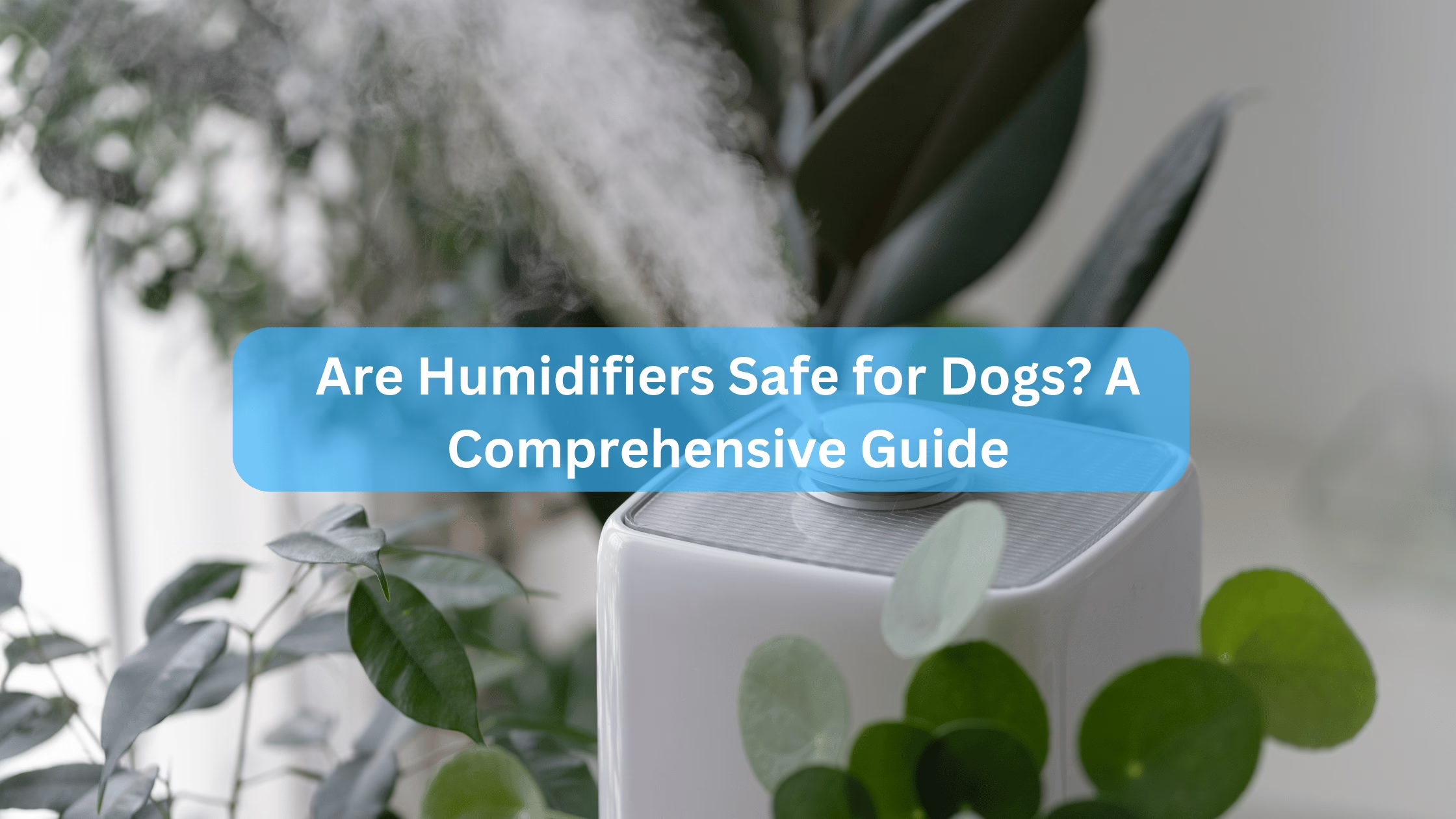
    Also Read: Are Humidifiers Safe for Dogs? A Comprehensive Guide

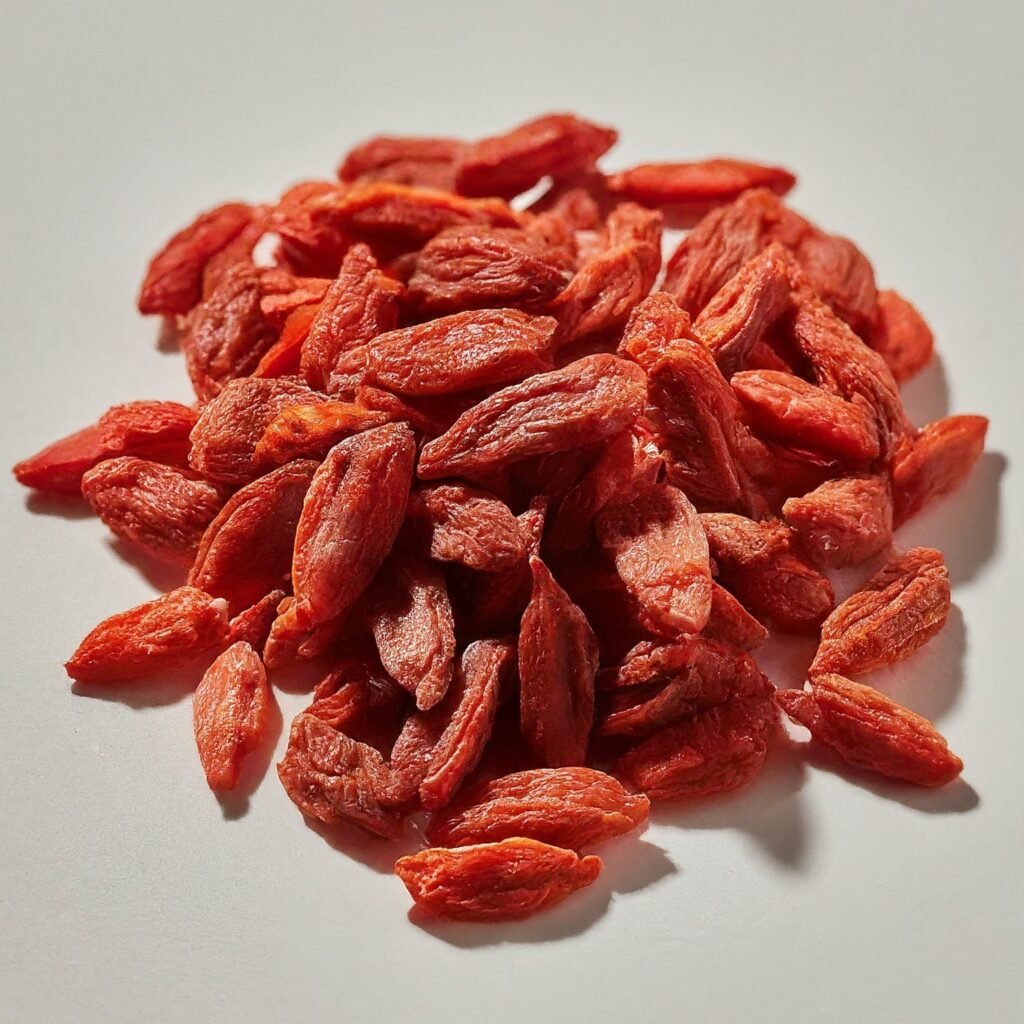
    Also Read: Can Dogs Eat Goji Berries? Are Goji Berries Safe for Dogs?

    Conclusion

    Finding out that your dog has eaten aluminum or tin foil can be a frightening experience, but it’s important to remember that, in most cases, it is not a life-threatening situation.

    By staying calm, monitoring your dog’s condition, and knowing when to seek veterinary assistance, you can help ensure your furry friend remains healthy and happy.

    Always consult with your veterinarian if you have any doubts or concerns about your dog’s health after such incidents.


    Sources:

  • Are Humidifiers Safe for Dogs? A Comprehensive Guide

    Are Humidifiers Safe for Dogs? A Comprehensive Guide

    Are Humidifiers Safe for Dogs? As a pet owner, you may wonder about the safety and benefits of using a humidifier in your home, especially if you have a dog. This guide addresses common questions and concerns regarding humidifiers and their impact on dogs, ensuring you make informed decisions for your furry friends.

    Are Humidifiers Safe for Dogs?

    abc |
    Are Humidifiers Safe for Dogs?

    Yes, humidifiers are generally safe for dogs when used correctly. They can significantly improve the quality of life for pets, particularly in dry environments.

    However, it’s essential to choose the right type of humidifier and follow safety precautions to prevent any potential hazards.

    What Are the Best Types of Humidifiers for Pet Owners?

    When selecting a humidifier, consider the following types:

    • Cool Mist Humidifiers: These are the safest option for pets, as they do not produce heat. They work by using a fan or ultrasonic vibrations to create a fine mist, which can help alleviate respiratory issues and dry skin in dogs.
    • Warm Mist Humidifiers: While these can also be effective, they pose a risk of burns if knocked over. If you opt for a warm mist humidifier, ensure it is placed out of reach of your dog.
    • Ultrasonic Humidifiers: These devices are quiet and efficient, making them a great choice for maintaining humidity levels without disturbing your pet.

    What Are the Potential Risks of Using a Humidifier Around Dogs?

    While humidifiers can be beneficial, there are potential risks to consider:

    • Scalding Hazard from Warm Mist Humidifiers: Warm mist humidifiers can cause burns if your dog comes into contact with hot water or steam.
    • Risk of Bacteria and Mold Growth: If not cleaned regularly, humidifiers can become breeding grounds for bacteria and mold, which can be harmful to both dogs and humans.
    • Excess Humidity: Too much humidity can lead to respiratory issues and promote mold growth in your home.

    How Do Warm Mist and Cool Mist Humidifiers Differ in Terms of Safety for Dogs?

    • Warm Mist Humidifiers: These use boiling water to create steam, which can be dangerous if knocked over, posing a burn risk to pets.
    • Cool Mist Humidifiers: These are generally safer as they do not involve boiling water. They create a fine mist that can help with dry skin and respiratory issues without the risk of burns.

    Can Humidifiers Help with My Dog’s Skin Conditions Like Eczema or Dermatitis?

    Yes, humidifiers can help alleviate symptoms of skin conditions like eczema or dermatitis in dogs.

    By adding moisture to the air, humidifiers can soothe dry, irritated skin and promote healing.

    However, it’s important to consult your veterinarian for specific treatment recommendations.

    Are There Any Specific Maintenance Tips for Humidifiers to Ensure They Remain Safe for Dogs?

    To keep your humidifier safe for dogs, follow these maintenance tips:

    • Clean Regularly: Clean your humidifier according to the manufacturer’s instructions to prevent mold and bacteria growth. This usually involves disassembling the unit and wiping down all parts with a vinegar solution.
    • Change Water Daily: Empty, rinse, and refill the water reservoir daily to prevent stagnation and contamination.
    • Monitor Humidity Levels: Use a hygrometer to ensure humidity levels remain between 30% and 50%.

    How Can I Ensure My Dog Doesn’t Get Too Much Moisture from the Humidifier?

    To prevent excessive moisture, consider the following:

    • Monitor Humidity Levels: Use a hygrometer to keep track of humidity in your home and adjust the humidifier accordingly.
    • Limit Usage: Use the humidifier only when necessary, particularly during dry seasons or when your dog shows signs of respiratory distress.
    • Observe Your Dog: Watch for signs of discomfort, such as excessive panting or lethargy, which could indicate that the humidity is too high.

    How Can I Prevent My Dog from Knocking Over a Humidifier?

    To keep your humidifier safe from your dog, consider these tips:

    • Placement: Position the humidifier on a stable surface, such as a high shelf or table, where your dog cannot reach it.
    • Use a Humidifier with a Weighted Base: Some models come with a heavier base that makes them less likely to tip over.
    • Secure Cords: Keep electrical cords out of reach to prevent your dog from tugging or chewing on them.

    Are There Any Specific Brands of Humidifiers That Are Pet-Friendly?

    While most humidifiers are safe for pets, some brands are known for their reliability and safety features. Look for models that are:

    • Easy to Clean: Regular maintenance is crucial to prevent mold and bacteria growth.
    • Quiet Operation: A quieter humidifier will be less likely to disturb your pet.
    • Automatic Shut-off Feature: This feature ensures the humidifier turns off when the water level is low, reducing the risk of overheating.

    Can Humidifiers Help with My Dog’s Asthma?

    Yes, humidifiers can be beneficial for dogs with asthma. The added moisture in the air can help open up the airways and reduce irritation, making it easier for your dog to breathe.

    However, if your dog has asthma, it’s essential to consult your veterinarian before using a humidifier to ensure it is appropriate for their specific condition.

    What Are the Signs That My Dog Might Have Asthma?

    Be aware of the following signs that may indicate your dog has asthma:

    • Coughing: Frequent coughing, especially after exercise or during the night.
    • Wheezing: A whistling sound when your dog breathes.
    • Labored Breathing: Difficulty breathing or rapid breathing.
    • Fatigue: Excessive tiredness or reluctance to engage in normal activities.
    • Blue-tinged Gums: A sign of oxygen deprivation, requiring immediate veterinary attention.

    Also Read: Can Dogs Eat Corn Chips? Are They Safe for Your Dog?

    Also Read: Can Dogs Eat Goji Berries? Are Goji Berries Safe for Dogs?

    Conclusion

    In conclusion, humidifiers can be a safe and beneficial addition to your home for both you and your dog.

    By choosing the right type of humidifier and following safety precautions, you can help improve your dog’s respiratory health, skin condition, and overall comfort.

    Always consult your veterinarian if you have concerns about your dog’s health or the use of a humidifier in your home.

    By being proactive, you can create a healthier living environment for your beloved pet.


    Sources:

  • Can Dogs Eat Goji Berries? Are Goji Berries Safe for Dogs?

    Can Dogs Eat Goji Berries? Are Goji Berries Safe for Dogs?

    Can Dogs Eat Goji Berries? Goji berries, also known as wolfberries, are a popular superfood that have been consumed for centuries in Asia for their numerous health benefits.

    These bright red berries are packed with vitamins, minerals, and antioxidants that can provide various health benefits to humans.

    However, many pet owners are wondering if goji berries are safe for their canine companions to eat as well.

    Can Dogs Eat Goji Berries? Are Goji Berries Safe for Dogs?

    The good news is that goji berries are generally safe for dogs to eat in moderation.

    According to veterinary experts, goji berries and other non-traditional snacks should not comprise more than 10% of a dog’s daily diet.

    This means that for a dog that eats a pound of kibble per day, they can be given about 1.6 ounces of goji berries as an occasional treat.

    It’s important to note that individual reactions can vary, and any sign of diarrhea, excessive gas, or vomiting should be a red flag.

    If your dog experiences any adverse reactions after eating goji berries, discontinue feeding them and consult with your veterinarian.

    Health Benefits of Goji Berries for Dogs

    Can Dogs Eat Goji Berries
    Can Dogs Eat Goji Berries?

    Goji berries are rich in essential nutrients and antioxidants that can provide various health benefits to dogs. Some of the potential benefits include:

    Immune System Support

    Goji berries contain high levels of vitamin C and beta-carotene, which can help boost the immune system and protect cells from damage.

    Selenium, another antioxidant found in goji berries, can slow down the aging process and help dogs with various conditions like heart disease, IBS, skin problems, and seizures.

    Eye Health and Vision

    The beta-carotene and vitamin A in goji berries can promote eye health and improve vision. Studies have shown that goji berry consumption can lead to signs of improved vision in humans.

    Healthy Skin and Coat

    Goji berries contain an array of nutrients like vitamin C, beta-carotene, and fatty acids that can promote healthy skin, soothe skin irritations, and give your dog’s coat a glossy shine.

    Digestive Health

    Goji berries are a great source of fiber, which can improve gut health by slowing down the movement of food through the digestive tract and supporting healthy gut microbes.

    How to Feed Goji Berries to Dogs

    When feeding goji berries to dogs, it’s important to do so in moderation and as part of a balanced diet.

    Fresh goji berries are a healthy snack, but dried goji berries can also be used as a supplement to a dog’s daily diet as long as they are unsweetened and free from harmful additives.

    It’s recommended to limit the amount of goji berries given to dogs to avoid overfeeding and ensure a balanced diet.

    Dried goji berries are more concentrated in sugar compared to fresh ones, so it’s important to give dogs a smaller amount of dried goji berries than fresh ones.

    Toxic Berries for Dogs to Avoid

    While some berries like blueberries, strawberries, and cranberries make great dog snacks, there are quite a few berries that aren’t a good choice and can cause a toxic reaction if fed to dogs.

    These include mistletoe berries, gooseberries, salmonberries, holly berries, baneberries, pokeberries, juniper berries, and dogwood berries.

    Also Read: Can Dogs Eat Juneberries? A Comprehensive Guide

    Also Read: Can Dogs Eat Corn Chips? Are They Safe for Your Dog?

    Conclusion

    In conclusion, goji berries are generally safe for dogs to eat in moderation as an occasional treat or snack.

    They are packed with essential nutrients and antioxidants that can provide various health benefits to dogs, including immune system support, eye health, skin and coat health, and digestive health.

    However, it’s important to consult with a veterinarian before introducing any new foods to a dog’s diet, especially if they have any underlying health conditions or are at a certain age.


    Sources:

  • Can Dogs Eat Corn Chips? Are They Safe for Your Dog?

    Can Dogs Eat Corn Chips? Are They Safe for Your Dog?

    Can Dogs Eat Corn Chips? As a dog owner, you might be tempted to share your favorite snacks with your furry friend, including corn chips. However, it’s essential to understand the implications of feeding your dog corn chips and whether they are safe for canine consumption.

    Can Dogs Eat Corn Chips? Are Corn Chips Safe for Dogs?

    corn chips |
    Can Dogs Eat Corn Chips? Are They Safe for Your Dog?

    Corn chips are not toxic to dogs, but they are not the healthiest option either. Here’s a closer look at the potential risks associated with feeding corn chips to your dog:

    • High in Fat and Calories: Corn chips are typically high in fat and calories, which can lead to weight gain and obesity in dogs. Excessive fat intake can also cause digestive issues, including vomiting and diarrhea.
    • Excessive Sodium: Many corn chips are heavily salted, which can lead to dehydration and sodium ion poisoning in dogs. Symptoms of salt toxicity include excessive thirst, urination, and in severe cases, seizures.
    • Lack of Nutritional Value: Corn chips provide little to no nutritional benefits for dogs. They are considered “empty calories,” meaning they can contribute to weight gain without offering essential nutrients.
    • Potential Additives: Some flavored corn chips may contain ingredients like onion or garlic powder, which are toxic to dogs and can lead to serious health issues, including anemia.

    Can Dogs Eat Corn?

    While corn itself can be safe for dogs in moderation, corn chips are a processed snack that often contains unhealthy additives.

    Plain corn, when cooked and served without butter or salt, can be a healthy treat for dogs.

    It contains beneficial nutrients such as linoleic acid (an essential fatty acid), vitamin E, and B vitamins.

    How to Tell If Your Dog Is Having Issues After Eating Corn Chips

    If your dog has consumed corn chips, monitor them for any signs of distress. Common symptoms to watch for include:

    • Vomiting
    • Diarrhea
    • Lethargy
    • Excessive thirst or urination

    If your dog exhibits any of these symptoms, especially if they ate a large quantity of corn chips, consult your veterinarian.

    My Dog Ate Excessive Corn Chips: What to Do

    If your dog has eaten an excessive amount of corn chips, it’s important to take immediate action to ensure their health and well-being. Here’s a step-by-step guide on what to do:

    1. Stay Calm and Assess the Situation

    First and foremost, remain calm. Dogs can pick up on their owner’s anxiety, which may increase their stress levels.

    Assess how many corn chips your dog has consumed and whether they have any underlying health issues.

    2. Monitor for Symptoms

    Keep an eye on your dog for any signs of distress or discomfort. Common symptoms to watch for include:

    • Vomiting: This may occur as a natural response to an upset stomach.
    • Diarrhea: Loose stools can indicate digestive issues.
    • Lethargy: If your dog seems unusually tired or inactive, it could be a sign of a problem.
    • Excessive Thirst or Urination: High sodium content in corn chips can lead to dehydration.

    3. Contact Your Veterinarian

    If your dog exhibits any concerning symptoms or if you believe they have consumed a large quantity of corn chips, it’s essential to contact your veterinarian immediately.

    They will be able to provide guidance and determine if your dog requires medical attention.

    4. Follow Your Vet’s Instructions

    Your veterinarian may recommend specific actions based on your dog’s condition. This could include:

    • Inducing Vomiting: In some cases, the vet may advise you to induce vomiting if the corn chips were consumed recently.
    • Hydration: Ensure your dog has access to fresh water to help counteract any dehydration from high sodium intake.
    • Dietary Adjustments: Your vet may suggest a bland diet for a few days to help your dog’s digestive system recover.

    How to Prevent Your Dog from Eating Corn Chips

    To prevent your dog from snacking on corn chips or other unhealthy human foods:

    • Keep Snacks Out of Reach: Store snacks in cabinets or containers that your dog cannot access.
    • Train Your Dog: Teach your dog commands like “leave it” to discourage them from eating food that isn’t meant for them.
    • Provide Healthy Alternatives: Offer your dog healthy snacks during family snack times to keep them satisfied without resorting to junk food.

    Healthier Snack Alternatives for Dogs

    Instead of corn chips, consider offering your dog healthier snack options, such as:

    • Fresh Fruits and Vegetables: Carrot sticks, apple slices (without seeds), and green beans are great low-calorie snacks.
    • Plain Popcorn: Air-popped popcorn without added salt or butter can be a fun treat.
    • Commercial Dog Treats: Look for treats specifically formulated for dogs that meet their dietary needs.

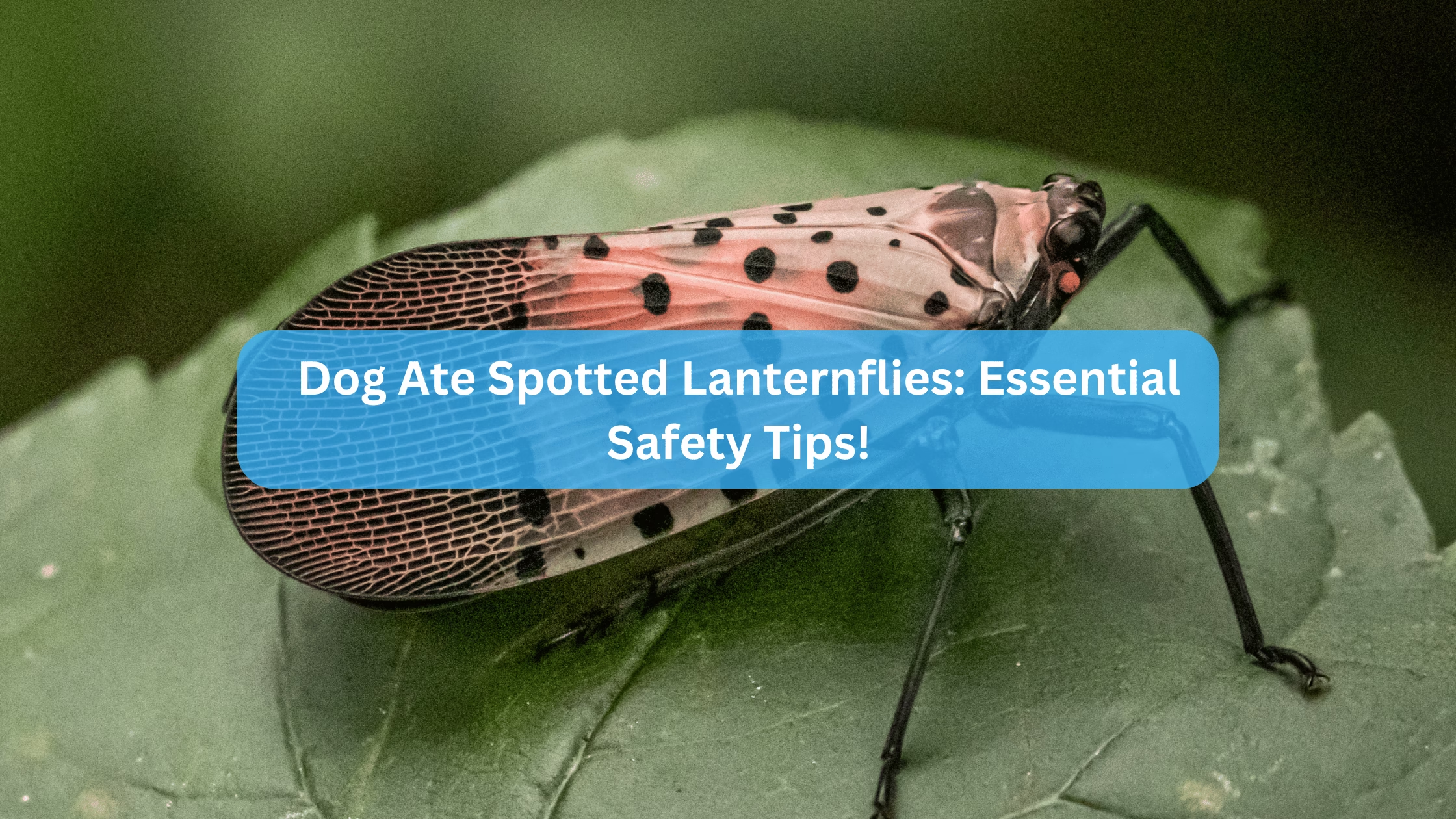
    Also Read: Dog Ate Spotted Lanternflies: Essential Safety Tips!

    Also Read: Can Dogs Eat Juneberries? A Comprehensive Guide

    Conclusion

    While corn chips are not poisonous to dogs, they are not a suitable snack due to their high fat, sodium content, and lack of nutritional value.

    Instead of sharing corn chips, opt for healthier alternatives that contribute positively to your dog’s diet.

    Always consult your veterinarian if you have concerns about your dog’s diet or if they exhibit any adverse reactions after eating human food.

    Prioritizing your dog’s health will ensure they live a happy and active life.


    Sources:

  • Can Dogs Eat Juneberries? A Comprehensive Guide

    Can Dogs Eat Juneberries? A Comprehensive Guide

    Can Dogs Eat Juneberries? – Juneberries, also known as Saskatoon berries or serviceberries, are small, sweet fruits native to North America. They are often compared to blueberries in taste and nutritional value.

    As a pet owner, you may wonder if these berries are safe for your furry friend. The good news is that dogs can eat juneberries in moderation, but there are some important considerations to keep in mind.

    Can Dogs Eat Juneberries? Are Juneberries Safe for Dogs?

    Yes, juneberries are generally safe for dogs to eat. They do not contain any toxic compounds that are harmful to canines. However, like any fruit, they should be introduced into your dog’s diet with caution. Here are some key points to consider:

    • Moderation is Key: While juneberries are safe, they should only be given as an occasional treat. Overconsumption can lead to digestive upset, including diarrhea or stomach cramps.
    • Watch for Allergic Reactions: Not all dogs will enjoy juneberries, and some may have an adverse reaction. If your dog shows signs of discomfort, such as vomiting or diarrhea after eating them, discontinue feeding them immediately.

    Nutritional Benefits of Juneberries

    Juneberries offer several health benefits for dogs, making them a nutritious treat when given in moderation:

    • Rich in Vitamins and Minerals: These berries are high in vitamin C, which is essential for a healthy immune system. They also contain other vitamins and minerals that contribute to overall health.
    • Antioxidants: Juneberries are packed with antioxidants that help reduce inflammation and support overall health by preventing cell damage caused by free radicals.
    • High in Fiber: The fiber content in juneberries can aid digestion and help maintain healthy bowel movements, which is especially beneficial for dogs with weight management issues.

    Serving Suggestions for Dogs

    If you decide to give your dog juneberries, consider the following serving suggestions:

    • Wash Thoroughly: Always wash juneberries completely before offering them to your dog to remove any pesticides or contaminants.
    • Remove Pits: While ripe juneberries are safe, the pits can pose a choking hazard, especially for small breeds. Ensure that you remove the pits before offering the berries.
    • Introduce Slowly: Start with a small amount to see how your dog reacts. If they tolerate it well, you can gradually increase the quantity.

    Risks of Feeding Juneberries to Dogs

    While juneberries are safe for dogs, there are some risks associated with their consumption:

    • Digestive Upset: Overeating juneberries can lead to gastrointestinal issues, including diarrhea or stomach cramps. Monitor your dog for any signs of discomfort after consuming them.
    • Natural Sugars: Juneberries contain natural sugars, which can be unhealthy for dogs if consumed in large quantities. This is particularly important for dogs that are overweight or have diabetes.

    Frequently Asked Questions

    Can dogs eat juneberry pits?

    No, dogs should not eat juneberry pits as they can pose a choking hazard. Always remove the pits before offering the berries to your dog.

    What should I do if my dog eats too many juneberries?

    If your dog consumes a large quantity of juneberries and shows signs of gastrointestinal distress, such as vomiting or diarrhea, contact your veterinarian for advice.

    Are there any other berries that are safe for dogs?

    Yes, many berries are safe for dogs, including blueberries, strawberries, and raspberries. These fruits are also rich in nutrients and can be offered as healthy treats.

    How can I introduce juneberries to my dog’s diet?

    Start by offering a small amount of washed and pit-free juneberries. Monitor your dog’s reaction, and if they enjoy them without any adverse effects, you can gradually increase the serving size.

    Also Read: Can dogs eat bulgur? A Comprehensive Guide for Pet Owners

    Also Read: Dog Ate Spotted Lanternflies: Essential Safety Tips!

    Conclusion

    In conclusion, juneberries are safe for dogs to eat in moderation and can provide various health benefits due to their rich nutrient profile.

    However, it is crucial to introduce them slowly and observe your dog for any signs of discomfort.

    Always consult with your veterinarian before adding new foods to your dog’s diet, especially if your pet has specific health concerns.

    With the right precautions, you can safely share the delicious taste of juneberries with your furry friend, making treat time a delightful experience for both of you.


    Sources:

  • Dog Ate Spotted Lanternflies: Essential Safety Tips!

    Dog Ate Spotted Lanternflies: Essential Safety Tips!

    As the spotted lanternfly (Lycorma delicatula) continues to invade various regions of the United States, many pet owners are left wondering about the safety of their furry companions. This article aims to provide a comprehensive overview of the spotted lanternfly, its effects on dogs, and what to do if your Dog Ate Spotted Lanternflies.

    Understanding the Spotted Lanternfly

    The spotted lanternfly is an invasive planthopper native to parts of Asia, including China and Vietnam.

    It was first identified in the United States in 2014 and has since spread rapidly, causing significant damage to agricultural crops and ornamental plants.

    The insect primarily feeds on the sap of over 70 plant species, including fruit trees like grapes and apples, as well as the tree of heaven (Ailanthus altissima), which is its preferred host.

    Characteristics of the Spotted Lanternfly

    • Appearance: Adult spotted lanternflies are approximately 1 inch long and 0.5 inches wide, featuring a black head, gray forewings with black spots, and striking red hindwings. The nymphs are initially black with white spots and later develop red pigmentation as they mature.
    • Life Cycle: The spotted lanternfly undergoes several life stages, starting from eggs laid in masses that resemble grayish mud. These egg masses can contain 30 to 50 eggs and are often found on tree trunks and other surfaces.
    • Damage to Plants: The feeding behavior of spotted lanternflies can lead to significant damage to plants, causing wilting, leaf drop, and the excretion of a sticky substance known as honeydew, which can promote the growth of sooty mold.

    Can Dogs Eat Spotted Lanternflies?

    As a dog owner, you might be concerned about your pet’s curiosity leading them to eat a spotted lanternfly.

    While it is not uncommon for dogs to snack on insects, the question arises: are spotted lanternflies safe for dogs to eat?

    Toxicity Concerns

    Currently, there is no conclusive evidence that spotted lanternflies are toxic to dogs.

    Reports indicate that while some dogs may experience mild gastrointestinal upset after consuming these insects, serious health risks are rare.

    Common symptoms observed in dogs that have ingested spotted lanternflies include:

    • Vomiting
    • Drooling
    • Loss of appetite

    These symptoms are not unique to lanternfly ingestion and could result from consuming various insects or plants. Therefore, if your dog shows signs of distress after eating a spotted lanternfly, it is essential to monitor them closely.

    Are Spotted Lanternflies Dangerous to Dogs?

    Despite the concerns circulating on social media about the dangers of spotted lanternflies to pets, experts assert that these insects do not pose a significant threat.

    The claims that they can cause seizures or blistered pads on dogs are largely unfounded.

    Research Insights

    • No Known Toxins: As of now, no known toxins have been identified in spotted lanternflies that would pose a threat to dogs. Studies have shown that while the insects may have a bitter taste, they do not contain harmful substances that would lead to serious health issues.
    • Potential Risks: Some experts suggest that as the spotted lanternfly continues to adapt to its environment, there may be a possibility of developing toxins from the plants they consume, particularly the tree of heaven. However, this is still a topic of ongoing research.

    Dog Ate Spotted Lanternflies: What Should You Do If Your Dog Eats a Spotted Lanternfly?

    Dog Ate Spotted Lanternflies 1 |
    Dog Ate Spotted Lanternflies: Essential Safety Tips!

    If you discover that your dog has eaten a spotted lanternfly, follow these guidelines:

    • Stay Calm: Most cases of lanternfly ingestion result in mild symptoms that resolve on their own.
    • Observe Your Dog: Keep an eye on your pet for any changes in behavior or health. If symptoms persist, seek veterinary care.
    • Educate Yourself: Stay informed about the spotted lanternfly and its potential impacts on pets as research continues to evolve.

    Also Read: Can Dogs Eat Beetles? A Comprehensive Guide

    Also Read: Can dogs eat bulgur? A Comprehensive Guide for Pet Owners

    Conclusion

    In summary, while the spotted lanternfly is a significant pest for agriculture and the environment, it does not appear to pose a serious threat to dogs.

    Pet owners should remain vigilant and discourage their pets from eating these insects, but there is no need for alarm.

    As research progresses, more information will likely emerge regarding the interactions between spotted lanternflies and pets.

    Always consult your veterinarian if you have concerns about your dog’s health after they have ingested any insects.

    By understanding the nature of spotted lanternflies and their effects on dogs, pet owners can help ensure their pets remain safe and healthy while navigating the challenges posed by this invasive species.


    Sources:

  • Can dogs eat bulgur? A  Comprehensive Guide for Pet Owners

    Can dogs eat bulgur? A Comprehensive Guide for Pet Owners

    As dog owners, we often find ourselves wondering what foods are safe and beneficial for our furry friends. With the growing popularity of whole grains in human diets, many pet parents may ask, “Can dogs eat bulgur?”

    In this article, we will explore whether bulgur is a suitable addition to your dog’s diet and answer some common questions regarding its consumption.

    Can Dogs Eat Bulgur?

    Bulgur
    Can Dogs Eat Bulgur?

    Yes Dogs can Eat Bulgur. Bulgur, a type of whole grain made from cracked wheat, can be a safe addition to a dog’s diet when fed in moderation and as part of a balanced diet. However, it’s important to consider potential risks and introduce it gradually.

    Benefits of Bulgur for Dogs

    Bulgur can provide some benefits for dogs:

    • High in fiber, which can aid digestion and promote regular bowel movements
    • Low in fat and calories, making it suitable for weight management
    • Source of complex carbohydrates for sustained energy
    • Nutrient-dense, offering vitamins, minerals, and protein
    • May promote dental health by reducing plaque buildup

    Potential Risks and Considerations of Bulgur for Dogs

    While bulgur can be a healthy addition, there are some risks to be aware of:

    • Allergies and sensitivities: Some dogs may be allergic or sensitive to grains like bulgur, leading to adverse reactions like itching, skin irritation, or digestive upset
    • Digestive issues: Introducing bulgur too quickly or in large quantities can cause diarrhea, vomiting, or stomach discomfort in some dogs
    • Interference with special diets: Dogs on grain-free diets or with certain health conditions may not tolerate bulgur well.

    How to Safely Feed Bulgur to Dogs

    If introducing bulgur to your dog’s diet, follow these guidelines:

    1. Start with small amounts and gradually increase over several days
    2. Cook bulgur thoroughly and serve plain, without any added oils, spices, or seasonings
    3. Mix bulgur with your dog’s regular food or high-quality protein like meat
    4. Monitor for any signs of digestive upset or allergic reactions
    5. Consult your veterinarian before making significant dietary changes, especially if your dog has any underlying health conditions

    How Much Bulgur is Safe for My Dog to Eat in a Day?

    When introducing bulgur to your dog’s diet, it’s essential to start with small amounts and gradually increase over several days.

    As a general guideline, bulgur should make up no more than 20% of your dog’s total diet.

    For a medium-sized dog, this would equate to around 1/4 to 1/2 cup of cooked bulgur per day, split between meals.

    However, the exact amount can vary depending on your dog’s size, activity level, and overall health. Always consult with your veterinarian for personalized dietary recommendations.

    Can Bulgur Help with My Dog’s Digestive Issues?

    Yes, bulgur can be beneficial for dogs with digestive issues due to its high fiber content.

    The fiber in bulgur can help regulate bowel movements, alleviate constipation, and promote overall digestive health.

    If your dog is experiencing gastrointestinal problems, you can try mixing a small amount of cooked bulgur with their regular food.

    However, if digestive issues persist or worsen, it’s crucial to consult with your veterinarian to rule out any underlying health conditions.

    What are the Signs of a Gluten Intolerance in Dogs?

    While gluten intolerance is less common in dogs compared to humans, it can still occur. Signs of gluten intolerance in dogs may include:

    • Bloating
    • Stomachache
    • Poor coat condition and frequent hair loss
    • Frequent scratching, chewing, and licking, particularly the paws
    • Redness or inflammation of the skin
    • Inflammation in the ear (could also grow into an infection)
    • Flatulence
    • Loose stool and diarrhea
    • Weight loss
    • Vomiting, generally after meals

    If you suspect your dog may have a gluten intolerance, it’s best to consult with your veterinarian for proper diagnosis and dietary recommendations.

    Can Puppies Eat Bulgur as Well as Adult Dogs?

    Puppies can generally consume bulgur in moderation, but it’s important to introduce it gradually and in small amounts.

    Puppies have different nutritional needs compared to adult dogs, so it’s crucial to ensure that bulgur doesn’t replace essential nutrients in their diet.

    Always consult with your veterinarian or a canine nutritionist to determine the appropriate amount of bulgur for your puppy based on their age, size, and overall health.

    Also Read: Can Dogs Eat Broccoli Rabe? Essential Benefits and Risks.

    Also Read: Can Dogs Eat Beetles? A Comprehensive Guide

    Conclusion

    In moderation and as part of a balanced diet, bulgur can be a safe and healthy addition for some dogs.

    However, it’s crucial to introduce it gradually, monitor your dog’s reaction, and consult with your veterinarian for personalized dietary advice.

    By following these guidelines and considering your dog’s individual needs, you can safely incorporate bulgur into their diet to provide potential health benefits.


    Sources: