Author: Kartikey Dwivedi

  • Can Dogs Eat Dosa? Myths, Facts, and the Reassuring Truth

    Can Dogs Eat Dosa? Myths, Facts, and the Reassuring Truth

    Can Dogs Eat Dosa? Dosa is a beloved South Indian dish enjoyed by many for its crispy texture and savory flavors.

    As a dog owner, you might wonder if it’s okay to share this delicious treat with your furry friend.

    In this article, we will answer common questions, bust myths, and provide clear insights into whether dogs can eat dosa.

    What is Dosa?

    Dosa is a thin, crispy crepe made primarily from fermented rice and black lentils (urad dal).

    It is often served with various chutneys and sambhar, a flavorful lentil-based stew. Dosa comes in many varieties, including:

    • Plain Dosa: Just the crepe, without any fillings.
    • Masala Dosa: Filled with spiced mashed potatoes.
    • Onion Dosa: Dosa with onions cooked into the batter.
    • Paper Dosa: A thinner, crispier version.

    Can Dogs Eat Dosa?

    Yes, but with caution. Dogs can technically eat dosa, but it’s not recommended as a regular part of their diet. Here’s why:

    Nutritional Considerations

    • High in Carbohydrates: Dosa is primarily made from rice, which is high in carbohydrates. While dogs need some carbohydrates in their diet, too many can lead to obesity and other health issues.
    • Protein Content: The lentils in dosa provide some protein, but not enough to replace a balanced dog food diet. Dogs require a specific balance of nutrients that dosa alone cannot provide.

    Common Myths About Dogs and Dosa

    1. Myth: Dosa is Healthy for Dogs Because It’s Made from Natural Ingredients.

      • Fact: While dosa is made from rice and lentils, the preparation often includes spices and seasonings that can be harmful to dogs. Ingredients like onions and garlic, commonly found in dosa, are toxic to dogs.

      2. Myth: Dogs Can Eat Any Human Food.

        • Fact: Not all human foods are safe for dogs. Many foods we enjoy can cause digestive issues or toxicity in dogs. Always research before sharing human food with your pet.

        3. Myth: A Small Amount of Dosa is Safe for Dogs.

          • Fact: While a small piece of plain dosa may not cause immediate harm, it’s essential to consider the overall diet. Regularly feeding dogs human food, including dosa, can lead to unhealthy eating habits.

          Potential Risks of Feeding Dosa to Dogs

          • Spices and Seasonings: Many dosa recipes include spices like chili powder and cumin. While some spices are safe in small amounts, others can cause gastrointestinal upset.
          • Onions and Garlic: These ingredients are particularly harmful. They can cause oxidative damage to red blood cells, leading to anemia in dogs.
          • Digestive Issues: Dogs have sensitive digestive systems. Foods high in fat or unfamiliar ingredients can lead to vomiting, diarrhea, or abdominal pain.

          Signs Your Dog May Have an Adverse Reaction

          If you decide to give your dog a small piece of dosa, watch for signs of an adverse reaction, including:

          • Vomiting or diarrhea
          • Lethargy
          • Loss of appetite
          • Abdominal pain or bloating

          If you notice any of these symptoms, consult your veterinarian immediately.

          Safer Alternatives to Dosa for Dogs

          If you’re looking for a treat to share with your dog, consider these dog-friendly options:

          • Plain Cooked Chicken: A great source of protein that most dogs love.
          • Carrots or Green Beans: Crunchy vegetables that are low in calories and high in fiber.
          • Peanut Butter: A tasty treat (ensure it’s xylitol-free) that many dogs enjoy.

          Also Read: Can Dogs Eat Dragon Fruit? A Comprehensive Guide

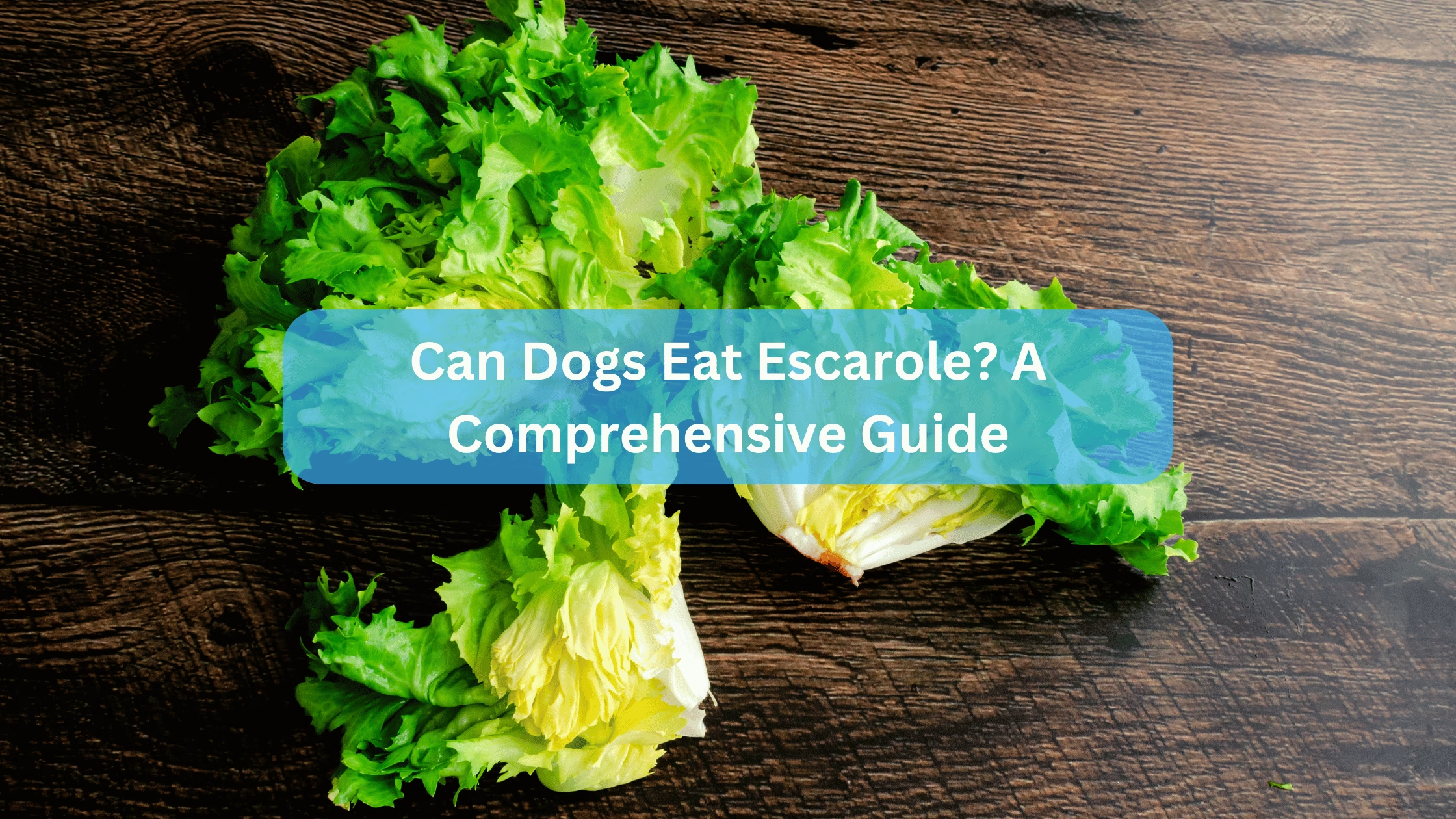
          Also Read: Can Dogs Eat Escarole? A Comprehensive Guide

          Conclusion

          While dogs can eat dosa in small amounts, it is not advisable to make it a regular part of their diet due to its high carbohydrate content and potential harmful ingredients.

          Always prioritize your dog’s health by choosing safe, nutritious treats.

          If you have any doubts or questions about your dog’s diet, consult with your veterinarian for personalized advice.

          By being informed and cautious, you can ensure your furry friend remains happy and healthy.


          Sources:
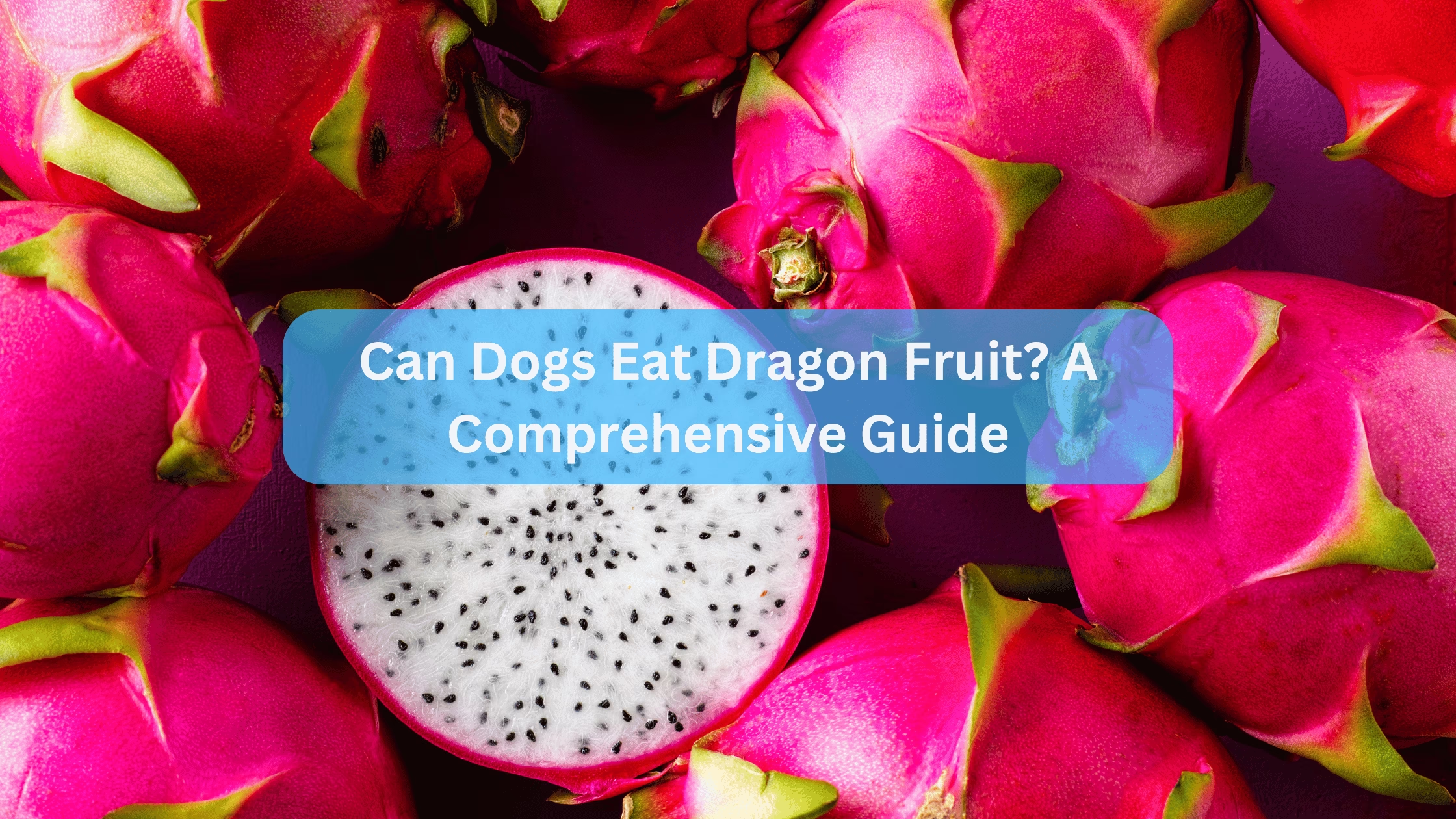
        1. Can Dogs Eat Dragon Fruit? A Comprehensive Guide

          Can Dogs Eat Dragon Fruit? A Comprehensive Guide

          Can Dogs Eat Dragon Fruit? As pet owners, we often find ourselves wondering about the safety and benefits of sharing our favorite foods with our furry companions.

          One such question that arises is whether dogs can eat dragon fruit. This vibrant tropical fruit, also known as pitaya, is not only visually appealing but also packed with nutrients.

          Here’s a detailed look at whether dragon fruit is safe for dogs and how it can benefit their health.

          What is Dragon Fruit?

          Dragon fruit is the fruit of several different cactus species indigenous to Central America, but it is now cultivated in many tropical and subtropical regions around the world.

          It is characterized by its bright pink or yellow skin and sweet, seed-speckled flesh. There are several varieties, including:

          • White-fleshed dragon fruit: The most common variety, with a mildly sweet flavor.
          • Red-fleshed dragon fruit: Known for its vibrant color and slightly sweeter taste.
          • Yellow dragon fruit: This variety has a sweeter flavor and is often considered the most nutritious.

          Can Dogs Eat Dragon Fruit? Is Dragon Fruit Safe for Dogs?

          Yes, dragon fruit is safe for dogs to consume. According to various sources, including the ASPCA, dragon fruit is non-toxic to dogs, making it a healthy treat option.

          However, it’s important to prepare it correctly to ensure your dog’s safety.

          • Remove the skin: The skin of the dragon fruit is tough and can pose a choking hazard. Always peel the fruit before offering it to your dog.
          • Introduce gradually: When introducing any new food, including dragon fruit, start with small pieces to monitor your dog’s reaction.
          • Watch for digestive issues: While dragon fruit is generally safe, some dogs may experience digestive upset if they eat too much. Symptoms to watch for include diarrhea or vomiting.

          Health Benefits of Dragon Fruit for Dogs

          Dragon fruit is not just safe; it also provides several health benefits for dogs:

          • Rich in Vitamin C: This vitamin is crucial for supporting a healthy immune system and can help combat oxidative stress.
          • High in Antioxidants: Antioxidants in dragon fruit can help reduce inflammation and lower the risk of chronic diseases.
          • Fiber Content: The fiber in dragon fruit aids in digestion and can help maintain a healthy gut.
          • Essential Fatty Acids: The seeds of dragon fruit contain omega-3 fatty acids, which are beneficial for skin and coat health.
          • Low in Calories: Dragon fruit is low in calories, making it a guilt-free treat for dogs.

          How to Serve Dragon Fruit to Your Dog

          When serving dragon fruit to your dog, consider the following tips:

          • Cut into small pieces: This makes it easier for your dog to chew and digest.
          • Mix with regular food: You can incorporate small pieces of dragon fruit into your dog’s regular meals for added nutrition.
          • Avoid processed forms: Stick to fresh dragon fruit, as canned or processed varieties may contain added sugars or preservatives that are unhealthy for dogs.
          • Moderation is key: Treat dragon fruit as an occasional snack rather than a staple in your dog’s diet.

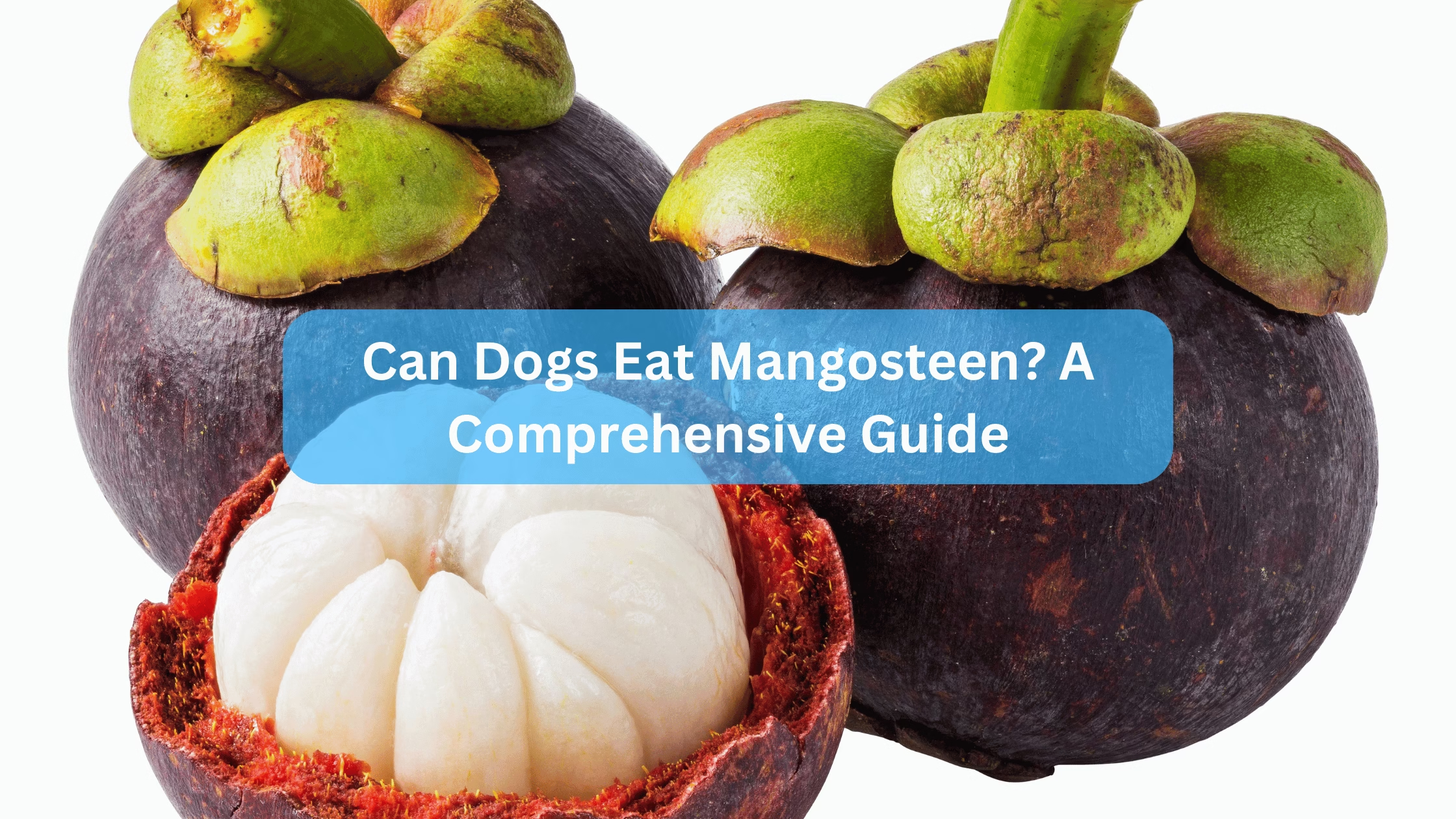
          Also Read: Can Dogs Eat Mangosteen? A Comprehensive Guide

          Also Read: Can Dogs Eat Escarole? A Comprehensive Guide

          Conclusion: A Healthy Treat for Your Canine Companion

          In summary, dragon fruit can be a nutritious and safe treat for dogs when offered in moderation.

          Its rich nutrient profile not only makes it a delightful snack but also contributes positively to your dog’s overall health.

          However, as with any dietary changes, it’s always best to consult with your veterinarian, especially if your dog has any pre-existing health conditions or dietary restrictions.

          By introducing dragon fruit thoughtfully, you can enjoy sharing this exotic fruit with your furry friend while keeping them healthy and happy!


          Sources:

        2. Can Dogs Eat Escarole? A Comprehensive Guide

          Can Dogs Eat Escarole? A Comprehensive Guide

          Can Dogs Eat Escarole? When it comes to feeding our furry friends, many pet owners often wonder about the safety and nutritional value of various human foods.

          One such food that may come to mind is escarole, a leafy green vegetable.

          This article will explore whether dogs can eat escarole, its benefits, potential risks, and how to incorporate it into your dog’s diet safely.

          What is Escarole?

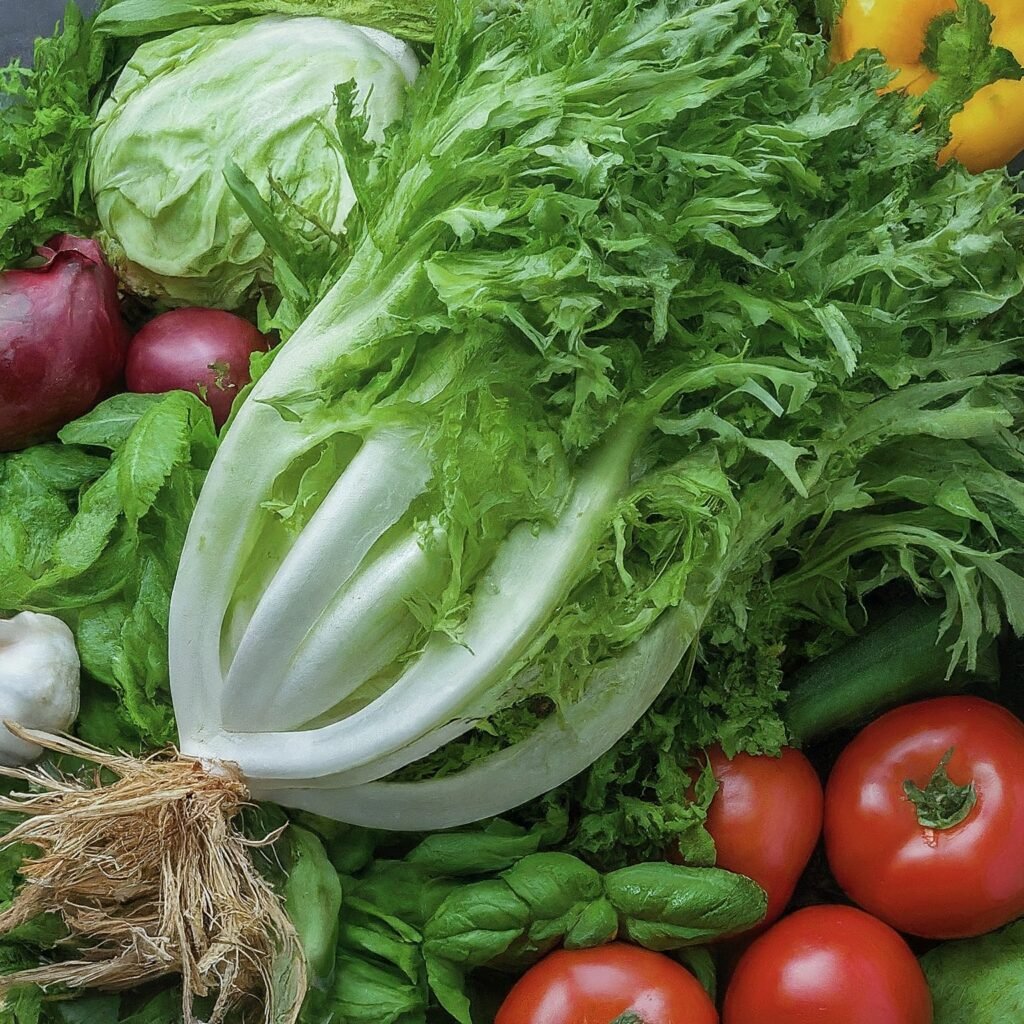
          Escarole |
          What is Escarole?

          Escarole is a type of leafy green belonging to the chicory family. It has a slightly bitter taste and is often used in salads, soups, and cooked dishes.

          Packed with vitamins A, C, K, and several B vitamins, escarole is a nutritious addition to human diets. But what about our canine companions?

          Can Dogs Eat Escarole?

          Yes, dogs can eat escarole! This leafy green is safe for dogs and can provide several health benefits. However, as with any new food, moderation is key.

          Benefits of Escarole for Dogs

          • Nutrient-Rich: Escarole is loaded with essential vitamins and minerals, including:
          • Vitamin A: Supports vision and immune function.
          • Vitamin C: Acts as an antioxidant and aids in immune health.
          • Vitamin K: Important for blood clotting and bone health.
          • Fiber: Promotes healthy digestion.
          • Low in Calories: Escarole is low in calories, making it a great treat for dogs that need to maintain a healthy weight.
          • Hydration: Being high in water content, escarole can help keep your dog hydrated.

          Risks of Feeding Escarole to Dogs

          While escarole is generally safe for dogs, there are a few considerations to keep in mind:

          • Digestive Upset: Overconsumption of escarole can lead to gastrointestinal issues such as diarrhea or bloating. Always introduce new foods gradually.
          • Choking Hazard: Ensure that the escarole is chopped into small, manageable pieces to prevent choking, especially for smaller breeds.
          • Allergies: Monitor your dog for any signs of allergies or adverse reactions when introducing escarole for the first time.

          How to Prepare Escarole for Dogs

          When feeding escarole to your dog, follow these simple steps:

          1. Wash Thoroughly: Rinse the escarole under running water to remove any dirt or pesticides.
          2. Chop into Small Pieces: Cut the leaves into small, bite-sized pieces to make it easier for your dog to chew and digest.
          3. Serve Raw or Cooked: You can serve escarole raw as part of a salad or lightly steam it to enhance its digestibility.
          4. Mix with Other Foods: Consider mixing escarole with your dog’s regular food or using it as a healthy topper for their meals.

          How Much Escarole Can Dogs Eat?

          The amount of escarole you can safely feed your dog depends on their size and dietary needs. A general guideline is:

          • Small Dogs: 1-2 tablespoons of chopped escarole per meal.
          • Medium Dogs: 2-3 tablespoons per meal.
          • Large Dogs: 3-4 tablespoons or more, depending on their daily caloric intake.

          Always consult your veterinarian for personalized advice on portion sizes, especially if your dog has underlying health conditions.

          Frequently Asked Questions

          Can all dogs eat escarole?

          Yes, most dogs can eat escarole, but always introduce it slowly and in moderation to avoid digestive issues.

          Are there any vegetables dogs should avoid?

          Yes, certain vegetables like onions, garlic, and mushrooms can be toxic to dogs and should be avoided.

          Can escarole help with my dog’s weight?

          Yes, due to its low-calorie content and high fiber, escarole can be a beneficial addition to a weight management plan for dogs.

          What other greens are safe for dogs?

          Other safe greens include spinach, kale, and broccoli, but always check for specific dietary needs or restrictions.

          How should I store escarole?

          Keep escarole in the refrigerator in a sealed container or bag to maintain freshness. Use it within a few days for the best quality.

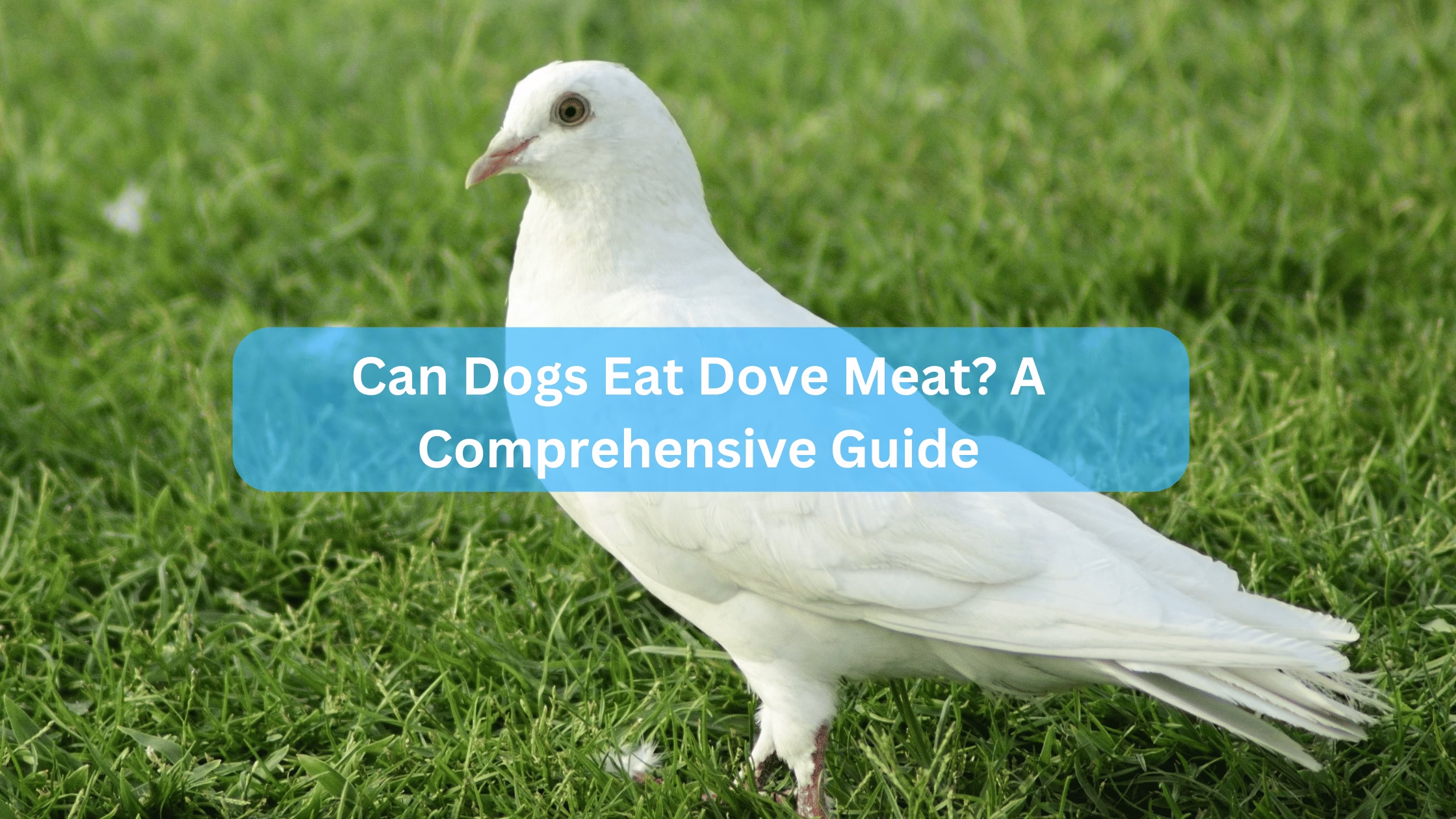
          Also Read: Can Dogs Eat Dove Meat? A Comprehensive Guide

          Also Read: Can Dogs Eat Mangosteen? A Comprehensive Guide

          Conclusion

          In summary, escarole is a nutritious and safe vegetable that dogs can enjoy in moderation.

          Its health benefits, combined with its low-calorie content, make it an excellent addition to your dog’s diet.

          However, always monitor your dog for any adverse reactions and consult with your veterinarian if you have any concerns.

          By incorporating escarole thoughtfully, you can provide your canine companion with a tasty and healthy treat!


          Sources:

        3. Can Dogs Eat Mangosteen? A Comprehensive Guide

          Can Dogs Eat Mangosteen? A Comprehensive Guide

          When it comes to sharing our favorite fruits with our furry companions, many pet owners wonder about the safety and health benefits of various tropical treats. One such fruit is mangosteen, known for its sweet, tangy flavor and nutritional properties. But can dogs eat mangosteen? Let’s explore the facts.

          Introduction to Mangosteen

          Mangosteen, often referred to as the “queen of fruits,” is a tropical fruit native to Southeast Asia.

          It features a thick purple rind and juicy, white flesh that is both sweet and slightly tangy.

          Rich in flavor and nutrients, mangosteen has gained popularity not only for human consumption but also as a potential treat for dogs.

          Can Dogs Eat Mangosteen? Is Mangosteen Safe for Dogs?

          Yes, mangosteen is generally safe for dogs to consume when prepared properly. This fruit is not toxic to dogs, and many reports indicate that dogs can enjoy it as an occasional treat.

          However, it’s essential to consult your veterinarian before introducing any new food into your dog’s diet, especially exotic fruits like mangosteen.

          Nutritional Benefits of Mangosteen for Dogs

          Mangosteen is rich in several nutrients that can benefit your dog’s health:

          • Vitamins: Mangosteen contains vitamin C, which supports the immune system, and B vitamins that aid in energy metabolism and maintaining a healthy coat.
          • Minerals: It offers essential minerals such as copper, iron, magnesium, and manganese, which are vital for various bodily functions, including bone health and energy production.
          • Antioxidants: The fruit is packed with antioxidants, particularly xanthones, which help combat oxidative stress and promote healthy skin and coat.
          • Fiber: Mangosteen is high in dietary fiber, which can aid in digestion and help manage weight by providing a feeling of fullness.

          How to Safely Serve Mangosteen to Your Dog

          To safely offer mangosteen to your dog, follow these steps:

          1. Preparation: Remove the tough outer shell and any seeds, as these can be choking hazards and may cause digestive issues. Only the fleshy part of the fruit should be given to your dog.
          2. Portion Control: Start with a small amount to see if your dog enjoys the flavor. Monitor them for any signs of allergies or digestive upset.
          3. Occasional Treat: Due to its high sugar content, mangosteen should only be given as an occasional treat rather than a regular part of your dog’s diet. Excessive sugar can lead to gastrointestinal issues or contribute to weight gain, especially in dogs with diabetes or sensitive stomachs.

          Potential Risks and Considerations

          While mangosteen is not toxic, there are some risks to be aware of:

          • High Sugar Content: The sugar in mangosteen can cause stomach upset, diarrhea, or vomiting if consumed in large quantities. Dogs that are overweight or diabetic should avoid this fruit altogether.
          • Choking Hazard: The seeds of mangosteen are not only bitter but can also pose a choking risk. Always ensure that only the flesh is given to your dog.
          • Allergic Reactions: As with any new food, there is a chance of an allergic reaction. Symptoms to watch for include vomiting, diarrhea, and skin irritations. If any adverse reactions occur, discontinue feeding mangosteen and consult your veterinarian.

          Alternatives to Mangosteen

          If you’re looking for other fruits to share with your dog, consider these safe options:

          • Blueberries: Packed with antioxidants and low in calories, blueberries are a great snack for dogs.
          • Strawberries: Rich in vitamin C and fiber, strawberries can be a refreshing treat.
          • Bananas: High in potassium and vitamins, bananas are a sweet option but should be given in moderation due to their sugar content.

          Expert Opinions and Veterinary Insights

          Consulting a veterinarian before introducing any new food into your dog’s diet is crucial.

          Many vets recommend introducing fruits and vegetables gradually and monitoring for any adverse reactions.

          They can provide personalized advice based on your dog’s health, age, and dietary needs.

          Also Read: Can Dogs Eat Goose Meat? A Comprehensive Guide

          Also Read: Can Dogs Eat Dove Meat? A Comprehensive Guide

          Conclusion

          In summary, dogs can safely enjoy mangosteen as a treat when prepared correctly and served in moderation.

          This tropical fruit offers several health benefits, including vitamins, minerals, and antioxidants.

          However, pet owners should be cautious about the sugar content and potential choking hazards.

          Always consult with a veterinarian before introducing new foods to ensure your dog’s health and safety.

          By following these guidelines, you can safely share the delightful taste of mangosteen with your furry companion while keeping their dietary needs in check.


          Sources:

        4. Can Dogs Eat Dove Meat? A Comprehensive Guide

          Can Dogs Eat Dove Meat? A Comprehensive Guide

          Can Dogs Eat Dove Meat? Feeding your dog a varied diet is essential for their health and well-being. One question that often arises among pet owners is whether dogs can eat dove meat. This article explores the risks and benefits of feeding dove meat to dogs, compares it to other meats, and discusses potential digestive issues and signs of poisoning.

          Can Dogs Eat Dove Meat?

          Yes, dogs can eat dove meat, but it should be done in moderation and with caution. Dove meat is a lean source of protein that can be beneficial for dogs.

          However, it is crucial to ensure that the meat is thoroughly cooked, free of small bones, and introduced gradually into your dog’s diet to avoid any adverse reactions.

          Benefits of Feeding Dove Meat to Dogs

          1. High Protein Content: Dove meat is rich in protein, which is essential for muscle development and overall health in dogs.
          2. Low Fat: Compared to many other meats, dove meat is low in fat, making it a suitable option for dogs that need to maintain a healthy weight.
          3. Nutrient-Rich: Dove meat contains important vitamins and minerals, including iron and B vitamins, which support energy levels and overall vitality.
          4. Alternative Protein Source: For dogs with sensitivities or allergies to more common proteins like chicken or beef, dove meat can serve as a nutritious alternative.

          Risks of Feeding Dove Meat to Dogs

          While there are benefits, there are also risks associated with feeding dove meat to dogs:

          1. Choking Hazards: Dove bones can splinter and pose a choking risk. Always ensure that bones are removed before feeding the meat to your dog.
          2. Bacterial Contamination: Raw or undercooked dove meat can harbor harmful bacteria such as Salmonella or E. coli, which can lead to food poisoning in dogs. Always cook the meat thoroughly to eliminate these risks.
          3. Lead Poisoning: If the dove was hunted, there is a potential risk of lead poisoning from ingesting lead shot. Symptoms of lead poisoning include vomiting, diarrhea, and neurological issues.
          4. Digestive Issues: Introducing dove meat too quickly into your dog’s diet can lead to gastrointestinal upset, including diarrhea or vomiting. It’s best to introduce new foods gradually.

          How Does Dove Meat Compare to Other Meats?

          When comparing dove meat to other meats like chicken or beef, dove meat is generally lower in fat and can be a good source of protein.

          However, the risks associated with dove meat, particularly regarding choking hazards and bacterial contamination, may be higher if not prepared correctly.

          Chicken and turkey are often considered safer options due to their widespread availability and lower risk of contamination when cooked properly.

          Signs of Poisoning in Dogs After Eating Dove Meat

          If your dog consumes dove meat, be vigilant for signs of poisoning or distress, which may include:

          • Vomiting
          • Diarrhea
          • Lethargy
          • Abdominal pain
          • Loss of appetite
          • Neurological symptoms (in cases of lead poisoning)

          If you observe any of these symptoms, contact your veterinarian immediately for guidance and potential treatment.

          Also Read: Can Dogs Eat Ravioli? A Comprehensive Guide

          Also Read: Can Dogs Eat Goose Meat? A Comprehensive Guide

          Conclusion

          Dove meat can be a nutritious addition to your dog’s diet when prepared and fed correctly. Always ensure that the meat is cooked thoroughly, free of bones, and introduced gradually to avoid digestive issues.

          While there are benefits to feeding dove meat, it is essential to be aware of the potential risks, including choking hazards and bacterial contamination.

          If you have any concerns about your dog’s health after consuming dove meat, consult your veterinarian for advice.

          By following these guidelines, you can safely incorporate dove meat into your dog’s diet as an occasional treat while prioritizing their health and safety.


          Sources:

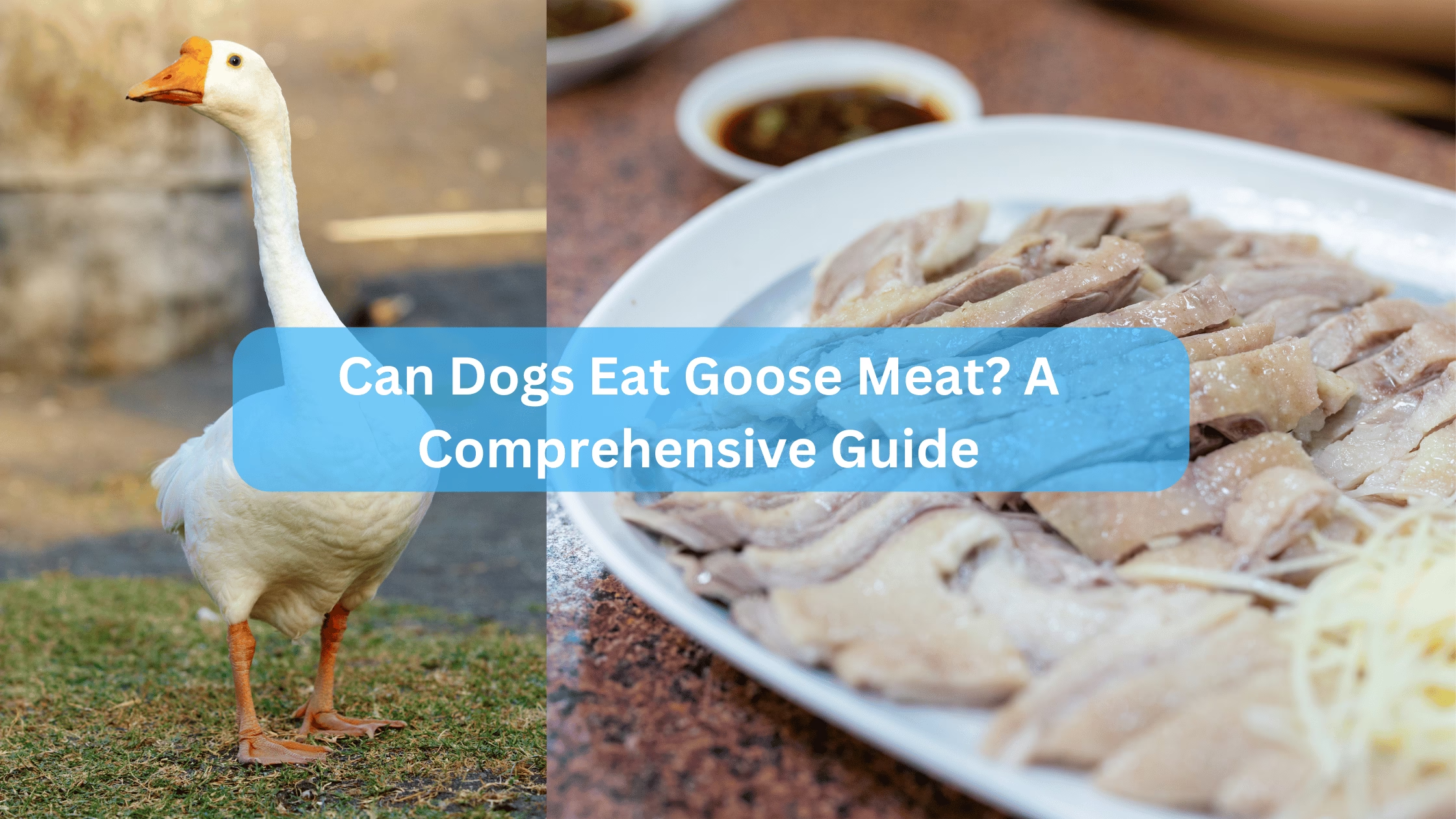
        5. Can Dogs Eat Goose Meat? A Comprehensive Guide

          Can Dogs Eat Goose Meat? A Comprehensive Guide

          When it comes to feeding our furry friends, pet owners often wonder about the safety and nutritional value of various meats. One question that frequently arises is: Can dogs eat goose meat? 

          This article will explore the benefits and potential risks of including goose meat in your dog’s diet, as well as how to prepare it safely.

          Can Dogs Eat Goose Meat?

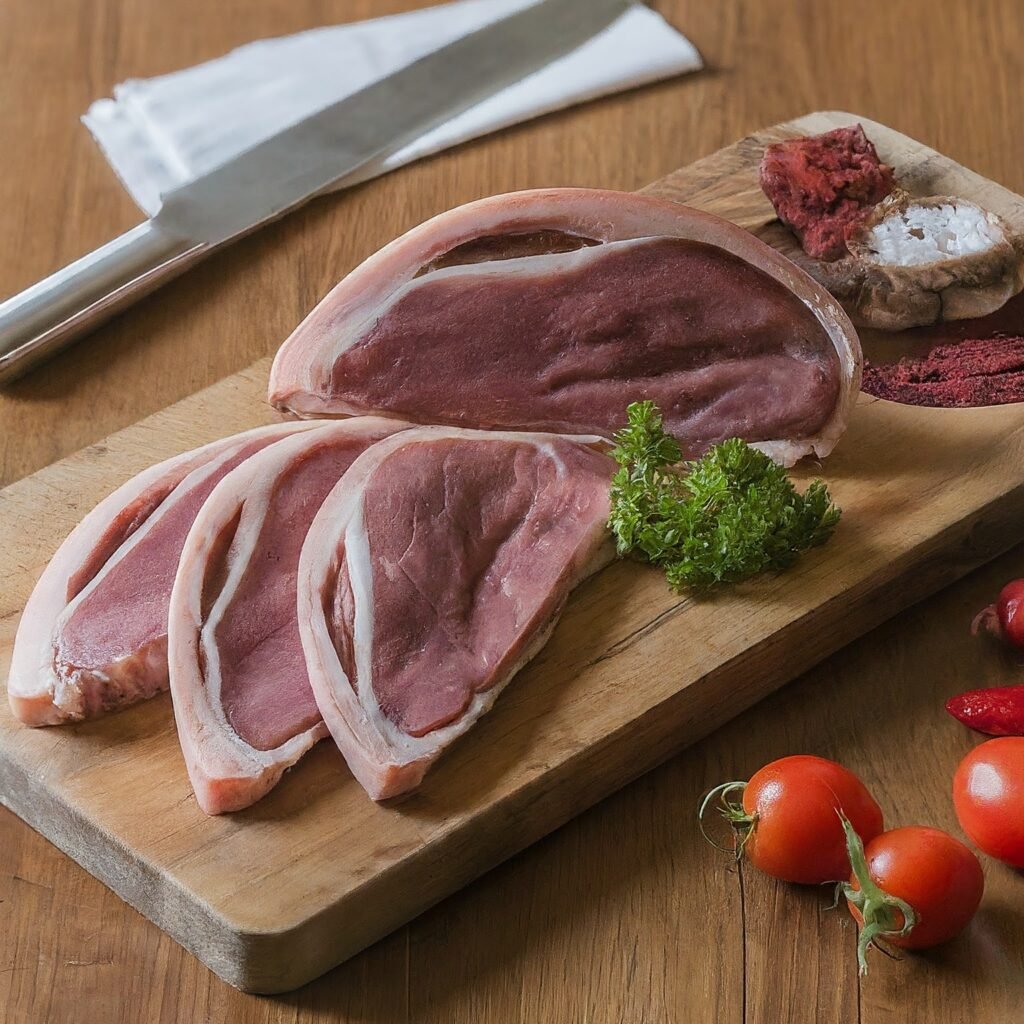
          goose meat |
          Goose Meat

          Yes, dogs can eat goose meat! It is safe for them when properly prepared and cooked. Goose meat is rich in protein and healthy fats, making it a nutritious option for dogs.

          However, moderation is key, as it is higher in fat compared to other meats. Always ensure that the meat is cooked thoroughly and free of bones before serving it to your furry friend.

          Nutritional Benefits of Goose Meat for Dogs

          Goose meat can be a nutritious addition to your dog’s diet. Here are some of its key benefits:

          • High Protein Content: Goose meat is rich in protein, which is essential for muscle development and overall health in dogs. Protein helps in repairing tissues and supporting a healthy immune system.
          • Healthy Fats: Goose contains a good amount of fat, particularly unsaturated fats, which can be beneficial for your dog’s skin and coat health. These fats also provide a concentrated source of energy.
          • Vitamins and Minerals: Goose meat is a source of essential vitamins and minerals, including B vitamins (like B12 and niacin), zinc, and iron, which are important for energy metabolism and immune function.

          Is Goose Meat Safe for Dogs?

          While goose meat can be nutritious, there are some considerations to keep in mind:

          • Cooked vs. Raw: It is generally safer to feed your dog cooked goose meat. Raw meat can carry bacteria like Salmonella or E. coli, which can cause gastrointestinal issues in dogs. Cooking the meat thoroughly eliminates these risks.
          • Fat Content: Goose is fattier than other meats like chicken or turkey. While healthy fats are beneficial, too much fat can lead to obesity and pancreatitis in dogs. It’s important to moderate the amount of goose meat you feed your dog.
          • Allergies and Sensitivities: Some dogs may have allergies or sensitivities to certain meats. If you are introducing goose meat for the first time, start with a small portion and monitor your dog for any adverse reactions.

          How to Prepare Goose Meat for Dogs

          If you decide to include goose meat in your dog’s diet, here are some safe preparation tips:

          1. Choose Fresh, High-Quality Meat: Always select fresh goose meat from a reputable source. Avoid processed or seasoned meats, as they may contain harmful additives.
          2. Cook Thoroughly: Cook the goose meat until it reaches an internal temperature of at least 165°F (74°C). This ensures that any harmful bacteria are killed.
          3. Remove Bones: Goose bones can splinter and pose a choking hazard or cause internal injuries. Always remove bones before serving the meat to your dog.
          4. Serve in Moderation: Goose meat should be an occasional treat rather than a staple. Balance it with other protein sources and ensure your dog’s diet is varied and complete.
          5. Consult Your Veterinarian: Before making significant changes to your dog’s diet, it’s always a good idea to consult with your veterinarian. They can provide personalized advice based on your dog’s health and dietary needs.

          Alternatives to Goose Meat for Dogs

          If you find that goose meat is not suitable for your dog, there are plenty of other protein sources to consider:

          • Chicken: A common and easily digestible option for dogs.
          • Turkey: Another poultry option that is leaner than goose.
          • Beef: Rich in protein and iron, beef can be a great alternative.
          • Fish: Salmon and sardines are excellent sources of omega-3 fatty acids, which are beneficial for skin and coat health.

          Also Read: My Dog Ate Aluminum Foil: A Comprehensive Guide

          Also Read: Can Dogs Eat Ravioli? A Comprehensive Guide

          Conclusion

          In conclusion, dogs can eat goose meat, and it can be a nutritious addition to their diet when prepared properly.

          Always prioritize safety by cooking the meat thoroughly and removing bones.

          As with any dietary change, moderation is key, and consulting with a veterinarian can help ensure that your dog’s nutritional needs are met.

          By providing a balanced diet that includes a variety of protein sources, you can help your dog maintain optimal health and well-being.


          Sources:

        6. Can Dogs Eat Ravioli? A Comprehensive Guide

          Can Dogs Eat Ravioli? A Comprehensive Guide

          Ravioli is a beloved pasta dish enjoyed by many, but as a responsible pet owner, you might wonder: Can dogs eat ravioli?

          While it may be tempting to share your meal with your furry friend, it’s crucial to understand the potential risks and benefits before doing so.

          This article will explore the nutritional value of ravioli, the risks involved, and how to safely incorporate it into your dog’s diet.

          Nutritional Value of Ravioli

          Ravioli is primarily made of pasta, which consists of flour and eggs. While these ingredients are generally safe for dogs, they do not provide significant nutritional benefits. A typical serving of pasta contains:

          • Protein: About 5.8 grams
          • Fat: Approximately 0.93 grams
          • Carbohydrates: Roughly 30.6 grams

          Although dogs require carbohydrates, they thrive on a balanced diet rich in protein, healthy fats, and essential vitamins and minerals. Therefore, while plain pasta is not harmful, it should not replace a dog’s regular food.

          Potential Risks of Feeding Ravioli to Dogs

          When considering whether to share ravioli with your dog, it’s essential to be aware of potential risks:

          1. Harmful Ingredients: Many ravioli recipes include ingredients like onions and garlic, which are toxic to dogs. These can lead to gastrointestinal upset and more severe health issues.
          2. High Carbohydrate Content: Ravioli is high in carbohydrates, which can contribute to obesity in dogs if consumed in large quantities. Obesity can lead to various health problems, including diabetes, arthritis, and heart disease.
          3. Sauces and Additives: If you’re considering feeding your dog ravioli in tomato sauce, be cautious. Many commercial sauces contain added sugars, salt, and preservatives that can be harmful to dogs.

          How to Safely Feed Ravioli to Dogs

          If you decide to share ravioli with your dog, follow these guidelines to ensure their safety:

          • Choose Plain Ravioli: Opt for plain, unsauced ravioli to minimize risks. Avoid any ravioli that contains potentially harmful ingredients.
          • Moderation is Key: Treat ravioli as an occasional snack rather than a regular part of your dog’s diet. It should not exceed 10% of their daily caloric intake.
          • Consult Your Veterinarian: Before introducing any new food, including ravioli, consult your veterinarian to ensure it aligns with your dog’s dietary needs.

          Common Questions About Dogs and Ravioli

          As you consider whether to feed ravioli to your dog, you may have additional questions:

          Can dogs eat pasta?

          Yes, plain, unsauced pasta is generally safe for dogs in moderation. However, it lacks nutritional value and should not be a staple in their diet.

          What human foods are toxic to dogs?

          Foods like onions, garlic, chocolate, grapes, raisins, and xylitol are toxic to dogs. Understanding these risks is vital when considering any human food for your pet.

          How much pasta can a dog eat?

          The amount of pasta a dog can safely consume varies by size, age, and health. As a general rule, pasta should make up no more than 10% of a dog’s daily caloric intake.

          Can dogs eat ravioli with cheese?

          Cheese is usually safe for dogs in moderation, but be cautious of the other ingredients in the ravioli. Stick to plain ravioli to avoid harmful additives.

          Can dogs eat ravioli with meat?

          Meat in ravioli is generally safe for dogs if cooked thoroughly and without bones. Ensure the ravioli does not contain any toxic ingredients like onions or garlic.

          Can Dogs Eat Ravioli in Tomato Sauce?

          Feeding your dog ravioli in tomato sauce is generally not recommended. While plain tomatoes are safe, the sauces often contain onions, garlic, and high levels of sodium, which can be toxic to dogs. If you want to share ravioli with your dog, it’s best to serve it plain and without sauce.

          Also Read: Are Humidifiers Safe for Dogs? A Comprehensive Guide

          Also Read: My Dog Ate Aluminum Foil: A Comprehensive Guide

          Conclusion

          While ravioli is not inherently toxic to dogs, it is not the best choice for their diet. The potential risks associated with harmful ingredients and high carbohydrate content make it a less-than-ideal treat.

          If you choose to share ravioli with your dog, do so in moderation and ensure it is plain and free of harmful additives.

          Always consult your veterinarian to ensure you are making the best dietary choices for your furry friend.

          By being informed and cautious, you can help maintain your dog’s health and happiness.


          Sources: