Author: Kartikey Dwivedi

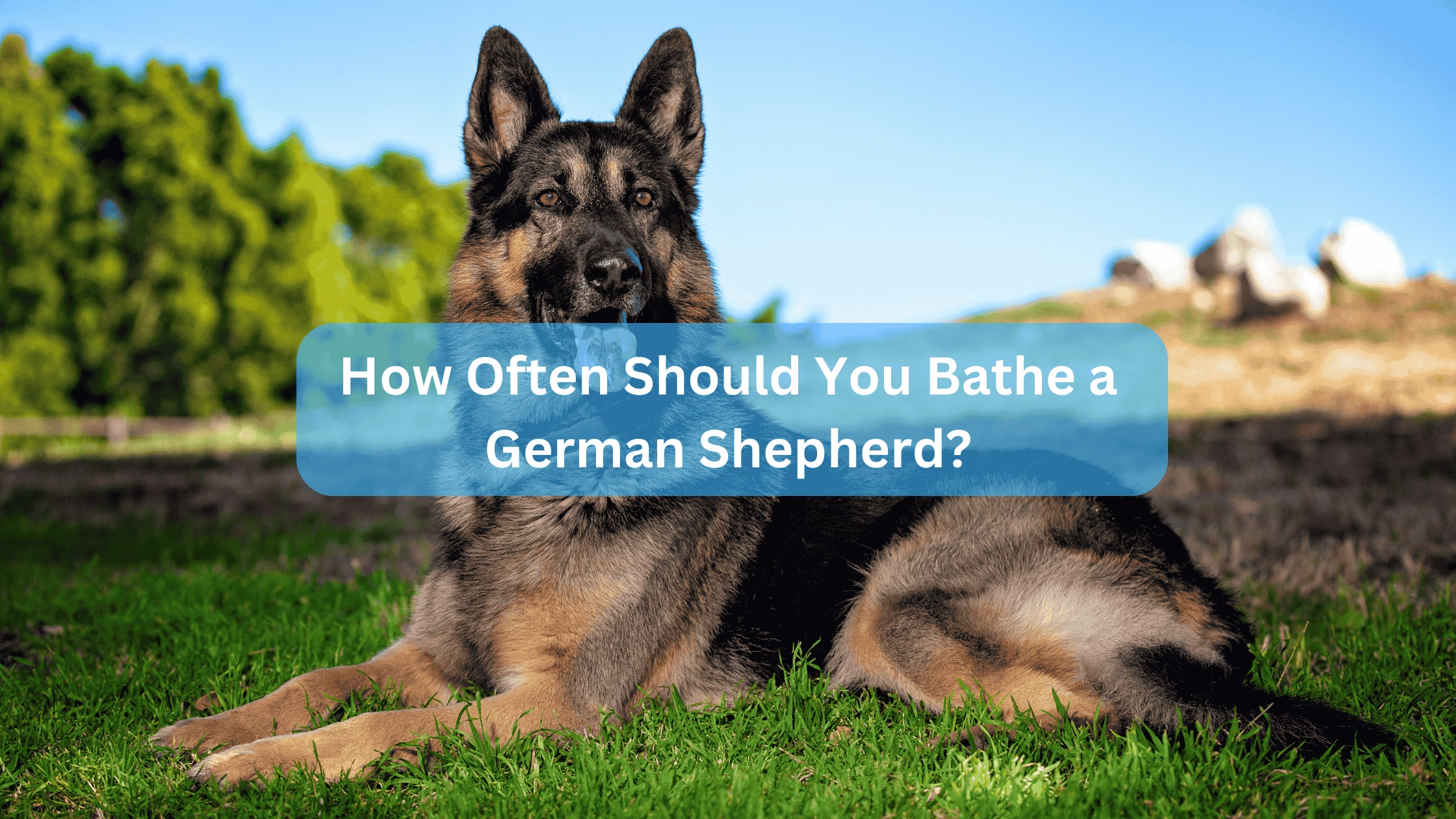
  • How Often Should You Bathe a German Shepherd? Best Guide.

    How Often Should You Bathe a German Shepherd? Best Guide.

    How Often Should You Bathe a German Shepherd? – Bathing your German Shepherd is an essential part of their grooming routine, but determining the right frequency can be a bit tricky.

    Unlike some other breeds, German Shepherds have unique grooming needs due to their double coat, which consists of a dense undercoat and a protective topcoat.

    This article will explore how often you should bathe a German Shepherd, the factors that influence bathing frequency, and tips for making bath time a pleasant experience for both you and your dog.

    Understanding the German Shepherd’s Coat

    German Shepherds are known for their striking appearance and robust health, largely attributed to their double coat.

    The topcoat is designed to repel water and dirt, while the undercoat provides insulation against temperature extremes.

    This unique coat structure means that German Shepherds do not require frequent bathing.

    In fact, bathing them too often can strip away the natural oils that keep their skin and coat healthy.

    How Often Should You Bathe a German Shepherd?

    Recommended Bathing Frequency For German Shepherds

    For most German Shepherds, bathing every 2 to 3 months is generally sufficient. This frequency helps to maintain the natural oils in their coat and prevents skin irritation.

    However, there are several factors that can influence how often you should bathe your dog:

    • Activity Level: If your German Shepherd is particularly active and enjoys playing outdoors, they may require more frequent baths. Dogs that roll in mud or get wet often may need a bath every 4 to 6 weeks.
    • Seasonal Changes: During shedding season, which typically occurs in spring and fall, you may find that your dog needs more frequent baths to manage loose fur and dander.
    • Health Considerations: If your German Shepherd has skin conditions or allergies, consult your veterinarian for tailored advice on bathing frequency and suitable shampoos.
    • Odor and Dirt: If your dog develops a noticeable odor or has visible dirt in their coat, it’s time for a bath, regardless of the schedule.

    Signs Your German Shepherd Needs a Bath

    While the general guideline is every 2 to 3 months, there are specific signs that indicate it’s time for a bath:

    • Odor: If your dog begins to smell, it’s a clear sign they need a bath.
    • Visible Dirt: If you notice mud, dirt, or other debris in their coat, it’s time to wash them.
    • Greasy Coat: If their coat feels greasy or sticky, a bath can help remove excess oils.
    • Unpleasant Encounters: If your dog has rolled in something foul, such as animal waste or a skunk, a bath is necessary.

    Bathing Techniques for German Shepherds

    When it comes to bathing your German Shepherd, following the right techniques can make the process smoother and more enjoyable:

    1. Preparation: Gather all necessary supplies before starting. This includes dog shampoo (preferably a gentle, dog-specific formula), towels, a brush, and a non-slip mat for the bathing area.
    2. Wet the Coat: Use lukewarm water to wet your dog’s coat thoroughly, starting from the neck and working your way down to the tail. Avoid getting water in their ears and eyes.
    3. Apply Shampoo: Lather the shampoo in your hands and apply it to your dog’s coat, focusing on areas that tend to get dirtier, such as the underbelly and paws. Use gentle, circular motions to ensure the shampoo reaches the undercoat.
    4. Rinse Thoroughly: Make sure to rinse all the shampoo out of your dog’s coat. Residue can lead to skin irritation.
    5. Drying: After rinsing, use towels to dry your dog. You can also use a pet dryer on a low setting, ensuring it’s not too hot.
    6. Brush the Coat: Once your dog is dry, brush their coat to remove any tangles and promote a shiny appearance.

    Additional Grooming Tips for German Shepherds

    In addition to regular bathing, maintaining your German Shepherd’s grooming routine is essential for their overall health:

    • Brushing: Regular brushing (3-4 times a week) helps reduce shedding and keeps their coat clean. It also distributes natural oils throughout the fur.
    • Ear Cleaning: Check your dog’s ears regularly for dirt and wax buildup. Clean them with a vet-recommended solution if necessary.
    • Nail Trimming: Keep your dog’s nails trimmed to prevent discomfort and potential injury.
    • Dental Care: Regularly brush your dog’s teeth or provide dental chews to maintain oral health.

    Also Read: Are Great Pyrenees Good With Cats?

    Also Read: The Best Low Maintenance Dog Breeds for Seniors

    Conclusion

    Bathing your German Shepherd is an important part of their grooming routine, but it’s essential to strike the right balance.

    Bathing every 2 to 3 months is generally sufficient for most dogs, but factors such as activity level, seasonal changes, and health considerations can influence this frequency.

    Always pay attention to your dog’s coat and odor, and adjust your bathing schedule accordingly.

    By following proper bathing techniques and maintaining a regular grooming routine, you can ensure your German Shepherd stays clean, healthy, and happy.

    Remember, bathing should be a positive experience for your dog, so take your time and make it enjoyable for both of you.


    Sources:

  • The Best Low Maintenance Dog Breeds for Seniors

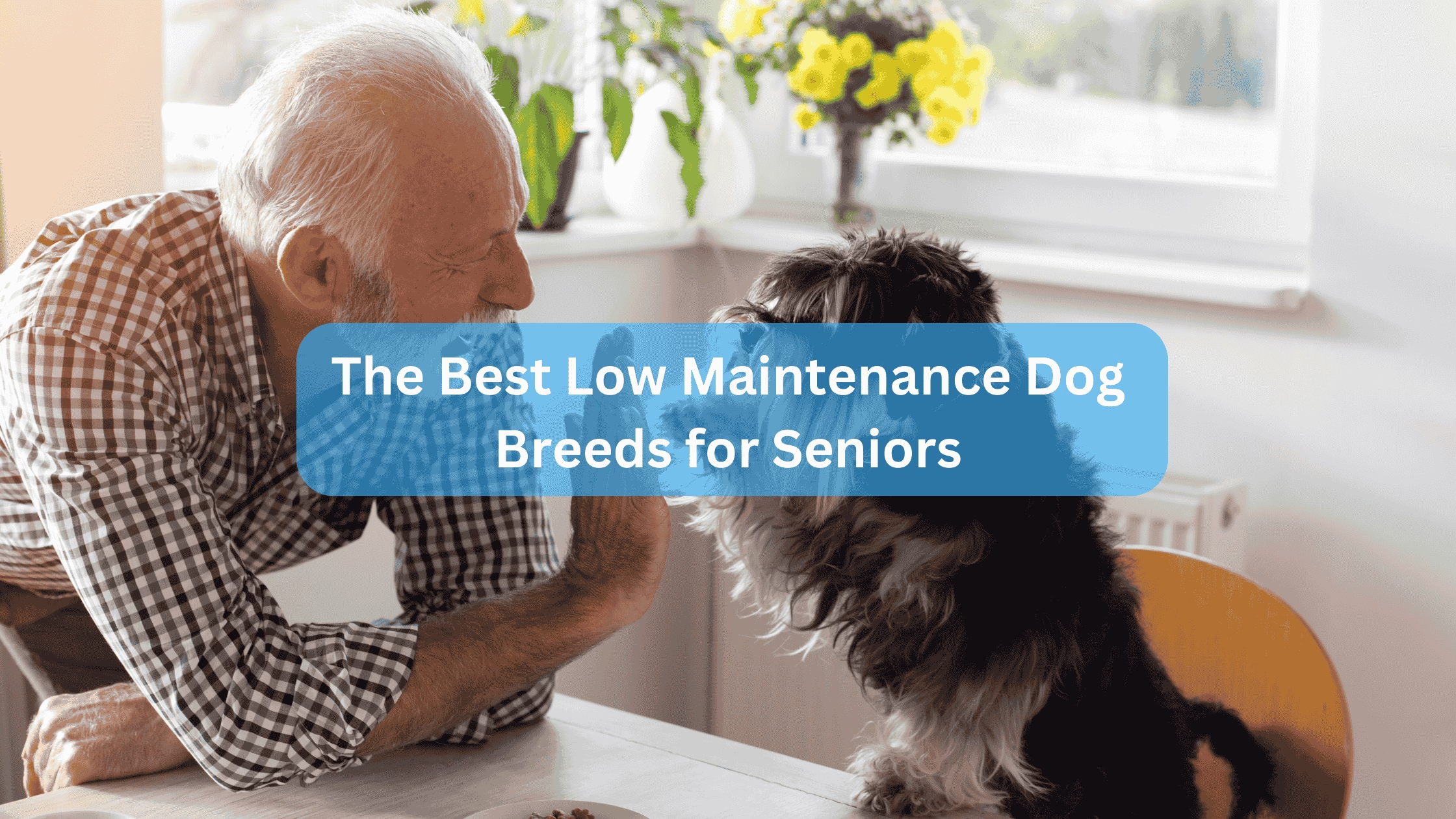
    The Best Low Maintenance Dog Breeds for Seniors

    Low Maintenance Dog Breeds for Seniors – As people age, the companionship of a dog can significantly enhance their quality of life. Dogs provide emotional support, encourage physical activity, and offer a sense of purpose.

    However, for seniors, it’s essential to choose a dog breed that is low-maintenance, gentle, and adaptable to their lifestyle.

    This article explores some of the best low-maintenance dog breeds for seniors, along with answers to common questions related to dog ownership for older adults.

    Why Choose a Low Maintenance Dog?

    Low maintenance dog breeds are ideal for seniors for several reasons:

    • Less Physical Demand: These breeds typically require less exercise, making them suitable for seniors who may have mobility issues or prefer a more relaxed lifestyle.
    • Minimal Grooming Needs: Low-maintenance dogs often have coats that require less grooming, which can be beneficial for those who may struggle with regular grooming tasks.
    • Companionship: Many low-maintenance breeds are known for their affectionate nature, providing the companionship that seniors often seek.

    Best Low Maintenance Dog Breeds for Seniors

    Here are some of the best dog breeds that are low-maintenance and perfect for seniors:

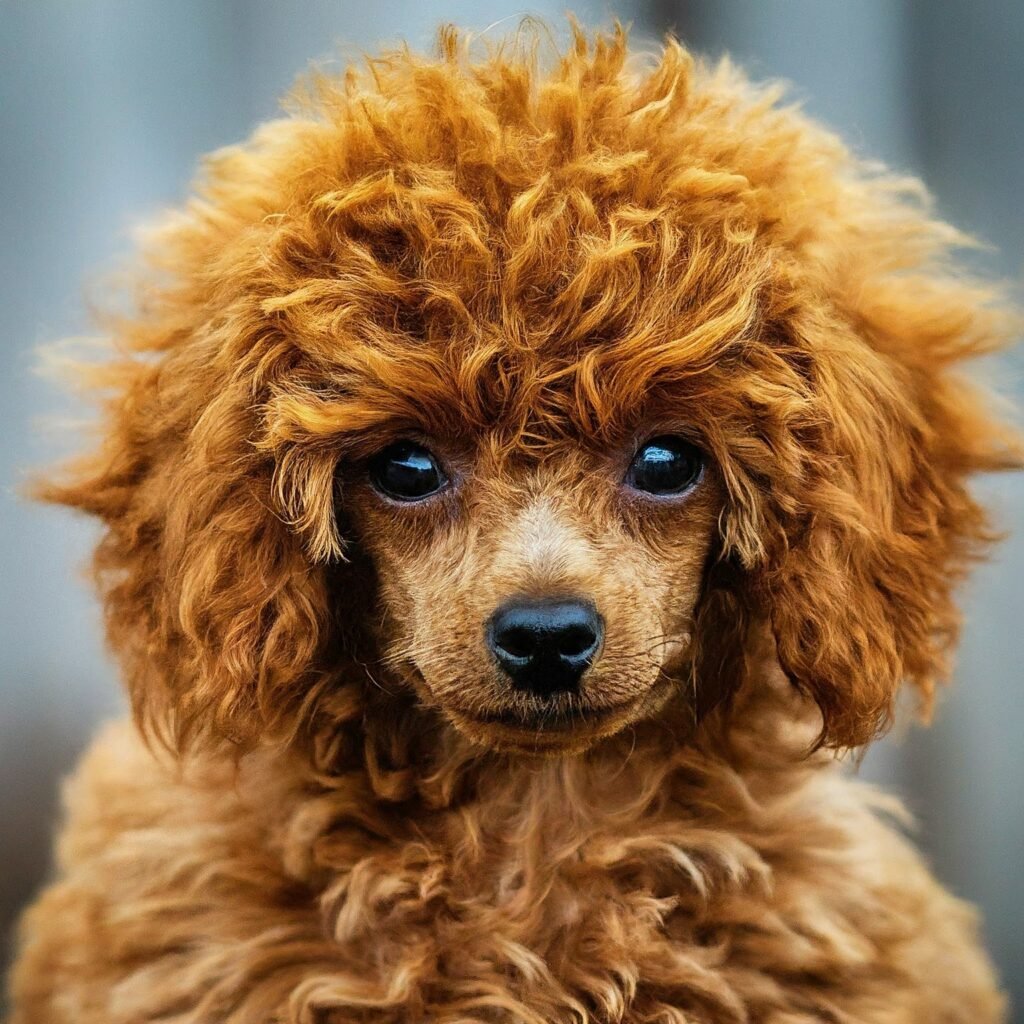
    1. Poodle (Toy or Miniature)

    poodle |
    1. Poodle (Toy or Miniature)

    Poodles are highly intelligent and come in three sizes: standard, miniature, and toy. The toy and miniature varieties are particularly suitable for seniors due to their manageable size.

    They are hypoallergenic, making them a great choice for those with allergies. Poodles are eager to please and are relatively easy to train.

    They enjoy moderate exercise, such as short walks and playtime in the yard.

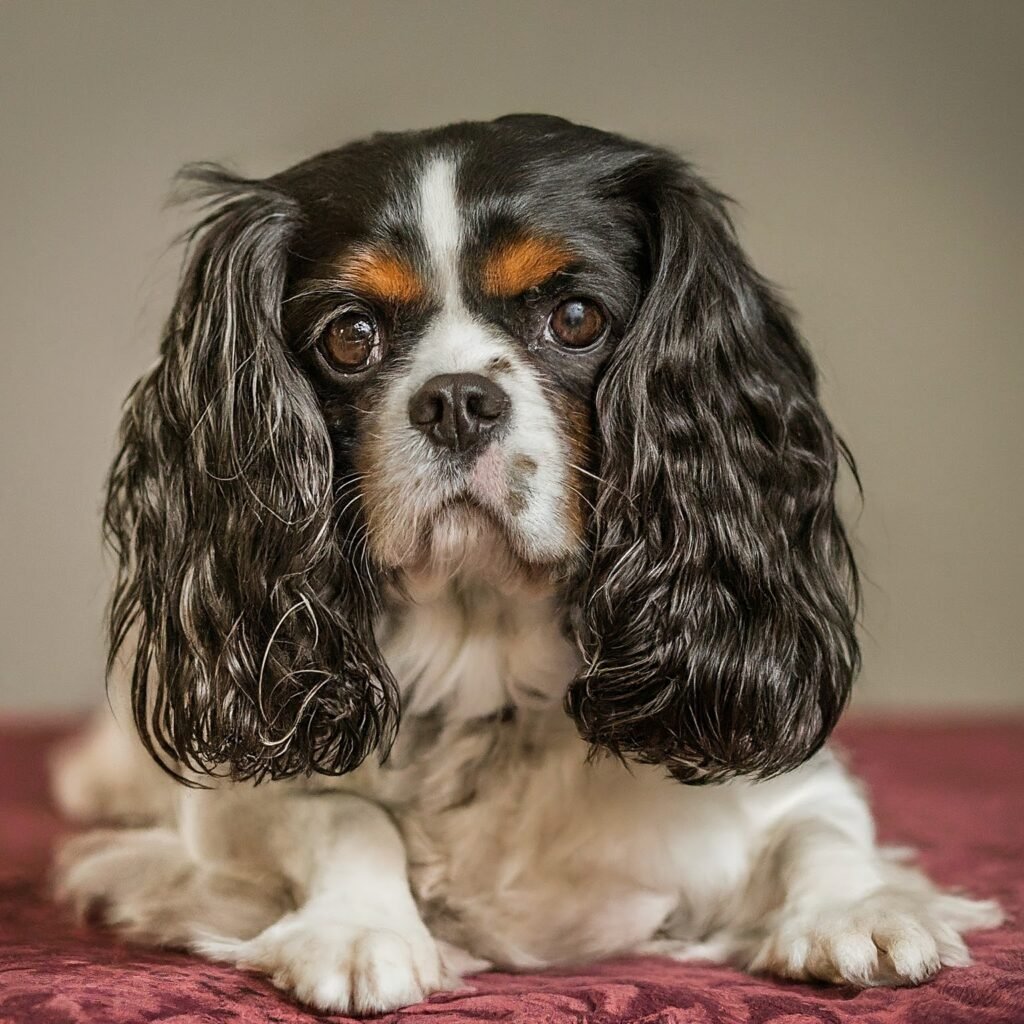
    2. Cavalier King Charles Spaniel

    2. Cavalier King Charles Spaniel |
    2. Cavalier King Charles Spaniel

    Cavalier King Charles Spaniels are gentle, affectionate dogs that thrive on companionship.

    They adapt well to various living situations, making them ideal for seniors living in apartments or smaller homes.

    Their grooming needs are minimal, requiring only occasional brushing. These dogs enjoy moderate exercise and are happy with short walks or play sessions.

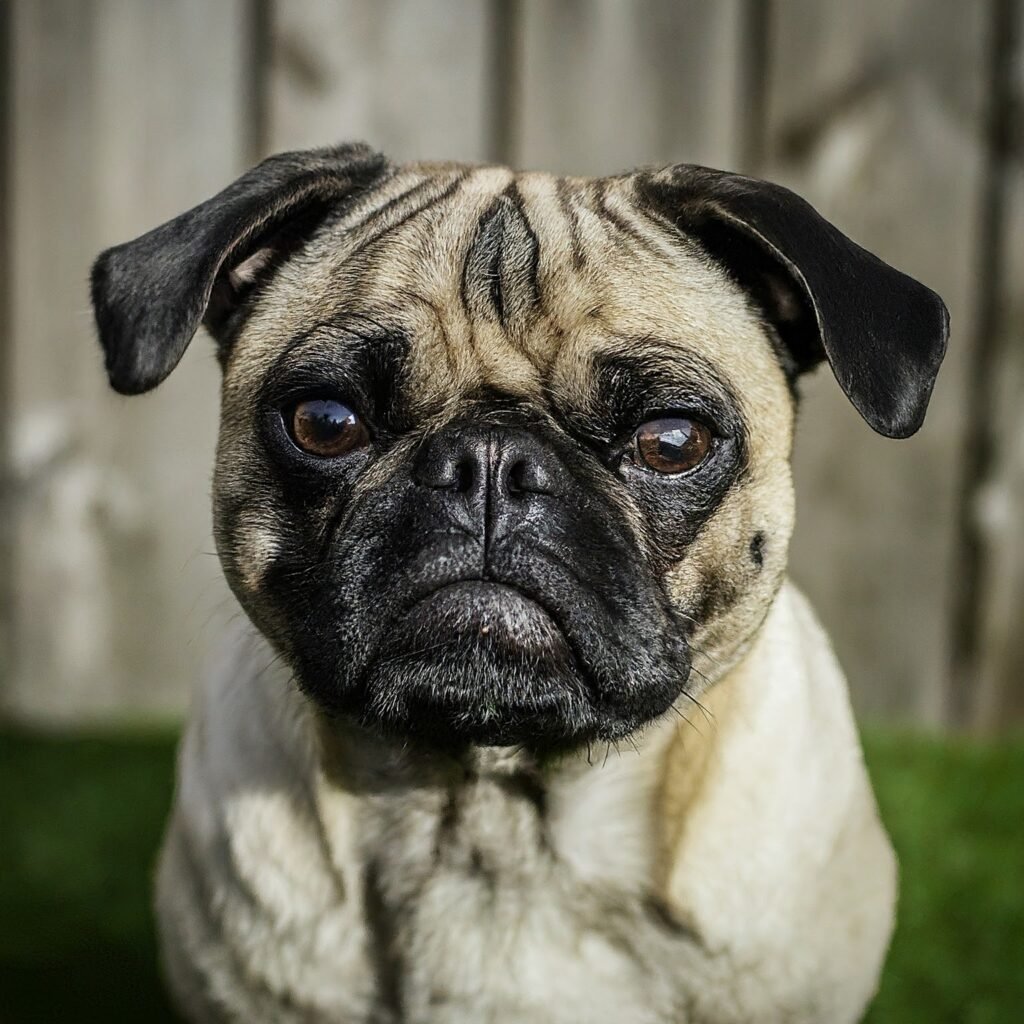
    3. Pug

    Pug |
    3. Pug

    Pugs are known for their playful and charming personalities. They are small, weighing between 14-18 pounds, and have a short coat that requires minimal grooming.

    Pugs love to be around people and are content with light exercise, such as short walks or indoor play. Their friendly disposition makes them great companions for seniors.

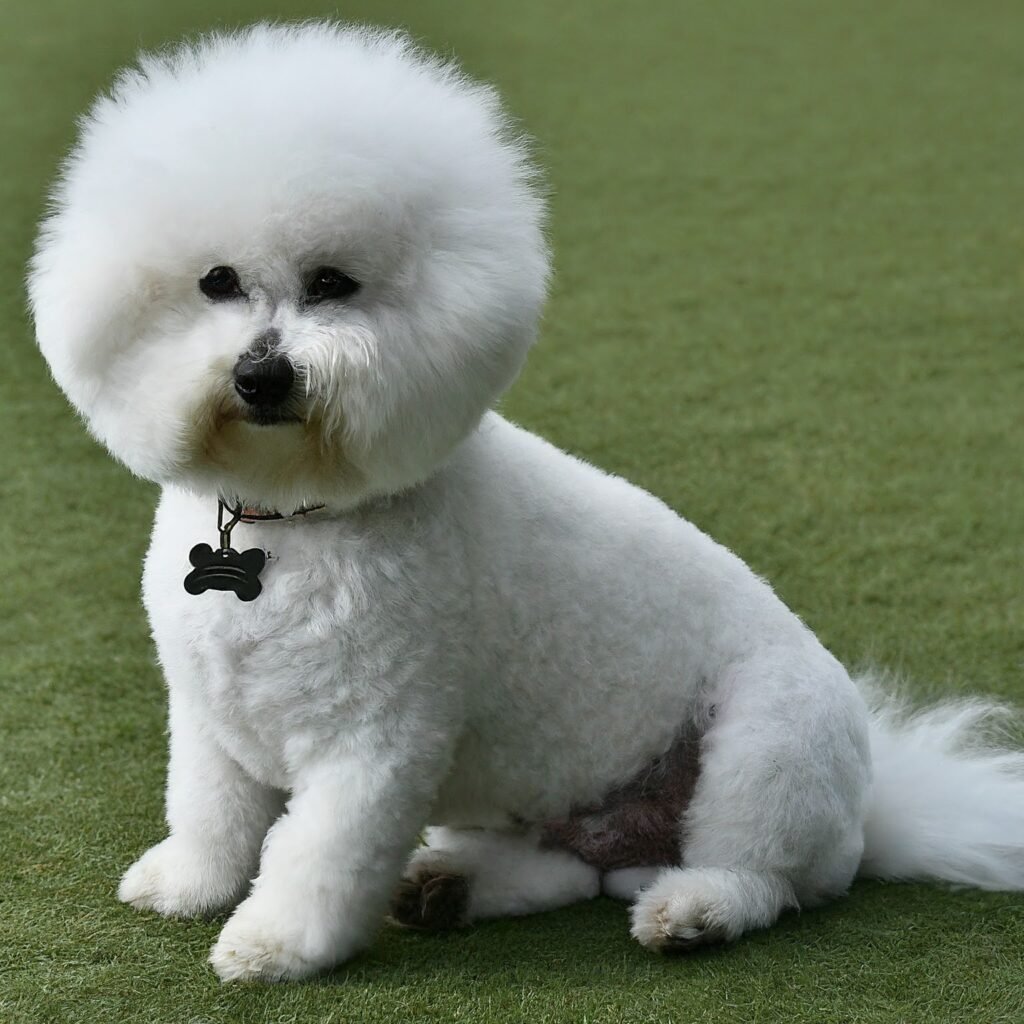
    4. Bichon Frise

    Bichon Frise |
    4. Bichon Frise

    Bichon Frises are small, cheerful dogs that are known for their hypoallergenic coats. They are easy to manage due to their small size, typically weighing between 7-12 pounds.

    Bichons enjoy moderate exercise and are playful, making them great companions for seniors who enjoy short walks. Regular brushing is necessary to keep their coat looking its best.

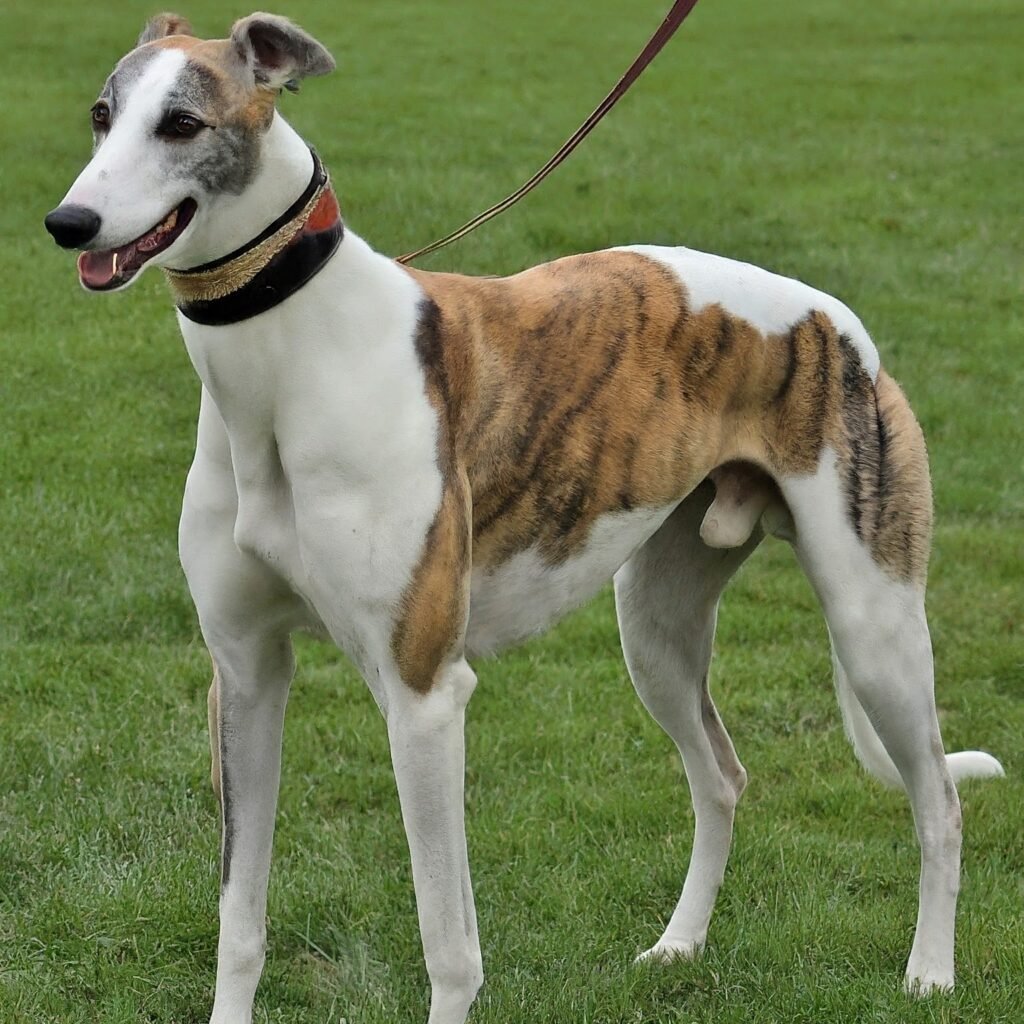
    5. Greyhound

    Greyhound |
    5. Greyhound

    Despite their reputation as racing dogs, Greyhounds are surprisingly low-maintenance when it comes to exercise.

    They are gentle and calm, often referred to as “couch potatoes.” Greyhounds require daily walks but are content to relax at home for most of the day.

    Their short coat requires minimal grooming, making them an excellent option for seniors.

    6. Shih Tzu

    Shih Tzu |
    6. Shih Tzu

    Shih Tzus are affectionate and playful dogs that adapt well to apartment living.

    They are small, typically weighing between 9-16 pounds, and have a long, luxurious coat that requires regular grooming.

    However, their exercise needs are low, and they enjoy short walks and plenty of cuddle time with their owners.

    What factors should seniors consider when choosing a dog?

    Seniors should consider several factors, including:

    • Size of the Dog: Smaller breeds are often easier to manage and require less space.
    • Energy Level: Look for breeds that have lower energy levels and exercise requirements.
    • Grooming Needs: Choose breeds that require minimal grooming to reduce the burden of maintenance.

    How much exercise do low-maintenance dog breeds need?

    Most low-maintenance dog breeds require moderate exercise. This typically includes:

    • Short Walks: 20-30 minutes of walking daily is usually sufficient.
    • Playtime: Engaging in light play indoors or in a yard can help keep them active without overexertion.

    Are there any health considerations for seniors owning dogs?

    Yes, seniors should be aware of the following health considerations:

    • Allergies: Some breeds are hypoallergenic, which can be beneficial for seniors with allergies.
    • Mobility: Choose a dog that won’t require excessive physical activity that could strain the owner’s mobility.
    • Veterinary Care: Regular vet visits are essential for maintaining the health of both the dog and the owner.

    How can seniors ensure they can care for a dog?

    Seniors can ensure they can care for a dog by:

    • Assessing Their Lifestyle: Understanding their daily routine and how much time they can dedicate to a pet.
    • Involving Family: Getting family members involved in the care of the dog can help ease the responsibility.
    • Considering Adoption: Many shelters have senior dogs that are already trained and may require less energy and care.

    Also Read: Can Dogs Eat Potatoes and Eggs? A Comprehensive Guide

    Also Read: Are Great Pyrenees Good With Cats?

    Conclusion

    Choosing the right dog breed is crucial for seniors looking to add a furry companion to their lives.

    Low-maintenance breeds like Poodles, Cavalier King Charles Spaniels, Pugs, Bichon Frises, Greyhounds, and Shih Tzus offer the perfect combination of companionship, affection, and manageable care.

    By considering the factors outlined above and understanding their own needs, seniors can find the perfect canine companion to enhance their lives.


    Sources:

  • Are Great Pyrenees Good With Cats?

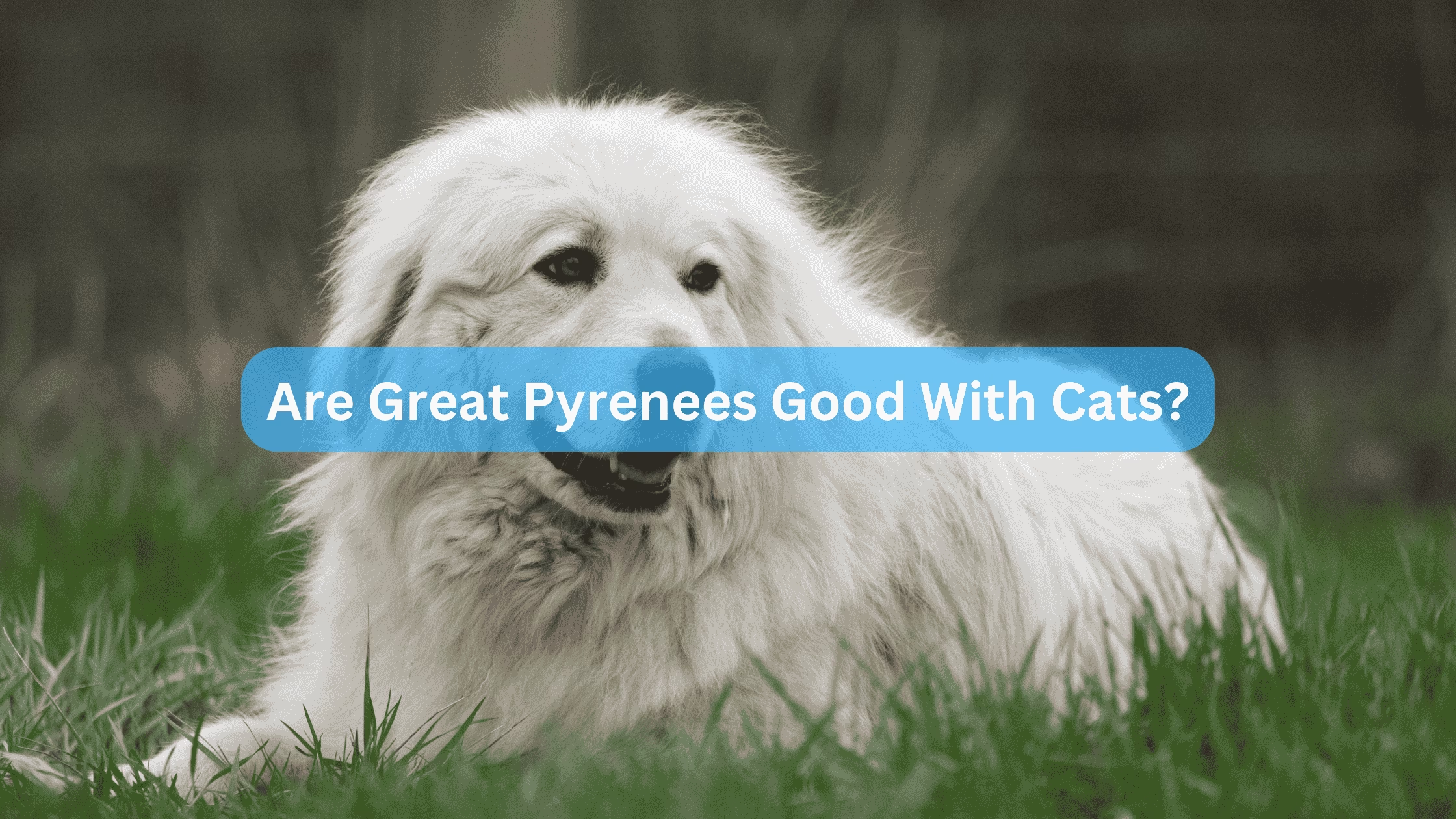
    Are Great Pyrenees Good With Cats?

    When considering adding a Great Pyrenees to your home, one of the most common questions is: Are Great Pyrenees good with cats?

    The answer is generally yes, but there are several factors to consider to ensure a successful relationship between your Great Pyrenees and your feline friends.

    This article will explore the temperament of Great Pyrenees, how to introduce them to cats, training tips, and signs of compatibility.

    Are Great Pyrenees Good With Cats?

    Understanding the Temperament of Great Pyrenees

    Great Pyrenees are known for their gentle and nurturing nature. Here are some key traits that contribute to their compatibility with cats:

    • Gentle Giants: Despite their large size, Great Pyrenees are typically calm and gentle. Their demeanor makes them less likely to harm a cat, as they are more inclined to protect than to chase.
    • Low Prey Drive: Unlike many dog breeds, Great Pyrenees usually have a low prey drive. This means they are less likely to see cats as something to chase or hunt, making them more suitable companions for felines.
    • Protective Instincts: Bred as livestock guardians, Great Pyrenees have a strong protective instinct. They often view other pets in the household, including cats, as part of their “flock” to protect.
    • Social and Affectionate: Great Pyrenees are social animals that thrive on companionship. They can be affectionate and playful with other pets, including cats, which can lead to a positive relationship.

    Introducing Great Pyrenees to Cats

    To ensure a successful relationship between your Great Pyrenees and your cat, the introduction process is crucial. Here are some steps to follow:

    1. Create a Safe Environment

    Before introducing your Great Pyrenees to your cat, make sure both animals have safe spaces.

    Cats should have access to high perches or separate rooms where they can retreat if they feel overwhelmed.

    2. Gradual Introduction

    Start by allowing your Great Pyrenees and cat to observe each other from a distance. Use a baby gate or keep the dog on a leash while the cat is free to roam.

    This helps both animals get used to each other’s presence without direct interaction.

    3. Short, Supervised Meetings

    After a few days of observation, begin short, supervised meetings. Keep the Great Pyrenees on a leash during these interactions to prevent any sudden movements that might scare the cat.

    Monitor their body language closely; if either animal shows signs of stress, separate them and try again later.

    4. Positive Reinforcement

    Use treats and praise to reward both the dog and cat for calm behavior during their interactions.

    This helps create positive associations with each other’s presence. For example, if the Great Pyrenees remains calm while the cat is nearby, reward them with a treat.

    5. Monitor Progress

    Continue to monitor their interactions over time. Gradually increase the length of their meetings as they become more comfortable with each other.

    Patience is key; it may take weeks or even months for them to fully accept one another.

    Training and Behavior Management

    Training your Great Pyrenees is essential for ensuring they behave appropriately around cats. Here are some effective training strategies:

    1. Basic Obedience Training

    Teach your Great Pyrenees basic commands such as “sit,” “stay,” “come,” and “leave it.” This training is crucial for managing their behavior, especially during introductions.

    A well-trained dog is easier to control and less likely to act impulsively around a cat.

    2. Addressing Prey Drive

    If your Great Pyrenees shows any signs of a strong prey drive, consider seeking help from a professional dog trainer.

    They can provide tailored strategies to help manage this instinct and ensure your dog understands that the cat is not prey.

    3. Socialization

    Early socialization is vital for any dog, especially for breeds like the Great Pyrenees. Expose your dog to various animals, including cats, during their formative months.

    This exposure helps them learn appropriate behaviors and reduces anxiety around new animals.

    4. Desensitization Techniques

    If your Great Pyrenees is overly excited or reactive around cats, consider desensitization techniques.

    Gradually expose them to the cat’s presence while rewarding calm behavior. Over time, this can help them learn to remain composed.

    Signs of Compatibility

    Once the introduction process is underway, watch for signs that indicate a positive relationship is developing:

    • Calm Behavior: If your Great Pyrenees remains calm and relaxed around the cat, this is a good sign. Look for loose body language, wagging tails, and relaxed ears.
    • Curiosity: Healthy curiosity is a positive indicator. If the dog shows interest in the cat without aggression, it suggests they are beginning to accept each other.
    • Playfulness: If both animals engage in playful behavior, it’s a strong sign of compatibility. Playful interactions can help strengthen their bond.
    • Mutual Grooming: If the Great Pyrenees and cat engage in mutual grooming or cuddling, this indicates a strong bond has formed.

    Also Read: Classical Conditioning Dog Training: A Comprehensive Guide

    Also Read: Can Dogs Eat Potatoes and Eggs? A Comprehensive Guide

    Conclusion

    So, are Great Pyrenees good with cats? The answer is generally yes, provided that proper introductions and training are implemented.

    Their gentle nature, low prey drive, and protective instincts make them well-suited for multi-pet households.

    By following the steps outlined in this article, you can foster a loving and harmonious relationship between your Great Pyrenees and your feline friends.

    With patience and effort, you can create a peaceful home where both species can coexist and thrive together.


    Sources:

  • Can Dogs Eat Potatoes and Eggs? A Comprehensive Guide

    Can Dogs Eat Potatoes and Eggs? A Comprehensive Guide

    Can Dogs Eat Potatoes and Eggs? As pet owners, we often wonder what human foods are safe for our furry friends.

    Two common ingredients that come up frequently are potatoes and eggs. Not only are these ingredients popular in many dishes, but they also provide various nutritional benefits.

    This article will explore whether dogs can eat potatoes and eggs, how to prepare them safely, and address common questions about their consumption.

    Can Dogs Eat Potatoes and Eggs? – Dishes Made with Potatoes and Eggs

    Potatoes and eggs can be combined in a variety of dishes that are safe for dogs when prepared correctly. Here are some tasty recipes:

    • Potato and Egg Scramble: A simple dish made by scrambling eggs and mixing them with cooked, plain potatoes. This dish is nutritious and can be a delightful treat for your dog.
    • Potato Birthday Cake: Mix minced chicken or beef with eggs and grated carrots, pour the mixture into muffin tins, and bake. Once cooled, top with mashed potatoes (without salt or spices) for a special birthday treat.
    • Mashed Potatoes with Yogurt: For a creamy treat, mash cooked potatoes and mix them with a tablespoon of plain yogurt, avoiding harmful ingredients like butter or salt.

    Can Dogs Eat Potatoes?

    Yes, dogs can eat potatoes, but there are important guidelines to follow:

    • Cooked Only: Always serve cooked potatoes, as raw potatoes contain solanine, a toxic compound that can be harmful to dogs.
    • Plain Preparation: Avoid adding butter, oil, salt, or any seasonings. Mashed potatoes without harmful ingredients are acceptable.
    • Portion Control: Potatoes should not make up more than 10% of your dog’s daily caloric intake to avoid weight gain and digestive issues.

    Can Dogs Eat Eggs?

    Absolutely! Eggs are a great source of protein and other essential nutrients for dogs. When feeding eggs to your dog:

    • Cook Thoroughly: Always cook eggs to eliminate the risk of salmonella.
    • No Additives: Avoid adding salt, butter, or milk when preparing eggs for your dog.
    • Moderation is Key: Like potatoes, eggs should be given as an occasional treat rather than a staple in their diet.

    How to Safely Prepare Potatoes and Eggs for Dogs

    To ensure the safety of potatoes and eggs for your dog:

    • Never feed raw potatoes or potato skins, as they can contain harmful toxins.
    • Wash and peel potatoes before cooking.
    • Avoid harmful ingredients like garlic, onion, butter, or salt.
    • Cook potatoes by boiling, baking, or mashing without additives.
    • Cook eggs thoroughly, avoiding any seasoning or additives.

    How Often Can I Safely Feed My Dog Potatoes?

    Potatoes should be treated as an occasional treat rather than a regular part of your dog’s diet.

    A small serving once or twice a week is generally safe, but always consider your dog’s overall diet and caloric intake.

    Are There Any Specific Health Benefits of Eggs for Dogs?

    Yes, eggs provide several health benefits for dogs:

    • High Protein Content: Eggs are an excellent source of easily digestible protein, which is essential for muscle development and immune function.
    • Fatty Acids: The yolk contains omega-3 and omega-6 fatty acids, which promote healthy skin and coat.
    • Vitamins and Minerals: Eggs are rich in vitamins A, B12, and D, as well as minerals like iron and selenium, which support overall health.

    What Are the Signs of Egg or Potato Poisoning in Dogs?

    Signs of poisoning can include:

    • Vomiting and diarrhea
    • Excessive salivation or panting
    • Lethargy or weakness
    • Abdominal pain or discomfort

    If you suspect your dog has ingested raw potatoes or spoiled eggs, contact your veterinarian immediately.

    Can Puppies Eat Potatoes and Eggs Like Adult Dogs?

    Puppies can eat potatoes and eggs, but they should be introduced gradually and in small amounts.

    It’s essential to ensure that these foods do not replace their balanced puppy diet, which is crucial for their growth and development.

    Are There Any Potential Allergies My Dog Might Have to Potatoes and Eggs?

    Yes, dogs can develop allergies to both potatoes and eggs, although they are relatively uncommon. Symptoms of food allergies may include:

    • Itchy skin or rashes
    • Chronic ear infections
    • Gastrointestinal upset such as vomiting or diarrhea

    If you notice these symptoms after feeding your dog potatoes or eggs, consult your veterinarian.

    How Many Eggs and Potatoes Can I Give My Dog in One Sitting?

    The amount of potatoes and eggs you can give your dog depends on their size, age, and overall diet. As a general guideline:

    • Potatoes: Limit to a small serving, ideally not more than 10% of their daily caloric intake. An average potato has about 130 calories.
    • Eggs: One egg per day is generally safe for larger dogs, while smaller breeds should have less. Always monitor your dog’s reaction when introducing new foods.

    Can I Mix Cooked Potatoes and Eggs into My Dog’s Regular Meals?

    Yes, you can mix small amounts of cooked potatoes and eggs into your dog’s regular meals. This can enhance the flavor and provide additional nutrients.

    Just ensure that these additions do not exceed the recommended portion sizes and that your dog’s overall diet remains balanced.

    Also Read: German Shepherd Mastiff Mix: A Comprehensive Guide

    Also Read: Classical Conditioning Dog Training: A Comprehensive Guide

    Conclusion

    In summary, dogs can safely eat potatoes and eggs when prepared correctly and served in moderation.

    These foods can provide valuable nutrients and variety in your dog’s diet.

    Always consult your veterinarian before introducing new foods to ensure they align with your dog’s specific dietary needs.

    By following these guidelines, you can enjoy sharing these delicious ingredients with your furry friend while keeping them healthy and happy.


    Sources:

  • Classical Conditioning Dog Training: A Comprehensive Guide

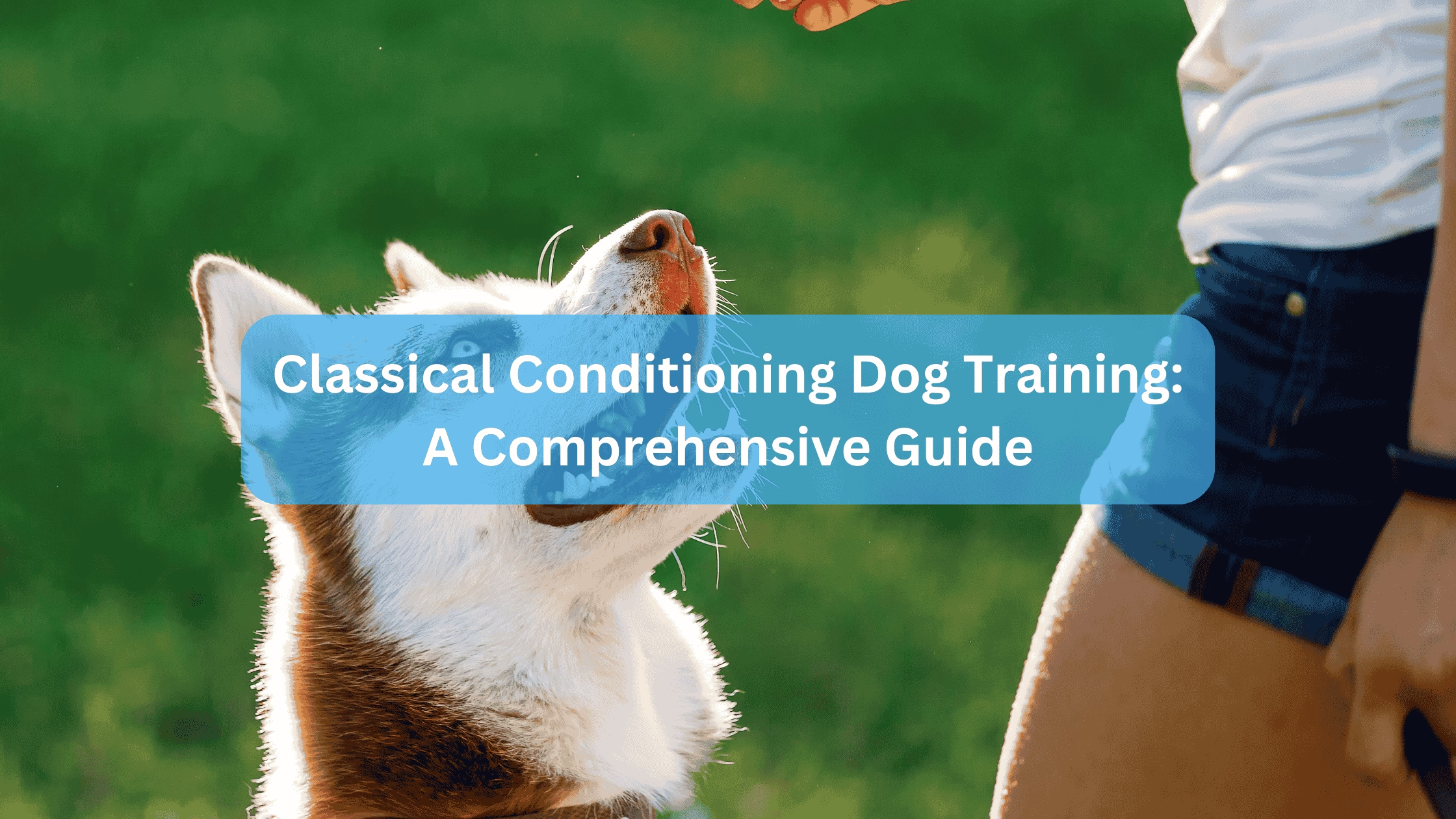
    Classical Conditioning Dog Training: A Comprehensive Guide

    Classical conditioning Dog Training is a powerful and often underutilized method in dog training that can significantly enhance your canine companion’s behavior and emotional responses.

    This technique, rooted in the principles of associative learning, allows dogs to form connections between stimuli and responses, leading to positive behavioral changes.

    In this article, we will explore the fundamentals of classical conditioning, its applications in dog training, and practical tips for implementation.

    Understanding Classical Conditioning Dog Training

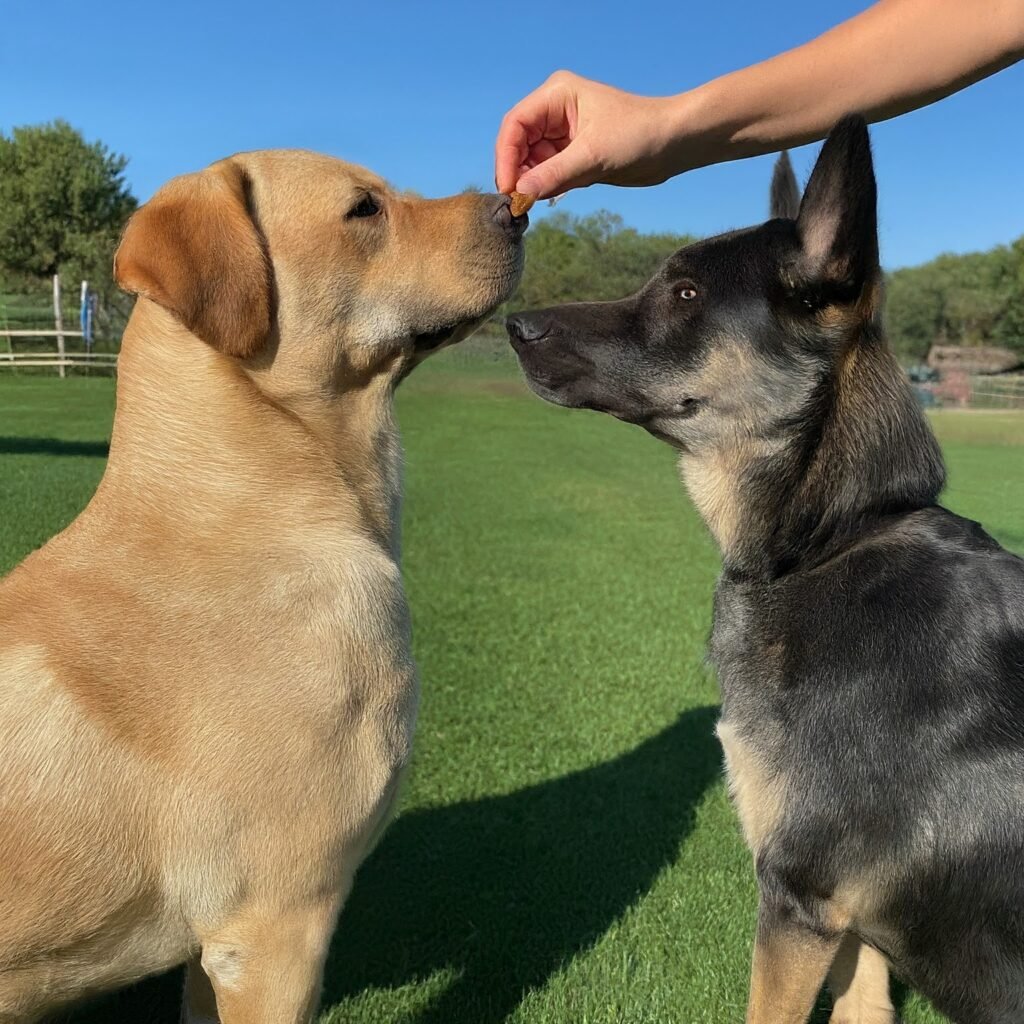
    giving treats to two dogs sniffing each other coming close.png
    Classical Conditioning Dog Training

    Classical conditioning, first identified by Russian physiologist Ivan Pavlov, involves creating associations between a neutral stimulus and an unconditioned stimulus that naturally elicits a response.

    Over time, the neutral stimulus becomes a conditioned stimulus that triggers a conditioned response.

    Key Components of Classical Conditioning Dog Training

    • Unconditioned Stimulus (US): A stimulus that naturally and automatically triggers a response (e.g., food).
    • Unconditioned Response (UR): The natural reaction to the unconditioned stimulus (e.g., salivation).
    • Conditioned Stimulus (CS): A previously neutral stimulus that, after being paired with the unconditioned stimulus, begins to evoke a conditioned response (e.g., the sound of a bell).
    • Conditioned Response (CR): The learned response to the conditioned stimulus (e.g., salivating at the sound of the bell).

    This process illustrates how dogs can learn to associate specific cues with positive outcomes, which can be harnessed to improve training outcomes.

    The Role of Classical Conditioning in Dog Training

    While operant conditioning focuses on modifying behavior through rewards and punishments, classical conditioning shifts the focus to the emotional responses that drive behavior.

    By creating positive associations, trainers can help dogs overcome fears, reduce anxiety, and enhance their overall behavior.

    Applications of Classical Conditioning Dog Training

    • Socialization: Introducing puppies to various stimuli (people, sounds, environments) while pairing these experiences with treats can foster a positive association, reducing fear and anxiety in adulthood.
    • Desensitization: If a dog has a negative association with a specific stimulus (like loud noises), classical conditioning can help change that perception. For example, pairing the sound of thunder with treats can help the dog learn that storms can be associated with positive experiences.
    • Behavior Modification: Classical conditioning can assist in modifying undesirable behaviors by changing the emotional response to specific triggers. For instance, if a dog is aggressive towards other dogs, pairing the sight of other dogs with treats can help create a more positive association.

    Practical Techniques for Implementing Classical Conditioning in Dog Training

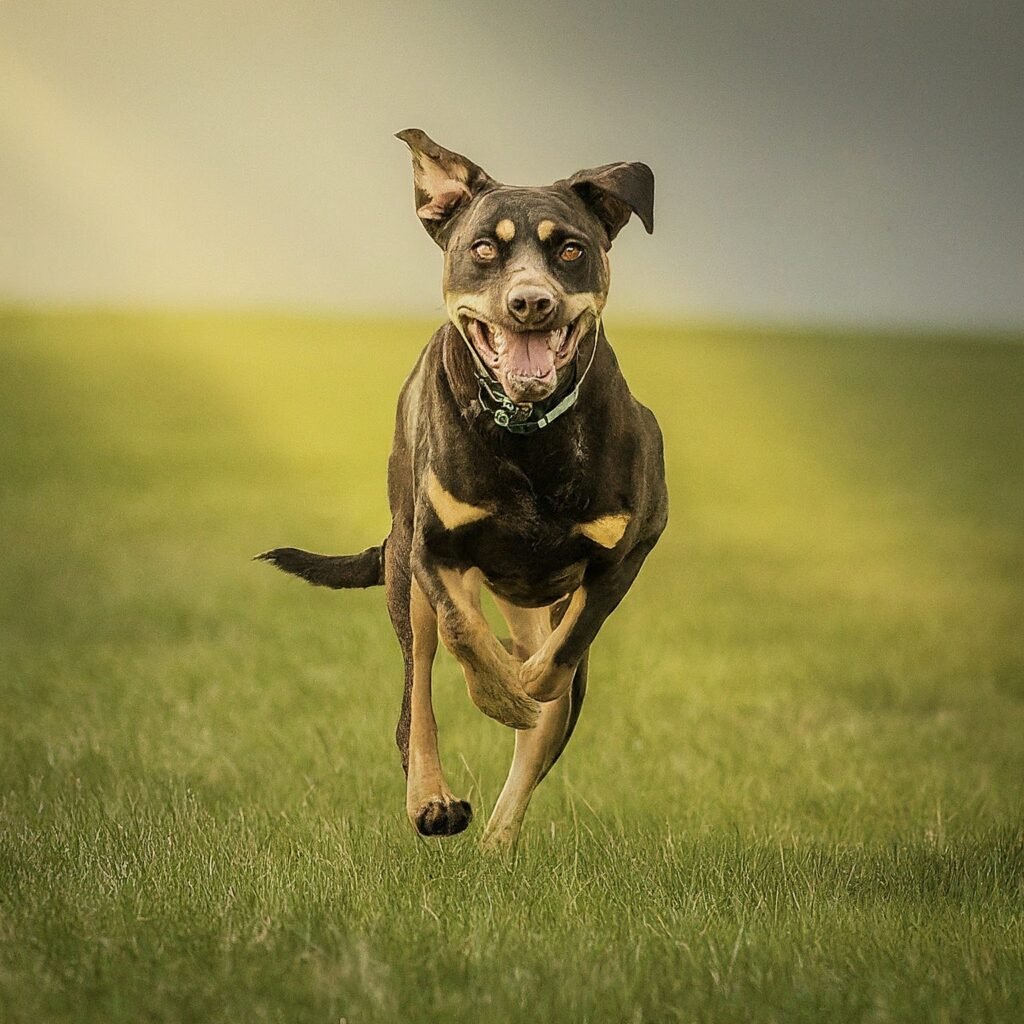
    A dog running through a field with a healthy glow.
    Practical Techniques for Implementing Classical Conditioning in Dog Training

    To effectively apply classical conditioning in your dog training regimen, consider the following strategies:

    1. Identify the Right Stimuli

    Choose a neutral stimulus that you can consistently pair with an unconditioned stimulus.

    For example, if you want your dog to associate the sound of a clicker with treats, ensure that the clicker (neutral stimulus) is always followed by a treat (unconditioned stimulus).

    2. Timing is Key

    The timing of the stimuli is crucial. The neutral stimulus should precede the unconditioned stimulus by a few seconds to help the dog make the connection.

    For example, click the clicker just before giving the treat.

    3. Consistency is Essential

    Repetition strengthens the association in your dog’s mind. Consistently pairing the conditioned and unconditioned stimuli will help your dog learn faster.

    4. Monitor Responses

    Pay close attention to your dog’s reactions during training. Adjust your approach as needed to ensure that the training remains positive and effective.

    If your dog shows signs of stress or fear, it may be necessary to slow down the process.

    Examples of Classical Conditioning Dog Training in Action

    Marker Training

    One of the most effective uses of classical conditioning in dog training is through marker training.

    In this method, a clicker or verbal marker is used to signal to the dog that they have performed a desired behavior.

    By consistently pairing the sound of the clicker with a treat, the dog learns to associate the sound with positive reinforcement.

    Acclimation to New Objects

    When introducing your dog to new objects, such as a crate or muzzle, classical conditioning can help create a positive association.

    For example, each time you present the crate, offer treats and praise.

    Over time, your dog will learn to associate the crate with positive experiences, making them more comfortable with it.

    Counter-Conditioning to Negative Stimuli

    If your dog has a negative association with a specific environment, such as the veterinarian’s office, you can use counter-conditioning techniques.

    Pair the visit with treats, toys, or playtime to help shift the dog’s emotional response from fear to enjoyment.

    Frequently Asked Questions About Classical Conditioning Dog Training

    What is the difference between classical conditioning and operant conditioning?

    Classical conditioning focuses on creating associations between stimuli and involuntary responses, while operant conditioning involves modifying behavior through rewards and punishments. Both methods can be effective when used together in a comprehensive training program.

    How long does it take for a dog to learn through classical conditioning?

    The time it takes for a dog to learn through classical conditioning varies based on the individual dog, the consistency of training, and the type of association being formed. Generally, with consistent practice, dogs can begin to show changes in behavior within a few sessions.

    Can classical conditioning help with aggressive behavior?

    Yes, classical conditioning can be effective in modifying aggressive behavior. By pairing the presence of triggers (such as other dogs) with positive experiences (like treats), you can help your dog develop a more positive emotional response to those triggers.

    How can classical conditioning help with my dog’s fear of thunderstorms?

    Classical conditioning can be particularly effective for dogs with a fear of thunderstorms. By gradually exposing your dog to the sound of thunder while providing treats and positive reinforcement, you can help them associate the sound with a positive experience, reducing their fear over time.

    What are some common mistakes to avoid when using classical conditioning with dogs?

    Some common mistakes include inconsistent timing of stimuli, using overly intense or frightening stimuli, failing to reward promptly, and not being patient enough. It’s essential to ensure that the training environment is positive and that the dog is not overwhelmed.

    Can classical conditioning be used to help dogs with separation anxiety?

    Yes, classical conditioning can help dogs with separation anxiety by creating positive associations with being alone. Gradually increasing the time your dog spends alone while providing treats or toys can help them learn that being alone is a safe and positive experience.

    What are some advanced techniques in classical conditioning for dog training?

    Advanced techniques include using multiple conditioned stimuli, chaining behaviors (linking several behaviors together), and employing counter-conditioning with desensitization. These techniques require a deeper understanding of your dog’s responses and may involve more complex training plans.

    Also Read: My Dog Ate a Tampon: A Comprehensive Guide

    Also Read: German Shepherd Mastiff Mix: A Comprehensive Guide

    Conclusion

    Classical conditioning is a vital tool in dog training that can lead to profound changes in your dog’s behavior and emotional responses.

    By understanding and applying the principles of classical conditioning, you can create a more harmonious relationship with your canine companion.

    Whether you’re working on socialization, desensitization, or behavior modification, classical conditioning offers a compassionate and effective approach to training.

    Remember, patience and consistency are key to unlocking the full potential of this powerful training method.


    Sources:

  • German Shepherd Mastiff Mix: A Comprehensive Guide

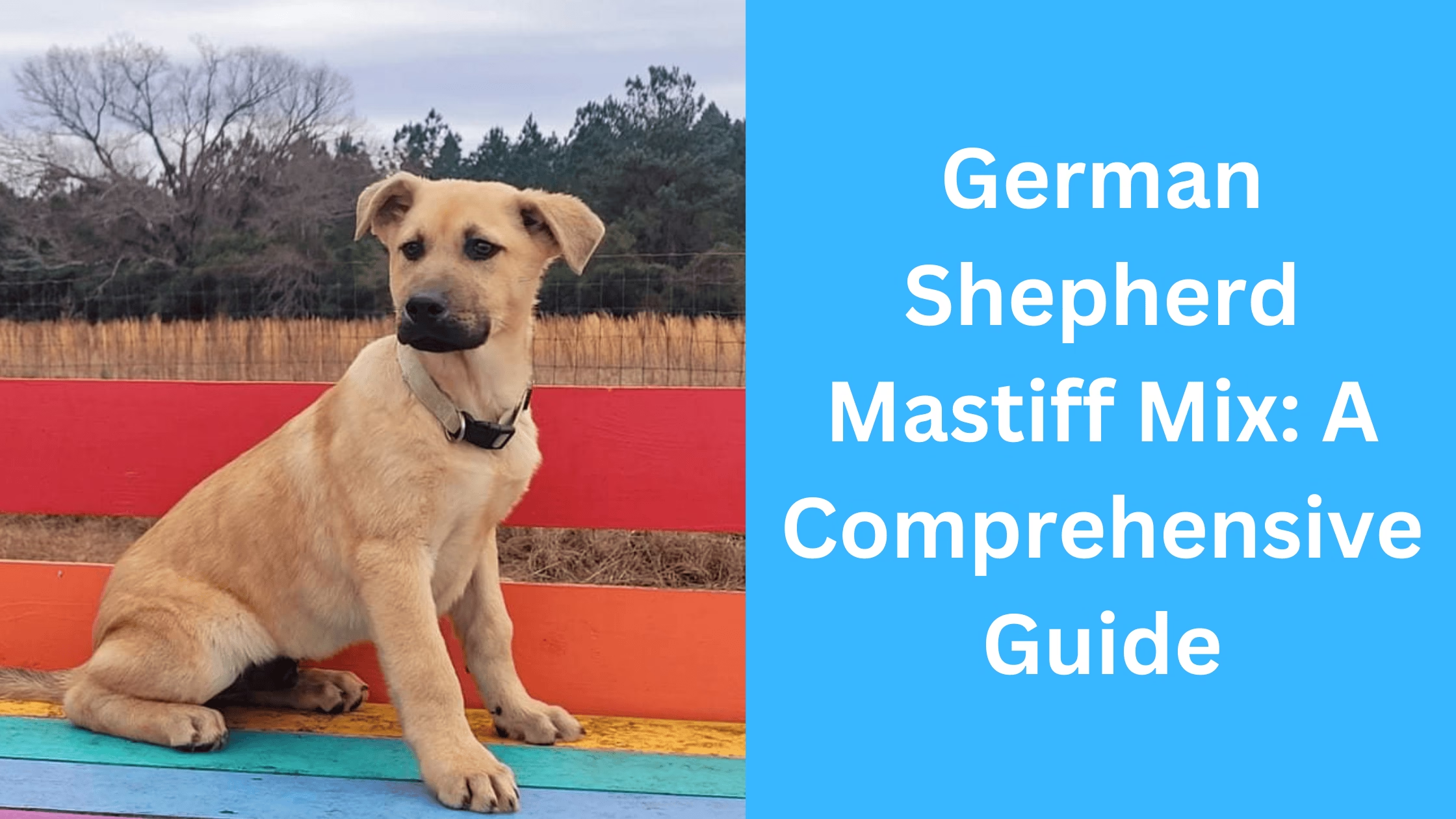
    German Shepherd Mastiff Mix: A Comprehensive Guide

    The German Shepherd Mastiff mix, also known as the Mastiff Shepherd Mix, is a hybrid breed that combines the intelligence and loyalty of the German Shepherd with the gentle, protective nature of the Mastiff.

    This mix is becoming increasingly popular among dog lovers for its impressive characteristics and affectionate demeanor.

    CategoryDetails
    Breed NameGerman Shepherd Mastiff Mix (also known as Mastiff Shepherd or Shep-a-Mastiff)
    Origins and BackgroundA hybrid between the German Shepherd and Mastiff, combining the intelligence and loyalty of the former with the gentle nature of the latter.
    Physical CharacteristicsHeight: 22 to 36 inches
    Weight: 65 to 200 pounds
    Coat: Dense, short to medium length, colors include black, tan, brindle, fawn.
    Temperament and Personality– Generally gentle and affectionate
    – Protective and loyal
    – Good with children; may be wary of strangers
    – Requires early socialization.
    Care and Exercise NeedsExercise: 1 to 2 hours daily
    Grooming: Brush 2-3 times a week to manage shedding
    Living Environment: Prefers homes with space.
    Training and Socialization– Responds well to positive reinforcement
    – Early obedience training is essential
    – Socialization with various people and pets is crucial.
    Health and LifespanCommon Health Issues: Hip and elbow dysplasia, bloat, obesity, cherry eye
    Lifespan: 6 to 14 years.
    Feeding and Nutrition– Requires high-quality dog food for large breeds
    – Daily intake: 3 to 4 cups, depending on size and activity level
    – Include joint supplements.
    Family Pet Compatibility– Good with children and can coexist with other pets
    – Adaptable to various lifestyles but needs regular exercise.
    Price and Availability– Price ranges from $350 to $1,100 depending on breeder reputation and location
    – Seek reputable breeders or rescue organizations.
    German Shepherd Mastiff mix

    Origins and Background of German Shepherd Mastiff mix

    The German Shepherd Mastiff mix is a relatively recent hybrid, drawing from two distinct and well-established breeds.

    • German Shepherd: Developed in Germany in the late 19th century by Captain Max von Stephanitz, the German Shepherd was bred for herding and protection. This breed is known for its intelligence, versatility, and strong work ethic, making it a favorite in roles such as police and military work.
    • Mastiff: The Mastiff’s history dates back thousands of years, with origins in Central Asia. These dogs were used as companions for traders and nomads and were known for their protective instincts. The English Mastiff was refined in the 19th century and is recognized for its size and gentle disposition.

    The combination of these two breeds results in a dog that inherits the best traits from both, making the German Shepherd Mastiff mix a loyal and affectionate companion.

    Characteristics of German Shepherd Mastiff Mix

    • German Shepherd Mastiff Mix Size & Physical Appearance: This mix is typically a large to extra-large dog, standing between 22 to 36 inches tall and weighing between 65 to 260 pounds. The size can vary greatly depending on the genetics of the individual dog.
    • Coat Types and Colors: The coat can range from short to medium in length, often inheriting a dense texture from both parent breeds. Common colors include black, tan, brindle, fawn, and sable.
    • Strength and Build: The German Shepherd Mastiff mix has a strong, muscular build with a broad head and powerful limbs, reflecting the robust nature of both parent breeds.

    Temperament and Personality of German Shepherd Mastiff Mix

    • General Disposition: Known for being gentle giants, German Shepherd Mastiff mixes are typically affectionate and loyal. They are protective of their families and can make excellent guard dogs.
    • Intelligence and Trainability: This mix is intelligent and eager to please, making training relatively straightforward. However, they may inherit some stubbornness from the Mastiff side, requiring consistent and patient training methods.
    • Socialization and Bonding: Early socialization is crucial for this breed to ensure they develop a well-rounded personality. They are generally good with children and can coexist peacefully with other pets when properly socialized.

    German Shepherd Mastiff Mix Care and Exercise Needs

    • Exercise Requirements: This mix requires a moderate to high level of exercise, typically needing 1 to 2 hours of activity daily. Activities can include walks, playtime, and mental stimulation through training or interactive toys.
    • Grooming Needs: Regular grooming is necessary to manage shedding and maintain coat health. Brushing 2-3 times a week is recommended, with more frequent grooming during shedding seasons.
    • Living Environment: While they can adapt to apartment living, a home with a yard is ideal for this mix, allowing them space to roam and play.

    Training and Socialization for German Shepherd Mastiff Mix

    • Training Approach: Positive reinforcement methods work best with this breed. They respond well to treats and praise, making training sessions enjoyable and effective.
    • Basic Obedience Training: Early obedience training is essential to establish good behavior and prevent any potential issues related to their size and strength.
    • Importance of Socialization: Exposing the dog to various environments, people, and other animals from a young age helps them develop confidence and reduces the likelihood of behavioral problems.

    Health and Lifespan of German Shepherd Mastiff Mix

    • Potential Health Concerns: This mix may be prone to health issues common in both parent breeds, including hip and elbow dysplasia, bloat, and certain genetic conditions. Regular veterinary check-ups are essential.
    • Lifespan: The average lifespan of a German Shepherd Mastiff mix is typically between 10 to 12 years, influenced by genetics, care, and overall health.

    Feeding and Nutrition for German Shepherd Mastiff Mix

    • Dietary Needs: A high-quality diet formulated for large breeds is crucial to support their growth and health. Puppies should be fed puppy-specific food until they reach one year of age.
    • Feeding Schedule: Due to their size, it’s advisable to feed smaller, more frequent meals to prevent issues like gastric dilation-volvulus (bloat).
    • Recommended Food Options: Owners should choose high-quality kibble or raw diets that meet the nutritional needs of large breeds, ensuring balanced nutrition.

    German Shepherd Mastiff Mix as Family Pets

    • Compatibility with Children: Their gentle nature makes them suitable companions for children, but supervision is always recommended due to their size and strength.
    • Compatibility with Other Pets: With proper socialization, they can get along well with other pets, although their strong prey drive may require careful introductions.
    • Lifestyle Compatibility: This mix can adapt to various lifestyles, thriving in active households but also capable of relaxing at home if given adequate exercise.

    German Shepherd Mastiff Mix Price and Availability

    • Price Range: The cost of a German Shepherd Mastiff mix can vary widely, typically ranging from $350 to $1,100, depending on factors such as breeder reputation and location.
    • Finding Reputable Sources: Prospective owners should seek reputable breeders or rescue organizations to ensure they are adopting a healthy puppy.

    Also Read: Why Does My Dog Lay On Me? A Comprehensive Guide

    Also Read: My Dog Ate a Tampon: A Comprehensive Guide

    German Shepherd Mastiff Mix Puppies

    The German Shepherd Mastiff puppy is typically very playful, though they may exhibit some clumsiness as they adapt to their growing bodies.

    Like all puppies, they will test their boundaries to understand what behaviors are acceptable.

    It’s essential for owners to start socialization and training early to manage their development into large, powerful dogs.

    Finding a breeder specializing in German Shepherd Mastiff mixes can be quite challenging, if not impossible.

    However, this does not mean these mixed breeds are unavailable.

    Prospective owners should explore local rescue organizations and animal shelters, as they may have German Shepherd Mastiff hybrids looking for loving homes.

    https://www.instagram.com/p/C2a3oWnuYED/?utm_source=ig_embed&ig_rid=fd9c3c2e-9923-4d47-9386-fabf568ac79c&img_index=1
    https://www.instagram.com/p/9gxjyaEJJC/?utm_source=ig_embed&ig_rid=91364665-2cc1-400f-91bf-2187cbffe903

    Conclusion

    The German Shepherd Mastiff mix is a remarkable breed that combines the best traits of its parent breeds.

    With proper care, training, and love, they can be loyal and affectionate family members.

    Their gentle disposition, protective instincts, and intelligence make them an excellent choice for families willing to invest time and effort into their upbringing.


    Sources:

  • My Dog Ate a Tampon: A Comprehensive Guide

    My Dog Ate a Tampon: A Comprehensive Guide

    My Dog Ate a Tampon – It’s a common and concerning situation for dog owners—your furry friend has gotten into the trash and eaten a tampon. Will your dog be okay if they ate a tampon? What should you do next? In this comprehensive guide, we’ll cover everything you need to know if your dog ate a tampon, including:

    • Why dogs eat tampons
    • The dangers of dogs eating tampons
    • What to do if your dog ate a tampon
    • How to prevent your dog from eating tampons in the future

    Why Do Dogs Eat Tampons?

    Dogs are naturally curious and tend to explore their environment with their mouths. Tampons may appeal to dogs for a few reasons:

    • The scent of blood or other bodily fluids on used tampons can attract dogs.
    • Tampons have a soft, pliable texture that dogs may mistake for a toy or treat.
    • Dogs may be drawn to the string on tampons, thinking it’s a fun plaything.

    The Dangers of Dogs Eating Tampons

    While it may seem harmless, dogs eating tampons can lead to serious health issues:

    Intestinal Blockages

    Tampons are designed to absorb liquid, so if one expands inside your dog’s intestines, it can cause a dangerous blockage. This may require surgery to remove.

    Choking Hazard

    If a dog swallows a tampon whole, it could get stuck in their esophagus and cause choking.

    Poisoning

    Some tampons contain chemicals like PFAS that could be toxic to dogs if ingested.

    What to Do if Your Dog Ate a Tampon

    If you know or suspect your dog ate a tampon, take these steps:

    1. Stay calm and assess the situation.
    2. Determine if your dog actually ate the tampon. Look for signs like a missing tampon, vomiting, diarrhea, lethargy, or loss of appetite.
    3. Contact your veterinarian right away, even if your dog seems fine. Provide details like when it happened, what type of tampon, and if you saw your dog eat it.
    4. Do not induce vomiting unless instructed by your vet, as this could worsen the situation.
    5. Monitor your dog closely for signs of illness like vomiting, diarrhea, constipation, abdominal pain, or lethargy. If you notice any of these, contact your vet immediately.

    What to Give a Dog That Ate a Tampon?

    If your dog has eaten a tampon, do not give them anything without consulting your veterinarian first.

    They may recommend monitoring your dog for symptoms or suggest specific treatments based on your dog’s condition.

    What If My Dog Eats My Period Pad?

    Similar to tampons, period pads can also pose risks. If your dog eats a period pad, follow the same steps as with a tampon: assess your dog’s condition, contact your vet, and avoid inducing vomiting unless advised.

    My Dog Ate a Tampon and Pooped It Out

    If your dog has successfully passed the tampon, monitor their stool for any signs of distress.

    If the tampon was intact or if you notice any unusual behavior, contact your vet for further advice.

    Dog Ate Tampon 3 Days Ago

    If your dog ate a tampon three days ago and has not shown any symptoms, it’s still wise to consult your vet. Some issues may take time to manifest, so it’s better to be safe.

    How Long it takes for a dog to Pass a Tampon?

    The time it takes for a dog to pass a tampon varies. Generally, if there are no blockages, it can take anywhere from a few hours to a couple of days.

    However, if your dog is not showing signs of passing it, seek veterinary advice.

    My Dog Ate a Tampon: Should I Induce Vomiting?

    Inducing vomiting is not always the best course of action. It can sometimes lead to more complications. Always consult your veterinarian before attempting to induce vomiting.

    My Dog Ate a Tampon, Will He Be OK?

    Many dogs recover without serious issues after eating a tampon, especially if they are monitored closely and receive timely veterinary care.

    However, the potential for complications means you should always err on the side of caution.

    My Dog Ate a Tampon Reddit

    Many dog owners share their experiences on platforms like Reddit. While these anecdotes can provide comfort, remember that each situation is unique. Always prioritize professional veterinary advice over anecdotal experiences.

    How to Prevent Your Dog from Eating Tampons

    To keep your dog safe, take these precautions:

    • Keep bathroom doors closed and store tampons out of reach.
    • Use a trash can with a secure, pet-proof lid in the bathroom.
    • Dispose of used tampons in a sealed plastic bag before putting them in the trash.

    Also Read: Why Does My Dog Lay On Me? A Comprehensive Guide

    Also Read: How Many Ribs Do Dogs Have? A Comprehensive Rib Guide

    Conclusion

    If your dog ate a tampon, contact your vet right away, even if your dog seems fine.

    With prompt medical attention and prevention measures, most dogs recover without issue.

    However, tampons can be very dangerous if ingested, so it’s crucial to take this situation seriously.


    Sources: