Author: Kartikey Dwivedi

  • Can Bacteria Cause Cancer in Dogs? A Simple Guide.

    Can Bacteria Cause Cancer in Dogs? A Simple Guide.

    Can Bacteria Cause Cancer in Dogs? As a dog owner, you want to keep your furry friend healthy and happy.

    One question that might come to mind is whether bacteria can cause cancer in dogs. While it sounds complicated, we’ll break it down into easy-to-understand terms.

    What Are Bacteria?

    Bacteria are tiny living organisms found everywhere, including in your dog’s body. Most bacteria are harmless and even beneficial, helping with digestion and keeping the immune system strong. However, some bacteria can cause infections and health problems.

    Can Bacteria Cause Cancer in Dogs?

    Recent studies suggest that certain types of bacteria might be linked to cancer in dogs. Here’s what you need to know:

    • Bacteria and Inflammation: Some bacteria can cause chronic inflammation, which means your dog’s body is in a constant state of irritation. Over time, this inflammation can lead to changes in cells that may cause cancer.
    • Specific Cancers: Research has shown connections between certain bacteria and specific types of cancer in dogs. For example:
    • Mammary Tumors: In female dogs, certain bacteria found in the mouth and gut may be linked to mammary tumors (similar to breast cancer in humans).
    • Colorectal Cancer: Some bacteria associated with gum disease have also been found in dogs with colorectal cancer.

    What Are the Signs of Canine Mammary Tumors I Should Watch For?

    If you have a female dog, it’s important to know the signs of mammary tumors, especially if she hasn’t been spayed. Here are symptoms to watch for:

    • Lumps or Masses: Feel for any hard lumps or masses under the skin near the abdomen or along the mammary chain.
    • Changes in Appetite: If your dog is eating less or showing interest in food changes, it could be a sign of illness.
    • Lethargy: If your dog seems unusually tired or less active than normal, it’s worth discussing with your vet.
    • Skin Changes: Look for any redness, swelling, or discharge from the nipples.

    If you notice any of these signs, consult your veterinarian as soon as possible.

    What Are the Signs of Colorectal Cancer I Should Watch For?

    Colorectal cancer can also affect dogs, and being aware of its signs is crucial. Look for:

    • Changes in Bowel Habits: This includes diarrhea or constipation that lasts more than a few days.
    • Blood in Stool: Noticeable blood or mucus in your dog’s stool can be a warning sign.
    • Weight Loss: Unexplained weight loss despite a normal appetite may indicate an underlying issue.
    • Vomiting: Frequent vomiting can also be a symptom of gastrointestinal problems.

    If you observe any of these symptoms, it’s essential to contact your veterinarian for evaluation.

    How Can I Improve My Dog’s Gut Health to Prevent Cancer?

    Improving your dog’s gut health is essential for overall well-being and may help reduce the risk of certain cancers. Here are some tips:

    • Feed a Balanced Diet: Ensure your dog gets high-quality food rich in nutrients. Look for diets that include prebiotics and probiotics.
    • Probiotics: These are beneficial bacteria that help maintain a healthy gut microbiome. You can find probiotics specifically designed for dogs as supplements or in some dog foods.
    • Regular Exercise: Physical activity helps promote good digestion and overall health.
    • Hydration: Ensure your dog has access to fresh water at all times, as hydration is vital for gut health.

    What Can You Do as a Dog Owner?

    How to Give the Perfect Belly Rub |
    What Can You Do as a Dog Owner?

    While the link between bacteria and cancer is still being studied, there are steps you can take to help keep your dog healthy:

    • Regular Vet Check-ups: Schedule regular visits with your veterinarian for check-ups. They can catch any potential health issues early on.
    • Good Oral Hygiene: Keep your dog’s teeth clean by brushing them regularly and providing dental treats. This helps reduce harmful bacteria in the mouth.
    • Healthy Diet: Feed your dog a balanced diet rich in nutrients. A healthy diet supports a strong immune system and overall well-being.
    • Watch for Symptoms: Be alert for any unusual signs in your dog, such as weight loss, lumps or bumps, changes in appetite, or lethargy. If you notice anything concerning, contact your vet right away.

    Also Read: Is It Safe for Dogs to Eat Dried Apricots?

    Also Read: Can Dogs Eat Soy Butter? A Comprehensive Guide.

    Conclusion

    While some studies suggest that certain bacteria may be linked to cancer in dogs, it’s important to remember that many factors contribute to cancer development.

    By taking proactive steps—like maintaining good oral hygiene, feeding a healthy diet, improving gut health with probiotics, and visiting the vet regularly—you can help keep your dog happy and healthy.

    Always consult with your veterinarian if you have concerns about your dog’s health or any specific questions about cancer risks. Your furry friend depends on you for care and protection!


    Sources:

  • Can Dogs Eat Soy Butter? A Comprehensive Guide.

    Can Dogs Eat Soy Butter? A Comprehensive Guide.

    Can Dogs Eat Soy Butter? When it comes to feeding your dog, understanding the safety and nutritional value of various foods is crucial. One such food that has gained popularity is soy butter.

    This guide will explore whether dogs can safely consume soy butter, its potential benefits and risks, and how to introduce it into your dog’s diet.

    What is Soy Butter?

    Soy butter is a spread made from ground soybeans, similar in texture to peanut butter.

    It is often marketed as a healthier alternative to traditional nut butters, primarily due to its lower fat content and higher protein levels.

    However, soy butter can also contain added ingredients like sugar or salt, which may not be suitable for dogs.

    Can Dogs Eat Soy Butter?

    Yes, dogs can eat soy butter, but there are several important considerations to keep in mind:

    • Check for Allergies: While soy allergies in dogs are relatively uncommon compared to other allergens like beef or dairy, they do exist. If your dog has never consumed soy products before, it’s essential to monitor for any signs of allergic reactions, such as itching, swelling, or gastrointestinal upset.
    • Moderation is Key: Like any treat, soy butter should be given in moderation. Although it contains beneficial nutrients like protein and essential fatty acids, excessive consumption can lead to digestive issues or weight gain due to its fat content.
    • Avoid Additives: Ensure that the soy butter you choose does not contain harmful additives such as xylitol (which is toxic to dogs), excessive salt, or sugar. Always opt for natural varieties without additional ingredients.

    Benefits of Soy Butter for Dogs

    Soy butter offers several nutritional benefits for dogs:

    • High in Protein: Soy products are an excellent source of plant-based protein, which can be beneficial for dogs that may have sensitivities to animal proteins.
    • Rich in Essential Amino Acids: Soy contains essential amino acids that support overall health and well-being in dogs.
    • Cholesterol-Free: Unlike some animal-based fats, soy butter does not contain cholesterol, making it a heart-healthy option when fed appropriately.

    Potential Risks of Feeding Dogs Soy Butter

    While there are benefits to including soy butter in your dog’s diet, there are also potential risks:

    • Digestive Issues: Some dogs may experience bloating, gas, or diarrhea if they consume too much soy or if they are sensitive to it. It’s advisable to introduce any new food gradually.
    • Allergic Reactions: As mentioned earlier, some dogs may be allergic to soy. If you notice any adverse reactions after feeding soy butter, discontinue use and consult your veterinarian.
    • Weight Management: Due to its fat content, feeding soy butter in large amounts can contribute to obesity in dogs. Always consider your dog’s overall diet and caloric intake.

    How to Introduce Soy Butter into Your Dog’s Diet

    If you decide to give your dog soy butter, follow these guidelines for safe introduction:

    1. Start Small: Begin with a small amount (about half a teaspoon) mixed into their regular food or as a treat.
    2. Monitor Reactions: Observe your dog for any signs of allergies or digestive upset over the next 24 hours.
    3. Gradual Increase: If no adverse reactions occur, you can gradually increase the amount over time while ensuring it remains a small part of their overall diet.
    4. Consult Your Veterinarian: Always consult with your veterinarian before introducing new foods into your dog’s diet, especially if your dog has pre-existing health conditions or dietary restrictions.

    How Much Soy Butter is Safe for Dogs to Consume Daily?

    While specific guidelines for soy butter consumption are less established than those for whole soy products, it’s generally advisable to follow similar principles:

    • Extra-small dogs (2-20 lbs): 1/2 teaspoon
    • Small dogs (21-30 lbs): 1 teaspoon
    • Medium dogs (31-50 lbs): 1 tablespoon
    • Large dogs (51-90 lbs): 1-2 tablespoons
    • Extra-large dogs (91+ lbs): 2 tablespoons

    These amounts should be adjusted based on your dog’s overall diet and health status. Always consult your veterinarian if unsure about appropriate serving sizes.

    Symptoms of Soy Allergy in Dogs

    The most common symptoms of soy allergy in dogs include:

    • Ear infections
    • Diarrhea
    • Vomiting
    • Excessive body licking
    • Abnormal shedding

    If you notice any of these symptoms after giving soy to your dog and the condition doesn’t improve with time, take him to the vet immediately.

    Then consult with the doctor about the possibility of your dog being allergic to soy.

    Can Soy Butter be a Good Alternative to Peanut Butter for Dogs?

    Soy butter can be a good alternative to peanut butter for dogs, especially those with peanut allergies.

    However, it’s important to introduce soy butter slowly and in moderation, as some dogs may be sensitive to soy.

    Can Soy Butter Cause Digestive Issues in Dogs?

    Yes, soy butter can cause digestive issues in dogs if consumed in excess. The high fiber content in soy can lead to bloating, flatulence, and diarrhea

    It’s essential to introduce soy butter gradually and monitor your dog’s reaction to ensure it doesn’t cause any digestive discomfort.

    Also Read: Is It Safe for Dogs to Eat Dried Apricots?

    Also Read: My Dog Ate Sunscreen: A Comprehensive Guide.

    Conclusion

    In summary, dogs can eat soy butter in moderation as long as they do not have a known allergy to soy and the product is free from harmful additives.

    As with any new food item, careful introduction and monitoring are essential for ensuring your dog’s health and well-being.

    Always prioritize a balanced diet tailored to your dog’s specific nutritional needs.


    Sources:

  • Is It Safe for Dogs to Eat Dried Apricots?

    Is It Safe for Dogs to Eat Dried Apricots?

    As a dog owner, you might find yourself sharing various foods with your furry friend, including fruits like apricots. However, a common question arises: Is it safe for dogs to eat dried apricots? This guide will provide detailed insights into the safety, benefits, and risks associated with feeding dried apricots to dogs.

    Understanding Dried Apricots

    Dried apricots are made by dehydrating fresh apricots, which concentrates their sugars and nutrients.

    While they are a popular snack for humans due to their sweet flavor and chewy texture, it’s essential to consider how these treats affect our canine companions.

    Nutritional Benefits of Dried Apricots

    Dried apricots can provide some nutritional benefits for dogs when given in moderation:

    • Vitamins: They are rich in vitamins A and C, which support skin health and boost the immune system.
    • Minerals: Dried apricots contain potassium and magnesium, which are vital for heart health and muscle function.
    • Fiber: The high fiber content can aid digestion and help maintain regular bowel movements.

    Despite these benefits, the concentrated nature of dried fruits means that they also come with some risks.

    Risks of Feeding Dried Apricots to Dogs

    While dried apricots can be a tasty treat, there are several risks associated with feeding them to dogs:

    • High Sugar Content: Dried apricots have a significantly higher sugar concentration than fresh ones. Excessive sugar intake can lead to obesity and dental issues in dogs.
    • Choking Hazard: The firm texture of dried apricots can pose a choking risk, especially for smaller dogs. It’s crucial to cut them into smaller pieces before offering them as a treat.
    • Gastrointestinal Upset: The high fiber content can lead to diarrhea or vomiting if your dog consumes too many dried apricots or if they have a sensitive stomach.
    • Cyanide Toxicity: Although the flesh of the apricot is safe, the pit contains amygdalin, which can convert to cyanide when ingested. While dried apricots typically do not contain pits, it’s essential to ensure they are pit-free before feeding them to your dog.

    Guidelines for Feeding Dried Apricots to Dogs.

    If you decide to give your dog dried apricots, follow these guidelines:

    1. Moderation is Key: Treats like dried apricots should only make up about 10% of your dog’s daily calorie intake. Limit servings to one small piece at a time.
    2. Check Ingredients: Always read the packaging for added sugars or preservatives that may be harmful to dogs. Avoid mixes that include raisins or other toxic fruits.
    3. Cut into Small Pieces: To reduce choking risks, cut dried apricots into smaller pieces before offering them to your dog.
    4. Monitor Your Dog: After introducing any new food, observe your dog for signs of gastrointestinal distress or allergic reactions.
    5. Consult Your Veterinarian: Before introducing any new treat into your dog’s diet, especially those high in sugar or fiber, consult your veterinarian for personalized advice based on your dog’s health needs.

    Healthier Alternatives to Dried Apricots

    If you’re concerned about the risks associated with dried apricots but still want to treat your dog with fruit, consider these safer alternatives:

    • Fresh Apricots: Fresh apricots can be a healthier option as long as you remove the pit and any toxic parts. They provide similar nutritional benefits without the concentrated sugars found in dried varieties.
    • Other Fruits: Many fruits are safe for dogs in moderation, such as blueberries, strawberries, bananas, and watermelon (without seeds). These options can be lower in sugar and easier on your dog’s digestive system.

    Also Read: What to Feed a Nursing Dog to Increase Milk Production

    Also Read: My Dog Ate Sunscreen: A Comprehensive Guide.

    Conclusion: Is It Safe for Dogs to Eat Dried Apricots?

    In conclusion, while it is generally safe for dogs to eat dried apricots in moderation, there are several risks involved that pet owners should consider.

    The high sugar content and potential choking hazards make it essential to serve them carefully and sparingly.

    Always prioritize your dog’s health by consulting with a veterinarian before introducing new foods into their diet.

    By being informed about what foods are safe for your dog and understanding how to serve them properly, you can ensure that sharing your favorite snacks remains a joyful experience for both you and your furry companion.


    Sources:

  • My Dog Ate Sunscreen: A Comprehensive Guide.

    My Dog Ate Sunscreen: A Comprehensive Guide.

    My Dog Ate Sunscreen: As pet owners, we strive to keep our furry friends safe from harm, but accidents can happen.

    One common concern during the sunny months is when a dog accidentally ingests sunscreen.

    While sunscreen is essential for protecting our skin from harmful UV rays, many formulations contain ingredients that can be toxic to dogs.

    This article will explore the potential dangers of sunscreen ingestion in dogs, what symptoms to watch for, and how to respond if your dog consumes sunscreen.

    Understanding Sunscreen Ingredients

    Sunscreens are designed to protect human skin, but they often contain chemicals that can be harmful to pets. The two main ingredients of concern are:

    • Zinc Oxide: Commonly found in many sunscreens, zinc oxide can cause gastrointestinal upset in dogs. Ingesting large amounts may lead to more severe symptoms like vomiting, diarrhea, and lethargy.
    • Salicylic Acid (Aspirin): Some sunscreens contain salicylic acid, which can be toxic to dogs. High doses may result in symptoms such as vomiting, fever, and even kidney failure in severe cases.

    Other potentially harmful ingredients include PABA (para-aminobenzoic acid) and various fragrances or preservatives that could irritate a dog’s digestive system.

    Symptoms of Sunscreen Ingestion in Dogs

    If your dog has ingested sunscreen, it is crucial to monitor them for any signs of distress.

    Symptoms may vary depending on the amount ingested and the specific ingredients involved. Common signs include:

    • Vomiting
    • Diarrhea
    • Lethargy
    • Abdominal pain
    • Excessive drooling
    • Loss of appetite

    In severe cases, ingestion could lead to more serious health issues like gastrointestinal ulcers or kidney damage.

    If you notice any of these symptoms, it’s essential to seek veterinary care immediately.

    My Dog Ate Sunscreen: What to Do If Your Dog Eats Sunscreen?

    1. Stay Calm: It’s important not to panic. Many dogs may only experience mild symptoms from ingesting small amounts of sunscreen.
    2. Check the Ingredients: Look at the sunscreen bottle and identify the active ingredients. This information will be helpful for your veterinarian.
    3. Contact Your Veterinarian: Even if your dog appears fine, it’s best to consult with a veterinarian or an emergency pet poison hotline. They can provide guidance based on the specific product ingested and your dog’s size and health status.
    4. Follow Veterinary Advice: Your vet may recommend bringing your dog in for an examination or monitoring them at home depending on the situation.
    5. Prevent Future Incidents: To avoid similar accidents in the future, store all personal care products out of reach of pets and consider using pet-safe sunscreens if necessary.

    Preventing Sunscreen Ingestion in Dogs

    To keep your dog safe during sunny outings, consider these preventive measures:

    • Use Pet-Safe Products: If you need to apply sunscreen on your dog (for example, on a light-skinned breed), look for products specifically designed for pets that do not contain harmful ingredients.
    • Limit Exposure: Keep your dog indoors during peak sun hours or provide shade when outside to minimize sun exposure.
    • Educate Yourself: Familiarize yourself with common household items that are toxic to dogs, including certain sunscreens.
    • Supervise Outdoor Activities: When spending time outdoors, keep an eye on your dog and discourage them from licking any applied products.

    Also Read: What to Feed a Nursing Dog to Increase Milk Production

    Also Read: Gluten Intolerance in Dogs: A Comprehensive Guide

    Conclusion

    While sunscreen is vital for protecting human skin from sun damage, it can pose serious risks if ingested by dogs.

    Understanding the potential dangers associated with sunscreen ingredients and knowing how to respond if your dog accidentally consumes it can help ensure their safety.

    Always consult with a veterinarian if you suspect your dog has ingested something harmful, and take proactive steps to prevent future incidents.

    By being informed and prepared, you can enjoy sunny days with your furry companion without worry.


    Sources:

  • What to Feed a Nursing Dog to Increase Milk Production

    What to Feed a Nursing Dog to Increase Milk Production

    What to Feed a Nursing Dog to Increase Milk Production? Feeding a nursing dog properly is crucial for her health and the well-being of her puppies.

    A well-balanced diet not only supports the mother’s energy needs but also enhances milk production, ensuring that her puppies receive the necessary nutrients for healthy growth.

    In this article, we will explore the best foods to feed a nursing dog, how to increase her milk supply, and address common concerns related to milk production.

    Essential Nutritional Needs for Nursing Dogs

    Nursing dogs have significantly increased nutritional requirements compared to their non-nursing counterparts. Here are the key components of a suitable diet:

    • High-Quality Protein: Nursing dogs should consume diets rich in high-quality proteins, such as lean meats (chicken, turkey, fish) and eggs. Protein is vital for muscle maintenance and milk production.
    • Healthy Fats: Incorporating healthy fats into their diet can help sustain energy levels and support overall health. Sources include fish oil, flaxseed, and chicken broth.
    • Vitamins and Minerals: Essential vitamins like A, D, E, and B-complex vitamins are crucial for both the mother and her puppies. Minerals such as calcium and phosphorus are also necessary for milk production and bone health.
    • Hydration: Adequate hydration is essential. Always provide fresh water and consider offering chicken broth to encourage fluid intake.

    What Food Helps Nursing Dogs Produce Milk?

    How Long Does It Take for Fenugreek to Increase Milk Supply |
    What to Feed a Nursing Dog to Increase Milk Production 8

    To boost milk production, consider the following foods:

    • Commercial Puppy Food: Formulated specifically for growing dogs, puppy food is nutrient-dense and supports lactation effectively.
    • Homemade Diets: If opting for homemade meals, include ingredients like:
    • Lean meats (chicken, turkey)
    • Cooked grains (brown rice, oatmeal)
    • Vegetables (carrots, pumpkin)
    • Healthy fats (olive oil or fish oil)
    • Natural Supplements: Some natural supplements like milk thistle may help increase milk supply. Always consult your veterinarian before introducing any supplements.

    How Can I Increase My Lactating Mother Dog’s Milk?

    To enhance milk production in a lactating dog:

    • Increase Food Intake: Nursing dogs may require two to three times their normal caloric intake. Feed them multiple smaller meals throughout the day to ensure they receive enough nutrients.
    • Monitor Hydration: Ensure your dog has constant access to clean water. Dehydration can significantly decrease milk supply.
    • Create a Comfortable Environment: A stress-free environment can positively impact milk production. Ensure the whelping area is clean and comfortable.

    What to Do If Mom Dog Is not Producing Milk?

    If a nursing dog is not producing enough milk:

    • Consult a Veterinarian: Low milk supply can be due to various factors such as stress, malnutrition, or health issues. A vet can provide tailored advice and treatment options.
    • Assess Diet: Ensure she is receiving a balanced diet rich in protein and fats.
    • Encourage Frequent Nursing: Allow puppies to nurse frequently; this stimulation can help increase milk production.

    Natural Foods to Increase Dog Milk Production

    In addition to commercial diets, several natural foods can support lactation:

    • Bone Broth: Nutrient-rich and hydrating.
    • Pumpkin: High in fiber and beneficial for digestion.
    • Leafy Greens: Such as spinach or kale, which provide essential vitamins.

    Homemade Food Recipe for Nursing Dogs

    For those who prefer homemade diets, consider this simple recipe:

    Ingredients:

      • 1 pound of lean ground meat (chicken or turkey)
      • 1 cup of cooked brown rice
      • 1 cup of steamed vegetables (carrots or peas)
      • 1 tablespoon of fish oil

      Instructions:

        • Cook the meat thoroughly.
        • Combine all ingredients in a bowl.
        • Serve warm or at room temperature.

        This recipe provides essential nutrients needed during lactation.

        Best Food for Lactating Dogs

        The best food options for lactating dogs include:

        • High-quality puppy food
        • Nutrient-dense homemade meals
        • Natural supplements (after vet consultation)

        What to Feed a Nursing Dog to Gain Weight

        If your nursing dog is losing weight:

        • Increase caloric intake with nutrient-dense foods.
        • Offer free-choice feeding—allow her access to food at all times.
        • Monitor her weight regularly and adjust her diet as needed.

        Can I Give My Nursing Dog Puppy Milk?

        While it’s generally not recommended to give puppy milk replacers unless necessary (e.g., if the mother cannot nurse), you can offer it in moderation as an additional source of nutrition if she is struggling with milk production.

        Always consult your veterinarian before making dietary changes.

        By ensuring your nursing dog receives adequate nutrition tailored to her needs during this critical time, you can help support her health and that of her puppies effectively.

        Also Read: Can Rottweilers Handle Cold Weather? A Comprehensive Guide

        Also Read: Gluten Intolerance in Dogs: A Comprehensive Guide

        Also Read: Fenugreek Dosage for Dog Milk Production: Best Guide 2023

        Conclusion – What to Feed a Nursing Dog to Increase Milk Production

        Feeding a nursing dog requires careful consideration of her increased nutritional needs.

        By providing high-quality proteins, healthy fats, essential vitamins and minerals, and ensuring proper hydration, you can support her health and enhance her milk production effectively.

        Additionally, homemade diets can be tailored to meet her specific needs while natural foods can further promote lactation.

        If challenges arise with milk production or weight management, consulting a veterinarian is crucial for ensuring both the mother’s well-being and that of her puppies.

        With the right care and nutrition, you can help your nursing dog thrive during this critical time.


        Sources:

      1. Gluten Intolerance in Dogs: A Comprehensive Guide

        Gluten Intolerance in Dogs: A Comprehensive Guide

        Gluten intolerance in dogs is an increasingly recognized condition that can lead to various health issues.

        Understanding the symptoms, causes, and treatment options is essential for pet owners to ensure their furry friends remain healthy and happy.

        What is Gluten Intolerance in Dogs?

        Gluten intolerance, also known as gluten sensitivity, occurs when a dog’s immune system reacts negatively to gluten—a protein found in wheat, barley, rye, and oats.

        This reaction can cause inflammation in the intestines, leading to malabsorption of nutrients and a range of health problems.

        Gluten Intolerance in Dogs Symptoms

        Identifying gluten intolerance can be challenging since its symptoms often overlap with other conditions. Common symptoms include:

        • Digestive Issues: Vomiting, diarrhea (often with mucus), flatulence, and weight loss due to malabsorption.
        • Skin Problems: Dry, flaky skin, excessive scratching, and hair loss can indicate food intolerances.
        • Chronic Ear Infections: Yeast overgrowth from gluten consumption may lead to ear infections.
        • Seizures: In some cases, gluten intolerance can manifest as neurological issues like seizures.

        If your dog shows any combination of these symptoms, it may be time to investigate further.

        How Do You Know if Your Dog is Gluten Intolerant?

        To determine if your dog is gluten intolerant, consult your veterinarian. They may recommend:

        • Elimination Diet: Start by removing all sources of gluten from your dog’s diet for several weeks. If symptoms improve, it’s likely that gluten was the culprit.
        • Diagnostic Tests: Blood tests or stool samples may help rule out other health issues. Some veterinarians offer specific tests for gluten intolerance.

        What Are the Effects of Gluten in Dogs?

        When dogs with gluten intolerance consume gluten, it can lead to:

        • Inflammation of the Intestines: This inflammation damages the intestinal lining, preventing proper nutrient absorption.
        • Nutritional Deficiencies: Malabsorption can result in deficiencies in essential nutrients, leading to poor coat condition and overall health deterioration.
        • Weight Loss: Despite normal feeding amounts, affected dogs may lose weight rapidly due to malabsorption issues.

        Which Dog Breeds Are Most Likely to Have Gluten Intolerance?

        Certain breeds are more prone to gluten sensitivity. Breeds particularly at risk include:

        • Irish Setters
        • Soft-Coated Wheaten Terriers
        • German Shepherds

        These breeds may have genetic predispositions that increase their likelihood of developing gluten-related disorders.

        What Are the Long-Term Effects of Untreated Gluten Intolerance in Dogs?

        If left untreated, gluten intolerance can lead to several long-term health issues:

        • Chronic Malnutrition: Inflammation of the intestines can prevent nutrient absorption, leading to deficiencies that affect overall health.
        • Weight Loss: Continued consumption of gluten can result in significant weight loss and poor body condition.
        • Increased Risk of Secondary Infections: A compromised immune system due to malnutrition can make dogs more susceptible to infections.
        • Potential Development of Other Health Issues: Chronic inflammation may contribute to other gastrointestinal diseases or autoimmune conditions over time.

        How Does Gluten Intolerance in Dogs Differ from Celiac Disease?

        While both conditions involve adverse reactions to gluten, they are not the same:

        • Celiac Disease: This is an autoimmune disorder primarily seen in humans where the immune system attacks the small intestine upon exposure to gluten. It is characterized by severe damage to the intestinal lining and can lead to serious complications like cancer if untreated.
        • Gluten Intolerance in Dogs: While dogs can experience similar symptoms (such as gastrointestinal distress), they do not typically develop celiac disease as understood in humans. Instead, they may suffer from a non-celiac gluten sensitivity that causes inflammation without the autoimmune response seen in celiac disease.

        Treatment for Gluten Intolerance in Dogs

        While there is no cure for gluten intolerance, the primary treatment involves dietary management:

        • Gluten-Free Diet: Transition your dog to a completely gluten-free diet. This should include alternative grains like rice or quinoa and high-quality protein sources. Symptoms typically improve within four to six weeks after eliminating gluten from their diet[1][2].
        • Regular Veterinary Check-ups: Ongoing consultations with your vet will help monitor your dog’s health and adjust dietary needs as necessary[3][4].

        Gluten-Free Dog Food Options

        When selecting food for a gluten-intolerant dog, look for products specifically labeled as “gluten-free.”

        These foods are formulated without wheat, barley, or rye and often include alternative ingredients that are safe for dogs with sensitivities.

        Always read ingredient labels carefully to avoid hidden sources of gluten.

        Grain Intolerance vs. Gluten Intolerance in Dogs

        It’s important to distinguish between grain intolerance and specific gluten intolerance.

        While some dogs may react negatively to grains in general (such as corn or rice), others may only have issues with gluten-containing grains.

        Symptoms for both types of intolerance can overlap but understanding your dog’s specific sensitivities will help tailor their diet effectively.

        Also Read: Are Skinks Poisonous to Dogs? What You Need to Know

        Also Read: Can Rottweilers Handle Cold Weather? A Comprehensive Guide

        Conclusion

        Gluten intolerance in dogs is a serious condition that requires careful attention from pet owners.

        By recognizing the symptoms and working closely with a veterinarian on dietary changes, you can help ensure your dog remains healthy and comfortable.

        If you suspect your dog has a gluten intolerance, consider starting an elimination diet under veterinary guidance and observe any changes in their health and behavior.


        Sources:

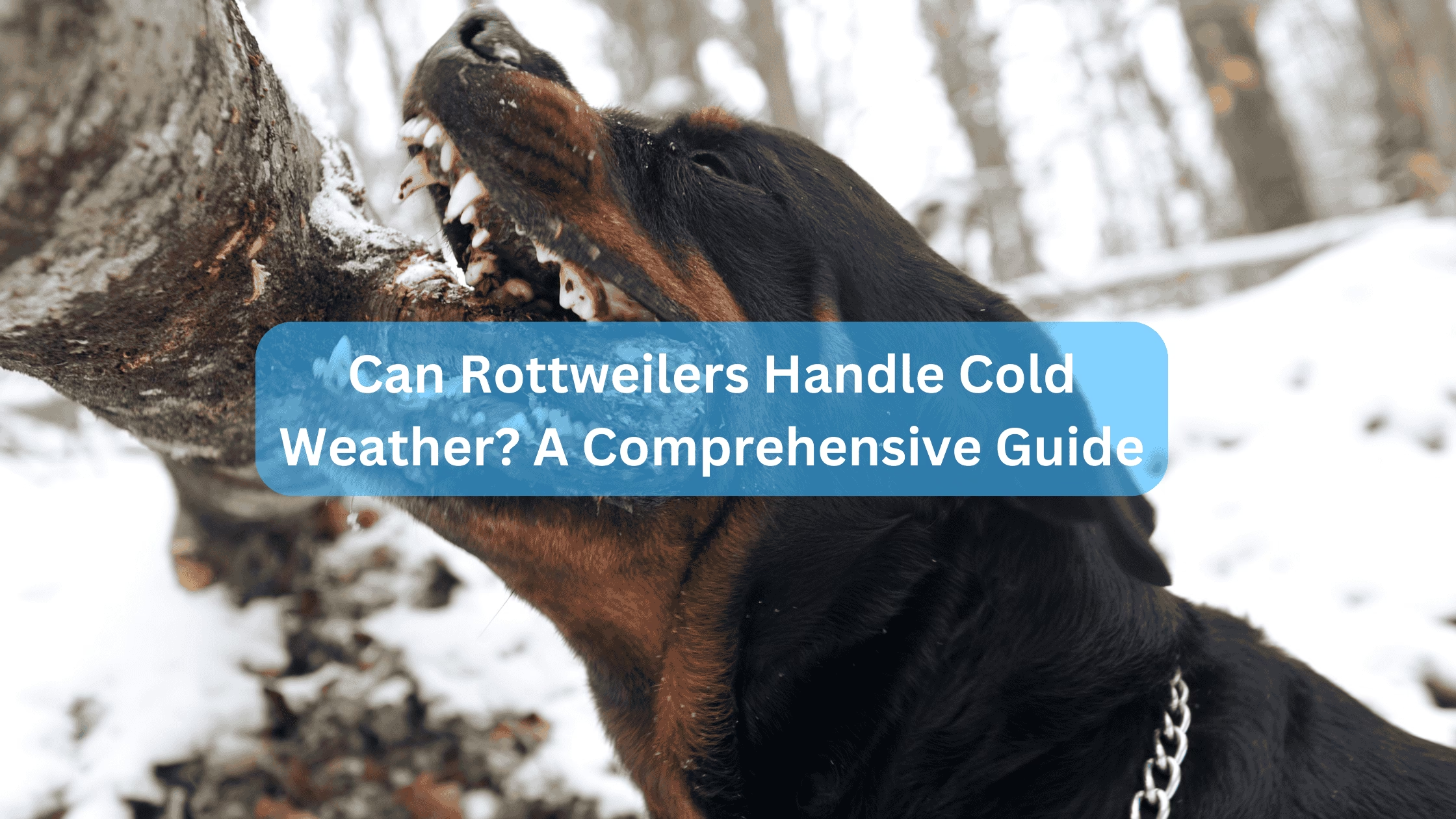
      2. Can Rottweilers Handle Cold Weather? A Comprehensive Guide

        Can Rottweilers Handle Cold Weather? A Comprehensive Guide

        Can Rottweilers Handle Cold Weather? Rottweilers are known for their strength, loyalty, and versatility.

        Originally bred in Germany for herding and guarding, they possess certain characteristics that allow them to handle cold weather better than many other breeds.

        However, it’s essential to understand the limits of their cold tolerance and how to care for them during winter months.

        Understanding Their Coats

        Rottweilers Dog
        Rottweilers Dog

        Rottweilers have a unique double coat that plays a crucial role in their ability to withstand cold temperatures. This coat consists of:

        • Outer Coat: A dense, coarse layer that repels moisture and provides insulation.
        • Undercoat: A softer, thicker layer that traps heat close to the body.

        This combination allows Rottweilers to maintain body warmth even in chilly conditions. Their black fur also absorbs heat from sunlight, further aiding in temperature regulation.

        Temperature Tolerance of Rottweilers

        While Rottweilers can handle cold weather relatively well, there are specific temperature thresholds to consider:

        • Above 40°F (4°C): Rottweilers generally feel comfortable and can enjoy outdoor activities without concern.
        • Between 20°F (-6°C) and 40°F (4°C): Caution is advised. While many Rottweilers can tolerate these temperatures, it’s essential to monitor them closely for signs of discomfort or distress.
        • Below 20°F (-6°C): Prolonged exposure can be dangerous. It’s advisable to limit outdoor time and provide adequate shelter if they must be outside.

        Factors Affecting Cold Tolerance in Rottweilers

        Several factors influence how well a Rottweiler can handle cold weather:

        • Age: Younger dogs typically adapt better than older dogs. Senior Rottweilers may struggle with extreme temperatures due to decreased metabolic rates and health issues.
        • Health: Dogs with underlying health conditions or those that are overweight may have a reduced ability to regulate body temperature.
        • Acclimatization: Dogs that are accustomed to colder climates will generally fare better than those raised in warmer conditions.
        • Moisture and Wind Chill: Wet or windy conditions can significantly lower a dog’s body temperature, making it important to provide shelter from rain or snow.

        Keeping Your Rottweiler Warm in Cold Weather

        To ensure your Rottweiler stays warm during colder months, consider the following tips:

        • Shelter: If your Rottweiler spends time outdoors, ensure they have access to a well-insulated doghouse that protects against wind and moisture.
        • Bedding: Provide warm bedding such as blankets or straw inside their shelter to help retain body heat.
        • Diet: Consider slightly increasing their food intake during winter months as they may require more energy to maintain body heat.
        • Clothing: For particularly cold days, consider using dog sweaters or coats designed for larger breeds. This can provide extra warmth without restricting movement.

        Indoor Care for Rottweilers During Winter

        If your Rottweiler primarily lives indoors, maintaining a comfortable environment is key:

        • Ensure your home is adequately heated during winter months.
        • Keep their sleeping area away from drafts and cold floors.
        • Regularly check their paws for ice buildup between toes after walks in snowy conditions.

        Also Read: Can Dogs Eat Apple Cinnamon Oatmeal? A Comprehensive Guide

        Also Read: Are Skinks Poisonous to Dogs? What You Need to Know

        Also Read: Frenchton Dog Breed: A Comprehensive Guide

        Conclusion: Can Rottweilers Handle Cold Weather?

        In summary, Rottweilers can handle cold weather better than many breeds due to their double coat and robust physique.

        However, it’s essential for owners to be aware of temperature thresholds and individual factors affecting each dog’s comfort level.

        By providing proper shelter, monitoring their behavior, and ensuring they have a warm living environment, you can help your Rottweiler thrive even in the colder months.

        By understanding these aspects of your Rottweiler’s care during winter, you can ensure they remain happy and healthy throughout the season.


        Sources: