Author: Kartikey Dwivedi

  • Can Dogs Eat Dill? A Comprehensive Guide

    Can Dogs Eat Dill? A Comprehensive Guide

    Can Dogs Eat Dill? In the realm of pet nutrition, many dog owners often wonder about the safety and benefits of various herbs. One such herb is dill. This guide will explore whether dogs can eat dill, its potential health benefits, and important precautions to consider.

    Can Dogs Eat Dill? Is Dill Safe for Dogs?

    Dill (Anethum graveolens) is generally safe for dogs when fed in moderation.

    It is a member of the parsley family and is known for its culinary uses as well as its potential health benefits.

    While there are no reported toxic effects from dill itself, it’s crucial to introduce it slowly into your dog’s diet to monitor for any adverse reactions, such as gastrointestinal upset.

    Guidelines for Feeding Dill to Dogs

    • Moderation is Key: Start with small amounts, such as a teaspoon of fresh dill or a few dill seeds. Observe your dog for any signs of discomfort.
    • Consult Your Vet: Always check with your veterinarian before introducing new foods, especially if your dog has a history of food allergies or sensitivities.

    Health Benefits of Dill for Dogs

    Dill offers several health advantages that can be beneficial for your canine companion:

    • Digestive Aid: Dill has anti-inflammatory properties that can help alleviate digestive issues such as gas, bloating, and nausea. It has been traditionally used to support digestion in both humans and pets.
    • Breath Freshener: The antibacterial properties of dill can help freshen your dog’s breath. Chewing on dill seeds may be particularly effective in combating bad breath caused by bacteria.
    • Antioxidant Properties: Dill contains antioxidants like kaempferol and vicenin, which can combat free radicals in the body and may contribute to overall health by reducing inflammation and supporting the immune system.

    How to Prepare Dill for Your Dog

    Incorporating dill into your dog’s diet can be simple and enjoyable. Here are some methods:

    • Fresh Dill: Chop fresh dill leaves and sprinkle them over your dog’s food. This method allows you to control the amount you give.
    • Dill Tea: Steep a handful of fresh dill leaves in boiling water, let it cool, strain the leaves, and serve the tea over your dog’s food or as a drink. This can enhance flavor while providing health benefits.

    Can Dogs Eat Dill Pickles?

    While fresh dill is safe, dill pickles should be avoided. The pickling process involves brining cucumbers in a solution that is often high in sodium and may contain other harmful ingredients like garlic or onions, which are toxic to dogs.

    Feeding your dog dill pickles can lead to gastrointestinal upset or more severe health issues due to the high salt content.

    Risks Associated with Dill Consumption in Dogs

    Although dill itself is not toxic, overconsumption can lead to:

    • Mild gastrointestinal upset (vomiting or diarrhea)
    • Allergic reactions in sensitive dogs

    Pregnant dogs should avoid dill altogether due to potential risks of miscarriage associated with high quantities.

    Frequently Asked Questions

    Can I give my dog fresh dill every day?

    Yes, but only in small amounts. A teaspoon per day is generally safe for most dogs.

    What should I do if my dog eats too much dill?

    Monitor your dog for symptoms like vomiting or diarrhea. If severe symptoms occur, contact your veterinarian immediately.

    Are there any herbs I should avoid giving my dog?

    Yes, avoid giving dogs onions, garlic, and certain other herbs that are known to be toxic.

    Also Read: How to Train a Dog to Use a Pee Pad: A Comprehensive Guide

    Also Read: Why Do Male Dogs Hump Each Other? A Comprehensive Guide.

    Conclusion

    In summary, dill can be a healthy addition to your dog’s diet when given in moderation.

    It provides various health benefits including digestive support and breath freshening properties.

    However, always avoid feeding your dog dill pickles due to their harmful ingredients. As with any dietary changes, consulting with a veterinarian is recommended to ensure the best health outcomes for your furry friend.

    By understanding how to safely incorporate herbs like dill into your dog’s diet, you can enhance their meals while promoting their overall well-being.


    Sources:

  • How to Train a Dog to Use a Pee Pad: A Comprehensive Guide

    How to Train a Dog to Use a Pee Pad: A Comprehensive Guide

    How to Train a Dog to Use a Pee Pad? Training your dog to use a pee pad can be an essential skill for both pet owners and their furry friends.

    Whether you’re dealing with a new puppy, an older dog, or a pet recovering from illness, pee pads provide a convenient solution for indoor potty needs.

    This guide will delve into the significance of this training, effective methods, common challenges, and frequently asked questions.

    Understanding the Benefits of Pee Pads

    Using pee pads can significantly ease the challenges of dog ownership. Here are some key benefits:

    • Convenience: Pee pads offer a reliable option for busy owners who may not always have time for outdoor walks.
    • Indoor Living: For apartment dwellers or those without immediate access to outdoor spaces, pee pads provide a practical solution.
    • Health Issues: Older dogs or those with health conditions may struggle with outdoor potty trips, making pee pads a helpful alternative.

    Preparing for Training

    Before starting the training process, it’s essential to set the stage for success. Here are some preparatory steps:

    1. Choose the Right Location: Select a quiet area in your home where your dog can feel comfortable using the pad.
    2. Select Appropriate Pads: Choose pads that are absorbent and large enough for your dog’s size.
    3. Gather Supplies: Keep treats, cleaning supplies, and any necessary training tools handy.

    How to Train a Dog to Use a Pee Pad – Step-by-Step Training Methods

    Establishing the Pee Pad Area

    1. Set Up the Pad: Lay down the pee pad in the designated area. Ensure it’s flat and secure.
    2. Introduce Your Dog: Allow your dog to sniff and explore the pad. Use an excited tone to encourage them.
    3. Use a Leash: Initially, keep your dog on a leash when introducing them to the pad to guide them effectively.

    Training Techniques

    1. Verbal Cues: Use consistent verbal cues such as “go potty” every time you take your dog to the pad. This helps them associate the command with the action.
    2. Frequent Visits: Take your dog to the pad regularly—every 2-3 hours initially—to reinforce the habit.
    3. Positive Reinforcement: Praise and reward your dog immediately after they use the pad successfully. Treats can also be effective motivators.
    4. Monitor Signs: Watch for signs that your dog needs to go (sniffing around, circling) and take them promptly to the pad.
    5. Accidents Happen: If your dog has an accident elsewhere, calmly redirect them back to the pad without punishment.

    Gradual Independence

    As your dog begins using the pad consistently:

    1. Reduce Supervision: Gradually allow more freedom while still monitoring their behavior.
    2. Decrease Treats: Once they are consistently using the pad, you can slowly reduce treats but continue verbal praise.
    3. Move Pads if Necessary: If you plan to transition from indoor pads to outdoor potty areas later, begin moving the pad closer to the door gradually.

    Tips for Successful Training

    • Consistency is Key: Maintain a routine with regular potty breaks and cues.
    • Be Patient: Every dog learns at their own pace; some may take longer than others.
    • Clean Accidents Properly: Use enzyme-based cleaners to eliminate odors that might attract your dog back to previous accident spots.
    • Limit Distractions: When training, keep other pets or distractions away from the area.

    Common Mistakes to Avoid

    • Inconsistency in Commands: Using different phrases can confuse your dog.
    • Punishing Accidents: Negative reinforcement can lead to anxiety and fear around potty training.
    • Neglecting Cleanup: Failing to clean up accidents properly can lead your dog back to those spots.

    Frequently Asked Questions

    How long does it take to train a dog to use a pee pad?

    Training duration varies by individual dogs but typically ranges from a few days to several weeks depending on consistency and reinforcement methods used.

    Can older dogs learn to use pee pads?

    Absolutely! Older dogs can learn new behaviors with patience and positive reinforcement techniques similar to younger dogs.

    What if my dog refuses to use the pee pad?

    If your dog is hesitant, ensure they feel comfortable in their environment and consider adjusting the location of the pad or using different types of pads that may be more appealing.

    How do I transition my puppy from pee pads to outside?

    Gradually move the pee pad closer to an exit door before transitioning it outdoors entirely, allowing them time to adjust before removing indoor options completely.

    Also Read: Why Do Male Dogs Hump Each Other? A Comprehensive Guide.

    Also Read: Can Dogs Sense Depression and Anxiety? A Comprehensive Guide

    Conclusion

    Training your dog to use a pee pad is not only practical but can also strengthen your bond as you work together through this learning process.

    With patience, consistency, and positive reinforcement, most dogs can become proficient at using pee pads within a short period.

    By following this comprehensive guide on how to train a dog to use a pee pad, you’ll be well-equipped with strategies that promote successful potty habits while ensuring comfort for both you and your furry friend.

    Embrace this opportunity for growth and enjoy every step of this rewarding journey!


    Sources:

  • Why Do Male Dogs Hump Each Other?   A Comprehensive Guide.

    Why Do Male Dogs Hump Each Other? A Comprehensive Guide.

    Why Do Male Dogs Hump Each Other? Humping behavior in dogs, particularly among male dogs, can be perplexing and often embarrassing for pet owners.

    Many people wonder why their male dogs engage in this behavior, especially when it involves humping other male dogs.

    This comprehensive guide will explore the various reasons behind this behavior, its implications, and what pet owners can do to manage it effectively.

    The Nature of Humping Behavior in Dogs

    Humping, also known as mounting, is a common behavior observed in both male and female dogs.

    While it is often associated with sexual activity, humping can occur for various reasons that are not necessarily sexual in nature.

    Understanding the context is crucial for interpreting this behavior correctly.

    Common Misconceptions About Dog Humping

    Many pet owners mistakenly believe that humping is strictly a sexual behavior. However, this is not always the case. Here are some common misconceptions:

    • Misconception 1: Humping is always sexual. In reality, humping can be a playful act or a response to excitement or stress.
    • Misconception 2: Only unneutered males hump. While intact males may be more prone to humping due to hormonal influences, neutered males and even females can exhibit this behavior as well.
    • Misconception 3: Humping indicates a behavioral problem. Humping can be a normal part of dog play and social interaction; however, excessive humping may signal an underlying issue.

    Reasons Why Do Male Dogs Hump Each Other?

    Understanding the motivations behind humping behavior can help pet owners manage it effectively. Here are some of the primary reasons male dogs may hump each other:

    1. Establishing Dominance

    One of the most common reasons for humping among male dogs is to establish social hierarchy.

    In canine social structures, dominance plays a vital role. When one dog humps another, it may be asserting its position within the pack or group.

    This behavior is more pronounced among unneutered males who may feel compelled to demonstrate their dominance over others.

    2. Play Behavior

    Humping can also occur during playtime. Dogs often engage in playful behaviors that include chasing, wrestling, and mounting.

    In these cases, humping is generally not sexually motivated but rather a way for dogs to interact and have fun with each other.

    3. Excitement or Overstimulation

    Dogs may hump when they become overly excited or stimulated. This can happen during playdates or when meeting new dogs.

    The excitement can lead to behaviors that might seem inappropriate but are simply expressions of joy or exuberance.

    4. Stress Relief

    For some dogs, humping serves as a coping mechanism for stress or anxiety. Dogs may mount when they feel overwhelmed or anxious as a way to relieve tension.

    This behavior can become problematic if it occurs frequently or in inappropriate situations.

    5. Medical Issues

    In rare cases, excessive humping may indicate an underlying medical condition such as urinary tract infections or skin irritations.

    If a dog is experiencing discomfort or pain, it may engage in humping as a way to alleviate that discomfort.

    The Role of Social Dynamics

    Understanding canine social dynamics is essential for interpreting why male dogs hump each other.

    Dogs are pack animals with complex social structures that involve establishing roles and hierarchies within their groups.

    Social Structure Among Dogs

    In multi-dog households or environments where several dogs interact, establishing a clear social hierarchy is crucial.

    Humping can be a way for one dog to assert its authority over another, especially if one dog perceives itself as dominant.

    Recognizing Dominance vs. Play

    It’s important for pet owners to observe the context in which humping occurs:

    • Dominance Display: If one dog consistently humps another without reciprocation and displays assertive body language (e.g., stiff posture), it may indicate a dominance display.
    • Playful Interaction: If both dogs engage in mutual play with relaxed body language (e.g., wagging tails), the humping may simply be part of their playful interaction.

    Managing Humping Behavior in Dogs

    While some instances of humping are normal and harmless, there are steps pet owners can take to manage excessive or inappropriate humping behavior.

    Training Techniques

    1. Redirect Attention: When you notice your dog starting to hump another dog, redirect their attention by calling them away or offering them a toy.
    2. Teach Commands: Reinforce basic commands such as “sit” or “stay.” Teaching your dog alternative behaviors can help reduce unwanted actions like humping.
    3. Socialization: Ensure your dog has ample opportunities to socialize with other dogs from an early age. Proper socialization helps teach appropriate play behaviors and reduces instances of dominant humping.
    4. Reward Good Behavior: Use positive reinforcement techniques by rewarding your dog when they engage in appropriate behaviors instead of humping.

    Physical Activity and Mental Stimulation

    Providing your dog with sufficient physical exercise and mental stimulation can help reduce excess energy that might lead to humping:

    • Regular Walks: Ensure your dog gets daily walks to expend energy.
    • Interactive Toys: Use puzzle toys that challenge your dog’s mind and keep them engaged.
    • Playdates: Arrange playdates with other well-socialized dogs to provide healthy interaction opportunities.

    Neutering Considerations

    Neutering can reduce hormone-driven behaviors in male dogs, including some instances of humping.

    However, it’s essential to note that neutering alone may not eliminate all instances of this behavior since many factors contribute to why dogs hump.

    When to Seek Professional Help

    If your dog’s humping behavior becomes excessive or aggressive despite attempts at management, it may be time to consult a professional:

    • Veterinarian Consultation: A vet can rule out any medical issues contributing to the behavior.
    • Professional Trainer or Behaviorist: A certified trainer or animal behaviorist can provide tailored strategies for managing problematic behaviors effectively.

    Also Read: Can Dogs Eat Hummus? A Comprehensive Guide

    Also Read: Can Dogs Sense Depression and Anxiety? A Comprehensive Guide

    Conclusion

    Understanding why male dogs hump each other involves recognizing the complex interplay of social dynamics, playfulness, excitement, stress relief, and potential medical issues.

    While some instances of humping are normal canine behaviors, excessive or inappropriate actions warrant attention from pet owners.

    By employing effective training techniques, ensuring proper socialization and exercise, and considering neutering options where applicable, pet owners can manage their dog’s humping behavior more effectively.

    If concerns persist, seeking professional guidance will ensure both you and your furry friend enjoy a harmonious relationship free from unwanted behaviors.

    In summary:

    • Humping among male dogs is often related to dominance but can also stem from playfulness or stress relief.
    • Proper training and management techniques can help mitigate excessive humping.
    • Always consider consulting professionals if the behavior becomes problematic or aggressive.

    With these insights into canine behavior, you’ll be better equipped to understand and manage your dog’s actions while fostering a positive environment for all pets involved.


    Sources:

  • Can Dogs Sense Depression and Anxiety? A Comprehensive Guide

    Can Dogs Sense Depression and Anxiety? A Comprehensive Guide

    Understanding the emotional bond between humans and dogs has become a significant area of research and interest. Many dog owners often wonder, can dogs sense depression and anxiety? This question is not only rooted in anecdotal evidence but is also supported by scientific research.

    In this guide, we will explore the capabilities of dogs in detecting human emotions, especially depression and anxiety, the mechanisms behind these abilities, and the implications for mental health support.

    Understanding Canine Senses

    Dogs perceive the world differently than humans do. Their heightened senses allow them to detect emotions and physiological changes in their human companions.

    The Power of Smell

    • Olfactory Sensitivity: Dogs have approximately 300 million scent receptors compared to a human’s 6 million. This incredible sense of smell enables them to detect subtle changes in human body chemistry associated with emotional states.
    • Detection of Stress Hormones: Research indicates that dogs can identify volatile organic compounds released during stress. A study showed that dogs could distinguish between sweat samples taken from humans under stress versus those at baseline levels with an accuracy ranging from 90% to nearly 97%[3][4].

    Visual and Auditory Cues

    • Facial Expressions: Dogs are adept at reading human facial expressions. They can recognize emotions such as happiness, sadness, anger, and fear. A study demonstrated that dogs spent more time looking at faces that matched emotional audio cues[5].
    • Vocal Tones: Dogs are sensitive to changes in vocal tone. They can discern when a person is upset or anxious based on the pitch and volume of their voice.

    How Dogs Sense Depression and Anxiety

    Emotional Contagion

    Dogs are known to experience emotional contagion, where they mirror the emotional states of their owners. For instance, if a person is sad or anxious, their dog may exhibit similar behaviors—becoming withdrawn or anxious themselves[2].

    Physiological Changes

    Humans release specific pheromones and hormones when experiencing stress or anxiety. Dogs can detect these changes through their acute sense of smell. The presence of stress hormones like cortisol can trigger a dog’s instinctual response to comfort their owner[1][4].

    Behavioral Responses

    When a dog senses that their owner is depressed or anxious, they may respond in various ways:

    • Increased Affection: Many dogs will become more affectionate, seeking to cuddle or stay close to their owners.
    • Protective Behavior: Some dogs may adopt a protective stance, watching over their owners more closely when they sense distress.
    • Distraction Techniques: Dogs often engage in playful behavior or bring toys to encourage interaction, helping distract their owners from negative thoughts[5].

    The Impact of Canine Companionship on Mental Health

    Emotional Support

    Having a dog provides non-judgmental companionship. Studies have shown that pet ownership can significantly reduce feelings of loneliness and isolation, which are common among people suffering from depression[4][5].

    Encouragement for Physical Activity

    Dogs require regular exercise, which encourages their owners to engage in physical activity. This not only benefits the dog’s health but also helps improve the owner’s mood through increased endorphin production.

    Routine and Structure

    Dogs thrive on routine. Caring for a pet can provide structure in a person’s day-to-day life, which is often beneficial for those dealing with depression or anxiety. The responsibility of walking, feeding, and playing with a dog can instill a sense of purpose[1][4].

    Common Questions About Dogs Sensing Depression and Anxiety

    Can all dogs sense depression?

    Not all dogs are equally sensitive; some breeds are more attuned to human emotions than others. Breeds known for their empathetic nature include Labrador Retrievers, Golden Retrievers, and Cavalier King Charles Spaniels.

    How do I know if my dog senses my depression?

    Signs that your dog may sense your emotional state include:
    1. Following you around more than usual.
    2. Seeking physical closeness or cuddling.
    3. Displaying concern when you cry or show distress.

    Can dogs help treat depression?

    While dogs cannot replace professional mental health treatment, they can serve as valuable companions that provide comfort and emotional support during difficult times.

    Also Read: Can Dogs Eat Hummus? A Comprehensive Guide

    Also Read: Can Dogs Eat Crab Apples? A Comprehensive Guide

    Unique Insights from Research Studies

    Several studies have explored the relationship between dogs and human emotions:

    1. The University of Lincoln Study: This research found that dogs could match visual cues (facial expressions) with auditory cues (vocal tones) to interpret human emotions effectively[5].
    2. Stress Detection Study: Another significant study demonstrated that trained dogs could accurately identify stress-related odors from humans with high accuracy rates[3][4].

    These findings underscore the potential for utilizing trained therapy dogs in therapeutic settings for individuals dealing with mental health issues.

    Conclusion: Can Dogs Sense Depression and Anxiety?

    In summary, while dogs may not diagnose depression or anxiety as healthcare professionals do, they possess an extraordinary ability to sense these emotional states through their acute senses.

    Their presence offers comfort, companionship, and even motivation for physical activity—critical components for mental well-being.

    If you suspect that your dog shows signs of distress due to your emotional state or if you’re struggling with depression or anxiety yourself, consider reaching out to a mental health professional or a veterinarian.

    Together, you can explore ways to enhance both your well-being and your dog’s happiness.

    By fostering this unique bond with your canine companion, you not only enrich your life but also create an environment where both you and your dog can thrive together emotionally.


    Sources:

  • Can Dogs Eat Hummus? A Comprehensive Guide

    Can Dogs Eat Hummus? A Comprehensive Guide

    Hummus is a popular Middle Eastern dip made primarily from chickpeas, tahini, olive oil, lemon juice, and garlic. While many humans enjoy this nutritious snack, dog owners often wonder: Can dogs eat hummus? This guide will delve into the implications of feeding hummus to dogs, the potential risks associated with its ingredients, and safe alternatives for your furry friend.

    Understanding Hummus

    Hummus is primarily made from:

    • Chickpeas: A legume that can be safe for dogs in moderation.
    • Tahini: Made from sesame seeds; while not toxic, it is high in fat.
    • Olive Oil: Healthy in moderation but can contribute to weight gain if overconsumed.
    • Garlic: Toxic to dogs; even small amounts can cause gastrointestinal upset and more severe health issues.
    • Lemon Juice: Can cause stomach upset in some dogs.
    • Spices: Many spices can be harmful or irritating to a dog’s digestive system.

    Nutritional Benefits of Hummus for Humans

    Hummus is rich in protein and fiber, making it a healthy snack option for humans. However, these benefits do not translate to canine consumption due to the presence of harmful ingredients.

    Why Is Hummus Bad for Dogs?

    The primary concern with feeding hummus to dogs lies in its ingredients. While chickpeas are generally safe in moderation, the other components can pose significant risks.

    Toxic Ingredients

    1. Garlic and Onions: Both belong to the Allium family and can damage red blood cells in dogs, leading to anemia. Symptoms may include lethargy, weakness, vomiting, and diarrhea.
    2. High Fat Content: Ingredients like tahini and olive oil contribute to high fat content, which can lead to obesity and pancreatitis if consumed in excess.

    Health Risks

    Feeding your dog hummus can result in:

    • Gastrointestinal Upset: Symptoms may include vomiting and diarrhea.
    • Weight Gain: High-calorie content can contribute to obesity if fed regularly.
    • Toxic Reactions: If a dog consumes a large amount of garlic or other harmful ingredients, it may require veterinary attention.

    What Should You Do If Your Dog Eats Hummus?

    If your dog accidentally consumes hummus, monitor their behavior closely. Most likely, they will experience mild gastrointestinal upset. However, if your dog shows signs of distress such as:

    • Vomiting
    • Diarrhea
    • Lethargy
    • Abdominal pain

    You should contact your veterinarian immediately for guidance.

    Safe Alternatives to Hummus for Dogs

    While traditional hummus is not safe for dogs, there are several alternatives that you can offer without worry:

    Plain Chickpeas

    Cooked plain chickpeas (without added salt or spices) are a nutritious treat that provides protein and fiber.

    Dog-Friendly Dips

    Consider making homemade dips that are safe for dogs:

    • Pumpkin Puree: Rich in fiber and vitamins.
    • Peanut Butter: Ensure it’s free from xylitol (toxic to dogs) and use it in moderation.

    Fresh Vegetables

    Many vegetables are safe for dogs and can serve as excellent dipping options:

    • Carrots
    • Cucumbers
    • Bell peppers
    • Broccoli

    These options not only provide nutrients but also keep your dog engaged during snack time.

    Expert Opinions on Hummus for Dogs

    Veterinarians generally agree that while some ingredients in hummus may not be harmful on their own (like chickpeas), the overall composition makes it unsuitable for canine consumption.

    Dr. Jane McMillen emphasizes that “while chickpeas are not harmful to dogs, additional ingredients like garlic pose significant risks.” Similarly, Dr. Richard Rosenbaum warns against flavored varieties of hummus that may contain even more dangerous components like chocolate.

    Common Questions About Dogs and Hummus

    Can Dogs Eat Chickpeas?

    Yes! Chickpeas are safe for dogs when cooked plain without any seasoning or additives. They provide protein and fiber but should be given in moderation.

    What Other Foods Should Dogs Avoid?

    Dogs should avoid foods such as:
    1. Chocolate
    2. Grapes and raisins
    3. Onions and garlic
    4. Avocado
    5. Alcohol

    Are There Any Benefits to Feeding Dogs Chickpeas?

    Yes! Chickpeas can help with digestion due to their fiber content and provide protein which is essential for muscle health.

    What Should I Do If My Dog Accidentally Eats Hummus?

    If your dog ingests hummus, it’s crucial to contact your veterinarian immediately. It’s best to avoid inducing vomiting or administering any treatments without professional approval.

    Also Read: Is Bird of Paradise Poisonous to Dogs?

    Also Read: Can Dogs Eat Crab Apples? A Comprehensive Guide

    Conclusion: Can Dogs Eat Hummus?

    In conclusion, while hummus may be a delicious treat for humans, it poses several risks for our canine companions due to its harmful ingredients like garlic and high fat content.

    Instead of sharing your hummus with your dog, consider offering plain chickpeas or fresh vegetables as healthier alternatives.

    Always consult with your veterinarian before introducing new foods into your dog’s diet to ensure their safety and well-being.

    By understanding the implications of feeding hummus to dogs and opting for safer alternatives, you can ensure that your furry friend remains healthy while still enjoying snack time with you.


    Sources:

  • Can Dogs Eat Crab Apples? A Comprehensive Guide

    Can Dogs Eat Crab Apples? A Comprehensive Guide

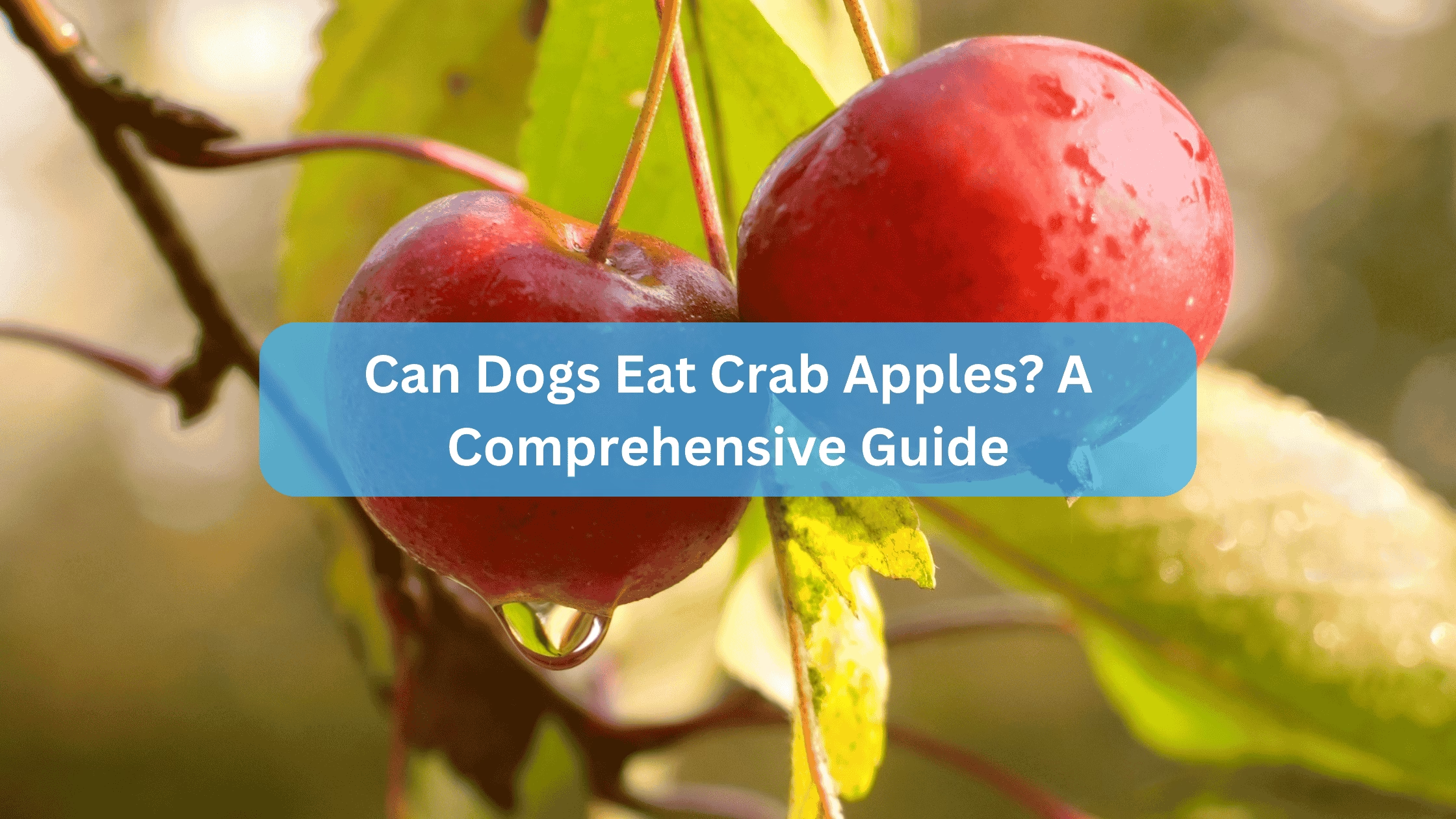
    When it comes to our furry friends, pet owners are often faced with questions about what is safe for their dogs to eat. One such question that frequently arises is: Can dogs eat crab apples? This guide aims to provide an in-depth look at crab apples, their safety for dogs, potential health implications, and best practices for pet owners.

    What Are Crab Apples?

    Crab apples, scientifically known as Malus sylvestris, are small apples that are generally more tart than the larger varieties commonly found in grocery stores.

    They grow on trees that can be found in many neighborhoods and parks, especially during the fall season when they drop from the trees.

    While they may be a delightful snack for humans, the question remains whether they are suitable for our canine companions.

    Nutritional Profile of Crab Apples

    Before delving into whether dogs can eat crab apples, it’s essential to understand their nutritional profile:

    • Calories: Low-calorie fruit
    • Sugar: Contains natural sugars, but less than regular apples
    • Fiber: Good source of dietary fiber
    • Vitamins and Minerals: Contains Vitamin C and various antioxidants

    Can Dogs Eat Crab Apples? The Short Answer

    Yes, dogs can eat crab apples, but with caution. The flesh of the fruit is generally safe for dogs in small amounts.

    However, the seeds, leaves, and stems contain cyanogenic glycosides, which can be harmful if consumed in large quantities.

    Why Are Crab Apples Considered Safe for Dogs?

    While it’s true that crab apple seeds contain trace amounts of cyanide, a dog would need to consume a significant number of seeds—approximately 200 apples worth—to experience toxicity.

    Therefore, while crab apples are not entirely without risk, they are generally considered non-toxic when consumed in moderation.

    Risks of Feeding Crab Apples to Dogs

    Despite their relative safety, there are several risks associated with feeding crab apples to dogs:

    • Cyanide Poisoning: As mentioned earlier, the seeds contain cyanogenic compounds. If a dog consumes a large quantity of seeds after chewing them thoroughly, it could lead to cyanide poisoning.
    • Digestive Issues: The high fiber content may upset a dog’s stomach if consumed in large quantities. Symptoms can include diarrhea or vomiting.
    • Choking Hazard: Whole crab apples or large pieces may pose a choking hazard for smaller dogs.
    • Contamination: Fallen crab apples may be contaminated with mold or pesticides if they have been on the ground for too long.

    How to Safely Introduce Crab Apples to Your Dog’s Diet

    If you decide to allow your dog to try crab apples, follow these guidelines:

    1. Start Small: Introduce a small piece of the flesh first to see how your dog reacts.
    2. Remove Seeds and Stems: Always remove the seeds and stems before offering any part of the fruit.
    3. Monitor Reactions: Keep an eye on your dog after they consume crab apple flesh for any signs of digestive upset.
    4. Limit Quantity: Treat crab apples as an occasional snack rather than a regular part of your dog’s diet.

    Frequently Asked Questions (FAQs)

    What should I do if my dog eats a whole crab apple?

    If your dog consumes a whole crab apple or a significant number of seeds, monitor them closely for symptoms like vomiting or lethargy. Contact your veterinarian if you notice any concerning symptoms.

    Are there any benefits to feeding my dog crab apples?

    Crab apples can provide some vitamins and minerals beneficial for your dog’s health when given in moderation. They also offer hydration due to their water content.

    Can all dogs eat crab apples?

    Most dogs can eat small amounts of crab apple flesh safely; however, dogs with sensitive stomachs or specific health conditions may need to avoid them altogether.

    Are there better alternatives to crab apples?

    Yes! There are many fruits that are safer and more nutritious for dogs, such as blueberries, bananas, and carrots.

    Also Read: Can You Use Human Ear Drops on Dogs? A Comprehensive Guide

    Also Read: Is Bird of Paradise Poisonous to Dogs?

    Conclusion

    In summary, while dogs can eat crab apples, it is crucial to approach this fruit with caution.

    The flesh is generally safe in moderation; however, the seeds and other parts of the plant pose risks that should not be ignored.

    Always prioritize your dog’s health by consulting with a veterinarian before introducing new foods into their diet.

    By understanding the implications of feeding your dog crab apples and following best practices for safety, you can make informed decisions that contribute positively to your pet’s well-being.


    Sources:

  • Is Bird of Paradise Poisonous to Dogs?

    Is Bird of Paradise Poisonous to Dogs?

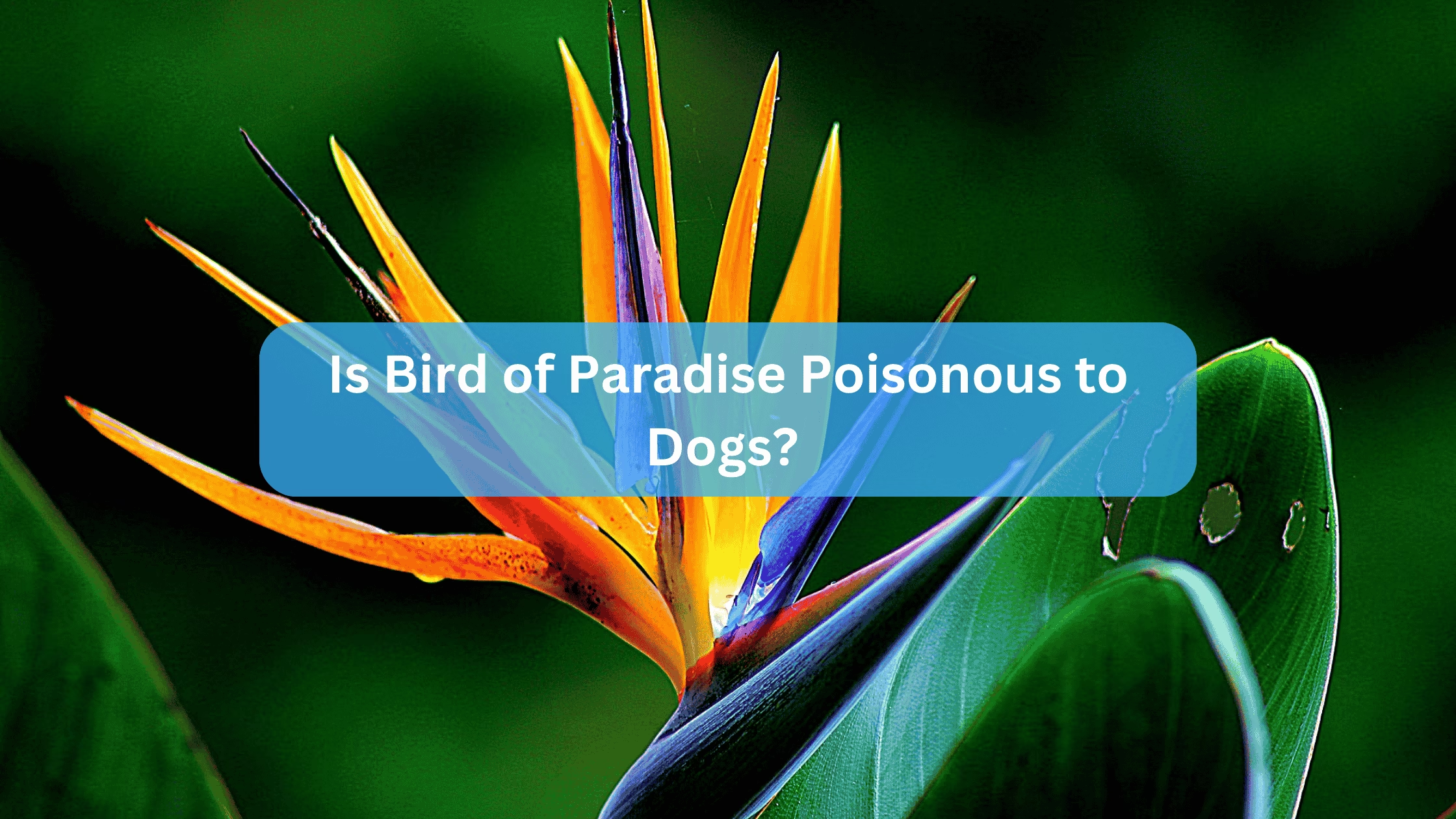
    The Bird of Paradise plant, known for its stunning appearance and vibrant flowers, is a popular choice among gardeners and homeowners. However, if you’re a dog owner, you might be wondering: Is Bird of Paradise poisonous to dogs? This guide aims to provide detailed information about the toxicity of this plant, its effects on dogs, and how to keep your furry friends safe.

    Understanding the Toxicity of Bird of Paradise

    Toxic Components

    The Bird of Paradise plant (scientific name: Strelitzia reginae) contains several toxic compounds that can adversely affect dogs. The primary toxins include:

    • Hydrocyanic Acid: Known for its ability to interfere with oxygen utilization in the body, hydrocyanic acid can cause severe health issues when ingested in significant amounts.
    • Steroidal Alkaloids: These compounds can lead to gastrointestinal disturbances and neurological symptoms in dogs.

    How Toxic is the Bird of Paradise?

    The toxicity level is generally considered mild to moderate; however, it can still pose serious health risks if ingested.

    Symptoms can range from mild gastrointestinal upset to severe neurological reactions depending on the amount consumed and the individual dog’s sensitivity.

    Symptoms of Bird of Paradise Poisoning in Dogs

    Recognizing the signs of poisoning is crucial for prompt treatment. Symptoms may appear within 20 minutes after ingestion and can include:

    • Gastrointestinal Issues:
    • Vomiting
    • Diarrhea
    • Nausea
    • Drooling
    • Neurological Symptoms:
    • Ataxia (loss of coordination)
    • Muscle tremors
    • Increased heart rate
    • Lethargy or weakness

    If your dog exhibits any of these symptoms after being near a Bird of Paradise plant, it is essential to seek veterinary care immediately.

    What To Do If Your Dog Eats Bird Of Paradise?

    First Steps After Ingestion

    If you suspect your dog has ingested part of a Bird of Paradise plant, follow these steps:

    1. Remove Plant Material: Carefully check your dog’s mouth for any remaining plant material and remove it if possible.
    2. Do Not Induce Vomiting: Unless instructed by a veterinarian, do not attempt to induce vomiting at home as this could cause further harm.
    3. Contact Your Veterinarian: Call your vet or a pet poison hotline for advice on what to do next.

    Veterinary Interventions

    When you arrive at the veterinary clinic, expect the following procedures:

    • Physical Examination: The vet will perform a thorough examination to assess your dog’s condition.
    • Diagnostic Tests: Blood tests may be conducted to evaluate organ function and determine the severity of poisoning.
    • Treatment Options:
    • Inducing vomiting (if appropriate)
    • Administering activated charcoal to absorb toxins
    • Providing IV fluids for dehydration
    • Medications to control symptoms such as vomiting or diarrhea

    Timely veterinary intervention is critical for recovery, so don’t delay seeking help.

    Prevention Strategies for Dog Owners

    Identifying and Managing Risks

    To protect your dog from potential poisoning by Bird of Paradise plants, consider implementing these strategies:

    • Recognize the Plant: Familiarize yourself with the appearance of the Bird of Paradise. Its distinctive paddle-shaped leaves and bright flowers make it easily identifiable.
    • Create Barriers: Use fences or barriers around garden areas where these plants are located. For indoor plants, consider placing them on high shelves or using hanging baskets.
    • Train Your Dog: Teach commands like “leave it” to discourage your dog from approaching potentially harmful plants. Positive reinforcement can help reinforce this behavior.
    • Dog-Friendly Alternatives: Replace toxic plants with non-toxic options such as snapdragons or petunias. Consult resources like the ASPCA’s list of pet-safe plants for guidance.
    • Regular Monitoring: Keep an eye on your dog when they are outside. Regularly patrol your yard for any signs that they may be trying to nibble on plants.

    Creating a Safe Environment

    Designate a specific area in your yard as a “dog-safe zone” filled with non-toxic plants and toys. This space allows your dog to enjoy outdoor time without the risk associated with toxic flora.

    Frequently Asked Questions

    Is all Bird of Paradise toxic to dogs?

    Yes, all parts of the Bird of Paradise plant are considered potentially toxic to dogs, although symptoms may vary based on individual sensitivity and amount ingested.

    What should I do if my dog ate a small amount?

    Even if your dog only ingested a small amount, it’s best to contact your veterinarian immediately for advice. Some dogs may experience mild symptoms while others could have severe reactions.

    Are there any non-toxic alternatives to Bird of Paradise?

    Yes! Consider planting non-toxic options such as marigolds, nasturtiums, or sunflowers that are safe for dogs while still providing beautiful blooms in your garden.

    How long does it take for symptoms to appear?

    Symptoms can appear as quickly as 20 minutes after ingestion but may take longer depending on factors such as the amount consumed and individual metabolism.

    Also Read: Can a Dog Get a Cat Pregnant? A Comprehensive Guide

    Also Read: Can You Use Human Ear Drops on Dogs? A Comprehensive Guide

    Conclusion: Is Bird of Paradise Poisonous to Dogs?

    Understanding whether the Bird of Paradise is poisonous to dogs is crucial for any pet owner. While this beautiful plant can enhance your garden’s aesthetic appeal, its potential toxicity poses risks to your Dog that should not be ignored.

    By recognizing the symptoms of poisoning, knowing how to respond in an emergency, and taking preventative measures, you can ensure that your furry friend remains safe while enjoying their environment.

    Stay vigilant about what plants are accessible to your pets and educate yourself on safe gardening practices.

    If you ever have doubts about a plant’s safety or your dog’s health after potential exposure, don’t hesitate to consult with a veterinarian. Your dog’s health and well-being should always come first!


    Sources: