Have you ever watched your dog curiously sniffing around a seemingly empty spot, leaving you wondering what hidden treasure they might have discovered?
Well, buckle up, dog lovers, because their incredible sense of smell extends far beyond the realm of forgotten kibble under the couch.
Prepare to be amazed as we explore the wet and wild world of canine olfaction – can dogs really smell underwater? Dive in with us as we sniff out the science behind this fascinating superpower!
Can Dogs Smell Underwater?
Can Dogs Smell Underwater
Imagine this: your playful pup takes a joyful plunge into the lake, but instead of chasing after a ball, they start circling a specific spot.
Could they be smelling something…underwater? Believe it or not, the answer is yes! Dogs possess an incredible sense of smell that goes beyond sniffing out treats – they can even detect scents beneath the water’s surface.
Superpower Sniffer: Unpacking a Dog’s Keen Sense of Smell
Dogs are renowned for their impressive olfactory abilities. Compared to humans with a measly 6 million olfactory receptors, a dog boasts a staggering 220 million!
This translates to a world of scents humans can’t even imagine. But how does this translate to underwater detection?
Sniffing Secrets: Unveiling the Science Behind Underwater Smells
Here’s the secret weapon in a dog’s olfactory arsenal:
The Vomeronasal Organ (Jacobson’s Organ): This specialized organ located behind the roof of a dog’s mouth plays a key role. It can trap and analyze scent particles dissolved in water, allowing them to “taste” the water in a way.
Surface Scents: While dogs can’t directly smell underwater, they excel at detecting odors emanating from the water’s surface. These scent molecules rise to the top, and a dog’s super sniffer can pick up on even faint traces.
Underwater Heroes: How Dogs Utilize Their Aquatic Olfaction
So, how do these underwater sniffing skills translate to real-world applications? Here are a few examples:
Search and Rescue: Trained dogs can locate missing people or objects submerged underwater, aiding rescue efforts.
Detection Dogs: Specially trained dogs can sniff out pollutants or illegal substances present in water sources.
Beyond the Hype: Limitations of Underwater Dog Detection
While impressive, it’s important to understand the limitations:
Depth and Current: Strong currents and deeper depths can significantly reduce a dog’s ability to detect underwater scents.
Training and Specificity: Dogs require extensive training to identify specific scents underwater effectively.
The Final Splash: Canine Companions – Masters of Multi-Sensory Detection
A dog’s ability to smell underwater is just one facet of their incredible sensory capabilities. Combined with their sharp vision and hearing, dogs become invaluable partners in various fields.
So you’ve heard rumors about Mylar bags being the ultimate shield against canine sniffers. But is it true? Can dogs really smell through these popular bags? In this blog post, we’ll unveil the truth behind the myth and explore the effectiveness of Mylar bags for odor control.
Can Dogs Smell Through Mylar Bags?
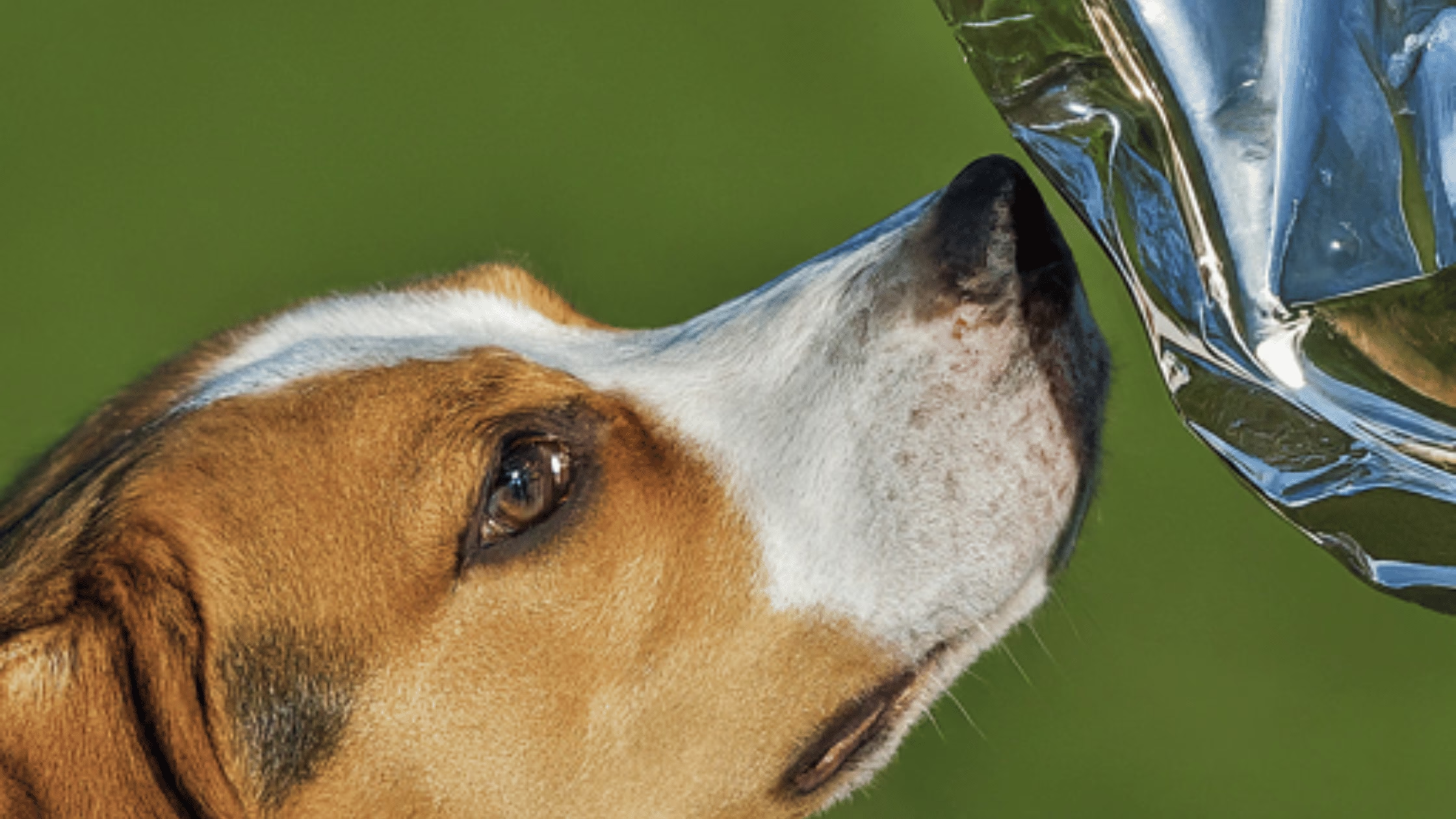
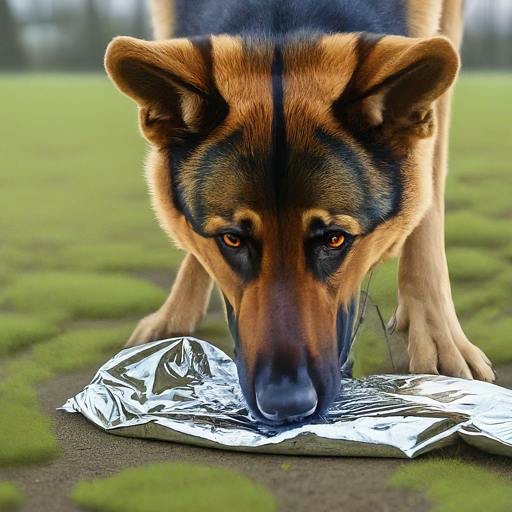
dog sniffing a bag or a Mylar bag
The Mylar Myth: Does it Really Block Scent?
Have you ever wondered if Mylar bags are the ultimate secret weapon against a dog’s keen sense of smell? These popular bags are known for their odor-blocking properties, but can they truly outsmart a trained canine companion? Let’s sniff out the truth behind the myth!
How Dogs Detect: Beyond the Bag Itself
can dogs smell through mylar bags
Mylar bags are effective at trapping odors inside. But a dog’s nose is a powerful tool, and their detection abilities go beyond simply smelling the air. Here’s why Mylar bags might not be a foolproof solution:
Transfer of Scent: Even with excellent odor control, the outside of the bag can become contaminated during handling. This residual scent, faint as it may be, can be enough for a well-trained dog to alert its handler.
Source Recognition: Canine detection training focuses on recognizing the source of a particular scent. Mylar bags are often associated with certain items, and a dog might alert based on this connection, even if the odor itself is minimal.
Sealing Matters: Mylar bags rely on proper sealing to maximize odor control. An improperly sealed bag can leave a gap for odors to escape, potentially leading to detection.
Sealing Matters: Maximizing Odor Control
While Mylar bags have limitations, there are ways to optimize their effectiveness:
Heat Sealing: Using a heat sealer to create a complete closure ensures a tighter seal and minimizes the chance of odor leakage.
Proper Handling: Minimize contact with the outside of the bag after filling it. If handling is necessary, wear gloves and wash your hands thoroughly afterwards.
Mylar Bags: A Step in the Right Direction (but Not a Guarantee)
Mylar bags can be a valuable tool for odor control, but it’s important to remember they are not an absolute guarantee. Here’s a key takeaway:
Limited Research: There’s a lack of comprehensive scientific research on the effectiveness of Mylar bags against canine detection.
While high-quality, heat-sealed Mylar bags with proper handling can improve the chances of avoiding detection, it’s not a surefire method.
This blog post is for informational purposes only and does not endorse illegal activities. Laws concerning proper storage of items vary by location. Always consult with local authorities to ensure you are following the regulations in your area.
Welcome to the world of dog waste disposal! Today, we’ll address the question: Can you burn dog poop?
Before we delve into the fiery details, it’s essential to understand the significance of proper waste management.
Improper disposal can harm the environment and pose health risks. So, let’s explore the legality, health risks, and environmental impacts of burning dog poop.
We’ll discover alternative methods for handling this organic waste along the way.
Join us on this enlightening journey toward responsible and eco-friendly dog waste management.
Let’s make informed choices together!
Can You Burn Dog Poop?
Can You Burn Dog Poop?
Ah, the burning question: Can you unleash the fiery power on your dog’s poop?
No, burning dog poop is not recommended. Burning dog poop can release harmful toxins and contribute to air pollution. It can also create unpleasant odors and pose health risks when inhaled. Additionally, the chemicals present in dog waste can damage burning equipment such as fire pits.
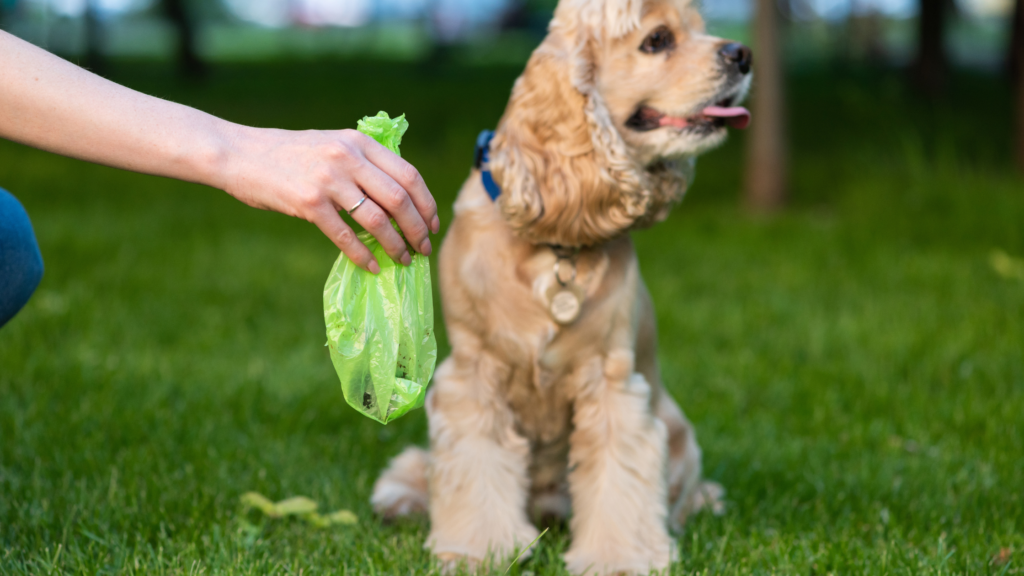
Instead of burning, it is best to consider safe and eco-friendly alternatives for disposing of dog poop, such as bagging it and placing it in designated waste bins.
Responsible waste management practices help protect our health and the environment.
Is it Safe and Legal to Burn Dog Poop?
We’re here to shed some light on whether it’s safe and legal to set dog poop ablaze. Before you gather your matches and lighter fluid, let’s explore the ins and outs of this fiery matter.
Regarding the legality of burning dog poop, it’s crucial to understand that regulations vary depending on where you live.
Some areas have strict laws prohibiting open burning, including burning organic waste like dog poop.
These regulations aim to protect the environment, prevent air pollution, and maintain community health and cleanliness.
To avoid any legal issues, it’s essential to familiarize yourself with the local laws and regulations regarding waste disposal.
Now, let’s talk about safety concerns. Burning dog poop can pose potential health risks and hazards, so it’s essential to consider them.
When organic waste burns, it releases toxic fumes and particles.
Inhaling these fumes can irritate the respiratory system and cause discomfort, especially for individuals with pre-existing respiratory conditions.
The smoke produced during the burning process can also carry unpleasant odors that can linger in the surrounding area.
Furthermore, burning dog poop may not eliminate all the pathogens present in the waste.
Some bacteria and parasites can withstand the combustion process and survive, potentially leading to the spread of diseases and contamination of the environment.
This can pose risks not only to humans but also to other animals and wildlife in the vicinity.
Proper waste management is of utmost importance when handling dog poop.
We must prioritize the health and well-being of ourselves, our pets, and the environment. Instead of burning, there are safer and more responsible methods for disposing of dog waste.
By bagging the waste and disposing of it in designated waste bins, we can prevent the release of harmful substances into the air and minimize the risk of contamination.
Some areas may have specific guidelines for dog waste disposal, such as using biodegradable bags or separate waste collection systems.
Following these guidelines ensures we do our part to maintain cleanliness and protect the environment.
So, is it safe and legal to burn dog poop? The answer may vary depending on your location and local regulations.
However, considering the potential health risks and the importance of responsible waste management, exploring alternative disposal methods that prioritize safety and environmental sustainability is recommended.
Let’s keep our surroundings clean, our air fresh, and our communities healthy by making informed choices when handling dog waste.
Burning Dog Poop in a Burn Barrel
Burning dog poop in a burn barrel is a method that some people consider for waste disposal. Let’s examine this practice, its advantages and disadvantages, and whether it suits burning dog poop.
1. The Burn Barrel Method
A burn barrel is a metal container designed explicitly for burning waste. It typically has small ventilation holes or slots to facilitate air circulation. Here’s what you need to know about burning dog poop in a burn barrel:
a. Waste Incineration: Burning dog poop in a burn barrel involves placing the waste inside the barrel and igniting it. As the waste burns, it becomes ash, reducing its volume and mass.
b. Efficient Combustion: The design of a burn barrel promotes efficient combustion by allowing sufficient airflow to support the burning process. This helps minimize the amount of smoke and unburned waste produced.
c. Waste Reduction: Burning dog poop in a burn barrel can significantly reduce the amount of waste that would otherwise end up in landfills or other disposal methods.
2. Advantages of Using a Burn Barrel
a. Waste Volume Reduction: Burning dog poop in a burn barrel can effectively reduce the volume of waste, making it more manageable and potentially reducing the frequency of waste disposal.
b. Convenient and Accessible: Burn barrels are relatively easy to obtain, and burning waste is straightforward.
c. Potential Pest Control: Burning dog waste may help eliminate or deter pests attracted to the odor or waste materials.
3. Disadvantages and Considerations
a. Air Pollution: Burning any type of waste, including dog poop, releases pollutants into the air. The combustion process produces smoke, particulate matter, and potentially harmful gases, which can contribute to air pollution and have adverse health effects.
b. Odor and Nuisance: Burning dog poop can generate strong odors, which may cause discomfort for you and your neighbors. Considering the impact on the surrounding environment and nearby households is essential.
c. Legal Restrictions: Using burn barrels for waste disposal may be subject to local regulations and restrictions. Before burning dog poop in a burn barrel, comply with applicable laws or ordinances.
4. Can You Burn Dog Poop in a Burn Barrel?
The permissibility of burning dog poop in a burn barrel varies depending on your location and local regulations.
You must check with your local authorities to determine if burning dog waste in a burn barrel is allowed in your area.
However, even if it’s permissible, it’s crucial to consider the potential environmental and health impacts associated with burning waste.
Exploring alternative waste disposal methods that are more environmentally friendly and reduce air pollution should be encouraged.
Remember, responsible waste management is critical to protecting our environment and ensuring the well-being of our communities.
While burning dog poop in a burn barrel may seem like a quick solution, weighing the advantages and disadvantages and making an informed decision that aligns with local regulations and promotes sustainable waste management practices is essential.
Burning Dog Poop in a Fire Pit
The idea of burning dog poop in a fire pit might have crossed your mind as a possible waste disposal method.
However, it’s essential to consider the appropriateness and potential issues associated with this approach.
Let’s delve into the topic and address the question: Can you burn dog poop in a fire pit?
1. Appropriateness of Burning Dog Poop in a Fire Pit
Fire pits are typically designed for recreational purposes, such as enjoying warmth and ambiance.
While they can effectively burn organic materials like firewood, burning dog poop in a fire pit presents different considerations.
2. Potential Issues and Concerns
a. Odor and Smoke: Dog waste emits strong odors when burned, which can be unpleasant and potentially disruptive to the surrounding environment. Burning dog poop can also release smoke that may irritate your eyes and respiratory system.
b. Air Quality and Pollution: Burning dog poop in a fire pit can contribute to air pollution. The combustion process releases pollutants into the air, including particulate matter and potentially harmful gases, which can have adverse health and environmental effects.
c. Fire Pit Damage: Dog waste contains various substances that can be harmful when burned. The release of certain chemicals and compounds can cause damage to the fire pit itself, affecting its performance and longevity.
3. Health and Safety Considerations
Burning dog poop can pose health risks due to releasing toxic substances and pathogens.
Inhaling the smoke or being exposed to the fumes can harm your health.
When considering waste disposal methods, it’s essential to prioritize the well-being and safety of yourself and others.
4. Alternative Waste Disposal Methods
Instead of burning dog poop in a fire pit, exploring safer and more environmentally friendly options is recommended. These alternatives include:
a. Bagging and Bin Disposal: Use biodegradable bags to collect dog waste and dispose of it in designated bins. This helps prevent the spread of pathogens and minimizes environmental impact.
b. Pet Waste Composting: Consider composting dog poop using specific systems designed to handle animal waste. This process promotes natural decomposition and can produce nutrient-rich compost for non-edible plants.
c. Professional Waste Removal Services: Specialized pet waste removal services are available in some areas. These services handle the collection and responsible disposal of dog waste, ensuring proper sanitation and environmental practices.
While a fire pit may seem convenient for burning dog poop, it’s essential to consider the appropriateness, potential issues, and health risks involved.
Protecting air quality, minimizing environmental impact, and ensuring the safety of yourself and others should be paramount.
By adopting alternative waste disposals methods such as bagging and bin disposal or pet waste composting, you can contribute to a cleaner environment and prioritize the health and well-being of your community.
Responsible waste management is crucial for maintaining a healthy and sustainable living environment for humans and animals.
Health Risks of Burning Dog Poop
Let’s dive into the fiery world of burning dog poop and uncover the potential health risks that lurk in the smoke.
While it may seem like a quick and convenient way to dispose of your furry friend’s waste, there are some hazards you need to be aware of.
One primary health risk of burning dog poop is inhaling smoke.
When organic waste burns, it releases toxic fumes and particles into the air.
These airborne pollutants can irritate the respiratory system, leading to coughing, wheezing, and shortness of breath.
Exposure to these pollutants can exacerbate their symptoms and pose a significant health threat for individuals with underlying respiratory conditions like asthma or chronic obstructive pulmonary disease (COPD).
But that’s not all. The smoke from burning dog poop can contain various harmful substances and toxins.
These toxins can include volatile organic compounds (VOCs), chemicals that vaporize at room temperature and can adversely affect human health.
Prolonged exposure to VOCs can lead to headaches, dizziness, nausea, and even more severe respiratory and neurological problems.
Additionally, burning dog poop may not eliminate all the pathogens present in the waste.
Some bacteria and parasites can withstand the heat of combustion and survive, posing a risk of spreading diseases to humans and animals.
These pathogens can contaminate the air, soil, and water, potentially leading to infections and other health complications.
To safeguard your health and the well-being of those around you, avoiding inhaling the smoke produced by burning dog poop is crucial.
If you find yourself in a situation where burning is the only option, take necessary precautions, such as wearing a protective mask and ensuring proper ventilation to minimize exposure to the smoke.
However, it’s important to note that burning dog poop is not the recommended method for waste disposal due to these health risks.
There are safer and more environmentally friendly alternatives that can help protect your health and preserve our air quality.
By bagging dog waste and disposing of it in designated waste bins, you can prevent the release of harmful pollutants and minimize the risk of respiratory irritation and infections.
Additionally, some communities provide specific waste collection services for pet waste, allowing for proper treatment and disposal.
So, when it comes to burning dog poop, it’s essential to weigh the potential health risks and opt for safer disposal methods that prioritize your well-being and the environment’s health.
Let’s make responsible choices that keep us and our surroundings healthy and thriving.
Environmental Impacts of Burning Dog Poop
Let’s venture into the world of environmental consequences and shed light on the impact of burning dog poop.
While it may seem convenient to dispose of waste, this fiery act can harm our precious environment.
One of the primary environmental concerns associated with burning dog poop is air pollution.
When dog waste is set ablaze, it releases a plume of smoke filled with harmful pollutants into our air.
These pollutants include particulate matter, nitrogen oxides, and volatile organic compounds (VOCs). When these substances mingle with the atmosphere, they contribute to smog formation and harmful ground-level ozone.
The release of particulate matter during burning can lead to reduced air quality.
These tiny particles can be inhaled deep into our lungs, causing respiratory issues and aggravating conditions like asthma and allergies.
Moreover, they can also settle on plants, bodies of water, and soil, disrupting ecosystems and impacting the overall health of our environment.
Burning dog poop also contributes to the emission of greenhouse gases, such as carbon dioxide and methane.
These gases trap heat in the atmosphere, leading to global warming and climate change.
As responsible inhabitants of this beautiful planet, we must take steps to minimize our carbon footprint and reduce the release of greenhouse gases.
Furthermore, burning dog poop does not ensure the destruction of pathogens and parasites in the waste.
Some harmful microorganisms can survive combustion and find their way into the environment.
This poses a risk to water bodies, soil quality, and the health of other animals that come into contact with contaminated areas.
To mitigate the environmental impacts of dog poop disposal, exploring alternative methods that prioritize sustainability is essential.
Bagging the waste and disposing it in designated waste bins is a responsible choice that prevents air pollution, protects water sources from contamination, and reduces the release of greenhouse gases.
Another eco-friendly option is composting. Composting dog poop using proper techniques can transform it into nutrient-rich fertilizer for non-edible plants.
However, it’s crucial to note that composting dog waste requires specific precautions and should not be mixed with regular household compost.
Ultimately, by choosing environmentally friendly disposal methods, we can minimize the adverse impacts on air quality, reduce greenhouse gas emissions, and protect the health and vitality of our ecosystems.
Let’s be mindful stewards of the environment and make conscious choices that leave a positive and lasting impact on our planet.
Regarding the responsible and eco-conscious disposal of dog poop, there are several safe and environmentally friendly alternatives to burning.
Let’s explore the best ways to bid farewell to your furry friend’s waste while keeping our surroundings clean and healthy.
1. Bagging and Binning
One of the simplest and most widely practiced methods is bagging dog poop and disposing it in designated waste bins.
Use biodegradable or compostable bags to minimize environmental impact.
By sealing the waste in a bag, you prevent potential contamination and ensure proper containment until it reaches a suitable waste management facility.
2. Pet Waste Stations
Many parks, trails, and public areas have pet waste stations.
These stations typically provide bags and waste bins designed for dog poop disposal.
Be sure to utilize these facilities whenever they are available to maintain cleanliness and prevent pollution.
3. Pet Waste Composting
Composting dog poop is an eco-friendly option to turn waste into nutrient-rich fertilizer.
However, it is essential to approach this method with caution.
Dog waste contains pathogens that may not be eliminated through regular composting.
To safely compost dog poop, use a dedicated composting system designed specifically for pet waste.
This helps ensure that the composting process reaches high enough temperatures to kill off harmful bacteria and parasites.
4. Professional Pet Waste Removal Services
You can hire professional pet waste removal services if you prefer a hassle-free approach.
These companies specialize in regularly cleaning and disposing dog waste from your yard.
They have the expertise and equipment to handle the waste responsibly and ensure environmental regulations dispose of it.
5. Flushable Dog Poop Bags
Another option gaining popularity is the use of flushable dog poop bags.
These innovative bags are designed to dissolve and disintegrate in water, allowing you to flush the waste down the toilet.
However, it’s essential to check local regulations and ensure your plumbing system can handle the flushing of pet waste before opting for this method.
Remember, it’s crucial to prioritize proper disposal of dog poop to prevent contamination of water sources, maintain clean public spaces, and minimize the spread of diseases.
By adopting these best practices, you contribute to a healthier environment and promote responsible pet ownership.
Be aware of local regulations and guidelines regarding dog waste disposal, as they may vary in different regions.
Let’s show our furry friends and the planet some love by choosing the best and most sustainable ways to dispose of dog poop.
Composting Dog Poop
Composting Dog Poop
Composting dog poop is not only an environmentally friendly method of disposal but also a way to harness its potential as a valuable resource.
Understanding the process and taking necessary precautions can turn dog waste into nutrient-rich compost for your plants or gardens.
Let’s explore how you can compost dog poop effectively and responsibly.
1. The Composting Process
Composting is a natural decomposition process that converts organic waste into nutrient-rich soil amendments.
When composting dog poop, creating a separate composting system specifically for pet waste is essential to ensure safety and prevent contamination.
Here’s how the composting process typically works:
a. Choose a Dedicated Composting Area: Select a well-ventilated and secluded area in your yard for composting. Ensure it is away from edible plants and water sources to avoid contamination.
b. Collect Dog Poop: Collect the dog poop in a dedicated composting container or bin. Only use compostable bags if they are specifically designed for pet waste composting.
c. Layering: Alternate layers of dog waste with carbon-rich materials such as dry leaves, straws, or wood chips. This helps create the right balance of nitrogen and carbon in the compost pile.
d. Moisture and Aeration: Maintain the moisture level in the compost pile by occasionally watering it. Additionally, turning or aerating the pile helps promote decomposition and prevents unpleasant odors.
e. Time and Temperature: Composting dog poop requires time and patience. The process typically takes several months to a year to complete. It’s essential to ensure the compost reaches a temperature of at least 140°F (60°C) to kill potential pathogens.
f. Mature Compost: Once the composting process is complete, the dog poop transforms into a dark, crumbly, and earthy-smelling material. This mature compost can be used as a soil amendment for non-edible plants or as a top lawn dressing.
2. Considerations and Precautions
While composting dog poop can be a sustainable practice, it’s crucial to consider some essential factors and take necessary precautions:
a. Avoid Using Compost on Edible Plants: Due to the potential presence of harmful bacteria and pathogens, it is not recommended to use compost derived from dog waste on plants intended for human consumption.
b. Use the Compost Appropriately: Apply the compost only to non-edible plants and avoid direct contact with fruits, vegetables, or herbs. Keeping the compost away from children’s play areas is also advisable.
c. Pet Medication and Chemicals: If your dog is on medication or has been treated with chemicals, it’s best to avoid composting its waste. These substances can persist in the compost, adversely affecting plants and soil health.
d. Regular Monitoring: Regularly monitor the compost pile to ensure it maintains the correct moisture level, proper aeration, and Temperature. This helps promote efficient decomposition and reduces the risk of odors or pests.
Following these considerations and precautions, you can safely and effectively compost dog poop, turning it into a beneficial soil amendment while minimizing environmental impact.
Remember, composting dog waste is only suitable for some, and it may not be allowed in certain areas due to local regulations or limitations.
If composting is not viable, consider alternative waste disposal methods such as bagging and binning or using professional pet waste removal services.
Composting dog poop offers a sustainable way to reduce waste, enrich soil, and contribute to a healthier environment. Join the movement and explore the potential of composting as a responsible dog owner!
Producing Biogas from Dog Poop
Producing Biogas from Dog Poop
Did you know that dog poop can be a potential renewable energy source?
It’s true! By harnessing the power of bacteria and decomposition, you can transform dog waste into biogas—a valuable energy resource.
Let’s delve into the fascinating world of biogas production from dog poop and learn how you can contribute to a greener future.
1. The Biogas Production Process
Biogas is a mixture of methane and carbon dioxide generated through the anaerobic digestion of organic materials.
This process occurs in a controlled environment called a biogas digester.
Here’s how you can produce biogas from dog poop:
a. Biogas Digester Setup: Start by setting up a small-scale biogas digester in your backyard or garden. It can be a dedicated container or a specially designed system promoting anaerobic digestion.
b. Collect Dog Poop: Collect the dog poop and add it to the biogas digester. It’s important to remember that only dog waste should be used in this process to ensure the right balance of organic matter.
c. Additional Feedstock: To enhance biogas production, add other organic materials such as kitchen scraps, grass clippings, or agricultural waste to the digester. This helps create a diverse mix of organic matter and boosts biogas yield.
d. Anaerobic Digestion: The microorganisms present in the digester break down the organic matter, including dog poop, in the absence of oxygen. This process produces methane gas, which is the main component of biogas.
e. Gas Collection and Utilization: Capture the biogas produced in the digester using a gas collection system. This can be a simple setup with pipes and valves directing the gas to a storage tank, gas stove, heater, or other gas-powered appliances.
2. Requirements and Limitations
While producing biogas from dog poop may sound exciting, it’s essential to consider the following requirements and limitations:
a. Digester Design and Size: The size and design of the biogas digester should be appropriate for the amount of dog waste generated. Smaller systems may be sufficient for a single dog, while larger systems are required for multiple dogs or higher waste volumes.
b. Temperature and pH: The anaerobic digestion process is temperature-sensitive, typically requiring temperatures between 90°F (32°C) and 120°F (49°C). Maintaining the optimal pH range of 6.5 to 8.5 is crucial for efficient biogas production.
c. Waste-to-Biogas Ratio: A proper waste-to-biogas ratio is essential for optimal performance. Too much or too little dog waste about other feedstock can affect gas production and overall efficiency.
d. Maintenance and Monitoring: Regular maintenance and monitoring of the biogas digester are necessary to ensure proper functioning. This includes monitoring gas production, Temperature, and pH levels and managing potential issues, such as clogging or imbalances.
e. Scale and Local Regulations: Remember that biogas production from dog poop is typically suitable for small-scale setups. Before starting a biogas project, check local regulations, permits, and any restrictions that may apply to biogas production in your area.
While producing biogas from dog poop offers a sustainable energy solution, it requires careful planning, knowledge, and commitment to maintenance.
It may only be suitable or feasible for some, particularly in urban or regulated environments.
If you’re passionate about renewable energy and want to explore alternative ways to reduce waste, producing biogas from dog poop can be an intriguing option.
In conclusion, burning dog poop as a disposal method poses various risks and concerns.
Throughout this article, we have explored this practice’s potential environmental and health impacts.
It is essential to prioritize responsible waste management to ensure the well-being of both ourselves and the environment.
Burning dog poop can release harmful toxins and contribute to air pollution, affecting our health and the ecosystem.
The odors and smoke produced can be unpleasant and disruptive, while the chemicals in dog waste can damage fire pits and other burning equipment.
Instead of burning, we should consider safer and more eco-friendly alternatives.
Bagging dog poop and disposing of it in designated waste bins is a simple and effective solution that helps prevent the spread of pathogens and keeps our surroundings clean.
Composting dog poop using specialized systems can also promote natural decomposition and yield nutrient-rich compost for non-edible plants.
By adopting responsible waste management practices, we protect our health and contribute to a cleaner and more sustainable environment.
Our collective responsibility is to prioritize the well-being of our communities and the ecosystems we inhabit.
Remember that our choices in disposing of dog waste can significantly impact.
By embracing safe and environmentally friendly alternatives, we can ensure a healthier future for ourselves, our furry friends, and the planet we call home.
Together, let’s make a positive difference through responsible waste management practices.
Have you ever wondered if dogs possess a hidden strength that surpasses our own? It’s a fascinating question that has captured the curiosity of many.
While dogs are renowned for their agility, power, and loyalty, the notion of them being more robust than humans often sparks debate and intrigue.
In this article, we delve into this fascinating topic, aiming to debunk the myth and uncover the truth behind the perception of canine strength.
The question “Are dogs stronger than humans?” leads us on a quest to explore the comparative strength of these two species.
By examining various aspects of strength and dispelling common misconceptions, we aim to provide you with an enlightening and engaging perspective on the subject.
So, fasten your seatbelts as we embark on this journey to unravel the truth about the strength of dogs versus humans.
Prepare to challenge your preconceived notions and gain a deeper understanding of both species’ unique abilities. Let’s dive in and explore the captivating world of canine strength!
Unveiling Canine Strength: The Power Behind Those Paws
Unveiling Canine Strength: The Power Behind Those Paws
Regarding physical strength, dogs possess remarkable attributes that set them apart from humans.
One key factor contributing to their strength is their unique muscle structure.
Dogs have a higher muscle mass-to-body weight ratio than humans, allowing them to generate impressive force and power in their movements.
But it’s not just about muscle mass.
Dogs also excel in endurance, thanks to their superior cardiovascular systems.
They can sustain physical activity for extended periods, making them ideal companions for running, herding, and even search and rescue operations.
One fascinating aspect of canine strength is their specialized features.
For instance, dogs have powerful jaws equipped with sharp teeth, which allows them to exert tremendous biting force.
Certain dog breeds, like the German Shepherd or the Rottweiler, are known for their bite strength, making them valuable in roles such as police or guard dogs.
When comparing the strength-to-size ratio, dogs often appear relatively stronger than humans.
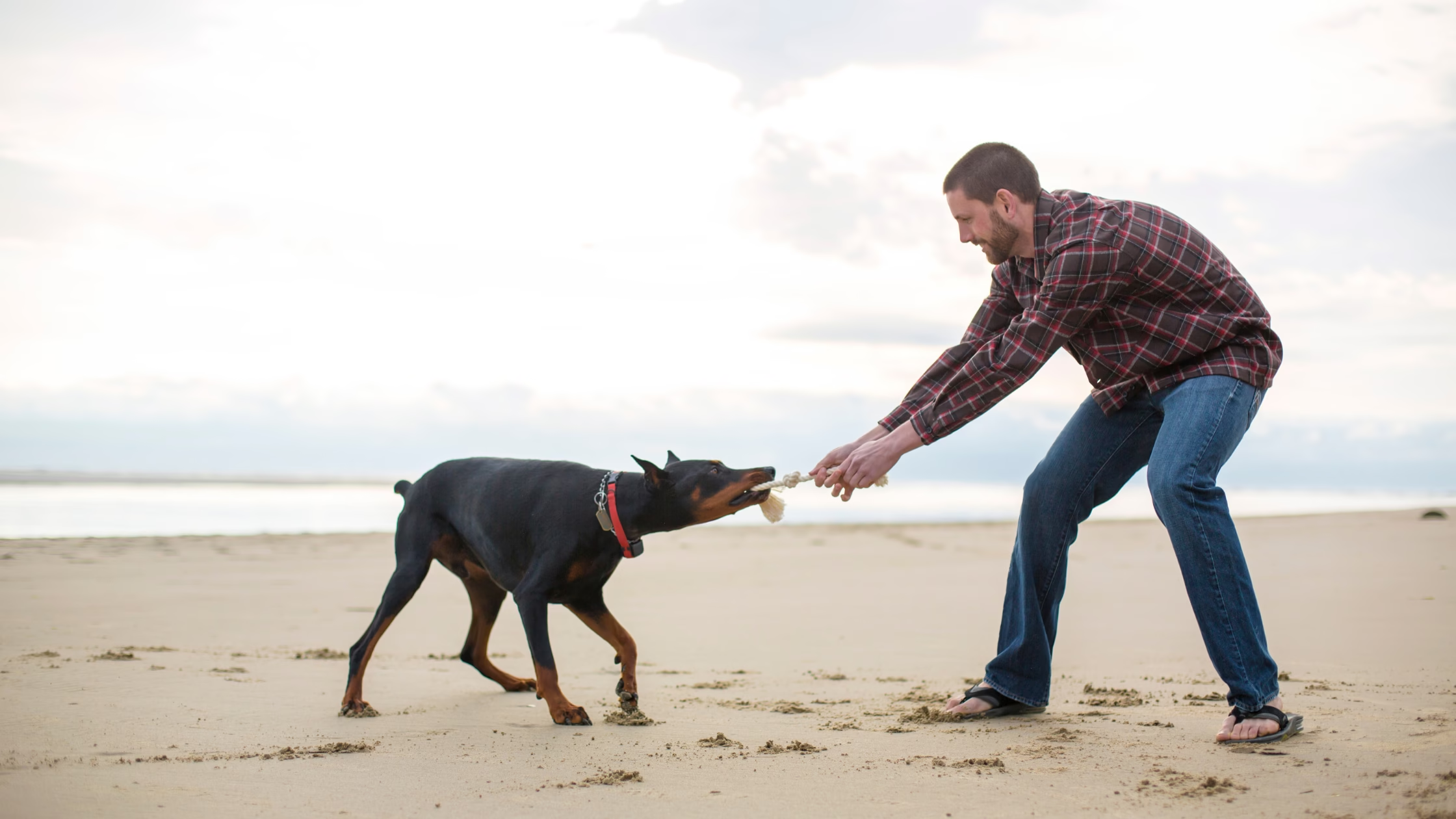
Consider a scenario where a small-sized dog effortlessly pulls a person during a game of tug-of-war.
This visual spectacle can lead to the misconception that dogs are inherently stronger.
However, it’s essential to note that the size and weight of the individual dog, as well as their specific breed characteristics, contribute to these instances of apparent strength.
Speaking of breeds, there are certain dog breeds renowned for their impressive strength and working capabilities.
Take the Siberian Husky, known for its ability to pull heavy sleds across vast distances in harsh winter conditions.
The muscular build and endurance of these dogs are awe-inspiring. Similarly, Saint Bernard, famous for their rescue efforts in the snowy Alps, showcases remarkable strength and stamina.
So, while dogs possess unique physical attributes and can exhibit relative strength, it’s crucial to remember that human strength lies in different areas.
Our ability to reason, use tools, and adapt to complex situations sets us apart.
Dogs and humans excel in different domains, each harnessing their strengths in their respective roles.
In the next section, we will explore strength’s mental and emotional aspects, shedding light on the remarkable bond between dogs and humans.
Stay tuned as we unveil the incredible depths of canine strength beyond the physical realm.
Human Advantages: Unleashing the Power of the Human Mind
Human Advantages: Unleashing the Power of the Human Mind
While dogs possess impressive physical strength, humans have their own set of advantages that make us unique and formidable beings.
Our greatest strength lies in the power of our minds. The human brain is a marvel of complexity, enabling us to surpass dogs in various aspects.
Cognitive Abilities
Humans have an exceptional capacity for cognition, including advanced thinking, reasoning, and problem-solving skills.
Our ability to analyze complex situations, think critically, and develop innovative solutions is unparalleled.
On the other hand, dogs rely more on instinct and basic problem-solving abilities.
Adaptability
Humans possess remarkable adaptability, allowing us to thrive in diverse environments and situations.
Our ability to learn and adapt to new challenges gives us an edge over dogs, whose behavior and capabilities are more limited by their genetic traits and training.
Language and Communication
Humans have developed sophisticated language systems that enable us to communicate complex ideas, emotions, and experiences.
This linguistic prowess allows us to collaborate, share knowledge, and coordinate efforts on a large scale.
While dogs can understand commands and communicate through body language, their communication abilities are limited compared to the richness and depth of human language.
Technological Advancements
Humans have harnessed their cognitive abilities to create groundbreaking technologies that have transformed the world.
Our capacity for innovation and technological advancement is unparalleled, from inventing tools and machines to developing advanced medical treatments and exploring space.
Despite their remarkable abilities, dogs cannot match the ingenuity and progress human civilization achieves.
Achievements and Accomplishments
Throughout history, humans have achieved extraordinary feats demonstrating superior strength in various fields.
From scientific discoveries and artistic creations to athletic accomplishments and intellectual breakthroughs, humans have pushed the boundaries of what is possible.
These achievements highlight the incredible potential and limitless possibilities that arise from the power of the human mind.
While dogs possess physical strength and specific specialized skills, humans harness the strength of our intellect, adaptability, and accomplishments to shape the world around us.
Our ability to innovate, create, and collaborate sets us apart. It propels us forward in our quest for progress and excellence.
In the following section, we will delve into the unique bond between humans and dogs, exploring this special connection’s emotional and relational strengths.
Brace yourself for heartwarming tales and fascinating insights into the power of companionship and loyalty.
The Bond between Dogs and Humans: An Unbreakable Connection
Beyond physical strength, the bond between humans and dogs is a testament to the power of emotional connection and partnership. Dogs have woven themselves into the fabric of human society, becoming our loyal companions and indispensable partners in various aspects of life.
Loyalty and Devotion
Dogs are renowned for their unwavering loyalty and unconditional love.
They form deep attachments to their human counterparts, forging a bond that transcends words.
Whether through wagging tails, comforting cuddles, or vigilant guardianship, dogs have an innate ability to provide emotional support and companionship.
Dogs have an incredible knack for brightening our lives and lifting our spirits.
Their presence alone can bring joy, alleviate stress, and provide comfort during difficult times.
The simple act of petting a dog has been scientifically proven to release endorphins and reduce anxiety.
Dogs often serve as trusted confidants, offering a listening ear without judgment.
Assistance and Service
Dogs have an extraordinary capacity to assist humans in various activities.
From guide dogs aiding individuals with visual impairments to service dogs supporting those with physical disabilities, these remarkable animals enhance our quality of life.
They can be trained to perform specific tasks, provide emotional support, and even detect life-threatening conditions such as seizures or allergies.
Working Dogs
Dogs are not only our beloved companions but also valuable contributors to society.
Their innate abilities and specialized training make them indispensable in search and rescue, law enforcement, and therapy work.
Whether a search dog locating missing persons or a therapy dog comforting hospital patients, these four-legged heroes showcase their unique strengths in serving humanity.
Sports and Recreation
Dogs have become enthusiastic participants in various sports and recreational activities, showcasing their agility, speed, and intelligence.
From competitive dog shows to canine sports like agility, obedience, and flyball, these events celebrate our canine friends’ incredible skills and abilities.
The synchronized movements and shared triumphs show the bond between human handlers and their dogs.
Complementary Strengths
The partnership between humans and dogs is a remarkable synergy, where each species complements the strengths and weaknesses of the other.
While dogs offer unwavering loyalty, heightened senses, and remarkable physical capabilities, humans provide love, care, and intellectual stimulation.
Together, we form a dynamic duo, relying on each other’s unique qualities to navigate life’s journey.
In the final section, we will explore fascinating anecdotes and incredible tales that highlight the extraordinary lengths dogs go to protect, serve, and bring joy to the lives of their human companions.
Prepare to be amazed by the stories showcasing our beloved canine friends’ indomitable spirits and incredible hearts.
Are dogs stronger than humans? – Debunking the Myth: Exploring the Truth
Throughout this article, we have delved into the fascinating world of canine and human strength, debunking misconceptions and shedding light on the unique qualities each possesses.
Let’s address the burning question: “Are dogs stronger than humans?”
While it may seem that dogs possess impressive physical strength in certain aspects, it is essential to understand that comparing the strength of dogs and humans is like comparing apples and oranges.
Dogs have specialized features, muscular structures, and endurance to excel in specific areas. On the other hand, humans have cognitive abilities, problem-solving skills, and adaptability that set us apart.
Dogs exhibit tremendous strength-to-size ratios and have been known to accomplish incredible feats.
They can pull heavy loads, display remarkable agility, and demonstrate exceptional senses.
However, humans hold an advantage regarding overall strength and abilities.
Our cognitive prowess and adaptability have enabled us to conquer challenges, build civilizations, and achieve remarkable feats in various fields.
From technological advancements to intellectual and creative endeavors shaping our world, humans continue to push boundaries and exceed expectations.
But let’s not forget the true essence of this discussion—the unbreakable bond between dogs and humans.
While strength is necessary, it is just one piece of the puzzle. Dogs offer loyalty, companionship, and emotional support that cannot be measured in physical terms alone.
They bring us immeasurable joy and comfort, reminding us of the power of love and connection.
In conclusion, whether dogs are stronger than humans can be answered with a resounding “No.”
Humans possess unique strengths beyond physicality, while dogs bring their remarkable qualities to the table.
Instead of comparing and contrasting, let us appreciate the beauty of the symbiotic relationship between dogs and humans, celebrating how we complement and uplift one another.
So, the next time you marvel at a dog’s strength or witness the incredible achievements of humanity, remember that true strength lies not just in physicality but in the bonds we forge, the love we share, and the unyielding spirit that drives us forward.
In this captivating journey, we have explored whether dogs are stronger than humans, unraveling the truth behind the perception. Let’s take a moment to recap the main points we’ve discovered.
We began by unveiling the physical attributes contributing to a dog’s strength, highlighting its muscle structure, endurance, and specialized features.
We marveled at their strength-to-size ratio and explored specific dog breeds known for their impressive power.
Yet, we also acknowledged humans’ unique advantages, including cognitive abilities, problem-solving skills, and adaptability, that surpass those of dogs.
Shifting gears, we delved into the emotional realm, where the true essence of strength emerged—the bond between dogs and humans.
We celebrated the loyalty, companionship, and unwavering support dogs offer.
From service dogs aiding those in need to furry companions brightening our everyday lives, dogs have a unique role in our world.
As we conclude our exploration, let us embrace a broader perspective.
Instead of pitting dogs against humans in a contest of strength, let us appreciate the distinct qualities and strengths each brings.
Dogs exhibit physical prowess that awes us, while humans possess the ingenuity and achievements that shape our world.
In the grand tapestry of life, the unity of our strengths truly shines.
The bond shared between humans and dogs transcends mere physical strength. It is a connection built on trust, companionship, and love.
Together, we create a harmonious symphony where the qualities of one species enhance and elevate the other.
So, dear reader, as you ponder who is stronger, dogs or humans, remember that true strength lies not solely in muscle but in our capacity to care, protect, and inspire.
Let us celebrate the incredible partnership between dogs and humans, cherishing the extraordinary bond that unites us in a world where strength finds its fullest expression through unity.
You should know the local law about barking dogs if you own a dog in Stockbridge, Georgia. If the issue is not appropriately handled, excessive barking can be a nuisance to the neighborhood and have legal repercussions. We’ll thoroughly explain What is the ordinance for barking dog in stockbridge georgia? in this enlightening article. We will discuss the rules, conditions, and penalties for barking dogs in this area.
What is the ordinance for barking dog in Stockbridge Georgia
What is the ordinance for barking dog in Stockbridge Georgia
The barking dog ordinance in Stockbridge, Georgia, prohibits the excessive barking of dogs inside the city’s boundaries.
The goal of the regulation is to preserve residential areas’ peace and quiet and stop problems brought on by frequent dog barking.
It outlines particular rules and obligations for dog owners to ensure that their canines don’t cause a disturbance by barking excessively.
According to the regulation, dog owners must take the appropriate steps to stop their pets from barking excessively and upsetting the peace.
This includes ensuring their dogs are appropriately identifiable with tags or microchips, properly contained on their property, and not permitted to bark excessively, particularly at night.
The law forbids dog owners from letting their dogs constantly bark for more than 10 minutes or sporadically for more than 30 minutes to prevent neighboring properties from enjoying their quiet time in peace.
The Stockbridge, Georgia, barking dog ordinance also specifies possible penalties for dog owners who break the law.
Depending on the seriousness and frequency of the offense, this can entail getting warnings, penalties, or other legal proceedings.
To avoid legal problems and preserve good relations with their neighbors, dog owners must be informed of the precise criteria and penalties established in the code.
The law offers instructions on actions dog owners can take to solve the issue of barking dogs.
This may involve training, methods for changing a dog’s behavior, consulting with trainers or veterinarians for advice, or employing anti-barking equipment given the ordinance’s approval.
To avoid inconveniences brought on by excessive dog barking and to maintain a peaceful neighborhood, it is crucial for dog owners in Stockbridge, Georgia, to become aware of the barking dog ordinance and assure compliance with its provisions.
Dog Owner Requirements Under the Barking Dog Ordinance
Proper Identification: Under the ordinance, dog owners must ensure that their canines are correctly identified with tags or microchips. This makes it easier to track down the person who owns a barking dog and hold them accountable for any breaches.
Proper Confinement: Dog owners must confine their canines appropriately on their property to keep them from wandering off or causing trouble in nearby properties. This entails adequately sheltering the dog and securely enclosing the premises.
Prevention of Excessive Barking: Dog owners must take the appropriate steps to stop their pets from barking excessively. This involves using anti-barking tools given the go-ahead by the ordinance, as well as training and behavior modification strategies.
Time Restrictions: The code may limit when excessive dog barking is permitted, particularly at night when noise-sensitive individuals are more likely to be disturbed. Dog owners must control their dogs’ excessive barking during these allotted times.
Response to Citations and Fines: If a dog owner is issued a citation or fine for breaking the barking dog rule, they have a deadline to respond. Further legal action and sanctions could be taken against you if you don’t comply.
Requesting Professional Assistance: If a dog owner cannot remedy the issue of excessive barking on their own, the ordinance may force them to request assistance from trainers or veterinarians.
Cooperation with Authorities: When local authorities ask to respond to complaints about barking dogs, dog owners are obligated to comply and offer accurate information. Authorities may take further legal action if you don’t cooperate.
The Stockbridge, Georgia, barking dog ordinance contains precise criteria that dog owners must be aware of and follow to prevent problems brought on by excessive dog barking and to stay out of trouble with the law.
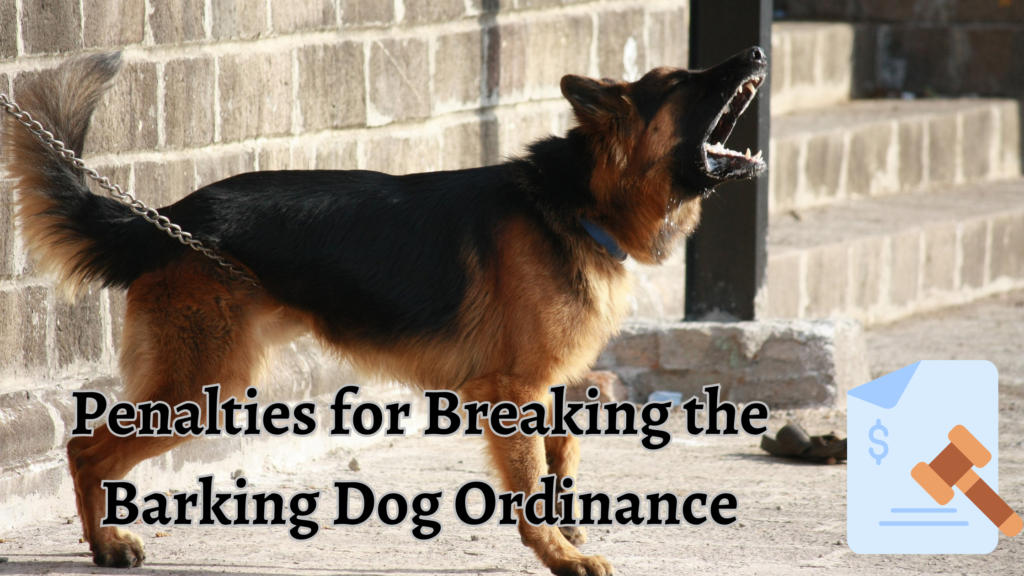
Penalties for Breaking the Barking Dog Ordinance
Penalties for Breaking the Barking Dog Ordinance
In Stockbridge, Georgia, penalties for breaking the barking dog law may include:
Penalties: The local government can punish dog owners who break the law. The fine amount may change depending on the seriousness and frequency of the infraction.
Legal Action: The dog owner who repeatedly violates the Barking Dog Ordinance may face court hearings and other legal actions. Additional fines, penalties, and legal costs could follow from this.
Animal Control Intervention: When the ordinance has been broken repeatedly, animal control officials may be asked to take action. This could entail pulling the dog off the owner’s land, imprisoning the dog, or doing something else to stop the barking.
Revocation of Dog Ownership Privileges: In extreme situations, persistent and serious violations of the Barking Dog Ordinance may lead to the revocation of the dog owner’s rights to maintain or own dogs in the neighborhood. The dog might then be taken from the owner’s care.
Strained Neighborly Relations: Continuous violations of the barking dog ordinance may strain neighborly ties, resulting in problems and disagreements with neighbors. This may impact the dog owner’s and affected neighbors’ general quality of life.
To avoid legal repercussions and maintain good relations with their neighbors and the community, dog owners must be aware of the penalties for breaking Stockbridge, Georgia’s Barking Dog Ordinance, and take the appropriate precautions to stop excessive canine barking.
You can take action to remedy the issue and adhere to the Barking Dog Ordinance if you are a dog owner in Stockbridge, Georgia, and experiencing barking dog concerns. You can take a few different actions, such as:
Determine the Root Cause: Understanding the reason behind your dog’s excessive barking is the first step in finding a solution. Is your dog distressed, bored, or hurt? Implementing suitable solutions can help you figure out the root cause.
Training and Socialisation: Good socialization and training help reduce excessive barking. To assist your dog in becoming well-mannered and self-assured, enroll them in obedience training programs and expose them to various locations and social situations.
Give Your Dog Mental and Physical Stimulation: Giving your dog mental and physical stimulation helps keep them occupied and lessens barking that results from boredom. Give them games, puzzles, and other things to keep their minds and bodies active.
Use Positive Reinforcement: Use positive instead of negative reinforcement, which can worsen barking problems. Instead, reward and reinforce desired behaviors by using prizes, compliments, and attention.
Seek Professional Assistance: If your dog’s barking doesn’t stop despite your best efforts, consider hiring a dog trainer or behaviorist. They can evaluate your dog’s behavior and offer specialized remedies for the problem.
Think About Soundproofing Measures: To reduce the noise that reaches your neighbors, especially if you live in an apartment or near proximity to them, think about soundproofing techniques like weatherstripping, window sealing, and installing soundproof drapes.
Communicate with Neighbors: Maintain open lines of communication with your neighbors and address any issues they may have regarding your dog’s barking. Find a courteous, mutually agreeable solution by working together.
You can abide by the Stockbridge, Georgia Barking Dog Ordinance, keep cordial relationships with your neighbors, and protect your dog’s welfare by adopting proactive measures to handle barking dog issues.
Support and Resources for Dog Owners
You have access to various services and support as a responsible dog owner in Stockbridge, Georgia, to assist you in adhering to the Barking Dog Ordinance and resolving any barking issues. Among the resources and assistance possibilities are the following:
City of Stockbridge Animal Control: If you’d like further details about the Barking Dog Ordinance, its criteria, and the penalties for breaking them, contact the City of Stockbridge Animal Control department. Additionally, they can assist in settling any complaints or disagreements and advise on how to handle barking dog problems.
Local veterinarians: Your neighborhood vet can offer helpful suggestions and direction on controlling your dog’s behavior, dealing with any underlying medical conditions that might be causing excessive barking, and advising suitable behavior modification or training methods.
Professional Dog Trainers and Behaviorists: Professional dog trainers and behaviorists in Stockbridge, Georgia, may offer customized training plans and methods for behavior modification to deal with barking problems. They can evaluate your dog’s behavior, pinpoint causes, and offer workable solutions.
Online Resources: Many online sources provide knowledge, advice, and methods for dealing with barking dog concerns, including articles, blogs, forums, and videos. These publications can give you insightful information and practical advice on controlling your dog’s behavior.
Community Support: Support your local community by getting involved with social media pages, neighborhood associations, or dog parks in Stockbridge, Georgia. Please contact other dog owners who have effectively dealt with similar barking difficulties and enlist their help.
Do not forget that good dog ownership entails proactively resolving any barking issues and abiding by local laws.
You may successfully control your dog’s behavior, uphold excellent ties with your neighbors, and guarantee the welfare of your furry buddy by making use of the resources and support that are readily available.
Conclusion
In conclusion, proper dog ownership requires knowledge of and adherence to the Stockbridge, Georgia, Barking Dog Ordinance.
You may effectively manage barking dog issues and keep good relations with your neighbors by becoming informed about the requirements of the ordinance, being proactive in managing your dog’s behavior, and making use of the resources and support that are readily available.
To ensure you are taking the right actions to handle any barking concerns and be a responsible and compassionate dog owner in Stockbridge, Georgia, keep in mind to contact local authorities, veterinarians, and expert dog trainers, and use online resources and community assistance.
Many pet owners love taking their dogs with them wherever they go, including on trips to the grocery store. But is it okay to bring your furry friend along when shopping at Kroger? Are Dogs Allowed in Kroger stores? In this article, we’ll explore the rules and regulations regarding dogs in Kroger stores and some tips for keeping your pup safe and happy while shopping.
Are Dogs Allowed in Kroger – Kroger’s policy on dogs in stores
Kroger’s policy on dogs in stores is quite clear – they only allow service animals. According to the Americans with Disabilities Act (ADA), service animals are dogs (or miniature horses) trained to do work or perform tasks for people with disabilities. These tasks can include anything from guiding the blind to alerting the deaf to retrieving items for someone with limited mobility.
Kroger’s policy aligns with the ADA regulations, which require businesses to allow service animals inside their premises. However, the policy does not extend to emotional support animals or pets, not considered service animals under the ADA. Therefore, if your dog is not a trained service animal, it will not be allowed inside Kroger stores.
It’s worth noting that even if your dog is a service animal, Kroger does require them to be under control and on a leash at all times. This ensures the safety of other customers, employees, and the service animal. In addition, if the dog’s behavior becomes disruptive, Kroger reserves the right to ask the customer to remove the animal from the store.
While Kroger does not allow pets or emotional support animals inside their stores, they follow the ADA regulations and allow trained service animals inside. If you have a service animal, following Kroger’s guidelines is essential to ensure a safe and joyous shopping experience for everyone involved.
Health and safety concerns for dogs in grocery stores
Allowing dogs in grocery stores like Kroger can pose health and safety concerns for both dogs and humans. Dogs may carry and spread harmful bacteria or parasites, and their presence can also trigger allergic reactions in some individuals. Moreover, dogs can be a distraction to other shoppers or employees. They may cause accidents, such as tripping or knocking over items.
In addition, grocery stores often have strict regulations regarding food safety and sanitation, and allowing dogs in the store may compromise these regulations. For example, dogs may accidentally contaminate food or surfaces with their saliva, urine, or feces. This can lead to foodborne illnesses or other health hazards for humans.
For these reasons, many grocery stores, including Kroger, do not allow dogs in their stores unless they are service animals. Service animals are trained to perform specific tasks for people with disabilities and are protected by law under the Americans with Disabilities Act (ADA). However, service animals must follow specific guidelines and be well-behaved while in the store.
Tips for bringing your dog to Kroger
If you’re planning to bring your dog to Kroger, here are some tips to make the experience safe and enjoyable for everyone:
Check with your local store: While Kroger’s policy allows dogs in stores, individual store managers may have different rules. Before bringing your dog to the store, it’s a good idea to call ahead and confirm that dogs are allowed.
Keep your dog on a leash: Even if your dog is well-behaved and friendly, keeping them on a leash to prevent potential accidents or incidents is essential.
Bring supplies: Bring water, a bowl, and waste bags for your dog. While Kroger may allow dogs, they don’t provide any pet supplies.
Be mindful of other shoppers: Not everyone is comfortable around dogs, so it’s essential to be respectful of other shoppers. Please keep your dog close to you and avoid letting them interact with other customers or their pets.
Know your dog: If your dog is easily stressed or anxious in busy or unfamiliar environments, it may be best to leave them at home. Only bring your dog to Kroger if you’re confident they can handle the experience without causing any issues.
By following these tips, you can ensure that you and your furry friend have a positive experience while shopping at Kroger.
If you’re unable to bring your dog to Kroger or prefer not to, there are several alternatives you can consider.
Leave your dog at home: If you’re only going to Kroger for a short period, leave it at home. This ensures that they’re safe and comfortable while you’re out running errands.
Take advantage of curbside pickup or delivery: Many Kroger stores offer curbside pickup or delivery services, a great option to avoid bringing your dog inside. You can order online and get your groceries to your car or delivered to your home.
Use a dog daycare or pet sitter: If you need to do a big grocery run or will be at Kroger for an extended period, consider using a dog daycare or pet sitter. This ensures your dog is cared for and entertained while you’re out and about.
Shop at a pet-friendly grocery store: If you’re set on bringing your dog along for the shopping trip, consider shopping at a pet-friendly grocery store. Some stores, such as Petco, allow dogs inside if they’re on a leash and well-behaved.
Conclusion: Can You Bring Your Dog to Kroger?
In conclusion, Kroger’s policy on dogs in stores varies depending on the location and local laws. Some Kroger stores allow dogs as long as they are well-behaved and on a leash, while others do not. It is essential to respect the store’s policy and consider the health and safety of your dog and the other customers and employees. If you decide to bring your dog to Kroger, follow the store’s rules and regulations, keep your dog on a leash, and clean up after them. Alternatively, consider leaving your dog at home or finding alternative pet-friendly stores.
A healthy digestive system is key to your dog’s overall health and well-being. Mycequin Probiotic for Dogs is a probiotic supplement that can help to keep your dog’s digestive system functioning properly.
Mycequin Probiotic for Dogs is a powerful probiotic formula that contains six different probiotic strains, which helps support a healthy balance of bacteria in your dog’s gut.
Mycequin Probiotic for Dogs also improves digestion and nutrient absorption. It can prevent and treat diarrhea, gas, and other gastrointestinal problems.
If you’re like most dog owners, you’re always on the lookout for ways to keep your furry friend healthy and happy.
And if you’ve heard about Mycequin probiotics for dogs, you may wonder if it’s a wise choice for your pup. Mequon is a probiotic supplement that helps to support your dog’s digestive health.
It contains a unique blend of probiotics and prebiotics that work together to promote the growth of healthy bacteria in your dog’s gut. This can help to improve digestive function and support overall health.
Mycequin probiotic is also made with natural ingredients, so it’s safe for dogs of all ages. And it comes in a convenient chewable tablet, so it’s easy to give to your pup.
If you’re looking for a probiotic supplement to support your dog’s digestive health, Mycequin probiotics may be a wise choice.
It’s a safe and natural supplement with a unique blend of probiotics and prebiotics that can help promote healthy gut bacteria. And it’s easy to give to your dog in chewable form.
How does Mycequin Probiotic for Dogs work ?
How does Mycequin Probiotic for Dogs work
Mycequin Probiotic for Dogs is a unique probiotic designed to improve and support your dog’s digestive health and immune system.
Mycequin Probiotic for Dogs contains six different strains of probiotics, including Lactobacillus acidophilus, Bifidobacterium lactis, Streptococcus thermophilus, Lactobacillus fermentum, Lactobacillus paracasei, and Lactobacillus rhamnosus.
It contains a blend of Lactobacillus and Bifidobacterium. These two types of beneficial bacteria are often found in the human gut.
These bacteria help break down food and promote a healthy digestive system. Mycequin Probiotic for Dogs also contains FOS (fructooligosaccharides), a type of carbohydrate that is helpful for gut health.
FOS helps to promote the growth of beneficial bacteria and also helps to improve nutrient absorption.
Mycequin Probiotic for Dogs is fortified with vitamins and minerals, including zinc, which is beneficial for the immune system. This probiotic is easy to administer. Add it to your dog’s food.
What are the benefits of Mycequin Probiotic for Dogs?
What are the benefits of Mycequin Probiotic for Dogs
Probiotics are beneficial microorganisms that reside in the gut and are critical for overall health. They are commonly added to yogurt and other fermented foods and are available as dietary supplements.
Probiotics improve digestive health, support the immune system, and protect against harmful bacteria.
There is a growing interest in the use of probiotics for dogs. Probiotics improve digestive health, support the immune system, and protect against harmful bacteria.
Some of the specific benefits that have been observed in dogs include the following:
– improved digestive health, including reduced diarrhea and vomiting – reduced inflammation and allergies – improved skin health – reduced incidence of cancer
Probiotics are safe and well tolerated and can be given to dogs of all ages.
If your dog is suffering from digestive problems or if you are looking for a way to boost its immune system, probiotics may be a viable option.
Speak to your veterinarian to determine if probiotics are right for your dog.
How to give Mycequin Probiotic for Dogs to your dog.
How to give Mycequin Probiotic for Dogs to your dog
When giving Mycequin Probiotic for Dogs to your dog, it is imperative to remember that not all dogs are alike.
As a result, you will need to tailor the dosage to your specific dog. In most cases, a dosage of 1-2 grams per day is recommended.
However, it would help if you spoke with your veterinarian to get their professional recommendation.
There are a few different ways to give your dog Mycequin Probiotic for Dogs. The most common way is to mix it into their food.
However, you can also give it to them as a pill or a liquid. Again, it would help if you spoke with your veterinarian to get their professional recommendation.
It is imperative to remember that probiotics are not a cure-all. Still, they can be a valuable tool in helping to maintain your dog’s health.
Suppose your dog is currently being treated for a health condition. In that case, it is wise to speak with your veterinarian before giving them probiotics.
What are the side effects of Mycequin Probiotic for Dogs?
Pet owners should be aware of a few potential side effects of Mycequin Probiotic for Dogs before giving their dog the supplement.
Some dogs may experience diarrhea, vomiting, or constipation after consuming the supplement. Additionally, if the dog takes other medications, it may interact with the probiotic.
If the dog experiences any of these side effects, it should stop taking the probiotic and consult its veterinarian.
Other probiotic options and considerations
Several other probiotic options on the market can provide health benefits. These include probiotic supplements, yogurt, kefir, and fermented vegetables.
When selecting a probiotic supplement, it is imperative to choose one that is high in quality and has been third-party tested.
It would help if you looked for the strains of probiotics in the supplement, the CFU (colony-forming units) count, and the expiration date.
When choosing yogurt or kefir, it is imperative to read the label to ensure that it contains live and active cultures.
Kefir is a fermented milk drink high in probiotics. It can be made home by fermenting milk with a kefir starter culture.
Fermented vegetables are a healthy way to get a high dose of probiotics into your diet. You can make them home by fermenting vegetables with a probiotic culture starter or using a pickling process.