Category: Dog Nutrition

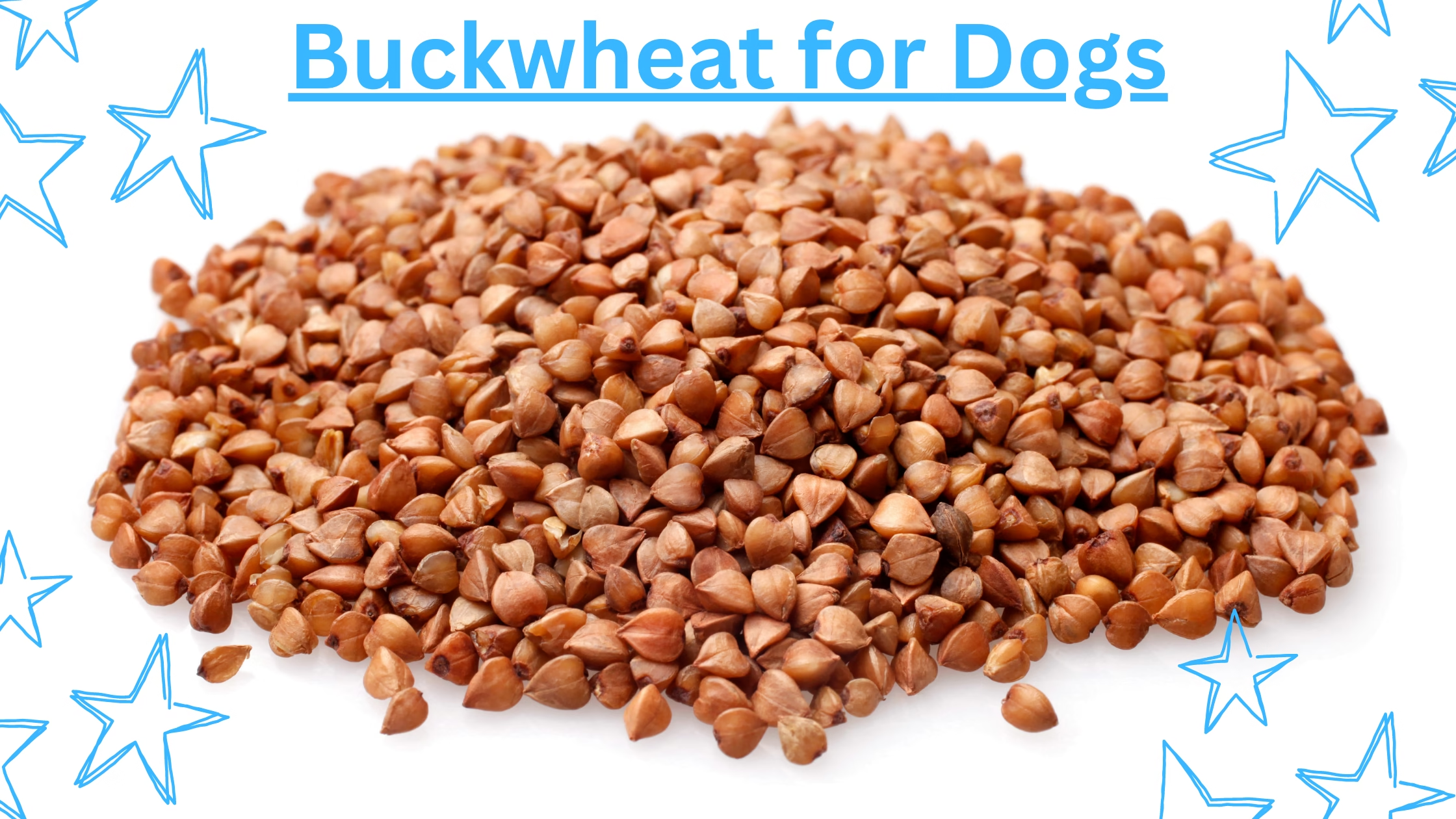
  • Buckwheat for Dogs | Is buckwheat good for dogs?

    Buckwheat for Dogs | Is buckwheat good for dogs?

    Buckwheat for Dogs? You may have heard that buckwheat is a great grain to add to your dog’s diet. And you’re right! Buckwheat is a highly nutritious grain that can provide many health benefits for your dog.

    Buckwheat is a great source of protein, fiber, minerals, and vitamins, and it can help improve your dog’s digestion, energy level, and overall health. In this article, we’ll discuss the benefits of buckwheat for dogs and how to add it to their diet.

    What Is Buckwheat?

    Before you can answer the question of whether or not dogs can eat buckwheat, it’s important to first understand what buckwheat actually is. Buckwheat is a plant that is related to rhubarb and sorrel. The seeds of the buckwheat plant are ground into flour and used to make pancakes, crepes, noodles, and other dishes.

    Buckwheat is a good source of protein, dietary fiber, B vitamins, and minerals like potassium, magnesium, and zinc. It also contains some phytonutrients that may offer health benefits. For all of these reasons, buckwheat has become a popular ingredient in dog food.

    Can dogs eat Buckwheat?

    Can dogs eat Buckwheat
    Can dogs eat Buckwheat?

    Yes, dogs can eat buckwheat. Buckwheat contains high levels of protein which makes it ideal for dogs who like eating meaty foods. However, some dog owners may find that they need to add extra vitamins to the diet of their dogs.

    Nutritional Value of Buckwheat for Dogs

    Nutrition Facts
    Portion Size170 g
    Amount Per Portion CALORIES583
    DAILY VALUE %
    Total Fat 5.8g7 %
    Saturated Fat 1.3g6 %
    Sodium 1.7mg0 %
    Total Carbohydrate 122g44 %
    Dietary Fiber 17g61 %
    Protein 23g46 %
    Vitamin D 0mcg0 %
    Calcium 31mg2 %
    Iron 3.7mg21 %
    Potassium 782mg17 %
    * The % Daily Value (DV) tells you how much a nutrient in a serving of food contribute to a daily diet. 
    Nutritional Value of Buckwheat for Dogs

    The buckwheat plant is a Pseudocereal that is related to rhubarb and sorrel. Even though its name might make you think otherwise, buckwheat is not wheat, and it’s not a grain. It’s a fruit seed that is related to the grass family.

    Buckwheat is a good source of protein, fiber, and vitamins, and it’s also low in fat. All of these things make it a great addition to your dog’s diet.

    Buckwheat is also a good source of minerals like magnesium, potassium, zinc, and iron. These minerals are important for maintaining your dog’s health.

    Magnesium is especially important because it helps with muscle function, energy production, and metabolism. Potassium is important for heart health and blood pressure regulation. Zinc helps with immunity, skin health, and wound healing. And finally, iron helps with red blood cell production and oxygen transport in the body.

    Also read: Can dogs eat Ragi? Finger millet for dogs

    Buckwheat for Dogs: Is buckwheat good for dogs?

    Is buckwheat good for dogs
    Is buckwheat good for dogs?

    As with any new food you introduce to your dog, always start with a small amount to see how they react. If they seem to tolerate it well, then you can slowly start to increase the amount you feed them.

    Keep in mind that some dogs may be allergic to buckwheat, so if you notice any adverse reactions, stop feeding it to them immediately and consult your veterinarian.

    Buckwheat is a great source of fiber, protein, and vitamins, and can be a healthy addition to your dog’s diet. Just be sure to do your research and talk to your vet first, to make sure it’s the right choice for your furry friend.

    The Benefits of Buckwheat for Dogs

    The Benefits of Buckwheat for Dogs |
    The Benefits of Buckwheat for Dogs

    Buckwheat is a grain related to wheat, rye, barley, oats, and rice. It has been used for centuries in Asia and Europe for its health benefits. Nowadays, buckwheat is gaining popularity among pet owners due to its ability to improve dogs’ digestion and overall health.

    In addition to improving dog’s digestive system, buckwheat helps promote hair growth and skin health. Here are the top 10 benefits of buckwheat for dogs.

    #1. Improve Digestion

    Digestive problems are one of the most common issues faced by dogs. This problem may result from poor nutrition, stress, parasites, or an underlying medical condition. If you notice any signs of gastrointestinal disorders such as diarrhea, vomiting, constipation, bloating, flatulence, or gas, consult your vet immediately.

    Buckwheat is rich in fiber, minerals, vitamins, amino acids, antioxidants, phytonutrients, and enzymes. All these properties contribute to improved digestion and nutrient absorption.

    #2. Promote Hair Growth

    Dogs spend a lot of time outdoors, especially during winter. They often suffer from dry skin and coat, and lack of moisture causes dandruff. To prevent this issue, give your pooch a daily dose of buckwheat.

    It contains silica, which promotes cell turnover and improves skin elasticity. Silica also strengthens the hair follicles, preventing hair breakage.

    #3. Fight Skin Problems

    Like humans, dogs also suffer from allergies and dermatitis. Buckwheat is known to fight inflammation, itchiness, and redness caused by allergic reactions.

    #4. Reduce Stress Levels

    Stress affects dogs’ behavior and mood. It can cause anxiety, aggression, depression, and insomnia. Studies show that buckwheat reduces stress levels and boosts the immune system.

    #5. Prevent Diabetes

    Diabetes is another common disorder seen in dogs. According to studies, buckwheat lowers glucose levels in diabetic patients. It also prevents insulin resistance, which is a major precursor of diabetes.

    #6. Boost Immunity

    Dogs are prone to infections and diseases, especially in cold seasons. Buckwheat supports the immune system, helping dogs fight off viruses, bacteria, fungi, and parasites.

    #7. Treat Urinary Tract Infections

    Urinary tract infections are common in puppies. They usually occur after eating grasses and plants contaminated with urine.

    Buckwheat contain tannins, which kill harmful microorganisms in the urinary tract. Give your puppy a daily dose of Buckwheat to treat UTIs.

    #8. Help With Joint Pain

    Arthritis is a painful joint disorder that affects millions of pets worldwide. It is characterized by pain, stiffness, swelling, and loss of mobility.

    Studies suggest that buckwheat relieves arthritis symptoms. It contains flavonoids, which act as anti-inflammatory agents. These compounds also inhibit the production of pro-inflammatory cytokines, thereby reducing joint pain.

    #9. Fights Coughing & Sneezing

    Colds and flu are very common in dogs. They are easily infected by germs found in the air.

    Buckwheat contain saponin, which acts as a natural expectorant. It loosens mucus and kills germs in the respiratory tract.

    #10. Relieves Constipation

    Constipation is a common problem in dogs. It occurs when the stool becomes hard and difficult to pass.

    Buckwheat contains Fructans, which stimulate intestinal peristalsis. It also stimulates the secretion of bile salts, which soften stools.

    Buckwheat for dogs – Potential Risks

    Now, before you go out and add buckwheat to your dog’s diet, there are a few things you should know.

    First of all, buckwheat is a member of the dock family, which also includes rhubarb. And while the leaves of the plant are safe for dogs to eat, the same can’t be said for the stem or the root.

    So, if you’re growing buckwheat in your backyard, make sure your pup doesn’t have access to the plant. Also, avoid feeding them any processed foods that contain buckwheat, as this can be dangerous.

    Additionally, dogs with wheat allergies may also be allergic to buckwheat. So, if your dog has never had buckwheat before, it’s best to start with a small amount and see how they react.

    How to Introduce Buckwheat Into Your Dog’s Diet

    Now that you know all about buckwheat and its benefits for dogs, it’s time to introduce it into their diet. But how do you do this?

    Well, the simplest way is to mix it in with their regular food. Start by adding a small amount—maybe one tablespoon for every 20 pounds of body weight—and gradually increase the amount until they’re eating it as part of their regular diet.

    You can also cook buckwheat for your dog, either by boiling it or baking it into cookies. This is a great way to make sure they’re getting all the nutritional benefits, and it can also be a fun way to add some variety to their diet.

    Tips for Feeding Buckwheat to Your Dog

    Here are a few tips to keep in mind when you’re introducing buckwheat into your dog’s diet:

    – Start slowly: When you first start feeding buckwheat to your dog, do it gradually. Mix it in with their regular food and see how they tolerate it.

    – Go organic: Where possible, choose organic buckwheat. This will ensure that your dog is getting the best quality product.

    – Cook it: Before you give buckwheat to your dog, make sure to cook it first. This will make it easier for them to digest.

    – Add some flavor: Dogs can be picky eaters, so you may want to add some flavoring to the buckwheat to make it more appealing to them. You could try adding some chicken broth or pureed vegetables.

    How to Cook Buckwheat for Dogs

    The good news is that buckwheat is extremely easy to prepare for dogs. All you need to do is cook it like you would any other grain.

    Simply rinse the buckwheat in a colander, then add it to a pot of boiling water. The ratio of buckwheat to water should be 1:2. So, for every 1 cup of buckwheat, you’ll need 2 cups of water.

    Once the buckwheat is cooked, let it cool before serving it to your dog. You can either mix it into their regular food or give it to them as a standalone meal.

    Recipe for a Buckwheat Dog Treat

    Buckwheat Dog Treat
    Buckwheat Dog Treat

    If you’re wanting to introduce buckwheat into your dog’s diet, one of the best ways to do so is through homemade dog treats. Not only will this ensure that your pup is getting high-quality, healthy ingredients, but it’ll also be a lot cheaper in the long run.

    To get started, you’ll need:

    – 1 cup buckwheat flour

    – 1/4 cup peanut butter

    – 1/4 cup honey

    – 1 egg

    – 1/4 teaspoon baking soda

    Instructions:

    1. Preheat your oven to 350 degrees Fahrenheit.

    2. In a large bowl, mix together the buckwheat flour, peanut butter, honey and egg until well combined.

    3. Add the baking soda and mix again.

    4. Place spoonful of batter on a baking sheet lined with parchment paper and use a fork to flatten them out.

    5. Bake for 10 minutes, then remove from the oven and let cool completely before serving to your pup.

    FAQs About Feeding Buckwheat to Dogs

    Will feeding my dog buckwheat make them poop more?

    -Some dogs may experience an increase in bowel movements when first starting on a buckwheat-based diet. This is usually due to the high fiber content of buckwheat. However, this effect is usually only temporary and will subside after a few days as your dog’s system adjusts to the new food.

    Is there such a thing as too much buckwheat for dogs?

    -Yes. Just like with any other food, it is possible to feed your dog too much buckwheat. Signs of buckwheat poisoning in dogs include vomiting, diarrhea, lethargy, and loss of appetite. If you think your dog has eaten too much buckwheat, contact your veterinarian immediately.

    Can I feed my dog raw buckwheat?

    -Yes, you can feed your dog raw buckwheat. In fact, many people believe that raw buckwheat is more nutritious for dogs than cooked buckwheat. However, it is important to make sure that the raw buckwheat you feed your dog is free from contaminants such as mold or bacteria. If you are not confident in your ability to source safe raw buckwheat for your dog, it is best to stick with cooked buckwheat instead.

    Can a dog have buckwheat flour allergy?

    -Yes, dogs can develop allergies to foods like wheat, corn, soybeans, milk, eggs, beef, chicken, fish, shellfish, peanuts, tree nuts, and other common allergens. If your dog has developed a food allergy, he may experience symptoms such as diarrhea, vomiting, itching, hives, skin rashes, and breathing difficulties. Your veterinarian can help diagnose your pet’s condition and recommend treatment options.

    Can dogs have buckwheat flour?

    -Yes! Buckwheat is actually a grain, which means it has gluten, just like wheat. However, unlike wheat, buckwheat doesn’t contain any gluten, so it won’t cause digestive issues for those who suffer from celiac disease. If you want to give your dog some healthy treats, try making them out of buckwheat instead of wheat.

    Can dogs have buckwheat pancakes?

    -Yes! Buckwheat pancakes are delicious for both humans and dogs. They are high in protein and fiber, making them perfect for any dog who needs a healthy breakfast. The best part about these pancakes is that they are easy to prepare, and require only a few ingredients.

    Can dogs eat buckwheat everyday?

    -Yes, they can! Buckwheat is actually a grain, like rice, wheat, corn, oats, barley, rye, millet, sorghum, etc. Dogs love eating grains, especially those who suffer from allergies. However, some dogs may experience stomach upset after eating too much buckwheat.

    Is there gluten in buckwheat?

    -Yes, buckwheat may contains gluten. Although buckwheat is naturally gluten-free, you should still be careful when buying it. Buckwheat is often processed alongside gluten-containing grains like wheat, barley, and rye in the same facility or on the same equipment. Buckwheat might still be gluten-free, but there is a risk of cross-contamination.

    Is buckwheat toxic to dogs?

    -Buckwheat is actually safe for dogs, although some dogs may experience diarrhea after eating it. If your dog has eaten buckwheat and experiences diarrhea, contact your vet immediately.

    Can dogs eat buckwheat cakes?

    -Yes, they can! Buckwheat cakes are made from wheat flour, eggs, milk, oil, salt, baking powder, sugar, and yeast. They are usually served for breakfast, lunch, or dinner. The best thing about them is that they are gluten free.

    Conclusion

    So, can dogs eat buckwheat? Yes, they can! Buckwheat is a nutritious, grain-free alternative to traditional grains like wheat and corn. It’s packed with vitamins and minerals, and it’s a great source of dietary fiber.

    Buckwheat is also a hypoallergenic grain, making it a good choice for dogs with allergies or sensitivities. If you’re thinking of introducing buckwheat into your dog’s diet, talk to your veterinarian first to make sure it’s the right decision for your pup.
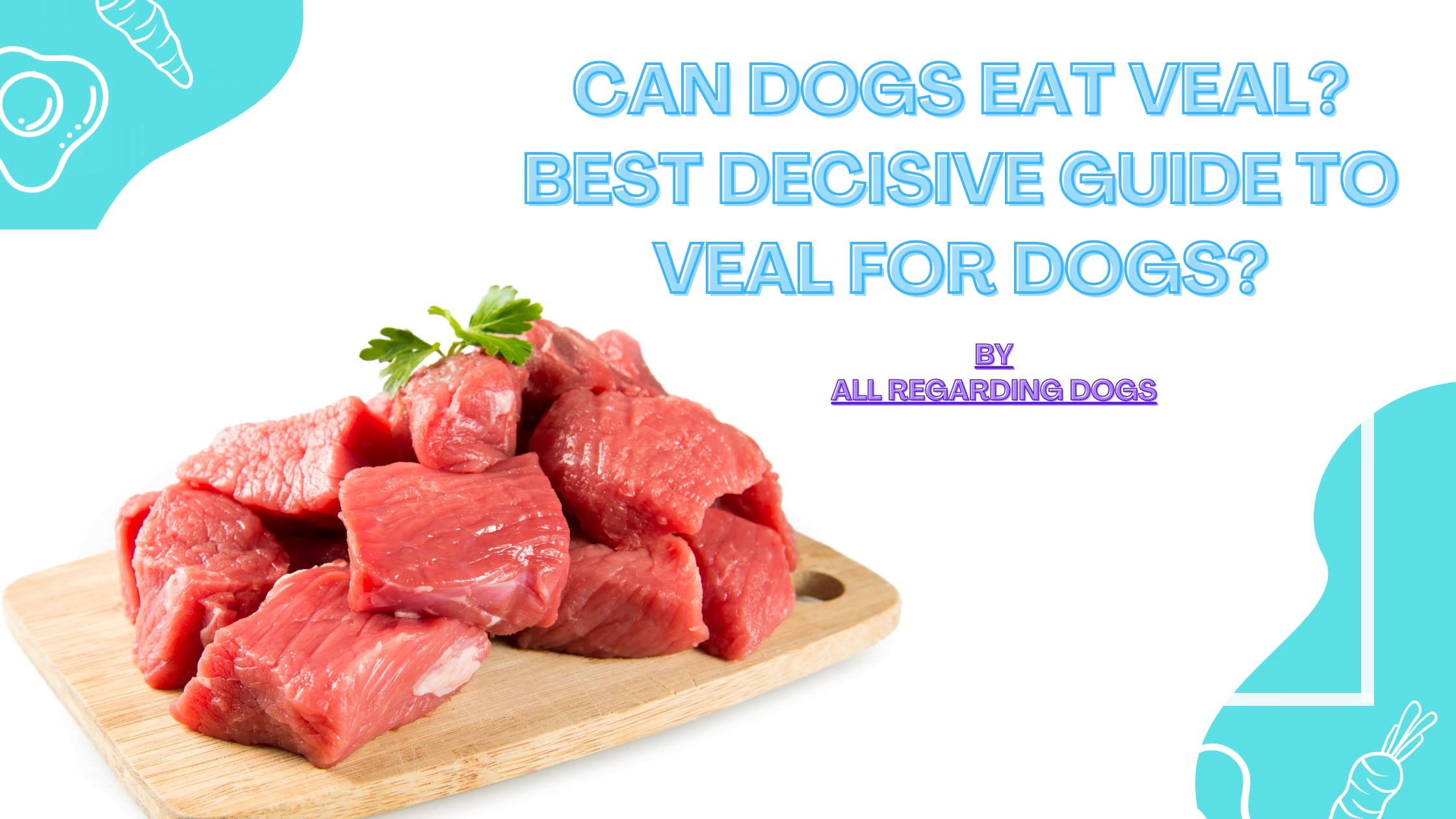
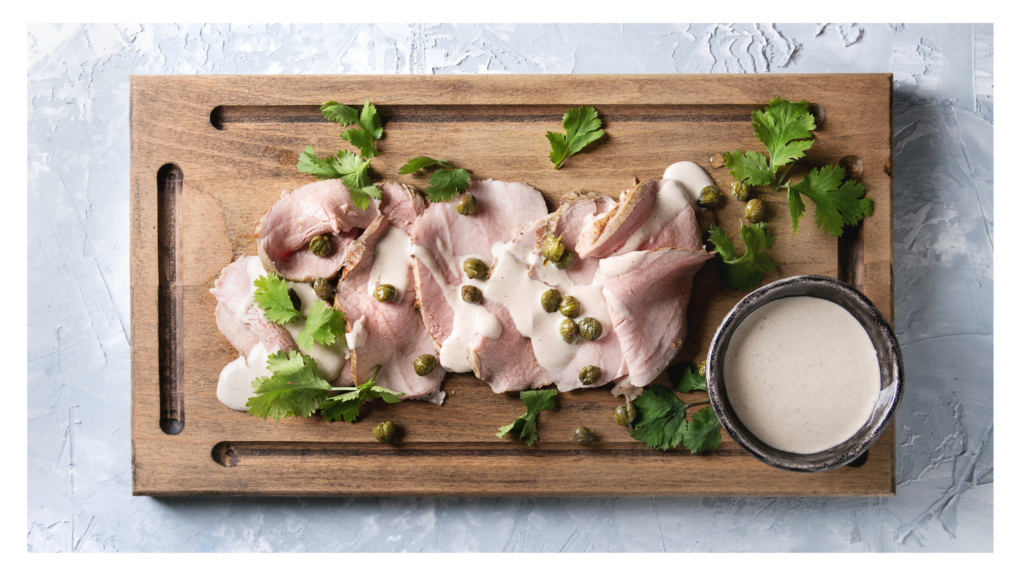
  • Can dogs eat veal? Best Decisive Guide to Veal for dogs?

    Can dogs eat veal? Best Decisive Guide to Veal for dogs?

    Can dogs eat veal? The answer is yes. There are several breeds of dog who enjoy eating meat. Some even prefer it over chicken or fish. Veal is actually quite tasty for them. They don’t mind the strong smell or taste. In fact, they might even get excited about it.

    Veal is a type of beef that comes from young cows less than 6 months old. This cut of meat has a mild flavor and tender texture. It usually contains around 50% fat and 20% protein.

    Dogs love to eat anything they see their owner eating. If you give them some veal, they’ll probably gobble it down. However, you should always supervise your pet whenever he eats something new.

    What is Veal?

    What is Veal |
    What is Veal?

    Veal is meat from young cattle, usually less than two years old. Most veal comes from male calves that are castrated soon after birth. Castration prevents males from breeding cows. Male calves are raised primarily for their meat, although some dairy farmers raise them for beef production.

    Veal is made from calves between one and three months old. Cows are bred specifically to produce milk that has high levels of fat. Calves are fed milk replacer until they reach approximately six weeks of age before being slaughtered. They are then killed by either hanging upside down or by stunning them with carbon dioxide gas.

    Veal Nutrition Facts

    The nutritional content in 4 ounces (113 grams) of lean veal loin is provided by the USDA.

    • Phosphorus: 268mg
    • Potassium: 294mg
    • vitamin B12: 2.99mcg
    • Fiber: 0g
    • Sugars: 0g
    • Protein: 24.6g
    • Niacin: 8.19mg
    • Calories: 129
    • Fat: 3.28g
    • Sodium: 112mg
    • Carbohydrates: 0g

    Is Veal Safe for Dogs?

    There are no known health risks associated with feeding veal to dogs. However, there are many potential dangers related to consuming raw meat.

    These include parasites, bacteria, viruses, toxins, and chemicals. Raw meat may contain harmful substances such as hormones, antibiotics, pesticides, and heavy metals.

    Some pets may not tolerate certain types of food. For instance, some dogs cannot handle chicken bones, while others do not like fish. Therefore, it is important to feed only foods approved by your veterinarian.

    Can Dogs Eat Veal?

    Can Dogs Eat Veal |
    Can Dogs Eat Veal?

    Veal is a leaner cut of meat that is often used for pet food. While some people think that veal is just for humans, there are many different types of veal products out there. Some veal cuts are even suitable for human consumption. However, since veal is considered a red meat, it is best suited for carnivores like dogs and cats.

    While veal is a great source of protein, it is important to note that it is not the same thing as chicken. For example, veal contains less fat than chicken. Also, while veal is low in cholesterol, it does contain saturated fats. This makes veal unsuitable for those who want to maintain heart health.

    Since veal is a relatively new product, there aren’t many studies on how well it works for pets. There are, however, several anecdotal reports that suggest that veal is safe for dogs and cats.

    In addition, veal is usually sold ground up, making it easy for dogs to consume. You don’t have to worry about cooking veal either. Just make sure that you avoid feeding it raw. If you’re unsure whether your dog can handle veal, ask your vet.

    What are the Benefits of Feed­ing Veal to Dogs

    Veal is one of the most popular meats available to pet owners. However, veal has been banned in the U.S., Canada, Australia, New Zealand, and parts of Europe since the early 1900s due to its controversial history.

    In the past, veal was often raised in horrific conditions. Many veal calves were confined to tiny crates and fed an unnatural diet consisting mostly of milk replacer. This led to leg problems and painful joints.

    Today, veal is still produced in these cruel ways, but it is much cleaner and healthier. And unlike beef, veal doesn’t contain any hormones or antibiotics.

    So what are the benefits of feeding veal to dogs? Let’s find out!

    #1. Veal’s Are Nutritious

    Veal is a lean meat that is low in fat and high in protein. It is also rich in iron, zinc, vitamin B12, and vitamin D.

    It is also a complete source of protein and provides all nine essential amino acids.

    Veal is a great treat for dogs because it is tasty, nutritious, and safe for them.

    #2. Veal Helps Build Strong Bones

    Veal bones are stronger than those made from chicken or pork. They are easier to chew and digest, too.

    This means that eating veal helps strengthen your dog’s teeth and gums.

    #3. Veal Can Help Prevent Joint Problems

    As mentioned above, veal is a clean food that contains no harmful chemicals or additives.

    Because of this, it is a natural alternative to other types of meat that may cause joint pain and inflammation.

    For example, dogs who eat beef tend to develop arthritis later in life.

    However, veal does not contain any artificial ingredients such as growth hormones or steroids.

    #4. Veal Contains Omega 3 Fatty Acids

    Omega 3 fatty acids are found naturally in fish oils, nuts, seeds, and eggs.

    They play an important role in maintaining a healthy immune system and helping prevent certain diseases.

    Dogs who eat veal regularly receive omega 3 fatty acids in their diets. These nutrients are beneficial for dogs’ skin, coat, and overall health.

    #5. Veal Does Not Cause Digestive Issues

    Some people believe that feeding veal to dogs causes digestive issues.

    However, this isn’t true.

    While veal is higher in fat content than other types of meat, it is very easily digested.

    Many dogs actually love veal because it makes them feel full faster than other foods.

    #6. Veal Doesn’t Contain Any Dangerous Chemicals

    Like other meats, veal does not include any dangerous chemicals.

    It is free of pesticides, herbicides, preservatives, steroids, and other harmful substances.

    Therefore, it is a safe option for dogs to consume.

    #7. Veal Has No Unpleasant Odors

    Unlike other meats, veal doesn’t smell bad.

    When cooked properly, veal smells delicious.

    It doesn’t have any off odors either. Just like other meats, veal should be stored in the refrigerator until served.

    #8. Veal Is Easy To Cook

    Veal is simple to cook. All you need to do is boil or steam it.

    There are two main methods for cooking veal: boiling and steaming.

    Boiling involves simmering the meat over medium heat for about 45 minutes. Steaming takes place under a lid for about 30 minutes.

    Both methods produce tender and juicy results.

    #9. Veal Isn’t Expensive

    Compared to other meats, veal is inexpensive.

    A pound of ground veal costs $10-$15 per pound.

    That’s cheaper than beef, lamb, or pork.

    Plus, it’s a lot healthier for dogs.

    So next time you’re thinking about buying a steak for dinner, think again. Try serving veal instead!

    What are the Risks of Feeding Veal to Dogs

    Why Do Some People Think Veal Is Harmful For Dogs?

    Veal is one of those foods that people love to hate. But while some people believe that veal is harmful to dogs, others think that it is actually quite healthy for them. So what exactly is veal, anyway? And does eating it make sense for dogs? Let’s take a look at the facts.

    There are many reasons why some people think that veal is dangerous for dogs.

    One reason is that veal contains a lot of cholesterol.

    Another reason is that veal is often treated with hormones like estrogen and progesterone. These hormones can cause problems for dogs’ reproductive systems.

    However, there are plenty of studies that show that veal is perfectly fine for dogs. One study even showed that feeding veal to puppies had no negative effects on their health.

    How Much Should You Feed Your Dog Veal?

    Dogs love meat just like humans do, but when it comes to feeding them, it’s important to remember that they aren’t human. Dogs require different amounts of protein depending on their age and breed.

    For example, puppies generally require less protein than adult dogs, while large breeds tend to require more. Puppies also need more calories than adults, since they grow rapidly.

    It’s also important to consider whether your dog is currently eating other types of food. Some dogs are picky eaters and prefer to eat only certain foods. Others will eat anything.

    To figure out how much to feed your dog, talk to your vet or nutritionist. Make sure that you follow their recommendations and adjust accordingly based on your Dog’s Balanced diet.

    How do you cook veal for dogs?

    How do you cook veal for dogs |
    How do you cook veal for dogs?

    Make veal meatballs for your dog because they require very minimal effort and you can make the serving size as big or small as you like.

    • Ground veal is the first step in making veal meatballs. It is possible to keep the veal meatballs simple by only using meat, or you can add other ingredients such as carrots, peas and sweet potatoes.
    • Crack one egg (per 14 ounces of veal) into the bowl with the veal.
    • Combine the meat and eggs.
    • Any other ingredients you want to include in the meatballs can be added here.
    • Place a bite-sized portion of the mixture in your hand. Gently rub the meat between your hands to form a ball.
    • Place the meatballs on a lined baking sheet once they have formed a ball. For the remaining mixture, repeat the process.
    • Place the tray in a preheated 350 degree oven once you have used up all the mixture.
    • Once the meatballs are thoroughly cooked and brown, remove them from the oven.
    • You should wait until the meatballs are cool before giving them to your dog.

    Frequently Asked Questions

    can dogs eat cooked veal?

    – Yes, they can eat cooked veal, beef, lamb, pork, chicken, turkey, duck, rabbit, venison, and all kinds of seafood. But it’s important to remember that some meats contain higher levels of fat and cholesterol than others. So if you’re feeding your dog these types of meats, you should limit his consumption to no more than 1/4 cup per day.

    can dogs eat Lamb or veal?

    – Yes, they can! Lamb and veal are very nutritious meats and are high in protein. Dogs love these meats so much that they will often beg you to give it to them.

    Can dogs eat pork or veal?

    – Yes, they can eat any kind of meat except beef, lamb, horse, goat, poultry, and seafood. Pork has been shown to cause more digestive problems in dogs than other meats. However, it’s not recommended to feed your dog raw meat.

    can dogs eat veal bones?

    – Veal bones are very nutritious and contain calcium, phosphorus, magnesium, zinc, copper, iron, selenium, and vitamins A, D, B12, C, and K. Dogs need these nutrients to maintain strong bones and teeth. Bones are high in protein and low in fat so they’re perfect for your dog’s diet. But don’t give them raw bones.

    Is veal heart good for dogs?

    -Veal hearts are very high in protein and contain no cholesterol. They are considered a healthy alternative to beef liver.

    Can dogs eat veal ribs?

    – Veal rib bones contain calcium which helps build strong teeth and bones. Dogs cannot digest bone so they must be fed cooked bones. Raw bones may cause serious health problems.

    Can a dog eat a bone in veal chop?

    – Yes, dogs love bones. But they do not like the taste of veal chops. Bones contain calcium which helps build strong teeth and bones. Veal is very lean so it has little fat and no cholesterol.

    Is it better to boil or fry meat for dogs?

    – Boiled meats are more nutritious than fried ones. However, if you want your dog to eat his meal quickly, then frying is the best option but not recommended either boil the meat or bake it.

    Is veal good for dogs with allergies?

    – Veal is very high in protein and contains no cholesterol. It has been shown to be beneficial for dogs suffering from allergies.

    Can dogs eat pork and veal mince?

    – Yes they can! Pork and Veal Mince is one of the best meats you can give your dog. It’s easy to prepare and it contains all the nutrients he needs.

    what meat should not be fed to dogs?

    – All meats except poultry (and some game birds) contain bacteria which may cause illness if eaten by your dog. These include salmonella, campylobacter, e coli, listeria, and staphylococcus.

    Conclusion

    Although veal is not a traditional part of a dog’s diet, it can be safely fed to them in moderation. Veal is a good source of protein and other nutrients that can be beneficial for your dog. Just be sure to cook it properly and supervise your dog while they eat it to avoid any potential choking hazards.

  • Can dogs eat Rotisserie Chicken? Is Rotisserie Chicken Good for Dogs?

    Can dogs eat Rotisserie Chicken? Is Rotisserie Chicken Good for Dogs?

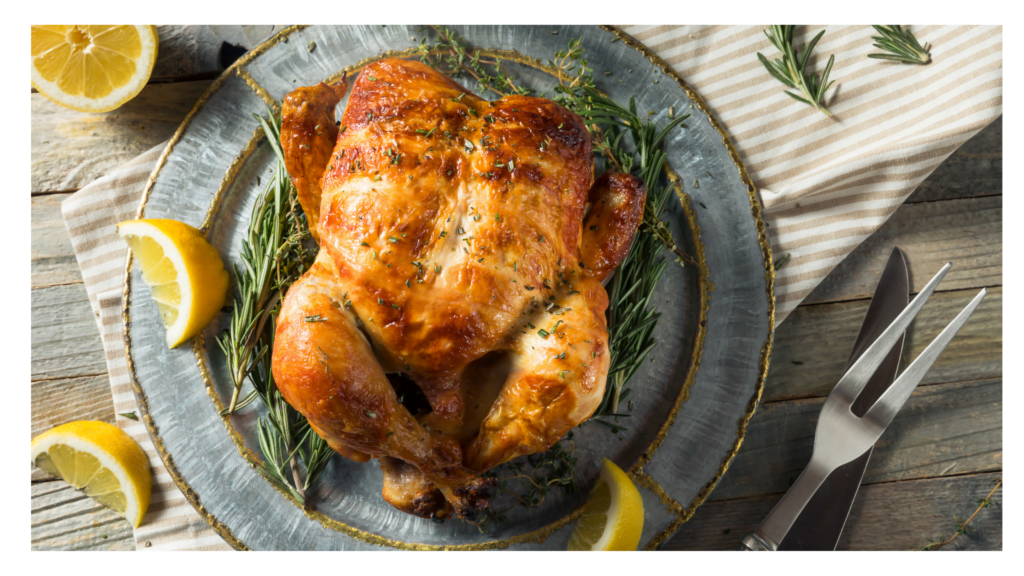
    Can dogs eat Rotisserie Chicken? Dogs love food too, and they also deserve to eat good quality meat. Rotisserie chickens are usually very high in fat and calories, but they are perfect for dogs because they don’t require much chewing or preparation.

    Rotisserie chickens are often marketed as being healthier than other types of poultry. They are typically sold at supermarkets and restaurants, and are prepared using rotisseries. These devices allow the bird to cook slowly over low heat without burning. This method preserves the flavor and texture of the meat.

    Most dog owners would agree that their pets enjoy a well balanced meal every day. The problem is that most commercial pet foods contain lots of preservatives, additives, and fillers. If you want to feed your dog a nutritious meal, then you should consider buying a rotisserie chicken instead.

    What is rotisserie chicken?

    What is rotisserie chicken |
    What is rotisserie chicken?

    A rotisserie chicken is simply a whole chicken that has had its skin removed and replaced with a wire mesh basket. This allows air to circulate under the chicken while cooking, resulting in juicy meat. Rotisserie chickens are typically sold pre-cooked and frozen. They are often found at fast food restaurants such as McDonald’s, KFC, and Popeyes Louisiana Kitchen.

    Why are rotisserie chickens so popular?

    The popularity of rotisserie chickens is due to several factors, including the fact that they are relatively inexpensive compared to raw whole chickens, easy to prepare, and convenient to store. They are also a great way to use up leftover poultry.

    Rotisserie chickens are usually cooked over a spit, rotating slowly while being basted with oil or butter. This process allows the meat to cook evenly without drying out. When buying a rotisserie chicken, look for one that has been pre-seasoned and seasoned with herbs and spices.

    Can Dogs Eat Rotisserie Chicken?

    The short answer to this question, according to veterinarians, is yes. A few people do feed rotisserie chicken exclusively to their pets. They claim that the meat is healthier than store-bought chicken because it doesn’t contain hormones or antibiotics. But there are some downsides to giving your dog rotisserie chicken. First off, you’re likely to end up with a very fat dog. Second, it’s not always easy to find good quality rotisserie chicken. Third, it’s not necessarily nutritious. And finally, it’s probably not worth the trouble.

    Is Rotisserie Chicken Good for Dogs?

    Is Rotisserie Chicken Good for Dogs |
    Is Rotisserie Chicken Good for Dogs?

    Rotisserie chickens are often touted as being one of the healthiest foods for dogs because they contain lean proteins like chicken breast meat. But there are some things about rotisserie chicken that aren’t necessarily great for dogs.

    The chicken skin is an especially harmful part of the bird that contains lots of saturated fats and sodium. These ingredients are known to cause heart disease and high blood pressure in humans, and dogs are no different.

    Cutting out those elements can make a rotisserie bird healthier for dogs.

    There are two potential risks of eating rotisserie chickens.

    The Potential dangers of rotisserie chicken is that a store bought rotisserie chicken might have been injected with briny water before being roasted. The chickens are injected with this brine in order to help keep the meat moist during cooking. But most brines contain large amounts of salt which isn’t something you want to give your dog too much of.

    Most chickens roasted at home won’t have been injected by brin because they’ll have been rubbed with oil, butter or even bacon fat prior to roasting. But I’ll come back to this later.

    The second danger relating to rotisserie chicken is that shop bought ones are usually the chickens which are close their sell by date. This could mean that the chickens aren’t very old and therefore haven’t had enough time to dry out properly. If this happens, the chicken will taste bland and greasy.

    Also Read: Can Dogs Eat Nuts? Comprehensive Guide to dogs and Nuts

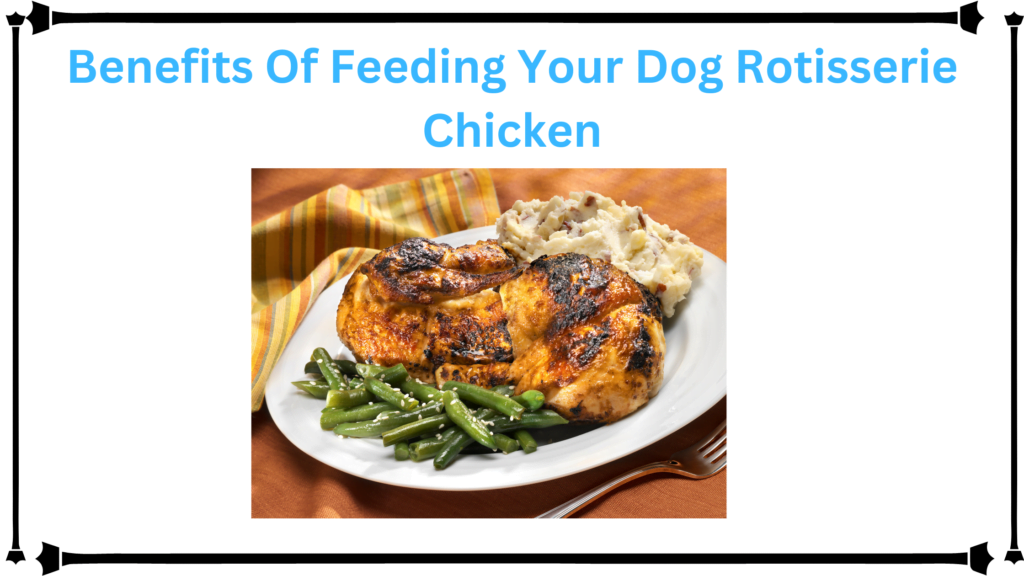
    Benefits Of Feeding Your Dog Rotisserie Chicken

    Benefits Of Feeding Your Dog Rotisserie Chicken |
    Benefits Of Feeding Your Dog Rotisserie Chicken

    Rotisserie chicken is one of those foods that everyone loves.

    It tastes delicious, it’s cheap, and it’s convenient. However, did you know that feeding rotisserie chickens to your dog can benefit him/her in several ways?

    Let’s take a look at the benefits of feeding your dog rotisserie chicken.

    #1. Healthy Bones

    Dogs don’t have bones like humans do. Instead, dogs have flat, thin bones called “cranial bones.” This means that dogs are prone to bone fractures.

    However, feeding your dog rotisseries chicken can prevent these injuries. Studies suggest that feeding your dog rotisserie chicken can strengthen his/her bones.

    This is because the calcium found in chicken helps strengthen bones.

    #2. Better Digestion

    Chicken has been shown to improve digestion in dogs. This is because chicken contains enzymes that break down proteins and carbohydrates.

    These enzymes help your dog’s digestive system perform its job properly.

    #3. Healthier Skin

    Feeding your dog rotisserie chickens can also help your dog’s mouth and skin. Chicken contains vitamin E, an antioxidant that protects against dryness and wrinkles.

    Vitamin E also improves the health of your dog’s skin.

    #4. Less Hair Loss

    When your dog eats too much meat, he/she may develop hairballs. This causes your dog to suffer from hair loss.

    However, feeding rotisserie chickens can help prevent this problem. Chicken contains protein, which helps your dog maintain proper muscle mass.

    Protein also helps your dog avoid hair loss.

    #5. Improved Immunity

    Studies show that eating chicken can help your dog fight off infections. Chicken contains zinc, selenium, and vitamins B6 and B12. These nutrients help your dog’s  white blood cells grow stronger.

    White blood cells protect your dog from infection.

    So next time you feed your dog rotisserie chicken, give him/her a treat!

    #6. Increased Exercise Capacity

    Many owners say that their dogs love to run after birds. If you feed your dog rotisserie you can encourage him/her to exercise more.

    By running after birds, your dog gets plenty of physical activity. He/she burns calories and strengthens muscles.

    #7. Reduced Stress Levels

    Some studies suggest that feeding your dog rotisserie chicken can help relieve stress levels.

    This is because chicken contains tryptophan, an amino acid that makes your dog feel relaxed.

    Tryptophan also helps your dog sleep better at night.

    #8. Help With Anxiety

    A study published in the Journal of Veterinary Behavior Medicine showed that feeding your dog rotisserie chicken can help alleviate anxiety in dogs.

    Researchers fed dogs either raw beef or cooked chicken. They then observed the dogs’ behavior.

    They discovered that dogs fed chicken were calmer than dogs fed beef.

    #9. Helps Prevent Kidney Stones

    Kidneys play a vital role in maintaining your dog’s overall health. One of the most common problems affecting dogs is kidney stones.

    However, feeding your dog rotisserie chicken can help prevent this condition. Chicken contains phosphorus, which prevents your dog from forming kidney stones.

    #10. Improves Mood

    Eating chicken can also help your dog become happier. Researchers believe that the smell of chicken can trigger happy feelings in dogs.

    This is because chickens contain serotonin, a chemical that triggers happiness in animals.

    #11. Prevents Constipation

    Constipation is another common problem among dogs. Some breeds are more susceptible to constipation than others.

    However, feeding chicken can help prevent this problem in dogs. Chicken contains fiber, which keeps your dog’s bowels moving regularly.

    #12. Helps Reduce Urinary Tract Infections

    Urinary tract infections are very painful for dogs. However, feeding your dog rotisserie can help prevent them.

    Chicken contains taurine, an organic compound that reduces inflammation in your dog’s urinary tract.

    #13. Helps Maintain Proper Body Temperature

    Dogs often experience heatstroke when they go out into the hot weather. Heatstroke occurs when your dog’s temperature rises above 104 degrees Fahrenheit.

    Heatstroke can cause serious damage to your dog’s organs.

    However, feeding rotisserie chicken can prevent heatstroke in dogs. Chicken contains potassium, which maintains your dog’s normal body temperature.

    #14. Helps Control Diabetes

    Diabetes is a chronic illness that affects millions of people worldwide. It is caused by a lack of insulin production.

    However, feeding chickens can help control diabetes in dogs. Chicken contains magnesium, which regulates sugar levels in your dog’s body.

    #15. Helps Treat Cancer

    Cancer is a major concern for many pet parents. However, feeding your dog rotisserie chicken can prevent cancer in dogs.

    Chicken contains antioxidants such as beta carotene, lycopene, lutein, and zeaxanthin. These compounds help your dog’s liver cell growth.

    #16. Helps Fight Inflammation

    Inflammation is a natural response to injury. However, some types of inflammation can lead to diseases such as arthritis and gout.

    Feeding your dog rotisserie chickens can help reduce inflammation in dogs. Chicken contains omega-3 fatty acids, which help your dog’s leakage of toxins.

    #17. Helps Improve Eyesight

    Eye conditions such as cataracts and glaucoma affect millions of pets every year. However, feeding your dog gives your dog improved eyesight.

    Chicken contains high amounts of vitamin A, which helps your dog’s vision. Vitamin A also helps your dog’s lipid layer around his/her eye.

    #18. Helps Protect Against Heart Disease

    Heart disease is a leading killer of both human beings and dogs. However, feeding your dog rotisserie helps protect against heart disease.

    Chicken contains cholesterol-lowering substances such as conjugated linoleic acid (CLA). CLA lowers bad cholesterol and triglycerides.

    #19. Helps Keep Dogs Fit And Active

    Dogs need regular exercise to stay healthy. However, many dogs find it difficult to keep up with daily walks.

    Feeding your dog rotisserie chickens can increase his/her stamina. Chicken contains creatine, which helps your dog build lean muscle tissue.

    #20. Helps Manage Weight

    Weight gain is a common problem for many dogs. However, feeding rotisserie chickens can prevent weight gain in dogs.

    Chicken provides your dog with essential nutrients such as protein, iron, and zinc. These nutrients help your dog maintain a healthy weight.

    #21. Helps Prevent Obesity

    Obesity is a growing issue in today’s society. Many people blame fast food restaurants for contributing to obesity.

    However, feeding dogs rotisserie chicken can actually help prevent obesity. Chicken contains monounsaturated fats, which help regulate appetite.

    Monounsaturated fats also help lower your dog’s risk of developing type 2 diabetes.

    #22. Helps Prevent Arthritis

    Arthritis is a painful joint disorder that affects millions of people each year. However, feeding your dog rotisserie chicken helps prevent arthritis in dogs.

    Chicken is rich in arginine, an amino acid that relieves pain in joints.

    #23. Helps Relieve Pain In Humans

    Pain relief is one of the top reasons why people choose to eat chicken. Chicken contains tryptophan and tyrosine, two chemicals that make your dog feel relaxed.

    Rotisserie chicken vs roast chicken vs boiled chicken

    100 g servingRotisserieRoastBoiled
    Calories164165165
    Protein27 g25 g26g
    Fat6.4 g6.5 g3 g
    Sodium345 mg161 mg64 mg
    Rotisserie chicken vs roast chicken vs boiled chicken

    In the table above you can see how much energy, protein, fat, and sodium there is in 100 grams of each type of chicken. I found it interesting to compare the nutritional information of the three different kinds of chicken.

    The main thing I noticed was that the calorie count was very close. This surprised me because I had always thought that roasting chicken would be a lot healthier than boiling it. However, according to my research, both methods of cooking chicken give you roughly the same amount of calories.

    What does surprise me though is the fact that the fat content seems to be quite high. You might think that roasting chicken would reduce the fat content compared to boiling it, but that isn’t necessarily true. When you boil chicken, you cook the meat thoroughly, making sure that every part gets cooked evenly. As such, the fat content is pretty consistent throughout the whole piece.

    On the other hand, when you roast chicken, you don’t want to overcook the breast portion. So while the breast is getting cooked properly, the thighs and legs aren’t being cooked enough. As a result, the fat content is higher in the thigh and leg portions.

    As far as sodium goes, I’m actually surprised that it’s lower in the roasted chicken. Roasted chicken tends to be saltier than boiled chicken. This is probably due to the fact that most people add extra salt to the dish during preparation. But since we’re talking about a 100 gram serving here, I doubt that anyone would go overboard adding too much salt to it.

    So what do you think? Do you prefer one method over another? Let us know in the comments section below.

    Which is better: rotisserie chicken or Dry dog food ?

    If you feed your dog dry dog food, there are some benefits to it. For one thing, it’s cheap. But it’s also very processed, meaning it contains ingredients that aren’t necessarily good for your pooch. If you opt for dry dog food, make sure you look for brands that don’t contain corn syrup, wheat gluten, soy protein concentrate, and artificial colors and flavors. These ingredients can cause gastrointestinal issues.

    Rotisserie chicken is much healthier because it doesn’t contain any of those things. In fact, it’s often considered the healthiest option out there. However, you still need to watch out for how much you give your dog. You don’t want him getting too many calories, which could lead to obesity. Make sure he gets enough nutrients like vitamins A, D, E, K, B12, calcium, phosphorus, magnesium, zinc, iron, copper, manganese, iodine, selenium, pantothenic acid, niacin, folic acid, biotin, choline, and vitamin B6.

    Where to Buy Rotisserie Chicken for Dogs?

    Rotisserie chickens are available almost everywhere now, but it’s important to know what type of chicken you’re buying. Many supermarkets offer a wide variety of brands, including those that only sell their brand of chicken. Others might have a broader range.

    If you want to make sure you’ve got the best rotisserie chicken for puppies, look for birds that come with nutrition information. You can do this online or ask the store clerk. This way, you’ll know exactly how much protein, fat, sodium, carbohydrates and calories there are in each chicken breast.

    Once you’ve found the right rotisserie chicken for your dog, follow the instructions on the packaging to prepare it. Most packages tell you how many servings there are per package, so you can easily adjust the amount you feed your pup. Just remember that larger breeds like Great Danes require more food than smaller breeds like Chihuahuas. Also, don’t forget about yourself — you deserve a little treat too!

    How to prepare rotisserie chicken for your dog at home?

    Whether you buy it from the store or cook it yourself, preparing rotisserie chicken for your dog isn’t too difficult.

    If you have the tools, facilities, and know-how to make rotisserie chickens, you should definitely try it out.

    However, there are a couple of things to keep in mind.

    This recipe requires some basic equipment such as a spit roast, whole chickens, and an intense heat sources to cook the birds thoroughly.

    All you need is a spit roasting machine, whole chickens, and a heat source to cook the birds thoroughly, like a grill or oven.

    First off, stick with basic flavors – plain, perhaps with some lemon or very lightly flavored herbs is fine. Avoid heavy flavors like barbeque, salt, or anything else that might upset your dog’s stomach.

    You can even cook it in the oven, though this tends to produce a slightly greasy chicken than one cooked over an open flame.

    To combat this, don’t use any butter or oil when cooking the chicken. Instead, stick to low fat recipes and limit the amount of salt used.

    That way, your dog will enjoy a healthier version of his favorite food, without having to worry about getting too much grease into him.

    Secondly, shred the chicken with two forks; make sure to remove all the bone fragments along the way.

    Finally, don’t forget to wash your hands thoroughly afterwards.

    Frequently Asked Questions

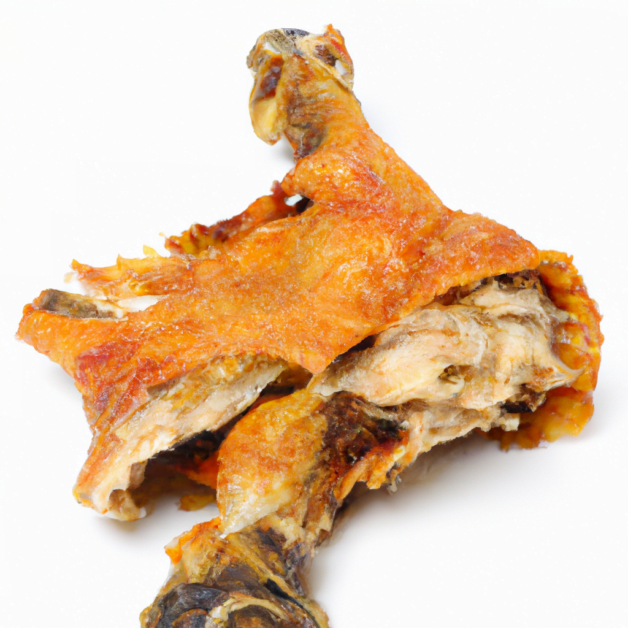
    Can dogs eat rotisserie chicken skin?

    Can dogs eat rotisserie chicken skin

    Chicken skin is one of the most popular ingredients in pet treats. Many people think that the skin is healthy because it is full of nutrients. However, this is not true. Chicken skin is 40% fat and contains 450 calories per 100 grams.

    A study published in 2013 found that cooked chicken skin had no negative effects on human health. There are some drawbacks though. One is that the skin is often burnt during cooking. Another problem is that it could contain bacteria that cause salmonella poisoning.

    The American Veterinary Medical Association says that chicken skin does not pose any risk to pets. They say that although it is high in fat, it doesn’t contain enough cholesterol to affect your dog’s heart.

    While some people say that dogs shouldn’t eat anything that humans don’t eat, others argue that there isn’t much difference between what we eat and what our pets do.

    And while many pet owners feel comfortable letting their dogs munch on chicken wings, drumsticks and thighs, others worry about the risk of choking or even poisoning.

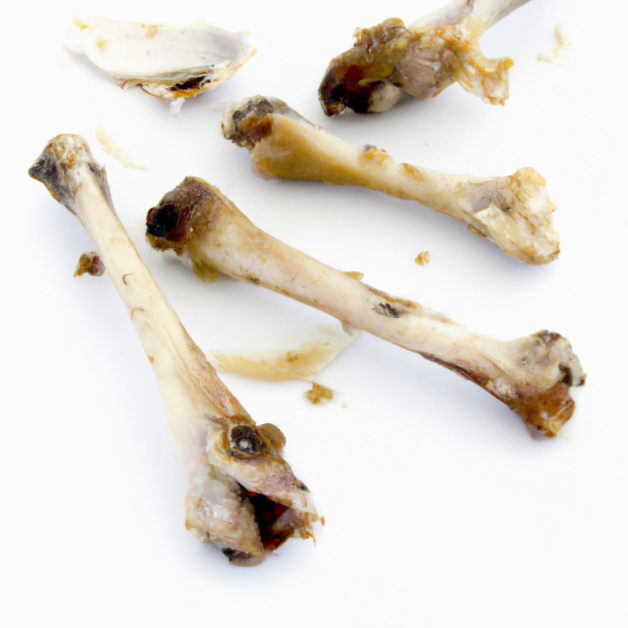
    Can dogs eat rotisserie chicken bones?

    Can dogs eat rotisserie chicken bones

    The American Veterinary Medical Association says that “cooked bones are less likely to cause problems,” noting that dogs tend to chew on bones because they’re hungry and because they like the texture. However, the group warns against feeding bones to puppies under six months old, since they might choke on the pieces.

    But the problem isn’t limited to chicken bones. Bones from beef, lamb, pork, turkey and fish are all potentially harmful to dogs, according to the AVMA. Dogs can easily choke on small bones, especially those that are broken off larger bones.

    And while most veterinarians agree that cooked bones pose little danger to dogs, they caution that raw bones can still be problematic. A study published in the Journal of Small Animal Practice found that dogs fed raw bones had a greater chance of developing dental disease.

    How much rotisserie chicken should I feed my dog?

    This is a very interesting question. Here’s the thing. Some of you will be trying to use rotisserie chicken as a big part of your homemade dog food diet.

    Homemade dog food diets is something that we’ll cover in another article. But let me just say now that there are some things about making dog food that you need to know.

    You need to make sure that what you’re feeding your dog is safe. You need to make sure that he’s getting enough protein. And you need to make sure that his diet doesn’t contain anything that could cause him harm.

    Although chicken can form part of a dog’s diet, it cannot provide every nutrient that he needs. So, if you do decide to give your dog chicken, you need to supplement his diet with other sources of nutrition.

    Can dogs eat Costco rotisserie chicken

    Yes, Dogs can eat Costco rotisserie chicken.

    Conclusion

    The truth about feeding your dog rotisserie chickens

    If you’ve been reading our blog lately, you know how important it is to feed your dog healthy foods. But what do you feed your dog? And what does he really want? We asked Dr. Sarthak Bhatnagar, to give us his expert opinion on the topic. He says, “Rotisserie chickens are great because they contain lots of lean proteins like skinless breast meat, thigh meat, and drumsticks. They also contain less fat than most commercial brands.”

    So, if you’re looking for a quick meal option for your dog, look no further than a rotisserie chicken.

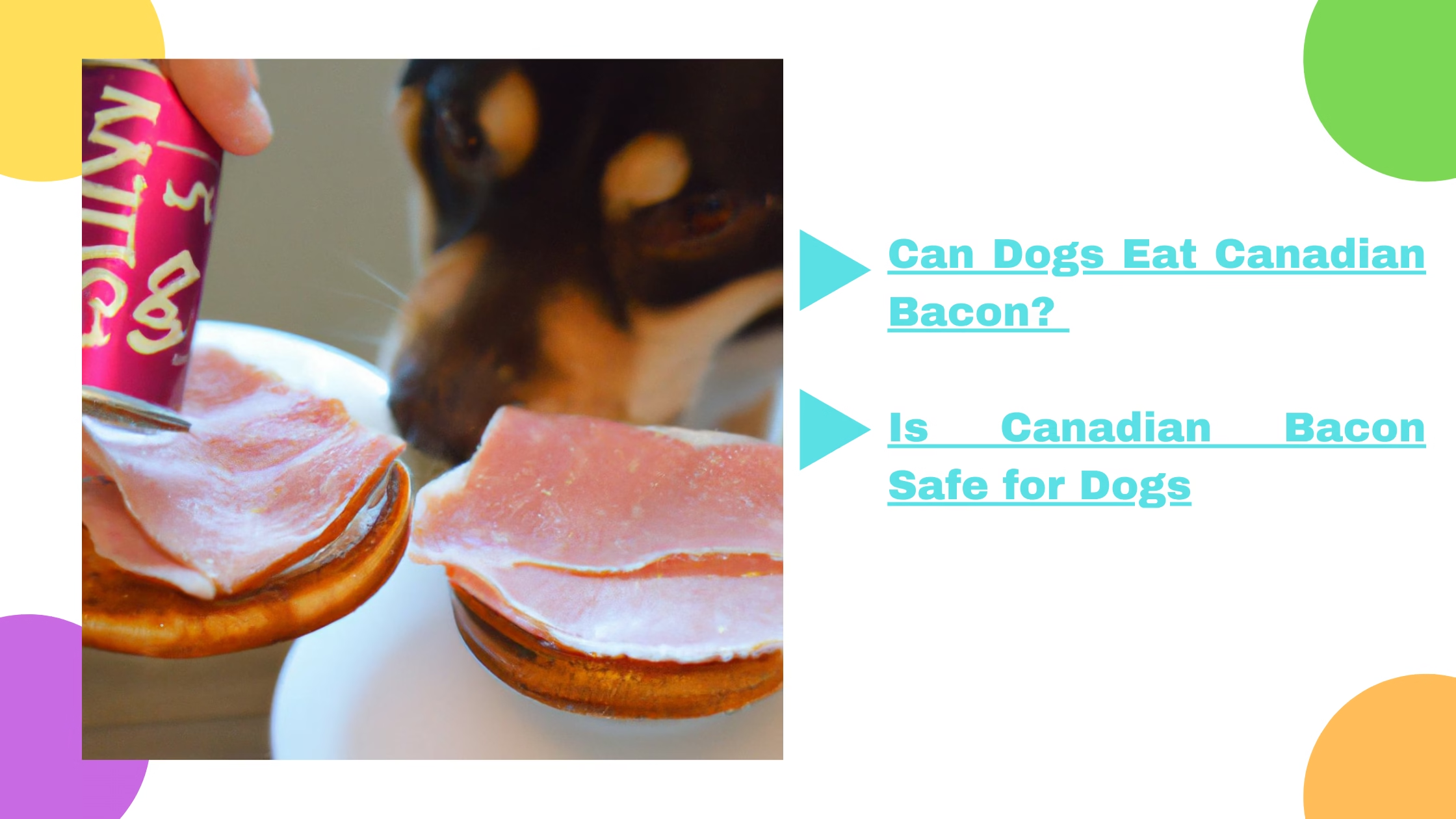
  • Can Dogs Eat Canadian Bacon? Is Canadian Bacon Safe for Dogs.

    Can Dogs Eat Canadian Bacon? Is Canadian Bacon Safe for Dogs.

    You might be wondering if it’s safe to give your pup a piece of your bacon. Can dogs eat Canadian bacon?

    The answer is: yes, dogs can eat Canadian bacon, but it’s not a good idea to give them too much. Just like with people, too much bacon can be bad for dogs. It’s high in sodium and can cause stomach problems.

    But that doesn’t mean your pup can’t enjoy a little bit of Canadian bacon every once in a while. As long as it’s not a regular occurrence, Canadian bacon is a safe and healthy snack for dogs.

    What is Canadian bacon?

    What is Canadian bacon |
    What is Canadian bacon?

    First things first: what even is Canadian bacon? If you’re from the US, you might think of it as just a type of ham. But in Canada (and most of the rest of the world), Canadian bacon refers to a type of pork loin that’s been cured and then smoked.

    So if you’re thinking of feeding your dog some Canadian bacon, know that it’s not the same as ham. It’s a bit leaner and has a slightly different flavor. But overall, it’s a pretty similar meat product.

    Peameal bacon is a type of Canadian bacon that’s cut from the loin or behind the shoulder of a pig, unlike regular Canadian bacon which is cut from the belly. It’s also leaner and considered healthier.

    Canadian bacon is a leaner version of bacon, cut from the side of the pig instead of the belly. It comes fully cooked and comes in close to transparent rounds. Unlike regular bacon which is either smoked or raw, Canadian bacon is cured before being cooked

    Also Read : can dogs have Mint Ice Cream?

    Can Dogs Eat Canadian Bacon?

    can dogs eat canadian bacon |
    can dogs eat Canadian bacon?

    This is a tough one, because Canadian bacon is made from pork—and pork is definitely not on the list of things that dogs can eat. In fact, pork is one of the meats that’s most likely to give your dog food poisoning.

    So even though Canadian bacon is cooked, smoked and cured, it’s still not safe for dogs to eat. If you’re looking for a safe and healthy treat for your pup, stick to something on the list of approved foods.

    The Benefits of Canadian Bacon for Dogs

    Here’s something you might not know: Canadian bacon is actually really good for dogs! It’s a leaner meat than regular bacon, so it’s a great option if your dog is trying to lose a few pounds.

    And because it’s packed with protein, it can help your dog build and repair muscle. Just make sure you’re getting Canadian bacon that doesn’t have any nitrates or other additives—the fewer ingredients, the better.

    So go ahead and give your pup a little Canadian bacon next time you’re cooking breakfast. They’ll love you for it!

    What are the risks of feeding your dog Canadian bacon?

    What are the risks of feeding your dog Canadian bacon |
    What are the risks of feeding your dog Canadian bacon?

    Most people love Canadian bacon because of its lower fat content compared to regular bacon. But do you know what makes Canadian bacon different from regular bacon? Salt. And lots of it.

    There are a few risks associated with feeding Canadian bacon to dogs. First of all, it’s a high-fat food, and too much fat can lead to pancreatitis in dogs. Pancreatitis is a serious condition that can be life-threatening, so it’s important to be aware of the possibility.

    Secondly, Canadian bacon is high in sodium. This isn’t necessarily a bad thing in moderation, but too much sodium can lead to electrolyte imbalances and dehydration in dogs. So if you’re going to feed your dog Canadian bacon, make sure to give them plenty of water to drink as well.

    Lastly, Canadian bacon is a processed meat product. This means that it’s high in preservatives and other chemicals that may not be good for your dog’s health. So if you do decide to feed your dog Canadian bacon, make sure to do so in moderation.

    If you are feeding a fatty diet to your dog, make sure to supplement with Omega-3 fish oil or flaxseed oil. These oils will help reduce the amount of saturated fat in their diets.

    The best way to avoid these problems is by choosing leaner cuts of meat like chicken breast, turkey breast, ground beef, lamb, pork loin, and skinless poultry

    Look out for These symptoms if your dog eats Canadian bacon.

    If your furry friend has eaten Canadian bacon, look out for these symptoms and seek veterinary care ASAP. If ignored, the animal may experience kidney failure or pancreatitis.

    • Involuntary shakes and tremors
    • High temperature
    • Vomiting
    • Seizures
    • Bloody poop or vomit
    • Bloated and tender stomach
    • Lack of appetite
    • Diarrhea
    • Lethargy

    One thing you can also do is ensure that your dog has plenty of water and a bland meal – like boiled chicken and rice – before going back to their regular diet.

    How to Feed Canadian Bacon to Your Dog

    Now that you know all about Canadian bacon, let’s talk about how to feed it to your dog.

    First of all, you’ll want to make sure that the Canadian bacon is cooked thoroughly before feeding it to your dog. Raw Canadian bacon could contain bacteria that could make your dog sick, so it’s important to cook it until it’s nice and crispy.

    Once the Canadian bacon is cooked, you can either chop it up into small pieces or shred it. I like to chop it up into small pieces because it’s easier for my dog to eat that way, but you can do whatever you think is best for your dog.

    If you’re feeding Canadian bacon to your dog for the first time, I recommend starting with a small amount and seeing how he reacts to it. Some dogs are able to eatCanadian bacon with no problems, while others might have a little bit of trouble digesting it.

    And of course, as with anything else you feed your dog, make sure to give him plenty of fresh water to drink after he eats Canadian bacon.

    Here is a list of Healthier Options you can use in place of Canadian Bacon to provide your Dog with a Nutritious meal.

    alternative to canadian bacon |
    Alternatives to Canadian Bacon

    Vegetables

    Kale, carrots, broccoli, beets, celery, cucumber, green beans and spinach are excellent sources of vitamins and minerals that are good for your dog.

    Pork

    Unseasoned lean pork can safely be fed to your dog. Canadian bacon, regular bacon, ham, and other processed meats should be avoided due to their high salt content.

    Tuna, shrimp, and salmon,

    Tuna, salmon, and shrimp have omega-3 fatty acids which boost the dog’s immune system, healthy skin & fur. They are also excellent sources of vitamins and protein. Always cook the fish thoroughly before feeding it to your dog.

    Raw fish poses a health risk and also exposes your dog to parasites & bacteria. Ensure you debone your fish to avoid the risk of choking.

    Turkey, Duck & Chicken, 

    It’s true that many pets love getting some poultry, especially as an alternative to pork. However, it’s best to boil it with no seasoning or sauces like salt or pepper in order to reduce excessive fats and fat intake which is bad for the dog.

    Make sure you debone the meat. Bones can splinter easily, which can lead to gum and digestive issues for your dog..

    Beef

    Ground beef or steak is safe to feed your dog. You can cook it in a number of ways, including baking, grilling, stewing, or boiling before you do so. Avoid raw cuts of meat (meat not cooked beforehand) as these carry the risk of bacteria which could harm your pet.

    CONCLUSION

    So, can dogs eat Canadian bacon? The short answer is yes, but there are a few things you should keep in mind before you give your pup a piece of Canadian bacon.

    First, make sure the Canadian bacon is cooked. Raw Canadian bacon could contain harmful bacteria that could make your dog sick.

    Second, Canadian bacon is high in fat and salt. Too much of either can be bad for your dog. Feed them Canadian bacon in moderation and make sure they get plenty of exercise.

    And lastly, some dogs are allergic to pork. If your dog starts showing signs of an allergic reaction after eating Canadian bacon, take them to the vet right away.

    Frequently Asked Questions

    Below are some frequently asked questions about feeding Canadian bacon to dogs.

    Can I feed my dog canned Canadian bacon?

    Yes, you can feed your dog canned Canadian bacon, but make sure to choose a option that is low in sodium and fat.

    What kind of Canadian bacon can dogs eat?

    The best kind of Canadian bacon for dogs is the leanest possible. Look for options with the least amount of fat and sodium.

    How much Canadian bacon can I give my dog?

    Start with small amounts of Canadian bacon and gradually increase the amount you feed your dog as you see how they respond. Every dog is different, so there is no one-size-fits-all answer to this question.

    Can dogs eat bacon Bits?

    Bacon bits can be fed to your dog irregularly and in small quantities.
    The proteins and fiber in bacon bits keep dogs physically healthy. It should be noted, however, that bacon bits are fatty and shouldn’t be served often.
    It is possible for your dog to experience diarrhea from eating bacon bits in high quantities.

    Can dogs eat bacon grease?

    You shouldn’t feed bacon grease to your dog. It is oily, high in fat, and heavy in the stomach. Bacon grease is likely to upset your pet’s stomach and cause gastrointestinal illness. You should avoid spooning grease onto your dog’s dinner if they have an underlying health condition affected by their diet or fat.

    Can dogs eat Raw Turkey Bacon ?

    Don’t give your dog Raw Turkey Bacon-it could make them sick.
    There is a small chance that raw pork products may contain parasites or bacteria that can make your dog ill. If he eats a small piece, the dog should be fine.

    Can dogs eat bacon and eggs?

    Your dog can occasionally eat eggs and bacon as a treat. Bacon isn’t as healthy as eggs, but it’s safe in small amounts. Any newly introduced food, especially in large amounts, can cause indigestion in your pup.

    Can dogs eat Cooked Turkey Bacon ?

    It is a delicious and mouth-watering treat for dogs to eat turkey bacon. A canine’s coat will benefit from its high protein and fatty acid content. Your dogs should only be fed turkey bacon in moderation and never as their primary food. A dog’s pancreas may also become inflamed if he eats too much turkey bacon.

    Can dogs eat Raw Bacon ?

    Bacon should not be consumed raw by your dog.
    Consumption of raw bacon is generally safe for dogs, but it is more likely to make them sick.
    Raw pork products may also contain parasites or bacteria that can make your dog ill, just like any other raw food. In any case, if your dog tends to eat a little bit from the floor, he will probably be fine.

  • Can Dogs Have Mint Ice Cream? 5 Reasons to avoid giving Mint Ice Cream to Dogs.

    Can Dogs Have Mint Ice Cream? 5 Reasons to avoid giving Mint Ice Cream to Dogs.

    Can dogs have mint ice cream? Not according to their owners. They say they don’t want their pets to eat anything other than fresh fruits and vegetables. The same goes for Frozen treats. This is why many dog food brands offer organic options. So does that mean dogs cannot have mint ice cream? Or even chocolate? Or caramel? Probably not!

    There’s a common misconception that dogs aren’t allowed to consume Human Treats that humans enjoy. While some pet owners choose to feed their animals only natural foods, others believe that the whole point is to provide them with the healthiest possible diet. That being said, dogs are omnivores, meaning they can eat both plants and meat. In fact, there are no specific rules regarding what types of foods are safe for cats or dogs.

    While it may seem counterintuitive at first, these ingredients are perfectly fine for dogs, provided they are fed in moderation. And since mint is considered a stimulant, it’s important to monitor your dogs’ energy levels after consumption. If they start acting hyper or anxious, stop giving them the treat immediately.

    Read about – 4 Amazing Pumpkin Treats for Dogs | Homemade dog Treats

    What ingredients go into making Mint Ice cream?

    What ingredients go into making Mint Ice cream |
    What ingredients go into making Mint Ice cream?

    Mint Chocolate Chip Ice Cream is one of the most popular desserts among people. But what do you think goes into it? We took a look at the ingredients list and we’re sharing our findings here.

    These are some of the ingredients used in making mint ice creams.

    • Mint – This is an important part of making this dessert. Some types of mint commonly found include spearmints and peppermint. It may be added in its fresh form or in essential oils and extracts. Mint is often added to food and drink, in toothpastes, mouthwashes, and breath mints.

      Mint is also useful as an ingredient in cooking, especially in sauces. It is also popular in baking because it adds flavor without changing the texture of baked goods.
    • A tablespoon or so of alcohol (whiskey or brandy) makes the mint ice cream smooth and creamy. It also helps keep it soft for several days.
    • Chocolates – The chips or syrup are used to add a sweet flavor to mint ice cream
    • Cream and milks are an important part of making any kind of frozen desserts. These ingredients help give them their smooth texture.
    • Sugars – Sugar is added in Sweet Treats to add sweetness to an iced treat. Sugar-free treats use artificial sweeteners like Xylitol to enhance their flavors.

    Benefits of Mint Ice Cream for Dogs

    • It’s delicious!
    • It helps with digestion.
    • Fresh Breath – Mint is a well-known mouthwash because of its minty flavor. Therefore, you can enjoy your pets without having bad dog smells.
    • Mint contains small amounts of vitamins A, which promote good eyesight and growth, Manganese which aids in bone health, and iron for healthy red blood cells in dogs.
    • Milk and cream are a great source of vitamin A and D, phosphorus, calcium, and Zink, which are all beneficial for your dog’ s growth.

    Risks of giving your dog Mint Ice Creams

    Risks of giving your dog Mint Ice Creams |
    Risks of giving your dog Mint Ice Creams

    It’s not a good idea to feed your dog mint ice cream, but it is possible. It depends on the type of mint you use and how much you give him. If you are using peppermint extract or oil, then yes, he can have some. But if you are using real mint plant leaves, I don’t think so. 

    Here I have listed some risks associated with giving your dog Mint Ice Cream that you must know-

    SICKNESS

    Chocolate, alcohol, sugar and ice cream are just some of the foods you might find inside your pet’s stomach when he chows down on something else entirely. A sick dog could lead to Upset stomach, diarrhea, vomiting, tremors, kidney failure, seizures and even death. But it doesn’t have to end there. Your pooch could suffer from heart disease, brain damage and even cancer due to the effects of ingesting certain substances.

    Milk and cream often found in dog treats can cause severe gastrointestinal problems such as diarrhea, vomiting, bloated stomach, and even pancreatitis. In fact, some people think it’s cruel to feed dogs ice cream because of how much milk and cream is used in the product. But while most dogs tolerate small amounts of milk just fine, they usually don’t like large quantities of it.

    LACTOSE INTOLERANCE

    The problem is that dairy proteins act differently in dogs compared to humans. For example, dogs produce enzymes called lactase, which break down lactose into smaller molecules that are easier to absorb. However, unlike humans, adult dogs lack sufficient levels of lactase to properly process milk. This causes Digestive issues, symptoms similar to those seen in children who suffer from lactose intolerance — namely, nausea, cramping, and diarrhea.

    TOXICITY

    Toxic substances are often found in food products meant for pets. Mint ice cream is one such product. Mint extracts contain thujone, a natural chemical compound that causes liver damage. Thujone occurs naturally in plants like wormwood and absinthe, but it is also present in some essential oils. These oils are commonly added to foods and beverages for flavoring purposes. But they are often toxic to humans.

    The mint extract that sometimes replaces real mint leaves can cause your dog illness. Chocolate is a favorite accompaniments to mint ice cream but chocolate contains theobromine a substance that is deadly to dogs. Xylitol is another ingredient that is toxic to dogs and can even cause liver failure. Even alcohol is harmful to animals. Dogs are very sensitive to alcohol because they metabolize it differently than humans do. They process alcohol much faster and therefore drink less than we do. This makes them particularly vulnerable to intoxication and even death.

    ALLERGIES

    Ingredients such as chocolate content and milk can cause severe allergic reactions in dogs. Chocolate contains caffeine, theobromine, and phenylethylamine, while milk contains lactose. These ingredients are toxic to most dogs. In fact, it takes just one bite of chocolate to make a dog sick. Some dogs develop symptoms within minutes of eating the candy. Other dogs experience symptoms hours later.

    Symptoms include Stomach Upsets diarrhea, vomiting, abdominal pain, and even death. If you suspect your pet has been poisoned by chocolate, call your vet immediately. You may want to keep a close eye on your dog over the next few days.

    OBESITY

    A study published in the Journal of Animal Science found that dogs fed high amounts of cream and sugar gained more weight than those given plain ice cream. Researchers say it could be due to the fact that the cream and sugar are absorbed into the bloodstream faster than the fat does. “The cream and sugar are digested immediately,” says Dr. Daniela Soto-Ramirez, lead author of the study. “That causes rapid blood glucose levels.”

    This leads to increased insulin production, which triggers cells to store more energy as fat. Artificial Sweetener Xylitol is another ingredient commonly added to foods meant for dogs, such as treats and chew toys. This sweetener is known to cause health issues in humans, including gum disease, tooth decay, and diarrhea.

    What are some dog-friendly ice cream alternatives?

    Here I have listed some frozen dog treats alternatives that you can give a try-

    1. Non-Dairy Frozen Dog Treat
    2. Watermelon Ice Cream for Dogs
    3. Lactose-free Peanut Butter and Banana Dog Treats
    4. Mixed Fruit Ice Creams for Dogs
    5. Dairy-free Dog Ice Cream

    I am sure now you also want these recipes so for that 6 Non-Dairy Dog Ice Cream Recipes

    Read about – Can dogs eat hush puppies? Are hush puppies safe for dogs?

    CONCLUSION

    Dogs can eat mint ice cream. However, it should be limited to a few bites per day. Also, make sure to check out the ingredients before buying any treats for your furry friend.

    Mint ice cream is generally safe for dogs to eat, but there are a few things to keep in mind.

    Mint ice cream typically contains xylitol, which is an artificial sweetener that is toxic to dogs. Mint ice cream may also contain chocolate, which can be dangerous for dogs.

    Finally, mint ice cream can be high in fat, which can cause digestive issues for dogs. If you decide to feed your dog mint ice cream, there are a few things to keep in mind.

    First, make sure that the ice cream does not contain xylitol or chocolate.

    Second, start with a small amount of ice cream to see how your dog reacts.

    Third, give your dog mint ice cream in a bowl to avoid a messy cleanup.

    You now have tasty and healthy dog treats for your pets.

    Frozen treats made with healthier ingredients will help you avoid health scares and hefty veterinary bills

    These treats aren’t intended to replace the regular meal times; they’re just a way of occasionally spoiling our pets.

    Frequently Asked Questions

    What happens if a dog eats mint ice cream?

    While they are not poisonous to pets, minty treats should only be eaten in small quantities to avoid digestive problems. Milk in dog food causes gas and bloating in sensitive animals. Minty treats contain fat, so excessive intake may lead to obesity.

    Is mint toxic to dogs?

    If your dog has been exposed to peppermints, he may be experiencing symptoms of toxicity. Call your vet if his behavior changes.

    What flavor ice cream can dogs eat?

    If you’re going to feed your pet ice cream, don’t use any of these ingredients: chocolate, xylitol (a sugar alcohol), macadamias, or coffee. Instead, go with Alternatives listed in this post, even if it has lower calories than some flavors. You could also consider making your own homemade frozen treats using safe ingredients.

    Can dogs eat mint chocolate?

    If it contains chocolate, it’s definitely toxic to puppies. Furthermore, most “mints” (or at least some brands) contain vanilla, which can be toxic to them.

    Are mint Oreos toxic to dogs?

    No. If your pet has ingested one single cookie, he/she should be fine. However, cookies aren’t recommended for pets. Chocolate is toxic to dogs, however, there’s not enough chocolate in an Oreo cookie to cause any serious harm.

  • Can dogs eat hush puppies? Are hush puppies safe for dogs?

    Can dogs eat hush puppies? Are hush puppies safe for dogs?

    CAN DOGS EAT HUSH PUPPIES?

    You love your dog and want to give him the best, most nutritious food possible.

    You’ve heard that hush puppies are a good source of protein for dogs, but is it safe to feed them this Southern favourite ?

    There’s no easy answer when it comes to the question of whether or not dogs can eat hush puppies.

    On the one hand, hush puppies are a relatively low-fat food generally considered safe for dogs to eat.

    On the other hand, they can also be high in sodium, harming dogs if consumed in large quantities.

    So, what’s a dog lover to do? We’ll help you make the decision based on your individual dog’s needs.

    What Are Hush Puppies?

    Hush puppies are a traditional Southern dish made from cornmeal, flour, salt, sugar, and baking powder.

    They’re often served as a side dish at barbecues and famous as an appetizer.

    Some people make them with eggs and milk, while others add onion and green pepper. And you can serve them with or without a dipping sauce. They’re pretty versatile!

    So can dogs eat hush puppies?

    The answer is yes, but you need to be careful. Hush puppies are high in carbs and fat, so they can make your dog sick if he eats too many of them. Just like humans, it’s best to stick to a moderate amount.

    The Dangers of Hush Puppies for Dogs.

    Are you curious if hush puppies are a safe food choice for your pup? You’re not alone!

    The fact is that hush puppies can be dangerous for dogs. They’re made with cornmeal, a grain that can be difficult for dogs to digest.

    They also contain dairy, which can cause digestive problems for dogs.

    On top of that, hush puppies are often deep-fried, leading to problems like pancreatitis in dogs.

    So while they may seem like a harmless snack, hush puppies can be quite dangerous for our furry friends.

    Why Do People Feed Their Dogs Hush Puppies?

    So why do people feed their dog’s hush puppies?

    Some people might think it’s a fun and tasty treat for their dog, while others might believe it’s a healthy food option.

    But the truth is, hush puppies are not a good food option for dogs.

    They’re high in fat and calories, leading to weight gain and other health problems. And they also contain gluten, which can harm dogs if they overeat.

    So if you’re thinking of feeding your dog hush puppies, think again. There are plenty of other treats that are both safe and healthy for them to eat.

    How to Make Hush Puppies Safe for Dogs?

    You’re probably wondering if hush puppies are safe for dogs. The answer is maybe.

    It depends on how you make them. They will not suit your dog if you fry them in hot oil. But if you bake them instead, they should be just fine.

    Just be sure to avoid adding any ingredients that could be harmful to your dogs, like onions, garlic, or chives.

    And remember always to consult your veterinarian if you’re unsure whether or not a food is safe for your pet.

    A Hush Puppy Recipe for Dogs.

    Baked hush puppies for dogs
    Baked hush puppies for dogs

    You’re in luck if you’re curious whether or not hush puppies are canine-friendly. We’ve got a recipe just for dogs!

    Ingredients:

    • 1 cup flour.
    • 1/2 teaspoon baking powder.
    • 1/4 teaspoon salt.
    • 1/4 cup cornmeal.
    • 1/4 cup milk.
    • One tablespoon oil.

    Instructions:

    • Preheat the oven to 400 degrees F. 
    • Line a baking sheet with parchment paper and set it aside. Whisk together the flour, baking powder, and salt in a medium bowl. 
    • In another bowl, whisk together the cornmeal, milk and oil. 
    • Add the wet ingredients to the dry ingredients and mix until well combined. 
    • Drop the batter by tablespoonfuls onto the prepared baking sheet and bake for 10-12 minutes or until golden brown. 
    • Let cool entirely on a wire rack before serving your pup.

    The Benefits of Hush Puppies for Dogs.

    Can Dogs eat Hush Puppies 2 |
    The Benefits of Hush Puppies for Dogs.

    Let’s get down to business: can dogs eat hush puppies?

    The answer is yes; dogs can eat hush puppies. They can enjoy the same benefits as humans do from eating them.

    Here are some of the benefits of hush puppies for dogs:

    • They’re a good source of carbohydrates, which provide energy for your pup.
    • They’re high in fiber, which helps with digestion.
    • They’re low in fat and calories, making them a healthy snack choice.
    • you can check nutritional facts about hush puppies for more info.

    So now that you know the answer is yes, give your pup a hush puppy or two.

    Ensure you don’t overload them on the carbs and that the hush puppies are appropriately cooked, so they’re safe to eat.

    Conclusion

    So, can dogs eat hush puppies? The answer, as with most things in life, is it depends.

    As long as the hush puppies are appropriately cooked and don’t contain any ingredients that are toxic to dogs, they should be okay to eat.

    However, it’s always a good idea to check with your vet before feeding your dog any new food.

    Hush puppies make a delicious and easy-to-digest snack for dogs. Still, it’s essential to remember that they should only be given in moderation.

    So go ahead and treat your pup to a batch of hush puppies, but make sure to mix them up with other healthy dog food.

  • Can dogs eat Ragi? Finger millet for dogs

    Can dogs eat Ragi? Finger millet for dogs

    Can dogs eat Ragi? Ragi for dogs.

    Yes, dogs can eat Ragi without any harm. Ragi can be dog-friendly and makes a fantastic food for dogs. It has to be appropriately prepared and cooked, and it should be served in shape in the form of porridge. In addition, it must be served in moderate amounts and on certain appropriate occasions.

    Ragi can be described as Ragi, the Indian term used to refer to Finger millet(Eleusine coracana). In Nepal, the millet is called Kodo. Ragi is very nutritious and contains various vitaminsminerals, and phytonutrients.

    Is Ragi good for Dogs?

    is ragi good for dogs.
    Is ragi good for dogs.

    Ragi is full of nutrition and is readily accessible. Additionally, it’s easy to make, and canines enjoy its flavor. It can also be mixed with other dog-friendly meals and is served in various meals. Let’s look at the main reasons ragi are good for dogs.

    Finger millet  is considered one of the most nutritious cereals. Finger millet contains about 5–8% protein, 1–2% ether extractives, 65–75% carbohydrates, 15–20% dietary fiber and 2.5–3.5% minerals. Of all the cereals and millets, finger millet has the highest amount of calcium (344mg%) and potassium (408mg%). The cereal has low fat content (1.3%)  and contains mainly unsaturated fat. 100 grams of Finger millet  has roughly on an average of 336 KCal of energy in them.

    However, the millet also contains phytates (0.48%), polyphenols, tannins (0.61%), trypsin inhibitory factors, and dietary fiber, which were once considered as “anti nutrients” due to their metal chelating and enzyme inhibition activities (Thompson 1993) but nowadays they are termed as neutraceuticals.Being non-glutinous, finger millet is safe for people suffering from gluten allergy and celiac disease. It is non-acid forming, and hence easy to digest. Finger millet is rich in amino acids (Tryptophan, Threonine, Valine, Isoleucine and Methionoine).

    Nutritional value of Ragi

    Gluten-Free Grain

    Ragi is one of the gluten-free grains that are gluten-free. ; therefore, Ragi is safe for dogs with gluten-related sensitivities and sensitivities.

    Rich in Dietary Fiber

    Ragi is rich in fiber in the diet and prebiotics. Prebiotics are vital for regular digestion as well as regular stool movement. They also help maintain cardiovascular health and assist in keeping levels of blood sugar and cholesterol levels within a healthy range.

    Aids in Diabetes

    Ragi has a variety of nutrients that can help control blood sugar levels, making Ragi the ideal choice for dog owners with diabetes. The nutrients that improve blood sugar levels include dietary fibermineralsamino acids, and polyphenols.

    Aids in Weight Loss

    Due to the high in dietary fiber, Ragi is a great food to help lose weight. For instance, high-fiber diets aid digestion and help your Dog feel full for more extended periods.

    Helps Promote Skin & Coat Health

    Ragi contains several amino acids, including lysine and methionine. The amino acids in Ragi are crucial to maintaining good skin and a shiny coat.

    Combats Anemia

    Ragi is a source of iron that boosts hemoglobin concentrations and assists with anemia. The sprouted ragi varieties are filled with vitamins C. Vitamin C enhances the body’s capacity to absorb hemoglobin.

    Enhances Bone Strength

    Ragi is especially abundant in calcium, the primary mineral for promoting solid bone and teeth. In reality, regarding calcium levels, Ragi are considered comparable to milk products.

    Can Ragi be bad for Dogs?

    Yes, Ragi isn’t the best choice for dogs. In reality, any human’s food could destroy a dog’s digestive system in the event of misuse.

    Ragi is very high in carbohydrates and grain, which means it’s not part of a dog’s diet. Therefore, it can be dangerous when consumed over (too often or often). Here are some reasons why Ragi could be harmful to dogs.

    Indigestion

    Ragi consumption can cause gastric upset in dogs. Some dogs have more sensitive stomachs and experience indigestion even if they are fed normal quantities of Ragi. The possibility of stomach upsets is higher when eating raw ragi that have not been cooked.

    Too Many Carbs

    Ragi has a reputation for being high in carbohydrates. Ragi may cause problems such as energy surges (hyperactivity), dental decay, diabetes, and weight gain if consumed in large quantities.

    Allergic Reactions

    Certain dogs may be susceptible to the irritants of grains. While the likelihood of an allergic reaction to ragi is not high, there is always a possibility. Allergies to food in dogs can manifest as vomitingstomach paingassiness, and itching.

    How Much Ragi can my Dog eat?

    Ragi is classified as an edible treat and therefore shouldn’t comprise more significant than 10 percent of a dog’s daily diet. Ideally, you should give a moderate-sized pet approximately 4 to 5 tablespoons of well-cooked ragi.

    Larger dogs may consume more food than this, and smaller dogs need to eat less. For the frequency of food consumption, you should restrict your serving to every week. Ragi is suitable for puppies if they can digest it correctly.

    To prevent undesirable reactions and adverse side effects to avoid unwanted reactions and side effects, we recommend giving your Dog one bit or two of the ragi before serving it for the initial time. If there is no sign of discomfort, gradually increase the amount until you reach an amount considered appropriate.

    How to prepare Ragi for dogs at home?

    how to prepare ragi for dogs
    how to prepare ragi for dogs

    Making ragi porridge can be super simple. The following are the necessary ingredients:

    • 1 Liter of water
    • Ragi flour 1 cup
    • Little jaggery

    Steps to make ragi –

    • Make 1 liter of boiling water in a pan and then add jaggery when it has begun to boil
    • Use a separate pan or pot to put one cup of the ragi into it.
    • You can add a small amount of water (liquid consistency) and mix thoroughly with your hands.
    • Add the ragi mixture to the boiling water. Keep stirring as you add it to prevent lumps
    • Allow the mixture to sit in the refrigerator for 10 mins (stir often) until the mixture begins to boil.
    • After it’s boiling and cooling, please switch off the flame and allow it to cool
    • When the porridge cools to a complete temperature, it will begin to thicken and create an almost-liquid consistency
    • That’s it! Ragi porridge is waiting for your pet.

    Summary

    In the end, dogs can eat the ragi. Ragi can be a great source of plant food in pet food diets when appropriately utilized within a moderate amount with the correct shape. It is no surprise that dogs are awed by meats, and ragi is nothing more than a sweet treat.

    When appropriately used, ragi provides numerous advantages to your Dog, and it’s easy for pet owners to cook and serve. Additionally, pets love porridges and can appreciate the taste of a meal based on ragi.

    Consuming ragi for your pet in small amounts is acceptable. Be sure to monitor your pet for any signs or symptoms of indigestion after eating the ragi. I hope that we have provided you with the nutritional value of ragi to help you make an informed choice.