Category: Dog Nutrition

  • Can Dogs Eat Unagi? A Comprehensive Guide

    Can Dogs Eat Unagi? A Comprehensive Guide

    Can Dogs Eat Unagi? As a dog owner, you might find yourself wondering about the safety of various human foods for your furry friend. One such delicacy is unagi, the Japanese term for grilled eel. While it’s a popular dish enjoyed by many, the question arises: can dogs eat unagi? Let’s dive into the details to ensure your pup’s safety and health.

    Understanding Unagi: What Is It?

    Unagi refers specifically to freshwater eel that has been grilled and often glazed with a sweet soy-based sauce. This dish is rich in flavor and packed with nutrients, making it a favorite in Japanese cuisine. However, when it comes to our canine companions, there are important considerations to keep in mind.

    Can Dogs Eat Unagi? The Short Answer

    Yes, dogs can eat unagi, but only when it is cooked properly. Raw unagi is not safe for dogs due to the presence of toxic proteins in eel blood. Cooking unagi thoroughly eliminates these risks, making it safe for your dog to enjoy in moderation.

    Benefits of Feeding Unagi to Dogs

    • Rich in Omega-3 Fatty Acids: Unagi is an excellent source of omega-3 fatty acids, which are beneficial for your dog’s heart health and can help reduce inflammation.
    • Essential Vitamins and Minerals: Unagi provides essential nutrients such as vitamins A, B1, B2, B12, D, and E, which contribute positively to your dog’s overall wellness.
    • Low Sodium Content: Compared to many processed dog treats, unagi has a lower sodium content, making it a better option for dogs with dietary restrictions.

    Risks Associated with Feeding Unagi to Dogs

    While unagi has its benefits, there are also risks involved:

    • Toxicity from Raw Eel Blood: Raw eel contains toxic proteins that can harm dogs. Always ensure that unagi is thoroughly cooked before serving it to your pet.
    • Choking Hazards from Bones: Eel bones can pose a significant choking hazard. It’s crucial to remove all bones before offering unagi to your dog.
    • Skin Concerns: The tough skin of eel can also present a choking risk if not removed prior to feeding.

    How to Prepare Unagi for Your Dog

    If you decide to treat your dog with unagi, here are some preparation tips:

    • Thorough Cooking: Ensure that the unagi is cooked thoroughly to eliminate any harmful bacteria or toxins.
    • Remove Skin and Bones: Before serving, make sure all skin and bones are removed. This will help prevent choking hazards.
    • Serve in Moderation: Treat unagi as an occasional snack rather than a regular part of your dog’s diet to avoid any potential health issues.

    FAQ’s

    Can dogs eat raw unagi?

    No, dogs should not eat raw unagi due to the toxic proteins found in eel blood. Always cook it thoroughly before feeding it to your dog.

    What happens if a dog eats raw eel?

    If a dog consumes raw eel, it could lead to serious health issues due to toxicity. Symptoms may include vomiting, diarrhea, or more severe neurological problems.

    How often can dogs eat unagi?

    Unagi should be considered an occasional treat rather than a staple food. Moderation is key to maintaining a balanced diet for your dog.

    Are there safer fish options for dogs?

    Yes! If you’re looking for safer fish options for dogs, consider salmon, tuna, or whitefish. These fish provide similar nutritional benefits without the risks associated with eel.

    Also Read: What Happens If My Dog Eats a Tarantula? A Comprehensive Guide

    Also Read: Pictures of Mushrooms That Are Poisonous to Dogs.

    Conclusion: Is Unagi Safe for Your Dog?

    In conclusion, while unagi can be a nutritious treat for dogs when prepared correctly, it’s essential to follow safety guidelines. Always cook the eel thoroughly and remove any skin and bones before serving.

    As with any new food introduction into your dog’s diet, consult with your veterinarian first to ensure it’s appropriate for your pet’s specific needs.

    By staying informed about what foods are safe for dogs and how best to prepare them, you can keep your furry friend healthy and happy while still indulging in some culinary delights!


    Sources:

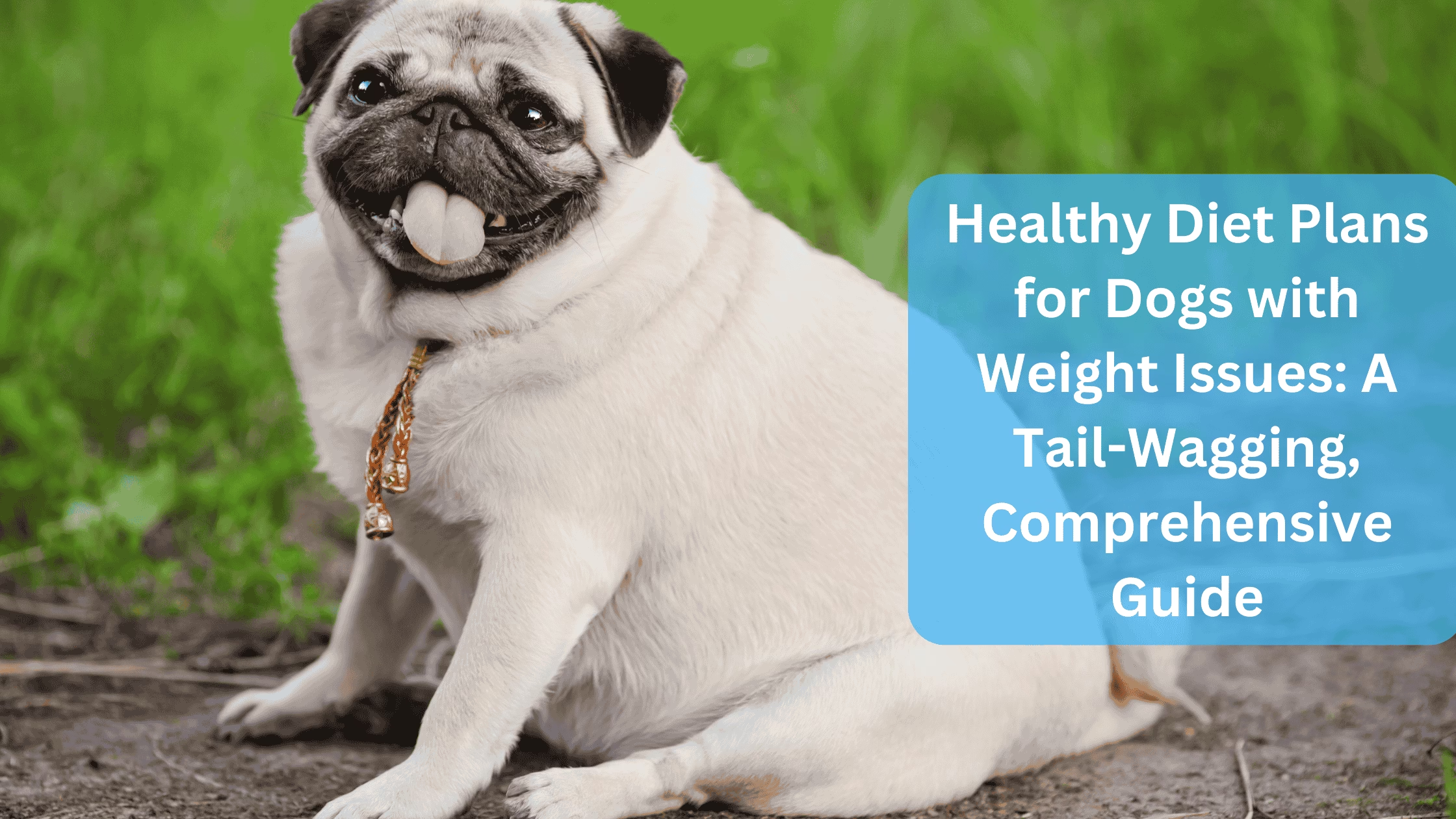
  • Healthy Diet Plans for Dogs with Weight Issues: A Tail-Wagging, Comprehensive Guide

    Healthy Diet Plans for Dogs with Weight Issues: A Tail-Wagging, Comprehensive Guide

    Do you want Healthy Diet Plans for Dogs with Weight Issues? Alright, fellow dog devotees, let’s get down to business! We all know our furry companions have a knack for turning on the charm, especially when those pleading eyes are begging for just one more treat.

    But, just like us, our pups can sometimes struggle with their weight. Whether it’s a few extra pounds they’re carrying or needing to gain some healthy weight, it’s a balancing act.

    Fear not, because this guide is here to help you navigate the wonderful world of canine weight management!

    We’ll cover everything from understanding the root causes of weight issues to crafting personalized diet plans, all while keeping things informative, friendly, and sprinkled with a touch of humor. Think of this as your ultimate roadmap to a healthier, happier pup! Let’s get started! 🚀

    Understanding the Spectrum of Canine Weight Issues

    Before we dive into the delicious details, let’s clarify that weight issues aren’t just about being “overweight.” It’s a spectrum, and understanding where your dog falls is key:

    • Underweight: These pups might be too thin, lacking essential nutrients, or struggling with underlying health issues. It’s like they’re running on empty and need a good refueling. ⛽
    • Ideal Weight: This is the sweet spot! Dogs at their ideal weight are energetic, have a visible waistline, and you can easily feel their ribs without excessive padding. It’s like they’ve hit the Goldilocks zone – just right!
    • Overweight: These dogs are carrying extra weight that puts them at risk for health problems. It’s like they’re carrying an extra backpack filled with kibble and treats. 🎒
    • Obese: This is when dogs are significantly overweight, with large fat deposits and a high risk of severe health issues. It’s like they’re living in a fluffy cloud but need to trim the excess. ☁️

    Age-Specific Nutritional Needs: A Tailored Approach

    Just like humans, dogs have different nutritional needs at different life stages. Let’s explore those:

    Puppies (Up to 1 Year)

    • Nutritional Needs: Puppies are like little construction sites, growing rapidly and needing high levels of protein and fat for proper development. Aim for 22-32% protein and 8-20% fat. It’s like giving them all the building blocks to become strong, healthy adults. 🏗️
    • Feeding Frequency: These little guys need fuel often! Feed them three to four times a day to support their growth and energy. Think of it as a constantly refilling fuel tank.
    • Sample Plan (Medium-Breed Puppy):
      • Breakfast: 1 cup high-quality puppy kibble + a spoonful of plain yogurt.
      • Lunch: 1/2 cup puppy kibble mixed with a bit of cooked chicken breast.
      • Dinner: 1 cup puppy kibble and a small amount of mashed sweet potato.

    Adult Dogs (1-7 Years)

    • Nutritional Needs: Adult dogs need a balanced diet to maintain their health. Aim for around 18-25% protein and 5-15% fat. It’s like switching to a maintenance mode to stay in tip-top shape.
    • Feeding Frequency: Most adult dogs thrive on two meals a day. It’s like having lunch and dinner, no need to be a glutton unless you are entering a hot dog eating competition.
    • Sample Plan (Active 50-Pound Dog):
      • Breakfast: 1.5 cups high-quality adult kibble + a sprinkle of flaxseed.
      • Dinner: 1.5 cups high-quality adult kibble + 1/2 cup cooked lean ground turkey and green beans.

    Senior Dogs (7+ Years)

    • Nutritional Needs: Senior dogs often need fewer calories due to decreased activity levels but may require more fiber for digestion. Aim for 18-25% protein and less than 10% fat, with plenty of fiber. It’s like switching to a more “comfortable cruise” mode. 🚢
    • Feeding Frequency: Two smaller meals a day can be beneficial for their digestion. It’s like having smaller portions to avoid feeling bloated.
    • Sample Plan (Sedentary 50-Pound Senior):
      • Breakfast: 1 cup senior-specific kibble + a tablespoon of pumpkin puree.
      • Dinner: 1 cup senior-specific kibble + ½ cup steamed carrots and a joint supplement sprinkle.

    The Wonderful Benefits of a Healthy Dog Diet

    Why all the fuss about diet plans? Well, a healthy diet can make a world of difference for your furry best friend:

    • Improved Health: A balanced diet can reduce the risk of chronic diseases, meaning fewer vet visits and more tail wags. It’s like investing in your dog’s long-term well-being! 🩺
    • Increased Energy Levels: Proper nutrition gives your dog the energy to run, play, and enjoy all their goofy moments. It’s like giving them a battery pack that lasts all day! 🔋
    • Better Mood: A healthy diet often leads to improved behavior and a happier demeanor. It’s amazing what a good meal can do for the soul (or should we say, the snout!). 😊
    • Longer Lifespan: A healthy diet can help your dog live a longer, more fulfilling life. Who doesn’t want more years with their beloved pup? It’s like adding extra chapters to their amazing story! 📖

    Key Components of a Healthy Dog Diet

    Alright, let’s get down to the nitty-gritty. What does a truly healthy diet look like for a dog?

    1. Quality Ingredients:
      • Real Meat: Look for dog food where the first ingredient is a named protein source, like chicken, beef, or fish. It’s like choosing steak over mystery meat. 🥩
      • Whole Grains: Whole grains like brown rice and oats provide essential fiber. They’re the good carbs for our furry friends!
      • Fruits and Veggies: Fresh produce like carrots, blueberries, and spinach offer vital vitamins and antioxidants. It’s like a tiny, colorful salad for your pup. 🥕🫐
    2. Portion Control:
      • Use Feeding Guidelines: Check the guidelines on the dog food bag. These recommendations are based on your dog’s weight and activity level. It’s like using a map to navigate the world of weight management. 🗺️
      • Measure Food: Don’t eyeball it! Use a measuring cup for precise portions. It’s all about precision when it comes to a diet plan. 📏
      • Restrict Treats: Keep treats to no more than 10% of your dog’s daily calories. Think of them as occasional desserts. 🍰
    3. Regular Feeding Schedule:
      • Consistency: Feed your dog at the same times each day. It helps regulate their metabolism and avoids those “hanger” moments. ⏰
      • Twice Daily: Splitting their daily food into two meals is ideal for digestion and preventing overeating at once. It’s like a sensible distribution of meals throughout the day.
    4. Healthy Treats:
      • Low-Calorie Options: Choose treats with fewer calories. It’s about satisfying those cravings without derailing their diet plan.
      • Training Rewards: Use small, low-calorie treats for training. They are perfect for rewarding good behavior without sabotaging the meal plan.

    Healthy Diet Plans for Dogs with Weight Issues: Tailored to Every Scenario

    Alright, let’s get to the heart of the matter—more meal plans! We’ll cover various age groups, weight statuses, and even throw in a few breed-specific considerations. Remember, these are examples, and consulting your vet is crucial for personalized advice.

    Puppy Diet Plans (Up to 1 Year)

    1. Underweight Puppy (Medium Breed)

    • Goal: Healthy weight gain and proper development.
    • Feeding Frequency: 4 meals per day.
      • Breakfast: 1 cup high-quality puppy kibble mixed with 1 tbsp full fat plain yogurt and 1 tsp salmon oil.
      • Lunch: ¾ cup puppy kibble mixed with ¼ cup cooked and finely diced chicken breast.
      • Afternoon Snack: ½ cup puppy kibble mixed with a small amount of mashed sweet potato
      • Dinner: 1 cup puppy kibble mixed with 1 scrambled egg (cooked without any oil or seasoning)
      • Treats: Small, soft puppy treats in moderation.

    2. Ideal Weight Puppy (Large Breed)

    • Goal: Maintain healthy growth rate and development.
    • Feeding Frequency: 3 meals per day.
      • Breakfast: 1.25 cups high-quality large-breed puppy kibble.
      • Lunch: 1 cup large-breed puppy kibble mixed with a small amount of steamed carrots.
      • Dinner: 1.25 cups large-breed puppy kibble mixed with a small amount of cooked lean ground turkey.
      • Treats: Puppy training treats in moderation.

    3. Overweight Puppy (Small Breed)

    • Goal: Controlled weight gain and healthy growth.
    • Feeding Frequency: 3-4 smaller meals per day.
      • Breakfast: ¾ cup high-quality small-breed puppy kibble.
      • Lunch: ½ cup puppy kibble mixed with ¼ cup steamed green beans.
      • Dinner: ¾ cup puppy kibble mixed with a small amount of cooked lean chicken breast.
      • Treats: Very low-calorie puppy treats like small pieces of apple.

    Adult Dog Diet Plans (1-7 Years)

    4. Underweight Adult Dog (25 Pounds, Active)

    • Goal: Healthy weight gain and increased muscle mass.
    • Feeding Frequency: 3 meals per day.
      • Breakfast: 1.25 cup high-quality adult kibble mixed with 2 tbsp of canned salmon.
      • Lunch: 1 cup adult kibble mixed with ¼ cup cooked beef and a small amount of cooked brown rice.
      • Dinner: 1.25 cup adult kibble mixed with 1 scrambled egg (cooked without any oil or seasoning) and 1 tsp of flaxseed oil.
      • Treats: High-calorie treats such as small pieces of cheese, meat in moderation.

    5. Underweight Adult Dog (50 Pounds, Sedentary)

    • Goal: Gradual, healthy weight gain.
    • Feeding Frequency: 2-3 meals per day.
      • Breakfast: 1.5 cups high-quality adult kibble mixed with 1/4 cup cottage cheese.
      • Dinner: 1.5 cups adult kibble mixed with ½ cup cooked chicken and a spoonful of pumpkin puree.
      • Treats: Calorie-dense treats like small pieces of cooked meat.

    6. Ideal Weight Adult Dog (30 Pounds, Active)

    • Goal: Maintain healthy weight and energy levels.
    • Feeding Frequency: 2 meals per day.
      • Breakfast: 1 cup high-quality adult kibble
      • Dinner: 1 cup high-quality adult kibble mixed with ½ cup of cooked lean turkey and green beans.
      • Treats: Low-calorie treats in moderation.

    7. Ideal Weight Adult Dog (60 Pounds, Moderate Activity)

    • Goal: Maintain optimal health and energy.
    • Feeding Frequency: 2 meals per day.
      • Breakfast: 1.75 cups high-quality adult kibble.
      • Dinner: 1.75 cups high-quality adult kibble mixed with ½ cup steamed vegetables (carrots, green beans).
      • Treats: Healthy training treats in moderation.

    8. Overweight Adult Dog (40 Pounds, Sedentary)

    • Goal: Gradual weight loss with controlled portions.
    • Feeding Frequency: 2 meals per day.
      • Breakfast: ¾ cup low-fat, high-fiber kibble with ¼ cup steamed green beans.
      • Dinner: ¾ cup low-fat, high-fiber kibble mixed with ¼ cup cooked lean chicken breast and a spoonful of pumpkin puree.
      • Treats: Very low-calorie treats such as a small piece of carrot or cucumber.

    9. Overweight Adult Dog (70 Pounds, Moderate Activity)

    • Goal: Controlled weight loss and increased activity.
    • Feeding Frequency: 2 meals per day.
      • Breakfast: 1 cup low-fat, high-fiber kibble with ¼ cup of steamed broccoli.
      • Dinner: 1 cup low-fat, high-fiber kibble mixed with ½ cup cooked lean ground turkey and carrots.
      • Treats: Low-calorie treats like small pieces of apple, celery.

    10. Obese Adult Dog (80+ Pounds, Sedentary)

    • Goal: Significant weight loss with a vet’s guidance.
    • Feeding Frequency: 2 meals per day, carefully measured.
      • Breakfast: 1.25 cup low-calorie, high-fiber kibble with a ¼ cup of mixed steamed vegetables.
      • Dinner: 1.25 cup low-calorie, high-fiber kibble with a ½ cup of lean protein (boiled chicken) and a small amount of pumpkin puree.
      • Treats: Very minimal, low-calorie treats like a couple of small pieces of carrot.

    Senior Dog Diet Plans (7+ Years)

    11. Underweight Senior Dog (45 Pounds, Moderate Activity)

    • Goal: Gain weight while ensuring easy digestion.
    • Feeding Frequency: 3 small meals per day.
      • Breakfast: 1 cup senior-specific kibble mixed with a bit of soft-cooked chicken and brown rice.
      • Lunch: ½ cup senior kibble mixed with a small amount of mashed sweet potato.
      • Dinner: 1 cup senior kibble mixed with a spoonful of full-fat cottage cheese and a drizzle of fish oil.
      • Treats: Soft, calorie-dense treats like small pieces of cooked chicken or scrambled eggs.

    12. Ideal Weight Senior Dog (55 Pounds, Low Activity)

    • Goal: Maintain healthy weight with gentle digestion.
    • Feeding Frequency: 2 meals per day.
      • Breakfast: 1 cup senior-specific kibble mixed with 1 tbsp of pumpkin puree.
      • Dinner: 1 cup senior-specific kibble mixed with ½ cup cooked lean turkey and steamed carrots.
      • Treats: Soft, low-calorie treats in moderation.

    13. Overweight Senior Dog (60 Pounds, Sedentary)

    • Goal: Gradual weight loss with gentle digestion.
    • Feeding Frequency: 2 small meals per day.
      • Breakfast: ¾ cup senior-specific kibble with a ¼ cup steamed green beans.
      • Dinner: ¾ cup senior-specific kibble with a ¼ cup cooked lean chicken and a tablespoon of pumpkin puree.
      • Treats: Very low-calorie treats like a small piece of cucumber.

    Breed-Specific Considerations

    • Labrador Retriever (Overweight): Portion-controlled diet, high-fiber kibble, increased exercise. Refer to plan #9
    • Beagle (Overweight): Portion control, focus on lean proteins and whole grains, daily walks. Refer to plan #8
    • Dachshund (Overweight): Strict calorie control, low-impact exercises, portion control of a small breed food. Refer to plan #10
    • Greyhound (Underweight): High-protein meals, added lean meats/fish, portion control. Refer to plan #4
    • Bulldog (Overweight): Low-calorie kibble, limited treats, gentle exercise. Refer to plan #8

    Frequently Asked Questions: Let’s Address the Burning Questions

    How do I know if my dog is underweight?

    You can easily see their ribs, spine, and hip bones, they may feel weak and tired.

    How do I encourage my dog to exercise?

    Daily walks, interactive toys, and playdates with other dogs are all great options.

    Is it okay to give my dog human food?

    Yes, but with caution. Healthy options include lean chicken, carrots, and green beans. Avoid toxic foods like chocolate, grapes, and onions.

    What are the dangers of an overweight dog?

    Increased risk of diabetes, heart disease, joint problems, breathing difficulties, and reduced lifespan.

    What are the dangers of an underweight dog?

    Weak immune system, muscle loss, fatigue, and increased risk of illness.

    How can I make homemade dog food for weight management?

    Consult with your vet or a veterinary nutritionist to create a balanced diet that meets all your dog’s needs.

    How often should I weigh my dog?

    Regular weigh-ins will help you track their progress. Aim for at least once a month, or as recommended by your vet

    Additional Tips: The Extra Mile

    • Gradual Changes: Always introduce changes slowly to avoid digestive upset.
    • Regular Weigh-Ins: Monitor your dog’s weight regularly to track progress.
    • Exercise: Complement the diet with regular physical activity.
    • Patience: Weight management takes time and consistency.

    Also Read: How to Treat a Poisoned Dog at Home: A Comprehensive Guide

    Also Read: Are Dandelions Poisonous to Dogs?

    Conclusion: A Healthy Pup, A Happy Life

    Creating the right diet plan for your dog may seem challenging, but it’s an investment in their health, happiness, and longevity. By focusing on quality ingredients, portion control, and regular exercise, you can help your furry best friend thrive.

    So, grab your measuring cup, consult with your vet, and embark on this rewarding journey with your dog. You’ve got this! And remember, a little bit of patience, love, and maybe a few healthy treats will go a long way. Your dog will thank you with endless tail wags, happy barks, and lots of snuggles. 🐶❤️

    Remember, the journey to a healthier pup is a marathon, not a sprint. Let’s keep those tails wagging and the happy barks coming!


    Sources:

  • Can My Dog Eat Popcorn? The Best Guide for Pet Owners.

    Can My Dog Eat Popcorn? The Best Guide for Pet Owners.

    Can My Dog Eat Popcorn? – As dog owners, we often share our lives—and sometimes our snacks—with our furry pals. One snack that may tempt both you and your pup is popcorn! 🍿 But can our canine companions safely enjoy this popular treat? In this guide, we will explore everything you need to know about feeding popcorn to dogs, including its benefits, risks, preparation tips, and more.

    Why Popcorn is a Popular Snack

    Popcorn is beloved for movie nights, game days, and casual gatherings. Its light, crunchy texture and versatility make it an irresistible snack. Plus, popcorn is a whole grain, which can make it seem like a healthier choice compared to other processed snacks. But while it’s a staple in human diets, we need to inspect its suitability for our four-legged friends.

    Can My Dog Eat Popcorn?

    Basic Safety Considerations

    When determining if your dog can enjoy popcorn, the first consideration is preparation. Plain, air-popped popcorn without any additives is safe for dogs in moderation. Always keep an eye on portion sizes and supervise your dog while they enjoy their snack to prevent any choking hazards.

    Nutritional Benefits and Drawbacks of Popcorn for dogs

    Popcorn has nutritional perks, but it also comes with some drawbacks that pet owners should consider:

    • Benefits: Popcorn is low in calories and can be a source of fiber. When prepared without added oil or butter, it can be a guilt-free treat for your furry friend.
    • Drawbacks: While plain popcorn itself isn’t harmful, flavored or excessively salted varieties can pose serious risks. Furthermore, too much popcorn can lead to gastrointestinal upset due to its high fiber content.

    Understanding Saponins and Their Effects

    Saponins are natural compounds found in various plants, including quinoa and certain legumes. While they aren’t directly related to popcorn, they remind us that some grains can carry different risks. Always ensure that the popcorn you serve your dog is thoroughly cooked and free from harmful substances.

    Health Benefits of Popcorn for Dogs

    Source of Fiber

    Popcorn can provide a source of dietary fiber, which helps promote healthy digestion in dogs. Fiber aids in regulating bowel movements and can assist in alleviating certain digestive issues. Just think of it as a crunchy little helper for your pup’s tummy! 🐶

    Low-Calorie Treat When Prepared Correctly

    When prepared with minimal or no oil and salt, popcorn becomes a low-calorie snack option for dogs. This is especially beneficial for pet owners searching for healthier treat alternatives without sacrificing their dog’s joy during snack time.

    Antioxidant Properties

    Popcorn, particularly when unprocessed and lacking heavy salt or flavor, contains antioxidants. These little warriors help combat oxidative stress in dogs, just like they do for us humans!

    Potential Risks of Feeding Popcorn to Dogs

    Choking Hazards

    Popcorn can pose a choking risk, particularly for smaller dogs or those who tend to gulp their food down like it’s a race. Always supervise your dog while they munch, and consider breaking the popcorn into smaller pieces if needed.

    Potential for Gastrointestinal Upset

    Feeding too much popcorn can lead to bloating, gas, or diarrhea—certainly not a fun day for your pup! Moderation is key, and you should treat popcorn as an occasional snack rather than a regular part of their diet.

    Importance of Moderation

    While popcorn can be a healthy snack, keep in mind that it shouldn’t replace balanced dog food. Treats—including popcorn—should make up no more than 10% of your dog’s daily caloric intake. Think of it as a special bonus, not a meal substitute!

    Allergies and Sensitivities

    Some dogs may have allergies or sensitivities to certain grains. Introducing any new food should be done gradually, keeping a watchful eye for reactions like itching, swelling, or digestive upset. Remember, not all dogs are as tolerant as others!

    How to Prepare Popcorn for Your Dog

    Best Methods: Air-Popped vs. Stovetop

    The healthiest way to prepare popcorn for your dog is to air-pop it. This method doesn’t require oil, making it a lower-calorie option. Stovetop popcorn can also work, but avoid adding oils, butter, or seasonings.

    Avoiding Harmful Additives (Salt, Butter, etc.)

    Never feed your dog buttered or salted popcorn. These ingredients can lead to health issues such as pancreatitis or excessive weight gain. Always keep it simple with plain popcorn—after all, less is often more!

    Cool Down and Serving Tips

    Let the popcorn cool before serving it to your dog. Hot popcorn can burn their mouths, and it’s essential to serve the snack at a safe temperature. Think of it as sharing, but with safer snacks!

    Safe Popcorn Toppings and Additions

    Plain Popcorn: The Safest Option

    Plain, air-popped popcorn is the safest choice for dogs. It’s low in calories and free from harmful additives. Always ensure it’s freshly popped and not stale; nobody wants a stale snack, least of all your pup!

    Peanut Butter: A Tasty Addition (Ensure It’s Dog-Safe)

    Adding a small amount of unsweetened, xylitol-free peanut butter can enhance popcorn’s appeal! Peanut butter is often a favorite among dogs and can add flavor and nutrition.

    • Benefits and Serving Suggestions: Peanut butter is a source of protein and healthy fats. Just be sure to use it sparingly!

    Pumpkin Spice: An Occasional Treat (Without Harmful Ingredients)

    Canned pumpkin (not the spiced pie filling) can be a delightful addition to plain popcorn. It’s high in fiber and can help with digestion—who knew popcorn could be so fancy?

    • Health Benefits and Preparation Tips: Mix a small amount of pure pumpkin with popcorn for a seasonal treat. Avoid adding sugar or spices; we want to keep it dog-friendly!

    Cheese: For a Limited Experience

    Cheese can be sprinkled lightly on popcorn as a treat. Opt for low-fat cheese, as moderation is always key when it comes to dairy.

    • Safe Serving Sizes and Types of Cheese: Cheddar, mozzarella, and cream cheese can be safe, but don’t go overboard. A little cheese goes a long way!

    Coconut Oil: Benefits and How to Use It Safely

    Coconut oil can be drizzled over popcorn for added flavor. It contains medium-chain triglycerides (MCTs), which can provide health benefits.

    • Dosage Recommendations and Potential Health Benefits: Use a teaspoon for larger dogs and a half-teaspoon for smaller dogs. Your dog will thank you with extra tail wags!

    Honey: An Occasional Sweetener (Ensure It’s Pure)

    Pure honey can be a delightful drizzle atop popcorn for a sweet treat. It contains antioxidants and can be beneficial for dogs when given in moderation.

    • Benefits and Precautions: Always ensure the honey is pure and organic. Avoid honey for puppies under one year due to the risk of botulism.

    Different Ways to Serve Popcorn to Dogs

    As a Treat During Movie Night

    Popcorn can make movie night even more special for both you and your pup! Just ensure your dog gets a plain portion while you enjoy yours with all the fixings.

    • Ideas for Creating a Dog-Friendly Movie Experience: Set up a cozy spot with their favorite blanket and let them munch away while you enjoy your film. After all, popcorn is best when shared!

    Mixed with Dog Food for Extra Texture

    Mixing a small amount of popcorn into your dog’s regular food can add some fun texture and variety. This can be particularly helpful for picky eaters.

    • Benefits of Texture Variety in Dog Meals: Variety can stimulate your dog’s appetite and encourage them to enjoy their meals more. Just like humans, dogs love a little change every now and then!

    In Homemade Dog Treats and Recipes

    Popcorn can be incorporated into homemade dog treats. A simple yet tasty recipe can include popcorn, oat flour, and mashed bananas.

    • Simple Recipes Incorporating Popcorn (e.g., Popcorn Dog Biscuits): Mix one cup of plain air-popped popcorn with two cups of oat flour and one mashed banana. Bake until golden—Yum!

    As a Reward During Training

    Using popcorn as a training reward can be effective in reinforcing good behavior. Dogs often appreciate the crunchy texture and flavor.

    • Using Popcorn as Positive Reinforcement: Keep the pieces small to avoid filling them up too much during training sessions. Positive reinforcement is key to successful training!

    International Variations of Popcorn Dog Treats

    United States: Movie Snack Culture

    In the U.S., popcorn is a quintessential movie snack. While it’s often buttered and salted, for dogs, only plain versions should be offered.

    • Popular Recipes and Methods of Preparation: Air-popped popcorn has become a healthier option among pet owners—hurray for health-conscious pups!

    Mexico: Popcorn with Chili and Lime (Not Safe for Dogs)

    In Mexico, popcorn is sometimes served with chili powder and lime juice. While it’s delicious for humans, these spices can be harmful to dogs.

    • Cultural Significance and Why Spices Are Harmful: Spicy foods can irritate a dog’s stomach and lead to digestive issues, so stick to the plain stuff for your furry friends!

    India: Masala Popcorn (Spices to Avoid)

    Masala popcorn is popular for its spiced flavor, but spices like garlic and onion are harmful to dogs.

    • Common Spices and Their Potential Effects on Dogs: Avoid giving your dog any flavored popcorn that contains garlic, onion, or excessive salt. Keep it simple, like your dog would prefer!

    Japan: Traditional Caramel Popcorn (How It Translates to Dogs)

    Caramel popcorn is a popular treat in Japan, but the sugar can lead to health issues in dogs.

    • Discussing Sweetness and Health Risks: Sugar can contribute to obesity and dental problems, making it unsuitable for dogs. Save the caramel corn for the humans!

    Australia: Popcorn as a Fun Pet Snack

    In Australia, popcorn is sometimes given to dogs as a snack during holidays or special occasions.

    • Popular Variations and Their Safety: Ensure it is plain and devoid of additives, just like everywhere else! (Safety first!)

    Frequently Asked Questions About Dogs and Popcorn

    Can my dog eat popcorn?

    Yes, dogs can eat popcorn, but it should be plain and air-popped, without any additives.

    What types of popcorn can dogs eat?

    Only plain, air-popped popcorn is recommended. Avoid buttered, salted, or flavored varieties.

    Can dogs eat flavored or buttered popcorn?

    No, flavored and buttered popcorn can be harmful to dogs due to unhealthy additives.

    Can puppies eat popcorn?

    Puppies can have popcorn in moderation, but ensure it’s plain and avoid any choking hazards.

    What if my dog eats too much popcorn?

    Monitor for signs of digestive distress, such as vomiting or diarrhea. If symptoms persist, consult your veterinarian.

    How much popcorn can I safely give my dog?

    A few plain popped kernels as an occasional treat based on your dog’s size is generally safe.

    Is microwave popcorn safe for dogs?

    No, microwave popcorn often contains unhealthy additives that can be harmful to dogs.

    Can dogs eat popcorn every day?

    No, popcorn should be an occasional treat and should not replace a balanced diet.

    Are there any health benefits to feeding popcorn to dogs?

    Yes, it can be a low-calorie snack and a source of fiber when prepared correctly.

    What are the risks of feeding popcorn to dogs?

    Risks include choking hazards, gastrointestinal upset, and allergies.

    Can I add toppings to popcorn for my dog?

    You can add safe toppings like peanut butter or coconut oil, but avoid harmful ones.

    Can dogs eat kettle corn or caramel popcorn?

    No, kettle corn and caramel popcorn contain too much sugar and additives that can harm dogs.

    What if my dog has digestive issues? Can they still eat popcorn?

    It’s best to avoid popcorn if your dog has digestive issues and consult your vet for suitable treats.

    Is popcorn a good treat for overweight dogs?

    Yes, when prepared plain and offered in moderation, it can be a low-calorie option.

    Can I make homemade popcorn treats for my dog?

    Yes! You can make treats using plain popcorn mixed with dog-safe ingredients.

    What to do if my dog has a popcorn kernel stuck in their throat?

    Monitor your dog for choking signs; if they show distress, seek veterinary assistance immediately.

    Can dogs with allergies eat popcorn?

    It depends on the specific allergies. Always consult your veterinarian before introducing new foods.

    Do all dogs like popcorn?

    Not all dogs will enjoy it, as preferences can vary.

    How should I introduce popcorn to my dog?

    Start with a small amount to see how they react and monitor for any adverse effects.

    What are some alternatives to popcorn for my dog?

    Consider dog-safe fruits, vegetables, or commercial dog treats as alternatives.

    Also Read: Can Dogs Eat Quinoa? Is it Safe for your Dog?

    Also Read: Can Dogs Eat a Ham Bone? Discover the Shocking Dangers!

    Conclusion

    In summary, popcorn can be a safe and enjoyable snack for dogs when prepared correctly and offered in moderation. Always opt for plain, air-popped popcorn and avoid harmful additives. Your furry friend deserves the best, after all! 🐾

    While popcorn can be a fun treat, it should not replace a balanced diet. As with introducing any new food, proceed with caution and keep your pup’s health in mind. By following the guidelines in this article, you can ensure that your dog enjoys popcorn safely as an occasional snack.

    Now, grab that popcorn—and maybe share a few pieces with your four-legged friend. After all, movie nights are better when they include everyone, right? 🎬🍿


    Sources:

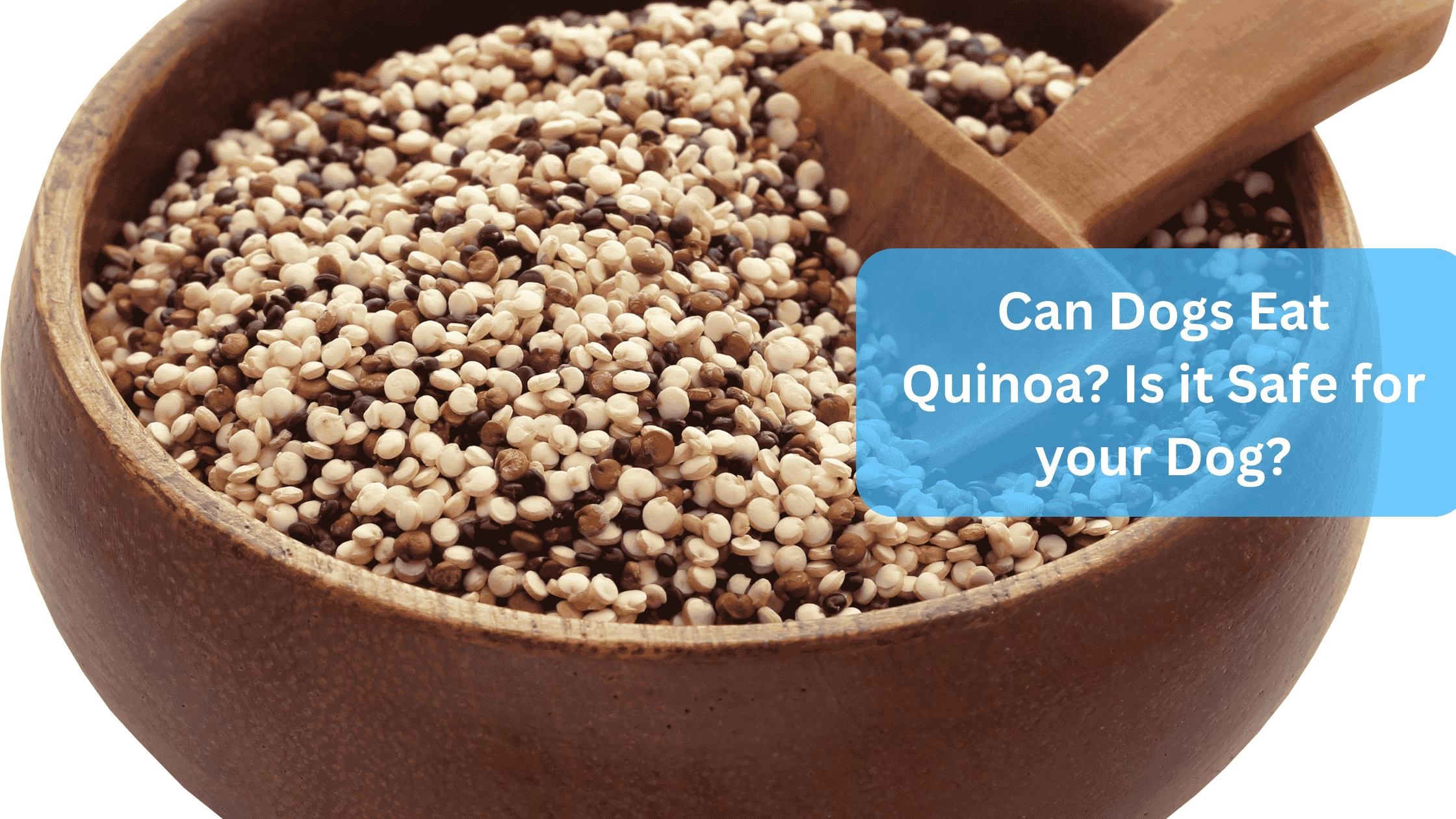
  • Can Dogs Eat Quinoa? Is it Safe for your Dog?

    Can Dogs Eat Quinoa? Is it Safe for your Dog?

    As a dedicated dog parent, you might find yourself asking, can dogs eat quinoa? This trendy grain has gained popularity in human diets for its nutritional benefits, but what about our furry friends? Let’s dig into the details and uncover the truths about feeding quinoa to your canine companion!

    What is Quinoa?

    Quinoa (pronounced keen-wah) is a gluten-free grain that’s packed with protein, fiber, and essential vitamins and minerals. Originating from the Andean region of South America, it has become a beloved food for both humans and pets. But can dogs enjoy this superfood too?

    The Benefits of Quinoa for Dogs

    Feeding quinoa to dogs can provide various health benefits when prepared properly. Here’s why you might consider adding it to your dog’s diet:

    1. Rich in Nutrients

    Quinoa is loaded with essential nutrients, including:

    • Protein: Contains all nine essential amino acids, making it a complete protein source.
    • Fiber: Aids digestion and promotes gut health.
    • Vitamins & Minerals: High in B vitamins, magnesium, and iron.

    2. Gluten-Free

    For dogs with sensitivities to gluten, quinoa can be an excellent alternative to wheat-based products.

    Can Dogs Eat Quinoa Safely?

    The answer is yes—but with some important considerations. When introducing quinoa to your dog’s diet, keep the following tips in mind:

    1. Serve Cooked Quinoa

    Always feed cooked quinoa to your dog. Raw quinoa contains saponins, which can be toxic and cause gastrointestinal irritation. Cooked quinoa is safe and easy for dogs to digest.

    2. Moderation is Key

    While quinoa is nutritious, it should be treated as an occasional treat rather than a daily staple. Too much can lead to digestive upset or an imbalance in your dog’s diet.

    How Much Quinoa Can Dogs Eat?

    When determining how much quinoa to feed your dog, consider their size and dietary needs. A small dog might only need a tablespoon or two, while larger breeds can enjoy a quarter cup or more. Always introduce new foods gradually to monitor for any adverse reactions.

    Can Dogs Eat Quinoa Every Day?

    Although quinoa has numerous health benefits, feeding quinoa every day isn’t recommended. Variety in your dog’s diet is essential for providing a balanced mix of nutrients. Instead, consider offering quinoa once or twice a week as a healthy addition to their meals.

    Can Dogs Eat Quinoa Instead of Rice?

    You may be wondering, can dogs eat quinoa instead of rice? Absolutely! Quinoa is a great alternative to rice and offers more protein and nutrients. Just remember to cook it thoroughly and serve it in moderation.

    Can Dogs Eat Quinoa for Diarrhea?

    If your dog is experiencing diarrhea, a small portion of cooked quinoa can help. The fiber content may aid digestion and help firm up stool. However, always consult your veterinarian if diarrhea persists or is severe.

    How to Prepare Quinoa for Your Dog

    Here’s a simple step-by-step guide for preparing quinoa safely for your pet:

    1. Rinse the Quinoa: Before cooking, rinse quinoa under cold water to remove saponins, which can taste bitter.
    2. Cook Thoroughly: Boil in water or broth (ensure it’s low-sodium and dog-safe) until fluffy. The typical ratio is 1 part quinoa to 2 parts water.
    3. Cool Down: Allow the quinoa to cool before serving to prevent burns.
    4. Serve in Moderation: Mix a small amount into your dog’s regular food, or serve it as a treat on its own.

    Can Dogs Eat Different Types of Quinoa?

    Quinoa comes in several varieties, including red, white, and tri-color. can dogs eat red quinoa?, can dogs eat white quinoa?, OR can dogs eat tri-color quinoa? Yes! All types of quinoa are safe for dogs, but they may have slightly different textures and flavors. Feel free to mix it up and see which your dog enjoys most!

    FAQ’S – Related Questions

    Can Dogs Eat Quinoa Flour?

    Quinoa flour is safe for dogs in moderation. It can be used to make dog treats, but check for any other ingredients that may be harmful.

    Can Dogs Eat Quinoa Chips?

    Quinoa chips can be a fun treat, but be cautious of added salt or spices. Always check the ingredient label and consult your vet if unsure.

    Can Dogs Eat Quinoa Pasta?

    Yes, quinoa pasta is safe for dogs. Just ensure it is plain and free from additives that could be harmful.

    Also Read: Can Dogs Eat a Ham Bone? Discover the Shocking Dangers!

    Also Read: Can Dogs Eat Pear? Best Guide

    Conclusion: Is Quinoa a Good Choice for Dogs?

    In summary, can dogs eat quinoa? The answer is a resounding yes! Quinoa can be a healthy, nutritious addition to your dog’s diet when prepared and served correctly. Just remember to keep it balanced and offer it in moderation.


    Sources:

  • Can Dogs Eat a Ham Bone? Discover the Shocking Dangers!

    Can Dogs Eat a Ham Bone? Discover the Shocking Dangers!

    As a loving pet parent, you might wonder, can dogs eat a ham bone? While it might seem like a tasty treat for your furry friend, it’s essential to understand the potential risks involved. This guide will break down the facts, providing you with reliable information to keep your dog safe and healthy.

    The Appeal of Ham Bones

    For many, the holidays are synonymous with delicious ham dinners. The delightful aroma of a glazed ham fresh from the oven can make your mouth water—and it may make your dog’s tail wag furiously! 🐶 It’s tempting to want to share that joy with your canine companion. However, let’s delve into whether sharing a ham bone is truly safe.

    The Risks of Feeding Your Dog a Ham Bone

    Feeding your dog a ham bone may seem like a good idea, but it comes with various health risks. Here’s what you need to know:

    1. Choking Hazards

    One of the primary risks associated with ham bones is the potential for choking. If the bone splinters, sharp fragments can get lodged in your dog’s throat or digestive tract. This can lead to severe pain and distress for your pet.

    2. Digestive Issues

    Cooked bones, including ham bones, can cause significant digestive problems. They can splinter and cause blockages or tears in the intestines. These injuries may require emergency surgery, which can be costly and traumatic for both you and your dog.

    3. Nutritional Imbalance

    Ham can be high in sodium and unhealthy fats. Regular consumption can lead to obesity, pancreatitis, and other health issues. Dogs thrive on a balanced diet, and indulging them with high-fat foods like ham can throw their nutrition out of whack.

    4. Bone Splintering

    Cooked ham bones can splinter easily, leading to sharp shards that can cut your dog’s mouth, throat, or intestines. This can result in severe injury or even be fatal if not addressed quickly.

    Signs to Watch For

    If your dog does get a hold of a ham bone, it’s imperative to monitor them closely. Here are some signs that your dog might be experiencing distress after consuming a bone:

    • Choking: Look for signs such as gagging, coughing, or difficulty breathing. If your dog is pawing at their mouth or seems distressed, this could indicate a choking hazard.
    • Lethargy: If your dog is unusually quiet or inactive after eating the bone, it could be a sign of discomfort.
    • Vomiting: Frequent vomit, especially if it’s mixed with blood or appears abnormal, is a red flag.
    • Abdominal Pain: If your dog exhibits signs of pain, such as whining, panting, or changes in posture, this may indicate internal issues.

    If you notice any of these signs, seek veterinary advice immediately.

    What to Do If Your Dog Eats a Ham Bone?

    Don’t panic if your dog manages to grab a ham bone. Here are steps you can take:

    • Assess the Situation: Determine how much of the bone your dog has eaten and whether it was raw or cooked. If it was cooked, take precautions as described above.
    • Monitor Symptoms: Keep an eye out for any symptoms of distress as outlined.
    • Contact Your Vet: If your dog shows any signs of choking or digestive problems, contact your veterinarian for guidance. They may recommend bringing your dog in for an examination.

    Safer Alternatives to Ham Bones for Dogs

    Instead of ham bones, consider these alternatives that are safer and healthier for your dog:

    1. Raw Bones

    Raw bones can be a safer option, as they are less likely to splinter. Choose large, meaty bones that your dog can gnaw on, such as beef femurs or lamb shanks. Always supervise your dog while they’re enjoying a raw bone to prevent choking hazards.

    2. Commercial Dog Chews

    There are many vet-approved dog chews available that are designed to be safe and enjoyable for your pet. These chews come in various types, such as bully sticks, dental chews, and rawhide alternatives.

    3. Fruits and Vegetables

    Many dogs enjoy fruits and veggies as treats! Here are some safe options:

    • Apples: Remove seeds and cores before sharing. They are crunchy and packed with vitamins.
    • Carrots: A low-calorie snack that can help clean your dog’s teeth.
    • Pumpkin: Cooked pumpkin can be soothing for your dog’s digestive tract. Make sure it’s plain and free of additives.

    4. Stuffed Toys

    Stuffed toys that you can fill with peanut butter or other dog-safe ingredients can keep your dog entertained and satisfied without the risks associated with bones.

    The Right Way to Offer Chews and Bones

    When it comes to providing treats, certain guidelines should be followed to ensure your dog remains safe and healthy:

    1. Size Matters

    Choose treats that are appropriate for your dog’s size. A small dog should not be offered large bones that could pose a choking hazard or that they might have difficulty handling.

    2. Supervise Your Dog

    Always supervise your dog when they are enjoying a chew or bone. This allows you to intervene if any problems occur.

    3. Limit Time with Chews

    Don’t let your dog chew on bones or treats for extended periods. This can lead to aggressive chewing, which can increase the risk of breakage or splintering.

    4. Regular Vet Visits

    Regular check-ups will help you monitor your dog’s overall health. Your vet can provide advice on the best treats and chews to fit your dog’s specific needs.

    Frequently Asked Questions (FAQs)

    Can dogs eat raw ham bones?

    Raw bones are generally safer than cooked ones due to their lower risk of splintering. However, always ensure they are large enough to prevent choking.

    What about ham hocks or ham shanks?

    Like ham bones, ham hocks and shanks also pose similar risks and should be avoided. If you want to give your dog a bone, opt for raw or specifically designed dog chews.

    What if my dog loves the taste of ham?

    If your dog enjoys ham, you can give them small amounts as a rare treat. Just ensure it’s unseasoned, without additives, and only in moderation.

    How do I know if my dog has eaten too much fat?

    Signs of excessive fat consumption can include vomiting, diarrhea, and signs of lethargy. If you notice any of these symptoms, consult your veterinarian.

    Also Read: Can Dogs Eat Pear? Best Guide

    Also Read: How to Prevent IVDD in Dogs: A Comprehensive Guide

    Conclusion: Can Dogs Eat a Ham Bone?

    In conclusion, can dogs eat a ham bone? It’s best to avoid it altogether. While it may seem tempting to share your holiday dinner leftovers, providing your dog with safer alternatives is crucial for their health and well-being.


    Sources:

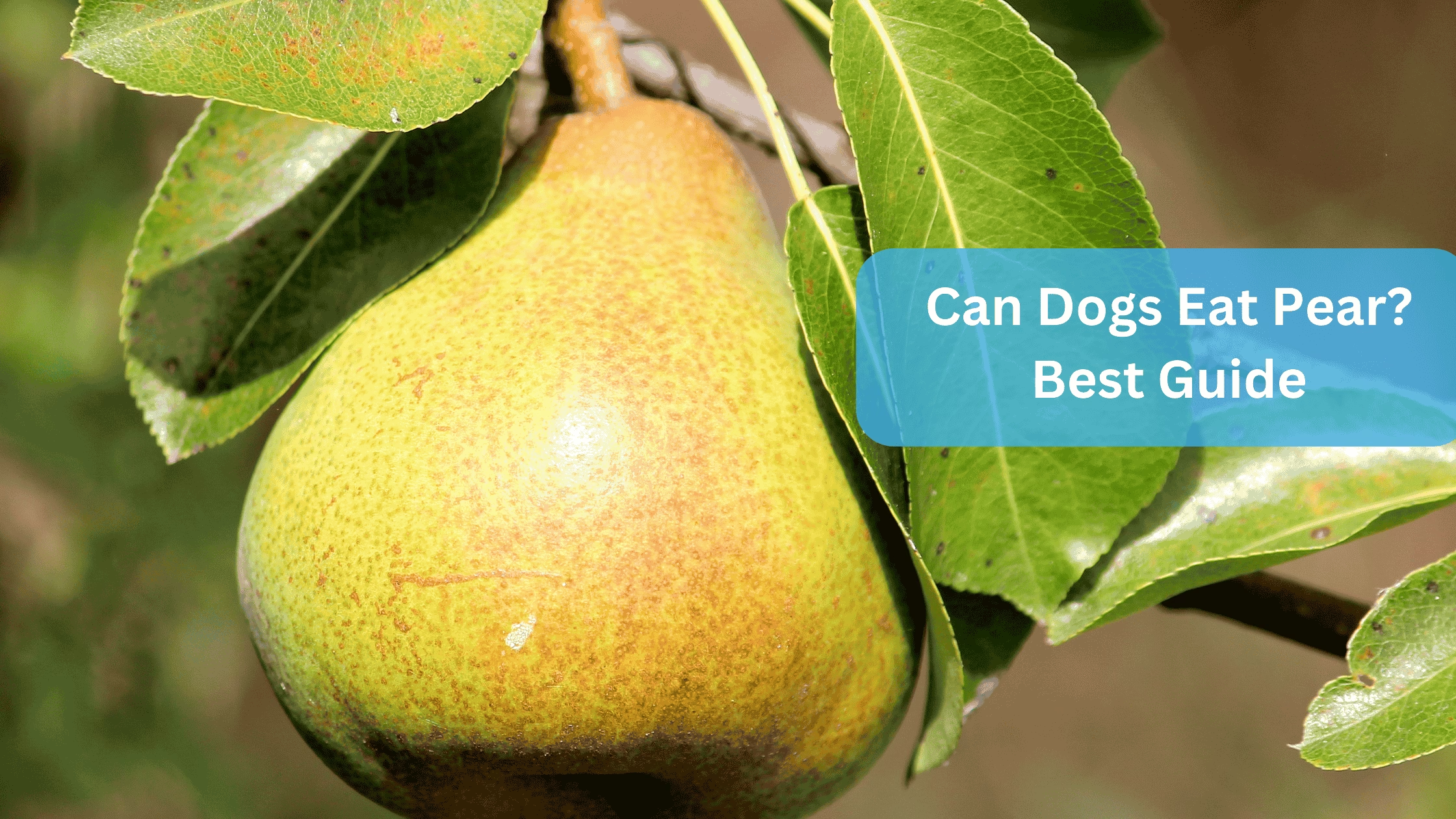
  • Can Dogs Eat Pear? Best Guide

    Can Dogs Eat Pear? Best Guide

    Can Dogs Eat Pear? So, your furry friend is eyeing your pear? 🍐 Well, let’s dive into whether this juicy fruit is a friend or foe for your canine companion! As a dog owner, it’s only natural to wonder about the safety of sharing your snacks with your pet.

    This comprehensive guide will answer the burning question: Can dogs eat pear? And if so, how can you safely treat your dog to this delicious fruit?

    The Basics: Can Dogs Eat Pears?

    The short answer is yes, dogs can eat pears! 🎉 This sweet fruit can be a healthy addition to your dog’s diet when served properly. Pears are nutritious and low in calories, making them a great option for occasional treats. They pack a punch with vitamins, fiber, and essential nutrients that can support your dog’s overall health.

    The Good Stuff: Benefits of Pears for Dogs

    Pears come loaded with benefits for your furry friend. Here’s what makes this fruit so appealing:

    • Fiber-Rich: Pears are an excellent source of dietary fiber, which helps maintain healthy digestion in dogs. A happy tummy equals a happy pup!
    • Vitamins and Minerals: They are rich in vitamin C, which can boost your dog’s immune system, and vitamin K, essential for proper blood clotting.
    • Antioxidants: Pears contain antioxidants that may help reduce inflammation and support overall health.

    So, while your dog might not be able to appreciate the subtle nuances of a perfectly ripe pear, they can certainly enjoy the health benefits (and the taste, let’s be honest).

    The Not-So-Good Stuff: Potential Risks

    While pears are generally safe, there are a few cautionary notes to keep in mind. Not all parts of the pear are dog-friendly:

    Pear Parts to Avoid

    • Pear Seeds: These little gems contain cyanogenic compounds, which can be toxic in large amounts. So, it’s best to remove them before sharing.
    • Pear Cores: The core can pose a choking hazard. Make sure to discard the core to keep your dog safe.
    • Pears in Excess: Like any treat, moderation is key. Introducing any new food into your dog’s diet should be done gradually to avoid digestive upset.

    🐾 Pro Tip: If your dog has a sensitive stomach, start with a small amount and observe how they react before making pears a regular part of their diet.

    Pear Varieties: Which Ones Are Safe?

    Now that we know pears can be a delightful treat, let’s explore the different varieties and their safety for dogs.

    Can Dogs Eat Asian Pears?

    Asian pears are safe for dogs, just like their Western counterparts. They are crisp and juicy, making them an enticing option!

    Can Dogs Eat Korean Pears?

    Korean pears also fall into the safe category for dogs. They’re similar to Asian pears and can be shared as long as you prepare them correctly.

    Can Dogs Eat Prickly Pears?

    Yes, dogs can eat prickly pears, but with a catch! 🐶 The skin must be removed, and any spines need to be carefully handled. The fruit itself is fine, just ensure it’s served without the prickly bits.

    Can Dogs Eat Cactus Pear?

    Cactus pears are essentially the same as prickly pears and are safe for dogs when properly prepared. Just ensure to avoid the spikes!

    Can Dogs Eat Apple Pears?

    Also known as “Asian pears,” apple pears are safe for dogs, presenting a sweet option for your pup. They can be enjoyed in moderation, just like other pear varieties.

    How to Prepare Pears for Your Dog

    If you’re excited to treat your pup to some pear, here’s how to prepare it safely:

    Steps to Serve Pears to Your Dog

    1. Wash the Pear: Thoroughly rinse to remove any dirt or pesticides. We want our pups enjoying the fresh, untainted goodness!
    2. Remove the Skin (Optional): While pear skin is generally safe, it can be tough for some dogs to digest. Start without the skin if your dog is new to pears.
    3. Cut into Small Pieces: Chop the pear into bite-sized pieces to prevent choking hazards—safety first!
    4. Discard the Core and Seeds: Always remove the core and seeds before giving pears to your furry friend.

    🐕 Portion Control: A small slice or two is sufficient, especially when introducing pears to your dog’s diet.

    What to Do If Your Dog Eats a Pear Core or Seeds

    Oops! If your dog accidentally munches on a pear core or seeds, don’t panic. Here’s what to do:

    • Observe Your Dog: Keep an eye on your pup for any signs of distress, such as vomiting, lethargy, or unusual behavior.
    • Contact Your Vet: If you notice any concerning symptoms, reach out to your veterinarian for advice.
    • Prevention: Always store pears out of reach to prevent accidental snacking on risky parts in the future.

    Alternative Fruits for Dogs

    If you’re looking for other dog-safe fruits to share, here are some scrumptious options:

    • Apples: Remove seeds and core before sharing.
    • Blueberries: A superfood packed with antioxidants and easy to serve!
    • Bananas: A potassium-rich treat that most dogs go bananas for! 🍌
    • Watermelon: Make sure to remove seeds and rind.

    Also Read: How to Prevent IVDD in Dogs: A Comprehensive Guide

    Also Read: Can Dogs See in the Dark? The Ultimate Guide

    FAQ’s

    Can dogs eat pear?

    Yes, dogs can eat pears in moderation and when prepared safely.

    Can dogs eat pear skin?

    Yes, but it might be tough for some dogs to digest. It’s best to peel it first, especially for newcomers to this fruit.

    Can dogs eat pear cores or seeds?

    No, pear cores and seeds should be avoided as they can pose a choking hazard and contain toxins.

    Can dogs eat prickly pears?

    Yes, as long as the skin and spines are removed.

    Can dogs eat baby food with pear?

    Yes, as long as it does not contain any additional sugars or harmful ingredients.

    Conclusion

    In summary, dogs can eat pears safely when prepared correctly. These delightful fruits offer health benefits and can be a tasty addition to your dog’s diet. Just remember to remove any seeds and cores and serve in moderation.

    So, the next time you enjoy a juicy pear, share a little slice with your pup—just know that they will thank you for it with the cutest tail wags! 🐾


    Sources:

  • How to Prevent IVDD in Dogs: A Comprehensive Guide

    How to Prevent IVDD in Dogs: A Comprehensive Guide

    How to Prevent IVDD in Dogs? Is your furry friend bouncing around like a pogo stick? 🐶💥 That’s great! But if your pup is a breed prone to Intervertebral Disc Disease (IVDD), a little caution can go a long way in keeping them happy and healthy.

    In this guide, we’ll explore effective strategies to prevent IVDD in dogs, supported by statistics, expert advice, and actionable tips that’ll have you barking up the right tree.

    What is IVDD and Why Should You Care?

    Intervertebral Disc Disease (IVDD) occurs when the discs between the vertebrae of the spine degenerate or herniate, causing pain, nerve damage, and even paralysis.

    Certain breeds, particularly Dachshunds, Beagles, and Cocker Spaniels, are more prone to this condition.

    In fact, studies show that nearly 25% of Dachshunds will experience some form of IVDD in their lifetime.

    Knowing how to prevent IVDD can save your pup from unnecessary suffering and expensive veterinary bills.

    Identifying Risk Factors: Is Your Dog at Risk?

    Before diving into prevention strategies, it’s essential to know if your dog is at risk. Here are key factors to consider:

    • Breed: Certain breeds, especially those with long backs and short legs, are more susceptible.
    • Weight: Overweight dogs are at a 30% higher risk for spinal problems.
    • Age: Older dogs (typically over 5 years) tend to experience disc degeneration.
    • Activity Level: Dogs that lead a sedentary lifestyle may be more vulnerable.

    How to Prevent IVDD in Dogs – Lifestyle Changes: Keeping Your Pup Healthy and Happy

    1. Maintain a Healthy Weight

    Keeping your dog at a healthy weight is crucial in preventing IVDD. Extra pounds can put additional strain on your dog’s spine. Studies indicate that weight management can decrease the risk of IVDD by up to 15%. A balanced diet and regular exercise will help keep them fit and prevent obesity-related issues.

    • Tip: Consult with your vet for specific dietary recommendations and exercise routines tailored to your dog’s breed and age.

    2. Safe Exercise Practices

    Exercise is vital, but it should be done safely. Here’s how to keep your dog moving without risking injury:

    • Avoid High-Impact Activities: Jumping from heights (think furniture) can stress your dog’s back. Use ramps for easier access to your car or bed.
    • Schedule Regular Walks: Keep walks consistent but moderate. Aim for at least 30 minutes of walking daily to strengthen muscles without overexertion.
    • Play it Safe: Engage in low-impact games. For example, fetch on soft ground, avoiding hard surfaces to minimize impact. Consider activities like swimming or structured playdates, which allow for gentle, supervised interaction.

    3. Provide a Comfortable Living Space

    Create a comfortable environment to support your dog’s spine health:

    • Ergonomic Bedding: Invest in a supportive dog bed to help alleviate pressure on joints and spines. Look for beds with orthopedic memory foam.
    • Limit Stairs: If possible, reduce your dog’s need to climb stairs; use baby gates to limit access to upper levels. This can greatly reduce the risk of injury.

    Nutritional Guidance: Feed for Spinal Health

    Diet plays a significant role in your dog’s overall health, including spinal health. Including certain nutrients can support their bones and joints:

    • Omega-3 Fatty Acids: Found in fish oil, these can reduce inflammation and support joint health.
    • Glucosamine and Chondroitin: These supplements are often recommended to promote cartilage health and cushioning in joints; however, always consult your vet before starting any new supplements.
    • Antioxidant-Rich Foods: Incorporating fruits and vegetables like blueberries and carrots can help combat oxidative stress on the spine.

    Regular Vet Check-Ups: The Power of Prevention

    Routine veterinary visits are essential for catching potential issues early. Regular check-ups allow your vet to monitor your dog’s spine health and adjust their care as needed.

    According to experts, early detection and treatment are crucial and can improve outcomes significantly.

    Vaccinations, check-ups, and weight management consultations can help you stay ahead of potential problems.

    Educating Yourself: Understanding the Signs of IVDD

    Being aware of the signs of IVDD can help you act quickly if needed:

    • Signs of Pain: Watch for whining, reluctance to move, or changes in behavior.
    • Mobility Issues: Difficulty walking or standing could indicate a problem.
    • Posture Changes: Hunched back or dragging legs can be a sign of spinal distress.

    What to Do If You Suspect IVDD?

    If your dog exhibits any of these symptoms, it’s vital to consult your vet immediately. According to Dr. Jessica McClure, a veterinary neurologist, “Early intervention can be critical in preventing further damage and ensuring the best possible outcome.” Quick action can make all the difference in your pet’s health.

    Frequently Asked Questions

    How can I help my dog recover from IVDD?

    If your dog has already been diagnosed with IVDD, follow your veterinarian’s guidelines for recovery. This may include rest, pain management, physical therapy, and possibly surgical options.

    Are certain activities more likely to cause IVDD?

    Yes! Activities that involve sudden or intense bursts of movement, jumping, or rough play can exacerbate the risk of IVDD. Opt for more controlled and gentle forms of exercise.

    Can supplements help prevent IVDD?

    Certain nutritional supplements, like glucosamine and omega-3 fatty acids, may support joint health and mobility. Always discuss with your vet before starting any new supplements.

    Also Read: Can Dogs See in the Dark? The Ultimate Guide

    Also Read: How to Potty Train a Puppy in an Apartment? Best Guide

    Conclusion: Keep Tails Wagging!

    Preventing IVDD in dogs is all about proactive care, regular vet visits, and maintaining a healthy lifestyle.

    While you can’t control every risk factor, you can arm yourself with knowledge and take steps to protect your furry friend.

    Remember, a little prevention goes a long way, and your pup will thank you with a wagging tail and happy barks! 🐕❤️

    If you found this guide helpful, don’t forget to share it with fellow dog lovers. Together, we can help keep our canine companions safe and sound!


    Sources: