Category: Dog Nutrition

  • Wild Earth Dog Food Review: A Comprehensive Guide

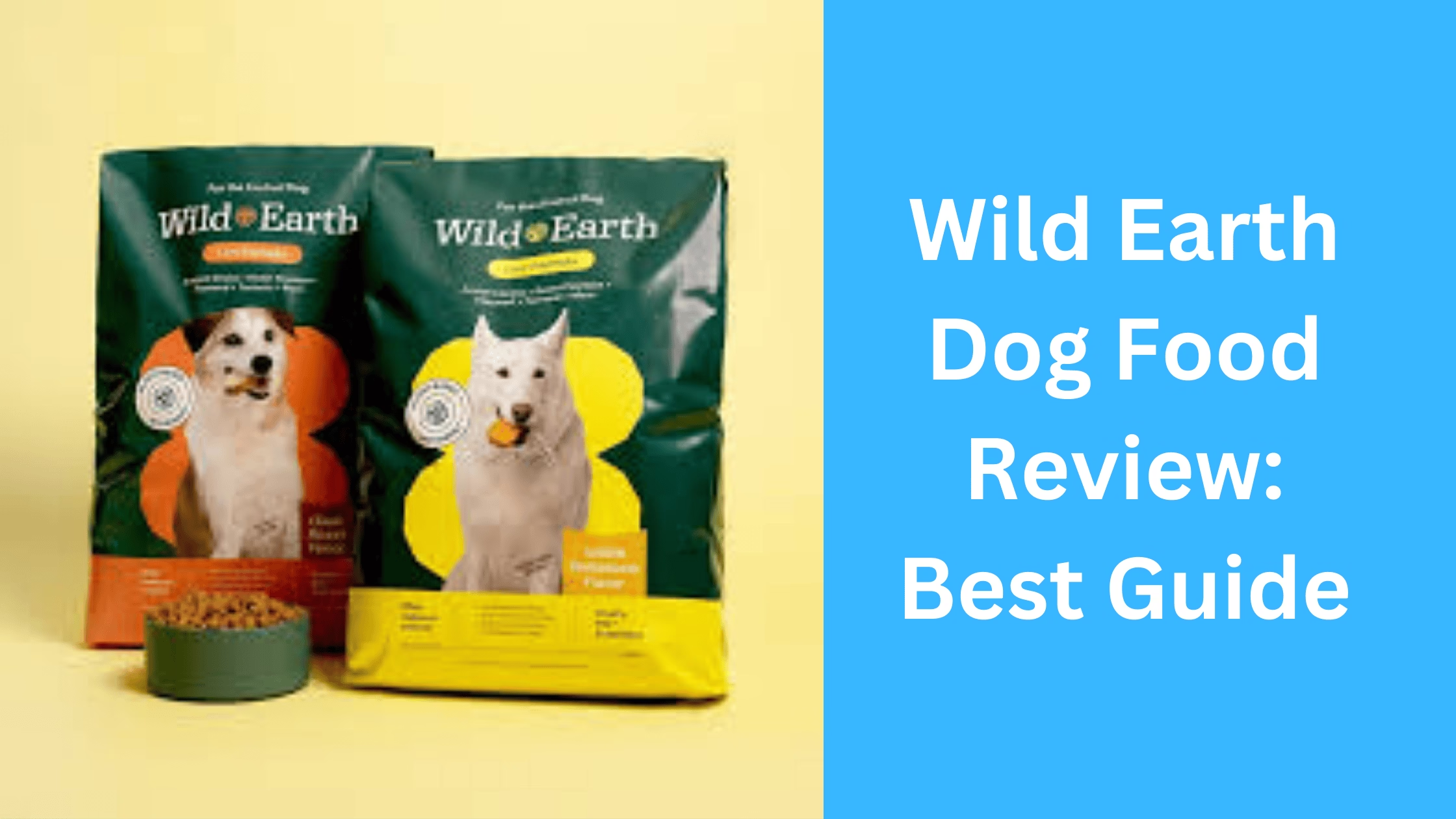
    Wild Earth Dog Food Review: A Comprehensive Guide

    Wild Earth Dog Food Review: In a world where the quest for the healthiest pet foods is increasingly important, Wild Earth Dog Food has emerged as a pioneer, focusing on plant-based nutrition for our furry companions. With a commitment to sustainability, health, and deliciousness, Wild Earth is shaking up the traditional dog food market. But what makes this brand stand out? Let’s dive into the details!

    What is Wild Earth Dog Food?

    Wild Earth Dog Food is a premium pet food brand that specializes in plant-based recipes designed to cater to the nutritional needs of dogs. Founded on the belief that dogs can thrive on a diet derived from plants, the company aims to provide high-quality, sustainable, and nutritious food that supports your dog’s health and well-being.

    But wait—can dogs really thrive on a plant-based diet? The answer might surprise you! Dogs are omnivorous, meaning they can digest and benefit from both animal and plant foods. Wild Earth harnesses this ability by crafting recipes rich in protein derived from legumes, grains, and various plant sources, aiming to offer a balanced diet without compromising taste.

    The Story Behind the Brand

    Wild Earth was co-founded by Ryan Bethencourt and a team of passionate animal lovers who recognized the environmental impact of traditional meat-based dog foods. Inspired by the principles of sustainability and animal welfare, they sought to create a product that would not only nourish dogs but also promote a healthier planet.

    The company gained significant attention and funding when it appeared on the popular TV show Shark Tank, where it pitched its innovative approach to dog nutrition. The pitch not only showcased the product but also highlighted the pressing need for more sustainable pet food options. With a hearty dose of humor and determination, Wild Earth captured the interest of investors and pet owners alike.

    Why Choose Wild Earth Dog Food?

    Choosing the right dog food can feel like navigating a minefield, but Wild Earth makes it a little easier with some compelling reasons to consider their products.

    Benefits of Plant-Based Dog Food

    1. Sustainability: One of the most significant advantages of plant-based dog food is its lower environmental impact. Traditional meat production involves substantial resource consumption, including water and land, plus significant greenhouse gas emissions. By choosing plant-based options, you’re contributing to a more sustainable future for our planet.
    2. Healthier for Dogs: Wild Earth’s recipes are designed with your dog’s health in mind. The brand prioritizes whole-food ingredients packed with essential nutrients, offering your dog a well-rounded diet without the potential downsides of excessive animal protein.
    3. Allergy-Friendly: Many dogs suffer from allergies or sensitivities to common animal proteins. Wild Earth provides an alternative that minimizes allergic reactions while still delivering tasty and nutritious meals.

    Nutritional Advantages for Your Dog

    Wild Earth Dog Food is crafted with various nutritional benefits:

    • High-Quality Protein: The primary protein sources come from peas, chickpeas, and other plant-based ingredients, delivering essential amino acids to promote muscle health and overall vitality.
    • Vitamins and Minerals: Each recipe is fortified with essential vitamins and minerals to support your dog’s immune system, skin, coat health, and overall well-being.
    • Digestibility: Plant-based diets can often be easier for dogs to digest, resulting in improved stool quality and better nutrient absorption.

    Wild Earth Dog Food Ingredients

    When it comes to dog food, knowing what’s inside the bag is crucial. Wild Earth is transparent about its ingredients, and that’s a big plus for pet owners wanting the best for their furry friends.

    Key Ingredients in Wild Earth Dog Food

    Wild Earth Dog Food lists high-quality ingredients, including:

    • Peas and Chickpeas: These legumes serve as excellent protein sources and contribute fiber to promote digestive health.
    • Brown Rice and Oats: Whole grains provide complex carbohydrates for energy, along with necessary vitamins and minerals.
    • Fruits and Vegetables: Ingredients such as pumpkin, carrots, and blueberries are included for added nutrients and antioxidants, which can support your dog’s immune system.
    • Natural Flavors: Wild Earth enhances the taste of its recipes with natural flavors, ensuring that your dog not only gets the nutrition they need but enjoys every bite!

    Are the Ingredients Safe for Dogs?

    Absolutely! Wild Earth Dog Food undergoes rigorous testing and quality control measures to ensure that all ingredients meet stringent safety standards. Each component is selected for its nutritional value and digestibility, making them safe and healthy for your canine companion.

    Moreover, Wild Earth is committed to being free from animal by-products, artificial preservatives, and fillers, which are often found in many traditional dog foods. With Wild Earth, you can rest assured that your dog is getting a top-notch, nutritionally balanced meal.

    Wild Earth Dog Food Reviews

    Curious about what other dog owners think of Wild Earth? Reviews can provide valuable insights into how well the food performs in real-life scenarios.

    Customer Feedback on Wild Earth Dog Food

    Overall, customer feedback for Wild Earth Dog Food has been positive. Many pet owners report that their dogs enjoy the taste and show improved energy levels and overall health. Here are some common themes in the reviews:

    • Taste Satisfaction: Dog owners often rave about how much their pets love the food. Many dogs seem to eagerly gobble up their meals, a strong indicator of a tasty product!
    • Health Improvements: Some reviewers have noted improvements in their dogs’ coat condition, energy levels, and even digestive issues after switching to Wild Earth.
    • Sustainability Appeal: Pet owners who prioritize sustainability appreciate Wild Earth’s mission and feel good about contributing to a more eco-friendly option for their pets.

    Comparing Wild Earth with Other Dog Food Brands

    When comparing Wild Earth to other dog food brands, several factors come to light:

    • Plant-Based vs. Meat-Based: Wild Earth focuses on a plant-based diet, which appeals to environmentally conscious consumers. In contrast, many traditional brands rely heavily on meat, which may not be suitable for all dogs.
    • Nutritional Profile: Wild Earth’s emphasis on whole, natural ingredients often results in a higher-quality nutritional profile, particularly for dogs with allergies or sensitivities to animal proteins.
    • Price Point: Wild Earth is positioned within the premium dog food market, so while it may be pricier than conventional dog foods, many pet owners find the benefits worth the investment.

    Wild Earth Dog Food and Shark Tank

    The appearance of Wild Earth on Shark Tank marked a significant milestone for the brand. Here’s what happened:

    The Pitch: How Wild Earth Made a Splash

    During their Shark Tank pitch, Ryan Bethencourt and his team showcased the unique aspects of Wild Earth, highlighting the benefits of plant-based dog food for health and sustainability. As they tasted the product themselves, the Sharks were intrigued, and the pitch sparked a lively discussion about the future of pet food.

    The combination of passionate presentation, genuine commitment to animal welfare, and an appealing product caught the interest of both the Sharks and viewers alike. This exposure significantly boosted awareness of the brand, leading to a surge in interest and sales.

    Updates Following the Shark Tank Appearance

    After the Shark Tank exposure, Wild Earth experienced notable growth and received increased investor interest. They used the support to expand their product line and enhance their marketing efforts. This pivot allowed Wild Earth to reach a wider consumer base, offering more varieties and flavors to cater to different palates and dietary needs.

    Here’s the second part of the comprehensive guide on “Wild Earth Dog Food,” covering the specified sections in detail while maintaining an informative, friendly, trustworthy, and witty tone.

    Wild Earth Dog Food Net Worth and Revenue

    Understanding the financial standing of a company can provide insights into its stability and growth potential. So, what is Wild Earth worth, and how is it performing financially?

    Financial Overview: What is Wild Earth’s Net Worth?

    Since its inception, Wild Earth has garnered significant attention and investment, especially after its successful appearance on Shark Tank. As of the latest evaluations, Wild Earth’s net worth is estimated to be in the range of several million dollars. This value reflects not only the brand’s market position but also the growing demand for plant-based pet foods among health-conscious dog owners.

    The brand’s innovative approach to dog food has attracted investors and a loyal customer base, which are crucial indicators of its financial health and future growth.

    Projected Growth of Wild Earth Dog Food

    The pet food industry, particularly the segment focused on sustainable and plant-based options, is projected to experience robust growth in the coming years.

    With increasing awareness of environmental issues and health concerns related to animal products, Wild Earth is well-positioned to capitalize on these trends.

    Analysts predict that the brand could see a substantial rise in its valuation as it expands its product offerings and market reach.

    Overall, Wild Earth is not just a flash in the pan; with their commitment to quality and sustainability, they’re likely to experience long-term success and growth.

    Where to Buy Wild Earth Dog Food

    If you’re interested in trying Wild Earth Dog Food for your furry friend, you’ll be pleased to know that it is widely accessible. Here’s where you can find it:

    Finding Wild Earth Dog Food Near You

    Wild Earth products are available at various retail stores, pet supply shops, and specialized pet food retailers. Locating a nearby store that carries Wild Earth can be as simple as checking their website for a store locator feature or using apps like Google Maps to find local pet food stores.

    Online Purchasing Options for Wild Earth

    For those who prefer the convenience of online shopping, Wild Earth Dog Food is also available for purchase through several e-commerce platforms. You can find their products on websites like:

    • Amazon
    • Chewy
    • Wild Earth’s Official Website

    Shopping online often gives you the added benefit of special promotions, subscription services for regular deliveries, and customer reviews that can help you make an informed choice.

    Is Wild Earth Dog Food Right for Your Pet?

    As with any dietary change, it’s essential to consider whether Wild Earth is the right fit for your dog. Here are some factors to think about:

    Considerations for Transitioning to Wild Earth Dog Food

    Switching your dog’s food should always be a gradual process to minimize potential digestive upset. Here’s how to transition slowly:

    1. Start Slow: Begin by mixing a small amount of Wild Earth food with your dog’s current food. Gradually increase the proportion of Wild Earth over 7 to 10 days.
    2. Monitor Reactions: Keep an eye on your dog’s stool and overall behavior during the transition. If you notice any adverse reactions, such as diarrhea or vomiting, consult your veterinarian.
    3. Consult a Vet: Always best practice to discuss any significant dietary changes with your vet, especially if your dog has existing health issues or sensitivities.

    Assessing the Suitability of Wild Earth Dog Food for Your Dog

    The nutritional profile of Wild Earth is tailored to meet the dietary needs of dogs, offering a good balance of protein, fats, and carbohydrates. Here are some signs that Wild Earth might be a good fit for your pup:

    • Energy Levels: If your dog seems more energetic and active after switching to Wild Earth, it’s a good sign they’re getting the nutrients they need.
    • Shiny Coat: A healthy diet can lead to a shinier, healthier coat. Keep an eye on your dog’s fur to see if there are improvements.
    • Digestive Health: Regular, firm stools and no signs of digestive upset indicate that the food is agreeing with your dog.

    Wild Earth Dog Food Recall Information

    Safety is paramount when it comes to our dogs’ food. Understanding recall history helps ensure you’re making an informed choice.

    Safety Checks and Recall History for Wild Earth

    As of now, Wild Earth has not experienced any major recalls, which is a reassuring sign for pet owners. The company maintains stringent quality control measures to ensure the safety and reliability of their products.

    It’s always good practice to stay informed about any potential recalls from the brands you choose. You can check the FDA’s website or Wild Earth’s official website for updates on product safety.

    What to Do if Your Dog is Affected

    In the unlikely event that a recall occurs, follow these steps:

    1. Stop Feeding the Affected Product: Immediately discontinue use of the recalled product.
    2. Check for Symptoms: Monitor your dog for any signs of distress, such as vomiting, diarrhea, or lethargy.
    3. Contact Your Vet: If you notice any adverse reactions, reach out to your veterinarian for guidance and care.
    4. Report the Incident: If your dog has experienced serious health issues, you may wish to report the incident to the brand and your local consumer safety office.

    Common Questions about Wild Earth Dog Food

    Let’s address some frequently asked questions about Wild Earth Dog Food:

    How Much Does Wild Earth Dog Food Cost?

    Prices for Wild Earth products vary based on the specific formula and package size. Generally, you can expect to pay a premium price for their plant-based offerings, reflecting the high-quality ingredients used. On average, a bag of Wild Earth Dog Food may range from $25 to $60.

    Who Owns Wild Earth Dog Food?

    Wild Earth was co-founded by Ryan Bethencourt, who has a passion for animal welfare and sustainable living. The brand focuses on creating high-quality, ethical dog food options, contributing to the overall mission of improving the health of pets and the planet.

    What Stores Sell Wild Earth Dog Food?

    You can find Wild Earth Dog Food at various pet supply retailers, including:

    • PetSmart
    • Petco
    • Specialty pet food stores

    Additionally, as previously mentioned, major online retailers like Amazon and Chewy also carry the product.

    Also Read: Can Dogs Laugh? Profound Canine Communication

    Also Read: Why Do Dogs Sigh? Profound Canine Communication

    Final Thoughts

    Is Wild Earth Dog Food Worth It?

    With its focus on sustainability, health, and flavor, Wild Earth Dog Food is worth considering for dog owners who want to provide their pups with a high-quality alternative. If your dog enjoys a plant-based diet and you prioritize eco-friendly choices, Wild Earth aligns perfectly with those values.

    Encouraging Sustainable Choices with Wild Earth Dog Food

    By choosing Wild Earth, you’re not just feeding your dog; you’re also supporting a brand that aims for a healthier planet. Every sustainable choice counts, and your decision could make a significant impact on reducing the environmental footprint of pet food production.


    Sources:

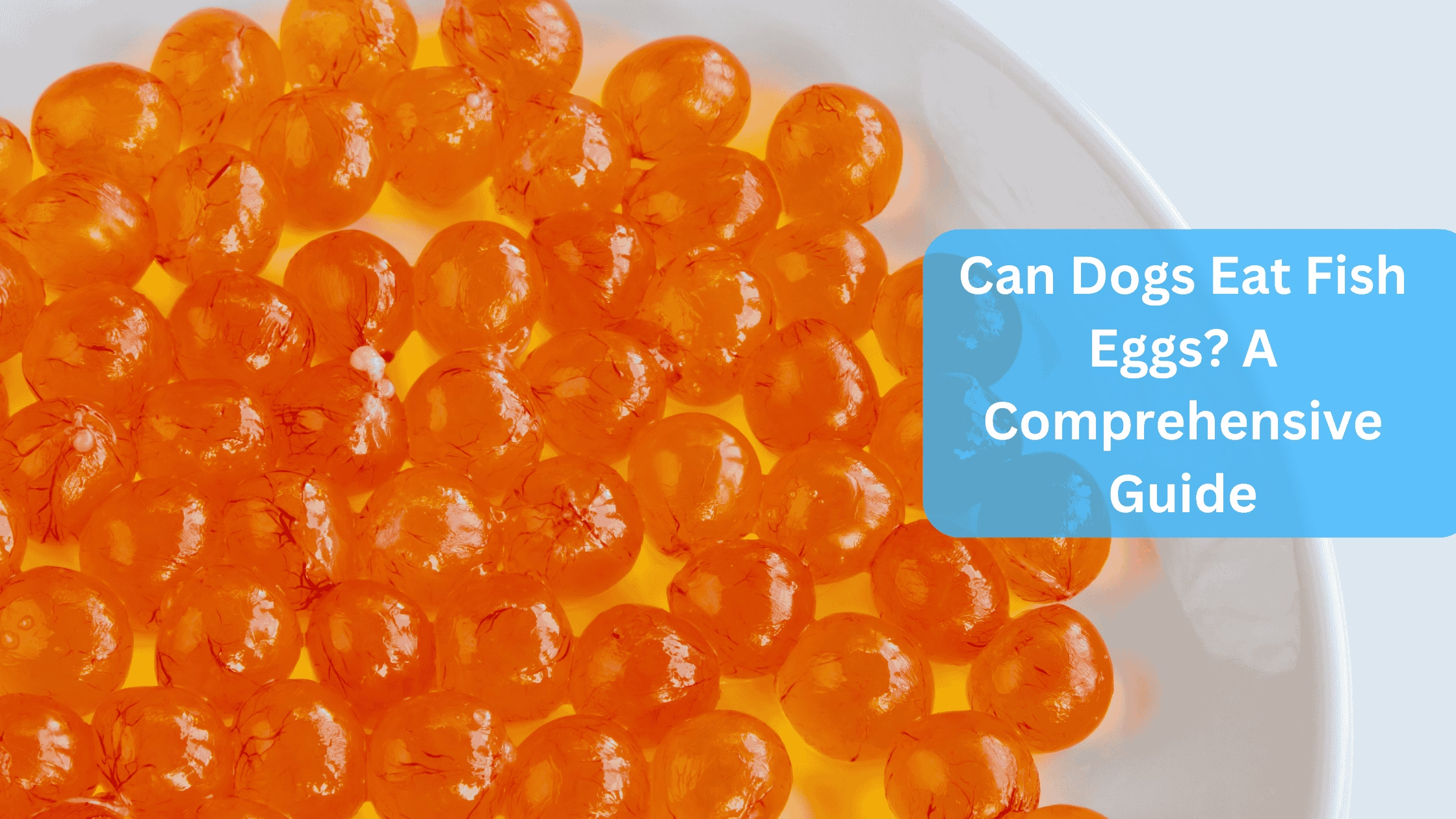
  • Can Dogs Eat Fish Eggs? A Comprehensive Guide

    Can Dogs Eat Fish Eggs? A Comprehensive Guide

    As a dog owner, you may find yourself wondering about the variety of foods that can be safely shared with your furry friend. One intriguing question that often arises is: Can dogs eat fish eggs? Whether you’re considering caviar or roe, this guide will dive into everything you need to know about feeding fish eggs to dogs, including the benefits, risks, and how to do it safely. So, let’s get started—your pup is in for a treat! 🐾

    Fish Eggs

    Fish eggs, commonly known as roe, come in various forms, including caviar (the salted roe of sturgeon) and other types of fish eggs like salmon roe or trout roe. These tiny pearls of goodness are not just a delicacy for humans; they also offer several nutritional benefits that can be beneficial for dogs.

    Nutritional Benefits of Fish Eggs

    Fish eggs are packed with nutrients that can contribute positively to your dog’s health:

    • High in Protein: Fish eggs are an excellent source of protein, which is essential for maintaining muscle mass and overall health.
    • Rich in Omega-3 Fatty Acids: These healthy fats are known for their anti-inflammatory properties and can promote a shiny coat, healthy skin, and overall cardiovascular health.
    • Vitamins and Minerals: Fish eggs contain essential vitamins such as B12, vitamin A, and vitamin D, as well as minerals like iron and selenium, which support various bodily functions.

    Can Dogs Eat Fish Eggs? Are Fish Eggs Safe for Dogs?

    The short answer is yes—fish eggs can be safe for dogs to eat in moderation. However, there are important considerations to keep in mind:

    • Moderation is Key: Due to their high sodium content (especially in caviar), fish eggs should only be given as an occasional treat rather than a regular part of your dog’s diet. Too much sodium can lead to dehydration and other health issues.
    • Allergies: Just like humans, dogs can have food allergies. If you’re introducing fish eggs for the first time, start with a small amount and monitor your dog for any adverse reactions such as itching or gastrointestinal upset.
    • Quality Matters: Ensure that the fish eggs you offer are fresh and sourced from reputable suppliers. Avoid any products that contain additives or preservatives that may be harmful to your dog.

    Benefits of Feeding Fish Eggs to Dogs

    Feeding fish eggs to your dog can provide several benefits:

    • Enhanced Skin and Coat Health: The omega-3 fatty acids found in fish eggs help maintain healthy skin and a shiny coat. They can also reduce inflammation associated with skin conditions.
    • Improved Joint Health: Omega-3s are known for their anti-inflammatory properties, which can benefit dogs suffering from joint issues or arthritis.
    • Cognitive Function: Some studies suggest that omega-3 fatty acids may support cognitive function in dogs, helping them stay sharp as they age.

    Risks of Feeding Fish Eggs to Dogs

    While fish eggs have their benefits, there are also risks involved:

    • High Sodium Content: Many types of fish eggs are salted during processing. High sodium intake can lead to excessive thirst and even sodium ion poisoning in severe cases.
    • Bacterial Contamination: Raw fish eggs may carry harmful bacteria such as Salmonella or Listeria, which can pose health risks to both dogs and humans. Always ensure that any fish product is properly handled and cooked if necessary.
    • Potential Allergies: As mentioned earlier, some dogs may have allergies to fish or seafood. Always watch for signs of an allergic reaction when introducing new foods.

    How to Safely Introduce Fish Eggs into Your Dog’s Diet

    If you decide to give your dog fish eggs, here’s how to do it safely:

    1. Start Small: Introduce fish eggs gradually into your dog’s diet. Begin with a small amount mixed into their regular food.
    2. Monitor Reactions: Keep an eye on your dog for any signs of allergies or gastrointestinal upset after consuming fish eggs. If you notice any adverse reactions, discontinue feeding them immediately.
    3. Choose Quality Products: Opt for high-quality fish eggs without additives or preservatives. Freshness is crucial—avoid expired products.
    4. Consult Your Veterinarian: Before making any significant changes to your dog’s diet or introducing new foods like fish eggs, consult with your veterinarian to ensure it’s appropriate for your dog’s specific health needs.

    How Many Fish Eggs Can I Feed My Dog?

    When it comes to portion sizes, moderation is essential:

    • For small dogs (under 20 pounds), consider giving no more than 1 teaspoon of fish eggs once or twice a week.
    • For medium-sized dogs (20-50 pounds), you can offer up to 1 tablespoon once or twice a week.
    • Larger dogs (over 50 pounds) may tolerate up to 2 tablespoons occasionally.

    Always remember that treats should not exceed 10% of your dog’s daily caloric intake!

    FAQ’S – Common Questions About Feeding Fish Eggs to Dogs

    Can all types of fish eggs be fed to dogs?

    Yes! Most types of fish roe (like salmon roe or trout roe) are safe for dogs in moderation. However, avoid feeding them processed products with added salts or preservatives.

    Is caviar safe for dogs?

    Caviar can be safe for dogs when given in moderation. Just remember its high sodium content—it’s best treated as an occasional indulgence rather than a staple food item.

    What should I do if my dog eats too many fish eggs?

    If you suspect your dog has consumed too many fish eggs and shows signs of distress (like vomiting or diarrhea), contact your veterinarian for advice on how to proceed.

    Also Read: Can Dogs Eat Raw Chicken Breast? A Comprehensive Guide

    Also Read: How to cook Sweet Potatoes for Dogs: Best Guide

    Also Read: Why Is My Dog Not Eating His Food but Will Eat Treats? Best Tips!

    Conclusion

    In conclusion, feeding fish eggs to dogs can be a delightful treat when done correctly! Packed with nutrients like protein and omega-3 fatty acids, these little gems can contribute positively to your pup’s overall health—just remember moderation is key!

    As always, consult with your veterinarian before introducing new foods into your dog’s diet. They’ll help ensure that any changes align with your dog’s specific dietary needs.

    So next time you’re enjoying some sushi or indulging in caviar at a fancy dinner party, don’t forget about those puppy eyes looking up at you! With the right precautions and knowledge in hand, you can share the joy of delicious fish eggs with your furry friend—just make sure they don’t try rolling them around like toys! 🐕✨


    Sources:

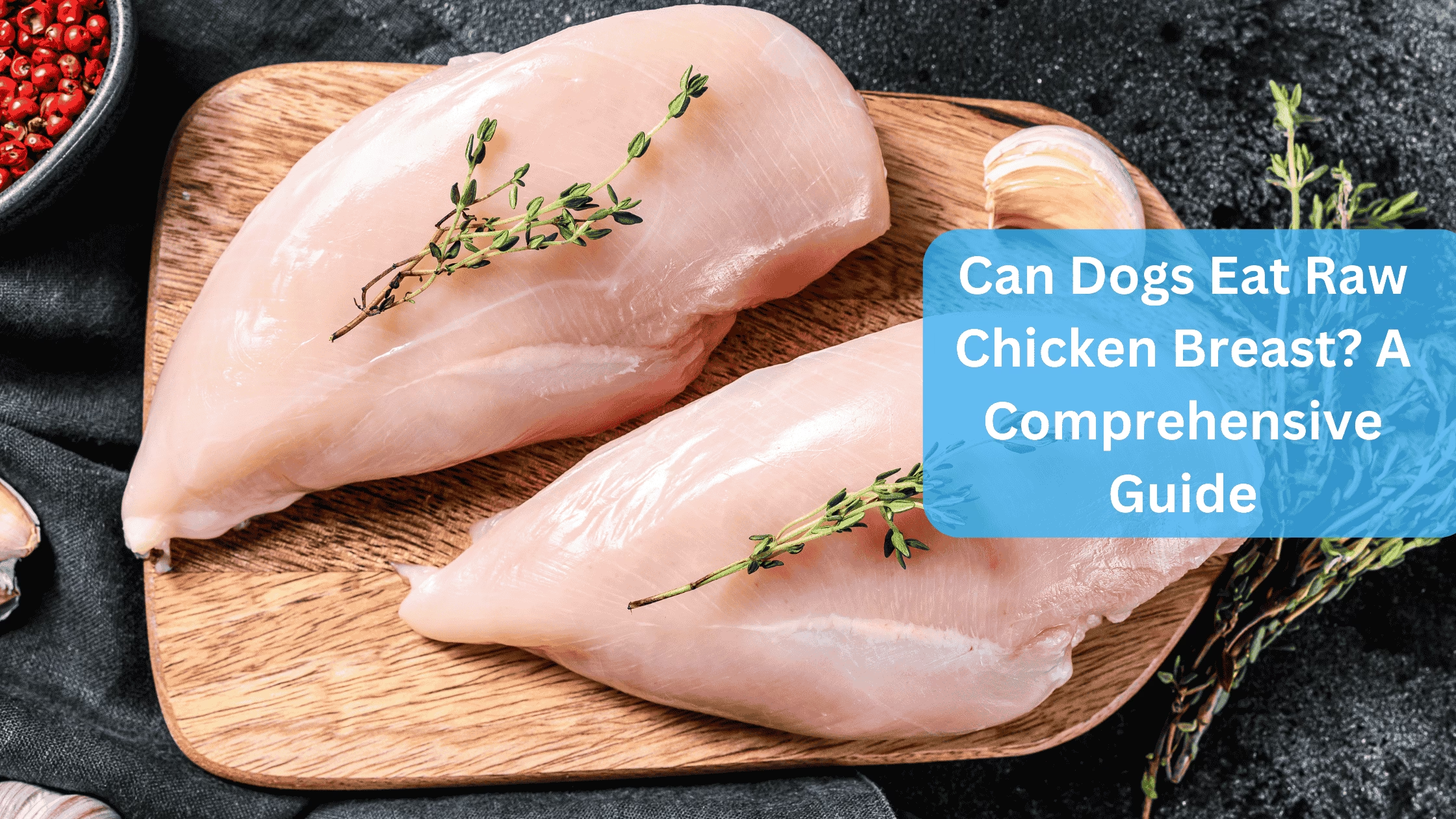
  • Can Dogs Eat Raw Chicken Breast? A Comprehensive Guide

    Can Dogs Eat Raw Chicken Breast? A Comprehensive Guide

    Can Dogs Eat Raw Chicken Breast? As a dog owner, you might be wondering about the safety and benefits of incorporating raw chicken breast into your furry friend’s diet. The topic of feeding dogs raw food, particularly raw chicken, is often surrounded by myths and misconceptions.

    In this guide, we’ll explore whether dogs can eat raw chicken breast, the potential benefits and risks, and how to do it safely if you choose to go this route. So, let’s dig in—just like your dog would with a tasty treat! 🐾

    Raw Chicken Breast in a Dog’s Diet

    Raw chicken breast is a popular choice among advocates of raw feeding diets for dogs. It is known for being low in fat and high in protein, which can contribute to a balanced diet when combined with other food sources. However, before you start tossing raw chicken into your dog’s bowl, it’s essential to understand the implications.

    Nutritional Benefits of Raw Chicken Breast for Dogs

    • High Protein Content: Raw chicken breast is an excellent source of lean protein, which is crucial for muscle development and overall health.
    • Low Fat: With its low-fat content, chicken breast is suitable for maintaining a healthy weight in dogs.
    • Rich in Nutrients: It contains essential vitamins and minerals such as niacin (Vitamin B3) and phosphorus, which support various bodily functions.

    Despite these benefits, it’s important to note that raw chicken breast should not be the only component of your dog’s diet. A well-rounded diet includes various proteins and nutrients to ensure your pet receives all the necessary dietary components.

    The Risks of Feeding Raw Chicken Breast to Dogs

    While many dogs can consume raw chicken without issues, there are significant risks associated with feeding them raw meat:

    • Bacterial Contamination: Raw chicken can carry harmful bacteria like Salmonella and Campylobacter. These bacteria can cause serious health problems not only for dogs but also for humans handling the meat. Symptoms of food poisoning in dogs include vomiting, diarrhea, and lethargy.
    • Nutritional Imbalance: Relying solely on raw chicken breast may lead to nutritional deficiencies. Dogs require a variety of proteins and nutrients for optimal health.
    • Allergic Reactions: Some dogs may be allergic to chicken. If you notice any signs of allergies (like itching or gastrointestinal upset), consult your veterinarian immediately.

    Can Dogs Eat Raw Chicken Breast?

    Most healthy dogs can eat raw chicken breast. Their digestive systems are designed to handle bacteria better than humans. However, certain groups may be at higher risk:

    • Puppies: Their immune systems are still developing.
    • Older Dogs: They may have compromised immune systems.
    • Dogs with Health Issues: Any dog with existing health problems should avoid raw diets unless advised by a veterinarian.

    How to Safely Introduce Raw Chicken Breast into Your Dog’s Diet

    If you’re considering adding raw chicken breast to your dog’s diet, here are some tips for doing so safely:

    1. Start Slow: Introduce raw chicken gradually into your dog’s diet to monitor how they react. Start with small amounts mixed with their regular food.
    2. Ensure Freshness: Always use fresh chicken from reputable sources. Check expiration dates and avoid any signs of spoilage.
    3. Practice Good Hygiene: Wash your hands thoroughly after handling raw chicken and clean any surfaces or utensils used during preparation to prevent cross-contamination.
    4. Consult Your Vet: Before making any significant changes to your dog’s diet, consult with your veterinarian to ensure it’s appropriate for your dog’s specific health needs.

    How Much Raw Chicken Breast Should You Feed?

    Determining the right amount of raw chicken breast for your dog depends on several factors including their size, age, activity level, and overall health. A general guideline is:

    • For adult dogs: Approximately 2% to 3% of their body weight per day in total food (including all components of their diet).

    For example:

    • A 50-pound dog would need about 1 to 1.5 pounds of food daily.

    Different Parts of the Chicken and Their Benefits

    When considering feeding raw chicken breast, it’s helpful to know which parts are safe and beneficial for dogs:

    Chicken PartBenefits
    Raw Chicken BreastLean protein source; low in fat
    Raw Chicken ThighsHigher fat content; good for active dogs
    Raw Chicken WingsGood ratio of meat to bone; helps clean teeth
    Raw Chicken NecksExcellent for teeth cleaning; watch for small bones
    Raw Chicken LiversPacked with vitamins; should be fed in moderation

    FAQ’S – Common Questions About Feeding Dogs Raw Chicken Breast

    Is it safe to feed my dog raw chicken bones?

    Yes! Dogs can safely consume raw chicken bones as long as the pieces are large enough that your dog can’t swallow them whole. However, always supervise your dog while they’re eating bones to prevent choking hazards.

    What if my dog eats cooked chicken?

    Cooked chicken is generally safe for dogs as long as it’s unseasoned and free from bones. Cooked bones can splinter and cause serious internal injuries, so always remove them before serving.

    Can I feed my dog raw chicken breast every day?

    While many advocates support feeding raw diets daily, it’s essential to ensure that your dog’s overall diet remains balanced with various protein sources and nutrients.

    Also Read: Why Is My Dog Not Eating His Food but Will Eat Treats? Best Tips!

    Also Read: Why Do Dogs Wag Their Tails When Sleeping? Best Guide

    Conclusion

    So there you have it! Feeding your dog raw chicken breast can be a healthy addition to their diet when done correctly. Just remember the importance of balance and safety—after all, we want our furry friends happy and healthy!

    If you’re ever in doubt about what’s best for your pup’s diet or if they show any adverse reactions after eating raw chicken (or any new food), don’t hesitate to reach out to your veterinarian. They’re there to help you navigate the sometimes murky waters of pet nutrition!

    Now go ahead—give that pup a treat (maybe not just yet with the raw chicken though)! 🐾


    Sources:


  • Why Is My Dog Not Eating His Food but Will Eat Treats? Best Tips!

    Why Is My Dog Not Eating His Food but Will Eat Treats? Best Tips!

    As a devoted dog owner, few things are as concerning as watching your furry friend turn up their nose at their regular food while eagerly gobbling up treats. If you’ve found yourself asking, “Why is my dog not eating his food but will eat treats?” you’re not alone!

    This behavior, often referred to as partial anorexia, can stem from a variety of reasons ranging from health issues to behavioral quirks.

    In this comprehensive guide, we’ll explore the possible causes, solutions, and when to seek veterinary advice—all while keeping it informative, friendly, and just a tad witty. Let’s dive in!

    Understanding the Basics: What Is Partial Anorexia?

    Before we delve into the reasons behind your dog’s selective eating habits, it’s essential to understand what partial anorexia means.

    • Partial Anorexia: This term refers to a condition where your dog refuses to eat their regular food but will still consume treats or table scraps. It’s not just about being picky; it often indicates that something is amiss with their health or environment.
    • Full Anorexia: This is a more severe condition where a dog refuses to eat anything at all, including treats. If you suspect your dog is experiencing full anorexia, it’s crucial to consult a veterinarian immediately.

    Why Is My Dog Not Eating His Food but Will Eat Treats?

    If your dog is avoiding their regular meals but still enjoying treats, it’s a sign that something needs attention—whether it’s their diet, health, or emotional well-being.

    Common Reasons Why My Dog Is Not Eating His Food But Will Eat Treats

    Let’s explore some of the most common reasons why your pup might be snubbing their kibble but happily accepting those tasty morsels.

    1. Boredom with Regular Food

    Just like humans can get tired of eating the same meal every day (who wants plain oatmeal for breakfast every morning?), dogs can also become bored with their regular food.

    • Signs: If your dog seems uninterested in their food but perks up at the sight of treats or table scraps, boredom might be the culprit.
    • Solution: Try rotating different flavors or brands of dog food to keep mealtime exciting. You could also mix in some wet food or add safe toppings like pumpkin or plain yogurt for variety.

    2. Stress and Anxiety

    Dogs are sensitive creatures, and changes in their environment can lead to stress and anxiety. Whether it’s moving to a new home, the arrival of a new pet or baby, or even loud noises like thunderstorms, stress can significantly impact a dog’s appetite.

    • Signs: Look for signs of anxiety such as pacing, excessive barking, or hiding. If your dog seems anxious during mealtimes, they may associate feeding with stress.
    • Solution: Create a calm feeding environment by minimizing distractions and providing a safe space for your dog to eat. Consider using calming aids such as anxiety wraps or pheromone diffusers if necessary.

    3. Disruptions in Routine

    Dogs thrive on routine. Sudden changes in feeding times or schedules can confuse them and lead to temporary appetite loss.

    • Signs: If you’ve recently changed your dog’s feeding schedule or moved their food bowl to a different location, they might be hesitant to eat.
    • Solution: Try to stick to a consistent feeding schedule and keep their feeding area familiar and comfortable.

    4. Treat Overload

    Let’s face it—treats are delicious! If you’ve been generous with treats lately (who can resist those puppy eyes?), your dog might simply be too full to bother with their regular meals.

    • Signs: If your dog is refusing meals but eagerly accepting treats throughout the day, they may be filling up on goodies instead of their balanced diet.
    • Solution: Limit treat intake and ensure that they are only given during training sessions or as rewards for good behavior. This will help reinforce that meals are the primary source of nutrition.

    5. Power Dynamics with Other Pets

    In multi-pet households, competition for food can create stress for some dogs. If one pet is more dominant or aggressive during mealtime, it could discourage another pet from eating.

    • Signs: If you notice one pet guarding food while another avoids eating altogether, this could be an issue.
    • Solution: Feed pets separately in different rooms to reduce competition and stress during mealtime.

    6. Food Preferences

    Just like humans have favorite foods (hello pizza!), dogs also develop preferences based on taste and texture. If you’ve switched brands or types of food recently, your dog may simply prefer what they used to eat.

    • Signs: If your dog turns up their nose at new kibble but devours treats enthusiastically, they might have developed a preference for specific flavors or textures.
    • Solution: Experiment with different types of food (dry vs. wet) or brands until you find one that excites your pup’s palate!

    7. Health Issues

    Sometimes the reason behind a dog’s refusal to eat is more serious than mere pickiness—it could indicate an underlying health problem such as dental issues, gastrointestinal problems, or other medical conditions.

    • Signs: Look for additional symptoms such as lethargy, vomiting, diarrhea, or changes in behavior. If your dog seems unwell in any way alongside refusing food, it’s time for a vet visit.
    • Solution: Schedule an appointment with your veterinarian for a thorough examination and diagnostic tests if necessary.

    How to Encourage Your Dog to Eat

    If you’ve identified why your dog isn’t eating their regular meals but will happily munch on treats, here are some strategies you can implement:

    1. Make Mealtime Exciting

    Try adding some excitement back into mealtime by:

    • Mixing in wet food with dry kibble.
    • Adding tasty toppers like low-sodium chicken broth or pureed vegetables.
    • Offering different flavors of kibble to see if they show interest in any particular type.

    2. Stick to Scheduled Feeding Times

    Set specific times for meals and avoid leaving food out all day:

    • Place the food bowl down for about 15–20 minutes.
    • If they don’t eat within that time frame, take the bowl away until the next scheduled feeding time.

    This approach helps establish routine and encourages them to eat when food is available.

    3. Limit Treats Between Meals

    To ensure that treats don’t spoil your dog’s appetite:

    • Cut back on treats significantly until they start eating their regular meals again.
    • Use smaller pieces of treats during training sessions rather than full-sized ones.

    4. Create a Calm Environment

    Make mealtime peaceful by:

    • Reducing noise levels around feeding times.
    • Providing a quiet space where your dog feels safe while eating.

    This can help alleviate any anxiety associated with eating.

    5. Consult Your Veterinarian

    If you’ve tried various strategies without success:

    • Schedule an appointment with your vet.

    They can evaluate potential health issues affecting appetite and provide tailored advice based on your dog’s specific needs.

    Frequently Asked Questions (FAQs)

    Why is my dog eating everything but his food?

    Some dogs may engage in pica, an eating disorder where they consume non-food items due to nutritional deficiencies or behavioral reasons. Always consult with a vet if you suspect this behavior!

    How can I get my dog to eat instead of treats?

    Start by cutting out all non-meal snacks and ensuring that the food you provide is appealing and nutritionally balanced. Stick with one type of food consistently until they develop an appetite for it again.

    Can stress cause my dog not to eat?

    Absolutely! Just like humans can lose their appetite due to stressors like moving homes or changes in routine, dogs can also experience similar reactions that affect their desire to eat.

    Should I worry if my dog won’t eat?

    If your dog refuses food for more than 24 hours or shows signs of illness (like vomiting or lethargy), it’s best to consult with your veterinarian promptly!

    Also Read: Why Do Dogs Wag Their Tails When Sleeping? Best Guide

    Also Read: Why does my dog smell like maple syrup? Best Guide

    Conclusion

    Seeing your beloved pup refuse their regular meals while happily accepting treats can be concerning—but understanding the reasons behind this behavior is essential for addressing it effectively.

    Whether it’s boredom with their diet, stress from environmental changes, or potential health issues at play, being proactive about identifying the cause will help ensure your furry friend remains happy and healthy!

    Remember that patience is key; sometimes it takes time for dogs to adjust back into healthy eating habits after disruptions. With love and attention—and maybe a sprinkle of humor—you’ll have them wagging their tails at mealtime once again! 🐾💖


    Sources:

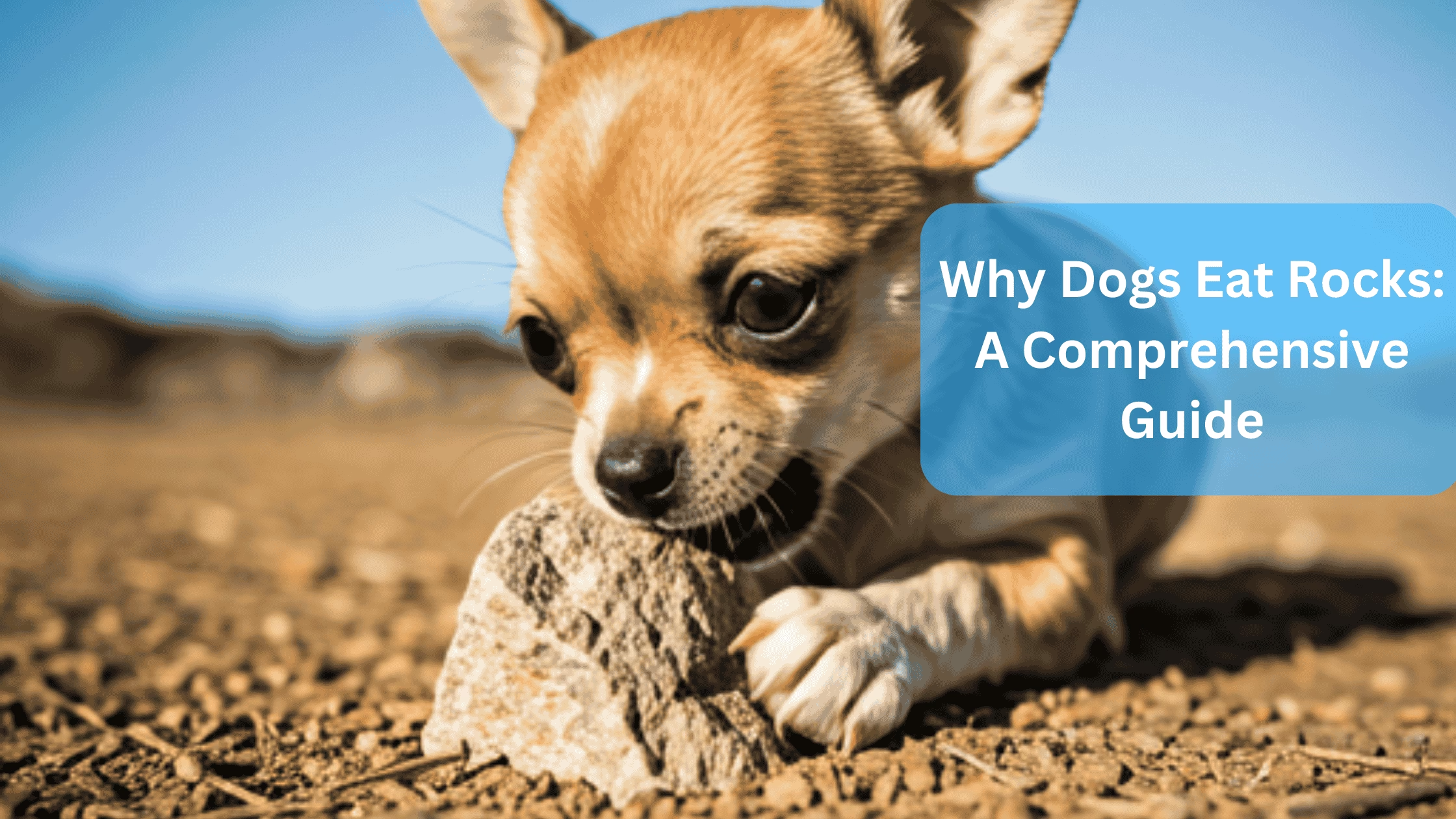
  • Why Dogs Eat Rocks: A Comprehensive Guide

    Why Dogs Eat Rocks: A Comprehensive Guide

    Dogs are our loyal companions, often bringing joy and laughter into our lives. However, their quirky behaviors can sometimes leave us scratching our heads—like when they decide that rocks are a tasty snack! If you’ve ever wondered, “Why does my dog eat rocks?” you’re not alone. This guide will explore the reasons behind this puzzling behavior, the potential health risks involved, and how to address it effectively.

    Why Dogs Eat Rocks? – Understanding Canine Curiosity

    Dogs are inherently curious creatures. Their world is filled with intriguing sights, sounds, and smells, and they often explore these through their mouths.

    This natural instinct can lead them to chew on various objects, including rocks. But why do they specifically choose rocks? Here are some common reasons:

    • Curiosity: Just like toddlers who put everything in their mouths, dogs use their mouths to explore their environment. Rocks may have interesting textures or scents that attract them.
    • Boredom: Dogs require mental and physical stimulation. Without enough exercise or engaging activities, they might resort to chewing on rocks as a way to entertain themselves.
    • Teething: Puppies often chew on hard objects to relieve the discomfort of teething. Rocks may seem like a good option for soothing sore gums.
    • Nutritional Deficiencies: Some dogs may eat rocks due to deficiencies in their diet. For example, if a dog lacks certain minerals or vitamins, it might seek out non-food items that contain those nutrients.
    • Attention-Seeking Behavior: Dogs are social animals that thrive on interaction with their owners. If a dog learns that eating rocks gets a reaction—whether positive or negative—they may continue the behavior.
    • Pica: This is a condition where dogs have an abnormal craving for non-food items, including rocks. Pica can be caused by various factors such as anxiety, boredom, or underlying medical issues.

    Is it OK for my dog to eat rocks? – The Risks of Rock Eating

    While it may seem harmless at first glance, eating rocks can pose serious health risks for dogs:

    • Choking Hazards: Rocks can easily become lodged in a dog’s throat, leading to choking.
    • Intestinal Blockages: If swallowed, rocks can cause blockages in the gastrointestinal tract, which can be life-threatening and require surgical intervention.
    • Dental Damage: Chewing on hard objects like rocks can lead to broken teeth or other dental injuries.
    • Gastrointestinal Issues: Ingesting foreign objects can cause vomiting, diarrhea, or abdominal pain.

    Given these risks, it’s essential to take action if your dog has developed a habit of eating rocks.

    Dog eating rocks symptoms

    Recognizing the signs that your dog is consuming rocks is crucial for prompt intervention:

    • Visible Rocks in Feces: If you notice small stones in your dog’s stool, it’s a clear sign they have been eating them.
    • Vomiting or Diarrhea: Digestive disturbances can indicate that your dog has ingested something harmful.
    • Changes in Appetite or Behavior: If your dog seems lethargic or shows signs of discomfort (like whining or pacing), it could be due to gastrointestinal distress.
    • Dental Issues: Look for signs of broken teeth or gum injuries if your dog frequently chews on hard objects.

    If you observe any of these symptoms, consult your veterinarian immediately.

    Treatment Options for Dogs Eating Rocks

    If your dog has developed a habit of eating rocks, there are several strategies you can employ to help them stop:

    1. Consult Your Veterinarian

    Before implementing any behavioral changes, it’s essential to rule out underlying medical issues. Your vet can perform tests to check for nutritional deficiencies or gastrointestinal problems that may be contributing to this behavior.

    2. Behavioral Training

    Training is vital in addressing unwanted behaviors in dogs. Here are some effective techniques:

    • Teach Commands: Commands like “leave it” and “drop it” can help you manage your dog’s behavior when they attempt to eat rocks. Consistent training reinforces positive behaviors and discourages negative ones.
    • Positive Reinforcement: Reward your dog with treats and praise when they ignore rocks or choose appropriate toys instead. This encourages them to repeat the desired behavior.

    3. Increase Exercise and Mental Stimulation

    A tired dog is less likely to engage in destructive behaviors. Ensure your dog receives plenty of physical exercise through walks, playtime, and interactive toys that challenge their minds.

    4. Provide Appropriate Chew Toys

    Offer your dog safe alternatives to chew on. Durable toys designed for heavy chewers can satisfy their need to gnaw without posing health risks.

    5. Monitor Outdoor Activities

    When outside, keep a close eye on your dog. Use a leash if necessary to prevent them from picking up rocks during walks or at parks.

    6. Address Anxiety and Stress

    If your dog’s rock-eating habit stems from anxiety or stress, consider consulting with a professional trainer or behaviorist who can help you develop strategies to alleviate their fears.

    Why Is My Old Dog Eating Rocks?

    Older dogs may start eating rocks due to various reasons:

    • Cognitive Decline: As dogs age, they may experience cognitive dysfunction syndrome (CDS), which can lead to confusion and unusual behaviors like eating non-food items.
    • Health Issues: Older dogs are more prone to health problems that could influence their eating habits—such as dental pain or gastrointestinal disorders.

    If your senior dog suddenly begins eating rocks, it’s crucial to consult with your veterinarian for a thorough evaluation.

    Can Dogs Die from Eating Rocks?

    Yes, dogs can face life-threatening consequences from eating rocks. The potential for choking or intestinal blockages poses significant risks that could lead to severe health complications or even death if not addressed promptly. If you suspect your dog has ingested a rock, seek veterinary care immediately.

    Also Read: How to Stop Your Dog from Eating Everything: A Comprehensive Guide

    Also Read: Why Are Dogs Better Than Cats? The Ultimate Guide

    Conclusion

    Understanding why dogs eat rocks is essential for pet owners who want to ensure their furry friends remain healthy and happy.

    Whether driven by curiosity, boredom, nutritional deficiencies, or behavioral issues like pica, this peculiar habit requires attention and intervention.

    By employing effective training techniques and providing appropriate outlets for energy and curiosity, you can help redirect your dog’s behavior away from harmful rock-eating tendencies.

    Remember—keeping an eye on what goes into your dog’s mouth is just as important as what goes into their bowl! With patience and care, you can guide your canine companion back onto the path of safe exploration—one paw at a time! 🐾


    Sources:

  • How to Stop Your Dog from Eating Everything: A Comprehensive Guide

    How to Stop Your Dog from Eating Everything: A Comprehensive Guide

    How to Stop Your Dog from Eating Everything? If you’re a dog owner, you’ve likely faced the challenge of your furry friend munching on everything in sight.

    From socks to scraps on the ground, dogs have a knack for finding and consuming items that can be harmful or just downright gross. So, how do you stop your dog from eating everything?

    This guide will explore effective strategies, address common questions, and provide insights into canine behavior—all while keeping things light and engaging.

    Why Dogs Eat Everything?

    Before we dive into solutions, it’s crucial to understand why dogs engage in this behavior. Here are some common reasons:

    • Curiosity: Dogs explore their world through their mouths. They often chew on or eat items simply to investigate them.
    • Hunger or Nutritional Deficiencies: If your dog isn’t getting enough nutrients from their diet, they may resort to eating non-food items. This behavior is known as pica.
    • Boredom: A lack of mental and physical stimulation can lead dogs to seek entertainment by scavenging.
    • Attention-Seeking: Dogs quickly learn that certain behaviors get them noticed—good or bad. If eating something inappropriate results in a reaction from you, they may keep doing it.
    • Instinctual Behavior: Some breeds have stronger scavenging instincts than others, making them more prone to eating everything they find.

    How Do I Stop My Dog from Eating Everything in the House?

    To curb your dog’s scavenging habits at home, consider these strategies:

    1. Teach Basic Commands

    Teaching your dog commands like “leave it” and “drop it” can be incredibly effective:

    • Leave It: This command instructs your dog not to touch something. Start by practicing indoors with treats. When your dog approaches a treat on the floor, say “leave it.” If they obey, reward them with a different treat.
    • Drop It: This command is essential for when your dog picks up something they shouldn’t have. Use a high-value treat to encourage them to drop the unwanted item.

    2. Create a Safe Environment

    Make your home less tempting for scavengers:

    • Puppy-Proof Your Home: Remove items that could be harmful or enticing. Secure trash cans and keep food out of reach.
    • Supervise Outdoor Time: Keep an eye on your dog during walks or playtime outside. A leash can help manage their movements and prevent them from snacking on random items.

    3. Provide Mental Stimulation

    Boredom can lead to unwanted behaviors:

    • Interactive Toys: Puzzle toys that dispense treats can keep your dog occupied and mentally stimulated.
    • Training Sessions: Regular training not only teaches commands but also tires them out mentally.

    4. Manage Their Diet

    Sometimes dietary issues contribute to scavenging behavior:

    • High-Quality Food: Ensure your dog is getting a balanced diet that meets all their nutritional needs. Consult with your veterinarian if you’re unsure about the best food for your pet.
    • Scheduled Feeding Times: Instead of free-feeding, establish regular meal times to help regulate their hunger.

    How to Discipline a Dog That Eats Everything?

    Disciplining your dog for eating inappropriate items requires patience and consistency:

    • Use Positive Reinforcement: Reward good behavior instead of punishing bad behavior. Whenever your dog ignores something they would typically eat, praise them or give them a treat.
    • Redirect Their Attention: When you catch your dog about to eat something inappropriate, distract them with toys or treats.

    At What Age Will My Dog Stop Eating Everything?

    Puppies are notorious for exploring their world through chewing and eating everything they find. Most puppies will outgrow this behavior as they mature, typically between 6 months to 2 years of age, depending on the breed and individual temperament. However, some dogs may continue this habit into adulthood if not properly trained.

    My Dog Eats Everything Off the Ground

    If your dog has developed a habit of eating everything off the ground during walks or playtime:

    1. Teach “Leave It” Outdoors

    Practice this command in various environments so your dog learns to ignore tempting items while out on walks.

    2. Use High-Value Treats

    Offer special treats when your dog focuses on you instead of scavenging. This helps reinforce positive attention-seeking behavior.

    3. Walk in Less Tempting Areas

    Choose walking routes with fewer distractions and potential hazards, avoiding areas where litter is common.

    How to Stop Your Dog from Eating Everything on Walks

    When you’re out and about, here are some tips:

    • Keep Your Dog on a Short Leash: This gives you better control over their movements and helps prevent them from lunging at tempting items.
    • Reward Them for Paying Attention: Give treats when they check in with you instead of focusing on the ground.

    Why Is My Dog Trying to Eat Everything All of a Sudden?

    If your dog suddenly starts eating everything in sight, consider these possibilities:

    • Health Issues: Sudden changes in appetite or behavior can indicate health problems such as gastrointestinal issues or parasites. Consult with your veterinarian if this behavior persists.
    • Stress or Anxiety: Changes in the household or routine can lead to anxiety-driven scavenging behavior. Providing comfort and stability can help alleviate this issue.

    When Will My Puppy Stop Eating Everything Outside?

    Puppies often explore their environment through chewing until they learn boundaries. While many puppies will naturally outgrow this habit by around 6 months, consistent training and supervision are essential during this time to teach them what is acceptable to chew on and what isn’t.

    Also Read: Why Do Dogs Eat Their Vomit? A Comprehensive Guide

    Also Read: How to Stop Your Dog from Eating Poop Home Remedies?

    Conclusion

    Stopping your dog from eating everything requires understanding their motivations and implementing effective strategies tailored to their needs.

    By teaching commands like “leave it,” creating a safe environment, providing mental stimulation, managing their diet, and using positive reinforcement techniques, you can significantly reduce scavenging behaviors both at home and outdoors.

    Remember that patience is key; every dog learns at their own pace! With consistency and love, you’ll help foster good habits while keeping your furry friend safe from harmful items—and maybe even save a few socks along the way! 🐾


    Sources:

  • How to Stop Your Dog from Eating Poop Home Remedies?

    How to Stop Your Dog from Eating Poop Home Remedies?

    How to Stop Your Dog from Eating Poop Home Remedies? – If you’re a dog owner, you might have encountered the rather unpleasant behavior known as coprophagia—when your furry friend decides that poop is a gourmet snack.

    While this behavior can be distressing and unsightly, it’s more common than you might think. Fortunately, there are numerous home remedies and strategies you can employ to help curb this habit.

    In this comprehensive guide, we’ll explore various methods to stop your dog from eating poop, focusing on natural remedies that are both effective and safe.

    Why Dogs Eat Poop?

    Before diving into remedies, it’s essential to understand why dogs engage in this behavior. There are several reasons dogs might eat poop:

    • Nutritional Deficiencies: Dogs may eat feces if they are lacking certain nutrients in their diet.
    • Instinctual Behavior: In the wild, mother dogs often eat their puppies’ feces to keep their den clean and protect their young from predators.
    • Attention-Seeking: Some dogs may eat poop to get a reaction from their owners, whether positive or negative.
    • Stress or Anxiety: Changes in environment or routine can lead to stress-induced behaviors, including coprophagia.
    • Boredom: Dogs that lack mental stimulation may resort to eating poop as a form of entertainment.

    Understanding these motivations can help you address the root cause of the behavior rather than just the symptom.

    How to Stop Your Dog from Eating Poop Home Remedies?

    Now that we’ve covered the reasons behind this behavior, let’s look at some effective home remedies that can help discourage your dog from indulging in this unsavory habit.

    1. Improve Your Dog’s Diet for treating Coprophagia in dogs

    A well-balanced diet is crucial for your dog’s health and can significantly reduce the likelihood of them eating poop. Here’s how you can enhance their diet:

    • High-Quality Dog Food: Ensure your dog is eating high-quality food that meets all their nutritional needs. Consult your veterinarian for recommendations tailored to your dog’s specific requirements.
    • Supplements: Consider adding supplements such as probiotics, digestive enzymes, or vitamins A, D, and E. These can improve gut health and nutrient absorption, making feces less appealing.

    2. Apple Cider Vinegar for treating Coprophagia in dogs

    Apple cider vinegar (ACV) is a popular home remedy known for its numerous health benefits:

    • How It Works: ACV helps balance stomach acidity and improves digestion. This can make your dog’s stool less appealing.
    • Usage: Add one teaspoon of apple cider vinegar per 25 pounds of body weight to your dog’s food daily. Alternatively, you can create a spray with equal parts water and ACV to deter your dog from approaching feces outdoors.

    3. Pineapple for treating Coprophagia in dogs

    Pineapple is not just a tasty treat; it also contains an enzyme called bromelain that can alter the taste of your dog’s feces:

    • How It Works: When dogs consume pineapple, it changes the flavor of their stool, making it less appetizing.
    • Usage: Feed small chunks of fresh pineapple or mix a tablespoon of unsweetened pineapple juice into their food daily. Start with small amounts to avoid digestive upset.

    4. Pumpkin for treating Coprophagia in dogs

    Canned pumpkin (not pumpkin pie filling) is another excellent remedy:

    • How It Works: Pumpkin is high in fiber and helps regulate digestion, which can reduce the urge to eat feces.
    • Usage: Mix one to two tablespoons of plain canned pumpkin into your dog’s food daily. Monitor their response and adjust as necessary.

    5. Bananas for treating Coprophagia in dogs

    Believe it or not, bananas can also help deter poop-eating behaviors:

    • How It Works: The sweetness and aroma of bananas may mask the smell of feces, making it less attractive to your dog.
    • Usage: Offer banana slices as an occasional treat or mix mashed banana into their food.

    6. Meat Tenderizers for treating Coprophagia in dogs

    Adding meat tenderizers like bromelain-based products can make feces taste bad:

    • How It Works: These products make poop less palatable for dogs by altering its flavor profile.
    • Usage: Follow the instructions on the package for dosage based on your dog’s weight.

    7. Keep the Environment Clean for treating Coprophagia in dogs

    Prevention is key! Keeping your dog’s environment clean can significantly reduce opportunities for coprophagia:

    • Immediate Cleanup: Pick up after your dog promptly during walks and in your yard. The less access they have to feces, the less likely they are to eat it.
    • Supervision During Outdoor Time: Keep a close eye on your dog during outdoor playtime to redirect them if they show interest in feces.

    8. Positive Reinforcement Training for treating Coprophagia in dogs

    Training plays a vital role in modifying behavior:

    • Commands: Teach commands like “leave it” or “come” to redirect your dog’s attention away from poop when they attempt to eat it.
    • Rewards: Use treats and praise when they ignore feces or respond positively to commands. This reinforces good behavior and helps them associate ignoring poop with positive outcomes.

    Additional Tips for Managing Coprophagia

    In addition to these home remedies, consider implementing these strategies:

    • Increase Exercise and Mental Stimulation: Regular physical activity and mental challenges (like puzzle toys) can reduce boredom and anxiety-related behaviors.
    • Consult Your Veterinarian: If coprophagia persists despite trying these remedies, consult with your vet to rule out any underlying health issues that may be contributing to this behavior.

    Frequently Asked Questions (FAQs)

    Why does my dog eat cat poop?

    Dogs may be attracted to cat poop due to its higher protein content compared to dog feces. This behavior can also stem from curiosity or instinctual drives. Implementing similar remedies—like keeping litter boxes clean and using deterrents—can help curb this behavior.

    Are there any health risks associated with coprophagia?

    Yes, eating feces can expose dogs to harmful bacteria, parasites, or toxins present in the stool. It’s crucial to address this behavior promptly for both hygiene and health reasons.

    How long will it take for these remedies to work?

    Results may vary depending on the individual dog and the underlying causes of coprophagia. Consistency is key; implement these strategies over several weeks while monitoring progress closely.

    Also Read: Can Dogs Eat Wheat and Wheat Products? A Comprehensive Guide

    Also Read: Why Do Dogs Eat Their Vomit? A Comprehensive Guide

    Conclusion

    Stopping your dog from eating poop may require patience and persistence, but with the right combination of dietary adjustments, home remedies, training techniques, and preventive measures, you can effectively curb this behavior.

    Remember that every dog is unique; what works for one may not work for another. Always consult with a veterinarian if you have concerns about your dog’s health or behavior changes.

    With time and effort, you’ll have a cleaner yard—and perhaps a slightly less embarrassed pup! 🐾


    Sources: