Category: Dog Nutrition

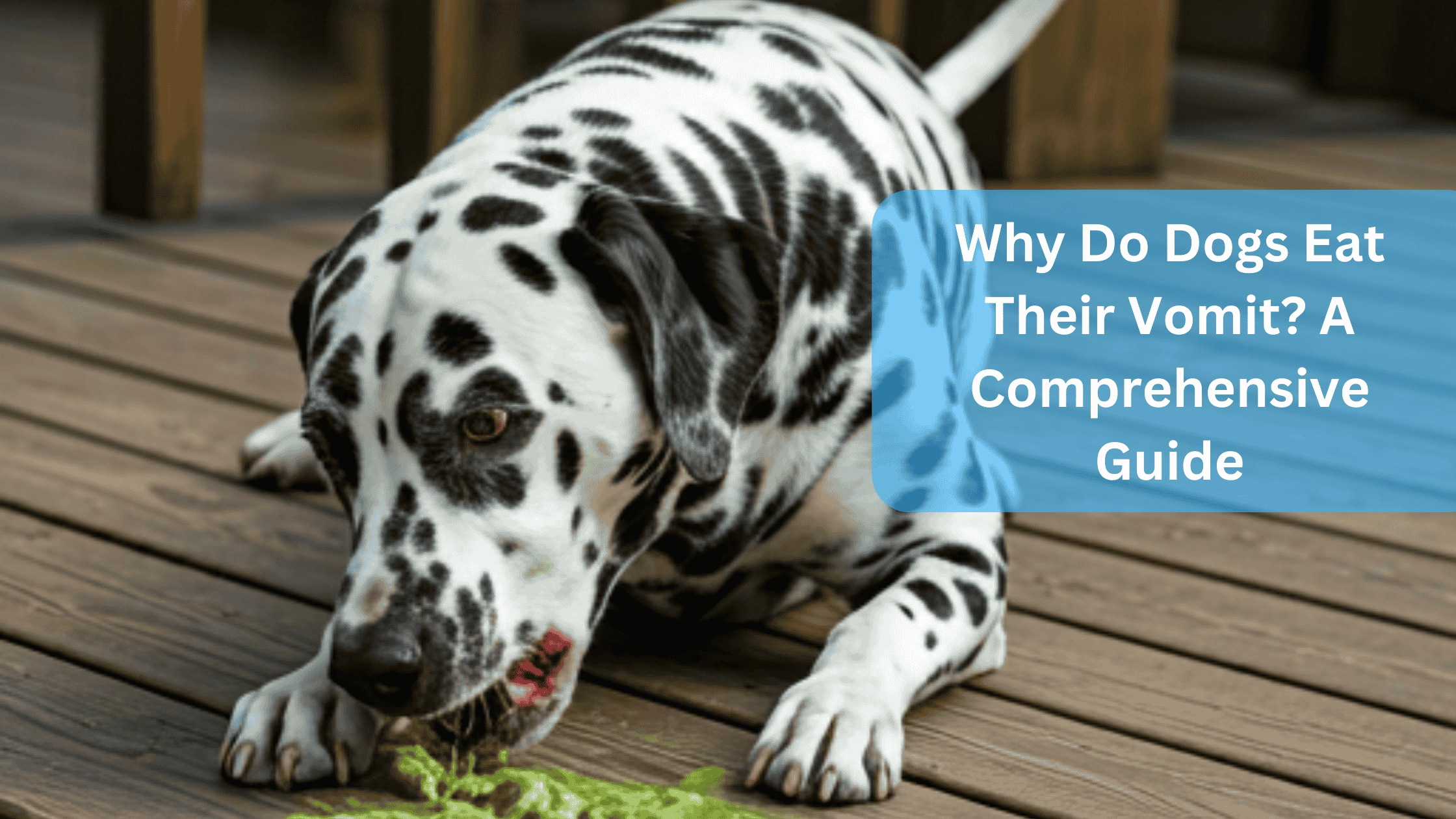
  • Why Do Dogs Eat Their Vomit? A Comprehensive Guide

    Why Do Dogs Eat Their Vomit? A Comprehensive Guide

    Why Do Dogs Eat Their Vomit? If you’re a dog owner, chances are you’ve encountered the somewhat revolting sight of your furry friend munching on their own vomit.

    While this behavior might seem gross to us humans, it’s not uncommon in the canine world.

    In this guide, we’ll explore the reasons behind this behavior, its implications for your dog’s health, and how to manage it effectively—all while keeping things light-hearted and informative!

    Understanding Canine Behavior

    Dogs are fascinating creatures with instincts that often baffle us. Unlike humans, who might recoil at the sight of vomit, dogs have a completely different perspective.

    To understand why dogs eat their vomit, we need to delve into their evolutionary history and natural instincts.

    The Scavenger Instinct

    Dogs are descendants of wolves, who are natural scavengers. In the wild, resources can be scarce, and every morsel counts.

    When a wolf regurgitates food for its pups, it’s not just a gross parenting tactic; it’s a survival strategy.

    This instinct has trickled down to our domestic dogs, who may see their vomit as a second chance at nutrition.

    Sense of Smell

    Did you know that dogs have an incredible sense of smell? They possess around 300 million olfactory receptors compared to our mere 6 million!

    This means that what smells repulsive to us can still smell like delicious food to them. When your dog vomits, they might still detect undigested food particles that appeal to their senses.

    Why Do Dogs Eat Their Vomit? – The Science Behind Vomit Eating

    Now that we have a grasp on the instinctual reasons behind this behavior, let’s look at some scientific explanations.

    Nutritional Value

    When dogs vomit, especially shortly after eating, the contents may still contain partially digested food. This can be particularly enticing if they’ve consumed something tasty. For dogs, eating their vomit is akin to reclaiming lost nutrients.

    Health-Related Factors

    Sometimes the reason behind vomiting—and subsequent eating—can be health-related:

    • Gastrointestinal Issues: Conditions like gastritis or dietary intolerances can lead to vomiting.
    • Dietary Deficiencies: If a dog isn’t getting enough nutrients from their diet, they might turn to their vomit as a source of nutrition.
    • Anxiety: Stressful situations can cause some dogs to vomit and then eat it as a coping mechanism.

    Health Implications of Eating Vomit

    While eating vomit is generally not harmful for dogs on occasion, there are situations where it could indicate underlying health issues.

    When Is It a Concern?

    If your dog frequently vomits and eats their vomit, it may be time to consult a veterinarian. Here are some signs that warrant professional attention:

    • Frequent Vomiting: If your dog is vomiting regularly (more than once or twice in a short period), it could signal gastrointestinal problems.
    • Changes in Appetite: A sudden decrease or increase in appetite can indicate health issues.
    • Lethargy or Behavioral Changes: If your dog seems unusually tired or behaves differently than usual, it’s best to get them checked out.

    How to Discourage This Behavior

    While you may not be able to completely stop your dog from eating their vomit (after all, instincts are hard to break!), there are strategies you can implement to minimize the behavior.

    Training Techniques

    1. Redirect Attention: When your dog starts to vomit, redirect their attention with a toy or treat.
    2. Positive Reinforcement: Reward your dog for ignoring their vomit with praise or treats when they do not engage in the behavior.
    3. Establish Routine: Regular feeding times can help regulate your dog’s digestion and reduce instances of vomiting.

    Environmental Management

    • Immediate Cleanup: As soon as you notice your dog has vomited, clean it up quickly before they have a chance to eat it.
    • Dietary Adjustments: Consult with your vet about whether your dog’s diet needs adjusting—sometimes changing food can help reduce vomiting incidents.

    When to Consult a Veterinarian

    As mentioned earlier, if vomiting becomes frequent or is accompanied by other concerning symptoms, it’s crucial to consult with a veterinarian. They can perform tests and examinations to rule out serious health issues such as:

    • Infections
    • Parasites
    • Pancreatitis
    • Food Allergies

    Early intervention can prevent more serious health problems down the line.

    FAQs: Common Questions Answered

    Is it normal for dogs to eat their vomit?

    Yes! While it may seem gross, it’s rooted in their scavenging instincts.

    Will eating vomit harm my dog?

    Generally no; however, if vomiting is frequent or accompanied by other symptoms, consult your vet.

    How can I stop my dog from eating vomit?

    Training techniques and immediate cleanup can help discourage this behavior.

    What should I do if my dog eats another dog’s vomit?

    Monitor them for any signs of illness and consult your vet if you notice anything unusual.

    Can certain foods make my dog more likely to vomit?

    Yes! Foods that are rich or difficult for them to digest can lead to vomiting episodes.

    Also Read: Can Dogs Eat Wheat and Wheat Products? A Comprehensive Guide

    Also Read: How Do I Know If My Dog Is Healthy? Essential Health Quiz!

    Conclusion: Embracing Your Dog’s Quirks

    In conclusion, while the sight of your dog eating its own vomit may turn your stomach, understanding the reasons behind this behavior can help you manage it effectively.

    Remember that dogs are guided by instincts that have been honed over thousands of years—what seems repulsive to us is often perfectly natural for them!

    So next time you catch your pup in the act, take a deep breath and remind yourself that they’re just being… well, dogs! With proper care and attention, you can ensure that your furry friend stays healthy and happy—vomit-eating habits included!

    Now go give your pup some love (but maybe not too close after they’ve had an upset stomach)! 🐾💖


    Sources:

  • Can Dogs Eat Wheat and Wheat Products? A Comprehensive Guide

    Can Dogs Eat Wheat and Wheat Products? A Comprehensive Guide

    Can Dogs Eat Wheat Bread? When it comes to our furry friends, we often find ourselves asking, “Can my dog eat this?” One common question that arises is about wheat and its various forms, such as bread, pasta, and crackers. In this comprehensive guide, we will explore the ins and outs of feeding wheat and wheat products to dogs, including the benefits, potential risks, and everything in between. So grab a cup of coffee (or a treat for your pup) and let’s dive into the world of wheat!

    Understanding Wheat: A Brief Overview

    Wheat is a cereal grain that has been a staple in human diets for centuries. It’s used in various food products, from bread and pasta to cereals and snacks. But what about our canine companions?

    Wheat is primarily composed of carbohydrates but also contains protein, fiber, and essential minerals. For many dogs, wheat can be a source of energy and nutrition when included in their diet appropriately. However, it’s essential to understand that not all dogs can tolerate wheat due to allergies or sensitivities.

    Nutritional Profile of Wheat: Wheat is rich in carbohydrates (about 70-75%), with protein making up around 10-15%. It also contains dietary fiber (especially in whole wheat), vitamins (like B vitamins), and minerals (such as iron and magnesium). This makes it a valuable ingredient in many dog foods.

    Can Dogs Eat Wheat Bread?

    Yes, dogs can eat plain wheat bread in moderation! However, there are some crucial points to consider:

    • Ingredients Matter: While plain wheat bread itself is not toxic to dogs, many commercial breads contain additional ingredients like sugar, garlic, or raisins that can be harmful. Always check the label before sharing your sandwich!
    • Moderation is Key: Bread should only be an occasional treat. Too much bread can lead to weight gain or digestive issues due to its high carbohydrate content. Think of it as a snack rather than a meal!
    • Watch for Allergies: Some dogs may develop allergies or sensitivities to wheat over time. If your dog experiences digestive upset or skin irritations after consuming bread, it’s best to avoid it in the future. Keep an eye out for symptoms such as itching, excessive scratching, or gastrointestinal distress.

    Can Dogs Eat Whole Wheat Bread?

    Whole wheat bread is often considered a healthier option than white bread due to its higher fiber content. Just like with regular wheat bread:

    • Safe for Most Dogs: Whole wheat bread is generally safe for dogs without allergies. It provides some nutritional benefits, such as fiber which aids digestion. Fiber helps regulate bowel movements and can prevent constipation.
    • Check Ingredients: Ensure there are no harmful additives in the whole wheat bread you choose for your pup. Ingredients like nuts or seeds might also pose choking hazards or digestive issues.

    Can Dogs Eat Cream of Wheat?

    Cream of Wheat is a popular breakfast option made from milled wheat. Here’s what you need to know:

    • Not Toxic: Cream of Wheat itself is not toxic to dogs. However, it is often served with milk or sugar, which can lead to digestive upset in some dogs. Many dogs are lactose intolerant; thus, adding milk could cause issues.
    • Occasional Treat: If you want to share a small amount with your dog as a treat, make sure it’s plain and unsweetened. A spoonful mixed into their regular food can be an enjoyable addition!

    Can Dogs Eat Wheat Thins?

    Wheat Thins are a popular snack made primarily from whole grain wheat flour. Here’s how they stack up for our canine friends:

    • In Moderation: While not toxic, Wheat Thins should only be given in moderation due to their high sodium content and added seasonings that may not be suitable for dogs. Excessive salt can lead to dehydration or more serious health issues.
    • Watch for Allergies: As with other wheat products, monitor your dog for any signs of allergies after consuming Wheat Thins. If they seem lethargic or have an upset stomach afterward, it might be best to skip these snacks in the future.

    Can Dogs Eat Wheat?

    The short answer is yes, most dogs can eat wheat without any issues. Here are some key points:

    • Nutritional Value: Wheat provides carbohydrates that can be converted into energy. It also contains some protein and fiber—both essential for your dog’s overall health.
    • Allergies Are Rare: While some breeds may have sensitivities (such as Irish Setters), food allergies related to wheat are relatively uncommon compared to other ingredients like beef or dairy. If you suspect an allergy, consult your veterinarian for appropriate testing.

    Can Dogs Eat Shredded Wheat?

    Shredded Wheat cereal is another form of wheat that many people enjoy for breakfast. Here’s how it fares for dogs:

    • Plain is Best: If you choose to give your dog Shredded Wheat, ensure it’s plain without added sugars or flavors. Flavored varieties may contain ingredients harmful to dogs.
    • Occasional Treat: Like other wheat products, it should only be an occasional treat rather than a staple in their diet. Think of it as a fun topping on their regular kibble!

    Can Dogs Eat Honey Wheat Bread?

    Honey wheat bread combines whole wheat flour with honey for sweetness. Here’s what you need to consider:

    • Sugar Content: While honey is natural, it still adds sugar content that can contribute to weight gain if fed in large amounts. Too much sugar can lead to obesity and diabetes over time.
    • Moderation Required: A small piece now and then should be fine unless your dog has diabetes or other health concerns related to sugar intake.

    Can Dogs Eat Whole Wheat Pasta?

    Whole wheat pasta offers more fiber than regular pasta but should still be fed with caution:

    • Cooked Only: Always serve whole wheat pasta cooked and plain—avoid sauces or seasonings that could upset your dog’s stomach. Spicy sauces or those containing garlic can be particularly harmful.
    • Watch Portion Sizes: Like other carbohydrate sources, pasta should make up only a small part of your dog’s diet—think of it as an occasional side dish rather than the main course!

    Can Dogs Eat Wheat Flour?

    Wheat flour is commonly used in baking and cooking but should be treated carefully when it comes to sharing with dogs:

    • Not Toxic but Not Necessary: While it’s not toxic, there’s little nutritional benefit for dogs from consuming raw flour—it’s primarily used as an ingredient rather than a standalone food item.
    • Use in Treats Wisely: If you’re baking homemade treats for your dog, using small amounts of whole wheat flour can be fine as long as it’s balanced with other nutritious ingredients like peanut butter or pumpkin puree.

    Can Dogs Eat Wheat Crackers?

    Wheat crackers are often enjoyed as snacks by humans but come with caveats for our four-legged friends:

    • Check Ingredients: Many crackers contain salt or spices that could harm your dog. Always check the label before sharing; even seemingly harmless flavors like cheese could upset their stomachs.
    • Moderation is Key: If they’re plain and low in sodium, an occasional cracker can be a fun treat! Just remember—too many treats can lead to weight gain.

    Can Dogs Eat Whole Wheat Flour?

    Whole wheat flour is similar to regular flour but retains more nutrients due to less processing:

    • Safe in Treats: It can be used safely in homemade dog treats when combined with other healthy ingredients like oats or applesauce.
    • Monitor Portion Sizes: As always, moderation is essential! Too much flour-based food could lead to constipation due to lack of hydration.

    Can Dogs Eat Bulgur Wheat?

    Bulgur is a whole grain made from cracked wheat and offers various health benefits:

    • Nutritional Benefits: It contains fiber and protein but should only be given occasionally as part of a balanced diet—think of it as an exotic side dish!
    • Cooked Only: Ensure it’s cooked thoroughly before sharing with your dog! Raw grains can lead to digestive issues.

    Can Dogs Eat Wheat Germ?

    Wheat germ is the nutrient-rich part of the wheat kernel:

    • Rich in Nutrients: It contains vitamins E and B6 along with folic acid—beneficial nutrients for dogs when given in moderation; these nutrients support skin health and immune function.
    • Use Sparingly: A sprinkle on food can provide health benefits without overwhelming their diet—think of it as a superfood boost!

    Can Dogs Eat Wheat Pasta?

    Similar advice applies here as with other forms of pasta:

    • Cooked Only & Plain: Ensure it’s cooked well without any sauces or spices before offering it as a treat; plain pasta mixed with their regular food can add variety!

    Can Dogs Eat Shredded Wheat Cereal?

    As discussed earlier:

    • Plain Option Only: If you decide to share shredded wheat cereal with your dog, make sure it’s free from additives; this keeps snack time safe!

    Can Dogs Eat Wheat Grass?

    Wheatgrass has gained popularity among health enthusiasts but what about our pets?

    • Safe & Nutritious: It’s safe for dogs and can provide some vitamins and minerals when consumed fresh—think of it like nature’s multivitamin!
    • Watch Quantity: Too much grass consumption may lead to gastrointestinal upset—moderation is key! If they seem overly interested in munching on grass outside, ensure they’re not eating anything toxic.

    Can Dogs Eat Wheat Noodles?

    Wheat noodles are similar to pasta but come in various shapes:

    • Cooked & Plain Only: Like all noodle products, ensure they’re cooked well without any additional ingredients before sharing them with your pup; think spaghetti night turned dog-friendly!

    Can Dogs Eat Honey Wheat Pretzels?

    Pretzels often contain salt and other additives that may not be suitable for dogs:

    • Caution Advised: While honey itself isn’t harmful in small amounts (and might even provide some antioxidants), pretzels should generally be avoided due to high sodium levels unless they’re specifically made for pets.

    Also Read: How Do I Know If My Dog Is Healthy? Essential Health Quiz!

    Also Read: How to Choose a Healthy Cane Corso Dog: Best Guide.

    Conclusion

    In summary, most dogs can enjoy various forms of wheat products safely as long as they do not have specific allergies or sensitivities. Always prioritize moderation and pay attention to ingredient labels when introducing new foods into your dog’s diet.

    If you suspect your dog may have an allergy or intolerance after consuming any form of wheat, consult your veterinarian for guidance tailored specifically for your furry friend. Remember—keeping our pets healthy doesn’t have to be boring! With the right knowledge and care, you can ensure their diets are both nutritious and enjoyable!

    So next time you’re enjoying some toast or pasta dinner at home, feel free to share a little bit (without the harmful extras), because sharing food with our furry companions makes every meal just a bit sweeter! 🐾


    Sources:

  • Is Nature’s Recipe Good for Dogs? A Comprehensive Guide

    Is Nature’s Recipe Good for Dogs? A Comprehensive Guide

    Is Nature’s Recipe Good for Dogs? When it comes to choosing the right food for our furry companions, pet owners often find themselves overwhelmed by the myriad of options available on the market.

    One brand that frequently comes up in discussions is Nature’s Recipe. But is Nature’s Recipe good for dogs?

    In this comprehensive guide, we will delve into the ingredients, nutritional value, benefits, and potential drawbacks of Nature’s Recipe dog food.

    We’ll also explore common questions pet owners have about this brand and provide insights to help you make an informed decision for your canine friend.

    Understanding Nature’s Recipe

    Nature’s Recipe has been a prominent player in the pet food industry for over 40 years.

    The brand prides itself on using high-quality, natural ingredients designed to meet the nutritional needs of dogs at various life stages.

    Their products include both dry and wet food options, catering to different dietary preferences and requirements.

    Key Features of Nature’s Recipe

    • Natural Ingredients: Nature’s Recipe emphasizes using natural ingredients without artificial preservatives, colors, or flavors.
    • Variety of Formulas: The brand offers a range of formulas, including grain-free options, easy-to-digest recipes, and those formulated for specific life stages (puppy, adult, senior).
    • Veterinary Guidance: Many of their recipes are developed in consultation with veterinarians and pet nutritionists to ensure they meet AAFCO (Association of American Feed Control Officials) standards.

    Nutritional Analysis of Nature’s Recipe

    To determine if Nature’s Recipe is good for dogs, we need to analyze its nutritional content. Here are some key components found in their dog food:

    Protein Sources

    Nature’s Recipe dog food typically includes high-quality protein sources such as:

    • Chicken Meal: A concentrated source of protein that is easily digestible.
    • Lamb Meal: Provides essential amino acids for muscle maintenance.
    • Salmon: Rich in omega-3 fatty acids that support skin health and coat shine.

    Carbohydrates

    The brand uses wholesome carbohydrates like:

    • Brown Rice: A good source of energy and fiber.
    • Sweet Potatoes: Packed with vitamins and minerals, they also provide dietary fiber.
    • Oats: Another excellent source of fiber that aids digestion.

    Fats

    Healthy fats are crucial for your dog’s overall health. Nature’s Recipe includes:

    • Flaxseed: Rich in omega-3 fatty acids, promoting healthy skin and coat.
    • Chicken Fat: Provides essential fatty acids necessary for energy.

    Vitamins and Minerals

    Nature’s Recipe formulations are fortified with essential vitamins and minerals to support overall health:

    • Vitamin E: An antioxidant that supports immune function.
    • Calcium and Phosphorus: Important for bone health.

    Benefits of Feeding Nature’s Recipe to Dogs

    1. High-Quality Ingredients

    Nature’s Recipe focuses on using high-quality ingredients without fillers like corn or soy. This can be beneficial for dogs with food sensitivities or allergies.

    2. Variety of Options

    With a wide range of formulas available, pet owners can select the best option tailored to their dog’s specific needs—whether they require grain-free diets or have sensitive stomachs.

    3. Digestive Health Support

    Many recipes include prebiotics and fiber sources that promote healthy digestion and bowel movements. This is particularly important for dogs prone to gastrointestinal issues.

    4. Nutritionally Balanced

    Nature’s Recipe dog foods are formulated to meet AAFCO standards, ensuring that they provide complete and balanced nutrition for your dog’s life stage.

    Potential Drawbacks of Nature’s Recipe

    While there are many benefits to feeding your dog Nature’s Recipe, there are also some potential drawbacks to consider:

    1. Price Point

    Some pet owners find Nature’s Recipe products to be on the pricier side compared to other brands. However, many believe that the quality justifies the cost.

    2. Protein Content

    While many recipes contain adequate protein levels (typically around 20-25%), some active or working dogs may require higher protein content for optimal energy levels.

    3. Digestibility Concerns

    A few reviews have mentioned that certain formulas may be difficult for some dogs to digest, particularly those with sensitive stomachs. It’s essential to monitor your dog’s reaction when introducing any new food.

    Common Questions About Nature’s Recipe Dog Food

    To further assist you in understanding whether Nature’s Recipe is suitable for your dog, here are some frequently asked questions:

    Is Nature’s Recipe grain-free?

    Yes! Nature’s Recipe offers grain-free options made with alternative carbohydrate sources like sweet potatoes and peas. These formulas cater to dogs with grain sensitivities or allergies.

    Can puppies eat Nature’s Recipe?

    Yes! There are specific formulations designed for puppies that provide the necessary nutrients for growth and development. Always check the packaging for age-specific recommendations.

    How do I transition my dog to Nature’s Recipe?

    When switching your dog’s food, it’s best to do so gradually over a week or so. Start by mixing a small amount of the new food with their current food and gradually increase the proportion of the new food while decreasing the old food.

    Are there any recalls associated with Nature’s Recipe?

    As with any pet food brand, it’s important to stay informed about recalls. While there have been occasional recalls in the past, it’s advisable to check the official website or reliable sources for any updates regarding product safety.

    What if my dog doesn’t like Nature’s Recipe?

    If your dog refuses to eat Nature’s Recipe after transitioning, consider trying different flavors or formulas within the brand. Dogs can be picky eaters; finding a flavor they enjoy may take some experimentation.

    Also Read: How to Make a Constipated Dog Poop Quickly: A Comprehensive Guide

    Also Read: Vet-Approved Homemade Dog Toothpaste: A Comprehensive Guide.

    User Reviews and Experiences

    To gain further insight into how well dogs respond to Nature’s Recipe, let’s look at some user reviews:

    • Positive Feedback: Many pet owners report that their dogs love the taste of Nature’s Recipe and have seen improvements in their coat condition and overall health after switching.
    • Negative Feedback: Some users have mentioned issues with digestibility or that their dogs did not enjoy certain flavors as much as others.

    Conclusion: Is Nature’s Recipe Good for Dogs?

    In summary, Nature’s Recipe offers a variety of high-quality dog foods made from natural ingredients designed to meet different dietary needs.

    With its focus on balanced nutrition and digestibility, many dogs thrive on this brand.

    However, as with any pet food choice, it is essential to consider your dog’s individual needs, preferences, and any specific health concerns they may have.

    Ultimately, consulting with your veterinarian can help you determine if Nature’s Recipe is the right fit for your furry friend.

    With proper guidance and consideration of your dog’s unique requirements, you can make an informed decision that supports their health and happiness.

    By choosing a reputable brand like Nature’s Recipe that prioritizes quality ingredients and nutritional balance, you’re taking a significant step towards ensuring your canine companion leads a healthy and vibrant life!


    Sources:

  • Can Dogs Eat Tomatoes? Are They Safe For Dogs?

    Can Dogs Eat Tomatoes? Are They Safe For Dogs?

    When it comes to our furry friends, we often find ourselves wondering about their diets. One question that frequently pops up is: Can dogs eat tomatoes? The answer isn’t as straightforward as you might think.

    In this comprehensive guide, we’ll explore everything you need to know about dogs and tomatoes, including raw, cooked, tomato sauce, and the benefits and risks associated with feeding tomatoes to your dog.

    We’ll also touch on related questions like whether dogs can eat tomatoes with cucumbers or onions. So grab a snack (maybe not tomatoes) and let’s dive in!

    Can Dogs Eat Tomatoes?

    Let’s get right to the point: yes, dogs can eat tomatoes, but with some important caveats. Tomatoes belong to the nightshade family, which includes several plants that can be harmful to dogs if consumed in large quantities or when unripe. The key here is moderation and preparation.

    The Risks of Tomatoes For Dogs

    • Solanine: Unripe tomatoes and the green parts of the tomato plant contain solanine, a toxic compound that can cause gastrointestinal upset in dogs. Symptoms may include vomiting, diarrhea, and lethargy.
    • Acidity: Tomatoes are acidic, which can lead to stomach upset in some dogs, especially those with sensitive stomachs.

    Safe Consumption

    • Ripe Tomatoes: Fully ripe tomatoes are generally safe for dogs to consume in small amounts. They can even provide some health benefits due to their vitamins and antioxidants.
    • Cooking: Cooking tomatoes can reduce their acidity and eliminate solanine. Thus, cooked tomatoes are often easier for dogs to digest.

    Benefits of Feeding Tomatoes to Dogs

    While there are risks associated with feeding tomatoes to dogs, there are also several benefits when given in moderation:

    • Nutritional Value: Ripe tomatoes are rich in vitamins A, C, and K, as well as several B vitamins. These nutrients contribute to overall health and support immune function.
    • Antioxidants: Tomatoes contain lycopene, an antioxidant linked to various health benefits, including reduced inflammation and improved heart health.
    • Hydration: With a high water content (about 95%), ripe tomatoes can help keep your dog hydrated.
    • Digestive Health: The fiber in tomatoes can aid digestion when given in appropriate amounts.

    Can Dogs Eat Raw Tomatoes?

    Raw tomatoes are a bit of a mixed bag. While ripe raw tomatoes are not toxic, they should be given sparingly due to the potential presence of solanine in any green parts. If you decide to offer your dog raw tomatoes:

    • Remove Green Parts: Always remove any stems or leaves before giving your dog a slice of tomato.
    • Moderation is Key: A small piece as an occasional treat is fine, but don’t overdo it.

    Can Dogs Eat Cooked Tomatoes?

    Yes! Cooked tomatoes are generally safer for dogs than raw ones. Cooking eliminates much of the solanine and makes them easier to digest. Here are some tips for serving cooked tomatoes:

    • No Additives: Avoid adding spices, garlic, or onions when cooking tomatoes for your dog, as these can be harmful.
    • Serve Plain: You can mash or puree cooked tomatoes and mix them into your dog’s food for added flavor and nutrients.

    Can Dogs Eat Tomato Sauce?

    Tomato sauce is a common ingredient in many dishes, but it often contains additives that aren’t suitable for dogs:

    • Check Ingredients: Many commercial tomato sauces contain garlic, onion, sugar, and other seasonings that can be toxic or unhealthy for dogs.
    • Homemade Sauce: If you want to share tomato sauce with your dog, consider making a simple version using only ripe tomatoes without any harmful ingredients.

    Can Dogs Eat Tomato Soup?

    Similar to tomato sauce, tomato soup often contains ingredients that may not be safe for dogs:

    • Avoid Creamy Soups: Cream-based soups can upset your dog’s stomach due to lactose intolerance.
    • Plain Tomato Soup: If you make homemade tomato soup without any harmful additives, it can be a tasty treat for your pup in moderation.

    Can Dogs Eat Tomato Seeds?

    Tomato seeds themselves are not toxic; however, they can pose a choking hazard or cause digestive issues if consumed in large amounts. It’s best to remove seeds before offering any tomato product to your dog.

    Can Dogs Eat Tomatoes and Cucumbers?

    Yes! Both tomatoes and cucumbers are safe for dogs when prepared correctly. Cucumbers provide hydration and are low in calories, making them an excellent snack alongside ripe tomatoes. Just ensure both vegetables are served fresh and without any harmful additives.

    Can Dogs Eat Tomatoes and Lettuce?

    Absolutely! Both tomatoes and lettuce are safe for dogs when given in moderation. Lettuce is low in calories and provides hydration. Just remember to chop everything into small pieces to prevent choking hazards.

    Can Dogs Eat Tomatoes in the UK?

    Yes! The guidelines regarding feeding tomatoes to dogs apply universally; however, always consult with your veterinarian if you have specific concerns related to your dog’s health or diet.

    Can Dogs Eat Tomatoes and Onions?

    No! Onions are toxic to dogs and should never be fed under any circumstances. Even small amounts can lead to serious health issues such as hemolytic anemia.

    Always ensure that any dish containing tomatoes does not include onions before sharing with your furry friend.

    Can Dogs Eat Cherry Tomatoes?

    Cherry tomatoes are similar to regular tomatoes regarding safety; however, they should still be given in moderation. Ensure they are ripe and remove any green parts before offering them to your dog.

    How Many Tomatoes Can Dogs Eat?

    When it comes to feeding your dog tomatoes:

    • Moderation is Key: A few small pieces occasionally is sufficient.
    • Watch for Reactions: Always monitor your dog after introducing new foods into their diet.

    What To Do If Your Dog Eats Too Many Tomatoes

    If you suspect that your dog has consumed an excessive amount of tomatoes or any part of the tomato plant:

    1. Monitor Symptoms: Look out for signs of tomato poisoning such as vomiting, diarrhea, lethargy, or confusion.
    2. Contact Your Veterinarian: If symptoms appear or if you know your dog has ingested unripe tomatoes or green parts of the plant, contact your vet immediately for advice on what steps to take next.
    3. Provide Water: Ensure that your dog has access to fresh water at all times while monitoring their condition.
    4. Emergency Care: In severe cases where symptoms worsen or if ingestion was significant (especially of unripe parts), seek emergency veterinary care right away.

    Also Read: Can Dogs Eat Hami Melon? A Comprehensive Guide

    Also Read: The Mudhol Hound: A Comprehensive Guide

    Conclusion

    In conclusion, while dogs can eat ripe tomatoes in moderation, it’s essential to be aware of the risks associated with unripe tomatoes and green parts of the plant.

    Cooked tomatoes are generally safer than raw ones and can provide health benefits when prepared correctly.

    Always prioritize safety by avoiding toxic ingredients like onions and garlic when cooking for your furry friend.

    As with any dietary change or introduction of new foods, consulting with your veterinarian is always a good idea—especially if your dog has pre-existing health conditions or dietary restrictions.

    By following these guidelines on how dogs can enjoy this juicy fruit safely (yes, it’s a fruit!), you can share delicious moments with your canine companion while keeping their health at the forefront!


    Sources:

  • Can Dogs Eat Hami Melon? A Comprehensive Guide

    Can Dogs Eat Hami Melon? A Comprehensive Guide

    Can dogs eat Hami melon? – As pet owners, we often want to share our favorite foods with our furry companions. One fruit that has gained popularity in recent years is the Hami melon, a sweet and juicy variety of melon known for its delicious taste and refreshing qualities.

    However, many dog owners wonder, “Can dogs eat Hami melon?” This comprehensive guide will explore the safety of Hami melon for dogs, its nutritional benefits, potential risks, and how to incorporate it into your dog’s diet safely.

    What is Hami Melon?

    Hami melon is a type of cantaloupe that originates from the Hami region in Xinjiang, China. It is characterized by its sweet flavor, crisp texture, and pale yellow to greenish skin.

    Hami melons are often enjoyed fresh and are popular in fruit salads, smoothies, and desserts. They are rich in vitamins and minerals, making them a nutritious option for humans.

    Nutritional Profile of Hami Melon

    Before determining whether Hami melon is safe for dogs, it’s essential to understand its nutritional content:

    • Calories: Hami melon is low in calories, making it a great snack option.
    • Water Content: Comprising about 90% water, it helps keep dogs hydrated.
    • Vitamins: It contains essential vitamins such as vitamin A (beta-carotene), vitamin C, and several B vitamins.
    • Minerals: Hami melon provides potassium and magnesium.

    Can Dogs Eat Hami Melon?

    Safety of Hami Melon for Dogs

    Yes, dogs can eat Hami melon in moderation. The flesh of the melon is non-toxic to dogs and can provide several health benefits. However, there are important considerations to keep in mind.

    Key Points:

    • Non-toxic: The flesh of the Hami melon is safe for dogs to consume.
    • Moderation is Key: While it is safe, it should be given in moderation to avoid digestive upset.
    • Remove Seeds and Rind: Always remove the seeds and rind before offering Hami melon to your dog.

    Potential Benefits of Hami Melon for Dogs

    1. Hydration: Due to its high water content, Hami melon can help keep your dog hydrated, especially during hot weather.
    2. Low Calorie: This melon is low in calories, making it a great treat for dogs that need to maintain or lose weight.
    3. Vitamins and Antioxidants: The vitamins present in Hami melon can contribute to your dog’s overall health. Vitamin A supports eye health and immune function, while vitamin C acts as an antioxidant.
    4. Digestive Health: The fiber content in melons can aid digestion and promote regular bowel movements.

    How to Safely Introduce Hami Melon to Your Dog’s Diet

    If you decide to give your dog Hami melon or foods containing it, consider the following guidelines:

    1. Consult Your Veterinarian: Before introducing any new food into your dog’s diet, it’s best to consult with your veterinarian.
    2. Start Small: If you’re giving your dog Hami melon for the first time, start with a small amount to see how they react.
    3. Prepare Properly: Always remove the seeds and rind before feeding the flesh of the fruit to your dog.
    4. Monitor Your Dog: After introducing Hami melon or any new food item, monitor your dog for any signs of gastrointestinal upset or allergic reactions.
    5. Use as a Treat: Treats should make up only about 10% of your dog’s daily caloric intake. Use Hami melon as an occasional treat rather than a regular part of their diet.

    Health Risks Associated with Feeding Dogs Hami Melon

    While Hami melon is generally safe for dogs, there are some risks associated with feeding them this fruit:

    1. Digestive Upset: Overconsumption of any new food can lead to gastrointestinal issues such as diarrhea or vomiting. Always introduce new foods gradually.
    2. Choking Hazard: Ensure that you cut the melon into small, manageable pieces to prevent choking.
    3. Allergic Reactions: Though rare, some dogs may have allergies or sensitivities to certain fruits. Watch for signs of an allergic reaction after introducing Hami melon.
    4. High Sugar Content: While not excessively high compared to some other fruits, the natural sugars in melons can add up if given in large quantities—especially concerning for diabetic dogs.

    Frequently Asked Questions (FAQs)

    Can Dogs Have a Small Amount of Hami Melon?

    Yes! A small amount of Hami melon is safe for dogs as long as it’s properly prepared (seeds and rind removed) and given in moderation.

    What Should I Do If My Dog Eats Too Much Hami Melon?

    If your dog consumes too much Hami melon and shows signs of gastrointestinal upset (like vomiting or diarrhea), monitor their condition closely. If symptoms persist or worsen, consult your veterinarian.

    Are There Any Other Types of Melons Safe for Dogs?

    Yes! Other melons like cantaloupe and watermelon are also safe for dogs when prepared properly (seeds removed).

    Can I Use Hami Melon in Homemade Dog Treats?

    Absolutely! You can incorporate pureed or diced Hami melon into homemade dog treats for added flavor and nutrition—just ensure that no harmful ingredients are included.

    What Are Some Signs That My Dog Might Be Allergic to Melons?

    Signs of an allergic reaction may include itching, swelling, hives, gastrointestinal upset (vomiting or diarrhea), or difficulty breathing after consuming melons or other new foods.

    Also Read: Can Dogs Eat Squashies? A Comprehensive Guide

    Also Read: Can Dogs Eat Besan? A Comprehensive Guide

    Alternative Ways to Prepare Melon for Dogs

    While serving fresh pieces of Hami melon is a great way to treat your dog, there are other creative ways to prepare this fruit:

    1. Frozen Treats: Freeze small pieces of Hami melon for a refreshing summer treat that helps keep your dog cool.
    2. Smoothies: Blend pureed Hami melon with yogurt (xylitol-free) for a delicious smoothie that can be served as a special treat on hot days.
    3. Melon Popsicles: Combine pureed watermelon or cantaloupe with water and freeze them into popsicles using ice cube trays—these make fun summer snacks!
    4. Dog-Friendly Fruit Salad: Mix diced pieces of various dog-safe fruits (including Hami melon) together for a colorful fruit salad that provides hydration and nutrients.

    Conclusion

    In summary, dogs can safely eat Hami melon in moderation when prepared correctly by removing seeds and rind. This delicious fruit offers hydration and essential vitamins while being low in calories—a great alternative treat for your furry friend!

    As always, consult with your veterinarian before introducing new foods into your dog’s diet to ensure they remain healthy and happy! By understanding the benefits and potential risks associated with feeding your dog melons like the Hami variety, you can make informed choices that contribute positively to their overall well-being!

    This guide has covered everything you need to know about whether dogs can eat Hami melons while providing practical tips on how best to serve them safely—so go ahead and let your pup enjoy this tasty treat!


    Sources:

  • Can Dogs Eat Squashies? A Comprehensive Guide

    Can Dogs Eat Squashies? A Comprehensive Guide

    Can Dogs Eat Squashies? – As pet owners, we often wonder what human foods are safe for our furry friends. One popular treat that has gained attention is squashies, a type of gummy candy known for its chewy texture and fruity flavors.

    But can dogs eat squashies? In this comprehensive guide, we will explore the safety of squashies for dogs, their nutritional content, potential risks, and how to ensure your dog’s diet remains healthy while satisfying their sweet tooth.

    What Are Squashies?

    Squashies are a brand of gummy sweets that come in various flavors and shapes, often resembling squishy fruit or other fun designs.

    They are typically made from sugar, glucose syrup, gelatin, and flavorings. While these treats are popular among humans, their suitability for dogs is a topic of concern.

    Nutritional Profile of Squashies

    Before determining whether squashies are safe for dogs, it’s essential to understand their nutritional content:

    • Sugar: Squashies are high in sugar, which can lead to obesity and dental issues in dogs.
    • Calories: These treats are calorie-dense and can contribute to weight gain if given in excess.
    • Additives: Many commercial candies contain artificial colors and flavors that may not be suitable for dogs.

    Can Dogs Eat Squashies?

    Safety of Squashies for Dogs

    The short answer is no, dogs should not eat squashies. While they are not inherently toxic, the high sugar content and artificial ingredients pose several risks to your dog’s health.

    Key Points:

    • High Sugar Content: Excessive sugar can lead to obesity, diabetes, and dental problems in dogs.
    • Digestive Issues: Dogs may experience gastrointestinal upset after consuming sugary treats like squashies, leading to diarrhea or vomiting.
    • Additives and Preservatives: The artificial ingredients found in squashies can cause allergic reactions or sensitivities in some dogs.

    Potential Risks of Feeding Squashies to Dogs

    1. Obesity: Regular consumption of high-sugar treats can contribute to weight gain and obesity in dogs.
    2. Dental Problems: Sugary foods can lead to plaque buildup and tooth decay over time.
    3. Gastrointestinal Upset: Dogs may experience digestive issues such as gas, bloating, diarrhea, or vomiting after consuming squashies.
    4. Allergic Reactions: Some dogs may have allergies or sensitivities to the artificial colors or flavors used in squashies.

    Healthier Alternatives to Squashies For Dogs

    If you’re looking for safe and healthy treats for your dog, consider these alternatives:

    1. Fruits: Many fruits are safe for dogs and provide natural sweetness without added sugars. Options include:

      • Apples (without seeds)
      • Blueberries
      • Watermelon (seedless)
      • Bananas (in moderation)

      2. Vegetables: Some vegetables can be a crunchy treat for dogs:

        • Carrots
        • Green beans
        • Sweet potatoes (cooked)

        3. Homemade Dog Treats: Consider making your own dog treats using wholesome ingredients like pumpkin puree, peanut butter (xylitol-free), and oats.

        4. Commercial Dog Treats: Look for dog treats specifically formulated with canine nutrition in mind. These treats often have lower sugar content and are made from high-quality ingredients.

          Frequently Asked Questions (FAQs)

          Can Dogs Have a Small Amount of Squashies?

          While one small piece might not cause immediate harm, it’s best to avoid giving squashies altogether due to their high sugar content and potential long-term health risks.

          What Should I Do If My Dog Eats Squashies?

          If your dog consumes squashies, monitor them closely for any signs of gastrointestinal upset such as vomiting or diarrhea. If symptoms persist or if you have concerns about their health, contact your veterinarian.

          Are There Any Safe Sweets for Dogs?

          Yes! Natural treats like fruits and vegetables can be a great alternative to sugary candies. Always check which fruits and veggies are safe before offering them to your dog.

          Can I Make Homemade Squashie-like Treats for My Dog?

          You can create homemade treats using dog-safe ingredients! Consider blending fruits with yogurt or using pureed pumpkin mixed with oats to create tasty snacks without harmful additives.

          What Are the Signs of Sugar Toxicity in Dogs?

          Signs of sugar toxicity may include excessive thirst, frequent urination, lethargy, vomiting, diarrhea, or changes in behavior. If you notice these symptoms after your dog has consumed sugary foods, seek veterinary advice immediately.

          Also Read: Can Dogs Eat Besan? A Comprehensive Guide

          Also Read: Can Dogs Eat Stevia? A Comprehensive Guide

          Conclusion

          In conclusion, while squashies may be a delightful treat for humans, they are not suitable for dogs due to their high sugar content and artificial ingredients.

          Instead of risking your dog’s health with sugary candies, opt for healthier alternatives that provide natural sweetness without the associated risks.

          Always prioritize your dog’s well-being by consulting with your veterinarian before introducing new foods into their diet. By making informed choices about what you feed your furry friend, you can ensure they live a happy and healthy life!


          Sources:

        1. Can Dogs Eat Besan? A Comprehensive Guide

          Can Dogs Eat Besan? A Comprehensive Guide

          Can Dogs Eat Besan? As pet owners, we often find ourselves questioning what foods are safe for our furry friends. With the increasing popularity of alternative flours and ingredients in our diets, many dog owners wonder, “Can dogs eat besan?” This comprehensive guide will explore the safety of besan (chickpea flour) for dogs, its nutritional benefits, potential risks, and how to incorporate it into your dog’s diet safely.

          What is Besan?

          Besan, also known as chickpea flour or gram flour, is made from ground chickpeas.

          It is a staple ingredient in many Indian and Middle Eastern cuisines and is known for its high protein content and versatility in cooking.

          Besan is gluten-free, making it an excellent alternative for those with gluten sensitivities.

          Nutritional Profile of Besan

          Besan is rich in several nutrients that can be beneficial not only for humans but potentially for dogs as well:

          • Protein: Besan is high in protein, which is essential for muscle development and overall health.
          • Fiber: It contains a significant amount of dietary fiber, which aids in digestion.
          • Vitamins and Minerals: Besan is a good source of vitamins such as B vitamins (B1, B2, B3) and minerals like iron, magnesium, and phosphorus.

          Can Dogs Eat Besan?

          Safety of Besan for Dogs

          The short answer is yes; dogs can eat besan in moderation. Chickpeas are generally safe for dogs, and since besan is made from ground chickpeas, it shares many of the same properties. However, there are important considerations to keep in mind.

          Key Points:

          • Non-toxic: Besan itself is non-toxic to dogs.
          • Moderation: Like any new food, it should be introduced gradually and given in moderation to avoid digestive upset.
          • Allergies: Some dogs may have allergies or sensitivities to legumes like chickpeas. Monitor your dog for any adverse reactions when introducing besan.

          Potential Benefits of Besan for Dogs

          1. High Protein Content: The protein in besan can help support your dog’s muscle development and overall health.
          2. Digestive Health: The fiber content can aid digestion and promote regular bowel movements.
          3. Gluten-Free Alternative: For dogs with wheat allergies or sensitivities, besan provides a gluten-free option that can be used in homemade treats or meals.
          4. Nutritional Value: The vitamins and minerals present in besan can contribute to your dog’s overall nutritional intake when used appropriately.

          How to Safely Introduce Besan to Your Dog’s Diet

          If you decide to give your dog besan or foods containing it, consider the following guidelines:

          1. Consult Your Veterinarian: Before introducing any new food into your dog’s diet, it’s best to consult with your veterinarian.
          2. Start Small: If you’re giving your dog besan for the first time, start with a small amount to see how they react.
          3. Monitor Your Dog: After introducing besan or any new food item, monitor your dog for any signs of gastrointestinal upset or allergic reactions.
          4. Use Cooked Forms: Always ensure that besan is cooked before feeding it to your dog. Raw flour can be difficult for dogs to digest.
          5. Avoid Additives: When using besan in recipes for dog treats or meals, avoid adding spices or ingredients that may be harmful to dogs (e.g., garlic or onion).

          Can Dogs Eat Besan Chilla?

          What is Besan Chilla?

          Besan chilla is a savory pancake made from besan mixed with water and spices. It often includes vegetables like onions, tomatoes, and green chilies. While this dish is healthy for humans, its suitability for dogs depends on its ingredients.

          Can Dogs Eat Besan Chilla?

          In moderation, dogs can eat plain besan chilla without harmful additives. However:

          • Watch Out for Spices: Many recipes include spices that may not be suitable for dogs (e.g., chili powder). It’s best to prepare a plain version without spices.
          • Monitor Portions: Introduce it gradually and ensure it does not replace their regular balanced diet.

          Can Dogs Eat Besan Flour?

          Safety of Feeding Dogs Besan Flour

          Yes, dogs can eat besan flour as long as it’s cooked into something palatable for them. Here are some considerations:

          1. Cooking Required: Raw flour can cause digestive issues; always cook it before serving.
          2. Use in Treats: You can use besan flour to make homemade dog treats by mixing it with dog-safe ingredients like pumpkin puree or peanut butter.
          3. Portion Control: As with any new ingredient, moderation is key to prevent digestive upset.

          Can Dogs Eat Besan Ladoo?

          What are Besan Ladoo?

          Besan ladoo are sweet balls made from roasted besan mixed with ghee (clarified butter) and sugar or jaggery. They are popular Indian sweets but may not be suitable for dogs due to their high sugar content.

          Can Dogs Eat Besan Ladoo?

          While the base ingredient (besan) is safe for dogs:

          • High Sugar Content: The sugar or jaggery used in ladoos can lead to obesity and dental issues if consumed regularly by dogs.
          • Ghee Considerations: Ghee is high in fat; while some fat is necessary in a dog’s diet, too much can lead to pancreatitis or weight gain.

          Conclusion on Feeding Ladoo to Dogs

          It’s best to avoid giving your dog besan ladoo due to the sugar content and potential digestive issues related to high-fat foods.

          However, if you have desi ghee made from the milk of the ancient Indian desi cow, you can give it to your dogs in small amounts.

          This traditional ghee is very different from store-bought varieties like Amul or Sanchi, as it is prepared using age-old methods that preserve its natural properties.

          Desi ghee can actually aid in digesting sugars and high-fat foods, making it a healthier option for your pet when used appropriately.

          Note: Desi cow ghee is not easily available because these cows typically produce only 1-3 liters of milk at a time, and half of that is given to their calves. As a result, you can only obtain this ghee by personally visiting the farmer and requesting it. Due to its low milk production, this breed is not widely recognized, and you will not find them on farms that produce milk for commercial sale. I would also advise against purchasing it online, as you may encounter spam or unreliable products. 

          Frequently Asked Questions (FAQs)

          Is Besan Safe for Puppies?

          Yes, but introduce it slowly and ensure it’s cooked properly before offering it to puppies.

          What Happens If My Dog Eats Too Much Besan?

          Overconsumption may lead to gastrointestinal upset such as diarrhea or vomiting due to the high fiber content.

          How Should I Prepare Besan for My Dog?

          Always cook it before serving; consider using it in homemade treats mixed with other dog-safe ingredients.

          Are There Any Alternatives to Besan?

          Yes! Other flours like oat flour or brown rice flour can also be healthy alternatives depending on your dog’s dietary needs.

          Also Read: Can Dogs Eat Stevia? A Comprehensive Guide

          Also Read: How to Train a Cockapoo: A Comprehensive Guide

          Conclusion

          In summary, dogs can eat besan in moderation as part of a balanced diet. It offers several nutritional benefits but should always be served cooked and without harmful additives.

          While foods like besan chilla can be safe if prepared correctly, sweets like besan ladoo should generally be avoided due to their sugar content.

          Always consult with your veterinarian before making significant changes to your dog’s diet or introducing new foods.

          By understanding the benefits and potential risks associated with feeding your dog besan, you can make informed decisions that contribute positively to their health and well-being!


          Sources: