Category: Dog Nutrition

  • Can Dogs Eat Stevia? A Comprehensive Guide

    Can Dogs Eat Stevia? A Comprehensive Guide

    Can Dogs Eat Stevia? – As pet owners, we often find ourselves questioning what foods are safe for our furry friends. With the rise of sugar substitutes and healthier eating habits, many dog owners wonder, “Can dogs eat stevia?” This comprehensive guide will explore the safety of stevia for dogs, its potential benefits and drawbacks, and how to incorporate it into your dog’s diet safely.

    What is Stevia?

    Stevia is a natural sweetener derived from the leaves of the Stevia rebaudiana plant, native to South America.

    It is known for being 200 to 300 times sweeter than sugar while containing zero calories.

    The sweetness comes from compounds called steviol glycosides, which do not raise blood sugar levels, making stevia a popular choice for those on low-calorie or low-carb diets.

    How is Stevia Used?

    Stevia is commonly used as a sugar substitute in various food products, including:

    • Sugar-free candies
    • Baked goods
    • Beverages
    • Yogurt and dairy products
    • Dog treats

    Given its popularity, many dog owners may wonder if it’s safe to share stevia-sweetened foods with their pets.

    Can Dogs Eat Stevia?

    Safety of Stevia for Dogs

    According to various veterinary sources and studies, stevia is generally considered safe for dogs. Unlike xylitol, which is highly toxic to dogs and can cause severe health issues, stevia does not pose the same risks.

    The FDA has classified steviol glycosides as “Generally Recognized as Safe” (GRAS) for human consumption, which extends to its use in pet foods as well.

    Key Points:

    • Non-toxic: Stevia is not toxic to dogs.
    • Low-calorie: It can be a low-calorie alternative to sugar.
    • Glycemic index: Stevia has a glycemic index of 0, meaning it does not affect blood sugar levels.

    Potential Drawbacks of Stevia For Dogs

    While stevia is safe in small amounts, excessive consumption can lead to gastrointestinal issues in dogs. Some potential drawbacks include:

    1. Gastrointestinal Upset: Ingesting large quantities of stevia can cause diarrhea, nausea, or vomiting due to the body’s inability to absorb certain compounds effectively.
    2. Allergic Reactions: Although rare, some dogs may have allergic reactions to stevia or other ingredients found in sweeteners.
    3. Other Ingredients: Many commercial products containing stevia may also include other sweeteners or additives that could be harmful to dogs (e.g., xylitol).

    Benefits of Stevia for Dogs

    Despite its potential drawbacks, there are several benefits associated with using stevia as a sweetener for your dog:

    1. Weight Management: Since stevia contains no calories, it can be a good option for dogs that need to lose weight or maintain a healthy weight.
    2. Dental Health: Unlike sugar, which can contribute to dental problems in dogs, stevia does not promote tooth decay.
    3. Blood Sugar Control: The zero glycemic index means that stevia does not spike blood sugar levels, which could be beneficial for diabetic dogs.
    4. Nutritional Value: Stevia contains small amounts of vitamins and minerals such as calcium, magnesium, potassium, and zinc.

    How to Safely Introduce Stevia to Your Dog’s Diet

    If you decide to give your dog stevia or foods containing it, consider the following guidelines:

    1. Consult Your Veterinarian: Before introducing any new food or sweetener into your dog’s diet, it’s best to consult with your veterinarian.
    2. Start Small: If you’re giving your dog a treat containing stevia for the first time, start with a small amount to see how they react.
    3. Monitor Your Dog: After introducing stevia or any new food item, monitor your dog for any signs of gastrointestinal upset or allergic reactions.
    4. Avoid Processed Foods: Instead of giving your dog processed foods that contain stevia and other additives, consider using pure forms of stevia or making homemade treats using natural ingredients.
    5. Use Sparingly: Treats should only make up about 10% of your dog’s daily caloric intake. Use stevia sparingly and ensure it does not replace their regular balanced diet.

    Frequently Asked Questions (FAQs)

    Can Dogs Have Stevia?

    Yes, dogs can have stevia in moderation. It is non-toxic and considered safe when consumed in small amounts.

    What Happens if My Dog Eats Too Much Stevia?

    If a dog consumes too much stevia, they may experience gastrointestinal upset such as diarrhea or vomiting. Monitor their behavior and consult a veterinarian if symptoms persist.

    Is Stevia Better than Sugar for Dogs?

    Yes, stevia is generally better than sugar because it has no calories and does not contribute to dental problems or blood sugar spikes.

    Can I Use Stevia in Homemade Dog Treats?

    Yes! You can use pure forms of stevia in homemade dog treats as a sweetener instead of sugar.

    Are There Any Alternatives to Stevia?

    Yes! Other safe alternatives include honey (in moderation), applesauce, pumpkin puree, or carob powder (which is safe for dogs).

    Can I Give My Dog Foods Sweetened with Stevia?

    You can give your dog foods sweetened with small amounts of stevia but ensure they do not contain harmful additives like xylitol.

    Also Read: How to Train a Cockapoo: A Comprehensive Guide

    Also Read: How to Train a Bichon Frise: A Comprehensive Guide

    Conclusion

    In conclusion, while dogs can safely consume small amounts of stevia without significant health risks, moderation is key.

    Always prioritize your dog’s overall diet and consult with your veterinarian before introducing new foods or sweeteners into their meals.

    By understanding the benefits and potential drawbacks of using stevia as a sweetener for your furry friend, you can make informed decisions about their nutrition and well-being.

    As always, keep an eye on your dog’s health after introducing any new food item and ensure that their diet remains balanced and nutritious!


    Sources:
  • Dinuguan for Dogs: A Comprehensive Guide

    Dinuguan for Dogs: A Comprehensive Guide

    Dinuguan for Dogs – Dinuguan, a traditional Filipino dish made from pork and blood, is a culinary delight for many humans.

    However, when it comes to our canine companions, the question arises: is dinuguan safe for dogs?

    This guide will explore the nutritional aspects, potential risks, and considerations for feeding dinuguan to dogs.

    We will also address common questions and concerns from dog owners regarding this unique dish.

    What is Dinuguan?

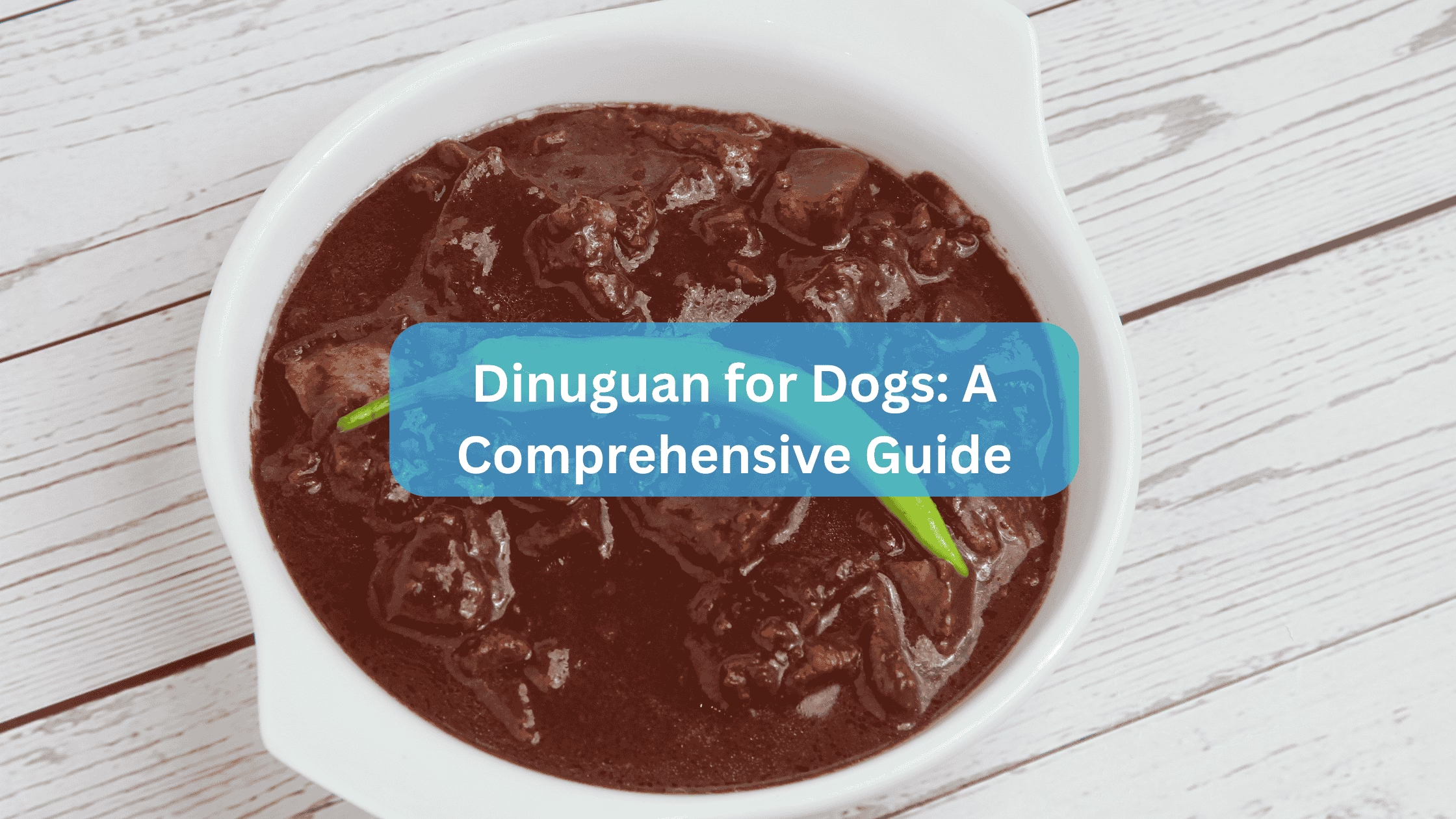
    Dinuguan is a savory stew made from pork offal (such as intestines, liver, and heart) simmered in a rich sauce of pig’s blood, vinegar, garlic, and spices.

    It is often served with rice or puto (steamed rice cakes) and is known for its distinct flavor profile that combines salty, sour, and umami tastes.

    Nutritional Profile of Dinuguan

    Before considering dinuguan for dogs, it’s essential to understand its nutritional content:

    • Protein: The primary ingredient in dinuguan is pork, which is a good source of protein necessary for muscle development and overall health in dogs.
    • Iron: The pig’s blood used in dinuguan is rich in iron, which can be beneficial for dogs that may have anemia or low iron levels.
    • Fat: Depending on the cut of meat used, dinuguan can be high in fat. While some fat is necessary for a dog’s diet, excessive fat can lead to obesity and pancreatitis.
    • Vitamins and Minerals: Pork contains various vitamins (like B vitamins) and minerals (such as zinc), which are important for a dog’s immune system and overall health.

    Is Dinuguan Safe for Dogs?

    While dinuguan contains several beneficial nutrients, there are significant risks associated with feeding it to dogs:

    • Salt Content: Dinuguan can be high in sodium due to added salt and other seasonings. Excessive salt intake can lead to health issues in dogs, including sodium ion poisoning.
    • Spices: Ingredients such as garlic and onion are toxic to dogs. Even small amounts can lead to gastrointestinal upset or more severe health issues like hemolytic anemia.
    • Fat Content: If dinuguan is made with fatty cuts of meat or excess oil, it can pose risks of obesity and pancreatitis in dogs.
    • Bacterial Contamination: If not cooked properly, dishes containing blood can harbor bacteria that may be harmful to both humans and dogs.

    Should You Feed Dinuguan to Your Dog?

    Given the potential risks associated with feeding dinuguan to dogs, it is generally not advisable to include this dish in their diet. If you wish to provide your dog with a taste of something similar, consider preparing a dog-friendly version that excludes harmful ingredients.

    Alternatives to Dinuguan For Dogs

    If you’re looking for ways to incorporate similar flavors or ingredients into your dog’s diet safely, consider the following alternatives:

    • Cooked Pork: Plain boiled or grilled pork without seasoning can be a healthy treat for your dog. Ensure it’s lean and free from bones.
    • Blood Meal Supplements: If you want to provide iron-rich nutrition similar to what pig’s blood offers without the risks associated with dinuguan, consider using commercially available blood meal supplements designed for pets.
    • Homemade Stews: Create a dog-friendly stew using safe ingredients like lean meats (chicken or turkey), vegetables (carrots, peas), and low-sodium broth.

    Frequently Asked Questions

    Can Dogs Eat Blood?

    Yes, dogs can consume blood if it is cooked properly. Raw blood may contain harmful bacteria; hence it’s crucial to ensure it’s cooked thoroughly before serving.

    What Foods Should Dogs Avoid?

    Certain foods should never be fed to dogs due to toxicity or health risks:
    1. Onions and garlic
    2. Chocolate
    3. Grapes and raisins
    4. Xylitol (found in sugar-free products)
    5. Avocado

    How Can I Make My Dog’s Diet More Nutritious?

    To enhance your dog’s diet:
    1. Incorporate lean meats.
    2. Add vegetables like carrots or green beans.
    3. Use high-quality commercial dog food that meets AAFCO standards.

    Also Read: Can Dogs Eat Seaweed? A Comprehensive Guide

    Also Read: Premack Principle in Dog Training – Best Guide

    Conclusion

    While dinuguan may be a beloved dish among humans, it poses several risks when considered for canine consumption.

    Instead of feeding your dog this traditional dish directly, opt for safer alternatives that provide similar flavors without compromising their health.

    Always consult with your veterinarian before introducing new foods into your dog’s diet to ensure their safety and well-being.


    Sources:

  • Can Dogs Eat Seaweed? A Comprehensive Guide

    Can Dogs Eat Seaweed? A Comprehensive Guide

    Can Dogs Eat Seaweed? As pet owners increasingly seek out nutritious and natural food options for their furry companions, the question of whether dogs can eat seaweed has gained popularity.

    Seaweed, often lauded for its health benefits in human diets, is now being considered as a potential addition to canine nutrition.

    This guide will explore the safety, benefits, risks, and best practices for incorporating seaweed into your dog’s diet.

    Understanding Seaweed

    Seaweed refers to various species of marine plants and algae that thrive in oceans worldwide. They are typically categorized into three main types:

    • Brown seaweed: Includes kelp and wakame, rich in vitamins and minerals.
    • Green seaweed: Includes varieties like sea lettuce, known for its nutritional value.
    • Red seaweed: Includes nori and dulse, often used in culinary applications.

    Each type of seaweed has a unique nutrient profile, making it important to understand which varieties are safe for dogs.

    Nutritional Benefits of Seaweed for Dogs

    Seaweed is a nutrient-dense food that offers several health benefits for dogs when consumed in moderation:

    • Rich in vitamins and minerals: Seaweed contains essential nutrients such as iodine, calcium, iron, magnesium, and potassium. These nutrients support various bodily functions, including metabolism and bone health.
    • Source of omega-3 fatty acids: Certain types of seaweed provide omega-3s, which are beneficial for skin health, coat condition, and reducing inflammation.
    • High in fiber: The fiber content in seaweed can aid digestion and promote gut health.
    • Antioxidant properties: Seaweed is rich in antioxidants that can help combat oxidative stress in dogs.

    Can Dogs Eat Seaweed?

    The short answer is yes; dogs can eat certain types of seaweed. However, there are important considerations to keep in mind:

    Safe Types of Seaweed for Dogs

    1. Nori: Commonly used in sushi rolls, nori is safe for dogs when unseasoned.
    2. Kelp: Often found in supplements, kelp is beneficial but should be given in moderation due to its high iodine content.
    3. Dulse: Another safe option that can be added to dog food for extra nutrients.

    Unsafe Types of Seaweed for Dogs

    • Wild seaweed: Avoid letting your dog eat seaweed found on beaches. It may contain harmful pollutants or parasites and can expand in the digestive system, leading to blockages.
    • Seasoned or processed snacks: Seaweed snacks that contain added salt, garlic, or onion should be avoided as they can be toxic to dogs.

    How to Introduce Seaweed into Your Dog’s Diet

    When considering adding seaweed to your dog’s diet, follow these guidelines:

    1. Start small: Introduce seaweed gradually by offering small amounts mixed into their regular food.
    2. Monitor reactions: Keep an eye on your dog for any signs of digestive upset or allergies after introducing seaweed.
    3. Choose quality products: Opt for human-grade or pet-specific seaweed products that do not contain harmful additives.

    Recommended Serving Sizes of Seaweed You Can Safely Feed Your Dog

    The amount of seaweed you can safely feed your dog varies based on their size:

    • Small dogs: A few flakes or a sprinkle per meal.
    • Medium dogs: Up to a teaspoon per meal.
    • Large dogs: Up to a tablespoon per meal.

    As a general rule, treats (including seaweed) should make up no more than 10% of your dog’s daily caloric intake.

    Potential Risks of Feeding Seaweed to Dogs

    While seaweed can be beneficial, there are risks associated with its consumption:

    • Iodine toxicity: Excessive iodine intake from seaweed can lead to thyroid issues. Dogs with pre-existing thyroid conditions should avoid it altogether.
    • Digestive issues: Too much seaweed can cause gastrointestinal upset, including diarrhea or constipation.
    • Sodium content: Some types of seaweed may have high sodium levels, which can be harmful to dogs with heart issues or those on sodium-restricted diets.

    What Does Dried Seaweed Do for Dogs?

    Dried seaweed can offer several health benefits for dogs.

    It is rich in essential nutrients, including vitamins and minerals such as iodine, iron, magnesium, and omega-3 fatty acids.

    These nutrients can help support various bodily functions in dogs, including:

    • Digestive Health: Dried seaweed contains soluble fiber, which can aid digestion and promote gut health by acting as a prebiotic, fostering the growth of beneficial gut bacteria.
    • Oral Health: Some studies suggest that seaweed can help reduce plaque and tartar buildup on dogs’ teeth due to its unique bioactive compounds.
    • Immune Support: The antioxidants found in seaweed may help bolster the immune system and combat oxidative stress.
    • Skin and Coat Health: Omega-3 fatty acids present in seaweed can improve skin condition and contribute to a shiny coat.

    However, it is essential to feed dried seaweed in moderation to avoid potential issues related to excessive iodine intake or digestive upset.

    Can Dogs Eat Seaweed with Salt?

    Dogs should not eat seaweed that has been seasoned with salt or other additives.

    While plain seaweed varieties like nori are safe for dogs, those that contain added salt can lead to sodium toxicity.

    High sodium levels can cause symptoms such as excessive thirst, urination, vomiting, diarrhea, and in severe cases, seizures or death.

    Always check the ingredient list before offering any seaweed snacks to your dog, ensuring they are free from harmful additives.

    Dog Ate Seaweed on Beach

    If your dog eats seaweed found on the beach, it is crucial to monitor them closely.

    Beach seaweed can be dangerous for several reasons:

    • Pollutants: Wild seaweed may absorb toxins and pollutants from the ocean, which can harm your dog.
    • Digestive Blockage: Dried seaweed can expand in your dog’s stomach once ingested, potentially leading to intestinal blockages that require veterinary intervention.

    If you suspect your dog has eaten beach seaweed, contact your veterinarian immediately for guidance.

    They may recommend monitoring for symptoms such as vomiting, diarrhea, lethargy, or signs of abdominal pain.

    Can Dogs Eat Seaweed Sheets?

    Yes, dogs can eat plain, unseasoned seaweed sheets like nori. These sheets are often used in sushi and are safe for dogs when offered in moderation.

    They provide nutritional benefits without harmful additives.

    However, avoid giving your dog seasoned varieties that may contain salt or ingredients like garlic or onion, which are toxic to dogs. Always introduce new foods gradually and monitor your dog’s reaction.

    Can Dogs Have Seaweed with Sesame Oil?

    It is not advisable to give dogs seaweed prepared with sesame oil or any other oils that may be high in fat or additives.

    While sesame oil itself is not toxic to dogs in small amounts, it may cause digestive upset if consumed excessively.

    If you want to offer your dog seaweed as a treat, it’s best to stick with plain varieties without any oils or seasonings.

    Can Seaweed Kill Dogs?

    While seaweed itself is not inherently toxic to dogs, certain conditions related to its consumption can pose serious risks:

    • Wild Seaweed: Eating wild seaweed from beaches can lead to poisoning due to pollutants or cause intestinal blockages due to expansion after ingestion.
    • Excessive Iodine: Overconsumption of iodine from seaweed can lead to thyroid issues over time.

    If a dog consumes a large quantity of wild or improperly prepared seaweed, it could result in severe health complications that may be life-threatening.

    If you suspect your dog has ingested a dangerous amount of seaweed or shows symptoms of distress after eating it, seek veterinary care immediately.

    Can Dogs Eat Seaweed Seeds?

    Dogs should not eat seaweed seeds or any seeds that are not specifically formulated for canine consumption.

    While some seeds might be safe in small amounts (like flaxseeds), others could pose risks of choking or digestive issues.

    Always consult your veterinarian before introducing any new food items into your dog’s diet to ensure they are safe and appropriate for your pet’s health needs.

    Frequently Asked Questions (FAQs)

    Can all dogs eat seaweed?

    Not all dogs should eat seaweed. Dogs with specific health conditions (especially thyroid issues) or those on certain medications should avoid it. Always consult your veterinarian before introducing new foods into your dog’s diet.

    What happens if my dog eats beach seaweed?

    If your dog consumes wild seaweed from the beach, it may experience gastrointestinal distress or blockages due to the expansion of dried seaweed in the stomach. If this occurs, contact your veterinarian immediately.

    Are there any health benefits associated with feeding my dog seaweed?

    Yes! When fed appropriately, seaweed can provide vitamins and minerals that support overall health. It may also help improve skin and coat condition due to its omega-3 fatty acid content.

    How often can I give my dog seaweed?

    Seaweed should be treated as an occasional supplement rather than a regular part of your dog’s diet. Moderation is key—limit it to small amounts mixed into their regular food a few times a week.

    What should I do if my dog shows signs of an allergic reaction after eating seaweed?

    If you notice symptoms such as vomiting, diarrhea, or unusual behavior after feeding your dog seaweed, discontinue use immediately and consult your veterinarian for advice.

    Also Read: Why Is My Dog Throwing Up White Foam? A Comprehensive Guide

    Also Read: Can Dogs Eat Kimbap? A Comprehensive Guide

    Conclusion

    In summary, while dogs can safely consume certain types of seaweed as a nutritious supplement to their diet, it’s crucial to do so with caution.

    Always choose safe varieties like nori or kelp without added seasonings and monitor your dog’s reaction closely.

    Consulting with a veterinarian before making dietary changes is always advisable to ensure the well-being of your furry friend.

    By understanding the benefits and risks associated with feeding your dog seaweed, you can make informed choices that contribute positively to their overall health and happiness.


    Sources:

  • Can Dogs Eat Kimbap? A Comprehensive Guide

    Can Dogs Eat Kimbap? A Comprehensive Guide

    Can Dogs Eat Kimbap? Kimbap, a popular Korean dish made of rice, vegetables, and various fillings wrapped in seaweed, is a delightful treat for humans.

    However, many dog owners often wonder if this savory snack is safe for their furry friends.

    In this article, we will explore whether dogs can eat kimbap, the ingredients involved, and what you should consider before sharing this dish with your pet.

    Understanding Kimbap

    Kimbap consists of rice (bap) seasoned with sesame oil and salt, wrapped in dried seaweed (gim). It typically includes a variety of fillings such as:

    • Pickled radish
    • Cooked meats (like bulgogi or spam)
    • Vegetables (spinach, carrots)
    • Egg strips
    • Imitation crab or tuna

    While kimbap is delicious for humans and packed with flavors, it’s essential to evaluate its components to determine if they are safe for dogs.

    Can Dogs Eat Kimbap?

    The short answer is yes, dogs can eat kimbap in moderation. However, there are several factors to consider regarding its ingredients:

    1. Rice

    Rice is generally safe for dogs and can be beneficial for their digestive health. It provides carbohydrates and energy.

    Plain white or brown rice is often recommended for dogs with stomach issues.

    2. Seaweed

    Seaweed is not toxic to dogs and can provide some nutritional benefits. It contains vitamins and minerals such as iodine, calcium, and iron.

    However, it should be given in moderation due to its sodium content. Always choose food-grade seaweed and avoid seasoned varieties that may contain harmful additives like salt or garlic.

    3. Fillings

    The safety of kimbap largely depends on the fillings used:

    • Vegetables: Most vegetables included in kimbap (like carrots and spinach) are safe for dogs.
    • Meats: Cooked meats are generally safe but avoid processed meats like spam or imitation crab due to high fat and sodium content.
    • Condiments: Avoid any kimbap that includes sauces or seasonings that may be harmful to dogs.

    Benefits of Kimbap For Dogs

    While kimbap is not a complete meal for dogs, some ingredients can offer significant health benefits when chosen wisely.

    1. Rice

    Rice is generally safe for dogs and can be highly beneficial for their digestive health. Here are some reasons why:

    • Carbohydrate Source: Rice provides essential carbohydrates, acting as a readily available energy source for dogs.
    • Easy to Digest: Plain white or brown rice is often recommended for dogs with stomach issues because it is relatively easy to digest compared to other grains.
    • Prebiotics: Rice contains prebiotic fibers that help support the growth of beneficial gut bacteria, contributing to a healthier microbiome.

    2. Seaweed

    Seaweed is not toxic to dogs and offers several nutritional benefits when consumed properly:

    • Vitamins and Minerals: Seaweed contains vitamins B12, E, and K, along with minerals like iodine, calcium, and iron. These nutrients support overall health and can help maintain a robust immune system.
    • Omega Fatty Acids: Some types of seaweed contain omega fatty acids that promote healthy skin and coats in dogs.
    • Thyroid Support: Iodine in seaweed aids in thyroid function, which is critical for metabolic regulation.

    However, it’s crucial to handle seaweed carefully:

    • Sodium Content: High sodium levels in seaweed necessitate moderation. Choose food-grade seaweed devoid of added salts or seasonings.
    • Type Selection: Stick to commonly available types like nori, kelp, or dulse found in health food aisles rather than wild seaweed from beaches.

    3. Fillings

    The safety of kimbap largely depends on the fillings used:

    Vegetables Included in Kimbap

    Most vegetables included in kimbap are safe for dogs and offer substantial nutritional benefits:

    • Carrots: Rich in vitamins A and C, carrots support eye health and bolster the immune system.
    • Spinach: Containing iron and antioxidants, spinach enhances blood circulation and reduces oxidative stress within cells. However, it should be provided in moderation due to its oxalate content, which can affect calcium absorption.

    Meat Options For Kimbap

    Cooked meats are generally safe but require caution based on their preparation:

    • Bulgogi & Chicken: Marinated beef (bulgogi) or plain chicken are acceptable choices since they provide necessary proteins without excessive fats or preservatives.
    • Processed Meats: Processed items like Spam should be avoided due to their high sodium content and presence of artificial preservatives that can harm canine health.

    Condiments & Sauces

    Always avoid any sauces or seasonings that may contain harmful ingredients such as onions, garlic, salt, or soy sauce, which are toxic to dogs when consumed excessively.

    Alternative Ingredients in Kimbap: What to Consider For your Dog

    When it comes to kimbap, the various fillings play a crucial role in determining whether this dish is suitable for dogs.

    While some ingredients are safe, others can pose health risks. Here’s a breakdown of common kimbap ingredients and their implications for canine consumption.

    1. Pickled Radish

    Pickled radish, often used in kimbap, is typically safe for dogs in small amounts.

    However, the pickling process usually involves salt and sugar, which can be harmful if consumed in excess.

    It’s best to avoid giving your dog pickled radish or any pickled foods regularly.

    2. Cooked Meats

    Kimbap often contains cooked meats like bulgogi (marinated beef) or chicken. Plain, cooked meats are generally safe for dogs and can provide protein.

    However, processed meats like spam should be avoided due to their high sodium and fat content, which can lead to obesity and other health issues in dogs.

    3. Vegetables

    Most vegetables found in kimbap, such as carrots and spinach, are safe for dogs and can even provide nutritional benefits.

    Carrots are rich in vitamins A and C, which support eye health and immune function. Spinach contains iron and antioxidants but should be given in moderation due to its oxalate content, which can affect calcium absorption.

    4. Egg Strips

    Eggs are a great source of protein and essential fatty acids for dogs.

    If the kimbap contains plain cooked egg strips without any added seasonings or oils, it’s generally safe for canine consumption. Eggs can also help improve your dog’s coat health.

    5. Imitation Crab or Tuna

    Imitation crab meat is often high in sodium and preservatives, making it unsuitable for dogs. If kimbap contains tuna, ensure it is plain and canned in water without added salt or spices. Tuna should only be given occasionally due to potential mercury content.

    Conclusion on Kimbap Ingredients

    When considering whether to share kimbap with your dog, focus on the individual ingredients rather than the dish as a whole.

    While some components can provide nutritional benefits, others may pose risks due to high sodium levels or harmful additives.

    Always prioritize your dog’s health by opting for simple, unseasoned versions of ingredients when introducing new foods into their diet.

    If you’re unsure about any specific ingredient’s safety, consult your veterinarian for personalized advice tailored to your dog’s dietary needs.

    Risks of Feeding Kimbap to Dogs

    Despite some benefits, there are risks associated with feeding kimbap to dogs:

    • High Sodium: Excessive salt can lead to sodium ion poisoning in dogs, causing symptoms like vomiting, diarrhea, and seizures.
    • Digestive Issues: Some dogs may find it difficult to digest certain ingredients in kimbap, leading to diarrhea or constipation.

    How to Safely Introduce Kimbap to Your Dog

    If you decide to share kimbap with your dog, follow these guidelines:

    1. Start Small: Introduce kimbap gradually by offering a small piece first. Monitor your dog’s reaction for any adverse effects.
    2. Choose Simple Ingredients: Opt for kimbap made with plain rice and safe vegetables without added sauces or seasonings.
    3. Consult Your Vet: Before introducing any new food into your dog’s diet, it’s always best to consult with your veterinarian.

    Also Read: Why Is My Dog Throwing Up White Foam? A Comprehensive Guide

    Also Read: Can Dogs Eat Tomatillos? A Comprehensive Guide

    Conclusion

    In moderation, kimbap can be a safe treat for dogs if prepared correctly. Always ensure that the ingredients are dog-friendly and free from harmful additives.

    As with any new food introduction, monitoring your dog’s reaction is crucial.

    If you have any concerns about your dog’s diet or specific health conditions, consulting a veterinarian will provide tailored advice for your pet’s needs.


    Sources:

  • Can Dogs Eat Tomatillos? A Comprehensive Guide

    Can Dogs Eat Tomatillos? A Comprehensive Guide

    As a dog owner, you may often find yourself questioning what foods are safe for your furry friend. One such curiosity might be about tomatillos, a vibrant green fruit commonly used in Mexican cuisine. The question arises: Can dogs eat tomatillos?

    This article aims to provide a comprehensive overview of tomatillos, their nutritional benefits, potential risks, and guidelines for safely incorporating them into your dog’s diet.

    What Are Tomatillos?

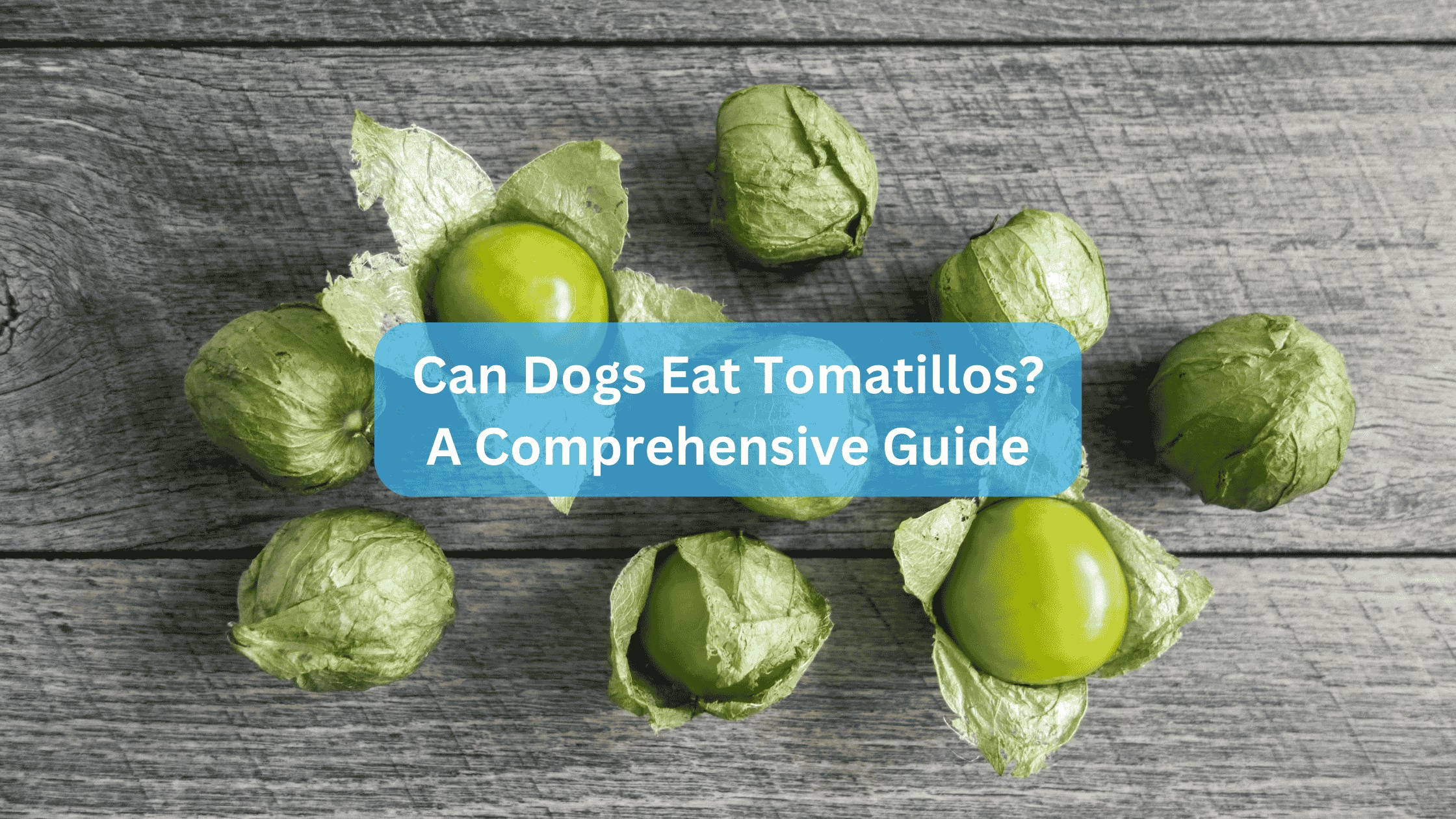
    Tomatillos, scientifically known as Physalis philadelphica, belong to the nightshade family, which includes other well-known vegetables like tomatoes, eggplants, and peppers.

    Often referred to as Mexican husk tomatoes, tomatillos have a distinctive light brown husk that encases the fruit.

    When ripe, they typically exhibit a bright green color but can also be found in yellow or purple varieties.

    Native to Mexico, tomatillos are a staple in many traditional dishes, particularly salsas and sauces.

    Their unique flavor profile is tangy and slightly citrusy, making them a delicious addition to various recipes. But how does this translate to our canine companions?

    Nutritional Benefits of Tomatillos for dogs

    Tomatillos are not only flavorful but also packed with nutrients that can be beneficial for both humans and dogs. Here’s a breakdown of their nutritional content:

    • Low in Calories: A 100-gram serving contains only about 32 calories, making it a low-calorie option for treats.
    • Rich in Vitamins: Tomatillos are an excellent source of vitamin C, vitamin A, and vitamin K. These vitamins contribute to immune function, skin health, and overall vitality.
    • Dietary Fiber: With approximately 1.9 grams of dietary fiber per 100 grams, tomatillos can aid in digestion for dogs.
    • Minerals: They contain essential minerals like potassium and magnesium, which support heart health and regulate blood pressure.
    • Antioxidants: Tomatillos also have antioxidants such as flavonoids and withanolides that may help combat oxidative stress in the body.

    These nutritional properties suggest that tomatillos could offer some health benefits when fed to dogs in moderation.

    Risks Associated with Feeding Tomatillos to Dogs

    While tomatillos have several health benefits, it’s crucial to be aware of the potential risks associated with feeding them to dogs.

    The primary concern lies in the presence of solanine—a toxic compound found in nightshade plants.

    Solanine is primarily concentrated in the green parts of the plant (leaves and stems) as well as unripe fruits.

    If ingested in large quantities, it can lead to symptoms such as vomiting, diarrhea, lethargy, and even more severe neurological issues.

    Although ripe tomatillos can be safe for dogs when cooked properly (which reduces solanine levels), they should still be offered in moderation. Overconsumption can lead to gastrointestinal upset due to their acidity.

    Some dogs may have allergies or sensitivities to certain foods, including tomatillos.

    Signs of an allergic reaction may include itching, swelling (especially around the face), or gastrointestinal distress.

    Additionally, avoid feeding your dog any processed tomatillo products that may contain harmful ingredients like onions or garlic—both of which are toxic to dogs.

    Common Questions About Dogs and Tomatillos

    Are Tomatillos Safe for Dogs?

    Yes, ripe tomatillos can be safe for dogs when prepared correctly and given in moderation. However, ensure that all green parts are removed before serving.

    What Should I Do If My Dog Eats Tomatillos?

    If your dog accidentally consumes raw tomatillo leaves or stems or shows signs of distress after eating tomatillos (like vomiting or diarrhea), contact your veterinarian immediately for guidance.

    Can I Feed My Dog Cooked Tomatillos?

    Yes! Cooking tomatillos can help reduce the levels of solanine and make them easier for dogs to digest. Steaming or boiling is recommended over frying or adding spices.

    How Should I Prepare Tomatillos for My Dog?

    To prepare tomatillos for your dog:
    1. Remove the husk.
    2. Wash thoroughly.
    3. Cook by steaming or boiling without any added seasonings.
    4. Cut into small pieces appropriate for your dog’s size.

    What Are the Signs of Solanine Poisoning in Dogs?

    Symptoms of solanine poisoning may include vomiting, diarrhea, lethargy, confusion, and abdominal pain. If you notice any of these symptoms after your dog eats tomatillos or any part of the plant, seek veterinary care immediately.

    Recommendations for Feeding Dogs Tomatillos

    If you decide to introduce tomatillos into your dog’s diet, consider the following guidelines:

    Start small by offering small amounts initially to see how your dog reacts. Monitor for any adverse effects before gradually increasing the quantity.

    Cooking tomatillos can neutralize some harmful compounds while making them easier for dogs to digest; steaming or boiling is recommended over frying or adding spices.

    Ensure that all green parts (leaves and stems) are removed before serving tomatillos to your dog.

    Offer plain cooked tomatillos without any added seasonings or sauces that could harm your dog.

    If you’re unsure whether it’s safe to introduce new foods into your dog’s diet—especially if they have pre-existing health conditions—consult your veterinarian for personalized advice.

    Dog Eating Tomatillos – Anecdotes from Dog Owners

    While scientific data provides valuable insights into the safety of feeding tomatillos to dogs, anecdotal evidence from fellow dog owners can also shed light on real-life experiences:

    One dog owner reported introducing cooked tomatillo salsa into their dog’s diet as an occasional treat without any adverse reactions. Their dog enjoyed the taste and showed no signs of digestive upset.

    Another pet parent mentioned that after giving their dog small amounts of raw tomatillo as a snack, they observed mild gastrointestinal discomfort but nothing severe. This prompted them to switch to cooked tomatillos instead.

    These stories highlight the importance of monitoring individual responses when introducing new foods into a dog’s diet.

    Also Read: Can Dogs Eat Egg Beaters? A Comprehensive Guide

    Also Read: Can Dogs Eat Hash Browns? A Comprehensive Guide

    Conclusion: Can Dogs Eat Tomatillos?

    In conclusion, while dogs can eat tomatillos safely when prepared correctly and offered in moderation, it’s essential for pet owners to remain vigilant about potential risks associated with this nightshade fruit.

    The nutritional benefits of tomatillos—such as vitamins C and A, dietary fiber, and antioxidants—can contribute positively to your dog’s health when served appropriately.

    As always, consult with your veterinarian before making significant changes to your dog’s diet or introducing new foods.

    By doing so, you can ensure that your furry friend remains happy and healthy while enjoying a diverse array of tasty treats!


    Sources:

  • Can Dogs Eat Egg Beaters? A Comprehensive Guide

    Can Dogs Eat Egg Beaters? A Comprehensive Guide

    Can Dogs Eat Egg Beaters? When it comes to feeding our furry friends, many pet owners wonder about the safety of various human foods.

    One such food that often raises questions is Egg Beaters, a popular egg substitute made from egg whites and other ingredients.

    In this article, we will explore whether dogs can eat Egg Beaters, their nutritional value, potential risks, and safer alternatives.

    What Are Egg Beaters?

    Egg Beaters are a brand of liquid egg substitute made primarily from egg whites, with added vitamins and minerals.

    They are marketed as a healthier alternative to whole eggs due to their lower fat content and fewer calories.

    However, the specific ingredients can vary by brand, so it’s essential to check the label.

    Can Dogs Eat Egg Beaters?

    The Short Answer: It Depends.

    While Egg Beaters are generally safe for dogs in small amounts, there are important considerations to keep in mind:

    • Ingredients Matter: The primary ingredient in Egg Beaters is egg whites, which are safe for dogs when cooked. However, some brands may contain additives or preservatives that could be harmful to dogs.
    • Moderation is Key: Like any treat, Egg Beaters should only be given in moderation. They should not replace a balanced diet or be used as a primary source of nutrition.

    Nutritional Benefits of Egg Beaters for Dogs

    Egg Beaters offer several nutritional benefits that can be advantageous for dogs:

    • High in Protein: Egg whites are an excellent source of protein, which is essential for muscle development and overall health.
    • Low in Fat: Compared to whole eggs, Egg Beaters have lower fat content, making them a lighter option for dogs that need to watch their weight.
    • Vitamins and Minerals: Many brands fortify their products with vitamins such as B12 and D, which can contribute to your dog’s overall well-being.

    Potential Risks of Feeding Dogs Egg Beaters

    While Egg Beaters can be a safe addition to your dog’s diet, there are some risks to consider:

    • Additives and Preservatives: Always check the ingredient list for any additives that may not be suitable for dogs. Ingredients like salt or artificial flavors can cause digestive upset.
    • Allergies: Some dogs may have allergies or sensitivities to eggs. If you’re introducing Egg Beaters for the first time, start with a small amount and monitor your dog for any adverse reactions.
    • Biotin Deficiency: While cooked egg whites are safe, feeding raw egg whites (including those in some substitutes) can lead to biotin deficiency over time due to avidin, a protein that inhibits biotin absorption.

    Comparative Analysis: Egg Beaters vs. Whole Eggs

    When considering whether to feed your dog Egg Beaters or whole eggs, here’s a quick comparison:

    FeatureEgg BeatersWhole Eggs
    Protein ContentHigh (from egg whites)High (from both yolk and white)
    Fat ContentLowModerate (higher in yolk)
    Nutritional AdditivesMay contain added vitaminsNaturally occurring nutrients
    SafetyCheck for additivesCooked eggs are safe
    Comparative Analysis: Egg Beaters vs. Whole Eggs

    DIY Dog-Friendly Egg Dishes

    If you’re looking for ways to incorporate eggs into your dog’s diet safely, consider these simple recipes:

    Scrambled Eggs

    1. Ingredients: 1 whole egg (cooked without oil or seasoning).
    2. Instructions: Scramble the egg in a non-stick pan until fully cooked. Allow it to cool before serving.

    Egg Muffins

    1. Ingredients: 2 eggs, diced vegetables (like spinach or carrots).
    2. Instructions: Beat the eggs and mix in the vegetables. Pour into muffin tins and bake at 350°F (175°C) until set.

    Consult Your Vet

    Before making any significant changes to your dog’s diet or introducing new foods like Egg Beaters, it’s always best to consult with your veterinarian.

    They can provide personalized dietary advice based on your dog’s specific health needs and conditions.

    Also Read: Can Dogs Eat Bottle Gourd? A Comprehensive Guide

    Also Read: Can Dogs Eat Hash Browns? A Comprehensive Guide

    Conclusion

    In summary, dogs can eat Egg Beaters in moderation as long as you check the ingredients for any harmful additives.

    While they offer some nutritional benefits, whole cooked eggs may provide more comprehensive nutrition without the risk of additives.

    Always prioritize your dog’s health by consulting with a veterinarian before introducing new foods into their diet.

    If you found this article helpful, please share it on social media or leave a comment below!


    Sources:

  • Can Dogs Eat Hash Browns? A Comprehensive Guide

    Can Dogs Eat Hash Browns? A Comprehensive Guide

    Can Dogs Eat Hash Browns? If you’ve ever wondered whether you can share your breakfast hash browns with your furry friend, you’re not alone.

    Many pet owners are curious about the safety of feeding their dogs human foods.

    In this article, we’ll explore whether dogs can eat hash browns, the potential risks involved, and what healthier alternatives you can offer.

    Can Dogs Eat Hash Browns?

    The Short Answer: No, Dogs Should Not Eat Hash Browns

    While it might be tempting to share your crispy hash browns with your dog, it’s best to avoid doing so. Here’s why:

    Why Hash Browns Are Harmful to Dogs

    • High in Fat and Oil: Hash browns are typically fried in oil, making them high in fat. Feeding your dog fatty foods can lead to obesity and increase the risk of pancreatitis, a serious condition that can cause severe abdominal pain and other health issues.
    • Excess Sodium: Most hash browns contain high levels of sodium. Too much salt can lead to health problems in dogs, including high blood pressure and heart disease. In extreme cases, excessive sodium intake can result in salt poisoning, which can be fatal.
    • Choking Hazard: The small pieces of hash browns can pose a choking risk, especially for smaller dog breeds that may not chew their food thoroughly.
    • Toxic Additives: Many commercially prepared hash browns contain preservatives and additives that are not safe for dogs. Ingredients like onion or garlic powder, often found in seasoned hash browns, are toxic to dogs.

    What Should You Do If Your Dog Eats Hash Browns?

    If your dog manages to sneak a bite or two of hash browns, don’t panic. Here’s what you should do:

    • Monitor for Symptoms: Keep an eye on your dog for any signs of distress such as vomiting, diarrhea, or lethargy.
    • Consult Your Veterinarian: If your dog consumes a significant amount of hash browns or shows any concerning symptoms, it’s best to contact your veterinarian for advice.

    Safe Alternatives to Hash Brown for Dogs

    Instead of hash browns, consider offering your dog healthier options that are safe and nutritious:

    • Cooked Sweet Potatoes: Rich in vitamins and fiber, sweet potatoes make a great treat for dogs when cooked without any added sugars or spices.
    • Carrots: Raw or cooked carrots are low-calorie snacks that many dogs enjoy. They also help promote dental health.
    • Green Beans: These are another healthy option that is low in calories and high in fiber.
    • Pumpkin: Plain canned pumpkin (not the spiced pie filling) is excellent for digestion and can be served as a treat or mixed into meals.

    Can dogs eat hash browns in moderation?

    No, dogs should not eat hash browns in moderation. While a small piece may not cause immediate harm, hash browns are high in fat and sodium, which can lead to health issues over time. It’s best to avoid them altogether.

    Are there any safe potato products for dogs?

    Yes, dogs can safely eat cooked plain potatoes without added fats or seasonings. Mashed potatoes made without butter or salt can also be a safe treat in small amounts. Always ensure any potato is fully cooked and served plain.

    Can hash browns cause pancreatitis in dogs?

    Yes, feeding hash browns to dogs can increase the risk of pancreatitis due to their high fat content. This condition can cause severe abdominal pain and requires immediate veterinary attention.

    Are frozen or fast-food hash browns safe for dogs?

    No, frozen or fast-food hash browns are not safe for dogs. They often contain preservatives, high levels of salt, and unhealthy fats that can be harmful to your pet’s health.

    How can I tell if my dog has eaten something harmful?

    Signs that your dog may have ingested something harmful include vomiting, diarrhea, excessive thirst, lethargy, or changes in behavior. If you notice any of these symptoms after your dog eats human food like hash browns, consult your veterinarian immediately.

    Also Read: Can Dogs Eat Bottle Gourd? A Comprehensive Guide

    Also Read: Can Dogs Eat Activia Yogurt? A Comprehensive Guide

    Conclusion

    In summary, hash browns are not safe for dogs due to their high fat content, excess sodium, choking hazards, and potential toxic additives.

    Instead of sharing your breakfast with your furry friend, opt for healthier alternatives that can provide nutritional benefits without the risks associated with human food.

    Always consult your veterinarian if you have concerns about your dog’s diet or if they accidentally consume something harmful.

    Feel free to share this article with fellow pet owners who may be wondering about feeding their dogs human foods!


    Sources: