Category: Dog Nutrition

  • Can Dogs Taste Spice? A Comprehensive Guide

    Can Dogs Taste Spice? A Comprehensive Guide

    When it comes to sharing food with our furry companions, many dog owners may wonder, can dogs taste spice?

    This question not only touches on the sensory capabilities of dogs but also raises concerns about the safety of certain foods.

    In this comprehensive guide, we will explore how dogs perceive flavors, particularly spicy ones, the effects of spices on their health, and answer common questions related to this topic.

    By the end, you will have a better understanding of whether it’s safe to share your spicy meals with your canine friend.

    Understanding a Dog’s Sense of Taste

    The Anatomy of a Dog’s Taste Buds

    Dogs have approximately 1,700 taste buds, which is significantly fewer than the 9,000 found in humans. This difference means that while dogs can taste various flavors, their ability to discern and enjoy those flavors is limited compared to humans.

    Types of Tastes Dogs Can Detect

    Dogs can taste five basic flavors:

    • Sweet
    • Sour
    • Salty
    • Bitter
    • Umami

    Interestingly, dogs have specialized taste buds that allow them to detect water, which is essential for their survival.

    However, when it comes to spicy flavors, dogs experience them differently than humans.

    How Dogs Perceive Spicy Flavors?

    While dogs can detect spicy ingredients like capsaicin (the compound responsible for the heat in peppers), they do not experience the same burning sensation that humans do.

    Instead, they may perceive spiciness as an unpleasant sensation rather than a flavorful kick. This means that while they can taste spicy food, they are unlikely to enjoy it.

    Can Dogs Eat Spicy Foods?

    The Risks of Spicy Foods for Dogs

    Although dogs may be able to taste spicy flavors, it is generally not advisable to feed them spicy foods. Here are some reasons why:

    1. Discomfort: The burning sensation caused by capsaicin can be uncomfortable for dogs. They may experience drooling, pawing at their mouths, or even vocalizing discomfort.
    2. Gastrointestinal Upset: Ingesting spicy foods can lead to gastrointestinal issues such as vomiting, diarrhea, and abdominal pain. Dogs have different digestive systems than humans and may struggle to process spicy ingredients.
    3. Toxic Ingredients: Many spicy dishes contain ingredients that are toxic to dogs, such as garlic and onions. Even small amounts of these ingredients can lead to serious health issues.

    What Happens If a Dog Eats Spicy Food?

    If your dog accidentally consumes a small amount of spicy food:

    • Monitor them for signs of distress such as vomiting or diarrhea.
    • Offer them water or plain yogurt (in moderation) to help soothe their stomach.
    • If symptoms persist or worsen, contact your veterinarian for guidance.

    Safe and Unsafe Spices for Dogs

    Safe Spices for Dogs

    While many spices are harmful to dogs, some can be safely used in small amounts:

    • Cinnamon: May help regulate blood sugar levels.
    • Ginger: Can aid digestion and reduce nausea.
    • Turmeric: Has anti-inflammatory properties.
    • Parsley: Can freshen breath and provide vitamins.

    Unsafe Spices for Dogs

    Certain spices should be avoided entirely due to their toxicity:

    • Garlic: Can damage red blood cells and lead to anemia.
    • Onion: Similar risks as garlic; even small amounts can be harmful.
    • Nutmeg: Can cause severe gastrointestinal upset and nervous system issues.
    • Salt: Excessive salt intake can lead to dehydration and other health problems.

    How Spices Affect a Dog’s Health

    Allergic Reactions

    Some dogs may have allergies or sensitivities to certain spices. Symptoms can include itching, swelling, or gastrointestinal upset. If you suspect your dog has a spice allergy, consult your veterinarian.

    Long-term Effects of Feeding Spicy Foods to Dogs

    Regularly feeding your dog spicy foods can lead to long-term health issues such as obesity, pancreatitis, and gastrointestinal disorders. It’s crucial to prioritize a balanced diet specifically formulated for canine nutrition.

    Related Questions People Also Ask

    Can dogs taste sweet foods?

    Yes! Dogs have taste buds that allow them to detect sweetness. They often enjoy fruits like apples and blueberries in moderation.

    What should I do if my dog eats something spicy?

    If your dog consumes spicy food, monitor them for signs of distress such as vomiting or diarrhea. Offer water or plain yogurt and consult your veterinarian if symptoms persist.

    Are there any spices that are good for dogs?

    Yes! Safe spices like cinnamon and ginger can offer health benefits when used in moderation.

    Can dogs eat food seasoned with salt?

    While small amounts of salt are not immediately harmful, excessive salt intake can lead to serious health issues in dogs. Always use caution when seasoning food for pets.

    What human foods are safe for dogs?

    Many human foods are safe for dogs in moderation, including cooked vegetables (like carrots and green beans), fruits (like apples without seeds), and lean meats (like chicken or turkey).

    Also Read: How to Train a Husky: A Comprehensive Guide

    Also Read: Can Dogs Eat Oatmeal Cookies? A Comprehensive Guide

    Conclusion: Can Dogs Taste Spice?

    In summary, while dogs can taste spice, it is not advisable to feed them spicy foods due to the potential discomfort and health risks involved.

    Their limited number of taste buds means they do not experience flavors in the same way humans do; thus, what might be an enjoyable meal for us could be distressing for them.

    Instead of sharing your spicy dishes with your furry friend, consider offering safe treats or incorporating dog-friendly spices into their meals in moderation.

    Always prioritize your dog’s health by consulting with a veterinarian before introducing new foods into their diet.

    By understanding how dogs perceive flavors and what ingredients are safe or harmful for them, you can make informed choices that keep your canine companion happy and healthy!


    Sources:

  • Can Dogs Eat Oatmeal Cookies? A Comprehensive Guide

    Can Dogs Eat Oatmeal Cookies? A Comprehensive Guide

    When it comes to sharing our favorite snacks with our furry friends, many dog owners often wonder, can dogs eat oatmeal cookies?

    While oatmeal is generally safe for dogs, the ingredients in oatmeal cookies can vary significantly, raising concerns about their safety and health implications.

    This comprehensive guide will explore the safety of oatmeal cookies for dogs, the nutritional benefits of oatmeal, potential risks, and healthier alternatives.

    We will also address common questions related to this topic to provide a thorough understanding for pet owners.

    Understanding Oatmeal and Its Benefits for Dogs

    Oatmeal is a nutritious grain that is often included in both human and dog diets. It is rich in fiber, vitamins, and minerals, making it a healthy choice for many pets.

    Here are some of the key benefits of oatmeal for dogs:

    Nutritional Value of Oatmeal

    • High in Fiber: Oatmeal is an excellent source of soluble fiber, which helps regulate blood sugar levels and promotes healthy digestion. This can be especially beneficial for dogs with irregular bowel movements.
    • Rich in Vitamins: Oats contain essential vitamins such as B vitamins (B1, B2, B3, B5, B6) that support overall health. These vitamins help maintain a healthy coat and skin.
    • Minerals: Oatmeal provides important minerals like iron, zinc, and magnesium, which contribute to various bodily functions.
    • Gluten-Free Option: For dogs that are sensitive to wheat or gluten, oatmeal serves as a great alternative carbohydrate source.

    Can Dogs Eat Oatmeal Cookies?

    Now that we understand the benefits of oatmeal itself, let’s address the main question: can dogs eat oatmeal cookies?

    The Basic Ingredients of Oatmeal Cookies

    Oatmeal cookies typically contain:

    • Whole rolled oats
    • Flour
    • Sugar
    • Butter or oil
    • Eggs
    • Baking powder or baking soda
    • Flavorings (vanilla extract or spices)

    While plain oats are safe for dogs, many traditional oatmeal cookie recipes include ingredients that may pose risks to canine health.

    Safety Considerations

    1. Plain Oatmeal Cookies: If the cookies are made solely from oats and do not contain harmful ingredients like chocolate or raisins, they can be safe for dogs in small amounts. However, they should not be a regular part of your dog’s diet due to their sugar and fat content.
    2. Harmful Ingredients:
    • Raisins: Highly toxic to dogs; even small amounts can lead to kidney failure.
    • Chocolate: Contains theobromine and caffeine which are toxic to dogs.
    • Xylitol: An artificial sweetener that can cause insulin release leading to hypoglycemia and liver failure.
    • Macadamia Nuts: Toxic to dogs; ingestion can lead to weakness and hyperthermia.
    1. Sugar and Fat Content: Even if an oatmeal cookie does not contain toxic ingredients, the high sugar and fat content can lead to obesity and pancreatitis in dogs if consumed regularly.

    Recommended Approach

    If you want to share an occasional treat with your dog:

    • Opt for plain oatmeal cookies without any harmful additives.
    • Limit portions; a few crumbs or a small piece is sufficient as an occasional treat.
    • Monitor your dog for any adverse reactions after consuming new foods.

    Health Risks Associated with Oatmeal Cookies

    While some ingredients in oatmeal cookies are safe for dogs, there are potential health risks associated with feeding them these treats regularly:

    1. Obesity

    Oatmeal cookies often contain high amounts of sugar and fat.

    Regularly feeding these treats can contribute to obesity in dogs, leading to various health issues such as diabetes and joint problems.

    2. Pancreatitis

    Pancreatitis is an inflammation of the pancreas that can occur when dogs consume high-fat foods. Symptoms include vomiting, diarrhea, abdominal pain, and lethargy.

    If your dog shows these signs after eating oatmeal cookies or other fatty foods, consult your veterinarian immediately.

    3. Gastrointestinal Upset

    Introducing any new food into your dog’s diet too quickly can cause gastrointestinal upset. Symptoms may include diarrhea or vomiting.

    Always introduce new treats gradually and monitor your dog’s reaction.

    Healthier Alternatives to Oatmeal Cookies

    If you want to treat your dog while ensuring their health remains a priority, consider these healthier alternatives:

    Homemade Dog Treats

    Making homemade treats allows you full control over the ingredients used. Here’s a simple recipe for peanut butter and oatmeal dog cookies:

    Peanut Butter Oatmeal Dog Cookies Recipe

    Ingredients:

    • 1 cup rolled oats
    • ½ cup peanut butter (ensure it does not contain xylitol)
    • 1 ripe banana (mashed)
    • 1 cup whole wheat flour (or oat flour for gluten-free)

    Instructions:

    1. Preheat your oven to 350°F (175°C).
    2. In a bowl, mix together the rolled oats, peanut butter, mashed banana, and flour until well combined.
    3. Roll out the dough on a floured surface and cut into desired shapes using cookie cutters.
    4. Place on a baking sheet lined with parchment paper.
    5. Bake for about 20 minutes or until golden brown.
    6. Allow cooling before serving them to your dog.

    Store-Bought Dog Treats

    Look for commercially available dog treats made specifically with canine dietary needs in mind. Many brands offer oatmeal-based treats that are free from harmful ingredients.

    Common Questions About Dogs Eating Oatmeal Cookies

    Can all types of oatmeal cookies be given to dogs?

    Not all types are safe! Only plain oatmeal cookies without harmful additives are suitable for dogs in moderation.

    What should I do if my dog eats an oatmeal cookie with raisins?

    Contact your veterinarian immediately if you suspect your dog has ingested raisins or other toxic ingredients.

    How often can I give my dog treats?

    Treats should make up no more than 10% of your dog’s daily caloric intake. Always prioritize balanced nutrition through their regular diet.

    Are there any other human foods that are safe for dogs?

    Yes! Many human foods are safe for dogs in moderation including carrots, apples (without seeds), blueberries, pumpkin puree (plain), and sweet potatoes.

    What signs indicate my dog may have eaten something harmful?

    Watch for symptoms such as vomiting, diarrhea, lethargy, loss of appetite, or unusual behavior. If you notice any concerning signs after giving them new food or treats, consult your veterinarian promptly.

    Also Read: Healing Crystals for Dogs: A Comprehensive Guide

    Also Read: Do Dogs Have an Appendix? A Comprehensive Guide

    Conclusion

    In conclusion, while oatmeal cookies may not be inherently toxic for dogs if they lack harmful ingredients like raisins or chocolate, they should only be given sparingly due to their sugar and fat content.

    Instead of sharing human snacks regularly with your furry friend, consider healthier alternatives such as homemade treats specifically designed for canine consumption.

    Always prioritize your dog’s health by monitoring their diet closely and consulting with your veterinarian regarding any dietary changes or concerns you may have about specific foods.

    With careful consideration and moderation, you can ensure that treating your dog remains both enjoyable and safe!


    Sources:

  • Can Dogs Eat Basil Leaves? A Comprehensive Guide

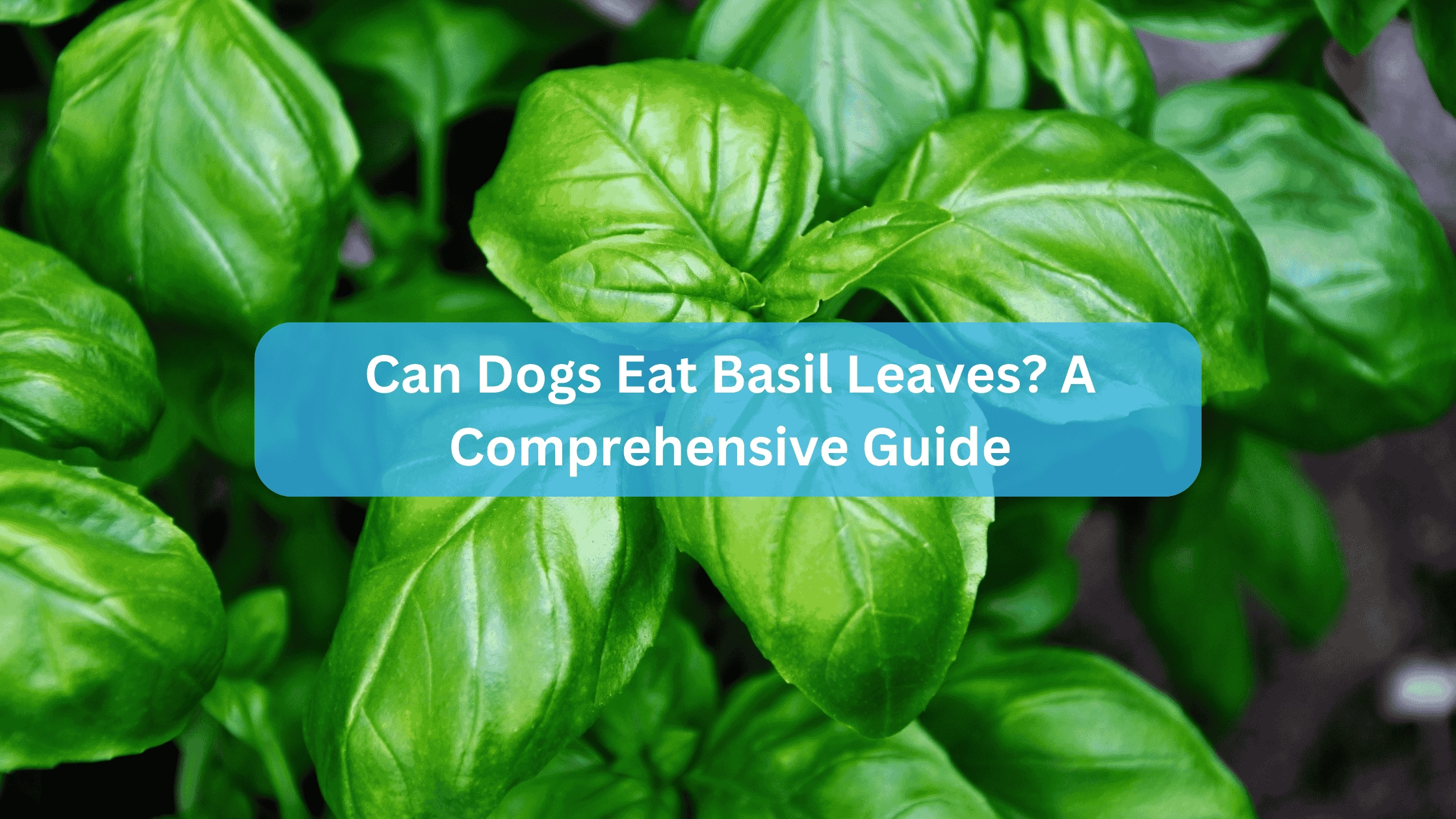
    Can Dogs Eat Basil Leaves? A Comprehensive Guide

    Can dogs eat basil leaves? This question often arises among pet owners who are curious about incorporating fresh herbs into their dog’s diet.

    Basil, a popular culinary herb, is known for its aromatic flavor and numerous health benefits for humans. But what about our canine companions?

    In this comprehensive guide, we will explore whether basil is safe for dogs, its potential health benefits, how to incorporate it into your dog’s meals, and any precautions you should take.

    Understanding Basil

    Basil (Ocimum basilicum) is a member of the mint family and is native to tropical regions. It is widely used in various cuisines, particularly Mediterranean and Asian dishes.

    Basil is rich in vitamins and antioxidants, making it a popular choice not just for flavoring food but also for its potential health benefits.

    Nutritional Profile of Basil

    Basil contains several essential nutrients that can be beneficial for dogs:

    • Vitamins: High in vitamins A, K, C, and B6.
    • Minerals: Good source of calcium, iron, magnesium, and potassium.
    • Antioxidants: Contains compounds that help combat oxidative stress and inflammation.

    These nutrients contribute to overall health and may offer specific benefits for dogs.

    Health Benefits of Basil for Dogs

    1. Anti-Inflammatory Properties

    Basil has anti-inflammatory properties that may help alleviate conditions like arthritis in dogs. Regular consumption can reduce pain and discomfort associated with inflammation.

    2. Antioxidant Effects

    The antioxidants found in basil can help protect your dog’s cells from damage caused by free radicals. This protection may reduce the risk of chronic diseases, including cancer.

    3. Digestive Health

    Basil contains compounds that may aid digestion and relieve gastrointestinal upset. It can be particularly beneficial for dogs experiencing digestive issues.

    4. Stress Relief

    Some studies suggest that basil may have calming effects due to its adaptogenic properties. This can be useful for dogs that experience anxiety or stress.

    5. Blood Sugar Regulation

    Preliminary research indicates that basil might help regulate blood sugar levels in dogs, making it a potential dietary addition for diabetic pets.

    Is Basil Safe for Dogs?

    The short answer is yes—basil is safe for dogs when offered in moderation. Both fresh and dried basil are non-toxic to canines. However, there are some important considerations:

    • Moderation is Key: While basil offers health benefits, it should not constitute a large part of your dog’s diet. A small amount as a supplement or treat is sufficient.
    • Watch for Allergies: Some dogs may have allergies or sensitivities to herbs. Introduce basil gradually and monitor for any adverse reactions.
    • Avoid Processed Foods: While basil itself is safe, many basil-based foods (like pesto) contain ingredients such as garlic or onions that are harmful to dogs.

    How to Safely Give Basil to Your Dog

    If you’re considering adding basil to your dog’s diet, here are some practical tips:

    1. Fresh vs. Dried Basil

    Both forms are safe; however, fresh basil may retain more nutrients than dried varieties. You can sprinkle dried basil on top of your dog’s food or mix fresh chopped basil into their meals.

    2. Portion Size

    For a medium-sized dog, about one teaspoon of chopped fresh basil or a pinch of dried basil mixed into their food is generally sufficient. Adjust the amount based on your dog’s size.

    3. Monitor Reactions

    After introducing basil into your dog’s diet, watch for any signs of digestive upset or allergic reactions such as itching or gastrointestinal issues.

    Common Questions About Basil and Dogs

    Can Dogs Eat Basil Leaves?

    Yes! Dogs can eat both fresh and dried basil leaves safely in moderation.

    What Are the Benefits of Feeding Basil to Dogs?

    Basil offers anti-inflammatory properties, antioxidants, digestive support, stress relief, and potential blood sugar regulation.

    How Should I Prepare Basil for My Dog?

    You can serve fresh or dried basil by mixing it into your dog’s regular food or offering it as a treat.

    Are There Any Risks Associated with Feeding Basil to Dogs?

    While generally safe, excessive amounts may cause digestive upset; also avoid processed foods containing harmful ingredients like garlic or onions.

    Can Puppies Eat Basil?

    Yes! Puppies can also enjoy small amounts of basil as long as they do not have any allergies or sensitivities.

    Also Read: Can Dogs Eat Poppy Seeds? A Comprehensive Guide.

    Also Read: Are Fruits Good for Dogs? A Comprehensive Guide.

    Conclusion

    In conclusion, the answer to “Can dogs eat basil leaves?” is a resounding yes! When introduced appropriately into your dog’s diet, basil can offer various health benefits without posing any significant risks.

    Always keep moderation in mind and consult with your veterinarian before making any significant changes to your dog’s diet.

    By understanding the nutritional value of herbs like basil alongside other safe fruits and vegetables, you can enhance your dog’s diet while ensuring they remain healthy and happy.

    Remember that just because something is safe for humans doesn’t mean it’s suitable for dogs; always double-check before sharing food!


    Sources:

  • Are Fruits Good for Dogs? A Comprehensive Guide.

    Are Fruits Good for Dogs? A Comprehensive Guide.

    Are fruits good for dogs? This question is crucial for pet owners who want to provide their furry friends with a balanced diet.

    While fruits can offer numerous health benefits, not all fruits are safe for canine consumption.

    This comprehensive guide will explore the nutritional advantages of fruits, list safe and unsafe options, and provide practical advice on incorporating fruits into your dog’s diet.

    The Nutritional Benefits of Fruits for Dogs

    Fruits can be a valuable addition to a dog’s diet, providing various essential nutrients and health benefits:

    • Vitamins and Minerals: Fruits are rich in vitamins A, C, E, and K, as well as minerals like potassium and magnesium. These nutrients support immune function, skin health, and overall vitality.
    • Antioxidants: Many fruits contain antioxidants that help combat oxidative stress and inflammation in dogs. Antioxidants play a crucial role in preventing cellular damage and promoting longevity.
    • Fiber: The fiber found in fruits aids digestion and helps maintain a healthy weight by promoting a feeling of fullness. Fiber can also help regulate blood sugar levels.
    • Hydration: Fruits with high water content, such as watermelon and cucumber, can help keep dogs hydrated, especially during hot weather.

    Safe Fruits for Dogs

    When considering whether fruits are good for dogs, it’s essential to know which fruits are safe and beneficial for canine consumption.

    Here’s a detailed list of fruits that are generally safe for dogs, along with their nutritional benefits and preparation tips:

    1. Apples

    Nutritional Benefits: Apples are an excellent source of vitamins A and C, as well as fiber. They are low in protein and fat, making them the perfect snack for senior dogs.

    Preparation Tips: Always remove the seeds and core before feeding apples to your dog. You can serve them fresh, sliced, or even frozen for an icy treat.

    2. Bananas

    Nutritional Benefits: Rich in potassium, vitamin C, and vitamin B6, bananas provide a quick energy boost. They are low in cholesterol and sodium.

    Preparation Tips: Due to their high sugar content, bananas should be given in moderation. You can offer them fresh or find banana-flavored dog treats.

    3. Blueberries

    Nutritional Benefits: Blueberries are packed with antioxidants, fiber, and vitamins C and K. They can improve immune function and support brain health.

    Preparation Tips: Their small size makes them perfect for training treats. You can also freeze them for a cool snack.

    4. Watermelon

    Nutritional Benefits: Watermelon is hydrating and low in calories. It contains vitamins A and C but must be served without seeds or rind to avoid choking hazards.

    Preparation Tips: Always remove the seeds and rind before offering watermelon to your dog.

    5. Strawberries

    Nutritional Benefits: Strawberries are loaded with antioxidants and fiber but should be given in moderation due to their sugar content.

    Preparation Tips: You can serve them fresh or frozen. Strawberries also contain an enzyme that helps whiten your dog’s teeth.

    6. Pineapple

    Nutritional Benefits: Pineapple is rich in vitamins C and B6. It also contains bromelain, an enzyme that aids protein absorption.

    Preparation Tips: Serve pineapple without the tough outer skin or crown. Fresh pineapple is best; avoid canned varieties in syrup.

    7. Mango

    Nutritional Benefits: Mangoes provide vitamins A, B6, C, and E. They are sweet and juicy but high in sugar.

    Preparation Tips: Always remove the pit before offering mango to your dog to avoid choking hazards.

    8. Cantaloupe

    Nutritional Benefits: Cantaloupe is low in calories and high in nutrients like vitamins A and C.

    Preparation Tips: Serve cantaloupe in moderation due to its sugar content. Frozen balls or cubes make a great summertime snack.

    9. Raspberries

    Nutritional Benefits: Raspberries contain antioxidants that are beneficial for dogs, especially senior dogs due to their anti-inflammatory properties.

    Preparation Tips: Limit raspberries to avoid gastrointestinal upset; no more than eight ounces at one time is recommended.

    10. Pears

    Nutritional Benefits: Pears offer vitamins C and K as well as fiber.

    Preparation Tips: Remove the seeds and pit before giving pears to your dog; the seeds contain traces of cyanide.

    11. Cucumbers

    Nutritional Benefits: Cucumbers are especially good for overweight dogs since they hold little to no carbohydrates or fat while being full of hydration. They’re loaded with vitamins K, C, B1, potassium, copper, magnesium, and biotin.

    Preparation Tips: Cool cucumbers make an excellent hot-weather treat if your dog enjoys them; you can even freeze slices for a fun enrichment snack!

    Fruits to Avoid For Dogs

    While many fruits are safe for dogs, some can be toxic or harmful:

    1. Grapes and Raisins

    Grapes (and raisins) have been found to cause acute kidney failure in dogs even in small amounts. The exact mechanism of toxicity is still unclear; however, it’s crucial to keep these fruits away from your pet entirely.

    2. Avocado

    Avocado contains persin—a toxin that can cause vomiting and diarrhea in dogs. While the flesh has lower levels of persin than other parts of the plant (like the pit), it’s best to avoid avocados altogether due to their high-fat content which can lead to gastrointestinal upset or pancreatitis if consumed excessively.

    3. Cherries

    The pits of cherries contain cyanide—a toxic substance that disrupts oxygen transport in the blood cells of dogs. Symptoms of cyanide poisoning include difficulty breathing, dilated pupils, and red gums; if you suspect your dog has ingested cherries or cherry pits, seek veterinary assistance immediately.

    4. Citrus Fruits (Lemons, Limes, Oranges)

    While small amounts of orange flesh may be safe for some dogs, citrus fruits can upset a dog’s stomach due to their acidity. The peels present choking hazards as well as potential gastrointestinal issues if ingested.

    5. Figs

    Figs can lead to digestive problems due to their high sugar content; they may also cause allergic reactions in some dogs.

    6. Tomatoes

    While ripe tomatoes may be safe for dogs in small amounts, unripe tomatoes or green parts contain solanine—a toxic compound that can cause gastrointestinal distress or more severe symptoms if consumed in large quantities.

    7. Cranberries (in Excess)

    Although cranberries themselves are safe for dogs when given occasionally, excessive consumption can lead to stomach upset due to their acidity—always monitor portion sizes carefully!

    8. Asparagus

    Asparagus should be avoided as it can cause gastrointestinal upset in dogs due to its tough texture which makes it difficult for them to digest properly.

    How to Introduce Fruits into Your Dog’s Diet

    When introducing fruits into your dog’s diet:

    1. Start Slowly: Introduce one fruit at a time to monitor for any adverse reactions.
    2. Portion Control: Serve fruits in moderation; too much can lead to digestive upset.
    3. Preparation Matters: Wash fruits thoroughly, remove any seeds or pits, and cut them into manageable pieces to prevent choking hazards.
    4. Observe Reactions: Watch for any signs of allergies or sensitivities after introducing new fruits; discontinue immediately if you notice any adverse effects like vomiting or diarrhea.

    The 90/10 Rule For Dog Treats

    When it comes to feeding your dog treats—including fruits—consider following the 90/10 Rule, which suggests that:

    • 90% of your dog’s diet should come from balanced dog food formulated specifically for their nutritional needs, ensuring they receive all essential nutrients.
    • 10% can come from treats, including fruits! This approach helps maintain a healthy weight while allowing your dog some tasty rewards without compromising their overall nutrition.

    Common Questions About Fruits for Dogs

    Are Fruits Good for Dogs?

    Yes! Many fruits provide essential nutrients that benefit your dog’s health when offered appropriately as part of a balanced diet.

    Can Dogs Eat Bananas?

    Yes! Bananas are safe but should be fed sparingly due to their high sugar content—consider them an occasional treat rather than a staple food item!

    What Fruits Should Dogs Avoid?

    Dogs should avoid grapes/raisins (toxic), avocados (persin), cherries (cyanide), citrus fruits (upset stomach), figs (digestive issues), tomatoes (solanine), cranberries (in excess), asparagus (gastrointestinal upset).

    How Much Fruit Can I Give My Dog?

    Fruits should only make up about 10% of your dog’s daily diet—monitor portion sizes based on your dog’s size!

    Can Puppies Eat Fruits?

    Yes! Puppies can eat certain fruits as long as they’re introduced gradually—always consult with your veterinarian if unsure about specific foods!

    The Importance of Moderation in Dog’s Diet

    While fruits can be beneficial for dogs when introduced appropriately into their diets—moderation is key! Overfeeding fruit can lead to:

    • Digestive Upset: Too much fiber or sugar may cause diarrhea or stomach cramps.
    • Weight Gain: High-calorie fruits contribute towards obesity if not monitored carefully.
    • Allergic Reactions: Some dogs may develop allergies/sensitivities towards specific fruit varieties; always observe closely after introducing new foods!

    How to Prepare Fruits for Dogs

    Proper preparation is essential when feeding fruits:

    1. Wash Thoroughly: Always wash fruits thoroughly before serving—this removes pesticides/chemicals.
    2. Remove Seeds/Pits: Ensure all seeds/pits are removed before offering any fruit.
    3. Cut into Small Pieces: Slice fruits into bite-sized pieces—this prevents choking hazards!
    4. Cook if Necessary: Some fruits may need cooking (like pears) for easier digestion—always check first!

    Also Read: Can Dogs Eat Sea Bass? A Comprehensive Guide.

    Also Read: Can Dogs Eat Poppy Seeds? A Comprehensive Guide.

    Conclusion: Are Fruits Good for Dogs?

    In conclusion, the answer to “Are fruits good for dogs?” is generally yes—many fruits provide valuable nutrients contributing positively towards canine health when offered appropriately!

    However—it’s crucial pet owners remain informed about which ones are safe versus those posing risks! Always consult with a veterinarian if unsure about incorporating new foods into your pup’s diet!

    By understanding benefits associated with various types while being cautious about what you share with furry friends—you enhance their diets while keeping them safe/healthy!

    Remember just because something is safe humans doesn’t mean it’s necessarily suitable canine companions; always double-check before sharing food!


    Sources:

  • Can Dogs Eat Poppy Seeds? A Comprehensive Guide.

    Can Dogs Eat Poppy Seeds? A Comprehensive Guide.

    Can dogs eat poppy seeds? This is a common question among pet owners who want to ensure the safety and well-being of their furry friends.

    While poppy seeds are often used in various culinary dishes for humans, they pose significant risks to dogs.

    In this comprehensive guide, we will explore the potential dangers associated with poppy seeds for dogs, the symptoms of toxicity, and what steps to take if your dog accidentally ingests them.

    Additionally, we will address related questions and provide tips for keeping your dog safe from harmful foods.

    Can Dogs Eat Poppy Seeds?

    Poppy seeds come from the opium poppy plant, scientifically known as Papaver somniferum.

    These tiny seeds are often used in various culinary dishes, including baked goods like muffins and bagels.

    While they may be safe for human consumption in moderation, they pose significant risks to dogs.

    Why Are Poppy Seeds Dangerous for Dogs?

    Poppy seeds can be dangerous for dogs primarily due to their potential contamination with opiates during harvesting.

    The opium poppy contains narcotic substances such as morphine and codeine, which can severely affect a dog’s central nervous system.

    Although the seeds themselves contain low levels of these substances, even trace amounts can lead to serious health issues in dogs.

    • Toxic Compounds: Poppy seeds may contain harmful opiates like morphine and codeine, which are toxic to dogs.
    • Contamination Risk: During harvesting, poppy seeds can become contaminated with the milky sap of the poppy plant, which contains higher concentrations of these narcotics.
    • Individual Sensitivity: Dogs vary in their sensitivity to toxins. Smaller breeds or those with existing health conditions may experience severe reactions even from small amounts.

    Symptoms of Poppy Seed Toxicity in Dogs

    If a dog ingests poppy seeds, symptoms of toxicity can manifest within hours. The severity of symptoms often depends on the amount consumed and the size of the dog. Common signs include:

    Early Symptoms:

    • Changes in appetite
    • Behavioral changes (e.g., lethargy or hyperactivity)
    • Altered pupil size

    Severe Symptoms:

    • Sedation or excessive drowsiness
    • Lack of coordination
    • Slowed heart rate
    • Respiratory distress
    • Coma or death in extreme cases

    If you suspect your dog has eaten poppy seeds and exhibits any of these symptoms, it is crucial to seek veterinary assistance immediately.

    What to Do If Your Dog Eats Poppy Seeds?

    If your dog accidentally consumes poppy seeds, follow these steps:

    1. Assess the Situation: Determine how many seeds were ingested and your dog’s size and breed. This information will be helpful for your veterinarian.
    2. Monitor for Symptoms: Keep a close eye on your dog for any signs of distress or unusual behavior.
    3. Contact Your Veterinarian: If you notice any concerning symptoms or if you are unsure about the amount ingested, call your veterinarian or an emergency animal clinic immediately.
    4. Possible Treatments:
    • Inducing Vomiting: Your vet may suggest inducing vomiting if ingestion occurred recently.
    • Activated Charcoal: This may be administered to help absorb toxins from the gastrointestinal tract.
    • Supportive Care: In severe cases, your dog may require hospitalization for intravenous fluids and monitoring.

    Preventing Poppy Seed Ingestion in Dogs

    To protect your dog from potential poisoning, consider these preventive measures:

    • Educate Yourself: Familiarize yourself with foods that are toxic or potentially harmful to dogs.
    • Keep Food Out of Reach: Store baked goods containing poppy seeds out of your dog’s reach.
    • Inform Family and Friends: Make sure everyone in your household understands that sharing human food with dogs can be dangerous.

    Frequently Asked Questions

    Can Dogs Eat Poppy Seed Muffins?

    No, dogs should not eat poppy seed muffins. These baked goods not only contain potentially toxic ingredients but also high levels of sugar and fat that can lead to obesity and other health issues in dogs.

    How Long After Eating Poppy Seeds Would a Dog Show Signs?

    Symptoms can appear within a few hours after ingestion; however, this may vary based on individual factors such as the dog’s size and health condition.

    Is There a Specific Treatment for Poppy Seed Toxicity in Dogs?

    Treatment typically involves supportive care tailored to the severity of symptoms. Your veterinarian will determine the best course of action based on your dog’s condition.

    What Are Some Other Foods That Are Toxic to Dogs?

    In addition to poppy seeds, there are several other common foods that are toxic to dogs:
    1. Grapes and raisins
    2. Onions and garlic
    3. Chocolate
    4. Avocado
    5. Macadamia nuts

    Also Read: Can Dogs Eat Sea Bass? A Comprehensive Guide.

    Also Read: Can Dogs Eat Sorghum? A Comprehensive Guide

    Conclusion

    In summary, dogs should not eat poppy seeds due to the potential toxicity associated with them.

    While small quantities might not cause immediate harm, it is always best to err on the side of caution and avoid feeding them to your pet altogether.

    Always consult with a veterinarian if you have concerns about your dog’s diet or if they accidentally consume something potentially harmful.

    By staying informed about what foods are safe for dogs and taking preventive measures, you can help ensure that your furry friend remains healthy and happy.

    Remember that just because something is safe for humans does not mean it is safe for dogs; always double-check before sharing food with your canine companion.


    Sources:

  • Can Dogs Eat Sea Bass? A Comprehensive Guide.

    Can Dogs Eat Sea Bass? A Comprehensive Guide.

    If you’re a dog owner who enjoys seafood, you might be wondering, “Can dogs eat sea bass?” The answer is yes, dogs can eat sea bass, but there are important considerations to keep in mind.

    This guide will explore the nutritional benefits, potential risks, and how to safely incorporate sea bass into your dog’s diet.

    Nutritional Benefits of Sea Bass for Dogs

    Sea bass is not just a tasty treat for humans; it can also offer several health benefits for dogs.

    Here’s a closer look at what makes sea bass a good choice:

    • High-Quality Protein: Sea bass is an excellent source of protein, which is essential for your dog’s growth, maintenance, and overall health. Protein helps build and repair tissues and supports a healthy immune system.
    • Omega-3 Fatty Acids: This fish is rich in omega-3 fatty acids, which are known for their anti-inflammatory properties. These healthy fats can contribute to better skin and coat health, as well as support brain and heart function.
    • Vitamins and Minerals: Sea bass contains important vitamins and minerals, including vitamin B6, phosphorus, and selenium. These nutrients play various roles in your dog’s health, from energy metabolism to bone strength.

    Potential Risks of Feeding Sea Bass to Dogs

    While sea bass can be nutritious for dogs, there are some risks involved that every pet owner should be aware of:

    • Mercury Levels: Certain types of sea bass, particularly Chilean sea bass, can have high mercury levels. Mercury is toxic and can accumulate in your dog’s system over time. It’s best to opt for lower-mercury varieties like European sea bass or striped sea bass.
    • Bones: One of the biggest dangers of feeding fish to dogs is the presence of bones. Sea bass may have small bones that can pose a choking hazard or cause injury to your dog’s digestive tract. Always ensure that all bones are removed before serving.
    • Allergic Reactions: Just like humans, dogs can have allergies. Some dogs may be allergic to fish or specific types of seafood. If you notice symptoms like itching, vomiting, or diarrhea after introducing sea bass into your dog’s diet, consult your veterinarian immediately.
    • Portion Control: While sea bass is healthy, it should only be given in moderation. Overfeeding any type of food can lead to digestive issues or weight gain. A small portion mixed with their regular food is usually sufficient.

    How to Prepare Sea Bass for Your Dog

    Preparing sea bass for your furry friend doesn’t have to be complicated. Here’s a simple guide:

    1. Choose Fresh Fish: Always select fresh sea bass from a reputable source. Avoid any fish that looks discolored or has an off smell.
    2. Cook Thoroughly: Cooking the fish is crucial to eliminate harmful bacteria and parasites. You can bake, steam, or grill the fish without any seasonings or oils.
    3. Remove Skin and Bones: Before serving, make sure to remove the skin and all bones from the fish. The skin can be tough on your dog’s digestive system, while bones can cause serious harm.
    4. Serve in Small Portions: Start with a small amount mixed into your dog’s regular food to see how they react before increasing the portion size.

    Incorporating Sea Bass into Your Dog’s Diet

    There are various ways you can include sea bass in your dog’s meals:

    • Mix with Regular Food: Flake cooked sea bass into your dog’s kibble or wet food for added flavor and nutrition.
    • Healthy Treats: Use small pieces of cooked sea bass as a training treat or reward during playtime.
    • Homemade Dog Food Recipes: If you prepare homemade dog food, consider adding cooked sea bass as one of the protein sources.
    • Commercial Dog Foods: Some high-quality commercial dog foods include fish as an ingredient. Check the label to ensure it meets your dog’s nutritional needs.

    Frequently Asked Question

    Can Dogs Eat Raw Sea Bass?

    Feeding raw fish poses risks due to potential parasites and bacteria that can harm your dog. Always cook sea bass thoroughly before serving it to your pet.

    How Much Sea Bass Can a Dog Eat?

    The amount of sea bass depends on your dog’s size and dietary needs. A general guideline is about 1 ounce of cooked sea bass per 30 pounds of body weight per day as part of a balanced diet. Always consult with your veterinarian for personalized advice.

    Is Sea Bass Good for Dogs with Allergies?

    Sea bass might be suitable for some dogs with allergies since it is less common for dogs to have fish allergies compared to other proteins like chicken or beef. However, always introduce new foods carefully and consult with a vet if allergies are a concern.

    Can Puppies Eat Sea Bass?

    Puppies can eat cooked sea bass once they start eating solid foods (around 4-6 weeks old). However, introduce it gradually and ensure it’s properly cooked and deboned.

    What Other Types of Fish Can Dogs Eat?

    Dogs can also enjoy other types of fish such as salmon, cod, trout, herring, sardines, and whitefish. Each type has its own nutritional benefits but should always be cooked thoroughly without added seasonings.

    Can dogs eat Chilean sea bass?

    While technically safe in small amounts, it’s advisable to avoid Chilean sea bass due to its high mercury content; opt for safer varieties instead.

    Is sea bass good for dogs with kidney disease?

    Because it is lower in phosphorus than many other protein sources, sea bass may be beneficial for dogs with kidney issues. Consult your veterinarian for tailored dietary advice.

    Can dogs eat sea bass skin?

    No, it’s best not to feed dogs fish skin due to its potential difficulty in digestion and higher fat content.

    Can dogs eat sea bass bones?

    No! Always remove bones from fish before feeding it to your dog as they pose choking hazards and risk injury to the digestive tract.

    Is sea bass good for dogs with arthritis?

    The omega-3 fatty acids found in sea bass may help reduce inflammation associated with arthritis; however, always consult with your vet regarding dietary changes related to medical conditions.

    Also Read: 15 Tips on How to Make a Dog with Lymphoma Comfortable.

    Also Read: Can Dogs Eat Sorghum? A Comprehensive Guide

    Conclusion: Can Dogs Eat Sea Bass?

    In summary, feeding your dog sea bass can be a nutritious choice when done correctly.

    With its high protein content and beneficial omega-3 fatty acids, it offers several health advantages that can enhance your dog’s diet.

    However, always prioritize safety by choosing low-mercury varieties, cooking the fish thoroughly, removing all bones and skin, and serving appropriate portions.

    By taking these precautions and consulting with your veterinarian when necessary, you can safely share this delicious seafood treat with your furry companion!


    Sources:

  • Can Dogs Eat Sorghum? A Comprehensive Guide

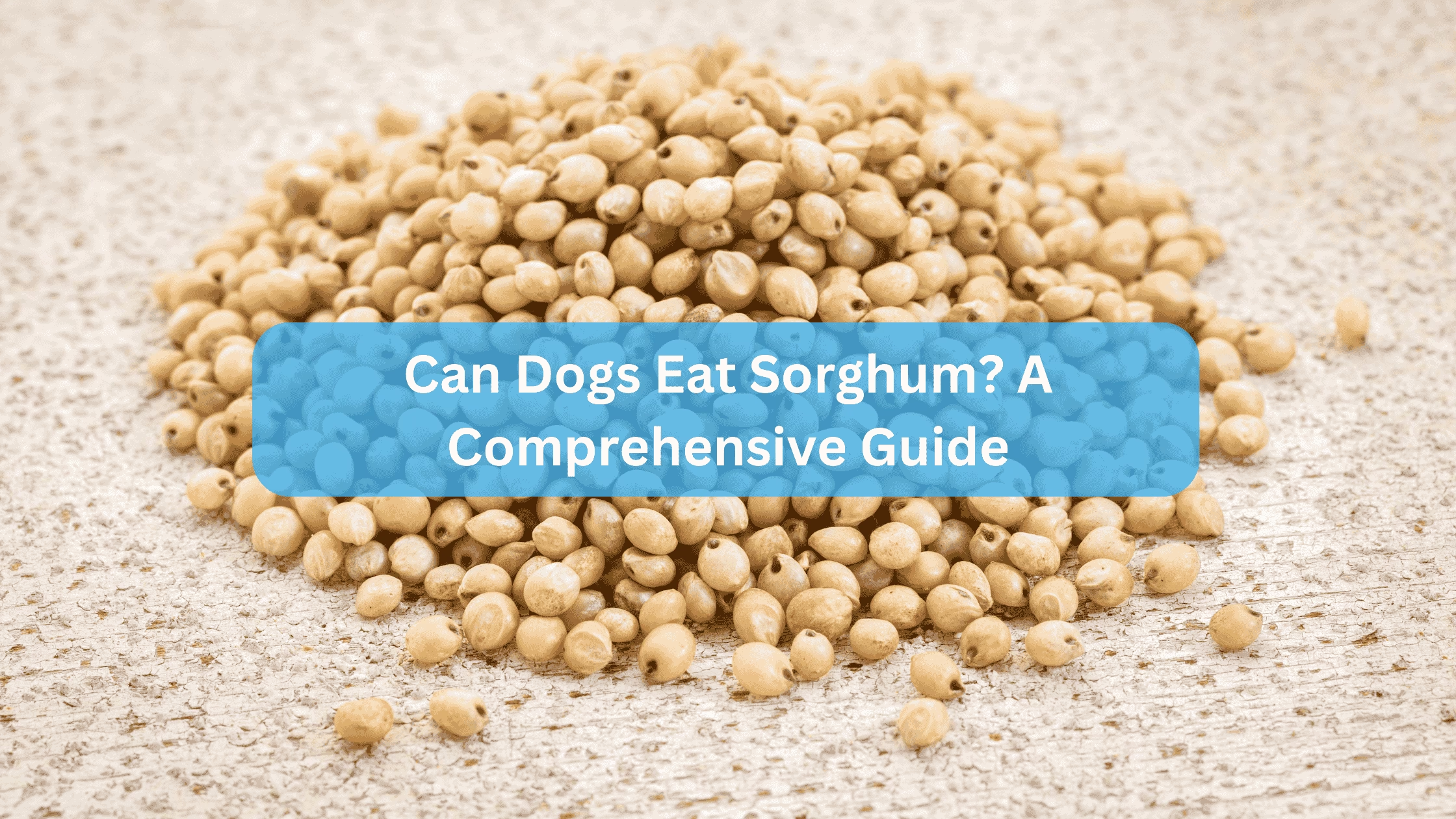
    Can Dogs Eat Sorghum? A Comprehensive Guide

    As dog owners increasingly seek high-quality, nutritious ingredients for their pets, the question arises: Can dogs eat sorghum? 

    This guide will explore the benefits, potential risks, and nutritional value of sorghum for dogs while providing insights into its role in pet food.

    Can Dogs Eat Sorghum?

    Yes, dogs can safely eat sorghum in moderation as part of a balanced diet.

    Sorghum is a gluten-free grain that provides fiber, protein, antioxidants, and various vitamins and minerals beneficial for dogs

    When introducing sorghum to your dog’s diet, soak it in water first to remove harmful tannins

    Consult your veterinarian about the appropriate amount to feed based on your dog’s individual nutritional needs and health conditions

    Many commercial dog foods already contain sorghum as a main ingredient, providing a convenient way to incorporate this nutritious grain into your pet’s meals

    Understanding Sorghum

    Sorghum is a cereal grain that originated in Africa and has been cultivated for thousands of years.

    It is known for its resilience in arid conditions and is a staple food in many parts of the world.

    In recent years, sorghum has made its way into pet food formulations due to its numerous health benefits.

    Nutritional Profile of Sorghum

    Sorghum is packed with essential nutrients that can contribute positively to a dog’s diet:

    • High Fiber Content: Sorghum is an excellent source of dietary fiber, which aids in digestion and helps maintain healthy bowel movements.
    • Gluten-Free: This grain is naturally gluten-free, making it suitable for dogs with gluten sensitivities or allergies.
    • Rich in Antioxidants: Sorghum contains various antioxidants that can help combat oxidative stress and promote overall health.
    • Source of Protein: While not as protein-rich as some other grains, sorghum does provide a moderate amount of protein essential for muscle development and maintenance.
    • Vitamins and Minerals: Sorghum is rich in B vitamins (such as niacin and thiamin), minerals (like magnesium, phosphorus, and potassium), and omega fatty acids, all of which are important for maintaining overall health.

    Benefits of Feeding Sorghum to Dogs

    Incorporating sorghum into your dog’s diet can offer several health benefits:

    1. Digestive Health: The high fiber content in sorghum promotes healthy digestion by facilitating regular bowel movements and preventing constipation.
    2. Weight Management: Sorghum’s fiber helps dogs feel full longer, which can aid in weight management by reducing the urge to overeat.
    3. Blood Sugar Control: With a lower glycemic index compared to grains like rice, sorghum releases glucose slowly into the bloodstream. This property can be beneficial for diabetic dogs or those prone to obesity.
    4. Nutrient-Rich Alternative: As a gluten-free grain, sorghum serves as a nutritious alternative to traditional grains that may cause digestive issues in some dogs.
    5. Antioxidant Properties: The antioxidants found in sorghum can help reduce inflammation and support overall immune function.
    6. Versatility: Sorghum can be cooked and served on its own or used as an ingredient in commercial dog foods, making it easy to incorporate into your dog’s diet.

    How to Prepare Sorghum for Dogs

    If you decide to introduce sorghum into your dog’s diet, it’s essential to prepare it properly:

    • Soaking: Soak sorghum grains overnight before cooking to help remove harmful tannins that can be present in raw sorghum.
    • Cooking: Boil the soaked grains until they are soft (about 30-40 minutes). Ensure they are thoroughly cooked before serving them to your dog.
    • Serving Size: Start with small amounts mixed into your dog’s regular food to monitor how they react before increasing the quantity.

    Tasty Sorghum Recipe for Dogs: Sorghum and Peanut Butter Treat

    Sorghum is a nutritious grain that can be a fantastic addition to your dog’s diet.

    Not only is it packed with fiber, protein, and essential nutrients, but it also serves as a great base for homemade dog treats.

    This recipe combines sorghum with peanut butter, creating a delicious and healthy snack that your furry friend will love.

    Ingredients

    • 1 cup sorghum flour (you can find this at health food stores or online)
    • 1/2 cup rolled oats
    • 1/2 cup natural peanut butter (make sure it does not contain xylitol, which is toxic to dogs)
    • 1/4 cup water (adjust as needed)
    • 1 egg (optional, for added protein and binding)
    • 1 tablespoon honey (optional, for sweetness; ensure your dog is not allergic)

    Instructions

    1. Preheat the Oven: Start by preheating your oven to 350°F (175°C).
    2. Mix Dry Ingredients: In a large mixing bowl, combine the sorghum flour and rolled oats. Stir well to ensure they are evenly mixed.
    3. Add Wet Ingredients: In another bowl, mix the peanut butter, water, egg (if using), and honey (if using). Stir until smooth and well combined.
    4. Combine Mixtures: Pour the wet mixture into the dry ingredients. Mix thoroughly until you have a dough-like consistency. If the dough is too dry, add a little more water; if it’s too wet, add a bit more sorghum flour.
    5. Roll Out the Dough: On a floured surface (use sorghum flour), roll out the dough to about 1/4 inch thick.
    6. Cut Out Treats: Use cookie cutters to cut out shapes from the dough. You can use bone-shaped cutters or any fun shapes you have on hand.
    7. Bake: Place the cut-out treats on a baking sheet lined with parchment paper. Bake in the preheated oven for about 20-25 minutes or until they are golden brown and firm to the touch.
    8. Cool Down: Remove from the oven and let them cool completely on a wire rack before serving them to your dog.
    9. Store Properly: Store the treats in an airtight container at room temperature for up to one week or in the refrigerator for up to two weeks.

    Nutritional Benefits

    These sorghum and peanut butter treats are not only tasty but also provide several health benefits:

    • High in Fiber: Sorghum flour is rich in dietary fiber, promoting healthy digestion in dogs.
    • Protein Source: The addition of peanut butter and egg provides essential proteins that support muscle health.
    • Gluten-Free: Sorghum is naturally gluten-free, making these treats suitable for dogs with gluten sensitivities.

    Potential Risks of Feeding Sorghum to Dogs

    While sorghum is generally safe for dogs, there are some considerations to keep in mind:

    • Allergic Reactions: Although rare, some dogs may have allergies or sensitivities to sorghum. Monitor your dog for any signs of allergic reactions such as itching, gastrointestinal upset, or changes in behavior after introducing this grain.
    • Digestive Issues: Some dogs may have difficulty digesting grains. If you notice any signs of discomfort or digestive upset after feeding sorghum, consult your veterinarian.

    Related Questions About Dogs and Sorghum

    Can all dogs eat sorghum?

    Most dogs can safely consume sorghum; however, it’s crucial to introduce it gradually and monitor for any adverse reactions. Dogs with specific dietary restrictions or allergies should consult their veterinarian before trying new foods.

    Is sorghum better than rice for dogs?

    Sorghum typically has a lower glycemic index than rice, making it a potentially better option for dogs that are overweight or diabetic. It also offers more fiber and antioxidants compared to white rice.

    How much sorghum can I feed my dog?

    The appropriate serving size will depend on your dog’s size, age, and dietary needs. Start with small amounts (a tablespoon or two) mixed into their regular food and adjust based on their tolerance and overall health.

    Can I feed my dog raw sorghum?

    Raw sorghum should not be fed to dogs without proper preparation. Always soak and cook the grains thoroughly before serving them.

    Also Read: Can Dogs Drink Soy Milk? A Comprehensive Guide

    Also Read: 15 Tips on How to Make a Dog with Lymphoma Comfortable.

    Conclusion

    In summary, sorghum can be a nutritious addition to your dog’s diet, offering various health benefits such as improved digestion, weight management support, and antioxidant properties.

    As with any dietary change, it’s essential to introduce sorghum gradually while monitoring your dog’s response. Consult with your veterinarian if you have concerns about allergies or specific dietary needs.

    By understanding the advantages of incorporating sorghum into your dog’s meals, you can make informed decisions that contribute positively to their health and well-being.

    Whether you’re considering homemade meals or exploring commercial pet foods containing this ancient grain, sorghum presents a viable option worth considering for your furry friend.


    Sources: