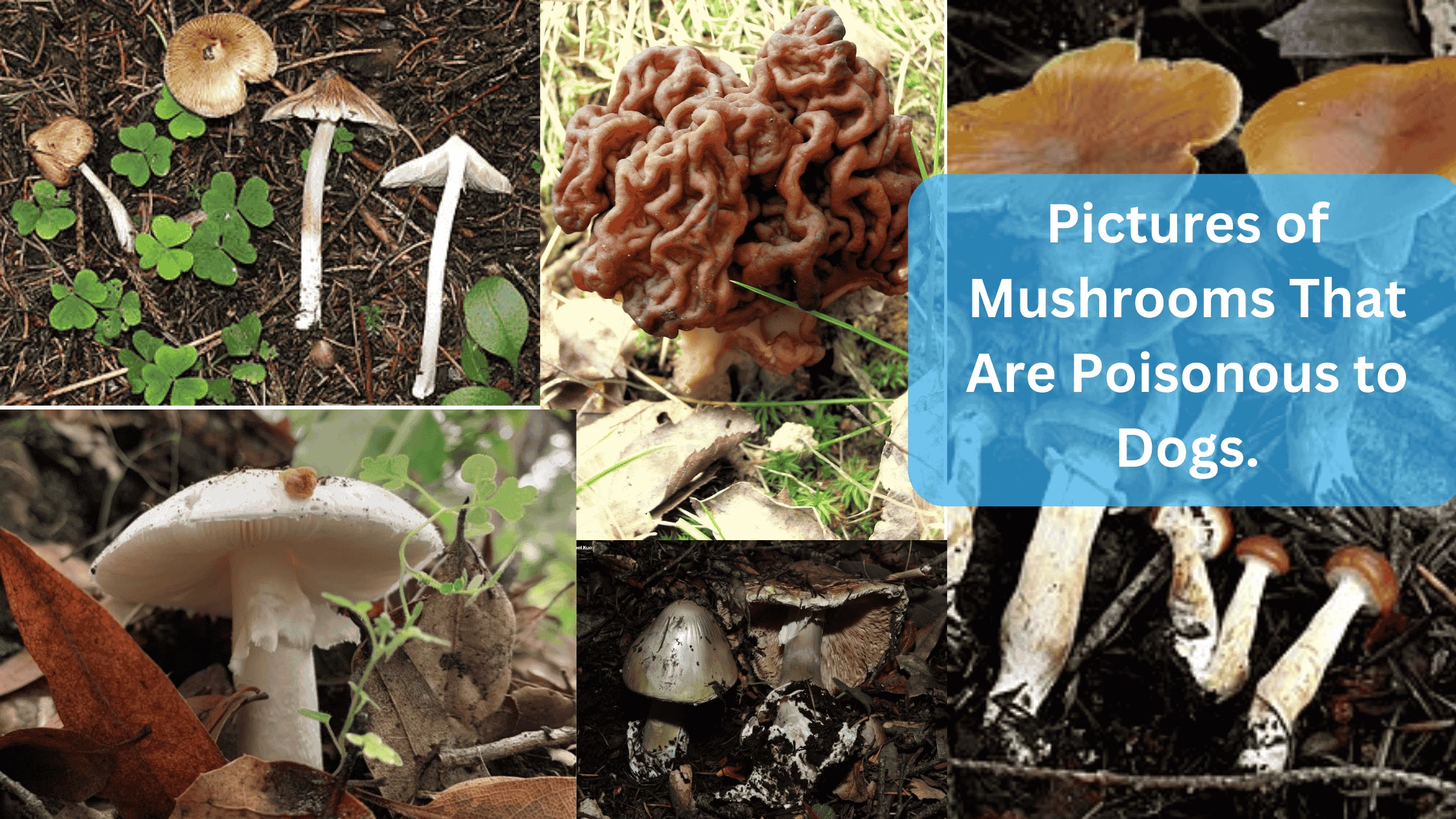
Category: Dog Health

  • Pictures of Mushrooms That Are Poisonous to Dogs.

    Pictures of Mushrooms That Are Poisonous to Dogs.

    Do you want Pictures of Mushrooms That Are Poisonous to Dogs? – You’re out for a walk with your dog, enjoying the sights and smells of nature, when suddenly, your furry friend sniffs out something… intriguing.

    It’s a mushroom! 🍄 Now, while some mushrooms are perfectly safe (and delicious for humans, in some cases), others can be downright dangerous – even deadly – for our canine companions.

    The world of fungi can be tricky, and knowing which mushrooms are poisonous to dogs is crucial for keeping your pup safe.

    Fear not, fellow dog lovers! This guide is here to help you navigate the sometimes-spooky world of mushrooms.

    We’ll cover everything from identifying toxic mushrooms to recognizing symptoms and knowing exactly what to do if your dog decides to have a fungal feast. Let’s get growing! (Okay, maybe not growing, but you get the idea!)

    Are Mushrooms Poisonous for Dogs? The Short Answer: Sometimes, and It’s Complicated!

    The short answer is: yes, some mushrooms are very poisonous for dogs. But it’s not as simple as saying “all mushrooms are bad.”

    Just like with plants, there are both harmless and harmful varieties.

    The tricky part is that many poisonous mushrooms can look very similar to edible ones, making identification a real challenge. It’s like a botanical game of “spot the difference,” and it’s a game you don’t want to lose.

    It’s also important to note that the level of toxicity can vary greatly depending on the type of mushroom.

    Some may cause mild gastrointestinal upset, while others can lead to severe organ damage or even death. It’s like a spectrum of fungal danger, and you need to know where each mushroom falls on that scale.

    What Happens If a Dog Accidentally Eats Mushrooms? A Fungal Horror Story

    So, what exactly happens if your dog decides to sample a potentially poisonous mushroom? Well, it’s not a pretty picture, and the symptoms can vary depending on the type of mushroom ingested. Here’s a general overview:

    • Gastrointestinal Upset: This is often the first sign, and it can include vomiting, diarrhea, abdominal pain, and loss of appetite. It’s like their tummy is saying, “Nope, not a fan of this snack!”
    • Neurological Issues: Some mushrooms contain toxins that affect the nervous system, leading to symptoms like tremors, seizures, incoordination, and even paralysis. It’s like their brain is having a little meltdown.
    • Liver and Kidney Damage: Certain toxins can cause severe damage to the liver and kidneys, which can be life-threatening. It’s like their vital organs are being attacked.
    • Other Symptoms: Other symptoms can include excessive drooling, lethargy, jaundice (yellowing of the skin and eyes), and in severe cases, coma or death. It’s like their body is shutting down.

    The onset of symptoms can vary as well. Some mushrooms cause symptoms within minutes to a few hours, while others may take up to 24 hours to manifest. This makes it crucial to act quickly if you suspect your dog has eaten a mushroom.

    What Happens If a Dog Eats a Cooked Mushroom? Does Cooking Help?

    Unfortunately, cooking does not make poisonous mushrooms safe for dogs. The toxins in many poisonous mushrooms are heat-stable, meaning they aren’t destroyed by cooking.

    So whether it’s raw or cooked, a poisonous mushroom is still dangerous for your pup. It’s like trying to neutralize a bomb with a hairdryer – it’s just not going to work.

    Backyard Toxic Mushroom Identification for Dogs: A Tricky Task

    Identifying toxic mushrooms can be incredibly difficult, even for experienced mushroom hunters.

    Many poisonous mushrooms look very similar to edible ones, and even subtle differences can be hard to spot.

    This is why it’s so crucial to prevent your dog from eating any wild mushrooms.

    However, knowing a few basics can help you be more aware of potential dangers in your backyard:

    • Amanita Mushrooms: These are some of the most dangerous mushrooms for dogs and include the “death cap” and “destroying angel” varieties. They often have a cap, stalk, and ring around the stalk. They are often white or pale in color.
    • Galerina Mushrooms: These are small brown mushrooms that can cause severe liver damage. They often grow on decaying wood.
    • False Morels: While they look similar to edible morels, false morels contain toxins that can cause gastrointestinal distress and neurological issues.
    • Inocybe Mushrooms: These mushrooms contain muscarine, which can cause excessive drooling, vomiting, and diarrhea.

    It’s important to note that this is not an exhaustive list; there are many other types of poisonous mushrooms.

    Are Lawn Mushrooms Poisonous to Dogs? The Common Culprits

    Yes, lawn mushrooms can be poisonous to dogs. Many of the mushrooms that pop up in our yards are not the edible kind; some can be quite toxic.

    This is why it’s crucial to be vigilant about removing any mushrooms that appear in your yard—especially if you have a curious dog who likes to explore with their mouth. It’s like having a minefield in your backyard; you need to clear it out.

    Which Mushrooms Are Poisonous to Dogs? A More Detailed Look

    Let’s delve deeper into some of the most common culprits:

    • Amanita Species: As mentioned earlier, these are among the most dangerous; death cap and destroying angel being particularly deadly due to containing amatoxins that cause severe liver and kidney damage.
    • Galerina Species: These small brown mushrooms also contain amatoxins and can cause similar symptoms as Amanita mushrooms.
    • False Morels (Gyromitra species): These contain gyromitrin which can cause gastrointestinal distress along with neurological symptoms and liver damage.
    • Inocybe and Clitocybe Species: These contain muscarine which causes excessive drooling along with vomiting and diarrhea.
    • Boletus Species: While some boletes are edible; others can cause gastrointestinal upset. It’s best to avoid all boletes unless you are an expert.

    Pictures of Mushrooms That Are Poisonous to Dogs: A Visual Guide (with a Disclaimer)

    While pictures can be helpful, it’s crucial to remember that visual identification alone is not enough to determine if a mushroom is safe.

    There are many variations within species; even experts can sometimes have difficulty identifying mushrooms.

    Disclaimer: The following descriptions are for informational purposes only and should not be used to identify mushrooms for consumption. If you are unsure about a mushroom, assume it is poisonous and keep your dog away.

    • Amanita phalloides (Death Cap): Often has a greenish-yellow cap, a white stalk, and a ring around the stalk. The base of the stalk is often bulbous and surrounded by a sac-like structure (volva).
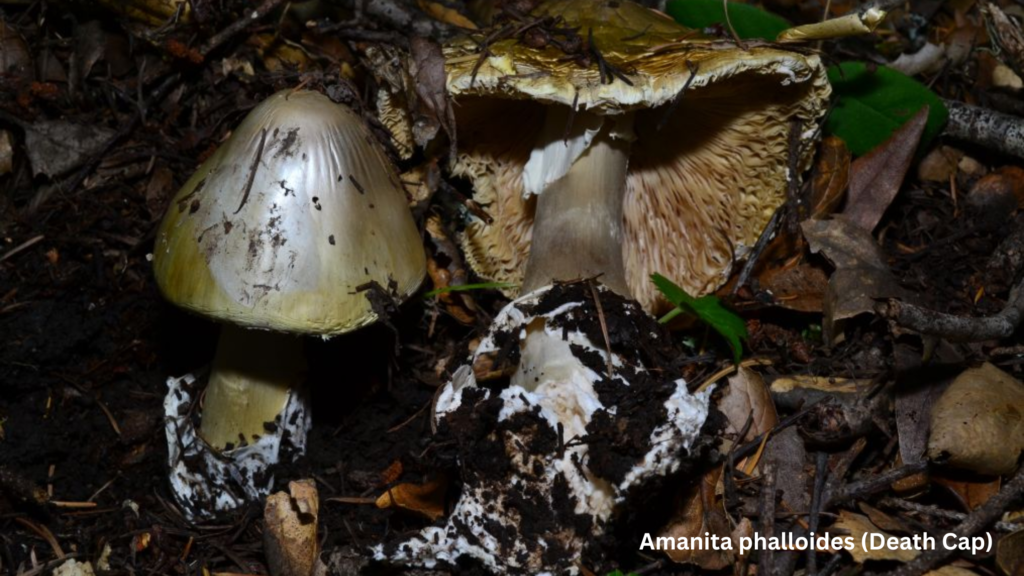
    Amanita phalloides Death Cap |
    Amanita phalloides (Death Cap)
    • Amanita ocreata (Destroying Angel): This mushroom is pure white and has a similar structure to the death cap with cap, stalk, ring, and volva.
    The Western Destroying Angel Amanita ocreata |
    The Western Destroying Angel (Amanita ocreata)
    • Galerina marginata: Small brown mushrooms with a ring around the stalk; they often grow on decaying wood.
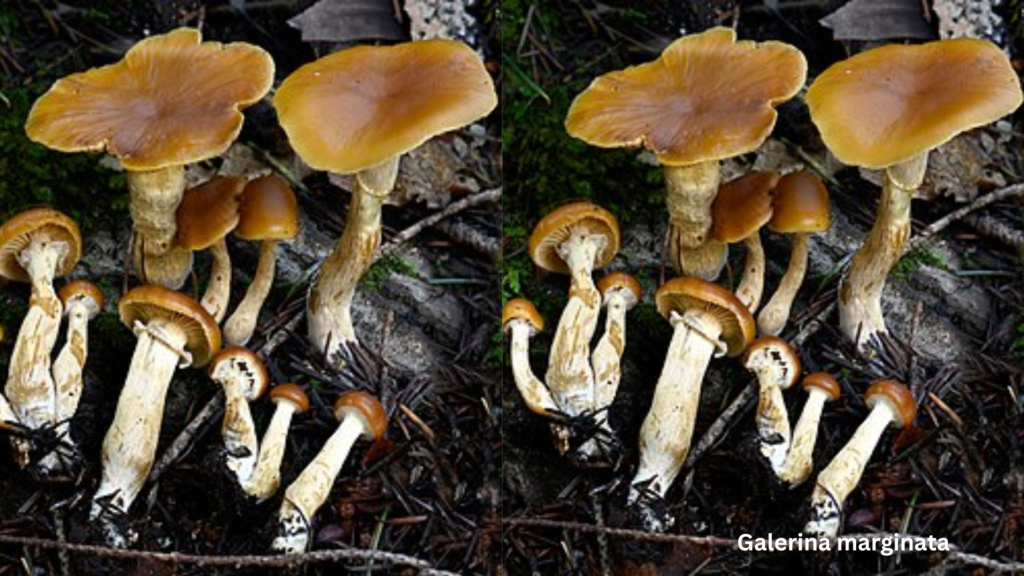
    Galerina marginata 1 |
    Galerina marginata
    • False Morel (Gyromitra esculenta): The cap is often wrinkled and brain-like in appearance.
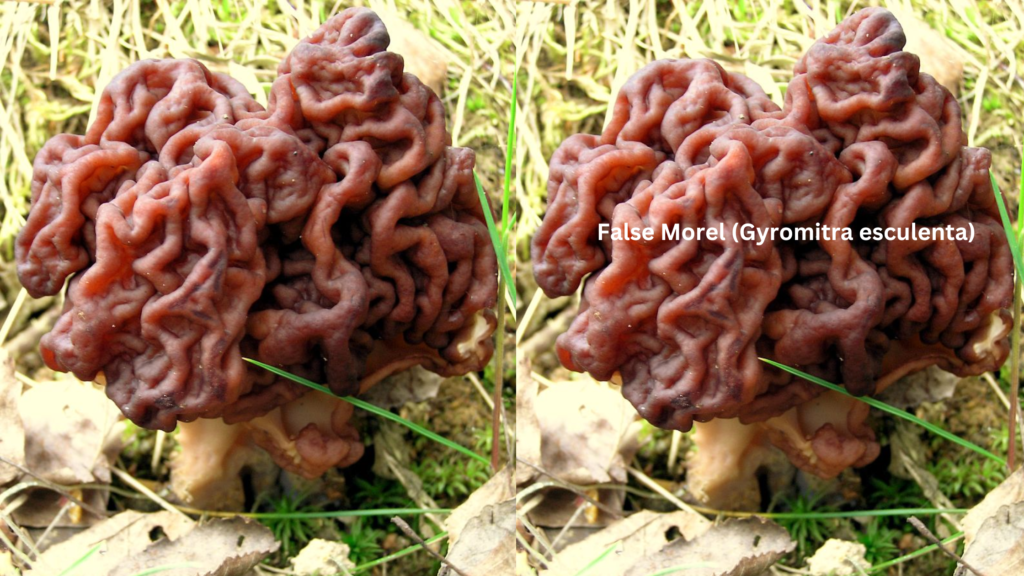
    False Morel Gyromitra esculenta 1 |
    False Morel (Gyromitra esculenta)
    • Inocybe species: Often have a conical or bell-shaped cap and fibrous stalks.
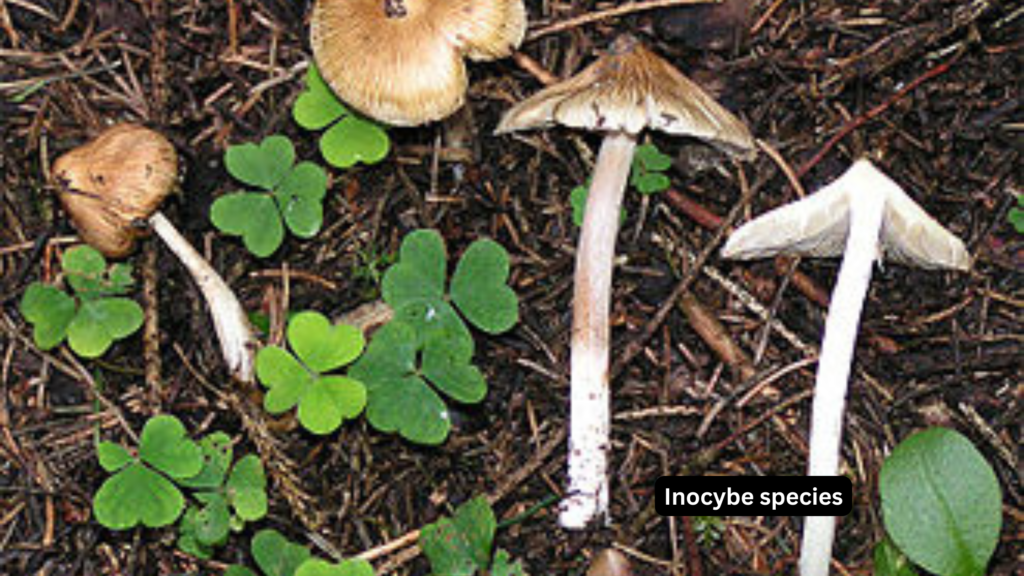
    Inocybe species |
    Inocybe species

    Haymaker Mushroom Dog Poisonous: A Specific Concern

    The “Haymaker” mushroom (Panaeolus foenisecii) is common in lawns; it can cause gastrointestinal upset in dogs.

    While not typically deadly; it may lead to unpleasant symptoms such as vomiting and diarrhea. It’s like a tiny tummy-troubling terror.

    Are Brown Mushrooms Poisonous to Dogs? A Common Question

    Many brown mushrooms pop up in yards; it’s natural to wonder if they’re all dangerous.

    While some brown mushrooms are edible; many are poisonous including Galerina species along with certain boletes.

    It’s best to assume all brown mushrooms are potentially toxic; keep your dog away from them—like adopting a “better safe than sorry” approach.

    My Dog Ate a Mushroom in the Grass: Now What?

    If you suspect your dog has eaten a mushroom; it’s time to act quickly:

    • Stay Calm: Your dog will pick up on your anxiety; so try remaining calm and collected.
    • Assess the Situation: Check your dog for any immediate signs of distress.
    • Remove Any Remaining Mushroom Pieces: If there are any bits still in your dog’s mouth; carefully remove them.
    • Try Identifying the Mushroom: If possible; take a picture or collect a sample safely for your vet.
    • Contact Your Veterinarian: Seek immediate veterinary care especially if your dog shows any symptoms.

    Are Liberty Cap Mushrooms Poisonous to Dogs? A Note on Hallucinogenic Mushrooms

    Liberty cap mushrooms (Psilocybe semilanceata) contain psilocybin which makes them hallucinogenic.

    While not typically deadly; they may cause neurological symptoms in dogs including disorientation along with tremors or seizures—it’s like their brain takes an unwanted trip!

    Short Answers to FAQ’s

    What happens if a dog eats cooked mushroom?

    Cooking does not make poisonous mushrooms safe for dogs at all!

    Are lawn mushrooms poisonous for dogs?

    Yes; many lawn varieties prove toxic—removal from yards remains crucial!

    Haymaker mushroom dog poison?

    Yes; Haymaker varieties may lead towards gastrointestinal upset among pets!

    Are brown mushrooms poisonous for dogs?

    Many brown varieties prove toxic—best practice involves avoidance altogether!

    My dog ate mushroom in grass?

    Contacting veterinarian immediately becomes essential—provide as much information regarding consumed fungus as possible!

    Are liberty cap mushrooms poisonous for dogs?

    Yes—they may induce neurological symptoms!

    Also Read: What Happens If My Dog Eats a Tarantula? A Comprehensive Guide

    Also Read: Healthy Diet Plans for Dogs with Weight Issues: A Tail-Wagging, Comprehensive Guide

    Conclusion: Keeping Your Pup Safe from Fungal Foes

    The world of mushrooms presents dangers toward our canine companions! By understanding risks alongside recognizing symptoms—plus taking preventative measures—you’ll keep pups safe against these fungal foes!

    Remember prevention remains key—when uncertain always err toward caution! Your vet serves as best resource providing personalized advice—don’t hesitate reaching out should concerns arise!

    With knowledge combined alongside love—you’ll ensure furry friends remain safe—and perhaps next time they’ll stick towards sniffing those interesting-looking sticks instead! 🐶❤️


    Sources:
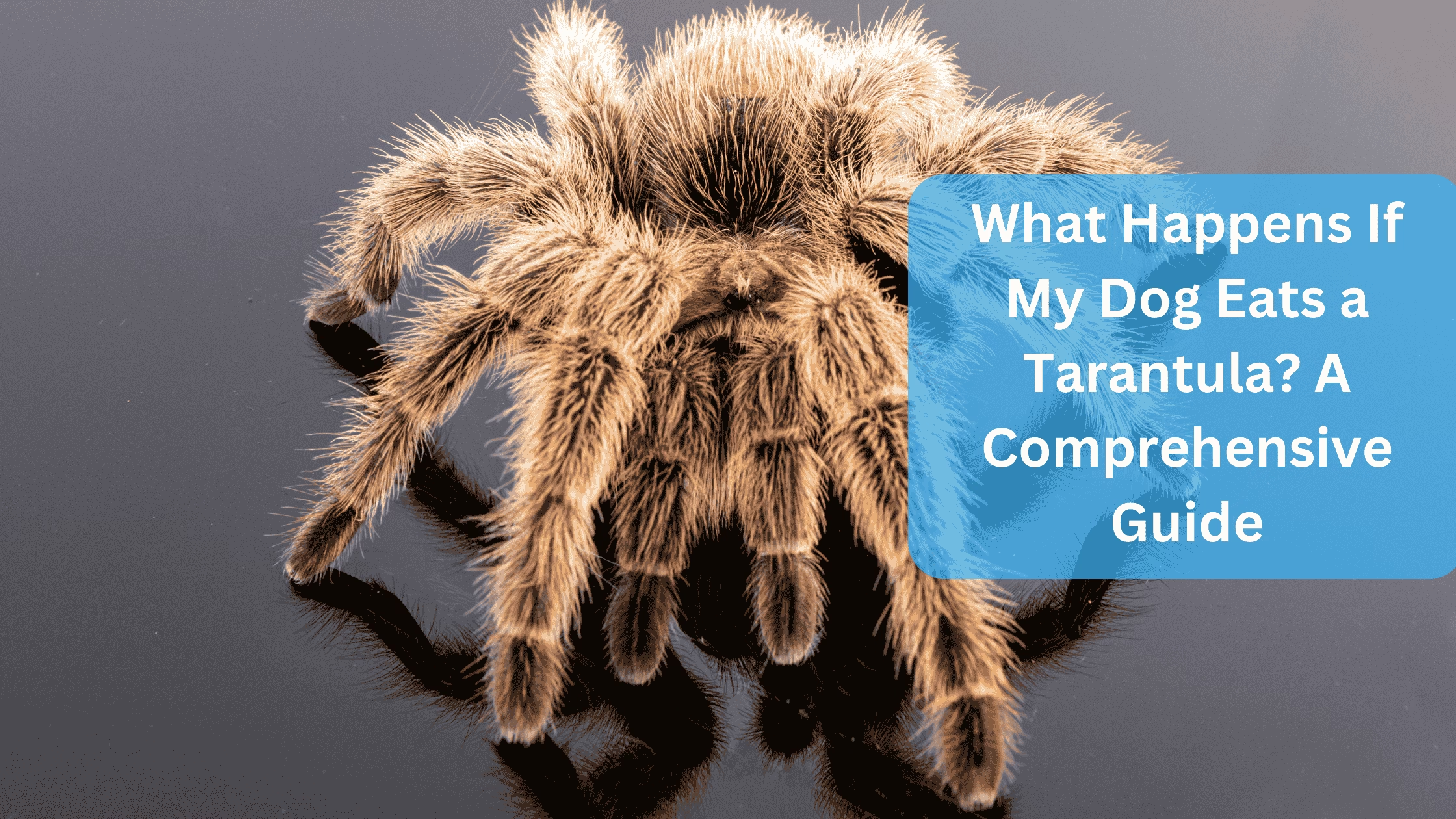
  • What Happens If My Dog Eats a Tarantula? A Comprehensive Guide

    What Happens If My Dog Eats a Tarantula? A Comprehensive Guide

    What Happens If My Dog Eats a Tarantula? You’re out for a leisurely stroll with your canine companion, the sun is shining, birds are singing, and then… squish.

    Your dog has just discovered something a little… different. It’s not a stick, it’s not a discarded chicken bone; it’s a tarantula. Yes, a hairy, eight-legged tarantula.

    🕷️ The thought alone might make your skin crawl (and maybe your dog’s too, if they understood the gravity of the situation!).

    But what happens if your curious pup decides to make a snack out of one of these arachnid oddities? Fear not, fellow dog lovers! This guide is here to navigate this rather unusual (and slightly terrifying) scenario.

    We’ll cover everything from understanding tarantulas to recognizing symptoms and knowing exactly what to do if your dog decides to have a tarantula tasting menu.

    Let’s get started, shall we?

    Understanding Tarantulas: More Than Just Big, Hairy Spiders

    First things first, let’s get acquainted with our eight-legged subject. Tarantulas aren’t your average garden-variety spiders; they’re the heavyweights of the arachnid world. These large, hairy spiders belong to the Theraphosidae family.

    They’re not insects, mind you; they’re arachnids, meaning they have eight legs and two body segments.

    You might find them in various habitats, from deserts to rainforests, and they’re often nocturnal, meaning they’re most active at night – kind of like the night owls of the spider world. 🦉

    Now, are all tarantulas equally dangerous? Well, not exactly. While they all possess venom, the potency varies among species.

    Some tarantulas have a mild venom, akin to a bee sting, while others can pack a bit more of a punch.

    It’s also worth noting that tarantulas have urticating hairs (those tiny, irritating hairs on their abdomen) that they can flick off as a defense mechanism.

    These hairs can cause irritation and discomfort, especially if they get into your dog’s eyes or mouth. They’re like nature’s tiny, itchy booby traps.

    What Happens If My Dog Eats a Tarantula?

    The Risks of a Dog Eating a Tarantula: More Than Just a Bad Taste in Their Mouth

    So, what are the actual risks if your dog decides to chomp down on a tarantula? Let’s break it down:

    • Tarantula Venom:
      • Tarantula venom is primarily designed to subdue prey, not to be a deadly weapon. It’s a neurotoxin, meaning it affects the nervous system. In dogs, the venom can cause local reactions like pain, swelling, and redness at the site of the bite. In rare cases, especially with more potent venom, it can lead to systemic reactions, affecting the whole body. It’s like a tiny, targeted attack on their nervous system.
      • It’s important to understand the difference between venom and poison. Venom is injected (like a spider bite), while poison is ingested (like eating something toxic). Tarantulas use venom, not poison, so your dog won’t be poisoned from eating it, but they might have a reaction to the venom.
    • Physical Hazards:
      • Those urticating hairs we mentioned? They can cause significant irritation if they get into your dog’s mouth or eyes. You might see your dog pawing at their face, drooling excessively, or showing signs of discomfort. It’s like a tiny, itchy invasion.
      • The tarantula’s exoskeleton (its hard outer shell) can also pose a risk. It can be difficult to digest and might cause choking or digestive issues, especially in smaller dogs. It’s like trying to chew on a tiny, crunchy suit of armor.
    • Secondary Issues:
      • If your dog gets bitten by a tarantula, there’s a risk of secondary infections. Any open wound can become a breeding ground for bacteria, which can lead to further complications. It’s like an open invitation for unwanted guests.
      • While rare, some dogs may have an allergic reaction to the tarantula’s venom or hairs, which can manifest as more severe symptoms. It’s like their body is saying, “Nope, not a fan!”

    Symptoms to Watch For: Keeping a Close Eye on Your Pup

    Okay, so your dog has potentially eaten a tarantula. Now what?

    • Immediate Symptoms:
      • Pawing at the mouth or face: Your dog might be trying to get rid of those irritating hairs or the feeling of the bite. It’s like they’re trying to say, “Get this thing off me!”
      • Drooling or excessive salivation: This is a common response to irritation or the taste of something unpleasant. It’s like their mouth is saying, “Ew, what was that?”
      • Vomiting or gagging: Their body might be trying to expel the unwanted snack. It’s like their tummy is having a little protest.
      • Agitation or restlessness: They might be feeling uncomfortable and not know what to do. It’s like they’re saying, “Something’s not right!”
    • Later Symptoms:
      • Swelling around the mouth, face, or throat: This can indicate a reaction to the venom or hairs. It’s like their face is puffing up in protest.
      • Difficulty breathing or wheezing: This is a serious sign and requires immediate veterinary attention. It’s like their lungs are saying, “Help, I need air!”
      • Lethargy or weakness: Your dog might seem unusually tired or weak. It’s like their battery has run out.
      • Muscle tremors or twitching: This can indicate a more severe reaction to the venom. It’s like their muscles are having a little dance party they didn’t sign up for.
      • Changes in behavior: They might hide, whine, or act unusually withdrawn. It’s like they’re saying, “I don’t feel like myself.”
      • Redness or irritation on skin or mucous membranes: This can indicate a reaction to the tarantula’s hairs. It’s like their skin is saying, “Ouch!”

    The severity of symptoms can vary depending on several factors, including the size of your dog, the type of tarantula, and the amount ingested.

    Smaller dogs are generally more susceptible to severe reactions, and some tarantula species have more potent venom than others. It’s like a game of chance, but one you don’t want to play.

    What To Do If Your Dog Eats a Tarantula: Act Fast, Stay Calm (and Maybe Grab Your Phone)

    If you suspect your dog has eaten a tarantula, it’s time to act quickly but calmly. Here’s what you should do:

    • Immediate Actions:
      • Stay Calm: Your dog will pick up on your anxiety, so try to remain calm and collected. It’s like being the captain of a sinking ship – you need to stay cool.
      • Assess the Situation: Check your dog for any immediate signs of distress. It’s like a quick triage to see what’s going on.
      • Remove Any Remaining Tarantula Parts: If there are any tarantula bits still in your dog’s mouth, carefully remove them. It’s like cleaning up the crime scene.
      • Do Not Induce Vomiting: Unless specifically instructed by your veterinarian, do not try to make your dog vomit. It could cause more harm than good. It’s like trying to fix a computer by hitting it – it’s probably not going to work.
      • Try to Identify the Tarantula: If possible, try to identify the species of tarantula. This information can be helpful for your vet. It’s like gathering evidence for the case.
    • Contacting Your Veterinarian:
      • When to Seek Immediate Care: If your dog is showing any of the more serious symptoms (difficulty breathing, severe swelling, muscle tremors), seek immediate veterinary care. Even if the symptoms seem mild, it’s always best to err on the side of caution. It’s like calling for backup – better safe than sorry!
      • What Information to Provide: When you call your vet, be prepared to provide details about what happened, the symptoms your dog is exhibiting, and any information you have about the tarantula. It’s like giving the vet a full report.
    • Veterinary Treatment:
      • Treatment for tarantula envenomation in dogs typically involves supportive care. This might include IV fluids to keep them hydrated, pain management to relieve discomfort, and antihistamines to reduce swelling. In more severe cases, your vet might need to monitor your dog for any complications and provide additional treatments as needed. It’s like giving your dog a spa day, but with medical professionals.

    Prevention Strategies: Keeping Your Pup Safe (and Tarantula-Free)

    Of course, the best approach is prevention. Here are some strategies to keep your dog safe from tarantula encounters:

    • Environmental Awareness:
      • Identify Tarantula Habitats: Learn about the areas where tarantulas are commonly found and avoid those areas when walking your dog. It’s like knowing the “no-go zones.”
      • Keep Your Yard Clean: Remove any debris, wood piles, or other hiding spots where tarantulas might set up shop in your yard. It’s like tidying up to avoid unwanted guests.
    • Leash Training:
      • Keep Your Dog on a Leash: This is crucial for preventing your dog from wandering off and encountering a tarantula. It’s like having a safety tether.
      • Train “Leave It” or “Drop It”: These commands can be lifesavers in situations where your dog picks up something they shouldn’t. It’s like teaching them to say “no thanks” to unwanted snacks.
    • Supervision:
      • Close Supervision: Always keep a close eye on your dog, especially in areas where tarantulas might be present. It’s like being a watchful guardian.
    • Home Safety:
      • Secure Your Home: Check your home for any cracks or openings where tarantulas might enter. It’s like fortifying your castle.
      • Check Hiding Spots: Regularly check areas like basements, garages, and storage areas where tarantulas might hide. It’s like a regular sweep for unwanted visitors.

    FAQ’s: Your Burning Questions Answered

    Are tarantulas deadly to dogs?

    While tarantula venom is not usually deadly to dogs, it can cause significant discomfort and, in rare cases, severe reactions. It’s like a bad day, not a game-over scenario.

    What does tarantula venom do to dogs?

    Tarantula venom is a neurotoxin that can cause local reactions like pain, swelling, and redness, and in severe cases, systemic reactions like muscle tremors or difficulty breathing. It’s like a tiny, targeted attack on their nervous system.

    How can I tell if my dog is having a reaction to a tarantula bite?

    Watch for symptoms like pawing at the mouth, drooling, vomiting, swelling, difficulty breathing, lethargy, and muscle tremors. It’s like their body is sending out signals.

    What should I do if my dog gets tarantula hairs in their eyes?

    Flush their eyes with cool water and seek veterinary care if the irritation persists. It’s like giving their eyes a little rinse.

    Can I treat a tarantula bite at home?

    It’s best to seek veterinary advice for any suspected tarantula bite. Do not induce vomiting without instructions from your vet. It’s like calling the experts.

    Are some tarantula species more dangerous to dogs than others?

    Yes, the potency of tarantula venom varies among species. Some have mild venom, while others can cause more severe reactions. It’s like a spectrum of spider-venom intensity.

    Also Read: How to Treat a Poisoned Dog at Home: A Comprehensive Guide

    Also Read: Healthy Diet Plans for Dogs with Weight Issues: A Tail-Wagging, Comprehensive Guide

    Conclusion: Peace of Mind for You and Your Pup

    Dealing with a dog who’s decided to make a meal out of a tarantula is definitely not on anyone’s wish list. But by understanding the risks, recognizing the symptoms, and knowing what to do, you can be prepared for this unusual situation.

    Prevention is key, so be sure to keep a close eye on your pup and take the necessary steps to avoid tarantula encounters. Remember, your vet is your best resource for personalized advice, so don’t hesitate to reach out if you have any concerns.

    With a little knowledge and a lot of love, you can keep your furry friend safe and sound. And who knows, maybe next time, your dog will stick to sniffing out those interesting-looking rocks instead! 🐶❤️


    Sources:

  • Healthy Diet Plans for Dogs with Weight Issues: A Tail-Wagging, Comprehensive Guide

    Healthy Diet Plans for Dogs with Weight Issues: A Tail-Wagging, Comprehensive Guide

    Do you want Healthy Diet Plans for Dogs with Weight Issues? Alright, fellow dog devotees, let’s get down to business! We all know our furry companions have a knack for turning on the charm, especially when those pleading eyes are begging for just one more treat.

    But, just like us, our pups can sometimes struggle with their weight. Whether it’s a few extra pounds they’re carrying or needing to gain some healthy weight, it’s a balancing act.

    Fear not, because this guide is here to help you navigate the wonderful world of canine weight management!

    We’ll cover everything from understanding the root causes of weight issues to crafting personalized diet plans, all while keeping things informative, friendly, and sprinkled with a touch of humor. Think of this as your ultimate roadmap to a healthier, happier pup! Let’s get started! 🚀

    Understanding the Spectrum of Canine Weight Issues

    Before we dive into the delicious details, let’s clarify that weight issues aren’t just about being “overweight.” It’s a spectrum, and understanding where your dog falls is key:

    • Underweight: These pups might be too thin, lacking essential nutrients, or struggling with underlying health issues. It’s like they’re running on empty and need a good refueling. ⛽
    • Ideal Weight: This is the sweet spot! Dogs at their ideal weight are energetic, have a visible waistline, and you can easily feel their ribs without excessive padding. It’s like they’ve hit the Goldilocks zone – just right!
    • Overweight: These dogs are carrying extra weight that puts them at risk for health problems. It’s like they’re carrying an extra backpack filled with kibble and treats. 🎒
    • Obese: This is when dogs are significantly overweight, with large fat deposits and a high risk of severe health issues. It’s like they’re living in a fluffy cloud but need to trim the excess. ☁️

    Age-Specific Nutritional Needs: A Tailored Approach

    Just like humans, dogs have different nutritional needs at different life stages. Let’s explore those:

    Puppies (Up to 1 Year)

    • Nutritional Needs: Puppies are like little construction sites, growing rapidly and needing high levels of protein and fat for proper development. Aim for 22-32% protein and 8-20% fat. It’s like giving them all the building blocks to become strong, healthy adults. 🏗️
    • Feeding Frequency: These little guys need fuel often! Feed them three to four times a day to support their growth and energy. Think of it as a constantly refilling fuel tank.
    • Sample Plan (Medium-Breed Puppy):
      • Breakfast: 1 cup high-quality puppy kibble + a spoonful of plain yogurt.
      • Lunch: 1/2 cup puppy kibble mixed with a bit of cooked chicken breast.
      • Dinner: 1 cup puppy kibble and a small amount of mashed sweet potato.

    Adult Dogs (1-7 Years)

    • Nutritional Needs: Adult dogs need a balanced diet to maintain their health. Aim for around 18-25% protein and 5-15% fat. It’s like switching to a maintenance mode to stay in tip-top shape.
    • Feeding Frequency: Most adult dogs thrive on two meals a day. It’s like having lunch and dinner, no need to be a glutton unless you are entering a hot dog eating competition.
    • Sample Plan (Active 50-Pound Dog):
      • Breakfast: 1.5 cups high-quality adult kibble + a sprinkle of flaxseed.
      • Dinner: 1.5 cups high-quality adult kibble + 1/2 cup cooked lean ground turkey and green beans.

    Senior Dogs (7+ Years)

    • Nutritional Needs: Senior dogs often need fewer calories due to decreased activity levels but may require more fiber for digestion. Aim for 18-25% protein and less than 10% fat, with plenty of fiber. It’s like switching to a more “comfortable cruise” mode. 🚢
    • Feeding Frequency: Two smaller meals a day can be beneficial for their digestion. It’s like having smaller portions to avoid feeling bloated.
    • Sample Plan (Sedentary 50-Pound Senior):
      • Breakfast: 1 cup senior-specific kibble + a tablespoon of pumpkin puree.
      • Dinner: 1 cup senior-specific kibble + ½ cup steamed carrots and a joint supplement sprinkle.

    The Wonderful Benefits of a Healthy Dog Diet

    Why all the fuss about diet plans? Well, a healthy diet can make a world of difference for your furry best friend:

    • Improved Health: A balanced diet can reduce the risk of chronic diseases, meaning fewer vet visits and more tail wags. It’s like investing in your dog’s long-term well-being! 🩺
    • Increased Energy Levels: Proper nutrition gives your dog the energy to run, play, and enjoy all their goofy moments. It’s like giving them a battery pack that lasts all day! 🔋
    • Better Mood: A healthy diet often leads to improved behavior and a happier demeanor. It’s amazing what a good meal can do for the soul (or should we say, the snout!). 😊
    • Longer Lifespan: A healthy diet can help your dog live a longer, more fulfilling life. Who doesn’t want more years with their beloved pup? It’s like adding extra chapters to their amazing story! 📖

    Key Components of a Healthy Dog Diet

    Alright, let’s get down to the nitty-gritty. What does a truly healthy diet look like for a dog?

    1. Quality Ingredients:
      • Real Meat: Look for dog food where the first ingredient is a named protein source, like chicken, beef, or fish. It’s like choosing steak over mystery meat. 🥩
      • Whole Grains: Whole grains like brown rice and oats provide essential fiber. They’re the good carbs for our furry friends!
      • Fruits and Veggies: Fresh produce like carrots, blueberries, and spinach offer vital vitamins and antioxidants. It’s like a tiny, colorful salad for your pup. 🥕🫐
    2. Portion Control:
      • Use Feeding Guidelines: Check the guidelines on the dog food bag. These recommendations are based on your dog’s weight and activity level. It’s like using a map to navigate the world of weight management. 🗺️
      • Measure Food: Don’t eyeball it! Use a measuring cup for precise portions. It’s all about precision when it comes to a diet plan. 📏
      • Restrict Treats: Keep treats to no more than 10% of your dog’s daily calories. Think of them as occasional desserts. 🍰
    3. Regular Feeding Schedule:
      • Consistency: Feed your dog at the same times each day. It helps regulate their metabolism and avoids those “hanger” moments. ⏰
      • Twice Daily: Splitting their daily food into two meals is ideal for digestion and preventing overeating at once. It’s like a sensible distribution of meals throughout the day.
    4. Healthy Treats:
      • Low-Calorie Options: Choose treats with fewer calories. It’s about satisfying those cravings without derailing their diet plan.
      • Training Rewards: Use small, low-calorie treats for training. They are perfect for rewarding good behavior without sabotaging the meal plan.

    Healthy Diet Plans for Dogs with Weight Issues: Tailored to Every Scenario

    Alright, let’s get to the heart of the matter—more meal plans! We’ll cover various age groups, weight statuses, and even throw in a few breed-specific considerations. Remember, these are examples, and consulting your vet is crucial for personalized advice.

    Puppy Diet Plans (Up to 1 Year)

    1. Underweight Puppy (Medium Breed)

    • Goal: Healthy weight gain and proper development.
    • Feeding Frequency: 4 meals per day.
      • Breakfast: 1 cup high-quality puppy kibble mixed with 1 tbsp full fat plain yogurt and 1 tsp salmon oil.
      • Lunch: ¾ cup puppy kibble mixed with ¼ cup cooked and finely diced chicken breast.
      • Afternoon Snack: ½ cup puppy kibble mixed with a small amount of mashed sweet potato
      • Dinner: 1 cup puppy kibble mixed with 1 scrambled egg (cooked without any oil or seasoning)
      • Treats: Small, soft puppy treats in moderation.

    2. Ideal Weight Puppy (Large Breed)

    • Goal: Maintain healthy growth rate and development.
    • Feeding Frequency: 3 meals per day.
      • Breakfast: 1.25 cups high-quality large-breed puppy kibble.
      • Lunch: 1 cup large-breed puppy kibble mixed with a small amount of steamed carrots.
      • Dinner: 1.25 cups large-breed puppy kibble mixed with a small amount of cooked lean ground turkey.
      • Treats: Puppy training treats in moderation.

    3. Overweight Puppy (Small Breed)

    • Goal: Controlled weight gain and healthy growth.
    • Feeding Frequency: 3-4 smaller meals per day.
      • Breakfast: ¾ cup high-quality small-breed puppy kibble.
      • Lunch: ½ cup puppy kibble mixed with ¼ cup steamed green beans.
      • Dinner: ¾ cup puppy kibble mixed with a small amount of cooked lean chicken breast.
      • Treats: Very low-calorie puppy treats like small pieces of apple.

    Adult Dog Diet Plans (1-7 Years)

    4. Underweight Adult Dog (25 Pounds, Active)

    • Goal: Healthy weight gain and increased muscle mass.
    • Feeding Frequency: 3 meals per day.
      • Breakfast: 1.25 cup high-quality adult kibble mixed with 2 tbsp of canned salmon.
      • Lunch: 1 cup adult kibble mixed with ¼ cup cooked beef and a small amount of cooked brown rice.
      • Dinner: 1.25 cup adult kibble mixed with 1 scrambled egg (cooked without any oil or seasoning) and 1 tsp of flaxseed oil.
      • Treats: High-calorie treats such as small pieces of cheese, meat in moderation.

    5. Underweight Adult Dog (50 Pounds, Sedentary)

    • Goal: Gradual, healthy weight gain.
    • Feeding Frequency: 2-3 meals per day.
      • Breakfast: 1.5 cups high-quality adult kibble mixed with 1/4 cup cottage cheese.
      • Dinner: 1.5 cups adult kibble mixed with ½ cup cooked chicken and a spoonful of pumpkin puree.
      • Treats: Calorie-dense treats like small pieces of cooked meat.

    6. Ideal Weight Adult Dog (30 Pounds, Active)

    • Goal: Maintain healthy weight and energy levels.
    • Feeding Frequency: 2 meals per day.
      • Breakfast: 1 cup high-quality adult kibble
      • Dinner: 1 cup high-quality adult kibble mixed with ½ cup of cooked lean turkey and green beans.
      • Treats: Low-calorie treats in moderation.

    7. Ideal Weight Adult Dog (60 Pounds, Moderate Activity)

    • Goal: Maintain optimal health and energy.
    • Feeding Frequency: 2 meals per day.
      • Breakfast: 1.75 cups high-quality adult kibble.
      • Dinner: 1.75 cups high-quality adult kibble mixed with ½ cup steamed vegetables (carrots, green beans).
      • Treats: Healthy training treats in moderation.

    8. Overweight Adult Dog (40 Pounds, Sedentary)

    • Goal: Gradual weight loss with controlled portions.
    • Feeding Frequency: 2 meals per day.
      • Breakfast: ¾ cup low-fat, high-fiber kibble with ¼ cup steamed green beans.
      • Dinner: ¾ cup low-fat, high-fiber kibble mixed with ¼ cup cooked lean chicken breast and a spoonful of pumpkin puree.
      • Treats: Very low-calorie treats such as a small piece of carrot or cucumber.

    9. Overweight Adult Dog (70 Pounds, Moderate Activity)

    • Goal: Controlled weight loss and increased activity.
    • Feeding Frequency: 2 meals per day.
      • Breakfast: 1 cup low-fat, high-fiber kibble with ¼ cup of steamed broccoli.
      • Dinner: 1 cup low-fat, high-fiber kibble mixed with ½ cup cooked lean ground turkey and carrots.
      • Treats: Low-calorie treats like small pieces of apple, celery.

    10. Obese Adult Dog (80+ Pounds, Sedentary)

    • Goal: Significant weight loss with a vet’s guidance.
    • Feeding Frequency: 2 meals per day, carefully measured.
      • Breakfast: 1.25 cup low-calorie, high-fiber kibble with a ¼ cup of mixed steamed vegetables.
      • Dinner: 1.25 cup low-calorie, high-fiber kibble with a ½ cup of lean protein (boiled chicken) and a small amount of pumpkin puree.
      • Treats: Very minimal, low-calorie treats like a couple of small pieces of carrot.

    Senior Dog Diet Plans (7+ Years)

    11. Underweight Senior Dog (45 Pounds, Moderate Activity)

    • Goal: Gain weight while ensuring easy digestion.
    • Feeding Frequency: 3 small meals per day.
      • Breakfast: 1 cup senior-specific kibble mixed with a bit of soft-cooked chicken and brown rice.
      • Lunch: ½ cup senior kibble mixed with a small amount of mashed sweet potato.
      • Dinner: 1 cup senior kibble mixed with a spoonful of full-fat cottage cheese and a drizzle of fish oil.
      • Treats: Soft, calorie-dense treats like small pieces of cooked chicken or scrambled eggs.

    12. Ideal Weight Senior Dog (55 Pounds, Low Activity)

    • Goal: Maintain healthy weight with gentle digestion.
    • Feeding Frequency: 2 meals per day.
      • Breakfast: 1 cup senior-specific kibble mixed with 1 tbsp of pumpkin puree.
      • Dinner: 1 cup senior-specific kibble mixed with ½ cup cooked lean turkey and steamed carrots.
      • Treats: Soft, low-calorie treats in moderation.

    13. Overweight Senior Dog (60 Pounds, Sedentary)

    • Goal: Gradual weight loss with gentle digestion.
    • Feeding Frequency: 2 small meals per day.
      • Breakfast: ¾ cup senior-specific kibble with a ¼ cup steamed green beans.
      • Dinner: ¾ cup senior-specific kibble with a ¼ cup cooked lean chicken and a tablespoon of pumpkin puree.
      • Treats: Very low-calorie treats like a small piece of cucumber.

    Breed-Specific Considerations

    • Labrador Retriever (Overweight): Portion-controlled diet, high-fiber kibble, increased exercise. Refer to plan #9
    • Beagle (Overweight): Portion control, focus on lean proteins and whole grains, daily walks. Refer to plan #8
    • Dachshund (Overweight): Strict calorie control, low-impact exercises, portion control of a small breed food. Refer to plan #10
    • Greyhound (Underweight): High-protein meals, added lean meats/fish, portion control. Refer to plan #4
    • Bulldog (Overweight): Low-calorie kibble, limited treats, gentle exercise. Refer to plan #8

    Frequently Asked Questions: Let’s Address the Burning Questions

    How do I know if my dog is underweight?

    You can easily see their ribs, spine, and hip bones, they may feel weak and tired.

    How do I encourage my dog to exercise?

    Daily walks, interactive toys, and playdates with other dogs are all great options.

    Is it okay to give my dog human food?

    Yes, but with caution. Healthy options include lean chicken, carrots, and green beans. Avoid toxic foods like chocolate, grapes, and onions.

    What are the dangers of an overweight dog?

    Increased risk of diabetes, heart disease, joint problems, breathing difficulties, and reduced lifespan.

    What are the dangers of an underweight dog?

    Weak immune system, muscle loss, fatigue, and increased risk of illness.

    How can I make homemade dog food for weight management?

    Consult with your vet or a veterinary nutritionist to create a balanced diet that meets all your dog’s needs.

    How often should I weigh my dog?

    Regular weigh-ins will help you track their progress. Aim for at least once a month, or as recommended by your vet

    Additional Tips: The Extra Mile

    • Gradual Changes: Always introduce changes slowly to avoid digestive upset.
    • Regular Weigh-Ins: Monitor your dog’s weight regularly to track progress.
    • Exercise: Complement the diet with regular physical activity.
    • Patience: Weight management takes time and consistency.

    Also Read: How to Treat a Poisoned Dog at Home: A Comprehensive Guide

    Also Read: Are Dandelions Poisonous to Dogs?

    Conclusion: A Healthy Pup, A Happy Life

    Creating the right diet plan for your dog may seem challenging, but it’s an investment in their health, happiness, and longevity. By focusing on quality ingredients, portion control, and regular exercise, you can help your furry best friend thrive.

    So, grab your measuring cup, consult with your vet, and embark on this rewarding journey with your dog. You’ve got this! And remember, a little bit of patience, love, and maybe a few healthy treats will go a long way. Your dog will thank you with endless tail wags, happy barks, and lots of snuggles. 🐶❤️

    Remember, the journey to a healthier pup is a marathon, not a sprint. Let’s keep those tails wagging and the happy barks coming!


    Sources:

  • How to Treat a Poisoned Dog at Home: A Comprehensive Guide

    How to Treat a Poisoned Dog at Home: A Comprehensive Guide

    How to Treat a Poisoned Dog at Home? Imagine this: your beloved dog, who usually bounds around with endless energy, suddenly starts acting strangely.

    Maybe they’re drooling excessively, or you catch them sneaking a bite of something suspicious in the garden. Panic sets in as you realize that your furry friend may have ingested something toxic.

    While it’s always best to consult a veterinarian, there are steps you can take at home if you find yourself in a situation where immediate veterinary help isn’t available.

    This guide will equip you with the knowledge and confidence to handle such emergencies effectively.

    How to Treat a Poisoned Dog at Home – Step By Step.

    dog at vet
    How to Treat a Poisoned Dog at Home

    Step 1: Recognizing the Signs of Poisoning in Your Dog

    Before diving into action, it’s crucial to recognize the signs of poisoning. Dogs can’t tell us what’s wrong, but their bodies often give us clear signals. Here’s what to look for:

    • Gastrointestinal Distress: Watch for vomiting, diarrhea, or excessive drooling. If your dog suddenly refuses food or water, that’s another red flag.
    • Neurological Symptoms: Look for signs like tremors, seizures, or disorientation. If your dog seems unusually weak or is having trouble standing, it could indicate a serious problem.
    • Respiratory Issues: Difficulty breathing or coughing can signal that something is seriously wrong.
    • Cardiovascular Problems: An abnormal heart rate (either too fast or too slow) or collapse should prompt immediate action.
    • Skin Reactions: Swelling, redness, or irritation can indicate exposure to a toxic substance.

    Step 2: Gathering Information

    Once you notice these symptoms, it’s time to gather as much information as possible. This will be invaluable when you seek help:

    1. Identify the Substance: If you suspect your dog has ingested something harmful, try to determine what it was. Common household items like cleaners, certain plants (like lilies), and foods (like chocolate and grapes) can be toxic.
    2. Estimate the Amount: How much do you think your dog consumed? Was it just a nibble or a large quantity? This information will help professionals assess the situation better.
    3. Time of Exposure: When did this happen? The sooner you act after ingestion, the better the chances of recovery.
    4. Observe Symptoms: Keep track of all symptoms and any changes in behavior. This will help the vet understand what’s going on.

    Step 3: Contacting Veterinary Help

    Even if you’re equipped with knowledge about potential treatments, contacting a veterinarian is crucial. They have the expertise to provide tailored advice based on your dog’s specific situation. If you can’t reach your regular vet:

    • Emergency Vet Clinics: Locate an emergency veterinary clinic nearby.
    • Pet Poison Control Center: Many regions have poison control centers specifically for pets that can offer guidance over the phone.

    When you contact them, provide all the information you’ve gathered—this will help them give you the best advice possible.

    Step 4: Immediate First Aid Measures for dog Poisoning

    While waiting for professional guidance, there are some first aid measures you might consider—but only if advised by a veterinarian. Here’s what they might suggest:

    1. Inducing Vomiting in Dogs:

        • If instructed by a vet and if the substance is not corrosive (like bleach) or a hydrocarbon (like gasoline), inducing vomiting may be appropriate.
        • Use 3% hydrogen peroxide at a dosage of about 1 teaspoon per 5 pounds of body weight (do not exceed 3 tablespoons for larger dogs).
        • Important Note: Never induce vomiting if your dog is unconscious, having seizures, or has ingested corrosive substances!

        2. Using Activated Charcoal for a Poisoned Dog:

          • This can be administered to absorb toxins but should only be given if specifically recommended by a veterinarian.

          3. Flushing Affected Areas of a Poisoned Dog:

            • For skin exposure: Wash the area thoroughly with mild soap and water.
            • For eye exposure: Flush with clean water for at least 15 minutes to remove any irritants.

            Step 5: What to Expect at the Vet

            Once you arrive at the veterinary clinic (hopefully with your pup in tow), here’s what typically happens:

            • Diagnosis and Stabilization: The vet will perform a physical examination and may run diagnostic tests (like blood work) to assess your dog’s condition.
            • Decontamination Procedures: Depending on what your dog ingested, they may induce vomiting (if not done already) or perform gastric lavage (stomach pumping) in severe cases.
            • Antidote Administration: If there’s a specific antidote available for the poison involved, they’ll administer it promptly.
            • Supportive Care: Your dog may receive IV fluids for hydration and medications to control symptoms like seizures or vomiting.

            Step 6: Prevention is Key

            After this harrowing experience, it’s essential to take steps to prevent future incidents:

            • Safe Storage of Poisons: Keep household products out of reach in locked cabinets and ensure that toxic plants are removed from your home and yard.
            • Educate Yourself: Familiarize yourself with common pet toxins—knowledge is power! Share this information with family and friends so everyone knows what’s safe and what’s not.
            • Regular Check-Ups: Schedule routine vet visits to ensure your furry friend stays healthy and happy.

            Also Read: Are Crocus Poisonous to Dogs?

            Also Read: Are Dandelions Poisonous to Dogs?

            Final Thoughts

            While dealing with potential poisoning in dogs can be terrifying, remember that acting quickly and seeking veterinary guidance can make all the difference.

            Always prioritize professional help over home remedies unless explicitly advised otherwise. With this guide in hand, you’ll be better prepared to handle emergencies involving your beloved canine companion. And who knows? With a little luck and care, your pup will be back to their playful self in no time!

            Now go give that furry friend of yours an extra cuddle—after all, they deserve all the love in the world! 🐶❤️


            Sources:

          1. Are Dandelions Poisonous to Dogs?

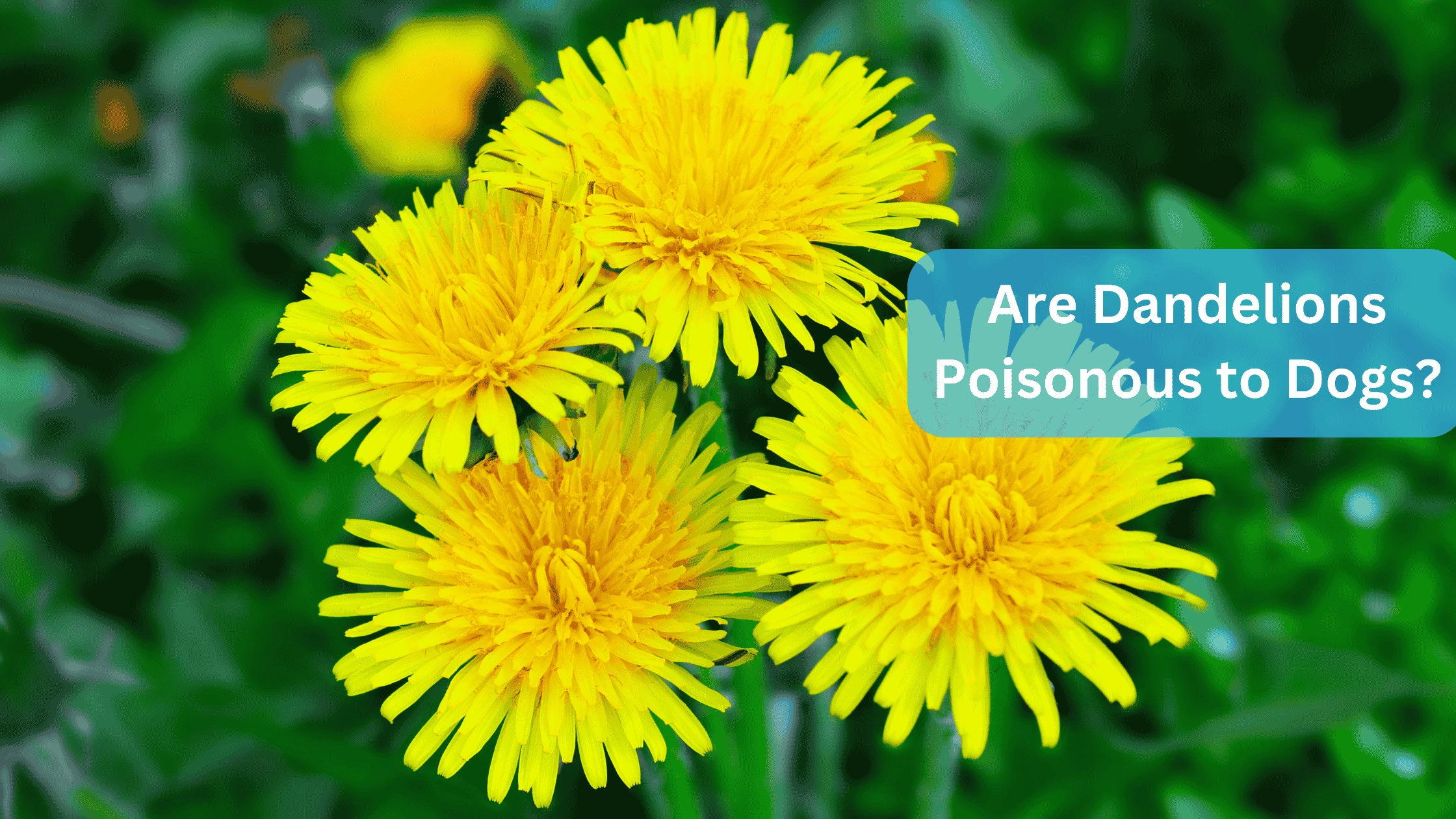
            Are Dandelions Poisonous to Dogs?

            Dandelions are the cheerful yellow flowers that pop up in gardens and lawns, often considered pesky weeds by homeowners.

            However, these vibrant plants are more than just a nuisance; they have a long history of use in herbal medicine and can even be beneficial for our furry friends.

            But the question remains: are dandelions poisonous to dogs? In this article, we’ll explore the safety of dandelions for dogs, their benefits, and what to do if your pup decides to munch on one.

            Why Is My Dog Eating Dandelions?

            Dogs are naturally curious creatures, and many will nibble on grass and flowers during their outdoor adventures. If you’ve noticed your dog eating dandelions, it could be due to several reasons:

            • Curiosity: Dogs often explore their environment with their mouths.
            • Taste: Some dogs may enjoy the slightly bitter flavor of dandelion leaves.
            • Digestive Aid: Dogs may instinctively eat plants like dandelions to help with digestion or to induce vomiting if they feel unwell.

            Are Dandelions Poisonous to Dogs?

            No, dandelions are not poisonous to dogs! All parts of the dandelion plant—the leaves, flowers, and roots—are considered safe for canine consumption.

            In fact, dandelions can provide some health benefits when fed in moderation.

            However, it’s essential to ensure that any dandelions your dog consumes are free from pesticides or herbicides, which can be harmful.

            Types of Dandelion

            • Common Dandelion (Taraxacum officinale): This is the most recognized species, characterized by its bright yellow flowers that turn into fluffy seed heads. It’s commonly found in lawns and gardens.
            • Other Species: While there are various species of dandelion, the common variety is the one most likely encountered by dogs.

            Symptoms of Dandelion Consumption in Dogs

            While dandelions are non-toxic, consuming large amounts may lead to mild gastrointestinal upset. Here are some symptoms to watch for:

            Mild Symptoms:

            • Abdominal discomfort
            • Diarrhea
            • Vomiting
            • Increased urination (due to its diuretic properties)

            If your dog shows any severe symptoms after eating dandelions or if you’re unsure about their health, consult your veterinarian.

            What Happens If My Dog Eats a Dandelion?

            If your dog eats a dandelion:

            1. Stay Calm: Remember that dandelions are generally safe.
            2. Monitor Your Dog: Keep an eye on them for any signs of discomfort or unusual behavior.
            3. Contact Your Vet: If you notice any adverse reactions or if your dog consumes a large quantity, it’s best to consult your veterinarian for advice.

            Treatment Options for Dandelion Consumption

            In most cases, no treatment is necessary for minor consumption of dandelions. However, if your dog experiences gastrointestinal upset:

            • Provide Fresh Water: Ensure they stay hydrated.
            • Monitor Their Diet: Avoid giving them heavy meals until they recover.
            • Consult Your Vet: If symptoms persist or worsen, seek professional help.

            Prevention Strategies for Dog Owners

            To keep your dog safe while allowing them to enjoy the outdoors:

            • Remove Herbicides and Pesticides: Ensure that any dandelions in your yard haven’t been treated with harmful chemicals.
            • Supervise Outdoor Time: Keep an eye on your dog while they’re outside to prevent them from eating too many plants.

            Dog-Friendly Alternatives to Dandelions

            If you’re looking for safe plants for your garden that won’t pose risks to your dog, consider:

            • Basil
            • Parsley
            • Carrots
              These options provide tasty treats without the worry!

            FAQs Section

            What part of the dandelion is poisonous?

            No part of the dandelion plant is considered toxic to dogs.

            Are dandelions poisonous to cats?

            Dandelions are also non-toxic to cats.

            Can dogs eat dandelion puffs?

            Yes! The fluffy seed heads (dandelion puffs) are also safe for dogs but offer no nutritional value.

            Why is my dog obsessed with dandelions?

            Dogs may be attracted to the taste or texture of dandelion leaves and flowers or may simply be curious about their environment.

            Also Read: Is Honeysuckle Poisonous to Dogs?

            Also Read: Are Crocus Poisonous to Dogs?

            Conclusion

            Dandelions are not only safe for dogs but can also provide some health benefits when consumed in moderation.

            By understanding what parts of the plant are safe and ensuring they’re free from chemicals, you can allow your furry friend to enjoy nature without worry.

            Remember to monitor their intake and consult your veterinarian if you have any concerns.


            Sources:

          2. Are Crocus Poisonous to Dogs?

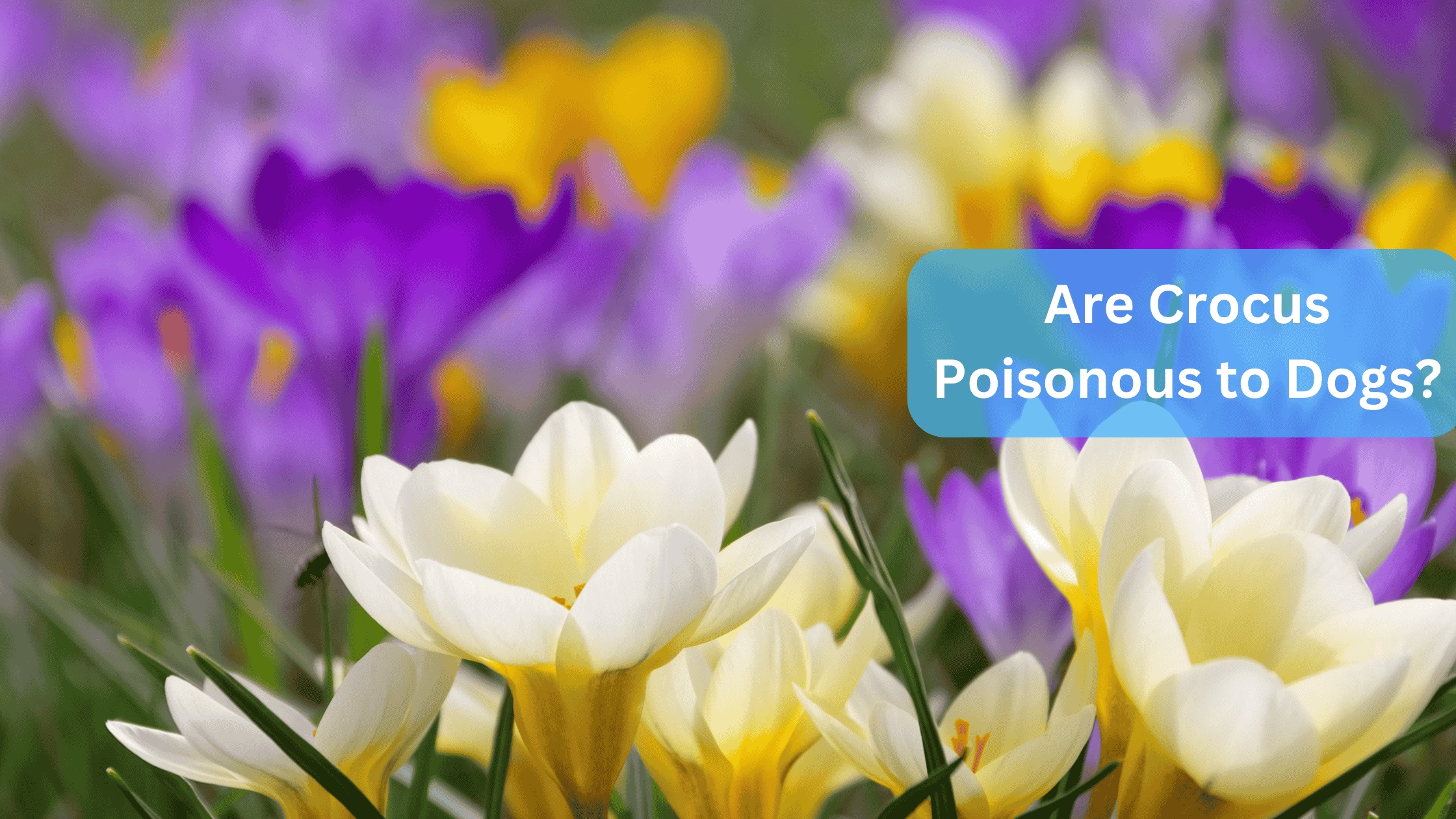
            Are Crocus Poisonous to Dogs?

            Are Crocus Poisonous to Dogs? Crocus plants are beloved for their vibrant blooms that herald the arrival of spring.

            These hardy flowers can brighten up gardens and landscapes, but they also raise important questions for dog owners. Understanding whether crocuses are poisonous to dogs is essential for keeping our furry friends safe.

            In this article, we’ll explore the different types of crocus, their toxicity levels, symptoms of poisoning, and how to prevent potential issues.

            Types of Crocus

            Spring Crocus (Crocus spp.)

            • Description and Characteristics: Spring crocuses are among the first flowers to bloom in spring, showcasing colorful petals that can be purple, yellow, or white. They grow from corms, which are bulb-like structures that store nutrients.
            • Common Environments: You’ll often find spring crocuses in gardens, parks, and naturalized areas where they can thrive in well-drained soil and full sunlight.

            Autumn Crocus (Colchicum autumnale)

            • Description and Characteristics: The autumn crocus is distinct from its spring counterpart. It blooms in the fall and features large, cup-shaped flowers that can be pink or purple. Unlike spring crocuses, autumn crocuses contain highly toxic compounds.
            • Differences Between Spring and Autumn Crocus: While spring crocuses may cause mild gastrointestinal upset, autumn crocuses are significantly more dangerous due to the presence of colchicine, a potent toxin that can lead to severe health issues.

            Are Crocus Poisonous to Dogs?

            Yes, crocuses can be toxic to dogs, but the level of toxicity depends on the type of crocus ingested.

            • Spring Crocus: Generally considered less toxic; ingestion can lead to mild symptoms such as vomiting and diarrhea.
            • Autumn Crocus: Highly toxic; all parts of the plant contain colchicine, which can cause severe symptoms including organ failure and even death.

            Symptoms of Crocus Poisoning in Dogs

            Spring Crocus Poisoning Symptoms in dogs:

            • Mild gastrointestinal upset
            • Vomiting
            • Diarrhea
            • Excessive drooling
            • Lethargy

            These symptoms are typically self-limiting but should not be ignored.

            Autumn Crocus Poisoning Symptoms in dogs:

            • Severe symptoms that require immediate veterinary attention
            • Bloody diarrhea
            • Abdominal pain
            • Difficulty swallowing
            • Seizures
            • Potential organ failure

            If you suspect your dog has ingested autumn crocus, seek veterinary care immediately.

            What Happens If My Dog Eats a Crocus?

            If your dog eats a crocus plant:

            1. Immediate Actions: Remove any remaining plant material from their mouth if possible.
            2. Monitor Symptoms: Keep an eye on your dog for any signs of distress or illness.
            3. Contact a Veterinarian: Always reach out to your vet for advice based on the type of crocus ingested and the symptoms observed.

            How Toxicity Manifests in Dogs

            • Timeline of Symptoms: Symptoms may appear within hours after ingestion but can sometimes take longer to manifest depending on the amount consumed.
            • Factors Influencing Severity: The severity of symptoms can depend on several factors including:
            • The type of crocus ingested (spring vs. autumn)
            • The amount consumed
            • The size and health of your dog

            Treatment Options for Crocus Poisoning in Dogs

            If your dog has ingested a crocus plant:

            • Inducing Vomiting: Your veterinarian may recommend inducing vomiting if ingestion was recent.
            • Administering Activated Charcoal: This may help absorb toxins in the gastrointestinal tract.
            • Supportive Care: Treatments may include intravenous fluids, anti-nausea medications, and monitoring for any complications.

            Prevention Strategies for Dog Owners

            To keep your dog safe from crocuses:

            • Remove Crocuses from Gardens: If you have crocuses growing in your yard, consider removing them entirely.
            • Use Barriers or Fencing: Protect flower beds with fences or barriers to prevent dogs from accessing them.

            Dog-Friendly Alternatives to Crocus

            If you’re looking for non-toxic plants to fill your garden instead of crocuses, consider these options:

            • Daffodils
            • Pansies
            • Marigolds

            These plants are safe for dogs and add beauty to your outdoor space.

            FAQs Section

            Are all types of crocus toxic to dogs?

            Not all types are equally toxic; spring crocus can cause mild symptoms while autumn crocus is highly toxic.

            How can I identify spring vs. autumn crocus?

            Spring crocuses bloom in early spring with smaller flowers; autumn crocuses bloom in fall with larger cup-shaped flowers.

            What should I do if my dog shows symptoms after eating crocus?

            Contact your veterinarian immediately for guidance based on the type of crocus ingested and observed symptoms.


            Also Read: Are Tulips Poisonous to Dogs?

            Also Read: Is Honeysuckle Poisonous to Dogs?

            Conclusion

            Being aware of the potential dangers associated with crocuses is crucial for dog owners who want a safe home and garden environment.

            By understanding which varieties pose risks and taking preventative measures, you can enjoy the beauty of these plants without compromising your pet’s health.


            Sources:

          3. Is Honeysuckle Poisonous to Dogs?

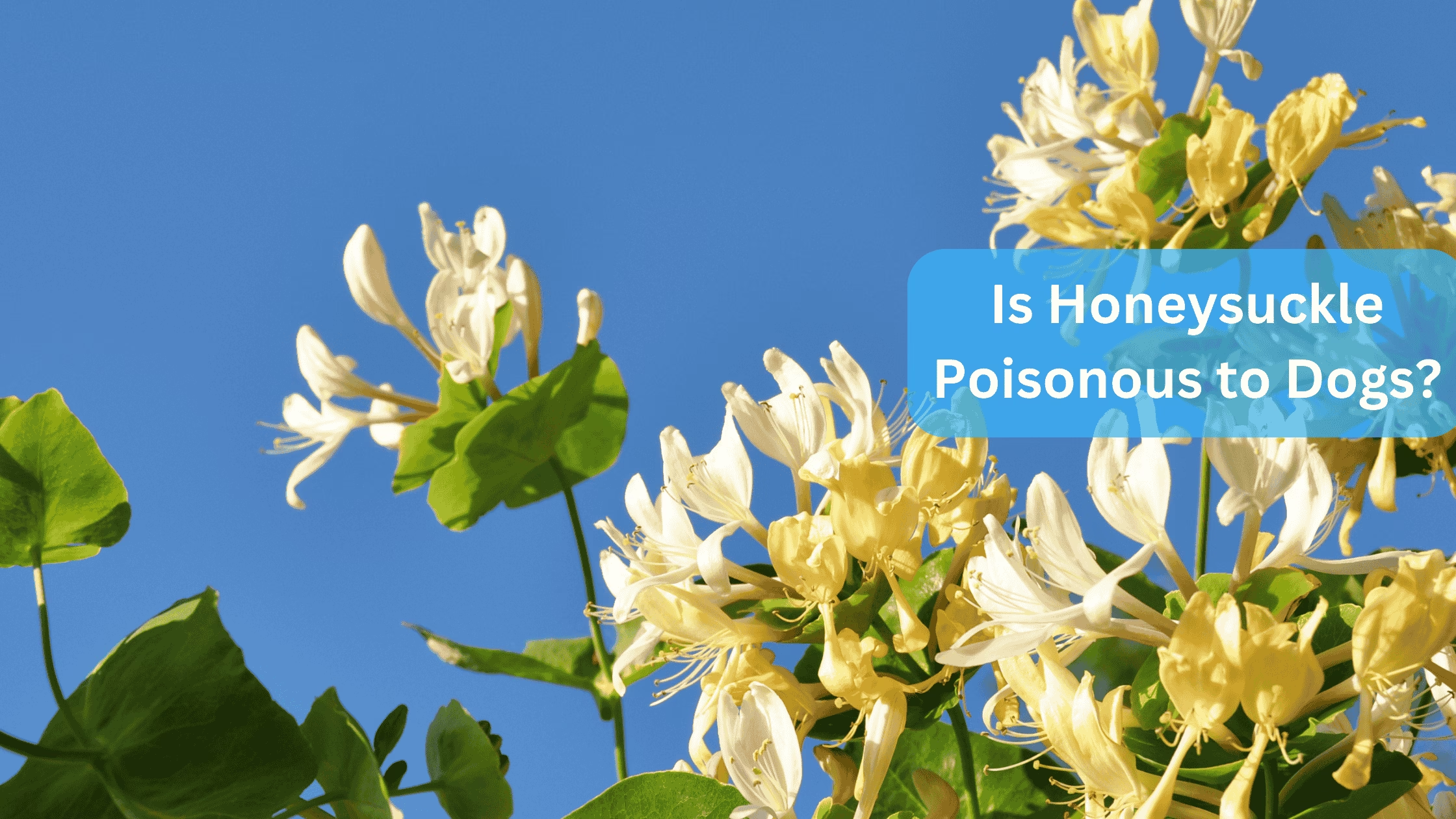
            Is Honeysuckle Poisonous to Dogs?

            Is Honeysuckle Poisonous to Dogs? Honeysuckle is a beautiful and fragrant plant that many gardeners love for its vibrant flowers and sweet scent. However, as with many plants, it’s crucial for dog owners to understand the potential risks associated with honeysuckle. This article will explore whether honeysuckle is poisonous to dogs, what symptoms to watch for if ingestion occurs, and how to keep your furry friends safe.

            What Happens If My Dog Eats Honeysuckle?

            If your dog decides to nibble on honeysuckle, the effects can vary depending on the amount consumed and the specific variety of honeysuckle. While not all honeysuckles are highly toxic, ingestion can lead to gastrointestinal upset.

            Common Symptoms of Honeysuckle Ingestion:

            • Vomiting
            • Diarrhea
            • Excessive drooling
            • Abdominal discomfort or pain
            • Lethargy

            In severe cases, particularly with more toxic varieties, symptoms can escalate to include irregular heartbeat or neurological issues. If you suspect your dog has eaten honeysuckle, it’s essential to monitor them closely for any signs of distress.

            How Poisonous Is Honeysuckle?

            The toxicity of honeysuckle varies by species. Some varieties contain compounds known as cyanogenic glycosides, which can release cyanide in the body and lead to serious health issues. For example:

            Coral Honeysuckle (Lonicera sempervirens): Low toxicity; while it may cause mild symptoms like vomiting or diarrhea, severe reactions are rare.

            Amur Honeysuckle (Lonicera maackii): Highly toxic and can cause severe symptoms like vomiting and seizures.

            Gold Flame Honeysuckle (Lonicera x heckrottii): Generally considered non-toxic but may still cause mild gastrointestinal upset if ingested.

            Is Honeysuckle Toxic to Dogs in the UK?

            In the UK, common varieties such as Lonicera periclymenum (common honeysuckle) and Lonicera japonica (Japanese honeysuckle) can pose risks.

            Both types can lead to gastrointestinal upset if ingested by dogs. Therefore, UK dog owners should remain vigilant around these plants.

            Is Honeysuckle Poisonous to Dogs and Humans?

            Yes, honeysuckle can be toxic to both dogs and humans. For humans, consuming certain parts of the plant may cause mild gastrointestinal discomfort.

            However, dogs are more sensitive to the toxins present in honeysuckle. Symptoms in dogs can range from mild digestive upset to more severe reactions depending on the amount consumed.

            Are Honeysuckles Poisonous to Humans?

            Honeysuckles are not typically poisonous to humans when consumed in moderation; however, some parts of the plant can cause mild stomach upset if eaten in large quantities. The flowers are often used for their nectar in teas or as garnishes but should be approached with caution.

            Is Honeysuckle Safe to Eat

            While some honeysuckles are edible—such as the flowers from certain species—it’s crucial to identify which ones are safe. Always verify the specific type of honeysuckle before consuming any part of it. For dogs, however, it’s best to avoid any honeysuckle altogether due to their sensitivity.

            Is Honeysuckle Toxic to Horses?

            Interestingly, honeysuckle toxicity extends beyond dogs; it can also affect horses. While horses may not show severe symptoms like dogs do, they can experience gastrointestinal upset if they consume significant amounts of honeysuckle.

            Bush Honeysuckle and Dogs

            Bush honeysuckle (Lonicera maackii) is particularly concerning due to its higher toxicity levels compared to other varieties.

            Symptoms of ingestion include vomiting, diarrhea, and lethargy. If you have bush honeysuckle in your yard, it’s best to keep your dog away from it entirely.

            Coral Honeysuckle

            Coral honeysuckle (Lonicera sempervirens) is often regarded as having low toxicity compared to other varieties.

            Mild symptoms like vomiting may occur if ingested; however, severe reactions are rare. It’s wise for pet owners to monitor their dogs around this plant but not panic if a small amount is consumed.

            Which honeysuckle is not poisonous to dogs?

            Non-Toxic Honeysuckle Varieties

            While many honeysuckles can be harmful, some varieties are considered non-toxic but may still cause gastrointestinal upset if consumed in large amounts:

            1. Gold Flame Honeysuckle (Lonicera x heckrottii):

                Description: A vibrant addition with beautiful blooms.

                Effects: Generally safe for dogs but may cause mild digestive issues if overconsumed.

                2. Coral Honeysuckle (Lonicera sempervirens):

                Description: Known for its tubular flowers that attract hummingbirds.

                Effects: Low toxicity; mild symptoms may occur with ingestion.

                3. American Honeysuckle (Lonicera canadensis):

                Description: Features delicate flowers and edible berries.

                Effects: Non-toxic but can cause mild gastrointestinal discomfort if eaten excessively.

                What to Do If My Dog Eats Honeysuckle

                If you suspect your dog has eaten honeysuckle:

                1. Remove any remaining plant material from their mouth.
                2. Offer water to help rinse out any leftover bits.
                3. Contact your veterinarian immediately for guidance.
                4. Monitor symptoms closely, especially if they show signs of distress.

                Time is of the essence when dealing with potential toxins!

                FAQs Section

                What are the signs of honeysuckle poisoning in dogs?

                Signs include vomiting, diarrhea, excessive drooling, and lethargy. In severe cases, watch for irregular heartbeat or coma.

                How can I keep my dog safe around honeysuckles?

                Supervise outdoor time and consider fencing off areas with honeysuckles or removing them entirely from your garden.

                Are there any treatments for honeysuckle poisoning?

                Immediate veterinary attention is crucial if you suspect poisoning; they may induce vomiting or provide supportive care based on your dog’s condition.

                Also Read: Are Tulips Poisonous to Dogs?

                Also Read: Are Conkers Poisonous to Dogs?

                Conclusion

                Being aware of the potential dangers associated with honeysuckles is crucial for dog owners who want a safe home and garden environment. By understanding which varieties pose risks and taking preventative measures, you can enjoy the beauty of these plants without compromising your pet’s health.


                Sources: