Category: Dog Health

  • Are Orchids Poisonous to Dogs?

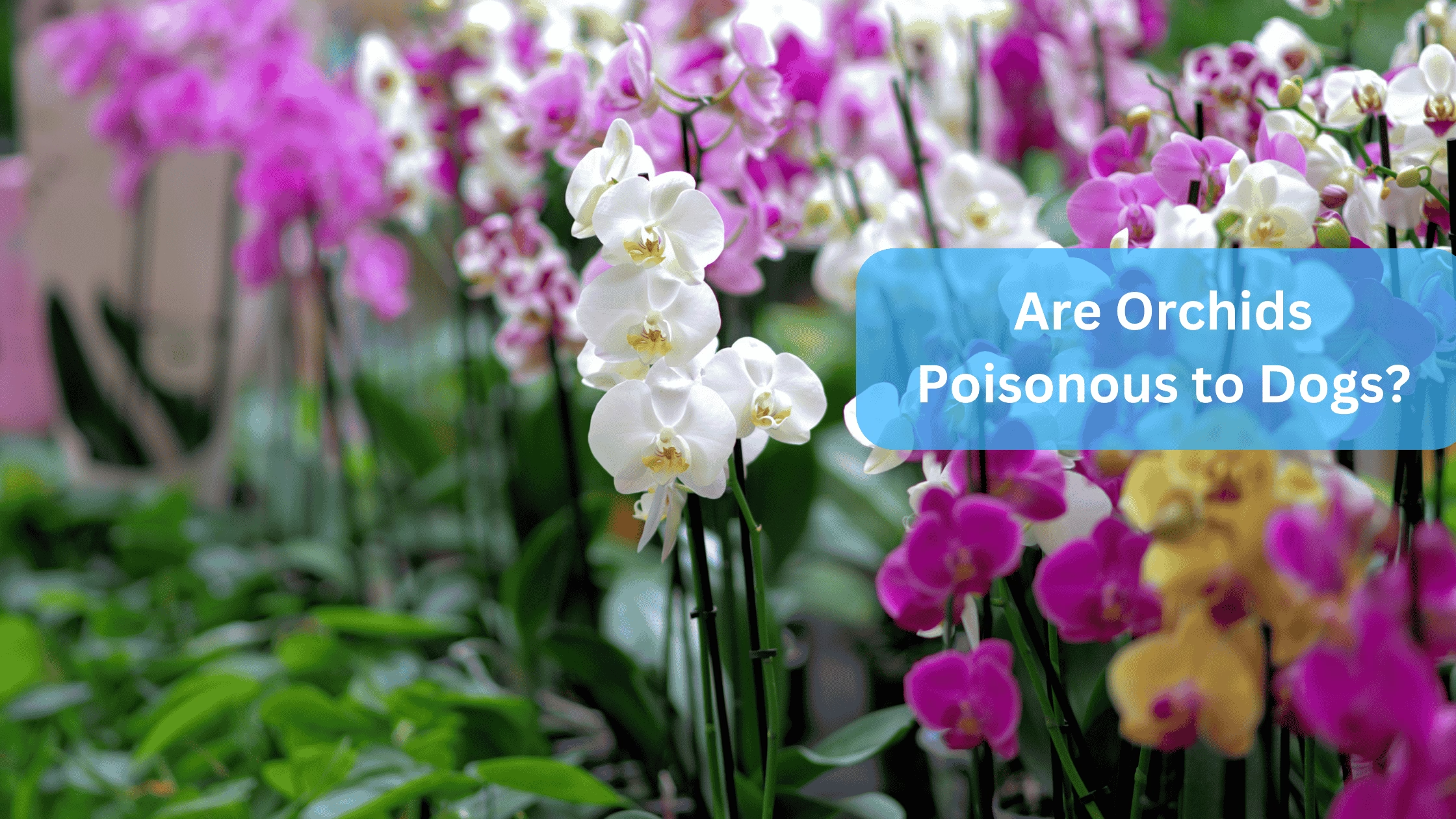
    Are Orchids Poisonous to Dogs?

    If you’re a dog owner contemplating the beauty of orchids in your home or garden, you might be wondering, “Are orchids poisonous to dogs?” 🌸 Well, you’re in the right place! This guide will take you through everything you need to know about the safety of orchids for your canine companions.

    What Are Orchids?

    Orchids are a diverse group of flowering plants that come in a dazzling array of shapes, sizes, and colors. These exotic beauties can brighten any space and add a touch of elegance. But behind their stunning appearances, it’s vital to understand their potential risks to our furry friends.

    Why Pet Owners Should Be Concerned About Orchids and Dogs

    Dogs are naturally curious creatures who love to explore their environments by sniffing (and sometimes tasting) everything in sight. This curiosity can lead to trouble if they encounter plants that could harm them. As a responsible pet parent, knowing which plants are safe or toxic is crucial!

    Are Orchids Poisonous to Dogs?

    Explanation of Orchid Toxicity

    Good news! Generally speaking, most orchids are not considered toxic to dogs. This means that if your pup takes a curious nibble, he likely won’t face dire consequences. However, while many orchid varieties are safe, it’s always best to keep an eye on your dog’s behavior around plants.

    Common Misconceptions About Orchids and Dogs

    Some people may assume that all flowering plants are dangerous for pets. While it’s true that many popular houseplants can be toxic, orchids are typically not on that list. Keep in mind, though, that every dog is different, and what might be harmless for one could still upset another’s tummy!

    Specific Orchid Types and Their Effects on Dogs

    Most common orchids, such as Phalaenopsis and Dendrobium, are generally safe for dogs. However, it’s always wise to be aware of specific types that may have varying effects.

    For instance, lady’s slipper orchids (Cypripedium spp.) are known to cause mild skin irritation in humans, so the same may be true for dogs. If your dog tends to have sensitive skin, it might be best to keep them away from these particular orchids.

    It’s important to remember that while many orchids are safe, every dog is unique, and individual reactions can vary.

    Always keep a watchful eye on your pup when they’re around new plants, and consult your veterinarian if you have any concerns. If you have any additional changes or further requests, feel free to ask!

    Are Phalaenopsis Orchids Poisonous to Dogs?

    Overview of Phalaenopsis Orchids

    Phalaenopsis orchids, also known as moth orchids, are among the most popular types of orchids due to their stunning blooms and relatively easy care.

    Effects on Dogs if Ingested

    If your dog decides to munch on a Phalaenopsis orchid, there’s no need to panic. They are considered non-toxic and should not cause serious harm. However, some dogs may experience mild gastrointestinal upset, like vomiting or diarrhea.

    Comparisons with Other Orchid Types

    Most orchids that you encounter, including Phalaenopsis, are safe for dogs, but the key is to monitor what your dog eats. Stick to known safe varieties to reduce any risks.

    Signs of Orchid Poisoning in Dogs

    Symptoms to Watch For

    While orchids are generally non-toxic, it’s important to be vigilant. If your dog has eaten a substantial amount of any plant material, watch for symptoms like:

    • Vomiting
    • Diarrhea
    • Lethargy
    • Loss of appetite

    Severity of Symptoms and When to Seek Help

    If your dog shows any concerning symptoms after eating an orchid, it’s best to consult your veterinarian. Even if orchids are typically safe, it’s always better to be safe than sorry!

    Which Parts of Orchids Are Toxic to Dogs?

    Toxicity of Orchid Leaves to Dogs

    Most orchid leaves are non-toxic, but some dogs may have sensitivity to certain plants. It’s always a good practice to discourage your dog from chewing on any plant leaves, just to be on the safe side.

    Toxicity of Orchid Flowers to Dogs

    Orchid flowers are generally non-toxic to dogs. They are beautiful, but it’s best to keep them out of reach to prevent any potentially mischievous nibbling!

    Toxicity of Orchid Stems and Roots to Dogs

    Just like the leaves and flowers, the stems and roots of orchids are typically safe for dogs. However, ingestion of large amounts can still lead to gastrointestinal upset.

    Understanding How Orchids Affect Dogs

    Explanation of Toxic Compounds in Orchids

    While most common orchids do not contain harmful toxins for dogs, it’s essential to know that every plant can affect pets differently. Orchids might contain mild irritants that could upset some dogs’ stomachs, but they are not known for serious toxicity.

    How These Compounds Specifically Impact Dogs

    Ingestion of small amounts usually results in mild symptoms; however, if a large quantity is consumed or if the plant type is uncertain, it’s wise to contact a vet.

    Are Orchids Poisonous to Cats and Dogs?

    Discussion of Cross-Pet Toxicity

    While many orchids are safe for dogs, the same applies to cats. Most orchids are non-toxic to both species, but if you have multiple pets, it’s always a good idea to ensure they don’t share the same curious habits!

    Risks for Cats in Relation to Dogs

    There are no known severe risks associated with orchids for either dogs or cats, making them a more pet-friendly option compared to other common houseplants.

    What to Do If Your Dog Ingests Orchids

    Initial Steps to Take If Ingestion Occurs

    If you suspect that your dog has eaten an orchid, don’t panic! Start by evaluating the situation. If they only licked a petal, they’re likely fine.

    Importance of Contacting a Veterinarian

    If your dog shows any signs of distress or has consumed a significant amount of plant material, contacting your veterinarian is essential. They can provide guidance tailored to your dog’s situation.

    Potential Treatments and Outcomes for Dogs

    Treatment often includes monitoring your dog’s condition and, in some cases, providing supportive care. Most dogs recover well, especially when treated promptly and appropriately.

    Preventing Orchid Poisoning in Dogs

    Keeping Dogs Away from Orchids

    To avoid any potential mishaps, place your orchids out of reach of your furry friends. High shelves or hanging planters are great options for orchid display!

    Tips for Dog-Proofing Your Home and Garden

    Here are a few tips:

    • Use barriers or baby gates.
    • Provide designated dog-safe areas in your garden.
    • Regularly supervise your dog when they’re outdoors.

    Educating Family and Visitors About the Risks

    Make sure everyone in your household—and your guests—understands which plants are safe for dogs and which are not. Sharing knowledge is a simple way to keep your pup safe!

    Safe Plant Alternatives for Dog Owners

    Non-Toxic Plants and Flowers Suitable for Dogs

    If you love flowers but want to keep your dog safe, consider these non-toxic options:

    • Marigolds
    • Sunflowers
    • Snapdragons

    Recommendations for Creating a Dog-Friendly Indoor and Outdoor Space

    Creating a pet-friendly environment doesn’t mean sacrificing beauty! Choose plants that are both stunning and safe for your four-legged friend.

    Frequently Asked Questions About Orchids and Dogs

    Are Orchids Poisonous to Dogs?

    No, most orchids are non-toxic to dogs.

    Are Orchids Poisonous to Cats and Dogs?

    Most orchids are safe for both cats and dogs.

    How Much Orchid Ingestion Is Considered Dangerous for Dogs?

    In general, orchids are not considered dangerous, but significant ingestion may cause mild symptoms.

    What Should I Do If I’m Unsure If My Dog Ate Orchids?

    If you’re uncertain, it’s best to consult a veterinarian for advice.

    Can Orchids Lead to Long-Term Health Issues for Dogs?

    Typically, no. Most dogs recover without lasting effects, but prompt veterinary care is advisable.

    Are There Any Safe Orchid Varieties for Homes with Dogs?

    Most common orchids are safe, but it’s always good to check the specific variety.

    Also Read: Can My Dog Eat Popcorn? The Best Guide for Pet Owners.

    Also Read: Are Hydrangeas Poisonous to Dogs?

    Conclusion

    While orchids can make a fantastic addition to your home, they are generally safe for dogs. Nonetheless, vigilance is key—monitor your dog’s interactions with plants.

    Remember, keeping your dog safe is a top priority! By educating yourself and others about potential plant hazards, you can enjoy a beautiful, pet-friendly home. With a bit of planning, you can have stunning orchids around—just keep them out of your pup’s reach! 🌱🐾


    Sources:
  • Are Hydrangeas Poisonous to Dogs?

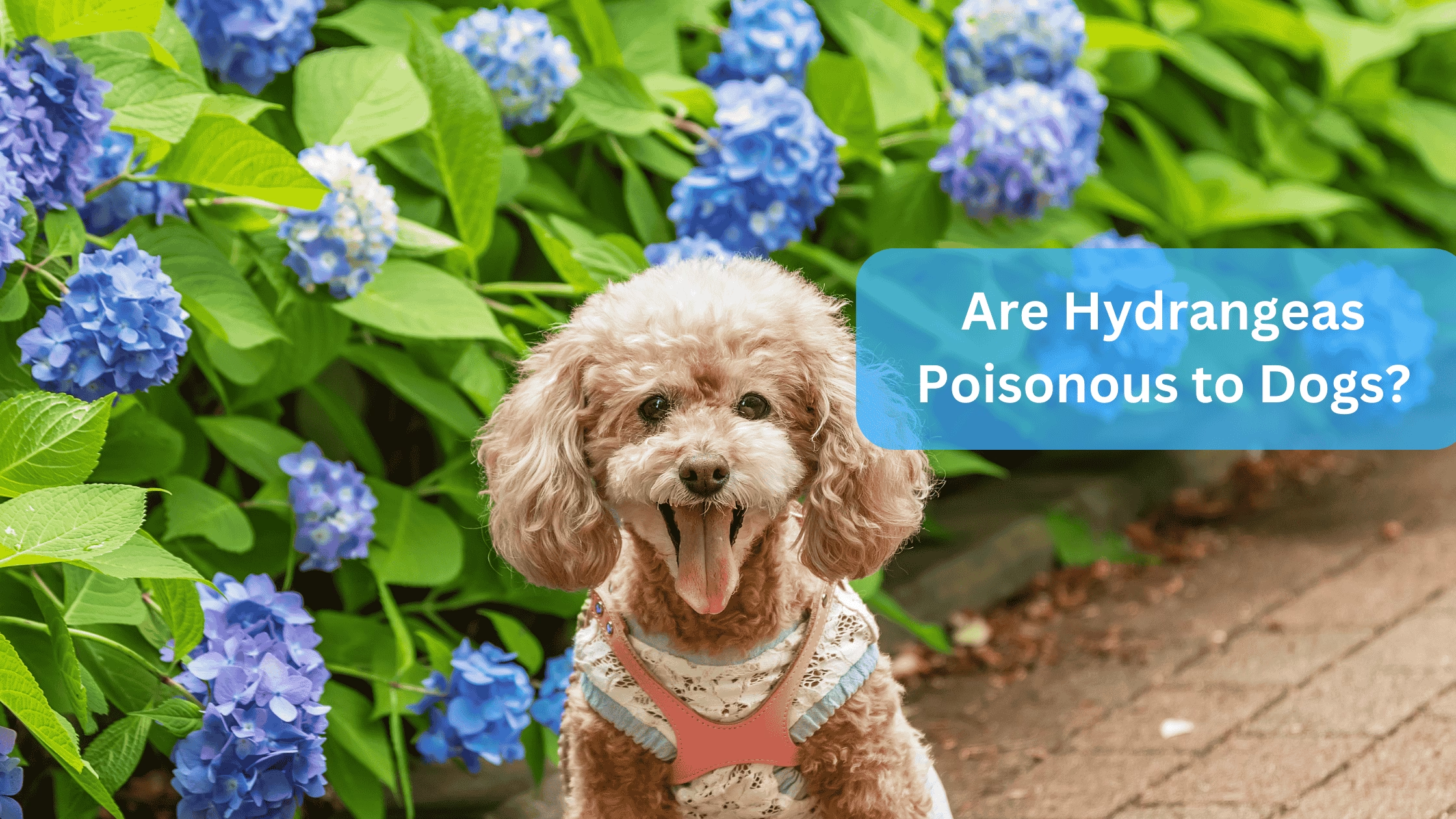
    Are Hydrangeas Poisonous to Dogs?

    Are Hydrangeas Poisonous to Dogs? – As a loving dog owner, you might already be aware of common household hazards—chocolate, grapes, and onions are among the most notorious no-nos. But how about hydrangeas? 🌸 While beautiful in bloom, these vibrant shrubs may not be as harmless as they seem when it comes to our canine companions. Let’s dig into the question: Are hydrangeas poisonous to dogs?

    What Are Hydrangeas?

    Hydrangeas are popular ornamental shrubs known for their stunning clusters of flowers and lush green foliage. They thrive in gardens and landscapes, offering a splash of color from spring through fall. However, their beauty can come with hidden dangers for our pets.

    Why Pet Owners Should Be Concerned About Hydrangeas and Dogs

    Pet parents need to be vigilant about the plants in their homes and yards. Dogs are naturally curious creatures, and that curiosity can lead them to nibble on anything from grass to flowers.

    Unfortunately, while hydrangeas may enhance your garden’s aesthetic appeal, they can pose serious risks to our furry friends.

    Are Hydrangeas Poisonous to Dogs?

    Explanation of Hydrangea Toxicity

    Yes, hydrangeas are considered toxic to dogs. The leaves, flowers, and stems contain substances harmful to our pups. Hydrangeas contain cyanogenic glycosides, which can convert to cyanide when ingested. As the name suggests, cyanide is no laughing matter—it’s a potent toxin!

    Common Misconceptions About Hydrangeas and Dogs

    Some pet owners might think, “My dog has eaten a few leaves before, and he was fine.” Just because a dog doesn’t show immediate effects doesn’t mean it’s safe. The level of toxicity can vary based on the amount ingested and the individual dog’s sensitivity. It’s better to be safe than sorry!

    Signs of Hydrangea Poisoning in Dogs

    Symptoms to Watch For

    If your dog has managed to munch on some hydrangeas, keep an eye out for symptoms, including:

    • Vomiting
    • Diarrhea
    • Lethargy
    • Loss of appetite
    • Stomach pain

    Severity of Symptoms and When to Seek Help

    If you notice any of these signs after your dog has nibbled on hydrangeas, it’s time to call your vet. The severity of symptoms can vary depending on several factors, including the amount consumed and the dog’s overall health.

    Which Parts of Hydrangeas Are Toxic to Dogs?

    Toxicity of Hydrangea Leaves to Dogs

    The leaves of hydrangeas are toxic and can cause gastrointestinal distress if ingested. Just think of them as the “green villains” in your garden!

    Toxicity of Hydrangea Flowers to Dogs

    The flowers, while lovely to look at, also contain harmful compounds. If your pup decides to engage in a flower-tasting session, you might find yourself at the vet’s office.

    Toxicity of Hydrangea Stems and Seeds to Dogs

    Don’t let the stems and seeds fool you; they’re equally dangerous. All parts of the hydrangea plant have the potential to harm your dog.

    Understanding How Hydrangeas Affect Dogs

    Explanation of Cyanogenic Glycosides

    Cyanogenic glycosides are chemical compounds found in some plants, including hydrangeas. When ingested, they can release cyanide, which affects cellular respiration and can lead to serious health issues.

    How These Compounds Specifically Impact Dogs

    In dogs, ingestion of cyanogenic glycosides can disrupt oxygen delivery in the body. This can lead to symptoms such as difficulty breathing, increased heart rate, and, in severe cases, even death. Yikes! So, keeping hydrangeas out of reach is a smart move.

    How Poisonous Are Hydrangeas to Dogs?

    The toxicity of hydrangeas can vary, but it’s wise to treat them as potentially dangerous. Even a small amount can cause gastrointestinal upset, while larger amounts could lead to serious health complications. The bottom line? Hydrangeas and dogs do not mix well!

    Are Dried Hydrangeas Poisonous to Dogs?

    Analysis of Toxicity in Dried Versus Fresh Hydrangeas

    Dried hydrangeas still contain some of the same toxic compounds as their fresh counterparts. While the concentration may decrease over time, it’s best to avoid letting your dog chew on dried bouquets or arrangements. Remember, just because they look decorative doesn’t mean they’re safe!

    What to Do If Your Dog Ingests Hydrangeas

    Initial Steps to Take If Ingestion Occurs

    If you suspect your dog has eaten hydrangeas, don’t panic. Remove any remaining plant material if it’s safe to do so, and keep an eye on your pup.

    Importance of Contacting a Veterinarian

    It’s crucial to contact your veterinarian immediately. They can advise you on the best course of action and whether your dog requires treatment.

    Potential Treatments and Outcomes for Dogs

    Treatment may include inducing vomiting, administering activated charcoal, or providing supportive care like IV fluids, depending on the severity of ingestion. The sooner you act, the better the outcome for your furry friend!

    Preventing Hydrangea Poisoning in Dogs

    Keeping Dogs Away from Hydrangeas

    The best prevention is to keep hydrangeas out of reach! If you have them in your yard, consider fencing them off or planting them in an area that’s inaccessible to your dog.

    Tips for Dog-Proofing Your Garden

    • Choose non-toxic plants that are safe for dogs.
    • Regularly inspect your garden for any new hazards.
    • Teach your dog the “leave it” command to discourage them from nosing around potentially harmful plants.

    Educating Family and Visitors About the Risks

    Make sure everyone in your household and your guests are aware of the dangers hydrangeas pose to dogs. Awareness is the first step in prevention!

    Safe Garden Alternatives for Dog Owners

    Non-Toxic Plants and Flowers Suitable for Dogs

    Consider planting dog-friendly alternatives like:

    • Marigolds
    • Sunflowers
    • Snapdragons
      These beautiful options won’t harm your pup while still brightening your garden!

    Recommendations for Creating a Dog-Friendly Outdoor Space

    Design your garden with your dog in mind. Provide plenty of space for them to run, play, and explore safely without the risk of encountering toxic plants.

    Frequently Asked Questions About Hydrangeas and Dogs

    Can All Types of Hydrangeas Be Toxic to Dogs?

    Yes, all types of hydrangeas are considered toxic, but the degree of toxicity can vary between species.

    How Much Hydrangea Ingestion Is Considered Dangerous for Dogs?

    Even small amounts can be harmful, but symptoms may depend on the specific dog and amount ingested.

    Are There Any Hydrangea Varieties That Are Safe for Dogs?

    Unfortunately, there are no hydrangea varieties that are considered safe for dogs. It’s best to avoid them altogether.

    What Should I Do If I’m Unsure If My Dog Ate Hydrangeas?

    If you’re unsure whether your dog has ingested hydrangeas, it’s better to be cautious and consult your veterinarian.

    Can Hydrangeas Lead to Long-Term Health Issues for Dogs?

    After exposure to hydrangeas, most dogs recover well with prompt treatment. However, severe cases can lead to more serious health complications, so immediate veterinary attention is crucial.

    Also Read: Can My Dog Eat Popcorn? The Best Guide for Pet Owners.

    Also Read: Can Dogs Eat Quinoa? Is it Safe for your Dog?

    Conclusion

    Hydrangeas may be lovely to look at, but they can be toxic to our beloved dogs. Always keep these plants out of reach and be aware of the symptoms of poisoning.

    As responsible pet owners, it’s our job to ensure our dogs stay safe and healthy. By understanding the risks associated with hydrangeas and taking preventive measures, you can protect your furry friend while enjoying a beautiful garden. Remember, a safe dog is a happy dog! 🐾💚


    Sources:

  • How to Prevent IVDD in Dogs: A Comprehensive Guide

    How to Prevent IVDD in Dogs: A Comprehensive Guide

    How to Prevent IVDD in Dogs? Is your furry friend bouncing around like a pogo stick? 🐶💥 That’s great! But if your pup is a breed prone to Intervertebral Disc Disease (IVDD), a little caution can go a long way in keeping them happy and healthy.

    In this guide, we’ll explore effective strategies to prevent IVDD in dogs, supported by statistics, expert advice, and actionable tips that’ll have you barking up the right tree.

    What is IVDD and Why Should You Care?

    Intervertebral Disc Disease (IVDD) occurs when the discs between the vertebrae of the spine degenerate or herniate, causing pain, nerve damage, and even paralysis.

    Certain breeds, particularly Dachshunds, Beagles, and Cocker Spaniels, are more prone to this condition.

    In fact, studies show that nearly 25% of Dachshunds will experience some form of IVDD in their lifetime.

    Knowing how to prevent IVDD can save your pup from unnecessary suffering and expensive veterinary bills.

    Identifying Risk Factors: Is Your Dog at Risk?

    Before diving into prevention strategies, it’s essential to know if your dog is at risk. Here are key factors to consider:

    • Breed: Certain breeds, especially those with long backs and short legs, are more susceptible.
    • Weight: Overweight dogs are at a 30% higher risk for spinal problems.
    • Age: Older dogs (typically over 5 years) tend to experience disc degeneration.
    • Activity Level: Dogs that lead a sedentary lifestyle may be more vulnerable.

    How to Prevent IVDD in Dogs – Lifestyle Changes: Keeping Your Pup Healthy and Happy

    1. Maintain a Healthy Weight

    Keeping your dog at a healthy weight is crucial in preventing IVDD. Extra pounds can put additional strain on your dog’s spine. Studies indicate that weight management can decrease the risk of IVDD by up to 15%. A balanced diet and regular exercise will help keep them fit and prevent obesity-related issues.

    • Tip: Consult with your vet for specific dietary recommendations and exercise routines tailored to your dog’s breed and age.

    2. Safe Exercise Practices

    Exercise is vital, but it should be done safely. Here’s how to keep your dog moving without risking injury:

    • Avoid High-Impact Activities: Jumping from heights (think furniture) can stress your dog’s back. Use ramps for easier access to your car or bed.
    • Schedule Regular Walks: Keep walks consistent but moderate. Aim for at least 30 minutes of walking daily to strengthen muscles without overexertion.
    • Play it Safe: Engage in low-impact games. For example, fetch on soft ground, avoiding hard surfaces to minimize impact. Consider activities like swimming or structured playdates, which allow for gentle, supervised interaction.

    3. Provide a Comfortable Living Space

    Create a comfortable environment to support your dog’s spine health:

    • Ergonomic Bedding: Invest in a supportive dog bed to help alleviate pressure on joints and spines. Look for beds with orthopedic memory foam.
    • Limit Stairs: If possible, reduce your dog’s need to climb stairs; use baby gates to limit access to upper levels. This can greatly reduce the risk of injury.

    Nutritional Guidance: Feed for Spinal Health

    Diet plays a significant role in your dog’s overall health, including spinal health. Including certain nutrients can support their bones and joints:

    • Omega-3 Fatty Acids: Found in fish oil, these can reduce inflammation and support joint health.
    • Glucosamine and Chondroitin: These supplements are often recommended to promote cartilage health and cushioning in joints; however, always consult your vet before starting any new supplements.
    • Antioxidant-Rich Foods: Incorporating fruits and vegetables like blueberries and carrots can help combat oxidative stress on the spine.

    Regular Vet Check-Ups: The Power of Prevention

    Routine veterinary visits are essential for catching potential issues early. Regular check-ups allow your vet to monitor your dog’s spine health and adjust their care as needed.

    According to experts, early detection and treatment are crucial and can improve outcomes significantly.

    Vaccinations, check-ups, and weight management consultations can help you stay ahead of potential problems.

    Educating Yourself: Understanding the Signs of IVDD

    Being aware of the signs of IVDD can help you act quickly if needed:

    • Signs of Pain: Watch for whining, reluctance to move, or changes in behavior.
    • Mobility Issues: Difficulty walking or standing could indicate a problem.
    • Posture Changes: Hunched back or dragging legs can be a sign of spinal distress.

    What to Do If You Suspect IVDD?

    If your dog exhibits any of these symptoms, it’s vital to consult your vet immediately. According to Dr. Jessica McClure, a veterinary neurologist, “Early intervention can be critical in preventing further damage and ensuring the best possible outcome.” Quick action can make all the difference in your pet’s health.

    Frequently Asked Questions

    How can I help my dog recover from IVDD?

    If your dog has already been diagnosed with IVDD, follow your veterinarian’s guidelines for recovery. This may include rest, pain management, physical therapy, and possibly surgical options.

    Are certain activities more likely to cause IVDD?

    Yes! Activities that involve sudden or intense bursts of movement, jumping, or rough play can exacerbate the risk of IVDD. Opt for more controlled and gentle forms of exercise.

    Can supplements help prevent IVDD?

    Certain nutritional supplements, like glucosamine and omega-3 fatty acids, may support joint health and mobility. Always discuss with your vet before starting any new supplements.

    Also Read: Can Dogs See in the Dark? The Ultimate Guide

    Also Read: How to Potty Train a Puppy in an Apartment? Best Guide

    Conclusion: Keep Tails Wagging!

    Preventing IVDD in dogs is all about proactive care, regular vet visits, and maintaining a healthy lifestyle.

    While you can’t control every risk factor, you can arm yourself with knowledge and take steps to protect your furry friend.

    Remember, a little prevention goes a long way, and your pup will thank you with a wagging tail and happy barks! 🐕❤️

    If you found this guide helpful, don’t forget to share it with fellow dog lovers. Together, we can help keep our canine companions safe and sound!


    Sources:

  • Can Dogs See in the Dark? The Ultimate Guide

    Can Dogs See in the Dark? The Ultimate Guide

    Can Dogs See in the Dark? Have you ever looked at your dog lounging on the couch, chewing their favorite toy, and wondered, “Can you see in the dark like a superhero?” While your pup may not have x-ray vision, they definitely possess some impressive skills for navigating the night. In this comprehensive guide, we’ll explore everything you need to know about canine vision, especially their ability to see in low-light conditions. From understanding their anatomy to practical tips for helping them see better in the dark, let’s embark on this illuminating journey together!

    Can Dogs See in the Dark? The Basics Explained

    Understanding the Basics: What Does “Seeing in the Dark” Mean?

    Seeing in the dark isn’t just about having perfect vision when the lights go out. It involves the ability to perceive shapes, movements, and varying degrees of light in low-light conditions. So, can dogs see in the dark? Yes, but let’s delve into how they achieve this before making any final judgments!

    Despite being able to navigate in dim conditions, dogs don’t have night vision in the same way that some animals do. They benefit from adaptations that allow them to see better than humans in low light, but they still require some form of ambient light to function effectively.

    Dogs’ Visual Anatomy: The Magic Within

    To truly grasp how dogs perceive their surroundings, we must first explore their unique visual anatomy. One fascinating feature of a dog’s eye is the tapetum lucidum. This specialized layer of reflective cells sits behind the retina and significantly enhances a dog’s ability to see in low-light conditions by reflecting light that passes through the retina back into their eyes. Think of it as nature’s little flashlight that gives dogs a second chance to capture available light! This evolutionary adaptation is crucial for their hunting ancestors, allowing them to spot potential prey during twilight hours.

    Comparing Canine and Human Vision: Who Does It Better in the Dark?

    Let’s compare how dogs and humans stack up against each other in terms of vision under low-light conditions. Humans have approximately 120 million rod cells (which are responsible for light detection) and 6 million cone cells (which detect color). In contrast, dogs boast around 230 million rod cells and only about 6,000 cone cells. This means dogs are remarkably better at detecting motion and recognizing shapes in low-light conditions compared to humans.

    While humans may be better at distinguishing between colors and fine details in bright light, dogs excel in detecting movement and are far more adept at seeing in the dark.

    How Well Can Dogs See in the Dark?

    The Science Behind Canine Night Vision

    Dogs may not see perfectly in the dark, but their night vision is significantly superior to that of humans. Studies indicate that dogs can see adequately in light levels that are about 1/5th of what humans require to see clearly. This impressive ability is primarily attributed to their high rod cell count and the presence of the tapetum lucidum.

    Furthermore, dogs can detect movements at much lower light levels than humans, allowing them to notice a flicker or rustle much faster. So, if you’re in a dimly lit room, don’t be surprised if your dog spots that sneaky mouse scurrying across the floor while you’re still adjusting your eyes!

    Myths vs. Reality: Can Dogs Really See in the Dark?

    Now, let’s set the record straight by addressing some common myths. One prevalent misconception is that dogs can see perfectly in complete darkness. The truth is, while dogs excel in low-light settings, they still need some ambient light to navigate effectively. Light from the moon, streetlights, or even the faintest glow can aid them significantly in detecting their surroundings.

    It’s worth noting that dogs rely heavily on their acute sense of smell and sharp hearing to compensate for their visual limitations in darkness. This means that while they may not see perfectly, they certainly have other tricks up their sleeves!

    The Role of Color in Canine Vision: What Colors Can Dogs See in the Dark?

    Understanding Canine Color Perception

    Humans enjoy a vibrant color palette thanks to our substantial number of cone cells, which allow us to perceive a wide spectrum of colors. In contrast, dogs experience the world quite differently. For the most part, dogs are color-blind in a specific sense; they primarily perceive shades of blue and yellow. Colors such as red and green appear grayish or muted to them.

    This limited color vision is due to the fewer cone cells in their eyes, which are responsible for color detection. Interestingly, this doesn’t hinder their ability to see well at night. Instead, dogs focus more on brightness and movement rather than color.

    The Impact of Light on Color Visibility

    In low-light situations, dogs’ ability to differentiate colors diminishes even further. As light levels drop, the contrast between colors fades, making it more challenging for dogs to perceive hues. So, when you’re tossing a blue ball during twilight, your dog might not be focusing on its color. Instead, they are attuned to the ball’s motion and shape, using their superior rod cells to track it more effectively.

    This doesn’t mean that colors are irrelevant to dogs during daylight hours. They can still recognize and respond to colors, but their perception is far less vibrant compared to humans. For dogs, visual signals are more about movement and intensity than about nuanced colors.

    How Do Dogs Navigate Their Environment at Night?

    Outdoor Adventures: Can Dogs See Outside at Night?

    When it comes to outdoor nighttime adventures, dogs have a significant advantage. Natural light sources like moonlight and starlight enhance their night vision. These ambient light sources make it much easier for dogs to navigate and explore their surroundings.

    Moreover, dogs are adept at navigating familiar environments under these conditions. Their keen sense of smell and excellent hearing work in tandem with their vision to help them identify objects and movements in the dark. For example, if a neighbor’s cat crosses their path, your dog may not only see the movement but also detect its scent, allowing for a more comprehensive understanding of their environment.

    Indoor Challenges: The Difficulty of Seeing Indoors

    Indoors, however, the scenario changes dramatically. Without sufficient ambient light, dogs may struggle more than they would outside. Homes often lack the natural light sources that exist outdoors, which can impede a dog’s ability to see effectively.

    In these situations, dogs rely heavily on their other senses—primarily their acute sense of smell and sharp hearing—to identify their surroundings. If you’ve ever noticed your dog navigating around furniture in the dark, they are likely using their sense of smell to locate familiar scents while keeping their ears perked up for any sounds that may indicate changes in their environment.

    Can Dogs See in the Dark Like Cats? An Feline Face-off

    While both dogs and cats possess adaptations that help them see in low light, cats take the crown in this department. Cats have a higher number of rod cells and a more effective tapetum lucidum, allowing them to see in even lower light conditions than dogs.

    This superiority highlights a fascinating evolutionary adaptation. Cats are predominantly solitary hunters, adapted to hunting during dawn and dusk, where vision is crucial. Dogs, on the other hand, have evolved more as social animals, utilizing both their vision and their other senses to interact with their environment and pack.

    So, while your dog might enjoy being a nocturnal explorer, always remember: their feline friends might just be the ultimate night vision champions!

    Practical Tips for Helping Your Dog See Better at Night

    Enhancing Your Dog’s Night Vision

    Now that we understand how dogs see in the dark, let’s talk about how to help them make the most of it!

    1. Provide Adequate Lighting: If your dog spends a lot of time outside at night, consider installing motion-activated lights around your yard. This additional illumination can help enhance their ability to spot objects and navigate their surroundings safely.
    2. Regular Nighttime Walks: Take your dog on regular nighttime strolls to help them familiarize themselves with the environment. The more they know their territory, the more confident they’ll be when exploring at night.
    3. Use Reflective Gear: Equip your dog with reflective collars, leashes, or vests. Not only do these keep your dog visible to you, but they also improve visibility for your dog under available light.
    4. Create Safe Spaces: Ensure that your home is well-lit and clutter-free to minimize hazards when your dog is navigating in the dark. A clean, obstacle-free environment will keep your pup safe and confident.

    How Far Can Dogs See in the Dark?

    Let’s address the distance aspect. While dogs can detect movements and shapes in the dark, their effective range diminishes with distance. Generally speaking, dogs can see well up to 20 feet away in minimal light conditions. However, the further away an object is, the less detail they can discern.

    This means that while your dog may be able to detect movement or a familiar shape at night, recognizing specific details such as colors or intricate patterns will be challenging.

    FAQ’S – Addressing Common Questions About Dogs and Night Vision

    Can Dogs See in the Dark Well? Breaking Down the Myths

    Many pet owners wonder whether dogs can truly see well in the dark. The answer, as we’ve established, is nuanced. Dogs have enhanced abilities in low-light settings, but they’re not night vision superheroes. Their ability to detect motion and shapes is considerably better than humans, but they still face limitations in total darkness.

    Can Dogs See in the Dark Better than Humans? The Clear Winner

    When it comes to navigating dimly lit environments, your dog would definitely win the contest. Their superior production of rod cells and the tapetum lucidum provide them with significant advantages in recognizing shapes and movements in low light conditions. So, if there’s a late-night snack raid happening in your kitchen, your dog might be a better navigator than you!

    What Can Dogs See in the Dark? The View from Their Perspective

    While it can be tempting to assume that dogs possess a flawless view in the dark, the reality is that they primarily see shapes and variations in light rather than colors. To put it humorously, they’re watching a black-and-white movie while we humans enjoy a Technicolor experience!
    This visual perspective shapes how they interact with their environment, focusing on movement and spatial awareness more than color variations.

    Dogs and Their Nightly Activities: Playtime After Dark

    If you’ve ever marveled at how your dog can dart around the yard after sunset, consider this: it’s a combination of their keen eyesight, excellent hearing, and phenomenal sense of smell that allows them to engage in nighttime antics. Just be cautious during these escapades—hidden garden gnomes and unexpected obstacles can turn a fun romp into a chaotic tumble!

    Also Read: Wild Earth Dog Food Review: A Comprehensive Guide

    Also Read: How to Potty Train a Puppy in an Apartment? Best Guide

    Conclusion: Embracing the Mysteries of Canine Vision

    In summary, dogs possess fascinating adaptations that allow them to thrive in low-light conditions, thanks to their unique eye structure and rod-cell abundance. While they might not see perfectly in pitch-black darkness, they have significant advantages over humans. As we embrace evening strolls and nighttime adventures with our canine companions, it’s essential to appreciate their remarkable abilities.

    So, the next time you’re fumbling in the dark, remember: your dog might just be your best (and most capable) nighttime navigator! Their night vision is just one of the many wondrous traits that make them such loyal companions. From their impressive sense of smell to their keen hearing, dogs are equipped with the tools to thrive—both day and night. Whether you’re playing in the twilight or embarking on a midnight stroll, enjoy every moment with your furry friend! 🐾🌌


    Sources:

  • Why Do Dogs Sigh? Profound Canine Communication

    Why Do Dogs Sigh? Profound Canine Communication

    Why Do Dogs Sigh? Dogs are amazing creatures, known for their charming personalities and expressive behaviors. One of the more intriguing sounds they make is a sigh. While it might seem innocent enough, sighing can convey a world of emotions in the canine realm. If you’ve ever caught your dog letting out a big sigh while sprawled out on the living room rug, you might have wondered, “What’s going on in that furry head?”

    Let’s dive deep into the reasons why dogs sigh, explore the different contexts of this behavior, and shed some light on what these sighs really mean. Grab a treat for your pup, and let’s get started!

    What Does It Mean When a Dog Sighs?

    When a dog sighs, it can mean a variety of things depending on the context. Dogs sigh as a way to communicate their feelings, much like how we express ourselves through words and body language. Here are several interpretations of a dog’s sigh:

    • Relaxation: A soft, gentle sigh can indicate that your dog is comfortable and relaxed. It’s their way of saying, “Ahh, this feels great!” After all, who doesn’t let out a contented sigh after a long day?
    • Frustration: On the other hand, a loud sigh or a huff might signal annoyance or frustration. Perhaps they wanted to go for a walk, but you’re busy, or they’ve been waiting for dinner a little too long (who can blame them, right?).
    • Disappointment: If your pup was excited about a game of fetch but you’ve decided to call it quits, that dramatic sigh might express their disappointment and longing for more playtime.
    • Sadness or Loneliness: Dogs are social animals, and they thrive on companionship. A sigh might also reflect feelings of loneliness—perhaps your furry friend is missing you when you’re away.

    Understanding the Various Sighs

    Just as humans have different ways of sighing, dogs do too! Here’s a quick breakdown of how you might interpret different types of sighs:

    • Contented Sigh: A soft, long sigh often follows a cozy cuddle or a well-deserved nap. It indicates happiness and comfort.
    • Annoyed Huff: A quick, loud huff might happen when they’re impatient or irritated—think of it as their version of an eye roll.
    • Deep Sigh: This one often carries weight, akin to a tired sigh after a long day, reflecting exhaustion or relief when settling down.

    Fun Fact:

    Did you know that dogs can’t sweat like humans? They cool down by panting and through their paws. 🐾💦 So, when they plop down after a game of fetch, that sigh might just be a part of their cooling-off routine!

    Why Do Dogs Sigh When They Lay Down?

    You might have noticed that your dog often gives a hefty sigh when they lay down. This behavior can be particularly endearing (and sometimes a little dramatic!). Here’s what it usually signifies:

    • Transition to Relaxation: When dogs lay down, they often let out a sigh as part of their transition from an active state to a relaxed one. It’s their way of signaling to themselves (and you!) that it’s time to chill out!
    • Relief: Laying down can relieve pressure off their paws and joints, especially for older dogs or those with arthritis. That sigh upon settling down can also indicate relief after a long day of play or exercise. Imagine finally dropping your bags after a long day at work—it’s similar!

    Additionally, Consider This:

    If your dog seems to sigh heavily every time they lay down, it might be worth observing their behavior to ensure they are comfortable and not in pain, especially as they age. Look for signs of discomfort, such as difficulty getting up or avoiding certain positions.

    Why Do Dogs Sigh So Much?

    If you’ve ever wondered why your dog seems to sigh excessively, there might be several reasons behind those frequent sighs:

    • Communication: Dogs are vocal animals, and sighing is just another way they communicate with their humans. It’s like your dog’s way of talking to you—albeit a little less direct than barking!
    • Boredom or Frustration: If your dog sighs frequently, they might be feeling bored or frustrated. Make sure they have enough mental and physical stimulation throughout the day! A tired dog is a happy dog, right?
    • Health Issues: Sometimes, excessive sighing may indicate discomfort or health issues. If you notice changes in your dog’s behavior, appetite, or if the sighing seems unusual, it’s best to consult a veterinarian.

    Quick Tip:

    Keep your dog’s schedule varied! Engaging in different activities like puzzles, training sessions, or fun outings can help keep boredom at bay. Remember, a well-stimulated dog is less likely to sigh out of boredom.

    Why Do Dogs Sigh Loudly?

    A loud sigh from your dog can be a bit startling, especially when it comes out of nowhere! Here’s what those loud sighs might mean:

    • Expressing Displeasure: A loud sigh could indicate that your dog is displeased with something—maybe they wanted to go out for a walk and you’re not responding quickly enough. It’s their dramatic way of saying, “Well, this is just great!”
    • Attention-Seeking: Sometimes, dogs will let out a loud sigh to get your attention. They might want you to acknowledge them, give them a scratch, or play with them. Think of it as their canine version of saying, “Excuse me, human!”

    What to Watch For:

    If your dog is sighing loudly but seems agitated or restless, take a moment to assess their needs. They might be bored, anxious, or simply craving attention!

    The Dramatic Sigh:

    Dogs can be quite theatrical. Imagine your dog letting out a loud sigh, giving you the side-eye, and then turning away as if to say, “Fine, I’ll just suffer in silence!” It’s all in good fun, and cute drama is just part of their charm!

    Why Do Dogs Sigh When You Pet Them?

    Have you noticed your dog sighing when you pet them? This behavior can be particularly sweet. Here’s what it typically means:

    • Contentment: When your dog gives a sigh while you’re petting them, it’s often a sign of pure bliss. It means they’re really enjoying your attention and affection. It’s like their subtle way of saying, “Ahh, yes, right there!”
    • Relaxation Response: As you stroke their fur and they feel safe and loved, their bodies relax, leading to that soft sigh of contentment.

    More on Canine Relaxation:

    If your dog sighs heavily as you pet them, they might be telling you how much they appreciate the moment. Dogs are masters of nonverbal communication, and a well-timed sigh can convey a lot of emotion!

    A Little Extra:

    If your dog starts to lean into you while sighing, they’re soaking up the love—so don’t hold back! It’s the canine version of a cozy hug, and it’s clear they think you’re the best.

    Why Do Dogs Deep Sigh?

    A deep sigh is different from a regular sigh and can carry its own meaning. Here’s what to look for:

    • Sign of Stress Relief: A deep sigh often indicates relief after a tense moment. If your dog was anxious or overstimulated, that deep sigh can signify a release of built-up tension. It’s as if they are letting go of all their worries—just like humans do!
    • Sign of Aging: Older dogs might exhibit deeper sighs as their bodies tire more easily. Their joints might ache, or they might simply be expressing the weariness that comes with age.

    Fun Reflection:

    Think of your dog as your older friend who’s seen it all. They may be tired and ready to settle down for a quiet evening, and that deep sigh is just them saying, “I’ve had enough excitement for today!”

    Helpful Insight:

    If your older dog seems to sigh frequently and appears uncomfortable, consider adjusting their sleeping area to provide better support, or consult your veterinarian for potential remedies.

    Why Do Dogs Huff and Sigh?

    You might hear your dog make a combination of huffing and sighing sounds. This vocalization can happen for various reasons:

    • Excitement and Anticipation: A huff followed by a sigh might occur when your dog is excited about something—like a walk or a treat—then realizes they need to wait a bit longer. It’s their way of expressing enthusiasm and impatience at the same time!
    • Displeasure: If a dog huffs and sighs, they could be expressing their displeasure or impatience. “Why do I have to wait for my dinner?!” 🐕⏳

    Keep an Ear Out:

    If your dog huffs and sighs regularly, take note of the circumstances. Are they waiting for something? Wanting attention? Understanding what sparks these sounds can help meet their needs more effectively.

    Fun Example:

    Picture this: your dog is sitting by the treat cupboard, huffing and sighing, looking at you with those big puppy eyes. It’s a one-dog performance demanding snacks—who could resist that?

    Why Do Dogs Sigh Before Sleeping?

    Dogs often exhibit a specific behavior when they are winding down for sleep that includes sighing. Here’s why:

    • Transitioning to Sleep: As dogs prepare to sleep, they may sigh to signal the transition from wakefulness to rest. It’s their soothing way of settling down for the night.
    • Comfort: A sigh might also indicate that they are comfortable and ready for a nice, peaceful sleep. Think of it as their bedtime ritual!

    Cozy Sleep Tips:

    Ensure your dog’s sleeping area is comfortable and inviting! A soft bed, a favorite blanket, and maybe even a little night light can help signal that it’s time to wind down.

    Sweet Dreams:

    Humans often have bedtime routines, and so do dogs! A sigh before settling in can be their way of saying, “Okay, I’m ready for dreamland!”

    Why Do Dogs Sigh When Lying Down?

    You might notice that your dog sighs specifically when they lie down. This behavior can mean a few things:

    • Relief: Just like humans, dogs can feel relief when they finally take the weight off their feet. The sigh is an expression of comfort as they settle into a relaxed position after a long day.
    • Satisfaction: When a dog lies down after a long day of play, a sigh can express satisfaction, signifying they’ve had a fulfilling day and are ready to unwind.

    Pay Attention:

    If your dog seems to sigh heavily every time they lie down, it might be worth observing their behavior to ensure they are comfortable and not in pain, especially as they age. Look for signs of discomfort, such as difficulty getting up or avoiding certain positions.

    Comfy Spots:

    Consider creating cozy resting spots around your home. Dogs love soft beds, but they also enjoy being near their favorite humans. A well-placed dog bed in the living room can lead to many contented sighs.

    Why Do Dogs Sigh at You?

    If your dog gives you a dramatic sigh while looking directly at you, it can be quite funny and confusing. But why do they do this?

    • Attention-Seeking Behavior: When dogs sigh at you, they may be trying to get your attention. They want you to notice them and perhaps respond with some affection or a treat.
    • Emotional Connection: A sigh directed at you can also signify a bond. Dogs are social animals, and they’re letting you know they want to be included in whatever is happening.

    A Little Humor:

    It’s as if your dog is saying, “Hey, human! I’m over here, waiting for you to acknowledge my majestic presence!” 🐶✨

    Engaging Your Dog:

    If your dog sighs at you, consider giving them some love. Maybe a gentle scratch behind the ears or a game of fetch will do the trick!

    Common Myths about Dog Sighing

    There are plenty of misconceptions about why dogs sigh. Here are a few myths debunked:

    • Myth: Dogs only sigh when they are unhappy.
      Fact: Dogs sigh for various reasons, including contentment, relaxation, and even excitement. It’s not solely a sign of unhappiness!
    • Myth: Sighing indicates a health problem.
      Fact: While excessive sighing can sometimes be a sign of discomfort, many dogs sigh simply as a part of their normal communication and behavior!
    • Myth: A sigh during play means they want to stop.
      Fact: Many dogs sigh during play out of joy or excitement! It’s similar to a human exclaiming, “This is so much fun!”

    A Final Thought on Myths:

    A dog’s sigh can tell you many things, but it’s essential to consider the whole picture—context matters! Just because your dog is sighing doesn’t mean they’re upset or unwell.

    How to Respond to Your Dog’s Sighs

    Understanding why dogs sigh is crucial, but knowing how to respond is equally important. Here are some tips:

    • Observe Context: Pay attention to the context of the sigh. Is your dog lying down, being petted, or seemingly bored? Understanding the situation can help you gauge their needs.
    • Provide Comfort: If your dog seems to be expressing discomfort or stress, provide them with comfort—whether that’s a cozy blanket, a favorite toy, or some extra affection.
    • Engage in Play: If your dog is sighing out of boredom, consider engaging them in play or providing new toys to keep them entertained!

    Pro Tip:

    Check for any signs of distress or discomfort. If you notice significant changes in your dog’s behavior, it might be a good idea to consult your veterinarian.

    Final Reflection:

    Listening to your dog and responding to their needs not only strengthens your bond but also creates a happier, healthier environment for both of you.

    Also Read: Why Do Dogs Lick Their Paws? A Comprehensive Guide

    Also Read: Why Does My Dog Pee on My Bed? A Comprehensive Guide.

    Also Read: Why Is My Dog Licking the Floor?

    Conclusion

    Understanding the reasons behind your dog’s sighs offers valuable insight into their emotional state and overall well-being. Sighing is a natural part of canine communication and can indicate relaxation, contentment, frustration, or even stress.

    By paying attention to the context and your dog’s body language, you can foster a deeper bond with your furry friend and ensure that they feel loved and understood.

    So, the next time you hear your dog let out a big sigh, take a moment to think about what they might be expressing. After all, they may just be saying, “Ahh, life is good!” or “Why are we waiting for dinner?!” Either way, those sighs are simply one more way our dogs communicate with us, sharing their joys, frustrations, and everything in between.


    Sources:

  • Why Do Dogs Lick Their Paws? A Comprehensive Guide

    Why Do Dogs Lick Their Paws? A Comprehensive Guide

    Why Do Dogs Lick Their Paws? Dogs are not just our furry companions; they’re our little bundles of joy that can sometimes leave us perplexed with their behaviors. One such behavior that raises eyebrows (and sometimes alarm) is when dogs start licking their paws. If you’ve ever found yourself asking, “Why do dogs lick their paws?” you’re in the right place! This comprehensive guide will cover everything you need to know about this behavior, from common reasons to answers to various related questions. So let’s wag our tails and dive in! 🐾

    Understanding Paw Licking: The Basics

    Why Do Dogs Lick Their Paws?

    Dogs lick their paws for a variety of reasons, and it’s important to understand that licking is a natural behavior for them. Here are some of the most common reasons:

    • Grooming: Dogs lick themselves as part of their grooming routine. Just like we shower to clean off dirt, dogs use their tongues to keep their paws clean and tidy.
    • Exploration: Dogs explore their environment by using their mouths and tongues. Licking helps them sniff out and understand the different textures and tastes they encounter.
    • Affection and Communication: Sometimes a lick is simply a way for dogs to express affection. They might lick their humans or other dogs as a sign of love or submission.

    What to Do:

    • Monitor Behavior: If your dog’s licking seems normal and infrequent, it may just be part of their grooming routine. However, watch for any changes in frequency or intensity.
    • Consult a Vet if Needed: If the licking becomes excessive or is accompanied by other symptoms, consult your veterinarian for an evaluation.

    Why Do Dogs Lick Their Paws at Night?

    If you notice your dog licking their paws more at night, here are a few reasons why:

    • Routine Grooming: Just like humans might have a nighttime routine, dogs also engage in grooming behaviors before bed. Licking can help them feel relaxed and comfortable.
    • Increased Focus on Discomfort: At night, when things quiet down, your dog might become more aware of discomfort from allergies or other irritants, leading to increased licking.
    • Anxiety or Stress Relief: Darkness can be unsettling for some dogs. Licking their paws might provide comfort and distraction from anxiety during quiet hours.

    What to Do:

    • Create a Nighttime Routine: Establish a calming routine before bed to help your dog relax. This could include gentle playtime or a walk.
    • Monitor for Discomfort: If the licking persists at night, check for signs of discomfort or consult your vet to rule out underlying issues.

    Why Do Dogs Lick Their Paws Excessively?

    Excessive licking can be a cause for concern. Here are a few reasons why dogs might lick their paws more than usual:

    • Allergies: Environmental or food allergies can cause itching, leading to excessive licking as dogs seek relief from the discomfort.
    • Compulsive Behavior: Just like humans can develop habits, dogs can engage in compulsive licking due to anxiety, stress, or boredom. This can lead to a cycle of licking that exacerbates any existing issues.
    • Medical Conditions: Skin infections, hormonal imbalances, or pain can also prompt excessive licking. It’s essential to consult a veterinarian if the behavior becomes persistent.

    What to Do:

    • Consult a Veterinarian: If your dog is licking excessively, schedule a vet visit to identify any potential allergies or medical issues.
    • Engage Your Dog: Increase their physical and mental stimulation to help reduce stress and boredom, which can lead to compulsive behaviors.

    Why Do Dogs Lick Their Paws So Much?

    If your dog is licking their paws frequently, it could be due to ongoing discomfort such as:

    • Insect Bites: Fleas or ticks can cause significant itching, prompting your dog to lick their paws to soothe the irritation.
    • Dry Skin: Environmental factors or underlying health conditions can lead to dry, flaky skin, pushing your dog to lick for relief.
    • Boredom: Dogs that are under-stimulated may resort to licking as a way to cope with boredom.

    What to Do:

    • Check for Pests: Examine your dog for fleas or ticks and treat as necessary.
    • Keep Skin Hydrated: Use moisturizing sprays or ointments recommended by your vet to help with dry skin.
    • Increase Activity Levels: Provide more exercise and mental challenges to keep your dog engaged and reduce boredom-related licking.

    Why Do Dogs Lick Their Legs and Paws?

    Sometimes, dogs lick not just their paws but also their legs. This behavior can have multiple explanations:

    • Full-Body Grooming: Dogs might lick their legs as part of their general grooming routine. If they’ve been outside, they may just be cleaning up!
    • Targeting Pain or Irritation: If a dog is experiencing discomfort in their legs, they might lick those areas to soothe the pain.

    What to Do:

    • Observe Behavior: If the licking occurs frequently, check for signs of injury or irritation on their legs as well.
    • Consult a Vet: If you notice any signs of discomfort or excessive licking, speak with your veterinarian for a thorough examination.

    Why Do Dogs Lick and Bite Their Paws?

    Licking and biting can indicate a more serious issue.

    • Itching or Pain: If the licking isn’t enough to relieve discomfort, dogs may resort to biting as well. This can lead to more severe injuries or infections.
    • Behavioral Issues: Some dogs develop a habit of biting their paws, which can be a sign of anxiety or stress.

    What to Do:

    • Examine the Paws: Look for signs of injury or infection, such as redness, swelling, or a foul smell.
    • Address Anxiety: If you suspect that anxiety is a factor, consider behavioral training techniques or consult a professional trainer.

    Why Do Dogs Lick Their Paws All the Time?

    An incessant licking habit can be indicative of several underlying issues:

    • Chronic Allergies: Frequent licking can signal persistent allergies, requiring a thorough evaluation by your veterinarian to identify triggers.
    • Skin Conditions or Infections: Conditions like pyoderma (bacterial skin infection) or ringworm can cause itching and discomfort, leading to continuous licking.
    • Psychogenic Disorders: This is where anxiety manifests in behaviors like excessive licking. If you suspect stress, behavioral modification techniques may be beneficial.

    What to Do:

    • Schedule a Vet Visit: Get an accurate diagnosis if your dog is licking excessively.
    • Behavioral Strategies: Work with a trainer or behaviorist to help address anxiety-related licking.

    Why Do Dogs Lick Their Paws Raw?

    When paw licking turns into a raw, gruesome scenario, it’s time to take action. This can happen due to:

    • Allergic Reactions: Chronically irritated skin can break down, leading to raw patches that might become infected.
    • Infections: Licking can create open wounds, leading to further infections. If your dog’s paws are red, swollen, or producing an odor, a vet visit is necessary.
    • Stress and Anxiety: Dogs may lick excessively when stressed, leading to serious injuries. Identifying and addressing the root cause is crucial.

    What to Do:

    • Seek Veterinary Care: If your dog’s paws are raw, an immediate vet visit is essential for treatment and management.
    • Protect the Paws: Use booties or a cone if necessary to prevent further licking and allow healing.

    Why Do My Dogs Lick Their Paws?

    If you have multiple dogs and notice that they’re all licking their paws, consider these factors:

    • Environmental Factors: If they share a living space, they may be exposed to the same allergens.
    • Behavioral Influence: Dogs can mimic each other’s behaviors. If one dog is excessively licking, others may follow suit.

    What to Do:

    • Monitor the Environment: Check for common allergens in your dogs’ living space.
    • Engage with Each Dog Individually: Provide one-on-one time with each dog to address any behavioral issues and ensure they each receive enough stimulation.

    How to Manage Paw Licking in Dogs

    If your dog is licking their paws more than you’d like, here are some steps you can take to manage the behavior:

    1. Consult Your Veterinarian

    If you notice excessive licking, an underlying medical issue might be at play. Your vet can help identify potential allergies, infections, or other health concerns.

    2. Identify Allergens

    If allergies are suspected, keeping a journal can help. Note down your dog’s activities, diet, and any reactions to pinpoint what might be causing the issue.

    3. Provide Mental and Physical Stimulation

    Ensure your dog gets plenty of exercises and mental challenges. Boredom can lead to behaviors like paw licking, so engaging toys and regular playtime can help.

    4. Create a Calm Environment

    If anxiety is a factor, implementing calming strategies—such as routine, comforting music, or pheromone diffusers—can reduce stress levels in your pup.

    5. Use Protective Measures

    If your dog is licking their paws excessively, consider using a protective cone or booties temporarily to prevent further injury while addressing the underlying problem.

    Also Read: Why Does My Dog Pee on My Bed? A Comprehensive Guide.

    Also Read: Why Is My Dog Licking the Floor?

    Also Read: Can Dogs Get Sick from Humans? A Comprehensive Guide

    Conclusion

    Licking is a common behavior in dogs, but when it becomes excessive, it can signal underlying health issues, allergies, or emotional distress. Understanding the reasons behind your dog’s paw licking is key to addressing the behavior effectively.

    Remember, if you have concerns, always consult with your veterinarian. They are your best resource for keeping your furry friend happy and healthy.

    So, the next time you catch your pup in a licking frenzy, take a moment to investigate—it might be their way of communicating a need or discomfort. After all, our dogs can’t talk, but they sure know how to express themselves—one lick at a time! 🐾❤️


    Sources:

  • Why Does My Dog Pee on My Bed? A Comprehensive Guide.

    Why Does My Dog Pee on My Bed? A Comprehensive Guide.

    Why Does My Dog Pee on My Bed? Picture this: you’re snuggled up in bed, enjoying a peaceful night’s sleep, when suddenly you discover an unwelcome surprise. Yep, your beloved canine companion decided to use your bed as their personal restroom. 🐶💧 So, why does my dog pee on my bed? You might find yourself asking this question with a mix of confusion, frustration, and maybe just a pinch of humor. Rest assured, you’re not alone in this puzzling predicament, and we’re here to help you understand the “why” behind this canine behavior.

    In this comprehensive guide, we will explore various reasons dogs exhibit this behavior, how to address it, and tips to prevent it in the future. From medical issues to emotional factors, let’s dive into the actionable insights you need to decode your furry friend’s actions.

    Understanding the Canine Mindset

    Why Dogs Pee: The Basics

    Dogs, like humans, communicate not just through barks and whines, but also through their actions—yes, even when it comes to bathroom habits. When a dog pees in an inappropriate place, it can be due to various reasons including:

    • Marking Territory: Dogs are territorial creatures. Peeing on your bed can be a way of marking their scent in a space they consider shared or important.
    • Stress and Anxiety: Just like us, dogs can experience stress, leading them to exhibit unusual behaviors, including urinating.
    • Submissive Behavior: In some cases, dogs may urinate as a way to show submission, especially if they feel intimidated.
    • Medical Issues: Always consider the possibility of an underlying medical condition that could force your pup’s behavior.

    The Emotional Connection

    Did you know that dogs are incredibly intuitive? They pick up on our emotions and can mirror them! If you’re stressed, anxious, or upset, your dog might respond in kind—not necessarily by behaving badly, but sometimes by acting out. This emotional bond can lead to misunderstandings and mishaps.

    Why Does My Dog Pee on My Bed?

    Reasons Your Dog Might Be Peeing on Your Bed –

    1. Territorial Marking

    Dogs have scent glands in their urine, making their pee a powerful way to assert ownership. If your dog feels that their territory is being encroached upon—be it by new pets, family members, or even new furniture—they might mark your bed as their territory. Think of it as their way of saying, “This is MY space!”

    2. Stress and Anxiety

    Changes in the household—like moving to a new home, introducing a new pet, or even a change in your routine—can stress your dog out. When stressed, some dogs may resort to inappropriate urination as a coping mechanism. So, if your dog had a rough day at the dog park, they might choose your bed as their emotional support zone (albeit in a not-so-ideal way).

    3. Submissive Urination

    Some dogs, particularly younger ones or those that have been previously abused, might pee as a display of submission. If your dog gets overly excited when you come home or is nervous during interactions, they may urinate as a way to appease you. If this is the case, gentle training and reassuring cues can help them build confidence.

    4. Medical Issues

    Never underestimate the possibility of an underlying health concern! Urinary tract infections (UTIs), bladder stones, and even diabetes can lead to inappropriate urination. If your dog’s behavior seems out of the ordinary, a trip to the vet is in order to rule out any medical issues.

    5. Incomplete House Training

    If your dog is still learning the ropes of house training, they may not fully grasp where it’s appropriate to pee. Young pups or newly adopted dogs might not yet understand that your bed is off-limits when nature calls.

    Diagnosing the Problem

    Observational Techniques

    To determine the cause of your dog’s behavior, take note of the following:

    1. Frequency: Is this a one-time incident or a recurring issue? Noting patterns can help you understand what triggers the behavior.
    2. Context: What was happening before the accident? Were there visitors, loud noises, or changes in routine?
    3. Physical Condition: Is your dog showing signs of discomfort or distress? Look for any visual cues such as whining, pacing, or excessive licking of the area.

    Consulting with Professionals

    If you’re scratching your head and still can’t figure it out, don’t hesitate to consult a professional. A veterinarian can rule out medical concerns, while a dog trainer or animal behaviorist can provide insights and strategies tailored to your specific situation.

    Addressing the Issue

    1. Reacting Calmly

    As frustrating as it may be to find a puddle on your bed, reacting with anger will only serve to confuse your dog. Instead, clean up the mess calmly and without fuss. Dogs thrive on positive reinforcement, so a calm demeanor can lead to better outcomes.

    2. Reinforce Training

    If your dog is still in the process of being house-trained, focus on reinforcing positive behaviors. Use treats and praise when they go outside. Consistency is key; take them out regularly and reward them for doing their business in the right spot.

    3. Establish Boundaries

    If your bed has become a favored potty spot, it’s time to set some boundaries. Consider keeping your bedroom door closed when you’re not around, or using baby gates to reinforce that certain areas are off-limits.

    4. Create a Safe Space

    If your dog seems to be anxious or stressed, provide them with a safe space where they can retreat when feeling overwhelmed. This could be a cozy dog bed in a quiet corner or a designated crate.

    5. Consult a Veterinarian

    If you suspect a medical problem may be causing your dog’s accidents, don’t wait. Schedule a visit to the vet to rule out any health issues that could be impacting your dog’s ability to control their bladder.

    Prevention Strategies

    1. Regular Bathroom Breaks

    Consistency is crucial for your pup’s bathroom routine. Take your dog outside at regular intervals—after meals, playtime, and before bed—to establish a predictable schedule.

    2. Clean Up Thoroughly

    Use enzymatic cleaners to remove the smell of urine from your bed and surrounding areas. Dogs have an incredible sense of smell and may return to the same spot if they can still detect their scent!

    3. Increase Exercise and Mental Stimulation

    A tired dog is a happy dog! Regular exercise and mental stimulation through puzzles, games, and training sessions can help reduce anxiety and stress, making them less likely to have accidents.

    4. Consider Professional Help

    If the behavior persists despite your efforts, don’t hesitate to reach out for professional help. A qualified dog trainer or animal behaviorist can tailor a training plan to your dog’s specific needs and help address underlying issues.

    Understanding Certain Breeds

    1. Small Dog Syndrome

    Some small breeds, such as Chihuahuas and Dachshunds, are known for exhibiting small dog syndrome. This can lead to more frequent marking behaviors, as they might feel the need to assert themselves in a big world.

    2. Senior Dogs

    Older dogs may experience incontinence due to weakened bladder muscles or medical conditions, making it crucial to adjust their bathroom schedule according to their needs.

    3. Rescue Dogs

    Dogs that have been rescued may have history-related stress or trauma that can manifest in accidents. Patience and understanding are essential in these cases.

    Additional Tips for Dog Owners

    1. Use Positive Reinforcement

    Always reward your dog for positive behavior, such as going potty outside. Positive reinforcement builds trust and encourages them to continue the desired behavior.

    2. Maintain a Routine

    Dogs thrive on routine. Establishing a regular schedule for feeding, bathroom breaks, and exercise can help your pup feel secure and reduce anxiety.

    3. Monitor Changes

    Stay aware of any changes in your dog’s environment or health. This can help you catch potential issues before they escalate into behavioral problems.

    4. Stay Patient

    Every dog is unique, and behavioral issues can take time to resolve. Patience is key as you work with your dog to find solutions.

    Specific Situations and Questions

    Why Does My Dog Pee on His Bed?

    If your dog pees on their own bed, it could be related to anxiety, marking behavior, or even a medical issue. Like human beds, dogs may feel this space is safe enough to express themselves, even if it means making a mess.

    Why Does My Dog Pee on His Bed on Purpose?

    When a dog appears to pee on their bed intentionally, it is often a signal of stress or an attempt to mark territory. Understanding the underlying triggers, whether it’s anxiety or an environmental change, can help ease their behavior.

    Why Does My Dog Pee on Her Bed?

    Similar to male dogs, female dogs might pee on their bed for reasons including marking territory, anxiety, or incomplete house training. Each case requires attention to their specific needs and behaviors.

    Why Does My Dog Pee on My Bed When I Leave?

    If your dog pees on your bed when you leave, it’s likely linked to separation anxiety. They feel your absence intensely and may urinate as a coping mechanism or as a form of marking your bed as theirs in your absence.

    Why Does My Dog Pee on the Bed While Sleeping?

    If your dog pees while sleeping, it could indicate a lack of bladder control due to age, medical issues, or deep sleep phases. It’s important to consult your veterinarian if this happens frequently to rule out health concerns.

    Why Does My Female Dog Pee on My Bed?

    Female dogs, like their male counterparts, might pee on the bed for territorial reasons, stress, or submission. It’s important to assess their environment and emotional state to determine the cause.

    Why Does My Dog Only Pee on My Bed?

    If your dog seems to target your bed specifically, it may indicate a preference for that location due to your scent or comfort level. To correct this behavior, reinforce training and redirect them to appropriate areas.

    Why Does My Dog Pee on His New Bed?

    Adjusting to a new bed can cause confusion or excitement for dogs. If they pee on their new bed, they might be marking it or transitioning to it. Monitor their behavior and maintain a consistent training approach.

    Why Does My Cat Pee on the Dog Bed?

    If your cat is peeing on the dog bed, it may be asserting dominance or marking territory. This behavior could stem from stress, territorial disputes between pets, or medical issues in the cat. Consulting a vet can clarify the situation.

    Why Does My Male Dog Pee on My Bed?

    Male dogs often exhibit marking behaviors, especially if they feel the need to establish dominance or are anxious. Addressing their emotional state and providing proper training can help mitigate this behavior.

    Why Does My Dog Randomly Pee on My Bed?

    Random urination could be linked to excitement, stress, or a medical issue. It’s essential to observe any patterns before taking action or consulting a vet.

    Why Does My Dog Pee on His Bed at Night?

    Nighttime peeing could be a sign of a weak bladder, anxiety, or simply a puppy’s inability to hold it longer. Maintaining a consistent bathroom schedule can help.

    Also Read: Why Is My Dog Throwing Up Worms? A Comprehensive Guide

    Also Read: Can Dogs Get Sick from Humans? A Comprehensive Guide

    Conclusion

    While it might seem baffling when your dog decides to pee on your bed, understanding the underlying reasons can help you address the behavior effectively. Whether it’s marking territory, expressing anxiety, or a sign of an underlying medical issue, you have the tools to tackle this situation head-on.

    So, when you find yourself exclaiming, “Why does my dog pee on my bed?” remember that you’re not alone. Together, with a little patience and understanding, you can create a happier and healthier environment for both you and your furry friend.

    The road to a pee-free bed may be bumpy, but your bond with your dog will only grow stronger along the way. Cheers to many more years of cuddles—without the surprises! 🐾❤️


    Sources: