Category: Dog Health

  • Why Do Dogs Bark in Their Sleep? A Comprehensive Guide

    Why Do Dogs Bark in Their Sleep? A Comprehensive Guide

    Why Do Dogs Bark in Their Sleep? – Have you ever been jolted awake by the sound of your dog barking in their sleep? It’s a curious phenomenon that often leaves pet owners scratching their heads. Is your furry friend dreaming of chasing squirrels, or is something more serious at play?

    In this guide, we’ll explore the reasons behind this behavior, what it means for your dog, and when to be concerned. So grab a comfy spot (just like your pup) and let’s dive into the world of canine dreams!

    How do dogs sleep?

    Before we can tackle the question of why dogs bark in their sleep, it’s essential to understand how dogs sleep. Just like humans, dogs experience different stages of sleep, including REM (Rapid Eye Movement) sleep, which is when dreaming occurs.

    • Sleep Cycles: Dogs typically have shorter sleep cycles than humans. A dog’s sleep cycle lasts about 20 to 30 minutes, during which they alternate between light and deep sleep. The REM phase, where dreaming happens, occurs multiple times throughout the night.
    • Dreaming: Research suggests that dogs dream similarly to humans. They may relive experiences from their day or engage in imaginary adventures. This dreaming can manifest as barking, twitching, or even running in place.

    Why Do Dogs Bark in Their Sleep?

    Now that we have a grasp on canine sleep cycles, let’s explore the reasons why your dog might be barking while they snooze.

    1. Dreaming About Daily Adventures

    The most common reason dogs bark in their sleep is that they are dreaming. Just like us, dogs can dream about their daily experiences.

    • Chasing Squirrels: If your pup spent the day chasing after squirrels or playing fetch at the park, you might hear them barking as they relive those exciting moments in their dreams.
    • Emotional Responses: Dogs are emotional creatures. Their dreams might not only reflect their activities but also their feelings—excitement, fear, or curiosity can all lead to vocalizations during sleep.

    2. Are They Having Nightmares?

    Just like humans, dogs can experience nightmares too.

    • Signs of Nightmares: If your dog seems distressed while barking—growling or whimpering—it could indicate they are having a nightmare. Observing their body language can provide clues; if they appear frightened or agitated, it might be a bad dream.
    • Common Nightmare Triggers: Stressful experiences or traumatic events can lead to nightmares in dogs. If you’ve recently moved homes or introduced a new pet into the household, these changes could affect your dog’s dreams.

    3. REM Sleep Behavior Disorder (RBD)

    While most barking during sleep is harmless and related to dreaming, some dogs may suffer from a condition known as REM Sleep Behavior Disorder (RBD).

    • What Is RBD?: In RBD, the normal paralysis that occurs during REM sleep is disrupted. This can cause dogs to act out their dreams physically—barking, growling, or even moving around.
    • Symptoms of RBD: If your dog seems to be having violent dreams or appears distressed while barking in their sleep, it’s worth consulting a veterinarian. RBD is rare but can lead to injuries if the dog acts out aggressively.

    4. External Stimuli

    Sometimes external factors can cause your dog to bark in their sleep.

    • Sounds and Noises: If there are noises outside—like a passing car or other animals—your dog might respond while still asleep. This isn’t technically barking in a dream but rather a semi-conscious reaction to their environment.

    5. Anxiety and Stress

    Changes in a dog’s environment or routine can lead to anxiety that manifests during sleep.

    • Life Changes: If you’ve recently moved homes, introduced a new pet, or experienced a significant change in routine, your dog may express anxiety through vocalizations at night.
    • Addressing Anxiety: Providing a stable and comforting sleeping environment can help alleviate nighttime anxiety and reduce barking.

    6. Medical Issues

    In some cases, excessive barking during sleep may indicate underlying health issues.

    • Cognitive Dysfunction Syndrome: Older dogs may experience cognitive decline similar to dementia in humans. This can lead to increased vocalizations during both waking hours and sleep.
    • Pain or Discomfort: If your dog has suddenly started barking more frequently in their sleep and shows signs of discomfort when awake (like limping or whining), it’s time for a vet visit.

    What Does Dog Barking in Sleep Mean?

    In essence, when dogs bark in their sleep:

    • It usually indicates they’re dreaming.
    • It could also suggest they’re experiencing anxiety or discomfort if it becomes excessive or seems distressing.

    What Do Dogs Dream About?

    While we can’t ask our pups what they’re dreaming about (imagine the conversations!), we can make educated guesses based on their behavior:

    • Playtime Memories: Many experts believe that dogs dream about activities they engage in regularly—playing fetch, running at the park, or even interacting with other pets and people.
    • Instinctual Behaviors: Some dreams may also reflect instinctual behaviors like hunting or guarding territory.

    What Are Dogs Dreaming About When They Whimper?

    Whimpering during sleep often indicates that a dog is experiencing something emotional—possibly fear or discomfort within their dreams:

    • Dreaming of Past Experiences: They might be reliving stressful situations from their past.
    • Physical Discomfort: Whimpering could also signal physical pain; if this occurs frequently alongside barking, consult your veterinarian.

    Should You Wake Your Dog Up?

    You might be tempted to wake your furry friend when they start barking in their sleep, but it’s generally best to let them be.

    • Let Sleeping Dogs Lie: Waking a dog abruptly can startle them and lead to confusion or fear. Instead of waking them up by touching them, allow them to wake naturally unless they seem distressed for an extended period.

    Why Do Dogs Bark in Their Sleep? – Solutions for Dog Owners

    If your dog’s nighttime barking becomes excessive or bothersome, here are some strategies you can employ:

    1. Create a Comfortable Sleeping Environment

    Ensure your dog has a cozy space where they feel safe and secure:

    • Quality Dog Bed: Invest in an orthopedic bed that provides support for older dogs or those with joint issues.
    • Quiet Space: Choose a quiet area away from disturbances where your dog can relax without interruptions.

    2. Establish a Routine

    Dogs thrive on routine. Establishing consistent feeding and walking schedules can help reduce anxiety:

    • Regular Exercise: Ensure your dog gets enough physical activity during the day so they are tired at bedtime.

    3. Monitor Health

    Keep an eye on any changes in behavior:

    • Veterinary Check-Ups: Regular vet visits are crucial for maintaining your dog’s health and addressing any potential issues early on.

    4. Address Anxiety

    If anxiety seems to be the cause of nighttime barking:

    • Calming Products: Consider using calming sprays or diffusers designed for pets that contain natural ingredients like lavender.

    5. Behavioral Training

    Training techniques can help manage excessive barking:

    • Positive Reinforcement: Reward quiet behavior with treats and praise to encourage less vocalization.

    Also Read: Why Do Dogs Get the Zoomies After a Bath? Unlock the Mystery

    Also Read: Why Do Dogs Howl at Sirens? A Comprehensive Guide

    Conclusion

    Barking during sleep is typically a normal behavior for dogs and often indicates they are dreaming about their daily adventures or engaging with their emotions.

    While it usually doesn’t signal any serious problems, being aware of changes in your dog’s behavior is essential for ensuring their well-being.

    So next time you hear those adorable barks echoing through the night, remember—it’s just your furry friend living out their dream life! And who knows? Maybe they’re off chasing that elusive squirrel once again! 🐾💤


    Sources:
  • Why Do Dogs Get the Zoomies After a Bath? Unlock the Mystery

    Why Do Dogs Get the Zoomies After a Bath? Unlock the Mystery

    If you’ve ever bathed your dog, you’re likely familiar with the delightful chaos that ensues immediately afterward. Your pooch, once a damp and subdued creature, suddenly transforms into a furry tornado, zipping around the house with uncontainable energy. This phenomenon, affectionately known as “the zoomies,” or more scientifically termed Frenetic Random Activity Periods (FRAPs), raises a common question among dog owners: Why do dogs get the zoomies after a bath?

    In this comprehensive guide, we’ll explore the reasons behind this amusing behavior, delve into the science of zoomies, and provide tips on how to manage your dog’s post-bath excitement. So grab a towel (or two), and let’s dive in!

    What Are Zoomies?

    Before we can tackle why dogs get the zoomies after a bath, it’s essential to understand what zoomies are. Essentially, zoomies refer to those spontaneous bursts of energy where dogs run around wildly, often in circles or straight lines, with sheer joy and enthusiasm. This behavior is perfectly normal and can be triggered by various factors:

    • Excitement: Dogs may experience zoomies when they’re happy or excited about something.
    • Relief: After stressful situations (like a bath), they may release pent-up energy.
    • Playfulness: Sometimes, it’s simply time to play!

    Why Do Dogs Get the Zoomies After a Bath?

    Now that we have a grasp on what zoomies are, let’s explore why they often occur after bath time. Here are several reasons:

    1. Relief from Stress

    Bath time can be quite stressful for many dogs. The sound of running water, the sensation of being wet, and the restraint of being held still can create anxiety. When the bath is finally over, your dog may feel an overwhelming sense of relief that manifests as zoomies. It’s their way of saying, “Phew! I’m free!”

    2. The Need to Dry Off

    Dogs don’t have towels at their disposal like we do. Instead, they instinctively shake off water and roll around on soft surfaces to dry themselves. This behavior is not only practical but also part of their natural instinct to rid themselves of excess moisture.

    3. Strange New Smells

    After a bath, dogs are often covered in unfamiliar scents from shampoos and conditioners. Given their powerful sense of smell, this can be disorienting for them. To combat this strange new aroma, dogs may run around and roll in anything they can find—grass, dirt, or even your living room carpet—to regain their familiar scent.

    4. Pent-Up Energy Release

    During bath time, dogs are often confined and restrained. This confinement can lead to a buildup of energy that needs an outlet once they’re free. The zoomies serve as an effective way for them to release all that pent-up excitement.

    5. Pure Joy

    Sometimes, it’s just about happiness! After being pampered with attention during bath time (even if they didn’t enjoy it), many dogs feel an overwhelming sense of joy that leads to playful antics.

    The Science Behind Zoomies

    Understanding the science behind zoomies can provide further insight into this behavior:

    • Frenetic Random Activity Periods (FRAPs): This term describes those wild bursts of energy that many dogs experience at various times throughout their lives. FRAPs are characterized by rapid movements and playful behavior that seem almost uncontrollable.
    • Behavioral Conditioning: If your dog has experienced positive reinforcement (like treats or praise) after their zoomie sessions in the past, they may associate this behavior with good outcomes. This conditioning encourages them to engage in zoomies regularly after baths.
    • Instinctual Behavior: In the wild, dogs would shake off water and roll in grass or dirt after swimming or getting wet to return to their natural scent and dry off quickly.

    Managing Post-Bath Zoomies

    While zoomies are generally harmless and entertaining, they can lead to minor chaos in your home (think wet floors and overturned furniture). Here are some tips on how to manage your dog’s post-bath excitement:

    1. Create a Safe Space

    Designate an area where your dog can safely let loose without damaging furniture or slipping on tiles. A carpeted room or an outdoor space is ideal.

    2. Use Absorbent Towels

    Before letting your dog loose after a bath, use an absorbent towel to dry them off as much as possible. This can help reduce the amount of water—and subsequent mess—around your home.

    3. Engage in Playtime

    If you anticipate zoomies after bath time, consider having some toys ready for your dog to redirect that energy into play rather than running amok.

    4. Routine Baths

    Regular bathing can help your dog become accustomed to the process, potentially reducing anxiety and making them less likely to go wild afterward.

    When Are Zoomies a Concern?

    While zoomies are typically harmless, there are instances where this behavior might warrant attention:

    • Injury Risk: If your dog seems overly frantic or is running into furniture or walls during their zoomies, it could lead to injury. Monitor their behavior and intervene if necessary.
    • Excessive Stress: If your dog consistently shows signs of stress before bath time (e.g., hiding or excessive panting), it might be worth consulting with a veterinarian or professional trainer to address their anxiety.

    Faq’s – Related Questions

    Why do dogs get the zoomies after pooping?

    Similar to post-bath zoomies, dogs may experience bursts of energy after pooping due to relief from discomfort or simply because they feel lighter! It’s also possible that they’re celebrating their newfound freedom from having been confined during bowel movements.

    Why do dogs get the zoomies at night?

    Nighttime zoomies can be attributed to several factors including pent-up energy from being indoors all day or simply because it’s playtime! Dogs often have bursts of energy when their owners are winding down for bed.

    Why do dogs get the zoomies after walks?

    After walks, dogs may feel invigorated by new sights and smells which can trigger excitement leading to zooming around at home as they release built-up energy from physical activity.

    Also Read: Why Dogs Eat Rocks: A Comprehensive Guide

    Also Read: Why Do Dogs Howl at Sirens? A Comprehensive Guide

    Conclusion

    In summary, the post-bath zoomies are a fascinating blend of relief, instinctual behavior, and pure joy that many dogs experience after what they perceive as a stressful situation. Understanding why dogs engage in this behavior not only helps us appreciate their quirky antics but also allows us to create a more enjoyable bathing experience for our furry friends.

    So next time your pup races around like a tornado after their bath, remember that it’s just their way of saying “thank you” for the clean-up—and maybe also “let’s get back to smelling like grass!” Enjoy the show; it’s one of the many joys of being a dog owner! 🐾💦


    Sources:

  • Why Dogs Eat Rocks: A Comprehensive Guide

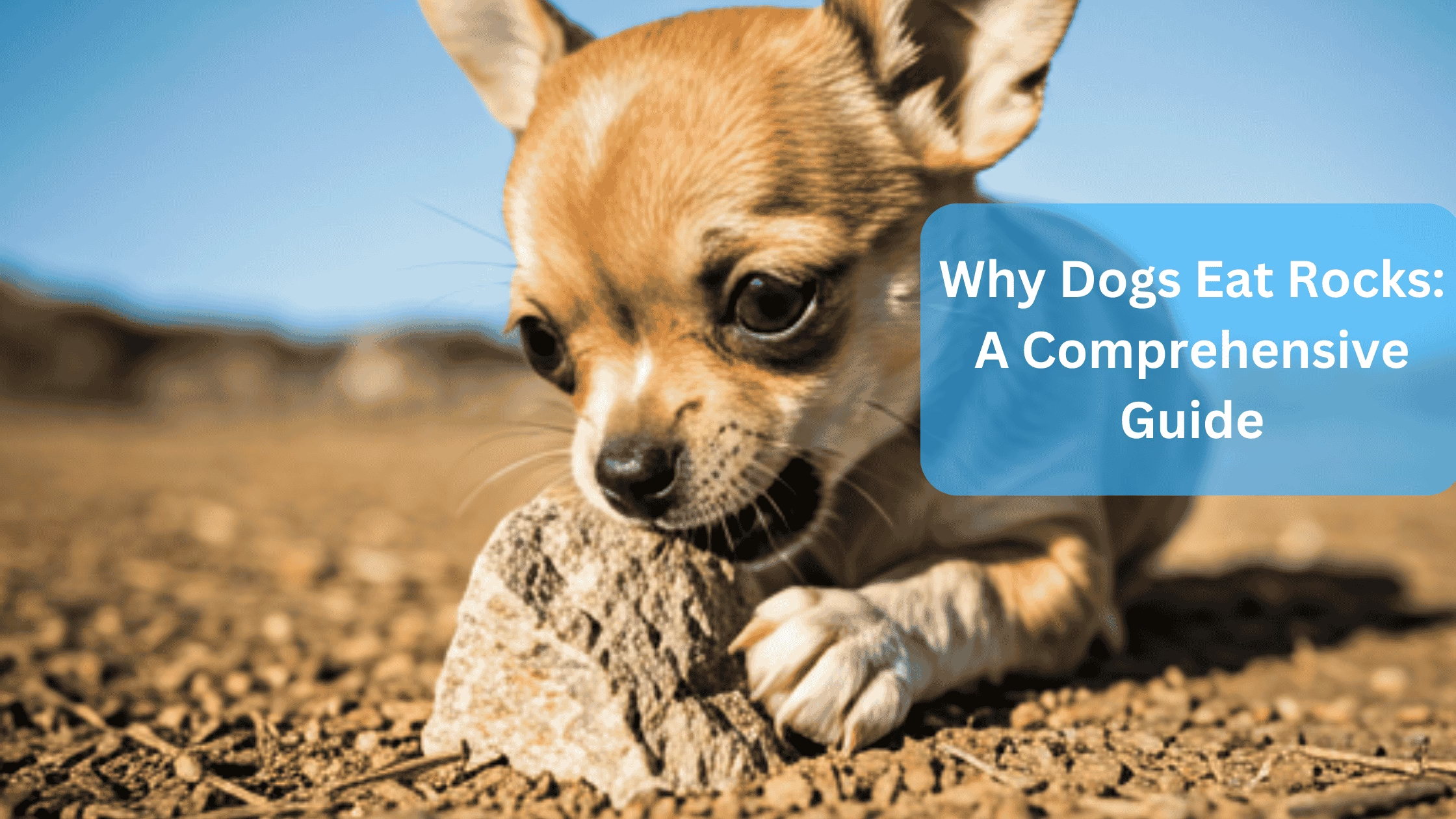
    Why Dogs Eat Rocks: A Comprehensive Guide

    Dogs are our loyal companions, often bringing joy and laughter into our lives. However, their quirky behaviors can sometimes leave us scratching our heads—like when they decide that rocks are a tasty snack! If you’ve ever wondered, “Why does my dog eat rocks?” you’re not alone. This guide will explore the reasons behind this puzzling behavior, the potential health risks involved, and how to address it effectively.

    Why Dogs Eat Rocks? – Understanding Canine Curiosity

    Dogs are inherently curious creatures. Their world is filled with intriguing sights, sounds, and smells, and they often explore these through their mouths.

    This natural instinct can lead them to chew on various objects, including rocks. But why do they specifically choose rocks? Here are some common reasons:

    • Curiosity: Just like toddlers who put everything in their mouths, dogs use their mouths to explore their environment. Rocks may have interesting textures or scents that attract them.
    • Boredom: Dogs require mental and physical stimulation. Without enough exercise or engaging activities, they might resort to chewing on rocks as a way to entertain themselves.
    • Teething: Puppies often chew on hard objects to relieve the discomfort of teething. Rocks may seem like a good option for soothing sore gums.
    • Nutritional Deficiencies: Some dogs may eat rocks due to deficiencies in their diet. For example, if a dog lacks certain minerals or vitamins, it might seek out non-food items that contain those nutrients.
    • Attention-Seeking Behavior: Dogs are social animals that thrive on interaction with their owners. If a dog learns that eating rocks gets a reaction—whether positive or negative—they may continue the behavior.
    • Pica: This is a condition where dogs have an abnormal craving for non-food items, including rocks. Pica can be caused by various factors such as anxiety, boredom, or underlying medical issues.

    Is it OK for my dog to eat rocks? – The Risks of Rock Eating

    While it may seem harmless at first glance, eating rocks can pose serious health risks for dogs:

    • Choking Hazards: Rocks can easily become lodged in a dog’s throat, leading to choking.
    • Intestinal Blockages: If swallowed, rocks can cause blockages in the gastrointestinal tract, which can be life-threatening and require surgical intervention.
    • Dental Damage: Chewing on hard objects like rocks can lead to broken teeth or other dental injuries.
    • Gastrointestinal Issues: Ingesting foreign objects can cause vomiting, diarrhea, or abdominal pain.

    Given these risks, it’s essential to take action if your dog has developed a habit of eating rocks.

    Dog eating rocks symptoms

    Recognizing the signs that your dog is consuming rocks is crucial for prompt intervention:

    • Visible Rocks in Feces: If you notice small stones in your dog’s stool, it’s a clear sign they have been eating them.
    • Vomiting or Diarrhea: Digestive disturbances can indicate that your dog has ingested something harmful.
    • Changes in Appetite or Behavior: If your dog seems lethargic or shows signs of discomfort (like whining or pacing), it could be due to gastrointestinal distress.
    • Dental Issues: Look for signs of broken teeth or gum injuries if your dog frequently chews on hard objects.

    If you observe any of these symptoms, consult your veterinarian immediately.

    Treatment Options for Dogs Eating Rocks

    If your dog has developed a habit of eating rocks, there are several strategies you can employ to help them stop:

    1. Consult Your Veterinarian

    Before implementing any behavioral changes, it’s essential to rule out underlying medical issues. Your vet can perform tests to check for nutritional deficiencies or gastrointestinal problems that may be contributing to this behavior.

    2. Behavioral Training

    Training is vital in addressing unwanted behaviors in dogs. Here are some effective techniques:

    • Teach Commands: Commands like “leave it” and “drop it” can help you manage your dog’s behavior when they attempt to eat rocks. Consistent training reinforces positive behaviors and discourages negative ones.
    • Positive Reinforcement: Reward your dog with treats and praise when they ignore rocks or choose appropriate toys instead. This encourages them to repeat the desired behavior.

    3. Increase Exercise and Mental Stimulation

    A tired dog is less likely to engage in destructive behaviors. Ensure your dog receives plenty of physical exercise through walks, playtime, and interactive toys that challenge their minds.

    4. Provide Appropriate Chew Toys

    Offer your dog safe alternatives to chew on. Durable toys designed for heavy chewers can satisfy their need to gnaw without posing health risks.

    5. Monitor Outdoor Activities

    When outside, keep a close eye on your dog. Use a leash if necessary to prevent them from picking up rocks during walks or at parks.

    6. Address Anxiety and Stress

    If your dog’s rock-eating habit stems from anxiety or stress, consider consulting with a professional trainer or behaviorist who can help you develop strategies to alleviate their fears.

    Why Is My Old Dog Eating Rocks?

    Older dogs may start eating rocks due to various reasons:

    • Cognitive Decline: As dogs age, they may experience cognitive dysfunction syndrome (CDS), which can lead to confusion and unusual behaviors like eating non-food items.
    • Health Issues: Older dogs are more prone to health problems that could influence their eating habits—such as dental pain or gastrointestinal disorders.

    If your senior dog suddenly begins eating rocks, it’s crucial to consult with your veterinarian for a thorough evaluation.

    Can Dogs Die from Eating Rocks?

    Yes, dogs can face life-threatening consequences from eating rocks. The potential for choking or intestinal blockages poses significant risks that could lead to severe health complications or even death if not addressed promptly. If you suspect your dog has ingested a rock, seek veterinary care immediately.

    Also Read: How to Stop Your Dog from Eating Everything: A Comprehensive Guide

    Also Read: Why Are Dogs Better Than Cats? The Ultimate Guide

    Conclusion

    Understanding why dogs eat rocks is essential for pet owners who want to ensure their furry friends remain healthy and happy.

    Whether driven by curiosity, boredom, nutritional deficiencies, or behavioral issues like pica, this peculiar habit requires attention and intervention.

    By employing effective training techniques and providing appropriate outlets for energy and curiosity, you can help redirect your dog’s behavior away from harmful rock-eating tendencies.

    Remember—keeping an eye on what goes into your dog’s mouth is just as important as what goes into their bowl! With patience and care, you can guide your canine companion back onto the path of safe exploration—one paw at a time! 🐾


    Sources:

  • How to Stop Your Dog from Eating Everything: A Comprehensive Guide

    How to Stop Your Dog from Eating Everything: A Comprehensive Guide

    How to Stop Your Dog from Eating Everything? If you’re a dog owner, you’ve likely faced the challenge of your furry friend munching on everything in sight.

    From socks to scraps on the ground, dogs have a knack for finding and consuming items that can be harmful or just downright gross. So, how do you stop your dog from eating everything?

    This guide will explore effective strategies, address common questions, and provide insights into canine behavior—all while keeping things light and engaging.

    Why Dogs Eat Everything?

    Before we dive into solutions, it’s crucial to understand why dogs engage in this behavior. Here are some common reasons:

    • Curiosity: Dogs explore their world through their mouths. They often chew on or eat items simply to investigate them.
    • Hunger or Nutritional Deficiencies: If your dog isn’t getting enough nutrients from their diet, they may resort to eating non-food items. This behavior is known as pica.
    • Boredom: A lack of mental and physical stimulation can lead dogs to seek entertainment by scavenging.
    • Attention-Seeking: Dogs quickly learn that certain behaviors get them noticed—good or bad. If eating something inappropriate results in a reaction from you, they may keep doing it.
    • Instinctual Behavior: Some breeds have stronger scavenging instincts than others, making them more prone to eating everything they find.

    How Do I Stop My Dog from Eating Everything in the House?

    To curb your dog’s scavenging habits at home, consider these strategies:

    1. Teach Basic Commands

    Teaching your dog commands like “leave it” and “drop it” can be incredibly effective:

    • Leave It: This command instructs your dog not to touch something. Start by practicing indoors with treats. When your dog approaches a treat on the floor, say “leave it.” If they obey, reward them with a different treat.
    • Drop It: This command is essential for when your dog picks up something they shouldn’t have. Use a high-value treat to encourage them to drop the unwanted item.

    2. Create a Safe Environment

    Make your home less tempting for scavengers:

    • Puppy-Proof Your Home: Remove items that could be harmful or enticing. Secure trash cans and keep food out of reach.
    • Supervise Outdoor Time: Keep an eye on your dog during walks or playtime outside. A leash can help manage their movements and prevent them from snacking on random items.

    3. Provide Mental Stimulation

    Boredom can lead to unwanted behaviors:

    • Interactive Toys: Puzzle toys that dispense treats can keep your dog occupied and mentally stimulated.
    • Training Sessions: Regular training not only teaches commands but also tires them out mentally.

    4. Manage Their Diet

    Sometimes dietary issues contribute to scavenging behavior:

    • High-Quality Food: Ensure your dog is getting a balanced diet that meets all their nutritional needs. Consult with your veterinarian if you’re unsure about the best food for your pet.
    • Scheduled Feeding Times: Instead of free-feeding, establish regular meal times to help regulate their hunger.

    How to Discipline a Dog That Eats Everything?

    Disciplining your dog for eating inappropriate items requires patience and consistency:

    • Use Positive Reinforcement: Reward good behavior instead of punishing bad behavior. Whenever your dog ignores something they would typically eat, praise them or give them a treat.
    • Redirect Their Attention: When you catch your dog about to eat something inappropriate, distract them with toys or treats.

    At What Age Will My Dog Stop Eating Everything?

    Puppies are notorious for exploring their world through chewing and eating everything they find. Most puppies will outgrow this behavior as they mature, typically between 6 months to 2 years of age, depending on the breed and individual temperament. However, some dogs may continue this habit into adulthood if not properly trained.

    My Dog Eats Everything Off the Ground

    If your dog has developed a habit of eating everything off the ground during walks or playtime:

    1. Teach “Leave It” Outdoors

    Practice this command in various environments so your dog learns to ignore tempting items while out on walks.

    2. Use High-Value Treats

    Offer special treats when your dog focuses on you instead of scavenging. This helps reinforce positive attention-seeking behavior.

    3. Walk in Less Tempting Areas

    Choose walking routes with fewer distractions and potential hazards, avoiding areas where litter is common.

    How to Stop Your Dog from Eating Everything on Walks

    When you’re out and about, here are some tips:

    • Keep Your Dog on a Short Leash: This gives you better control over their movements and helps prevent them from lunging at tempting items.
    • Reward Them for Paying Attention: Give treats when they check in with you instead of focusing on the ground.

    Why Is My Dog Trying to Eat Everything All of a Sudden?

    If your dog suddenly starts eating everything in sight, consider these possibilities:

    • Health Issues: Sudden changes in appetite or behavior can indicate health problems such as gastrointestinal issues or parasites. Consult with your veterinarian if this behavior persists.
    • Stress or Anxiety: Changes in the household or routine can lead to anxiety-driven scavenging behavior. Providing comfort and stability can help alleviate this issue.

    When Will My Puppy Stop Eating Everything Outside?

    Puppies often explore their environment through chewing until they learn boundaries. While many puppies will naturally outgrow this habit by around 6 months, consistent training and supervision are essential during this time to teach them what is acceptable to chew on and what isn’t.

    Also Read: Why Do Dogs Eat Their Vomit? A Comprehensive Guide

    Also Read: How to Stop Your Dog from Eating Poop Home Remedies?

    Conclusion

    Stopping your dog from eating everything requires understanding their motivations and implementing effective strategies tailored to their needs.

    By teaching commands like “leave it,” creating a safe environment, providing mental stimulation, managing their diet, and using positive reinforcement techniques, you can significantly reduce scavenging behaviors both at home and outdoors.

    Remember that patience is key; every dog learns at their own pace! With consistency and love, you’ll help foster good habits while keeping your furry friend safe from harmful items—and maybe even save a few socks along the way! 🐾


    Sources:

  • How to Stop Your Dog from Eating Poop Home Remedies?

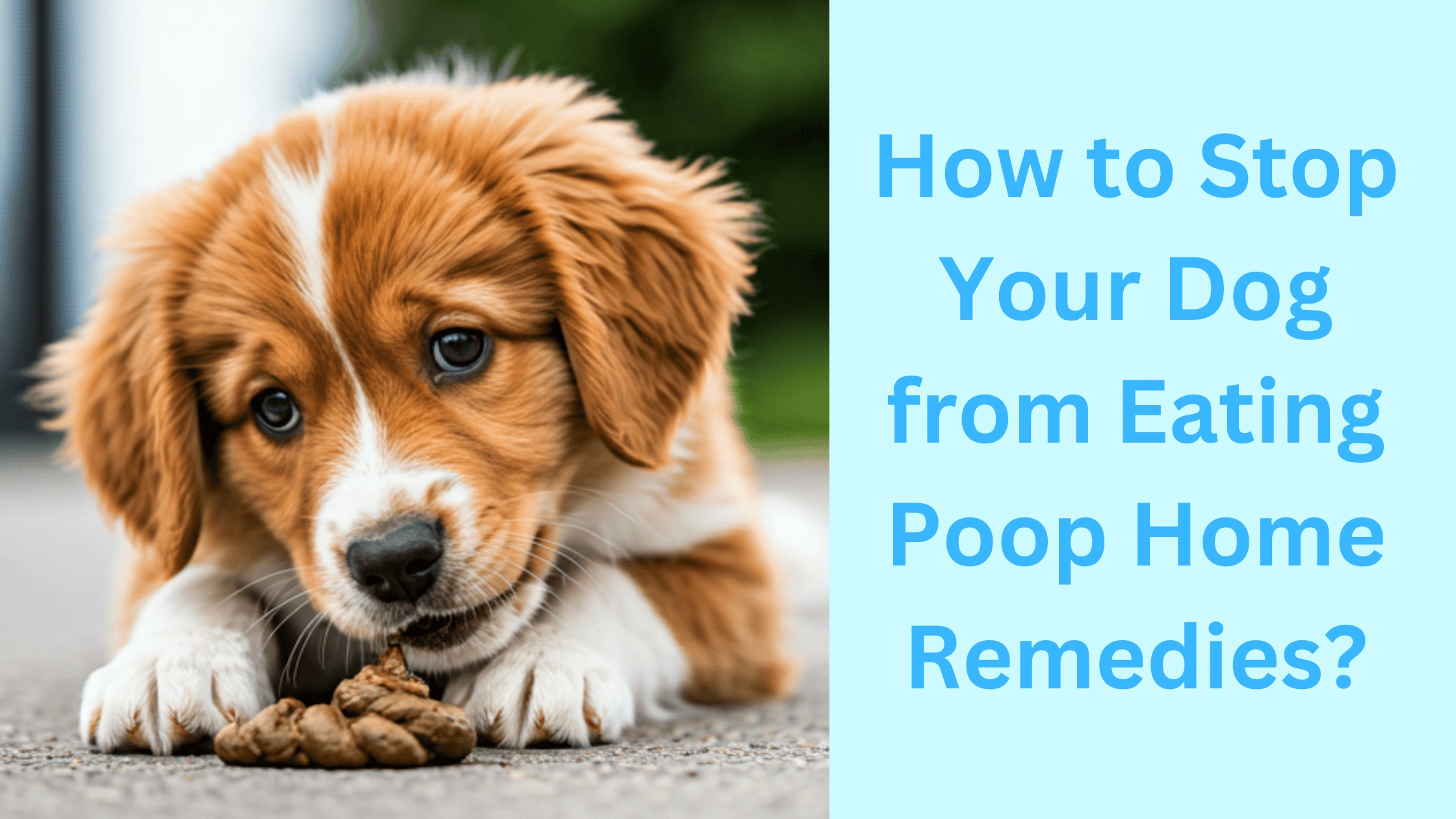
    How to Stop Your Dog from Eating Poop Home Remedies?

    How to Stop Your Dog from Eating Poop Home Remedies? – If you’re a dog owner, you might have encountered the rather unpleasant behavior known as coprophagia—when your furry friend decides that poop is a gourmet snack.

    While this behavior can be distressing and unsightly, it’s more common than you might think. Fortunately, there are numerous home remedies and strategies you can employ to help curb this habit.

    In this comprehensive guide, we’ll explore various methods to stop your dog from eating poop, focusing on natural remedies that are both effective and safe.

    Why Dogs Eat Poop?

    Before diving into remedies, it’s essential to understand why dogs engage in this behavior. There are several reasons dogs might eat poop:

    • Nutritional Deficiencies: Dogs may eat feces if they are lacking certain nutrients in their diet.
    • Instinctual Behavior: In the wild, mother dogs often eat their puppies’ feces to keep their den clean and protect their young from predators.
    • Attention-Seeking: Some dogs may eat poop to get a reaction from their owners, whether positive or negative.
    • Stress or Anxiety: Changes in environment or routine can lead to stress-induced behaviors, including coprophagia.
    • Boredom: Dogs that lack mental stimulation may resort to eating poop as a form of entertainment.

    Understanding these motivations can help you address the root cause of the behavior rather than just the symptom.

    How to Stop Your Dog from Eating Poop Home Remedies?

    Now that we’ve covered the reasons behind this behavior, let’s look at some effective home remedies that can help discourage your dog from indulging in this unsavory habit.

    1. Improve Your Dog’s Diet for treating Coprophagia in dogs

    A well-balanced diet is crucial for your dog’s health and can significantly reduce the likelihood of them eating poop. Here’s how you can enhance their diet:

    • High-Quality Dog Food: Ensure your dog is eating high-quality food that meets all their nutritional needs. Consult your veterinarian for recommendations tailored to your dog’s specific requirements.
    • Supplements: Consider adding supplements such as probiotics, digestive enzymes, or vitamins A, D, and E. These can improve gut health and nutrient absorption, making feces less appealing.

    2. Apple Cider Vinegar for treating Coprophagia in dogs

    Apple cider vinegar (ACV) is a popular home remedy known for its numerous health benefits:

    • How It Works: ACV helps balance stomach acidity and improves digestion. This can make your dog’s stool less appealing.
    • Usage: Add one teaspoon of apple cider vinegar per 25 pounds of body weight to your dog’s food daily. Alternatively, you can create a spray with equal parts water and ACV to deter your dog from approaching feces outdoors.

    3. Pineapple for treating Coprophagia in dogs

    Pineapple is not just a tasty treat; it also contains an enzyme called bromelain that can alter the taste of your dog’s feces:

    • How It Works: When dogs consume pineapple, it changes the flavor of their stool, making it less appetizing.
    • Usage: Feed small chunks of fresh pineapple or mix a tablespoon of unsweetened pineapple juice into their food daily. Start with small amounts to avoid digestive upset.

    4. Pumpkin for treating Coprophagia in dogs

    Canned pumpkin (not pumpkin pie filling) is another excellent remedy:

    • How It Works: Pumpkin is high in fiber and helps regulate digestion, which can reduce the urge to eat feces.
    • Usage: Mix one to two tablespoons of plain canned pumpkin into your dog’s food daily. Monitor their response and adjust as necessary.

    5. Bananas for treating Coprophagia in dogs

    Believe it or not, bananas can also help deter poop-eating behaviors:

    • How It Works: The sweetness and aroma of bananas may mask the smell of feces, making it less attractive to your dog.
    • Usage: Offer banana slices as an occasional treat or mix mashed banana into their food.

    6. Meat Tenderizers for treating Coprophagia in dogs

    Adding meat tenderizers like bromelain-based products can make feces taste bad:

    • How It Works: These products make poop less palatable for dogs by altering its flavor profile.
    • Usage: Follow the instructions on the package for dosage based on your dog’s weight.

    7. Keep the Environment Clean for treating Coprophagia in dogs

    Prevention is key! Keeping your dog’s environment clean can significantly reduce opportunities for coprophagia:

    • Immediate Cleanup: Pick up after your dog promptly during walks and in your yard. The less access they have to feces, the less likely they are to eat it.
    • Supervision During Outdoor Time: Keep a close eye on your dog during outdoor playtime to redirect them if they show interest in feces.

    8. Positive Reinforcement Training for treating Coprophagia in dogs

    Training plays a vital role in modifying behavior:

    • Commands: Teach commands like “leave it” or “come” to redirect your dog’s attention away from poop when they attempt to eat it.
    • Rewards: Use treats and praise when they ignore feces or respond positively to commands. This reinforces good behavior and helps them associate ignoring poop with positive outcomes.

    Additional Tips for Managing Coprophagia

    In addition to these home remedies, consider implementing these strategies:

    • Increase Exercise and Mental Stimulation: Regular physical activity and mental challenges (like puzzle toys) can reduce boredom and anxiety-related behaviors.
    • Consult Your Veterinarian: If coprophagia persists despite trying these remedies, consult with your vet to rule out any underlying health issues that may be contributing to this behavior.

    Frequently Asked Questions (FAQs)

    Why does my dog eat cat poop?

    Dogs may be attracted to cat poop due to its higher protein content compared to dog feces. This behavior can also stem from curiosity or instinctual drives. Implementing similar remedies—like keeping litter boxes clean and using deterrents—can help curb this behavior.

    Are there any health risks associated with coprophagia?

    Yes, eating feces can expose dogs to harmful bacteria, parasites, or toxins present in the stool. It’s crucial to address this behavior promptly for both hygiene and health reasons.

    How long will it take for these remedies to work?

    Results may vary depending on the individual dog and the underlying causes of coprophagia. Consistency is key; implement these strategies over several weeks while monitoring progress closely.

    Also Read: Can Dogs Eat Wheat and Wheat Products? A Comprehensive Guide

    Also Read: Why Do Dogs Eat Their Vomit? A Comprehensive Guide

    Conclusion

    Stopping your dog from eating poop may require patience and persistence, but with the right combination of dietary adjustments, home remedies, training techniques, and preventive measures, you can effectively curb this behavior.

    Remember that every dog is unique; what works for one may not work for another. Always consult with a veterinarian if you have concerns about your dog’s health or behavior changes.

    With time and effort, you’ll have a cleaner yard—and perhaps a slightly less embarrassed pup! 🐾


    Sources:

  • Why Do Dogs Eat Their Vomit? A Comprehensive Guide

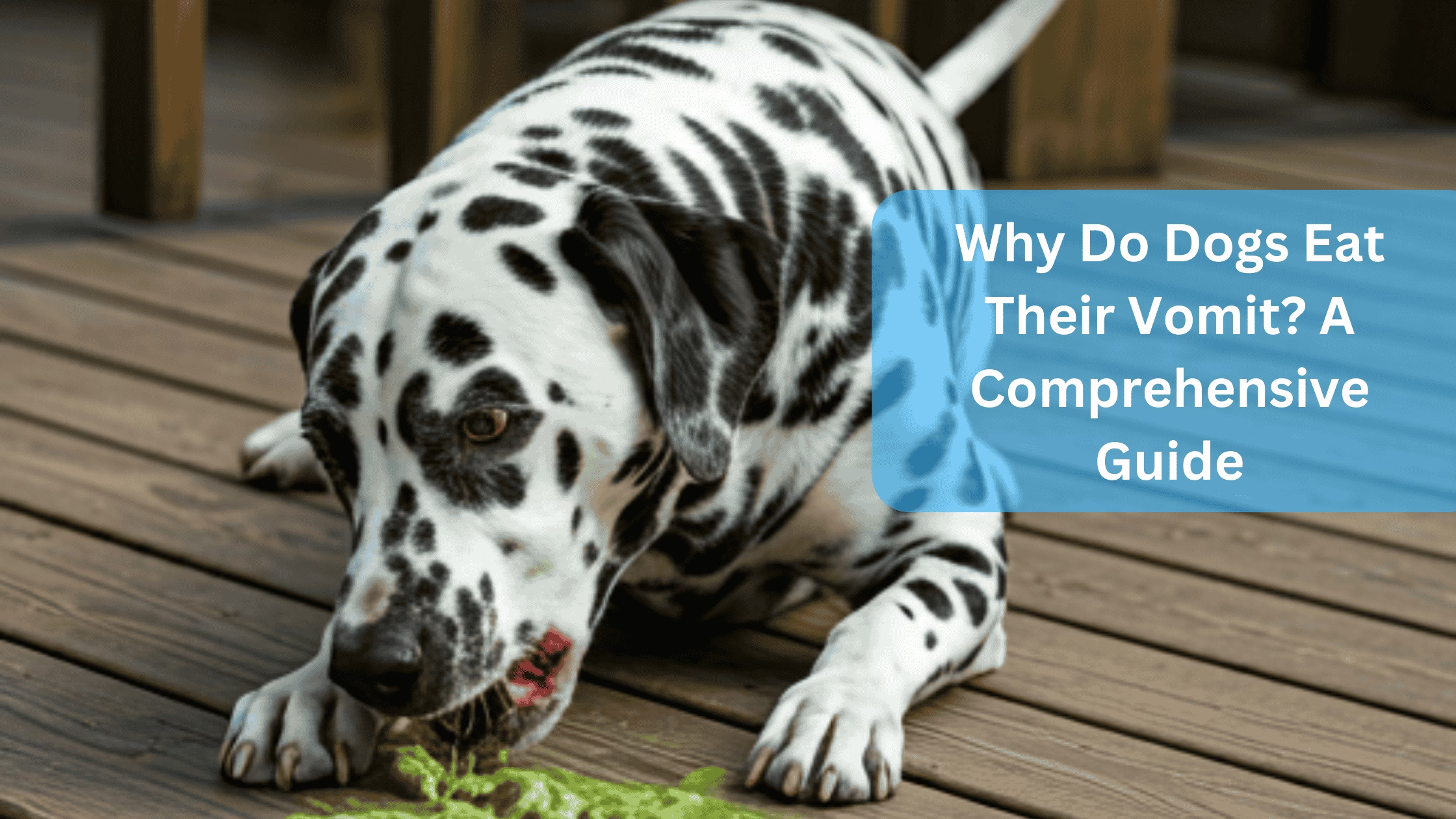
    Why Do Dogs Eat Their Vomit? A Comprehensive Guide

    Why Do Dogs Eat Their Vomit? If you’re a dog owner, chances are you’ve encountered the somewhat revolting sight of your furry friend munching on their own vomit.

    While this behavior might seem gross to us humans, it’s not uncommon in the canine world.

    In this guide, we’ll explore the reasons behind this behavior, its implications for your dog’s health, and how to manage it effectively—all while keeping things light-hearted and informative!

    Understanding Canine Behavior

    Dogs are fascinating creatures with instincts that often baffle us. Unlike humans, who might recoil at the sight of vomit, dogs have a completely different perspective.

    To understand why dogs eat their vomit, we need to delve into their evolutionary history and natural instincts.

    The Scavenger Instinct

    Dogs are descendants of wolves, who are natural scavengers. In the wild, resources can be scarce, and every morsel counts.

    When a wolf regurgitates food for its pups, it’s not just a gross parenting tactic; it’s a survival strategy.

    This instinct has trickled down to our domestic dogs, who may see their vomit as a second chance at nutrition.

    Sense of Smell

    Did you know that dogs have an incredible sense of smell? They possess around 300 million olfactory receptors compared to our mere 6 million!

    This means that what smells repulsive to us can still smell like delicious food to them. When your dog vomits, they might still detect undigested food particles that appeal to their senses.

    Why Do Dogs Eat Their Vomit? – The Science Behind Vomit Eating

    Now that we have a grasp on the instinctual reasons behind this behavior, let’s look at some scientific explanations.

    Nutritional Value

    When dogs vomit, especially shortly after eating, the contents may still contain partially digested food. This can be particularly enticing if they’ve consumed something tasty. For dogs, eating their vomit is akin to reclaiming lost nutrients.

    Health-Related Factors

    Sometimes the reason behind vomiting—and subsequent eating—can be health-related:

    • Gastrointestinal Issues: Conditions like gastritis or dietary intolerances can lead to vomiting.
    • Dietary Deficiencies: If a dog isn’t getting enough nutrients from their diet, they might turn to their vomit as a source of nutrition.
    • Anxiety: Stressful situations can cause some dogs to vomit and then eat it as a coping mechanism.

    Health Implications of Eating Vomit

    While eating vomit is generally not harmful for dogs on occasion, there are situations where it could indicate underlying health issues.

    When Is It a Concern?

    If your dog frequently vomits and eats their vomit, it may be time to consult a veterinarian. Here are some signs that warrant professional attention:

    • Frequent Vomiting: If your dog is vomiting regularly (more than once or twice in a short period), it could signal gastrointestinal problems.
    • Changes in Appetite: A sudden decrease or increase in appetite can indicate health issues.
    • Lethargy or Behavioral Changes: If your dog seems unusually tired or behaves differently than usual, it’s best to get them checked out.

    How to Discourage This Behavior

    While you may not be able to completely stop your dog from eating their vomit (after all, instincts are hard to break!), there are strategies you can implement to minimize the behavior.

    Training Techniques

    1. Redirect Attention: When your dog starts to vomit, redirect their attention with a toy or treat.
    2. Positive Reinforcement: Reward your dog for ignoring their vomit with praise or treats when they do not engage in the behavior.
    3. Establish Routine: Regular feeding times can help regulate your dog’s digestion and reduce instances of vomiting.

    Environmental Management

    • Immediate Cleanup: As soon as you notice your dog has vomited, clean it up quickly before they have a chance to eat it.
    • Dietary Adjustments: Consult with your vet about whether your dog’s diet needs adjusting—sometimes changing food can help reduce vomiting incidents.

    When to Consult a Veterinarian

    As mentioned earlier, if vomiting becomes frequent or is accompanied by other concerning symptoms, it’s crucial to consult with a veterinarian. They can perform tests and examinations to rule out serious health issues such as:

    • Infections
    • Parasites
    • Pancreatitis
    • Food Allergies

    Early intervention can prevent more serious health problems down the line.

    FAQs: Common Questions Answered

    Is it normal for dogs to eat their vomit?

    Yes! While it may seem gross, it’s rooted in their scavenging instincts.

    Will eating vomit harm my dog?

    Generally no; however, if vomiting is frequent or accompanied by other symptoms, consult your vet.

    How can I stop my dog from eating vomit?

    Training techniques and immediate cleanup can help discourage this behavior.

    What should I do if my dog eats another dog’s vomit?

    Monitor them for any signs of illness and consult your vet if you notice anything unusual.

    Can certain foods make my dog more likely to vomit?

    Yes! Foods that are rich or difficult for them to digest can lead to vomiting episodes.

    Also Read: Can Dogs Eat Wheat and Wheat Products? A Comprehensive Guide

    Also Read: How Do I Know If My Dog Is Healthy? Essential Health Quiz!

    Conclusion: Embracing Your Dog’s Quirks

    In conclusion, while the sight of your dog eating its own vomit may turn your stomach, understanding the reasons behind this behavior can help you manage it effectively.

    Remember that dogs are guided by instincts that have been honed over thousands of years—what seems repulsive to us is often perfectly natural for them!

    So next time you catch your pup in the act, take a deep breath and remind yourself that they’re just being… well, dogs! With proper care and attention, you can ensure that your furry friend stays healthy and happy—vomit-eating habits included!

    Now go give your pup some love (but maybe not too close after they’ve had an upset stomach)! 🐾💖


    Sources:

  • How Do I Know If My Dog Is Healthy? Essential Health Quiz!

    How Do I Know If My Dog Is Healthy? Essential Health Quiz!

    How Do I Know If My Dog Is Healthy? As a devoted pet owner, ensuring your dog’s health is a top priority. But how can you accurately determine if your furry friend is in good shape?

    This article presents a unique questionnaire designed to help you evaluate various aspects of your dog’s health, including physical appearance, behavior, diet, and exercise levels.

    By answering the questions honestly, you can gain valuable insights into your dog’s well-being and identify any areas that may need attention.

    In addition to the quiz, this comprehensive guide will cover essential aspects of canine health, including physical signs, behavioral indicators, preventive care, and when to consult a veterinarian.

    Let’s explore the signs of a healthy dog and take the first step towards keeping your beloved pet happy and thriving!

    How Do I Know If My Dog Is Healthy? Quiz

    This refined quiz is designed to help you thoroughly evaluate your dog’s health by assessing physical appearance, behavior, diet, exercise levels, and specific health indicators. Answer each question honestly to gain insights into your dog’s overall well-being.


    Physical Appearance

    • Coat Condition:
    • How does your dog’s coat look?
      • A) Shiny and smooth
      • B) Dull or dry
      • C) Patchy or has bald spots
    • Body Condition:
    • Can you easily feel your dog’s ribs without excess fat covering them?
      • A) Yes, very easily
      • B) I can feel them, but there’s some fat
      • C) No, I can’t feel the ribs at all
    • Eyes:
    • Are your dog’s eyes bright and clear?
      • A) Yes, they look healthy
      • B) They seem a bit cloudy
      • C) There is discharge or redness
    • Ears:
    • Do your dog’s ears appear clean and free of odor?
      • A) Yes, perfectly clean
      • B) Some wax build-up but no odor
      • C) They have a strong odor or discharge
    • Teeth and Gums:
    • How do your dog’s teeth and gums look?
      • A) White teeth and pink gums
      • B) Some tartar build-up but generally healthy
      • C) Yellowed teeth and red or bleeding gums
    • Nail Health:
    • How are your dog’s nails?
      • A) Well-trimmed and healthy
      • B) Slightly overgrown but manageable
      • C) Very long or cracked

    Behavioral Indicators

    • Energy Levels:
    • How active is your dog during playtime?
      • A) Very active and playful
      • B) Moderately active; enjoys play but tires quickly
      • C) Lethargic; prefers to rest
    • Appetite:
    • How consistent is your dog’s appetite?
      • A) Always eager to eat
      • B) Sometimes skips meals
      • C) Rarely eats or shows little interest in food
    • Social Interaction:
    • How does your dog interact with you and others?
      • A) Very social and friendly
      • B) Generally friendly but sometimes shy
      • C) Avoids interaction or shows signs of aggression
    • Signs of Pain:
    • Does your dog show any signs of discomfort or pain (e.g., whining, limping)?
      • A) No signs at all
      • B) Occasionally shows discomfort
      • C) Frequently shows signs of pain
    • Changes in Behavior:
    • Have you noticed any recent changes in your dog’s behavior (e.g., increased aggression, withdrawal)?
      • A) No changes at all
      • B) Minor changes that are not concerning
      • C) Significant changes that worry me

    Diet and Nutrition

    • Diet Quality:
    • What type of food does your dog eat?
      • A) High-quality commercial dog food
      • B) Mixed diet of commercial and table scraps
      • C) Mostly table scraps or low-quality food
    • Water Intake:
    • Is your dog drinking enough water daily?
      • A) Yes, always hydrated
      • B) Sometimes drinks less than normal
      • C) Rarely drinks water
    • Feeding Schedule:
    • Does your dog have a consistent feeding schedule?
      • A) Yes, regular meal times every day
      • B) Sometimes irregular feeding times
      • C) Often skips meals or eats at random times
    • Food Reactions:
    • Does your dog ever have adverse reactions to food (e.g., vomiting, diarrhea)?
      • A) Never has issues with food
      • B) Occasionally has mild reactions
      • C) Frequently has digestive problems after eating

    Exercise Levels

    • Daily Exercise:
    • How much exercise does your dog get each day?
      • A) 1-2 hours of varied activity
      • B) 30 minutes to 1 hour of activity
      • C) Less than 30 minutes; mostly sedentary
    • Mental Stimulation:
    • Does your dog engage in activities that stimulate their mind?
      • A) Yes, regularly participates in games or training
      • B) Occasionally enjoys toys or puzzles
      • C) Rarely engages in mental activities
    • Play Behavior:
    • How does your dog behave during playtime?
      • A) Actively participates and enjoys various games
      • B) Plays occasionally but loses interest quickly
      • C) Shows little interest in playing at all

    Health Indicators

    • Breathing Patterns:
    • How does your dog breathe during rest and exercise?
      • A) Normal breathing; no coughing or wheezing
      • B) Slightly labored breathing after exercise
      • C) Frequent coughing or wheezing at rest or during activity
    • Bathroom Habits:
    • Are there any changes in your dog’s bathroom habits (urination/defecation)?
      • A) Normal habits; no changes observed
      • B) Minor changes that are not concerning (e.g., frequency)
      • C) Significant changes (e.g., blood in urine/stool)
    • Skin Condition:
    • Does your dog have any skin issues (e.g., rashes, excessive scratching)?
      • A) No skin problems at all
      • B) Minor irritations occasionally noticed
      • C) Frequent scratching or visible skin issues
    • Weight Management:
    • Is your dog maintaining a healthy weight?
      • A) Yes, perfect weight for breed and size
      • B) Slightly overweight but manageable with diet/exercise adjustments
      • C) Obese; needs immediate dietary intervention

    Scoring Your Quiz

    • For every “A” answer, give yourself 3 points.
    • For every “B” answer, give yourself 2 points.
    • For every “C” answer, give yourself 1 point.

    Results Interpretation

    • 66-48 Points (Healthy): Your dog appears to be in great health! Continue providing proper nutrition, regular exercise, and routine veterinary care.
    • 47-30 Points (Moderate Health): Your dog may have some areas needing attention. Consider consulting with a veterinarian about any concerning signs.
    • 29 Points or Below (Unhealthy): It’s crucial to seek veterinary advice immediately as there may be significant health issues affecting your dog.

    This comprehensive quiz serves as an effective tool for assessing various aspects of your dog’s health status based on observable signs and behaviors. Regular monitoring will help you catch any potential issues early, leading to better health outcomes for your furry friend.

    1. Understanding Canine Health Basics

    Before diving into the signs of a healthy dog, it’s essential to understand what constitutes good health in dogs.

    • Physical Health: This includes the dog’s weight, coat condition, and overall appearance.
    • Behavioral Health: A healthy dog exhibits normal behavior patterns, including playfulness and sociability.
    • Preventive Care: Regular veterinary check-ups and vaccinations are vital for maintaining health.

    2. Physical Signs of a Healthy Dog

    2.1 Coat Condition

    A dog’s coat is often the first indicator of its health.

    • Shininess: A healthy dog has a shiny coat that feels smooth to the touch.
    • No Excessive Shedding: While some shedding is normal, excessive shedding can indicate health issues.
    • Free of Parasites: Look for signs of fleas or ticks.

    2.2 Body Condition

    Assessing your dog’s body condition score (BCS) is crucial.

    • Ideal Weight: You should be able to feel your dog’s ribs without excess fat covering them.
    • Waistline: When viewed from above, your dog should have a noticeable waist.

    2.3 Eyes and Ears

    Healthy eyes and ears are clear indicators of good health.

    • Eyes: Bright and clear eyes without redness or discharge are signs of health.
    • Ears: Clean ears without odor or excessive wax indicate good health.

    2.4 Teeth and Gums

    Oral health is vital for overall well-being.

    • Gum Color: Healthy gums are pink; pale or red gums can indicate issues.
    • Teeth: Clean teeth without tartar buildup suggest proper dental hygiene.

    3. Behavioral Indicators of Health

    3.1 Energy Levels

    A healthy dog typically has a good energy level appropriate for its breed and age.

    • Playfulness: Regular play and enthusiasm during walks are signs of a healthy dog.
    • Resting Patterns: While dogs do need rest, excessive lethargy can be a red flag.

    3.2 Appetite Changes

    Monitoring your dog’s eating habits is crucial.

    • Consistent Appetite: A healthy dog generally has a consistent appetite.
    • Weight Fluctuations: Sudden weight loss or gain can indicate underlying health issues.

    3.3 Social Behavior

    Dogs are social animals, and their interactions can tell you a lot about their health.

    • Interaction with Humans and Other Animals: A healthy dog enjoys socializing with people and other pets.
    • Signs of Anxiety or Aggression: Changes in behavior can indicate stress or discomfort.

    4. Routine Veterinary Care

    Regular veterinary visits are essential for maintaining your dog’s health.

    4.1 Vaccinations

    Keeping up with vaccinations protects against various diseases.

    4.2 Preventive Medications

    Regularly administering flea, tick, and heartworm preventatives can help maintain your dog’s health.

    4.3 Dental Check-ups

    Regular dental cleanings can prevent serious oral health issues that affect overall well-being.

    5. Nutrition and Diet

    A balanced diet is fundamental to your dog’s health.

    5.1 Choosing the Right Food

    Select high-quality dog food that meets the nutritional needs of your dog’s age, size, and activity level.

    5.2 Portion Control

    Overfeeding can lead to obesity; always follow feeding guidelines based on your dog’s weight and activity level.

    6. Exercise Requirements

    Regular exercise is vital for both physical and mental health.

    6.1 Daily Exercise Needs

    Most dogs require at least 30 minutes to two hours of exercise daily depending on their breed and energy levels.

    6.2 Mental Stimulation

    Incorporate puzzle toys or training exercises to keep your dog’s mind active.

    7. Recognizing Common Health Issues

    Understanding common canine health problems can help you identify potential issues early on.

    7.1 Allergies

    Signs include itching, redness, or gastrointestinal upset after eating certain foods or exposure to allergens.

    7.2 Obesity

    Obesity can lead to several health problems such as diabetes and joint issues; monitor your dog’s weight regularly.

    7.3 Arthritis

    Older dogs may develop arthritis; look for signs like difficulty getting up or reluctance to exercise.

    8. When to Consult a Veterinarian

    Knowing when to seek professional help is crucial for maintaining your dog’s health.

    8.1 Sudden Changes in Behavior or Appetite

    If you notice sudden changes in behavior or appetite that last more than a day or two, consult a veterinarian immediately.

    8.2 Signs of Pain or Discomfort

    Whining, limping, or hiding can indicate pain; take these signs seriously and seek veterinary advice promptly.

    Frequently Asked Questions

    Here are some common questions related to assessing your dog’s health:

    What are the signs of an unhealthy dog?

    Signs include lethargy, loss of appetite, vomiting, diarrhea, excessive scratching or licking, bad breath, and noticeable changes in weight or behavior.

    How do I know if my dog is healthy and happy?

    A happy dog typically exhibits playful behavior, maintains a healthy appetite, interacts well with others, shows curiosity during walks, and has a shiny coat without any skin issues.

    How do I know if my dog is healthy at home?

    Regularly monitor your dog’s eating habits, energy levels, grooming needs (like coat condition), bathroom habits (urination/defecation), and overall behavior at home for any changes that might indicate health issues.

    How do I know if my dog is healthy without going to the vet?

    While regular vet visits are essential for comprehensive assessments, you can observe physical signs like coat condition, weight management through body condition scoring (BCS), energy levels during playtime, and general behavior at home as initial indicators of good health.

    What are visual signs of ill health in a dog?

    Visual signs include dull fur or skin problems (like redness or sores), abnormal eye discharge or cloudiness in eyes, poor dental hygiene (like tartar buildup), unusual posture (like limping), and changes in bathroom habits (like blood in urine/stool).

    How can I tell if my dog is in good health?

    Regularly assess their physical appearance (coat quality), monitor their energy levels during playtime, check their appetite consistency over time, observe their interaction with others (humans/pets), and ensure they maintain an active lifestyle with proper exercise routines.

    How can I check my dog’s health?

    Perform regular checks at home by observing their coat condition, checking teeth/gums for cleanliness, monitoring weight through BCS assessments, noting any behavioral changes like lethargy or aggression, and keeping track of their eating/drinking habits over time.

    Also Read: How to Choose a Healthy Cane Corso Dog: Best Guide.

    Also Read: Why Is My Dog Bleeding After Giving Birth? A Comprehensive Guide

    Conclusion

    Maintaining your dog’s health requires vigilance in observing physical signs, behavioral changes, routine veterinary care, proper nutrition, and regular exercise.

    By understanding these aspects along with addressing frequently asked questions about canine health assessment methods, you can ensure that your furry friend remains healthy and happy throughout their life.


    Sources: