Category: Dog Health

  • Why Is My Dog Bleeding After Giving Birth? A Comprehensive Guide

    Why Is My Dog Bleeding After Giving Birth? A Comprehensive Guide

    Why Is My Dog Bleeding After Giving Birth? The birthing process in dogs, known as whelping, is a natural and significant event that marks the beginning of motherhood for a canine.

    However, it can also be a time of concern for dog owners, especially when complications arise. One common worry is postpartum bleeding.

    Understanding why your dog may be bleeding after giving birth is crucial for ensuring the health and safety of both the mother and her puppies.

    This comprehensive guide will explore the normal postpartum process, potential causes of bleeding, when to seek veterinary care, and how to support your dog during recovery.

    Why Is My Dog Bleeding After Giving Birth?

    Whelping is a remarkable process that involves various physiological changes in a dog’s body. While some bleeding after giving birth is normal, excessive or prolonged bleeding can indicate underlying health issues. This guide will help you navigate the complexities of postpartum care and recognize when intervention may be necessary.

    Understanding the Normal Postpartum Process in Dogs

    After giving birth, dogs typically experience a discharge known as lochia, which is part of their recovery process. Here’s what to expect:

    • Duration and Characteristics: Lochia can last anywhere from three to seven days following whelping. Initially, it may appear bright red and consist of blood mixed with mucus and fetal membranes. As time progresses, the discharge will change in color and consistency, often becoming darker and more clotted.
    • Normal Changes: It is normal for the amount of lochia to gradually decrease over time. In healthy dogs, this process indicates that the uterus is returning to its pre-pregnancy state.
    • Monitoring: Owners should keep an eye on the discharge’s color, consistency, and volume to differentiate between normal postpartum changes and potential complications.

    Common Causes of Dog Bleeding After Giving Birth

    There are several reasons why a dog may bleed after giving birth:

    • Uterine Involution: This is the process by which the uterus shrinks back to its normal size after delivering puppies. Some bleeding during this time is expected as the body expels any remaining placental tissue.
    • Retained Placenta: If any placentas remain in the uterus after delivery, they can lead to prolonged bleeding and even infection. Signs of retained placenta may include a foul odor or abnormal discharge.
    • Trauma During Delivery: Difficult births (dystocia) can cause trauma to the vaginal canal or cervix, resulting in additional bleeding. If your dog had a particularly challenging labor, it’s important to monitor her closely for any signs of distress.
    • Infections: Postpartum infections such as metritis (inflammation of the uterus) can lead to excessive bleeding and should be addressed promptly by a veterinarian.

    When to Be Concerned

    While some bleeding is normal after whelping, there are specific signs that indicate when you should seek veterinary assistance:

    • Excessive Bleeding: If your dog is losing a large amount of blood or if the bleeding does not seem to decrease over time, it could be a sign of a serious issue.
    • Foul Odor: Any foul-smelling discharge can indicate an infection or retained placenta.
    • Behavioral Changes: If your dog appears lethargic, refuses food, or shows signs of pain (e.g., whining or restlessness), these could be indicators that something is wrong.
    • Color Changes: Bright red blood or dark brown/black discharge that persists beyond a few days should prompt a visit to the veterinarian.

    Potential Health Issues of Postpartum bleeding?

    Postpartum bleeding can lead to several health complications if not monitored properly:

    • Infections: Metritis or other infections can develop from retained placentas or bacteria entering through the birth canal during delivery.
    • Uterine Rupture: In rare cases, excessive straining during labor or trauma can lead to uterine rupture, which is life-threatening and requires immediate surgical intervention.
    • Hemorrhage: Severe internal bleeding may occur due to various factors, including blood clotting disorders or trauma during delivery.

    The Role of Veterinary Care After Whelping

    Regular veterinary check-ups are essential during pregnancy and after whelping:

    • Pre-Birth Assessment: A veterinarian can help assess your dog’s health before she gives birth and prepare for any potential complications.
    • Postpartum Evaluation: After delivery, veterinary professionals can monitor for signs of complications such as retained placentas or infections.
    • Treatment Options: If issues arise, veterinarians may prescribe medications like oxytocin to help expel retained placentas or antibiotics if an infection is present.

    Home Care Tips for New Mother Dogs

    Caring for a mother dog after she gives birth involves several key practices:

    • Maintain Cleanliness: Keep her whelping area clean to prevent infections. Regularly change bedding and remove any soiled materials.
    • Monitor Health: Observe her behavior closely for any signs of distress or illness. Ensure she has access to fresh water and nutritious food.
    • Provide Comfort: Create a calm environment free from stressors. Limit visitors initially so that she can focus on caring for her puppies without distractions.

    Understanding the Recovery Timeline

    The recovery process varies among individual dogs but generally follows this timeline:

    • Days 1–3: Lochia is typically bright red with some clots; it should gradually decrease in volume.
    • Days 4–7: The discharge may turn darker and less copious; monitoring continues for any changes in odor or consistency.
    • Week 2 Onward: By this time, most dogs will have significantly reduced discharge; however, some residual spotting may continue for up to three weeks depending on individual circumstances.

    Emotional Support for the Mother Dog

    Emotional well-being plays a crucial role in recovery:

    • Stress Reduction: Stress can negatively impact both the mother’s recovery and her ability to care for her puppies. Provide a quiet space where she feels safe and secure.
    • Bonding Time: Spend quality time with her while respecting her space with her puppies. Gentle interaction can help reinforce trust between you and your dog during this critical period.

    Also Read: Is Eucalyptus Safe for Dogs? A Comprehensive Guide

    Also Read: Can Dogs Use Vaseline? A Comprehensive Guide

    Conclusion

    Understanding why your dog may be bleeding after giving birth is vital for ensuring her health and well-being during this critical time.

    While some bleeding is normal as part of the postpartum process, being vigilant about changes in discharge characteristics and overall behavior will help you identify potential problems early on.

    Always consult with your veterinarian if you have concerns about your dog’s recovery after whelping—early intervention can make all the difference in ensuring both mother and puppies thrive during this transformative period.

    By staying informed about postpartum care and recognizing when something might be amiss, you can provide better support for your furry friend as she adjusts to motherhood.


    Sources:
  • Can Dogs Use Vaseline? A Comprehensive Guide

    Can Dogs Use Vaseline? A Comprehensive Guide

    Vaseline, commonly known as petroleum jelly, is a staple in many households. Its versatility in human care—from soothing dry skin to protecting minor cuts—makes it a go-to product for many. However, when it comes to our canine companions, the question arises: Can dogs use Vaseline? This guide will explore the safety, uses, risks, and alternatives to Vaseline for dogs, ensuring you have all the information needed to make an informed decision.

    Understanding Vaseline

    Vaseline is a brand name for petroleum jelly, a semi-solid mixture of hydrocarbons derived from petroleum.

    It’s known for its occlusive properties, meaning it forms a barrier on the skin that locks in moisture.

    This characteristic makes it beneficial for various skin conditions in humans, but its application for dogs requires careful consideration.

    Can Dogs Use Vaseline? The Safety of Vaseline for Dogs

    The safety of using Vaseline on dogs is a nuanced topic. Here are the key points to consider:

    • Non-Toxicity: Vaseline is not toxic to dogs. If ingested in small amounts, it typically does not cause severe health issues. However, excessive consumption can lead to gastrointestinal upset.
    • Ingestion Risks: Dogs are prone to licking areas where Vaseline is applied. This behavior can lead to ingestion, which may cause symptoms such as diarrhea or vomiting if large amounts are consumed.
    • Skin Reactions: While Vaseline can provide a protective barrier on the skin, it may also trap dirt and bacteria against the skin. This can lead to infections or exacerbate existing skin conditions.

    Potential Uses of Vaseline on Dogs

    Vaseline can be beneficial in specific situations when used correctly:

    • Moisturizing Dry Skin: Just like humans, dogs can suffer from dry skin, particularly on their noses and paw pads. Applying a thin layer of Vaseline can help lock in moisture and soothe dryness.
    • Protecting Paw Pads: In harsh weather conditions—cold winters or hot pavements—Vaseline can act as a protective barrier for your dog’s paw pads, preventing cracking and discomfort.
    • Soothing Minor Irritations: For minor skin irritations or chapped areas, a light application of Vaseline may help alleviate discomfort by providing moisture and protection.

    Risks and Precautions of Using Vaseline on Dogs.

    While there are benefits to using Vaseline on dogs, there are also significant risks:

    • Gastrointestinal Issues: If your dog licks off the Vaseline after application, it could lead to stomach upset or diarrhea. Monitor your dog closely after application.
    • Skin Complications: Using Vaseline on an area with an existing infection or wound could trap bacteria and worsen the condition. Always clean the area before applying any topical treatment.
    • Messiness: Vaseline can be greasy and may get tracked around your home if applied excessively. A little goes a long way; use sparingly.

    How to Use Vaseline Safely on Dogs

    If you decide to use Vaseline for your dog’s dry skin or other minor issues, follow these guidelines:

    1. Clean the Area: Ensure that the area you plan to apply Vaseline is clean and free from dirt or debris.
    2. Apply Sparingly: Use only a small amount of Vaseline. A thin layer is sufficient; avoid globbing it on as this increases the likelihood of ingestion.
    3. Monitor Your Dog: After application, keep an eye on your dog to see if they attempt to lick off the product. If they do, consider using an Elizabethan collar (e-collar) to prevent licking.
    4. Consider Timing: Apply Vaseline before going outside in harsh weather conditions to protect your dog’s paws and nose effectively.
    5. Use Booties if Necessary: If your dog tends to lick their paws after applying Vaseline, consider using dog booties for added protection against licking and environmental elements.

    Frequently Asked Questions (FAQs)

    Can I use Vaseline on my dog’s paws?

    Yes, you can use Vaseline on your dog’s paws to protect them from dryness and cracking during harsh weather conditions. Just ensure you apply a thin layer and monitor your dog afterward.

    Can Puppies use Vaseline?

    Puppies can technically use Vaseline, but it’s not recommended. Ingesting it can cause gastrointestinal upset, and it may trap dirt and bacteria on the skin, leading to infections. Instead, opt for pet-safe balms designed specifically for dogs. If your puppy has skin issues, consult a veterinarian for the best treatment options.

    Can I use Vaseline on my dog’s nose?

    Yes, applying a small amount of Vaseline on your dog’s nose can help soothe dryness or cracking. Using Vaseline on a dog’s nose is not recommended for several reasons. While it is not toxic, it can cause gastrointestinal upset if ingested, which is likely since dogs tend to lick their noses. Additionally, prolonged exposure to Vaseline can lead to serious conditions like lipoid pneumonia, where fat-based substances enter the lungs.

    Can you use Vaseline on dogs’ skin?

    Yes, you can use Vaseline on dogs’ skin for minor irritations or dryness; however, ensure that the area is clean before application and monitor for any adverse reactions.

    Can I use Vaseline on my dog’s ears?

    Using Vaseline on your dog’s ears is generally not recommended unless directed by a veterinarian since it could trap moisture and lead to infections.

    Can I use Vaseline on my dog’s paw pads?

    Yes, applying a thin layer of Vaseline on your dog’s paw pads can provide protection against harsh weather conditions and help prevent cracking.

    Can I use petroleum jelly on my dog?

    Petroleum jelly is essentially what Vaseline is; thus, using it cautiously in small amounts is acceptable for moisturizing dry areas but should be done with care regarding ingestion risks.

    Can I use baby oil instead of Vaseline?

    Baby oil should be avoided as it may contain other ingredients that could irritate your dog’s skin or be harmful if ingested. Stick with products specifically designed for pets when possible.

    Is there a better alternative than Vaseline for dogs?

    Yes! Consider using dog-specific balms or natural oils like coconut oil that are formulated for pet safety and effectiveness without the risks associated with petroleum products.

    Also Read: Is Eucalyptus Safe for Dogs? A Comprehensive Guide

    Also Read: Can Dogs Use Baby Shampoo? A Comprehensive Guide

    Conclusion

    In summary, while Vaseline can be used occasionally on dogs for specific purposes such as moisturizing dry skin or protecting paw pads from harsh conditions, it is essential to approach its use with caution due to potential ingestion risks and skin complications.

    Always prioritize safety by consulting with a veterinarian when in doubt and consider safer alternatives specifically designed for canine care whenever possible.

    By taking these precautions, you can ensure that your furry friend remains comfortable and healthy while addressing their skincare needs effectively.


    Sources:

  • Is Eucalyptus Safe for Dogs? A Comprehensive Guide

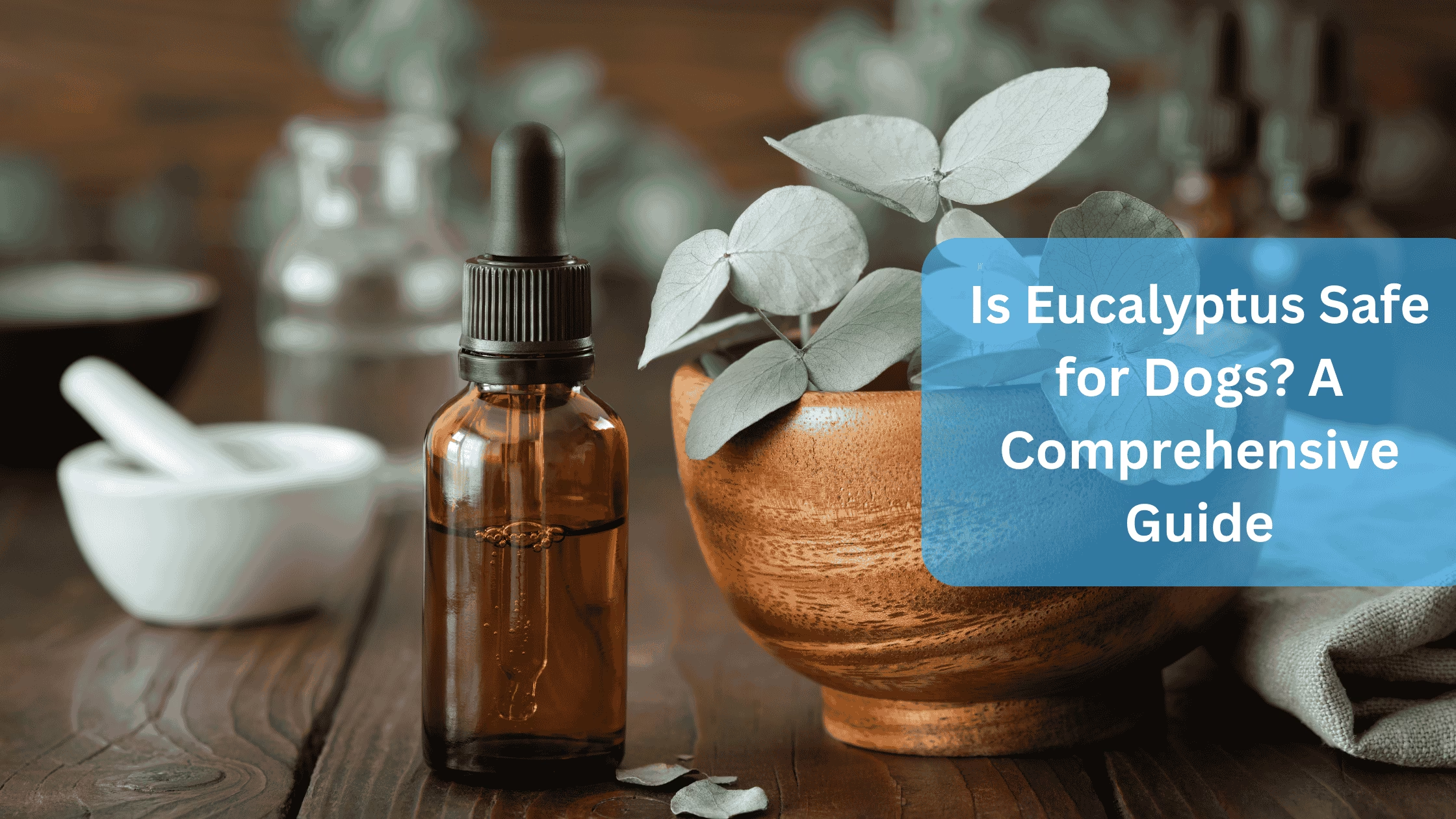
    Is Eucalyptus Safe for Dogs? A Comprehensive Guide

    Is Eucalyptus Safe for Dogs? Eucalyptus is a popular plant known for its aromatic properties and potential health benefits.

    However, when it comes to our furry friends, particularly dogs, the question of safety arises.

    This guide will explore the various aspects of eucalyptus and its effects on dogs, including its uses, potential benefits, risks, and safe practices.

    Understanding Eucalyptus

    Eucalyptus is a genus of flowering trees and shrubs native to Australia.

    The leaves of eucalyptus trees are known for their essential oils, which contain compounds like eucalyptol (also known as cineole).

    While eucalyptus has been used in traditional medicine for its antimicrobial and anti-inflammatory properties, its safety for pets, particularly dogs, requires careful consideration.

    Is Eucalyptus Safe for Dogs? The Safety of Eucalyptus for Dogs

    The short answer to whether eucalyptus is safe for dogs is complicated. It largely depends on how it is used. Here are some key points to consider:

    • Toxicity: Eucalyptus oil can be toxic to dogs if ingested or applied improperly. Symptoms of toxicity may include vomiting, diarrhea, excessive drooling, lethargy, and confusion. The ASPCA lists eucalyptus as a toxic plant for dogs due to the eucalyptol it contains.
    • Sensitivity: Dogs have a much stronger sense of smell than humans—up to 10,000 times more sensitive. This means that scents that are pleasant to us can be overwhelming or irritating to them. Therefore, even if eucalyptus oil is diffused in a room, it can cause discomfort or adverse reactions in dogs.
    • Dilution Matters: If you choose to use eucalyptus oil around your dog, it must be diluted properly. Undiluted essential oils can cause skin burns or severe allergic reactions. Always consult with a veterinarian before introducing any essential oil into your dog’s environment.

    Potential Benefits of Eucalyptus for Dogs

    Despite the risks associated with eucalyptus oil, there are some potential benefits when used correctly:

    • Respiratory Support: Eucalyptus oil has been noted for its ability to help clear respiratory congestion in dogs. Its antimicrobial properties may assist in alleviating conditions like kennel cough or bronchitis.
    • Insect Repellent: The strong scent of eucalyptus can act as a natural deterrent against fleas, ticks, and mosquitoes. When diluted appropriately, it can be applied to dog collars or bedding as an alternative to chemical repellents.
    • Wound Healing: Eucalyptus oil possesses antiseptic and anti-inflammatory properties that may aid in healing minor cuts and scrapes on dogs when used properly.
    • Stress Relief: The aroma of eucalyptus may help create a calming environment for anxious dogs during stressful situations like thunderstorms or fireworks. However, care must be taken to monitor the dog’s reaction.

    Risks Associated with Eucalyptus to Dogs

    While there are potential benefits, the risks often outweigh them if not handled correctly:

    • Toxicity Symptoms: If a dog ingests eucalyptus oil or comes into contact with it in high concentrations, symptoms can include vomiting, diarrhea, lethargy, loss of appetite, and confusion.
    • Skin Irritation: Direct application of undiluted eucalyptus oil can cause chemical burns or long-term skin allergies in dogs. Always dilute essential oils before applying them topically.
    • Inhalation Risks: Diffusing eucalyptus oil poses risks as well since the droplets can land on your dog’s fur or be inhaled directly. If your dog shows signs of discomfort (e.g., coughing or excessive drooling), stop using the diffuser immediately.

    How to Use Eucalyptus Safely Around Dogs

    If you decide to use eucalyptus oil around your dog despite the risks involved, consider these safety tips:

    • Consult Your Veterinarian: Before using any essential oils around your pet, especially eucalyptus oil, consult with your veterinarian for guidance tailored to your dog’s specific health needs.
    • Dilution is Key: Always dilute eucalyptus oil significantly before using it on your dog or in their environment. A common dilution ratio is one drop of essential oil per tablespoon of carrier oil.
    • Monitor Reactions: Keep an eye on your dog’s behavior when introducing eucalyptus into their environment. If they show any signs of distress—such as excessive barking or trying to escape the area—remove them from the space immediately.
    • Avoid Direct Application: Never apply undiluted eucalyptus oil directly onto your dog’s skin or fur. Instead, consider using it in a diluted form mixed with other safe oils or products designed specifically for pets.
    • Limit Exposure Time: If diffusing eucalyptus oil, ensure that your dog has access to fresh air and can leave the room if they find the scent overwhelming.

    Frequently Asked Questions (FAQs)

    Can I use eucalyptus oil on my puppy?

    No, it is not recommended to use eucalyptus oil around puppies or smaller dogs due to their heightened sensitivity and risk of toxicity.

    What should I do if my dog ingests eucalyptus oil?

    If you suspect that your dog has ingested eucalyptus oil or shows signs of toxicity (vomiting, lethargy), contact your veterinarian immediately or reach out to an animal poison control center.

    Are there safer alternatives to eucalyptus oil?

    Yes! Some essential oils considered safer for dogs include lavender, ginger, rosemary, and frankincense when used appropriately and diluted.

    How much eucalyptus oil is toxic to dogs?

    The toxicity level can vary based on factors such as the size of the dog and their overall health condition. There is no definitive amount that is considered safe; thus caution is always advised when using any essential oils around pets.

    Can I diffuse eucalyptus oil if I have a dog?

    While diffusing may seem harmless at first glance, it’s best avoided unless you are certain that your dog does not react negatively to the scent. Always monitor their behavior closely during diffusion sessions.

    Also Read: Can Dogs Use Baby Shampoo? A Comprehensive Guide

    Also Read: Can Dogs Use Neosporin? A Comprehensive Guide

    Conclusion

    In conclusion, while eucalyptus has potential benefits for dogs when used correctly—such as respiratory support and insect repellent—it also poses significant risks due to its toxicity when ingested or improperly applied.

    Always prioritize safety by consulting with a veterinarian before introducing any new substances into your dog’s environment.

    Understanding how essential oils interact with pets is crucial for responsible pet ownership. If you’re considering using eucalyptus oil around your dog, proceed with caution and always prioritize their health and comfort above all else.


    Sources:

  • Can Dogs Use Baby Shampoo? A Comprehensive Guide

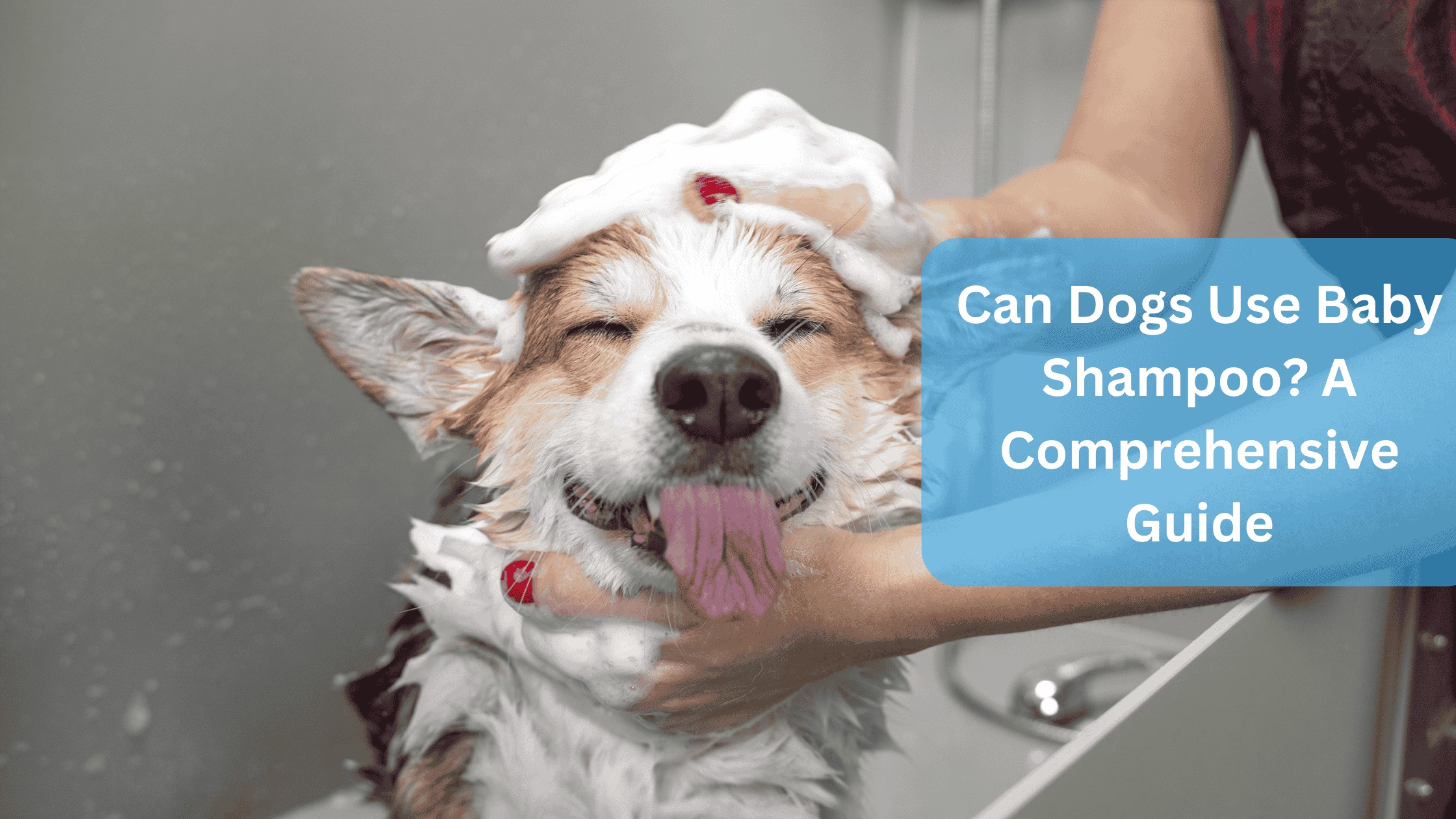
    Can Dogs Use Baby Shampoo? A Comprehensive Guide

    Can Dogs Use Baby Shampoo? As dog owners, we often find ourselves questioning the best ways to care for our furry companions.

    One common query is whether baby shampoo, a product designed for infants, is safe and effective for dogs.

    This comprehensive guide will delve into the safety, application, and alternatives to using baby shampoo on dogs, providing you with the information needed to make informed decisions about your pet’s grooming routine.

    Understanding Baby Shampoo

    Baby shampoo is specifically formulated to be gentle on sensitive skin and eyes. It typically has a neutral pH level, which makes it less likely to irritate delicate skin compared to regular shampoos designed for adults. The primary ingredients in baby shampoo often include:

    • Mild Surfactants: These help to cleanse without stripping natural oils.
    • Moisturizers: Ingredients like aloe vera or glycerin are included to help keep skin hydrated.
    • Fragrance-Free Options: Many baby shampoos are free from harsh fragrances and dyes, making them suitable for sensitive skin.

    Understanding these components helps pet owners gauge whether baby shampoo might be beneficial in grooming their dogs.

    Can Dogs Use Baby Shampoo?

    Safety of Using Baby Shampoo on Dogs

    Using baby shampoo on dogs can be safe under certain conditions. Here’s what you need to consider:

    When Is It Safe to Use Baby Shampoo on Dogs?

    • Short-Coated Breeds: Baby shampoo can be effective for short-haired or hairless breeds that do not require heavy-duty cleansing.
    • Occasional Use: If your dog is not exposed to dirt or allergens frequently, using baby shampoo occasionally may be acceptable.
    • Sensitive Skin: For dogs with sensitive skin or allergies, baby shampoo can be a gentler alternative to traditional dog shampoos.

    When Should You Avoid Using Baby Shampoo on Dogs?

    • Frequent Use: Regular use of baby shampoo may disrupt the natural oils in your dog’s coat and skin, leading to dryness and irritation.
    • Long or Thick Coats: Dogs with long or thick fur may require specialized shampoos designed to penetrate their coat effectively.
    • Skin Conditions: If your dog has a specific skin condition (such as dermatitis), consult your veterinarian before using any new product.

    Potential Risks of Using Baby Shampoo on Dogs

    While baby shampoo can be a gentle option, there are potential risks associated with its use on dogs:

    • pH Imbalance: Dog skin has a different pH level than human skin (typically between 5.5 and 7.5). Using products not formulated for dogs can disrupt this balance, leading to irritation.
    • Allergic Reactions: Some dogs may have allergies or sensitivities to certain ingredients found in baby shampoos, even if they are generally considered mild.
    • Residue Buildup: If not rinsed thoroughly, baby shampoo can leave residue that may irritate your dog’s skin over time.

    Alternatives to Baby Shampoo for Dog Grooming

    If you’re hesitant about using baby shampoo on your dog or if your pet requires more specialized care, consider these alternatives:

    Dog-Specific Shampoos

    1. Hypoallergenic Shampoos: Formulated for sensitive skin, these shampoos are designed specifically for dogs and can help prevent allergic reactions.
    2. Medicated Shampoos: If your dog has specific skin issues (like itching or infections), medicated shampoos prescribed by a veterinarian may be more effective.
    3. Natural Shampoos: Look for products made from natural ingredients that are safe for pets and free from harmful chemicals.

    Homemade Solutions

    For those who prefer DIY solutions:

    1. Oatmeal Baths: Ground oatmeal mixed with warm water can soothe irritated skin and is safe for dogs.
    2. Apple Cider Vinegar Rinse: Diluted apple cider vinegar can help restore pH balance and repel fleas when used as a rinse after bathing.

    How to Bathe Your Dog Safely

    If you decide to use baby shampoo or any other product on your dog, follow these steps for a safe bathing experience:

    1. Prepare the Area: Choose a location that is easy to clean and has good drainage. A bathtub or outdoor space works well.
    2. Gather Supplies:
    • Baby shampoo (or chosen alternative)
    • Towels
    • A cup or handheld sprayer for rinsing
    • Treats for positive reinforcement

    3. Wet Your Dog Thoroughly: Use lukewarm water to wet your dog’s coat completely before applying any shampoo.

    4. Apply Shampoo Gently: Use a small amount of baby shampoo and lather it gently into your dog’s coat, avoiding the eyes and ears.

    5. Rinse Thoroughly: Ensure all soap is rinsed out completely to prevent residue buildup.

    6. Dry Your Dog Properly: Use towels to dry your dog off after the bath. If using a blow dryer, ensure it is set on low heat and keep it at a safe distance from their skin.

    7. Reward Your Dog: After the bath, give your dog treats and praise to create a positive association with bath time.

      Frequently Asked Questions (FAQs)

      Can I Use Johnson’s Baby Shampoo on My Dog?

      Yes, Johnson’s Baby Shampoo is often considered safe for occasional use on dogs due to its gentle formula. However, it should not replace regular grooming products specifically designed for pets.

      Can I Use Baby Shampoo on My Dog’s Face?

      It is best to avoid getting any shampoo in your dog’s eyes or mouth. If you need to clean their face, consider using a damp cloth instead of applying shampoo directly.

      Can I Use Human Baby Shampoo on Dogs?

      While human baby shampoos can be gentler than regular shampoos, they may still disrupt the pH balance of a dog’s skin if used frequently. It’s advisable to use products formulated specifically for dogs whenever possible.

      How Often Can I Bathe My Dog with Baby Shampoo?

      If you choose to use baby shampoo occasionally, limit baths to once every few weeks unless otherwise directed by your veterinarian. Frequent bathing can strip natural oils from the coat.

      Are There Any Signs That Indicate My Dog Is Having an Adverse Reaction?

      Look out for signs such as excessive scratching, redness, swelling, or changes in behavior after bathing. If any of these symptoms occur, discontinue use immediately and consult your veterinarian.

      Also Read: 15 Dog Training Tips for German Shepherds – Best Guide

      Also Read: Can Dogs Use Neosporin? A Comprehensive Guide

      Conclusion

      In conclusion, while it is possible for dogs to use baby shampoo under certain circumstances—specifically when applied correctly and infrequently—it’s crucial that pet owners exercise caution when doing so!

      Always prioritize safety by consulting with veterinarians regarding any concerns surrounding appropriate grooming methods tailored specifically towards each individual dog’s needs!

      By understanding both benefits and risks associated with applying human products onto pets we can ensure our furry friends receive optimal care promoting healthy coats effectively throughout their grooming routines!

      This comprehensive guide not only addresses whether dogs can use baby shampoo but also provides valuable insights into proper grooming practices ensuring every pet owner feels equipped knowledgeable when caring for their beloved companions!


      Sources:

    1. Can Dogs Use Neosporin? A Comprehensive Guide

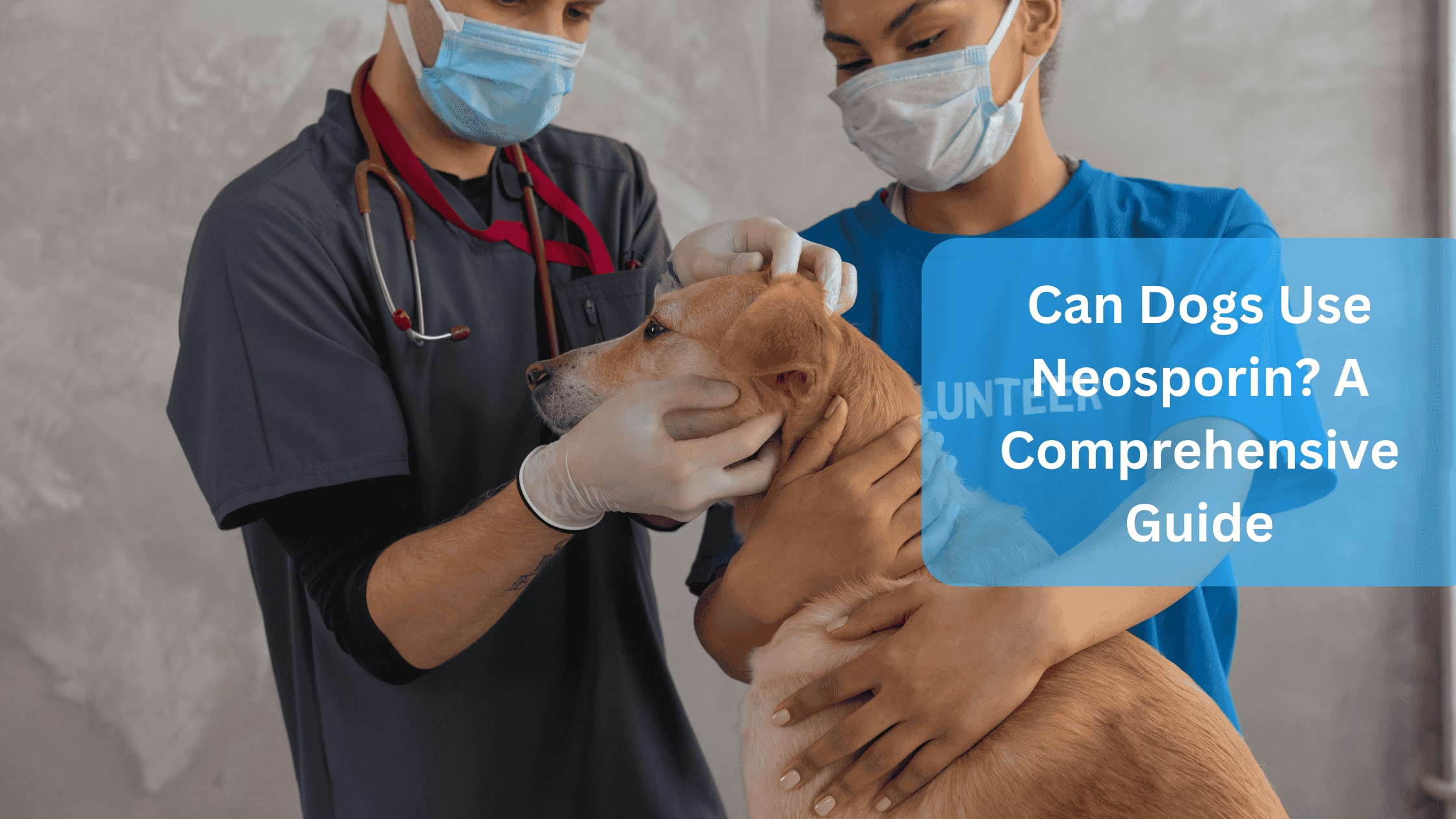
      Can Dogs Use Neosporin? A Comprehensive Guide

      Can Dogs Use Neosporin? As dog owners, we often find ourselves in situations where our pets sustain minor injuries. Knowing how to treat these injuries effectively is crucial for their health and well-being.

      One common question is whether Neosporin, a popular over-the-counter antibiotic ointment for humans, can be used on dogs.

      This guide will explore the safety, efficacy, and alternatives to using Neosporin on dogs, ensuring you have all the information you need to care for your furry friend.

      Understanding Neosporin

      Neosporin is an antibiotic ointment commonly used by humans to prevent infection in minor cuts and scrapes. It contains three active ingredients:

      • Bacitracin: Effective against gram-positive bacteria; it disrupts bacterial cell wall synthesis.
      • Neomycin: A broad-spectrum antibiotic effective against various bacteria; it interferes with bacterial protein synthesis.
      • Polymyxin B: Targets gram-negative bacteria; it disrupts cell membrane integrity leading to cell death.

      Understanding these components helps pet owners gauge whether they might be beneficial in treating their dog’s minor wounds.

      Can Dogs Use Neosporin? Safety of Using Neosporin on Dogs

      While many pet owners may consider using human medications like Neosporin on their dogs due to its accessibility, it’s essential to evaluate safety concerns carefully.

      When Is It Safe to use Neosporin on Dogs?

      Using Neosporin is generally considered safe for treating minor cuts and abrasions in dogs when applied correctly:

      • Ensure that the wound is clean before application.
      • Apply a thin layer directly onto the affected area.
      • Monitor your dog closely after application to prevent licking.

      When Should You Avoid using Neosporin on Dogs?

      Avoid using Neosporin if:

      • The wound is deep or punctured; these require veterinary attention.
      • The injury is located near areas prone to licking (like paws or face).
      • Your dog has known allergies or sensitivities to any ingredients in the ointment.

      Veterinary consultation is crucial when dealing with more severe injuries or if you notice any adverse reactions after application.

      Potential Risks of Using Neosporin on Dogs

      Despite its benefits, there are potential risks associated with using Neosporin on dogs:

      • Gastrointestinal Upset: If ingested, it can cause vomiting or diarrhea due to its antibiotic components disrupting gut flora.
      • Allergic Reactions: Some dogs may experience allergic reactions ranging from mild irritation to severe symptoms requiring immediate veterinary care.
      • Delayed Healing: Overuse of topical antibiotics can lead to resistance or hinder natural healing processes.

      It’s vital for pet owners to weigh these risks against benefits before applying any human medication on their pets.

      Alternatives to Neosporin for Dog Wound Care

      If you’re hesitant about using Neosporin or if your dog’s injury requires more specialized treatment, consider these alternatives:

      Veterinary-Specific Ointments

      Products formulated specifically for animals are often safer options:

      • Vetricyn: A non-toxic spray designed for treating wounds without harmful side effects.
      • PetSafe Antiseptic Spray: Another veterinarian-approved option that promotes healing without antibiotics.

      Natural Remedies

      For those who prefer natural solutions:

      • Honey: Medical-grade honey has natural antibacterial properties and can be applied directly onto minor wounds.
      • Coconut Oil: Known for its antimicrobial properties; it can soothe skin irritations while providing moisture.

      Always consult your veterinarian before trying new treatments, especially if your dog has underlying health conditions or allergies.

      How to Apply Neosporin on Dogs

      If you decide that applying Neosporin is appropriate for your dog’s injury, follow these steps carefully:

      1. Clean the Wound Thoroughly: Use lukewarm water and mild soap; rinse well before drying gently with a clean cloth or gauze pad.
      2. Apply a Thin Layer: Use a clean cotton swab or your finger (washed thoroughly) to apply a thin layer directly onto the wound without excessive pressure.
      3. Prevent Licking: Consider using an Elizabethan collar (cone) if your dog tends to lick at their wounds frequently; this helps keep ointments intact longer.
      4. Monitor Progress: Check daily for signs of improvement or worsening conditions; look out for redness, swelling, or discharge which may indicate infection.
      5. Veterinary Consultation: If there’s no improvement within three days or if you observe unusual behavior from your dog post-treatment (like excessive licking), consult your veterinarian promptly.

      These steps ensure proper treatment while minimizing potential complications from improper application techniques.

      Frequently Asked Questions (FAQs)

      Can I Put Neosporin on My Dog’s Cut?

      Yes, but only for minor cuts and scrapes after ensuring proper cleaning beforehand; always seek veterinary advice if uncertain about injury severity.

      What Should I Do If My Dog Licks Neosporin?

      Monitor them closely; if they show symptoms like vomiting or diarrhea after licking it off contact your vet immediately as it could indicate ingestion-related issues requiring medical attention!

      Is There A Safe Alternative To Neosporin For Dogs?

      Absolutely! Consider using veterinary-approved topical treatments such as Vetricyn which are formulated specifically with pets’ needs in mind!

      How Often Can I Apply It?

      Typically once every 12 hours should suffice unless directed otherwise by your veterinarian based upon specific circumstances surrounding each individual case!

      Are There Signs That Indicate An Infection?

      Yes! Look out for increased redness around the area swelling warmth discharge (pus) persistent licking behavior changes in appetite lethargy which may indicate something more serious requiring prompt veterinary intervention!

      Also Read: 15 Dog Training Tips for German Shepherds – Best Guide

      Also Read: Are Poinsettias Poisonous to Dogs? A Comprehensive Guide

      Also Read: How to Make a Constipated Dog Poop Quickly: A Comprehensive Guide

      Conclusion

      In conclusion, while it is possible for dogs to use Neosporin under certain circumstances—specifically minor cuts—it’s crucial that pet owners exercise caution when doing so!

      Always prioritize safety by consulting with veterinarians regarding any concerns surrounding appropriate treatment methods tailored specifically towards each individual dog’s needs!

      By understanding both benefits and risks associated with applying human medications onto pets we can ensure our furry friends receive optimal care promoting healing effectively and safely throughout their recovery journeys!

      This comprehensive guide not only addresses whether dogs can use Neosporin but also provides valuable insights into proper wound care practices and alternatives available ensuring every pet owner feels equipped and knowledgeable when caring for their beloved companions!


      Sources:

    2. Are Poinsettias Poisonous to Dogs? A Comprehensive Guide

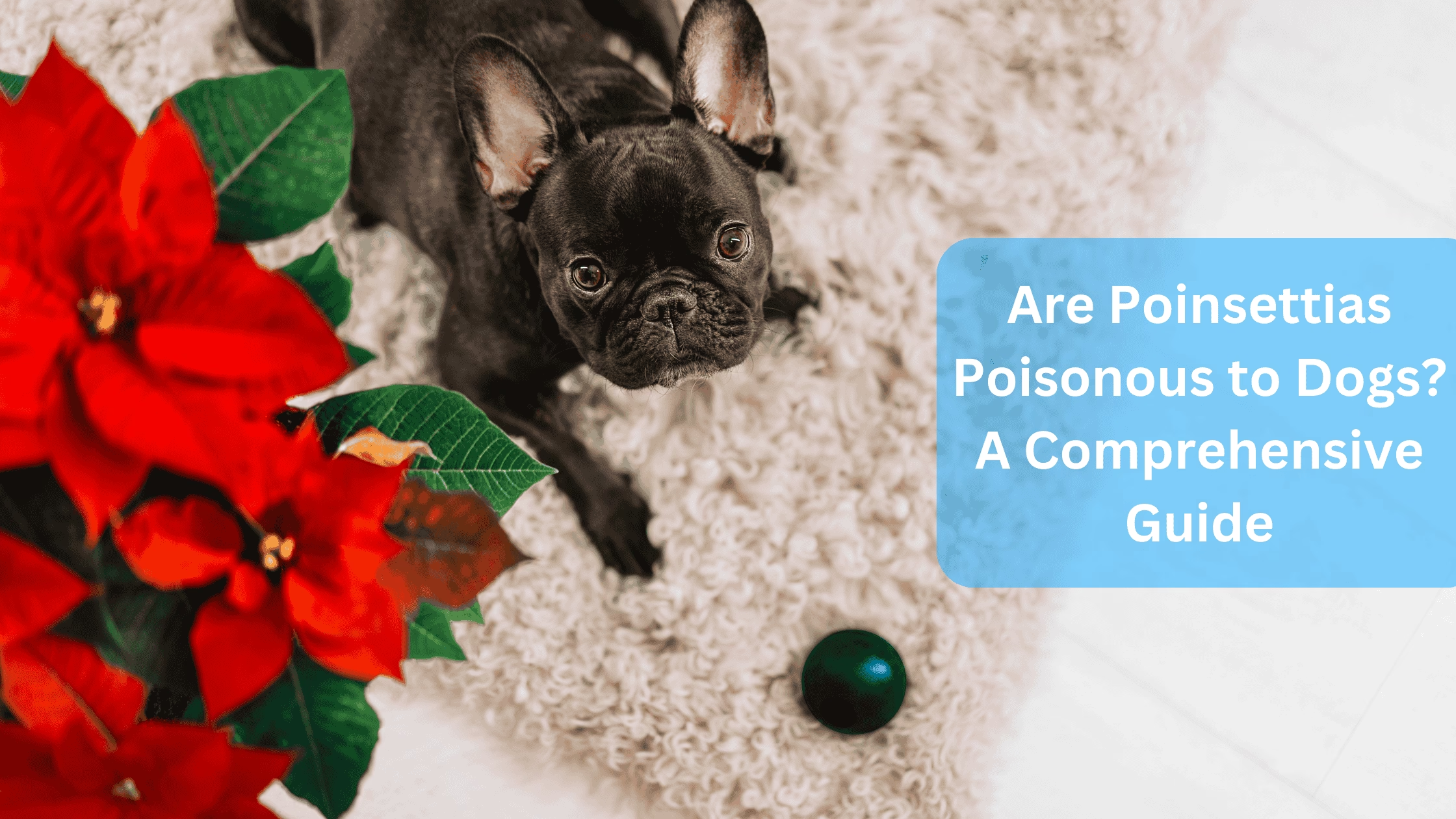
      Are Poinsettias Poisonous to Dogs? A Comprehensive Guide

      Are Poinsettias Poisonous to Dogs? Poinsettias, with their vibrant red and green foliage, are a staple of holiday decorations. However, many dog owners often wonder if these festive plants are safe for their furry friends.

      This guide will explore the toxicity of poinsettias to dogs, including symptoms, treatment options, and preventative measures to ensure the safety of your pets during the holiday season.

      Understanding Poinsettias

      Poinsettias (scientific name: Euphorbia pulcherrima) are native to Central America and have become synonymous with Christmas celebrations worldwide. Their bright colors and unique shape make them popular for holiday decor. However, they contain a milky white sap that can be irritating to pets.

      Toxic Components of Poinsettias

      The sap of poinsettias contains two primary compounds that contribute to their mild toxicity:

      • Diterpenoid euphorbol esters: These compounds can cause irritation when ingested or when they come into contact with the skin.
      • Saponin-like detergents: These substances can also irritate the digestive tract and skin.

      While these compounds are not lethal, they can lead to discomfort and mild health issues in dogs.

      Are Poinsettias Poisonous to Dogs?

      The short answer is yes, poinsettias are mildly toxic to dogs. However, the level of toxicity is often exaggerated.

      According to various veterinary sources, including the American Kennel Club and Pet Poison Helpline, the ingestion of poinsettia leaves or sap can lead to mild symptoms but is rarely life-threatening.

      Symptoms of Poinsettia Toxicity in Dogs

      If a dog ingests poinsettia or comes into contact with its sap, it may exhibit several symptoms:

      • Vomiting: This is one of the most common reactions.
      • Drooling: Increased salivation can occur due to mouth irritation.
      • Diarrhea: Some dogs may experience gastrointestinal upset.
      • Skin Irritation: Contact with the sap can cause redness and swelling.
      • Eye Irritation: If the sap gets into a dog’s eyes, it may cause redness and discomfort.

      These symptoms are typically mild and self-limiting. Most dogs recover without medical intervention unless they show severe symptoms.

      How Much of a Poinsettia is Toxic to Dogs?

      All parts of the poinsettia plant contain the irritating sap, meaning that any amount ingested can potentially cause symptoms. However, larger quantities may lead to more pronounced effects. It is essential for pet owners to monitor their dogs closely if they suspect ingestion.

      What Should You Do If Your Dog Eats Poinsettia?

      If you suspect that your dog has ingested poinsettia leaves or sap, here’s what you should do:

      1. Stay Calm: Most cases of poinsettia ingestion result in mild symptoms that resolve on their own.
      2. Monitor Your Dog: Keep an eye on your pet for any signs of distress or unusual behavior.
      3. Contact Your Veterinarian: If your dog shows persistent vomiting, diarrhea, or any severe symptoms, reach out to your vet for advice. They may recommend bringing your dog in for an examination.
      4. Provide Hydration: Ensure your dog has access to fresh water to stay hydrated, especially if they are experiencing vomiting or diarrhea.
      5. Wash Affected Areas: If any sap has come into contact with your dog’s skin or fur, wash it off with soap and water to prevent irritation.

      Preventing Poinsettia Poisoning in Dogs

      To keep your dog safe during the holiday season:

      • Avoid Bringing Poinsettias Home: If you know your dog has a tendency to chew on plants, consider skipping poinsettias altogether.
      • Keep Plants Out of Reach: If you choose to have poinsettias in your home, place them in areas that are inaccessible to your dog.
      • Educate Family Members: Make sure everyone in your household understands the potential risks associated with poinsettias around pets.

      Other Holiday Plants to Be Aware Of

      While poinsettias are often highlighted during the holidays, several other common plants can pose risks to dogs:

      • Holly: Can cause gastrointestinal upset and potentially more severe reactions.
      • Mistletoe: Known for its toxic properties; ingestion can lead to serious health issues.
      • Christmas Cactus: Generally considered safe but can cause mild stomach upset if ingested in large quantities.
      • Amaryllis: Highly toxic; ingestion can lead to severe vomiting and diarrhea.

      Also Read: Is Nature’s Recipe Good for Dogs? A Comprehensive Guide

      Also Read: Why Do Dogs Howl at Night? A Comprehensive Guide

      Conclusion

      Poinsettias are indeed mildly toxic to dogs due to their irritating sap. While they can cause discomfort and mild symptoms such as vomiting and diarrhea, serious health issues are rare. By taking precautions—such as keeping these plants out of reach and monitoring for any signs of distress—dog owners can enjoy the beauty of poinsettias without compromising their pets’ safety.

      As always, if you have concerns about your dog’s health or if they exhibit severe symptoms after exposure to any plant, consult your veterinarian promptly. Keeping our furry friends safe during the festive season should always be a top priority!


      Sources:

    3. How to Make a Constipated Dog Poop Quickly: A Comprehensive Guide

      How to Make a Constipated Dog Poop Quickly: A Comprehensive Guide

      How to Make a Constipated Dog Poop Quickly? Constipation in dogs can be a concerning issue for pet owners.

      When your furry friend is struggling to relieve itself, it can lead to discomfort and anxiety for both the dog and its owner.

      Fortunately, there are various home remedies and natural solutions that can help get your dog back on track.

      This guide will explore effective methods for making a constipated dog poop quickly, including home remedies, dietary adjustments, and lifestyle changes.

      Understanding Dog Constipation

      Before diving into solutions, it’s essential to understand what constipation is and what causes it in dogs. Constipation occurs when a dog has difficulty passing stool or has infrequent bowel movements. Common signs of constipation include:

      • Straining to poop
      • Producing hard, dry stools
      • Frequent attempts to defecate without success
      • Abdominal discomfort or bloating
      • Reduced appetite

      Causes of Constipation in Dogs

      Several factors can contribute to constipation in dogs, including:

      • Dietary Issues: Low fiber intake or dehydration can lead to hard stools.
      • Lack of Exercise: Inactive dogs may have slower digestive systems.
      • Medical Conditions: Certain health issues, such as hip dysplasia or neurological disorders, can affect a dog’s ability to defecate.
      • Medications: Some medications may have constipation as a side effect.
      • Foreign Objects: Ingestion of non-food items can cause blockages.

      If your dog shows signs of severe constipation or if the condition persists for more than a day, it’s crucial to consult your veterinarian.

      How to Make a Constipated Dog Poop Quickly

      Now that we understand the basics of dog constipation, let’s explore effective methods for encouraging your dog to poop quickly.

      1. Increase Water Intake

      One of the simplest and most effective ways to help relieve constipation is by ensuring your dog stays hydrated. Dehydration can lead to hard stools, making it difficult for your dog to defecate.

      • Provide Fresh Water: Always have clean water available. Consider using a pet fountain, as many dogs prefer drinking flowing water.
      • Add Broth: Mixing low-sodium chicken or beef broth with your dog’s food can encourage them to drink more fluids.

      2. Dietary Adjustments

      Adjusting your dog’s diet can significantly impact their bowel movements. Here are some dietary changes you can make:

      • Increase Fiber Intake: Adding fiber-rich foods can help soften stools. Consider incorporating:
      • Canned Pumpkin: Pure pumpkin (not pie filling) is high in fiber and moisture. Add about one teaspoon per 10 pounds of body weight to their food.
      • Sweet Potatoes: Cooked sweet potatoes are another excellent source of fiber.
      • Green Beans: These are low in calories and high in fiber; they can be mixed into your dog’s meals.
      • Switch to Canned Food: If your dog eats dry kibble, consider mixing in wet canned food. The added moisture can help with digestion.

      3. Exercise Regularly

      Regular physical activity promotes healthy digestion and helps stimulate bowel movements. Here are some tips:

      • Daily Walks: Aim for at least one walk per day. The movement helps stimulate the digestive tract.
      • Playtime: Engage in active play sessions with your dog. Games like fetch or tug-of-war can get their blood pumping and aid digestion.

      4. Natural Remedies

      Several natural remedies may help relieve constipation quickly:

      • Coconut Oil: This natural laxative can be added to your dog’s food (about one teaspoon). Most dogs enjoy the taste.
      • Olive Oil: A small amount mixed into their food can also help lubricate the intestines.
      • Probiotics: Adding probiotics designed for dogs can help balance gut bacteria and improve digestive health.

      5. Belly Massage

      A gentle belly massage can stimulate your dog’s digestive system:

      • Use circular motions around your dog’s abdomen for about five minutes before walks or feeding times.
      • This method not only helps with bowel movements but also provides comfort and bonding time between you and your pet.

      6. Use Pet Wipes

      If you’re in a hurry and need immediate results, consider using pet-safe wipes:

      • Gently wipe around your dog’s rear end; this mimics the natural behavior of mother dogs stimulating their puppies to poop.
      • Be cautious not to irritate the skin; use eco-friendly wipes specifically designed for pets.

      7. Create a Routine

      Establishing a consistent routine can help regulate your dog’s bathroom habits:

      • Take your dog out at the same times each day, especially after meals when they are more likely to need to go.
      • Reward them with praise or treats when they successfully go outside; this reinforces positive behavior.

      Home Remedies for Constipation in Dogs

      In addition to the methods mentioned above, here are some effective home remedies you can try:

      1. Canned Pumpkin Puree

      As previously mentioned, canned pumpkin is an excellent natural remedy for constipation due to its high fiber content. It adds moisture and bulk to stools, making them easier to pass.

      2. Apple Cider Vinegar

      In small amounts (about one teaspoon mixed into food), apple cider vinegar may help stimulate digestion and relieve constipation.

      3. Greek Yogurt

      Plain, unsweetened Greek yogurt contains probiotics that promote healthy gut flora, which can aid digestion and relieve constipation.

      4. Psyllium Husk

      This soluble fiber supplement can be mixed into food (check with your vet for proper dosage). It absorbs water and helps create softer stools.

      Frequently Asked Questions (FAQs)

      To further assist you in addressing any concerns regarding your constipated dog, here are some common questions and answers:

      How long can a dog go without pooping?

      Most dogs should poop at least once a day. If your dog hasn’t pooped in over two days, it’s time to take action or consult a veterinarian.

      What should I do if my dog is straining but not producing stool?

      If your dog is straining without producing stool and seems distressed, consider trying some of the home remedies mentioned above or consult with your veterinarian immediately.

      Can I use human laxatives on my dog?

      No! Many human laxatives are toxic to dogs or may cause serious side effects. Always consult with a veterinarian before giving any medication intended for humans.

      Is it normal for my dog’s stool to be hard?

      While occasional hard stools might not be concerning, consistently hard stools indicate that something is wrong—usually related to diet or hydration levels.

      Can certain foods cause constipation?

      Yes! Foods low in fiber or those that are difficult for dogs to digest (like dairy products) may contribute to constipation. Always monitor what you feed your dog and adjust accordingly if issues arise.

      Also Read: Vet-Approved Homemade Dog Toothpaste: A Comprehensive Guide.

      Also Read: Can Dogs Use Human Toothpaste? A Comprehensive Guide.

      When to See a Veterinarian in Case of Constipation

      While many cases of mild constipation can be managed at home, it’s essential to know when professional help is needed:

      • If your dog has not pooped for more than two days
      • If they show signs of severe discomfort or pain
      • If there is blood in their stool or vomit
      • If they exhibit lethargy or a loss of appetite

      Your veterinarian may perform a physical examination and recommend treatments such as medication or dietary changes tailored specifically for your dog’s needs.

      Conclusion

      Constipation in dogs is a common issue that can often be resolved with simple home remedies and lifestyle adjustments. By ensuring proper hydration, increasing fiber intake, encouraging regular exercise, and employing natural remedies, you can help your constipated dog poop quickly and comfortably.

      Remember that each dog is unique; what works for one may not work for another. Always monitor your dog’s condition closely and consult with a veterinarian if you have concerns about their health or if constipation persists despite home treatment efforts.

      With patience and care, you’ll have your furry friend feeling better in no time!


      Sources: