Geraniums are popular plants known for their vibrant colors and pleasant fragrances, often gracing gardens and homes alike. However, if you’re a dog owner, you might be wondering: Are geraniums toxic to dogs? This guide will delve into the toxicity of geraniums, the symptoms to watch for, treatment options, and preventive measures to keep your furry friends safe.
What Are Geraniums?
Geraniums belong to the Geraniaceae family and are commonly found in two main genera: Pelargonium and Geranium. While both types are often referred to as geraniums, they have different characteristics and toxicity levels.
Types of Geraniums
Pelargonium: This genus includes most common garden geraniums. They are often fragrant and colorful but can pose risks to dogs.
Geranium: Known as cranesbills, these plants are generally considered non-toxic to dogs and can be a safer choice for pet owners.
Toxicity Overview
All parts of the Pelargonium species are considered mildly toxic to dogs. The primary toxic compounds found in these plants are geraniol and linalool, which can cause various health issues if ingested or if they come into contact with a dog’s skin.
Are Geraniums Toxic to Dogs?
Yes, geraniums, specifically those belonging to the Pelargonium genus, are toxic to dogs. The toxicity is classified as mild; however, it can still lead to uncomfortable symptoms and potential health risks.
Symptoms of Geranium Poisoning in Dogs
If your dog has ingested any part of a geranium plant, you may observe the following symptoms:
Vomiting: This is often the first sign that something is wrong. Dogs may vomit shortly after ingestion.
Lethargy: A noticeable decrease in energy levels or enthusiasm for activities.
Loss of Appetite: Your dog may refuse food or show disinterest in eating.
Skin Irritation: Contact with the plant can cause redness or irritation around the mouth or other areas that touched the plant.
Depression: A general sense of malaise or sadness can occur.
In severe cases, ingestion of large amounts may lead to more serious health complications, although fatalities from geranium poisoning are rare.
Immediate Actions if Your Dog Ingests Geraniums
If you suspect that your dog has eaten geraniums, it’s important to act quickly:
Remove Access: Ensure your dog cannot access any more of the plant.
Rinse Mouth: If safe to do so, rinse your dog’s mouth with water to remove any plant material.
Monitor Symptoms: Keep an eye on your dog for any signs of distress or worsening symptoms.
Contact Your Vet: If symptoms persist or worsen, contact your veterinarian immediately for advice. Be prepared to provide details about the type of plant ingested and how much.
When to See a Vet
You should seek veterinary attention if:
Your dog exhibits severe symptoms such as continuous vomiting or lethargy.
You know your dog has consumed a significant amount of the plant.
You are uncertain about the severity of exposure.
Treatment Options for Geranium Poisoning
Most cases of geranium poisoning do not require extensive treatment. However, here’s what you can expect:
Veterinary Assessment: The vet will assess the situation based on symptoms and history of exposure.
Inducing Vomiting: If ingestion was recent and significant, the vet may induce vomiting to prevent further absorption of toxins.
Activated Charcoal: This may be administered to absorb toxins in the gastrointestinal tract.
Supportive Care: IV fluids may be provided if dehydration occurs due to vomiting.
Preventive Measures to keep your dog safe from Geranium poisoning
Choose Non-Toxic Plants: Opt for non-toxic varieties like Geranium (cranesbill) instead of Pelargonium.
Garden Layout: Plant potentially harmful plants out of reach or in hanging baskets.
Training: Teach your dog not to chew on plants by redirecting their attention when they show interest in them.
Regular Checks: Routinely check your garden and home for any signs that your dog might have ingested something harmful.
Related Questions
Can Dogs Eat Geraniums?
No, dogs should not eat geraniums from the Pelargonium genus as they are mildly toxic.
What Happens If a Dog Eats Geranium?
Dogs may experience mild stomach upset, vomiting, lethargy, and skin irritation after ingesting geraniums.
Can Geranium Oil Be Harmful?
Yes, essential oils derived from geraniums are more concentrated and can be highly toxic to dogs. It’s crucial to keep such oils out of reach.
Are All Geranium Varieties Toxic?
Not all varieties are toxic; those from the Geranium genus (cranesbill) are generally considered safe for dogs.
How Can I Tell If My Dog Has Ingested Geraniums?
Watch for symptoms like vomiting, lethargy, loss of appetite, and skin irritation around contact areas.
While geraniums add beauty to gardens and homes, it’s essential for dog owners to understand their potential toxicity.
By being informed about which types of geraniums pose risks and recognizing symptoms of poisoning early on, you can take proactive steps to keep your furry friends safe.
If you suspect that your dog has ingested any part of a geranium plant or is showing concerning symptoms, don’t hesitate—contact your veterinarian right away.
Keeping poisonous plants out of reach is vital for ensuring a safe environment for your pets while still enjoying the beauty that gardening brings.
When exploring the fascinating anatomy of our beloved pets, a common question arises: do dogs have an appendix?
Understanding this aspect of canine biology not only satisfies curiosity but also sheds light on the differences between dogs and other mammals.
In this guide, we will delve into the anatomy of dogs, examine the role of the appendix in various species, and answer related questions to provide a comprehensive understanding of this topic.
What is the Appendix?
The appendix is a small, tube-like structure that is attached to the cecum, which is part of the large intestine.
In humans, it is often referred to as a vermiform appendix due to its worm-like shape.
The appendix is typically about 9 cm (3.5 inches) long but can vary in size from 5 to 35 cm (2 to 13.8 inches).
Functions of the Appendix
Historically viewed as a vestigial organ—meaning it was thought to have no significant function—recent studies suggest that the appendix may play several roles:
Gut Flora Maintenance: The appendix may serve as a reservoir for beneficial gut bacteria, helping to repopulate the intestines after illness or antibiotic treatment.
Immune Function: It contains lymphoid tissue that contributes to immune responses, particularly during early life.
Digestive Aid: In some herbivorous mammals, the appendix aids in digesting cellulose.
Despite these potential functions, many people live without their appendix after surgical removal due to appendicitis without any apparent long-term health issues.
Do Dogs Have an Appendix?
The straightforward answer is no, dogs do not have an appendix. Unlike humans and some other mammals that possess this organ, dogs lack an anatomical structure that resembles an appendix.
Comparison with Other Animals
While dogs and cats do not have an appendix, other mammals such as:
Wombats
Rabbits
Primates
do possess this organ. In these species, the appendix may serve various functions related to digestion and immune response.
Evolutionary Perspective
The absence of an appendix in dogs can be attributed to evolutionary adaptations.
Dogs are primarily carnivorous animals; their digestive systems are designed differently than those of herbivores that require additional structures like the appendix for cellulose digestion.
Over time, as species evolved based on their diets and environments, certain organs became less necessary and were lost or modified.
Why Can’t Dogs Get Appendicitis?
Since dogs do not have an appendix, they cannot suffer from appendicitis—a painful condition caused by inflammation of the appendix.
Appendicitis can lead to severe complications if not treated promptly in humans, often requiring surgical removal of the organ.
Conditions Similar to Appendicitis in Dogs
Although dogs cannot develop appendicitis, they can experience other gastrointestinal issues that may present similarly:
Pancreatitis: Inflammation of the pancreas can cause severe abdominal pain and vomiting.
Peritonitis: This condition involves inflammation of the lining inside the abdomen and can occur due to various causes, including infections or ruptured organs.
Gastrointestinal Obstruction: Ingesting foreign objects can lead to blockages in the digestive tract, causing pain and distress.
Understanding these conditions is crucial for dog owners since symptoms may overlap with those seen in appendicitis.
Anatomy of a Dog’s Digestive System
To appreciate why dogs do not have an appendix, it’s essential to understand their digestive anatomy:
Mouth: The process of digestion begins here with chewing and saliva mixing with food.
Esophagus: This muscular tube transports food from the mouth to the stomach.
Stomach: The stomach breaks down food using acids and enzymes.
Small Intestine: Nutrient absorption occurs here; it consists of three parts: duodenum, jejunum, and ileum.
Cecum: While dogs have a cecum (the pouch connecting the small intestine to the large intestine), it does not have an attached appendix.
Large Intestine: This section absorbs water and forms waste products for elimination.
Anus: The final part where waste exits the body.
Differences Between Canine and Human Digestive Systems
The canine digestive system is shorter than that of humans due to their carnivorous diet, which requires less time for digestion compared to herbivores.
This difference in anatomy contributes to why certain organs like the appendix are absent in dogs.
Related Questions People Also Ask
What happens if a dog has abdominal pain?
Abdominal pain in dogs can be caused by various issues such as pancreatitis, peritonitis, or gastrointestinal obstruction. If your dog shows signs of pain (e.g., whining, lethargy), it’s crucial to consult a veterinarian for proper diagnosis and treatment.
Can dogs eat foods that cause appendicitis?
Since dogs do not have an appendix, they cannot develop appendicitis from food consumption. However, feeding them inappropriate foods can lead to other gastrointestinal issues.
Are there any signs that indicate a dog has digestive problems?
Signs of digestive problems in dogs include vomiting, diarrhea, loss of appetite, bloating, lethargy, or changes in behavior. If you notice any of these symptoms persisting for more than a day or two, seek veterinary care.
What are common gastrointestinal diseases in dogs?
Common gastrointestinal diseases include: 1. Gastroenteritis 2. Pancreatitis 3. Inflammatory bowel disease (IBD) 4. Colitis 5. Gastrointestinal obstruction Each condition has its own set of symptoms and treatment options.
How can I maintain my dog’s digestive health?
To maintain your dog’s digestive health: 1. Provide a balanced diet appropriate for their age and breed. 2. Ensure access to fresh water at all times. 3. Avoid feeding table scraps or human food that could upset their stomach. 4. Regular exercise helps promote healthy digestion. 5. Schedule regular veterinary check-ups for preventative care.
In summary, dogs do not possess an appendix like humans or some other mammals do.
Understanding this anatomical difference helps clarify why certain conditions associated with appendices—such as appendicitis—do not apply to our canine companions.
Instead, dog owners should be aware of other potential gastrointestinal issues that could arise and recognize when veterinary attention is necessary.
By maintaining your dog’s overall health through proper diet and regular veterinary care, you can help prevent many digestive issues from occurring in the first place.
Always consult with your veterinarian if you have concerns about your dog’s health or if they exhibit any unusual symptoms.
This comprehensive guide aims to provide clarity on whether dogs have an appendix while addressing related questions and concerns pet owners may have about their furry friends’ health.
In the quest for holistic solutions to enhance our dogs’ health and well-being, healing crystals for dogs have emerged as a popular choice among pet owners.
This comprehensive guide aims to provide in-depth information about the benefits of healing crystals, the best types to use, how to incorporate them into your dog’s life, and answers to common questions surrounding this practice.
Understanding Healing Crystals
Healing crystals are natural stones that are believed to emit energy vibrations capable of positively influencing physical, emotional, and spiritual health.
Each type of crystal possesses unique properties based on its mineral composition, color, and structure.
While scientific validation for crystal healing remains limited, many pet owners report positive outcomes when using these stones for their dogs.
How Healing Crystals Work?
The core principle behind crystal healing is that these stones can interact with the energy fields of living beings. The vibrations emitted by crystals may help:
Restore balance: Crystals can assist in realigning energy blocks within the body.
Promote relaxation: Certain crystals possess calming properties that help reduce stress and anxiety.
Enhance healing: Crystals support physical healing processes by promoting overall wellness.
Benefits of Healing Crystals for Dogs
Using healing crystals can provide a range of benefits for your furry friend:
Reduction in anxiety and stress: Crystals like amethyst and rose quartz are known for their calming effects.
Pain relief: Crystals such as amber and turquoise can alleviate joint pain and inflammation.
Improved sleep quality: Certain crystals create a soothing environment that promotes better sleep.
Enhanced emotional well-being: Crystals foster feelings of love and security in dogs.
Support during training: Some crystals enhance focus and learning abilities, aiding in training efforts.
Top Healing Crystals for Dogs
Here’s an extensive look at some of the best healing crystals for dogs:
1. Amethyst
Properties: Calming, stress-relieving
Benefits: Amethyst serves as a natural tranquilizer. It helps reduce anxiety and promotes a sense of calmness. It can also assist with digestive issues and skin problems.
2. Black Obsidian
Properties: Grounding, protective
Benefits: Black obsidian creates a protective shield around your dog, alleviating feelings of loneliness and anxiety. It is particularly useful for dogs suffering from separation anxiety.
3. Rose Quartz
Properties: Unconditional love, harmony
Benefits: Known as the “love stone,” rose quartz promotes feelings of love and compassion while soothing stressed dogs. It helps create a harmonious environment.
4. Chevron Amethyst
Properties: Calming, intuitive
Benefits: This crystal is excellent for reducing excessive barking and calming anxious pets. It also aids in promoting restful sleep.
5. Amber
Properties: Cleansing, energizing
Benefits: Amber is particularly beneficial for older dogs with joint pain or arthritis. It is also believed to ward off fleas and ticks when worn as jewelry or collars.
6. Clear Quartz
Properties: Clarity, amplification
Benefits: Clear quartz is known as the “master healer.” It amplifies the effects of other crystals and promotes overall balance in your dog’s energy field.
7. Smoky Quartz
Properties: Grounding, protective
Benefits: Smoky quartz helps alleviate pain while creating a safe environment by clearing negative energies. It’s particularly useful in multi-pet households.
8. Tourmaline Quartz
Properties: Purification, detoxification
Benefits: This combination crystal offers protection from negative energies while aiding in detoxification processes within your dog’s body.
9. Citrine
Properties: Uplifting, energizing
Benefits: Citrine is known for its ability to boost positive energy and enhance joy in dogs. It can help alleviate feelings of depression or lethargy.
10. Sodalite
Properties: Emotional balance
Benefits: Sodalite helps reduce anxiety levels in dogs, making it an excellent choice for those prone to nervousness or hyperactivity.
How to Use Healing Crystals with Your Dog
Integrating healing crystals into your dog’s routine can be simple and effective. Here are several methods:
Collar Charms
Attach small crystal charms to your dog’s collar. As they move around, the crystals will emit their vibrations throughout the day.
Pet Beds
Place tumbled stones or small crystals under your dog’s bed or sewn into their bedding. This allows them to absorb the calming energies while resting.
Massage Therapy
Gently massage your dog while holding a smooth crystal in your hand. The energy from the crystal can enhance relaxation during the massage.
Travel Companions
When traveling with your dog, place comforting crystals in their carrier or travel space to help reduce anxiety during trips.
Energy Cleansing
Use cleansing crystals like selenite or black tourmaline to cleanse your dog’s living area energetically.
Frequently Asked Questions (FAQs)
Can all dogs benefit from healing crystals?
Yes, most dogs can benefit from the calming effects of healing crystals. However, it’s essential to observe your dog’s reactions closely when introducing new crystals into their environment.
How do I know which crystal is right for my dog?
Choosing a crystal often depends on your dog’s specific needs or issues they may be experiencing (e.g., anxiety, pain). Trusting your intuition or consulting with a holistic veterinarian can guide you in selecting the right crystal.
Are there any safety precautions I should take?
Always supervise your dog when using crystals to ensure they do not chew on them or ingest any pieces. Additionally, clean and recharge your crystals regularly to maintain their effectiveness.
How should I cleanse my healing crystals?
You can cleanse your crystals by placing them in sunlight or moonlight for several hours or using sage smoke.
What are the best healing crystals for dogs?
The best healing crystals include amethyst for calming, rose quartz for love, black obsidian for protection, and amber for pain relief.
How can I tell if my dog is responding positively to healing crystals?
Look for signs such as reduced anxiety levels, improved mood, better sleep patterns, and increased relaxation during interactions with the crystal.
Can I use multiple types of crystals at once?
Yes! Using multiple types of crystals can enhance their effects as long as they are chosen based on your dog’s specific needs.
Is there scientific evidence supporting crystal healing?
While many anecdotal reports exist regarding the benefits of crystal healing for pets, scientific evidence remains limited. It’s essential to use these methods as complementary treatments alongside traditional veterinary care.
How often should I cleanse my dog’s healing crystals?
It’s recommended to cleanse them at least once a week or whenever you feel they need recharging due to heavy use or exposure to negative energies.
Healing crystals offer a holistic approach to enhancing your dog’s well-being by addressing emotional stressors and physical ailments naturally.
By understanding how these stones work and selecting appropriate ones based on your dog’s needs, you can create a supportive environment that promotes health and happiness.
Incorporating healing crystals into your pet care routine not only enriches your dog’s life but also deepens the bond between you both as you explore this alternative method together.
Always remember that while healing crystals can be beneficial, they should complement traditional veterinary care rather than replace it entirely.
With patience and observation, you may find that these beautiful stones bring peace and comfort not only to your furry friend but also to you as a devoted pet parent seeking the best possible care for your beloved companion.
How to Make a Dog with Lymphoma Comfortable? Receiving a lymphoma diagnosis for your beloved canine companion can be a devastating and overwhelming experience.
Lymphoma is a common type of cancer in dogs that affects the lymphatic system, often causing enlarged lymph nodes, lethargy, and weight loss.
While treatment options like chemotherapy can help put the cancer into remission, it’s crucial to focus on your dog’s quality of life and comfort throughout their journey.
As a pet owner, your primary goal should be to ensure your dog with lymphoma remains as comfortable as possible, minimizing pain and discomfort while maintaining their dignity and well-being.
This comprehensive guide will provide you with practical tips and strategies to help make your dog with lymphoma comfortable, from creating a soothing environment to managing pain and optimizing nutrition.
Understanding Lymphoma in Dogs
Before delving into the specifics of making your dog comfortable, it’s essential to have a basic understanding of lymphoma and its impact on your dog’s health.
What is Lymphoma?
Lymphoma is a type of cancer that originates in the lymphocytes, a type of white blood cell that is part of the immune system.
In dogs, lymphoma most commonly affects the lymph nodes, spleen, liver, and bone marrow. The disease can spread quickly throughout the body, affecting multiple organs and systems.
Types of Lymphoma in Dogs
There are several types of lymphoma in dogs, each with its own characteristics and treatment approach:
Multicentric lymphoma: This is the most common type, affecting multiple lymph nodes throughout the body.
Alimentary lymphoma: This type affects the gastrointestinal tract, often causing vomiting, diarrhea, and weight loss.
Mediastinal lymphoma: This type affects the lymph nodes in the chest, sometimes causing difficulty breathing.
Extranodal lymphoma: This type affects organs outside the lymphatic system, such as the skin, eyes, or central nervous system.
Symptoms of Lymphoma in Dogs
The symptoms of lymphoma in dogs can vary depending on the type and stage of the disease. Some common symptoms include:
Swollen lymph nodes
Lethargy and fatigue
Decreased appetite and weight loss
Vomiting and diarrhea
Increased thirst and urination
Difficulty breathing
Diagnosis and Treatmentof Lymphoma in Dogs
Lymphoma in dogs is typically diagnosed through a combination of physical examinations, blood tests, imaging studies (such as X-rays or ultrasounds), and biopsies of affected lymph nodes or organs.
Treatment options may include chemotherapy, radiation therapy, immunotherapy, or a combination of these approaches, depending on the type and stage of the disease.
How to Make a Dog with Lymphoma Comfortable?
15 Tips on How to Make a Dog with Lymphoma Comfortable. 6
Caring for a dog diagnosed with lymphoma can be a challenging journey, but there are many ways you can help make your furry friend more comfortable.
Here’s a guide to assist you in providing the best care for your dog during this difficult time:
1. Creating a Comfortable Environment
Provide Soft Bedding: Ensure your dog has a soft, supportive bed to rest on. Orthopedic mattresses or memory foam pads can offer extra support for their joints and muscles.
Use Mobility Aids: Consider using ramps or harnesses to help your dog move around more easily, especially if they are experiencing weakness or pain.
2. Designate a Safe Space
Quiet Area: Set aside a quiet, comfortable area in your home where your dog can retreat and rest undisturbed.
Stress-Free Zone: This space should be free from loud noises, excessive activity, and potential stressors.
3. Minimize Stress
Limit Visitors: Reduce the number of visitors and loud activities in your home to create a calmer environment.
Gentle Interactions: Keep interactions with your dog calm and gentle. Speak in a soothing voice and avoid sudden movements that could startle them.
4. Maintain a Consistent Routine
Regular Schedule: Keeping a consistent daily routine can help reduce anxiety and provide a sense of normalcy for your dog.
Adjust Activities: Stick to regular feeding times, walks, and playtime as much as possible, adjusting the intensity and duration based on your dog’s energy levels and comfort.
5. Create a Calming Environment
Calming Aids: Consider using calming aids like pheromone diffusers or anxiety wraps to soothe your dog’s nerves.
Soothing Sounds: Play soft, calming music or use white noise to mask disruptive sounds from outside the home.
6. Managing Pain and Discomfort
Consult Your Veterinarian: Regular consultations with your veterinarian are essential for monitoring pain levels and adjusting medications as needed.
Pain Relief Medications: Your vet may prescribe pain relief medications such as non-steroidal anti-inflammatory drugs (NSAIDs) or opioids to manage discomfort.
7. Monitor for Signs of Pain
Be Observant: Watch for signs of pain or discomfort, such as decreased appetite, lethargy, reluctance to move, or changes in behavior.
Contact Your Vet: If you notice any concerning symptoms, contact your veterinarian immediately for guidance.
8. Consider Alternative Therapies
Explore Options: In addition to traditional pain medications, consider alternative therapies like acupuncture, massage therapy, or cold laser therapy.
Consult Specialists: Work with your veterinarian or a certified veterinary rehabilitation specialist to explore these options.
9. Optimizing Nutrition
Work with Your Vet: Consult your veterinarian to develop a nutritional plan that meets your dog’s specific needs during their battle with lymphoma.
Dietary Recommendations:
Focus on high-quality commercial dog food or homemade diets tailored to your dog’s needs.
If appetite decreases, offer small, frequent meals of their favorite foods or high-calorie supplements.
10. Provide Nutritious Foods
Balanced Diet: Provide a diet that is high in protein (lean meats like chicken or turkey), moderate in fat (fish oil or coconut oil), and low in carbohydrates.
Avoid Harmful Foods: Steer clear of table scraps or foods high in sugar or salt that can exacerbate digestive issues or contribute to weight gain.
11. Consider Supplements
Health Support: Your veterinarian may recommend supplements like omega-3 fatty acids for reducing inflammation or antioxidants for boosting the immune system.
Vet Approval: Always consult with your vet before starting any new supplements to ensure they are appropriate for your dog’s condition.
12. Encouraging Gentle Exercise
Short Walks: Take your dog for short, leisurely walks around the block or in the backyard, adjusting based on their energy levels and comfort.
Gentle Playtime: Engage in light play activities such as fetch with soft toys while avoiding strenuous activities that require running or jumping.
13. Provide Mental Stimulation
Interactive Toys: Offer puzzle toys filled with treats to keep their mind active and prevent boredom.
Training Sessions: Engage in training sessions using positive reinforcement techniques to teach new tricks tailored to their abilities.
14. Providing Emotional Support
Spend Quality Time Together: Make an effort to spend quality time with your dog every day through gentle petting, cuddling, and reassurance.
Positive Attitude: Maintain a positive attitude; dogs can sense their owner’s emotions. Staying calm can create a more relaxed environment for both you and your dog.
15. Seek Support
Reach Out for Help: Don’t hesitate to contact your veterinarian, pet cancer support groups, or mental health professionals if you’re feeling overwhelmed or need someone to talk to.
By following these tips how to make a dog with lymphoma comfortable, you can provide compassionate care that enhances their quality of life during this difficult time.
Remember that each dog’s experience is unique; working closely with your veterinarian will ensure that you meet their specific needs effectively.
Palliative Care and End-of-Life Decisions for Dogs
As your dog’s disease progresses, you may need to make difficult decisions about their care and quality of life.
Work closely with your veterinarian to develop a palliative care plan that prioritizes your dog’s comfort and well-being.
Palliative Care
Palliative care focuses on managing your dog’s symptoms and maintaining their quality of life, even if a cure is no longer possible.
This may involve adjusting medications, providing supportive care, and making modifications to your dog’s environment to ensure their comfort.
End-of-Life Decisions
As your dog’s condition worsens, you may need to consider end-of-life decisions, such as euthanasia.
This is a deeply personal decision that should be made in consultation with your veterinarian, taking into account your dog’s quality of life, pain levels, and overall well-being.
Remember that euthanasia is a compassionate option that can help end your dog’s suffering and allow them to pass peacefully.
What are the most common symptoms of lymphoma in dogs?
The most common symptoms of lymphoma in dogs include swollen lymph nodes, lethargy, decreased appetite, weight loss, vomiting, diarrhea, increased thirst and urination, and difficulty breathing.
How is lymphoma diagnosed in dogs?
Lymphoma in dogs is typically diagnosed through a combination of physical examinations, blood tests, imaging studies (such as X-rays or ultrasounds), and biopsies of affected lymph nodes or organs.
What are the treatment options for dogs with lymphoma?
Treatment options for dogs with lymphoma may include chemotherapy, radiation therapy, immunotherapy, or a combination of these approaches, depending on the type and stage of the disease.
How long can a dog live with lymphoma?
The prognosis for dogs with lymphoma varies depending on the type and stage of the disease, as well as the dog’s response to treatment. With treatment, many dogs can live several months to over a year, but individual outcomes may vary.
What can I do at home to support my dog with lymphoma?
At home, you can support your dog with lymphoma by creating a calm, comfortable environment, managing pain and discomfort through veterinary guidance, providing a nutritious diet, encouraging gentle exercise, using mobility aids if needed, and offering emotional support through companionship and a positive attitude.
Caring for a dog with lymphoma can be a challenging and emotional experience, but with the right support and strategies, you can help make your dog as comfortable as possible throughout their journey.
By creating a calm environment, managing pain and discomfort, optimizing nutrition, encouraging gentle exercise, and providing emotional support, you can help ensure your dog with lymphoma maintains the best possible quality of life.
Remember, every dog’s experience with lymphoma is unique, and it’s important to work closely with your veterinarian to develop a care plan that meets your dog’s specific needs.
With compassionate care and support, you can help your dog with lymphoma feel loved, comforted, and as comfortable as possible during this difficult time.
Can Bacteria Cause Cancer in Dogs? As a dog owner, you want to keep your furry friend healthy and happy.
One question that might come to mind is whether bacteria can cause cancer in dogs. While it sounds complicated, we’ll break it down into easy-to-understand terms.
What Are Bacteria?
Bacteria are tiny living organisms found everywhere, including in your dog’s body. Most bacteria are harmless and even beneficial, helping with digestion and keeping the immune system strong. However, some bacteria can cause infections and health problems.
Can Bacteria Cause Cancer in Dogs?
Recent studies suggest that certain types of bacteria might be linked to cancer in dogs. Here’s what you need to know:
Bacteria and Inflammation: Some bacteria can cause chronic inflammation, which means your dog’s body is in a constant state of irritation. Over time, this inflammation can lead to changes in cells that may cause cancer.
Specific Cancers: Research has shown connections between certain bacteria and specific types of cancer in dogs. For example:
Mammary Tumors: In female dogs, certain bacteria found in the mouth and gut may be linked to mammary tumors (similar to breast cancer in humans).
Colorectal Cancer: Some bacteria associated with gum disease have also been found in dogs with colorectal cancer.
What Are the Signs of Canine Mammary Tumors I Should Watch For?
If you have a female dog, it’s important to know the signs of mammary tumors, especially if she hasn’t been spayed. Here are symptoms to watch for:
Lumps or Masses: Feel for any hard lumps or masses under the skin near the abdomen or along the mammary chain.
Changes in Appetite: If your dog is eating less or showing interest in food changes, it could be a sign of illness.
Lethargy: If your dog seems unusually tired or less active than normal, it’s worth discussing with your vet.
Skin Changes: Look for any redness, swelling, or discharge from the nipples.
If you notice any of these signs, consult your veterinarian as soon as possible.
What Are the Signs of Colorectal Cancer I Should Watch For?
Colorectal cancer can also affect dogs, and being aware of its signs is crucial. Look for:
Changes in Bowel Habits: This includes diarrhea or constipation that lasts more than a few days.
Blood in Stool: Noticeable blood or mucus in your dog’s stool can be a warning sign.
Weight Loss: Unexplained weight loss despite a normal appetite may indicate an underlying issue.
Vomiting: Frequent vomiting can also be a symptom of gastrointestinal problems.
If you observe any of these symptoms, it’s essential to contact your veterinarian for evaluation.
How Can I Improve My Dog’s Gut Health to Prevent Cancer?
Improving your dog’s gut health is essential for overall well-being and may help reduce the risk of certain cancers. Here are some tips:
Feed a Balanced Diet: Ensure your dog gets high-quality food rich in nutrients. Look for diets that include prebiotics and probiotics.
Probiotics: These are beneficial bacteria that help maintain a healthy gut microbiome. You can find probiotics specifically designed for dogs as supplements or in some dog foods.
Regular Exercise: Physical activity helps promote good digestion and overall health.
Hydration: Ensure your dog has access to fresh water at all times, as hydration is vital for gut health.
What Can You Do as a Dog Owner?
What Can You Do as a Dog Owner?
While the link between bacteria and cancer is still being studied, there are steps you can take to help keep your dog healthy:
Regular Vet Check-ups: Schedule regular visits with your veterinarian for check-ups. They can catch any potential health issues early on.
Good Oral Hygiene: Keep your dog’s teeth clean by brushing them regularly and providing dental treats. This helps reduce harmful bacteria in the mouth.
Healthy Diet: Feed your dog a balanced diet rich in nutrients. A healthy diet supports a strong immune system and overall well-being.
Watch for Symptoms: Be alert for any unusual signs in your dog, such as weight loss, lumps or bumps, changes in appetite, or lethargy. If you notice anything concerning, contact your vet right away.
While some studies suggest that certain bacteria may be linked to cancer in dogs, it’s important to remember that many factors contribute to cancer development.
By taking proactive steps—like maintaining good oral hygiene, feeding a healthy diet, improving gut health with probiotics, and visiting the vet regularly—you can help keep your dog happy and healthy.
Always consult with your veterinarian if you have concerns about your dog’s health or any specific questions about cancer risks. Your furry friend depends on you for care and protection!
My Dog Ate Sunscreen: As pet owners, we strive to keep our furry friends safe from harm, but accidents can happen.
One common concern during the sunny months is when a dog accidentally ingests sunscreen.
While sunscreen is essential for protecting our skin from harmful UV rays, many formulations contain ingredients that can be toxic to dogs.
This article will explore the potential dangers of sunscreen ingestion in dogs, what symptoms to watch for, and how to respond if your dog consumes sunscreen.
Understanding Sunscreen Ingredients
Sunscreens are designed to protect human skin, but they often contain chemicals that can be harmful to pets. The two main ingredients of concern are:
Zinc Oxide: Commonly found in many sunscreens, zinc oxide can cause gastrointestinal upset in dogs. Ingesting large amounts may lead to more severe symptoms like vomiting, diarrhea, and lethargy.
Salicylic Acid (Aspirin): Some sunscreens contain salicylic acid, which can be toxic to dogs. High doses may result in symptoms such as vomiting, fever, and even kidney failure in severe cases.
Other potentially harmful ingredients include PABA (para-aminobenzoic acid) and various fragrances or preservatives that could irritate a dog’s digestive system.
Symptoms of Sunscreen Ingestion in Dogs
If your dog has ingested sunscreen, it is crucial to monitor them for any signs of distress.
Symptoms may vary depending on the amount ingested and the specific ingredients involved. Common signs include:
Vomiting
Diarrhea
Lethargy
Abdominal pain
Excessive drooling
Loss of appetite
In severe cases, ingestion could lead to more serious health issues like gastrointestinal ulcers or kidney damage.
If you notice any of these symptoms, it’s essential to seek veterinary care immediately.
My Dog Ate Sunscreen: What to Do If Your Dog Eats Sunscreen?
Stay Calm: It’s important not to panic. Many dogs may only experience mild symptoms from ingesting small amounts of sunscreen.
Check the Ingredients: Look at the sunscreen bottle and identify the active ingredients. This information will be helpful for your veterinarian.
Contact Your Veterinarian: Even if your dog appears fine, it’s best to consult with a veterinarian or an emergency pet poison hotline. They can provide guidance based on the specific product ingested and your dog’s size and health status.
Follow Veterinary Advice: Your vet may recommend bringing your dog in for an examination or monitoring them at home depending on the situation.
Prevent Future Incidents: To avoid similar accidents in the future, store all personal care products out of reach of pets and consider using pet-safe sunscreens if necessary.
Preventing Sunscreen Ingestion in Dogs
To keep your dog safe during sunny outings, consider these preventive measures:
Use Pet-Safe Products: If you need to apply sunscreen on your dog (for example, on a light-skinned breed), look for products specifically designed for pets that do not contain harmful ingredients.
Limit Exposure: Keep your dog indoors during peak sun hours or provide shade when outside to minimize sun exposure.
Educate Yourself: Familiarize yourself with common household items that are toxic to dogs, including certain sunscreens.
Supervise Outdoor Activities: When spending time outdoors, keep an eye on your dog and discourage them from licking any applied products.
While sunscreen is vital for protecting human skin from sun damage, it can pose serious risks if ingested by dogs.
Understanding the potential dangers associated with sunscreen ingredients and knowing how to respond if your dog accidentally consumes it can help ensure their safety.
Always consult with a veterinarian if you suspect your dog has ingested something harmful, and take proactive steps to prevent future incidents.
By being informed and prepared, you can enjoy sunny days with your furry companion without worry.
Are Skinks Poisonous to Dogs? As a dog owner, you may wonder about the safety of your furry friend when it comes to skinks.
This comprehensive guide will explore the potential risks associated with skinks and provide essential information to keep your pup safe.
What are Skinks?
Skinks are smooth-bodied lizards known for their short limbs or, in some cases, no limbs at all. These reptiles are often found in tropical regions and are recognized for their burrowing behavior.
Can Dogs Live with Skinks?
While it’s technically possible for dogs and skinks to coexist in the same household, it’s not advisable.
Skinks thrive in quiet environments, and dogs—especially those with a strong prey drive—may cause them significant stress.
Prey Drive and Dogs Living with Skinks
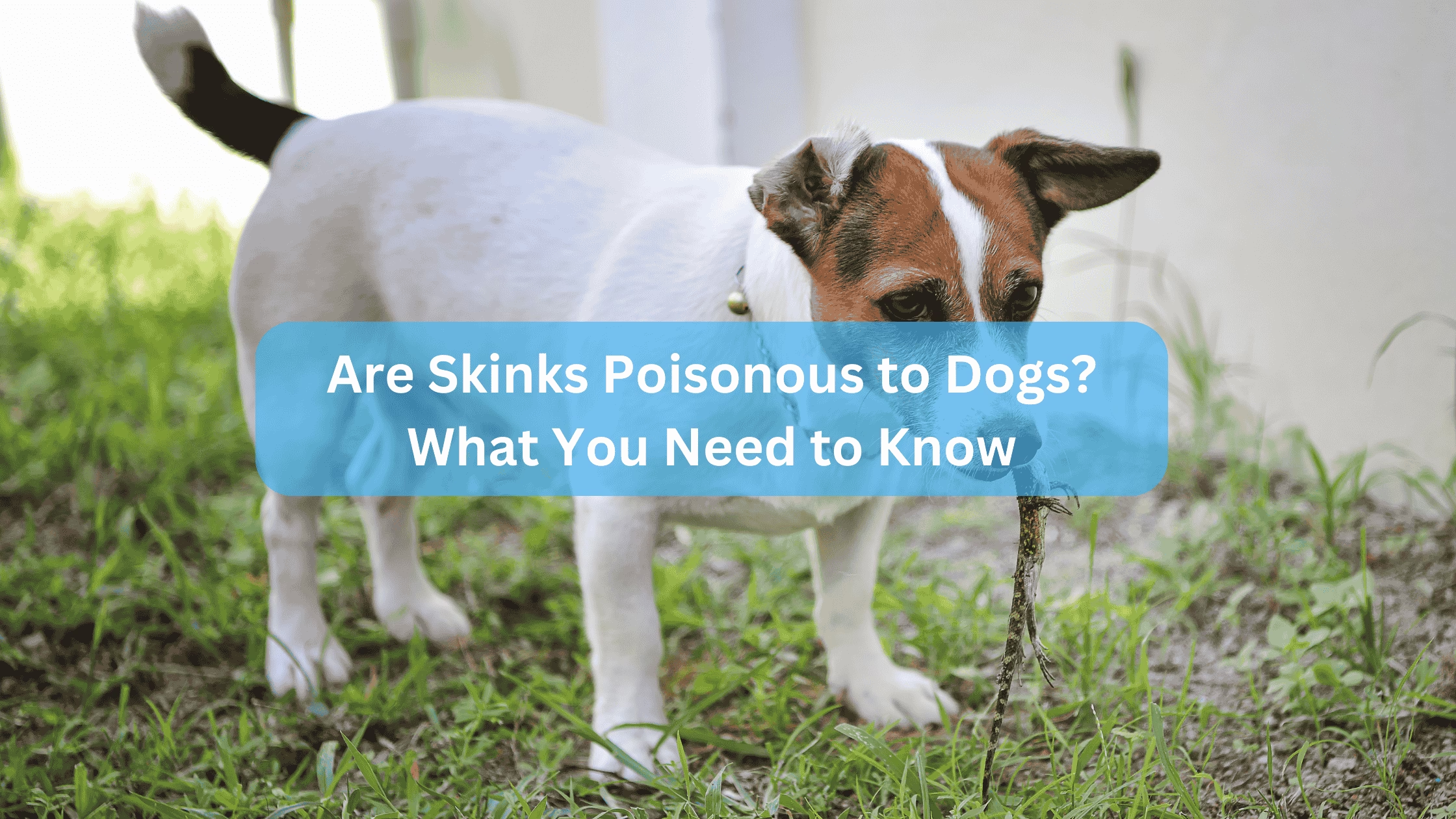
Dogs possess a natural prey drive that can lead them to mistake small reptiles like skinks for prey. This instinctual behavior can put skinks at risk, even if your dog is typically friendly.
Signs Your Dog Has Contracted Something from a Skink
If your dog has ingested a skink or come into contact with one, watch for symptoms of illness, which may include:
Vomiting
Loss of appetite
Weight loss
Diarrhea
Severe dehydration
Shock (in severe cases)
Are Skinks Poisonous to Dogs?
Contrary to common misconceptions, skinks are neither poisonous nor venomous.
However, they can carry harmful bacteria such as salmonella, botulism, campylobacteriosis, and leptospirosis. If ingested, these bacteria can lead to serious health issues in dogs.
What happens if your dog eats a skink?
Generally, if your dog merely touches or licks a skink, there shouldn’t be any immediate issues.
But If a dog consumes a skink, they may be exposed to bacteria such as salmonella, which can cause gastrointestinal issues, including vomiting, diarrhea, and abdominal pain.
If you suspect your dog has eaten a skink, it’s important to consult your veterinarian.
What should I do if my dog eats a skink?
If your dog eats a skink, monitor them closely for any signs of illness.
Contact your veterinarian to discuss the situation, as they may recommend a stool culture to check for salmonella infection.
Depending on the severity of symptoms, treatment may include supportive care or antibiotics.
Salmonella Infection in Dogs – How do I know if my dog has salmonella from a skink?
Salmonella is a common concern for dogs that consume lizards. Symptoms of a salmonella infection may include:
Fever
Nausea
Vomiting
Diarrhea (which may be bloody)
Abdominal pain
Dehydration
If left untreated, salmonella can progress to severe complications, including sepsis.
Diagnosis and Treatment
If you suspect your dog has eaten a skink, it’s essential to consult your veterinarian. They may recommend a stool culture to check for salmonella infection. Treatment options depend on the severity of the case:
Mild cases may only require supportive care.
Severe cases may necessitate antibiotics and more intensive treatment.
Preventing Salmonella Infection
To minimize the risk of salmonella infection, maintain proper hygiene around your home. Here are some tips:
Wash your hands after handling your dog.
Restrict your dog’s access to furniture and areas where skinks may be present.
Separate your dog from other pets until they fully recover from any illness.
Can skinks transmit diseases to dogs?
Yes, skinks can transmit diseases to dogs, primarily through the bacteria they carry, such as salmonella, botulism, and leptospirosis.
These bacteria can cause various health issues in dogs, making it important for pet owners to be aware of the potential risks associated with skinks.