Category: Dog Health

  • How to Groom a Toy Poodle: A Comprehensive Guide

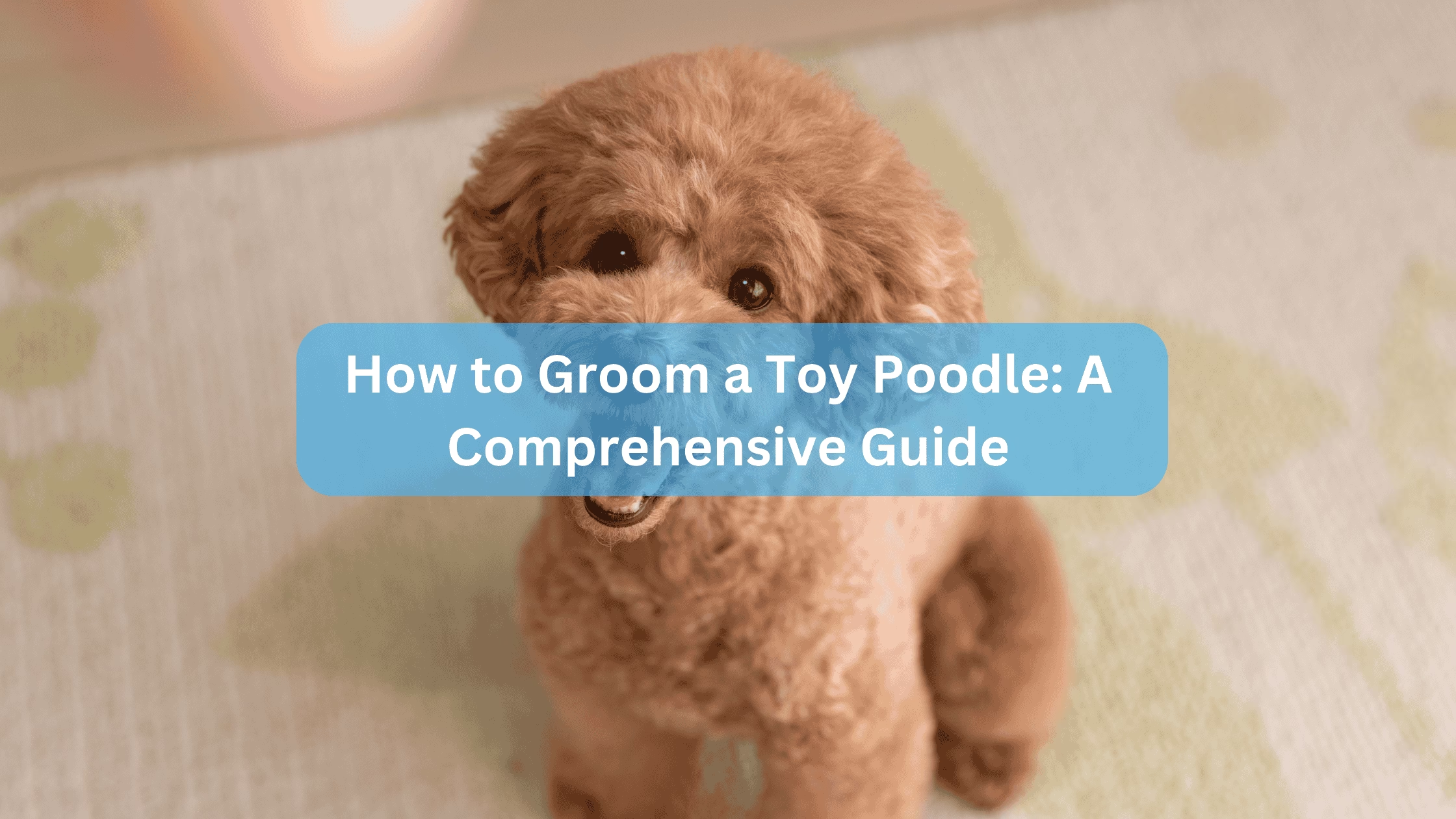
    How to Groom a Toy Poodle: A Comprehensive Guide

    How to Groom a Toy Poodle? Grooming a Toy Poodle is essential for maintaining their health and appearance. Their unique curly coat requires regular attention to prevent matting and tangling.

    This guide will cover the steps for grooming a Toy Poodle, including the popular teddy bear cut, grooming at home, and tips for grooming puppies.

    Understanding Toy Poodle Grooming Needs

    Toy Poodles have a dense, curly coat that can trap dirt and debris, making regular grooming necessary. Here are the key aspects of grooming:

    • Brushing: Regular brushing is crucial to prevent mats and tangles. Use a slicker brush and a fine-toothed comb to detangle the fur.
    • Bathing: Bathing should be done every 4-6 weeks with a gentle dog shampoo to avoid stripping natural oils from their skin.
    • Trimming: Regular haircuts are necessary to maintain their coat. The teddy bear cut is a popular choice, giving them a soft, rounded appearance.

    How to Groom a Toy Poodle Teddy Bear Cut

    The teddy bear cut is a style where the hair is kept at a uniform length, typically 1-2 inches, giving the dog a cute, cuddly look. Here’s how to achieve this cut:

    1. Preparation: Start by brushing your Poodle thoroughly to remove any tangles. Bathe them using a dog-specific shampoo and conditioner, and dry them completely with a blow dryer set on low heat.
    2. Tools Needed:
    • Slicker brush
    • Stainless steel comb
    • Dog clippers with guard combs
    • Grooming scissors
    • Dog-safe shampoo and conditioner

    3. Grooming Steps:

      • Body: Use clippers with a guard to trim the body, starting from the neck and moving down to the tail. Maintain a consistent length.
      • Face: Carefully trim around the eyes and mouth, ensuring to leave some length for that teddy bear look. Use scissors for precise shaping.
      • Paws: Trim the hair between the paw pads and around the feet to keep them neat.

      4. Finishing Touches: After trimming, give your Poodle a final brush to ensure the coat is even and free of tangles.

        How to Groom a Toy Poodle at Home

        Grooming your Toy Poodle at home can save time and money. Here are some tips:

        • Create a Comfortable Space: Set up a grooming area with a non-slip surface and good lighting. A grooming table is ideal but any stable surface will work.
        • Daily Routine: Brush your Poodle daily to keep their coat tangle-free. This also helps them get accustomed to the grooming process.
        • Bathing and Drying: Bathe your Poodle when necessary, ensuring to dry them thoroughly afterward to prevent skin issues.
        • Regular Trims: Schedule regular trims every 4-6 weeks to maintain the coat length and style.

        How to Groom a Toy Poodle Puppy

        Grooming a puppy is slightly different from grooming an adult dog. Here are some tips for grooming a Toy Poodle puppy:

        • Introduce Grooming Early: Start grooming your puppy as early as possible to help them get used to the process. Use gentle handling and positive reinforcement.
        • Short Sessions: Keep grooming sessions short and positive. Gradually increase the duration as your puppy becomes more comfortable.
        • Focus on the Basics: Begin with brushing and gradually introduce bathing and trimming as your puppy grows.

        Video Resources for Grooming

        Visual aids can be incredibly helpful for learning grooming techniques. Here are some recommended videos:

        • How to Groom a Toy Poodle: A detailed guide demonstrating the grooming process, including brushing, bathing, and trimming. Watch here.
        • Teddy Bear Cut Tutorial: Step-by-step instructions on achieving the teddy bear cut, including tips for maintaining the look.
        • Puppy’s First Groom: A tutorial showing how to groom a Toy Poodle puppy for the first time, focusing on comfort and positive experiences.

        Also Read: Dog Car Sickness – A Comprehensive Guide

        Also Read: Why Do Dogs Pant in the Car? A Comprehensive Guide

        Conclusion

        Grooming a Toy Poodle is a vital part of their care, ensuring they remain healthy and looking their best.

        Regular grooming not only enhances their appearance but also strengthens the bond between you and your furry friend.

        By following the outlined steps and utilizing available resources, you can confidently groom your Toy Poodle at home.

        Whether you choose to maintain the teddy bear cut or explore other styles, consistent grooming will contribute to your dog’s overall well-being.


        Sources:

      1. Why Do Dogs Pant in the Car? A Comprehensive Guide

        Why Do Dogs Pant in the Car? A Comprehensive Guide

        Why Do Dogs Pant in the Car? Dogs are beloved companions, and many of us enjoy taking them along for car rides.

        However, if you’ve ever noticed your dog panting while in the car, you may have wondered why this behavior occurs.

        Understanding the reasons behind panting can help you ensure your dog is comfortable and safe during travel.

        This article will delve into the various causes of panting in dogs, particularly in the context of car rides, and provide tips for managing this behavior effectively.

        What is Panting?

        Panting is a natural behavior in dogs that involves rapid, shallow breathing.

        It serves several purposes, primarily regulating body temperature, but can also indicate emotional states such as excitement, anxiety, or distress.

        Unlike humans, dogs do not sweat to cool down; instead, they rely on panting to help evaporate moisture from their lungs and mouth, which cools their body.

        Reasons Why Do Dogs Pant in the Car?

        Understanding why your dog pants in the car can help you address the issue effectively. Here are the primary reasons:

        1. Heat Regulation

        One of the most common reasons dogs pant is to regulate their body temperature. Dogs have a limited number of sweat glands, primarily located in their paw pads.

        When they get hot, panting allows them to cool down by increasing airflow over their moist surfaces.

        • Car Temperature: Cars can heat up quickly, even on mild days. If your dog is panting in the car, it may simply be too hot. Make sure the air conditioning is working, or open the windows to provide ventilation.
        • Signs of Overheating: Be vigilant for signs of heatstroke, which can include excessive panting, drooling, and lethargy. If your dog shows these signs, it’s crucial to cool them down immediately and seek veterinary assistance if necessary.

        2. Anxiety and Stress

        For some dogs, car rides can be a source of anxiety. This is especially true if they associate the car with negative experiences, such as trips to the vet or being confined in a small space.

        • Signs of Anxiety: Panting due to anxiety may be accompanied by other behaviors such as whining, excessive yawning, lip licking, or pacing. If your dog seems distressed, it’s essential to address their anxiety.
        • Creating Positive Associations: To help alleviate anxiety, work on creating positive associations with car rides. Start with short trips and reward your dog with treats or praise when they remain calm.

        3. Excitement

        Conversely, some dogs pant when they are excited. If your dog is panting in anticipation of an adventure, such as a trip to the park, this is generally a normal response.

        • Excitement vs. Anxiety: Excited panting tends to be lighter and more rapid compared to panting caused by stress. Observe your dog’s body language to differentiate between excitement and anxiety.

        4. Pain or Discomfort

        Excessive panting can also indicate pain or discomfort. If your dog is panting heavily and seems restless or unable to settle, it may be experiencing pain from an injury or underlying health issue.

        • When to Seek Help: If your dog’s panting is accompanied by other symptoms such as vomiting, lethargy, or difficulty breathing, consult your veterinarian immediately.

        5. Medical Conditions

        Certain medical conditions can cause increased panting in dogs. These may include respiratory issues, heart problems, or hormonal disorders like Cushing’s disease.

        • Regular Vet Check-ups: Regular veterinary check-ups can help identify any underlying health issues that may contribute to abnormal panting.

        How to Manage Dog Panting in the Car

        While panting can be a normal behavior, excessive panting in the car can be concerning. Here are some strategies to help manage your dog’s panting:

        1. Keep the Car Comfortable

        • Temperature Control: Ensure the car is at a comfortable temperature. Use air conditioning or open windows to provide adequate ventilation. Avoid leaving your dog in a parked car, as temperatures can rise rapidly and become dangerous.
        • Comfort Items: Bring along your dog’s favorite blanket or toy to provide comfort during the ride. Familiar scents can help reduce anxiety.

        2. Hydration

        • Water Breaks: Make sure your dog stays hydrated during long car trips. Stop regularly to offer water and allow your dog to stretch their legs.
        • Cooling Products: Consider using cooling mats or vests designed for dogs to help regulate their body temperature during travel.

        3. Training and Desensitization

        • Positive Reinforcement: Train your dog to associate car rides with positive experiences. Start with short trips and gradually increase the distance while rewarding calm behavior.
        • Desensitization Techniques: Allow your dog to explore the car while it is parked. Gradually introduce them to the sounds and movements of the car by starting the engine and taking short drives.

        4. Calming Aids

        • Calming Supplements: Consult your veterinarian about calming supplements that can help reduce anxiety during car rides. These may include natural remedies or prescription medications.
        • Anti-Anxiety Products: Consider using anxiety wraps or jackets designed to provide comfort and security to anxious dogs.

        5. Monitor and Assess

        • Observe Behavior: Pay close attention to your dog’s behavior during car rides. If you notice excessive panting or signs of distress, take action to address the underlying cause.
        • Consult a Veterinarian: If your dog continues to pant excessively despite your efforts, consult your veterinarian for further evaluation and guidance.

        Understanding the Context of Panting

        To effectively address your dog’s panting, it’s essential to consider the context in which it occurs. Here are some factors to keep in mind:

        1. Duration and Intensity

        • Normal vs. Excessive Panting: Short bouts of panting during car rides are usually normal. However, if your dog is panting heavily for an extended period, it may indicate a problem that needs attention.

        2. Environmental Factors

        • Temperature and Humidity: High temperatures and humidity can exacerbate panting. Always ensure your dog is comfortable and cool during travel.

        3. Individual Differences

        • Breed Considerations: Certain breeds, particularly brachycephalic breeds (e.g., pugs, bulldogs), are more prone to panting due to their anatomical structure. Be mindful of their specific needs during car rides.

        Also Read: What Is a Double Coated Dog? A Comprehensive Guide.

        Also Read: Dog Car Sickness – A Comprehensive Guide

        Conclusion

        Panting is a natural behavior in dogs, serving various purposes from temperature regulation to emotional expression.

        Understanding why your dog pants in the car is crucial for ensuring their comfort and safety during travel.

        By addressing the underlying causes of panting and implementing effective management strategies, you can help your dog enjoy car rides without unnecessary stress or discomfort.

        Whether your dog is panting due to heat, anxiety, excitement, or a medical condition, being proactive and attentive can make all the difference.

        Always consult your veterinarian if you have concerns about your dog’s health or behavior, and remember to create a positive and comfortable environment for your furry friend during car journeys.

        With the right approach, you and your dog can enjoy many happy adventures together on the road.


        Sources:

      2. Dog Car Sickness – A Comprehensive Guide

        Dog Car Sickness – A Comprehensive Guide

        Dog Car Sickness – Traveling with your dog can be a delightful experience, but for many pet owners, car sickness is a common hurdle.

        This article will explore the causes, symptoms, and effective remedies for dog car sickness, ensuring your furry friend enjoys the ride as much as you do.

        What Causes Dog Car Sickness?

        Dog car sickness, or motion sickness, often occurs due to a combination of physiological and psychological factors. Here are some key reasons:

        • Inner Ear Development: Puppies, especially those under six months, may experience car sickness because their inner ear, which helps with balance, is still developing.
        • Anxiety and Stress: Dogs can become anxious in a moving vehicle, leading to nausea and vomiting.
        • Unfamiliar Environments: New surroundings or changes in routine can trigger stress responses in dogs, contributing to car sickness.

        Understanding these factors can help you address the issue effectively.

        Recognizing Symptoms of Dog Car Sickness

        Identifying the symptoms of car sickness early can help you take action before the situation worsens. Common signs include:

        • Excessive drooling
        • Whining or restlessness
        • Vomiting
        • Lethargy or reluctance to move

        If you notice these symptoms, it’s crucial to take steps to alleviate your dog’s discomfort.

        How to Help a Dog with Car Sickness

        There are several strategies you can employ to help your dog cope with car sickness:

        • Desensitization Training: Gradually acclimate your dog to car rides. Start with short trips and gradually increase the duration as your dog becomes more comfortable.
        • Comfortable Environment: Ensure your dog has a comfortable space in the car. Use a pet seatbelt or carrier to help them feel secure.
        • Natural Remedies: Consider natural remedies such as ginger, which can help soothe nausea. Always consult your veterinarian before introducing new treatments.
        • Medication: If natural remedies are ineffective, consult your veterinarian about suitable medications for dog car sickness. Options include over-the-counter antihistamines or prescription medications.

        Additional Tips for Managing Dog Car Sickness

        To further enhance your approach to managing dog car sickness, consider the following preventative measures and preparation strategies:

        • Gradual Acclimatization: Start by getting your dog used to the car environment without actually driving. Spend time in the parked car, rewarding your dog with treats and praise to create positive associations.
        • Short Trips: Begin with very short trips around the block, gradually increasing the distance as your dog becomes more comfortable. This helps build their tolerance to motion.
        • Comfort Items: Bring along your dog’s favorite blanket or toy. Familiar scents can provide comfort and reduce anxiety during the ride.
        • Hydration and Food Management: Withhold food for a few hours before travel to minimize the chance of nausea. However, ensure your dog has access to fresh water during the trip to stay hydrated.
        • Ventilation and Temperature Control: Keep the car well-ventilated and at a comfortable temperature. Lowering windows slightly can help balance air pressure and provide fresh air, which may alleviate nausea.
        • Use of Safety Gear: Invest in a good-quality pet seatbelt or carrier to keep your dog secure and facing forward during the ride. This position can help reduce conflicting sensory signals that contribute to motion sickness.
        • Regular Breaks: For longer trips, plan to take breaks every 30-60 minutes. Allow your dog to stretch, relieve themselves, and get some fresh air.
        • Consulting a Veterinarian: If your dog continues to experience car sickness despite these measures, consult your veterinarian. They can provide tailored advice and may recommend specific medications or supplements to help manage anxiety and nausea.

        By implementing these strategies and preventative measures, you can help ensure that your dog has a more comfortable and enjoyable experience during car rides.

        Types of Dog Car Sickness Medicine

        When it comes to treating dog car sickness, several types of medications can be effective:

        • Over-the-Counter Dog Car Sickness Pills: Medications like dimenhydrinate (Dramamine) can help reduce nausea. Always check with your vet for the correct dosage.
        • Prescription Medications: Your veterinarian may prescribe medications specifically formulated for dogs, such as Cerenia, designed to prevent vomiting.
        • Natural Supplements: Products containing ginger or other herbal ingredients can provide relief without the side effects of traditional medications.

        Natural Remedies for Dog Car Sickness

        For pet owners who prefer a holistic approach, several natural remedies can help ease car sickness:

        • Ginger: Known for its anti-nausea properties, ginger can be given in small amounts before travel.
        • Calm Environment: Create a calm atmosphere in the car by playing soft music or using calming sprays designed for pets.
        • Frequent Breaks: Take regular breaks during long trips to allow your dog to stretch and relieve stress.

        Also Read: How Often Should You Bathe a German Shepherd? Best Guide.

        Also Read: What Is a Double Coated Dog? A Comprehensive Guide.

        Conclusion

        Dog car sickness can be a challenging issue, but with the right strategies and remedies, you can help your furry friend feel more comfortable during car rides.

        Whether you opt for medication or natural remedies, understanding your dog’s needs is key to ensuring enjoyable travel experiences.

        By implementing these tips, you can transform car trips from a source of anxiety into a fun adventure for both you and your dog.


        Sources:

      3. How Often Should You Bathe a German Shepherd? Best Guide.

        How Often Should You Bathe a German Shepherd? Best Guide.

        How Often Should You Bathe a German Shepherd? – Bathing your German Shepherd is an essential part of their grooming routine, but determining the right frequency can be a bit tricky.

        Unlike some other breeds, German Shepherds have unique grooming needs due to their double coat, which consists of a dense undercoat and a protective topcoat.

        This article will explore how often you should bathe a German Shepherd, the factors that influence bathing frequency, and tips for making bath time a pleasant experience for both you and your dog.

        Understanding the German Shepherd’s Coat

        German Shepherds are known for their striking appearance and robust health, largely attributed to their double coat.

        The topcoat is designed to repel water and dirt, while the undercoat provides insulation against temperature extremes.

        This unique coat structure means that German Shepherds do not require frequent bathing.

        In fact, bathing them too often can strip away the natural oils that keep their skin and coat healthy.

        How Often Should You Bathe a German Shepherd?

        Recommended Bathing Frequency For German Shepherds

        For most German Shepherds, bathing every 2 to 3 months is generally sufficient. This frequency helps to maintain the natural oils in their coat and prevents skin irritation.

        However, there are several factors that can influence how often you should bathe your dog:

        • Activity Level: If your German Shepherd is particularly active and enjoys playing outdoors, they may require more frequent baths. Dogs that roll in mud or get wet often may need a bath every 4 to 6 weeks.
        • Seasonal Changes: During shedding season, which typically occurs in spring and fall, you may find that your dog needs more frequent baths to manage loose fur and dander.
        • Health Considerations: If your German Shepherd has skin conditions or allergies, consult your veterinarian for tailored advice on bathing frequency and suitable shampoos.
        • Odor and Dirt: If your dog develops a noticeable odor or has visible dirt in their coat, it’s time for a bath, regardless of the schedule.

        Signs Your German Shepherd Needs a Bath

        While the general guideline is every 2 to 3 months, there are specific signs that indicate it’s time for a bath:

        • Odor: If your dog begins to smell, it’s a clear sign they need a bath.
        • Visible Dirt: If you notice mud, dirt, or other debris in their coat, it’s time to wash them.
        • Greasy Coat: If their coat feels greasy or sticky, a bath can help remove excess oils.
        • Unpleasant Encounters: If your dog has rolled in something foul, such as animal waste or a skunk, a bath is necessary.

        Bathing Techniques for German Shepherds

        When it comes to bathing your German Shepherd, following the right techniques can make the process smoother and more enjoyable:

        1. Preparation: Gather all necessary supplies before starting. This includes dog shampoo (preferably a gentle, dog-specific formula), towels, a brush, and a non-slip mat for the bathing area.
        2. Wet the Coat: Use lukewarm water to wet your dog’s coat thoroughly, starting from the neck and working your way down to the tail. Avoid getting water in their ears and eyes.
        3. Apply Shampoo: Lather the shampoo in your hands and apply it to your dog’s coat, focusing on areas that tend to get dirtier, such as the underbelly and paws. Use gentle, circular motions to ensure the shampoo reaches the undercoat.
        4. Rinse Thoroughly: Make sure to rinse all the shampoo out of your dog’s coat. Residue can lead to skin irritation.
        5. Drying: After rinsing, use towels to dry your dog. You can also use a pet dryer on a low setting, ensuring it’s not too hot.
        6. Brush the Coat: Once your dog is dry, brush their coat to remove any tangles and promote a shiny appearance.

        Additional Grooming Tips for German Shepherds

        In addition to regular bathing, maintaining your German Shepherd’s grooming routine is essential for their overall health:

        • Brushing: Regular brushing (3-4 times a week) helps reduce shedding and keeps their coat clean. It also distributes natural oils throughout the fur.
        • Ear Cleaning: Check your dog’s ears regularly for dirt and wax buildup. Clean them with a vet-recommended solution if necessary.
        • Nail Trimming: Keep your dog’s nails trimmed to prevent discomfort and potential injury.
        • Dental Care: Regularly brush your dog’s teeth or provide dental chews to maintain oral health.

        Also Read: Are Great Pyrenees Good With Cats?

        Also Read: The Best Low Maintenance Dog Breeds for Seniors

        Conclusion

        Bathing your German Shepherd is an important part of their grooming routine, but it’s essential to strike the right balance.

        Bathing every 2 to 3 months is generally sufficient for most dogs, but factors such as activity level, seasonal changes, and health considerations can influence this frequency.

        Always pay attention to your dog’s coat and odor, and adjust your bathing schedule accordingly.

        By following proper bathing techniques and maintaining a regular grooming routine, you can ensure your German Shepherd stays clean, healthy, and happy.

        Remember, bathing should be a positive experience for your dog, so take your time and make it enjoyable for both of you.


        Sources:

      4. My Dog Ate a Tampon: A Comprehensive Guide

        My Dog Ate a Tampon: A Comprehensive Guide

        My Dog Ate a Tampon – It’s a common and concerning situation for dog owners—your furry friend has gotten into the trash and eaten a tampon. Will your dog be okay if they ate a tampon? What should you do next? In this comprehensive guide, we’ll cover everything you need to know if your dog ate a tampon, including:

        • Why dogs eat tampons
        • The dangers of dogs eating tampons
        • What to do if your dog ate a tampon
        • How to prevent your dog from eating tampons in the future

        Why Do Dogs Eat Tampons?

        Dogs are naturally curious and tend to explore their environment with their mouths. Tampons may appeal to dogs for a few reasons:

        • The scent of blood or other bodily fluids on used tampons can attract dogs.
        • Tampons have a soft, pliable texture that dogs may mistake for a toy or treat.
        • Dogs may be drawn to the string on tampons, thinking it’s a fun plaything.

        The Dangers of Dogs Eating Tampons

        While it may seem harmless, dogs eating tampons can lead to serious health issues:

        Intestinal Blockages

        Tampons are designed to absorb liquid, so if one expands inside your dog’s intestines, it can cause a dangerous blockage. This may require surgery to remove.

        Choking Hazard

        If a dog swallows a tampon whole, it could get stuck in their esophagus and cause choking.

        Poisoning

        Some tampons contain chemicals like PFAS that could be toxic to dogs if ingested.

        What to Do if Your Dog Ate a Tampon

        If you know or suspect your dog ate a tampon, take these steps:

        1. Stay calm and assess the situation.
        2. Determine if your dog actually ate the tampon. Look for signs like a missing tampon, vomiting, diarrhea, lethargy, or loss of appetite.
        3. Contact your veterinarian right away, even if your dog seems fine. Provide details like when it happened, what type of tampon, and if you saw your dog eat it.
        4. Do not induce vomiting unless instructed by your vet, as this could worsen the situation.
        5. Monitor your dog closely for signs of illness like vomiting, diarrhea, constipation, abdominal pain, or lethargy. If you notice any of these, contact your vet immediately.

        What to Give a Dog That Ate a Tampon?

        If your dog has eaten a tampon, do not give them anything without consulting your veterinarian first.

        They may recommend monitoring your dog for symptoms or suggest specific treatments based on your dog’s condition.

        What If My Dog Eats My Period Pad?

        Similar to tampons, period pads can also pose risks. If your dog eats a period pad, follow the same steps as with a tampon: assess your dog’s condition, contact your vet, and avoid inducing vomiting unless advised.

        My Dog Ate a Tampon and Pooped It Out

        If your dog has successfully passed the tampon, monitor their stool for any signs of distress.

        If the tampon was intact or if you notice any unusual behavior, contact your vet for further advice.

        Dog Ate Tampon 3 Days Ago

        If your dog ate a tampon three days ago and has not shown any symptoms, it’s still wise to consult your vet. Some issues may take time to manifest, so it’s better to be safe.

        How Long it takes for a dog to Pass a Tampon?

        The time it takes for a dog to pass a tampon varies. Generally, if there are no blockages, it can take anywhere from a few hours to a couple of days.

        However, if your dog is not showing signs of passing it, seek veterinary advice.

        My Dog Ate a Tampon: Should I Induce Vomiting?

        Inducing vomiting is not always the best course of action. It can sometimes lead to more complications. Always consult your veterinarian before attempting to induce vomiting.

        My Dog Ate a Tampon, Will He Be OK?

        Many dogs recover without serious issues after eating a tampon, especially if they are monitored closely and receive timely veterinary care.

        However, the potential for complications means you should always err on the side of caution.

        My Dog Ate a Tampon Reddit

        Many dog owners share their experiences on platforms like Reddit. While these anecdotes can provide comfort, remember that each situation is unique. Always prioritize professional veterinary advice over anecdotal experiences.

        How to Prevent Your Dog from Eating Tampons

        To keep your dog safe, take these precautions:

        • Keep bathroom doors closed and store tampons out of reach.
        • Use a trash can with a secure, pet-proof lid in the bathroom.
        • Dispose of used tampons in a sealed plastic bag before putting them in the trash.

        Also Read: Why Does My Dog Lay On Me? A Comprehensive Guide

        Also Read: How Many Ribs Do Dogs Have? A Comprehensive Rib Guide

        Conclusion

        If your dog ate a tampon, contact your vet right away, even if your dog seems fine.

        With prompt medical attention and prevention measures, most dogs recover without issue.

        However, tampons can be very dangerous if ingested, so it’s crucial to take this situation seriously.


        Sources:

      5. How Many Ribs Do Dogs Have? A Comprehensive Rib Guide

        How Many Ribs Do Dogs Have? A Comprehensive Rib Guide

        How Many Ribs Do Dogs Have? – Dogs, like humans, have a ribcage that protects their internal organs.

        This bony structure plays a crucial role in safeguarding the heart, lungs, and other vital organs.

        Understanding the anatomy of a dog’s ribcage can help pet owners take better care of their furry friends.

        How Many Ribs Do Dogs Have? – The Number of Ribs in Dogs

        Dogs typically have 13 pairs of ribs, making a total of 26 individual bones. These ribs serve as a protective barrier, shielding the dog’s chest cavity and vital organs.

        While the number of ribs may vary slightly across different dog breeds, the general count remains consistent.

        The Anatomy of Canine Ribs

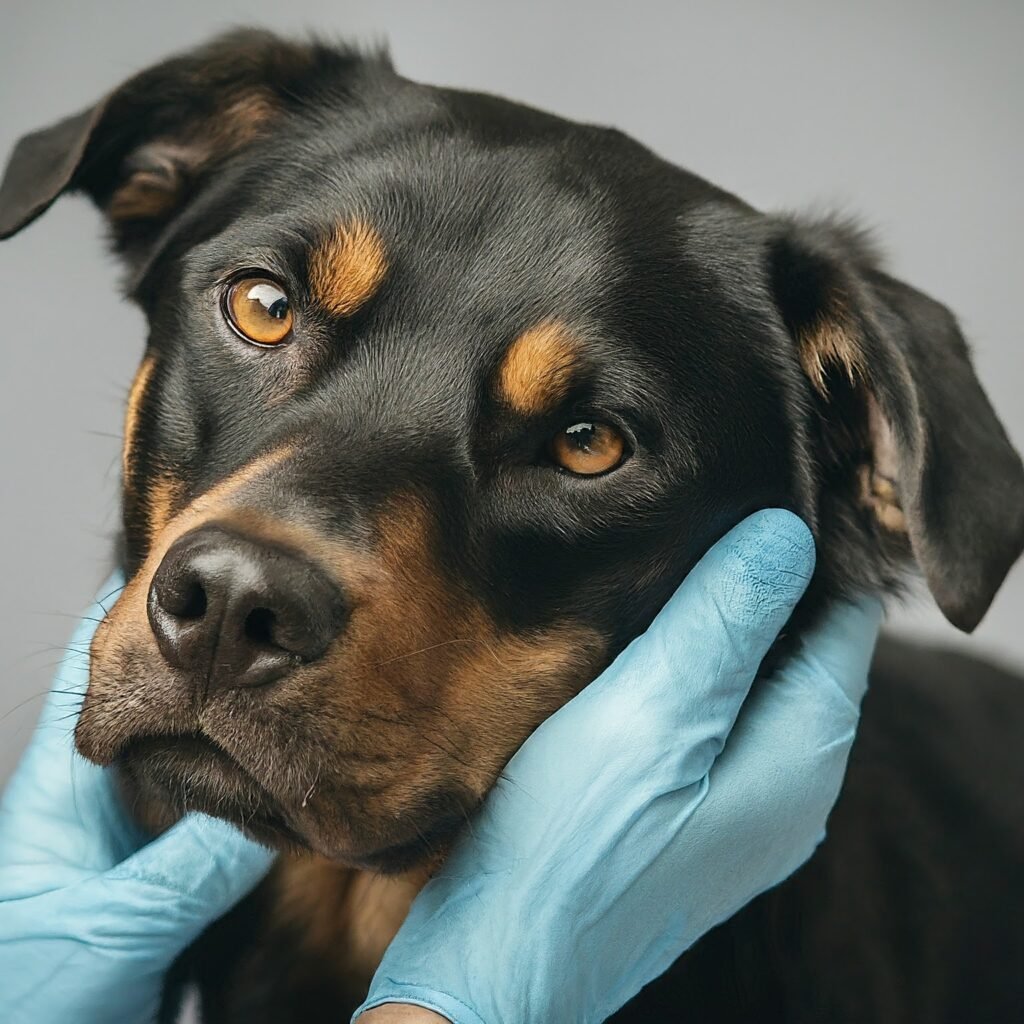
        Vet examining a dog
        The Anatomy of Canine Ribs

        Canine ribs (costae) consist of a head, neck, and body.

        The first nine ribs are called true ribs because they attach directly to the sternum, while the next three pairs are known as false ribs, which are connected to each other via cartilage.

        The last pair of ribs is referred to as floating ribs because they do not connect to the sternum at all; instead, they are only attached to the spine.

        Differences Between True Ribs and False Ribs in Dogs

        • True Ribs: These are the first nine pairs of ribs that connect directly to the sternum. They provide essential protection to the heart and lungs.
        • False Ribs: The next three pairs do not attach directly to the sternum but are connected to each other via cartilage. They offer some protection but are less rigid than true ribs.

        Floating Ribs in Dogs

        Floating ribs are the last pair of ribs in a dog’s ribcage. Unlike other ribs, they are only attached to the spine and do not extend to the sternum.

        This anatomical feature allows for greater flexibility and movement in the ribcage, which can be beneficial for a dog’s respiratory function.

        Floating ribs can sometimes be more visible in lean dogs, leading to misconceptions about their health.

        How Do Dog Ribs Compare to Human Ribs?

        In terms of structure, dog ribs and human ribs share similarities, including the number of rib pairs and their protective function.

        However, dog ribs are generally more flexible, allowing for a greater range of motion and lung capacity, which is essential for their active lifestyles.

        Additionally, the arrangement of ribs in dogs is adapted to their unique body shapes and sizes, which can vary significantly across breeds.

        Checking Your Dog’s Ribcage Health

        To ensure your dog’s ribcage is healthy, consider the following:

        • Visual Inspection: Stand back and observe your dog’s body shape. You should not see prominent ribs unless your dog is underweight.
        • Physical Examination: Feel along the ribcage with your hands. You should be able to feel the ribs without excessive pressure, indicating a healthy layer of muscle and fat.
        • Watch for Signs: Look for any signs of discomfort, swelling, or unusual behavior, such as difficulty breathing or lethargy, which may indicate health issues.

        Common Health Issues Related to Dog Ribs

        Several health issues can affect a dog’s ribs, including:

        • Fractures: Injuries to the ribs can occur due to trauma, leading to pain and difficulty breathing.
        • Tumors: Conditions such as osteosarcoma and chondrosarcoma can develop in the rib area, causing localized swelling and discomfort.
        • Respiratory Illnesses: Infections or diseases affecting the lungs can also impact the ribcage, leading to abnormal breathing patterns.

        How Can I Tell if My Dog’s Floating Rib is Causing Any Health Issues?

        Floating ribs can sometimes lead to discomfort or pain if they are dislocated or if there is trauma to the area. Signs to watch for include:

        • Difficulty breathing or rapid breathing
        • Signs of pain when touching the ribcage
        • Changes in behavior, such as increased aggression or withdrawal

        If you notice any of these symptoms, consult your veterinarian for a thorough examination.

        Are There Specific Breeds More Prone to Rib-Related Health Problems?

        Certain breeds may be more susceptible to rib-related health issues, particularly those with unique body structures.

        Breeds like Greyhounds and Whippets, which have a lean physique, may be more prone to visible floating ribs and related discomfort.

        Additionally, breeds with a history of skeletal issues, such as Dachshunds, may also experience rib-related health problems.

        What Are the Signs of Rib Fractures in Dogs?

        Signs of rib fractures can include:

        • Sudden onset of pain or sensitivity around the ribcage
        • Difficulty breathing or rapid breathing
        • Swelling or bruising in the chest area
        • Reluctance to move or play
        • Changes in appetite or behavior

        If you suspect a rib fracture, it is crucial to seek veterinary care immediately.

        How Do I Properly Palpate My Dog’s Ribcage?

        To palpate your dog’s ribcage:

        1. Calm Your Dog: Ensure your dog is relaxed and comfortable.
        2. Use Gentle Pressure: With your fingers, gently press along the sides of the ribcage to feel for any abnormalities.
        3. Check for Pain: Observe your dog’s reaction. If they flinch or show signs of pain, stop and consult a veterinarian.
        4. Feel for Symmetry: Ensure both sides of the ribcage feel similar in terms of shape and firmness.

        Can Diet Affect the Health of a Dog’s Ribcage?

        Yes, diet plays a significant role in the overall health of a dog’s ribcage.

        A balanced diet that includes the right nutrients helps maintain a healthy weight and muscle mass, which supports the ribcage.

        Obesity can lead to excess fat around the ribcage, making it difficult to assess rib health.

        Additionally, a diet deficient in essential vitamins and minerals can affect bone health, potentially leading to issues such as fractures or deformities.

        What Are the Best Practices for Maintaining My Dog’s Rib Health?

        To maintain your dog’s rib health, consider these best practices:

        • Regular Veterinary Check-ups: Routine check-ups can help catch any potential issues early.
        • Balanced Diet: Ensure your dog receives a diet rich in essential nutrients to support bone and muscle health.
        • Regular Exercise: Engage your dog in regular physical activity to maintain a healthy weight and muscle tone.
        • Weight Management: Keep your dog at a healthy weight to reduce stress on the ribcage.

        How Can I Prevent Rib-Related Injuries in My Dog?

        Preventing rib-related injuries involves:

        • Supervised Play: Always supervise your dog during playtime to prevent roughhousing that could lead to injury.
        • Safe Environment: Remove hazards in your home and yard that could cause your dog to trip or fall.
        • Gradual Exercise: Introduce new activities gradually to avoid overexertion or strain.

        Are There Any Exercises That Can Help Strengthen My Dog’s Ribcage?

        Exercises that promote overall core strength can help support the ribcage. Some beneficial activities include:

        • Swimming: A low-impact exercise that strengthens muscles without putting stress on the joints.
        • Walking or Jogging: Regular walks can improve cardiovascular health and strengthen the core muscles.
        • Agility Training: Engaging in agility exercises can enhance coordination and strengthen the muscles surrounding the ribcage.

        What Are the Symptoms of Chronic Rib Pain in Dogs?

        Chronic rib pain in dogs can manifest through various symptoms, including:

        • Persistent whining or vocalization when touched near the ribcage
        • Reluctance to engage in physical activity
        • Changes in posture, such as hunching or guarding the rib area
        • Difficulty breathing or shallow breathing

        If you observe any of these signs, it is essential to consult your veterinarian for a proper diagnosis and treatment plan.

        How Do Veterinarians Diagnose Rib Issues in Dogs?

        Veterinarians typically diagnose rib issues through:

        • Physical Examination: A thorough examination of the ribcage for signs of pain, swelling, or abnormal movement.
        • Imaging: X-rays or ultrasounds may be used to visualize the ribcage and identify fractures, tumors, or other abnormalities.
        • Medical History: Discussing your dog’s medical history and any observed symptoms can help the veterinarian make an accurate diagnosis.

        Also Read: Can Dogs Eat Brown Sugar? Is brown sugar toxic for dogs?

        Also Read: High Cholesterol in Dogs: A Comprehensive Guide

        Conclusion

        Understanding the anatomy of your dog’s ribcage, including the differences between true ribs, false ribs, and floating ribs, is essential for responsible pet ownership.

        Regular check-ups and being aware of your dog’s physical condition can help ensure their overall health and well-being.

        By knowing how to assess your dog’s ribcage and recognizing potential health issues, you can provide better care and keep your furry friend happy and healthy.


        Sources:

      6. High Cholesterol in Dogs: A Comprehensive Guide

        High Cholesterol in Dogs: A Comprehensive Guide

        High cholesterol in dogs, medically known as hyperlipidemia, is a condition characterized by elevated levels of lipids (fats) in the bloodstream, specifically cholesterol and triglycerides.

        While it may not always indicate a serious health issue, understanding its implications, causes, symptoms, diagnosis, and treatment is crucial for maintaining your dog’s health.

        What is High Cholesterol?

        Hyperlipidemia occurs when there is an excess of lipids in the blood. This condition can manifest as elevated cholesterol, triglycerides, or both.

        Cholesterol is a fat-like substance essential for various bodily functions, including hormone production and cell membrane integrity.

        However, when cholesterol levels exceed the normal range (120-270 mg/dL for dogs), it can lead to health complications.

        Symptoms of High Cholesterol in Dogs

        Many dogs with high cholesterol may not exhibit noticeable symptoms, especially with mild to moderate elevations. However, in some cases, the following symptoms may occur:

        • Decreased appetite
        • Vomiting
        • Diarrhea
        • Abdominal pain or bloating
        • Fatty deposits under the skin
        • Cloudy eyes (lipid deposits in the cornea)
        • Hair loss and itching
        • Seizures (in severe cases)

        If you notice any of these symptoms, it is essential to consult a veterinarian for a proper diagnosis.

        What Causes High Cholesterol in Dogs

        High cholesterol can arise from various factors, including:

        • Dietary Factors: A high-fat diet, particularly from table scraps or certain commercial dog foods, can lead to elevated cholesterol levels. Foods that are high in fat, such as fatty meats and dairy products, can contribute to this condition.
        • Underlying Health Conditions: Hyperlipidemia is often secondary to other diseases, such as:
        • Diabetes mellitus
        • Hypothyroidism
        • Cushing’s disease (hyperadrenocorticism)
        • Pancreatitis
        • Protein-losing nephropathy
        • Genetic Predisposition: Certain dog breeds are more prone to hyperlipidemia, including Miniature Schnauzers, Beagles, Shetland Sheepdogs, Briards, Rough Collies, and Poodles.

        How to Tell if Your Dog’s High Cholesterol is Caused by a Specific Disease

        To determine if high cholesterol is linked to a specific disease, veterinarians will typically conduct comprehensive blood tests and physical examinations.

        They may look for signs of underlying conditions such as diabetes or hypothyroidism.

        If your dog shows symptoms consistent with these diseases, further testing may be warranted to establish a definitive diagnosis.

        Diagnosis of High Cholesterol in Dogs

        Vet examining a dog
        Diagnosis of High Cholesterol in Dogs

        Diagnosing high cholesterol typically involves:

        1. Physical Examination: A veterinarian will assess your dog’s overall health and look for any visible symptoms.
        2. Blood Tests: A blood sample is taken to measure lipid levels. It’s crucial to fast your dog for at least 12 hours before testing to avoid temporary spikes in cholesterol due to recent meals.
        3. Urinalysis: This may be conducted to check for underlying conditions that could be contributing to hyperlipidemia.

        If initial tests indicate high lipid levels, further diagnostics may be necessary to identify any underlying health issues.

        Treatment of High Cholesterol in Dogs

        While high cholesterol cannot be “cured,” it can be effectively managed through lifestyle and dietary changes. Treatment options include:

        • Dietary Changes: A low-fat, high-fiber diet is often recommended. Specially formulated dog foods are available, and it’s essential to avoid high-fat treats and table scraps. Gradual dietary changes are advised to prevent gastrointestinal upset.
        • Best Low-Fat Dog Foods: Some of the best low-fat dog foods for managing high cholesterol include:
        • Hill’s Prescription Diet Metabolic
        • Royal Canin Veterinary Diet Satiety Support
        • Blue Buffalo Life Protection Formula Healthy Weight
        • Wellness CORE Reduced Fat
        • Medications: In cases where dietary changes are insufficient, medications may be prescribed. Drugs like Gemfibrozil can help lower triglyceride levels, while statins may be considered in rare cases of high cholesterol without elevated triglycerides. However, human medications should never be given to dogs without veterinary guidance.
        • Management of Underlying Conditions: If hyperlipidemia is secondary to another health issue, treating that condition is crucial for resolving elevated lipid levels.

        Natural Remedies for Reducing Cholesterol in Dogs

        While dietary changes and medications are the primary methods for managing high cholesterol, some natural remedies may help reduce cholesterol levels:

        • Fish Oil: Omega-3 fatty acids found in fish oil can help lower triglyceride levels and improve overall heart health.
        • Fiber Supplements: Adding fiber to your dog’s diet can help reduce cholesterol absorption.
        • Regular Exercise: Encouraging regular physical activity can help maintain a healthy weight and improve lipid profiles.

        Monitoring Cholesterol Levels in Dogs.

        After treatment, it is essential to monitor your dog’s cholesterol levels regularly. Generally, cholesterol levels should be checked:

        • Every 3-6 months: Initially after starting treatment or dietary changes.
        • Annually: Once stable levels are achieved.

        Also Read: Why Do Dogs Hate the Vet? Understanding Canine Anxiety

        Also Read: Can Dogs Eat Brown Sugar? Is brown sugar toxic for dogs?

        Conclusion

        High cholesterol in dogs, while not always a critical health threat, requires attention to prevent potential complications.

        By understanding the causes, symptoms, and treatment options, dog owners can take proactive steps to manage their pet’s health.

        Regular veterinary visits, a balanced diet, and appropriate monitoring are key components in ensuring that your furry friend remains healthy and happy.

        If you suspect your dog may have high cholesterol, consult your veterinarian for a thorough evaluation and tailored treatment plan.


        Sources: