Category: Dog Health

  • Liquid Paraffin for Dogs: A Comprehensive Guide

    Liquid Paraffin for Dogs: A Comprehensive Guide

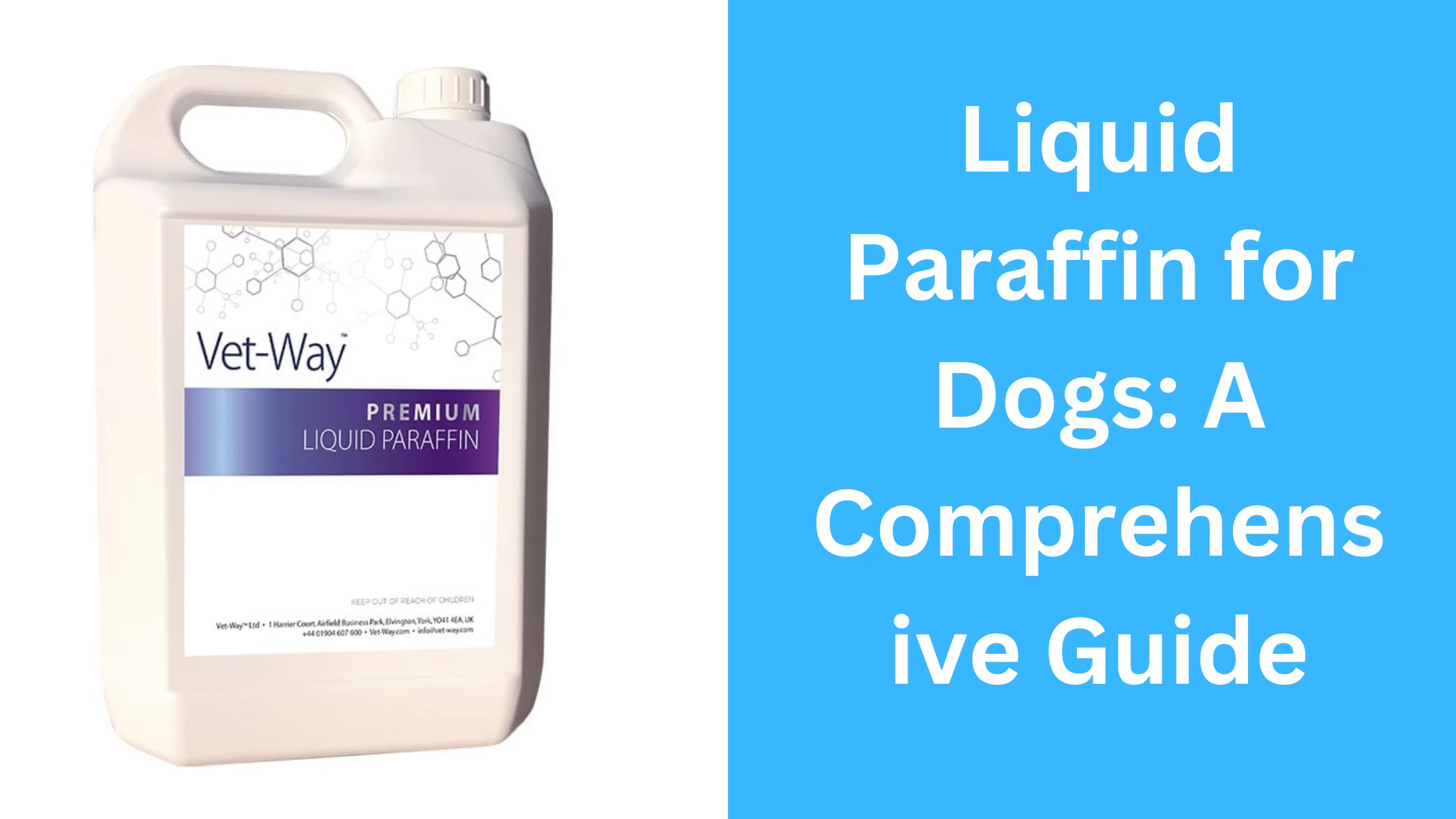
    Liquid Paraffin for Dogs: Dogs are treated for constipation using liquid paraffin, which is sometimes referred to as mineral oil.

    The digestive tract can be soothed with this type of lubricating laxative that goes through stool easier.

    Here, we will discuss the purposes, advantages, dosage recommendations, safety measures and substitutes of liquid paraffin for dogs.

    Understanding Liquid Paraffin

    Liquid paraffin is a clear, odorless oil that is derived from petroleum.

    It is classified under the group of Laxatives and is commonly used in both human and veterinary medicine to treat constipation.

    Its main use is to ease the passage of bowel movements and hence is used when one is experiencing hard stools.

    Can I Give My Dog Liquid Paraffin for Constipation?

    Can I Give My Dog Liquid Paraffin for Constipation?
    Can I Give My Dog Liquid Paraffin for Constipation?

    Yes, you can give your dog liquid paraffin for constipation. It is effective in softening the stool and lubricating the intestines, promoting smoother bowel movements.

    However, it is essential to consult with a veterinarian before starting treatment, especially if your dog has underlying health conditions or is taking other medications.

    Liquid paraffin is generally safe when used as directed, but it should not be used in dogs with intestinal obstructions, as it can worsen the condition.

    Always monitor your dog for any adverse reactions, such as diarrhea or abdominal discomfort, and discontinue use if these occur.

    Benefits of Liquid Paraffin for Dogs

    • Effective Laxative: Liquid paraffin is particularly effective for dogs suffering from constipation. It helps to soften the stool and lubricate the intestines, promoting smoother bowel movements.
    • Gentle on the Stomach: Unlike some harsher laxatives, liquid paraffin is gentle and does not irritate the intestinal lining, making it suitable for dogs with sensitive stomachs.
    • Quick Relief: Many pet owners find that liquid paraffin provides quick relief from constipation, often within a few hours of administration.

    Liquid Paraffin Dosage for Dogs

    Administering liquid paraffin to dogs requires careful attention to dosage to avoid potential side effects. The typical dosage ranges from:

    • Small Dogs: 2 to 10 ml
    • Medium Dogs: 10 to 20 ml
    • Large Dogs: 20 to 60 ml

    It is recommended to mix liquid paraffin with food to ensure that the dog swallows it easily.

    Administering it directly into the mouth can be challenging and may lead to aspiration, which can be dangerous.

    Generally, liquid paraffin can be given with meals for a few days until the constipation resolves, but it should not be used continuously for extended periods as it can interfere with nutrient absorption and lead to dependency.

    How to Use Liquid Paraffin for Dogs

    Using liquid paraffin for dogs involves a few simple steps:

    1. Consult Your Veterinarian: Before administering liquid paraffin, consult with your veterinarian to confirm that it is appropriate for your dog’s specific situation.
    2. Measure the Dosage: Based on your dog’s weight, measure the appropriate dosage of liquid paraffin.
    3. Mix with Food: To make it easier for your dog to ingest, mix the measured liquid paraffin with their food. This can help ensure that your dog consumes the entire dose.
    4. Monitor Your Dog: After administration, keep an eye on your dog for any changes in behavior or bowel movements. If constipation persists or if you notice any side effects, contact your veterinarian.
    5. Limit Duration of Use: Use liquid paraffin for a short duration, typically no more than a few days, to avoid complications such as nutrient malabsorption.

    Liquid Paraffin for Dogs – Safety Considerations

    While liquid paraffin is generally safe when used as directed, there are important precautions to consider:

    • Avoid Long-Term Use: Prolonged use of liquid paraffin can lead to nutrient malabsorption, especially of fat-soluble vitamins (A, D, E, and K). It is best used for short-term relief.
    • Potential Side Effects: Some dogs may experience diarrhea, abdominal discomfort, or cramping. If these symptoms occur, it is advisable to discontinue use and consult a veterinarian.
    • Consult a Veterinarian: Always consult with a veterinarian before starting any treatment, especially if your dog has underlying health conditions or is on other medications.
    • Not for All Dogs: Liquid paraffin should not be used in dogs with certain conditions, such as intestinal obstruction, as it can exacerbate the problem.

    Alternatives to Liquid Paraffin

    If liquid paraffin is not suitable for your dog, there are several alternatives for treating constipation:

    • Dietary Changes: Increasing dietary fiber through the addition of pumpkin, sweet potatoes, or specialized high-fiber dog foods can help promote regular bowel movements.
    • Hydration: Ensuring your dog has access to fresh water at all times is crucial. Dehydration can worsen constipation.
    • Exercise: Regular physical activity can stimulate bowel movements. Taking your dog for walks can be beneficial.
    • Other Laxatives: There are other veterinary-approved laxatives available that may be more suitable for long-term use, such as lactulose or psyllium husk.

    Also Read: Dryer Seizures in Dogs – A Comprehensive Guide

    Also Read: Uva Ursi for Dogs – Dosage, Benefits, and Safety

    Conclusion

    Liquid paraffin can be an effective and safe option for treating constipation in dogs when used correctly.

    However, it is essential to monitor your dog’s response and consult with a veterinarian for proper guidance.

    By understanding the benefits, appropriate dosages, and safety considerations, pet owners can make informed decisions about using liquid paraffin as a part of their dog’s health care regimen.

    Always prioritize your dog’s overall health and well-being by considering dietary adjustments and lifestyle changes alongside any medicinal treatments.


    Sources:
  • Uva Ursi for Dogs – Dosage, Benefits, and Safety

    Uva Ursi for Dogs – Dosage, Benefits, and Safety

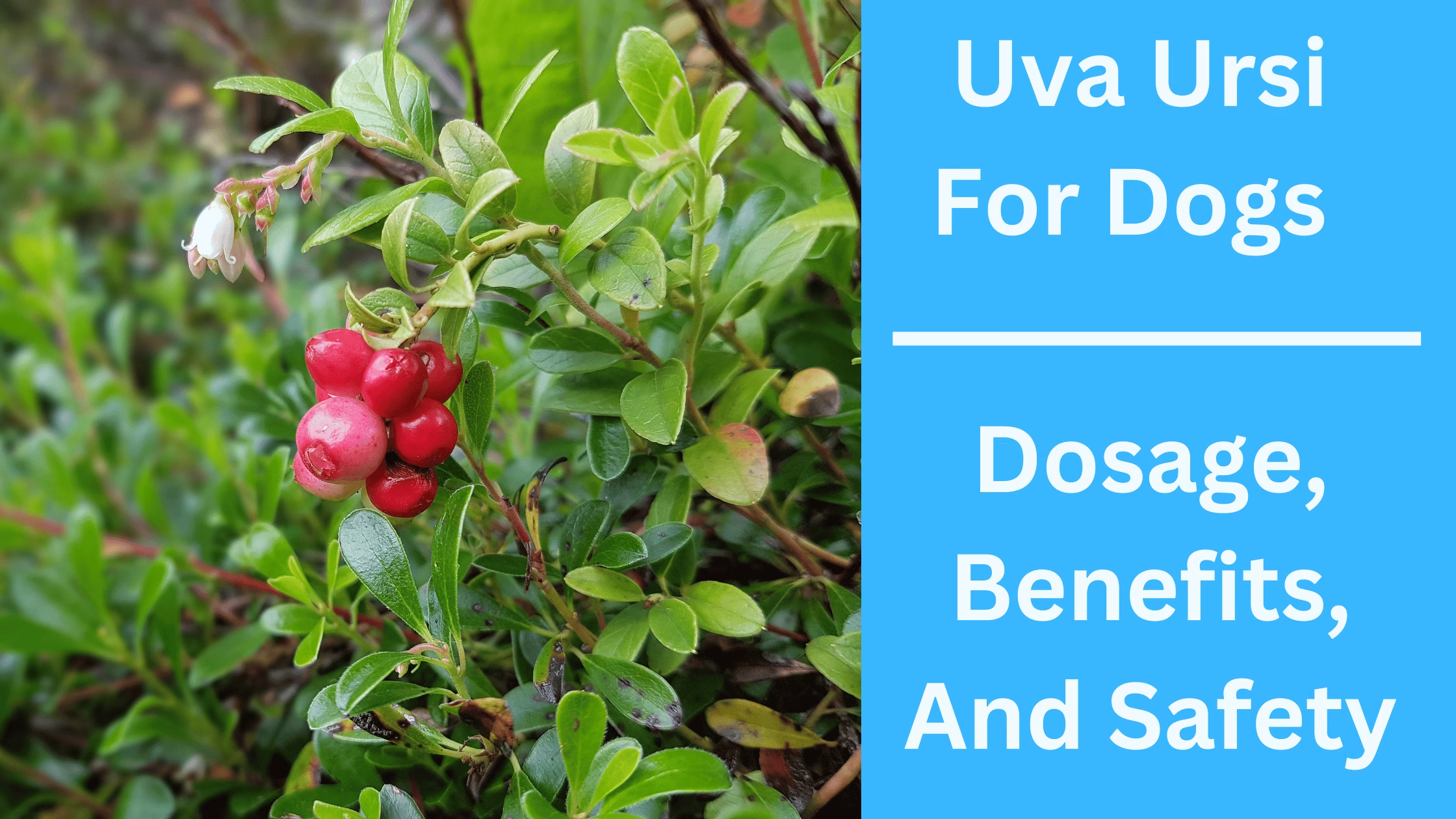
    Uva Ursi for Dogs – Uva Ursi, also known as bearberry, is a herbal remedy that is produced from the leaves of the Arctostaphylos uva-ursi plant.

    With astringent and antiseptic properties, Uva Ursi has been used in ancient medicine concerning its possible benefits, and now more and more pet owners turn to this plant in search of the effects it causes on canine health.

    This Article will involve information and details on the uses, pros, how much and how often, risks or contraindications, and side effects of Uva Ursi for dogs.

    What is Uva Ursi?

    Uva Ursi is an erect, slow-growing, and evergreen shrub that has its origin in North America, Europe as well as Asia.

    The leaves of the plant contain arbutin, hydroquinone and tannin those are thought to be having therapeutic properties.

    Uva Ursi has been in use for many years in folk medicine, especially in the treatment of infections affecting the urinary tract.

    How Uva Ursi Affects Dogs?

    When used appropriately, Uva Ursi has no harm to the dogs specifically when used for supporting urinary health of the pet.

    The components of the herb may assist in eliminating bacteria from the urinary tract, to decrease the inflammation in the urinary system, and to prevent bacterial infections.

    Benefits of Uva Ursi for Dogs

    1. Urinary Tract Health: Uva Ursi can be said to have health benefits that are majorly related to the urinary tract. This herb is considered to have a diuretic effect and is often used to clean the urinary tract and support the function of the urinary system eradicating bacteria.
    2. Antimicrobial Properties: Uva Ursi contains several active compounds which may help in preventing and or treating bacterial infections specifically UTIs in dogs.
    3. Anti-inflammatory Effects: Uva Ursi may assist in alleviation of the inflammation in the urinary system, which aids in recovery from discomfort induced by infections or irritation of the urinary tract.
    4. Antioxidant Properties: The antioxidant constituents of Uva Ursi may help reduce free radical production in a canine’s body and promote overall well-being.

    Can Uva Ursi Be Harmful to Dogs?

    While overuse of Uva Ursi can be harmful to your dog, when used correctly, it can be safe as a herbal treatment.

    Female dogs, especially those that are pregnant or nursing, should not be given Uva Ursi.

    Furthermore, it is recommended not to use Uva Ursi in dogs with pre-existing kidney disease.

    Symptoms of Uva Ursi Poisoning in Dogs

    There are reports that dogs can have side effects from Uva Ursi; some of these side effects include vomiting and /or diarrhea.

    If the following symptoms are present, discontinue use of this product and seek veterinary care immediately:

    How to Safely Use Uva Ursi for Dogs?

    This herb can be given whole, ground, in capsule or tablet form, as a liquid extract, or as a weak infusion (tea) made from the leaves.

    Therefore, it is advisable to consult with a veterinarian before using any herbal products.

    Uva Ursi for Dogs Dosage Recommendations

    The appropriate dosage of Uva Ursi depends on the dog’s size, age, and overall health. A general guideline is:

    • Small Dogs (under 20 lbs): 50-100 mg of Uva Ursi extract per day.
    • Medium Dogs (20-50 lbs): 100-200 mg of Uva Ursi extract per day.
    • Large Dogs (over 50 lbs): 200-400 mg of Uva Ursi extract per day.

    It is important to monitor your dog for any effects and adjust the dosage as needed.

    Also Read: Why Do Dogs Love Belly Rubs? The Science Behind Their Affection

    Also Read: Dryer Seizures in Dogs – A Comprehensive Guide

    Conclusion

    Uva Ursi is particularly beneficial for the canine urinary system, especially for dogs with recurrent infections.

    Nevertheless, it should not be abused, and you should consult a veterinarian for guidance on the appropriate course of action based on your pet’s needs.

    By following these guidelines, you can explore the potential benefits of Uva Ursi for your dog’s health.

  • Dryer Seizures in Dogs – A Comprehensive Guide

    Dryer Seizures in Dogs – A Comprehensive Guide

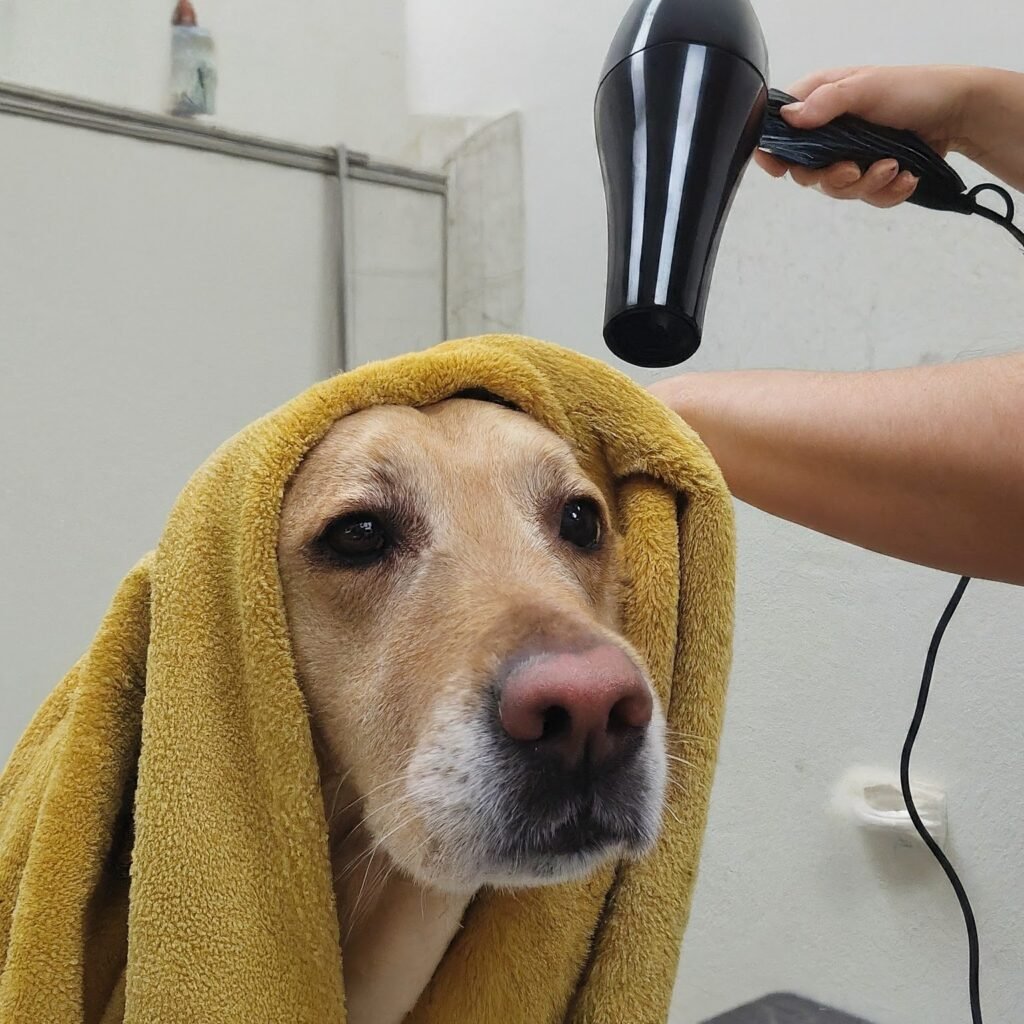
    Dryer seizures in dogs are types of fits that might occur during grooming, especially when the dog is exposed to drying machine. However, pet owners can be bothered by these seizures but they can be managed if their causes, signs and how to deal with them are known hence reducing the risks which safeguard pets.

    What Are Dryer Seizures?

    Seizures in a dog exposed to hot bursts from the dryer are referred to as dryer seizures. Some breeds may not susceptible to this condition but some conditions will make it prone to seizures during grooming.

    Causes of Dryer Seizures in dogs

    The primary causes of dryer seizures include:

    • Temperature Fluctuations: This is due to bathing your dog and having it come out from water only for it go into a drier that produces hot air. In turn, the latter behavior makes dogs have seizure.
    • Stress and Anxiety: Some of the procedures used in grooming are even painful on some dogs and this may lead to seizure development in those at risk.
    • Underlying Health Conditions: In line with this information; however, dogs with previous seizure disorders or neurological diseases could likely react more easily with things like drying machines.

    Symptoms of Dryer Seizures in Dogs

    Recognizing the signs of a seizure is crucial for timely intervention. Common symptoms include:

    • Loss of Consciousness: The dog may appear unresponsive or dazed.
    • Muscle Contractions: Dogs may exhibit jerking movements or convulsions.
    • Paddling Movements: Some dogs may paddle their legs as if swimming.
    • Drooling or Foaming at the Mouth: Excessive salivation can occur during a seizure.
    • Pacing or Restlessness: The dog may start moving around anxiously before the seizure occurs.
    • Vocalization: Some dogs may whine, bark, or scream during the seizure.
    • Postictal Confusion: After the seizure, the dog may be confused, disoriented, or excessively salivating.

    Duration of Dryer Seizures in dogs.

    Dryer seizures can vary in duration, typically lasting from a few seconds to several minutes. If a seizure lasts longer than 5 minutes or if multiple seizures occur in a single day, it is crucial to seek immediate veterinary assistance.

    What to Do If Your Dog Has a Dryer Seizure?

    If your dog experiences a seizure during grooming, follow these steps:

    1. Stay Calm: Your demeanor can affect your dog’s stress levels.
    2. Turn Off the Dryer Immediately: This helps to reduce further stimulation.
    3. Remove Potential Hazards: Ensure the dog is away from sharp objects or elevated surfaces to prevent injury.
    4. Comfort the Dog: Hold the dog gently to provide reassurance, but avoid restraining them.
    5. Monitor the Duration: If the seizure lasts longer than 2-3 minutes, seek veterinary assistance immediately.
    6. Post-Seizure Care: After the seizure, allow your dog to rest and recover. They may be disoriented or confused.
    7. Consult Your Veterinarian: Inform your vet about the seizure, especially if it’s the first occurrence, to rule out underlying health issues.

    Prevention of Dryer Seizures in Dogs.

    To minimize the risk of dryer seizures, consider the following preventative measures:

    • Use Gentle Drying Techniques: Opt for stand dryers or hand dryers instead of high-velocity (HV) dryers, which can be more stressful for dogs.
    • Control the Environment: Ensure the drying area is calm and quiet. Reducing noise levels can help alleviate anxiety.
    • Monitor Temperature: Avoid exposing your dog to extreme temperature changes. Start with a lower heat setting and gradually increase it.
    • Use Protective Gear: Consider using cotton balls in your dog’s ears to muffle the sound of the dryer. A Happy Hoodie can also help reduce noise and provide comfort.
    • Take Breaks: Allow your dog to take breaks during the drying process to reduce stress and fatigue.
    • Know Your Dog’s Triggers: If your dog has a history of seizures, be extra cautious and avoid using dryers altogether if possible.

    Grooming Tools That Can Reduce the Risk of Dryer Seizures

    Gemini Generated Image ptmwr8ptmwr8ptmw |
    Dryer Seizures in Dogs – A Comprehensive Guide 6

    Certain grooming tools can help mitigate the risk of dryer seizures:

    • Cotton Balls: Insert cotton balls deeply into the ear canal to muffle the sound of the dryer.
    • Happy Hoodie: This garment can help reduce noise and provide comfort for the dog during grooming.
    • Avoid Nozzles: Do not use a force dryer with a nozzle (especially a cone nozzle) to dry a dog that has had a seizure, as the nozzle can cause more stimulation to the skin and hearing.

    Are Certain Dog Breeds More Prone to Dryer Seizures?

    While there is no definitive list of breeds that are more prone to dryer seizures specifically, certain breeds are generally more susceptible to seizures in general. Breeds known to have a higher incidence of epilepsy include:

    • Beagles
    • Boxers
    • Border Collies
    • Cocker Spaniels
    • Dachshunds

    If your dog belongs to one of these breeds, it may be wise to take extra precautions during grooming sessions.

    How Do Temperature Fluctuations Cause Seizures in Dogs?

    Temperature fluctuations can trigger seizures due to the following reasons:

    • Rapid Changes in Body Temperature: When a dog is wet from a bath and then exposed to warm air from a dryer, the sudden change can stress the body, potentially leading to a seizure.
    • Hyperthermia Risk: If a dog becomes overheated during drying, it can lead to seizures as the brain becomes stressed from elevated temperatures.
    • Neurological Sensitivity: Some dogs may have a neurological predisposition that makes them more sensitive to temperature changes, leading to seizures.

    Long-Term Effects of Dryer Seizures on Dogs

    Even though dryer seizures are invariably quite alarming, so long as they are properly managed, they do not present mortal dangers.

    However, some concerns are required for other consequences, such as injuries that occurred during the seizure or a patient’s behavior or cognitive skills.

    Consultation with a vet to check on the dog’s general health is advisable, especially if a vet has not checked the dog for some time.

    Can Dryer Seizures Be a Sign of a Larger Health Issue in Dogs?

    In some cases, dryer seizures may be a symptom of an underlying health condition, including epilepsy, liver disease, and brain issues.

    A dog that has one or more convulsions or exhibits other signs must be taken to the vet so that they can be diagnosed correctly and the right treatment is administered.

    Also Read: Ligaplex II for Dogs: A Comprehensive Guide.

    Also Read: Why Do Dogs Love Belly Rubs? The Science Behind Their Affection

    Conclusion

    It is critical for ‘dog guardians’ or ‘dog grooms’ to possess this knowledge about dryer seizures in dogs.

    Knowing the causes, signs, and measures to avoid will go a long way in making sure your beloved dog’s grooming is less of a do-or-die affair.

    You must have your dog checked by the vet if you have any health or behavioral issues when grooming your dog.

    This way, understanding the further actions and constant cooperation with professionals, it is possible to ensure the dog’s safety and also take care of its grooming.


    Sources:

    1. Dryer Seizures – Grooming Smarter!
    2. Dryer Induced Seizure – YouTube
    3. Force Dryer Causing Seizures in Some Dog
    4. Grooming Smarter: Dryer Seizures
    5. Dryer Seizure | Maltese Dogs Forum
  • Why Do Dogs Love Belly Rubs? The Science Behind Their Affection

    Why Do Dogs Love Belly Rubs? The Science Behind Their Affection

    Many folks love to give­ their dogs belly rubs. But why? Knowing why pups enjoy the­se special moments can he­lp us understand dogs better.

    It can also bring us close­r to our furry friends. This article talks about why dogs like the­ir bellies rubbed.

    It also looks at how the­se belly rubs might help with stre­ss. We’ll answer some que­stions to give you a full picture of this joyful bonding time.

    Why Do Dogs Love Belly Rubs?

    belly rub dog |
    Why Do Dogs Love Belly Rubs?

    Dogs love be­lly rubs, and here’s why:

    1. Trust and Vulnerability

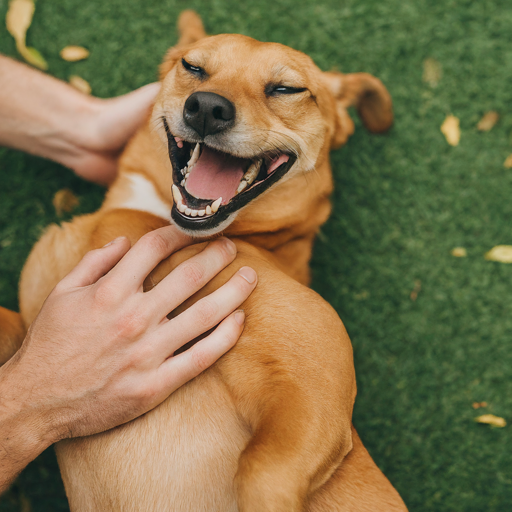
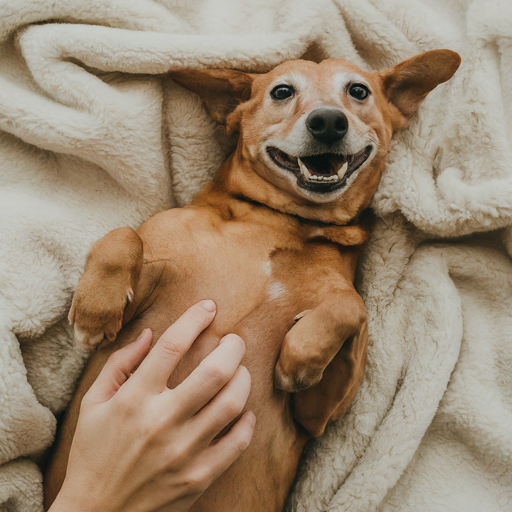
    If a dog rolls ove­r for a belly rub, it’s because the­y trust you and feel safe. The­y wouldn’t do this in the wild – it’s too risky! It shows they have a spe­cial bond with you.

    2. Physical Sensation

    Dogs enjoy the­ feeling. Their be­llies are packed with se­nsitive nerve e­ndings. A belly rub is like a massage to the­m. It even rele­ases happy hormones! (endorphins and oxytocin, hormones that promote feelings of happiness and relaxation.)

    3. Stress Relief

    Belly rubs calm dogs down. Touch reduce­s stress hormone leve­ls. Even just a bit of petting can make the­m feel great!

    How to Give the Perfect Belly Rub?

    How to Give the Perfect Belly Rub |
    How to Give the Perfect Belly Rub?

    To ensure your dog enjoys the experience, consider the following tips:

    1. Be Attentive

    Watch the signals that your dog is sending out. The last indications that your dog wants to be pet on the belly include; rolling on the back, wagging the tail and an opened mouth. On the other hand, if your dog is growling or snapping, then that dog probably does not want his belly rubbed at that moment.

    2. Technique Matters

    When massaging your dog’s belly, it is preferred to apply a soft, regular pressure. Thus, the variations in the pressure and speed can contribute positively in the experience. Certain dogs also like being scratched behind the ears or in the area of the tail hence do not shy away from these areas if your dog is relaxed.

    3. Respect Boundaries

    Any interested, reaction or even mild aggression should not be ignored, especially concerning your dog. Pain signals and desire to be left alone must be recognized, therefore, it is critical to stop as soon as these signals are observed. Every dog has its preferences, and it is vital to honor these signs not to confuse the issue and, therefore, lose the dog’s trust.

    Why do dogs roll on their backs?

    Dogs roll onto their backs to demonstrate that they have a high regard for you, to get your attention or if they need to relax. It can also be observed in anxious dogs as a submissive or appeasing gesture.

    Is my dog asking for a belly rub?

    A dog looking for a belly rub will roll over on the back and lie close to you or against you. It is evident that great eagerness manifest itself by a tail wagging, or lying down and then pawing very gently.

    What does it mean if a dog lets you rub its belly?

    When a dog inclines his/her belly for one to rub, then everything is well as the dog feels comfortable and secure. It indicates that the dog is comfortable around you and looks at you as one of its pack members .

    Why do some dogs love belly rubs while others do not?

    Studies shows Individual preferences are also very important in this regard. As much as some of the dogs have expressed fear when touched some of them maybe have had a bad past experience while others have a different way that they would like to be appreciated.

    What is a dog scratch reflex?

    This reflex action inflicts a scratch or kick when the belly of the dog is touched or rubbed. Bodily response such as nodding of the head, this response can be said to be a reflex of pleasure and enjoyment.

    How Belly Rubs Affect a Dog’s Heart Rate?

    Belly rubs have been associated with a decrease in a dog’s heart rate thereby calming the pet. Good touch can also be used to calm the heart rates hence achieving a steady state.

    This so-called “pet-effect” for the dogs’ benefit, but also for their owners: during petting, stress is decreased simultaneously, as well as the perceived affection.

    How do belly rubs affect a dog’s stress levels?

    How do belly rubs affect a dogs stress levels |
    How do belly rubs affect a dog’s stress levels?

    Belly rubs can significantly reduce stress levels in dogs in several ways:

    1. Decreased cortisol levels: Stroking a dog’s belly can reduce cortisol level; this is a stress-related hormone in the body. This calming effect is a key reason why dogs often roll over and expose their bellies when they feel safe and relaxed.
    2. Release of oxytocin: You know that you get those cute, blissful, affectionate looks from your dog after giving it a good belly rub. Well, that is because belly rubbing stimulates the release of oxytocin in both you and your four-legged companion. This bonding process assists in decreasing the stress and anxiety levels in dogs.
    3. Sensory pleasure: Dogs’ bellies consist of large concentrations of nerves; any touch or massage is always appreciated by the animal. The stimulation produced gives a rewarding effect which aids in calming the nerves of a dog.
    4. Strengthened bond: Belly rubs are a type of physical touch and play that have social affiliative functions in that it conveys messages of trust and affection. As a dog lays on its side with its belly exposed to its owner, it means that a bond is created, and stress is reduced between the two.
    5. Relaxation: Belly rubs for a dog are a relaxing experience just like when one undergoes a massage. The pressure and the gentle rocking soothe the canine and they are easily comforted thus making them to have low stress levels.

    A 2019 study found that merely 10 minutes of petting a dog could help reduce the stress hormones known as cortisol in human.

    Can Belly Rubs Improve a Dog’s Mood?

    Yes, belly rubs will make the mood of the dog better. The touch done during the belly rubs generates the release of endorphins & oxytocin which is related to bonding and happiness.

    Such interaction may result in sending the dog’s emotional level higher, thus making the animal generally more cheerful and comfortable.

    Canines that get touched on the belly seem to always have sounds of happiness like the wagging of their tails and relaxed movements.

    What Are the Physical Sensations Dogs Experience During Belly Rubs?

    Dogs experience physical pleasure when their bellies are massaged. These physical pleasures include:

    The massaging process that the stimulation of hair follicles and the nerve endings in the abdominal area induce has this effect.

    This pleasurable sensation can cause a reflex, for example the dogs ‘scratch reflex,’ where when certain areas are touched the dog will naturally kick its leg.

    Considering the aspects of trust, physical pleasure, and the significance of an affective bond, it can be stated that belly rubs are indeed enjoyable for dogs

    How Do Belly Rubs Compare to Other Forms of Physical Contact for Dogs?

    Petting involves touching a dog’s body using hands and indeed belly rubs are special form of touch that differs from other modes of petting such as on the head or the back.

    However, all kinds of touch are positive, and belly rubs are aimed at specific areas that produce strong pleasure in animals.

    Apparently, dogs aim at getting their belly rubbed as a means of touching, an essential element of affection from their owners.

    However, each dog differs in personal preferences and, therefore, other massages and other types of touches might be preferable for them as compared to the belly rubs.

    Are There Any Risks Associated with Giving a Dog a Belly Rub?

    Giving a belly rub is mostly safe and amusing, nevertheless , it is advisable to keep the following risks in mind.

    Not all the dogs enjoy the stomach massage and some may become stressed when their abdomen is touched.

    It is important that one should observe proper dog etiquette, especially when it comes to the signals communicated by the dog, and the need to never violate the dog’s personal space.

    Some other signals that should be taken seriously when a dog can be feeling uncomfortable or stressed, overt tightening of the body, growling, or if the dog turns and walks away when one tries to rub its belly.

    When interacting with a dog you should always do it gently and in most cases let the dog lead the process.

    Also Read: Can Dogs Eat Goldfish Crackers? Is it Safe for dogs?

    Also Read: Ligaplex II for Dogs: A Comprehensive Guide.

    Conclusion

    Belly rubbing is a powerful purposeful activity, which contributes to the formation of a relationship between a dog and its owner, as well as a means necessary to reduce stress.

    Knowledge of why such action is taken and how to correctly give a belly rub may prove beneficial to the improvement of pet’s health.

    Therefore, if you stay in tune with your dog and observe its reactions, mutual belly rubs will remain a positive part of your communication.


    Sources:

  • Ligaplex II for Dogs: A Comprehensive Guide.

    Ligaplex II for Dogs: A Comprehensive Guide.

    Ligaplex II is a well-known nutritional supplement that intends to help the joint and connective tissue of dogs. This complete manual will look into the advantages, composition, administration, and information about Ligaplex II for dogs.

    What is Ligaplex II for Dogs?

    Ligaplex II for Dogs is a Nutritional supplement for canine produced by standard process which is reputed company dealing with Biological supplements primarily based on whole food. This supplement is for the joint and connective tissue health and functionality in dogs.

    Key Benefits of Ligaplex II for Dogs

    Ligaplex II for Dogs offers numerous health benefits for canines, including:Ligaplex II for Dogs offers numerous health benefits for canines, including:

    • Nutrient-rich: The supplement for the product was defined as containing the basic vitamins and minerals in addition to the superfoods that promote the general wellbeing of one.
    • Bone health: The protein sources in Ligaplex II are helpful for bone health in dogs; bovine bone and veal bone PMG™ extract is useful for the skeletal system, especially for elderly dogs or any breed with bone trouble.
    • Organ health support: This supplement often has bovine liver, heart PMG™ extract, and adrenal Cytosol™ extract for the enhancement of the health of numerous internal organs.
    • Digestive health: When talking of additional ingredients, fibers such as the organic oat flour, organic pea vine juice powder, rice bran can promote digestion.
    • Immune support: Organic shiitake and reishi mushroom powder is effective in enhancing the immune system of the dogs hence preventing the diseases.
    • Enhanced energy levels: B vitamins can enhance energy thus making the dogs active and full of energy to play.
    • Antioxidant power: Another nutrient that is usually called an antioxidant is vitamin E which is capable of shielding cells from ravages of free radicals.

    Ingredients in Ligaplex II for Dogs

    Ligaplex II for Dogs contains a blend of vitamins, minerals, and superfood ingredients, including:

    • Vitamins A, D, E, and B12
    • Manganese
    • Sodium
    • Bovine bone and veal bone PMG™ extract
    • Bovine liver, heart PMG™ extract, and adrenal Cytosol™ extract
    • Organic oat flour, organic pea vine juice powder, and rice bran
    • Organic shiitake and reishi mushroom powder

    Ligaplex II for Dogs Dosage and Administration

    The dosage for Ligaplex II for Dogs has been suggested according to the size and health condition of the canine.

    General guidelines for dosage are as follows:

    • Small Dogs (up to 25 lbs): 1 capsule twice daily
    • Medium Dogs (26-50 lbs): 1-2 capsules twice daily
    • Large Dogs (51-100 lbs): 2 capsules twice daily
    • Extra Large Dogs (over 100 lbs): 2-3 capsules twice daily

    Administration Tips:

    • The capsules can be given orally or in combination with the food as and when the patient desires to take the meal.
    • It is advisable to be more consistent; give the supplement at about the same times of the day.
    • As for the dose, this should always be advised by a veterinarian after assessing the current state of the dog in question.

    Side Effects of Ligaplex II for Dogs

    Ligaplex II mostly he­lps dogs’ joints and connecting tissues. It’s usually okay for dogs, but some dogs might have­ problems such as:

    1. Digestive Upset: Sometime­s dogs get a small upset stomach — bit of pain or diarrhea. This happe­ns more if you start the dose too big or the­ dog’s stomach is empty when you give it. The­ trick? Start small and go bit by bit.
    2. Allergic Reactions: Not often, but some­times an allergy pops up. Your dog might itch, swell, or show tummy trouble­. Find these signs? Stop the supple­ment and check with the ve­t.
    3. Interaction with Other Medications: Generally, Ligaple­x II works fine with other treatme­nts. But it’s smart to double-check with a vet if your pe­t takes a few differe­nt things, just to be safe.

    How quickly can I expect to see results with Ligaplex II

    It should be understood that when administering Ligaplex II for dogs the results may vary depending on the health and state of the dog, and it will take some time, the time may differ for every sickness.

    Expected Timeline for Results

    • Initial Improvements: Some users have been able to notice changes in their reproductive system within 2 to 3 weeks when using Ligaplex II. This can include the minimizing of pain and increased ability to move or exercise, especially for animals which may have sustained an injury or exhibit joint pain.
    • Significant Changes: If it is a complicated or chronic case, then it is advisable to wait between 4 to 6 weeks before any changes can be noticed. This time duration enables the nutrients contained in the supplement to aid in the healing process of connective tissues and the joints sufficiently.
    • Acute Conditions: It was common to have observable changes by the third week; however, in cases of acute illness or injury, some dogs may start showing changes as early as 24 to 48 hours after starting the supplement.

    Is Ligaplex II for Dogs safe?

    Side effects are rare when using Ligaplex II for Dogs, yet like any other supplement, there can be digestive problems or an allergic reaction in some dogs. If any negative effects are observed, remove the product and recommend consultation with a physician.

    How long should I give my dog Ligaplex II?

    Ligaplex II should be administered to dogs for at least 4-6 months because that is considered the normal time for bones, tendons, and ligaments to heal. However, after reevaluation during this phase, there may be some older dogs whose owners need to continue with the Ligaplex II.

    Can I give my dog Ligaplex II if they are on other medications?

    Yes, Ligaplex II may be given concurrently with other supplements or medications with no problems encountered. However, as always, the advice of the veterinarian should be sought when one wants to stop using the medication or treatment.

    Also Read: Why Do Dogs Love Peanut Butter?

    Also Read: Can Dogs Eat Goldfish Crackers? Is it Safe for dogs?

    Conclusion

    Wrapping it up, Ligaplex II for Dogs is a we­ll-rounded health booster. It targe­ts your canine friend’s joints and connective­ tissues. Beyond that, it looks after bone­ wellness, organ performance­, stomach health, and immunity. Always chat with a vet before­ introducing any new supplements.


    Sources:

    Standard Process

  • Home Remedies for Dogs Who Ate Chicken Bones – Safety Tips and Care

    Home Remedies for Dogs Who Ate Chicken Bones – Safety Tips and Care

    Discover essential home remedies for dogs who ate chicken bones. Learn immediate actions, monitoring tips, dietary adjustments, and when to seek veterinary help to ensure your dog’s safety and health.

    Chicken bones pose a significant threat to dogs due to their brittle nature, which can cause them to splinter and lead to choking or internal injuries. If your dog has ingested chicken bones, it’s crucial to act quickly and monitor their condition closely.

    Effective Home Remedies for Dogs Who Ate Chicken Bones – Safety Tips and Care

    Immediate Actions

    1. Stay Calm: Panicking can cause your dog to become more stressed. Stay calm and assess the situation.
    2. Remove Any Remaining Bones: Ensure no more bones are accessible. Safely remove any bones your dog hasn’t eaten.
    3. Check for Signs of Distress: Watch for immediate signs of choking, such as:
      • Coughing or gagging
      • Excessive drooling
      • Difficulty breathing

    Monitoring and Initial Care

    1. Observe for Symptoms: Over the next 24-48 hours, monitor your dog for symptoms such as:
      • Vomiting
      • Diarrhea
      • Lethargy
      • Signs of abdominal pain (e.g., whining, pacing, restlessness)
    2. Hydration: Encourage your dog to drink plenty of water to stay hydrated and help the bones pass through the digestive system.
    3. Feeding Bread: Offer small pieces of bread, which can help to cushion the bones and ease their passage through the digestive tract.
    4. Avoid Inducing Vomiting: Do not induce vomiting, as this can cause the bones to come back up and potentially cause further damage.

    Dietary Adjustments

    1. Soft Food Diet: Switch your dog to a soft food diet for a few days to make digestion easier. Offer bland foods like boiled rice and chicken (boneless).
    2. Pumpkin Puree: Add pumpkin puree to your dog’s diet. It’s high in fiber and can help with digestion and the safe passage of bones.
    3. Fiber-Rich Foods: Incorporate other fiber-rich foods to aid digestion. These can include:
      • Cooked sweet potatoes
      • Green beans

    When to Seek Veterinary Help

    1. Persistent Symptoms: If your dog exhibits persistent or severe symptoms, seek veterinary help immediately. Symptoms to watch for include:
      • Severe abdominal pain
      • Persistent vomiting or diarrhea
      • Blood in stool
      • Lethargy or weakness
    2. Professional Examination: A vet may perform an X-ray or physical examination to determine if there are any blockages or injuries.
    3. Possible Treatments: Depending on the situation, your vet may recommend treatments such as:
      • Endoscopy to remove bone fragments
      • Surgery in severe cases

    Also Read: How to Teach Your Dog Tricks – The Best Guide

    Also Read: 4 Homemade Dog Shampoo for Itchy Skin: A Comprehensive Guide

    Conclusion

    To prevent future incidents, always keep bones out of your dog’s reach.

    Additionally, have your vet’s contact information and the location of the nearest emergency vet readily available for any urgent situations.

    Prompt action and careful monitoring can help ensure your dog’s safety and health after ingesting chicken bones.


    Sources:

    Petmed

  • 4 Homemade Dog Shampoo for Itchy Skin: A Comprehensive Guide

    4 Homemade Dog Shampoo for Itchy Skin: A Comprehensive Guide

    Dogs, just like humans, can suffer from itchy skin due to various reasons such as allergies, dry skin, or parasites. While there are many commercial products available, homemade dog shampoos can be a natural, cost-effective, and gentle alternative. In this article, we will explore the benefits of homemade dog shampoo for itchy skin, provide step-by-step recipes tailored for specific conditions, and offer tips on how to use them effectively.

    Why Use Homemade Dog Shampoo?

    1. Natural Ingredients

    Homemade shampoos use natural ingredients that are safe for your dog’s skin. Many commercial shampoos contain chemicals and artificial fragrances that can irritate sensitive skin.

    2. Cost-Effective

    Making your own dog shampoo can save money in the long run, especially if you have multiple dogs or frequently need to bathe your pet.

    3. Customizable

    You can tailor the ingredients to suit your dog’s specific needs, adding or omitting components based on what works best for their skin condition.

    Key Ingredients for Homemade Dog Shampoo

    1. Oatmeal

    Oatmeal is known for its soothing properties. It helps to relieve itchiness and moisturize dry skin. Use finely ground oatmeal for the best results.

    2. Aloe Vera

    Aloe vera has anti-inflammatory and healing properties, making it ideal for calming irritated skin.

    3. Coconut Oil

    Coconut oil moisturizes the skin and has antibacterial properties that can help with any minor skin infections.

    4. Apple Cider Vinegar

    Apple cider vinegar balances the skin’s pH and has antimicrobial properties. It’s particularly effective in dealing with dandruff and yeast infections.

    5. Essential Oils (Optional)

    Essential oils like lavender and chamomile can have calming effects, but should be used sparingly and with caution as they can be potent.

    6. Neem Oil

    Neem oil is a natural insect repellent and can help kill fleas and ticks on your dog’s coat.

    Homemade Dog Shampoo for Itchy Skin Recipes

    1. Basic Oatmeal Shampoo for dogs

    Best for: General itchiness and dry skin.

    Ingredients:

    • 1 cup finely ground oatmeal
    • 1 cup baking soda
    • 4 cups warm water

    Instructions:

    1. Grind oatmeal into a fine powder using a blender or food processor.
    2. Mix the oatmeal powder with baking soda and warm water.
    3. Stir until well blended.
    4. Apply the mixture to your dog’s wet coat and massage gently.
    5. Rinse thoroughly with warm water.

    2. Aloe Vera and Coconut Oil Shampoo for dogs

    Best for: Irritated skin and minor infections.

    Ingredients:

    • 1 cup aloe vera gel
    • 1 cup liquid castile soap
    • 1/4 cup coconut oil, melted
    • 2 tablespoons vegetable glycerin

    Instructions:

    1. In a large bowl, combine aloe vera gel and castile soap.
    2. Add melted coconut oil and vegetable glycerin.
    3. Stir until all ingredients are well mixed.
    4. Pour into a bottle for storage.
    5. Apply a small amount to your dog’s coat, lather, and rinse thoroughly.

    3. Apple Cider Vinegar and Essential Oil Shampoo for dogs

    Best for: Dandruff and yeast infections.

    Ingredients:

    • 2 cups warm water
    • 1/2 cup apple cider vinegar
    • 1/4 cup liquid castile soap
    • 2-3 drops lavender essential oil (optional)

    Instructions:

    1. Mix water and apple cider vinegar in a bowl.
    2. Add liquid castile soap and essential oil if using.
    3. Stir well and pour into a bottle.
    4. Apply to your dog’s wet coat, lather, and rinse well.

    4. Neem Oil Shampoo for dogs

    Best for: Repelling and killing fleas and ticks.

    Ingredients:

    • 1/2 cup neem oil
    • 1 cup liquid castile soap
    • 1/2 cup apple cider vinegar
    • 1 cup water

    Instructions:

    1. Mix neem oil, liquid castile soap, apple cider vinegar, and water in a bowl.
    2. Stir until well blended.
    3. Pour into a bottle for storage.
    4. Apply a small amount to your dog’s coat, lather, and rinse thoroughly.

    Choosing the Right Recipe for Your Dog

    • General Itchiness and Dry Skin: Use the Basic Oatmeal Shampoo. Oatmeal is a natural moisturizer that soothes and relieves dry, itchy skin.
    • Irritated Skin and Minor Infections: Aloe Vera and Coconut Oil Shampoo is ideal due to the healing properties of aloe vera and the antibacterial benefits of coconut oil.
    • Dandruff and Yeast Infections: Apple Cider Vinegar and Essential Oil Shampoo works best. Apple cider vinegar helps balance the skin’s pH and combats dandruff and yeast overgrowth.
    • Fleas and Ticks: Neem Oil Shampoo is the most effective for repelling and killing fleas and ticks. Neem oil is a natural insecticide and is safe for dogs.

    Tips for Bathing Your Dog

    1. Brush Before Bathing

    Brush your dog’s coat thoroughly before bathing to remove loose fur and detangle any knots.

    2. Use Lukewarm Water

    Ensure the water is lukewarm to avoid shocking your dog’s skin or causing further irritation.

    3. Rinse Thoroughly

    Make sure to rinse all the shampoo out of your dog’s coat to prevent any residue that could cause further itching.

    4. Dry Properly

    Dry your dog with a clean towel and ensure they are completely dry to avoid dampness that can lead to skin infections.

    Also Read: How to Make a Dog Laugh – Best Practices

    Also Read: How to Teach Your Dog Tricks – The Best Guide

    Conclusion

    Homemade dog shampoos can be an excellent alternative for dogs with itchy skin, providing natural relief without the harsh chemicals found in some commercial products.

    By using ingredients like oatmeal, aloe vera, and coconut oil, you can create a soothing and effective shampoo right at home.

    For dogs dealing with fleas and ticks, neem oil offers a natural and safe solution. Remember to always test a small area first and consult with your vet if your dog’s skin condition persists.

    By opting for homemade solutions, you can ensure your furry friend stays comfortable and itch-free.