Category: Dog Health

  • How to Make a Dog Laugh – Best Practices

    How to Make a Dog Laugh – Best Practices

    Dogs are known for their loyal companionship and expressive behaviors. While the concept of dogs laughing may seem whimsical, understanding canine emotions and expressions can enrich your bond with your furry friend. This article explores the idea of dog laughter, How to make a dog laugh, techniques to encourage joyful behaviors, and the benefits of engaging playfully with your pet.

    Understanding Canine Emotions and Expressions

    Dogs, much like humans, experience a range of emotions. Joy, excitement, and affection are common feelings that dogs express through various behaviors.

    While dogs don’t laugh in the same way humans do, they have their unique ways of showing happiness.

    Common Expressions of Joy and Happiness in Dogs

    • Wagging Tail: A wagging tail, especially when combined with a relaxed body posture, is a clear sign of a happy dog.
    • Play Bow: When a dog lowers its front legs and raises its hindquarters, it’s a playful invitation.
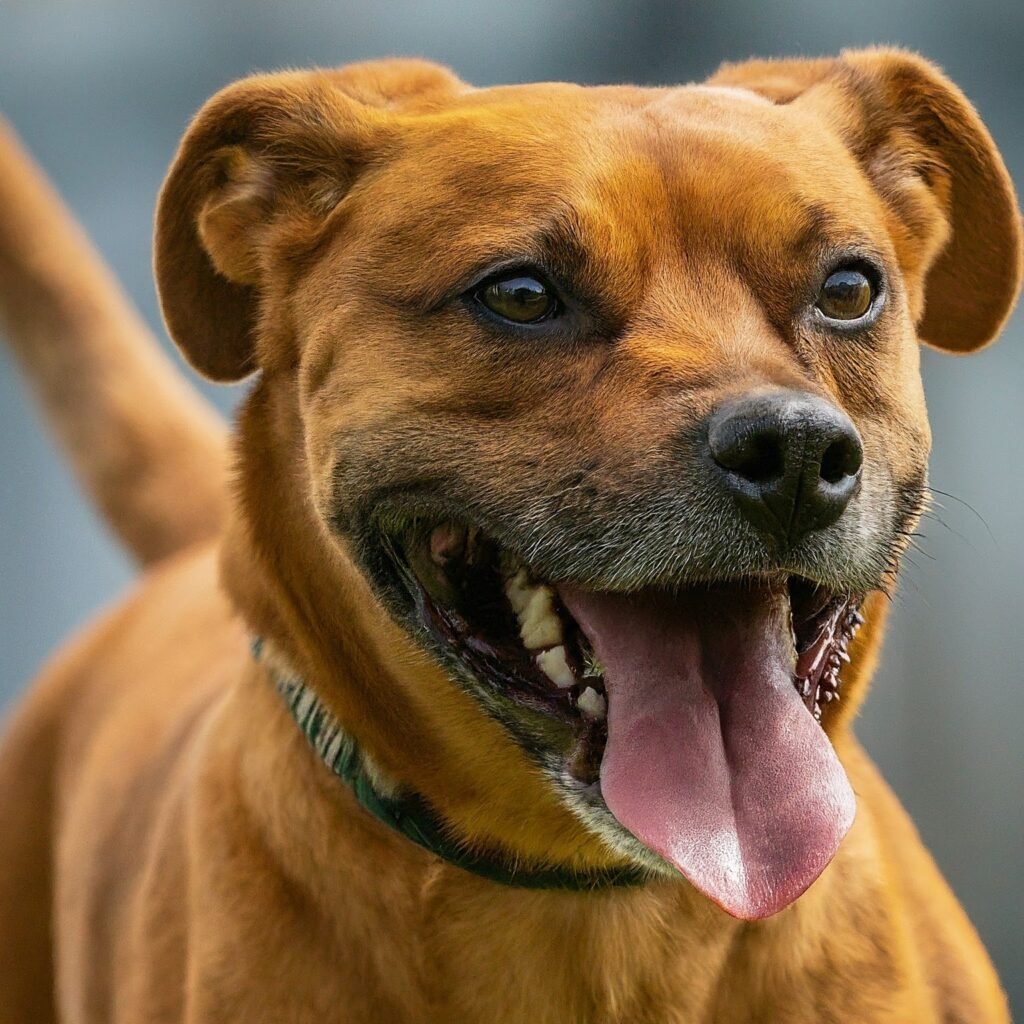
    • Smiling: Some dogs appear to smile, with their mouths open and tongues lolling out.
    • Excited Barking: Short, high-pitched barks can indicate excitement and joy.

    How Dogs Communicate Happiness
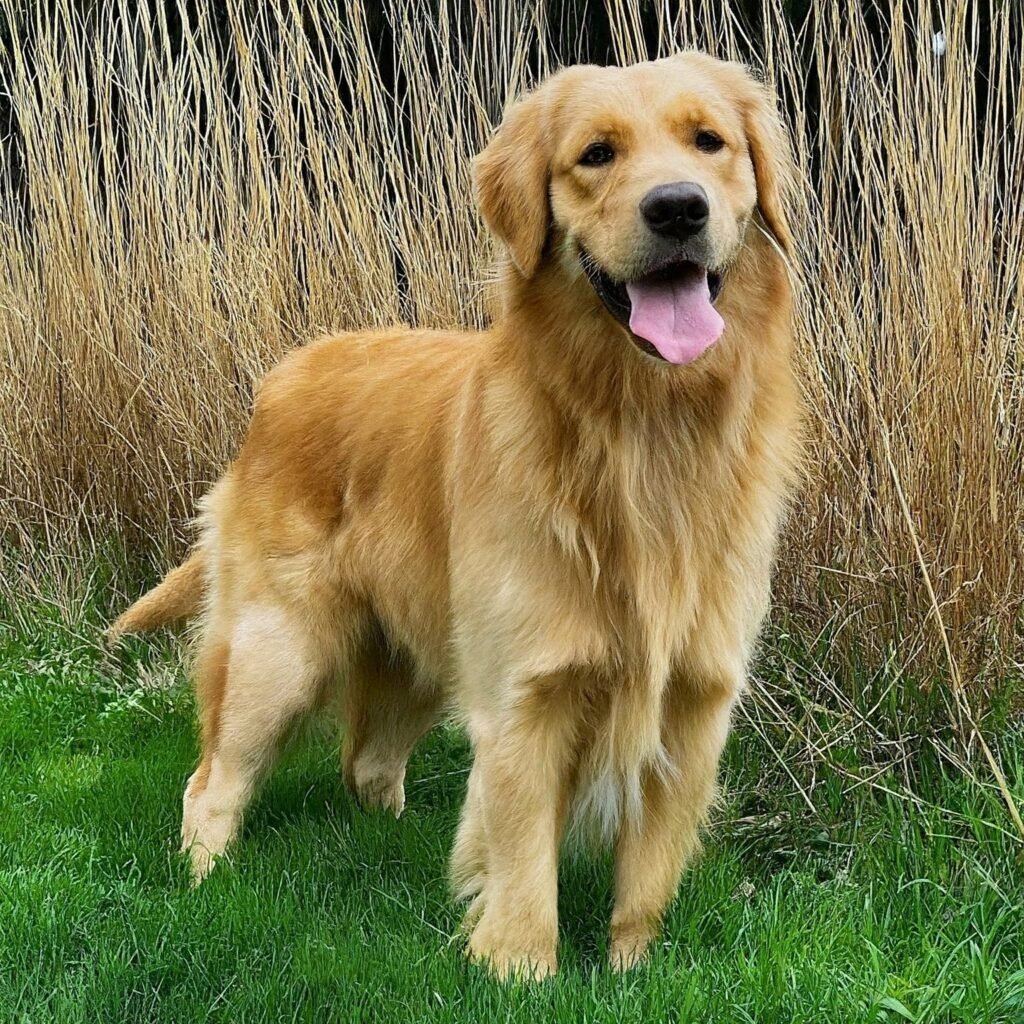
    Adult (18 months-7 years old)
    How to Make a Dog Laugh – Best Practices 4

    Understanding how dogs communicate happiness can help you recognize and enhance your pet’s joyful moments.

    Dogs use a variety of body language and vocalizations to express their emotions.

    Relaxed ears that are neither pinned back nor forward indicate a comfortable and happy dog.

    Soft, blinking eyes and a wiggling body, often accompanied by a wagging tail, are clear signs of excitement and joy.

    Additionally, happy barking, which is typically short and high-pitched, signifies that your dog is in a good mood.

    Sometimes, dogs also whine or whimper out of excitement, especially when greeting their owners.

    Recognizing these signs can help you better understand and respond to your dog’s emotional needs.

    Can Dogs Really Laugh?

    The question of whether dogs can laugh has intrigued pet owners and scientists alike. While dogs don’t laugh like humans, they exhibit behaviors that resemble laughter.

    Scientific Perspective on Dog Laughter

    Research suggests that dogs produce a unique sound known as “play-panting” during play. This sound, which is different from regular panting, is often associated with positive emotions and can be considered a form of laughter.

    Signs of Laughter-like Behavior in Dogs

    • Play-panting: A breathy, rhythmic pant that occurs during playtime.
    • Relaxed and Open Mouth: Often seen during playful interactions, indicating contentment.
    • Playful Behavior: Engaging in activities like chasing, wrestling, or tug-of-war.

    How to Make a Dog Laugh?

    From Frisbee Fury to Flop: Energy on E
    How to Make a Dog Laugh?

    Techniques to Make a Dog Laugh

    Engaging your dog in playful activities and interactive sessions can evoke laughter-like behaviors and ensure they have a good time.

    Playful Activities

    1. Fetch: A classic game that dogs love. Throwing a ball or a toy and having your dog retrieve it is a great way to stimulate joy.
    2. Tug-of-War: Using a sturdy rope or toy, gently tugging back and forth can be highly enjoyable for dogs.
    3. Hide and Seek: Hiding treats or toys and encouraging your dog to find them is both mentally stimulating and fun.

    Interactive Toys

    1. Squeaky Toys: The sound of squeaky toys can excite dogs and prompt playful behavior.
    2. Puzzle Toys: These toys challenge dogs to think and solve problems, which can be very rewarding and fun.

    Physical Interaction

    1. Belly Rubs: Most dogs enjoy a good belly rub, which can elicit happy, relaxed behavior.
    2. Tickle Spots: Finding and gently tickling your dog’s sensitive spots, like under the armpits or on the belly, can result in playful reactions.

    Vocal Cues and Sounds

    1. High-pitched Tones: Dogs often respond positively to high-pitched, enthusiastic voices.
    2. Funny Noises: Making silly sounds or using playful voices can catch your dog’s attention and make them happy.

    Training Your Dog to Respond to Play

    Training your dog to engage in play can be beneficial for both physical and mental health.

    Using positive reinforcement techniques, such as rewards in the form of treats, praise, and affection, can encourage your dog to participate in play.

    Consistency is key; be consistent with commands and rewards to help your dog understand what is expected.

    Establishing a regular playtime routine can build anticipation and excitement, making play a more enjoyable experience for both of you.

    Remember to be patient and allow your dog to adjust to new games and toys at their own pace, ensuring a positive and stress-free environment.

    Age-Specific Play Strategies

    Different age groups of dogs have varying needs and play preferences, so it’s important to tailor your play activities accordingly.

    Puppies require gentle play to avoid injuries and benefit from teething toys that soothe their gums and encourage healthy chewing habits.

    Adult dogs often enjoy more active games like fetch and tug-of-war, and incorporating puzzle toys can provide much-needed mental stimulation.

    Senior dogs, on the other hand, may prefer low-impact activities that are easy on their joints, such as gentle tugging or slow walks.

    Soft toys that are easy to chew and carry are also ideal for older dogs. Adapting your play strategies to suit your dog’s age ensures that they remain engaged and happy.

    Common Misconceptions About Dog Play

    Clearing up misconceptions about dog play can help ensure safe and enjoyable play sessions. One common misunderstanding is confusing aggressive play with play fighting.

    Understanding play signals, such as play bows, can help differentiate between the two.

    Always supervise play sessions to prevent escalation and ensure that all interactions remain friendly.

    Another misconception is the idea that play can lead to overstimulation. While play is important, balanced sessions with breaks are crucial to prevent overstimulation.

    Incorporating calm activities like gentle petting or quiet time can help your dog relax after play, maintaining a healthy balance between excitement and calmness.

    Choosing the Right Toys and Games

    Selecting appropriate toys and games can significantly enhance the play experience for your dog.

    Safety should be a top priority; ensure that toys are made from non-toxic materials and are the right size to prevent choking.

    Durable toys that can withstand vigorous play are essential for active dogs, while soft toys are better suited for gentle chewers or older dogs.

    Interactive toys, such as those that dispense treats or require problem-solving, can provide engaging play sessions with your dog.

    Solo toys are also important for independent playtime, allowing your dog to entertain themselves safely when you are not available.

    By choosing the right toys and games, you can create a stimulating and enjoyable environment for your pet.

    Benefits of Making Your Dog Laugh

    Engaging in playful activities and making your dog laugh can have several positive effects.

    Strengthening the Bond

    Spending quality time playing with your dog strengthens the emotional bond between you and your pet.

    Mental Stimulation

    Interactive play and engaging toys stimulate your dog’s mind, preventing boredom and promoting mental health.

    Physical Exercise

    Playful activities provide necessary physical exercise, helping to keep your dog fit and healthy.

    Reducing Stress and Anxiety

    Play can serve as a stress reliever for dogs, reducing anxiety and promoting overall well-being.

    Safety Tips and Considerations

    While it’s important to have fun with your dog, it’s equally important to ensure their safety and comfort.

    Knowing Your Dog’s Limits

    Pay attention to your dog’s behavior and body language to avoid overexertion or overstimulation.

    Recognizing Signs of Discomfort or Stress

    Signs like excessive panting, whining, or trying to escape the situation indicate that your dog may need a break.

    Avoiding Overstimulation

    Ensure play sessions are balanced and not too intense to prevent overwhelming your dog.

    Also Read: How to make a Homemade Oatmeal Bath for Dogs: Best Guide

    Also Read: Hydrogen Peroxide for Dogs’ Itchy Skin: A Comprehensive Guide

    Conclusion

    Understanding and encouraging laughter-like behavior in dogs can greatly enhance your relationship with your pet.

    By engaging in playful activities, using interactive toys, and incorporating vocal cues, you can make your dog happier and healthier.

    Remember to always consider your dog’s limits and comfort, ensuring a positive and enjoyable experience for both of you.


    Sources:

    International Journal of Comparative Psychology

    OSF PREPRINTS

  • How to make a Homemade Oatmeal Bath for Dogs: Best Guide

    How to make a Homemade Oatmeal Bath for Dogs: Best Guide

    If your furry friend is dealing with itchy, irritated skin, a soothing oatmeal bath might be the perfect solution. Natural remedies are gaining popularity among pet owners, and oatmeal baths are a simple, effective way to provide relief for your dog’s skin issues.

    Natural remedies are often preferred because they avoid harsh chemicals that can sometimes exacerbate skin problems. An oatmeal bath for dogs is an easy, homemade solution that can alleviate discomfort and promote healthier skin.

    Benefits of Oatmeal Baths for Dogs

    Oatmeal is not just a nutritious breakfast option for humans; it also offers several benefits for dogs, particularly for their skin. Here’s why an oatmeal bath can be beneficial for your pet:

    • Soothing Skin Irritation: Oatmeal has anti-inflammatory properties that can help soothe and calm irritated skin.
    • Reducing Itchiness: It helps in reducing itchiness caused by allergies, insect bites, or dry skin.
    • Moisturizing Dry Skin: Oatmeal acts as a natural moisturizer, providing relief from dry, flaky skin.

    Ingredients for a Homemade Oatmeal Bath

    Creating a homemade oatmeal bath for your dog requires just a few simple ingredients:

    • 1 cup of plain, unflavored oatmeal
    • Warm water
    • Optional: a few drops of dog-safe essential oils (like lavender or chamomile) for additional soothing effects

    How to Make an Oatmeal Bath for Dogs at home

    Follow these steps to prepare and use an oatmeal bath for your dog:

    1. Prepare the Oatmeal: Blend the oatmeal in a food processor or blender until it becomes a fine powder. This ensures it will dissolve easily in water.
    2. Mix with Water: Fill your bathtub or a large container with warm water. Add the powdered oatmeal and stir until the water turns milky.
    3. Check the Temperature: Make sure the water is comfortably warm, not hot, to avoid any discomfort for your dog.
    4. Bathe Your Dog: Gently place your dog in the bath and use a cup to pour the oatmeal water over their body. Make sure to avoid getting the mixture in their eyes and ears.
    5. Soak and Massage: Let your dog soak for about 10-15 minutes. During this time, gently massage the oatmeal mixture into their skin to enhance its soothing effects.
    6. Rinse Thoroughly: After soaking, rinse your dog thoroughly with clean, warm water to remove all oatmeal residue.

    Tips for Bathing Your Dog

    • Keep Your Dog Calm: Bathing can be stressful for some dogs. Speak in a soothing tone and offer treats to keep them relaxed.
    • Protect Ears and Eyes: Be careful to avoid getting water and oatmeal in your dog’s ears and eyes.
    • Rinse Well: Ensure all oatmeal is rinsed out to prevent any leftover residue from causing irritation.

    Additional Natural Remedies for Dog Skin Issues

    While oatmeal baths are excellent, there are other natural remedies you can consider for your dog’s skin health:

    • Aloe Vera: Known for its healing properties, aloe vera can help soothe and heal irritated skin.
    • Coconut Oil: Acts as a natural moisturizer and can help with dry skin.
    • Apple Cider Vinegar: Diluted apple cider vinegar can help balance the skin’s pH and has antibacterial properties.

    Also Read: Spayed Female Dog Itchy Nipples: A Comprehensive Guide.

    Also Read: Hydrogen Peroxide for Dogs’ Itchy Skin: A Comprehensive Guide

    Conclusion

    An oatmeal bath is a simple, effective way to address your dog’s skin issues naturally.

    By using ingredients you likely already have at home, you can provide your pet with relief from itchiness and irritation.

    Give it a try and see the difference it can make for your furry friend’s comfort and skin health.

  • Hydrogen Peroxide for Dogs’ Itchy Skin: A Comprehensive Guide

    Hydrogen Peroxide for Dogs’ Itchy Skin: A Comprehensive Guide

    Hydrogen Peroxide for Dogs’ Itchy Skin: Hydrogen peroxide is a common household item with many uses, ranging from cleaning wounds to disinfecting surfaces. Recently, pet owners have been exploring its benefits for treating various conditions in dogs, including itchy skin. This article delves into how hydrogen peroxide can be used for dogs’ itchy skin, its benefits, potential risks, and best practices for safe application.

    What is Hydrogen Peroxide?

    Hydrogen peroxide (H₂O₂) is a chemical compound made up of two hydrogen atoms and two oxygen atoms.

    It appears as a clear, colorless liquid and is commonly available in a 3% concentration solution for household use.

    Hydrogen peroxide is known for its antiseptic properties, making it useful for cleaning wounds and preventing infection.

    Common Causes of Itchy Skin in Dogs

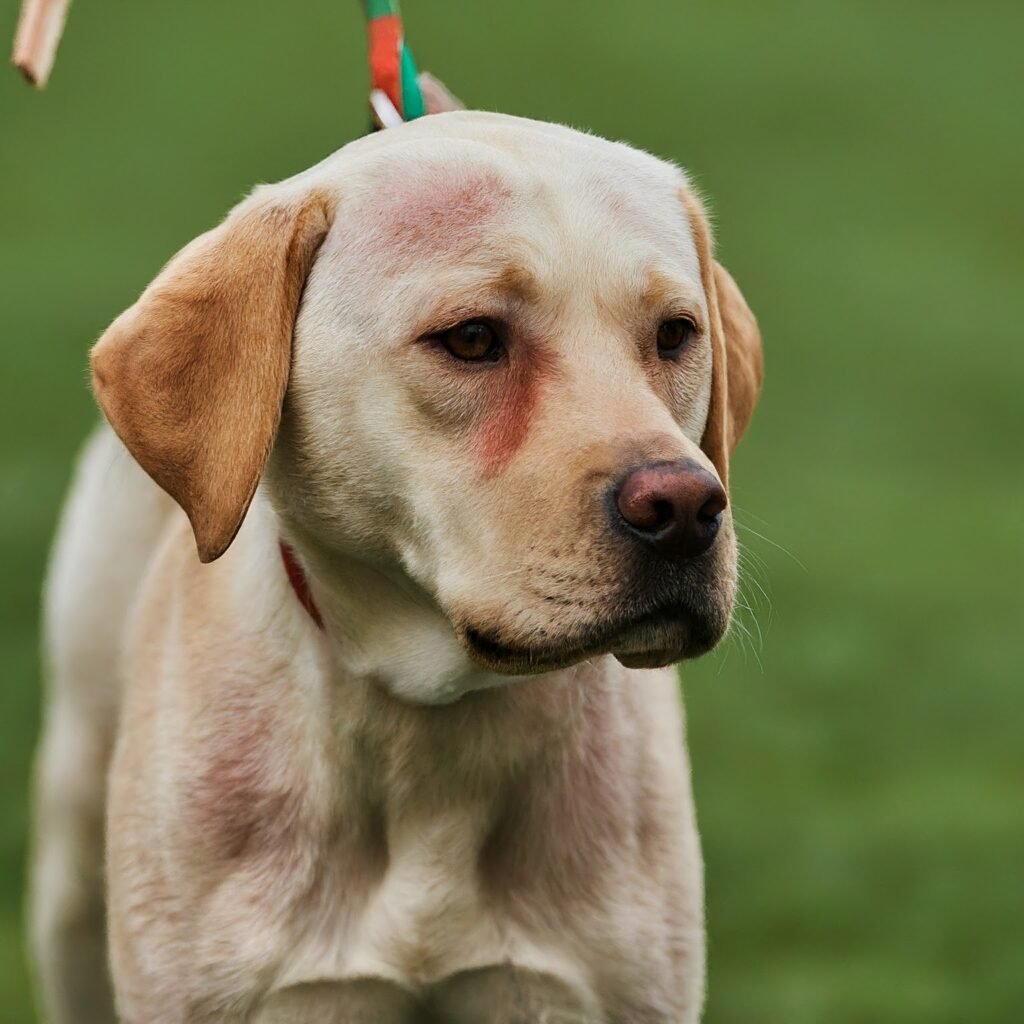
    dog itchy skin |
    Hydrogen Peroxide for Dogs’ Itchy Skin: A Comprehensive Guide 8

    Before exploring how hydrogen peroxide can help, it’s essential to understand the common causes of itchy skin in dogs:

    1. Allergies: Dogs can suffer from various allergies, including food, environmental (pollen, dust mites), and contact allergies (shampoos, fabrics).
    2. Parasites: Fleas, ticks, and mites can cause intense itching and discomfort.
    3. Infections: Bacterial and fungal infections can lead to itchy, inflamed skin.
    4. Dry Skin: Low humidity levels or underlying health conditions can result in dry, flaky skin.
    5. Hot Spots: Localized areas of inflamed and infected skin caused by scratching, licking, or biting.

    Benefits of Hydrogen Peroxide for Dogs’ Itchy Skin

    Hydrogen peroxide offers several benefits when it comes to treating dogs’ itchy skin:

    1. Antiseptic Properties: Hydrogen peroxide helps clean wounds and reduce the risk of infection by killing bacteria and fungi.
    2. Oxidizing Agent: It helps remove dead skin cells and debris, promoting healthier skin.
    3. Mild Astringent: It can help dry out moist, infected areas, reducing irritation and promoting healing.
    4. Cost-Effective: Hydrogen peroxide is an affordable and readily available solution for many pet owners.

    How to Use Hydrogen Peroxide for Dogs’ Itchy Skin

    While hydrogen peroxide can be beneficial, it’s crucial to use it correctly to avoid potential risks:

    1. Dilution: Using hydrogen peroxide directly on your dog’s skin can be harmful. Always dilute it with water. A common dilution ratio is one part hydrogen peroxide to three parts water.
    2. Spot Testing: Perform a patch test on a small area of your dog’s skin to ensure they don’t have an adverse reaction.
    3. Cleaning: Use hydrogen peroxide to clean minor wounds or hot spots by gently dabbing the affected area with a cotton ball soaked in the solution.
    4. Rinsing: After applying hydrogen peroxide, rinse the area thoroughly with clean water to remove any residue and prevent further irritation.
    5. Avoid Sensitive Areas: Do not apply hydrogen peroxide near your dog’s eyes, nose, mouth, or genitals.

    Is hydrogen peroxide safe for dogs with itchy skin?

    While hydrogen peroxide can be effective, there are potential risks and precautions to consider:

    1. Skin Irritation: Overuse or improper dilution can cause skin irritation or burns.
    2. Tissue Damage: Hydrogen peroxide can damage healthy tissue if used excessively or on large wounds.
    3. Ingestion Risks: Ingesting hydrogen peroxide can be harmful to dogs, causing vomiting or gastrointestinal issues. Ensure your dog doesn’t lick treated areas.
    4. Avoid Open Wounds: Do not apply hydrogen peroxide to open wounds as it can damage the tissue and delay healing.
    5. Veterinary Consultation: Always consult with a veterinarian before using hydrogen peroxide, especially for severe or persistent skin issues.

    Alternative Home Remedies for Itchy Skin

    Apart from hydrogen peroxide, several home remedies can help alleviate your dog’s itchy skin:

    1. Oatmeal Baths

    Oatmeal is renowned for its soothing properties. An oatmeal bath can help reduce itching and inflammation. Simply grind plain oatmeal into a fine powder and mix it with warm water to create a soothing bath for your dog.

    2. Coconut Oil

    Coconut oil can be applied directly to the skin to moisturize and provide relief from itching. It has antibacterial and antifungal properties, making it an excellent choice for treating skin irritations.

    3. Apple Cider Vinegar

    Apple cider vinegar, when diluted with water, can be used as a spray or a rinse to combat bacteria and fungi on your dog’s skin. The typical ratio is one part apple cider vinegar to two parts water.

    4. Aloe Vera

    Aloe vera is known for its healing properties. It can be applied directly to the skin to reduce redness and irritation. Ensure that you use pure aloe vera gel without any additives.

    Dietary Considerations

    Diet plays a crucial role in your dog’s skin health. Consider the following dietary adjustments:

    • Omega-3 Fatty Acids: Found in fish oil, these can help reduce inflammation and promote healthy skin.
    • Balanced Diet: Ensure your dog is getting a balanced diet with all essential nutrients.
    • Hypoallergenic Foods: If allergies are suspected, switch to hypoallergenic dog food to identify potential allergens.

    When to Seek Professional Help

    While home remedies and over-the-counter treatments can be effective, there are times when professional help is necessary:

    • Persistent Itching: If the itching does not subside or worsens.
    • Open Sores or Wounds: Presence of open sores, wounds, or bleeding.
    • Behavioral Changes: If your dog shows signs of distress or behavioral changes due to itching.
    • Secondary Infections: If you notice signs of secondary infections like pus, foul odor, or excessive redness.

    Preventative Measures

    Preventing itchy skin in dogs is better than treating it. Here are some preventative measures to consider:

    • Regular Grooming: Keep your dog clean and groomed to prevent parasites and skin issues.
    • Flea and Tick Control: Use appropriate flea and tick control measures.
    • Healthy Diet: Provide a balanced diet rich in essential nutrients.
    • Regular Vet Check-ups: Regular visits to the vet to catch any potential issues early.

    Also Read: Anise for Dogs (Dognip): A Comprehensive Guide

    Also Read: Spayed Female Dog Itchy Nipples: A Comprehensive Guide.

    Conclusion

    Hydrogen peroxide can be a useful tool in managing your dog’s itchy skin when used correctly.

    However, it is essential to identify the underlying cause of the itching and consult with a veterinarian before starting any treatment.

    Combining home remedies, dietary adjustments, and preventative measures can help keep your dog’s skin healthy and itch-free.

    Remember, your dog’s comfort and well-being are paramount, and with the right approach, you can ensure they live a happy, itch-free life.

  • Spayed Female Dog Itchy Nipples: A Comprehensive Guide.

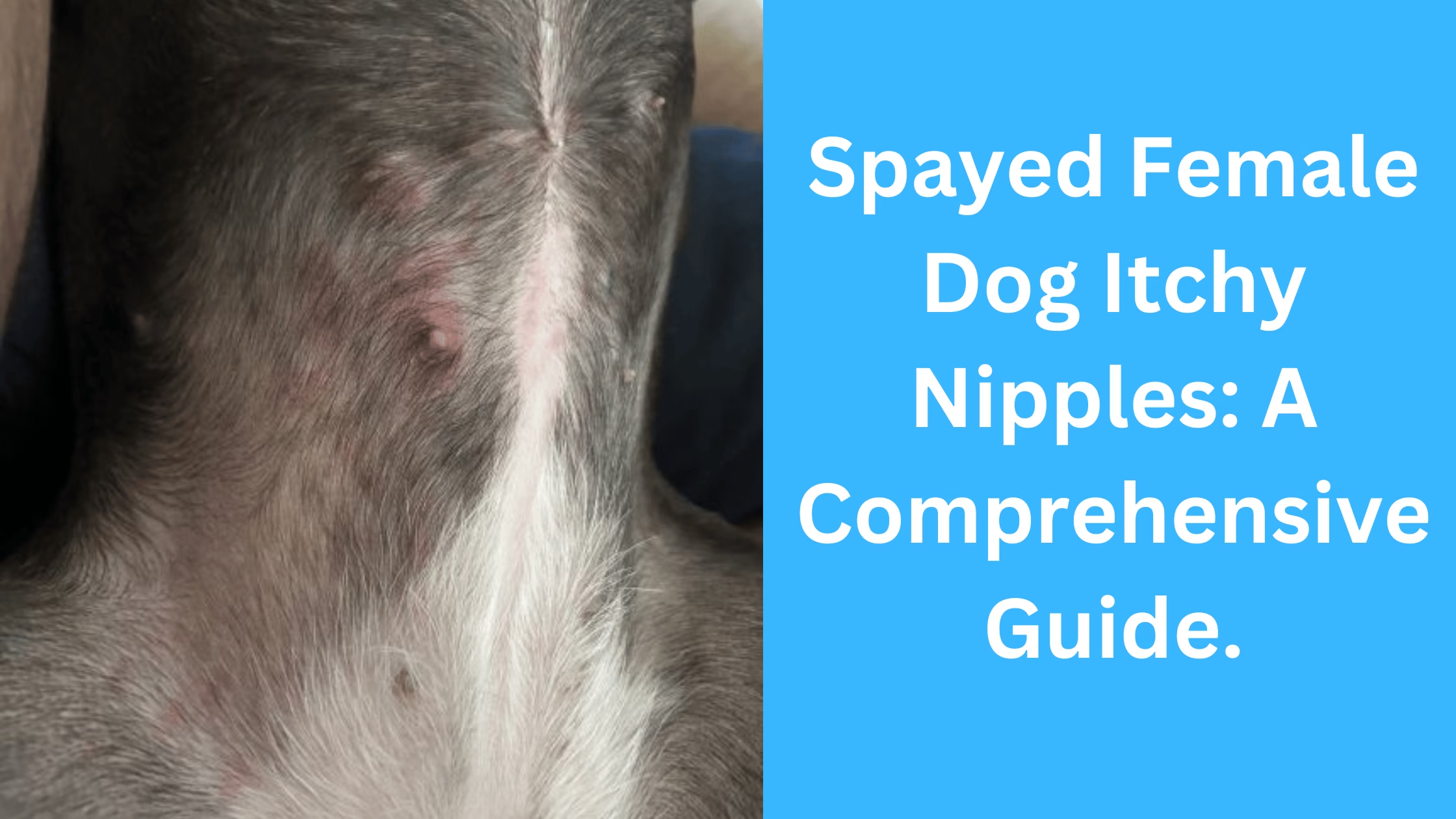
    Spayed Female Dog Itchy Nipples: A Comprehensive Guide.

    Spayed Female Dog Itchy Nipples: Spaying is a common and responsible procedure for pet owners that involves the removal of a female dog’s ovaries and uterus.

    While it brings many health and behavioral benefits, some spayed dogs may experience certain issues post-surgery.

    One such concern is itchy nipples. This article explores the potential causes, symptoms, and solutions for itchy nipples in spayed female dogs.

    Spayed Female Dog Itchy Nipples: Understanding the Issue

    Causes of Itchy Nipples in Spayed Female Dogs

    1. Hormonal Imbalances

    • Estrogen and Progesterone Levels: After spaying, the abrupt cessation of estrogen and progesterone production can lead to skin changes. Hormonal imbalances might make the skin around the nipples more sensitive and prone to itching.
    • Thyroid Issues: Hypothyroidism is a condition where the thyroid gland does not produce enough hormones, which can affect the skin and coat, leading to dryness and itching.

    2. Allergies

    • Food Allergies: Certain ingredients in a dog’s diet, such as wheat, dairy, or specific proteins, can cause allergic reactions, including itchy skin around the nipples.
    • Environmental Allergies: Pollen, dust mites, and mold are common allergens that can lead to skin irritation and itching in dogs.

    3. Skin Infections

    • Bacterial Infections: Skin folds around the nipples can harbor bacteria, especially in breeds with more skin folds. This can lead to infections and itchiness.
    • Fungal Infections: Yeast infections can cause severe itching and discomfort, often appearing in warm, moist areas such as around the nipples.

    4. Parasites

    • Fleas and Ticks: These external parasites can cause intense itching. Fleas are particularly problematic because their bites can lead to flea allergy dermatitis, which exacerbates itching.
    • Mites: Mange, caused by mites, can lead to severe itching and inflammation around the nipples.

    5. Dermatitis

    • Contact Dermatitis: Direct contact with certain materials, such as bedding, shampoos, or cleaning agents, can cause allergic reactions, leading to itchy nipples.
    • Atopic Dermatitis: This is a chronic condition that can cause itching and inflammation in various parts of the body, including the nipples.

      Symptoms of Itchy Nipples in Spayed Female Dogs

      1. Visible Redness and Swelling

      Inflammation and redness around the nipples are common signs of irritation. Swelling might also occur if the dog has been scratching or licking the area excessively.

      2. Excessive Licking and Scratching

      Dogs often lick or scratch itchy areas to try to alleviate the discomfort. If you notice your dog focusing on her nipples more than usual, it could indicate an issue.

      3. Hair Loss

      Persistent itching can lead to hair loss around the nipples. This can also be a sign of underlying conditions such as infections or parasites.

      4. Scabs and Crusts

      If the itching is severe, it might lead to the formation of scabs and crusts due to continuous scratching and licking.

      5. Behavioral Changes

      Discomfort from itchy nipples can cause changes in behavior, such as irritability, restlessness, or decreased interest in usual activities.

        Diagnosis and When to See a Vet

        1. Veterinary Examination

        A thorough examination by a veterinarian is crucial to determine the cause of the itching. This includes checking the dog’s overall health, skin condition, and possibly conducting blood tests or skin scrapings.

        2. Allergy Testing

        If allergies are suspected, your vet might recommend allergy testing to identify specific triggers. This can include blood tests or intradermal skin tests.

        3. Skin Biopsies and Cultures

        For persistent or severe cases, a vet may take skin biopsies or cultures to diagnose infections or other underlying conditions accurately.

          Treatment Options for Itchy Nipples

          1. Topical Treatments

          • Medicated Shampoos and Creams: These can help alleviate itching and treat infections. Ingredients like hydrocortisone and antifungal agents are often effective.
          • Antihistamines and Steroids: These medications can reduce inflammation and itching. However, they should only be used under veterinary guidance.

          2. Dietary Changes

          • Hypoallergenic Diets: If food allergies are suspected, switching to a hypoallergenic diet can help. This involves eliminating common allergens and introducing novel proteins.
          • Supplements: Omega-3 fatty acids and other supplements can improve skin health and reduce itching.

          3. Flea and Tick Control

          • Regular Treatment: Use vet-recommended flea and tick preventatives regularly to keep these parasites at bay.
          • Environmental Control: Ensure your dog’s living environment is clean and free from fleas and ticks. Regular cleaning and vacuuming can help.

          4. Hormone Therapy

          • Thyroid Supplements: If hypothyroidism is diagnosed, hormone replacement therapy can be effective.
          • Hormonal Treatments: In some cases, hormone therapy may be necessary to balance hormone levels and reduce itching.

          5. Addressing Dermatitis

          • Avoiding Irritants: Identify and remove any potential irritants from your dog’s environment.
          • Moisturizing Agents: Use hypoallergenic moisturizing agents to keep the skin hydrated and reduce itchiness.

            Home Care and Preventive Measures

            1. Regular Grooming

            Regular grooming helps keep your dog’s skin and coat healthy. It also allows you to check for signs of parasites or skin issues early.

            2. Proper Nutrition

            A balanced diet with essential nutrients supports overall health and can prevent skin issues. Consult your vet for dietary recommendations tailored to your dog’s needs.

            3. Hygiene and Cleanliness

            Keep your dog’s living area clean. Regularly wash bedding, toys, and other items your dog frequently uses.

            4. Observation and Monitoring

            Keep an eye on your dog’s behavior and skin condition. Early detection of changes can help in addressing issues before they become severe.

            5. Stress Management

            Stress can exacerbate skin conditions. Ensure your dog has a stress-free environment with plenty of physical and mental stimulation.

            Also Read: NexGard Plus for Dogs: Complete Dog Parasite Protection

            Also Read: Anise for Dogs (Dognip): A Comprehensive Guide

              Conclusion

              Itchy nipples in spayed female dogs can stem from various causes, including hormonal imbalances, allergies, infections, parasites, and dermatitis.

              Understanding the symptoms and seeking timely veterinary care are crucial steps in addressing the issue.

              With appropriate treatment and preventive measures, you can help ensure your dog remains comfortable and healthy.

              If you notice any signs of discomfort in your dog, consult your veterinarian to determine the underlying cause and the best course of action.

            1. Anise for Dogs (Dognip): A Comprehensive Guide

              Anise for Dogs (Dognip): A Comprehensive Guide

              In this comprehensive guide, we will explore the uses, benefits, risks, and proper administration of anise for dogs. This article aims to provide dog owners with a thorough understanding of this unique spice and how it can be safely incorporated into their pets’ lives.

              What is Anise?

              Anise, a spice commonly used in cooking and baking, is derived from the seeds of the Pimpinella anisum plant belonging to the Apiaceae family.

              It is native to the eastern Mediterranean region and Southwest Asia.

              The plant produces small, brown seeds that are harvested and used as a spice.

              These seeds are known for their distinctive flavor, which resembles that of licorice, fennel, and star anise.

              Anise is rich in essential oils, with anethole being the primary component responsible for its characteristic taste and aroma.

              Nutritional Composition of Anise

              Anise seeds are packed with nutrients and bioactive compounds, making them a valuable addition to a dog’s diet when used appropriately. Key components include:

              • Anethole: The main active compound, known for its flavor and potential health benefits.
              • Fiber: Aids in digestion and promotes a healthy gastrointestinal tract.
              • Vitamins: Includes B vitamins, vitamin C, and vitamin A, which support various bodily functions.
              • Minerals: Contains calcium, iron, magnesium, potassium, and zinc, essential for overall health.

              How Does Anise for Dogs Work?

              dog 2
              Anise for Dogs (Dognip): A Comprehensive Guide 13

              The Science Behind Anise’s Effects on Dogs

              Anise’s impact on dogs primarily stems from its active compound, anethole. This compound is responsible for the spice’s distinctive flavor and aroma, and it interacts with the dog’s olfactory system and gastrointestinal tract in various beneficial ways.

              1. Olfactory Stimulation

                Dogs have an incredibly keen sense of smell, far superior to that of humans.

                When dogs are exposed to the scent of anise, the anethole molecules stimulate their olfactory receptors.

                This stimulation can trigger a range of behaviors, from heightened excitement and playfulness to focused attention.

                Some dogs may react to anise similarly to how cats react to catnip, showing increased activity and engagement.

                2. Behavioral Benefits

                  The excitement and stimulation provided by anise can be particularly useful for behavioral enrichment.

                  Dogs that are bored, anxious, or prone to destructive behavior can benefit from the stimulating effects of anise.

                  It can encourage play and exercise, helping to alleviate boredom and reduce stress.

                  For working dogs, such as search and rescue dogs, anise can be used as a motivational tool during training sessions.

                  3. Digestive Health

                    Anise has carminative properties, meaning it helps to reduce gas and bloating in the digestive system.

                    The anethole in anise stimulates the digestive tract, promoting the secretion of digestive enzymes and bile.

                    This can aid in the digestion of food, improve appetite, and alleviate discomfort associated with indigestion.

                    Additionally, the fiber content in anise seeds supports overall gastrointestinal health by promoting regular bowel movements.

                    4. Antimicrobial and Anti-inflammatory Properties

                      Anise contains natural antimicrobial agents that can help maintain oral hygiene and prevent infections.

                      The essential oils in anise, particularly anethole, have been shown to exhibit antibacterial and antifungal properties.

                      This can be beneficial for preventing oral health issues and supporting the immune system.

                      Furthermore, anise’s anti-inflammatory properties can provide relief for dogs with conditions such as arthritis or inflammatory bowel disease.

                      The compounds in anise reduce inflammation and soothe irritated tissues, contributing to overall well-being.

                      5. Calming Effects

                        While anise is generally known for its stimulating effects, it can also have a calming influence on some dogs.

                        The spice can help reduce anxiety and promote relaxation in stressful situations, such as during thunderstorms or fireworks displays.

                        The dual action of stimulation and calmness makes anise a versatile tool for managing various behavioral and health-related issues.

                        How to Use Anise for Dogs

                        Anise Seeds

                        Anise seeds can be ground into a powder and sprinkled onto your dog’s food. It’s important to use them in moderation, as excessive amounts can cause adverse effects.

                        A pinch of ground anise seed mixed into the food once or twice a week is usually sufficient.

                        Anise Extract

                        Anise extract, a concentrated form of the spice, can be used to make dog treats or added to water.

                        Ensure the extract is free from alcohol, as alcohol can be harmful to dogs. A few drops of anise extract can be added to homemade dog treats or water bowls.

                        Anise Essential Oil

                        While anise essential oil is potent and should be used with caution, it can be used in very small amounts.

                        Always dilute the oil with a carrier oil before use and avoid direct ingestion. Anise essential oil can be used in homemade shampoos or diluted and applied to bedding to stimulate interest.

                        Safety and Precautions

                        While anise can offer several benefits to dogs, it’s crucial to use it responsibly. Here are some safety tips:

                        • Moderation is Key: Overuse of anise can lead to adverse effects such as vomiting, diarrhea, and nervous system issues.
                        • Consult a Veterinarian: Before introducing anise to your dog’s diet, consult your veterinarian, especially if your dog has existing health conditions or is on medication.
                        • Watch for Allergic Reactions: Monitor your dog for any signs of allergic reactions, such as itching, swelling, or gastrointestinal upset. If any adverse reactions occur, discontinue use immediately and seek veterinary advice.

                        Practical Applications and Recipes Of Anise for Dogs

                        Anise Seed |
                        Anise Seed

                        Anise-Infused Dog Treats

                        Making homemade dog treats with anise is a great way to incorporate the spice into your dog’s diet. Here’s a simple recipe to get you started:

                        Anise Dog Biscuits

                        Ingredients:

                        • 2 cups whole wheat flour
                        • 1/2 cup rolled oats
                        • 1/4 cup ground anise seeds
                        • 1/2 cup unsweetened applesauce
                        • 1/4 cup peanut butter (ensure it does not contain xylitol)
                        • 1/2 cup water

                        Instructions:

                        1. Preheat your oven to 350°F (175°C).
                        2. In a large bowl, combine the whole wheat flour, rolled oats, and ground anise seeds.
                        3. Add the applesauce, peanut butter, and water. Mix until a dough forms.
                        4. Roll out the dough on a floured surface to about 1/4 inch thickness.
                        5. Use cookie cutters to cut out shapes and place them on a baking sheet lined with parchment paper.
                        6. Bake for 20-25 minutes or until golden brown.
                        7. Allow the biscuits to cool completely before serving them to your dog.

                        Anise-Infused Water

                        If your dog enjoys the flavor of anise, you can make anise-infused water as a refreshing treat.

                        Anise-Infused Water Recipe

                        Ingredients:

                        • 1 quart of water
                        • 1 teaspoon anise seeds

                        Instructions:

                        1. Boil the water and add the anise seeds.
                        2. Let it steep for about 20 minutes.
                        3. Strain the water to remove the seeds.
                        4. Allow the infused water to cool completely.
                        5. Serve a small amount to your dog, ensuring it does not exceed their regular water intake.

                        Anise in Dog Toys

                        Anise can also be used to make toys more appealing to dogs. You can create an anise-scented toy by sprinkling a small amount of ground anise or anise extract onto a cloth toy or a piece of fabric. Ensure the toy is safe and non-toxic.

                        DIY Anise-Scented Toy

                        Materials:

                        • A durable cloth toy or a piece of fabric
                        • 1 teaspoon ground anise or a few drops of anise extract

                        Instructions:

                        1. Sprinkle the ground anise or anise extract onto the toy.
                        2. Rub the spice or extract into the fabric to distribute the scent evenly.
                        3. Allow the toy to dry completely if you used an extract.
                        4. Give the toy to your dog and supervise their playtime.

                        Also Read: NexGard Plus for Dogs: Complete Dog Parasite Protection

                        Also Read: Why is my dog shaking and not eating? You’re Not Alone

                        Conclusion

                        Anise can be a beneficial and enjoyable addition to your dog’s life when used appropriately.

                        Its potential benefits for behavior, digestion, and overall health make it a versatile spice for canine use.

                        However, it’s essential to use anise in moderation and consult with your veterinarian before introducing it to your dog’s diet or routine.

                        By understanding the proper uses and precautions, you can safely incorporate anise into your dog’s care regimen, enhancing their well-being and adding a new dimension to their daily experiences.


                        Sources:

                        Britannica

                      1. Why is my dog shaking and not eating? You’re Not Alone

                        Why is my dog shaking and not eating? You’re Not Alone

                        Seeing your furry friend shivering and refusing food can be a terrifying experience. Why is my dog shaking and not eating? This question plagues countless pet parents every year. The good news is, there are many reasons why this might be happening, and some are less concerning than others.

                        This guide will help you understand the potential causes of shaking and loss of appetite in dogs, when to seek veterinary attention, and how to monitor your pup at home.

                        Why Is My Dog Shaking and Not Eating?

                        A dog with a worried expression next to a bowl with a spoonful of honey.
                        A dog with a worried expression next to a bowl with a spoonful of honey.

                        There’s a range of reasons why your dog might be experiencing tremors and refusing food. Let’s explore some of the most common causes:

                        Less Concerning:

                        • Cold Weather: If your dog has been outside in chilly temperatures, shivering is a natural response to stay warm.
                        • Excitement or Nervousness: Some dogs tremble due to excitement during playtime or nervousness in new situations.
                        • Seeking Attention: Clever pups might shake for a reaction, hoping for a treat or some extra petting.

                        More Serious:

                        • Pain or Discomfort: Shaking can be a sign of pain caused by injuries, illness, or dental problems.
                        • Upset Stomach: Nausea or digestive issues can lead to loss of appetite and tremors.
                        • Toxin Ingestion: If your dog has ingested something poisonous, it could cause tremors and loss of appetite.
                        • Infections: Bacterial, viral, or parasitic infections can make your dog feel unwell and lead to shaking and loss of appetite.
                        • Underlying Medical Conditions: Conditions like kidney disease, liver disease, or neurological disorders can manifest as tremors and loss of appetite.
                        • Low Blood Sugar (Hypoglycemia): This can happen in puppies, small dogs, or dogs with certain medical conditions. Signs include shaking, weakness, confusion, and sometimes seizures.

                        Other possible causes:

                        • Age-related issues: Shaking and loss of appetite can sometimes be seen in senior dogs. Consult your vet to rule out other causes.
                        • Travel sickness: Motion sickness can cause nausea and tremors in some dogs. Talk to your vet if travel anxiety is a concern.
                        • Dietary issues: Food allergies or sensitivities can lead to digestive upset and tremors. Consult your vet about potential food allergies.
                        • Parasites: Heavy parasite loads can make dogs feel unwell and cause loss of appetite or tremors. Regular deworming is essential.

                        When to See a Vet Immediately

                        If your dog is exhibiting any of these following signs alongside shaking and not eating, rush them to the vet immediately:

                        • Vomiting, diarrhea, or excessive lethargy
                        • Difficulty breathing or pale gums
                        • Persistent shaking or tremors lasting for several hours
                        • Abnormal behavior like confusion or disorientation

                        Remember, when in doubt, always consult a veterinarian. They can diagnose the underlying cause and recommend the best course of treatment for your dog.

                        Calming Tips While Monitoring Your Dog

                        While waiting for your vet appointment, you can monitor your dog’s condition at home. Here are some tips:

                        • Observe their behavior: Watch for changes in activity level, posture, or vocalizations.
                        • Check for additional symptoms: Look for signs of vomiting, diarrhea, or unusual discharge.
                        • Monitor water intake: Dehydration can worsen the situation. Make sure your dog has access to fresh water.

                        Preventative Measures You Can Take

                        Here are some ways to help prevent shaking and loss of appetite in your dog:

                        • Maintain a healthy diet and regular exercise: A balanced diet and proper exercise keep your dog healthy and happy.
                        • Keep toxic substances out of reach: Secure medications, household chemicals, and plants that could be poisonous to dogs.
                        • Provide a safe and comfortable environment: Minimize stress factors in your dog’s environment.

                        Call to Action and Positive Outlook

                        Early intervention is key! By seeking veterinary guidance and addressing the underlying cause promptly, your dog has a good chance of making a full recovery.

                        Also Read: Can Dogs Eat Celery Sticks Raw? A Comprehensive Guide

                        Also Read: Can Dogs Eat Lanzones Without Seeds? – Best Guide

                        Conclusion

                        Understanding why your dog is shaking and not eating is crucial for their well-being.

                        Remember, while some causes are less concerning, others require immediate veterinary attention.

                        By monitoring your dog, taking preventative measures, and seeking professional help when necessary, you can ensure your furry friend gets the care they need to stay healthy and happy.


                        Sources:

                        Dr. buzby’s Toegrips

                        Hill’s Pet Nutrition

                        WebMd

                      2. Are Crape Myrtles Poisonous to Dogs?

                        Are Crape Myrtles Poisonous to Dogs?

                        Are Crape Myrtles Poisonous to Dogs? – Crape myrtles (Lagerstroemia indica) are a beloved choice for many gardeners due to their vibrant blooms and low maintenance.

                        However, for dog owners, it’s essential to know whether these beautiful plants pose any risk to their pets.

                        In this article, we will explore the safety of crape myrtles around dogs, providing comprehensive information to help you make informed decisions for your garden.

                        Understanding Crape Myrtles

                        Crape myrtles are deciduous trees or shrubs that are known for their long-lasting, colorful flowers, which can range from pink and red to white and purple.

                        They are hardy plants that can thrive in various climates, making them a popular addition to many landscapes.

                        Are Crape Myrtles Poisonous to Dogs?

                        The Answer: No, Crape Myrtles Are Not Poisonous to Dogs

                        One of the most common concerns for dog owners is whether crape myrtles are poisonous to dogs.

                        The good news is that crape myrtles are not toxic to dogs.

                        This means that if your dog happens to chew on the leaves, flowers, or bark of a crape myrtle, they are unlikely to suffer from any severe health issues.

                        Why Some Plants Are Toxic to Dogs

                        While crape myrtles are safe, it’s essential to understand why some plants can be harmful.

                        Toxic plants contain various compounds that can affect a dog’s digestive, nervous, or cardiovascular systems.

                        Symptoms of plant toxicity in dogs can include vomiting, diarrhea, drooling, lethargy, and in severe cases, seizures or heart problems.

                        Potential Mild Reactions to Crape Myrtles

                        Even though crape myrtles are not poisonous to dogs, ingesting any plant material can sometimes cause mild gastrointestinal upset.

                        Symptoms such as mild vomiting or diarrhea may occur if a dog consumes a large amount of any plant.

                        These symptoms are typically short-lived and resolve without medical intervention.

                        Creating a Pet-Safe Garden

                        To ensure your garden is a safe and enjoyable space for your dog, consider the following tips:

                        1. Research Plants: Always verify whether a plant is toxic to dogs before adding it to your garden.
                        2. Designate Safe Zones: Create areas in your garden where your dog can roam freely without access to potentially harmful plants.
                        3. Training: Teach your dog to avoid eating plants using positive reinforcement techniques.
                        4. Regular Vet Visits: Keep up with regular veterinary check-ups to monitor your dog’s health and address any concerns.

                        Other Non-Toxic Plants for Dog-Friendly Gardens

                        In addition to crape myrtles, there are many other beautiful, non-toxic plants you can consider for your garden:

                        • Marigolds: Bright and cheerful, these flowers are safe for dogs.
                        • Roses: These classic flowers are non-toxic (watch out for thorns).
                        • Sunflowers: Tall and striking, sunflowers are safe for pets.
                        • Snapdragons: Colorful and pet-friendly.

                        Seasonal Care for Crape Myrtles

                        Understanding how to care for crape myrtles throughout the year can help you maintain a beautiful, safe garden for your dog:

                        Spring:

                        • Pruning: Prune in late winter or early spring to encourage healthy blooms.
                        • Fertilizing: Use a balanced, pet-safe fertilizer.

                        Summer:

                        • Watering: Ensure consistent watering, especially during dry spells.
                        • Pest Control: Use pet-friendly pest control methods to manage aphids and other pests.

                        Autumn:

                        • Leaf Management: Regularly rake and dispose of fallen leaves.
                        • Preparation for Dormancy: Reduce watering as the plant prepares for winter.

                        Winter:

                        • Protection: In colder climates, mulch around the base to protect roots.

                        What to Do if Your Dog Eats Plant Material

                        Even with precautions, dogs can sometimes ingest plants. If your dog eats part of a crape myrtle or any other plant, observe them for any signs of distress:

                        1. Identify the Plant: Make sure you know which plant your dog has ingested.
                        2. Remove Access: Prevent further ingestion by moving your dog away from the area.
                        3. Offer Water: Provide fresh water to help flush out the ingested material.
                        4. Monitor Symptoms: Watch for vomiting, diarrhea, or other symptoms.
                        5. Consult a Vet: If symptoms persist or worsen, contact your veterinarian.

                        Also Read: Home Remedies for Dog Cellulitis: Natural Solutions

                        Also Read: Can Dogs Eat Truffle Oil? A Comprehensive Guide.

                        Conclusion

                        Crape myrtles are a safe and beautiful addition to any garden, even for households with dogs.

                        By understanding the non-toxic nature of crape myrtles and following best practices for a pet-safe garden, you can enjoy a stunning landscape without worrying about your dog’s health.

                        Always be vigilant about the plants in your environment and proactive in training and monitoring your pets.

                        With careful planning, both you and your furry friends can enjoy the beauty and serenity of your garden safely.


                        Sources:

                        Plantaddicts